
Dining Room Window Drapes
Dining Room Window Drapes
-

 Mabel Natural Velvet Swirl Window Curtain Panel$99
A warm neutral velvet curtain with a tonal swirl pattern, offering room-darkening privacy and versatile hanging options.
Add To Cart -

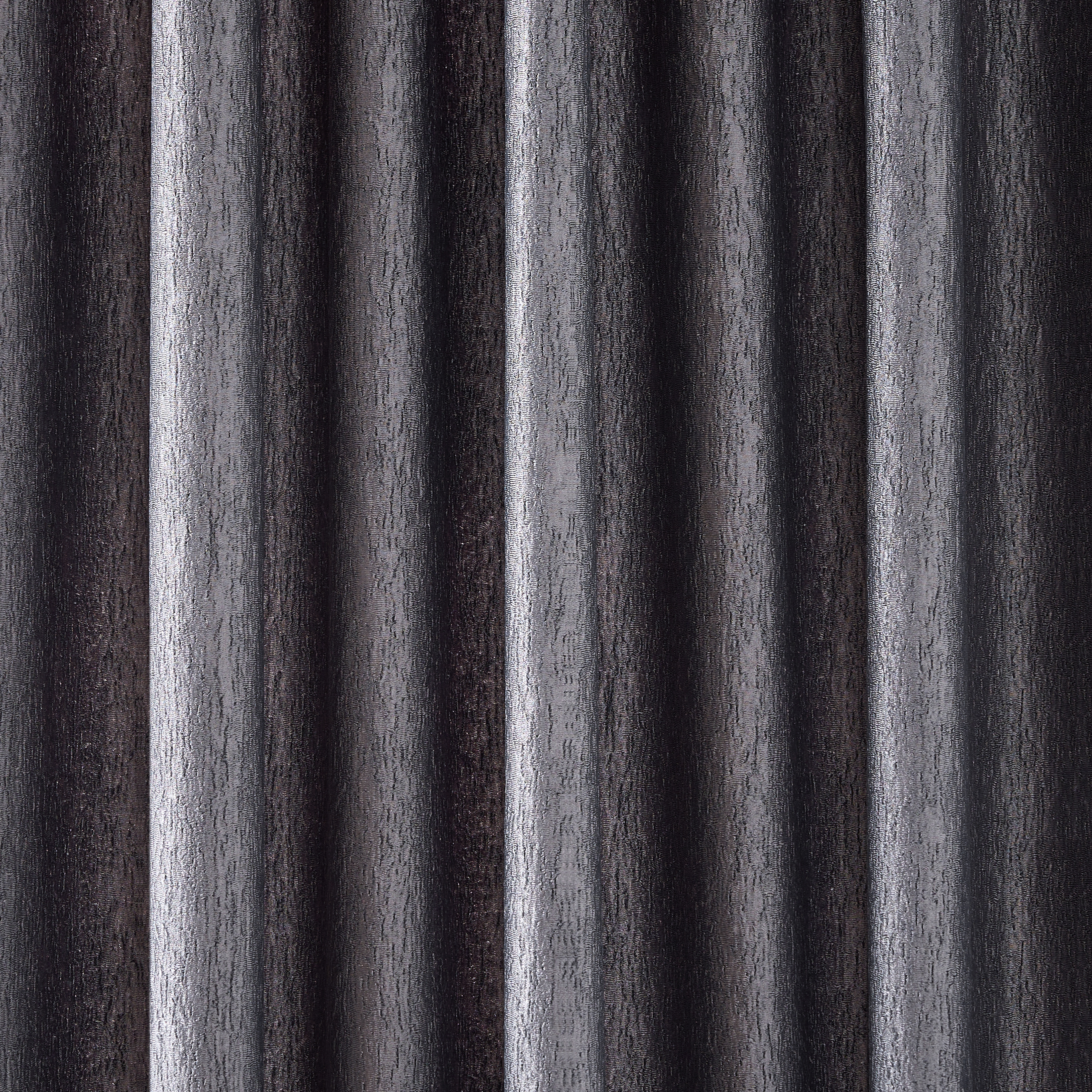 Anson Charcoal Textured Window Curtain Panel$89
A moody charcoal curtain with crushed polyester texture and subtle sheen for stylish, room-darkening appeal.
Add To Cart -
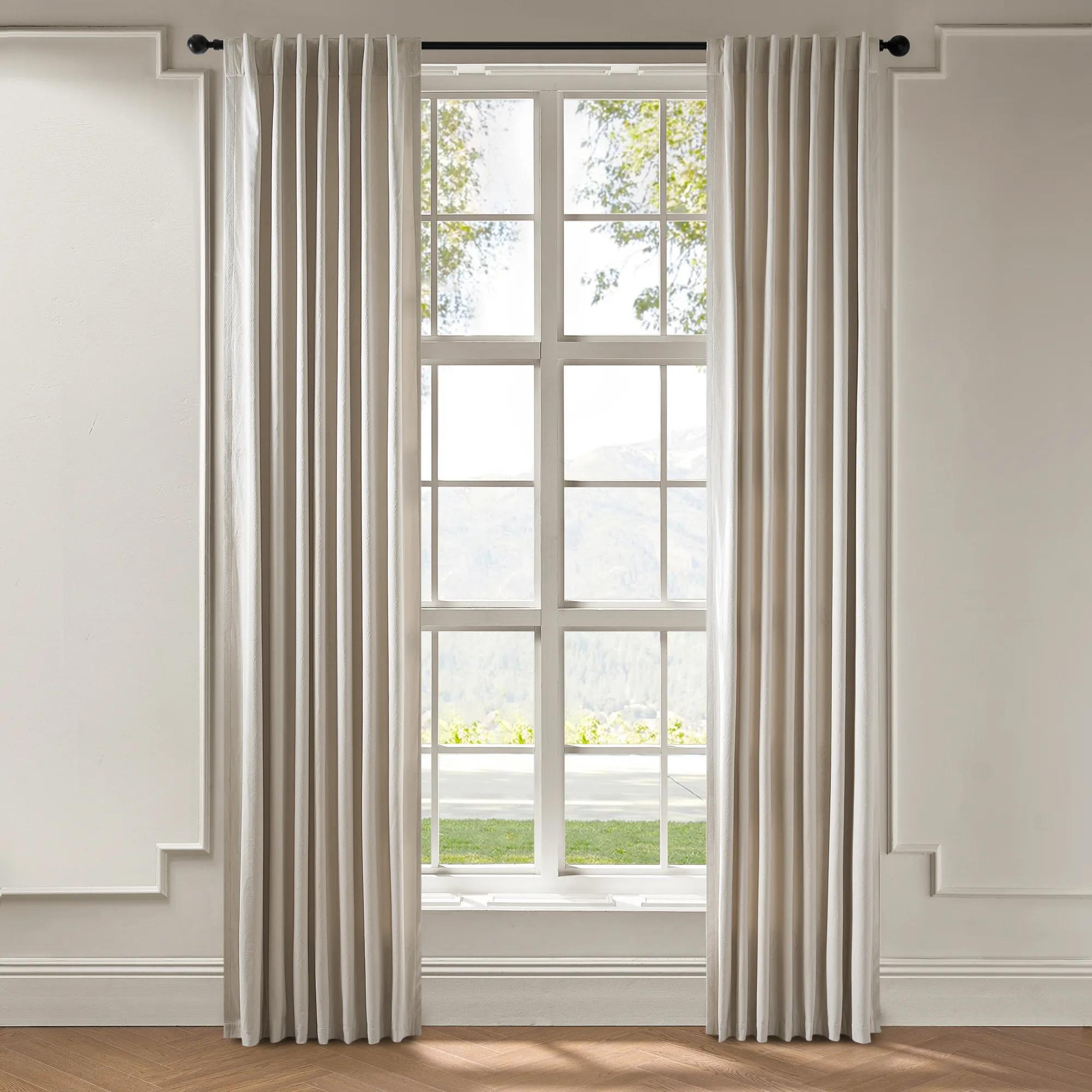
 Mabel White Velvet Swirl Window Curtain Panel$109
A crisp white velvet curtain featuring a tonal swirl texture and versatile dual hanging options.
Add To Cart -

 Adair Sand Solid Velvet Window Curtain Panel$79
A room-darkening sand velvet curtain with dual hanging options for a soft, tailored finish.
Add To Cart -
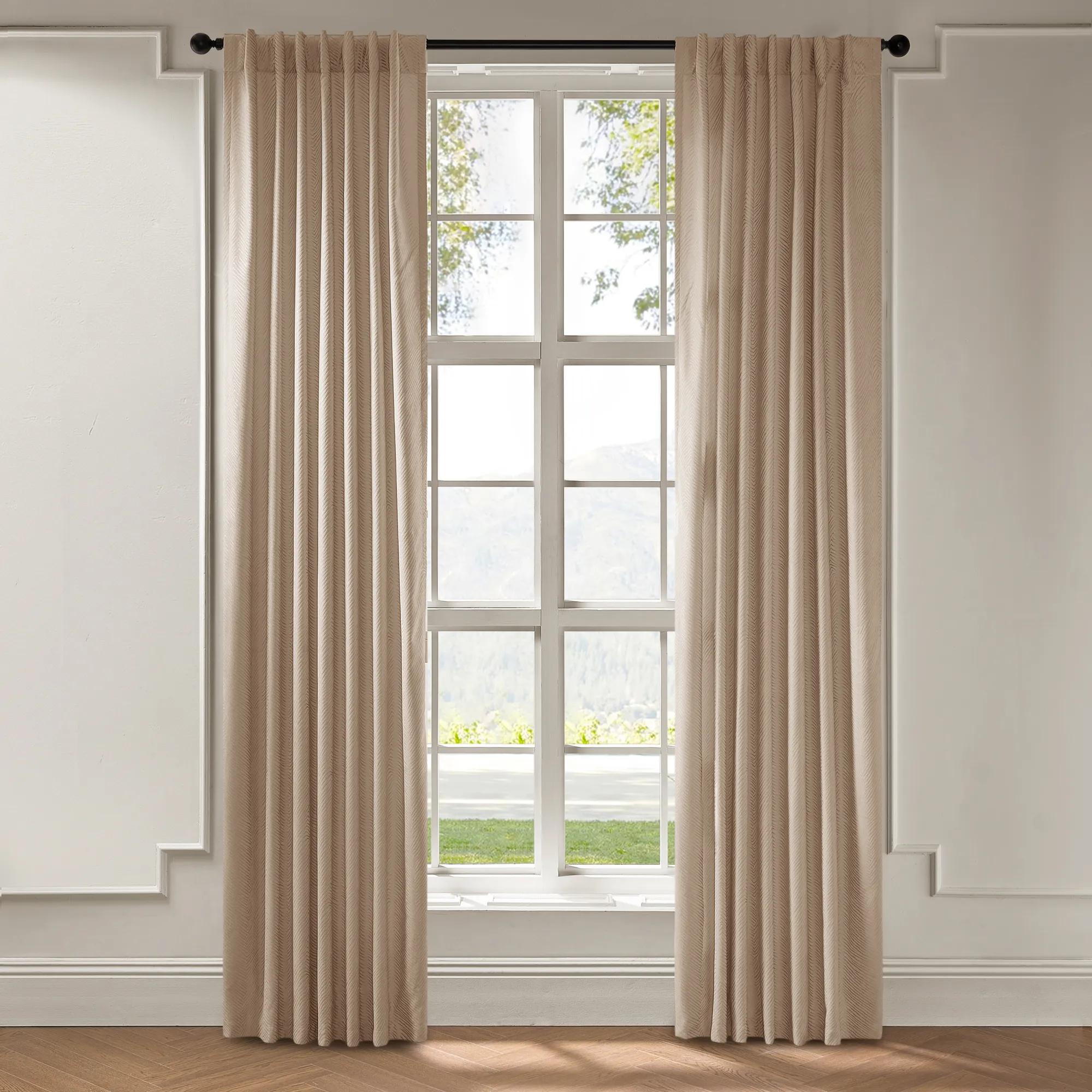 Kenzo Jacquard Beige Chenille Window Curtain Panel$129
A warm beige chenille jacquard curtain with a subtle sheen and versatile rod pocket or back tab hanging.
Add To Cart -

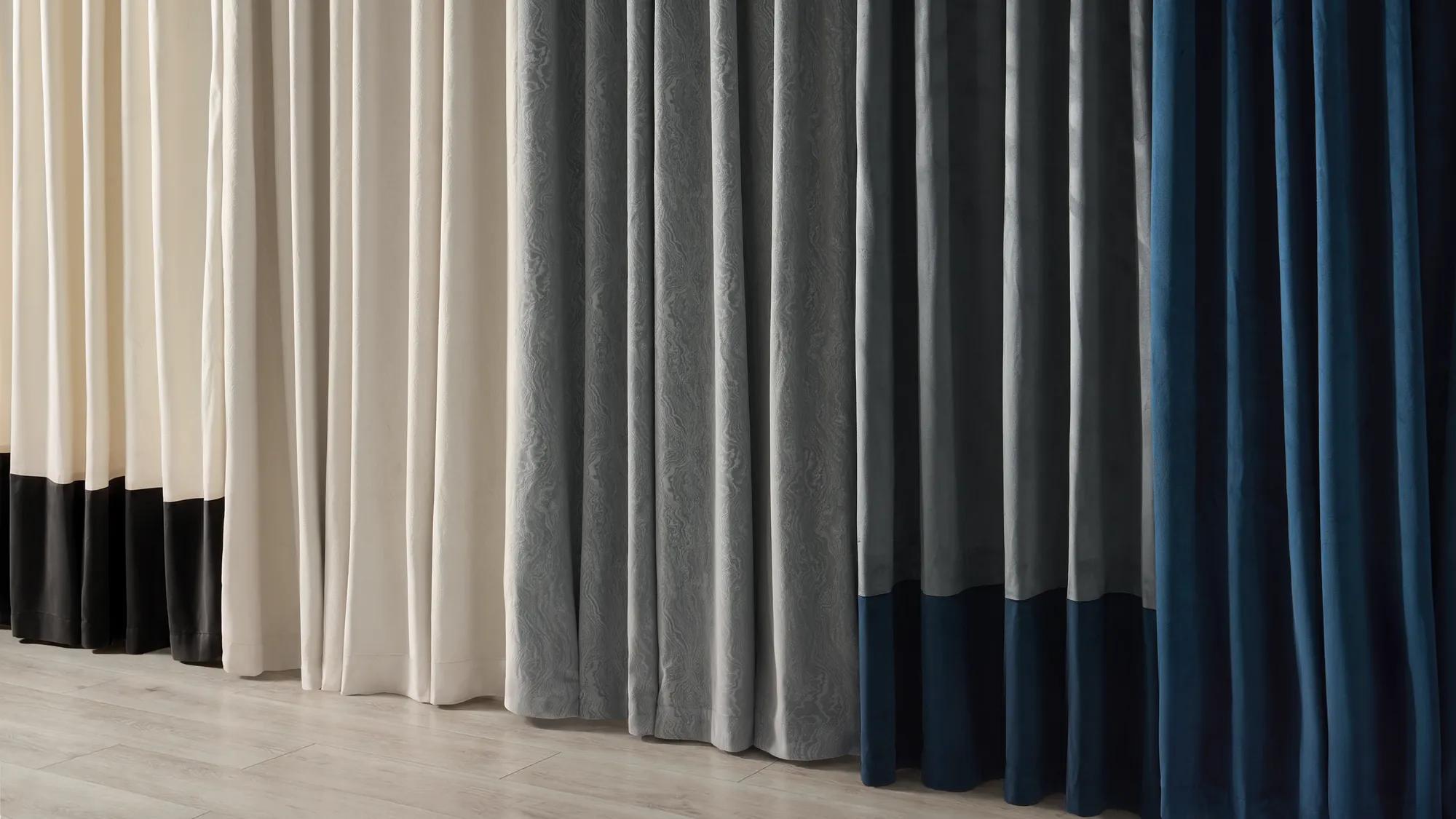 Mabel Velvet Swirl Curtain - Grey Blue$99
A grey blue velvet curtain featuring a tonal swirl pattern and versatile dual hanging options.
Add To Cart -
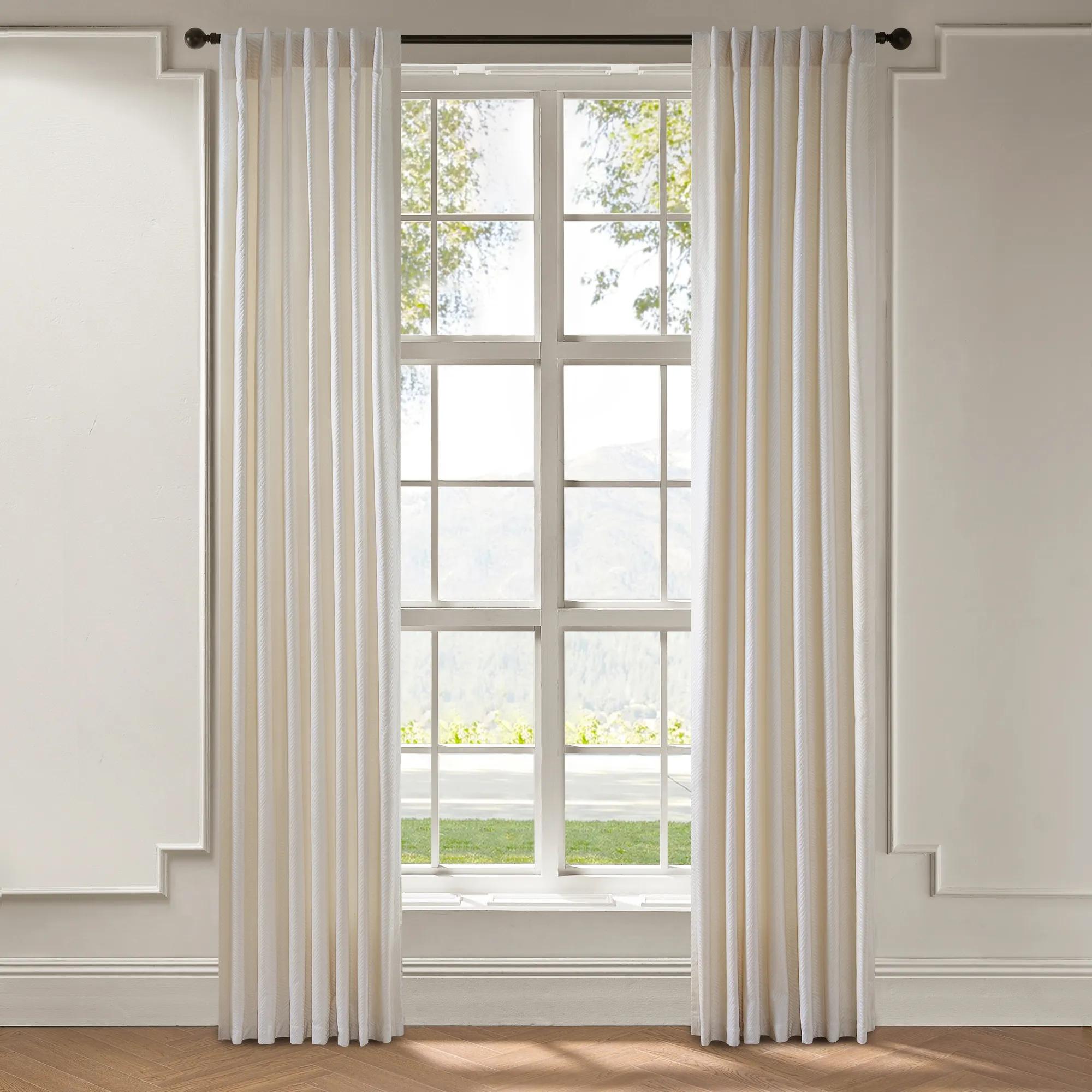
 Kenzo Chenille Curtain - White$139
A luxe white chenille jacquard curtain featuring a subtle high-contrast pattern and versatile dual construction.
Add To Cart -

 Adair Midnight Blue Solid Velvet Window Curtain Panel$69
A sumptuous midnight blue velvet curtain that adds elegance, depth, and room-darkening style to any space.
Add To Cart -
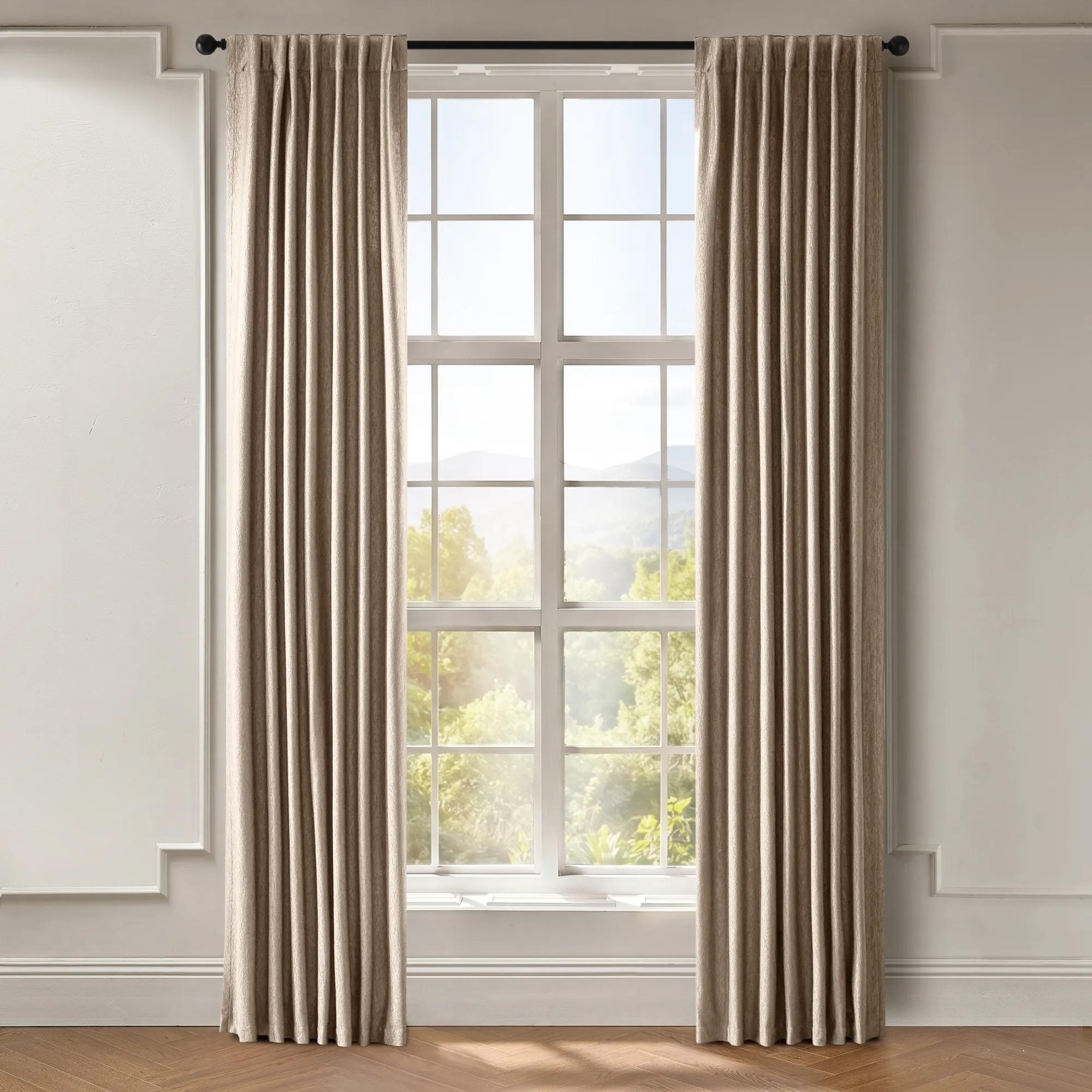 Anson Mocha Rose Textured Window Curtain Panel$89
A light mocha rose curtain panel with crushed sheen texture and room-darkening, dual hanging design.
Add To Cart -
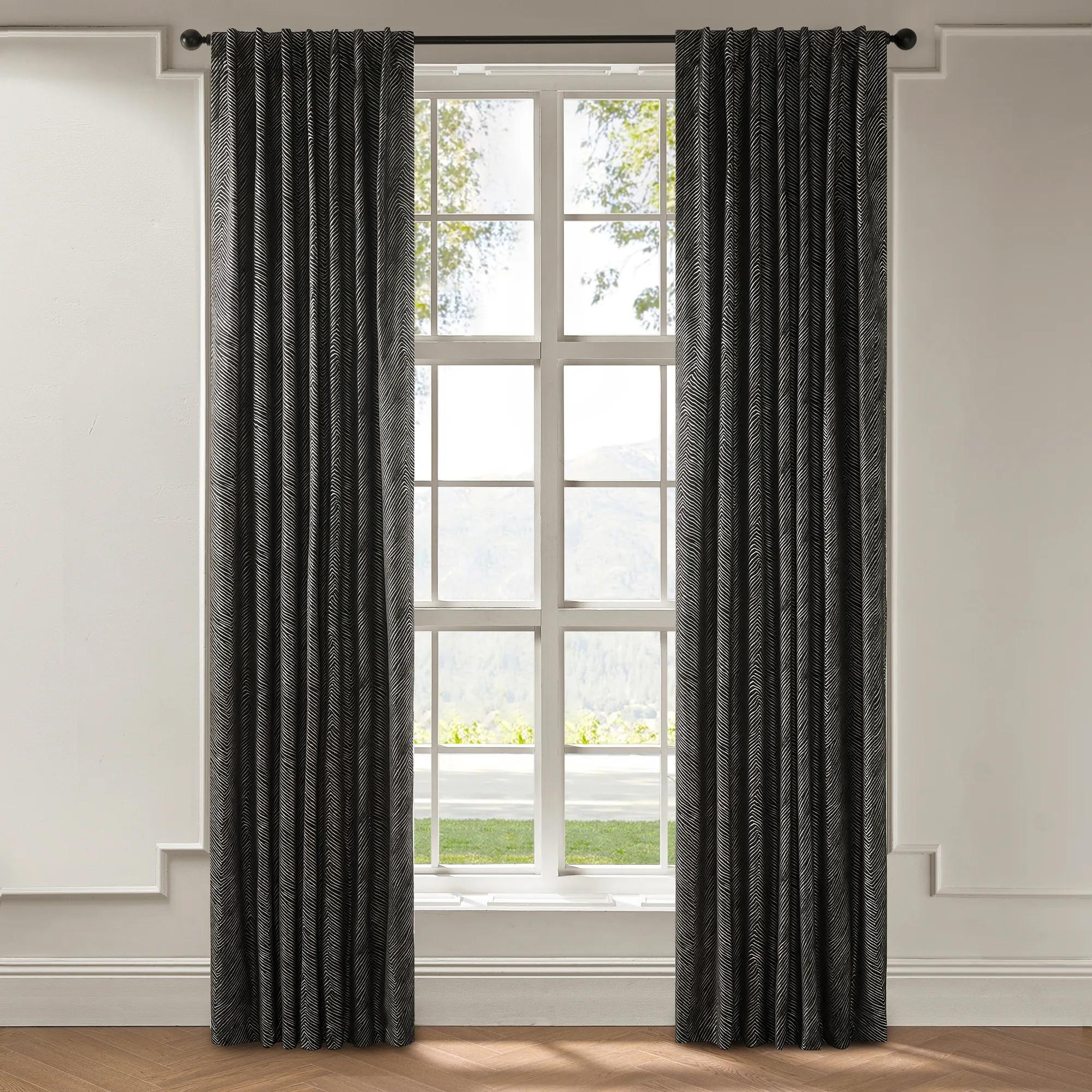
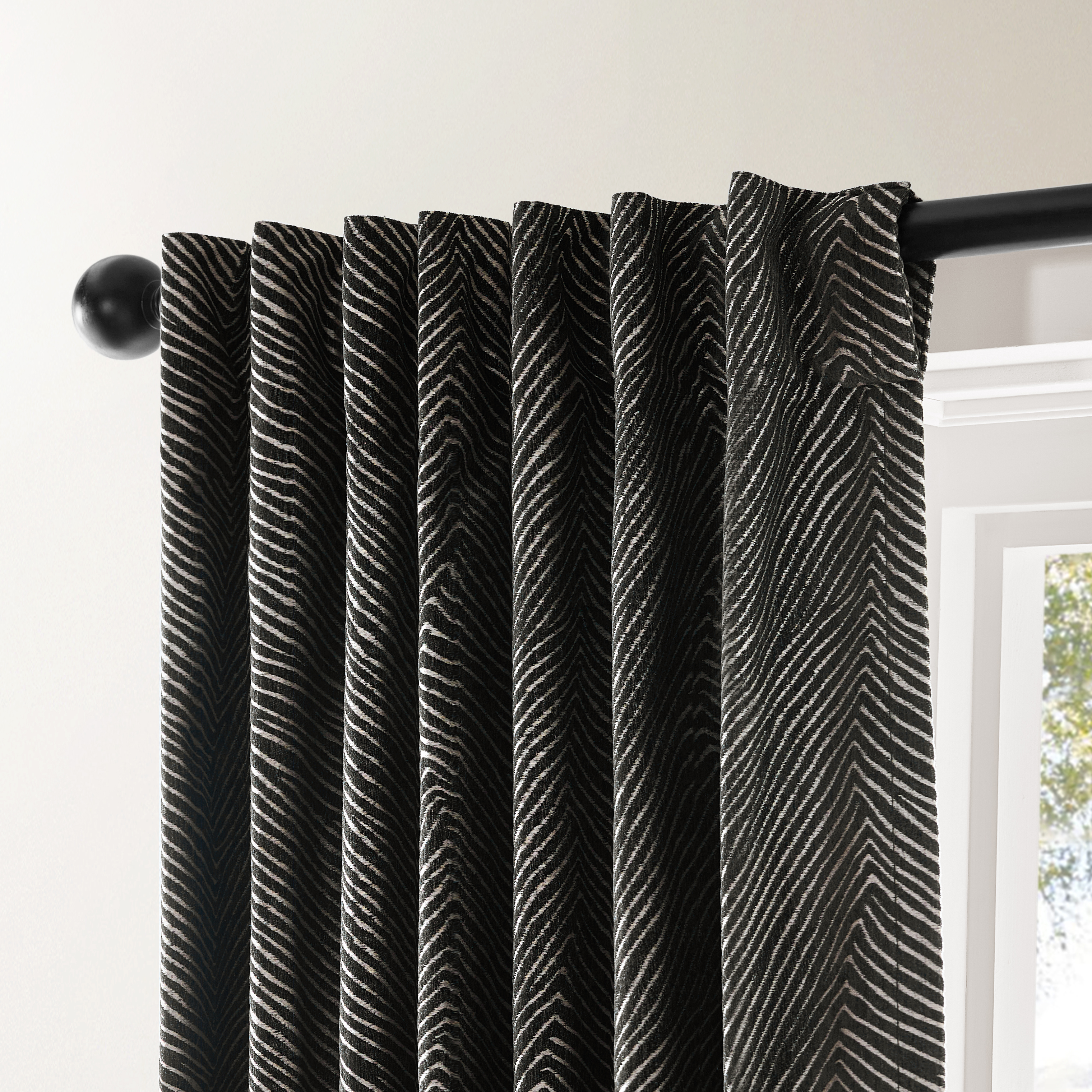 Kenzo Black Chenille Window Curtain Panel$139
A black chenille jacquard curtain with a room-darkening finish and versatile dual hanging options.
Add To Cart -
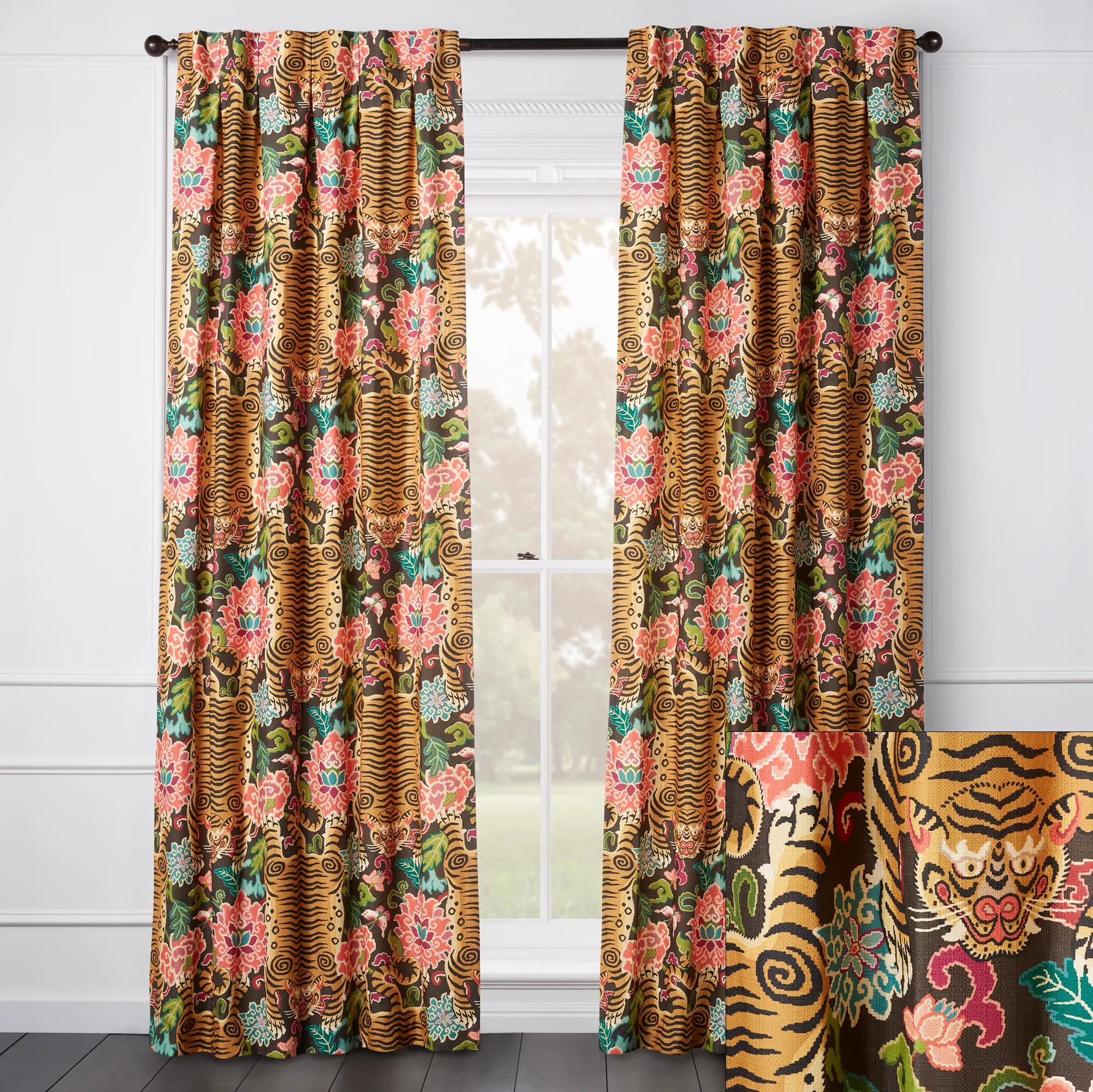
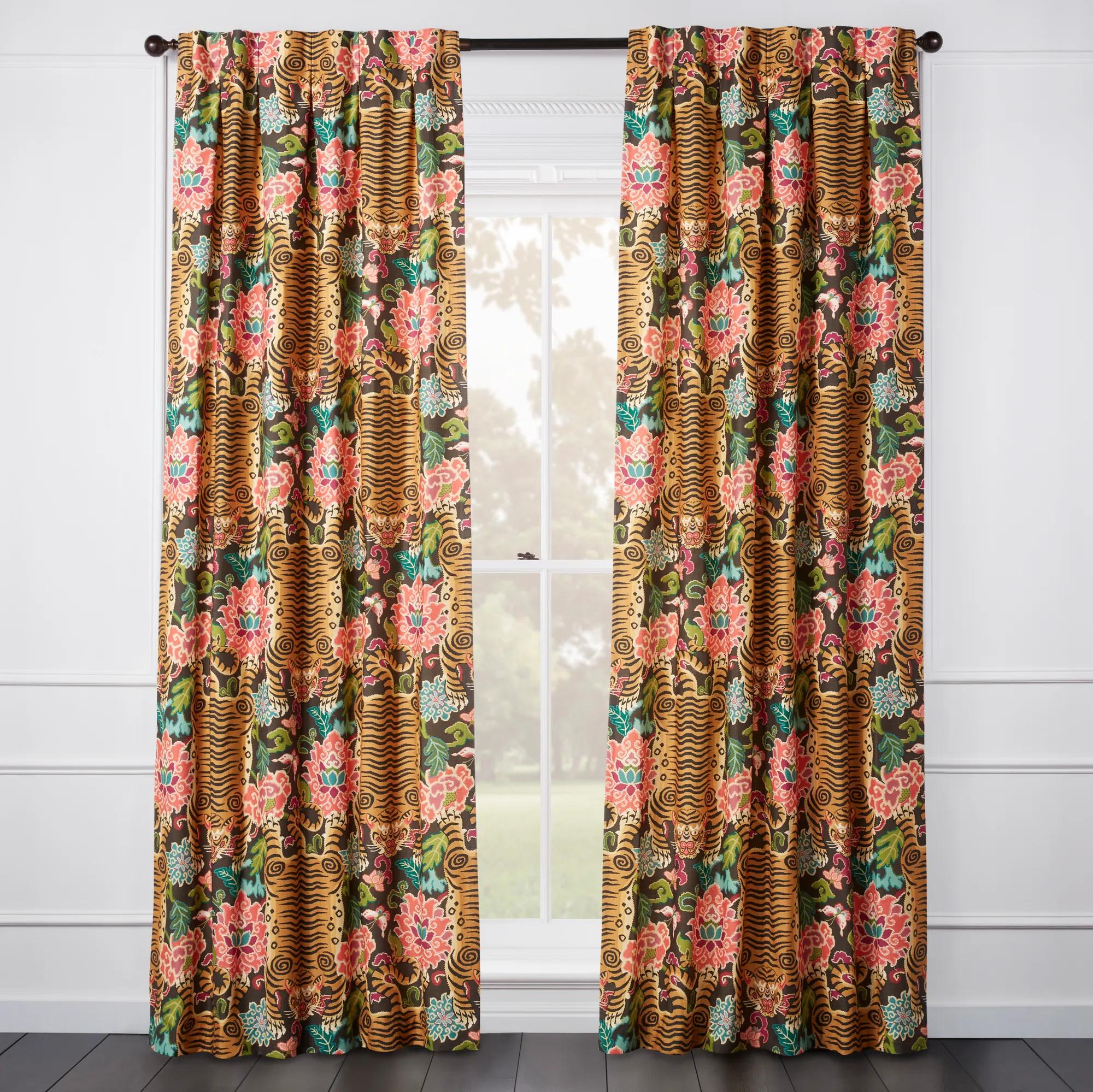 Nimer Gold/Multi Printed Slubbed Cotton Window Curtain Panel$299
A lively gold and multi-colored cotton curtain featuring a bold tiger print and customizable hanging options.
Add To Cart -
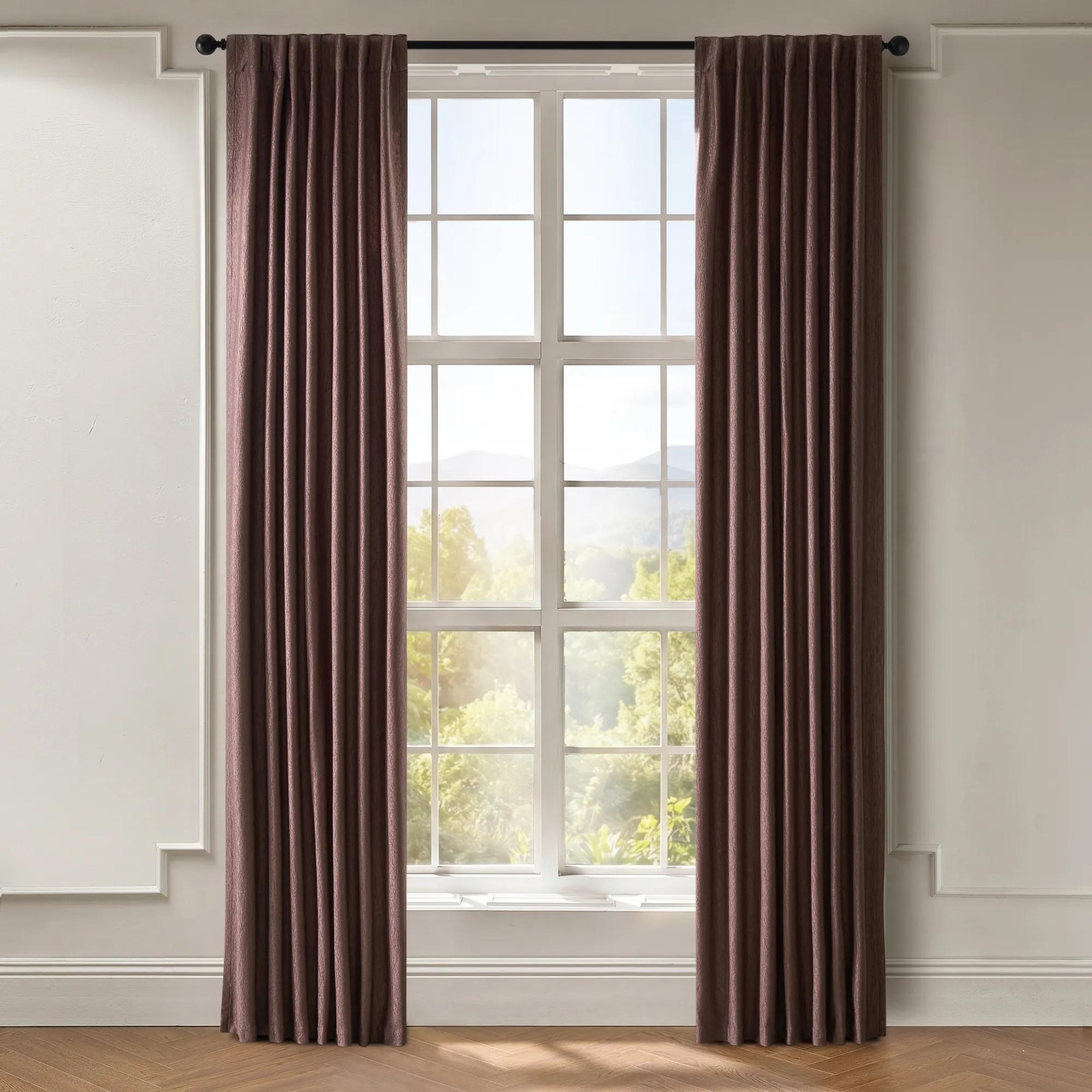
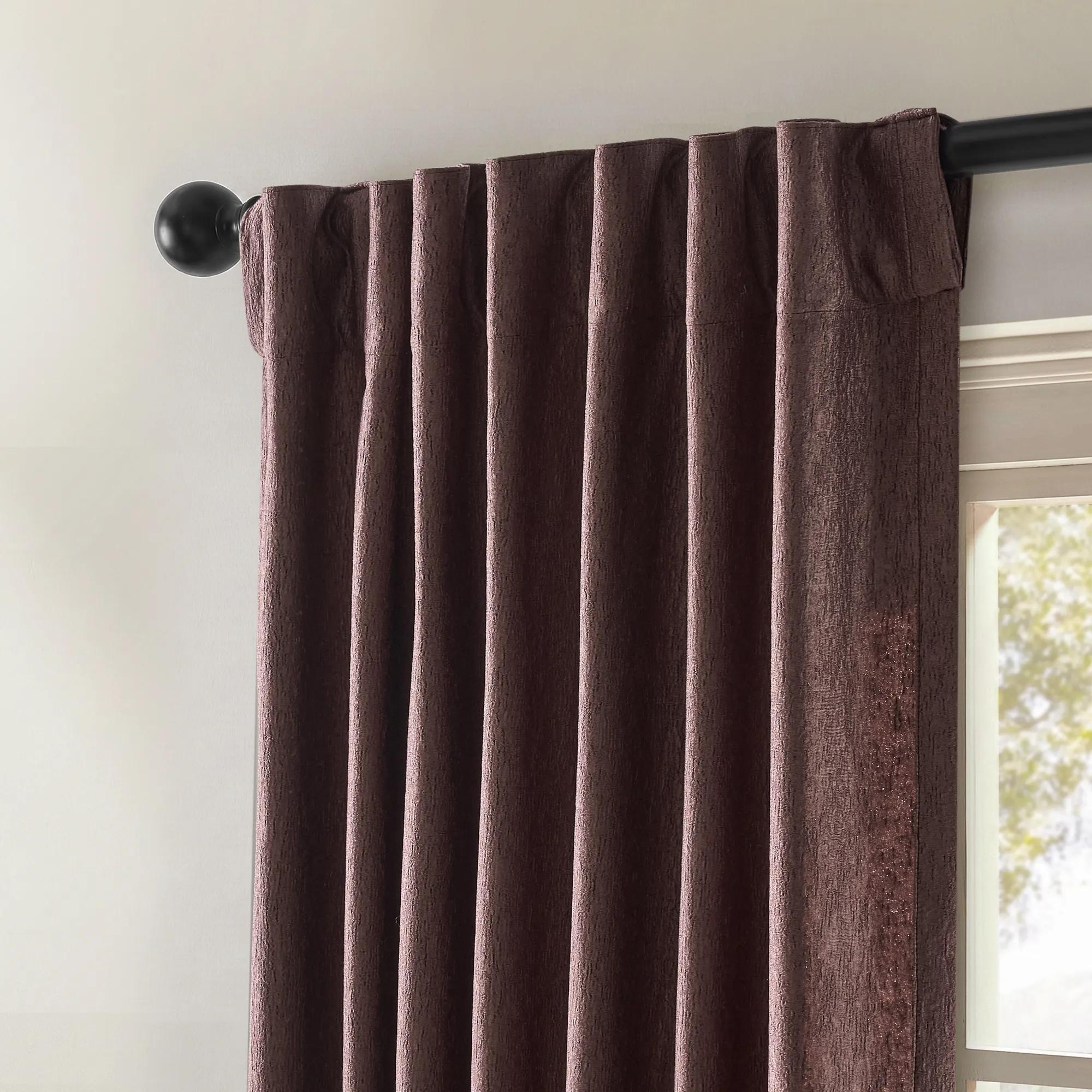 Anson Fig Textured Window Curtain Panel$109
A room-darkening fig curtain panel with a crushed sheen texture and versatile dual hanging options.
Add To Cart -
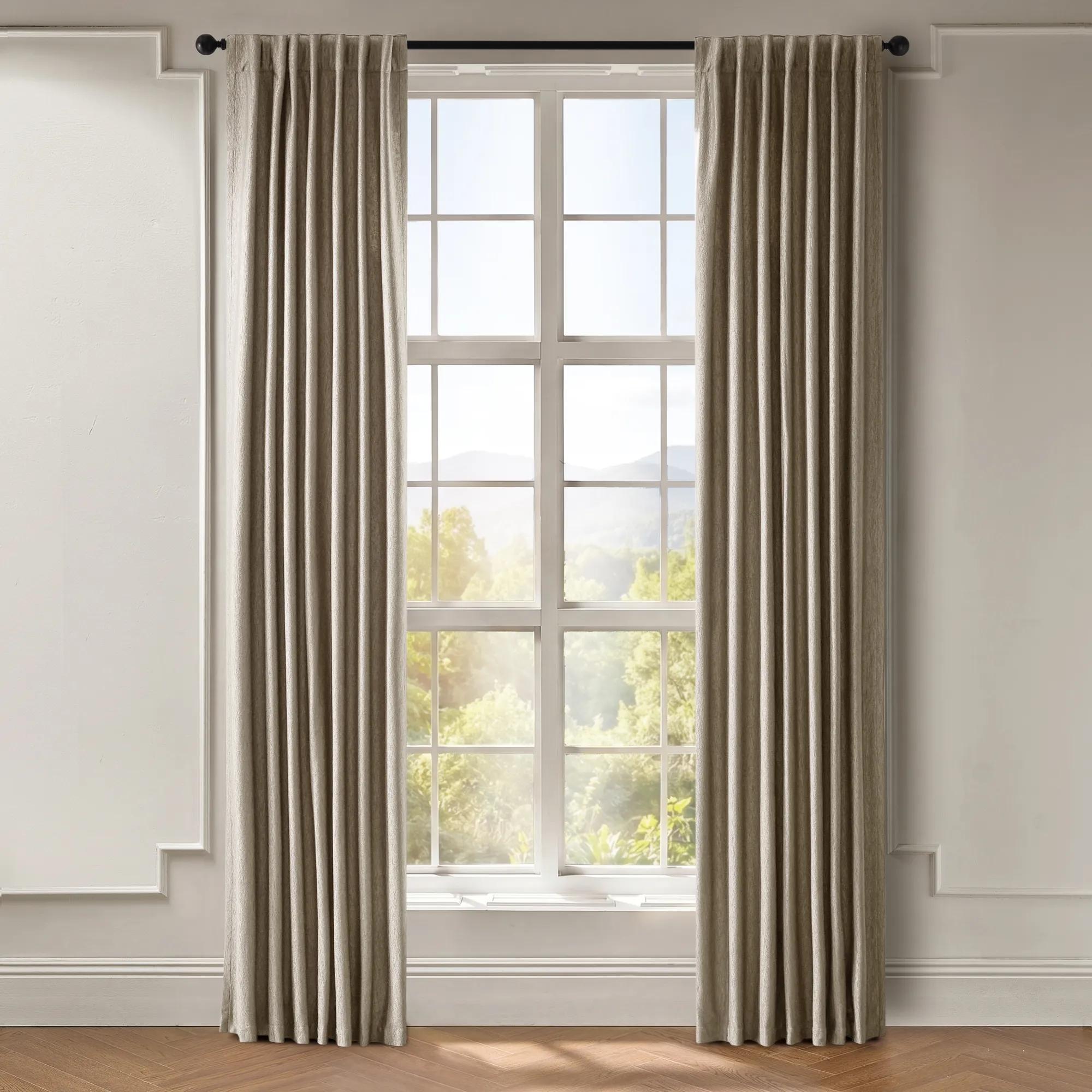
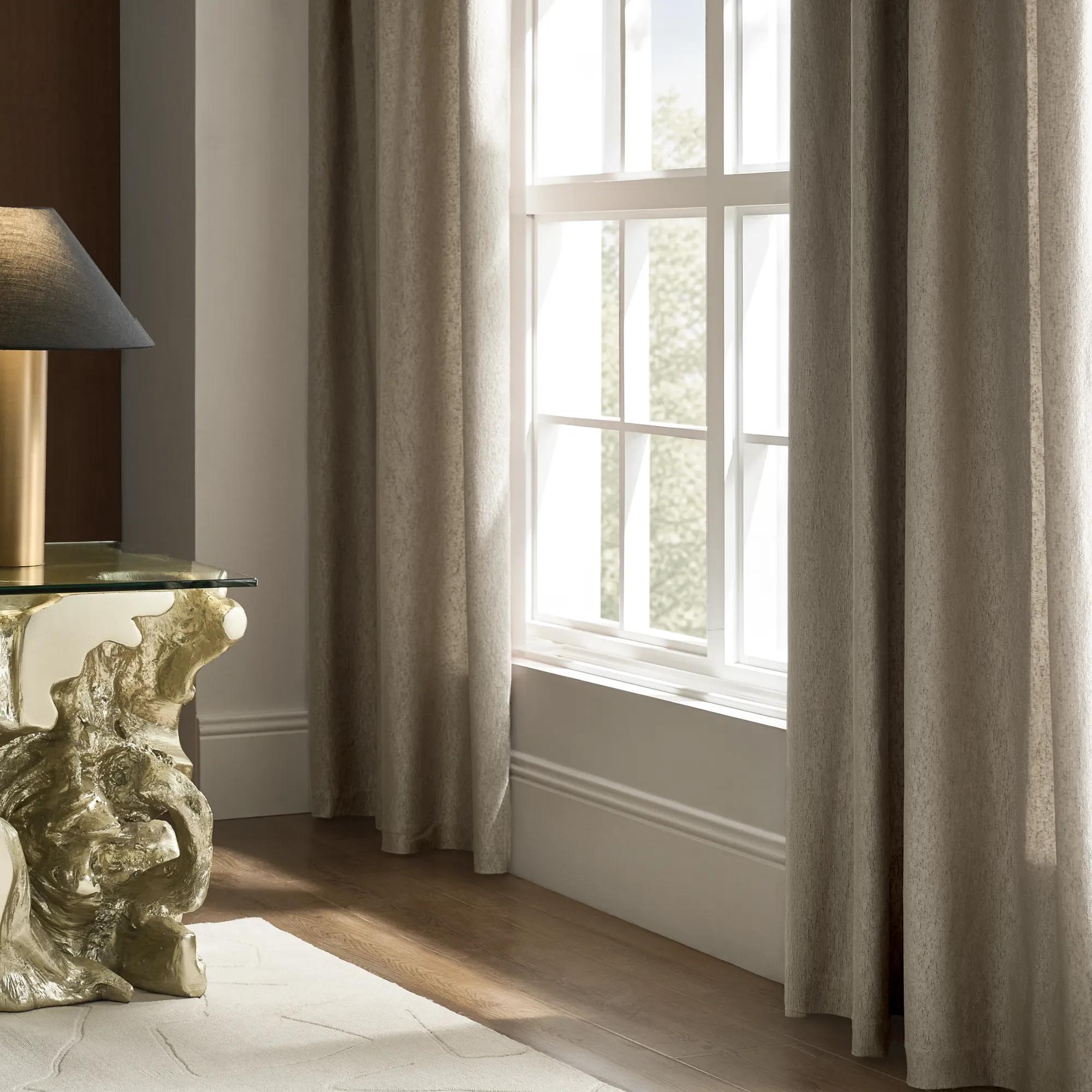 Anson Taupe Textured Window Curtain Panel$89
A taupe polyester curtain panel featuring a crushed sheen texture and room-darkening, dual hanging design.
Add To Cart -
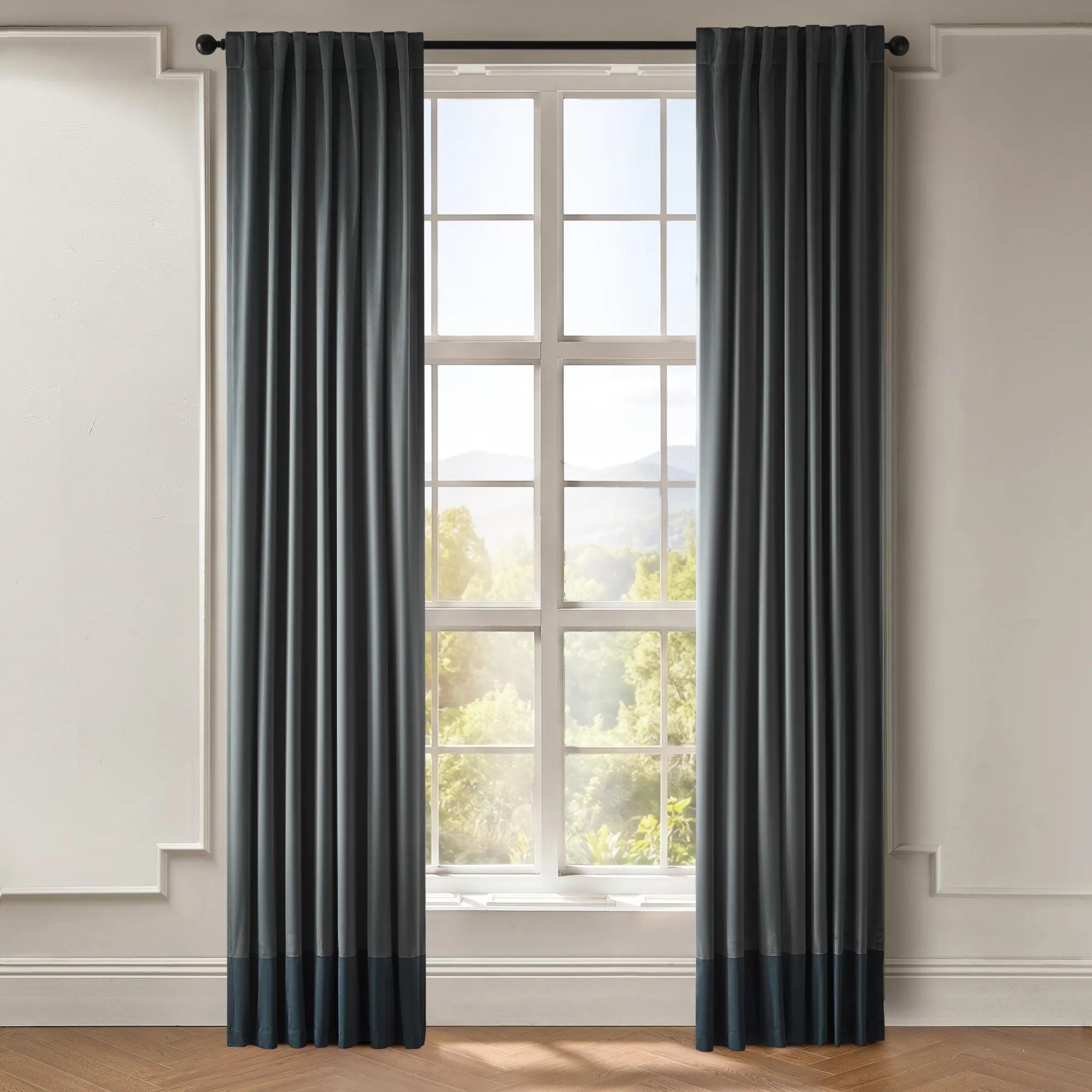
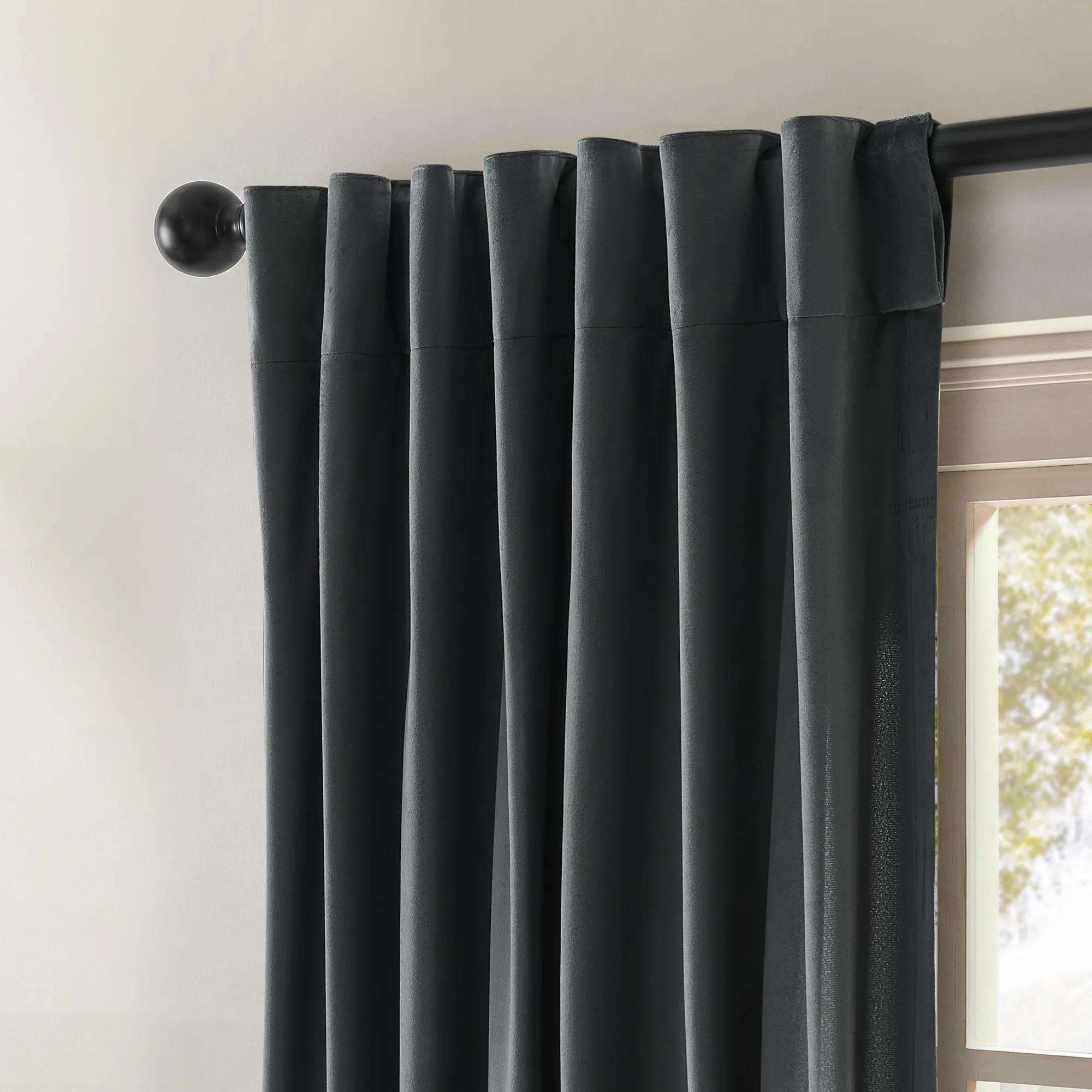 Bastien Blue/Midnight Velvet Border Window Curtain Panel$99
A two-tone dusty and midnight blue velvet curtain panel with a Deco-inspired border and room-darkening design.
Add To Cart -
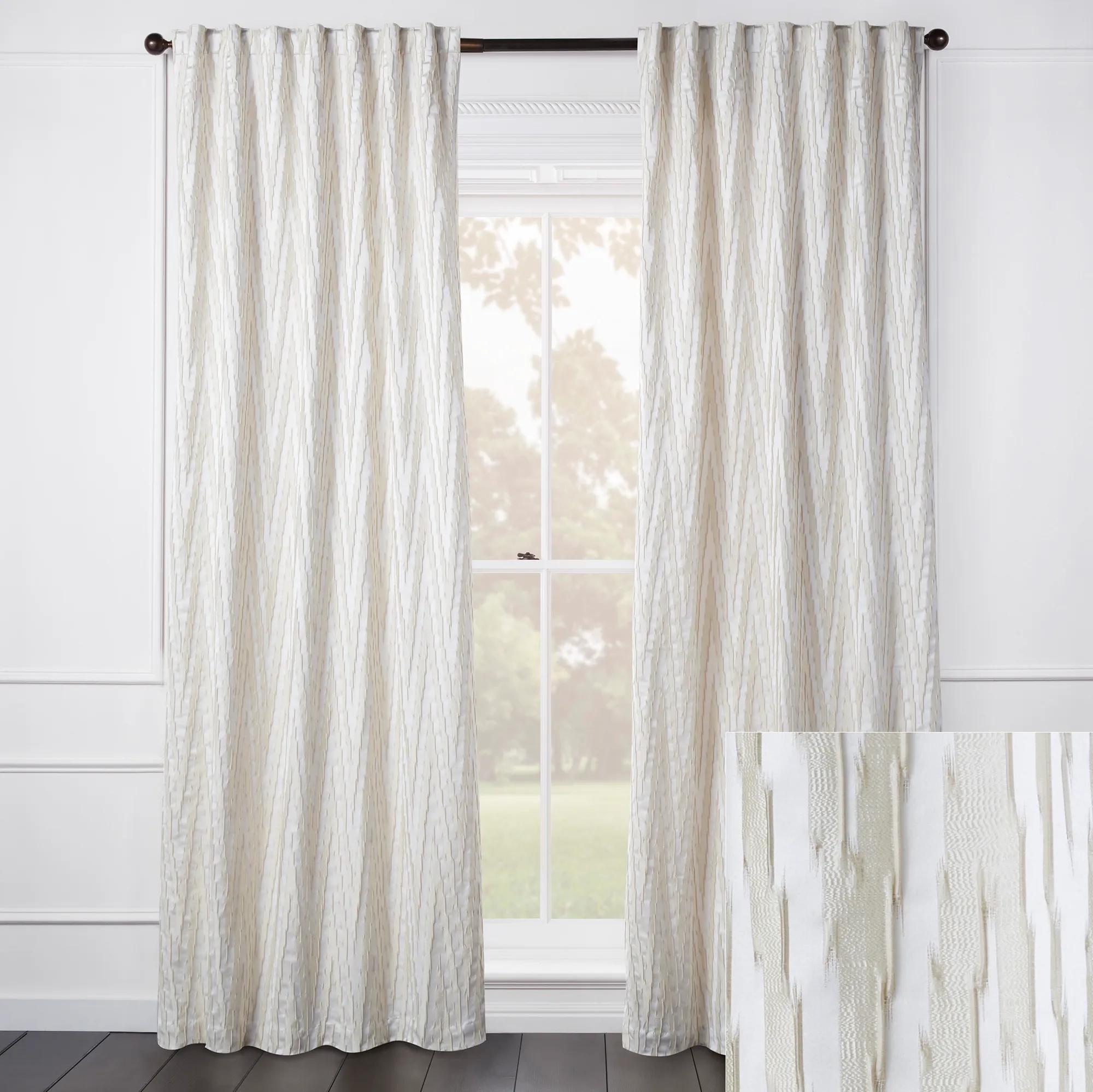
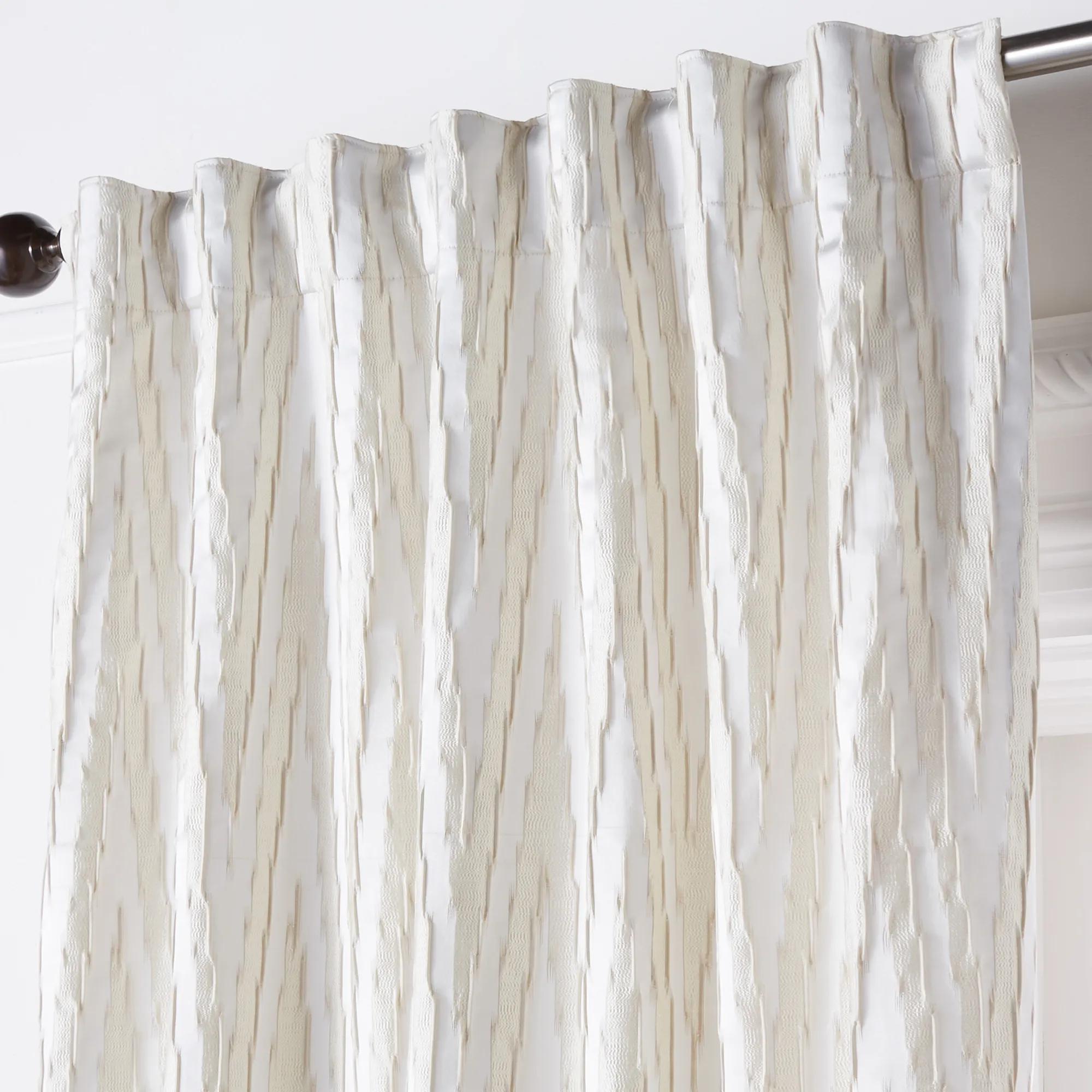 Minka Jacquard Pearl Window Curtain Panel Custom$259
A highly textured chevron curtain panel in pearl polyester, customizable with multiple header and color options.
Add To Cart -
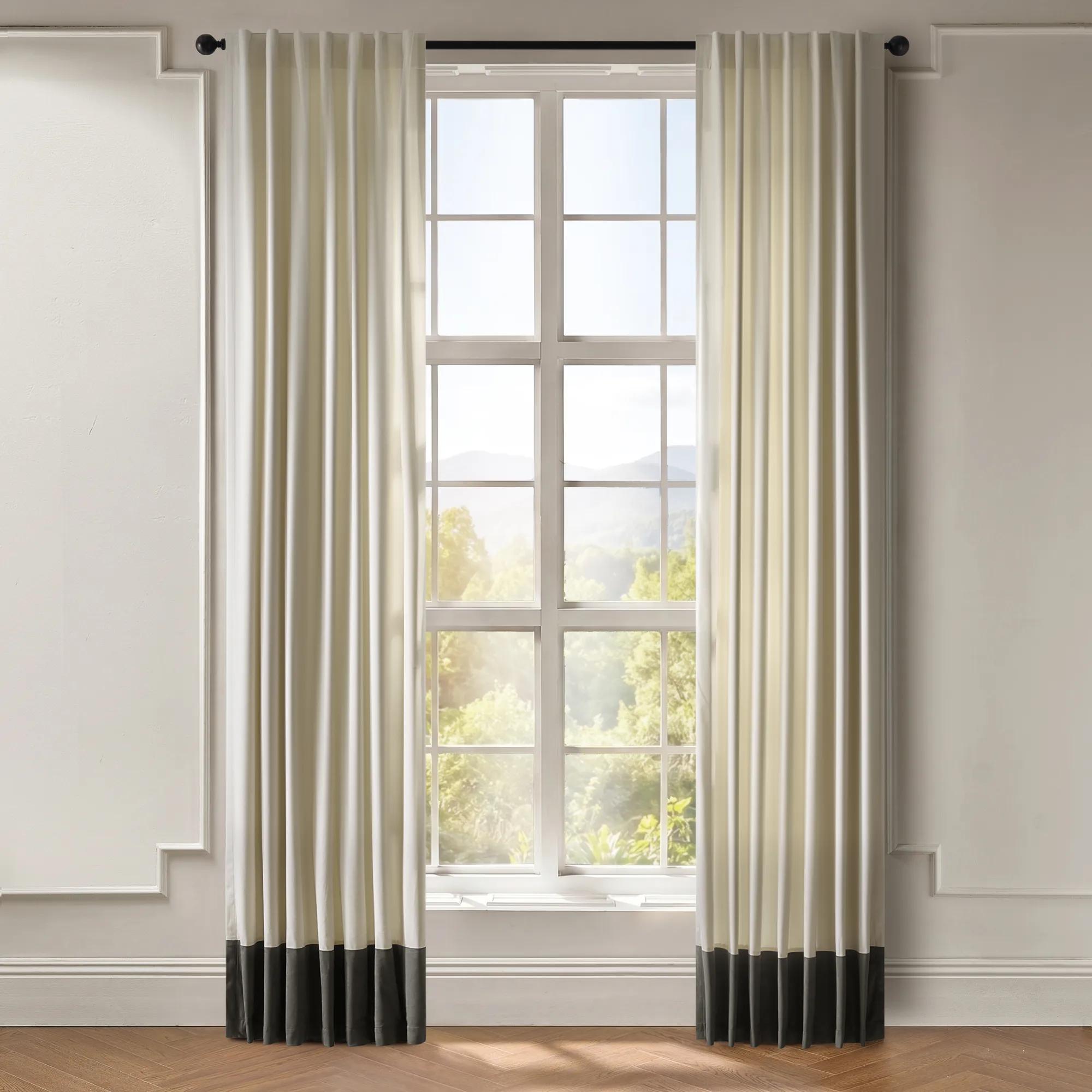
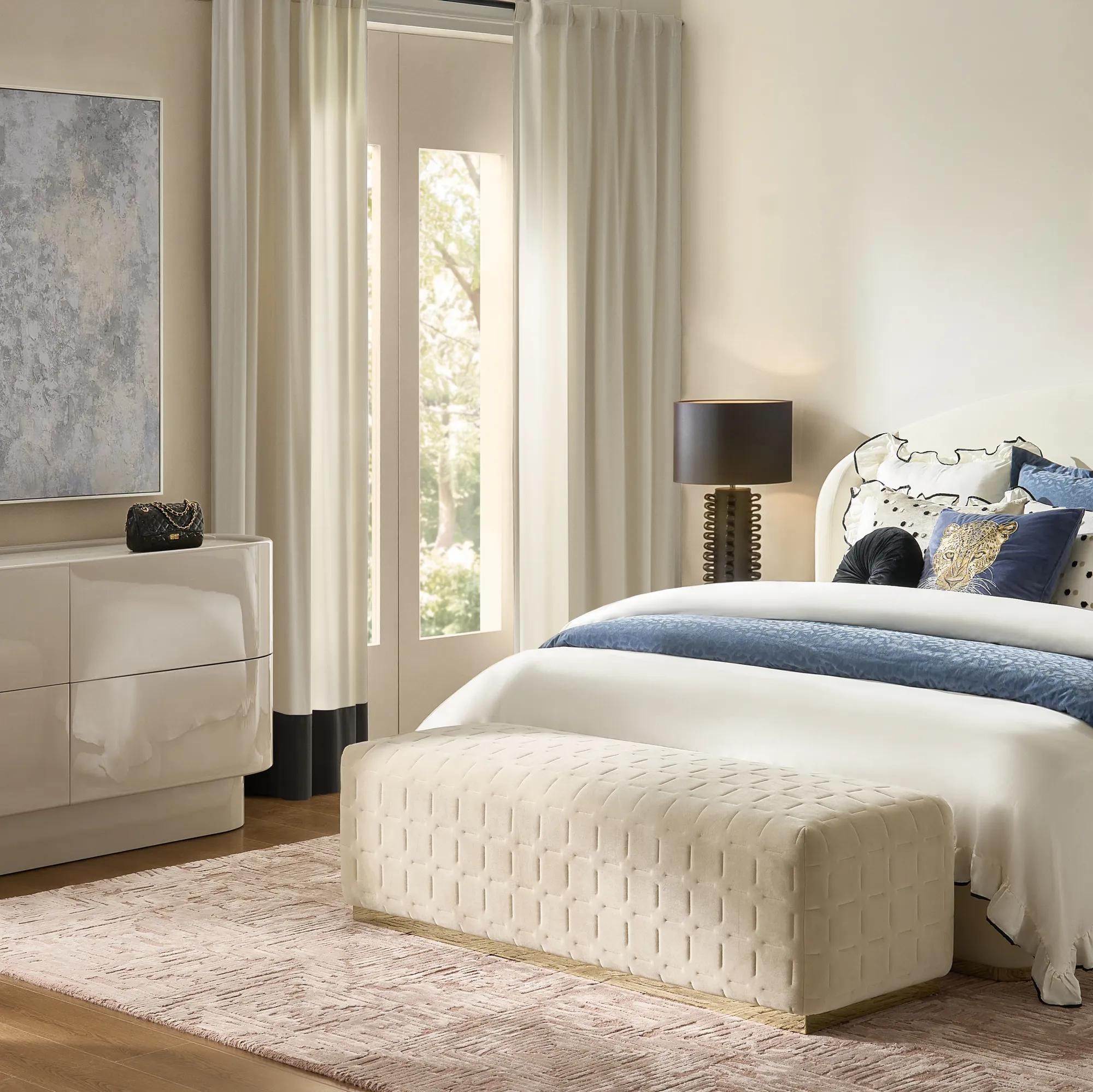 Bastien Ivory/Graphite Velvet Border Window Curtain Panel$109
A two-tone ivory and graphite velvet curtain panel with a Deco-inspired border and room-darkening design.
Add To Cart -
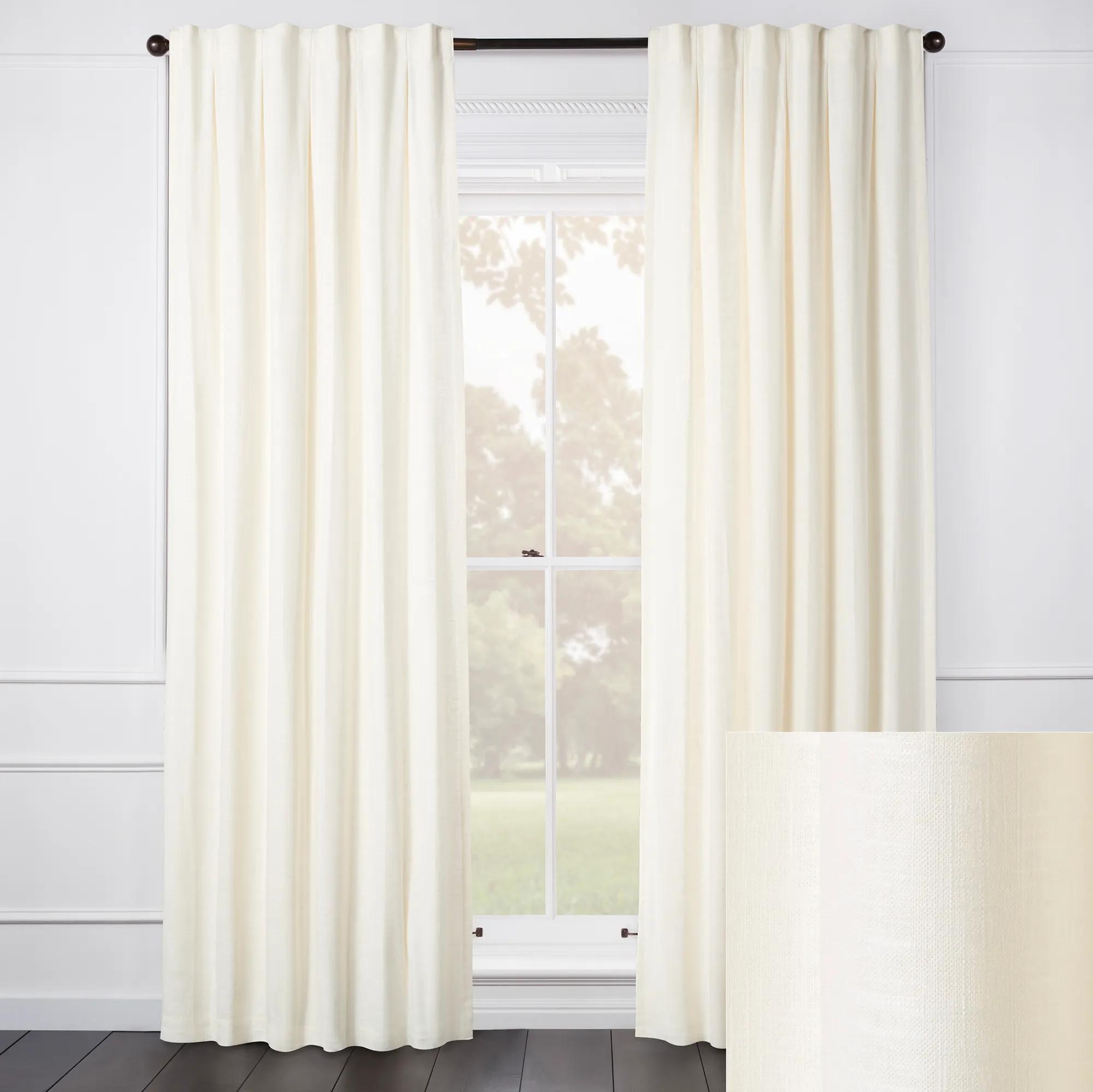
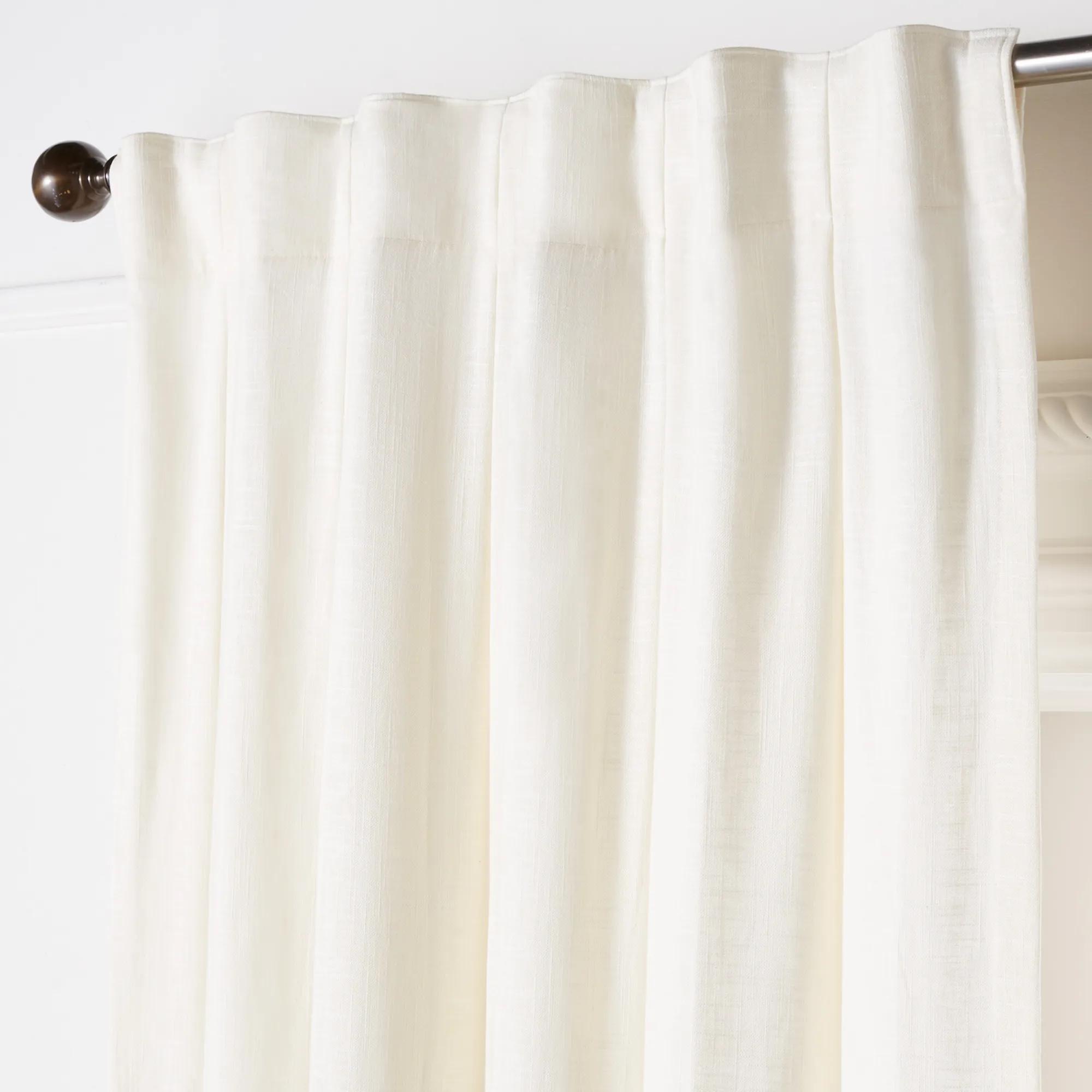 Audrey Linen Ivory Curtain - Custom$269
An ivory linen-blend curtain panel with lining, offering customizable lengths and two elegant header styles.
Add To Cart -
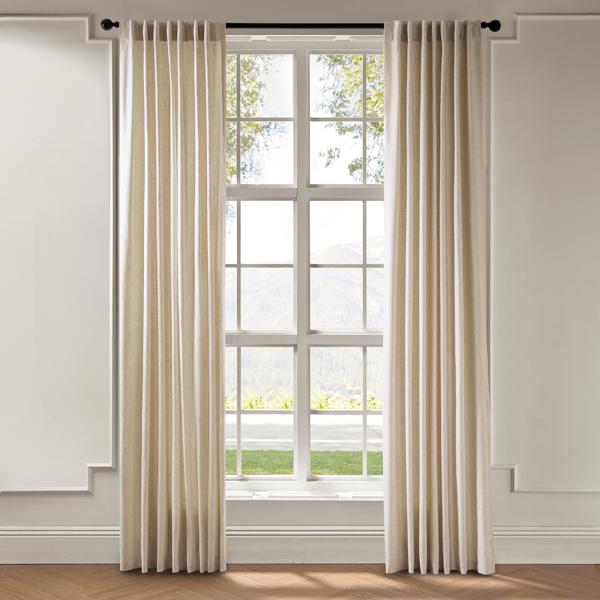
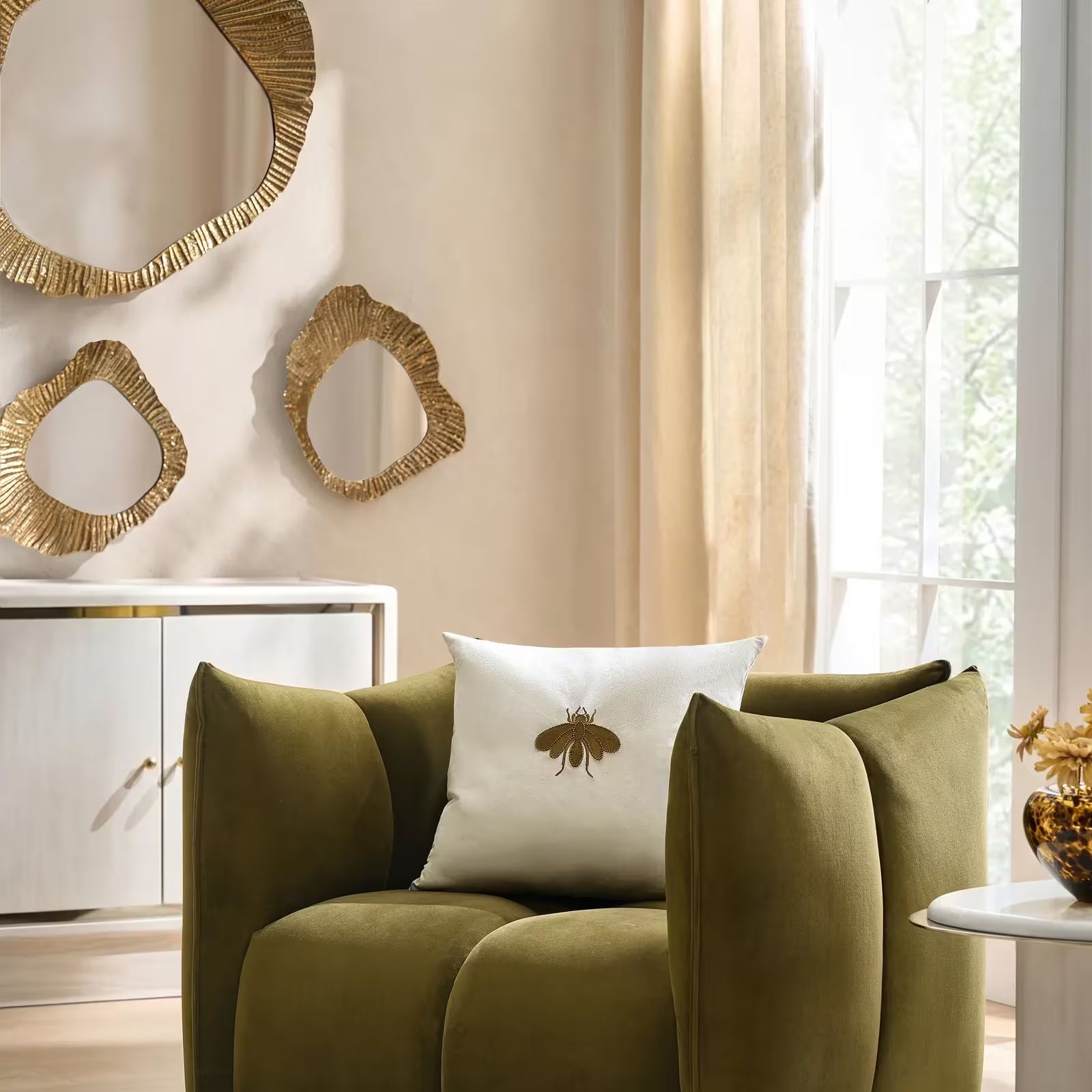 Anson Ivory Textured Window Curtain Panel$99
An elegant ivory curtain panel with a crushed, light-reflective texture for subtle shine and room darkening.
Add To Cart -
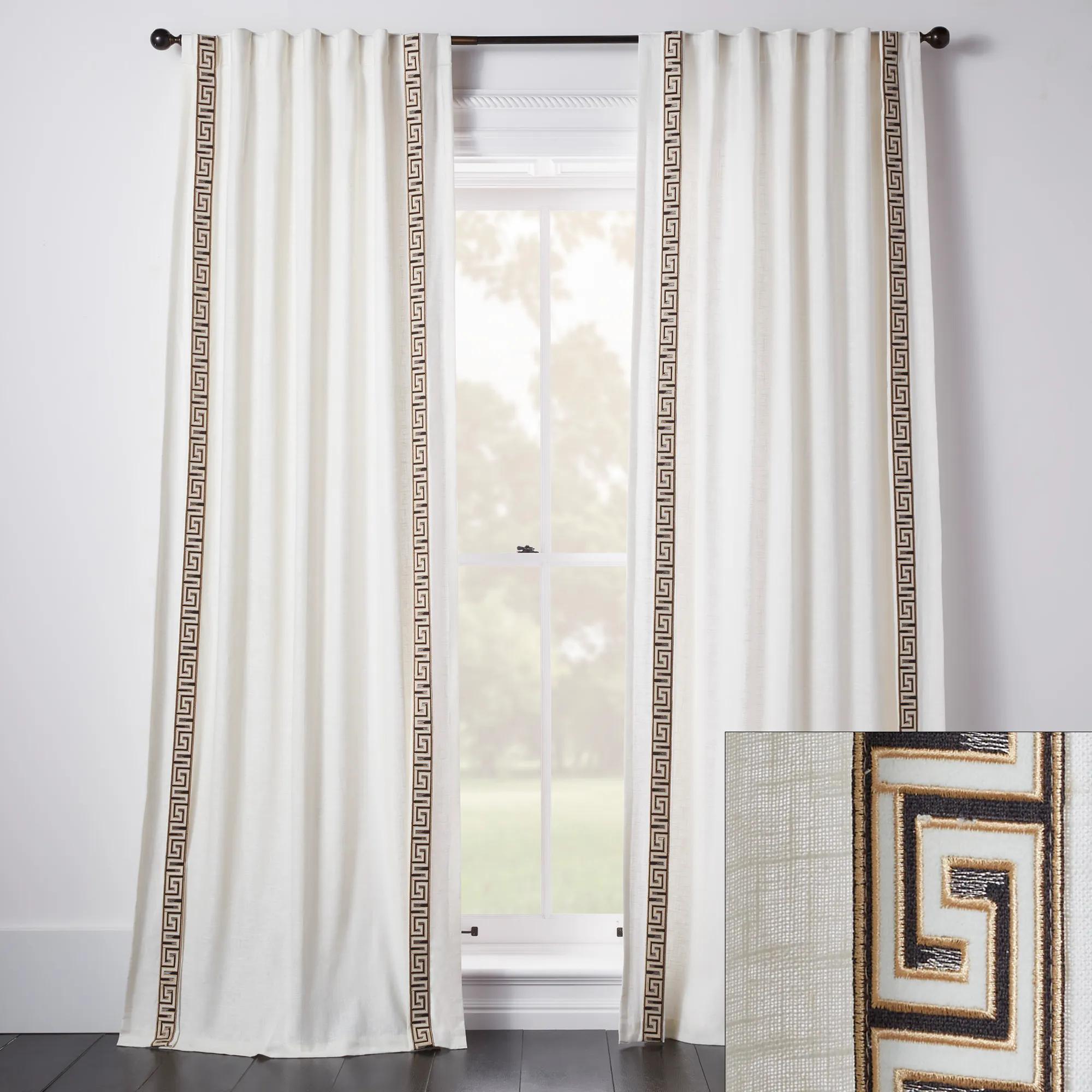 Chole Greek Key Border Velvet Widow Curtain Panels Custom$299
A white linen-blend curtain panel featuring a black and gold embroidered velvet Greek key border.
Add To Cart

Dining Room Window Drapes
Dining room window drapes are more than a finishing touch—they are the stage curtains to your most memorable gatherings. With every fold and flourish, they frame the light, set the mood, and invite an air of luxurious drama into your dining space. Whether you crave a cascade of sumptuous velvet or the subtle shimmer of sheer panels, these drapes transform every meal into an occasion. Elevate your dining room with window treatments that exude artistry and allure, turning everyday moments into grand celebrations.
Dining room window drapes bring softness, dimension, and a sense of occasion to the space where meals become memorable gatherings. Their fabric frames the architecture, balances the hard surfaces of a dining table and chairs, and gives natural light a more flattering presence. Light-filtering sheers and linen-blend curtains suit dining rooms that benefit from brightness, while lined or room-darkening drapes offer greater control over glare and privacy. The distinction matters: a translucent panel can soften sunlight without fully screening the room from outside, especially when interior lights are on after dark. For a dining area facing neighboring homes or a busy street, layering sheer curtains with more opaque drapery creates a flexible balance between an open, luminous atmosphere and an intimate setting. Materials shape that atmosphere as much as color. Linen has an expressive weave and relaxed folds that lend depth to polished furniture; linen blends can offer a similar textured appearance with different care requirements, depending on their composition. Cotton brings a soft, matte finish, while polyester and blended fabrics often resist wrinkling and hold their shape well through regular use. Velvet introduces a sumptuous surface that catches light differently across its pile, giving even a solid-colored panel remarkable depth. Lustrous fabrics create a different effect, reflecting the glow of a chandelier and bringing a subtle shimmer to the room’s perimeter. Fabric weight, weave, lining, and construction all influence how much light a drape admits; color alone does not determine its performance. Blackout performance depends on the panel’s construction and coverage, not simply on choosing a dark shade. For households that gather around the table for meals, conversation, or an occasional afternoon project, drapery can make the room feel composed without requiring every moment to be formal. The most successful dining room curtains connect practical light control with a distinct visual mood, whether that means ivory folds surrounding a sculptural table or saturated velvet lending depth to a setting of gleaming metal and glass.
Scale gives dining room drapery its presence. A panel that looks generous beside a narrow window may feel spare across a wide expanse of glass, so both finished length and total fabric width deserve attention. Drapes are generally most graceful when their combined width exceeds the area they cover, allowing folds to remain visible even when the curtains are closed. A common starting point is approximately one and a half to two times the width being covered, with the final fullness depending on fabric weight, heading style, and the desired effect. Pleated headings, rod pockets, rings, and grommets each shape the way fabric gathers and moves, and each requires compatible hardware. Length measurements should account for the actual hanging method rather than the window frame alone: rings can change where the fabric begins, while a rod-pocket panel sits differently on its rod. Hardware mounted above the frame can emphasize height, and extending the rod beyond the sides of the window gives open panels somewhere to rest without concealing as much glass. The exact placement depends on the wall space, molding, and proportions of the room. Floor-length drapes create a continuous vertical line that feels particularly elegant around a dining table. Panels that just meet the floor offer a tailored finish; a slight break adds softness, while generous pooling introduces drama but collects more dust and can interfere with nearby chair legs. In frequently used dining rooms, clearance matters as much as appearance. Fabric should not catch beneath seating, obstruct a door, or crowd a sideboard that needs to open freely. Layered treatments also need sufficient bracket depth to let both fabrics move without rubbing against each other. For spaces with an especially ceremonial character, formal dining room window panels offer a related direction for a look shaped by proportion, graceful folds, and architectural presence. Substantial rods, secure mounting, and hardware suited to the panel weight support both the finished silhouette and dependable daily movement.
Color and pattern allow dining room window treatments to participate in the room’s composition rather than simply surround it. A tonal palette can draw attention to texture: warm ivory linen beside cream upholstery, for example, creates distinction through weave and shadow instead of sharp contrast. Deep charcoal or jewel-toned drapes can give pale walls a dramatic frame, while a restrained metallic sheen echoes the finish of a chandelier without duplicating it. Patterned curtains bring another layer of expression. A large-scale botanical or geometric design reads differently in broad folds than it does on a flat swatch, and its relationship to patterned chair upholstery, artwork, or a rug determines whether the room feels richly layered or visually crowded. Solid panels can give an ornate table setting room to shine; expressive fabric can supply the focal point when furniture has quieter lines. Durability and care are equally important to a room designed for repeated enjoyment. Tightly woven fabric, neatly finished seams, a suitable lining, and well-supported headings contribute to drapery that hangs cleanly and tolerates regular opening and closing. Prolonged direct sunlight can fade many textiles, so care guidance and any stated light-resistance properties are worth considering alongside appearance. Washability varies by fabric, lining, trim, and construction: some cotton or synthetic blends permit machine washing, while others require professional cleaning. The care label should govern cleaning, drying, and pressing, particularly for velvet or embellished fabrics whose surfaces can be altered by heat or friction. Gentle dust removal using a suitable low-suction upholstery attachment, when permitted, helps maintain the fabric between deeper cleanings. In dining spaces near a kitchen, washable construction may be especially useful, but it should never be assumed from fiber content alone. Drapes kept clear of food service areas and frequent chair movement are easier to preserve. With thoughtful proportions and a fabric suited to the household’s routines, dining room window drapes give everyday meals and beautifully set celebrations the same richly considered backdrop.
FAQs
Velvet, linen, and silk are among the most sought-after materials for elegant dining room drapes. Velvet offers a rich, luxurious feel and excellent light control, while linen brings a breezy, organic texture that softens the space. Silk drapes add a touch of luster and sophistication, perfect for formal settings.
Drapes can dramatically influence the mood of your dining room by controlling natural light, adding color and texture, and framing your windows as focal points. Opt for layered treatments—combining sheers with heavier panels—to create depth and flexibility, or select bold patterns and metallic accents to infuse the room with personality and drama.
Absolutely. Dining room window drapes are both practical and luxurious, making them an inspired gift for new homeowners or newlyweds. They offer a way to personalize a space and can be chosen to reflect the recipient’s taste, ensuring their dining room feels inviting and elevated from the very beginning.
Drapes are a versatile foundation for seasonal styling. In winter, heavier fabrics like velvet provide warmth and intimacy, while lighter sheers in spring and summer welcome in natural light and fresh air. Changing drapes with the seasons is an effortless way to refresh your dining room’s look and atmosphere.
To evoke a formal dining ambiance, choose drapes in luxurious fabrics such as velvet or silk, and consider rich, deep colors or intricate patterns. Floor-length panels, elegant hardware, and tailored pleats add a sense of grandeur, perfectly framing the space for memorable gatherings and special occasions.


