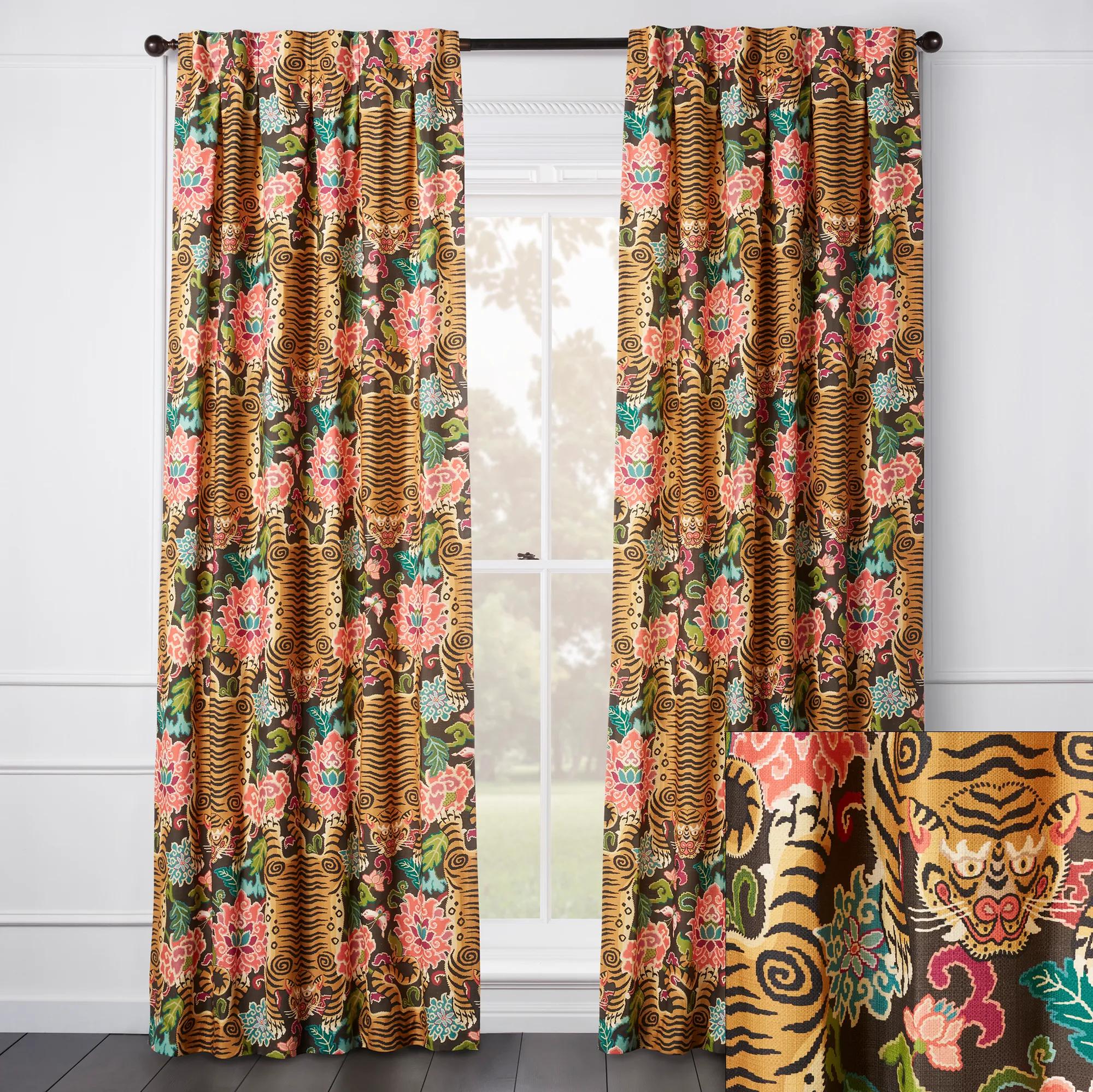
Dining Room Textured Curtains
Dining Room Textured Curtains
-
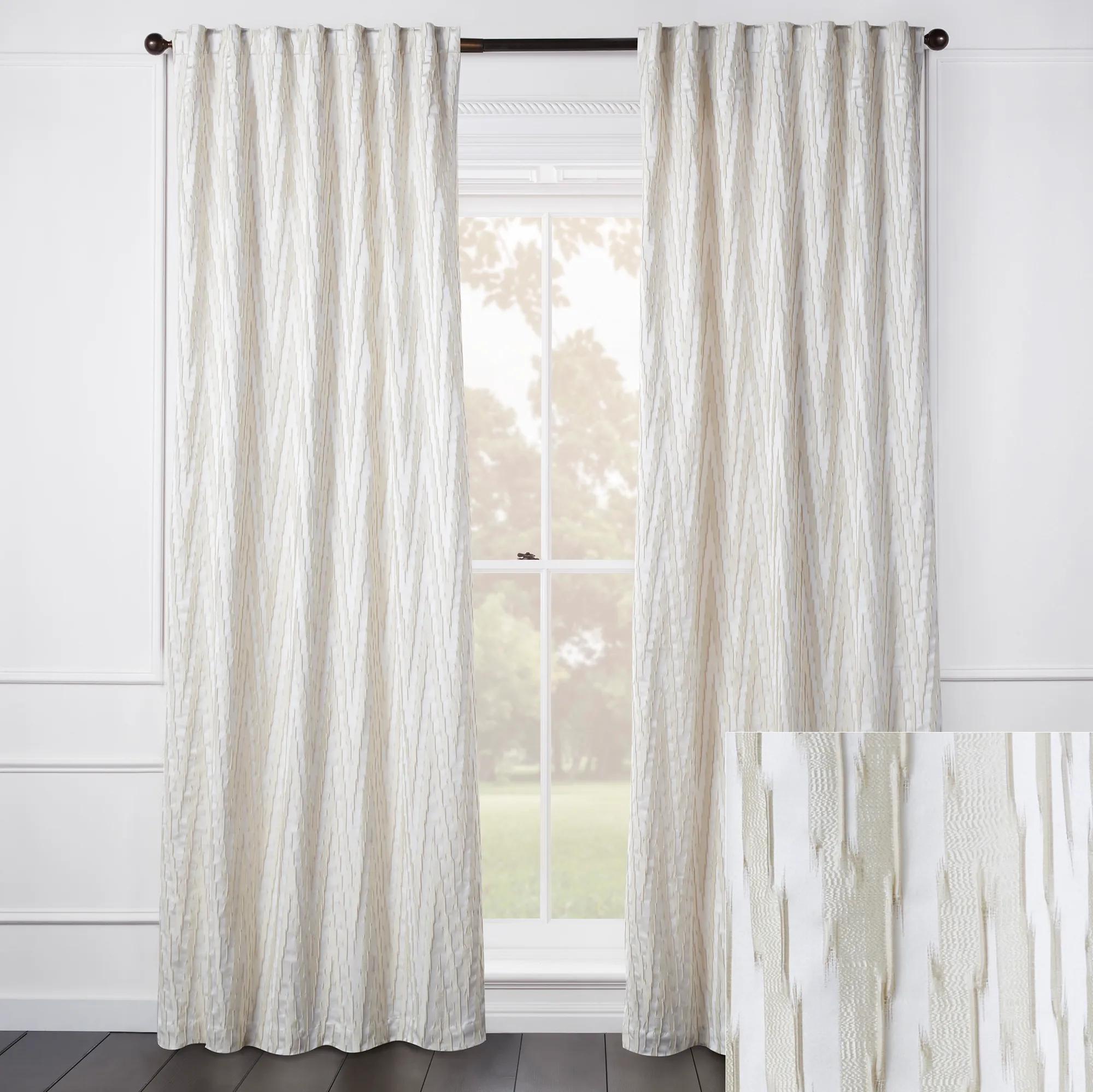
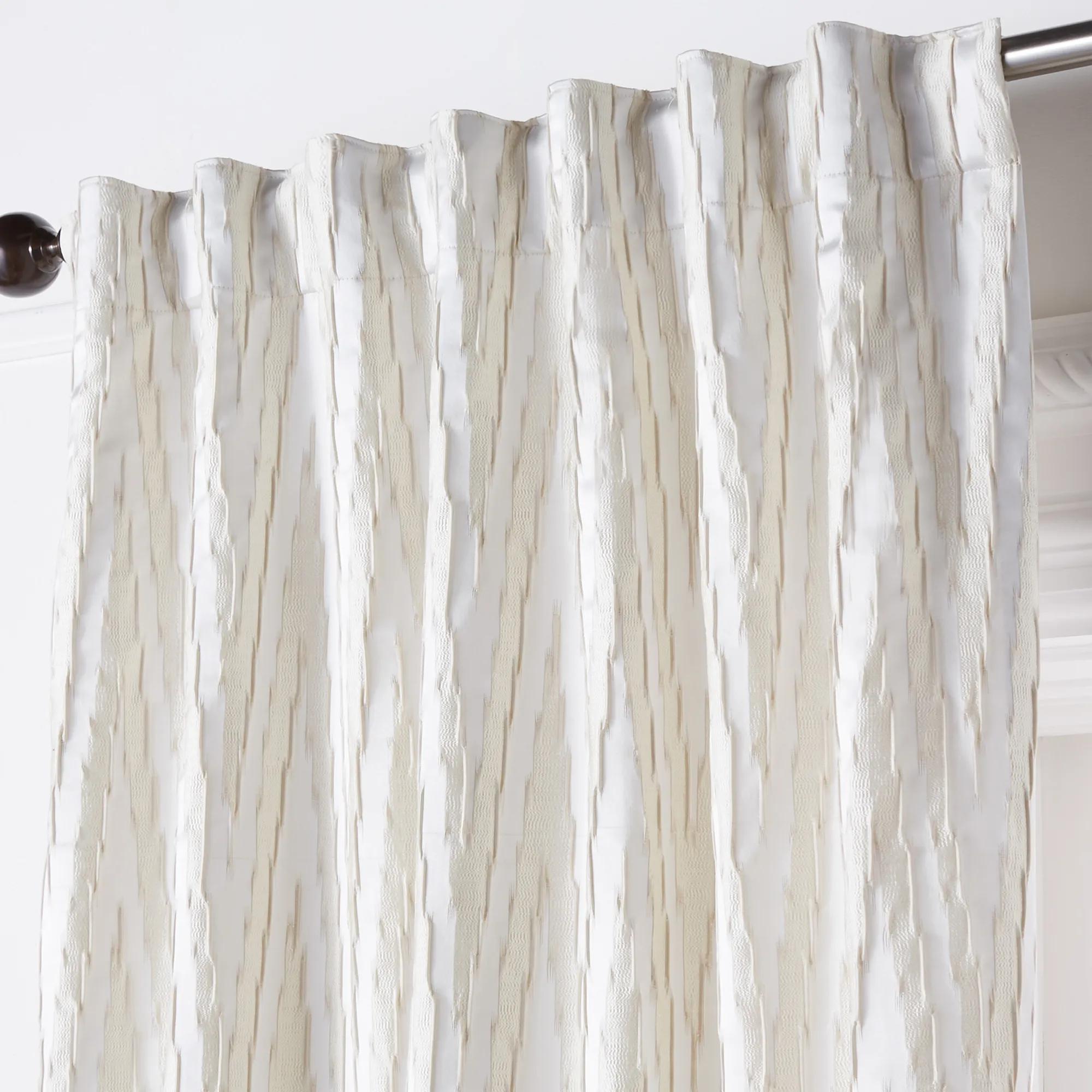 Minka Jacquard Pearl Window Curtain Panel Custom$319
A highly textured chevron curtain panel in pearl, grey, or natural polyester with customizable hanging options.
Add To Cart -
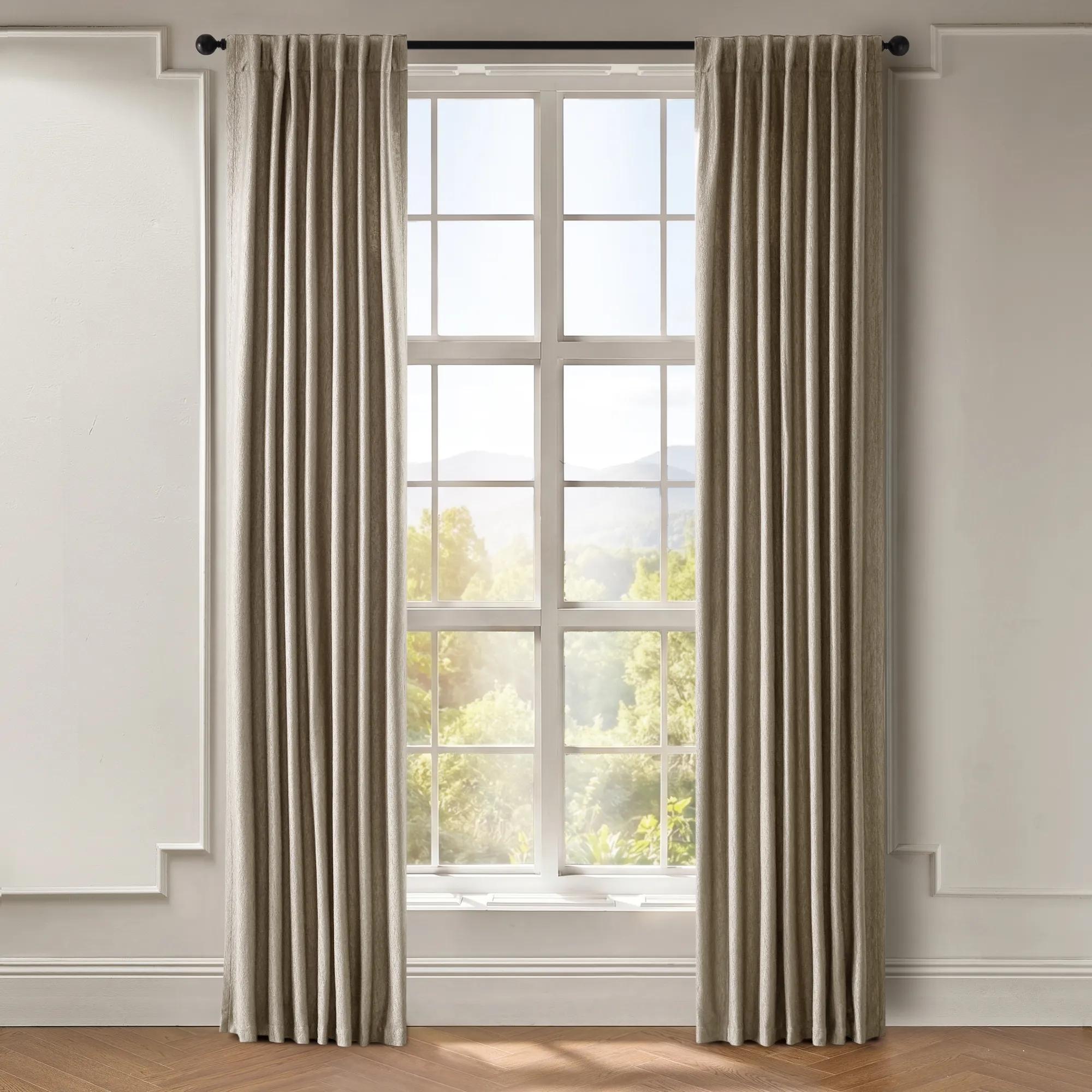
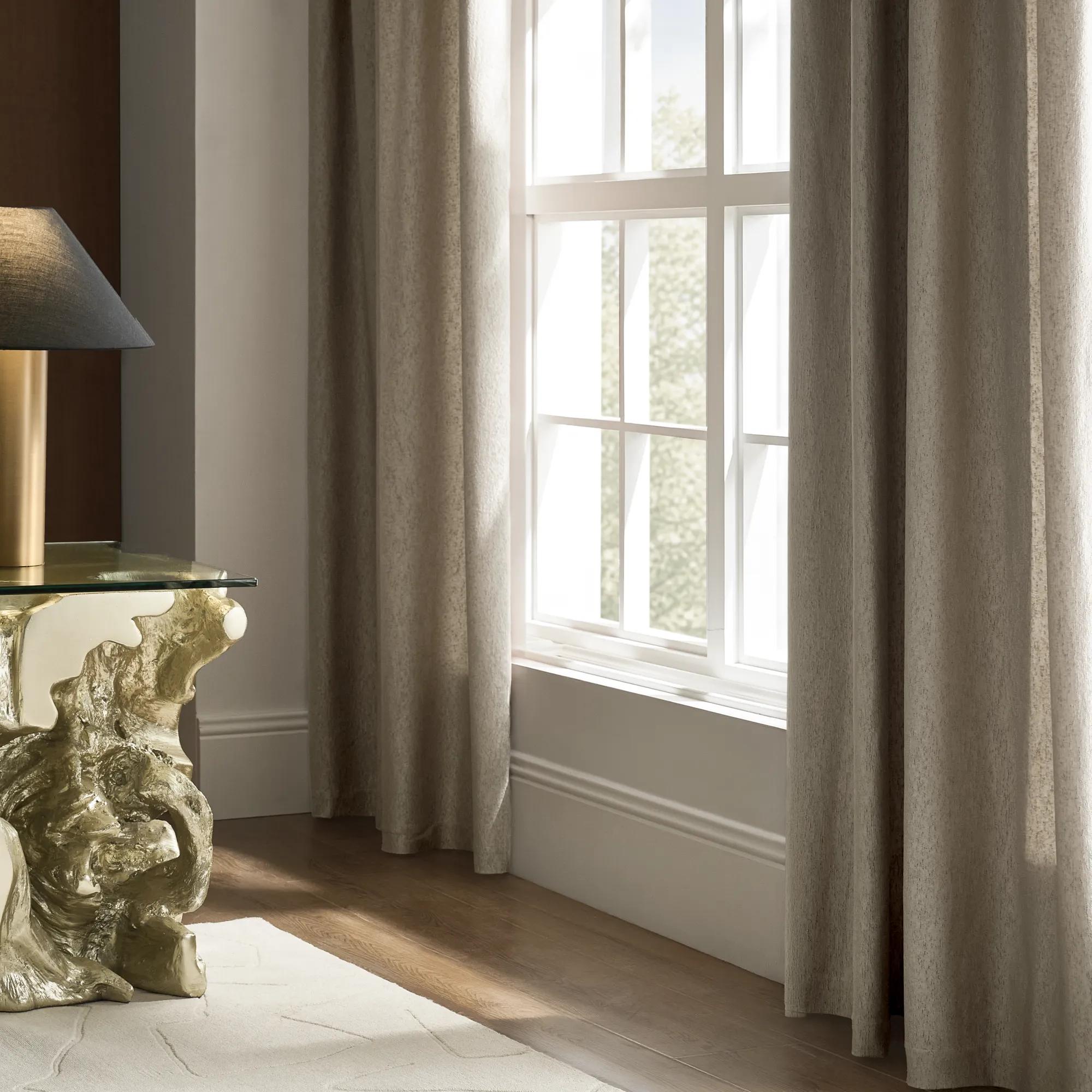 Anson Taupe Textured Window Curtain Panel$99
A taupe polyester curtain panel featuring a crushed sheen texture and versatile room-darkening design.
Add To Cart -
.jpeg?w=1200&h=1200)
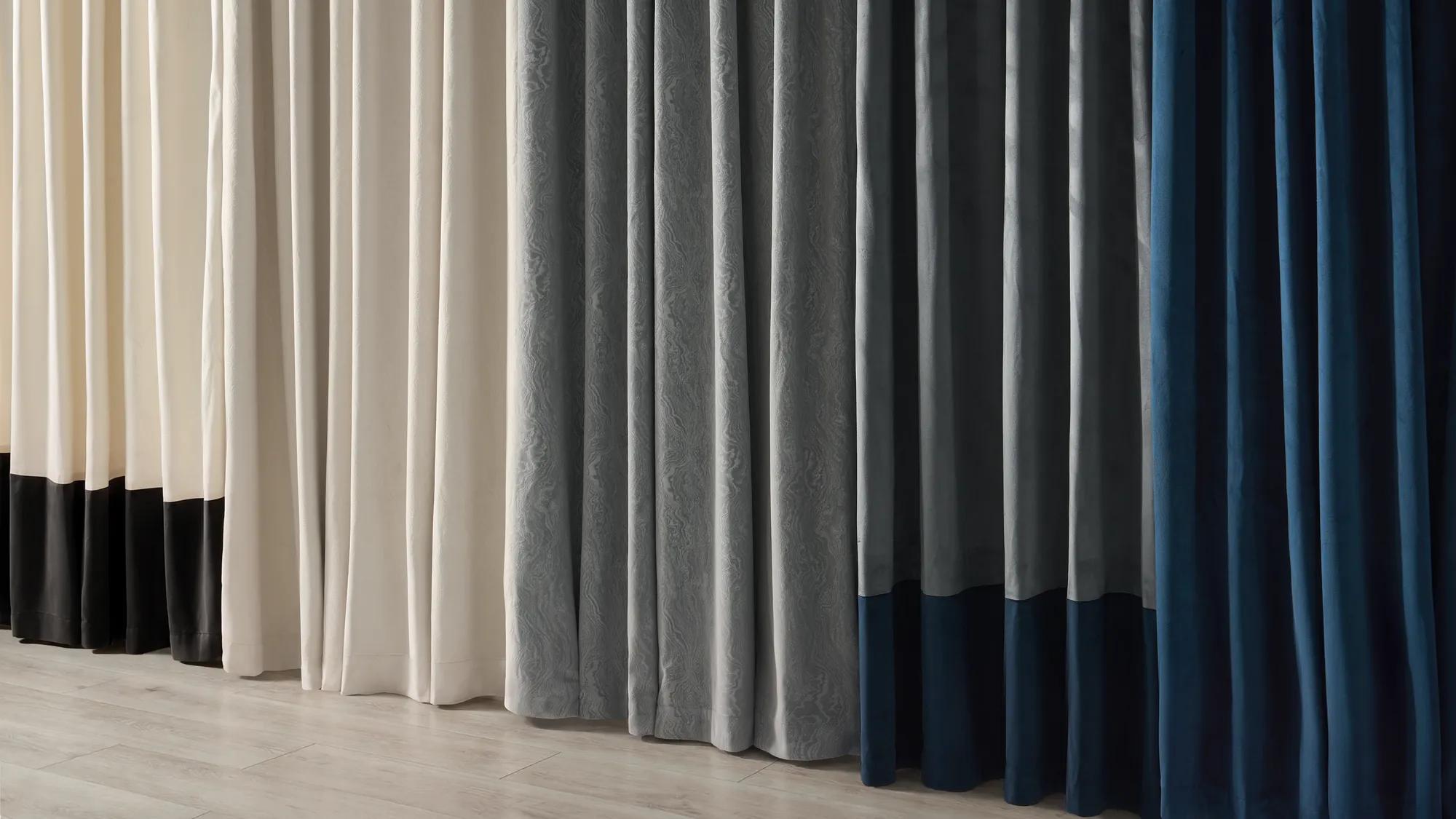 Mabel Velvet Swirl Curtain - Grey Blue$99
A grey blue velvet curtain featuring a tonal swirl pattern and versatile dual hanging options.
Add To Cart -
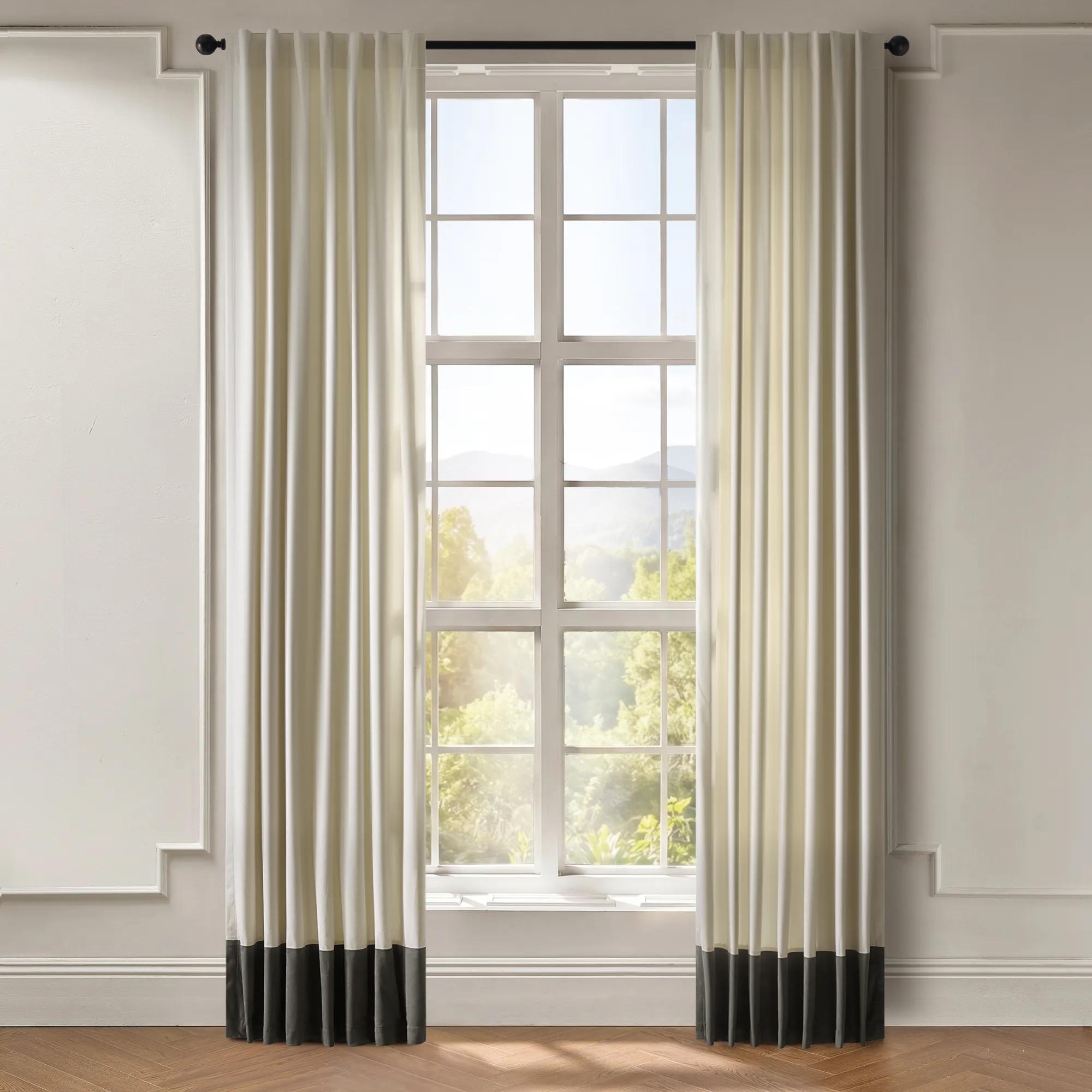
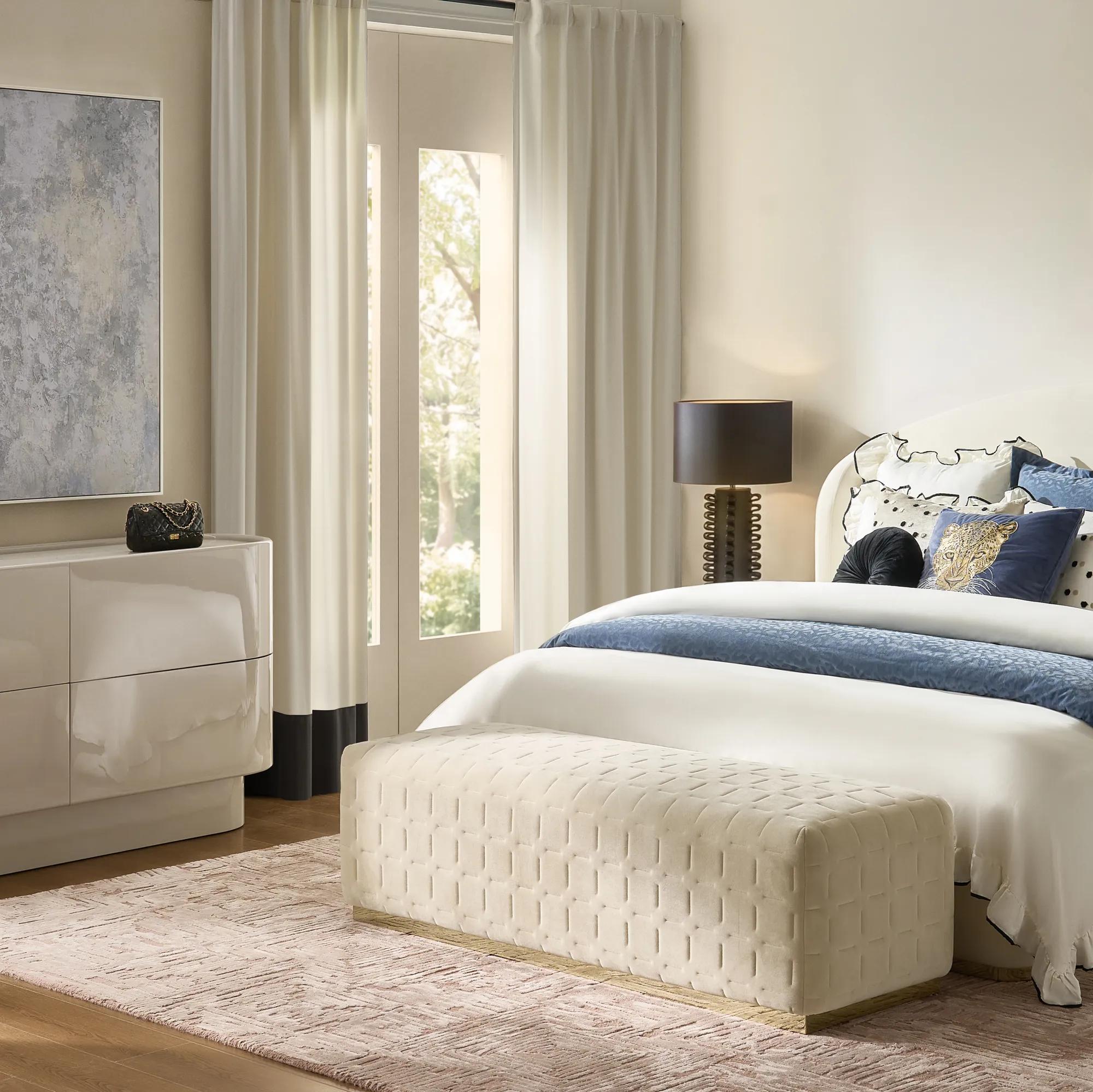 Bastien Ivory/Graphite Velvet Border Window Curtain Panel$109
A two-tone ivory and graphite velvet curtain panel with a Deco-inspired border and room-darkening design.
Add To Cart -
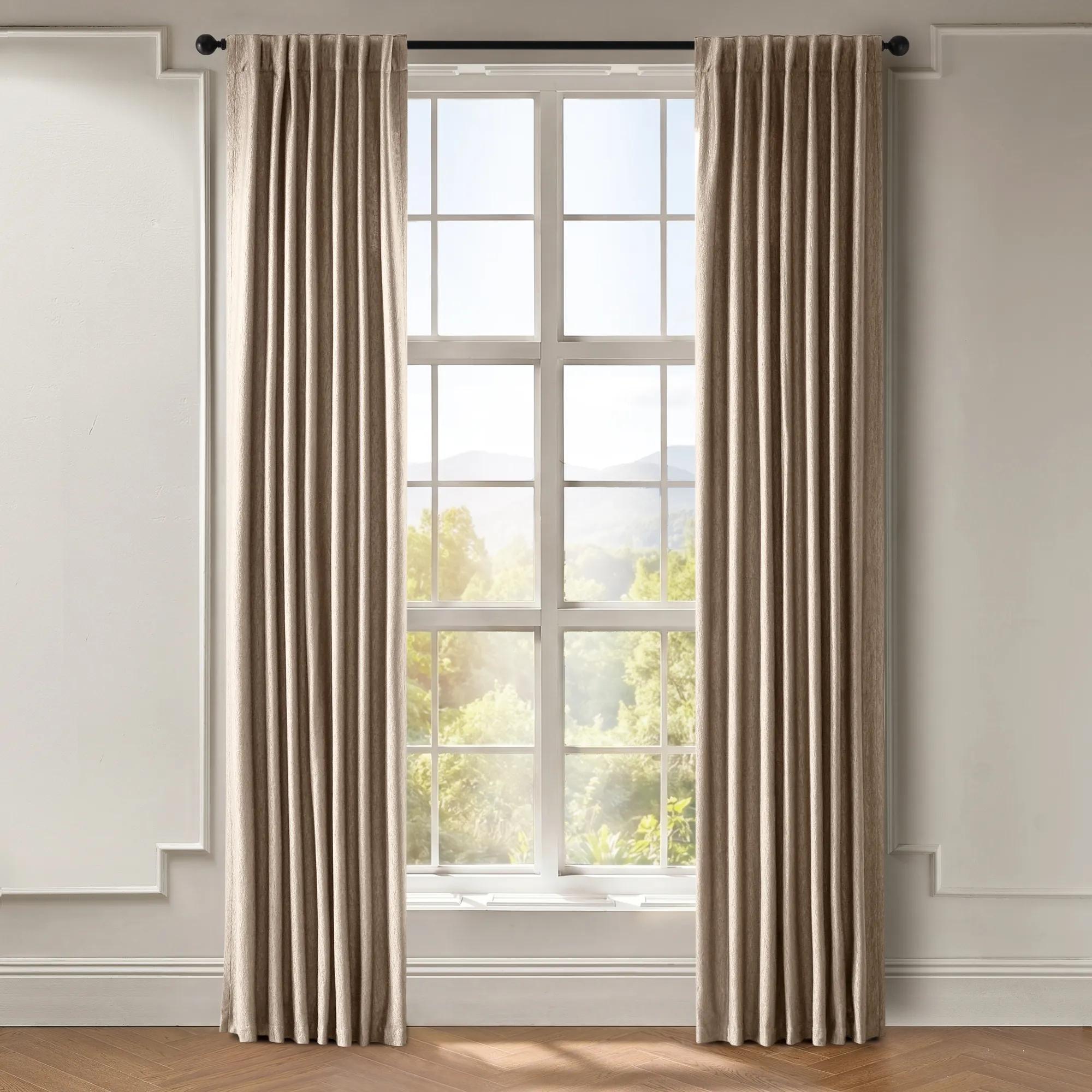 Anson Mocha Rose Textured Window Curtain Panel$89
A light mocha rose curtain panel with crushed sheen texture and room-darkening, dual hanging design.
Add To Cart -
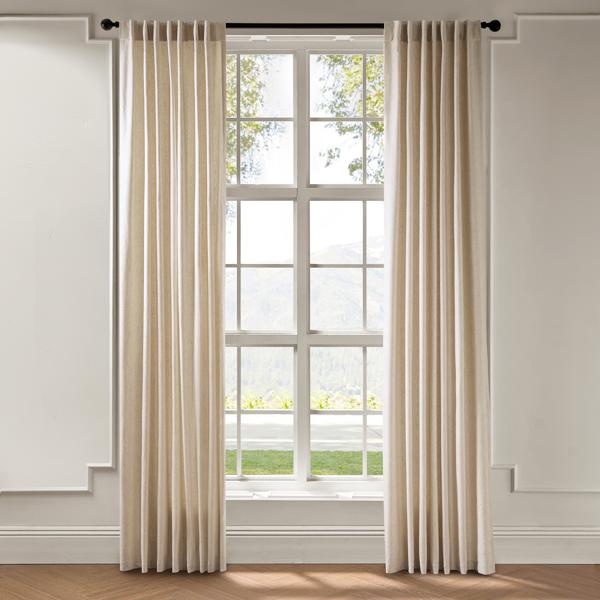
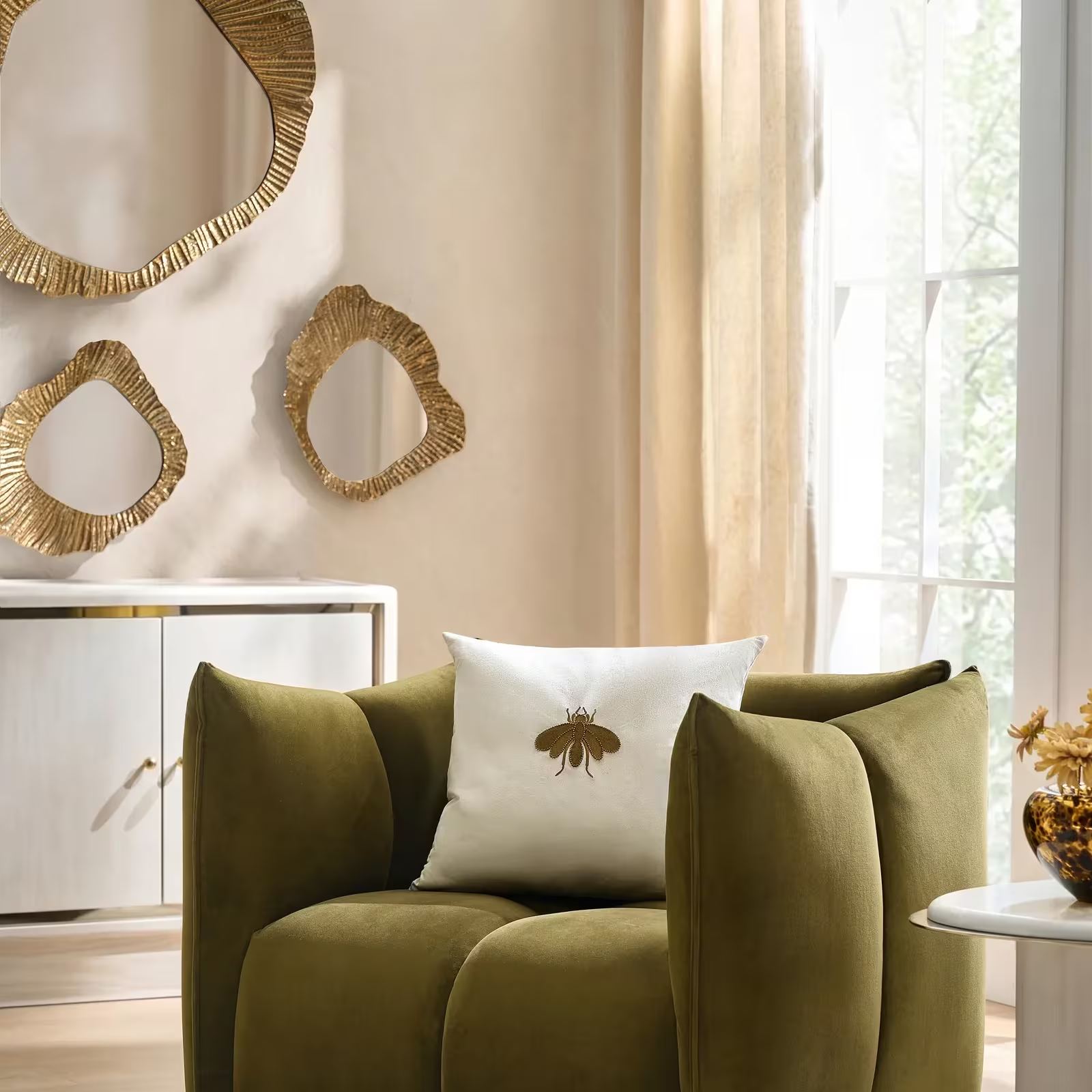 Anson Ivory Textured Window Curtain Panel$89
An ivory polyester curtain with a crushed, light-reflective texture for elegant, room-darkening style.
Add To Cart -
.jpeg?w=1200&h=1200)
 Anson Charcoal Textured Window Curtain Panel$89
Anson Charcoal Textured Window Curtain Panel$89A moody charcoal curtain with crushed polyester texture and subtle sheen for stylish, room-darkening appeal.
Add To Cart -
.jpeg?w=1200&h=1200)
 Mabel Natural Velvet Swirl Window Curtain Panel$89
Mabel Natural Velvet Swirl Window Curtain Panel$89A warm neutral velvet curtain with a tonal swirl pattern, offering room-darkening privacy and versatile hanging options.
Add To Cart -
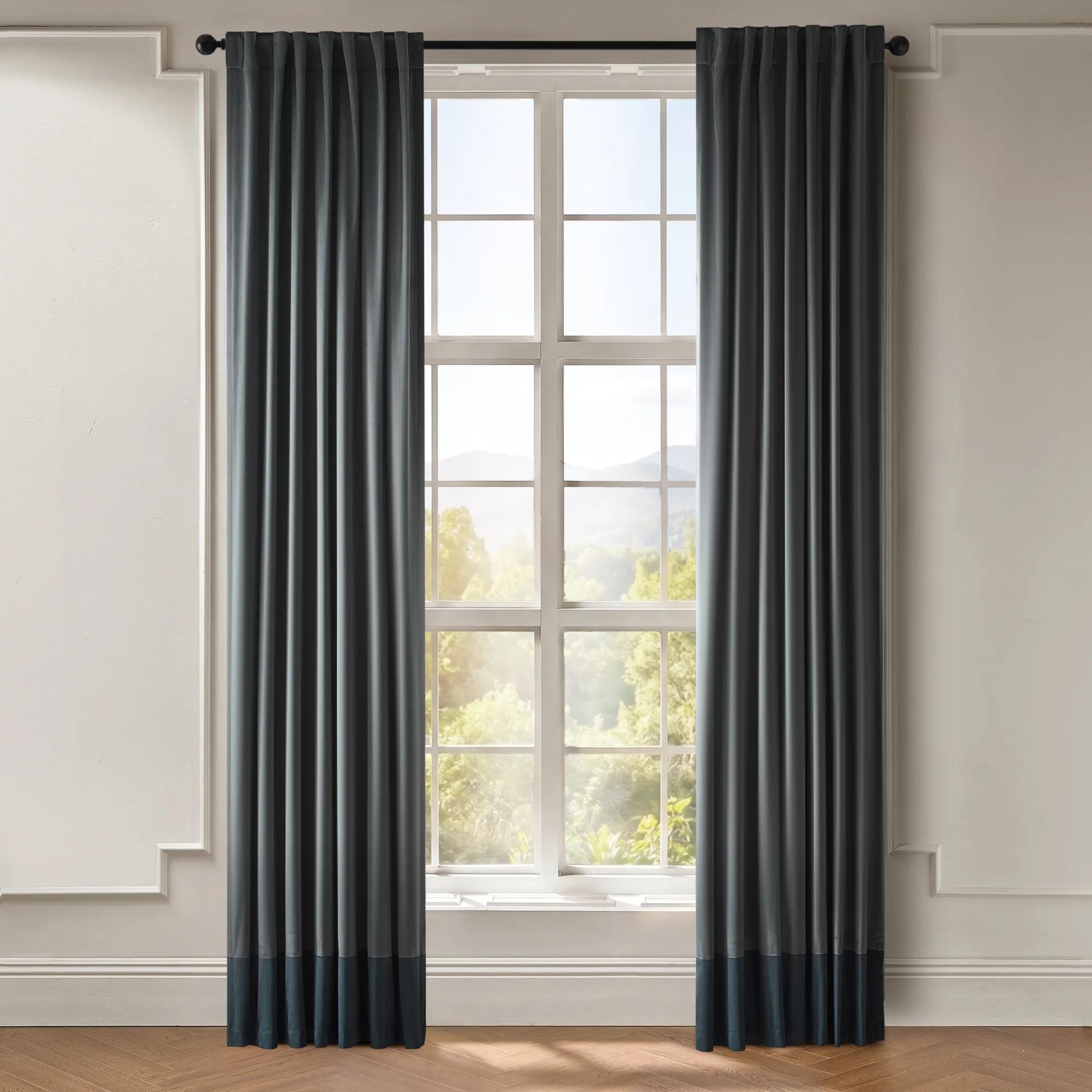
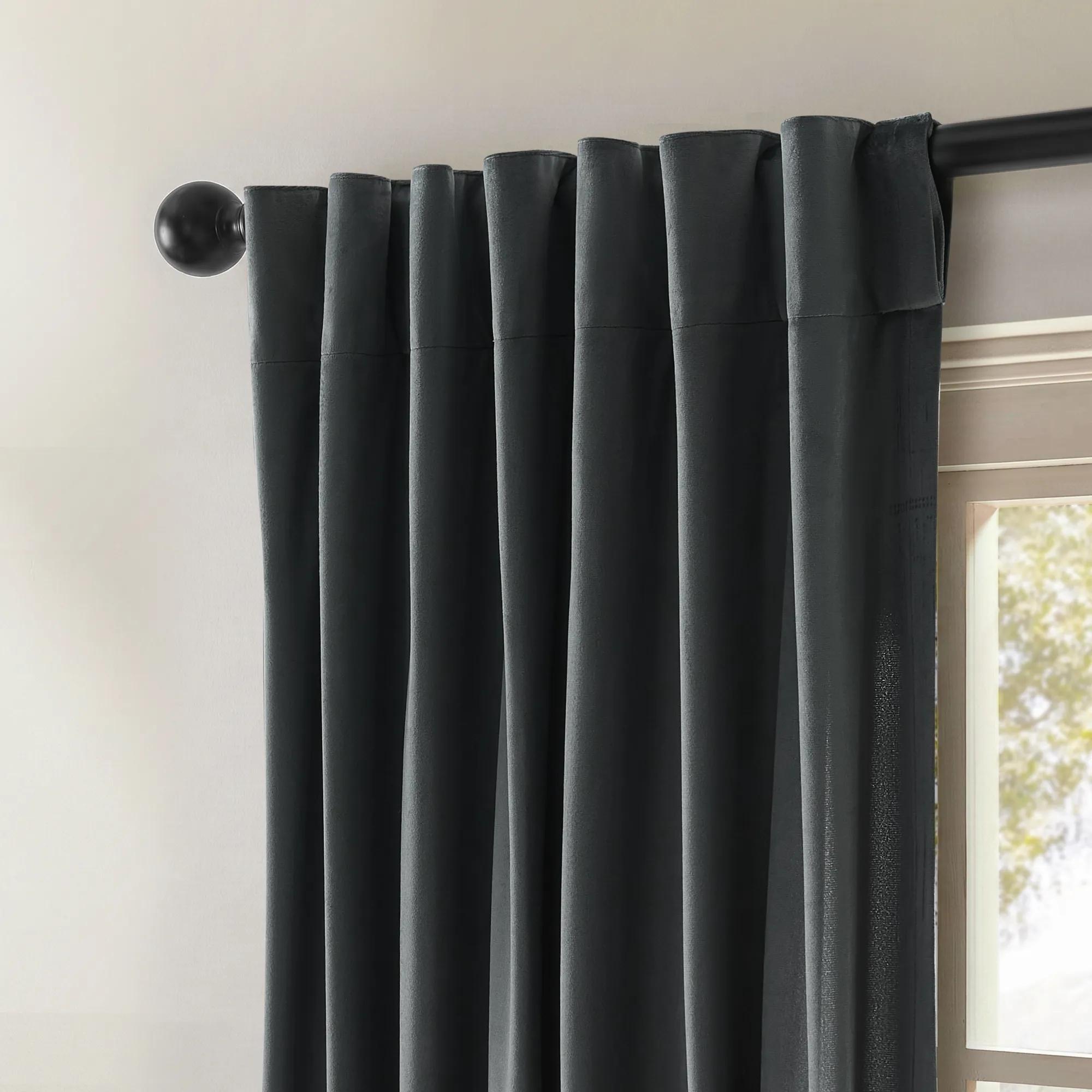 Bastien Blue/Midnight Velvet Border Window Curtain Panel$89
A two-tone dusty and midnight blue velvet curtain panel with a Deco-inspired border and room-darkening design.
Add To Cart -
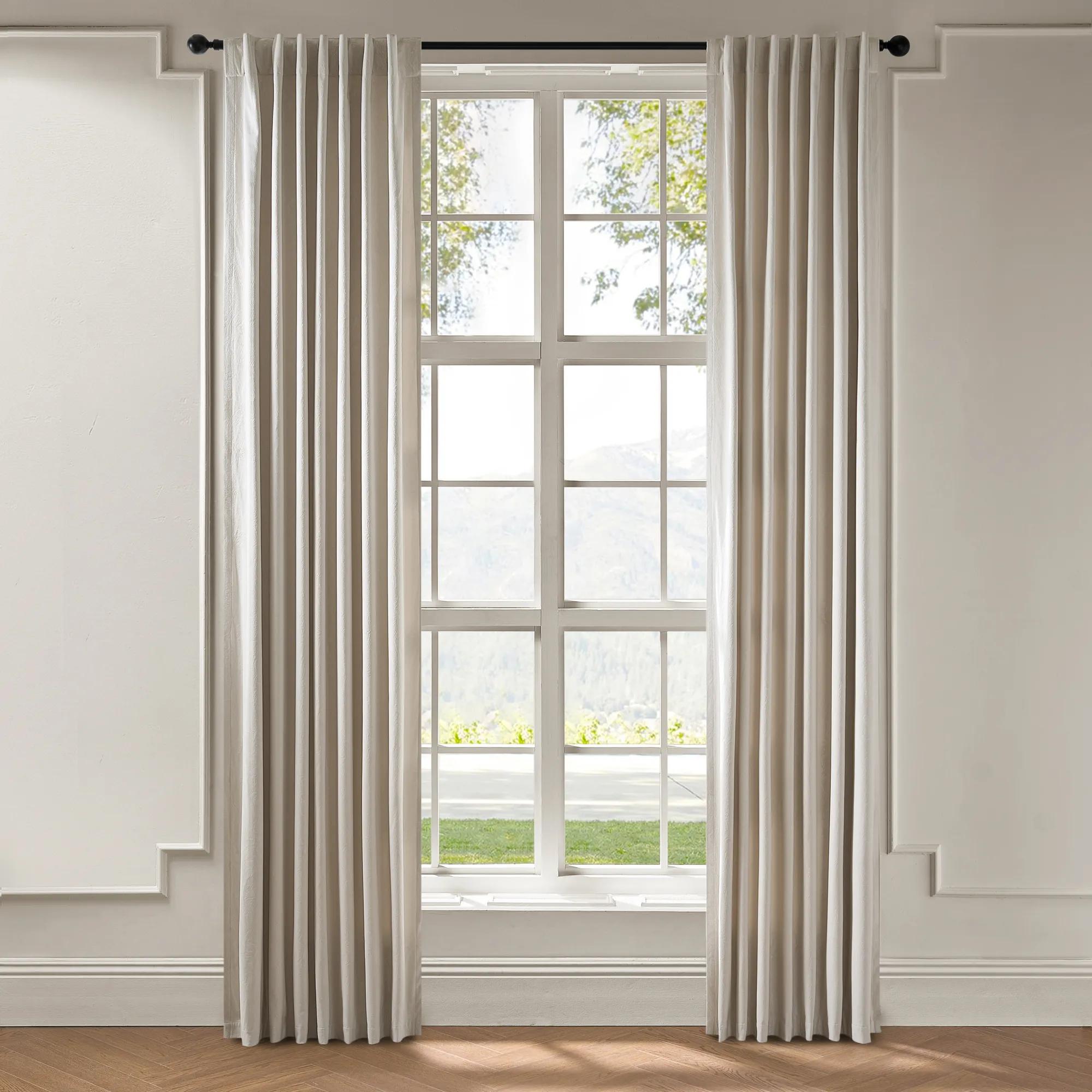
.jpeg?w=1200&h=1200) Mabel White Velvet Swirl Window Curtain Panel$99
Mabel White Velvet Swirl Window Curtain Panel$99A crisp white velvet curtain featuring a tonal swirl texture and versatile dual hanging options.
Add To Cart -
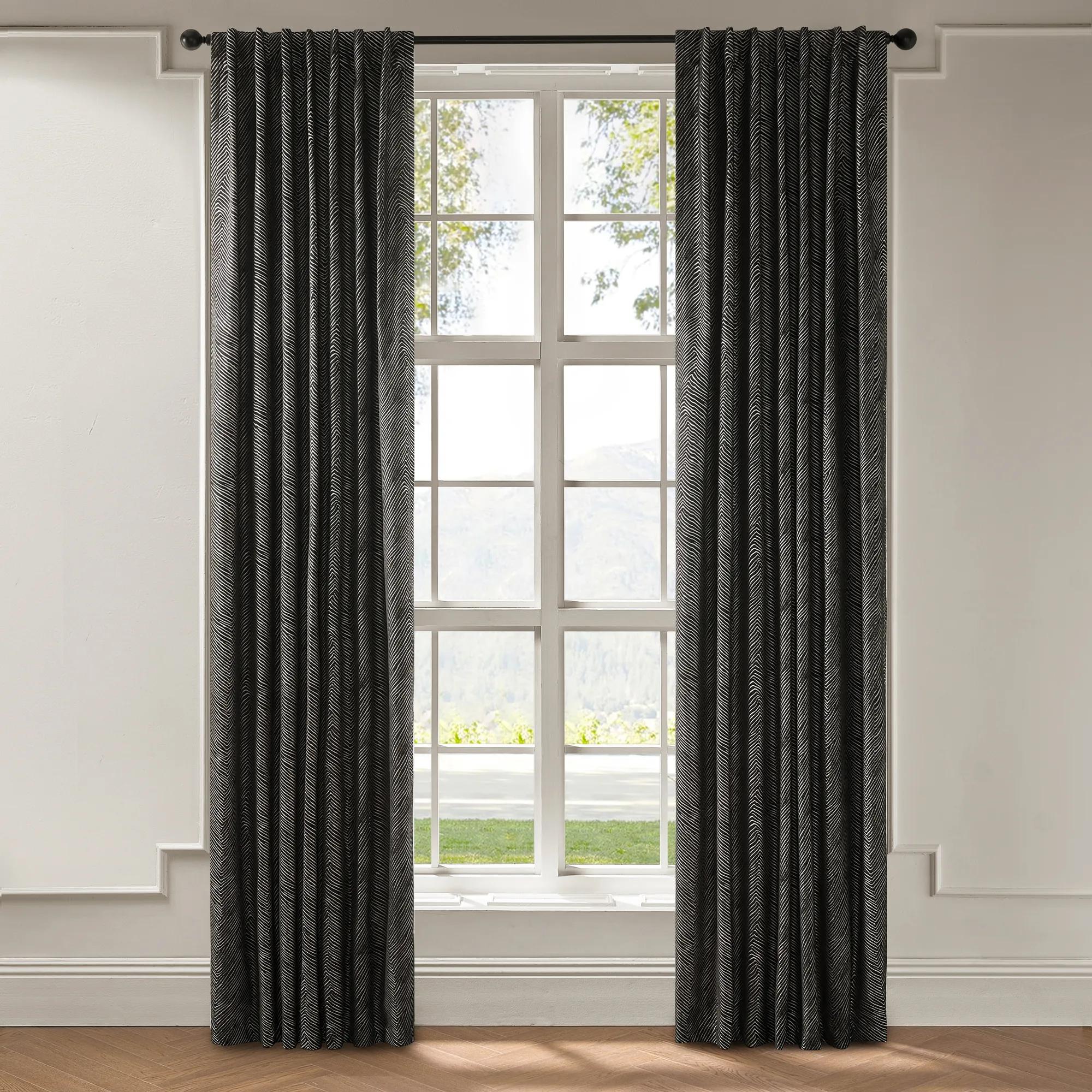
.jpeg?w=1200&h=1200) Kenzo Black Chenille Window Curtain Panel$139
Kenzo Black Chenille Window Curtain Panel$139A black chenille jacquard curtain with a room-darkening finish and versatile dual hanging options.
Add To Cart -
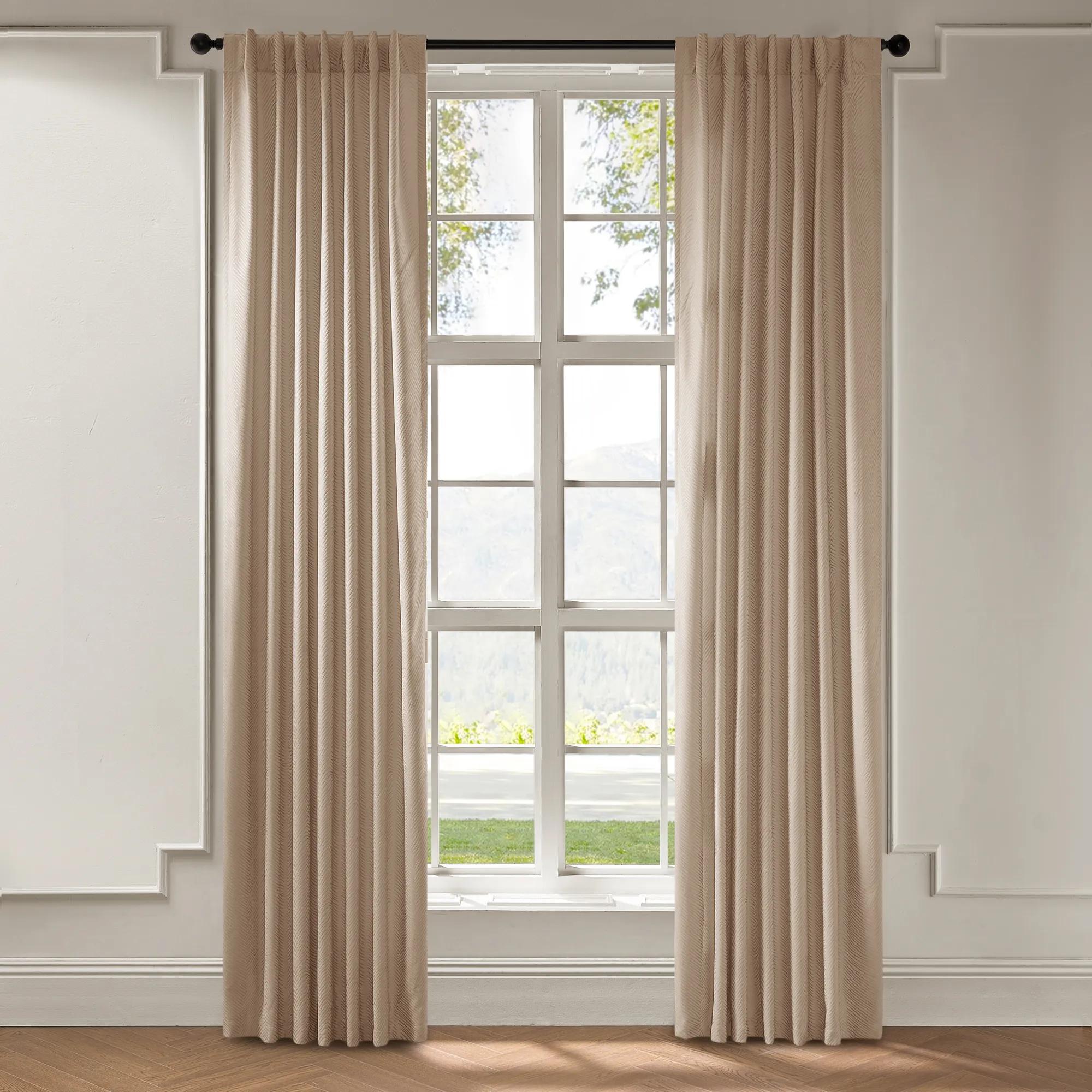 Kenzo Jacquard Beige Chenille Window Curtain Panel$129
A warm beige chenille jacquard curtain with a subtle sheen and versatile rod pocket or back tab hanging.
Add To Cart -
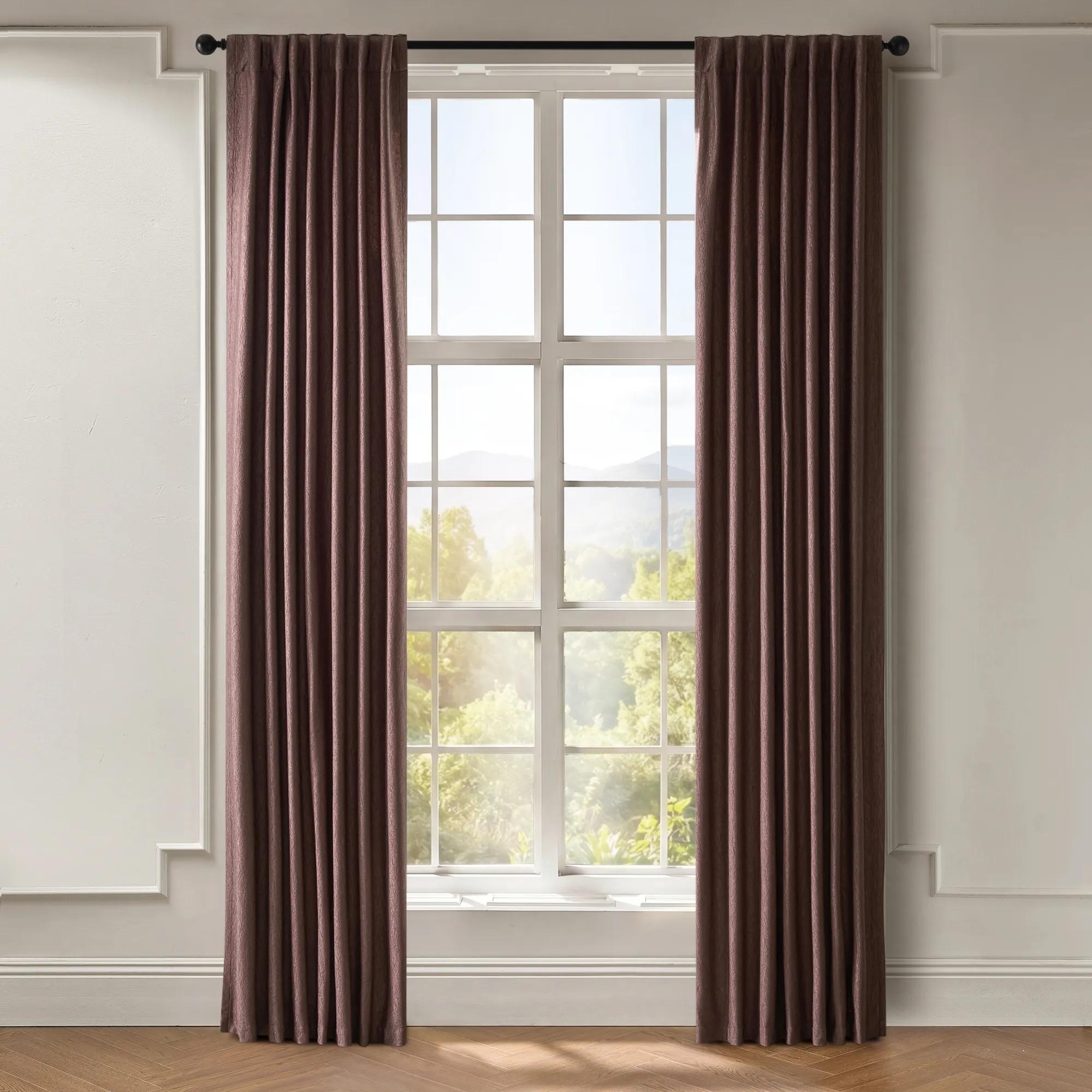
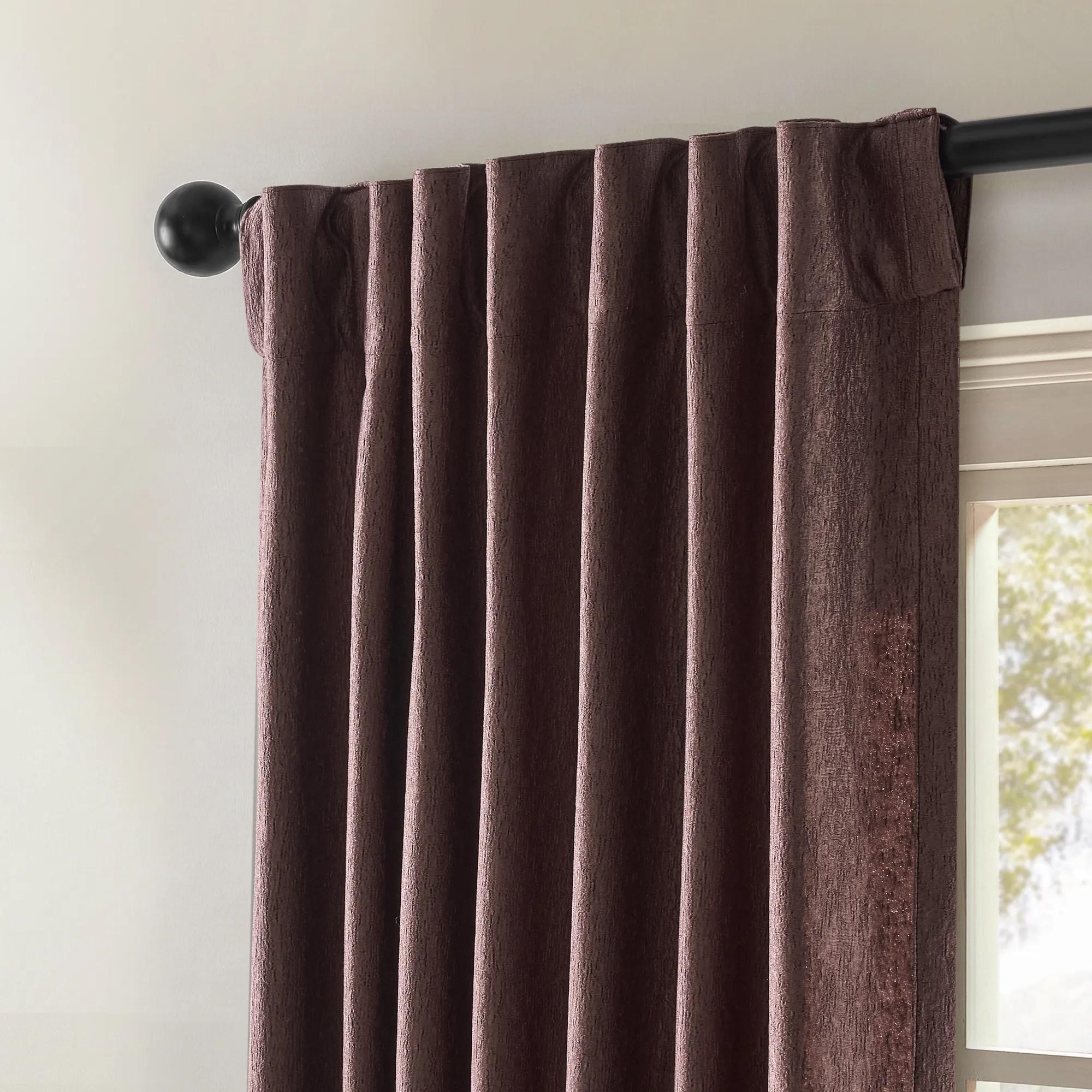 Anson Fig Textured Window Curtain Panel$89
A deep fig curtain panel with crushed sheen texture and room-darkening, dual hanging design in polyester.
Add To Cart -
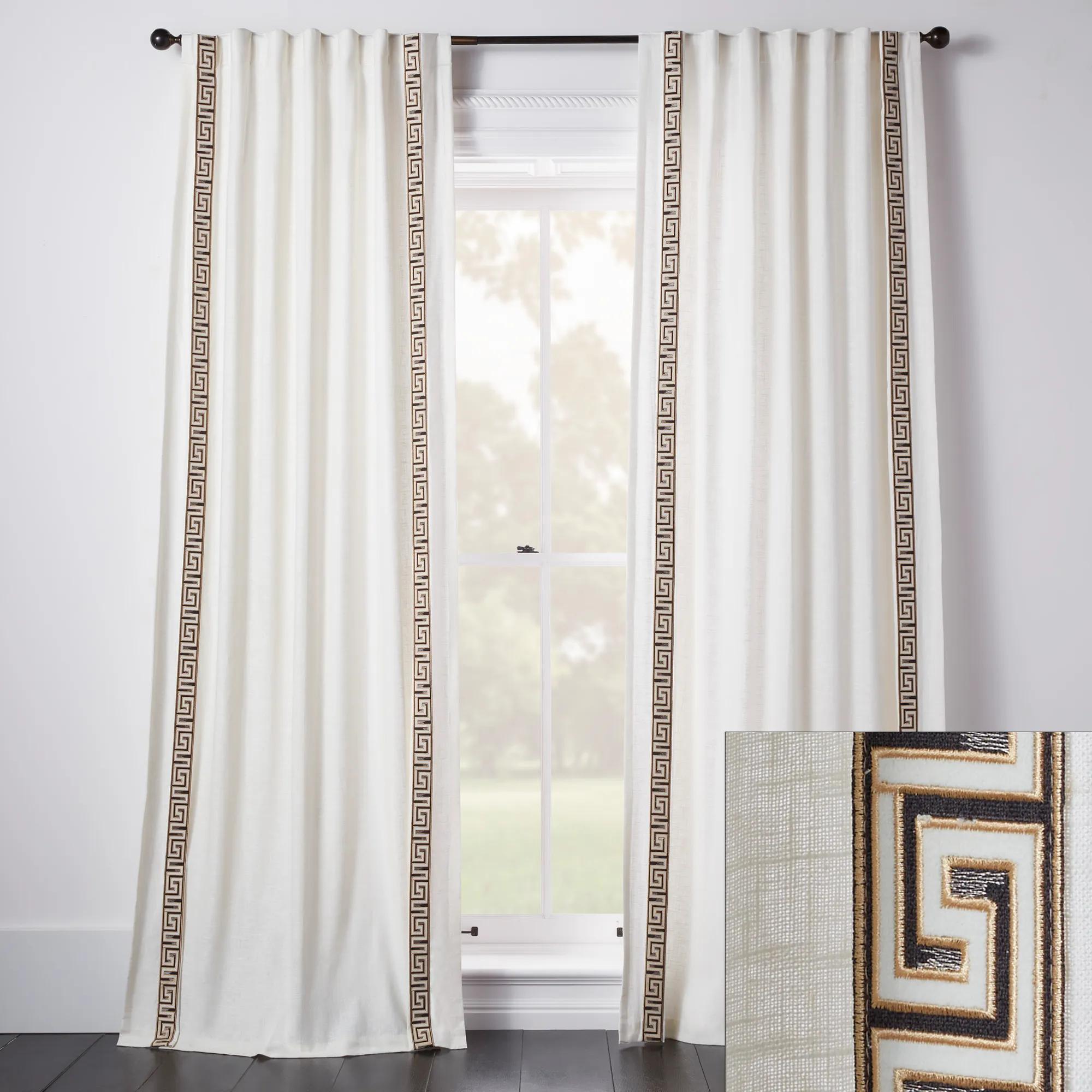 Chole Greek Key Border Velvet Widow Curtain Panels Custom$439
A white linen-blend curtain panel featuring a black and gold velvet Greek key border and customizable options.
Add To Cart -
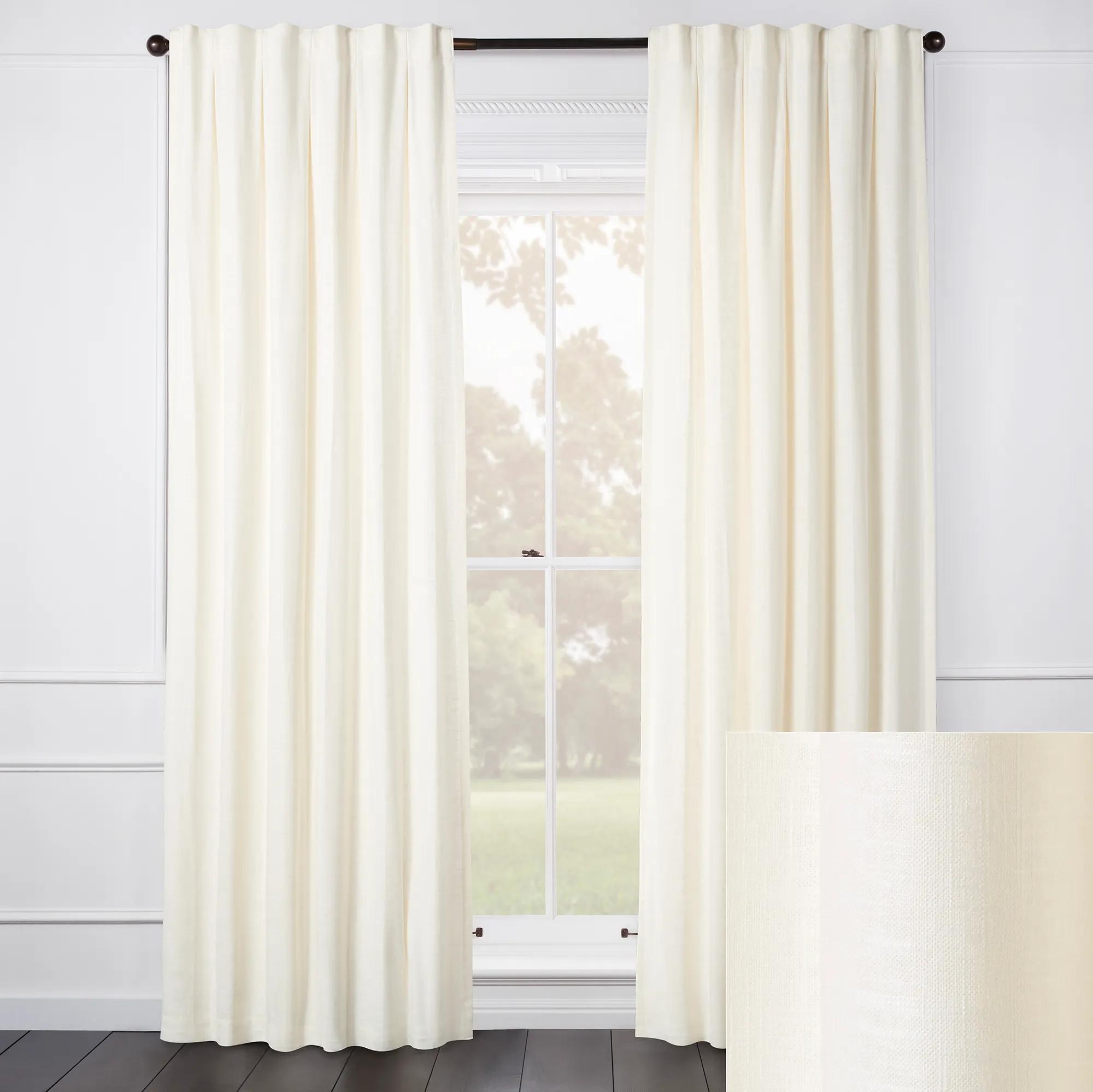
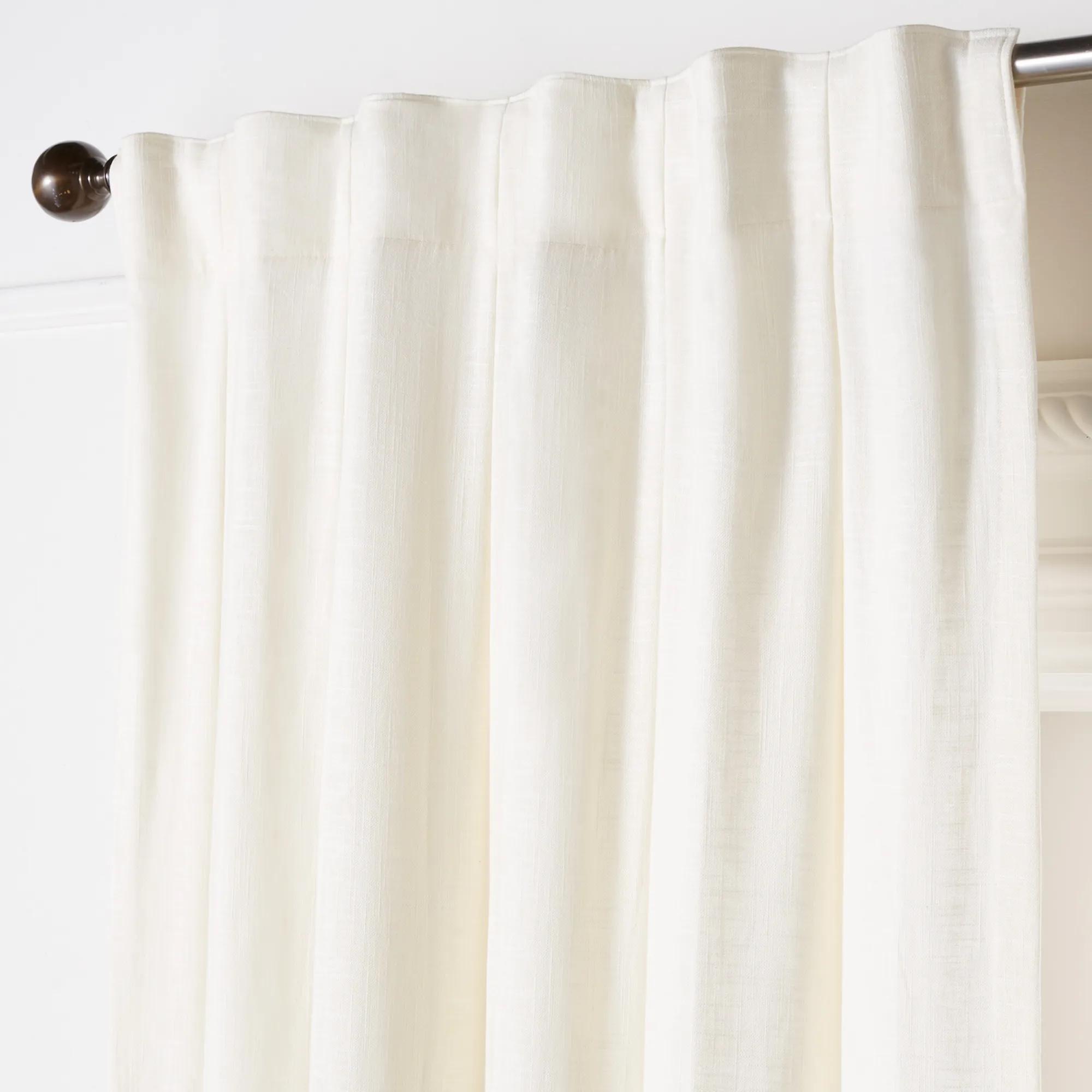 Audrey Linen Ivory Curtain - Custom$269
An ivory linen-blend curtain panel with lining, offering customizable lengths and two elegant header styles.
Add To Cart -
.jpeg?w=1200&h=1200)
 Adair Midnight Blue Solid Velvet Window Curtain Panel$69
Adair Midnight Blue Solid Velvet Window Curtain Panel$69A sumptuous midnight blue velvet curtain that adds elegance, depth, and room-darkening style to any space.
Add To Cart -
.jpeg?w=1200&h=1200)
 Adair Sand Solid Velvet Window Curtain Panel$79
Adair Sand Solid Velvet Window Curtain Panel$79A room-darkening sand velvet curtain with dual hanging options for a soft, tailored finish.
Add To Cart -
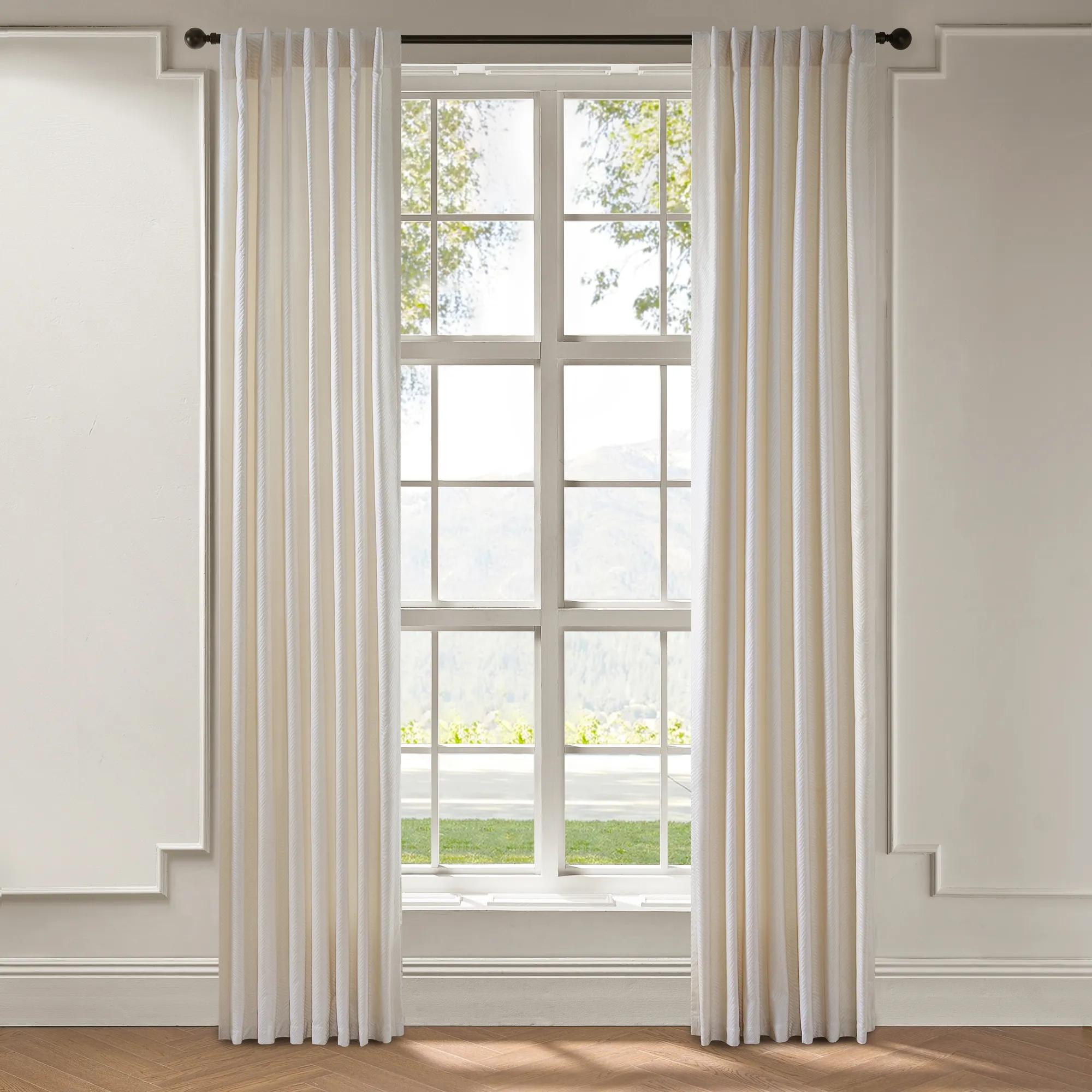
.jpeg?w=1200&h=1200) Kenzo Chenille Curtain - White$139
Kenzo Chenille Curtain - White$139A luxe white chenille jacquard curtain featuring a subtle high-contrast pattern and versatile dual construction.
Add To Cart

Dining Room Textured Curtains
Elevate your dining experience with dining room textured curtains that transform every meal into a lavish affair. These draperies are more than mere window coverings—they are tactile masterpieces, weaving dimension and intrigue into your space. Whether filtering sunlight to cast a soft, inviting glow or creating an intimate backdrop for unforgettable gatherings, each panel adds depth and drama. Let your dining room become a stage for artistry and ambiance, where every fold and finish speaks to your flair for the extraordinary.
Dining room textured curtains bring visual depth, softness, and dimension to a space while helping shape the light around the table. Unlike a smooth, flat fabric, a textured weave catches illumination across its surface, revealing subtle variations that change from afternoon sunshine to the glow of a chandelier. The effect can be quietly luminous or richly sculptural, depending on the material, pattern, and fullness of the panels. Linen and linen-blend curtains often show irregular slubs, the small variations in yarn thickness that give the fabric its distinctive character. Cotton offers a softer, more matte expression, while polyester blends can deliver pronounced texture with greater resistance to wrinkling, depending on their construction. Herringbone and chevron weaves introduce a tailored rhythm; jacquard fabrics create pattern within the weave itself, sometimes with raised motifs that feel especially striking against streamlined furniture. Bouclé-style surfaces and tufted details offer a more tactile statement, while slubbed faux silk combines visible texture with a light-catching sheen. These distinctions matter in a dining room, where broad expanses of glass, polished tabletops, and metallic finishes can benefit from a fabric with depth rather than additional reflection. Ivory panels with a dimensional weave soften the outline of a dark dining table without diminishing its presence. Warm taupe lends richness beside brass accents, and silvery gray takes on a more atmospheric quality near smoked glass or lacquer. For a room already layered with patterned upholstery or expressive artwork, a solid-color curtain with an intricate weave adds interest without competing for attention. In a more restrained setting, a larger woven motif can give the windows an architectural presence of their own. The most compelling choice relates to the room without matching every surface: a subtle vertical texture can echo fluted furniture, while a softly irregular weave provides contrast to crisp chair frames. For frequent hosts and those who want everyday meals to feel more considered, textured window treatments create a dining space that feels composed, inviting, and unmistakably personal.
Light control is just as important as the fabric’s appearance, and texture alone does not determine how much sunlight or visibility a curtain will block. Sheer textured curtains diffuse daylight while keeping the room bright, making them especially appealing around a breakfast table or in a dining area that shares space with a living room. Their privacy is limited, particularly after dark when interior lights are on. Light-filtering panels soften stronger daylight and reduce some of its intensity, although privacy and glare control vary with the weave, color, and lining. Room-darkening curtains provide a more enveloping backdrop for evening entertaining, but they should not be assumed to offer complete blackout unless the fabric and construction are specifically designed for it. A loosely woven face fabric paired with a lining can look airy and dimensional while performing differently from an unlined version of the same material. In a west-facing dining room, for example, lined panels can help temper the late-afternoon brightness that falls across place settings; for a shaded room, a pale, light-filtering weave preserves more of the available daylight. Layering textured curtains over shades allows the decorative panels to frame the window while the shades handle more precise privacy needs. Materials also influence the mood after sunset. Matte cotton and linen absorb light softly, while lustrous yarns pick up small highlights from candles and overhead fixtures. Those drawn to a more fluid, luminous window treatment can also explore Dining Room Silk Drapes for a different expression of dining-room elegance. During the cooler months, denser fabrics and suitable linings can make the window area feel more sheltered, though actual thermal performance depends on the complete treatment and installation. The right balance is personal: an intimate dining room may welcome deeper tones and substantial folds, while an open-plan entertaining space may feel more connected with a lighter fabric repeated across adjoining windows. Consider the curtain both open and closed, since each position changes the room’s light, proportions, and sense of enclosure.
Proportion gives dining room textured curtains their presence, turning an appealing fabric into a finished architectural detail. Panel length should be measured from the intended hanging point, accounting for the header style, rings, or hooks rather than relying on the window height alone. Floor-skimming curtains create a graceful line with less fabric underfoot, a particularly useful choice near dining chairs, serving carts, and frequently used patio doors. A generous puddle may look theatrical, but it also gathers dust and can interfere with movement in a busy dining space. Width deserves equal attention: panels need enough fabric to form attractive folds when closed, rather than stretching flat across the glass. For many styles, a combined panel width around one and a half to two times the rod width is a useful starting point, with the final fullness determined by fabric weight, header construction, and the manufacturer’s recommendations. Pleated headers create a structured silhouette, while back tabs offer broad folds with a quieter view of the hardware. A rod that extends beyond the window frame can allow open panels to rest farther from the glass, preserving daylight and emphasizing the width of the opening where wall space permits. Substantial textured fabrics also need hardware rated to support their weight, especially when lined. For lasting beauty, care requirements should suit the household as well as the room. Some cotton and synthetic blends are machine washable, while other fabrics, linings, and embellished surfaces require professional cleaning; always follow the care label rather than assuming a fiber name tells the whole story. Gentle vacuuming with an appropriate upholstery attachment can help remove settled dust when permitted, and prompt attention to spills matters near a dining table. Raised textures may catch on chair edges, jewelry, or pets’ claws, so clearance and placement deserve consideration. Strong sunlight can fade or weaken some fabrics over time, making protective lining worth considering for exposed windows. With thoughtful sizing, suitable care, and a weave that rewards a closer look, textured curtains give the dining room enduring richness—from an unhurried morning at the table to an evening arranged in crystal, candlelight, and deep, beautiful folds.
FAQs
Textured curtains bring a tactile dimension and visual intrigue to dining spaces, transforming ordinary windows into dramatic focal points. Their rich weaves and patterns catch light beautifully, adding depth and warmth that enhance both everyday meals and festive gatherings. The interplay of texture and fabric elevates the entire atmosphere, making your dining room feel curated and inviting.
Consider the mood and style you wish to evoke. Velvet or jacquard curtains offer a sense of opulence and grandeur, perfect for formal dining rooms, while linen or woven blends introduce relaxed elegance and natural charm. Pair bold, sculptural textures with streamlined furniture for contrast, or layer subtle patterns to create a harmonious and cohesive look.
Absolutely—luxury dining room curtains are crafted for both beauty and durability. Opt for fabrics that are easy to maintain, such as tightly woven blends or performance textiles, which resist snags and stains while retaining their sumptuous appearance. Select styles with forgiving textures that conceal minor marks, ensuring your dining room remains effortlessly polished.
Yes, textured curtains are excellent for managing both light and privacy. Heavier fabrics like velvet or layered weaves can block out light and shield your space from outside view, creating an intimate dining experience. Lighter textures diffuse natural light, softening the room’s ambiance while still providing a sense of seclusion.
Frame your windows with floor-to-ceiling panels for dramatic height, or layer sheers beneath heavier drapes for a multidimensional effect. Incorporate decorative tiebacks or metallic hardware to accentuate the curtain’s sculptural qualities. For a curated look, coordinate curtain textures with other elements in the room, such as upholstered chairs or a statement rug, to weave a cohesive story of luxury and artistry.
.jpeg?w=4130&h=4130)