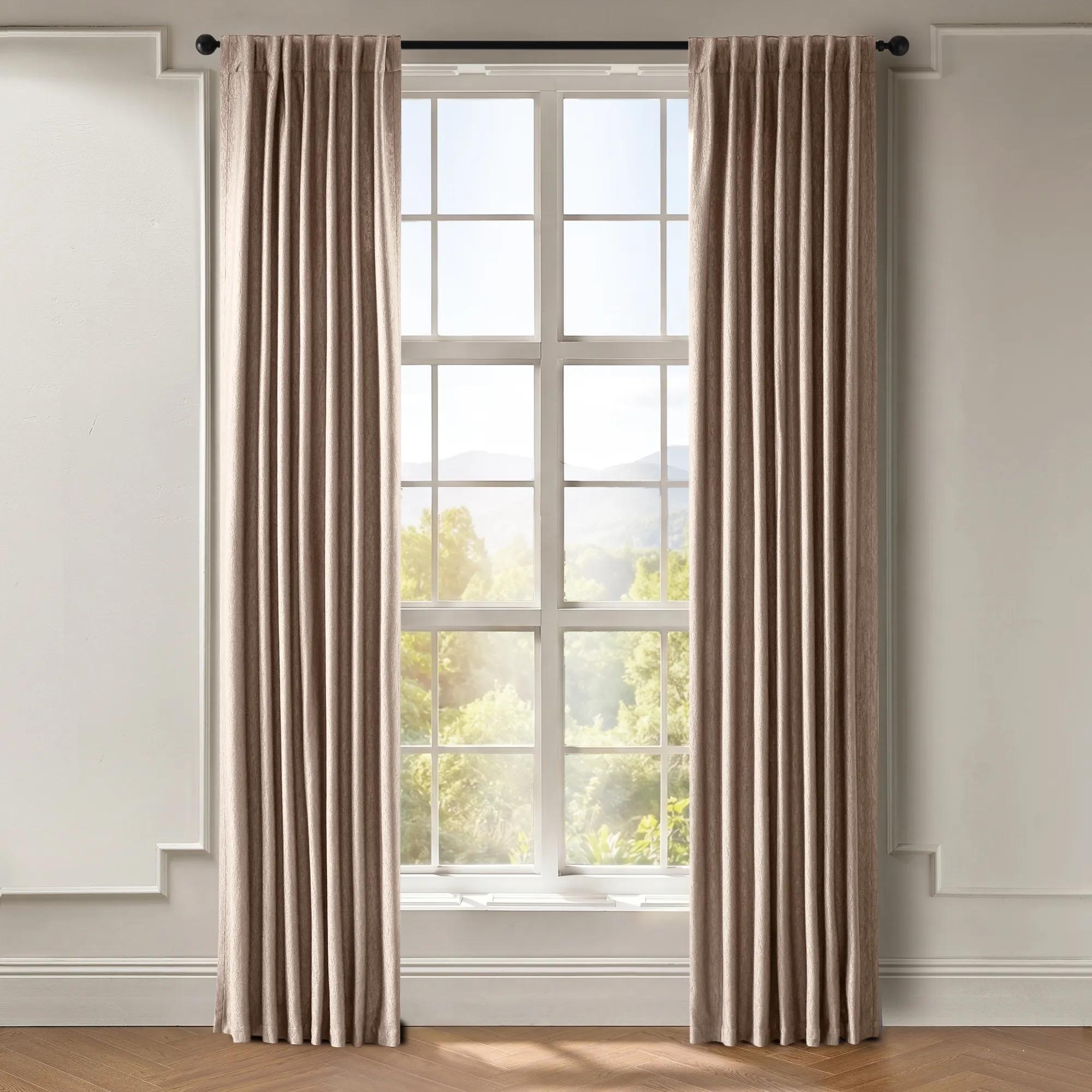
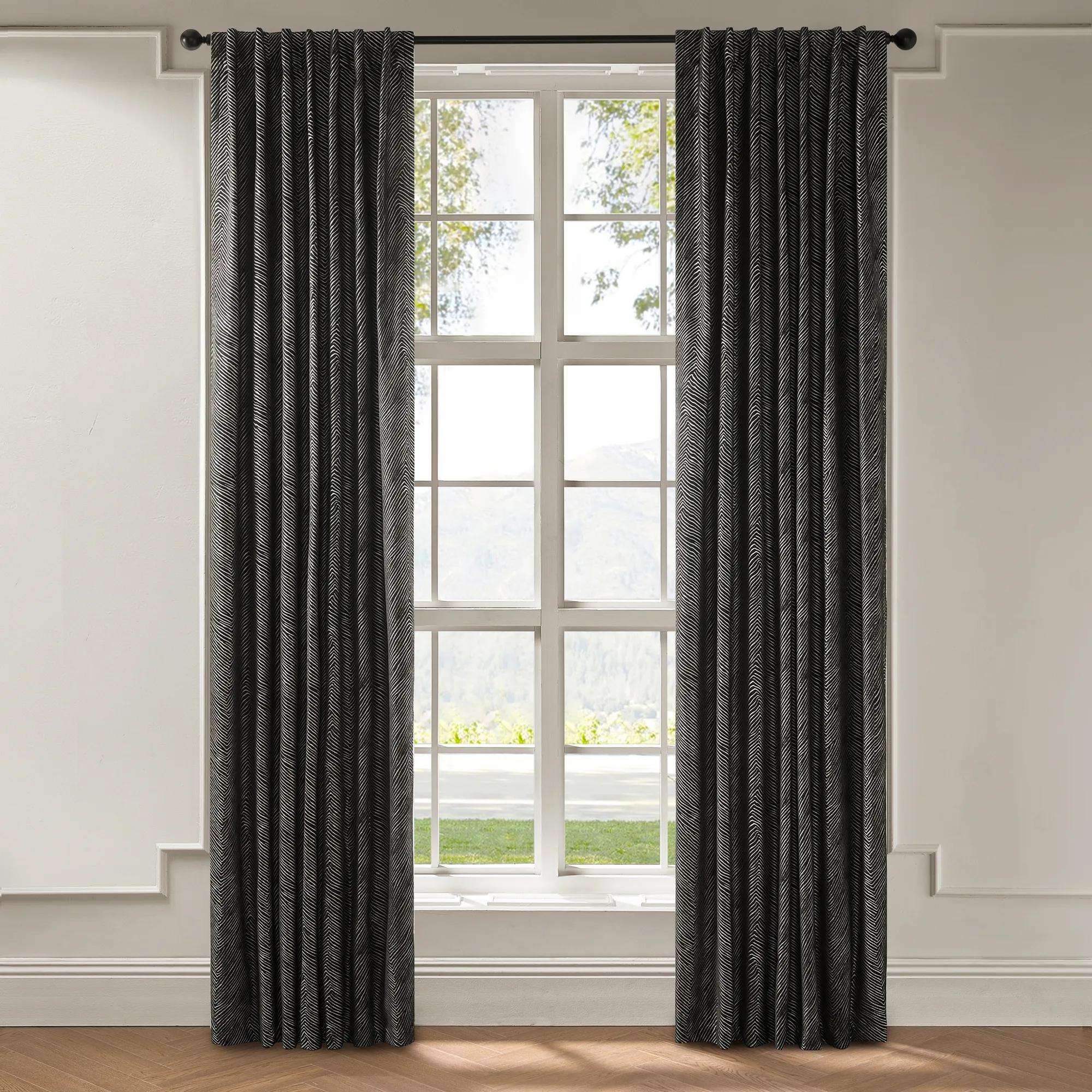
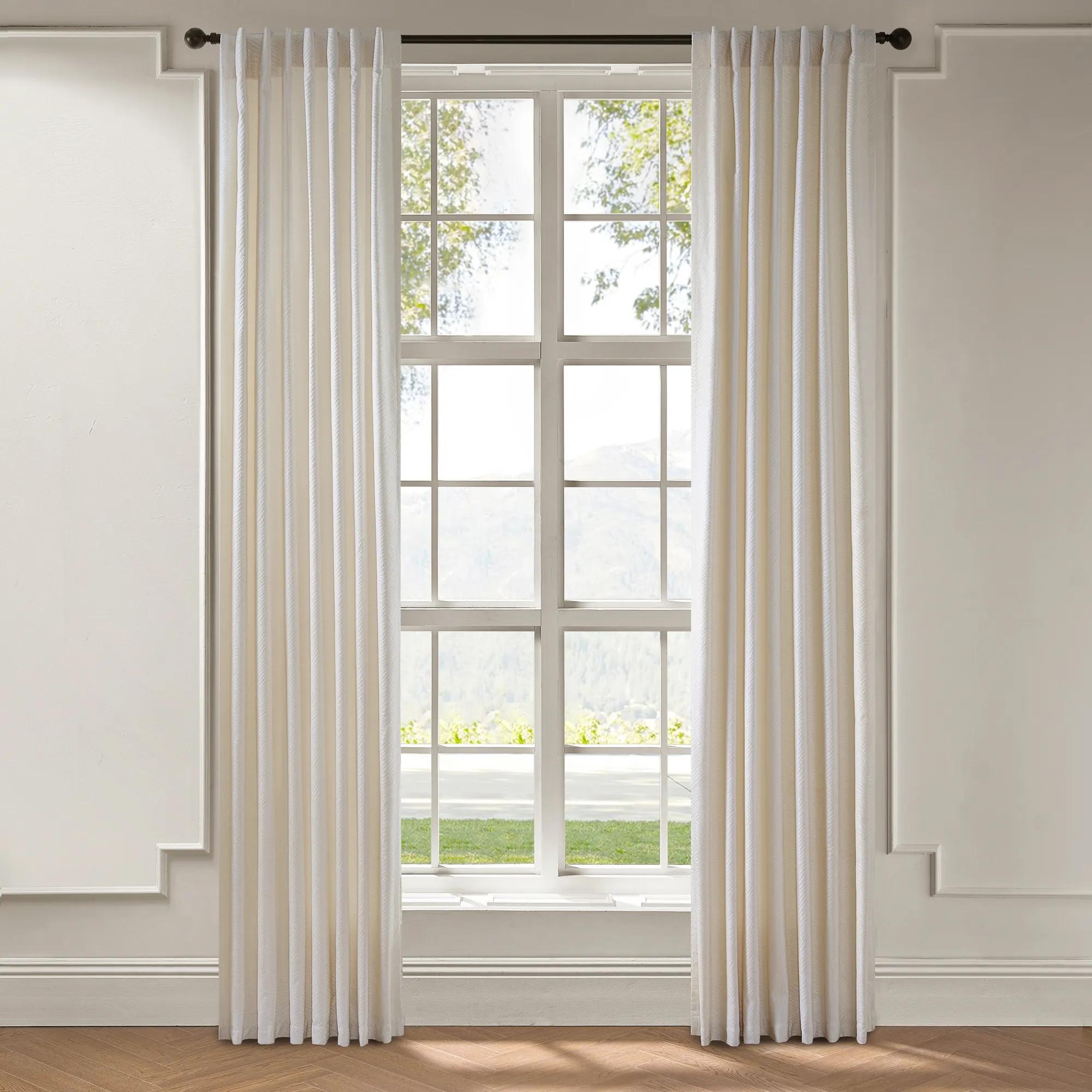
Linen Blend Dining Room Curtains
Linen Blend Dining Room Curtains
-
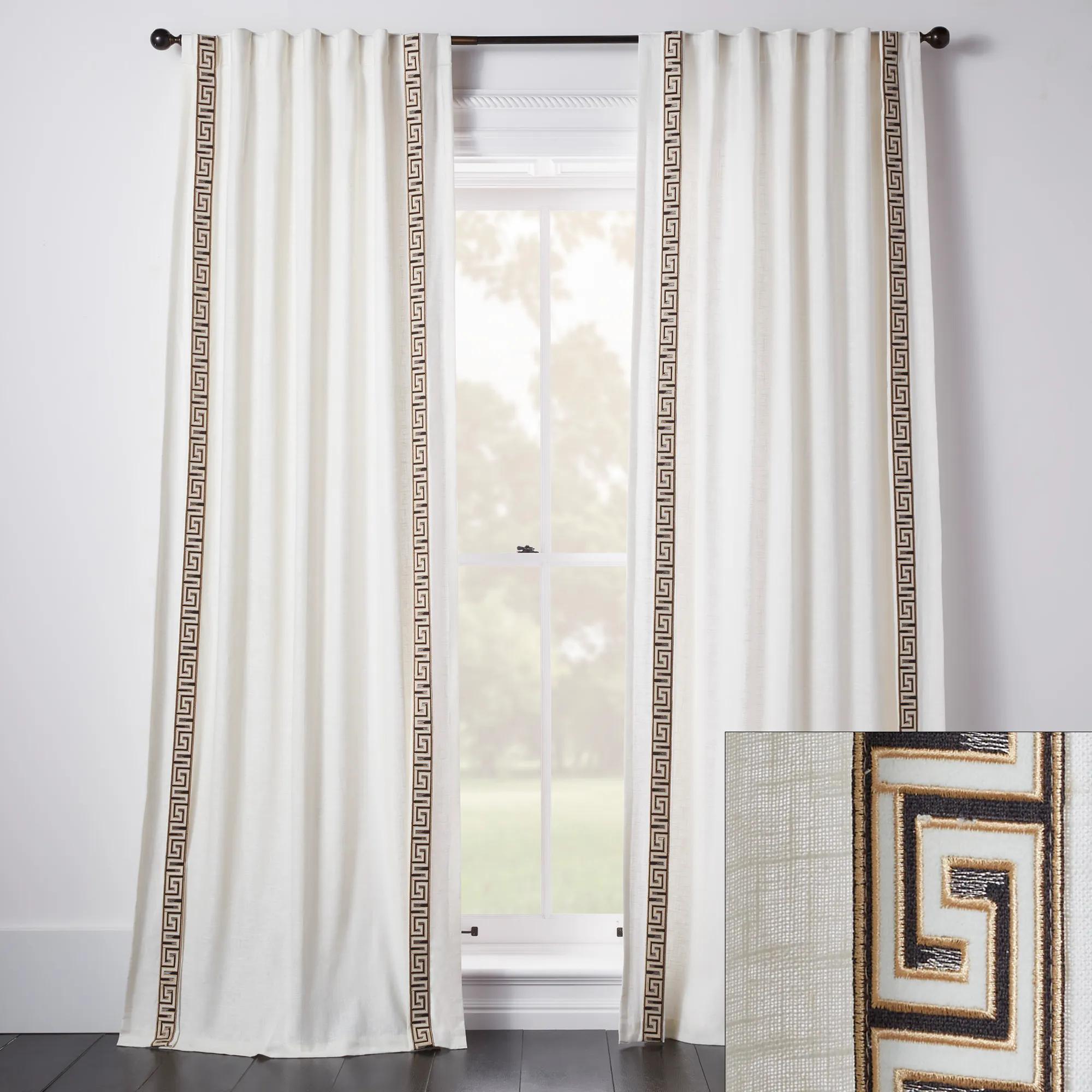 Chole Greek Key Border Velvet Widow Curtain Panels Custom$359
A linen-blend curtain panel with black and gold velvet Greek key border and customizable header options.
Add To Cart -
Chole Greek Key Border Velvet Widow Curtain Panels Custom$399
A linen-blend curtain panel with black and gold velvet Greek key border and customizable header options.
Add To Cart -
Chole Greek Key Border Velvet Widow Curtain Panels Custom$299
A white linen-blend curtain panel featuring a black and gold embroidered velvet Greek key border.
Add To Cart -
Chole Greek Key Border Velvet Widow Curtain Panels Custom$439
A white linen-blend curtain panel featuring a black and gold velvet Greek key border and customizable options.
Add To Cart -
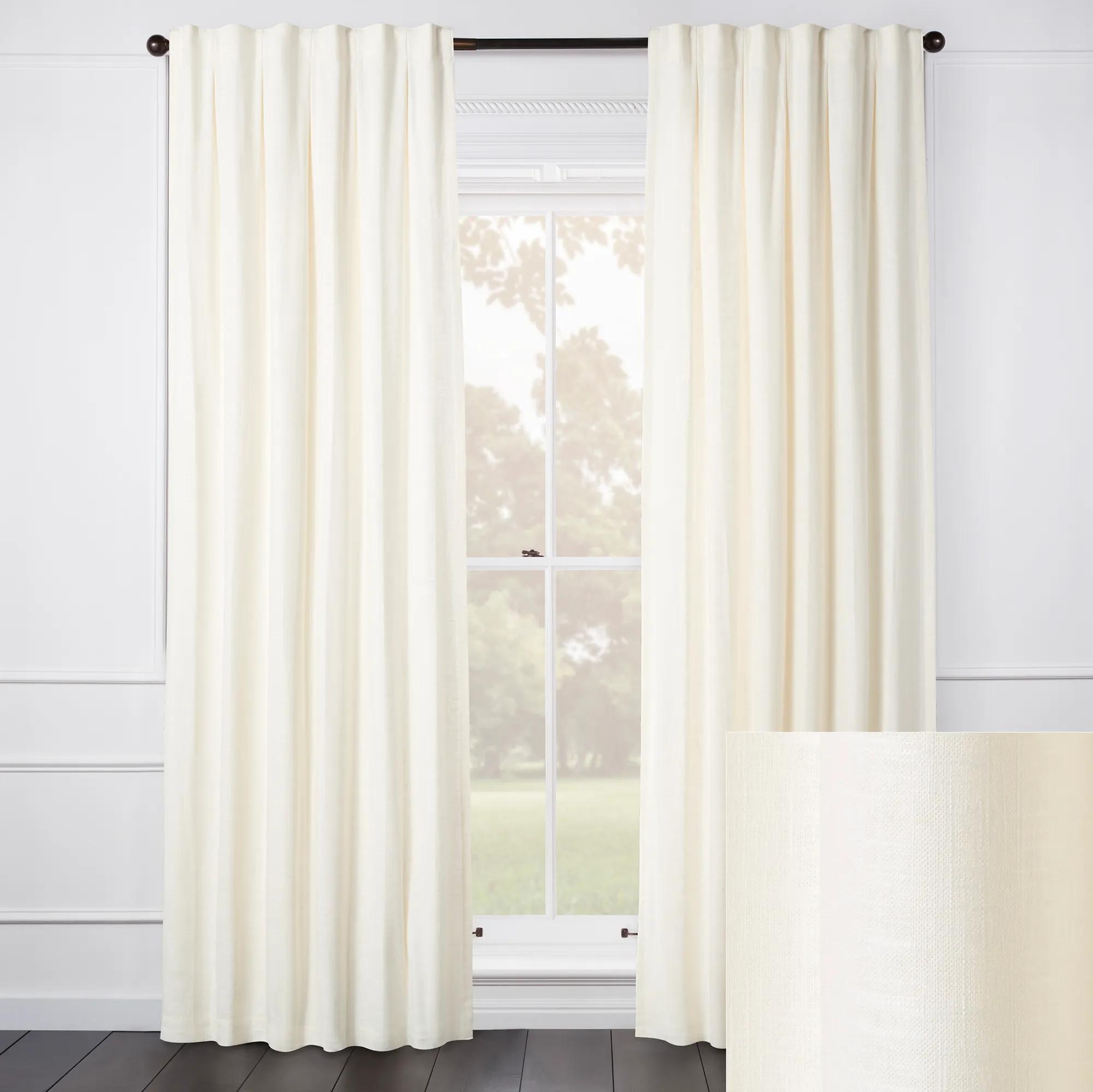
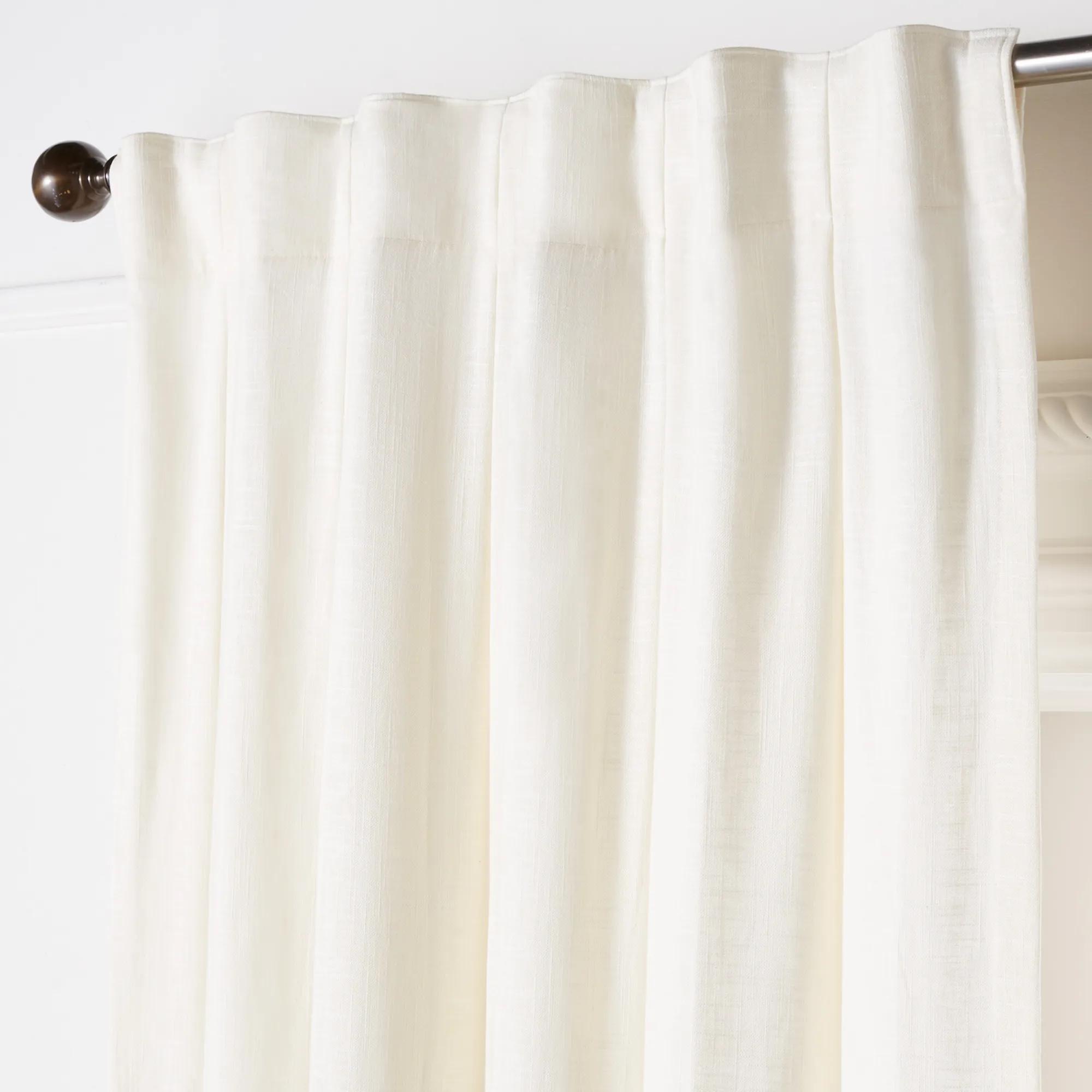 Audrey Linen Ivory Curtain - Custom$269
An ivory linen-blend curtain panel with lining, offering customizable lengths and two elegant header styles.
Add To Cart

Linen Blend Dining Room Curtains
Linen Blend Dining Room Curtains transform the everyday meal into an occasion, framing your space with effortless sophistication and tactile allure. Each panel is a masterstroke—light-diffusing, elegantly draped, and imbued with a soft, organic texture that elevates every gathering. Whether you’re hosting candlelit soirées or savoring quiet mornings, these curtains set the scene for unforgettable moments, inviting natural light to dance across your dining room while enveloping it in refined comfort. Let your dining space become a gallery of style and grace, where every detail tells a story of artistry and intention.
Linen blend dining room curtains combine linen’s distinctive texture with complementary fibers for a window treatment that feels relaxed in texture and refined in silhouette. The appeal lies in that contrast: a subtly irregular weave softens the architecture of a room, while long, generous folds frame the dining table with quiet drama. Linen may be blended with cotton, polyester, rayon, or other fibers, and the composition influences everything from softness and weight to wrinkle resistance and care. A polyester-linen blend may hold a smoother appearance than pure linen, while cotton can contribute a soft, natural hand; the finished effect still depends on the weave, fabric weight, and construction. Slubs, the small variations in yarn thickness associated with linen, lend visual depth rather than the uniform finish of a flat woven fabric. Against a polished table, sculptural chairs, or gleaming lighting, that texture creates a richly layered setting without competing for attention. Opacity deserves just as much consideration as appearance. Sheer linen blends soften incoming light but offer limited privacy, particularly after dark when the dining room is illuminated. Light-filtering curtains diffuse daylight with more coverage, although their privacy level varies by fabric density and color. Lined panels can provide additional substance and light control, but a linen blend is not inherently room-darkening or blackout; those qualities depend on its construction and any added lining. For a dining area facing a sidewalk, a denser weave or a separate privacy layer may feel more comfortable than an unlined sheer. In a room overlooking a private garden, translucent panels can preserve an airy impression while tempering glare across the tabletop. Ivory, flax, and warm beige emphasize the fabric’s natural character, while gray and deeper neutral tones create a more architectural frame. The most compelling choice balances the view, the light, and the mood of the room, allowing the curtains to become part of the dining experience rather than simply a finishing layer.
Proportion gives linen blend curtains their presence. A narrow panel stretched across a broad window can lose the sculptural folds that make the fabric so expressive, while adequate fullness allows the weave to catch light at different angles. For many curtain styles, a combined fabric width of roughly one and a half to two times the rod width is a useful starting point, though the heading style and manufacturer’s recommendations should determine the final amount. Pleated curtains require particular attention: their stated width may already reflect the finished pleats rather than the flat fabric measurement. Measure from the intended hanging point to the desired hem position, accounting for rings, hooks, or other hardware that can change where the panel begins. Curtains that just meet the floor create an elegant, composed line; a slight clearance can be more practical beside a frequently used dining chair or a floor that needs regular cleaning. A generous puddle has a more theatrical effect, but excess fabric can interfere with chair movement and collect dust or crumbs in a busy dining room. Where space and mounting conditions allow, extending the rod beyond the window frame gives open panels somewhere to gather, revealing more glass and helping the window feel expansive. The wall surface, bracket placement, and hardware weight rating matter, especially with lined or generously sized panels. Heading styles shape the room’s character, too: pinch pleats emphasize orderly folds, back tabs create a discreet presentation, and grommets introduce a visible metal detail. For a more structured expression, Linen Blend Tailored Window Curtains offer a natural direction for interiors defined by clean lines and considered proportions. Let the surrounding finishes guide the hardware: a warm metallic rod can echo a chandelier, while a darker finish can outline pale fabric with graphic precision. In an open dining area, repeating a curtain color or texture from an adjoining space creates continuity without requiring every furnishing to match.
Daily life should inform the final fabric choice as much as the room’s visual ambition. Linen blend dining room curtains suit formal entertaining spaces, everyday dining rooms, and shared living-and-dining areas where softness is needed around hard surfaces. Their textured presence can temper the gleam of glass, lacquer, stone, and metal, giving an expressive interior a sense of balance. Fabric may help soften reflected sound, particularly when panels are substantial and generously gathered, but decorative curtains should not be mistaken for soundproofing. In a dining room used for family meals, homework, and lingering conversation, washable fabric and a floor-skimming length may be more useful than an elaborate hem treatment. For a space reserved for intimate dinners, a heavier drape and precise pleating can lend ceremony without overwhelming the table setting. Durability depends on more than the word “blend”: fiber content, weave density, seam quality, lining, and exposure to direct sunlight all affect how curtains wear. Looser textures can be vulnerable to snagging from pet claws or nearby furniture, while repeated handling at the same edge can leave marks over time. Allow room for panels to move freely, and keep fabric clear of candles, heating sources, and food preparation areas. Care instructions are essential because linen blends are not universally machine washable. Some tolerate a gentle wash, while others require professional cleaning, particularly when linings, interlinings, or structured headings are involved. Follow the label for washing, drying, ironing, and steaming; heat or moisture can affect different fibers and finishes differently. Gentle dust removal with an appropriate vacuum attachment can help maintain the fabric between cleanings, provided the construction permits it. When washable panels are specified, avoid assuming that a hot cycle or high-heat dryer will preserve their dimensions. A little natural creasing can be part of linen’s charm, while careful maintenance keeps the overall silhouette intentional. With the right balance of texture, coverage, scale, and care, these curtains give the dining room an inviting sense of occasion, framing everything from a simple breakfast setting to a table arranged with luminous glassware and sculptural florals.
FAQs
Linen blend curtains offer a harmonious mix of natural texture and modern durability, making them perfect for dining rooms where ambiance is everything. Their soft drape and subtle sheen create an inviting atmosphere, gently diffusing light to set the mood for both intimate dinners and lively gatherings. The breathable fabric also helps regulate temperature and provides a sense of effortless sophistication.
Linen blend curtains are remarkably versatile, enhancing a wide range of dining room aesthetics. In a classic setting, their organic texture adds warmth and depth, while in contemporary spaces, their clean lines and understated elegance provide a refined finishing touch. Whether your décor leans toward glamor, rustic charm, or modern minimalism, linen blend curtains can be styled to elevate your unique vision.
Absolutely—linen blend curtains are an excellent foundation for layered window treatments. Their lightweight nature pairs beautifully with heavier drapes, velvet panels, or even metallic sheers, allowing you to create depth, contrast, and drama. Layering also offers added flexibility in controlling light and privacy, while introducing a rich, curated look to your dining room.
To preserve the luxurious appeal of linen blend curtains, regular gentle care is key. Light vacuuming with a brush attachment or occasional hand steaming helps keep them looking crisp and fresh. If deeper cleaning is needed, follow the manufacturer’s care instructions—many linen blends are designed for easy maintenance, ensuring they retain their texture and color for years of stylish service.
Linen blend curtains make a sophisticated and meaningful gift for occasions such as housewarmings, weddings, or anniversaries. Their timeless elegance and versatility ensure they suit a variety of tastes and interiors, while their practicality and beauty express a wish for comfort and celebration in the recipient’s home. A gift of linen blend curtains is a gesture of style, warmth, and enduring artistry.