Linen Blend Window Panels With Back Tab
Linen Blend Window Panels With Back Tab
-
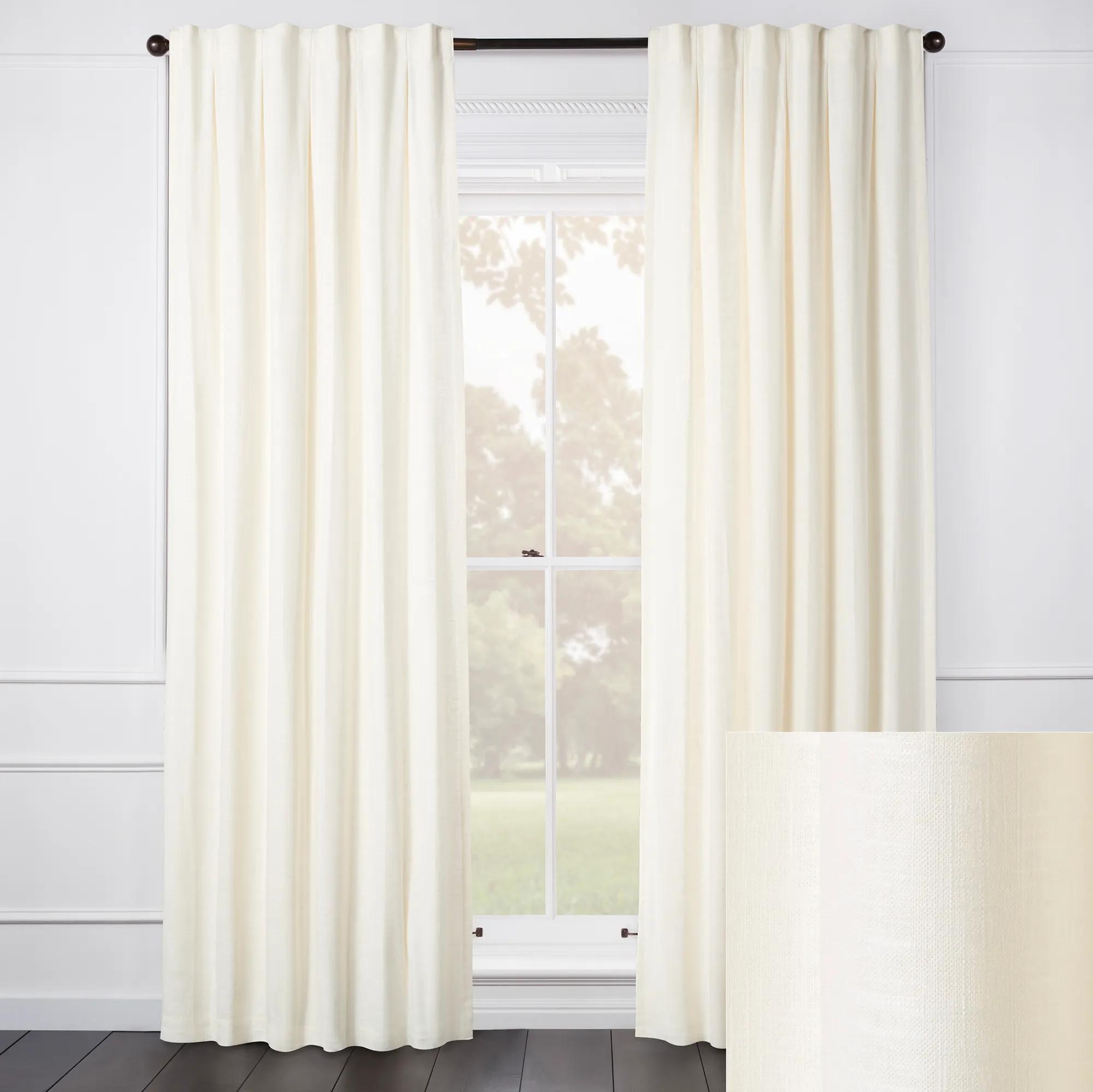
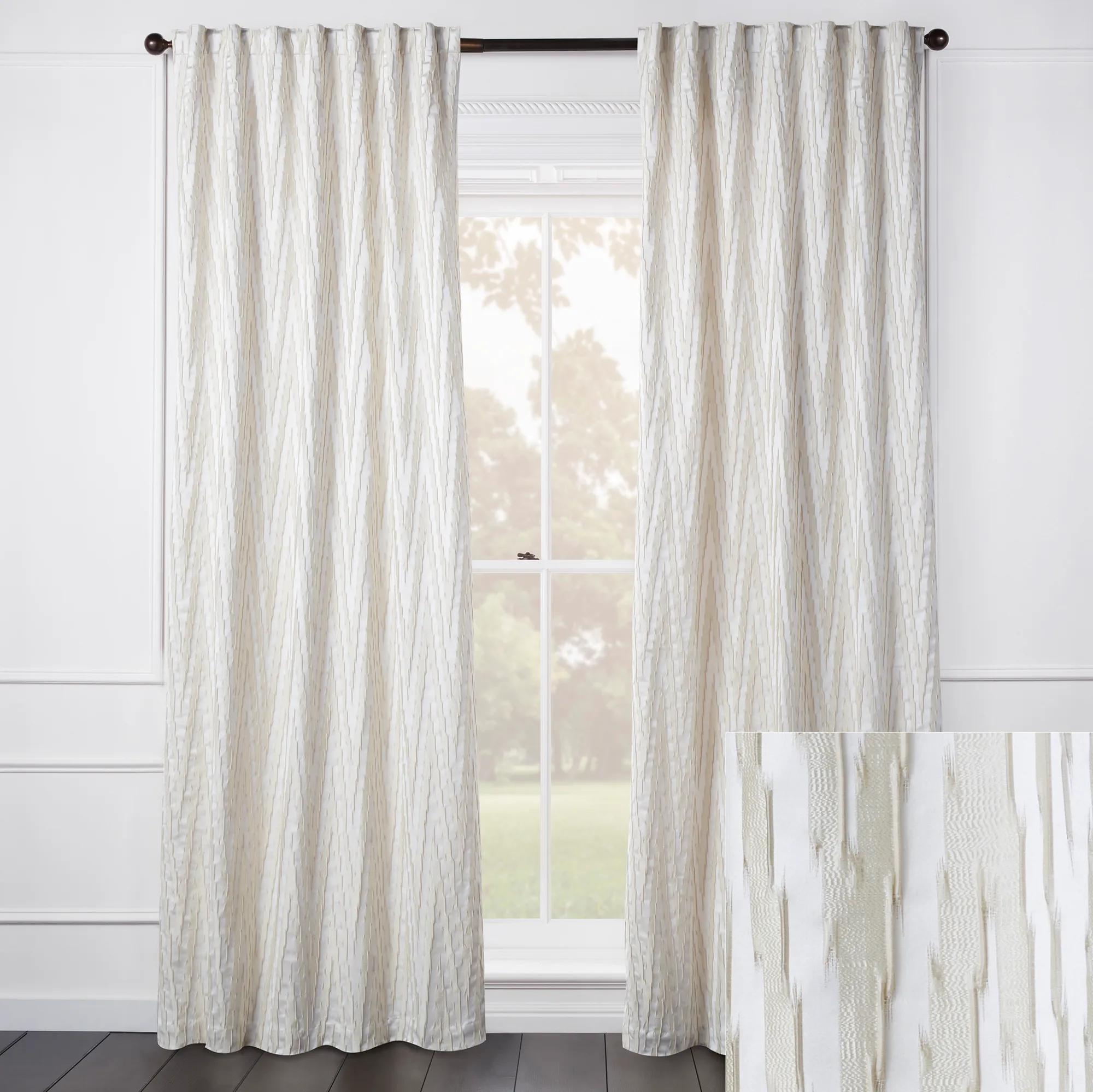
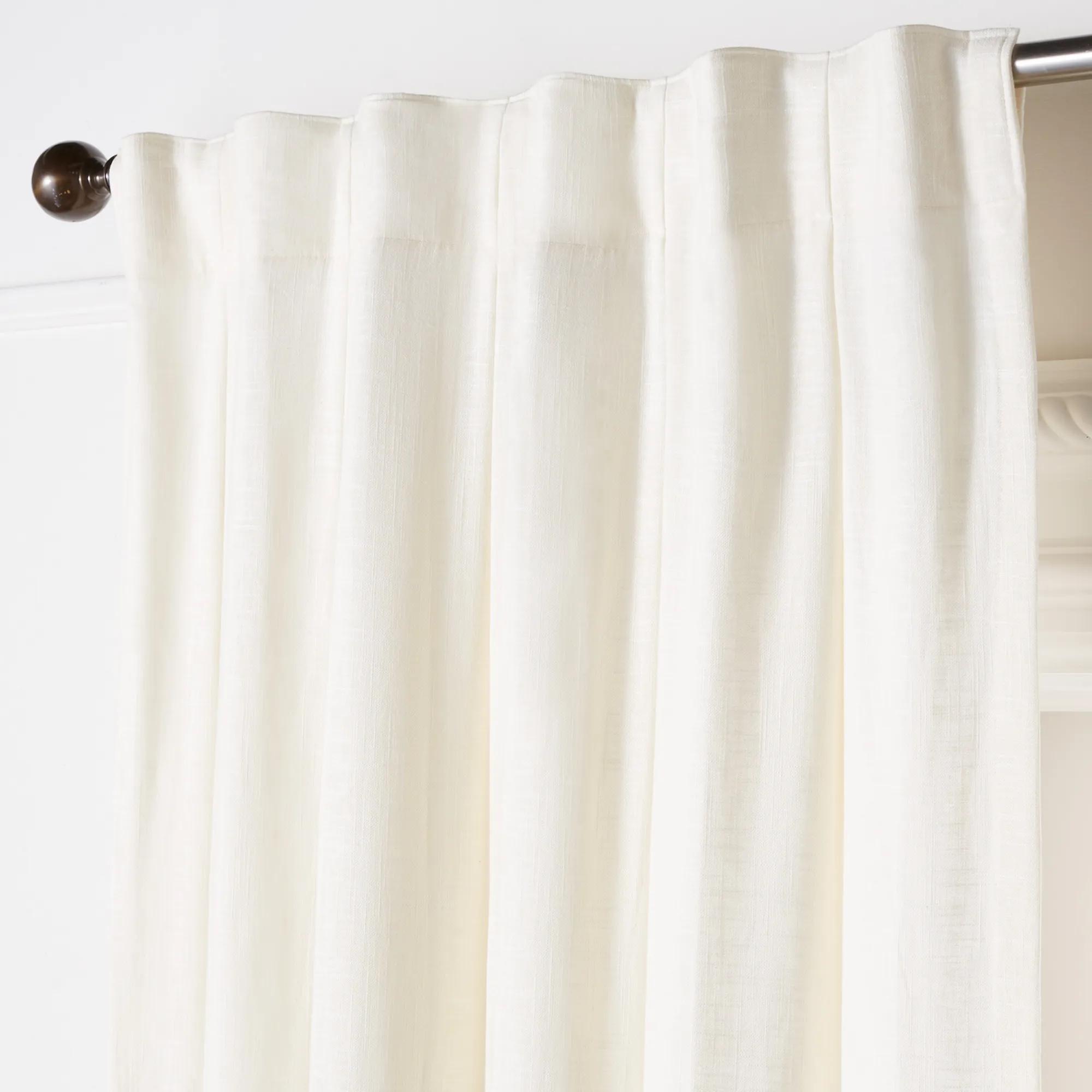 Audrey Linen Ivory Curtain - Custom$269
An ivory linen-blend curtain panel with lining, offering customizable lengths and two elegant header styles.
Add To Cart -
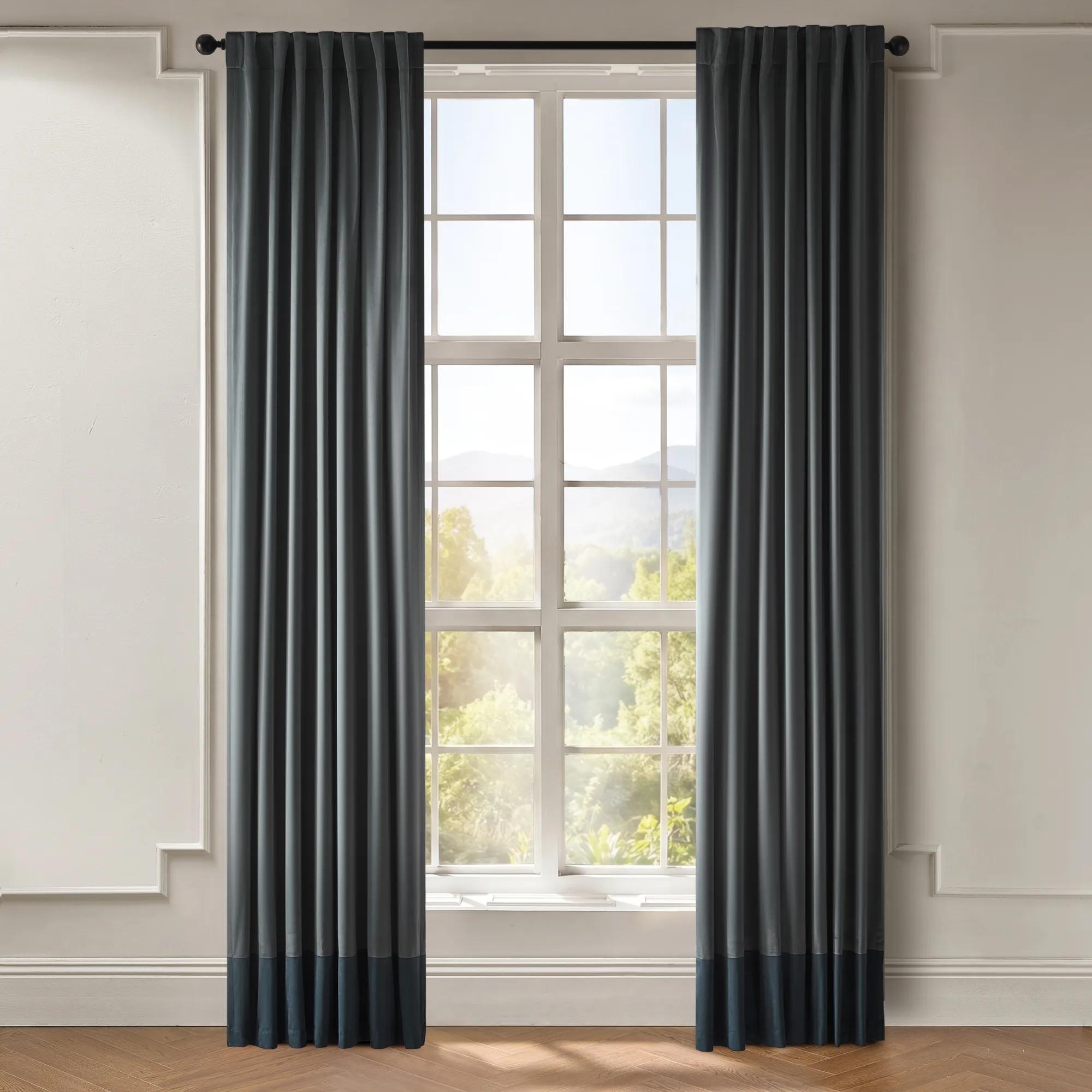
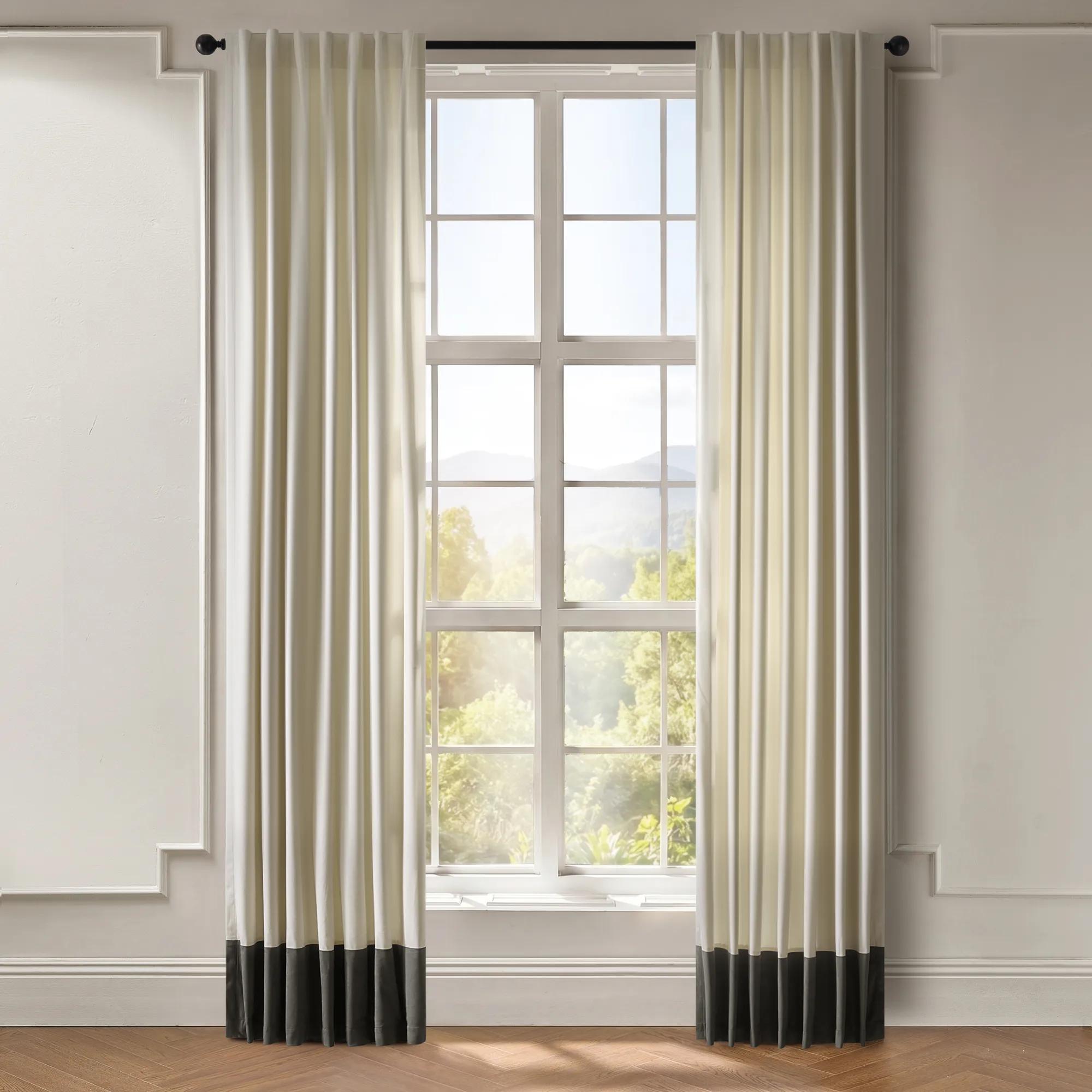
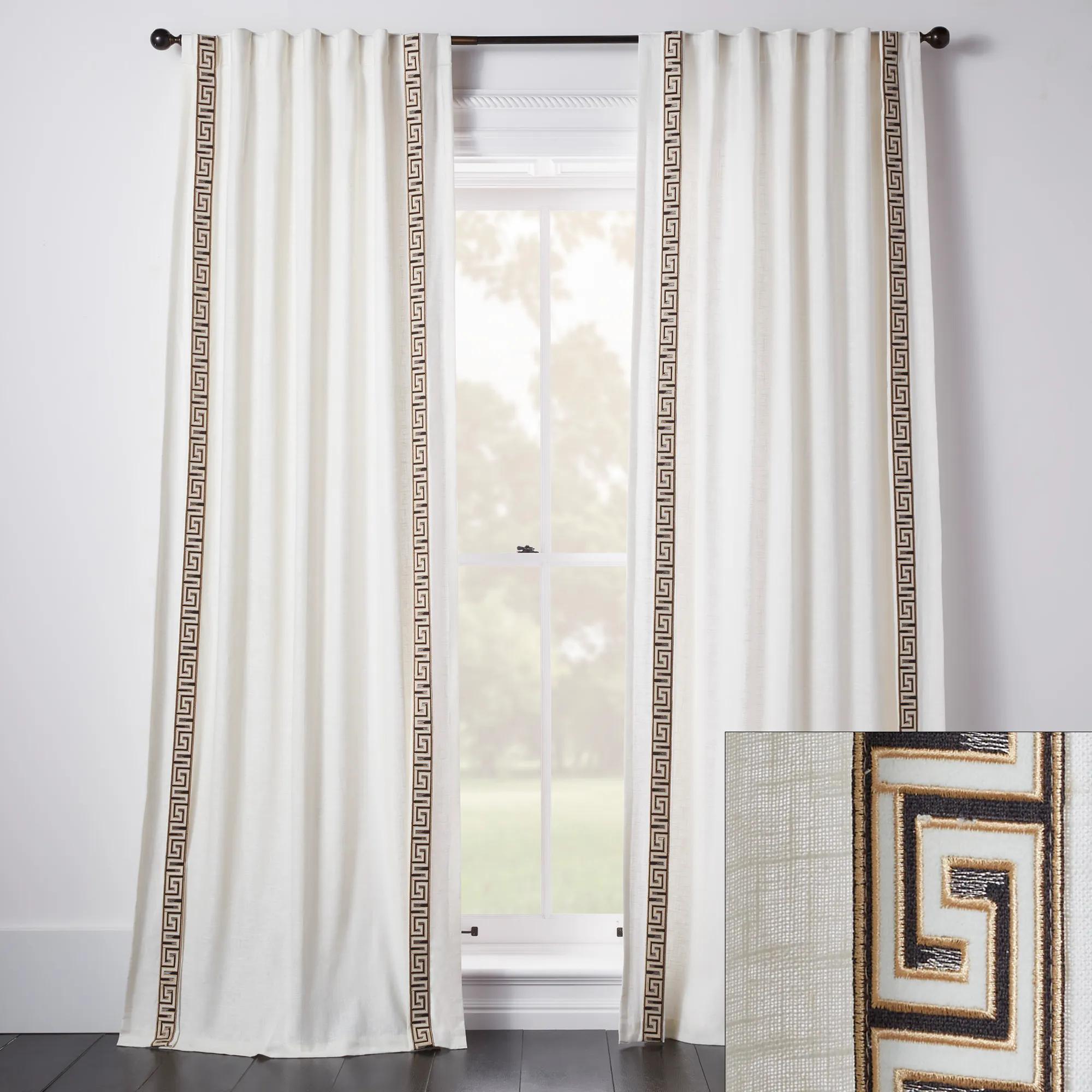 Chole Greek Key Border Velvet Widow Curtain Panels Custom$419
A linen-blend curtain panel with plush black and gold velvet Greek key border and customizable options.
Add To Cart -
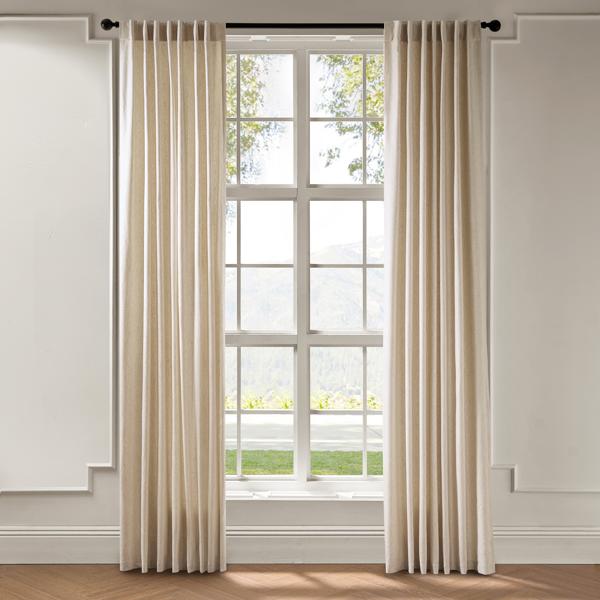
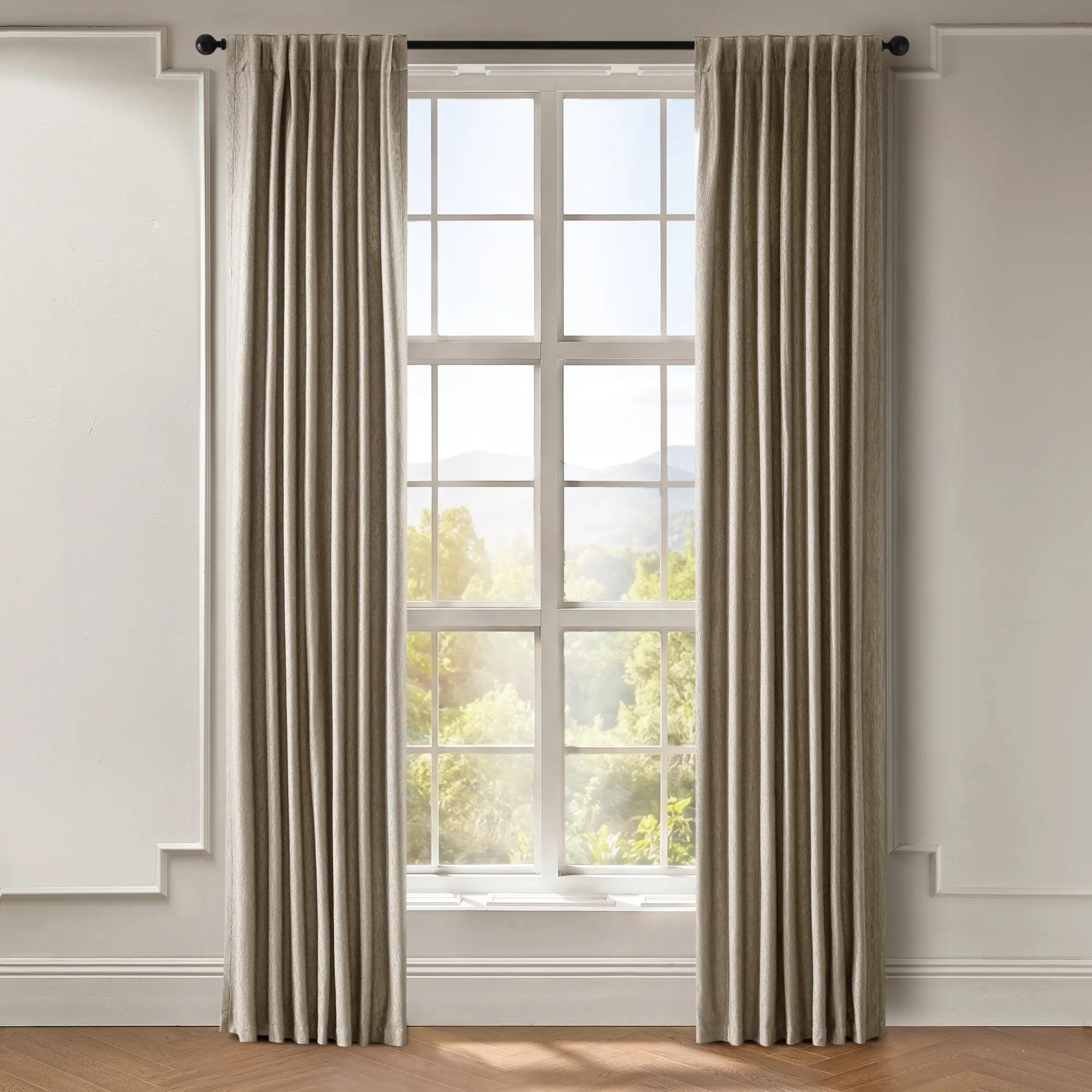
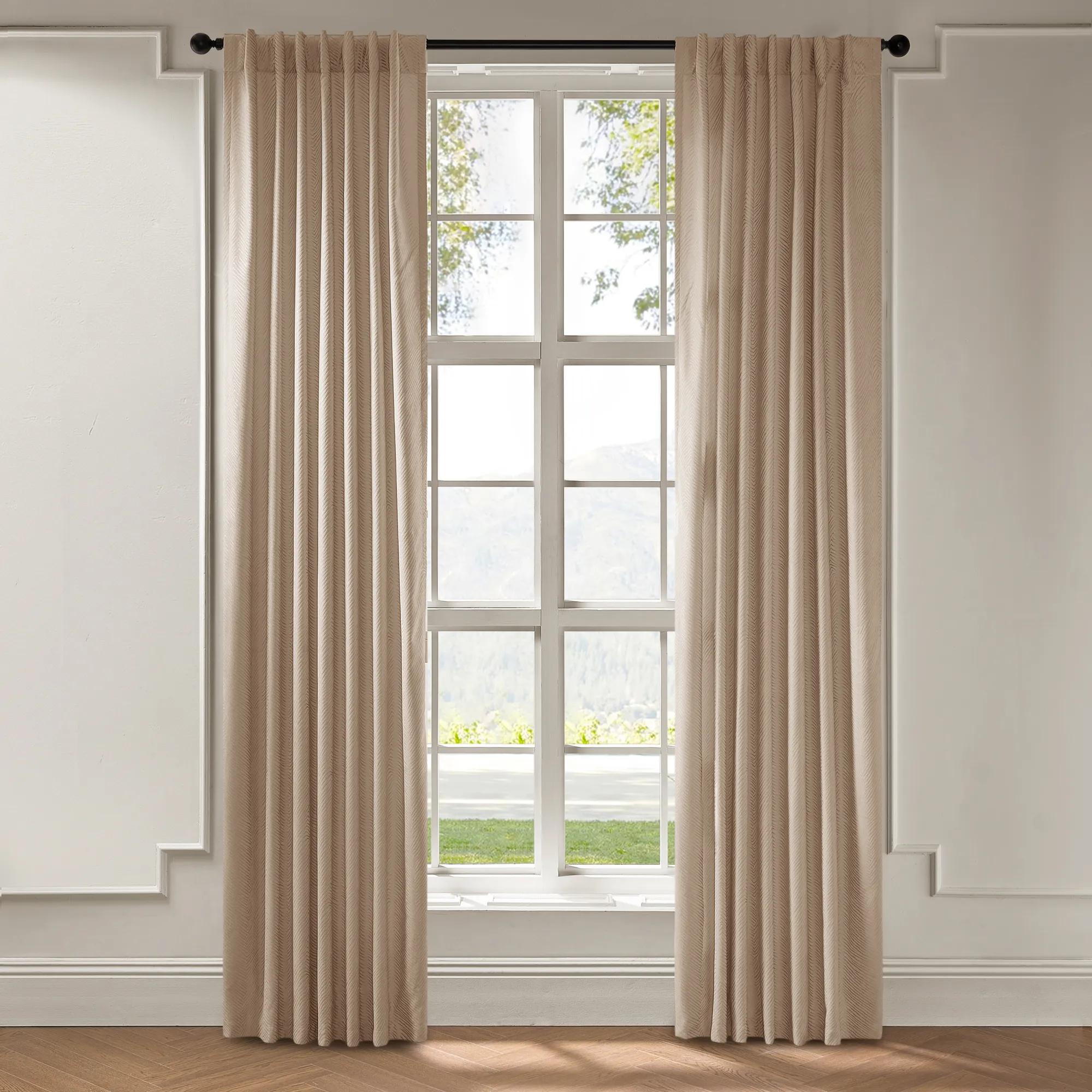 Kenzo Jacquard Beige Chenille Window Curtain Panel$129
A warm beige chenille jacquard curtain with a subtle sheen and versatile rod pocket or back tab hanging.
Add To Cart -
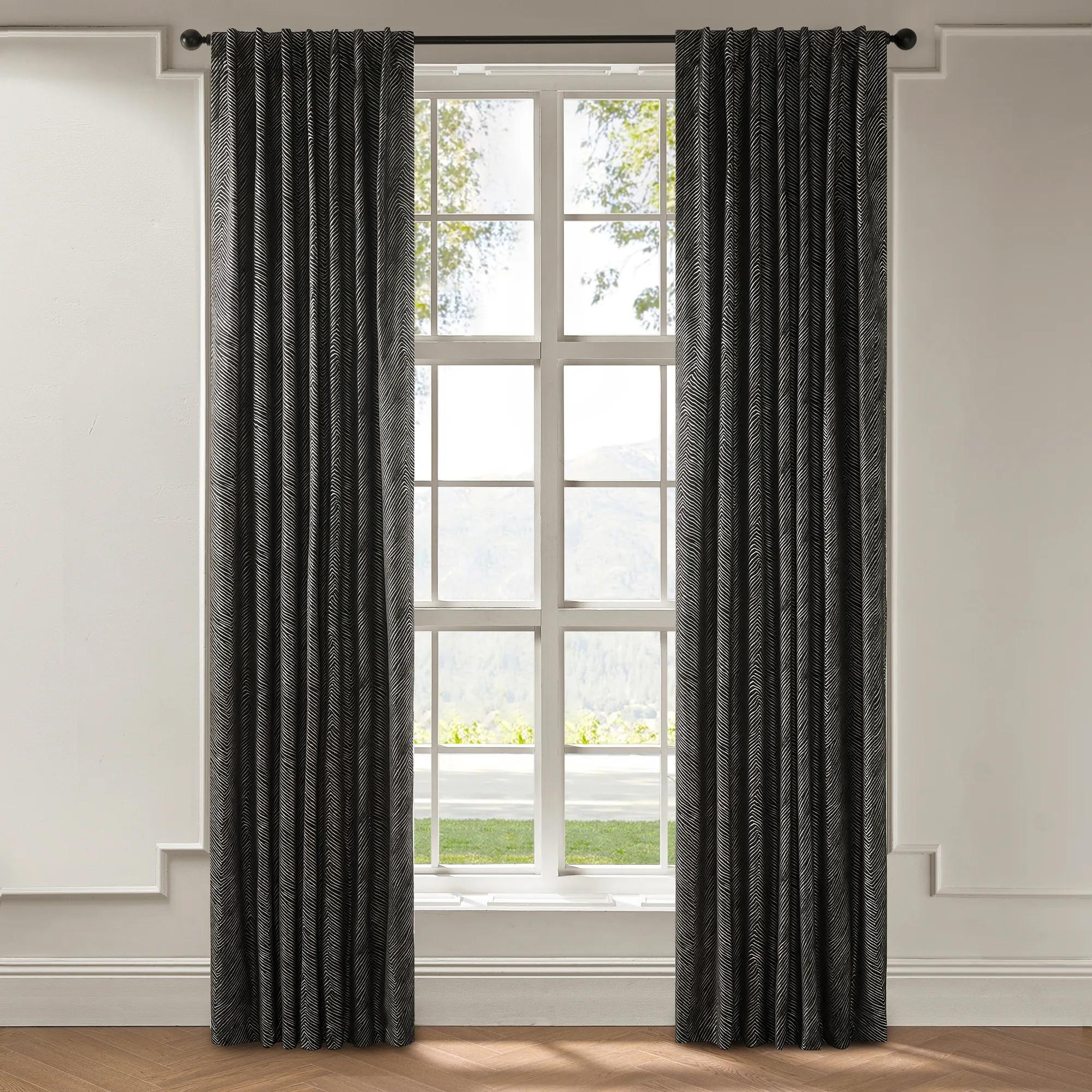
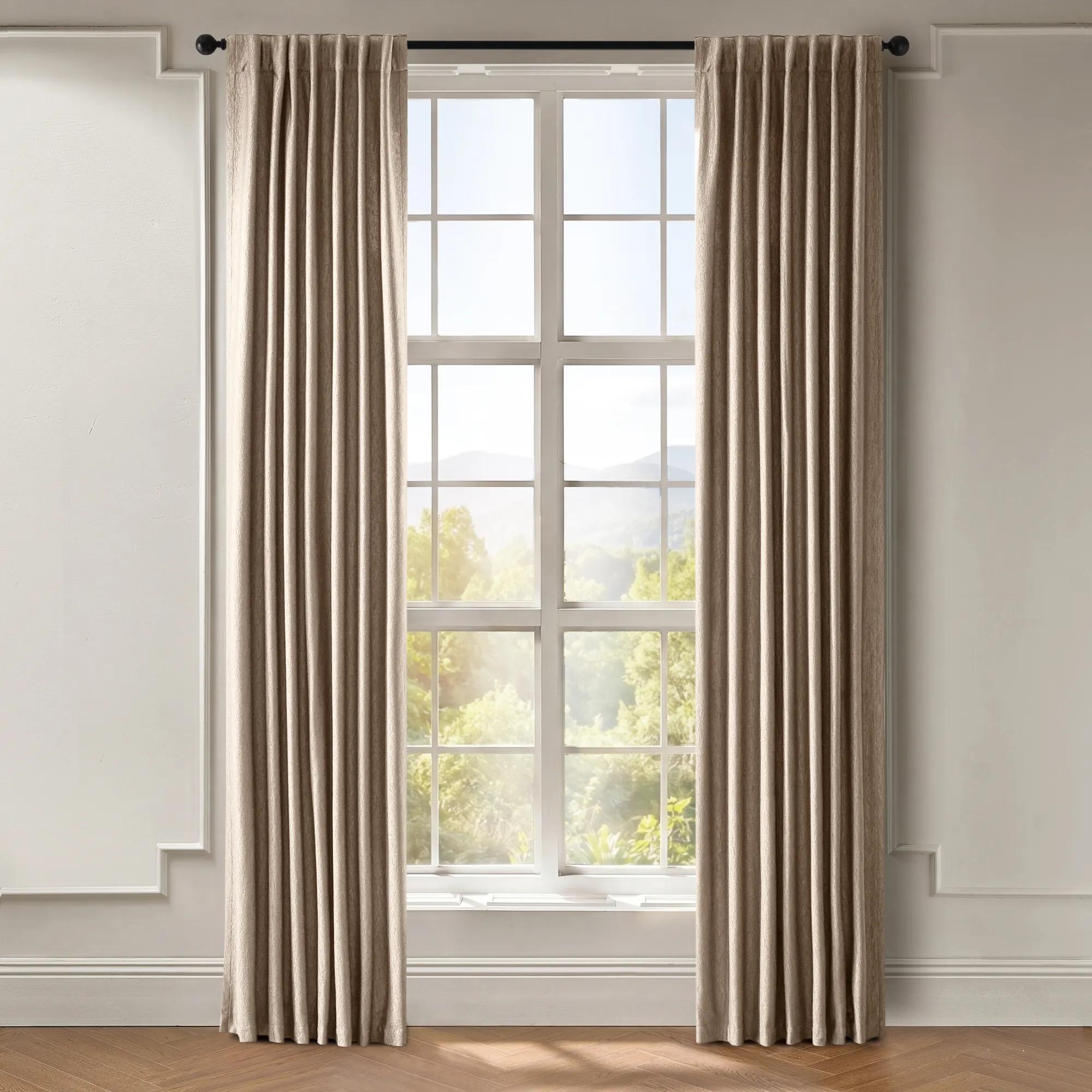
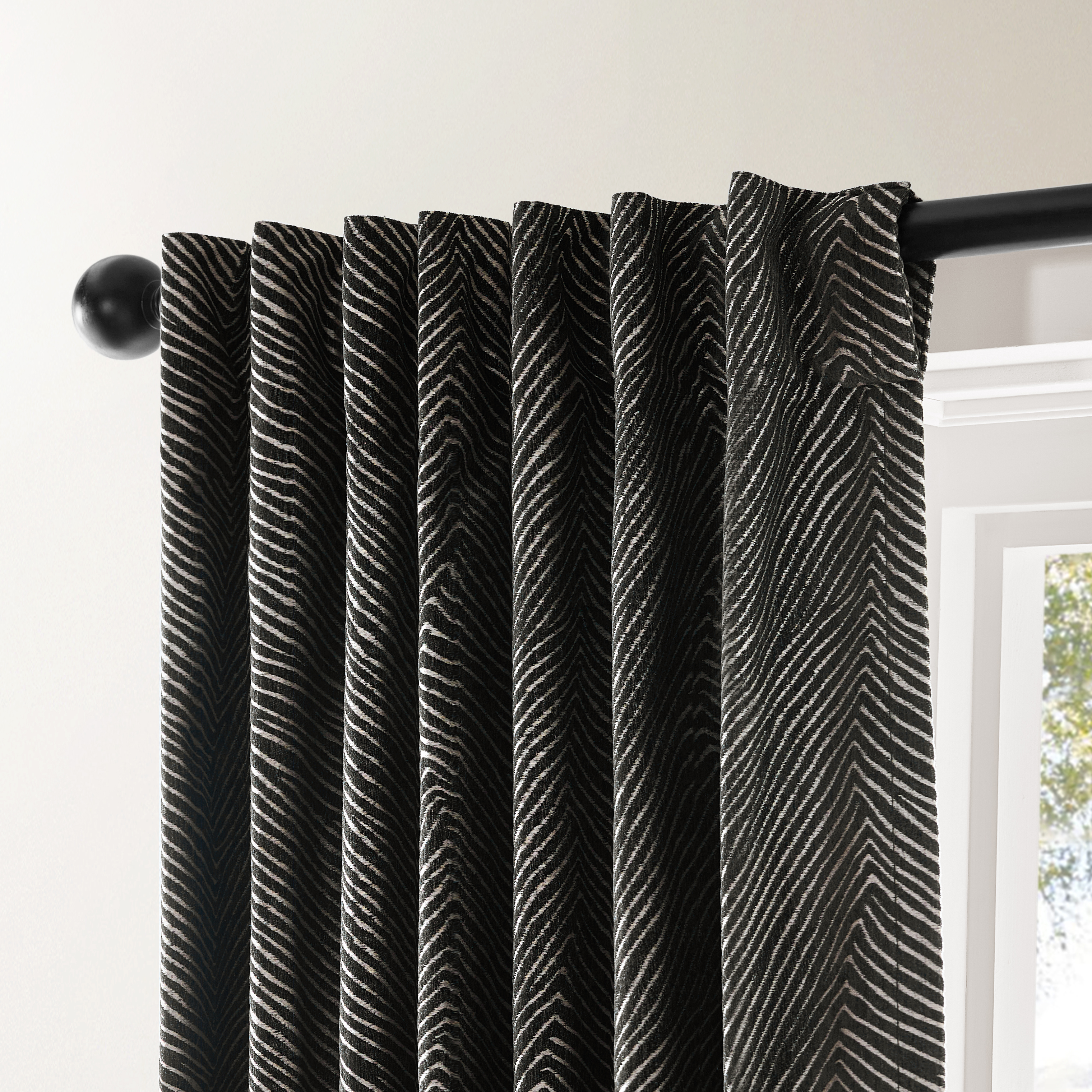 Kenzo Black Chenille Window Curtain Panel$119
A black chenille jacquard curtain with a luxe sheen and versatile dual hanging options for modern spaces.
Add To Cart

Linen Blend Window Panels With Back Tab
Linen blend window panels with back tab invite a sense of effortless sophistication into your space, transforming sunlight into a soft, luminous statement. Their airy weave and graceful drape evoke the tranquility of a sunlit atelier, while the tailored back tab design lends an artful finish to your windows. Whether framing a dramatic living room tableau or adding subtle texture to a serene bedroom retreat, these panels are a masterstroke in elevating everyday moments. Let each fold and fiber reflect your passion for expressive interiors—because when it comes to curating your canvas, linen blend window panels with back tab are the brushstrokes that define the scene.
Linen blend window panels with back tabs pair tactile fabric with a tailored hanging style: concealed loops sewn onto the reverse of the header allow a curtain rod to pass behind the panel, creating soft, evenly spaced folds without visible rings or clips. The result is a beautifully composed frame for a window, with the fabric taking center stage and the rod remaining largely hidden behind the header. Unlike a continuous rod pocket, individual back tabs separate the fabric into gentle waves, giving the top of the panel definition without the formality of sewn pleats. That balance of structure and movement suits interiors where sculptural furniture, expressive artwork, and lustrous finishes deserve an equally considered backdrop. Linen contributes its distinctive flax-derived texture, including subtle variations in the yarn that lend the surface depth rather than a perfectly uniform finish. Blending linen with fibers such as polyester, cotton, or viscose can influence softness, wrinkle resistance, dimensional stability, and the way a panel falls; the fiber percentages and fabric construction determine the final character. Polyester can help a blend resist creasing, while cotton can contribute softness, but a linen blend should not automatically be considered wrinkle-free. Natural-looking texture remains part of its appeal. A pale neutral panel can soften the geometry of a dark window frame, while a deeper shade introduces a more enveloping border around the view. Against polished metal, mirrored surfaces, or richly upholstered seating, the fabric offers a tactile counterpoint that keeps a glamorous room from feeling overly hard or reflective. The beauty lies in that contrast: a relaxed weave, a disciplined silhouette, and enough visual presence to make the window part of the room’s composition. Whether framing a single reading nook or stretching across a broad living room wall, linen blend back tab curtains bring softness with an architectural sense of order.
Scale gives these panels their impact, and both width and length influence how luxurious the finished arrangement feels. Panel width generally refers to the fabric laid flat, not the amount of window it will cover once gathered into folds. A pair with a combined flat width close to the rod’s width will appear relatively flat when closed; more generous fabric creates deeper folds and a fuller silhouette. As a general reference, a total panel width around one and a half to two times the rod’s span often creates pleasing fullness, although fabric weight, tab spacing, and the desired effect all matter. Length deserves equal attention because the back-tab opening establishes the hanging position, which may sit below the very top edge of the fabric. Measurements taken from the rod position to the intended hemline help distinguish a precise floor-skimming finish from a deliberate break at the floor. A slight break brings softness to a formal sitting room, while a hem that clears the floor is more practical beside frequently used doors or in spaces where pets gather at the window. More pronounced pooling makes a dramatic statement but also leaves additional fabric exposed to dust and foot traffic. Rod diameter must fit comfortably through the tabs, and the rod and brackets need to support the combined weight of the panels, particularly when a lining adds substance. Back tabs create an elegant, consistent presentation, though they may require more adjustment when opening and closing than freely moving curtain rings. That makes the style especially appealing for panels used to frame a view or remain partly drawn. Some curtain headers incorporate both back tabs and a rod pocket, but multiple hanging options are a construction detail to verify rather than an inherent feature of every linen blend panel. The strongest composition gives the fabric room to fall naturally, with enough space beyond the window for the open panels to frame rather than crowd the glass.
Light control gives linen blend window panels another dimension beyond their decorative presence. A loosely woven, unlined fabric can diffuse daylight into a gentle wash, revealing the weave and softening the contrast between a bright window and the surrounding room. Denser fabric or added lining changes that effect, creating a more substantial drape and potentially greater privacy. Linen content alone does not determine opacity: weave density, color, backing, and lining all contribute, and light-filtering fabric should not be assumed to provide complete privacy after dark when interior lights are on. Room-darkening and blackout describe different performance expectations, so those qualities belong to the panel’s stated construction rather than its linen-blend appearance. For sleeping spaces, Linen Blend Window Panels For Bedrooms bring this textured elegance into a more intimate setting, where light control and the desired sense of retreat deserve particular consideration. Decorative back tab panels can also frame a separate shade, allowing the shade to manage privacy while the fabric supplies depth, softness, and a finished silhouette. In a dining room, that same texture gives a gleaming table or statement chandelier a quieter backdrop; in a home office, it can temper visual glare without introducing a heavy decorative pattern. Lasting beauty depends on matching care to the complete construction, not simply the word linen. Fiber blends, linings, dyes, and header details may have different requirements, so the care label determines whether laundering, professional cleaning, or another method is appropriate. When washing is permitted, the specified cycle and drying method help protect the panel’s dimensions and finish. Gentle steaming may ease packaging creases if the fabric’s instructions allow it, while routine dust removal helps keep textured surfaces looking fresh. Avoiding repeated tugging at the tabs also helps preserve the header’s shape. With thoughtful proportions and appropriate care, linen blend back tab window panels offer an enduring balance of tactile richness and tailored restraint, giving a room a distinctive frame without competing with its most expressive details.
FAQs
Linen blend window panels with back tabs offer a luxurious yet relaxed aesthetic, combining the organic texture of linen with the durability and easy care of blended fibers. The back tab design creates elegant, uniform pleats for a tailored look, while the fabric’s natural drape adds softness and movement to any room. These panels are versatile enough to complement a range of styles—from modern glamour to coastal serenity—infusing your space with warmth, artistry, and refined detail.
Back tab linen curtains feature discreet fabric loops sewn onto the back of the panel, allowing the curtain rod to slip through and remain hidden. This creates a clean, architectural line and a gently pleated effect. Unlike grommet or rod pocket panels, back tab curtains offer a more polished, custom-tailored appearance that elevates both casual and formal spaces with subtle sophistication.
Absolutely. Linen blend window panels with back tabs are ideal for layering, whether paired with sheers for a light, ethereal look or combined with heavier drapery for added drama and depth. Their refined texture and neutral palette make them the perfect foundation for creative window styling, allowing you to play with color, pattern, and opacity to achieve a truly bespoke ambiance.
These versatile panels shine in living rooms, bedrooms, dining areas, and even home offices—anywhere you wish to introduce a sense of elegance and comfort. Their ability to filter light while maintaining privacy makes them especially suited for spaces where ambiance and tranquility are desired. From framing grand floor-to-ceiling windows to accentuating intimate reading nooks, linen blend panels adapt beautifully to every setting.
Yes, linen blend window panels with back tabs make an inspired and enduring gift for housewarmings, weddings, or anyone embarking on a new chapter in their home. Their timeless design and adaptable style ensure they will be cherished, while their exquisite craftsmanship adds a touch of luxury to everyday living. Gifting these panels is a gesture of elegance, offering both beauty and function to the recipient’s personal sanctuary.