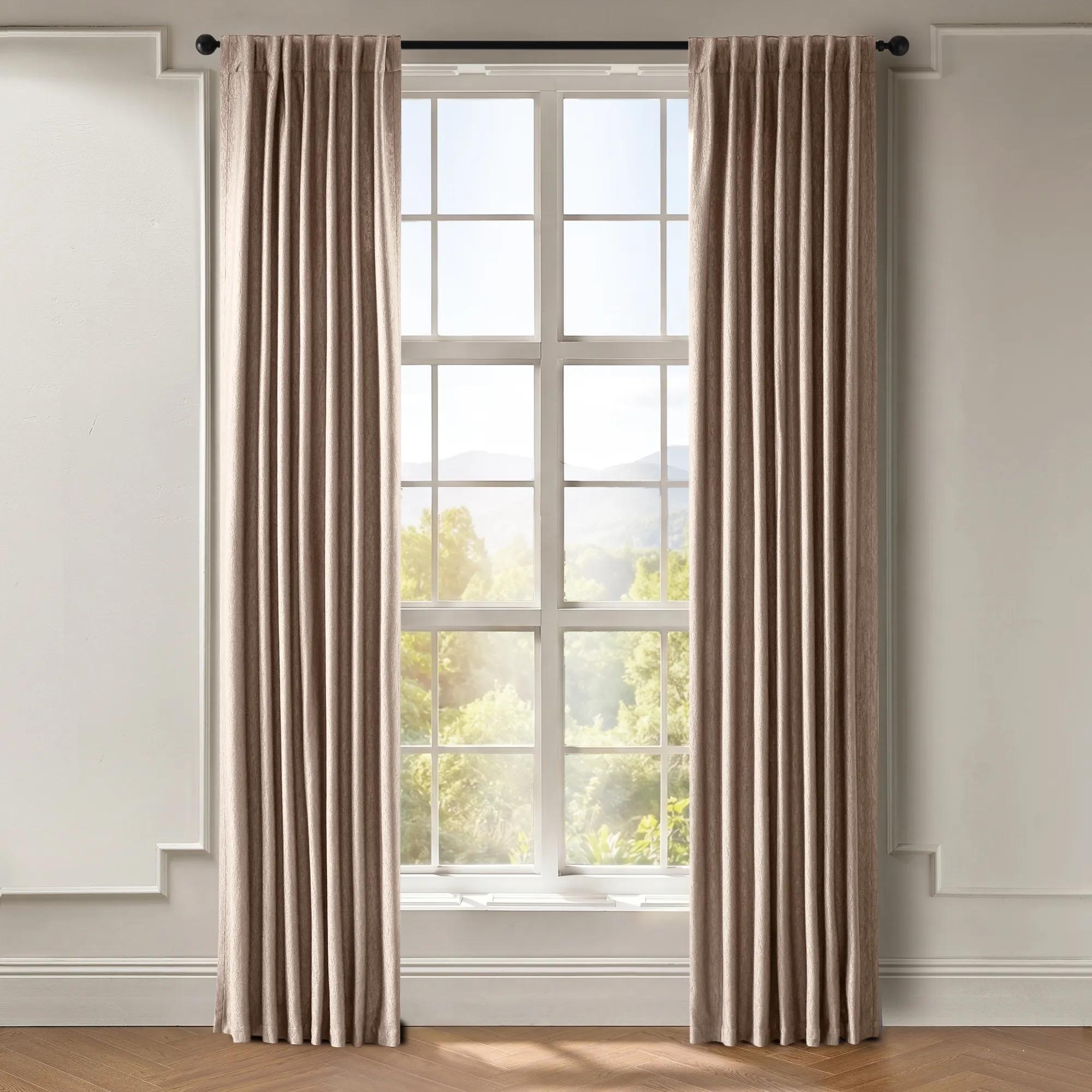
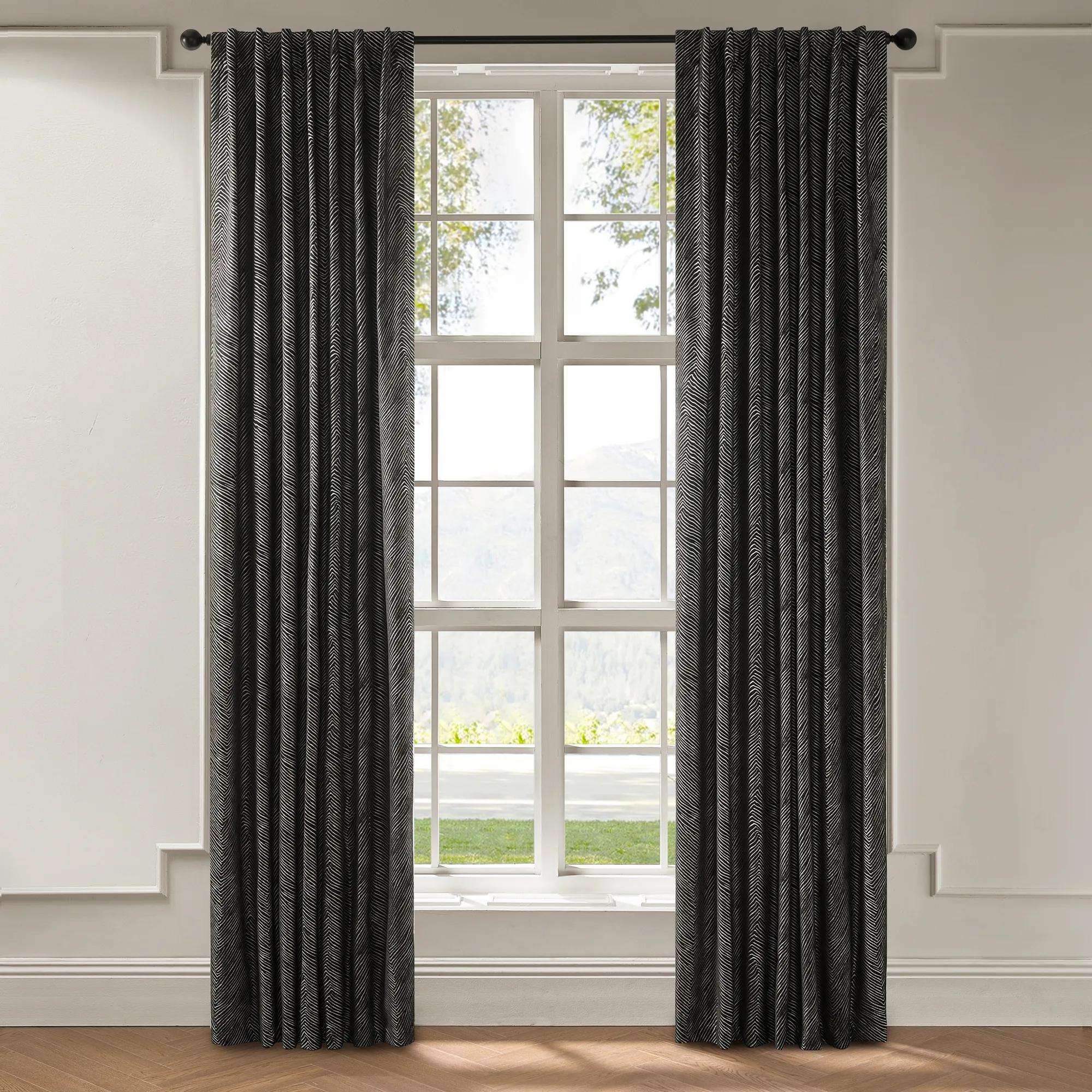
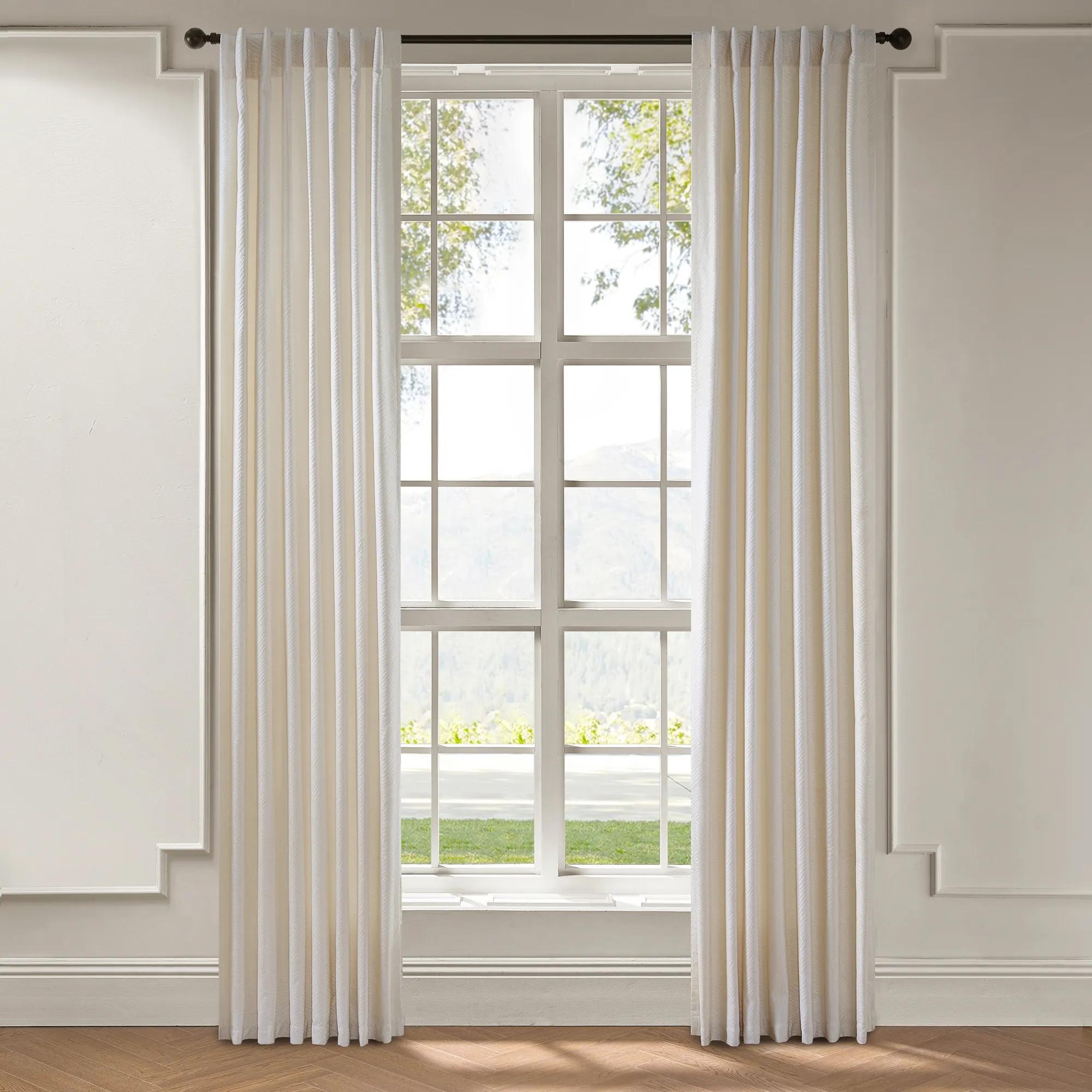
Linen Blend Window Coverings
Linen Blend Window Coverings
-
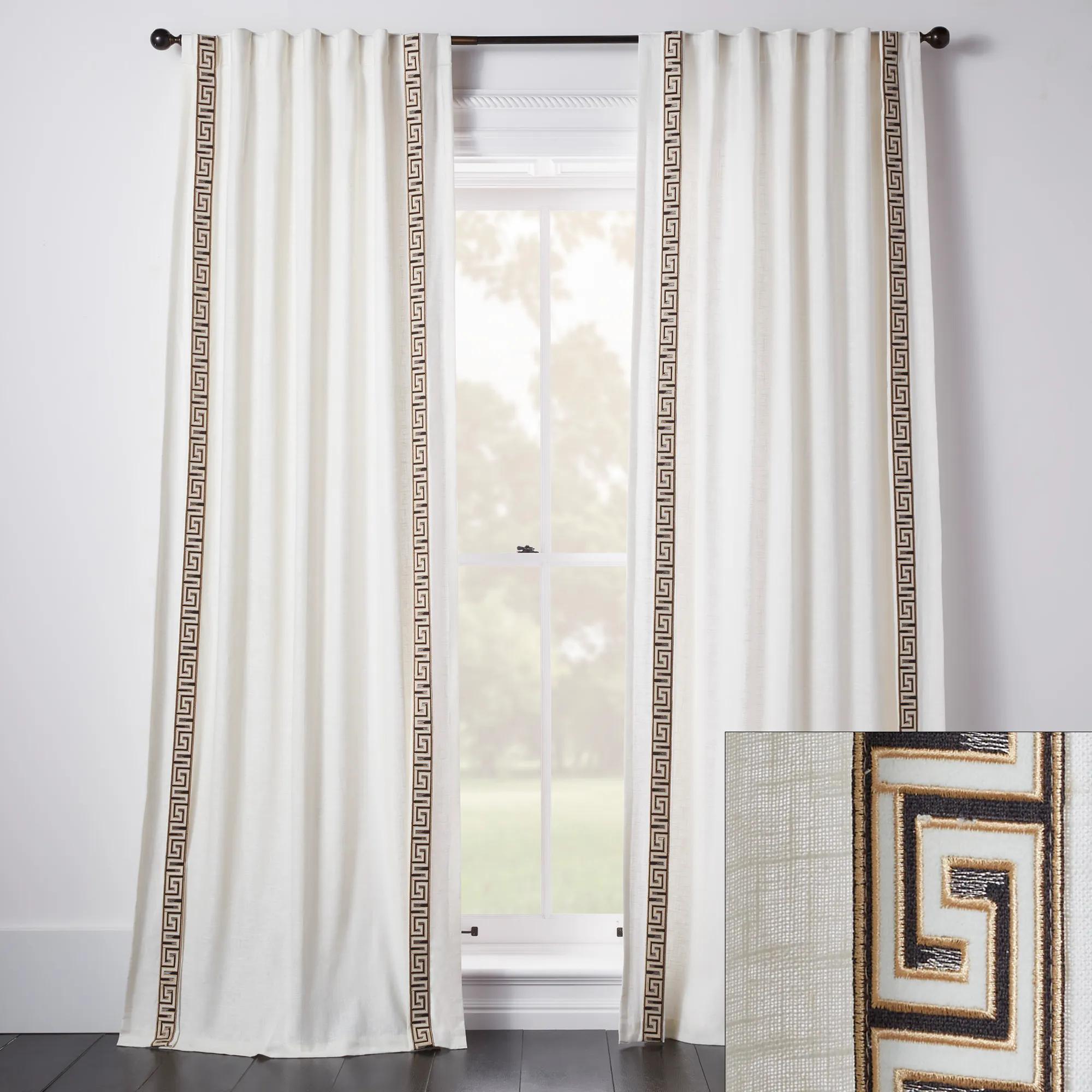 Chole Greek Key Border Velvet Widow Curtain Panels Custom$329
A linen-blend curtain panel with black and gold velvet Greek key border and customizable hanging options.
Add To Cart -
Chole Greek Key Border Velvet Widow Curtain Panels Custom$439
A white linen-blend curtain panel featuring a black and gold velvet Greek key border and customizable options.
Add To Cart -
Chole Greek Key Border Velvet Widow Curtain Panels Custom$349
A white linen-blend curtain panel with black and gold velvet Greek key border and customizable options.
Add To Cart -
Chole Greek Key Border Velvet Widow Curtain Panels Custom$389
A white linen-blend curtain panel with black and gold velvet Greek key border and customizable options.
Add To Cart -
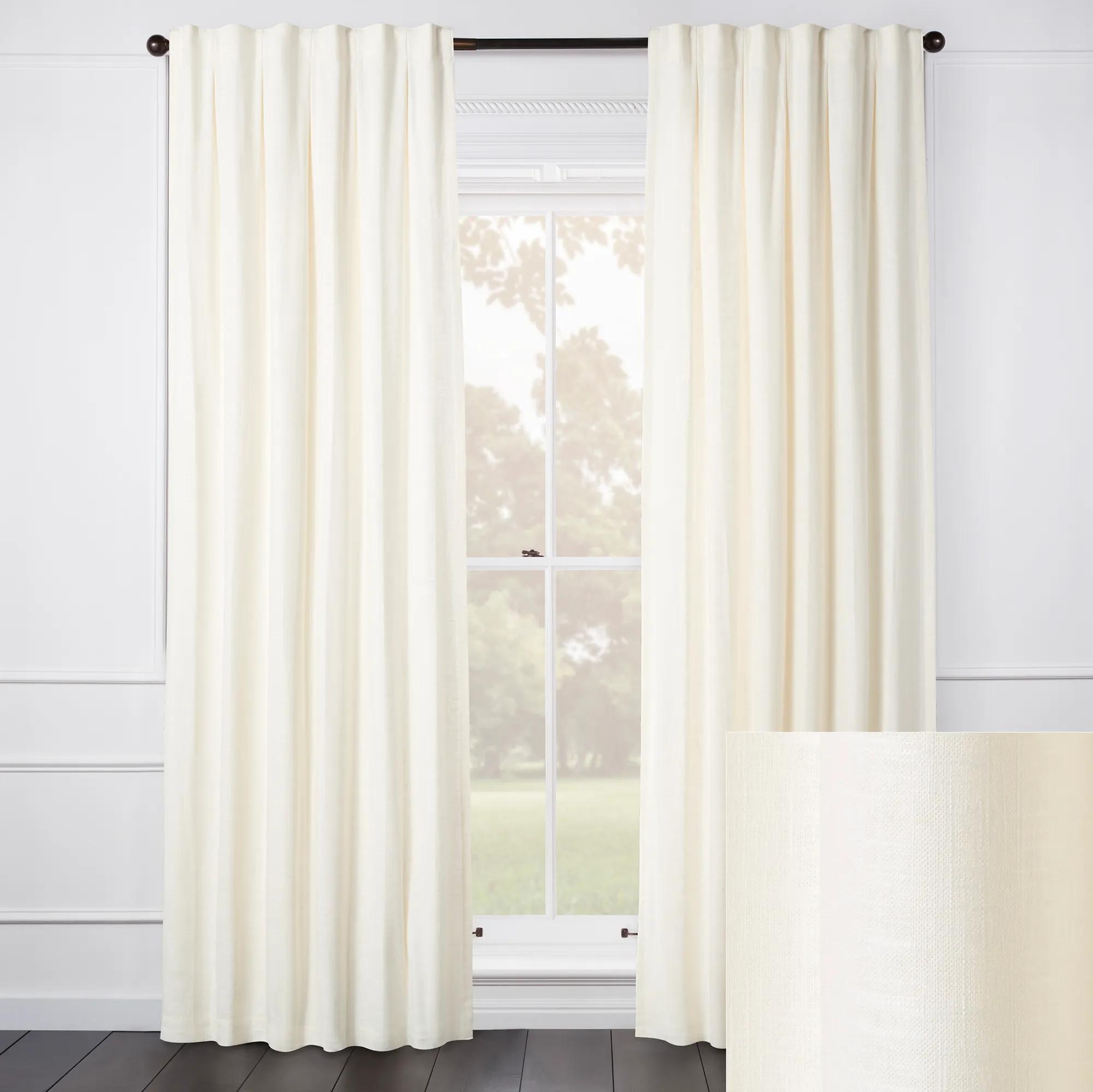
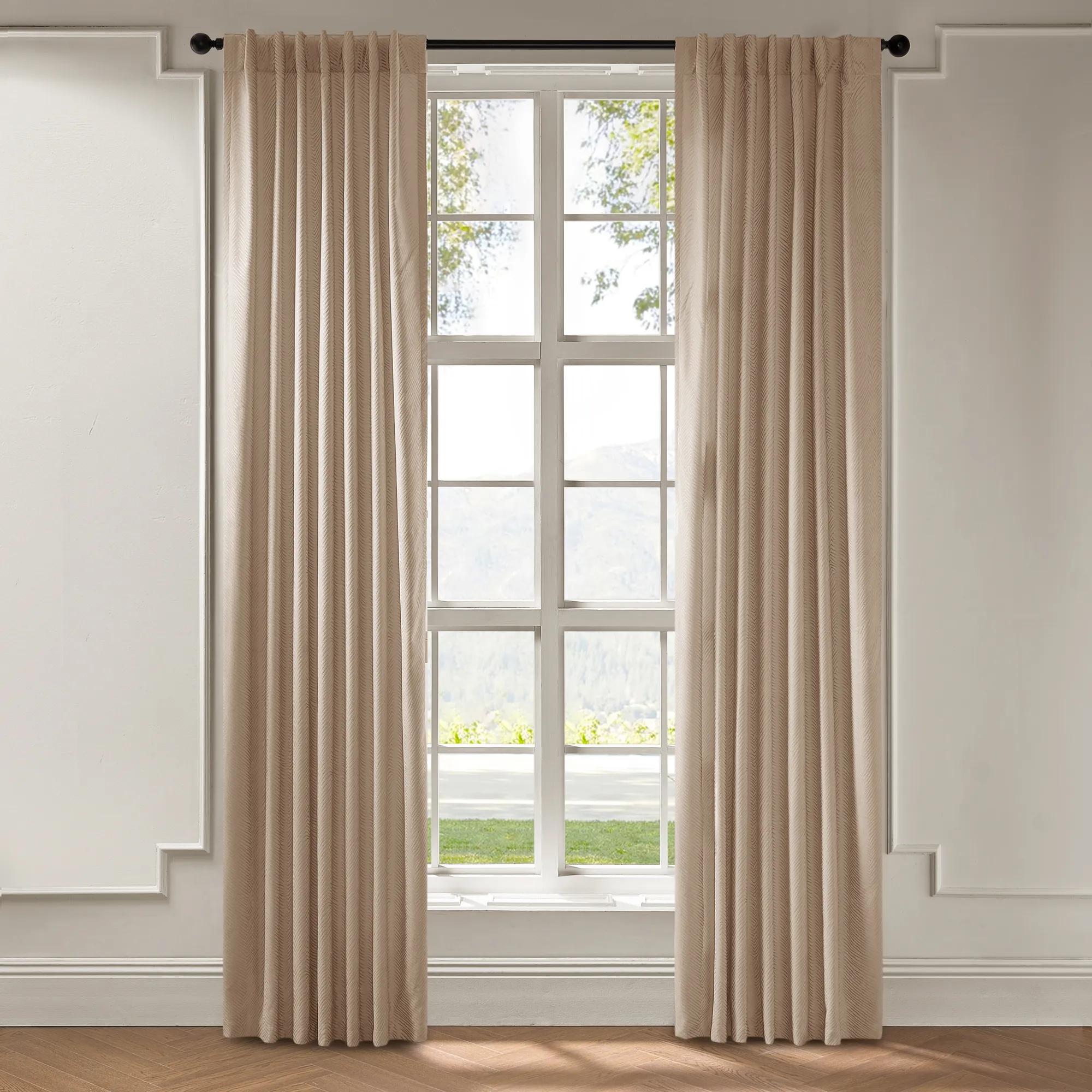
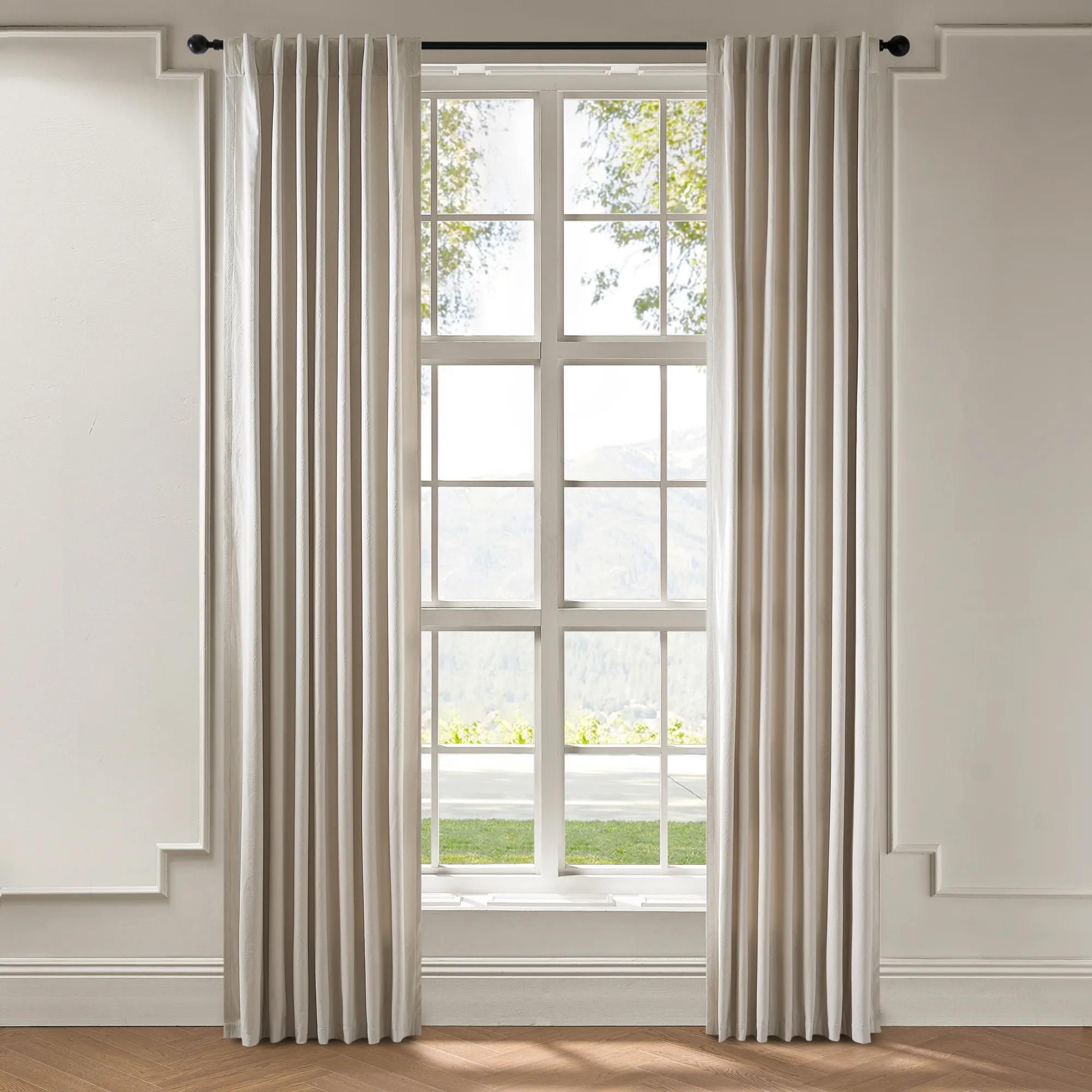
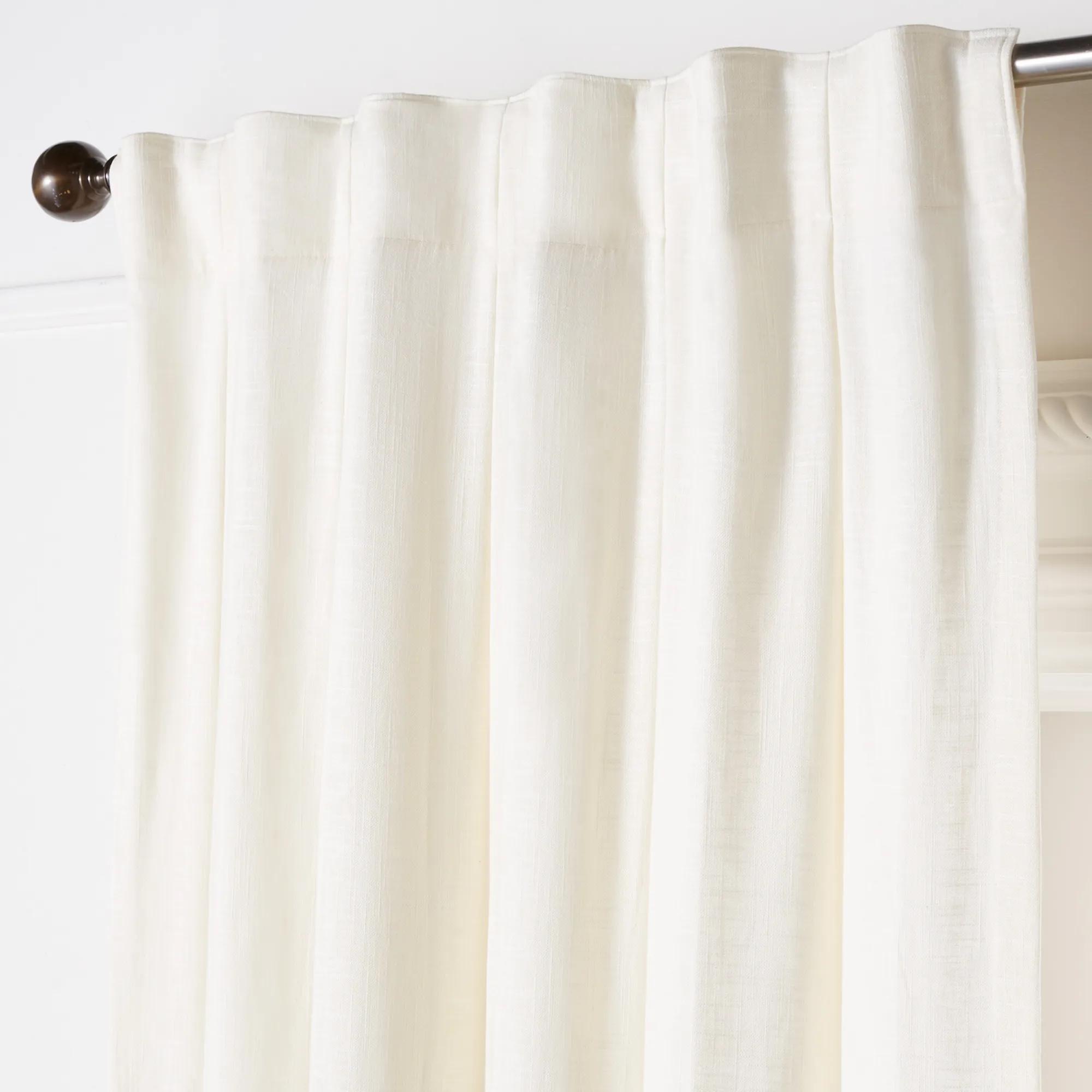 Audrey Linen Ivory Curtain - Custom$269
An ivory linen-blend curtain panel with lining, offering customizable lengths and two elegant header styles.
Add To Cart

Linen Blend Window Coverings
Linen blend window coverings invite a symphony of light and texture into your home, transforming ordinary windows into captivating focal points. With their artful interplay of natural fibers and refined tailoring, these draperies elevate every room with an air of effortless sophistication. Whether framing a sun-drenched living space or adding intrigue to a serene bedroom retreat, linen blend window coverings evoke a sense of breezy elegance—balancing sheer beauty with tactile allure. Let every fold and gentle sway become a brushstroke in your interior masterpiece, where drama and tranquility coexist in perfect harmony.
Linen blend window coverings combine flax-derived linen with fibers such as cotton, polyester, or rayon to create fabric with natural texture and a distinctive drape. Depending on the fiber content and construction, a blend may offer greater softness, wrinkle resistance, or shape retention than pure linen, while preserving its expressive, lightly irregular surface. Those subtle variations give linen blend curtains their appeal: light moves across the weave rather than falling on a perfectly uniform plane, bringing depth to even a restrained palette. In a room with polished stone, gleaming metal, or lacquered furniture, that tactile quality introduces a softer counterpoint without diminishing the drama. Ivory panels can frame a richly upholstered sofa with quiet luminosity; a deeper neutral can lend definition to pale walls and draw attention to architectural details. The effect comes from more than color alone. An open weave feels airy and softly textured, while a denser fabric creates a more substantial presence at the window. Linen blend window treatments can suit living rooms, dining spaces, bedrooms, and home offices, with fabric weight, lining, and construction determining their suitability for each setting. They are especially appealing for interiors that balance sculptural furniture and luxurious finishes with materials that feel inviting to the touch. The natural character of linen also means that slight slubs, variations in yarn thickness, and gentle creasing may be part of the intended appearance rather than signs of poor quality. A cotton-rich blend may emphasize softness, while polyester can contribute resilience and help the fabric hold its shape; the precise result depends on the proportions and weave. Neither the word “linen” nor the presence of a blended fiber tells the whole story. Texture, weight, finish, and lining work together to shape how a covering looks, falls, and performs. Together, these qualities give a window its own visual presence, whether the surrounding room calls for flowing softness or a more composed, tailored frame.
Light control is an important distinction among linen blend window coverings, and the fabric composition alone does not establish how much light or privacy a panel provides. Sheer and loosely woven fabrics soften incoming daylight while keeping the window visually open, but they may offer limited privacy, particularly when interior lights are on after dark. Light-filtering panels diffuse brightness and can reduce the stark contrast between a sunlit window and the surrounding room, creating a gentler backdrop for conversation, reading, or entertaining. A denser weave or privacy lining can provide more coverage, while room-darkening and blackout performance depend on the complete construction, including any specialized backing or lining. Even blackout fabric can allow light around the edges if the installation leaves gaps. For a bedroom or a media space, the relationship between the covering and the window opening matters as much as the fabric designation. Layering linen blend drapery over a compatible shade can separate decorative impact from everyday privacy needs, allowing the textured panels to frame the room while the underlying treatment provides more adjustable coverage. Scale brings another dimension to that balance. Panels need sufficient width to form attractive folds when closed; fabric stretched flat across a wide opening loses much of its sculptural appeal. The appropriate fullness varies with the heading style, material weight, and manufacturer’s recommendations. Length should relate to the installed rod or track rather than the window frame alone, since rings, tabs, grommets, and rod pockets position fabric differently. Panels that nearly meet the floor create a crisp, elongated silhouette, while a deliberate puddle makes a more theatrical statement and requires additional attention around foot traffic and cleaning. For windows near seating, walkways, or frequently used doors, a clear, unobstructed hem is often the more graceful solution. Hardware completes the composition: the rod’s span, projection, and support should accommodate both the fabric’s weight and the space needed to draw it aside without crowding the glass.
In gathering spaces, linen blend panels can establish a generous frame for the entire seating arrangement rather than simply outlining the window. A broad expanse of softly folded fabric adds vertical rhythm behind a low sofa, balances the visual weight of a substantial console, or gives a pair of accent chairs a more intentional setting. Linen Blend Window Panels for Living Rooms offer a focused expression of this look, where tactile fabric complements conversation areas and statement furnishings. Repeating an undertone from a rug, artwork, or upholstery helps the window treatment feel connected without requiring an exact match. Against patterned furnishings, a textured solid offers depth without adding another competing motif; in a more tonal room, pronounced folds and a visible weave can become defining details. The lasting beauty of that effect depends on construction and care as well as styling. Even hems, secure heading details, and well-finished seams help panels hang consistently, while a suitable lining may add body and shield the face fabric from some direct light exposure. Prolonged sunlight can still affect textile color and strength, so placement and exposure deserve consideration. Care instructions should always govern cleaning: some linen blends are machine washable, while others require professional cleaning because of their finish, lining, or potential for shrinkage. A washable face fabric does not necessarily mean the complete panel can be washed. Gentle vacuuming with an appropriate upholstery attachment can help remove surface dust between cleanings, and steaming should be used only when permitted by the care label, with attention to the fabric and backing. In homes with pets or active gathering areas, hem length and weave deserve particular attention, since trailing fabric collects debris and an open weave may catch on claws. Thoughtfully matched to the room’s daily rhythms, linen blend window coverings deliver texture, proportion, and a beautifully considered finish—softening hard surfaces while giving the architecture a confident frame.
FAQs
Linen blend window coverings combine the sophisticated texture and timeless elegance of natural linen with the added durability and easy-care qualities of modern fibers. This fusion results in fabrics that are less prone to wrinkling, more resistant to everyday wear, and often easier to maintain, all while preserving the classic, organic look that makes linen so appealing.
Linen blend window coverings have a unique ability to soften light, creating a gentle, diffused glow that enhances the mood of any space. Their subtle texture and natural drape add visual interest and a sense of relaxed luxury, making rooms feel both elevated and inviting, whether you’re aiming for understated elegance or dramatic flair.
Absolutely. Linen blend window coverings are incredibly versatile and pair beautifully with other treatments such as blackout panels, sheers, or Roman shades. Layering allows you to play with opacity, texture, and color, giving you the flexibility to tailor both the look and functionality of your windows to suit your evolving style and needs.
Linen blend window coverings are chameleons in the world of design. Their refined texture and understated elegance make them a perfect fit for a wide range of aesthetics—from modern minimalist and coastal chic to rustic farmhouse and glamorous urban. They serve as a sophisticated backdrop or a statement piece, depending on how you style them.
To maintain the beauty of your linen blend window coverings, gently vacuum or shake out dust regularly, and follow the specific care instructions provided—many blends allow for delicate machine washing or spot cleaning. Avoid prolonged exposure to direct sunlight to preserve the fabric’s color and integrity, and handle decorative trims or embellishments with extra care.