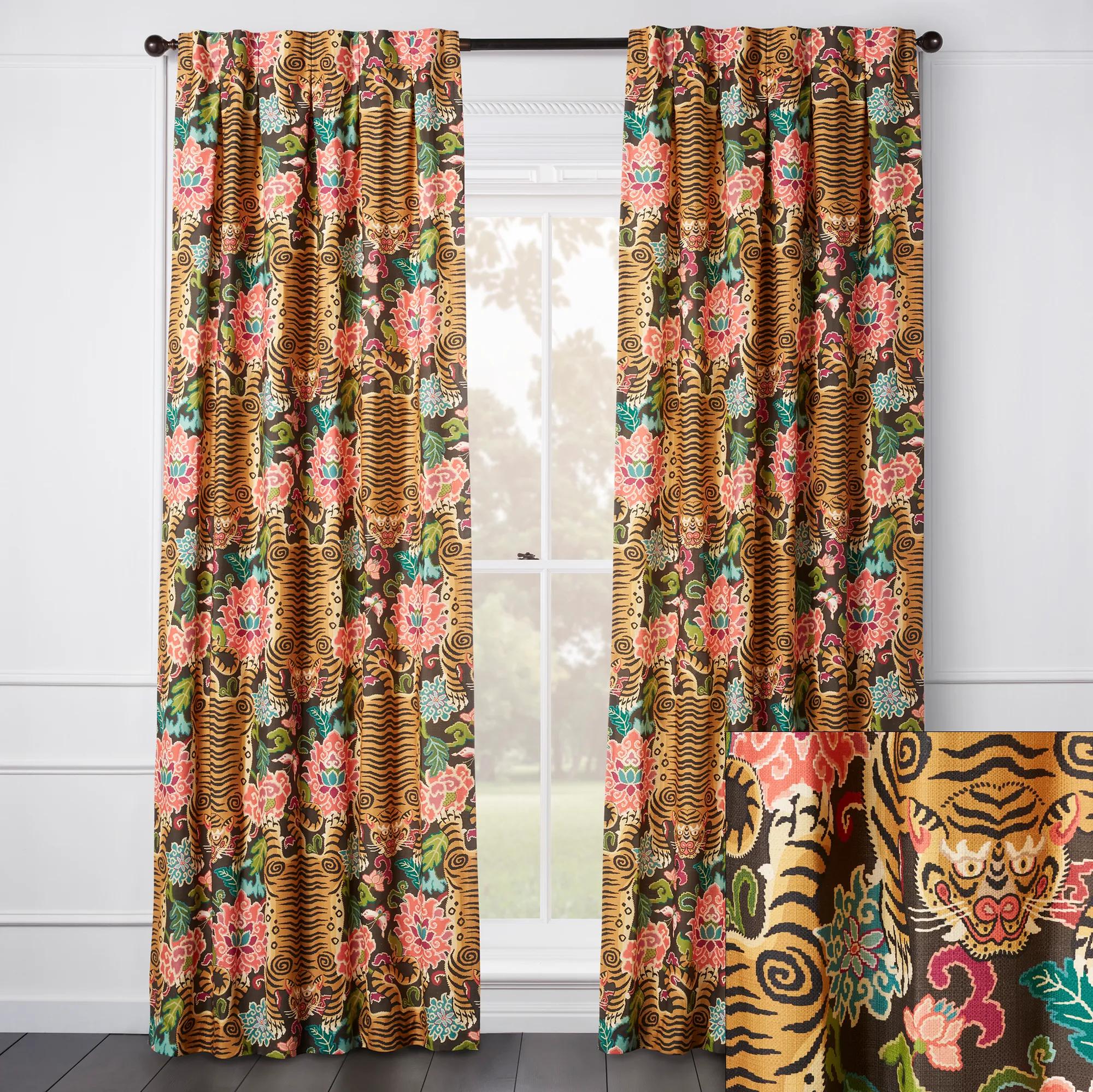
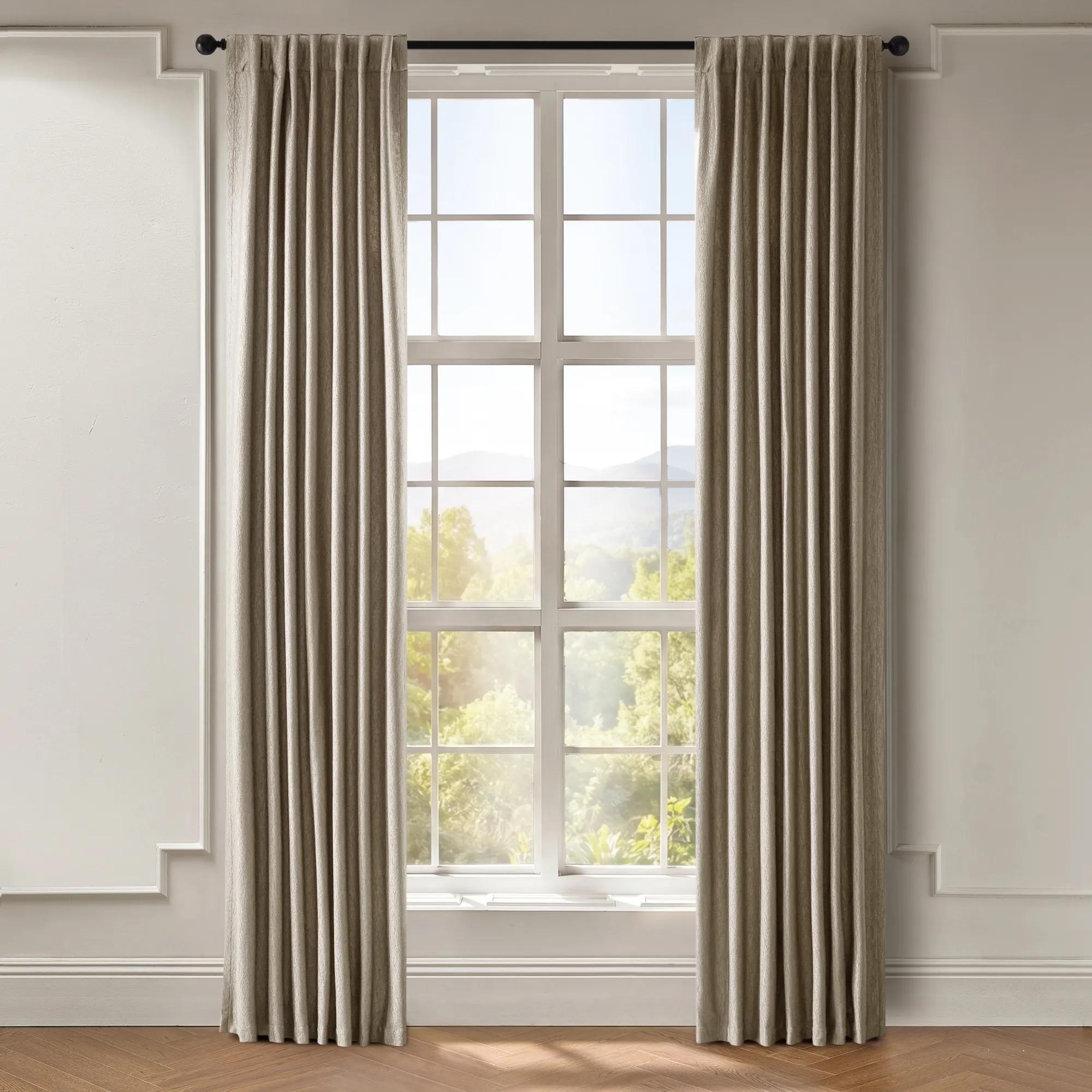
Elegant Living Room Drapes
Elegant Living Room Drapes
-
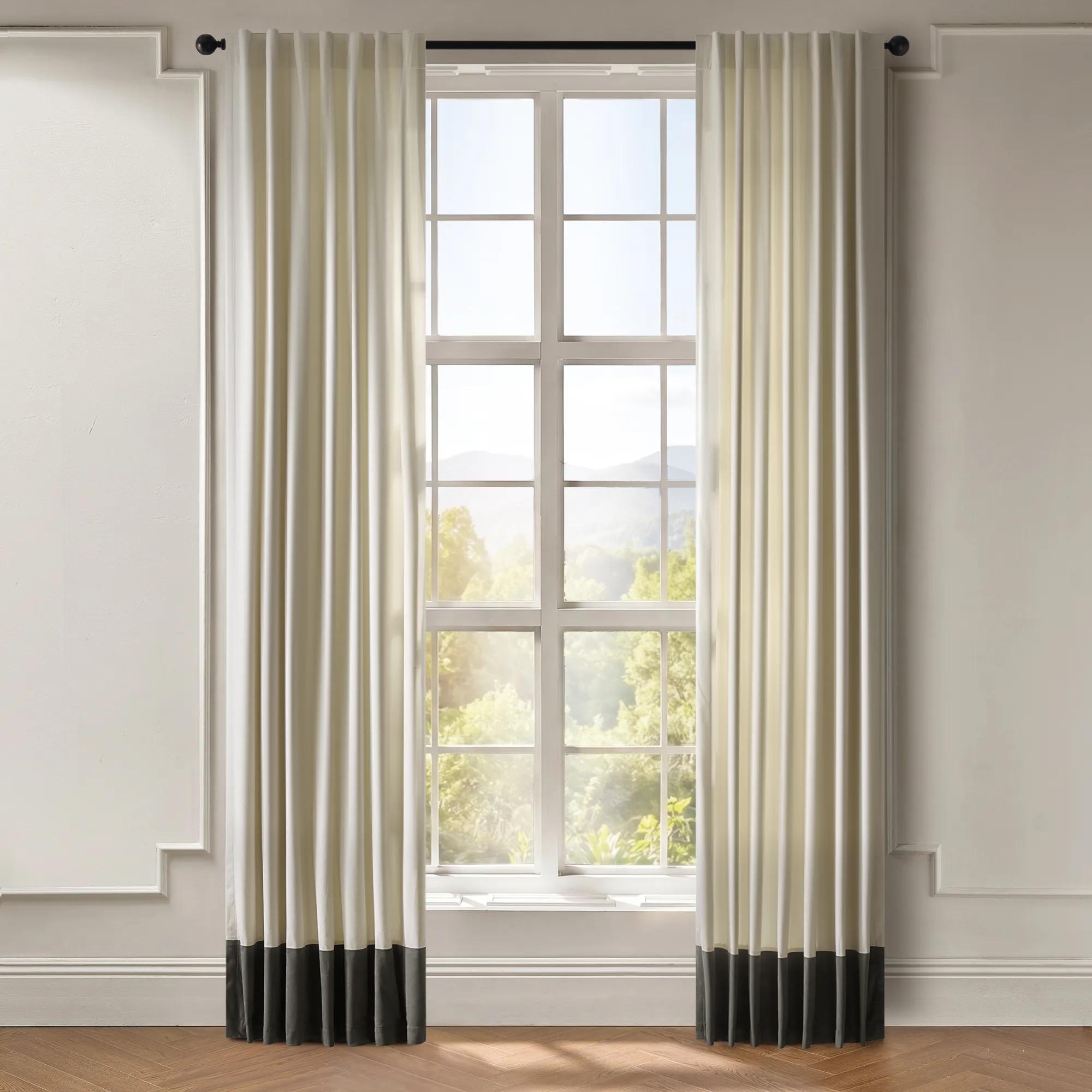
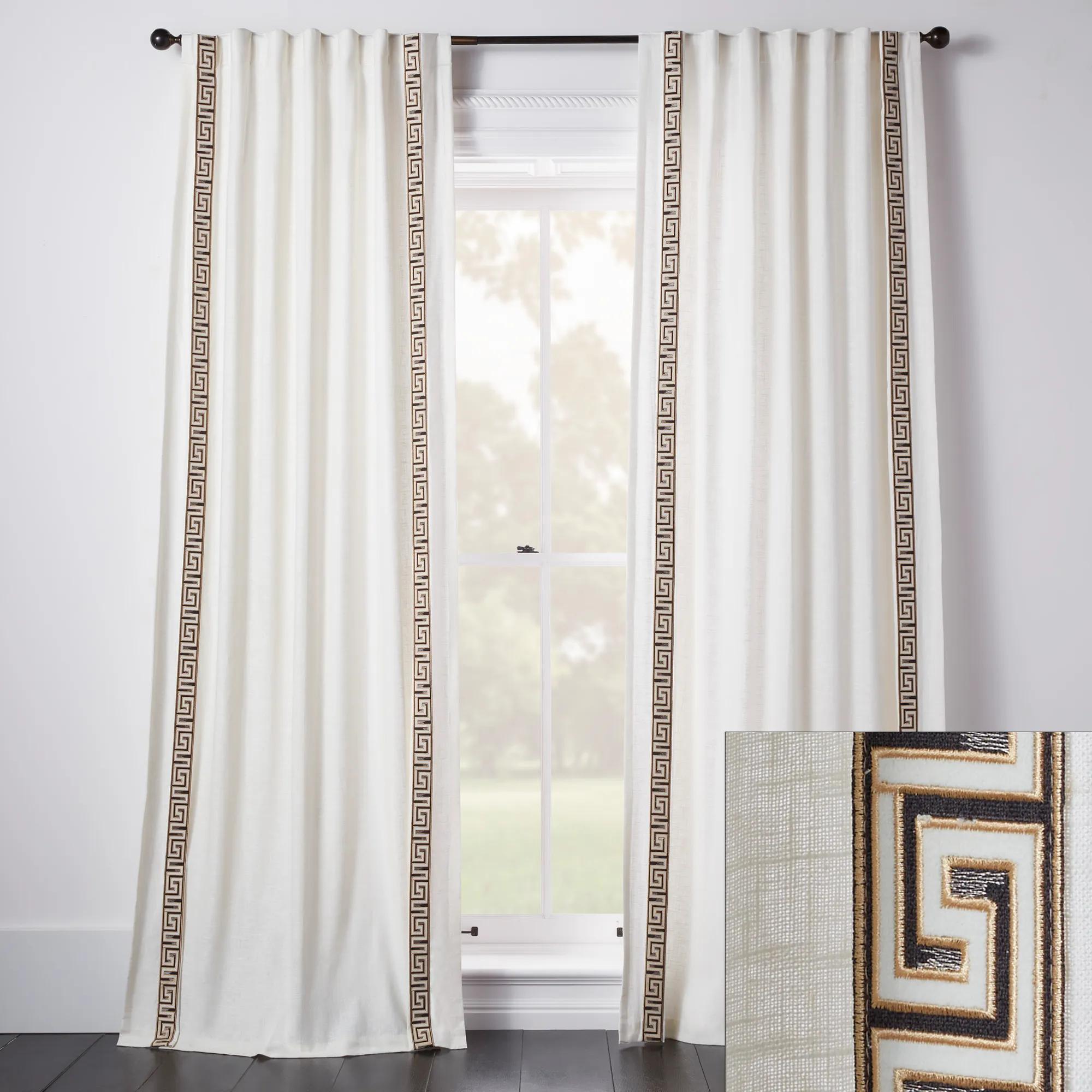 Chole Greek Key Border Velvet Widow Curtain Panels Custom$379
A linen-blend curtain panel with black and gold velvet Greek key border and customizable hanging options.
Add To Cart -
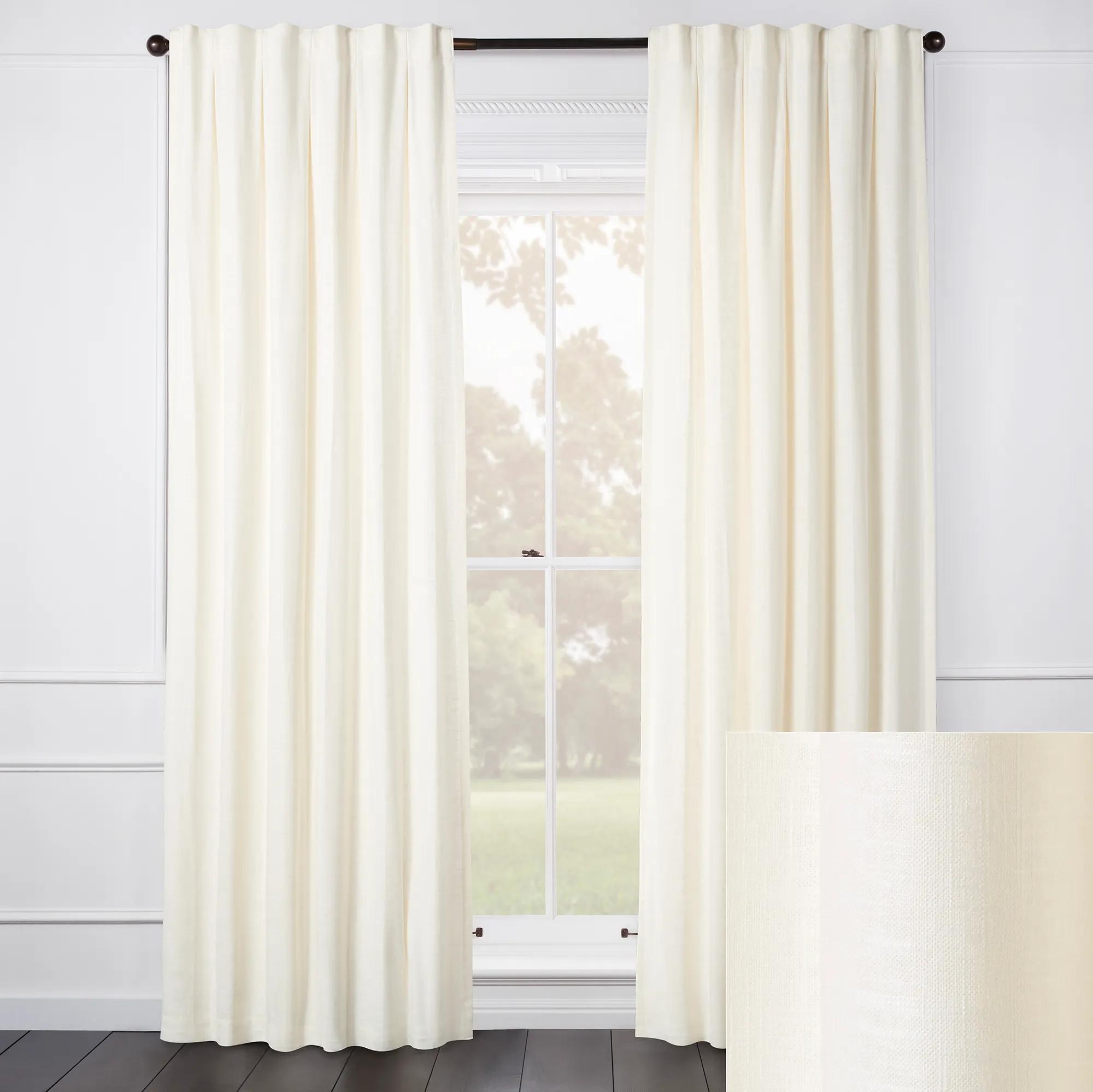
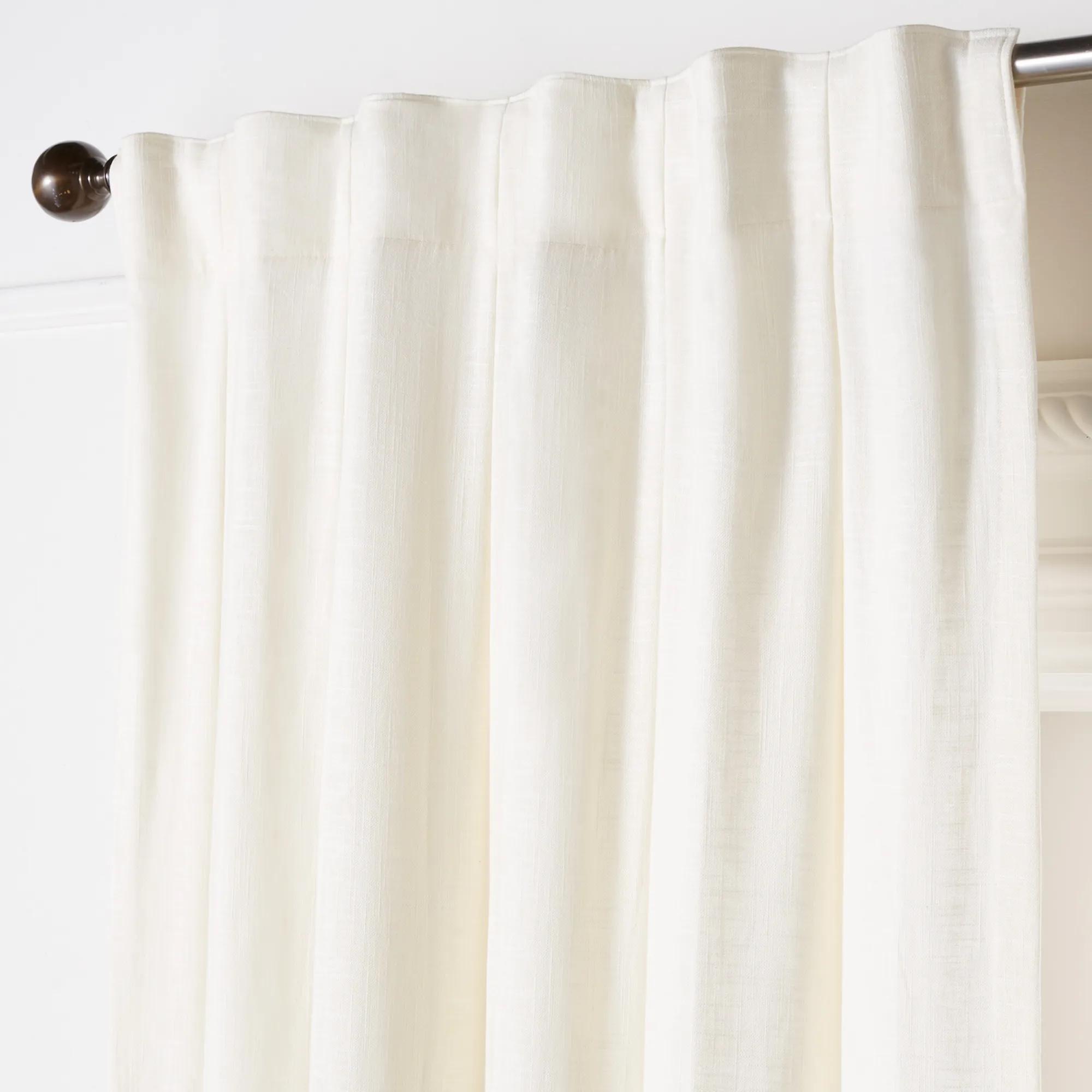 Audrey Linen Ivory Curtain - Custom$269
An ivory linen-blend curtain panel with lining, offering customizable lengths and two elegant header styles.
Add To Cart -
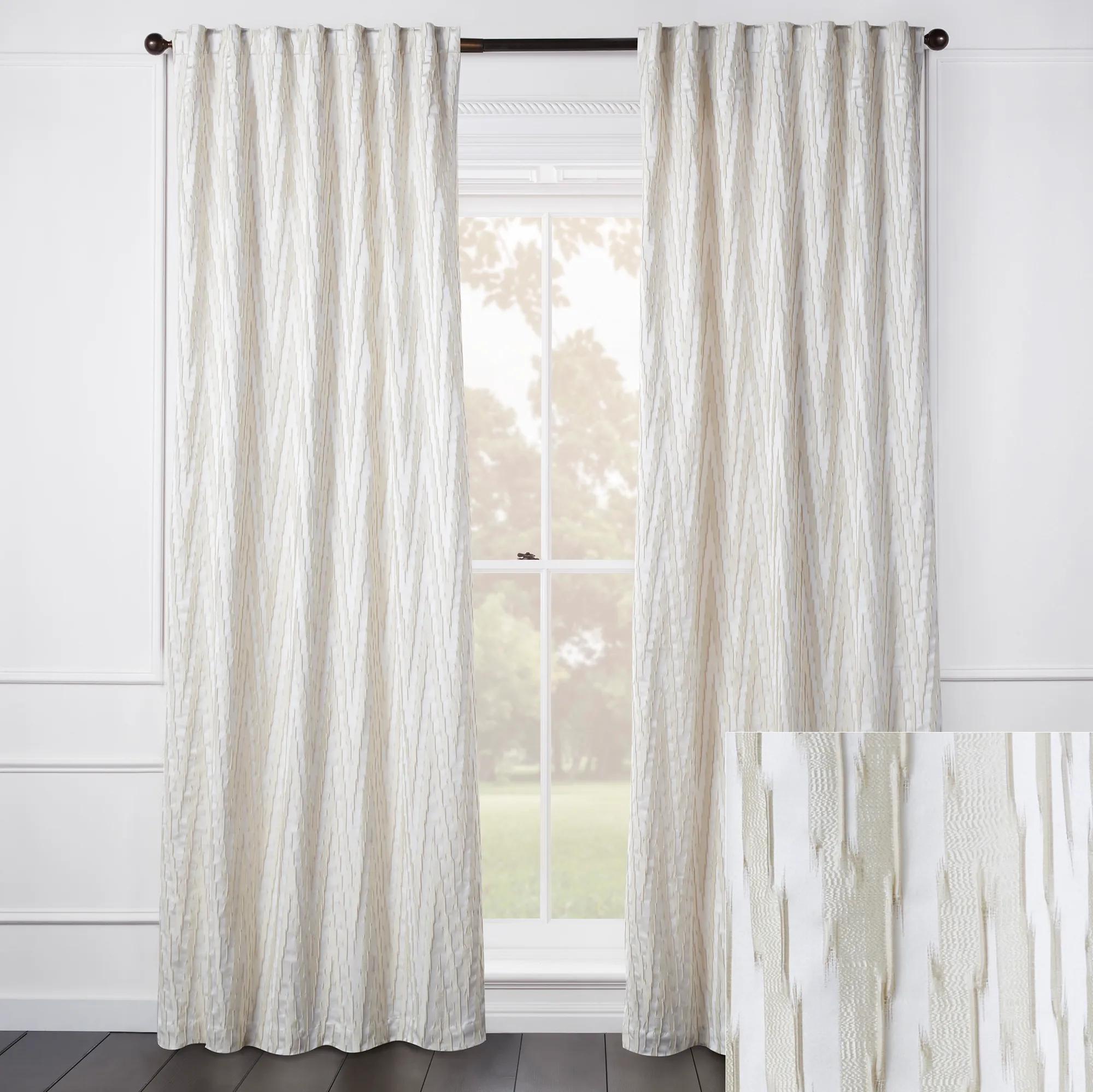
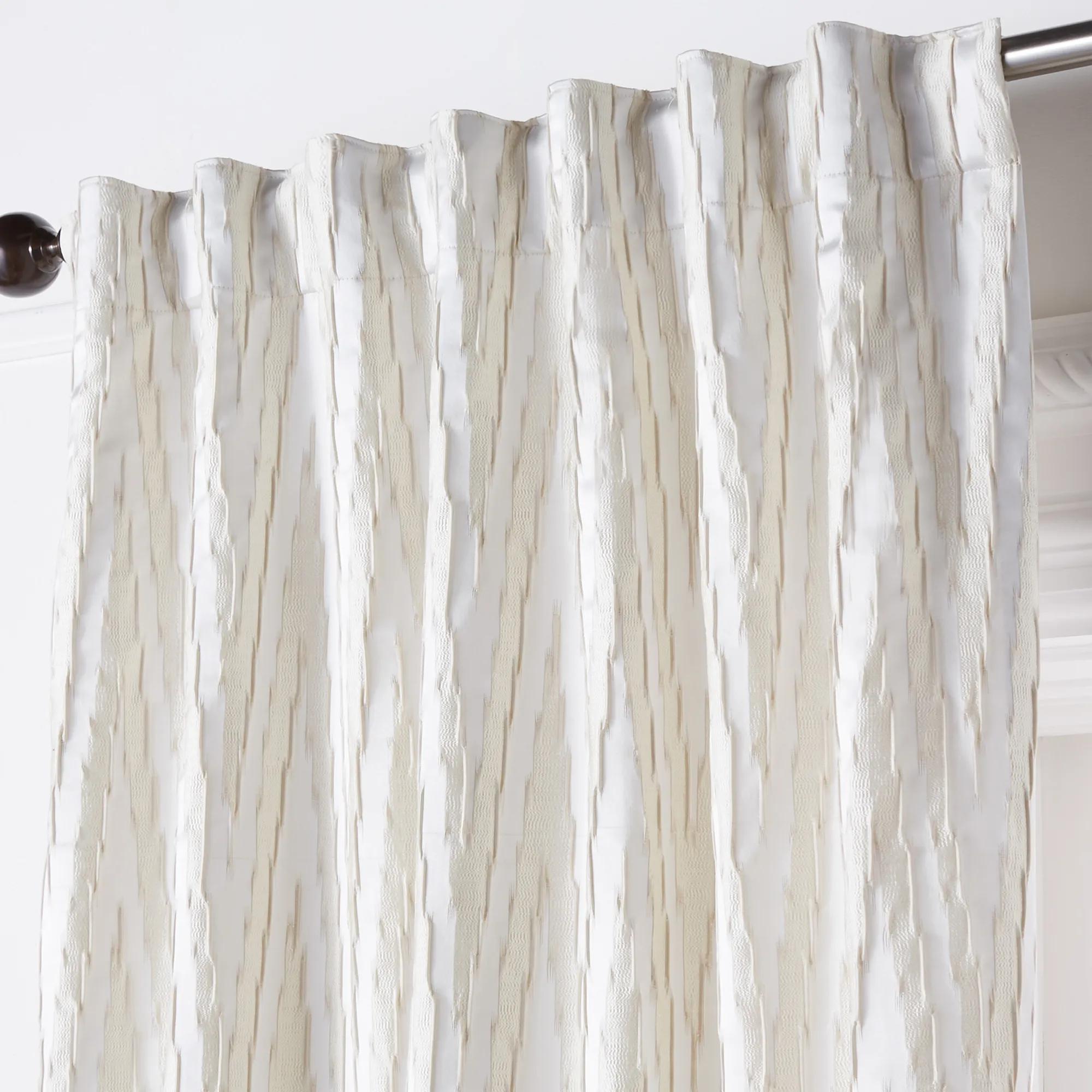 Minka Jacquard Pearl Window Curtain Panel Custom$289
A highly textured chevron curtain panel in pearl, grey, or natural polyester with customizable hanging options.
Add To Cart -
.jpeg?w=1200&h=1200)
 Mabel Natural Velvet Swirl Window Curtain Panel$99
Mabel Natural Velvet Swirl Window Curtain Panel$99A warm neutral velvet curtain with a tonal swirl pattern, offering room-darkening privacy and versatile hanging options.
Add To Cart -
.jpeg?w=1200&h=1200)
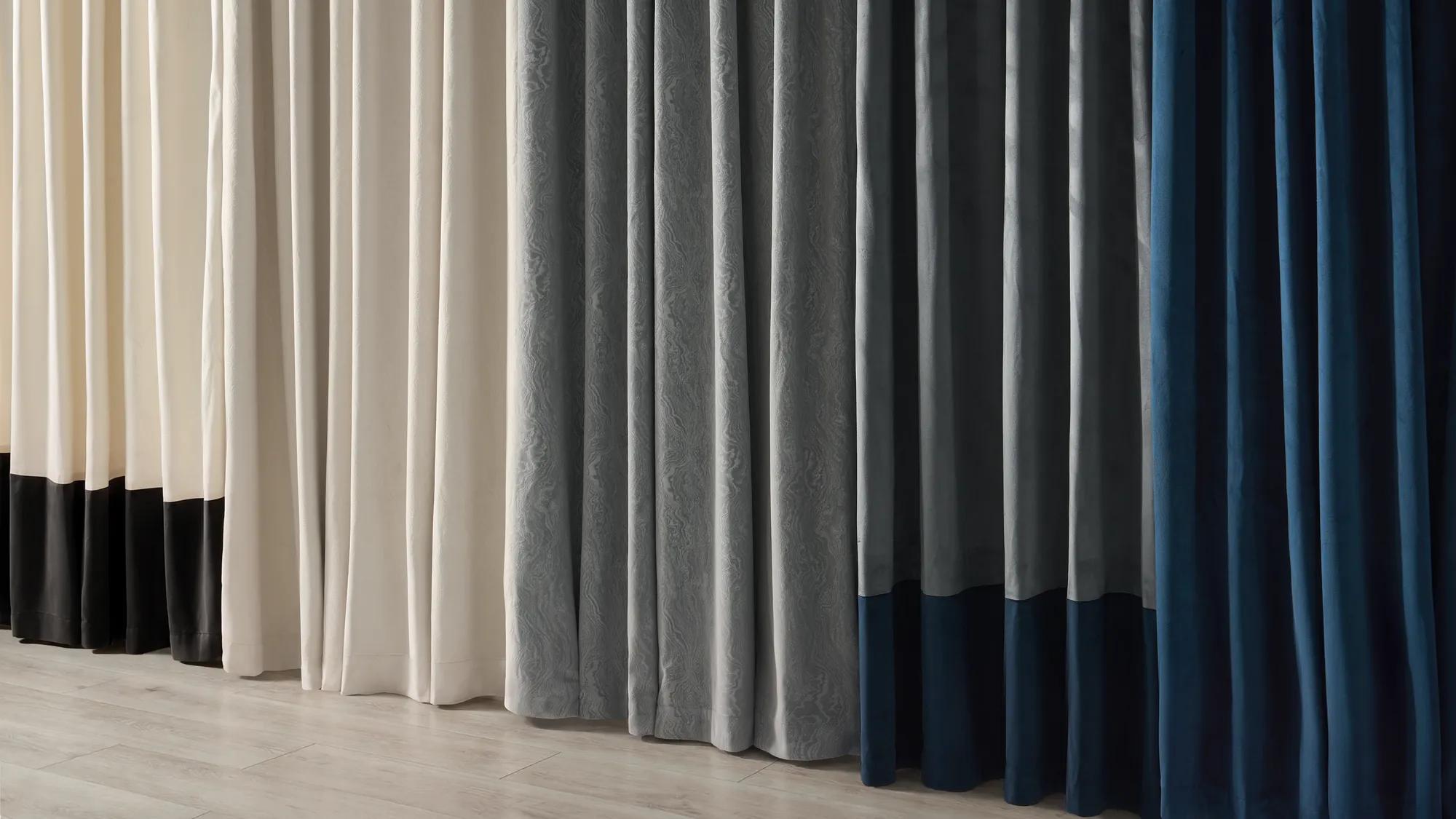 Mabel Velvet Swirl Curtain - Grey Blue$99
A grey blue velvet curtain featuring a tonal swirl pattern and versatile dual hanging options.
Add To Cart -
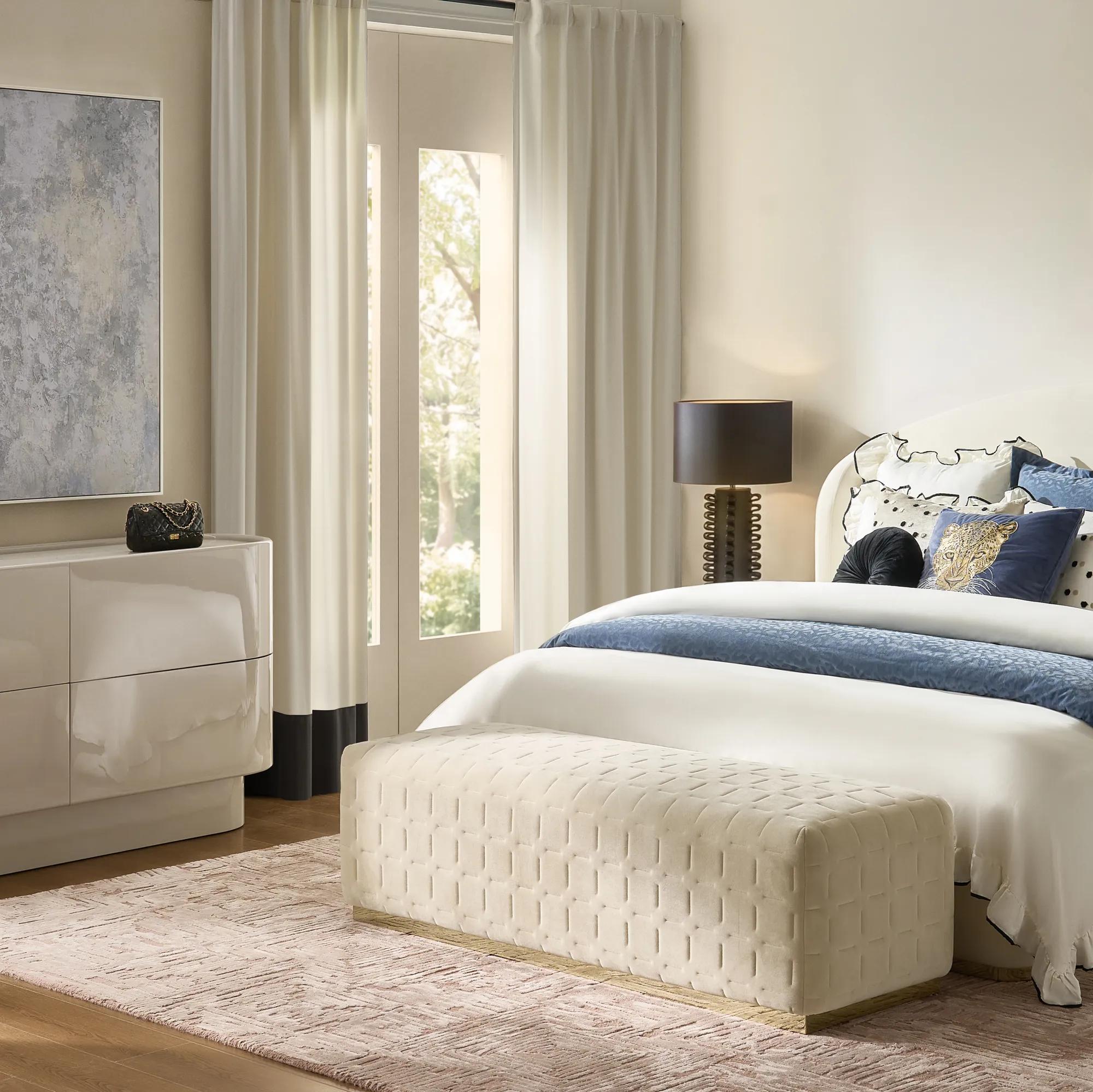 Bastien Ivory/Graphite Velvet Border Window Curtain Panel$109
A two-tone ivory and graphite velvet curtain panel with a Deco-inspired border and room-darkening design.
Add To Cart -
.jpeg?w=1200&h=1200)
 Anson Charcoal Textured Window Curtain Panel$89
Anson Charcoal Textured Window Curtain Panel$89A moody charcoal curtain with crushed polyester texture and subtle sheen for stylish, room-darkening appeal.
Add To Cart -
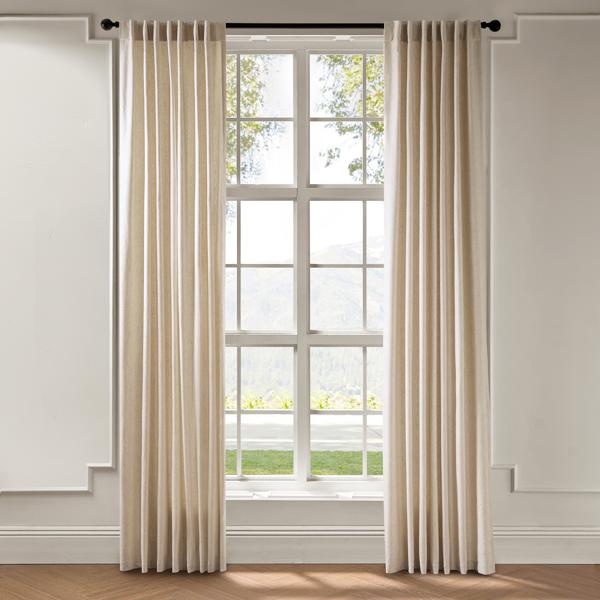
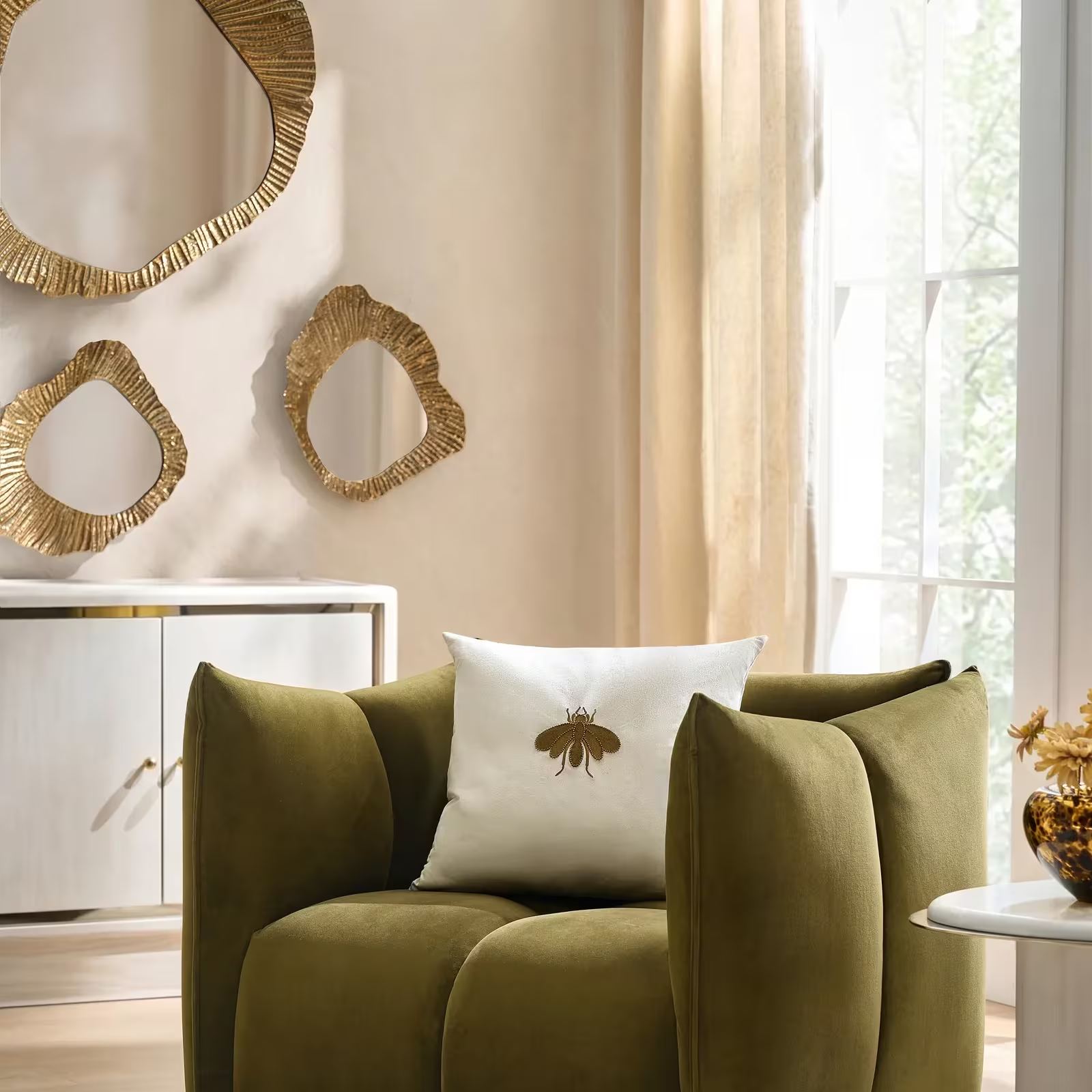 Anson Ivory Textured Window Curtain Panel$109
An elegant ivory curtain with a crushed, light-reflective texture and versatile dual hanging options.
Add To Cart -
.jpeg?w=1200&h=1200)
 Adair Midnight Blue Solid Velvet Window Curtain Panel$69
Adair Midnight Blue Solid Velvet Window Curtain Panel$69A sumptuous midnight blue velvet curtain that adds elegance, depth, and room-darkening style to any space.
Add To Cart -
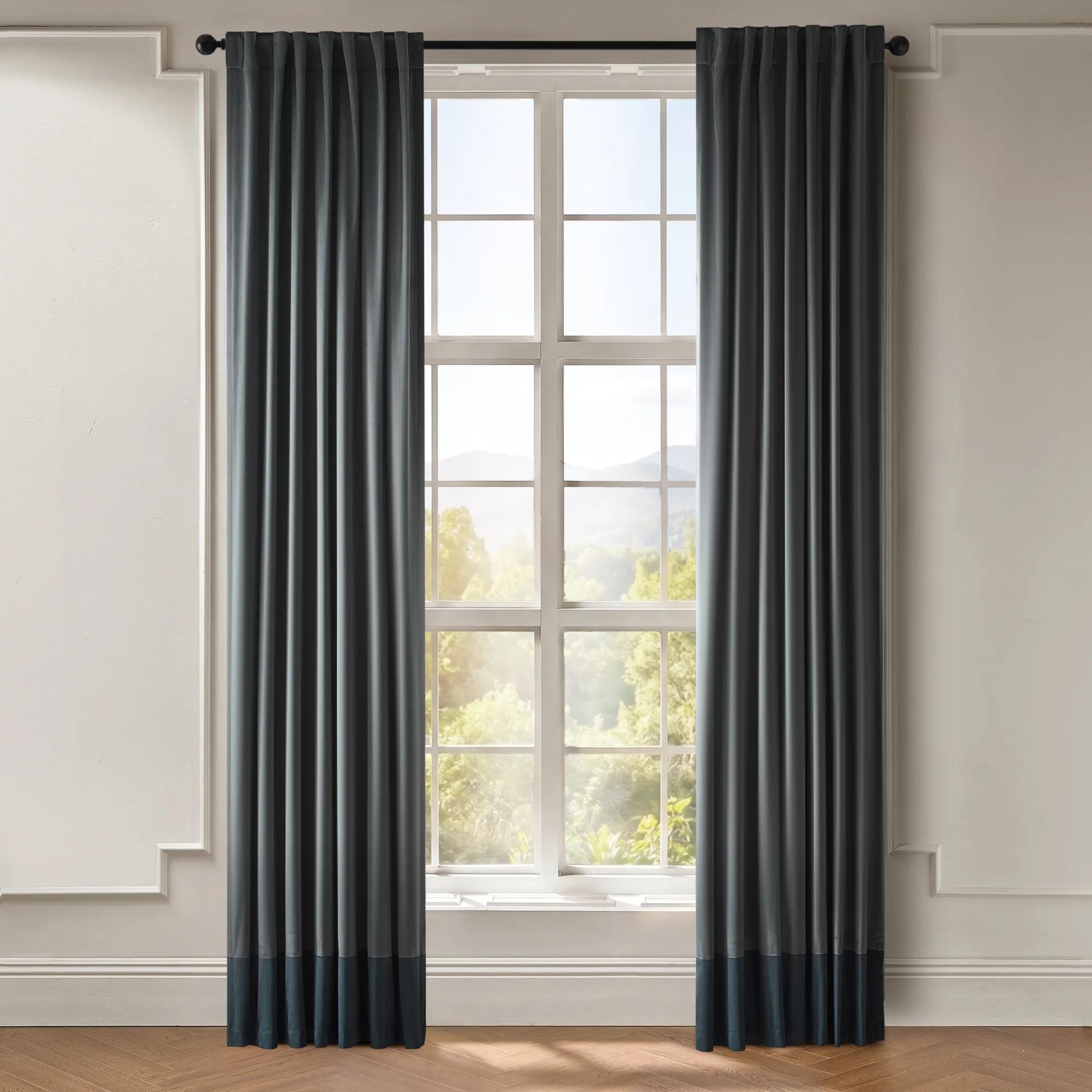
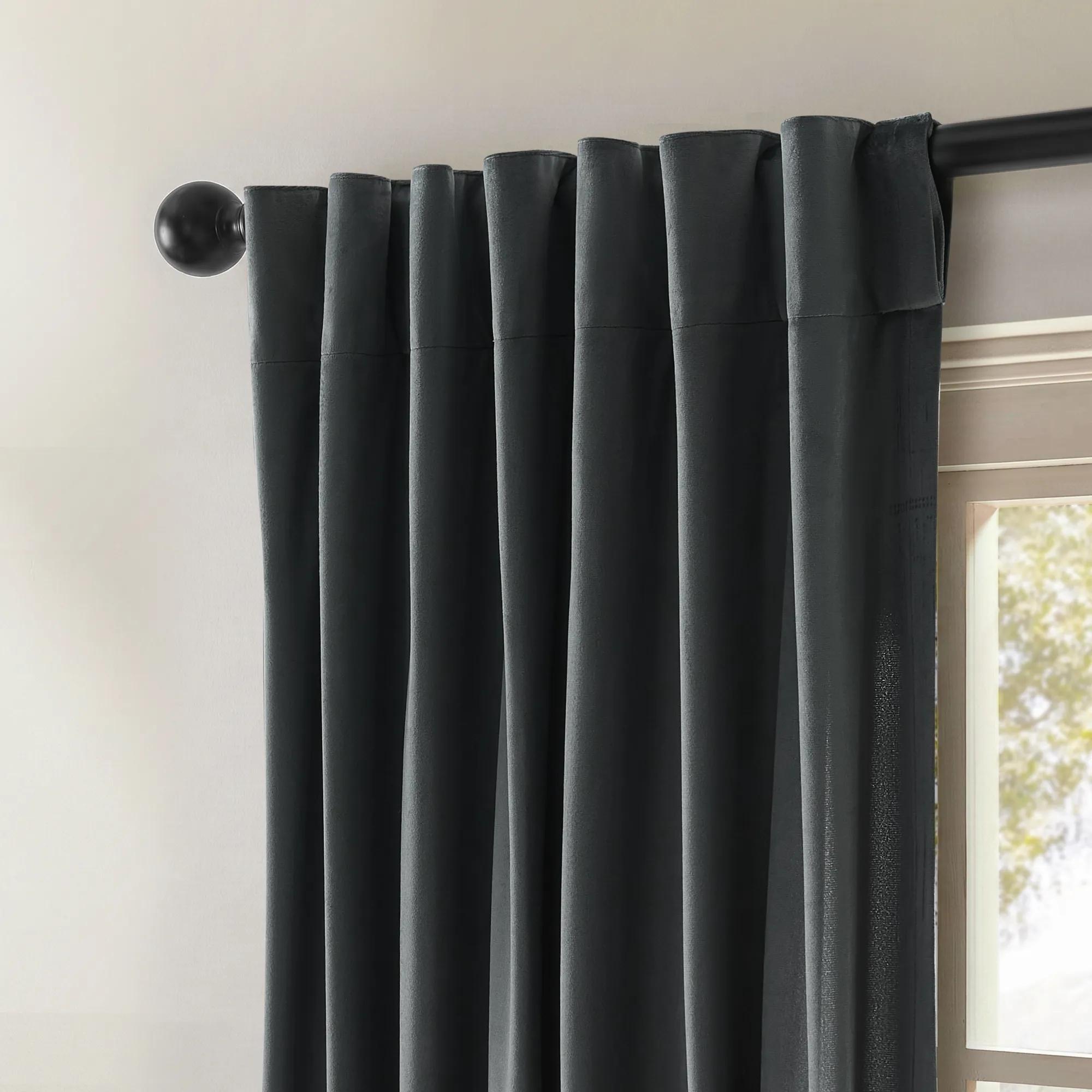 Bastien Blue/Midnight Velvet Border Window Curtain Panel$99
A two-tone dusty and midnight blue velvet curtain panel with a Deco-inspired border and room-darkening design.
Add To Cart -
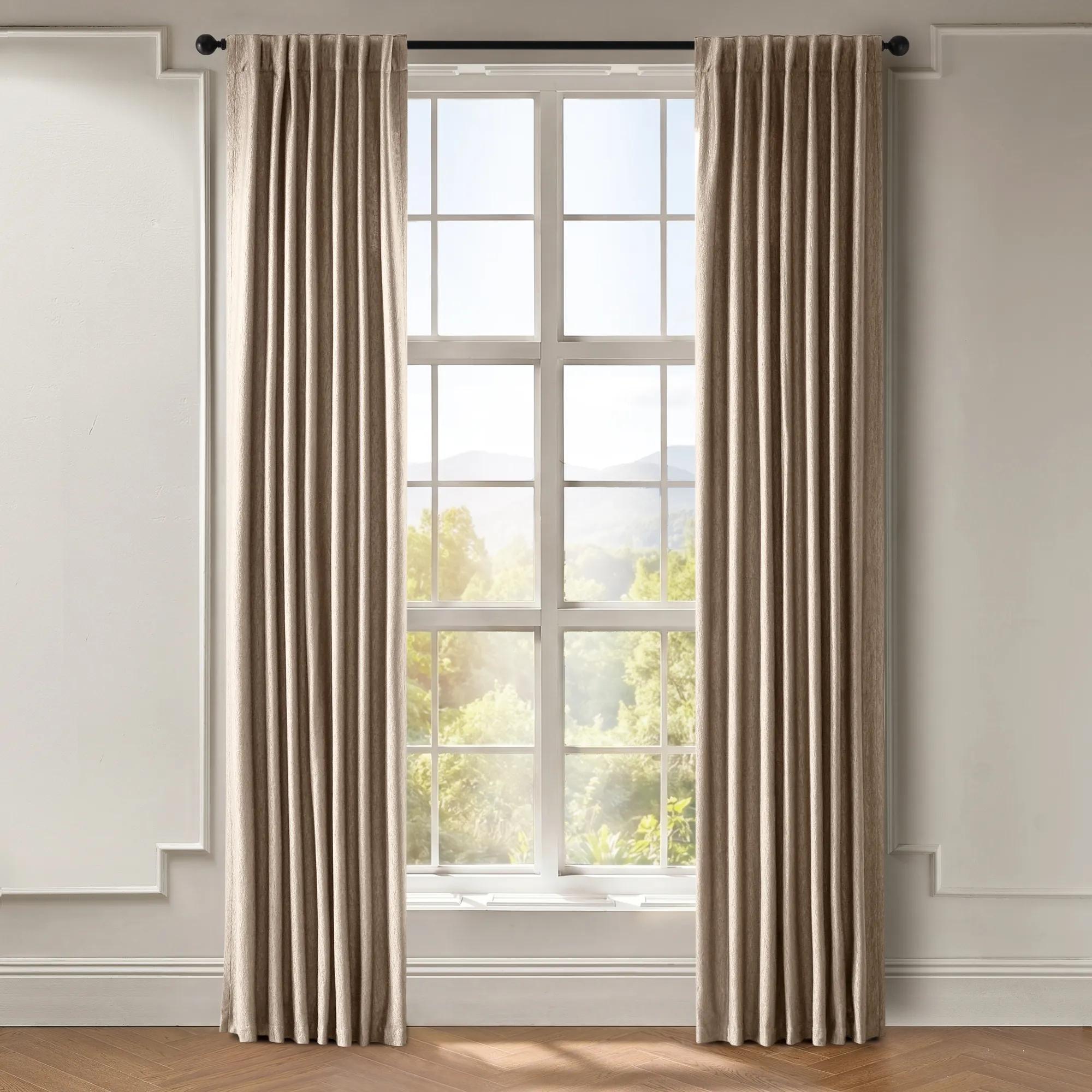 Anson Mocha Rose Textured Window Curtain Panel$99
A light mocha rose curtain panel with crushed sheen texture and room-darkening, dual hanging design.
Add To Cart -
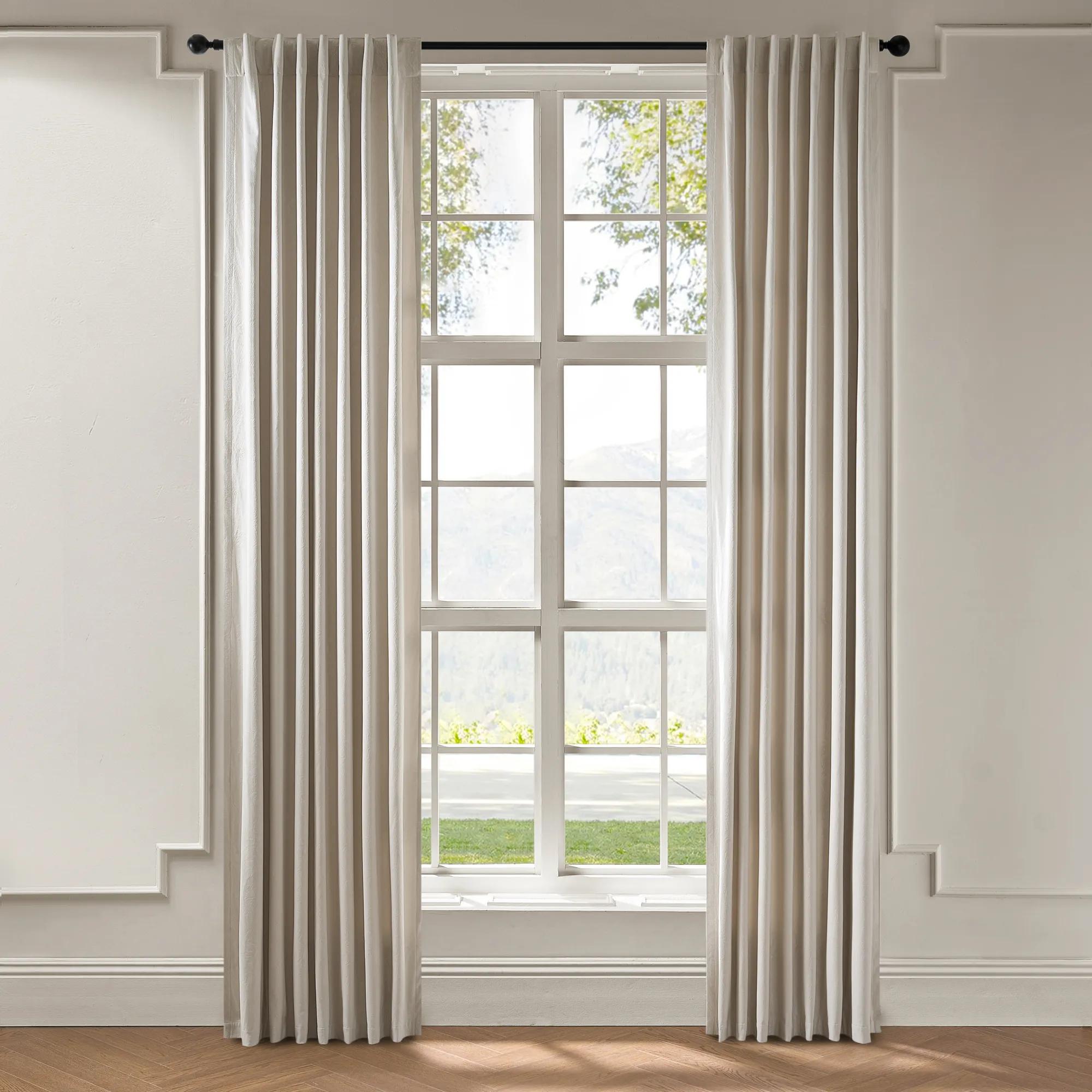
.jpeg?w=1200&h=1200) Mabel White Velvet Swirl Window Curtain Panel$109
Mabel White Velvet Swirl Window Curtain Panel$109A crisp white velvet curtain featuring a tonal swirl texture and versatile dual hanging options.
Add To Cart -
.jpeg?w=1200&h=1200)
 Adair Sand Solid Velvet Window Curtain Panel$79
Adair Sand Solid Velvet Window Curtain Panel$79A room-darkening sand velvet curtain with dual hanging options for a soft, tailored finish.
Add To Cart -
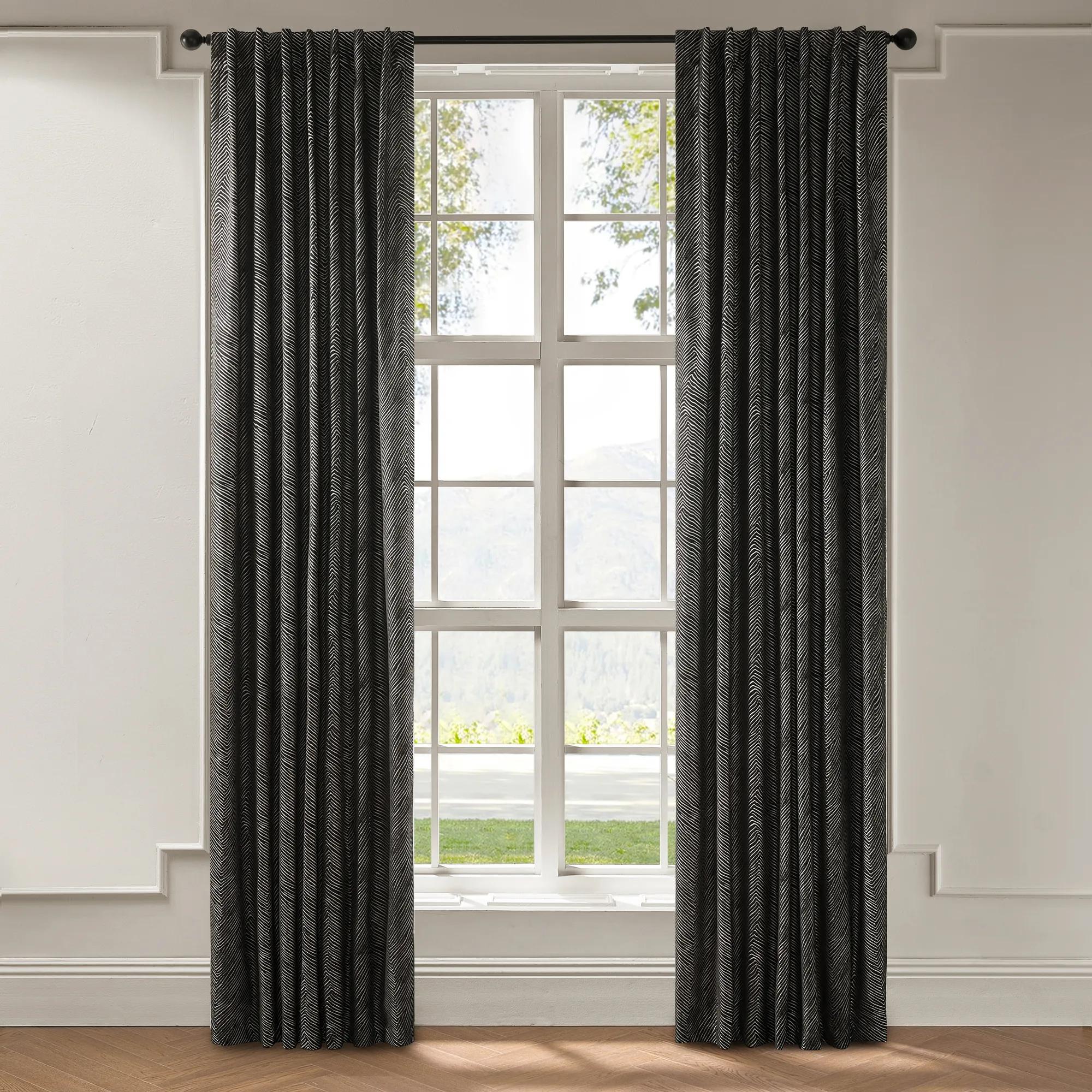
.jpeg?w=1200&h=1200) Kenzo Black Chenille Window Curtain Panel$139
Kenzo Black Chenille Window Curtain Panel$139A black chenille jacquard curtain with a room-darkening finish and versatile dual hanging options.
Add To Cart -
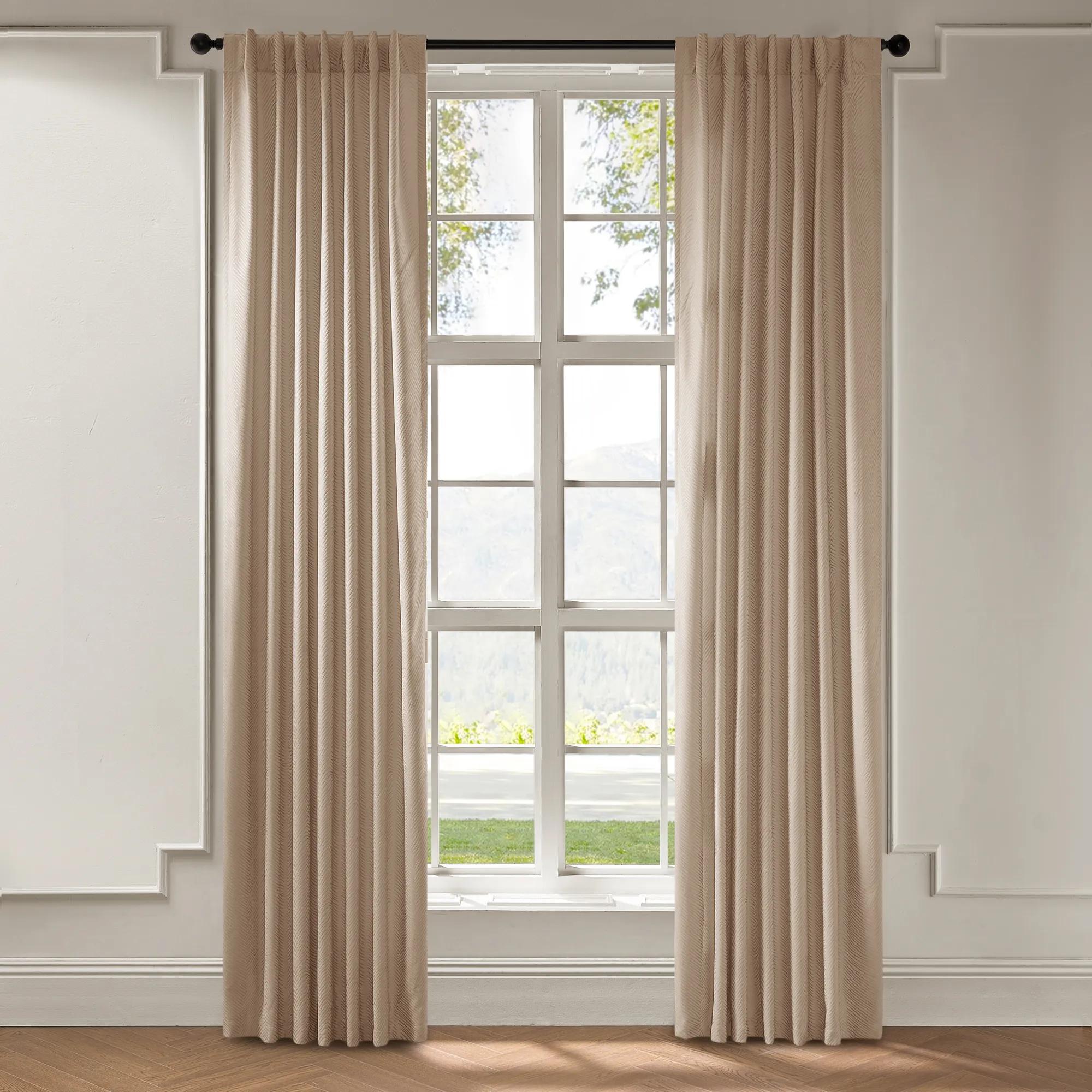 Kenzo Jacquard Beige Chenille Window Curtain Panel$129
A warm beige chenille jacquard curtain with a subtle sheen and versatile rod pocket or back tab hanging.
Add To Cart -
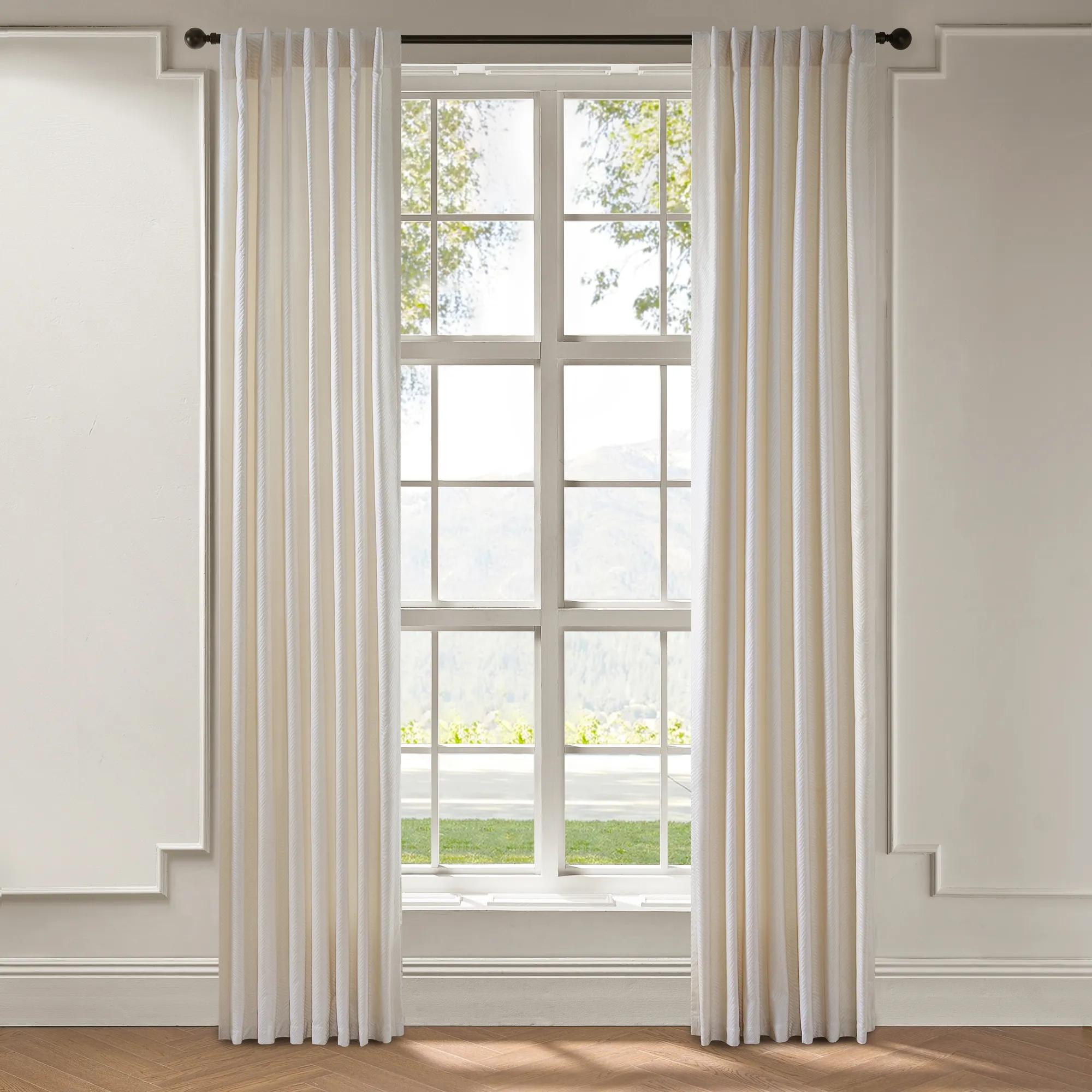
.jpeg?w=1200&h=1200) Kenzo Chenille Curtain - White$139
Kenzo Chenille Curtain - White$139A luxe white chenille jacquard curtain featuring a subtle high-contrast pattern and versatile dual construction.
Add To Cart -
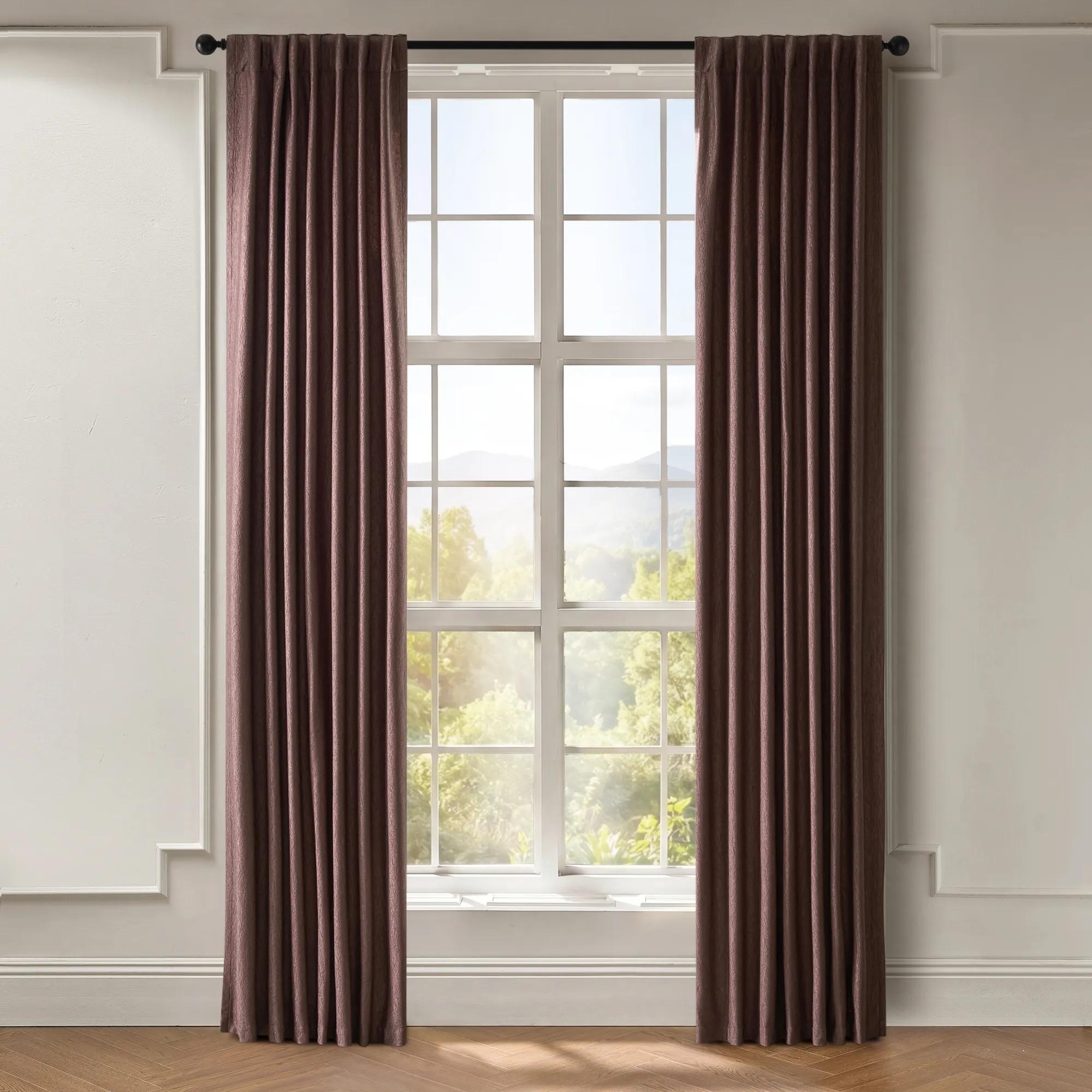
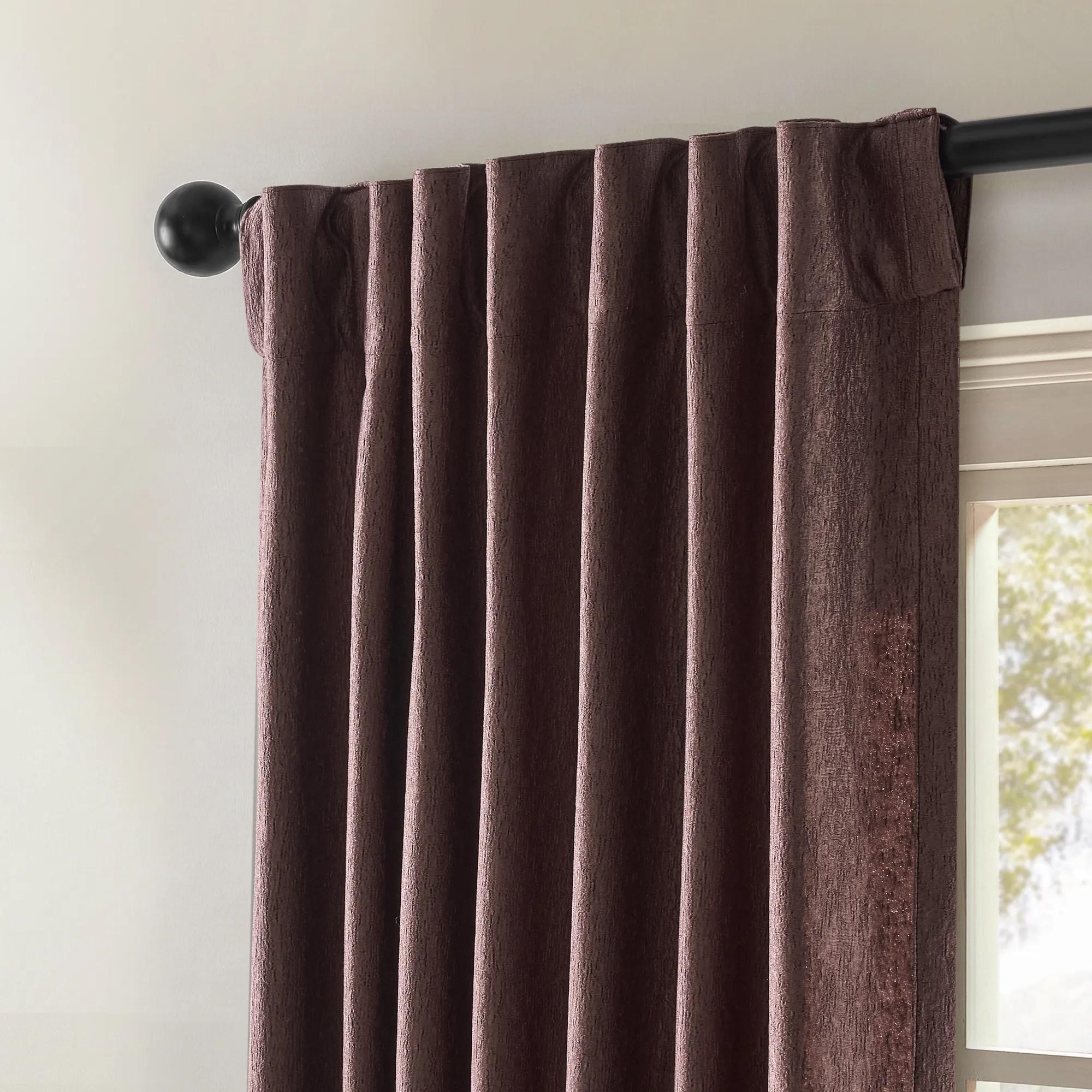 Anson Fig Textured Window Curtain Panel$109
A room-darkening fig curtain panel with a crushed sheen texture and versatile dual hanging options.
Add To Cart

Elegant Living Room Drapes
Elegant Living Room Drapes transform ordinary windows into grand gestures, framing your space with a flourish of sophistication and allure. Each panel is an invitation to embrace drama, layering your living room in sumptuous texture and refined artistry. Whether you crave the soft cascade of luxurious fabrics or the bold statement of sweeping silhouettes, Elegant Living Room Drapes set the stage for moments both intimate and spectacular. Let every fold and finish inspire your imagination, elevating your home into a gallery of expressive design.
Elegant living room drapes give a space its sense of occasion, framing the architecture while softening the places where walls, windows, and furnishings meet. Their impact extends well beyond the glass: a generous sweep of fabric can make a seating area feel intimate, lend height to a modest room, or bring a composed finish to an expansive interior. In a living room with sculptural furniture and gleaming metallic accents, drapes introduce movement that balances harder surfaces. Beside a deeply upholstered sofa, they can continue a sumptuous mood through rich texture and beautifully weighted folds. Material shapes that expression. Velvet offers a plush surface with a directional nap that catches light differently across each fold, creating depth even in a single solid color. Linen and linen blends have a more pronounced weave and a relaxed fall, bringing tactile contrast to polished tables or mirror-finish accessories. Cotton can provide a softer, more understated surface, while silk and silk-look fabrics introduce luminous highlights and a more formal presence; fiber content, lining, and care requirements distinguish their everyday practicality. Sheer panels filter views and soften daylight without the visual weight of an opaque fabric, making them especially appealing where the view deserves to remain part of the room. They do not, however, offer the same privacy as lined drapes, particularly when interior lights are on. Layered treatments allow those moods to coexist: airy fabric at the window, with fuller panels ready to draw across it. Color establishes another dimension of the room’s character. Ivory and champagne tones create a luminous backdrop for art and expressive upholstery, while charcoal, ink blue, and jewel tones give windows a dramatic outline. A subtle woven pattern can reward a closer look without competing with a statement rug. For a more graphic interior, a defined motif brings rhythm to a broad wall. The most compelling effect comes from a deliberate relationship between the drapes and the furnishings, rather than an exact match across every surface.
Proportion is what turns beautiful fabric into a convincing architectural gesture. Drapes that barely cover the glass can appear restrained in the wrong way, while sufficient fullness creates the rounded folds and graceful vertical lines associated with an elegant interior. The appropriate panel width depends on the heading style, fabric weight, and whether the panels will close or remain decorative. For many flat-panel treatments, a combined width around one and a half to two times the rod width provides an initial reference, though some headings require different fullness and finished pleated panels may already account for it. Measuring the rod or track rather than the window alone helps clarify how much fabric the treatment must span. Space beside the frame matters, too: panels need room to gather when open if the intention is to reveal as much glass as possible. In a living room with narrow windows, extending the treatment beyond the frame can create a broader visual presence, provided the surrounding wall allows it. Mounting hardware above the window can emphasize height, but the final placement should respect crown molding, ceiling lines, and the scale of the room. Length deserves equal attention. A hem that just clears the floor gives frequently opened drapes a tailored finish and keeps the fabric from dragging. A slight break introduces softness, while a more generous puddle creates theatrical volume best suited to decorative panels away from busy walkways. Rings, tabs, rod pockets, and pleated headings each change both the silhouette and the measurement from the attachment point to the hem. Hardware also needs to support the fabric’s weight, especially with substantial lined panels. In a room used for conversation, reading, and screen time, light control becomes part of the design. Light-filtering fabric preserves a gentle glow; room-darkening or blackout construction can reduce brightness more substantially, although gaps around the treatment still admit light. The textures and silhouettes associated with luxury living room drapes offer another expression of this balance between visual richness and everyday purpose.
A lasting choice feels as considered in daily use as it does when the room is arranged for company. Drapes beside a favorite reading chair may be handled several times a day, making an easy-moving heading and resilient fabric especially valuable. In a formal sitting room, decorative panels can prioritize sculptural folds and an expressive surface because they remain largely undisturbed. Households with children or pets may favor floor-clearing hems over pooled fabric, with securely installed hardware and any operating cords kept safely out of reach. For broad windows or doors used regularly, the treatment needs to move clear of the opening without obstructing handles or circulation. Fabric composition alone does not determine durability: weave, construction, exposure to direct sunlight, and repeated handling all influence how well drapes retain their appearance. A lining can give a lighter face fabric more body, help conceal seams from the window side, and provide a degree of protection from light exposure, though it does not eliminate the possibility of fading. Delicate fibers and saturated colors warrant particular consideration in strongly sunlit spaces. Care instructions should suit the household as well as the material. Some panels permit machine washing, while others require professional cleaning; trims, linings, and decorative finishes may change what is appropriate even when the primary fiber seems familiar. Gentle dust removal with a suitable upholstery attachment can help prevent buildup where the care label allows it. Steam and heat also require caution, particularly on velvet, sensitive synthetics, or specialty finishes, and pressing can flatten a textured surface. Where fabric samples are offered, viewing one beside the sofa and wall color under both daylight and lamps gives a more faithful impression than considering color in isolation. Texture may read quietly from across the room yet become richly dimensional up close. That combination is central to elegant drapery: a strong silhouette at a distance, thoughtful detail within reach, and a sense of ease when the panels are drawn. Whether the room hosts lively gatherings or a quiet evening with a book, beautifully proportioned drapes give the setting depth, privacy, and a distinctive finishing gesture.
FAQs
Luxurious fabrics such as velvet, silk, linen, and jacquard are highly sought-after for elegant drapes. Velvet offers a rich, plush texture that brings warmth and grandeur to a space, while silk drapes catch the light in a way that feels both opulent and ethereal. Linen provides a crisp, tailored look with a touch of organic sophistication, and jacquard patterns add depth and visual intrigue. Each material brings its own character, allowing you to tailor the mood of your living room to suit your personal style.
Elegant curtains have the power to transform a living room by introducing texture, color, and movement. They can soften architectural lines, create a sense of height, and frame natural light in ways that set the tone for the entire space. Whether you choose dramatic floor-to-ceiling panels or delicately layered sheers, the right drapery can evoke a feeling of intimacy, sophistication, or exuberance, depending on your design vision.
Absolutely. Elegant draperies transcend design eras, offering timeless appeal in both traditional and contemporary settings. In classic interiors, ornate fabrics and intricate details can echo the room’s historical charm, while in modern spaces, streamlined silhouettes and bold colors lend a sense of chic minimalism or avant-garde flair. The key lies in selecting drapes that complement your existing decor while introducing a touch of drama or refinement.
Layering is an artful way to add dimension and richness to your windows. Combine sheer panels with heavier drapes to play with transparency and light, or pair contrasting textures—such as crisp linen with velvety plush—for a tactile, curated effect. Decorative tiebacks, gilded rods, and dramatic puddling at the floor can further enhance the visual impact, creating a look that feels both intentional and indulgent.
Yes, gifting elegant drapes is a meaningful way to celebrate milestones such as housewarmings, weddings, or anniversaries. High-quality drapery is both practical and luxurious, offering the recipient a lasting reminder of your thoughtfulness every time they enter their living room. Choose fabrics and styles that reflect their personal taste, and your gift will become a cherished part of their home’s story.
.jpeg?w=4130&h=4130)