Luxury Living Room Drapes
Luxury Living Room Drapes
-
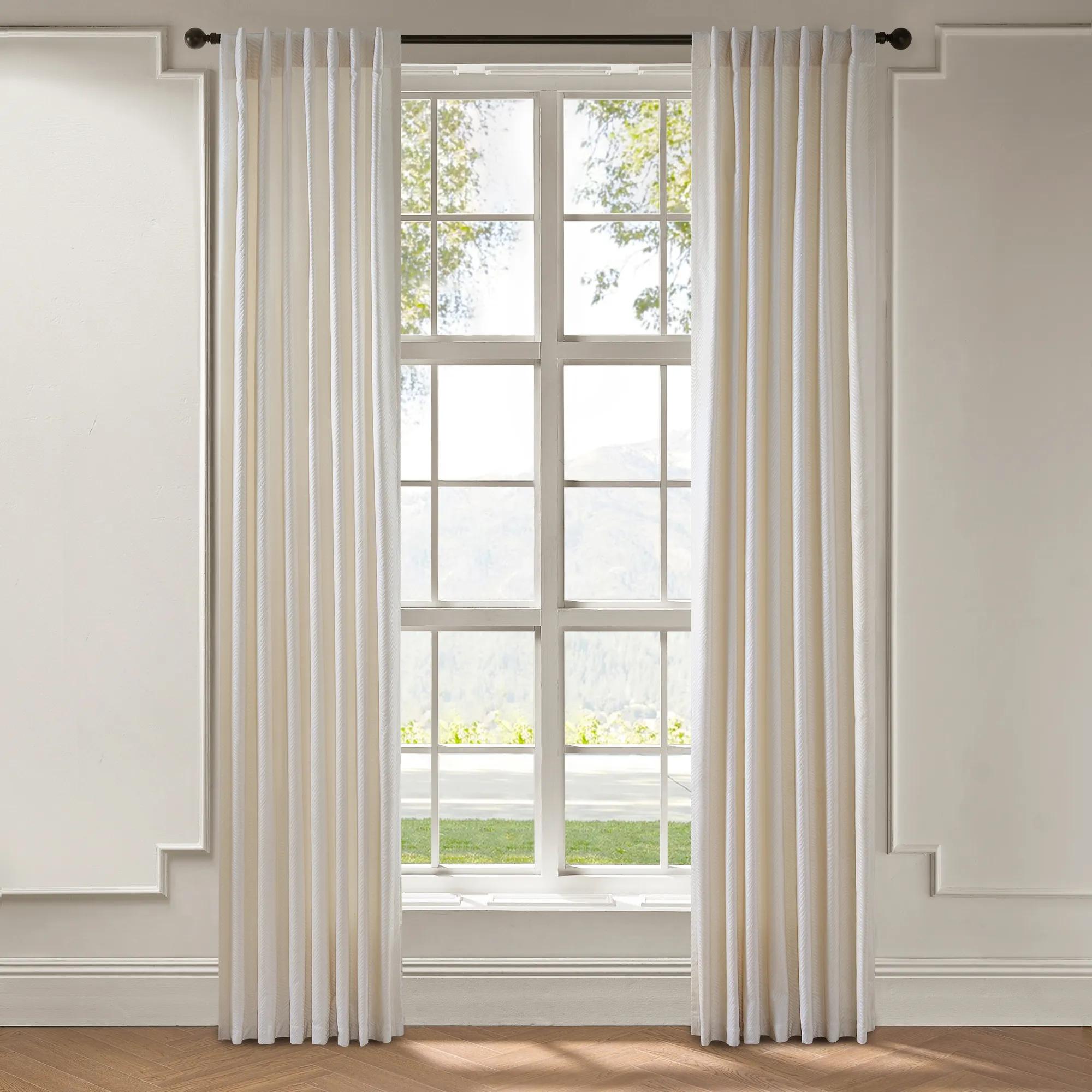
 Kenzo Chenille Curtain - White$129
A luxe white chenille jacquard curtain featuring a subtle high-contrast pattern and versatile dual construction.
Add To Cart -

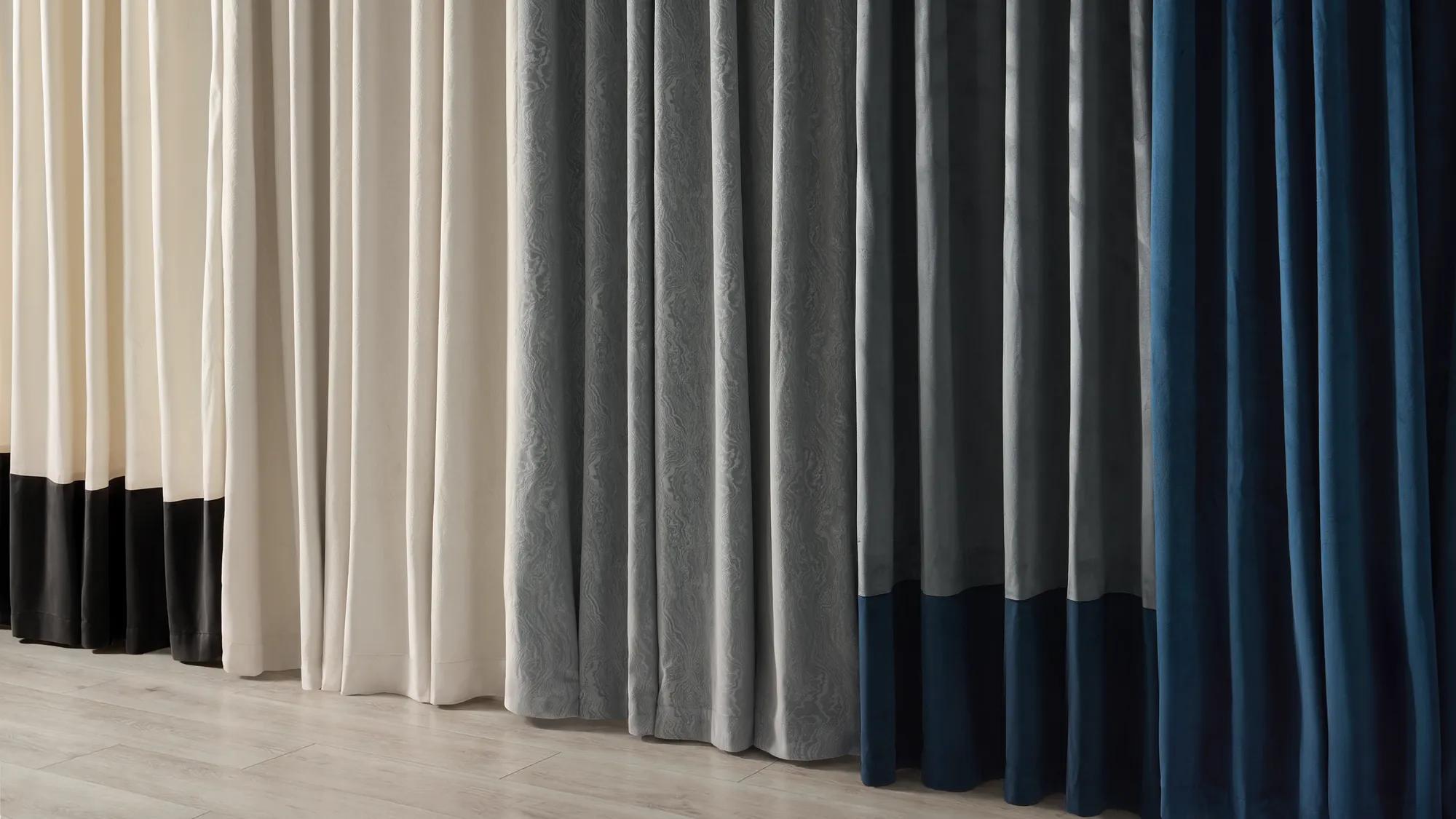 Mabel Velvet Swirl Curtain - Grey Blue$99
A grey blue velvet curtain featuring a tonal swirl pattern and versatile dual hanging options.
Add To Cart -
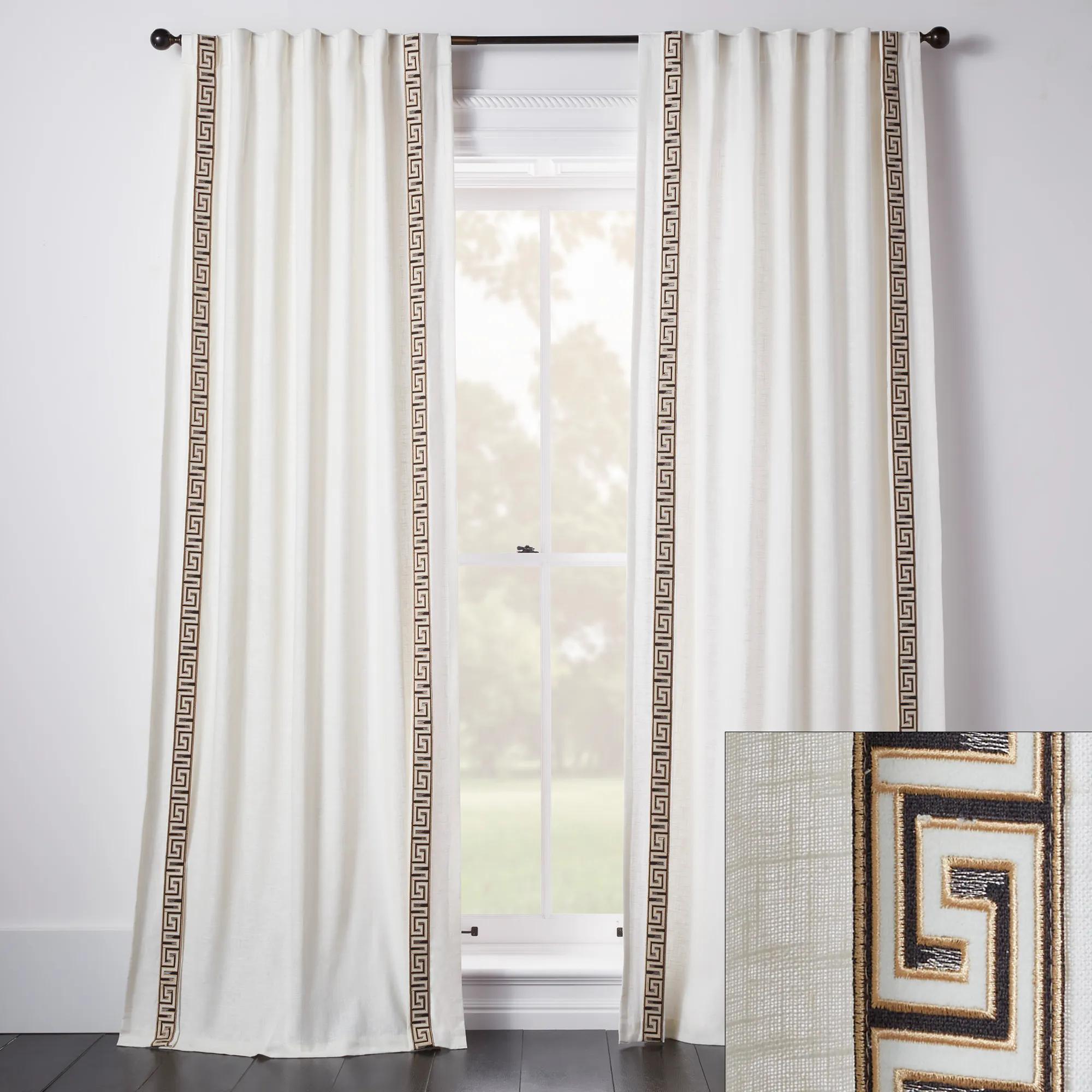 Chole Greek Key Border Velvet Widow Curtain Panels Custom$319
A linen-blend curtain panel with black and gold velvet Greek key border and customizable hanging options.
Add To Cart -
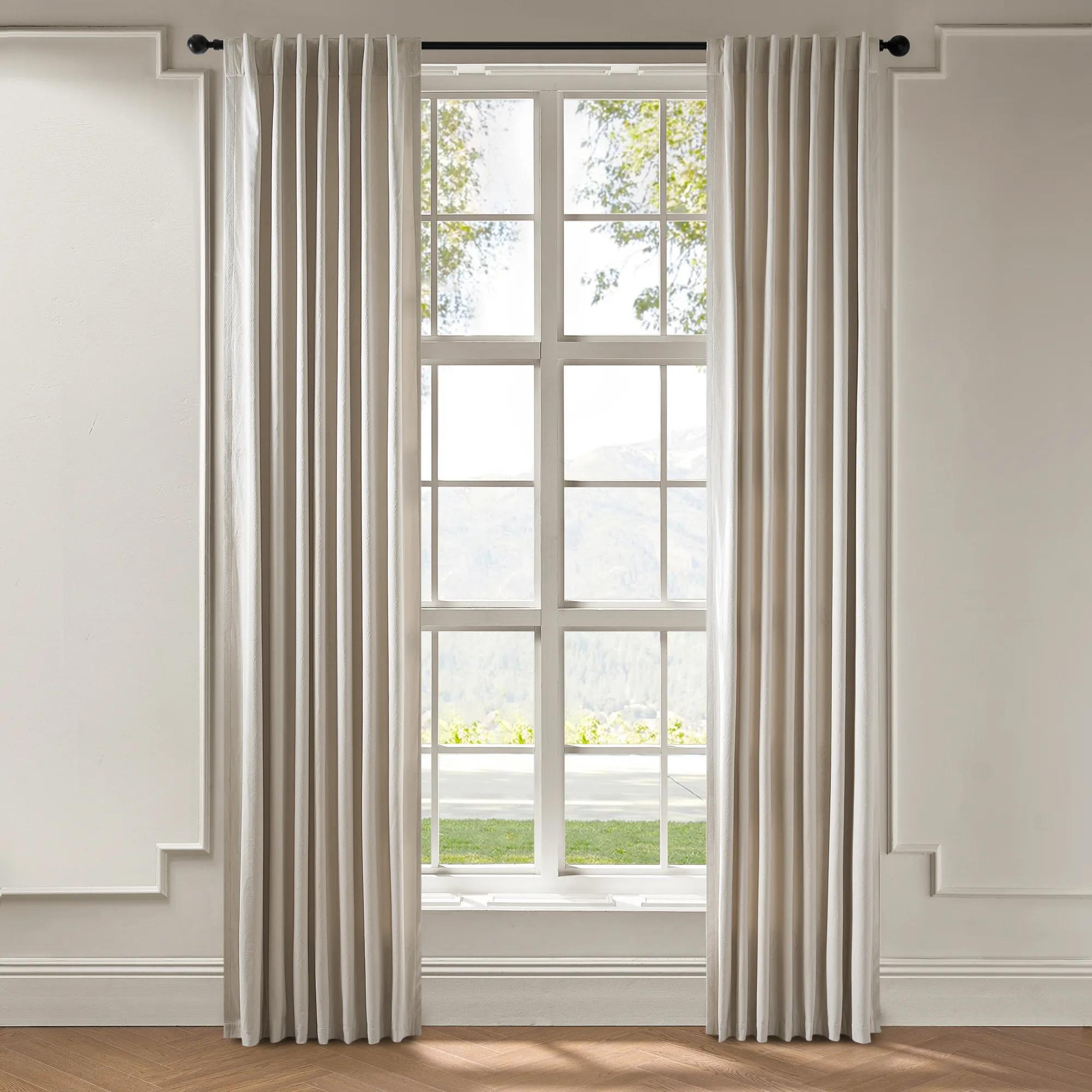
 Mabel White Velvet Swirl Window Curtain Panel$99
A crisp white velvet curtain featuring a tonal swirl texture and versatile dual hanging options.
Add To Cart -

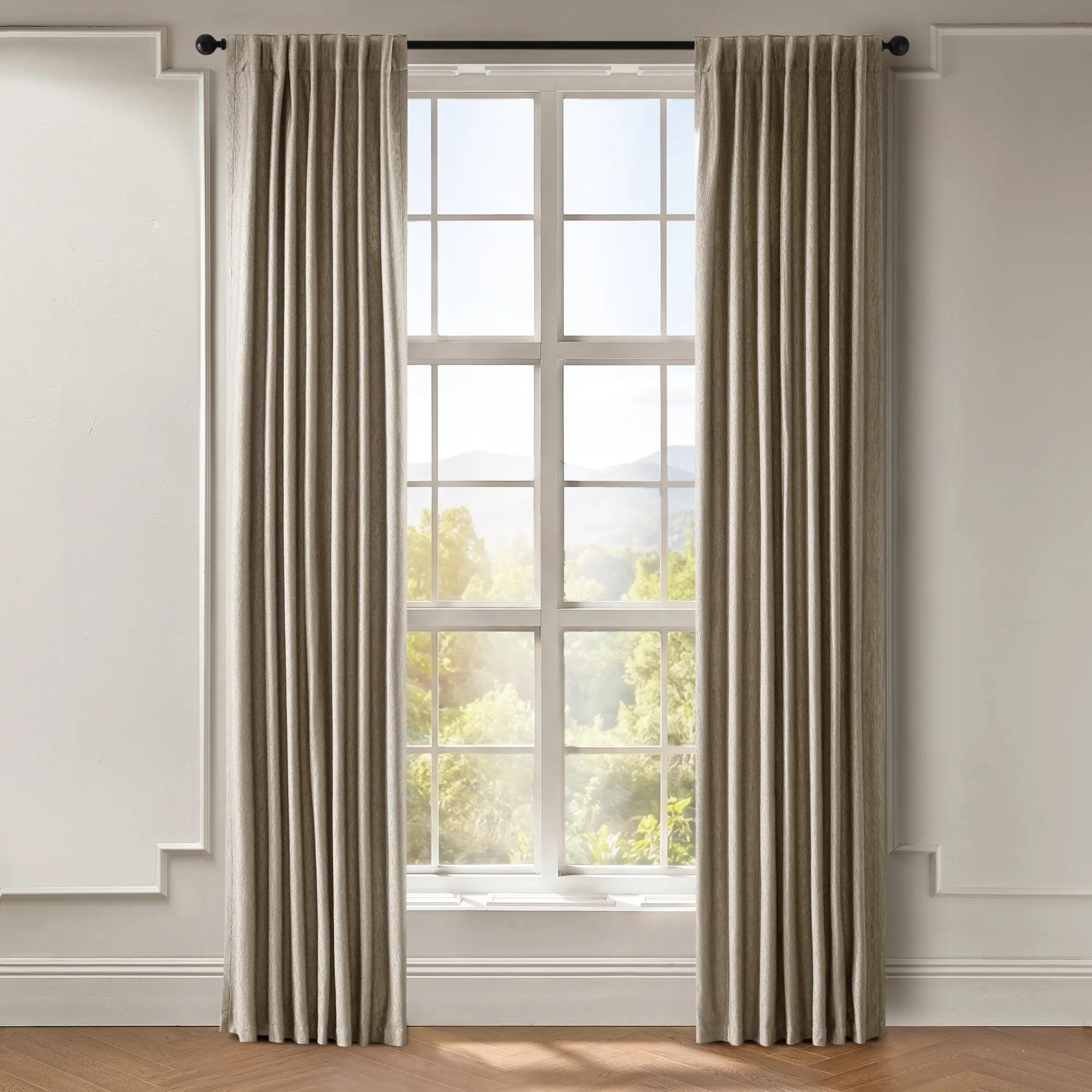
 Mabel Natural Velvet Swirl Window Curtain Panel$99
A warm neutral velvet curtain with a tonal swirl pattern, offering room-darkening privacy and versatile hanging options.
Add To Cart -
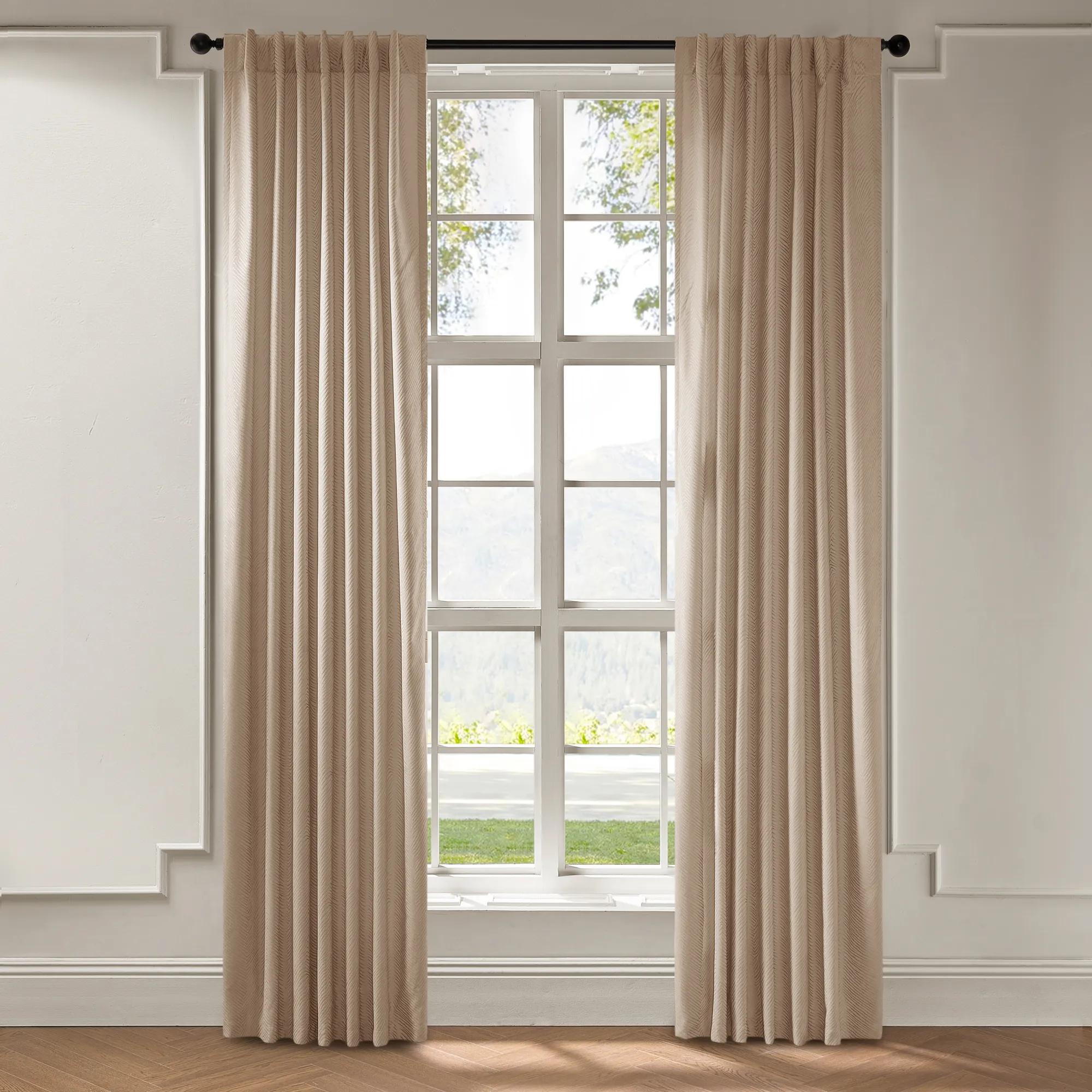 Kenzo Jacquard Beige Chenille Window Curtain Panel$139
A warm beige chenille jacquard curtain with a subtle sheen and versatile rod pocket or back tab hanging.
Add To Cart -
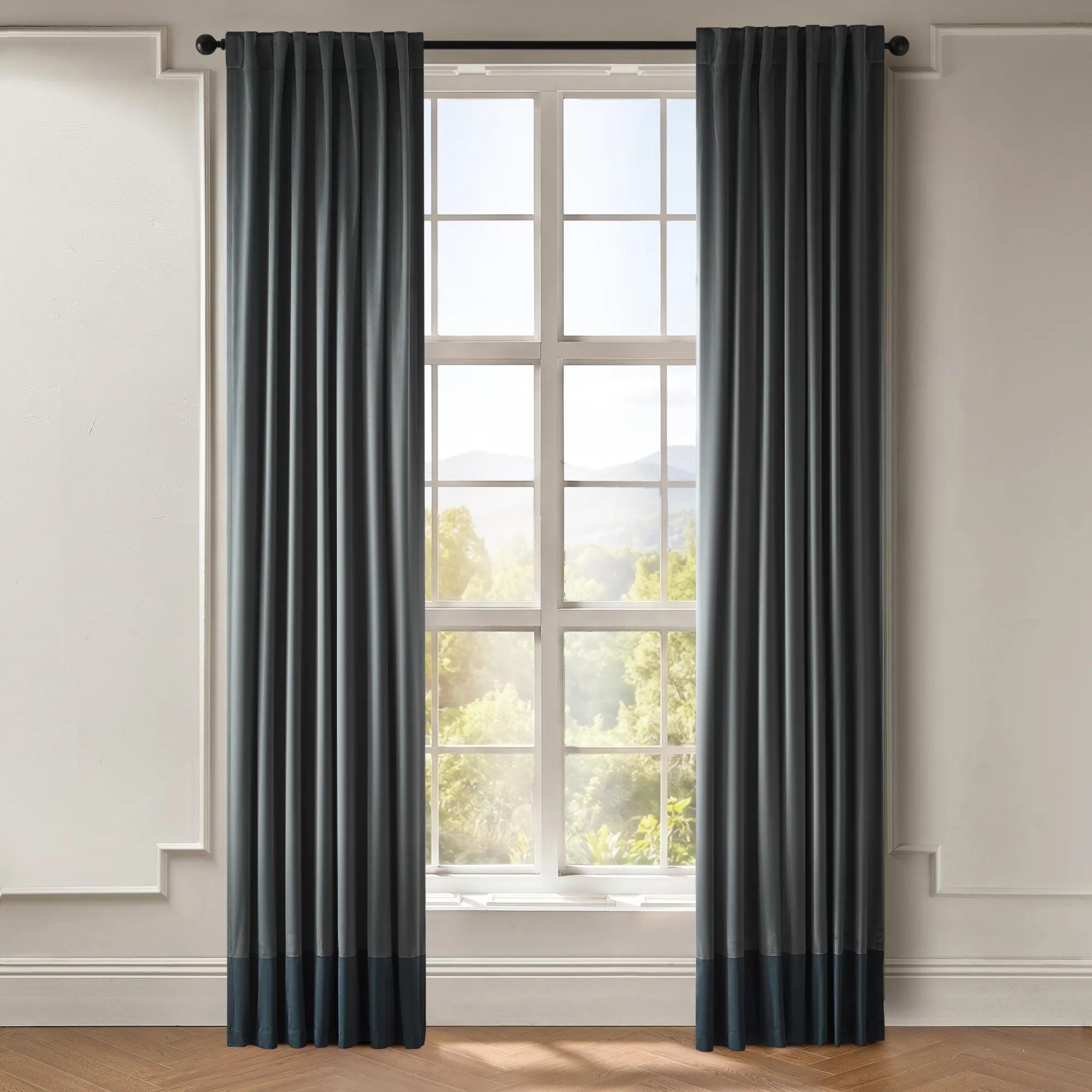
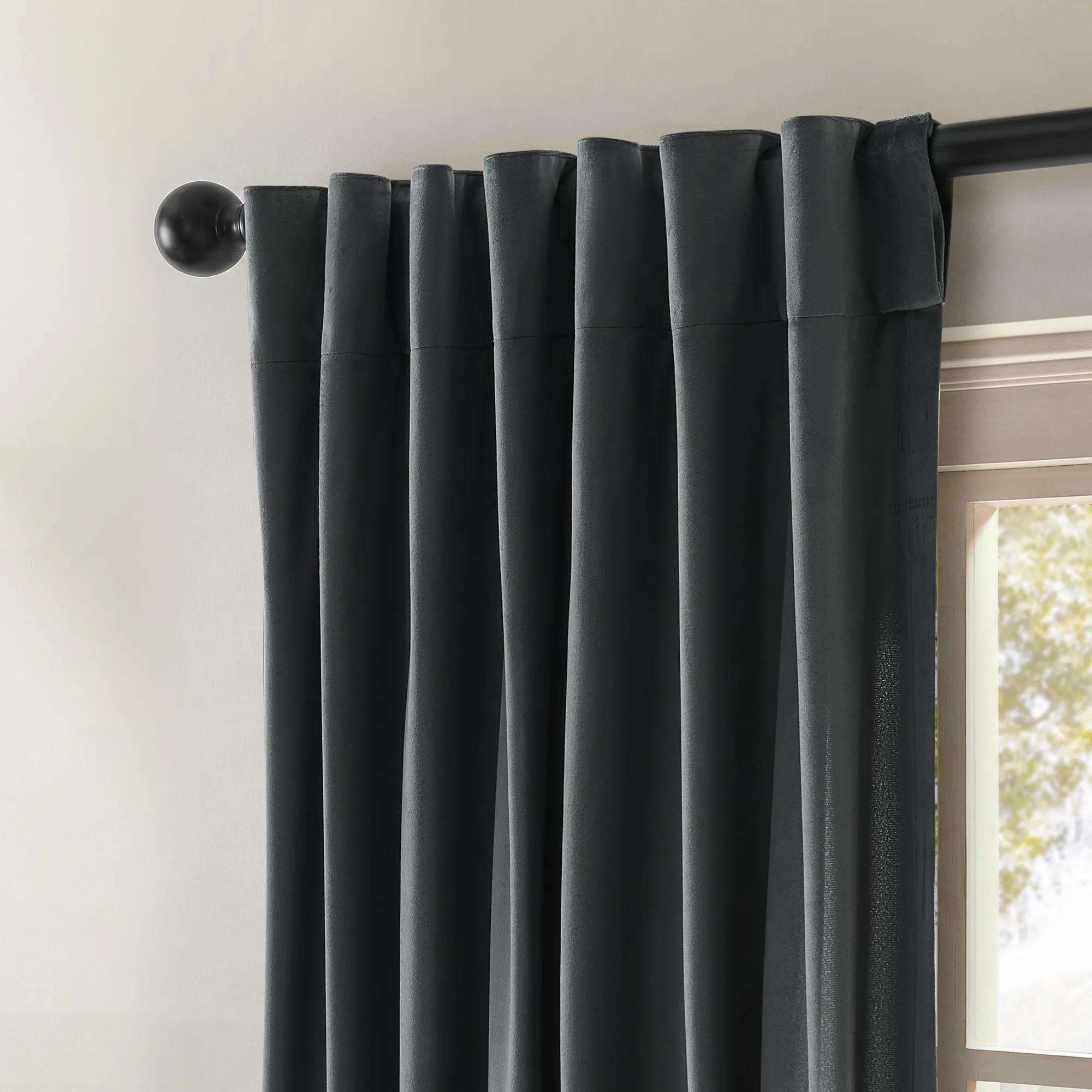 Bastien Blue/Midnight Velvet Border Window Curtain Panel$99
A two-tone dusty and midnight blue velvet curtain panel with a Deco-inspired border and room-darkening design.
Add To Cart -
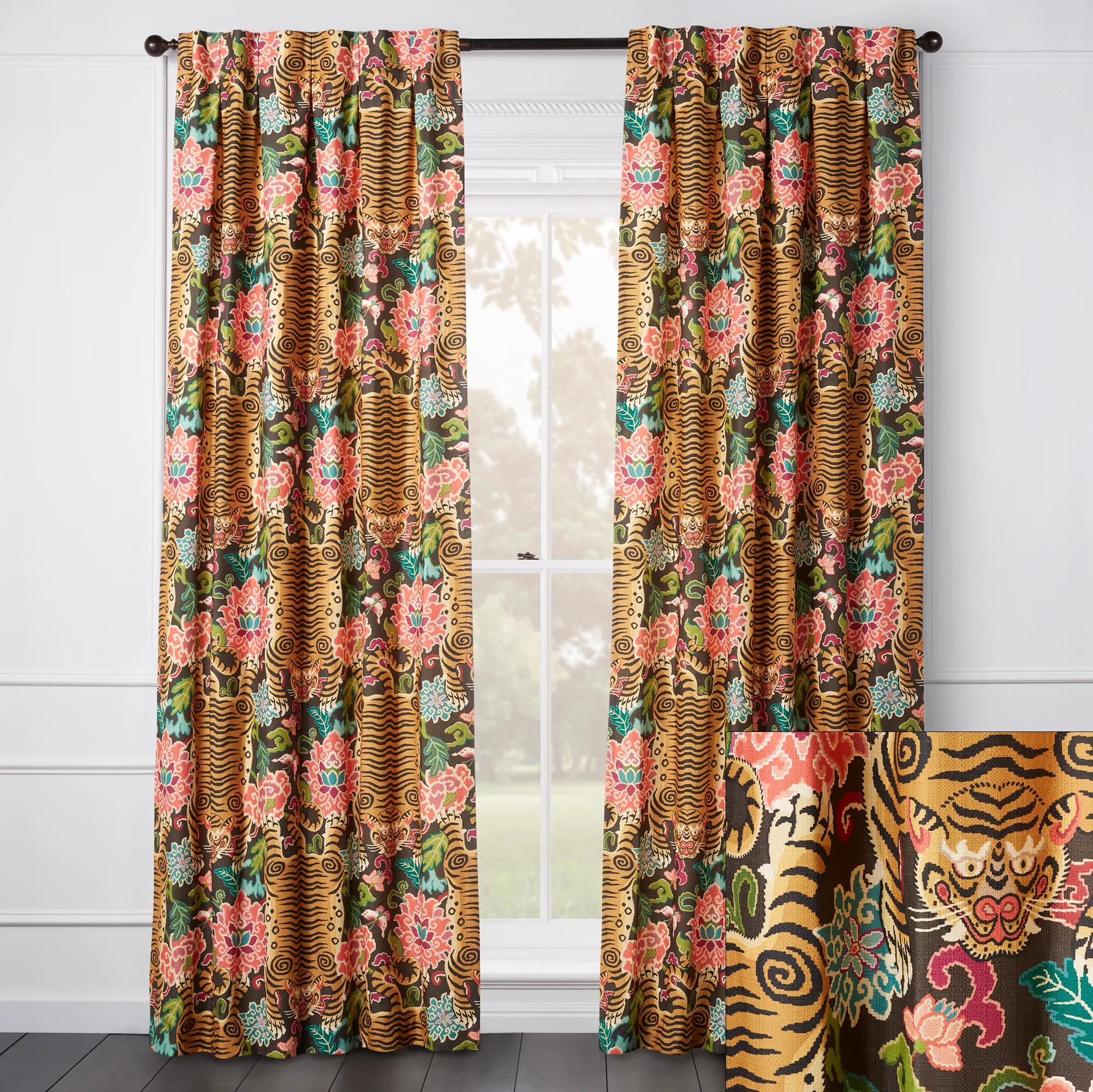
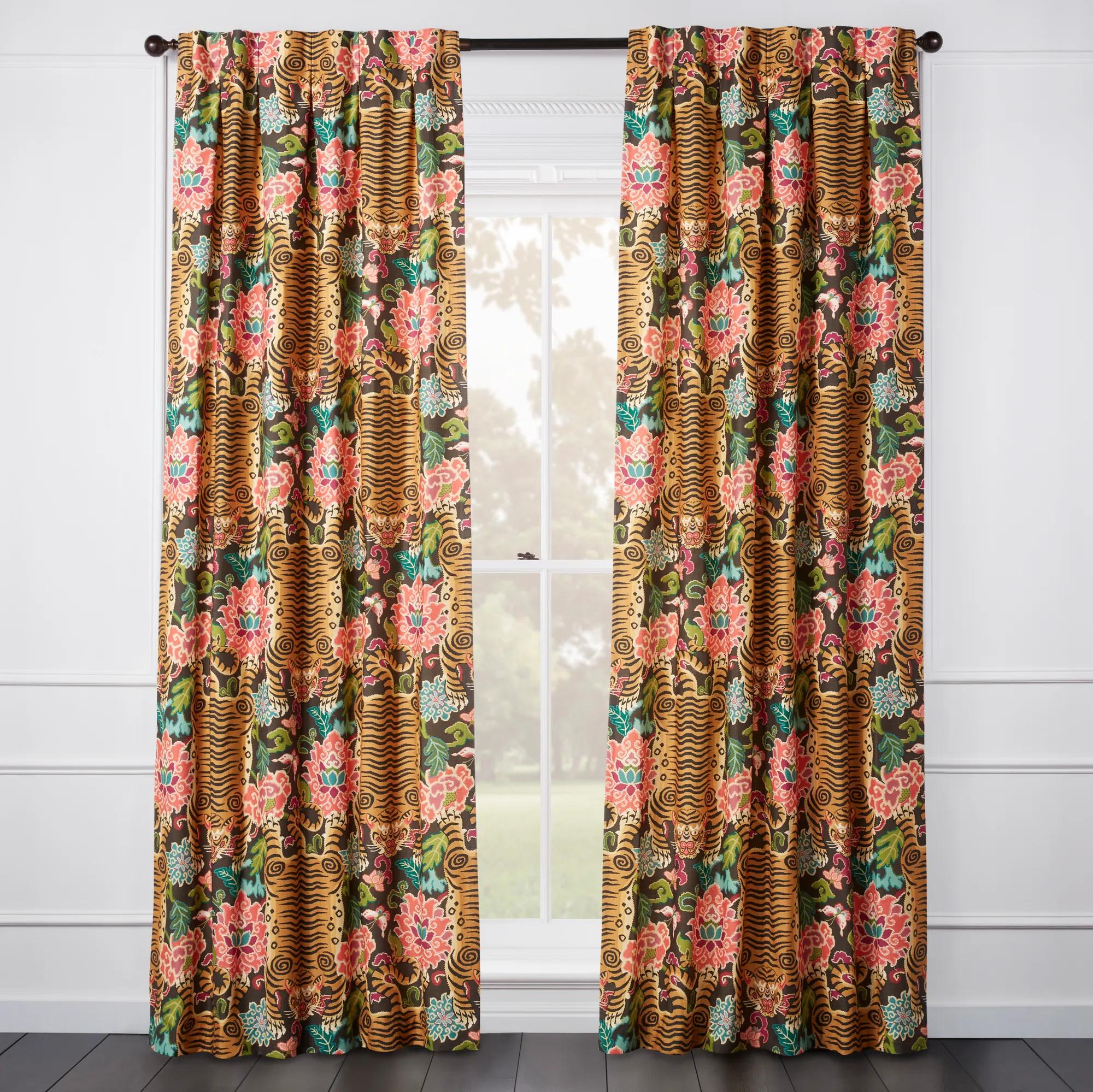 Nimer Gold/Multi Printed Slubbed Cotton Window Curtain Panel$309
A bold gold and multi-colored cotton curtain panel featuring a lively tiger print and customizable options.
Add To Cart -
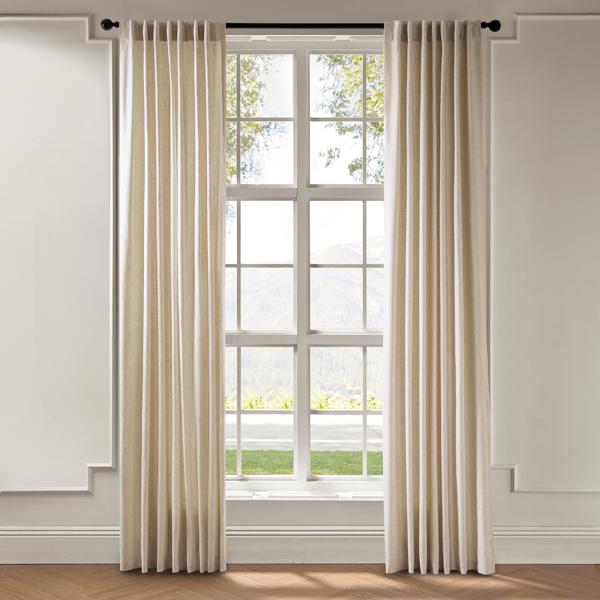
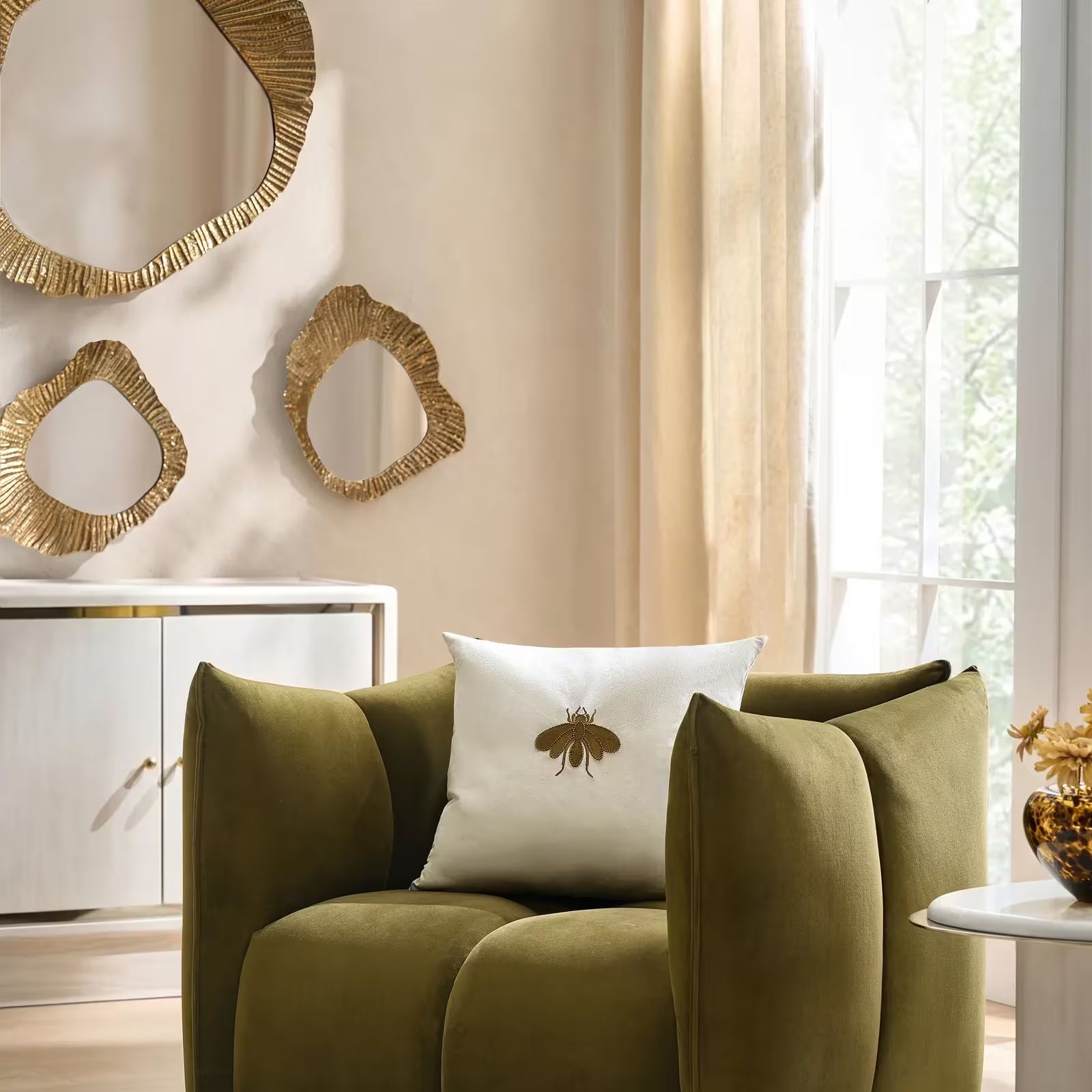 Anson Ivory Textured Window Curtain Panel$99
An elegant ivory curtain panel with a crushed, light-reflective texture for subtle shine and room darkening.
Add To Cart -
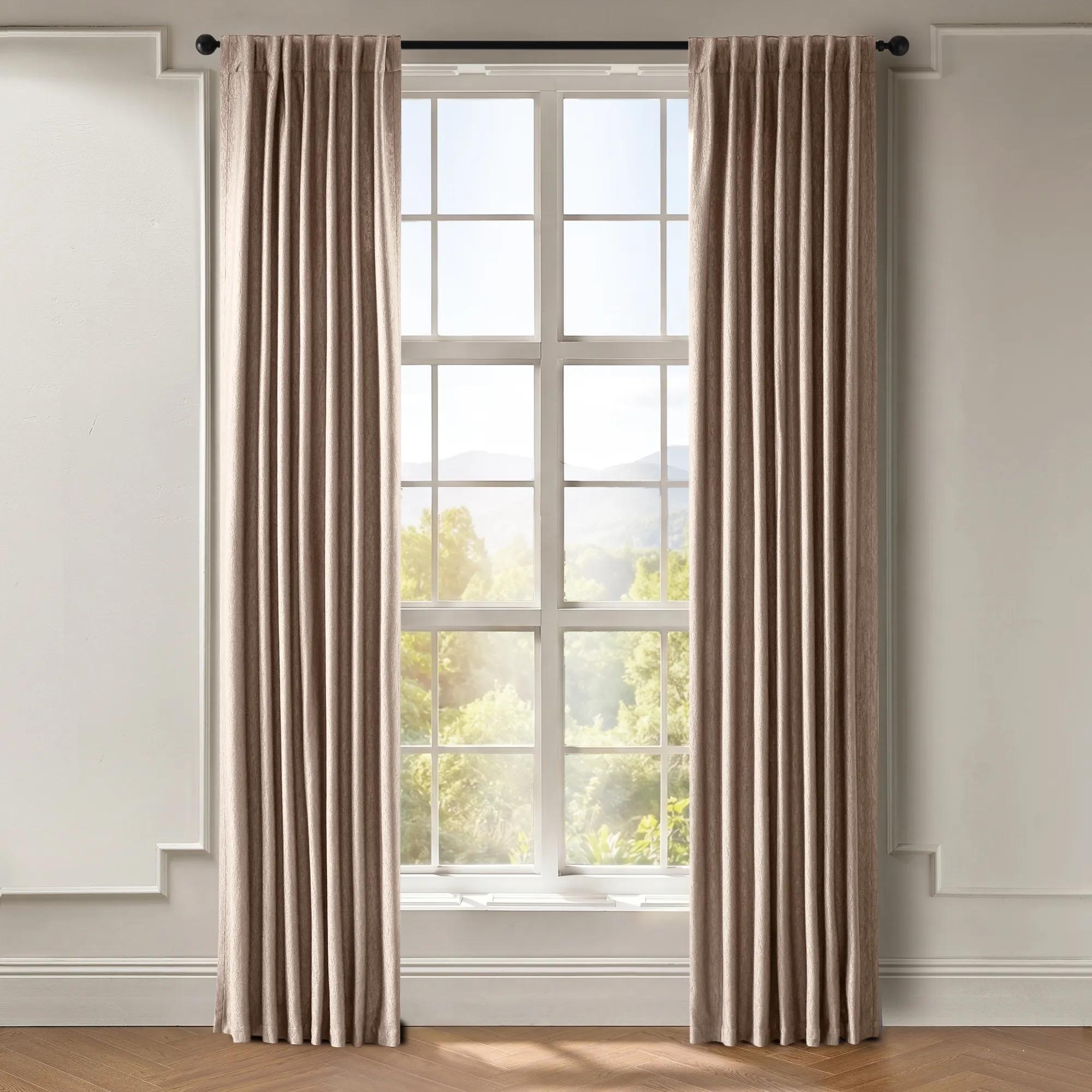
 Anson Mocha Rose Textured Window Curtain Panel$99
A light mocha rose curtain panel with crushed sheen texture and room-darkening, dual hanging design.
Add To Cart -
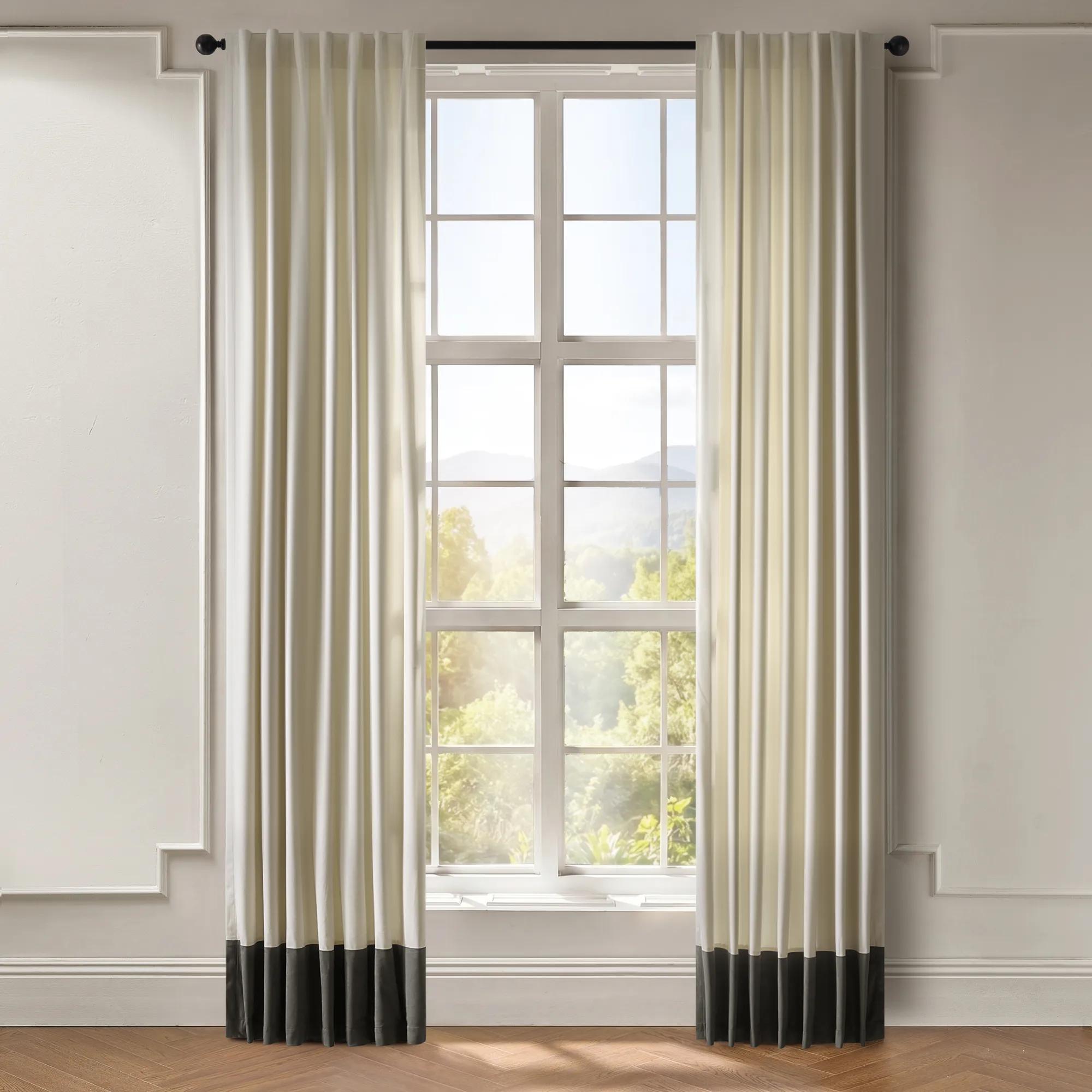
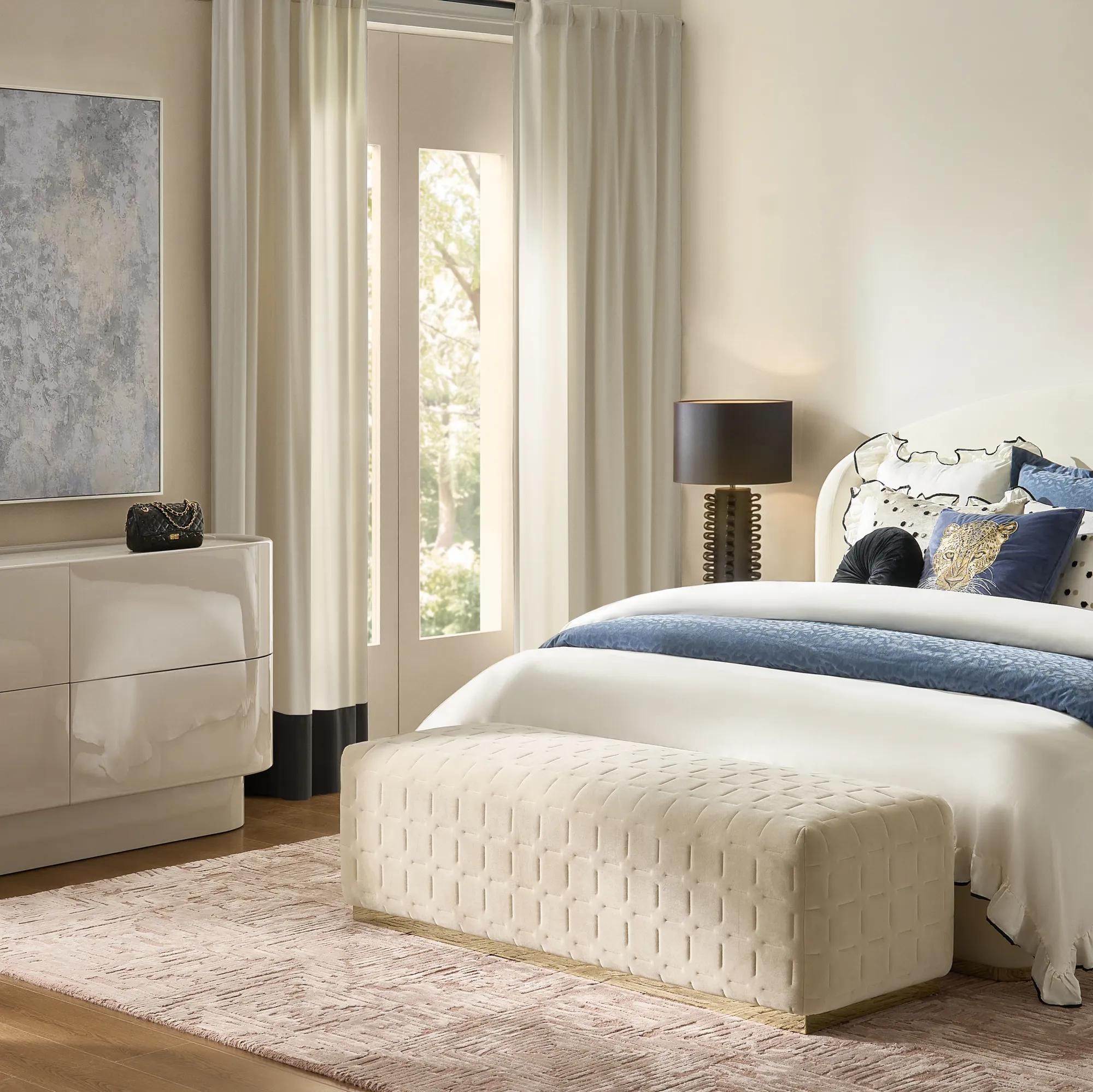 Bastien Ivory/Graphite Velvet Border Window Curtain Panel$109
A two-tone ivory and graphite velvet curtain panel with a Deco-inspired border and room-darkening design.
Add To Cart -
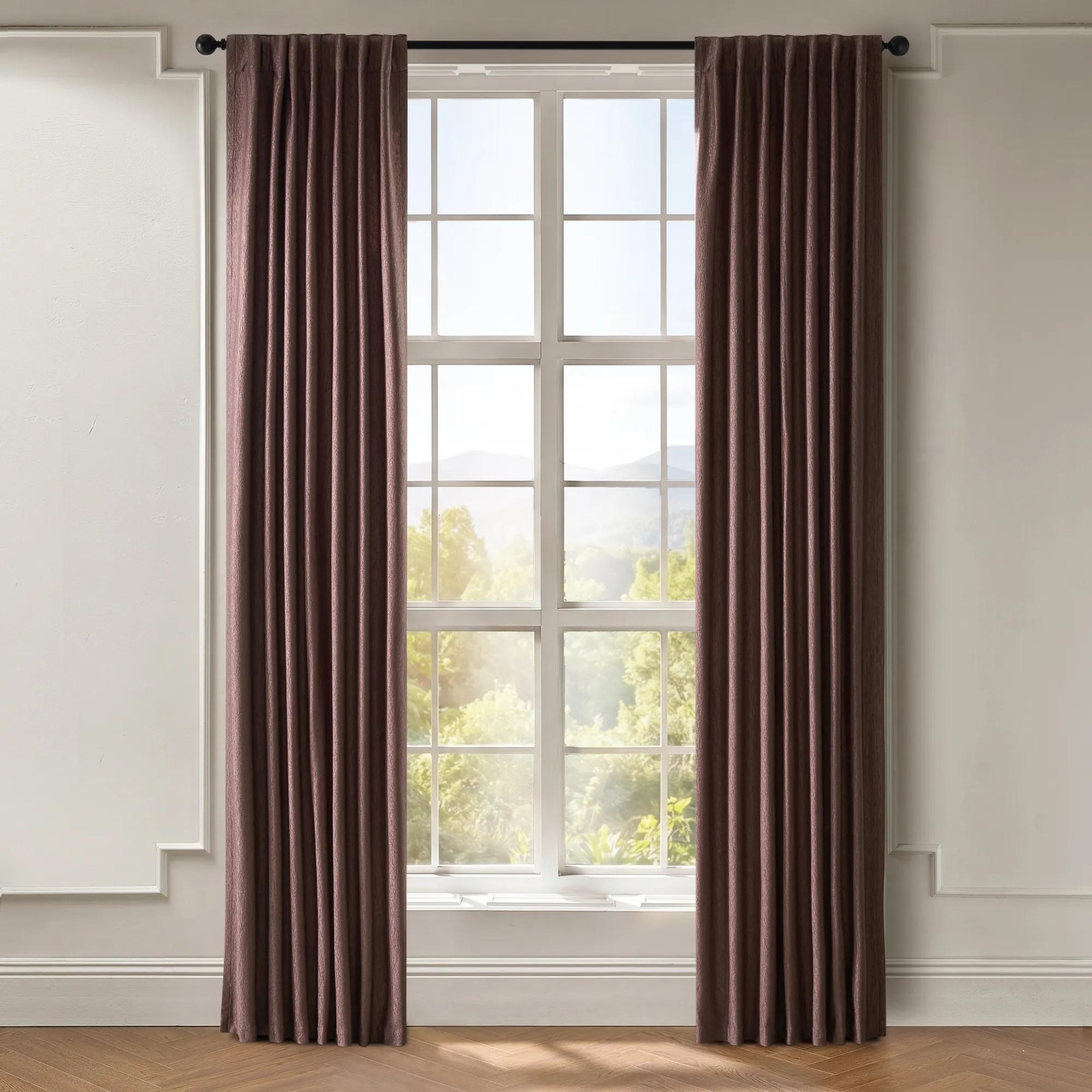
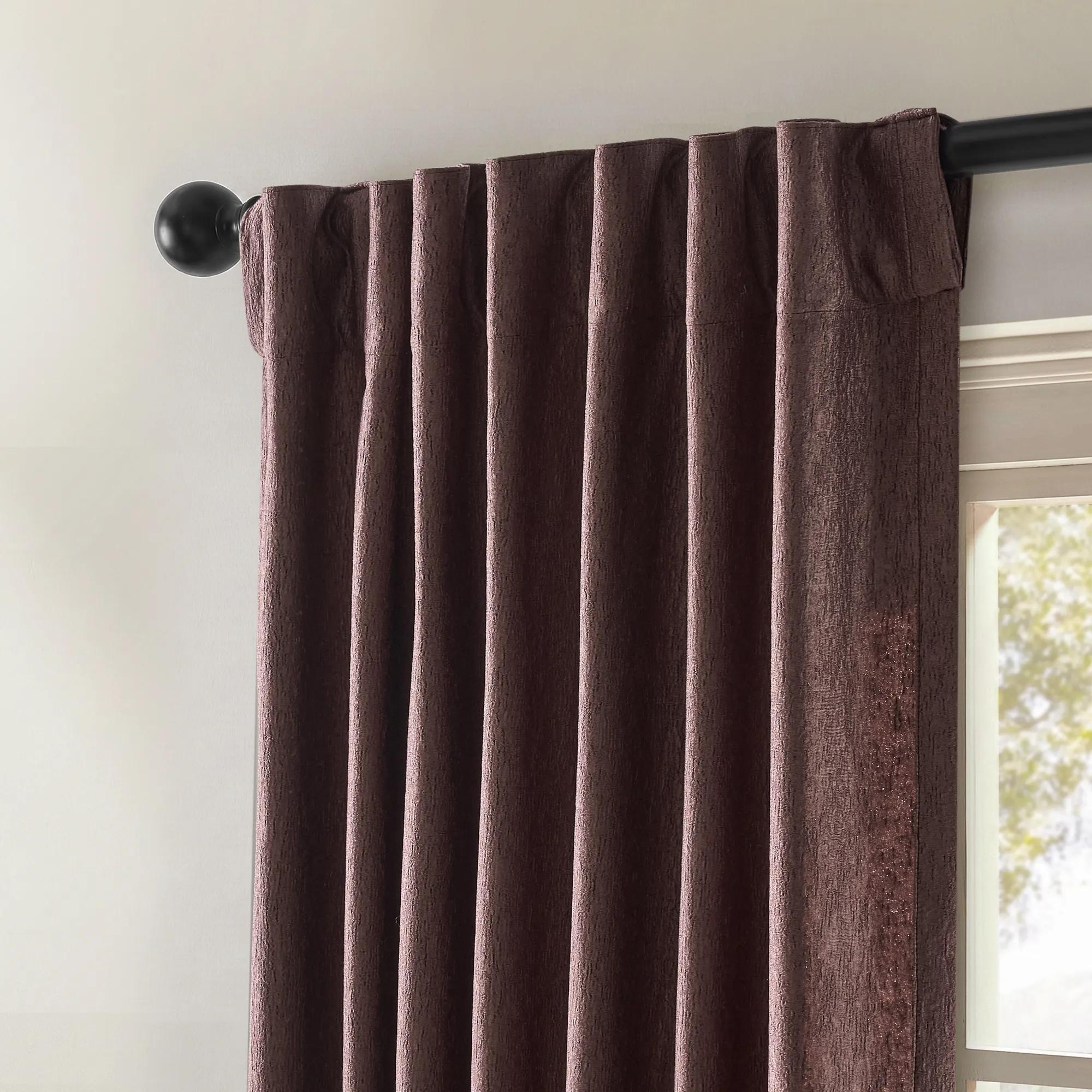 Anson Fig Textured Window Curtain Panel$99
A deep fig curtain panel in crushed, subtly sheened polyester with room-darkening and dual hanging options.
Add To Cart -
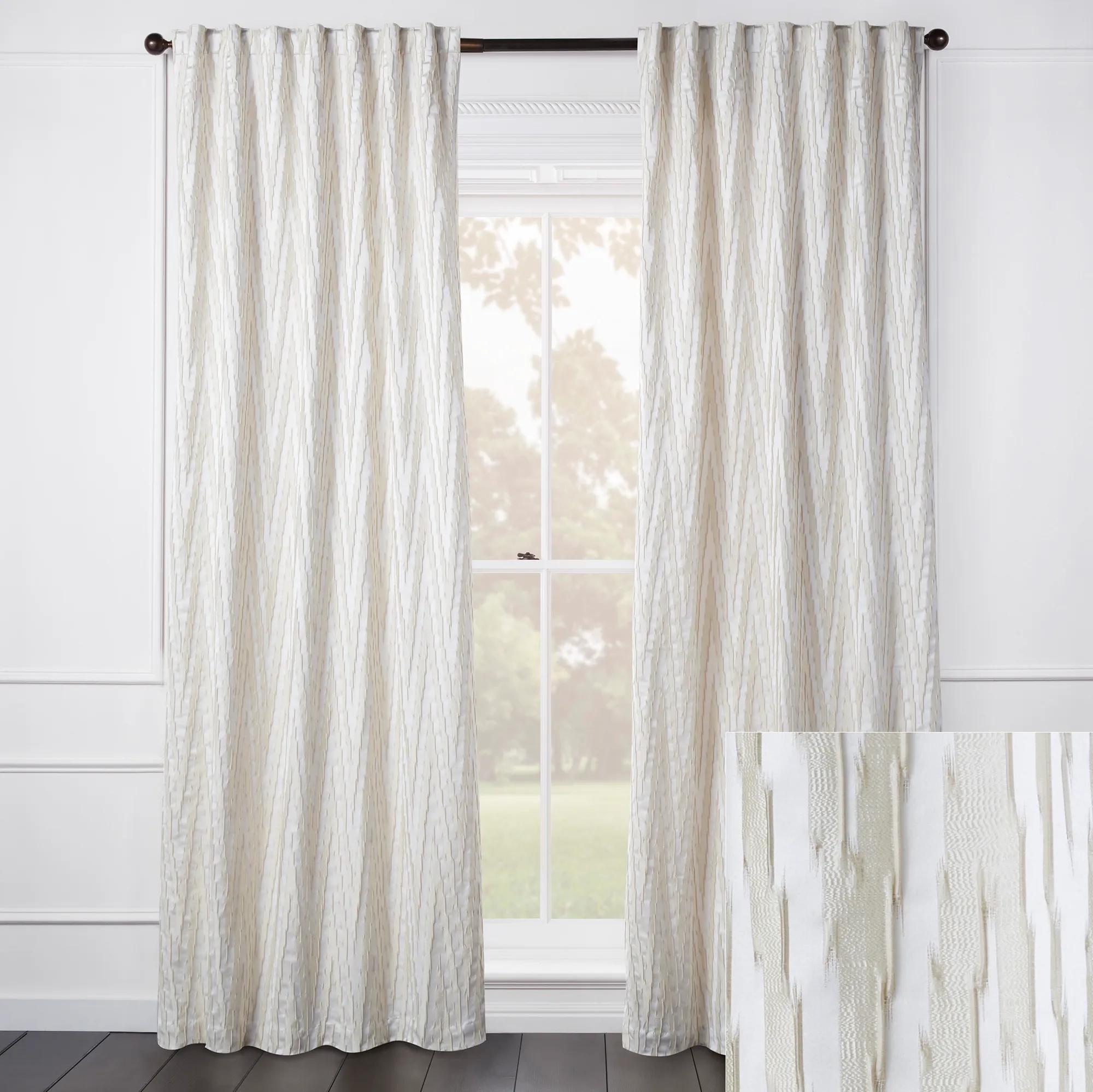
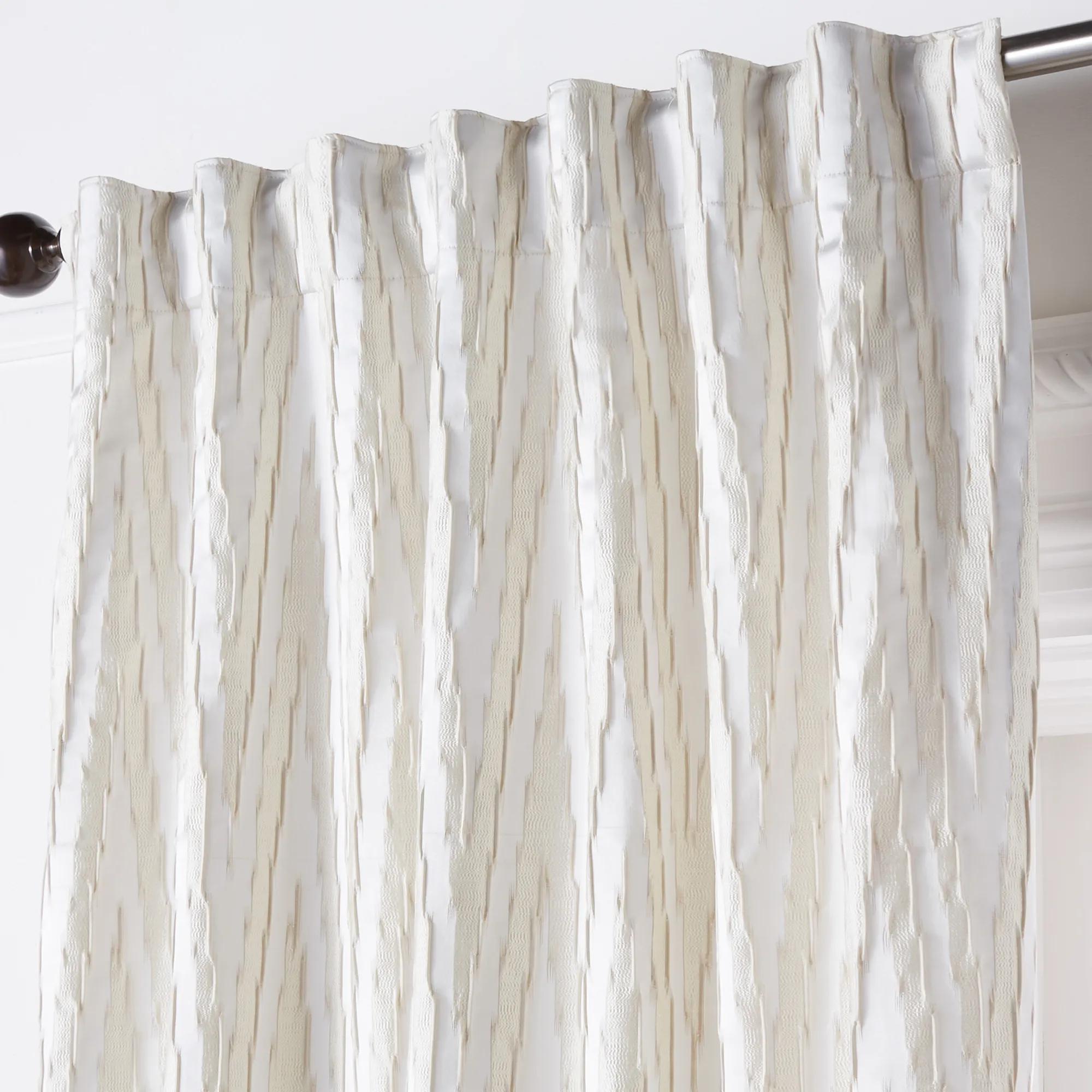 Minka Jacquard Pearl Window Curtain Panel Custom$289
A highly textured chevron curtain panel in pearl, grey, or natural polyester with customizable hanging options.
Add To Cart

Luxury Living Room Drapes
Luxury Living Room Drapes transform every window into a statement, framing your space with elegance and allure. Each panel is an invitation to indulge—softening sunlight, heightening drama, and enveloping your living room in sumptuous sophistication. Whether you crave the quiet intimacy of layered textures or the bold confidence of sweeping silhouettes, these drapes are designed to elevate the everyday into the extraordinary. Let your living room become a stage for self-expression, where opulent fabrics and artful details create a captivating backdrop for life’s most memorable moments.
Luxury living room drapes frame a space with rich texture, generous proportions, and a sense of architectural presence. More than a finishing touch, they shape how daylight enters, how color settles against the walls, and how a seating arrangement feels within the room. A softly lustrous fabric can bring a quiet gleam to a neutral interior, while deep velvet creates a sumptuous backdrop for sculptural furniture and metallic accents. The most compelling effect comes from the relationship between fabric, scale, and surroundings: substantial folds beside a broad window, an elegant sweep of cloth near a curved sofa, or a luminous neutral that connects pale upholstery with richly veined stone. Velvet is especially expressive because its pile reflects light differently across each fold, giving even a single color remarkable depth. Linen and linen-blend fabrics offer a more tactile interpretation of luxury, with visible texture that balances polished surfaces without making the room feel overly formal. Silk brings distinctive luster and fluid movement, although its delicate fibers require thoughtful placement and care. Silk-look fabrics and other blended textiles can offer a similarly luminous appearance with different maintenance requirements, depending on their composition. Heavier fabrics generally create more pronounced folds, while lighter materials allow a softer, more fluid silhouette. Color carries equal influence. Ivory, champagne, and pearl can extend a luminous palette across the room; charcoal, sapphire, and emerald introduce saturated contrast that gives windows a commanding presence. Tonal pattern, embroidery, or a subtle woven motif adds another layer of artistry, particularly in a living room where the upholstery is understated. In a room already animated by expressive artwork or a patterned rug, solid drapery can provide a deliberate visual pause. The result should feel connected rather than matched, with enough contrast to reveal the character of each surface and enough continuity to hold the entire composition together. Texture is often the deciding detail: a matte textile can soften mirrored furniture, while a restrained sheen lends dimension to chalky walls and plush upholstery.
Proportion gives luxury drapery its confidence. Panels positioned above the window frame can draw the eye upward, while a rod extending beyond the glass allows the fabric to rest beside the opening when drawn back. This arrangement can preserve more of the view and keep a beautifully dressed window from feeling crowded. The appropriate height and extension depend on ceiling clearance, surrounding trim, and the space available on either side; a narrow wall calls for a different treatment than an expansive bank of windows. Fullness matters just as much as placement. Drapes need enough width to form soft, substantial folds when closed rather than stretching into a flat sheet across the glass. Depending on the fabric and heading style, a combined panel width around two times the rod width is a common starting point, though pleated constructions may be sized differently. Finished measurements and the intended hanging method remain essential to a balanced fit. Length establishes the mood at floor level. Panels that just meet the floor create a tailored line suited to frequently used living rooms, while a slight break introduces a softer, more relaxed finish. Generous pooling makes a dramatic statement but demands additional floor space and more attention to cleaning, particularly around pets or busy pathways. Header construction changes the overall rhythm, too: tailored pleats create orderly vertical lines, while softer headings emphasize movement and fabric. Decorative rods, rings, and finials should complement the textile without competing with it, and their weight capacity must suit the panels and any lining. A substantial velvet treatment deserves hardware and securely installed brackets capable of supporting its weight. For a composition built around graceful folds and measured detail, elegant living room drapes offer a closely related expression of window dressing. Across adjoining windows, consistent rod heights and thoughtfully aligned hems bring visual continuity, even when the openings themselves differ in size.
Beautiful drapes also need to support the way a living room is used. A space for conversation may benefit from softly filtered daylight, while a room used for watching films may call for more substantial light control. Sheer fabrics diffuse brightness but generally provide limited privacy after dark when interior lights are on. Lined panels offer greater coverage, although privacy and light reduction depend on the textile, lining, construction, and how completely the treatment covers the window. Blackout performance should be confirmed in the fabric specifications rather than assumed from a dark color or heavy appearance; light may still enter around the edges. Layering sheers behind opaque drapes creates flexibility, allowing the room to move from an airy setting for daytime gatherings to a more enclosed, intimate atmosphere. A double rod or another compatible layered installation needs adequate depth so both fabrics can move freely. Everyday durability deserves the same attention as the decorative finish. Panels beside a frequently opened patio door encounter more handling than those framing a seldom-used window, and fabric resting on the floor collects more dust and pet hair than a tailored hem. Direct sunlight can fade many textiles over time, particularly delicate fibers, so exposure and protective lining are worth considering. Care requirements vary substantially: some fabrics permit gentle washing, while others require professional cleaning, and linings or embellishments can change the appropriate method. Following the care label helps preserve color, texture, and finished length; washable panels may still require careful handling to avoid shrinkage. Gentle dust removal with a suitable vacuum attachment, where permitted, can help maintain the folds between deeper cleanings. Steam and heat should only be used when approved for the fabric. With those practical details resolved, the decorative effect feels effortless: a reading chair gains a richly textured backdrop, a conversation area feels more composed, and an expansive window becomes an integral part of the room’s architecture. Luxury lives in that balance of expressive beauty and considered daily use.
FAQs
Luxury living room drapes often feature decadent materials such as plush velvet, shimmering silk, elegant jacquard, and delicately layered sheers. These fabrics are chosen not only for their visual impact but also for their ability to play with light, texture, and movement, creating an atmosphere of refined sophistication.
Luxury drapes have the power to transform a living room by introducing dramatic color, sumptuous texture, and a sense of grandeur. They can frame architectural features, soften natural light, and establish a mood—whether that’s serene and airy or bold and opulent—turning any gathering into a memorable occasion.
Absolutely. Gifting luxury drapes is a thoughtful gesture for housewarmings, weddings, or milestone celebrations. Their transformative quality and timeless appeal make them a cherished addition to any home, offering both beauty and function for years to come.
Consider the mood and palette of your space when selecting drapery. For a modern, glamorous look, opt for metallic finishes or geometric patterns. If your décor leans traditional, rich velvets or embroidered panels add depth and elegance. Layering sheers with heavier panels can also introduce dimension and visual interest.
Experiment with dramatic pooling on the floor, elegant tiebacks, or layering contrasting fabrics for added depth. Use bold colors or intricate patterns as a statement, or frame your windows with double rods to showcase both sheer and opaque panels. These styling choices can turn your drapes into a true focal point of the room.