
Luxury Lined Window Drapes
Luxury Lined Window Drapes
-
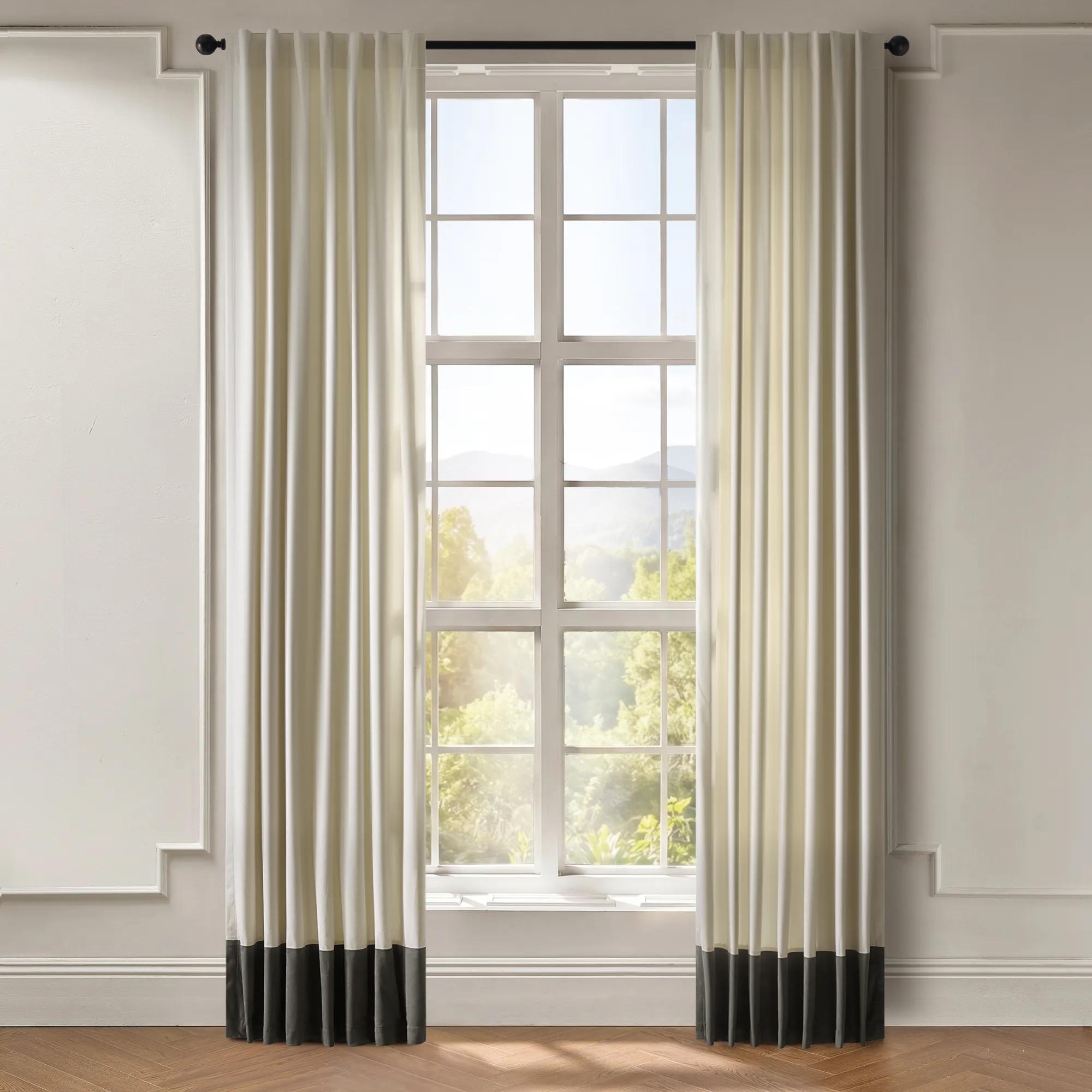
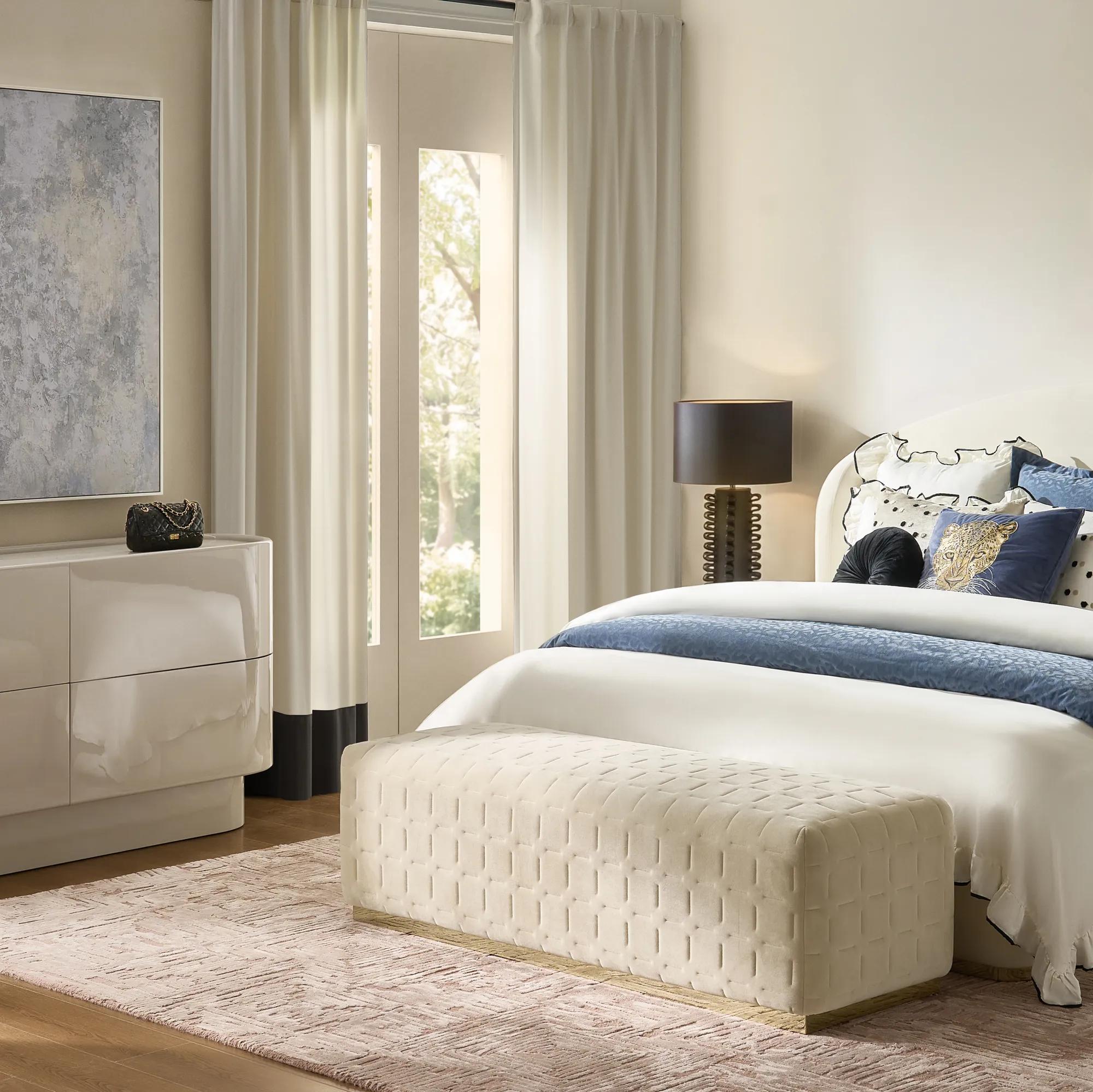 Bastien Ivory/Graphite Velvet Border Window Curtain Panel$109
A two-tone ivory and graphite velvet curtain panel with a Deco-inspired border and room-darkening design.
Add To Cart -
.jpeg?w=1200&h=1200)
 Adair Midnight Blue Solid Velvet Window Curtain Panel$69
Adair Midnight Blue Solid Velvet Window Curtain Panel$69A sumptuous midnight blue velvet curtain that adds elegance, depth, and room-darkening style to any space.
Add To Cart -
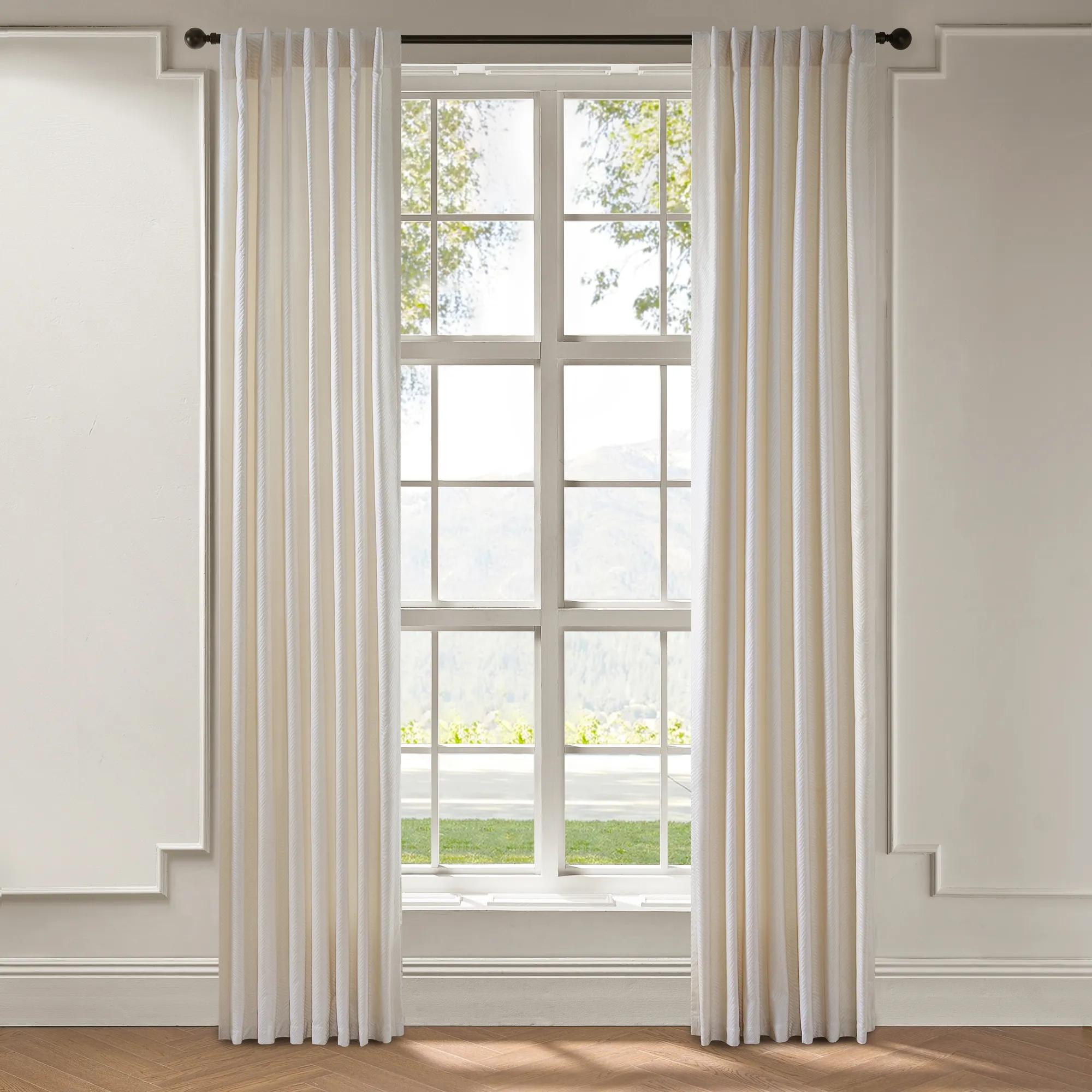
.jpeg?w=1200&h=1200) Kenzo Chenille Curtain - White$129
Kenzo Chenille Curtain - White$129A luxe white chenille jacquard curtain featuring a subtle high-contrast pattern and versatile dual construction.
Add To Cart -
.jpeg?w=1200&h=1200)
 Adair Sand Solid Velvet Window Curtain Panel$89
Adair Sand Solid Velvet Window Curtain Panel$89A sand-colored velvet curtain offering room-darkening privacy and versatile hanging options for refined interiors.
Add To Cart -
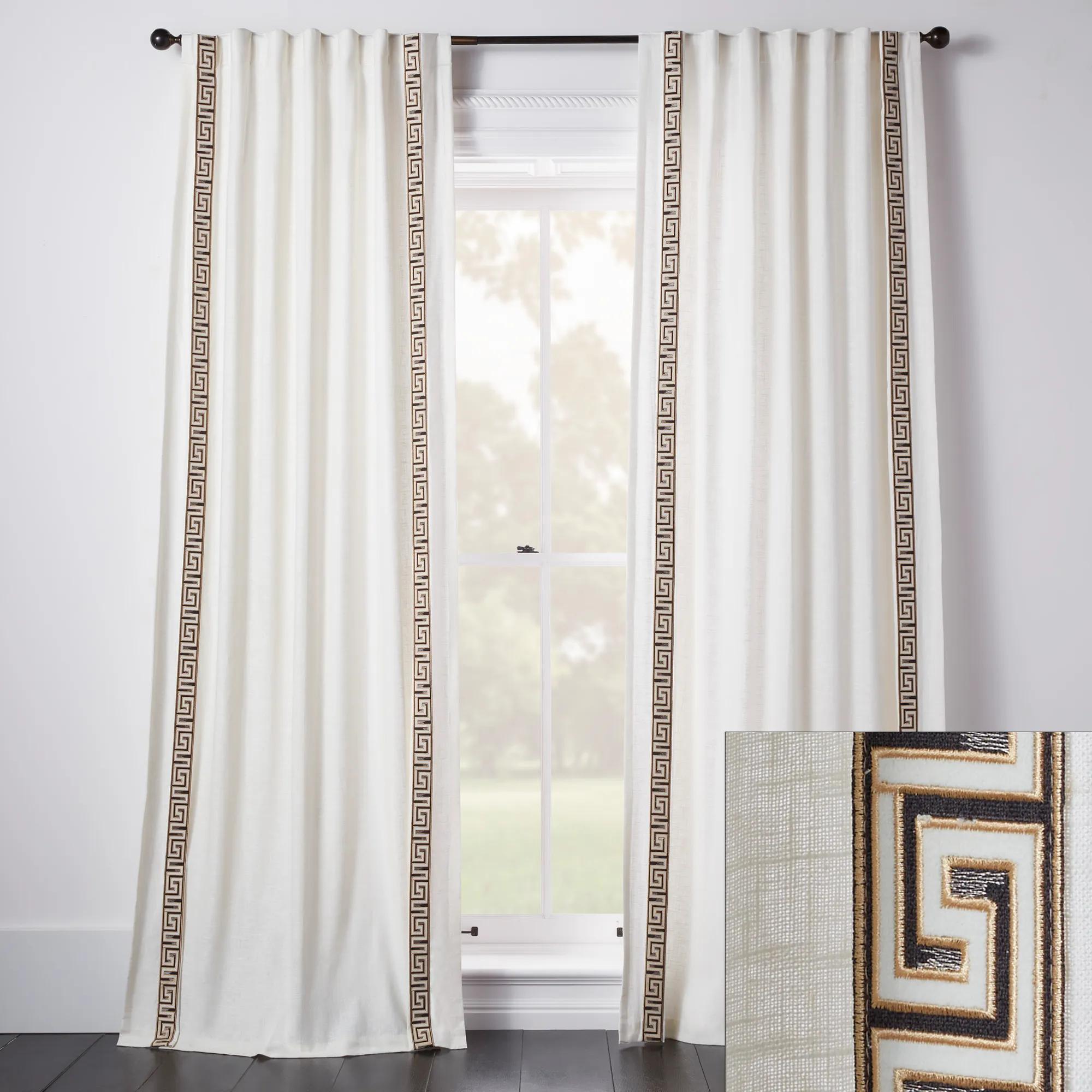 Chole Greek Key Border Velvet Widow Curtain Panels Custom$379
A linen-blend curtain panel with black and gold velvet Greek key border and customizable hanging options.
Add To Cart -
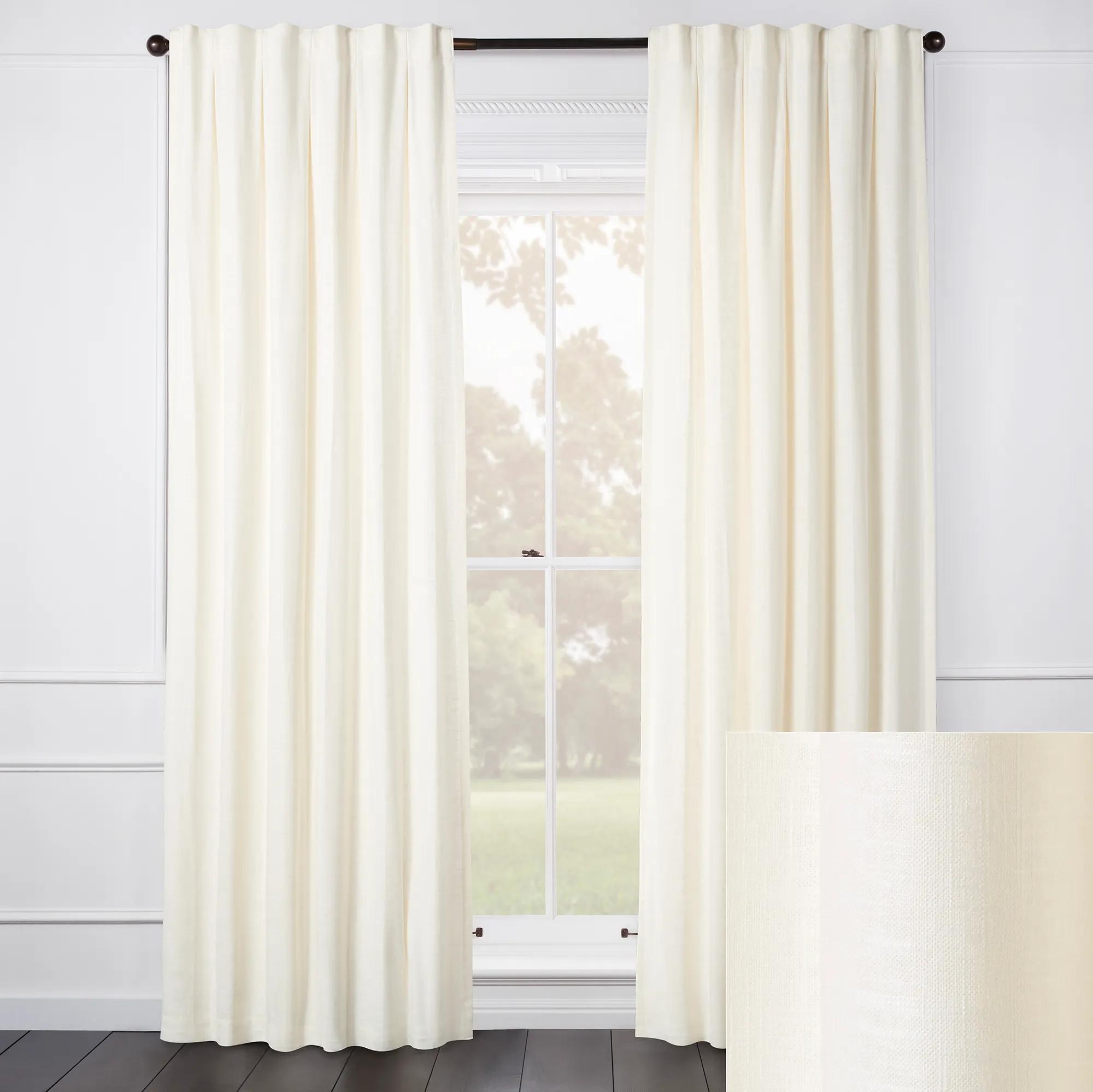
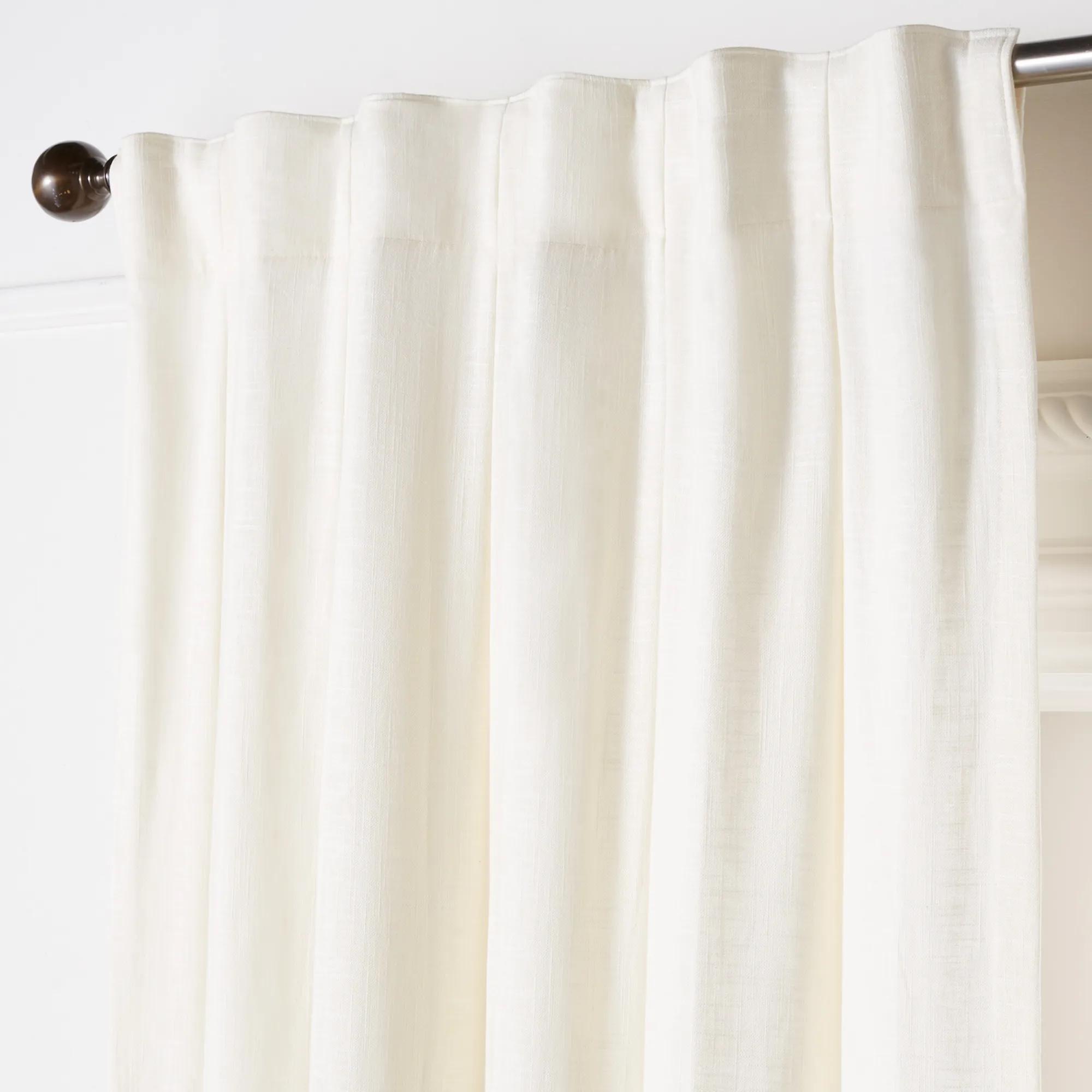 Audrey Linen Ivory Curtain - Custom$269
An ivory linen-blend curtain panel with lining, offering customizable lengths and two elegant header styles.
Add To Cart -
.jpeg?w=1200&h=1200)
 Mabel Natural Velvet Swirl Window Curtain Panel$99
Mabel Natural Velvet Swirl Window Curtain Panel$99A warm neutral velvet curtain with a tonal swirl pattern, offering room-darkening privacy and versatile hanging options.
Add To Cart -
.jpeg?w=1200&h=1200)
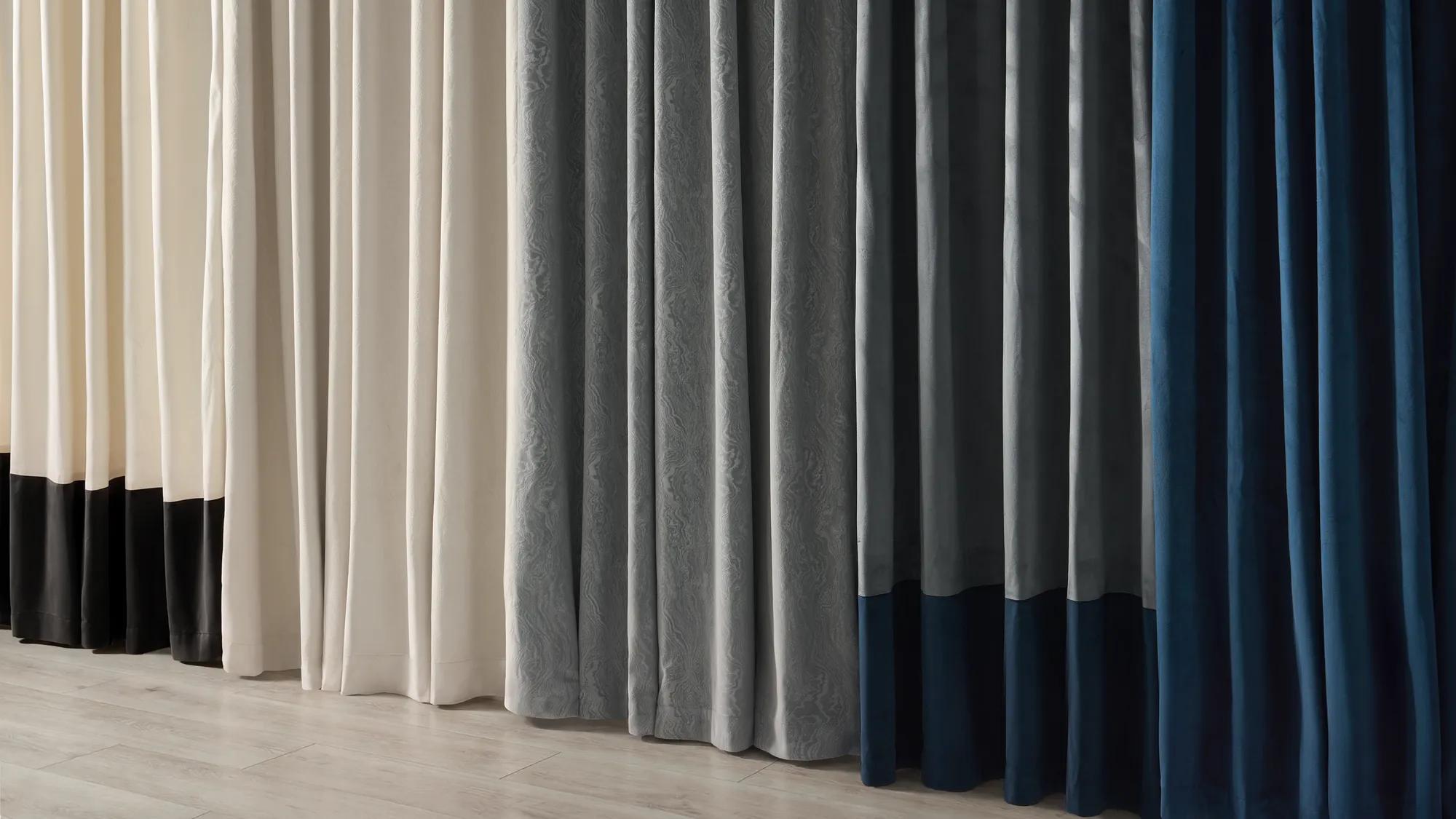 Mabel Velvet Swirl Curtain - Grey Blue$99
A grey blue velvet curtain featuring a tonal swirl pattern and versatile dual hanging options.
Add To Cart -
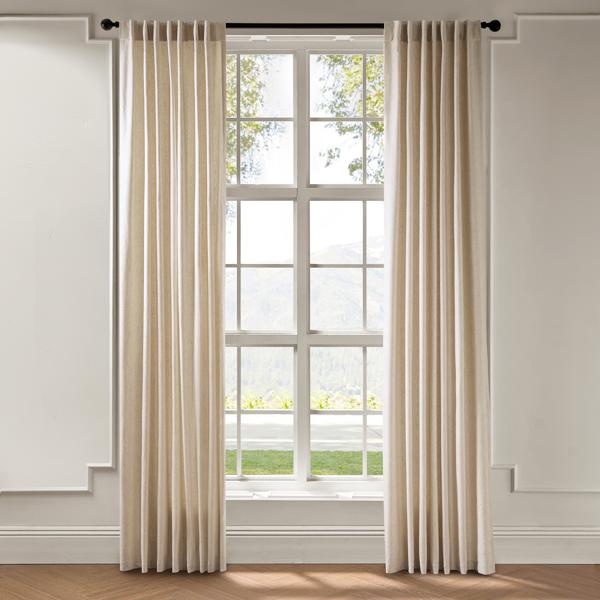
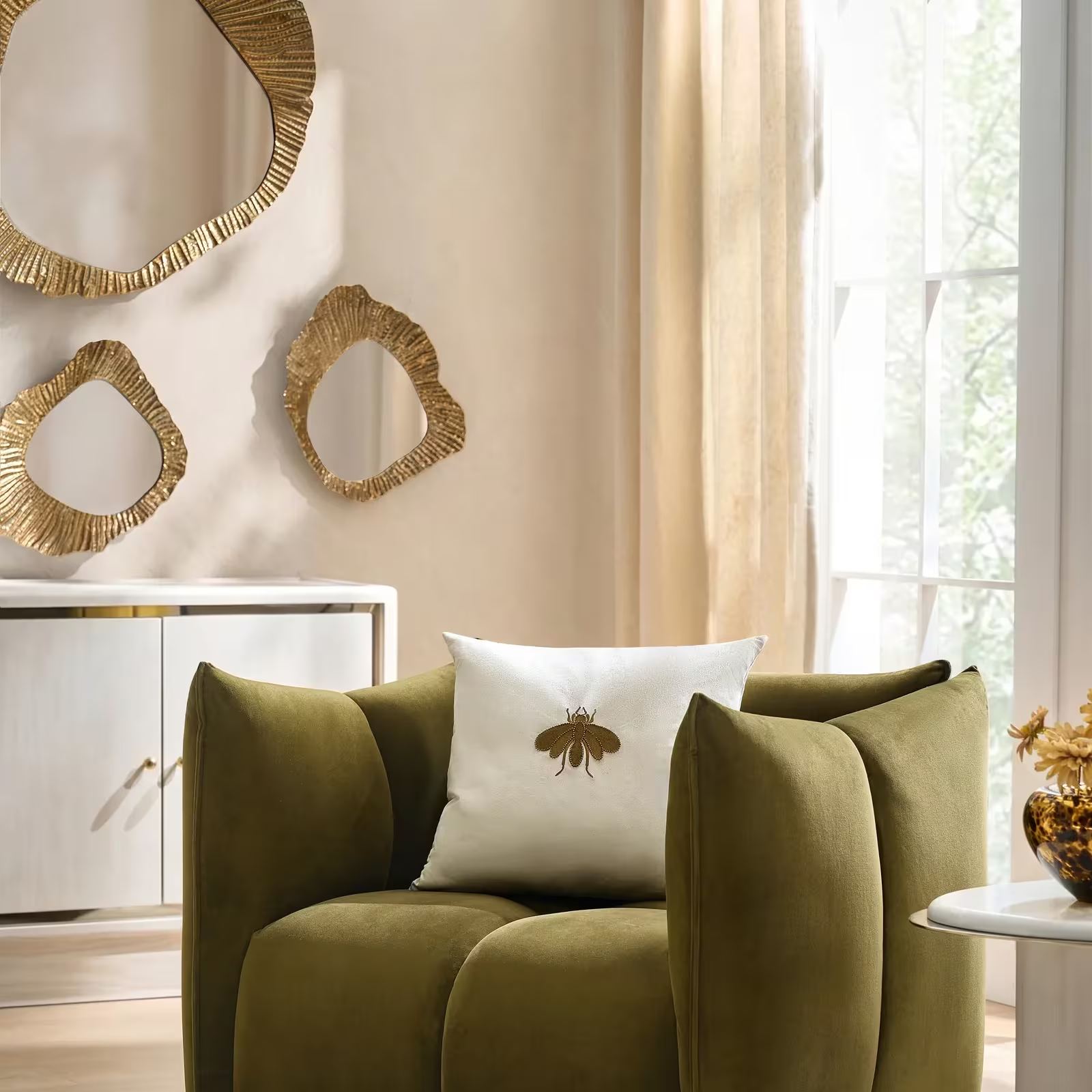 Anson Ivory Textured Window Curtain Panel$109
An elegant ivory curtain with a crushed, light-reflective texture and versatile dual hanging options.
Add To Cart -
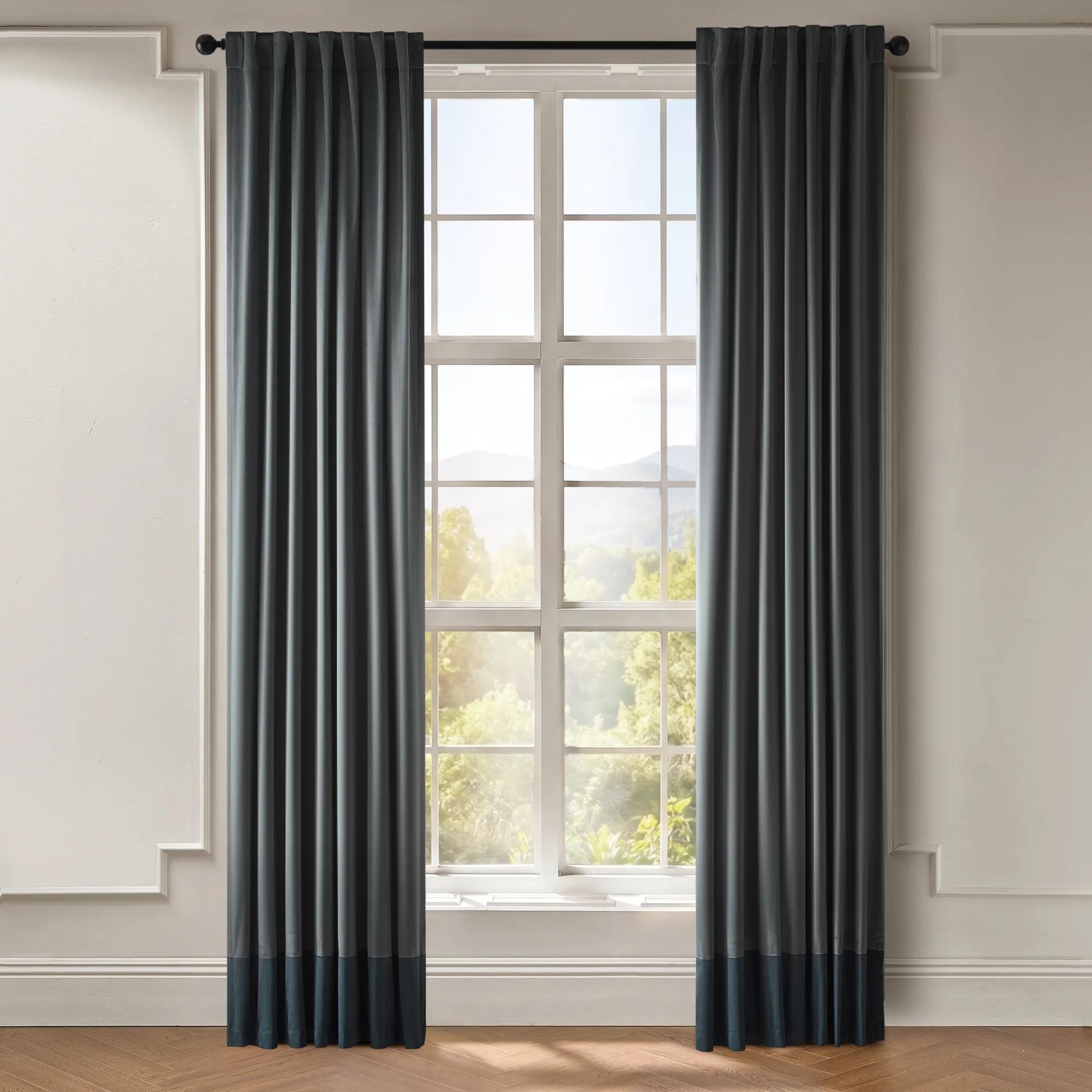
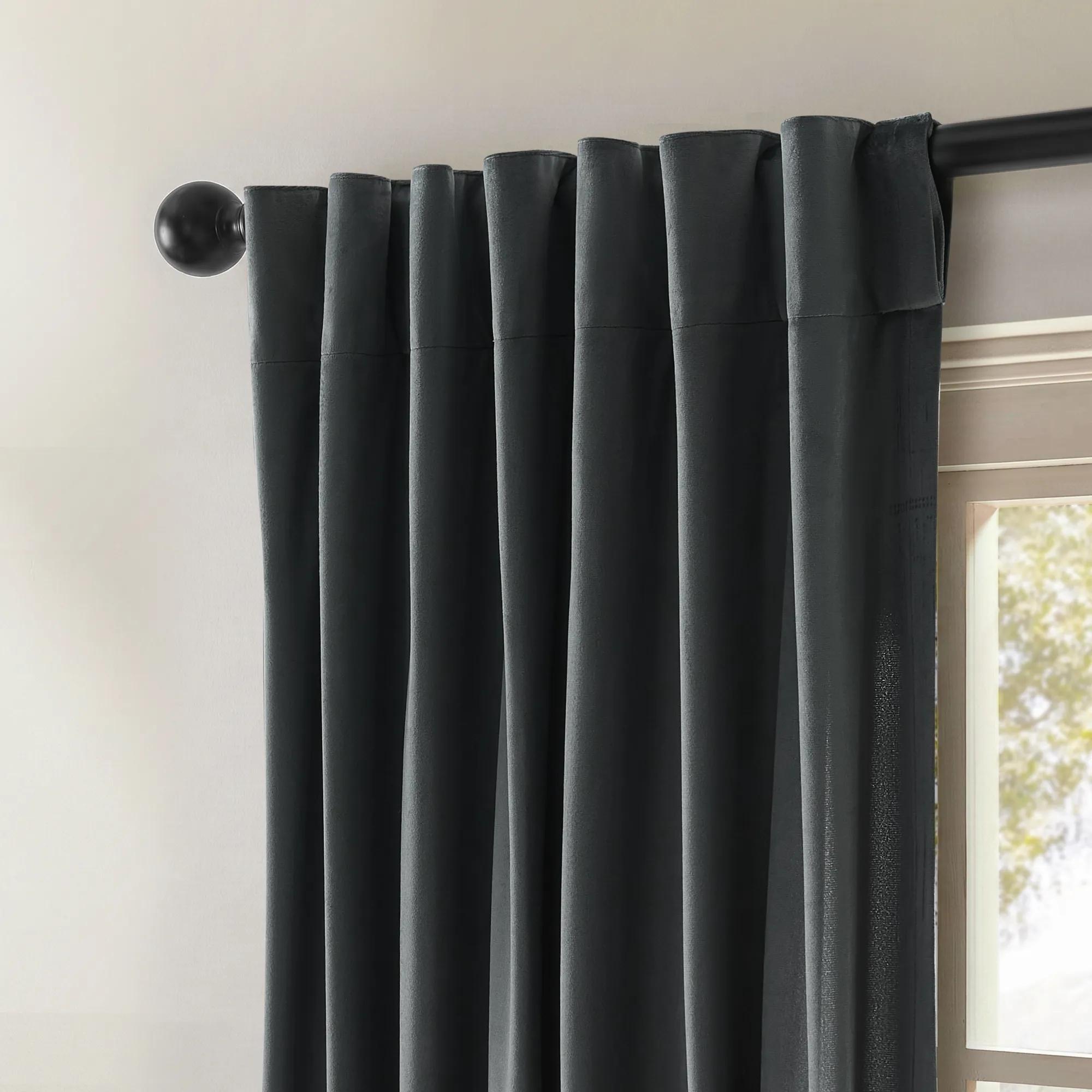 Bastien Blue/Midnight Velvet Border Window Curtain Panel$99
A two-tone dusty and midnight blue velvet curtain panel with a Deco-inspired border and room-darkening design.
Add To Cart -
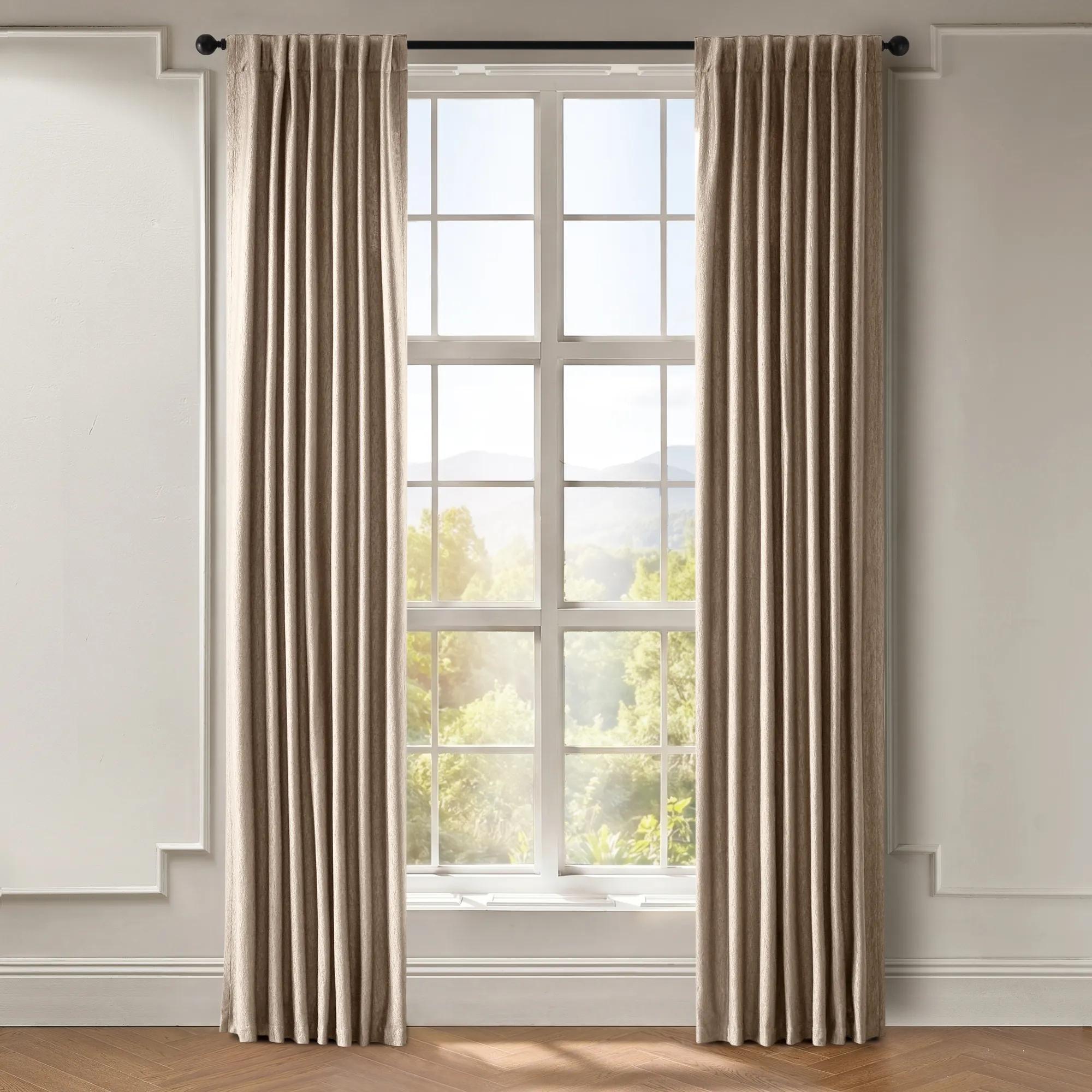 Anson Mocha Rose Textured Window Curtain Panel$99
A light mocha rose curtain panel with crushed sheen texture and room-darkening, dual hanging design.
Add To Cart -
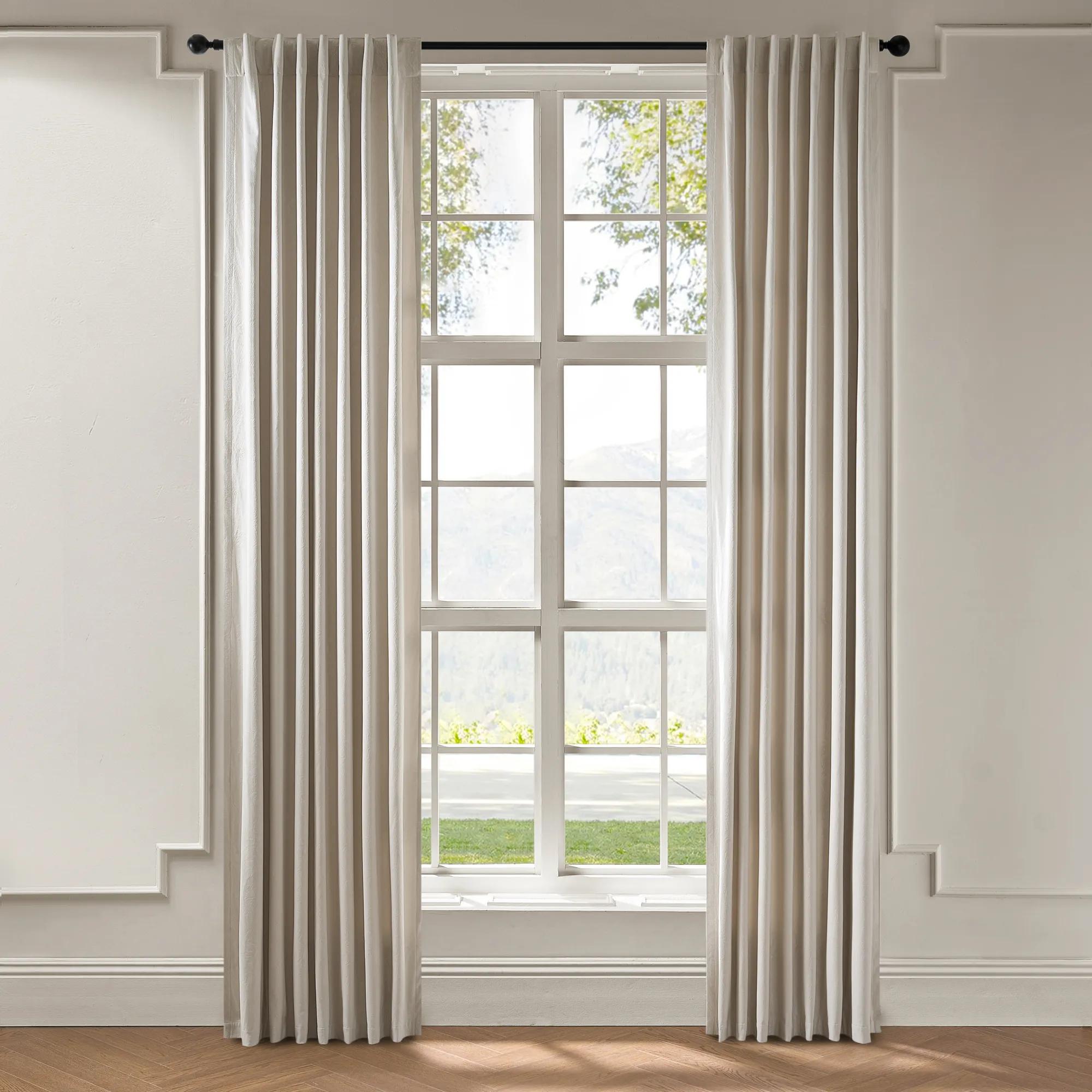
.jpeg?w=1200&h=1200) Mabel White Velvet Swirl Window Curtain Panel$99
Mabel White Velvet Swirl Window Curtain Panel$99A crisp white velvet curtain featuring a tonal swirl texture and versatile dual hanging options.
Add To Cart -
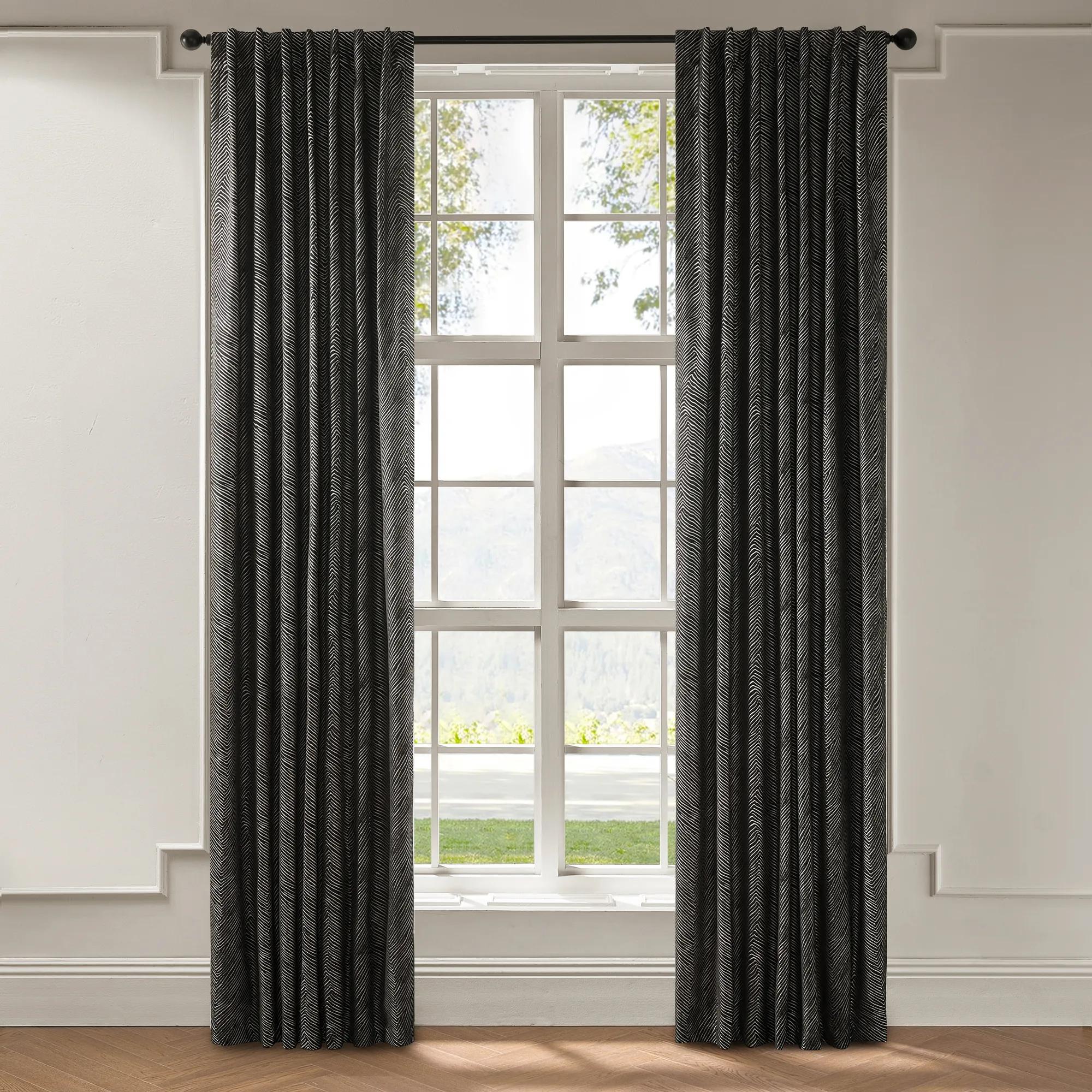
.jpeg?w=1200&h=1200) Kenzo Black Chenille Window Curtain Panel$139
Kenzo Black Chenille Window Curtain Panel$139A black chenille jacquard curtain with a room-darkening finish and versatile dual hanging options.
Add To Cart -
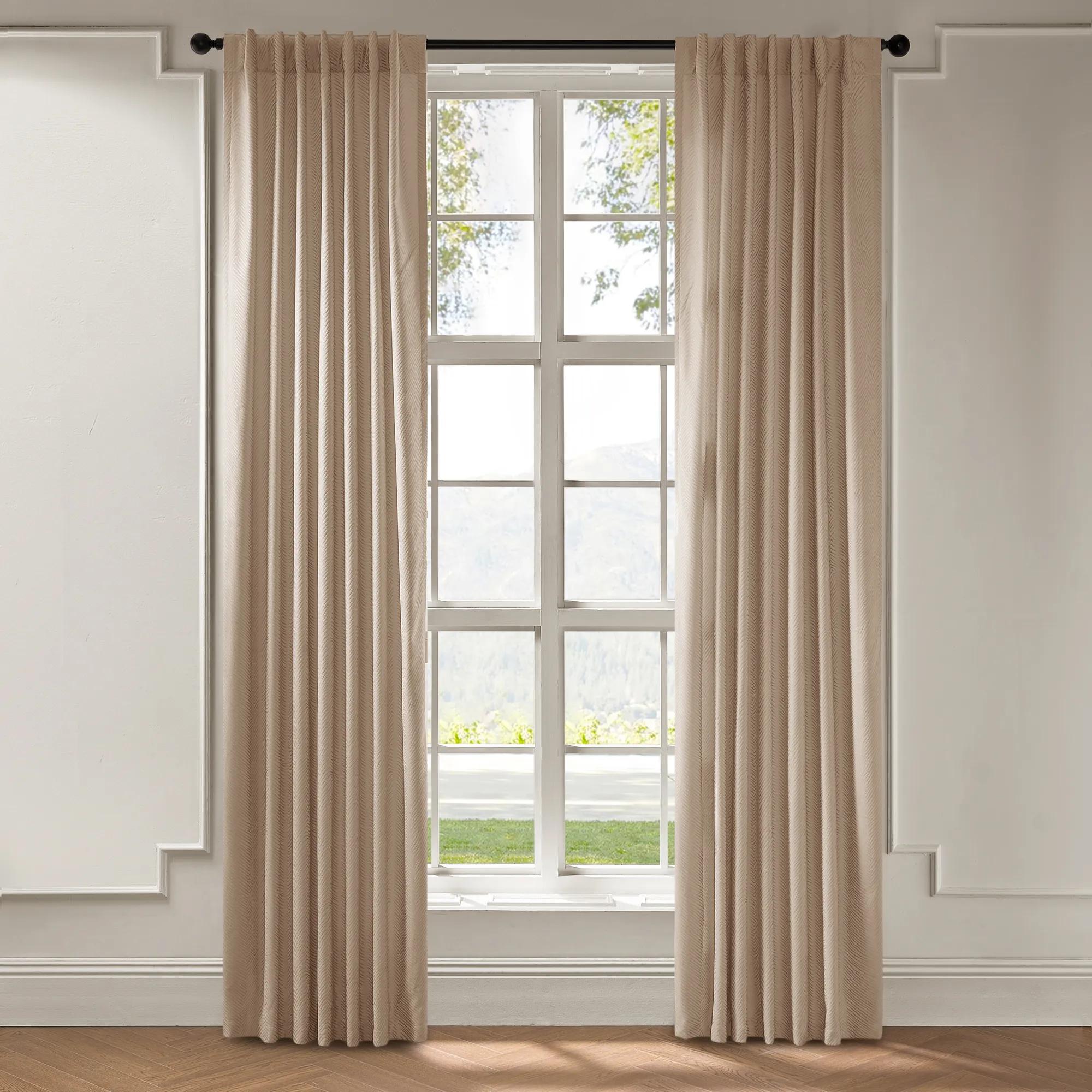 Kenzo Jacquard Beige Chenille Window Curtain Panel$129
A warm beige chenille jacquard curtain with a subtle sheen and versatile rod pocket or back tab hanging.
Add To Cart -
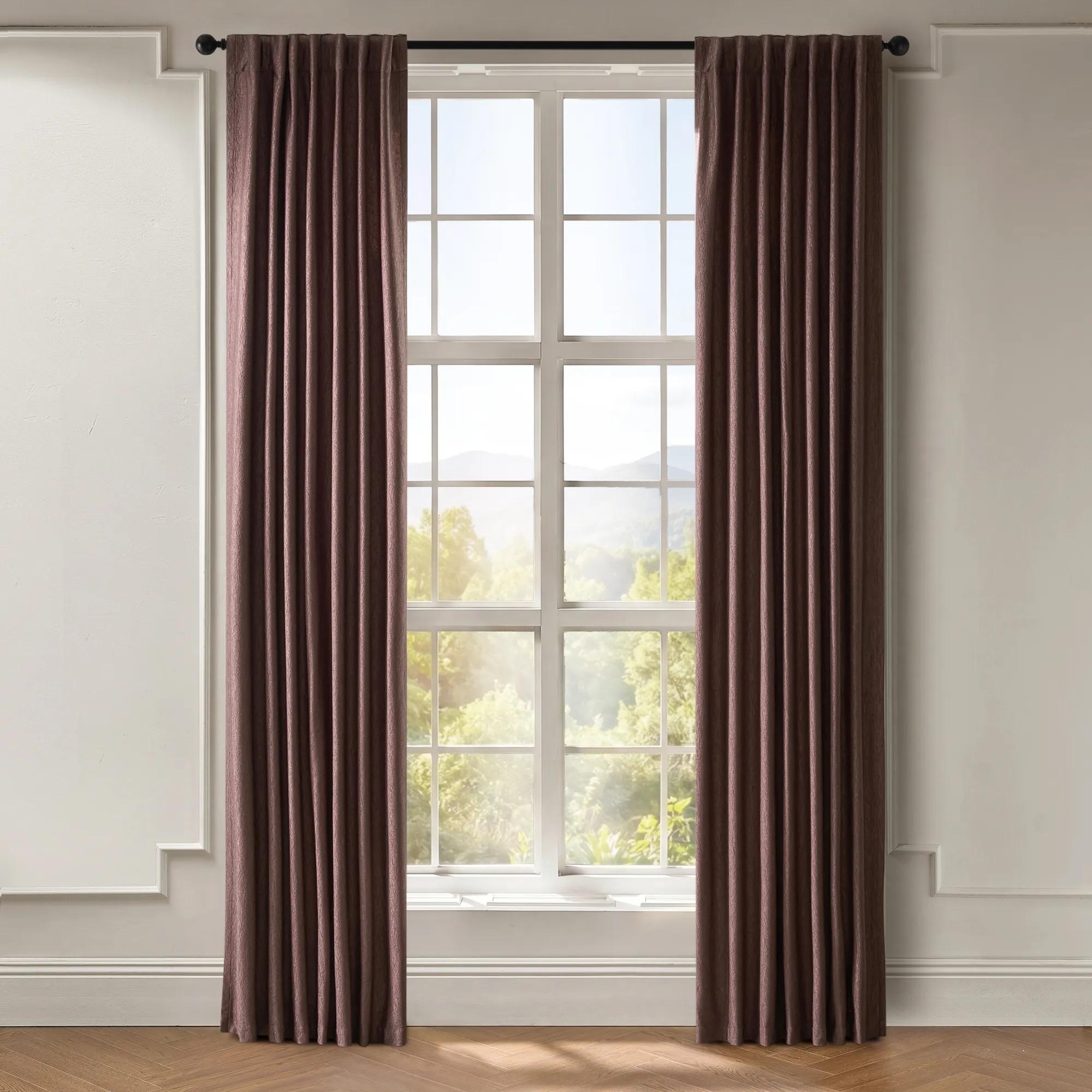
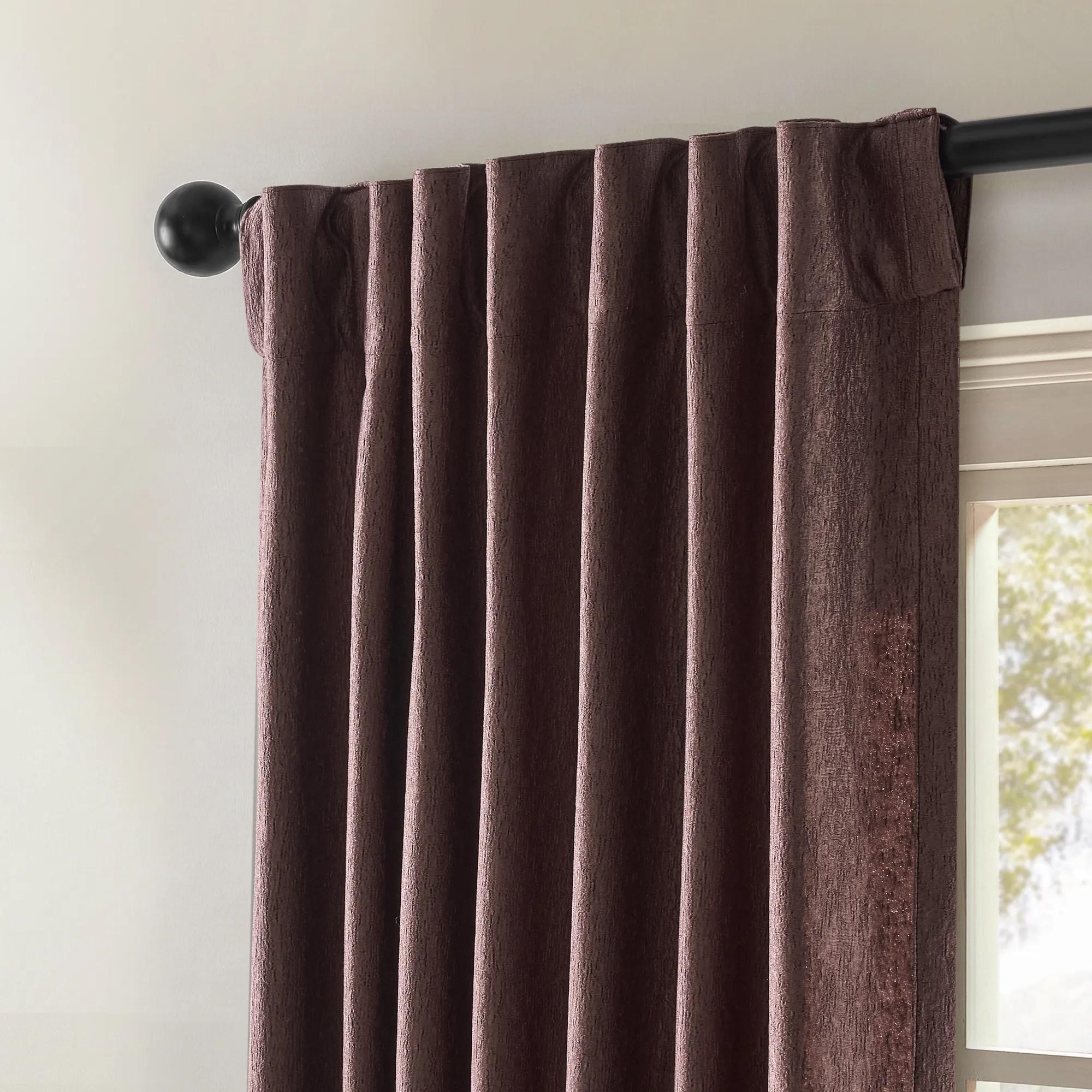 Anson Fig Textured Window Curtain Panel$99
A deep fig curtain panel in crushed, subtly sheened polyester with room-darkening and dual hanging options.
Add To Cart -
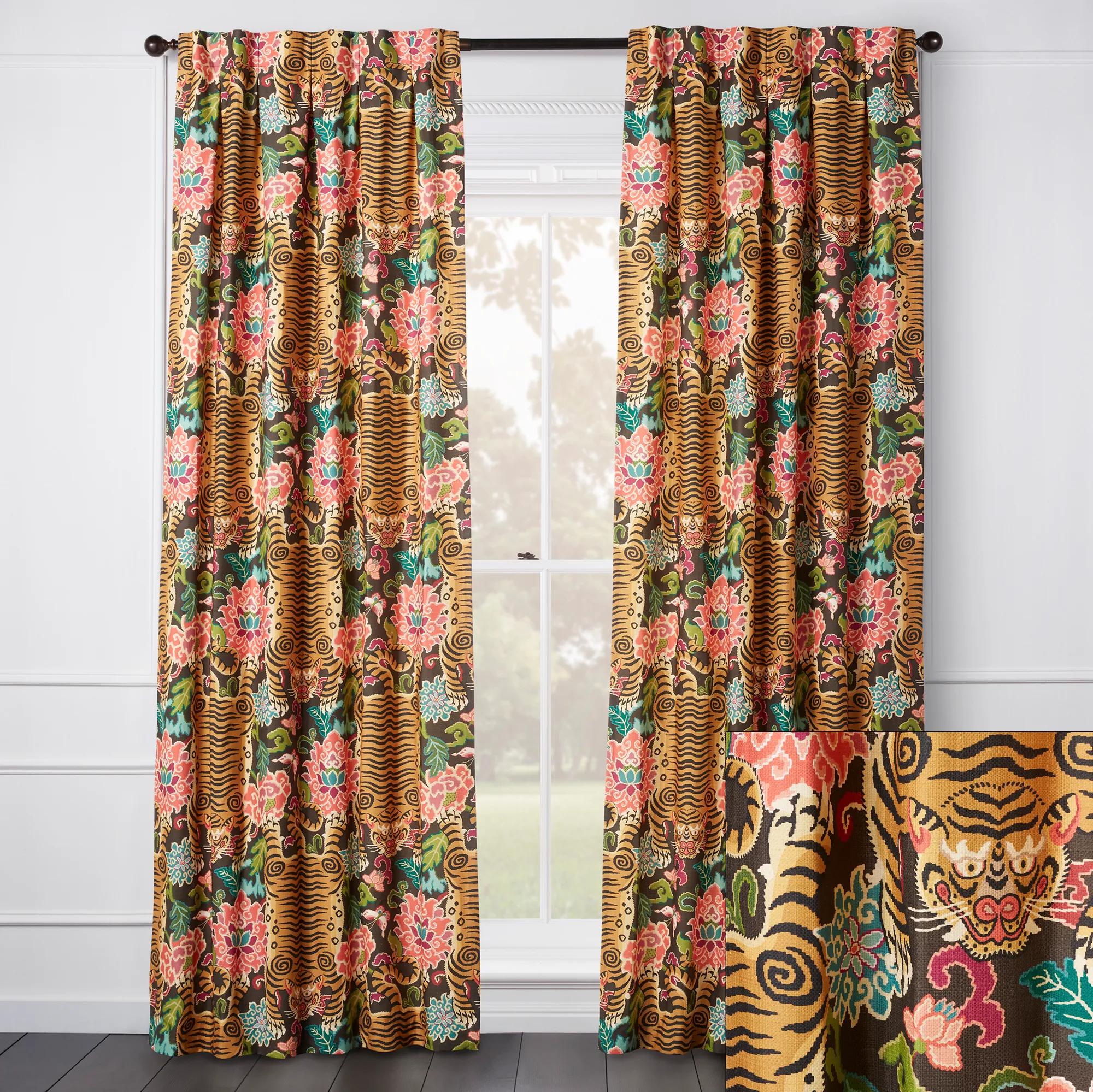
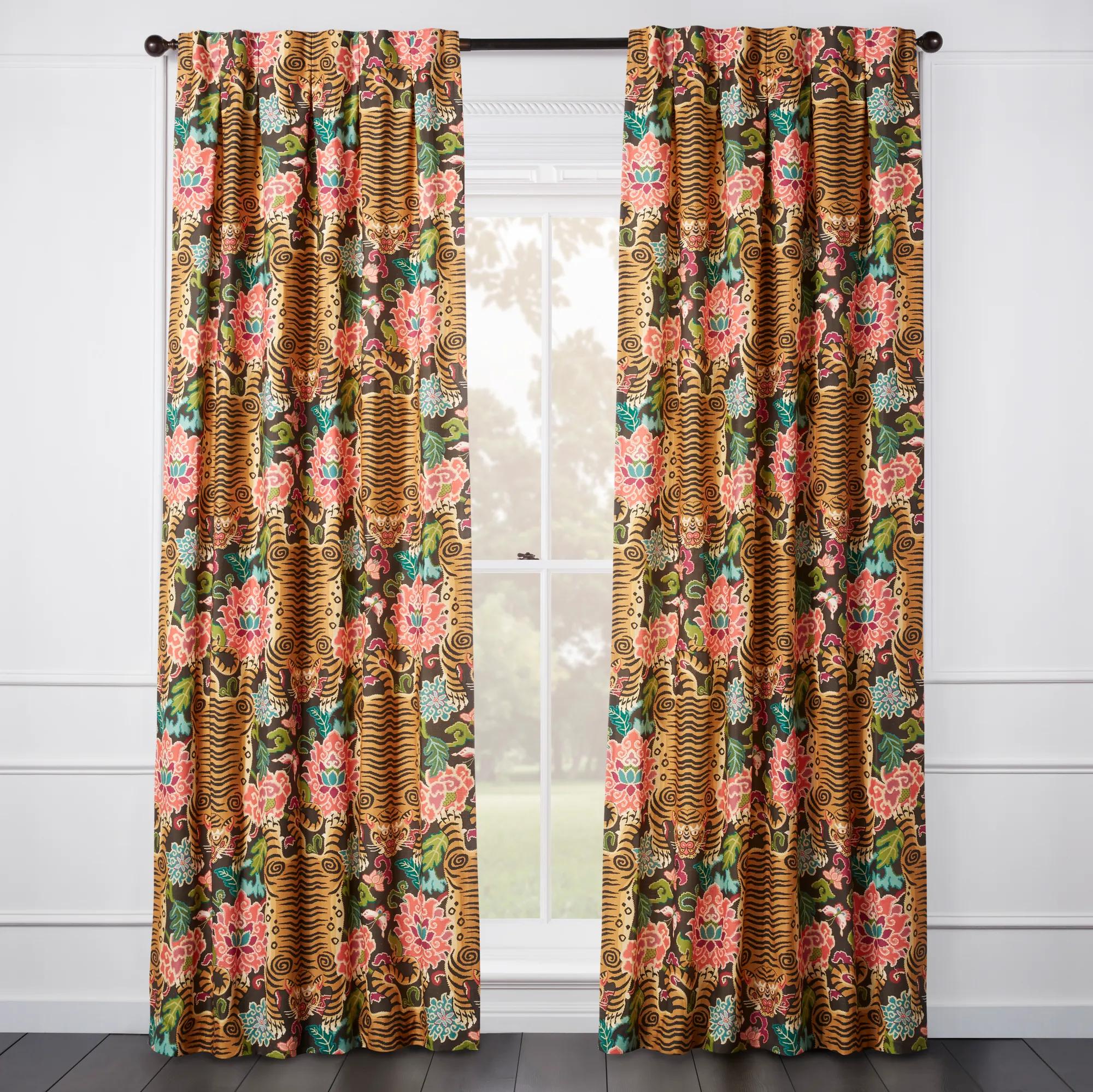 Nimer Gold/Multi Printed Slubbed Cotton Window Curtain Panel$379
A bold gold and multi-colored cotton curtain panel featuring a lively tiger print and customizable options.
Add To Cart -
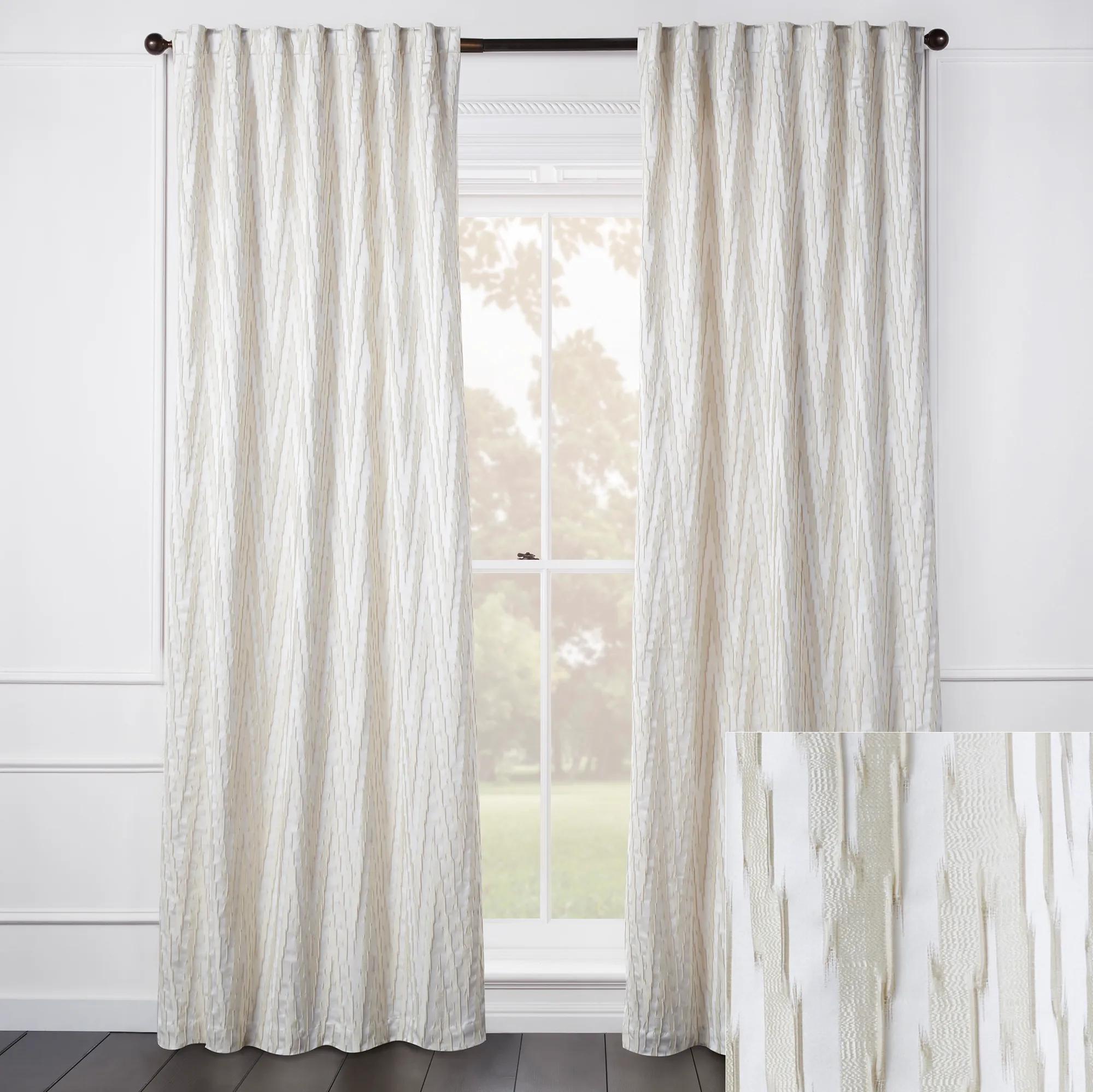
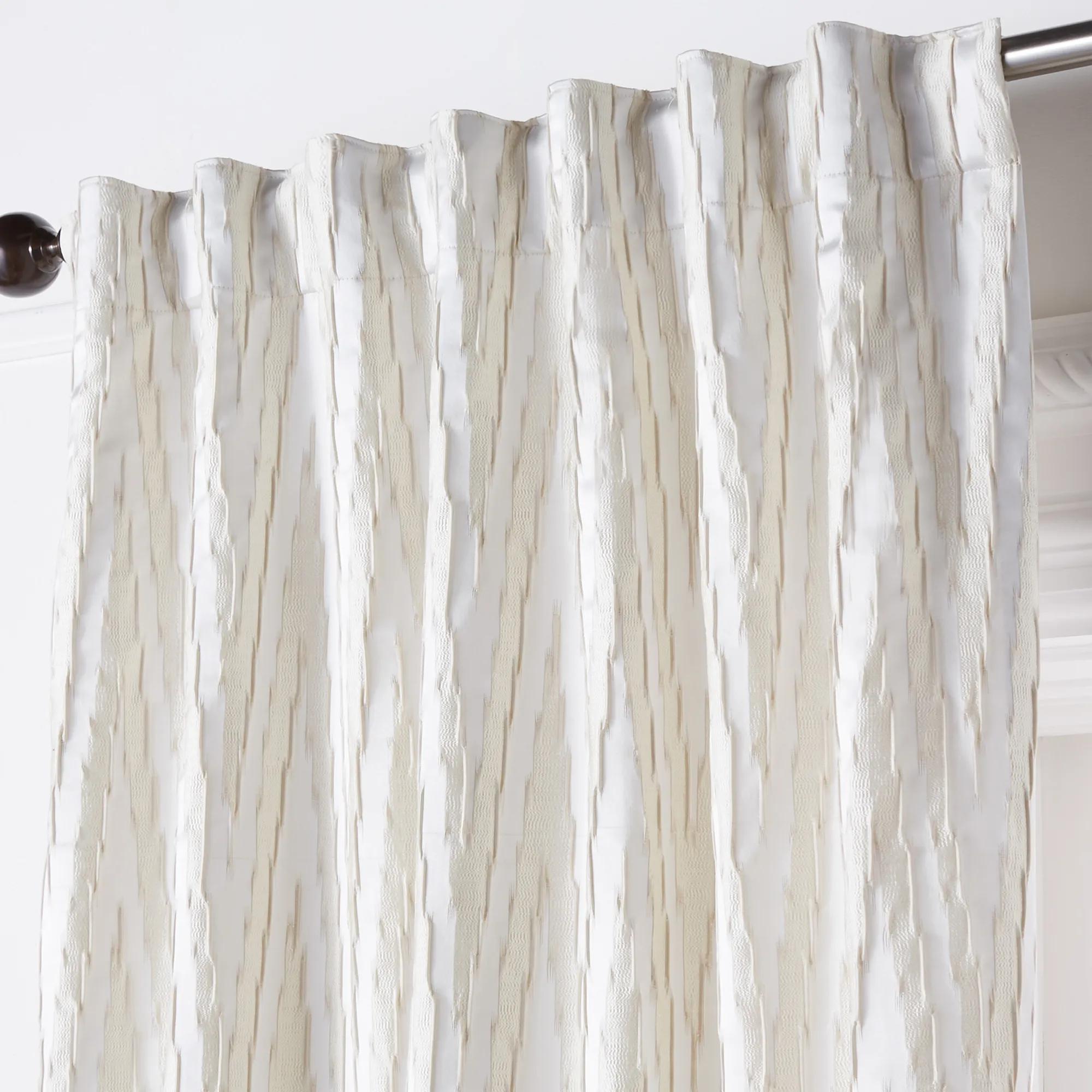 Minka Jacquard Pearl Window Curtain Panel Custom$289
A highly textured chevron curtain panel in pearl, grey, or natural polyester with customizable hanging options.
Add To Cart

Luxury Lined Window Drapes
Luxury lined window drapes are the ultimate expression of refined living—each panel a masterpiece, cascading with sumptuous folds that transform sunlight into an elegant spectacle. More than mere window coverings, these drapes evoke grandeur and intimacy in equal measure, setting the stage for rooms that shimmer with possibility. Whether framing a dramatic cityscape or softening the glow of a private sanctuary, luxury lined window drapes invite you to indulge in artistry at every glance, turning everyday moments into scenes worthy of admiration.
Luxury lined window drapes bring substance, dimension, and a beautifully composed finish to a room. Their defining feature is a separate backing behind the decorative face fabric, giving each panel additional body while helping manage light and privacy. That extra layer can make the difference between fabric that simply covers a window and drapery that falls in deep, deliberate folds, framing the view with architectural presence. Velvet creates a plush, sculptural effect, its pile catching light differently across each fold; chenille offers a softly textured surface with inviting depth; and jacquard introduces patterns woven directly into the cloth, lending detail that feels integral rather than applied. Linen and linen blends take a more relaxed approach to luxury, pairing visible texture with an elegant drape, while lustrous fabrics introduce a luminous finish suited to expressive interiors. Fiber content, weave, and construction all influence how a panel looks and behaves, so fabric names alone do not establish weight, opacity, or care requirements. A densely woven fabric may feel substantial, while a lighter face fabric can gain structure from its lining without losing its delicacy. Color adds another layer of expression: ivory can soften dark furnishings, champagne brings a subtle gleam to neutral upholstery, and charcoal creates a confident frame around pale walls. For a cooler metallic palette, luxury silver window drapes offer a complementary direction alongside mirrored surfaces, glass accents, and polished hardware. Pattern deserves equal attention. A large-scale woven motif can hold its own in a room with generous proportions, whereas tonal patterning adds richness without competing with expressive artwork. In a living room, lined drapes can give a broad window the visual weight needed to balance a substantial sofa. In a dining room, they create a textured backdrop for sculptural chairs and reflective table settings. The most compelling effect comes from the relationship between the fabric and the room, not ornament alone.
Lining also shapes how a space is used, making luxury lined curtains as practical in a bedroom as they are dramatic in a formal sitting room. Standard lining generally adds body and improves coverage, but a lined panel is not automatically a blackout panel. Light-filtering constructions soften incoming daylight; room-darkening options reduce it more substantially; and blackout linings are designed to block light through the fabric. Actual darkness still depends on installation, because light can enter above the rod, beneath the hem, or along the sides and center opening. For someone who sleeps during daylight hours or prefers a deeply darkened bedroom, the stated light-control performance and sufficient window coverage matter more than the richness of the face fabric. In a media room, a denser lining can help reduce glare on a screen, while a living room may benefit from gentler filtration that preserves a luminous atmosphere. Privacy likewise depends on the complete construction and lighting conditions, particularly when interior lights are on after dark. Thermal linings and acoustic performance are separate considerations that should be supported by the product specifications; substantial fabric alone does not establish insulating or sound-reducing performance. Fit gives these functional details their finished expression. Panel length should be measured from the actual hanging point, accounting for rings, hooks, or the position of a rod pocket rather than relying on the window height alone. Drapes that just meet the floor create a precise, tailored line. A slight break adds softness, while a deliberate puddle offers a more theatrical finish best reserved for panels that will not be moved frequently. Near doors, seating paths, or spaces shared with pets, a floor-clearing hem is easier to live with. Width is equally important: approximately one and a half to two times the area being covered is a common starting point for fullness, although pleated designs and manufacturer instructions may require a different calculation. The goal is enough fabric to retain graceful folds when closed, with room beside the window for the panels to gather when open.
Construction details determine whether that elegance carries through everyday use. A lined panel weighs more than a comparable unlined one, so the rod, brackets, fasteners, and wall attachment need to support the full installation. Wider spans may require a center support, and the hardware configuration must allow the panels to travel as intended. Heading styles contribute their own character: pinch pleats establish orderly, repeated folds, grommets create broader waves with a visible hardware accent, and rod pockets offer a gathered profile that often suits drapes left mostly in place. Panels opened each morning and closed each evening benefit from a compatible ring or traverse system that moves smoothly without repeated pulling on the fabric. Well-finished seams, securely attached headings, and even hems are useful indicators of careful construction, while hem weights, where included, can encourage a more controlled fall. Durability depends on fiber content, weave, exposure, and handling rather than weight alone. Lining can help shield the decorative fabric from direct light, but it does not make the material immune to fading. Care instructions should account for both layers, since the face fabric and backing may respond differently to moisture and heat. Some drapes are washable; others require professional cleaning to preserve their texture, dimensions, or finish. Gentle dust removal with an appropriate upholstery attachment can help maintain the surface between cleanings when permitted by the care label. Velvet pile, metallic threads, and specialized blackout coatings may need particular attention, and steaming or ironing should only follow the stated directions. For frequently used rooms, an elegant fabric with manageable care requirements often proves more satisfying than a delicate finish that demands constant attention. Layering lined drapes over sheers adds flexibility, allowing diffused daylight with the heavier panels drawn back and fuller coverage when they close. Paired with thoughtfully scaled hardware and a considered hemline, these window treatments become an enduring part of the room’s composition: a sweep of texture beside a reading chair, a luminous frame behind a dining table, or a sumptuous finishing layer around a restful bedroom.
FAQs
Luxury lined window drapes offer a richer, more tailored appearance, enhanced light control, and improved insulation for your interiors. The lining helps block unwanted light, preserves privacy, and protects delicate fabrics from sun damage, all while giving the drapery a fuller, more opulent drape that elevates the ambiance of any room.
Silk, velvet, Belgian linen, and high-quality cotton are cherished choices for luxury lined drapes. Velvet exudes drama and warmth, perfect for creating a cozy, cocooned effect in living rooms or bedrooms. Silk brings a luminous, elegant sheen suited for formal spaces, while linen offers a relaxed yet sophisticated texture ideal for airy, contemporary settings.
Luxury lined drapes provide both style and function for rooms with french doors. Their substantial fabric and tailored lining frame the doors beautifully, offering privacy when needed and softening the architectural lines. When drawn back, they reveal the view with theatrical flair, making every entrance and exit feel like a grand moment.
Absolutely. Layering luxury lined drapes with sheers or woven shades adds visual depth and allows for customizable light control. This approach lets you play with textures and tones, creating a sophisticated, designer-inspired look that adapts to your mood and the time of day.
Look for quality craftsmanship in every aspect: full, weighted linings for a graceful hang, precision tailoring at the headers and hems, and thoughtful hardware that complements the fabric. Details such as pleated tops, intricate embroidery, or jacquard weaves add an extra layer of artistry, ensuring your drapes are as striking as they are functional.
.jpeg?w=4130&h=4130)


