Decorative Velvet Window Panels
Decorative Velvet Window Panels
-
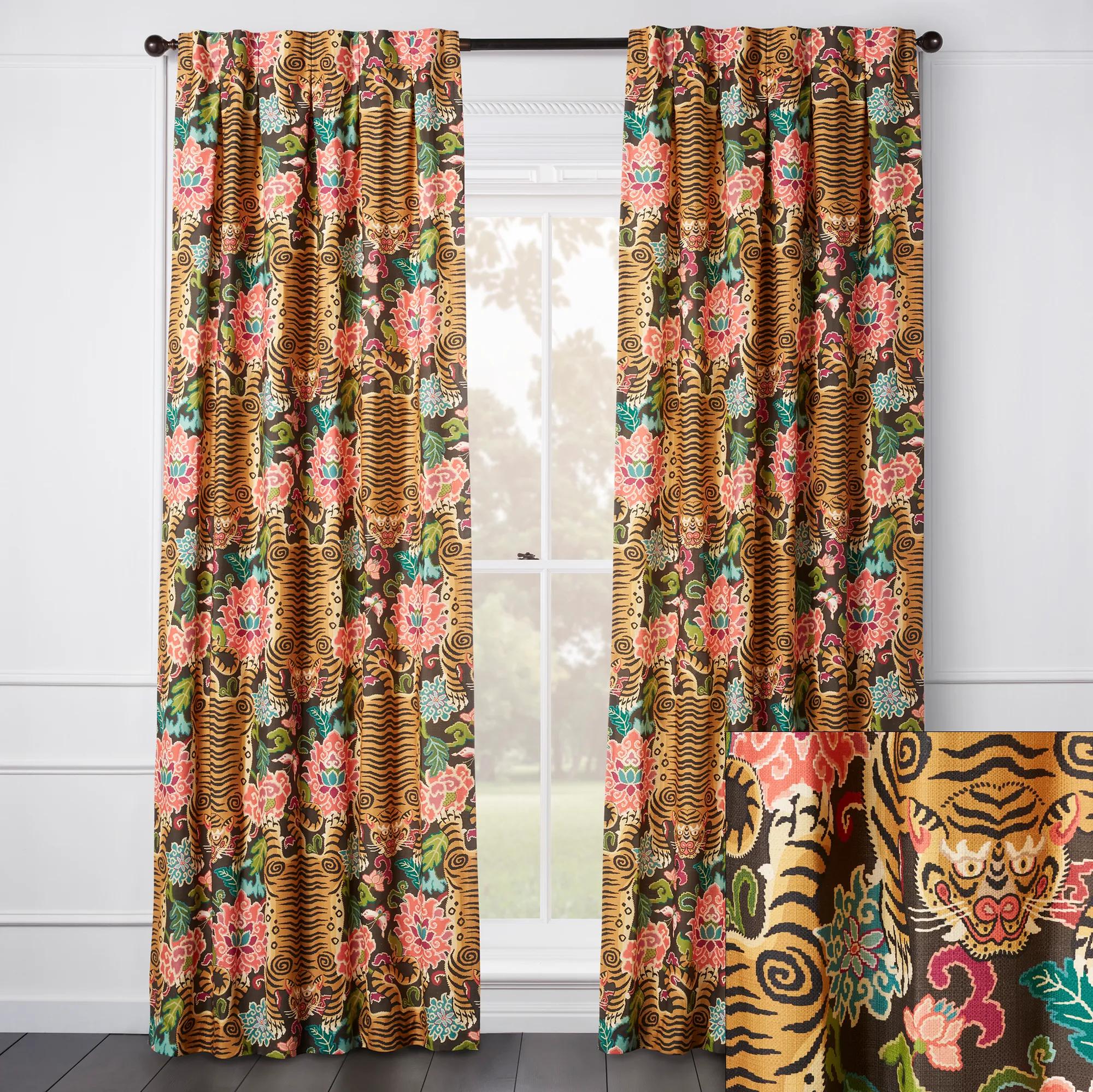
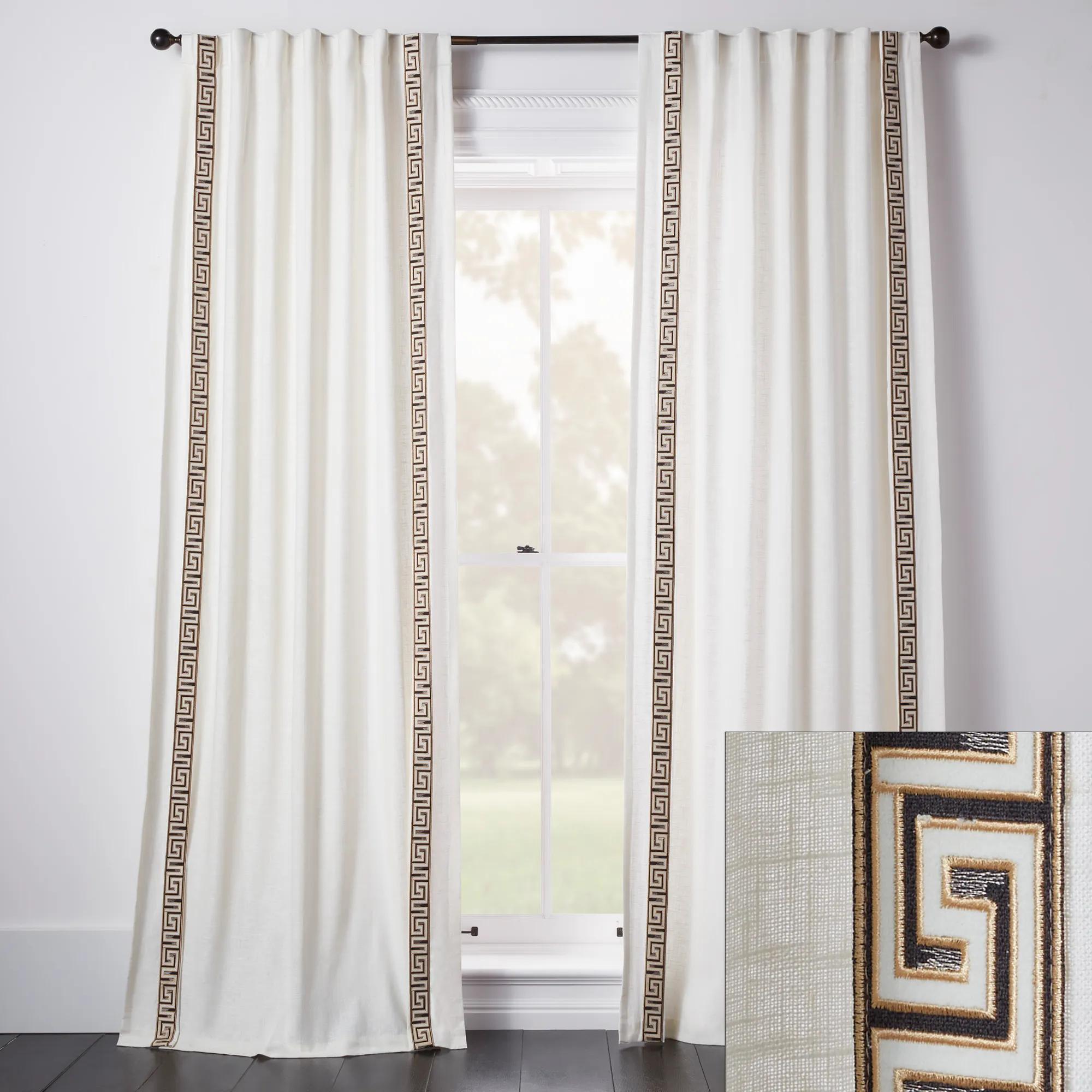 Chole Greek Key Border Velvet Widow Curtain Panels Custom$369
A white linen-blend curtain featuring a black and gold embroidered velvet Greek key border for modern elegance.
Add To Cart -
.jpeg?w=1200&h=1200)
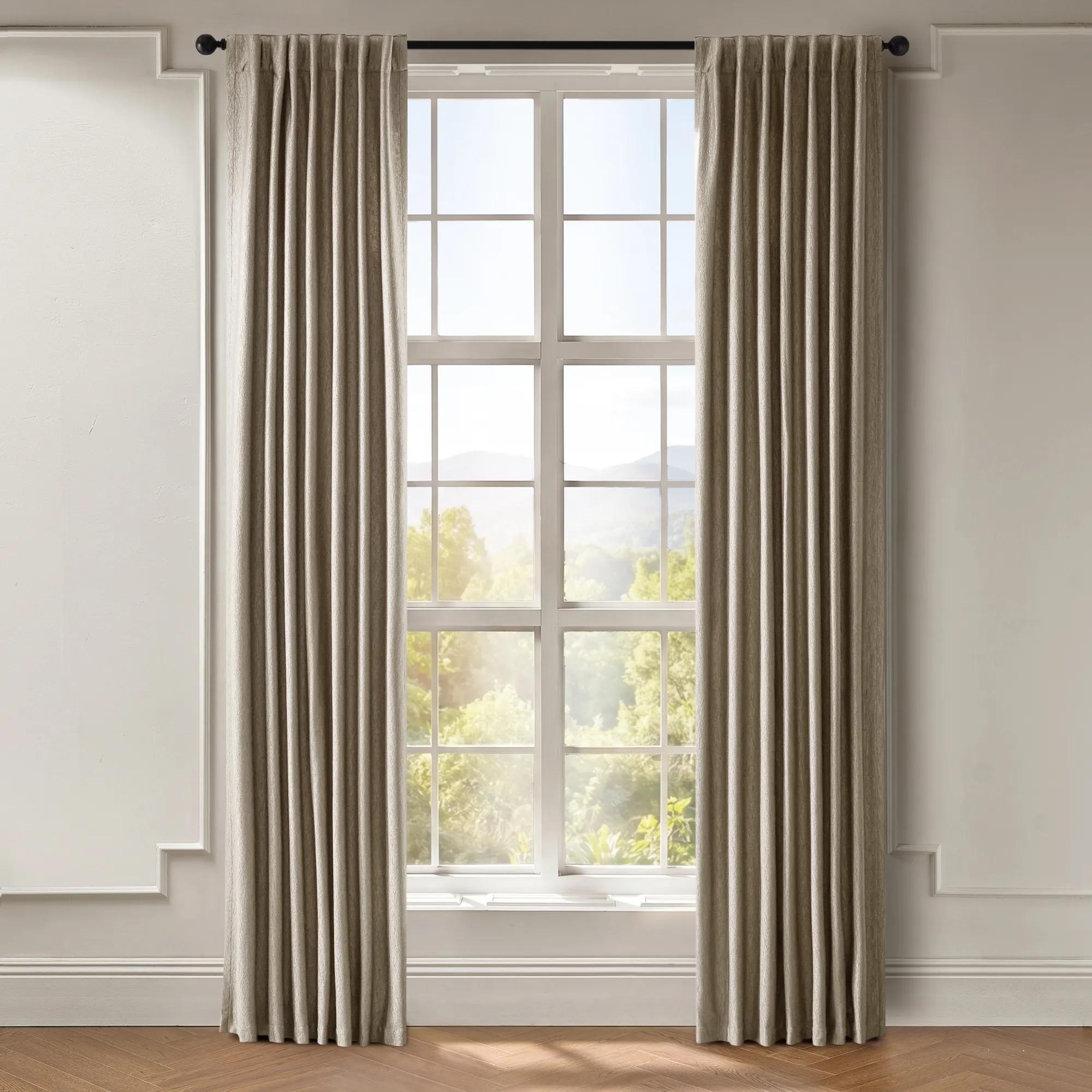
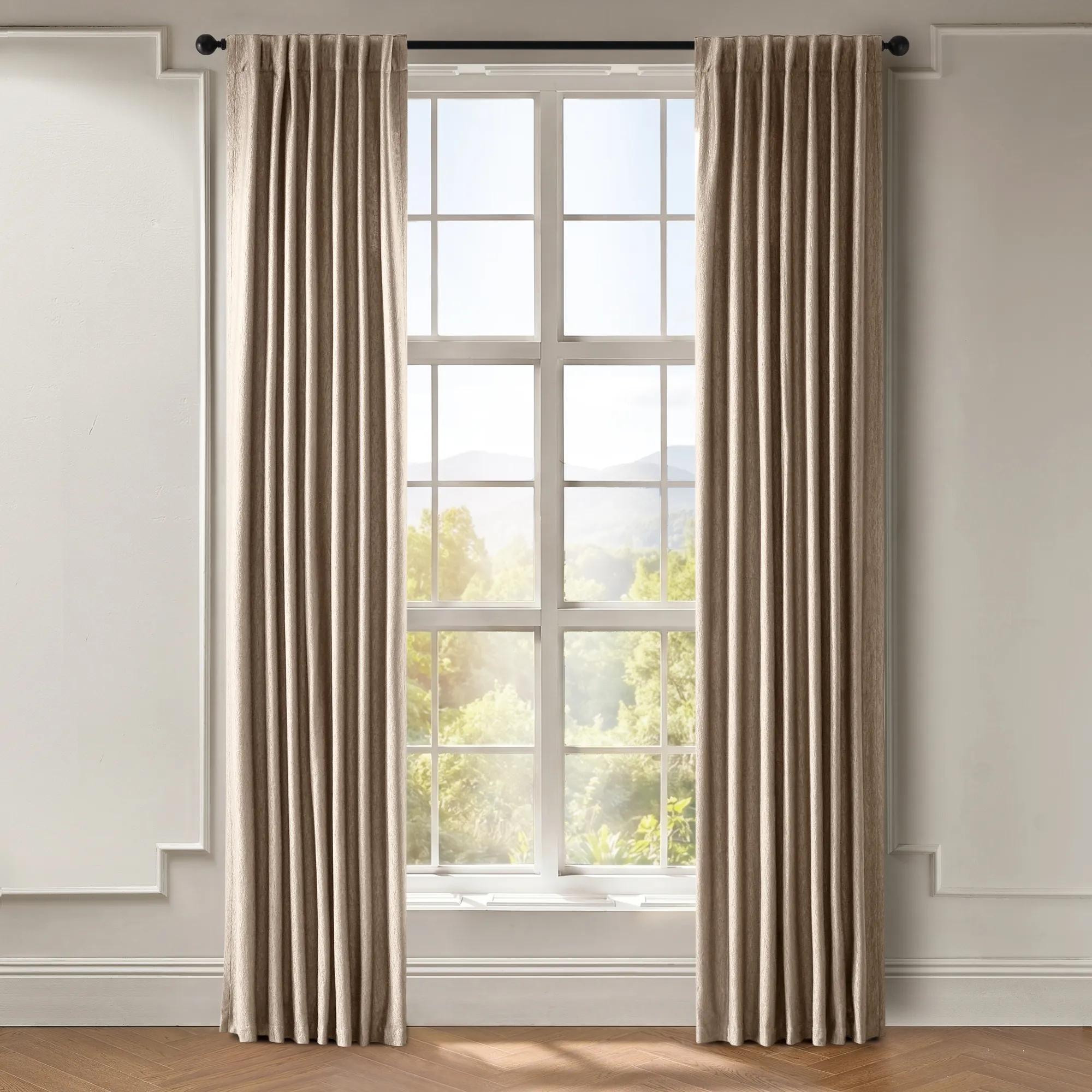
 Mabel Natural Velvet Swirl Window Curtain Panel$99
Mabel Natural Velvet Swirl Window Curtain Panel$99A warm neutral velvet curtain with a tonal swirl pattern, offering room-darkening privacy and versatile hanging options.
Add To Cart -
.jpeg?w=1200&h=1200)
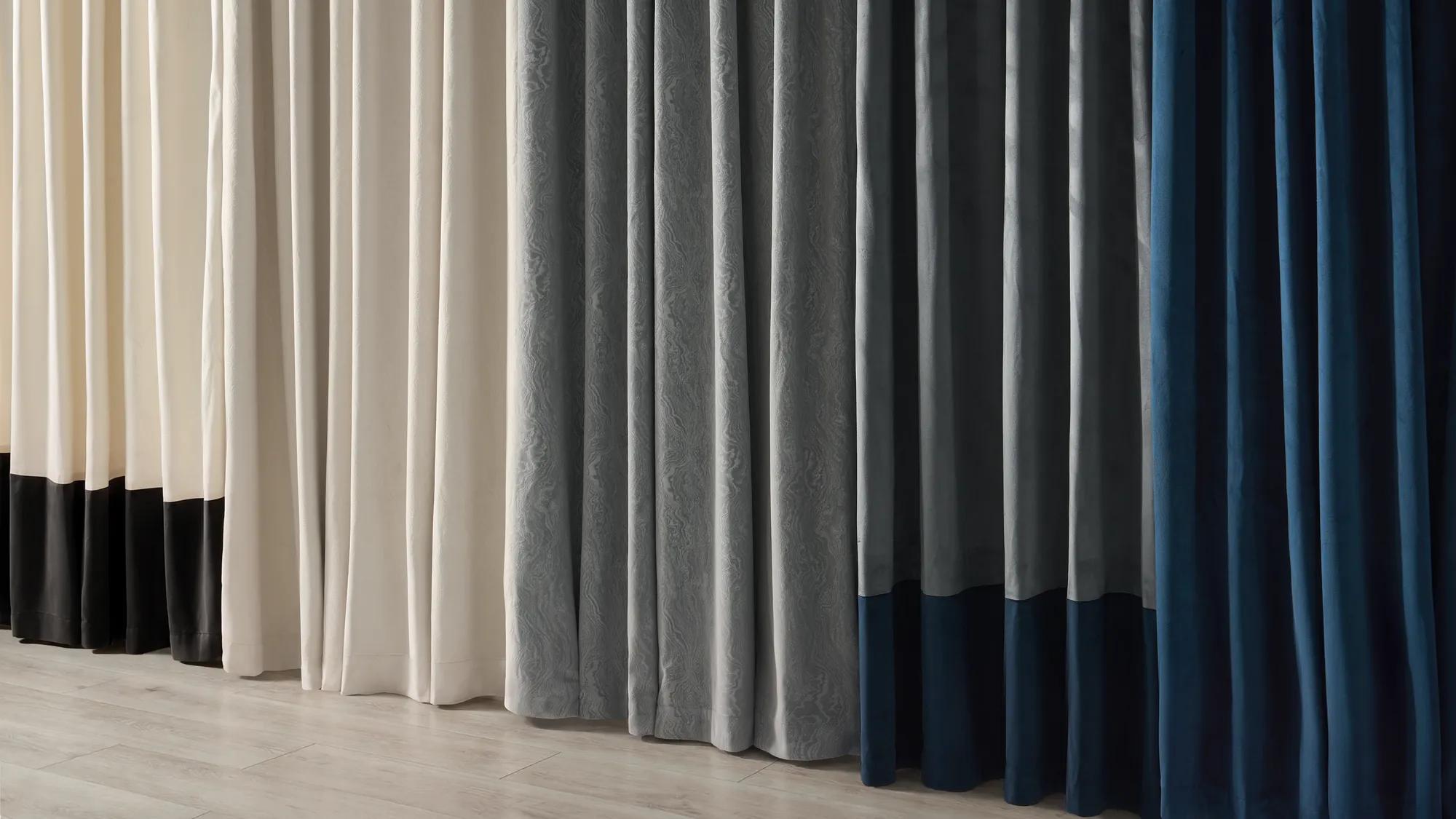 Mabel Velvet Swirl Curtain - Grey Blue$99
A grey blue velvet curtain featuring a tonal swirl pattern and versatile dual hanging options.
Add To Cart -
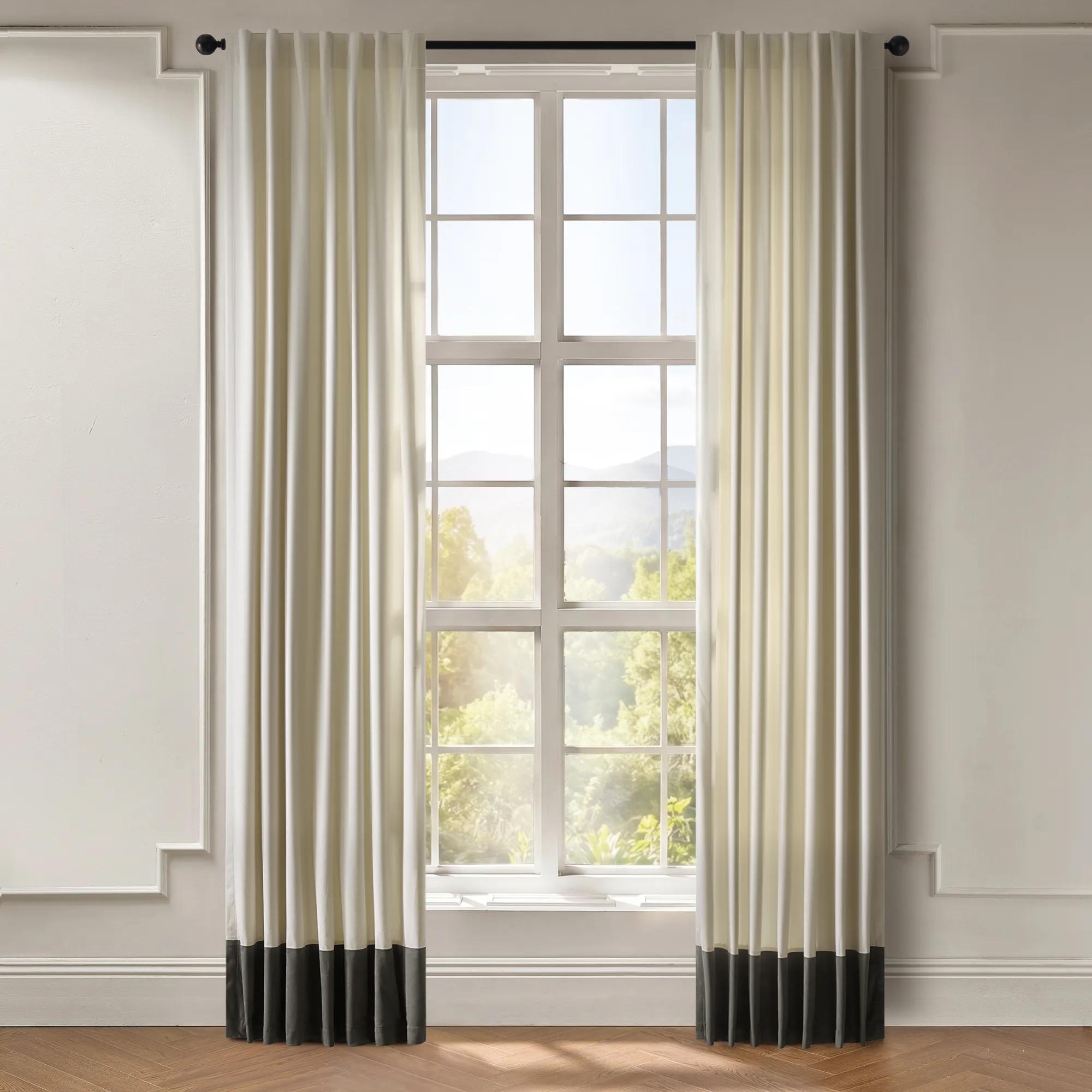
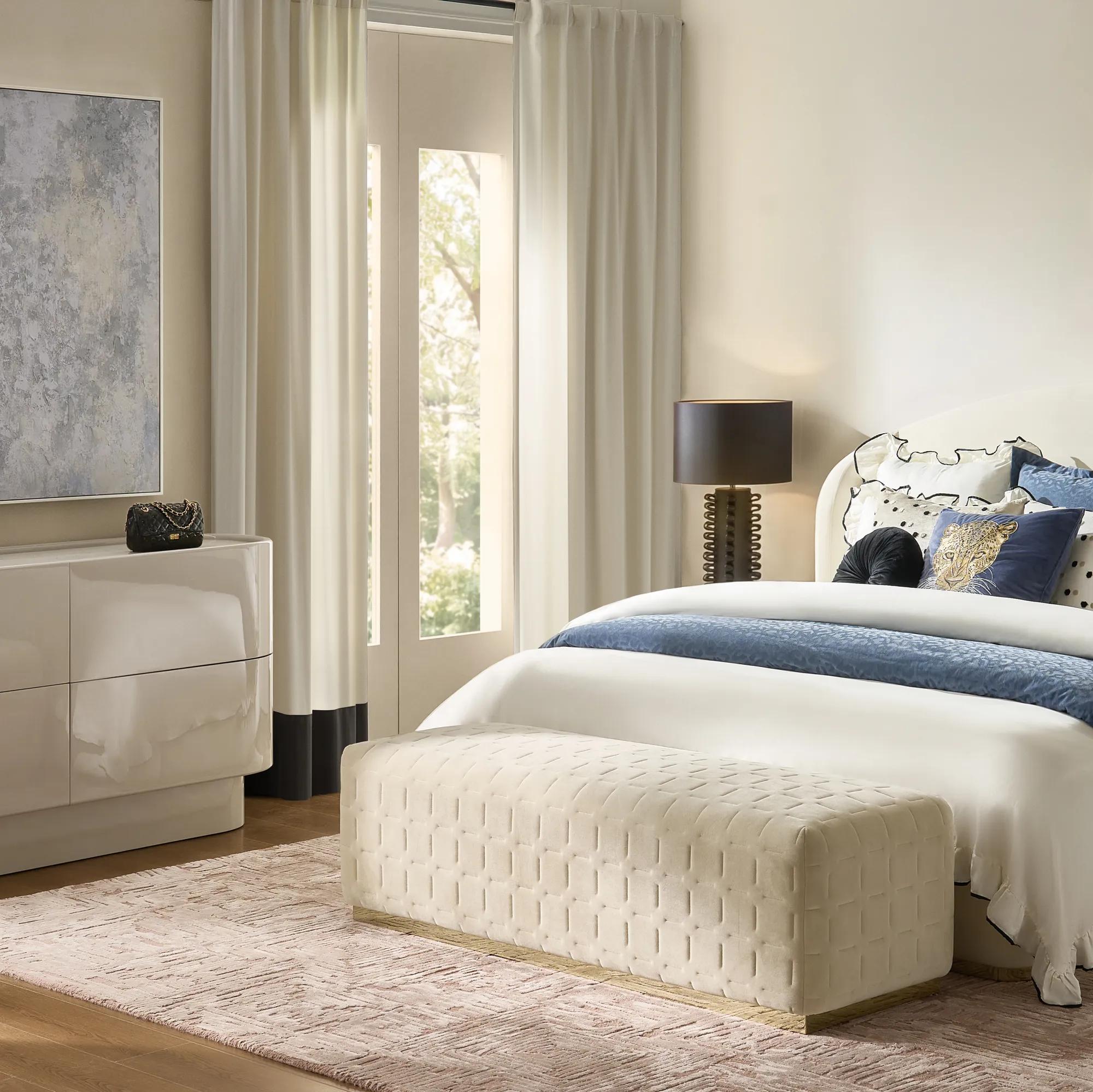 Bastien Ivory/Graphite Velvet Border Window Curtain Panel$109
A two-tone ivory and graphite velvet curtain panel with a Deco-inspired border and room-darkening design.
Add To Cart -
.jpeg?w=1200&h=1200)
 Adair Midnight Blue Solid Velvet Window Curtain Panel$69
Adair Midnight Blue Solid Velvet Window Curtain Panel$69A sumptuous midnight blue velvet curtain that adds elegance, depth, and room-darkening style to any space.
Add To Cart -
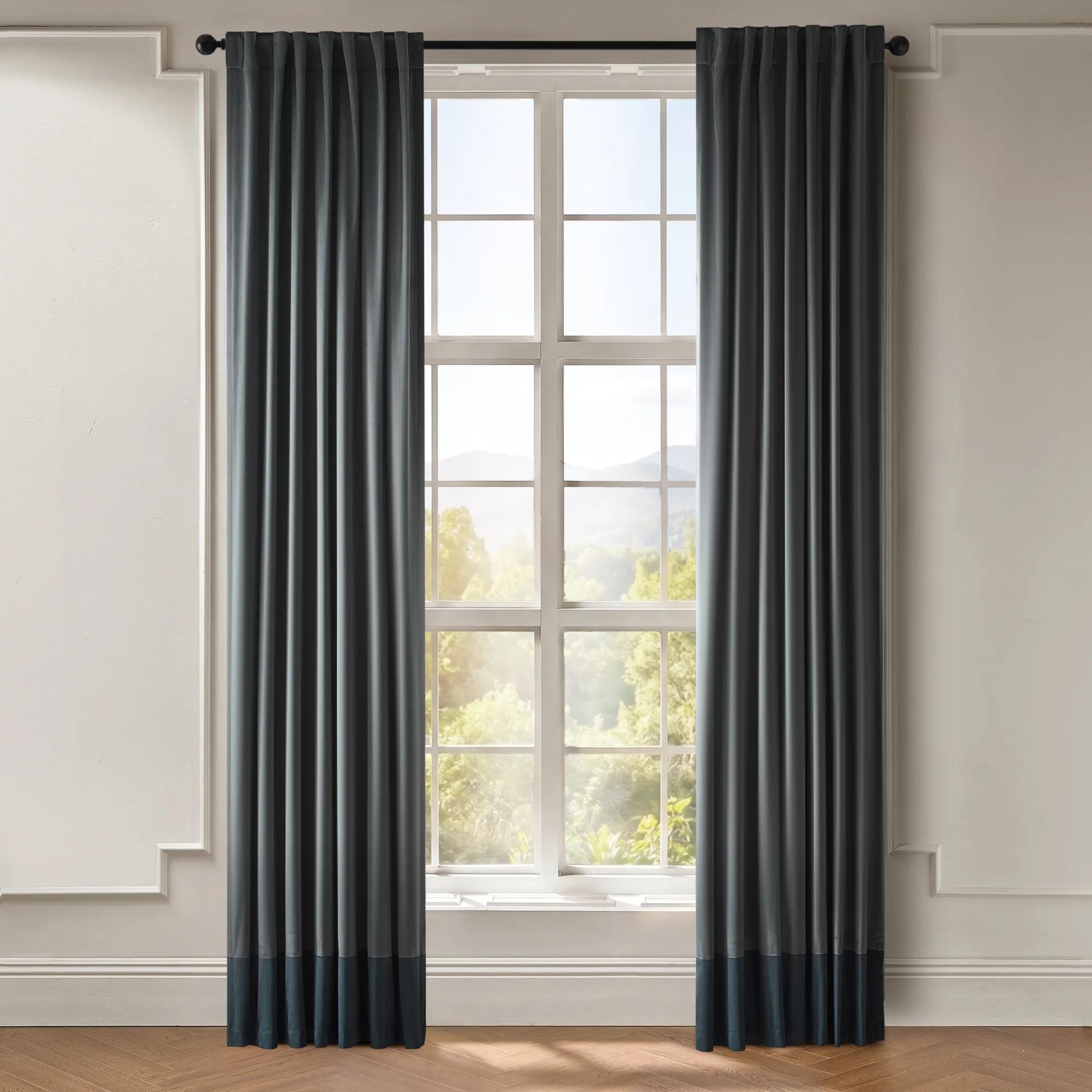
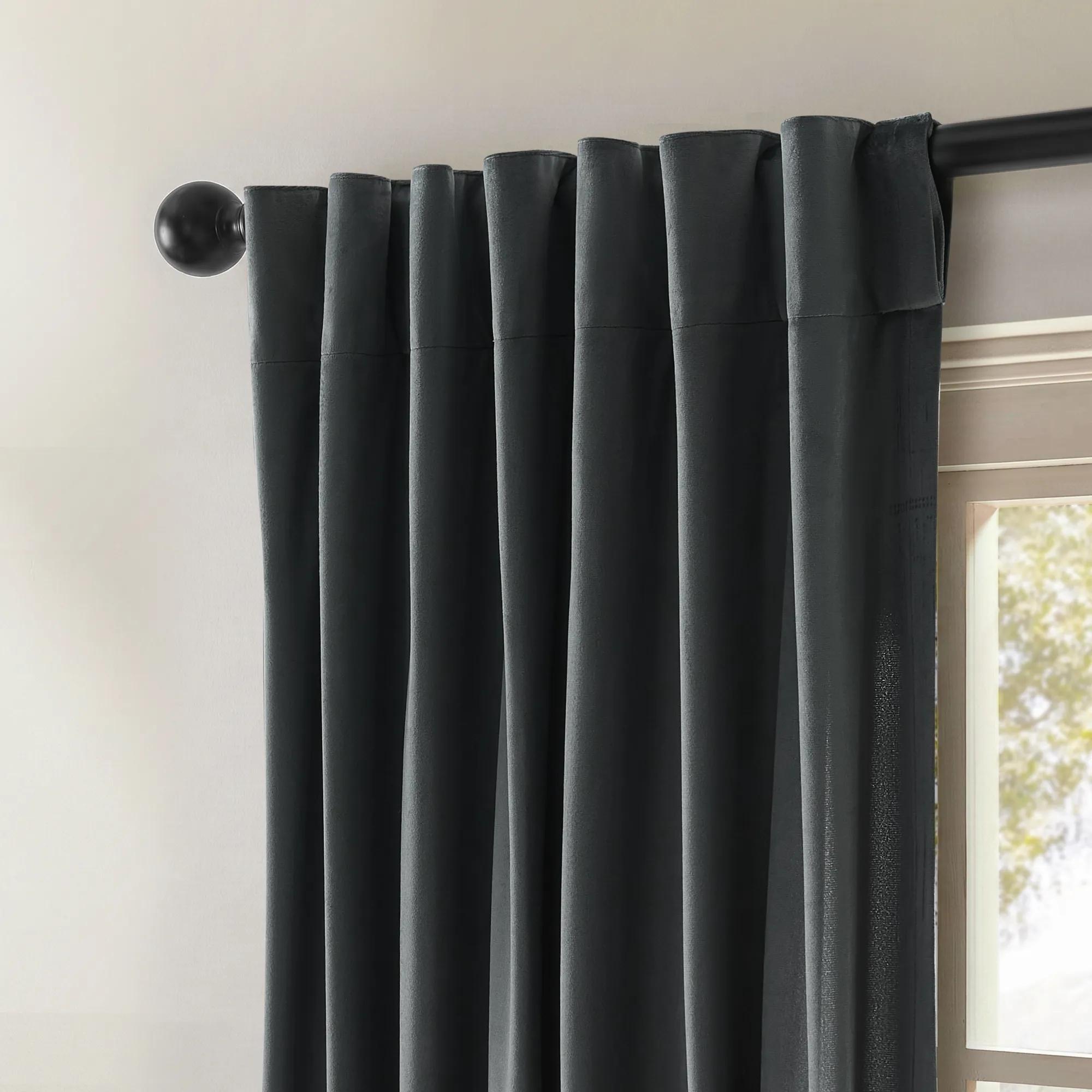 Bastien Blue/Midnight Velvet Border Window Curtain Panel$99
A two-tone dusty and midnight blue velvet curtain panel with a Deco-inspired border and room-darkening design.
Add To Cart -
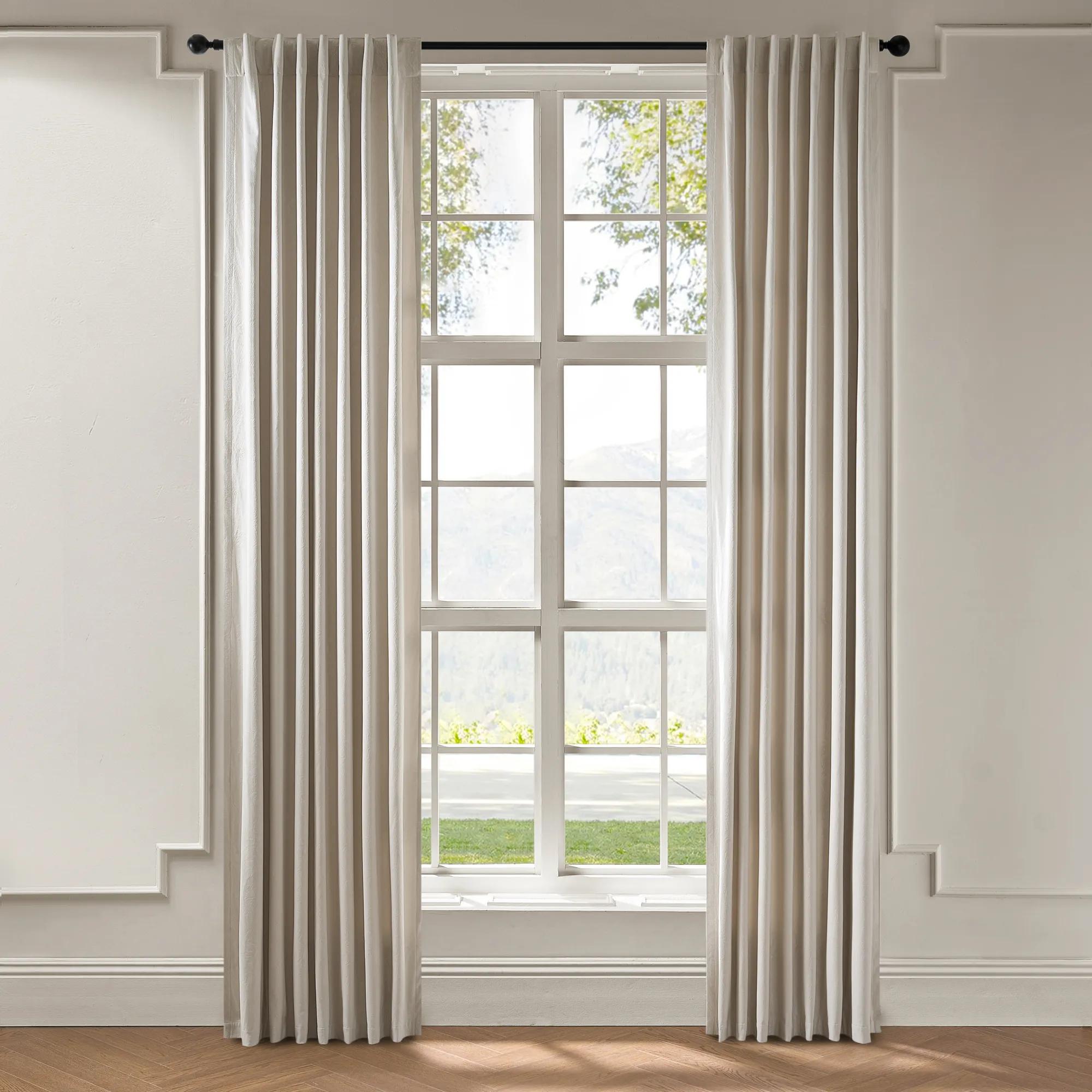
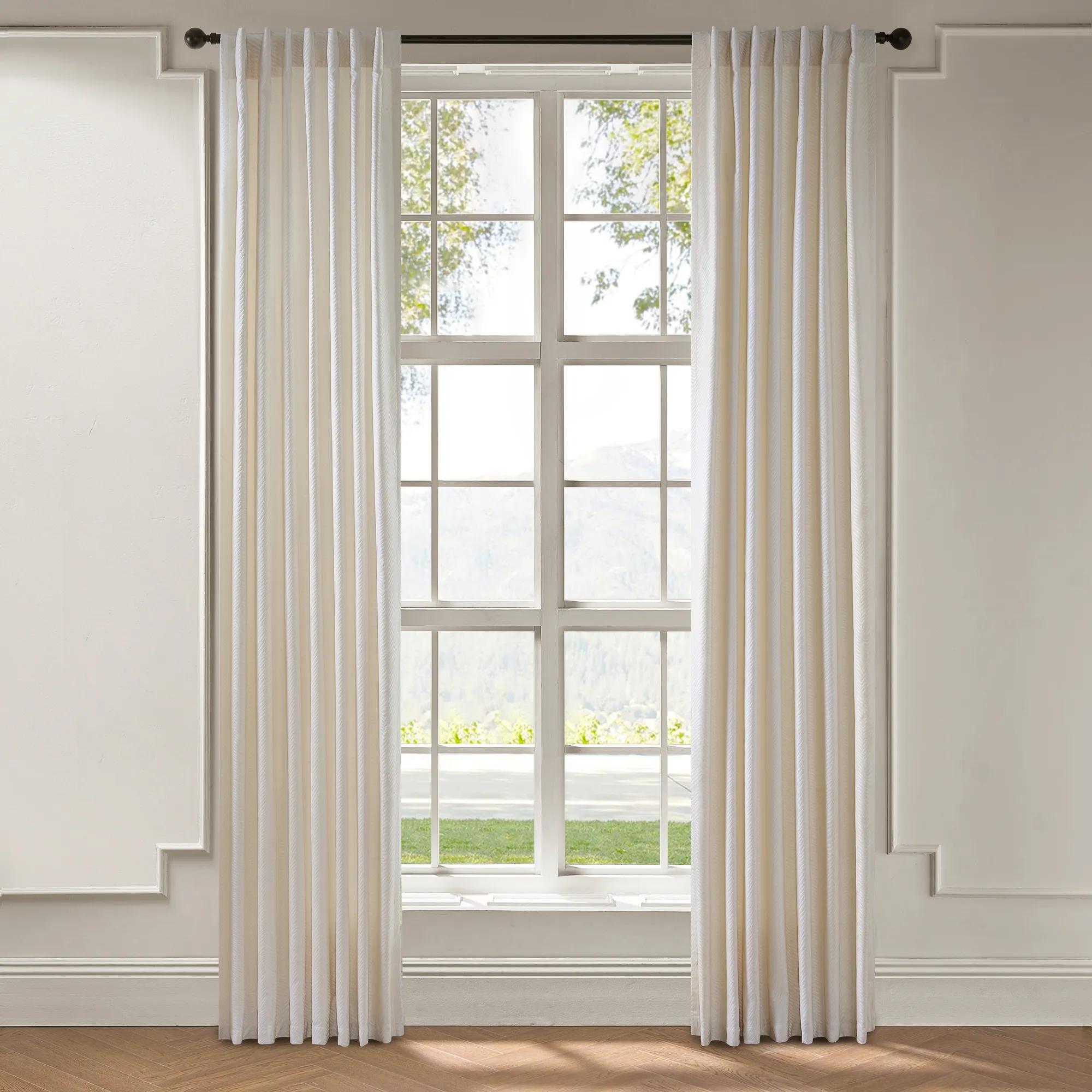
.jpeg?w=1200&h=1200) Mabel White Velvet Swirl Window Curtain Panel$99
Mabel White Velvet Swirl Window Curtain Panel$99A crisp white velvet curtain featuring a tonal swirl texture and versatile dual hanging options.
Add To Cart -
.jpeg?w=1200&h=1200)
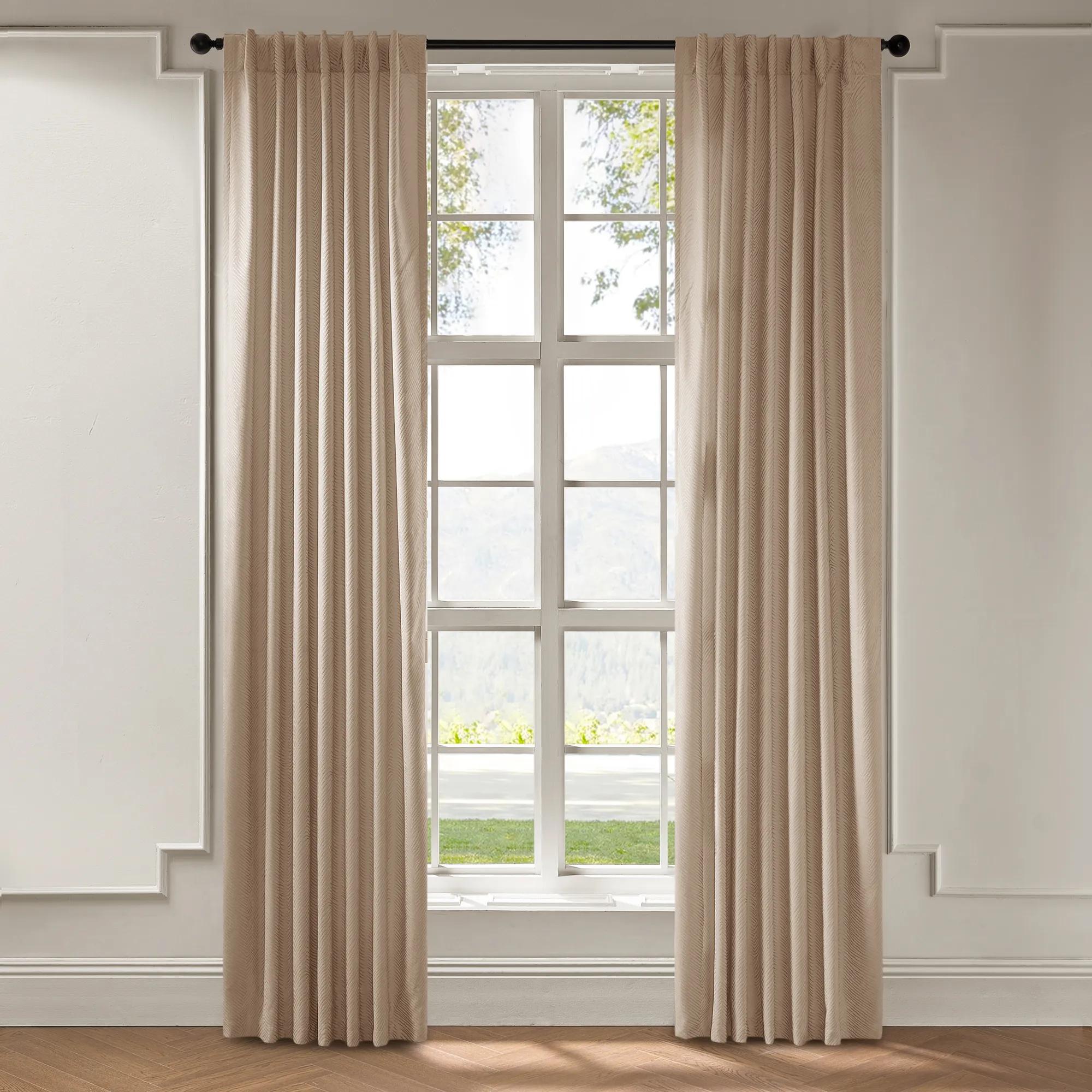
 Adair Sand Solid Velvet Window Curtain Panel$79
Adair Sand Solid Velvet Window Curtain Panel$79A room-darkening sand velvet curtain with dual hanging options for a soft, tailored finish.
Add To Cart -
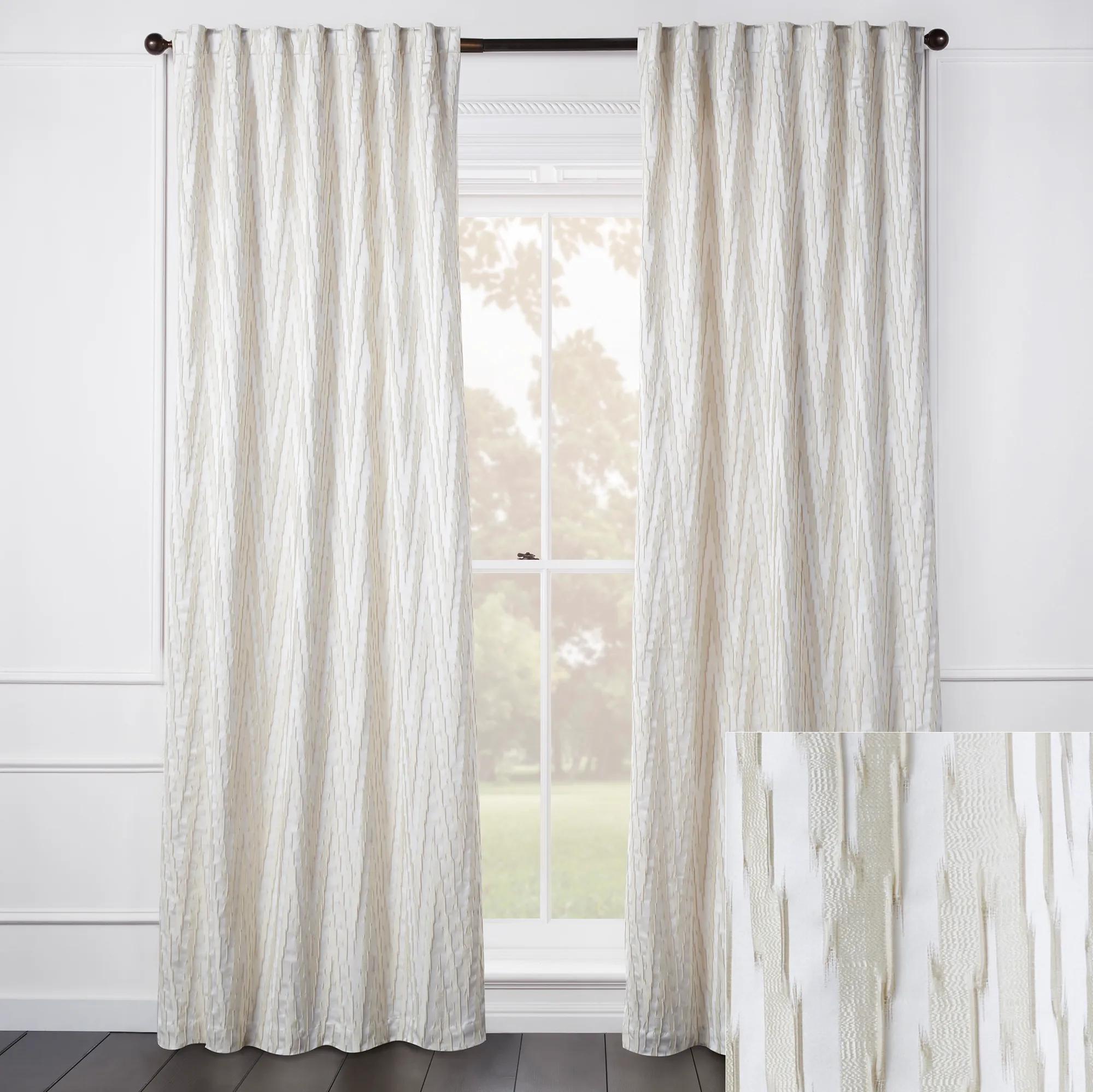
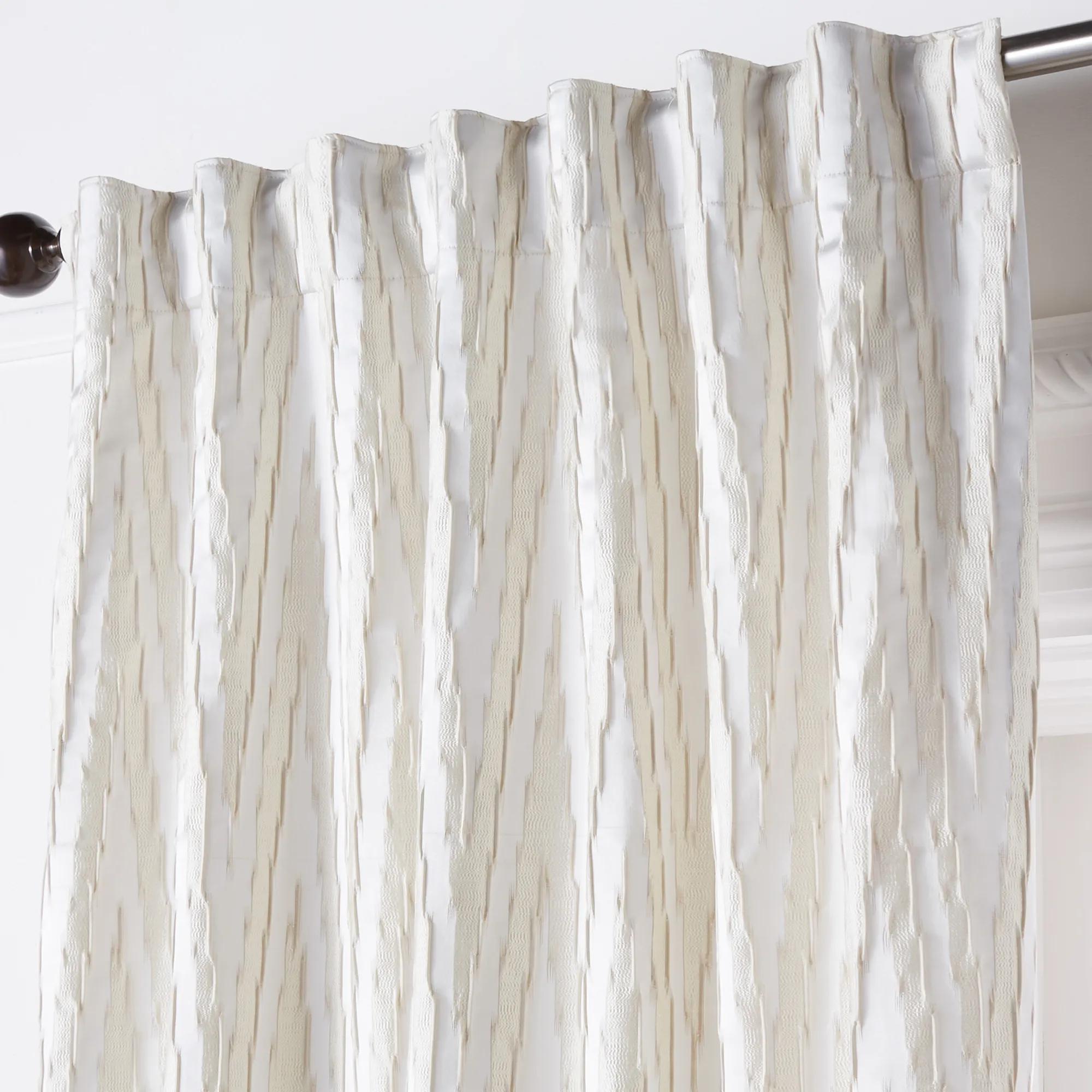 Minka Jacquard Pearl Window Curtain Panel Custom$259
A highly textured chevron curtain panel in pearl polyester, customizable with multiple header and color options.
Add To Cart -
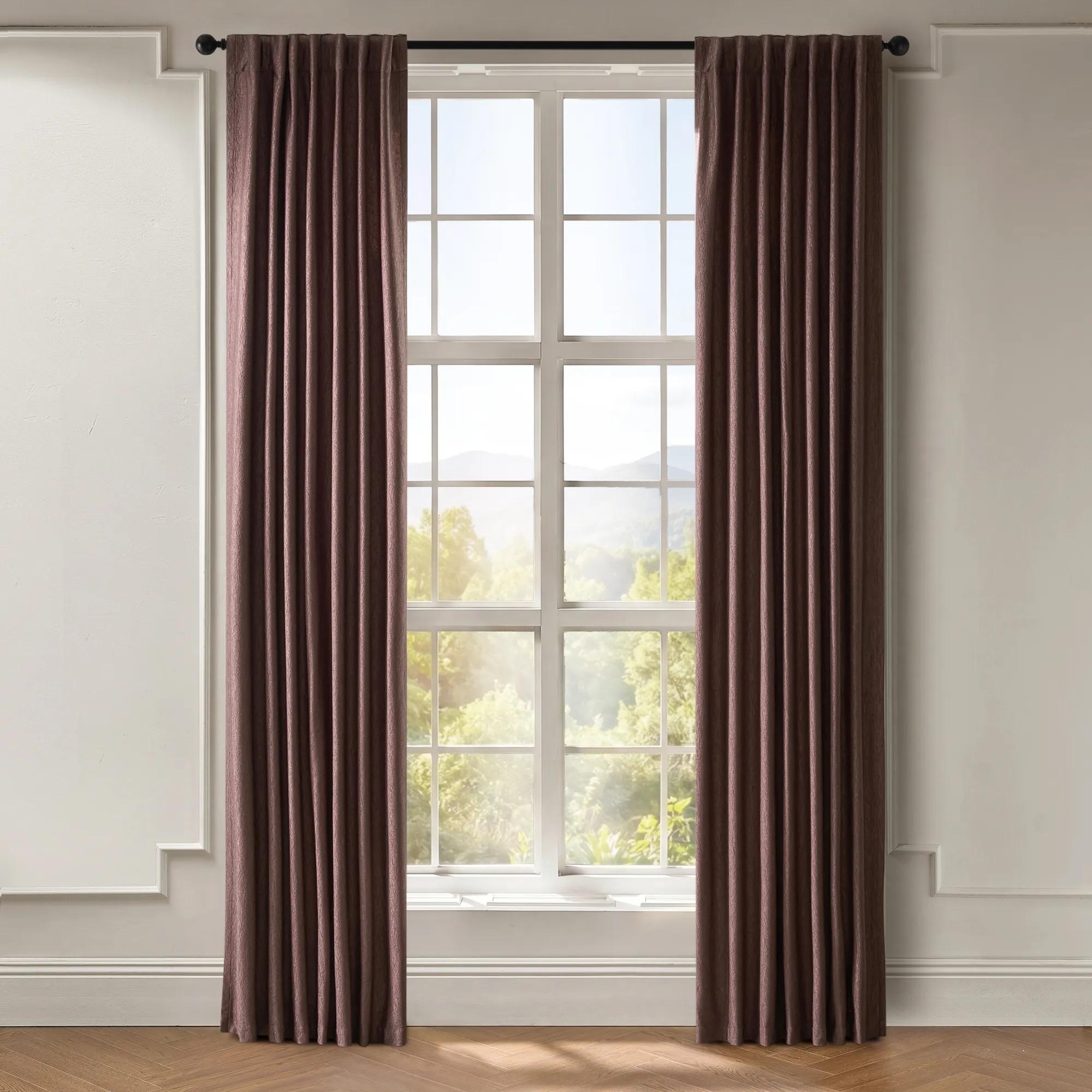
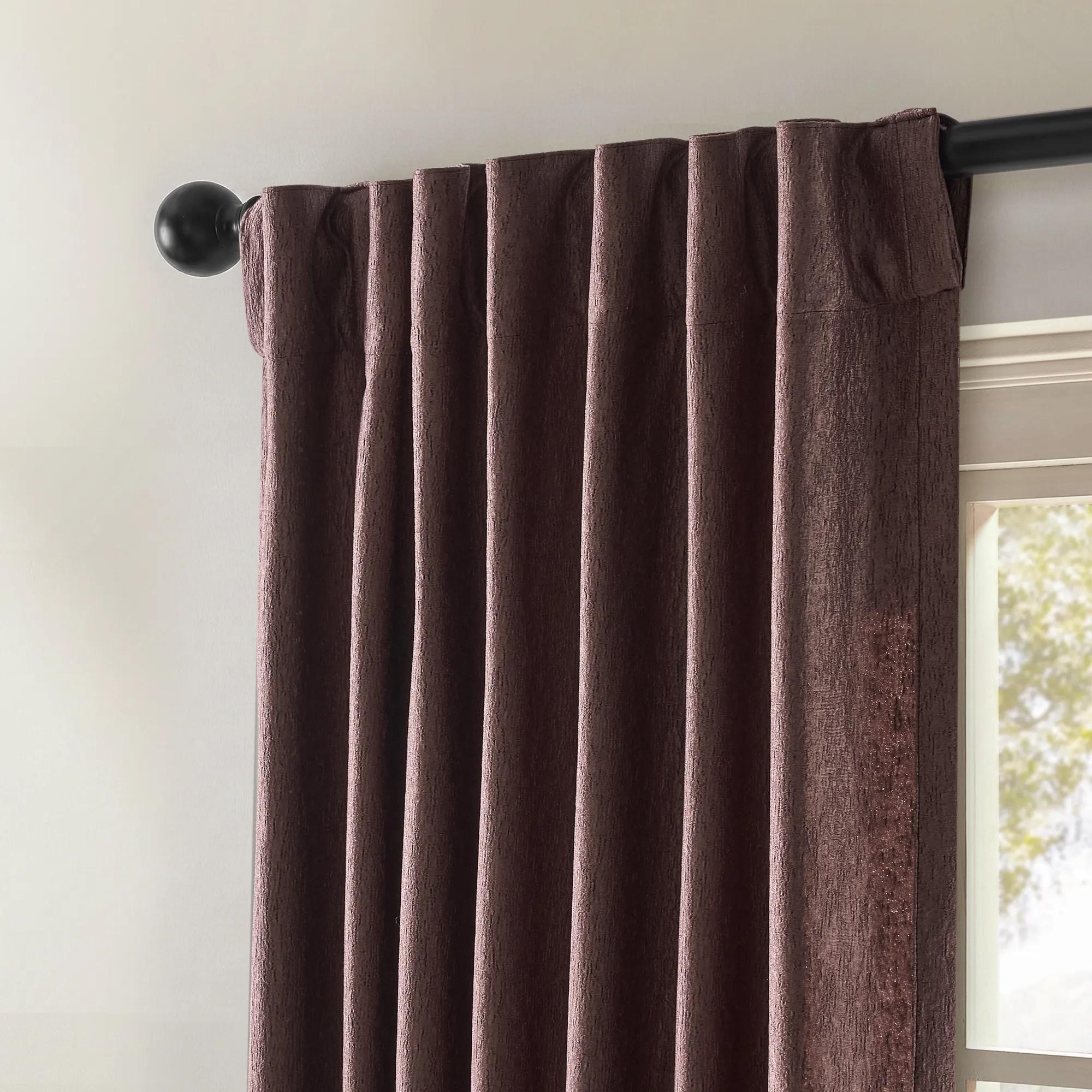 Anson Fig Textured Window Curtain Panel$89
A deep fig curtain panel with crushed sheen texture and room-darkening, dual hanging design in polyester.
Add To Cart -
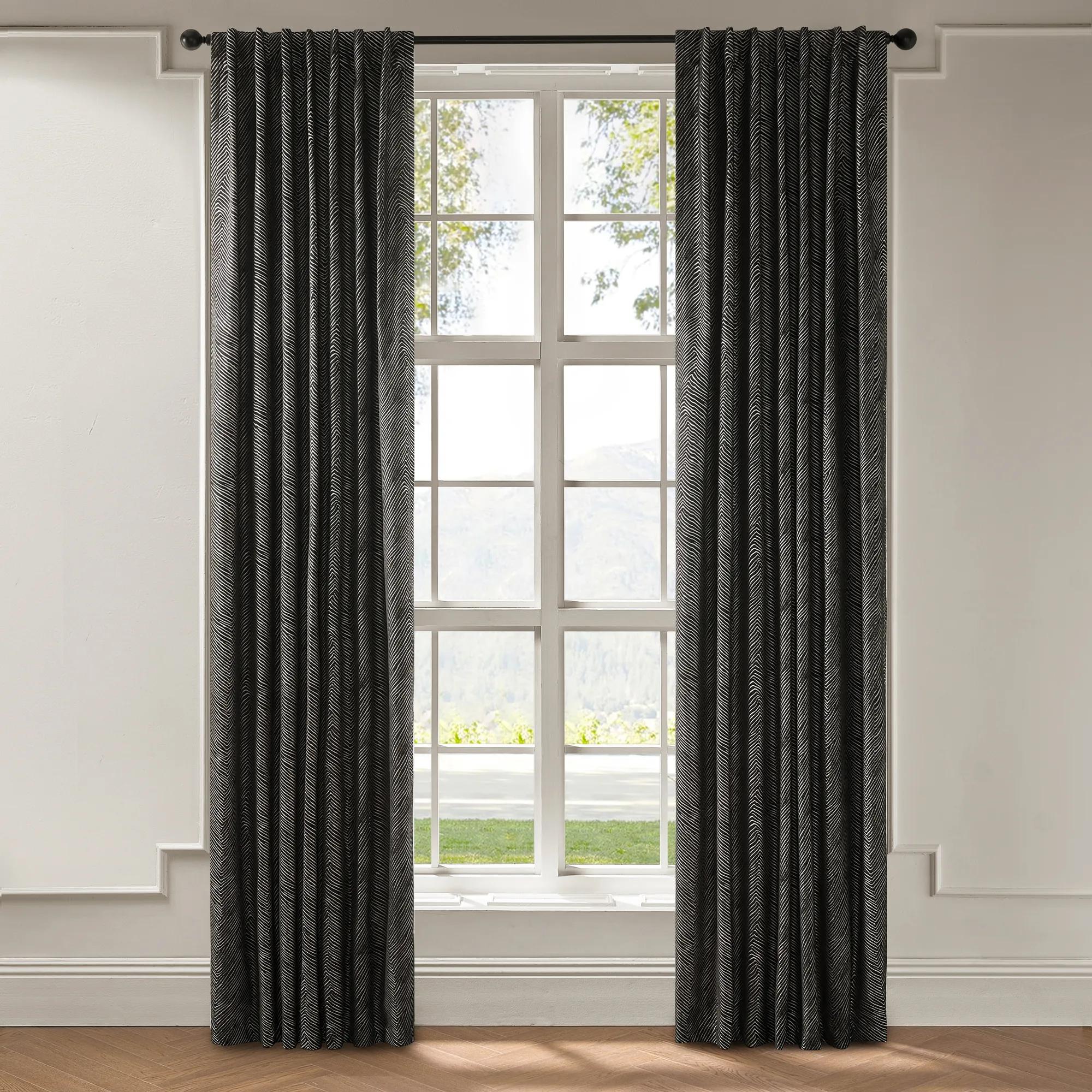
.jpeg?w=1200&h=1200) Kenzo Black Chenille Window Curtain Panel$119
Kenzo Black Chenille Window Curtain Panel$119A black chenille jacquard curtain with a luxe sheen and versatile dual hanging options for modern spaces.
Add To Cart

Decorative Velvet Window Panels
Dramatic, decadent, and undeniably chic—decorative velvet window panels transform the ordinary into the extraordinary. With their sumptuous drape and rich texture, these panels invite a sense of grandeur into any room, casting an air of opulence that lingers from sunrise to sunset. Whether framing a sun-drenched view or cocooning a space in cozy sophistication, decorative velvet window panels become the statement piece your windows have been waiting for. Elevate your interiors with layers of depth, color, and artistry that capture the spirit of bold self-expression—because every window deserves its moment in the spotlight.
Decorative velvet window panels frame a room with plush texture, dimensional color, and an elegance that feels as expressive as the furnishings themselves. Their defining feature is a dense, raised pile: fine fibers that catch and release light, giving the surface a subtle shift from luminous highlights to deeper, saturated shadows. That movement makes even a solid-colored panel visually rich, whether it borders a tall living room window or creates a sumptuous backdrop behind a bedroom seating area. Velvet curtains can soften the appearance of angular architecture, balance gleaming metal and glass, and give an otherwise restrained space a deliberate note of drama. Jewel tones bring depth to pale walls and sculptural furniture, while ivory, champagne, and silver-gray shades introduce softness without disappearing into the background. Darker hues create a striking frame around a view; tones close to the wall color offer a more continuous, enveloping effect. Smooth velvet emphasizes broad sweeps of color, while crushed or embossed textures create additional pattern through variations in the pile. Border details and contrasting trim, where present, sharpen the outline and bring a tailored quality to generous folds. The fabric’s composition matters as much as its appearance. Polyester velvet often offers resilience and consistent color, cotton velvet can have a more matte richness, and blends balance qualities according to their construction. Fiber content alone does not determine weight, opacity, or care requirements, so fabric and lining details deserve close attention. For a similarly plush approach to window dressing, Luxe Velvet Window Panels offer another expression of this richly textured aesthetic. The appeal is especially strong for anyone who treats a room as a composed interior rather than a collection of separate pieces: a velvet panel can echo the depth of an upholstered chair, draw out a color in artwork, or lend a polished finish to a dining space arranged for memorable evenings.
Proportion gives decorative velvet curtains their architectural presence. Width determines whether the fabric hangs nearly flat or settles into the full, sculptural folds associated with dressed windows. As a general starting point, combined panel widths of roughly one and a half to two times the span being covered create fullness, though the ideal ratio depends on fabric weight, heading style, and whether the panels will close. A heavier velvet may need less gathering than a lighter fabric to achieve generous volume. Length is equally influential: panels that just meet the floor create a precise, tailored silhouette, while a slight break at the hem feels more relaxed and sumptuous. A deeper puddle introduces theatricality but also collects dust and can interfere with foot traffic, making it better suited to decorative placements than frequently used doors. Measuring from the actual hanging point, rather than the top of the window frame, helps account for rings, hooks, and heading construction. Extending an appropriately supported rod beyond the window frame allows open panels to gather beside the glass, preserving more of the view and admitting more daylight. In a compact sitting room, that detail can make the window feel broader without overwhelming nearby furniture. Heading styles contribute their own character and practical differences. Rod pockets create gathered folds but may be less convenient for frequent opening; back tabs offer a concealed hanging effect; grommets produce defined waves; and pleated headings establish a more structured rhythm. Compatibility with the rod, rings, or hooks should be confirmed before hanging, and hardware must be rated for the combined weight of the panels and lining. Velvet’s substantial appearance does not automatically make it blackout fabric. Unlined constructions may soften incoming light, while privacy and room darkening depend on weave density, backing, and lining. Blackout-lined panels can substantially reduce light through the fabric, although gaps around the edges may still admit light. In a bedroom used for daytime rest or a media room where reflections interrupt the screen, those construction details matter more than color alone.
Living rooms, bedrooms, dining rooms, and home offices each reveal a different side of velvet window treatments. In a living room with a reflective coffee table and pale upholstery, full-length panels add visual weight at the perimeter, helping the arrangement feel grounded. In a bedroom, softly folded velvet beside crisp bedding creates a contrast that is both tactile and composed. For a home office visible during video calls, a richly colored panel can provide an intentional backdrop without the busyness of a large print. Layering velvet over sheers adds flexibility: the sheer layer can diffuse daylight while the outer panels supply a more substantial frame, provided the hardware accommodates both layers and their weight. Everyday use should also shape the choice. Panels opened and closed frequently benefit from secure seams, well-finished headings, and hardware that moves smoothly without tugging at the fabric. In households with pets, plush pile may attract hair, and claws can catch the surface; hems that clear the floor slightly are often more manageable than pooled fabric. Durability depends on the fiber, weave, finishing, and handling, not simply on how heavy a panel feels. Prolonged direct sunlight can affect color, so lining and placement are worth considering where exposure is intense. Care should always follow the sewn-in label. Some polyester velvet panels permit gentle machine washing, while others require professional cleaning, and lining or decorative trim can change the recommended method. Regular light dust removal with a soft upholstery attachment, when permitted, helps keep folds looking fresh without vigorous rubbing that could disturb the pile. Creases may respond to careful steaming if the care instructions allow it; direct ironing can flatten the surface and leave unwanted marks. Even panels with a beautifully relaxed drape benefit from occasional attention to the hem and heading, where dust and handling are most noticeable. With proportions, construction, and maintenance considered together, decorative velvet window panels bring more than surface glamour: they give color a richer voice, lend windows a commanding presence, and make the entire room feel thoughtfully finished.
FAQs
Velvet window panels are celebrated for their plush texture, rich color saturation, and subtle sheen, all of which combine to create an atmosphere of opulence and warmth. Their substantial weight allows them to drape elegantly, adding instant drama and sophistication to any room. Velvet’s tactile allure and timeless appeal make it a favorite for those seeking to elevate their interiors with a touch of glamour.
Velvet curtain panels have the unique ability to transform the ambiance of a room by softening light, muffling sound, and creating a sense of intimacy. The luxurious fabric absorbs and reflects light in ways that add depth and dimension, making spaces feel cozier and more inviting—perfect for creating a dramatic backdrop in living rooms, bedrooms, or dining areas.
Absolutely. While velvet is often associated with classic or glamorous interiors, it is remarkably versatile and can be styled to suit a wide range of aesthetics—from modern and eclectic to traditional and maximalist. Velvet panels in bold hues make a daring statement, while neutral tones can introduce subtle elegance to minimalist or contemporary spaces.
Yes, layering velvet panel curtains with other treatments such as sheers or blinds can add both functionality and visual interest. Sheer panels can diffuse natural light during the day, while velvet panels provide privacy and dramatic flair when drawn closed, allowing for flexible styling and mood-setting throughout the day.
Decorative velvet window panels can be styled in numerous ways to express your personal taste. Try pooling them generously on the floor for a regal effect, or use ornate tiebacks for a touch of old-world glamour. Velvet panels can also be used to frame statement furniture, highlight architectural details, or even as dramatic room dividers to define open-concept spaces.
.jpeg?w=4130&h=4130)