
Decorative Window Curtain Panels
Decorative Window Curtain Panels
-
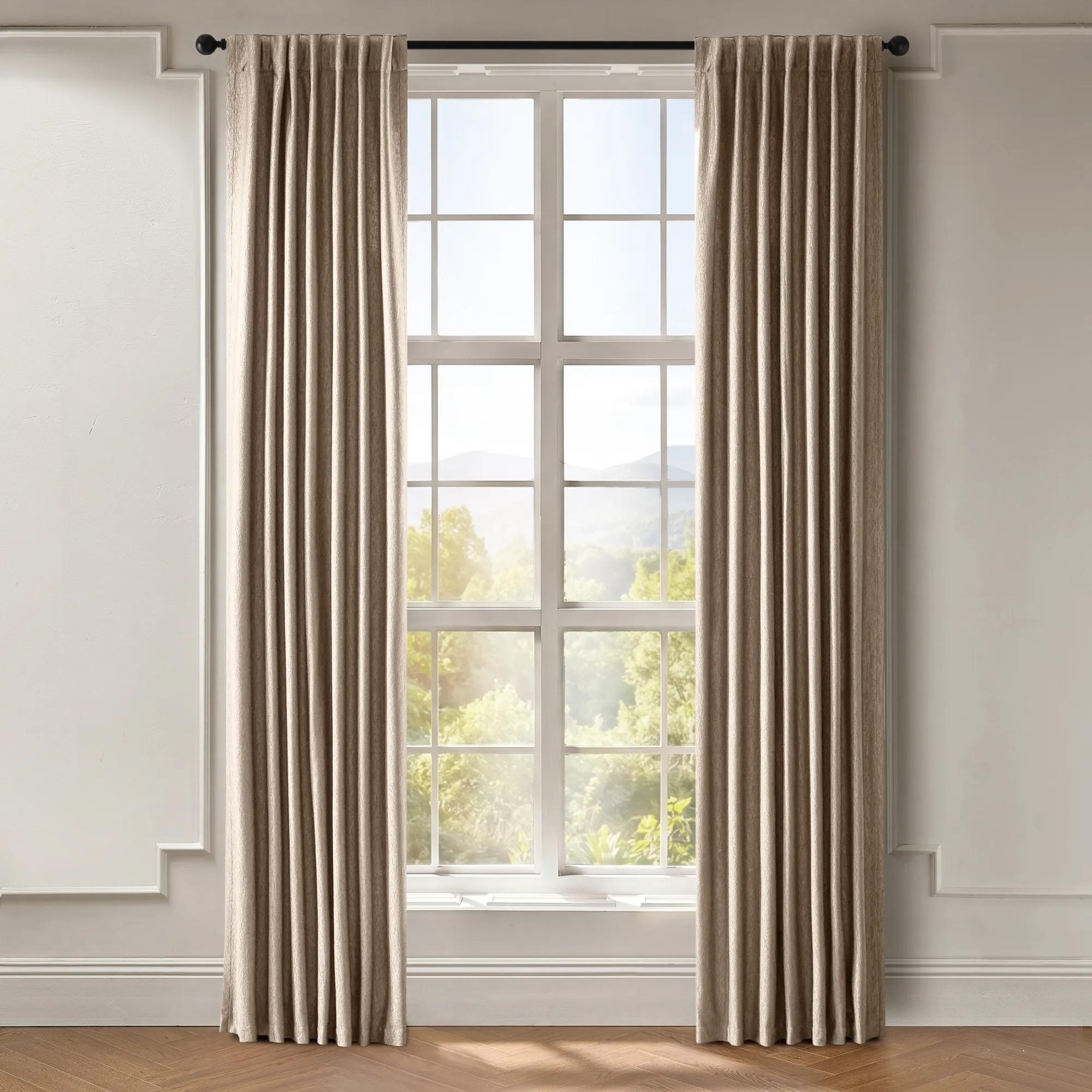 Anson Mocha Rose Textured Window Curtain Panel$109
A light mocha rose curtain panel with crushed sheen texture and room-darkening, dual hanging design.
Add To Cart -
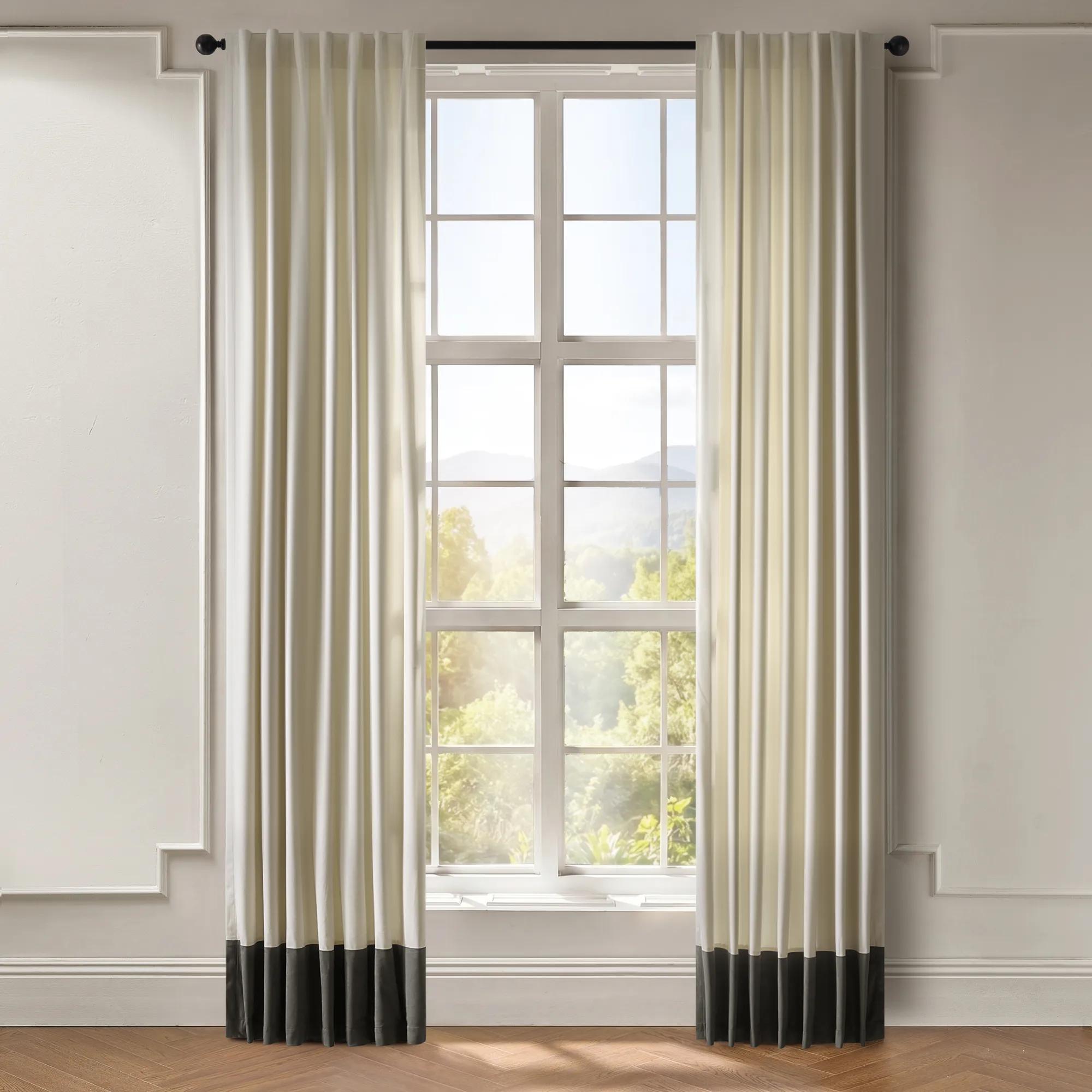
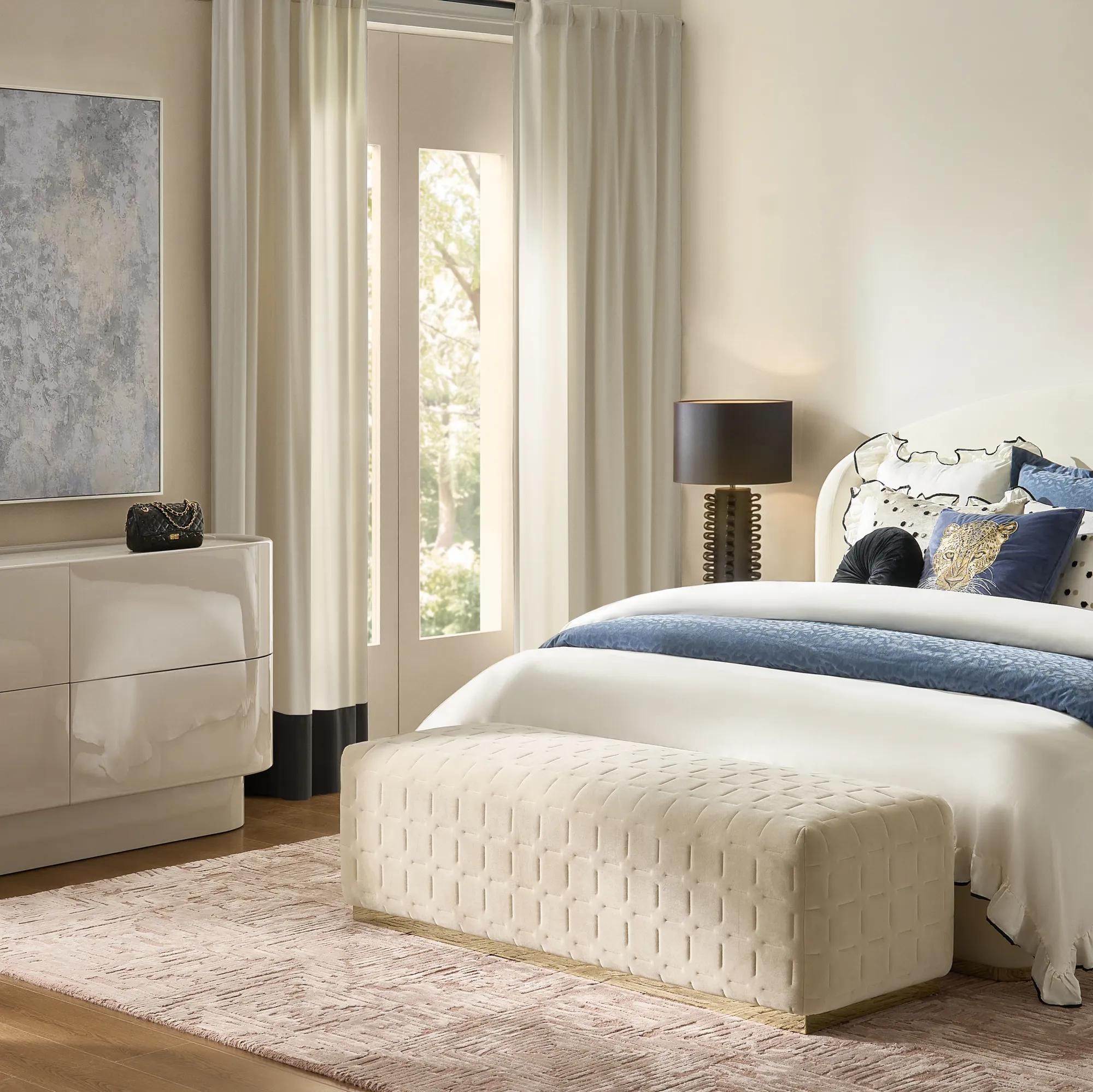 Bastien Ivory/Graphite Velvet Border Window Curtain Panel$99
A two-tone ivory and graphite velvet curtain panel with room-darkening design and versatile hanging options.
Add To Cart -
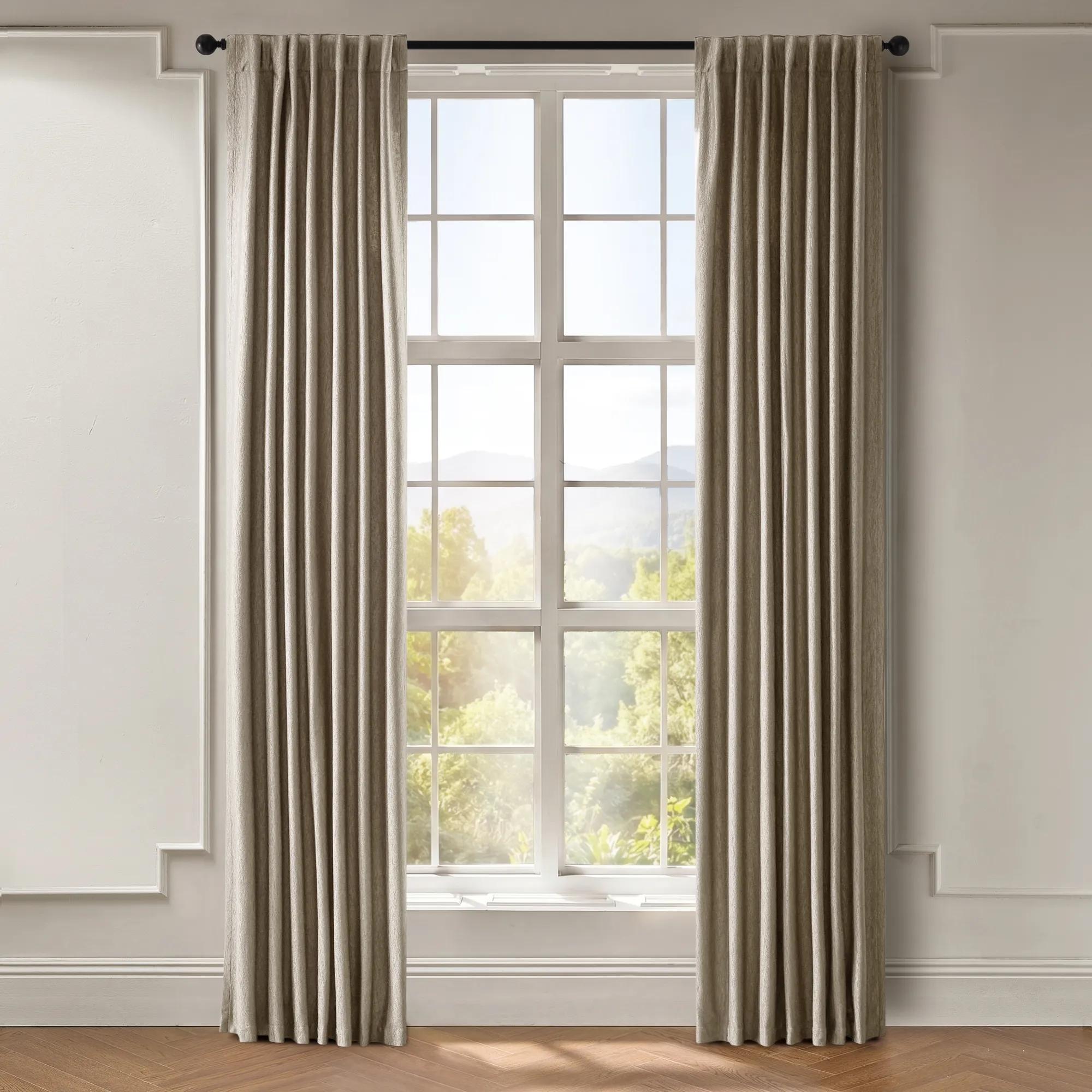
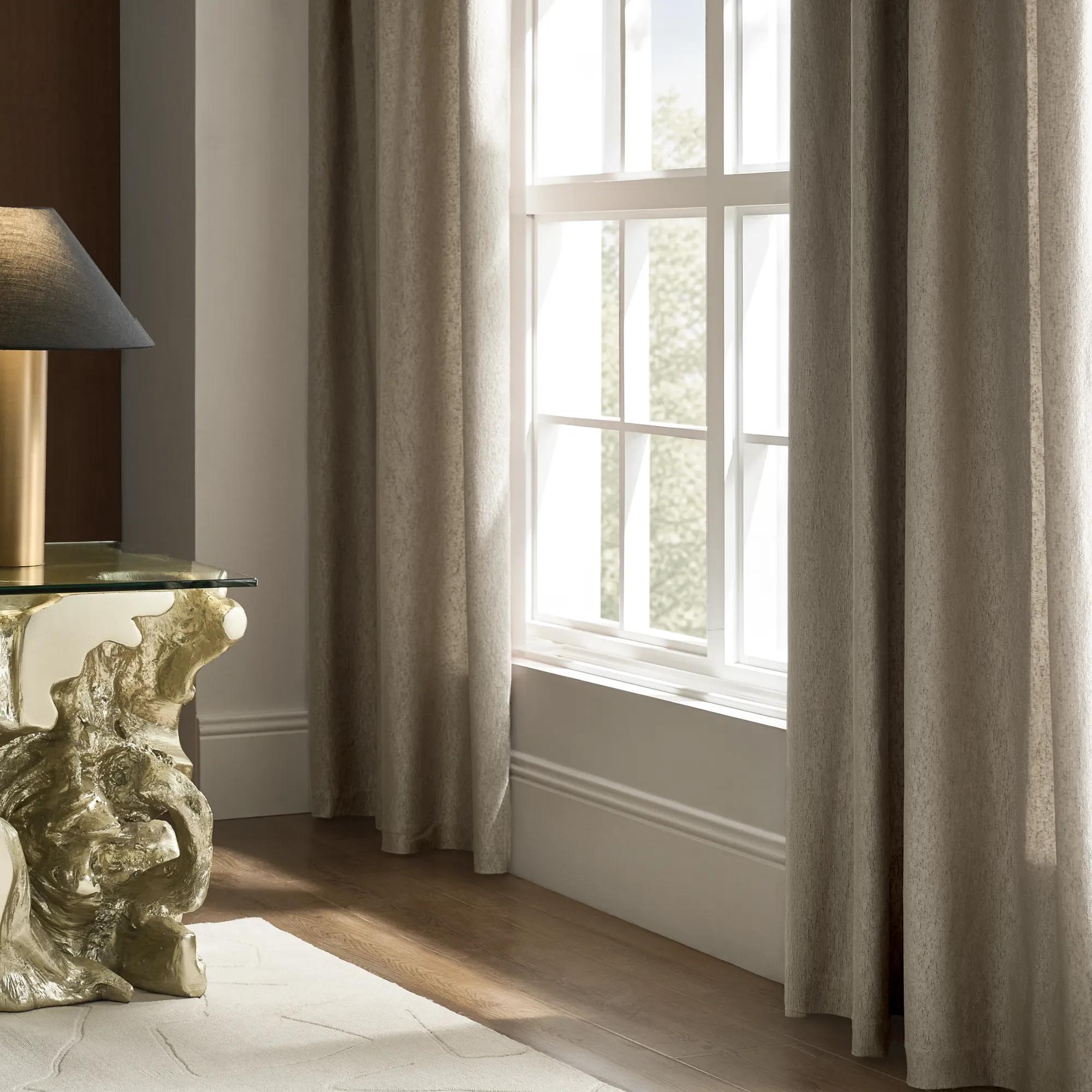 Anson Taupe Textured Window Curtain Panel$109
A taupe curtain panel featuring a crushed sheen texture and room-darkening, dual hanging design in 100% polyester.
Add To Cart -
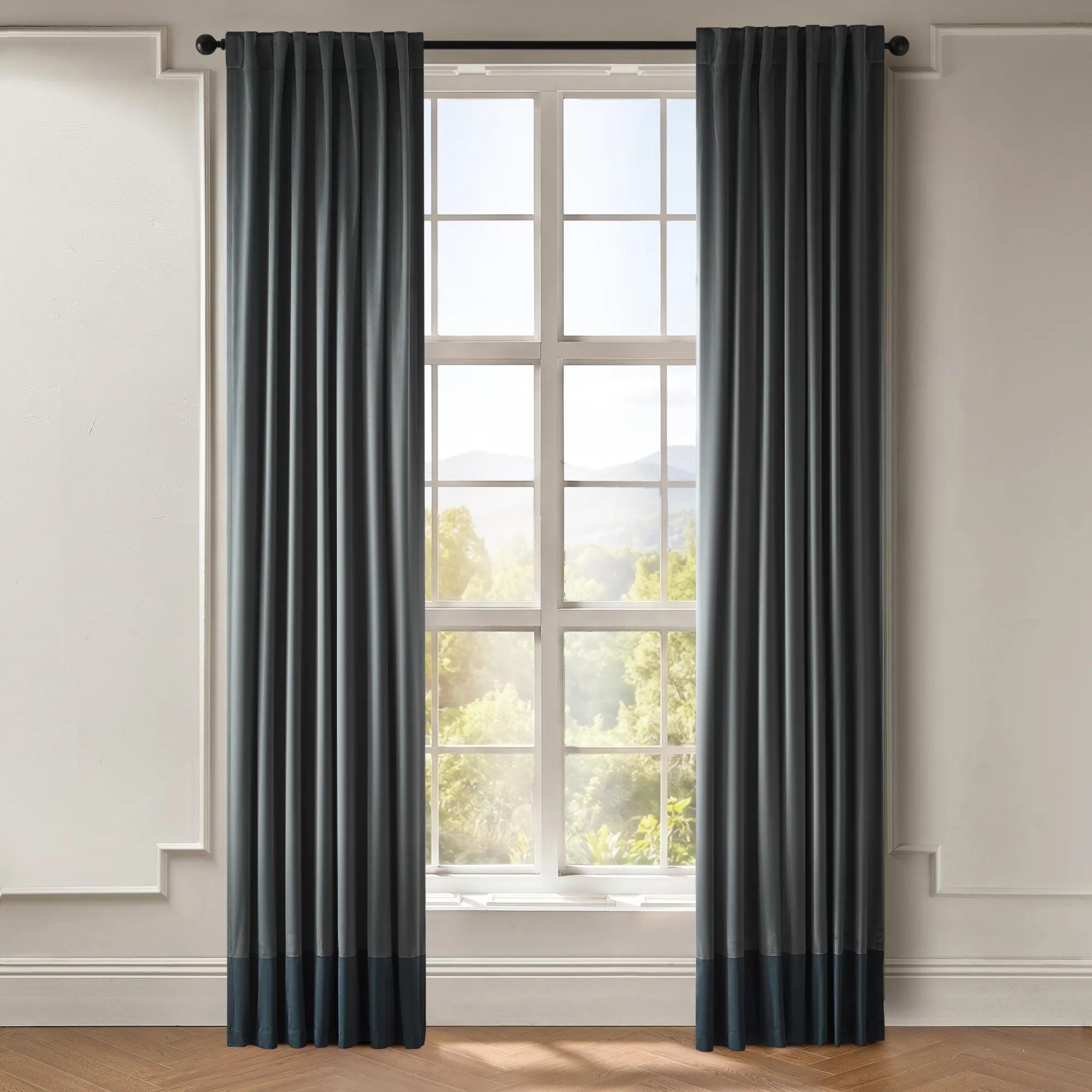
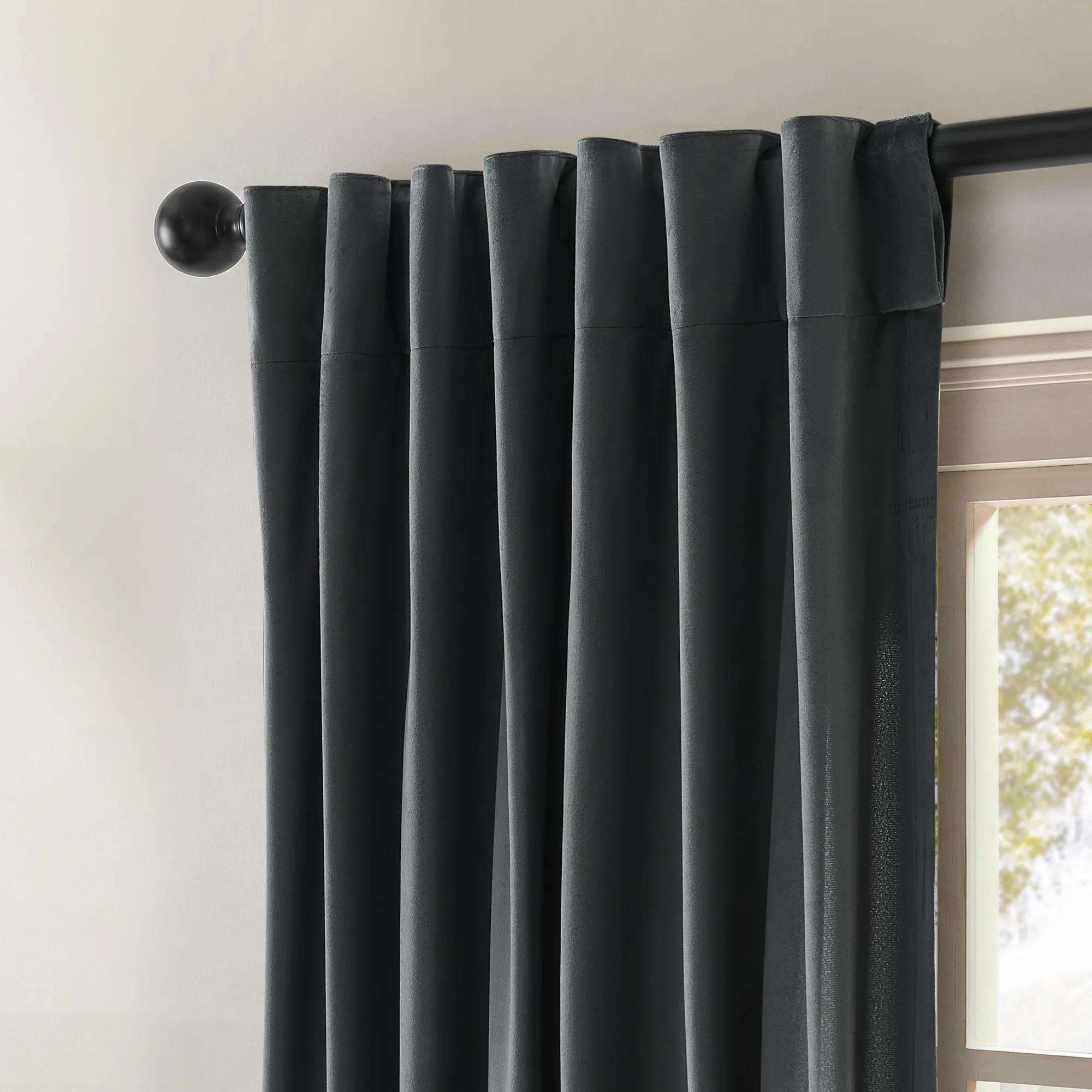 Bastien Blue/Midnight Velvet Border Window Curtain Panel$99
A two-tone dusty and midnight blue velvet curtain panel with a Deco-inspired border and room-darkening design.
Add To Cart -
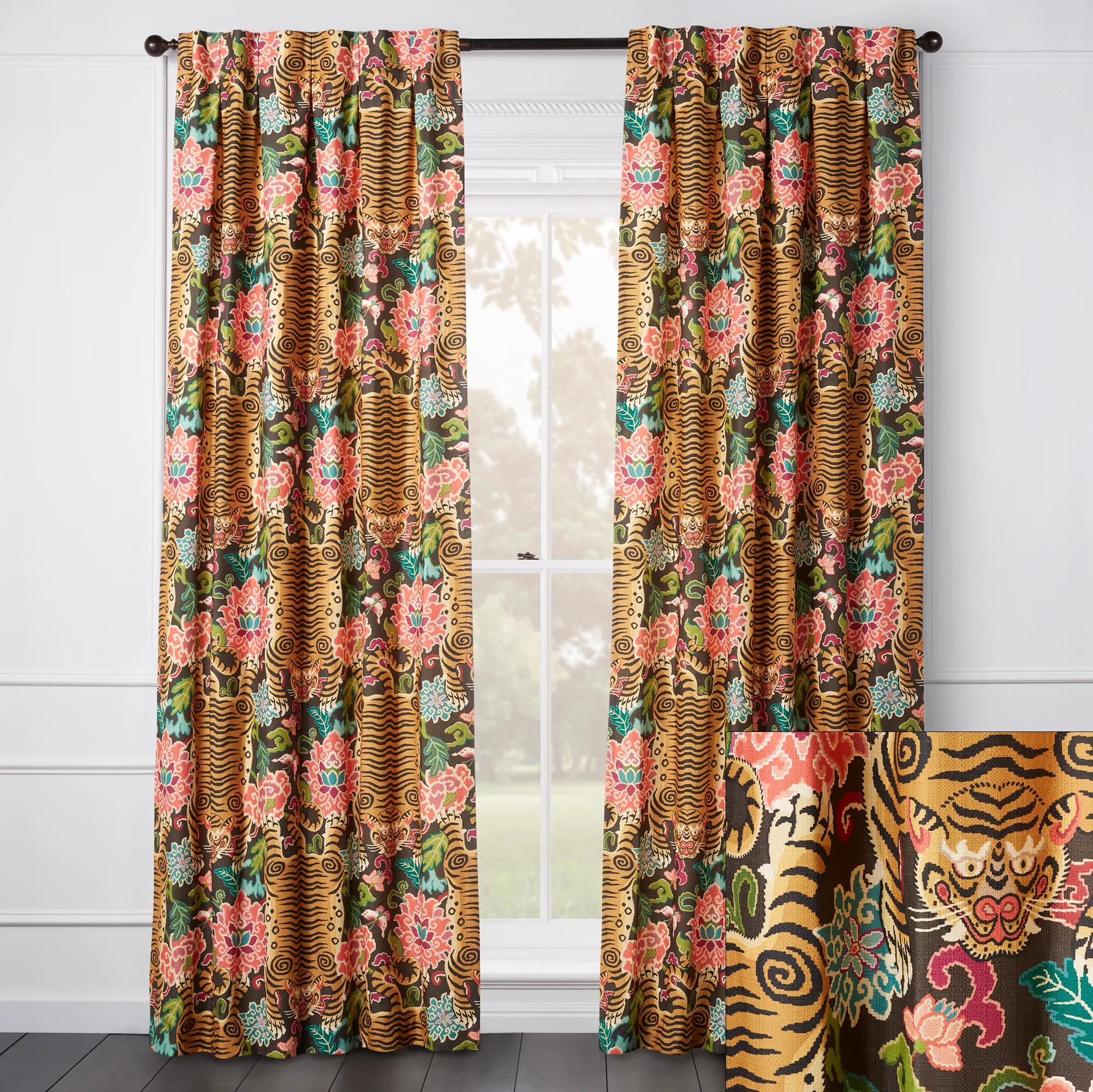
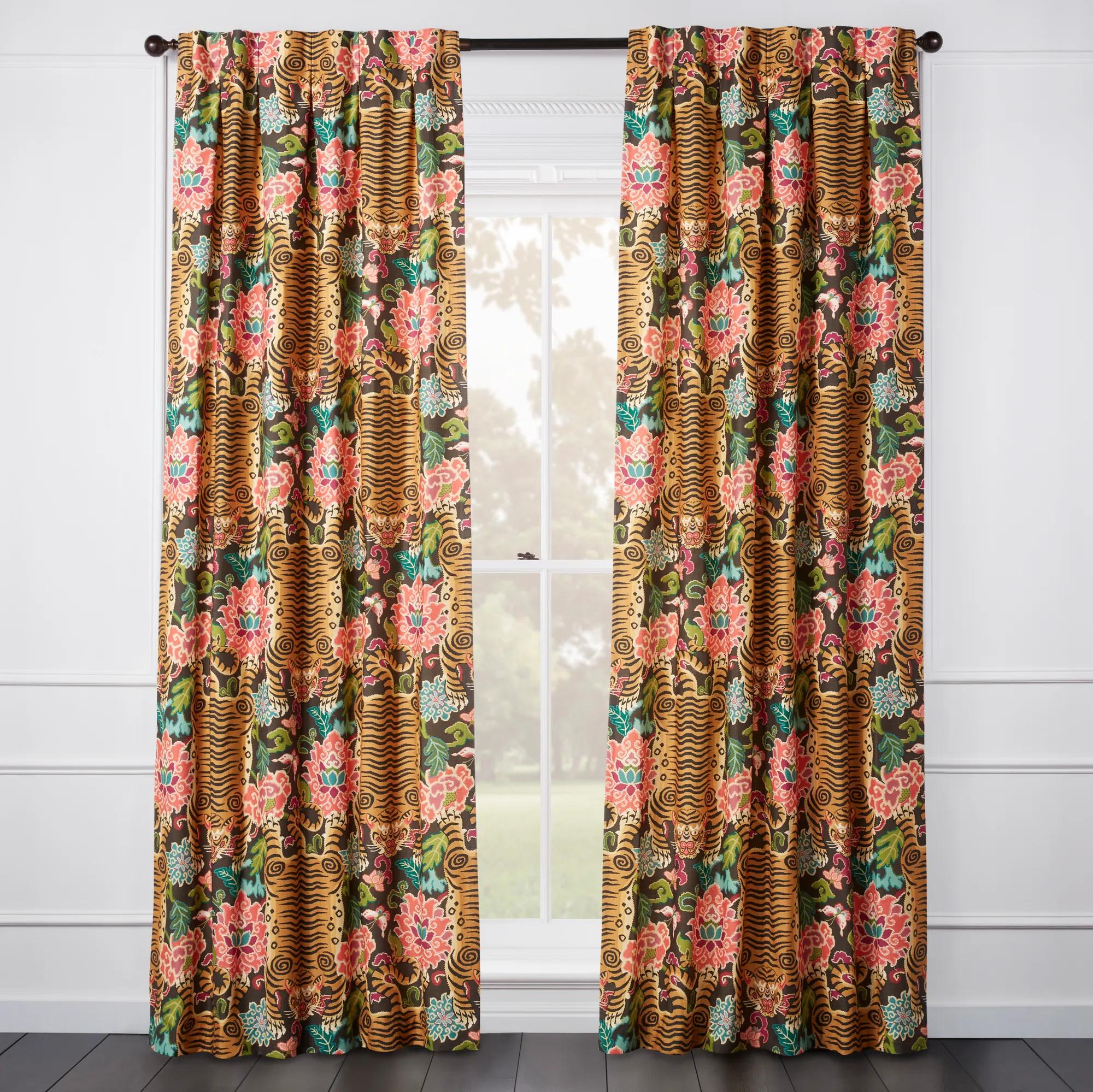 Nimer Gold/Multi Printed Slubbed Cotton Window Curtain Panel$289
A lively gold and multi-colored cotton curtain panel featuring a bold tiger print and customizable options.
Add To Cart -
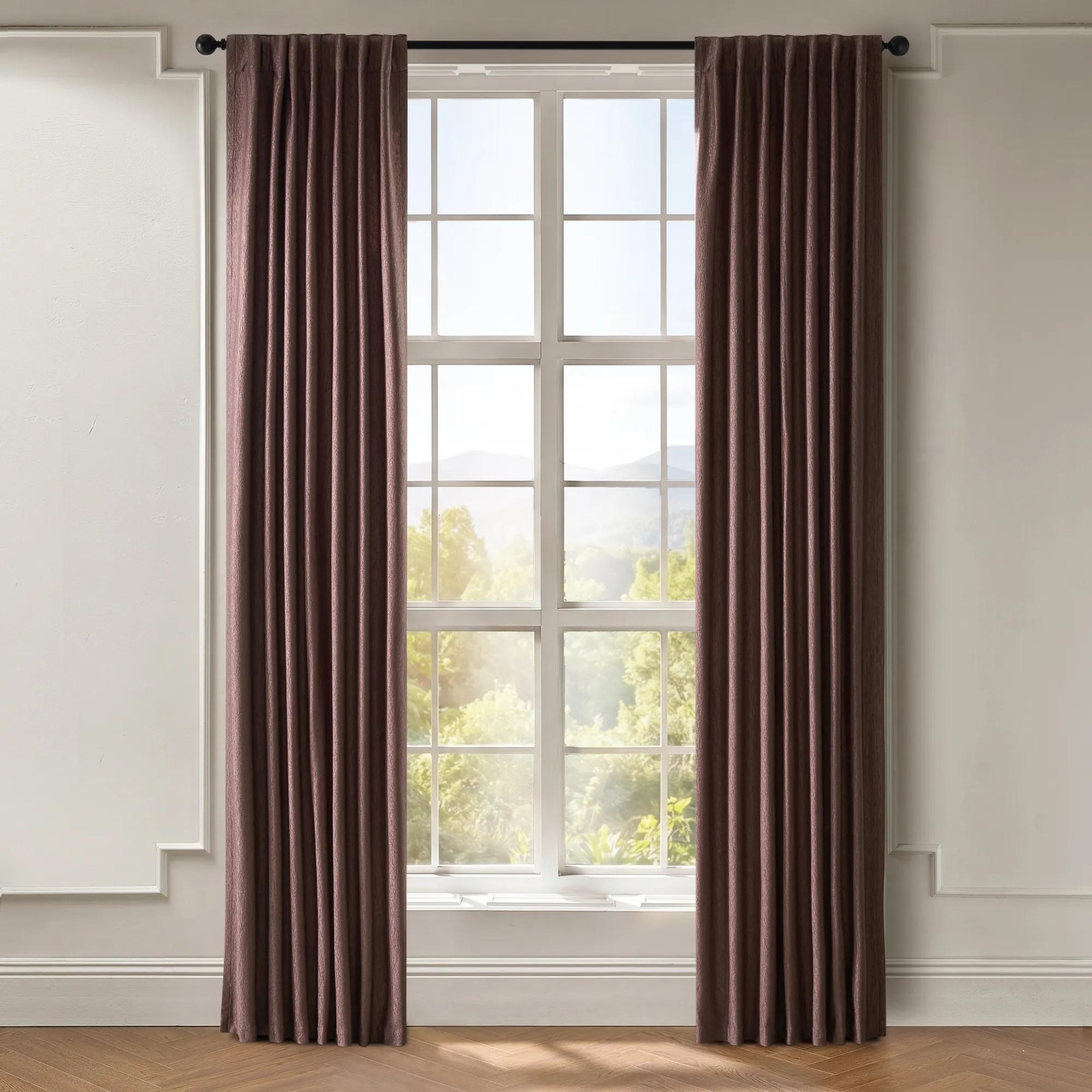
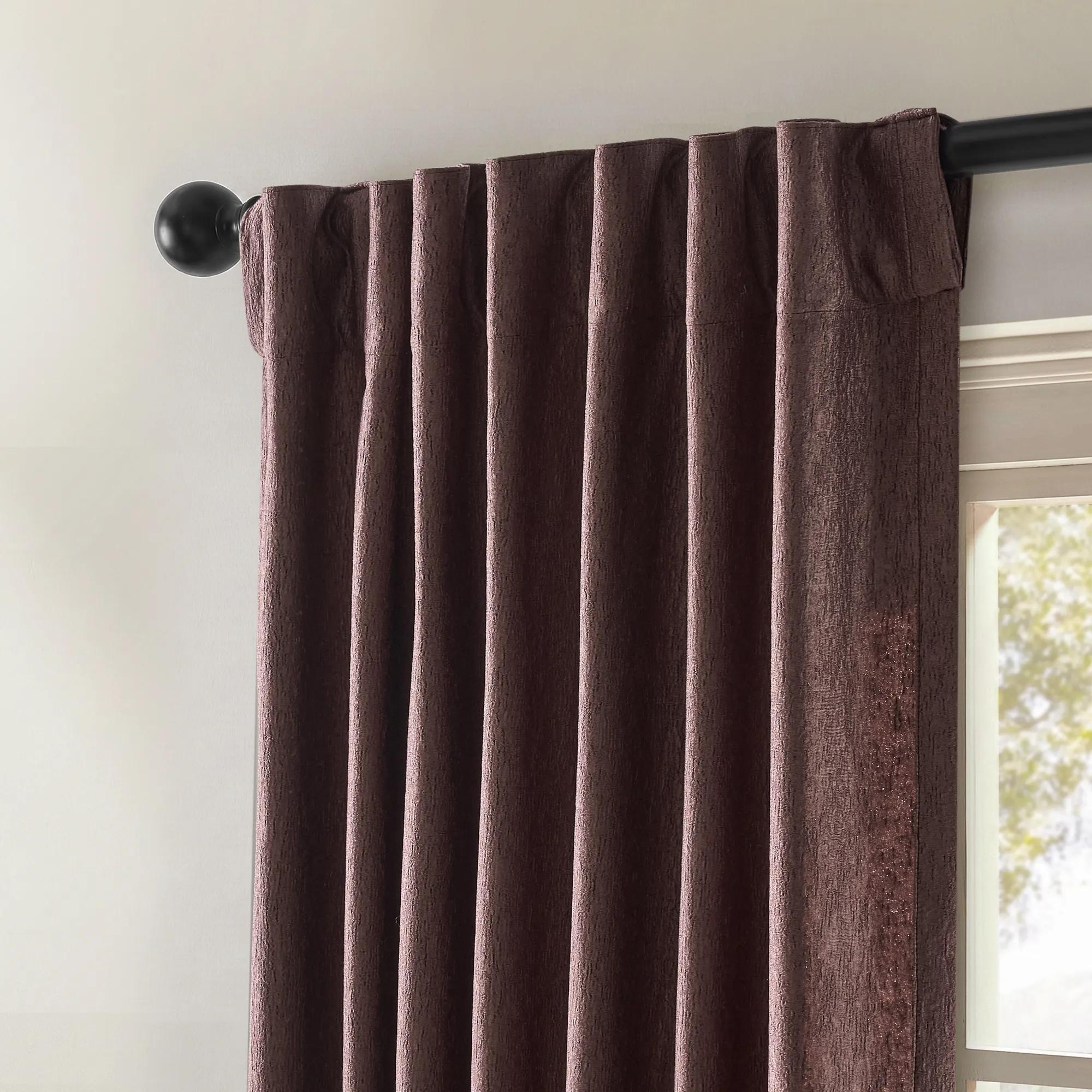 Anson Fig Textured Window Curtain Panel$99
A deep fig curtain panel in crushed, subtly sheened polyester with room-darkening and dual hanging options.
Add To Cart -

 Adair Sand Solid Velvet Window Curtain Panel$89
A sand-colored velvet curtain offering room-darkening privacy and versatile hanging options for refined interiors.
Add To Cart -
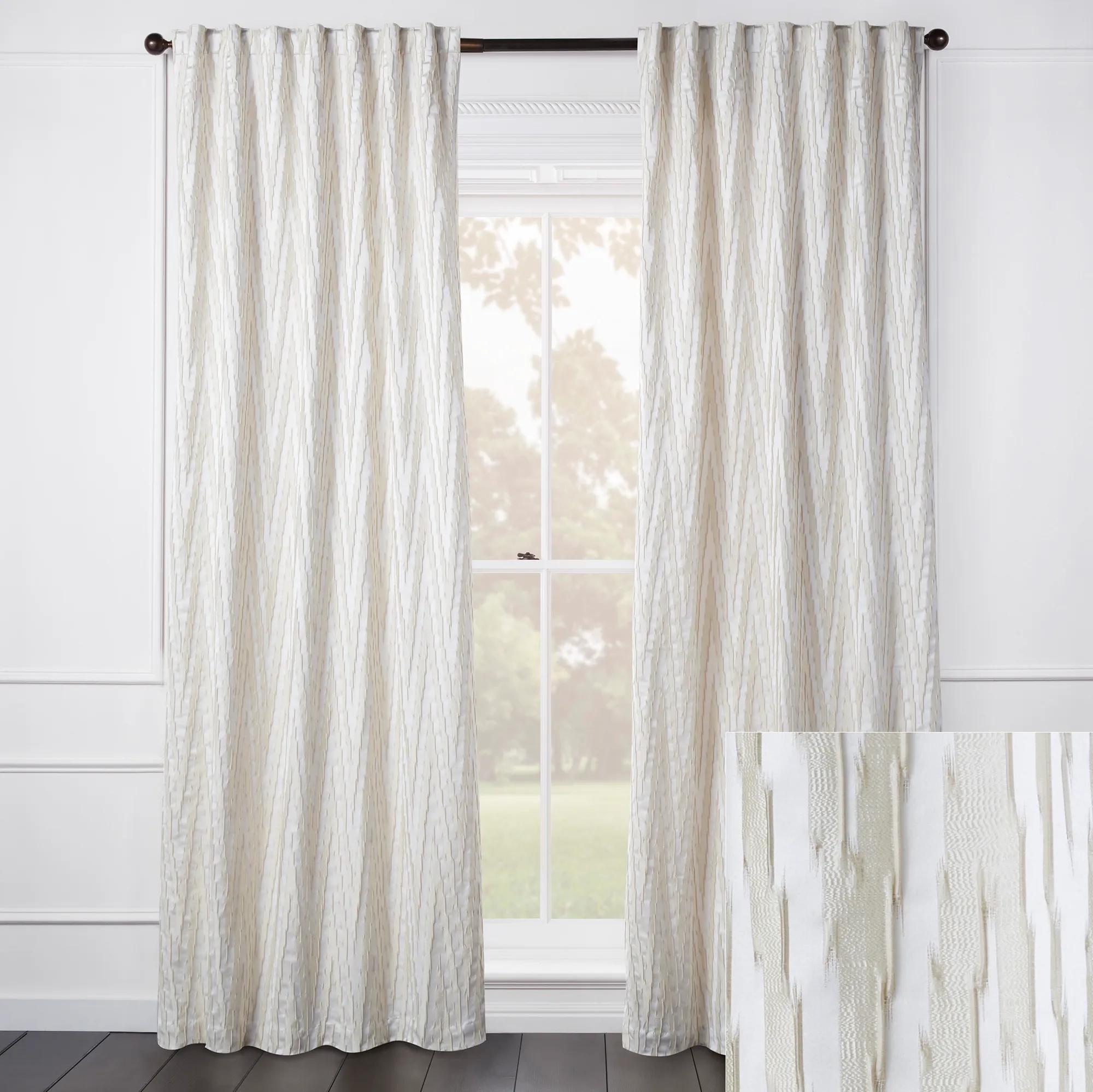
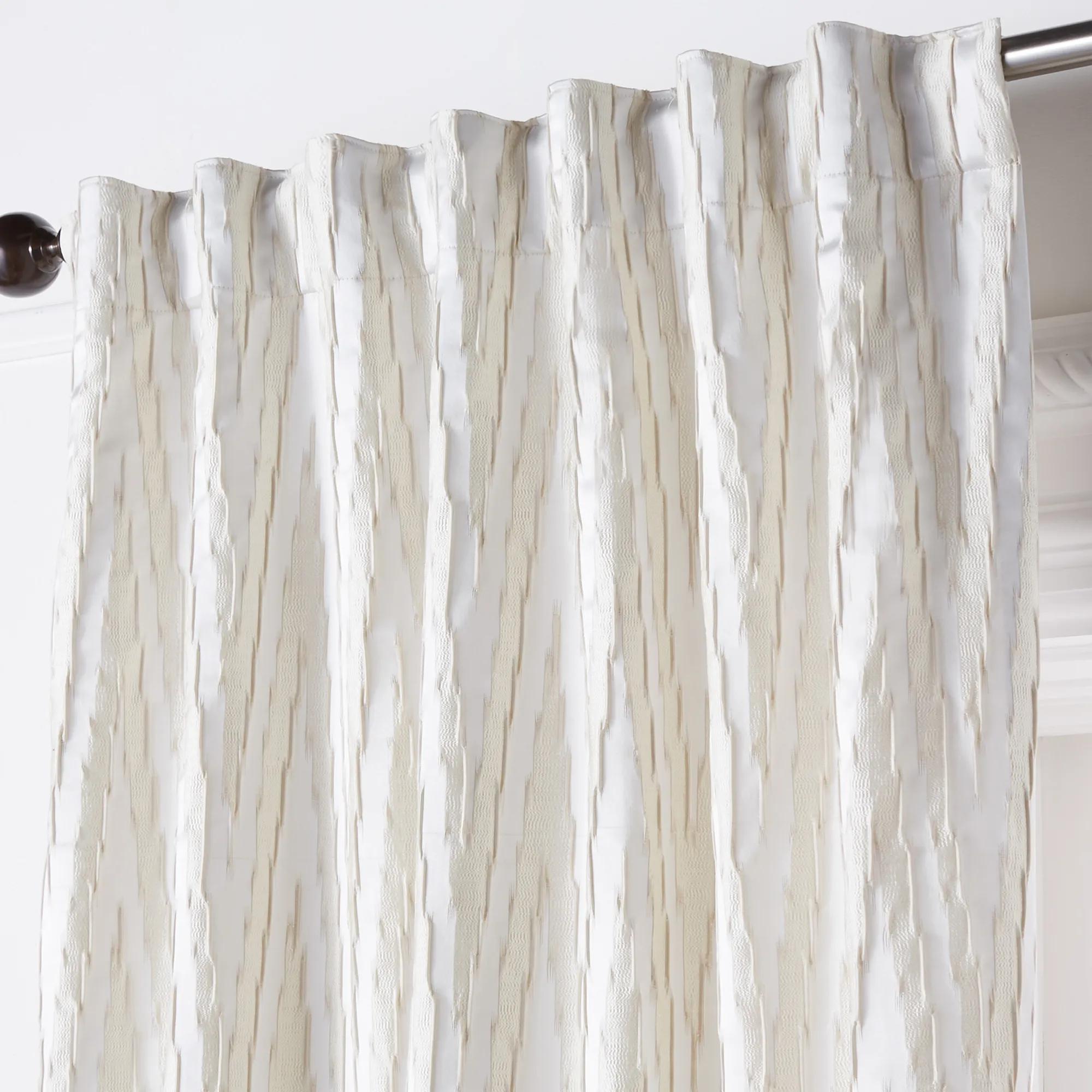 Minka Jacquard Pearl Window Curtain Panel Custom$269
A highly textured chevron curtain panel in pearl, grey, or natural polyester with customizable hanging options.
Add To Cart -

 Adair Midnight Blue Solid Velvet Window Curtain Panel$89
A sumptuous midnight blue velvet curtain that adds elegance, depth, and room-darkening style to any space.
Add To Cart -
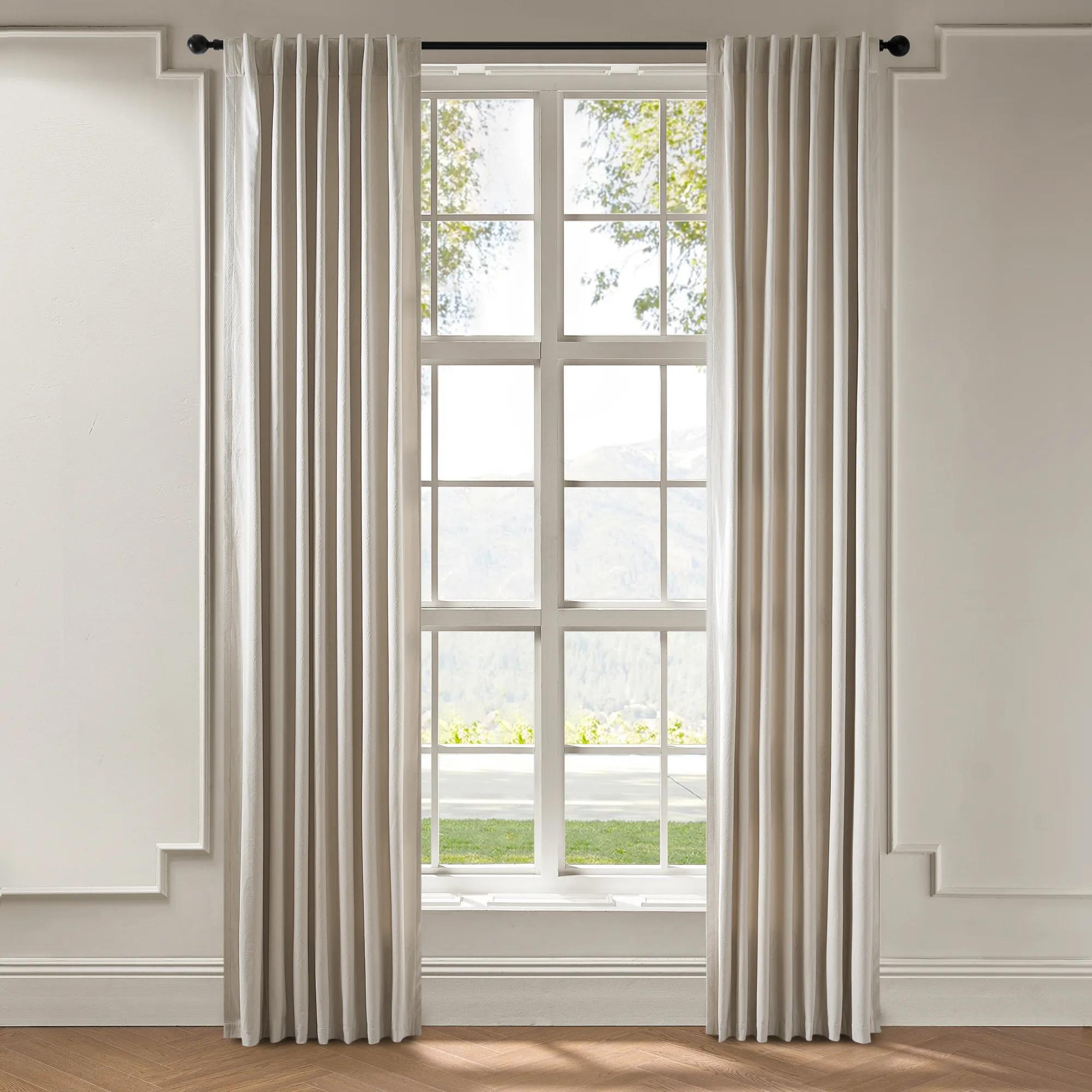
 Mabel White Velvet Swirl Window Curtain Panel$109
A crisp white velvet curtain featuring a tonal swirl texture and versatile dual hanging options.
Add To Cart -
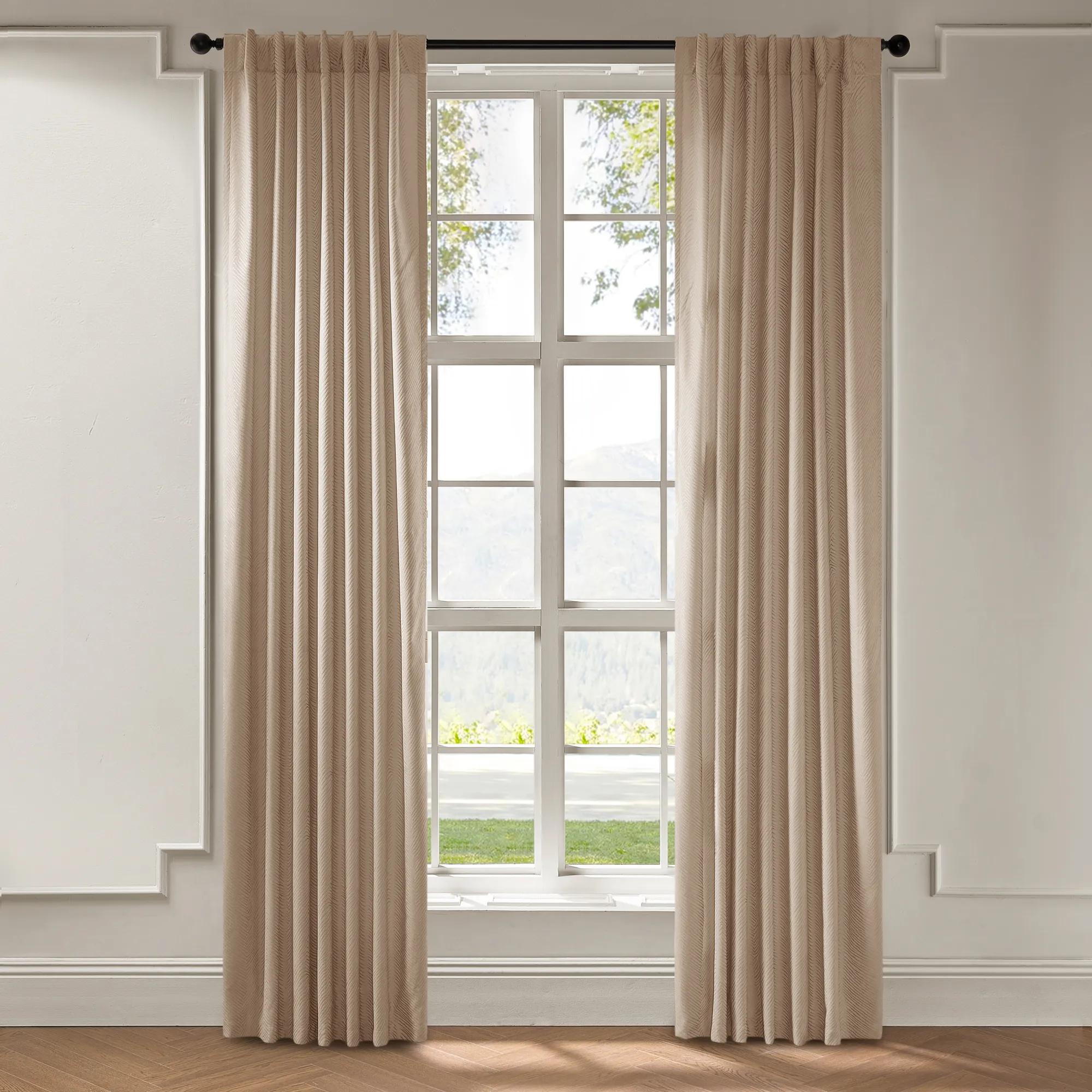 Kenzo Jacquard Beige Chenille Window Curtain Panel$139
A warm beige chenille jacquard curtain with a subtle sheen and versatile rod pocket or back tab hanging.
Add To Cart -

 Mabel Natural Velvet Swirl Window Curtain Panel$89
A warm neutral velvet curtain with a tonal swirl pattern, offering room-darkening privacy and versatile hanging options.
Add To Cart -
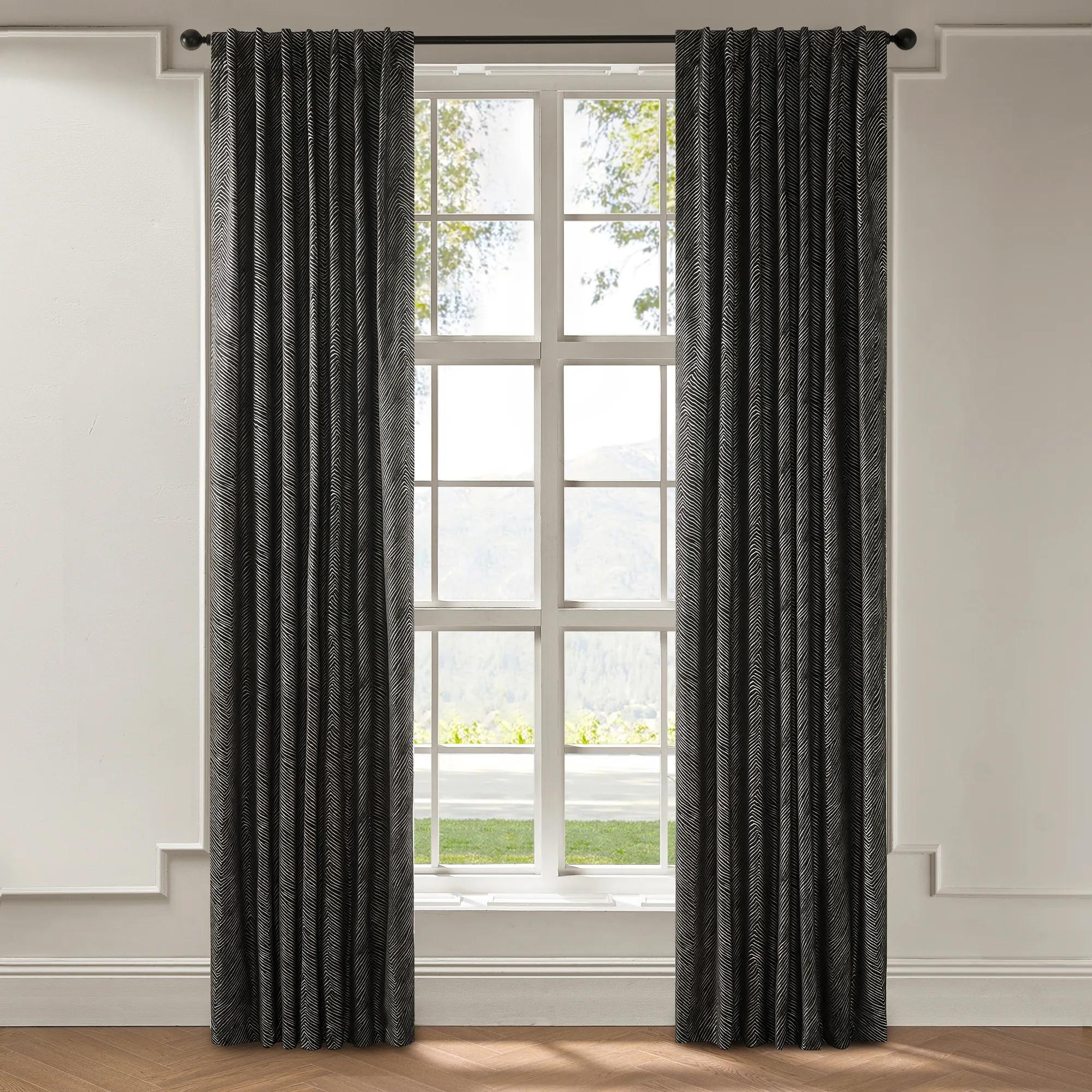
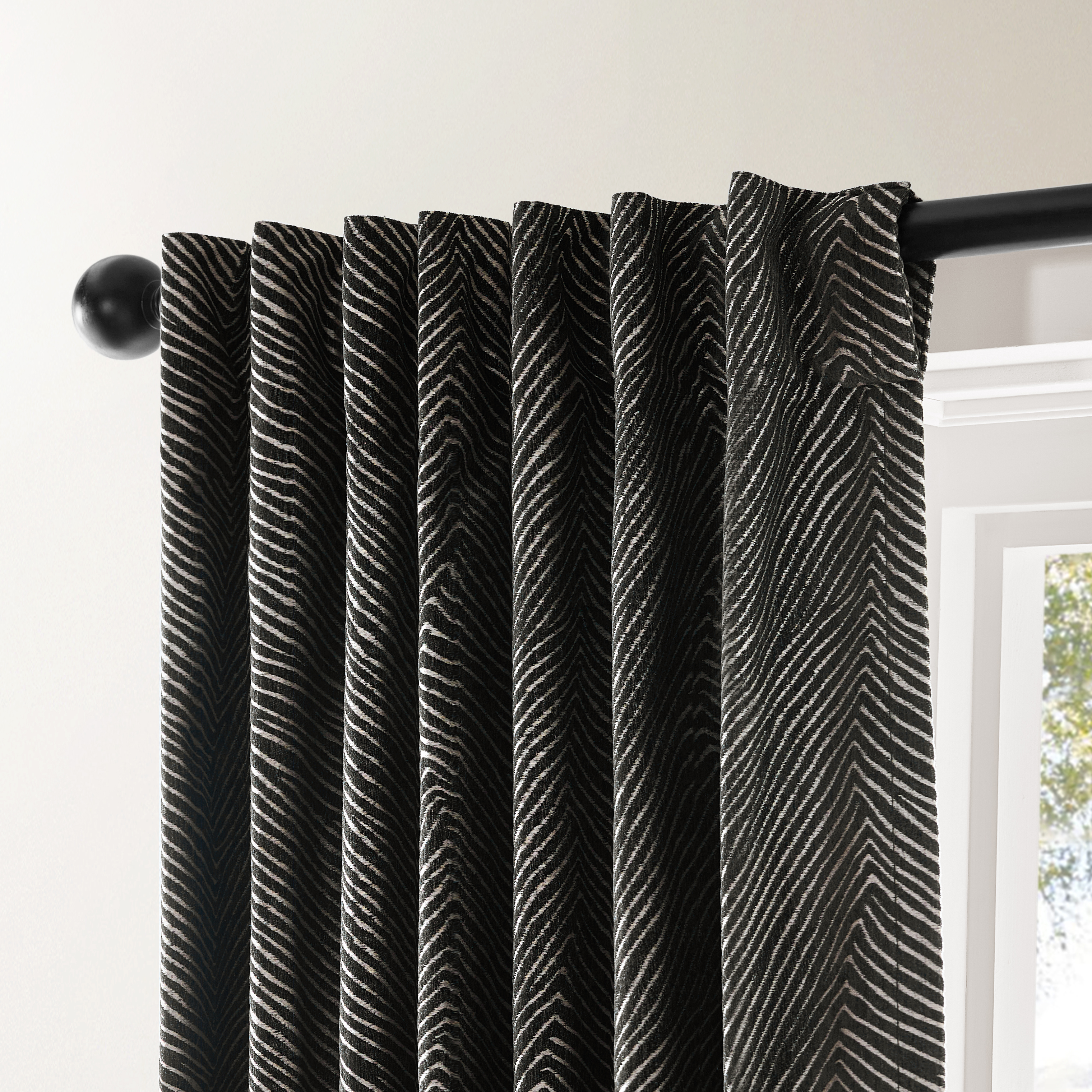 Kenzo Black Chenille Window Curtain Panel$139
A black chenille jacquard curtain with a room-darkening finish and versatile dual hanging options.
Add To Cart -
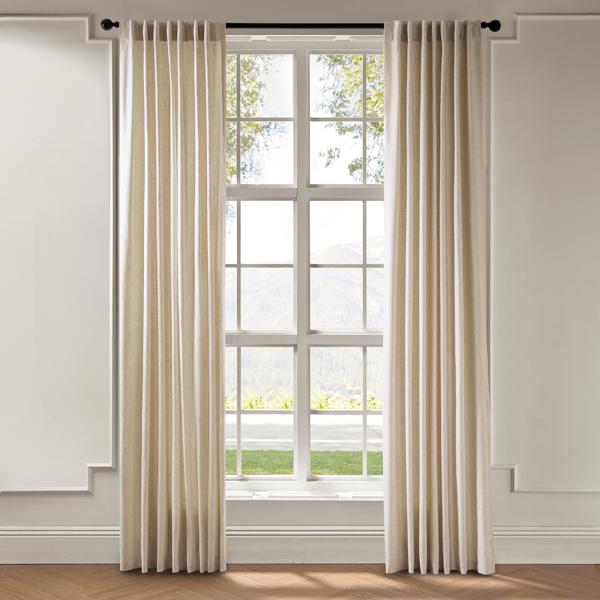
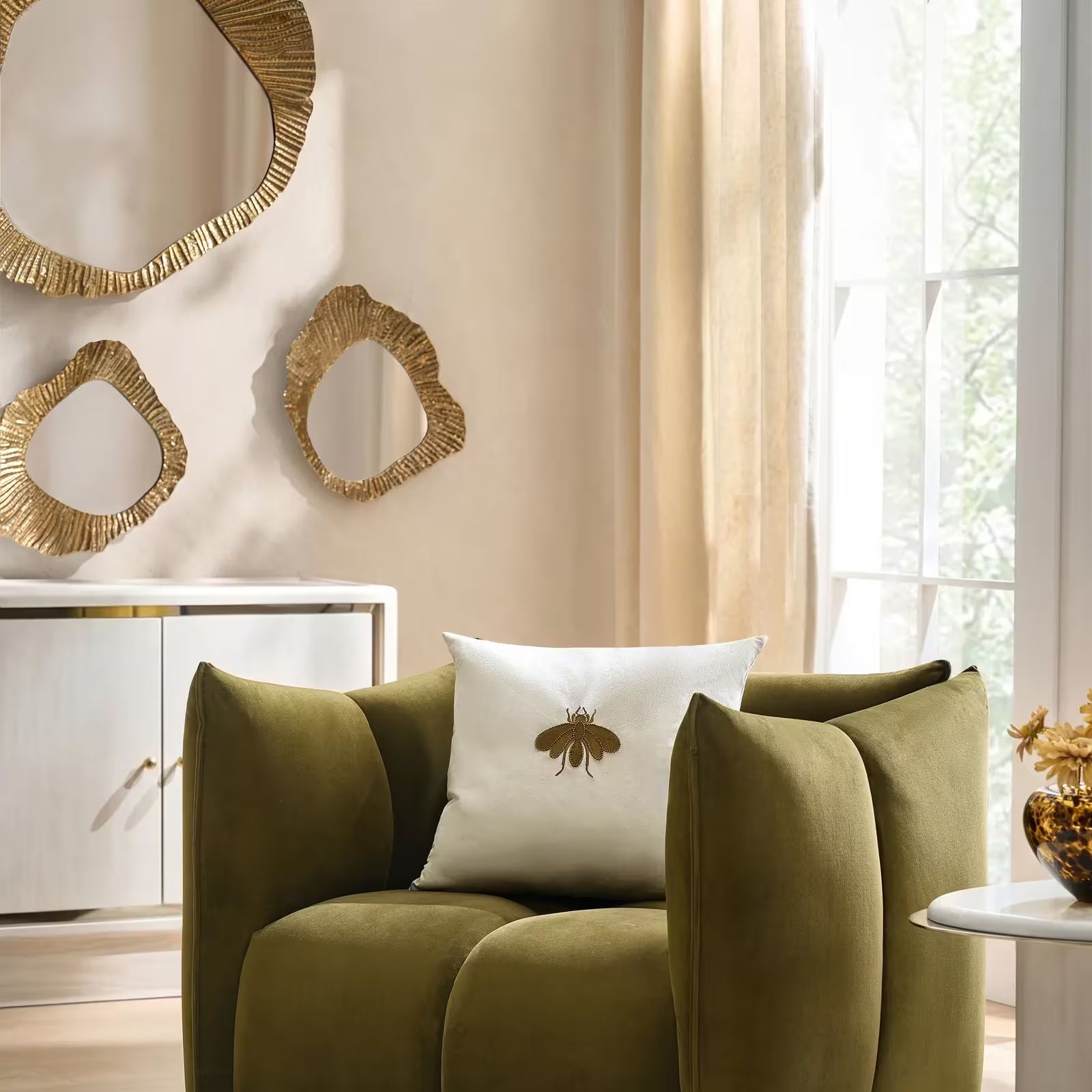 Anson Ivory Textured Window Curtain Panel$89
An ivory polyester curtain with a crushed, light-reflective texture for elegant, room-darkening style.
Add To Cart -

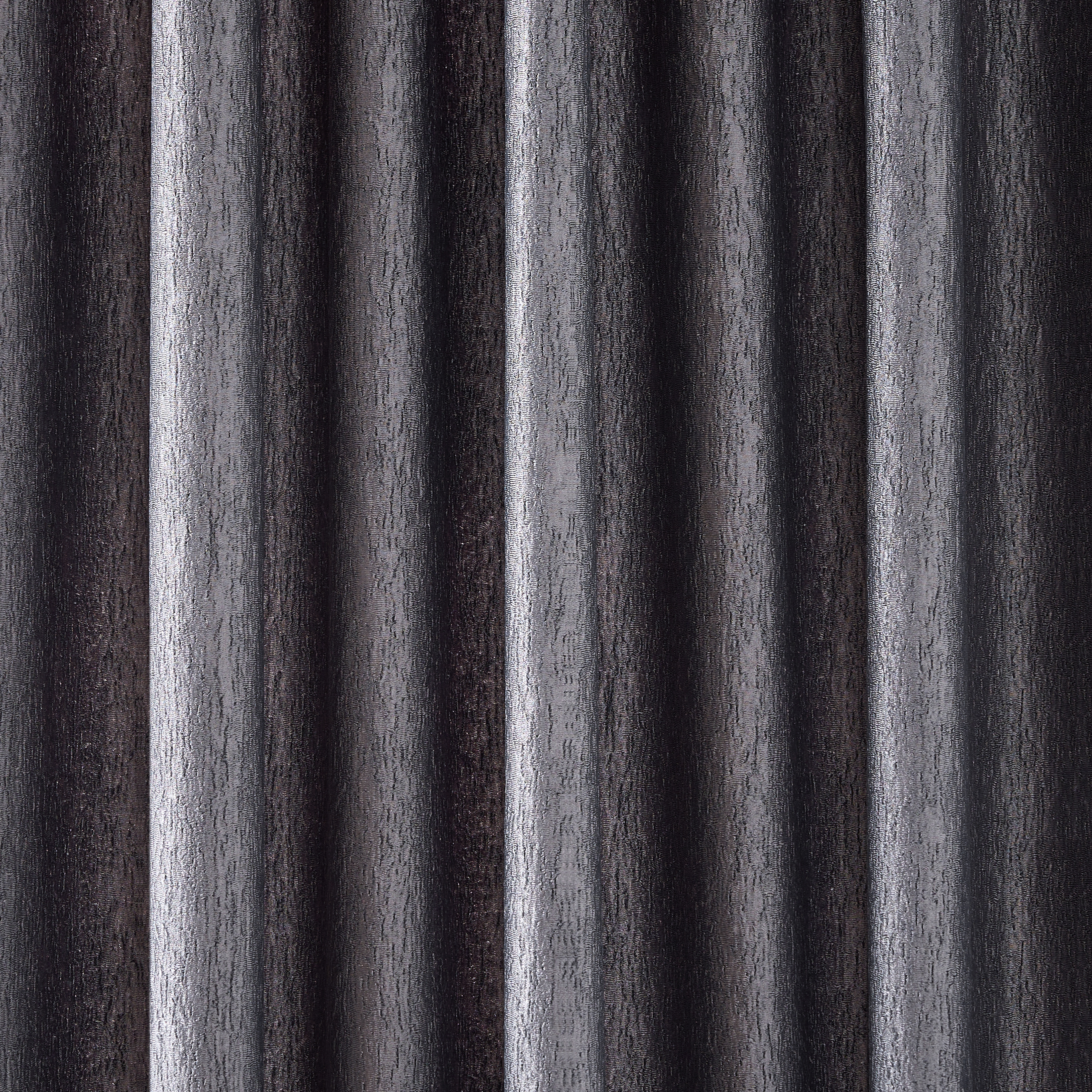 Anson Charcoal Textured Window Curtain Panel$89
A moody charcoal curtain with crushed polyester texture and subtle sheen for stylish, room-darkening appeal.
Add To Cart -
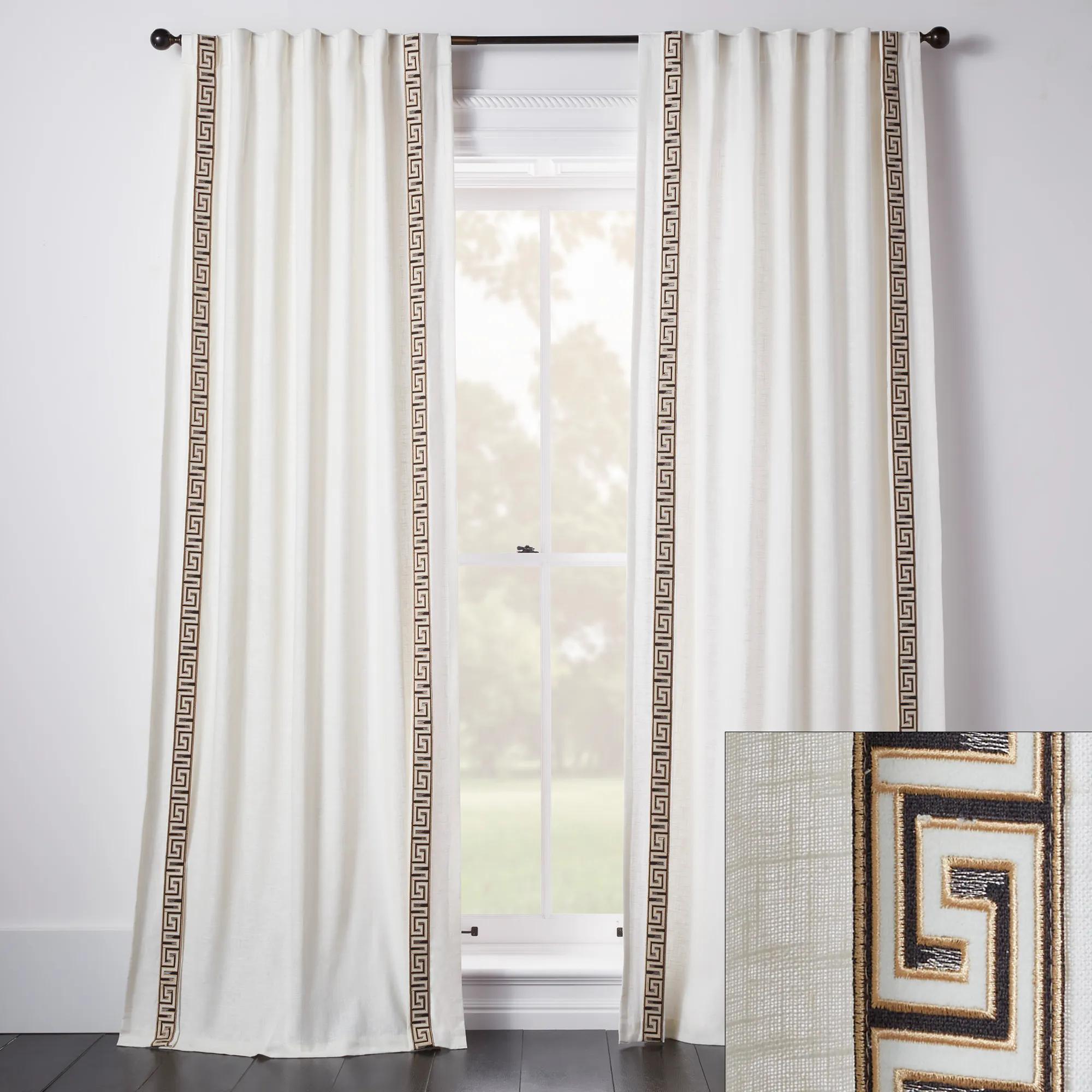 Chole Greek Key Border Velvet Widow Curtain Panels Custom$379
A linen-blend curtain panel with black and gold velvet Greek key border and customizable hanging options.
Add To Cart -
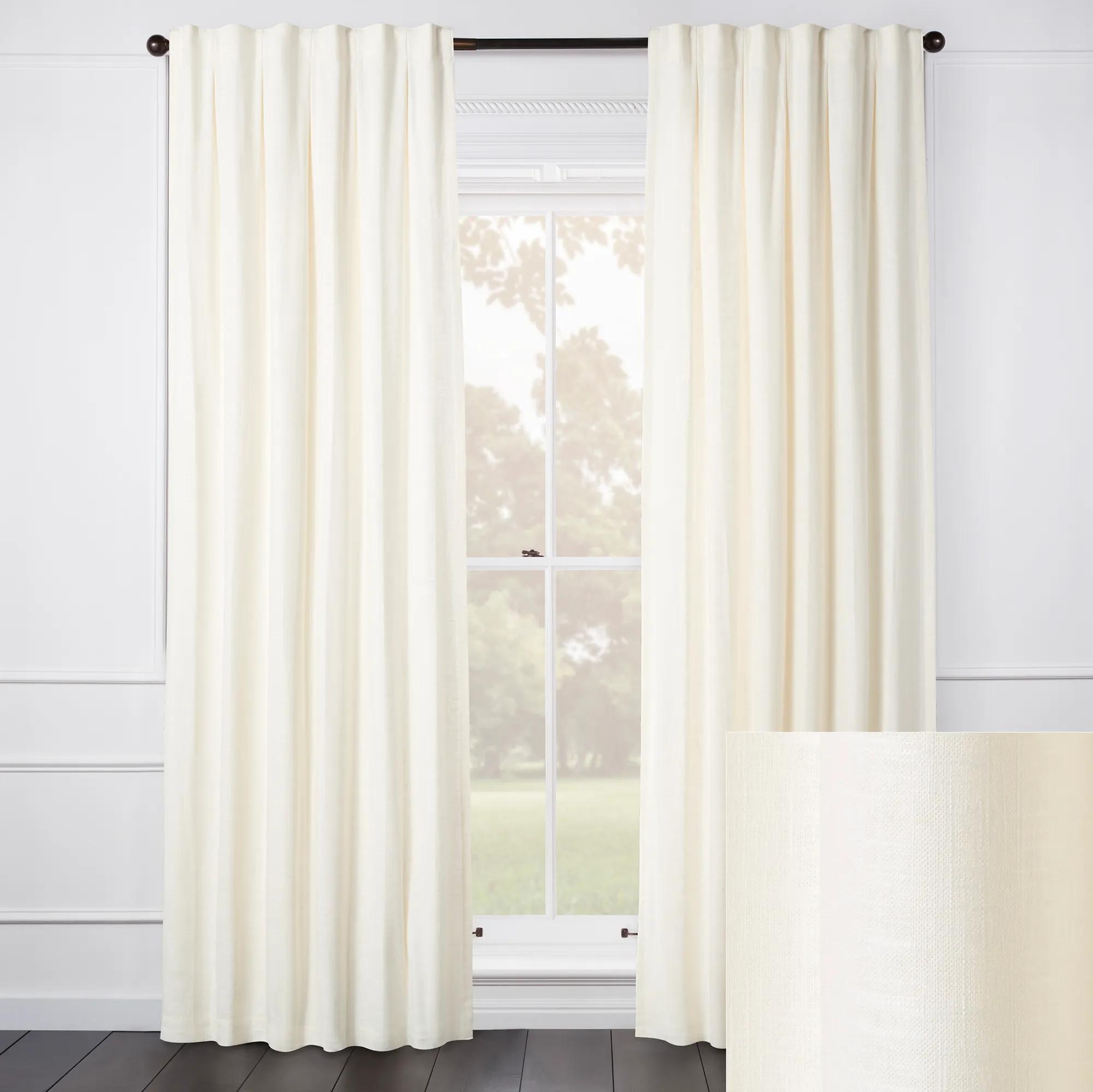
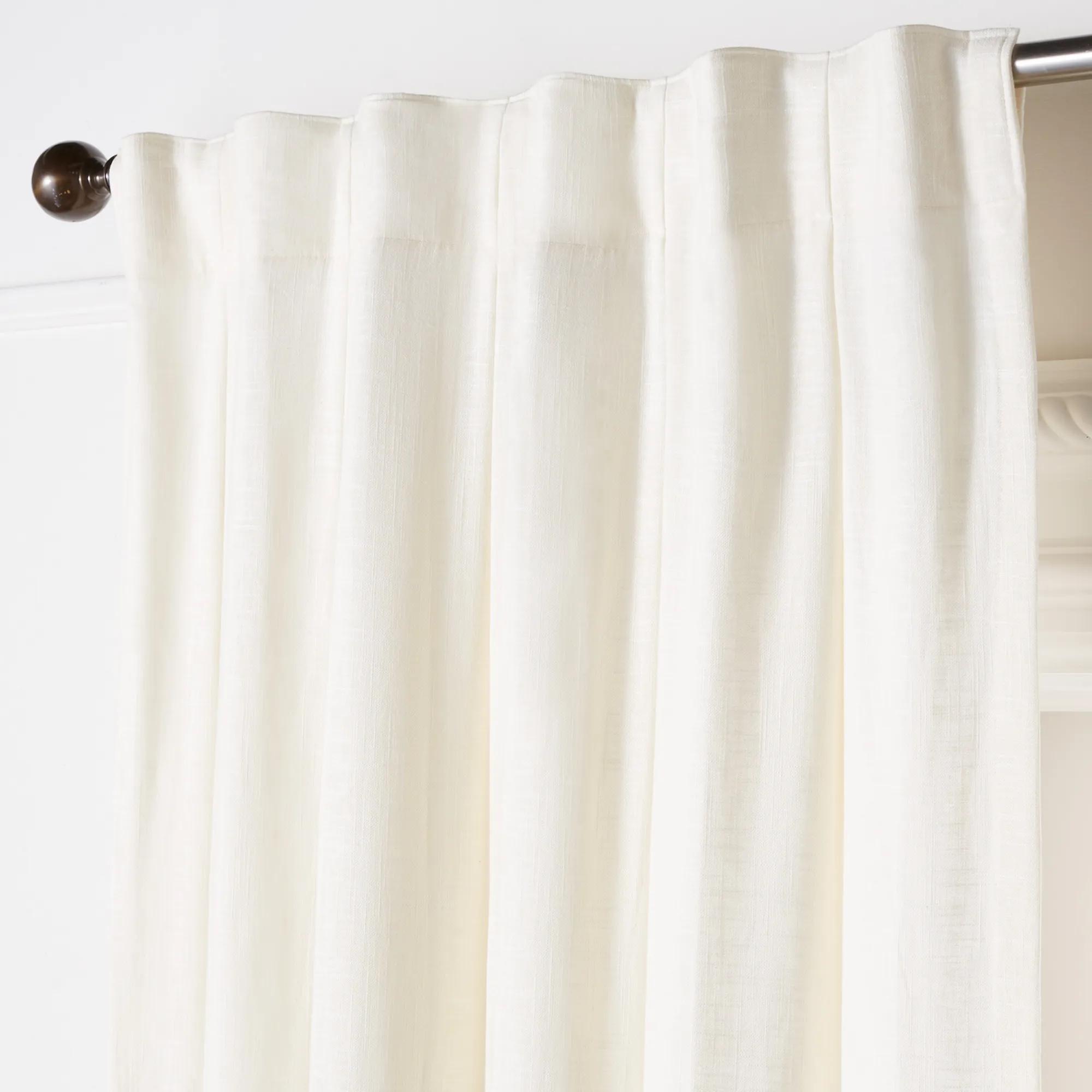 Audrey Linen Ivory Curtain - Custom$269
An ivory linen-blend curtain panel with lining, offering customizable lengths and two elegant header styles.
Add To Cart -

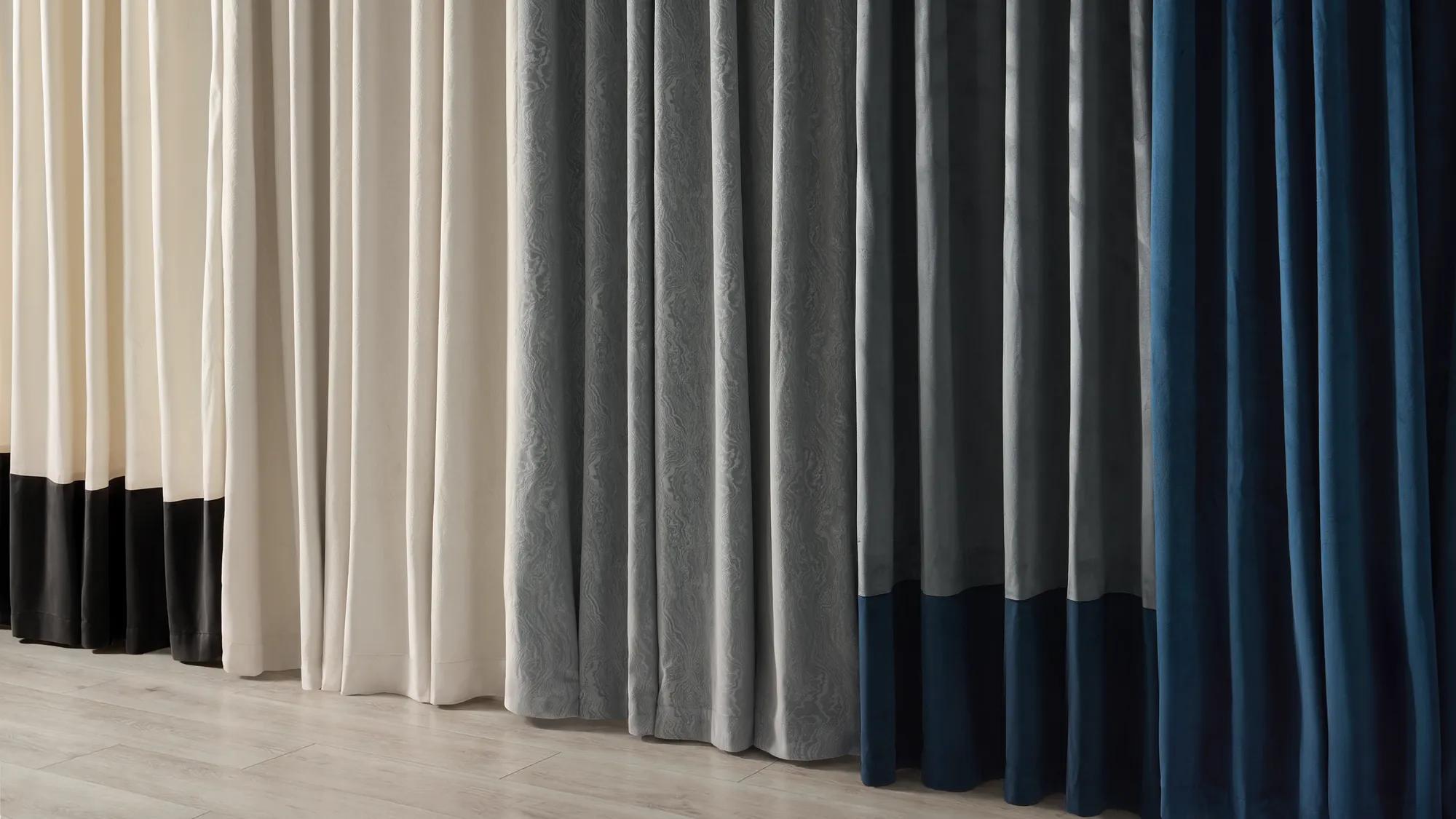 Mabel Velvet Swirl Curtain - Grey Blue$109
A grey blue velvet curtain featuring a tonal swirl pattern and versatile dual hanging options.
Add To Cart -
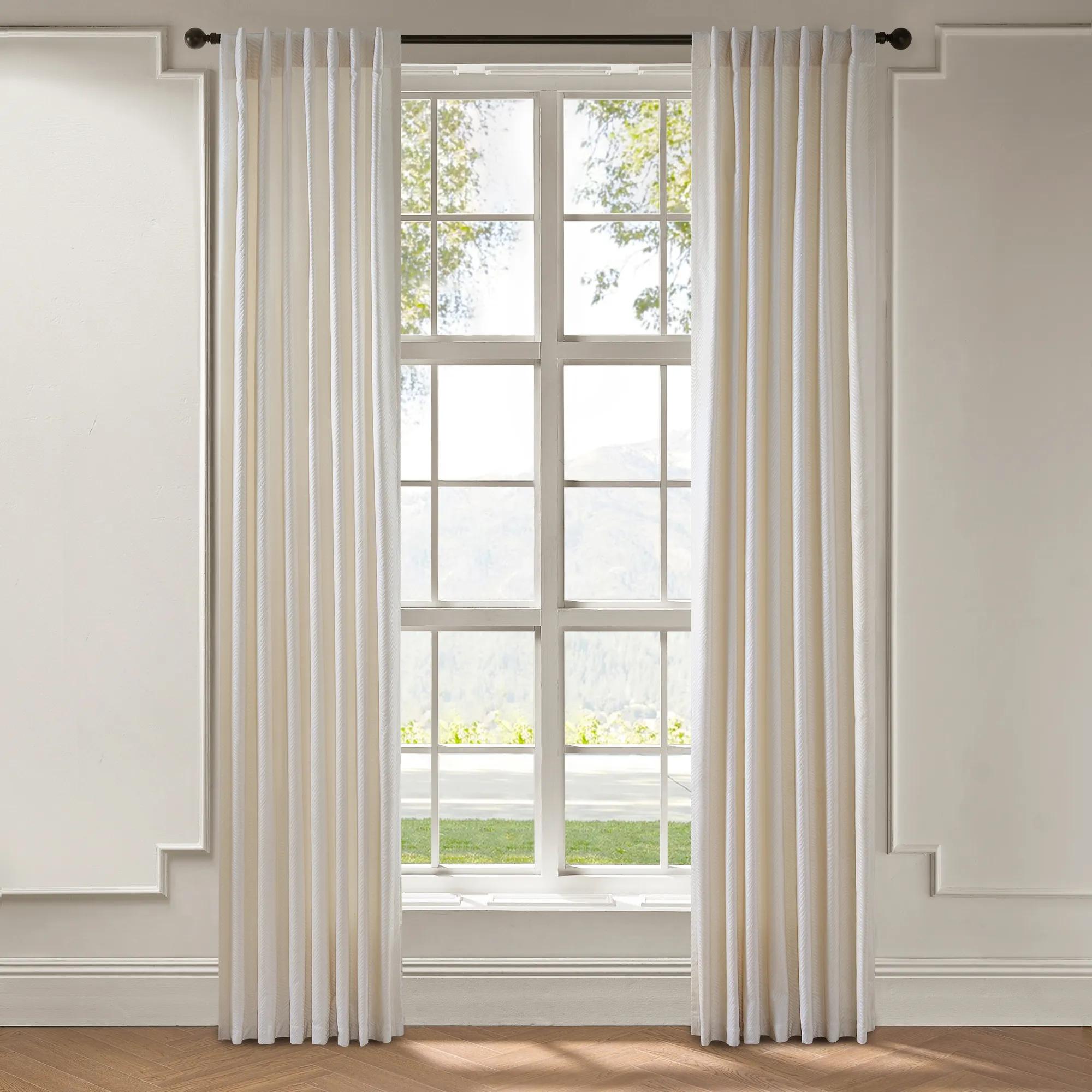
 Kenzo Chenille Curtain - White$139
A luxe white chenille jacquard curtain featuring a subtle high-contrast pattern and versatile dual construction.
Add To Cart

Decorative Window Curtain Panels
Transform your windows into works of art with decorative window curtain panels that captivate at every glance. More than mere accents, these sumptuous draperies invite light to dance and shadows to play, framing your view with theatrical flair. Whether cascading in lush folds or shimmering with subtle sheen, each panel sets the stage for a room that’s equal parts sophistication and self-expression. With decorative window curtain panels, every moment at home becomes an unveiling—where ambiance, artistry, and allure are always on display.
Decorative window curtain panels are individual lengths of fabric hung beside or across a window to frame the view, introduce color and texture, and provide varying degrees of light control and privacy. Their presence can transform the proportions and personality of a room: tall, fluid folds lend architectural grace, a luminous weave catches the light, and a richly textured fabric brings depth to an otherwise restrained palette. In a living room, panels can create a generous backdrop for a curved sofa or give a pair of accent chairs a more composed setting. In a dining room, they soften the hard surfaces of a table, mirror, and chandelier without diminishing their brilliance. Bedrooms often call for a quieter treatment, with substantial fabric and controlled light supporting a sense of retreat. Color establishes the mood, whether through ivory panels against warm white walls, charcoal fabric outlining a bright window, or a jewel tone that echoes a detail in an artwork. Pattern adds another dimension: an expansive motif reads differently across broad folds than a small, repeating design, while embroidery or a tonal jacquard can reveal its detail more subtly. Light performance is equally important to the finished effect. Sheer curtain panels diffuse daylight and soften a view, but generally provide limited privacy when interior lights are on after dark. Light-filtering panels offer more coverage while allowing some daylight through; the exact result depends on the weave, color, and lining. Blackout panels are designed to block light through the fabric, although gaps around the edges can still admit light. Decorative panels paired with a separate shade offer another approach, allowing the fabric to remain elegantly arranged while the shade handles everyday privacy. For homes with street-facing windows, shared living spaces, or bedrooms used by daytime sleepers, that distinction between decorative presence and functional coverage makes a meaningful difference.
Material gives decorative curtain panels their character, influencing everything from the sharpness of a pleat to the way fabric settles at the floor. Cotton often offers a softly tailored appearance, with enough body to define folds without an overly formal effect. Linen brings a more irregular texture and a relaxed drape; its natural creasing belongs to the look rather than signaling a flaw. Polyester and blended fabrics can offer dimensional stability and wrinkle resistance, though performance varies with construction and finish. Velvet creates a denser, more enveloping impression, its pile catching light differently as the folds turn. It is especially expressive beside polished metal, glass, or lacquer, where the contrast between plush and reflective surfaces gives the room depth. For a lustrous alternative, Decorative Silk Curtain Panels bring attention to the play of light across the fabric, lending a window a distinctly dressed appearance. Silk requires thoughtful placement because prolonged direct sunlight can weaken or fade its fibers; suitable lining can help protect the face fabric, although it does not eliminate that vulnerability. Across materials, lining can add body, conceal some construction details from the exterior, and support a fuller silhouette. It does not automatically make a panel blackout, so the stated light-control properties matter more than appearance alone. Fabric weight also deserves attention. A substantial panel needs hardware capable of supporting it, while a lighter textile may move more freely and create softer folds. For frequently opened curtains, durable seams, secure headers, and a fabric suited to repeated handling contribute to lasting performance. In an entertaining space, a richly textured panel can make the window feel as considered as the upholstery; in a home office, a quieter weave can complement artwork while helping soften strong daylight. The most compelling choice balances that visual ambition with the way the room is actually used.
A polished fit depends on the relationship between panel width, finished length, header style, and the space surrounding the window. Curtain dimensions typically describe each panel rather than the complete arrangement, and packaging may contain one panel or a pair, making the stated quantity worth confirming. For curtains that close across a window, combined fabric width commonly falls around one and a half to two and a half times the rod span, depending on the header and desired fullness; sheer fabrics often benefit from more generous gathering. Stationary side panels have a different role, emphasizing height and framing the glass rather than providing complete coverage. Extending a rod beyond the window can allow opened panels to rest farther from the glass, preserving more of the view when wall space permits. Length changes the mood just as decisively. Panels that barely clear the floor create a tailored line and move more easily, while fabric that rests on the floor introduces a more theatrical finish but also collects dust and may be less practical near doors, pets, or busy walkways. Measuring from the actual hanging point accounts for the effect of rings, clips, grommets, or rod pockets on the finished drop. Header construction shapes daily use as well as appearance: grommets form broad folds, back tabs conceal much of the rod, and rod pockets create gathered fabric but may be less convenient for frequent opening. Pleated headers give a more structured rhythm and require compatible hanging hardware. Throughout the arrangement, secure mounting and suitable rod support are essential, particularly for heavier fabrics or wide spans. Care should follow the sewn-in label rather than assumptions based on fiber alone, because linings, embroidery, coatings, and trims can change the appropriate cleaning method. Some panels tolerate machine washing, while others require professional cleaning; washing an unsuitable fabric can cause shrinkage, distortion, or damage to its finish. Gentle dust removal with an appropriate vacuum attachment can help maintain the folds between cleanings. Keeping fabric clear of floor debris, sharp furniture edges, and repeated pulling helps preserve its appearance. With material, proportion, and use working together, decorative window panels give a room a finished sense of intention—a soft architectural frame for the art, furniture, and personal details within.
FAQs
Decorative window curtain panels come in a range of luxurious materials, each offering its own unique character and benefits. Velvet is celebrated for its sumptuous texture and dramatic drape, while linen brings a breezy, organic elegance to any space. Cotton panels are prized for their versatility and softness, and polyester blends are favored for their durability and easy maintenance. Many designers love to layer different materials for added depth and visual intrigue.
Curtain panels are a powerful tool for setting the mood and defining the personality of a space. Sheer or light-filtering panels create an airy, ethereal ambiance by allowing natural light to softly diffuse into the room. In contrast, blackout or richly textured panels offer a sense of intimacy and luxury, perfect for creating cozy retreats or dramatic focal points. The color, pattern, and finish of the fabric also play a vital role in shaping the room's overall vibe.
Absolutely. Decorative curtain panels are a thoughtful and sophisticated gift for anyone who appreciates expressive interiors. They make memorable housewarming presents, wedding gifts, or special surprises for design enthusiasts embarking on a new decorating project. Choosing a distinctive fabric or pattern can add a personal touch, making the gift both practical and artful.
Selecting the perfect curtain panel style begins with considering the mood you wish to create. For a classic, timeless look, opt for solid hues in lush fabrics like velvet or linen. If you’re drawn to bold statements, seek out panels with striking patterns, metallic accents, or textural details. Consider the existing palette and furnishings in your room, and let your curtain panels either harmonize with or boldly contrast against them for maximum visual impact.
Yes, layering curtain panels is a designer’s secret for adding depth, dimension, and drama to windows. Combine sheer underpanels with heavier drapes to create a tailored, luxurious look that allows you to control light and privacy with ease. Mixing textures—such as pairing crisp linen with plush velvet—can result in a richly layered aesthetic that feels both curated and inviting.


