White Base Window Curtains
White Base Window Curtains
-
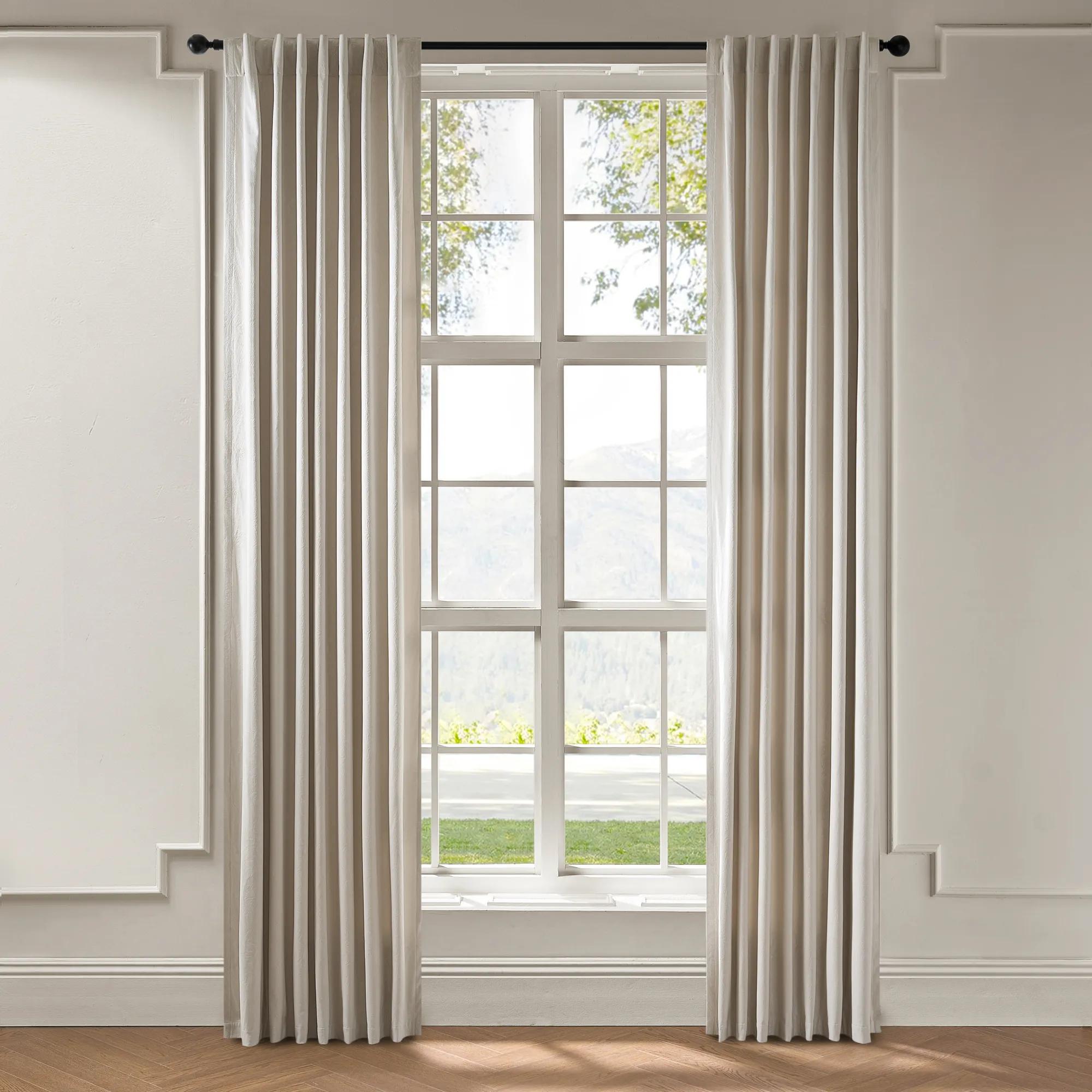
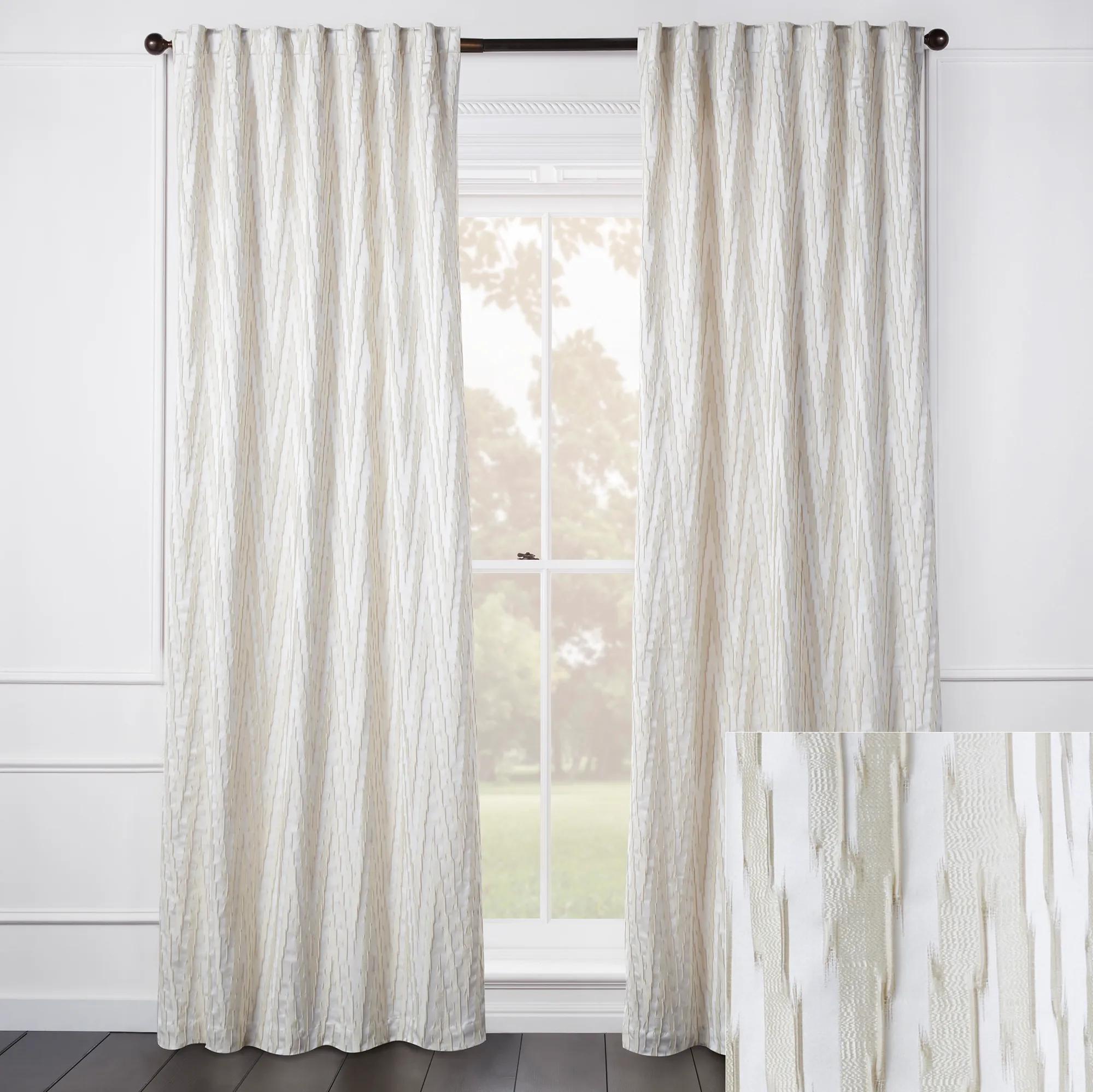
.jpeg?w=1200&h=1200) Mabel White Velvet Swirl Window Curtain Panel$99
Mabel White Velvet Swirl Window Curtain Panel$99A crisp white velvet curtain featuring a tonal swirl texture and versatile dual hanging options.
Add To Cart -
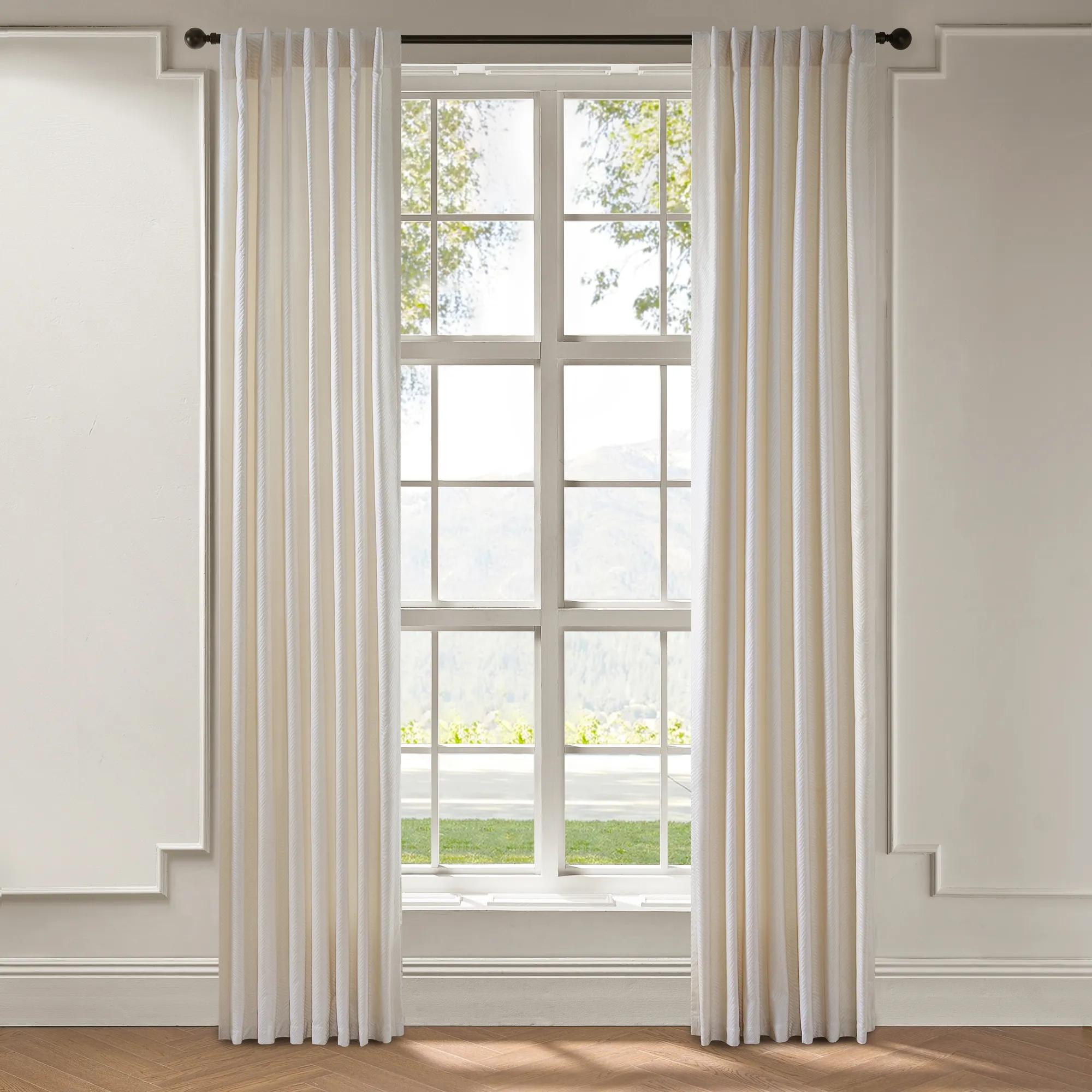
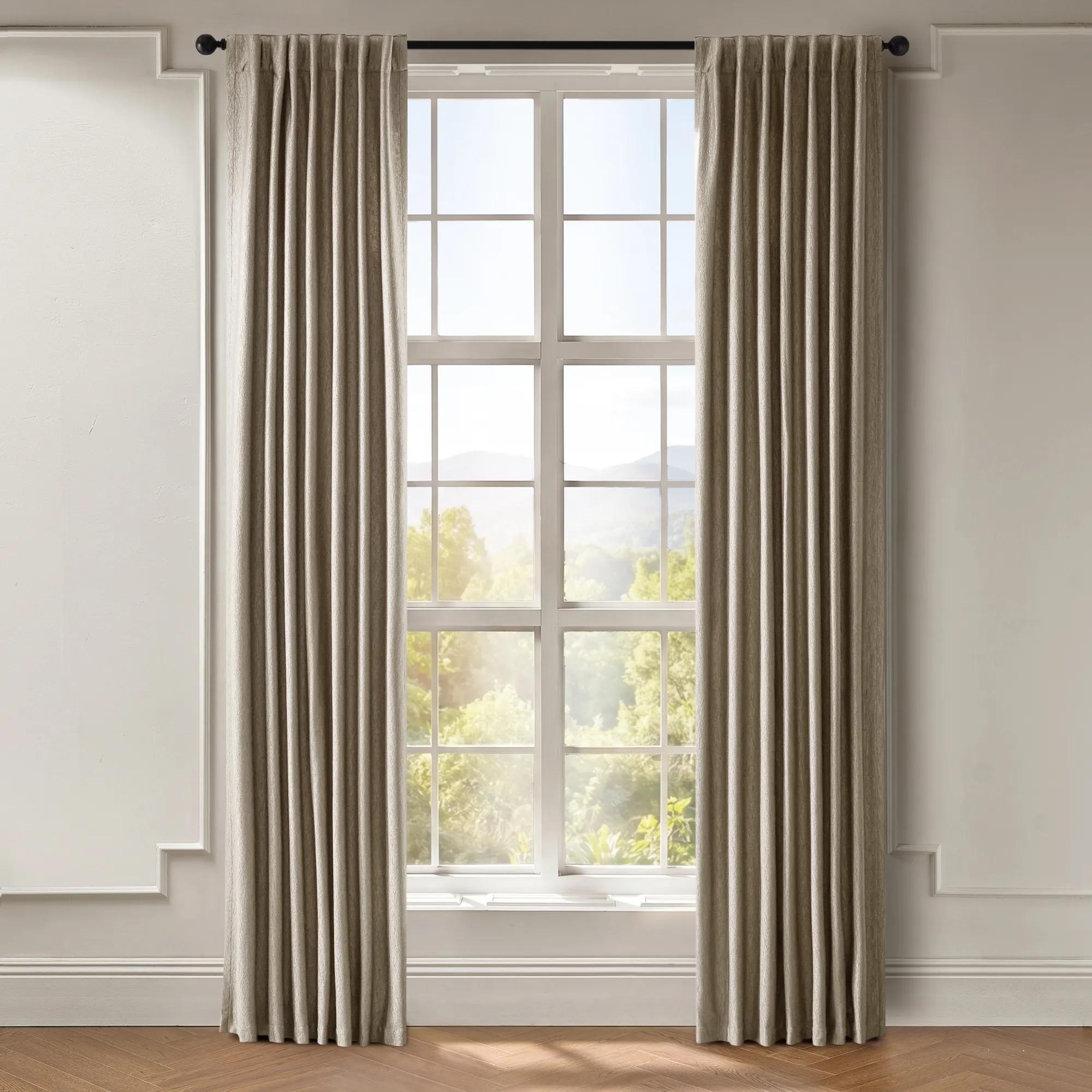
.jpeg?w=1200&h=1200) Kenzo Chenille Curtain - White$139
Kenzo Chenille Curtain - White$139A luxe white chenille jacquard curtain featuring a subtle high-contrast pattern and versatile dual construction.
Add To Cart -
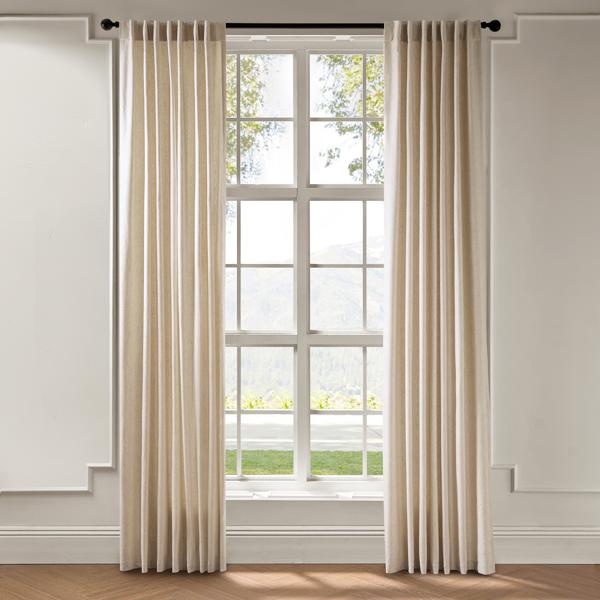
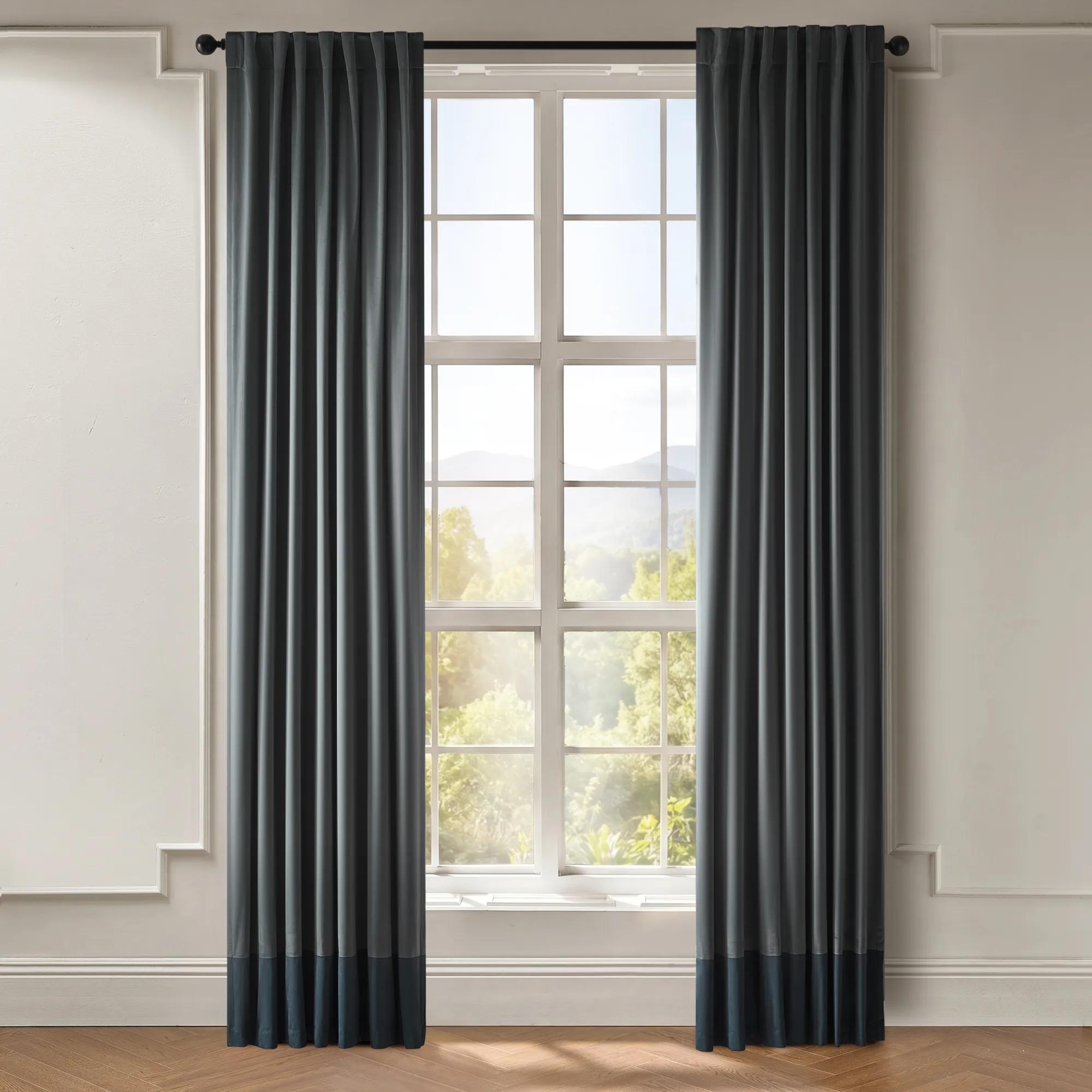
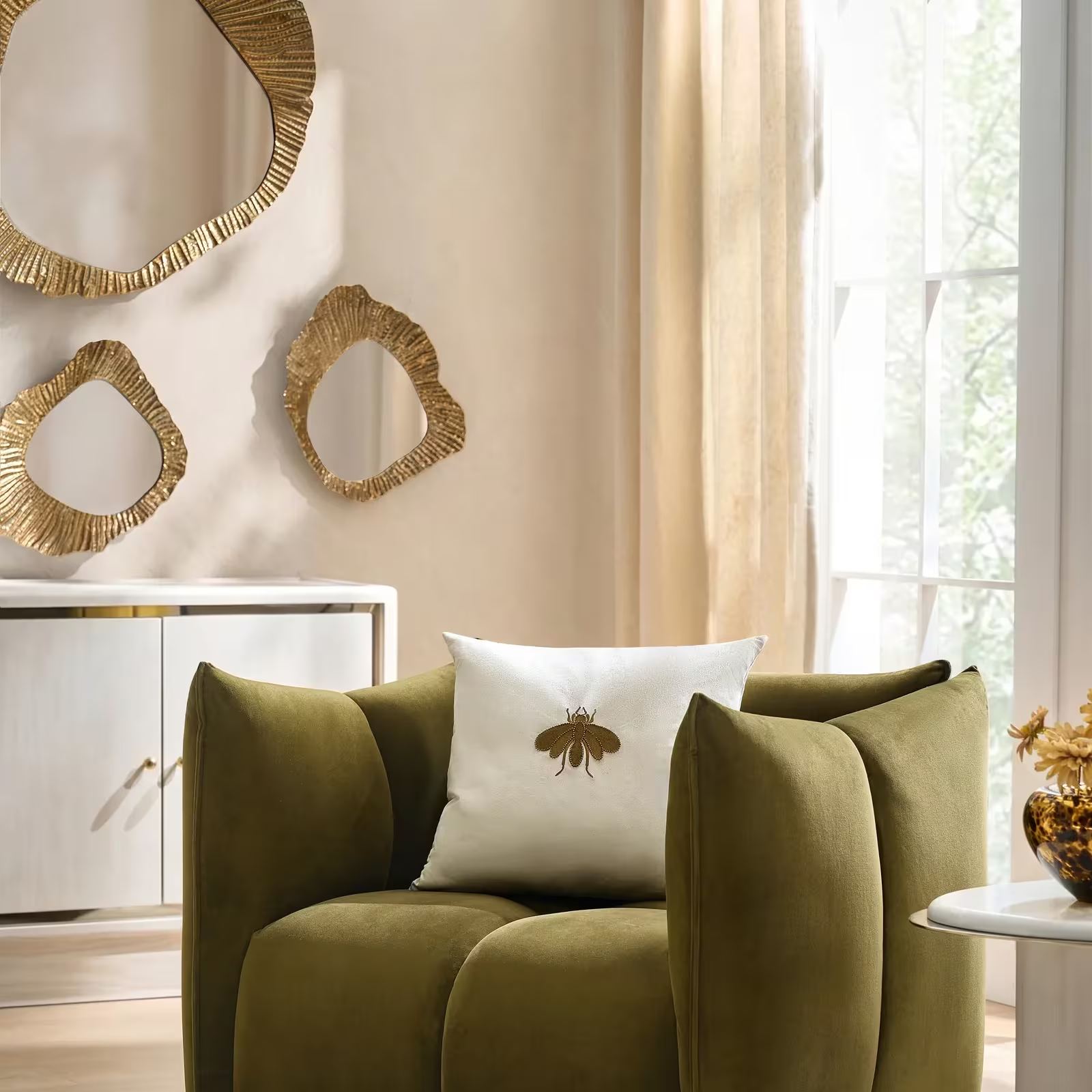 Anson Ivory Textured Window Curtain Panel$89
An ivory polyester curtain with a crushed, light-reflective texture for elegant, room-darkening style.
Add To Cart -
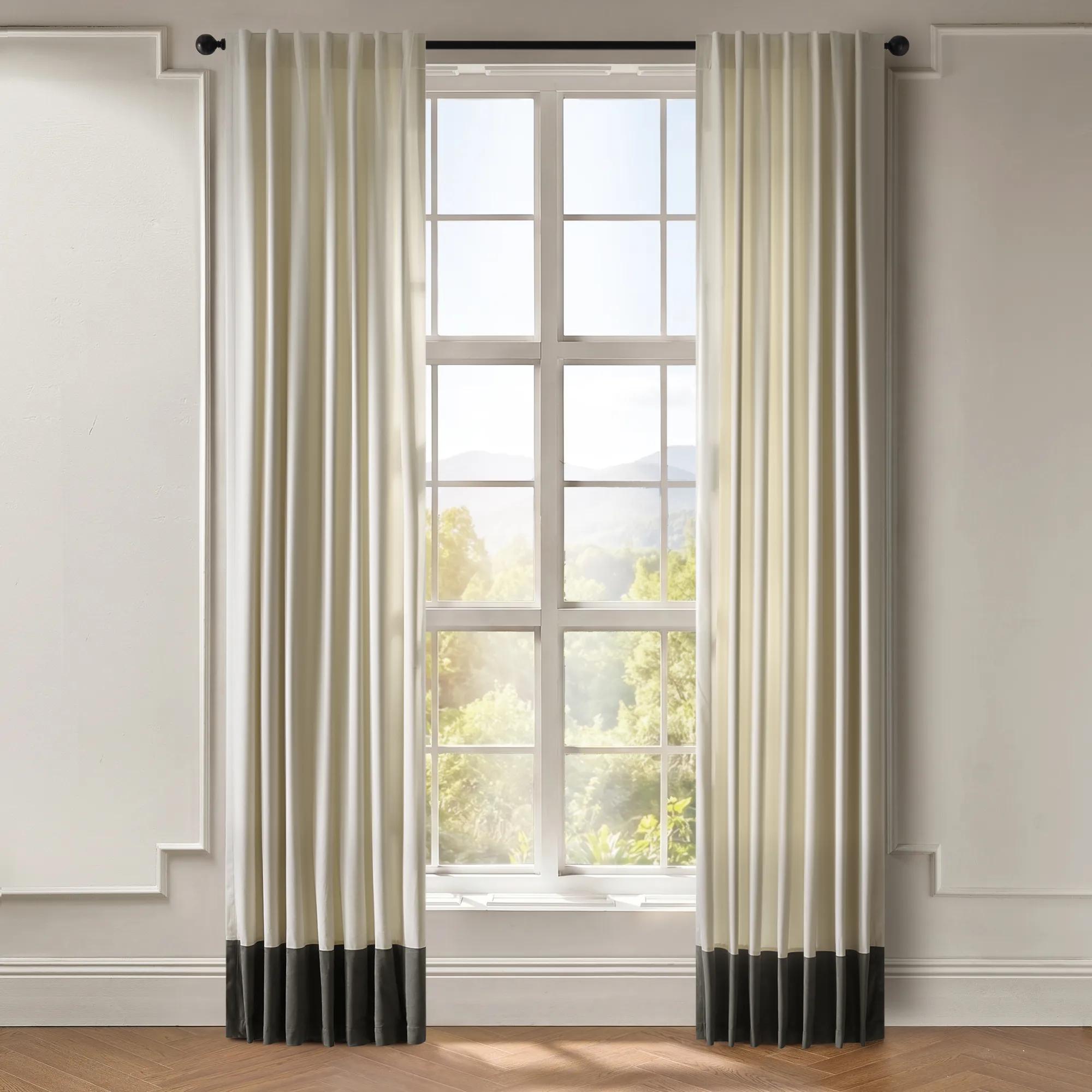
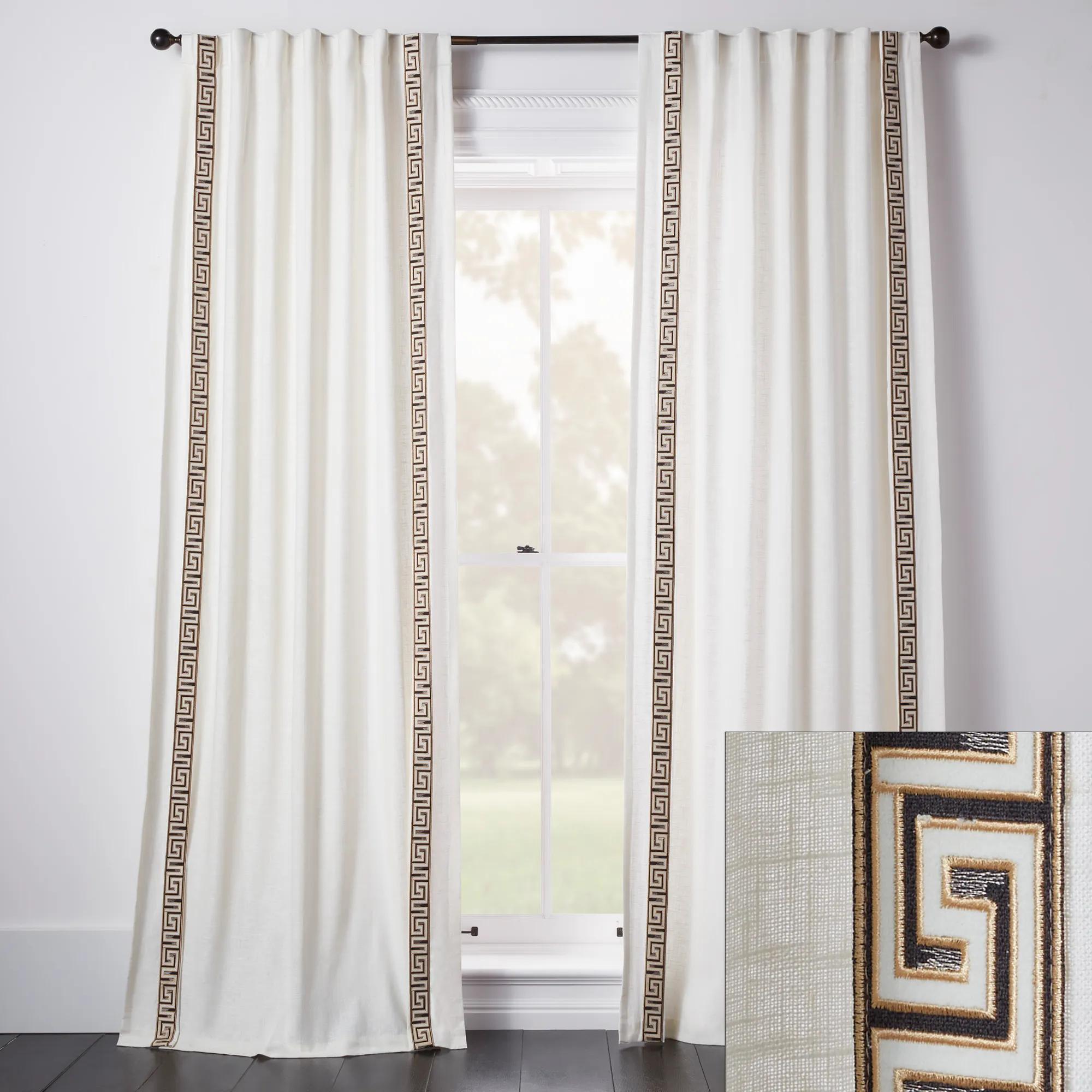 Chole Greek Key Border Velvet Widow Curtain Panels Custom$349
A white linen-blend curtain panel with black and gold velvet Greek key border and customizable options.
Add To Cart

White Base Window Curtains
White Base Window Curtains invite a breath of pure sophistication into any room, transforming windows into luminous showcases of style. Their crisp palette creates an ethereal backdrop that amplifies natural light, casting interiors in a radiant, gallery-like glow. Whether framing dramatic city views or softening sunlit corners, these curtains deliver an artful balance of serenity and statement. With White Base Window Curtains, every space becomes a canvas—ready to be layered, styled, and elevated with unapologetic flair.
White base window curtains are curtain panels with a predominantly white background, whether expressed as a solid color, a textured weave, or a foundation for decorative patterns. Their appeal lies in the way they frame a view without competing with the room: a luminous backdrop for sculptural furniture, a quiet counterpoint to richly colored upholstery, or a graceful companion to gleaming metallic accents. A white ground gives embroidered lines, woven motifs, and contrasting borders room to stand out, bringing detail to a window without the visual weight of an allover dark fabric. The effect can feel tailored and architectural or soft and romantic, depending on the material, fullness, and finish. In a living room with a charcoal sofa and a glass coffee table, white curtain panels introduce a generous sweep of brightness that balances deeper tones and reflective surfaces. In a bedroom layered with ivory bedding and champagne accents, they create a more enveloping atmosphere, with subtle variations in texture keeping the palette expressive rather than stark. Undertone matters as much as the word “white” suggests otherwise. Crisp whites tend to complement cool grays, polished chrome, and blue accents, while warmer whites sit comfortably beside cream upholstery, golden finishes, and natural wood. Viewing fabric against the wall in both daylight and evening lamplight helps reveal those differences before an entire window is dressed. Pattern scale also shapes the impression: a fine geometric design reads as delicate texture from across the room, while broad stripes or oversized botanical motifs become part of the architecture of the space. White base curtains suit interiors that evolve through changing artwork, cushions, and decorative objects because their light foundation leaves space for a more daring composition elsewhere. For a palette that extends beyond white into other pale tones, Light Colored Window Curtains offer a related direction for framing windows with softness and subtle contrast. The distinction is useful when balancing an existing room: white creates a clearer visual edge, while another light shade may blend more closely with the surrounding walls.
Fabric and opacity determine how white base window curtains feel throughout the day, not just how they appear in a photograph. Linen often brings visible slubs and an easy, dimensional drape, lending character to an otherwise restrained color. Cotton can offer a more even surface and a crisp, tailored presence, although its weight and weave vary considerably. Polyester and blended fabrics can provide fluid movement and resistance to wrinkling, with performance depending on their construction and finish. Embroidery, jacquard weaving, and raised details add a tactile layer that becomes especially expressive when daylight grazes the fabric. Sheer white curtains diffuse sunlight and soften the view, but they generally provide limited privacy, particularly after dark when interior lights are on. Semi-sheer and light-filtering panels offer varying degrees of coverage; neither term alone guarantees nighttime privacy. For a street-facing living room, pairing decorative panels with an independently operated shade allows the window to remain luminous by day and more secluded in the evening. Bedrooms, nurseries, and media rooms may benefit from room-darkening or blackout construction, which relies on fabric density, specialized layers, or backing rather than the face color alone. White blackout curtains can retain a light appearance while limiting incoming light, although gaps above, below, and beside the panels still affect the result. Room-darkening fabric reduces light without necessarily blocking it to the same degree. Thermal linings may help reduce heat transfer at windows, but their effectiveness depends on fit, coverage, and installation; white color alone does not establish insulating performance. During the cooler months, a lined panel can also give the window a fuller, more substantial silhouette. For a home office, filtered daylight may be more useful than complete darkness, especially where direct sun creates glare on a screen. A dining room used mainly in the evening may call for generous folds and a richly textured surface that catches lamplight. Matching the construction to these daily routines gives the curtains a purpose beyond decoration while preserving the room’s sense of drama.
Proportion is what turns white curtain panels from a finishing accessory into a defining feature of the room. Common ready-made lengths include 63, 84, 96, and 108 inches, though dimensions vary, and the appropriate drop depends on the window, rod placement, and heading style. Measure from the actual hanging point to the intended hem position rather than relying on the window’s height alone. Rings, grommets, back tabs, and rod pockets position the fabric differently, so hardware should be part of that calculation. Floor-length curtains create an elongated line that suits living rooms, bedrooms, and formal dining spaces; a hem just above the floor keeps the effect polished while allowing easier cleaning. A slight break at the floor introduces softness, while a deeper puddle is more decorative and less practical near pets, busy walkways, or frequently opened doors. Shorter lengths can suit windows where furniture or architectural features make a full-length treatment impractical, provided fabric stays safely clear of heat sources. For width, combined panel measurements of roughly one and a half to two times the rod width often create pleasing fullness, with sheers sometimes requiring more fabric for a generous effect. Confirm whether dimensions describe one panel or a pair. Rod pockets create soft gathers, back tabs lend a more concealed hanging effect, and grommets form pronounced folds while making the hardware part of the composition. Frequently opened curtains benefit from a hanging system that moves smoothly and supports the fabric’s weight. Durability depends on sound seams, secure headers, appropriate hardware, and care suited to the textile. White fabric makes dust and handling marks more noticeable, so occasional gentle vacuuming with a suitable upholstery attachment can help maintain its appearance. Always follow the care label: some panels tolerate machine washing, while delicate embellishments, certain linings, and other constructions require professional cleaning. Avoid assuming bleach is safe simply because the fabric is white, and check instructions before steaming or ironing. Thoughtful fit and consistent care preserve the beauty of the folds, allowing white base curtains to remain a luminous, expressive frame for everyday life.
FAQs
White base window curtains are a design chameleon, seamlessly complementing a wide spectrum of interior styles. From the crisp minimalism of contemporary spaces to the layered opulence of glam, their versatility shines. In modern settings, they offer a clean backdrop for bold furnishings and metallic accents, while in traditional or transitional rooms, they highlight architectural details and soften ornate décor. For eclectic or bohemian spaces, white curtains bring a sense of cohesion and balance, allowing colorful art and accessories to take center stage.
White base window curtains have an enchanting ability to amplify natural light, creating a luminous and airy atmosphere. Their reflective quality brightens even north-facing rooms, while their neutral hue acts as a tranquilizer for busy spaces. Depending on the fabric, they can evoke anything from crisp sophistication to dreamy romance, making them ideal for both energizing living areas and calming bedrooms. Their presence sets the stage for a serene, gallery-like ambiance that elevates everyday living.
Absolutely. White base window curtains are the quintessential foundation for layered window treatments. Pairing them with rich velvet panels, patterned drapes, or textured shades allows you to play with depth, contrast, and drama. This approach not only enhances privacy and light control but also introduces a dynamic, designer-inspired look to your windows. The white base acts as a visual anchor, ensuring even the boldest combinations remain harmonious.
Yes, white base window curtains are masterful at drawing attention to beautiful windows, high ceilings, or intricate moldings. Their understated elegance frames architectural details without overpowering them, allowing the structure of the room to shine. When hung high and wide, they can create the illusion of larger windows and heightened ceilings, making any space feel grander and more inviting.
White base window curtains offer endless styling opportunities across the seasons. In autumn, accent them with gold or bronze tiebacks and layer with plush, jewel-toned drapes for warmth. During spring and summer, let them flow freely for a breezy, resort-inspired vibe, or pair with sheer panels to maximize sunlight. For festive occasions, embellish with decorative tassels or garlands, transforming your windows into a focal point that evolves with your mood and the moment.
.jpeg?w=3942&h=3942)
.jpeg?w=4130&h=4130)
.jpeg?w=4130&h=4130)