Window Treatments For Apartments
Window Treatments For Apartments
-
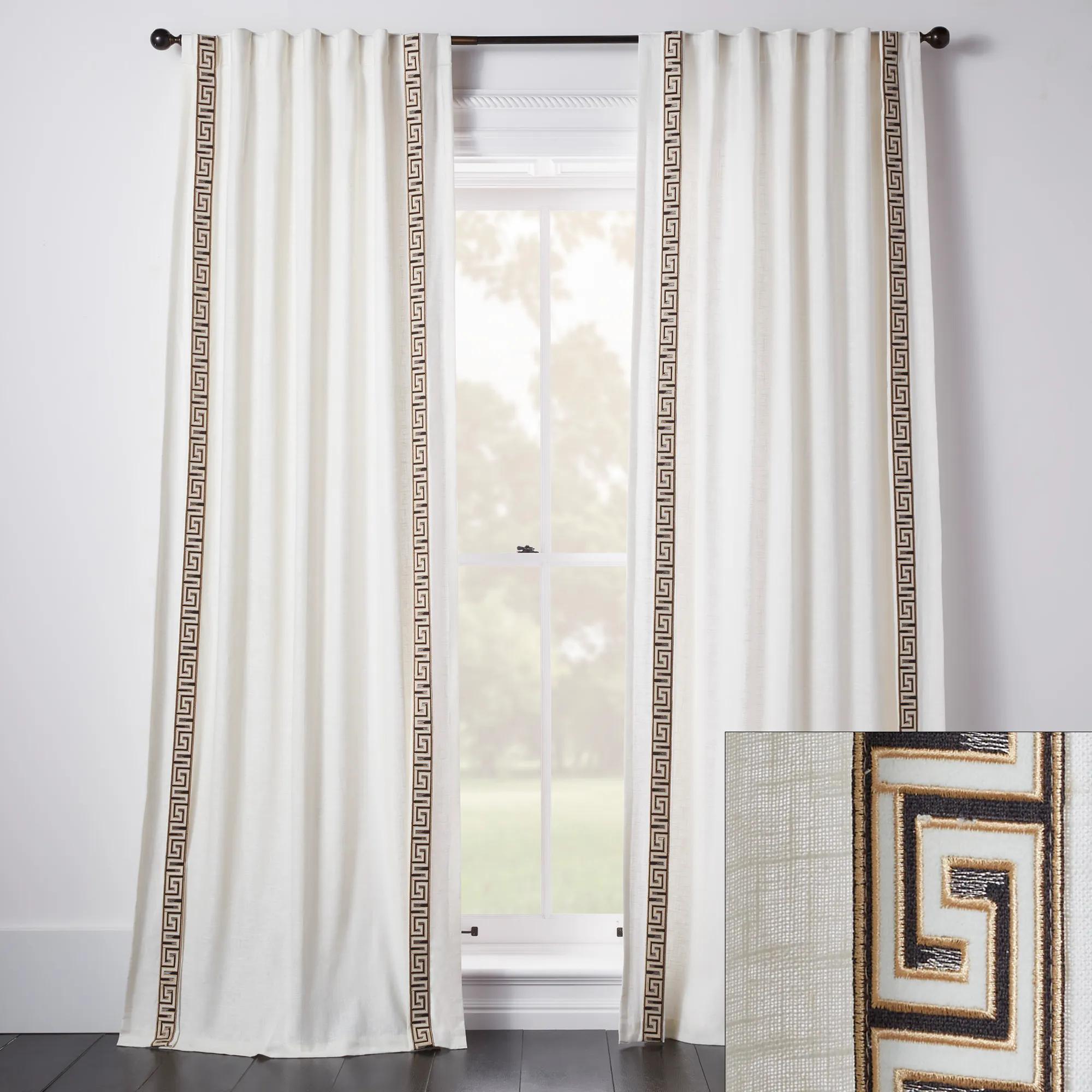 Chole Greek Key Border Velvet Widow Curtain Panels Custom$379
A linen-blend curtain panel with black and gold velvet Greek key border and customizable hanging options.
Add To Cart -
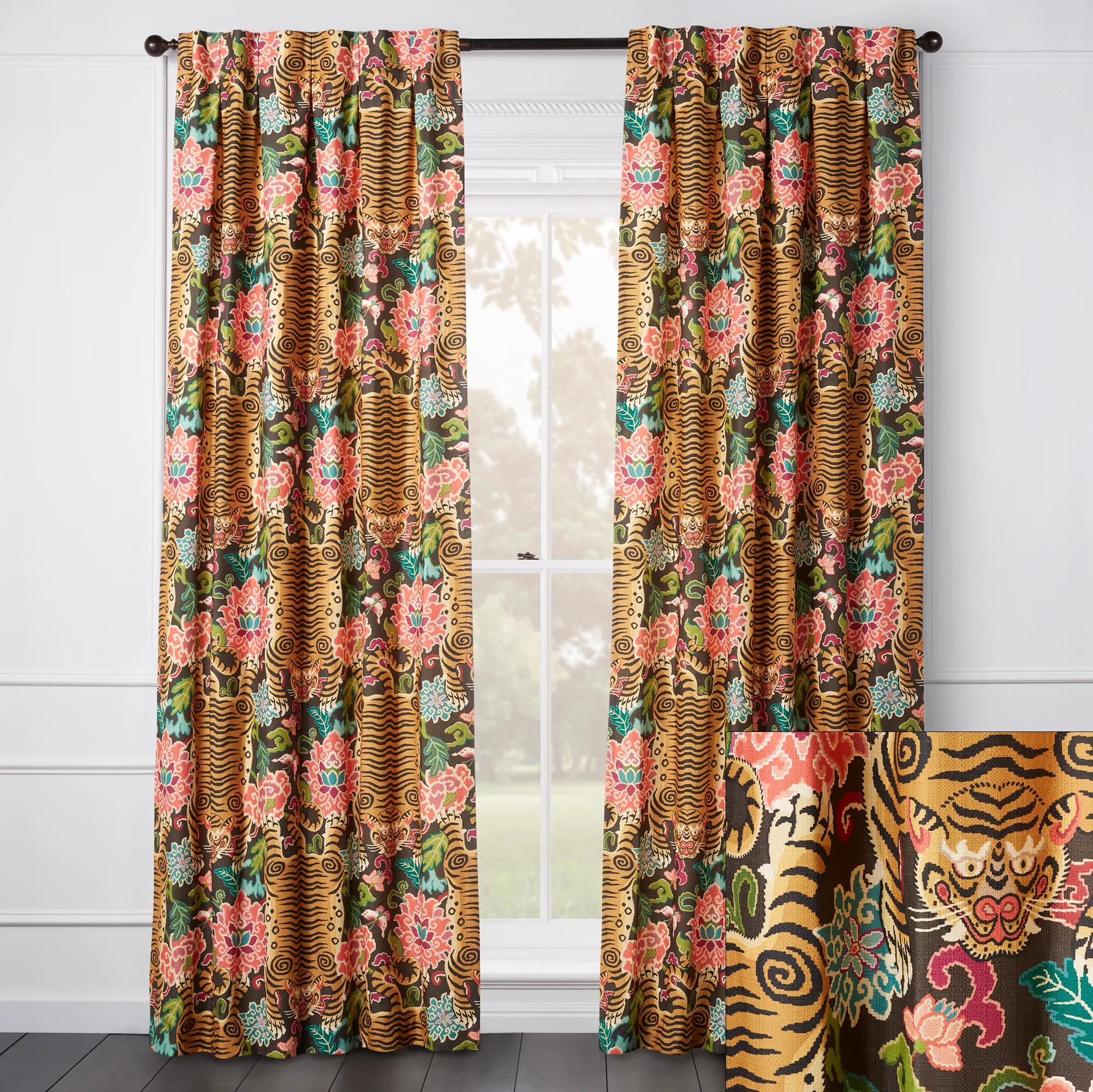
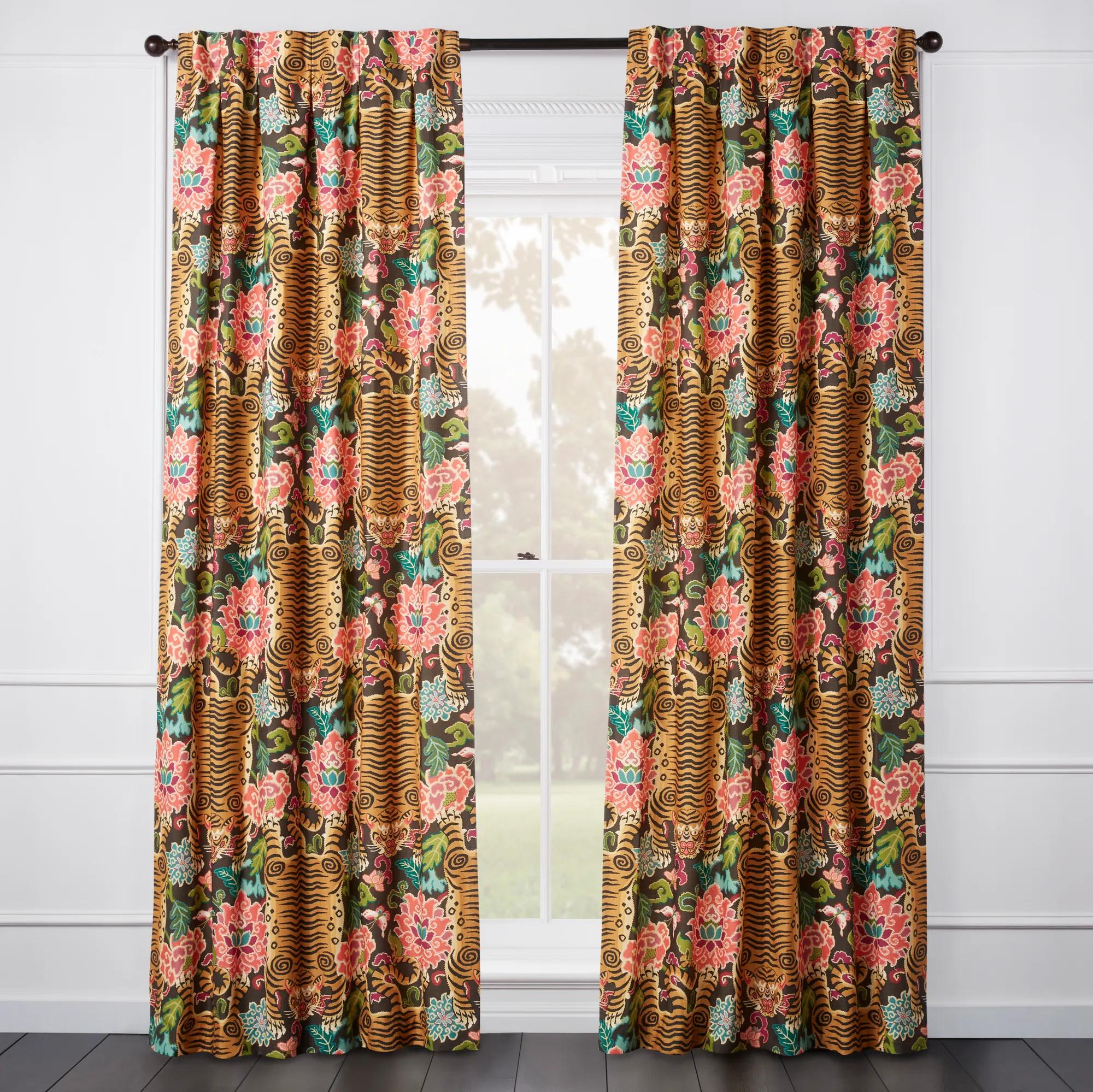 Nimer Gold/Multi Printed Slubbed Cotton Window Curtain Panel$349
A lively gold and multi-colored cotton curtain panel featuring a bold tiger print and customizable options.
Add To Cart -
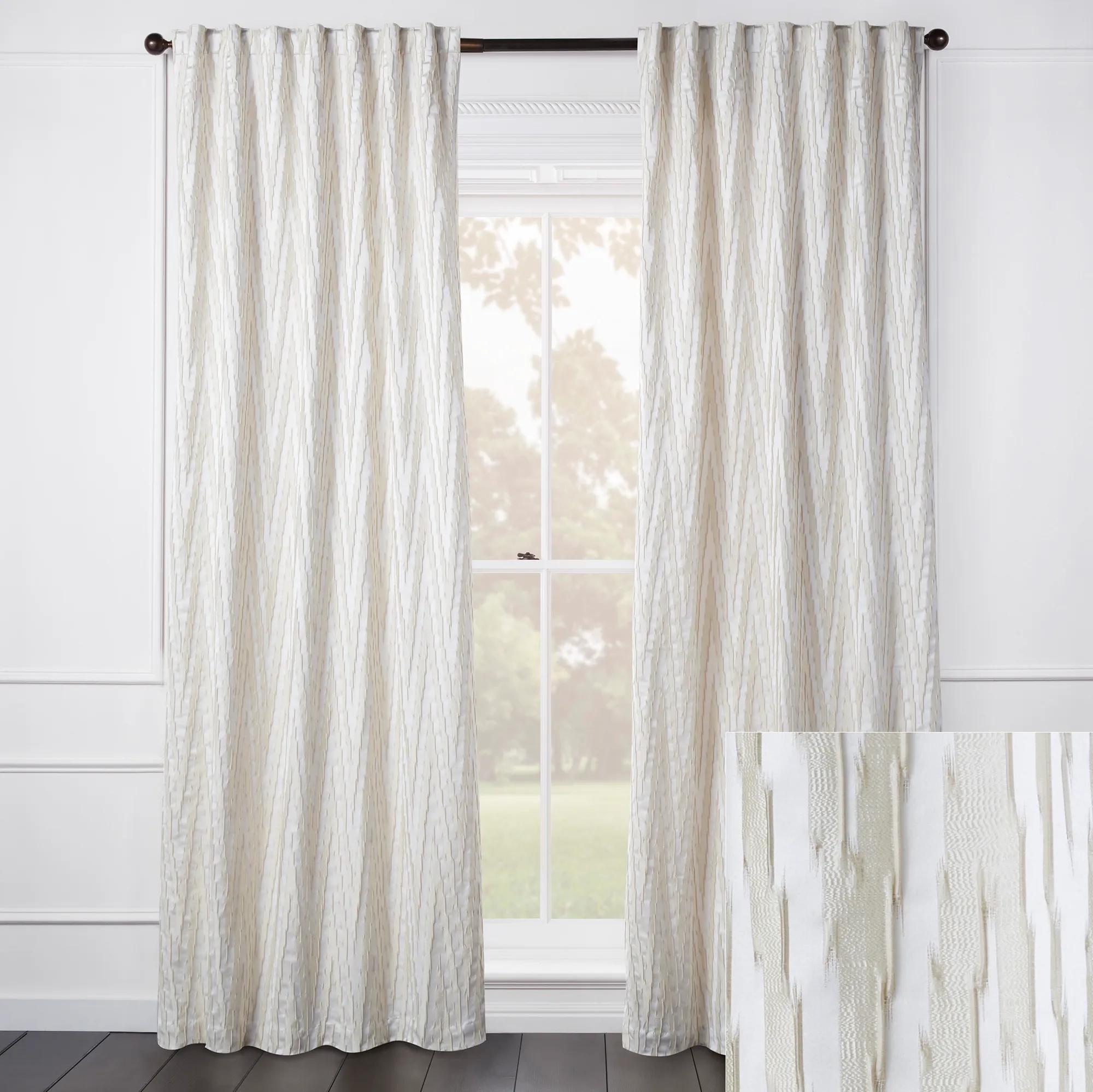
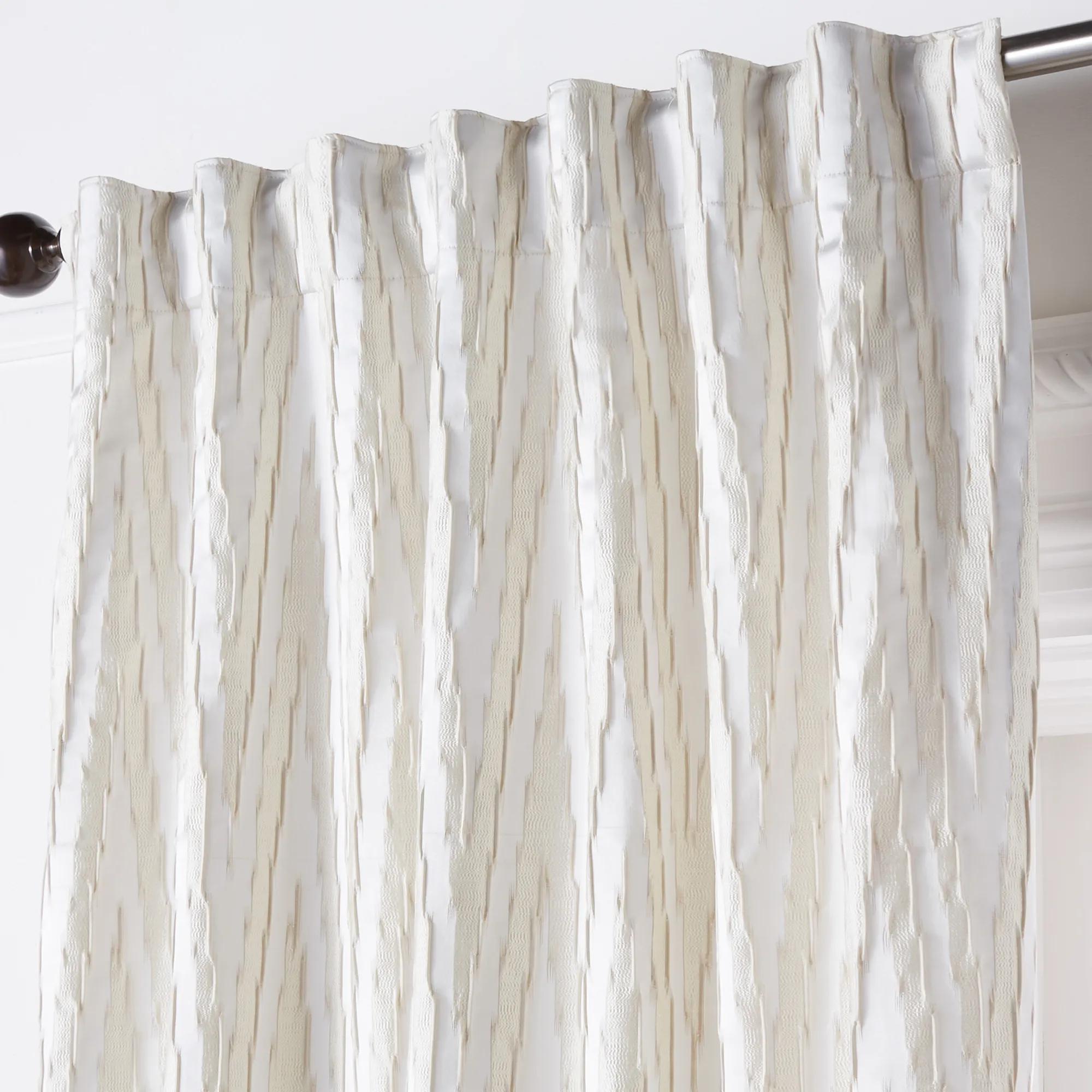 Minka Jacquard Pearl Window Curtain Panel Custom$329
A highly textured chevron curtain panel in pearl, grey, or natural polyester with customizable hanging options.
Add To Cart -
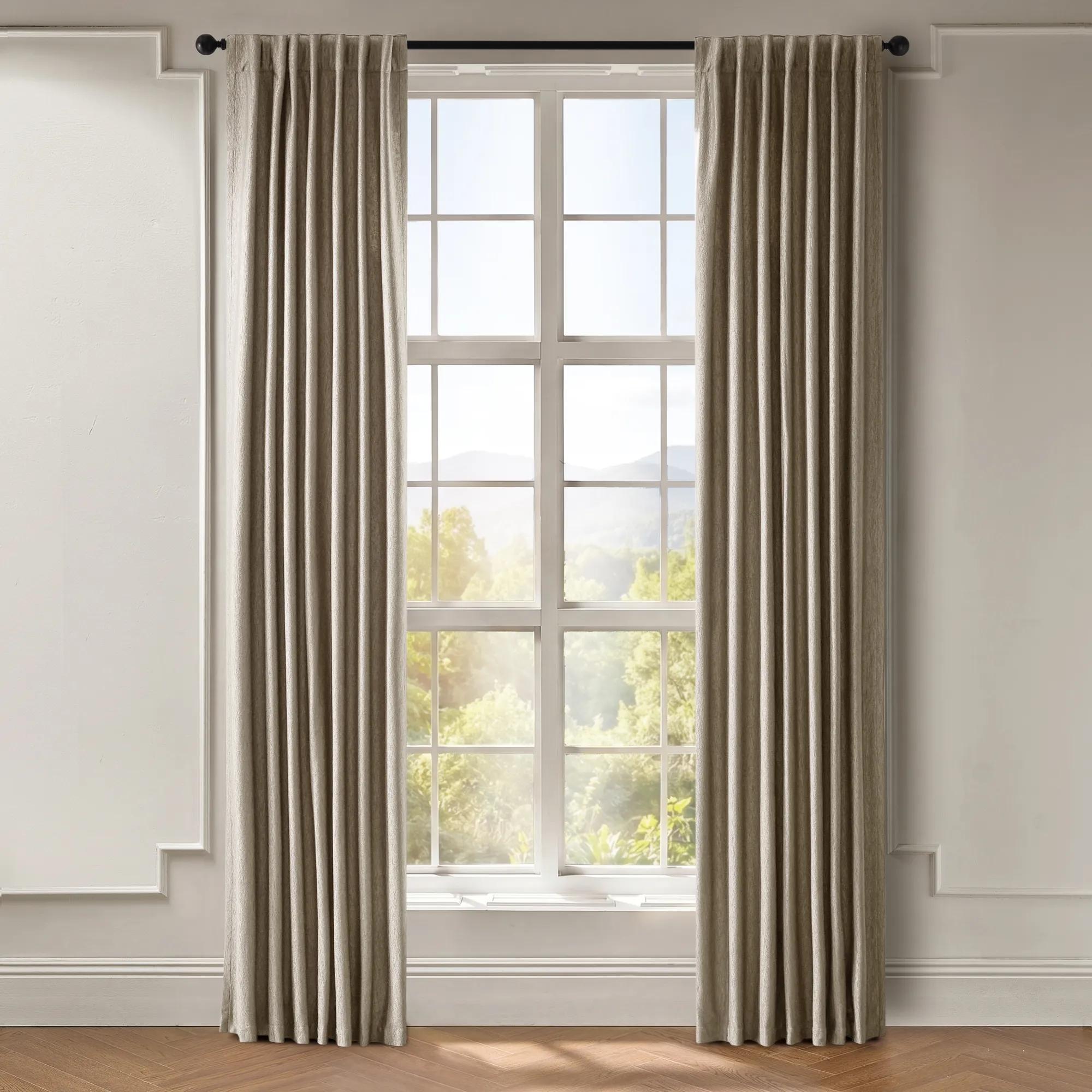
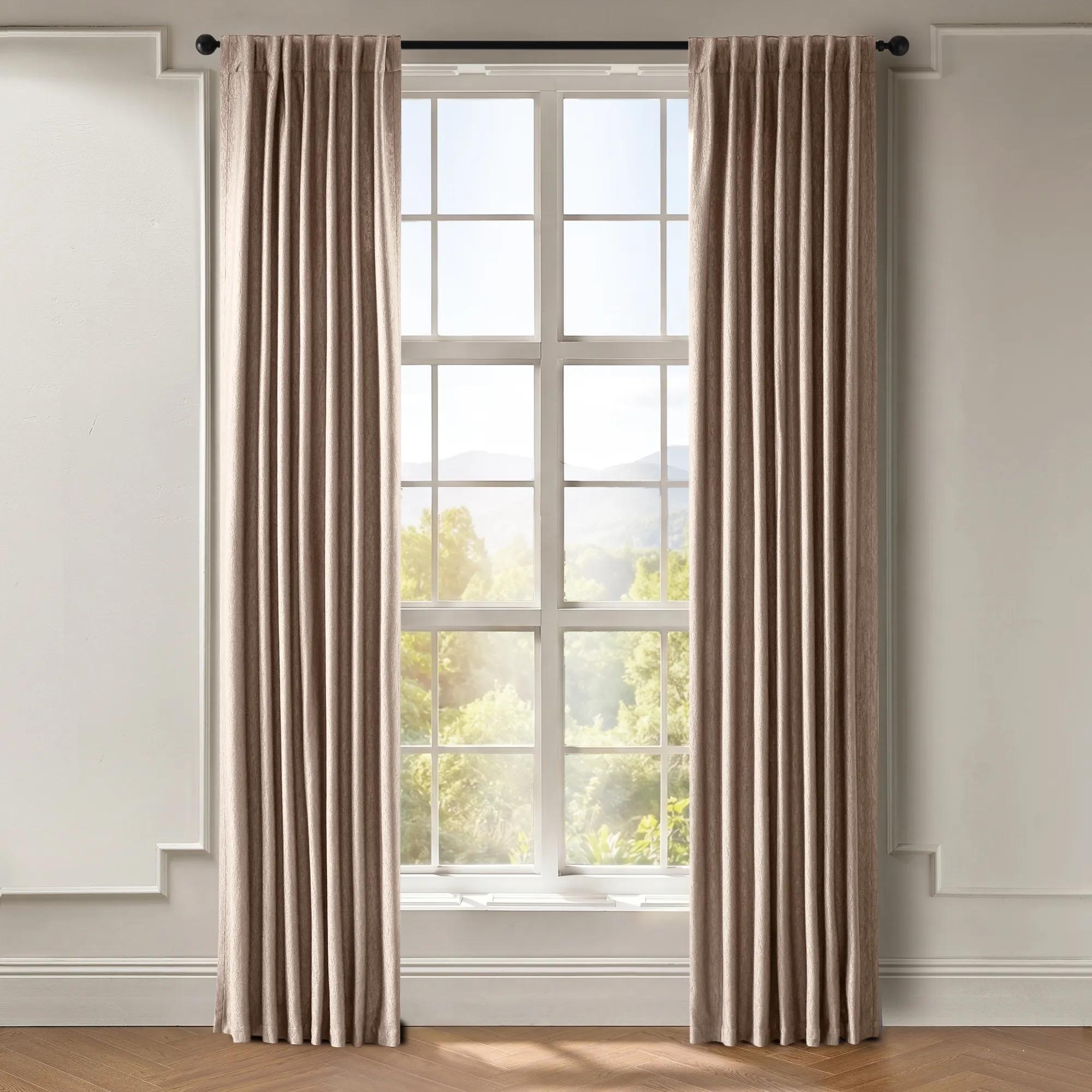
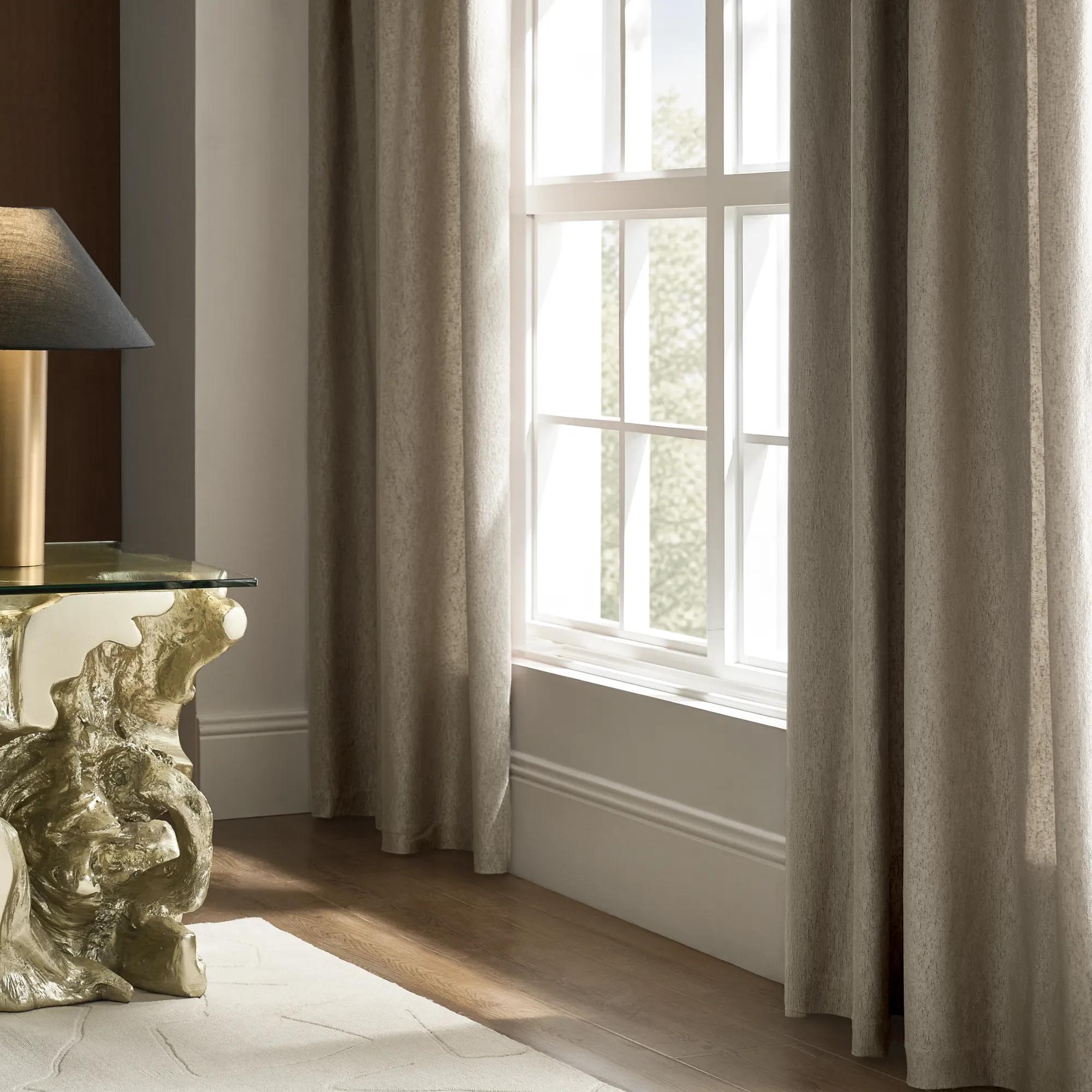 Anson Taupe Textured Window Curtain Panel$99
A taupe polyester curtain panel featuring a crushed sheen texture and versatile room-darkening design.
Add To Cart -
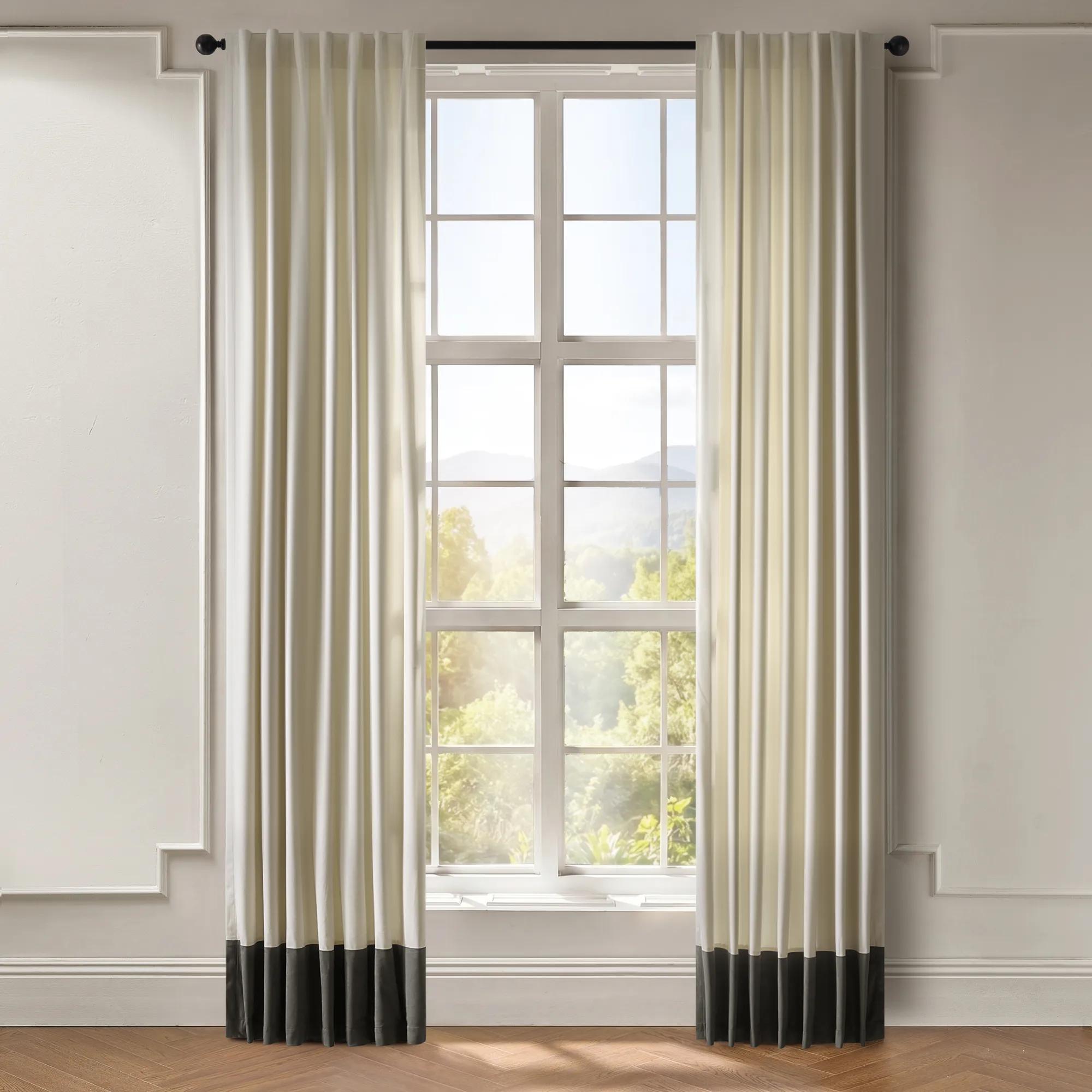
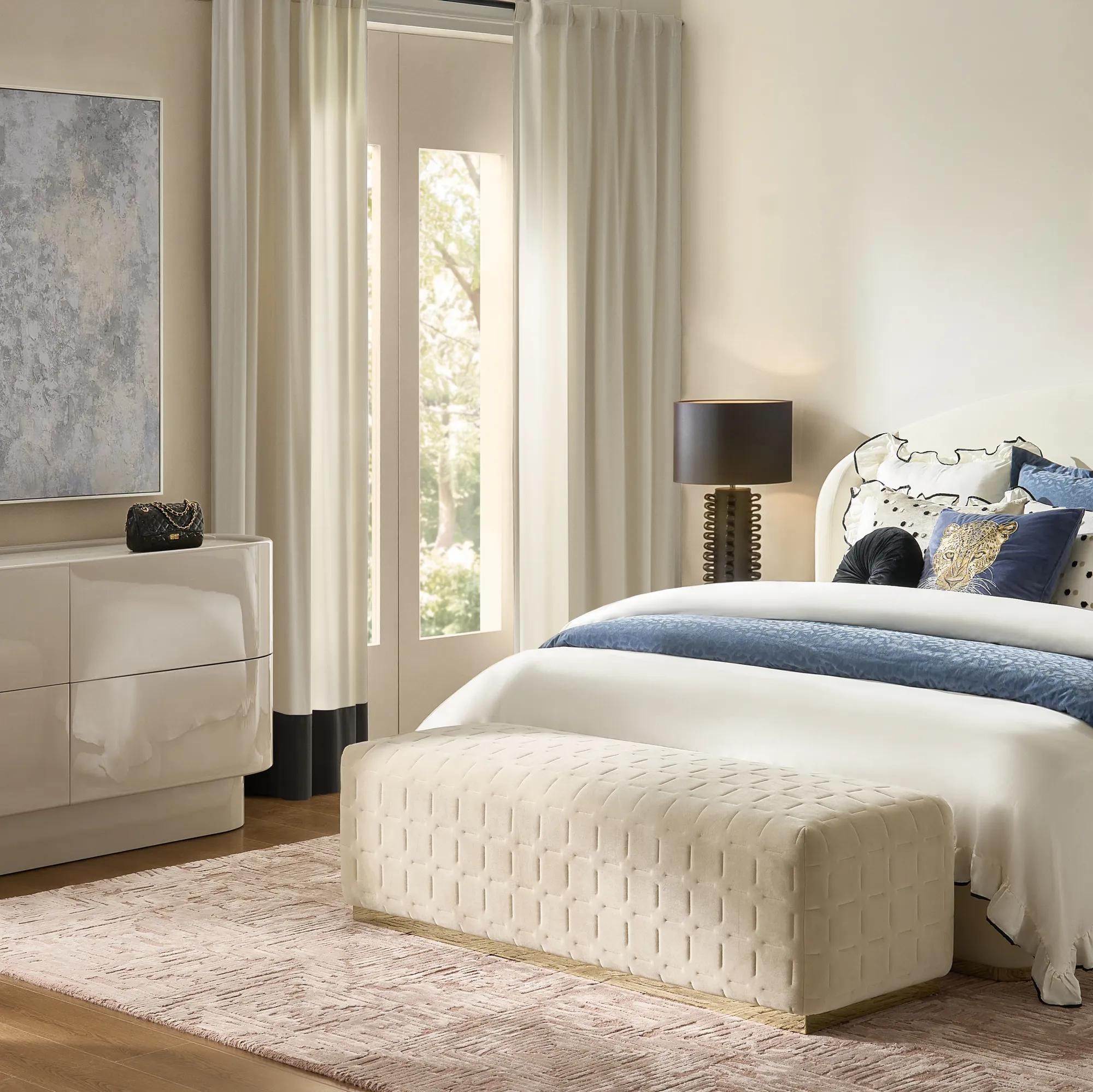 Bastien Ivory/Graphite Velvet Border Window Curtain Panel$99
A two-tone ivory and graphite velvet curtain panel with room-darkening design and versatile hanging options.
Add To Cart -
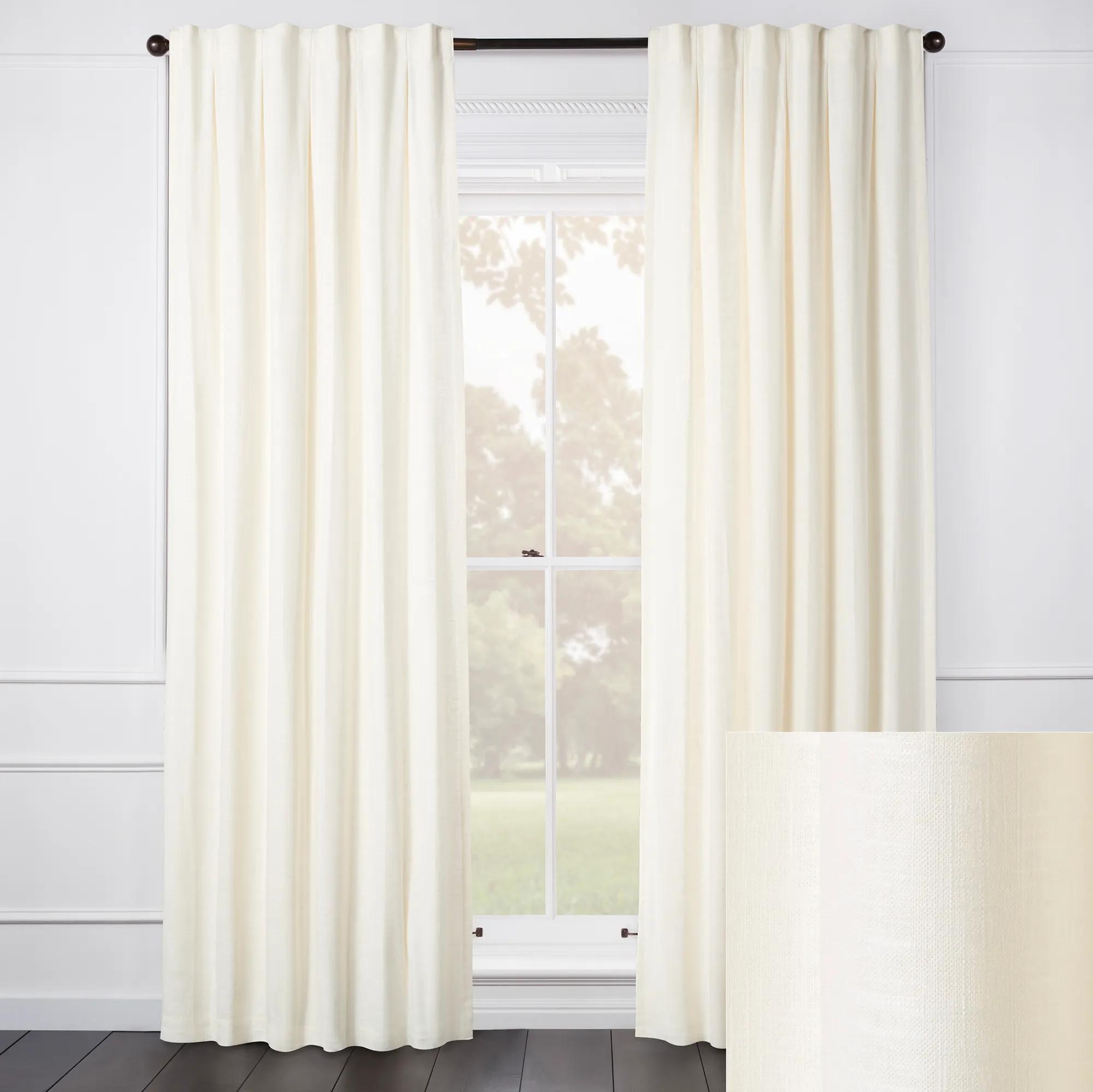
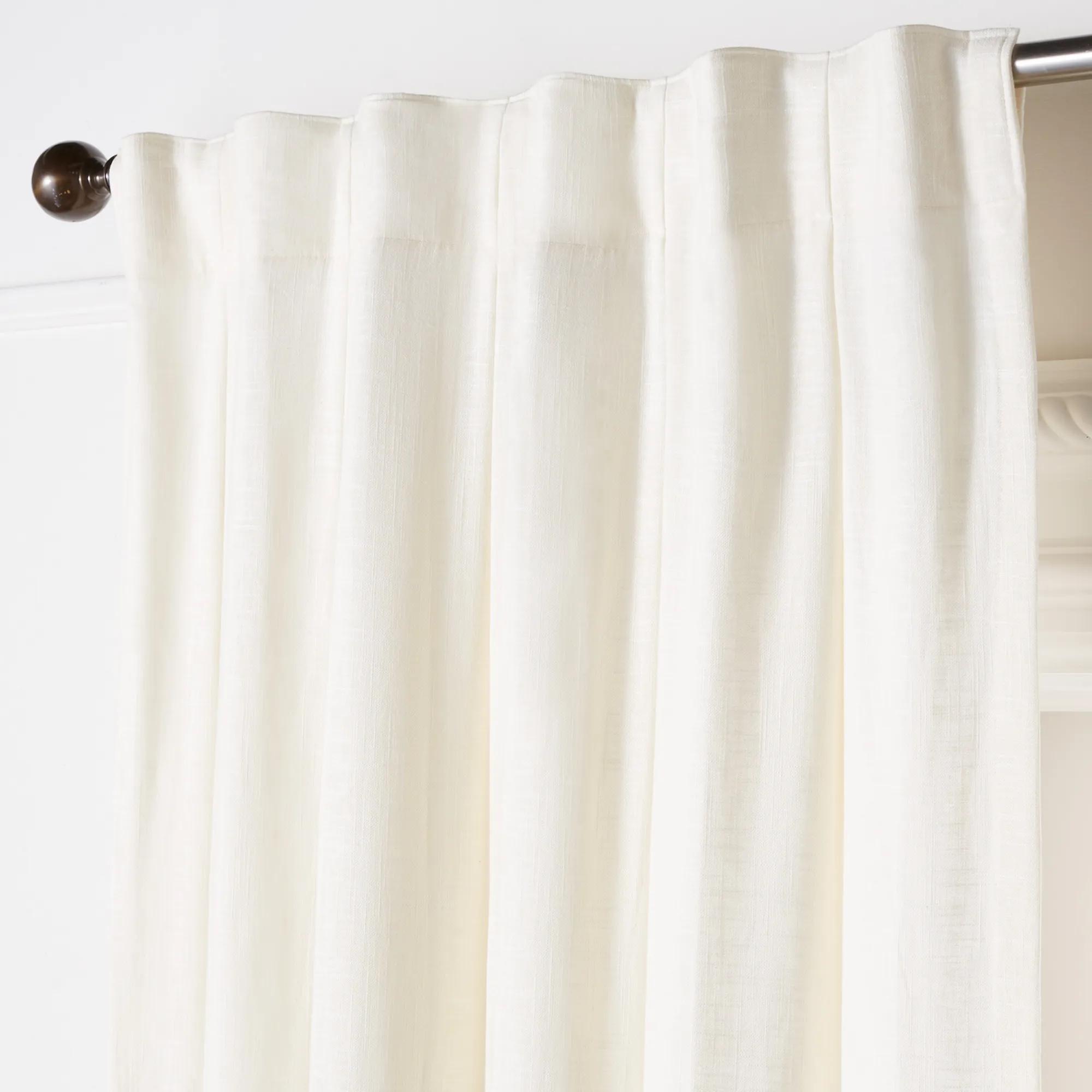 Audrey Linen Ivory Curtain - Custom$269
An ivory linen-blend curtain panel with lining, offering customizable lengths and two elegant header styles.
Add To Cart -

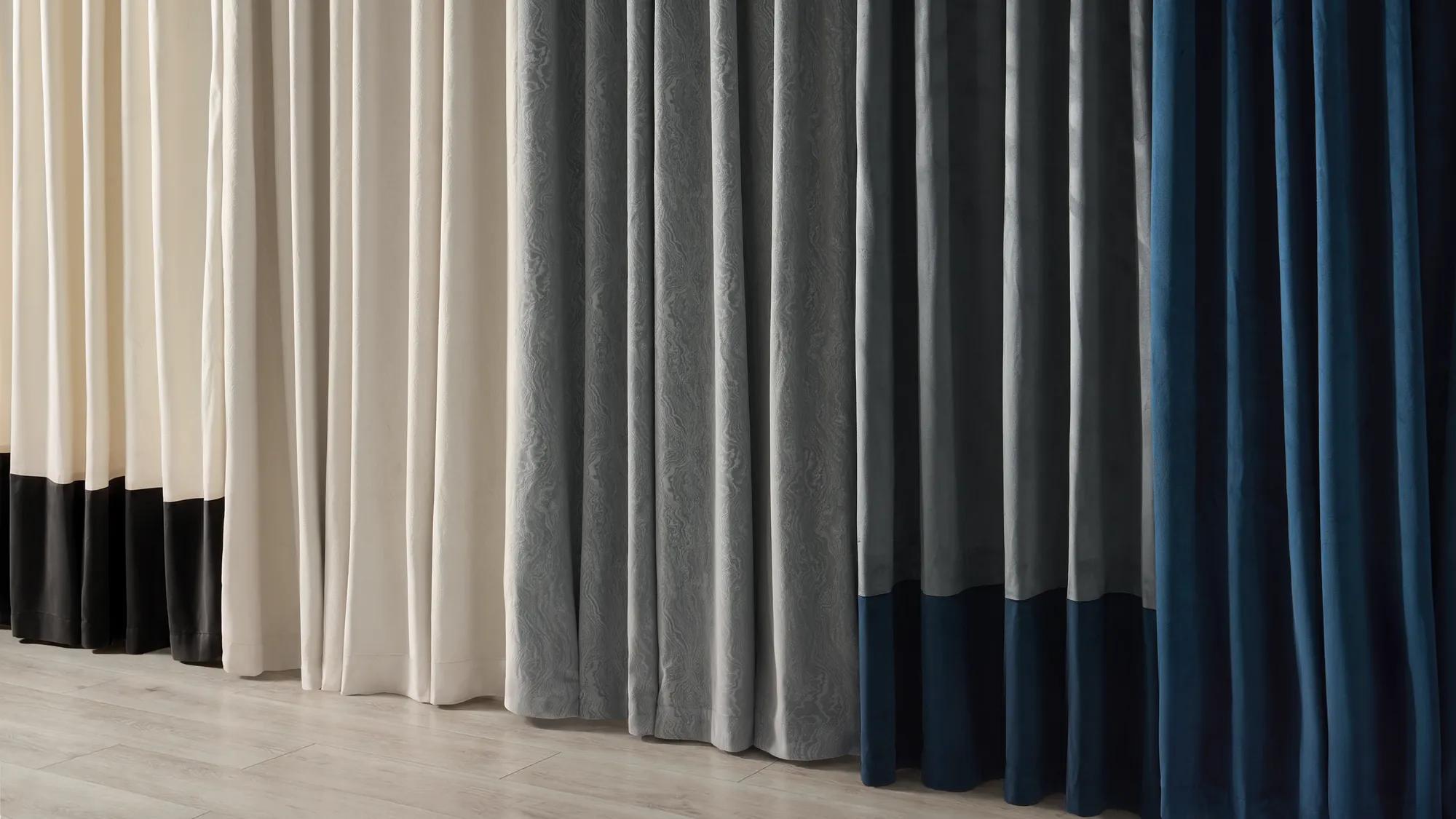 Mabel Velvet Swirl Curtain - Grey Blue$99
A grey blue velvet curtain featuring a tonal swirl pattern and versatile dual hanging options.
Add To Cart -

 Mabel Natural Velvet Swirl Window Curtain Panel$109
A warm neutral velvet curtain with a tonal swirl pattern and room-darkening, dual hanging options.
Add To Cart -
 Anson Mocha Rose Textured Window Curtain Panel$89
A light mocha rose curtain panel with crushed sheen texture and room-darkening, dual hanging design.
Add To Cart -

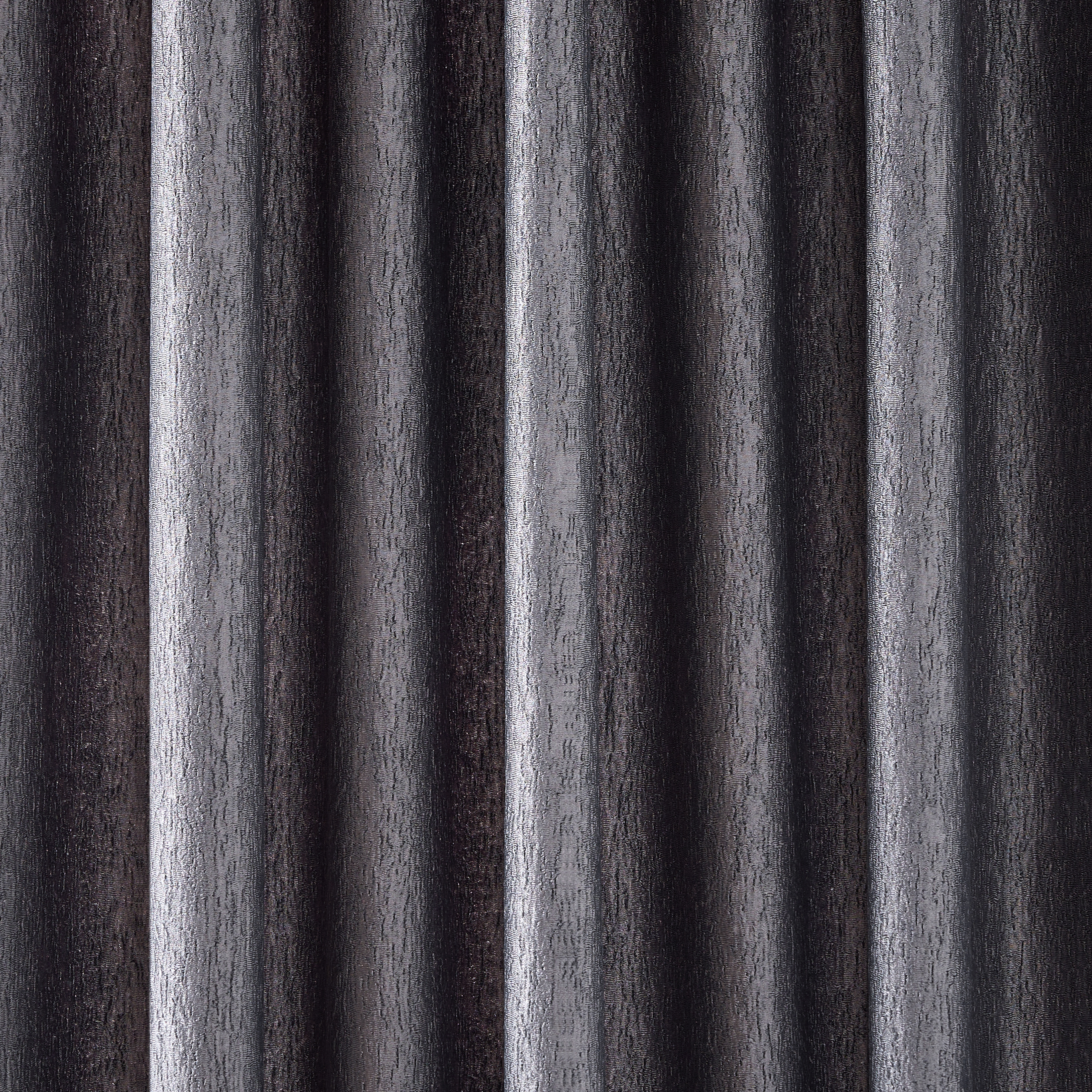 Anson Charcoal Textured Window Curtain Panel$89
A moody charcoal curtain with crushed polyester texture and subtle sheen for stylish, room-darkening appeal.
Add To Cart -
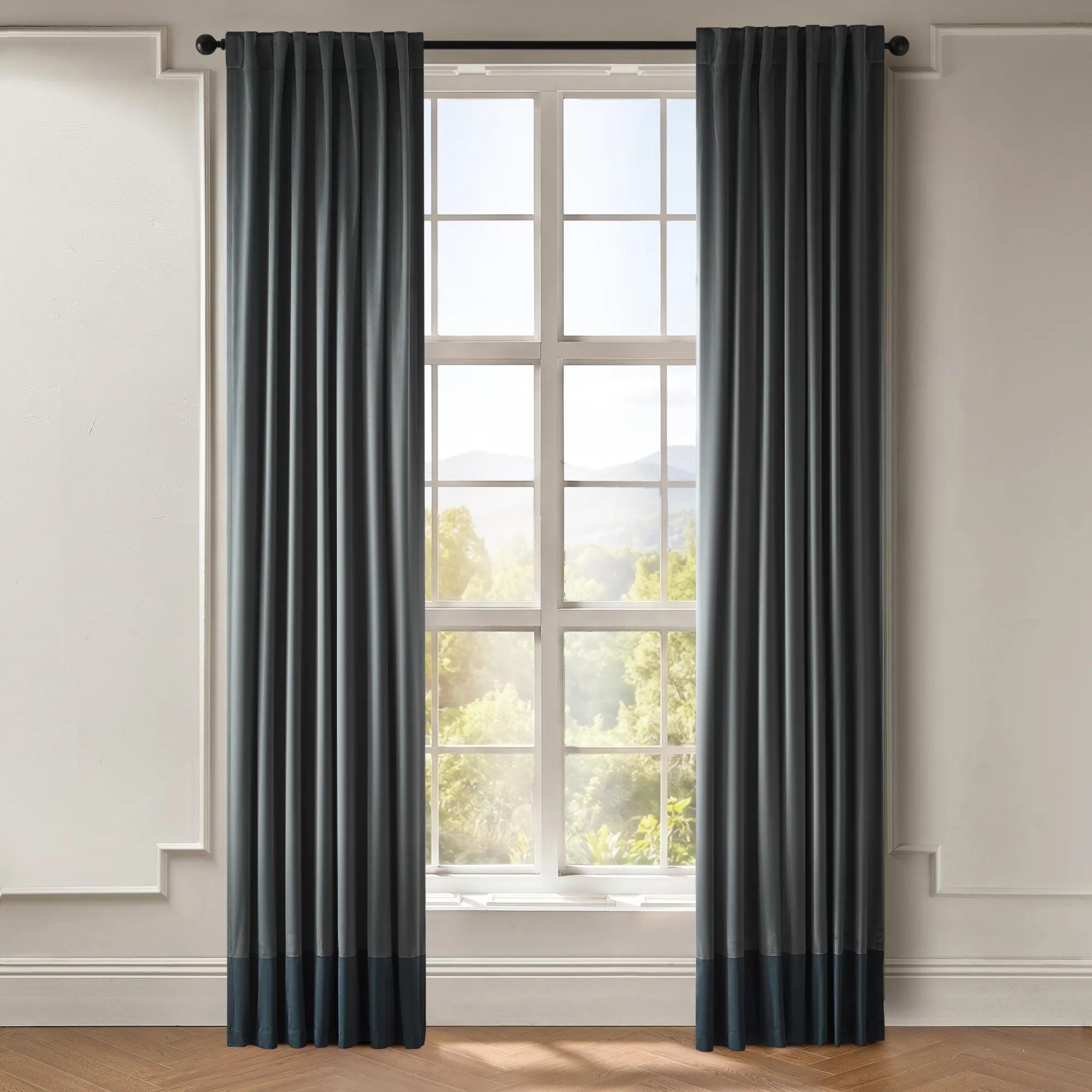
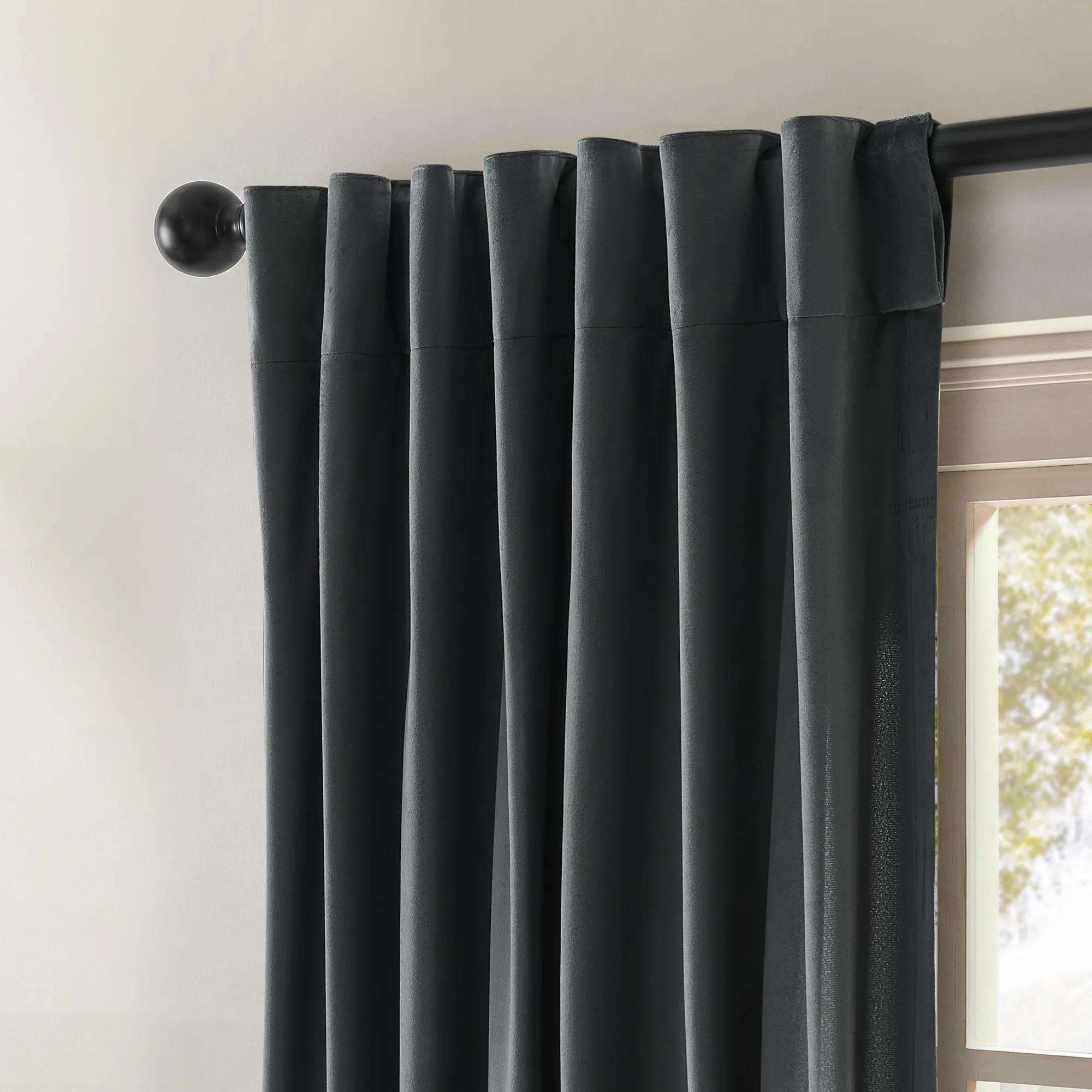 Bastien Blue/Midnight Velvet Border Window Curtain Panel$89
A two-tone dusty and midnight blue velvet curtain panel with a Deco-inspired border and room-darkening design.
Add To Cart -
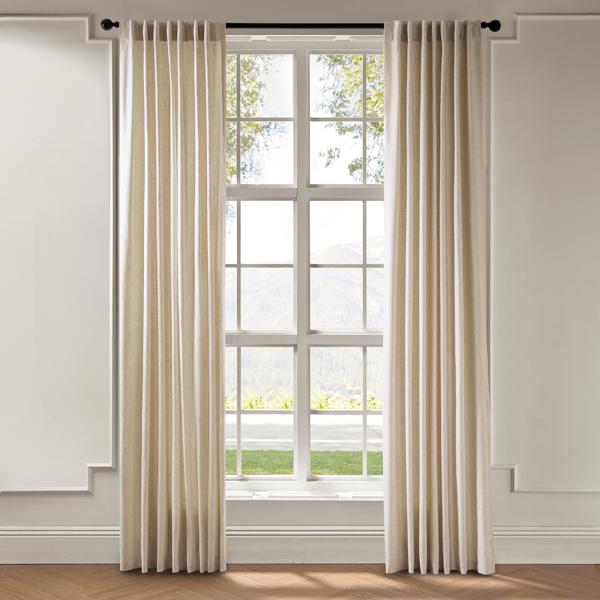
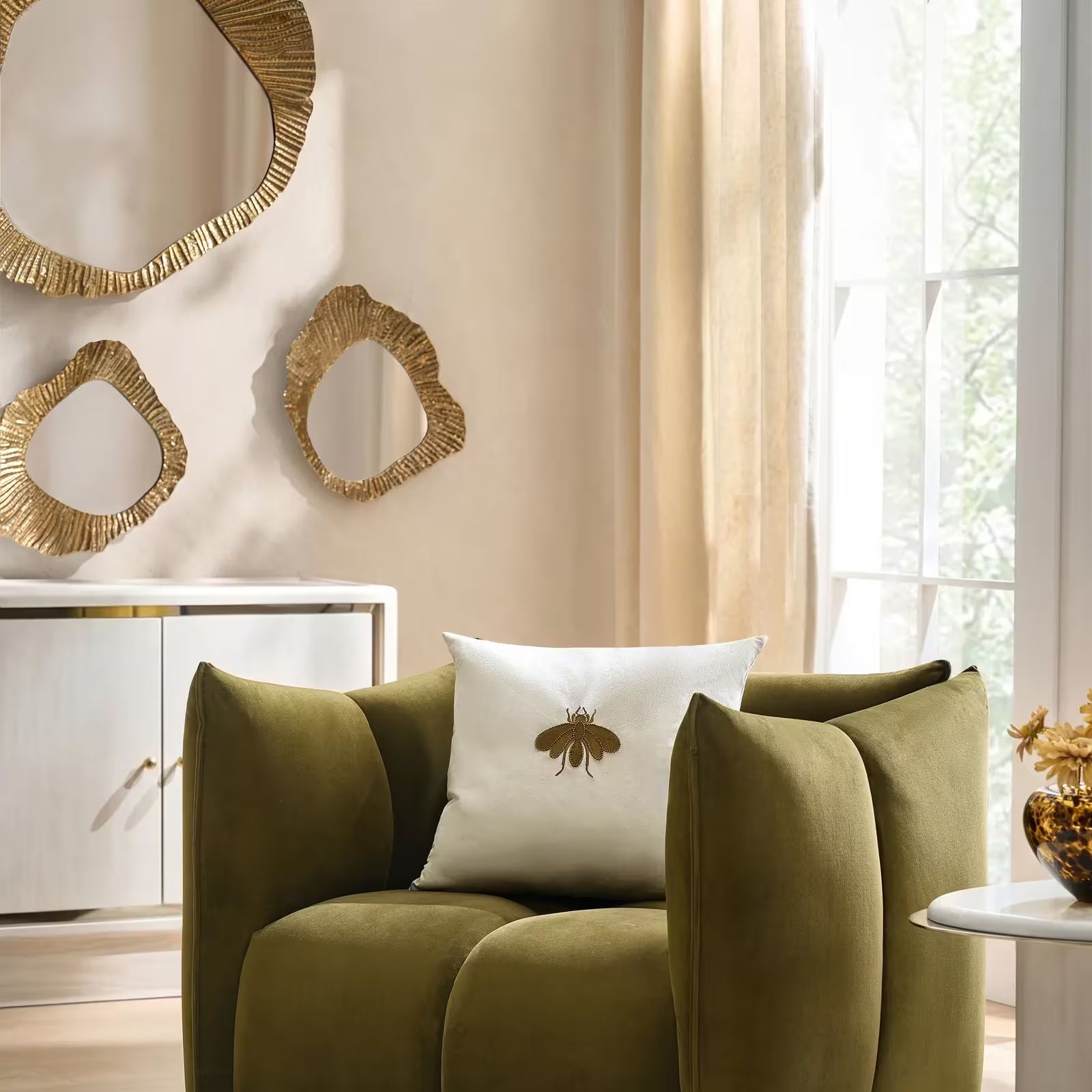 Anson Ivory Textured Window Curtain Panel$99
An elegant ivory curtain panel with a crushed, light-reflective texture for subtle shine and room darkening.
Add To Cart -

 Adair Midnight Blue Solid Velvet Window Curtain Panel$89
A sumptuous midnight blue velvet curtain that adds elegance, depth, and room-darkening style to any space.
Add To Cart -
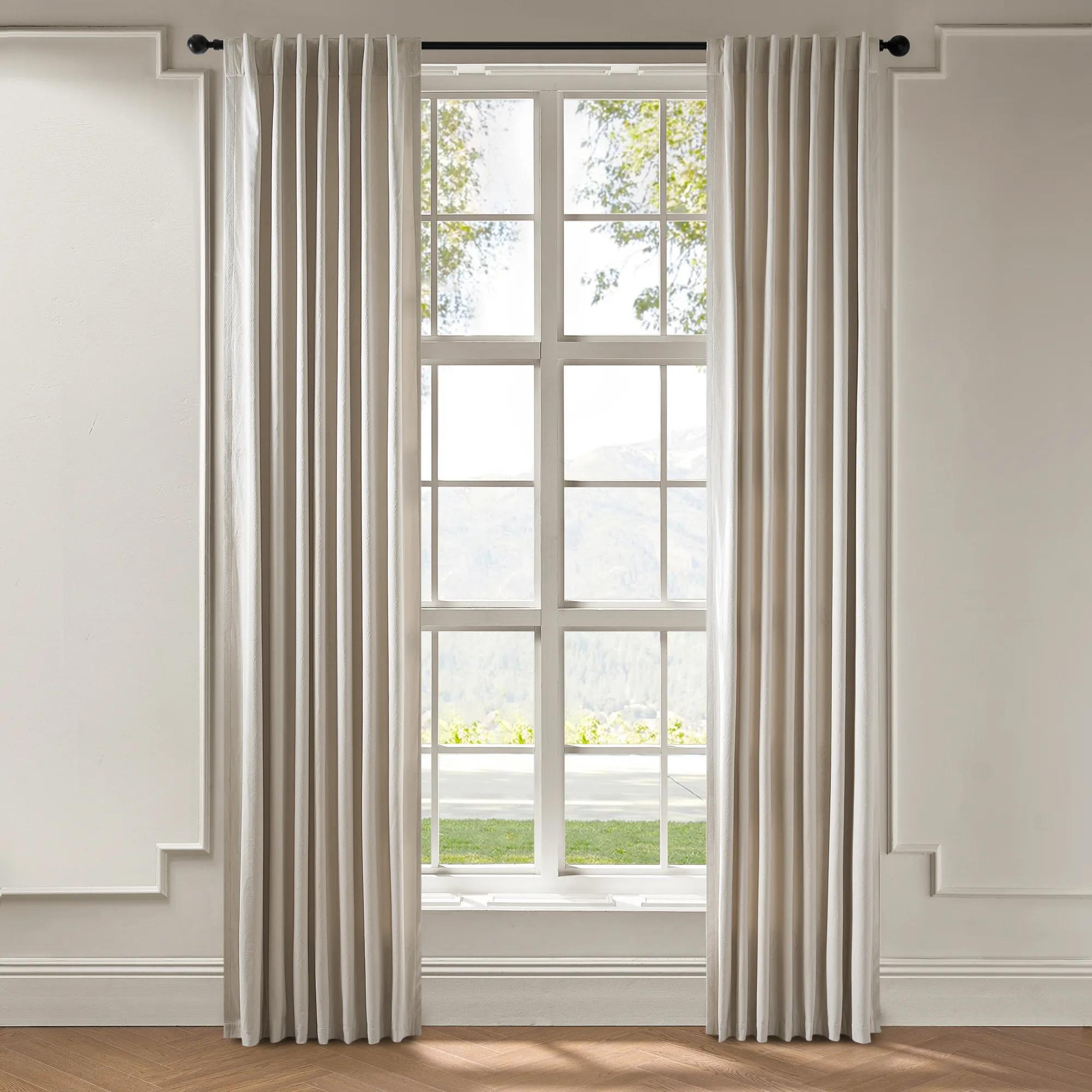
 Mabel White Velvet Swirl Window Curtain Panel$99
A crisp white velvet curtain featuring a tonal swirl texture and versatile dual hanging options.
Add To Cart -
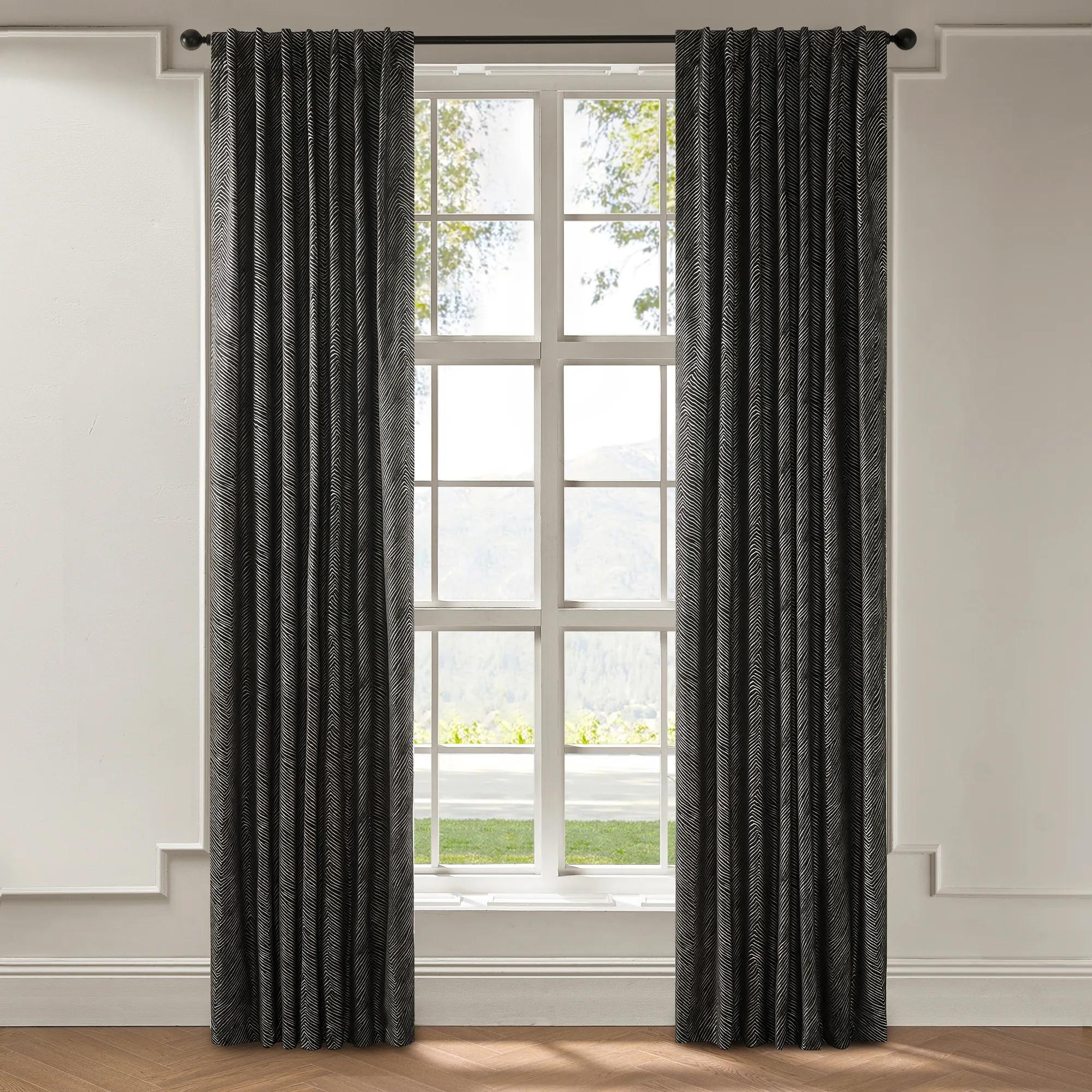
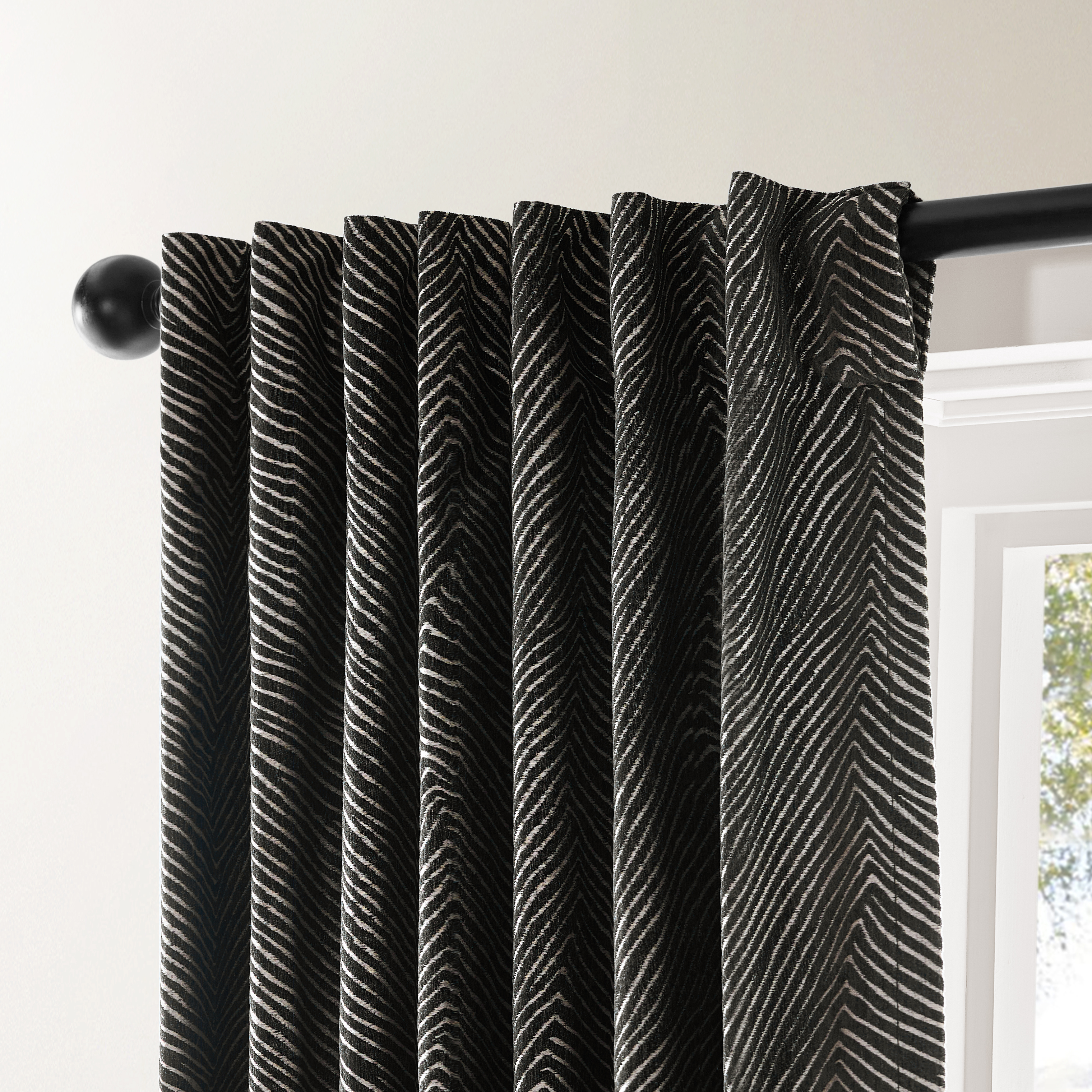 Kenzo Black Chenille Window Curtain Panel$139
A black chenille jacquard curtain with a room-darkening finish and versatile dual hanging options.
Add To Cart -
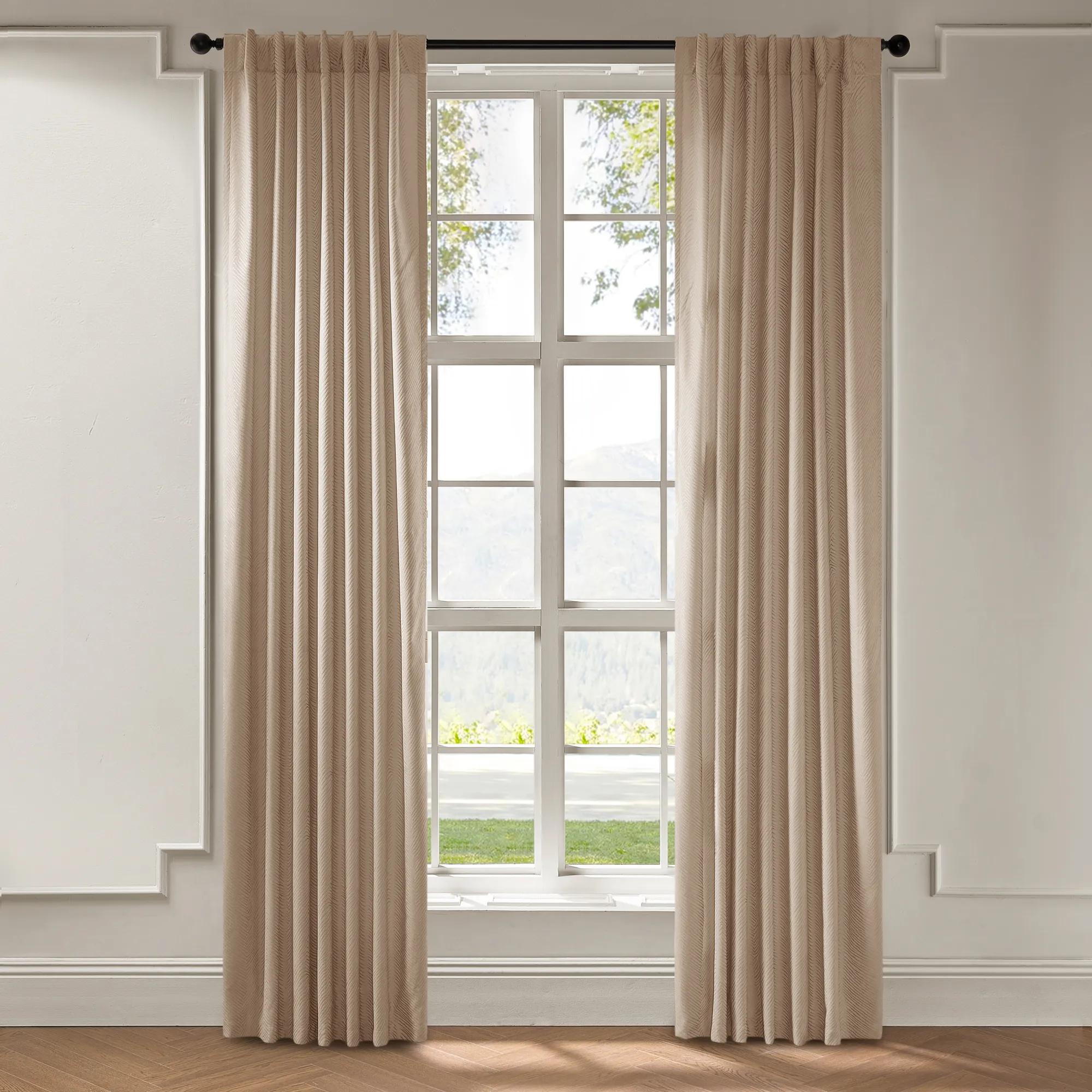 Kenzo Jacquard Beige Chenille Window Curtain Panel$129
A warm beige chenille jacquard curtain with a subtle sheen and versatile rod pocket or back tab hanging.
Add To Cart -

 Adair Sand Solid Velvet Window Curtain Panel$69
A sand-colored velvet curtain offering room-darkening privacy and versatile hanging options for refined interiors.
Add To Cart -
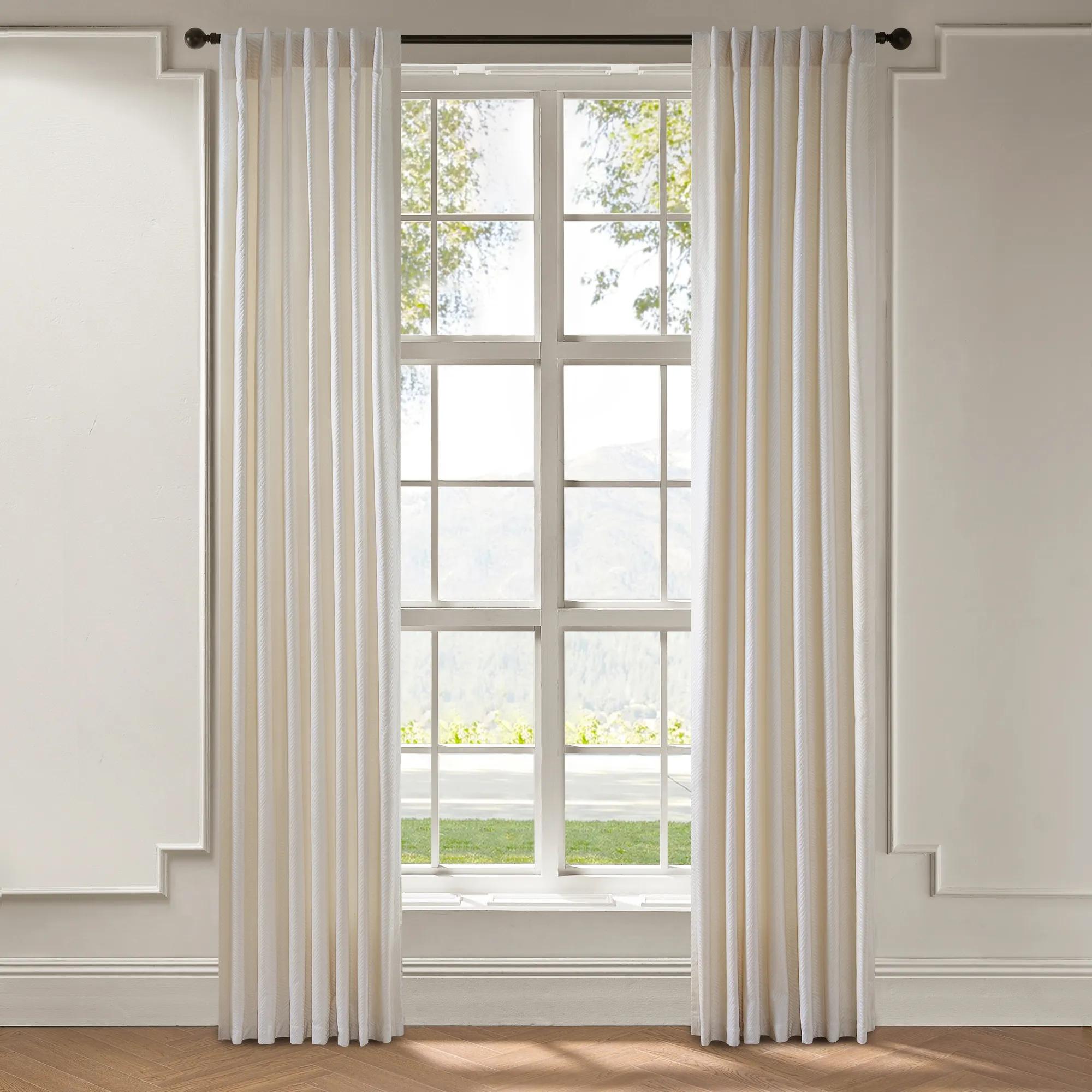
 Kenzo Chenille Curtain - White$119
A white chenille jacquard curtain featuring a subtle high-contrast pattern and soft, room-darkening texture.
Add To Cart -
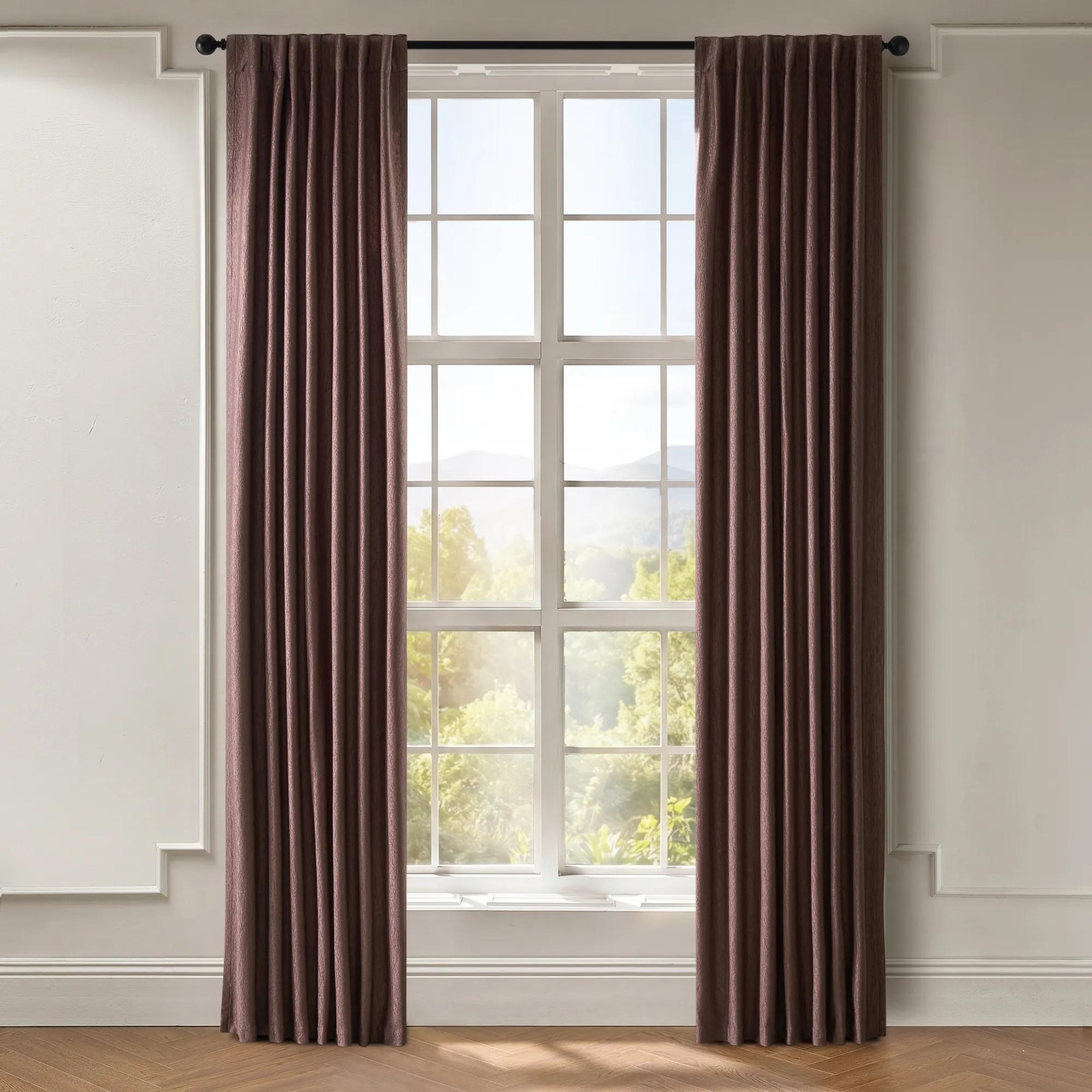
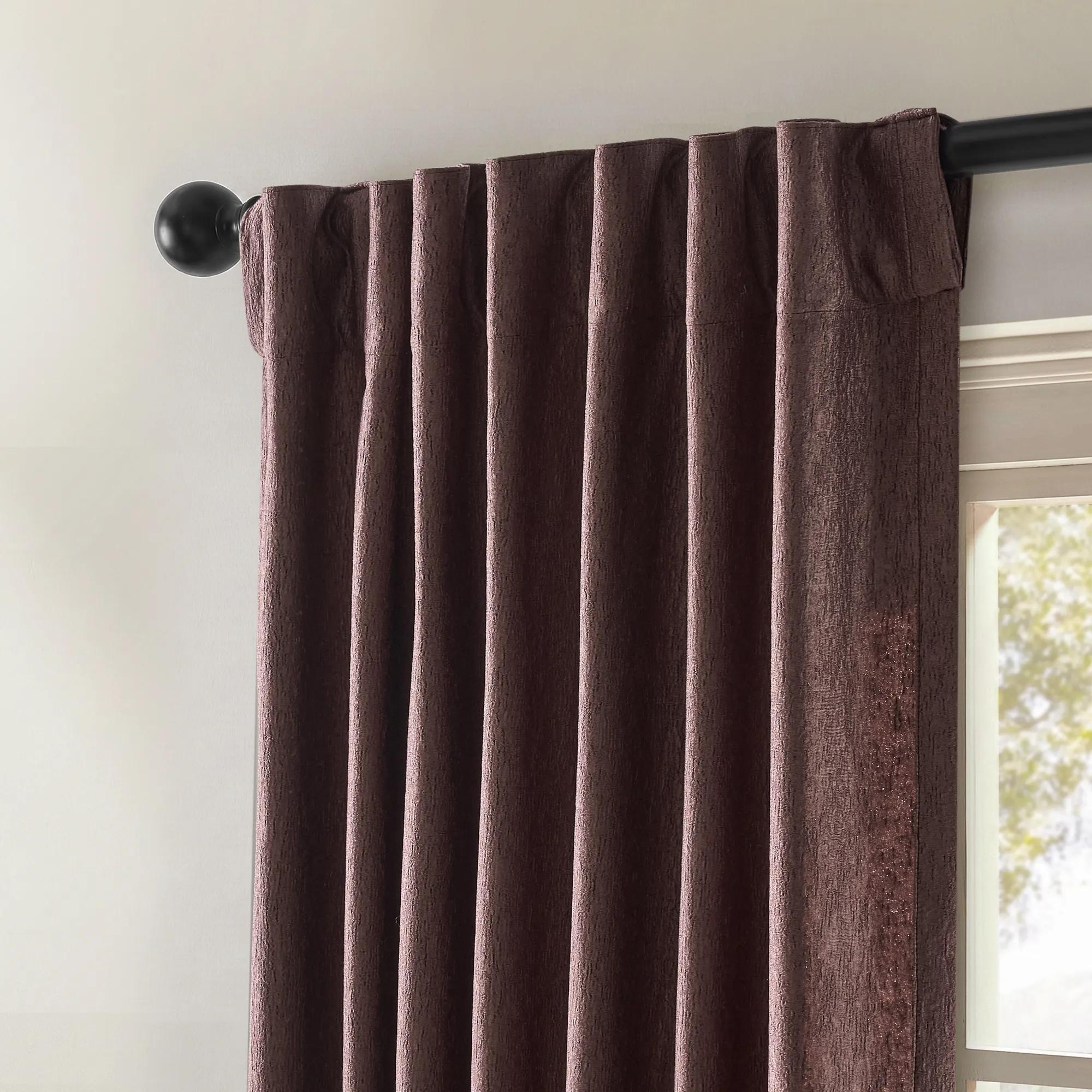 Anson Fig Textured Window Curtain Panel$109
A room-darkening fig curtain panel with a crushed sheen texture and versatile dual hanging options.
Add To Cart

Window Treatments For Apartments
Explore window treatments for apartments to frame your view and give your space a tailored, expressive finish. As you browse, consider how each design complements your furnishings, along with your preferred balance of privacy and natural light. Check window measurements and mounting requirements before choosing, and if you rent, confirm any restrictions on drilling or installing hardware.
Window treatments for apartments bring privacy, light control, and a finished, expressive look to rooms where every square foot has a role. Renter-friendly options can include curtains hung from existing hardware, tension rods fitted inside suitable window frames, and removable mounting systems rated for the fabric’s weight. These approaches may reduce the need for drilling, although lease requirements, surface compatibility, and manufacturer installation instructions still matter; removable hardware is not a guarantee against damage. Beyond installation, the appeal is transformative: a bare window becomes a graceful architectural feature, a compact living room gains softness, and a bedroom feels more secluded from neighboring buildings. Apartment curtains can frame an expansive city view or lend presence to a modest window overlooking a courtyard. Sheer panels filter daylight into a luminous backdrop, while more substantial fabrics create a stronger visual boundary between home and the world outside. Privacy depends on fabric density, lighting conditions, and coverage, so a sheer that feels discreet during the day may reveal silhouettes when interior lights are on after dark. Layered window treatments offer greater flexibility, pairing an airy decorative layer with an opaque shade or lined curtain where the mounting arrangement allows. In a studio apartment, that flexibility is especially valuable: the same room may need bright light for work, softened light for relaxing, and deeper coverage for sleep. The most compelling designs balance those practical needs with a distinct mood. Ivory fabric can soften dark window trim, a saturated jewel tone can give a neutral room depth, and a subtle metallic thread can catch the light without competing with artwork. Even a small window deserves an intentional frame, whether the effect is quietly luminous or richly theatrical. With the right proportions and fabric, apartment window coverings contribute far more than coverage; they give the room a sense of completion without requiring a permanent renovation. They also offer a way to establish personal style when wall finishes, flooring, and built-in features are not easily changed.
Fabric gives apartment window treatments much of their character, influencing how they fall, filter light, and hold up to everyday use. Linen and linen-blend curtains offer visible texture and a relaxed, sculptural drape; their natural variation feels particularly expressive against smooth walls, polished tables, and gleaming accents. Cotton offers a softer, more understated surface, while polyester and blended fabrics can provide shape retention and easier care, depending on their construction. Velvet creates a plush, light-absorbing frame that lends depth to a bedroom or living area, though its weight calls for appropriately rated hardware. Silk and delicate decorative weaves introduce a refined sheen but may require more specialized care and protection from prolonged direct sunlight. Fiber content alone does not determine privacy or darkness: weave, lining, color, and the way a treatment covers the window all contribute. Light-filtering curtains soften brightness without necessarily obscuring the view from outside, room-darkening fabrics reduce incoming light, and blackout constructions are designed to block light through the material itself. Gaps at the sides, top, or center can still admit light, an important distinction for light-sensitive sleepers and anyone whose bedroom faces illuminated neighboring windows. A lining can lend a decorative panel more body and help shield its face fabric, while a layered arrangement allows the room’s appearance to change without replacing the entire treatment. In an apartment living room with a screen opposite the window, adjustable coverage can temper distracting glare while preserving a sense of openness. In a bedroom close to another building, overlapping panels and fuller coverage can create a more secluded atmosphere. For a tailored expression, curtains for modern apartments can complement clean-lined furniture with a fluid vertical element, bringing movement to a room defined by crisp edges. Tonal fabrics keep the composition cohesive, while contrasting borders, dimensional textures, or an expressive pattern make the window a focal point. The strongest pairing lets material and color work together: a matte weave can balance reflective finishes, and a lustrous surface can enliven an otherwise restrained palette.
Fit is what makes apartment window treatments look considered rather than improvised. Window width and height are only part of the picture; the frame depth, mounting position, nearby doors, and space available for open panels all influence the finished effect. Inside-mounted shades need sufficient recess depth and accurate measurements, while curtains hung outside the frame need enough coverage to span the opening comfortably. A rod positioned above the window, where the wall and lease permit, can emphasize vertical space, and extending it beyond the frame gives panels room to gather without covering as much glass. Curtain width should account for the desired fullness rather than simply matching the window’s dimensions. More generous fabric creates deeper folds, but it also adds weight and requires adequate support. Header styles affect the silhouette as well: grommets form broad, regular folds, rod pockets create a gathered effect, and rings or compatible carriers can make frequently used panels easier to draw. Floor-skimming hems offer an elegant, tailored line without the extra fabric collecting underfoot, a useful consideration beside a balcony door or in a narrow bedroom passage. Sill-length treatments can suit windows above desks or other furnishings where longer panels would interfere. Durability matters most at these everyday contact points, where fabric is handled, brushed by furniture, or exposed to dust. Care requirements vary by fiber, lining, embellishment, and construction, making the sewn-in care label more reliable than assumptions based on appearance. Gentle dust removal with a suitable vacuum attachment may be appropriate for some fabrics, while washable panels and dry-clean-only textiles require different routines. Homes with children or pets also benefit from attention to reachable fabric and operating cords; cordless window coverings eliminate the hazard associated with accessible operating cords. Throughout an apartment, treatments do not need to be identical to feel connected. A shared undertone, recurring texture, or consistent hem height can create continuity while allowing each room its own degree of softness, privacy, and drama.
FAQs
Tailored curtain panels and streamlined shades complement modern apartment interiors. For a more expressive look, choose curtains with rich texture or a graphic pattern. Let the treatment echo your room’s defining mood, from polished and architectural to lavishly layered.
Draw inspiration from a standout piece, such as an accent chair, artwork, or rug. Repeat one of its colors in your curtains, or contrast sculptural furniture with softly gathered panels. A shared palette connects the room while varied textures give each detail its own presence.
Ivory and champagne lend window treatments a luminous elegance, while charcoal, midnight blue, and jewel tones introduce depth and drama. Consider your wall color and decorative finishes: tonal curtains create a composed backdrop, while a deliberate contrast turns the window into a focal point.
Pair a streamlined shade with curtain panels to combine architectural lines with graceful folds. Keep the colors closely related for a refined composition, or frame a subtle shade with boldly patterned curtains. Give one layer the starring role so the arrangement feels intentional rather than competing.
Treat curtain hardware as jewelry for your windows. A gleaming finish can echo metallic accents elsewhere in the room, while a dark finish adds a crisp outline. Pair expressive finials with understated panels, or let richly detailed curtains take the spotlight against simpler hardware.