Dorm Room Window Treatment Ideas
Dorm Room Window Treatment Ideas
-

 Adair Midnight Blue Solid Velvet Window Curtain Panel$89
A sumptuous midnight blue velvet curtain that adds elegance, depth, and room-darkening style to any space.
Add To Cart -

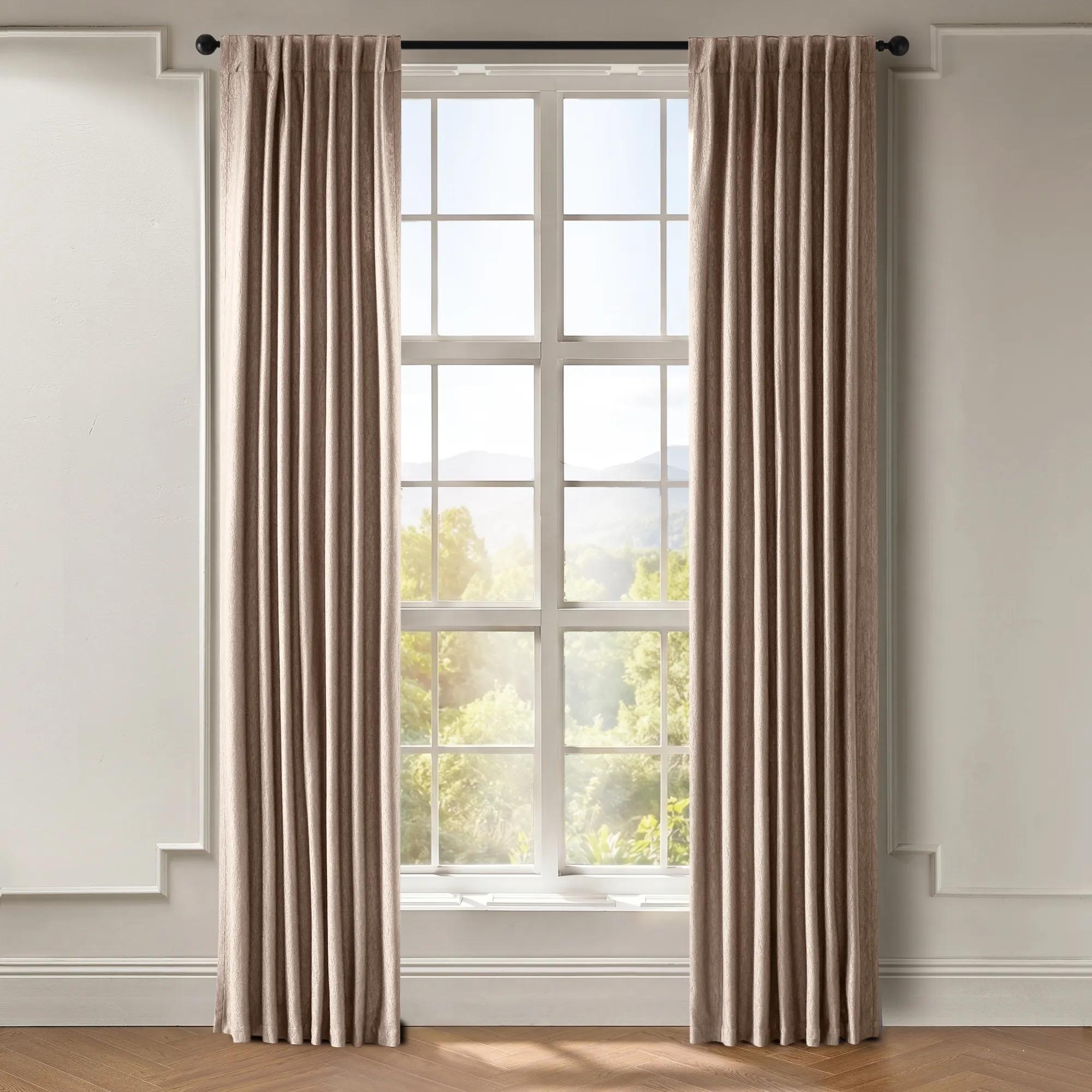
 Adair Sand Solid Velvet Window Curtain Panel$89
A sand-colored velvet curtain offering room-darkening privacy and versatile hanging options for refined interiors.
Add To Cart -
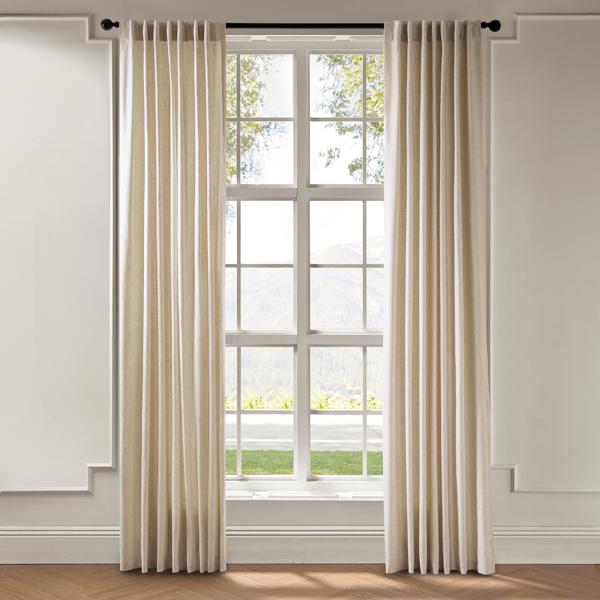
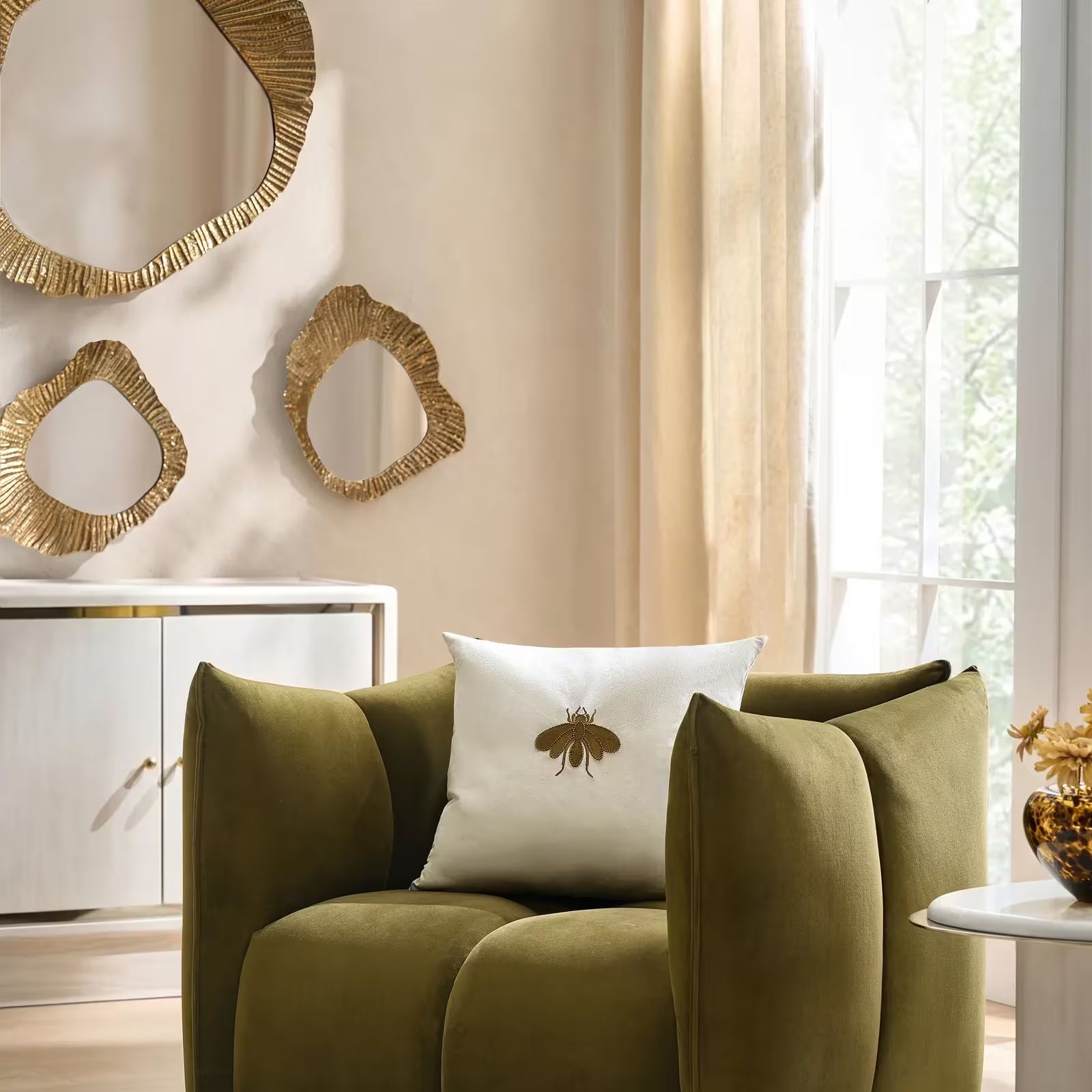 Anson Ivory Textured Window Curtain Panel$89
An ivory polyester curtain with a crushed, light-reflective texture for elegant, room-darkening style.
Add To Cart -

 Mabel Natural Velvet Swirl Window Curtain Panel$109
A warm neutral velvet curtain with a tonal swirl pattern and room-darkening, dual hanging options.
Add To Cart -
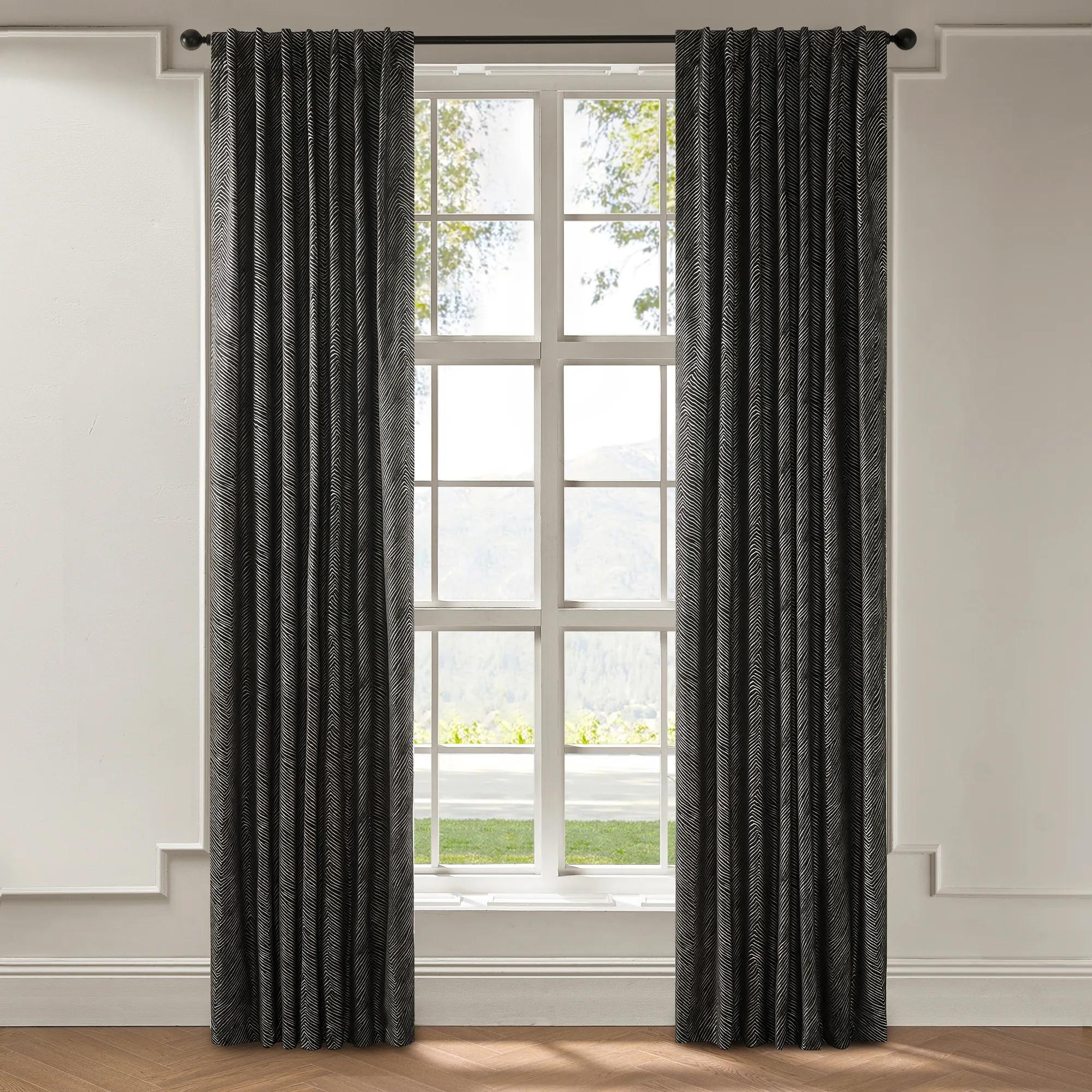
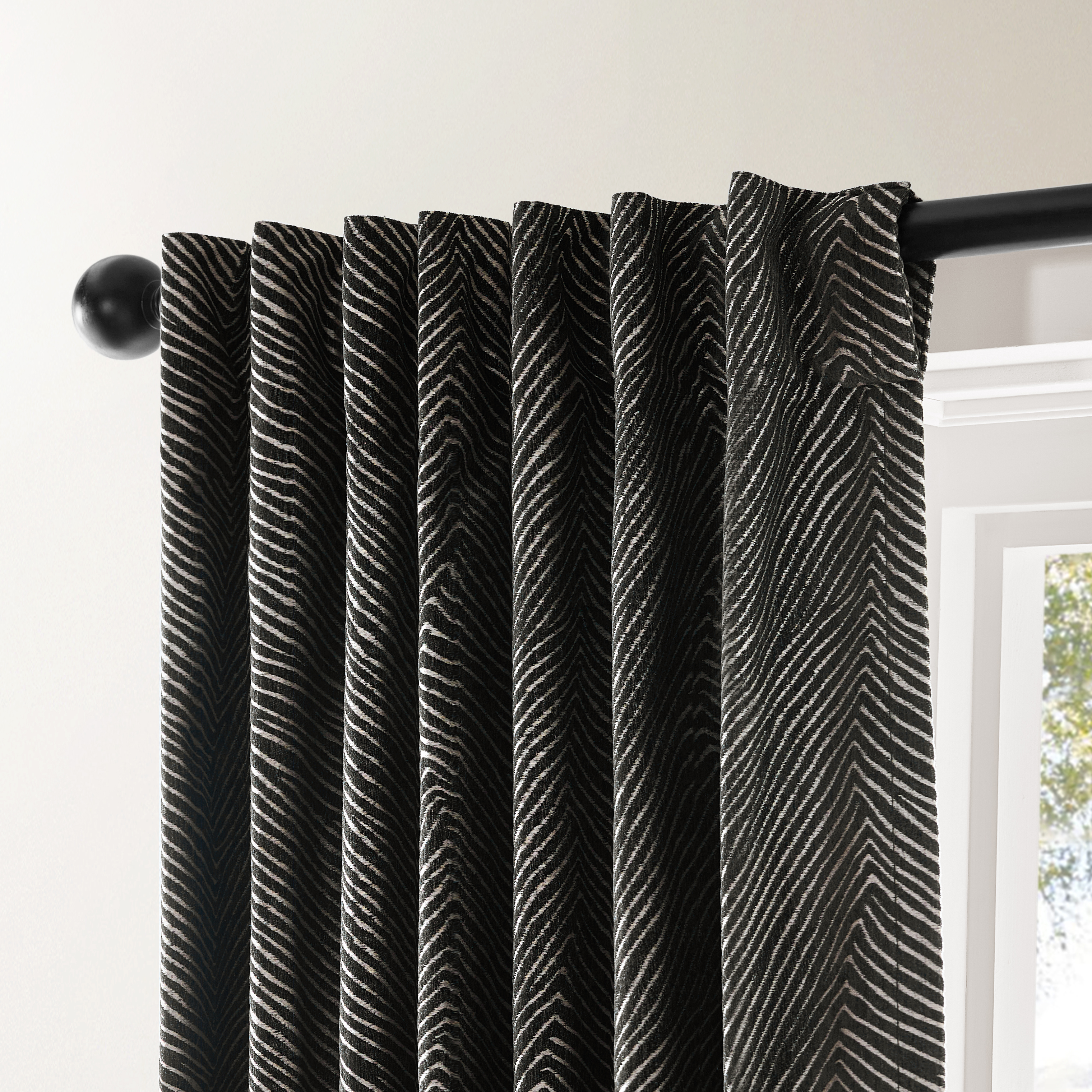 Kenzo Black Chenille Window Curtain Panel$139
A black chenille jacquard curtain with a room-darkening finish and versatile dual hanging options.
Add To Cart -

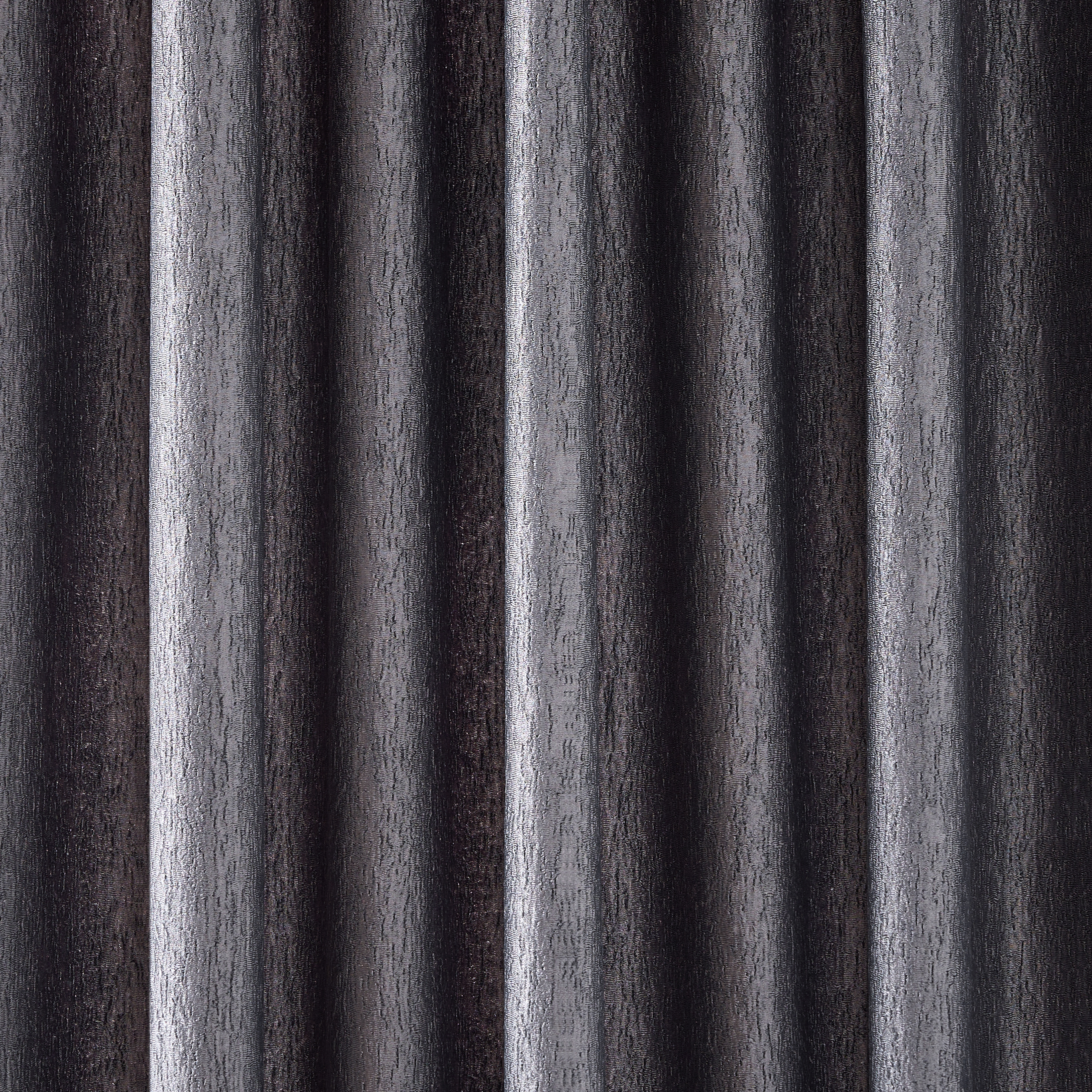 Anson Charcoal Textured Window Curtain Panel$99
A moody charcoal curtain with crushed polyester texture and subtle sheen for stylish, room-darkening appeal.
Add To Cart -
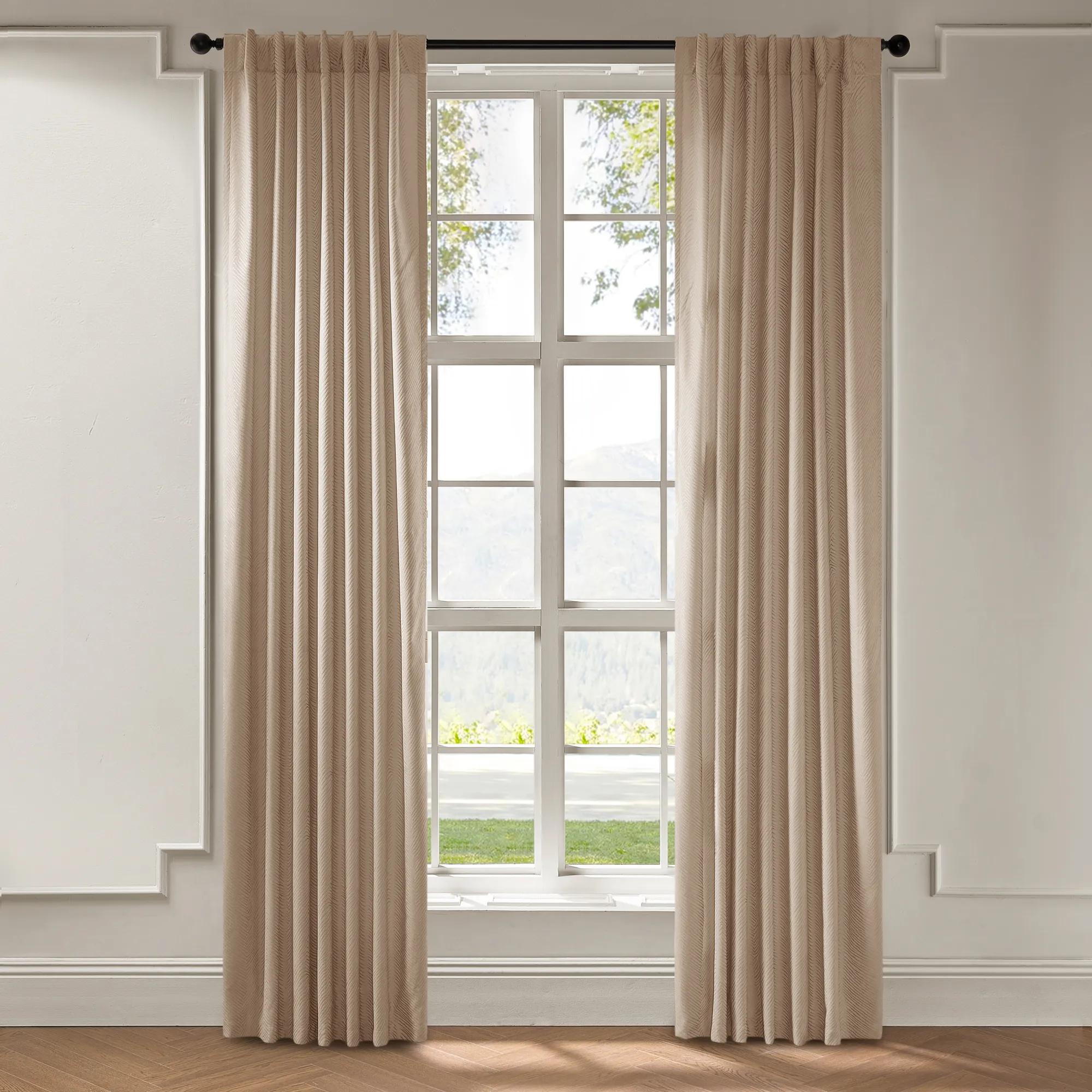 Kenzo Jacquard Beige Chenille Window Curtain Panel$129
A warm beige chenille jacquard curtain with a subtle sheen and versatile rod pocket or back tab hanging.
Add To Cart -
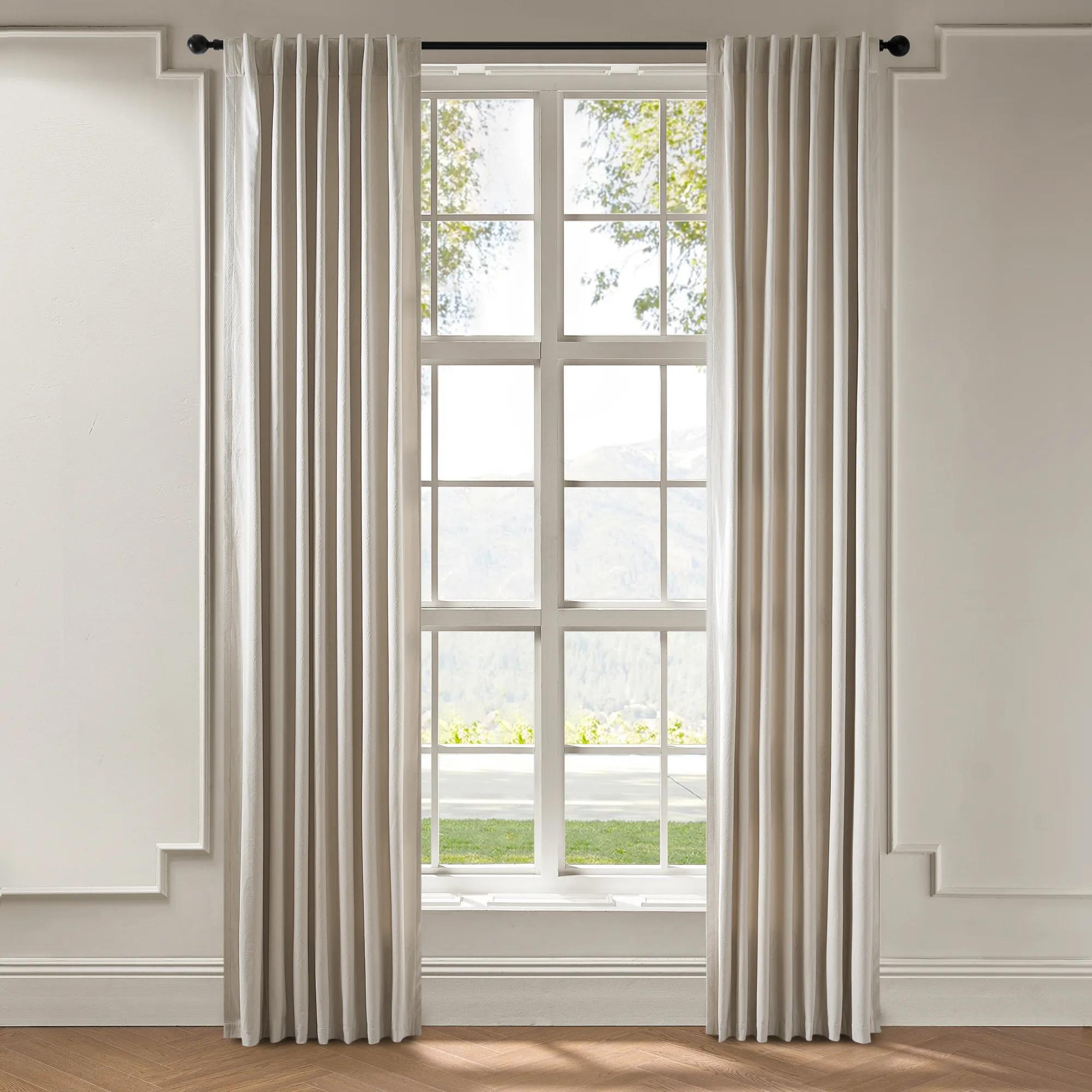
 Mabel White Velvet Swirl Window Curtain Panel$109
A crisp white velvet curtain featuring a tonal swirl texture and versatile dual hanging options.
Add To Cart -
 Anson Mocha Rose Textured Window Curtain Panel$89
A light mocha rose curtain panel with crushed sheen texture and room-darkening, dual hanging design.
Add To Cart -

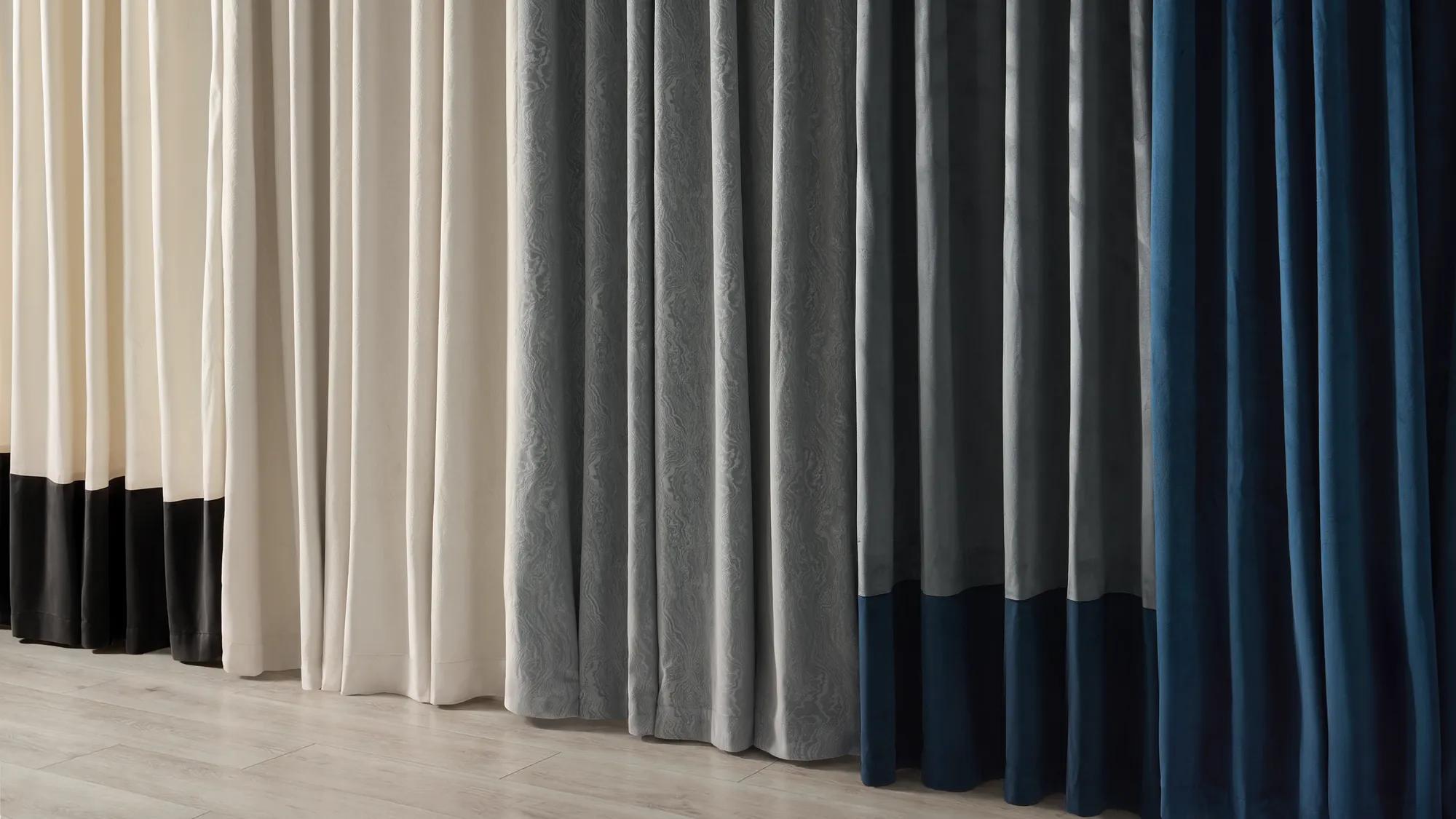 Mabel Velvet Swirl Curtain - Grey Blue$89
A grey blue velvet curtain featuring a tonal swirl pattern and versatile dual hanging options.
Add To Cart -
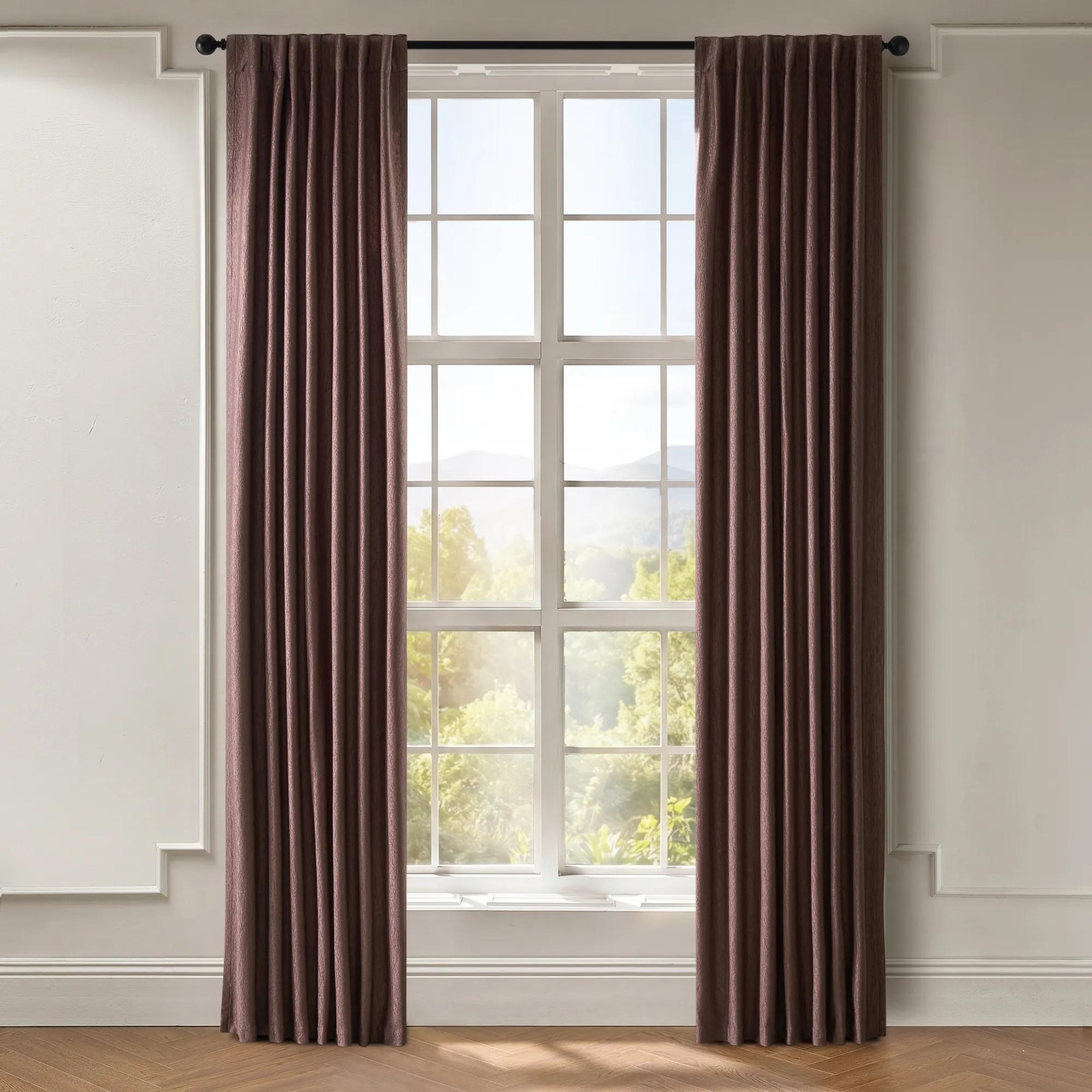
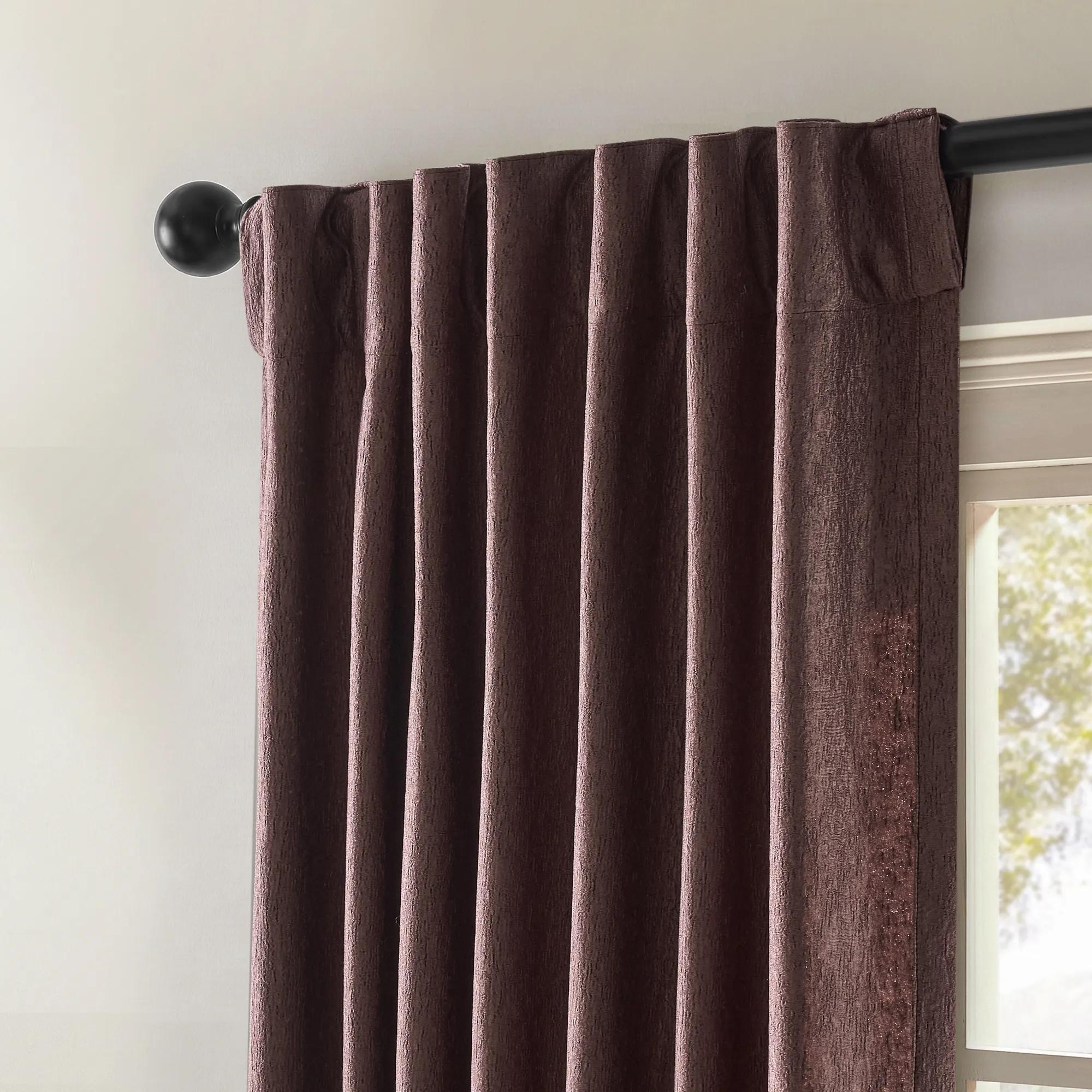 Anson Fig Textured Window Curtain Panel$109
A room-darkening fig curtain panel with a crushed sheen texture and versatile dual hanging options.
Add To Cart -
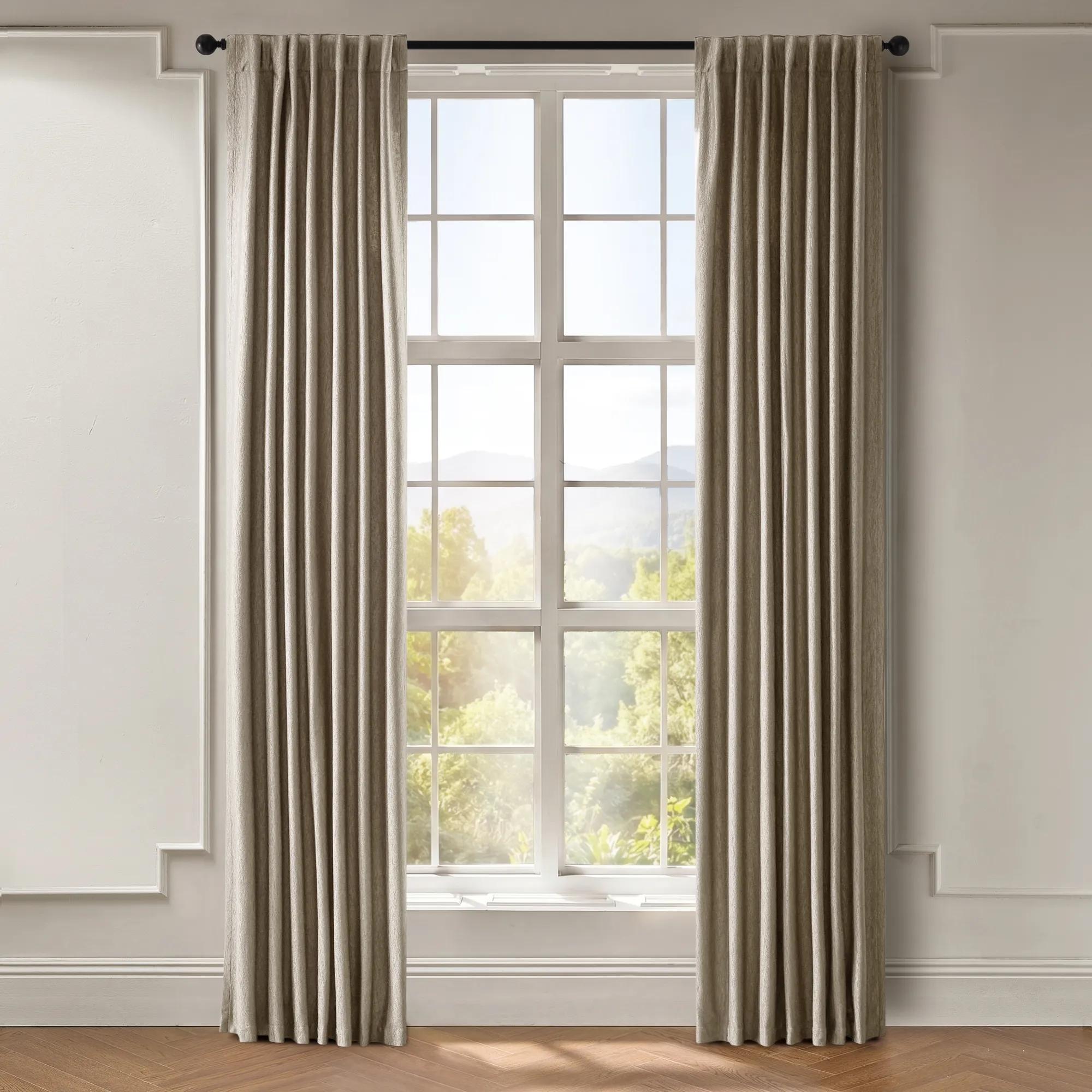
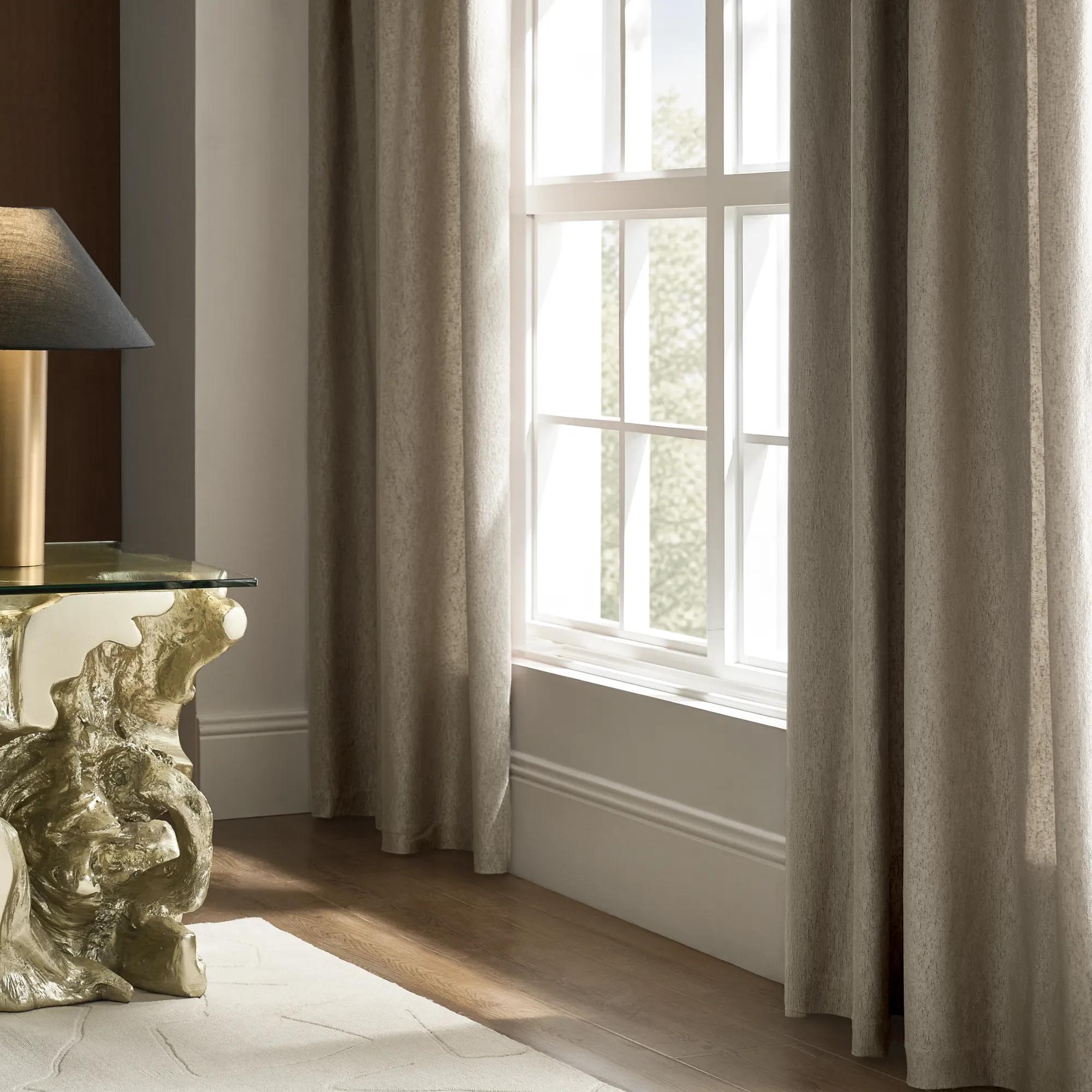 Anson Taupe Textured Window Curtain Panel$89
A taupe polyester curtain panel featuring a crushed sheen texture and room-darkening, dual hanging design.
Add To Cart -
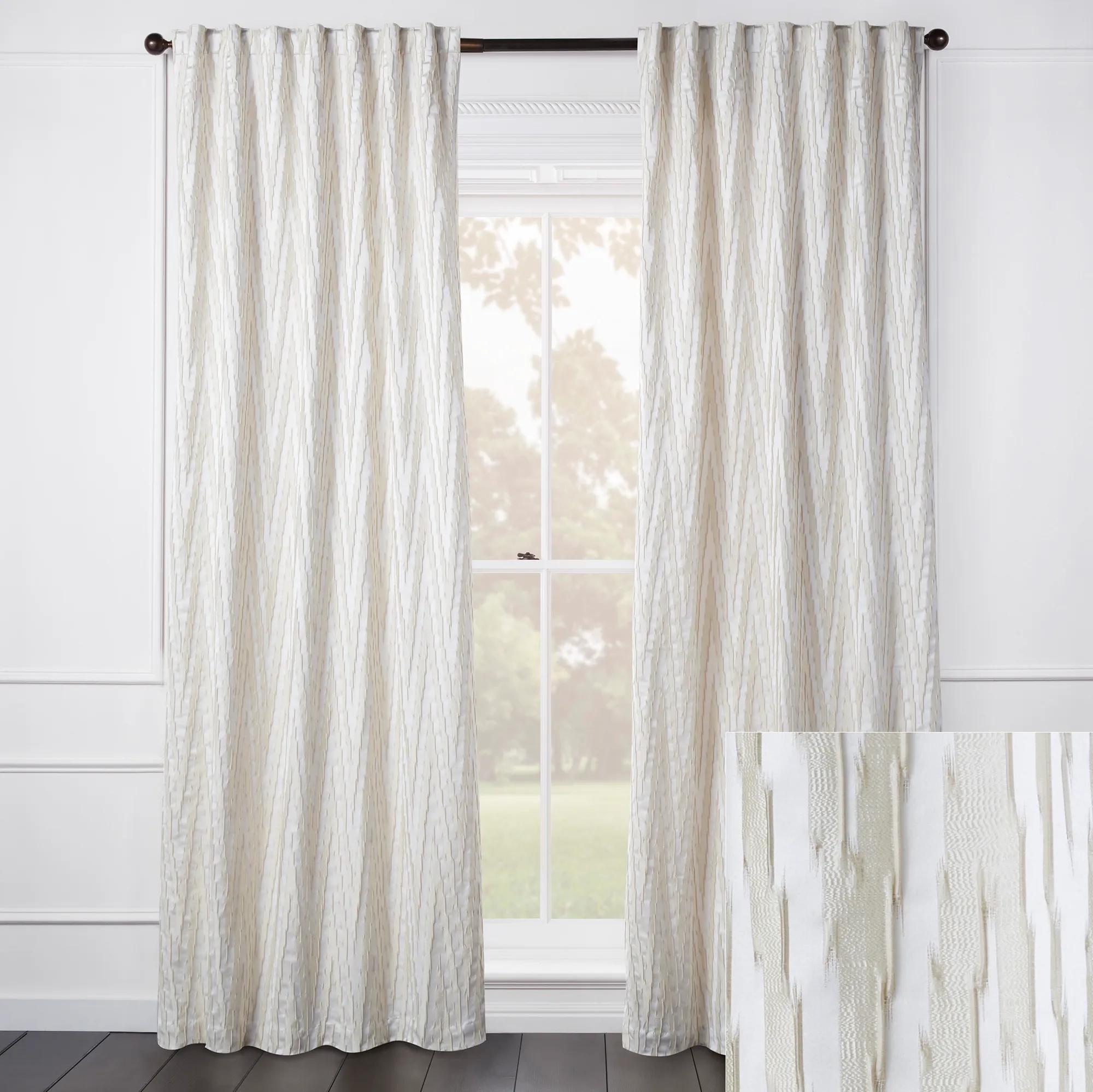
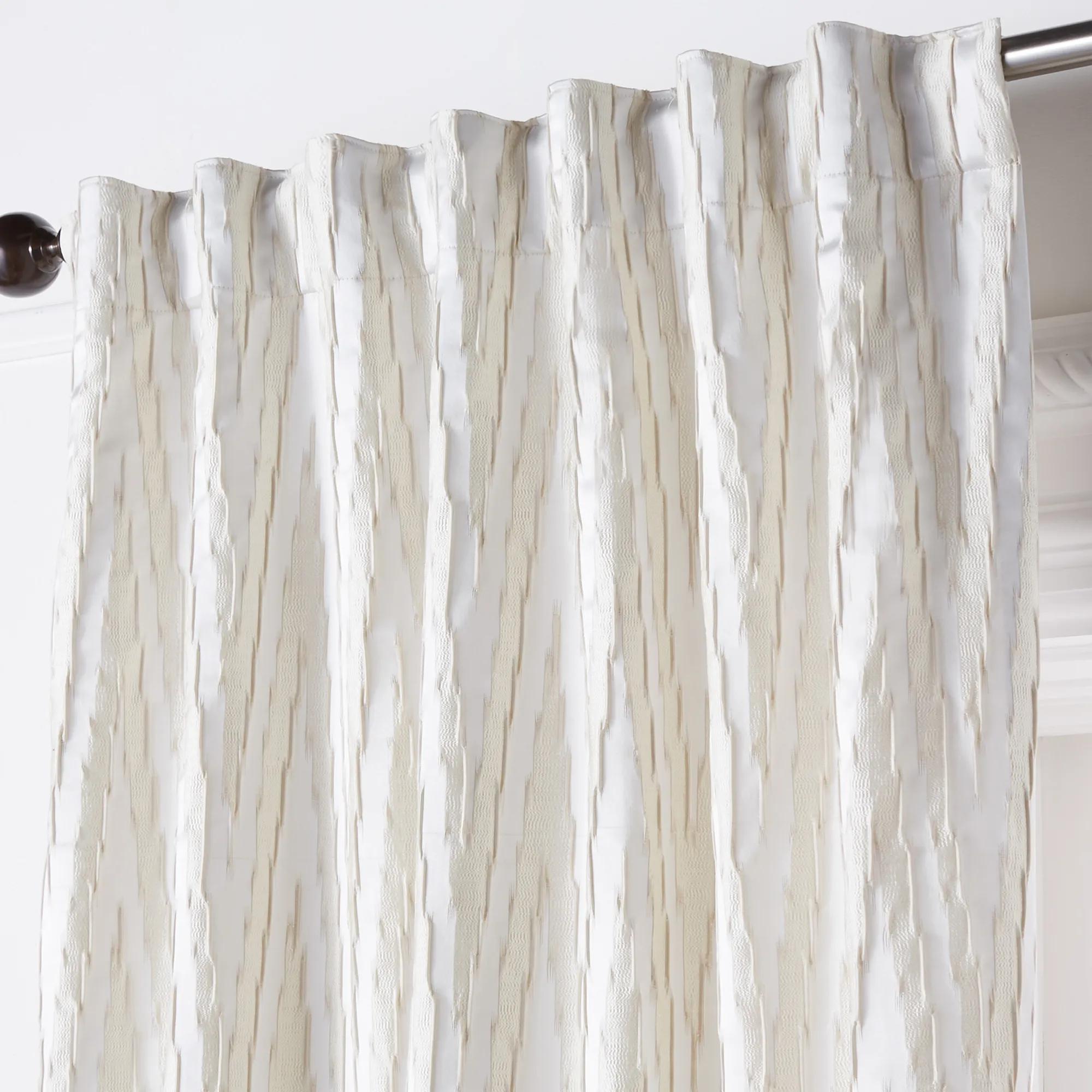 Minka Jacquard Pearl Window Curtain Panel Custom$299
A highly textured chevron curtain panel in pearl, crafted from polyester with customizable hanging options.
Add To Cart -
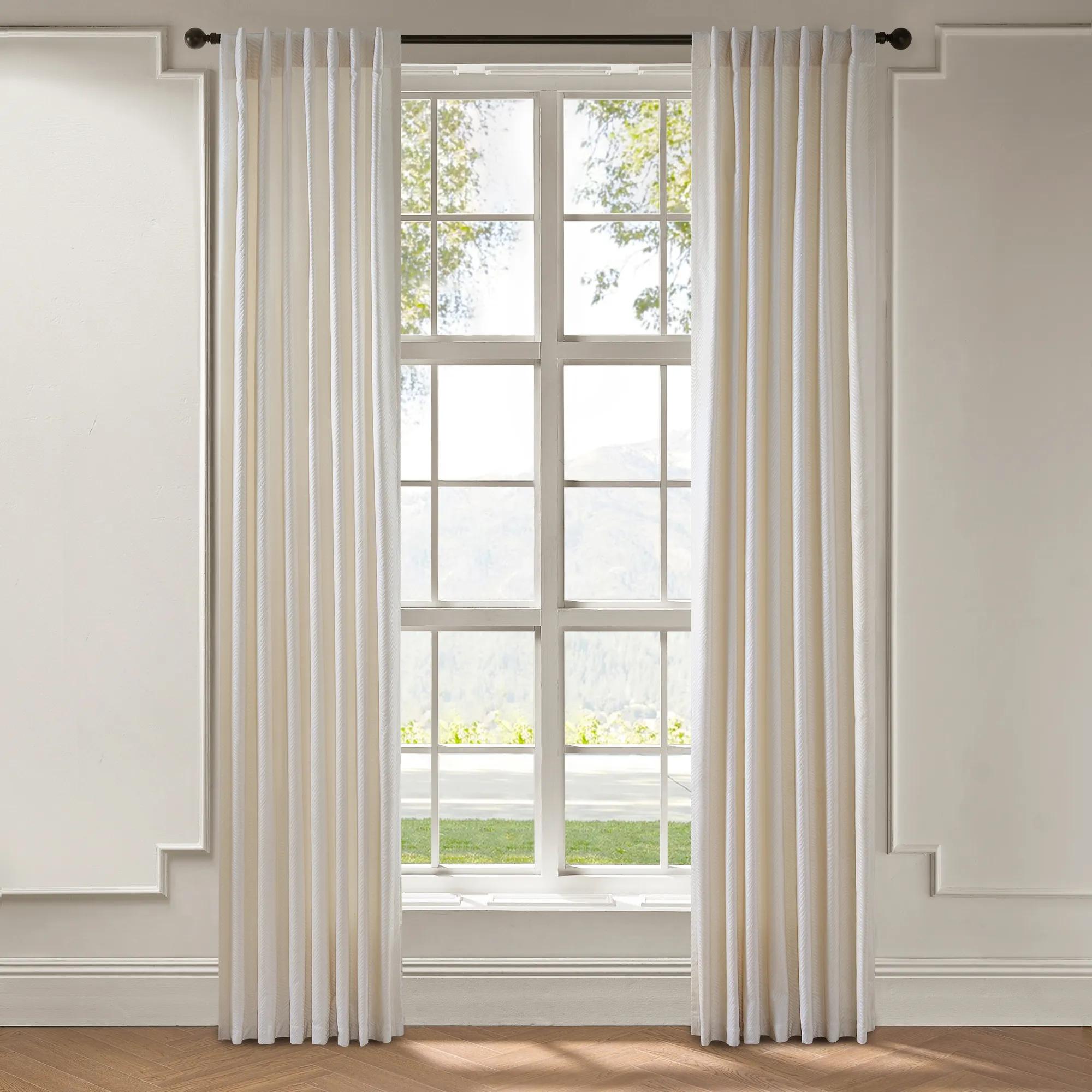
 Kenzo Chenille Curtain - White$119
A white chenille jacquard curtain featuring a subtle high-contrast pattern and soft, room-darkening texture.
Add To Cart -
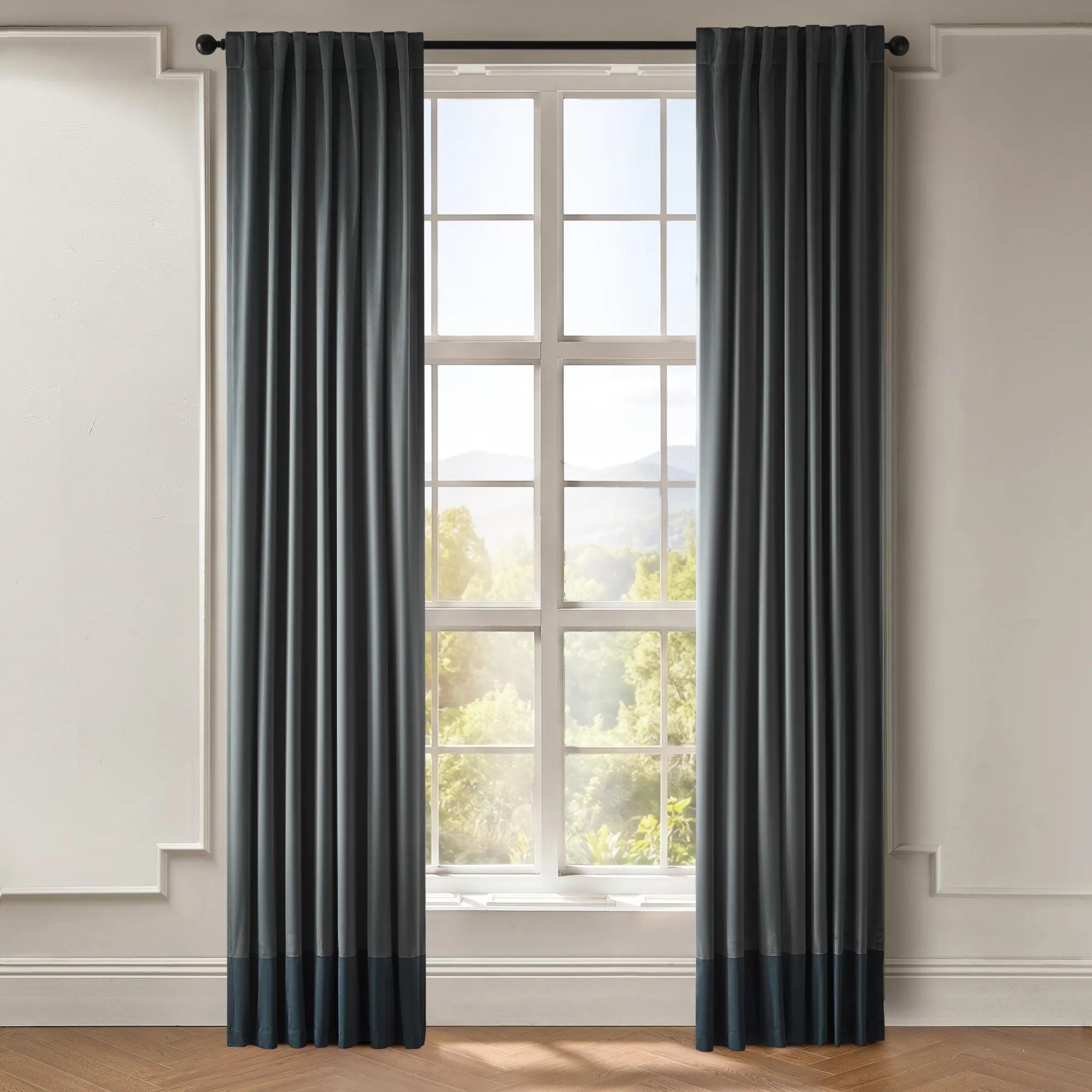
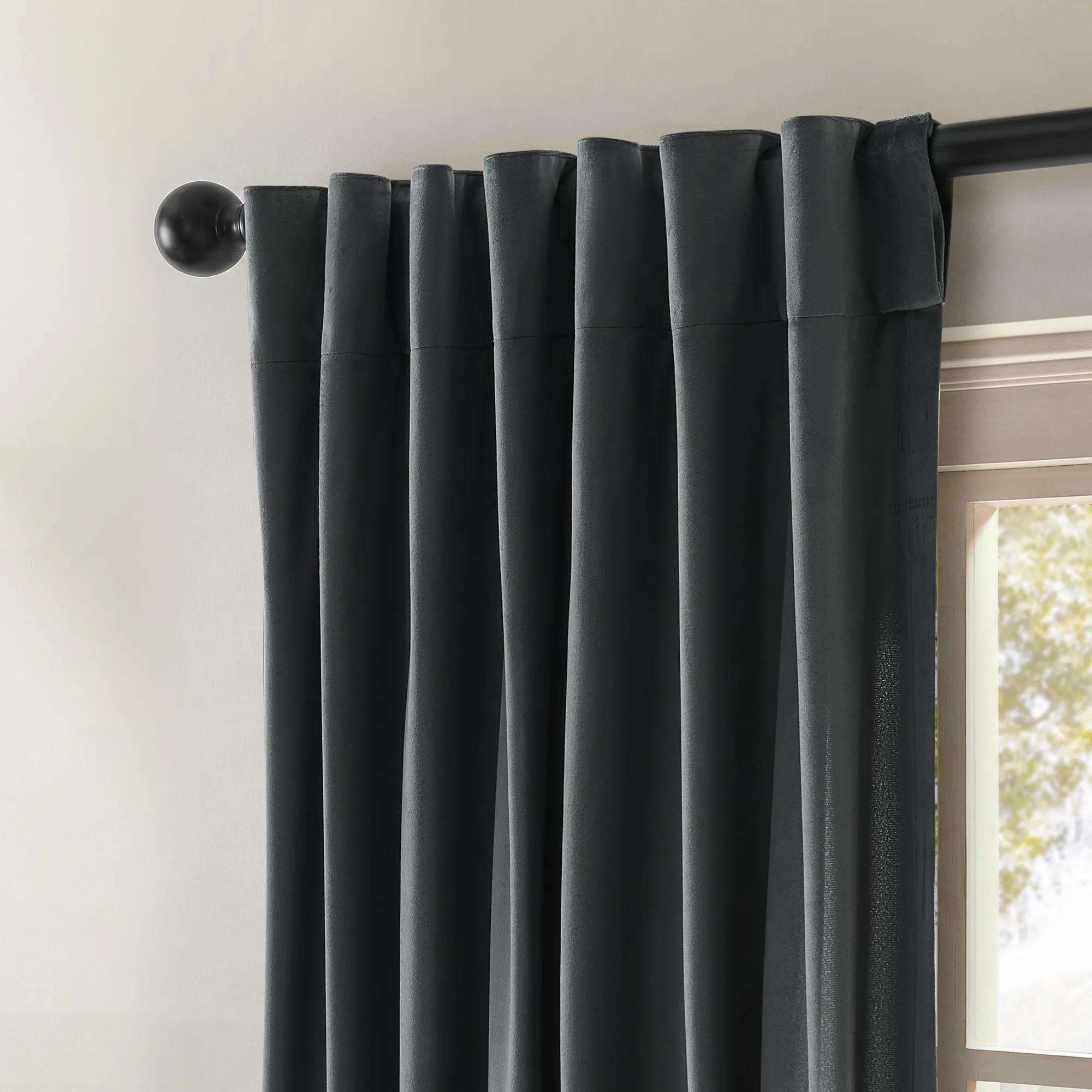 Bastien Blue/Midnight Velvet Border Window Curtain Panel$89
A two-tone dusty and midnight blue velvet curtain panel with a Deco-inspired border and room-darkening design.
Add To Cart -
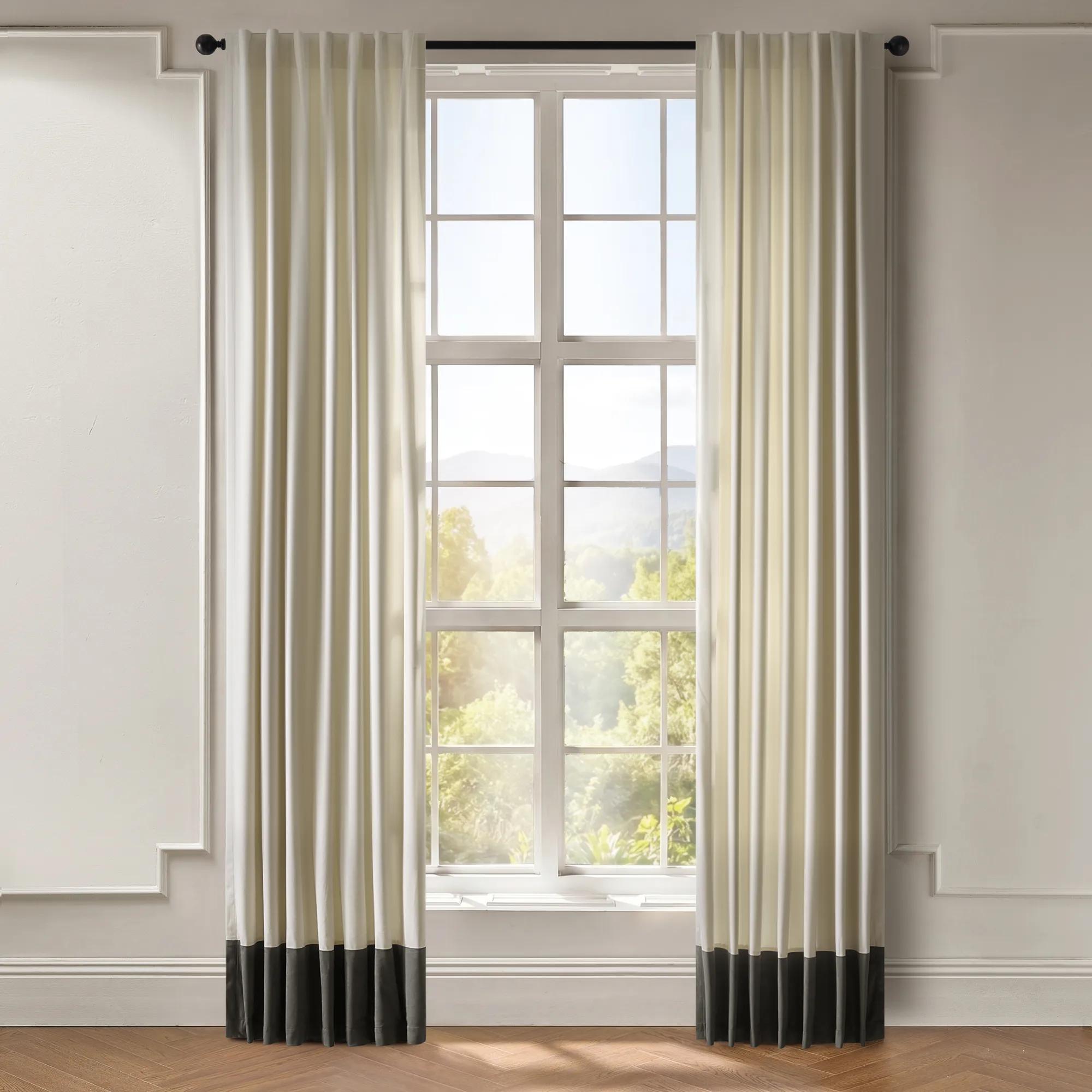
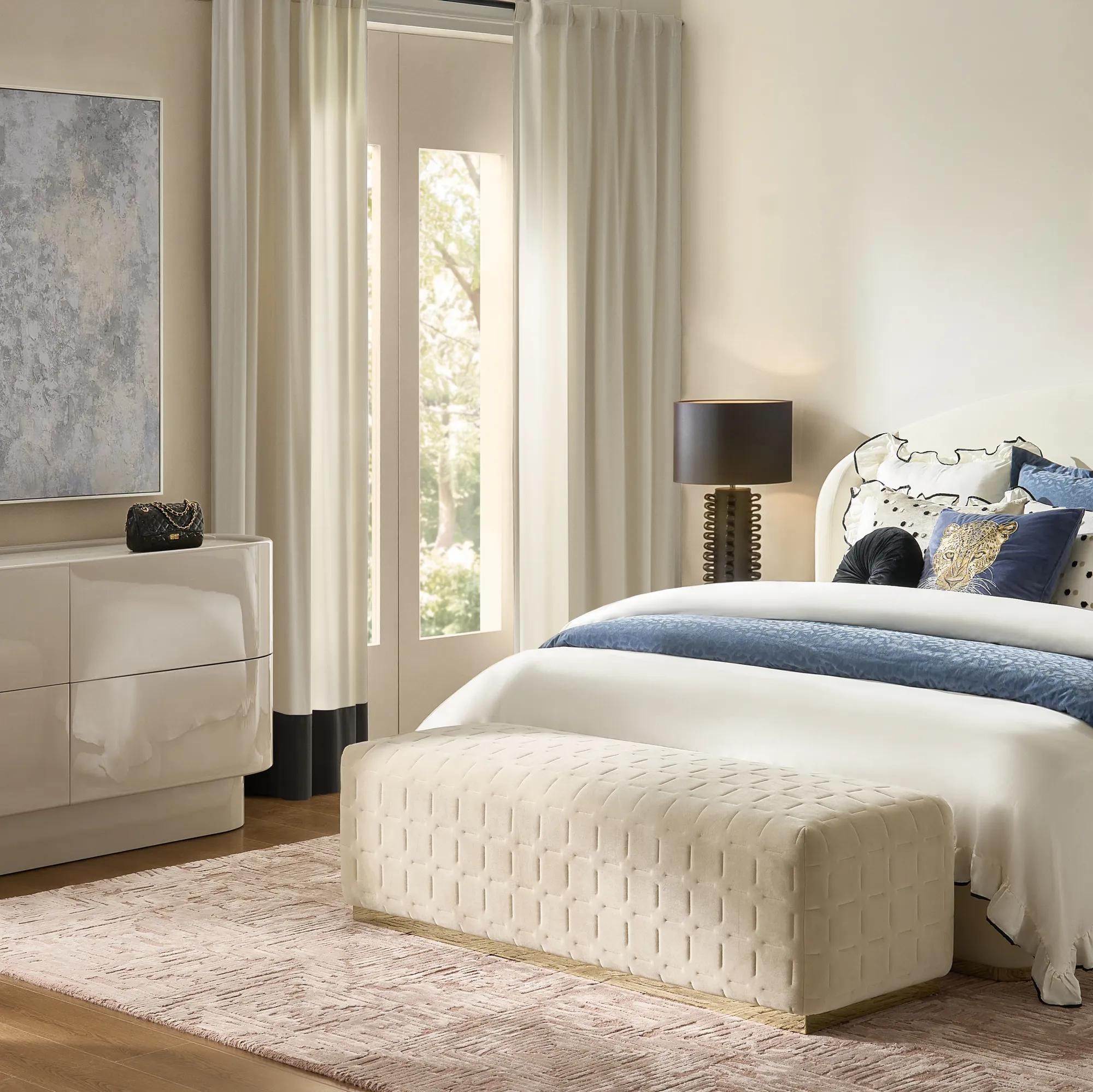 Bastien Ivory/Graphite Velvet Border Window Curtain Panel$89
A two-tone ivory and graphite velvet curtain panel with room-darkening design and versatile hanging options.
Add To Cart -
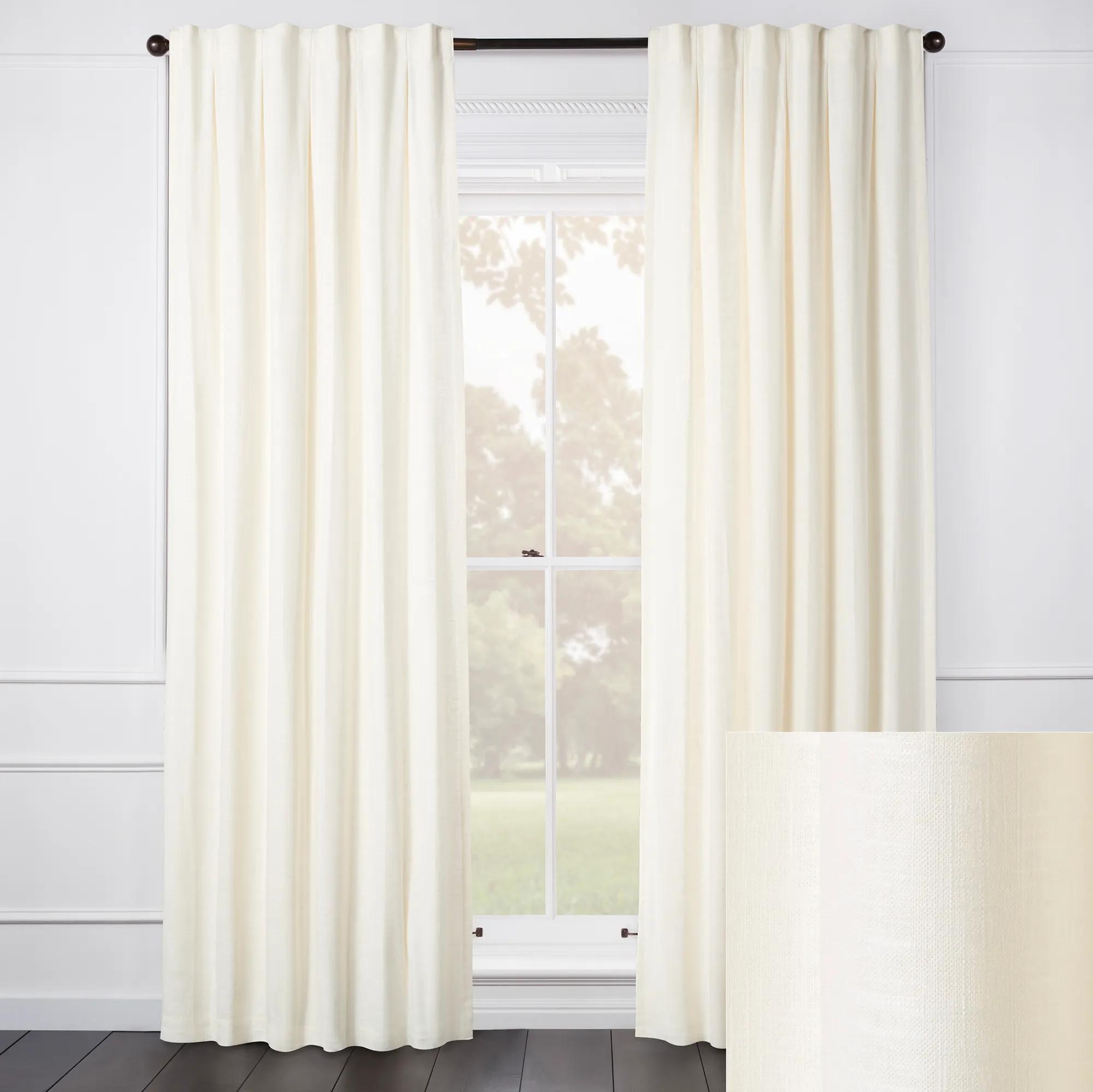
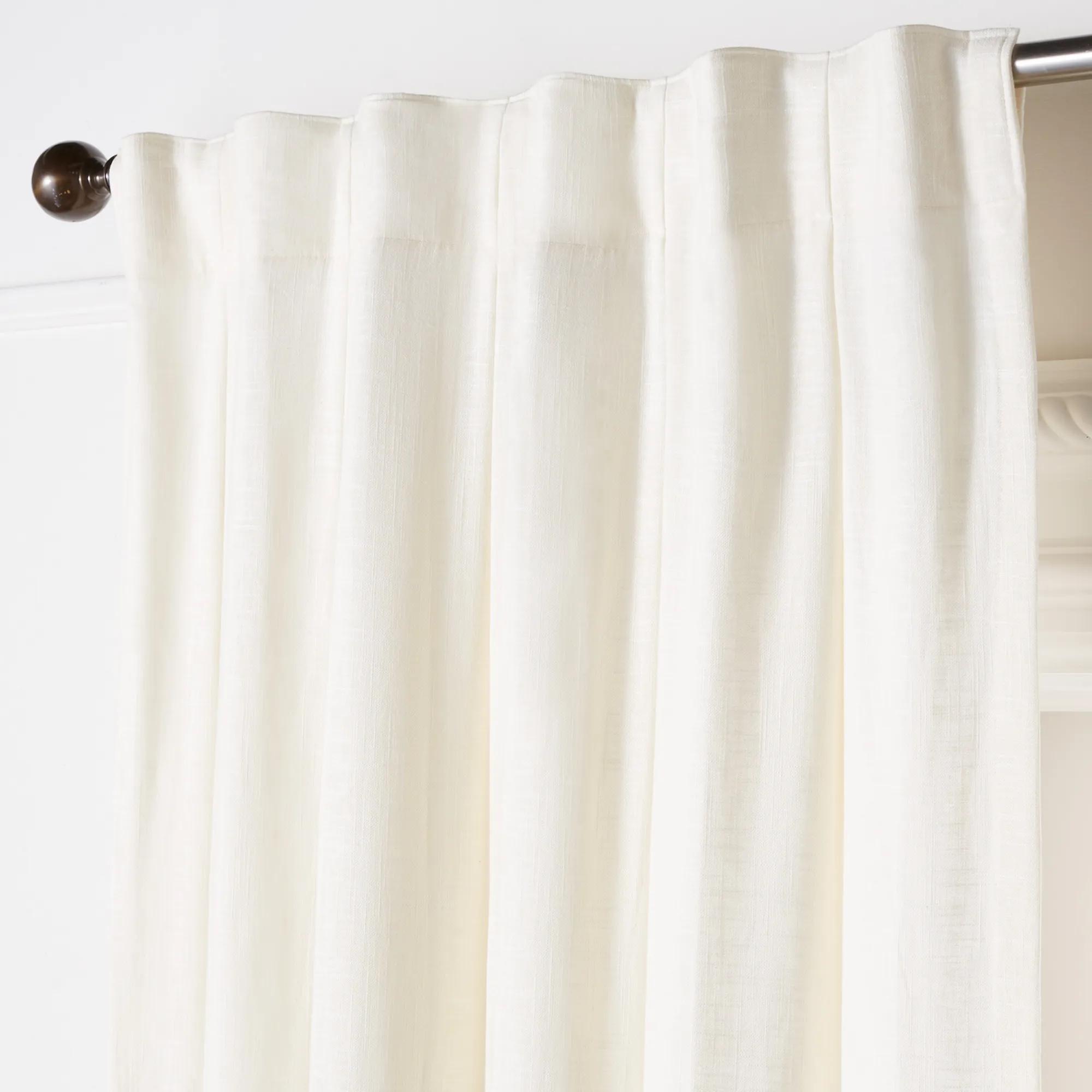 Audrey Linen Ivory Curtain - Custom$269
An ivory linen-blend curtain panel with lining, offering customizable lengths and two elegant header styles.
Add To Cart -
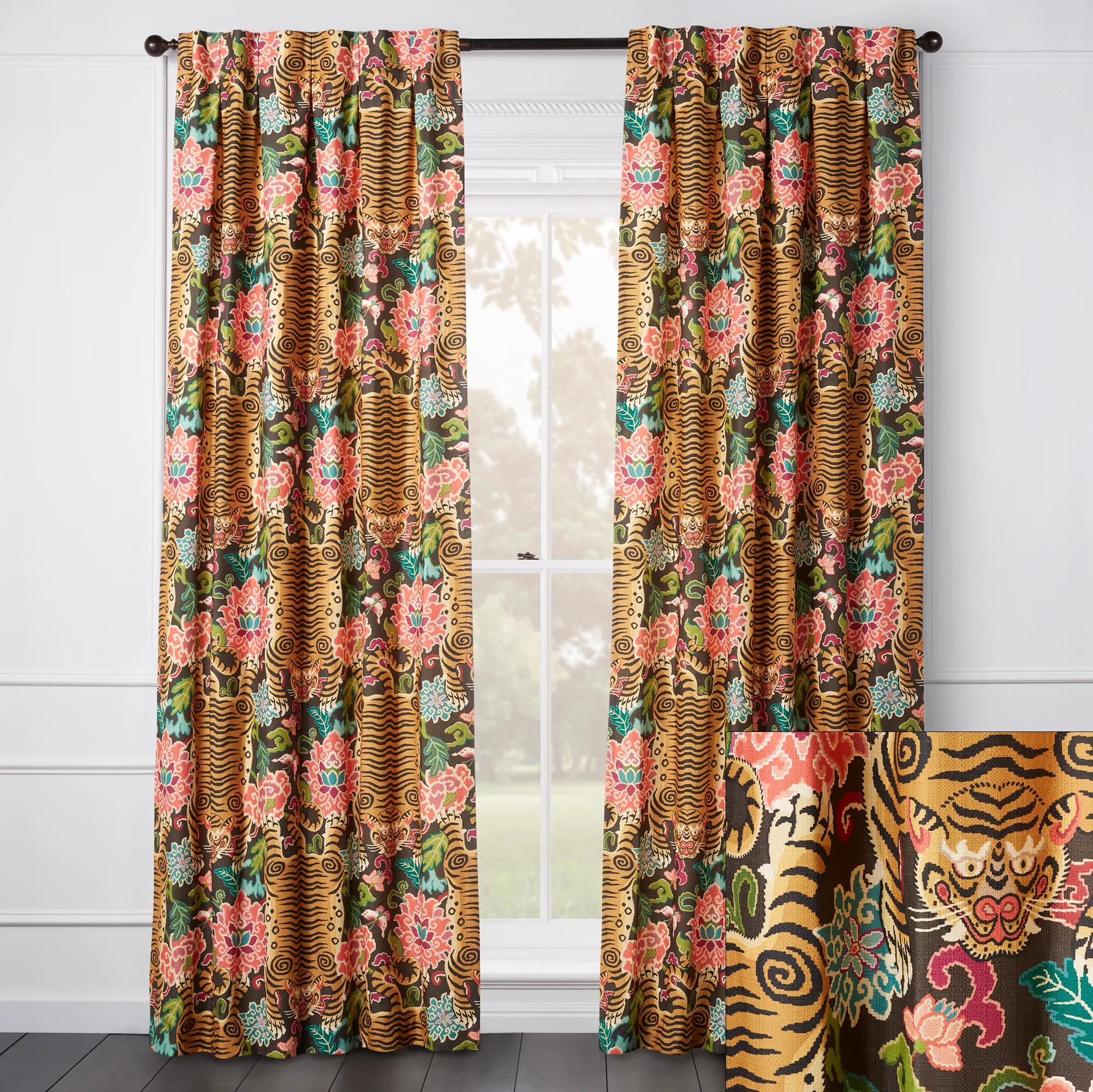
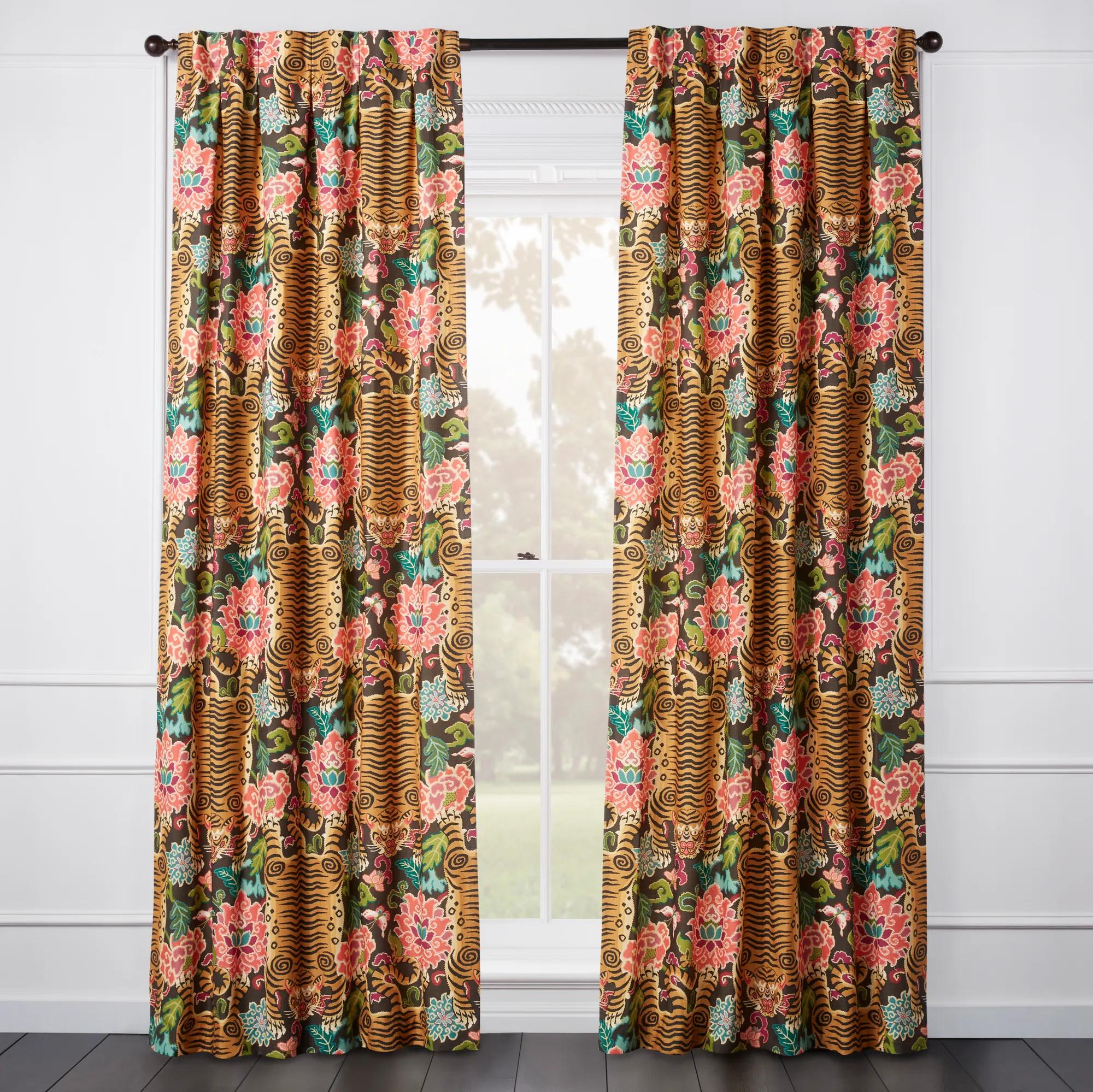 Nimer Gold/Multi Printed Slubbed Cotton Window Curtain Panel$299
A lively gold and multi-colored cotton curtain featuring a bold tiger print and customizable hanging options.
Add To Cart -
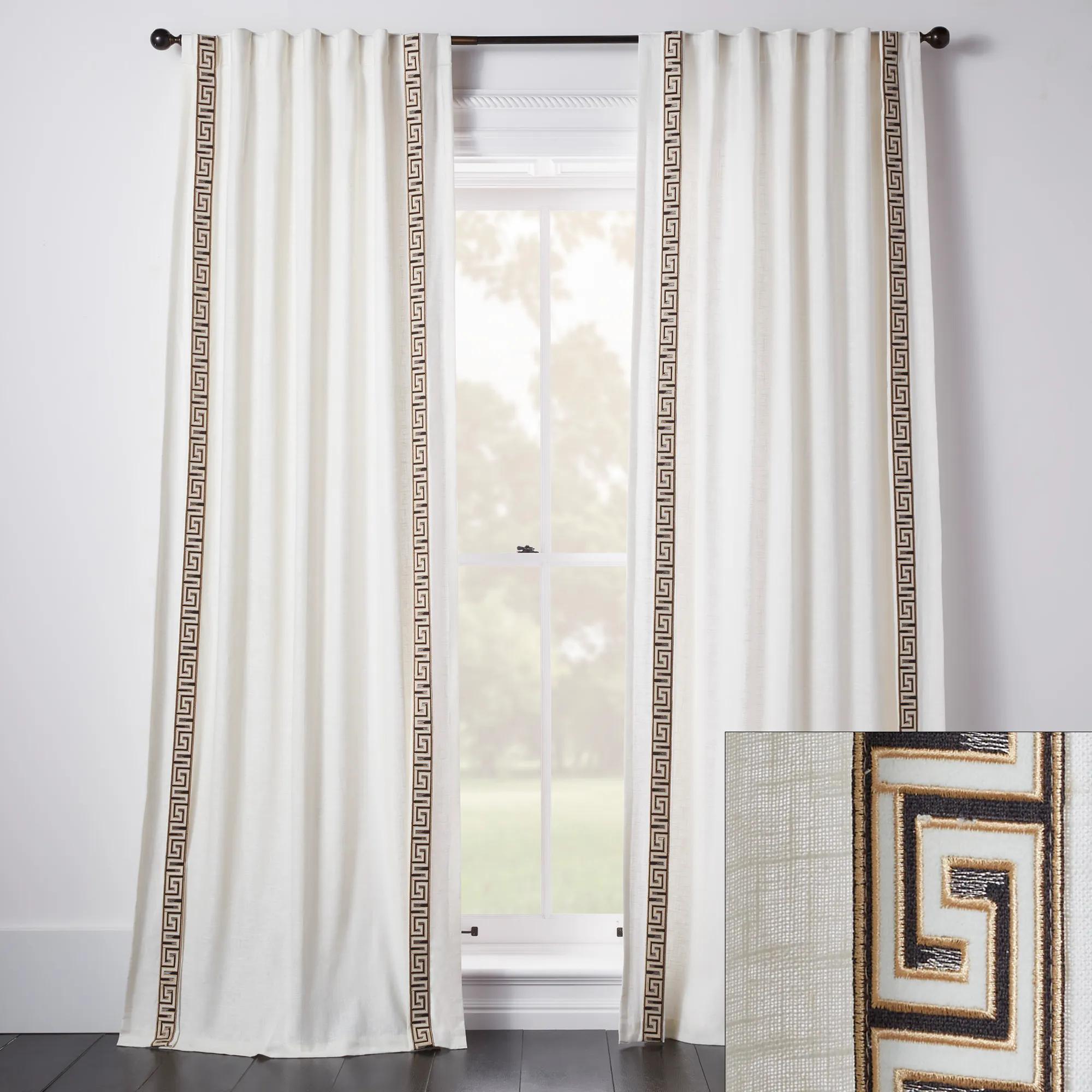 Chole Greek Key Border Velvet Widow Curtain Panels Custom$349
A white linen-blend curtain with black and gold velvet Greek key border and customizable hanging options.
Add To Cart

Dorm Room Window Treatment Ideas
Dorm room window treatment ideas are your invitation to transform a blank campus canvas into a sanctuary of style and self-expression. With the right drapery, every sunrise is softened, every sunset becomes a spectacle, and privacy is reimagined as pure luxury. Whether you crave an atmosphere that dazzles with drama or soothes with sophistication, the perfect window treatments are more than just functional—they’re the jewelry of your space, framing each moment in artful allure. Let your dorm windows become portals to possibility, setting the stage for study sessions, late-night conversations, and daydreams awash in natural light.
Dorm room window treatments give a compact space a more expressive point of view while addressing three everyday needs: privacy, light control, and installation that respects residence hall rules. Lightweight curtains on a properly fitted tension rod can be a practical no-drill option for suitable recessed windows, while removable mounting hardware may work where the housing policy and surface conditions allow it. The most compelling dorm room window treatment ideas balance those practical details with fabric that makes the room feel distinctly personal. An ivory panel can lend softness to a bed framed by graphic pillows; a deep jewel tone can turn a plain window into a dramatic focal point. Sheer and semisheer curtains diffuse daylight and soften the view, giving a study corner a gentler atmosphere without the visual weight of dense fabric. They do not provide dependable privacy after dark when interior lights are on, so windows facing a walkway or another building may call for a more opaque layer. Room-darkening curtains reduce incoming light, while blackout constructions are designed for stronger light blocking; the finished result still depends on panel coverage, installation, and gaps around the edges. For a student whose roommate studies late or whose window faces a bright exterior light, that distinction matters more than color alone. Layering a sheer with an opaque curtain offers greater flexibility when permitted hardware can safely support both, allowing filtered daylight for reading and fuller coverage for rest. Existing blinds or shades can also remain the functional foundation, with fabric panels adding texture and a more polished frame. In a shared room, adjustable coverage helps accommodate different schedules without making the entire space feel closed off. The result can feel richly composed rather than crowded: a graceful vertical line, a considered color story, and enough control to let the same small room serve as a retreat, a study space, and a setting for personal expression.
Fit and construction determine whether that visual statement feels effortless in daily use. Before selecting curtain dimensions, measure the window opening, note the depth of any recess, and account for existing blinds, handles, and the proposed rod position. Inside-mounted tension rods need compatible opposing surfaces and a secure fit within the manufacturer’s specified size range; they are not suitable for every window or wall finish. Removable adhesive hardware likewise depends on the approved surface, installation directions, and stated weight capacity, including the combined weight of the rod and fabric. No removable mounting method is universally damage-free, and residence hall requirements take priority over decorative plans. Where changes are restricted, retaining the installed window covering and adding permitted lightweight panels may be the simplest approach. Panel width deserves as much attention as length. Fabric pulled completely flat can look sparse and leave little overlap, while a fuller arrangement creates soft folds and better coverage when drawn. Check whether listed widths apply to one panel or a pair, and choose a length that clears desks, radiators, vents, and other obstructions. In a compact dorm, a hem that stays clear of the floor can avoid collecting dust or catching beneath a rolling chair. Materials shape both the silhouette and the maintenance routine. Cotton offers a familiar, softly structured appearance, though some constructions wrinkle or shrink; linen and linen blends bring visible texture and a relaxed drape, with care requirements that vary by composition. Polyester and blended fabrics can offer wrinkle resistance and straightforward care, but the label remains the best reference. Velvet creates plush depth and a more enveloping mood, although its weight may require more substantial approved support. Lined panels can deliver additional opacity and body, while lightweight unlined fabrics place less demand on suitable hardware. Reinforced headers, even stitching, and neatly finished hems are useful details for curtains that will be opened frequently, packed between residences, and rehung in a different room.
Personal style becomes especially important when the architecture offers little more than pale walls and standard furniture. A window is a generous vertical surface for introducing color without adding another piece of furniture, and the fabric can connect otherwise separate elements into one deliberate composition. Pearl-toned curtains beside a richly colored comforter create contrast with a luminous quality; a subtle geometric weave can echo the lines of a desk lamp or picture frame without competing with them. In a room shared by two students, a common neutral at the window can give contrasting bedding and artwork a cohesive backdrop. For a more expressive arrangement, one saturated hue repeated in the curtain fabric and a small accent can create drama without requiring every surface to match. Daily habits should remain part of that composition. Panels need to slide easily enough for regular opening, stay clear of a desk’s working area, and avoid blocking required exits or interfering with installed shades. Keep fabric away from heat sources and follow campus fire-safety requirements, including any restrictions on textiles or hanging methods. Easy-care construction is particularly useful where laundry space is shared: check whether panels are machine washable, whether a lining requires special handling, and whether drying or ironing could affect a coating. Gentle dust removal between cleanings can help preserve the appearance of folds and textured surfaces. Allow fabric to dry fully before rehanging, and follow the manufacturer’s directions rather than treating every curtain alike. For a student moving into a first residence hall, window panels can also be a thoughtful gift when dimensions, care preferences, and permitted installation methods are known in advance. Their appeal extends beyond one room, particularly when adaptable colors and practical dimensions suit a later apartment. Similar considerations shape Home Office Window Treatment Ideas, where privacy, screen glare, and an expressive backdrop share the same space. Thoughtfully chosen dorm curtains bring those priorities together with a finish that feels personal, polished, and ready for everyday life.
FAQs
Expressive style thrives in temporary spaces with renter-friendly solutions. Tension rods, command hooks, and stick-on blinds allow you to showcase luxe fabrics, playful patterns, or layered sheers—all without drilling or damaging walls. Add a touch of artistry with frosted films, cascading tapestries, or hanging plants for a look that’s both dramatic and reversible.
The right window treatments can transform a compact dorm into an inviting retreat. Sheer panels bathe the room in diffused light, making the space feel airy and open. Blackout curtains create a cozy cocoon for restful sleep or late-night study sessions. Hanging rods high and wide elongates the window, adding a sense of grandeur and visual height to even the most modest rooms.
Absolutely—layering is the secret to a multidimensional, magazine-worthy look. Start with a sleek stick-on blind or frosted film for privacy, then add a tension rod with sheer curtains to soften the light. Finish with a second rod for bold blackout drapes or a statement tapestry. This approach lets you balance function and flair, adjusting the mood as the day unfolds.
Window treatments that combine practicality with panache make memorable gifts. Lightweight blackout curtains, chic café panels, or decorative tapestries offer both comfort and style. Choose renter-friendly designs that are easy to install and remove, allowing students to personalize their space without worry—each piece becomes a daily reminder of home and encouragement.
Select fabrics and finishes that echo your aesthetic vision. Velvet panels evoke opulence, while crisp linens offer understated elegance. Metallic rods or beaded tiebacks add a touch of glamour, and bold prints make a statement. Trust your instincts—your window is a canvas for self-expression, so let your personality shine through every detail.