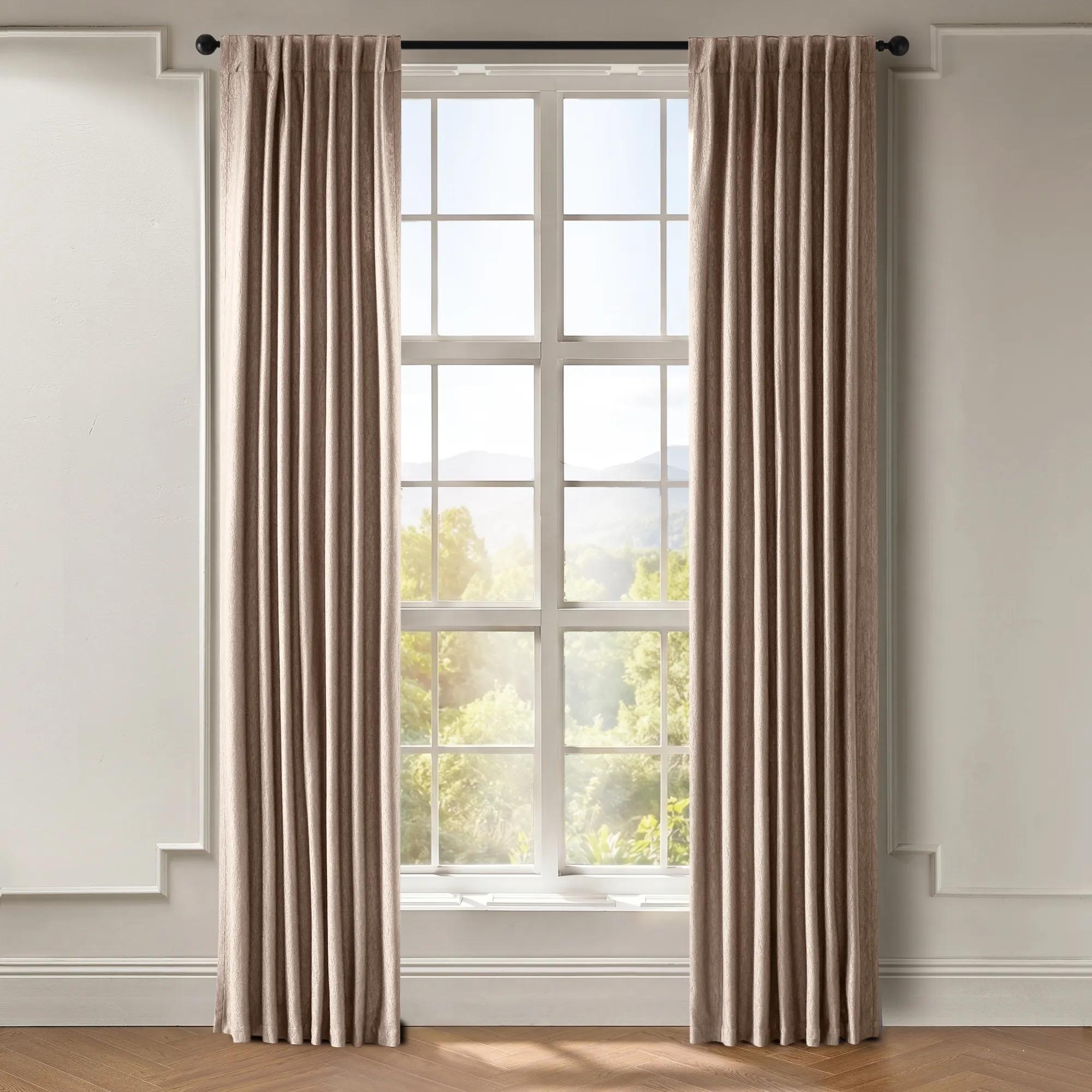
Home Office Window Treatment Ideas
Home Office Window Treatment Ideas
-
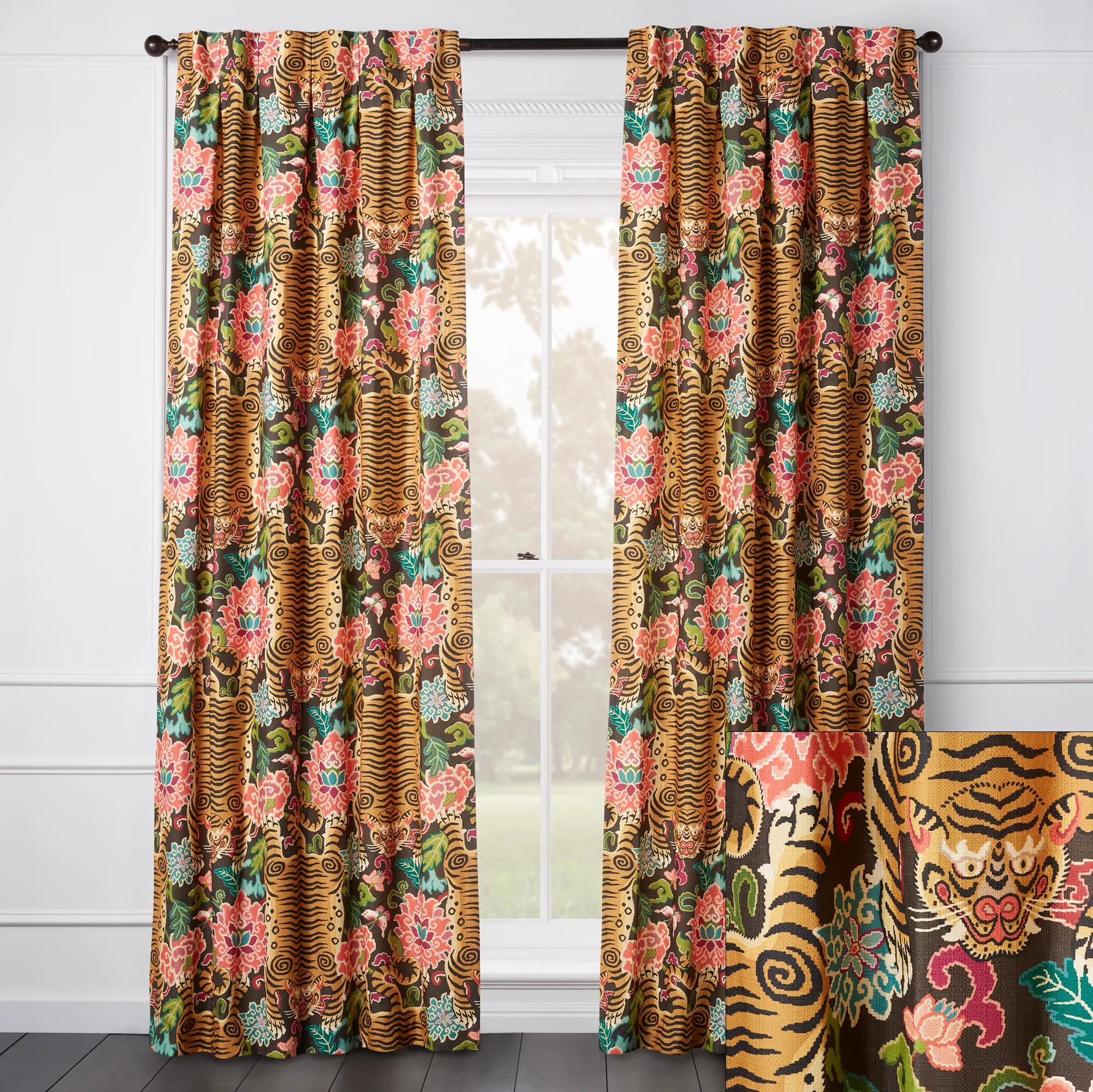
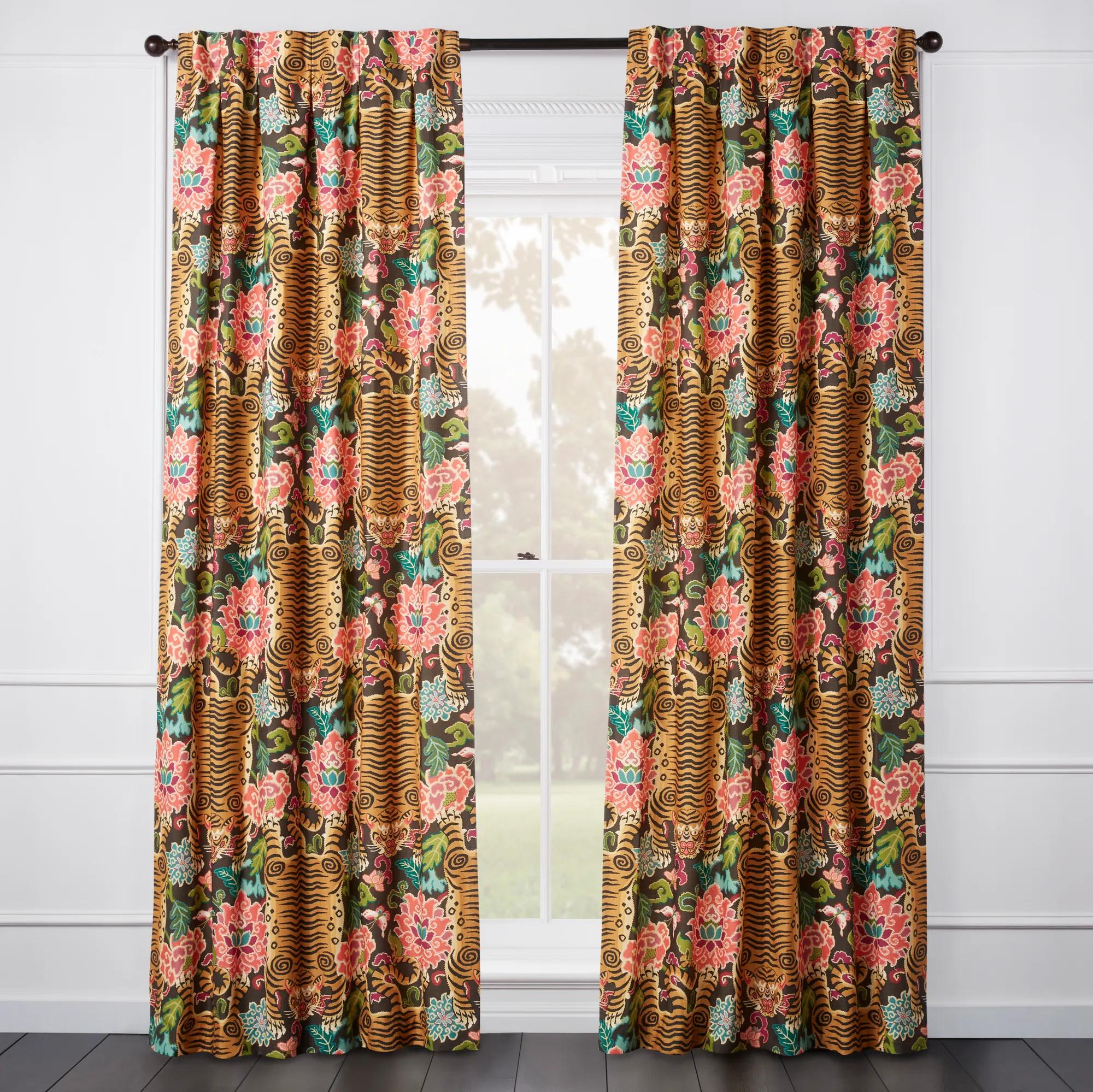 Nimer Gold/Multi Printed Slubbed Cotton Window Curtain Panel$369
A bold gold and multi-colored cotton curtain panel featuring a lively tiger print and customizable options.
Add To Cart -
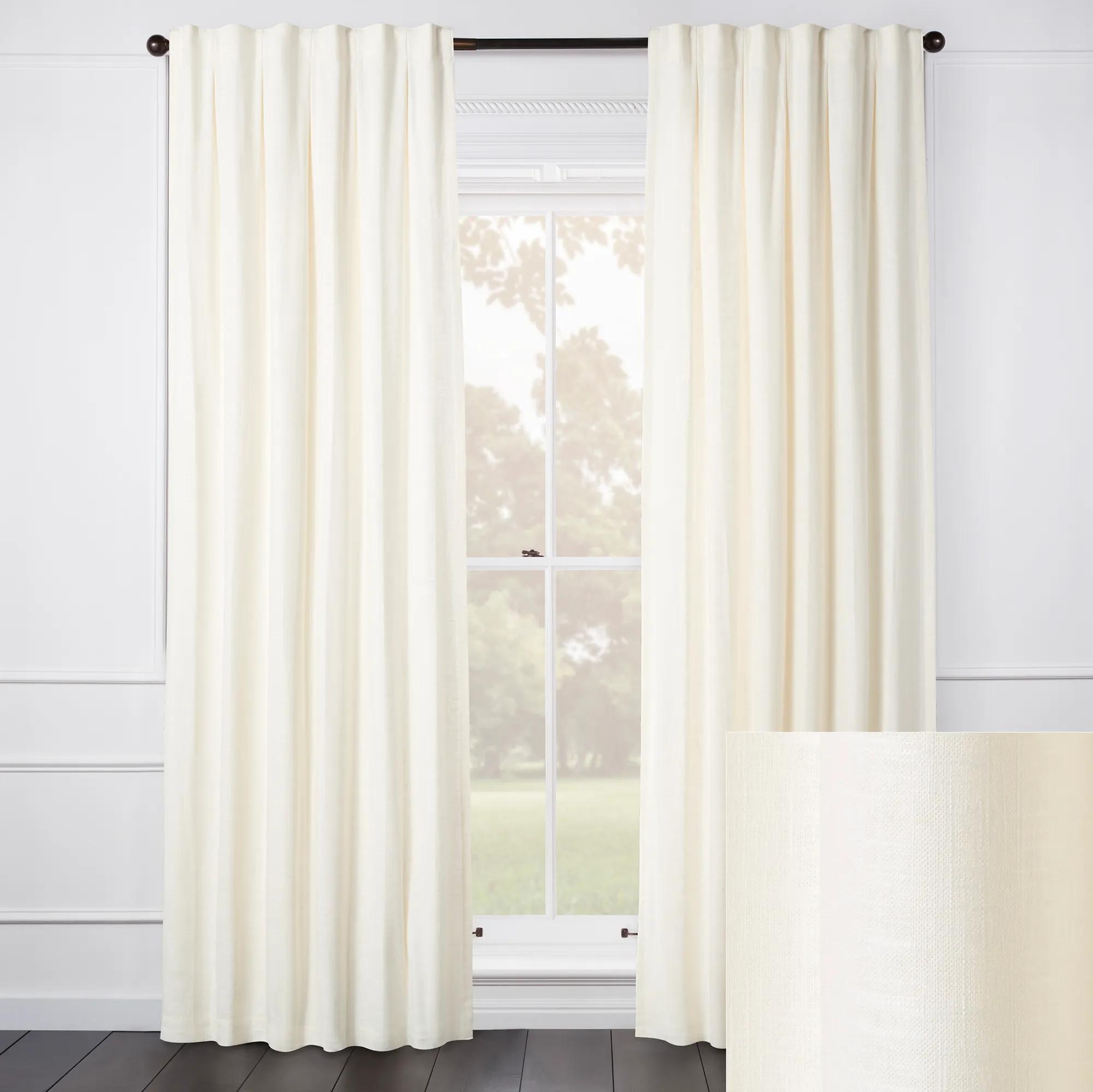
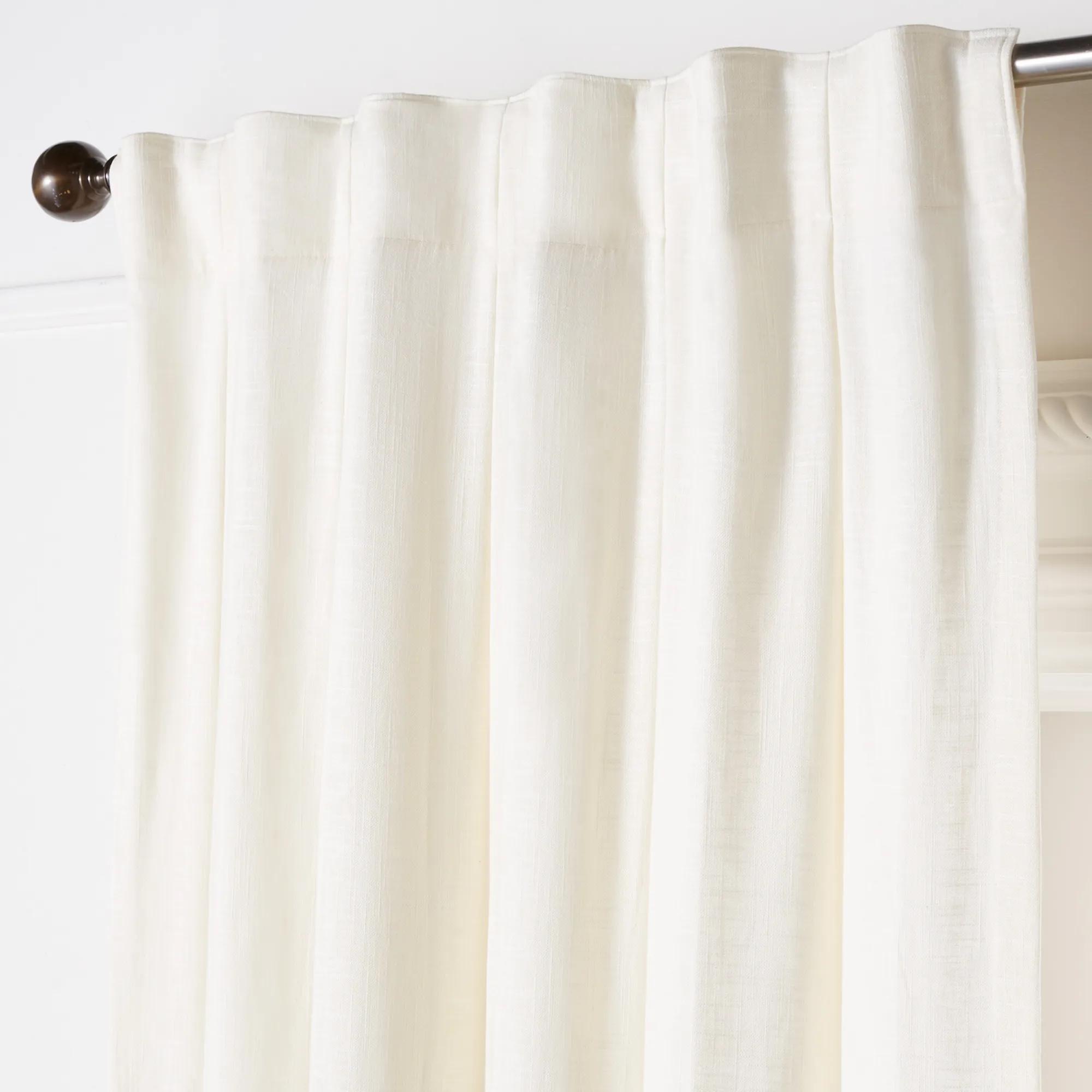 Audrey Linen Ivory Curtain - Custom$269
An ivory linen-blend curtain panel with lining, offering customizable lengths and two elegant header styles.
Add To Cart -
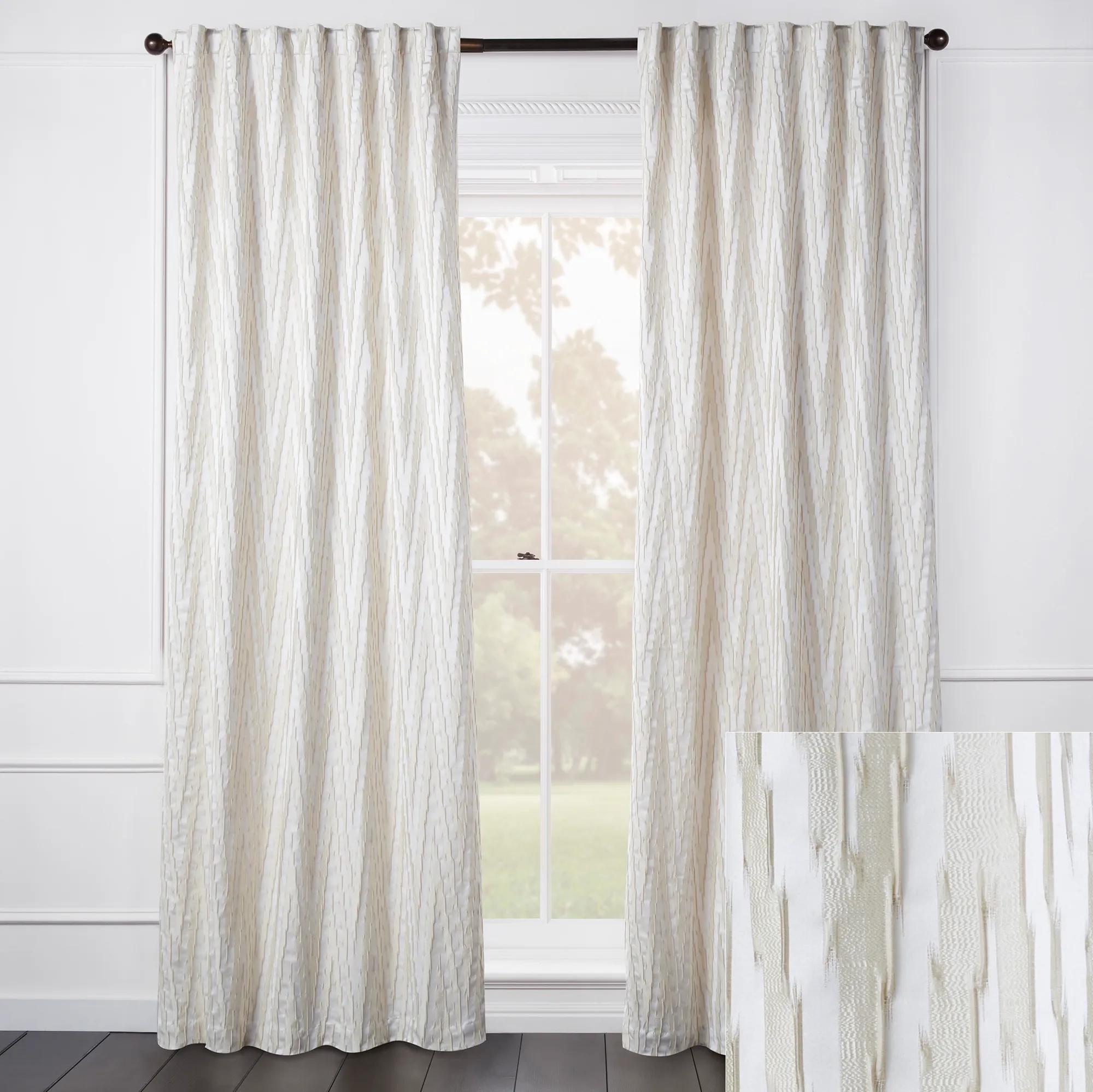
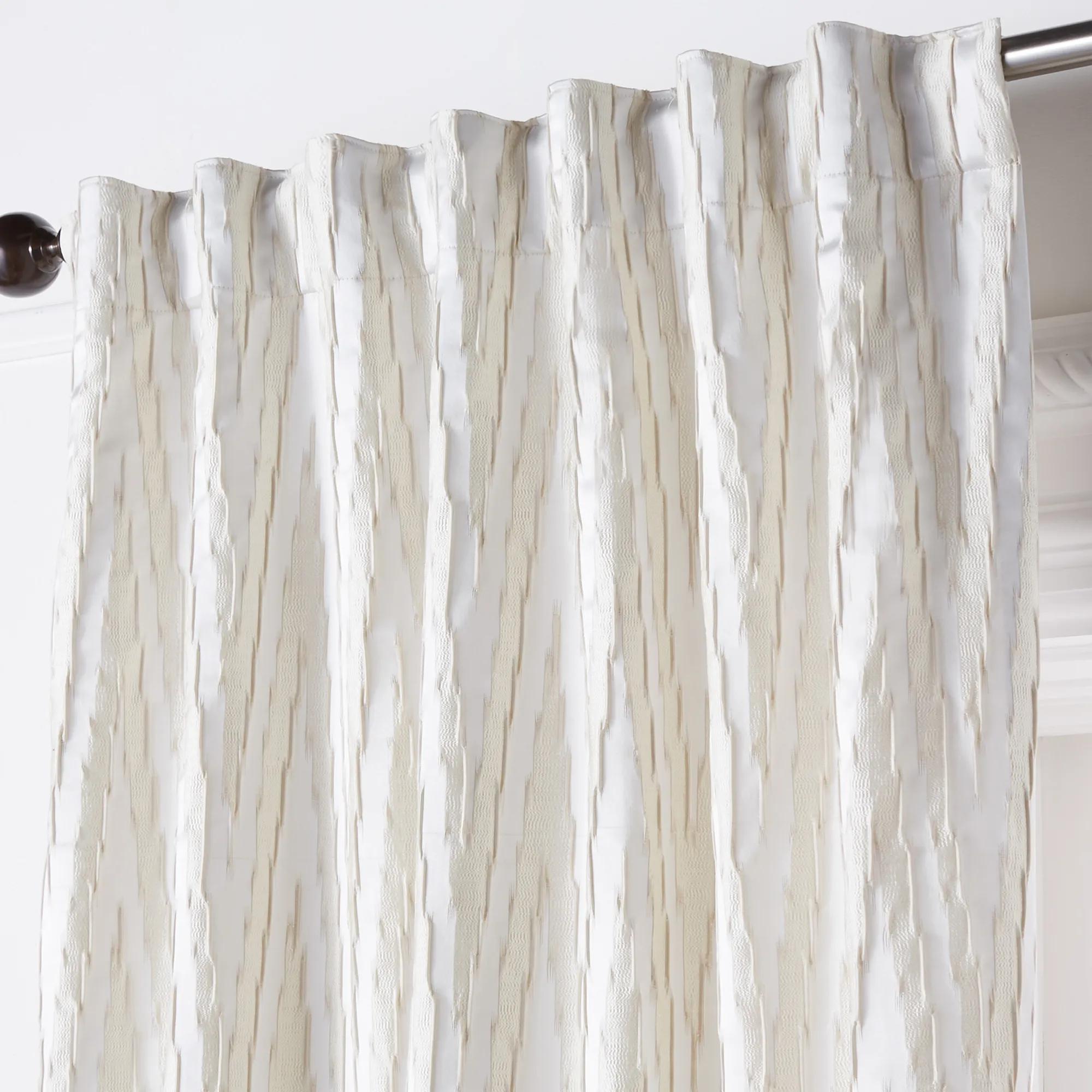 Minka Jacquard Pearl Window Curtain Panel Custom$289
A highly textured chevron curtain panel in pearl, grey, or natural polyester with customizable hanging options.
Add To Cart -

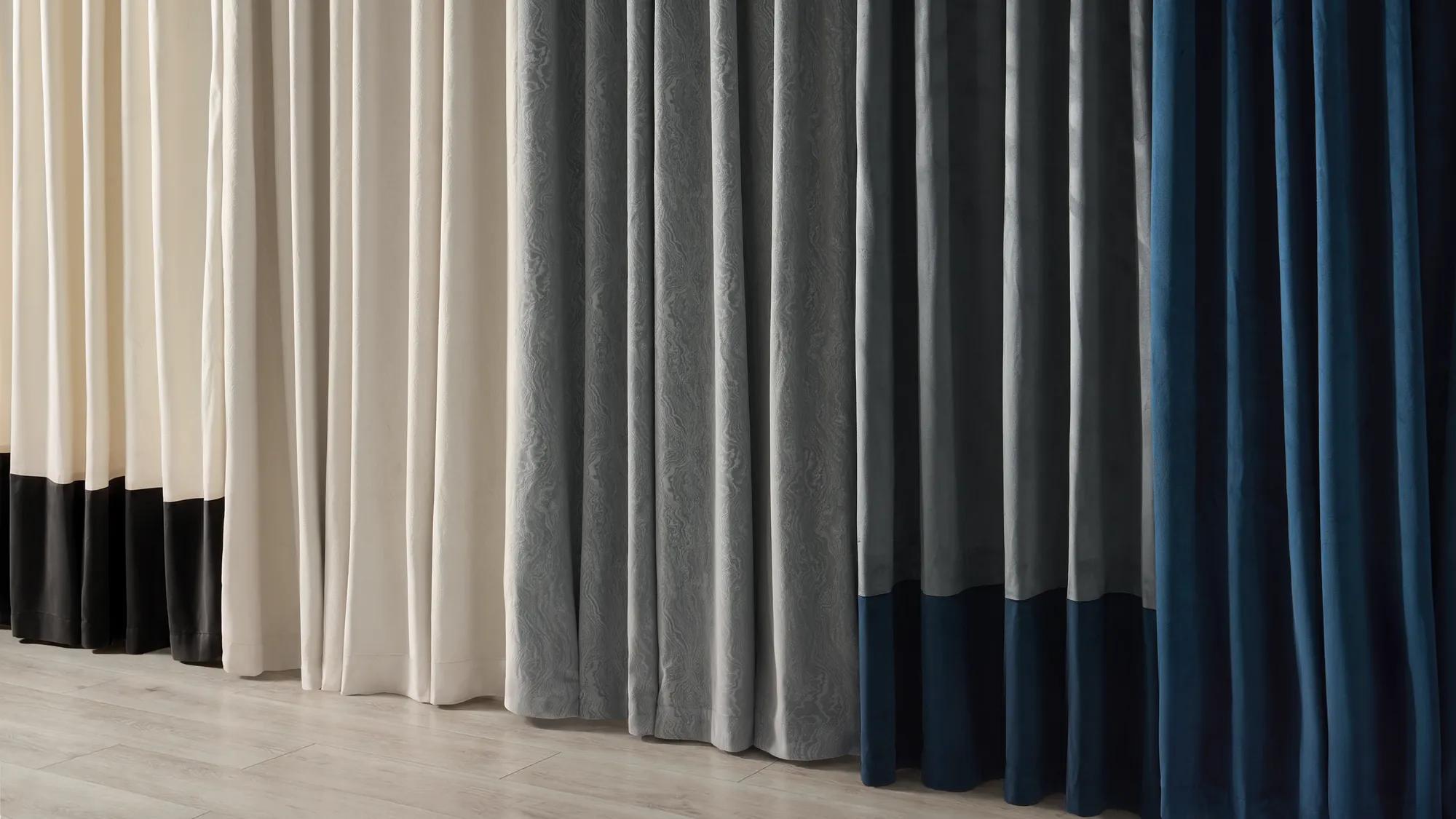 Mabel Velvet Swirl Curtain - Grey Blue$99
A grey blue velvet curtain featuring a tonal swirl pattern and versatile dual hanging options.
Add To Cart -
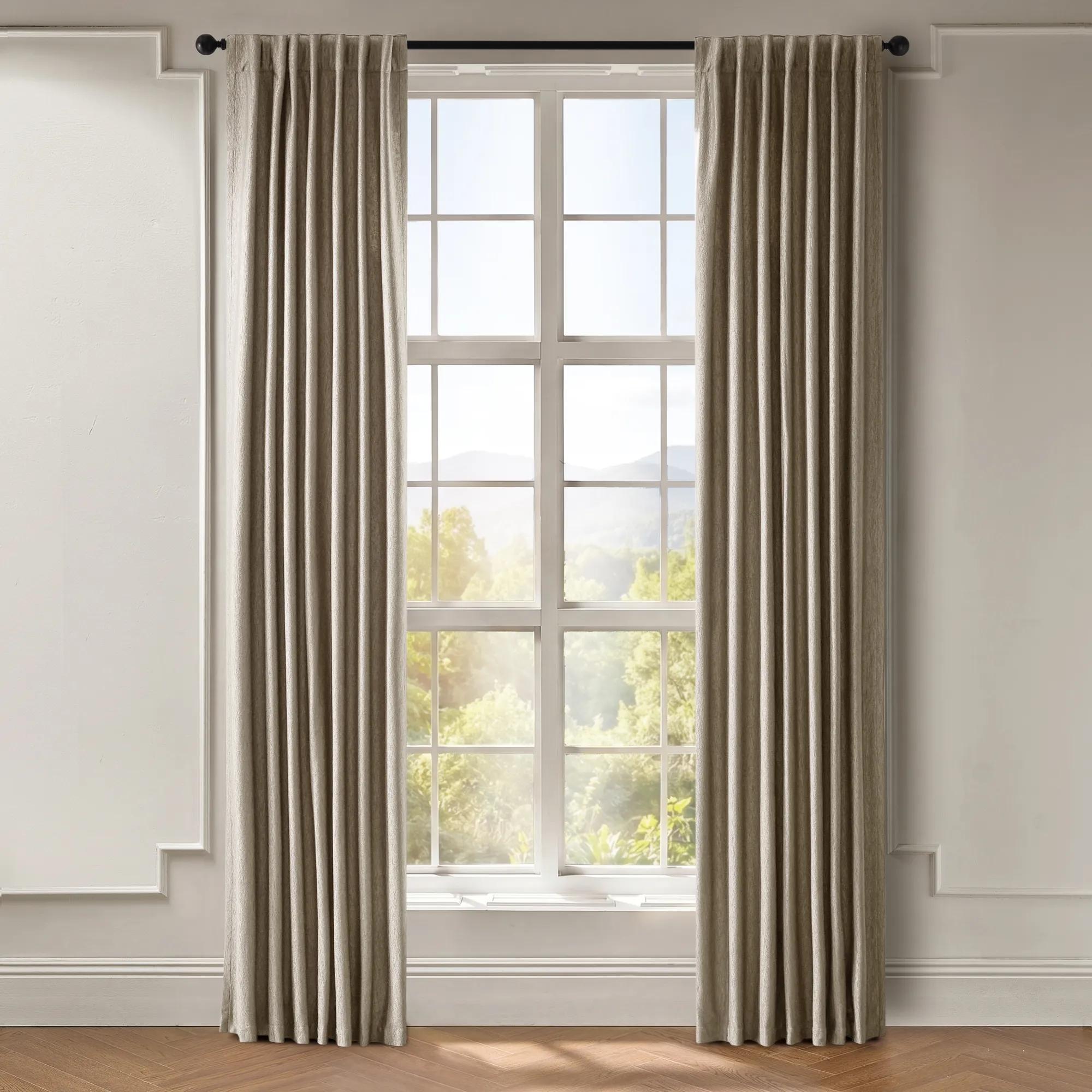
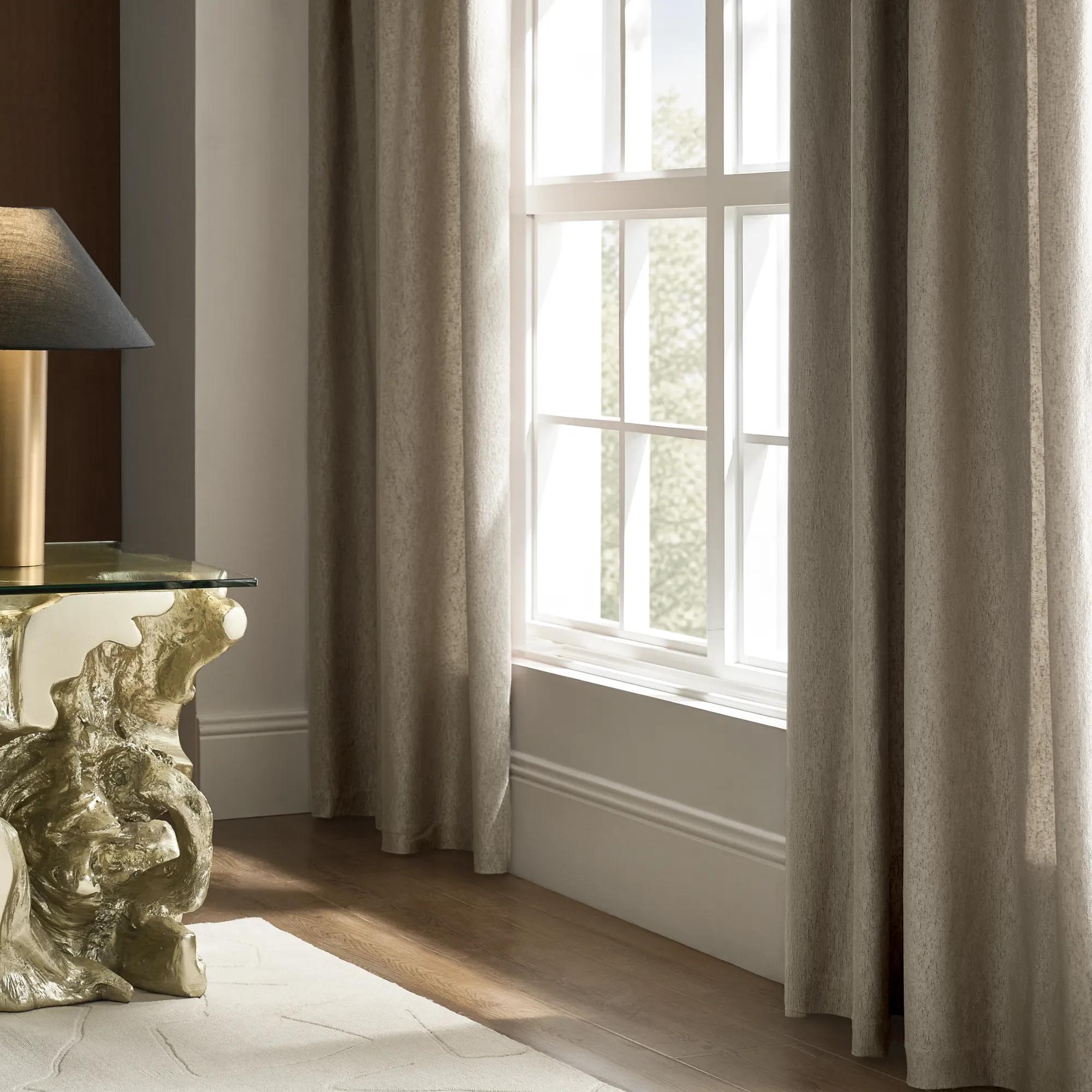 Anson Taupe Textured Window Curtain Panel$109
A taupe curtain panel featuring a crushed sheen texture and room-darkening, dual hanging design in 100% polyester.
Add To Cart -

 Mabel Natural Velvet Swirl Window Curtain Panel$109
A warm neutral velvet curtain with a tonal swirl pattern and room-darkening, dual hanging options.
Add To Cart -
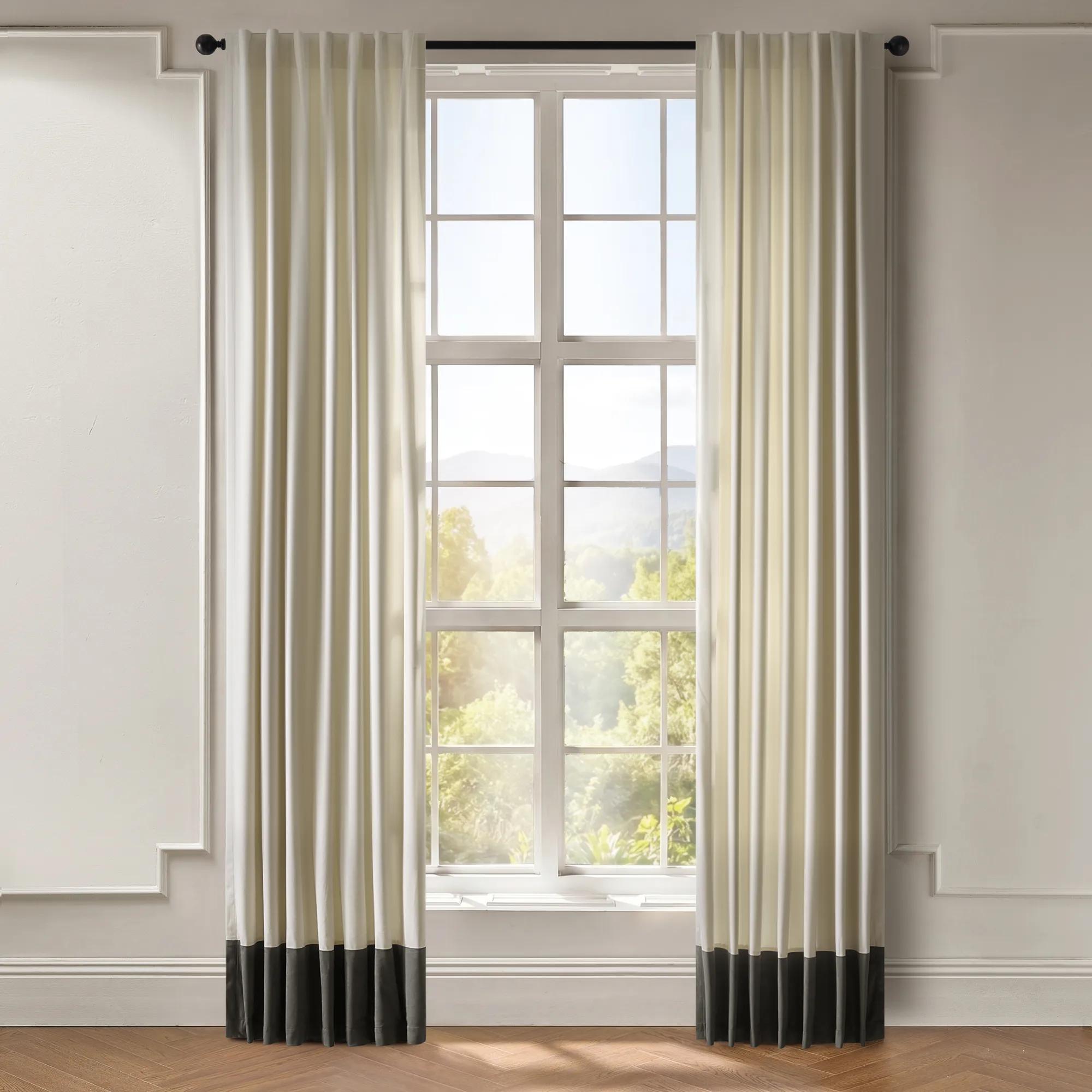
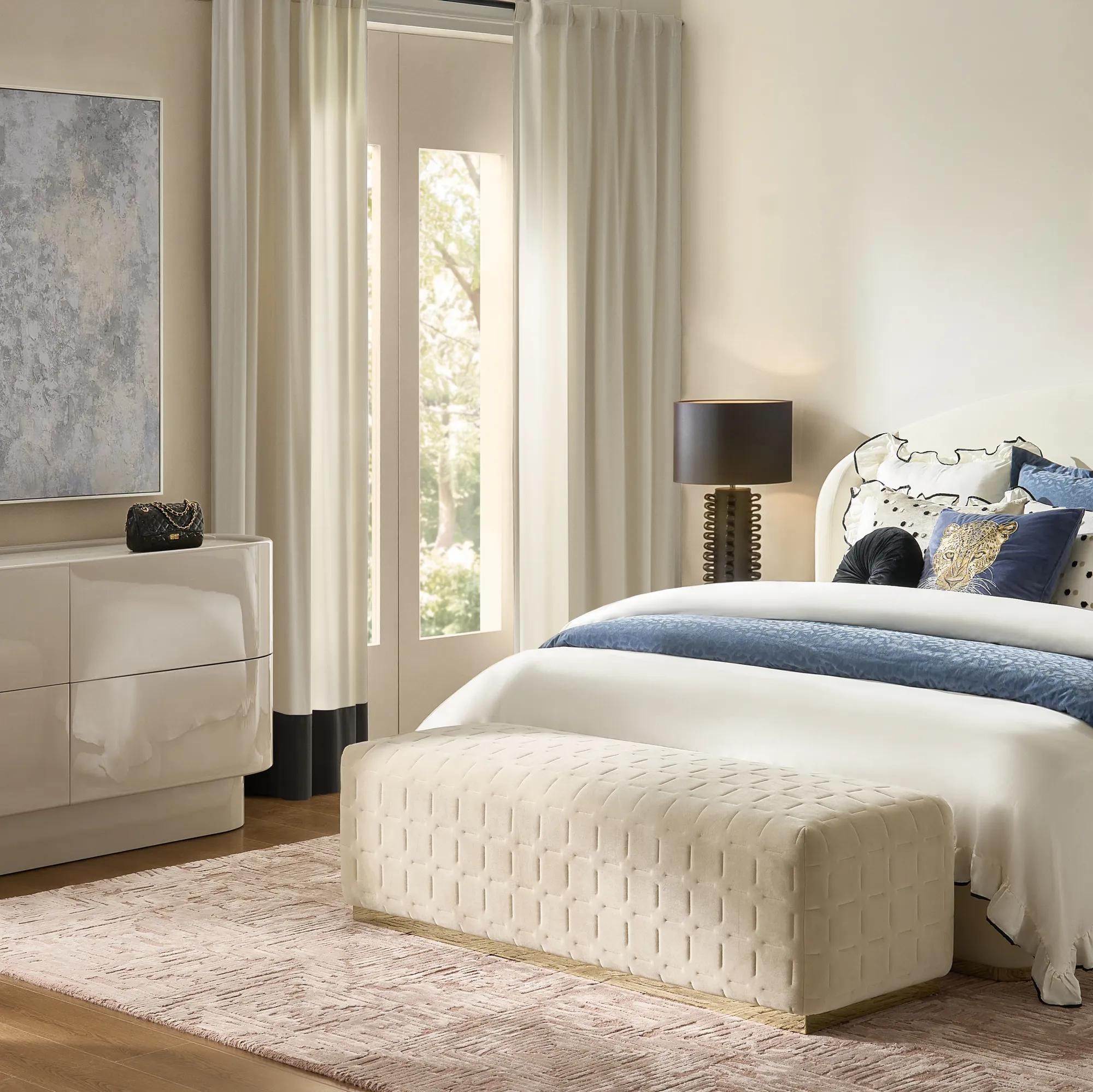 Bastien Ivory/Graphite Velvet Border Window Curtain Panel$109
A two-tone ivory and graphite velvet curtain panel with a Deco-inspired border and room-darkening design.
Add To Cart -
 Anson Mocha Rose Textured Window Curtain Panel$89
A light mocha rose curtain panel with crushed sheen texture and room-darkening, dual hanging design.
Add To Cart -
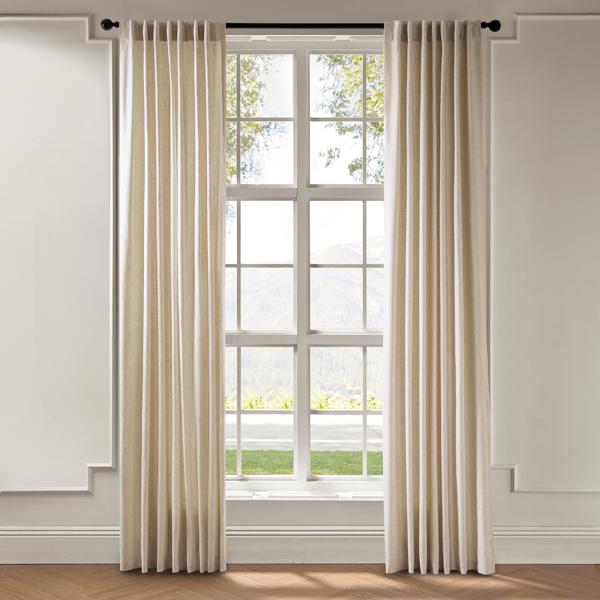
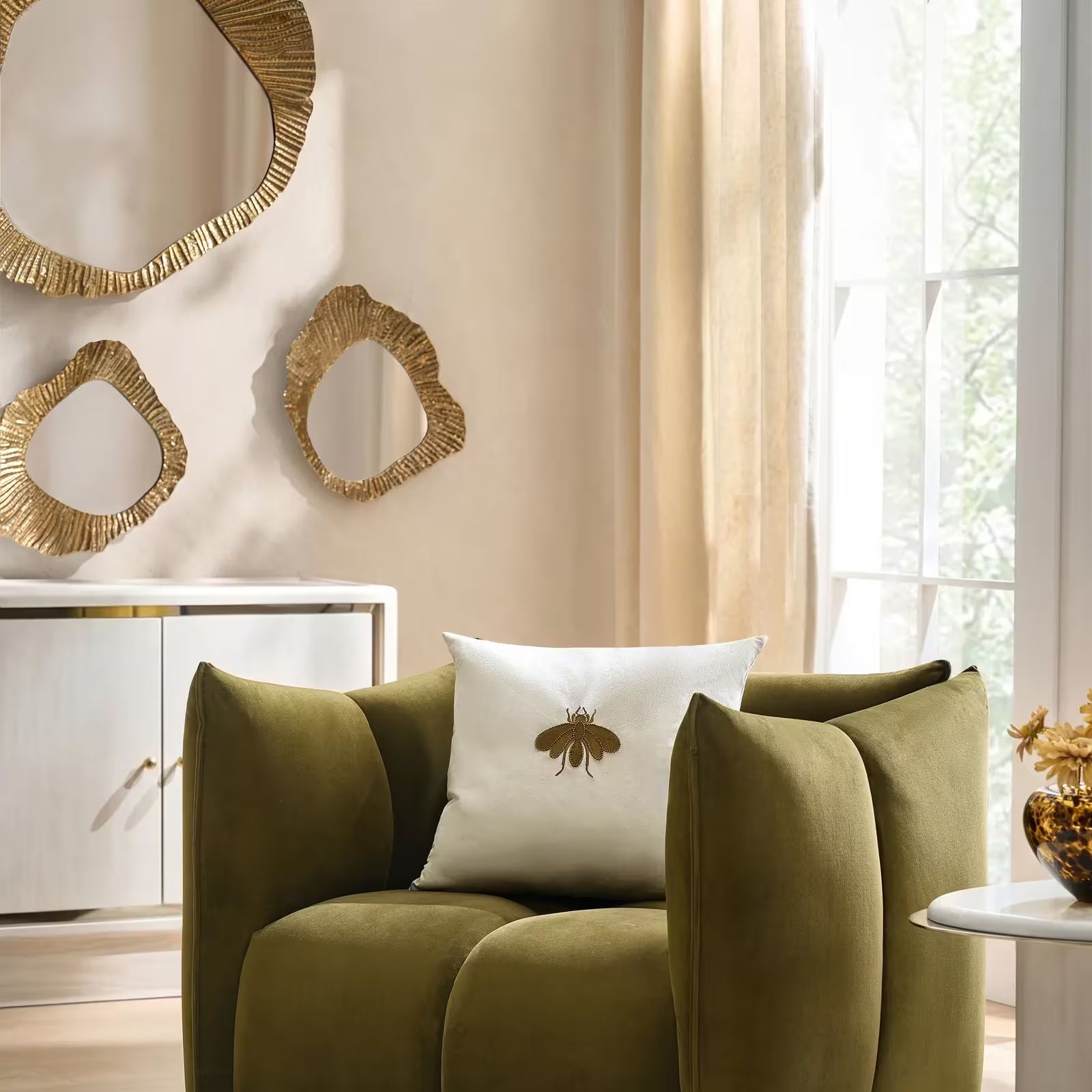 Anson Ivory Textured Window Curtain Panel$89
An ivory polyester curtain with a crushed, light-reflective texture for elegant, room-darkening style.
Add To Cart -

 Anson Charcoal Textured Window Curtain Panel$89
A moody charcoal curtain with crushed polyester texture and subtle sheen for stylish, room-darkening appeal.
Add To Cart -

 Adair Midnight Blue Solid Velvet Window Curtain Panel$69
A sumptuous midnight blue velvet curtain that adds elegance, depth, and room-darkening style to any space.
Add To Cart -
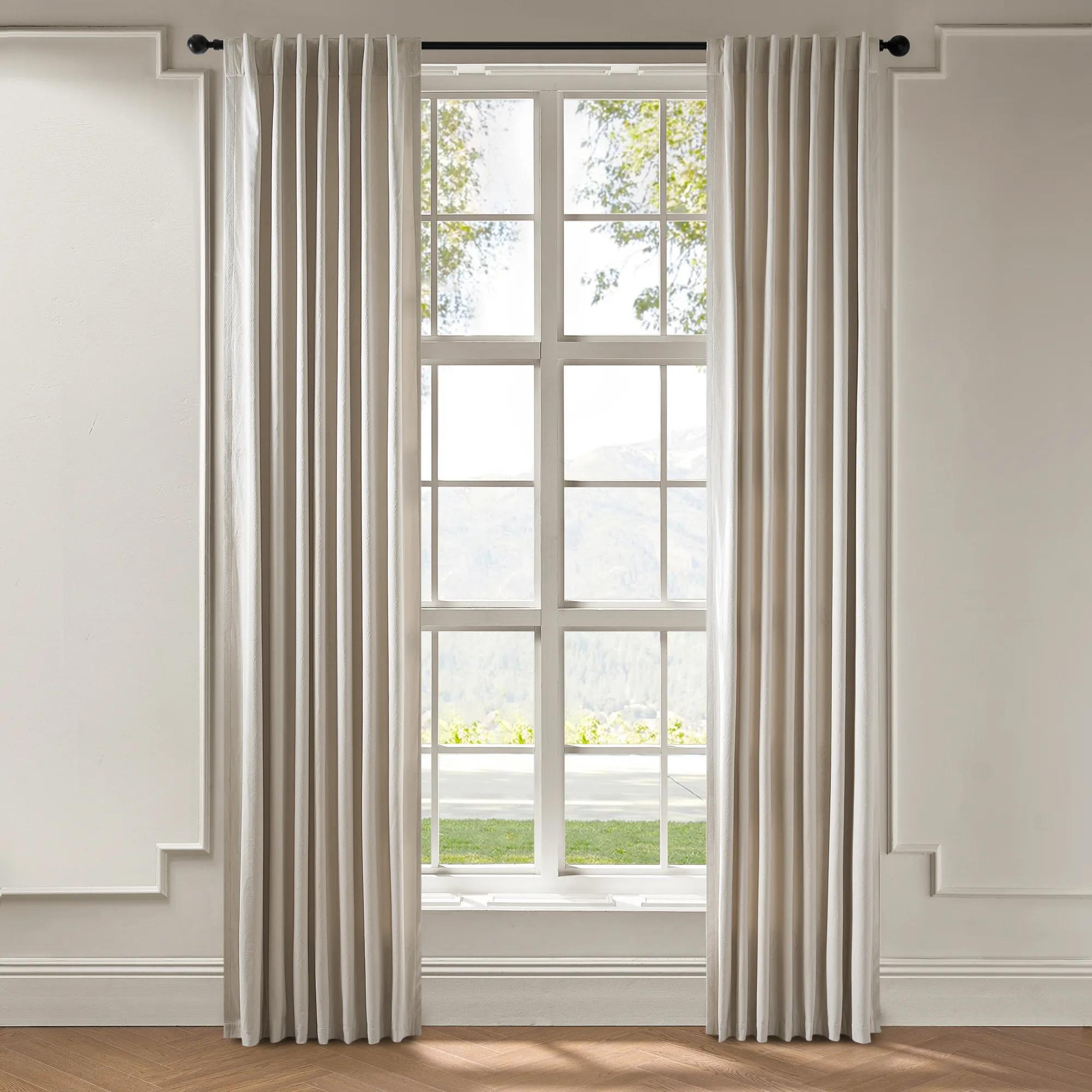
 Mabel White Velvet Swirl Window Curtain Panel$99
A crisp white velvet curtain featuring a tonal swirl texture and versatile dual hanging options.
Add To Cart -
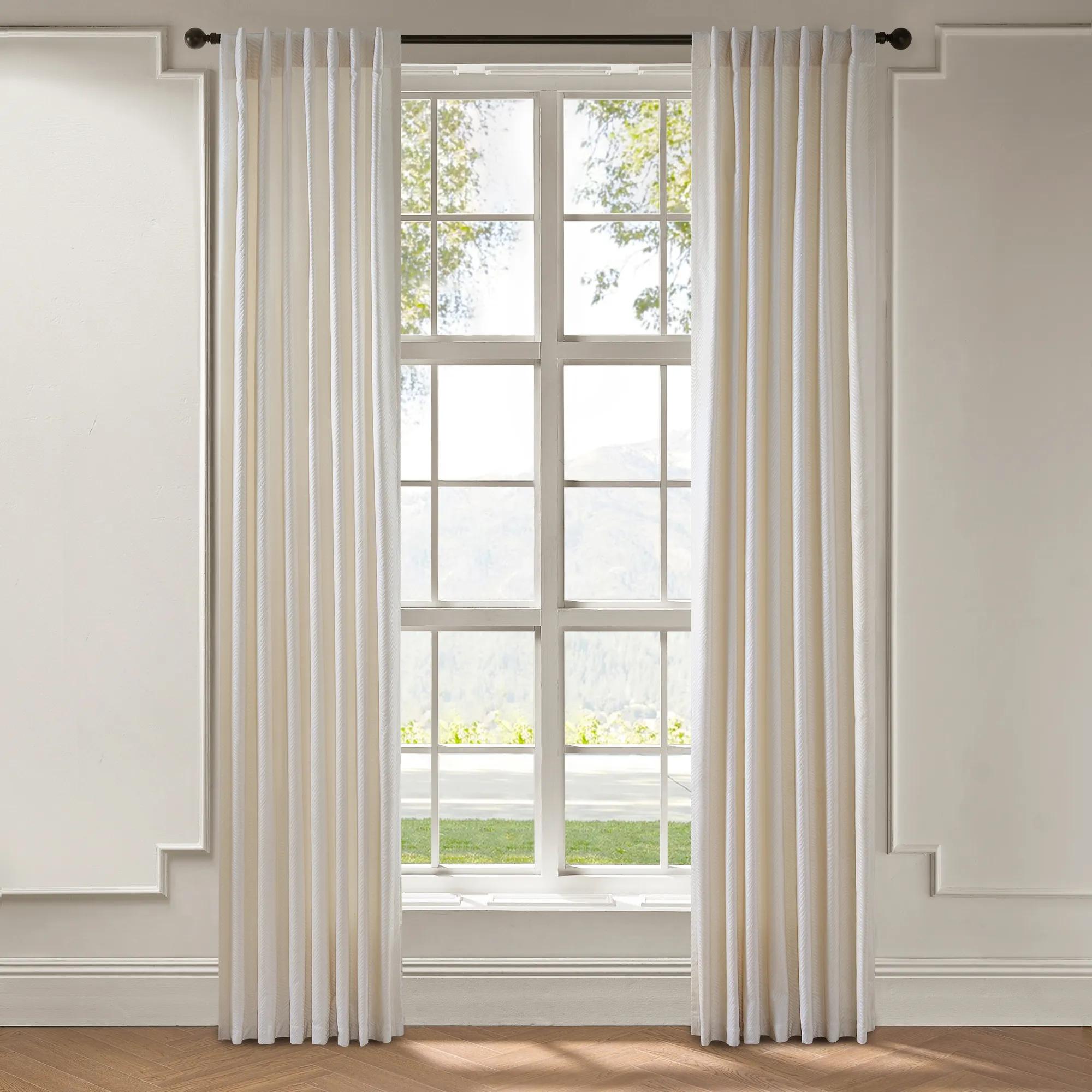
 Kenzo Chenille Curtain - White$139
A luxe white chenille jacquard curtain featuring a subtle high-contrast pattern and versatile dual construction.
Add To Cart -
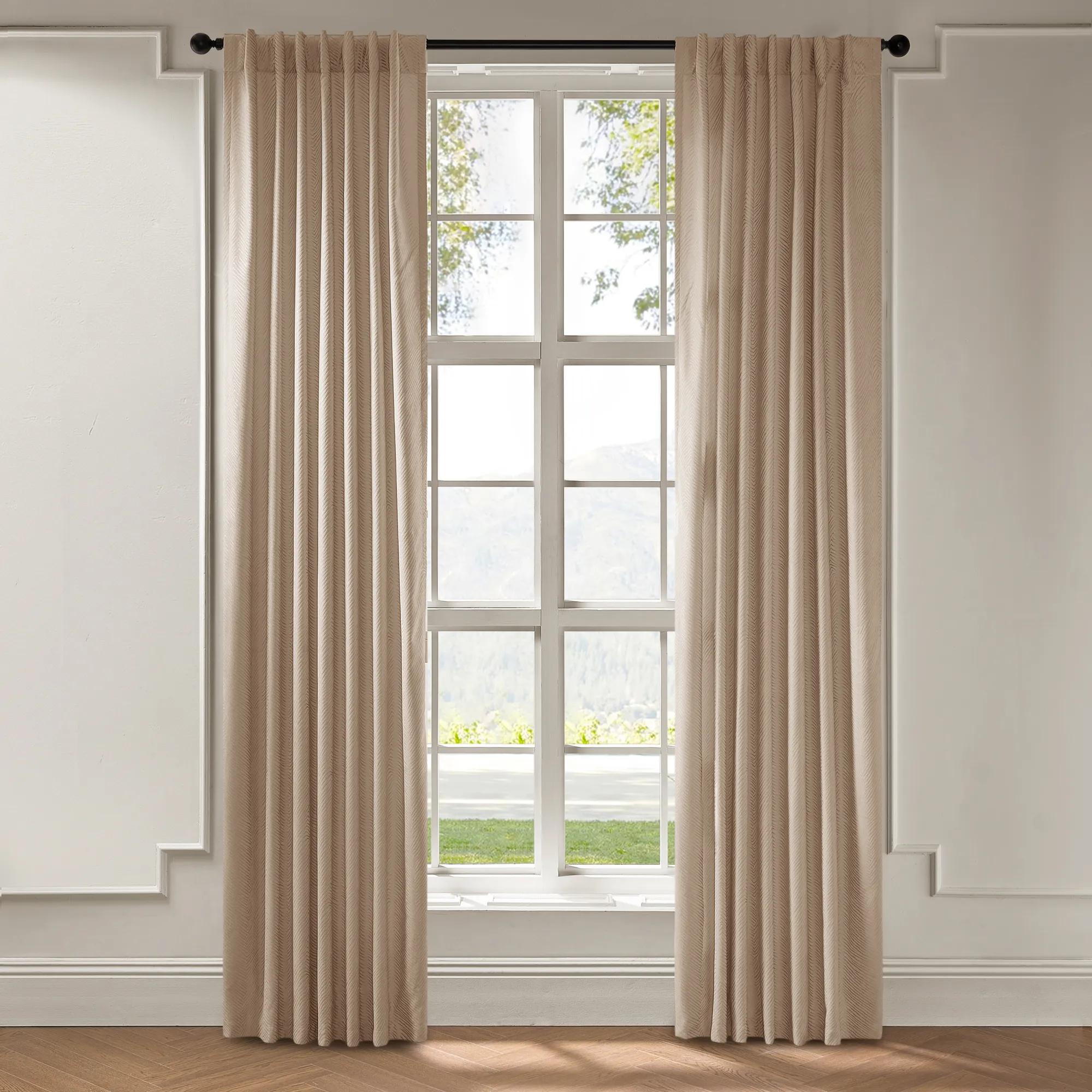 Kenzo Jacquard Beige Chenille Window Curtain Panel$139
A warm beige chenille jacquard curtain with a subtle sheen and versatile rod pocket or back tab hanging.
Add To Cart -

 Adair Sand Solid Velvet Window Curtain Panel$69
A sand-colored velvet curtain offering room-darkening privacy and versatile hanging options for refined interiors.
Add To Cart -
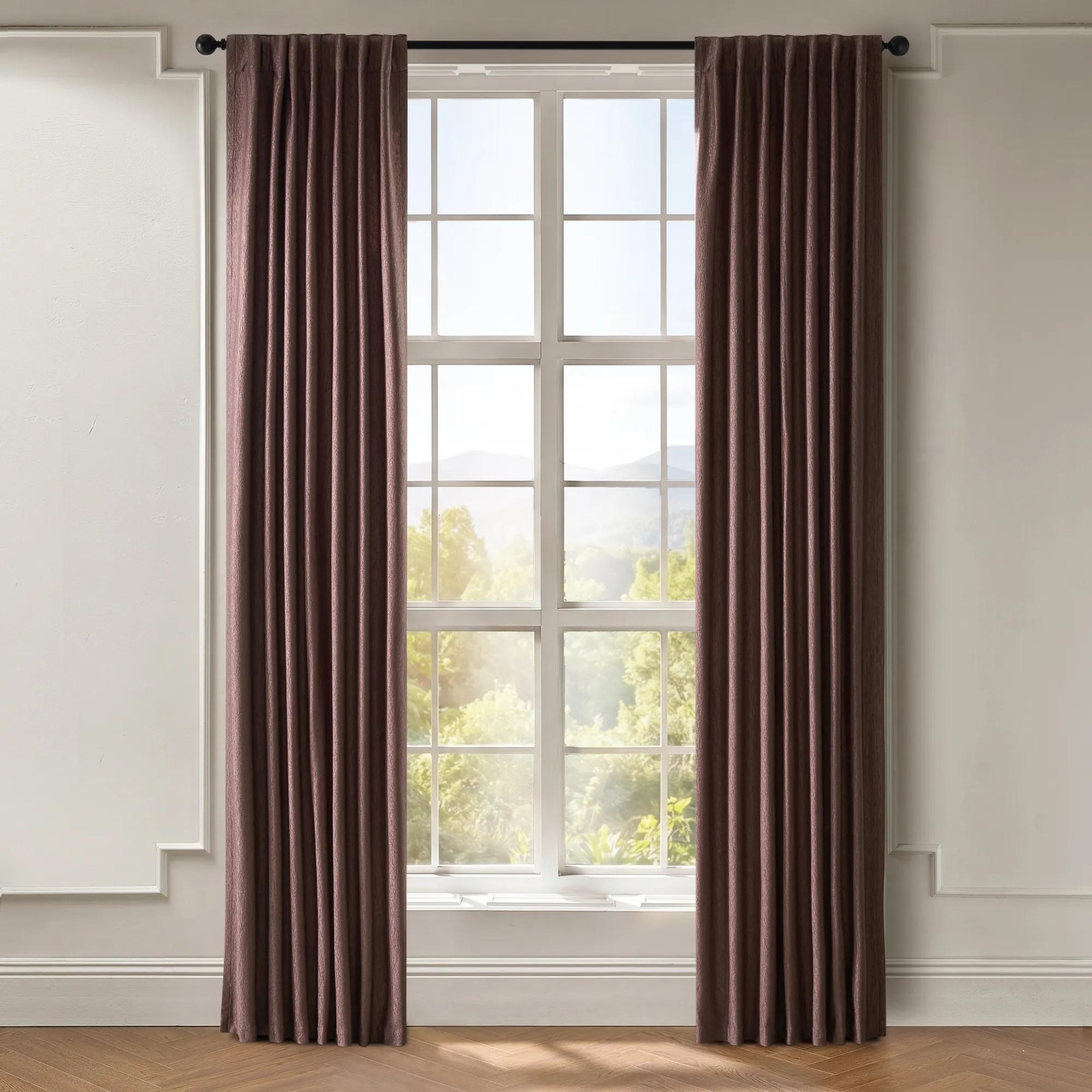
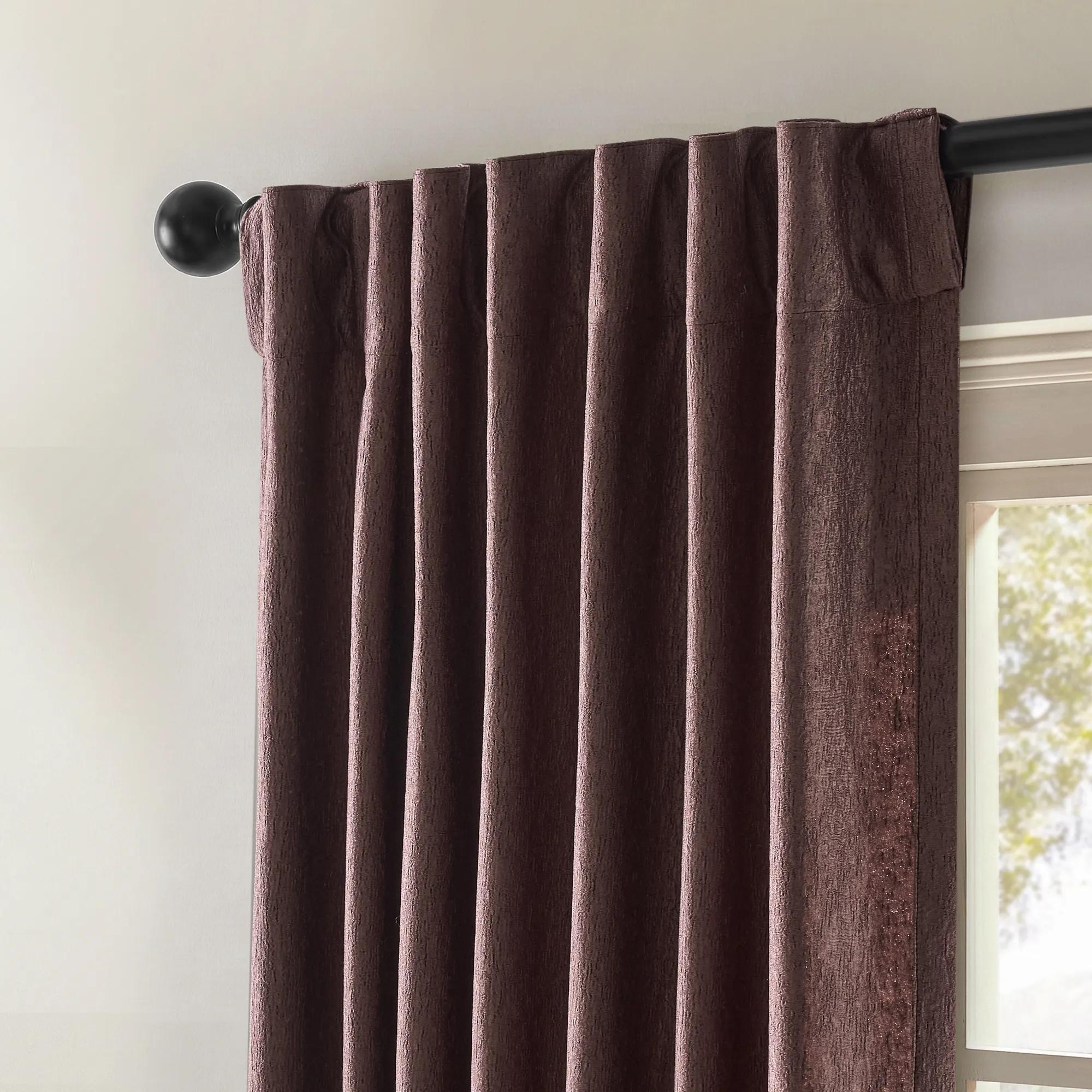 Anson Fig Textured Window Curtain Panel$89
A deep fig curtain panel with crushed sheen texture and room-darkening, dual hanging design in polyester.
Add To Cart -
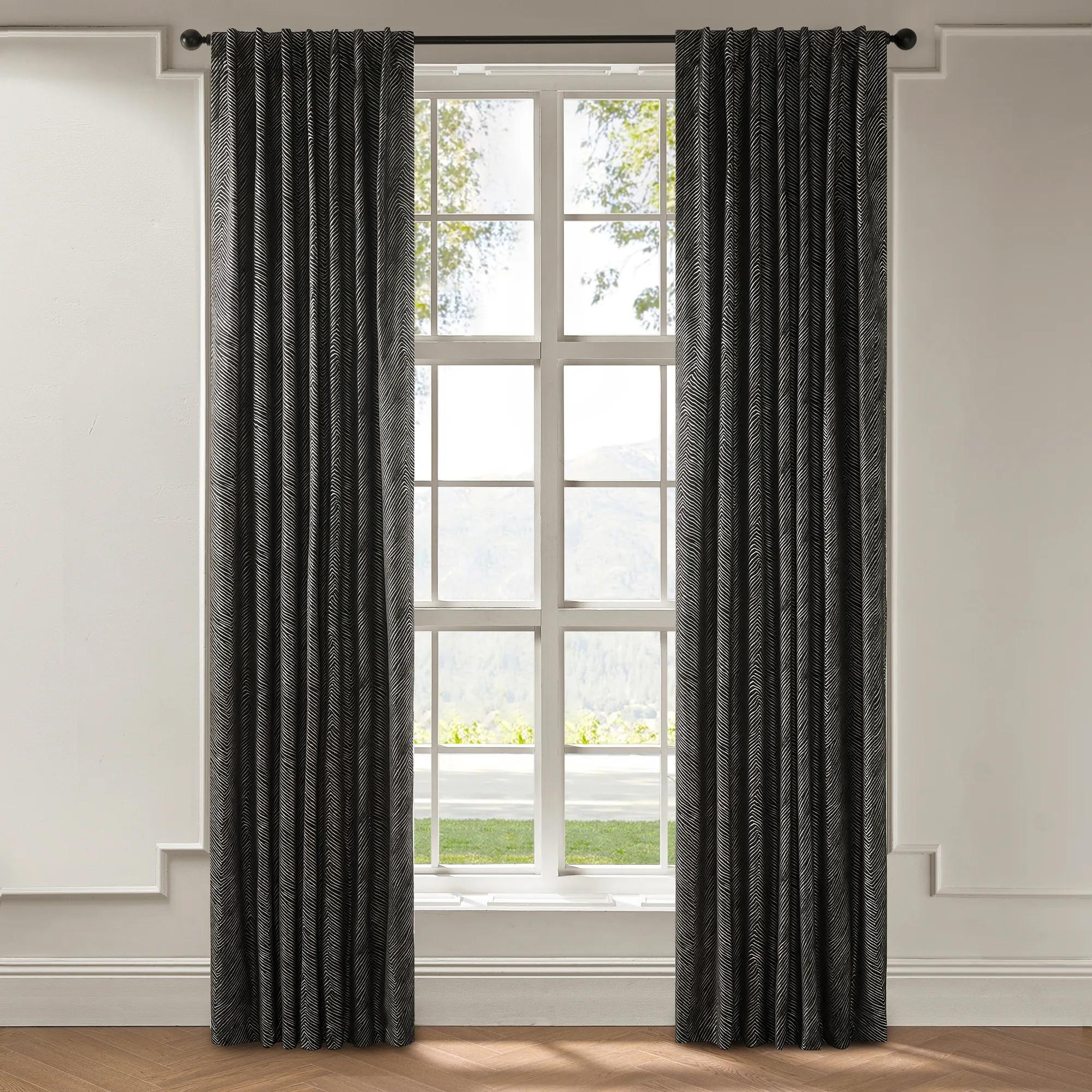
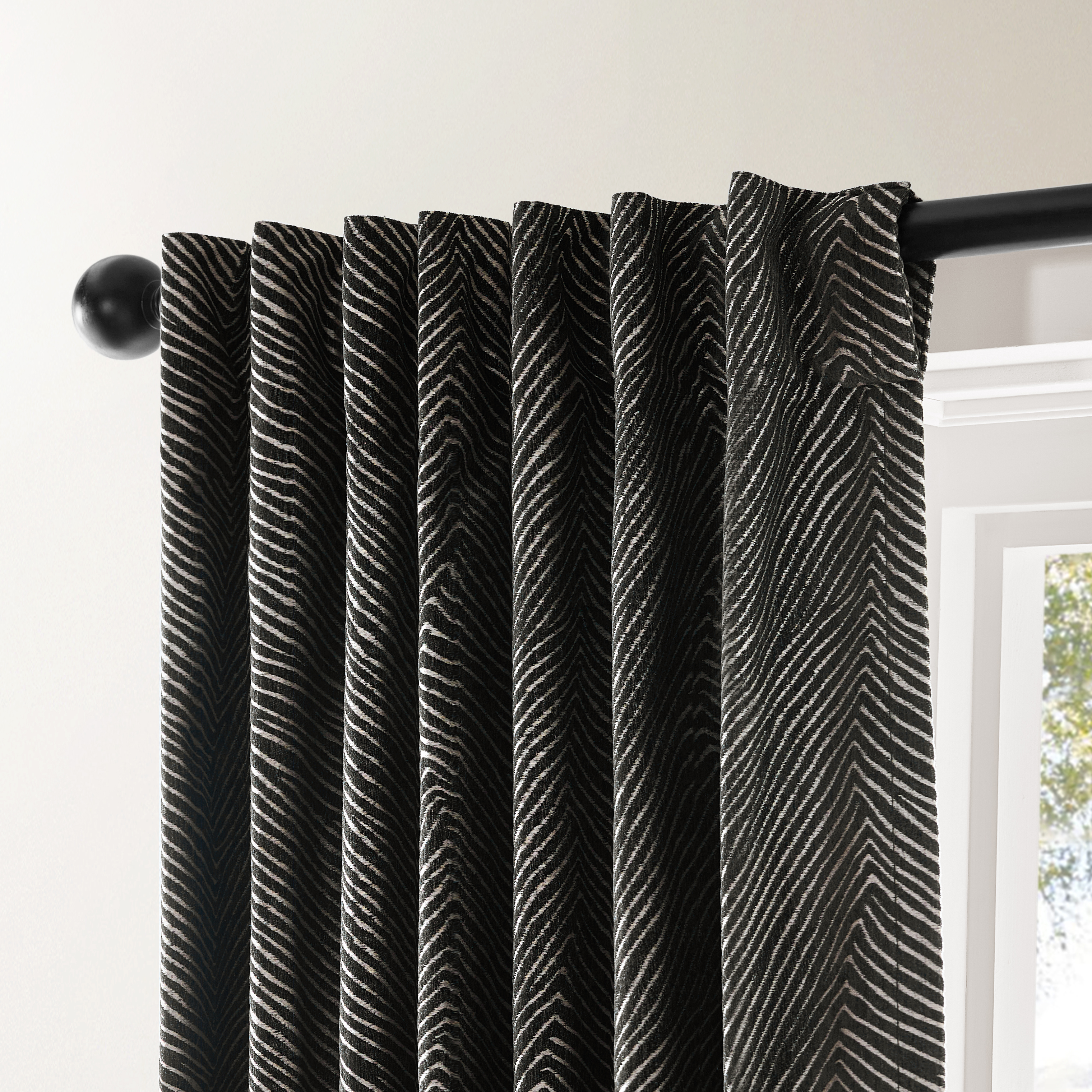 Kenzo Black Chenille Window Curtain Panel$119
A black chenille jacquard curtain with a luxe sheen and versatile dual hanging options for modern spaces.
Add To Cart -
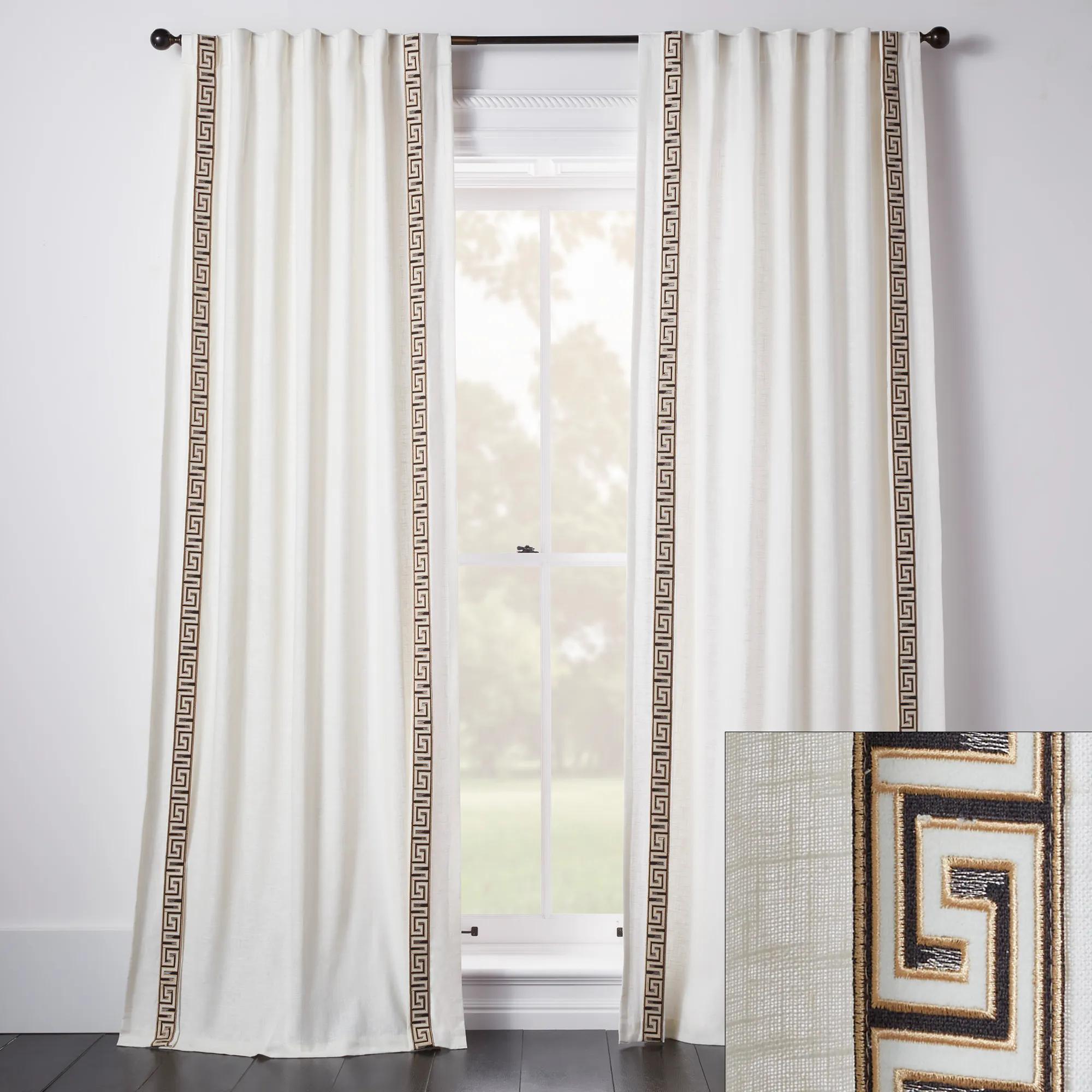 Chole Greek Key Border Velvet Widow Curtain Panels Custom$439
A white linen-blend curtain panel featuring a black and gold embroidered velvet Greek key border.
Add To Cart -
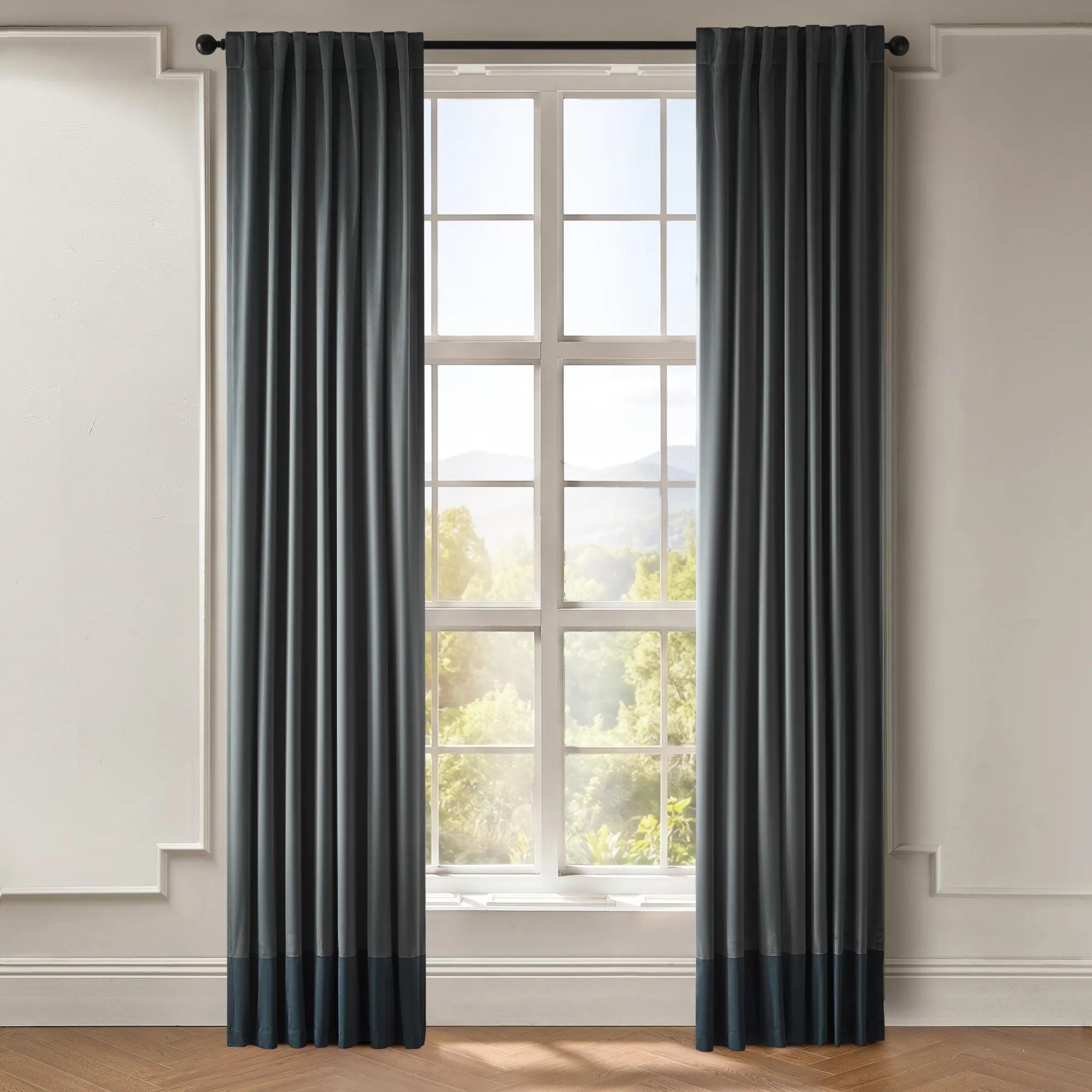
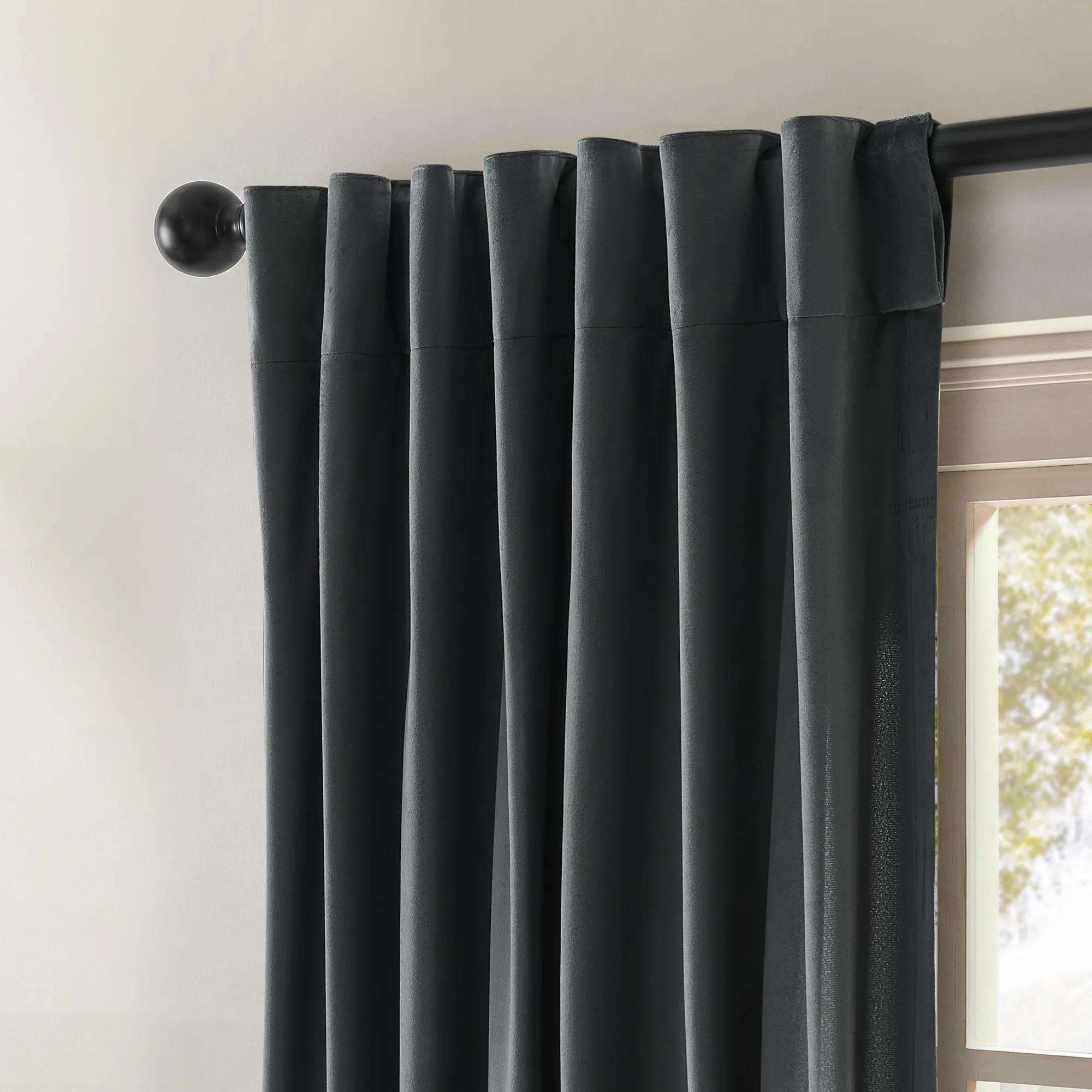 Bastien Blue/Midnight Velvet Border Window Curtain Panel$99
A two-tone dusty and midnight blue velvet curtain panel with a Deco-inspired border and room-darkening design.
Add To Cart

Home Office Window Treatment Ideas
Explore home office window treatment ideas that balance natural light, privacy, and expressive style. Browse with your workspace’s palette and window proportions in mind, considering how much coverage you need to manage screen glare without sacrificing welcome daylight. Look for a design that frames the view with intention and gives your office a refined, distinctive finish.
The best home office window treatments balance glare reduction, adjustable natural light, and privacy with a finish that gives the room a distinct point of view. Light-filtering curtains soften bright windows, solar shades help manage intense light while preserving some outward visibility, and opaque drapery or blackout shades offer greater light control when concentration or presentation matters most. Each creates a different atmosphere: a translucent panel lends an airy, luminous quality to a creative studio, while tailored drapery frames an executive workspace with architectural presence. For a desk near a bright window, the fabric’s opacity and the direction of incoming light matter more than color alone. Positioning a monitor perpendicular to the window can help limit reflections, while an adjustable shade allows light to be moderated throughout the workday without leaving the entire room dim. Solar shades deserve particular attention to openness factor, which describes how much open space exists within the weave; lower openness generally means less visible light and a more restricted view. They should not be relied on for nighttime privacy, since an illuminated interior can remain visible from outside. Light-filtering fabrics also vary in how clearly they reveal silhouettes, making an opaque second layer useful for a street-facing office. Layered window treatments bring flexibility without sacrificing drama: sheers diffuse daylight for reading and sketching, while lined curtain panels close for privacy or a more controlled video-call setting. Roller shades provide a restrained foundation beneath fuller drapery, cellular shades offer softly structured light control, and wood shutters introduce substantial lines with adjustable louvers. The right choice depends on window dimensions, the position of the desk, the desired view, and how the room functions beyond working hours. A workspace used for occasional correspondence may need only gentle diffusion, while a room devoted to daily meetings, detailed design work, or confidential conversations benefits from more precise control. Window coverings provide visual privacy, however, not a substitute for sound isolation.
Fabric gives home office curtains their character, but its construction determines how comfortably they perform. Linen and linen-blend panels introduce irregular texture and a relaxed, tailored elegance; their tendency to crease is part of their natural appearance, though lining and fiber blends can influence the finished drape. Velvet delivers a deeper, more enveloping effect, creating a sumptuous frame around a window and a richly textured background for a desk. Polyester and blended fabrics can offer consistent color and shape with care requirements suited to frequently used rooms, although performance always depends on the individual fabric and finish. Cotton brings a crisp, versatile quality, while loosely woven sheers emphasize lightness rather than concealment. An opaque lining can improve privacy and light control, but a dark fabric is not automatically a blackout fabric, and even blackout material may admit light around uncovered edges. Color and pattern deserve equal attention. Ivory panels against pale walls create a continuous, luminous backdrop; charcoal or deep jewel tones draw a decisive border around the view. A subtle woven pattern adds depth without competing with artwork, while a larger motif becomes a deliberate focal point in a room with quieter furnishings. Scale makes these choices feel intentional. Measure the window width and height carefully, noting whether a shade will sit inside the frame or mount outside it. Inside-mounted treatments need sufficient frame depth and clearance for handles, while outside-mounted treatments can extend beyond the opening to improve coverage. Curtain rods should allow panels to move clear of the glass where space permits, preserving daylight when the curtains are open. Panel width must also account for fullness: fabric that looks generous when closed will form more sculptural folds than panels stretched nearly flat. In an active workspace, hems that just clear the floor offer a polished alternative to pooling fabric, keeping the area around rolling chairs, filing drawers, and frequently used walkways unobstructed.
Durability in a home office comes from choosing materials, construction, and hardware that suit everyday movement. Curtains opened each morning and closed for afternoon calls need secure attachments, smooth operation, and a rod rated for their weight, particularly when substantial lining or velvet is involved. Shade controls should remain easy to reach without leaning across a monitor or disturbing desk accessories, and window coverings should not interfere with opening the window or accessing an exit. Cordless designs are especially valuable in homes with children or pets; any corded treatment requires the safety measures specified by its manufacturer. Care begins with the fabric label rather than appearance alone. Some panels tolerate machine washing, while others require professional cleaning, and washing an unsuitable lining can alter both length and drape. Gentle vacuuming with an appropriate upholstery attachment, when permitted, helps remove dust from folds and textured surfaces between deeper cleanings. Shades and shutters also benefit from material-specific care, since excessive moisture or aggressive cleaners can damage certain finishes. Prolonged direct sunlight may fade textiles and furnishings, so light management is relevant to the room’s appearance as well as screen comfort. For a shared office and guest room, layered treatments can accommodate focused work by day and stronger privacy when the space changes roles. In a compact apartment, a streamlined shade beneath long panels adds dimension without crowding the desk, while a generous office can carry fuller folds and more pronounced hardware. Renters and students should confirm installation permissions and mounting requirements before selecting a treatment; the same attention to privacy, proportion, and adaptable light extends to Dorm Room Window Treatment Ideas. Whether the room supports client presentations, creative projects, studying, or the daily rhythm of remote work, thoughtfully chosen window treatments make its functional demands feel beautifully resolved. Controlled light, expressive fabric, and precise proportions give the workspace a composed presence without asking it to surrender personality.
FAQs
Give your workspace an editorial edge with tailored drapery, understated shades, or a layered combination. Clean lines complement sculptural furniture, while richly textured curtains introduce a more expressive note. Echo a color from your artwork to make the windows feel integral to the room’s design.
Ivory and warm taupe create a refined backdrop for statement furnishings, while charcoal or deep blue bring a more dramatic mood. For a cohesive palette, draw your curtain color from a rug or favorite artwork, then introduce contrasting decorative accents.
Pair a visually understated shade with drapery that contributes texture, color, or pattern. The contrast creates a composed, dimensional look without making every element compete for attention. Repeat one tone across both layers for quiet sophistication, or juxtapose pale shades with richly colored curtains for greater drama.
Solid curtains let expressive artwork and sculptural furnishings take center stage. Patterned curtains make the window itself an artistic focal point—consider graphic geometrics or fluid, abstract motifs. Choose the element you want to lead the room’s story, then give the surrounding details a supporting role.
Treat curtain hardware as a finishing detail with presence. A polished metallic finish can echo a desk lamp or decorative objects, while a dark finish introduces a crisp graphic accent. Keep the silhouettes related: streamlined hardware complements tailored drapery, and ornamental finials lend a more theatrical flourish.