Home Office Art Ideas
Home Office Art Ideas
-
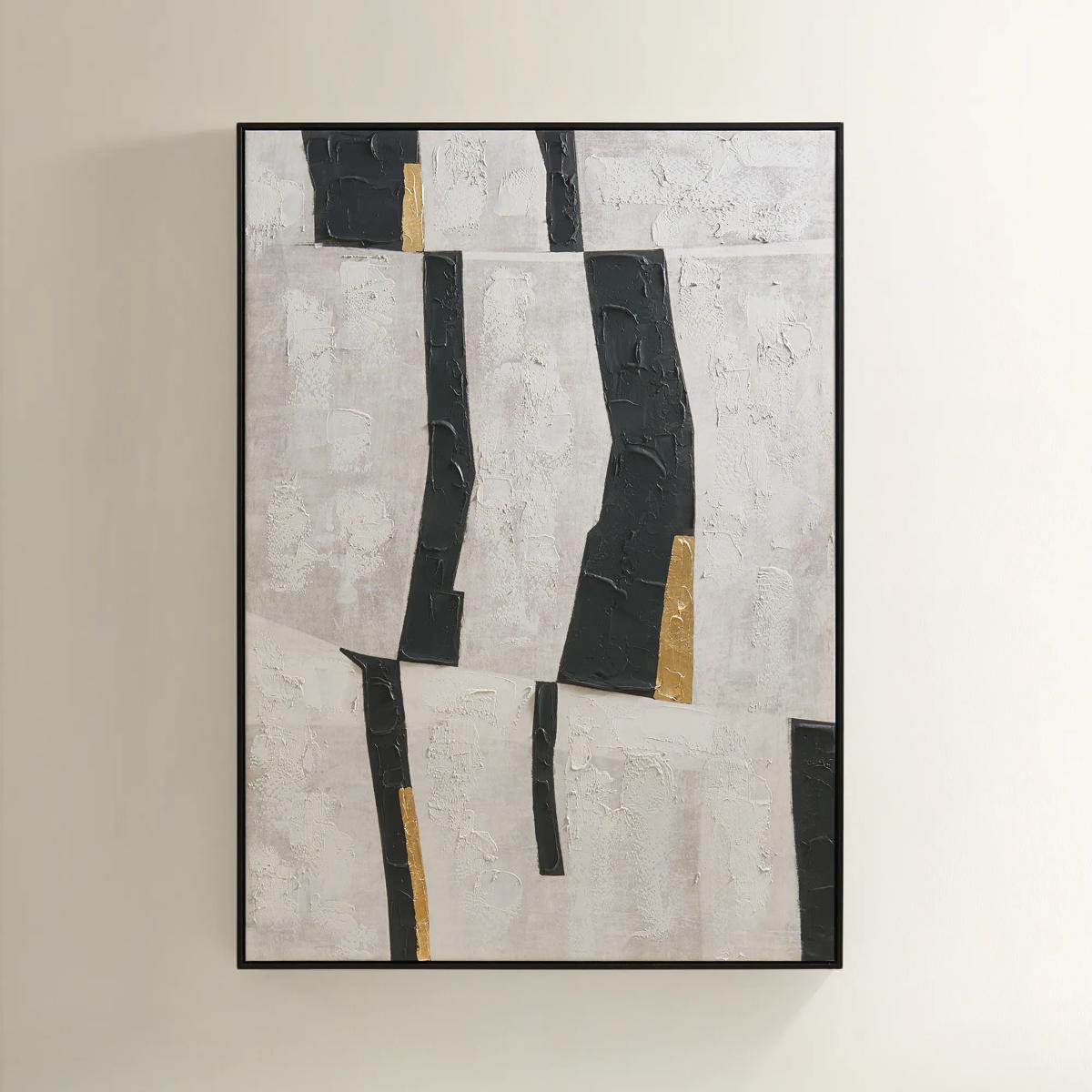
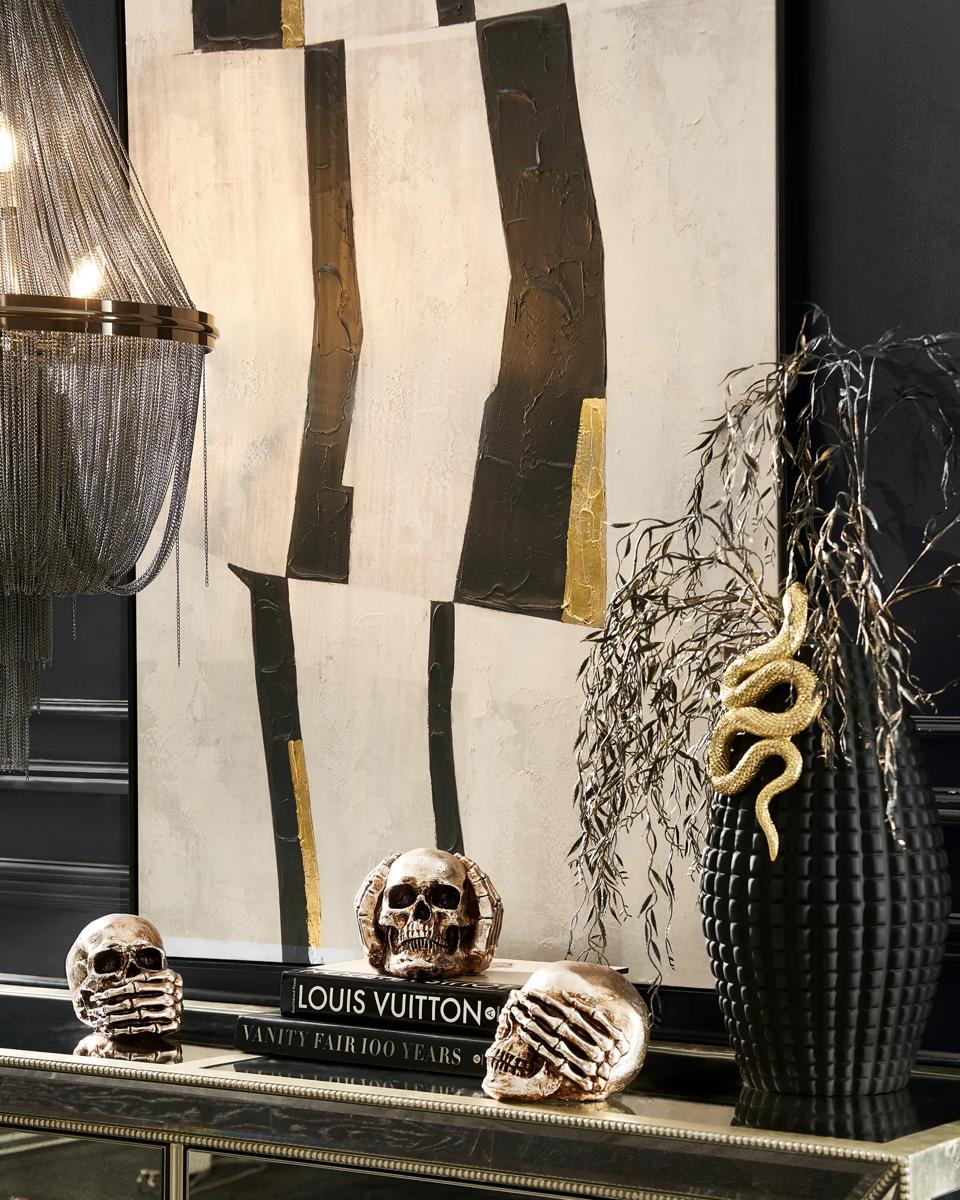 Into the Groove Painting$449
A modern abstract canvas featuring black, gray, and gold leaf accents in a sleek black floater frame.
Add To Cart -
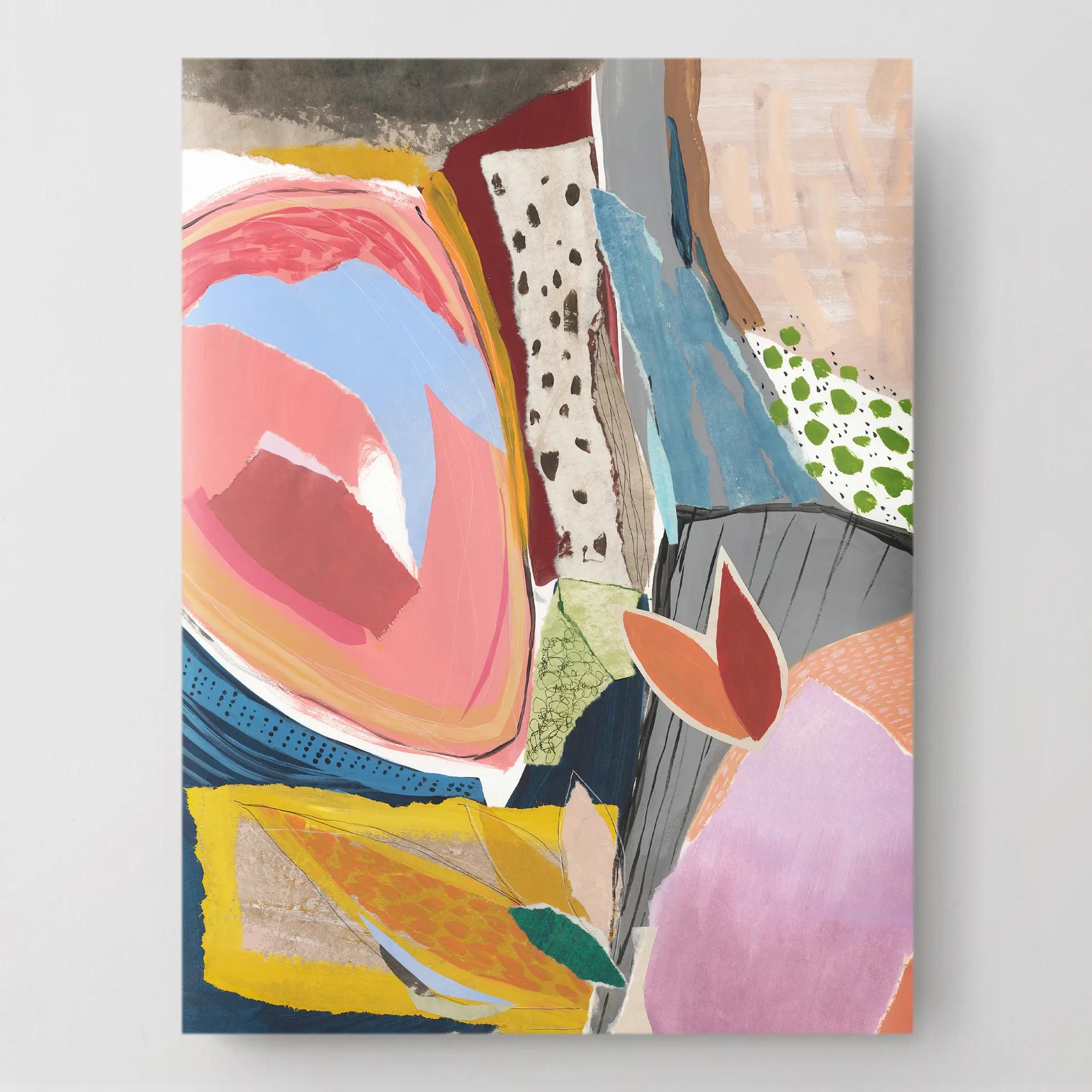
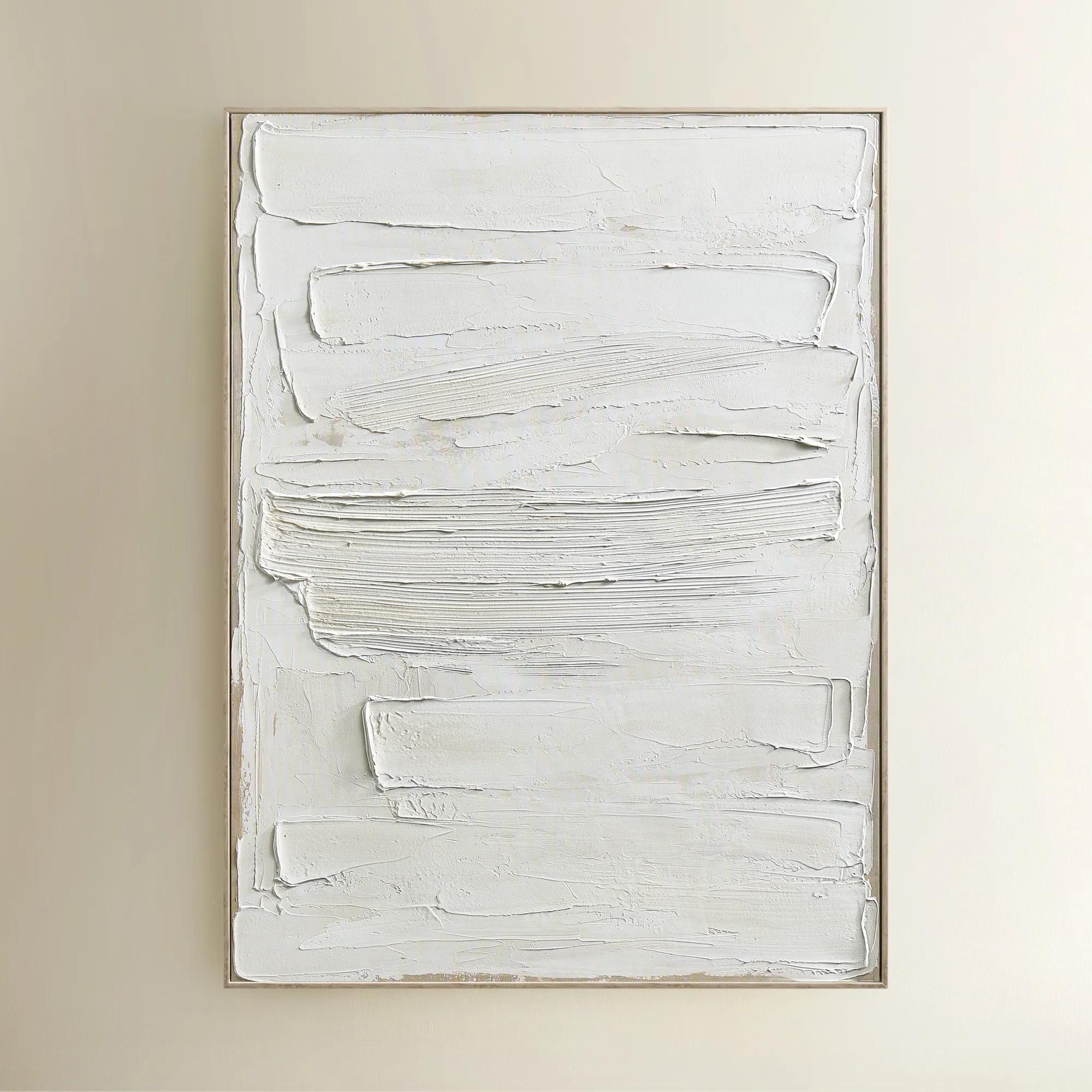
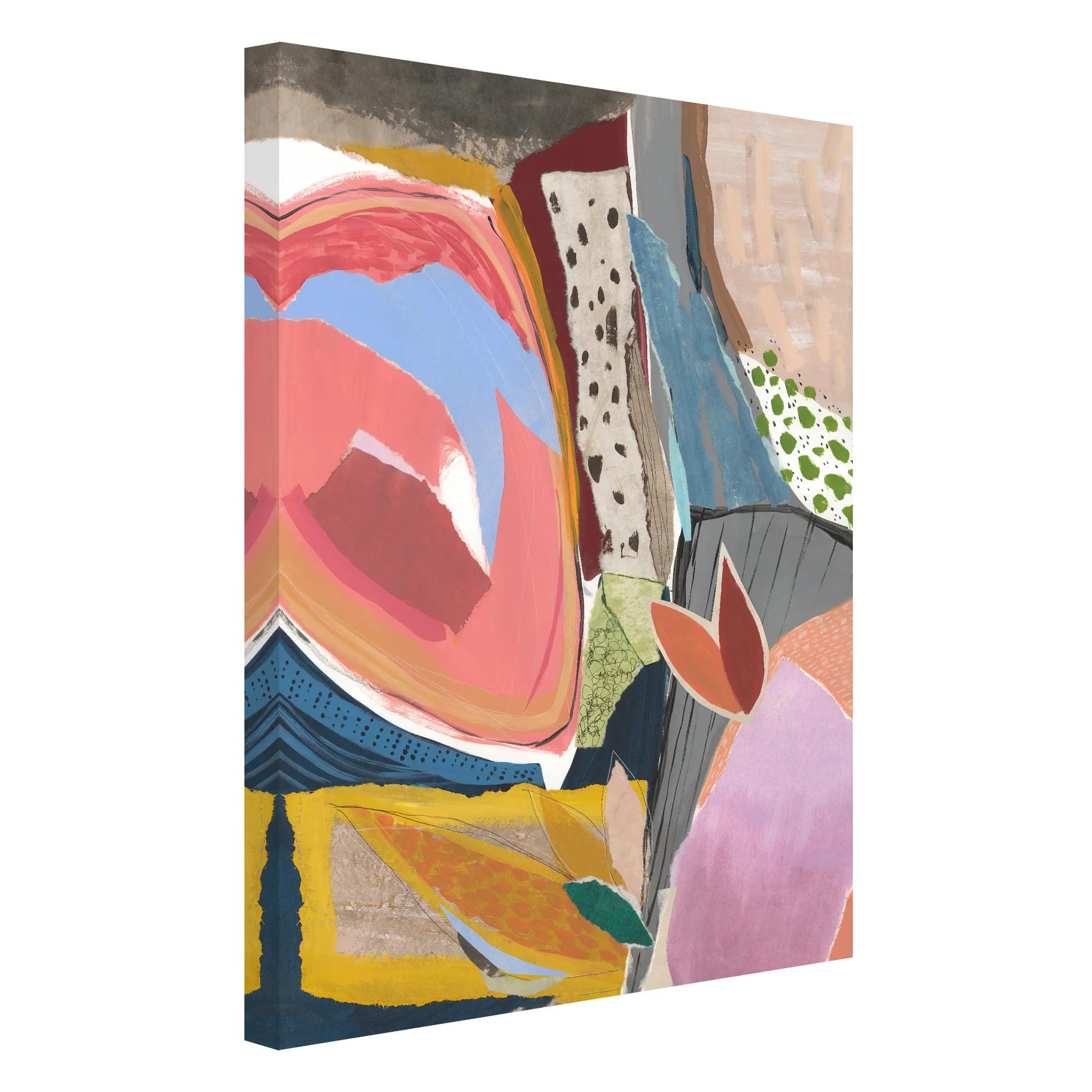 Sunday Vibes 1 Wall Art 30" x 40"$449
A gallery-wrapped canvas artwork featuring a hand-applied image brush gel finish for a textured look.
Add To Cart -
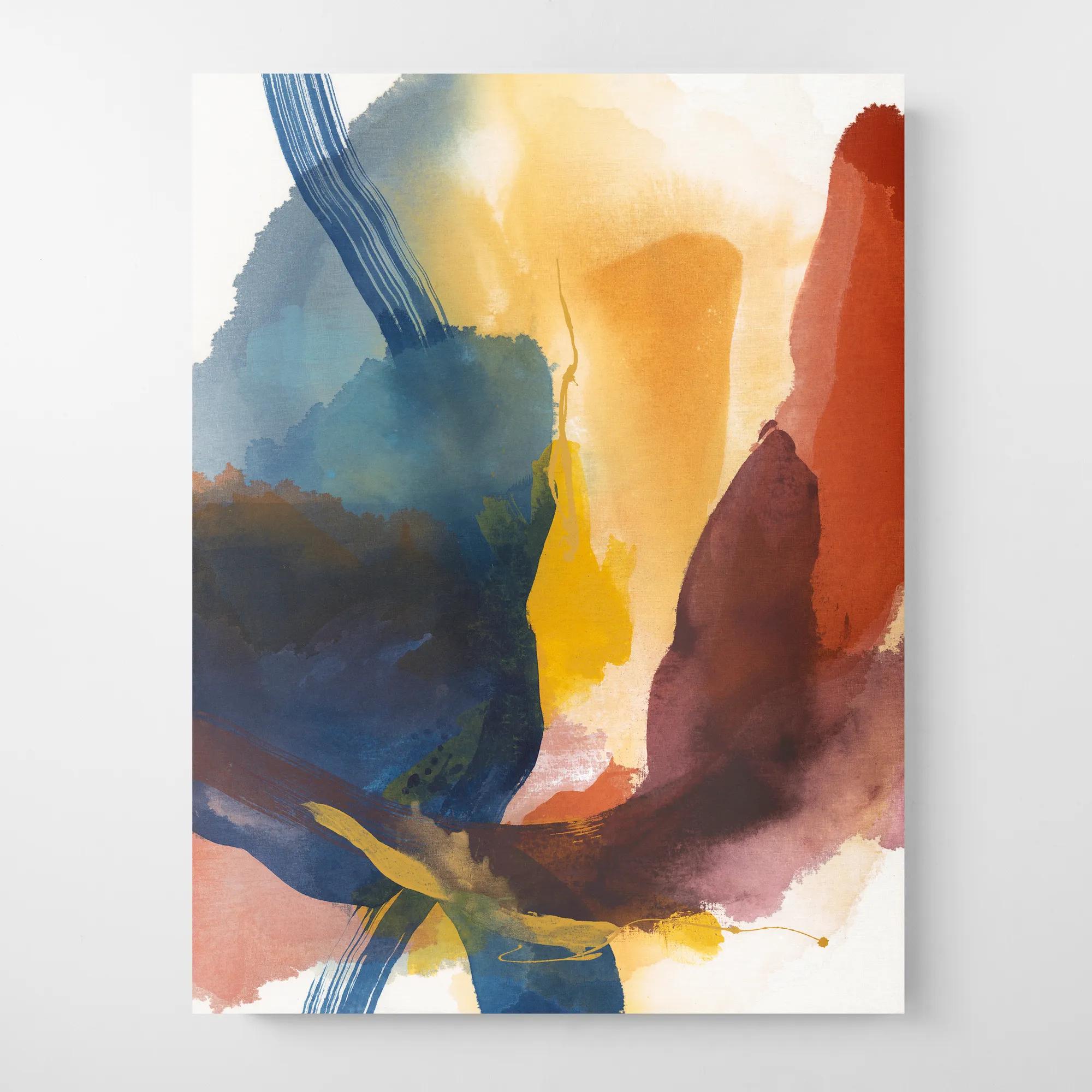
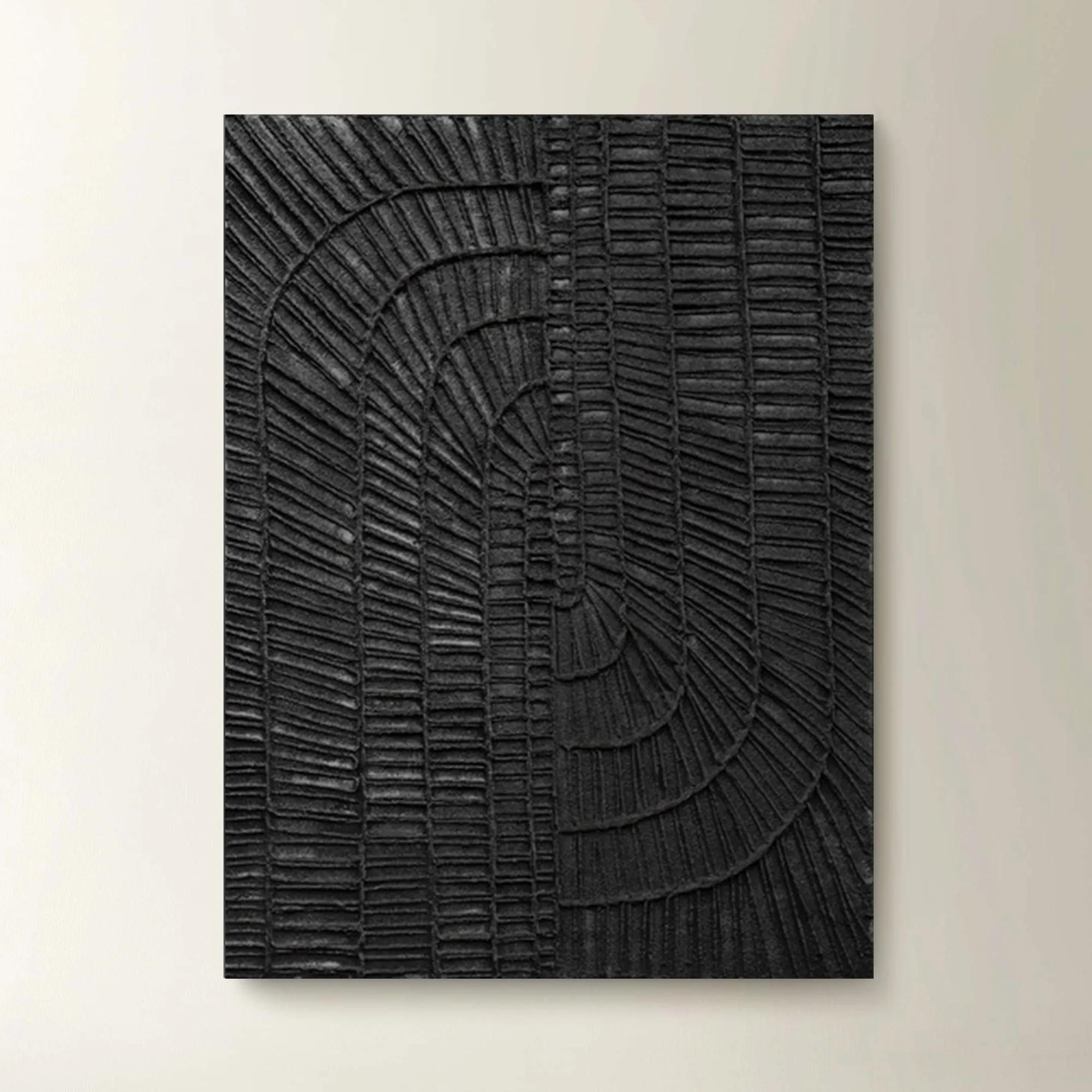
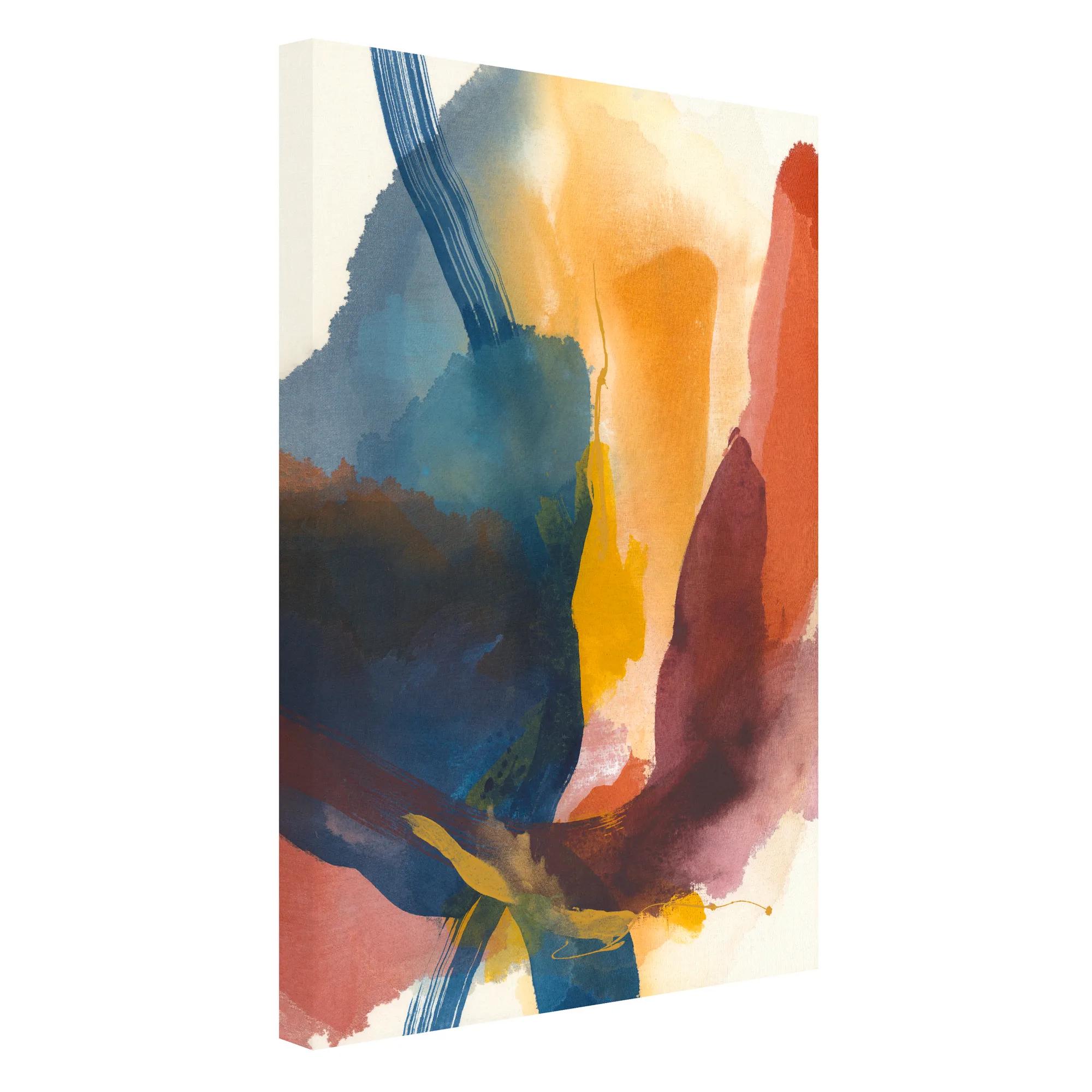 Moon Shower 1 Wall Art 30" x 40"$449
A gallery-wrapped canvas artwork featuring a hand-applied image brush gel finish for versatile display.
Add To Cart -
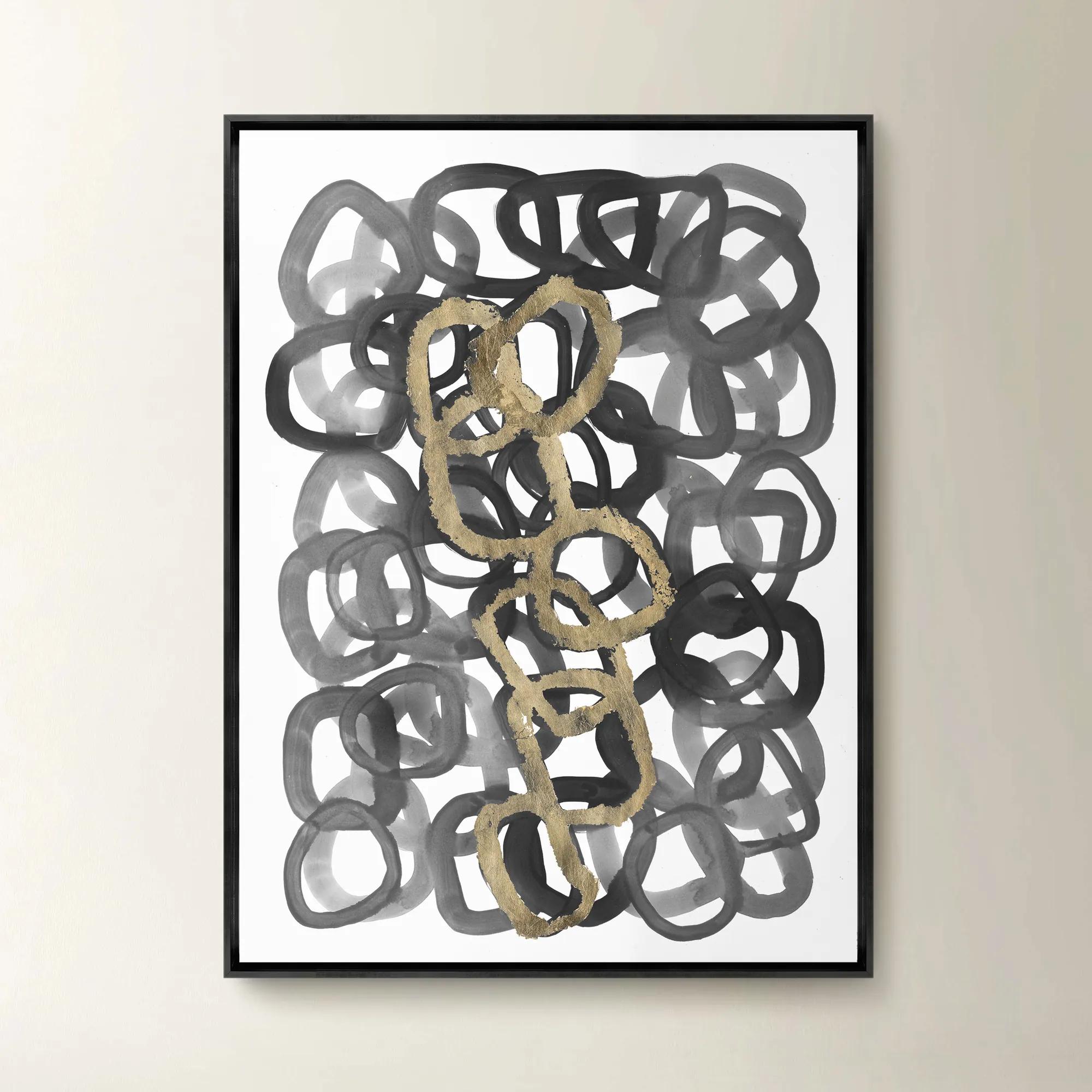
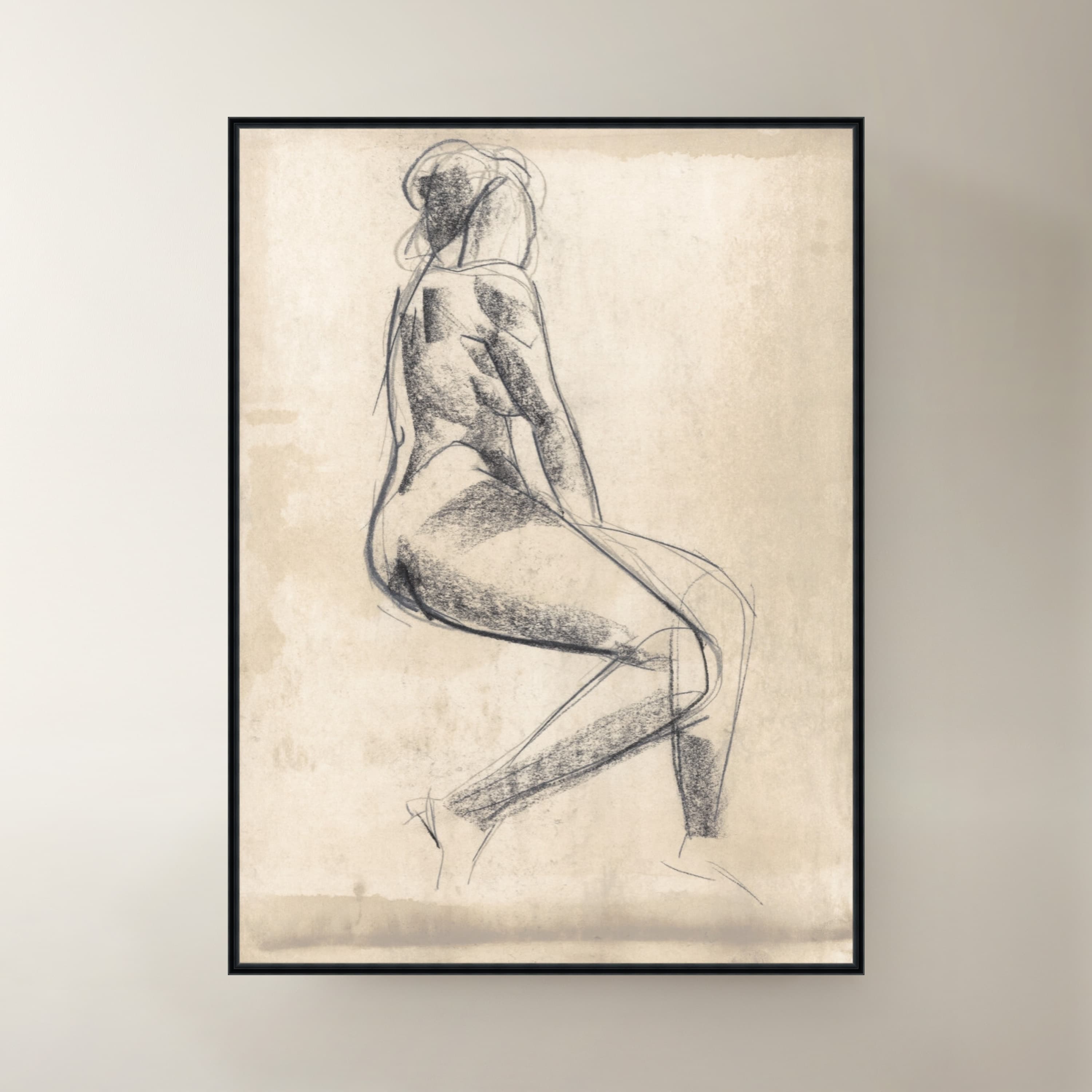
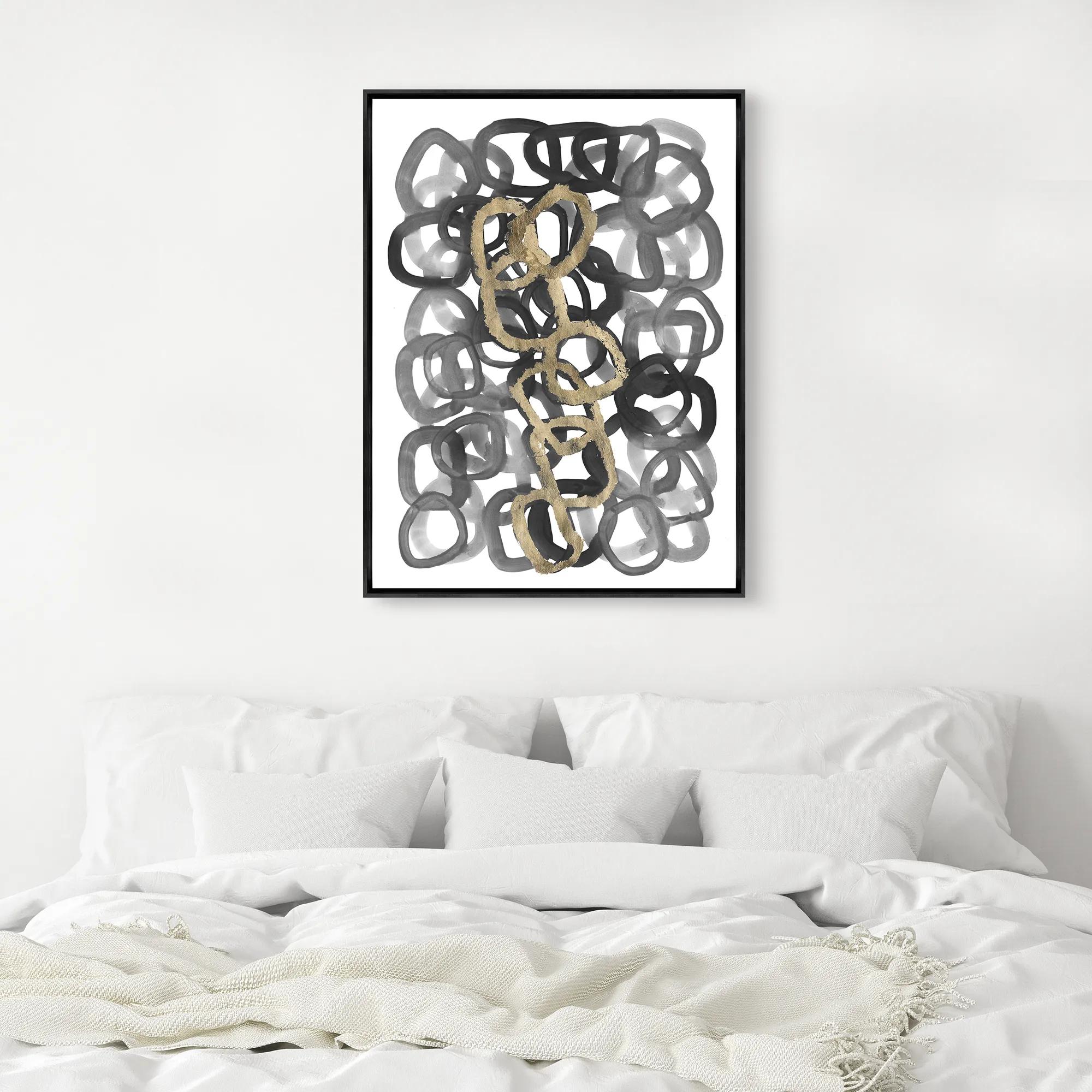 Unbroken Framed Wall Art 26" x 35"$499
A gallery-wrapped canvas artwork with a hand-applied gel finish, set in a sleek black floater frame.
Add To Cart -
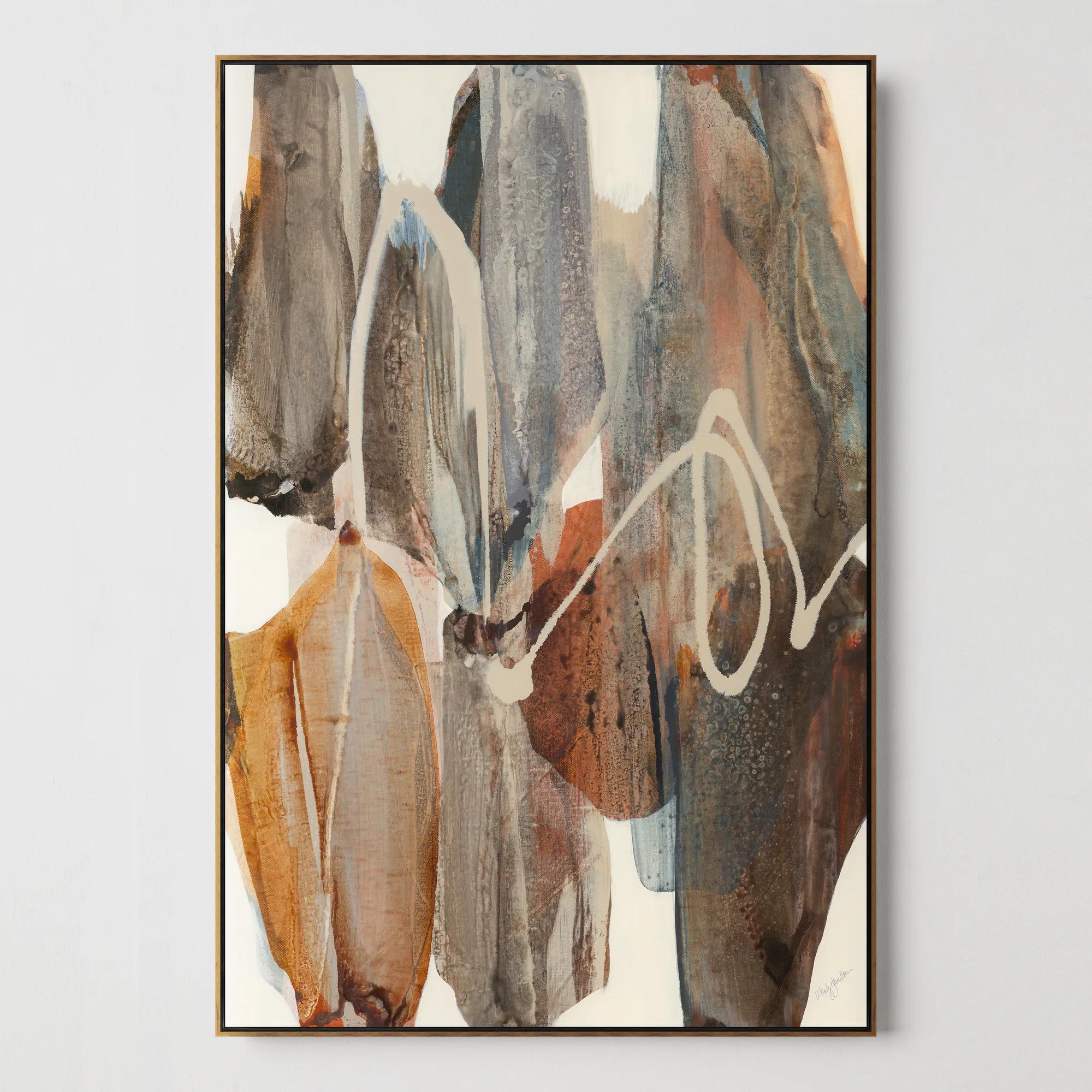
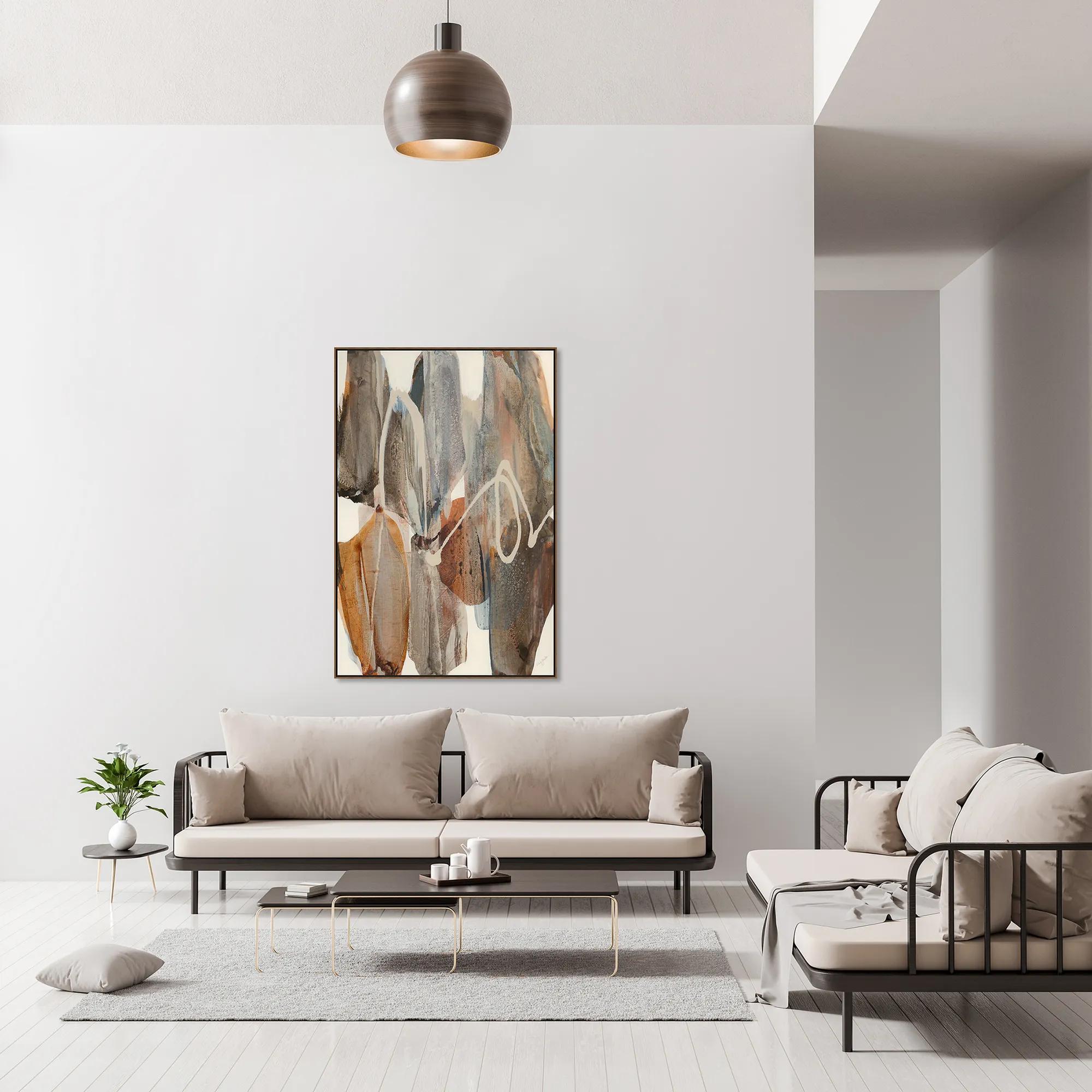 Boundless Framed Wall Art 40" x 60"$999
A gallery-wrapped canvas artwork with hand-applied brush gel finish in an oak floater frame.
Add To Cart -
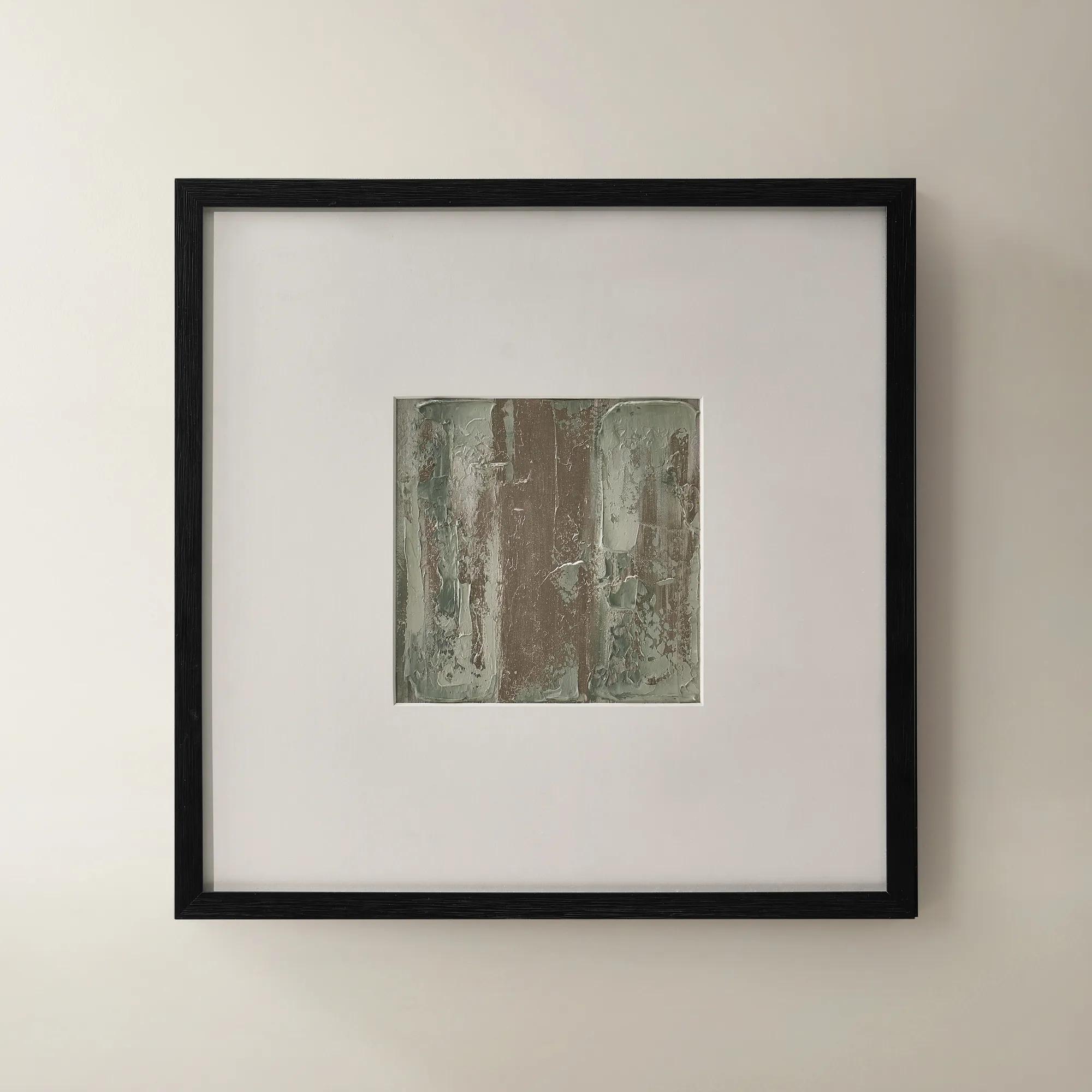
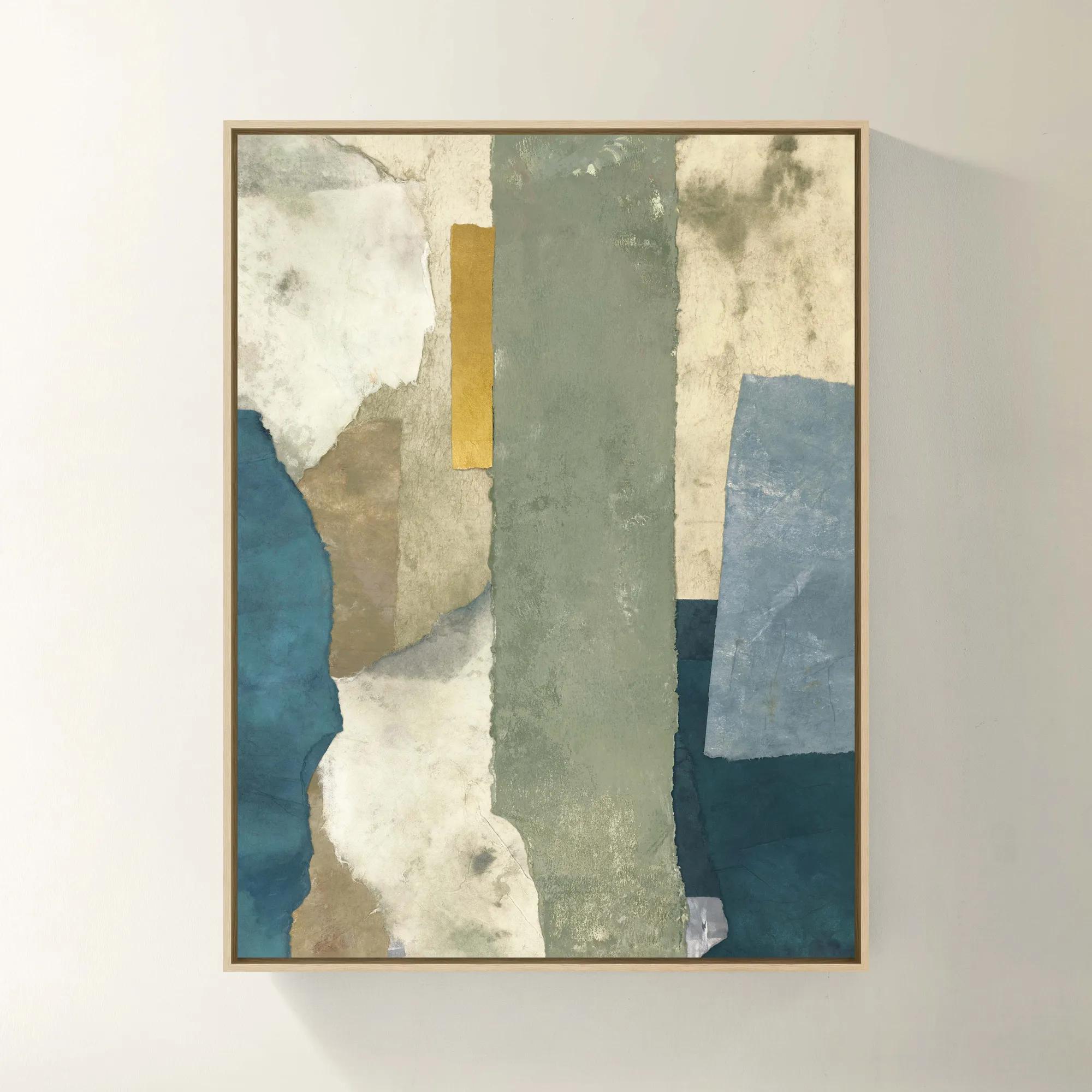 Earth Fragments II Framed Wall Art 30" x 40"$799
A gallery-wrapped canvas featuring gild accents and hand-applied gel, set in a natural floater frame.
Add To Cart -
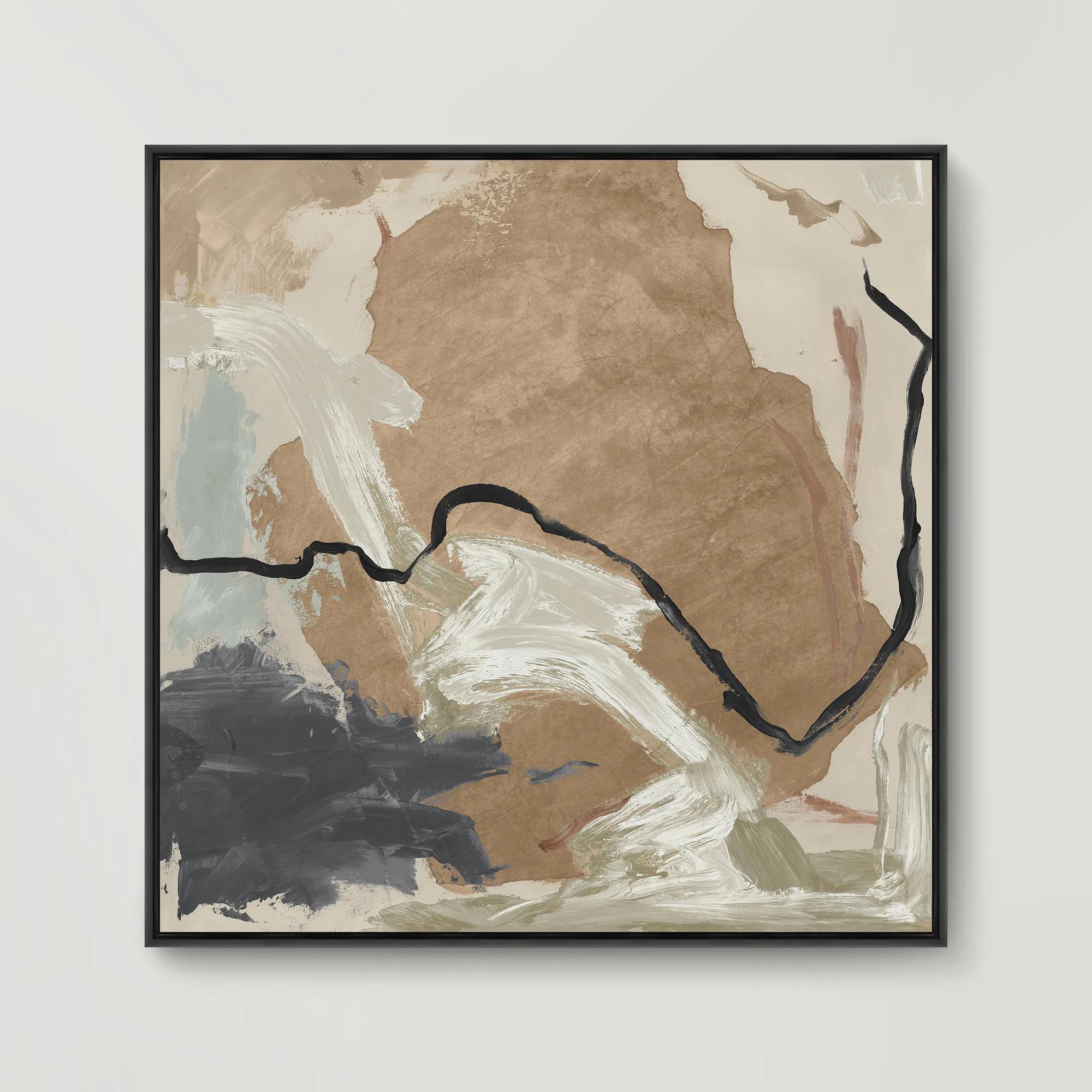 Borderlands III Framed Wall Art 31.5" x 31.5"$499
A gallery-wrapped canvas artwork with hand-applied brush gel finish, set in a sleek gray floater frame.
Add To Cart -
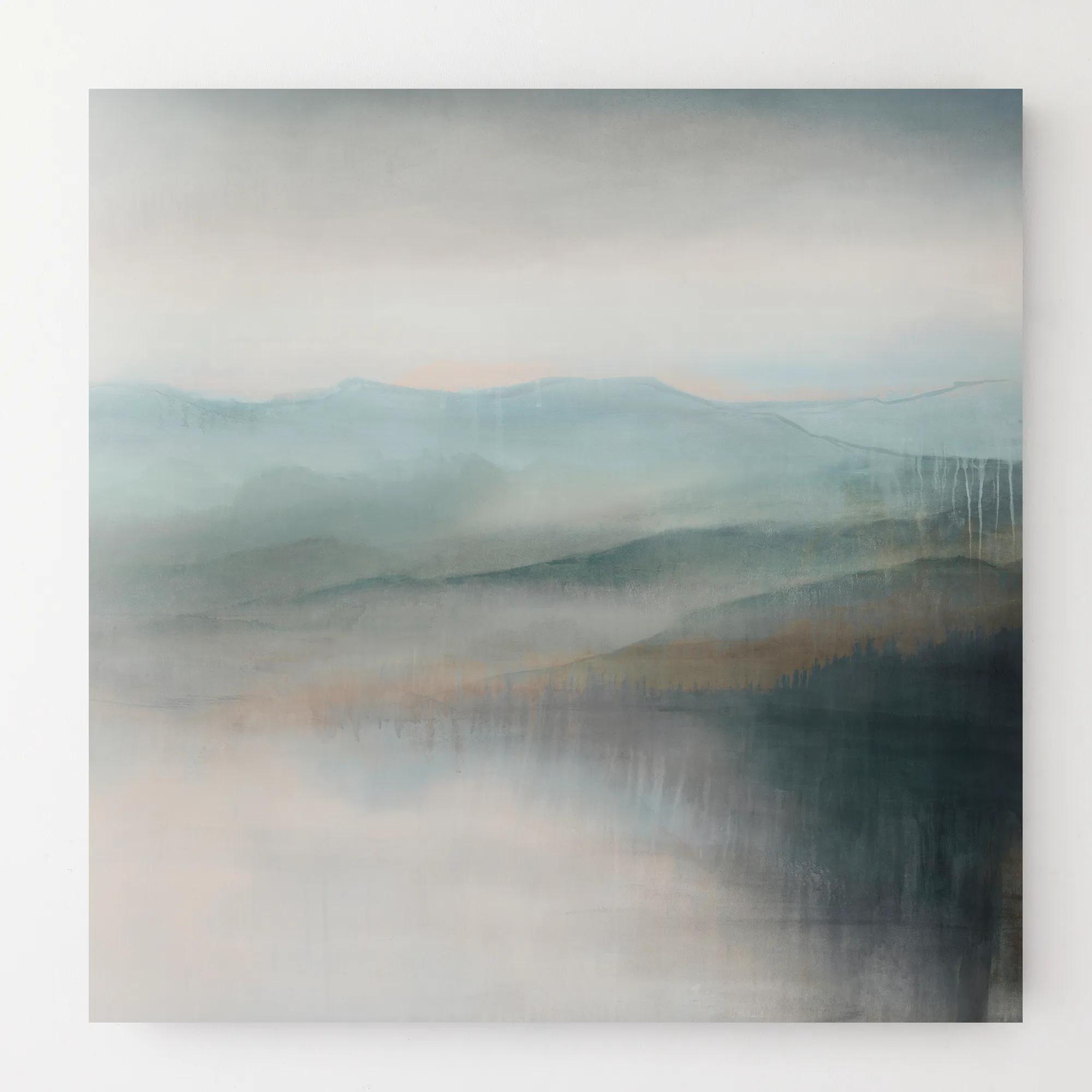
 Morning Lift Wall Art 30" x 30"$399
A gallery-wrapped canvas artwork featuring a hand-applied image brush gel finish for added texture and depth.
Add To Cart -
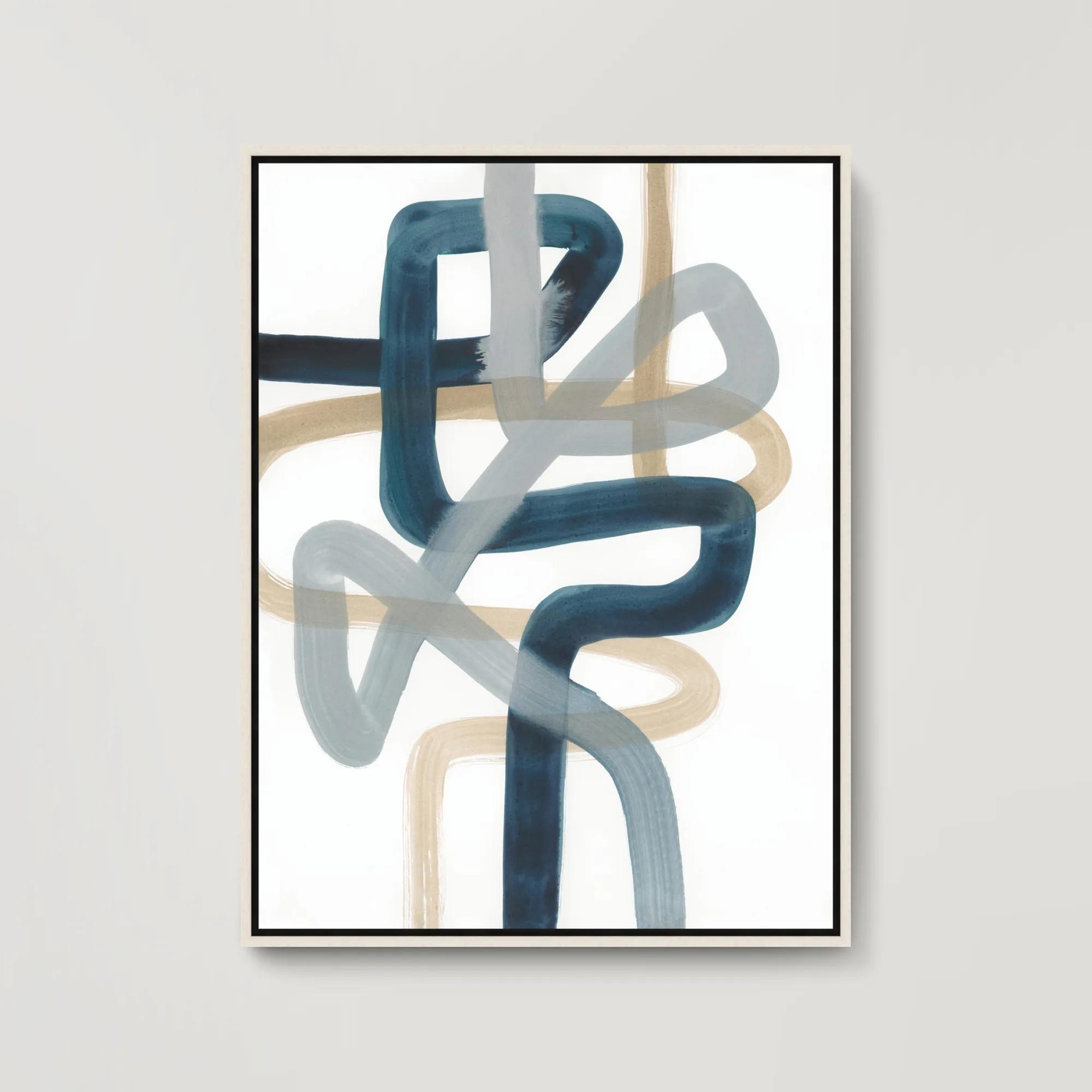
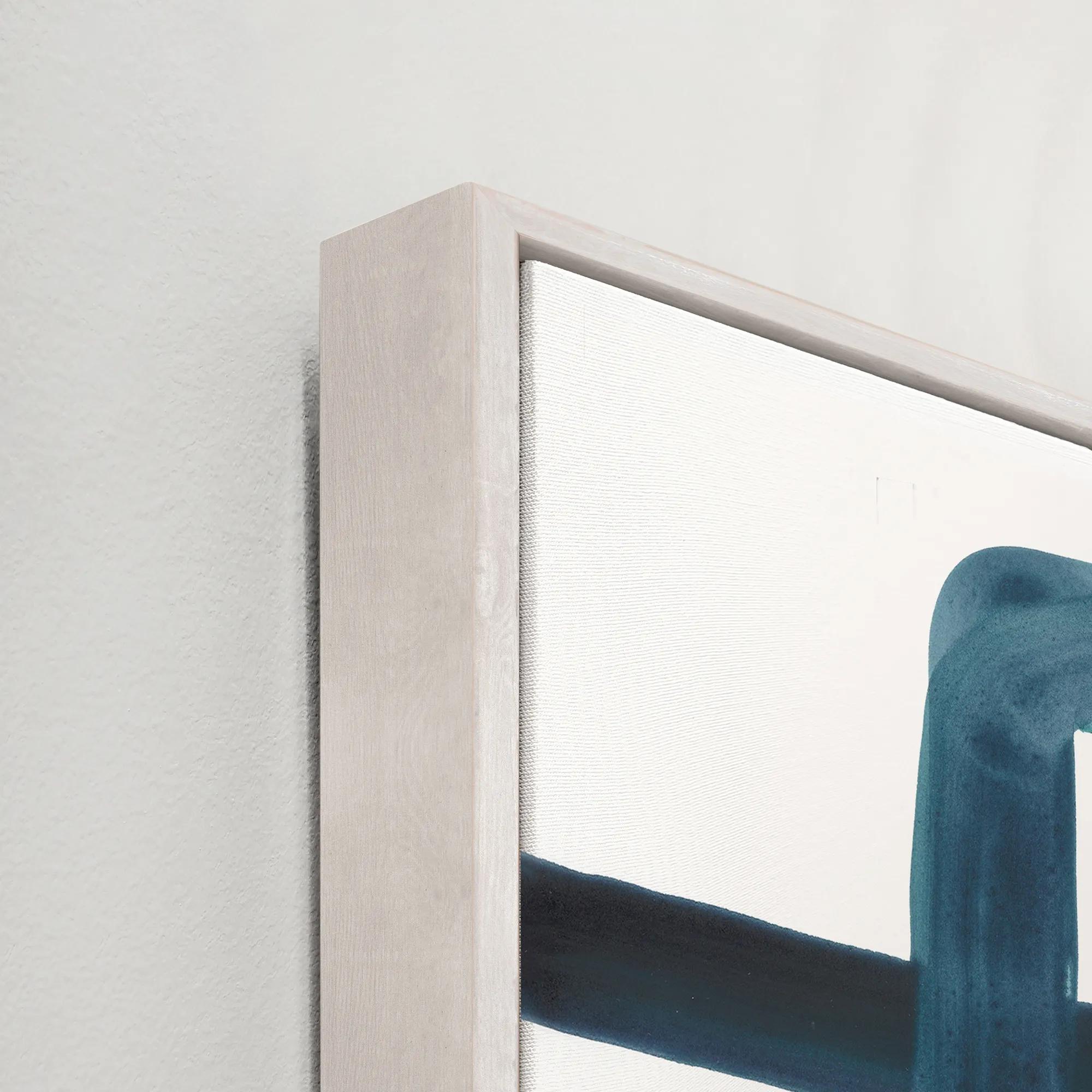 Looped In I Framed Wall Art 31.5" x 41.5"$699
A gallery-wrapped abstract canvas featuring hand-applied brush gel and a sleek white floater frame.
Add To Cart -
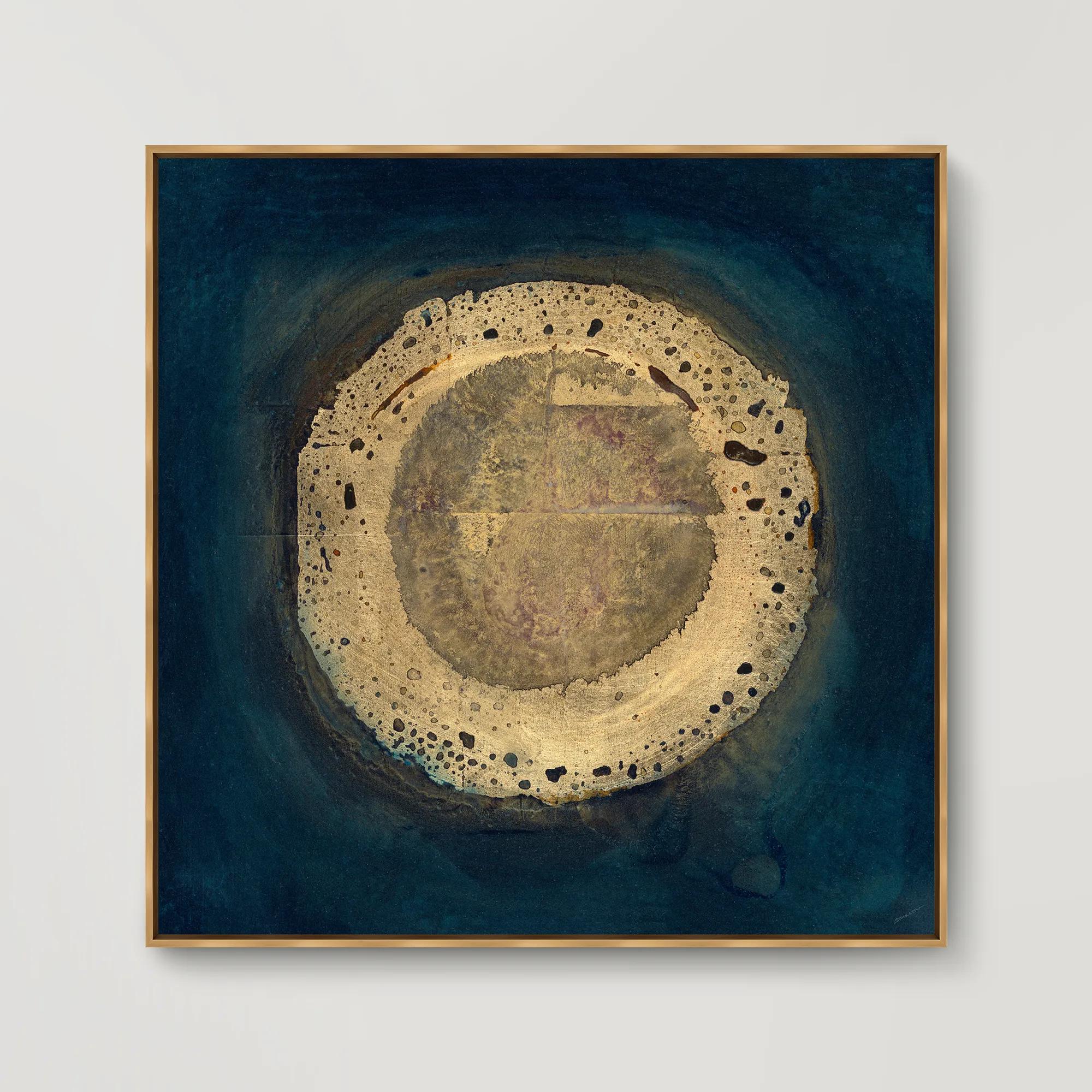
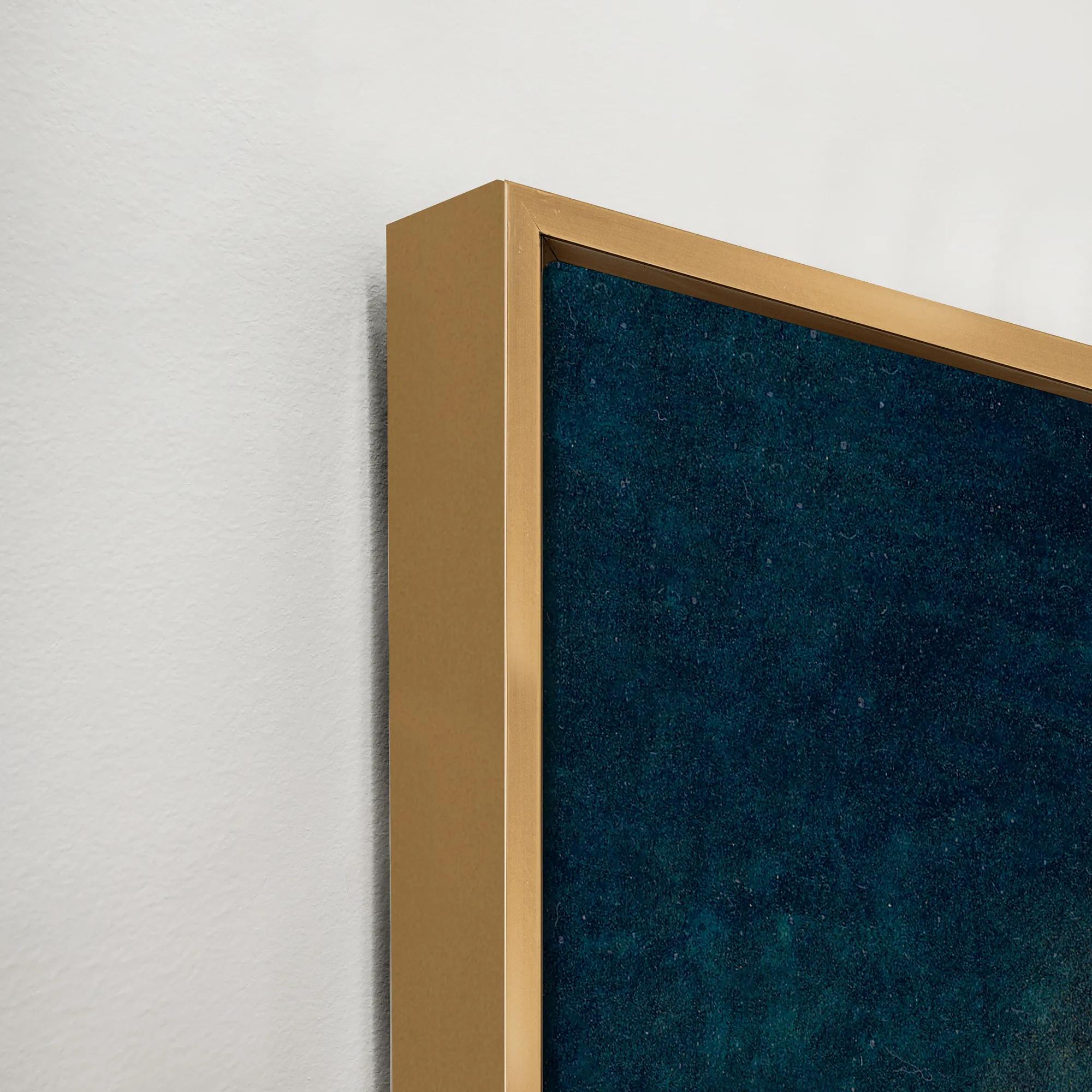 Bramble I Framed Wall Art 41.5" x 41.5"$749
A gallery-wrapped abstract canvas with hand-applied gel finish, set in an elegant gold floater frame.
Add To Cart -
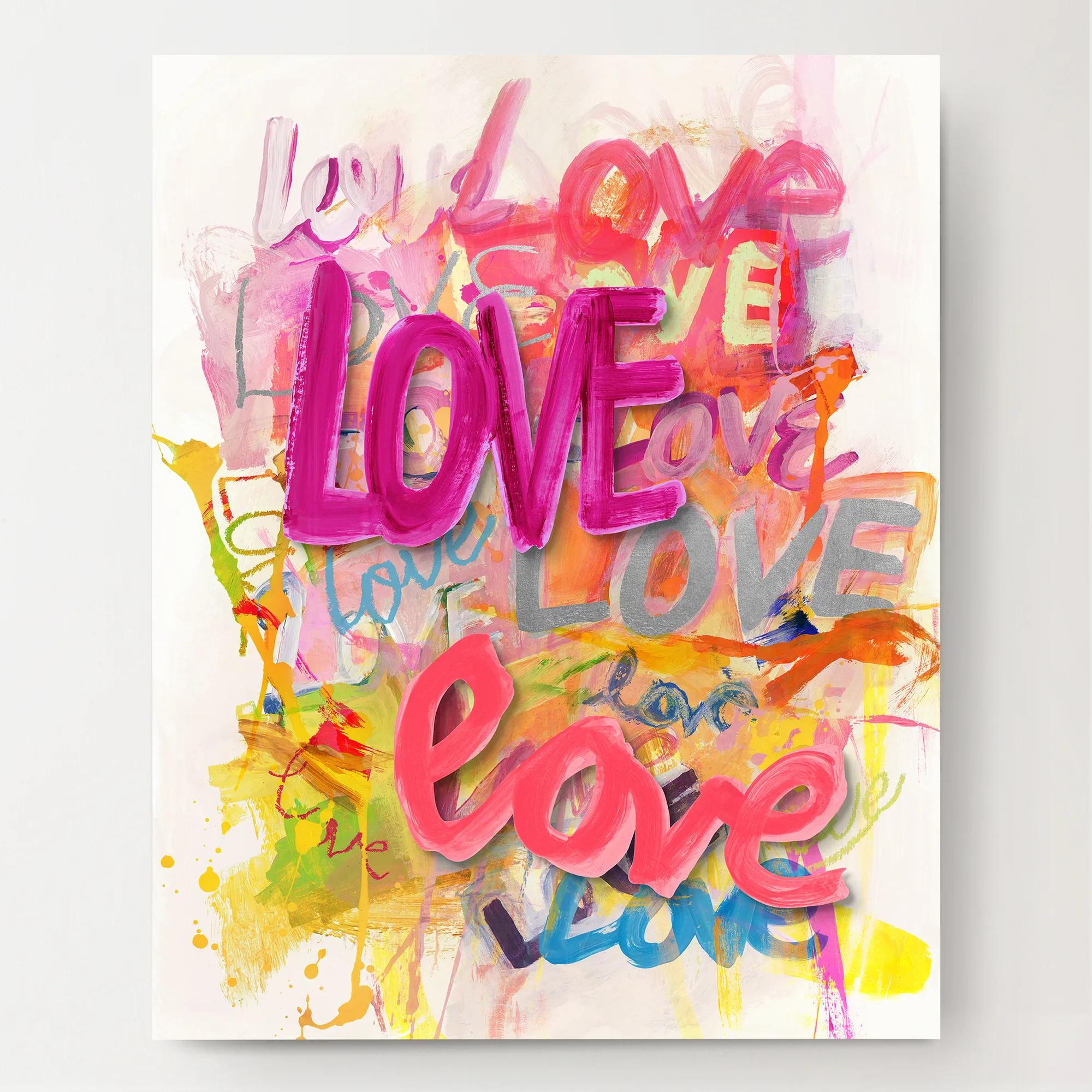
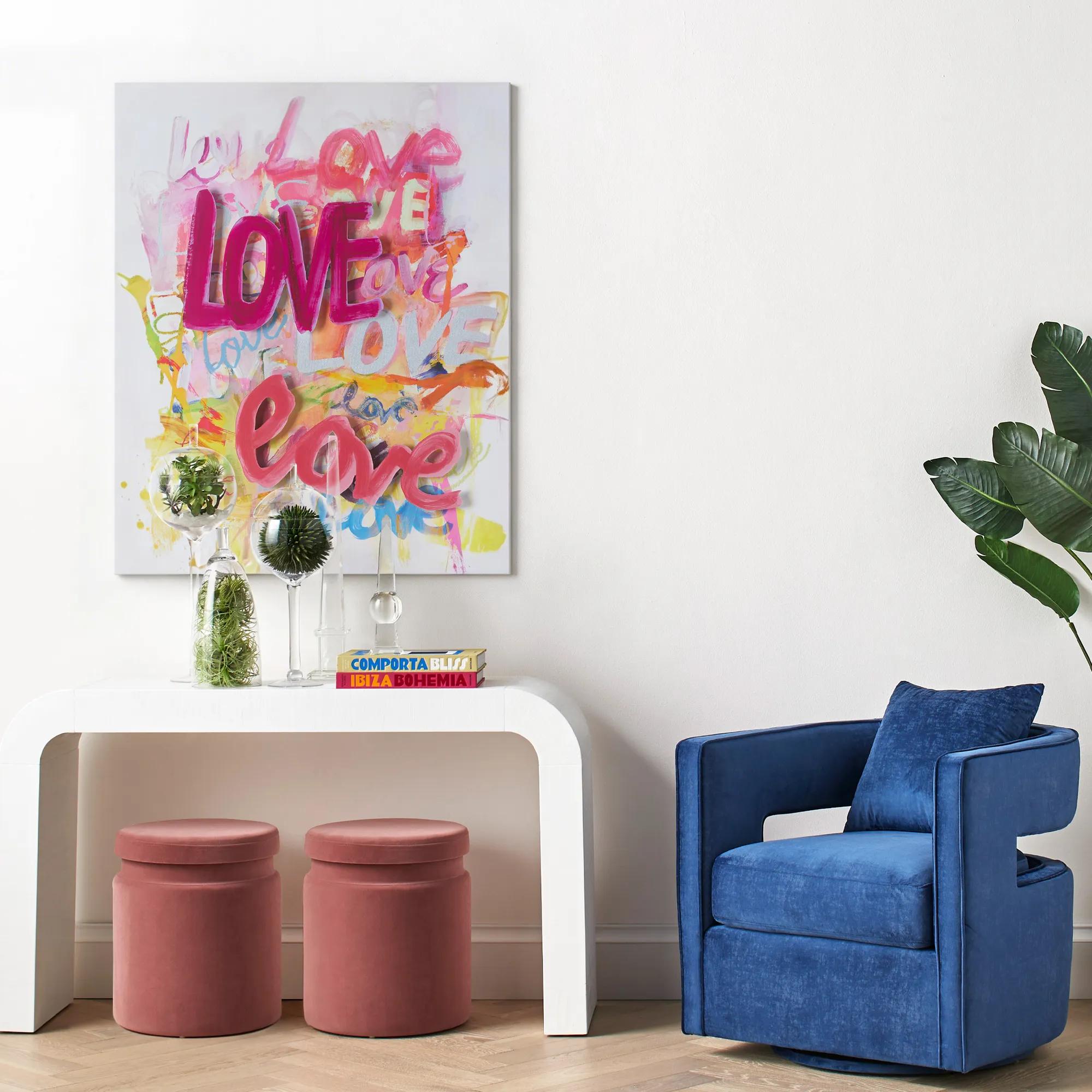 Love Is In The Air Wall Art 40" x 50"$1399
A vibrant giclee canvas print featuring hand-applied silver gilding and dimensional acrylic "Love" lettering.
Add To Cart -
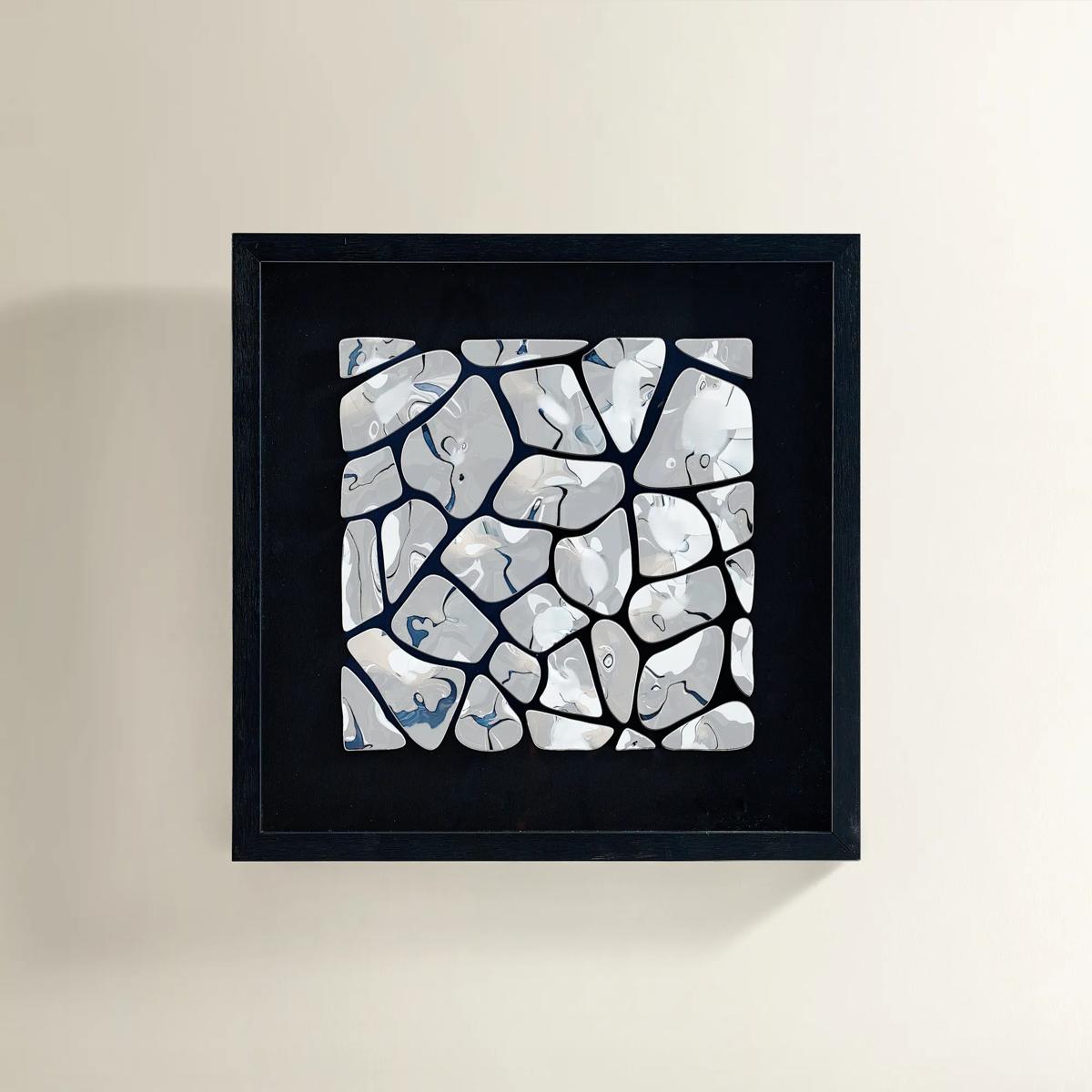 Reflect Silver And Black Shadowbox Art I$189
A dimensional metal wall art piece featuring polished silver and black forms in a sleek black frame.
Add To Cart -

 Blooming in Her Own Time Framed Wall Art 40" x 50"$1029
A vibrant multicolored canvas wall artwork featuring an expressive botanical-inspired design in a framed presentation.
Add To Cart -
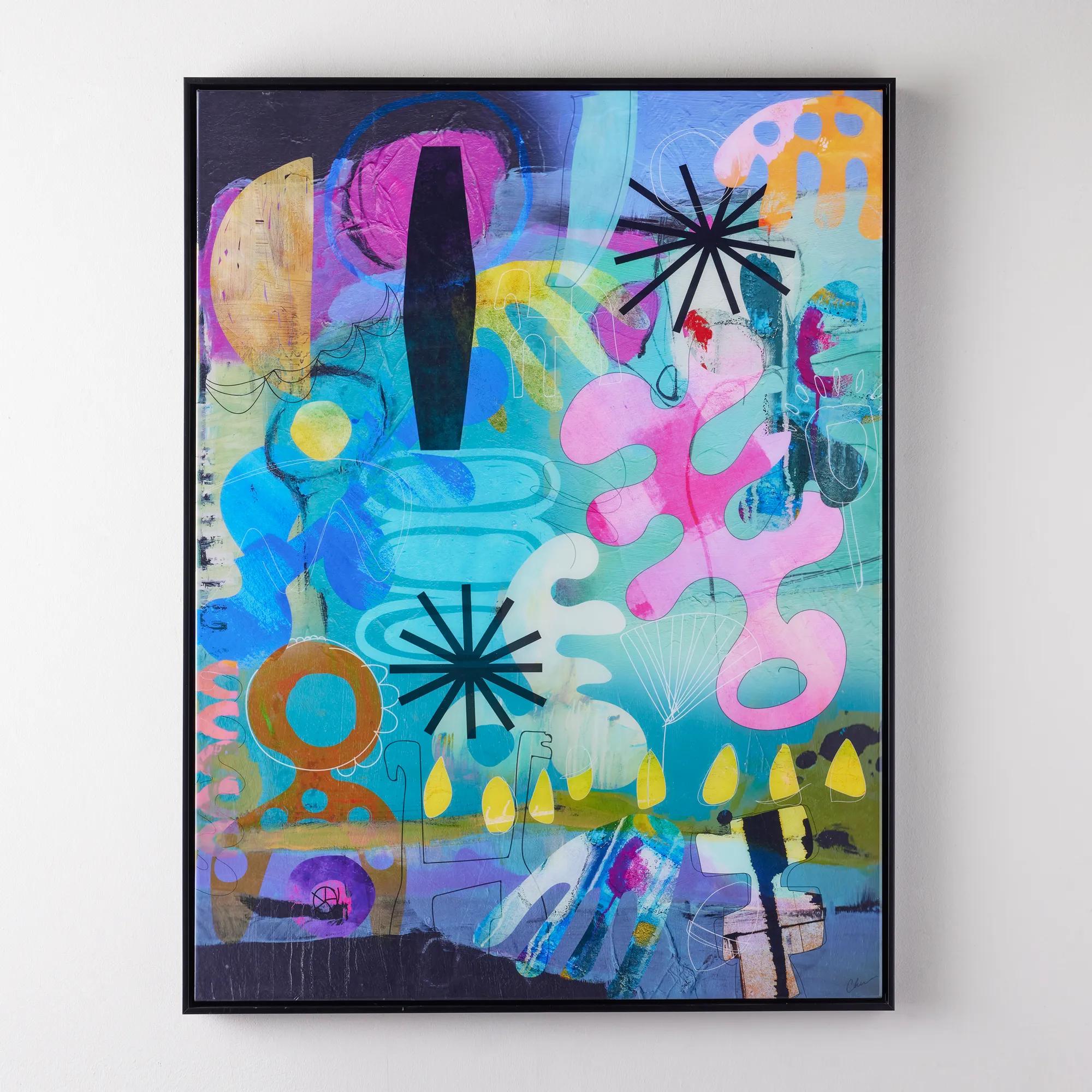
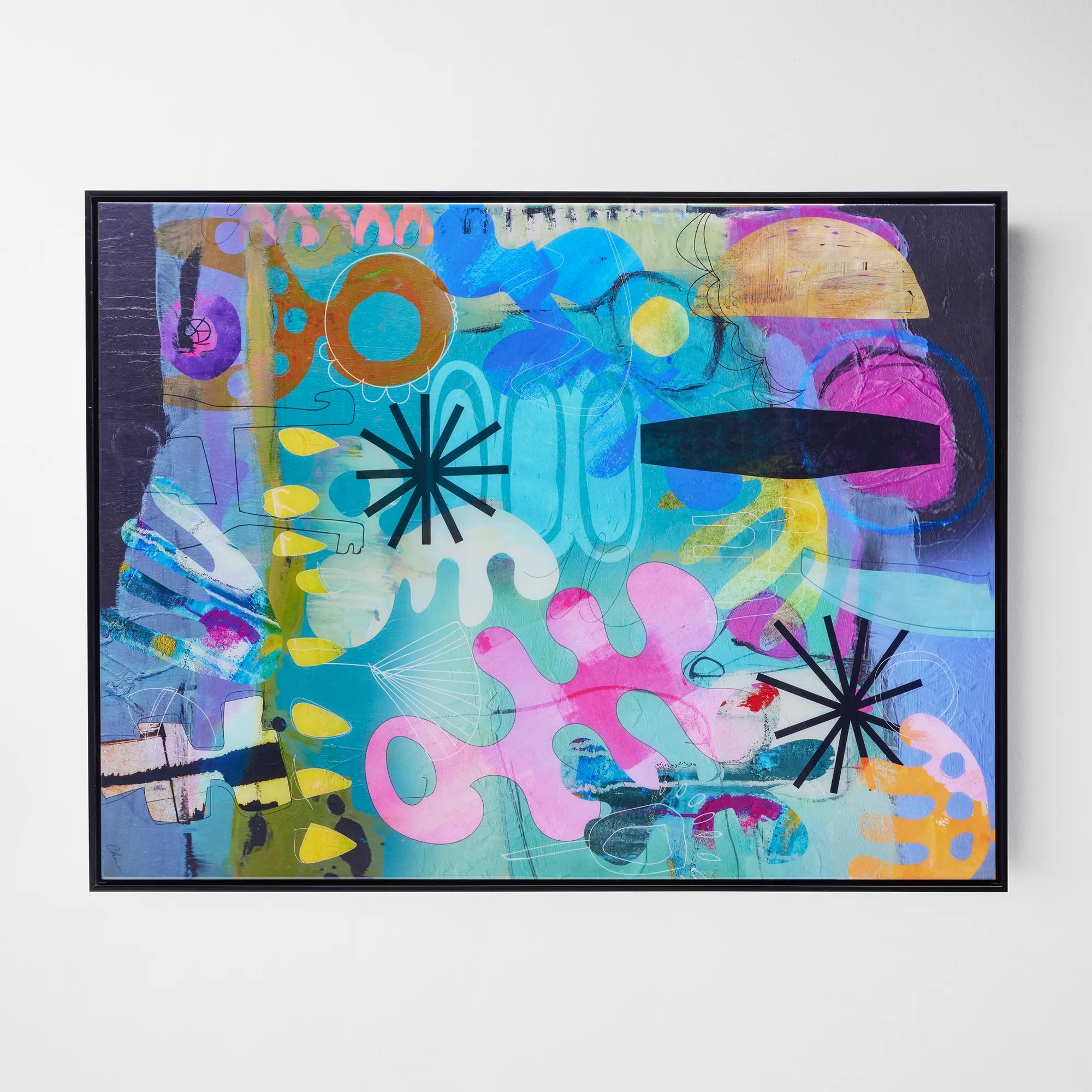 Nikki Chu Detailed Vision Framed Wall Art 54" x 41"$1099
A vibrant, high-gloss artwork with a black frame, designed to hang vertically or horizontally.
Add To Cart -
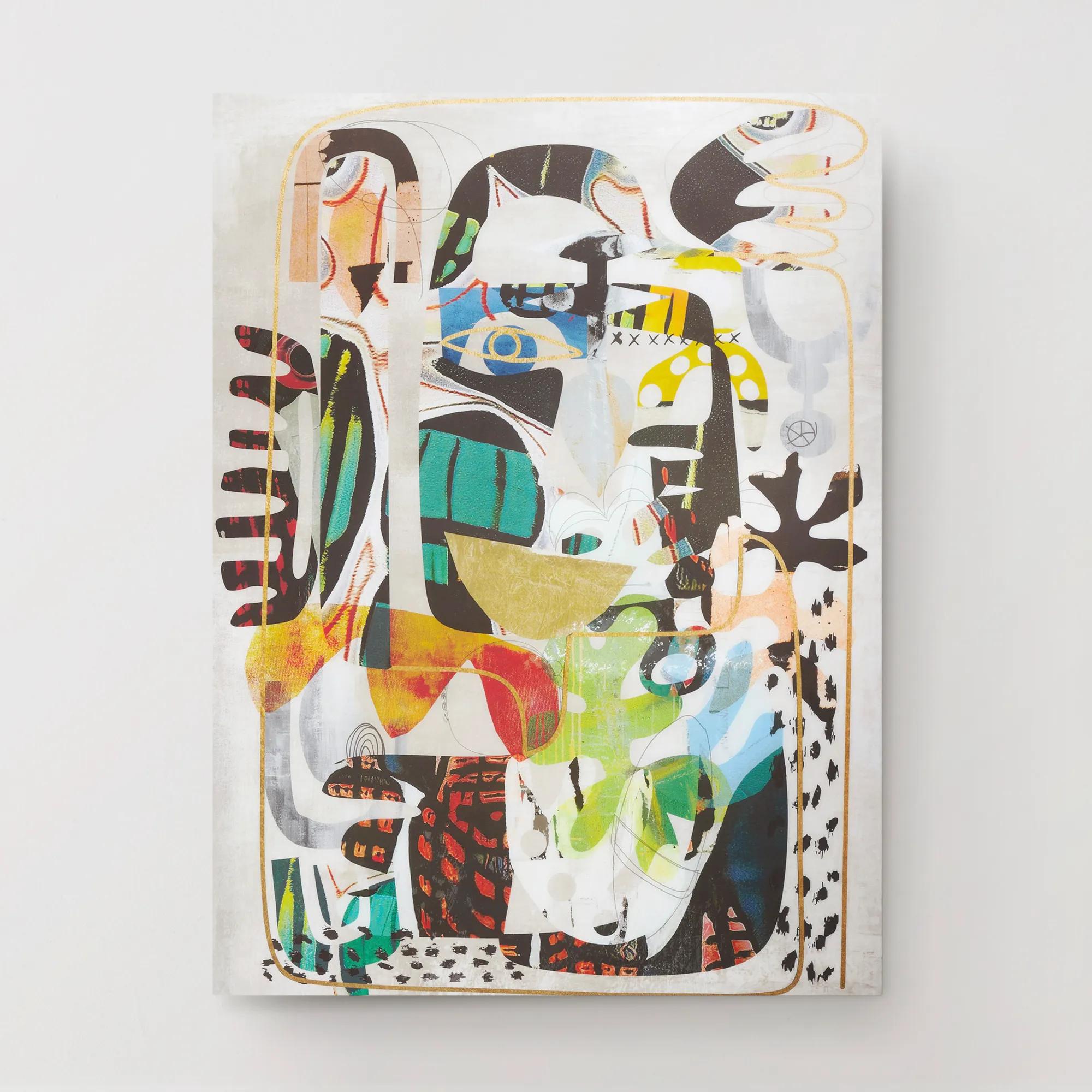
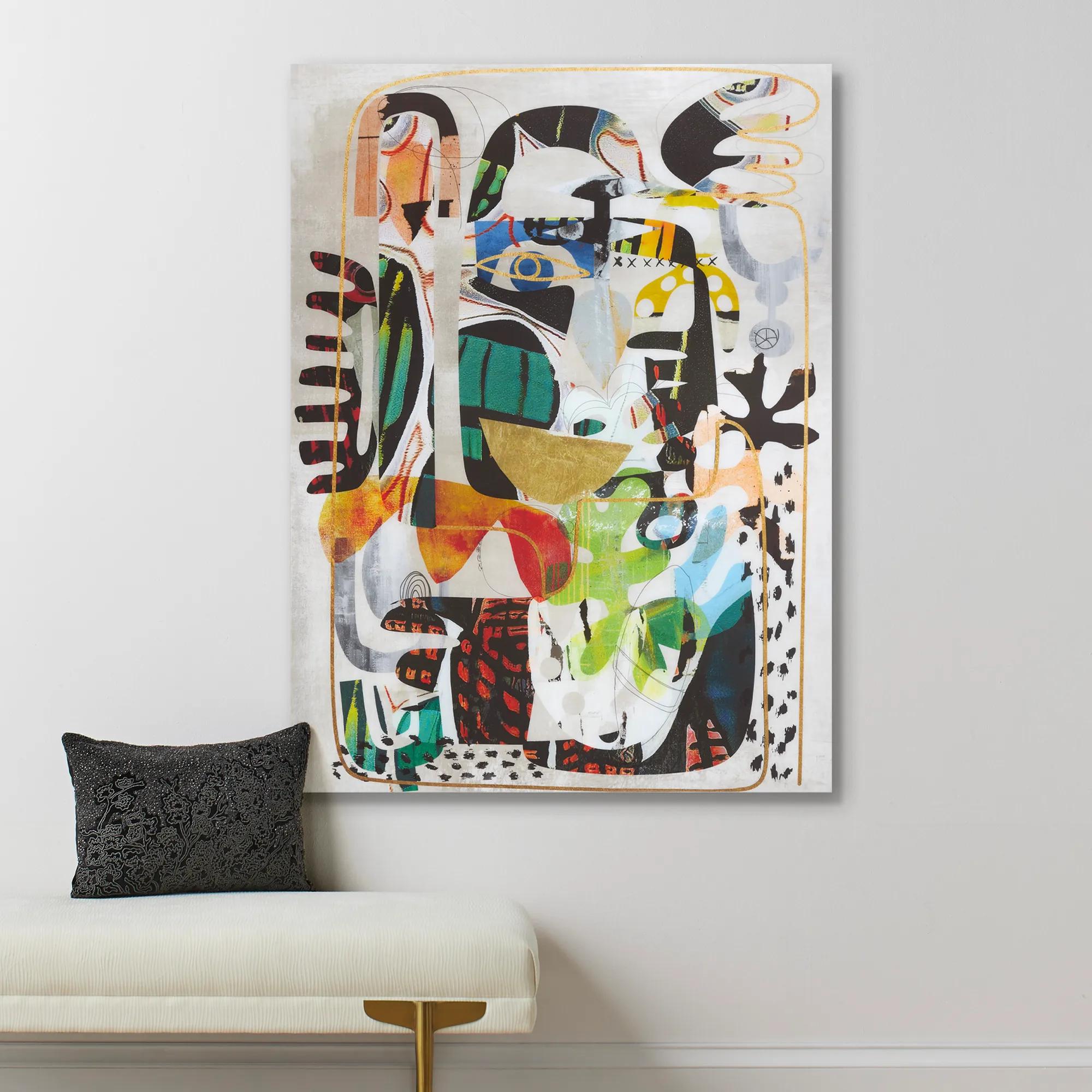 Nikki Chu Masked Wall Art 40" x 54"$899
A vibrant giclee print on canvas featuring a hand-applied glossy finish for a modern statement.
Add To Cart -
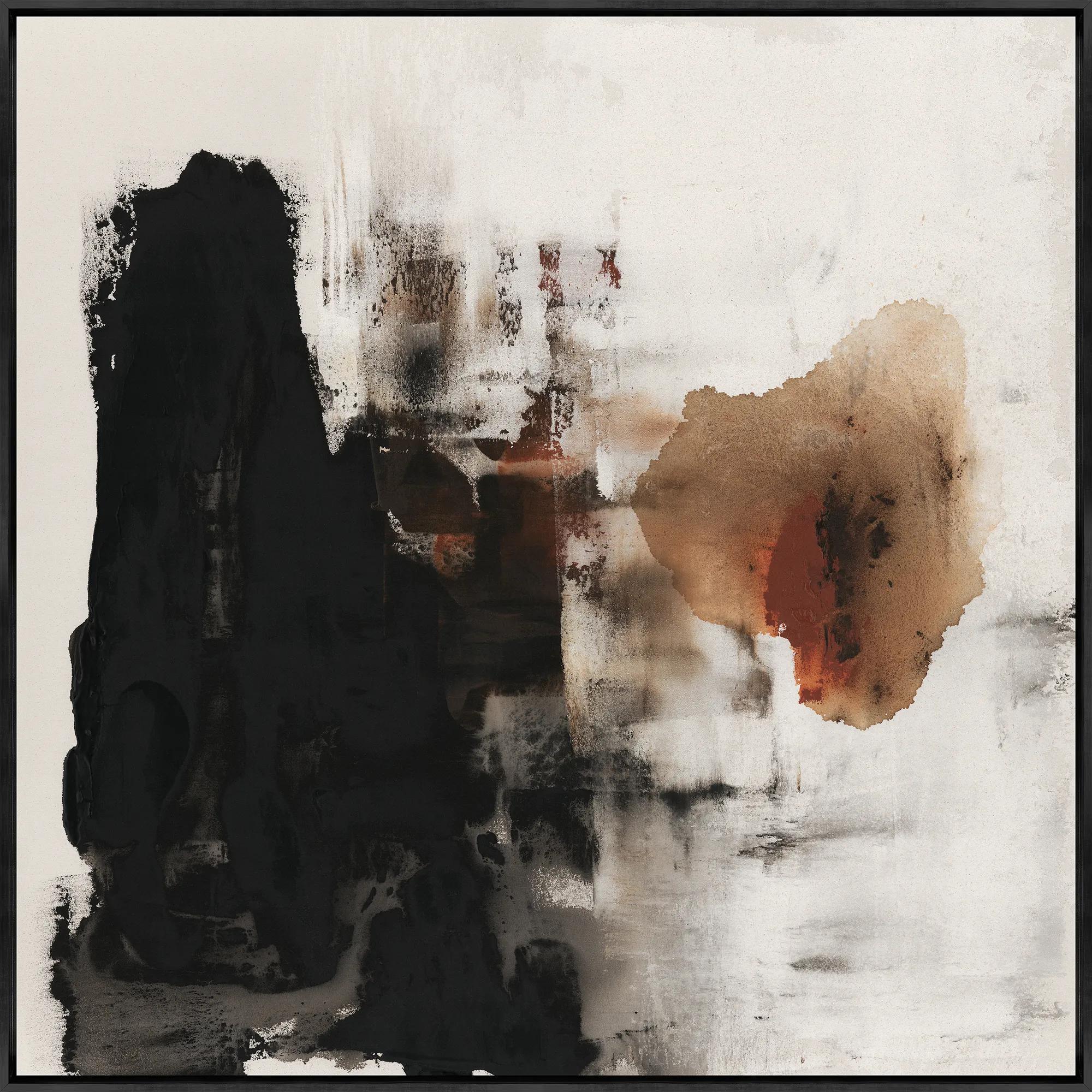 Burning for You I Framed Wall Art 40" x 40"$799
A gallery-wrapped canvas artwork with hand-applied brush gel, set in a sleek black floater frame.
Add To Cart -
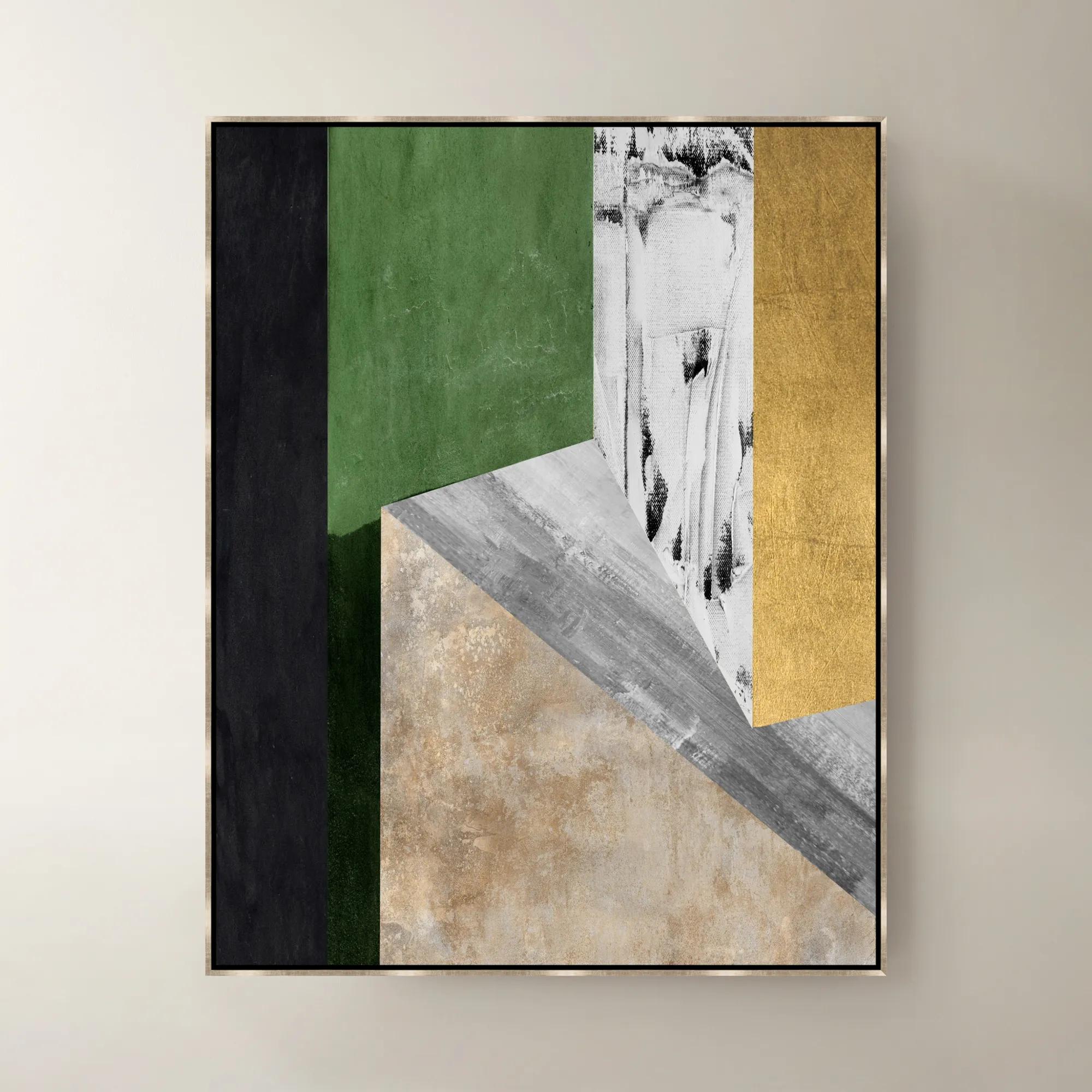
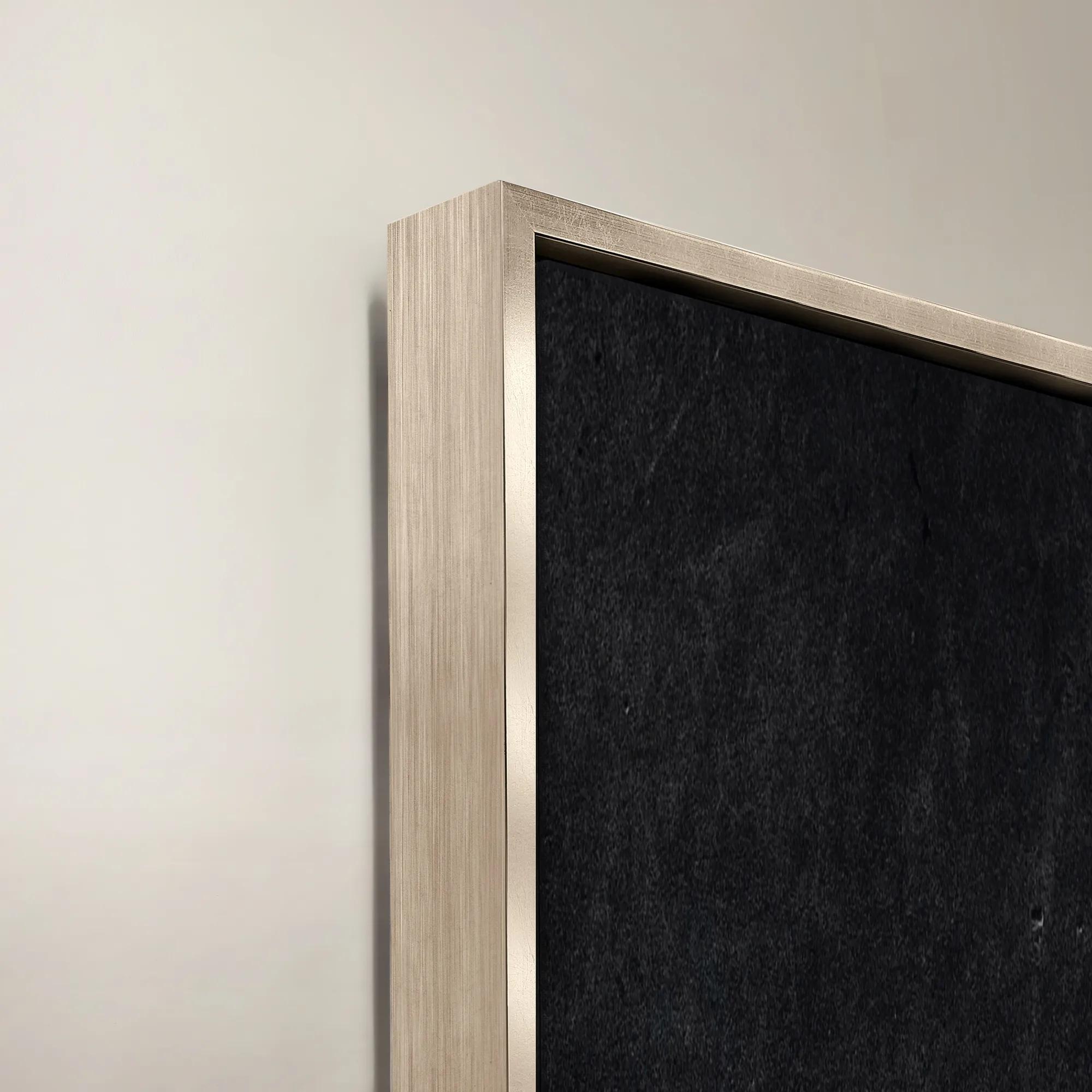 Blocked III Framed Wall Art 42" x 50"$1199
A striking abstract art piece featuring bold geometric shapes and modern design by Nikki Chu.
Add To Cart -
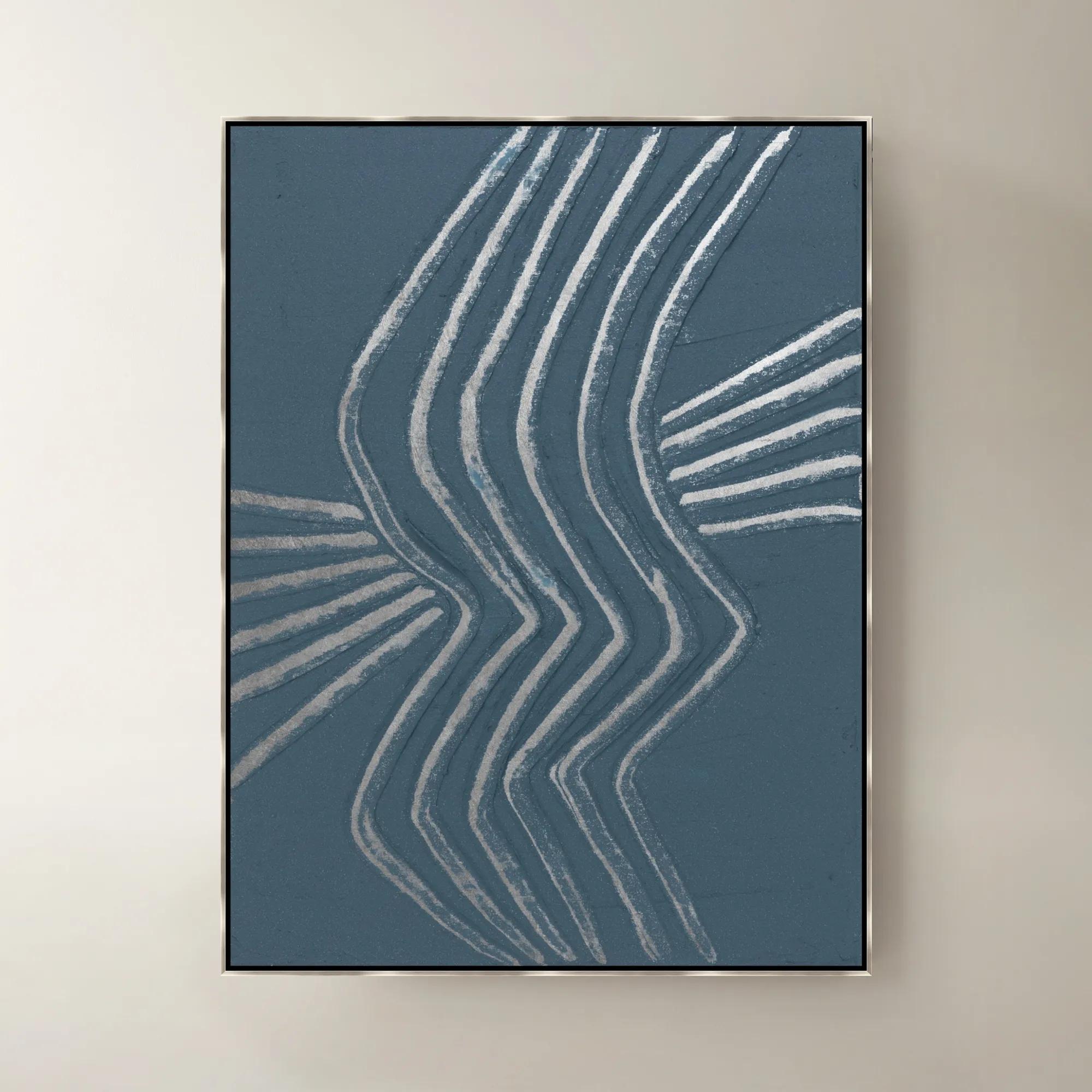
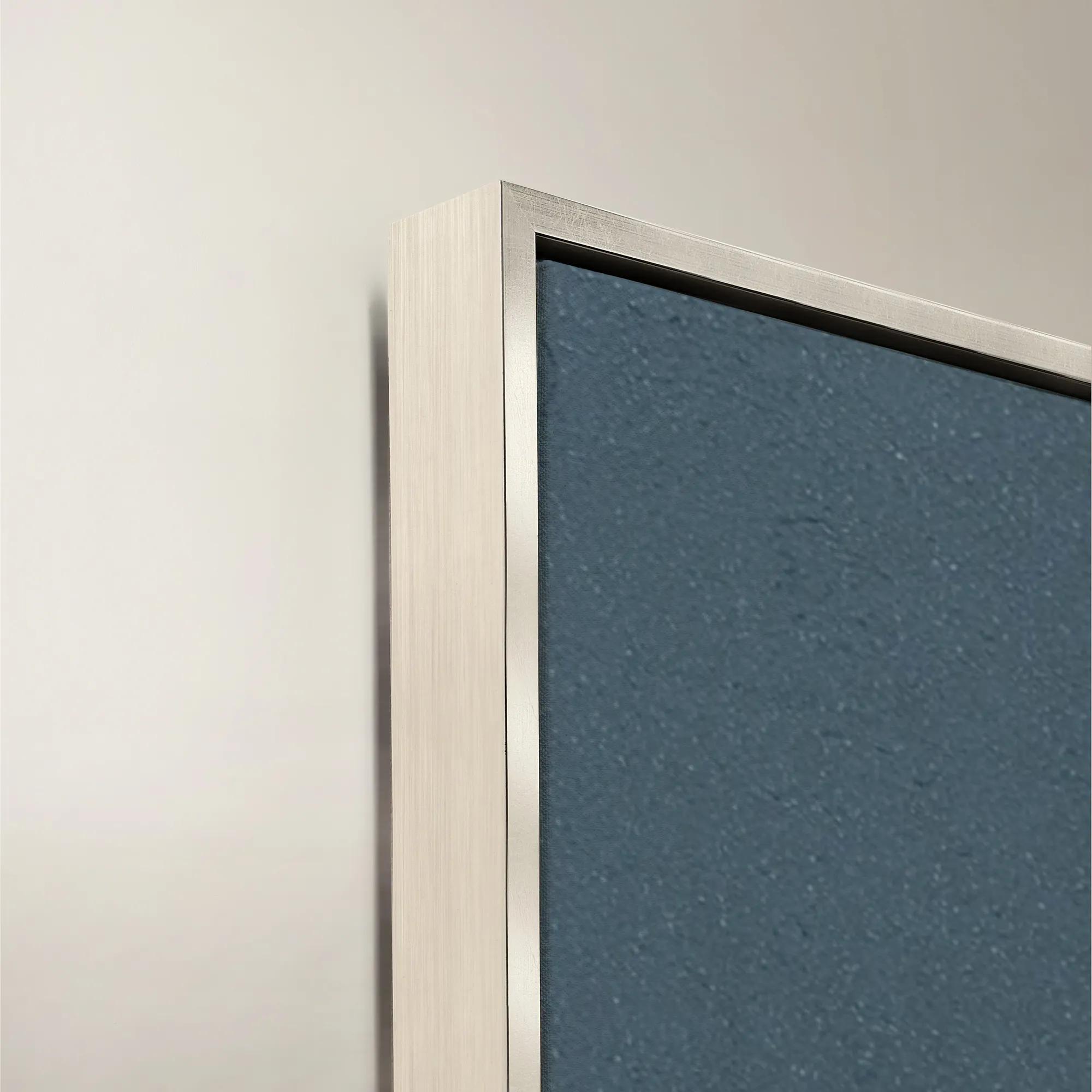 Gilded Waves IV Framed Painted Wall Art 40" x 53"$1399
A framed painted canvas artwork featuring flowing gilded waves in soothing blue and purple tones.
Add To Cart -

 Heart Dancing Framed Wall Art 51.5" x 37.5"$799
A gallery-wrapped canvas artwork with a hand-applied brush gel finish in a sleek gunmetal floater frame.
Add To Cart -
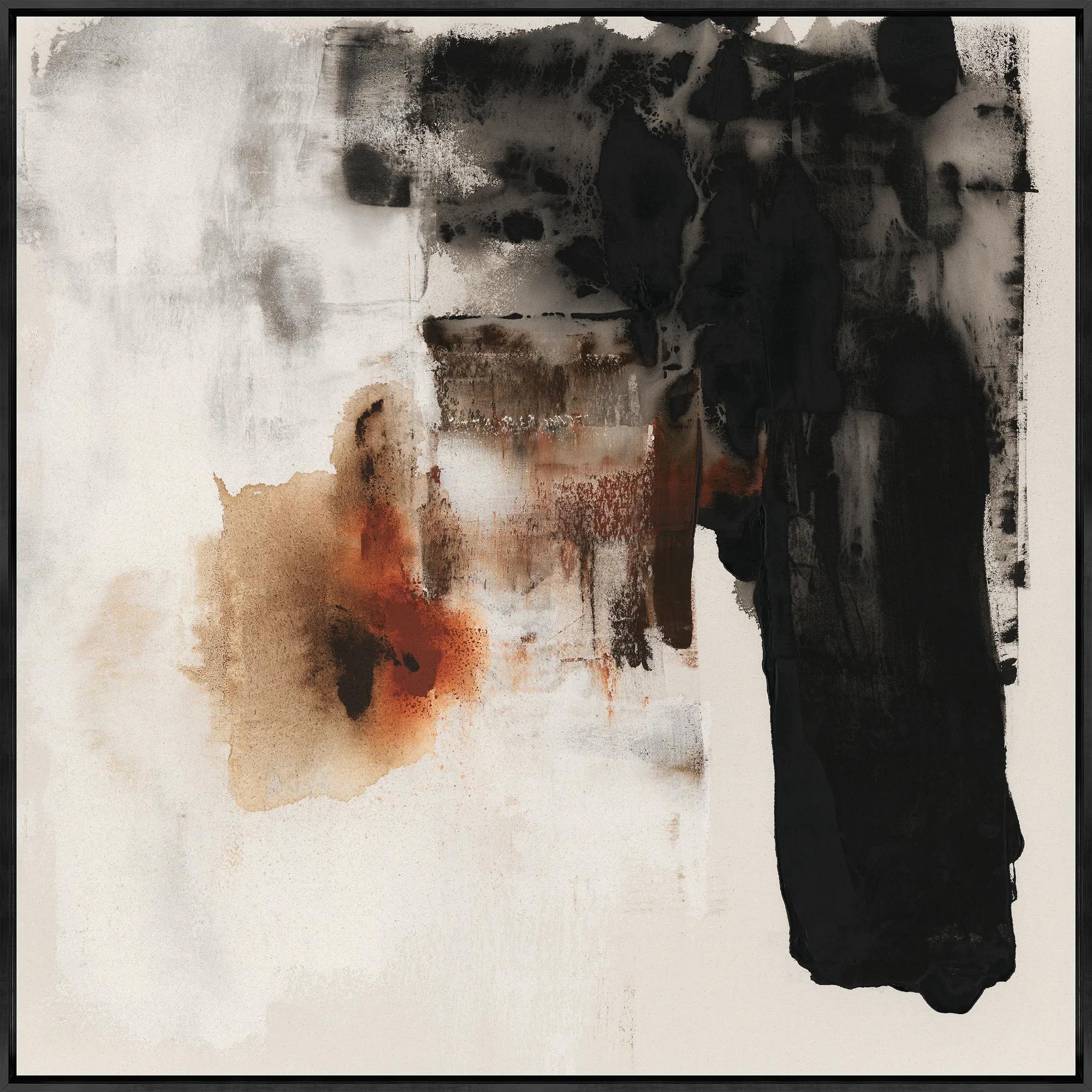
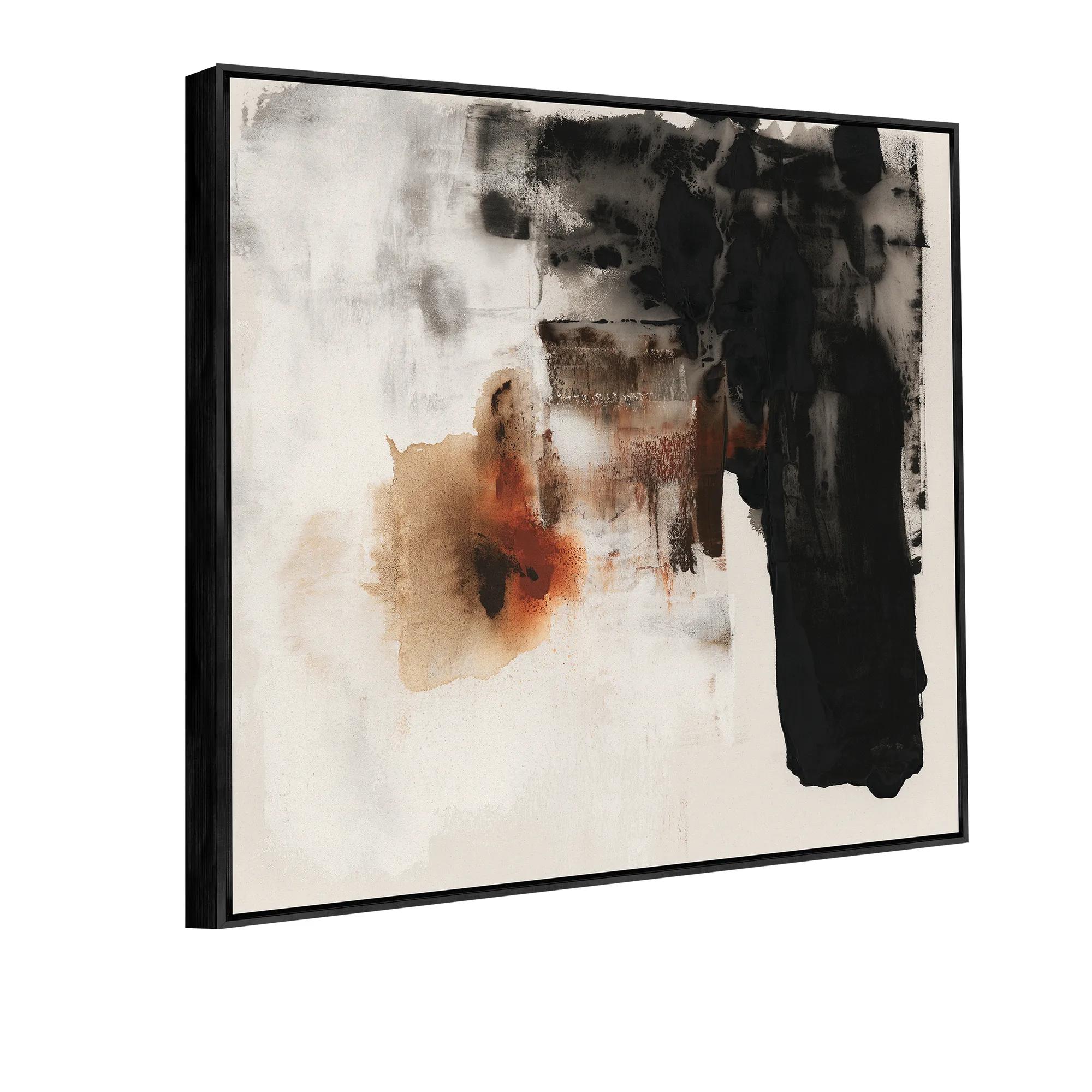 Burning for You II Framed Wall Art 40" x 40"$799
A gallery-wrapped canvas artwork with hand-applied brush gel, set in a sleek black floater frame.
Add To Cart -
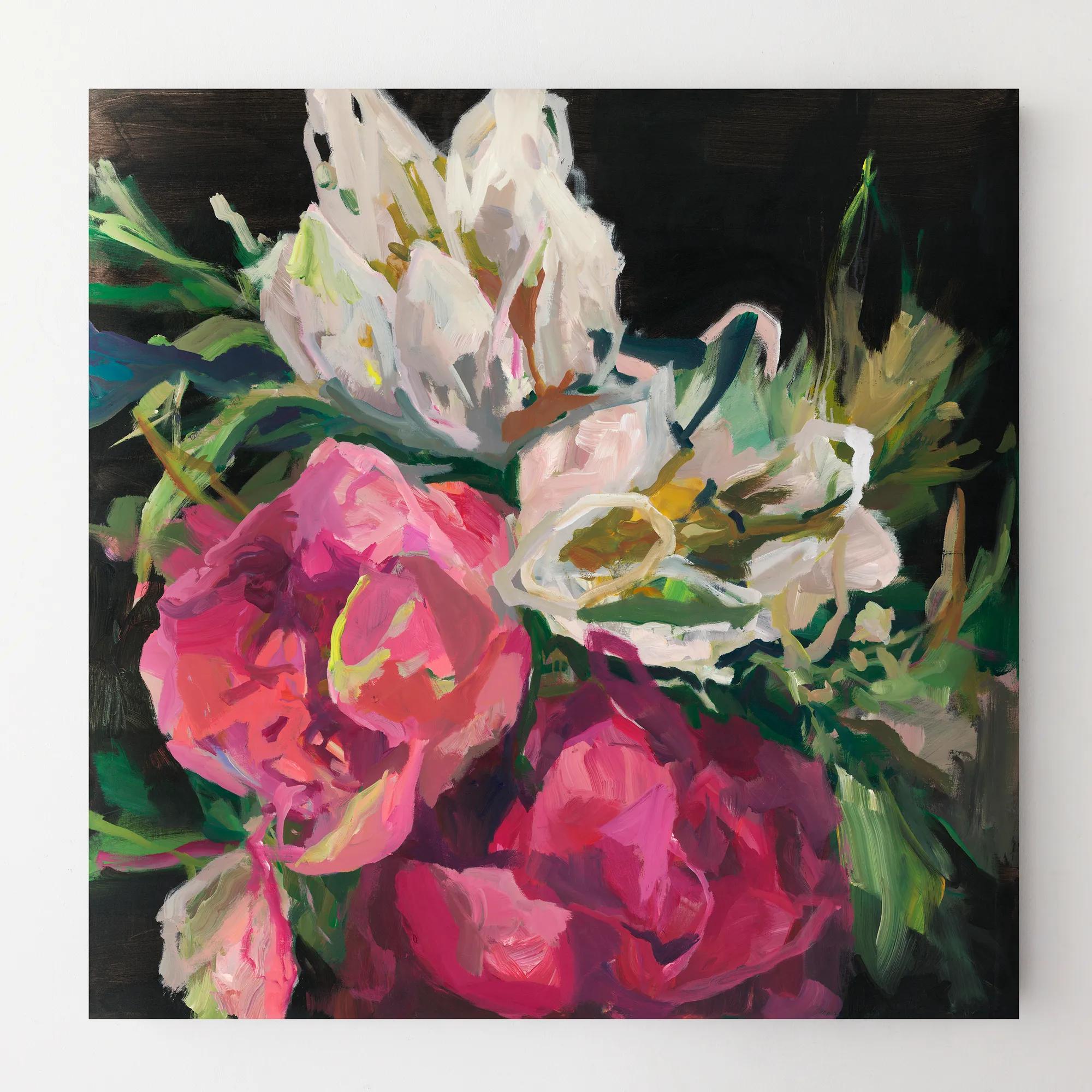
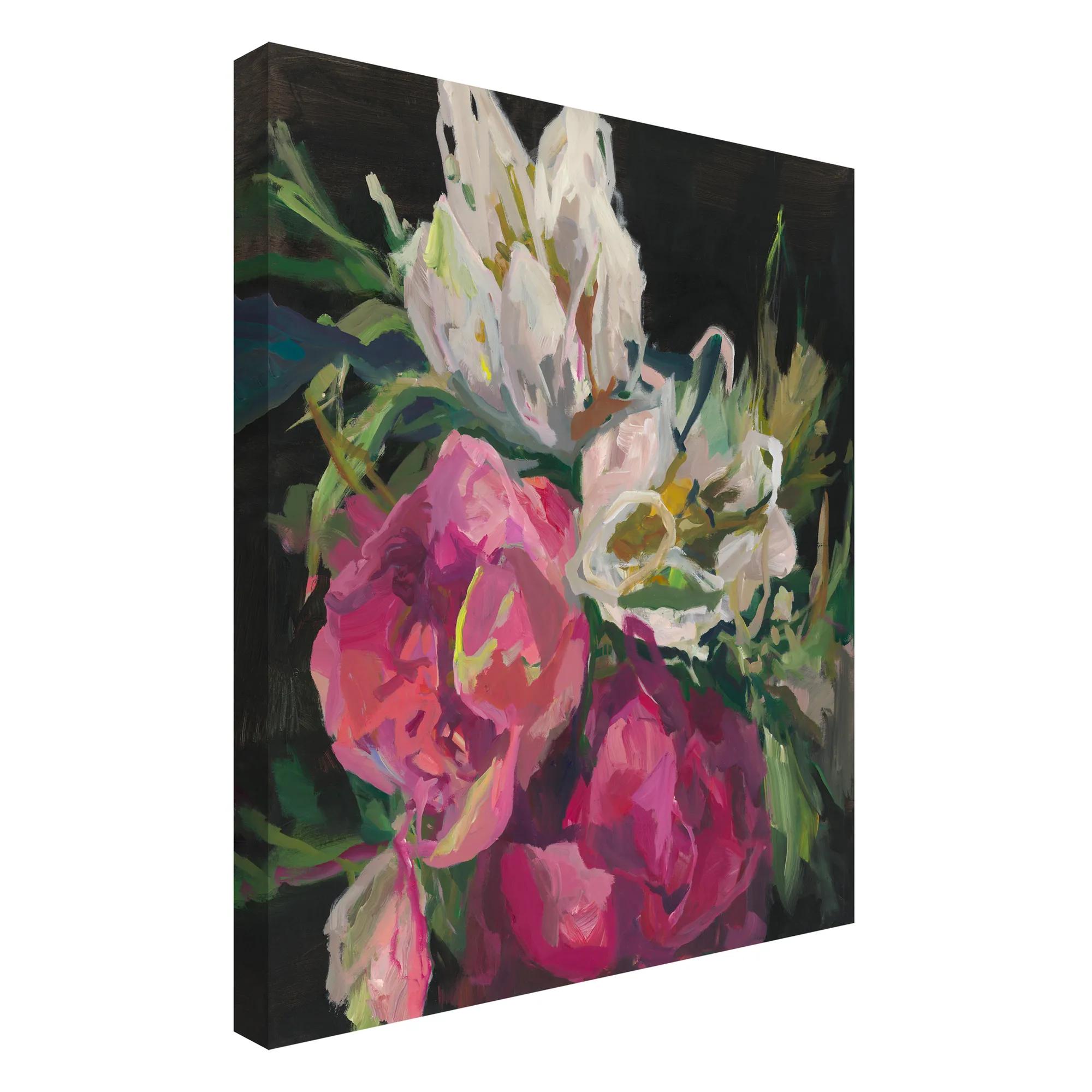 Wild At Heart Wall Art 30" x 30"$399
A gallery-wrapped canvas artwork featuring a hand-applied image brush gel finish for striking visual texture.
Add To Cart -
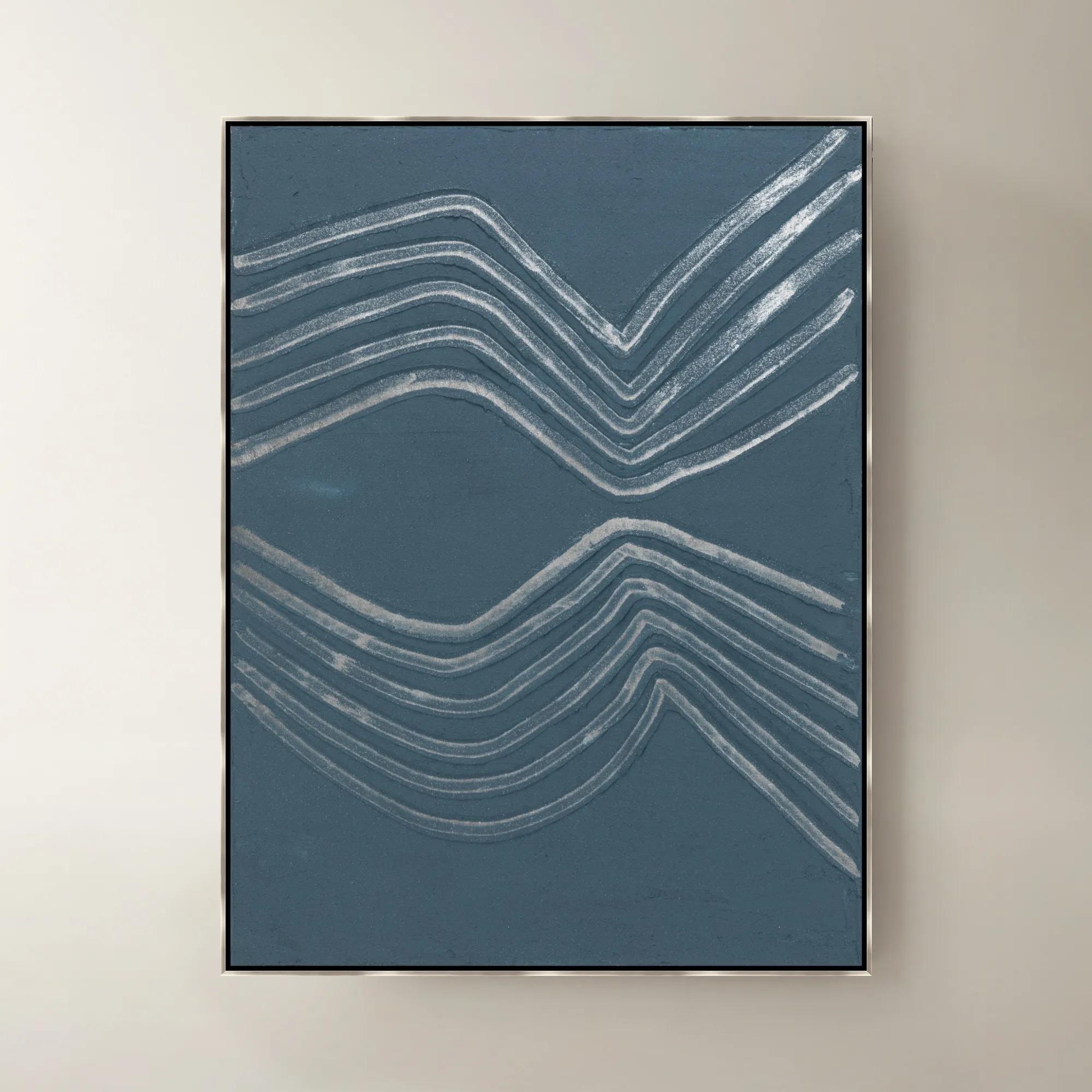
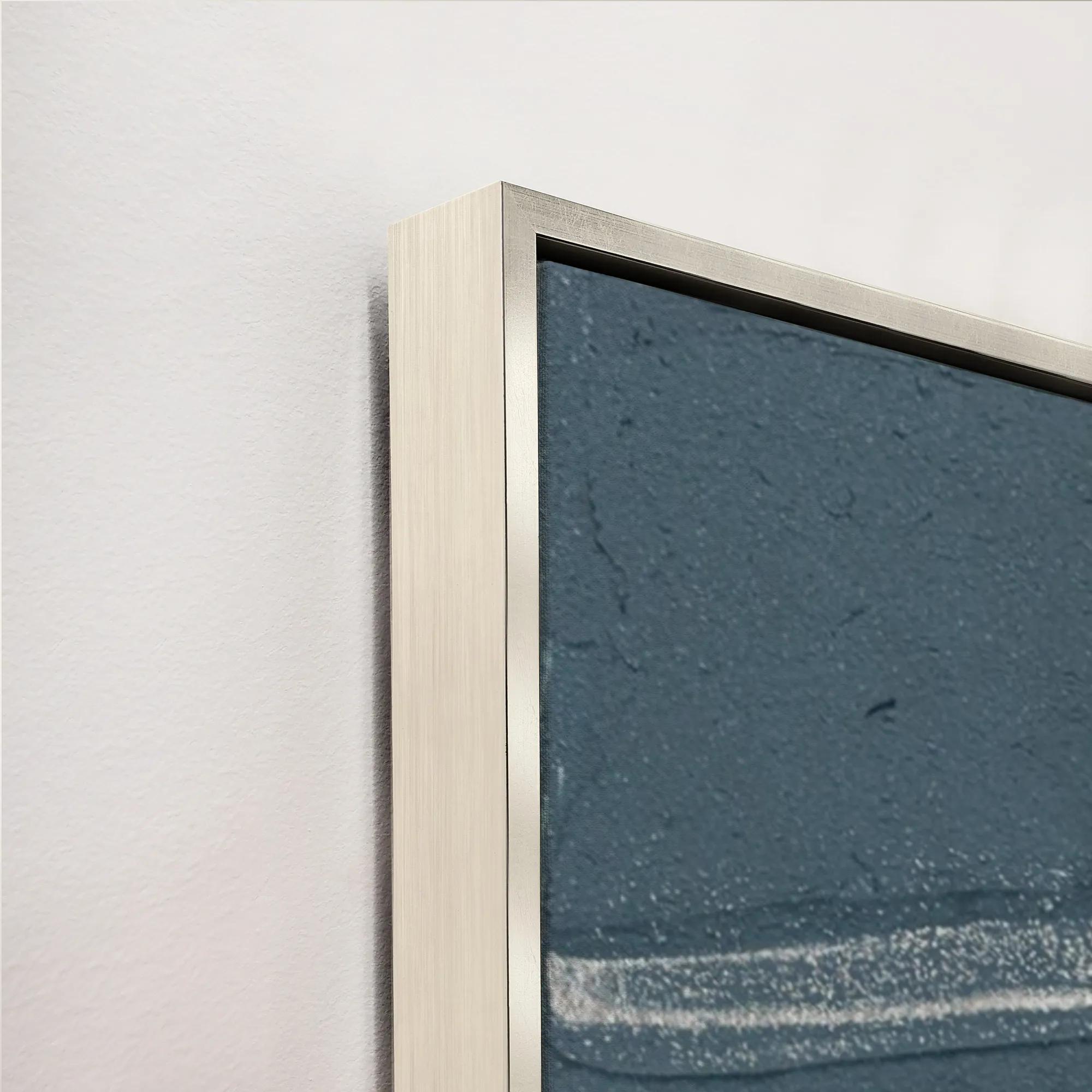 Gilded Waves VI Framed Painted Wall Art 40" x 53"$1399
A framed painted canvas artwork featuring sweeping gilded waves in rich blue and purple tones.
Add To Cart -
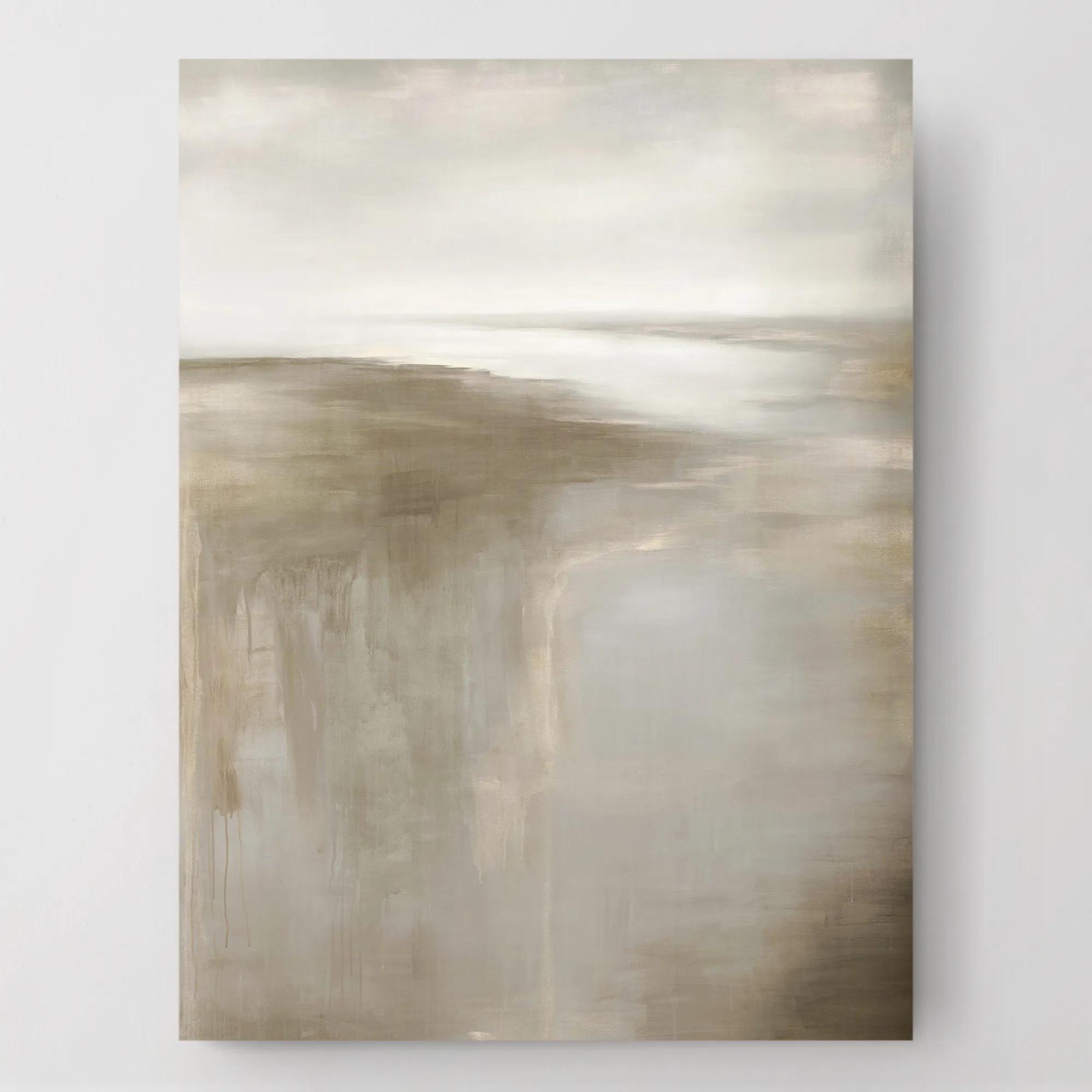
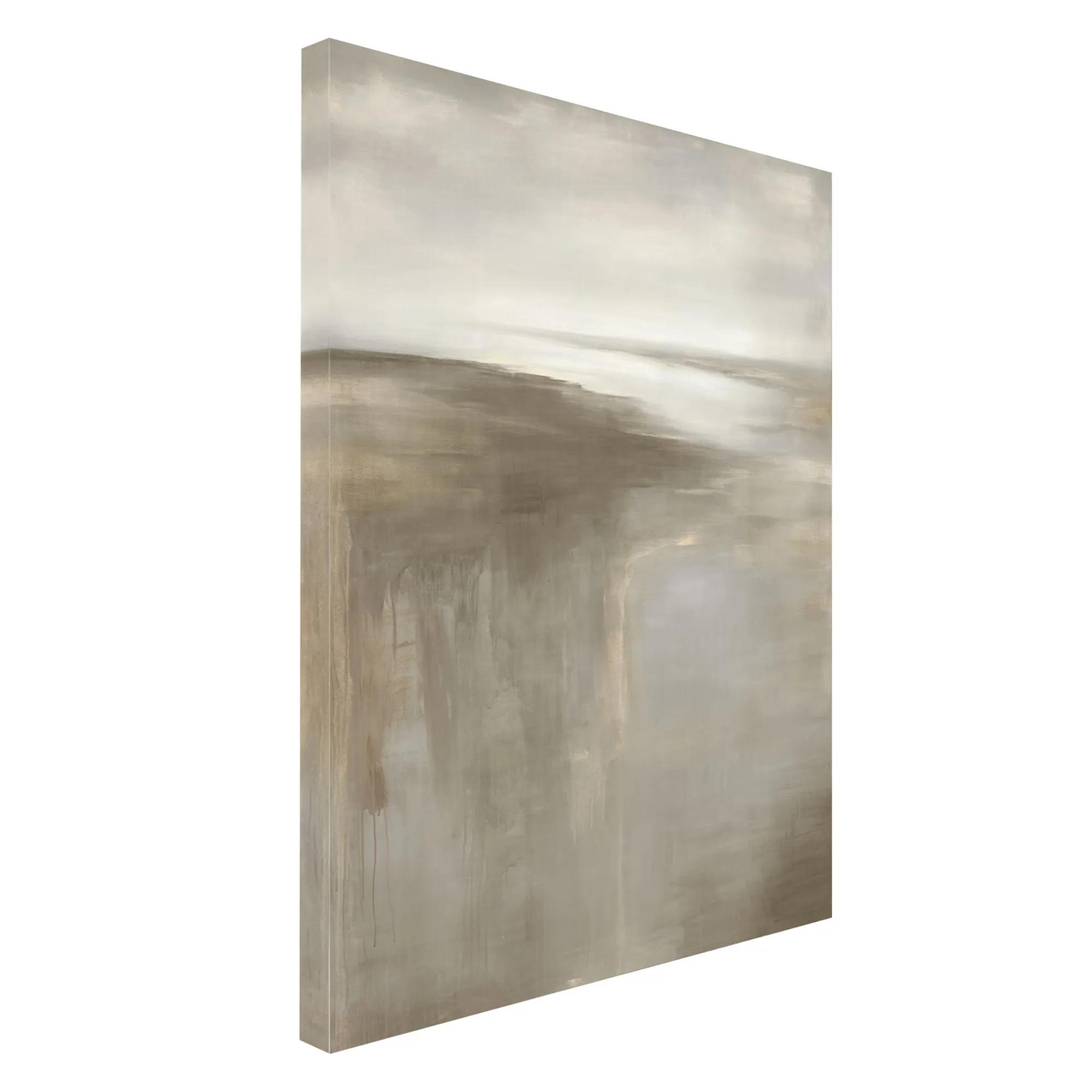 Silver Morning Wall Art 30" x 40"$449
A gallery-wrapped silver canvas artwork featuring a hand-applied image brush gel finish.
Add To Cart -
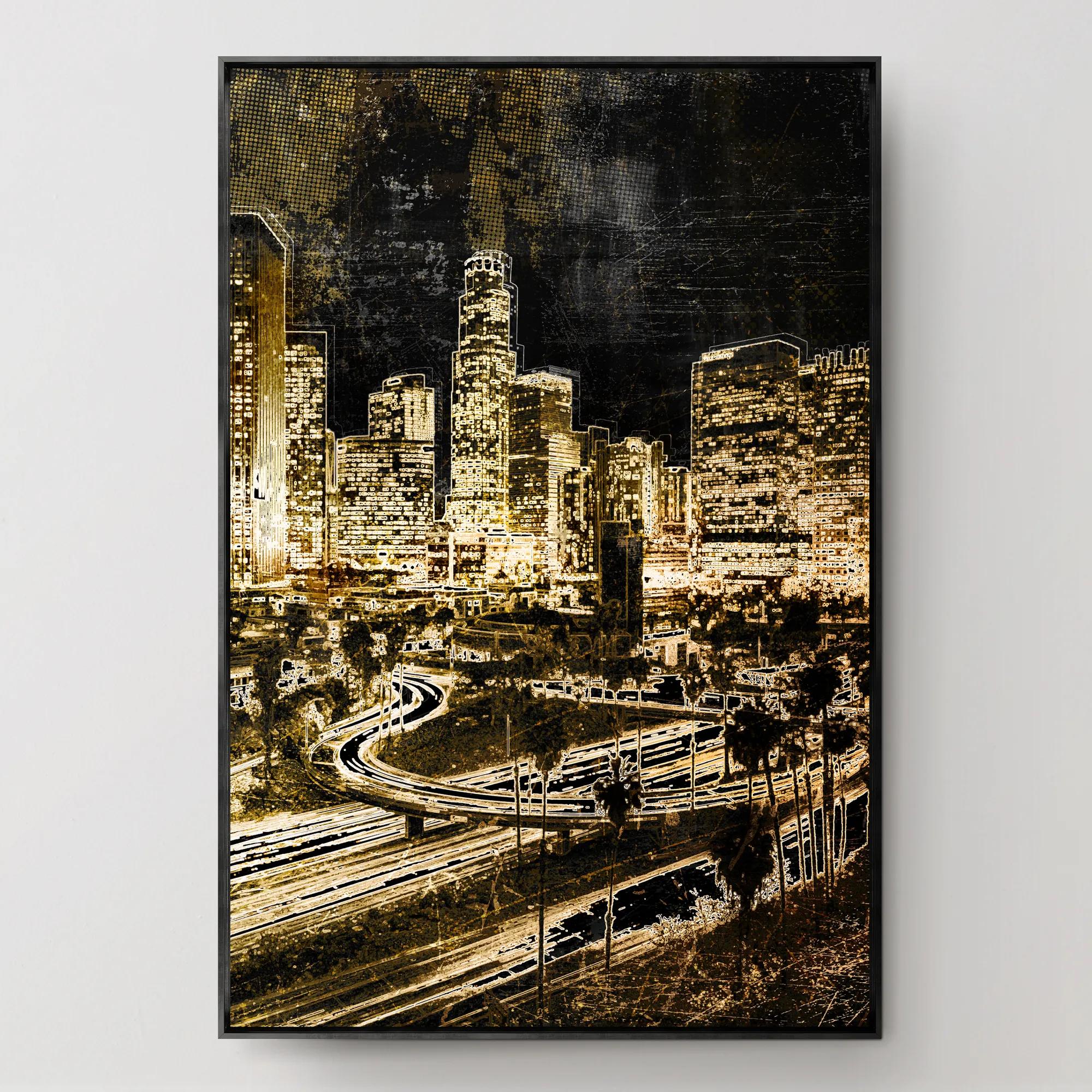 LA Lights Framed Wall Art 30" x 45"$649
A gallery-wrapped canvas artwork featuring a hand-applied brush gel finish in a sleek black floater frame.
Add To Cart

Home Office Art Ideas
Explore home office art ideas to give your workspace a distinctive point of view. Find wall art that complements your office decor, with color and composition that set a focused or expressive mood. Consider the artwork’s scale in relation to your desk and nearby furnishings to create a striking focal point without overwhelming the room.
Home office art ideas bring personal expression into a room defined by purpose, giving the space behind a desk as much presence as the work happening in front of it. A sweeping abstract can introduce movement above a tailored credenza, while architectural photography lends crisp definition to a wall lined with books. Art changes the visual rhythm of a workspace: a generous field of color softens the geometry of monitors and shelving, and a sharply framed composition gives an otherwise quiet corner a distinct point of view. The most compelling office wall art feels connected to the person who spends time there, whether that means expressive brushwork for a creative studio, monochromatic imagery for a polished consulting space, or luminous metallic accents in a room that doubles as a dressing area or guest retreat. Abstract compositions leave room for interpretation, with layered forms that reward a closer look without requiring a literal subject. Landscapes offer depth and a sense of distance, especially welcome when the desk faces a wall rather than a window. Botanical imagery can introduce organic lines among squared furniture profiles, while figurative studies and fashion-inspired artwork bring an editorial sensibility to an intimate workspace. Color matters, but so does the character of the mark: fluid washes feel different from decisive strokes, and richly textured surfaces carry a presence that smooth photographic prints do not. In a dedicated office, a large composition can establish the mood of the entire room. In a shared living space, a smaller grouping can distinguish the working area without making it feel disconnected from the surrounding furnishings. For professionals who meet clients at home or appear frequently on video, artwork also becomes part of the backdrop. A considered composition gives that background intention, with enough character to feel personal and enough visual breathing room to keep the person at the desk in focus. The result is an office with its own identity, rather than a workstation borrowed from another room.
Materials and presentation shape how home office artwork looks throughout the day and how comfortably it fits into daily life. Canvas has a woven surface that can lend printed imagery a softer, more tactile quality, while works on paper often gain definition from a mat and frame. A broad mat creates a pause around detailed imagery; a narrow border keeps the presentation more immediate and graphic. Glazing adds another layer to the composition, though reflections deserve consideration in rooms with bright windows, overhead fixtures, or a task lamp directed toward the wall. Glass and acrylic have different weights and handling requirements, and any protective or glare-reducing qualities should be confirmed in the artwork’s specifications rather than assumed. Frame finishes contribute their own architectural detail. Warm metallic tones can echo brass lighting or the trim of a desk, dark frames can sharpen pale walls, and wood finishes can draw together cabinetry, flooring, and upholstered seating. Dimensional wall art introduces actual shadow and relief, making its appearance especially responsive to the direction of light. Scale is equally important: artwork above a desk or console generally feels more connected when its overall width relates to the furniture beneath it, rather than extending far beyond its edges. Measurements should include the full frame, not only the image, along with clearance for monitor arms, shelving, outlets, and any cabinet doors that open nearby. In compact offices, a vertical composition can make use of a narrow wall, while a horizontal work often suits the space above a low storage piece. Larger or heavier art requires hardware appropriate to its weight and the wall’s construction, with special attention to secure placement above occupied seating. Long-term appearance depends on the medium, finish, and environment. Direct sunlight can affect pigments and paper, and moisture can damage certain surfaces or frame components. Gentle dusting with a clean, soft cloth is often appropriate for frames, but painted, textured, and glazed surfaces may require different care. Following the stated care instructions, rather than applying household sprays directly to artwork, helps preserve the details that give each piece its distinction.
A cohesive home office does not require every finish to match or every artwork to share a subject. It benefits instead from a few deliberate connections: a thread of blue carried from an abstract into a chair, the repetition of dark frame edges against light shelving, or a sculptural shape echoed in a lamp base. These relationships allow expressive art to feel at home among practical furnishings. For a workspace already rich with books, patterned upholstery, or decorative objects, a composition with open space can offer a welcome visual pause. Where furniture is streamlined and surfaces are spare, a more intricate piece can supply the drama, with layered color or pronounced texture becoming the room’s defining detail. A pair of works creates rhythm above a long console, while a single substantial piece can hold its own behind a desk without competing with the activity below. Groupings feel more intentional when there is a clear relationship among their proportions, framing, or palette, even when the imagery varies. The broader room matters, too; Home Office Upgrade Ideas connects naturally with art selection when seating, lighting, storage, and wall decor are considered together. A beautifully framed image should feel comfortable beside the desk chair and remain visible without disappearing behind an oversized lamp or a crowded shelf. For a shared office, imagery that reflects common interests can make the room feel balanced without erasing either person’s taste. Art can also be a meaningful gift for someone establishing a private practice, moving into a first home, or creating a dedicated studio. Knowing the recipient’s preferred colors, available wall space, and framing style makes the gesture more personal; subject matter tied to architecture, travel, or an artistic interest adds another layer of relevance. Whether chosen for a focused retreat or an expressive creative room, home office art gives daily work a setting with texture, personality, and a sense of permanence.
FAQs
Abstract art, architectural photography, and expressive line drawings can give a home office a distinctive point of view. Choose fluid compositions for a softer mood or graphic imagery for a more commanding presence. Let your personal interests guide the subject matter so the room feels thoughtfully collected rather than purely functional.
Take your cue from the room’s existing palette, then decide where you want contrast. Black-and-white artwork brings crisp definition to layered neutrals, while jewel-toned compositions introduce a rich focal point. Echo an accent color in your desk accessories or decorative objects to carry the story throughout the space.
Give your home office gallery wall a unifying thread, such as a shared palette, recurring subject, or consistent frame finish. Combine abstract compositions with photography or drawings for an artful mix. Plan the arrangement before hanging, allowing each piece its own breathing room while keeping the collection visually connected.
Display artwork above a desk for a defined focal point, beside a reading chair for a more intimate vignette, or behind your seat for an expressive video-call backdrop. Art layered on a bookshelf adds another opportunity for personality, especially when paired with sculptural objects and a considered selection of books.
Look for a shared design language rather than an exact match. Curved forms in artwork can echo sculptural furniture, while geometric compositions complement crisp silhouettes. Repeat a color or finish across a few accents, then introduce contrast so the office feels cohesive without losing its sense of drama.