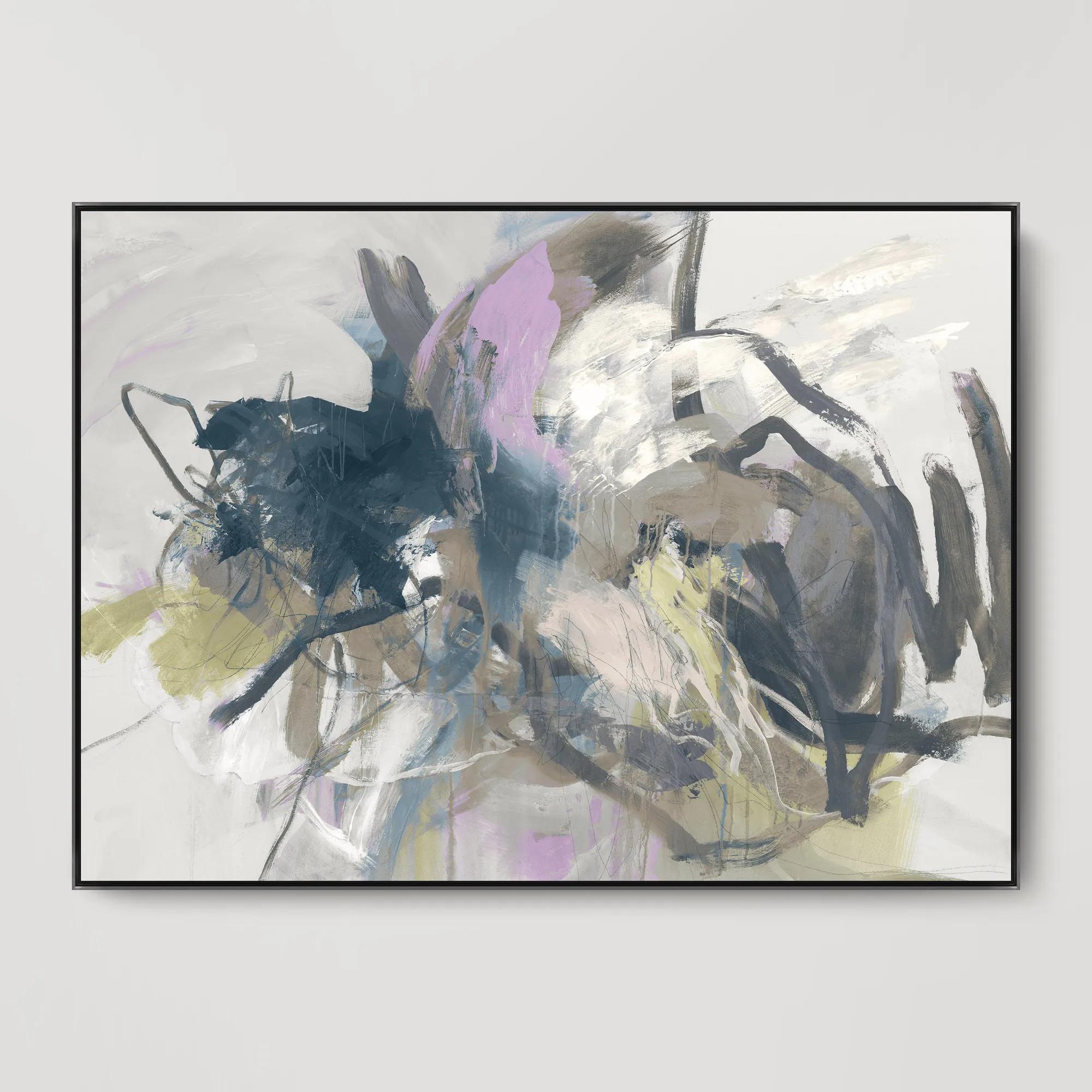
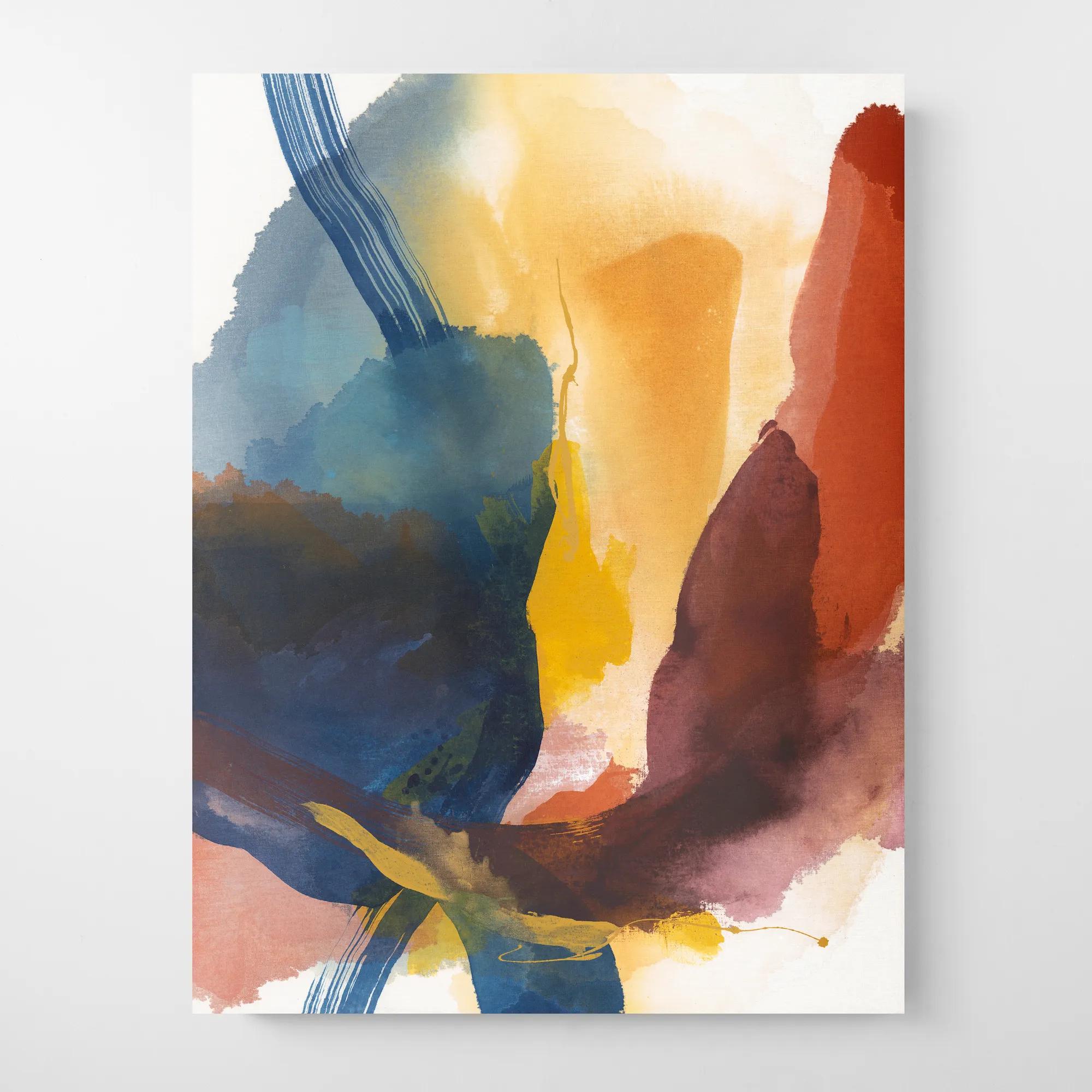
Home Office Art Ideas
Home Office Art Ideas
-
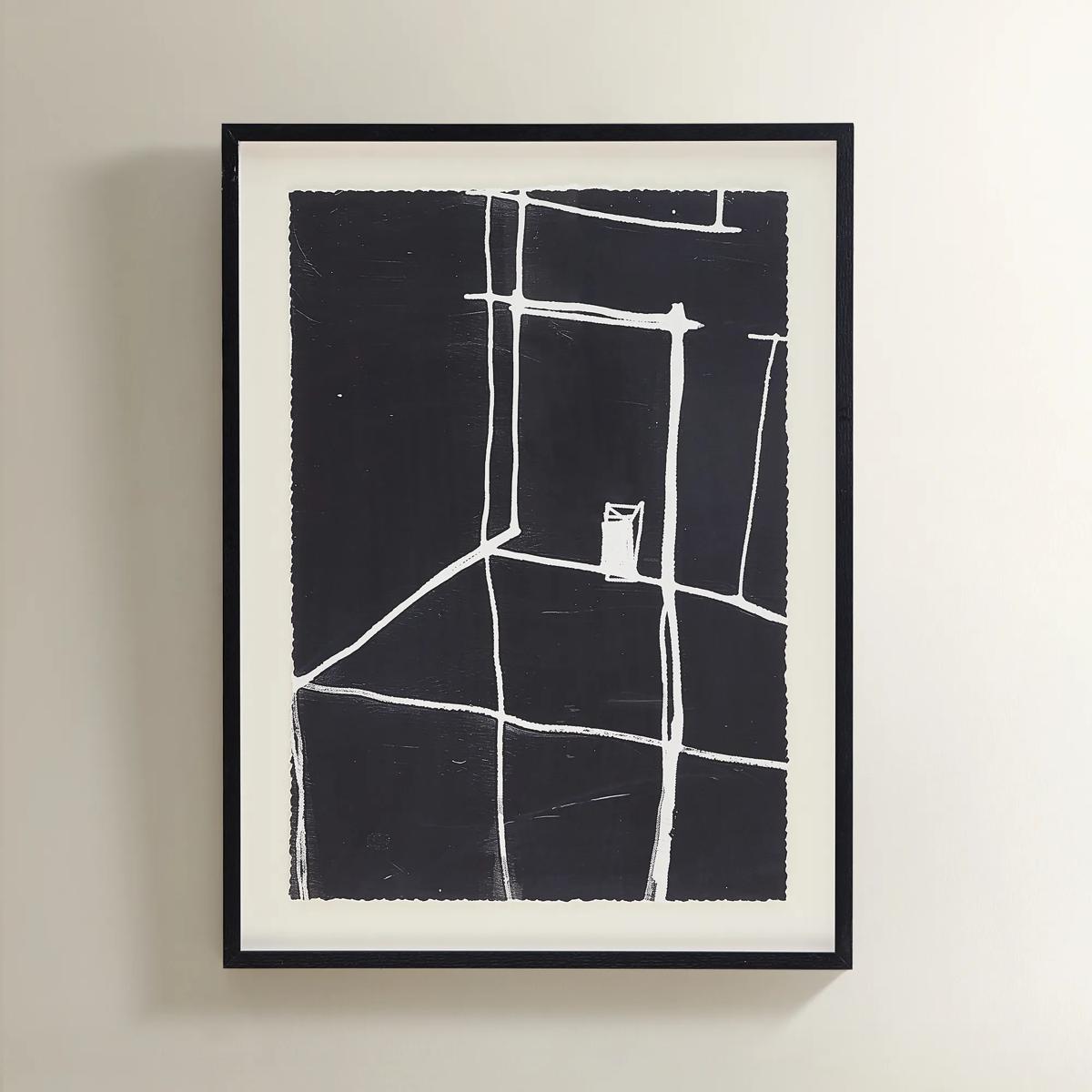 Solitude Art$269
A minimalist black-and-white abstract print featuring bold white lines in a sleek black polyresin frame.
Add To Cart -
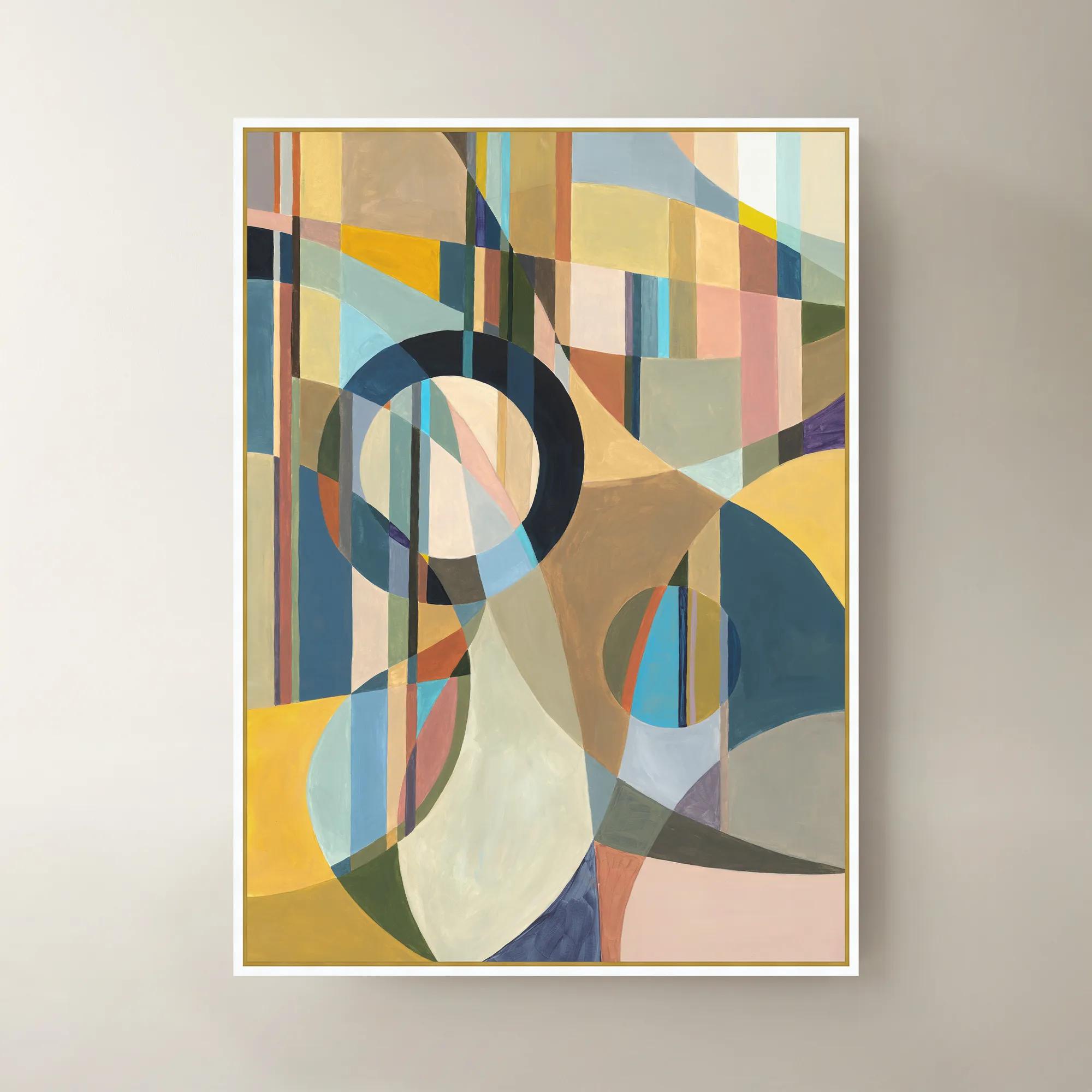
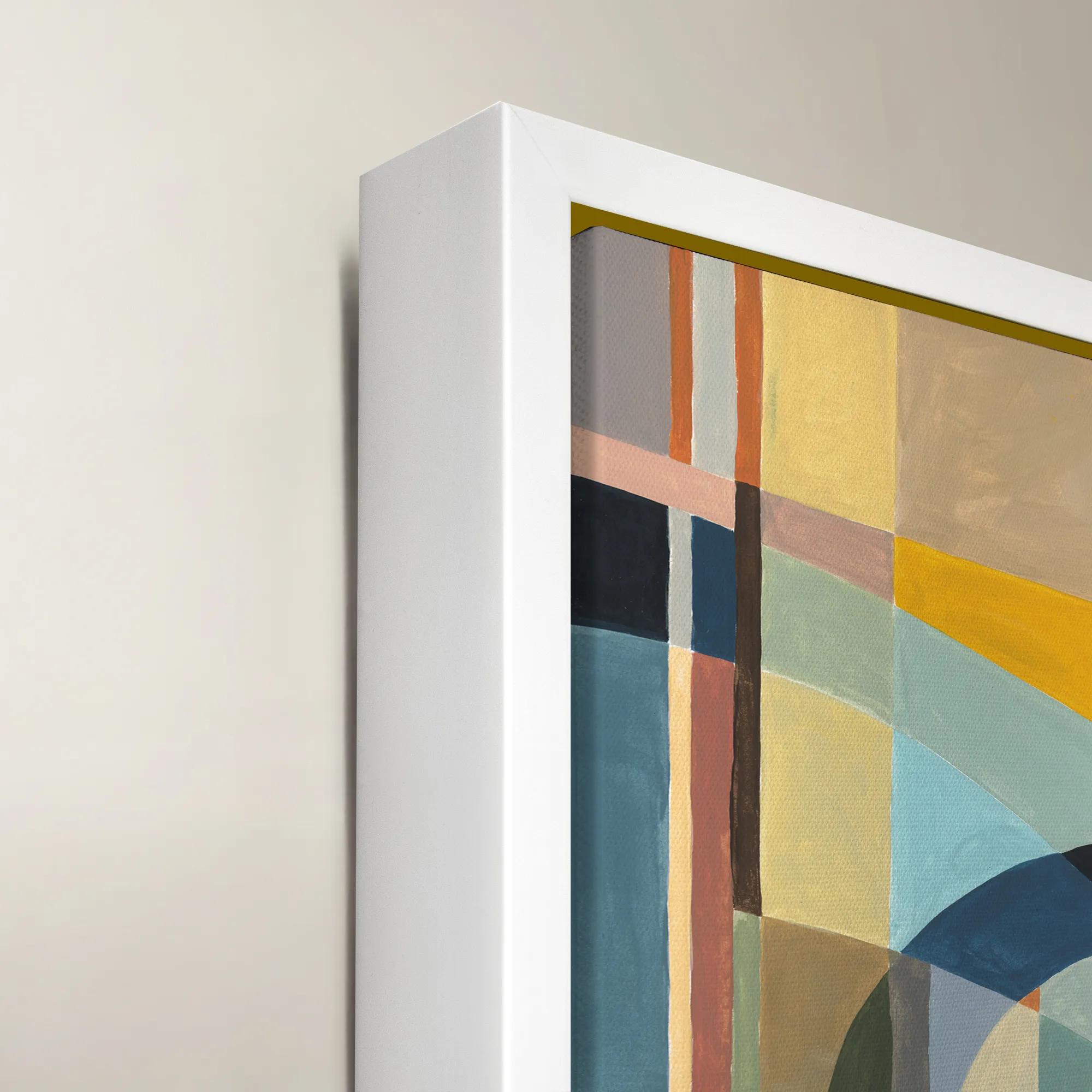 Happy Mistake Framed Wall Art 40" x 54"$1099
A vibrant multicolored framed canvas artwork adding expressive style to modern interiors.
Add To Cart -
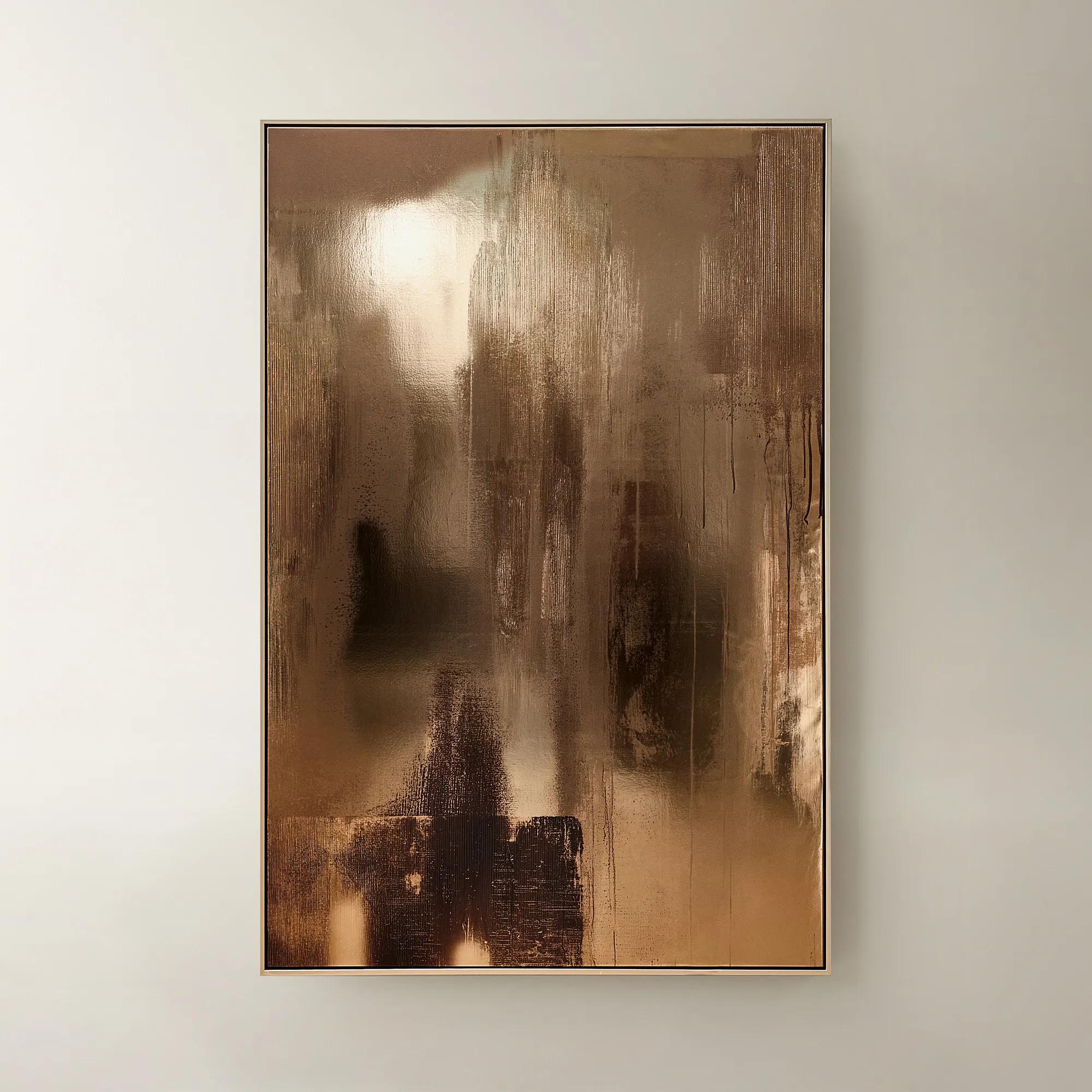
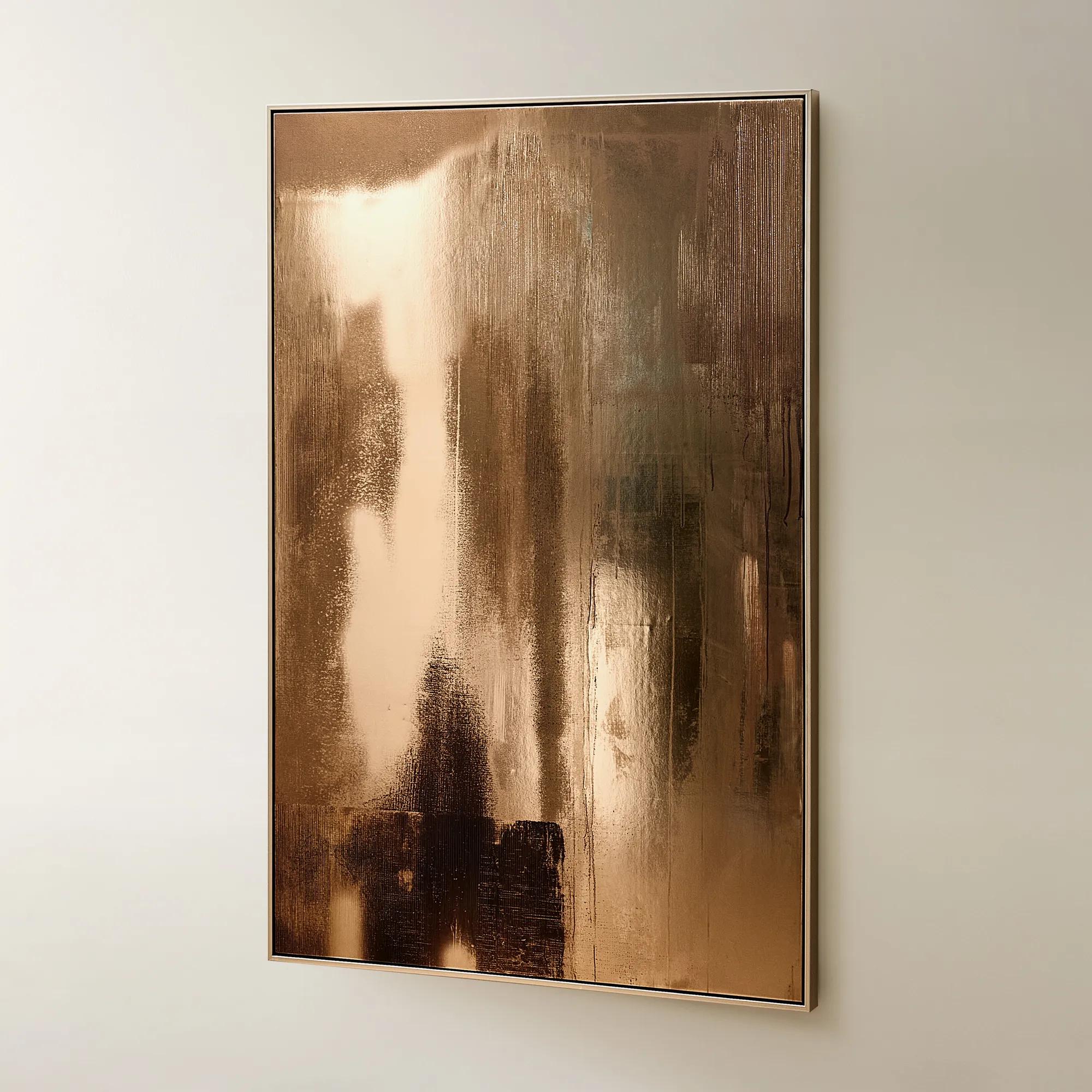 Bronze Reflective Framed Leather Painted Wall Art 40" x 60"$799
A hand-painted abstract wall art featuring reflective bronze faux leather and a warm champagne metallic frame.
Add To Cart -
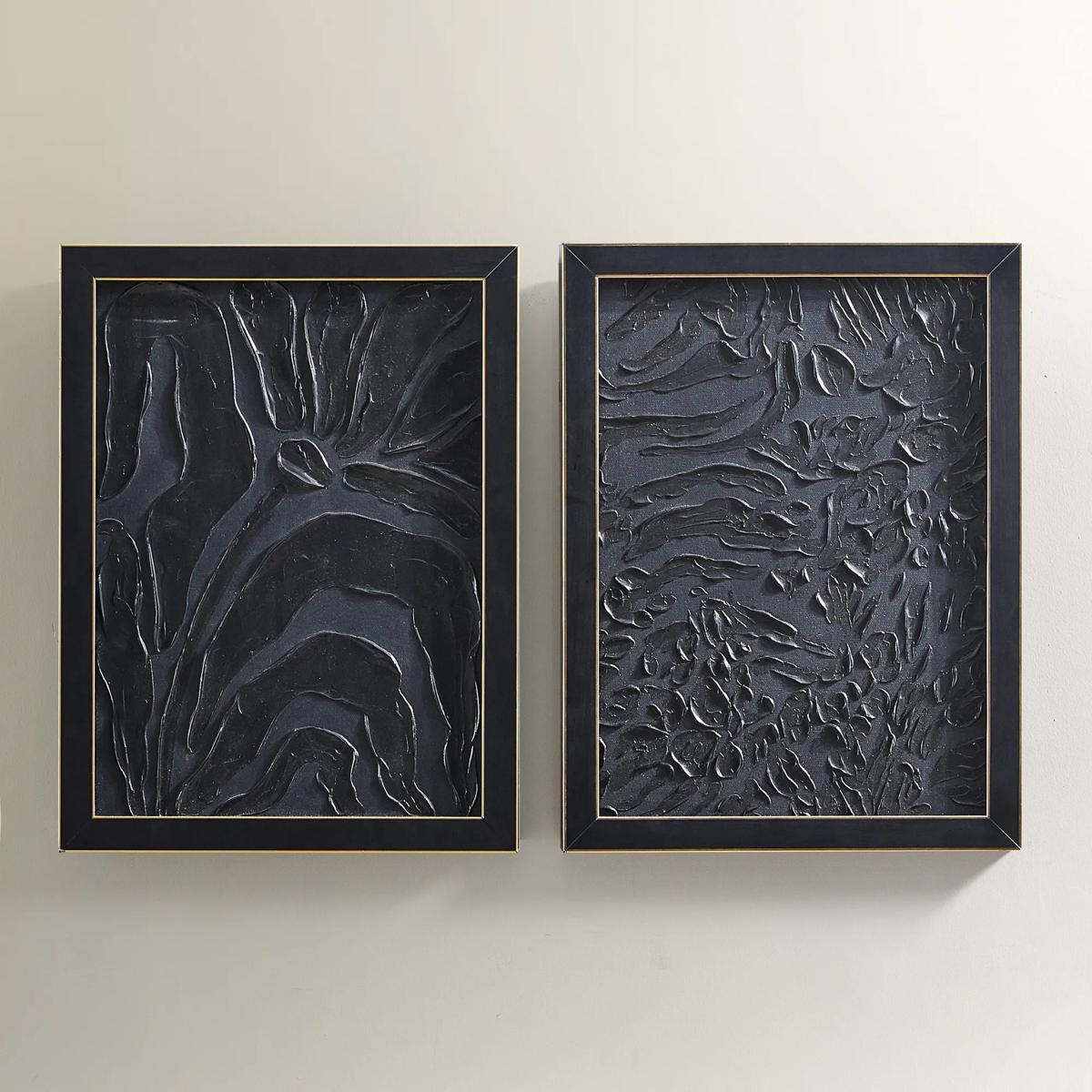
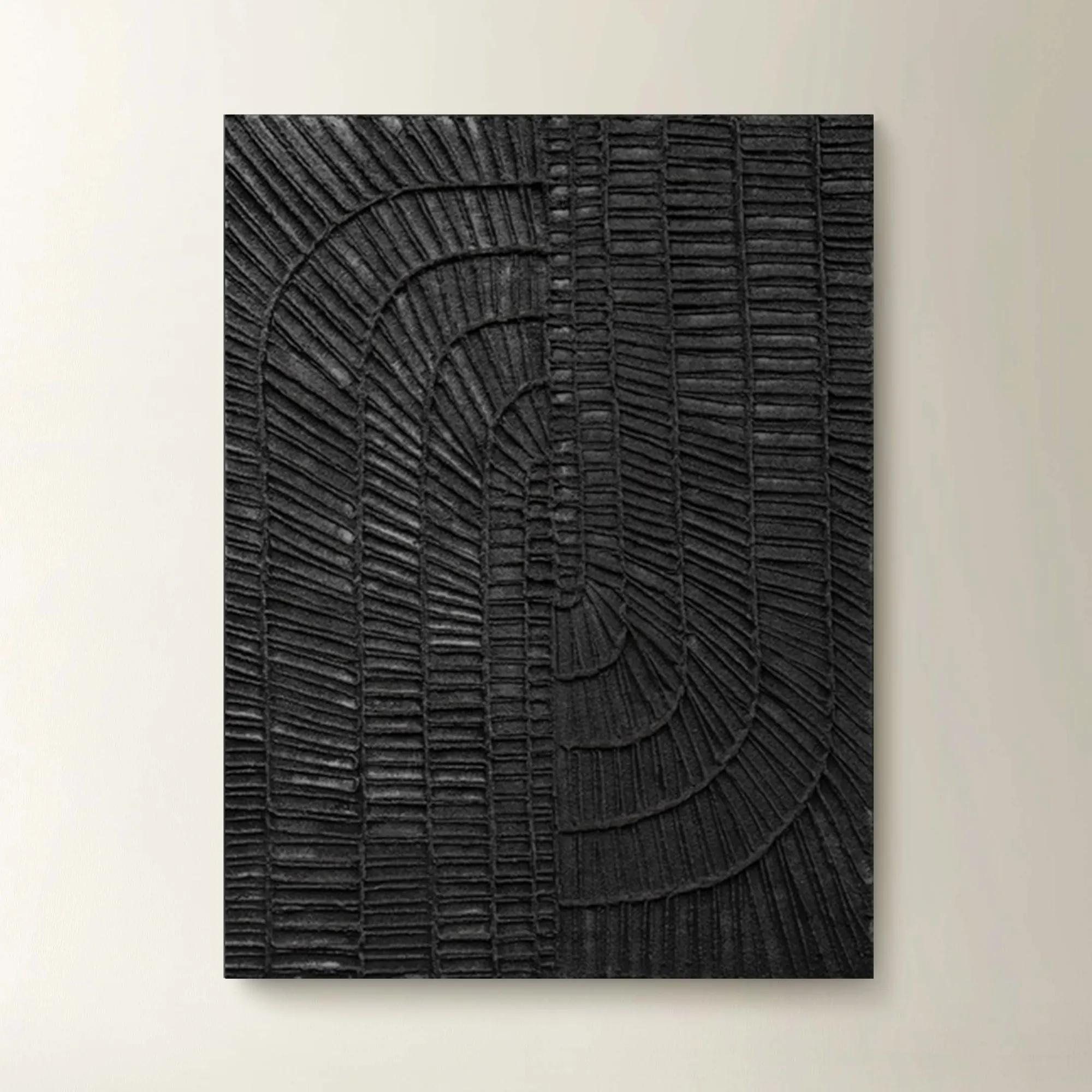 Textured Haze Black II Painted Wall Art 26" x 35"$499
A striking hand-painted black artwork featuring textured details for versatile vertical or horizontal display.
Add To Cart -
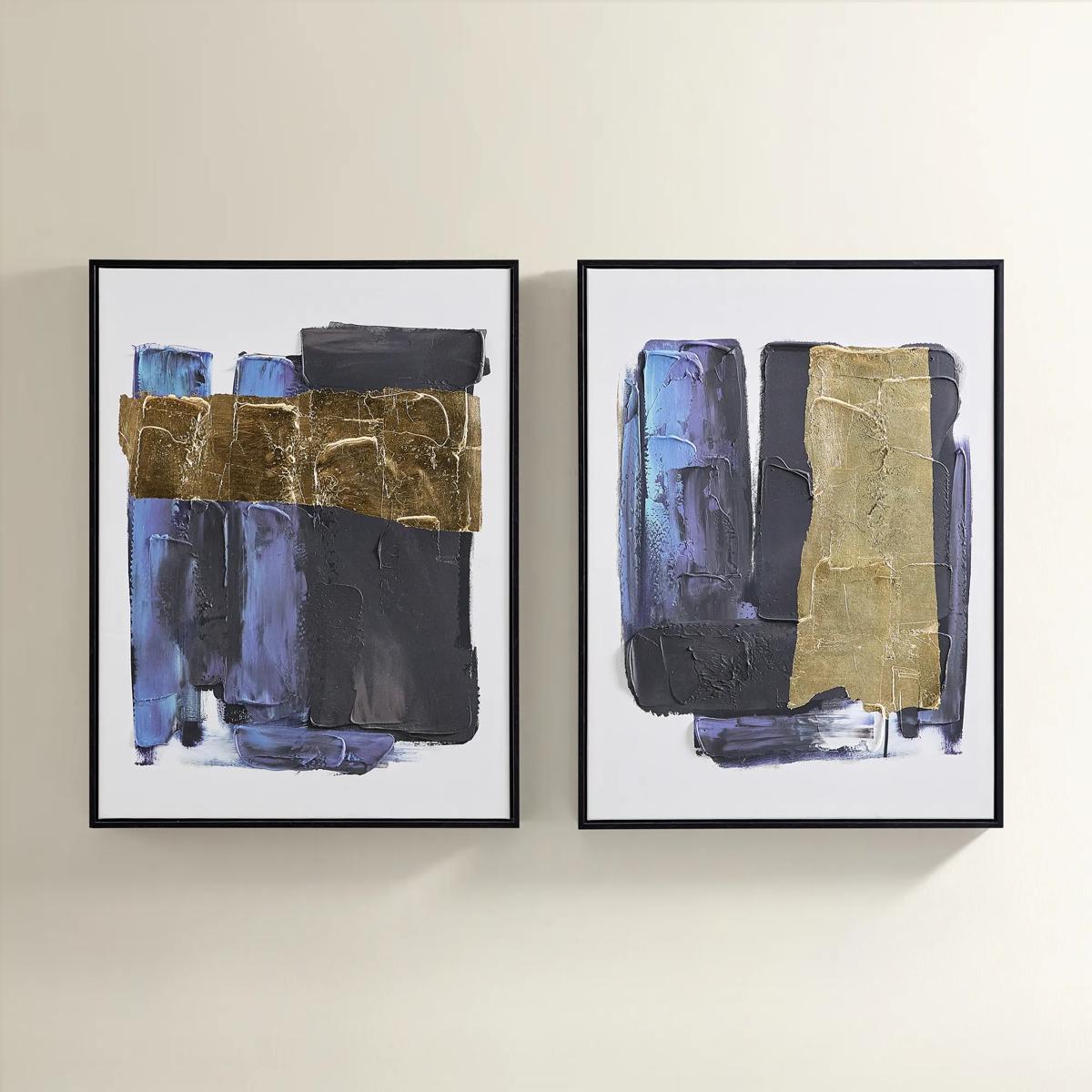
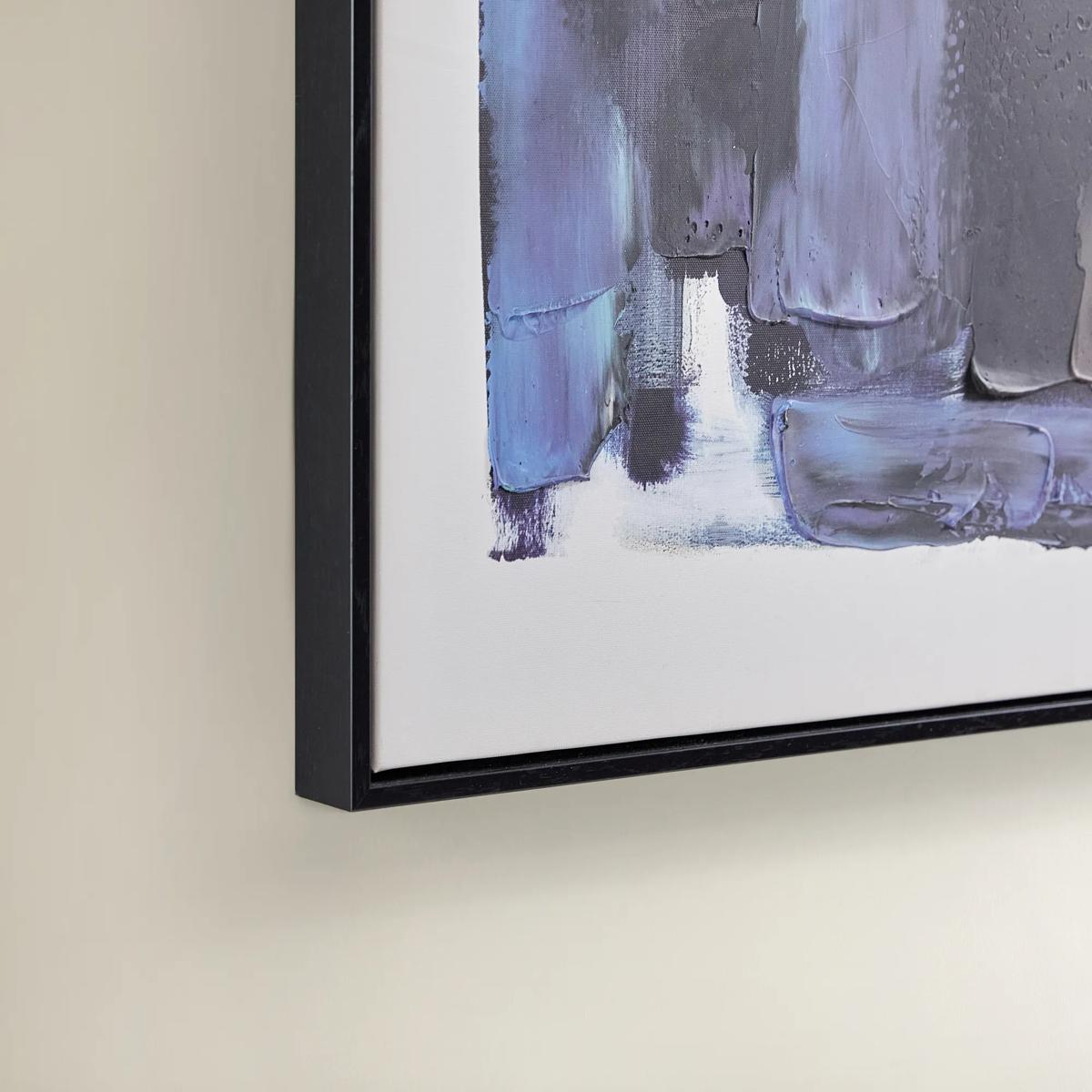 Deep Thoughts Gold Leaf Painted Wall Art Set of 2$199
A set of two hand-painted abstract canvases in blue and gold leaf, framed in sleek black.
Add To Cart -
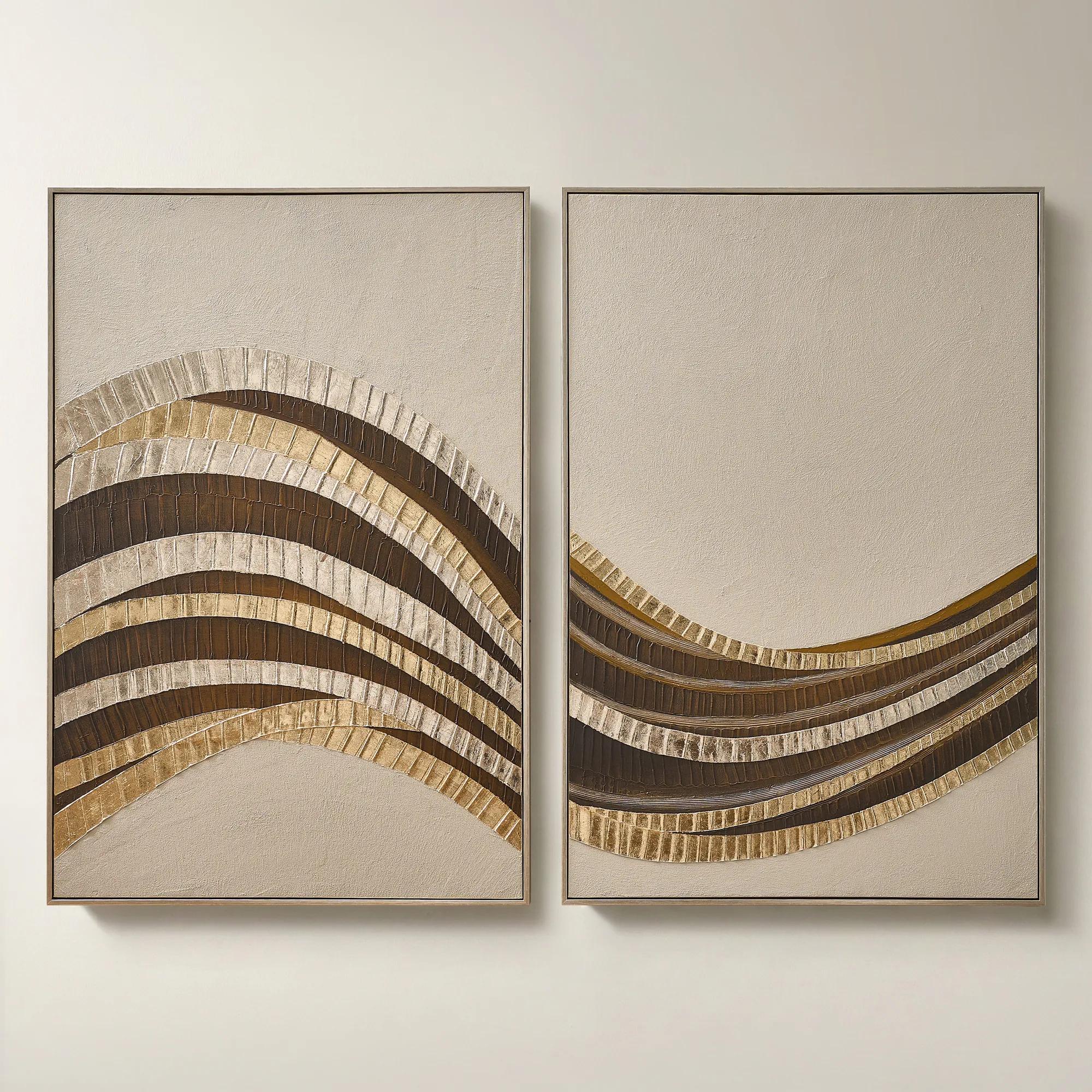 Stillness in Motion Framed Gold Leaf Painted Wall Art 40" x 60" Set of 2$899
A hand-painted abstract diptych with gold leaf accents, textured surface, and brushed champagne frames.
Add To Cart -
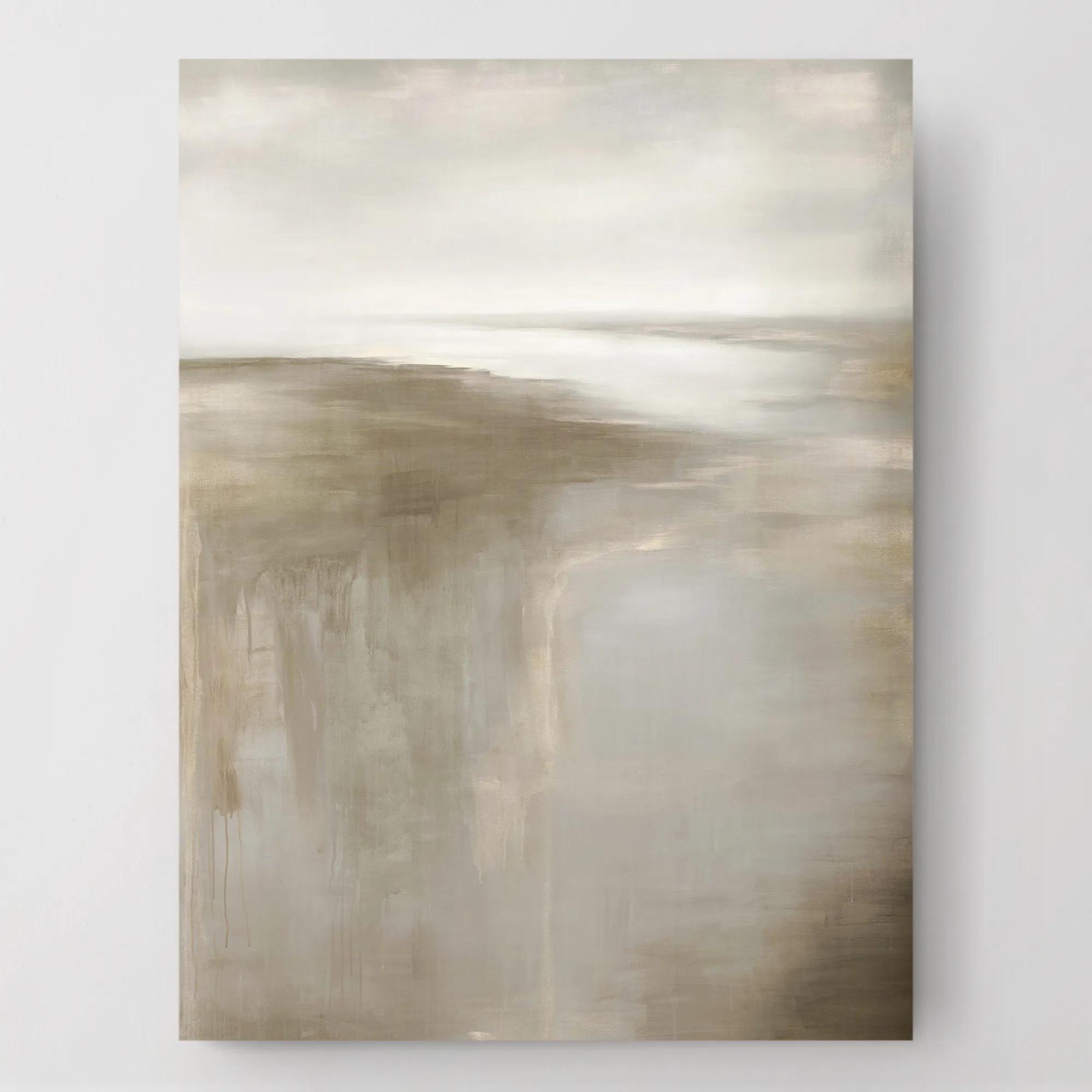
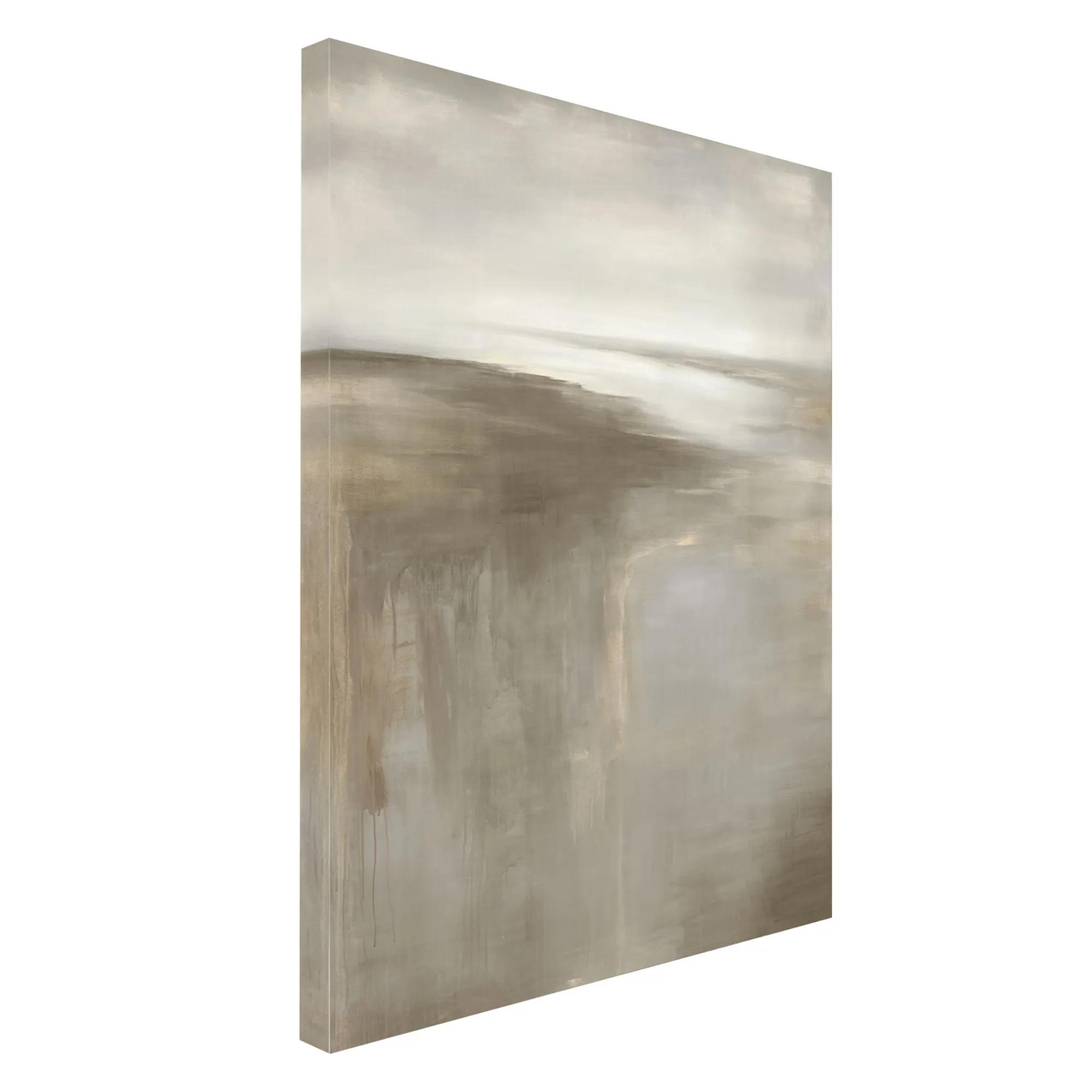 Silver Morning Wall Art 30" x 40"$449
A gallery-wrapped silver canvas artwork featuring a hand-applied image brush gel finish.
Add To Cart -
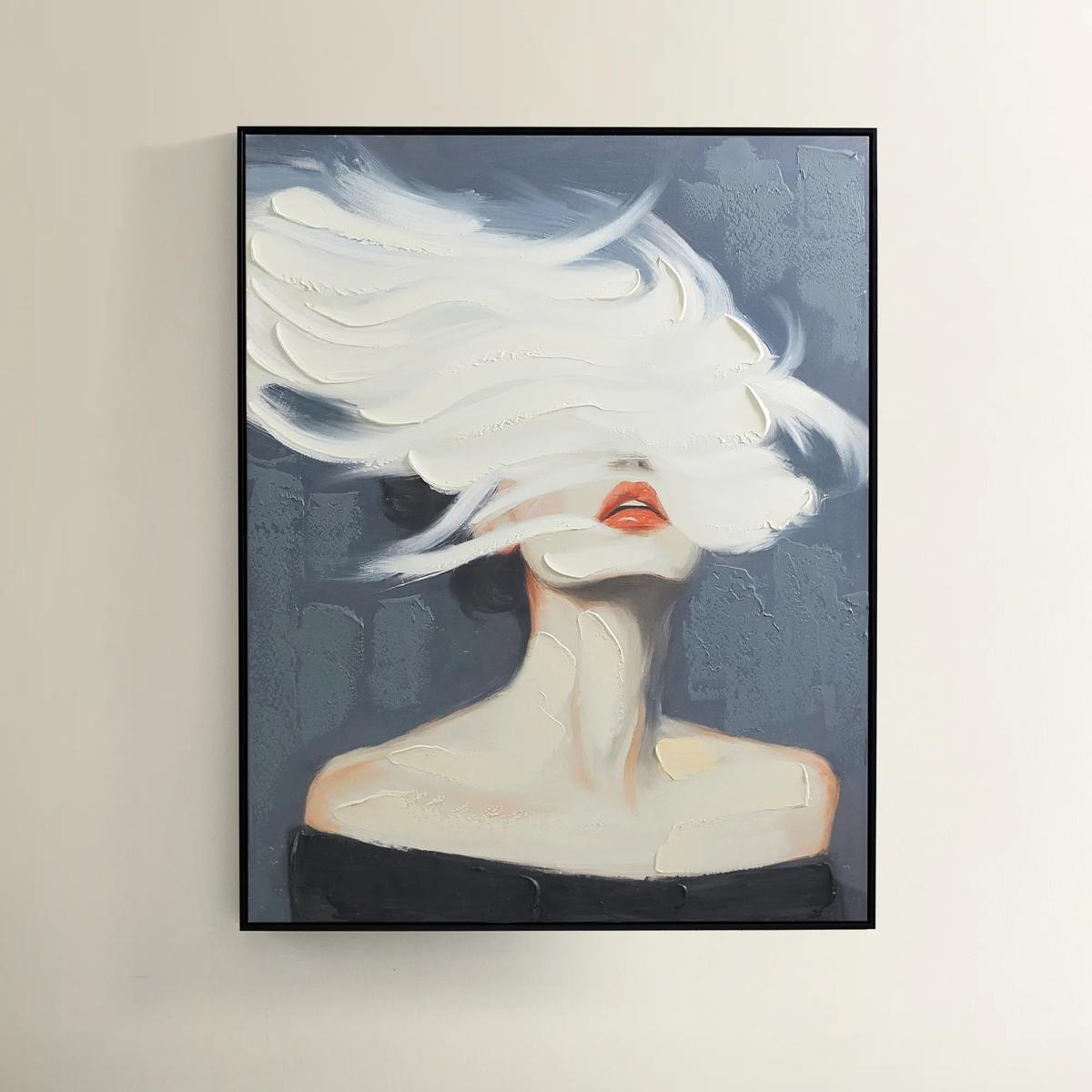
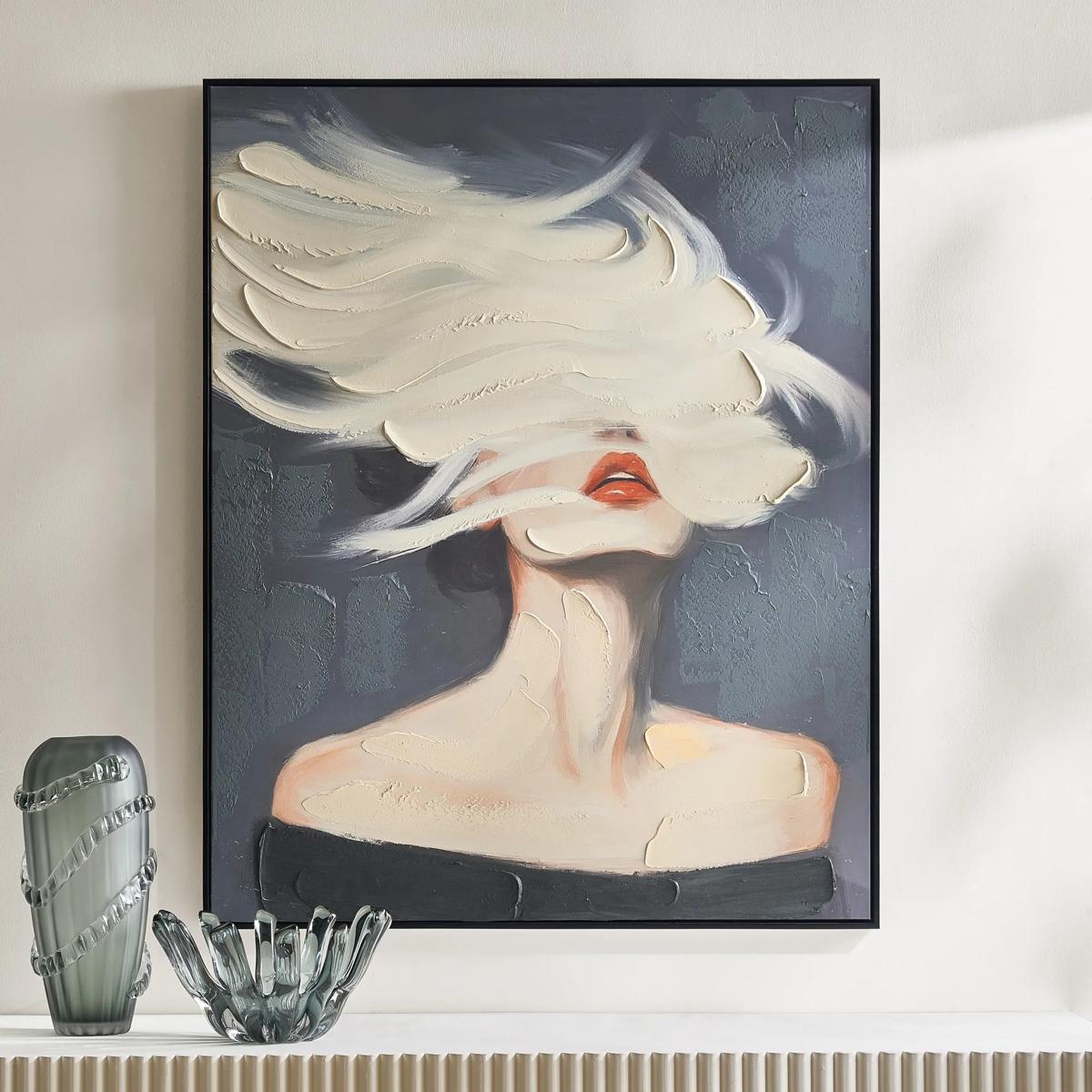 Daydreamer Painting$599
A hand-painted canvas portrait with sculptural white brushstrokes, bold red lips, and a sleek black frame.
Add To Cart -

 Heart Dancing Framed Wall Art 51.5" x 37.5"$799
A gallery-wrapped canvas artwork with a hand-applied brush gel finish in a sleek gunmetal floater frame.
Add To Cart -
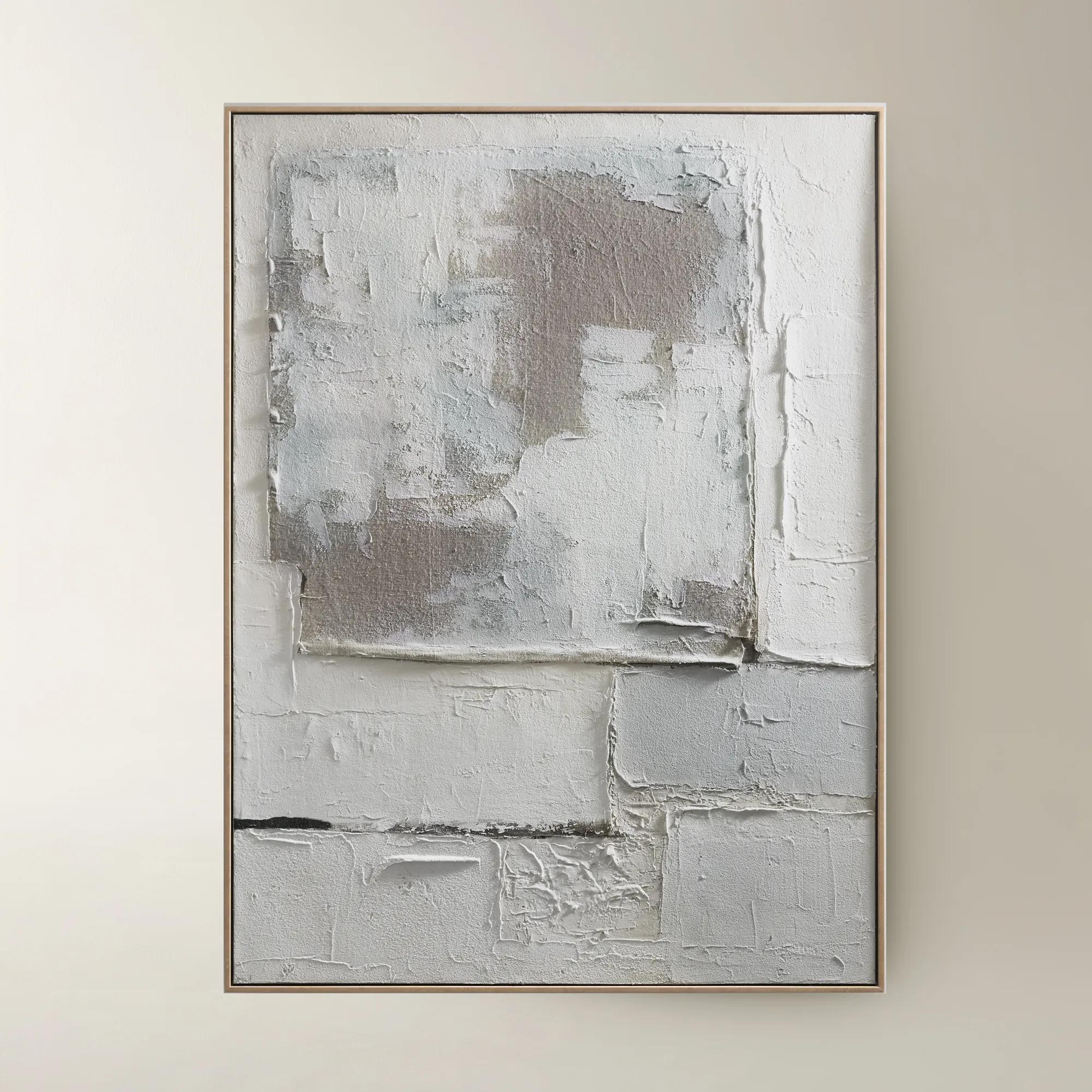
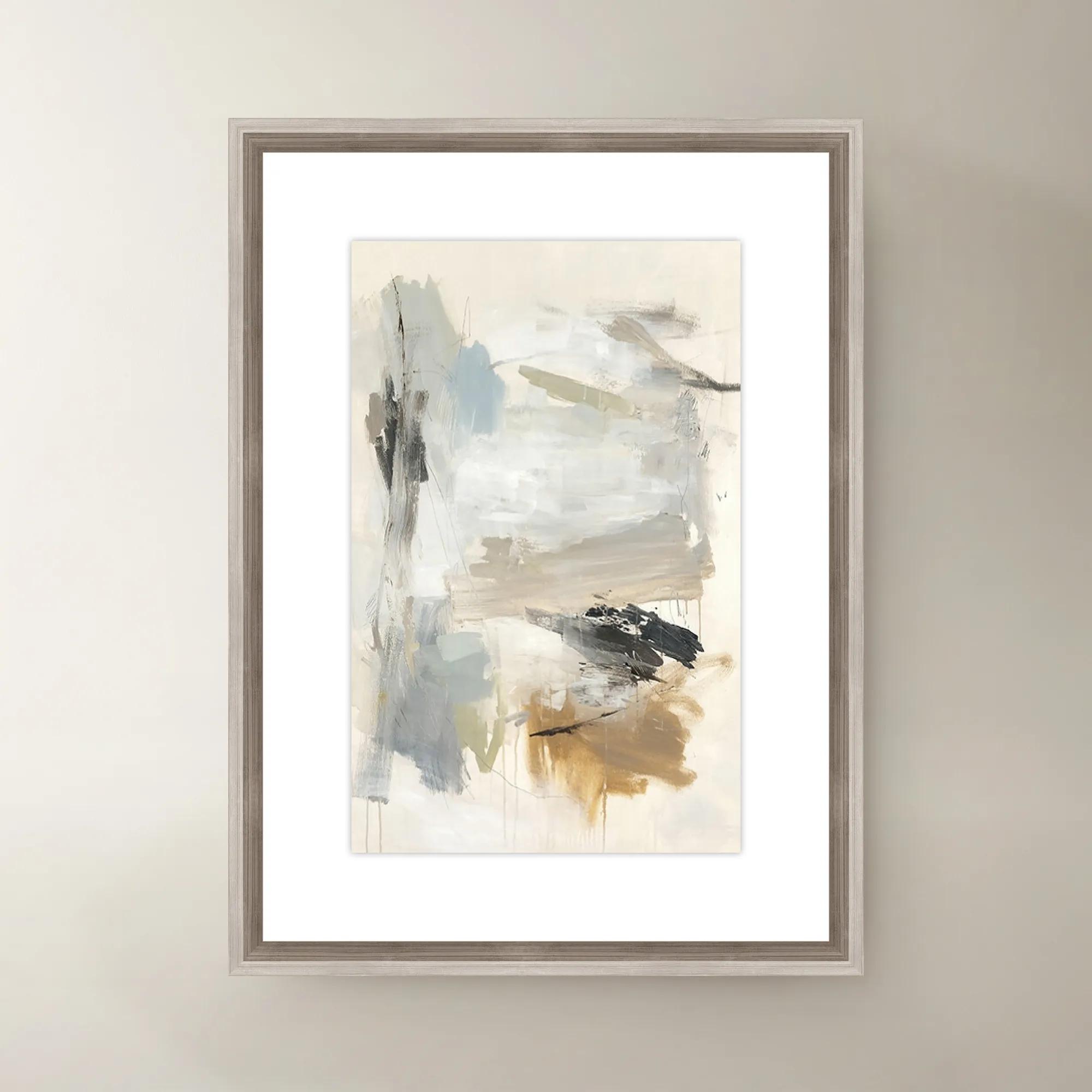
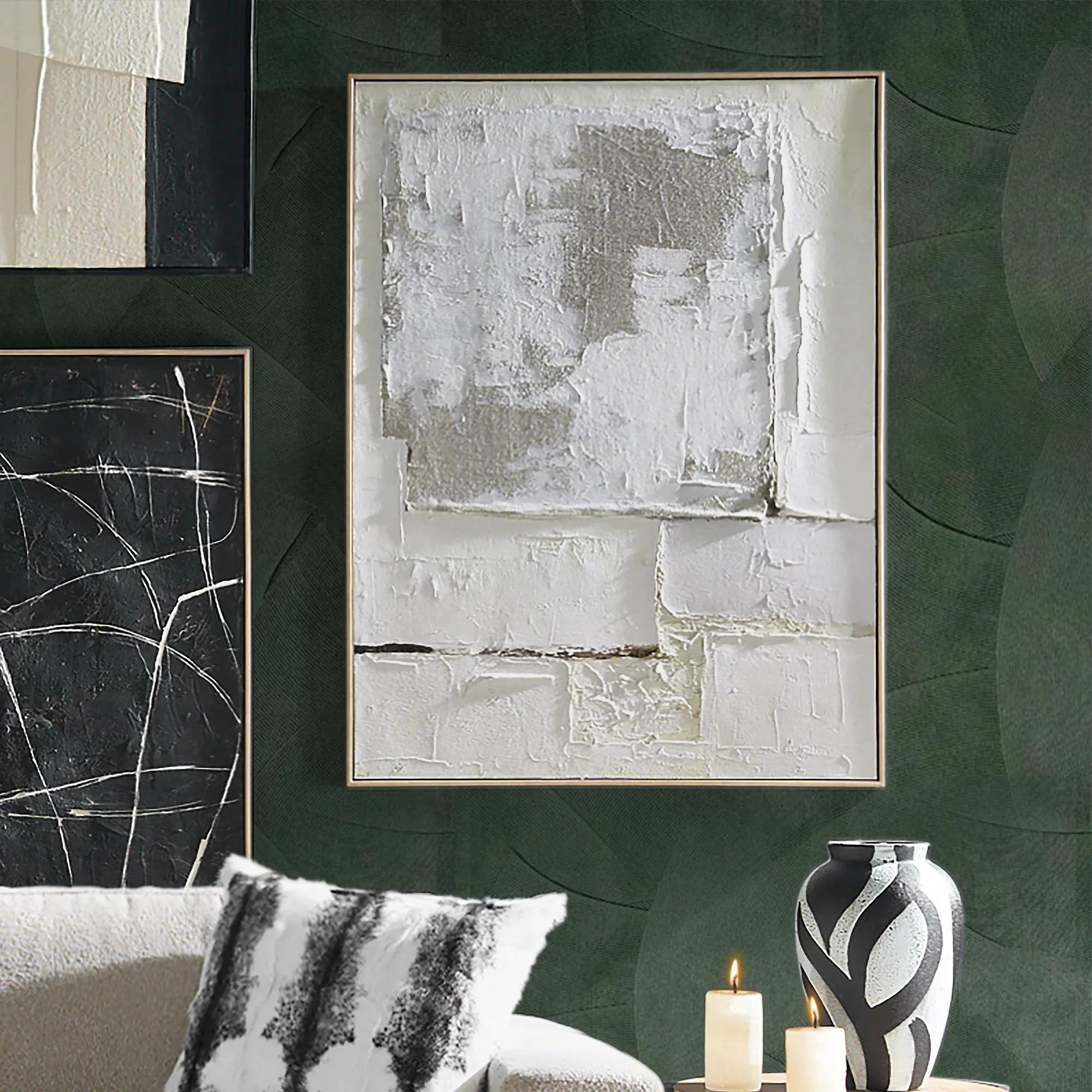 Marrow Painting$399
A hand-painted abstract canvas in subtle beige hues, elegantly framed in a warm beech wood floater.
Add To Cart -
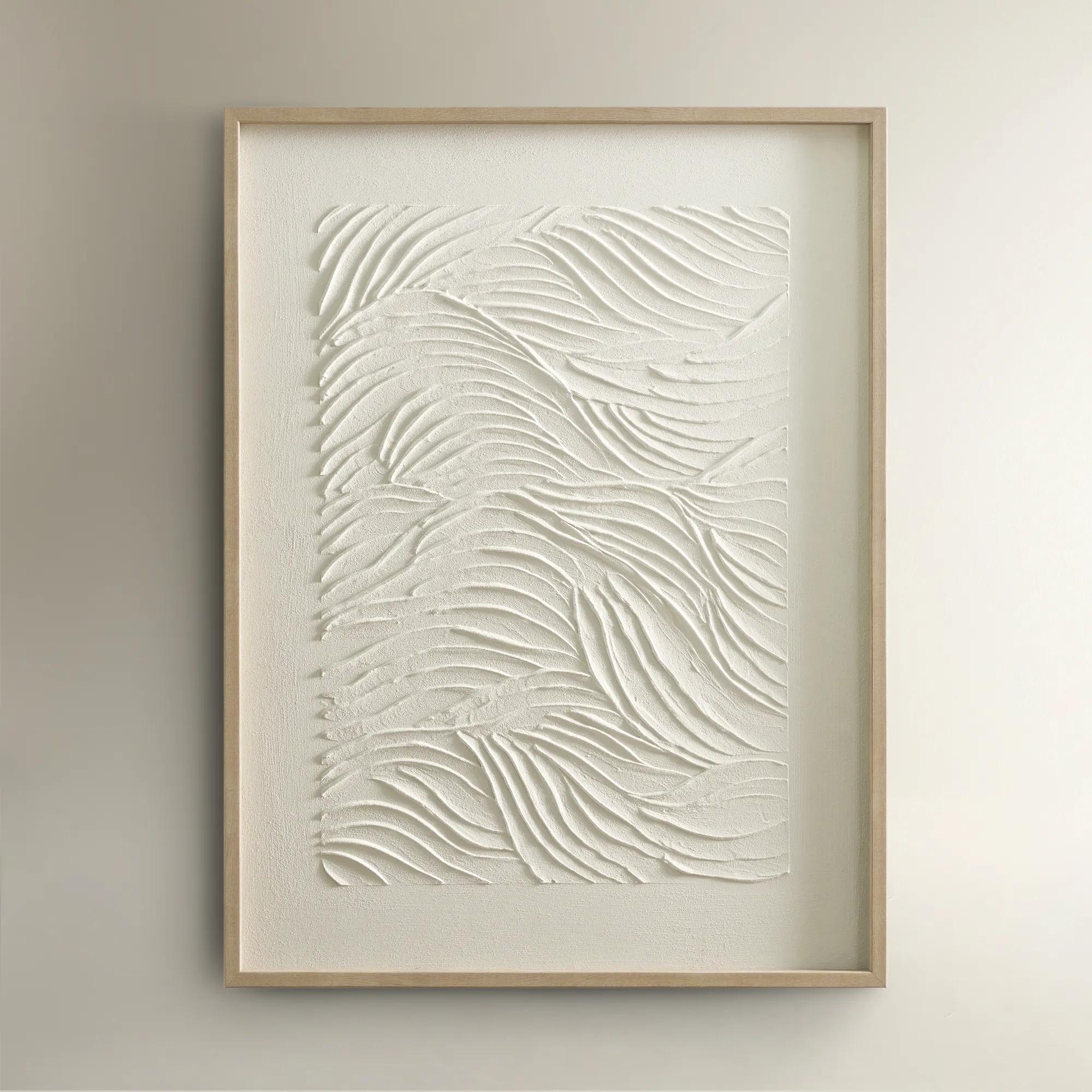
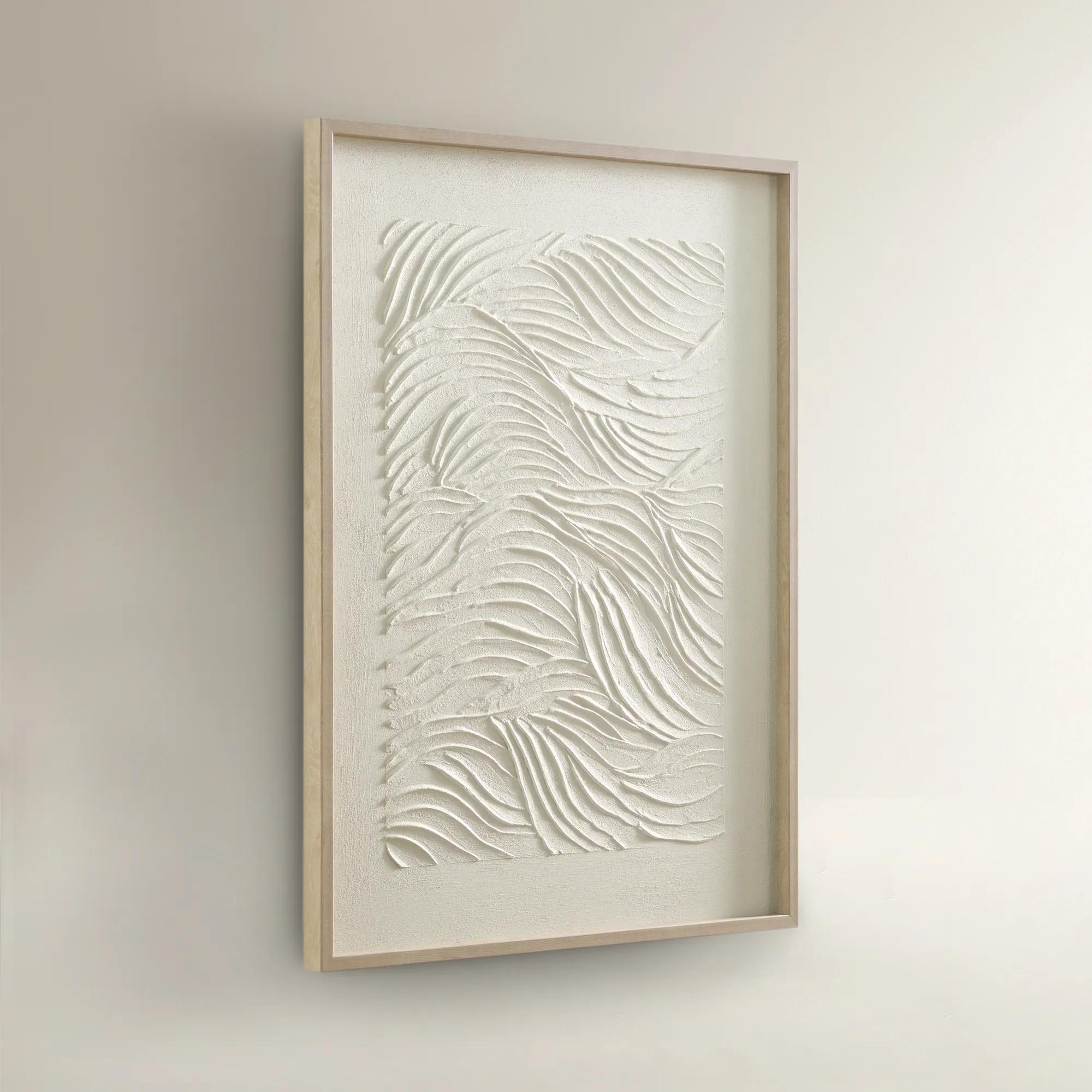 Sonnet Framed Painted Wall Art 23.5" x 31.5"$99
A hand-painted canvas featuring textured white shades and a warm blonde wood frame for elegant depth.
Add To Cart -
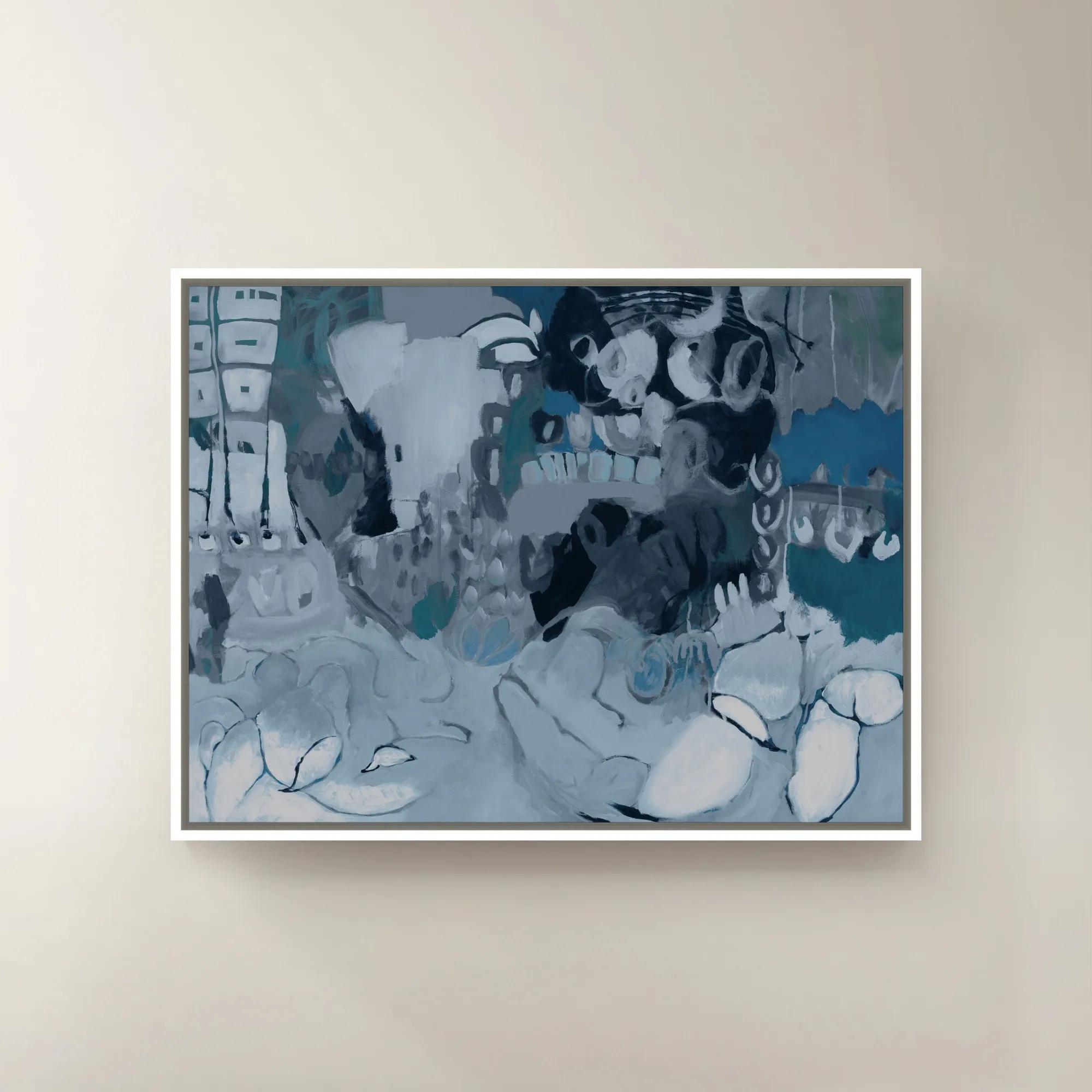
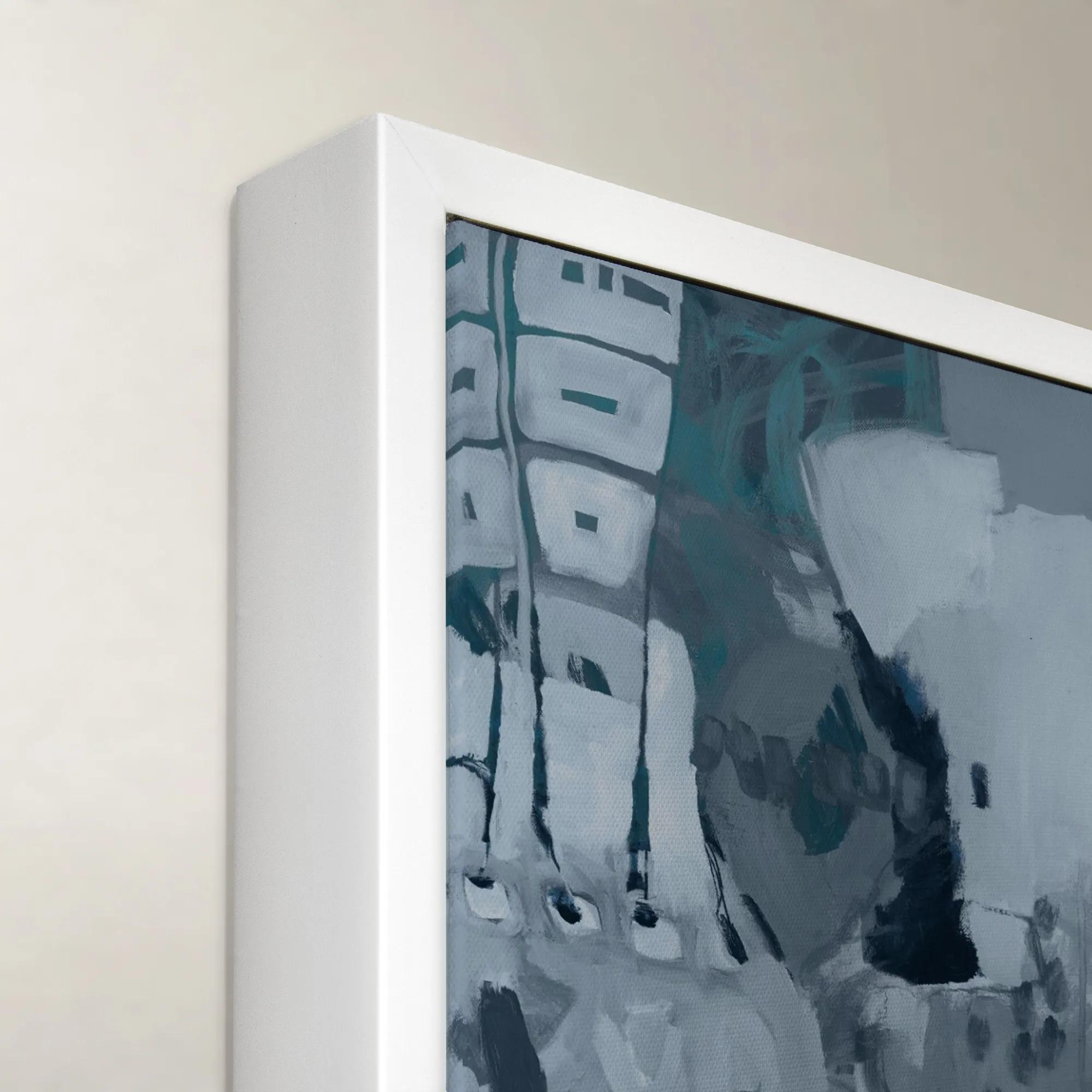 Wrap me in Forever II Framed Wall Art 40" x 30"$699
A striking blue and purple canvas wall art piece presented in a refined frame.
Add To Cart -
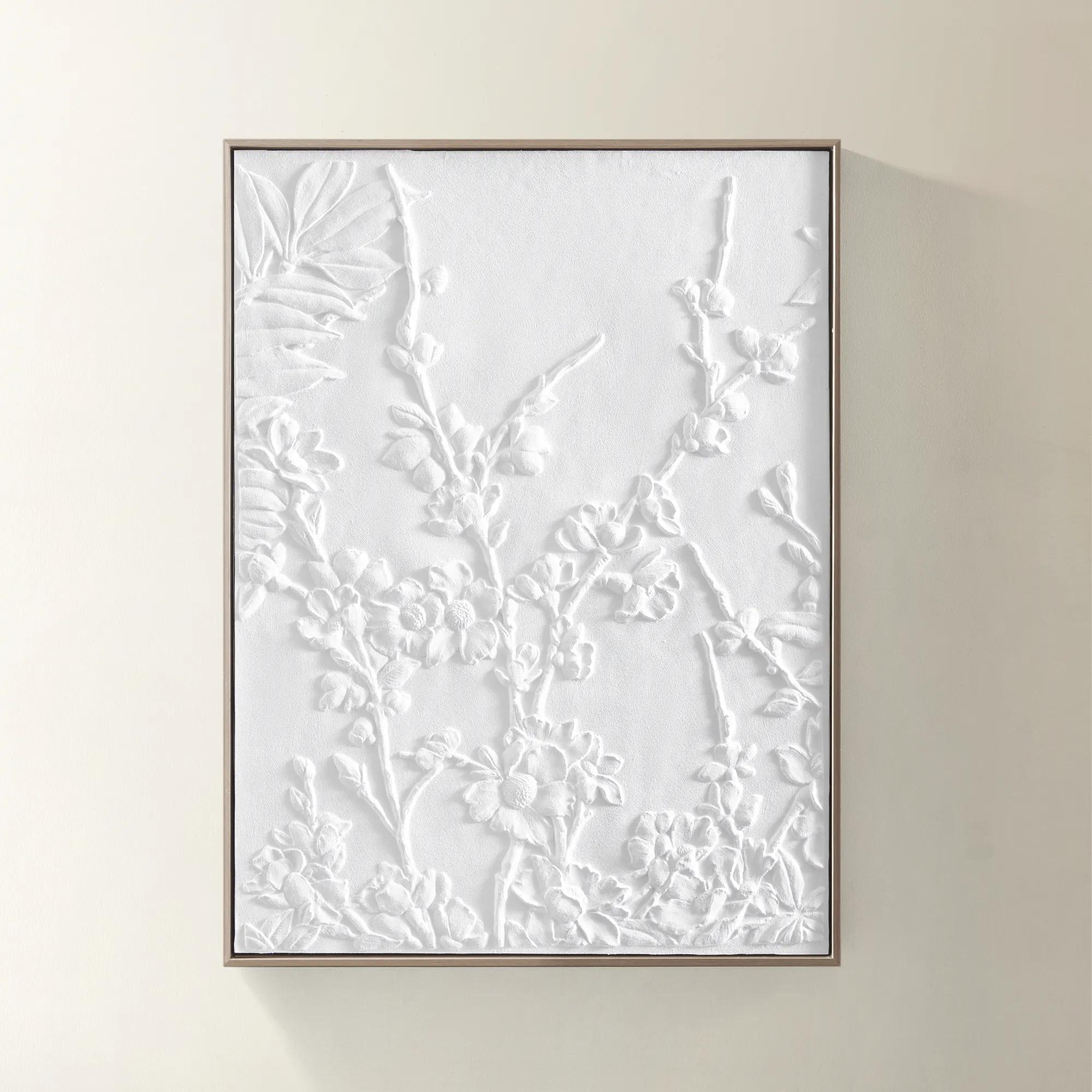
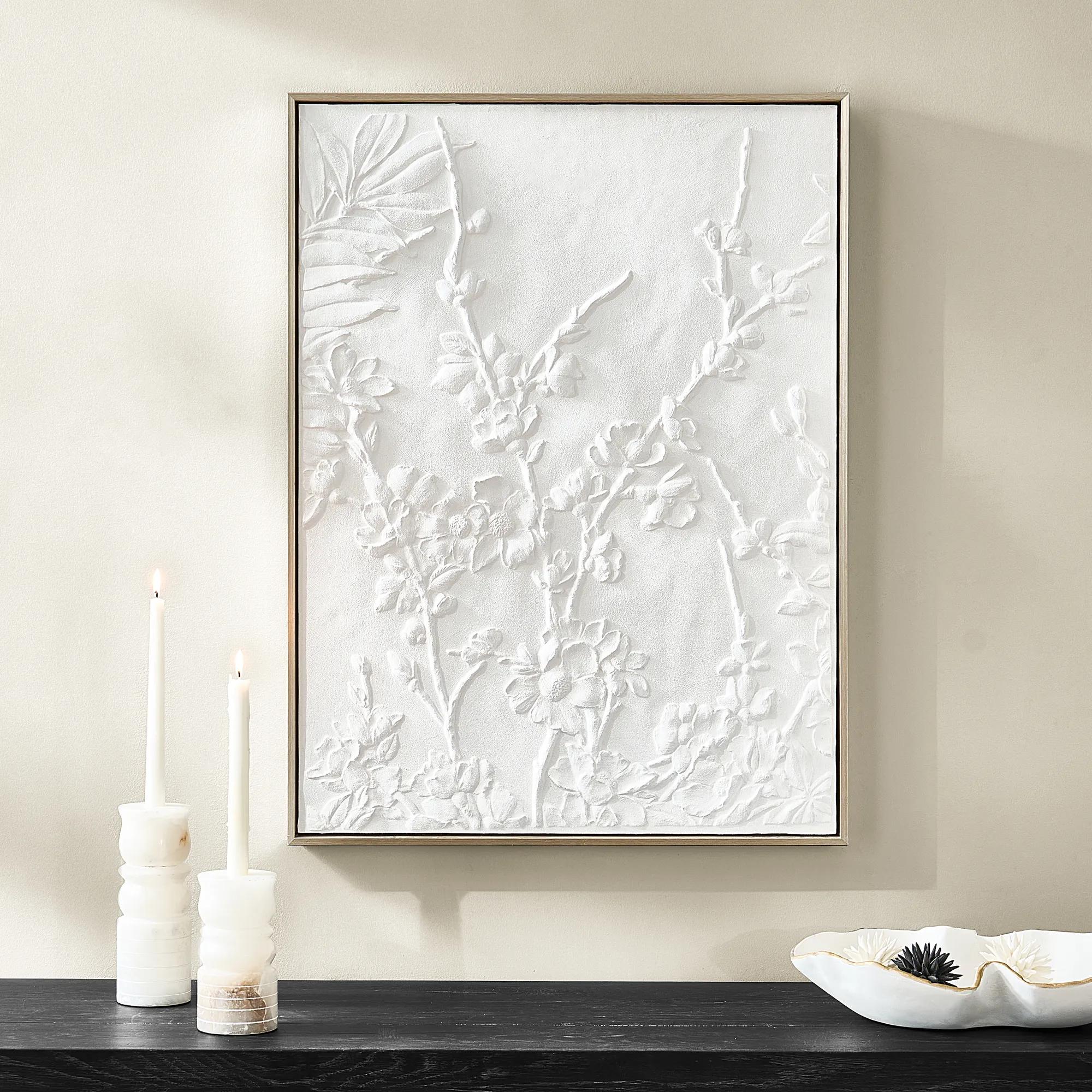 Allegro Framed Painted Wall Art 31.5" x 23.6"$109
A hand-painted canvas featuring textured floral motifs, framed in a warm champagne finish for subtle sophistication.
Add To Cart -
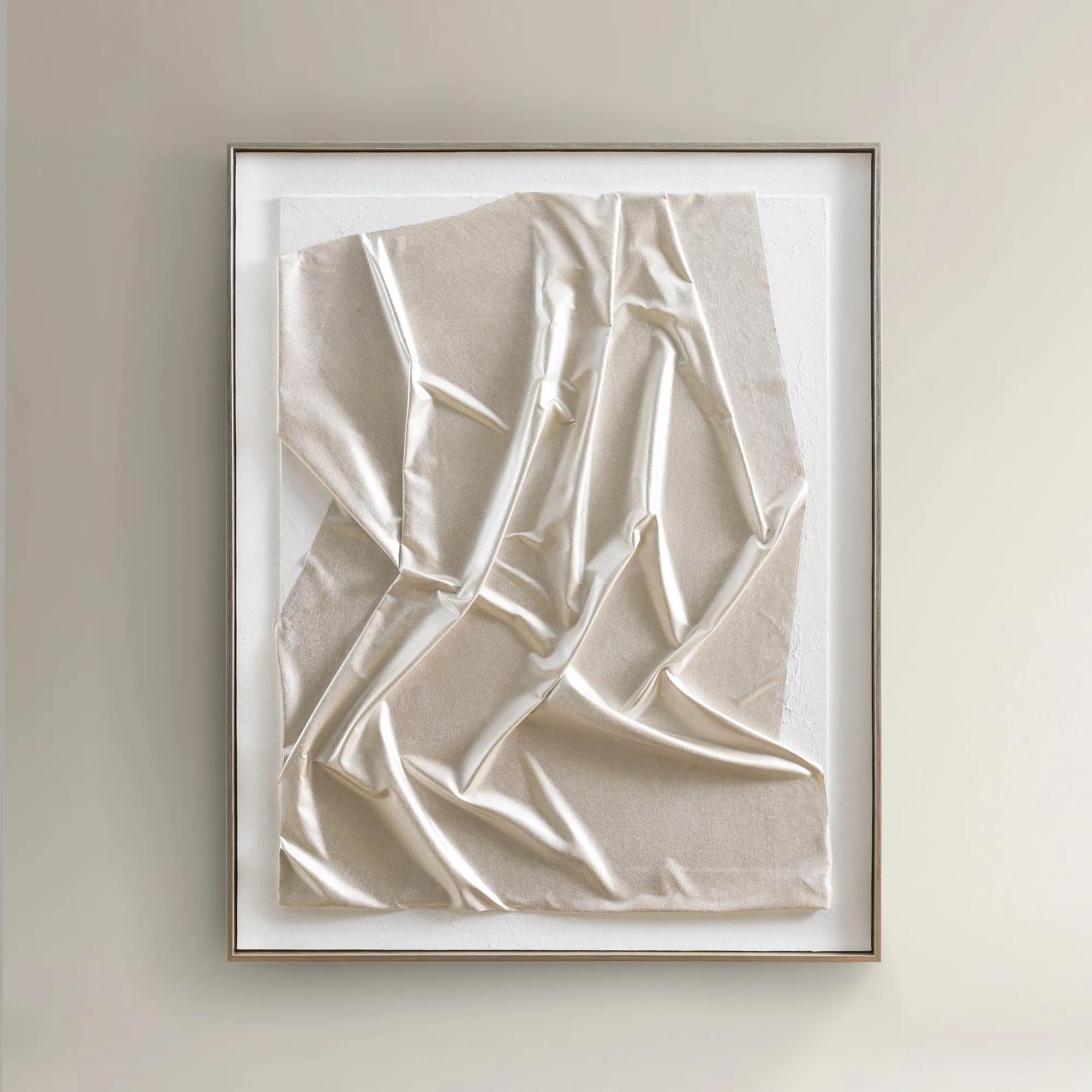
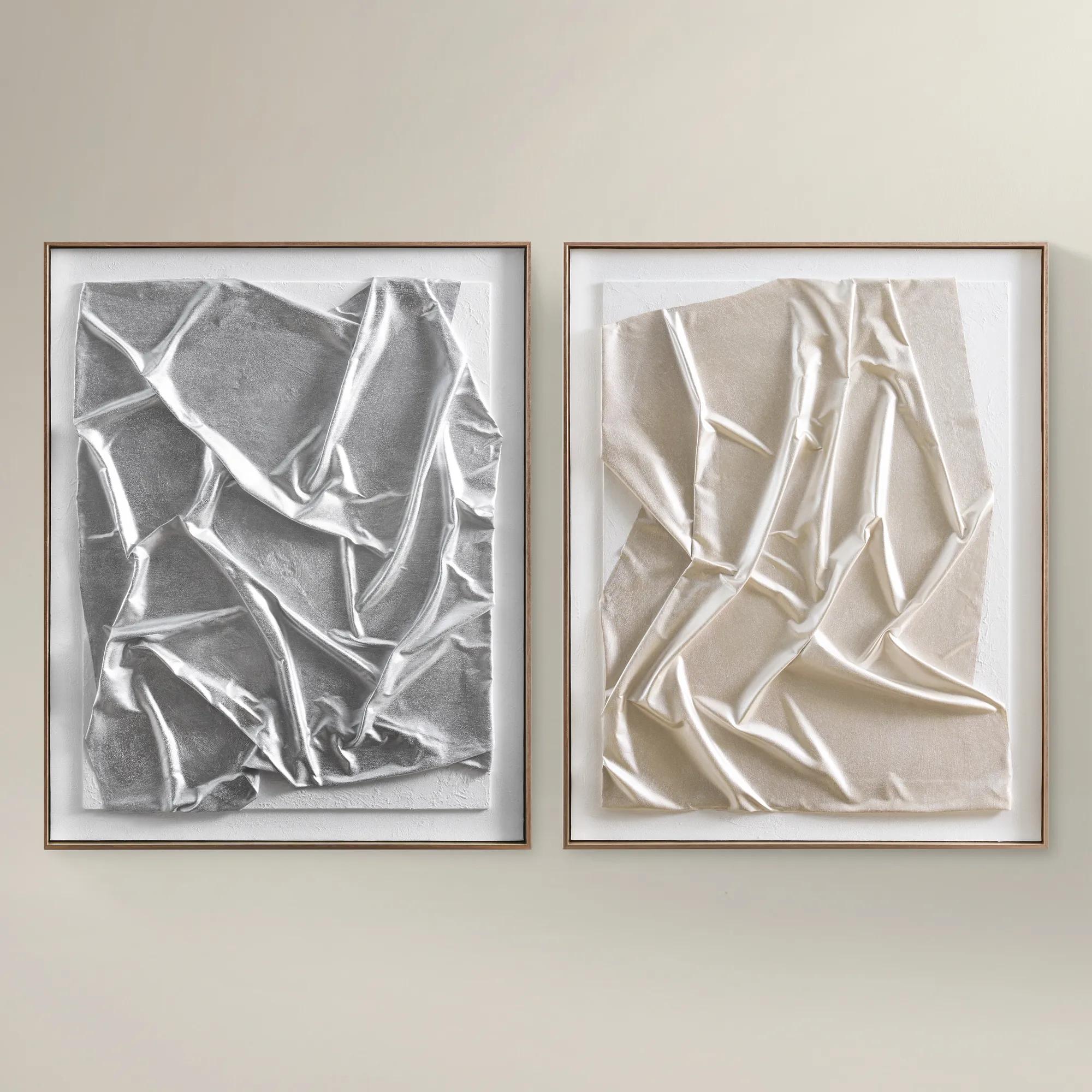 In the Mood Framed Painted Wall Art 31.5" x 39.5"$199
A hand-painted gold canvas artwork featuring textured surfaces and fluid forms in a champagne floater frame.
Add To Cart -
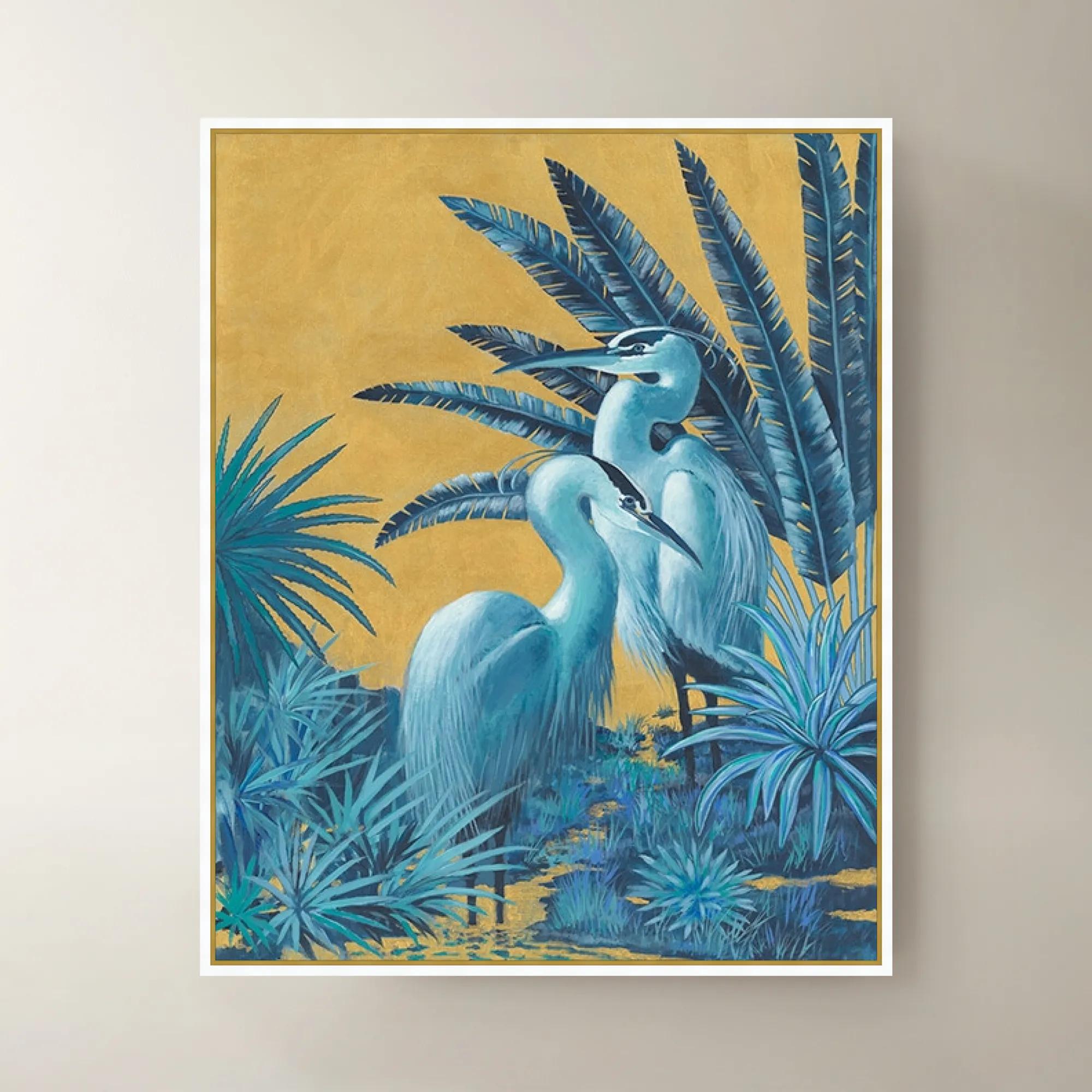
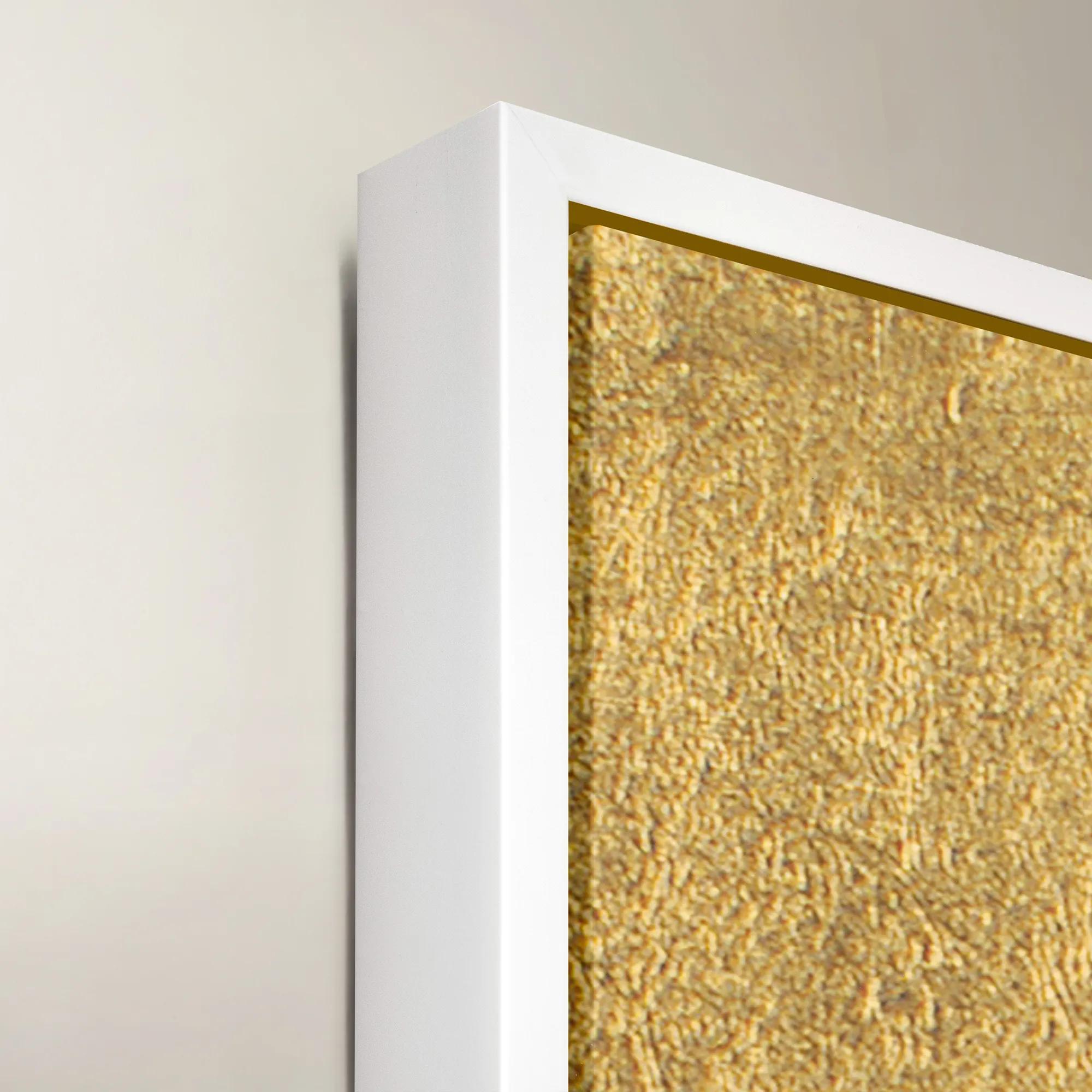 Blue Gold Herons Framed Wall Art 40" x 50"$1199
A striking blue and gold framed canvas artwork featuring elegant herons for sophisticated wall display.
Add To Cart -
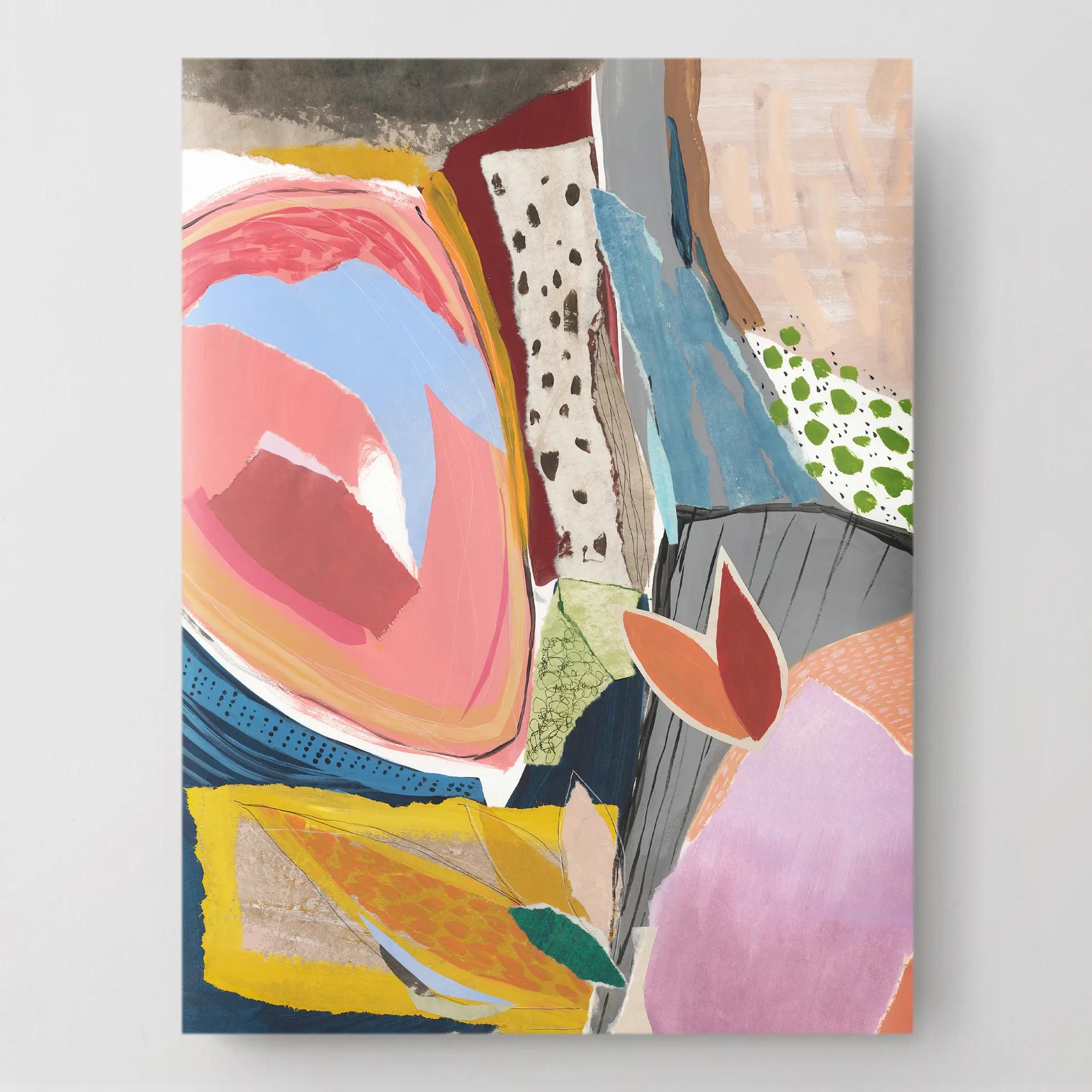
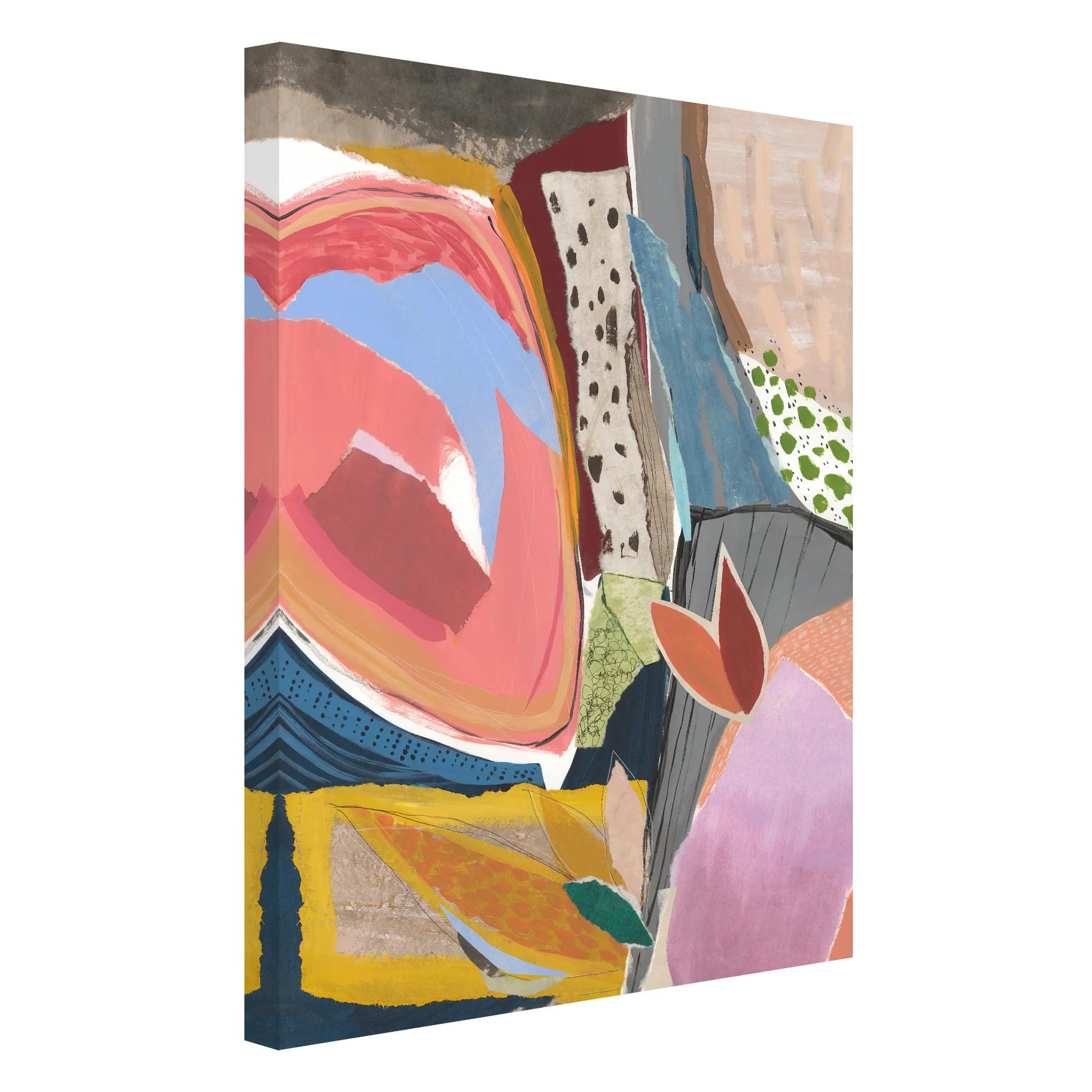 Sunday Vibes 1 Wall Art 30" x 40"$449
A gallery-wrapped canvas artwork featuring a hand-applied image brush gel finish for a textured look.
Add To Cart -
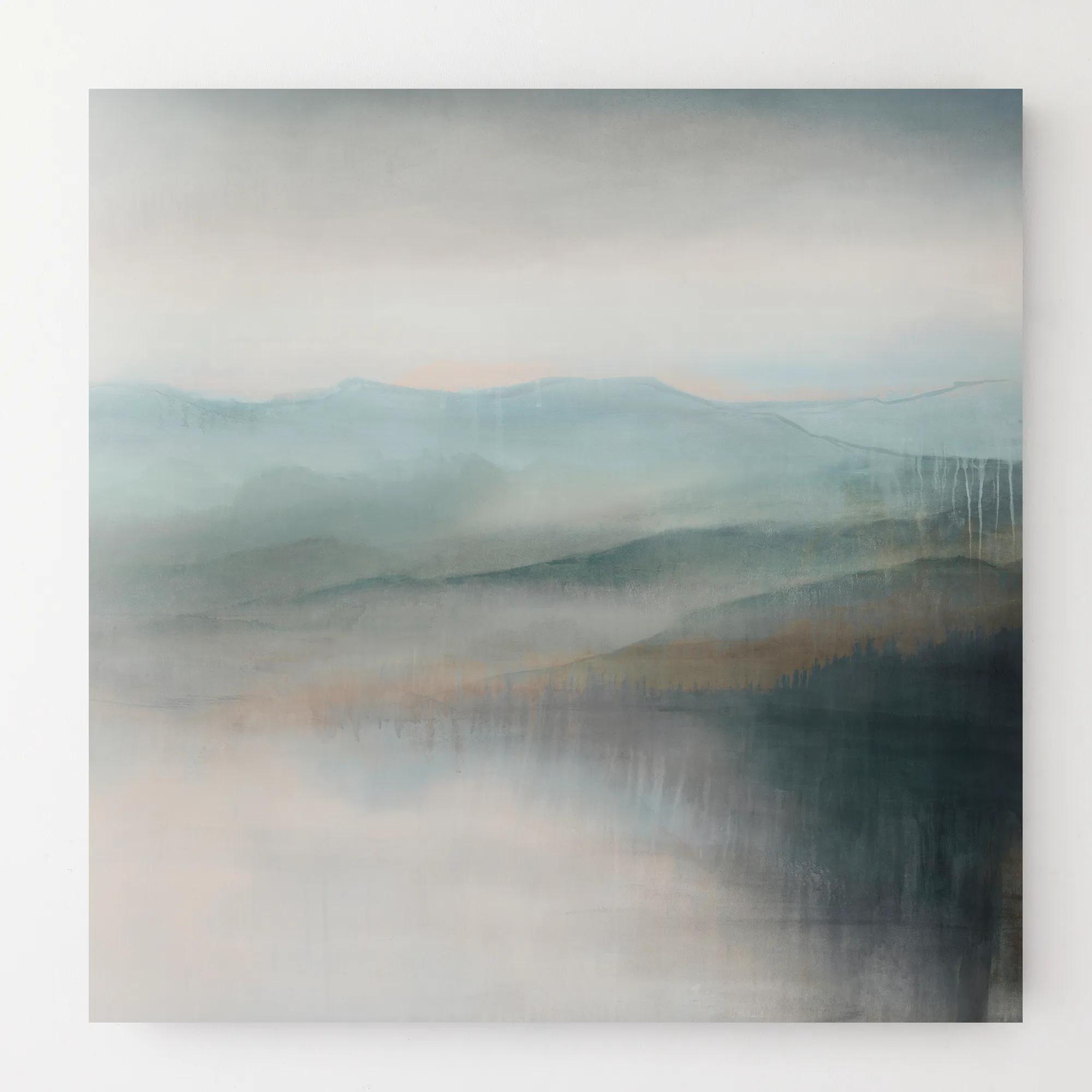
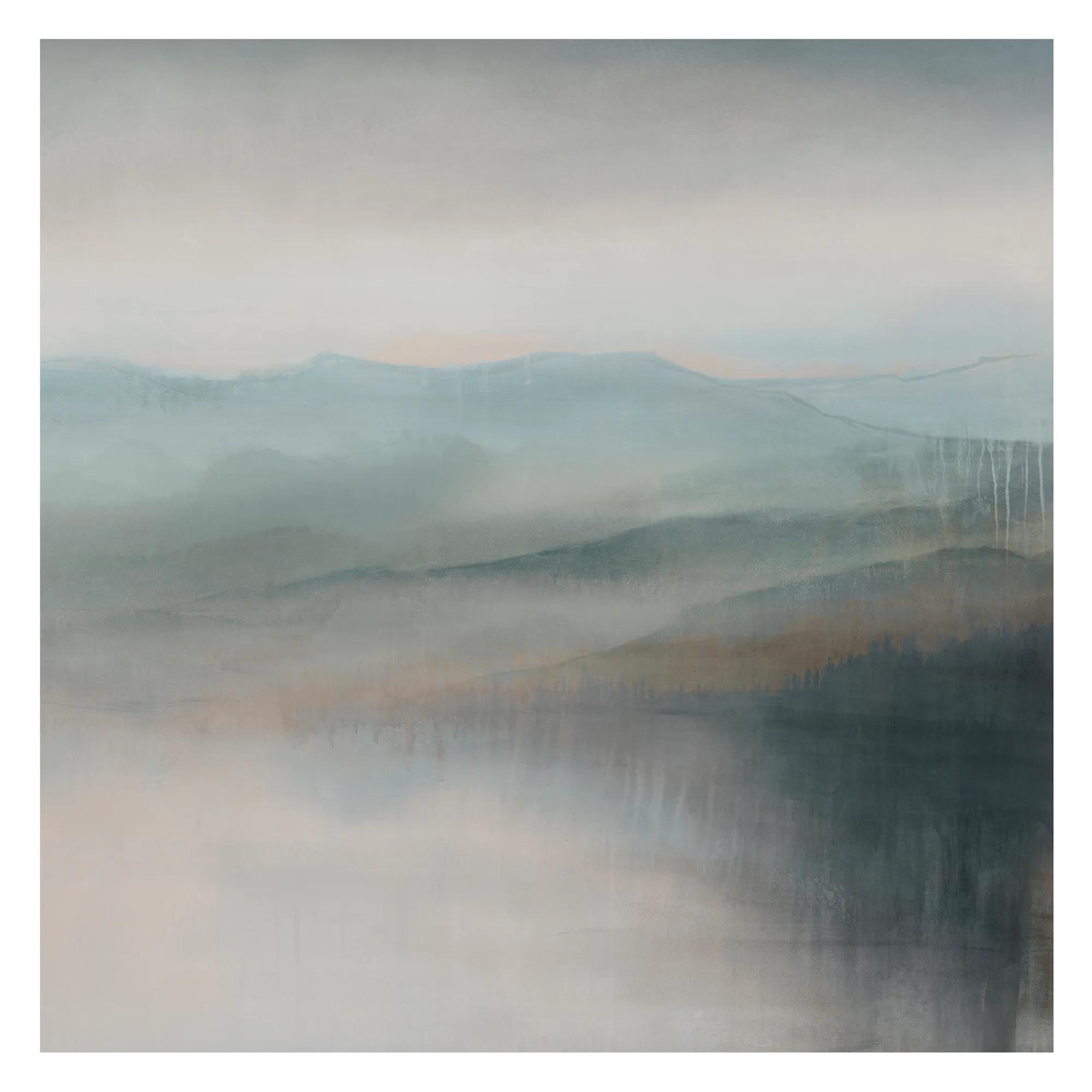 Morning Lift Wall Art 30" x 30"$399
A gallery-wrapped canvas artwork featuring a hand-applied image brush gel finish for added texture and depth.
Add To Cart -
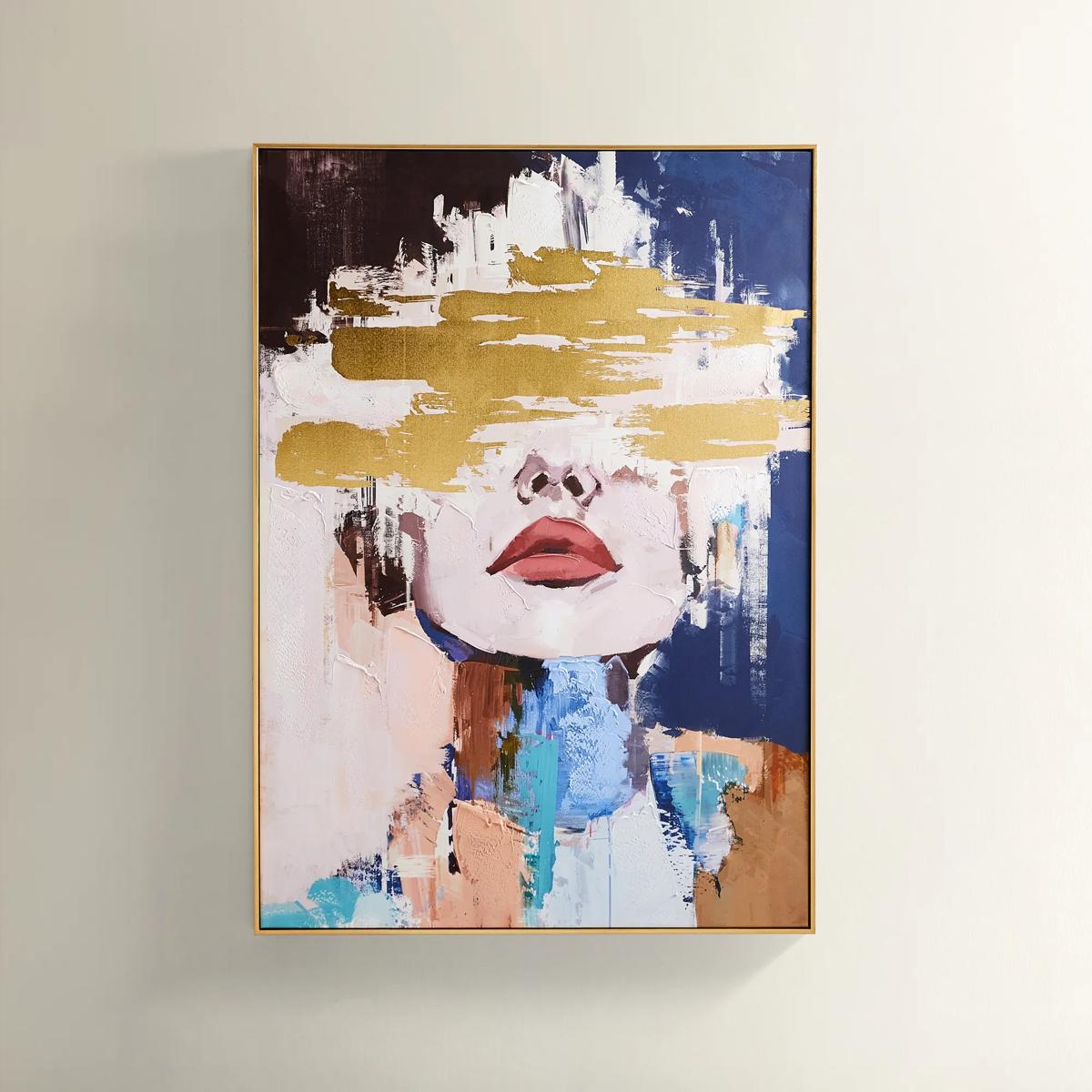
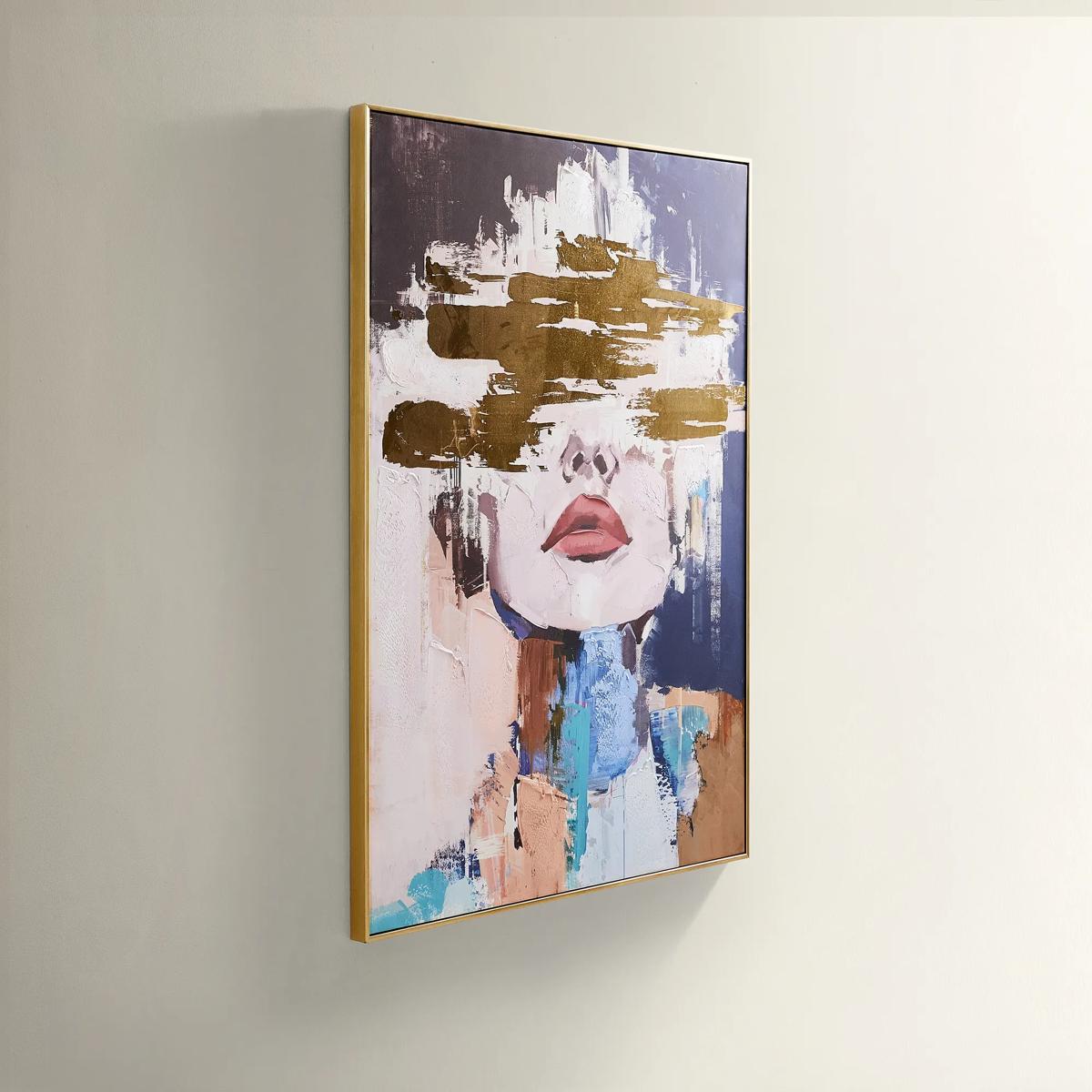 Waiting in Color Gold Foil Painted Wall Art 39.25" x 55"$499
A hand-painted abstract portrait in vivid blue, blush, and gold foil, framed in luxe gold.
Add To Cart -
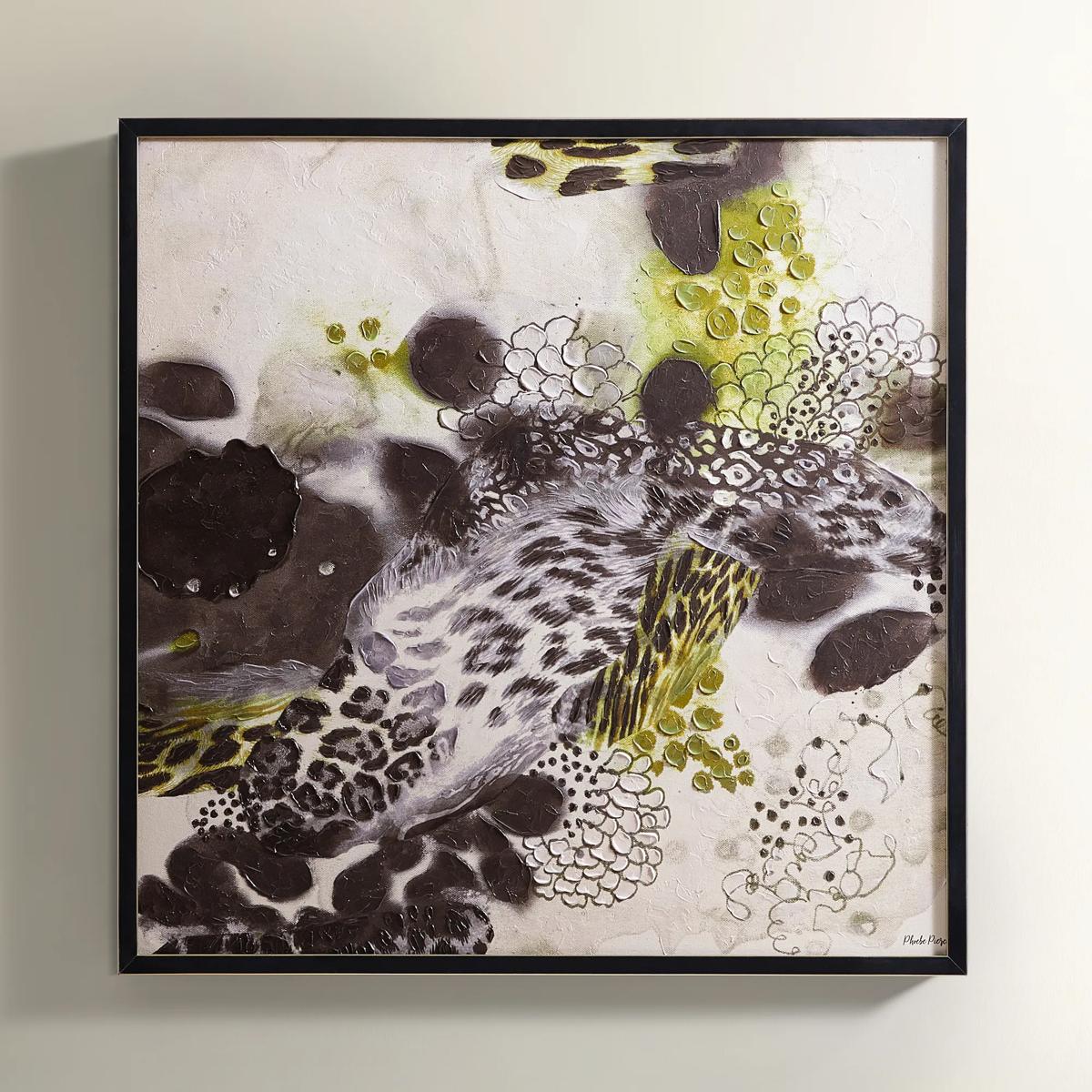
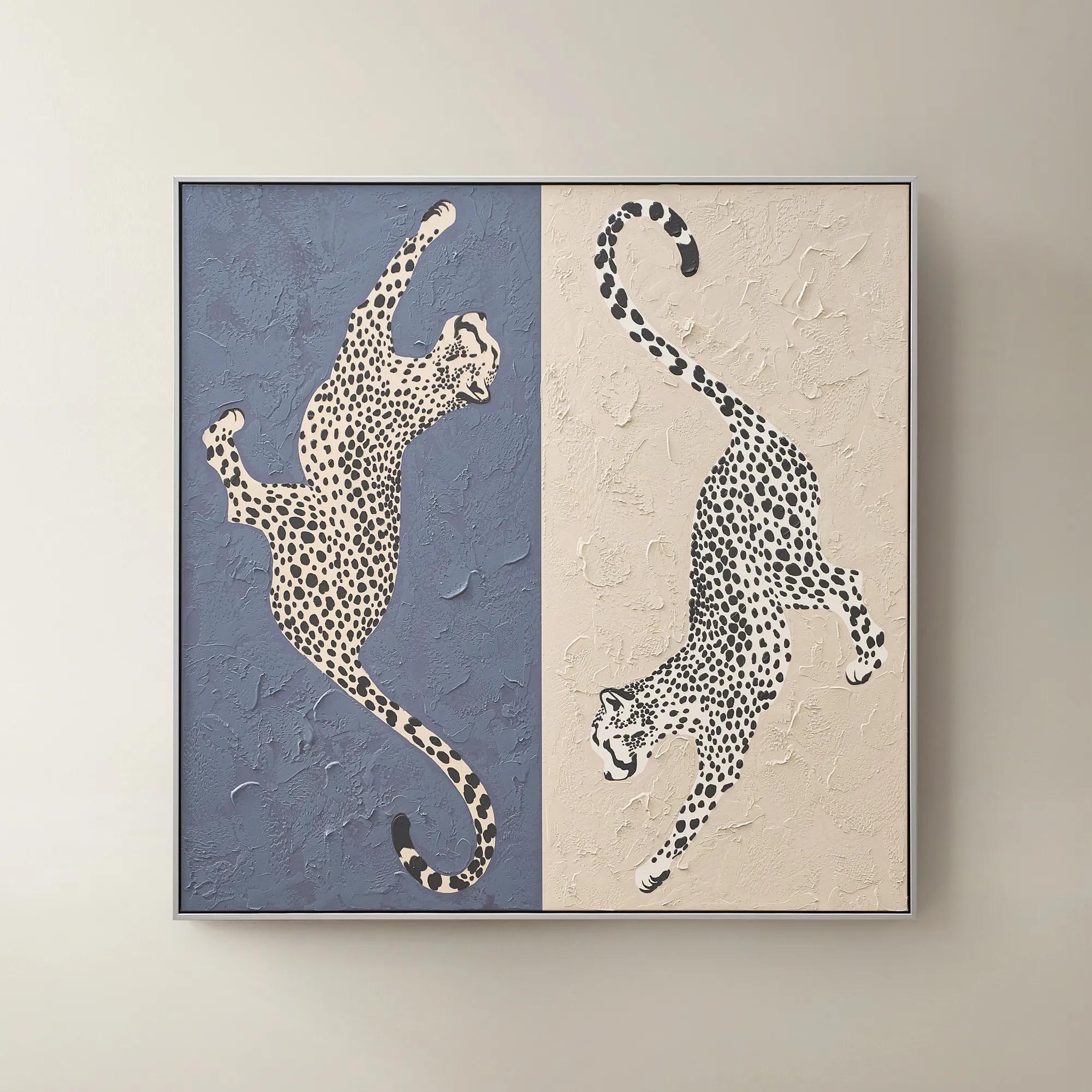 Leopard At Play Framed Painted Wall Art 40" x 40"$299
A hand-painted canvas in ink blue and taupe features playful leopard-inspired art with a silver-black frame.
Add To Cart -
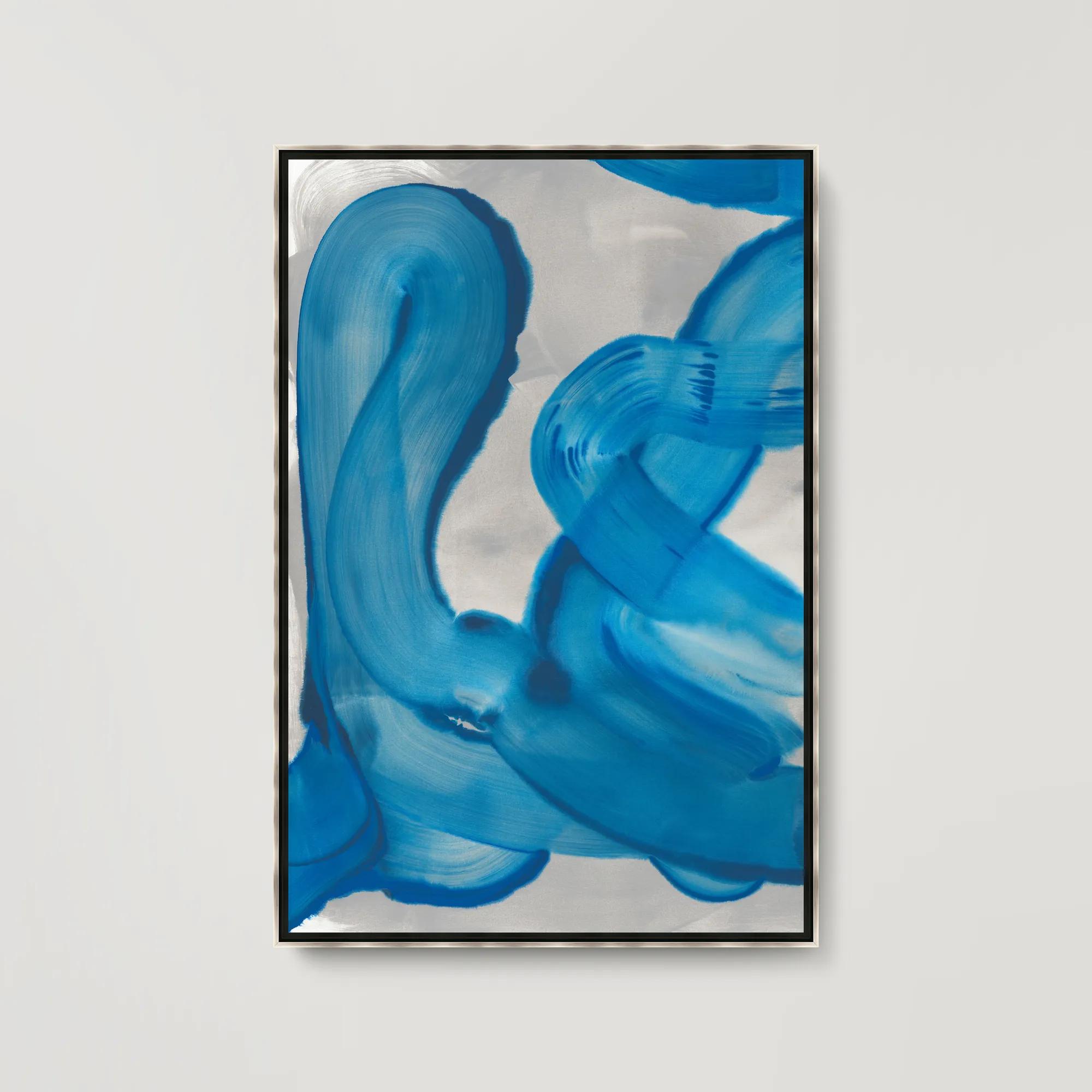 Royal Waves I Framed Wall Art 31.5" x 46.5"$699
A gallery-wrapped abstract canvas featuring hand-applied brush gel and set in a sleek silver floater frame.
Add To Cart -
 Etched in Gold$229
A hand-carved gold copper artwork set in a sleek black alloy frame for modern contrast.
Add To Cart -
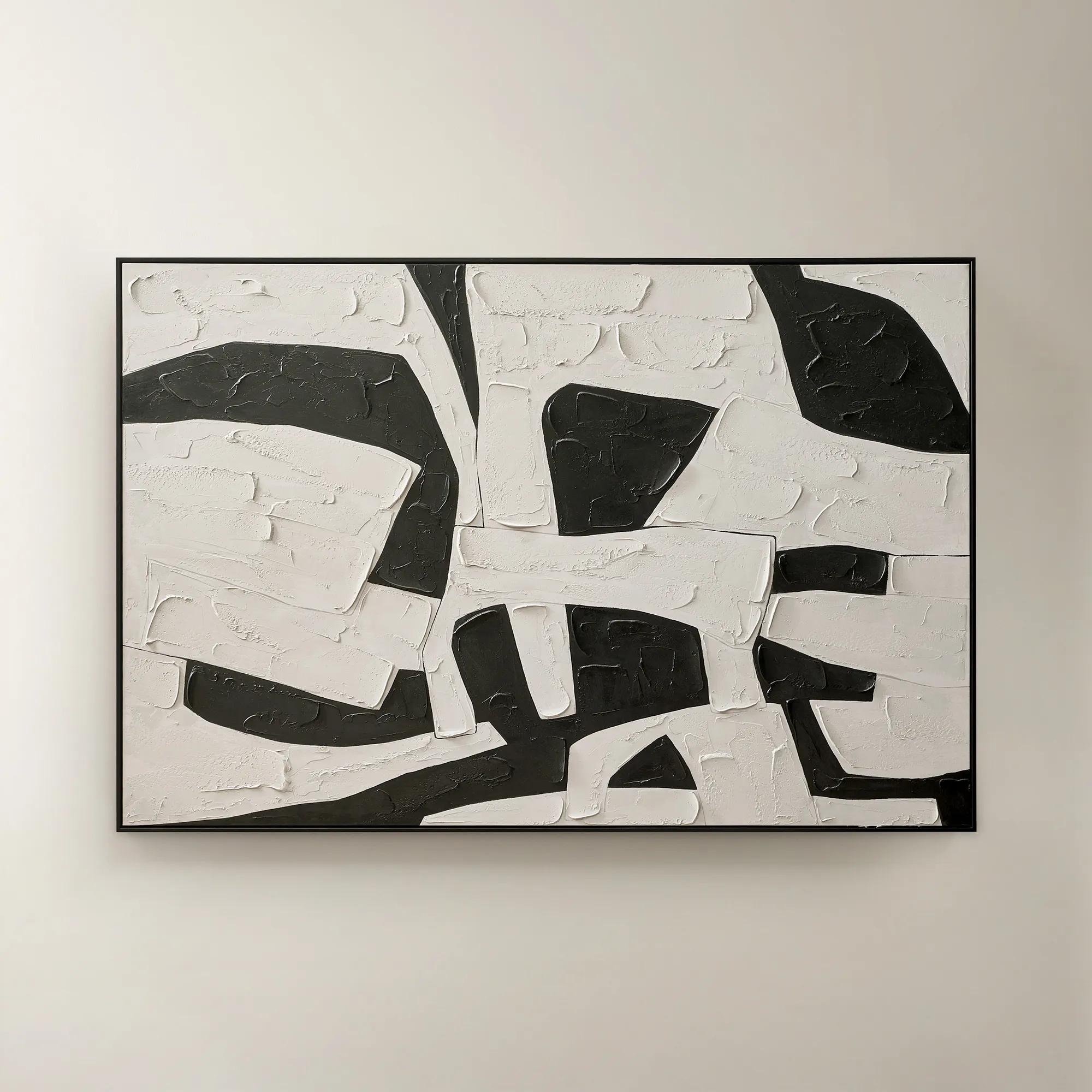 Space Between Shadows Framed Painted Wall Art 72" x 48"$799
A hand-painted abstract canvas featuring bold alabaster and black geometric forms in a sleek black frame.
Add To Cart -
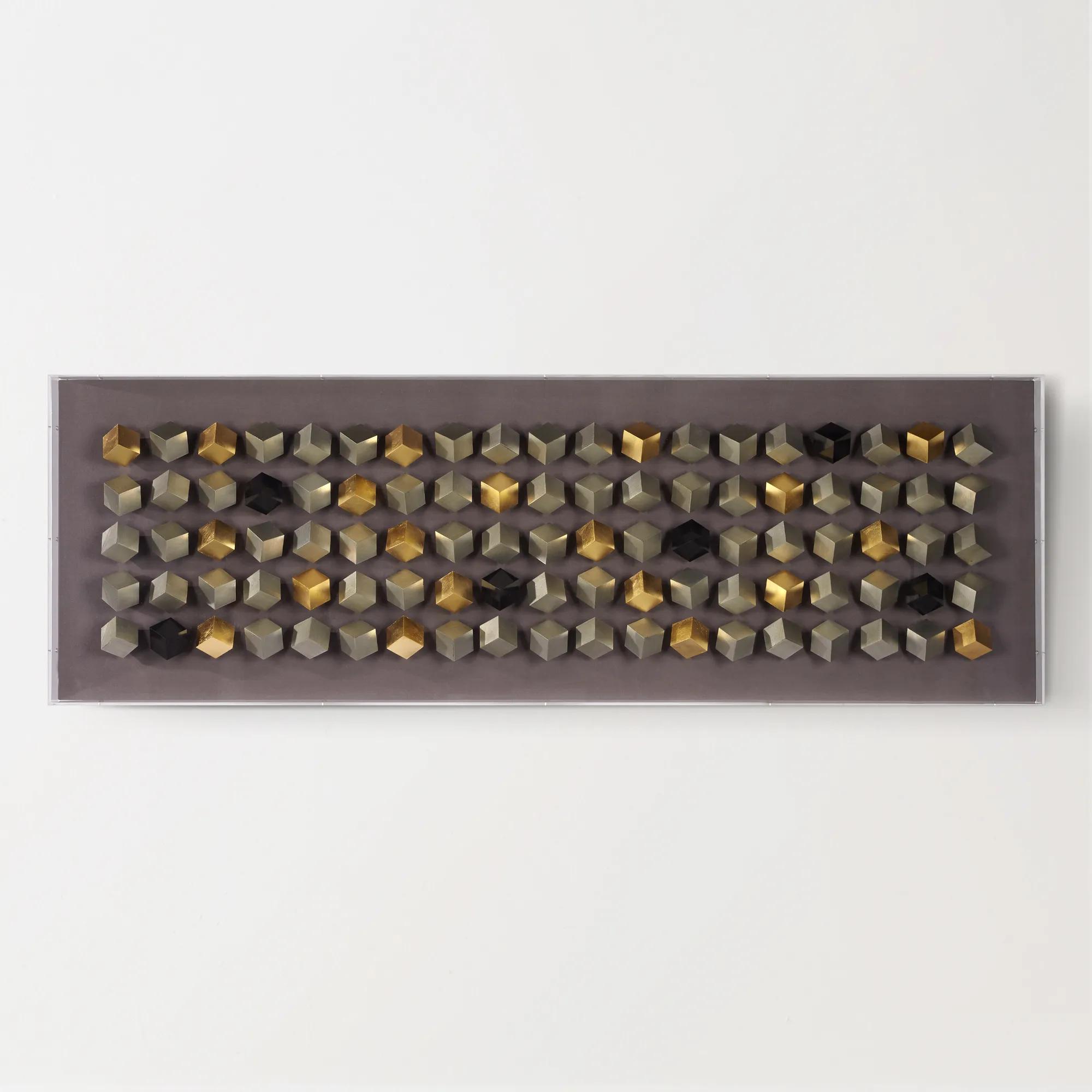
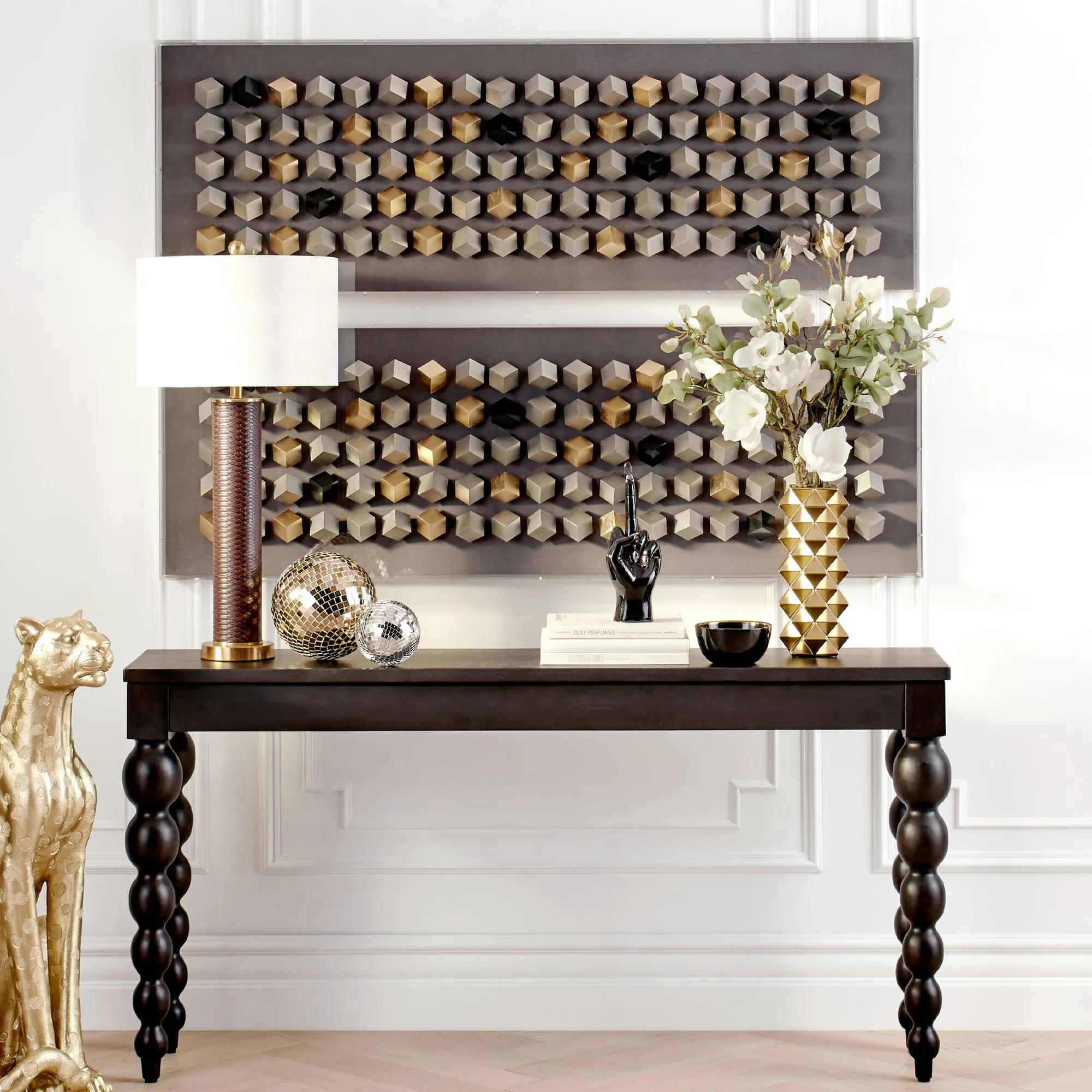 Cubic Array Dimensional Wall Decor in Acrylic 59" x 19.75"$599
A striking shadowbox wall art featuring a cubic, dimensional design with a tri-tone metallic finish.
Add To Cart -
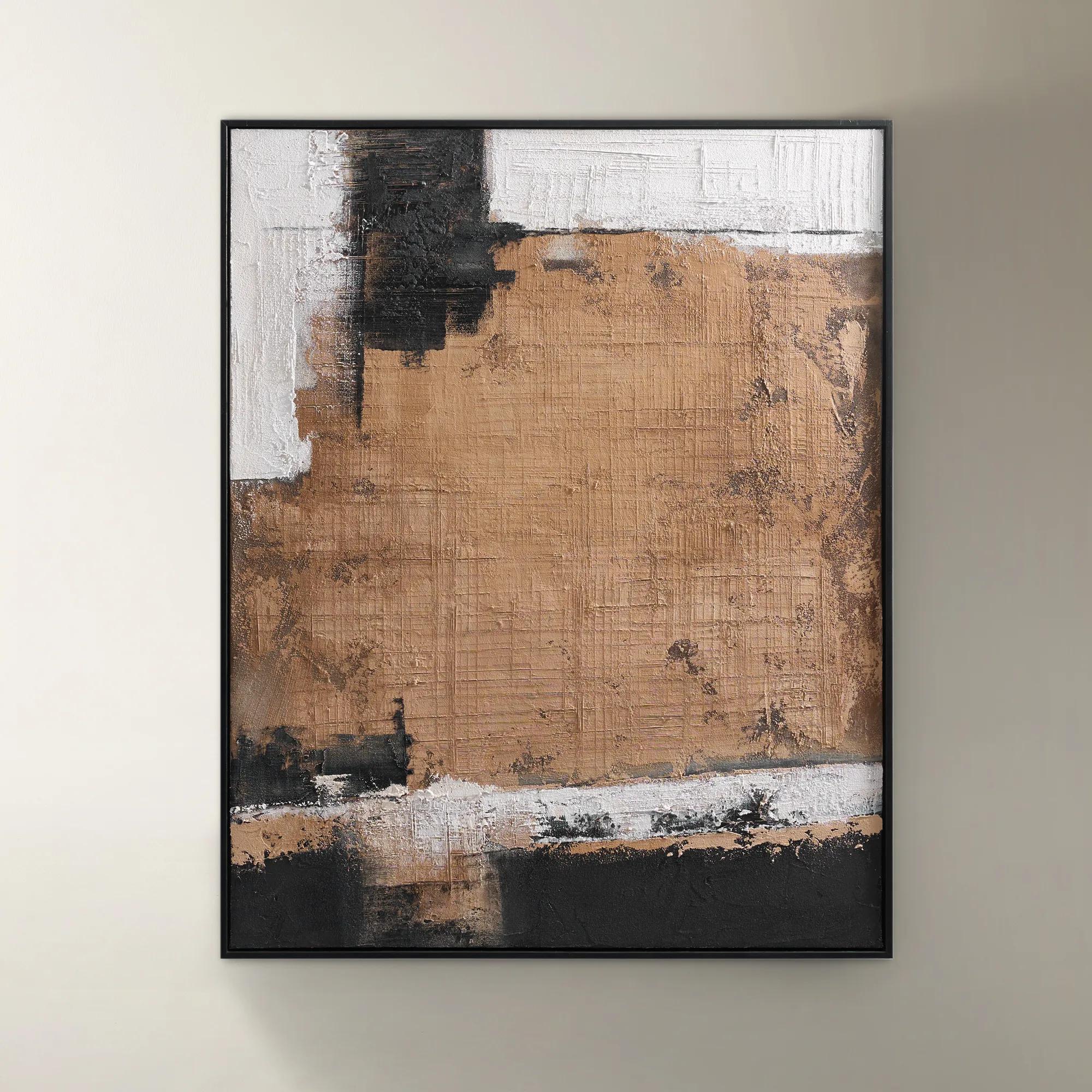
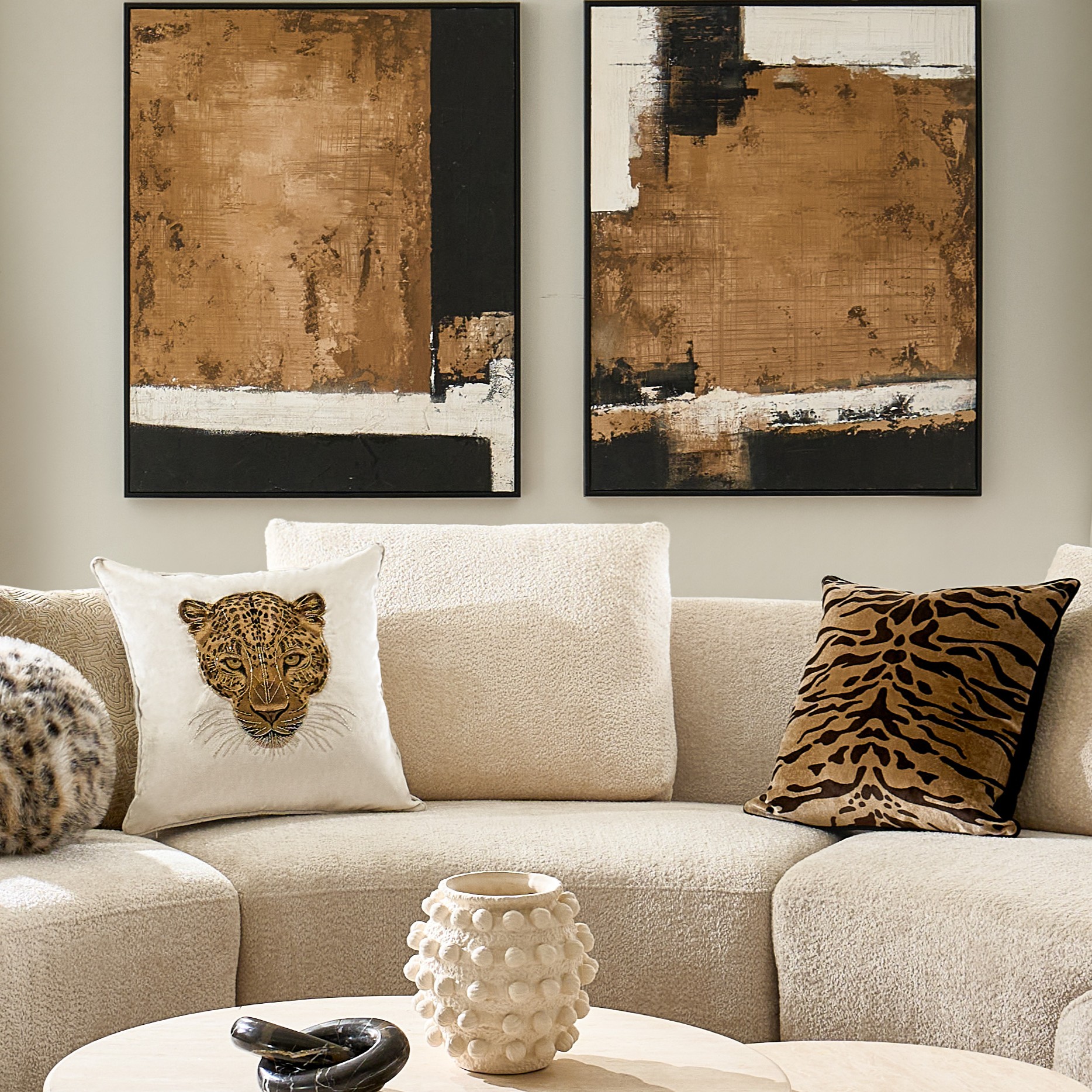 Drift Framed Painted Wall Art II 39.4" x 31.5"$299
A hand-painted canvas in brown, featuring bold texture and color interplay within a sleek black floater frame.
Add To Cart

Home Office Art Ideas
Explore home office art ideas to give your workspace a distinctive point of view. Find wall art that complements your office decor, with color and composition that set a focused or expressive mood. Consider the artwork’s scale in relation to your desk and nearby furnishings to create a striking focal point without overwhelming the room.
Home office art ideas should give your workspace a point of view, turning the room where you think, plan, and create into a reflection of your personal style. Begin with the atmosphere you want to shape: sweeping abstract wall art brings movement and expressive color, while black-and-white photography lends a crisp, editorial presence. For a more contemplative setting, consider landscape art with expansive horizons or botanical prints with graceful, sculptural forms. Let your desk, rug, and upholstery guide the palette without requiring every shade to match. A single color echoed between your artwork and a nearby accent can create continuity, while an unexpected jewel tone introduces a striking contrast. Large wall art makes a compelling focal point in a spacious home office; in a smaller workspace, one generously scaled piece can feel more intentional than several unrelated accents. Choose imagery you enjoy returning to, giving your office wall decor lasting personal meaning rather than simply filling an empty wall. Placement gives home office wall art its presence, so consider both the architecture of the room and the view from your chair. Above a desk or credenza, start with artwork approximately two-thirds the width of the furniture beneath it, adjusting for nearby windows, shelving, and the height of your monitor. Leave enough breathing room around the composition so the workspace feels composed rather than crowded. A home office gallery wall offers a more layered approach: combine abstract prints, photography, and meaningful artwork, then connect the arrangement through a recurring color or consistent frame finish. Keep spacing between frames even, and test the layout with paper templates before hanging. For office art behind your desk, consider how the arrangement will appear during video calls; a distinct focal point and a restrained supporting composition can create an expressive backdrop without overwhelming the screen. Finally, check the artwork in daylight and under evening lighting, avoiding positions where glare obscures the image. These thoughtful decisions allow your art to define the room while keeping everyday work comfortably in focus.
FAQs
Abstract art, architectural photography, and expressive line drawings can give a home office a distinctive point of view. Choose fluid compositions for a softer mood or graphic imagery for a more commanding presence. Let your personal interests guide the subject matter so the room feels thoughtfully collected rather than purely functional.
Take your cue from the room’s existing palette, then decide where you want contrast. Black-and-white artwork brings crisp definition to layered neutrals, while jewel-toned compositions introduce a rich focal point. Echo an accent color in your desk accessories or decorative objects to carry the story throughout the space.
Give your home office gallery wall a unifying thread, such as a shared palette, recurring subject, or consistent frame finish. Combine abstract compositions with photography or drawings for an artful mix. Plan the arrangement before hanging, allowing each piece its own breathing room while keeping the collection visually connected.
Display artwork above a desk for a defined focal point, beside a reading chair for a more intimate vignette, or behind your seat for an expressive video-call backdrop. Art layered on a bookshelf adds another opportunity for personality, especially when paired with sculptural objects and a considered selection of books.
Look for a shared design language rather than an exact match. Curved forms in artwork can echo sculptural furniture, while geometric compositions complement crisp silhouettes. Repeat a color or finish across a few accents, then introduce contrast so the office feels cohesive without losing its sense of drama.