
Home Office Upgrade Ideas
Home Office Upgrade Ideas
-
 Lucia Ivory Performance Chenille Swivel Desk Chair$499
A beige texture weave desk chair featuring a brass-plated metal base and adjustable gas lift for comfort.
Add To Cart -

 Stria Reeded White Oak Open Bookcase (80")$2699
A modern open bookcase featuring vertical reeded white oak, soft gold metal trim, and five spacious shelves.
Add To Cart -
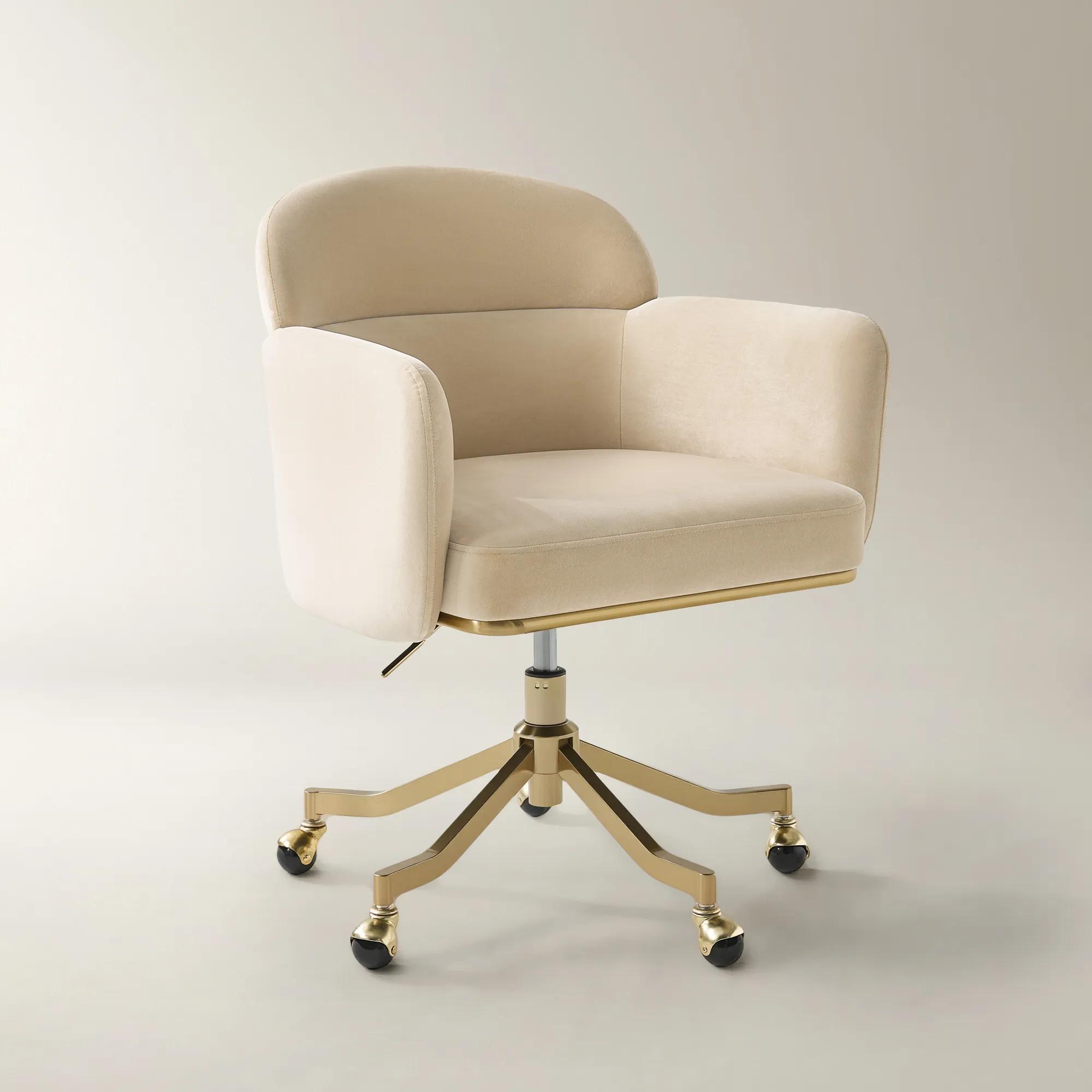 Paige Oatmeal Velvet Swivel Desk Chair$399
An oatmeal velvet swivel chair with adjustable height, ergonomic design, and a polished metal base with casters.
Add To Cart -
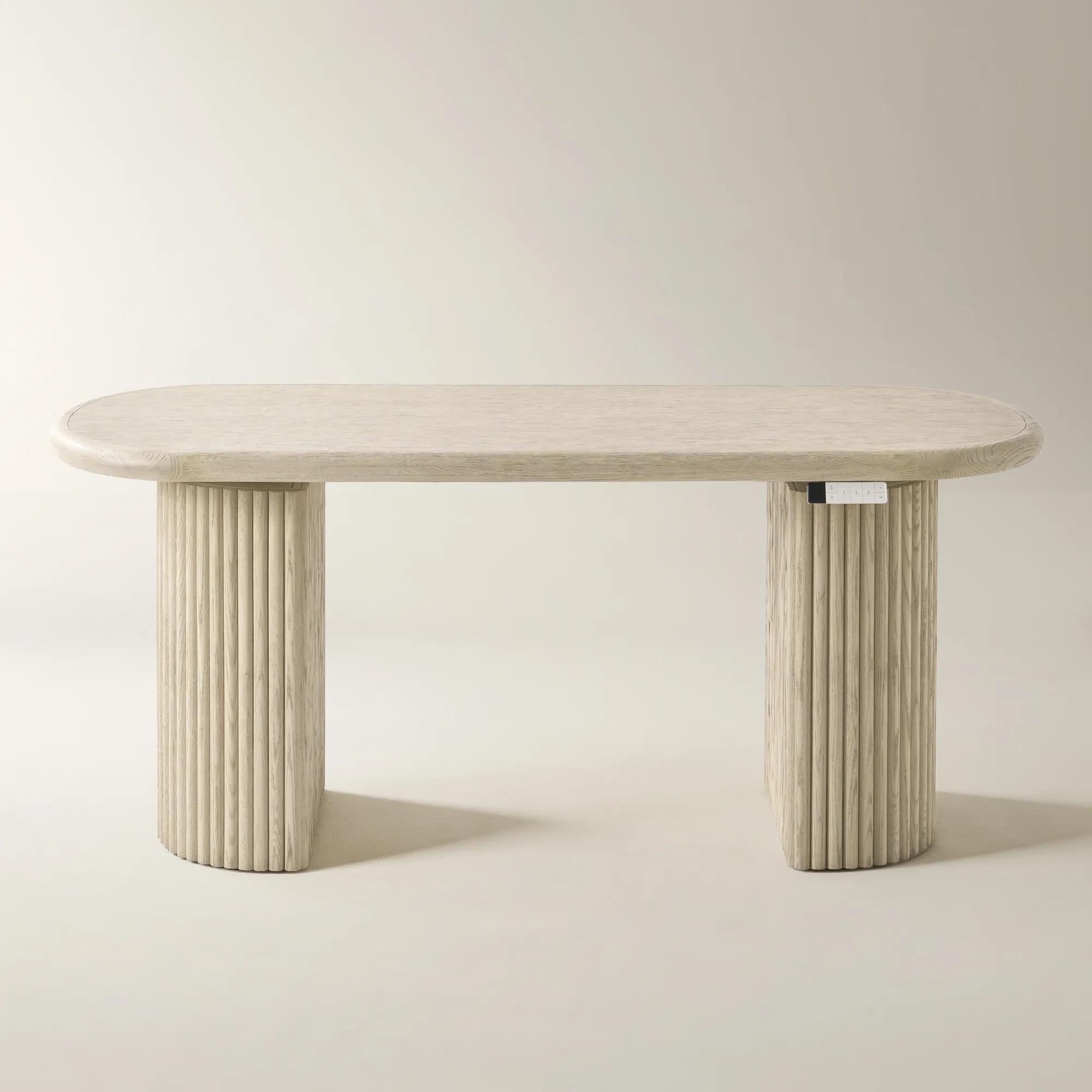 Stria Oval Reeded White Oak Electric Lift Desk (68")$2199
A white oak desk with vertical reeded texture, soft gold accents, and dual-motor electric lift functionality.
Add To Cart -
 Vetra Checkerboard Oak and Maple Desk with Drawer (71")$2399
A modern desk featuring a hand-arranged oak and maple checkerboard veneer, gold accents, and a concealed drawer.
Add To Cart -
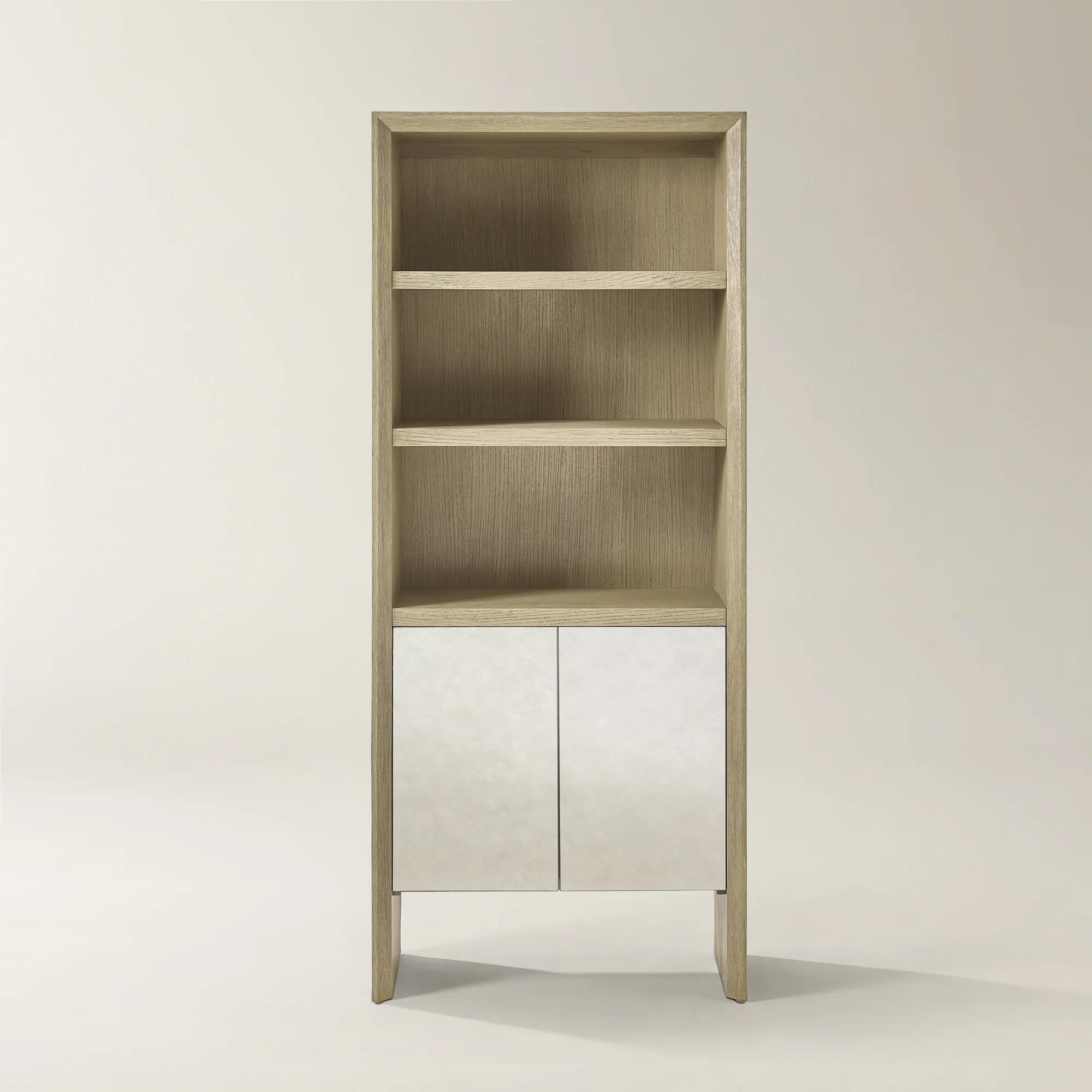
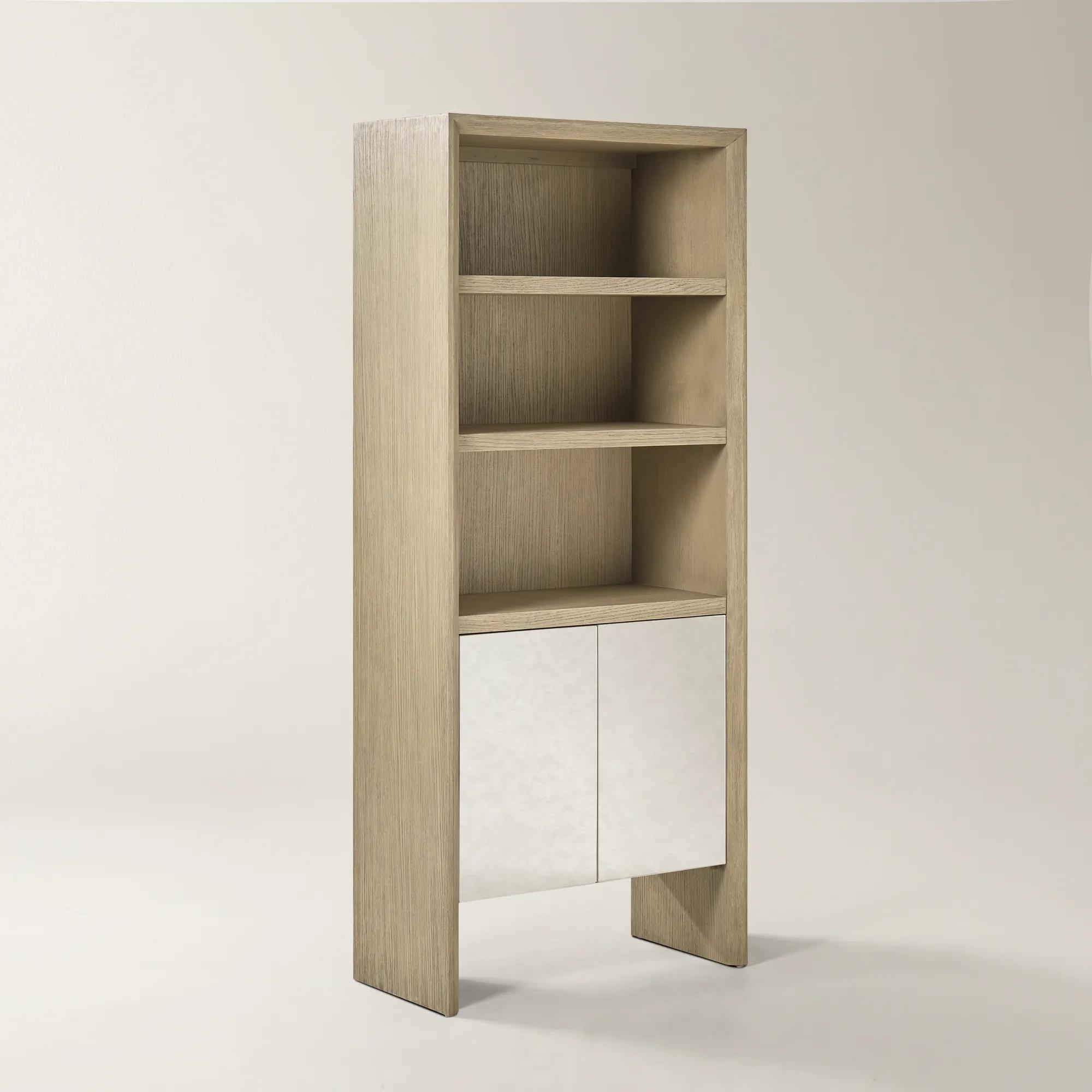 Glimmer Mirrored Sea Drift Oak Bookcase (80")$2599
A two-tone oak bookcase featuring antique mirrored doors, open shelving, and soft-close concealed storage.
Add To Cart -

 Nia Lacquered Turtle Dove Wood Desk (62")$1099
A modern desk featuring a soft turtle dove lacquer finish, cylindrical legs, and engineered wood construction.
Add To Cart -

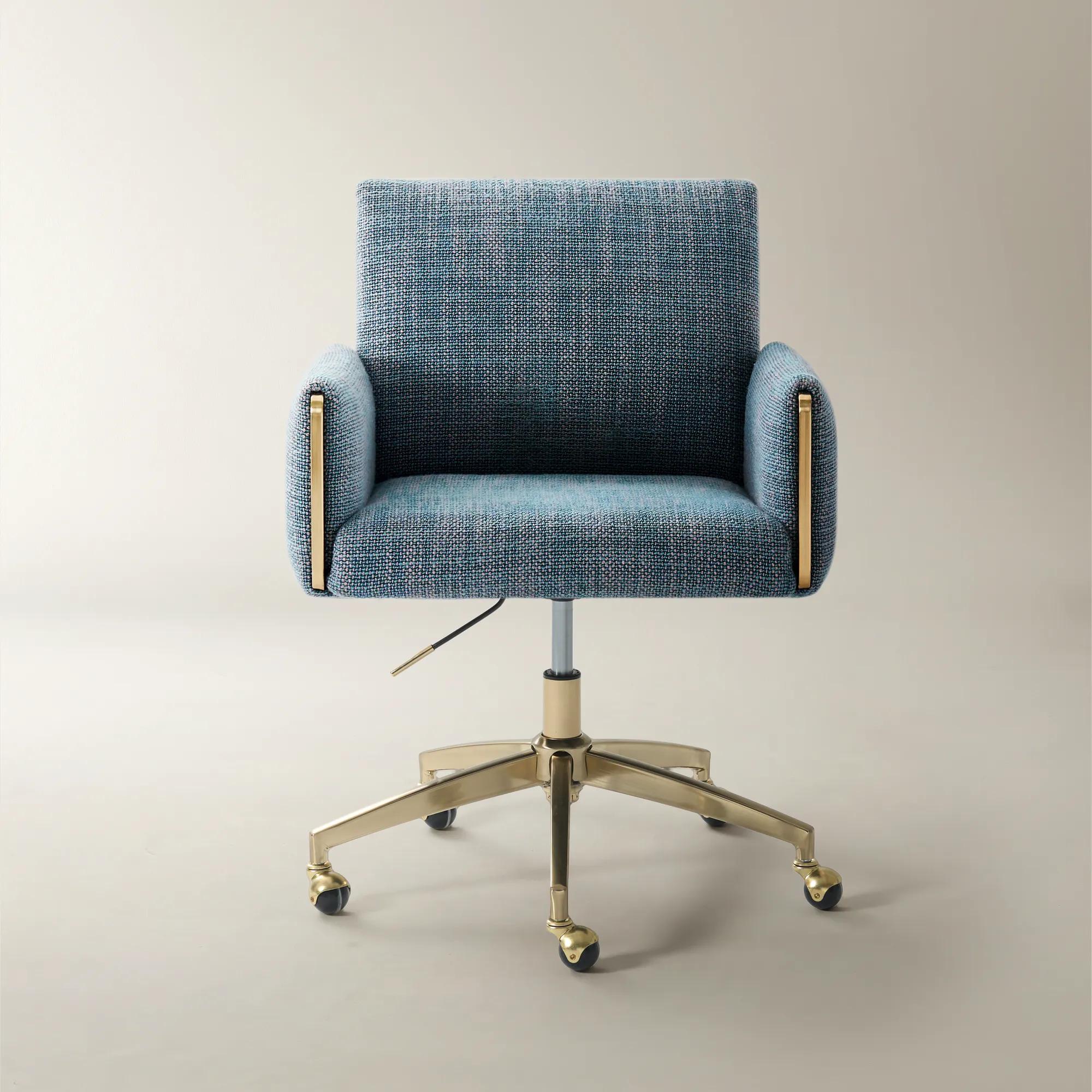 Lucia Peacock Performance Chenille Swivel Desk Chair$499
A peacock blue desk chair featuring textured polyester upholstery, brass-plated metal base, and adjustable comfort.
Add To Cart -
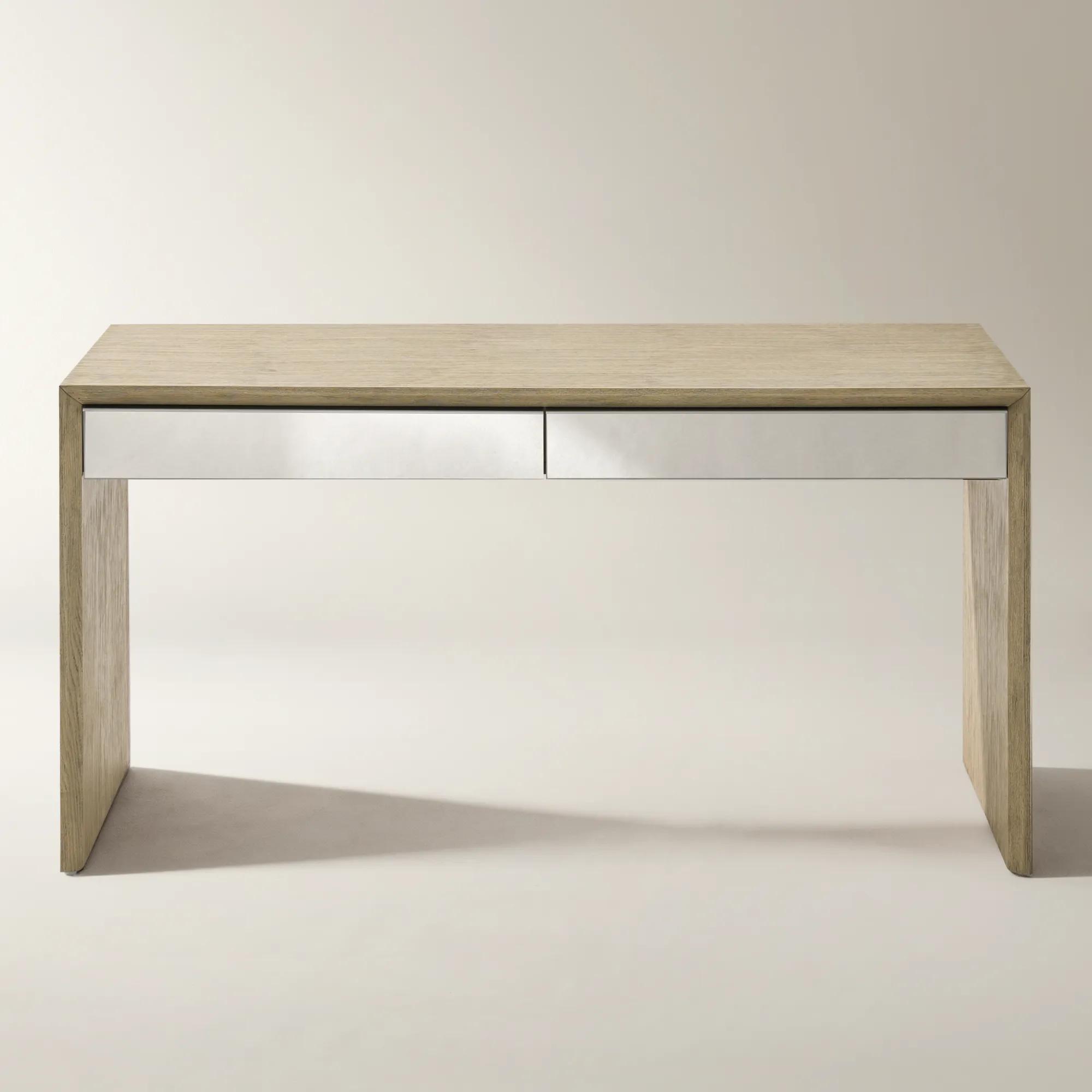 Glimmer Mirrored 2-Drawer Sea Drift Oak Desk (62")$1499
A two-tone oak veneer desk featuring antique mirrored soft-close drawers with velvet-lined interiors for refined style.
Add To Cart -
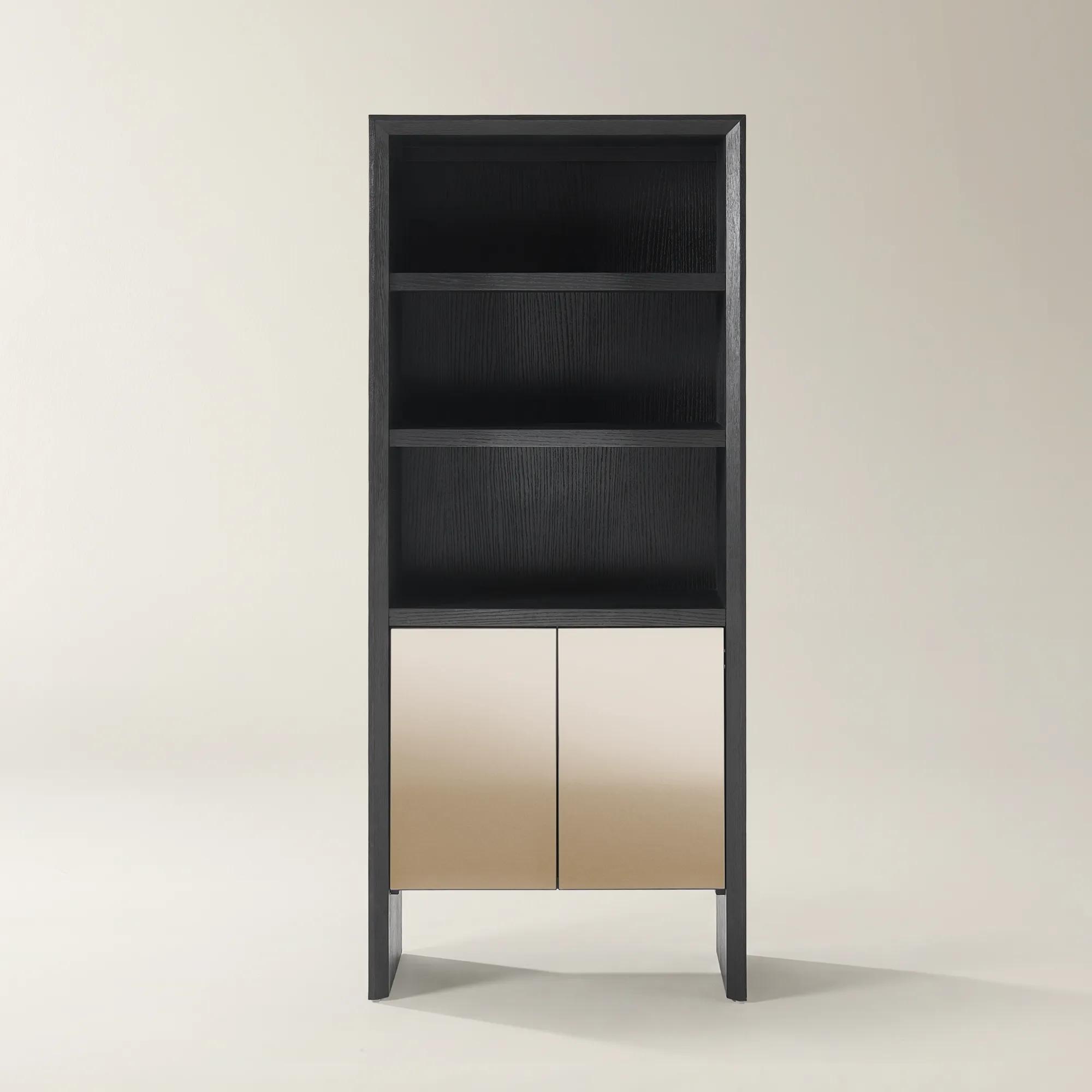
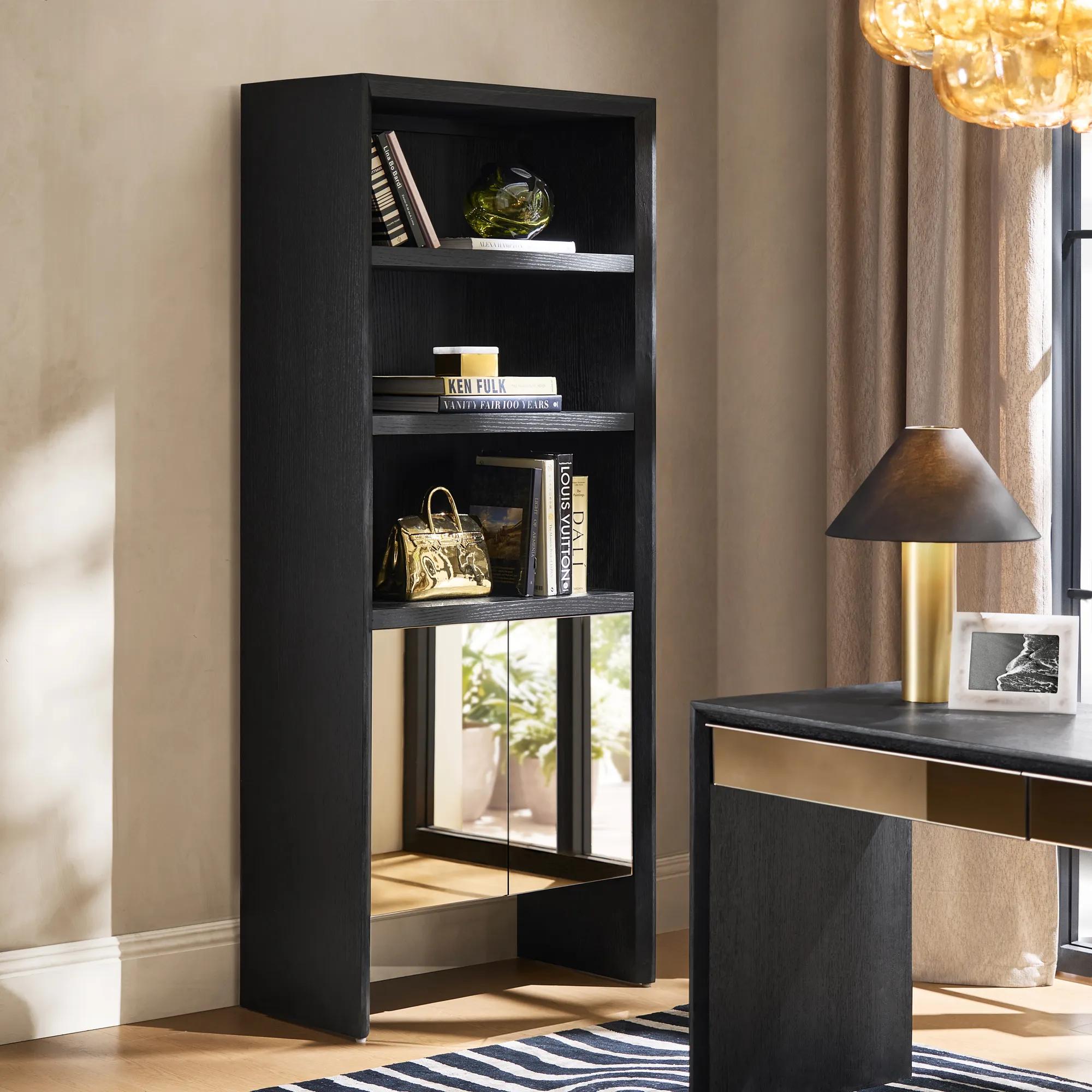 Glimmer Mirrored Black Oak Bookcase (80")$2599
A modern black oak bookcase featuring bronze mirrored doors, open shelving, and soft-close concealed storage.
Add To Cart -
 Stria Reeded White Oak Bookcase (80")$2999
A modern bookcase featuring vertical reeded white oak, soft gold metal accents, and both open and concealed storage.
Add To Cart -
 Glimmer Mirrored 2-Drawer Black Oak Desk (62")$1499
A modern black oak veneer desk featuring bronze mirrored soft-close drawers with velvet-lined interiors for elegant storage.
Add To Cart -
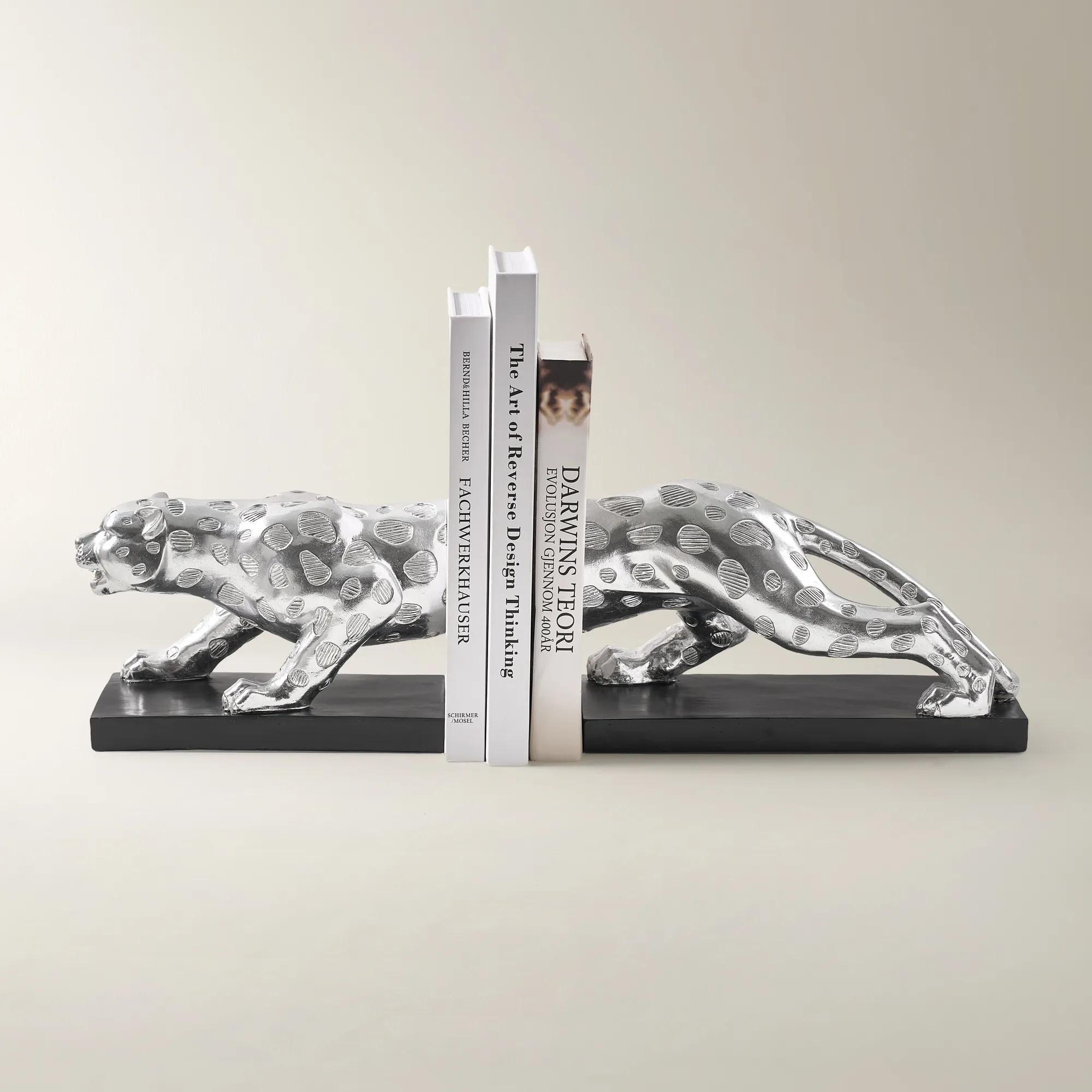 Pose Silver Resin Leopard Bookends$89
A sculptural pair of silver and black polyresin bookends inspired by Leopardo, adding modern glamour.
Add To Cart -
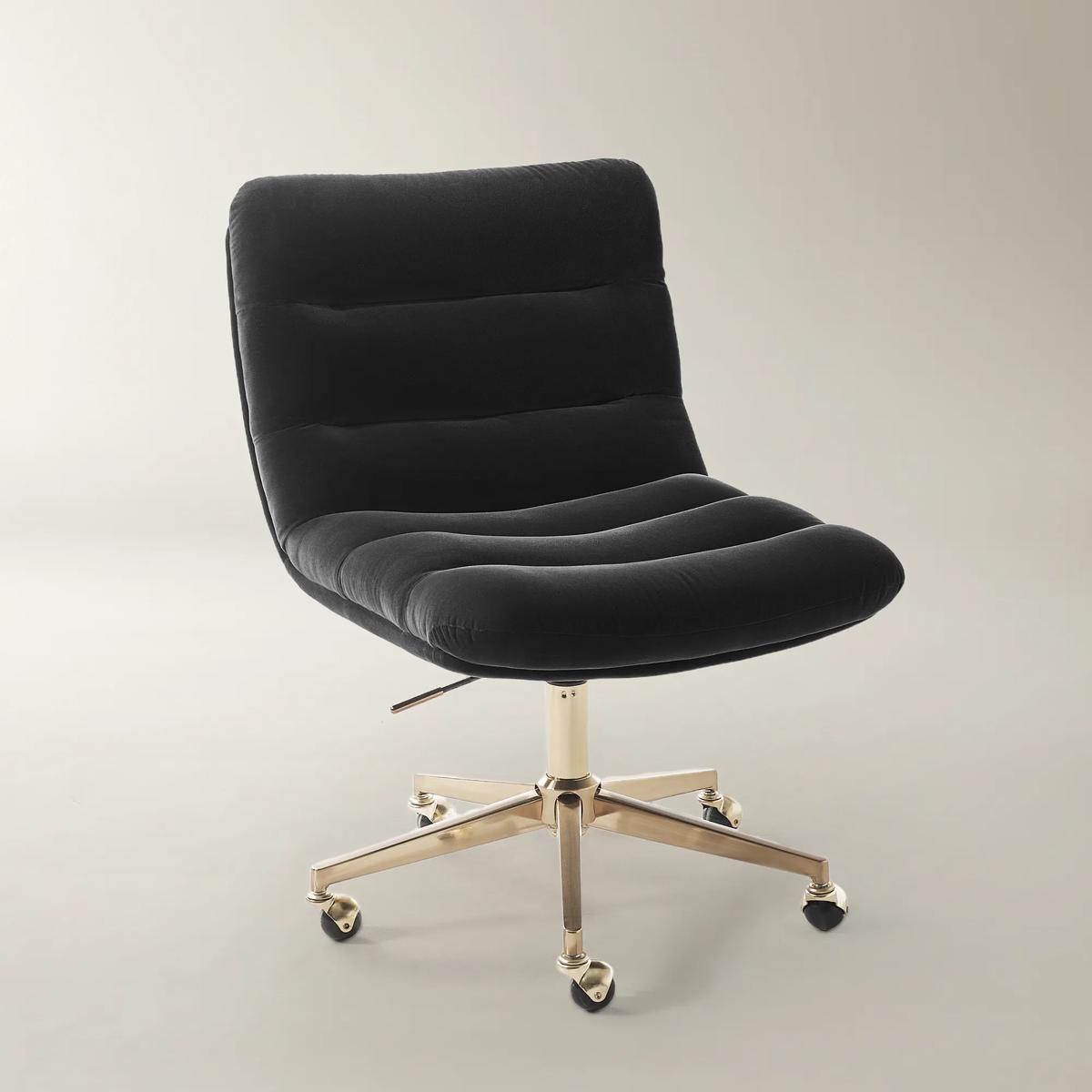 Serena Charcoal Velvet Swivel Desk Chair$399
A charcoal velvet office chair with plush foam cushioning, brass-plated metal base, and adjustable swivel design.
Add To Cart -

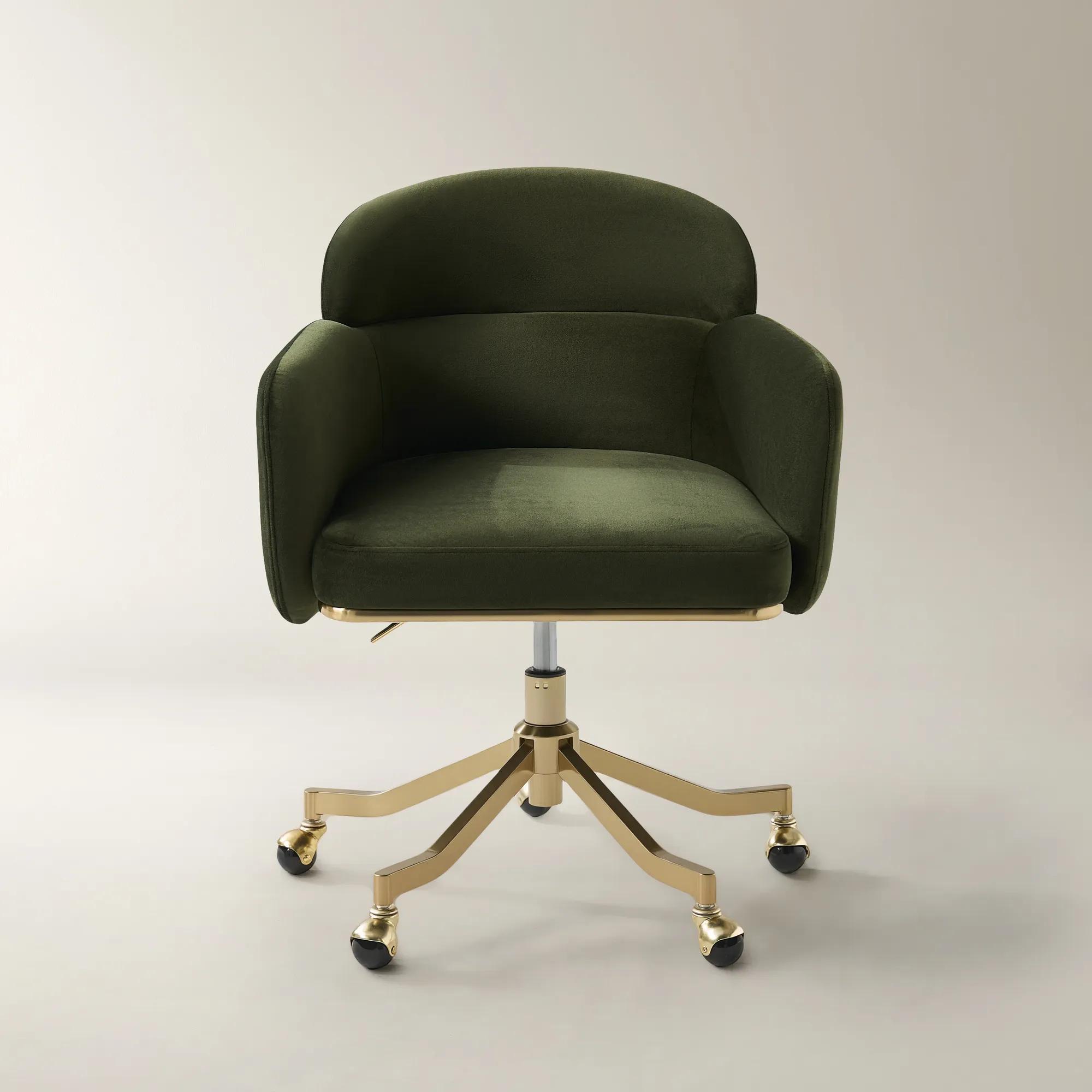 Paige Jade Green Velvet Swivel Desk Chair$399
A jade green velvet swivel chair featuring ergonomic design, adjustable height, and a glossy metal base with casters.
Add To Cart -
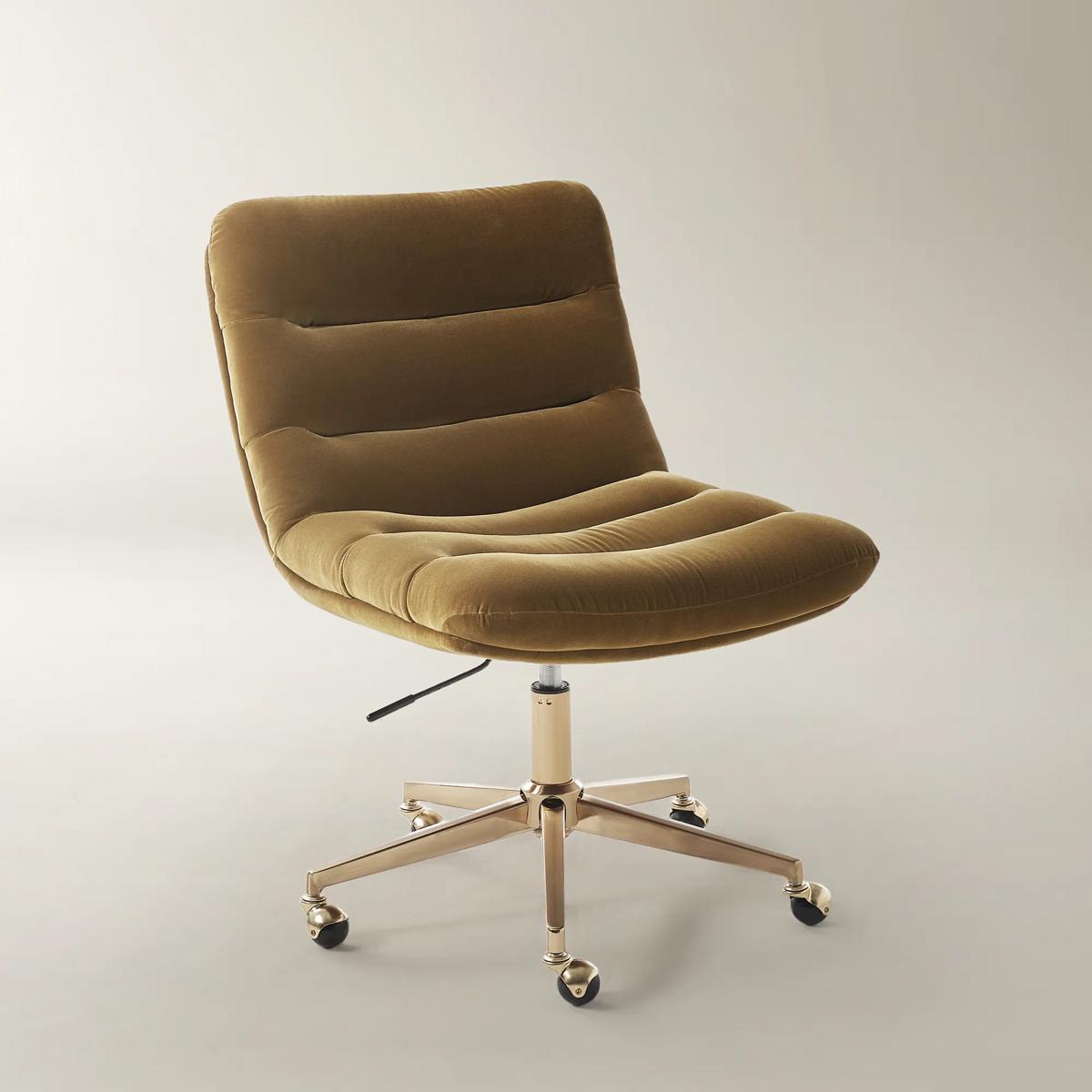
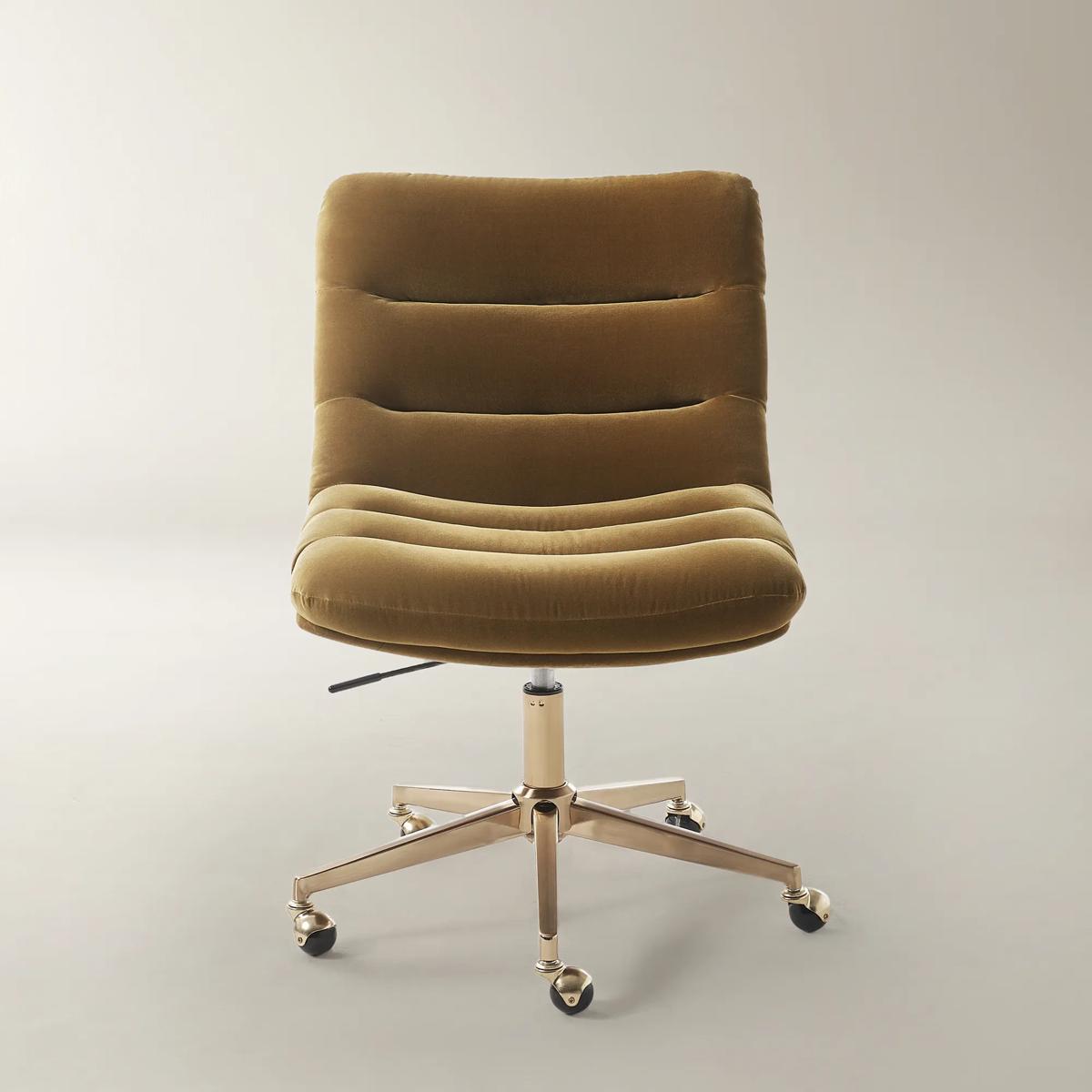 Serena Roasted Pecan Velvet Swivel Desk Chair$399
A brown velvet desk chair featuring adjustable tilt, brass-plated base, and smooth swivel wheels for comfort.
Add To Cart -
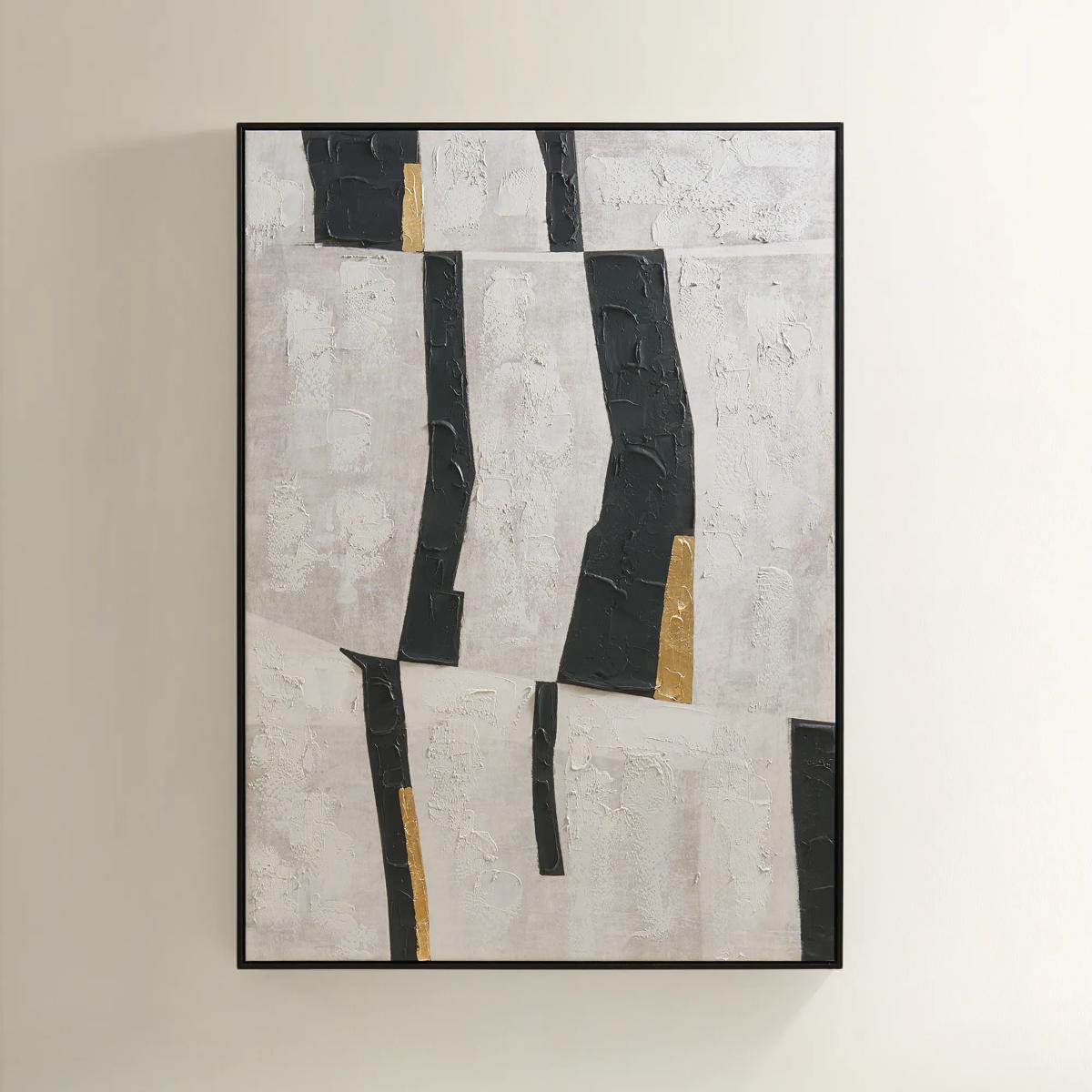
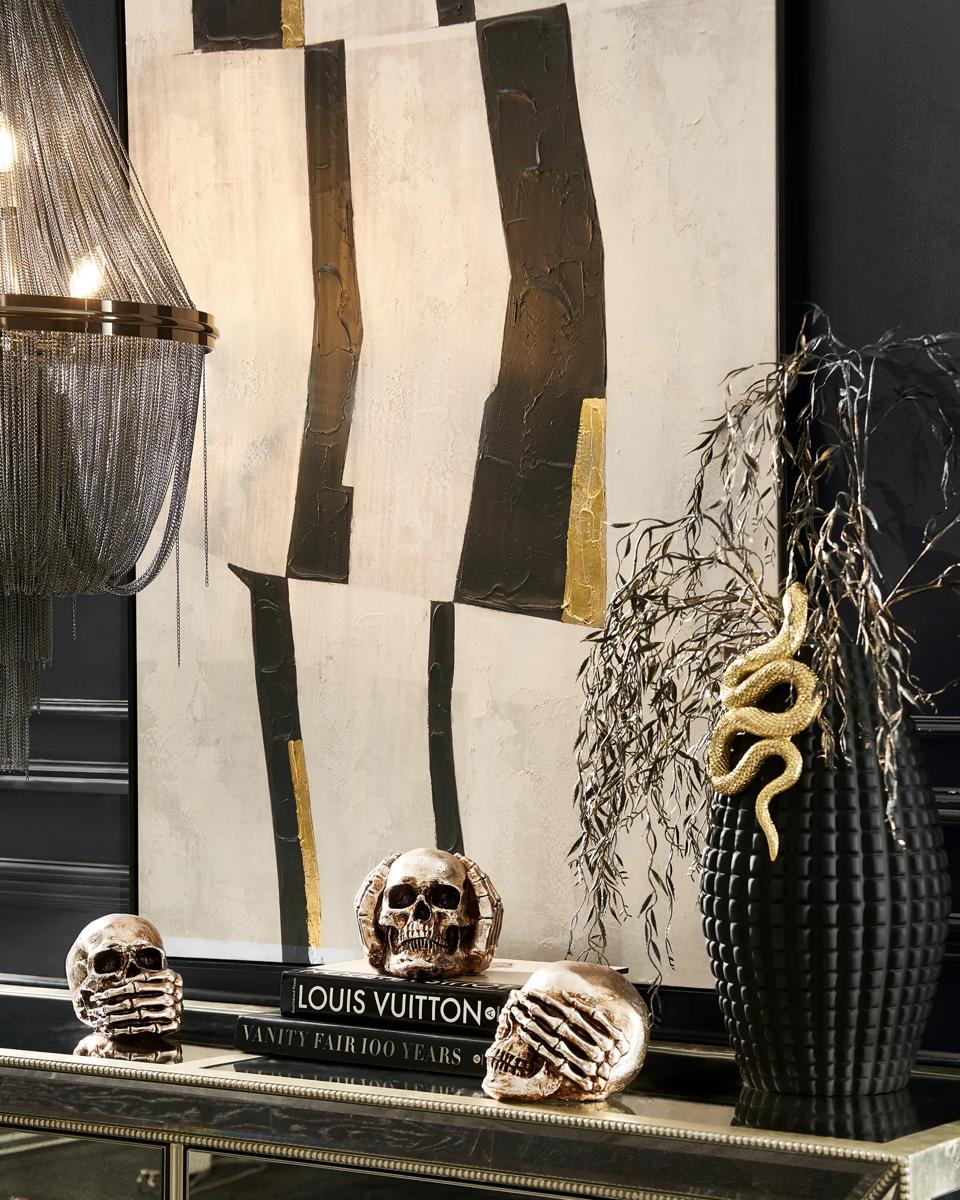 Into the Groove Painting$449
A modern abstract canvas featuring black, gray, and gold leaf accents in a sleek black floater frame.
Add To Cart

Home Office Upgrade Ideas
Explore home office upgrade ideas with furniture and decor that bring expressive style to your workspace. Shop with your room’s dimensions, daily routine, and existing palette in mind, looking for pieces that leave ample space to work while adding visual drama. Let scale and proportion guide a room that feels purposeful, polished, and distinctly yours.
The most effective home office upgrades bring together supportive seating, a properly scaled desk, layered lighting, and organized storage, with expressive details that make the room unmistakably personal. A workspace should accommodate the way its owner actually works: a laptop and notebook call for a different surface than dual monitors, reference books, and a spread of presentation materials. Desk dimensions matter beyond the tabletop. Comfortable legroom, clearance for opening drawers, and enough space to move a chair without catching a rug or striking a cabinet all influence how the room feels throughout the day. In a compact apartment, a streamlined writing desk can establish a dedicated work area without overwhelming the surrounding furniture; in a separate study, a substantial desk can give the room an architectural focal point. Wood and wood veneers introduce depth through grain and tone, while glass, polished metal, and stone bring distinct expressions of light and texture. Each material has practical considerations: glass reveals fingerprints, reflective surfaces can amplify glare, and natural stone may require protection from spills or acidic liquids. Manufacturer care instructions should guide cleaning, with coasters, desk pads, and prompt attention to spills helping preserve the finish. Seating deserves equal attention. Seat height should allow feet to rest securely on the floor or a footrest, while the relationship between chair and desk should support relaxed shoulders and easy movement. Adjustable features can help accommodate different users, but upholstery, seat depth, back support, and arm clearance also shape everyday comfort. A sumptuous upholstered chair may suit a reading corner or occasional correspondence, while extended computer work generally calls for seating designed for sustained desk use. Durable upholstery and accessible cleaning instructions become especially important in frequently used rooms. The strongest home office upgrade ideas balance these practical requirements with a confident visual direction, allowing a sculptural desk base, a beautifully grained surface, or a tailored chair to establish character without compromising the working area. For a shared workspace, adaptable proportions and unobstructed circulation help the room serve more than one person gracefully.
Lighting gives a home office its atmosphere, but it also determines how comfortably the space supports detailed work. Overhead illumination provides a foundation, while a task lamp directs light toward paperwork, sketches, or a keyboard without requiring the entire room to feel brightly lit. An adjustable shade or articulated arm offers useful control as activities change, and a shaded light source can soften the contrast between a luminous screen and its surroundings. Placement matters as much as appearance: a lamp positioned to minimize reflections on a monitor is more useful than one chosen solely for symmetry. A sculptural lighting silhouette can still deliver drama, casting a warm pool of light across a restrained desktop or lending definition to a richly textured wall. Storage contributes another kind of clarity. Drawers conceal small supplies, closed cabinets create a composed backdrop, and open shelving gives books and decorative objects room to become part of the design. For someone moving between video meetings and focused writing, keeping frequently used materials within easy reach can reduce repeated interruptions to retrieve essentials. Cable management helps preserve that visual calm, particularly when a desk floats away from a wall; access to outlets and space for cords should be considered before furniture placement is finalized. Shelving and taller cabinets also require attention to load limits, stable placement, and any anchoring specified by the manufacturer. Beneath the furniture, a rug introduces softness and defines the office within an open living area. A low-pile construction is generally easier for a rolling chair to navigate than a deeply plush surface, though compatibility with chair casters and any protective mat still matters. Rugs, curtains, and upholstered furniture can soften reflected sound, making a room feel less echoing without replacing dedicated acoustic treatment. These layers are especially valuable when an office occupies a bedroom corner or shares space with household activity. The result is a workspace whose polish comes from thoughtful coordination, with lighting, storage, and textiles supporting both concentration and the room’s larger aesthetic.
Personality belongs in a productive room, and decorative details give a home office a presence beyond its working hours. Overscale artwork can lend authority to a quiet wall, while a carefully arranged collection of smaller pieces creates a more intimate rhythm. Scale is essential: artwork should relate to the furniture beneath it, and dimensional objects need enough breathing room to read as intentional rather than crowded. On shelves, a balance of books, sculptural accents, and open space creates depth that remains pleasing from across the room or through a camera lens. A mirror can introduce reflected light and a sense of dimension, provided its placement does not direct distracting glare toward the desk or reveal an unwanted view during calls. Metallic finishes work best when their relationships feel deliberate; repeating one finish in a few places can establish continuity, while a contrasting accent gives the composition energy. Texture provides another connection, bringing smooth lacquer into conversation with woven fabric, richly figured wood, or matte ceramics. Explore Upscale Home Office Decor Ideas for a complementary direction in shaping a workspace with distinctive visual presence. In multipurpose rooms, coordinated colors and materials help office furniture feel connected to the home rather than temporarily placed within it. Decorative storage can conceal work essentials after the day ends, allowing the room to return to a more relaxed mood without an elaborate reset. Accessories can also make thoughtful gifts for someone establishing a workspace, particularly when they reflect the recipient’s taste without demanding precise furniture measurements. Art, lighting, and decorative accents still benefit from consideration of available space, maintenance preferences, and intended use. Across every category, lasting appeal depends on more than an arresting first impression: sound construction, suitable materials, manageable care, and proportions that serve daily routines make beauty easier to live with. A well-appointed home office gives focused work a setting with substance and style, where practical choices and expressive design hold equal importance.
FAQs
Give your home office a distinct design point of view with an expressive desk, a sculptural chair, and art that commands attention. Build a cohesive palette, then introduce contrast through gleaming accents and richly textured decor. The effect should feel personal and composed—a workspace with the presence of a beautifully curated room.
Look for a visual connection rather than an exact match. A desk with crisp lines can pair beautifully with a chair featuring sweeping curves when both share a complementary tone or finish. Carry that connection into storage furniture, allowing one piece to take the spotlight while the others create a polished backdrop.
Treat your desktop as a curated vignette. Use a decorative tray to gather everyday essentials, then introduce a sculptural object or distinctive picture frame for personality. Repeat an accent color from your artwork or furnishings to connect the desk to the room, leaving open space so each detail feels intentional.
Choose home office wall art that expresses the atmosphere you want to create. Abstract compositions bring movement and intrigue, while monochromatic photography offers a tailored, gallery-inspired mood. Let the artwork introduce a compelling color story, then echo selected tones in your desk accessories for a layered, expressive finish.
Approach home office lighting as part of the room’s artistic composition. A sculptural desk lamp can introduce a striking silhouette, while an accent lamp adds another pool of glow to the setting. Coordinate finishes with nearby decor, or choose a contrasting finish to give the room an unexpected focal point.


