
Room Darkening Curtains For Privacy
Room Darkening Curtains For Privacy
-
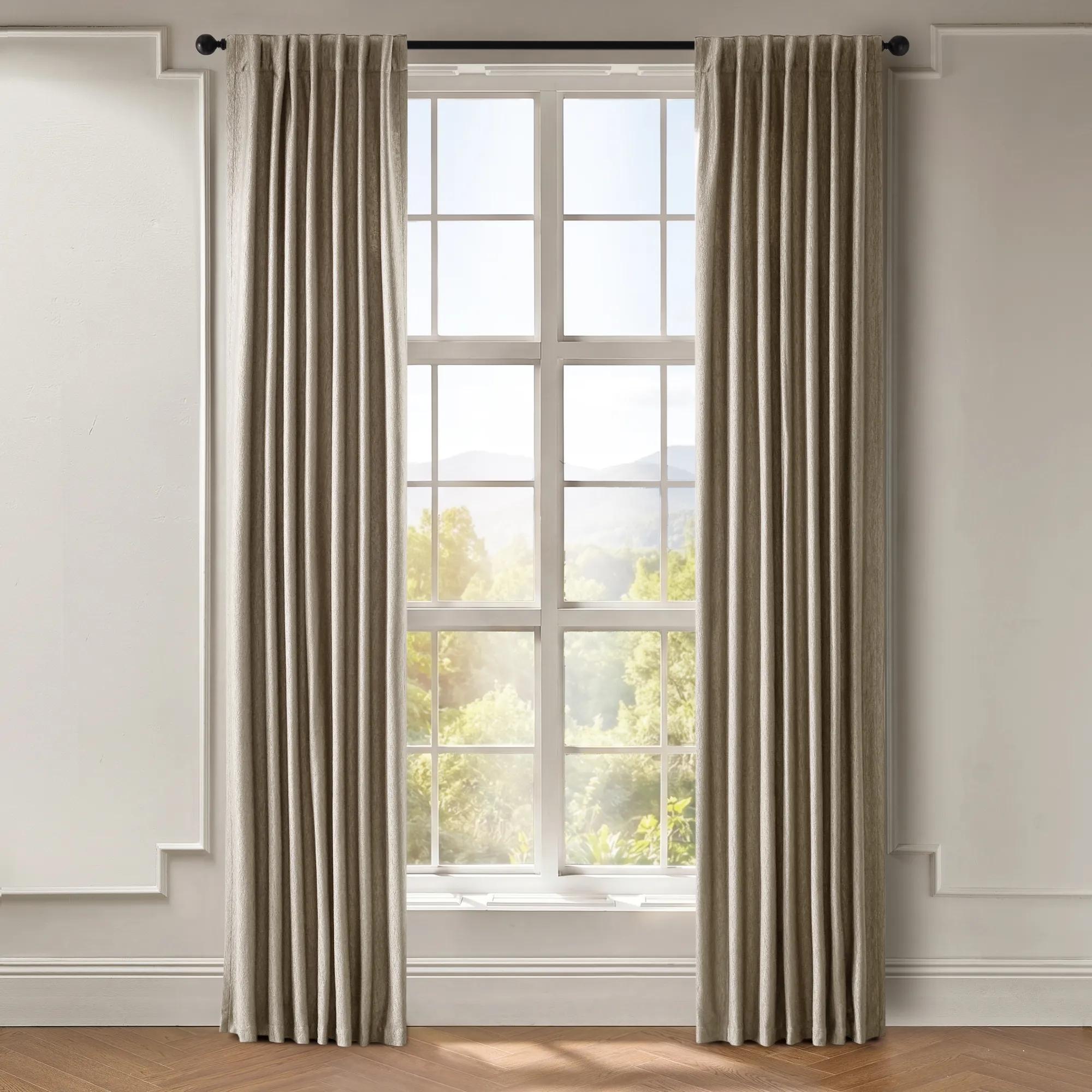
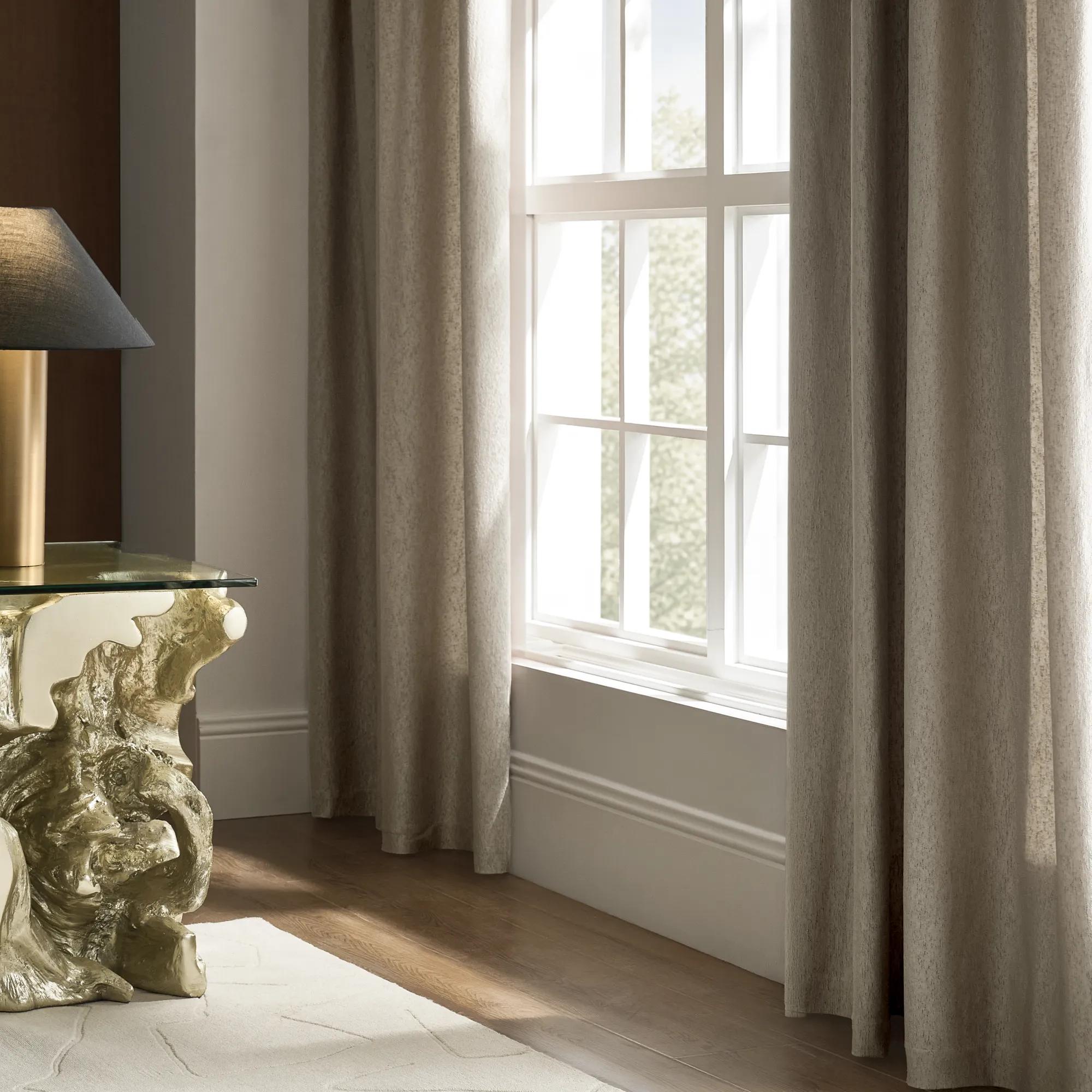 Anson Taupe Textured Window Curtain Panel$99
A taupe polyester curtain panel featuring a crushed sheen texture and versatile room-darkening design.
Add To Cart -
.jpeg?w=1200&h=1200)
 Mabel Natural Velvet Swirl Window Curtain Panel$99
Mabel Natural Velvet Swirl Window Curtain Panel$99A warm neutral velvet curtain with a tonal swirl pattern, offering room-darkening privacy and versatile hanging options.
Add To Cart -
.jpeg?w=1200&h=1200)
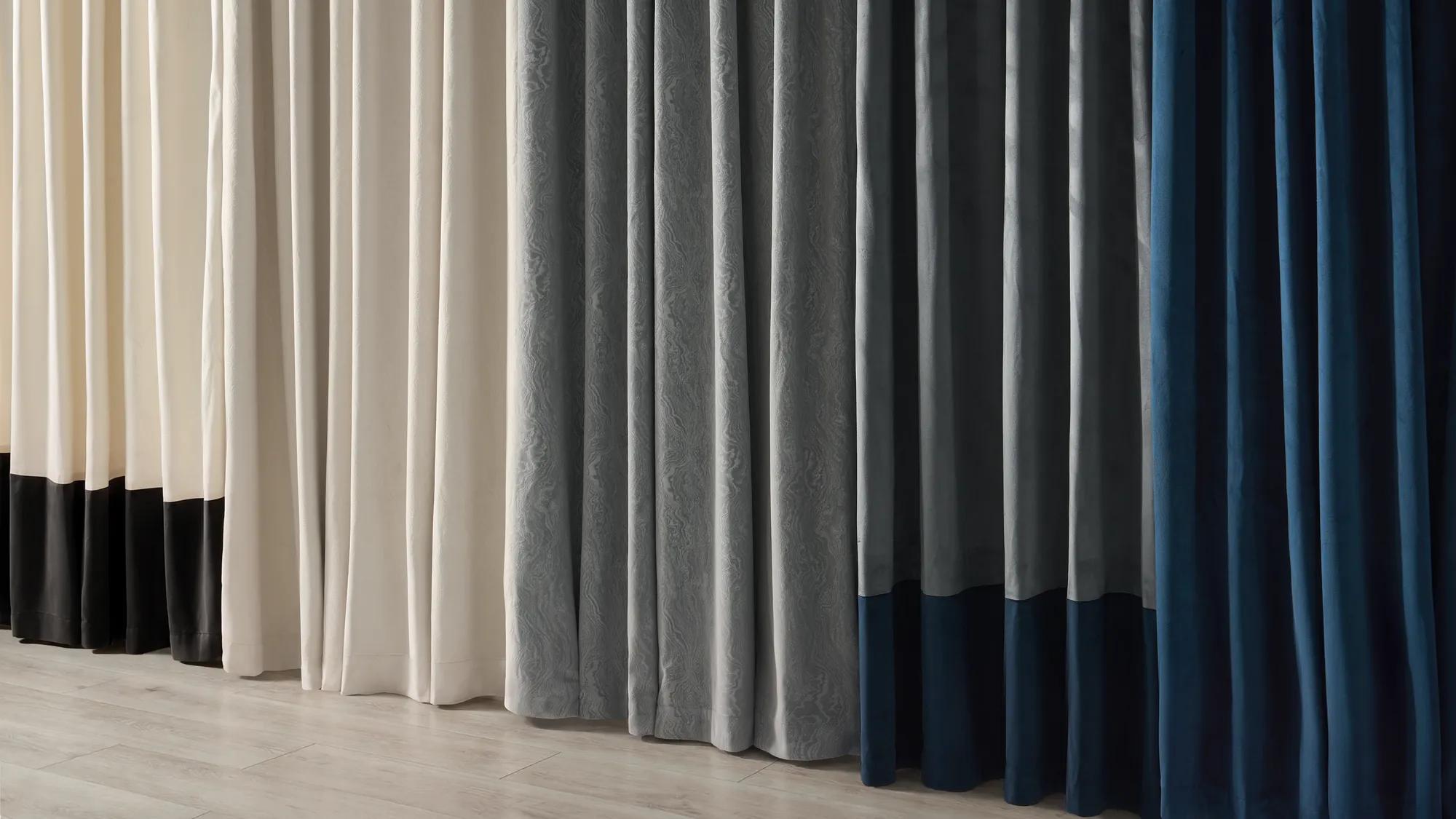 Mabel Velvet Swirl Curtain - Grey Blue$99
A grey blue velvet curtain featuring a tonal swirl pattern and versatile dual hanging options.
Add To Cart -
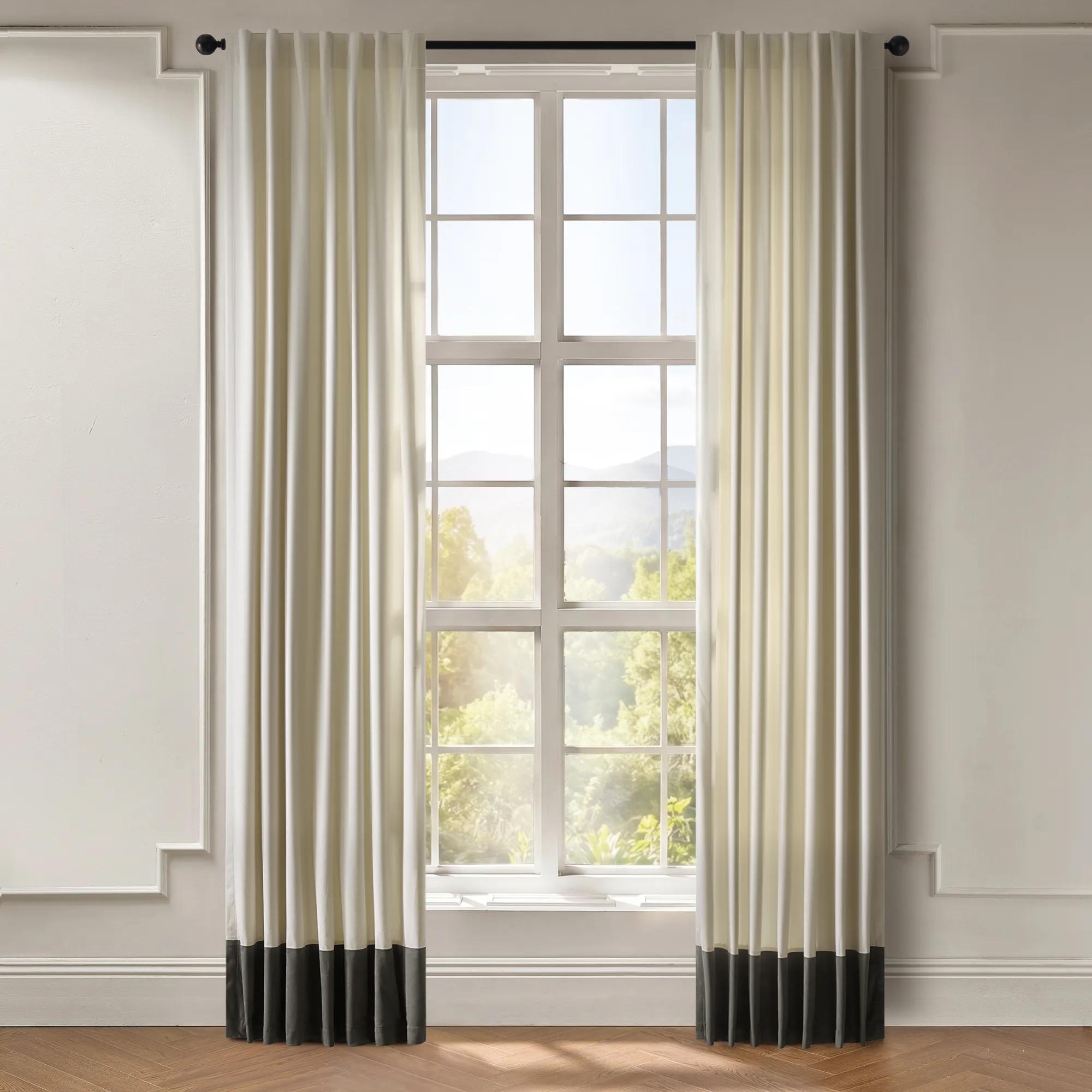
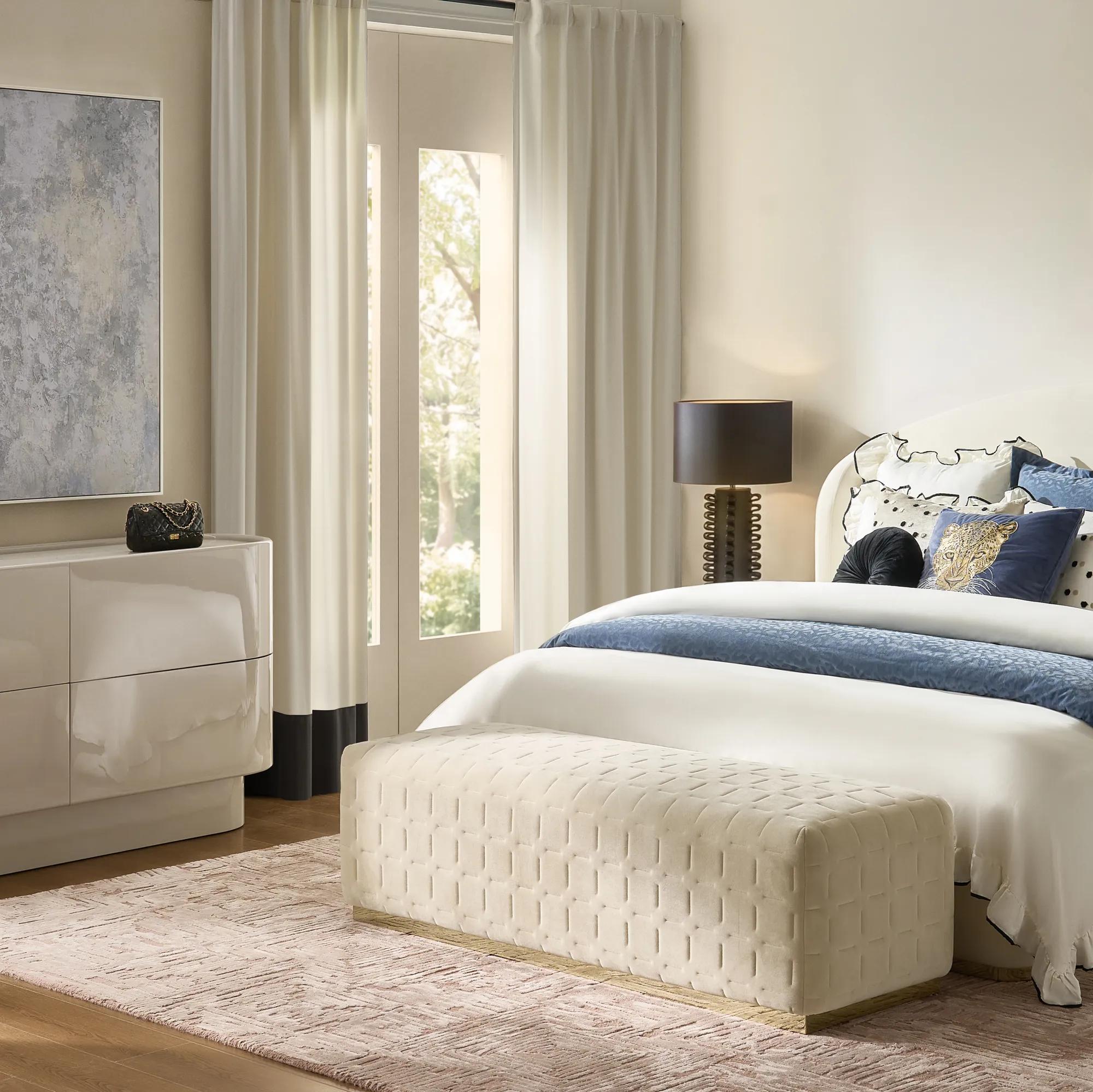 Bastien Ivory/Graphite Velvet Border Window Curtain Panel$109
A two-tone ivory and graphite velvet curtain panel with a Deco-inspired border and room-darkening design.
Add To Cart -
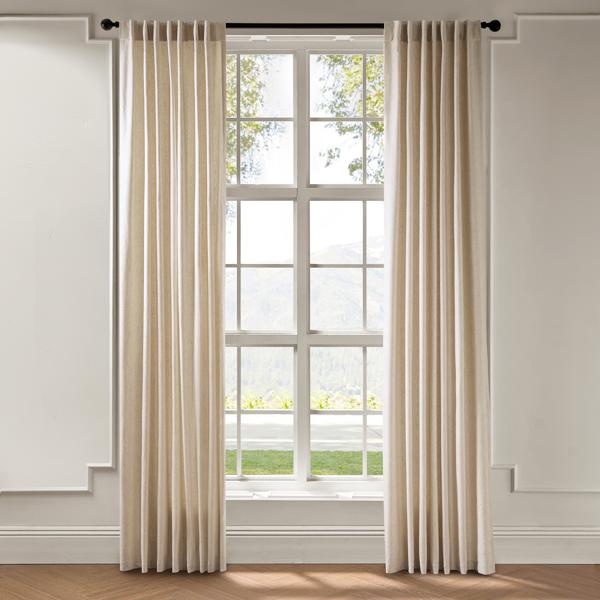
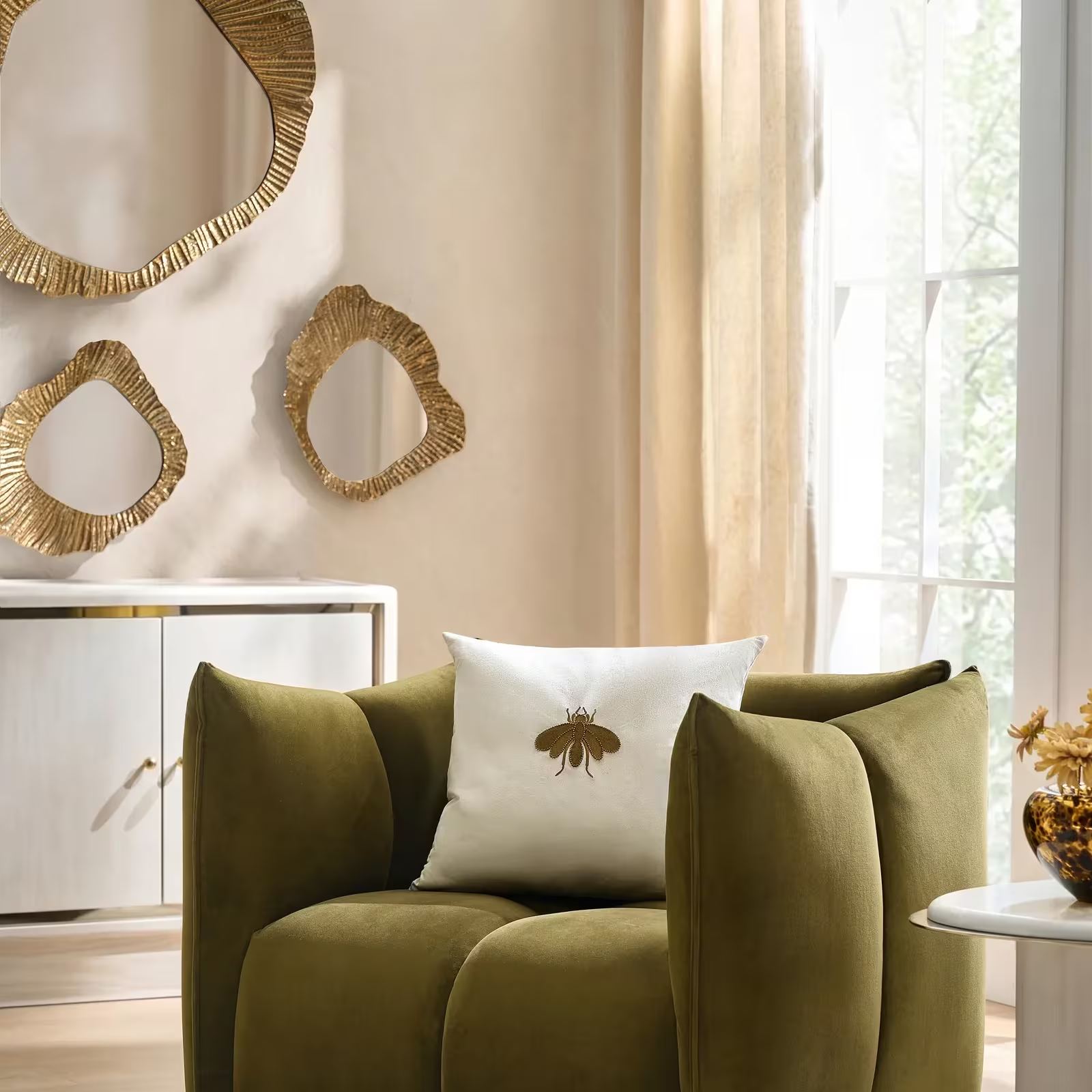 Anson Ivory Textured Window Curtain Panel$89
An ivory polyester curtain with a crushed, light-reflective texture for elegant, room-darkening style.
Add To Cart -
.jpeg?w=1200&h=1200)
 Anson Charcoal Textured Window Curtain Panel$89
Anson Charcoal Textured Window Curtain Panel$89A moody charcoal curtain with crushed polyester texture and subtle sheen for stylish, room-darkening appeal.
Add To Cart -
.jpeg?w=1200&h=1200)
 Adair Midnight Blue Solid Velvet Window Curtain Panel$69
Adair Midnight Blue Solid Velvet Window Curtain Panel$69A sumptuous midnight blue velvet curtain that adds elegance, depth, and room-darkening style to any space.
Add To Cart -
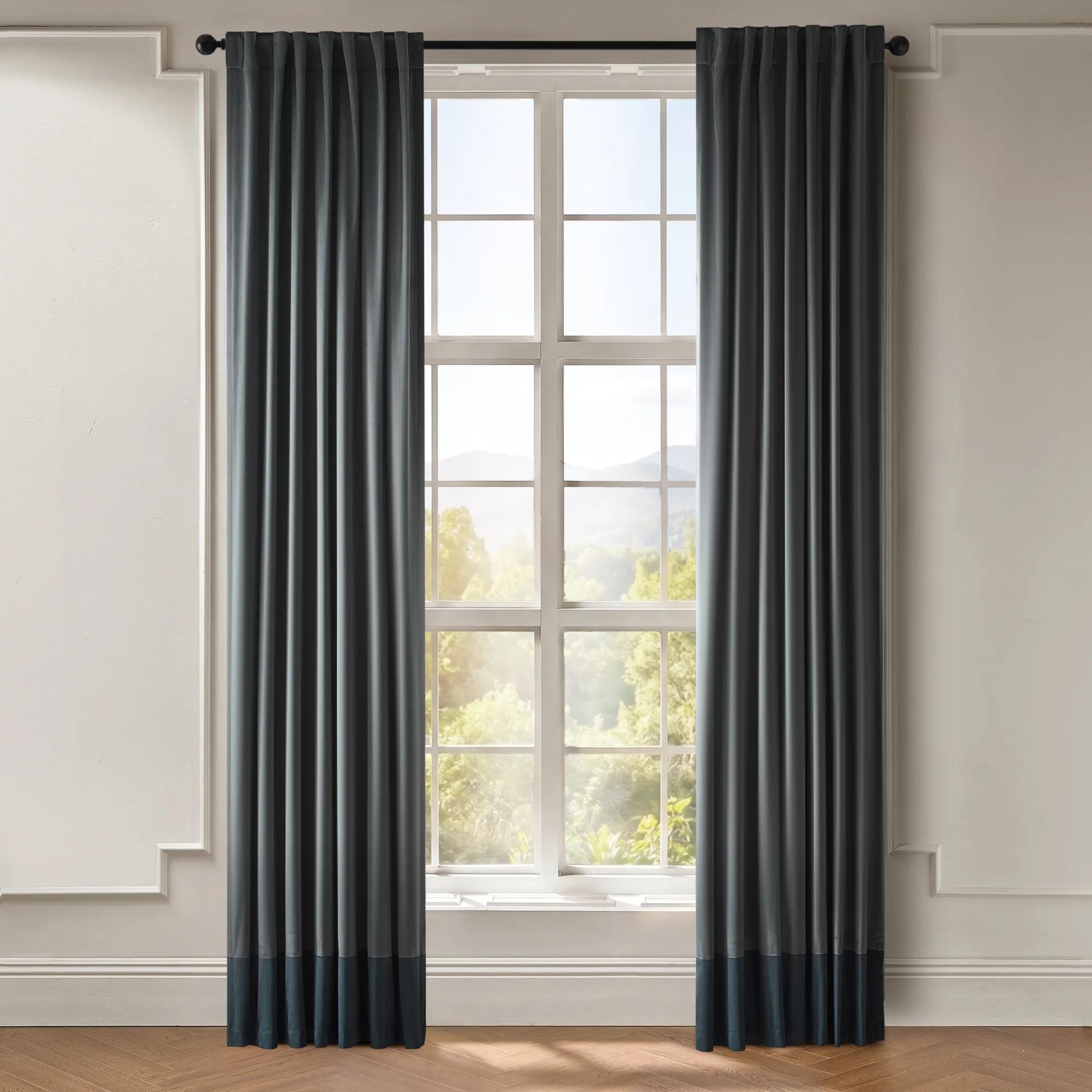
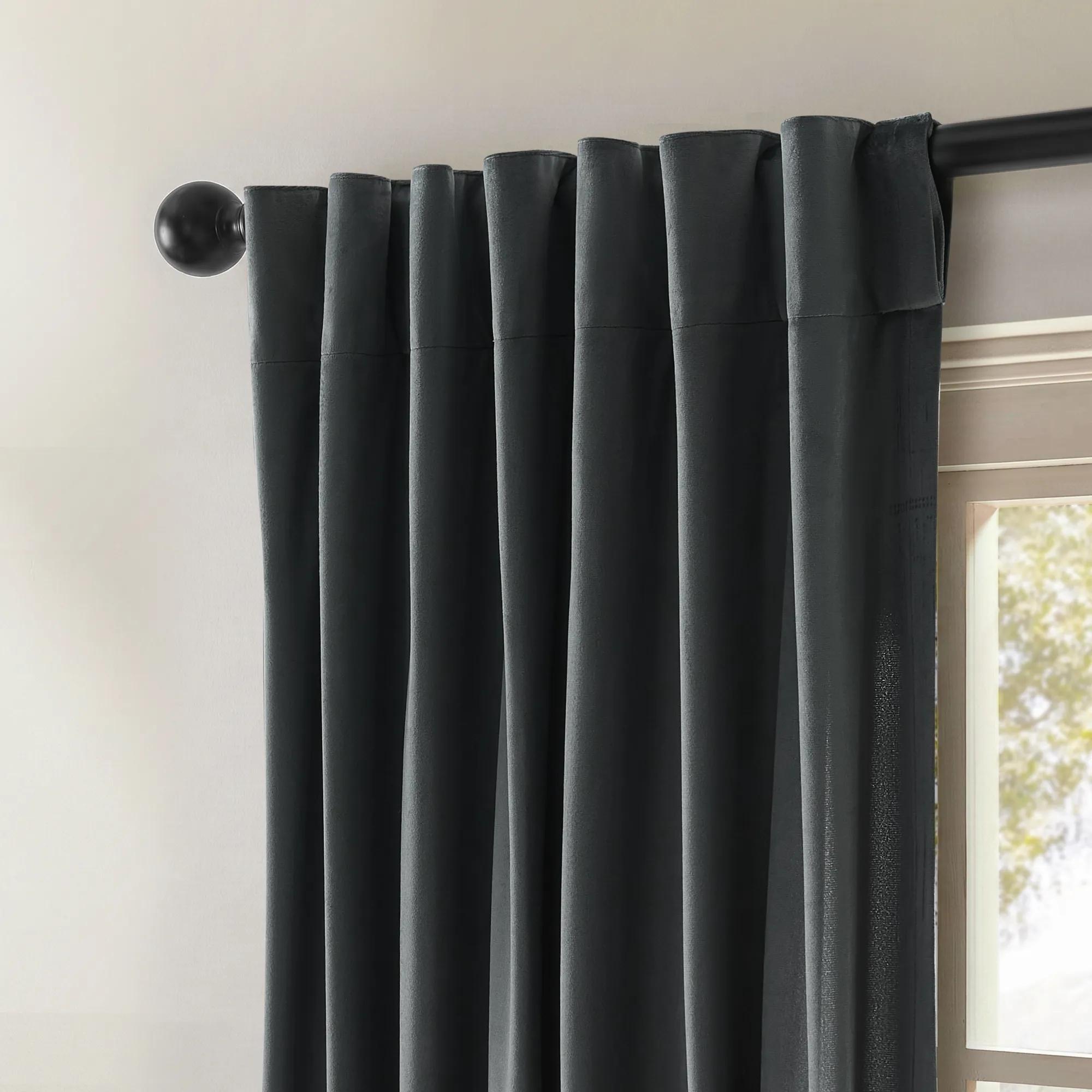 Bastien Blue/Midnight Velvet Border Window Curtain Panel$89
A two-tone dusty and midnight blue velvet curtain panel with a Deco-inspired border and room-darkening design.
Add To Cart -
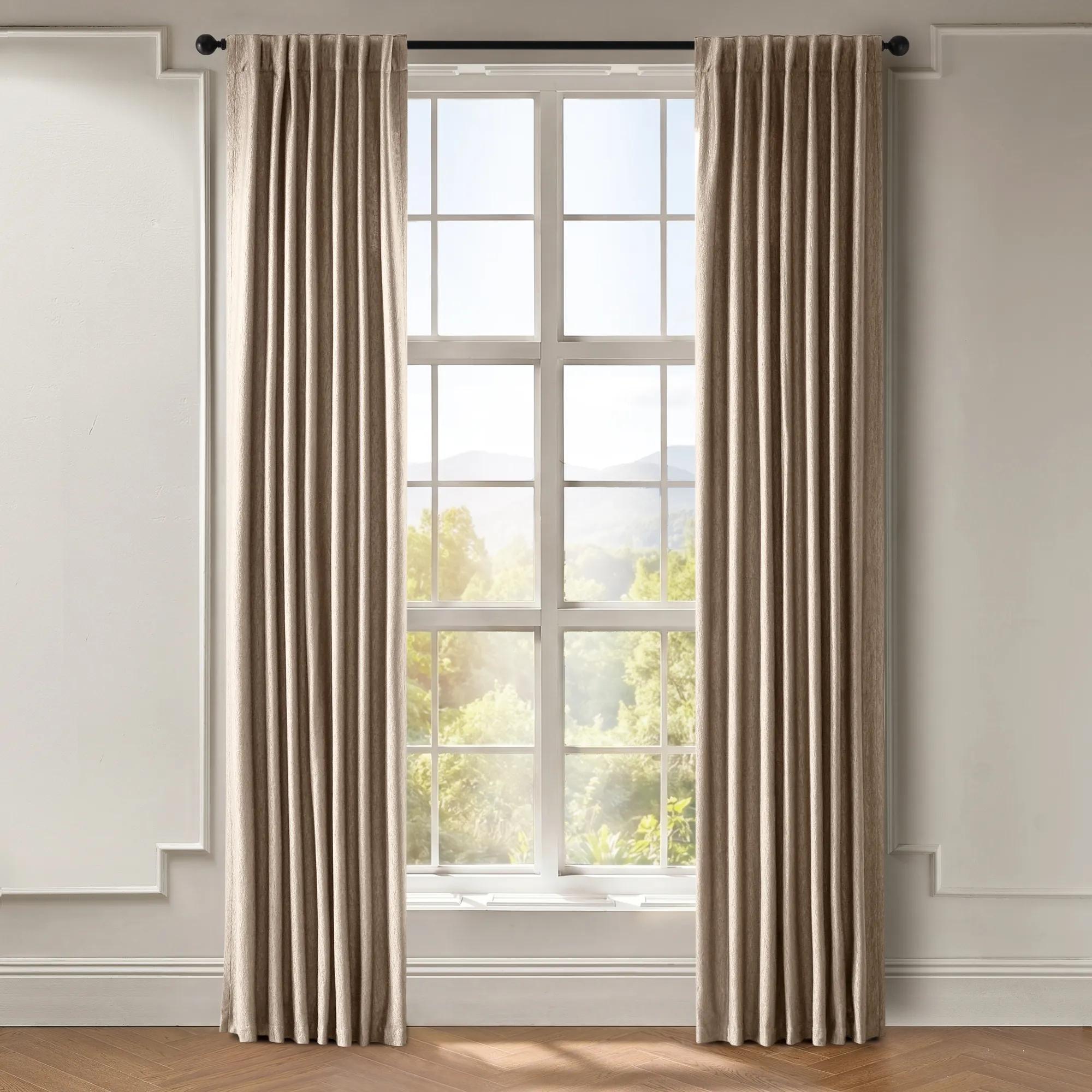 Anson Mocha Rose Textured Window Curtain Panel$99
A light mocha rose curtain panel with crushed sheen texture and room-darkening, dual hanging design.
Add To Cart -
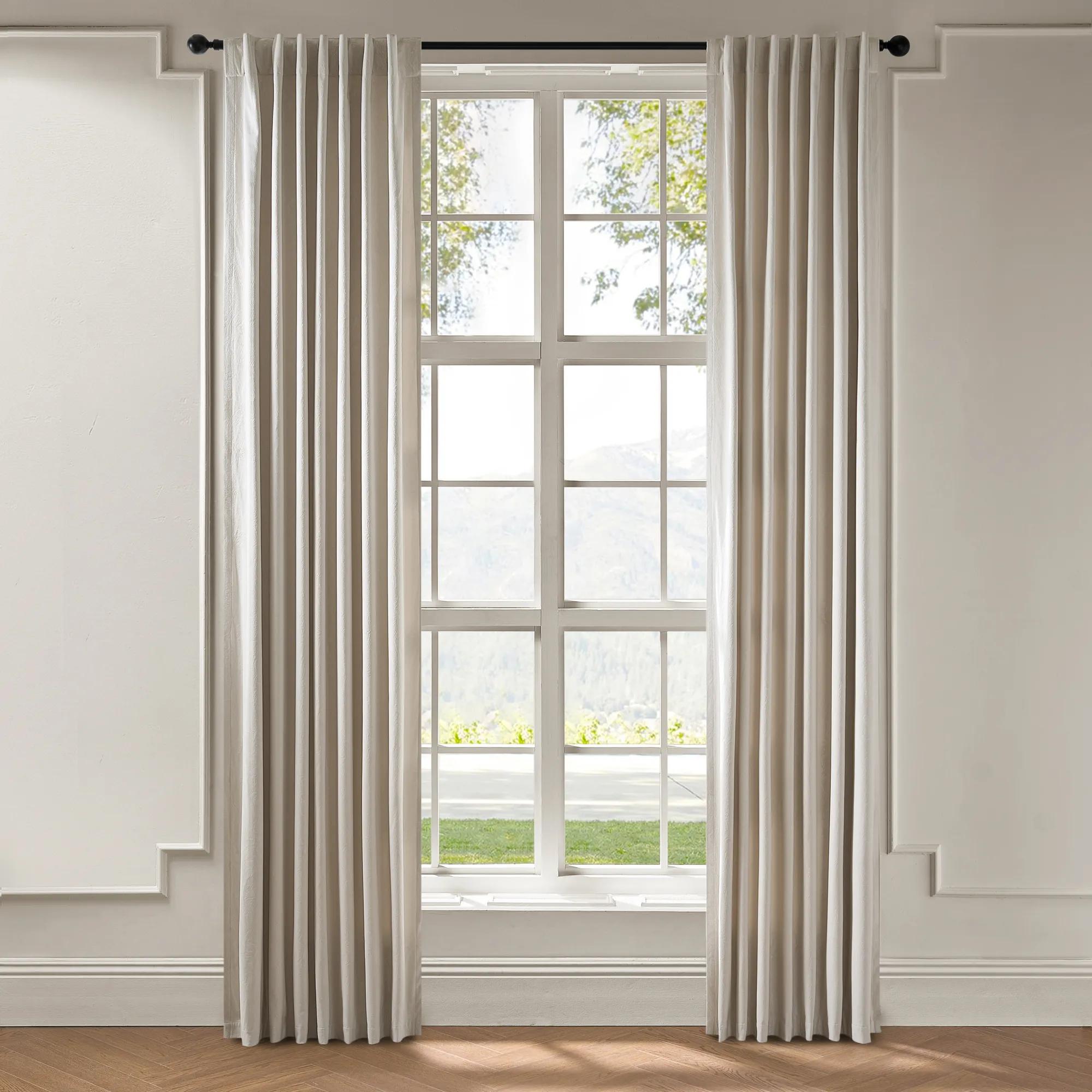
.jpeg?w=1200&h=1200) Mabel White Velvet Swirl Window Curtain Panel$99
Mabel White Velvet Swirl Window Curtain Panel$99A crisp white velvet curtain featuring a tonal swirl texture and versatile dual hanging options.
Add To Cart -
.jpeg?w=1200&h=1200)
 Adair Sand Solid Velvet Window Curtain Panel$79
Adair Sand Solid Velvet Window Curtain Panel$79A room-darkening sand velvet curtain with dual hanging options for a soft, tailored finish.
Add To Cart -
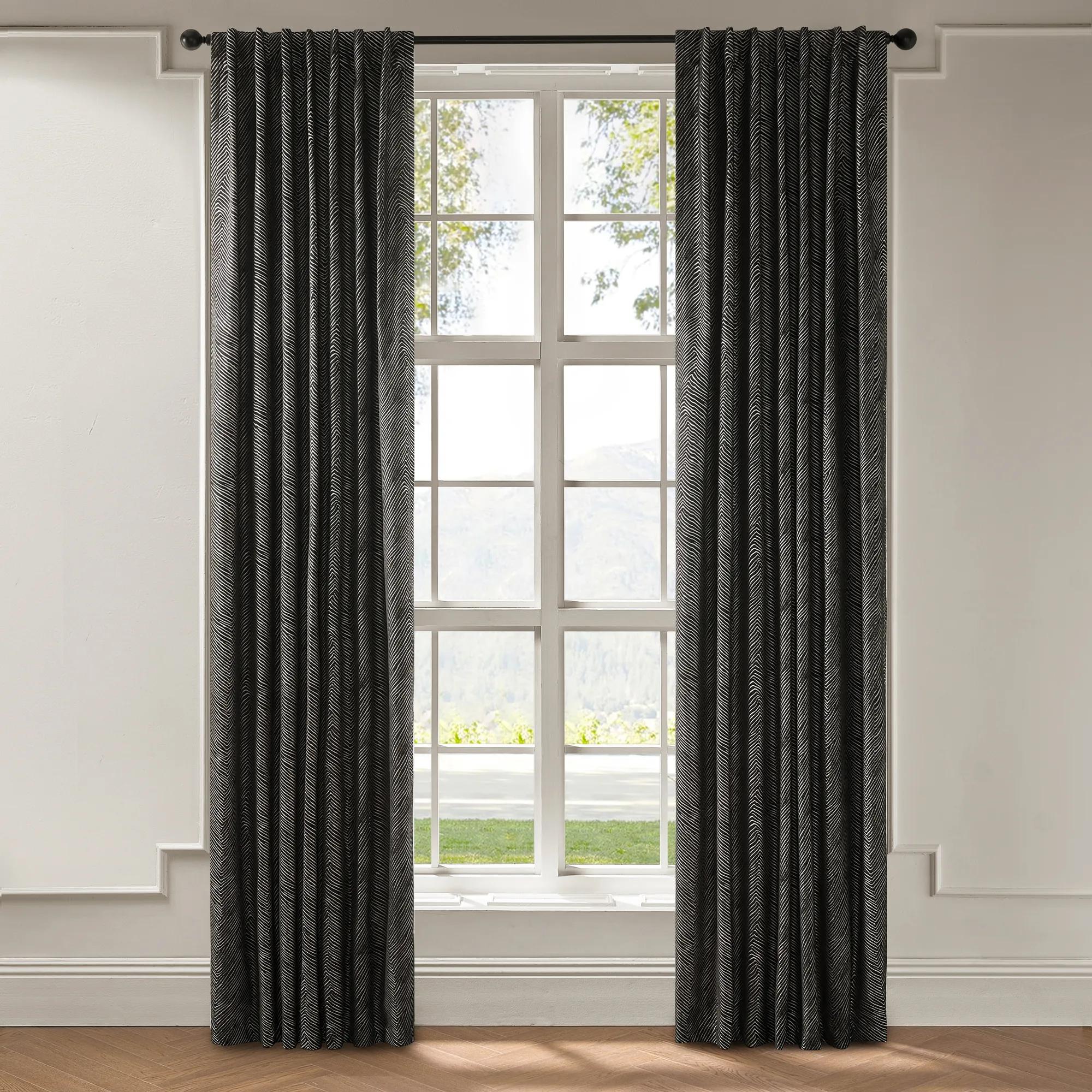
.jpeg?w=1200&h=1200) Kenzo Black Chenille Window Curtain Panel$139
Kenzo Black Chenille Window Curtain Panel$139A black chenille jacquard curtain with a room-darkening finish and versatile dual hanging options.
Add To Cart -
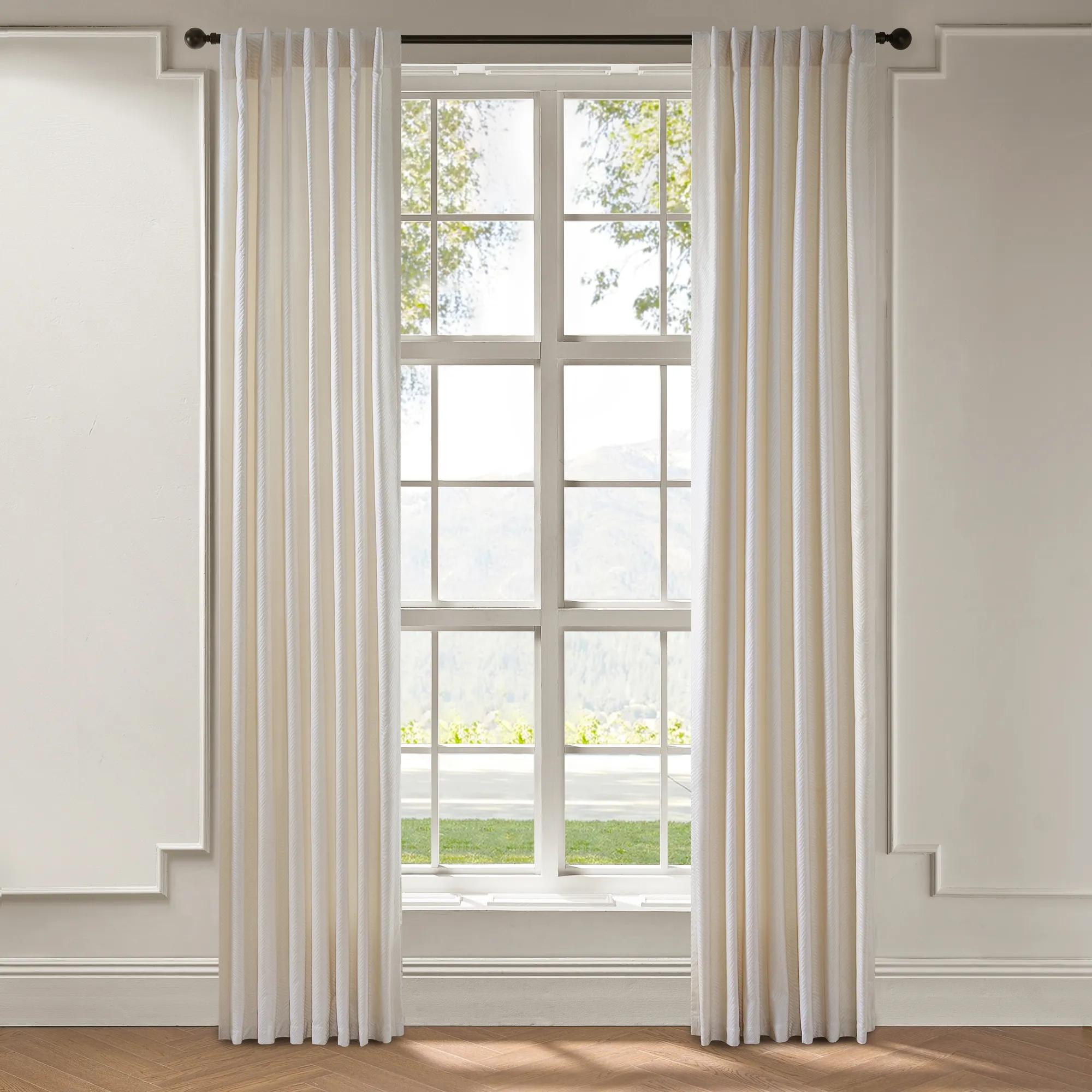
.jpeg?w=1200&h=1200) Kenzo Chenille Curtain - White$139
Kenzo Chenille Curtain - White$139A luxe white chenille jacquard curtain featuring a subtle high-contrast pattern and versatile dual construction.
Add To Cart -
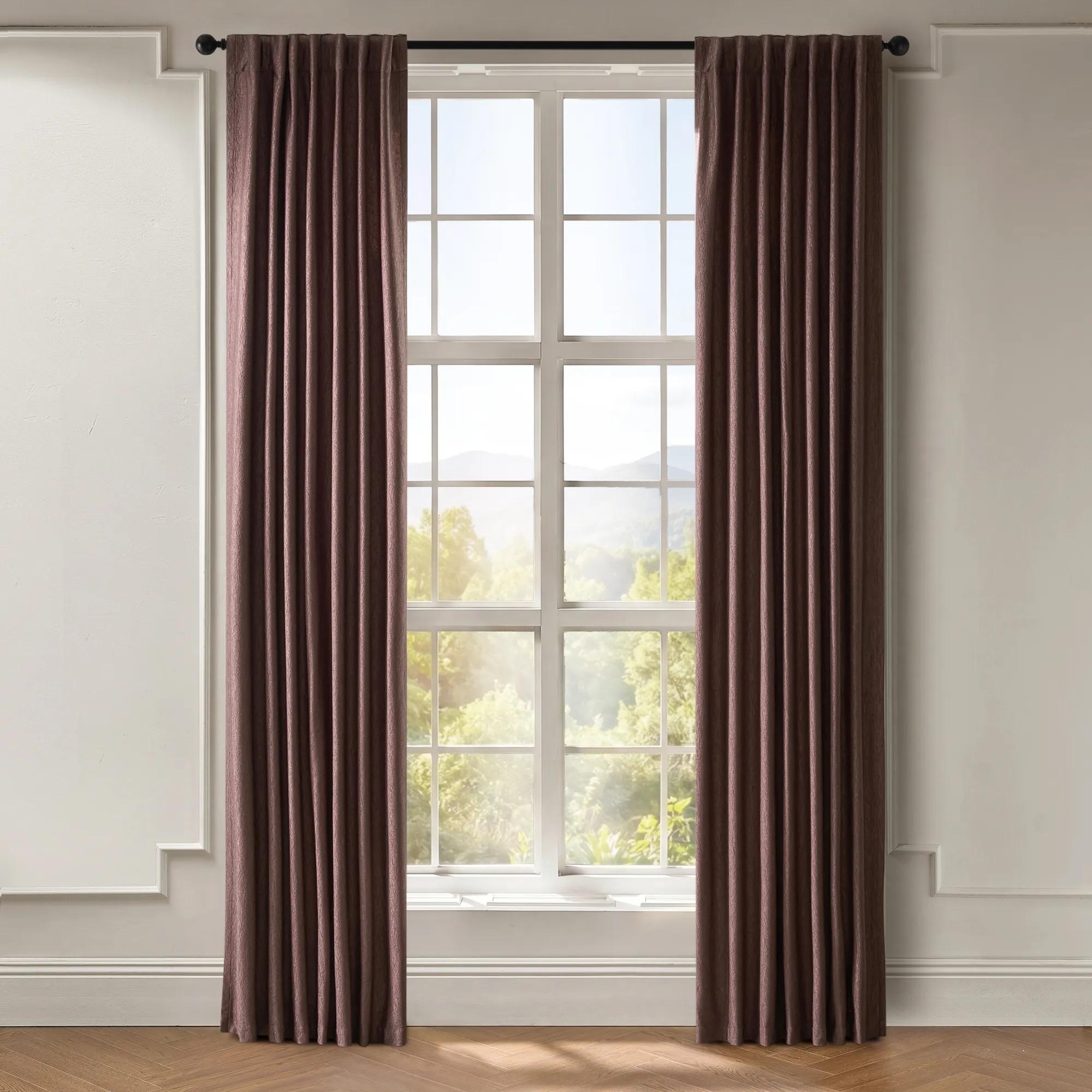
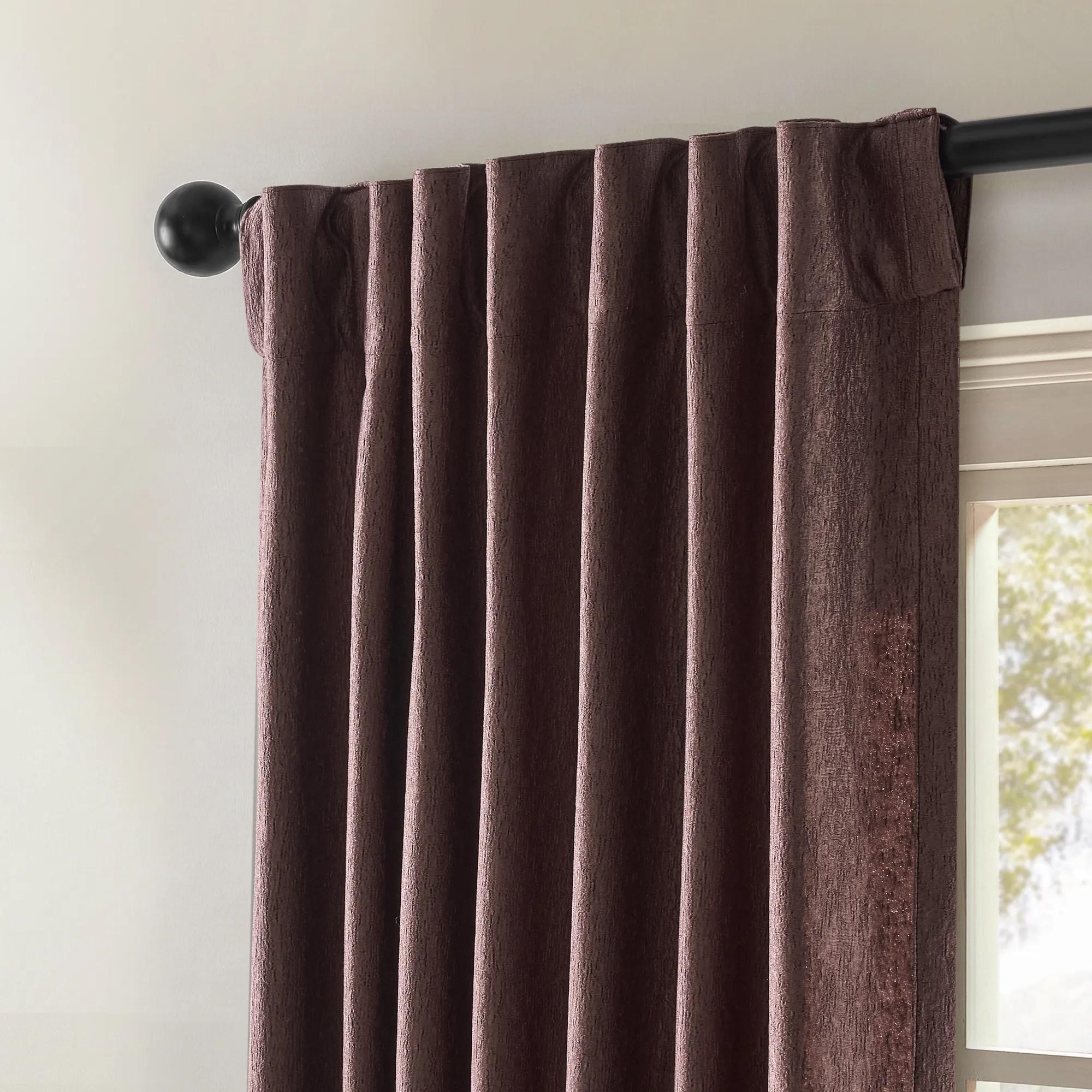 Anson Fig Textured Window Curtain Panel$89
A deep fig curtain panel with crushed sheen texture and room-darkening, dual hanging design in polyester.
Add To Cart -
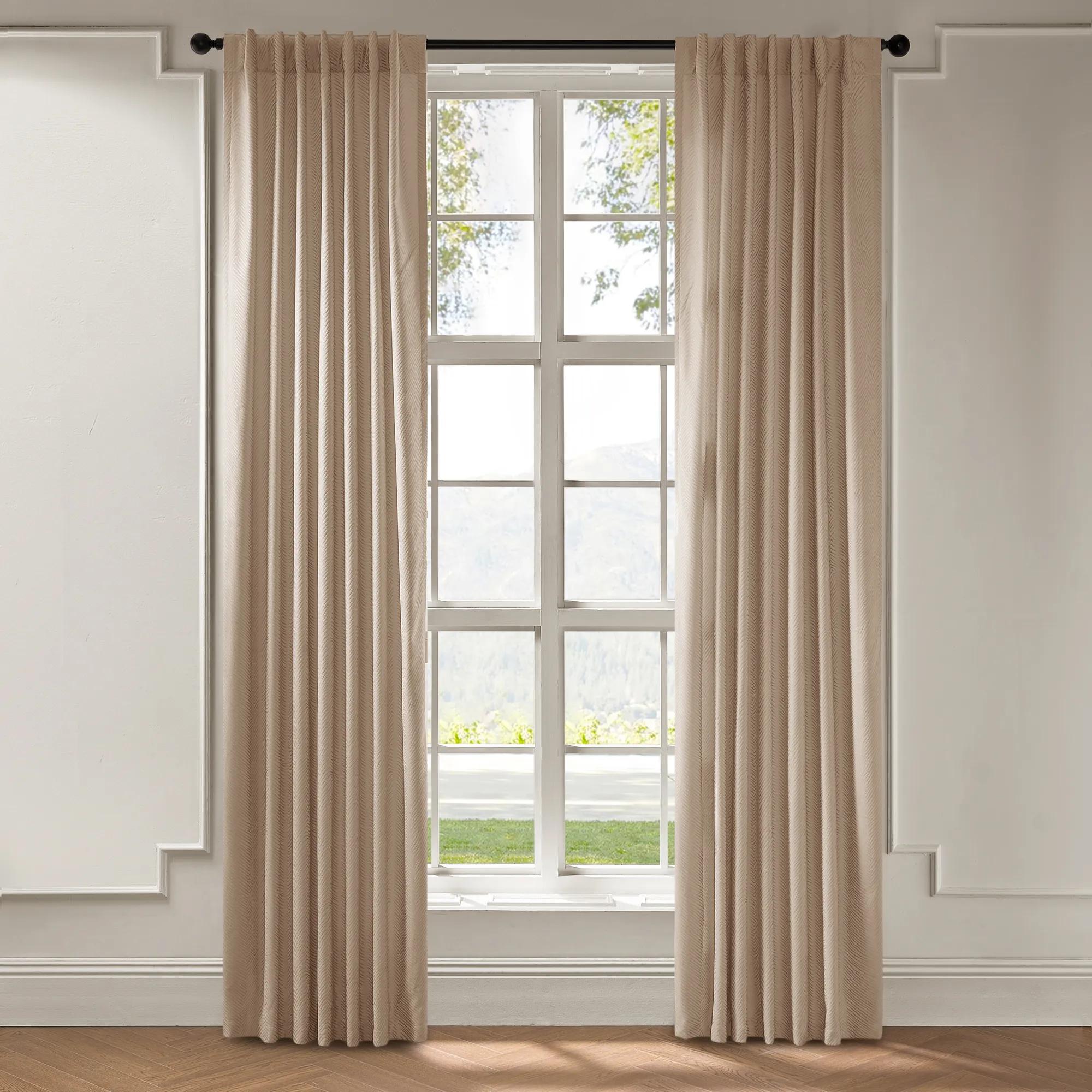 Kenzo Jacquard Beige Chenille Window Curtain Panel$119
A warm beige chenille jacquard curtain with a subtle sheen and versatile rod pocket or back tab hanging.
Add To Cart -
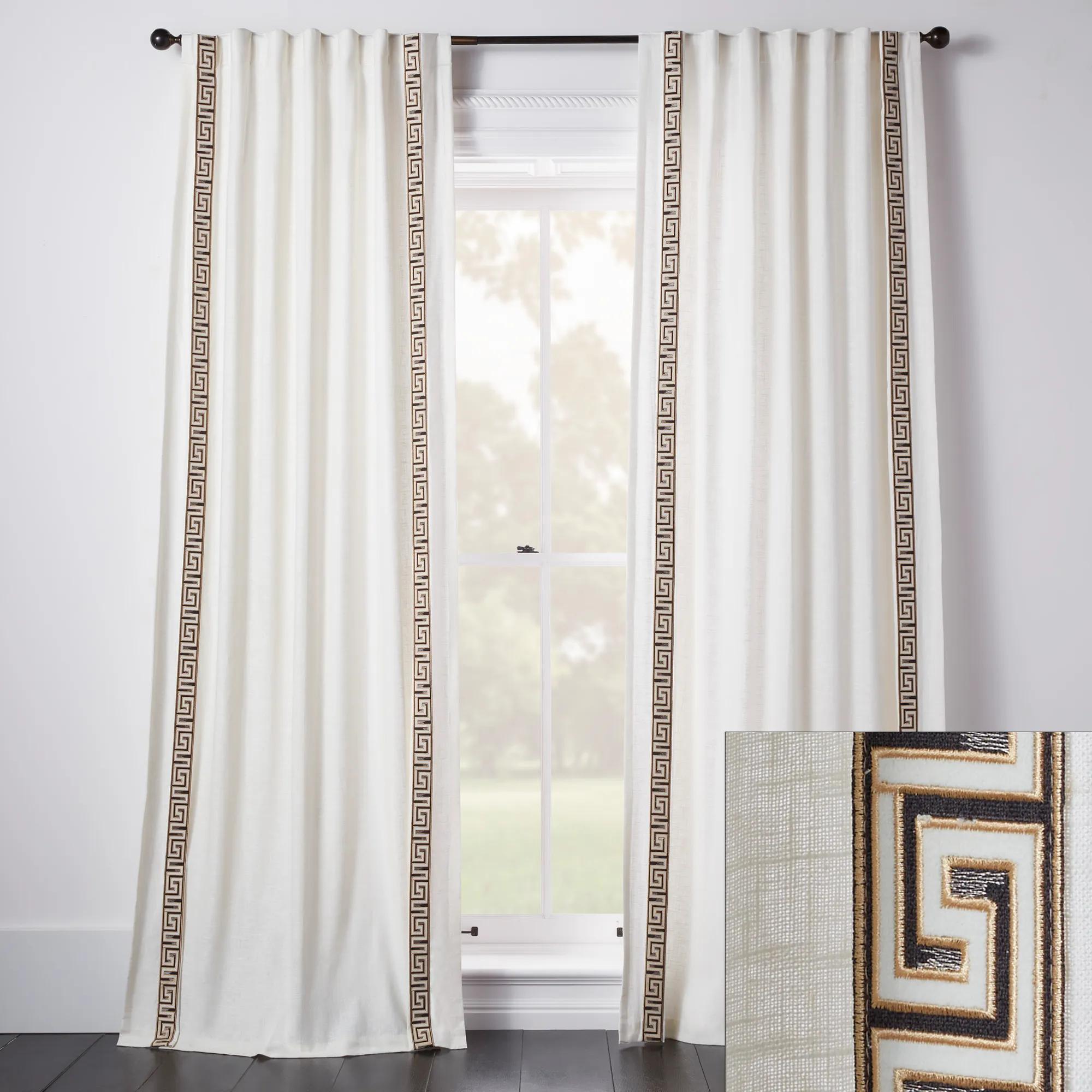 Chole Greek Key Border Velvet Widow Curtain Panels Custom$299
A white linen-blend curtain panel featuring a black and gold embroidered velvet Greek key border.
Add To Cart -
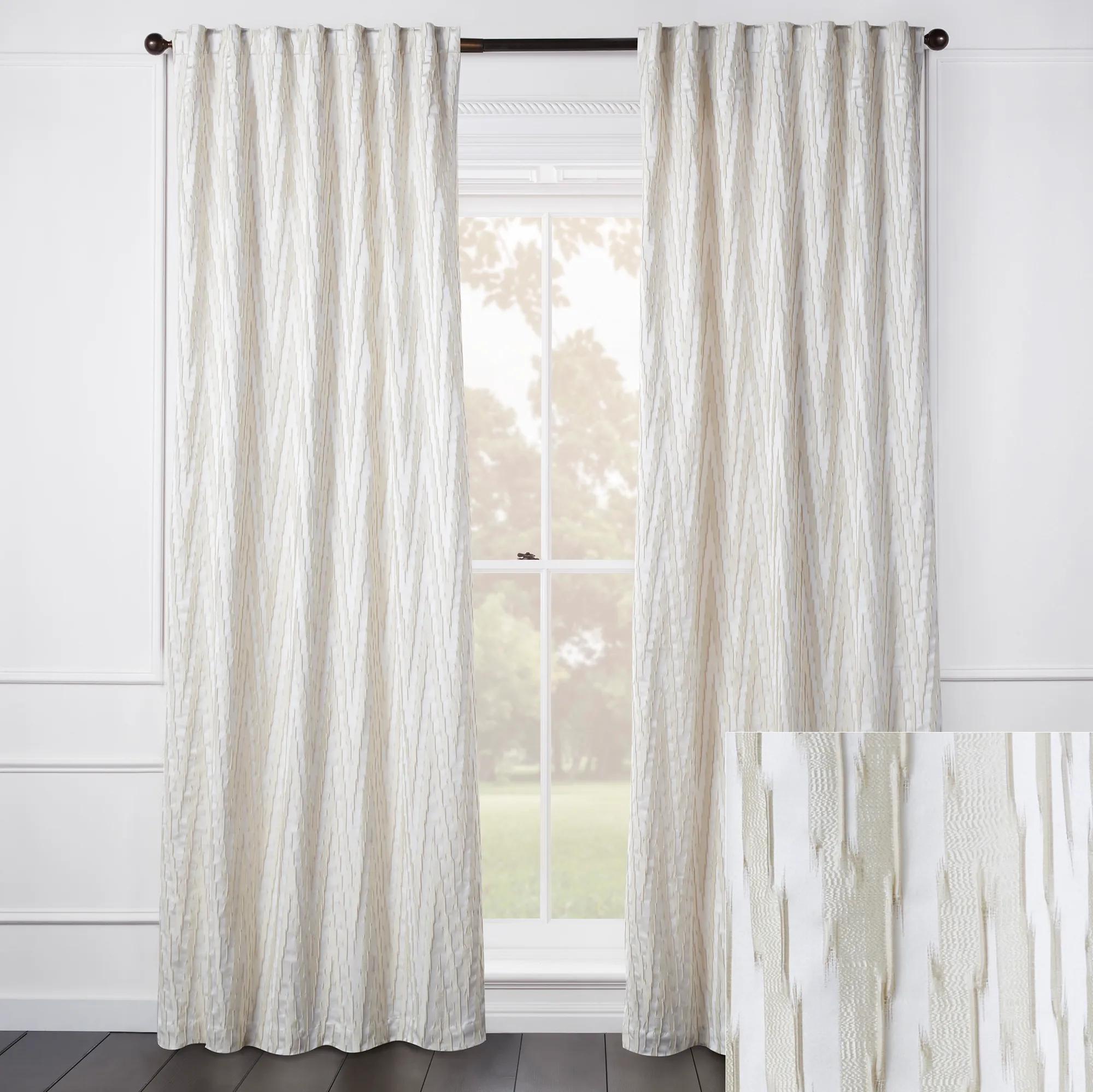
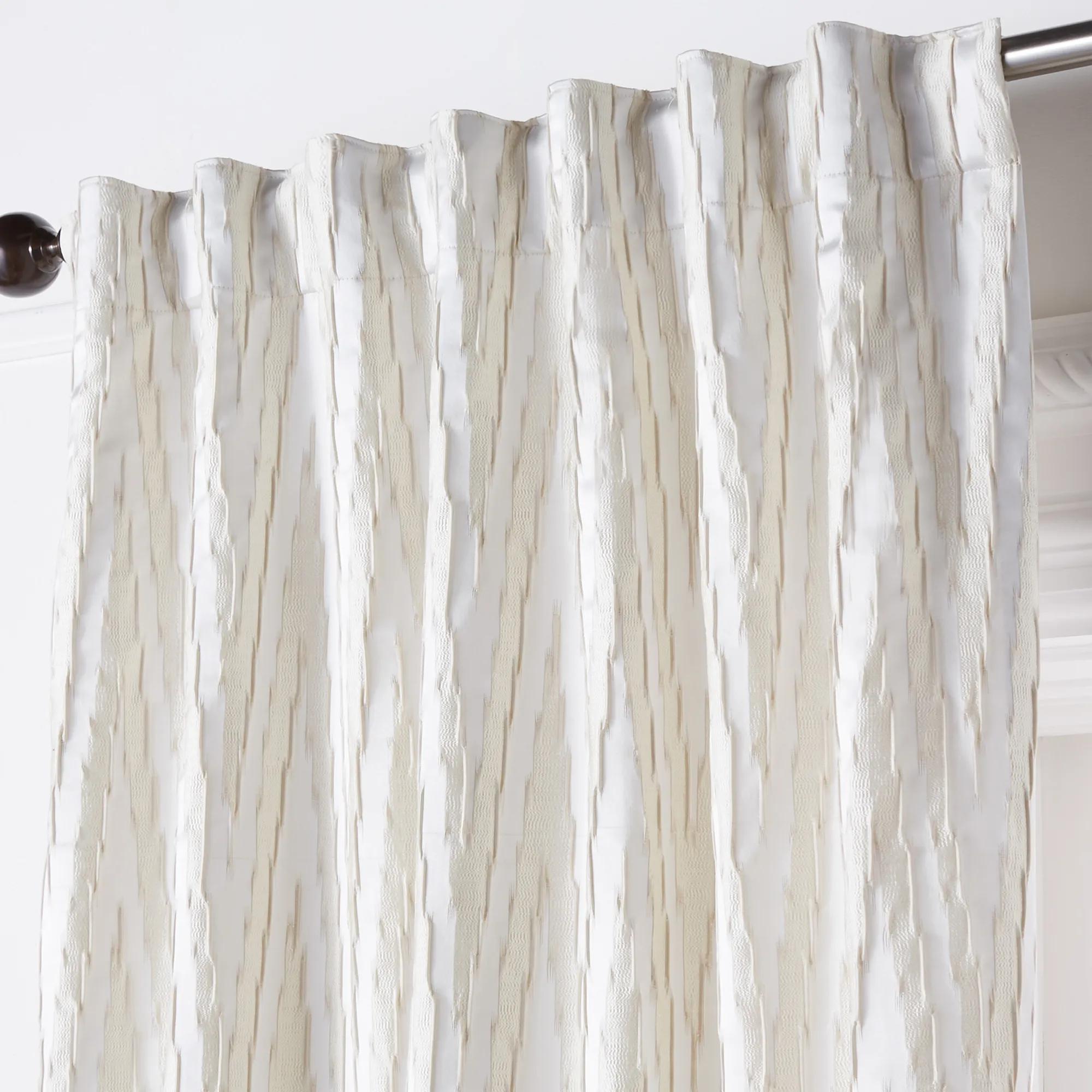 Minka Jacquard Pearl Window Curtain Panel Custom$289
A highly textured chevron curtain panel in pearl, grey, or natural polyester with customizable hanging options.
Add To Cart

Room Darkening Curtains For Privacy
Transform your sanctuary into a haven of intrigue and allure with Room Darkening Curtains for Privacy. These sumptuous drapes don’t merely shield—they sculpt an atmosphere of intimacy, cocooning your space in moody elegance while elevating every window to a work of art. Whether you’re curating a cinematic retreat or crafting a tranquil escape, each panel invites you to indulge in the luxury of solitude and style. Embrace the drama, savor the serenity, and let your interiors tell a story where privacy and panache coexist in perfect harmony.
Room darkening curtains for privacy bring a sense of seclusion to a room while giving windows a richly finished presence. Designed to reduce incoming light through dense fabric, an opaque lining, or a layered construction, they help limit views into the home when fully closed. Their effectiveness depends on the fabric’s opacity, the way the panels meet, and the coverage around the window—not simply on how dark the fabric looks. Room darkening curtains generally dim a space rather than eliminate all light, while blackout curtains are designed for a higher degree of light blockage. Neither designation alone guarantees complete privacy if panels leave exposed edges or gaps. For a bedroom facing neighboring windows, a living room overlooking a sidewalk, or a ground-floor apartment with direct sightlines from the street, substantial panels with generous coverage can make the space feel more sheltered and personal. They also soften strong daylight and help reduce screen glare, making them useful in media rooms and home offices where light needs to feel deliberate rather than intrusive. After dark, when lamps illuminate the interior, an opaque fabric or lining becomes especially important; loosely woven curtains may reveal silhouettes even if they seem private during daylight hours. Where practical, checking the view from outside with the curtains closed and the room lights on offers a clearer picture of actual coverage. Beyond that practical role, these curtains introduce scale, texture, and visual rhythm. Sumptuous velvet creates a plush backdrop for sculptural furniture, while a linen-look weave lends depth without overwhelming an art-filled room. Ivory panels can frame a window with luminous elegance, and charcoal or deep jewel tones can turn the same opening into a dramatic architectural feature. The result is privacy with presence: a space that feels composed, expressive, and comfortably removed from the activity beyond its windows.
Material and construction determine how room darkening window curtains look, fall, and perform in daily use. Polyester and polyester blends are common choices because they can offer dimensional stability, wrinkle resistance, and a smooth drape, although performance varies with the weave and finish. Cotton brings a softer, more relaxed surface, while linen blends introduce visible texture and subtle irregularity. Those natural-fiber looks may rely on a separate lining or backing to achieve meaningful light reduction. Velvet adds depth through its pile, catching light differently across each fold; its substantial appearance should still be considered alongside the stated light-control properties. A pale face fabric with an effective room darkening lining may provide better screening than an unlined dark fabric, so color is a design decision rather than a dependable measure of privacy. Fit deserves the same attention as fabric. Measure the window and the intended rod placement, then consider the total width of the panels when drawn closed. Curtains stretched flat across the glass can look spare and leave little allowance for overlap. Many decorative installations use combined panel widths around one and a half to two times the rod width for fullness, though the appropriate amount depends on the header style, fabric weight, and manufacturer’s recommendations. Extending the rod beyond the window frame allows panels to cover the sides more generously and move clear of the glass when opened. Where privacy is the priority, sufficient center overlap and returns toward the wall help reduce exposed sightlines. Length shapes the mood as well as the practicality: panels that skim the floor feel tailored and are easier to keep clear of dust than pooled fabric. A higher rod position can emphasize ceiling height, provided the panel length is measured from the correct hanging point. Leave suitable clearance around vents, heaters, and frequently used pathways, following any applicable safety instructions.
The header and hardware influence both the finished silhouette and the ease of closing the curtains every evening. Grommet tops form broad, regular folds, while back tabs offer a more concealed attachment with a softly structured effect. Rod pockets create gathered texture but may be less convenient for frequent opening and closing, especially with heavier fabric. Pleated panels on suitable rings or a compatible track can deliver a tailored line and smooth movement. Hardware should be rated for the curtain weight and securely installed, with brackets positioned so the panels can travel as intended. In a room where daylight is welcome but direct views are not, layering room darkening drapes over sheers gives the window more range: sheers soften the view during the day, and the heavier panels close for stronger privacy. Sheers alone should not be relied on for nighttime screening. Bedrooms benefit particularly from that flexibility, whether the room belongs to a light-sensitive sleeper, someone who rests during daylight hours, or overnight guests who appreciate control over their surroundings. Bedroom Room Darkening Curtains can establish a restful backdrop while echoing the tactile richness of an upholstered headboard or balancing the gleam of mirrored accents. For lasting beauty, follow the care label rather than assuming every curtain can be machine washed. Some fabrics tolerate gentle laundering, while lined, coated, or richly textured panels may require professional cleaning or specific spot treatment. High dryer heat, aggressive washing, and direct ironing on certain backings can damage their finish or affect their drape. Light vacuuming with an appropriate upholstery attachment can help remove surface dust between deeper cleanings; steam should be used only when permitted by the manufacturer. Well-finished hems, secure header stitching, and a lining that hangs evenly are useful details to assess for everyday durability. With thoughtful proportions and attentive care, privacy curtains become more than a practical layer at the glass. They give the room a deliberate boundary, a softer light, and a sense of intimacy expressed through beautiful fabric.
FAQs
Room darkening curtains are often crafted from opulent materials such as velvet, heavyweight jacquard, or intricately woven linen blends. These fabrics not only enhance privacy and block light, but also introduce a sense of drama and texture, transforming your windows into a focal point of your décor.
For a sophisticated, gallery-worthy look, layer room darkening curtains over sheer panels or delicate blinds. This approach allows you to control light and privacy throughout the day while adding depth, contrast, and visual intrigue to your windows—perfect for creating a custom, designer-inspired atmosphere.
Absolutely. While they’re a natural fit for bedrooms and media rooms, room darkening curtains also elevate living rooms, dining spaces, and home offices. Their ability to create ambiance and shield interiors from outside distractions makes them a versatile choice for any area where you desire both style and seclusion.
Consider the color palette, texture, and pattern of your existing furnishings. Rich jewel tones bring drama, metallic threads offer a hint of glamour, and subtle patterns can add dimension without overwhelming the space. Select hardware and tiebacks that echo your room’s aesthetic for a cohesive, curated effect.
Yes, gifting room darkening curtains is a stylish and practical gesture, ideal for housewarmings, weddings, or anyone embarking on a new chapter. They offer the recipient the luxury of privacy, restful sleep, and the opportunity to personalize their new space with a touch of elegance.
.jpeg?w=4130&h=4130)
.jpeg?w=3942&h=3942)


