
Room Darkening Rod Pocket Curtains
Room Darkening Rod Pocket Curtains
-
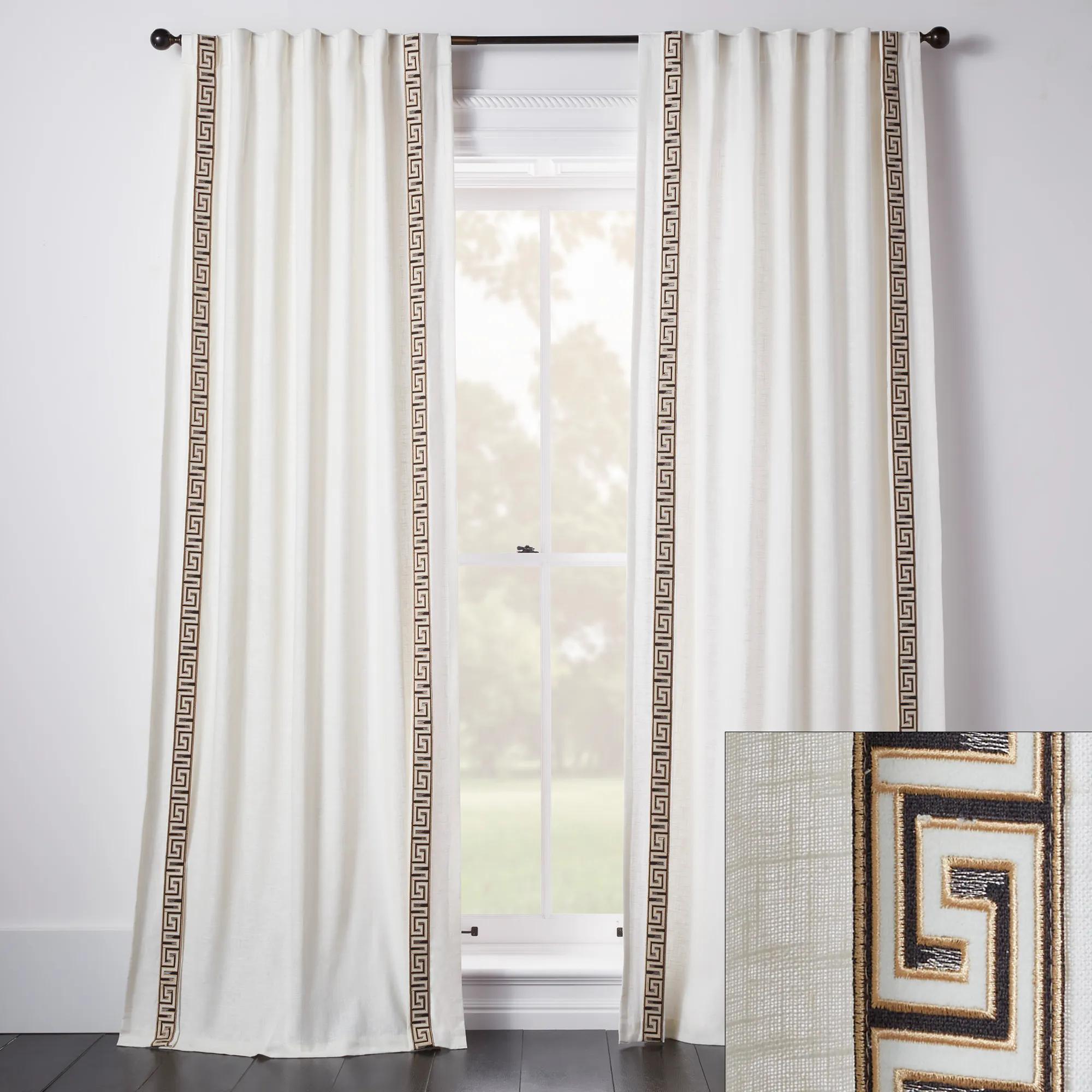 Chole Greek Key Border Velvet Widow Curtain Panels Custom$299
A white linen-blend curtain panel featuring a black and gold embroidered velvet Greek key border.
Add To Cart -
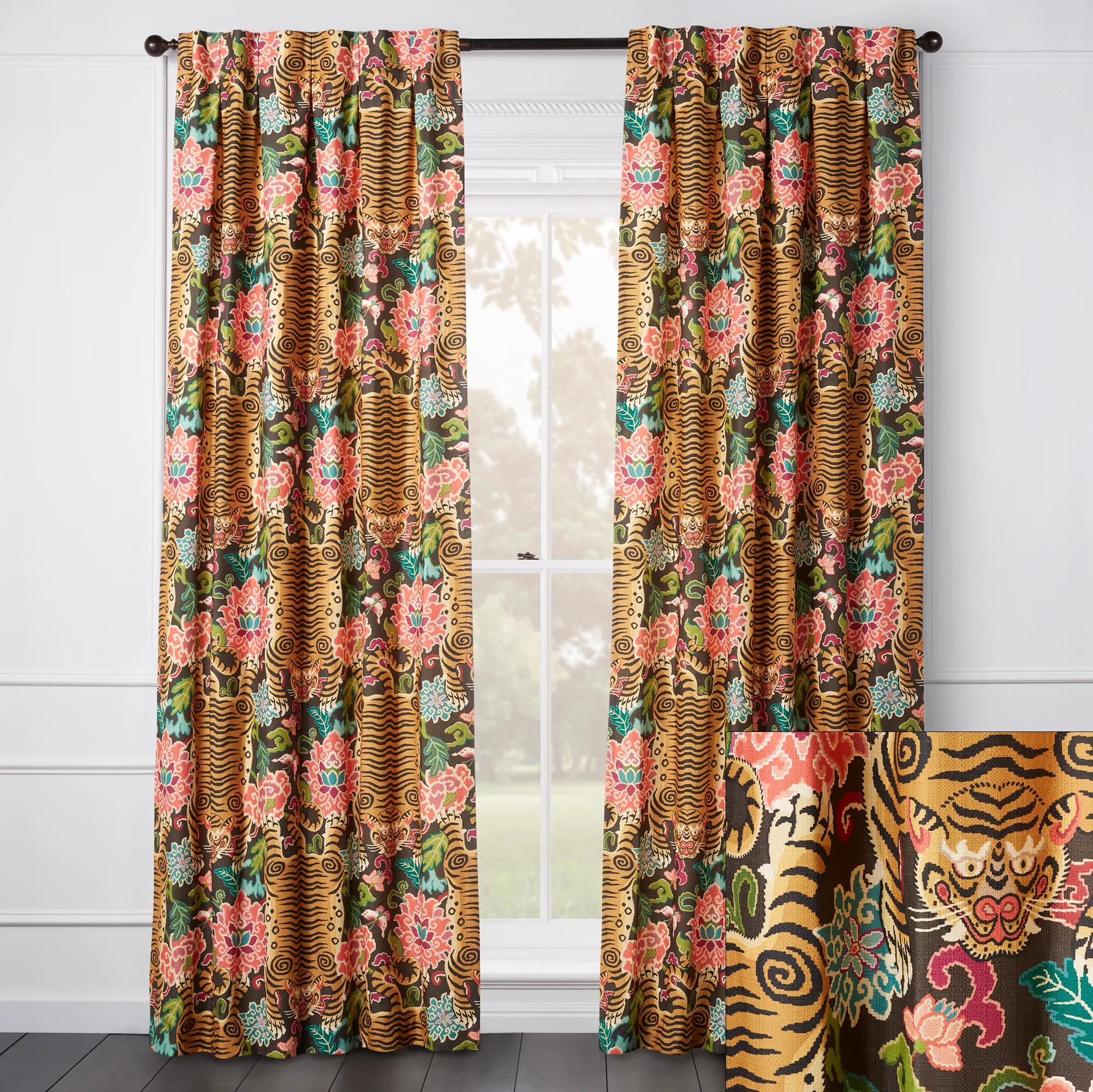
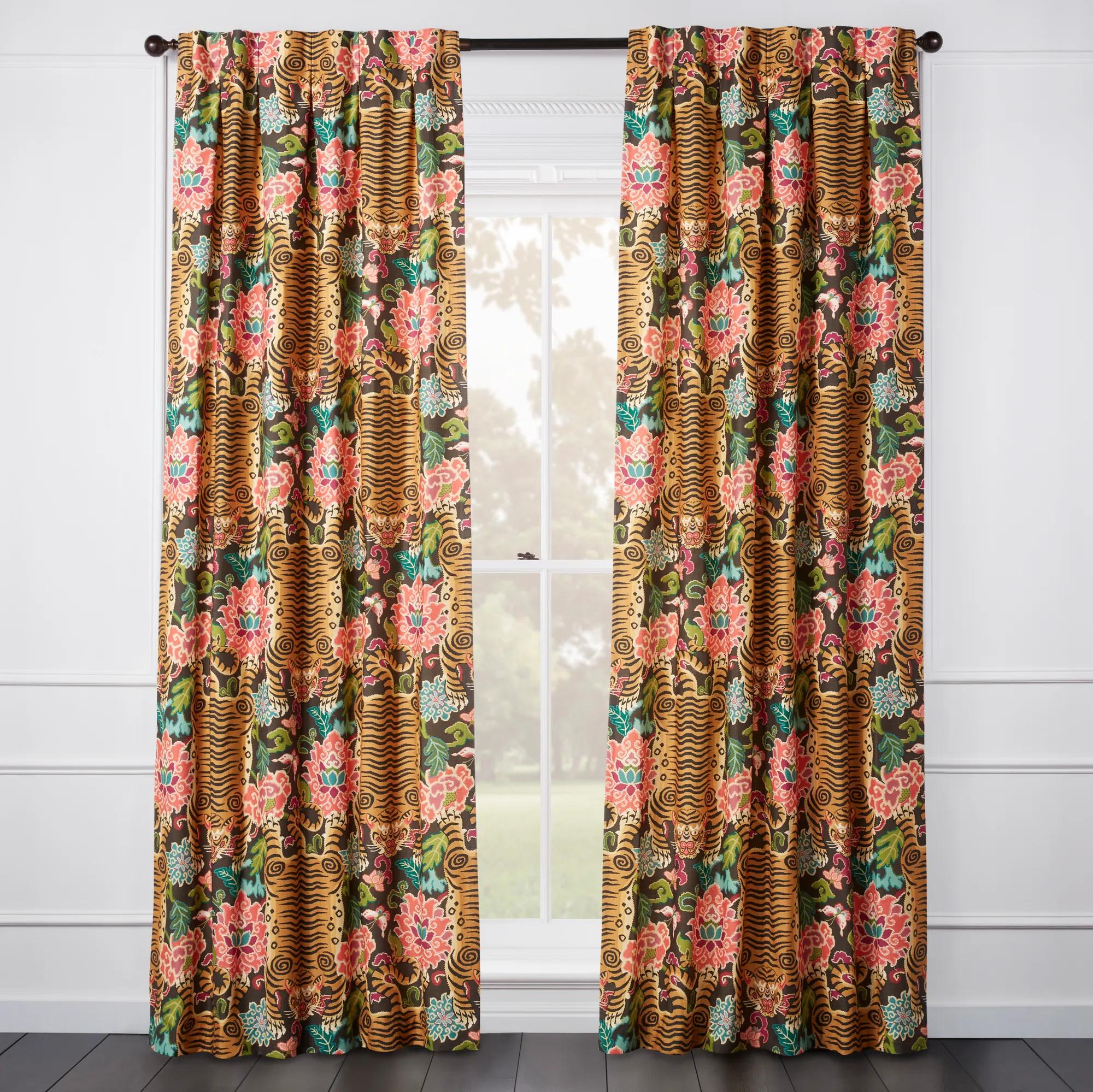 Nimer Gold/Multi Printed Slubbed Cotton Window Curtain Panel$299
A lively gold and multi-colored cotton curtain featuring a bold tiger print and customizable hanging options.
Add To Cart -
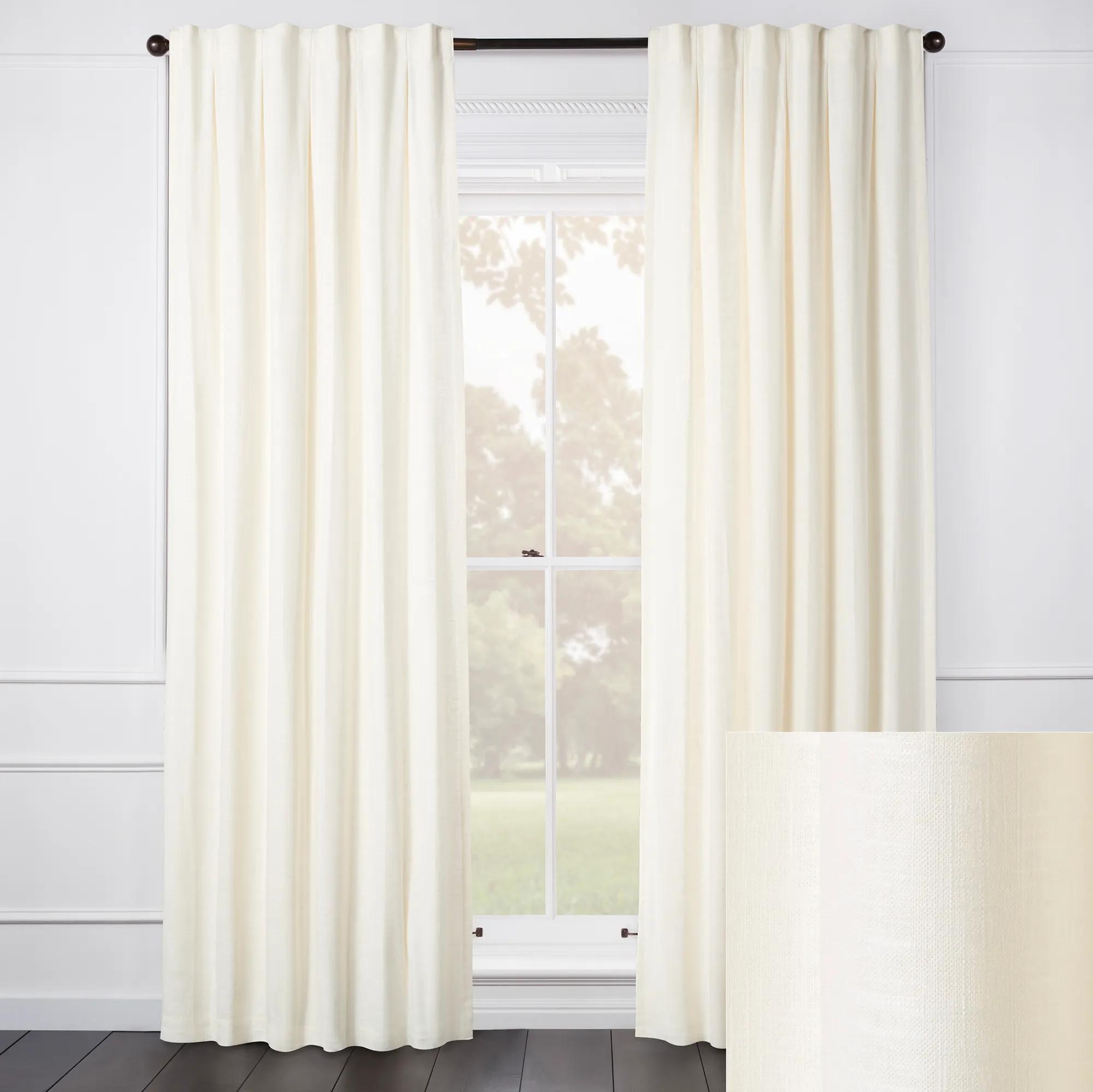
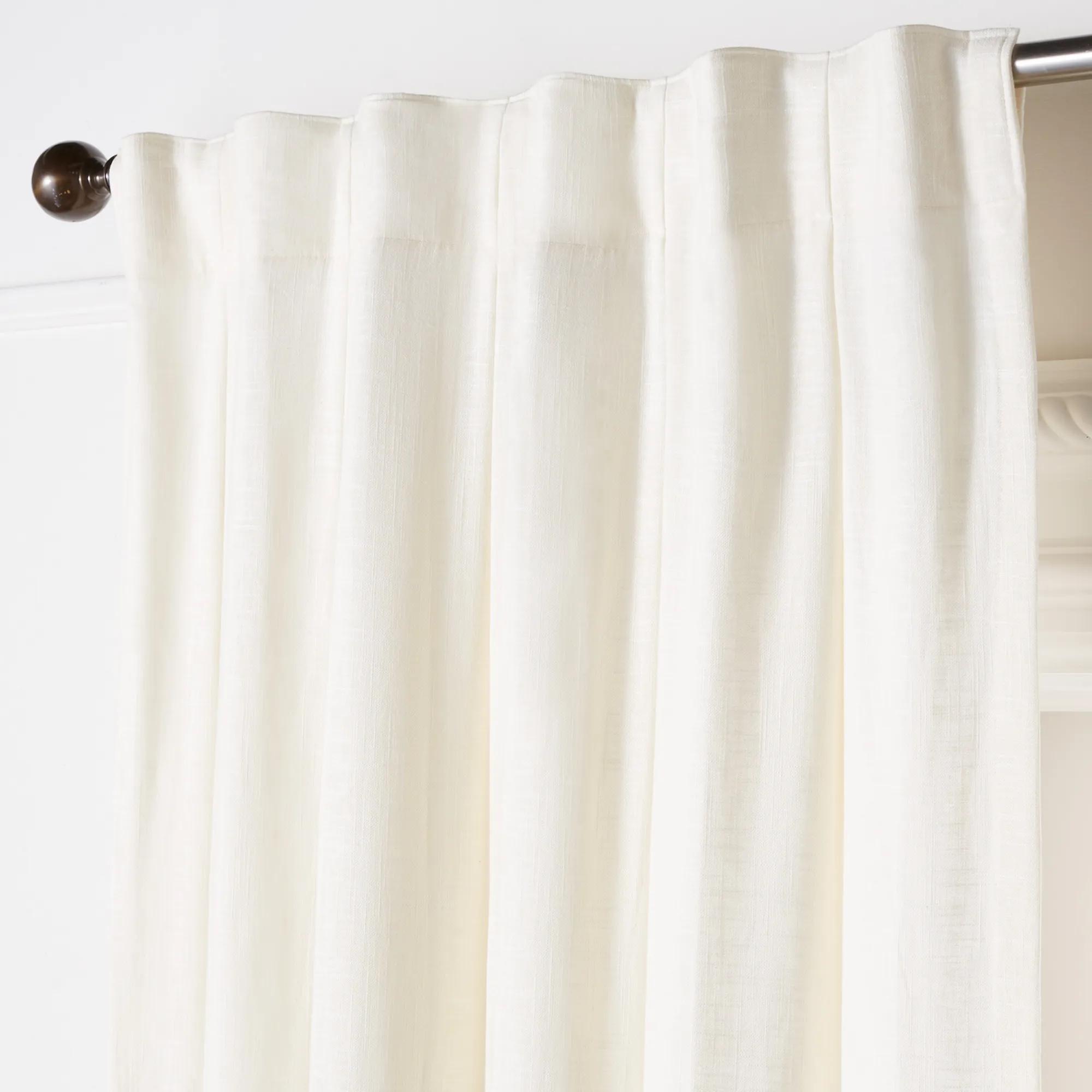 Audrey Linen Ivory Curtain - Custom$269
An ivory linen-blend curtain panel with lining, offering customizable lengths and two elegant header styles.
Add To Cart -
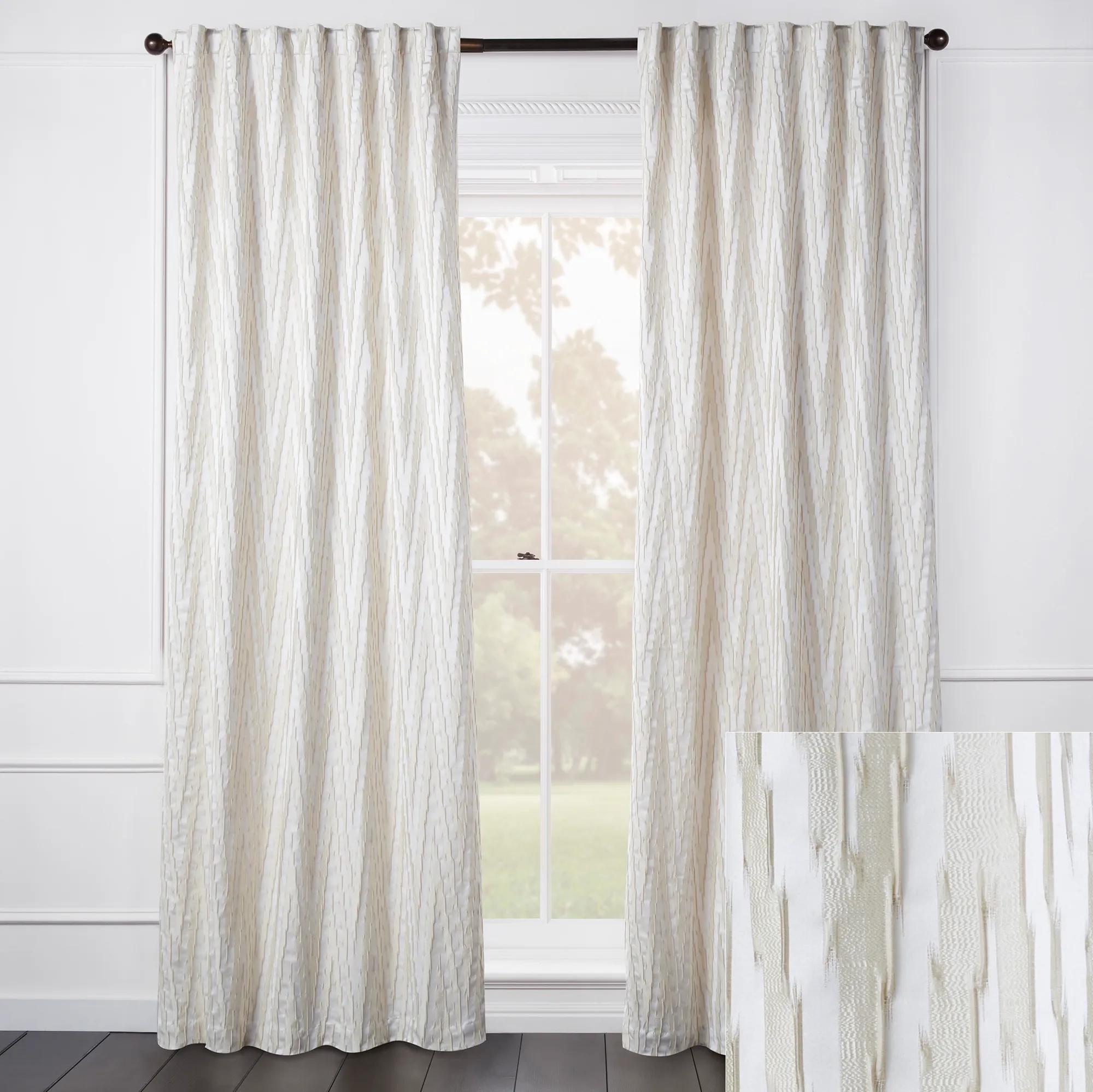
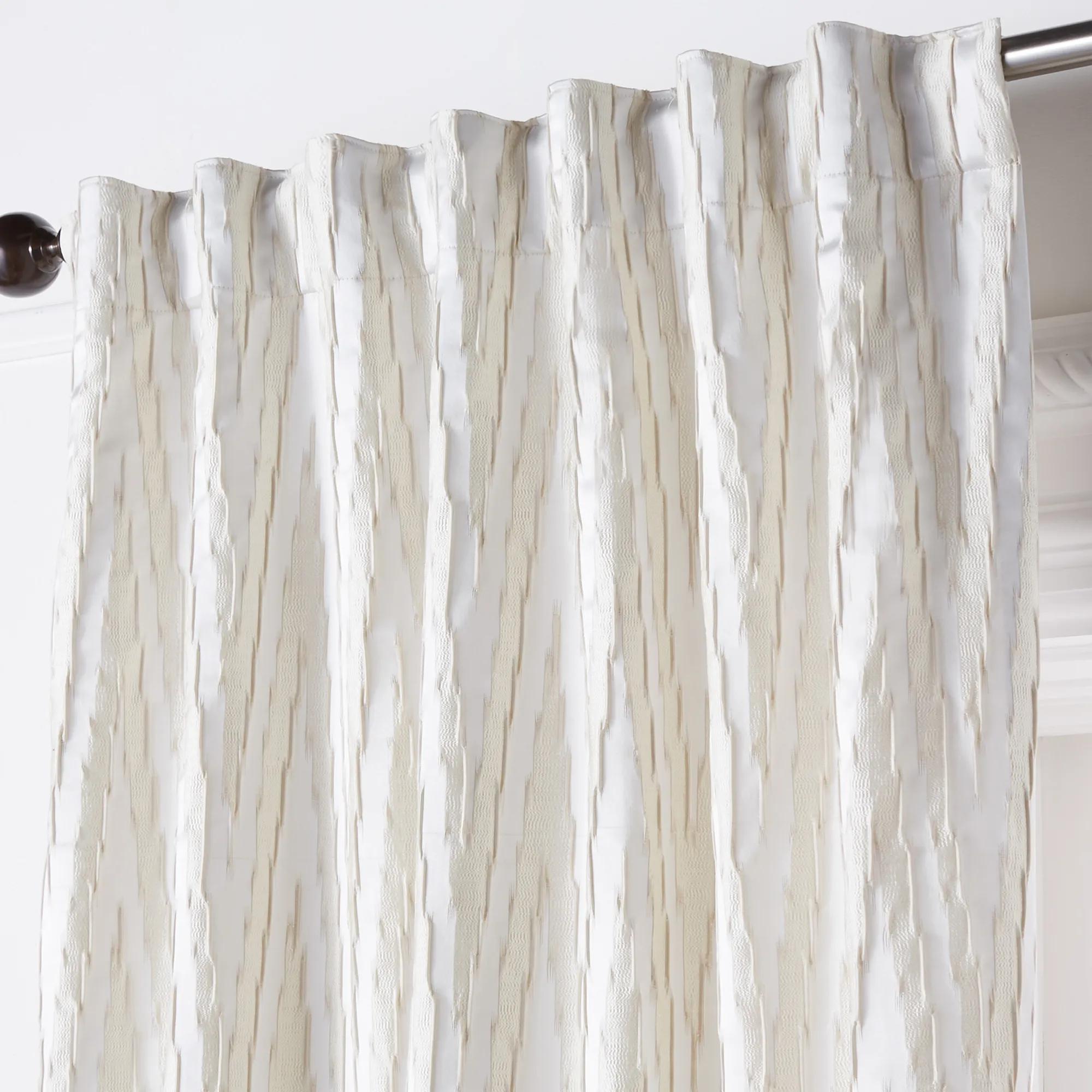 Minka Jacquard Pearl Window Curtain Panel Custom$239
A highly textured chevron curtain panel in pearl, grey, or natural, crafted from soft polyester blend.
Add To Cart -

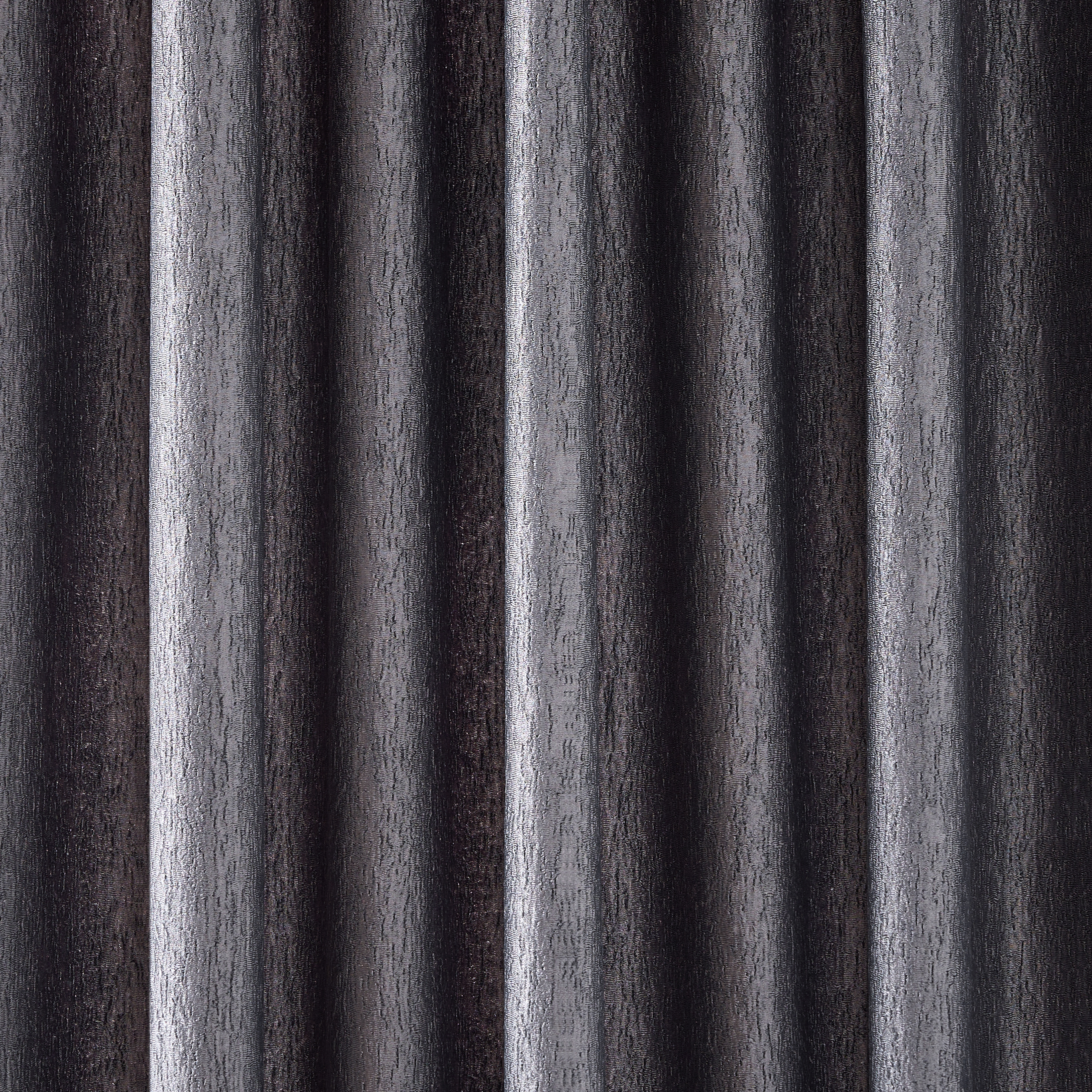 Anson Charcoal Textured Window Curtain Panel$89
A moody charcoal curtain with crushed polyester texture and subtle sheen for stylish, room-darkening appeal.
Add To Cart -

 Adair Midnight Blue Solid Velvet Window Curtain Panel$69
A sumptuous midnight blue velvet curtain that adds elegance, depth, and room-darkening style to any space.
Add To Cart -
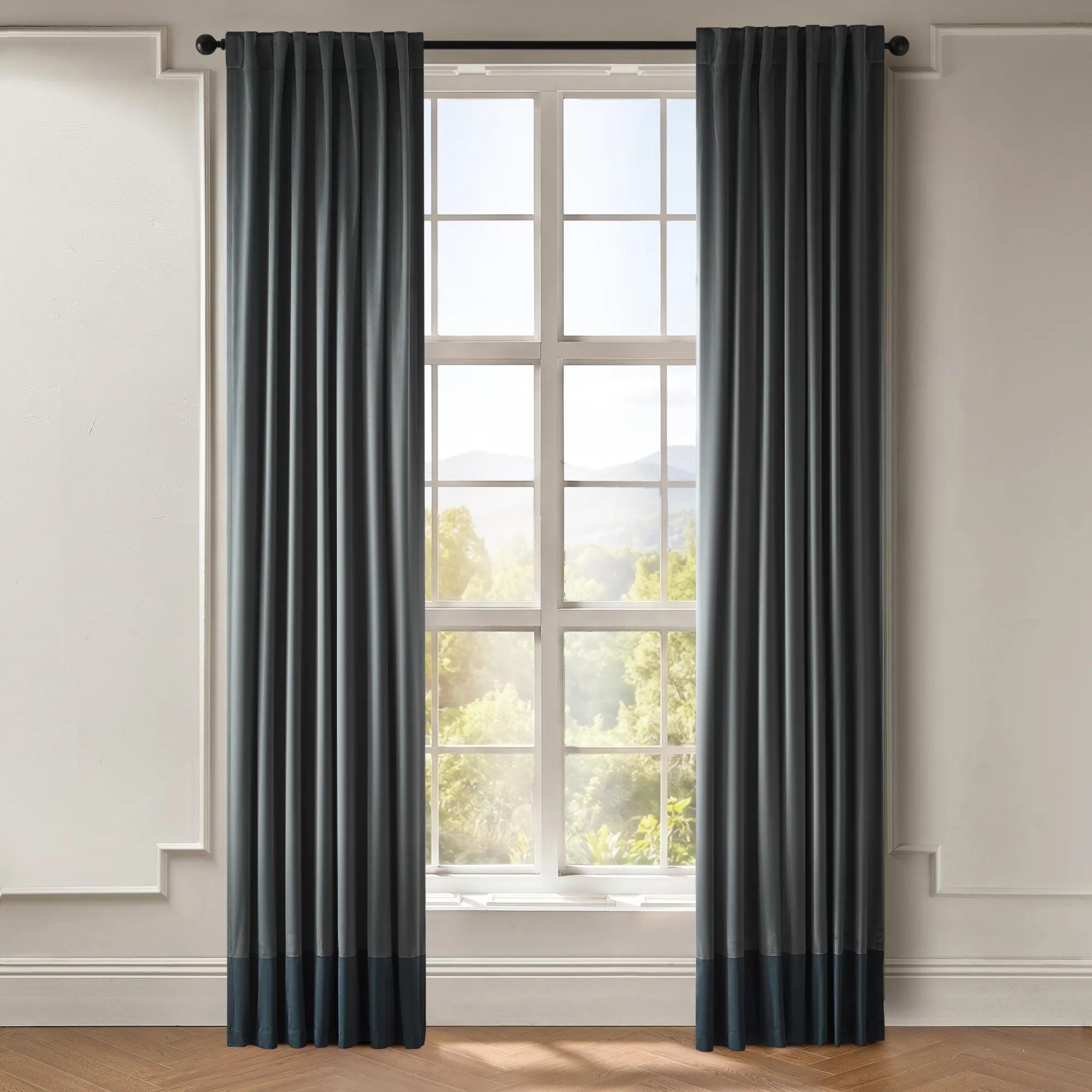
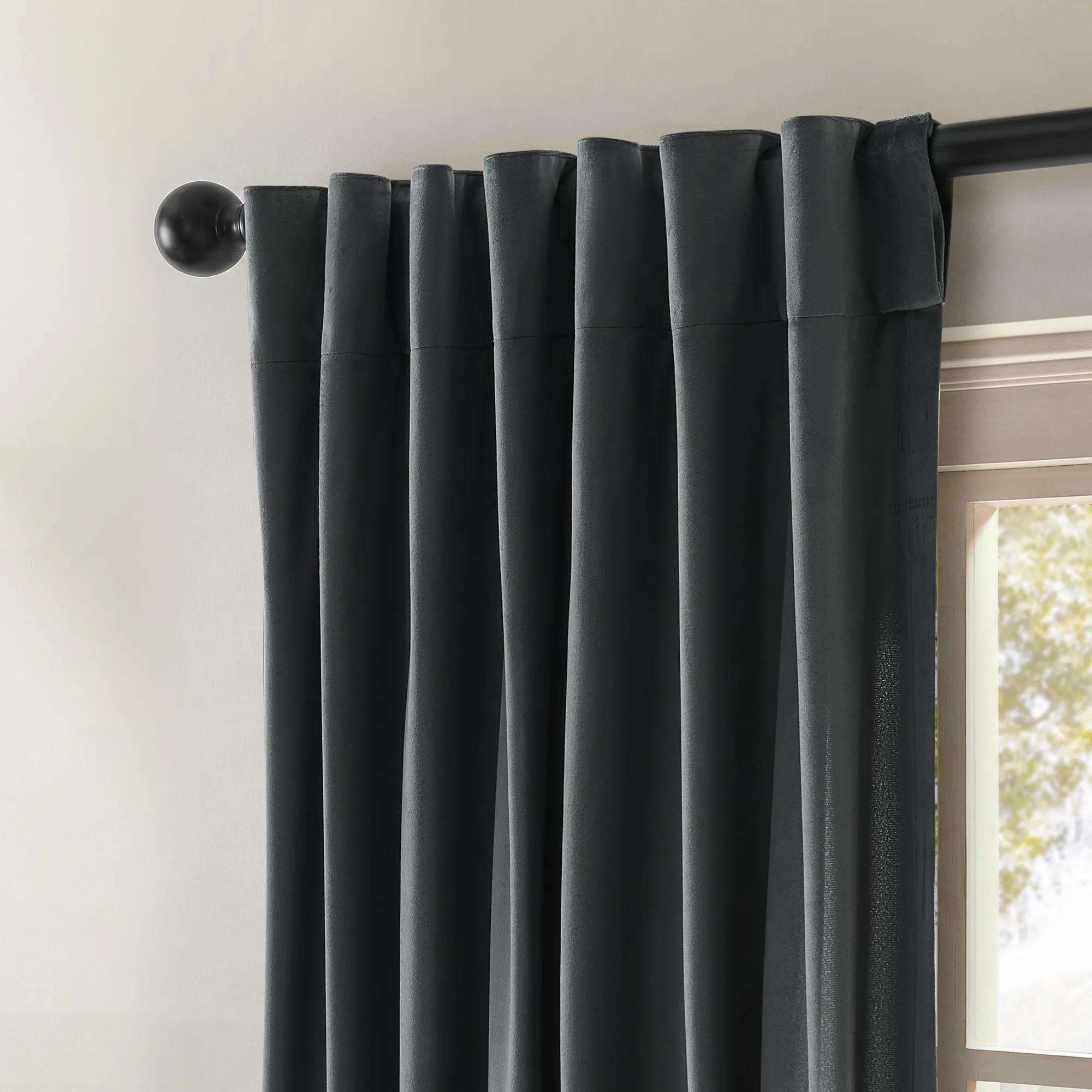 Bastien Blue/Midnight Velvet Border Window Curtain Panel$89
A two-tone dusty and midnight blue velvet curtain panel with a Deco-inspired border and room-darkening design.
Add To Cart -
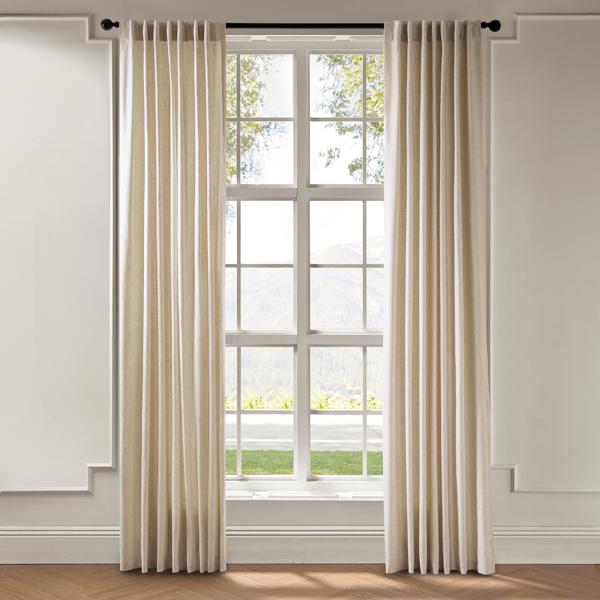
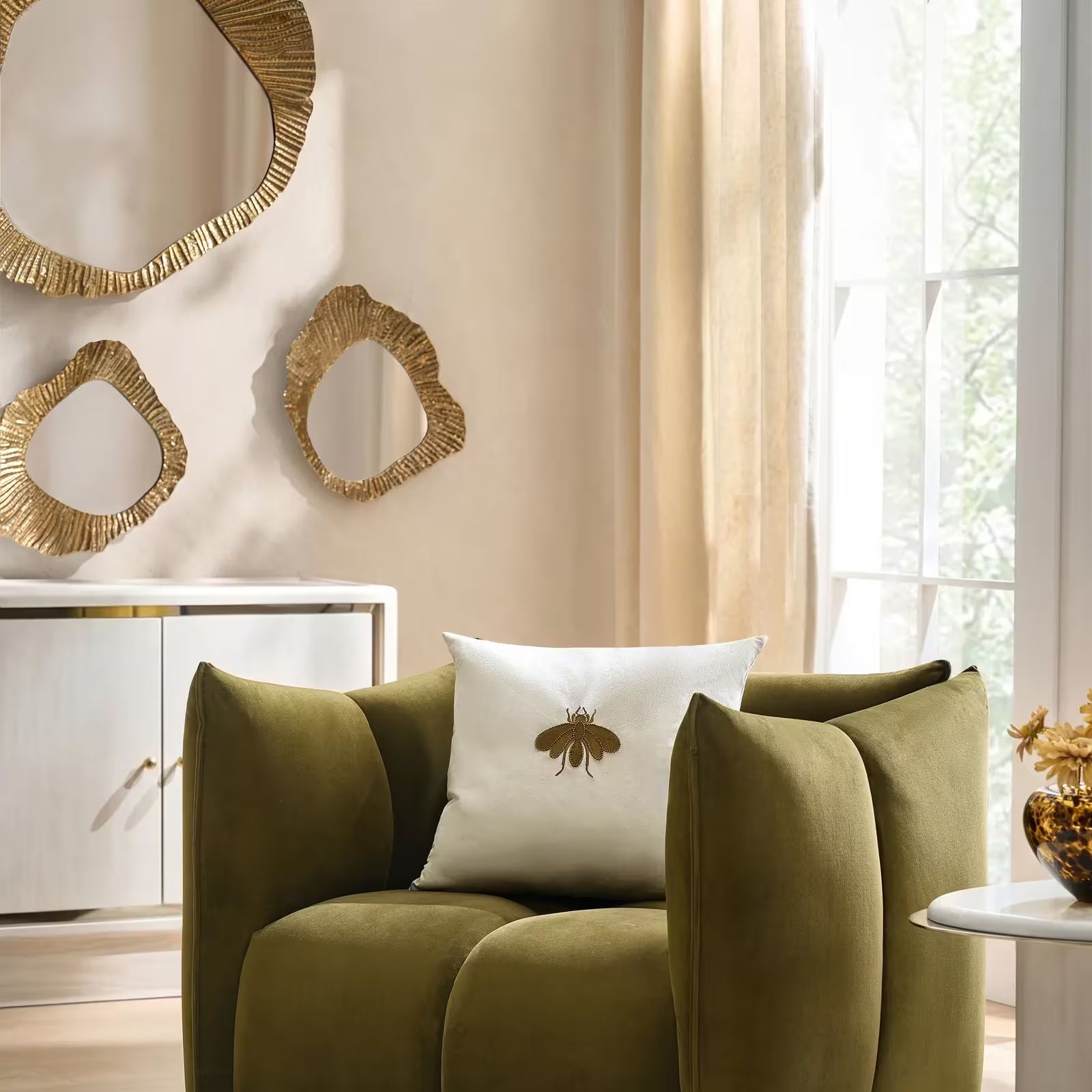 Anson Ivory Textured Window Curtain Panel$99
An elegant ivory curtain panel with a crushed, light-reflective texture for subtle shine and room darkening.
Add To Cart -
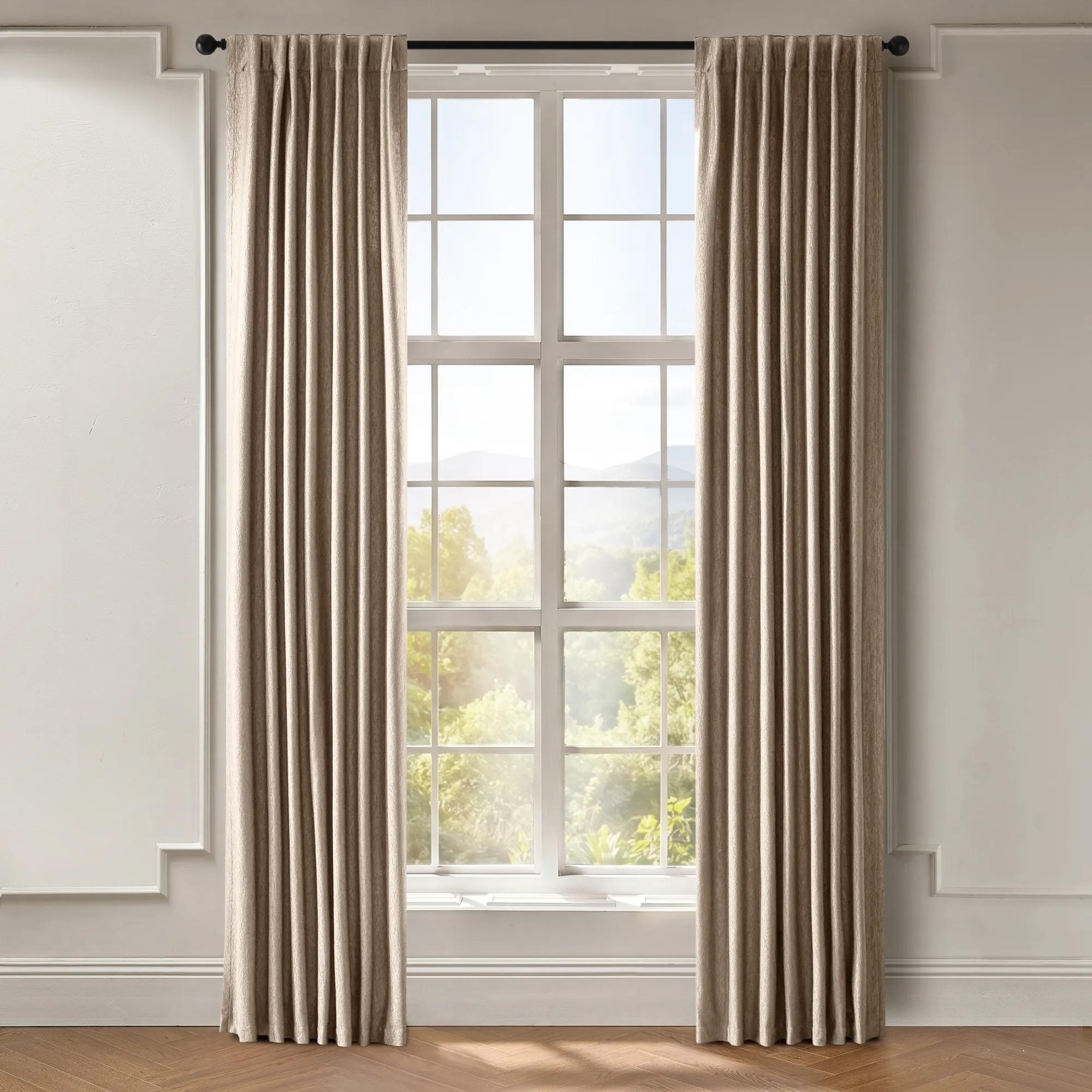 Anson Mocha Rose Textured Window Curtain Panel$99
A light mocha rose curtain panel with crushed sheen texture and room-darkening, dual hanging design.
Add To Cart -
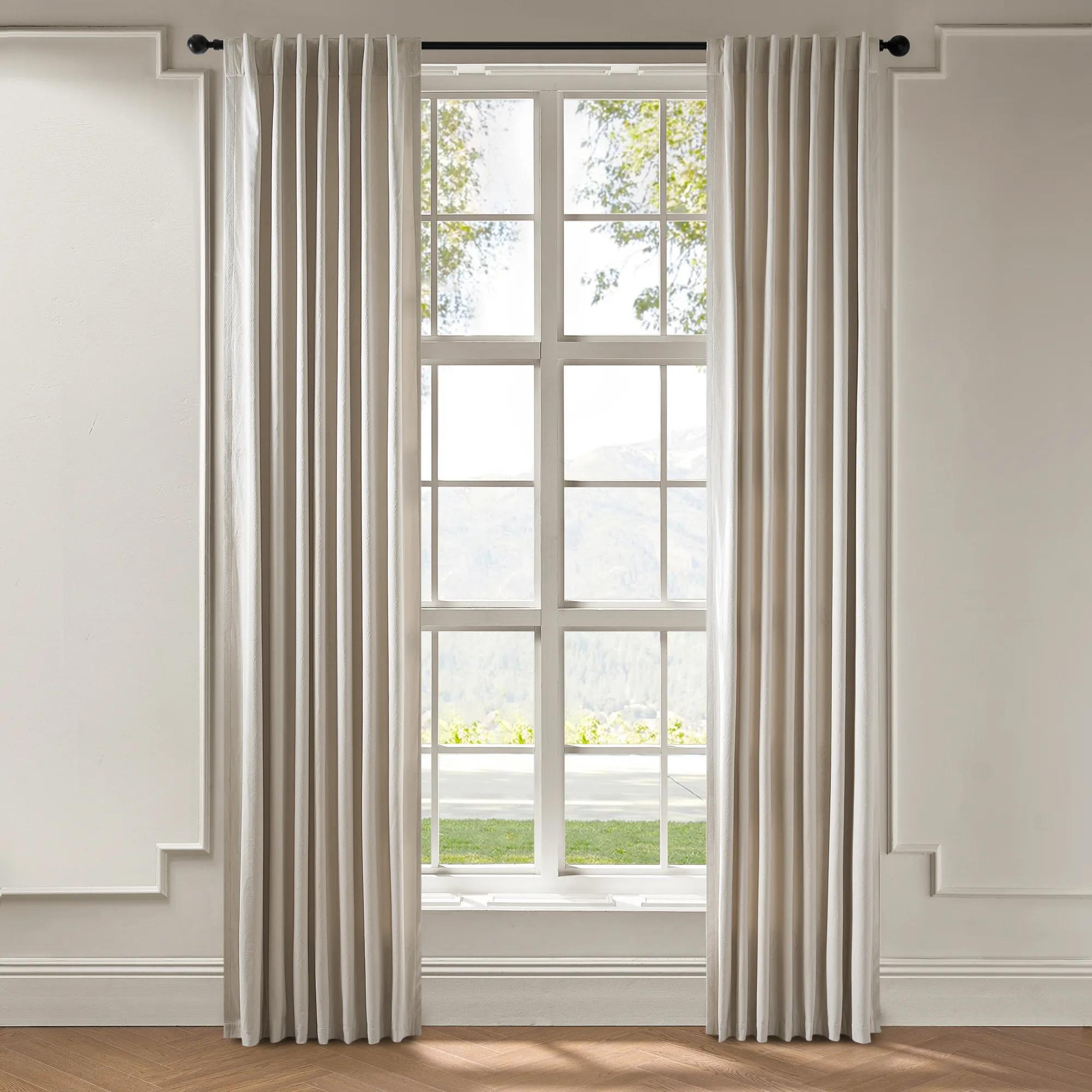
 Mabel White Velvet Swirl Window Curtain Panel$99
A crisp white velvet curtain featuring a tonal swirl texture and versatile dual hanging options.
Add To Cart -
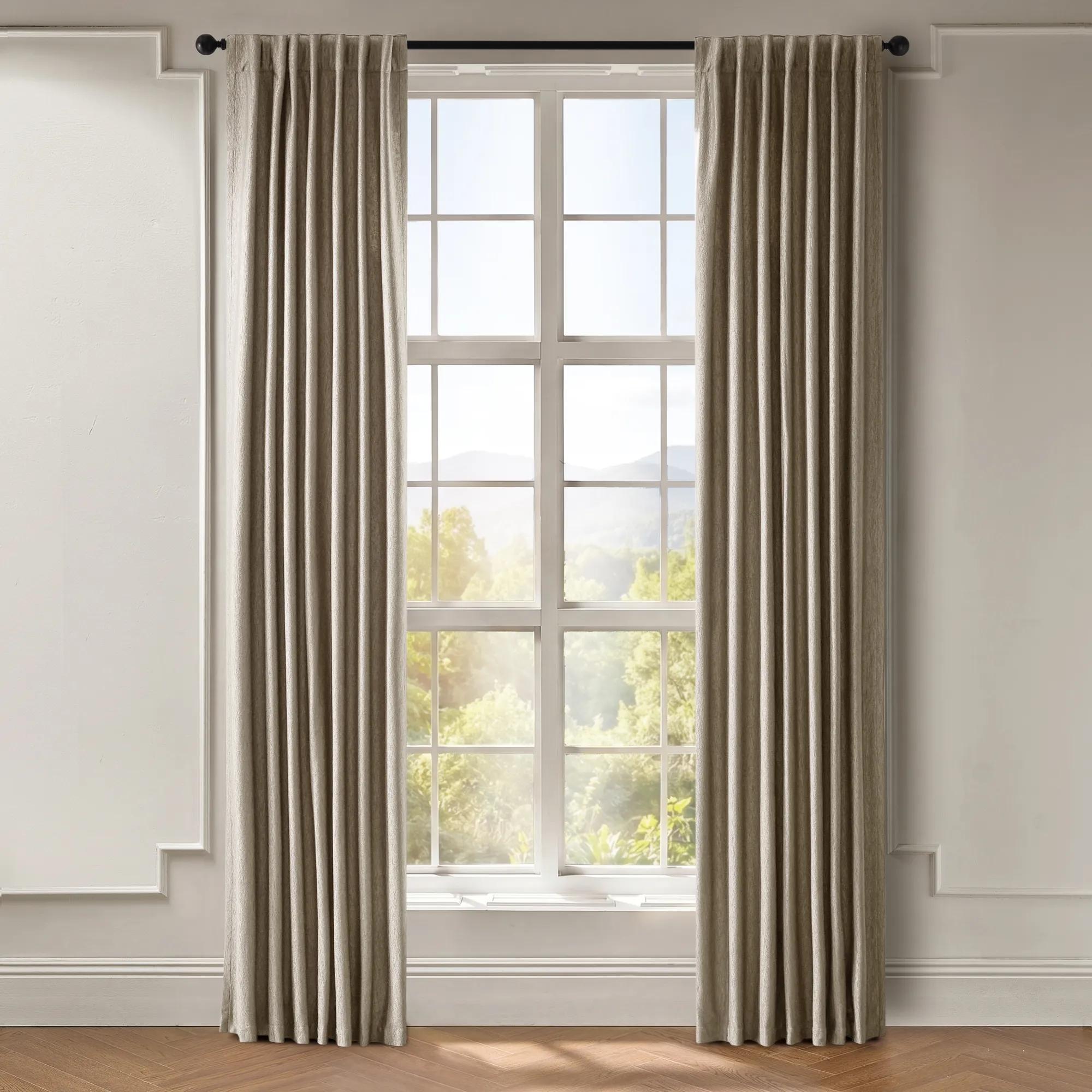
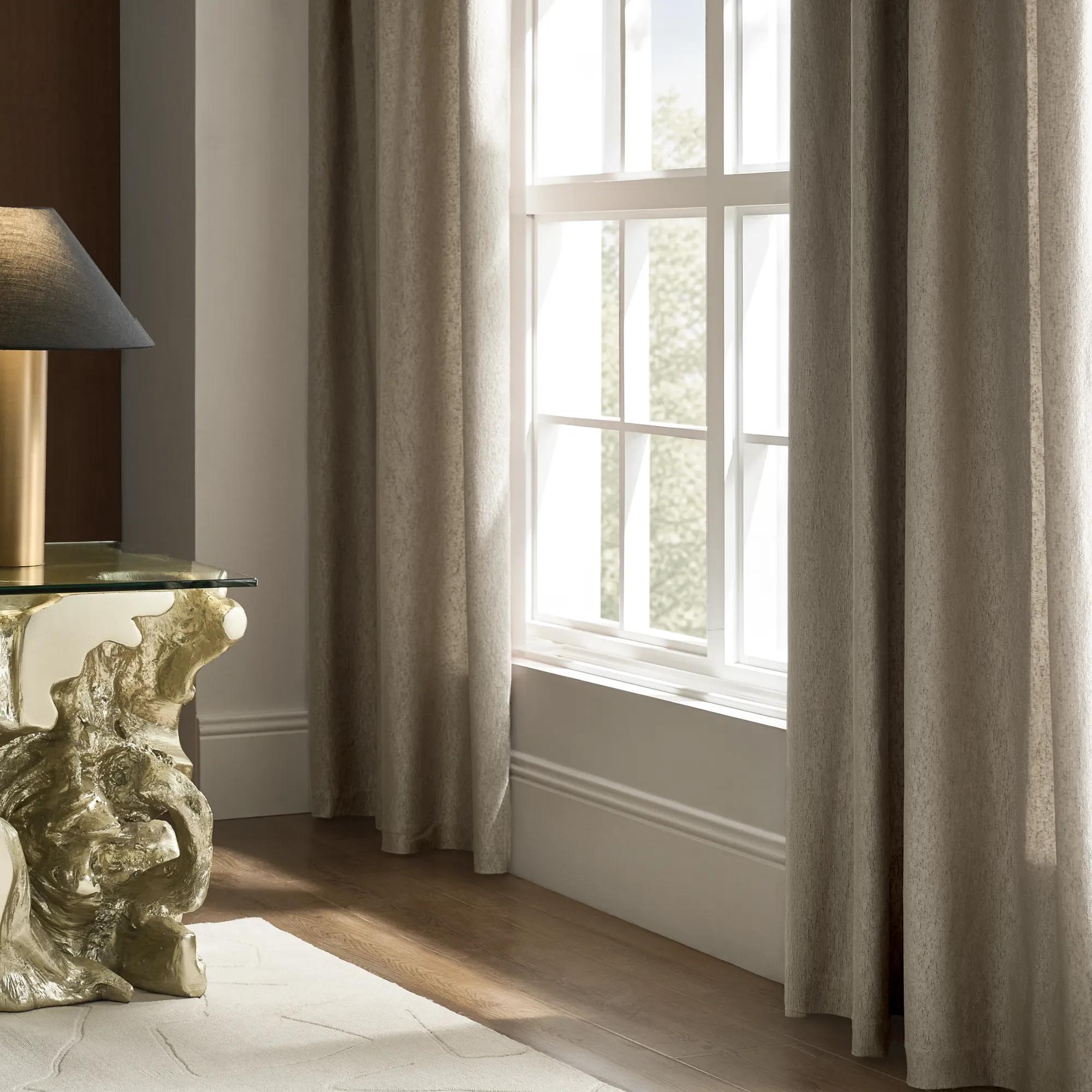 Anson Taupe Textured Window Curtain Panel$89
A taupe polyester curtain panel featuring a crushed sheen texture and room-darkening, dual hanging design.
Add To Cart -

 Adair Sand Solid Velvet Window Curtain Panel$79
A room-darkening sand velvet curtain with dual hanging options for a soft, tailored finish.
Add To Cart -
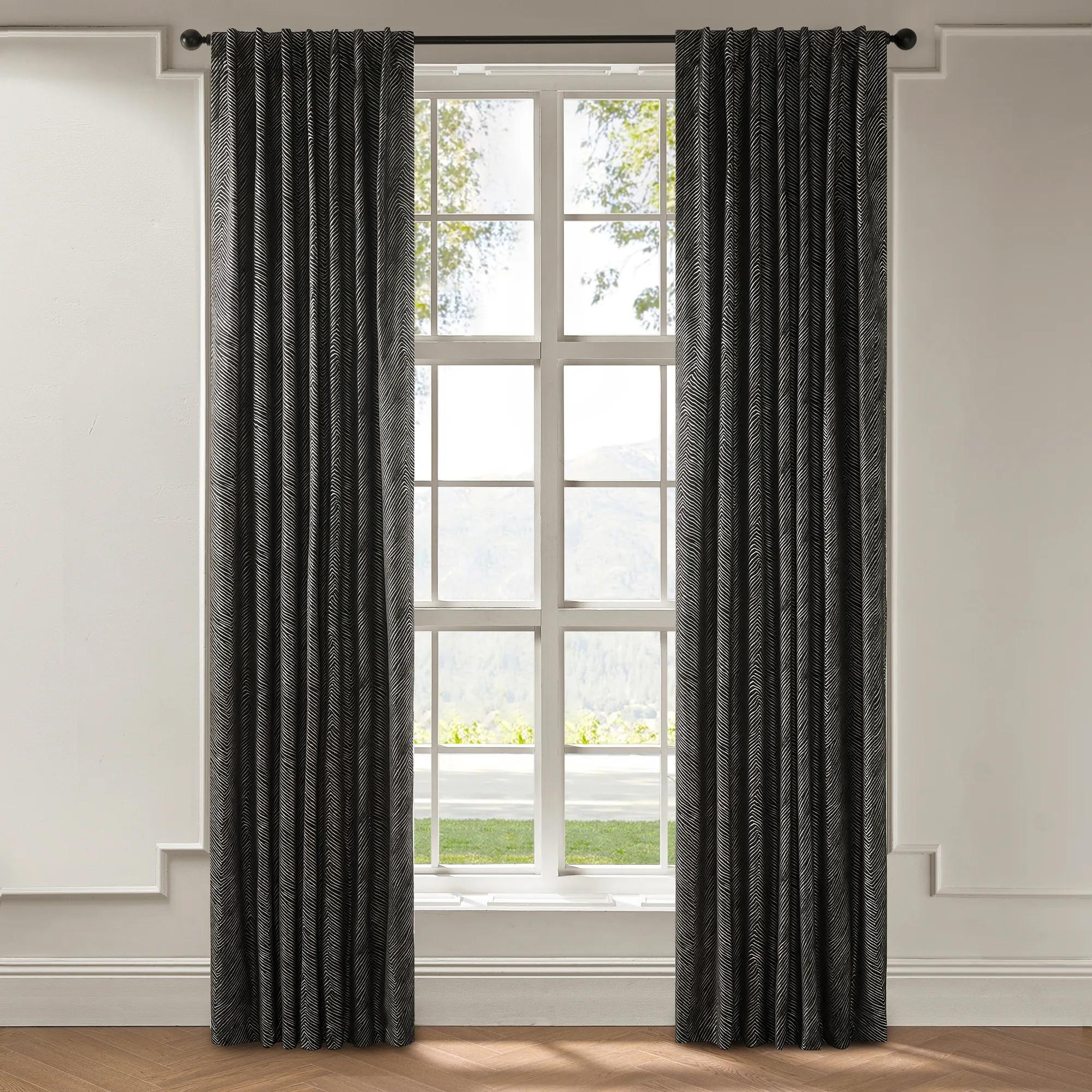
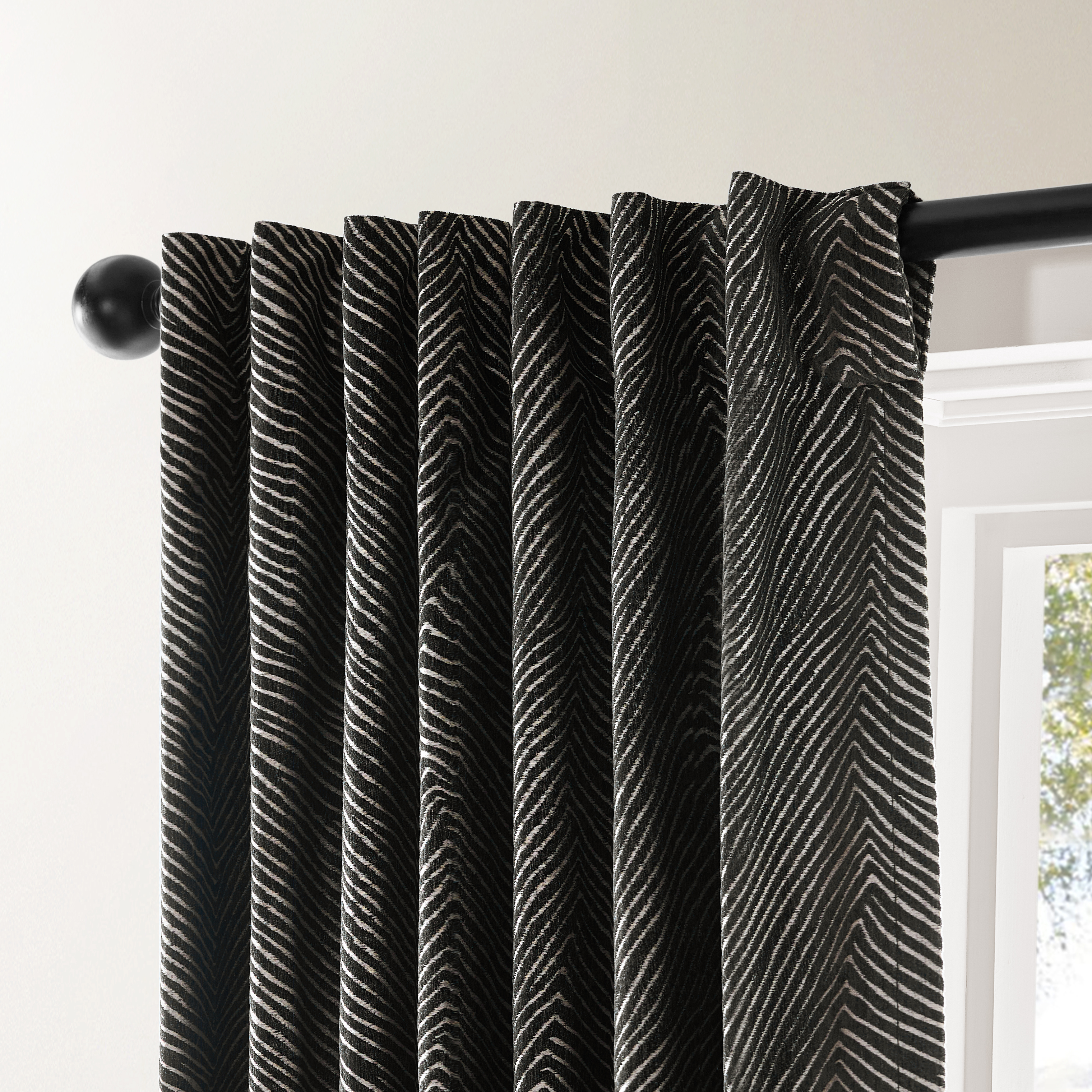 Kenzo Black Chenille Window Curtain Panel$139
A black chenille jacquard curtain with a room-darkening finish and versatile dual hanging options.
Add To Cart -
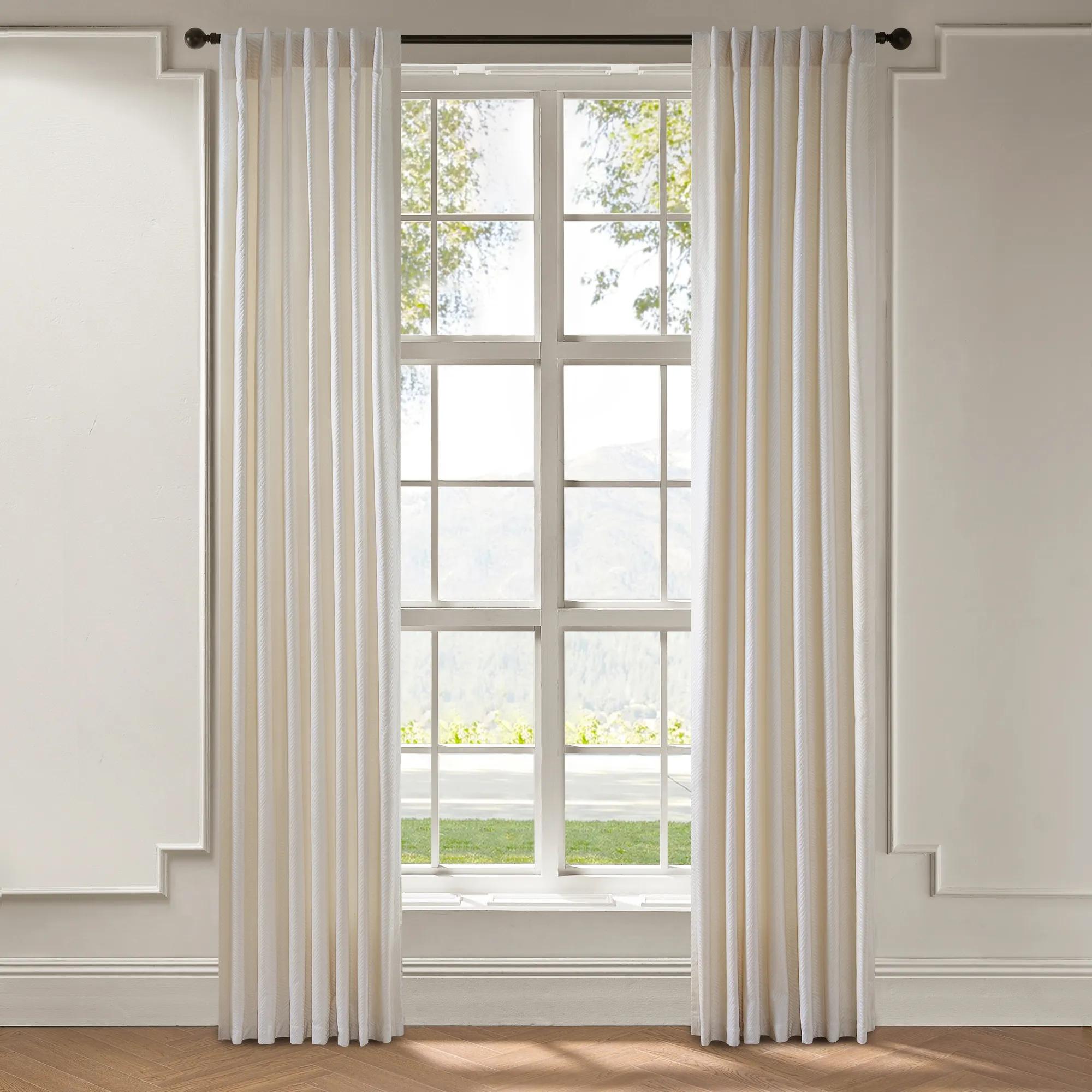
 Kenzo Chenille Curtain - White$139
A luxe white chenille jacquard curtain featuring a subtle high-contrast pattern and versatile dual construction.
Add To Cart -
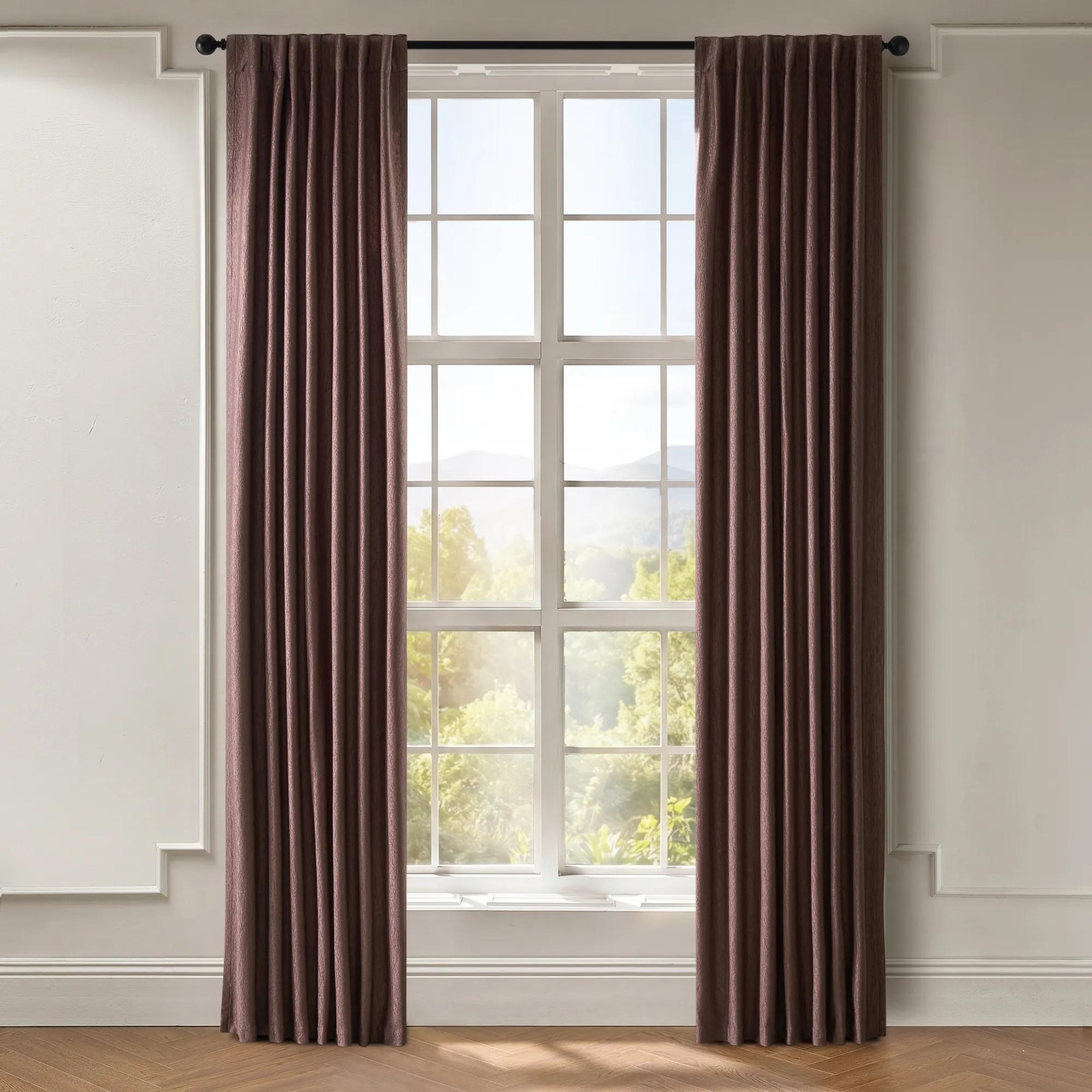
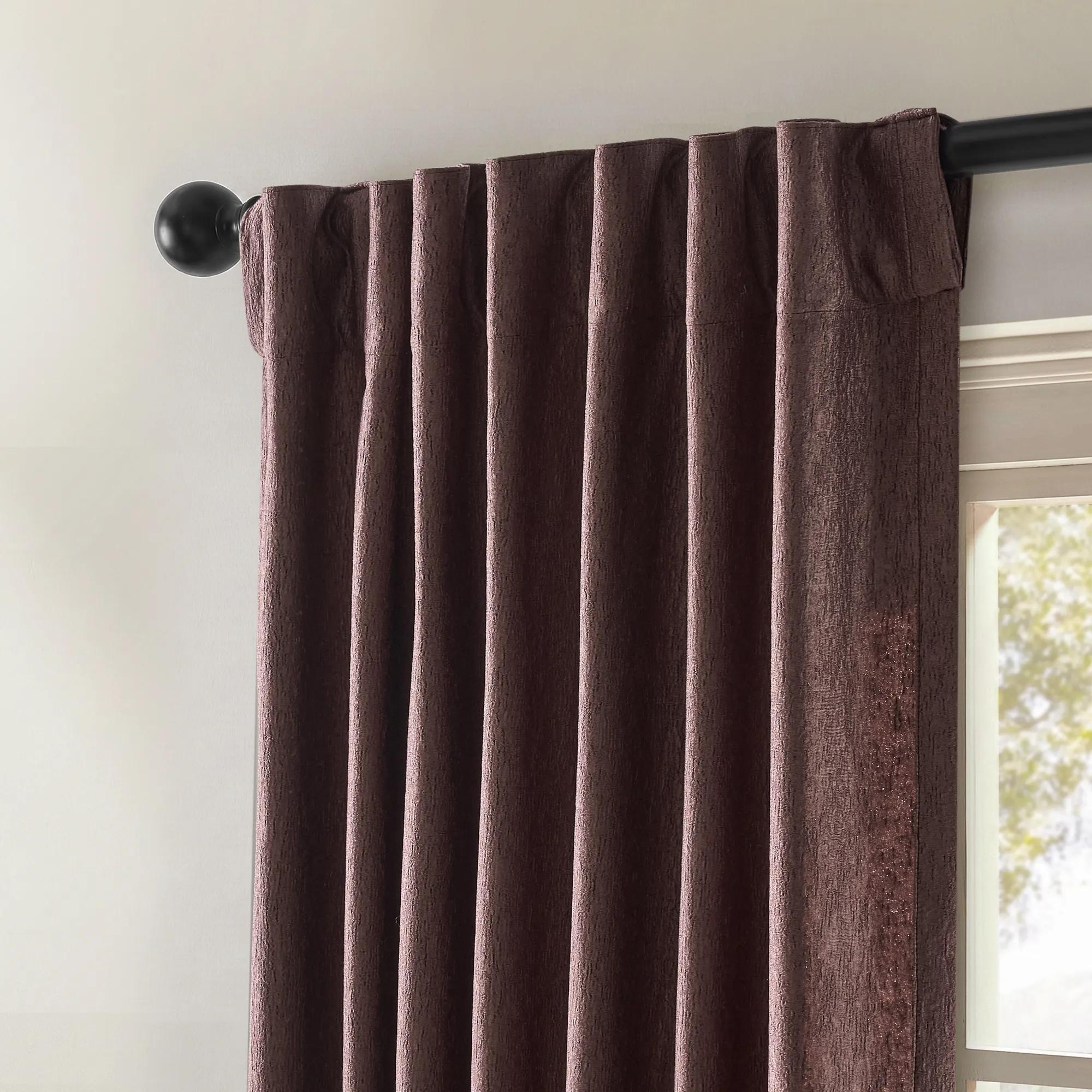 Anson Fig Textured Window Curtain Panel$109
A room-darkening fig curtain panel with a crushed sheen texture and versatile dual hanging options.
Add To Cart -
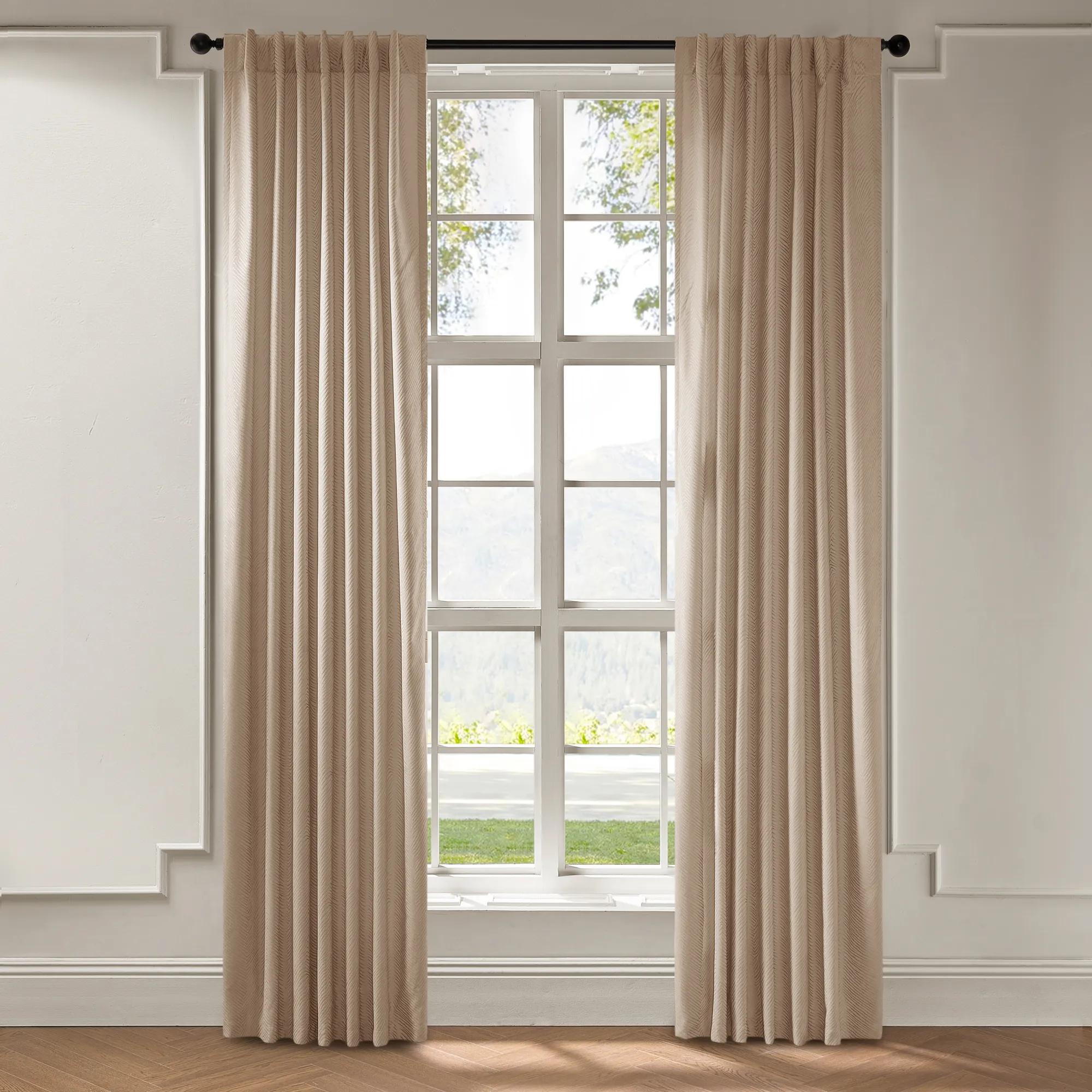 Kenzo Jacquard Beige Chenille Window Curtain Panel$119
A warm beige chenille jacquard curtain with a subtle sheen and versatile rod pocket or back tab hanging.
Add To Cart -
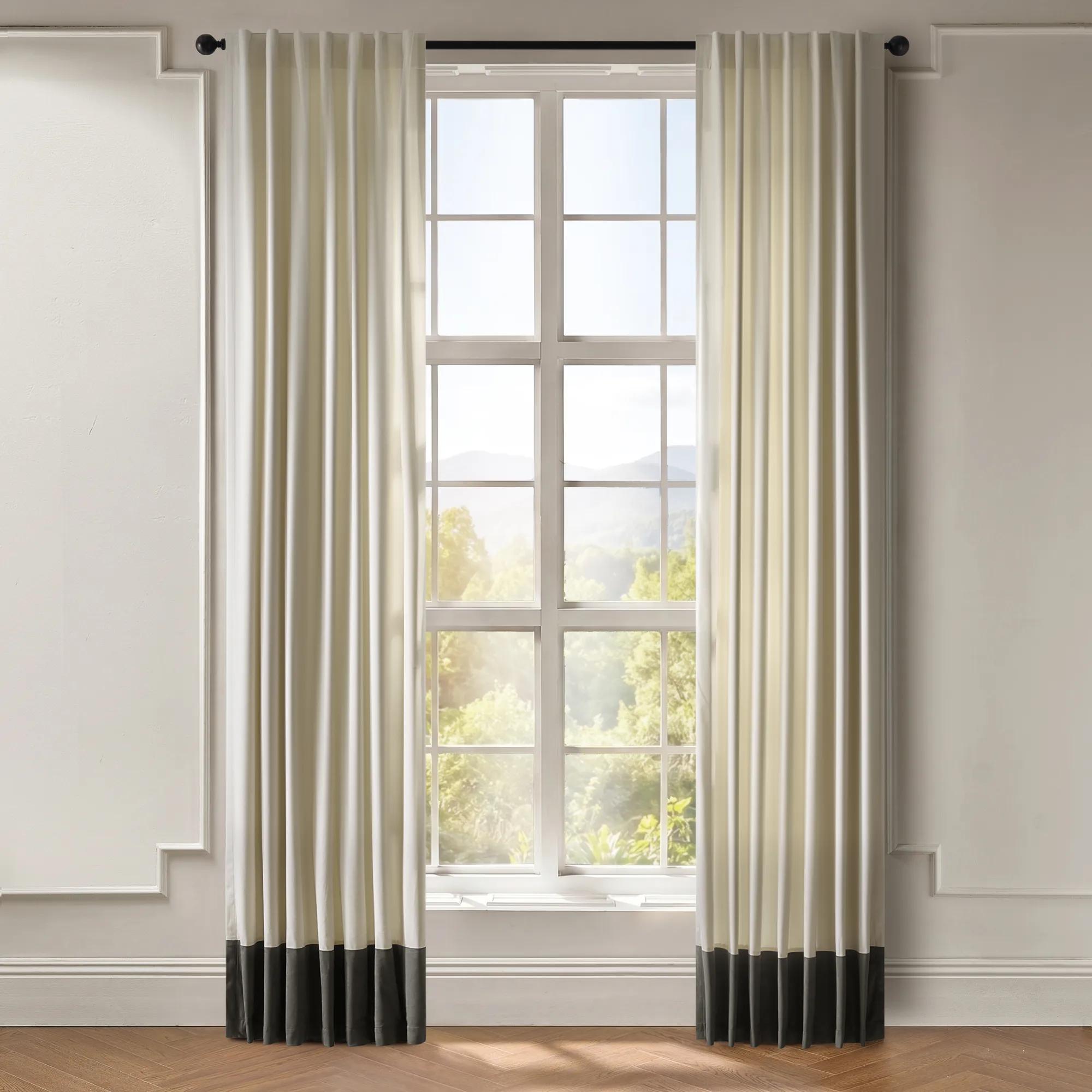
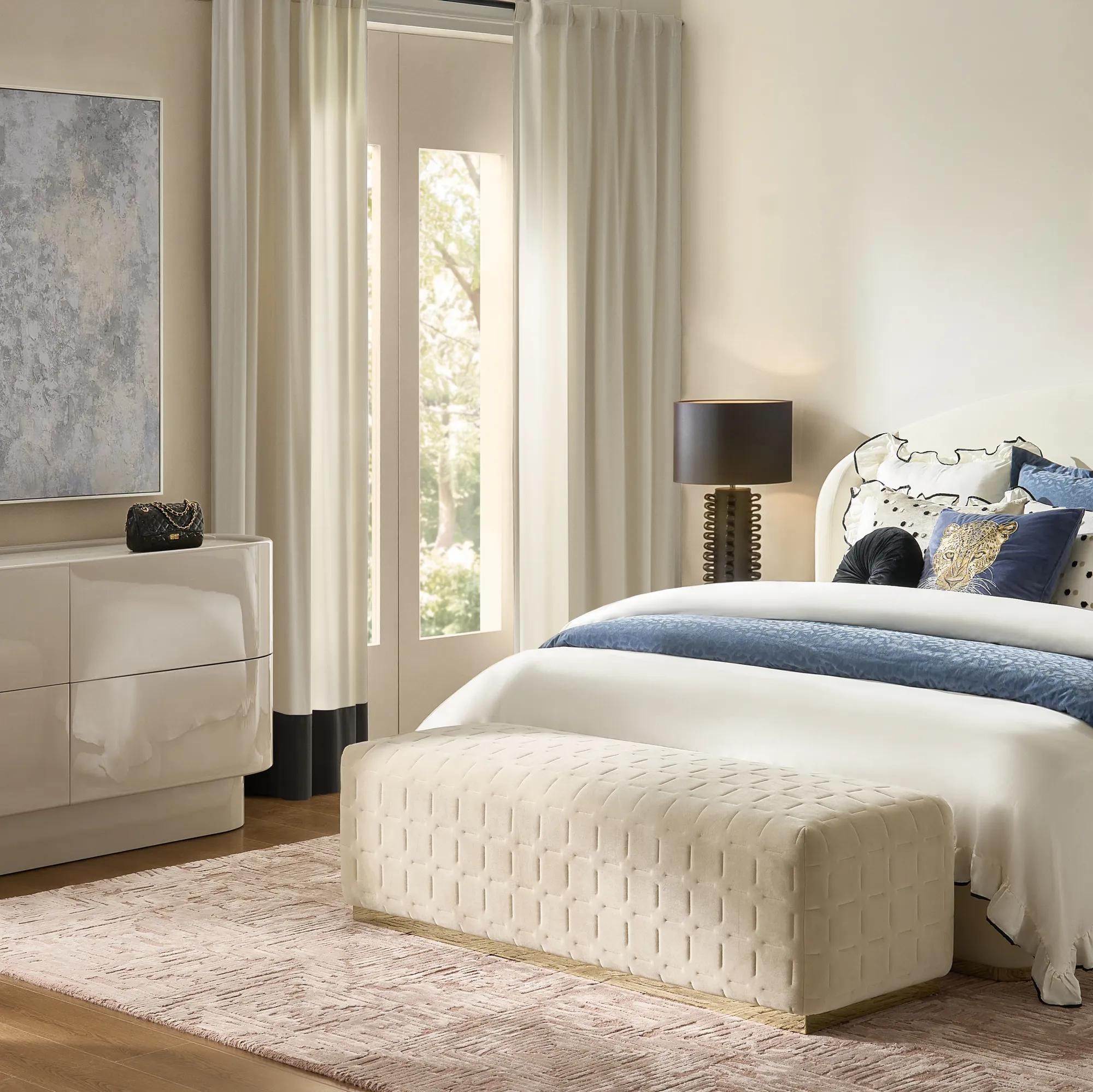 Bastien Ivory/Graphite Velvet Border Window Curtain Panel$89
A two-tone ivory and graphite velvet curtain panel with room-darkening design and versatile hanging options.
Add To Cart -

 Mabel Natural Velvet Swirl Window Curtain Panel$99
A warm neutral velvet curtain with a tonal swirl pattern, offering room-darkening privacy and versatile hanging options.
Add To Cart -

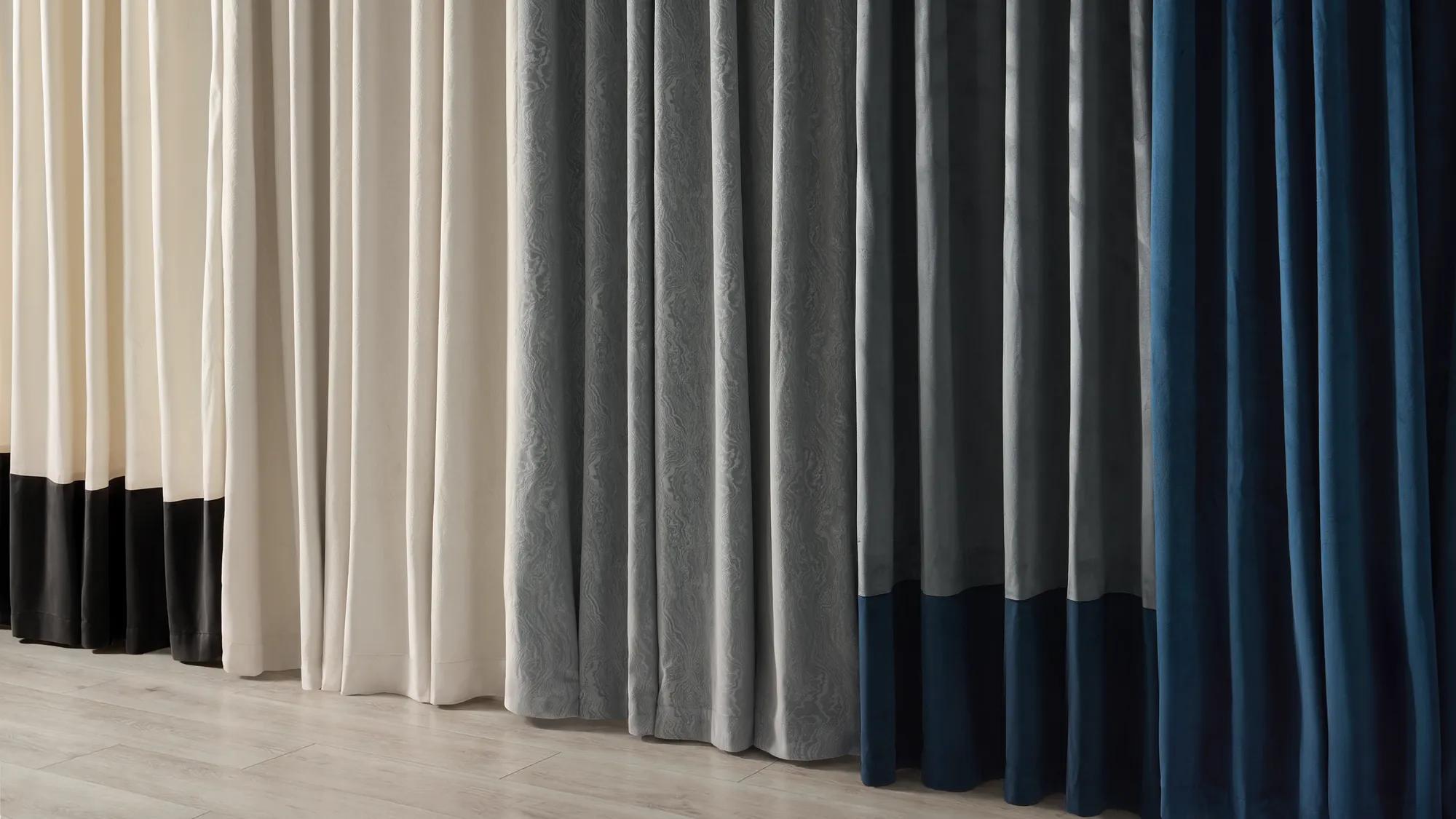 Mabel Velvet Swirl Curtain - Grey Blue$99
A grey blue velvet curtain featuring a tonal swirl pattern and versatile dual hanging options.
Add To Cart

Room Darkening Rod Pocket Curtains
Room darkening rod pocket curtains soften incoming light and bring a sense of drama to your windows. Explore light-filtering control beyond sheer panels, with rod pocket headers that slide over a curtain rod to create graceful gathers. For bedrooms or living spaces, consider panel length and width to achieve the coverage and fullness your room deserves.
Room darkening rod pocket curtains bring a softer, more intimate quality to a room, pairing light control with the sculptural beauty of gathered fabric. A rod pocket is a sewn-in channel along the top of a curtain panel that slides directly over a curtain rod, concealing much of the hardware behind a continuous sweep of textile. The result is an elegant, softly pleated silhouette without exposed rings or grommets. Room darkening describes the curtain’s ability to substantially reduce incoming light; it does not automatically mean complete blackout. Performance depends on the fabric, lining or backing, panel coverage, and the amount of light entering around the edges. For a bedroom overlooking a brightly illuminated street, that distinction matters: a denser panel can soften intrusive light, while generous coverage helps limit the glow beside the window. In a living room, these curtains can temper harsh afternoon glare without making the space feel purely functional. They also offer a more comfortable backdrop for watching a film, creating a media-room atmosphere that still feels beautifully furnished. Their appeal extends to guest bedrooms, nurseries, and home offices where softer light and greater privacy support the way a room is used. People who sleep during daylight hours may prefer curtains specifically labeled blackout if near-total darkness is the priority, rather than assuming every room darkening fabric performs identically. Privacy likewise varies with construction and lighting conditions, so a substantial lined panel is worth considering for windows facing a sidewalk or neighboring home. Visually, the rod pocket gives the upper edge a tailored fullness that suits both romantic interiors and polished contemporary spaces. Drawn closed, the fabric becomes a broad field of color and texture; held open with tiebacks, it frames the view with deliberate, generous folds. This balance of atmosphere and purpose makes room darkening curtains especially compelling wherever the window deserves as much attention as the furniture beneath it.
Fabric determines both the character of rod pocket curtains and much of their everyday performance. Polyester and polyester blends are common choices because they can offer dimensional stability, resistance to wrinkling, and a consistent drape, although individual care requirements still vary. Velvet brings a plush surface and rich shifts of tone as its pile catches the light, lending particular depth to a bedroom with an upholstered headboard or a sitting room arranged around sculptural seating. Linen-look weaves create a more textured expression, with visible variation that can soften glossy finishes and sharply defined furniture. A decorative face fabric alone does not establish how much light a curtain will block: tightly woven construction, multiple fabric layers, or a specialized backing may provide the light-reducing effect. Pale curtains can still offer substantial room darkening when their construction supports it, while an unlined dark fabric may allow more light through than its color suggests. Look to the stated performance and material details rather than judging by shade or weight alone. Ivory and pearl tones give a window an expansive, luminous presence; charcoal, espresso, and saturated jewel tones make the surrounding architecture feel more pronounced. Subtle sheen introduces another dimension, catching lamplight across the folds without requiring an elaborate pattern. In a room with a patterned rug or expressive artwork, a solid curtain can give those elements breathing room while contributing its own depth. For a quieter interior, a richly textured panel can supply the visual interest that a restrained palette needs. Coordinating the curtain’s undertone with upholstery, bedding, or wall color creates continuity without requiring an exact match. Shoppers comparing different window treatments can also explore Room Darkening Drapery Panels, paying attention to header construction, fabric composition, and light-control descriptions. The most satisfying choice brings those practical details into harmony with the desired mood, whether that is a cocooning bedroom, a gracious guest suite, or a living space with a decidedly theatrical frame around the view.
Fit gives room darkening rod pocket curtains their finished presence, and a few measurements make a visible difference. Measure the span of the rod rather than relying only on the width of the glass, then consider the combined width of all panels needed to cover it. A total curtain width of roughly one and a half to two times the rod width is a common starting point for soft fullness, with the ideal proportion depending on fabric thickness and the desired amount of gathering. Panels stretched nearly flat may cover the window, but they lose the dimensional folds that make this style distinctive. Extending the rod beyond the window frame can allow open curtains to sit farther from the glass and help closed panels overlap the sides, provided the wall space and mounting surface permit it. Additional height above the frame can strengthen the sense of scale while improving coverage at the top, though gaps may still admit light. Check the rod pocket dimensions against the rod diameter, allowing enough room for the fabric to slide without straining the seams. Because pocket headers create friction along the rod, they generally suit windows where curtains remain arranged for longer periods better than windows requiring frequent opening and closing. A substantial fabric also calls for hardware and brackets rated to support its weight. For length, account for how the panel sits on the rod and whether a decorative header rises above the pocket. A hem that just clears the floor offers a polished line with less contact with dust, while a slight break at the floor creates a softer finish. Care should follow the sewn-in label: some panels are machine washable, while others require professional cleaning, and certain backings may be sensitive to heat or ironing. Gentle vacuuming with an appropriate upholstery attachment can help remove surface dust between cleanings. Well-finished seams, secure hems, and a sturdy pocket are useful details to examine for lasting wear. With thoughtful proportions and care suited to the fabric, these curtains give everyday light control a richly considered form.
FAQs
Rod pocket curtains feature a sewn-in channel at the top through which a curtain rod passes, creating soft gathers without exposed rings or clips. In room darkening styles, this tailored heading pairs with richly draped fabric for a window treatment that feels polished and inviting.
Velvet lends sumptuous depth, while woven textures introduce a more understated richness. Fabrics with a subtle sheen bring a luminous accent to the room. Let the surrounding furnishings guide your choice: plush upholstery, gleaming metallics, and sculptural wood each invite a different textile contrast.
Consider the mood you want to create. Ivory and champagne offer a refined backdrop for expressive furnishings, while charcoal or jewel tones introduce dramatic contrast. For a cohesive composition, echo a shade from your artwork or rug rather than matching every textile in the room.
Pair them with sheers on a separate rod for a layered window composition. Airy ivory sheers against richly textured outer panels create an elegant interplay of translucence and depth. Keep the palette tonal for quiet glamour, or introduce contrasting hues for a more expressive frame.
Their softly gathered silhouette complements curved seating, sculptural lighting, and statement artwork. Introduce a mirrored accent table or brushed-metal accessories for a glamorous counterpoint to the fabric. Repeat one curtain color in a decorative pillow or art piece to connect the window treatment to the room’s larger story.


