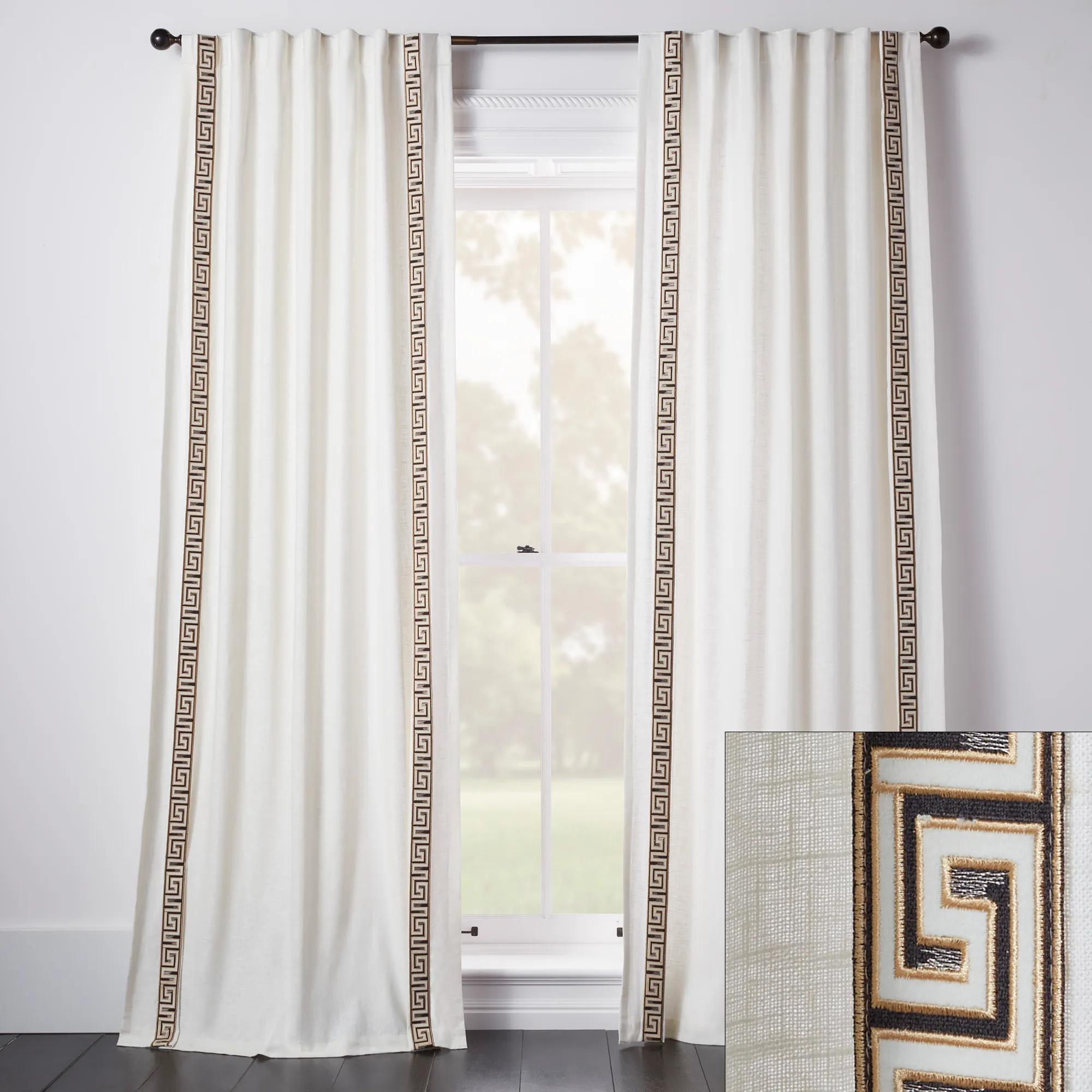
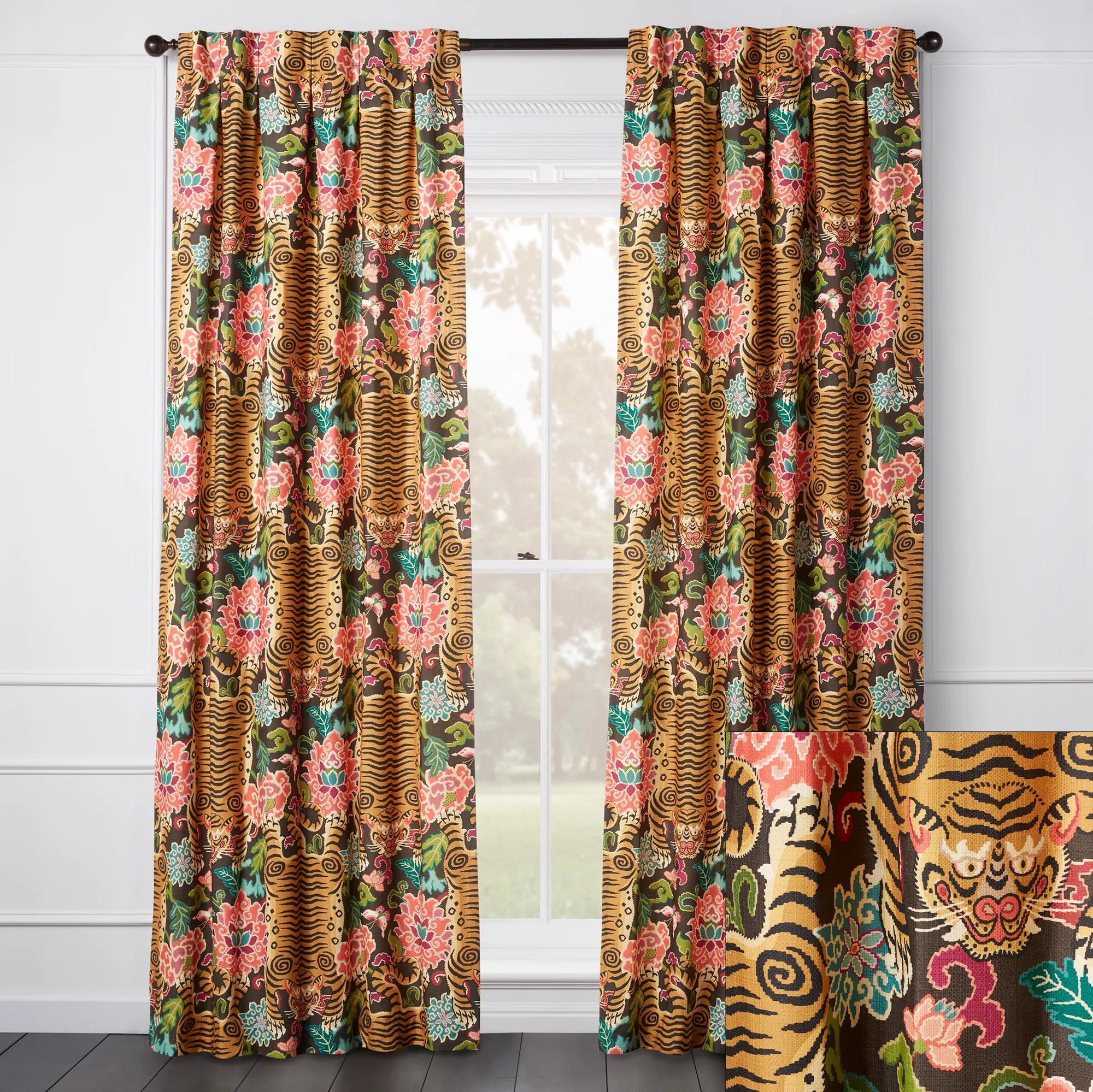
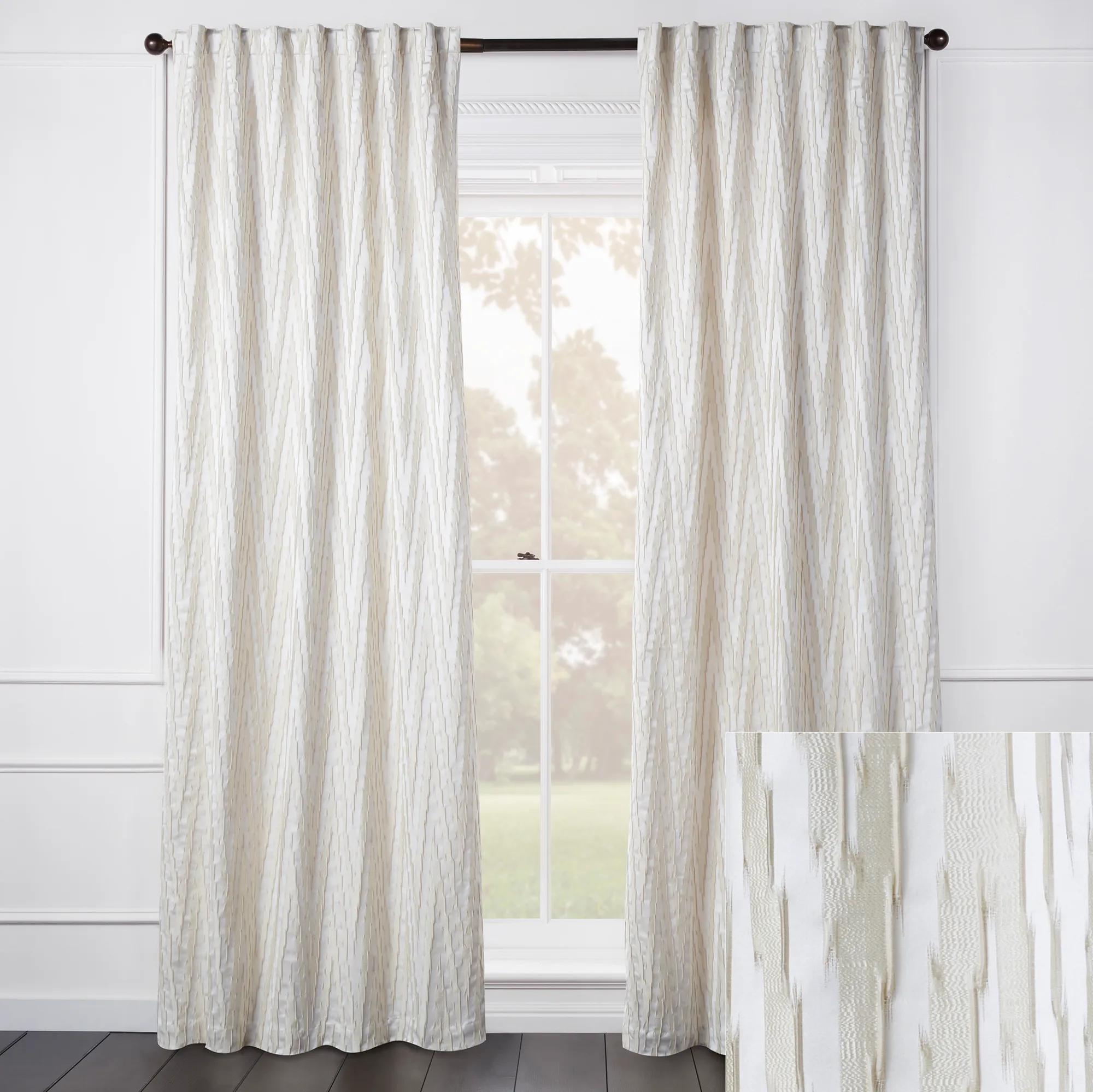
Light Filtering Window Panels
Light Filtering Window Panels
-
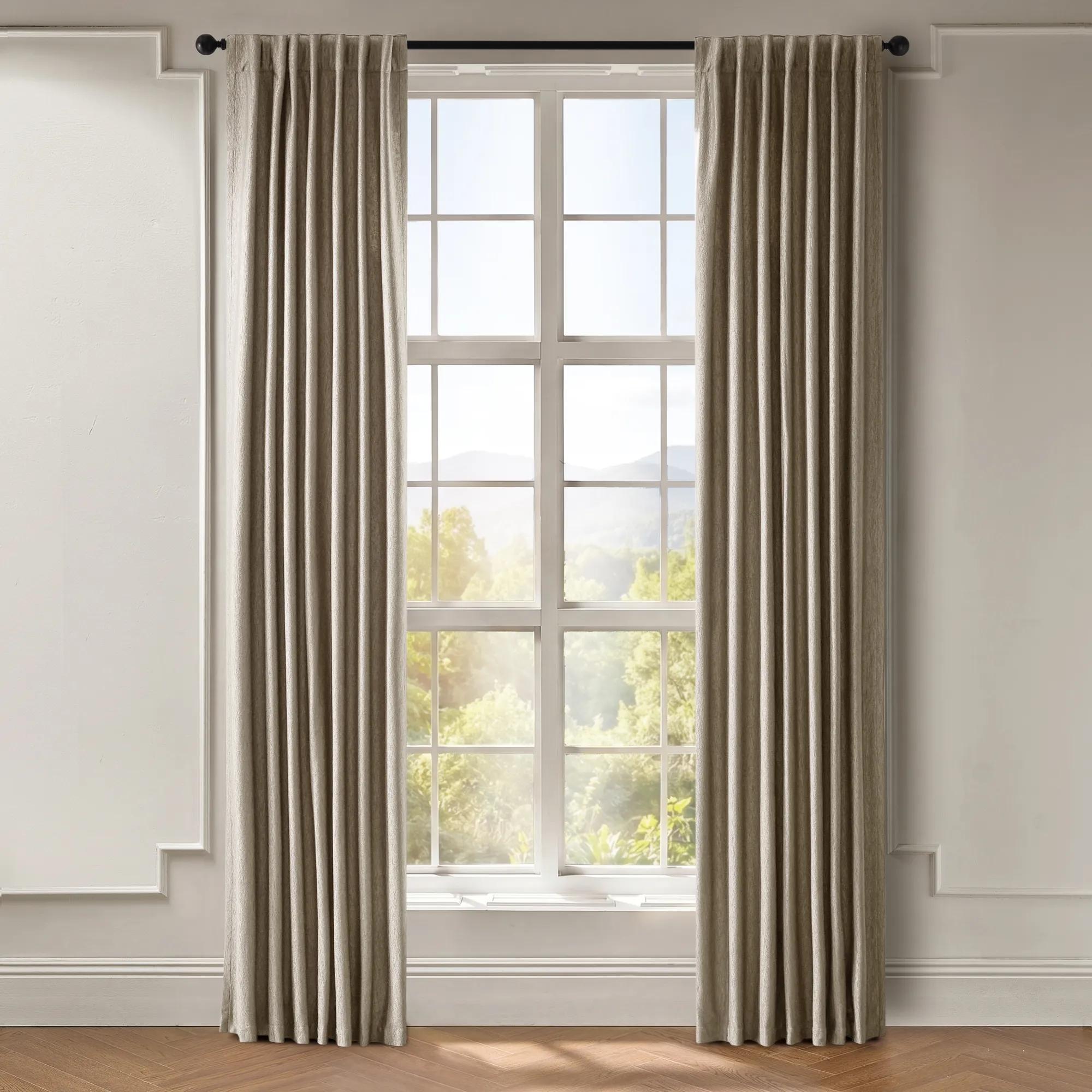
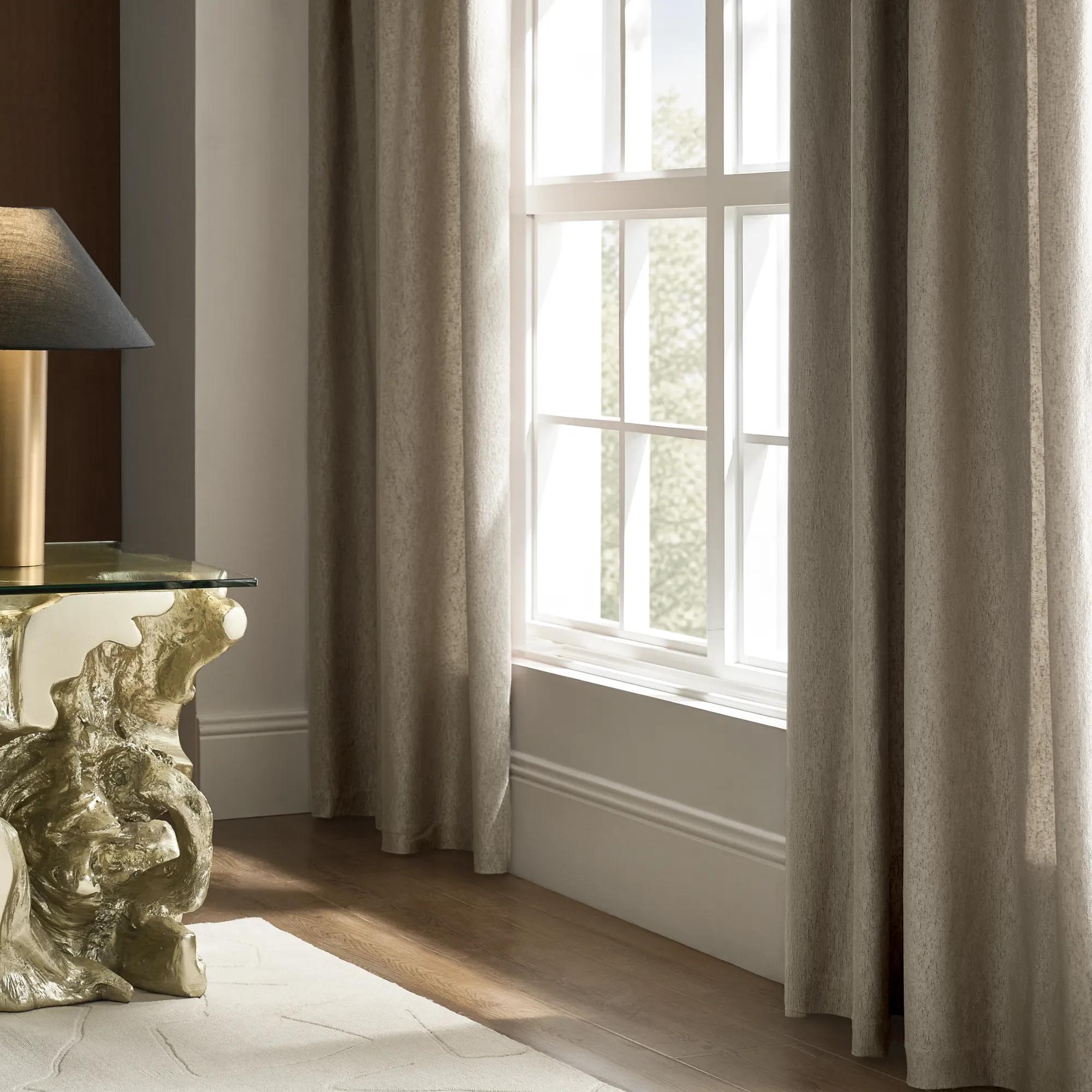 Anson Taupe Textured Window Curtain Panel$89
A taupe polyester curtain panel featuring a crushed sheen texture and room-darkening, dual hanging design.
Add To Cart -
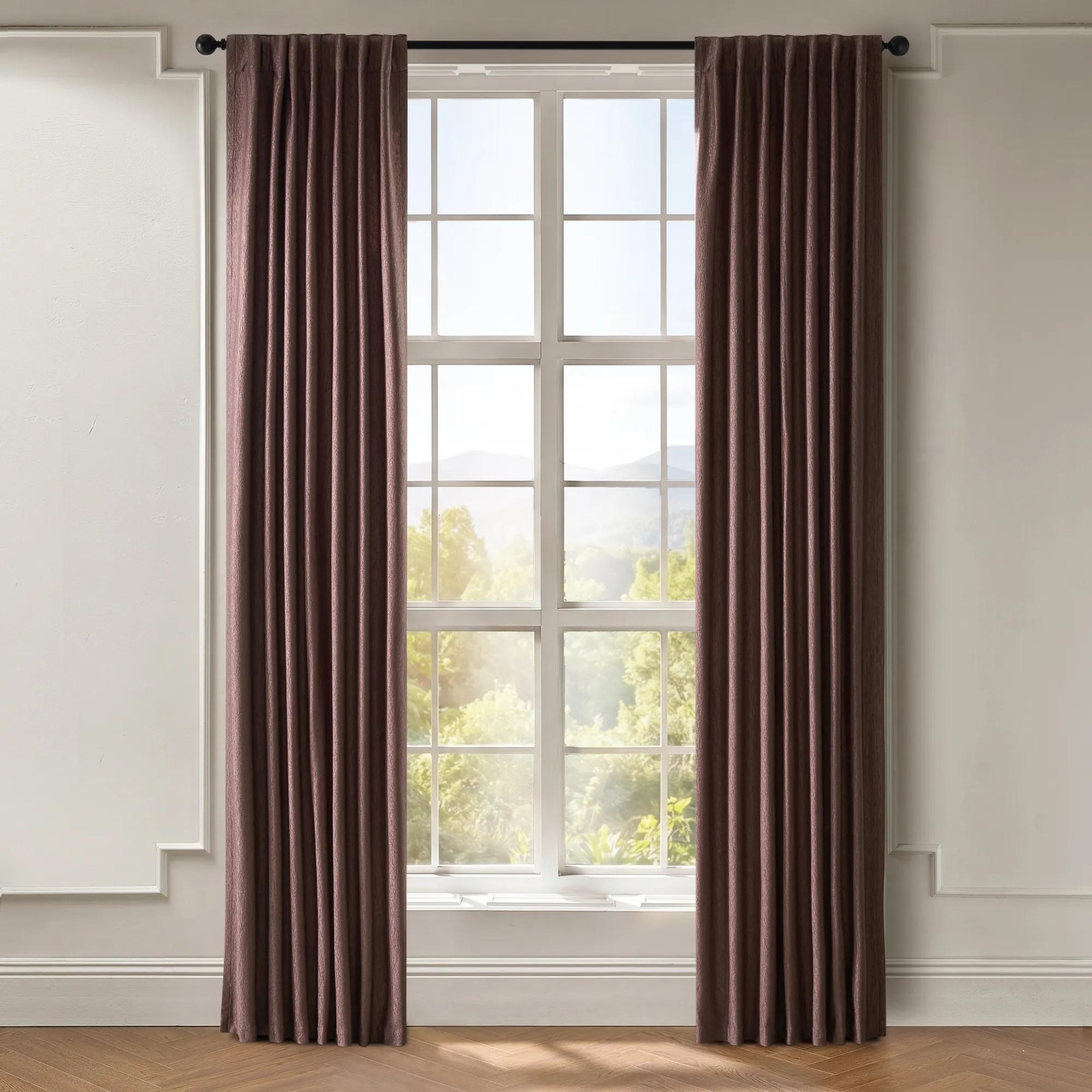
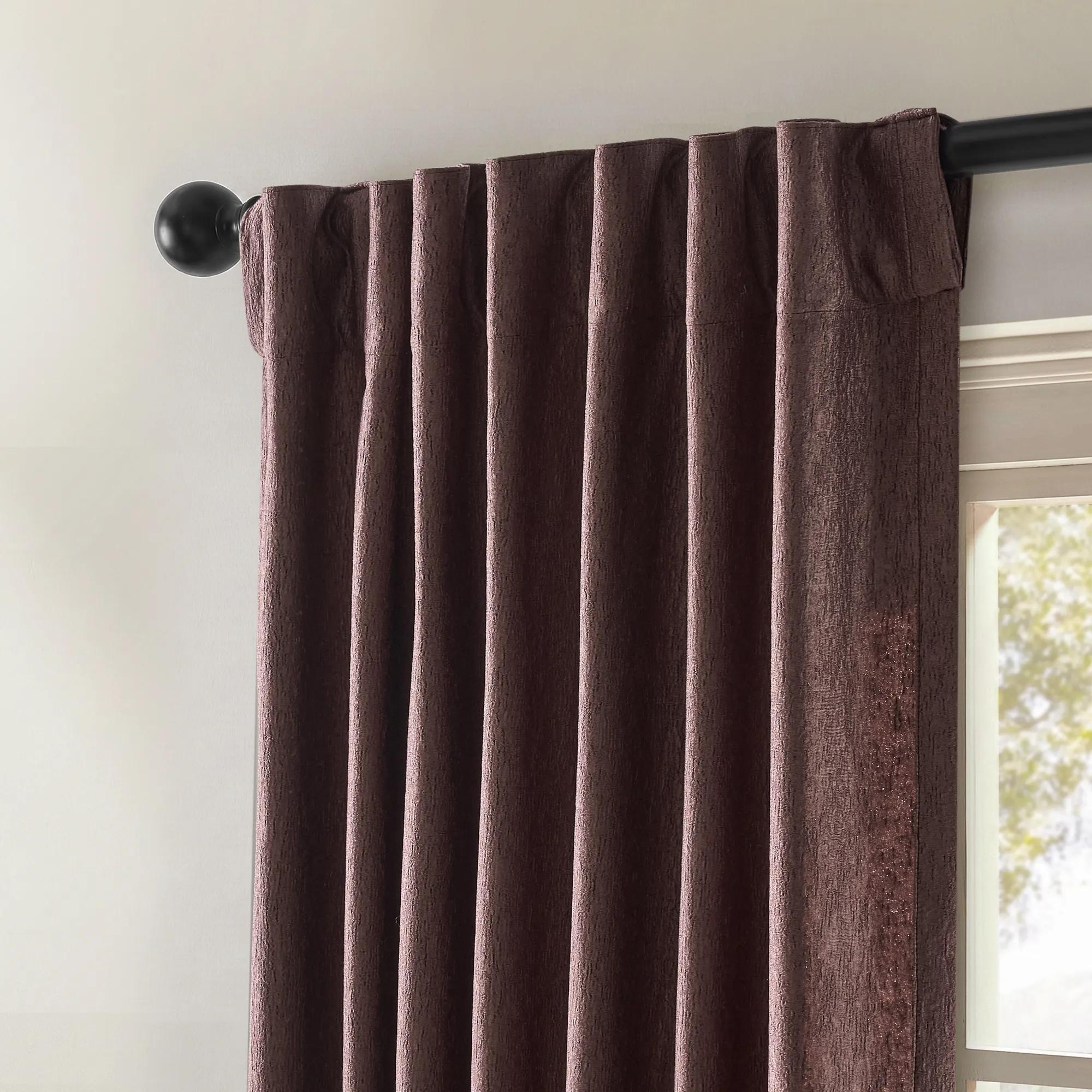 Anson Fig Textured Window Curtain Panel$99
A deep fig curtain panel in crushed, subtly sheened polyester with room-darkening and dual hanging options.
Add To Cart -
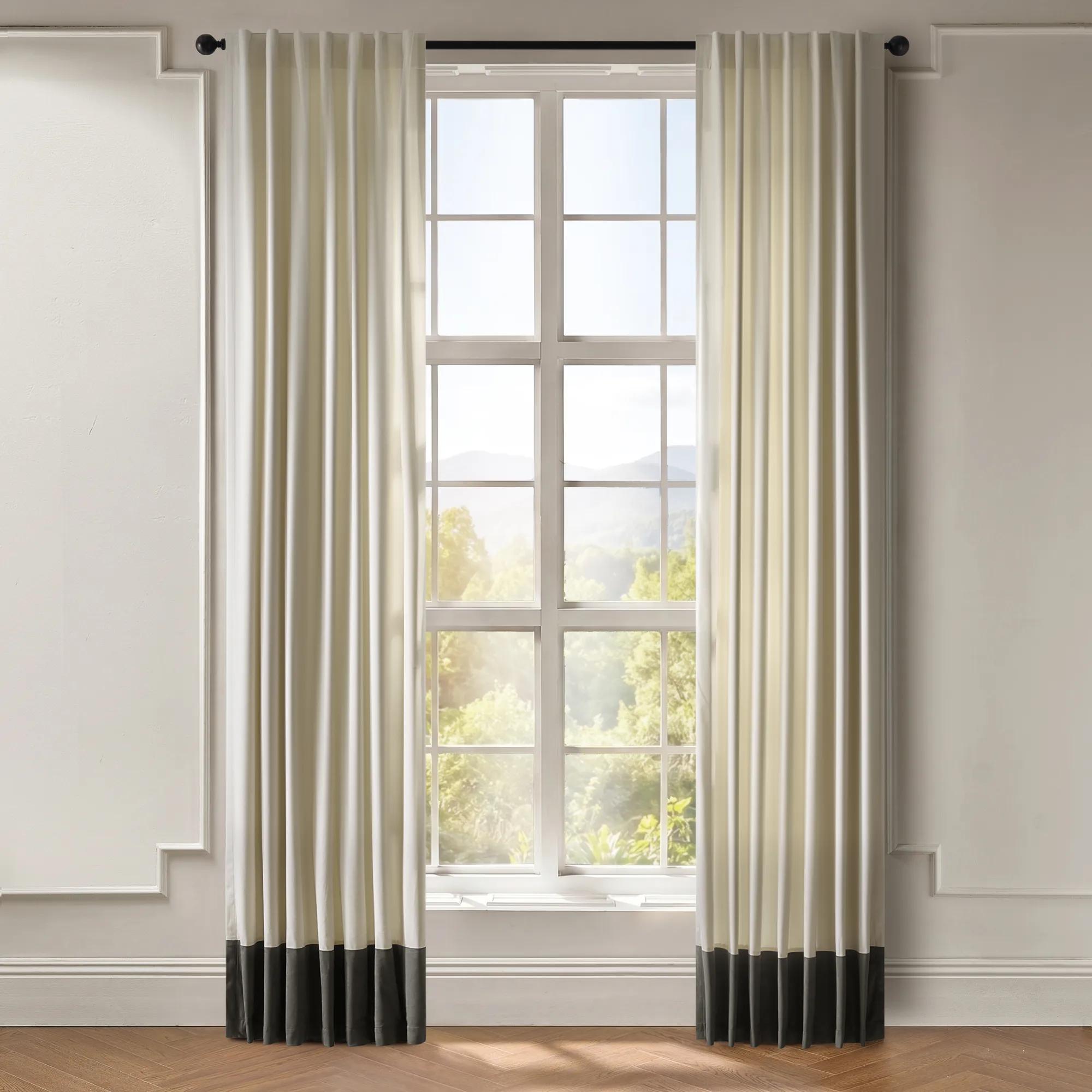
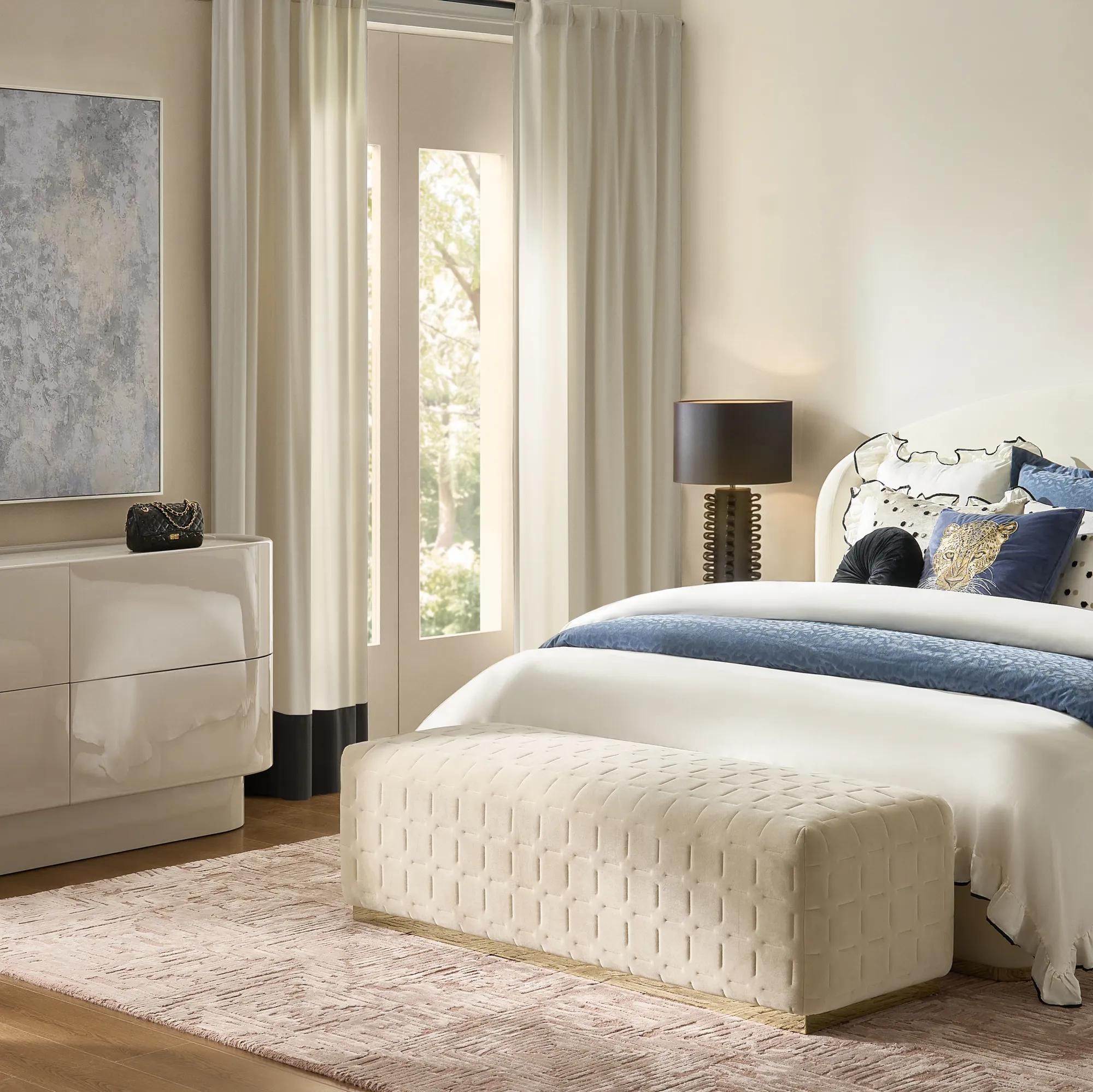 Bastien Ivory/Graphite Velvet Border Window Curtain Panel$99
A two-tone ivory and graphite velvet curtain panel with room-darkening design and versatile hanging options.
Add To Cart -
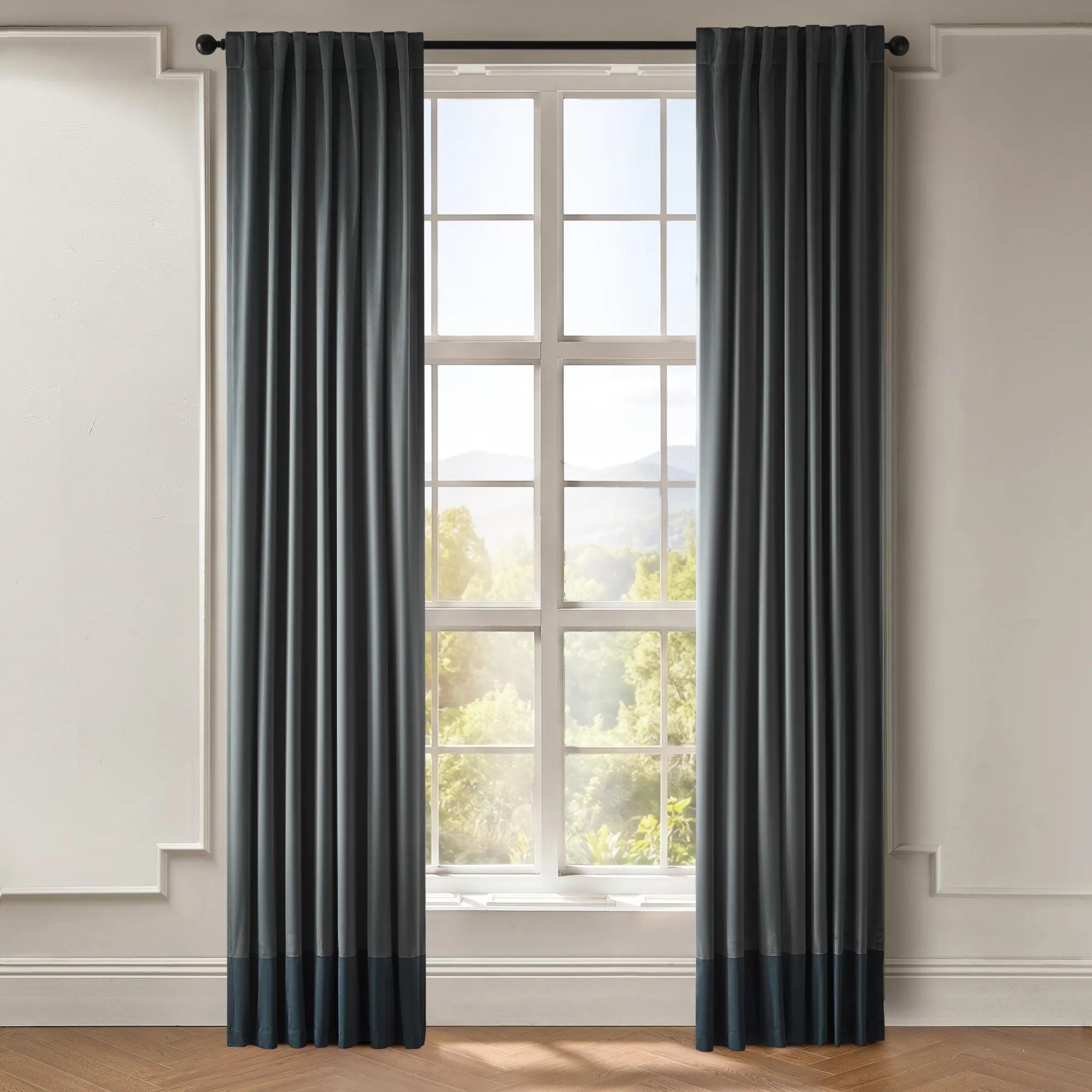
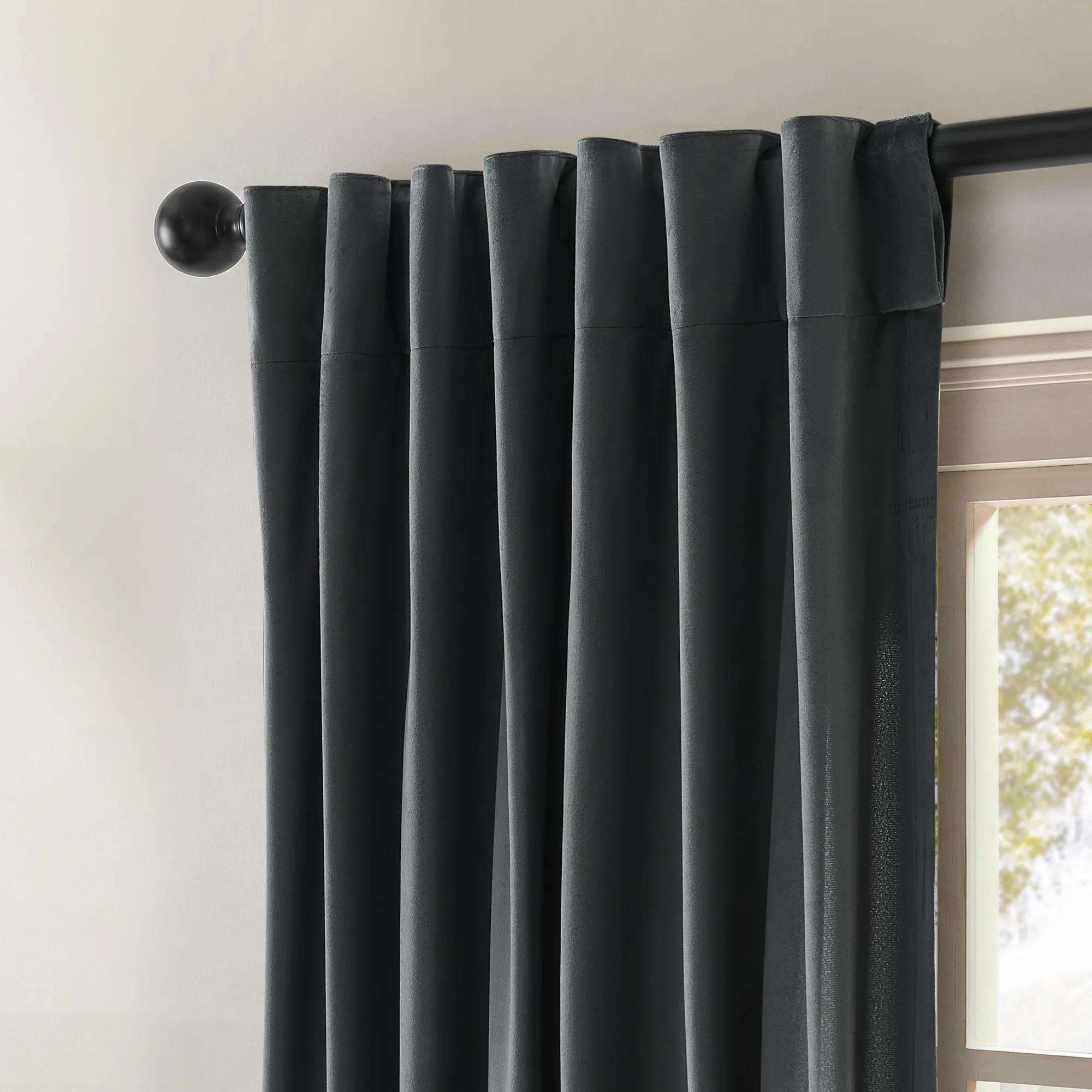 Bastien Blue/Midnight Velvet Border Window Curtain Panel$99
A two-tone dusty and midnight blue velvet curtain panel with a Deco-inspired border and room-darkening design.
Add To Cart -
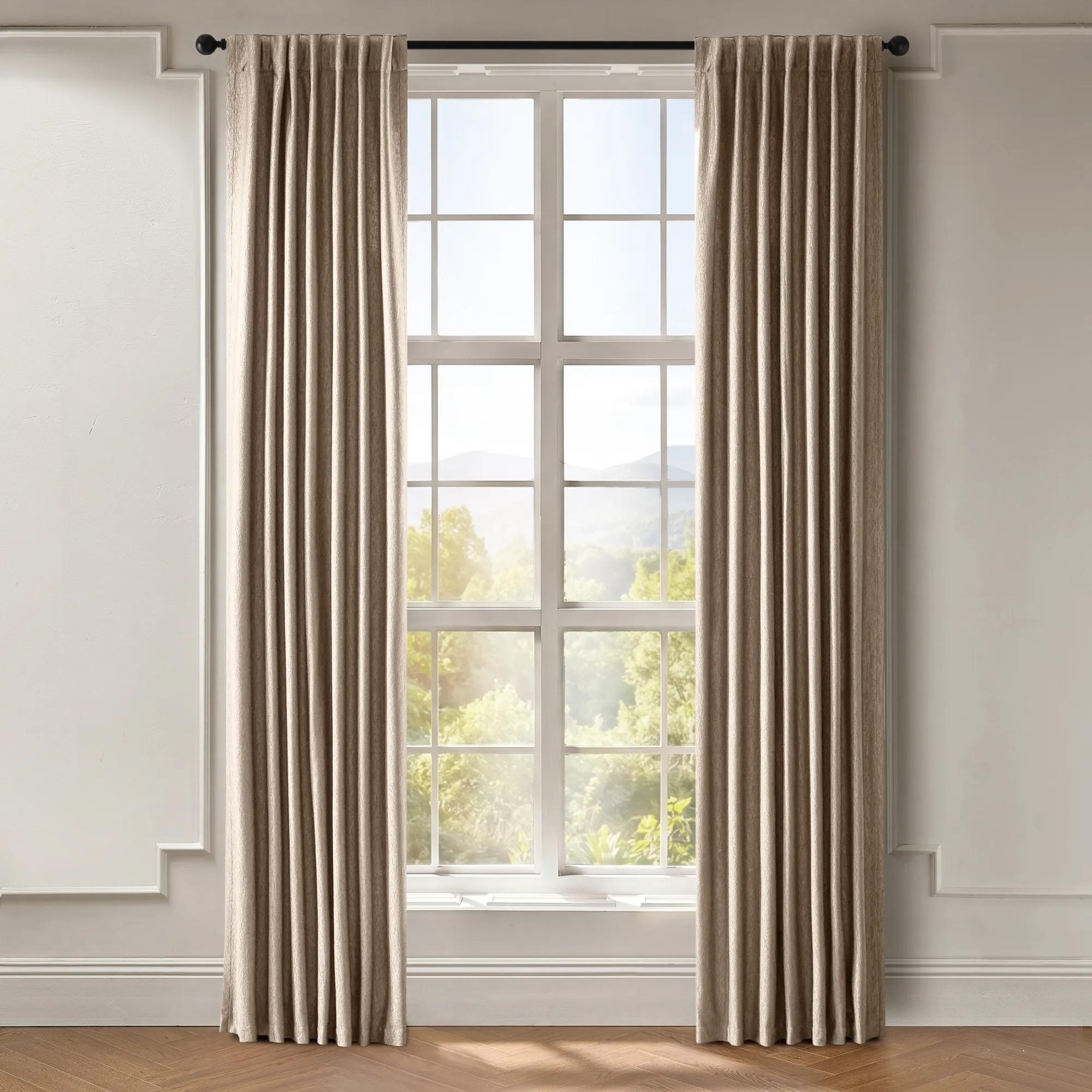 Anson Mocha Rose Textured Window Curtain Panel$109
A light mocha rose curtain panel with crushed sheen texture and room-darkening, dual hanging design.
Add To Cart -
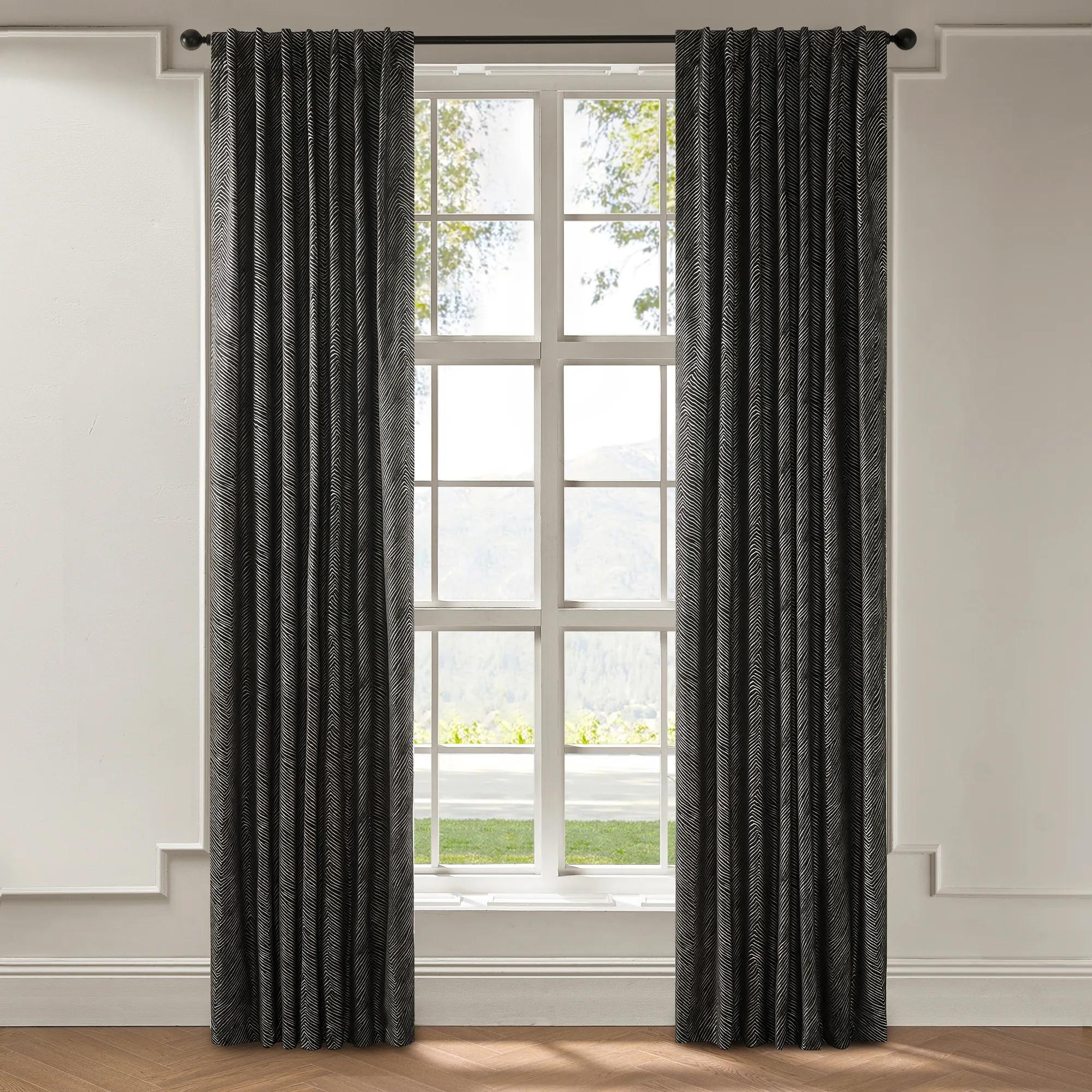
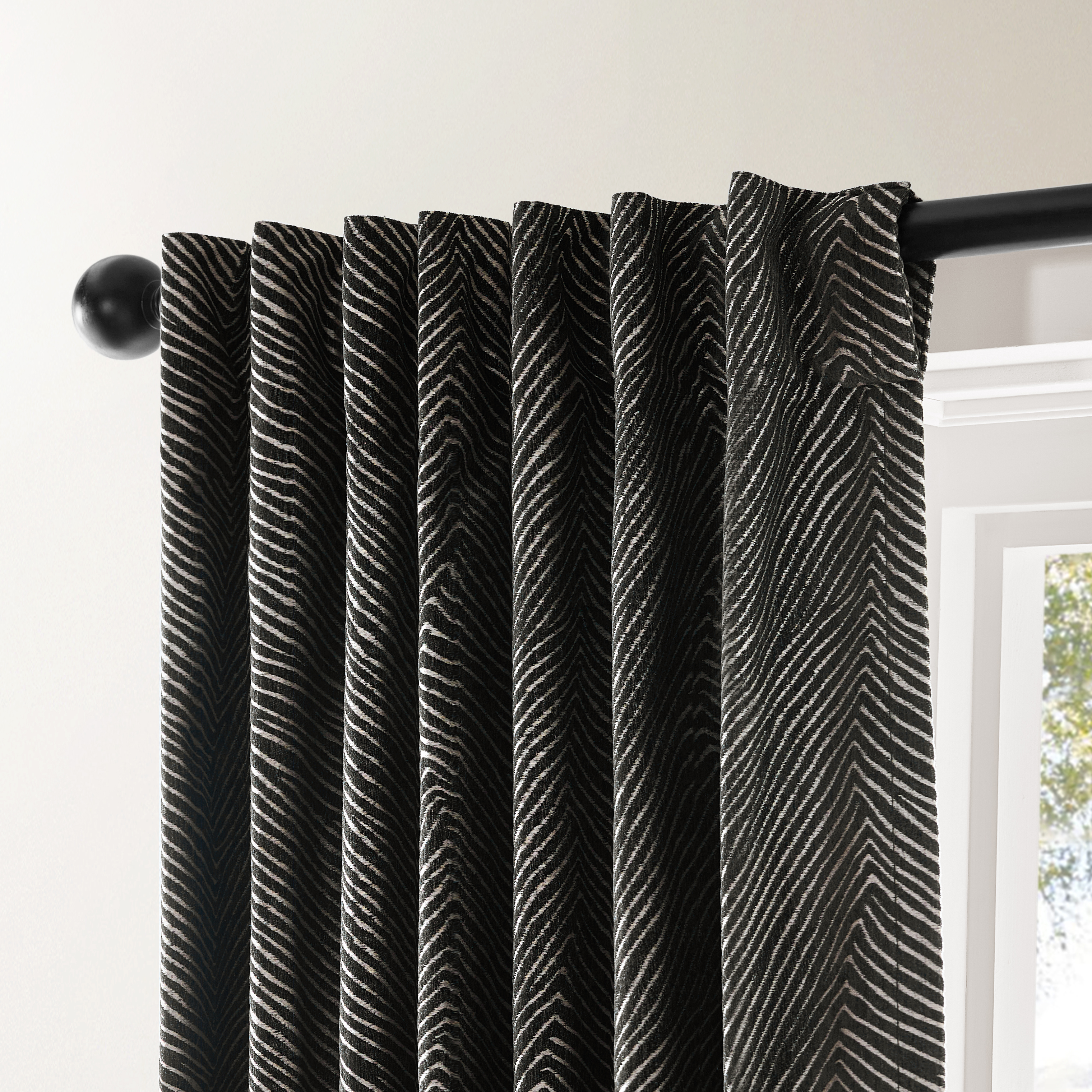 Kenzo Black Chenille Window Curtain Panel$139
A black chenille jacquard curtain with a room-darkening finish and versatile dual hanging options.
Add To Cart -

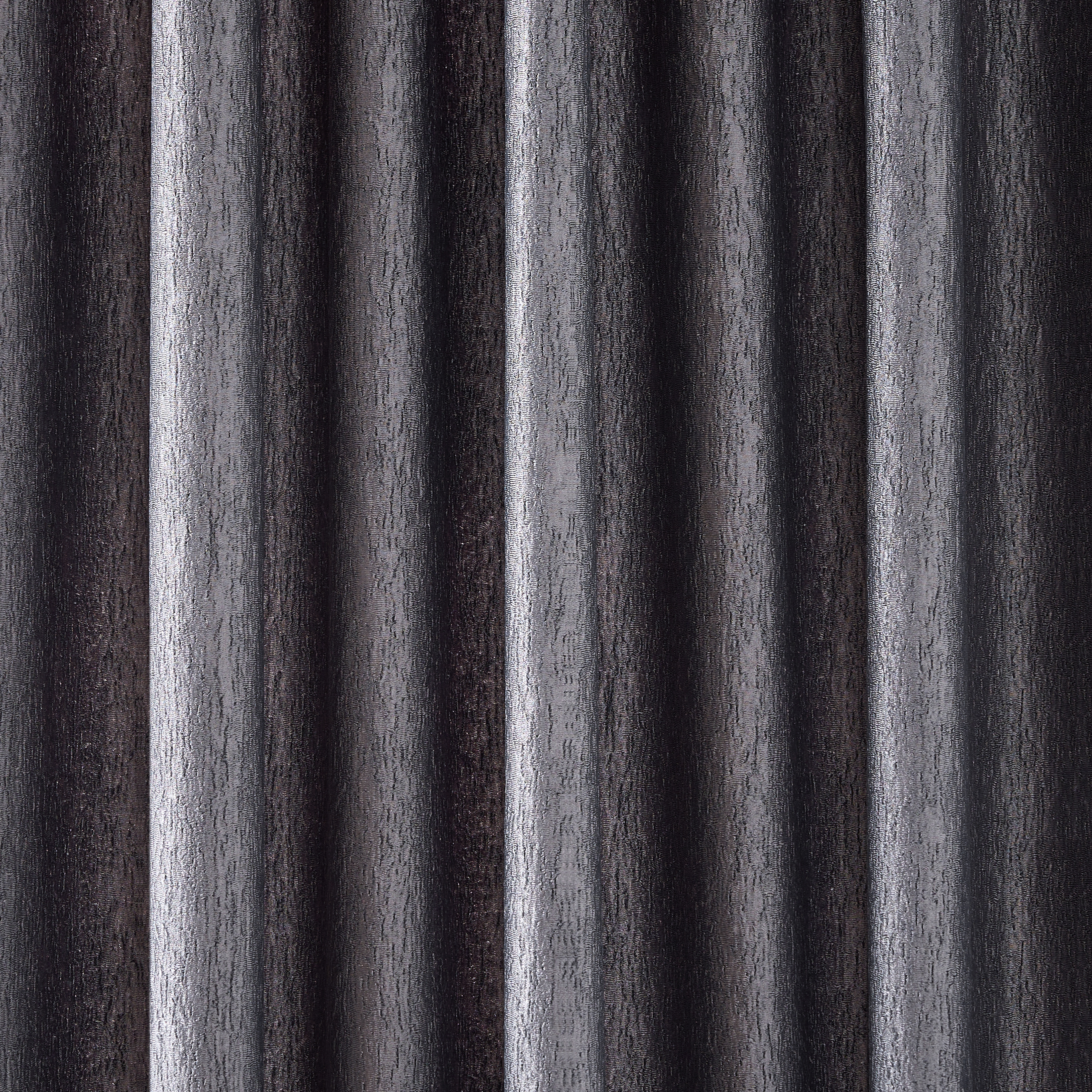 Anson Charcoal Textured Window Curtain Panel$89
A moody charcoal curtain with crushed polyester texture and subtle sheen for stylish, room-darkening appeal.
Add To Cart -
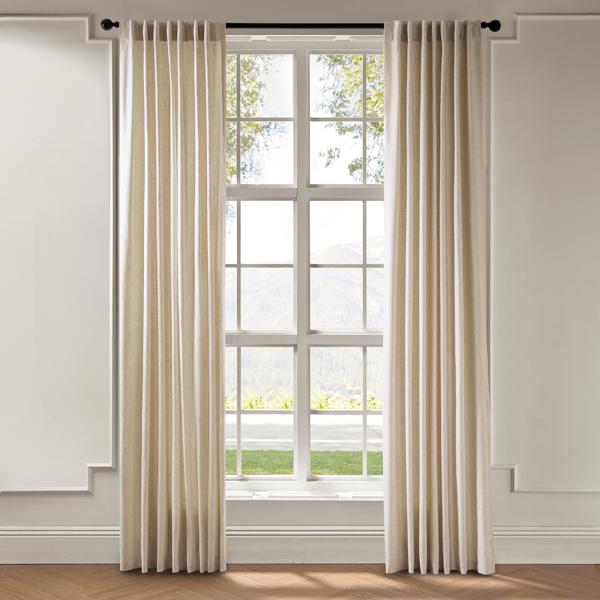
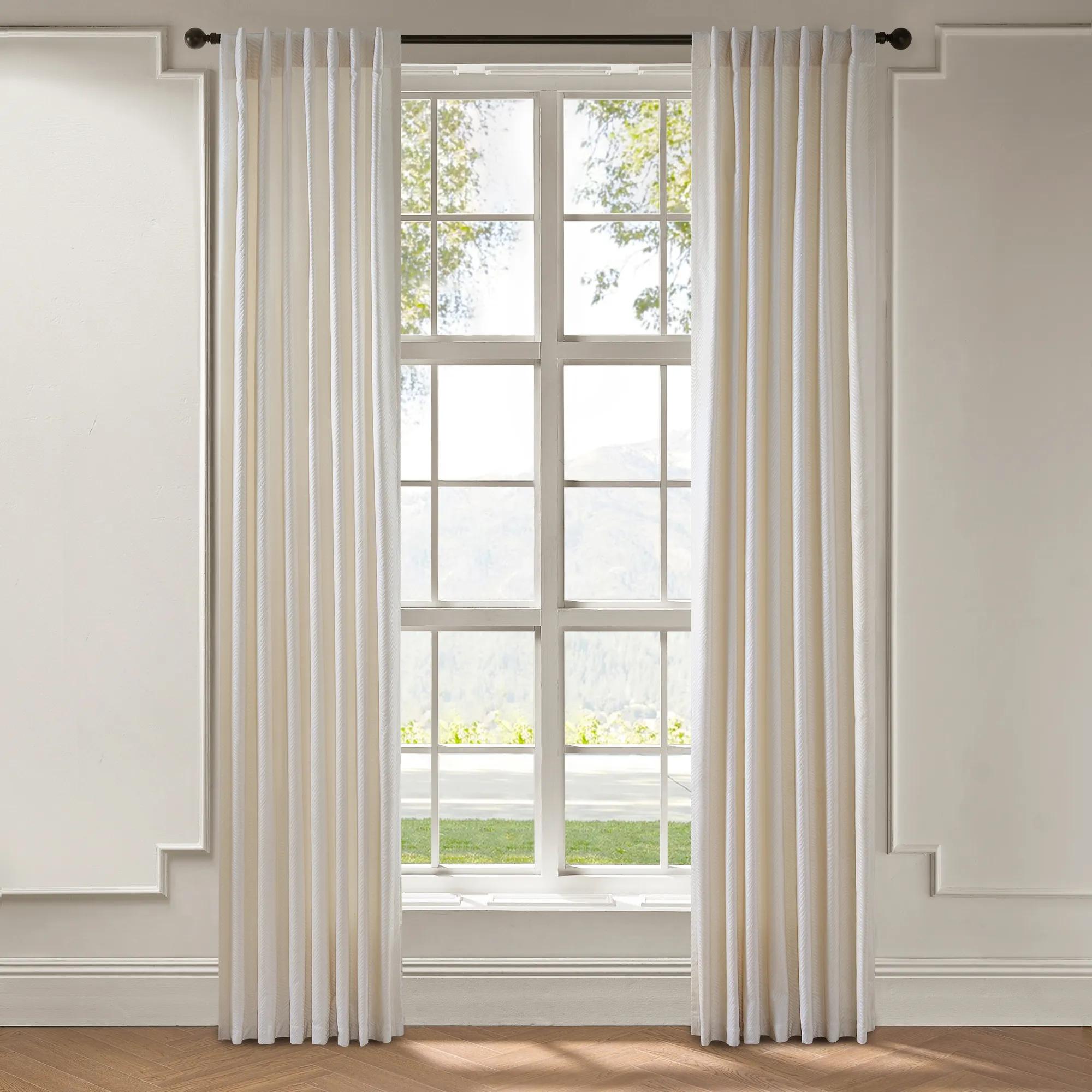
 Anson Ivory Textured Window Curtain Panel$89
An ivory polyester curtain with a crushed, light-reflective texture for elegant, room-darkening style.
Add To Cart -
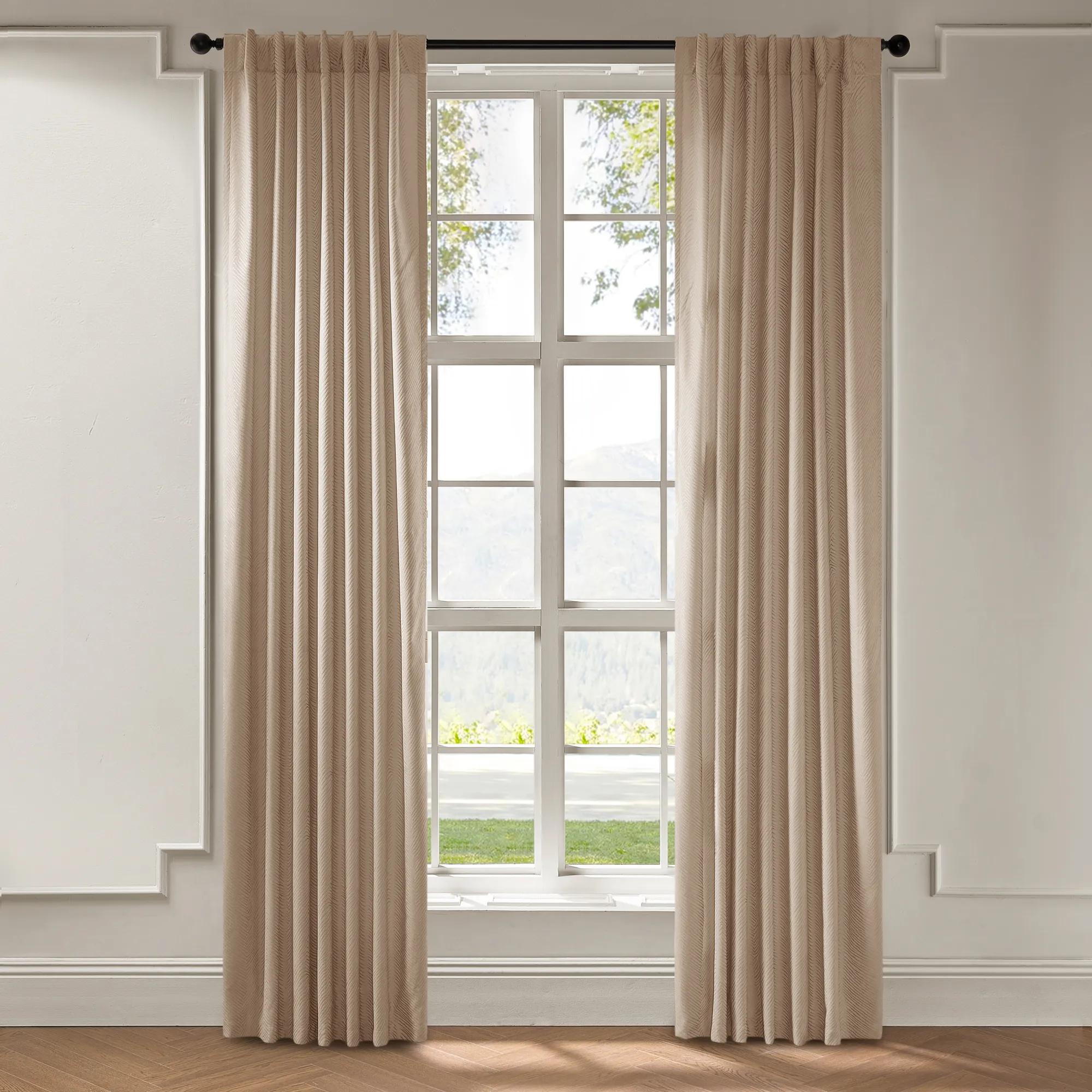
 Kenzo Chenille Curtain - White$119
A white chenille jacquard curtain featuring a subtle high-contrast pattern and soft, room-darkening texture.
Add To Cart -

 Mabel Natural Velvet Swirl Window Curtain Panel$99
A warm neutral velvet curtain with a tonal swirl pattern, offering room-darkening privacy and versatile hanging options.
Add To Cart -
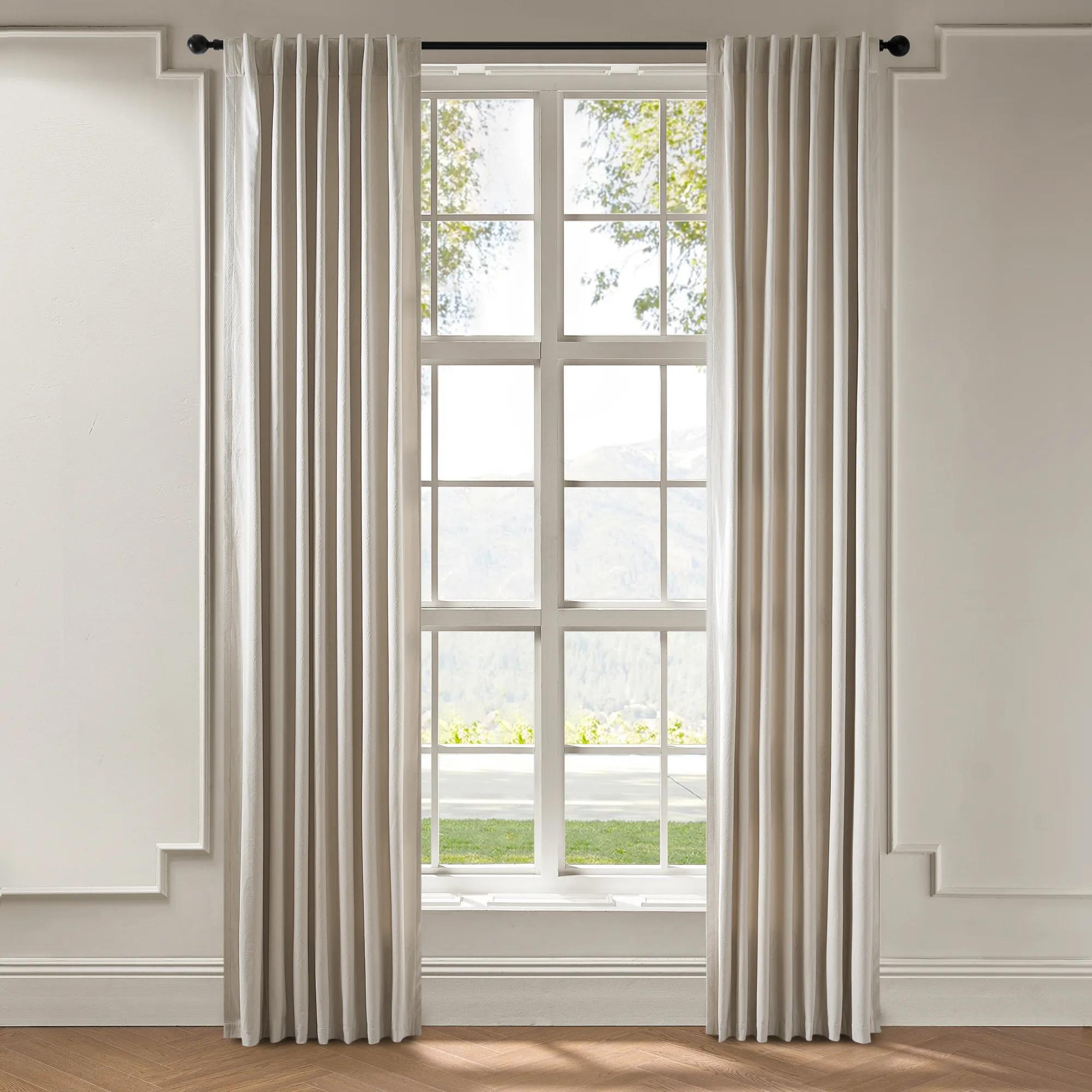
 Kenzo Jacquard Beige Chenille Window Curtain Panel$119
A warm beige chenille jacquard curtain with a subtle sheen and versatile rod pocket or back tab hanging.
Add To Cart -
 Mabel White Velvet Swirl Window Curtain Panel$99
A crisp white velvet curtain featuring a tonal swirl texture and versatile dual hanging options.
Add To Cart -

 Adair Sand Solid Velvet Window Curtain Panel$69
A sand-colored velvet curtain offering room-darkening privacy and versatile hanging options for refined interiors.
Add To Cart -

 Adair Midnight Blue Solid Velvet Window Curtain Panel$69
A sumptuous midnight blue velvet curtain that adds elegance, depth, and room-darkening style to any space.
Add To Cart -

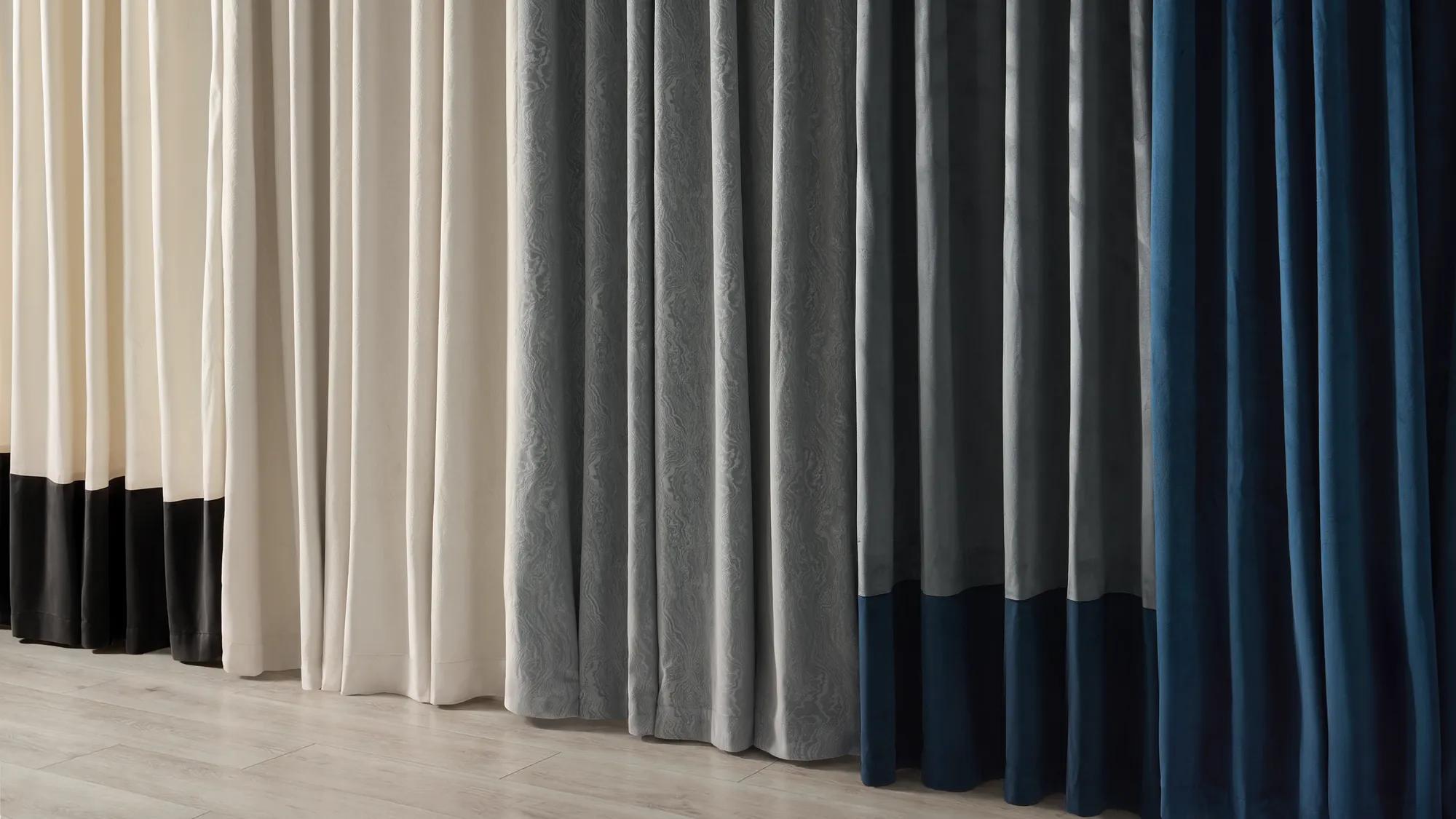 Mabel Velvet Swirl Curtain - Grey Blue$99
A grey blue velvet curtain featuring a tonal swirl pattern and versatile dual hanging options.
Add To Cart

Light Filtering Window Panels
Light filtering window panels are the secret to creating a space that shimmers with possibility—where sunlight is softened, privacy is preserved, and every hour is cast in an artful glow. These panels don’t just dress your windows; they sculpt the ambiance of a room, diffusing daylight into a gentle radiance that flatters every detail. Whether you’re curating a serene retreat or an expressive statement room, light filtering window panels invite you to play with luminosity and mood, transforming ordinary moments into luminous memories. Let your windows become the canvas, painting your home with layers of elegance and intrigue.
Light filtering window panels diffuse daylight rather than block it completely, softening direct sunlight and helping reduce glare while keeping a room bright. Their appeal lies in that balance: enough fabric to give a window presence, enough light to let the rest of the room shine. Across a living room, dining area, or bedroom sitting space, filtered light reveals the depth of a textured rug, catches the edges of metallic accents, and gives upholstery a gentler backdrop. These panels suit interiors where an open, luminous atmosphere matters more than complete darkness, whether the setting is a tailored apartment or a generously scaled gathering room. Beside a reading chair, they can soften the contrast between a bright window and the surrounding walls; behind a dining table, they frame the space without making it feel enclosed. In a home office, light filtering curtains may temper distracting reflections, although their effect depends on the fabric, window orientation, and screen placement. Privacy also varies with weave, color, and lighting conditions. A denser light filtering fabric can obscure more detail than a loosely woven sheer, but neither should be assumed to provide complete privacy. When interior lights are brighter than the light outside, silhouettes or details may remain visible. Bedrooms and street-facing rooms often benefit from a second, opaque layer that can be closed when greater privacy or darkness is desired. Unlike blackout curtains, light filtering panels are intended to admit some light, so they are not a substitute for a treatment designed for sleep in a darkened room. Their strength is visual softness without sacrificing the window’s luminous presence. Drawn across the glass, they create a continuous sweep of texture; opened to either side, they become architectural accents, lending height and definition to the wall. The result can be quietly tailored or richly theatrical, depending on the fabric’s sheen, the fullness of the folds, and the surrounding furnishings.
Material gives light filtering window panels much of their character. Linen and linen-blend fabrics often have an expressive weave, with subtle irregularities that bring depth to a restrained palette. That texture is especially compelling beside polished stone, lacquered finishes, or sculptural furniture, where the contrast keeps a glamorous room from feeling overly formal. Cotton can offer a softer, more matte appearance, while polyester and blended fabrics may provide consistent drape and greater resistance to wrinkling, depending on their construction. Fiber content alone does not establish how much daylight passes through a panel; weave density, fabric weight, backing, and lining all influence the effect. An open weave may produce a gauzy impression, while a more closely woven textile can filter light with a fuller visual presence. A lustrous surface catches light along each fold, giving the window a dressed, evening-ready elegance even in daylight. A matte finish emphasizes shape and texture instead, allowing statement lighting or artwork to take the lead. Pale hues tend to support an airy composition, while deeper tones can make the window a more dramatic part of the room. For interiors defined by ivory, cream, and delicate neutrals, Light Colored Window Panels offer a complementary direction, though a light color does not necessarily mean a fabric is light filtering. Pattern adds another layer of expression: a subtle motif can introduce movement against solid upholstery, while a larger design needs enough uninterrupted fabric for its proportions to read clearly. In an open living and dining space, repeating a fabric or color across adjacent windows creates continuity without requiring every furnishing to match. The most convincing combinations echo an existing detail—a warm neutral in the rug, a silvery accent in the lighting, or a soft tone in the artwork—so the panels feel integral to the room rather than added as an afterthought.
Fit and construction determine whether that beautiful fabric looks composed once it is hanging. Panel width needs to account for both the area being covered and the folds that give curtains their dimension. Fabric stretched nearly flat across a window has a different effect from generous gathers; approximately one and a half to two times the intended coverage width is a common starting point for fullness, although the heading style and fabric weight may call for a different proportion. Package details matter because dimensions may refer to a single panel rather than a pair. Length is equally influential. Panels that finish just above the floor offer a tailored line, while fabric resting lightly on the floor creates a more relaxed, decorative finish. A substantial puddle brings drama but requires more attention to cleaning and is less suited to busy walkways, frequently opened doors, or homes where pets may settle into the folds. The hanging method shapes the silhouette, too. Rod pockets gather fabric into soft ripples, grommets form defined waves, and back tabs create a cleaner view of the upper edge. Each style should be compatible with the rod’s diameter and the way the panels will be used; a treatment opened daily benefits from hardware that allows comfortable movement. At a broad window or glass door, space beside the opening helps accommodate the fabric when drawn back, preserving access and more of the view. Secure mounting and hardware rated for the combined fabric weight support dependable everyday use. Durability also depends on the textile, seam construction, exposure to direct sunlight, and care routine. Prolonged sun exposure can affect color and fibers over time, and light filtering performance alone does not establish a panel’s UV-blocking capability. Cleaning instructions should govern washing, drying, ironing, or professional cleaning, particularly for lined panels, delicate weaves, and decorative finishes. Gentle dust removal, when permitted, helps maintain the fabric between deeper cleanings. With thoughtful proportions and appropriate care, light filtering panels give the window lasting presence: folds that frame the architecture, texture that rewards a closer look, and softened daylight that lets the room’s most expressive details come forward.
FAQs
Light filtering window panels are ideal for spaces where you crave both natural light and a sense of privacy. They are particularly well-suited for living rooms, bedrooms, dining areas, kitchens, and home offices—anywhere you wish to soften the sunlight and create a welcoming, luminous ambiance without fully blocking the view.
These panels transform harsh daylight into a gentle, diffused glow, enveloping your space in warmth and subtle radiance. The result is an inviting atmosphere that feels thoughtfully curated, whether you’re hosting a lively gathering or enjoying a quiet moment of relaxation.
Absolutely. Light filtering panels are often used as a base layer, paired with heavier drapes or blackout curtains for added drama and flexibility. This layered approach allows you to control privacy and light throughout the day while adding depth and dimension to your window styling.
Popular materials include sheer voile, textured linen, and soft microfiber. Each fabric offers its own unique character—voile is airy and delicate, linen adds organic texture, and microfiber brings a contemporary touch with subtle sheen. The choice of material can dramatically influence the look and feel of your room.
Yes, these panels make a thoughtful and versatile gift for anyone moving into a new home, newlyweds, or those looking to refresh their space. Their ability to transform light and atmosphere makes them a cherished addition to any interior, blending practicality with decorative flair.