Light Filtering Lined Curtains
Light Filtering Lined Curtains
-
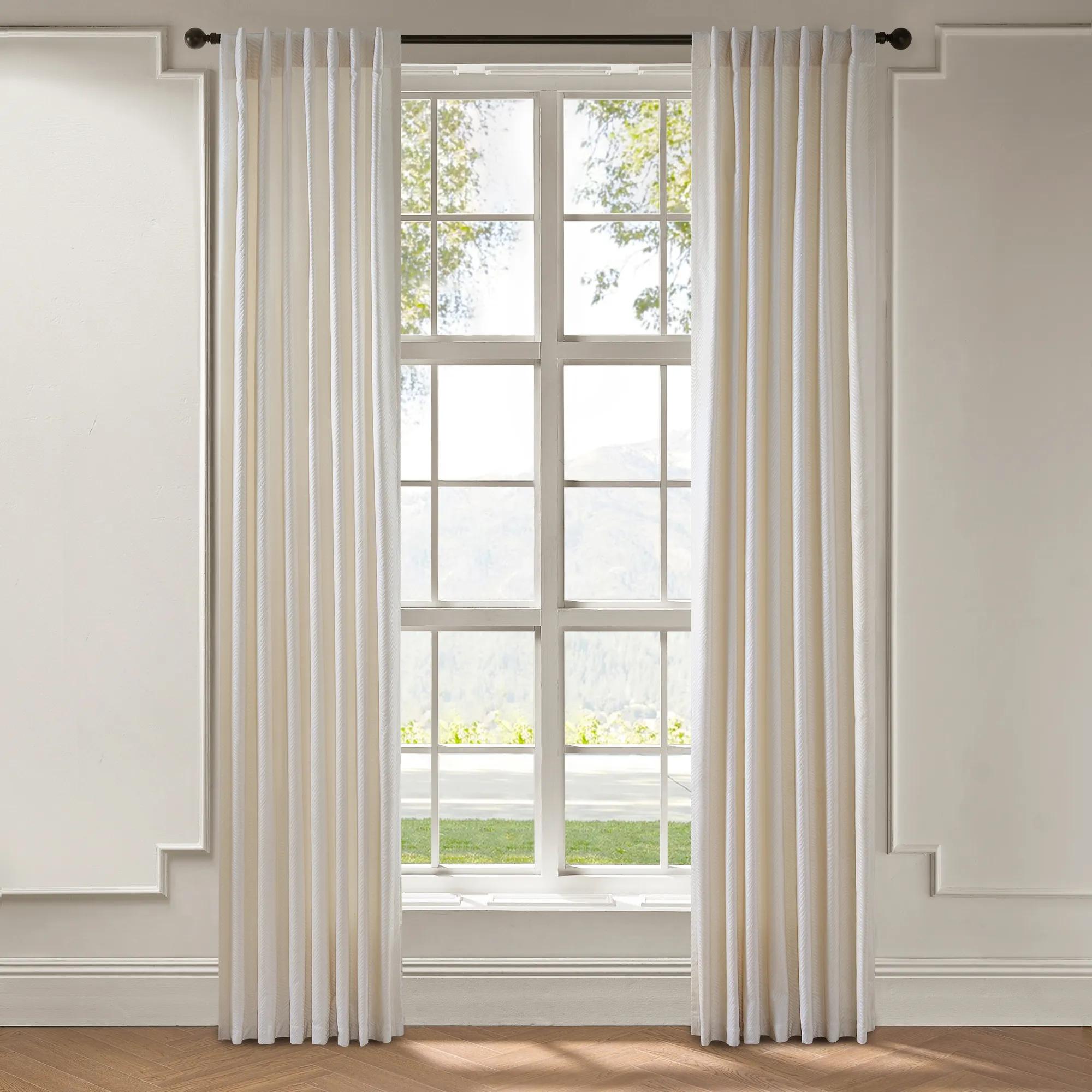
 Kenzo Chenille Curtain - White$139
A luxe white chenille jacquard curtain featuring a subtle high-contrast pattern and versatile dual construction.
Add To Cart -
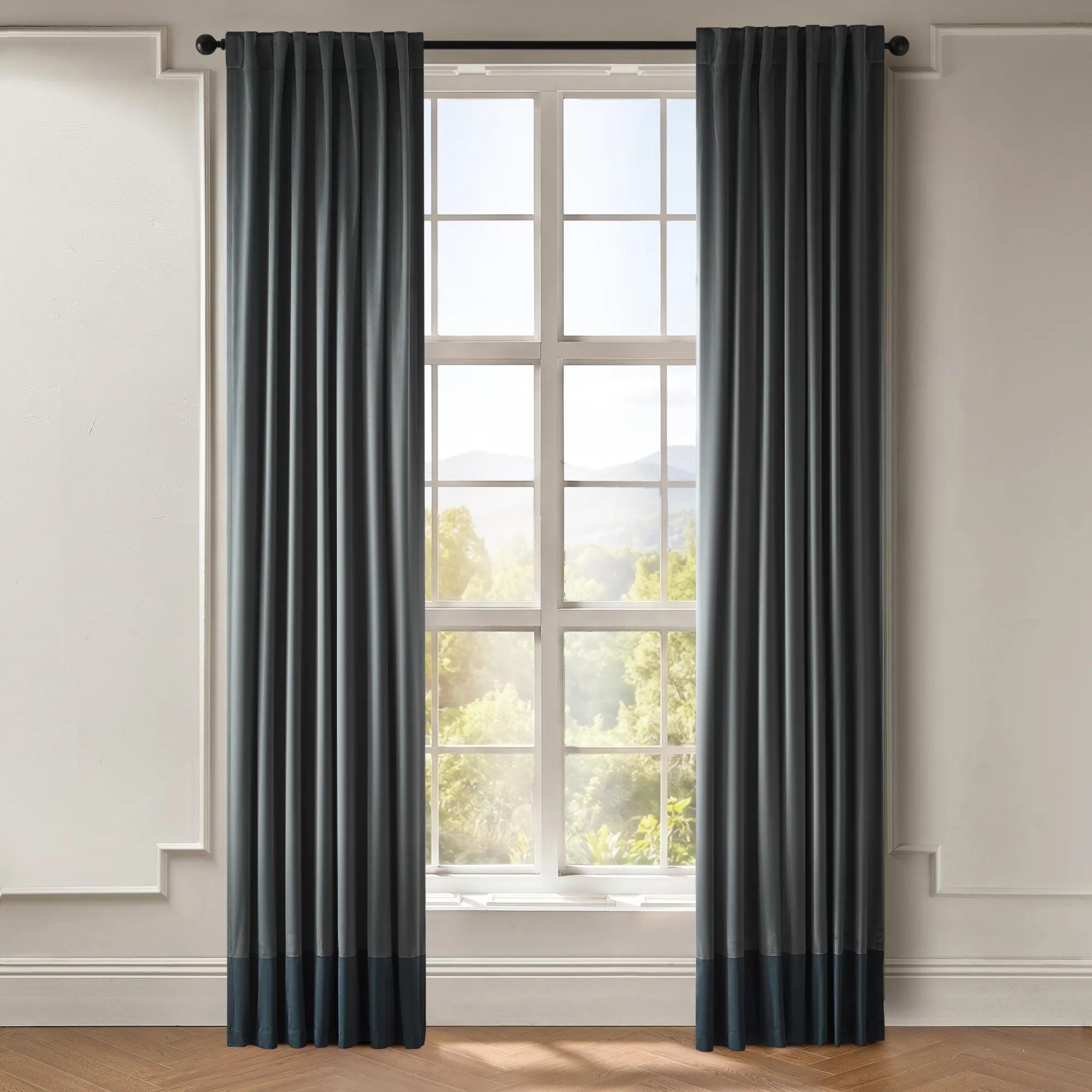
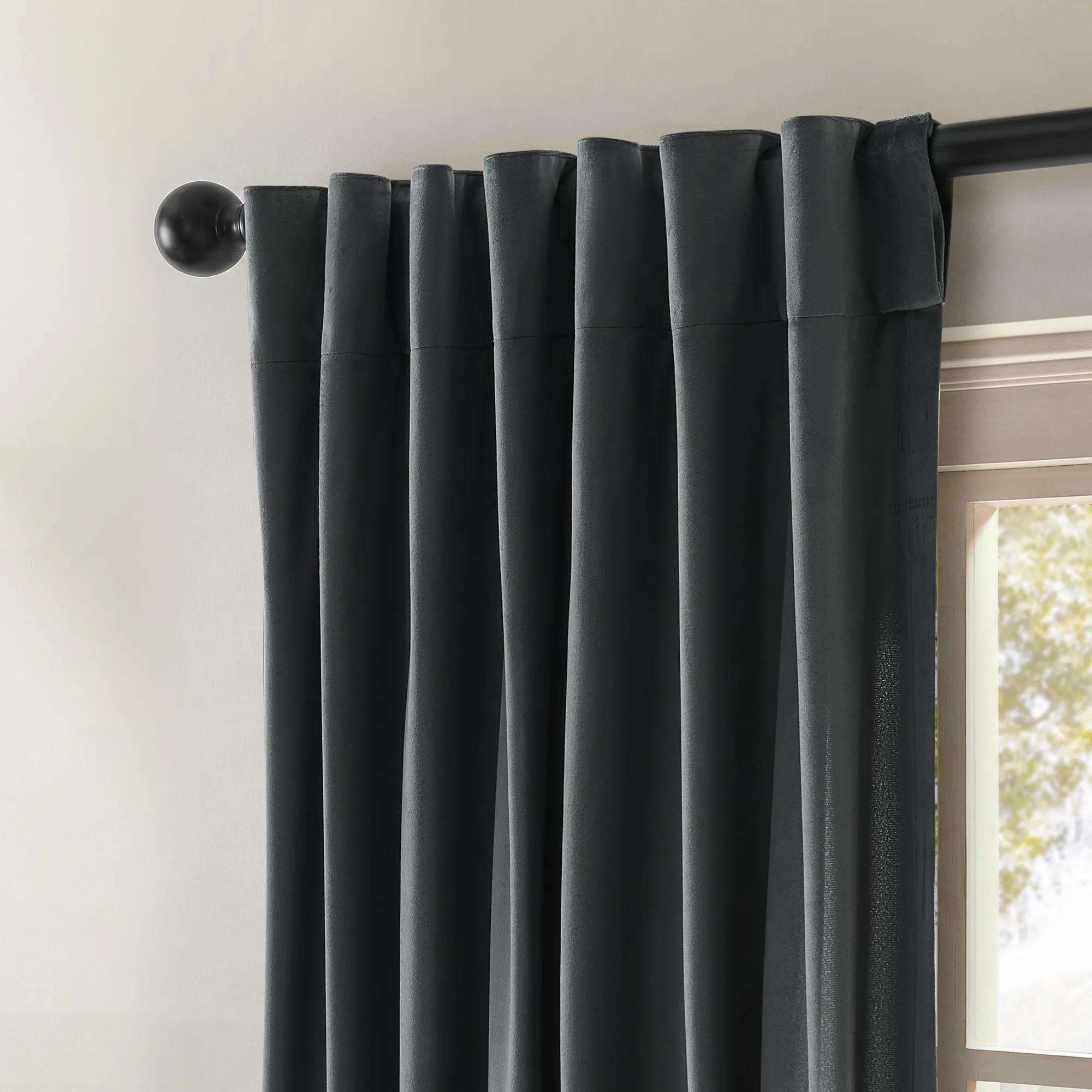 Bastien Blue/Midnight Velvet Border Window Curtain Panel$99
A two-tone dusty and midnight blue velvet curtain panel with a Deco-inspired border and room-darkening design.
Add To Cart -
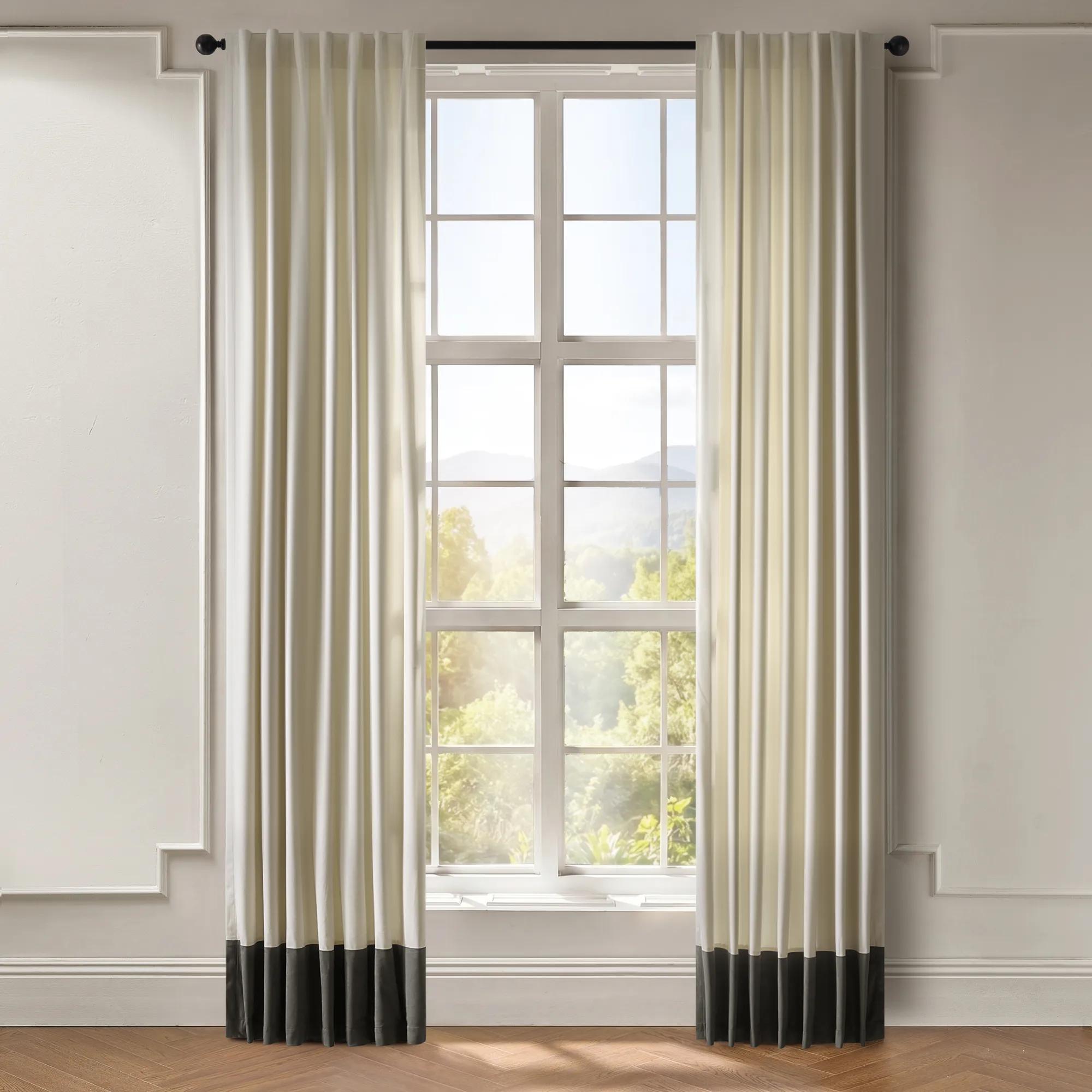
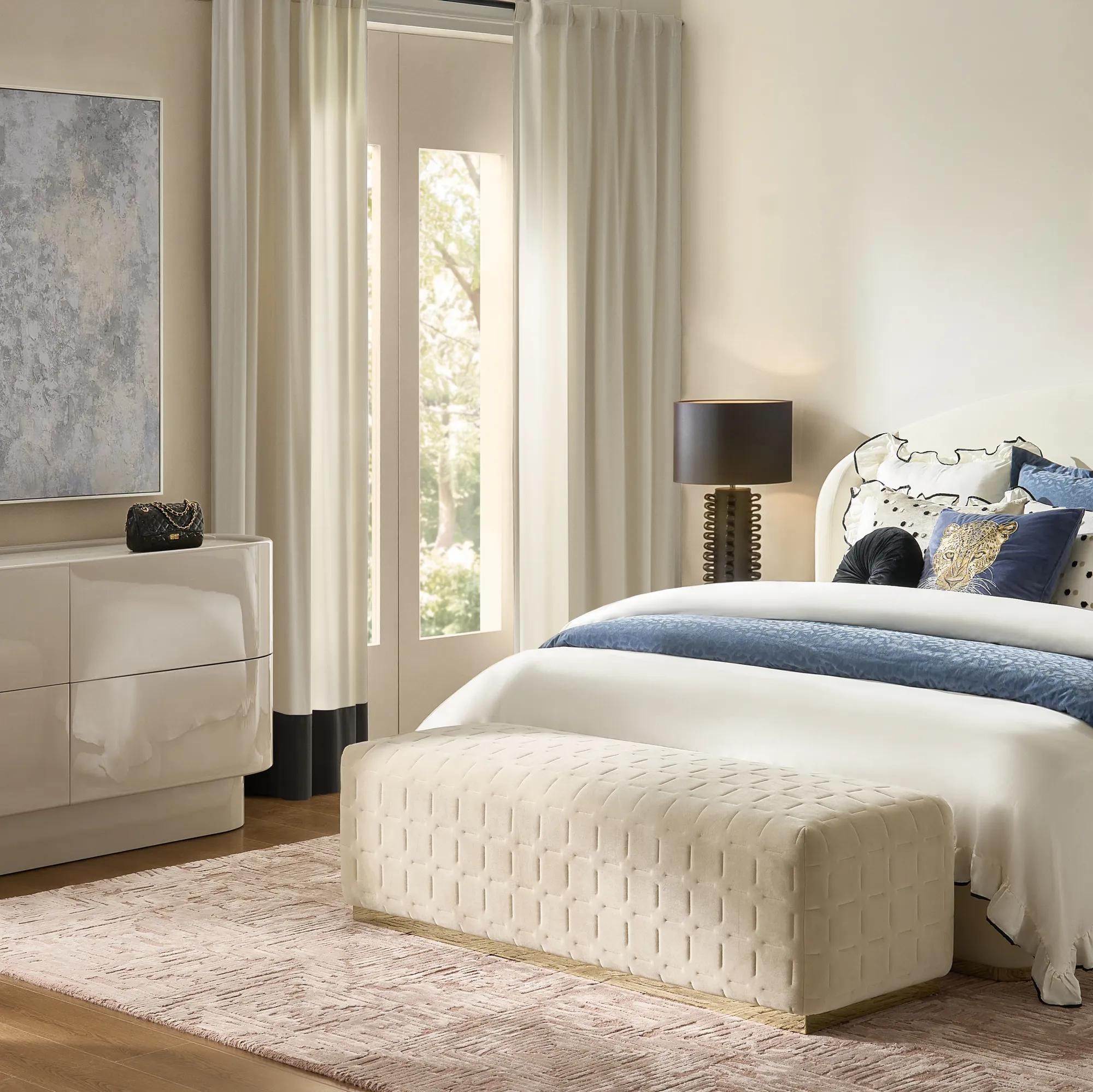 Bastien Ivory/Graphite Velvet Border Window Curtain Panel$99
A two-tone ivory and graphite velvet curtain panel with room-darkening design and versatile hanging options.
Add To Cart -
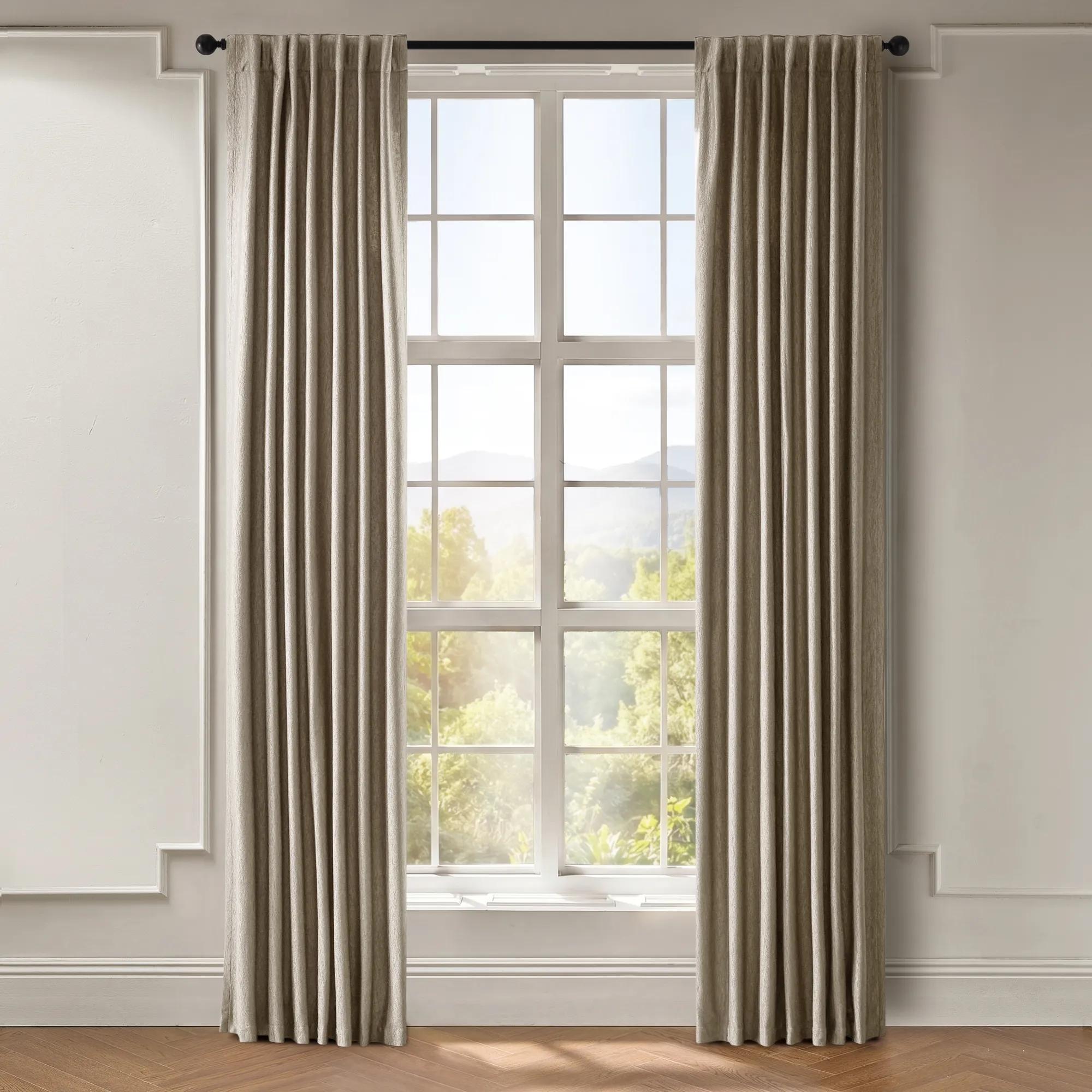
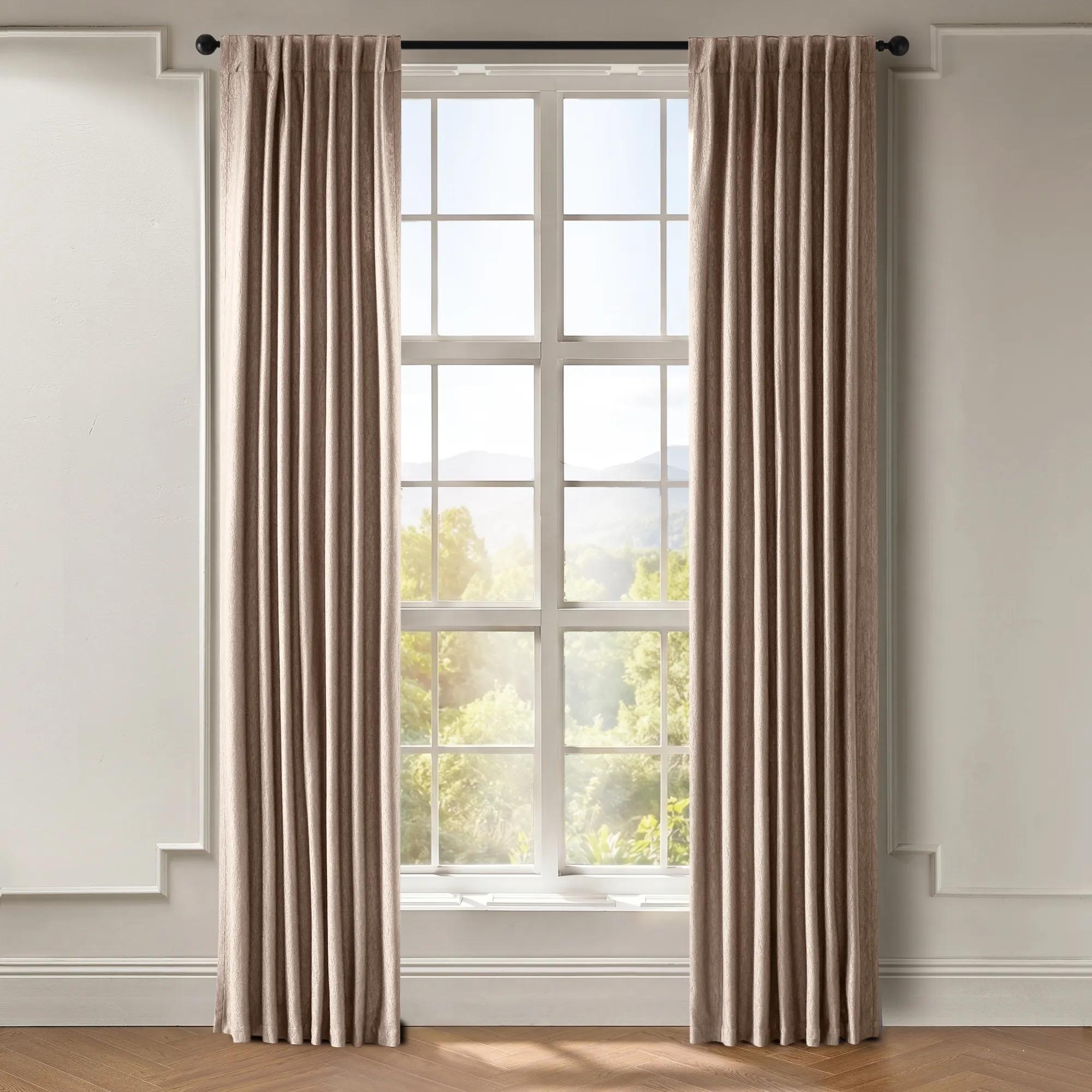
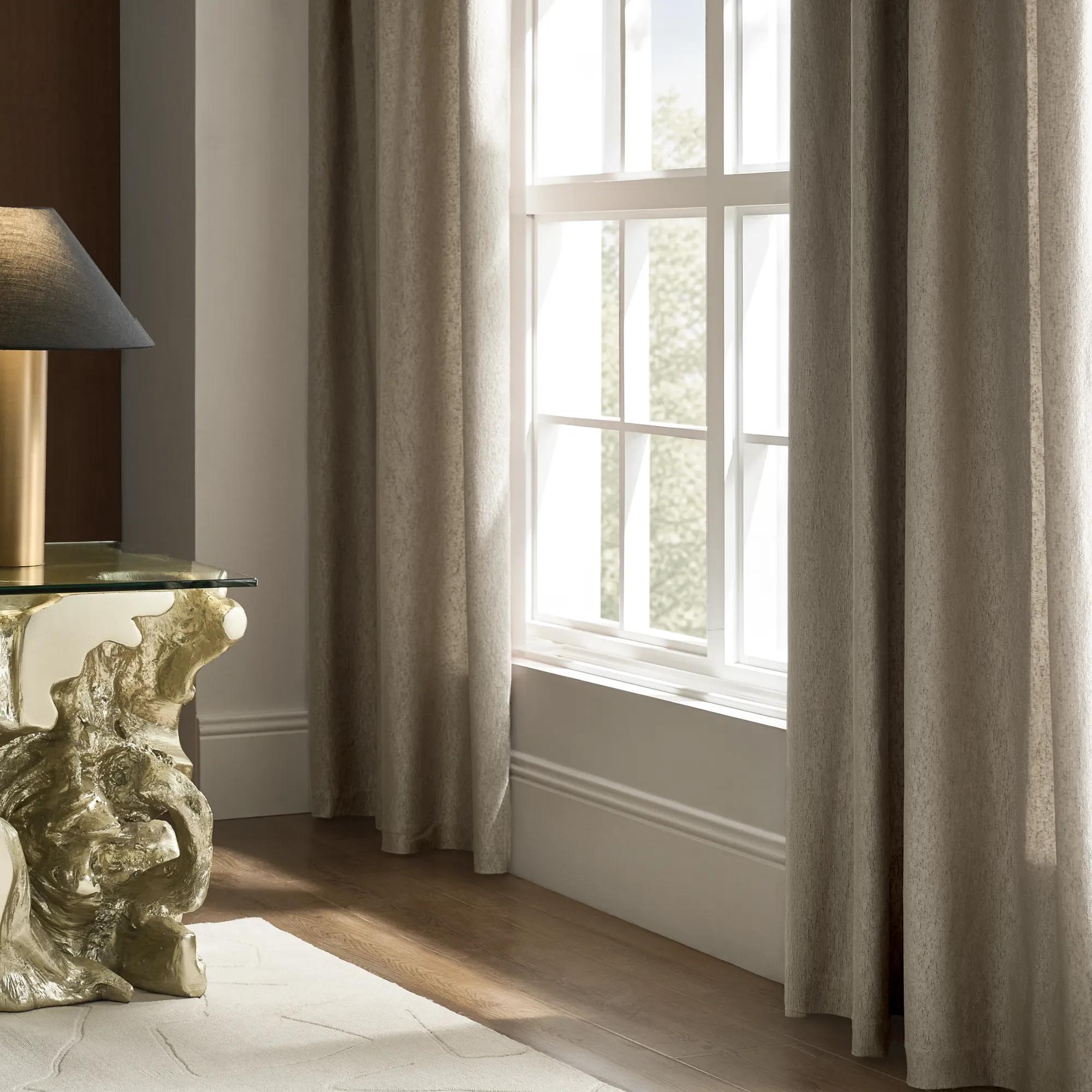 Anson Taupe Textured Window Curtain Panel$99
A taupe polyester curtain panel featuring a crushed sheen texture and versatile room-darkening design.
Add To Cart -

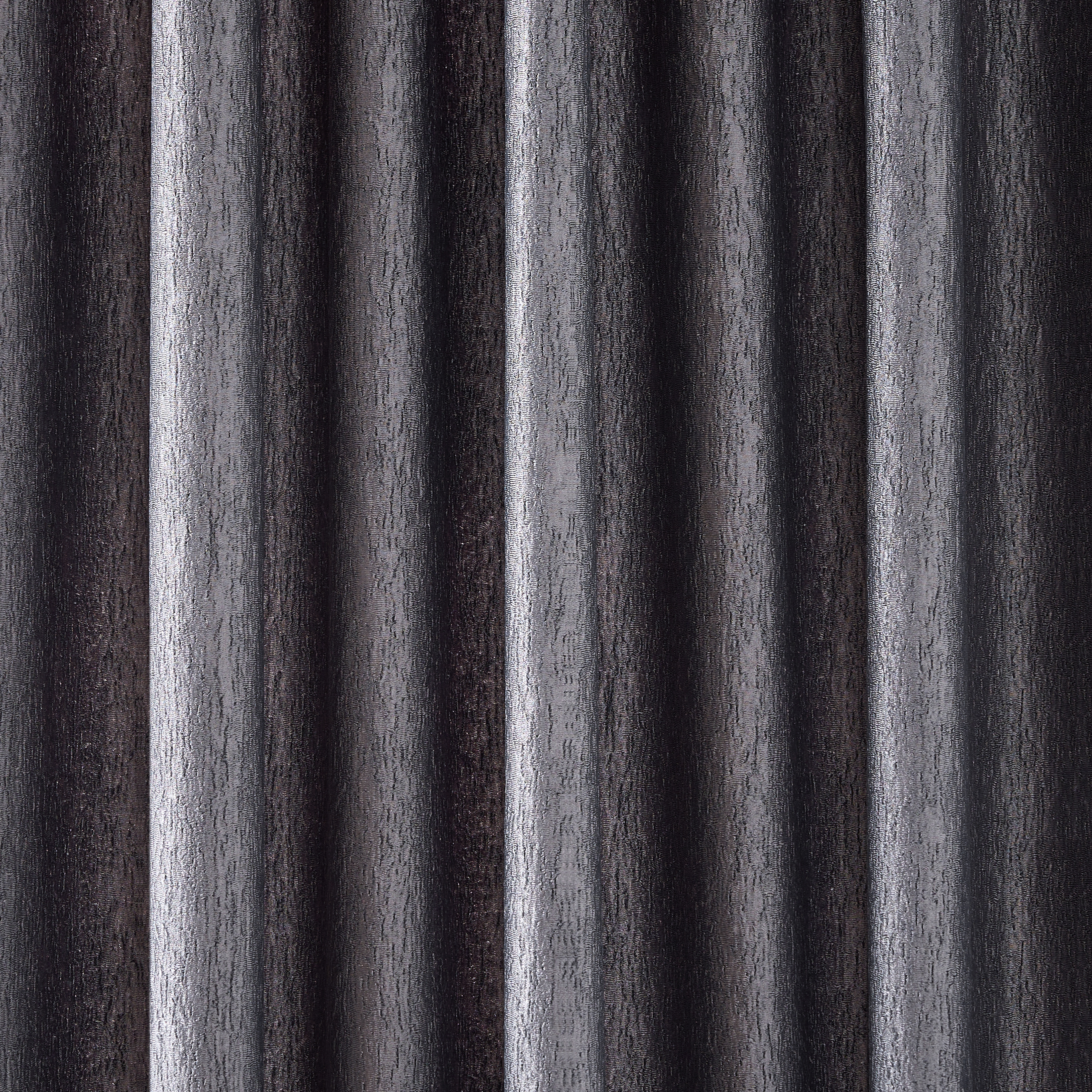 Anson Charcoal Textured Window Curtain Panel$89
A moody charcoal curtain with crushed polyester texture and subtle sheen for stylish, room-darkening appeal.
Add To Cart -
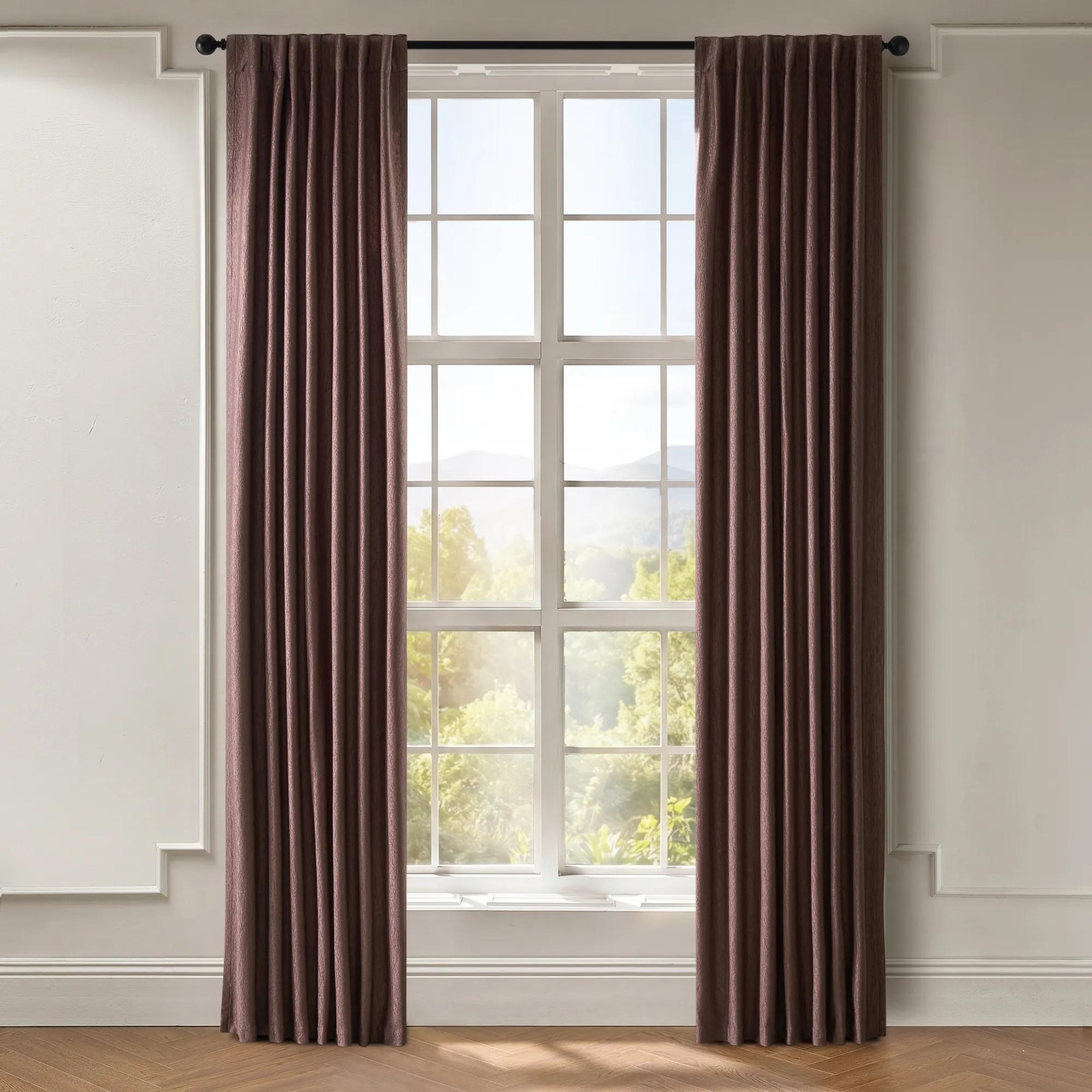
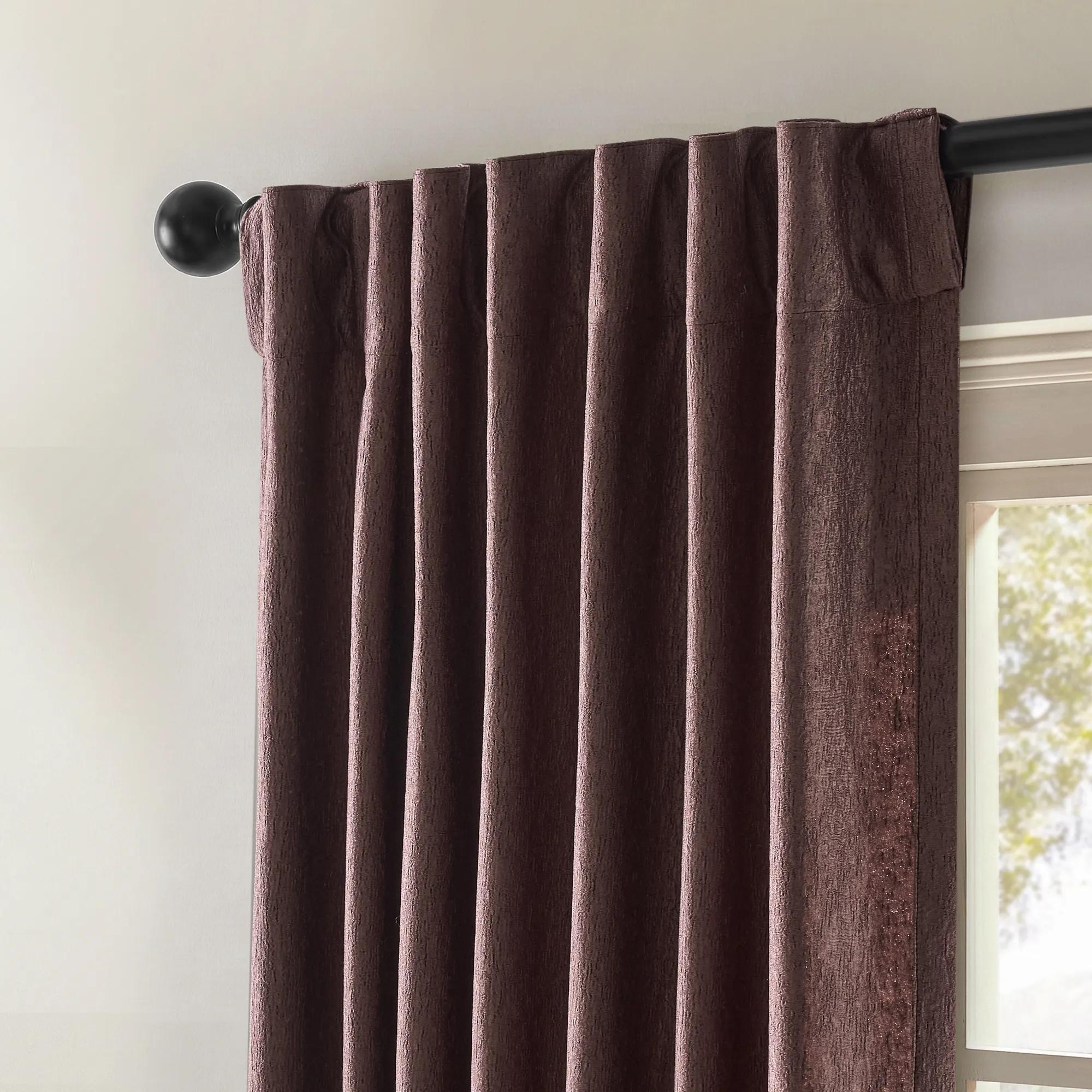 Anson Fig Textured Window Curtain Panel$99
A deep fig curtain panel in crushed, subtly sheened polyester with room-darkening and dual hanging options.
Add To Cart -
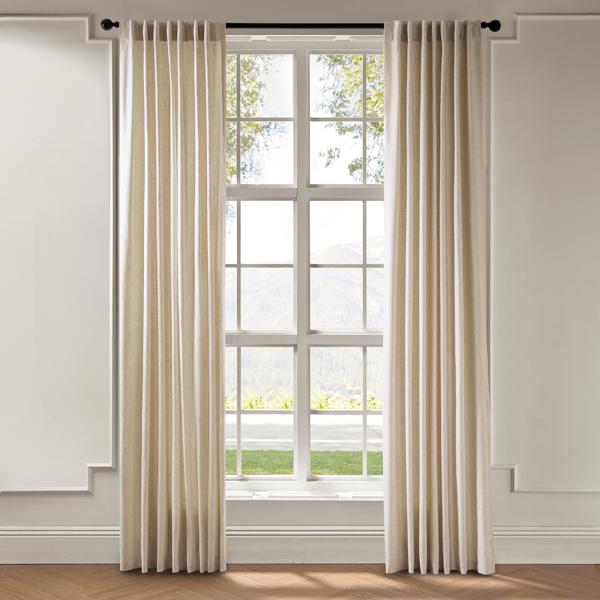
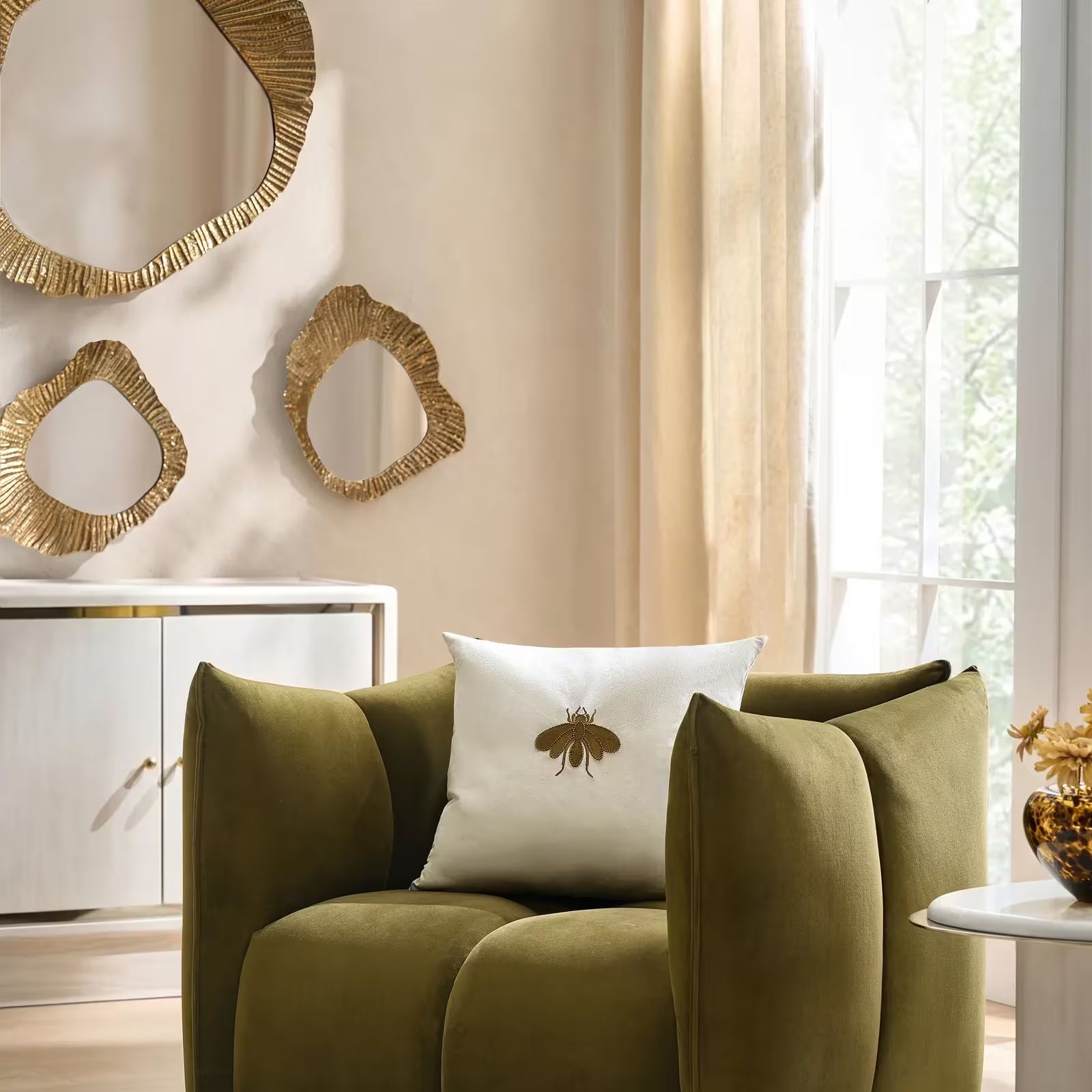 Anson Ivory Textured Window Curtain Panel$109
An elegant ivory curtain with a crushed, light-reflective texture and versatile dual hanging options.
Add To Cart -
 Anson Mocha Rose Textured Window Curtain Panel$109
A light mocha rose curtain panel with crushed sheen texture and room-darkening, dual hanging design.
Add To Cart -
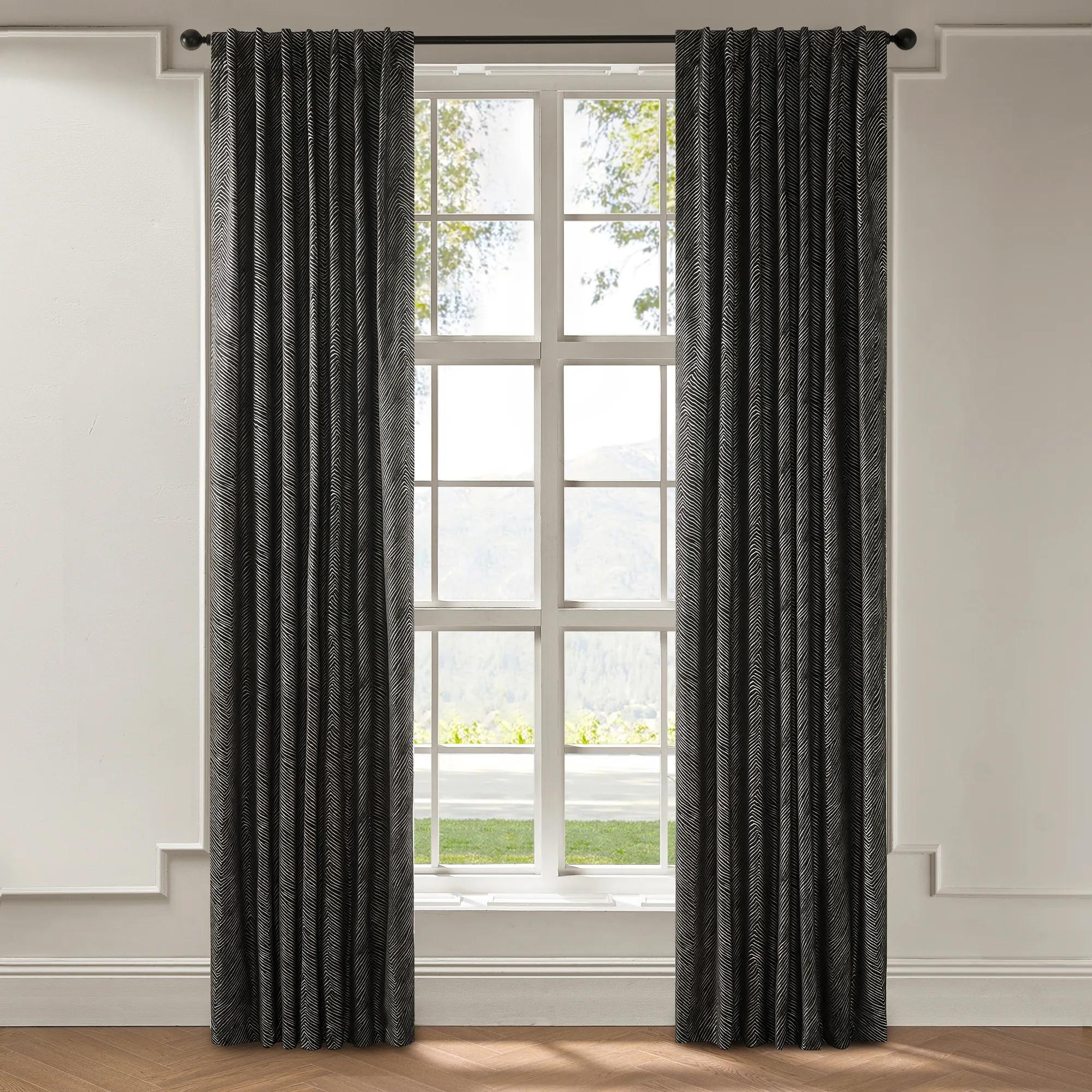
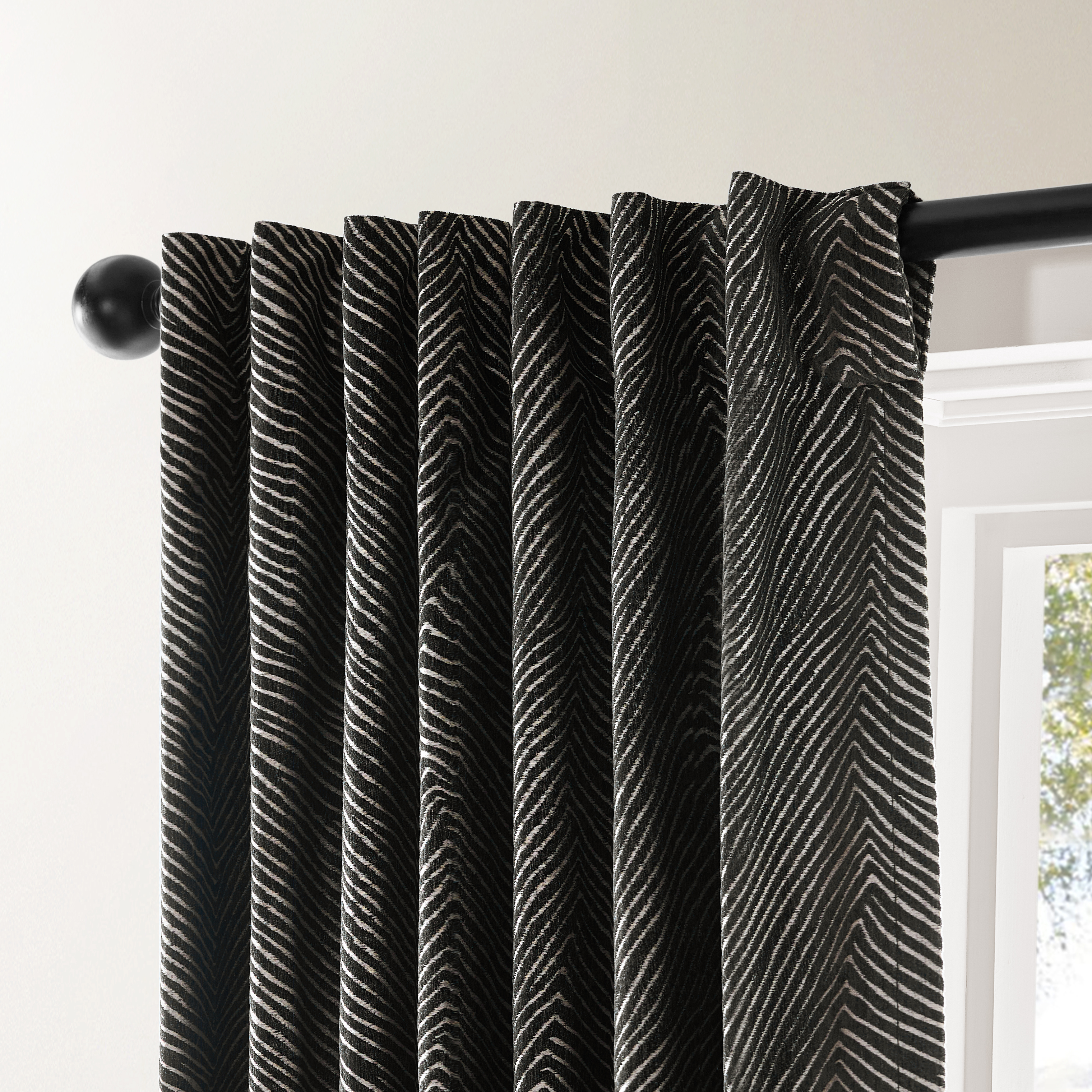 Kenzo Black Chenille Window Curtain Panel$139
A black chenille jacquard curtain with a room-darkening finish and versatile dual hanging options.
Add To Cart -

 Mabel Natural Velvet Swirl Window Curtain Panel$99
A warm neutral velvet curtain with a tonal swirl pattern, offering room-darkening privacy and versatile hanging options.
Add To Cart -
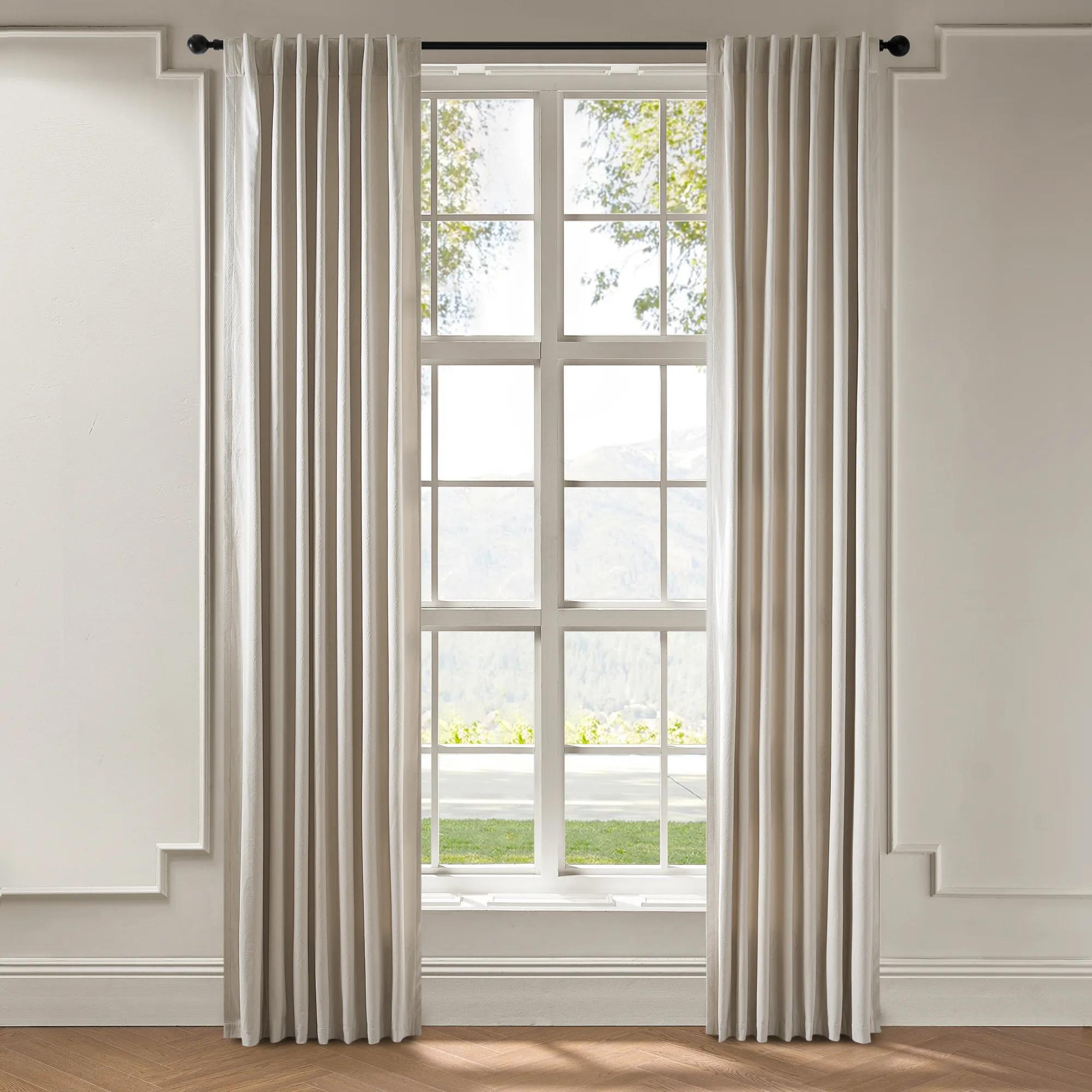
 Mabel White Velvet Swirl Window Curtain Panel$89
A crisp white velvet curtain featuring a tonal swirl texture and versatile dual hanging options.
Add To Cart -
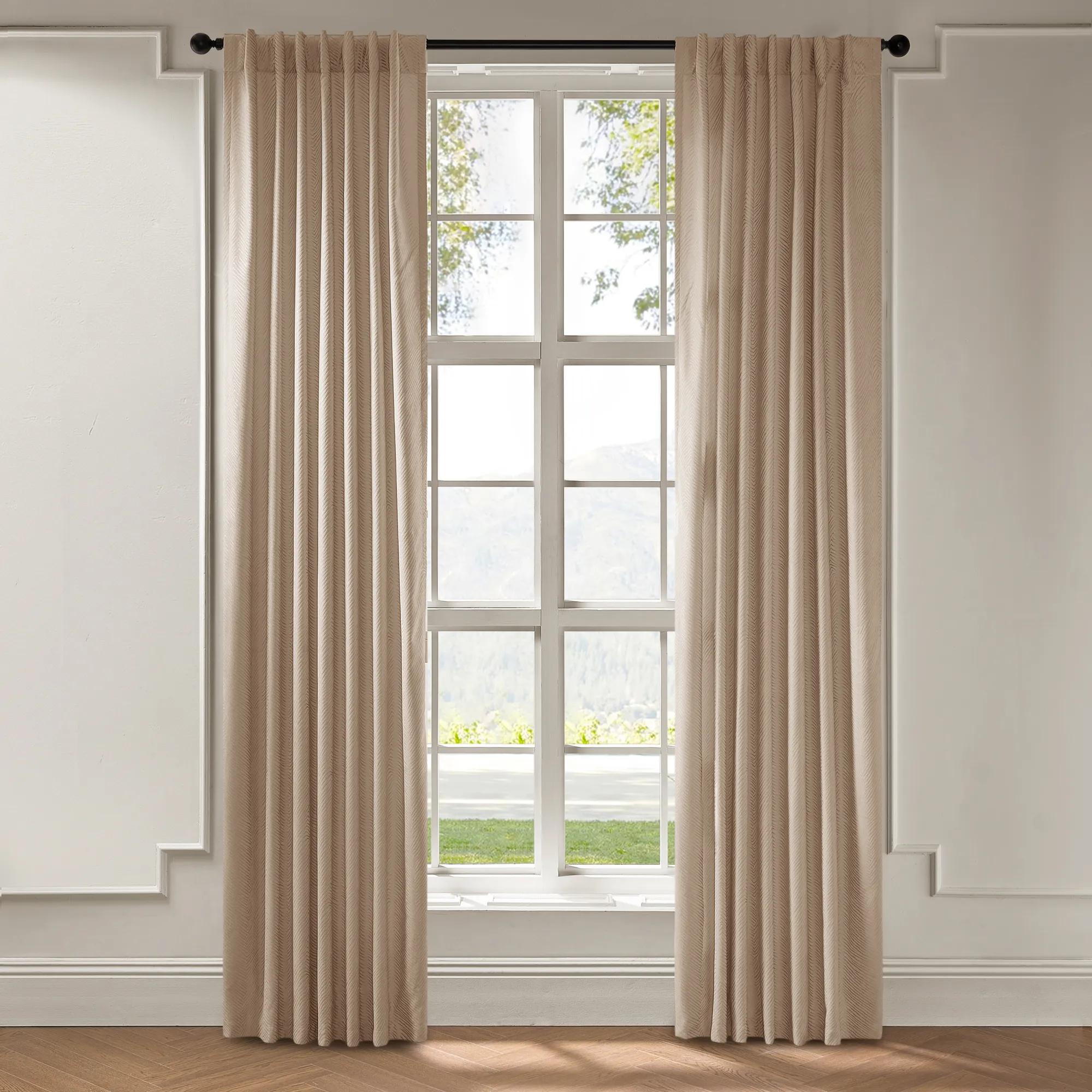 Kenzo Jacquard Beige Chenille Window Curtain Panel$129
A warm beige chenille jacquard curtain with a subtle sheen and versatile rod pocket or back tab hanging.
Add To Cart -

 Adair Sand Solid Velvet Window Curtain Panel$69
A sand-colored velvet curtain offering room-darkening privacy and versatile hanging options for refined interiors.
Add To Cart -

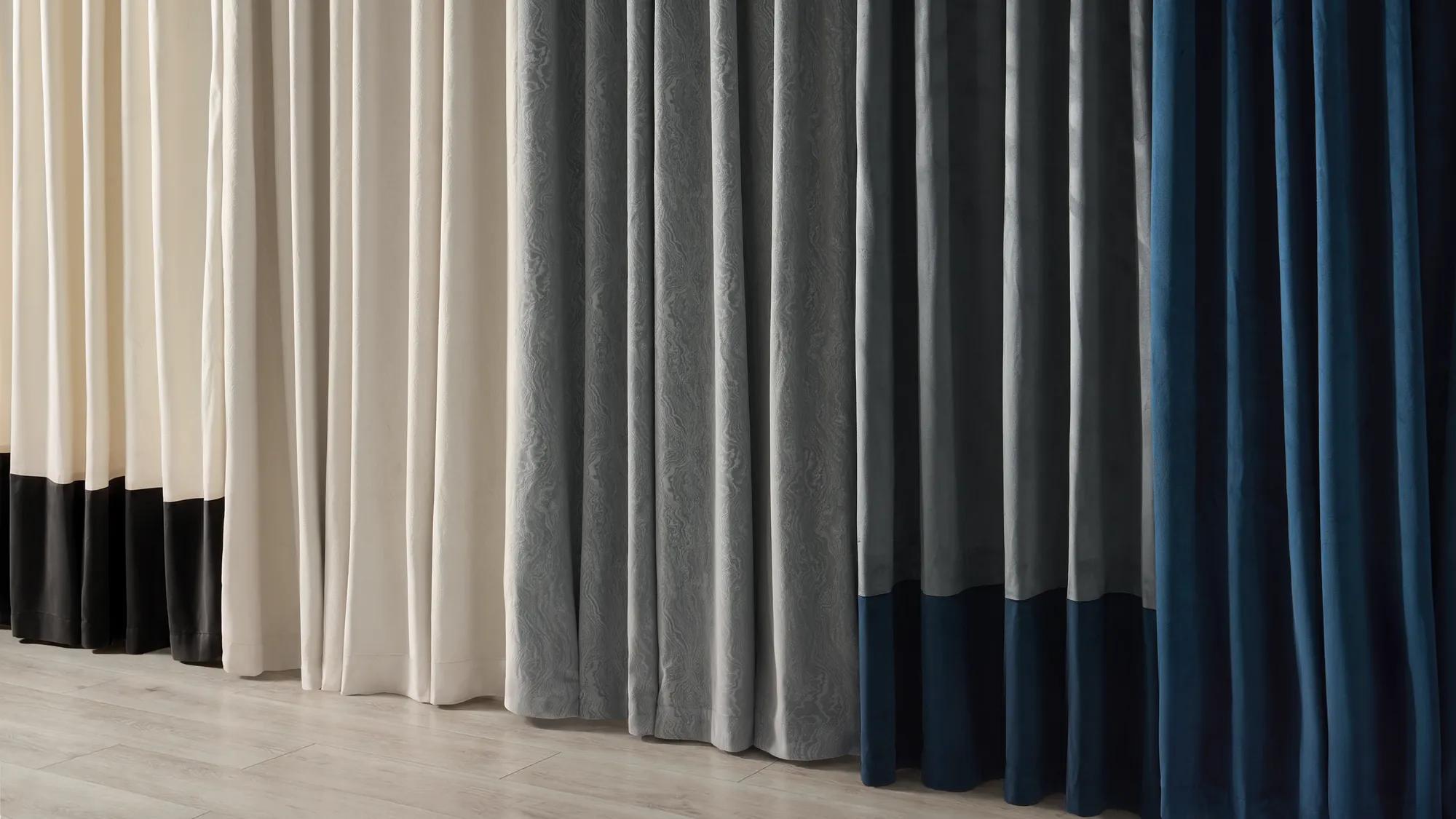 Mabel Velvet Swirl Curtain - Grey Blue$99
A grey blue velvet curtain featuring a tonal swirl pattern and versatile dual hanging options.
Add To Cart -

 Adair Midnight Blue Solid Velvet Window Curtain Panel$69
A sumptuous midnight blue velvet curtain that adds elegance, depth, and room-darkening style to any space.
Add To Cart -
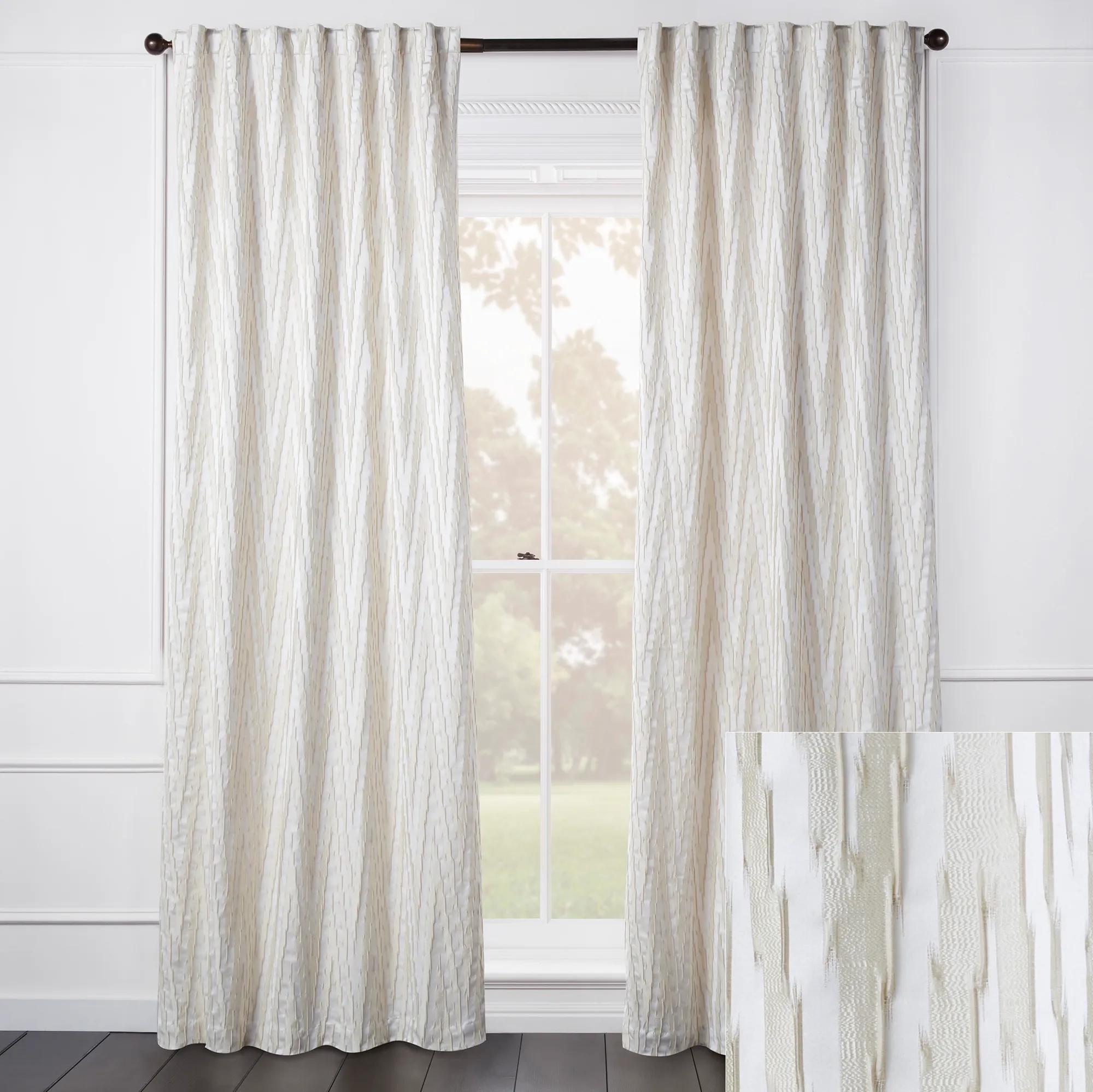
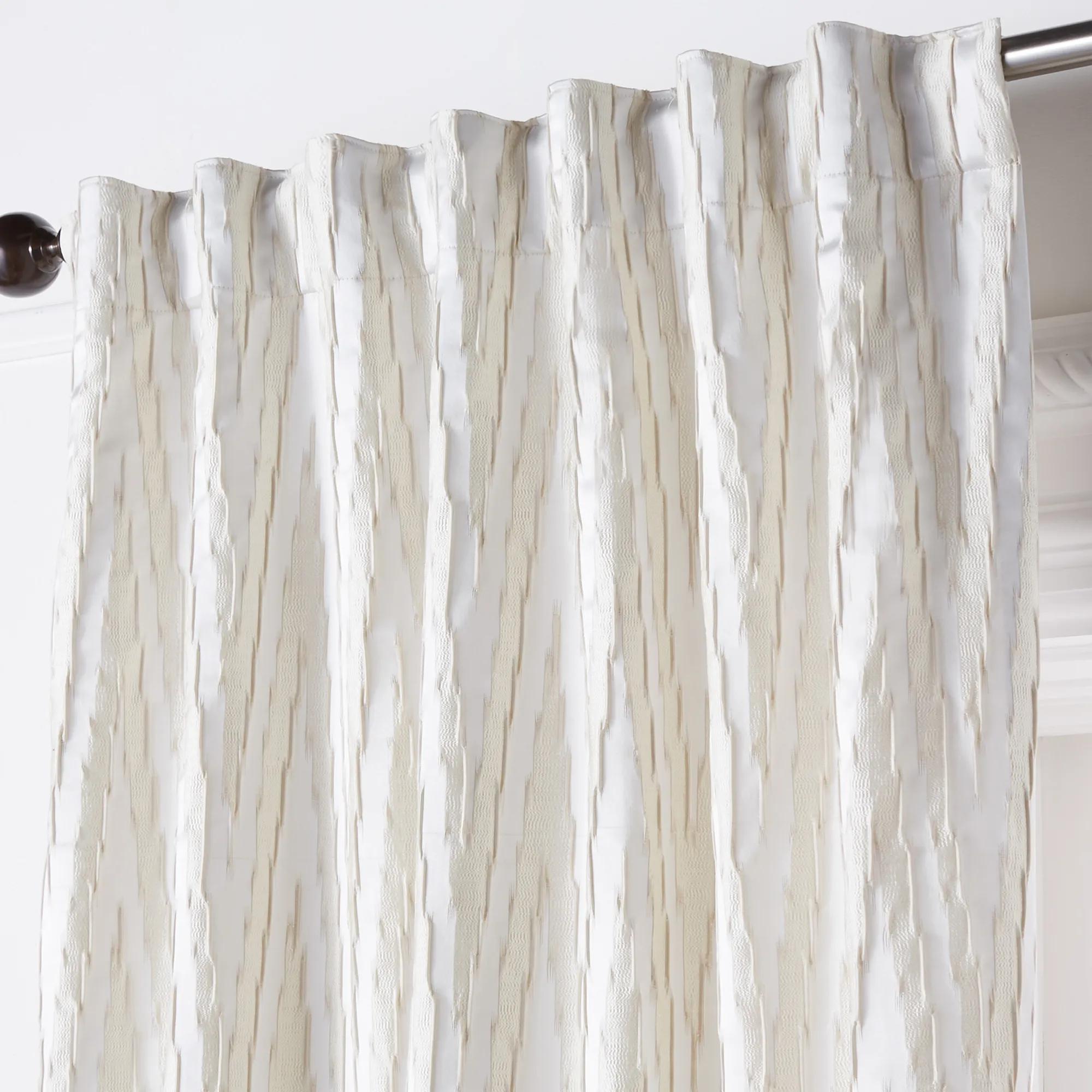 Minka Jacquard Pearl Window Curtain Panel Custom$299
A highly textured chevron curtain panel in pearl, crafted from polyester with customizable hanging options.
Add To Cart -
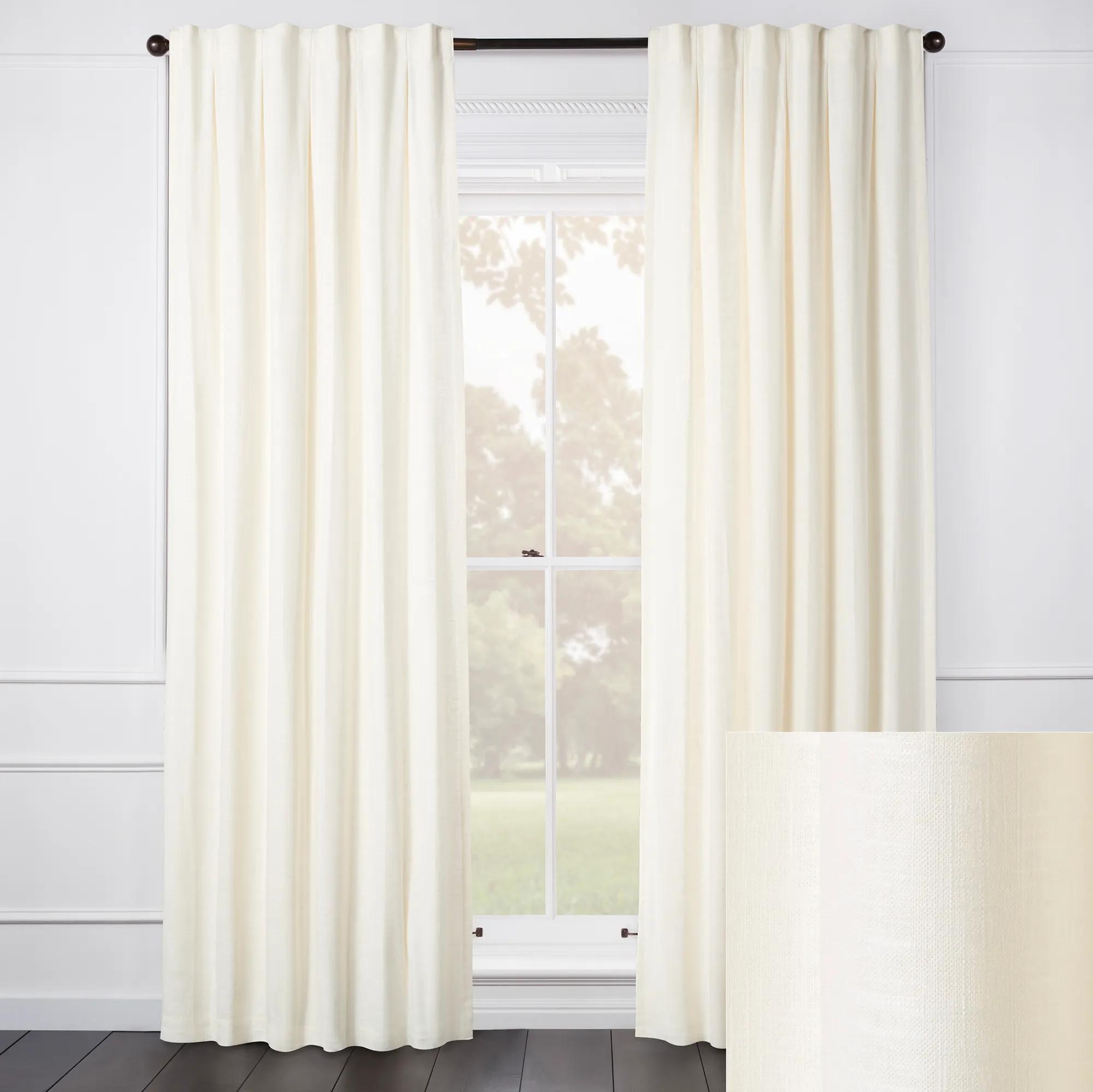
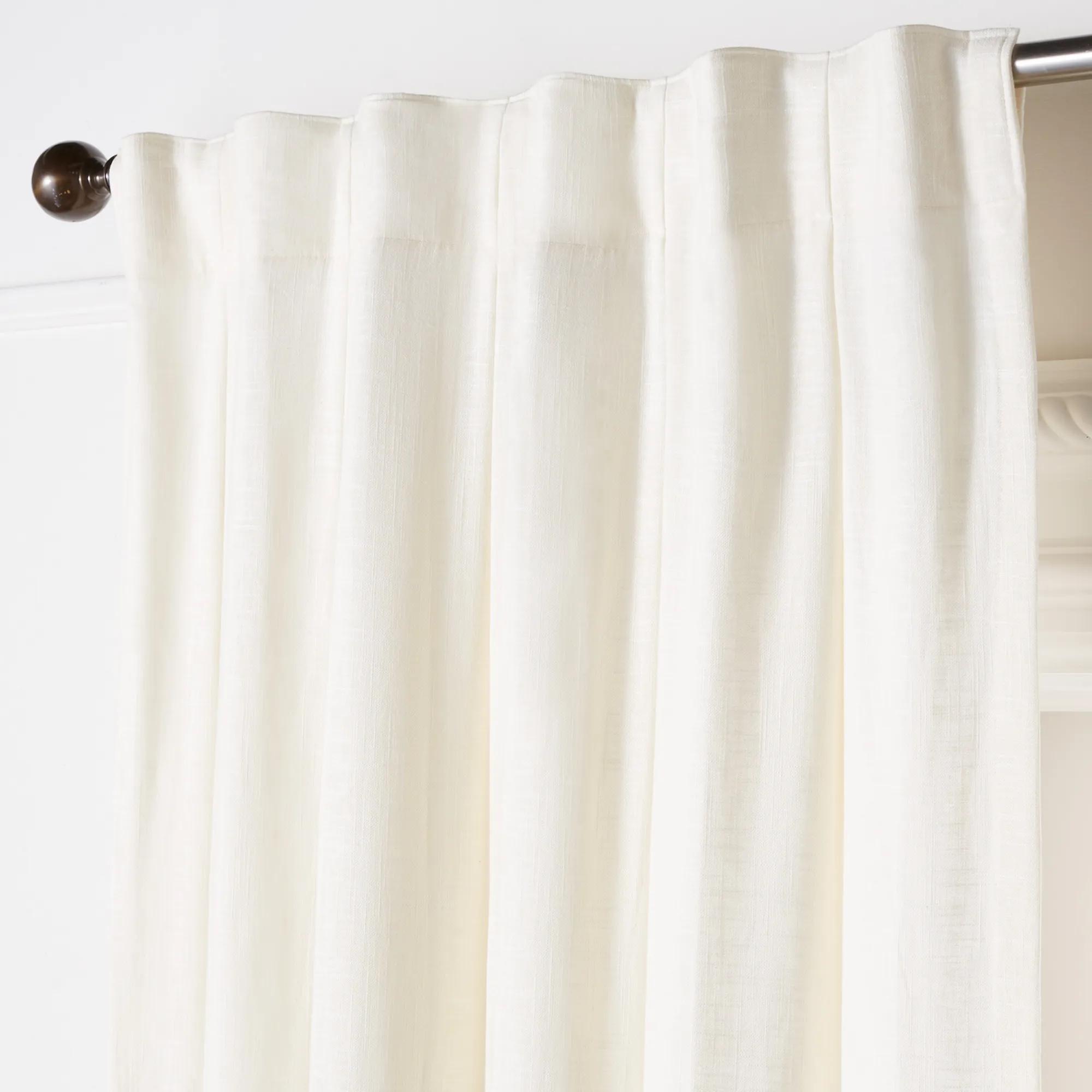 Audrey Linen Ivory Curtain - Custom$269
An ivory linen-blend curtain panel with lining, offering customizable lengths and two elegant header styles.
Add To Cart -
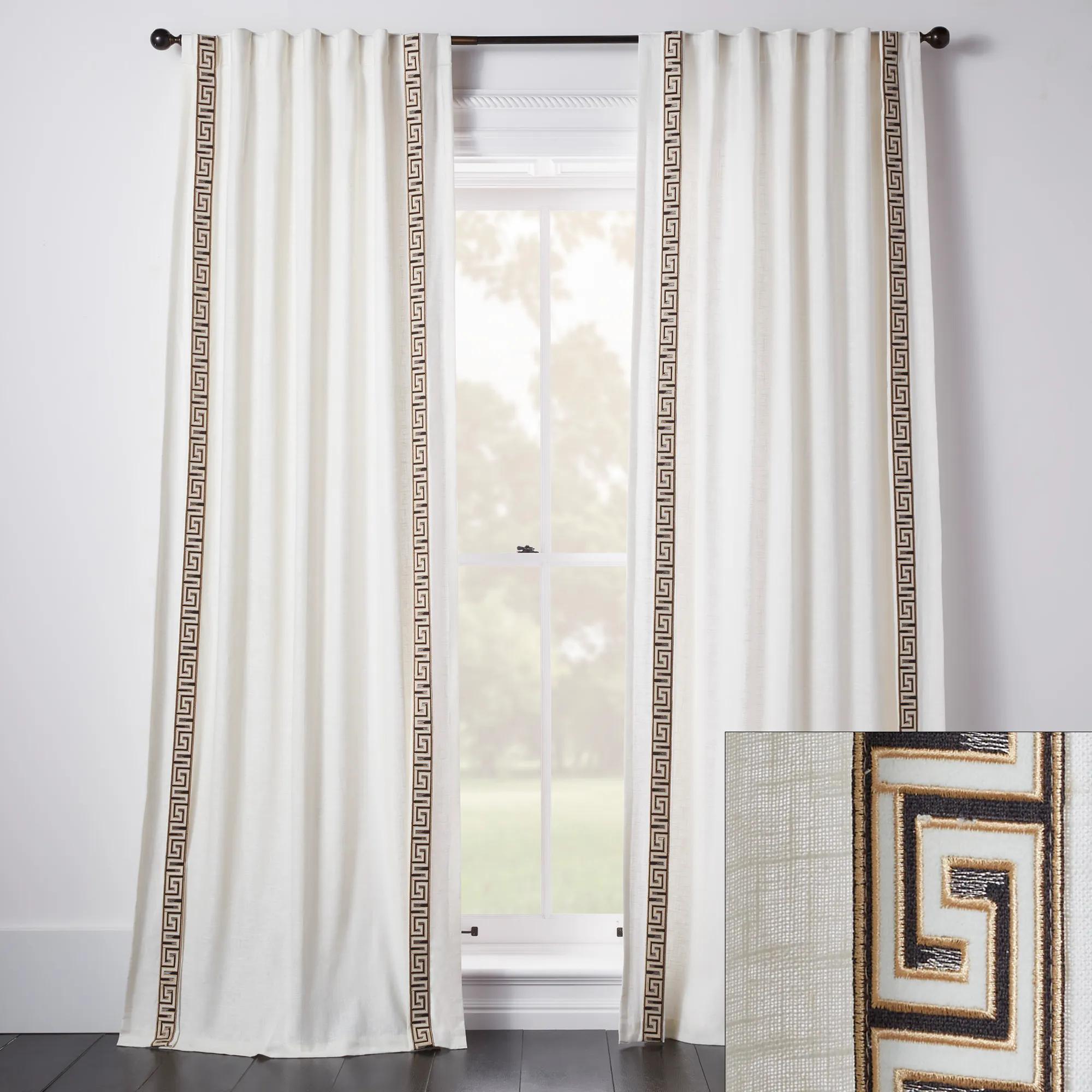 Chole Greek Key Border Velvet Widow Curtain Panels Custom$399
A white linen-blend curtain featuring a black and gold embroidered velvet Greek key border for elegant style.
Add To Cart

Light Filtering Lined Curtains
Light filtering lined curtains transform every room into a stage, casting an ethereal glow that softens the world outside while enveloping your space in subtle sophistication. With every fold and drape, these curtains invite daylight to dance through, creating an ambiance that is both luminous and luxuriously private. Whether framing grand windows or accenting intimate nooks, light filtering lined curtains offer a masterful balance of artistry and allure—inviting you to curate interiors where natural light becomes a signature design element. Let your home bask in the drama of diffused brilliance, where every moment feels exquisitely illuminated.
Light-filtering lined curtains pair a decorative face fabric with a separate lining that softens incoming daylight, reduces harsh glare, and adds substance to the way each panel hangs. Unlike blackout curtains, they are designed to welcome diffused natural light rather than block it completely, creating a room that feels luminous without leaving the windows visually bare. The effect is particularly compelling in spaces where daylight is part of the design: a living room with sculptural seating, a dining area framed by gleaming accents, or a bedroom that calls for a gentle glow rather than total darkness. The lining gives the face fabric a more substantial appearance and can help its color, texture, or pattern read more consistently against a bright window. Light-filtering performance depends on the combination of face fabric and liner, including their weave, thickness, and color; a pale, open weave will not necessarily behave like a dense, darker textile. Linen and linen-blend fabrics bring tactile character and a relaxed, softly irregular surface, while cotton offers a familiar woven texture that works beautifully in both tailored and expressive interiors. Polyester and blended fabrics can offer dimensional stability and crease resistance, although performance varies by construction. A lustrous surface catches light differently from a matte weave, giving even a restrained color a distinct presence. Ivory can create a luminous frame around architectural details, while silver-gray or a deeper neutral lends definition beside pale walls. The right combination offers both atmosphere and practical comfort, softening the contrast between a bright window and the furnishings around it. These curtains can also provide some daytime privacy, but that benefit is not absolute. Visibility depends on fabric density, viewing distance, and the balance of indoor and outdoor light. When lamps are on after dark, silhouettes or interior details may remain visible, making an additional privacy layer worth considering where coverage matters most.
Proportion is what turns light-filtering lined curtains from a finishing touch into an architectural feature. Generous fabric creates deeper folds that reveal texture and give the window a composed, dressed appearance, while insufficient width can leave panels looking stretched even when they technically cover the glass. Combined panel widths often measure about one and a half to two and a half times the curtain rod’s usable span, depending on the heading style, fabric weight, and desired fullness; pleated constructions may have their fullness built into the stated width. Product measurements deserve close attention because a listed width may describe one panel rather than a pair. Length has an equally powerful effect. Panels that just meet the floor create a tailored line suited to polished living rooms and dining spaces, while a slight clearance makes everyday movement and floor cleaning easier. A soft break at the floor introduces a more sumptuous mood, although excess fabric can collect dust or become impractical near busy walkways. Measuring from the actual hanging point matters, since rings, grommets, tabs, and rod pockets position fabric differently. Hardware should be rated for the combined weight of the decorative fabric and lining, with appropriate brackets and wall anchors supporting a smooth, confident drape. Extending a rod beyond the window frame can give open panels room to gather without covering as much glass, allowing the view and the curtain fabric to share the composition. Across a broad window or a set of adjacent windows, consistent hanging heights help establish rhythm rather than visual interruption. For a wider look at this layered construction, Lined Window Curtain Panels offers a related category to explore. Whether the setting is an intimate sitting area or an expansive gathering room, the strongest result comes from treating the fabric, heading, hardware, and surrounding furniture as one composition. A clean-lined rod can let a richly textured panel take center stage, while a decorative finish can echo the metallic details of a mirror, lamp, or console without making every element match.
Everyday use is another part of the appeal. In a living room, light-filtering lined curtains can soften the brightness falling across a reading chair while preserving the room’s connection to daylight. Near a television or computer, they may reduce distracting glare, though direct sun can still require a denser shade or an additional layer. In a bedroom, their luminous effect suits anyone who prefers waking with natural light; sleepers who need substantial darkness may be better served by pairing them with a separate blackout treatment. Layering also allows privacy and brightness to be adjusted independently instead of asking one fabric to perform every task. Durability begins with construction as much as fiber choice: secure seams, even hems, reinforced headings, and a lining that hangs smoothly all contribute to a polished appearance through repeated opening and closing. A separate liner can reduce direct exposure on the back of the decorative fabric, but it does not make the curtain immune to fading, and light filtering should not be mistaken for a verified ultraviolet-protection rating. Care requirements depend on both fabric layers, along with any finishes, trims, or heading components. Some curtains are washable, while others require professional cleaning; the care label should determine the method, especially when different fibers could shrink at different rates. Gentle dust removal with an appropriate vacuum attachment can help preserve the fabric’s appearance between deeper cleanings. Steaming or pressing should follow the stated instructions, since excessive heat or moisture may affect finishes or distort the lining. Curtains that are opened frequently benefit from hardware that allows easy movement without pulling on the fabric itself. Those practical details protect the visual pleasure of the finished room: folds that fall evenly, texture that remains inviting, and daylight that feels softened rather than shut away. Light-filtering lined curtains offer a distinctive balance of decoration and function, framing daily life with the depth of layered fabric and the quiet drama of beautifully moderated light.
FAQs
Light filtering lined curtains offer a refined balance of natural illumination and privacy, gently diffusing sunlight to create a soft, inviting atmosphere while shielding interiors from harsh glare. The added lining enhances the drape and durability of the fabric, providing a tailored look that elevates both modern and classic spaces.
These curtains serve as both a functional and decorative element, introducing layers of texture and tone that enhance your existing décor. Whether you prefer a crisp linen blend for a breezy, organic feel or a richly textured weave for added drama, lined light filtering curtains frame your windows with understated elegance and artistic flair.
Absolutely—light filtering lined curtains bring ambiance and style to a variety of settings, from sun-drenched living rooms to tranquil bedrooms, sophisticated dining areas, or even serene home offices. Their ability to soften natural light makes them a versatile choice for any space where comfort and atmosphere are paramount.
Yes, custom lined curtains allow you to select from a range of fabrics, colors, and linings to perfectly match your design vision. Whether you’re drawn to subtle neutrals or bold hues, you can tailor every detail to complement your space and express your unique sense of style.
Linen blends are a perennial favorite for their natural texture and breezy elegance, while faux linen fabrics offer a soft touch with a modern edge. For those seeking enhanced insulation or privacy, thermal linings and textured weaves add both function and visual interest to any window treatment.