Narrow Bedside Tables | Z Gallerie
Narrow Bedside Tables | Z Gallerie
-
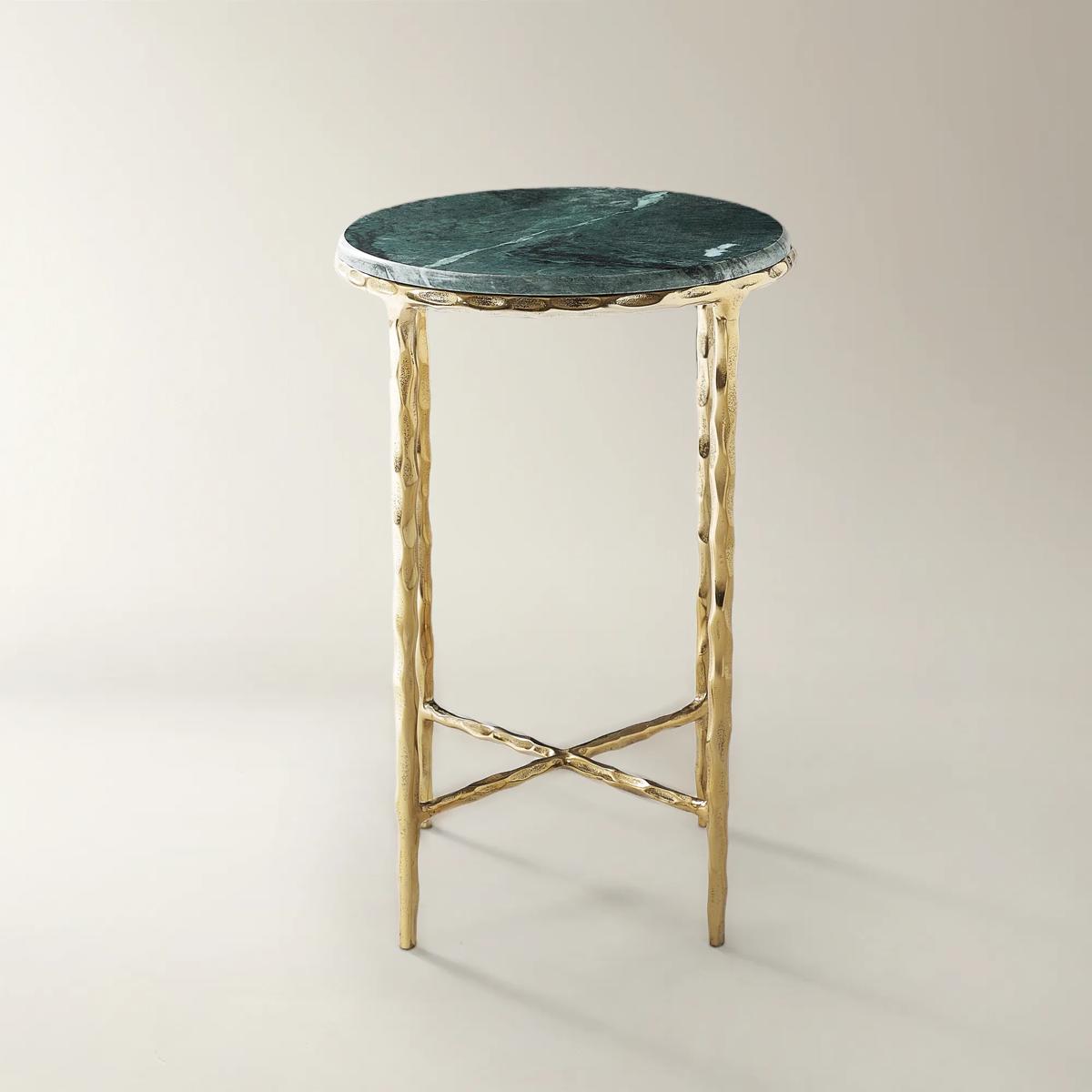
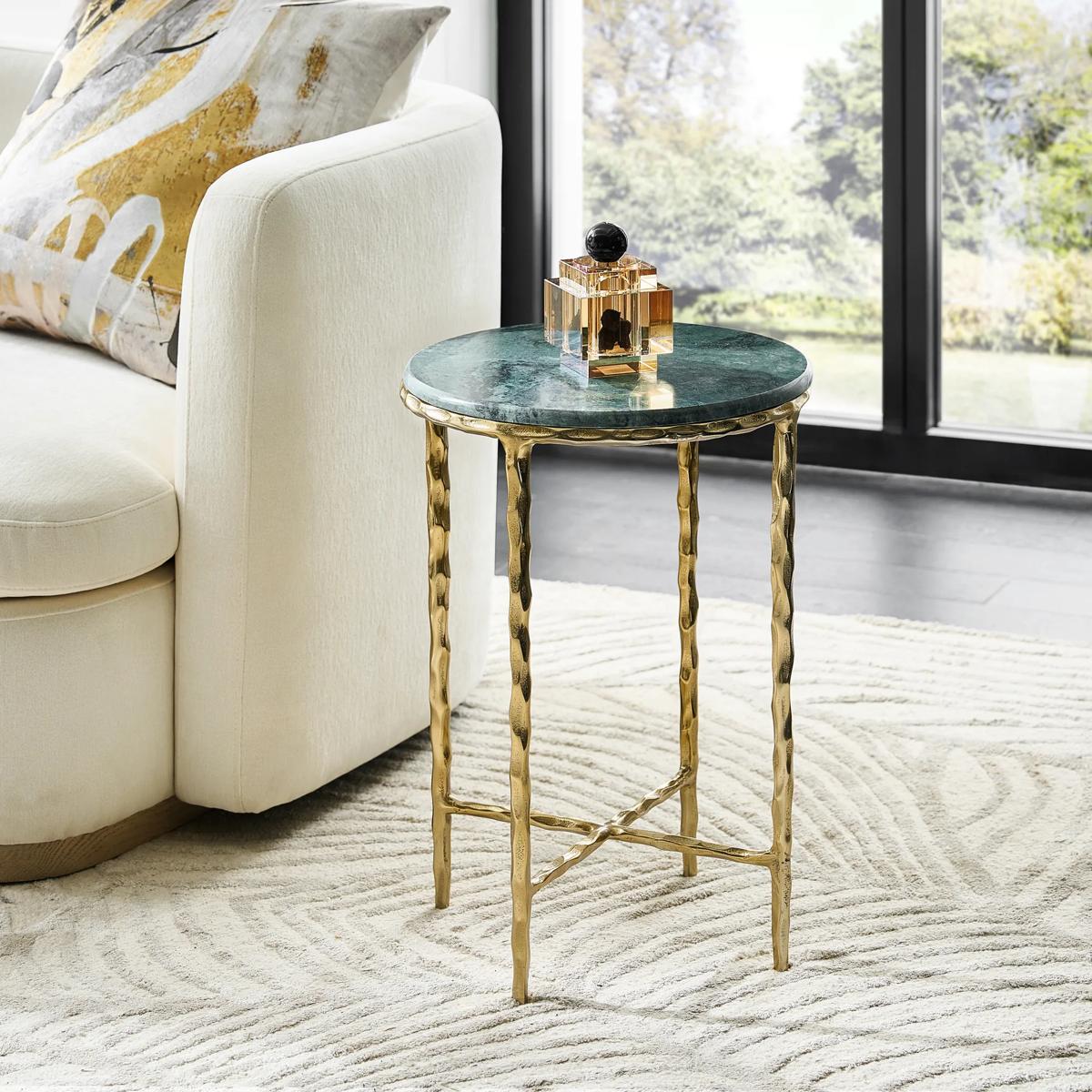 Juliet Round Green Marble Side Table (15")$269
A striking side table featuring a deep green Indian marble top and a hand-hammered metal base.
Add To Cart -
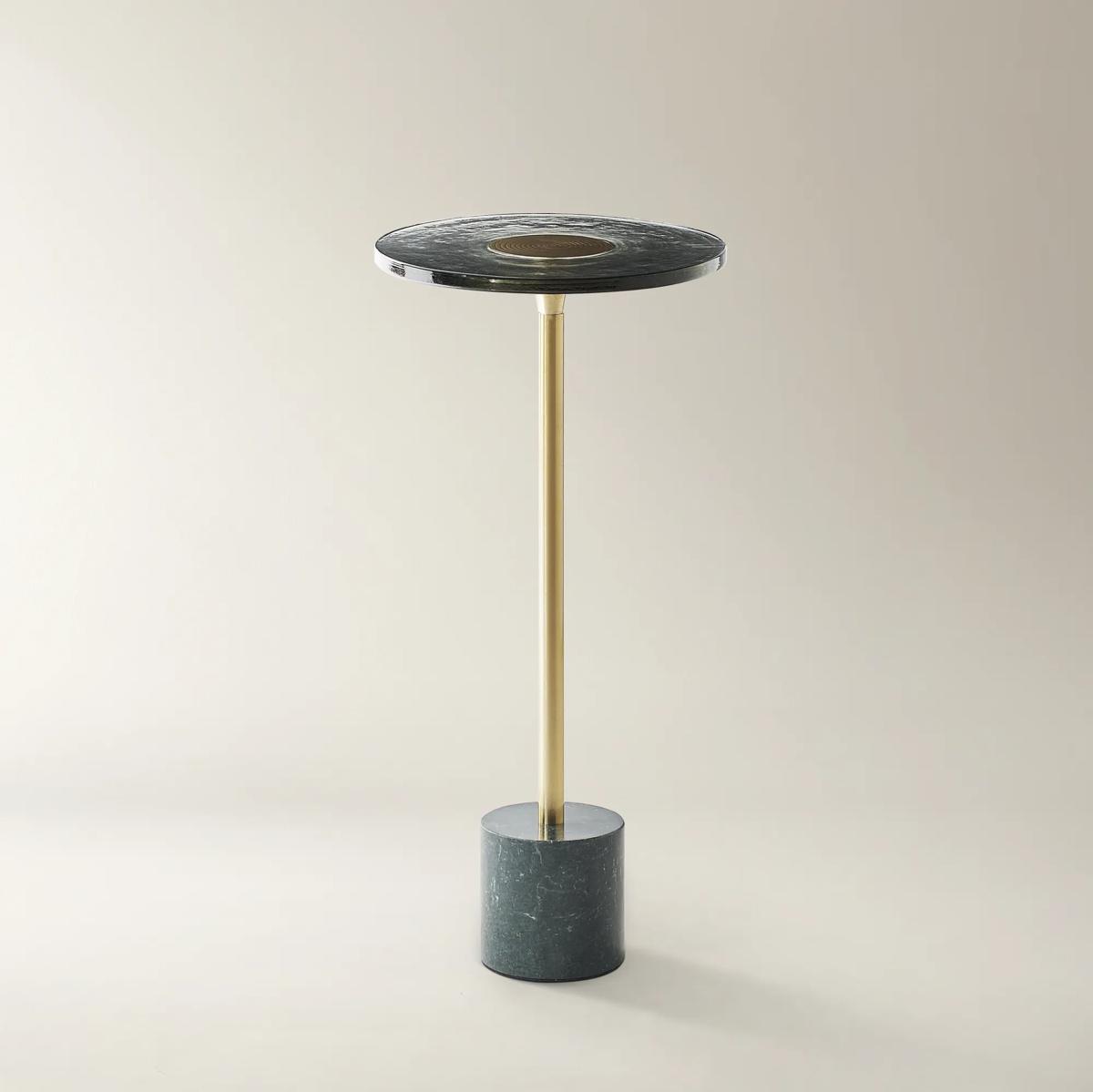
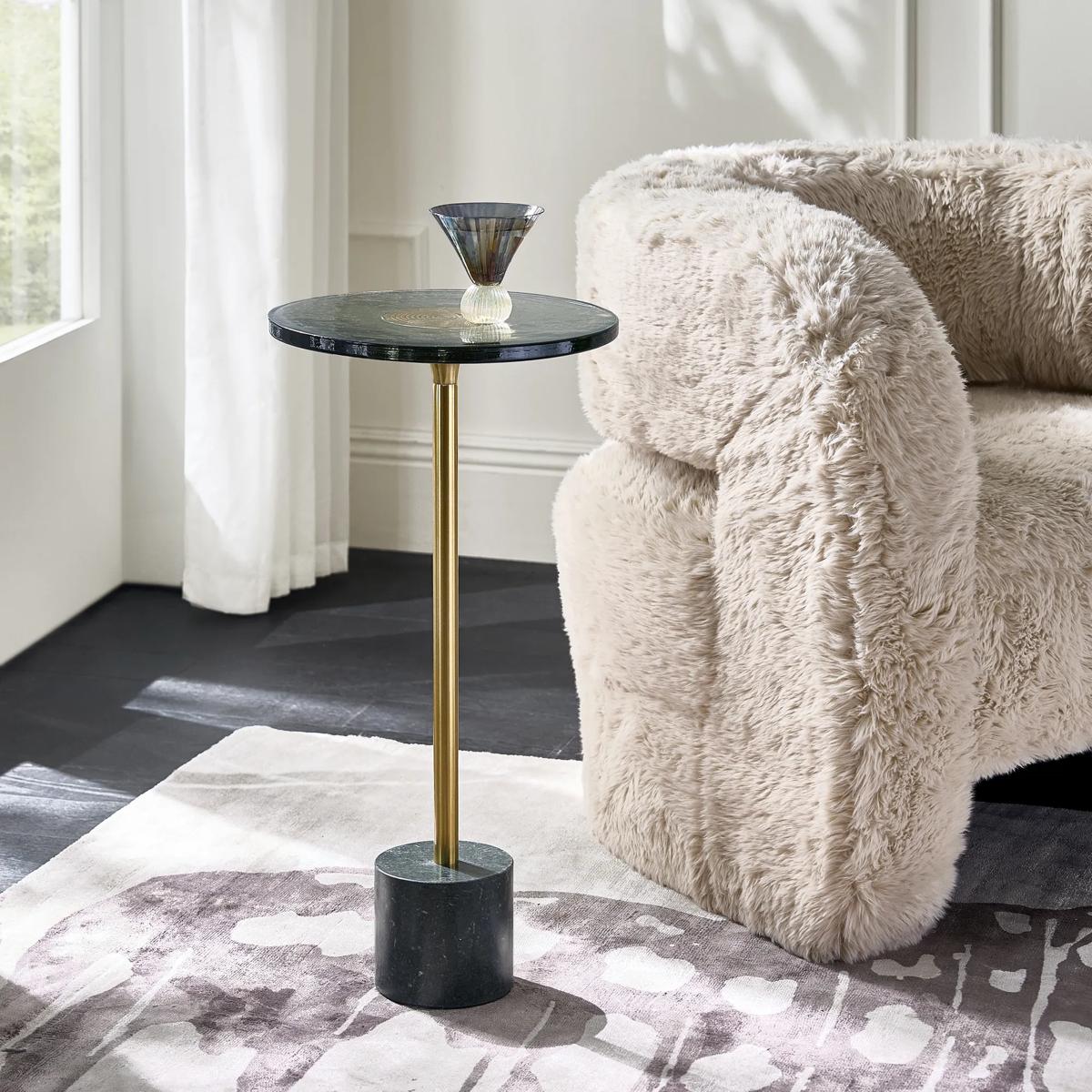 Seraphy Round Green Metal Side Table With Glass Top (13.75")$179
A modern side table featuring a green cast glass top, brass-finished post, and Indian green marble base.
Add To Cart -
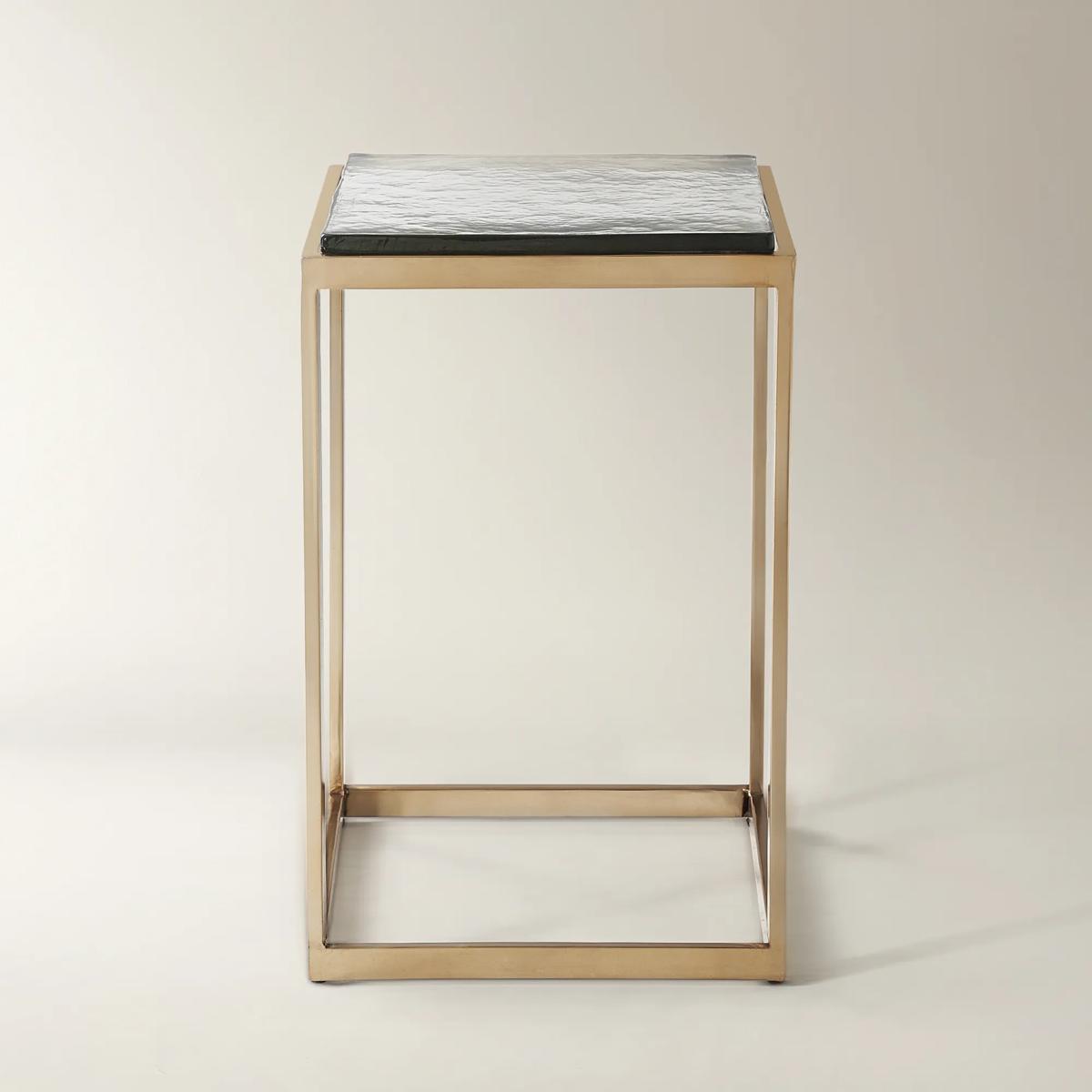
 Lyra Square Brass Metal Side Table With Glass Top (13.8")$239
A sculptural side table featuring a thick cast glass top and a lustrous brass-finished metal base.
Add To Cart -
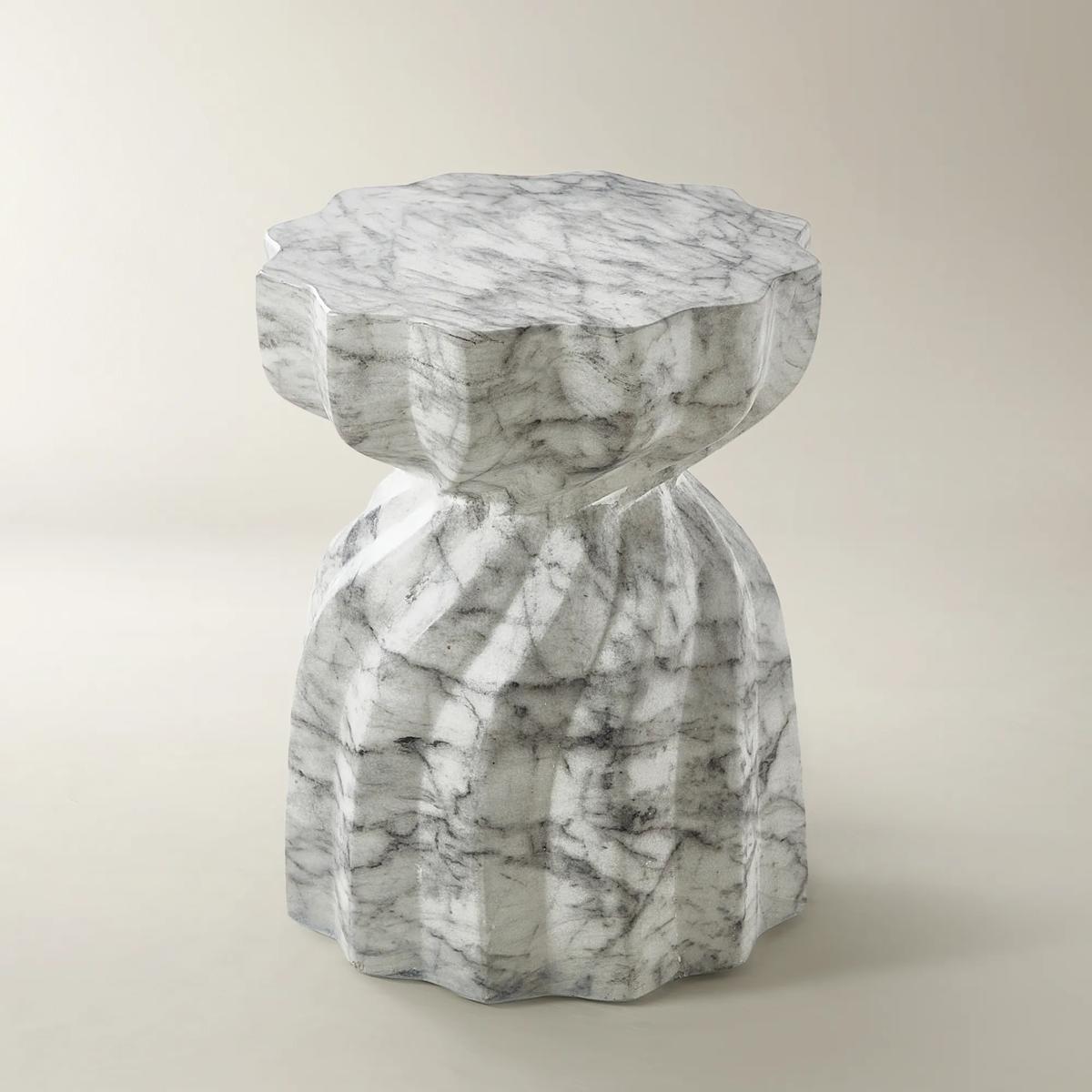
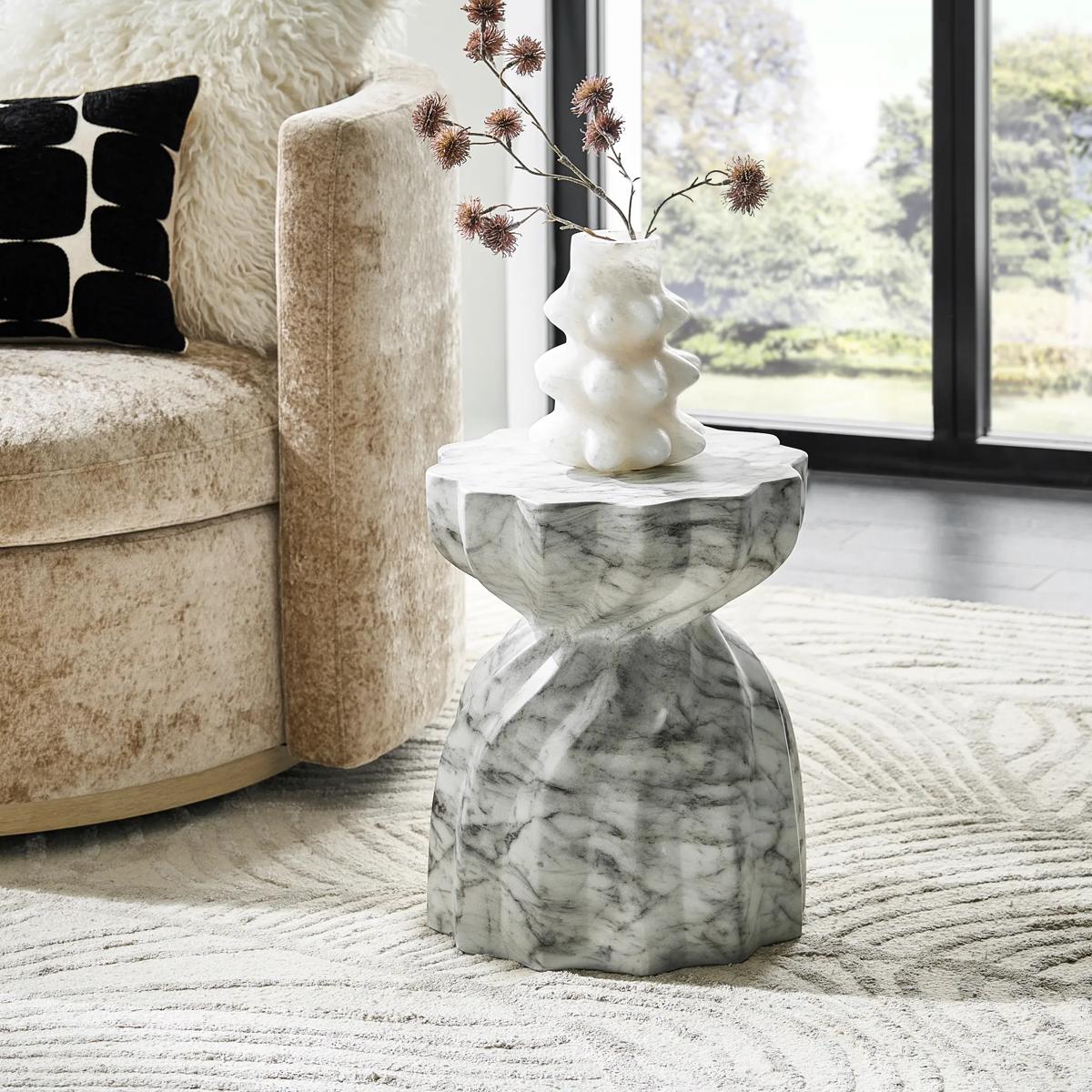 Lithia Scalloped White Concrete Indoor/Outdoor Side Table (15")$349
A white concrete side table with a scalloped silhouette and marble-look finish for indoor-outdoor living.
Add To Cart -
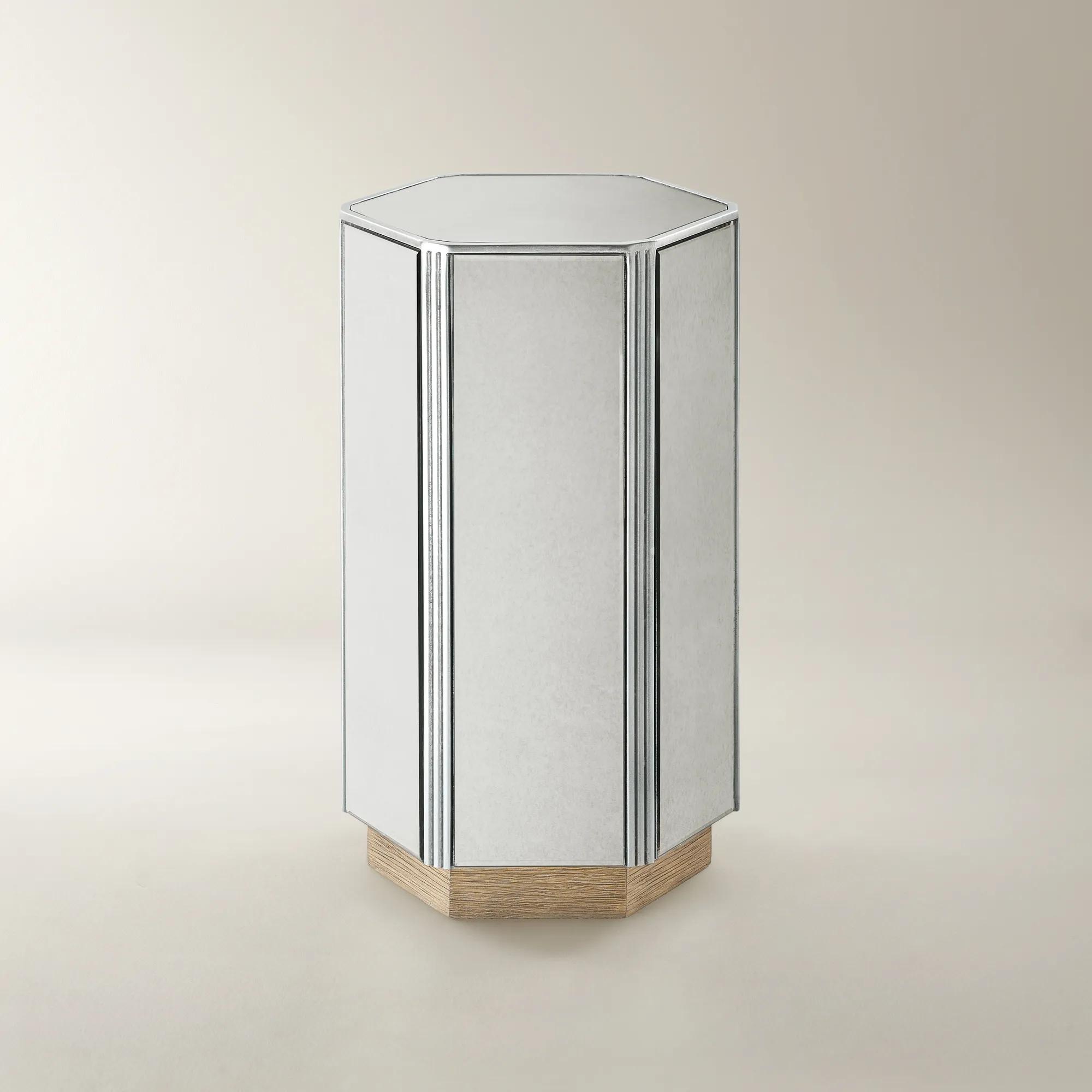 Glimmer Silver Mirrored End Table (12")$399
A chic side table featuring an antique silver mirror top and warm oak veneer base with handcrafted details.
Add To Cart -
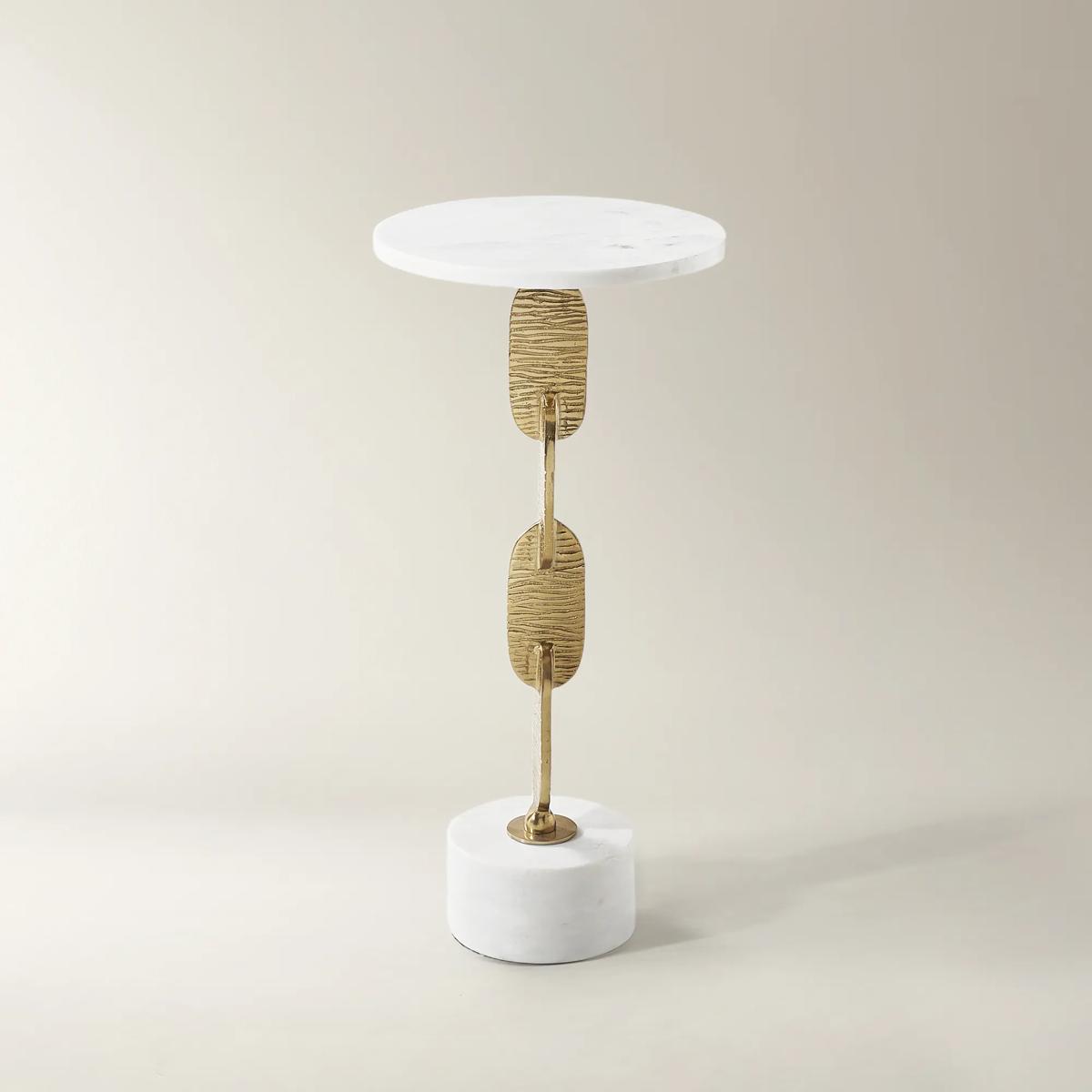
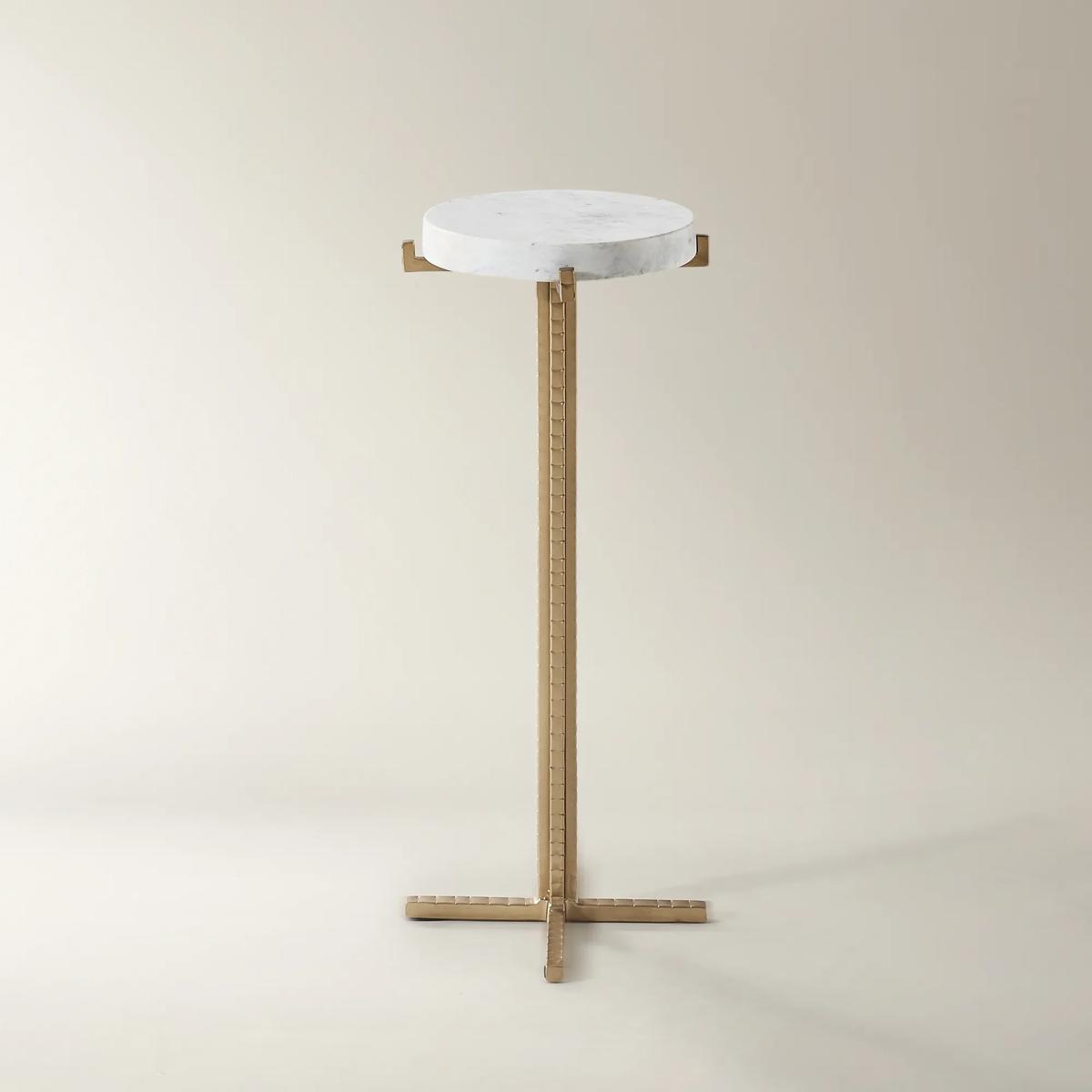
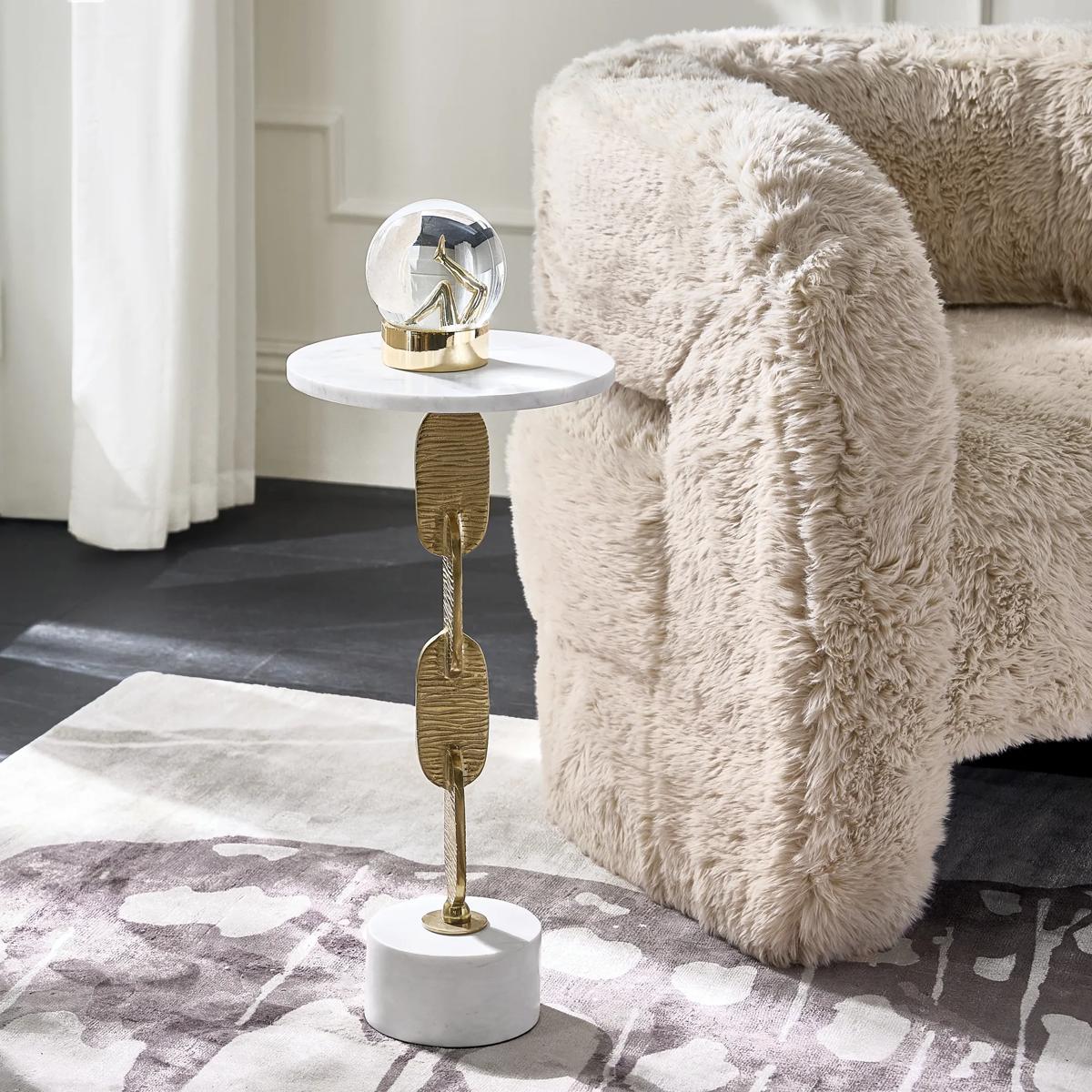 Luna Round White Marble Side Table (11.25")$199
A sculptural side table featuring a genuine white marble top and an open gold-finished metal frame.
Add To Cart -
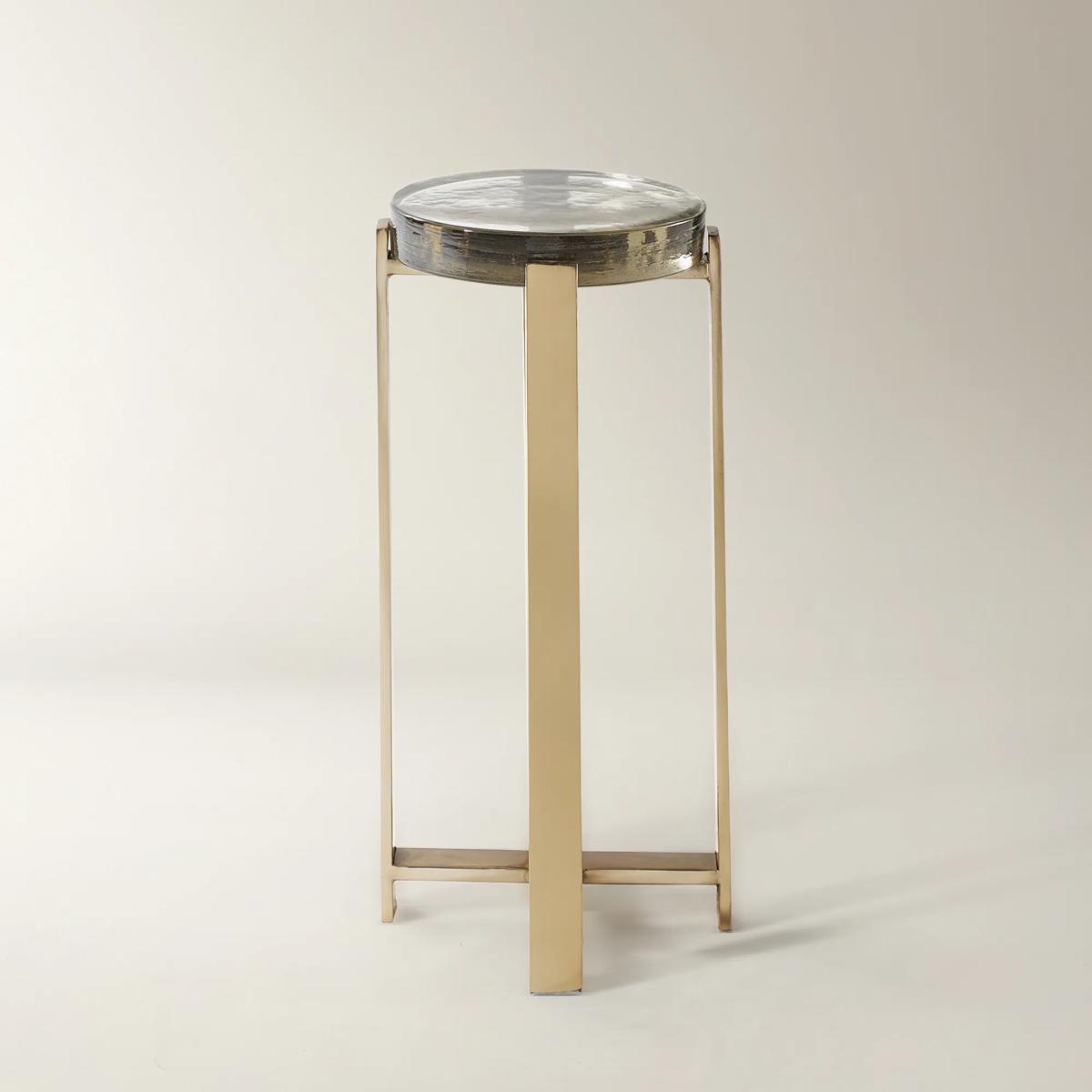
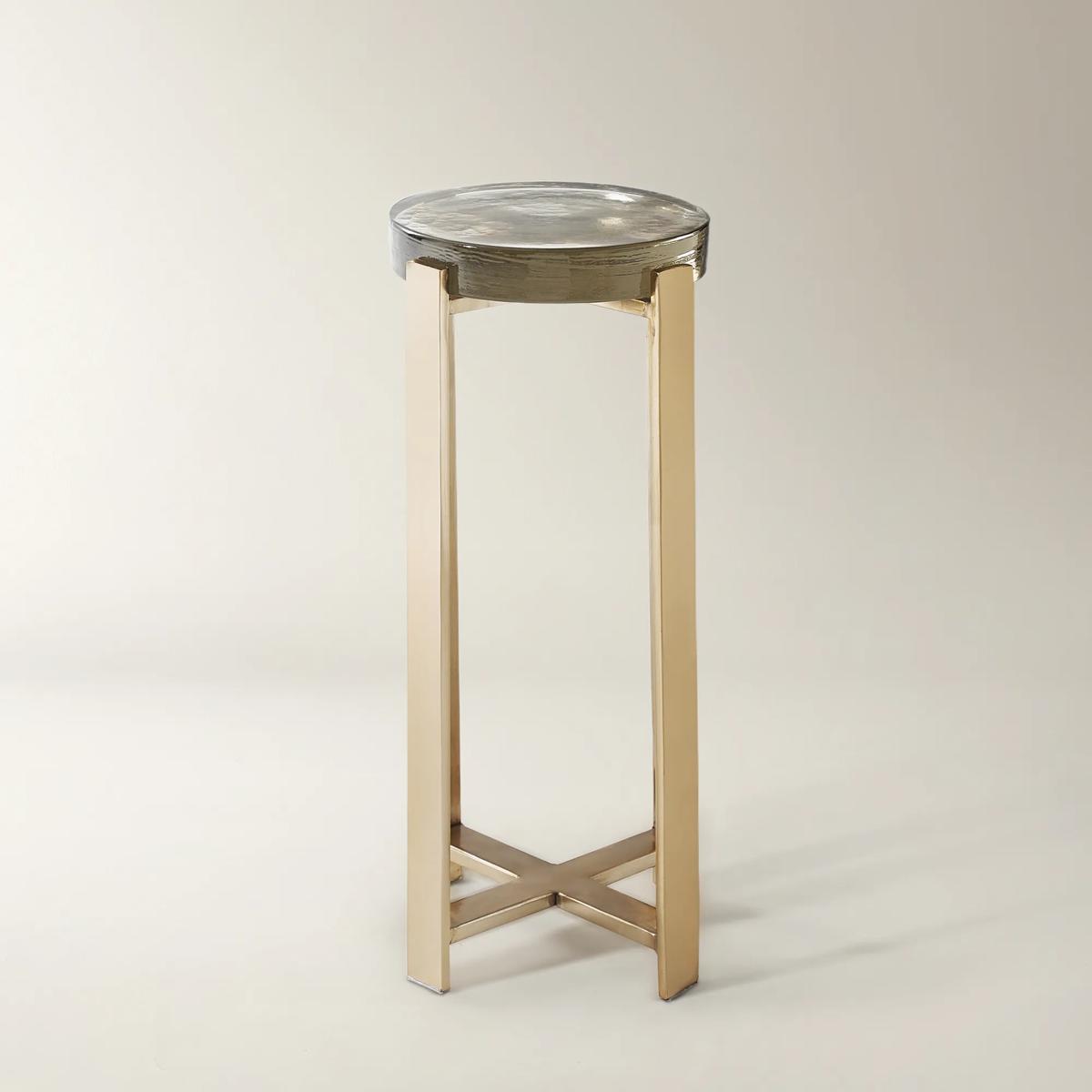 Lyra Round Brass Metal Side Table With Glass Top (10.75")$259
A sculptural side table featuring a thick cast glass top and lustrous brass-finished metal base.
Add To Cart

Narrow Bedside Tables | Z Gallerie
Narrow bedside tables give limited bedside space an expressive finishing touch. Explore compact tables and nightstand alternatives that balance room for evening essentials with sculptural appeal. Consider silhouette, surface space, and finish to find a piece that complements sumptuous bedding while keeping your bedroom comfortably composed.
Narrow bedside tables bring a deliberate sense of proportion to the bedroom, creating a place for everyday essentials without overwhelming the space beside the bed. These compact tables and slim nightstands serve the same purpose as larger bedside furniture: keeping a reading light, a glass of water, a phone, or a favorite book within comfortable reach. Their distinction is a smaller footprint, often expressed through a slender rectangular top, a petite round surface, or an open, sculptural base. There is no universal measurement that makes a bedside table narrow; the right width depends on the bed, the surrounding furniture, and the space available. A width of approximately 10 to 18 inches can be a useful starting point for a tight arrangement, but depth and height matter just as much. A shallow table may preserve a walkway better than a narrower piece that projects farther into the room. Beside a substantial upholstered bed, a slim silhouette can provide contrast without competing with the headboard’s presence. In an apartment bedroom, it can make the difference between a graceful passage and an awkward squeeze. Proportion also influences comfort: a tabletop near the height of the mattress generally makes reaching for essentials easier, while a markedly lower or taller surface can feel inconvenient. The mattress height, bed-frame overhang, baseboard projection, and clearance for nearby doors all affect the fit. Drawers need room to open, and bedding should fall freely rather than catch against a sharp corner. Round tops can soften a close arrangement, while rectangular designs often align neatly with a wall. For shared bedrooms, matching tables establish symmetry, but identical widths are not essential. Two different silhouettes can feel equally intentional when they share a finish, a similar height, or a common design detail. The result is a bedroom that feels composed around the people who use it, rather than arranged around oversized furniture.
Materials give narrow bedside tables their personality, allowing even a modest surface to contribute depth, sheen, and architectural interest. Glass can preserve an airy sightline beside a visually substantial bed, while mirrored surfaces reflect lamplight and surrounding color for a more luminous effect. Neither material makes a footprint physically smaller, but both can reduce its visual weight. A brass-finished metal frame introduces a warm gleam; a silver-toned finish brings a cooler, more tailored note. Metal construction can support slender profiles, although stability depends on the complete design, the base, and the surface beneath it—not simply the material. Wood and wood-veneer tables offer grain, tonal variation, and a sense of substance that pairs beautifully with plush textiles. Solid wood may respond to changes in indoor humidity, while veneer requires care to protect its surface and edges. Marble and other natural stones introduce distinctive veining, making a small tabletop feel expressive without elaborate ornament. Natural stone, engineered stone, and stone-look finishes have different properties and care requirements, so the material description matters as much as the appearance. A stone-look surface should not be assumed to have the weight, composition, or maintenance needs of natural marble. Construction details deserve similar attention: secure joints, a balanced base, smooth drawer movement, and an appropriate weight capacity help determine how comfortably a table handles daily use. Storage changes its role, too. A slim nightstand with a drawer can conceal charging cables, reading glasses, and personal essentials, keeping the bedroom’s visual rhythm serene. An open shelf offers an accessible place for books, while a pedestal or open-frame table gives more emphasis to silhouette. Neither approach is inherently better; the choice depends on whether the bedside needs discreet organization or simply a striking surface. In a guest room, a clear tabletop and an easy-to-reach light may be more welcoming than extensive storage. For a dedicated evening reader, room for a book and a properly scaled lamp becomes part of the table’s everyday appeal.
A narrow bedside surface feels most luxurious when its arrangement leaves room to live. One expressive lamp, a small catchall, and a book can create a richer composition than a crowded collection of accessories. The lamp’s base should sit fully on the tabletop, with enough space remaining for the objects used each day; its shade should also clear the wall and headboard. A wall-mounted reading light can free the surface when the footprint is especially compact. Charging cords are best routed without crossing a walking path or pulling against the table, and a small tray can keep jewelry from disappearing behind the bed. These details give a dramatic silhouette genuine ease. Care helps preserve that effect. Regular dusting with a soft cloth limits buildup, while coasters and prompt attention to spills help protect surfaces from moisture and residue. Marble and other calcareous stones can etch when exposed to acidic liquids, and some stone surfaces may require sealing according to the maker’s instructions. Mirrored and glass finishes benefit from nonabrasive cleaning methods, with cleaner applied to a cloth rather than sprayed into seams or onto adjacent materials. Wood, veneers, and metallic finishes should be cleaned according to their specific care directions, avoiding prolonged dampness and harsh products that can compromise the finish. A level position and respect for the stated weight limit are equally important, particularly for tall, slender designs; bedside tables are not intended as seats or steps. Their compact proportions can also suit other spaces, although bedside height does not automatically translate to the right height beside a sofa. For a similarly refined footprint in the living room, Narrow Sofa-Side End Tables offer a related furnishing direction. As a housewarming gift, a slim accent table can be a thoughtful gesture when the recipient’s measurements and tastes are known. Whether framing a primary bed or lending character to a guest suite, a narrow bedside table gives a small area the presence of a considered design moment: tactile, expressive, and ready for daily life.
FAQs
Yes. A side table can make an expressive alternative to a traditional nightstand if you primarily need a surface for evening essentials. Consider whether you prefer an open accent piece or furniture with concealed storage.
Matching tables create a symmetrical, tailored composition, but contrasting pieces can feel equally intentional. Connect different designs through a shared finish, recurring shape, or coordinated lamps to give each side of the bed a distinct yet harmonious presence.
Brass tones bring warmth to gray bedding, while silver and mirrored finishes emphasize its luminous qualities. White stone offers gentle contrast, and deep green introduces a jewel-like accent. Let the bedding’s warm or cool undertone guide your palette.
Give the arrangement one focal point, such as a sculptural lamp or an expressive vase, then edit the supporting accents. A small dish can gather personal items while leaving part of the surface open for nightly use.
An open design lets the table’s silhouette become part of the room’s artistry. Concealed storage suits routines that involve keeping several personal items nearby. Choose according to what you want on display and what you prefer tucked away.