Modern Decor For Small Spaces
Modern Decor For Small Spaces
-
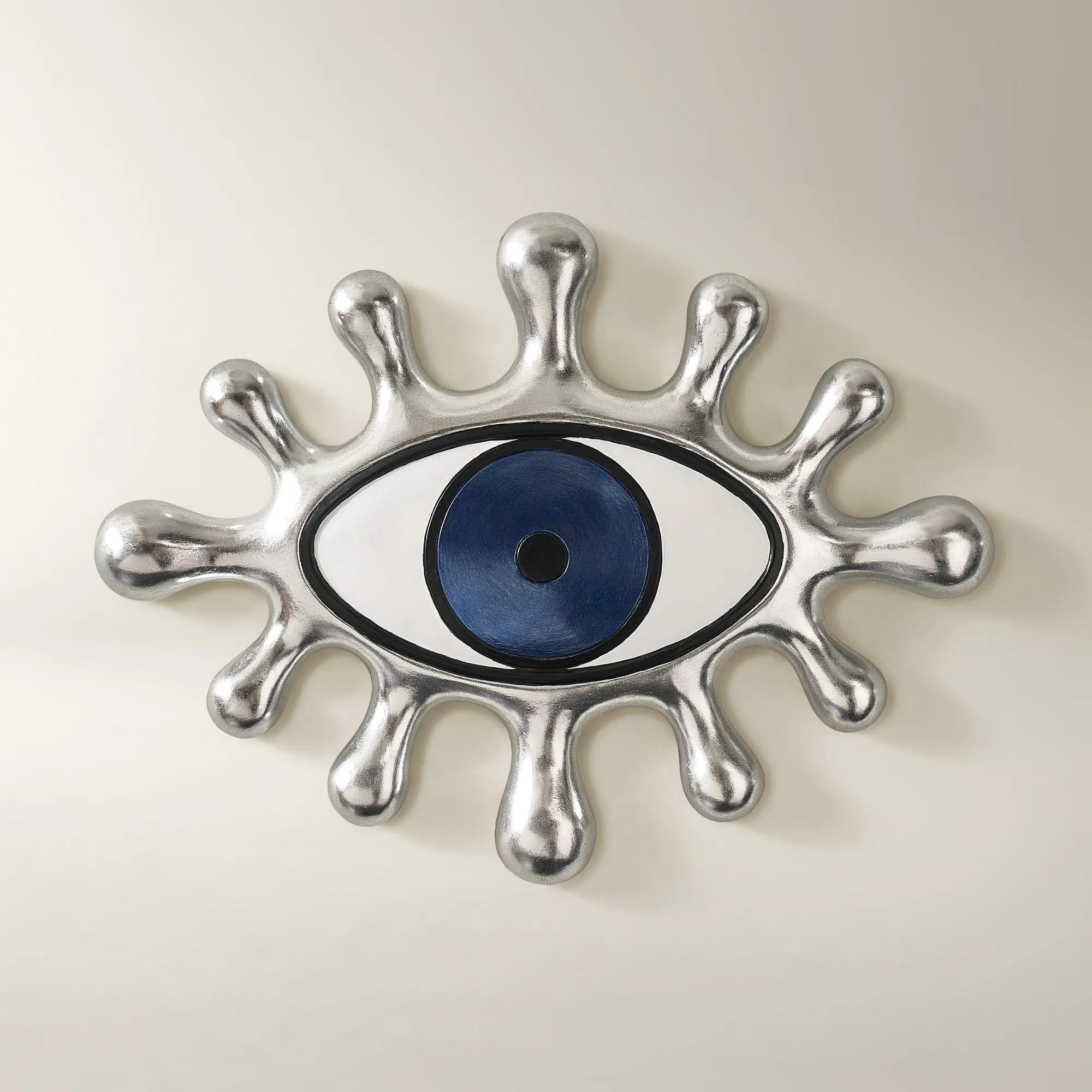 Grand Eye Ink Blue And Silver Resin Wall Decor 18" x 13.5"$79
An exaggerated eye motif in ink blue and silver brings playful, sculptural texture to any wall.
Add To Cart -
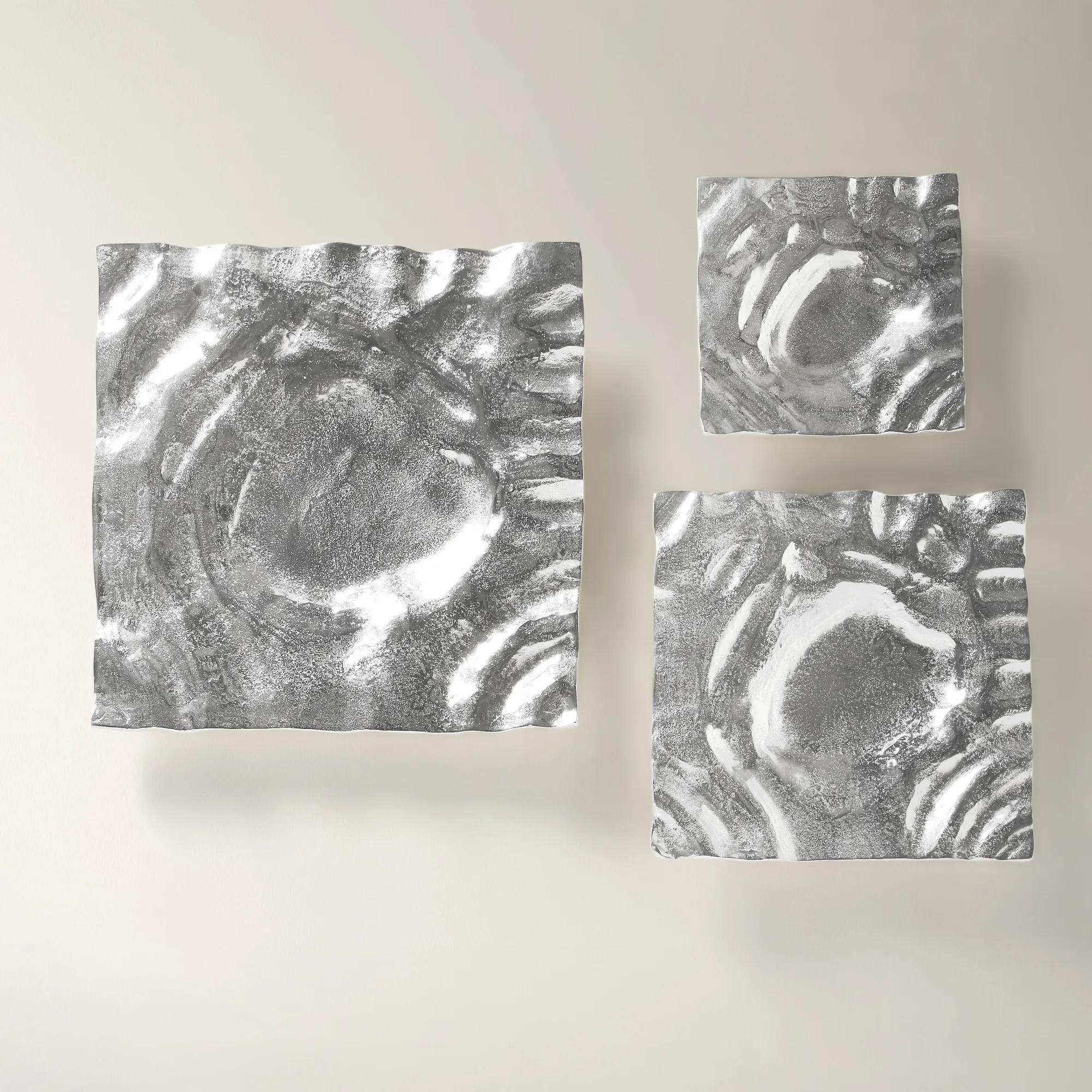
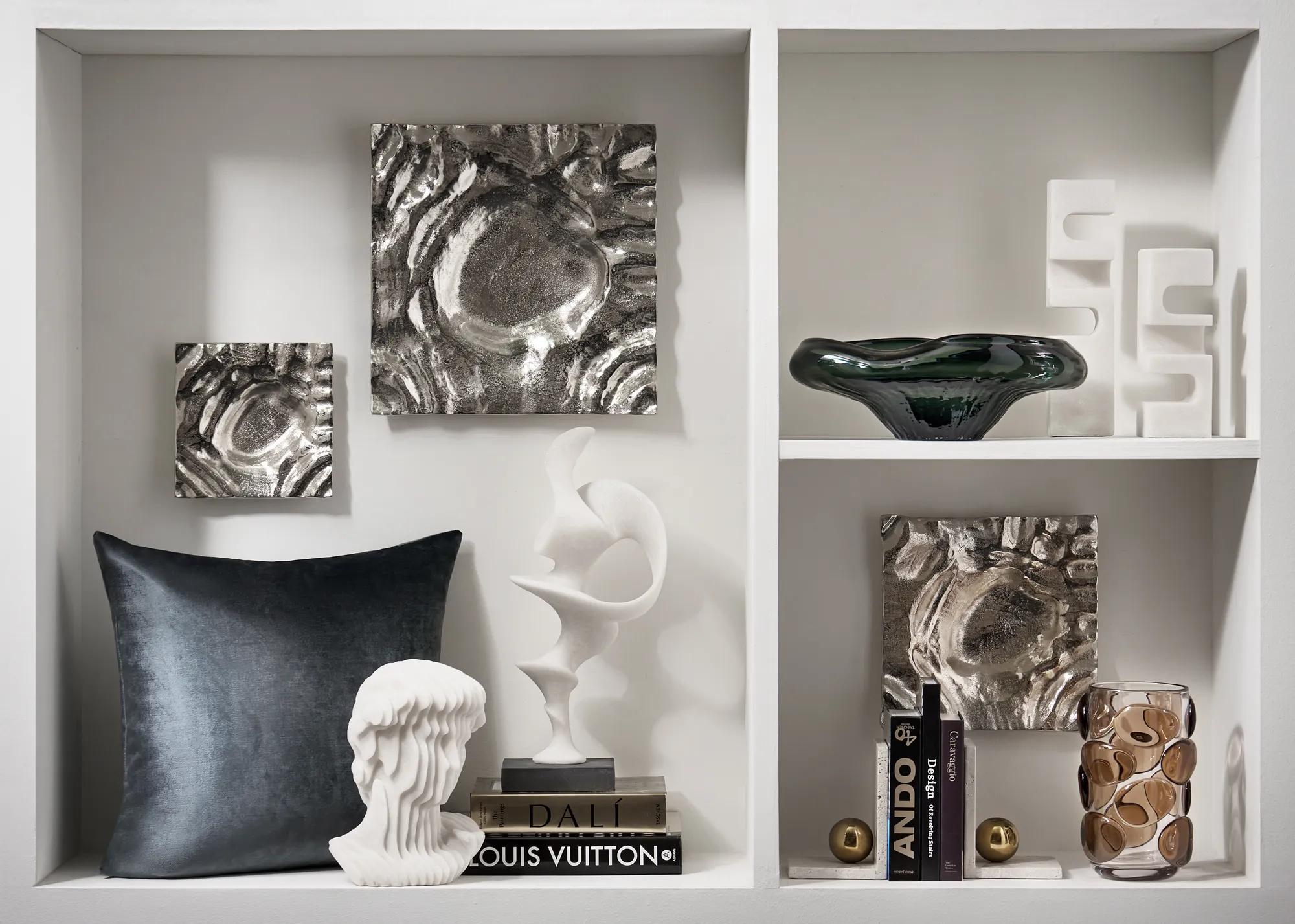 Cascade Wall Art - Set of 3$119
A set of three silver aluminum wall art pieces featuring textured surfaces that reflect and play with light.
Add To Cart -
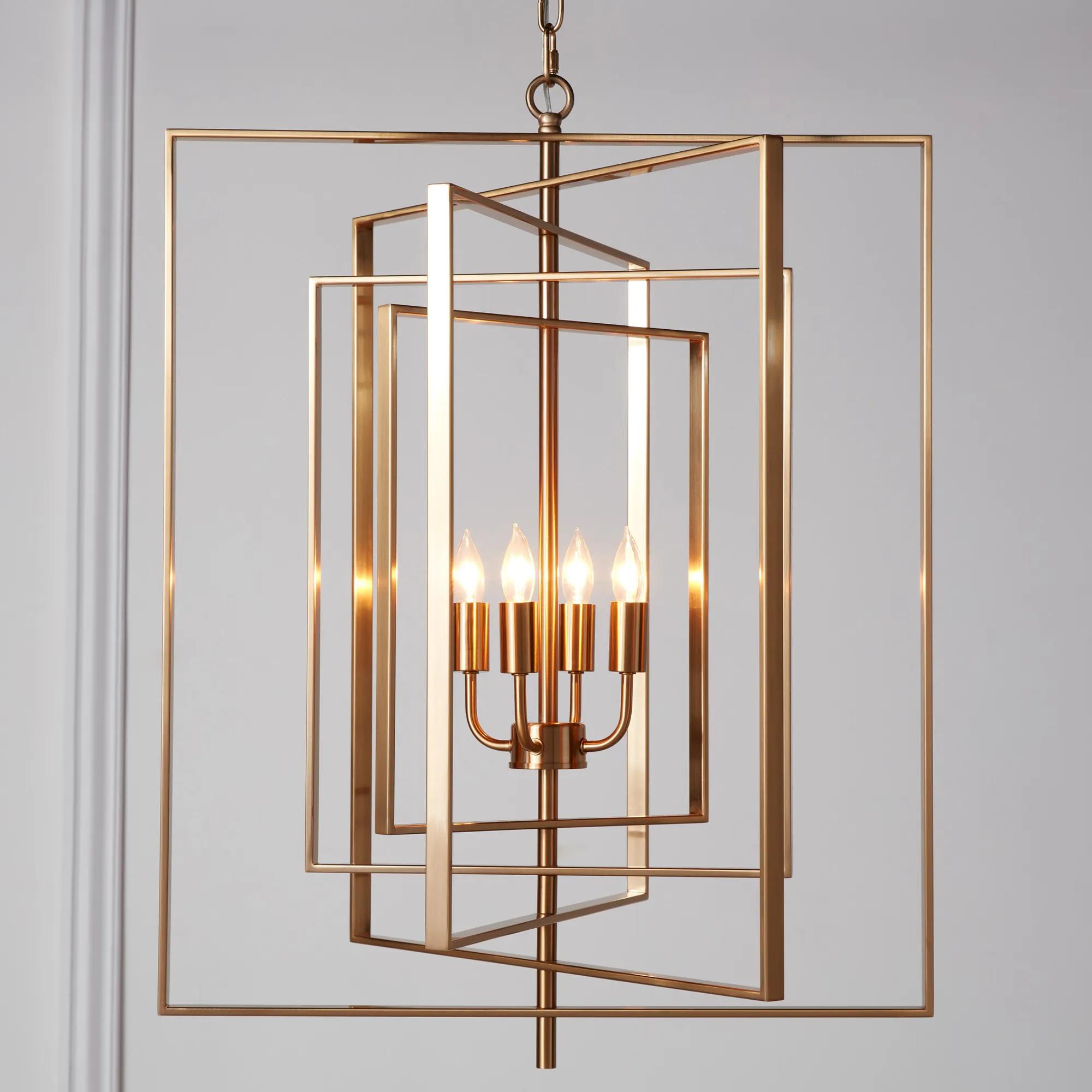 Hollis Chandelier$499
A geometric brass-finished iron chandelier with four lights, perfect for modern and minimal interiors.
Add To Cart -
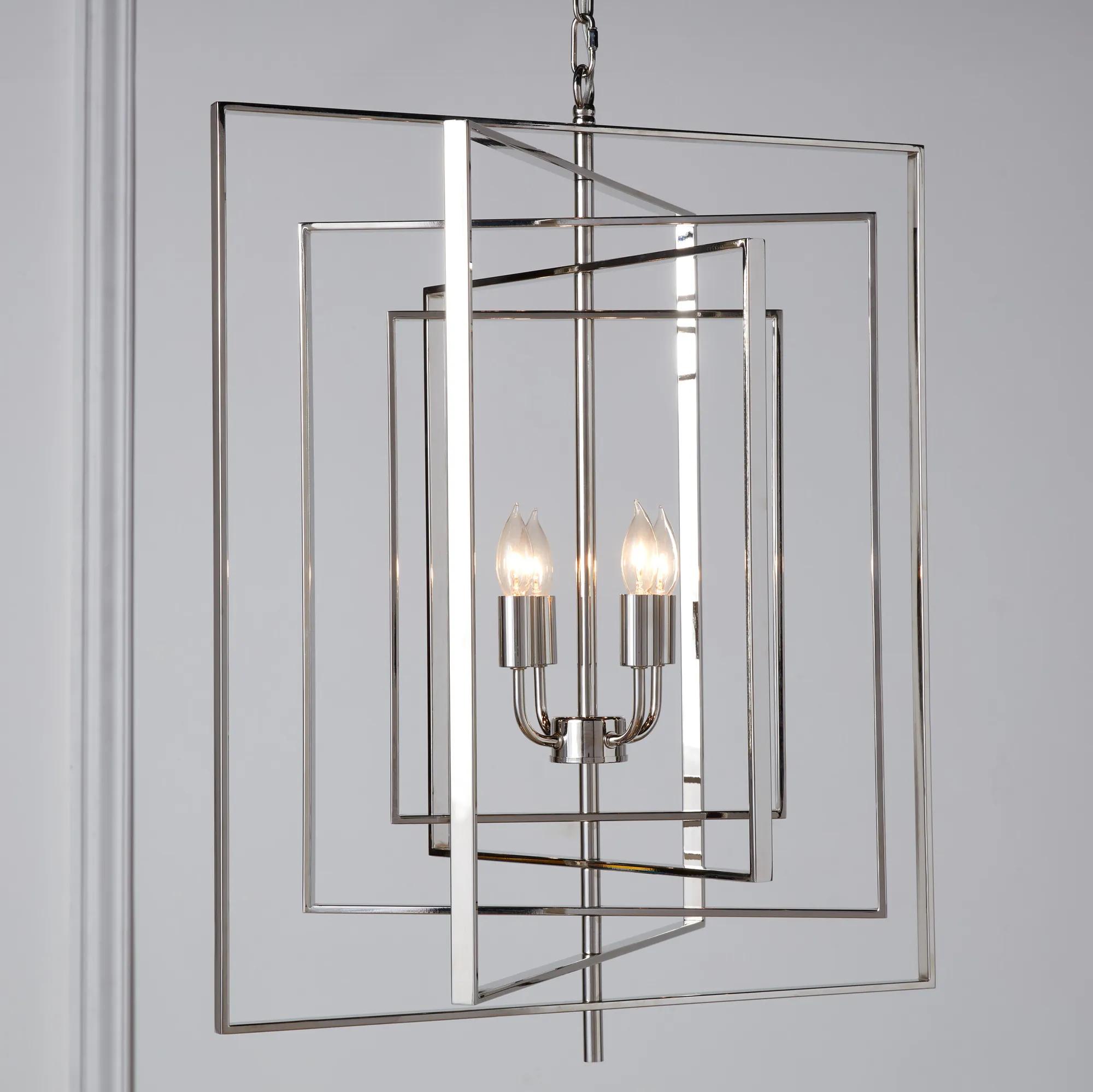
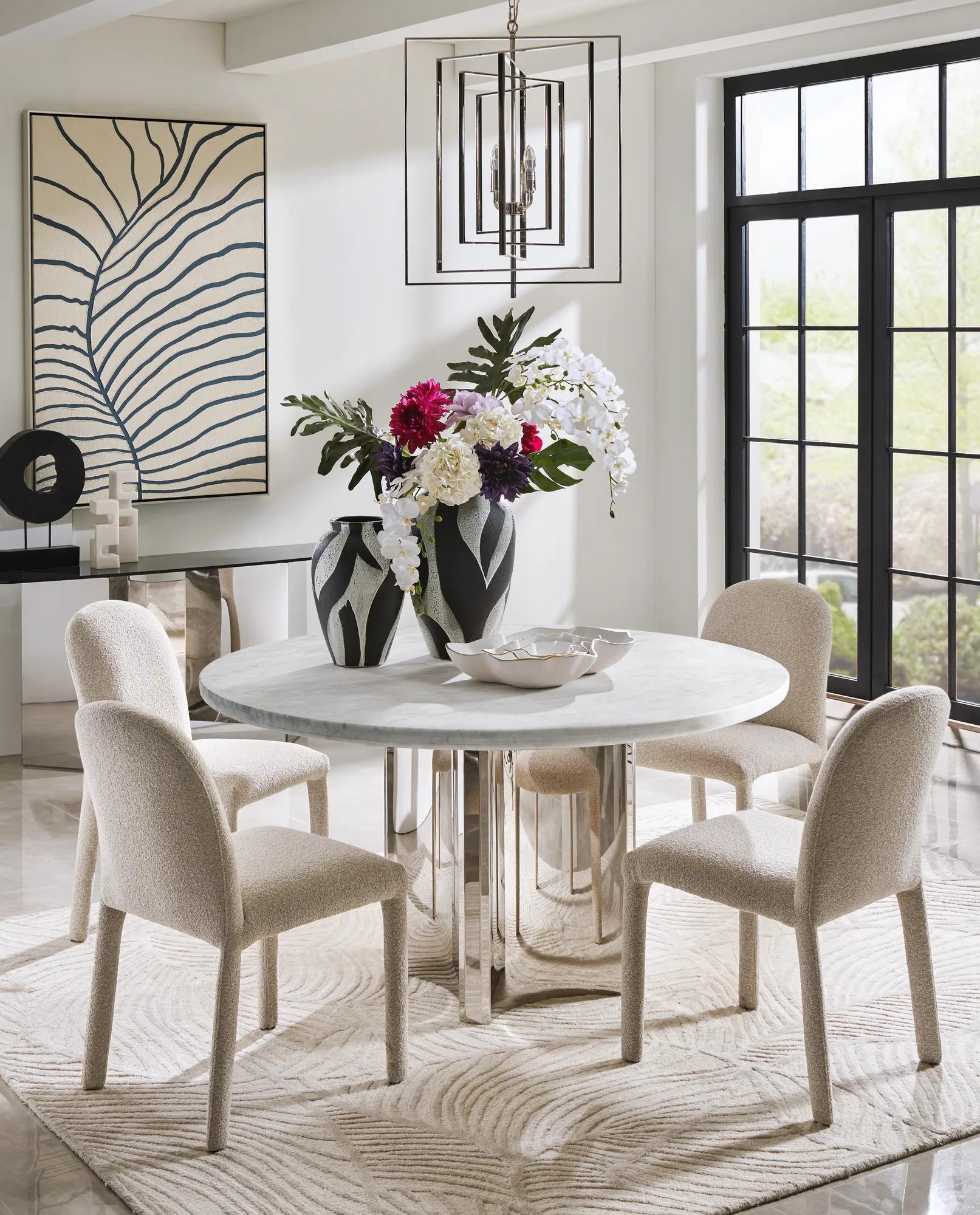 Hollis Chandelier$499
A polished nickel geometric chandelier with four lights, perfect for modern and minimal interiors.
Add To Cart -
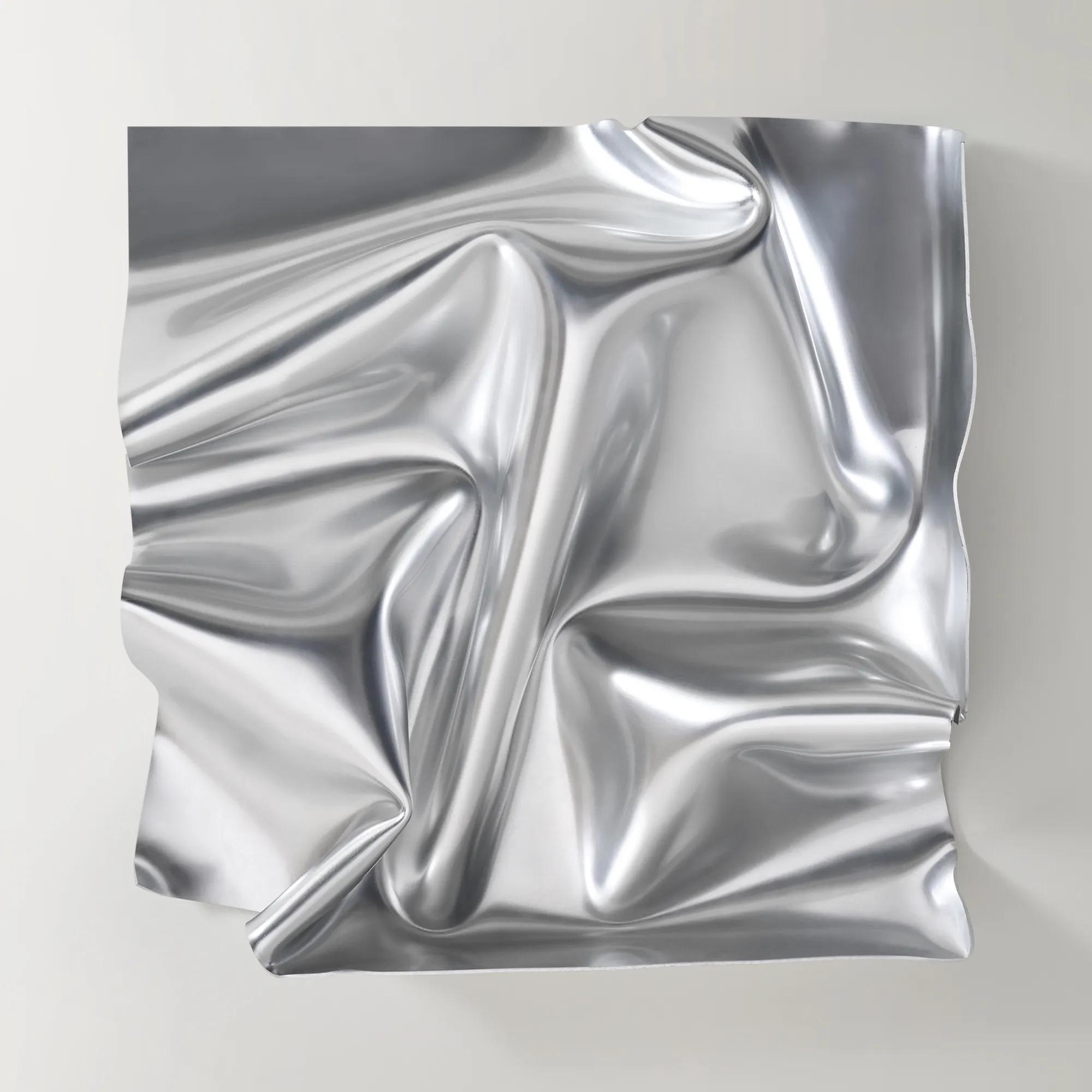
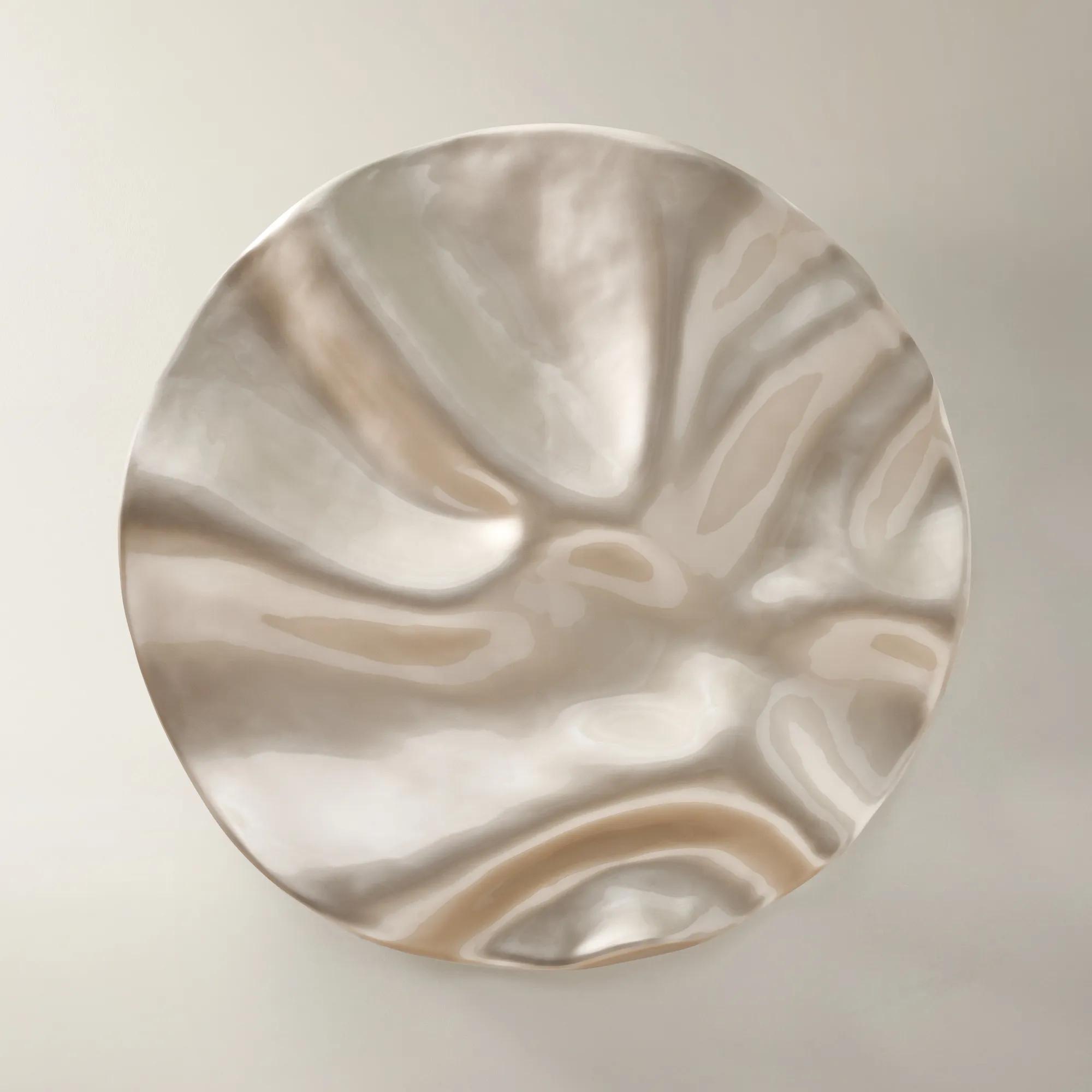
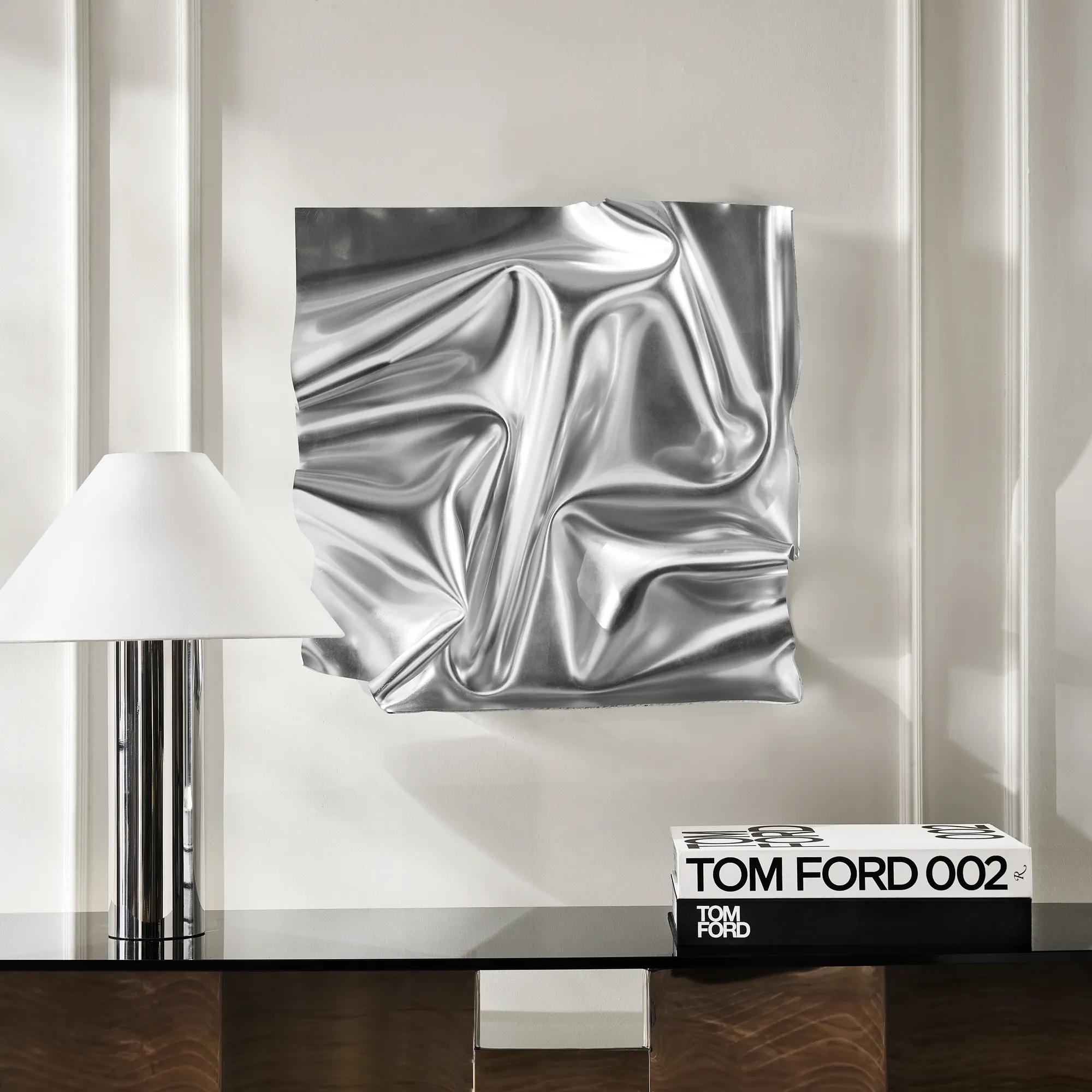 Surface Sculpted Silver Leaf Acrylic Wall Decor 23.6" x 23.6"$189
A striking acrylic wall piece featuring fluid, reflective silver shapes for dramatic, modern visual impact.
Add To Cart -
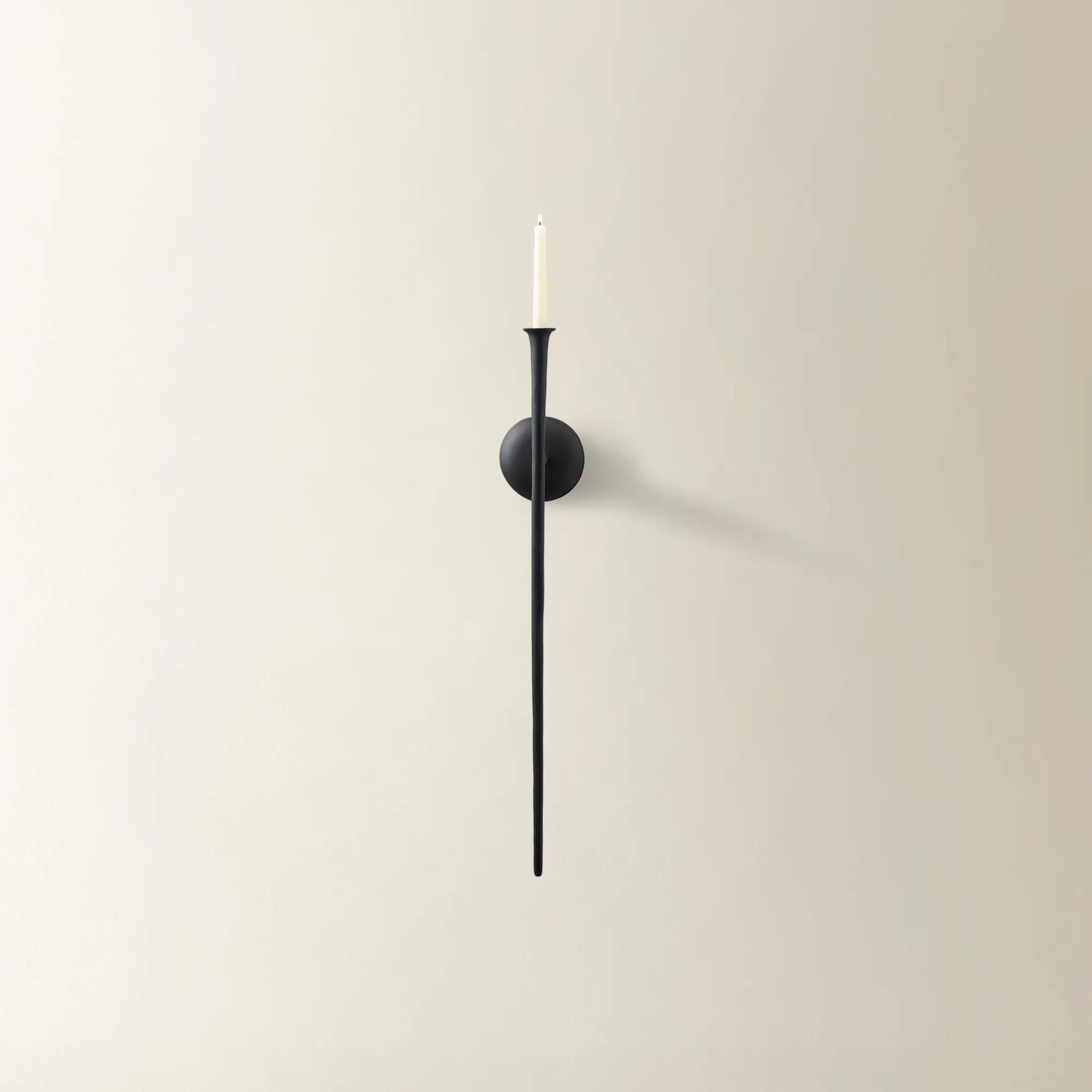
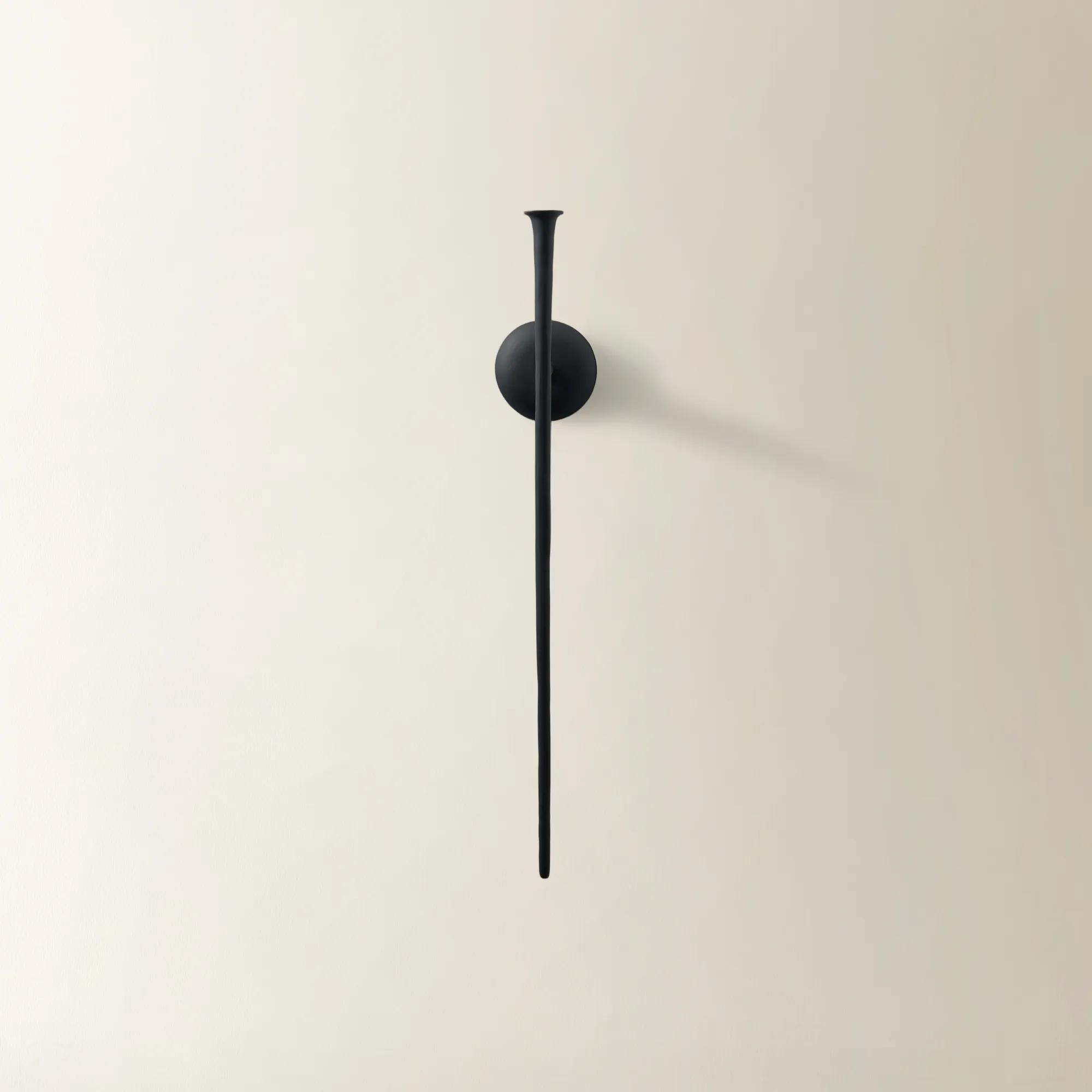 Aspar Black Aluminum Candle Wall Sconce Small 20"$39
A sleek black aluminum wall sconce designed to hold a standard taper candle for modern elegance.
Add To Cart -
 Lunar Art$119
A contemporary green canvas artwork bringing modern artistic character to your space.
Add To Cart -

 Checkered Wings Wall Art$199
A striking checkered wing-inspired wall art piece adding graphic drama to modern interiors.
Add To Cart -
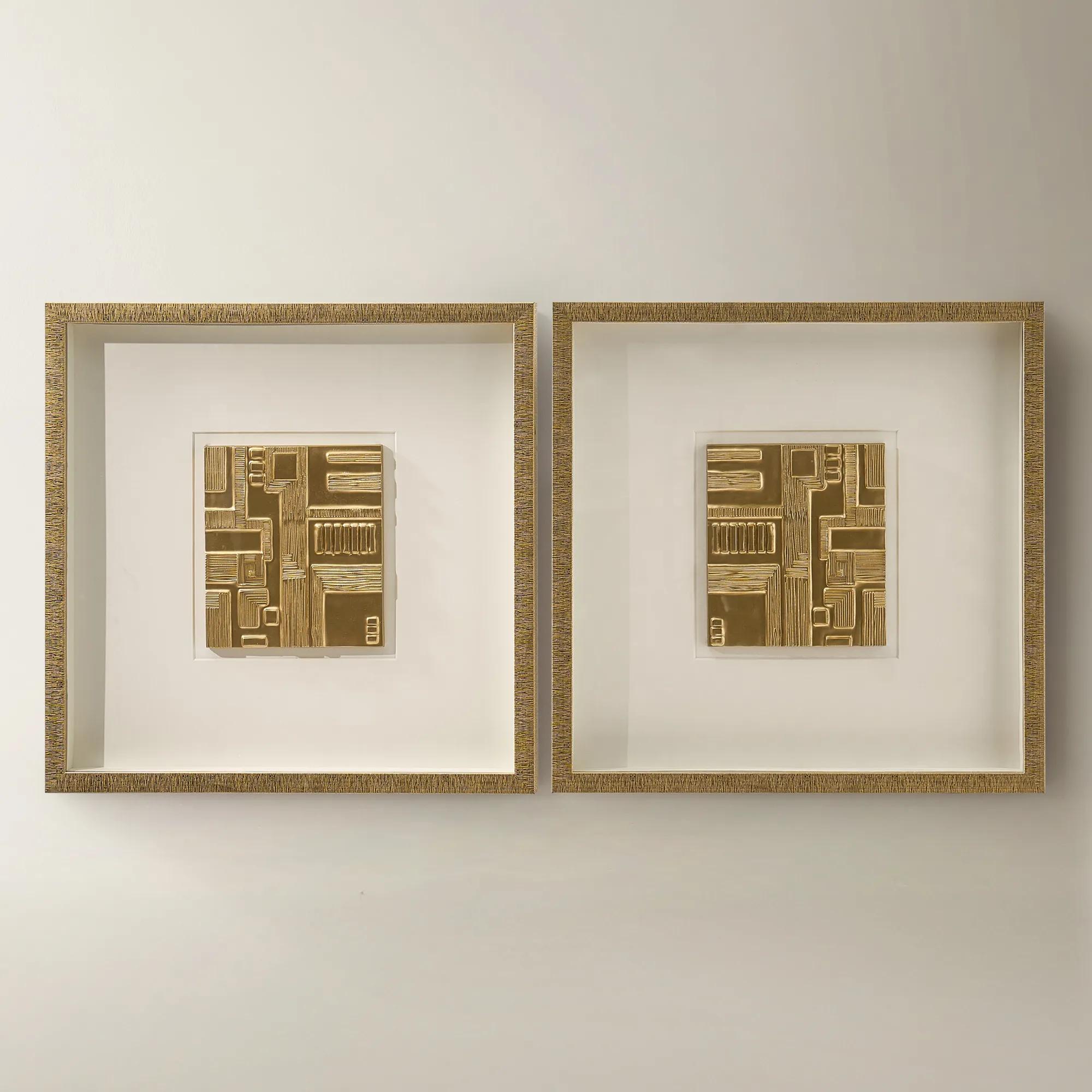
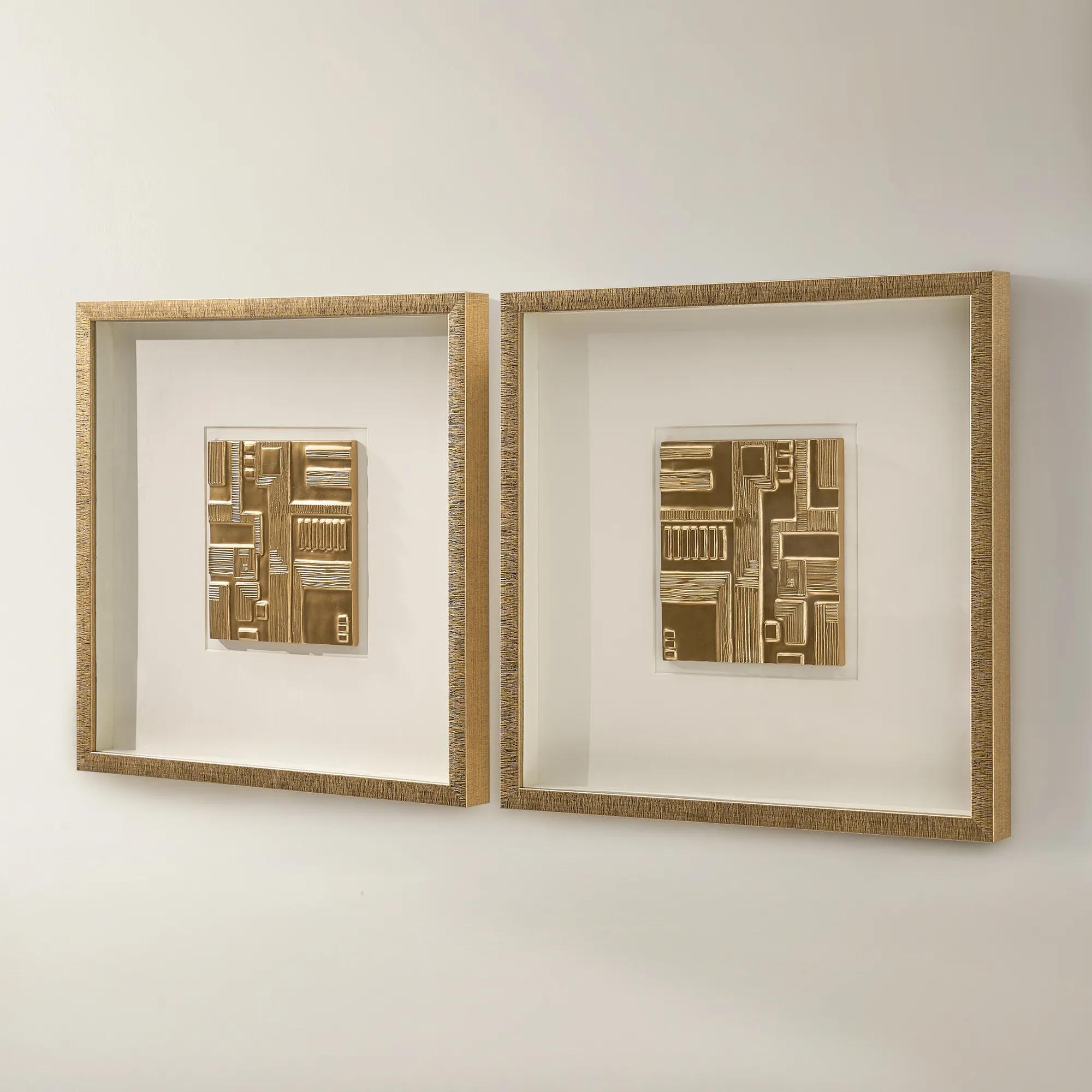 Ritual Framed Woodcarving Wall Decor Set of 2$329
A set of two gold-framed woodcarvings with ivory mats and dimensional relief for gallery-style wall decor.
Add To Cart -
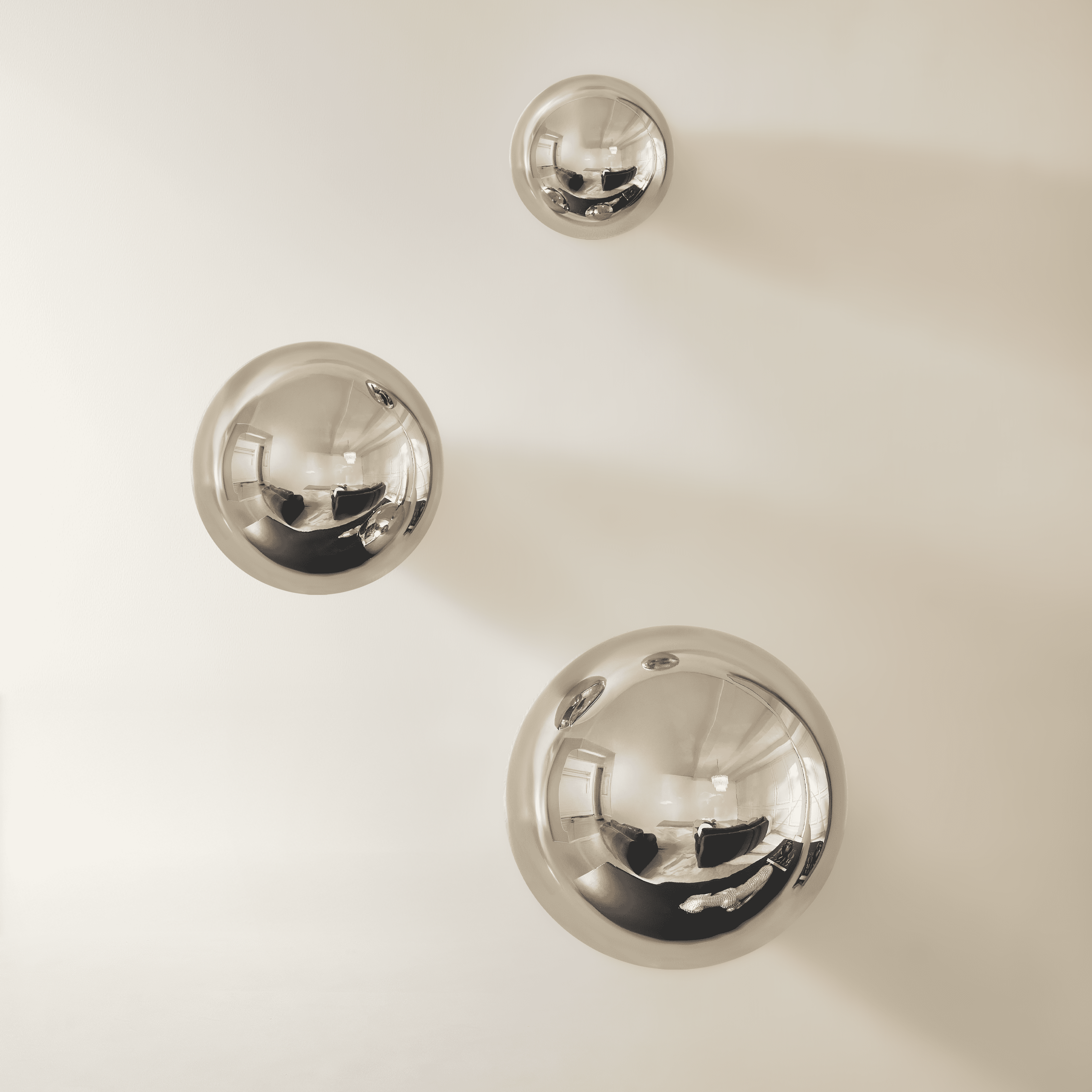
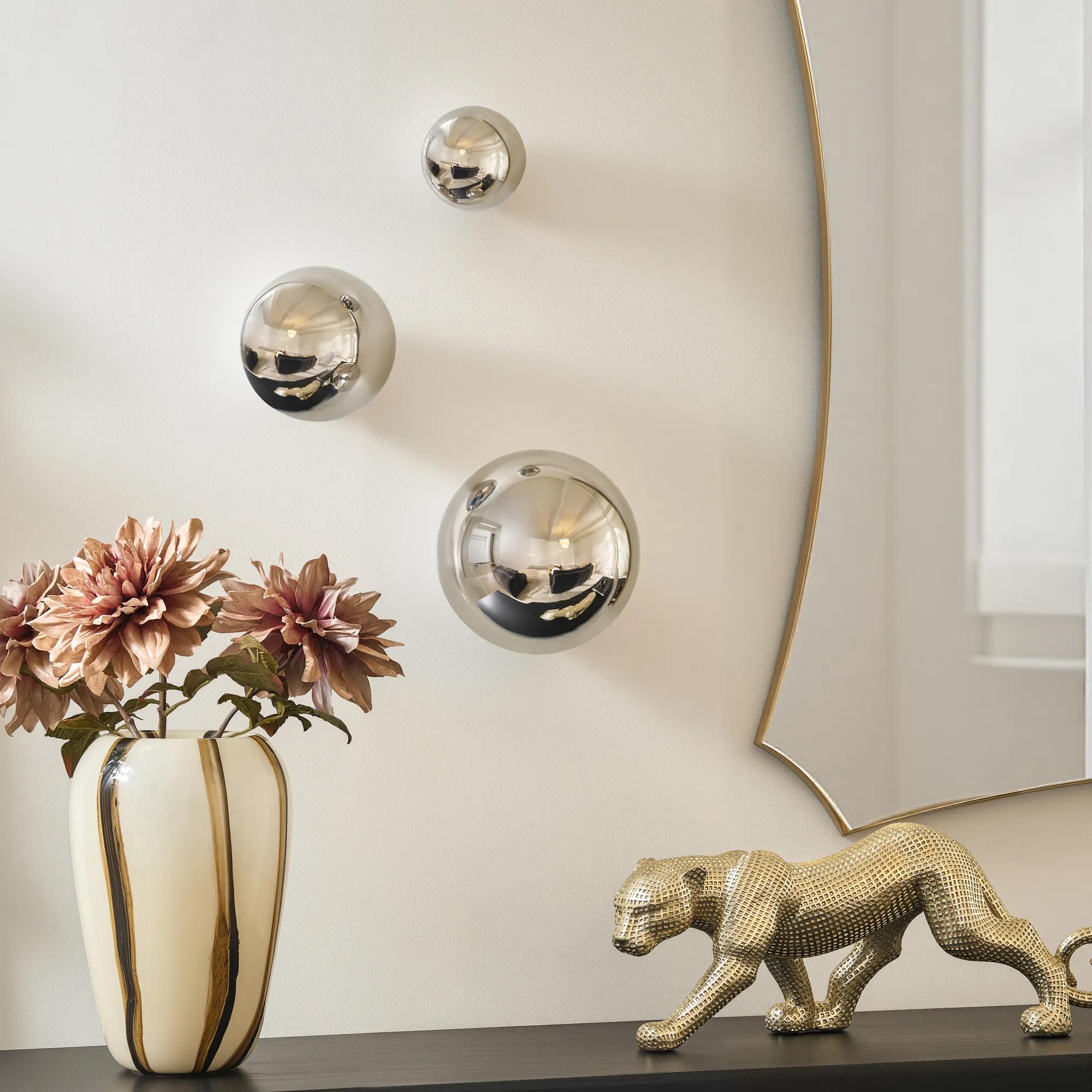 Chrome Spheres Stainless Steel Wall Decor Set of 3$129
A set of three polished chrome stainless steel spheres adds modern sculptural shine to any wall display.
Add To Cart -
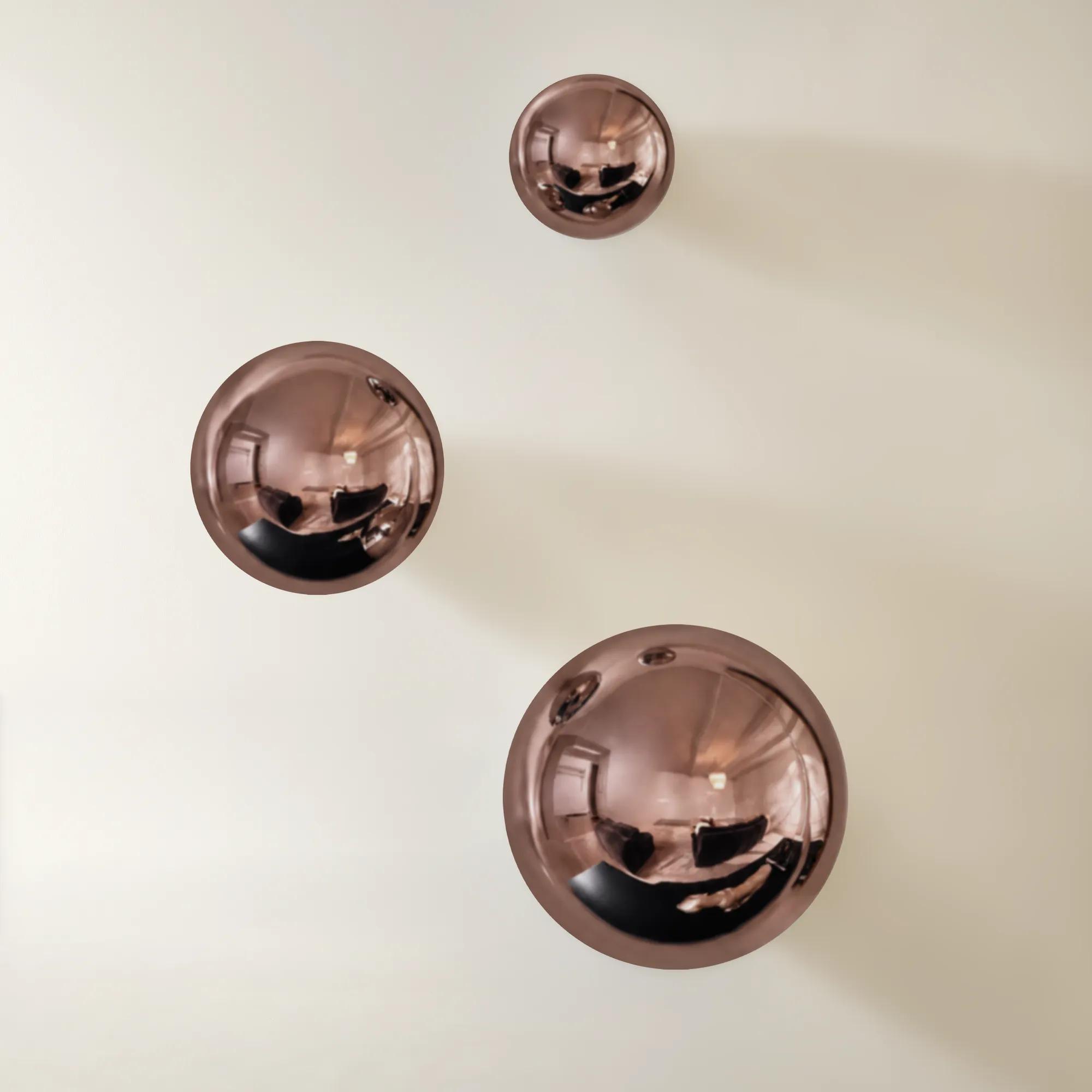
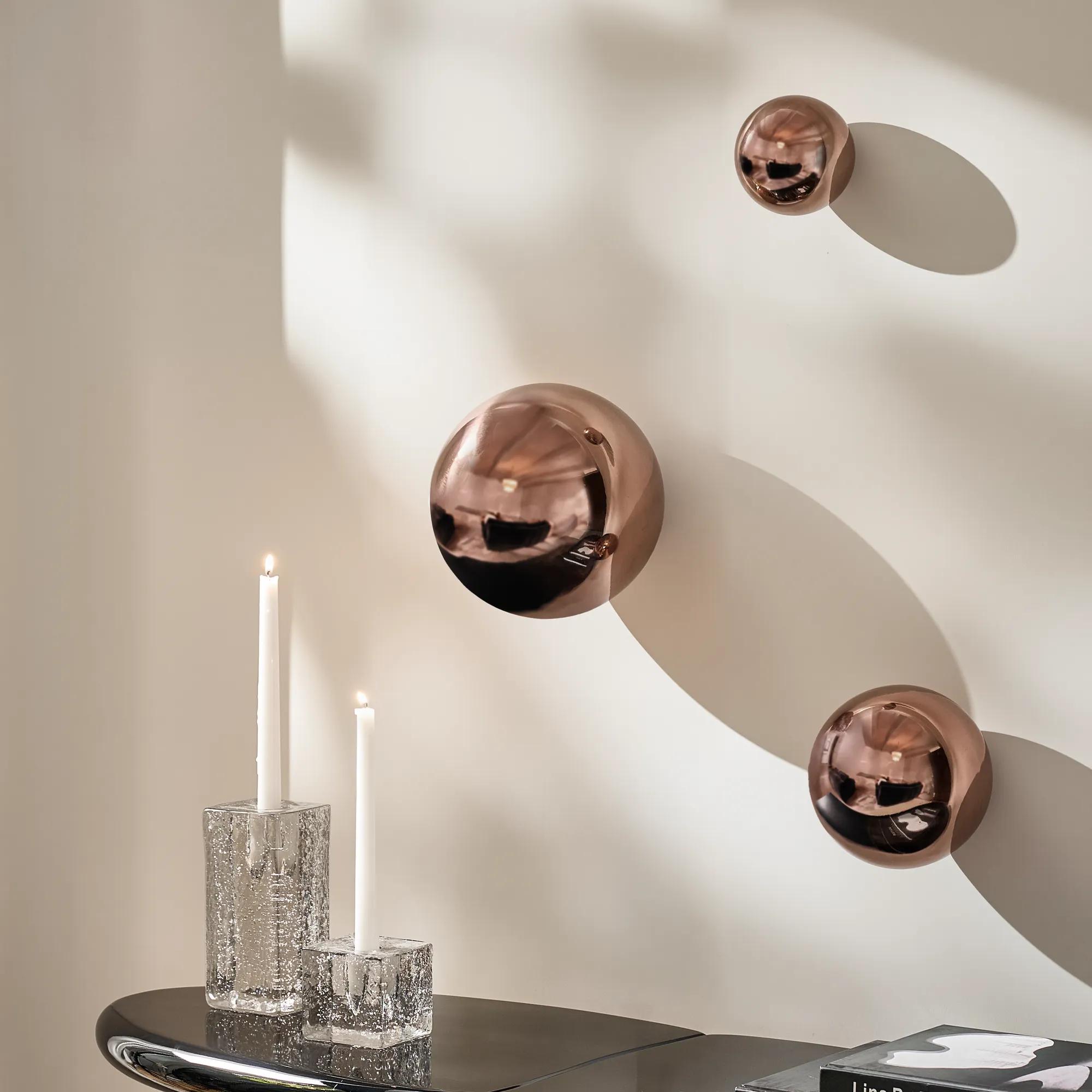 Bronze Spheres Stainless Steel Wall Decor Set of 3$129
A set of three polished bronze stainless steel spheres adds modern, sculptural shine to any wall.
Add To Cart -
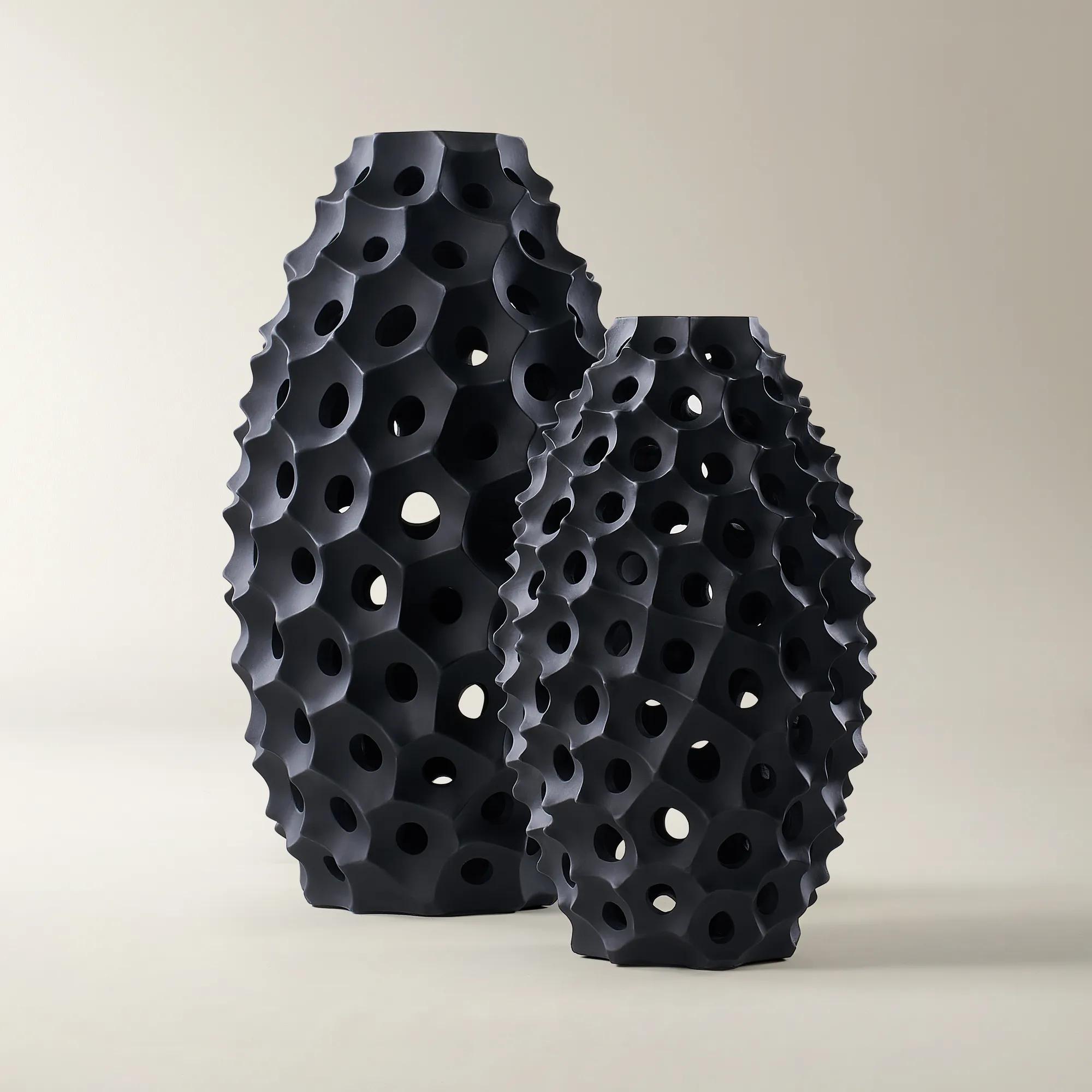
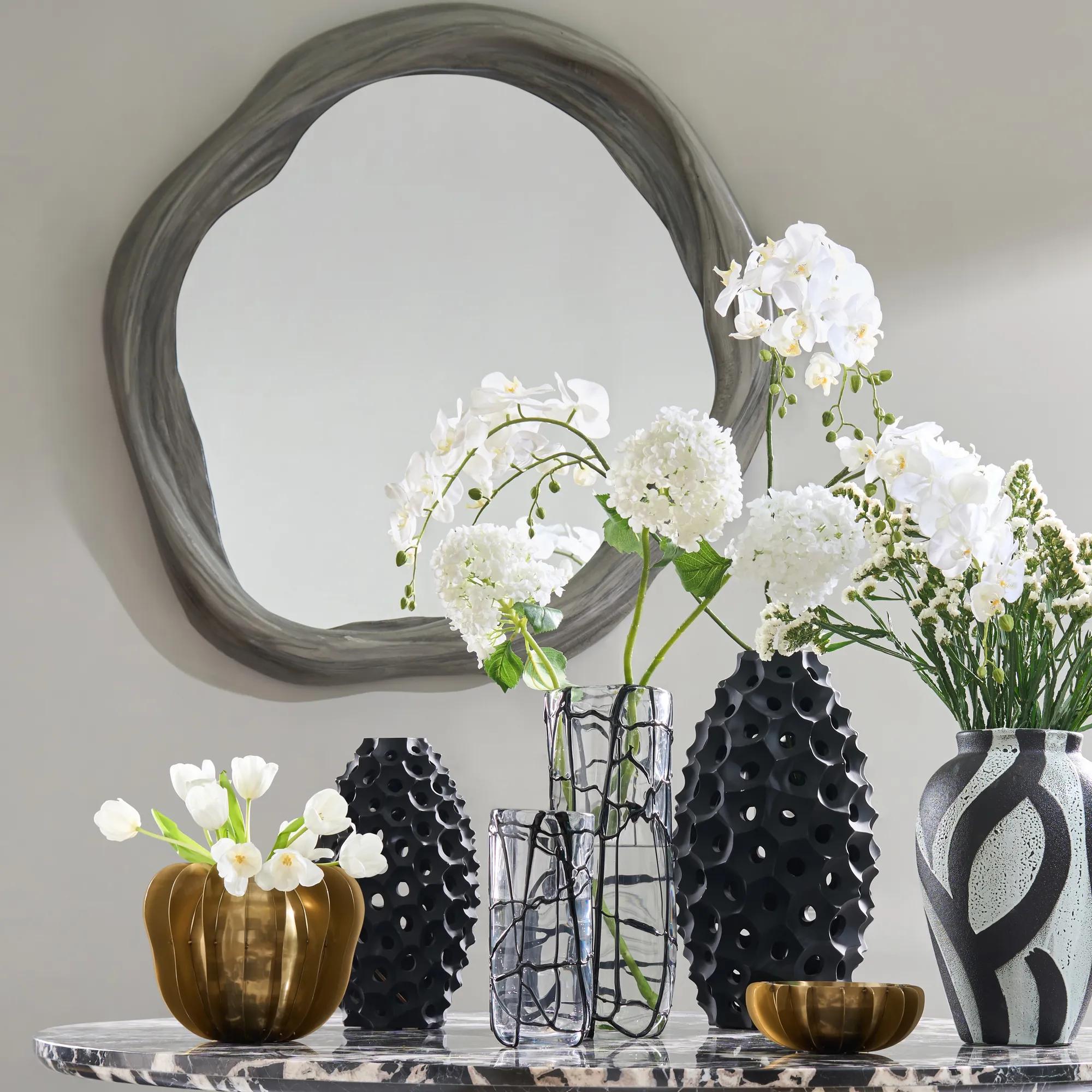 Neo Vase$79
A sleek black resin vase with an aperture design, perfect for adding modern drama to any space.
Add To Cart -

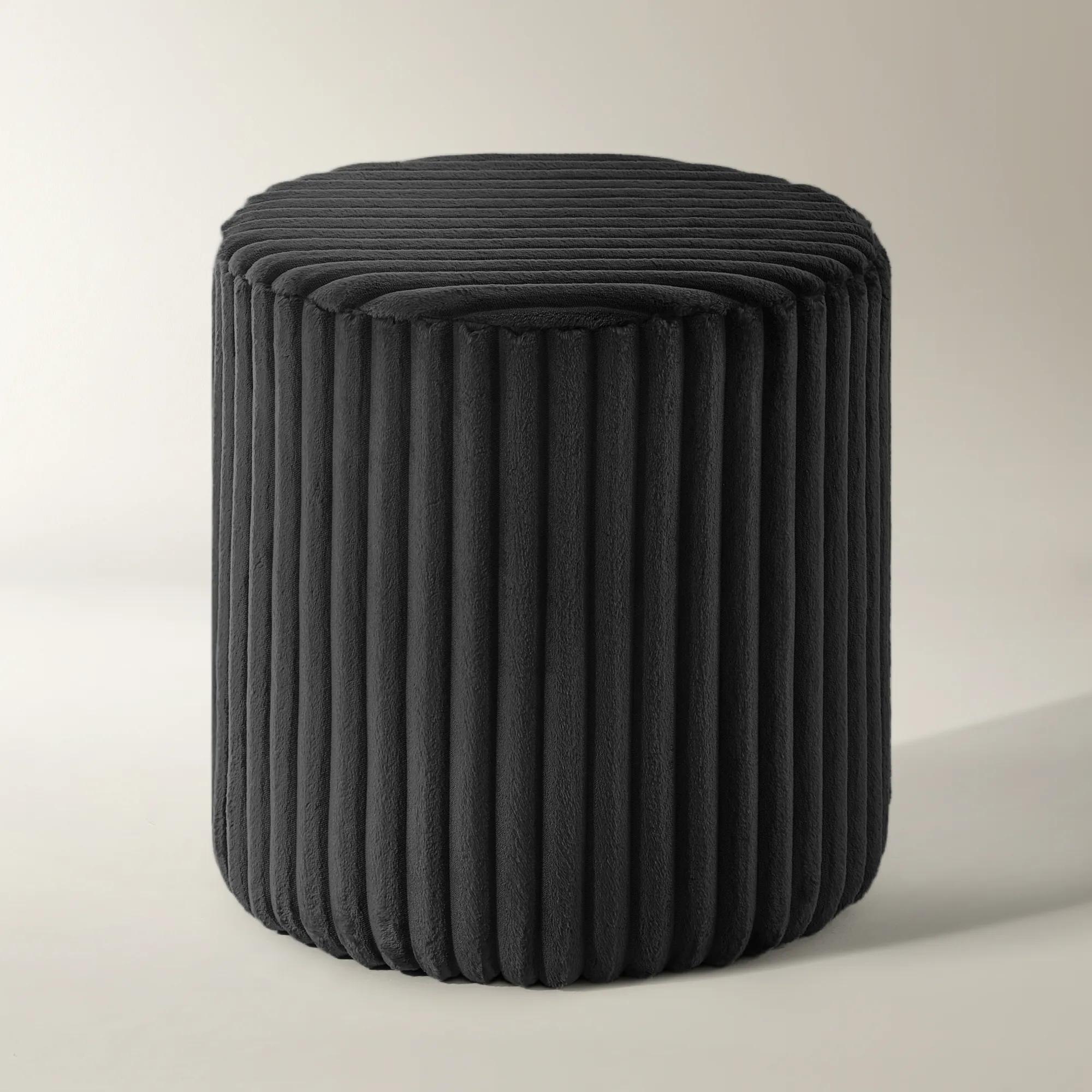 Fleece Fluted Black Velvet Stool (15.55'')$229
A plush black ribbed velvet stool offering versatile seating and cozy texture for any modern space.
Add To Cart -
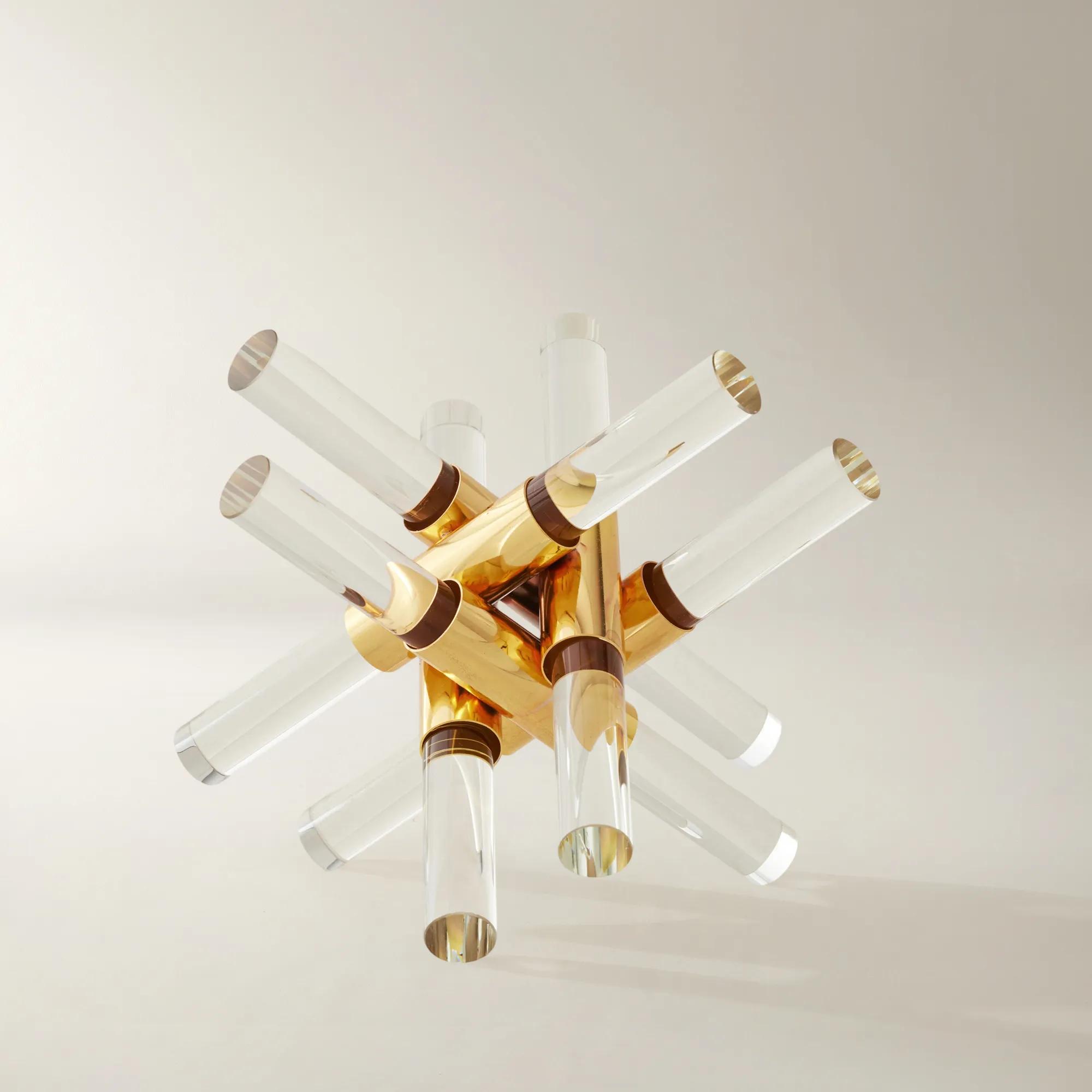
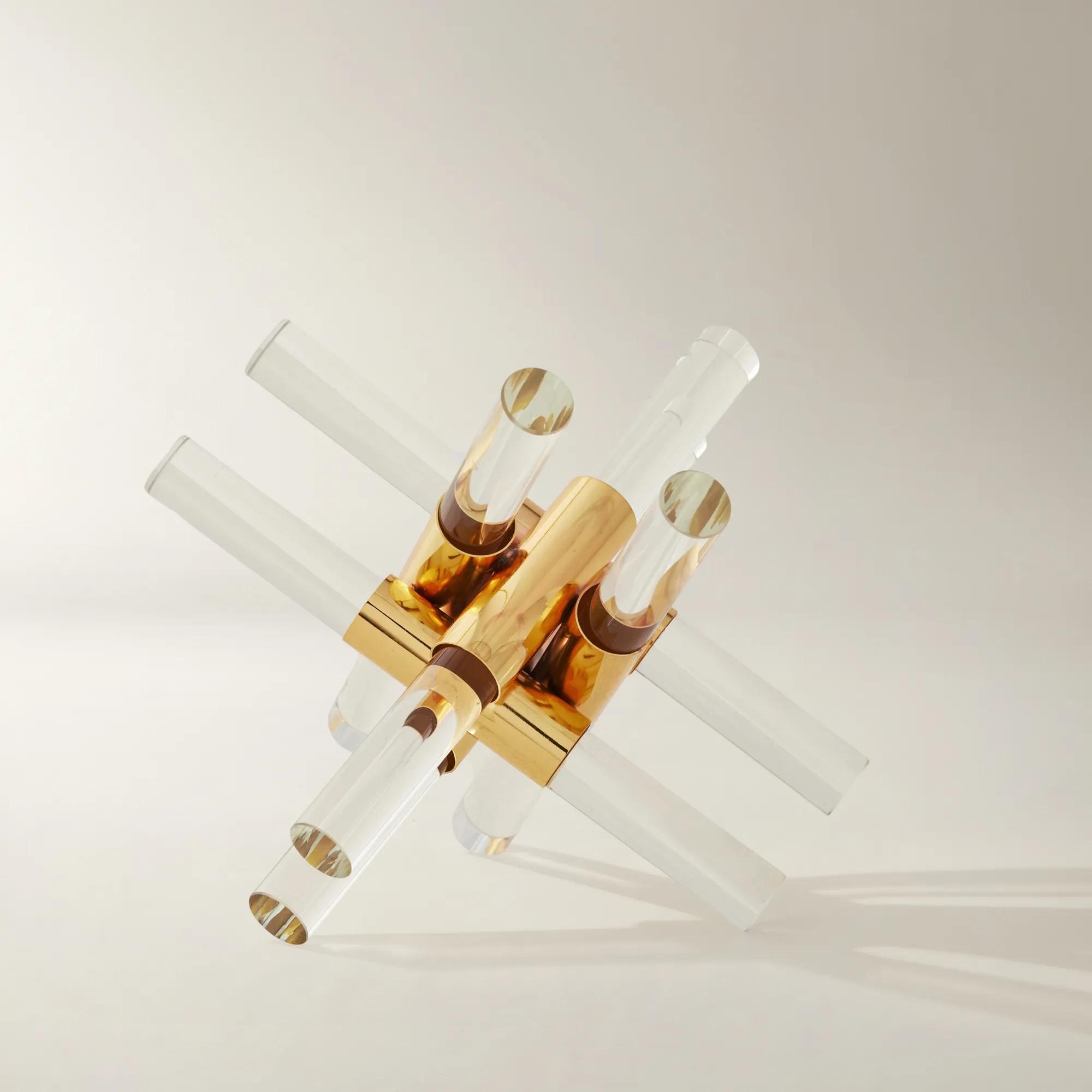 Crystal Glass And Gold Metal Decorative Object 8"$59
A striking decorative accent featuring clear glass rods and gold metal detailing for modern elegance.
Add To Cart -
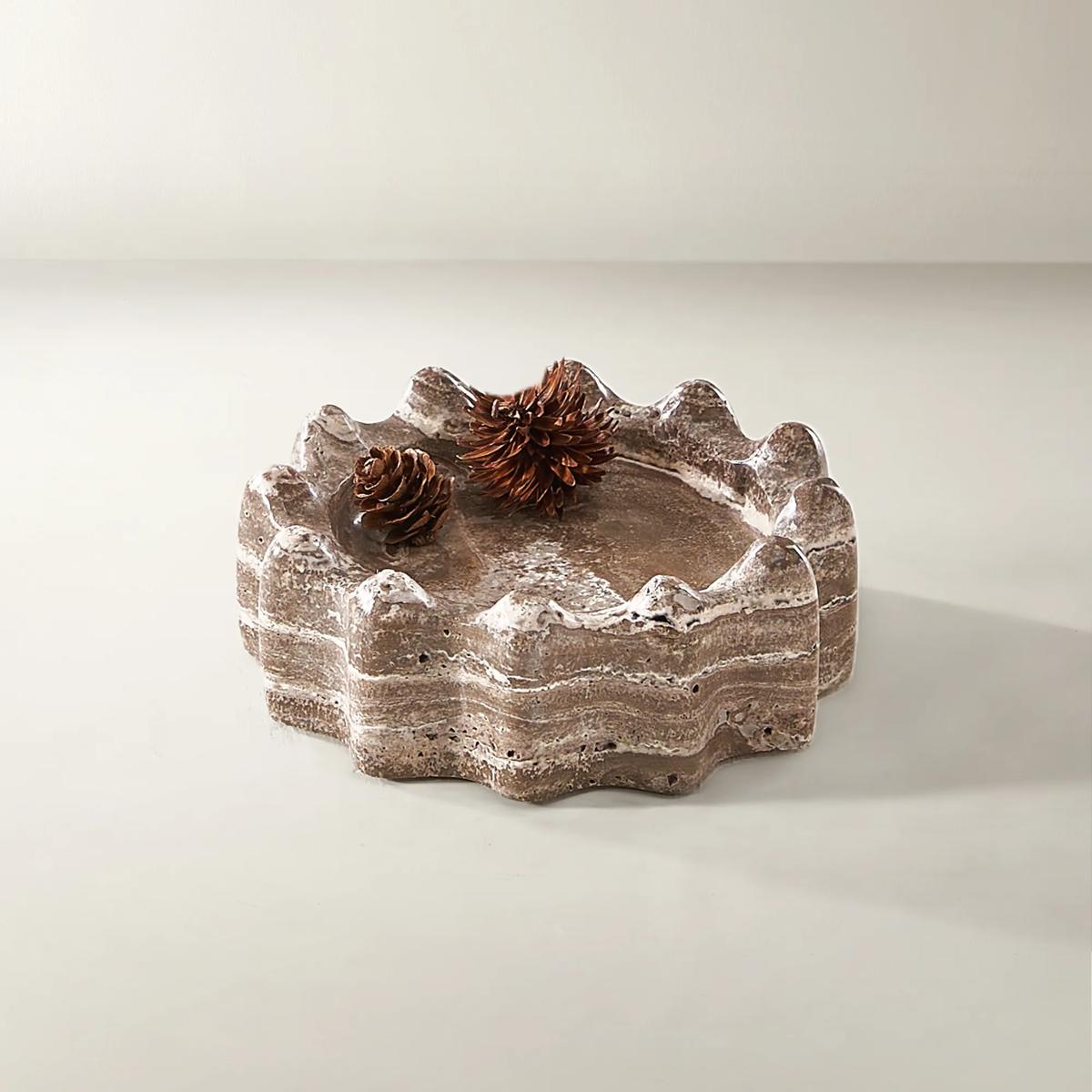 Flora Marble Catchall - Small$89
A hand-carved sand travertine catchall featuring unique veining and undulating, flower-inspired edges.
Add To Cart -
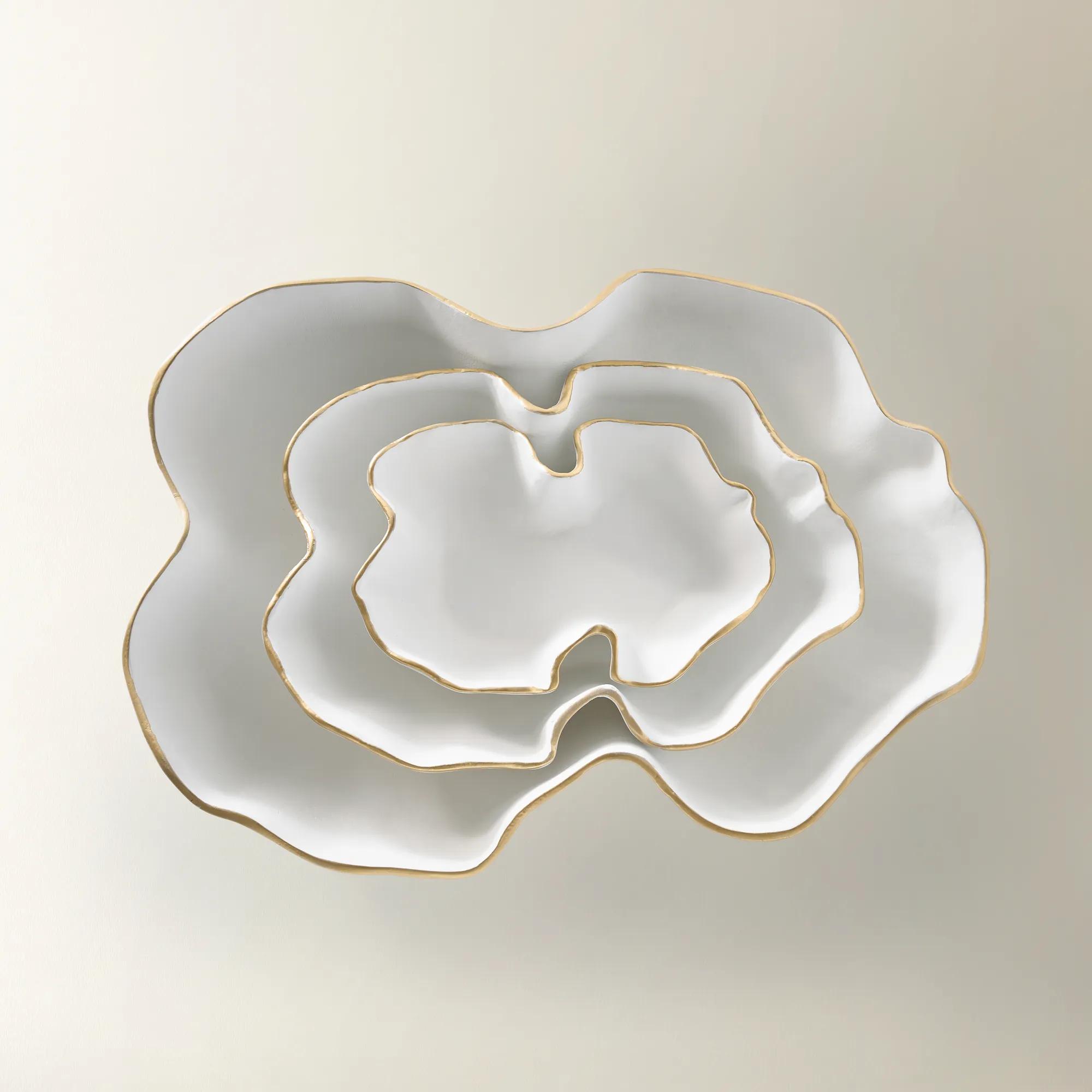 Lava White Gold Aluminum Decorative Nesting Bowls$39
A glossy white aluminum bowl with a golden rim, offering modern elegance for decorative display.
Add To Cart -
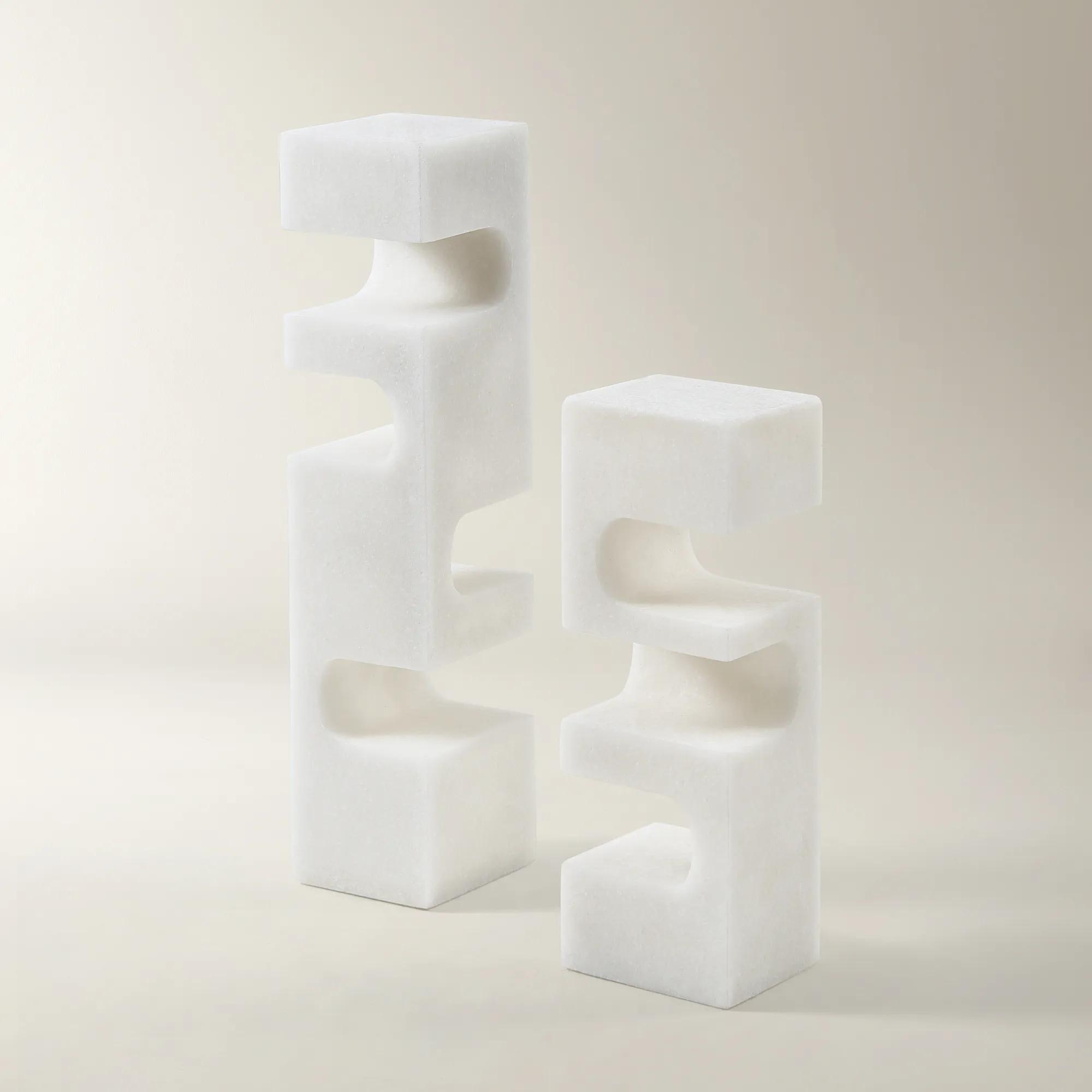
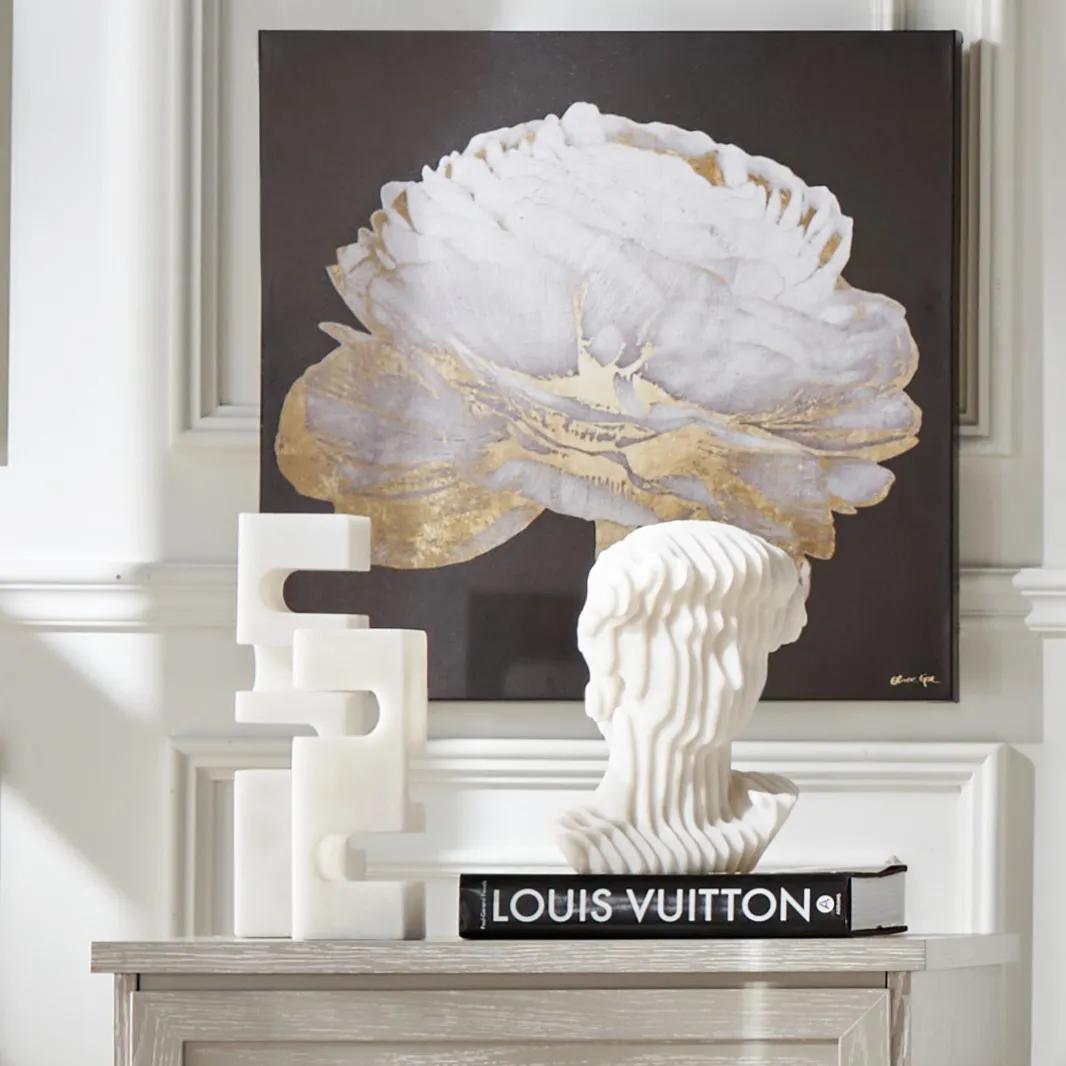 Enna Sculpture$39
A modern Cubist-inspired sculpture crafted from resin and stone powder with a textured white finish.
Add To Cart -

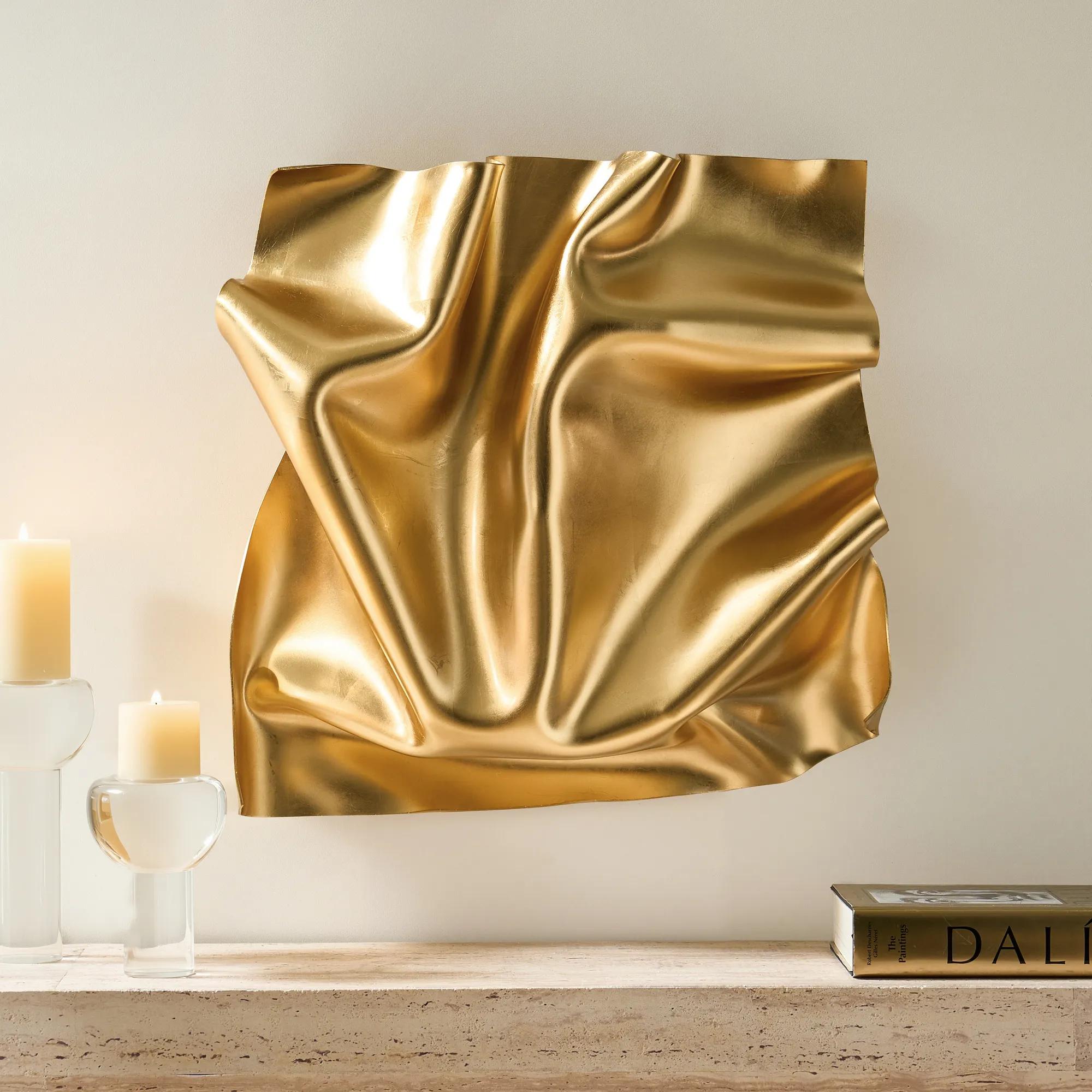 Surface Sculpted Gold Leaf Acrylic Wall Decor 23.6" x 23.6"$199
A dimensional acrylic wall panel features hand-applied gold leafing for a luminous, sculptural gallery effect.
Add To Cart -
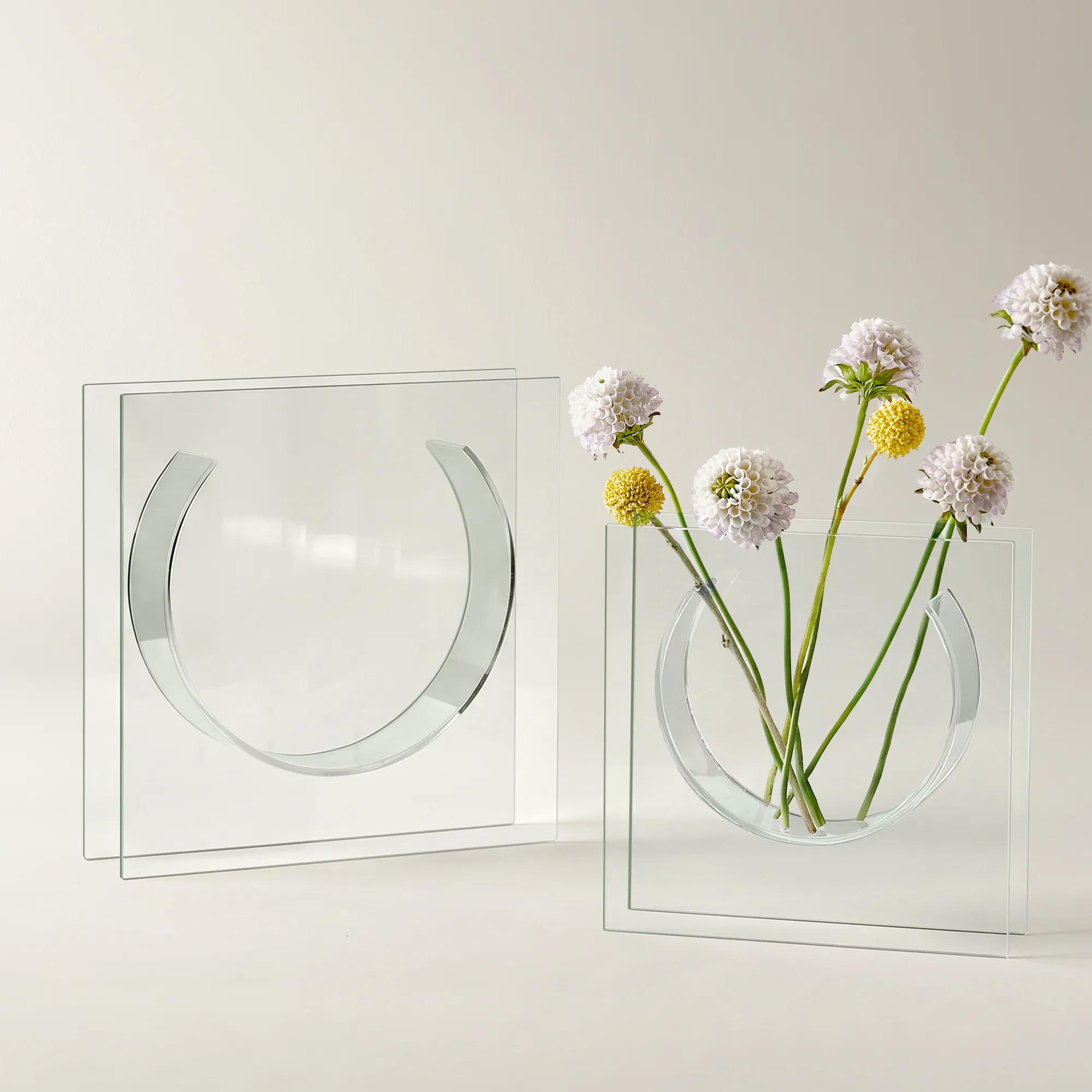
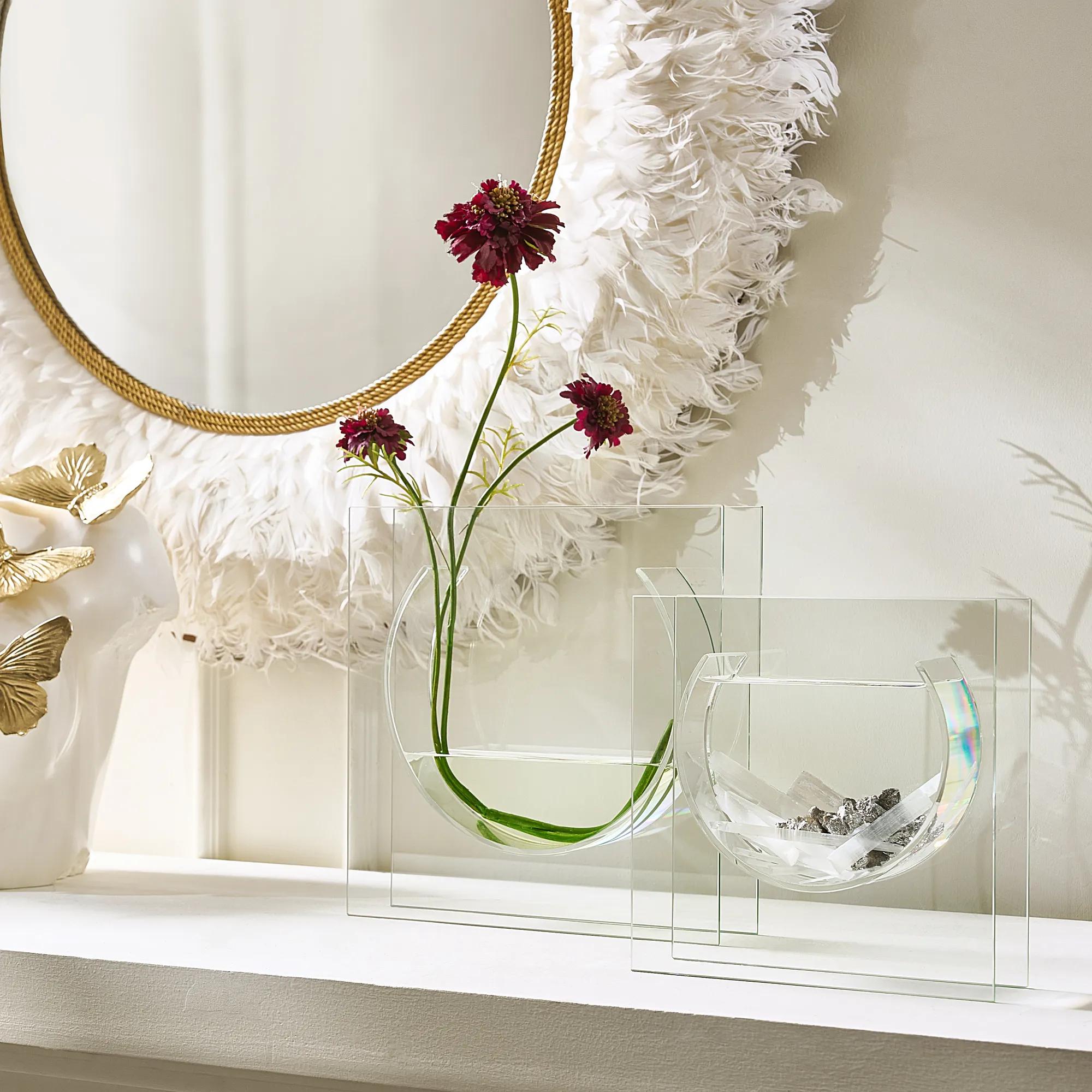 Solaris Clear Glass Vases$39
A bold modern vase crafted from clear glass with an elliptical bowl between two sleek glass panels.
Add To Cart -
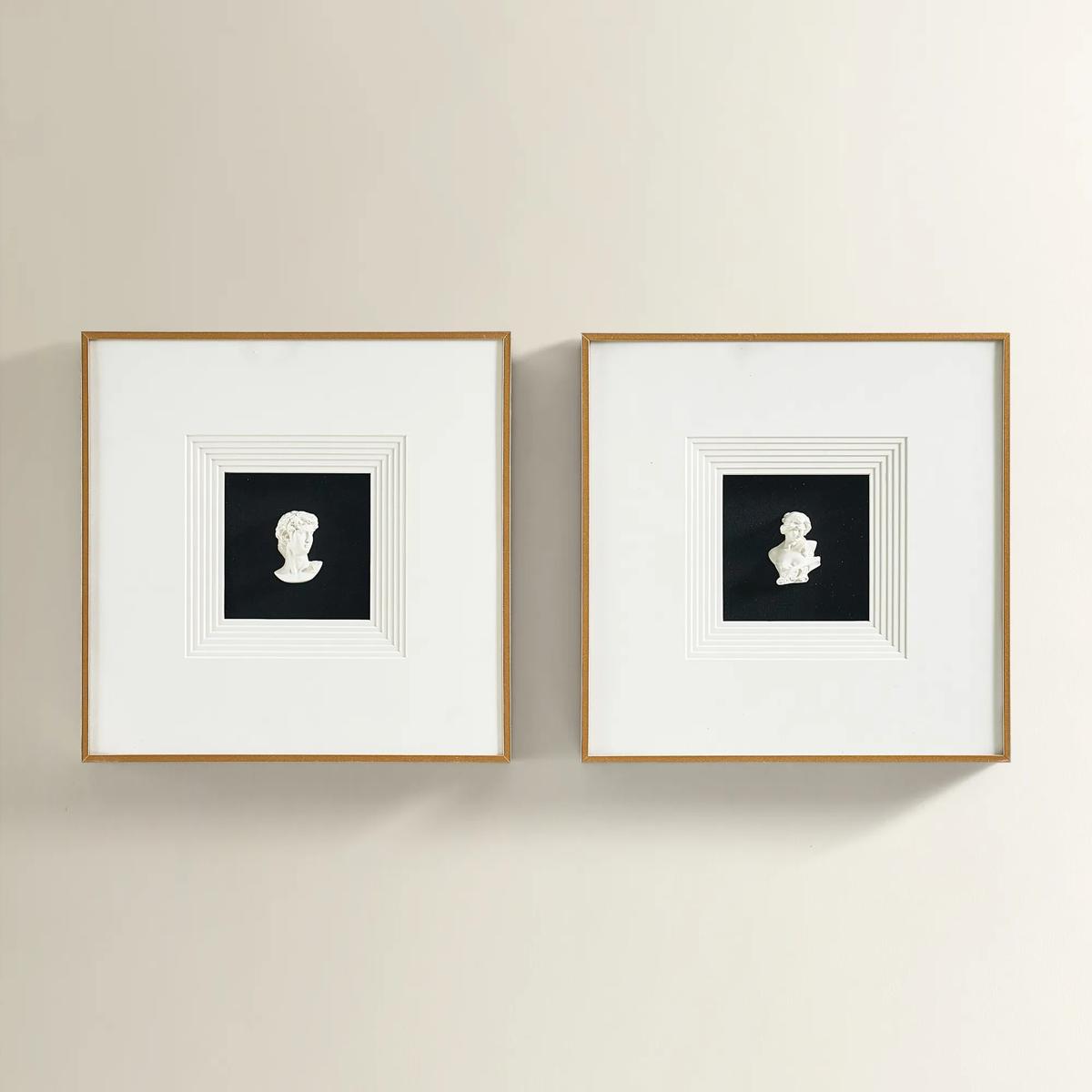
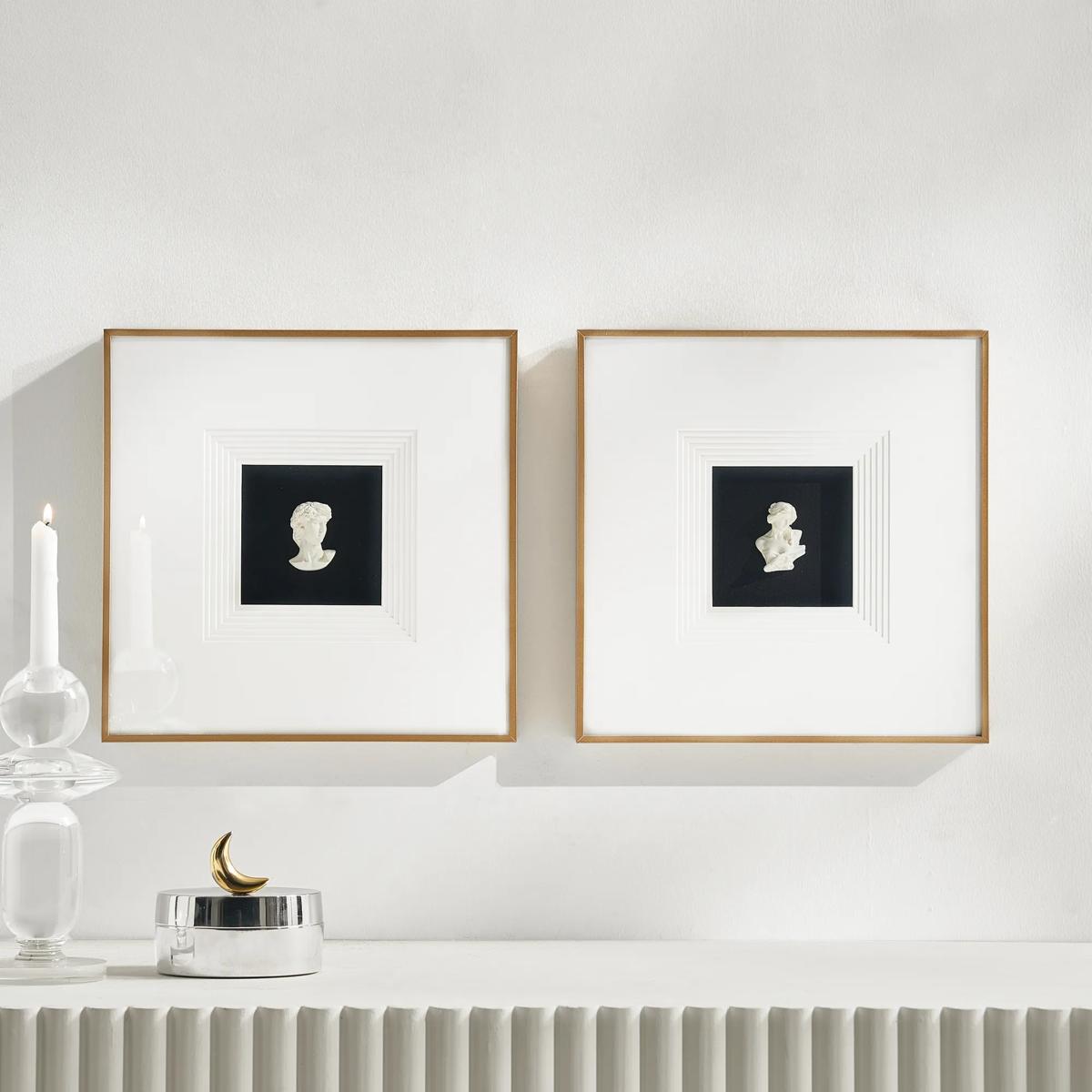 Classics Framed Plaster Wall Decor Set of 2$149
A set of two plaster portrait wall art pieces in black and ivory with sleek aluminum frames.
Add To Cart -
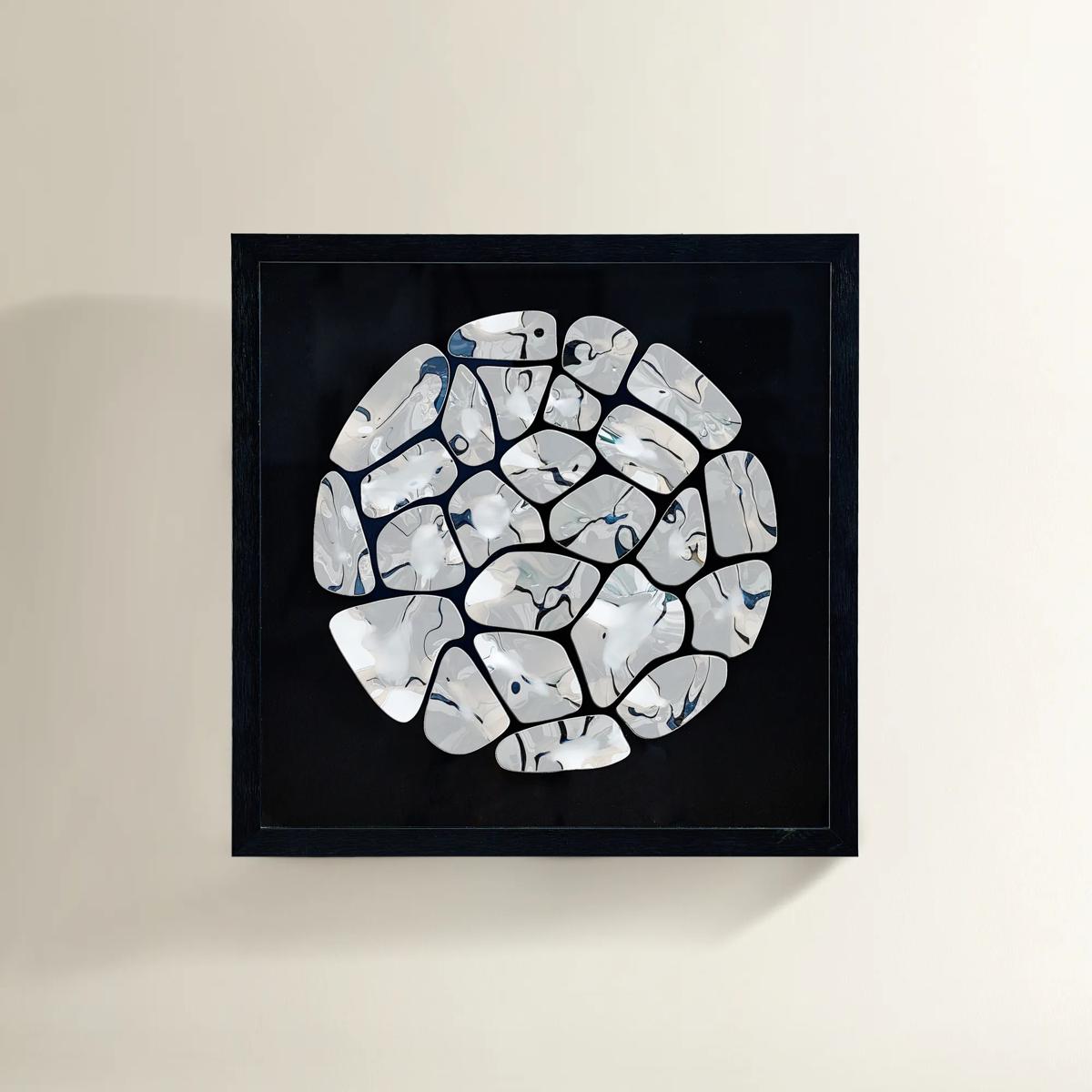
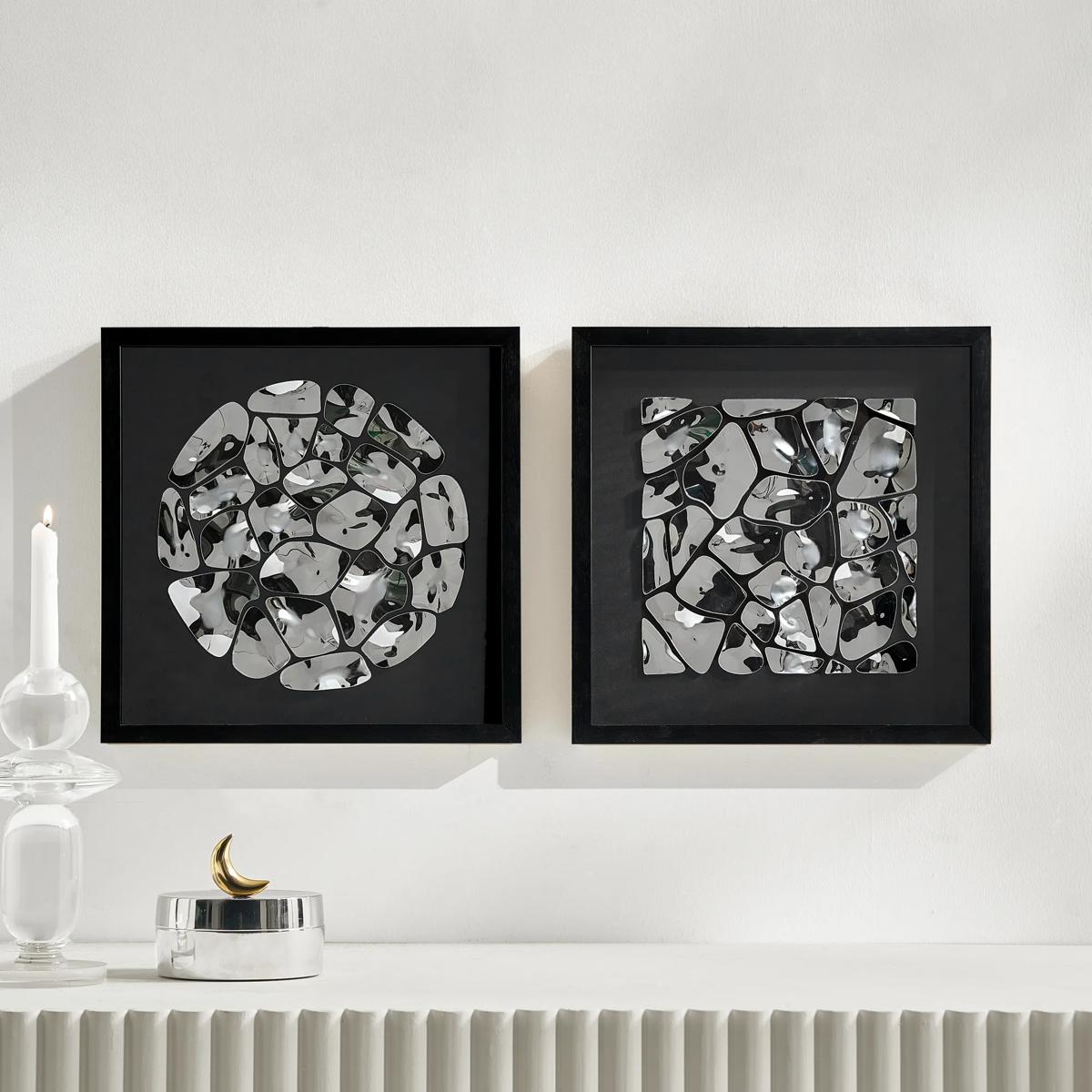 Reflect Silver And Black Shadowbox Art II$189
A dimensional metal wall art piece featuring polished silver and black forms in a sleek black frame.
Add To Cart -
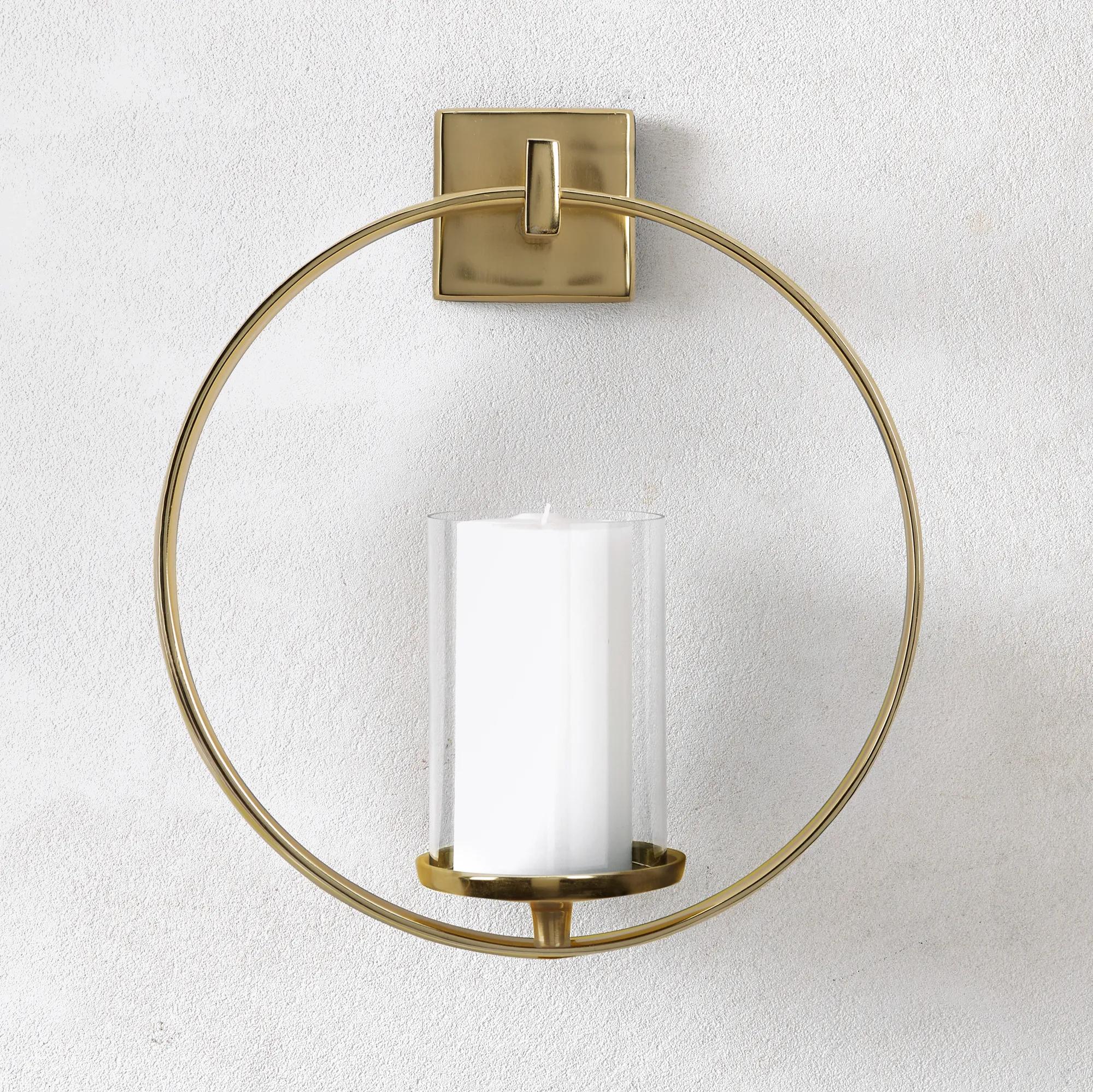
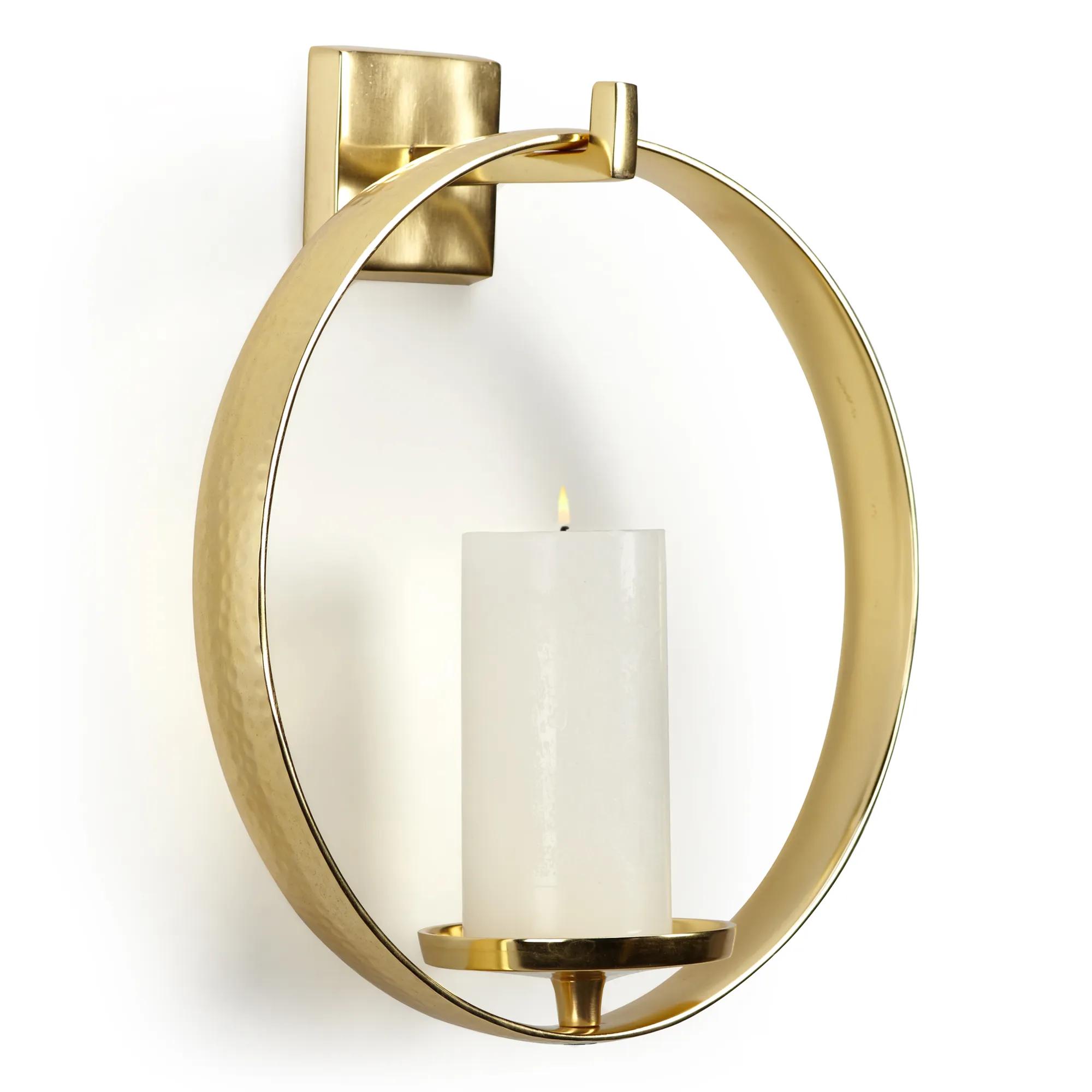 Cirque Hanging Sconce$79
A sleek aluminum wall sconce with a metallic finish, available in silver, gold, or black.
Add To Cart -
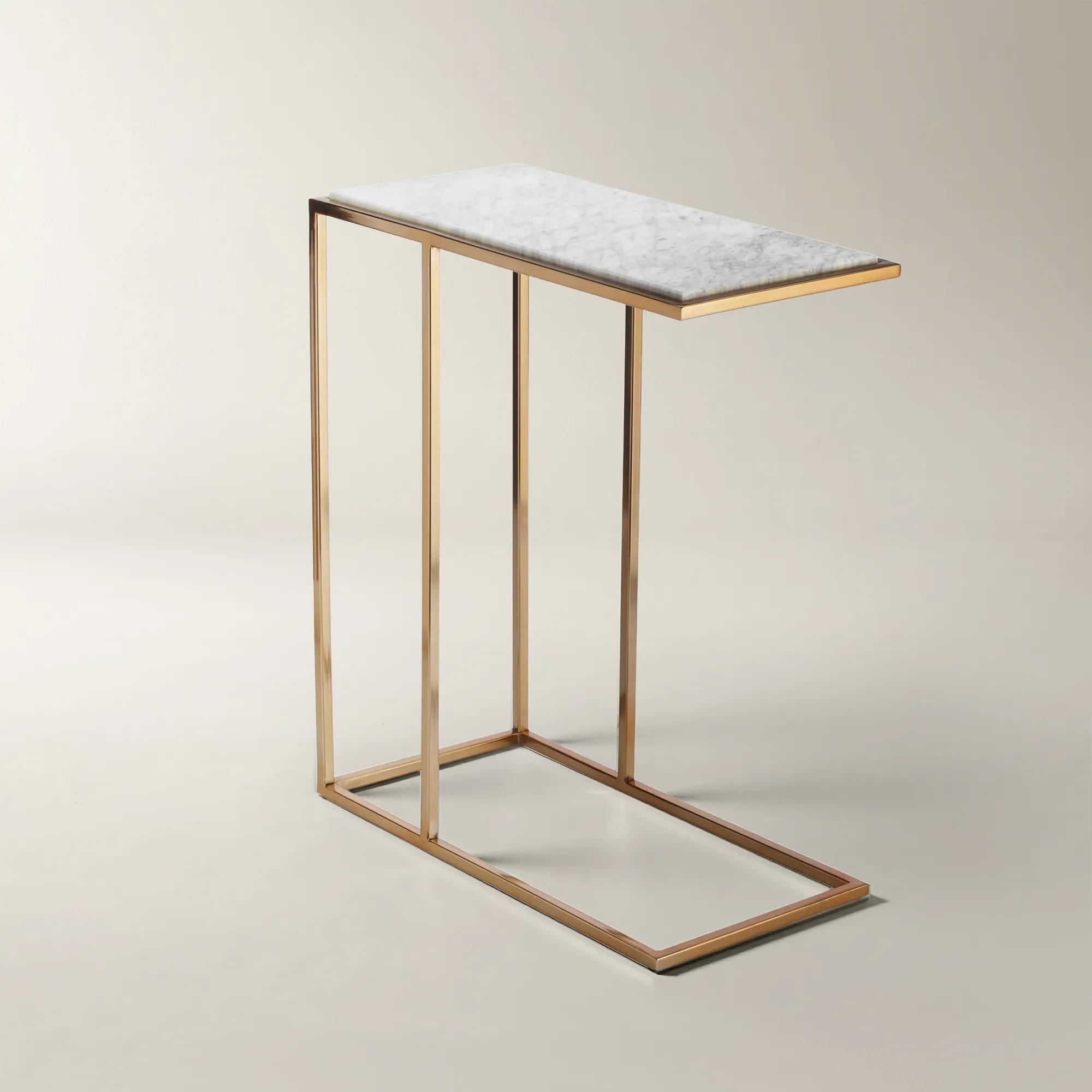
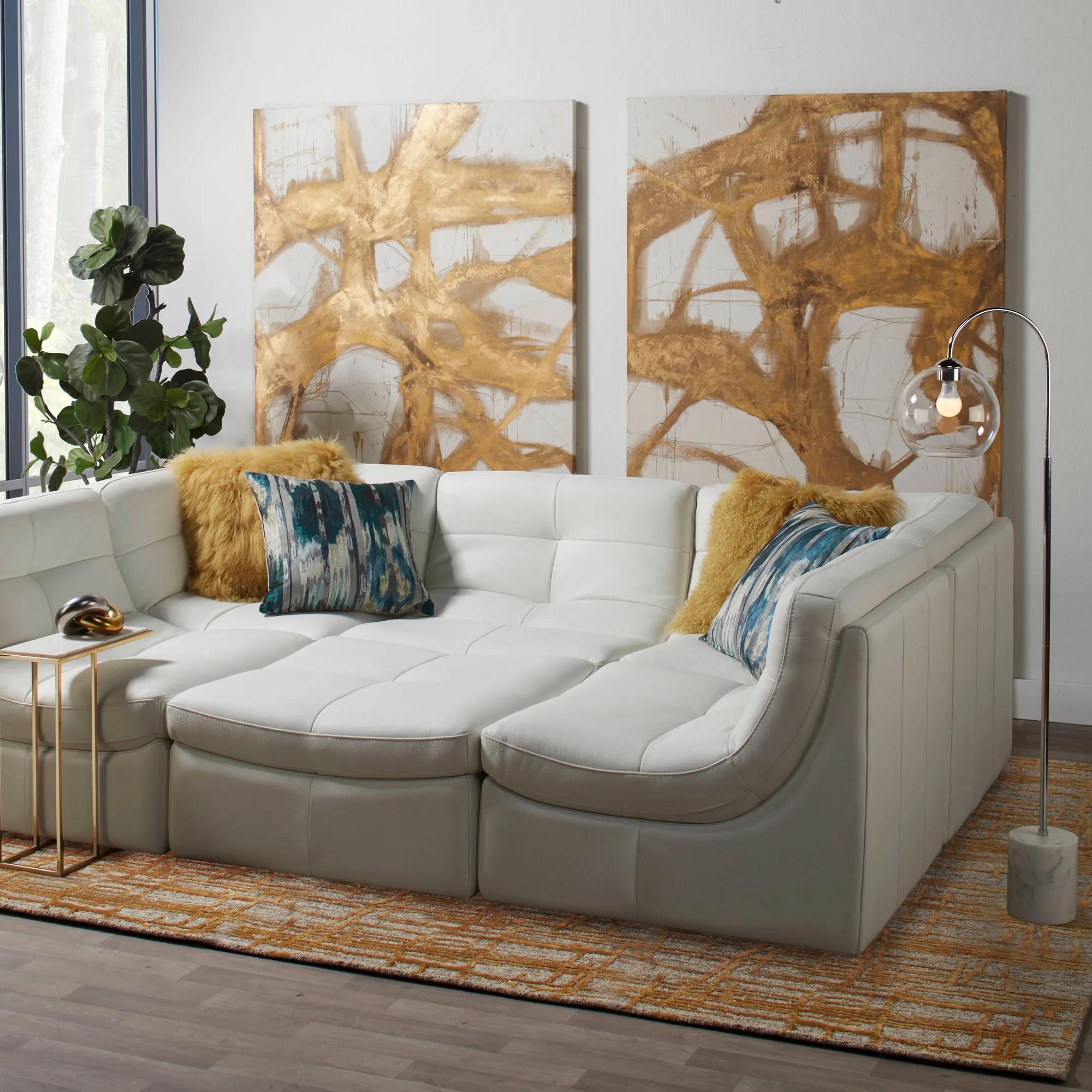 Lawton Rectangular Gold Stainless steel Accent Table With Marble Top (19.75")$259
A space-saving table featuring a white marble top and gold-finished stainless steel base.
Add To Cart -
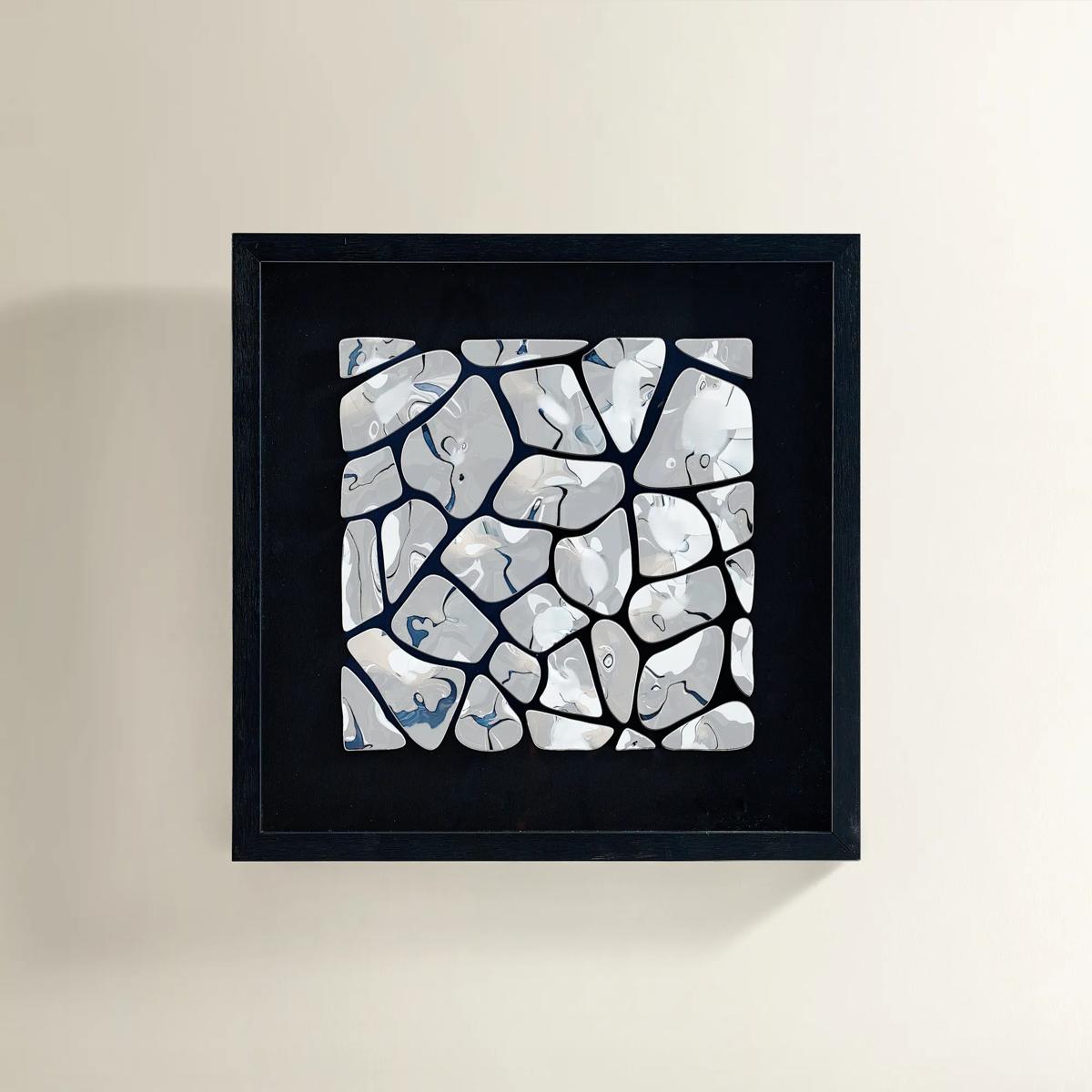 Reflect Silver And Black Shadowbox Art I$189
A dimensional metal wall art piece featuring polished silver and black forms in a sleek black frame.
Add To Cart

Modern Decor For Small Spaces
Modern decor for small spaces is an invitation to think big, even when square footage is modest. Here, every accent becomes an exclamation point—mirrored surfaces amplify light, sculptural silhouettes create intrigue, and bold textures infuse intimacy with a sense of grandeur. Transform compact rooms into captivating retreats where artistry reigns and style knows no limits. In the world of modern decor for small spaces, less truly becomes more—more drama, more personality, and more opportunities to express your signature vision.
Modern decor for small spaces brings together clean-lined silhouettes, thoughtfully scaled accents, reflective finishes, and vertical display to create rooms that feel open without losing their sense of drama. In an apartment living room, a studio, or a compact bedroom, the strongest pieces contribute beauty without crowding the surfaces needed for everyday life. A sculptural vase can give a narrow console a gallery-like presence; framed abstract art can introduce sweeping movement above a sofa without claiming another inch of floor space. The goal is not to make every accessory miniature. One generously proportioned wall accent often creates a more composed impression than a cluster of small decorations competing for attention. Mirrors are especially expressive in close quarters, reflecting available light and extending sightlines when positioned thoughtfully. Across from a window, a mirror can bring another glimpse of the outdoors into the room; near a dining area, it can capture the glow of a shaded lamp. Its reflection matters as much as its frame, since a beautifully placed mirror should emphasize an inviting view rather than a busy storage corner. Wall art, decorative mirrors, and wall-mounted display pieces also draw attention upward, leaving tabletops available for a drink, a book, or an evening’s conversation. Scale remains essential: the width of the wall, the height of surrounding furniture, and the clearance around doorways all influence how comfortably an accent belongs. An oversized frame that visually overwhelms a slender console can feel just as awkward as artwork that disappears above a broad sofa. For renters, first-time homeowners, and anyone making a smaller room feel distinctly personal, modern small-space decor offers room for expressive color, metallic shimmer, and unexpected form. A restrained selection of compelling shapes can deliver considerable richness, particularly when each piece has enough space around it for its contours, finish, and craftsmanship to be appreciated. Even a modest entryway can feel intentional when its wall decor and tabletop accents share a clear visual relationship.
Materials give compact interiors their depth, and contrast is often more compelling than an abundance of accessories. Clear glass allows light and surrounding colors to remain visible, while mirrored surfaces introduce a sharper, more luminous effect. Brushed metal offers a quieter glow than a highly polished finish; either can lend definition to a shelf or side table without relying on a large footprint. Ceramic brings a different quality, with glazed surfaces catching highlights and matte finishes emphasizing sculptural curves. Natural stone contributes veining and subtle variation, making even a restrained arrangement feel distinctive. These materials have practical differences as well as visual ones. Glass and mirrored decor can show fingerprints, polished metal may scratch with abrasive cleaning, and porous stone can be vulnerable to acidic spills or staining. Material-specific care instructions should guide cleaning, with soft cloths and gentle handling helping preserve delicate finishes. Decorative pieces are not automatically suitable for food service, fresh flowers, or standing water; intended-use details matter, especially for vessels with porous bodies or decorative interiors. Textiles add another layer of expression without requiring additional furniture. Velvet pillows lend saturated color and a sumptuous surface to a tailored sofa, while a textured throw softens the outline of a compact chair. In rooms used daily by children or pets, construction and care requirements deserve as much attention as color: securely finished seams, suitable fabric choices, and washable covers where specified can make decorative textiles easier to live with. Rugs help distinguish a sitting area from a sleeping or dining zone in an open studio, establishing a visual boundary without a physical partition. Rug dimensions, pile height, and door clearance all affect fit, while an appropriate rug pad can help limit shifting on compatible flooring. Lighting completes the atmosphere. A slender table lamp can bring a pool of illumination to a reading corner, and a wall-mounted fixture can preserve bedside surface space where installation is appropriate. Shade dimensions, cord placement, and the fixture’s overall height deserve consideration alongside its silhouette, so the finished arrangement feels graceful rather than squeezed into place.
The most useful decorative accents in smaller homes often serve more than one purpose while remaining beautiful enough to leave on display. A tray can frame a deliberate arrangement on a coffee table and provide a defined landing place for everyday essentials. Decorative boxes can conceal small belongings, while bookends bring sculptural interest to a shelf and keep a collection upright. In a narrow entry, a shallow catchall offers a place for keys without consuming the entire surface; beside a bed, a compact vessel can hold a few favorite stems while leaving space for reading glasses. These details suit people who entertain in an intimate living room, work from a shared living area, or want a guest bedroom to feel considered rather than crowded. They also make thoughtful housewarming gifts when chosen with the recipient’s available space, preferred palette, and daily routines in mind. A decorative object with a manageable footprint is often easier to incorporate than a large accent that requires rearranging a room. For a cohesive foundation beneath those finishing touches, Stylish Furniture For Small Spaces complements an approach built around comfortable proportions and expressive detail. The relationship between furniture and decor is especially important in close quarters: a lamp base needs sufficient tabletop support, a mirror requires hardware appropriate to its weight and wall type, and shelf arrangements must respect the supporting surface’s load limits. Heavy or fragile accents belong where they are stable and protected from passing elbows, particularly along frequently used walkways. Beyond those practical considerations, cohesion comes from repetition with variation. A warm metallic finish might appear in a frame and a tray, while a single saturated color moves between artwork and a pillow. Different textures keep that repetition from feeling rigid. Leaving some surfaces open allows the eye to settle and gives statement pieces greater presence. The result is a home that feels layered, personal, and confidently glamorous, with decorative choices that enrich daily rituals rather than compete with them.
FAQs
Layering textures, incorporating bold accent pieces, and playing with reflective surfaces are all effective ways to infuse personality into a small space. Sculptural vases, gleaming metallic trays, and expressive wall art can become focal points, while plush throws or decorative pillows add warmth and tactile interest. Mixing finishes—such as pairing glass with velvet or marble with brushed gold—creates a curated, gallery-like atmosphere that feels both intimate and dramatic.
Lighting is transformative in small spaces. Opt for fixtures with sculptural shapes or mirrored finishes to amplify natural light and create visual intrigue. Table lamps with metallic bases or pendant lights with bold silhouettes can serve as both functional illumination and statement décor. Layering light sources—ambient, task, and accent—ensures the room feels inviting and dynamic, no matter the time of day.
Absolutely. Modern décor accents, such as elegant candleholders, luxe catchalls, or artful trays, make thoughtful gifts for housewarmings, birthdays, or special occasions. Their versatility ensures they complement a range of personal styles and living environments, while their sophisticated designs offer a touch of everyday luxury that feels both personal and memorable.
Rich jewel tones, soft neutrals, and luminous metallics all work beautifully in small spaces. Deep blues, emerald greens, and blush pinks can add drama without overwhelming, while gold, silver, or mirrored accents reflect light and visually expand the room. The key is to balance bold hues with lighter tones and incorporate reflective surfaces to maintain a sense of openness and sophistication.
Start by selecting a unifying color palette or finish, such as gold accents or monochromatic tones, and repeat these elements throughout the room. Choose décor pieces that share a common aesthetic—think geometric shapes, clean lines, or luxe materials. Layer in a variety of textures, like velvet, glass, or marble, to add depth and interest while maintaining a harmonious, curated feel.