Decor Ideas For Small Apartments
Decor Ideas For Small Apartments
-
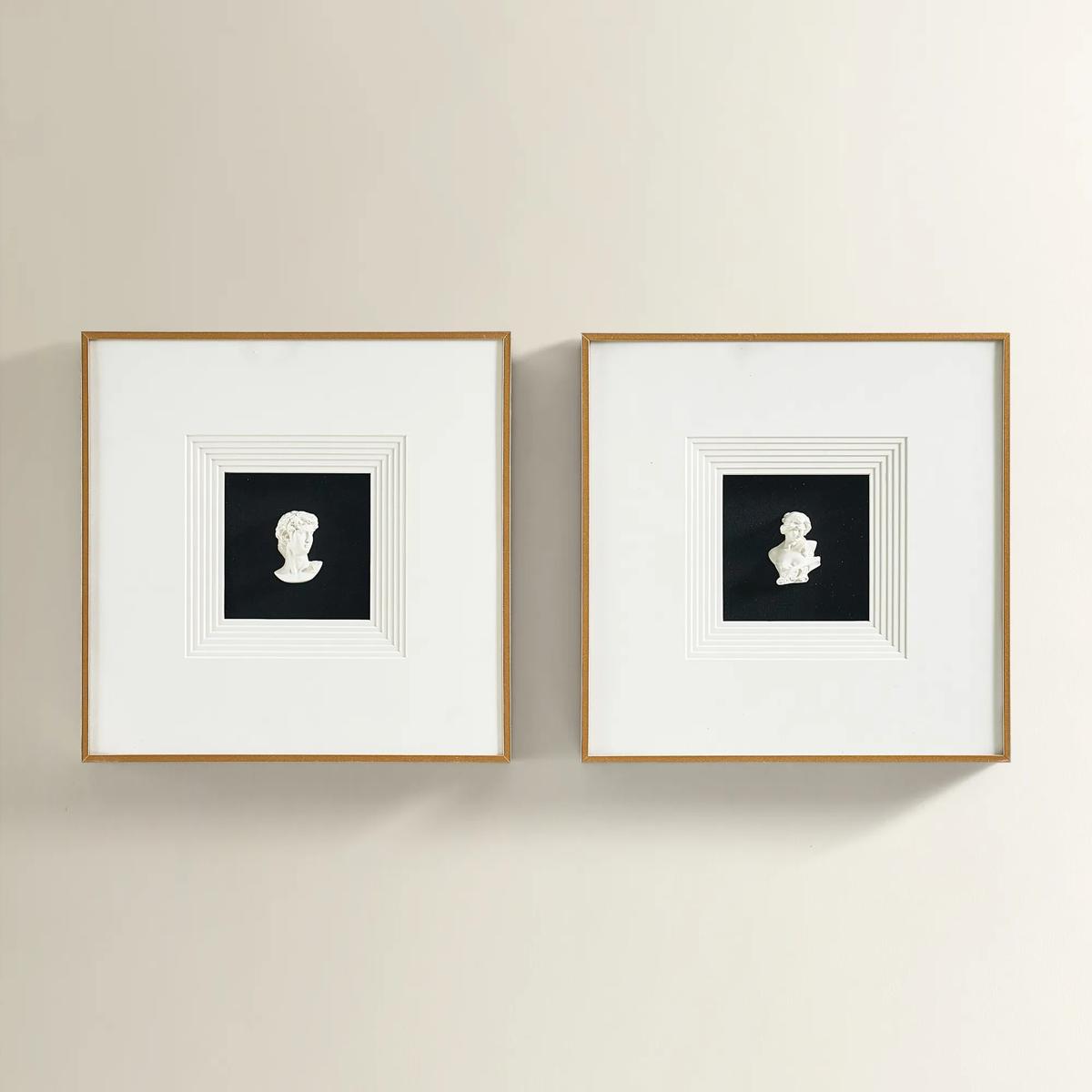
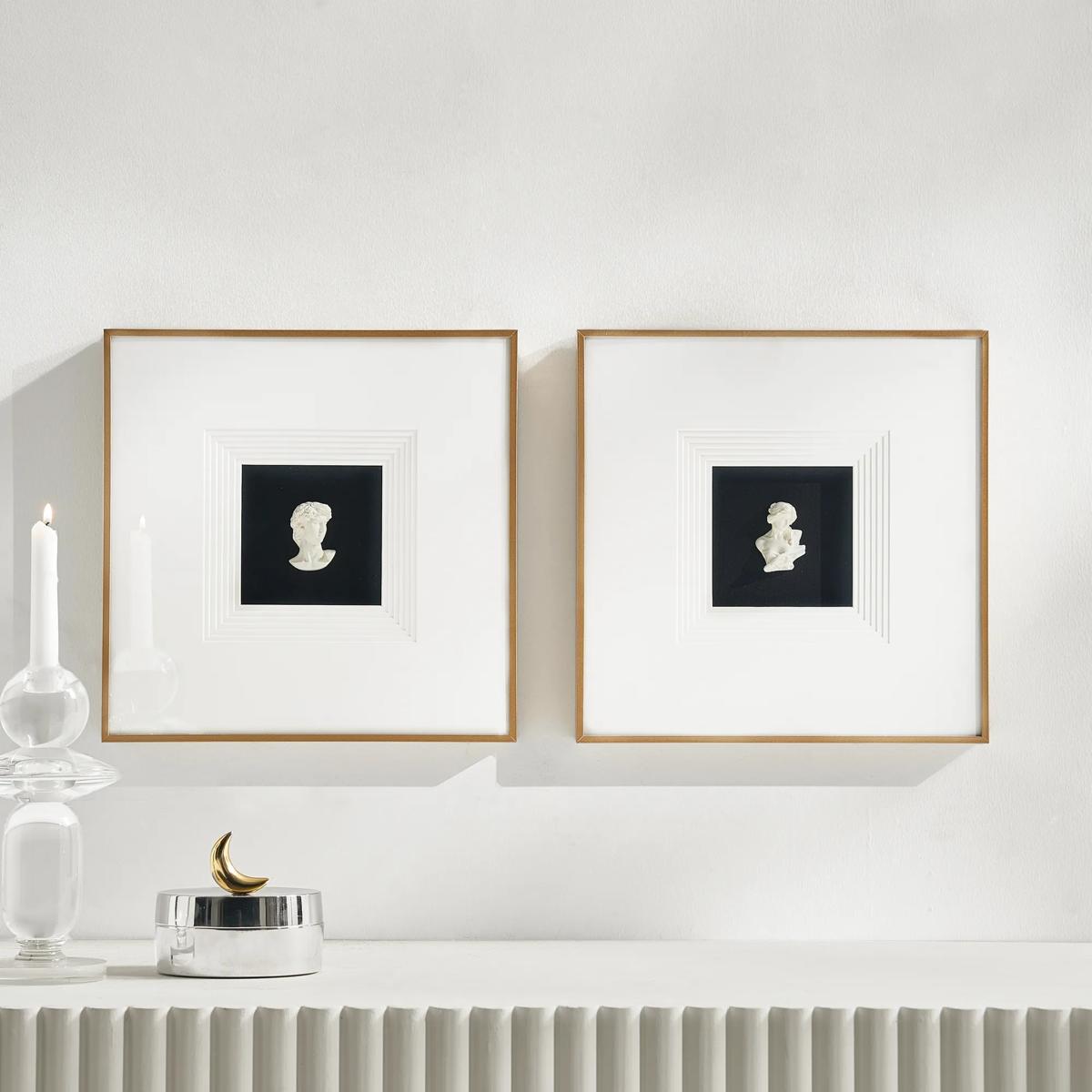 Classics Framed Plaster Wall Decor Set of 2$149
A set of two plaster portrait wall art pieces in black and ivory with sleek aluminum frames.
Add To Cart -

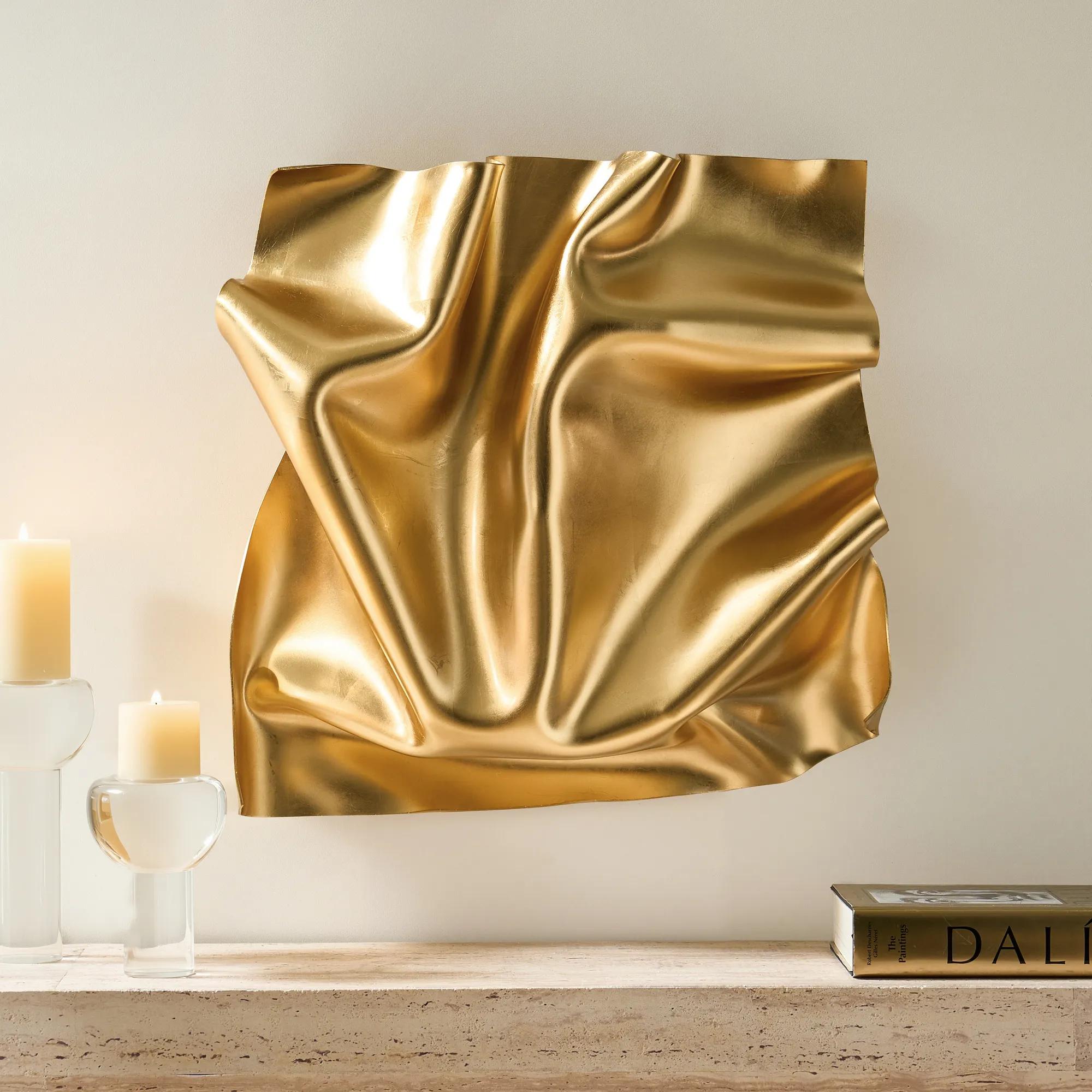 Surface Sculpted Gold Leaf Acrylic Wall Decor 23.6" x 23.6"$199
A dimensional acrylic wall panel features hand-applied gold leafing for a luminous, sculptural gallery effect.
Add To Cart -
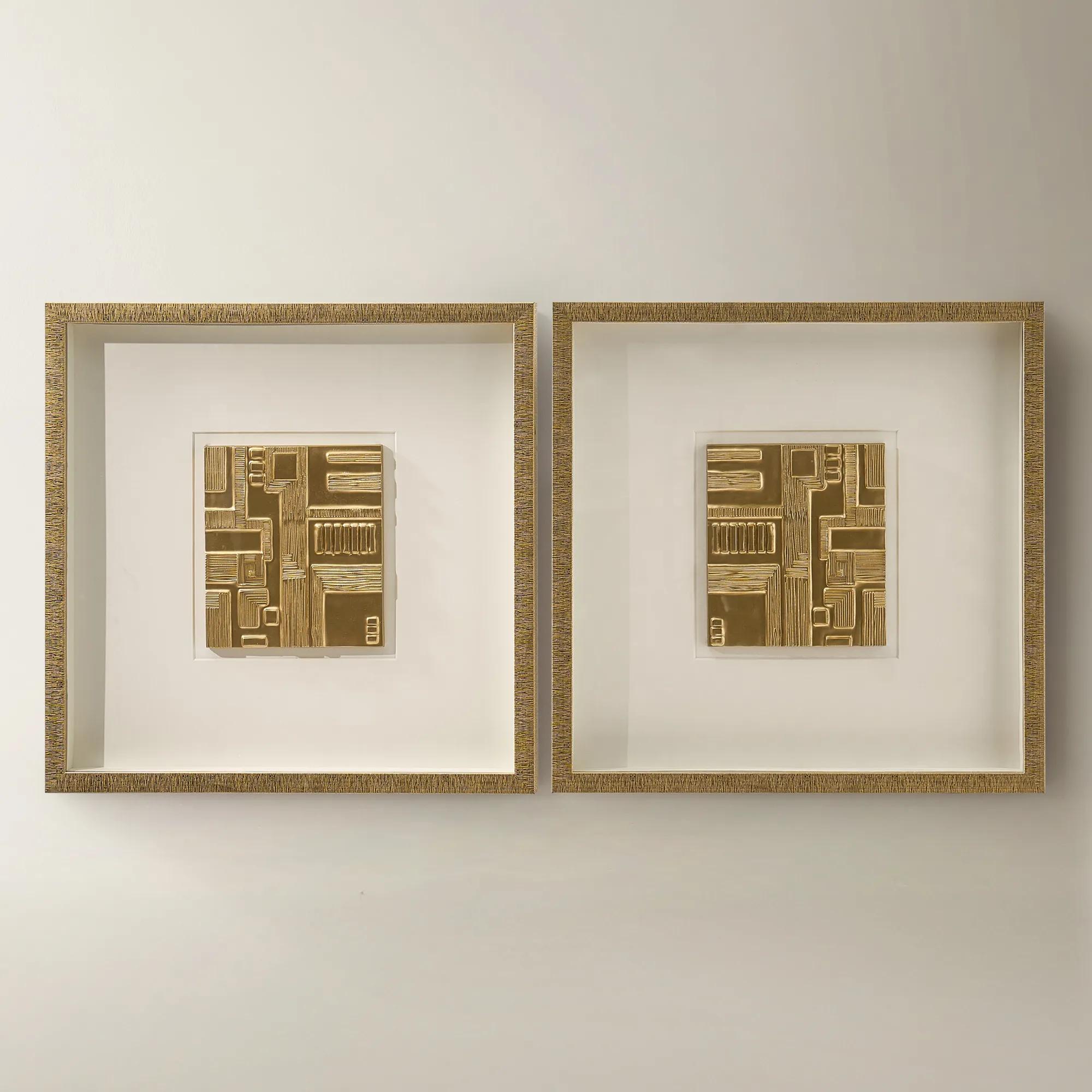
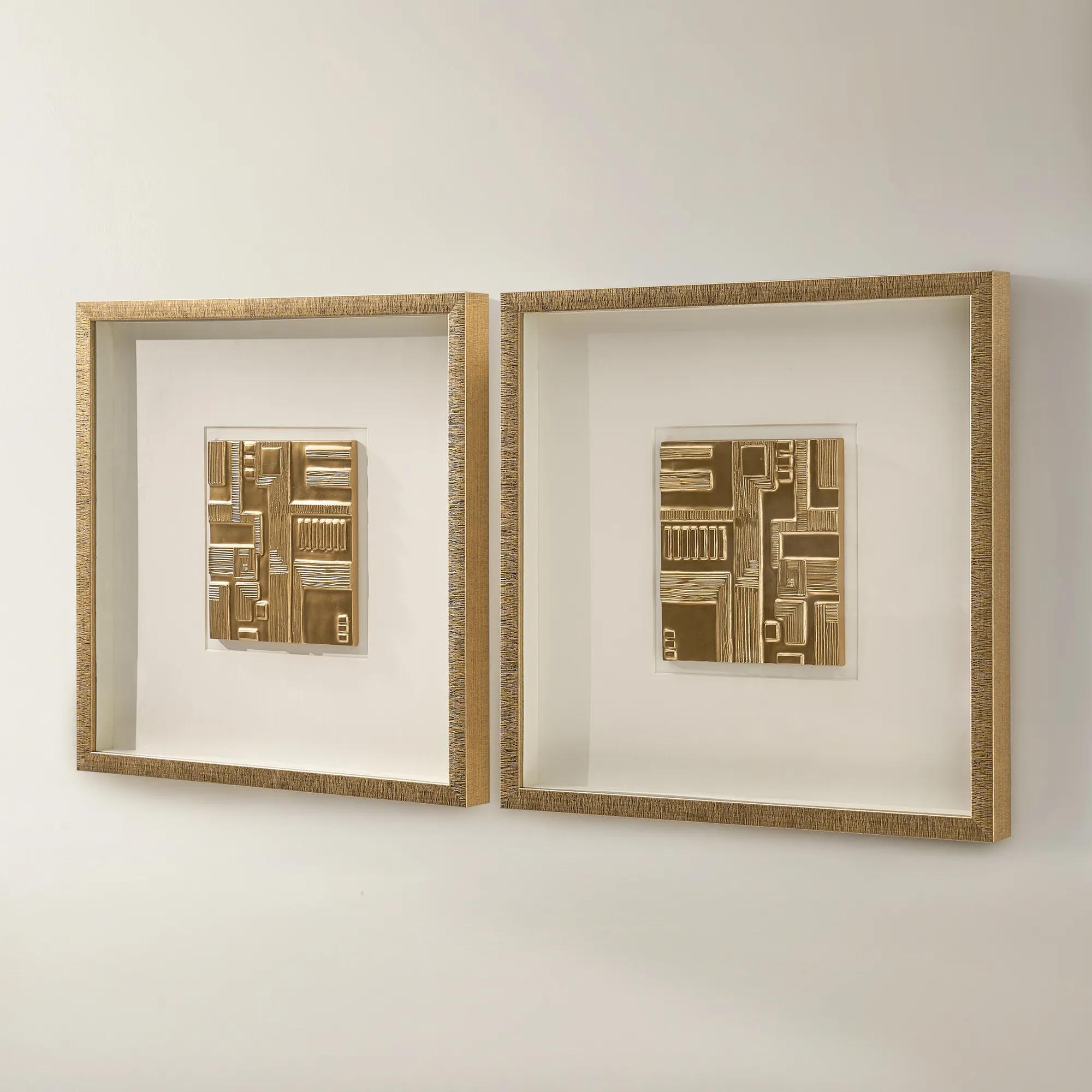 Ritual Framed Woodcarving Wall Decor Set of 2$329
A set of two gold-framed woodcarvings with ivory mats and dimensional relief for gallery-style wall decor.
Add To Cart -

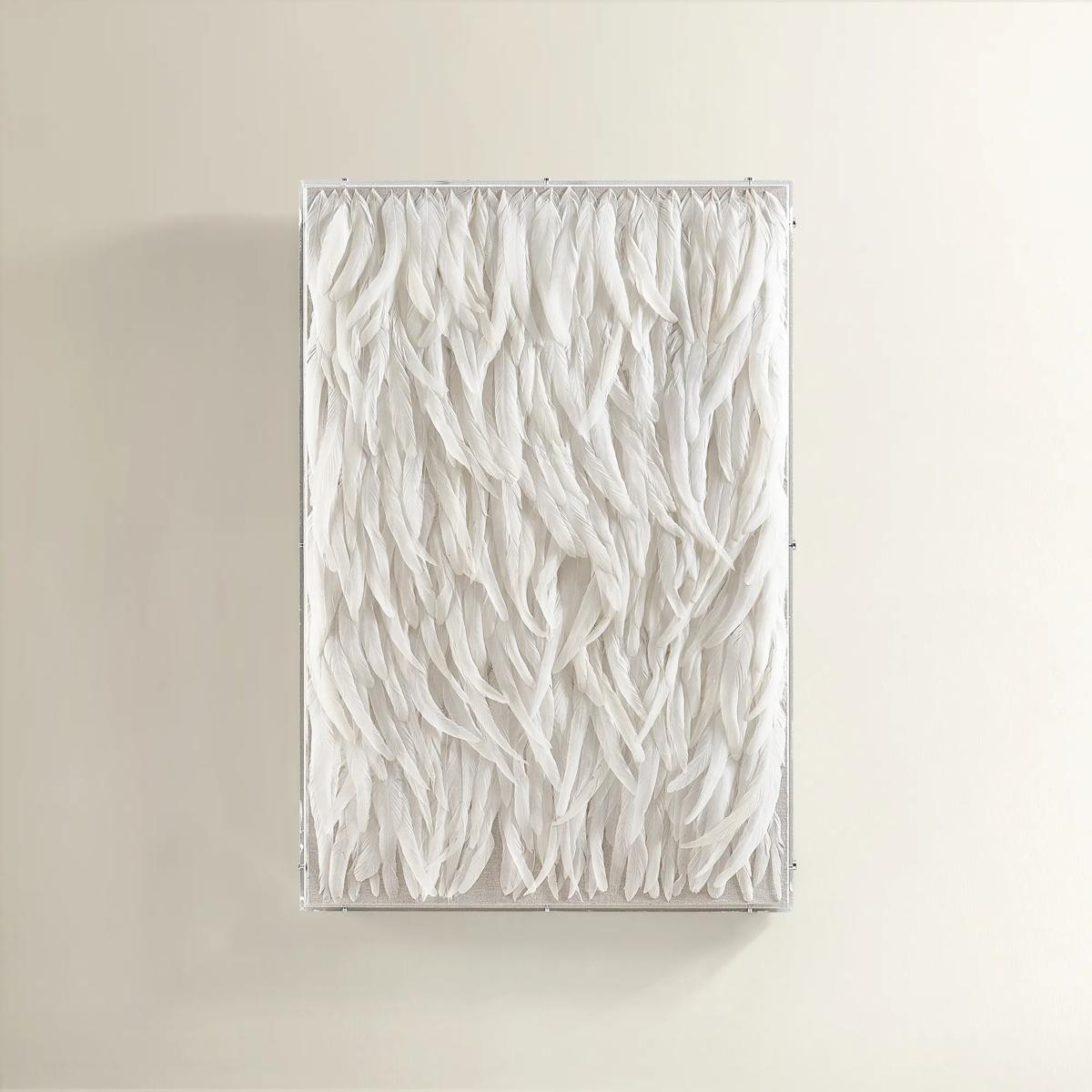
 Checkered Wings Wall Art$199
A striking checkered wing-inspired wall art piece adding graphic drama to modern interiors.
Add To Cart -
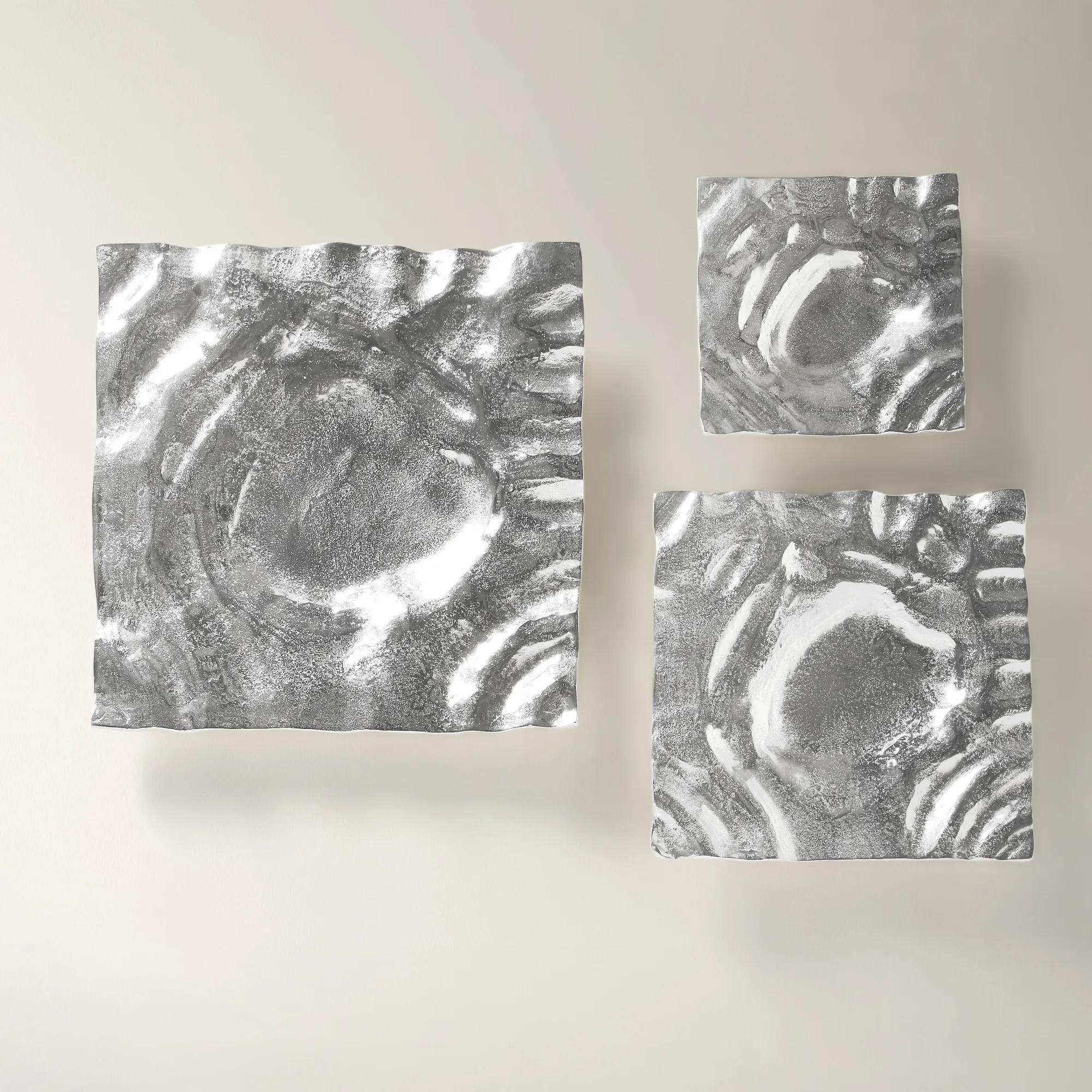
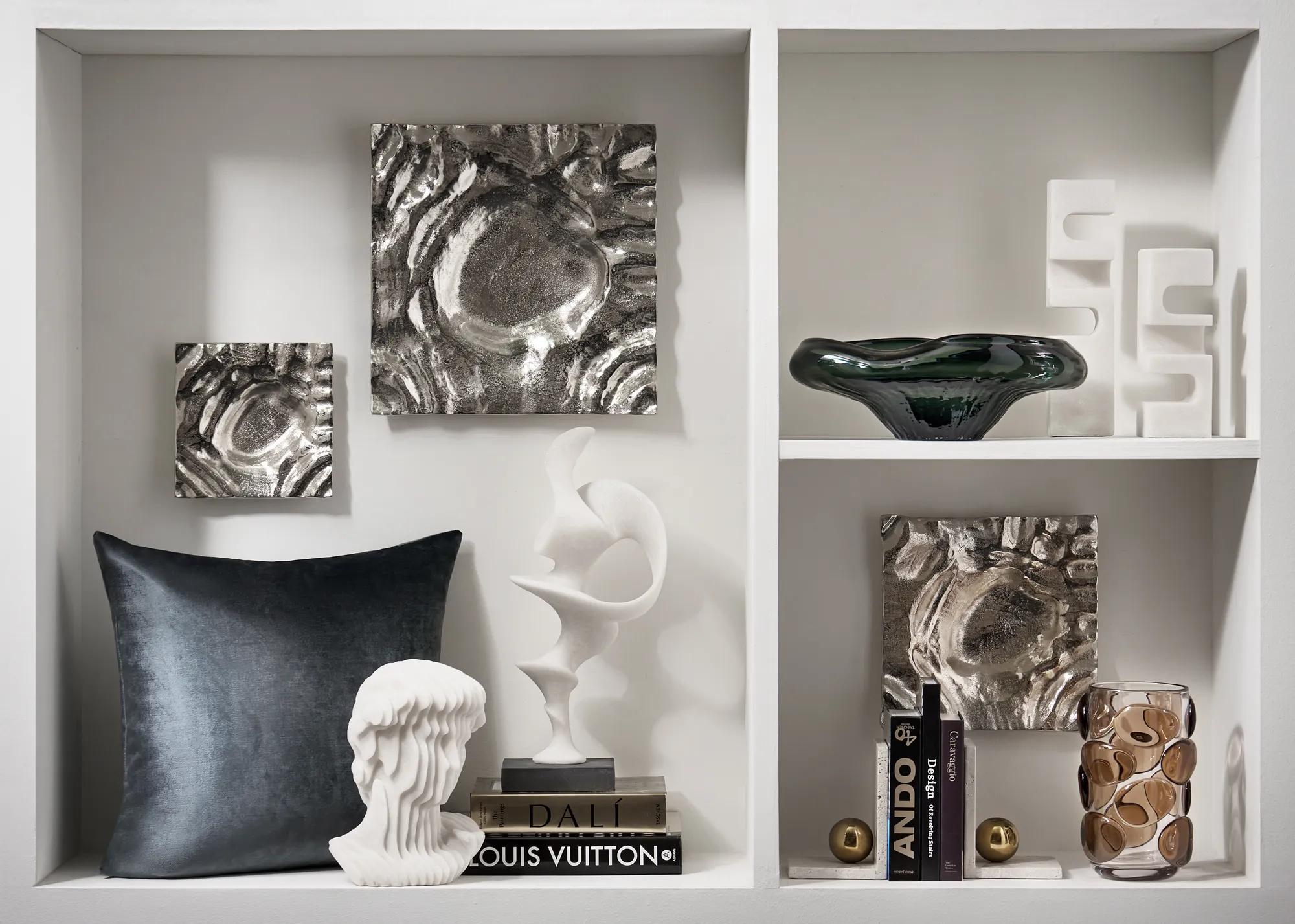 Cascade Wall Art - Set of 3$119
A set of three silver aluminum wall art pieces featuring textured surfaces that reflect and play with light.
Add To Cart -
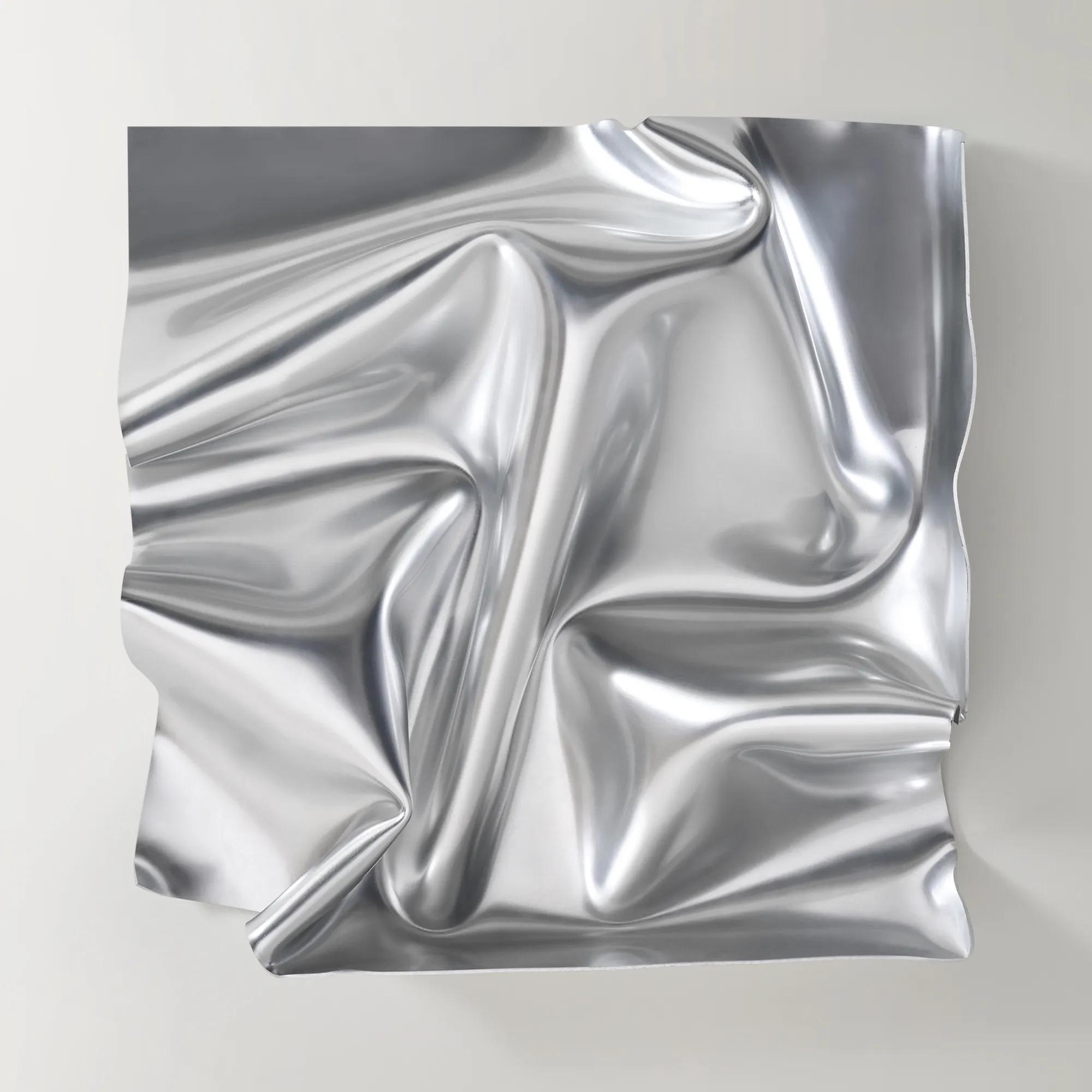
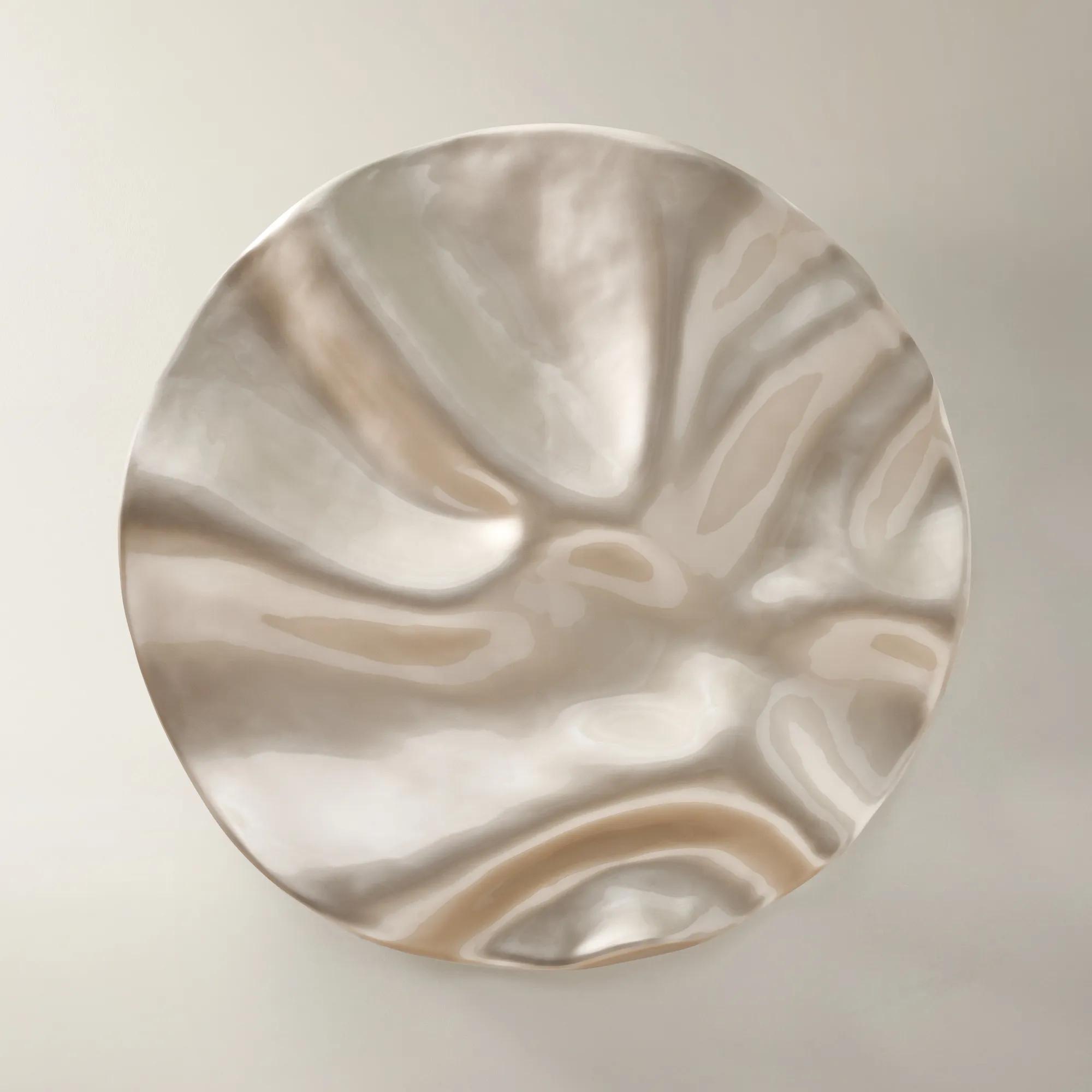
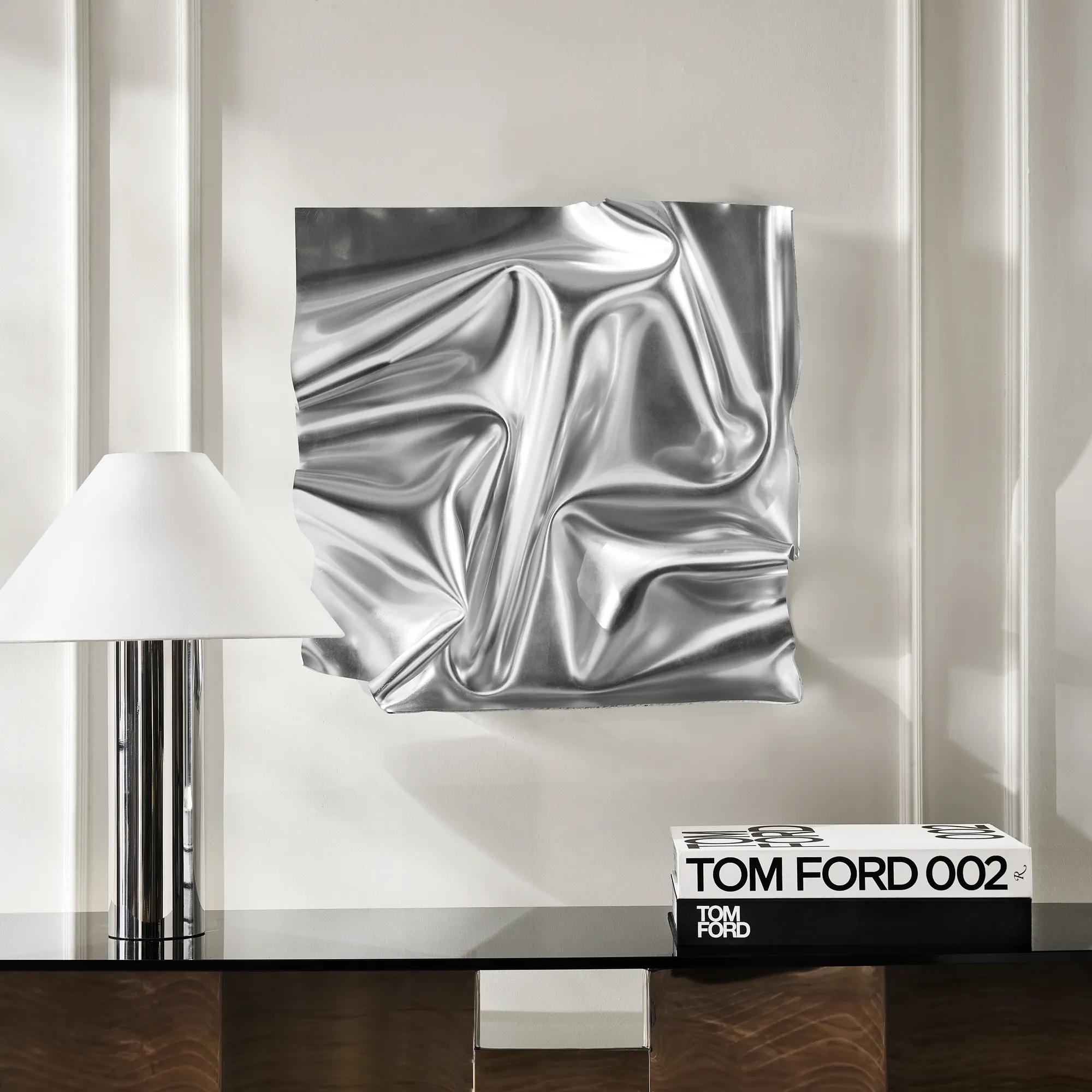 Surface Sculpted Silver Leaf Acrylic Wall Decor 23.6" x 23.6"$189
A striking acrylic wall piece featuring fluid, reflective silver shapes for dramatic, modern visual impact.
Add To Cart -
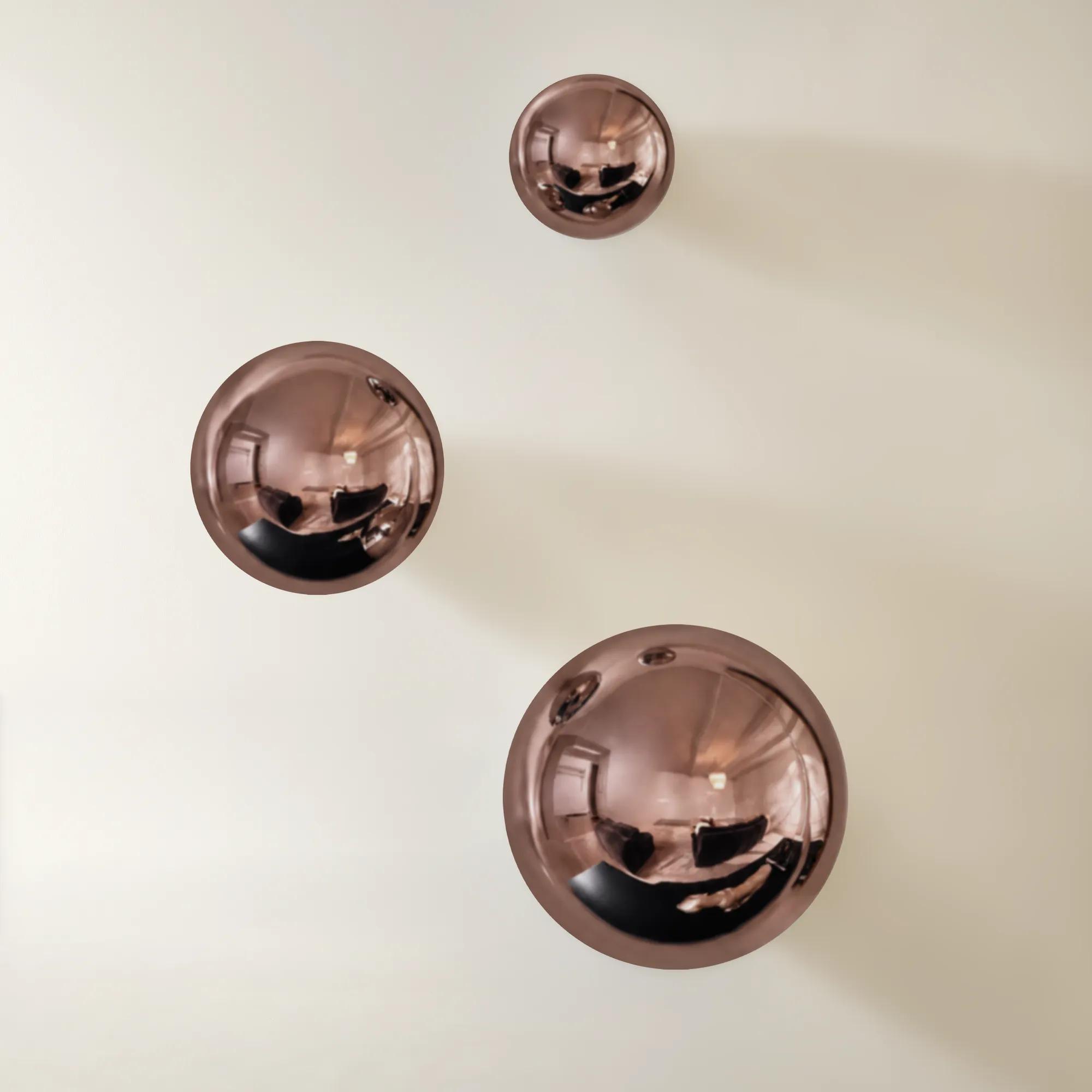
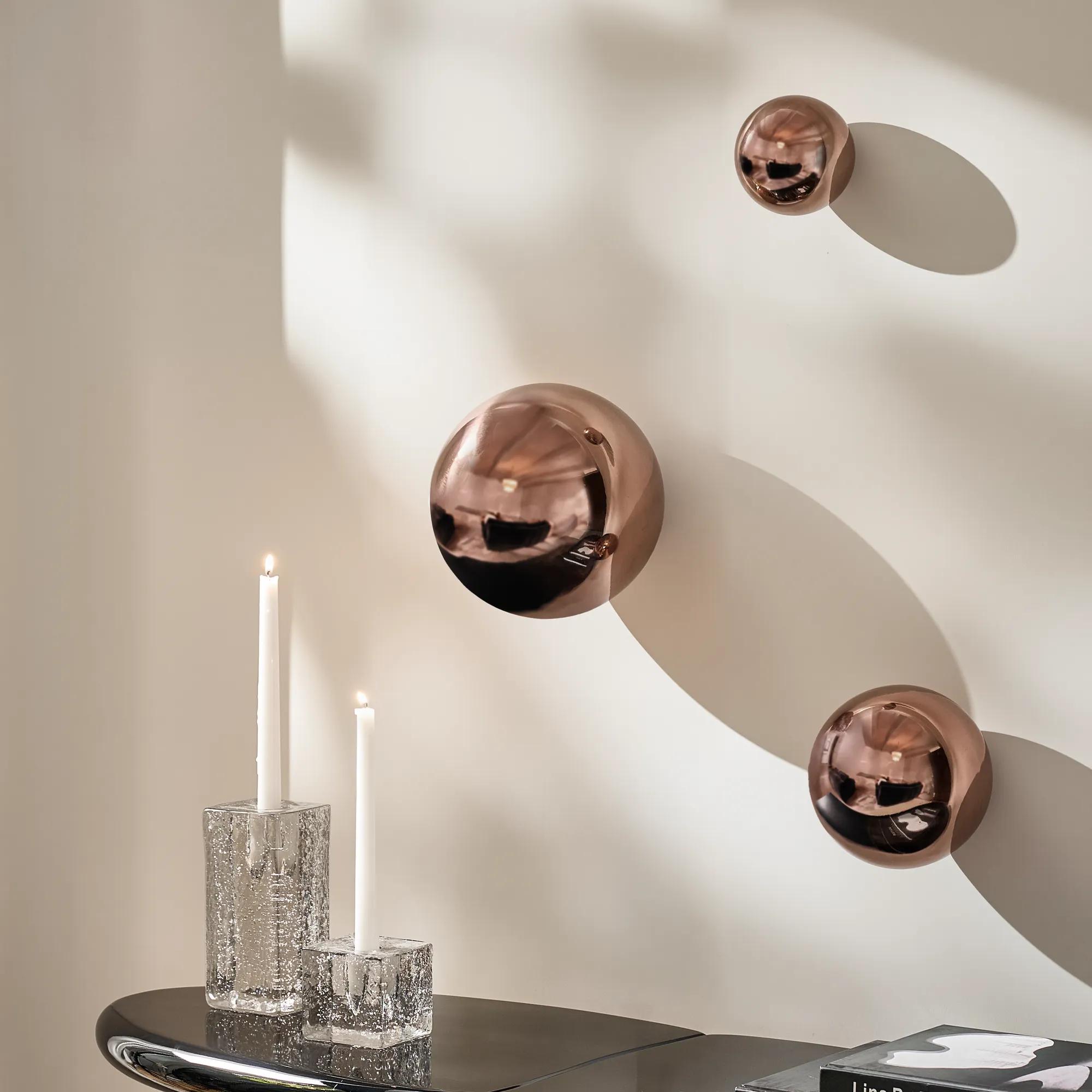 Bronze Spheres Stainless Steel Wall Decor Set of 3$129
A set of three polished bronze stainless steel spheres adds modern, sculptural shine to any wall.
Add To Cart -
 Grand Eye Ink Blue And Silver Resin Wall Decor 18" x 13.5"$79
An exaggerated eye motif in ink blue and silver brings playful, sculptural texture to any wall.
Add To Cart -
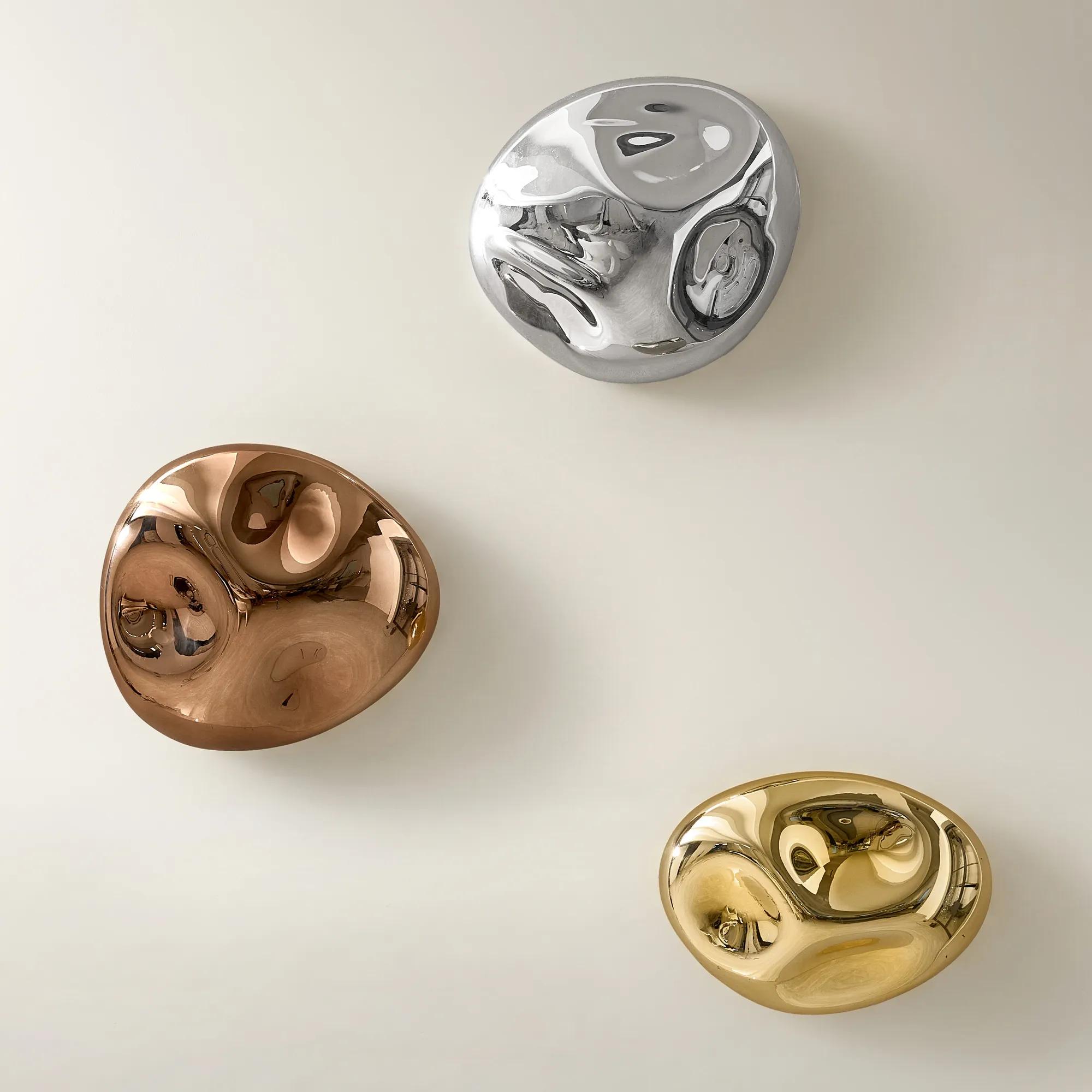
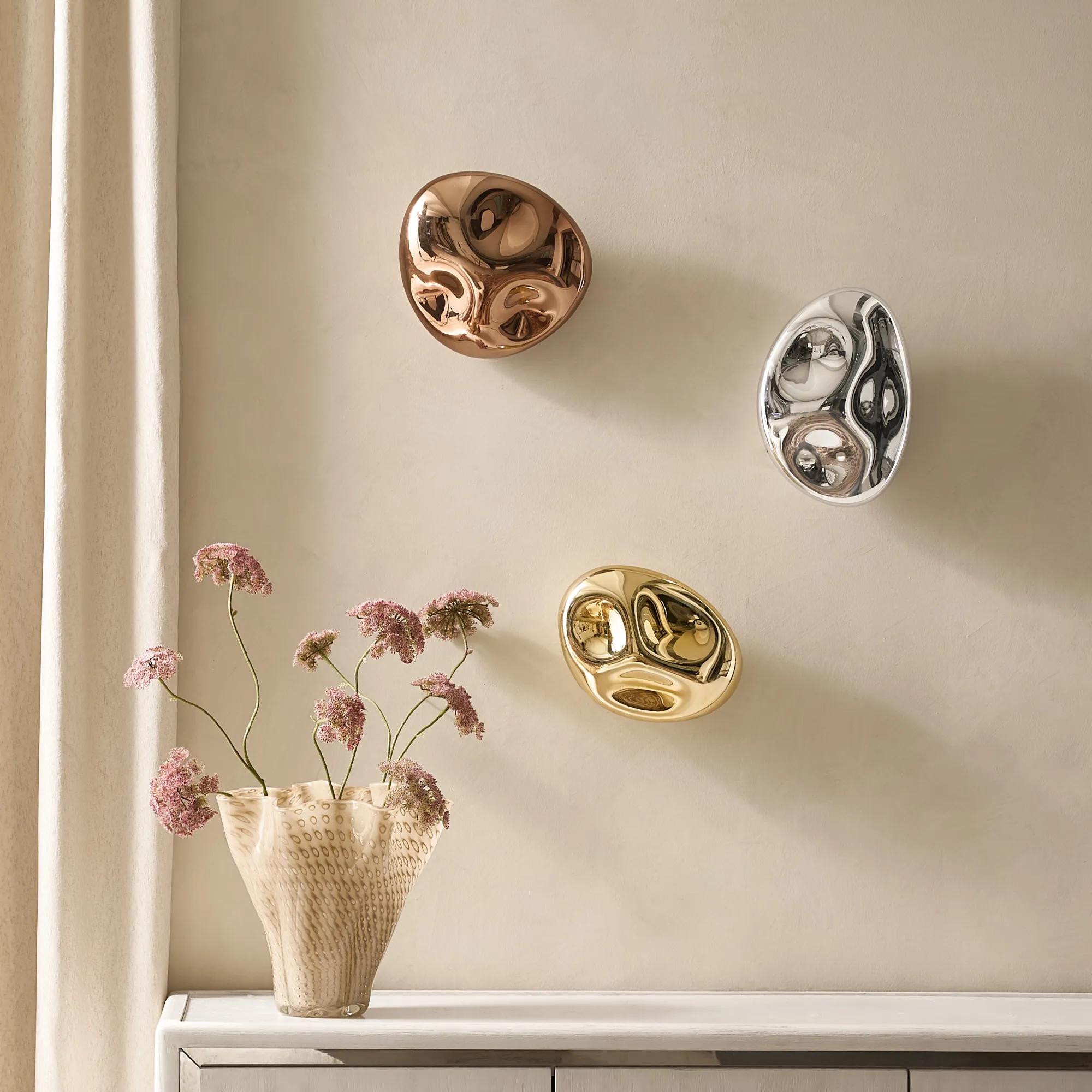 Nebula Electroplated Metallic Glass Wall Decor Set of 3$279
A set of three electroplated glass wall sculptures in polished silver, soft gold, and bronze tones.
Add To Cart -
 Etched in Gold$229
A hand-carved gold copper artwork set in a sleek black alloy frame for modern contrast.
Add To Cart -
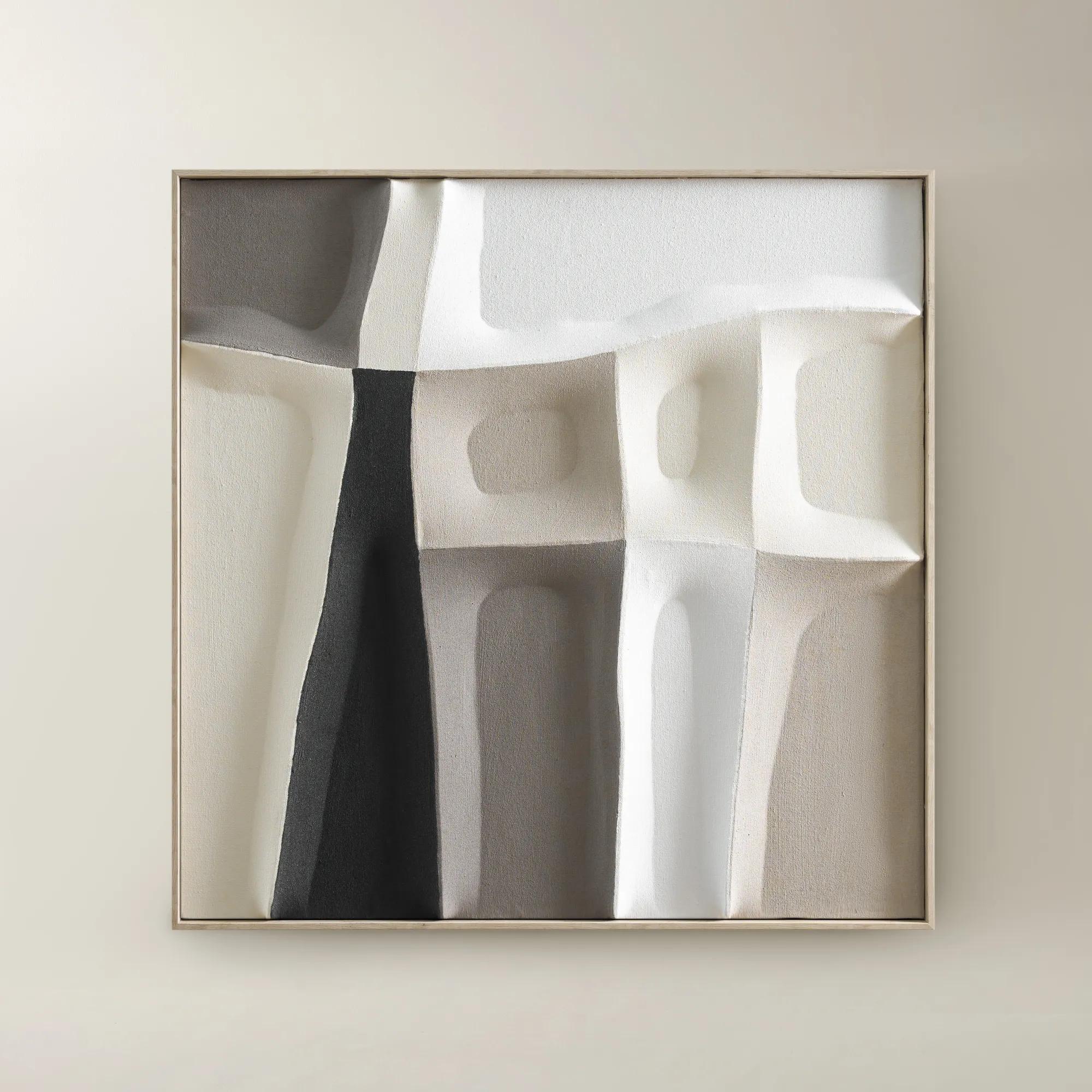 Shadow Painting 1$179
A hand-painted canvas featuring bold colors and sculptural textures in a warm whitewash floater frame.
Add To Cart -
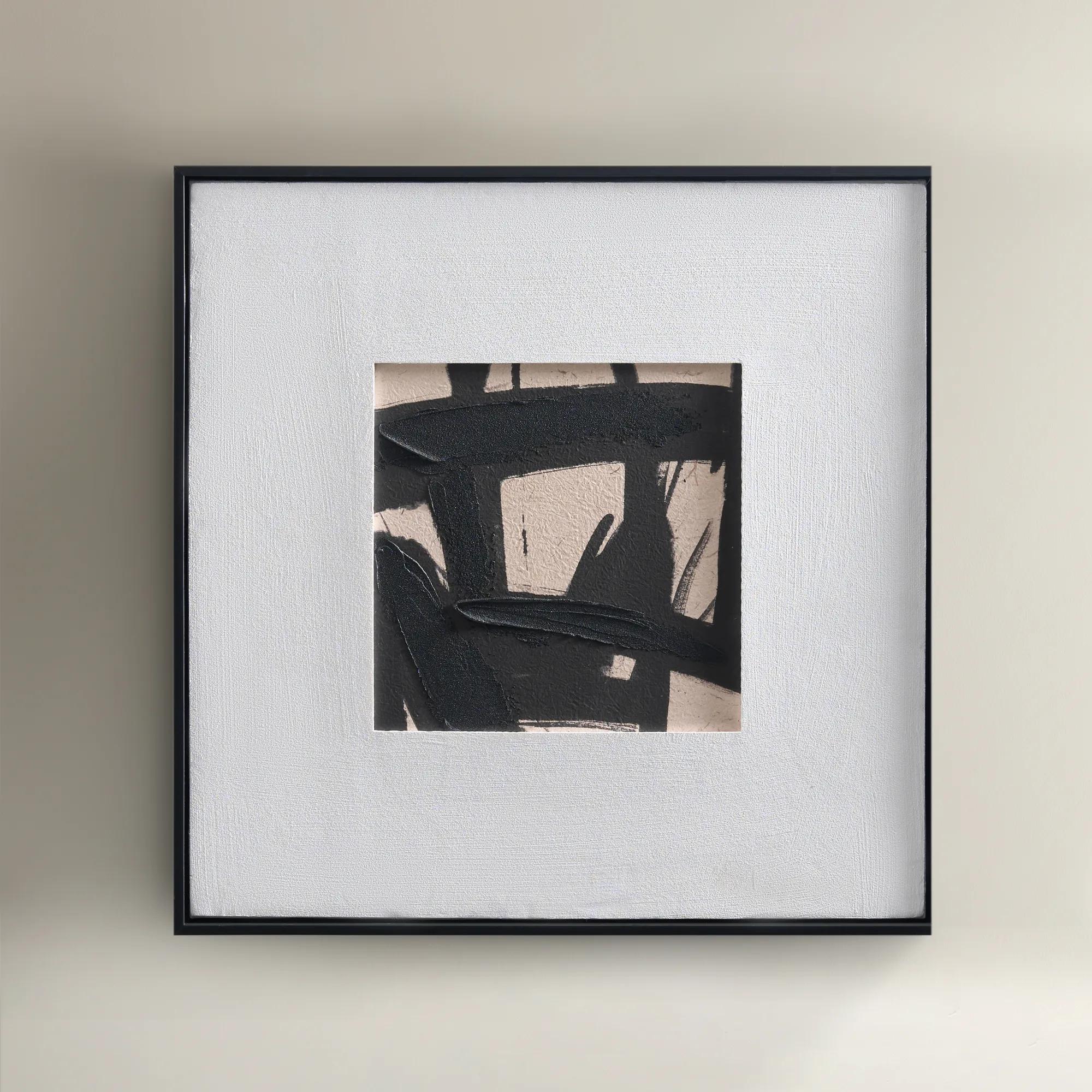
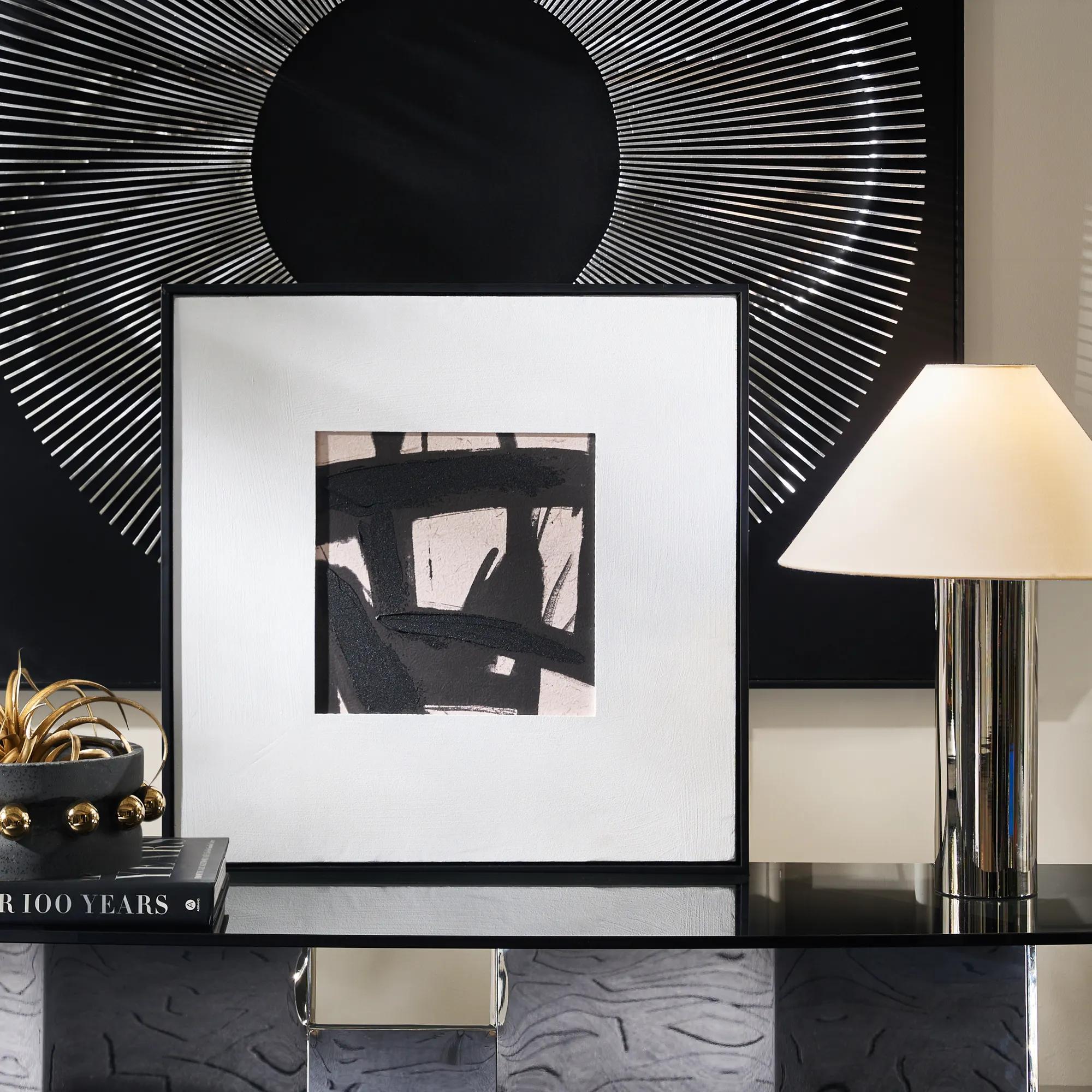 Ink Maze Painting$89
A hand-painted canvas featuring bold black and beige contrasts, set in a sleek black floater frame.
Add To Cart -
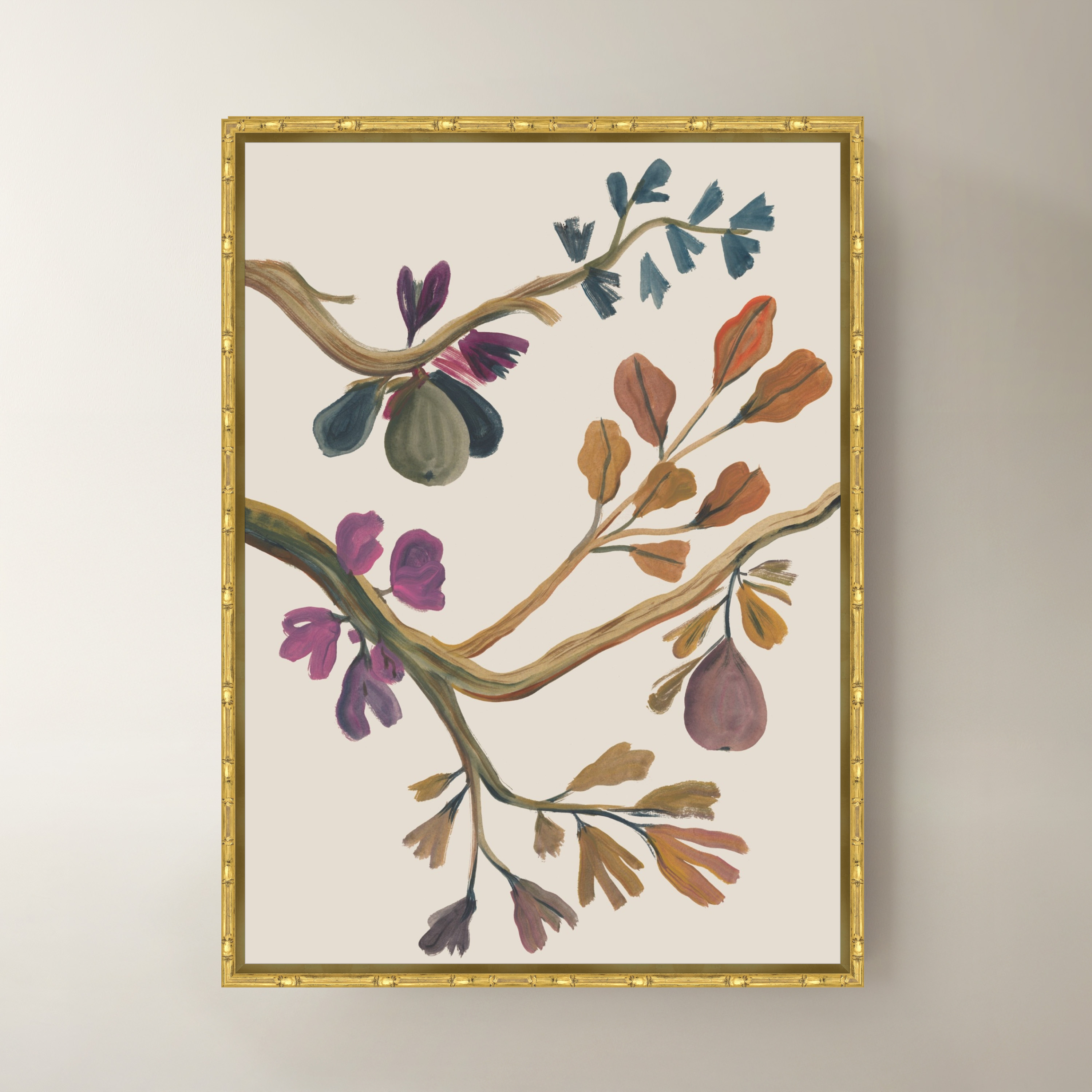
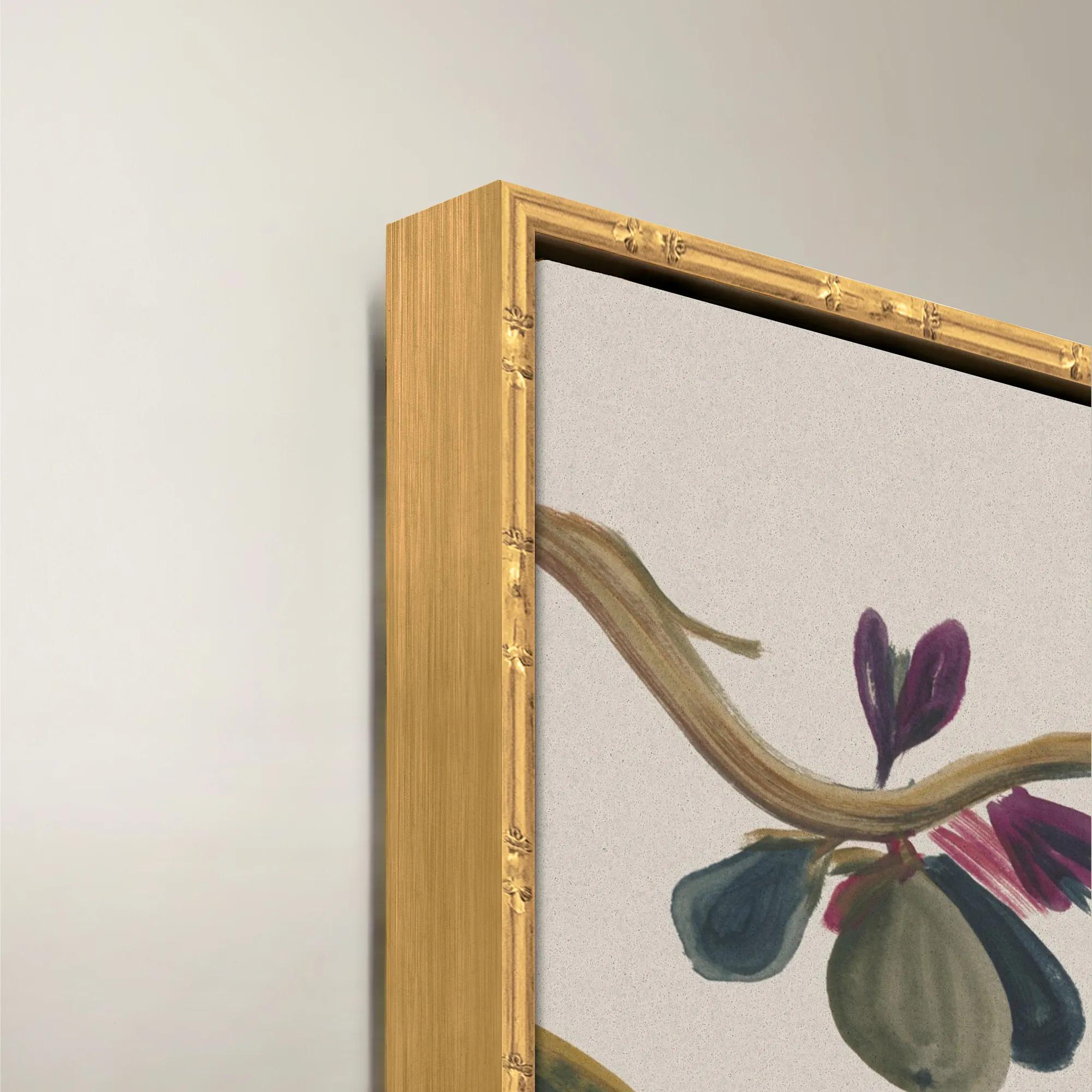 Whispering Orchard II Framed Wall Art 24" x 33"$749
A multicolored canvas wall art piece presented in an elegant frame for contemporary interiors.
Add To Cart -
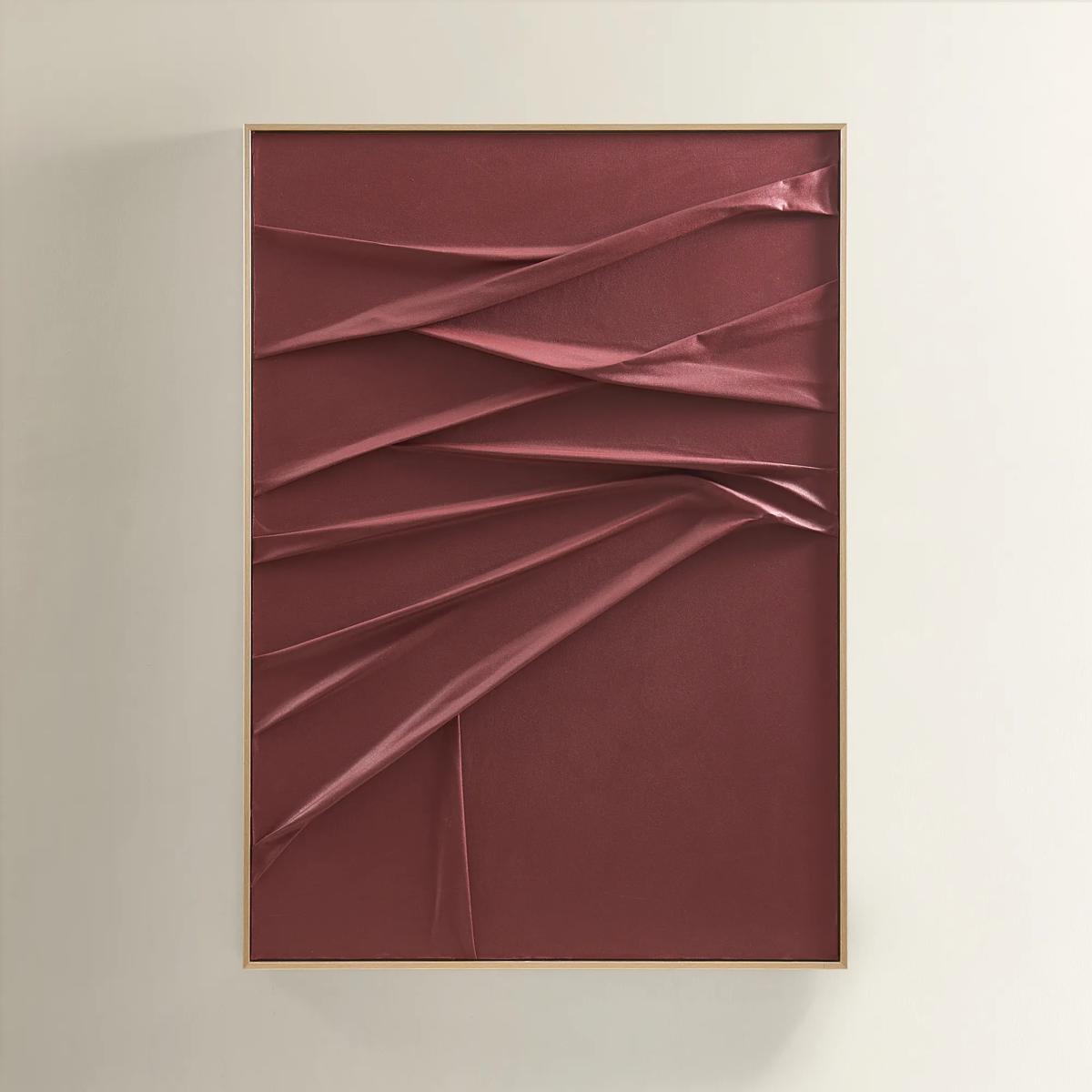
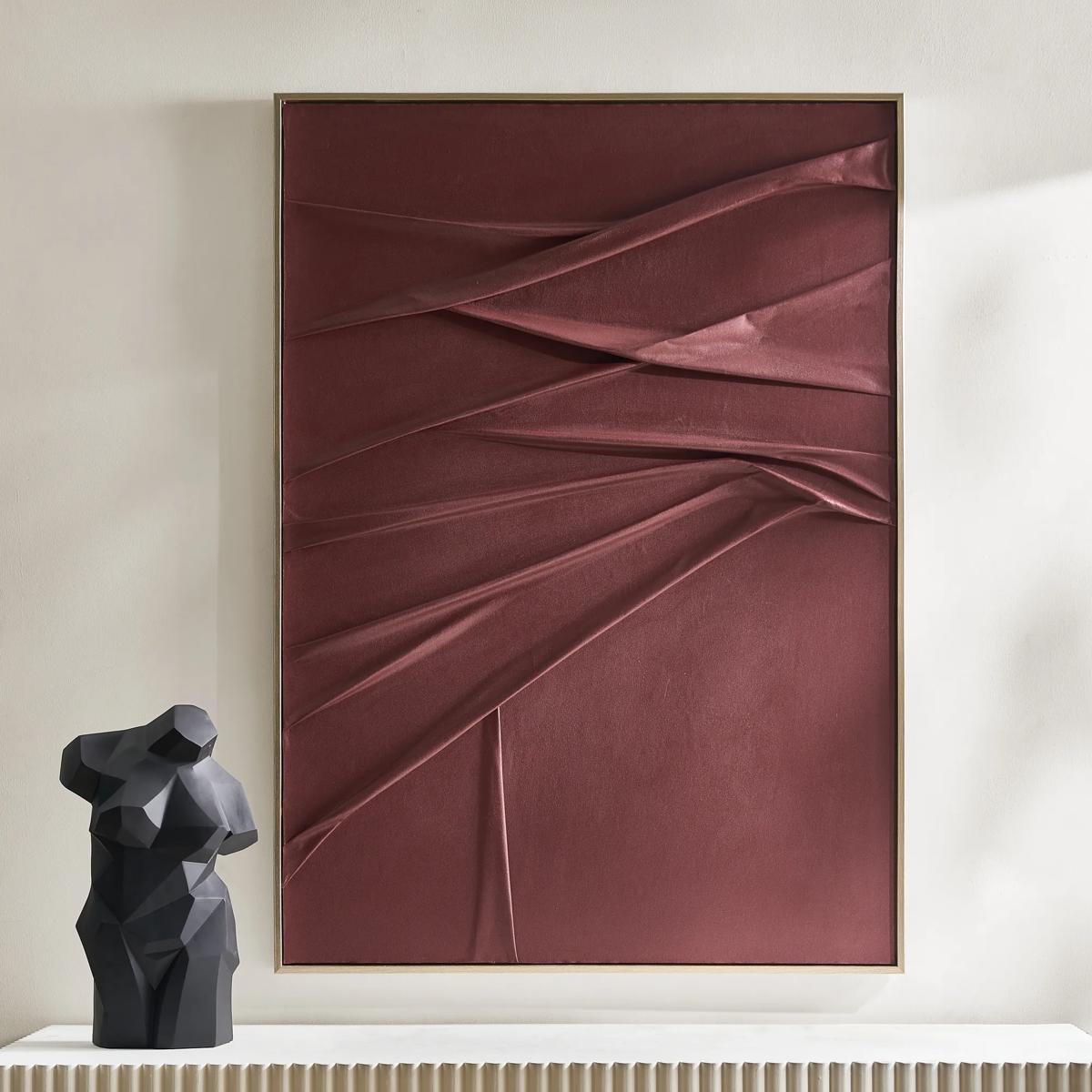 Crimson Painting$599
A handcrafted burgundy canvas artwork with sculptural folds, framed in champagne for a dramatic, textured effect.
Add To Cart -
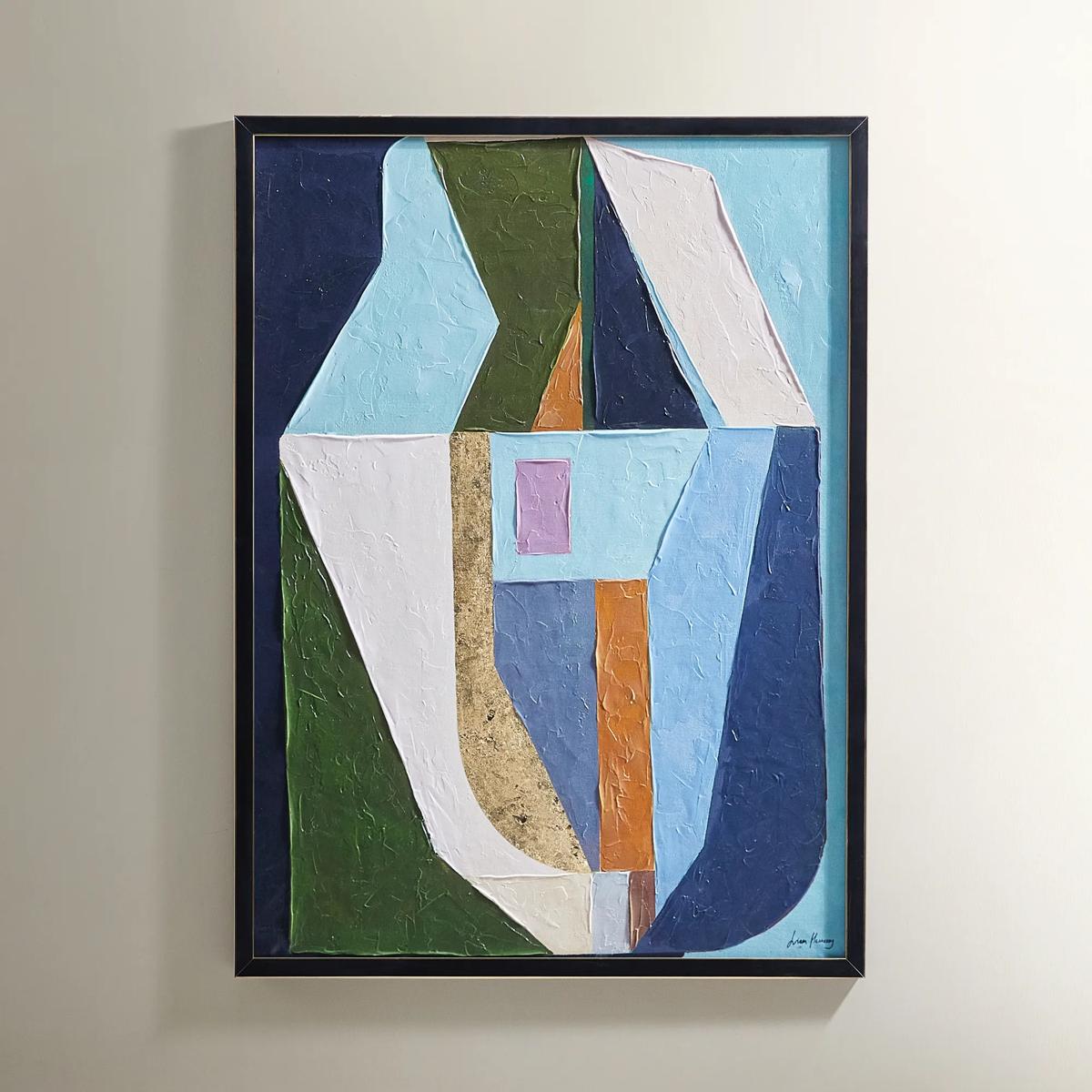 Thought Provoking Painting 2$249
A hand-embellished canvas artwork featuring textured strokes in deep blue, olive green, and gold accents.
Add To Cart -
 Glisten Dusty Rose Velvet Pillow 22" x 22"$79
A lustrous dusty rose velvet pillow with a plush texture and sleek knife-edge detailing.
Add To Cart -
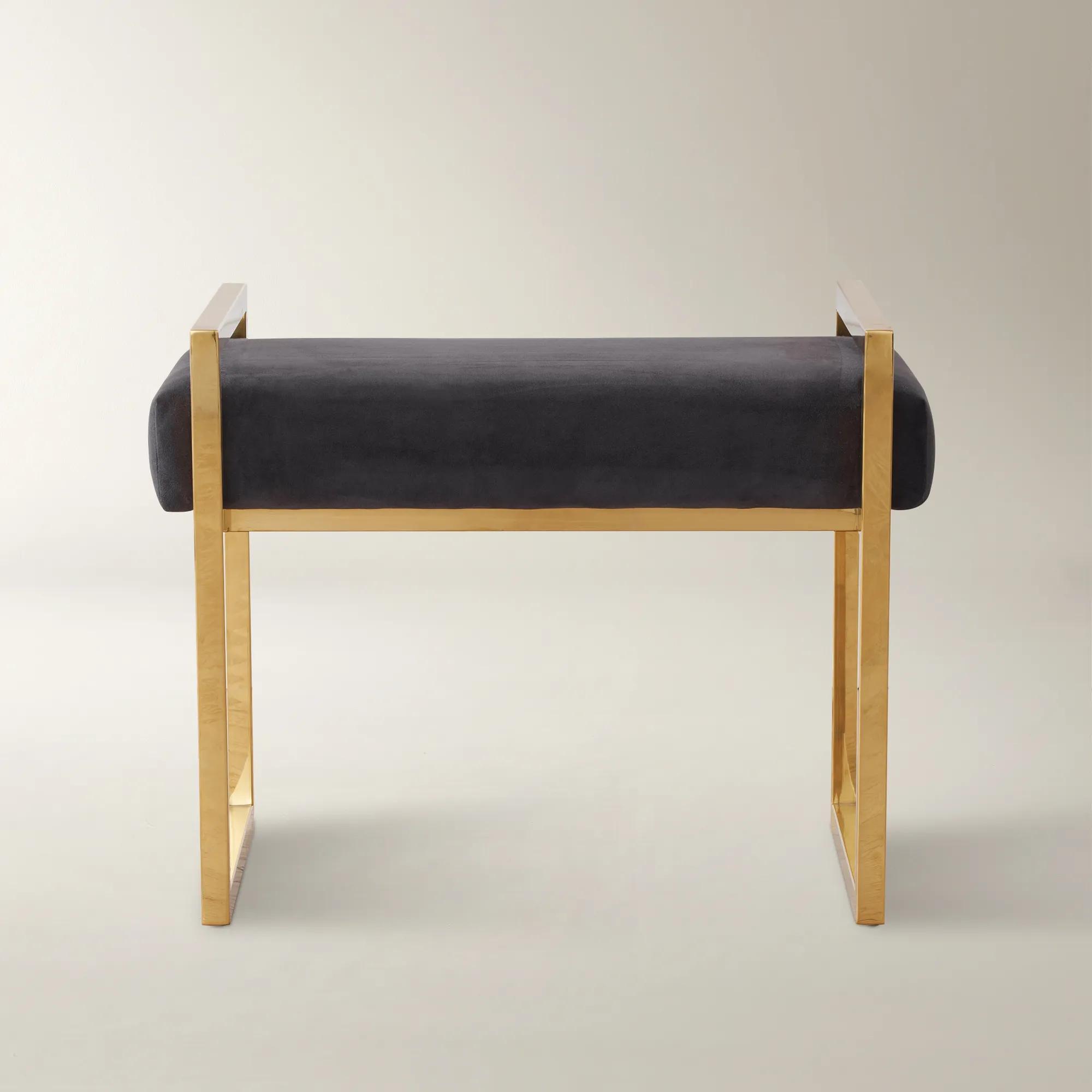
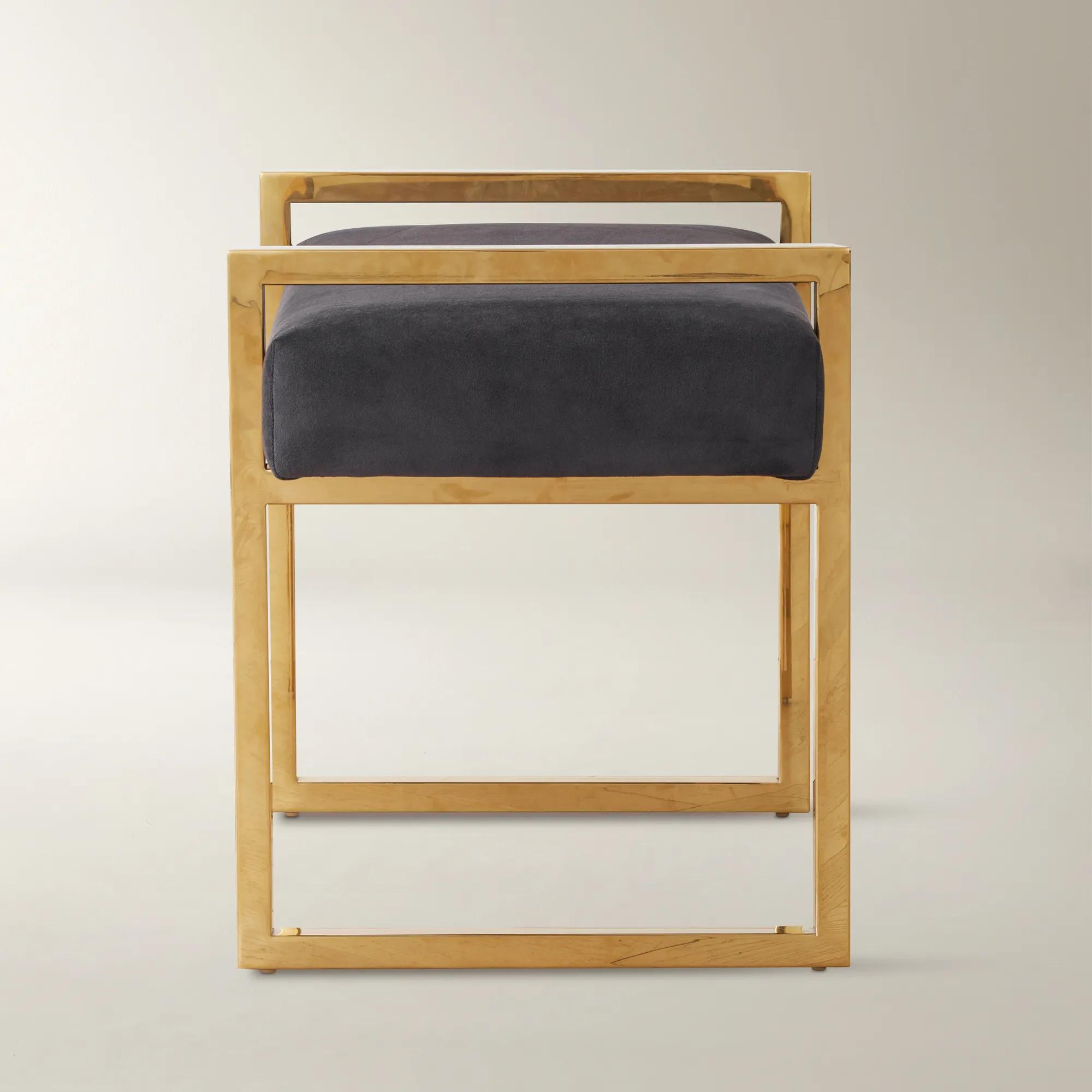 Clara Accent Stool$399
A plush black velvet seat rests on open polished gold metal legs for a chic, modern accent.
Add To Cart -
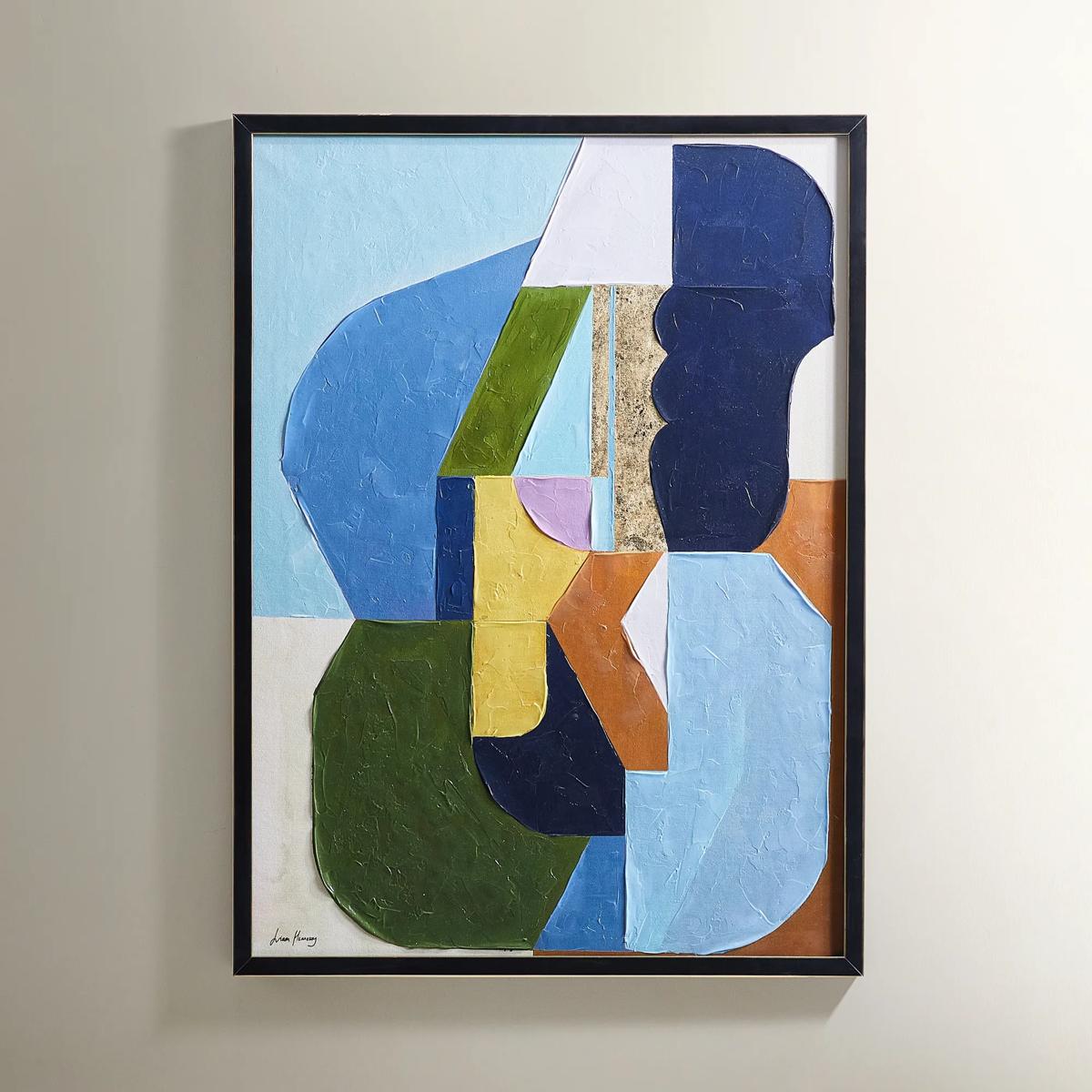
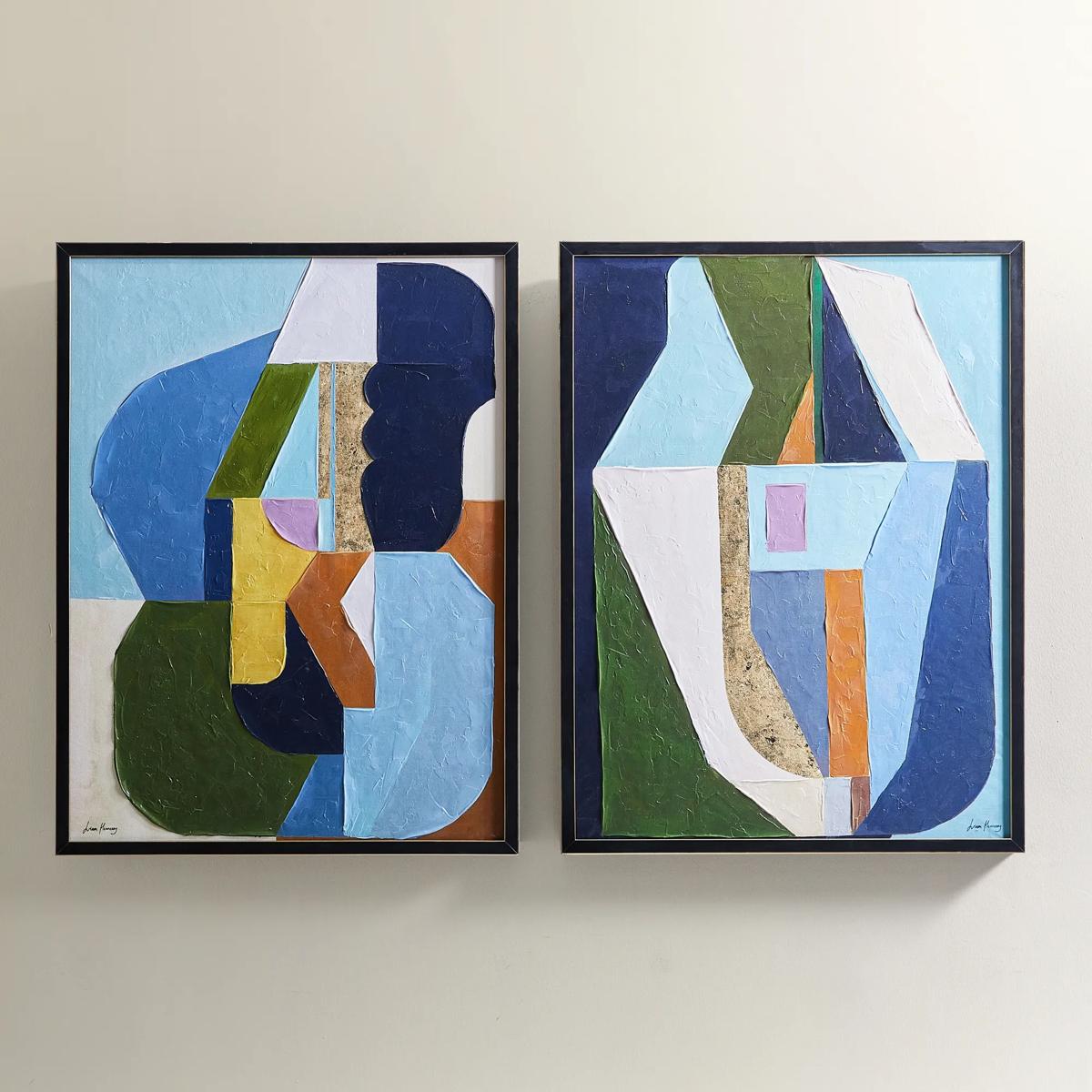 Thought Provoking Painting 1$249
A hand-embellished canvas artwork featuring textured strokes in deep blue, olive green, and gold accents.
Add To Cart -
 Cace Embroidered Gold/Black Linen Pillow 22" x 22"$129
A cotton-linen pillow in black and gold with metallic Greek key embroidery and feather-down insert.
Add To Cart -
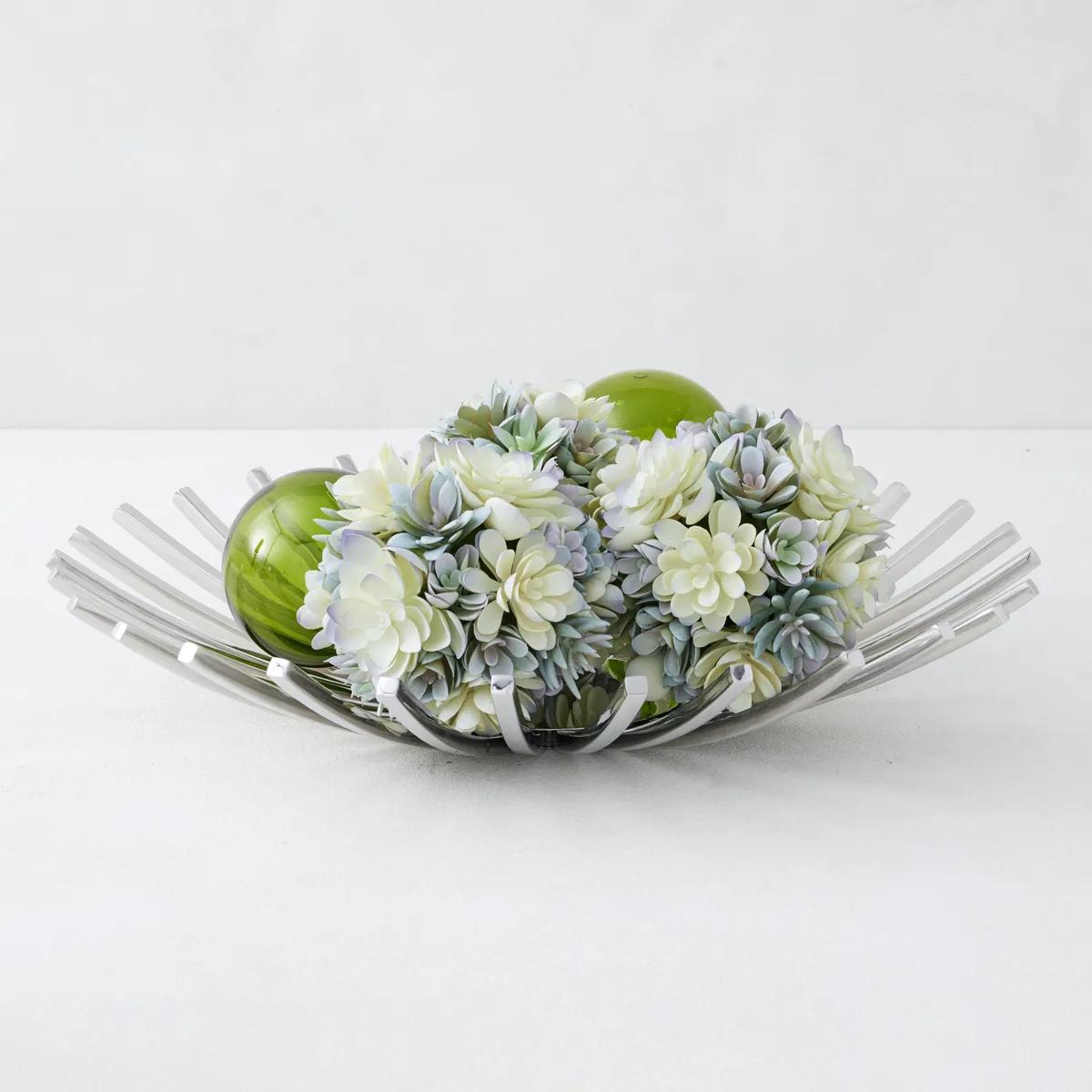
 Jupiter Plate$129
A polished stainless steel plate that adds modern brightness to any contemporary decor arrangement.
Add To Cart -
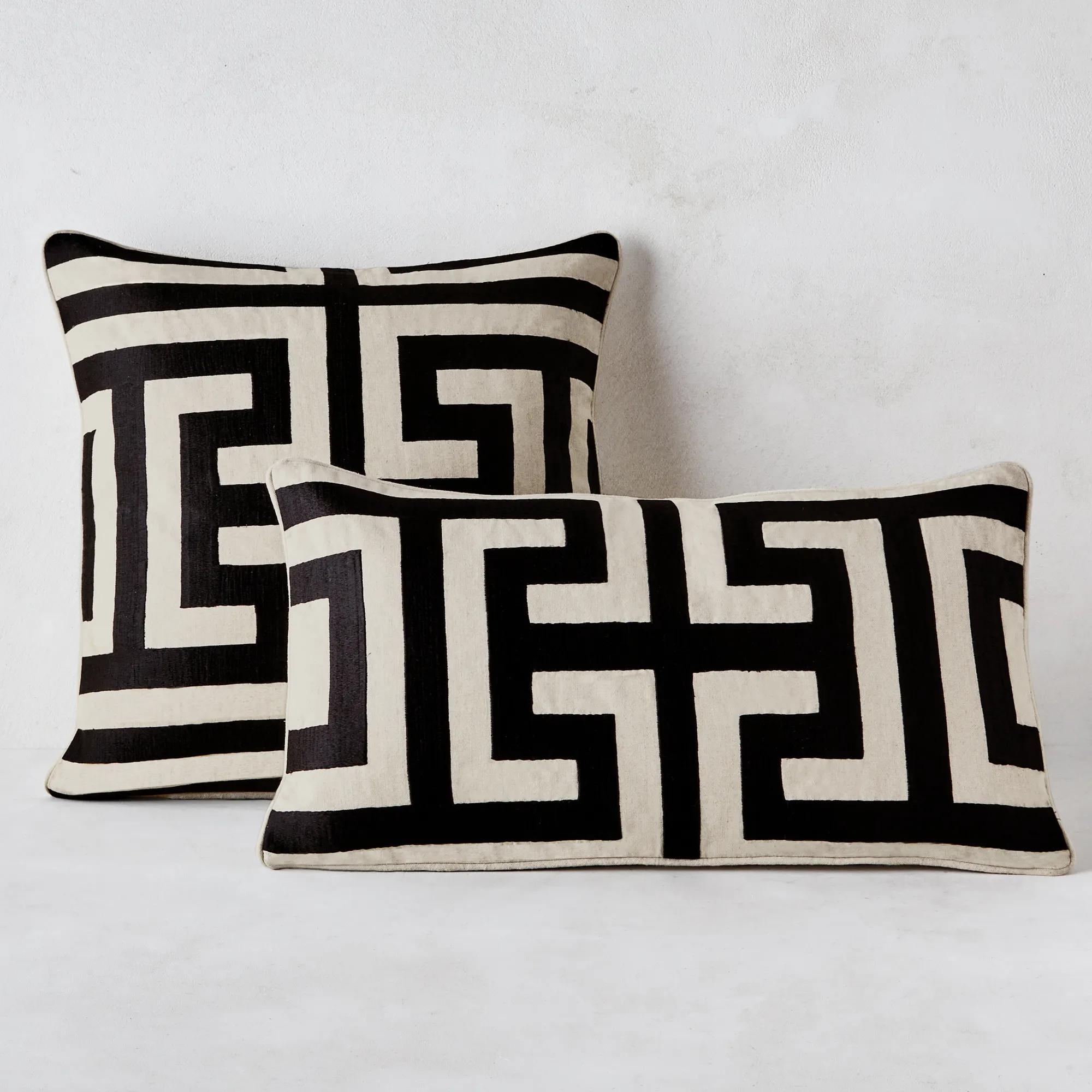 Cace Embroidered Black/Natural Linen Pillow 22" x 22"$129
A cotton-linen pillow featuring metallic Greek key embroidery in natural and black with a feather-down insert.
Add To Cart -
 Infinity Gold Leaf Wood Wall Decor I 31.5" x 31.5"$299
A swirling wooden wall sculpture featuring a striking metallic gold finish for a bold decorative statement.
Add To Cart -
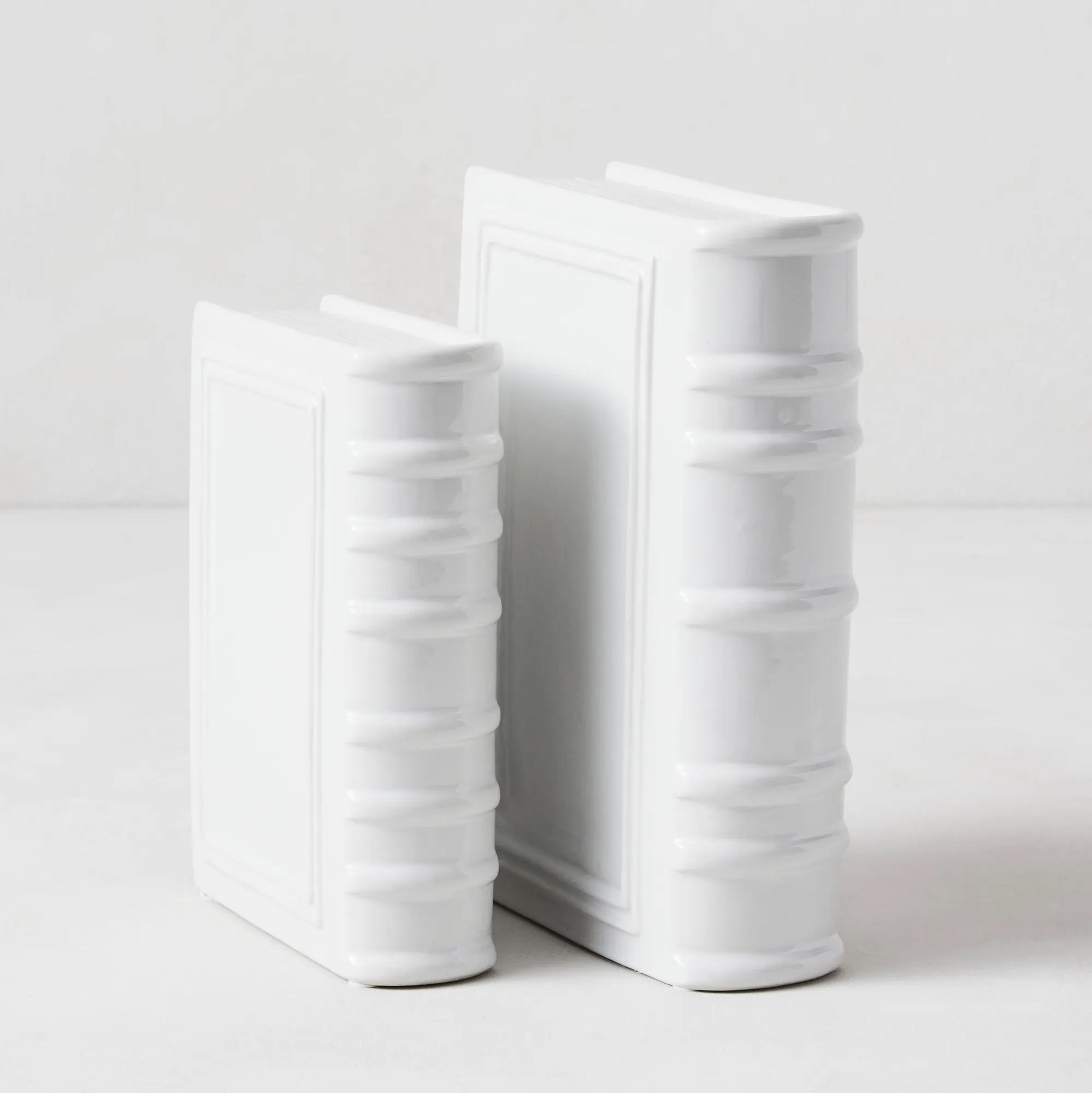
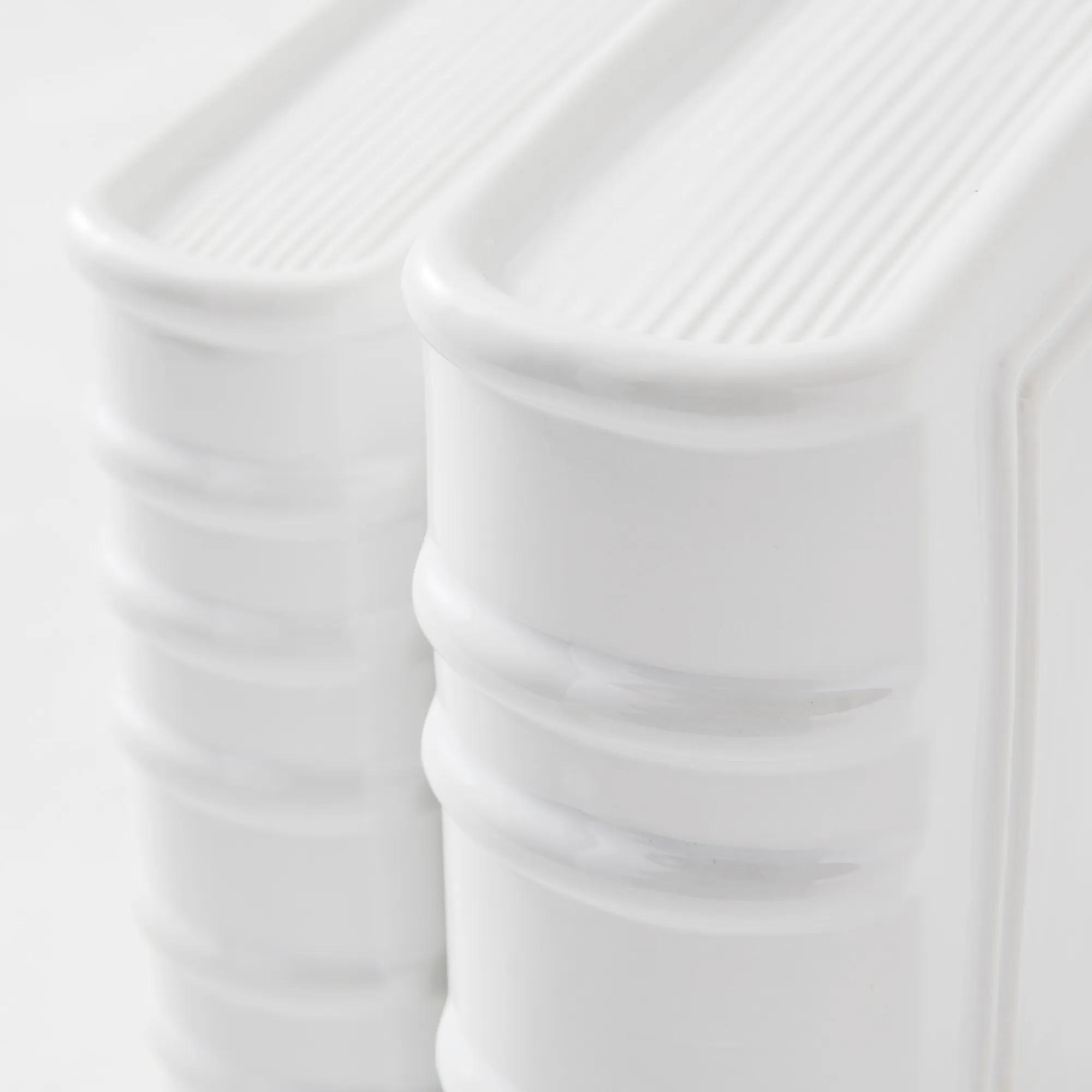 Ceramic Bookends - White$49
A pair of cream ceramic book accents that double as minimalist bookends or decorative console pieces.
Add To Cart -
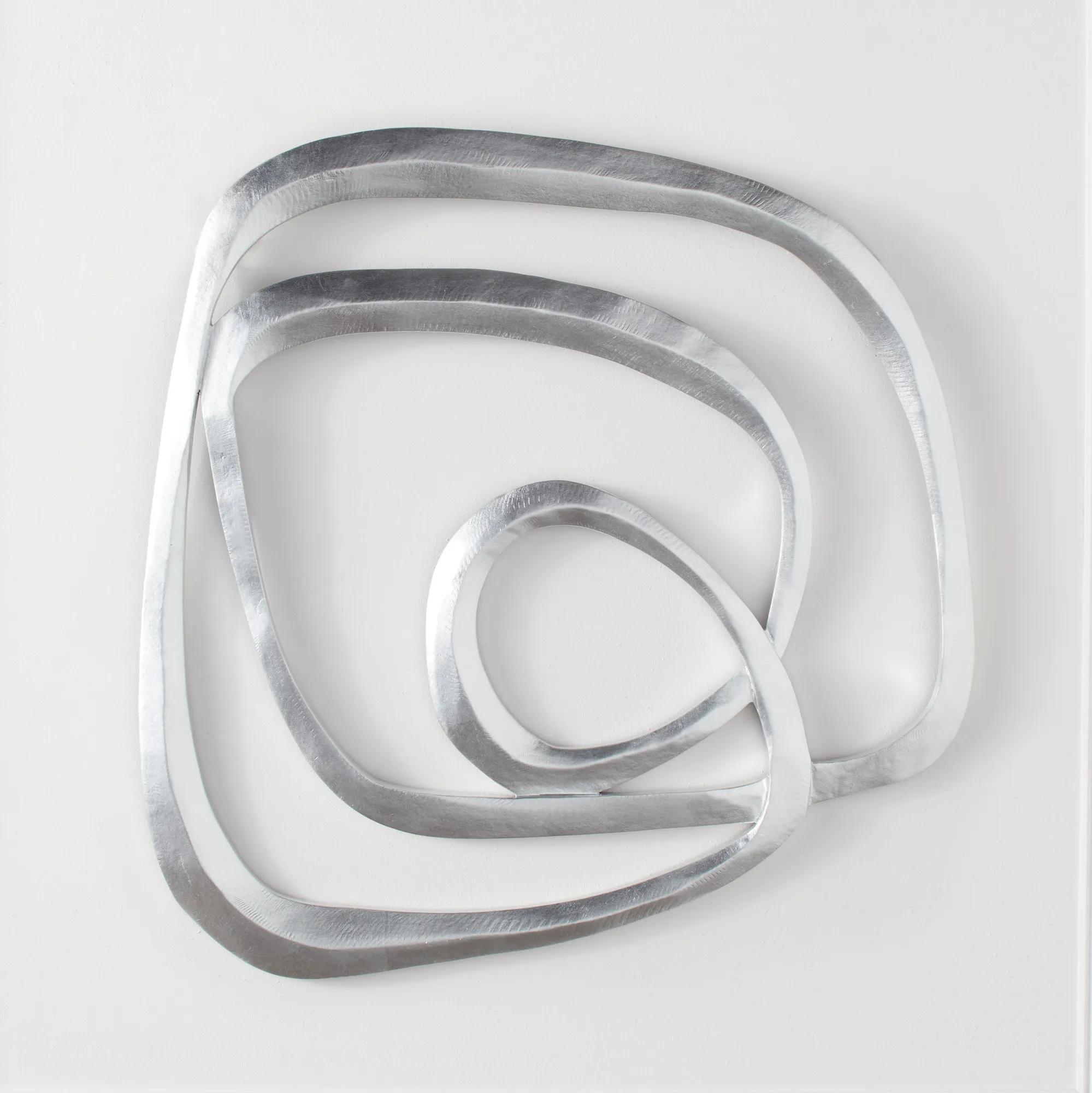 Infinity Silver Leaf Wood Wall Decor I 31.5" x 31.5"$299
A swirling wooden wall sculpture featuring a striking metallic silver finish for modern visual impact.
Add To Cart

Decor Ideas For Small Apartments
Explore decor ideas for small apartments with decorative accents that bring texture, dimension, and a touch of drama to compact rooms. Choose pieces in proportion to your space, connect them through a cohesive color palette, and let one striking focal point lead the room for a richly layered look without crowding every surface.
Decor ideas for small apartments bring together space-conscious proportions, vertical styling, multifunctional furnishings, and a cohesive color palette to create rooms that feel open without sacrificing personality. A light foundation of ivory, warm taupe, or soft gray allows sculptural silhouettes and lustrous finishes to command attention, while touches of deep charcoal or saturated color lend definition. Small-space decor does not have to disappear into the background; its impact comes from choosing pieces with a clear purpose and giving distinctive details room to breathe. In a studio apartment, a generous mirror can reflect daylight and extend a sightline, while a textured rug establishes a living area without the visual weight of a partition. In a narrow entry, a shallow surface paired with an expressive wall accent creates a polished arrival without crowding the passage. Vertical arrangements draw attention upward, making walls part of the composition rather than leaving every decorative element at tabletop height. One substantial piece of wall art often feels more intentional than an assortment of small accents scattered across every available surface. Reflective glass, gleaming metal, and translucent elements can introduce luminosity, while velvet, woven textiles, and richly grained wood prevent the room from feeling cold. The balance matters: too many reflective finishes can compete, just as too many heavy textures can make a compact room feel visually crowded. Repeating a metal finish or carrying one accent color from the living area into the bedroom gives an apartment continuity, especially when both spaces are visible at once. For renters, expressive textiles, freestanding accents, and lighting offer opportunities to personalize a room without relying on permanent alterations. The result is a home with a distinct point of view, whether its footprint is a single open room or a series of intimate spaces. Thoughtfully scaled decor makes daily routines feel considered, turning the corner beside a window into a reading retreat or an otherwise overlooked wall into a striking backdrop for entertaining.
Scale is the defining consideration when decor shares space with dining, working, relaxing, and hosting. A piece can be physically small yet feel cumbersome if its shape interrupts a walkway, while a larger piece with an open base may leave the surrounding floor visible and feel more graceful. Measurements matter beyond width and depth: height, clearance beneath furniture, door swings, and the space needed to pull out a chair all influence how comfortably an apartment functions. Delivery paths through elevators, stairwells, and entry doors deserve the same attention as the final placement. For foundational pieces that support this balance, Furniture For Small Apartments offers a complementary starting point for coordinating furnishings with decorative layers. Multifunctional forms are especially valuable where one room serves several purposes, allowing concealed storage, an extra surface, or occasional seating to coexist with a refined silhouette. Decorative accessories then give those practical arrangements their character. A tray can gather everyday essentials into a composed vignette, while a lidded vessel keeps smaller belongings from becoming visual clutter. In an apartment where a desk sits within the living room, a consistent finish and restrained grouping of accents help the work area feel connected rather than improvised. Lighting contributes another layer of definition. Slender profiles and appropriately scaled shades preserve usable surfaces, while a mix of ambient and task lighting allows the same space to feel focused for reading and more intimate for conversation. Shade material, bulb compatibility, and light output all affect the atmosphere; a softly diffused glow serves a different purpose than a concentrated pool of light beside a favorite chair. Cords and switches also deserve consideration so that an elegant arrangement remains convenient to use. Rugs, meanwhile, anchor distinct zones through texture and proportion. A rug that relates to the seating arrangement creates a more unified composition than one that appears isolated beneath a single accent. Leaving circulation routes clear allows these layers to add richness without making movement through the apartment feel constrained. This is particularly important in shared apartments, where the same passage may connect the entrance, kitchen, and primary seating area.
Materials determine not only the mood of small-apartment decor but also how comfortably it fits everyday life. Glass and mirrored surfaces bring clarity and sparkle, although fingerprints and frequent handling may make them better suited to some placements than others. Wood introduces warmth and variation, with grain patterns and finishes giving each arrangement depth; protective pads and coasters help preserve surfaces used for drinks, keys, or frequently moved accessories. Natural stone offers distinctive veining and a substantial presence, but its weight, porosity, and care requirements should be considered before placement. Metal accents range from softly brushed to highly polished, each reflecting light differently and benefiting from cleaning methods appropriate to its finish. Across materials, manufacturer care instructions are the best reference, particularly for coated surfaces, delicate embellishments, and specialty finishes that may be damaged by abrasive cleaners. Textiles bring an equally expressive dimension. Velvet catches light with a subtle shift in tone, woven fabrics introduce tactile contrast, and embroidered details add artistry without requiring additional floor space. Removable covers can simplify maintenance when their care instructions permit washing, while decorative fabrics intended for occasional use may need a gentler routine. In homes with pets, children, or frequent guests, construction, secure placement, and suitability for regular handling matter as much as appearance. Heavy mirrors and wall decor require hardware appropriate to their weight and the wall material, with installation following the manufacturer's directions. For a first apartment or a housewarming gift, a thoughtfully chosen decorative accent can feel personal without requiring the recipient to rearrange an entire room. Their preferred colors, available surface space, and daily habits make better reference points than size alone. Ultimately, a compact home feels luxurious when its details work together: a soft textile against a crisp silhouette, a gleaming accent beside matte ceramic, or a beautifully framed reflection above an uncluttered surface. These contrasts give modest dimensions an expressive presence, creating an apartment that feels composed, welcoming, and unmistakably individual.
FAQs
Build your decor around a few expressive focal points, such as dramatic wall art, a decorative mirror, or sculptural lighting. Layer in lustrous finishes and richly textured accents for depth. Let each piece contribute to a distinct mood rather than covering every surface—glamour comes from a confident composition.
Choose a cohesive palette that carries from one area to the next. Ivory, charcoal, and champagne tones create a sophisticated foundation, while jewel-toned accents introduce richness and personality. Repeat your accent color through artwork, pillows, and decorative objects to give the apartment a deliberate, collected feel.
Treat your walls as an opportunity for artistic expression. Create a focal point with statement artwork, arrange a gallery around a shared color story, or introduce a decorative mirror with an expressive frame. Give each arrangement breathing room so its shapes, colors, and details command attention.
Compose distinct vignettes instead of scattering accents across every surface. Pair a sculptural object with a decorative tray, or bring together a vase and a curated stack of books. Vary silhouettes while repeating a color or finish, and leave open space around each grouping so the details feel intentional.
Choose a signature design thread—a recurring color, curved silhouette, or luminous finish—and echo it throughout your decor. Give each area its own personality through artwork and accessories, while keeping that shared thread visible. The result is an apartment with a connected visual story and room for bold self-expression.