Minimalist Beige Wall Art Pieces
Minimalist Beige Wall Art Pieces
-
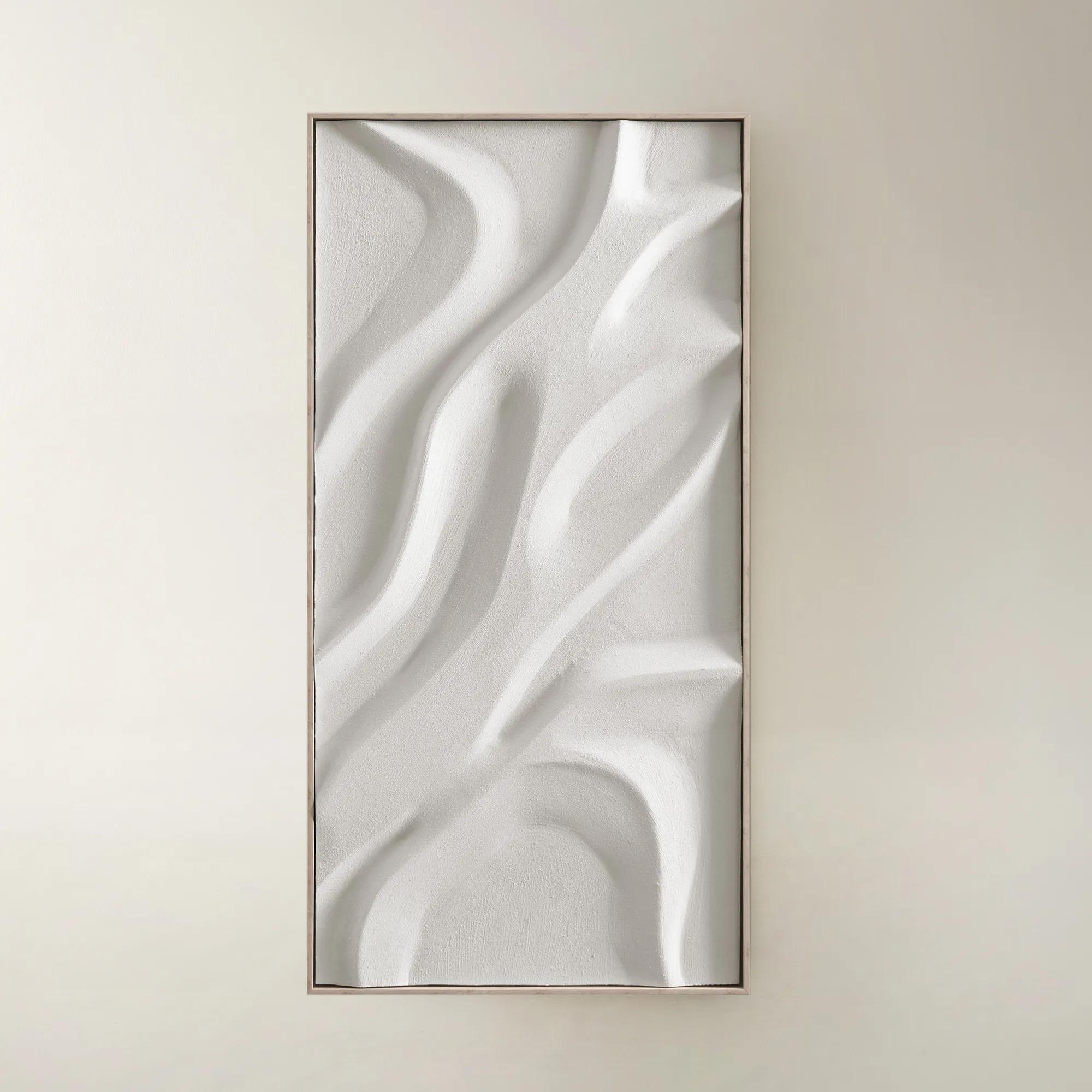
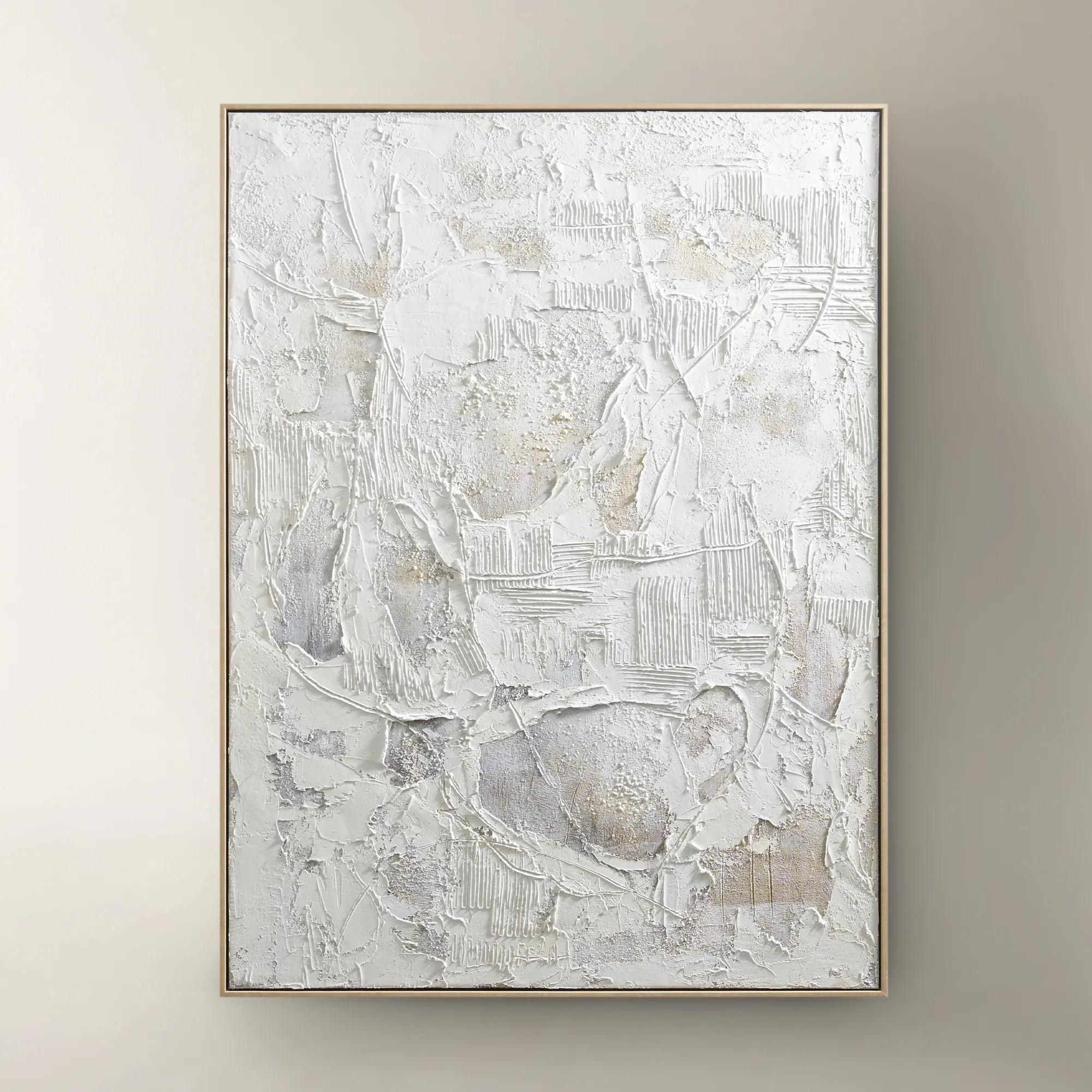
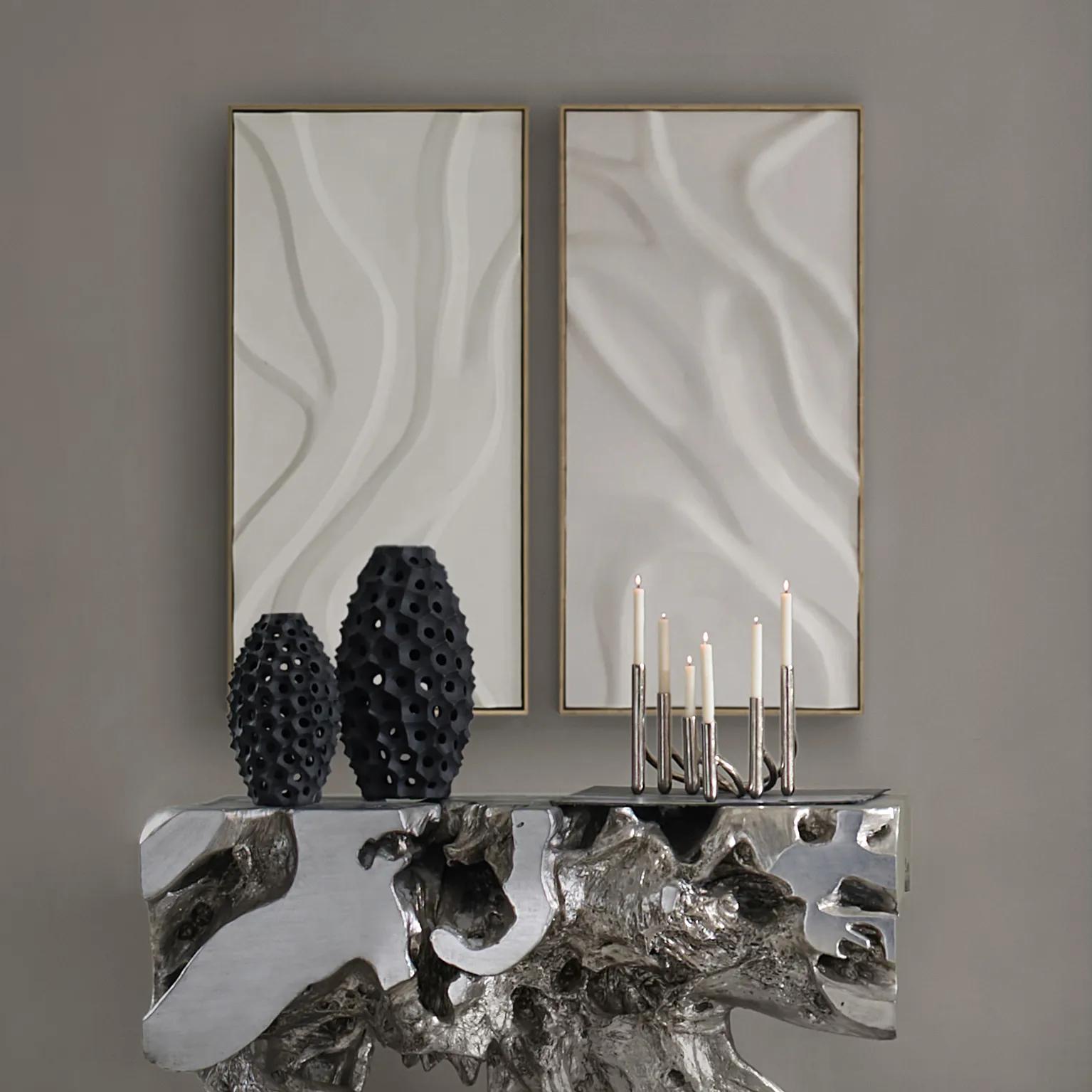 Au Lait Framed Painted Wall Art II 47.2" x 23.6"$199
A serene hand-painted canvas in beige, set in a warm whitewash floater frame for modern interiors.
Add To Cart -
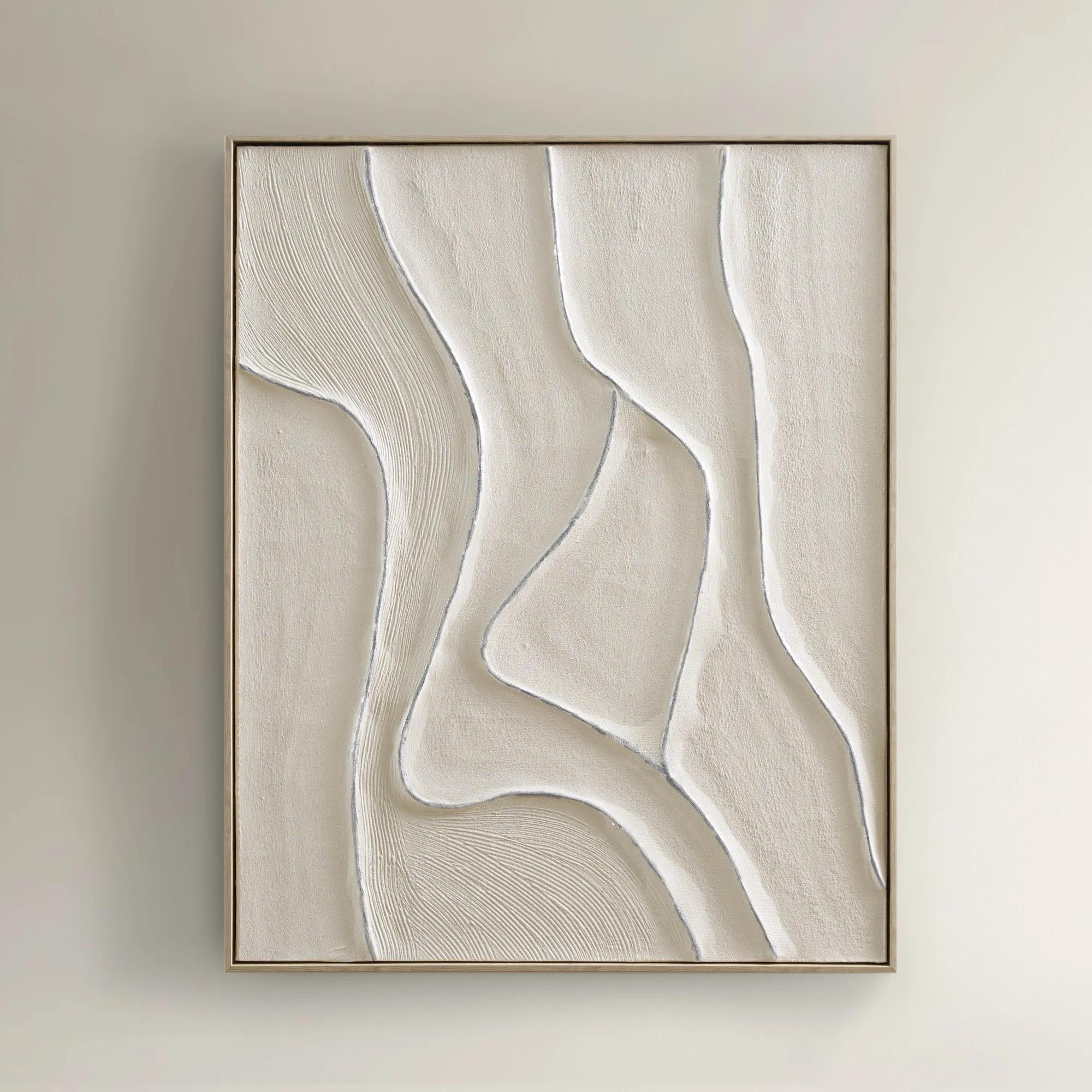
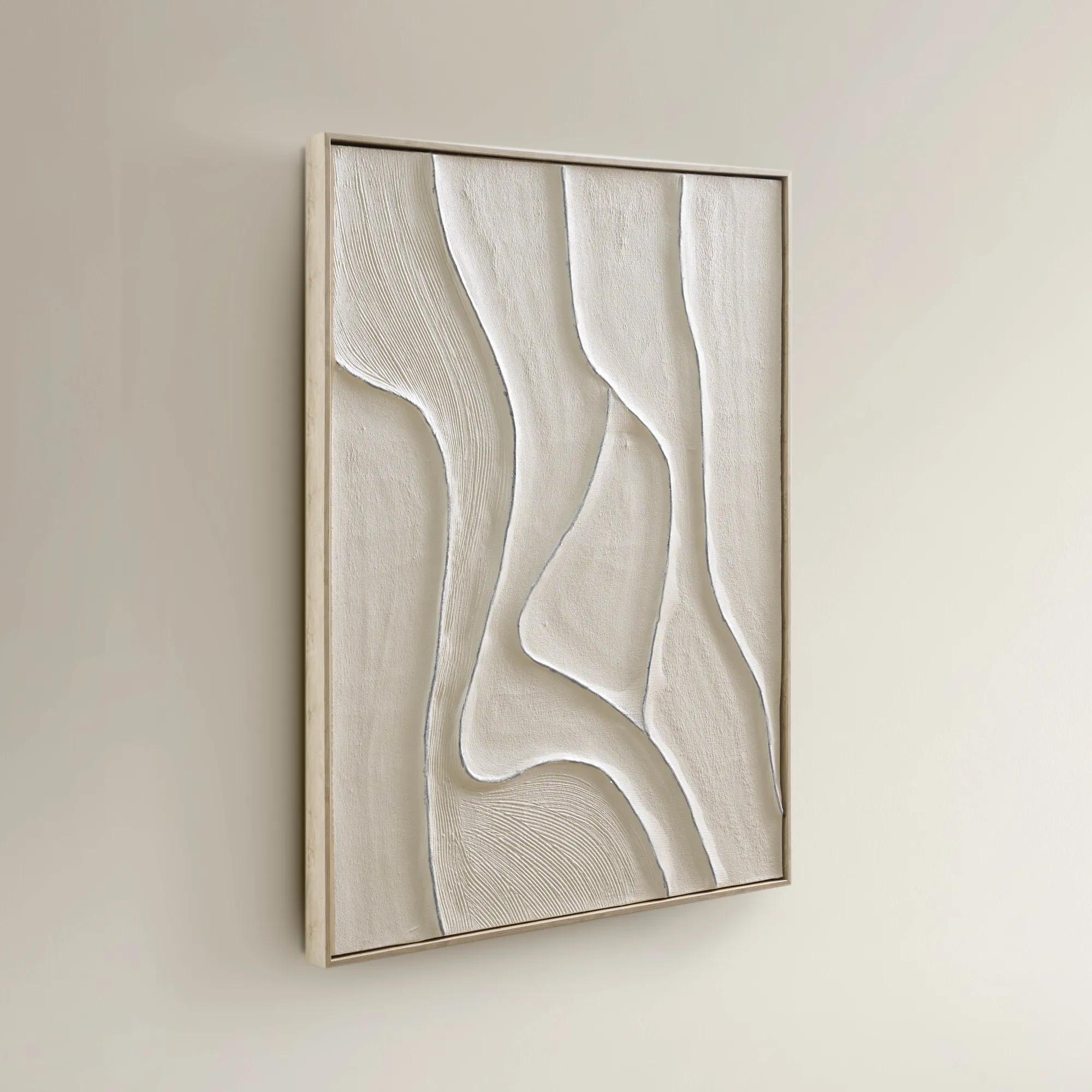 Vivre Framed Painted Wall Art 39.25" x 31.5"$199
A hand-painted canvas featuring tranquil beige hues and flowing lines in a warm whitewash floater frame.
Add To Cart -
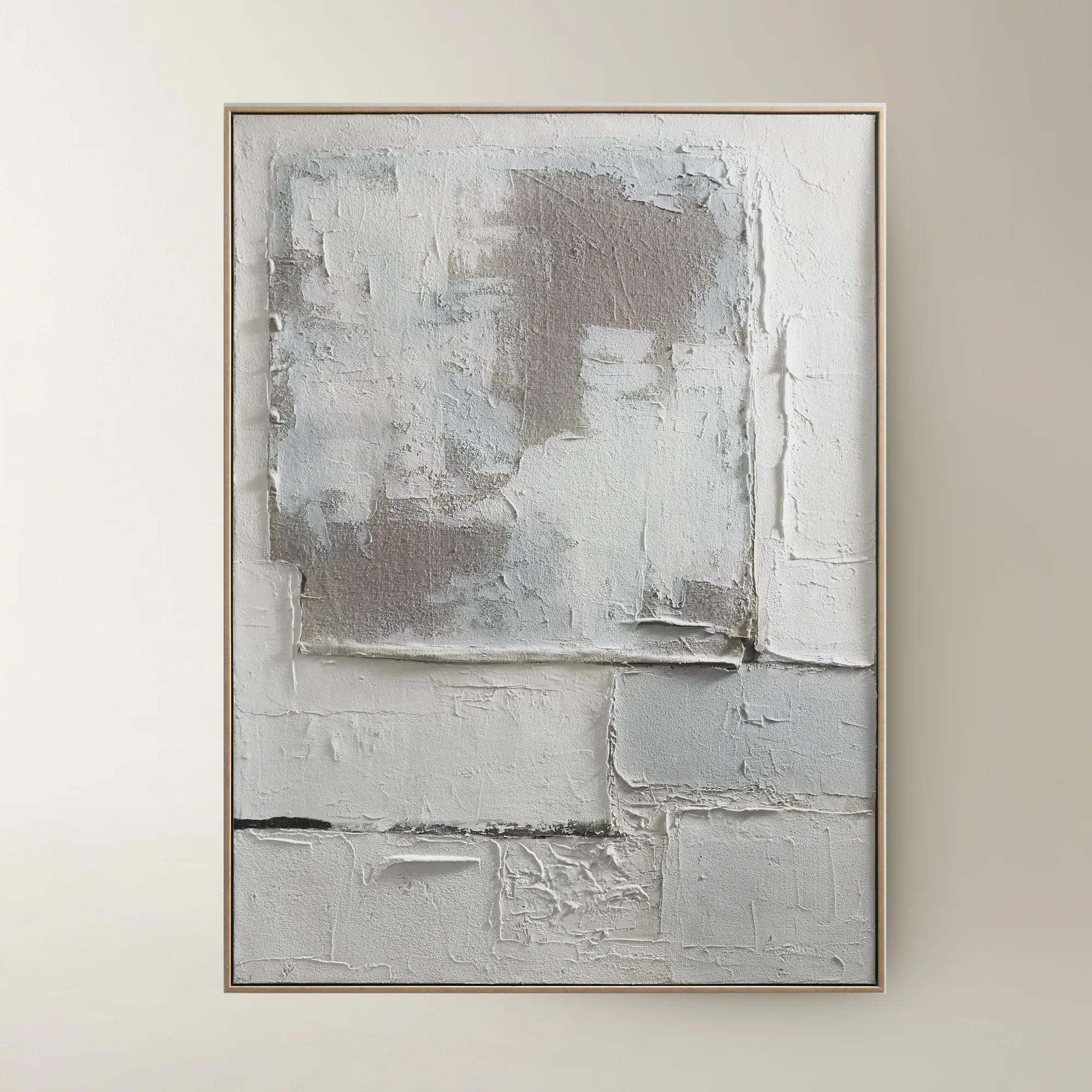
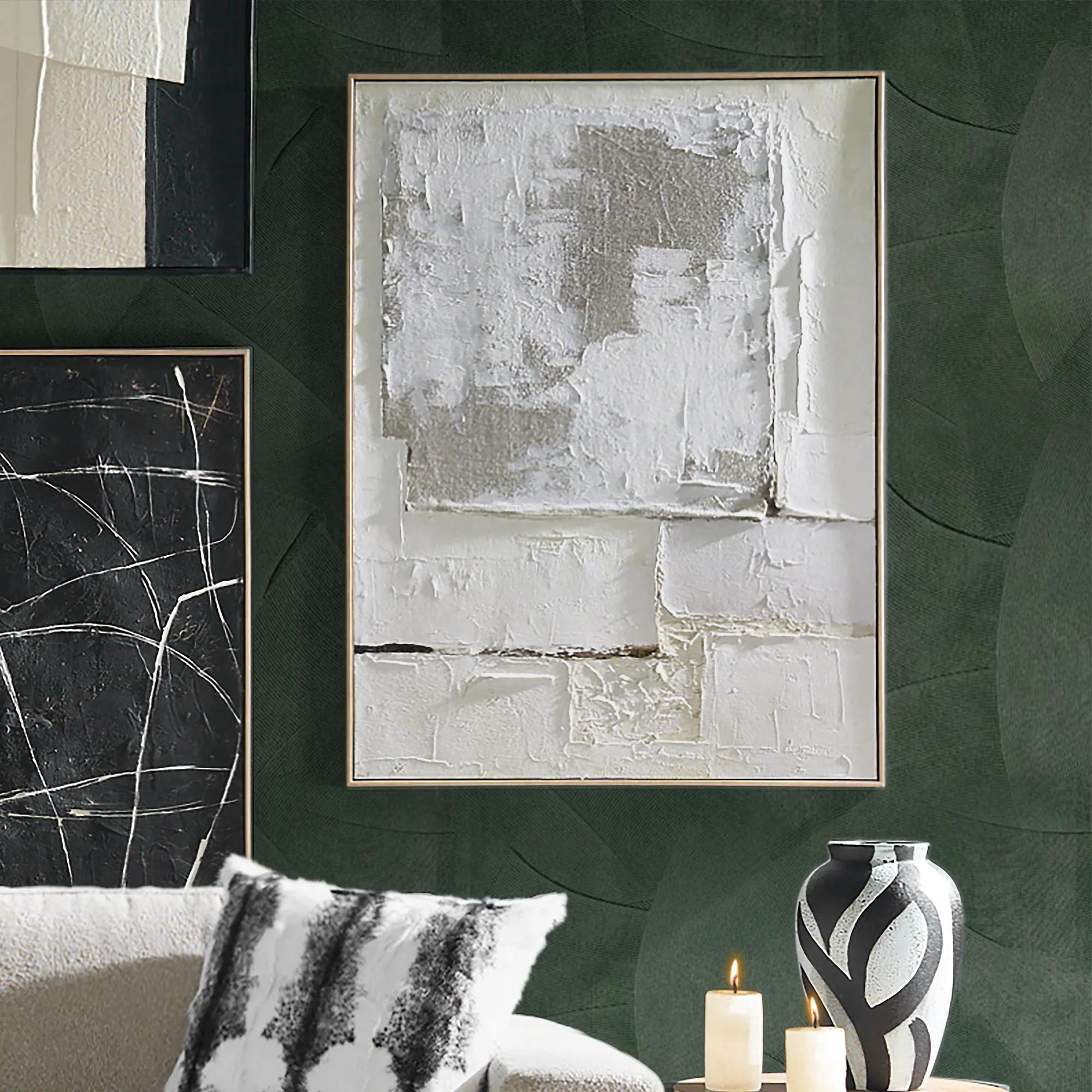 Marrow Painting$399
A hand-painted abstract canvas in subtle beige hues, elegantly framed in a warm beech wood floater.
Add To Cart -
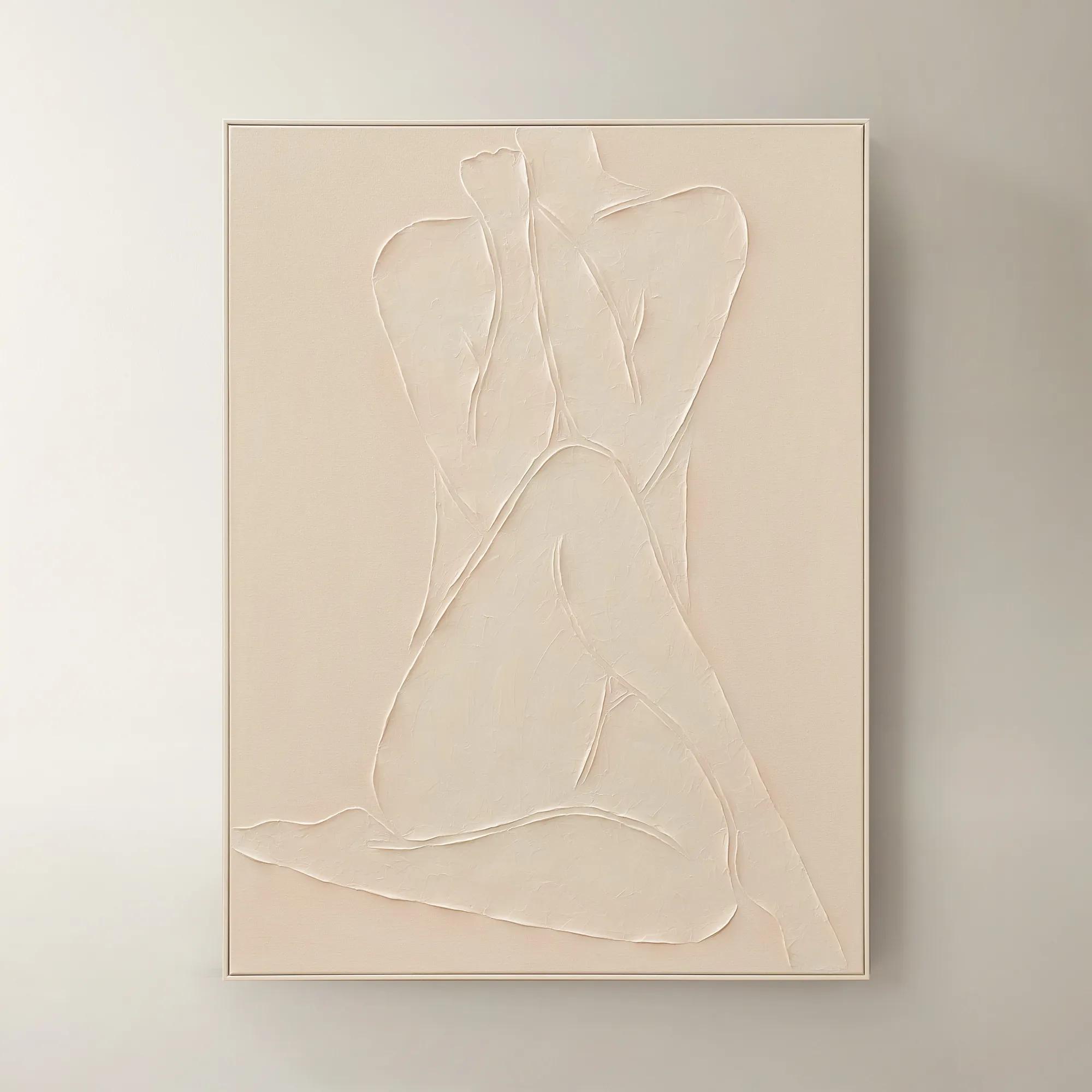
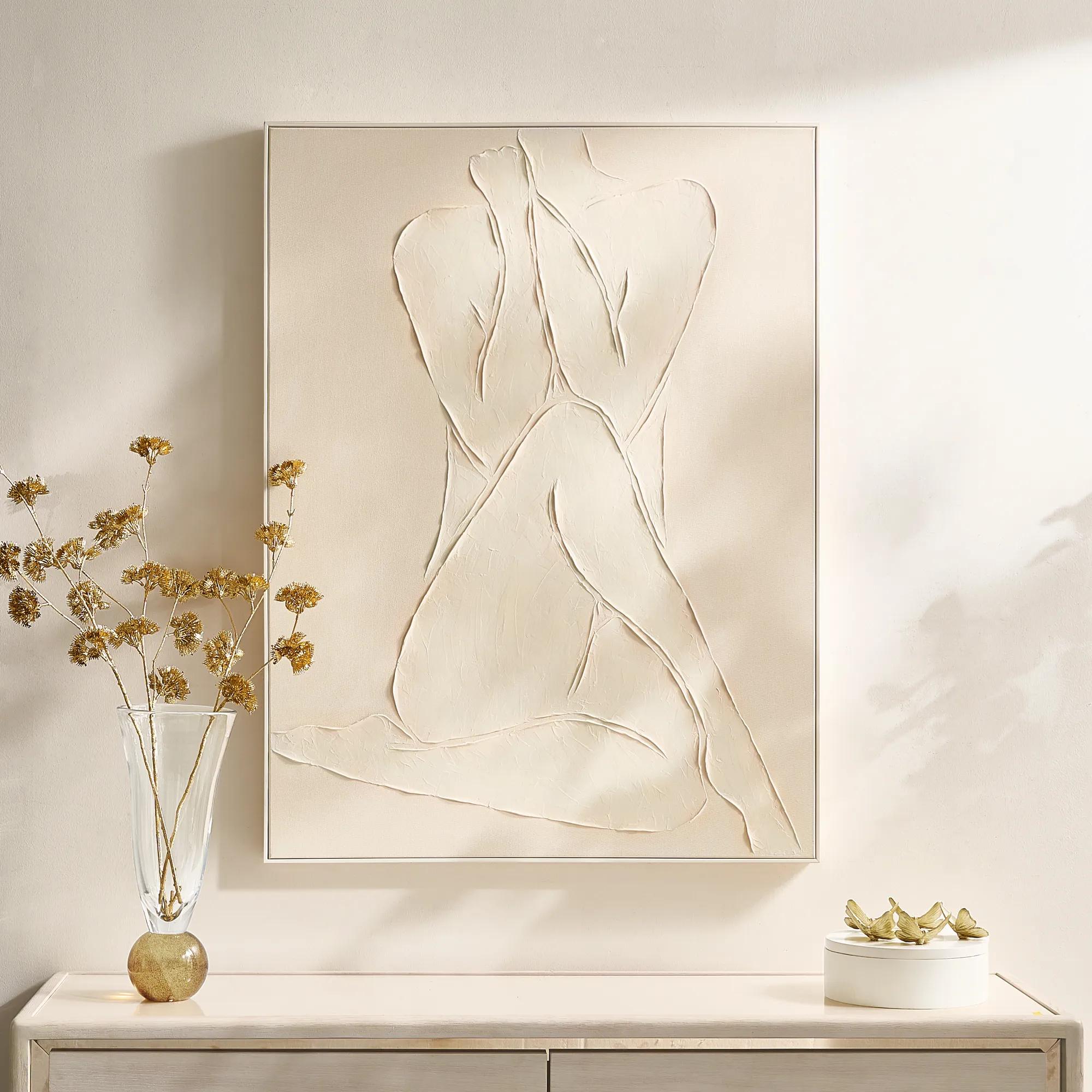 Modern Elegance Nude Ivory Framed Painted Wall Art 35.5" x 47.25"$599
A hand-painted ivory canvas in a white frame brings serene, modern artistry to any space.
Add To Cart -
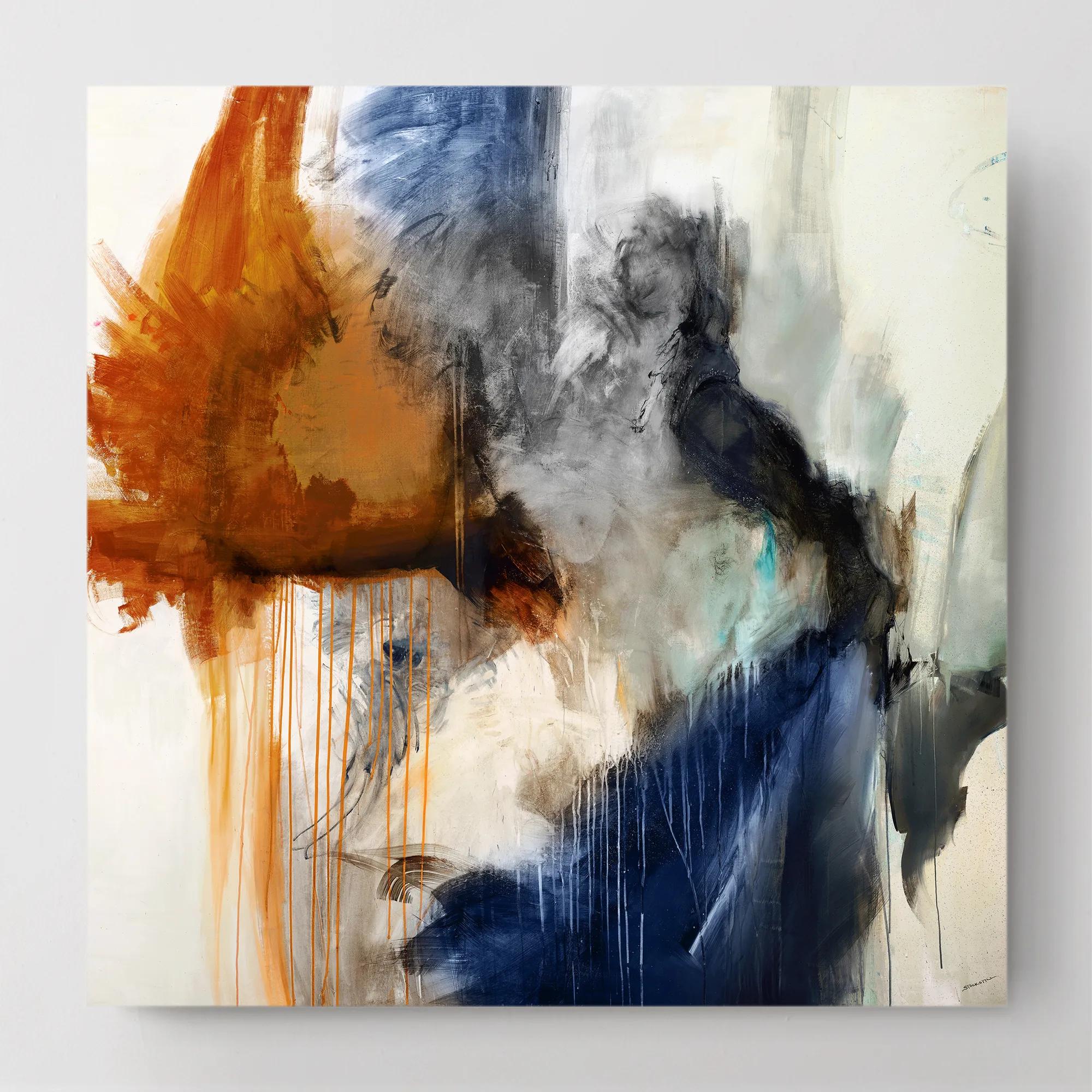
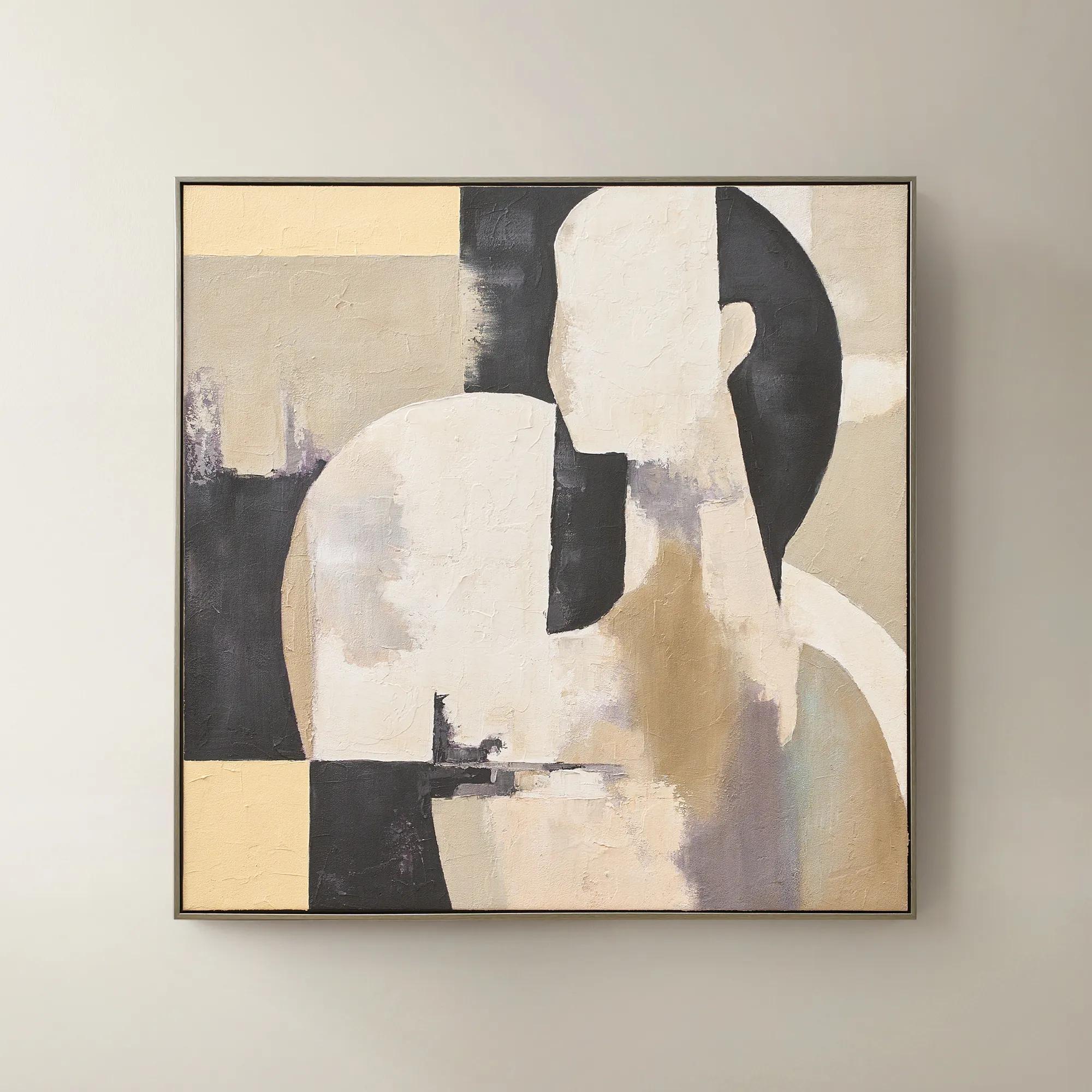 Afternoon Rest Framed Painted Wall Art 40" x 40"$399
A hand-painted abstract figure in buttercream, turtledove, and black hues framed in dark grey.
Add To Cart -
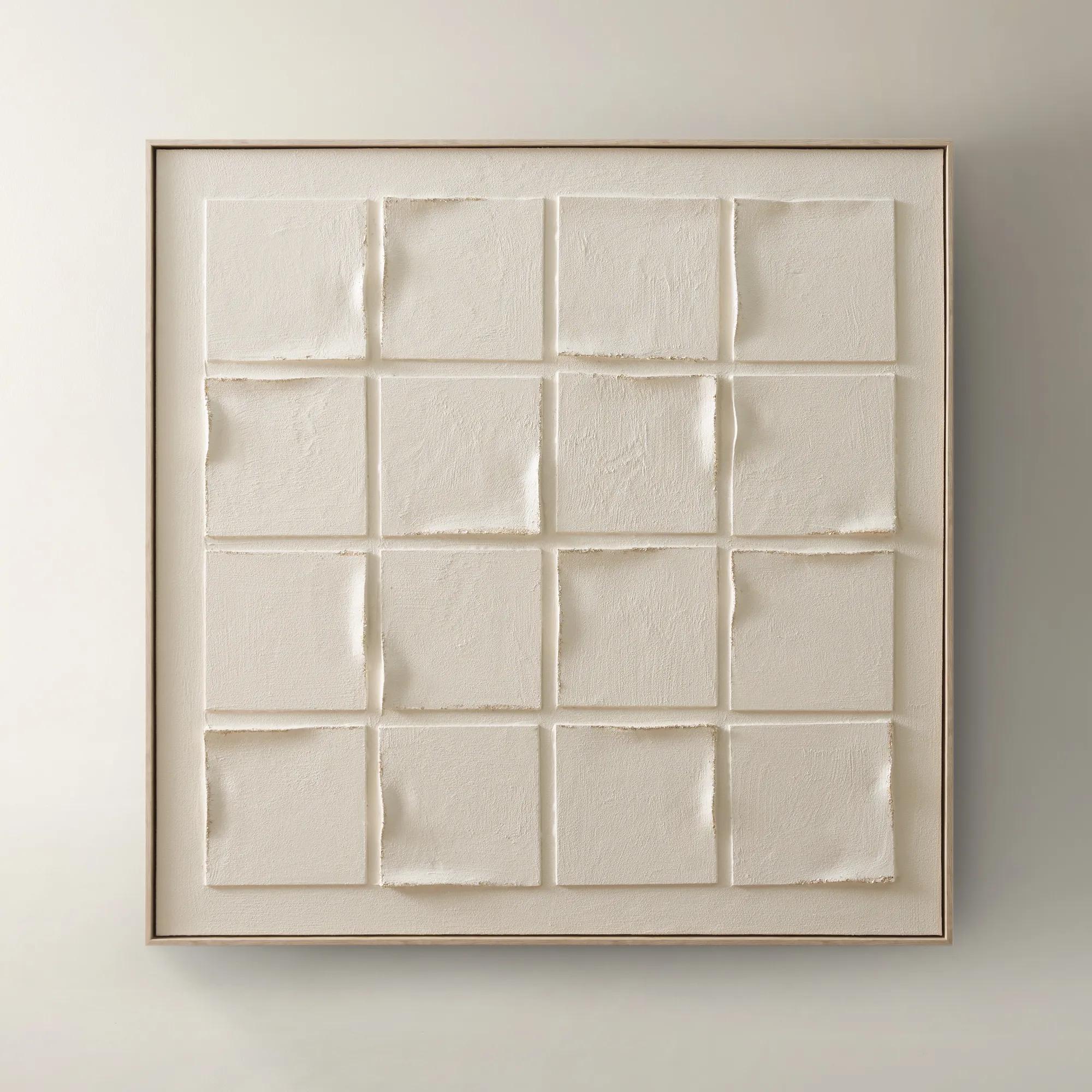 Gaze Framed Painted Wall Art 39.4" x 40"$329
A hand-painted canvas featuring subtle beige tones and textured depth in a warm whitewash floater frame.
Add To Cart -
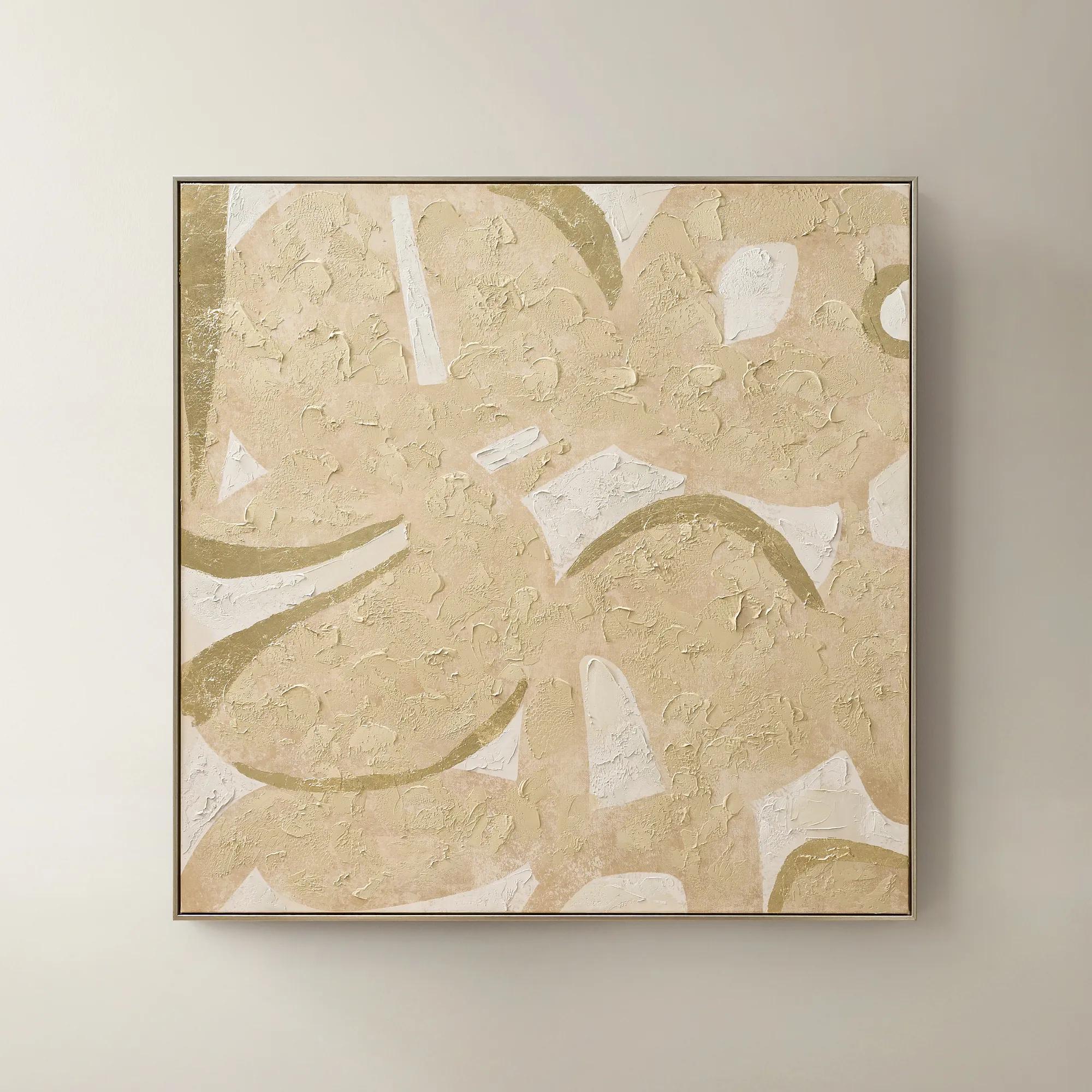
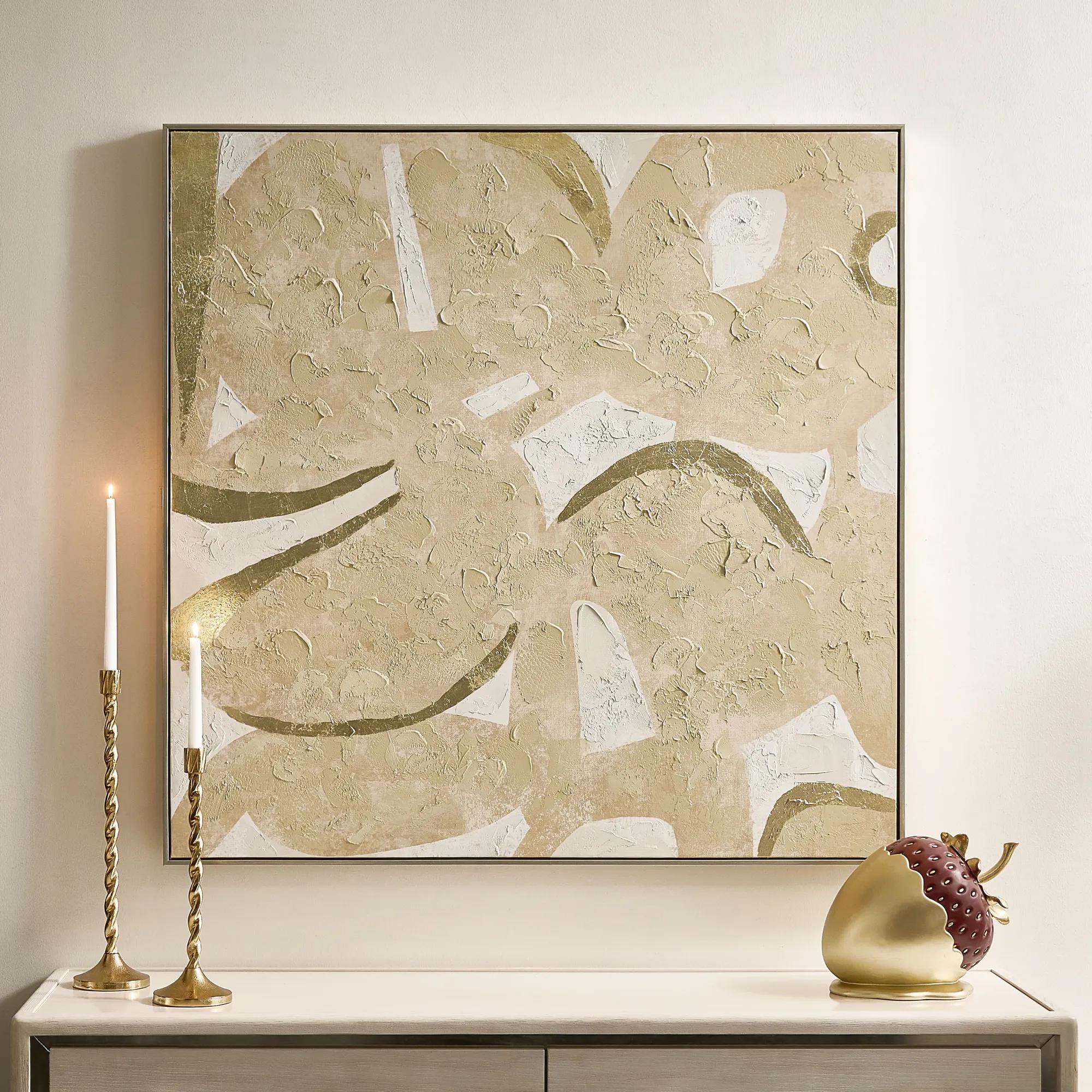 Golden Maize Framed Painted Wall Art 48" x 48"$399
A hand-painted canvas with champagne leafing and butter cream tones adds warmth and modern sophistication.
Add To Cart -
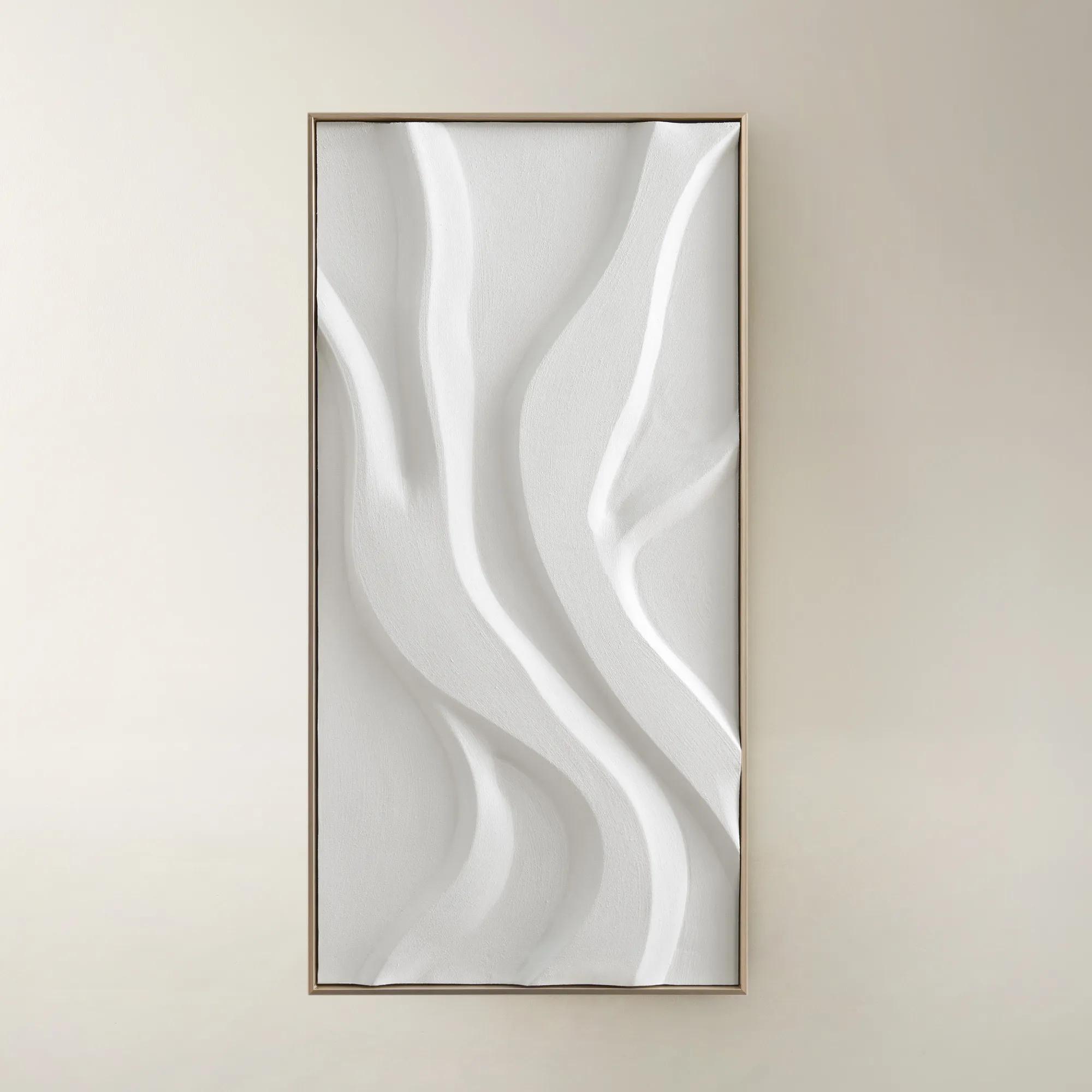
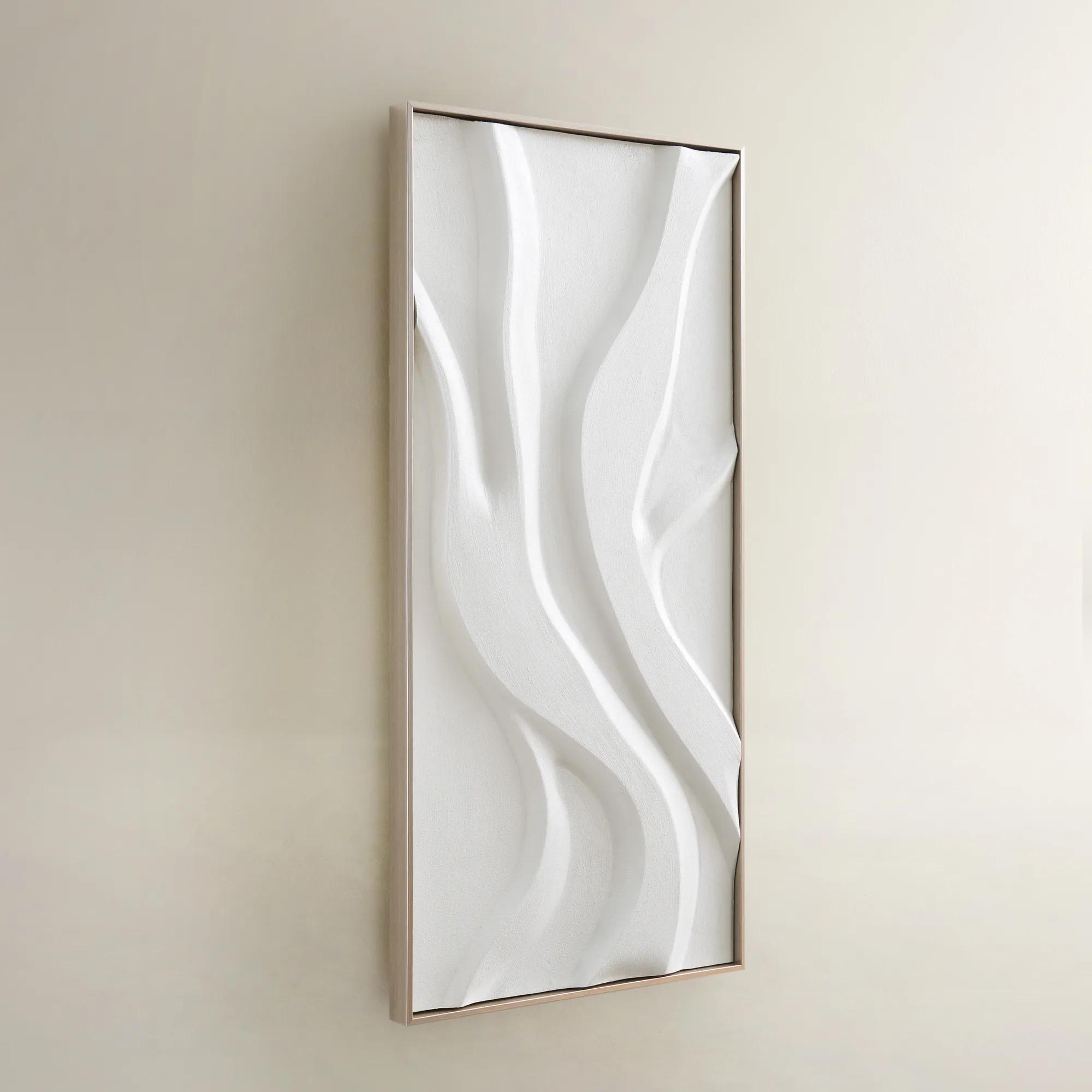 Au Lait Framed Painted Wall Art I 47.2" x 23.6"$199
An organic hand-painted canvas featuring flowing white forms in a warm champagne finish floater frame.
Add To Cart -
-0.jpeg?w=1200&h=1200)
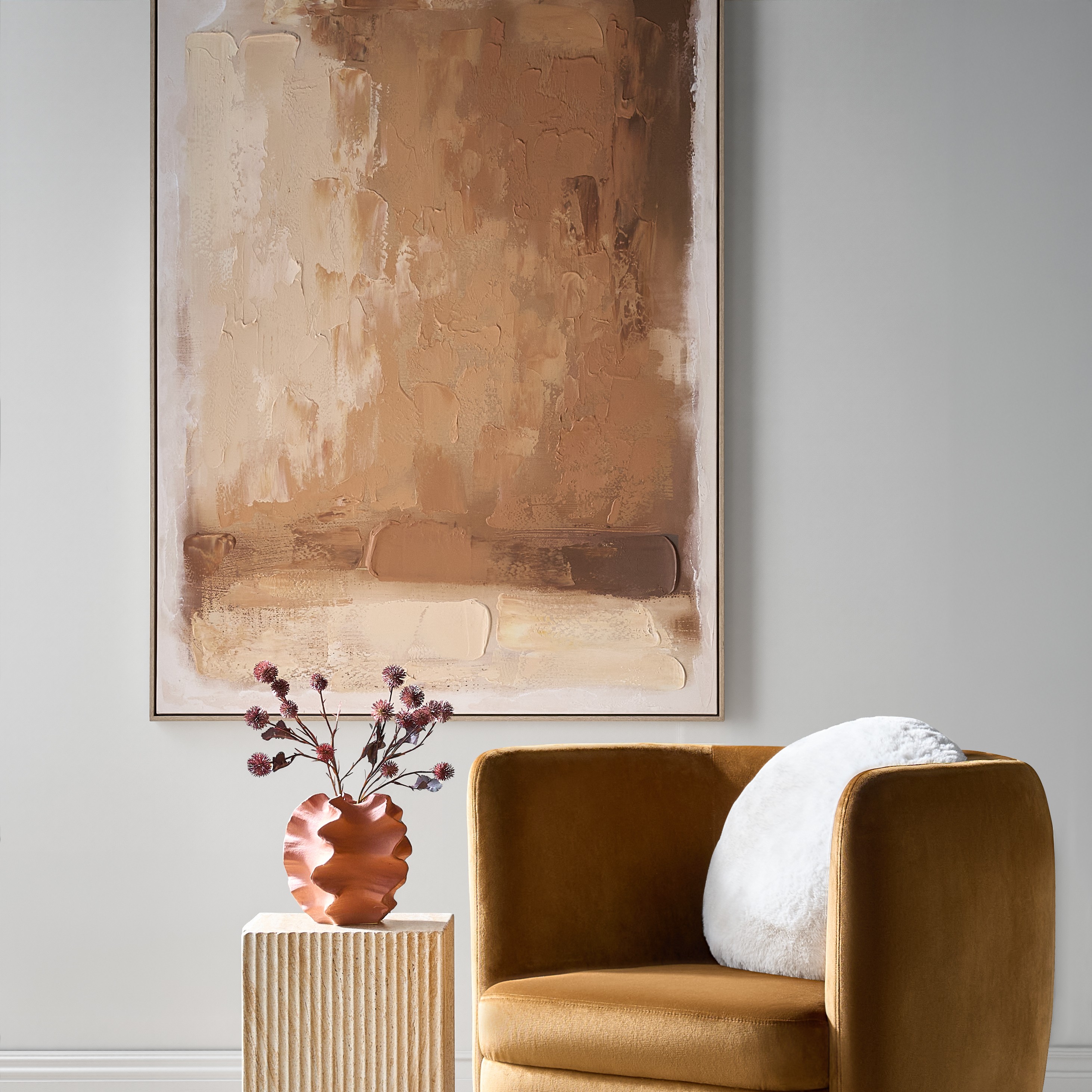 Ember Glow Framed Painted Wall Art 39.25" x 55"$499
A hand-painted abstract canvas blending ochre, terracotta, and golden clay hues in a light natural frame.
Add To Cart -
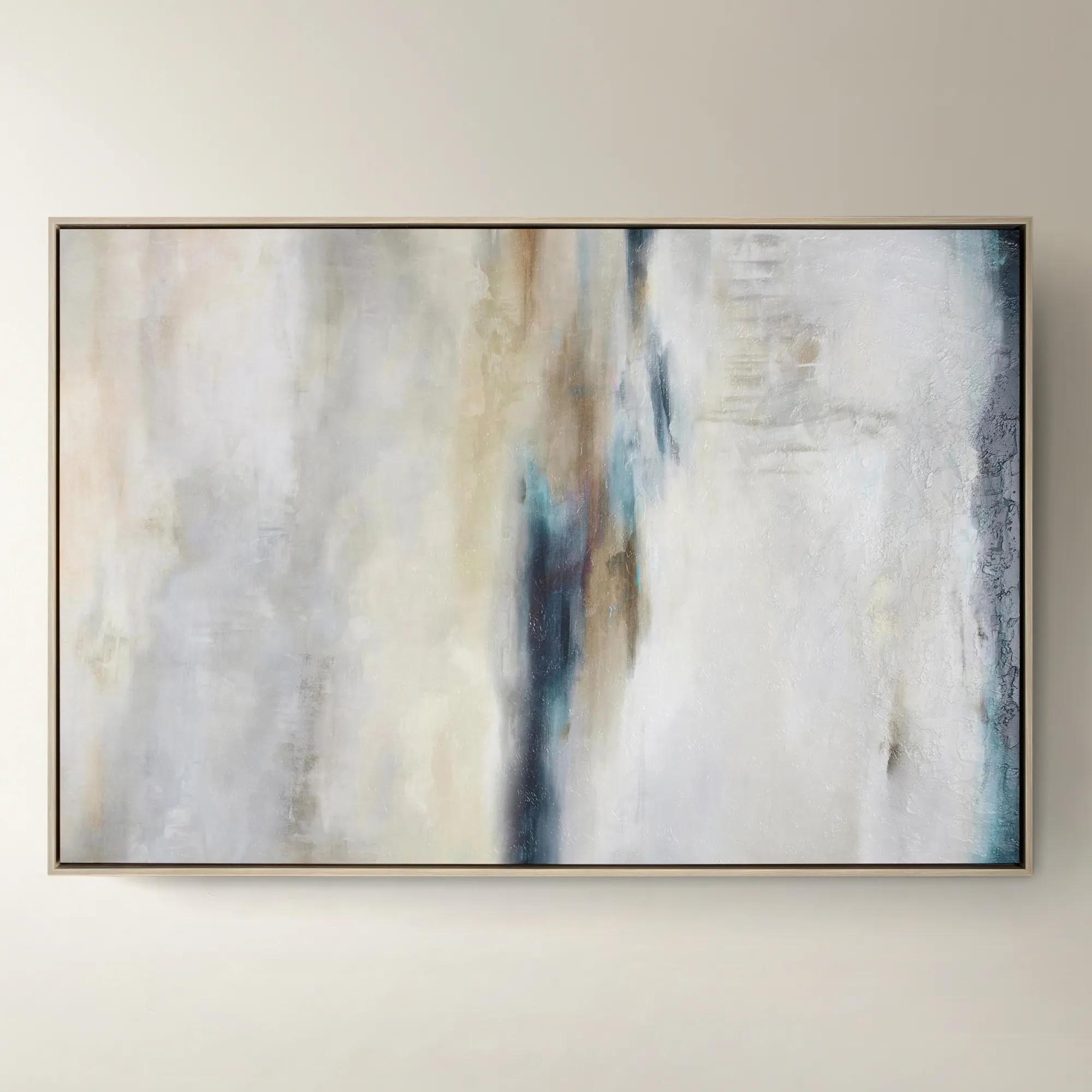
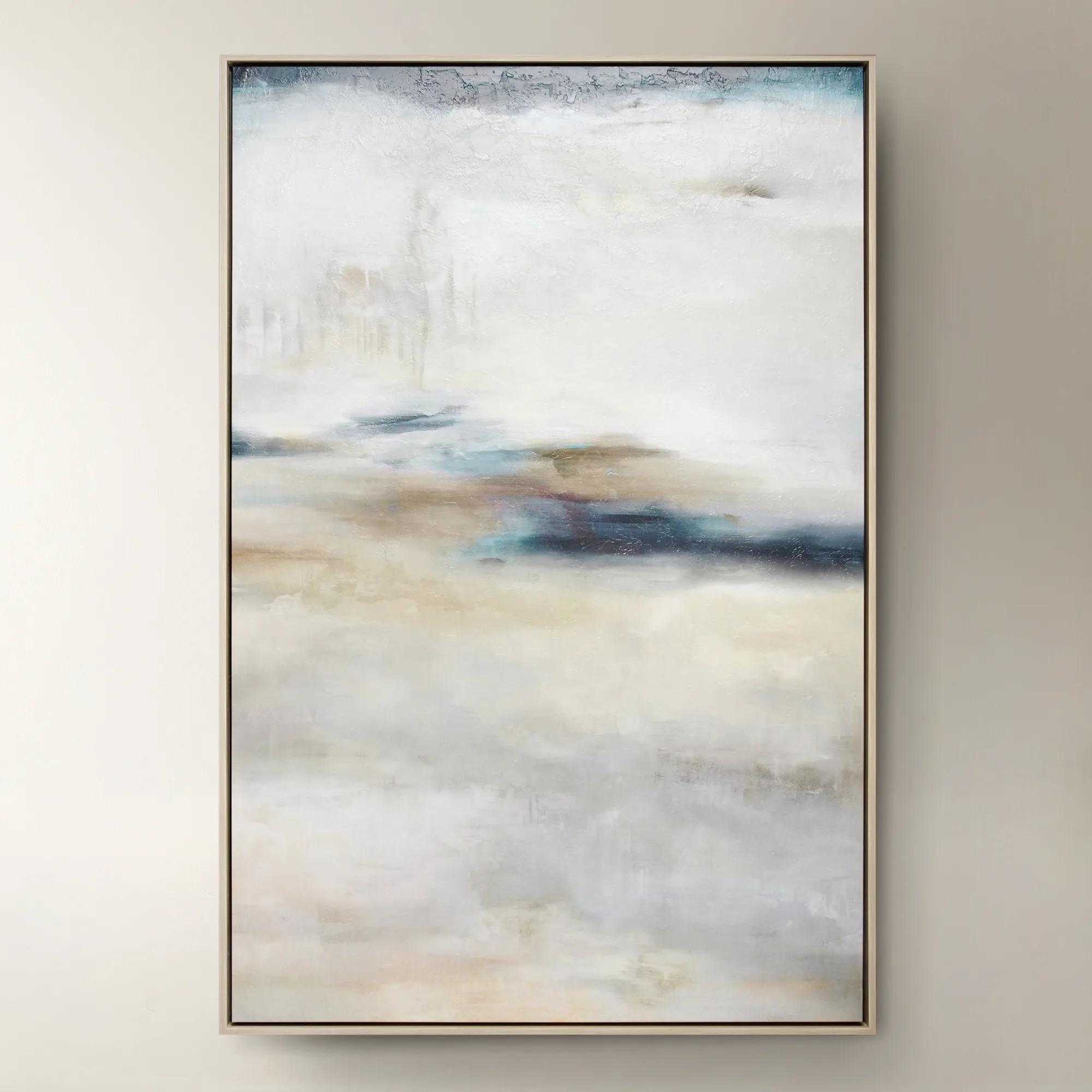 Forward Looking$1299
A softly layered abstract canvas print with a gel finish, set in a natural-hued floater frame.
Add To Cart -
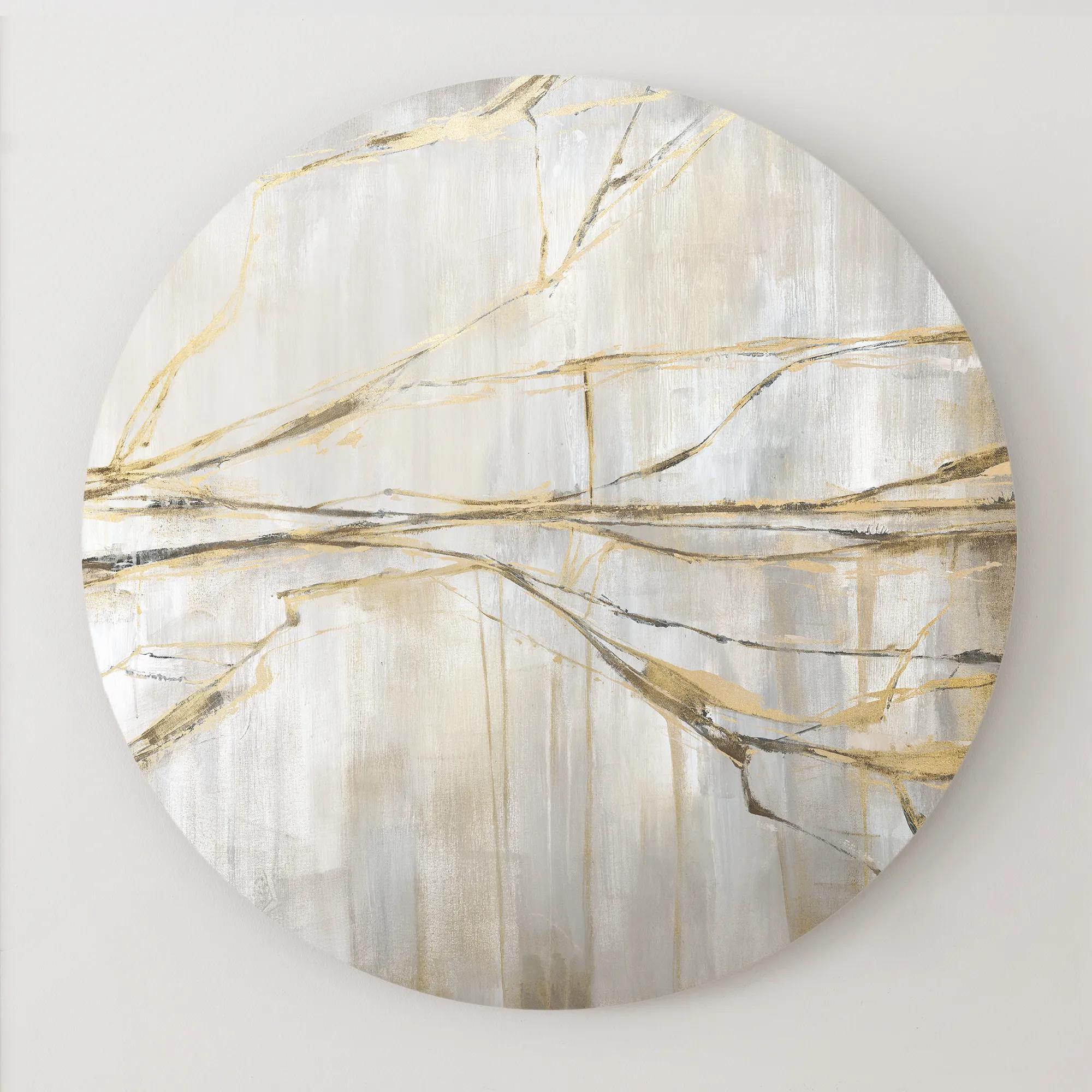
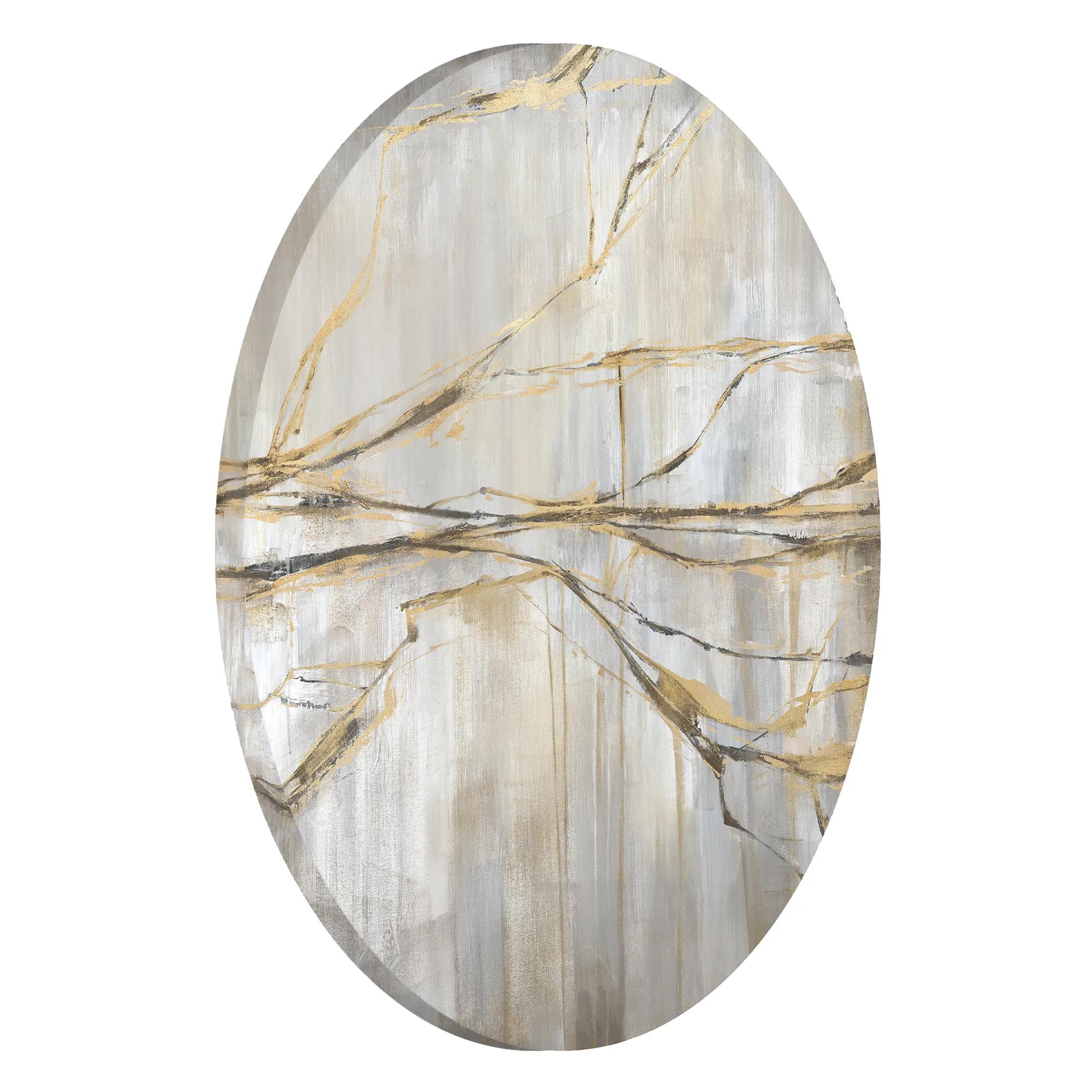 Lightening Crashes Round Wall Art 30"$899
A hand-textured circular linen canvas featuring a gallery-wrapped design for versatile wall display.
Add To Cart -
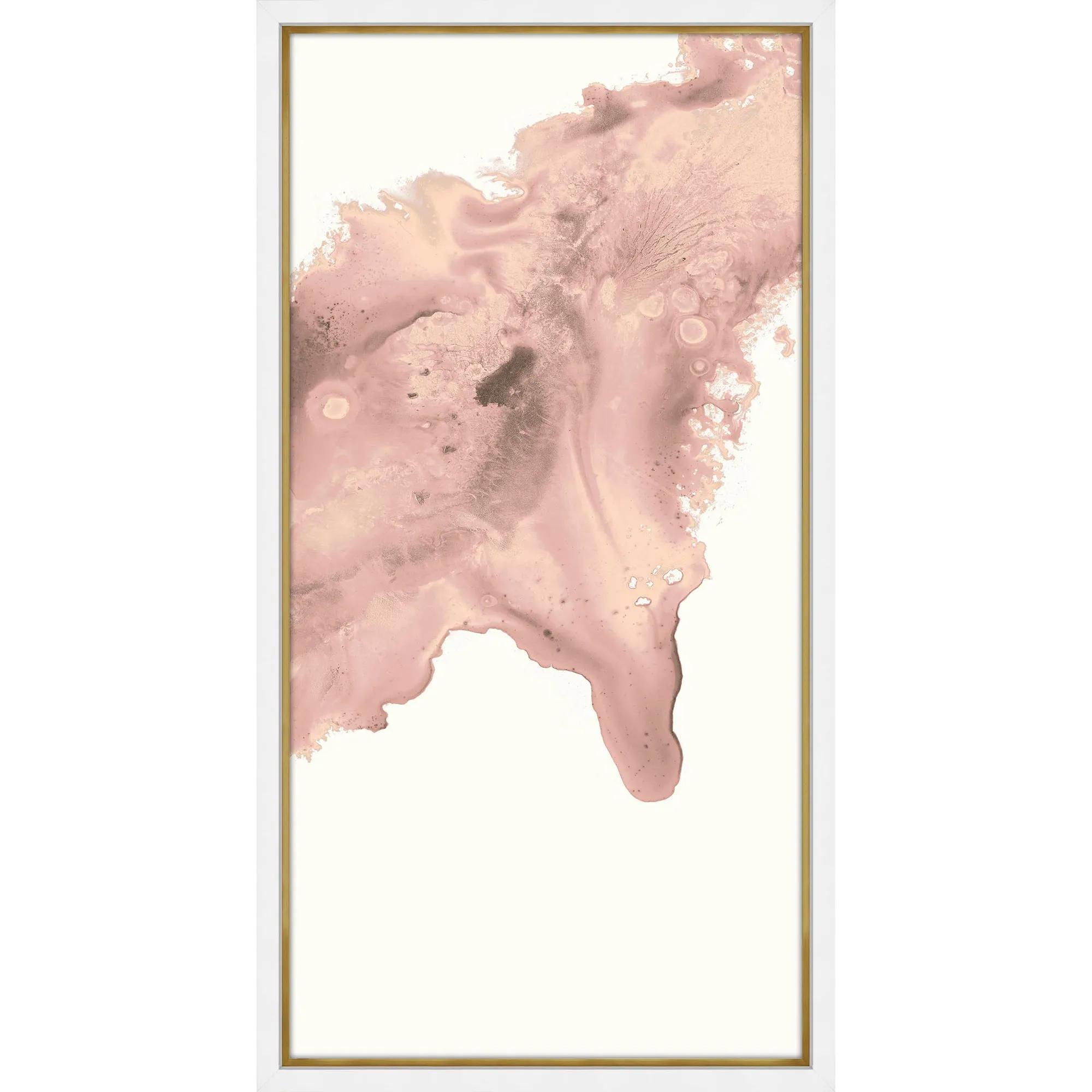
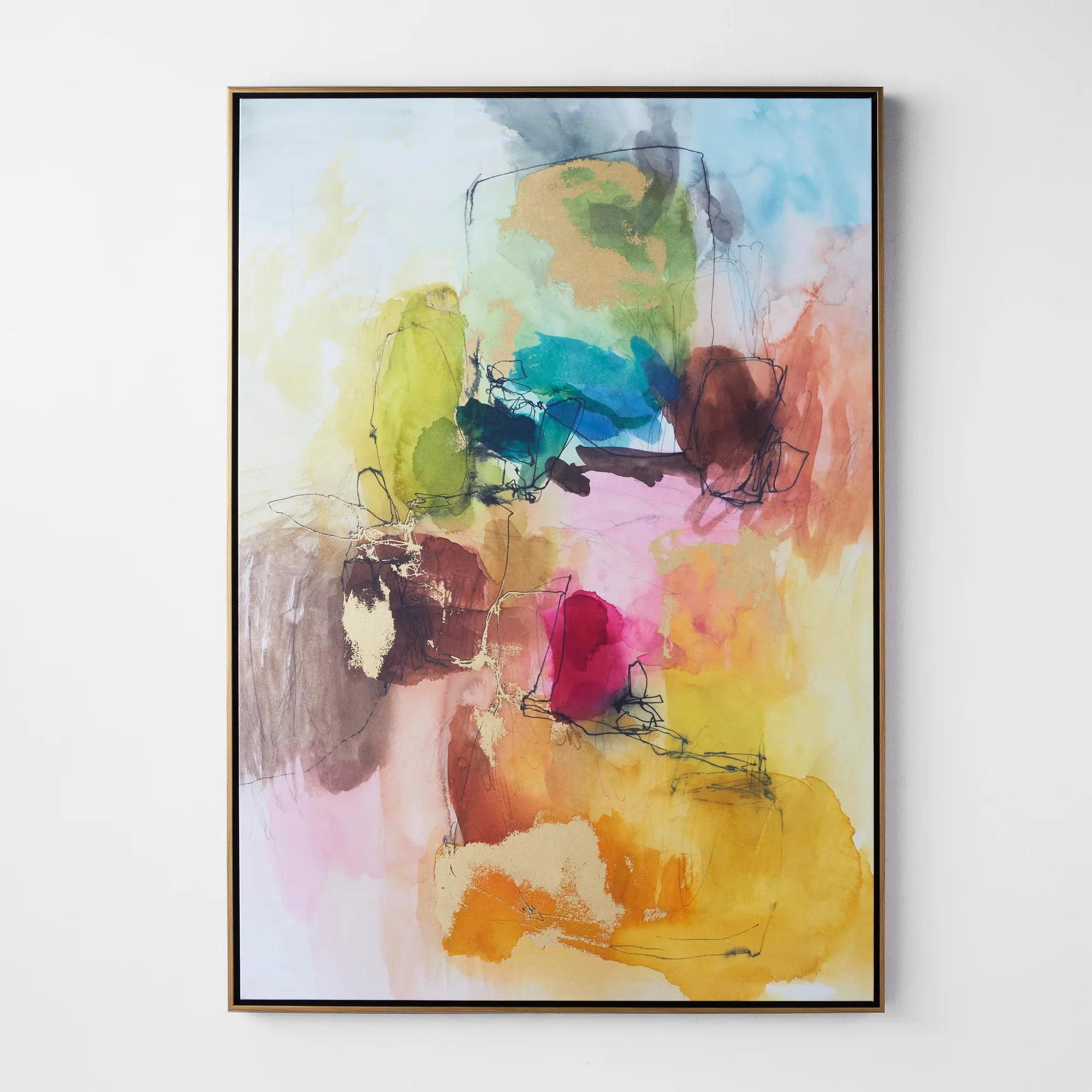
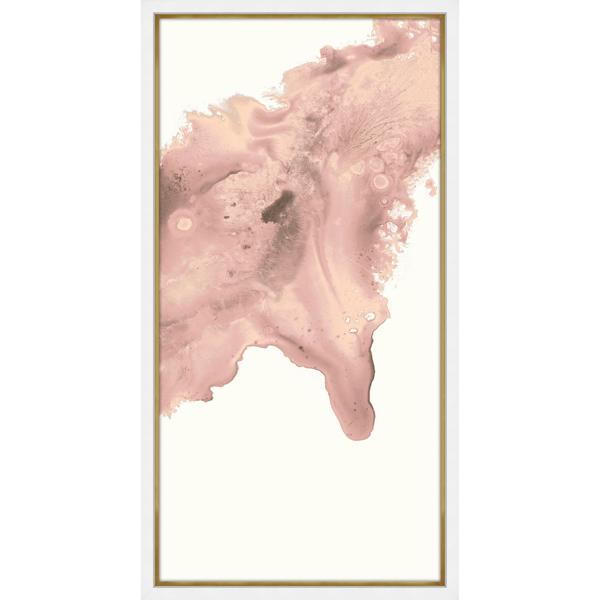 Blush Conduit 2 Framed Wall Art 24" x 48"$849
A striking abstract print on pearl paper, elegantly framed in gold and matte white for modern appeal.
Add To Cart -
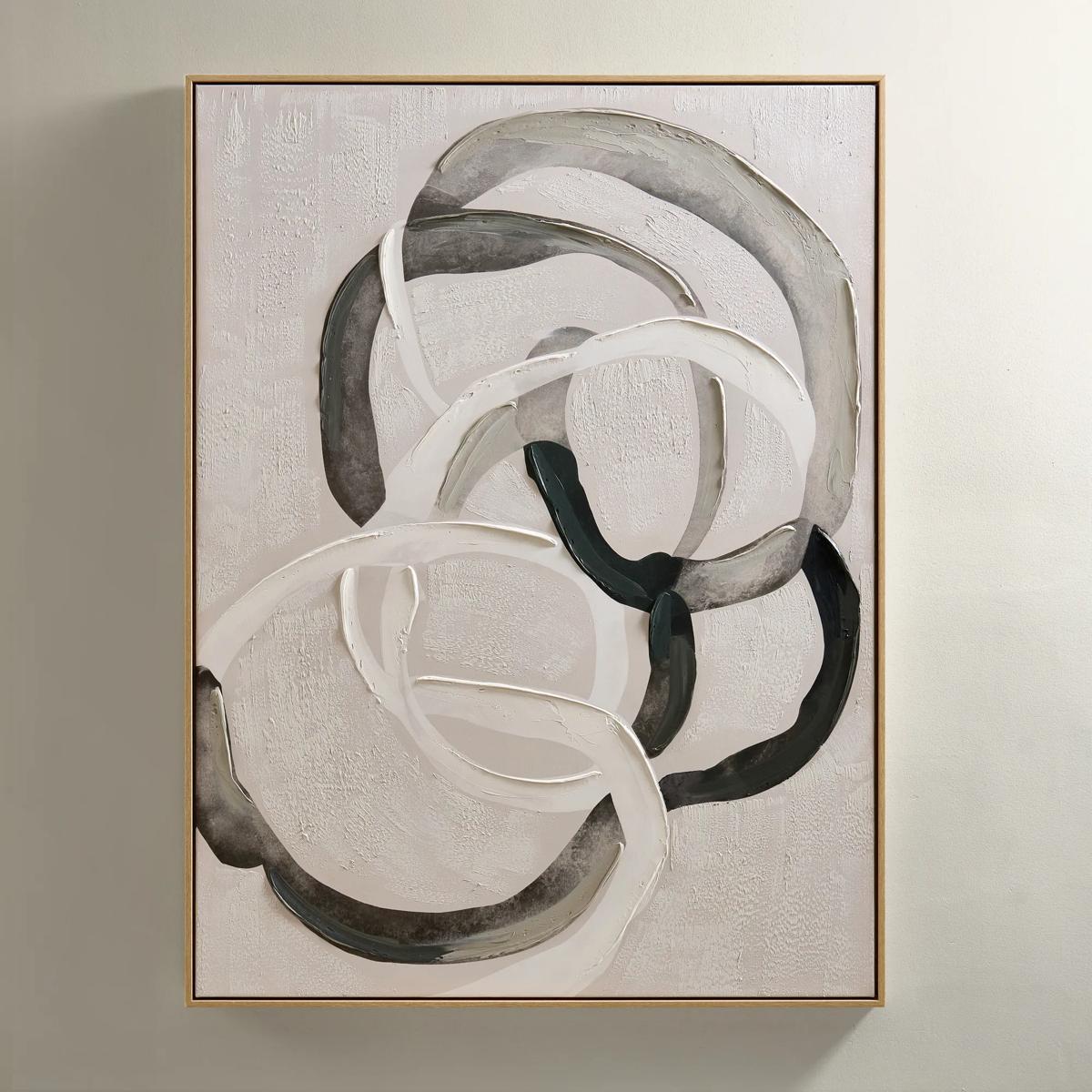
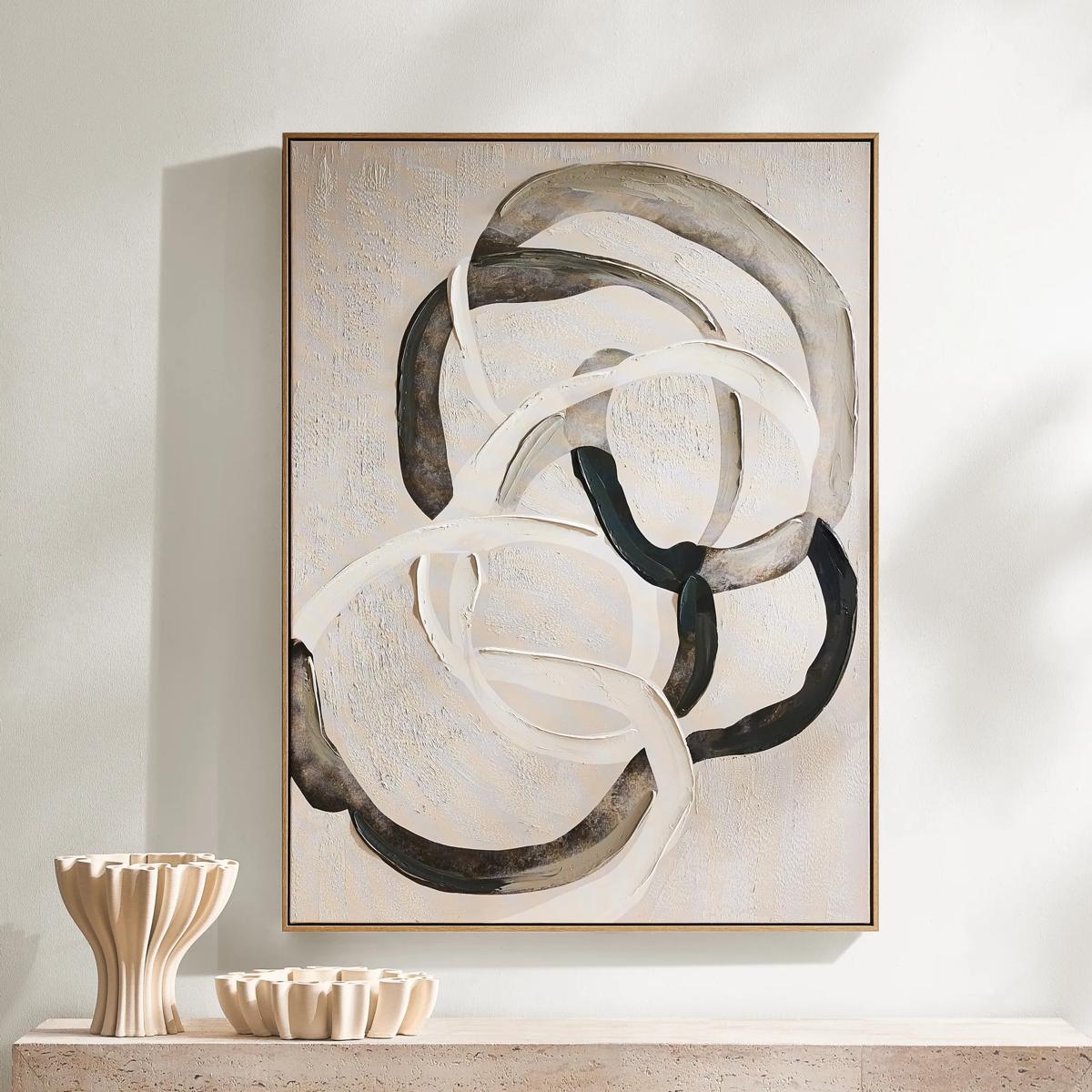 Round About Framed Painted Wall Art 35.25" x 47.25"$349
An abstract hand-painted canvas with tonal whites, charcoals, and taupes in a light wood floater frame.
Add To Cart -
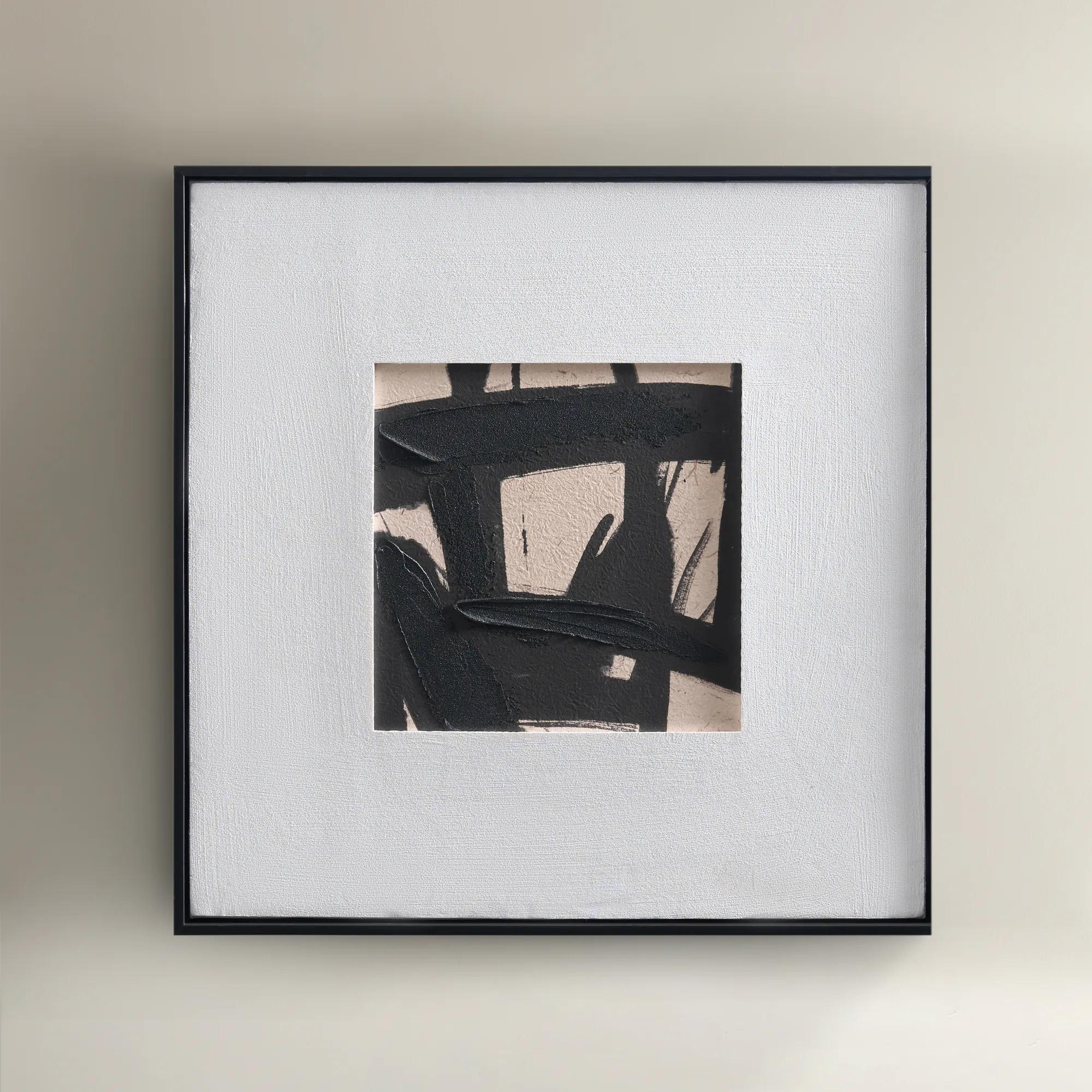
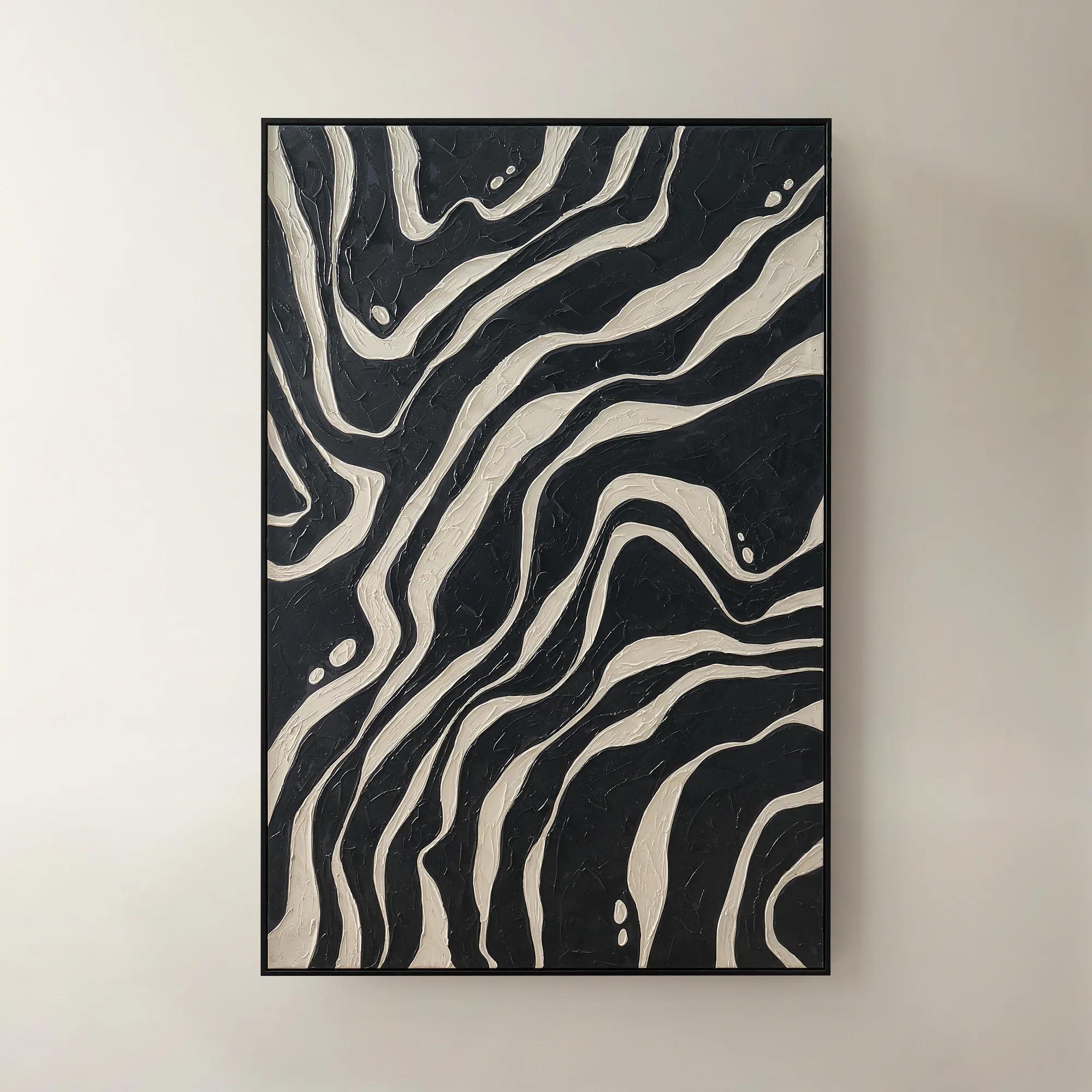
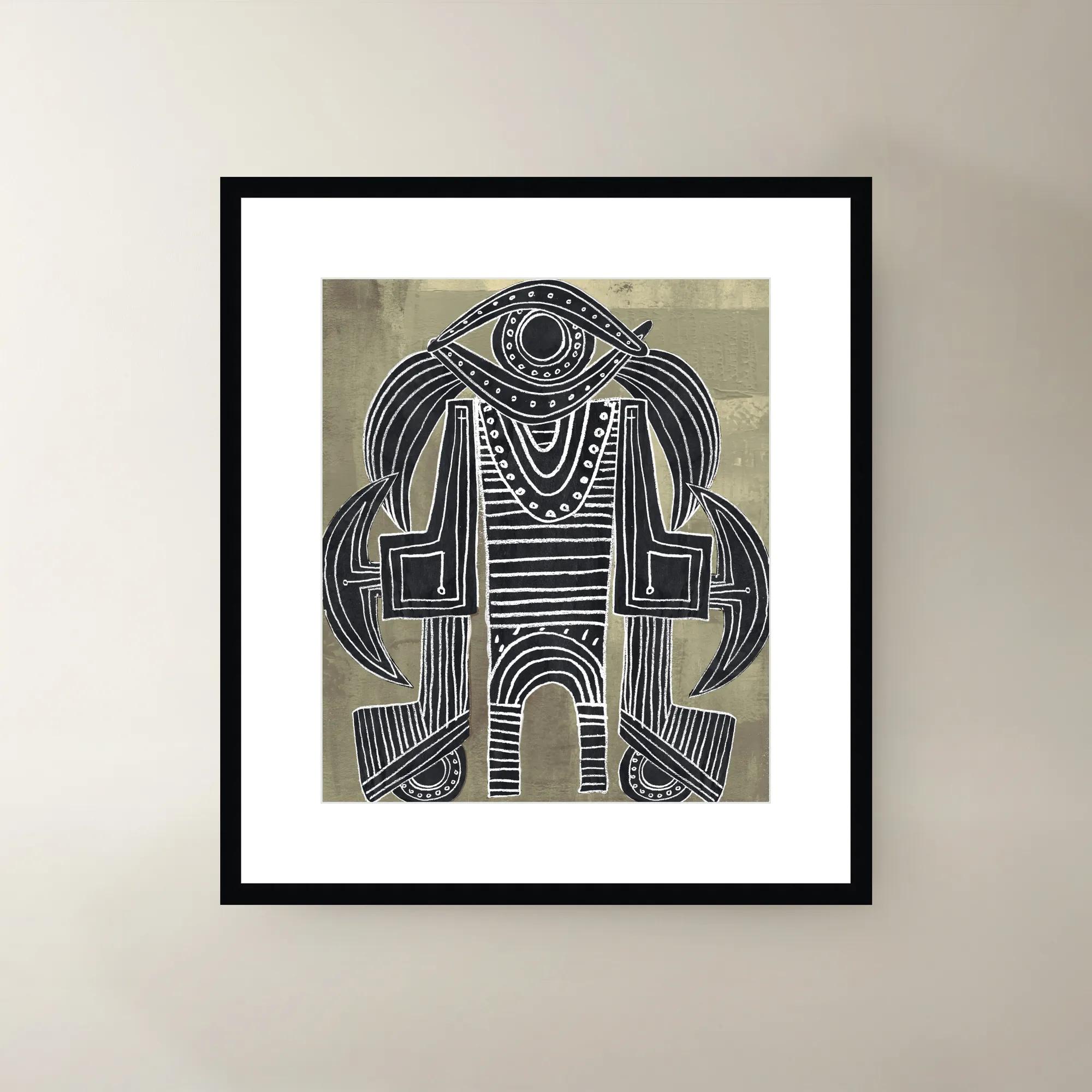
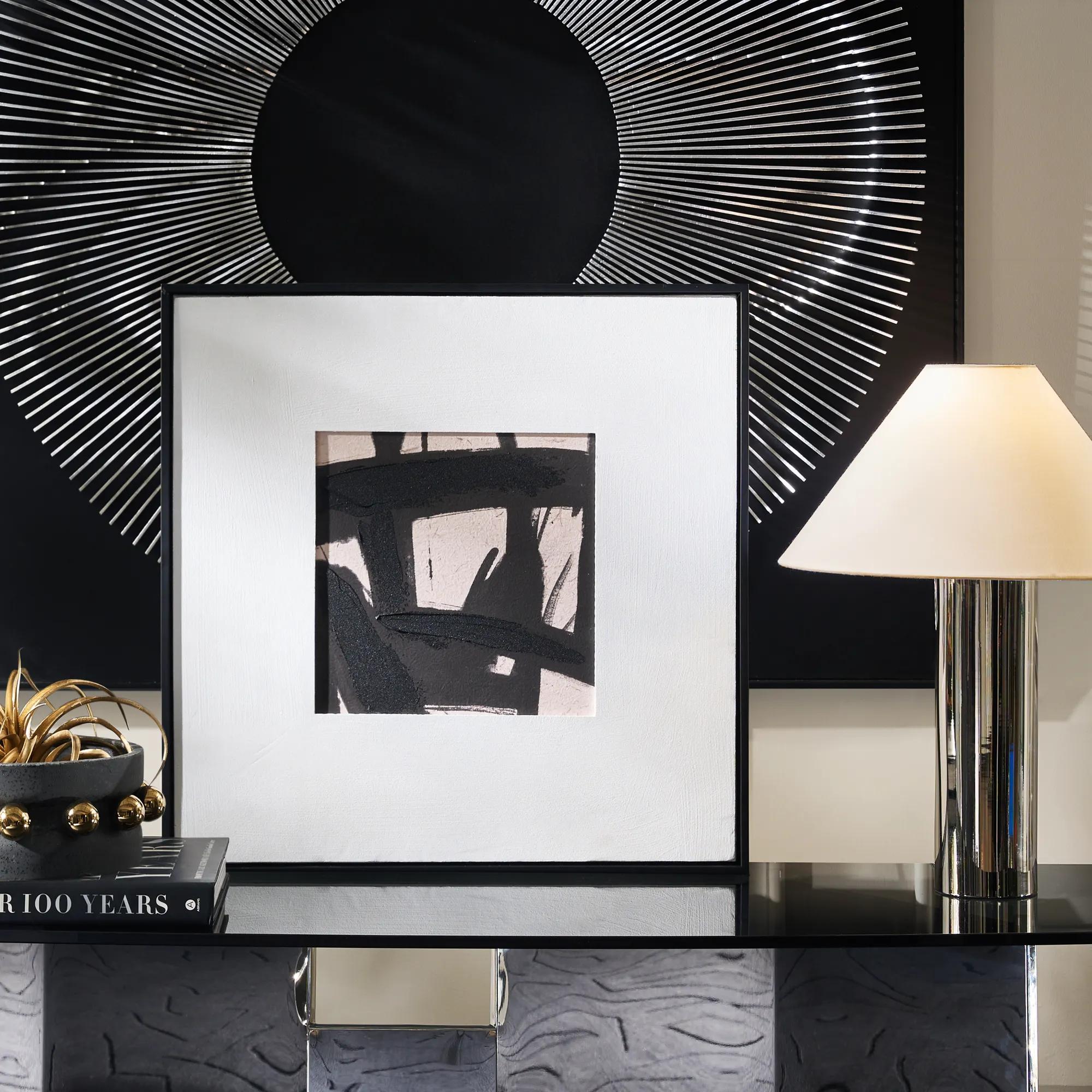 Ink Maze Painting$89
A hand-painted canvas featuring bold black and beige contrasts, set in a sleek black floater frame.
Add To Cart -
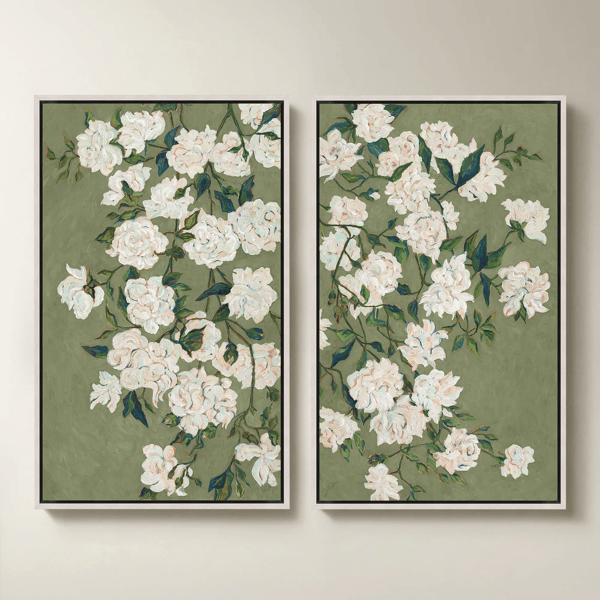
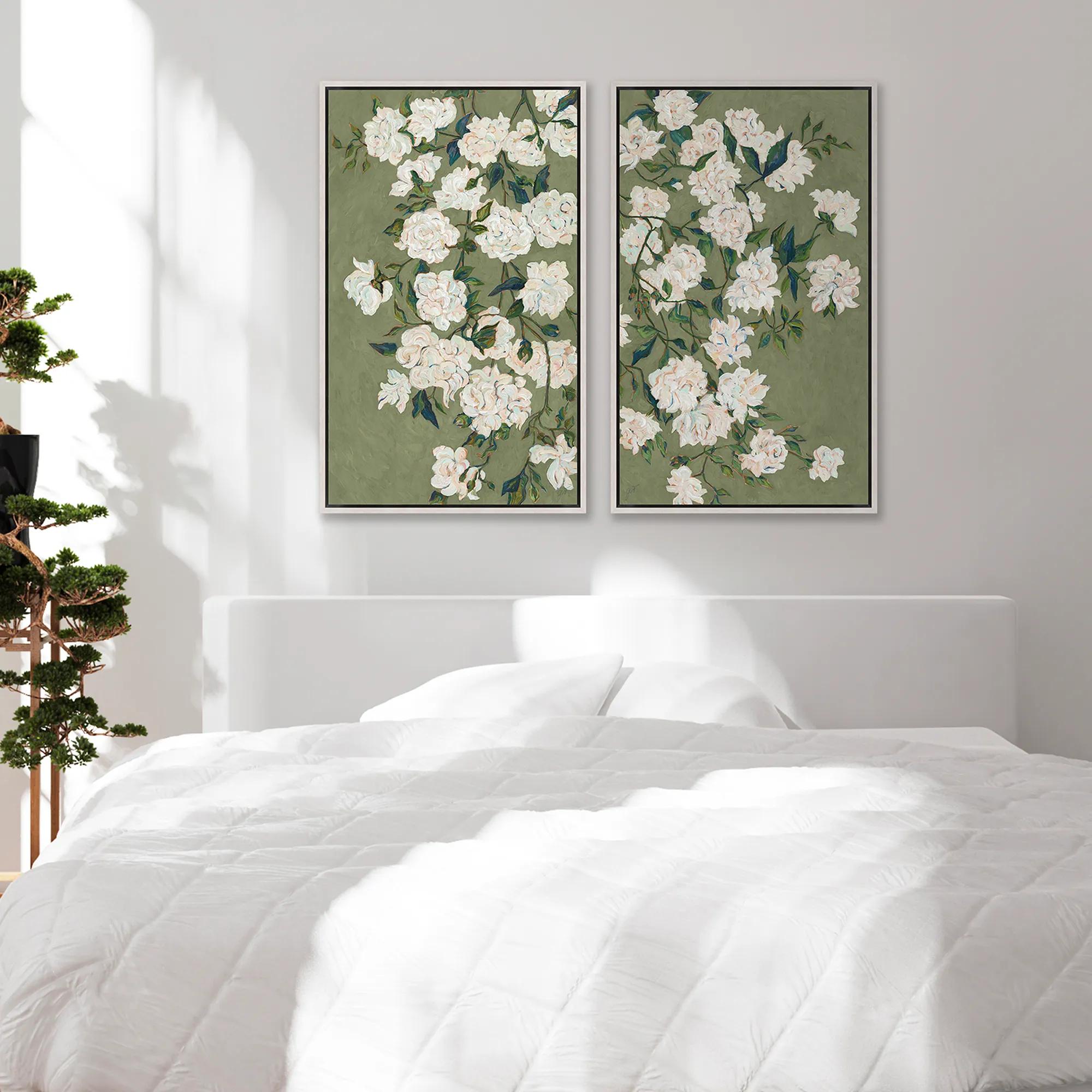 Verdi Vincent Framed Wall Art 21.5" x 41.5" Set of 2$949
A set of two gallery-wrapped fiber texture canvases in white floater frames for modern wall decor.
Add To Cart -
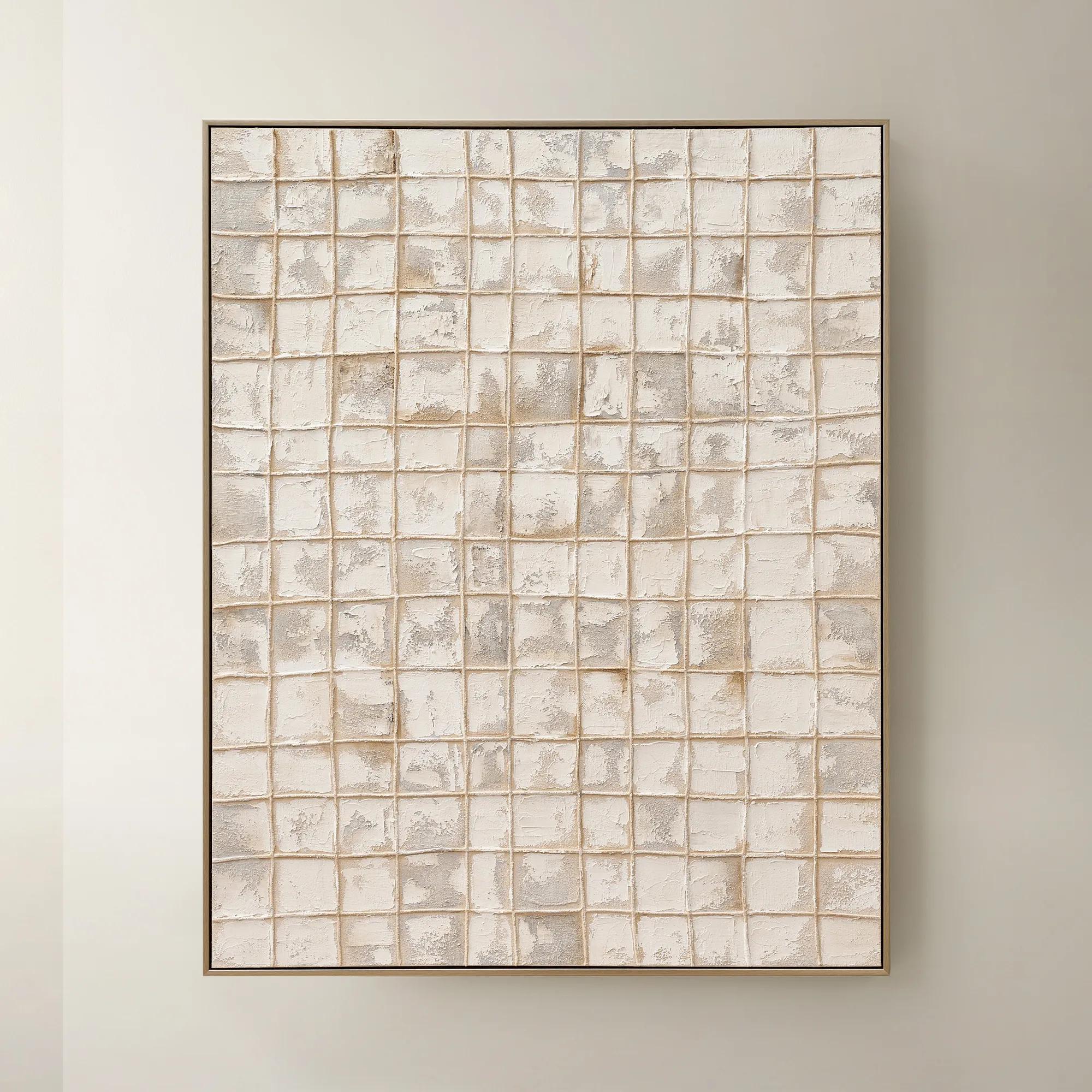
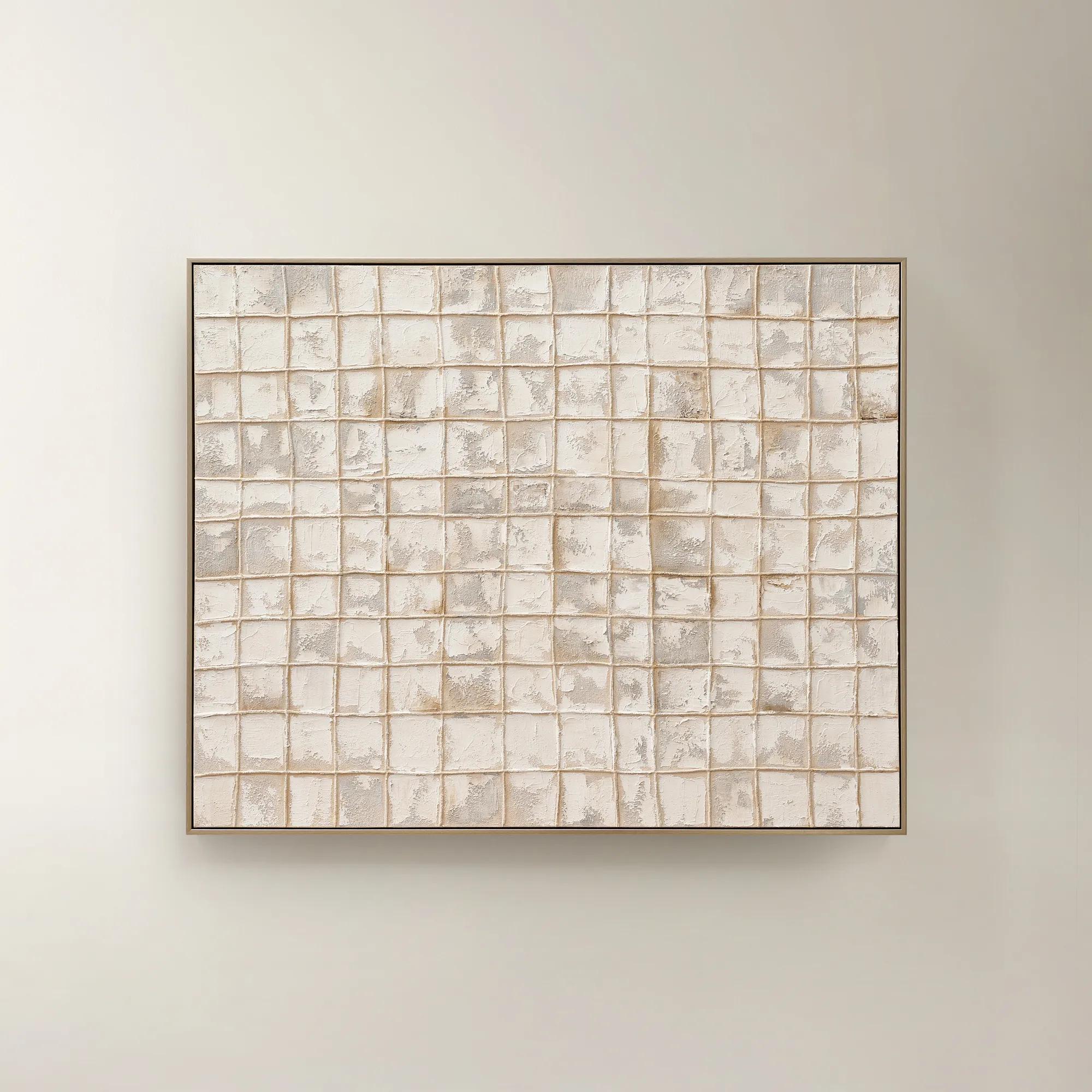 Painted Echos Framed Gold Leaf Wall Art 60" x 48"$699
A hand-painted abstract canvas with gold leaf accents and a champagne frame for modern, versatile display.
Add To Cart -
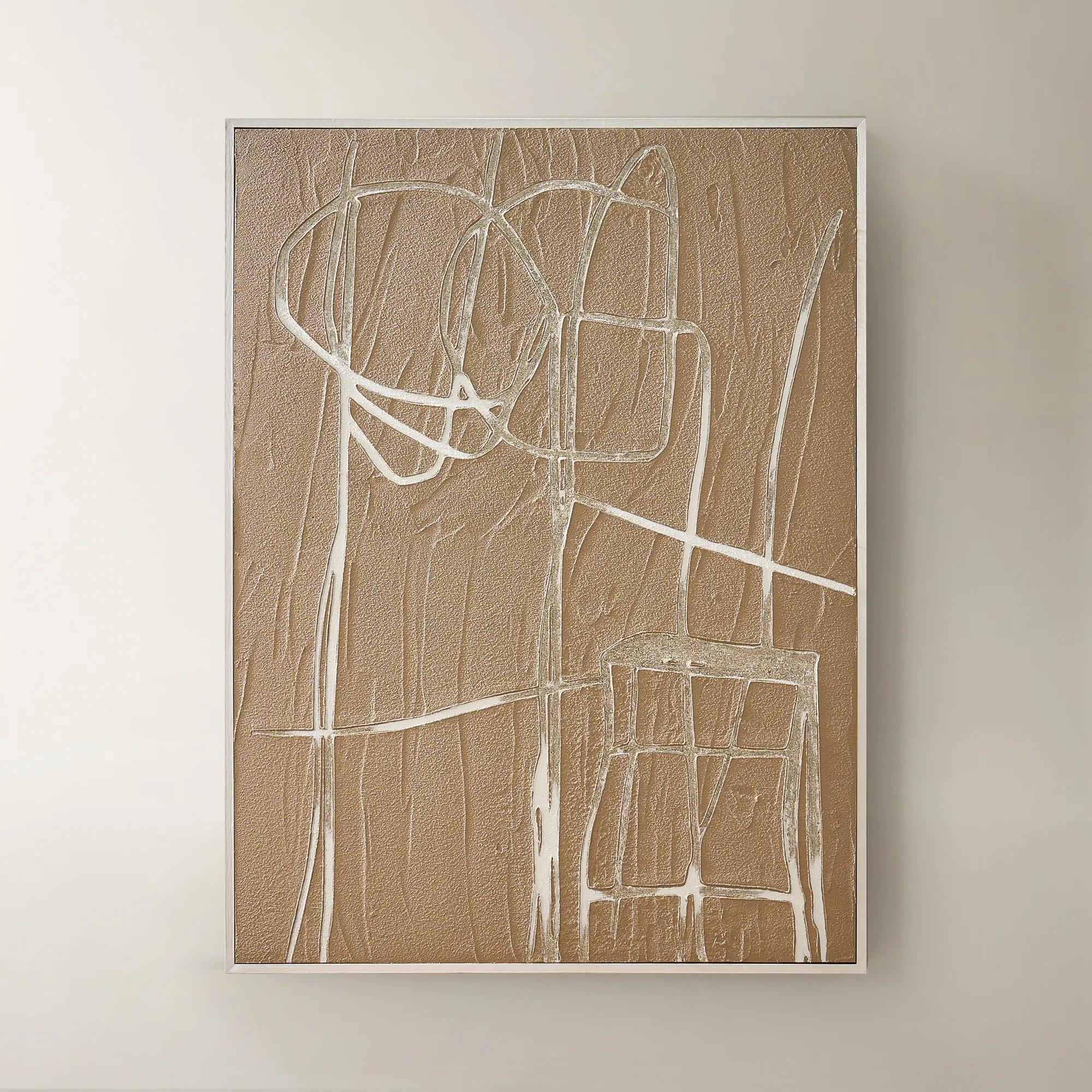
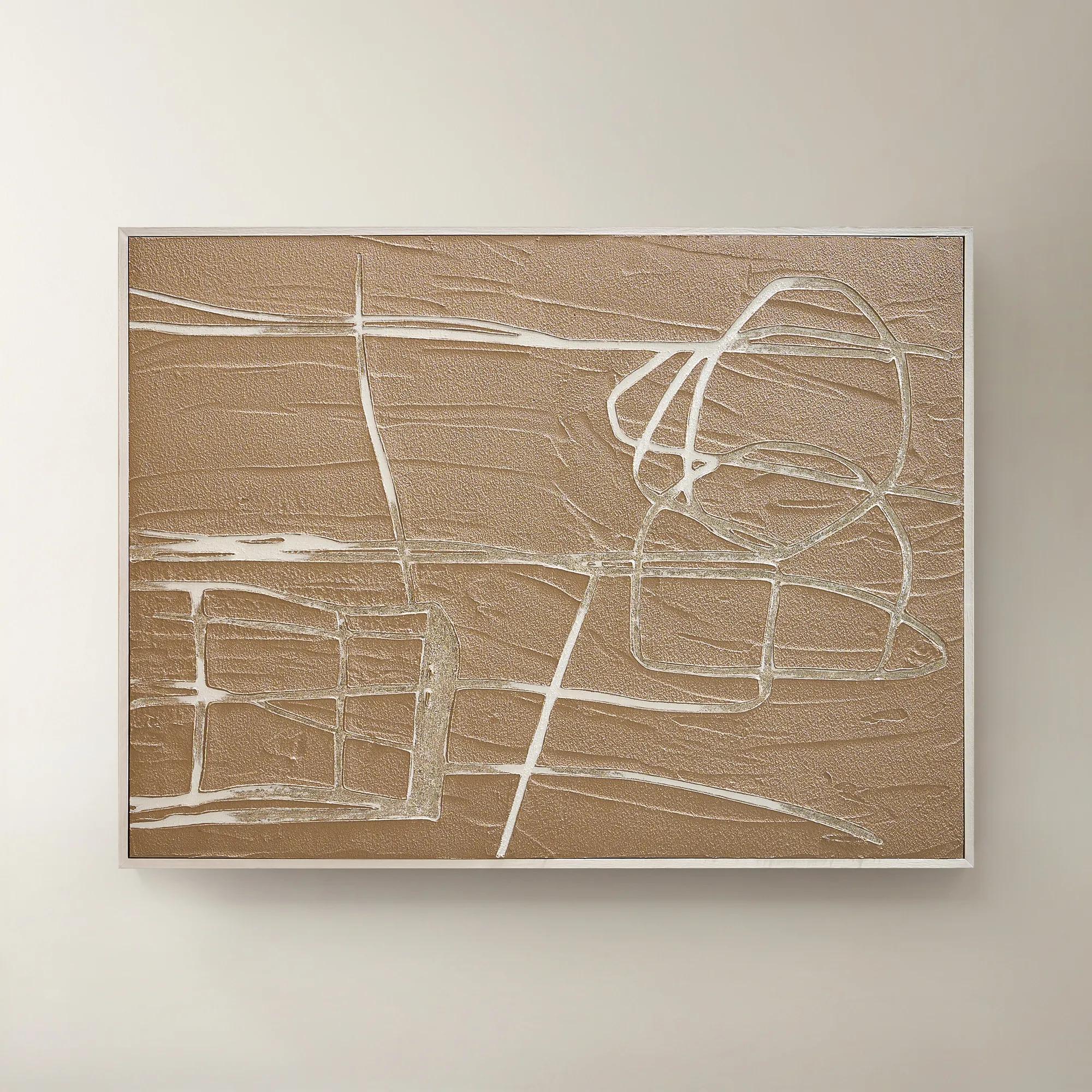 Linear Sand Framed Painted Wall Art 35" x 47"$369
A contemporary sand-toned painted canvas artwork framed for sophisticated modern interiors.
Add To Cart -
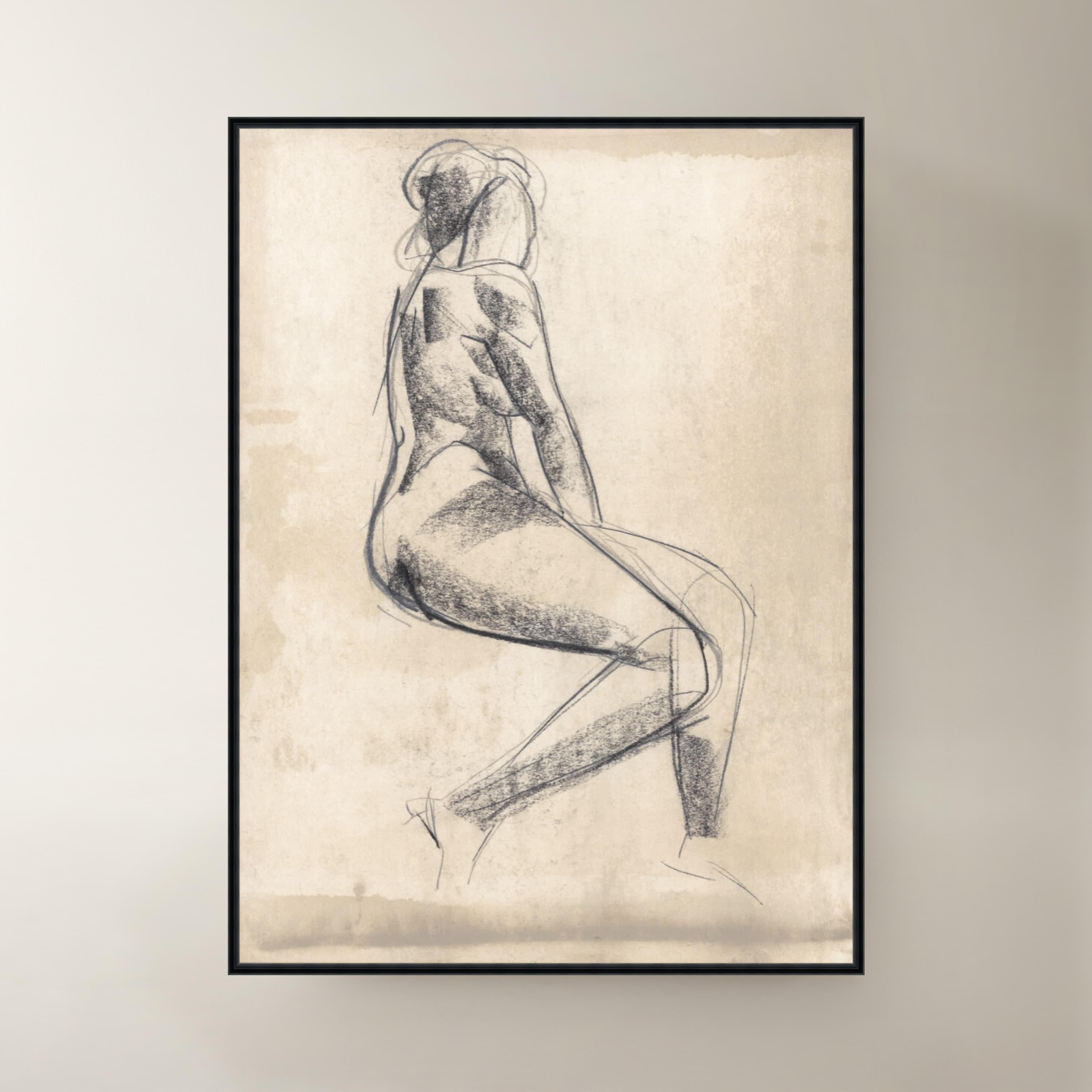
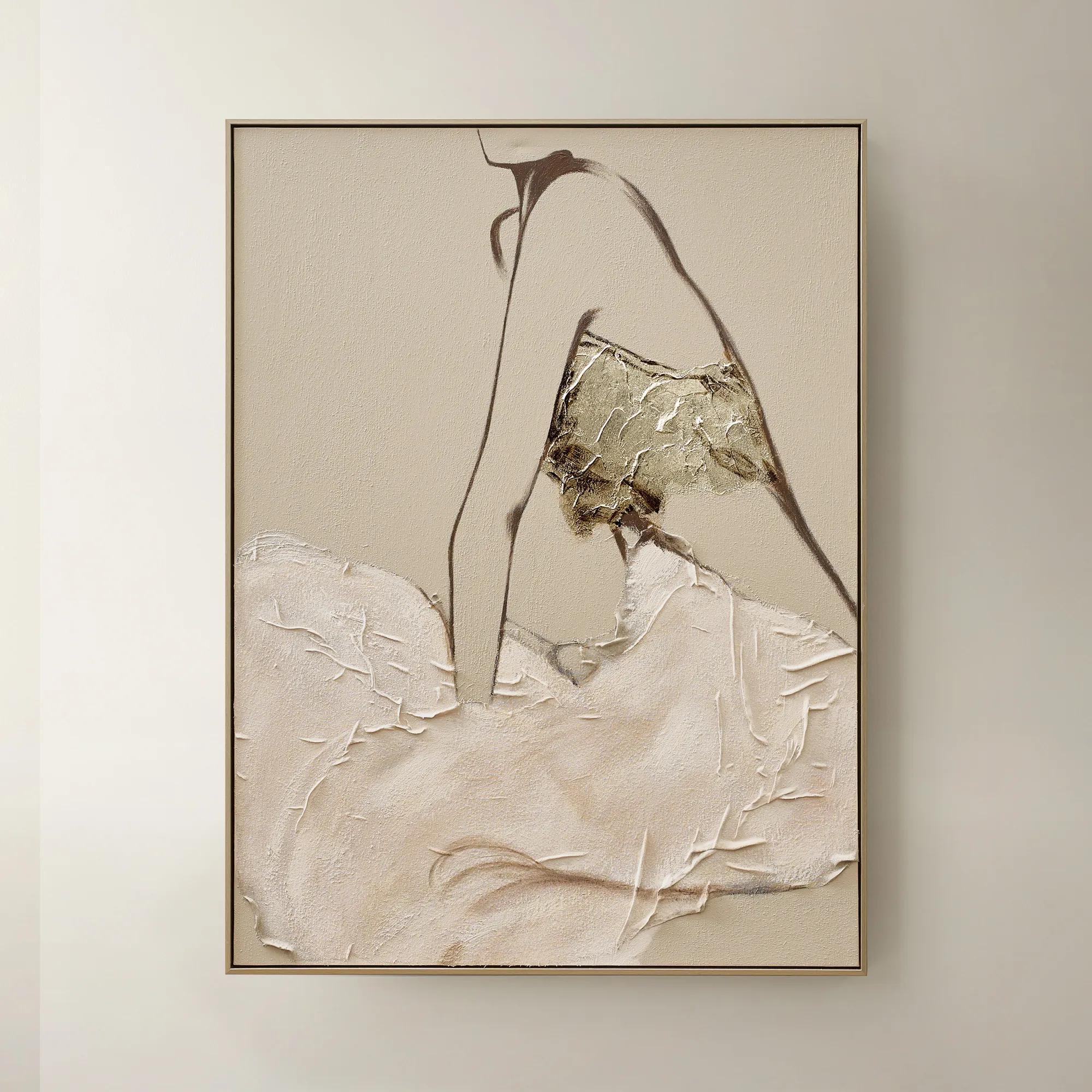 Quiet Pose Framed Painted Wall Art 36" x 48"$499
A hand-painted canvas in taupe and champagne tones features textural details and shimmering champagne leafing.
Add To Cart -
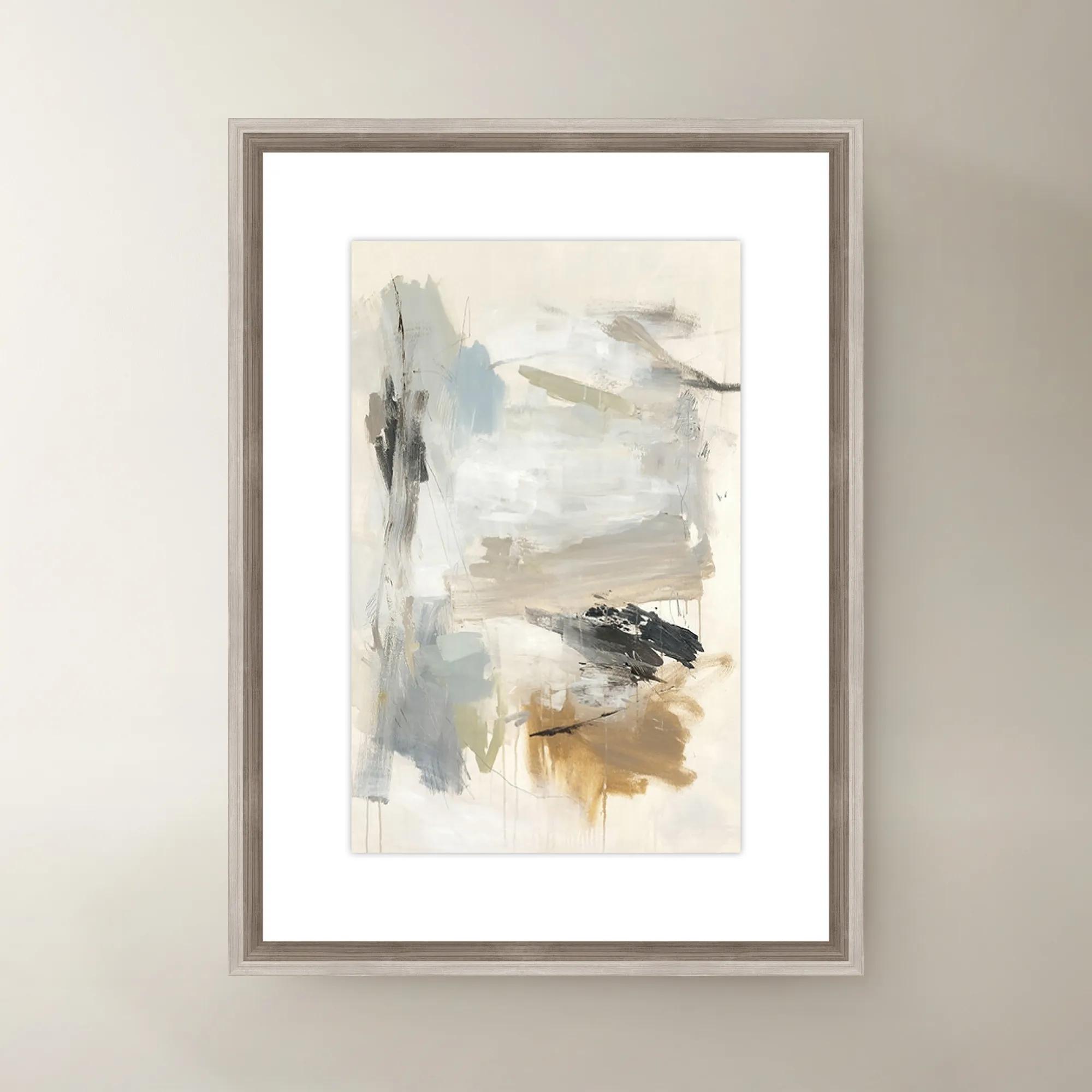
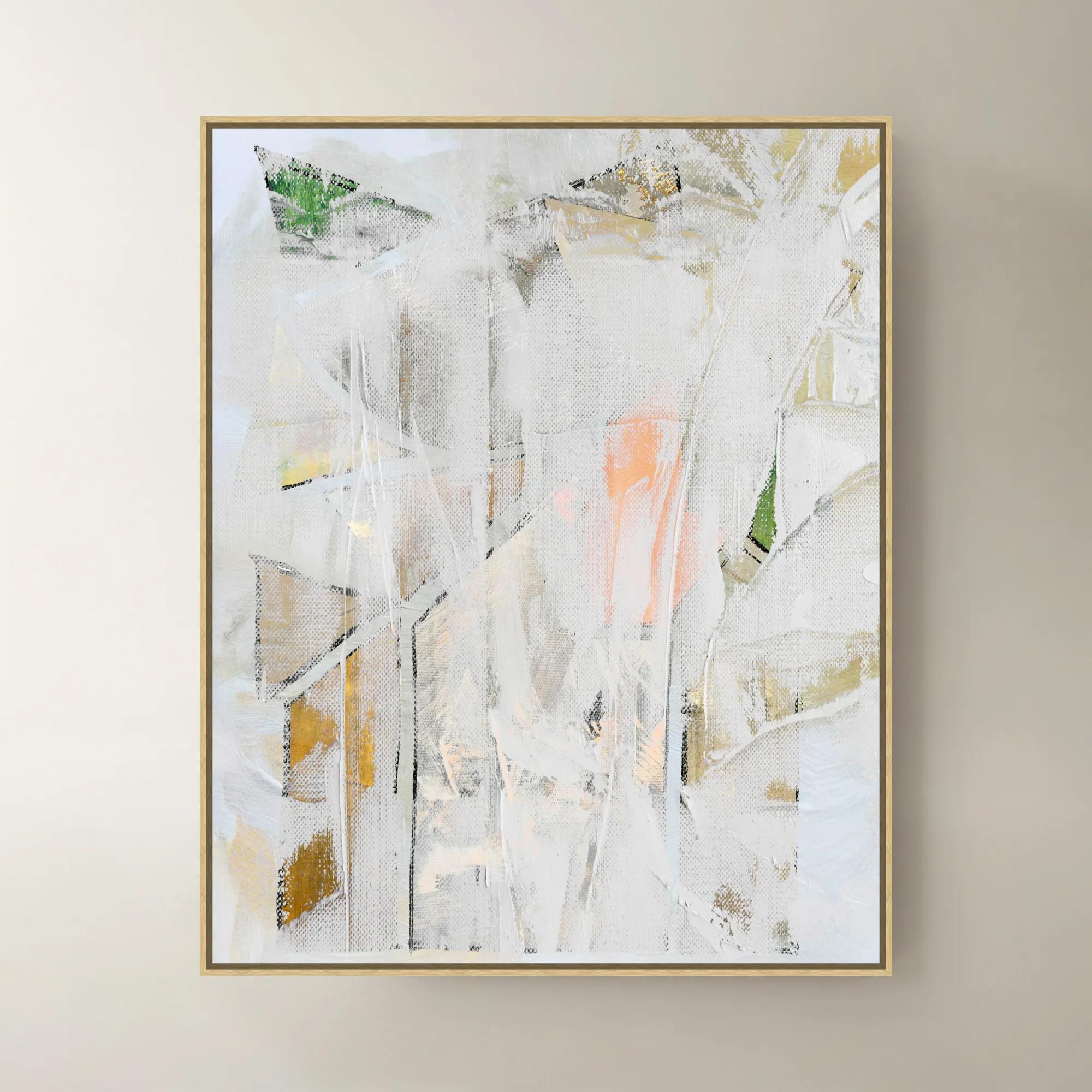
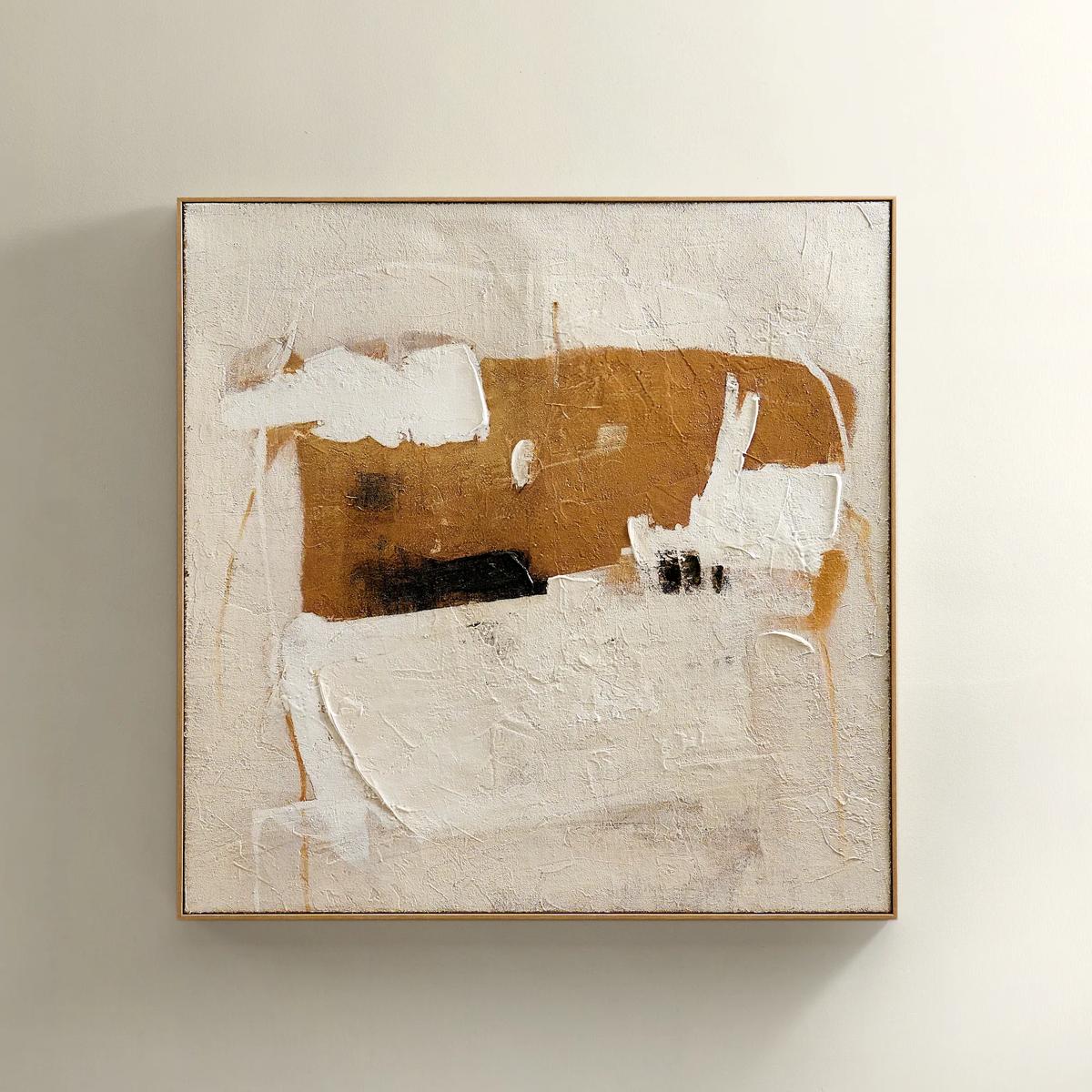 Instinct Framed Painted Wall Art 39.25" x 39.25"$349
An abstract hand-painted artwork featuring warm neutrals and black strokes on hessian with a light natural frame.
Add To Cart -
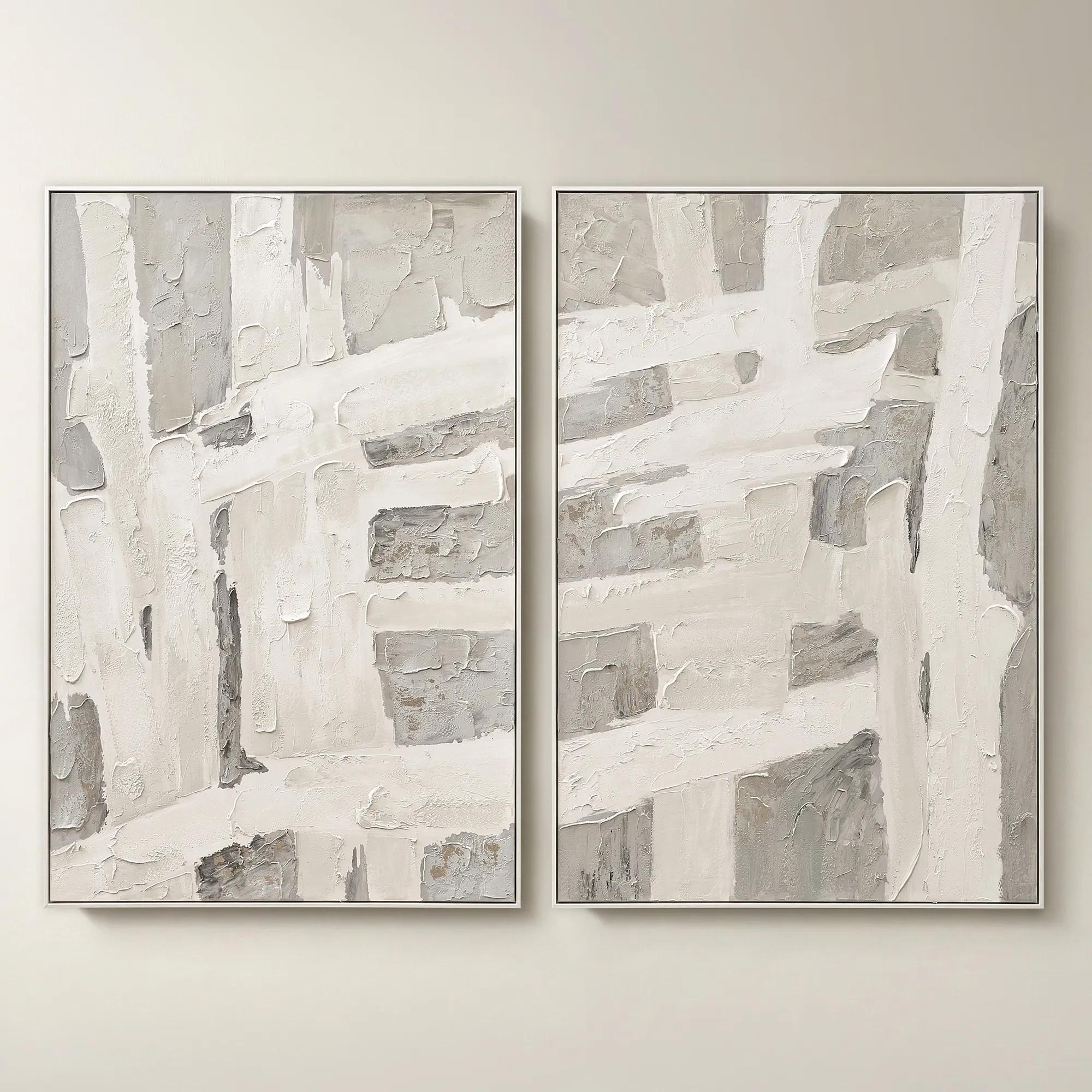 Traverse Framed Painted Wall Art 40" x 60" Set of 2$799
A hand-painted abstract diptych features champagne accents and soft grey, pearl, and alabaster tones in white frames.
Add To Cart -
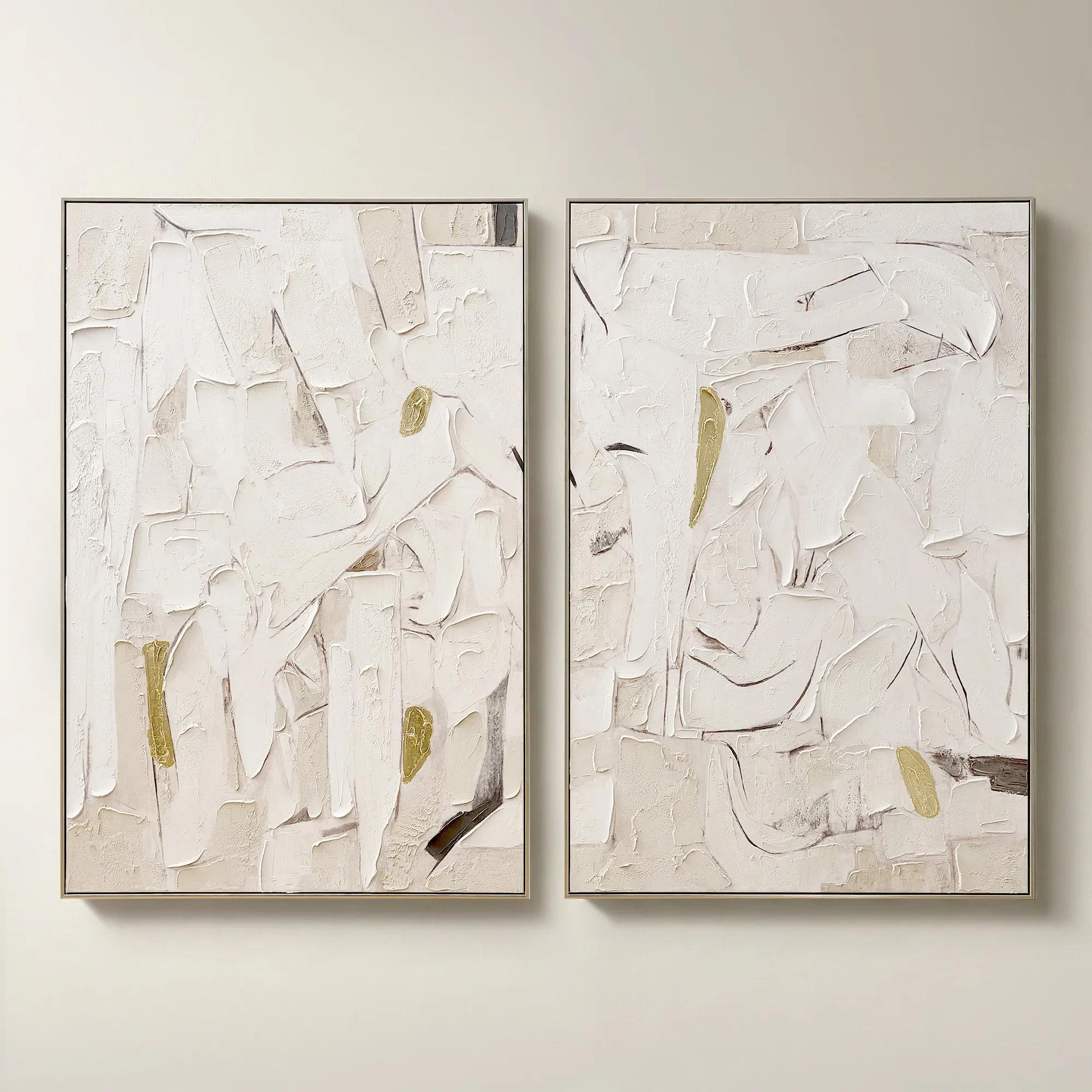 Beneath the Surface Framed Gold Leaf Painted Wall Art 40" x 60" Set of 2$799
A hand-painted abstract diptych featuring gold detailing and layered texture in alabaster and tawny hues.
Add To Cart -
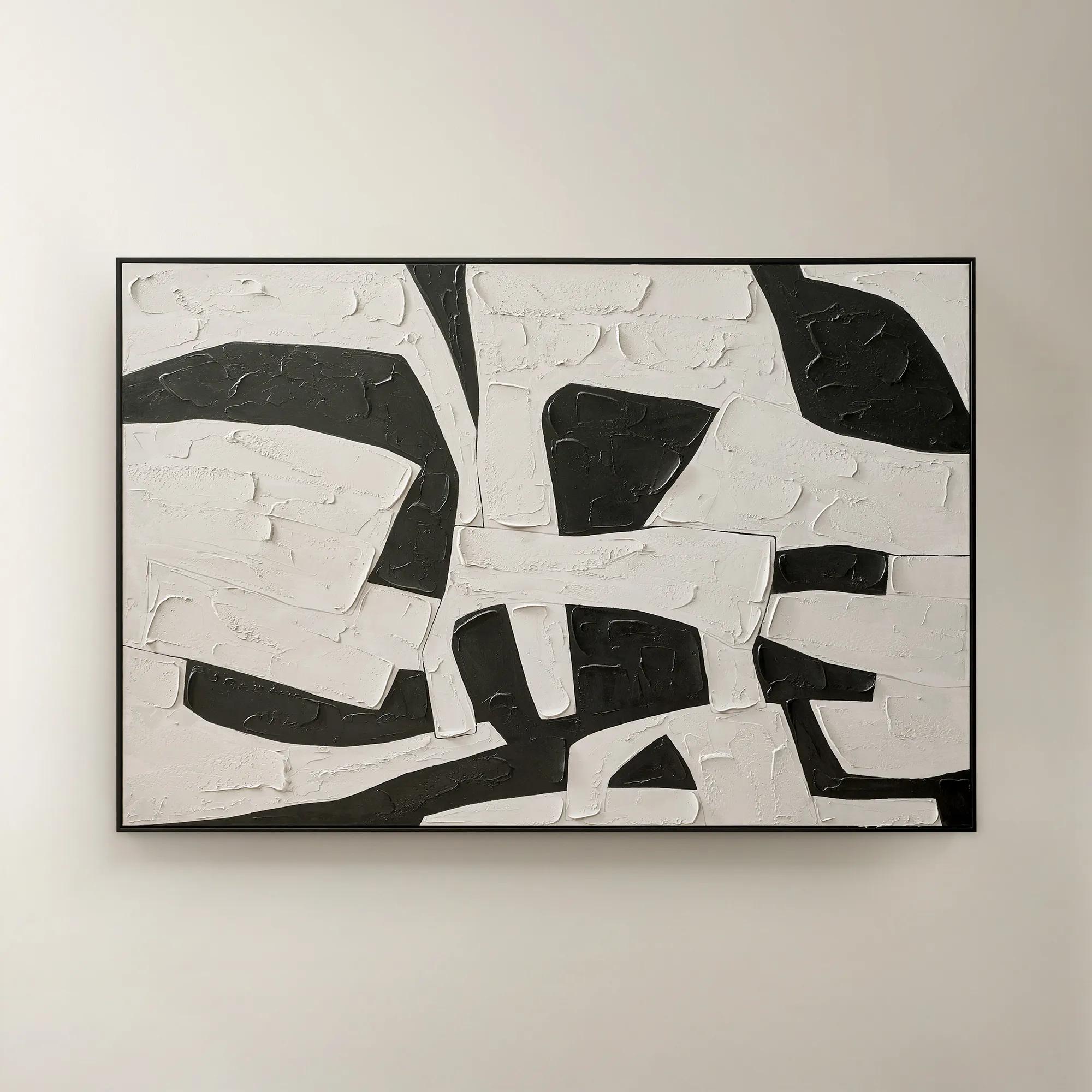 Space Between Shadows Framed Painted Wall Art 72" x 48"$799
A hand-painted abstract canvas featuring bold alabaster and black geometric forms in a sleek black frame.
Add To Cart -
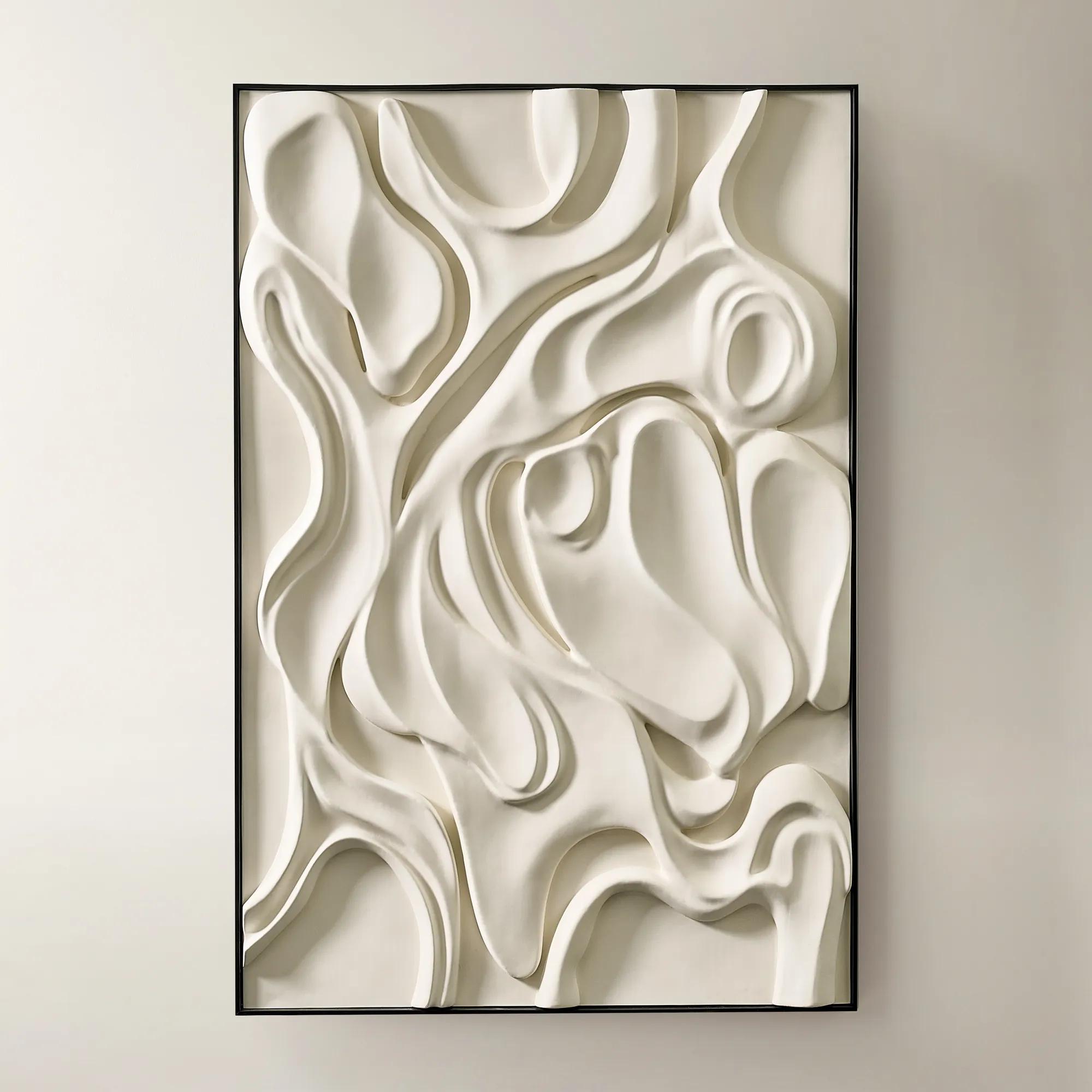 Overflow Alabaster Sculpted Resin Wall Panel 40" x 60"$699
An alabaster fiberglass resin wall panel with sculptural texture and a versatile black frame for modern spaces.
Add To Cart -
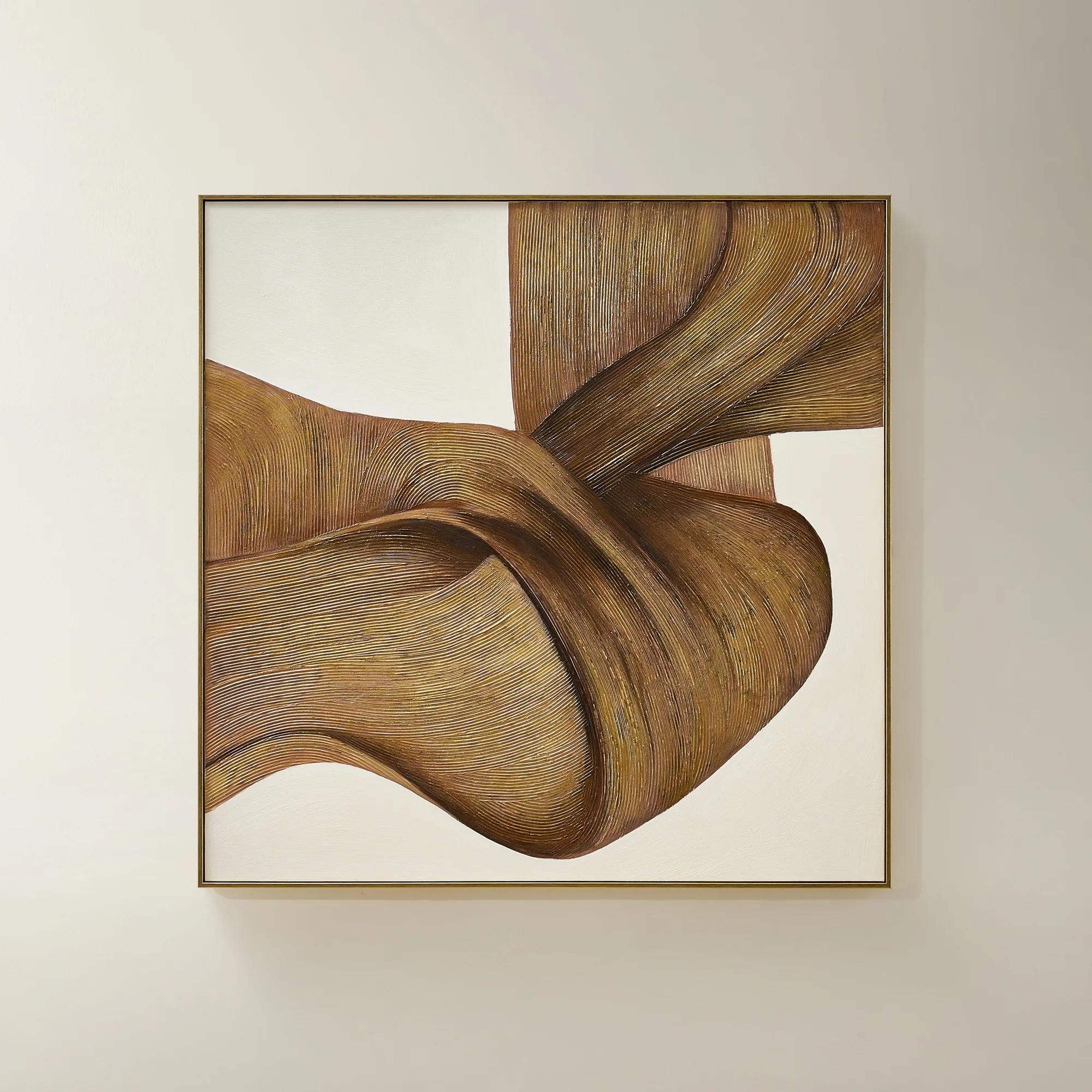
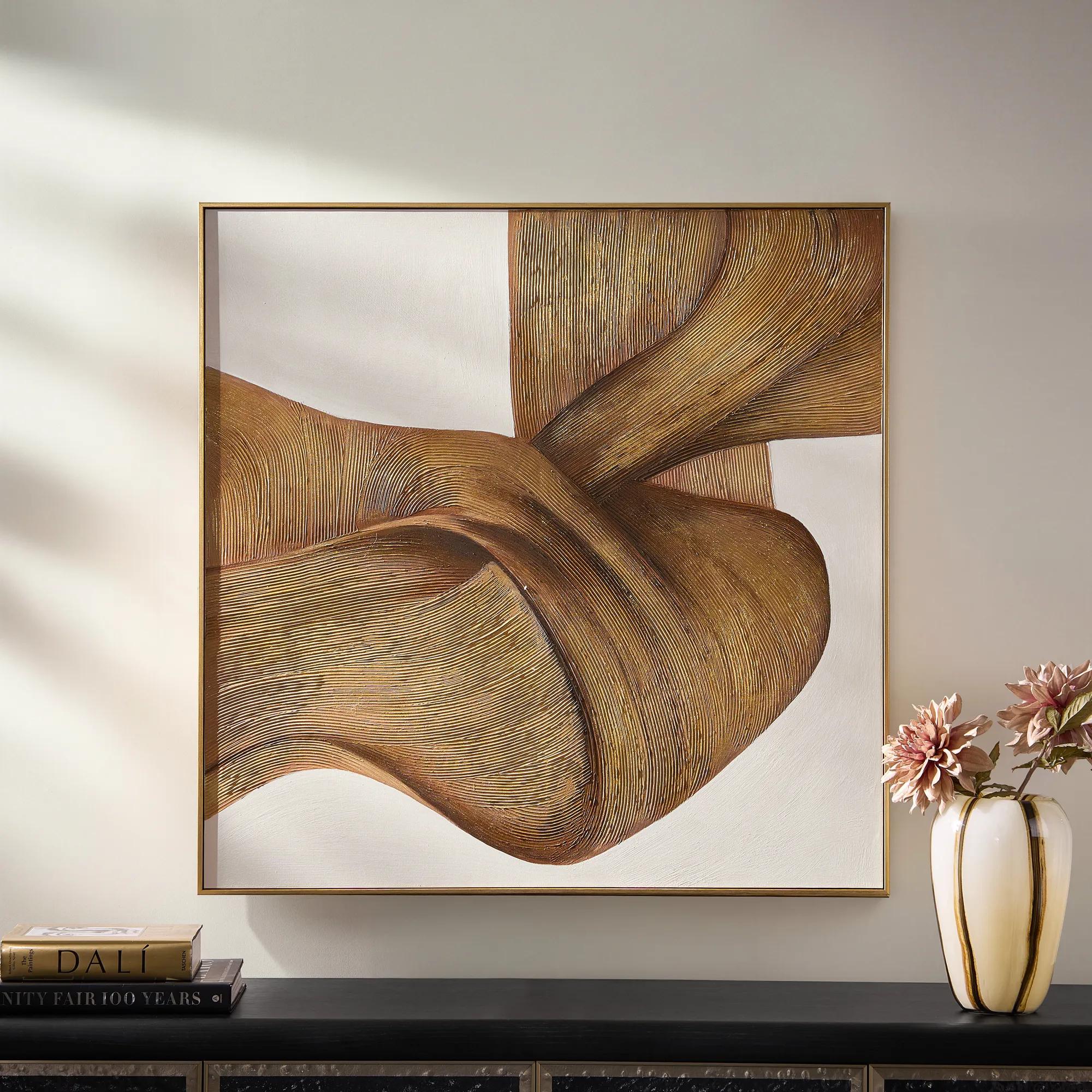 Latte Framed Gold Leaf Painted Wall Art 40" x 40"$499
A hand-painted canvas with fluid brown lines, luminous gold leafing, and a crisp black floater frame.
Add To Cart

Minimalist Beige Wall Art Pieces
Minimalist Beige Wall Art Pieces invite serenity and sophistication into your space, transforming walls into a canvas of understated elegance. Each work whispers with subtlety, layering creamy neutrals and refined textures to create an atmosphere that is both tranquil and undeniably chic. These curated masterpieces celebrate the art of restraint—where every brushstroke, every hue, is intentional and evocative. Let your interiors breathe with the quiet drama of minimalism, as beige wall art becomes the poetic pause that elevates your home’s story.
Minimalist beige wall art pieces bring soft neutral color, simplified forms, and deliberate open space into a room, creating a composed backdrop with unmistakable presence. Their appeal lies in the relationship between restraint and detail: a sweeping curve against a sand-colored ground, a raised ivory ridge casting a slender shadow, or translucent washes of taupe that reveal subtle depth. Rather than relying on saturated color or elaborate imagery, beige abstract art draws attention to proportion, texture, and the expressive quality of a single gesture. Common styles include geometric arches, continuous line drawings, tonal color blocks, and dimensional compositions with plaster-like surfaces. Each offers a distinct mood. Overlapping half-circles feel architectural; a spare botanical outline introduces an organic note; broad fields of oatmeal, cream, and tan create a softer, more atmospheric effect. Beige is not one uniform shade, and those differences matter in a finished interior. Golden undertones can echo the richness of natural oak and brass, while gray-inflected beige sits elegantly beside stone, smoked glass, and cool upholstery. Pink-leaning neutrals introduce a delicate warmth that becomes more apparent against crisp white walls. In a living room layered with velvet seating and a sculptural cocktail table, this quieter palette gives sumptuous materials room to shine without leaving the wall feeling unfinished. In a bedroom, restrained forms lend definition above an upholstered headboard while preserving a restful visual rhythm. Beige artwork can also give a dramatic room a measured pause, balancing patterned textiles, gleaming finishes, or a richly colored accent chair. For interiors that move between monochromatic compositions and more graphic contrasts, Minimalist Art For Walls offers a broader expression of the same pared-back aesthetic. The defining quality is intention: every line, interval, and tonal shift contributes to the composition. A pale canvas with generous negative space can feel just as commanding as a darker, more densely worked image when its scale and placement suit the architecture around it.
Materials influence how minimalist neutral wall art looks from across the room and how it rewards a closer view. Canvas introduces a woven surface that can soften printed or painted forms, making broad beige washes feel less clinical and more tactile. Stretched canvas may be displayed with finished edges or surrounded by a float frame, whose narrow gap creates a crisp shadow around the artwork. Paper-based prints and drawings often have a more delicate visual character, especially when a generous mat separates the image from its frame. Glazing helps shield paper from dust and incidental contact, though reflections vary with the glazing material and the room’s light. Dimensional artwork may use plaster, modeling paste, or other applied mediums to build ridges, arcs, and sculptural relief. These surfaces invite light into the composition itself: illumination from the side can emphasize raised details, while diffuse light produces a gentler effect. A printed image of texture will not cast the same shadows as an actual relief, so the distinction between a textured appearance and a physically raised surface is important. Frame materials and finishes add another layer of expression. Pale wood reinforces an airy, tonal arrangement; walnut creates a richer border; slender black framing sharpens a line drawing; and a restrained metallic finish can echo nearby decorative accents without overwhelming the image. Durability depends on construction, medium, and placement rather than color alone. Raised details can be vulnerable to knocks, and paper, canvas, and applied finishes may respond differently to moisture or prolonged direct sunlight. These pieces are generally best suited to dry interior spaces, away from splashes, cooking residue, and frequent handling unless their specifications indicate otherwise. Care should follow the artwork’s instructions. A soft, dry cloth may be appropriate for a frame, while delicate textured surfaces require particular caution to avoid snagging or abrasion. Cleaning liquid should never be sprayed directly onto artwork or glazing, where it could seep beneath the frame. Thoughtful placement protects both the material and the nuanced color that makes a neutral composition compelling.
Scale gives minimalist beige wall decor its architectural confidence. A substantial horizontal composition above a long sofa can establish a generous visual anchor, while a narrow vertical work can articulate the space beside a console or between doorways. Artwork over furniture generally feels more connected when it occupies a meaningful portion of the furniture’s width without extending beyond its edges; roughly two-thirds to three-quarters is a useful starting proportion, not a fixed rule. The full framed dimensions matter as much as the image size, particularly where a deep frame might project into a walkway or a wide mat changes the overall footprint. A pair of related prints can introduce symmetry above a sideboard, and a trio of vertical compositions can create a measured sequence along a larger wall. Consistent spacing helps these groupings read as one arrangement rather than several isolated accents. In a dining room, soft geometric forms can complement the curves of upholstered chairs while allowing a chandelier to remain the more theatrical element. In a home office, a restrained line drawing or tonal abstraction adds a considered focal point without crowding the view behind a desk. The surrounding wall color also shapes the result: cream-on-cream creates a subtle, enveloping effect, whereas beige against charcoal becomes luminous and sharply defined. Installation deserves the same attention as composition. Hardware should be appropriate for the piece’s weight and the wall material, with heavier framed or dimensional works securely supported according to their mounting instructions. These practical details help preserve the effortless appearance of the finished arrangement. Neutral artwork can make a thoughtful housewarming or wedding gift for someone whose taste favors warm palettes, architectural shapes, or richly layered interiors, especially when their available wall space and framing preferences are known. Whether chosen for an intimate reading corner or a grander living area, minimalist beige art offers a distinctive kind of luxury: expressive surfaces, confident proportions, and room for every surrounding detail to be seen.
FAQs
Minimalist beige wall art is a versatile choice that complements a wide array of interior styles, including modern, boho, Japandi, Scandinavian, and mid-century modern. Its neutral palette and understated design allow it to seamlessly blend with both bold and subtle color schemes, making it an elegant foundation for layered, expressive decor.
The tranquil tones and simple compositions of minimalist beige wall art are perfect for cultivating a serene ambiance. Place these pieces in spaces where you seek relaxation, such as bedrooms, living rooms, or reading nooks. Their soft hues and gentle lines naturally invite a sense of peace and encourage quiet reflection, especially when paired with cozy textures and soft lighting.
Absolutely. Minimalist beige wall art makes a thoughtful, timeless gift for housewarmings, weddings, or milestone celebrations. Its universal appeal and neutral tones ensure it fits effortlessly into a variety of spaces, allowing the recipient to personalize their environment with an enduring touch of sophistication.
Common designs include abstract textures with tactile brushstrokes, elegant line art depicting faces or organic shapes, geometric patterns, and subtle botanical or nature-inspired motifs. These styles capture the essence of minimalist artistry while adding depth and character to any room.
Start by selecting pieces that share a cohesive color palette or artistic style, such as a mix of abstract, geometric, and botanical works in complementary beige tones. Arrange them in a balanced composition—either symmetrically for a polished look or with varied spacing for a more organic feel. Incorporate different sizes and frame finishes to add visual interest while maintaining harmony throughout the display.