Luxury Textured Wall Arts
Luxury Textured Wall Arts
-
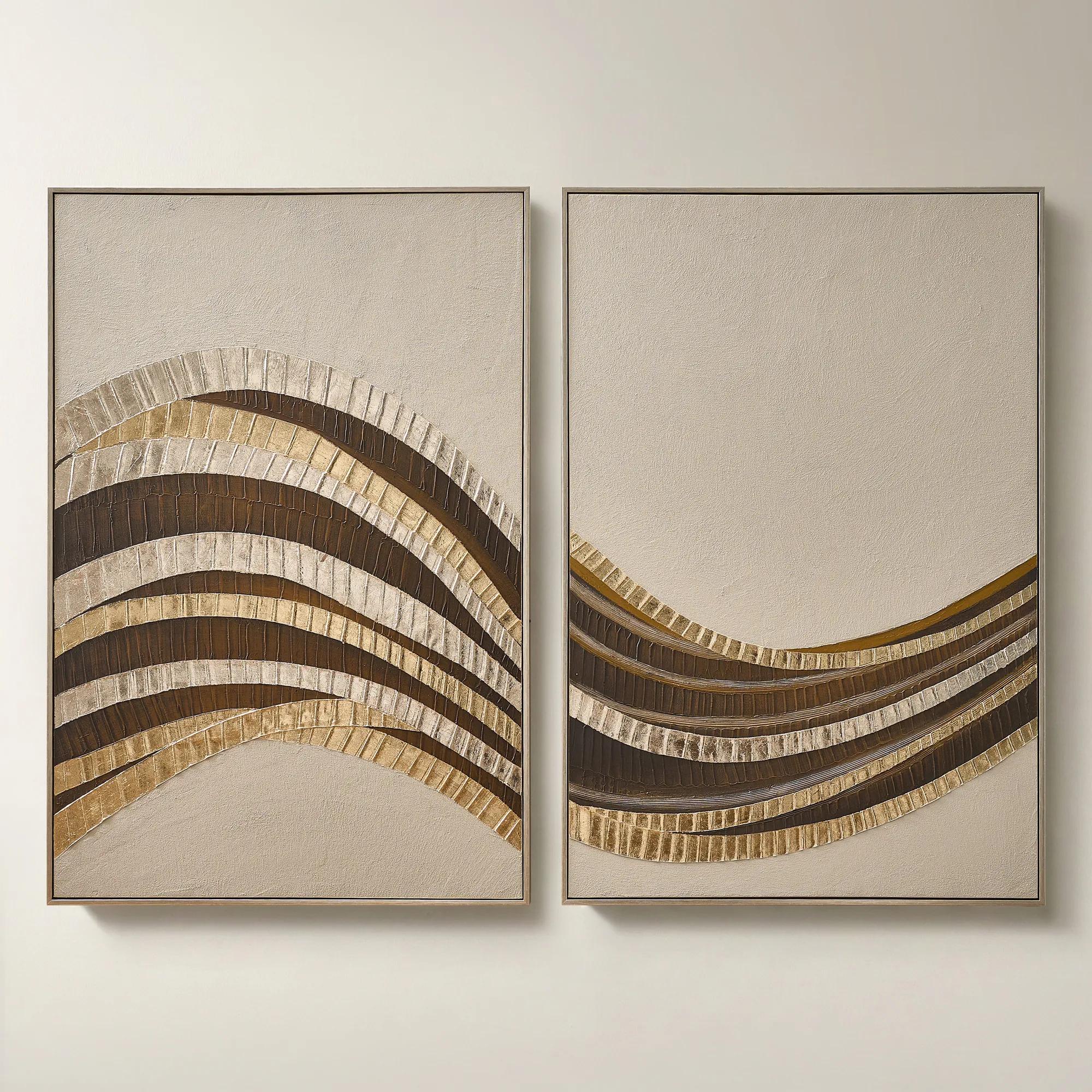
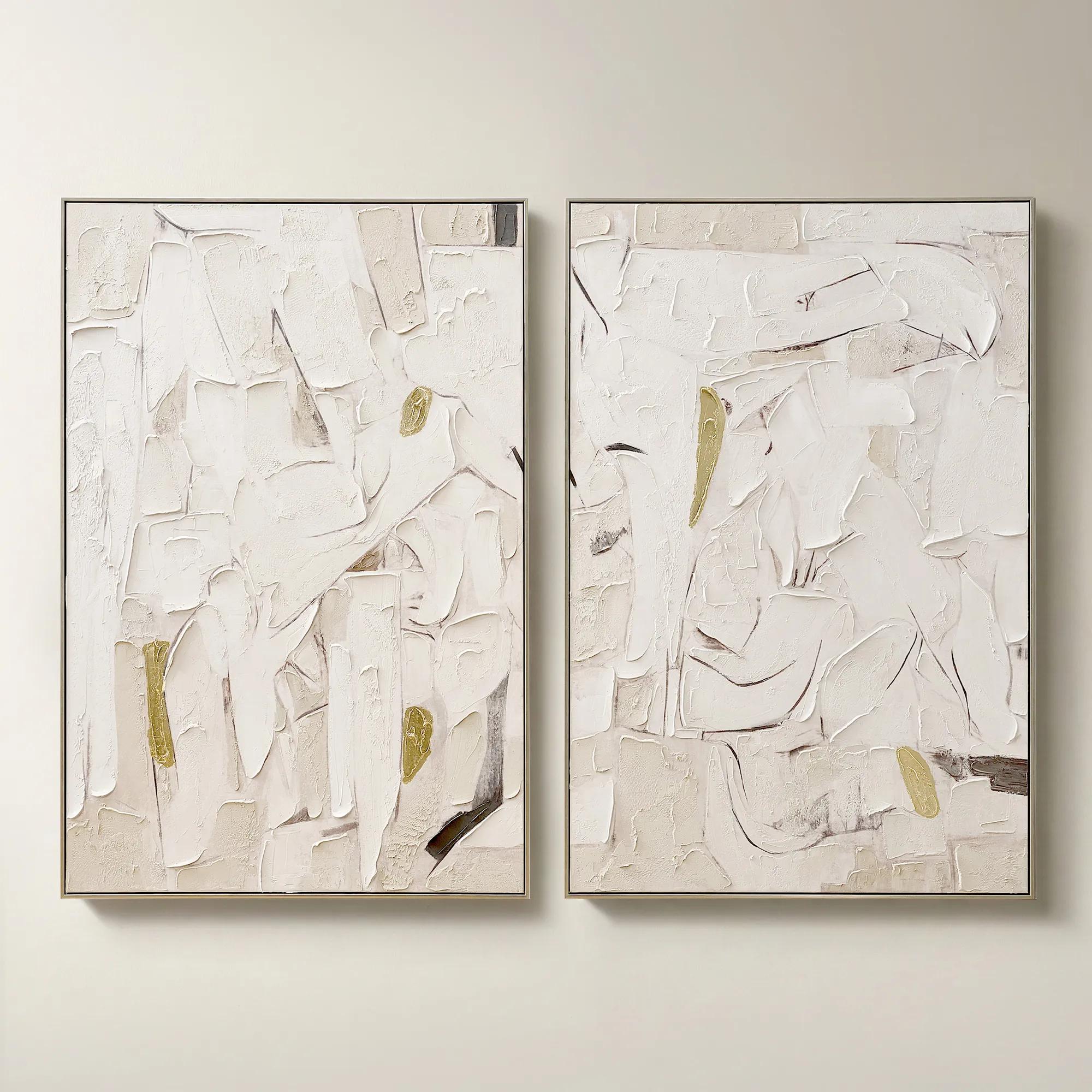 Beneath the Surface Framed Gold Leaf Painted Wall Art 40" x 60" Set of 2$799
A hand-painted abstract diptych featuring gold detailing and layered texture in alabaster and tawny hues.
Add To Cart -
 Stillness in Motion Framed Gold Leaf Painted Wall Art 40" x 60" Set of 2$899
A hand-painted abstract diptych with gold leaf accents, textured surface, and brushed champagne frames.
Add To Cart -
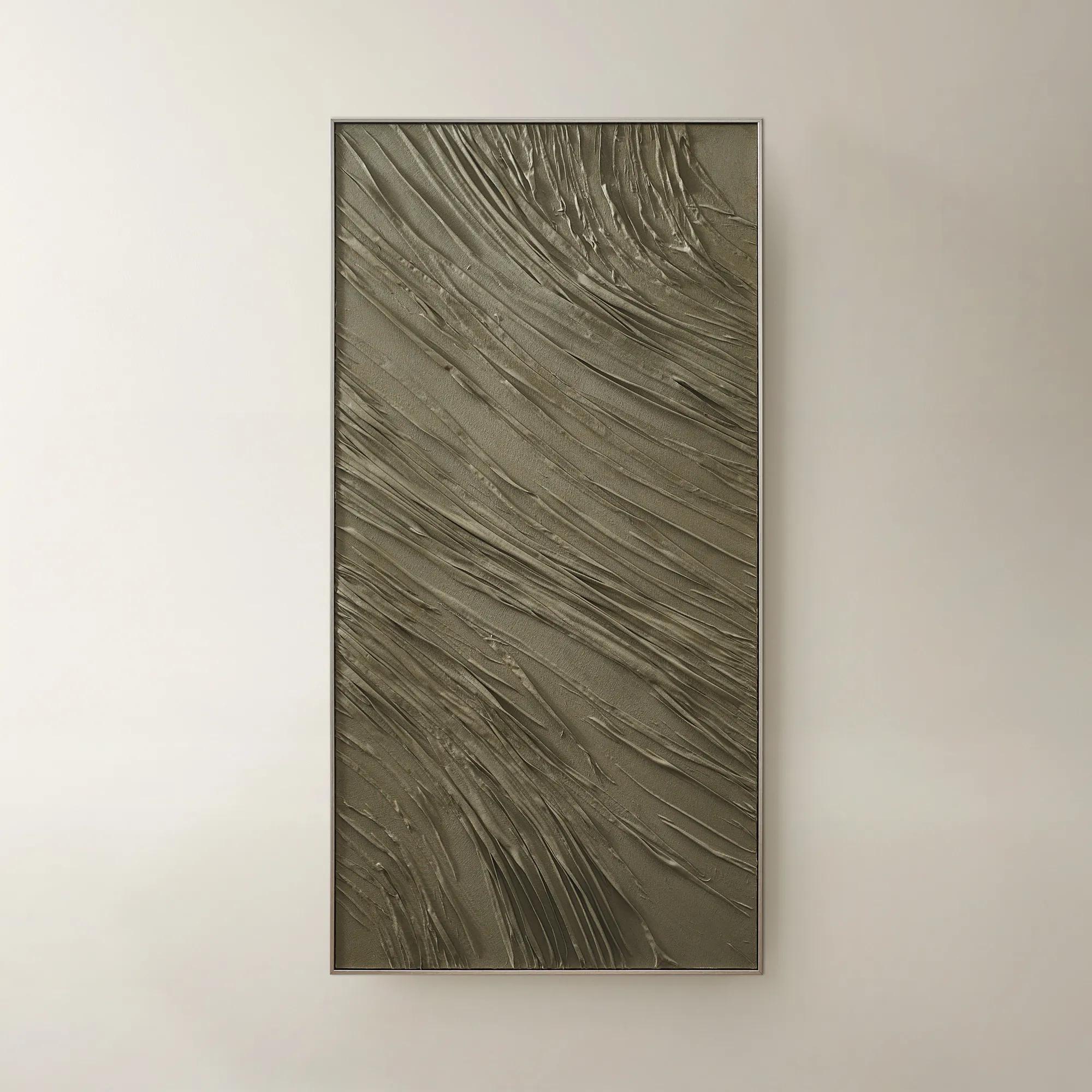
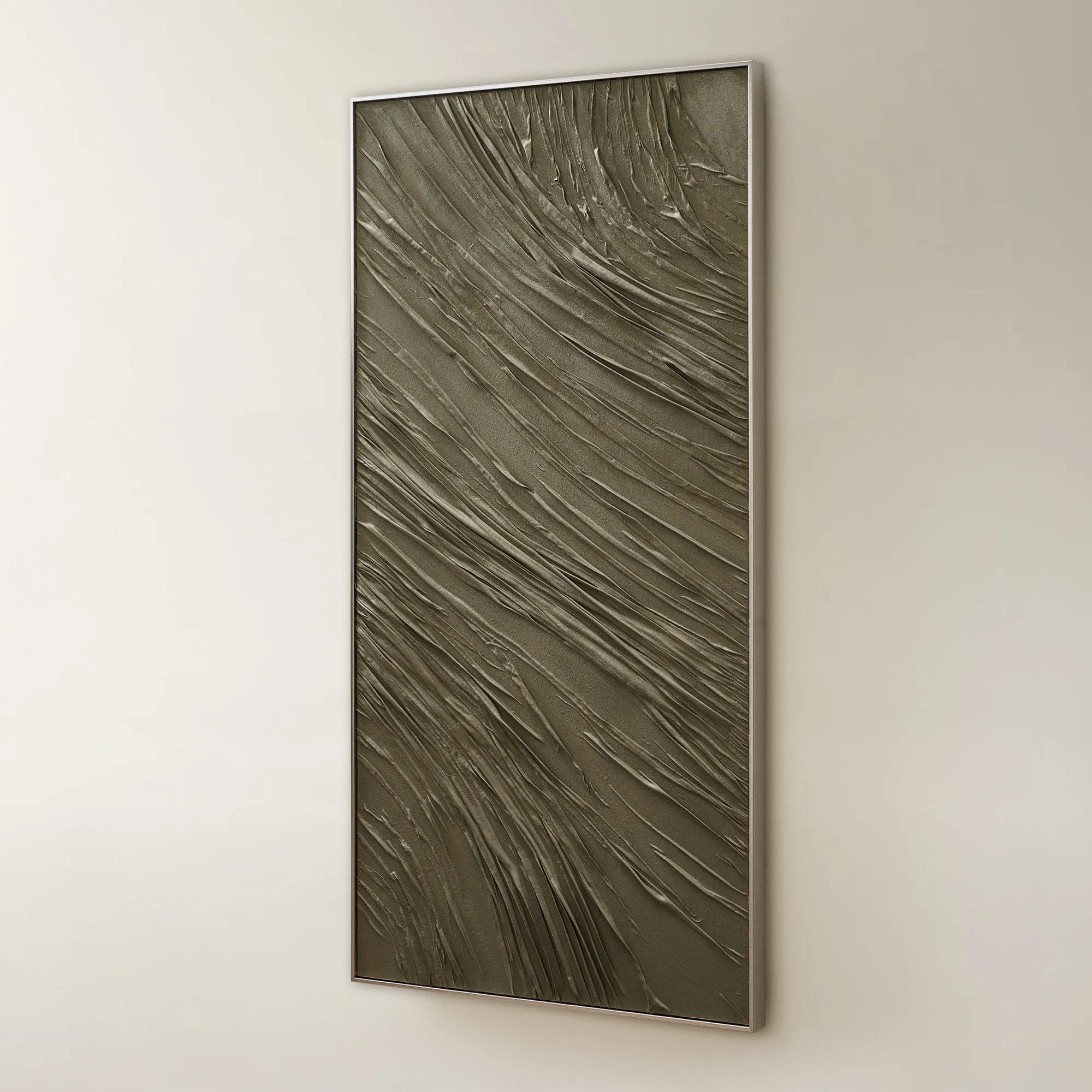 Grove Framed Hand-crafted Folded Fabric Wall Art 60" x 30"$349
A hand-crafted folded canvas in deep olive with a champagne frame for sculptural, modern wall art.
Add To Cart -
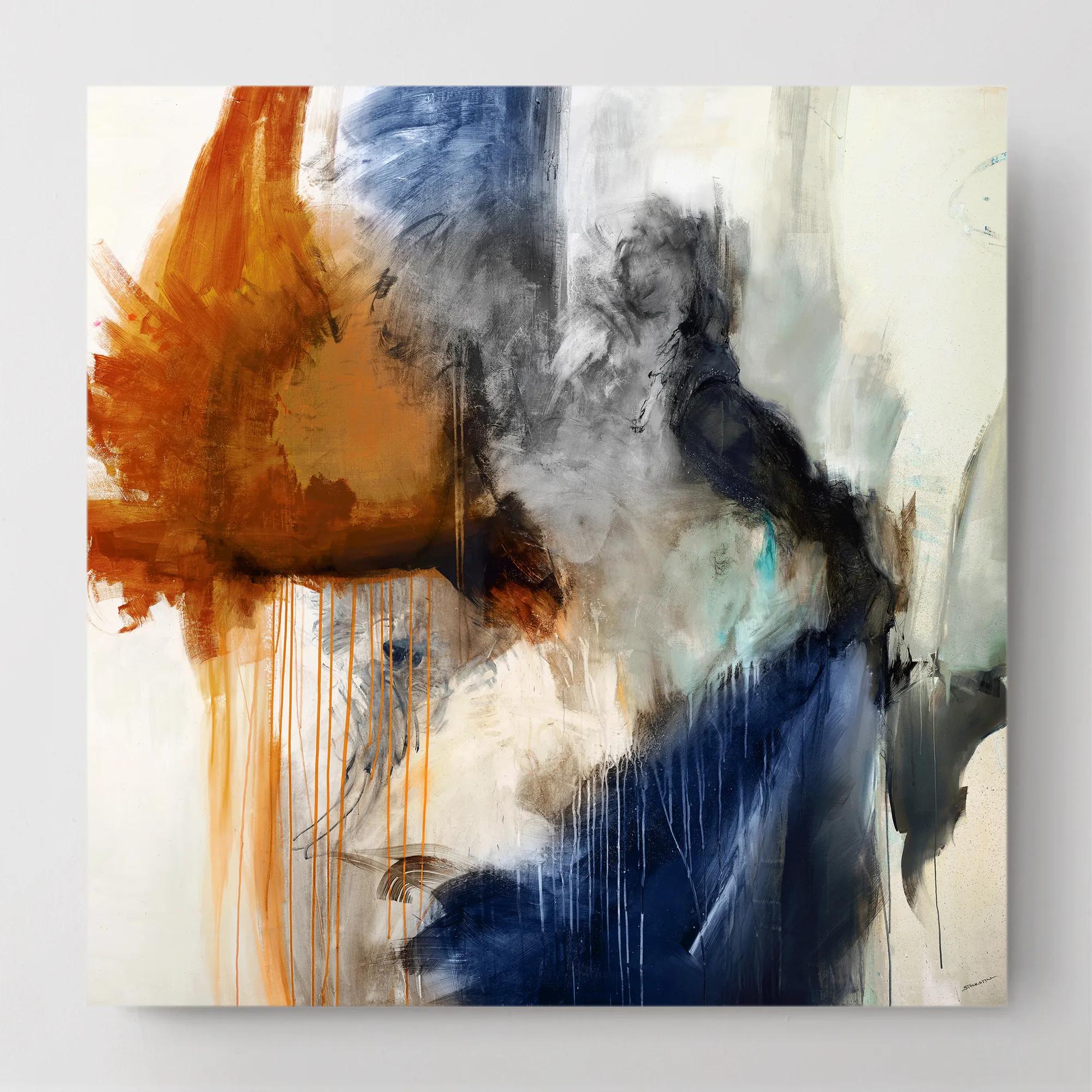
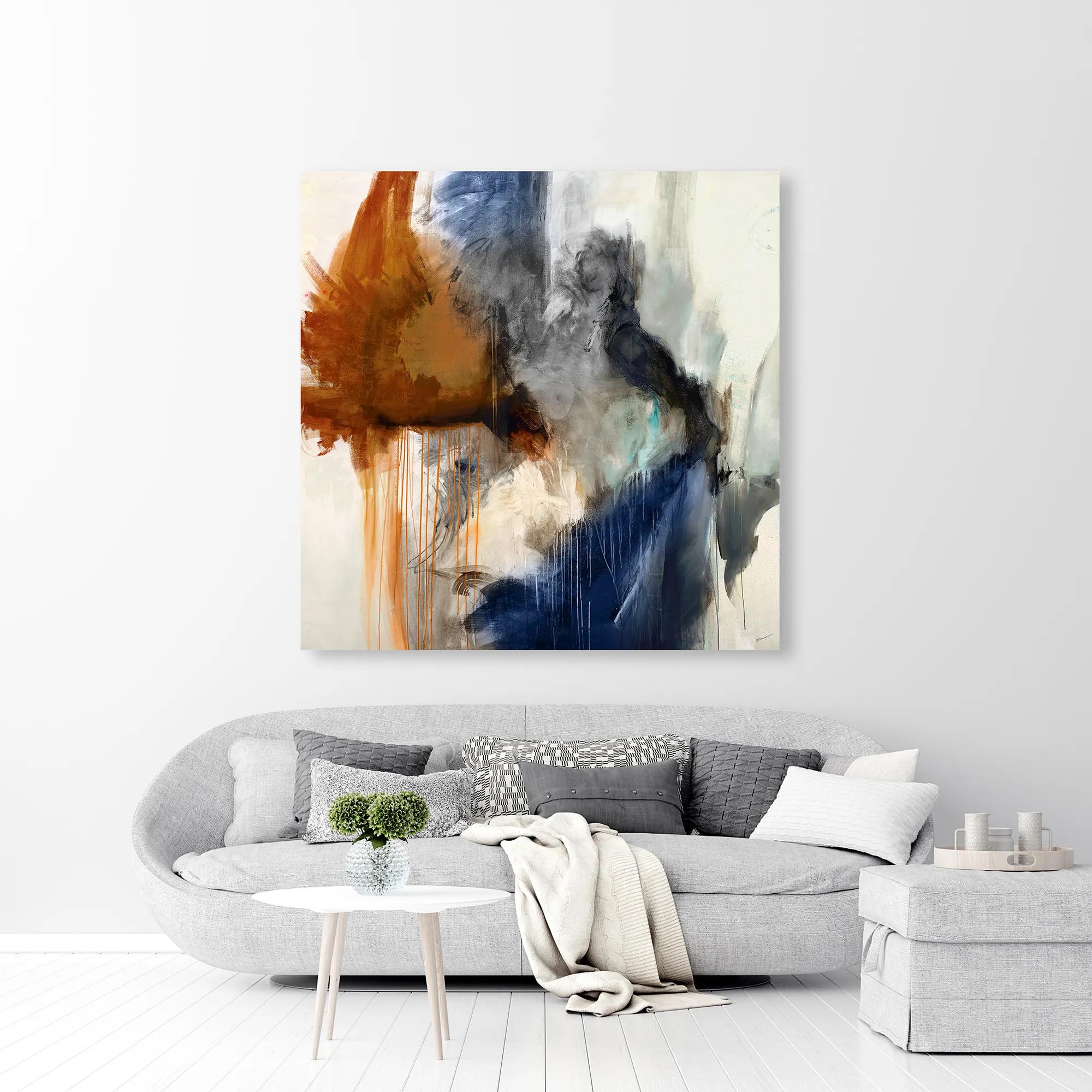 Swoon 6 Wall Art 54" x 54"$899
A gallery-wrapped canvas featuring a hand-applied image brush gel finish for a textured, artistic look.
Add To Cart -
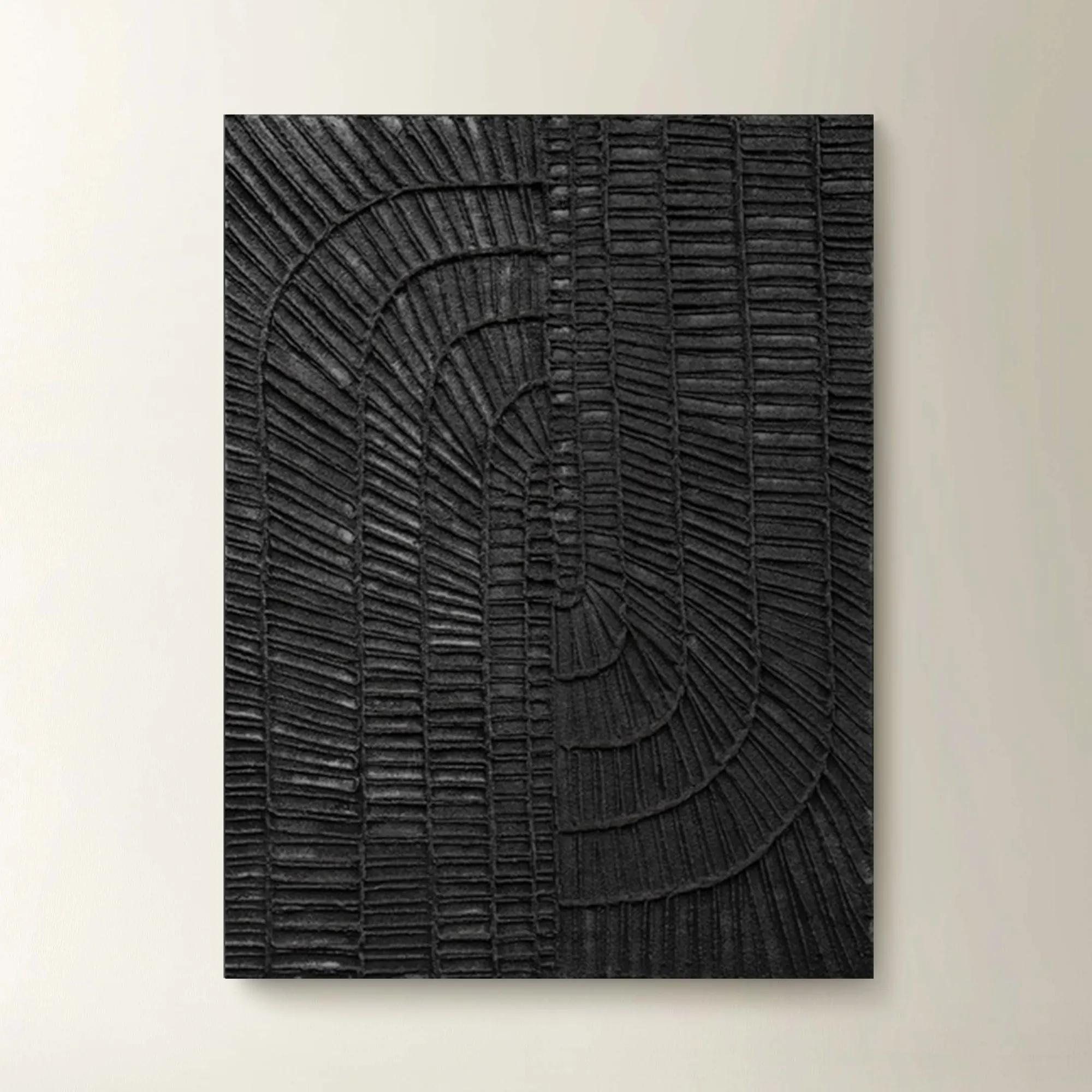 Textured Haze Black II Painted Wall Art 26" x 35"$499
A striking hand-painted black artwork featuring textured details for versatile vertical or horizontal display.
Add To Cart -
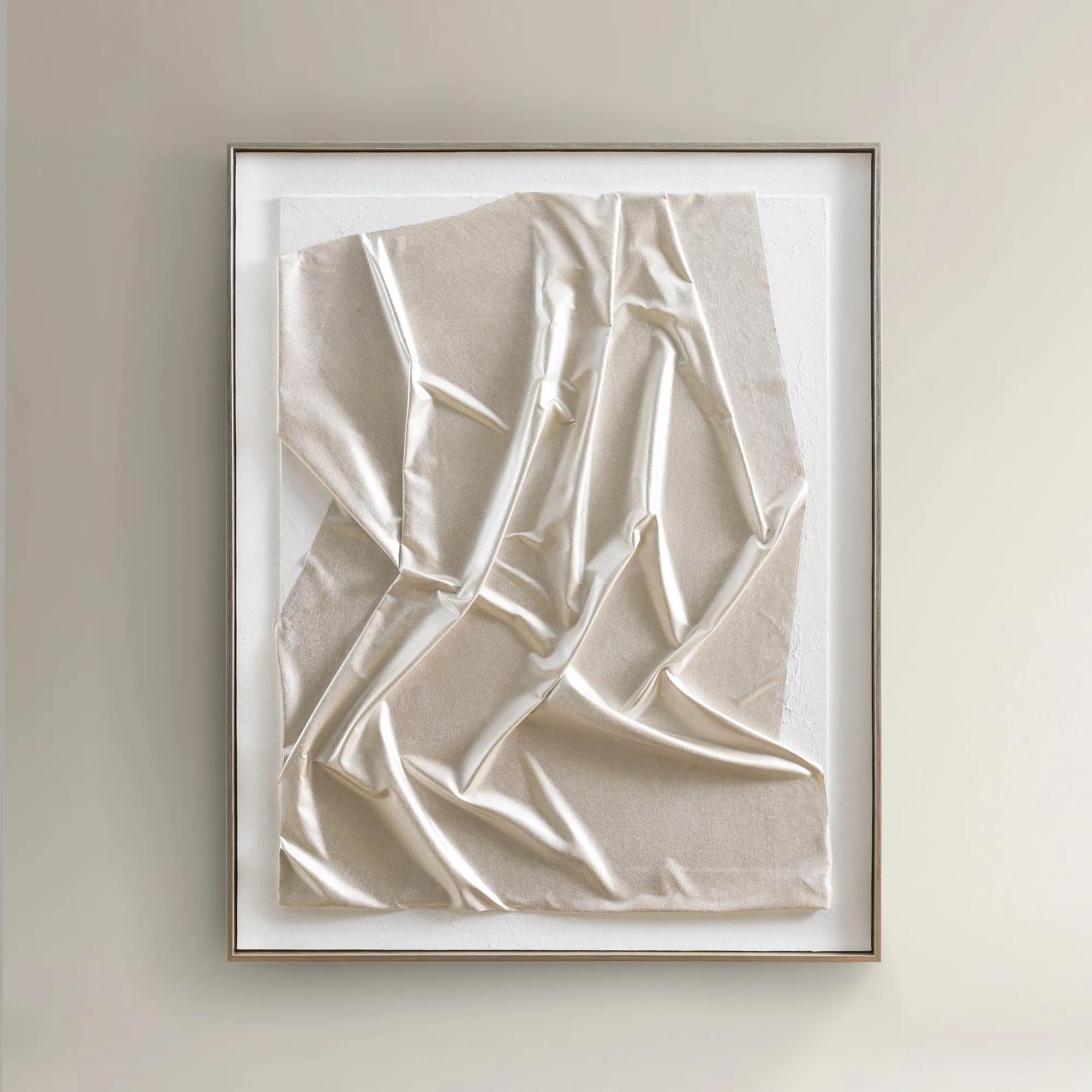
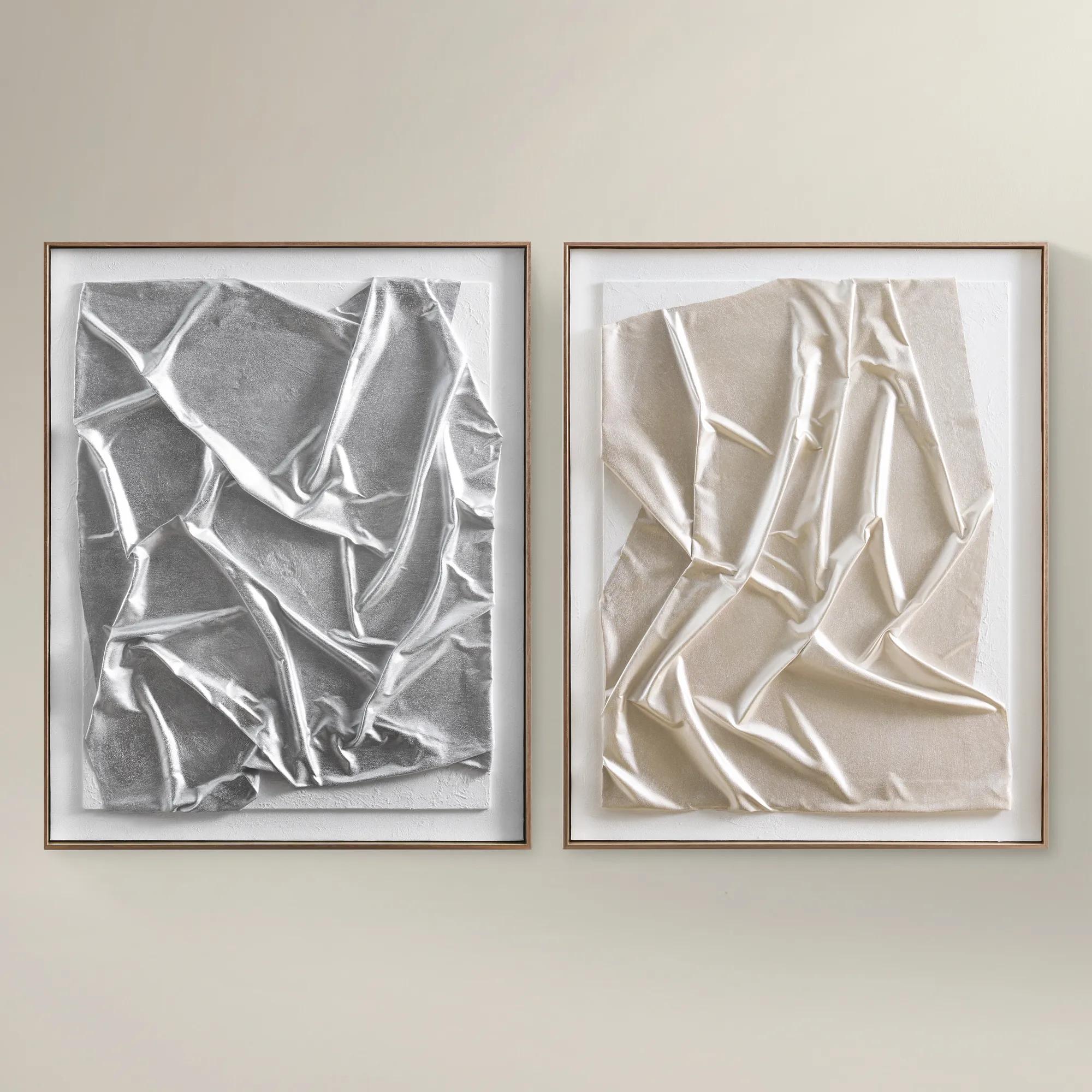 In the Mood Framed Painted Wall Art 31.5" x 39.5"$199
A hand-painted gold canvas artwork featuring textured surfaces and fluid forms in a champagne floater frame.
Add To Cart -
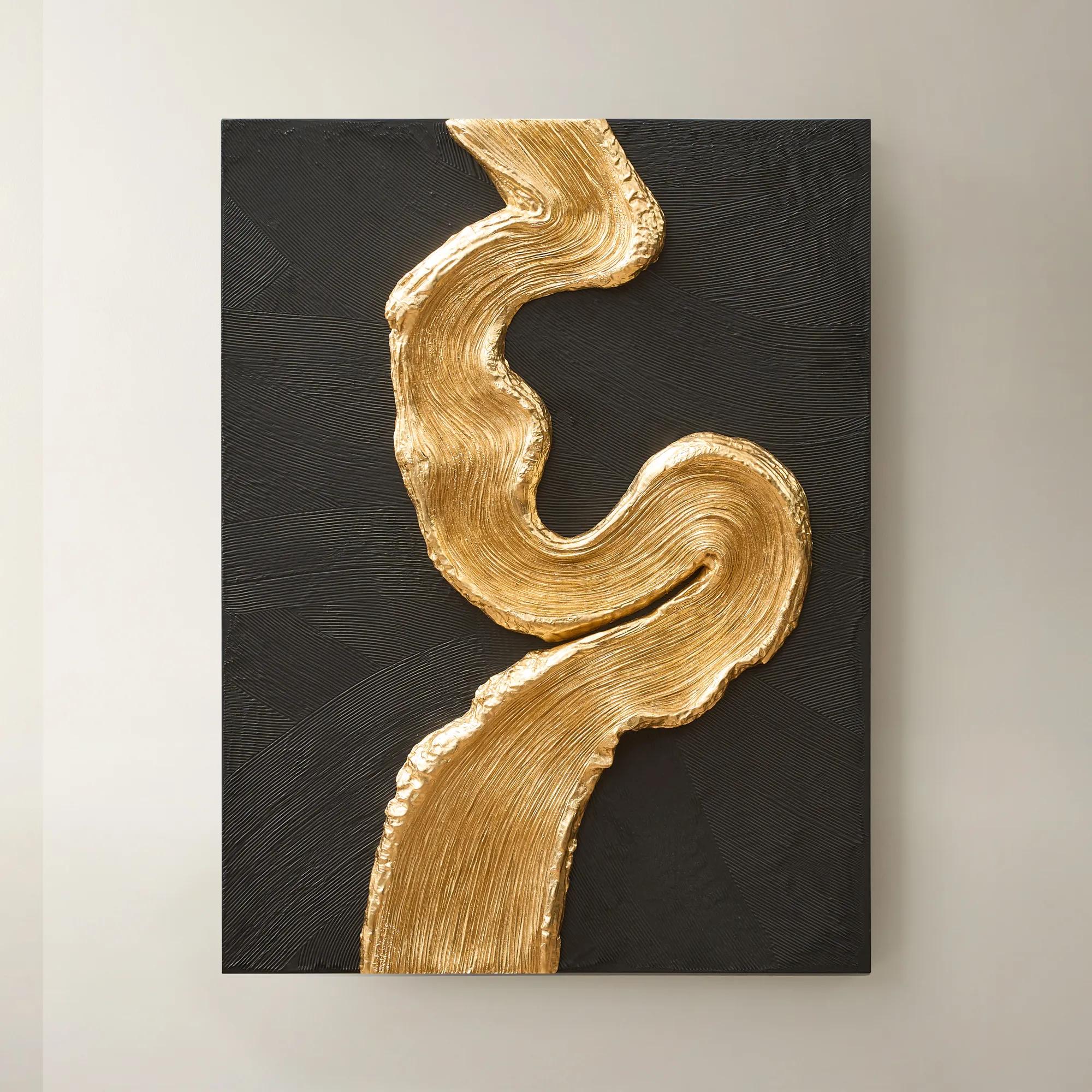
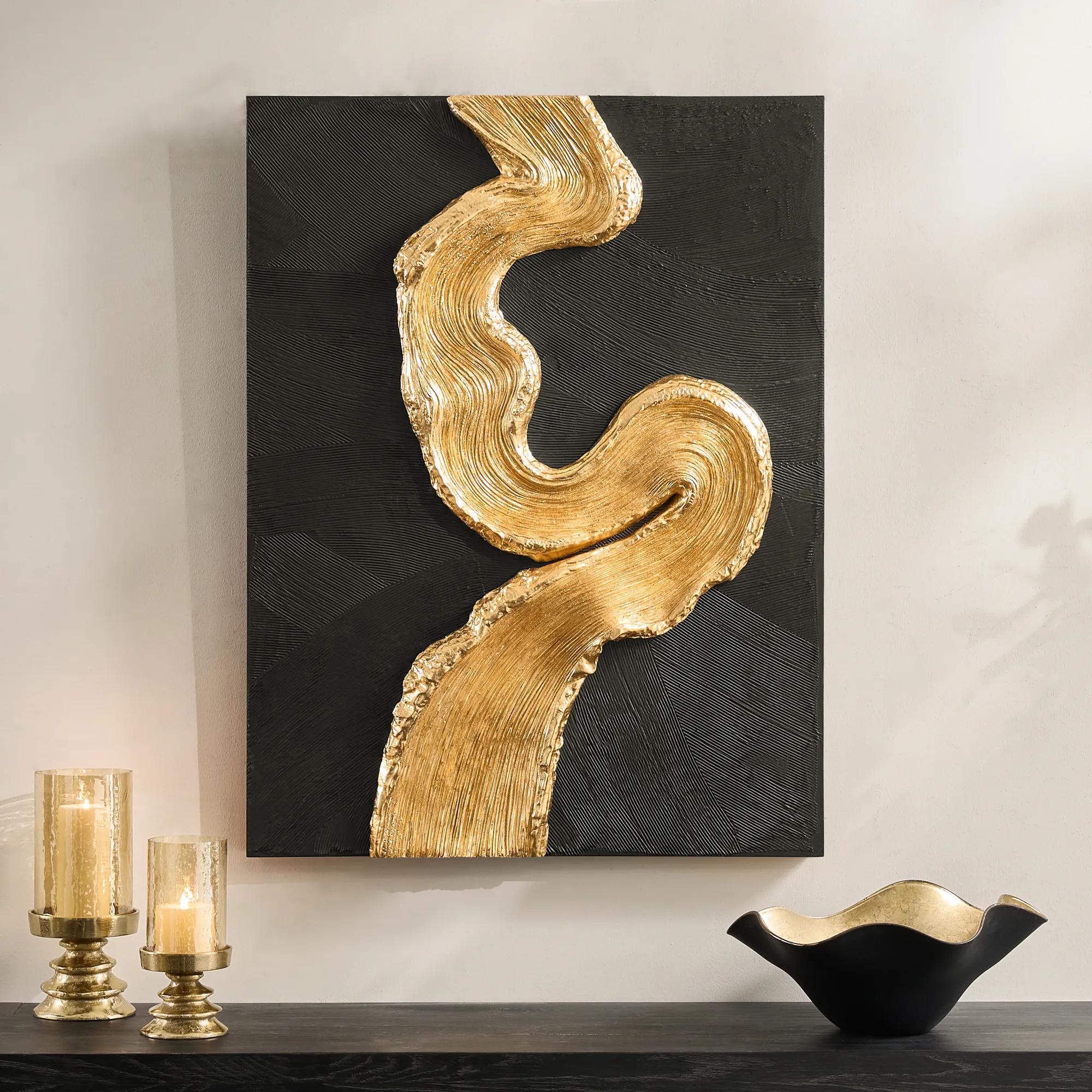 Gold Impasto Sculpted Resin Wall Panel 30" x 40"$499
A sculpted fiberglass resin wall panel featuring gold leaf detail and bold impasto texture on a black backdrop.
Add To Cart -
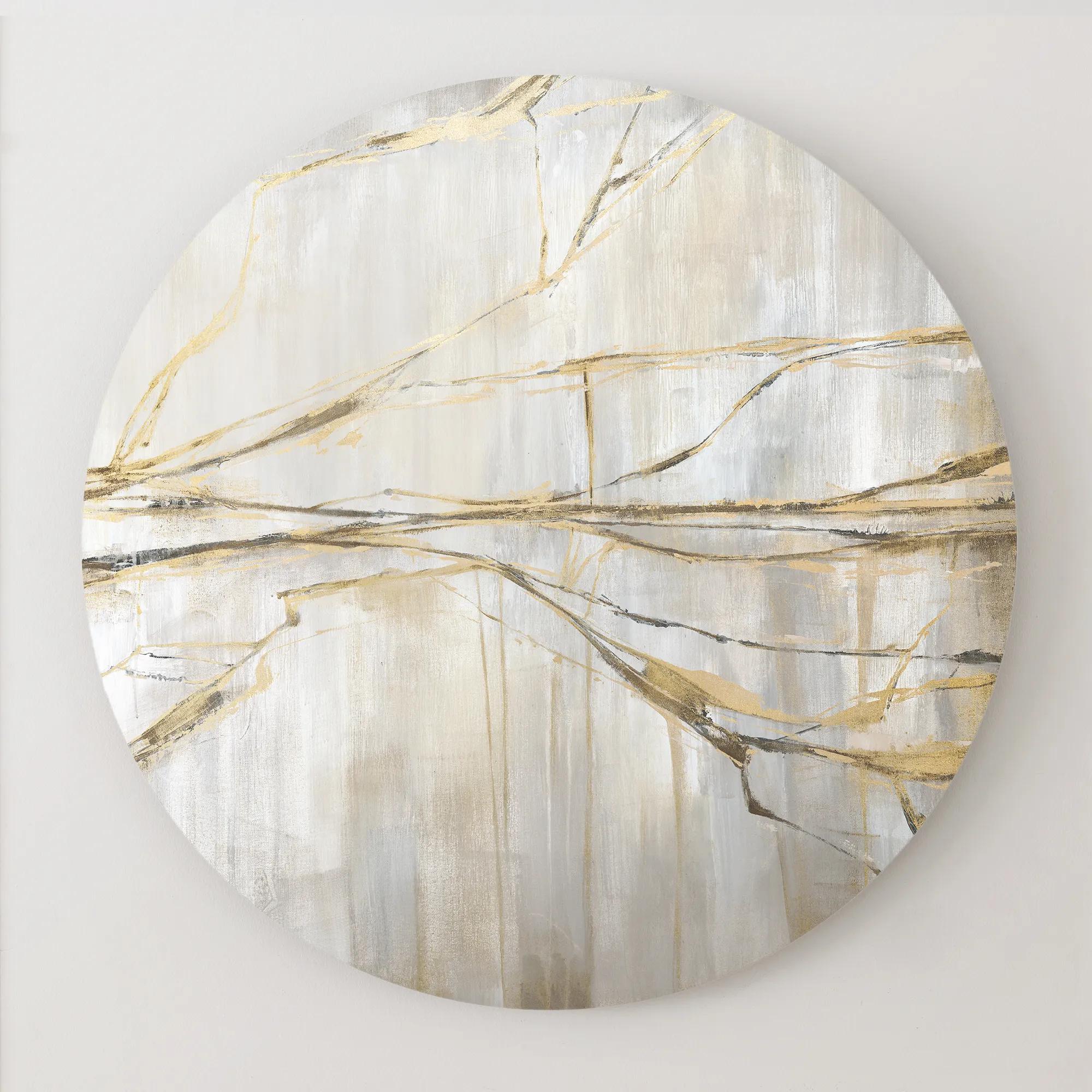
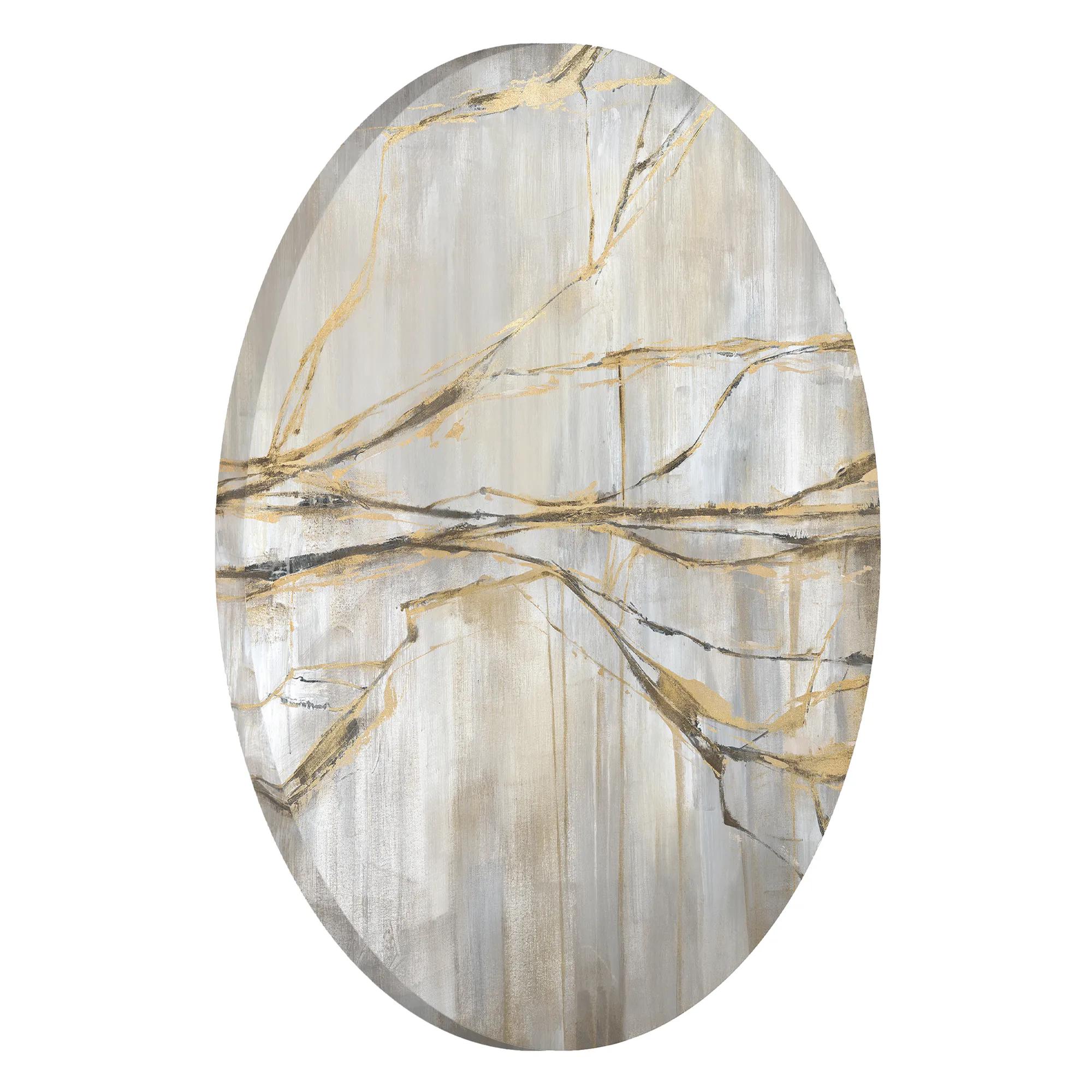 Lightening Crashes Round Wall Art 30"$899
A hand-textured circular linen canvas featuring a gallery-wrapped design for versatile wall display.
Add To Cart -
 Bella Champagne Draped Leather Wall Panel 50" x 40"$699
A sculptural wall panel featuring cascading black, champagne, and ivory leather over a fabric-wrapped MDF foundation.
Add To Cart -
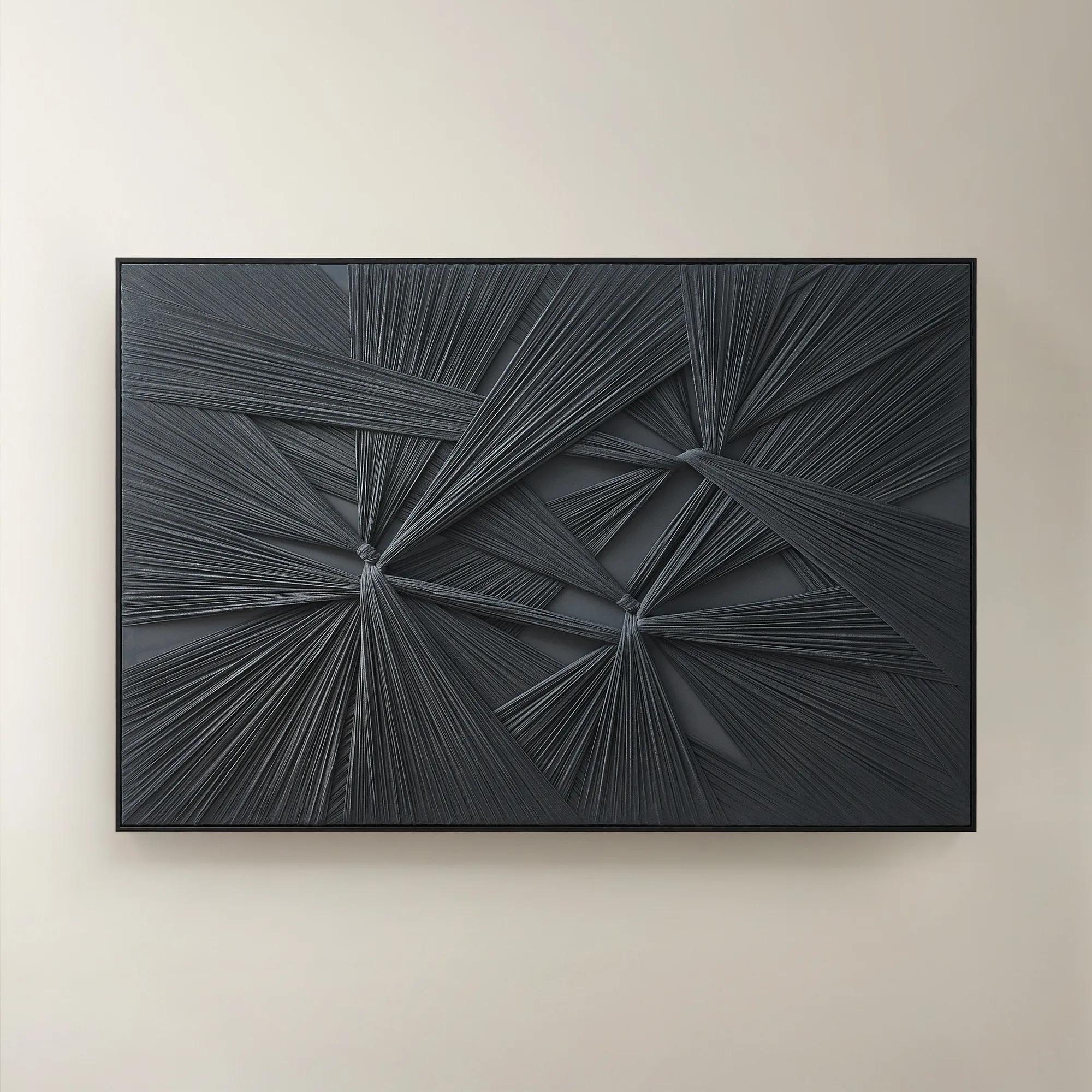 Grace in Dark Slate Hand-crafted Fabric Wall Art 70.75" x 47"$799
A hand-crafted textile wall art piece in dark slate, featuring sculptural texture and versatile display options.
Add To Cart -
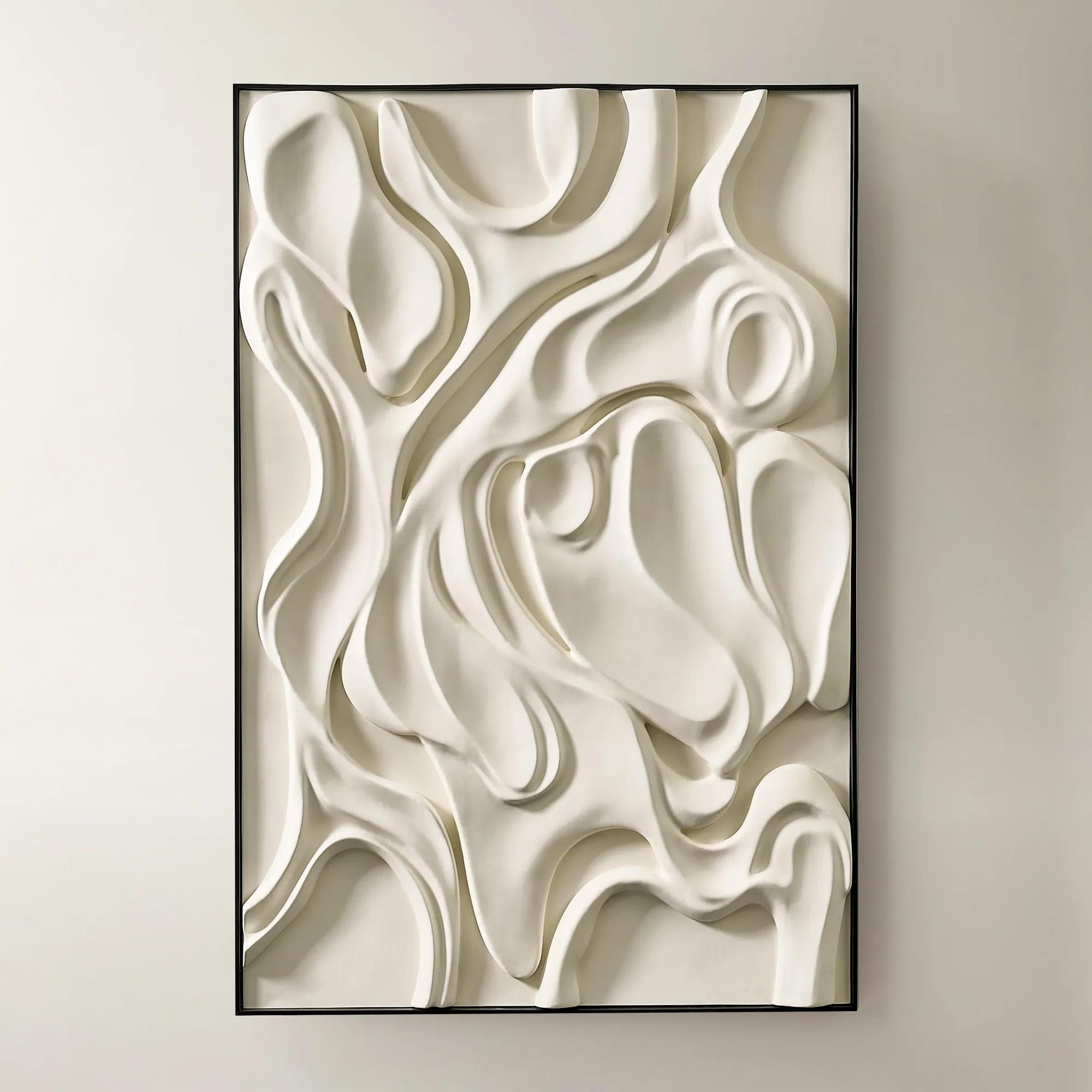 Overflow Alabaster Sculpted Resin Wall Panel 40" x 60"$699
An alabaster fiberglass resin wall panel with sculptural texture and a versatile black frame for modern spaces.
Add To Cart -
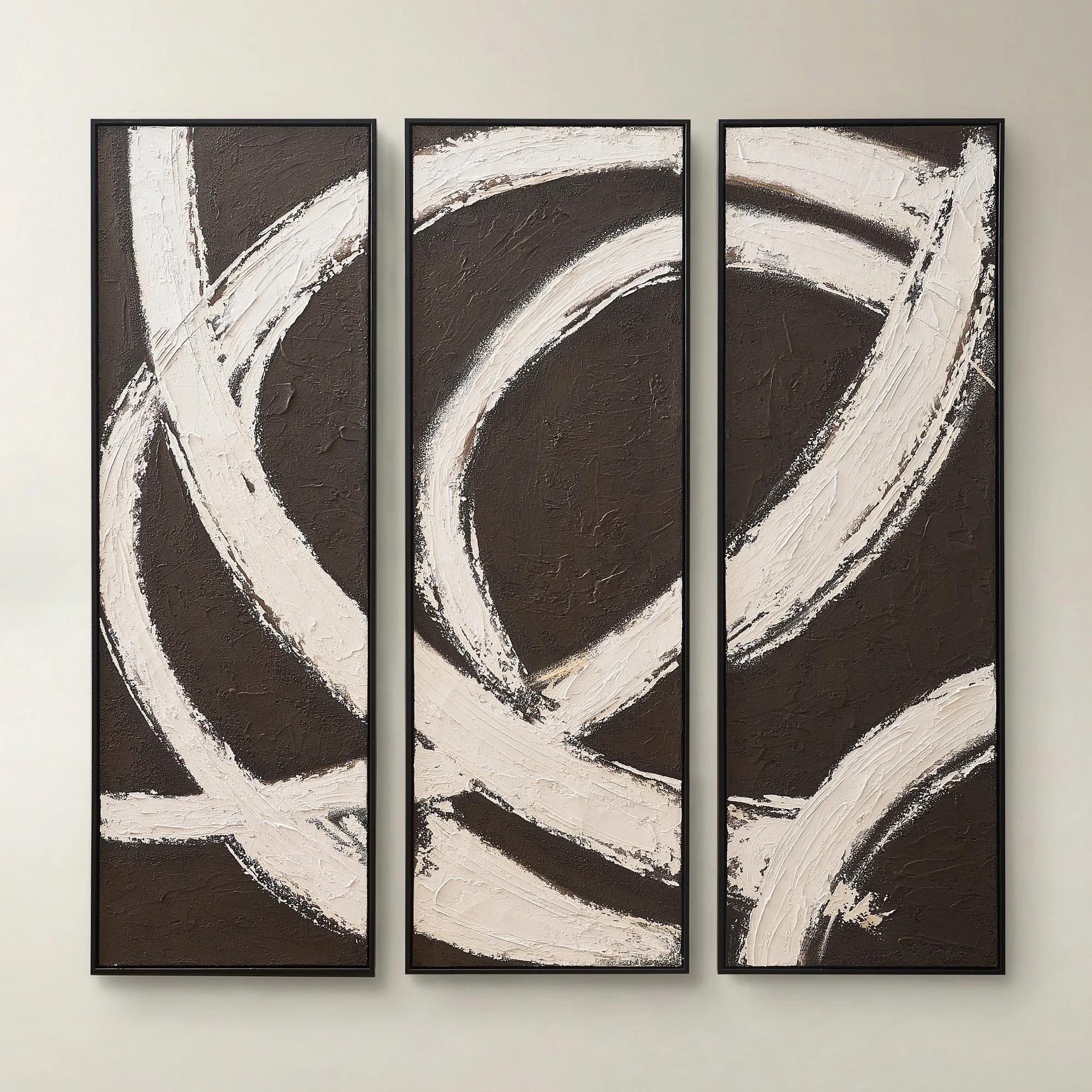
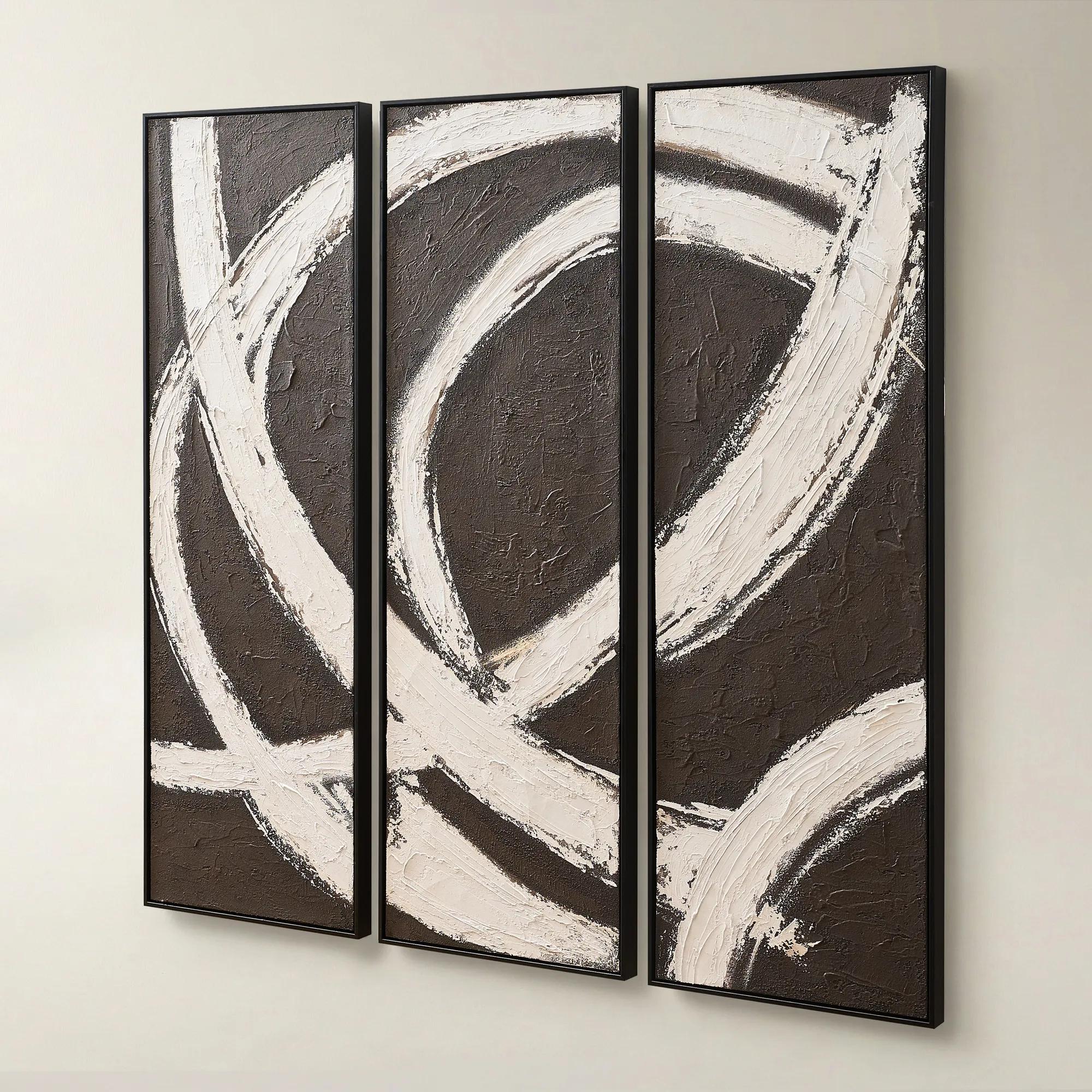 Spun in Coco Framed Painted Wall Art 20" x 60" Set of 3$499
A hand-painted triptych featuring dark chocolate and alabaster tones with rich texture and modern contrast.
Add To Cart -
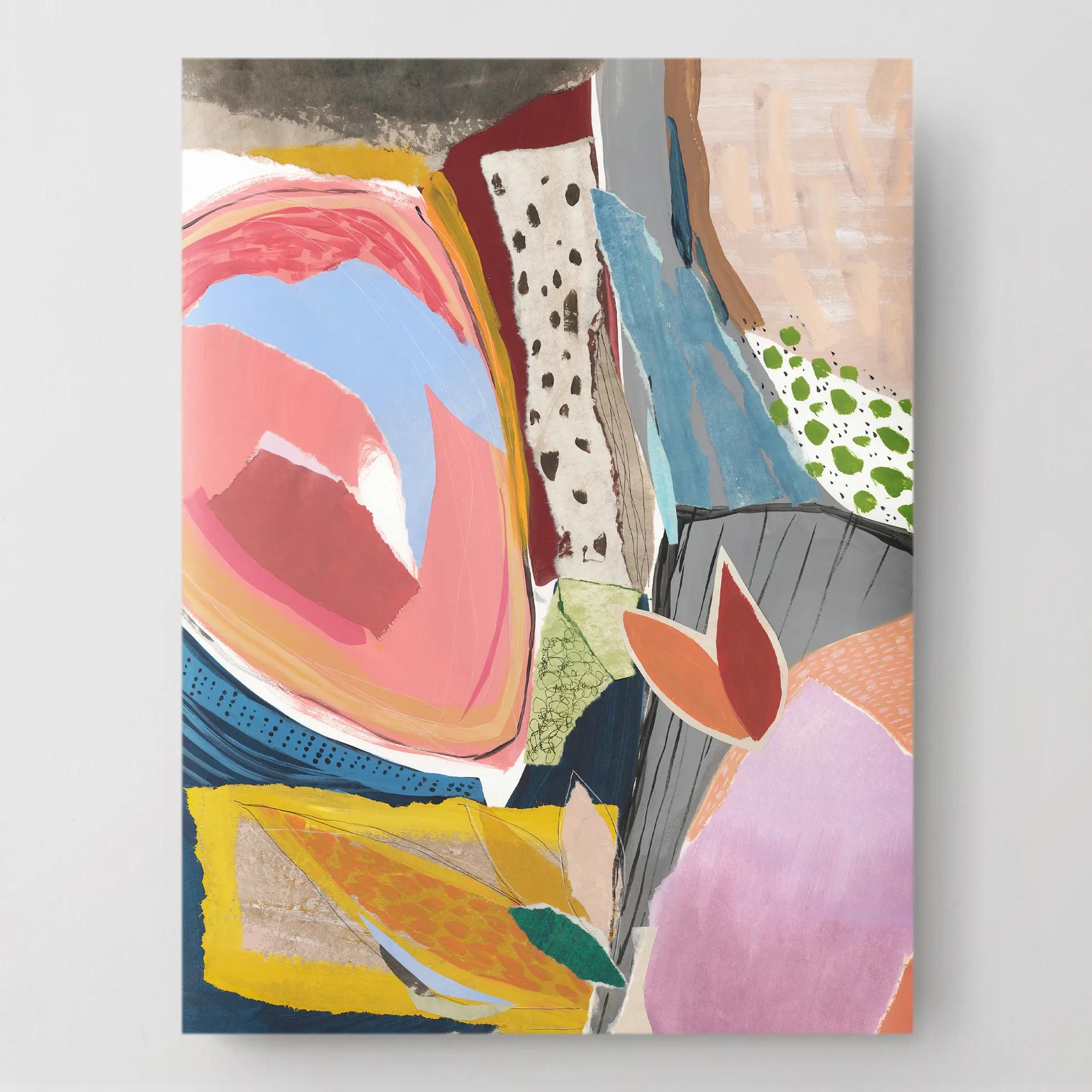
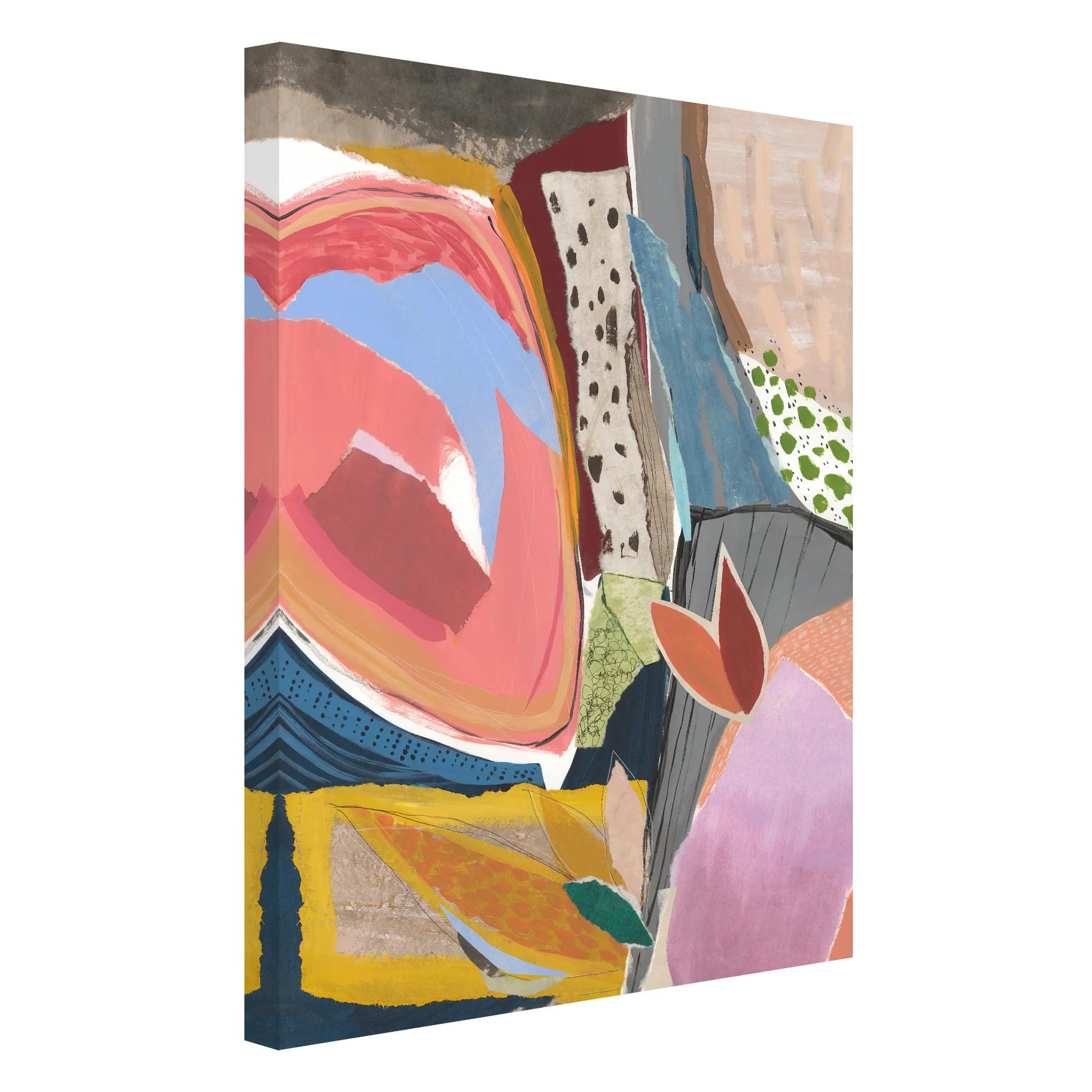 Sunday Vibes 1 Wall Art 30" x 40"$449
A gallery-wrapped canvas artwork featuring a hand-applied image brush gel finish for a textured look.
Add To Cart -
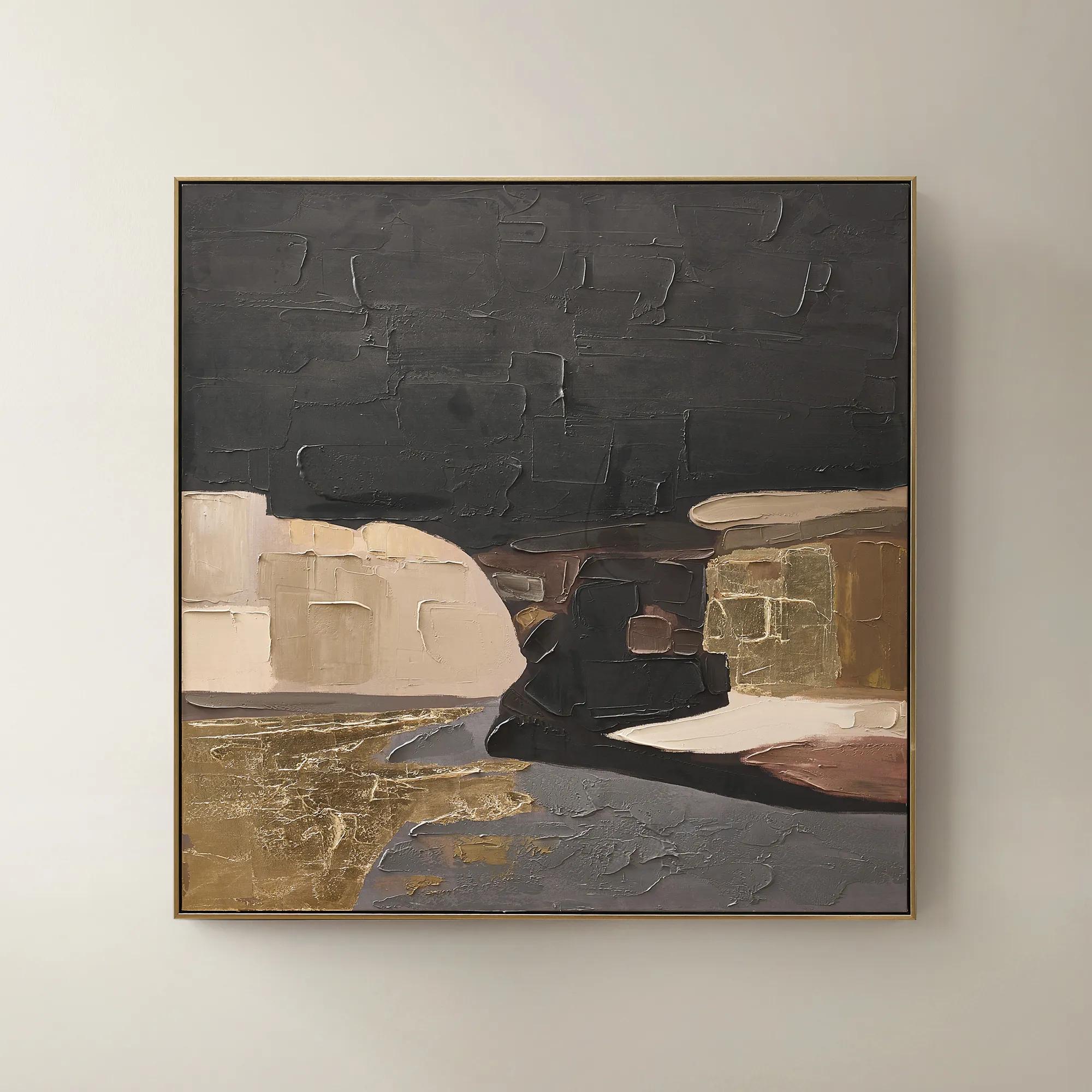 Obscured Light Framed Gold Leaf Painted Wall Art 48" x 48"$499
A hand-painted canvas with gold leaf accents and a black-gold frame in dramatic neutral tones.
Add To Cart -
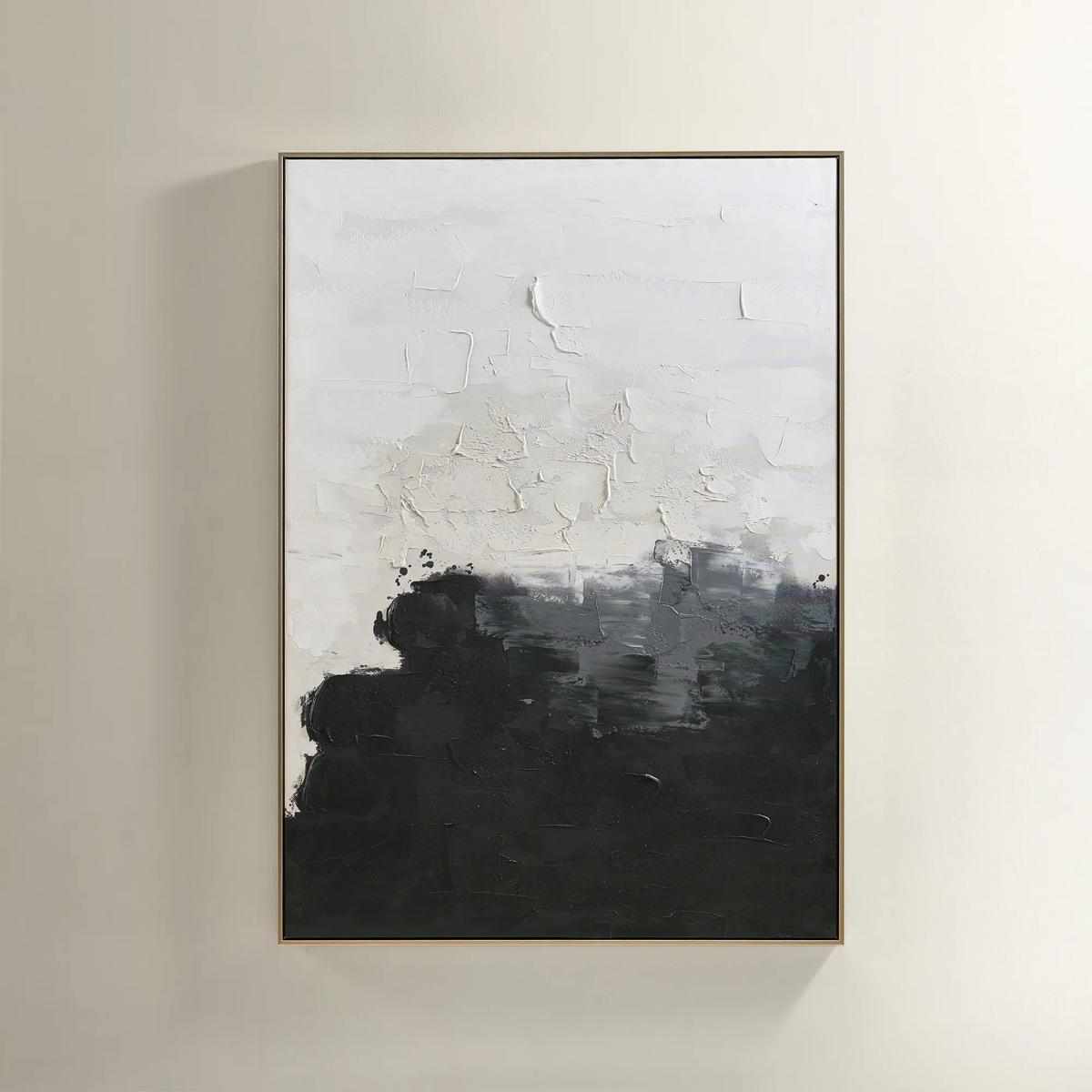
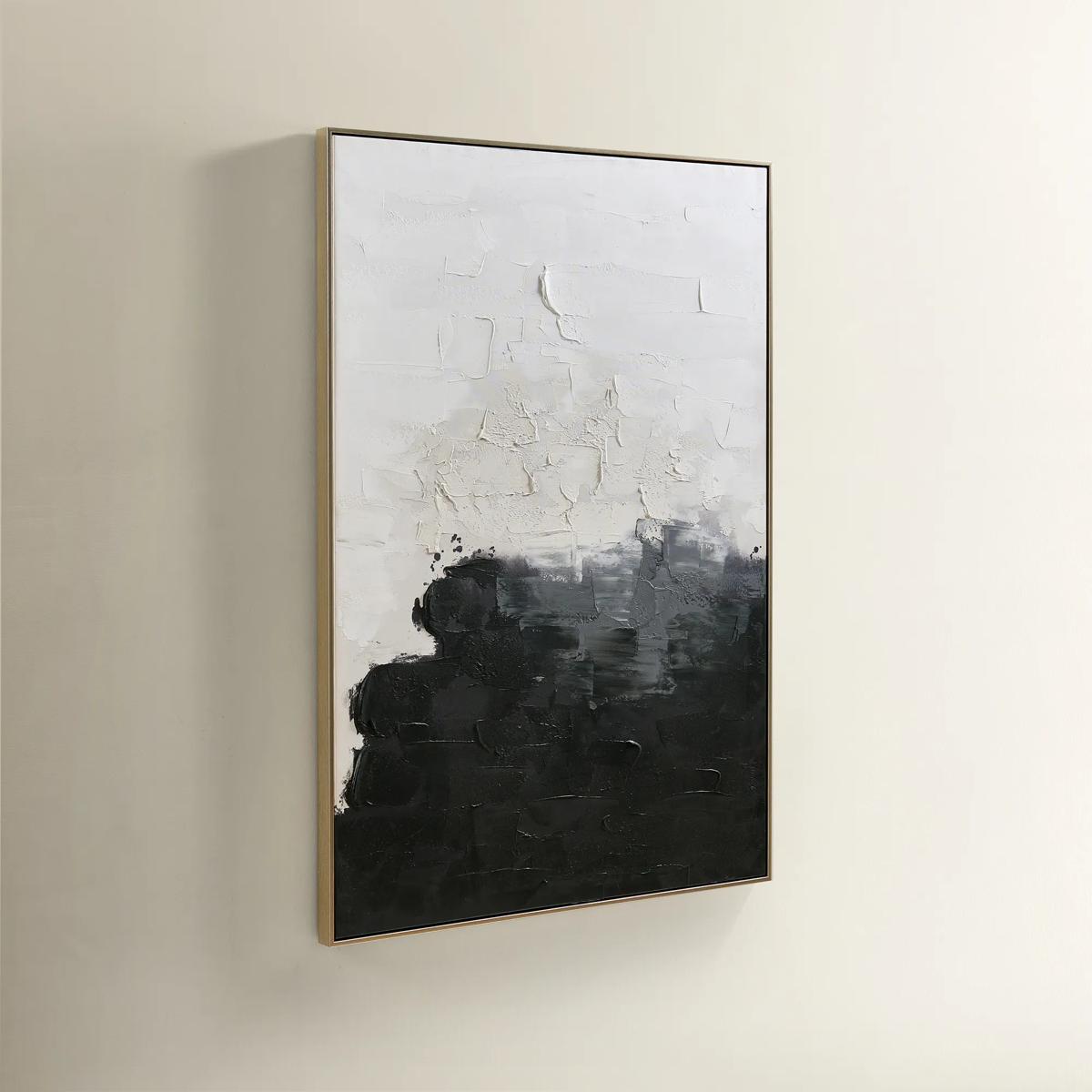 No Rush Painted Wall Art 39.25" x 55"$499
A hand-painted canvas featuring textured strokes of white, ivory, and charcoal in a natural wood frame.
Add To Cart -
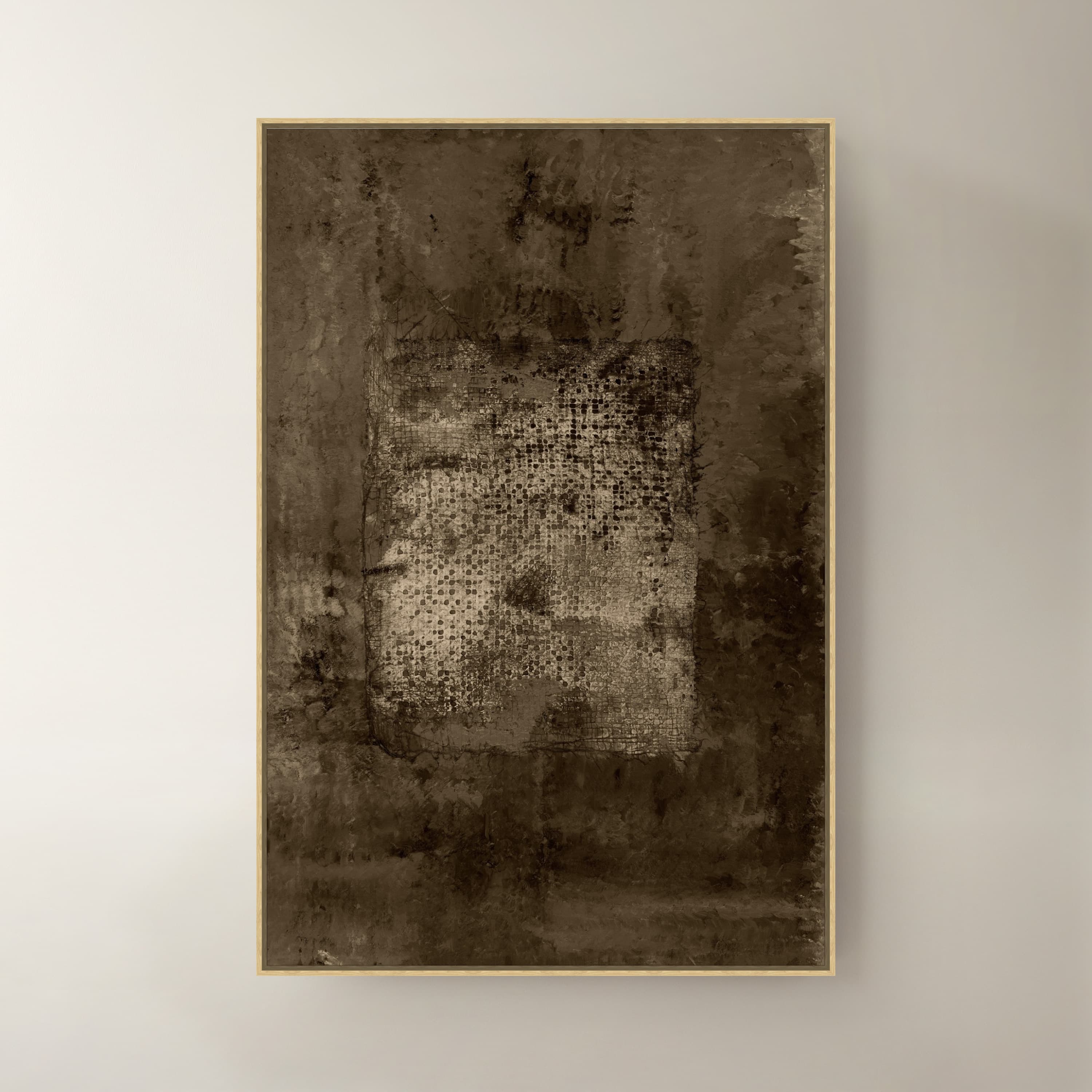
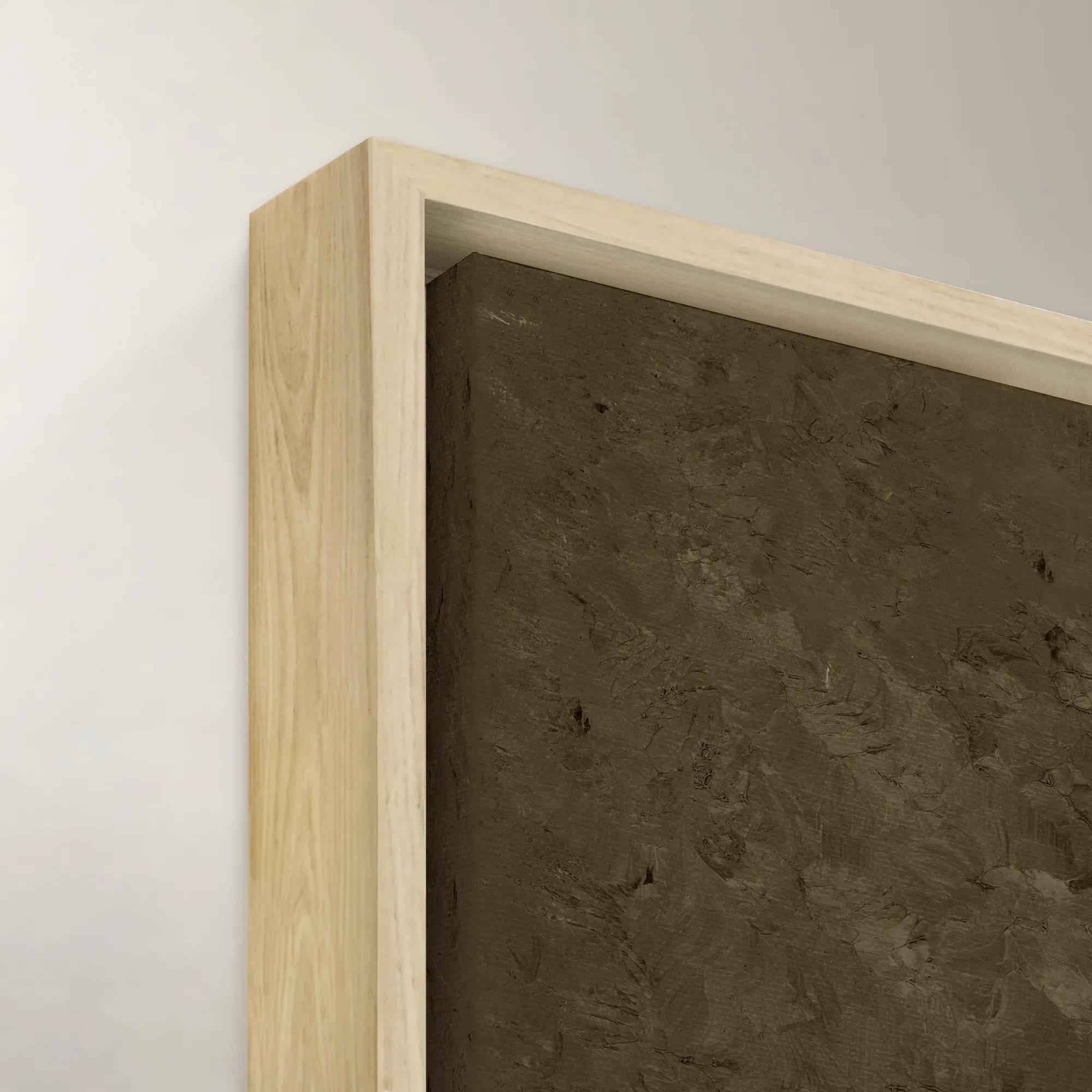 Ash IV Wall Art 40" x 60"$1399
A striking brown canvas artwork adding modern artistic depth to sophisticated interiors.
Add To Cart -
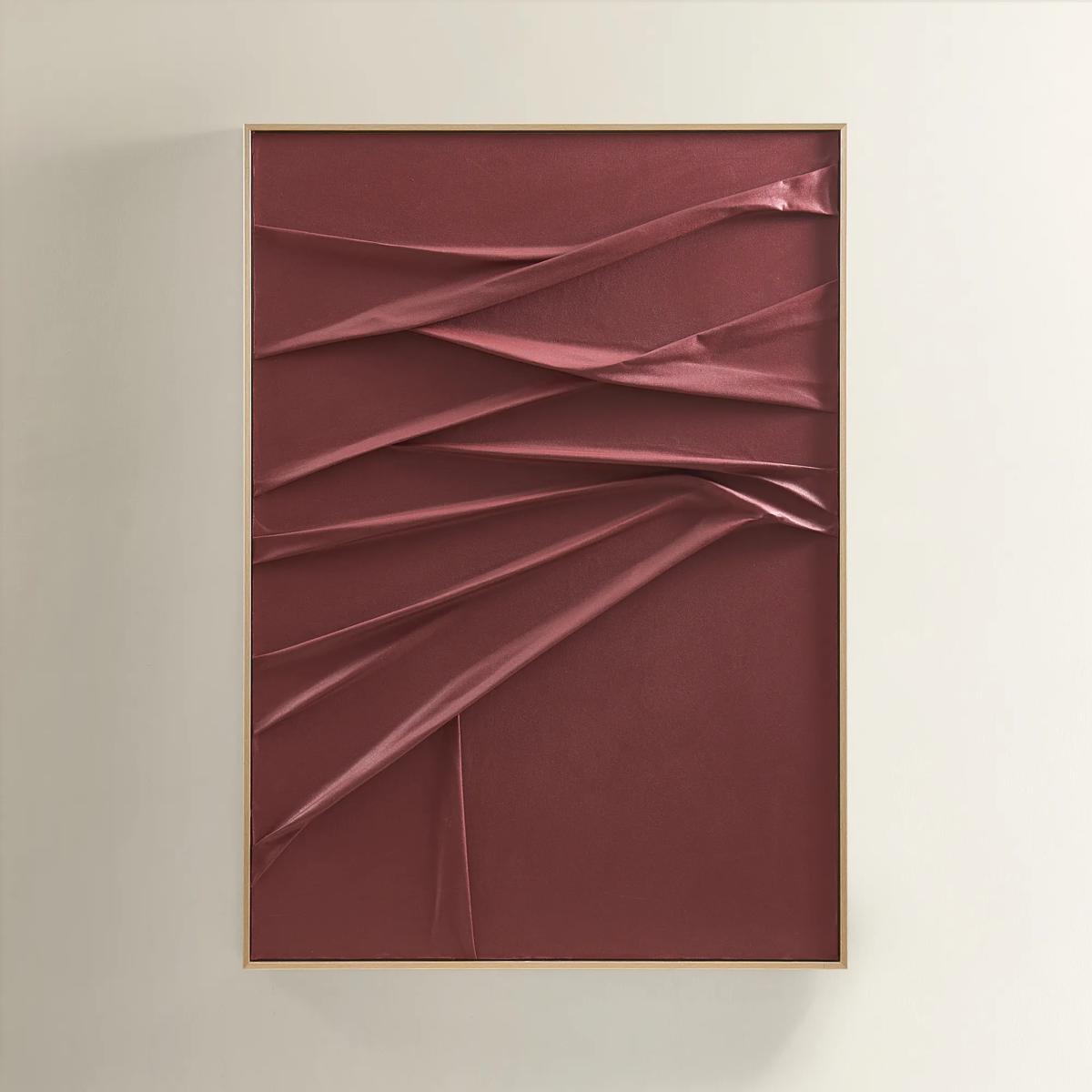
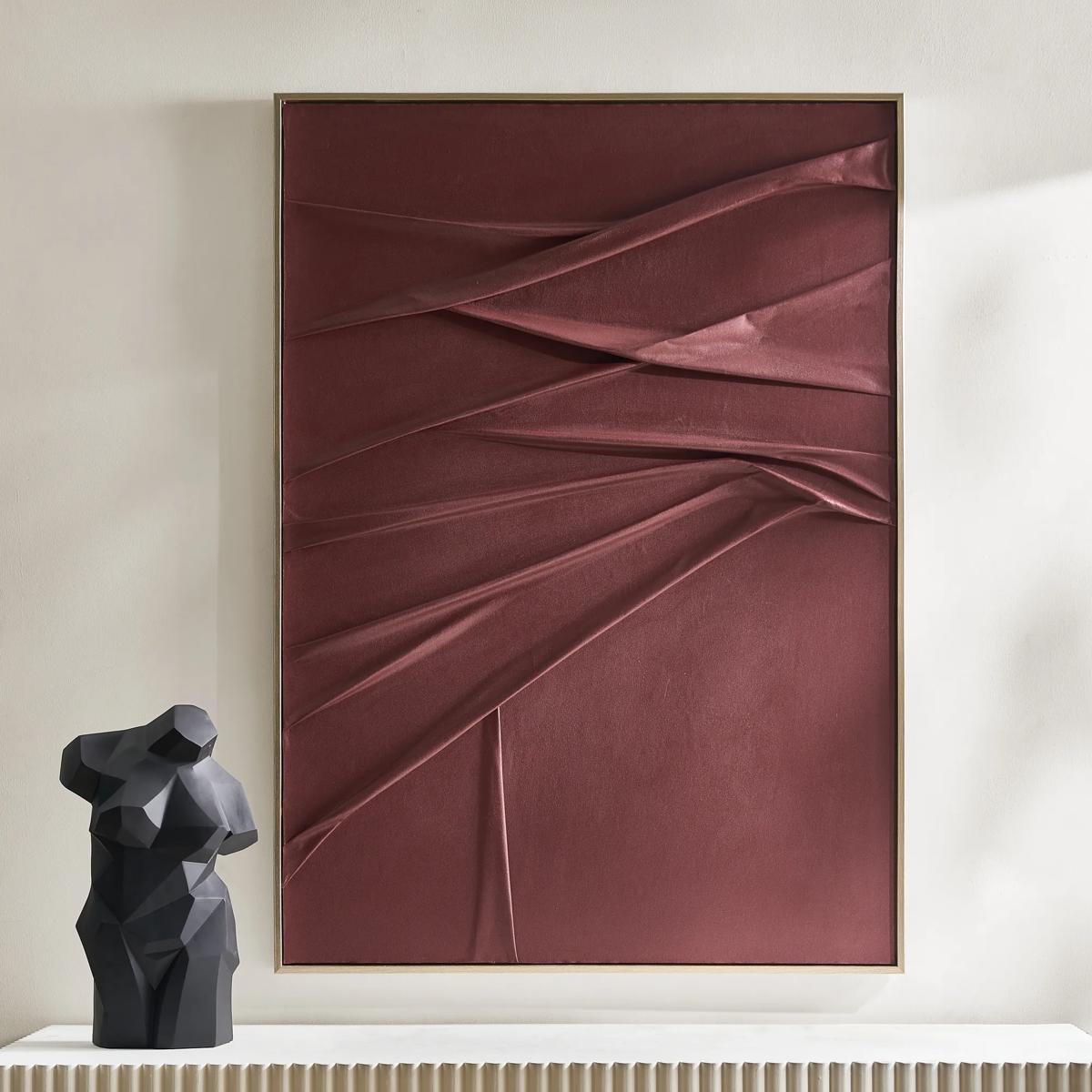 Crimson Painting$599
A handcrafted burgundy canvas artwork with sculptural folds, framed in champagne for a dramatic, textured effect.
Add To Cart -
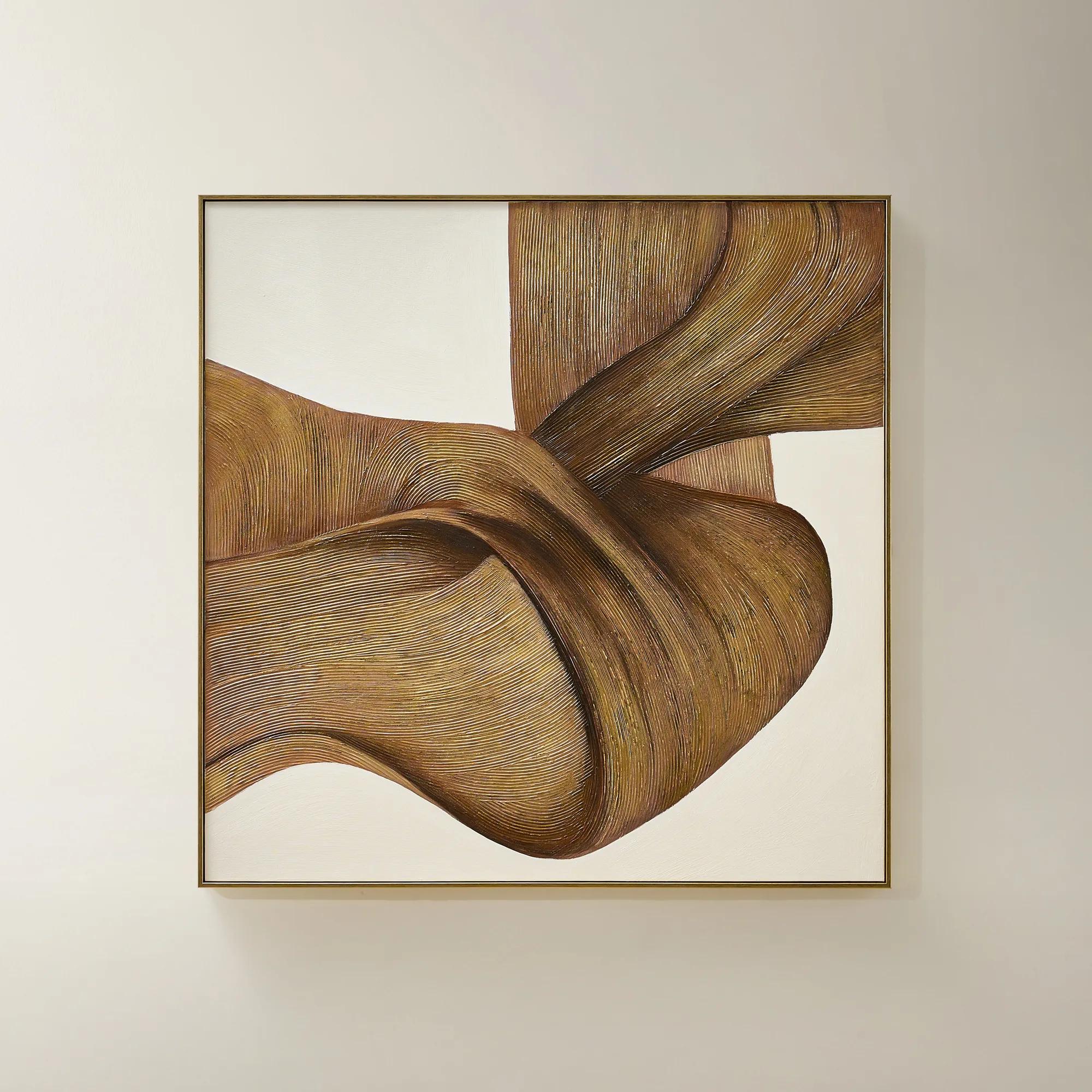
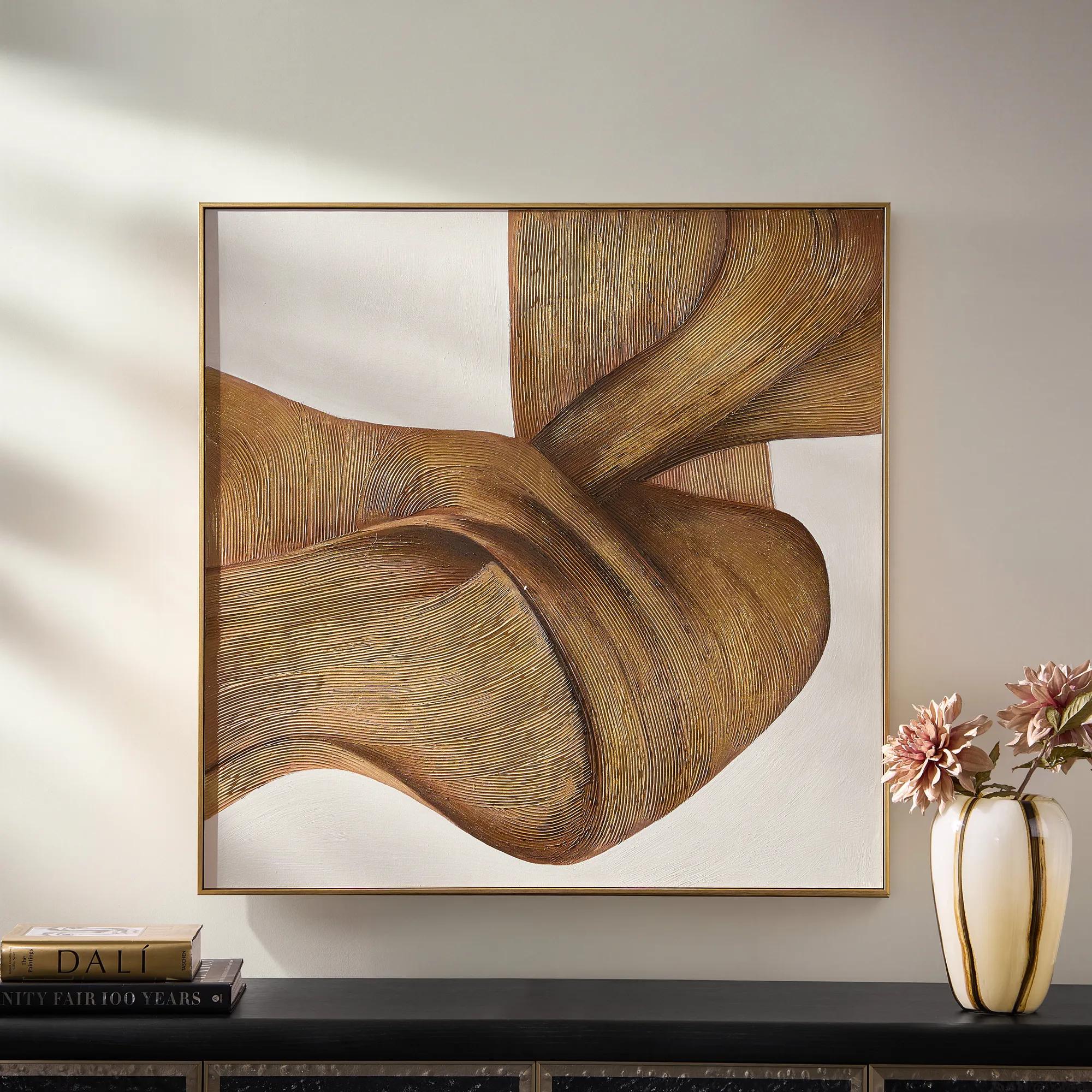 Latte Framed Gold Leaf Painted Wall Art 40" x 40"$499
A hand-painted canvas with fluid brown lines, luminous gold leafing, and a crisp black floater frame.
Add To Cart -
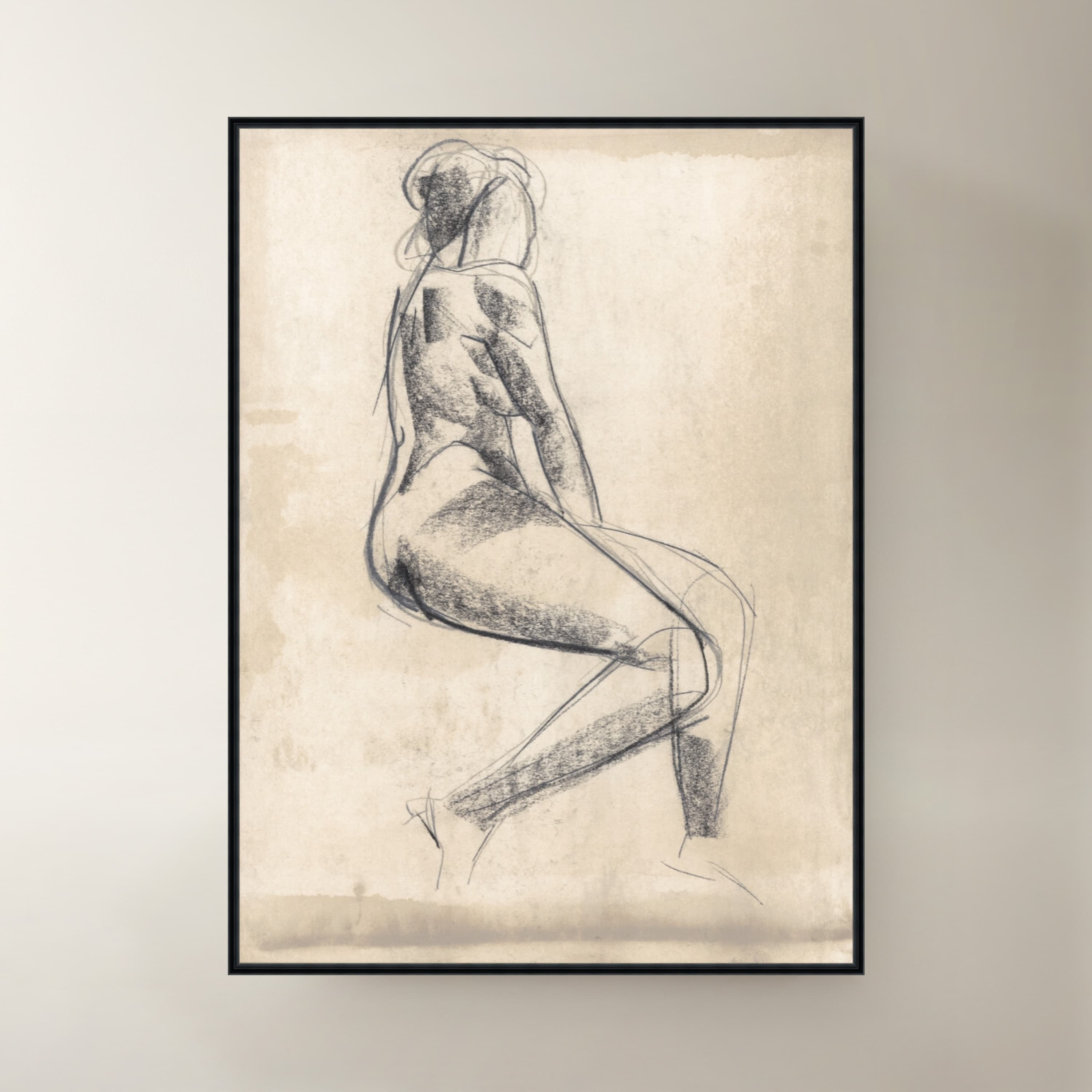
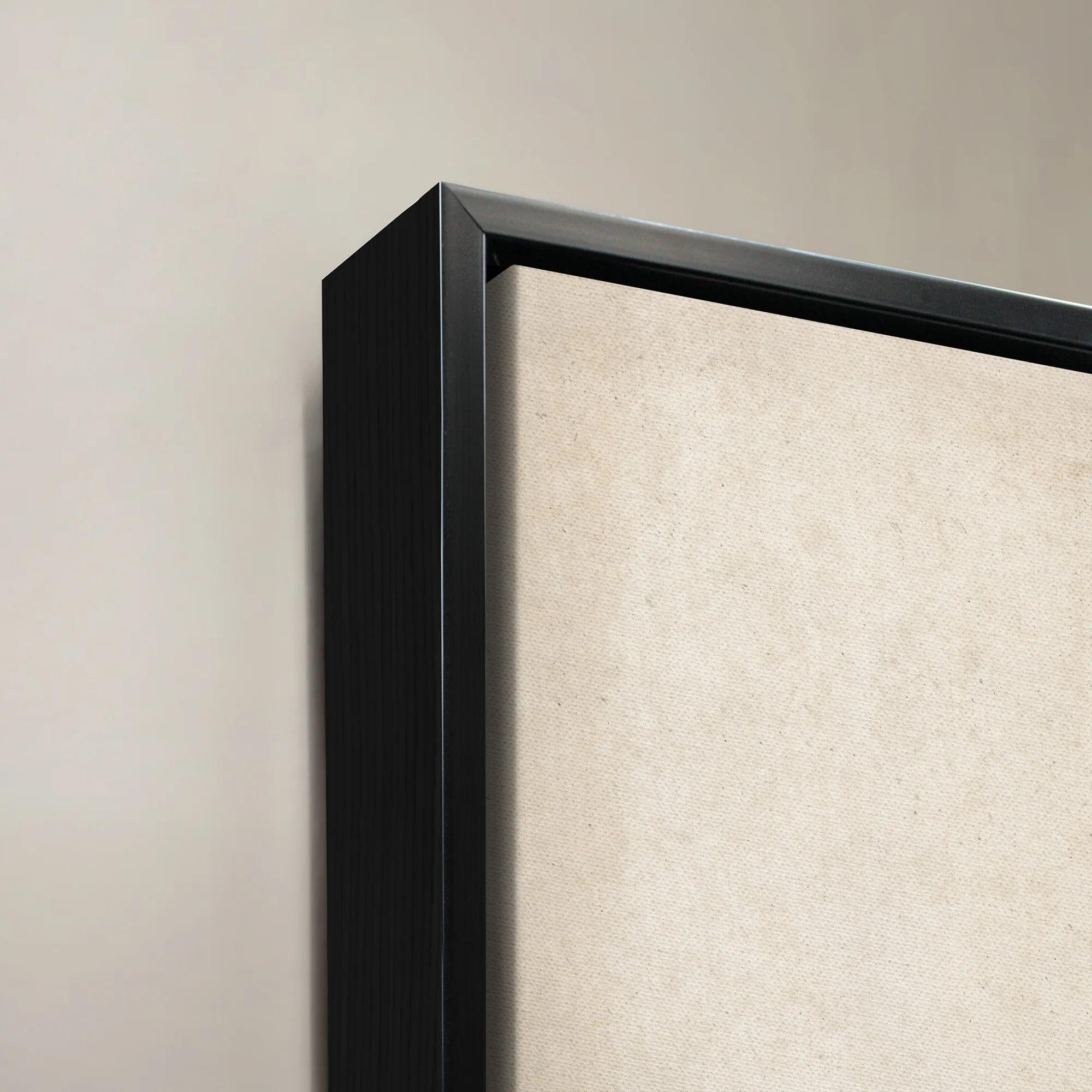 Restful Figure I Framed Wall Art 20" x 27"$449
A serene figurative canvas artwork in warm brown tones, elegantly framed for sophisticated wall display.
Add To Cart -
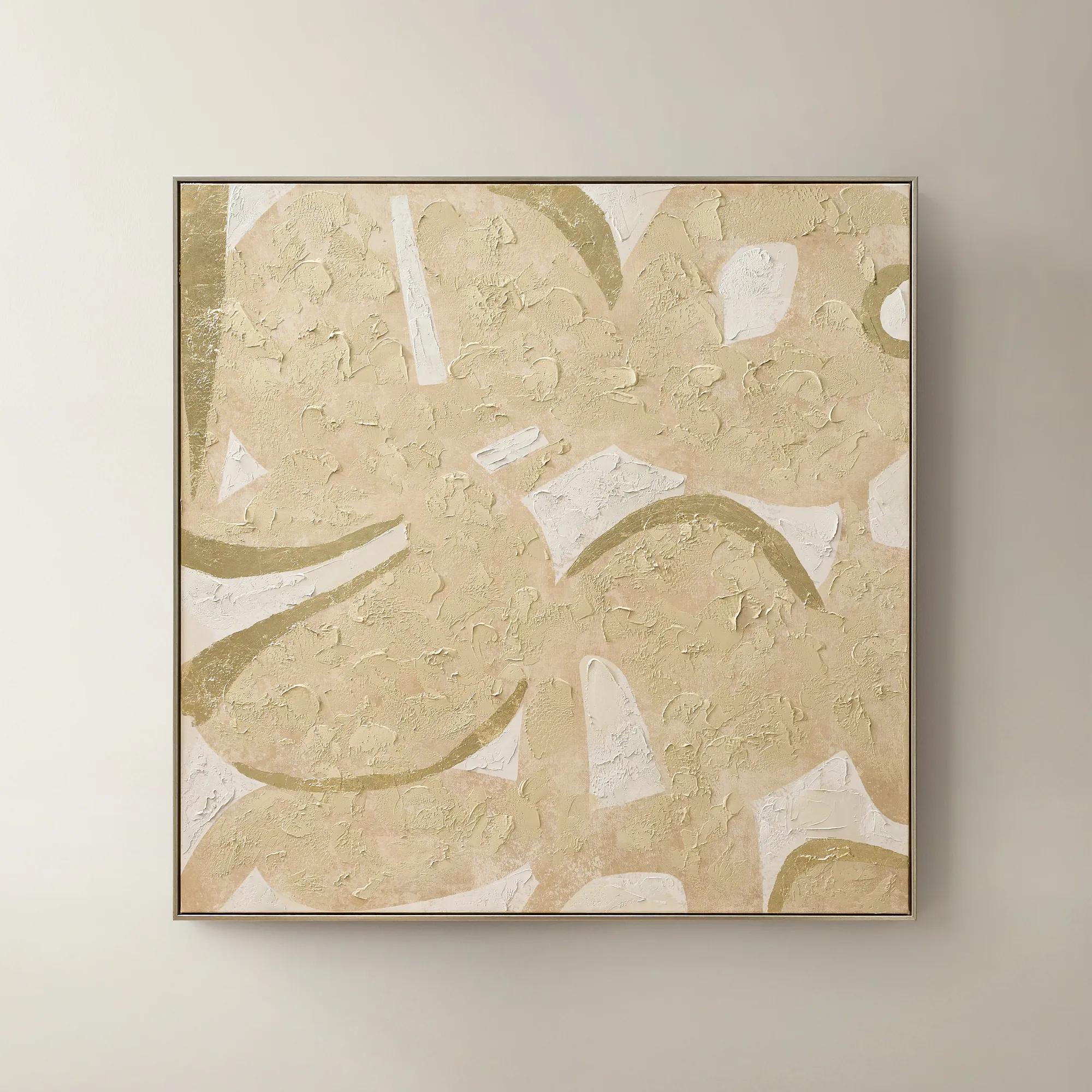
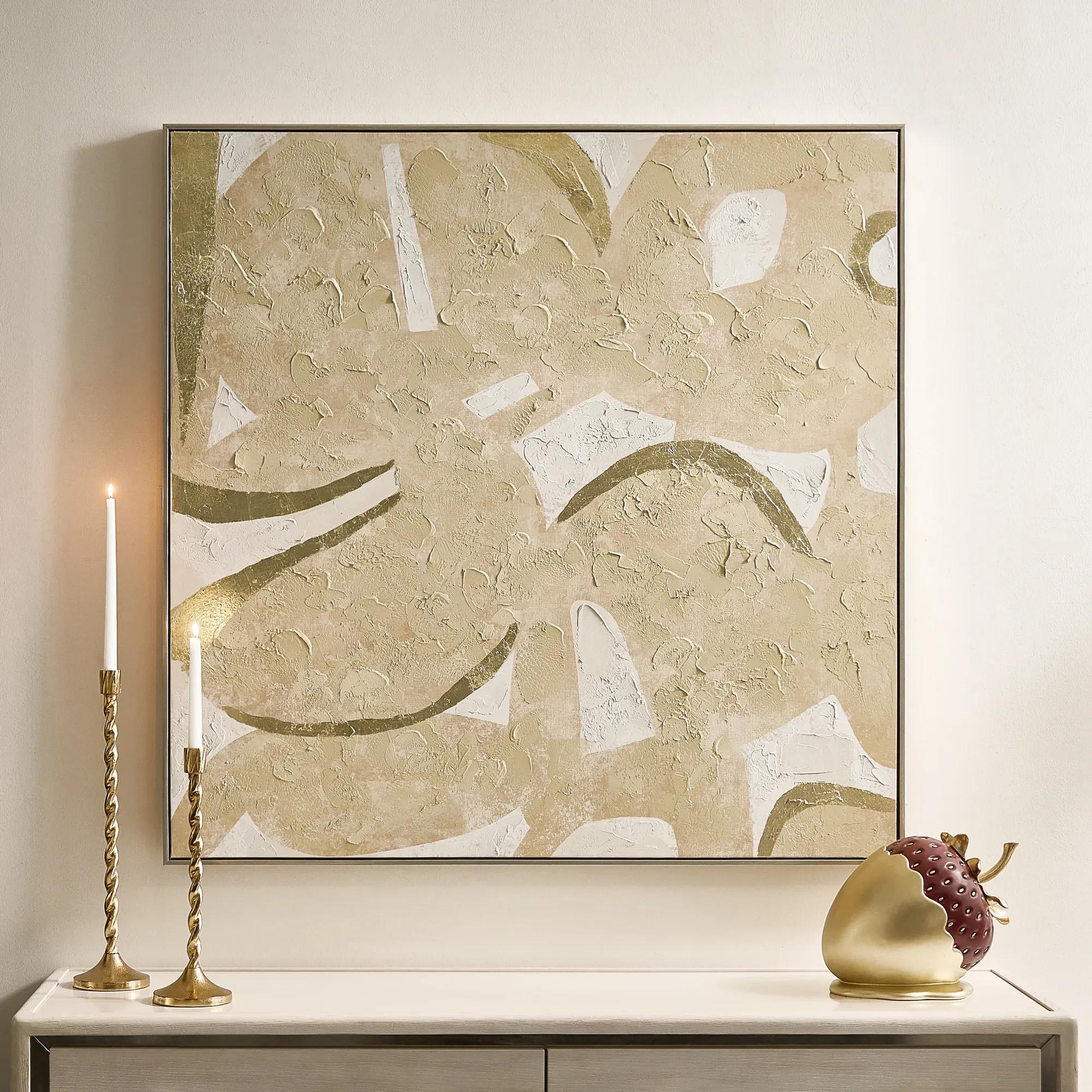 Golden Maize Framed Painted Wall Art 48" x 48"$399
A hand-painted canvas with champagne leafing and butter cream tones adds warmth and modern sophistication.
Add To Cart -
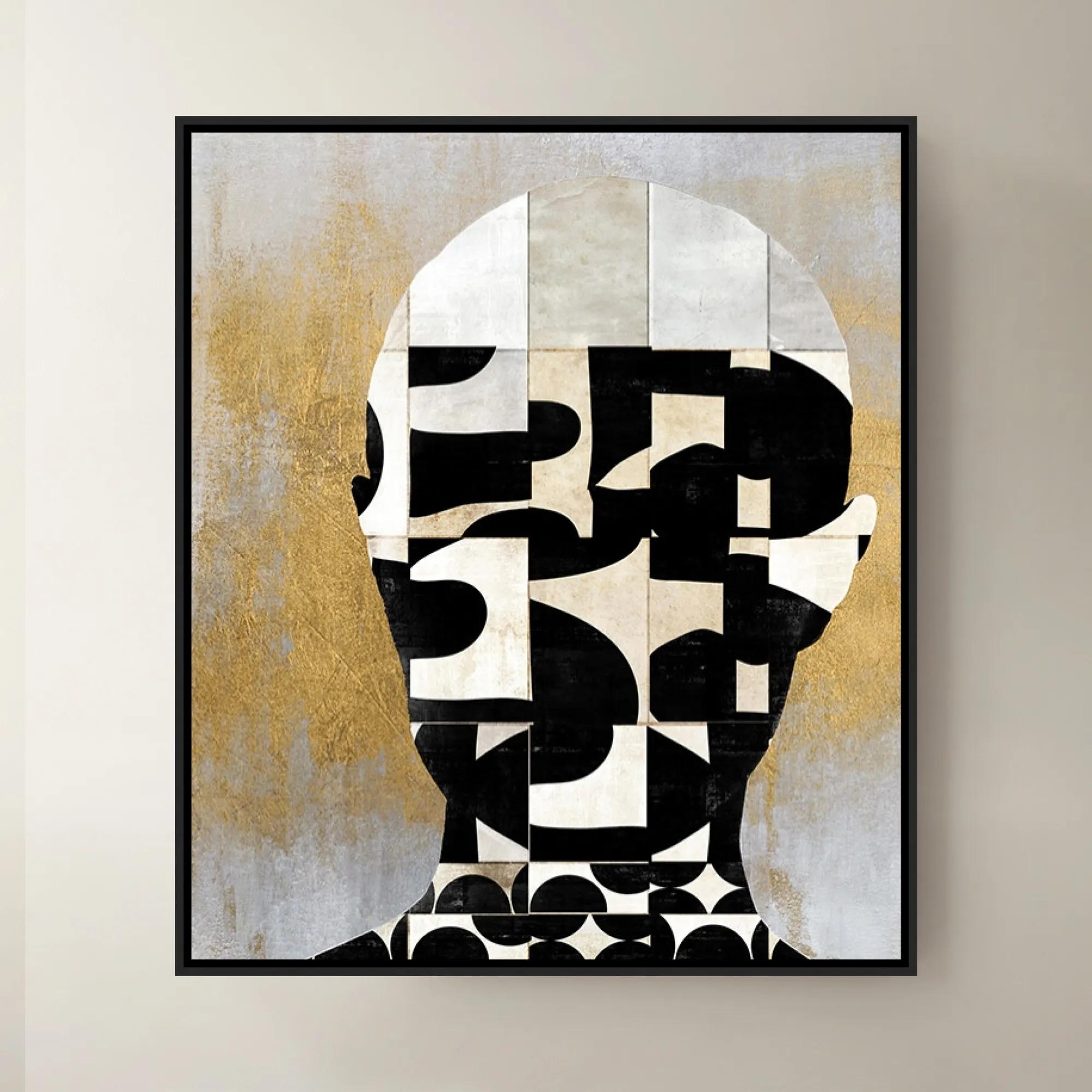
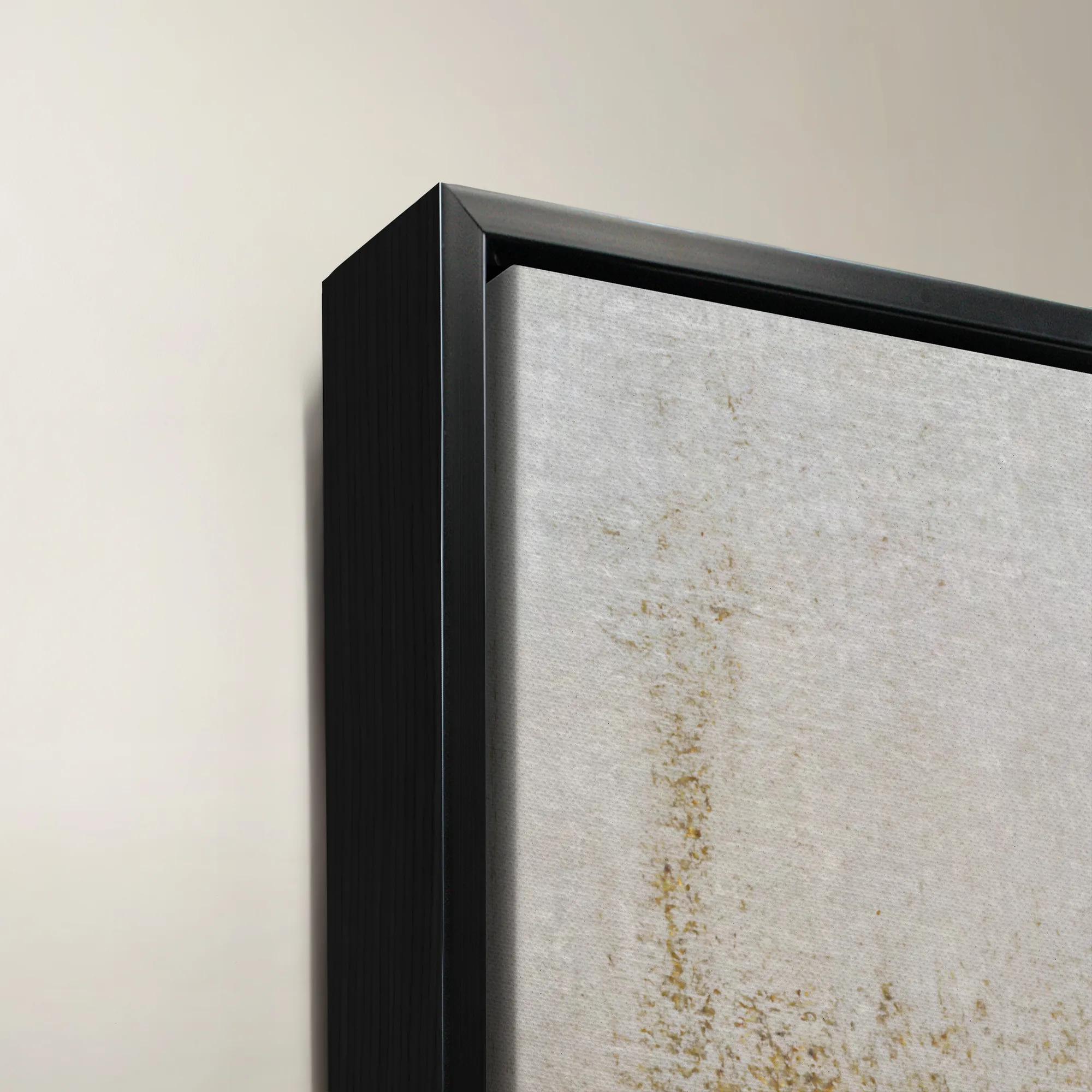 Lets Face It II Framed Wall Art 30" x 35"$699
A striking contemporary art piece showcasing bold design and creative flair by a renowned interior designer.
Add To Cart -
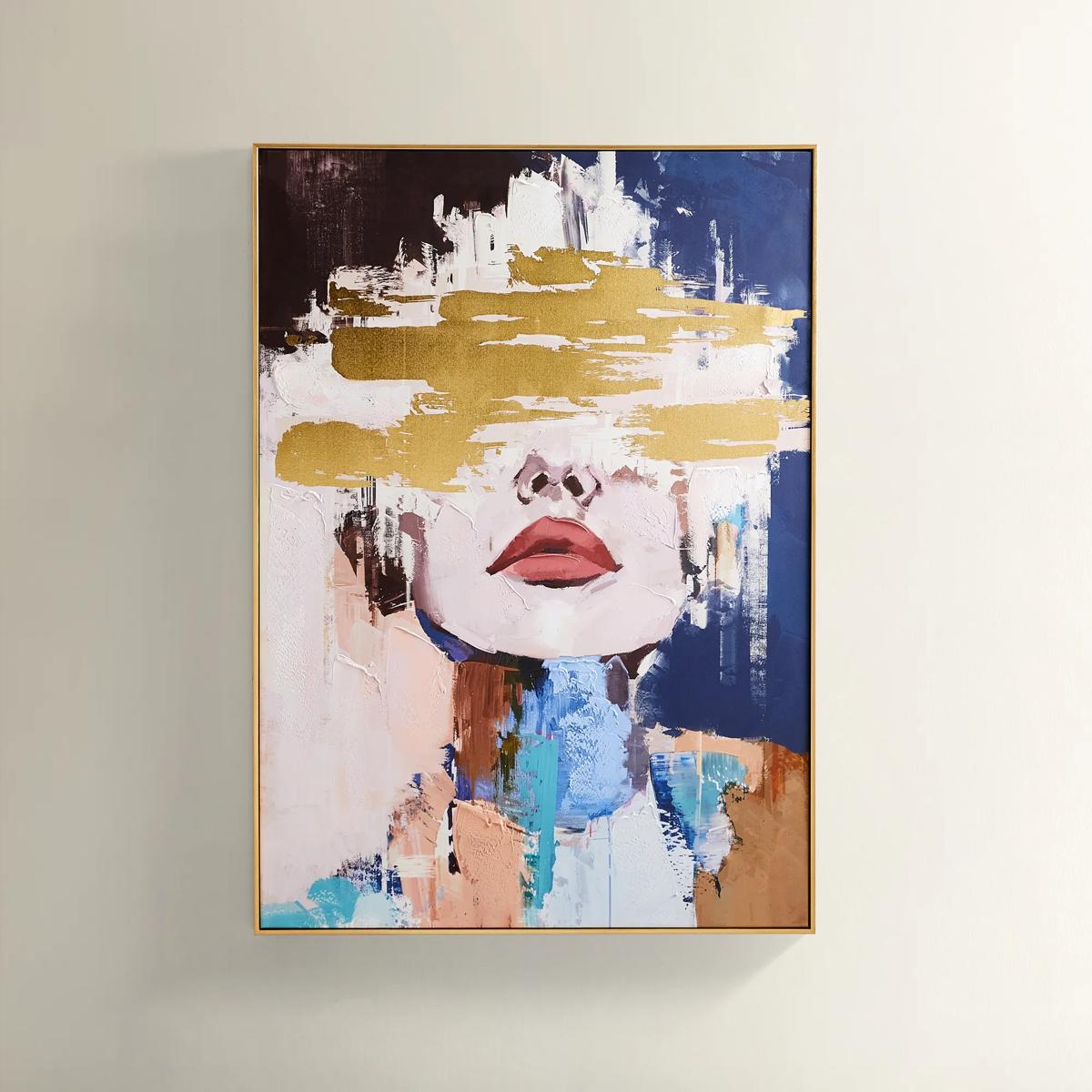
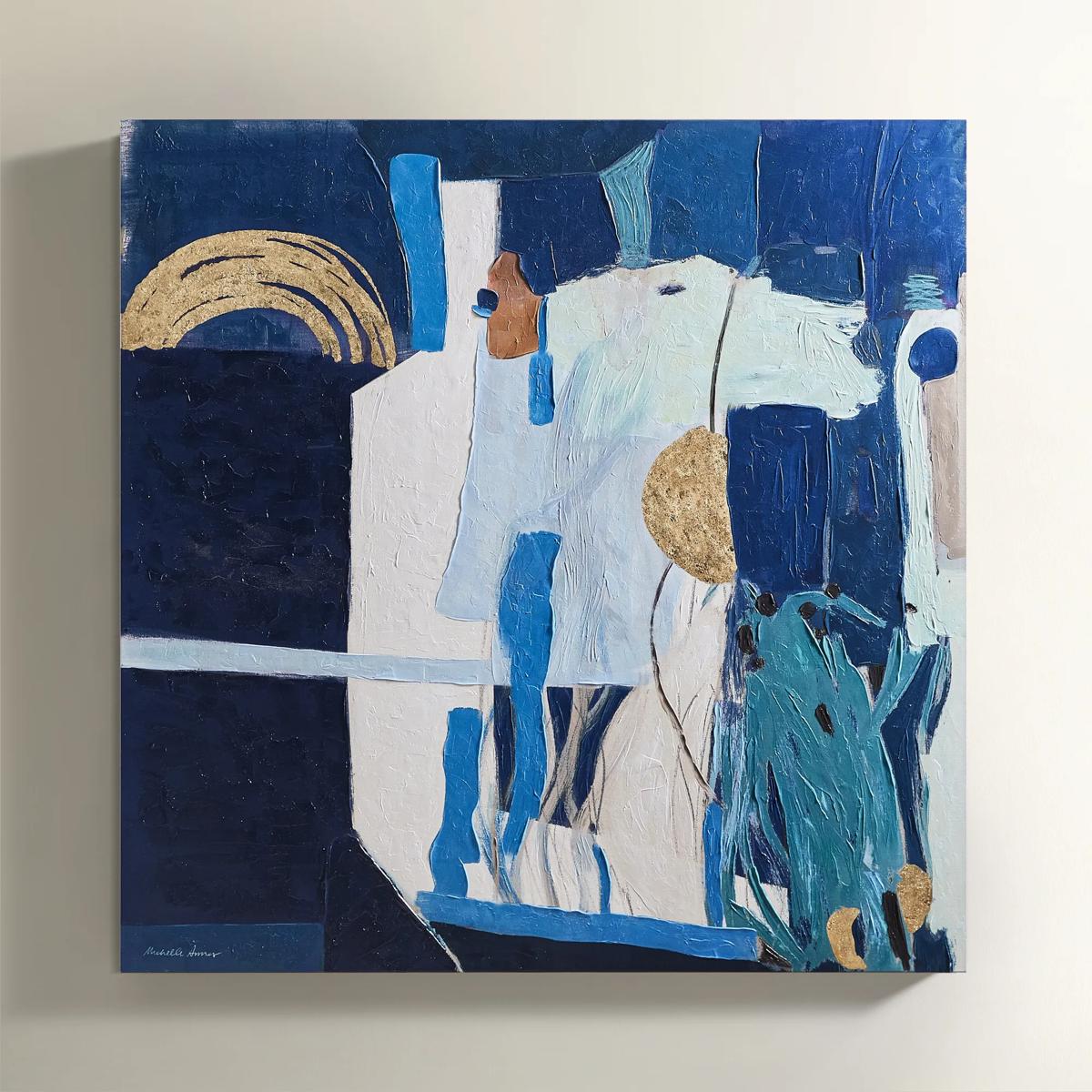
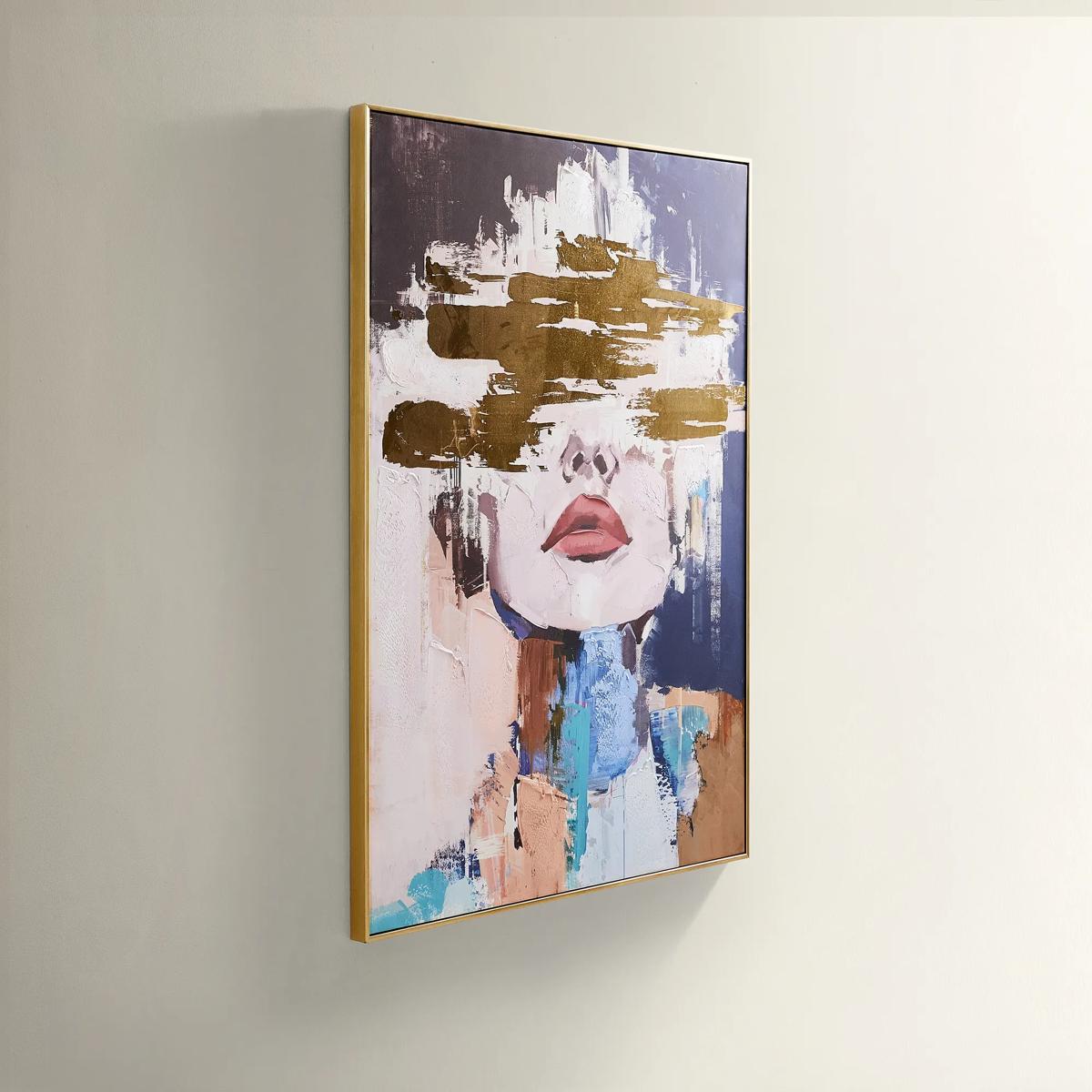 Waiting in Color Gold Foil Painted Wall Art 39.25" x 55"$499
A hand-painted abstract portrait in vivid blue, blush, and gold foil, framed in luxe gold.
Add To Cart -
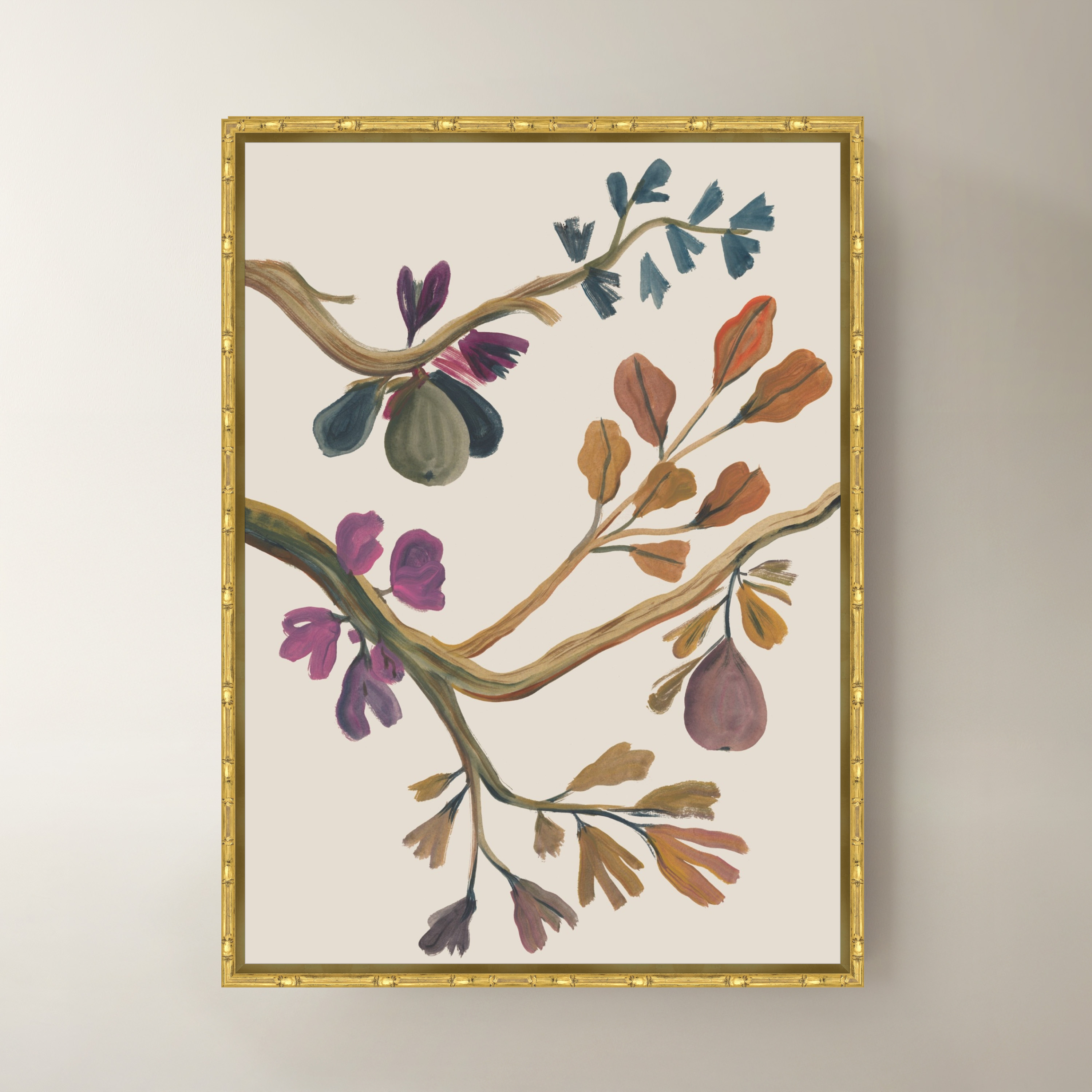
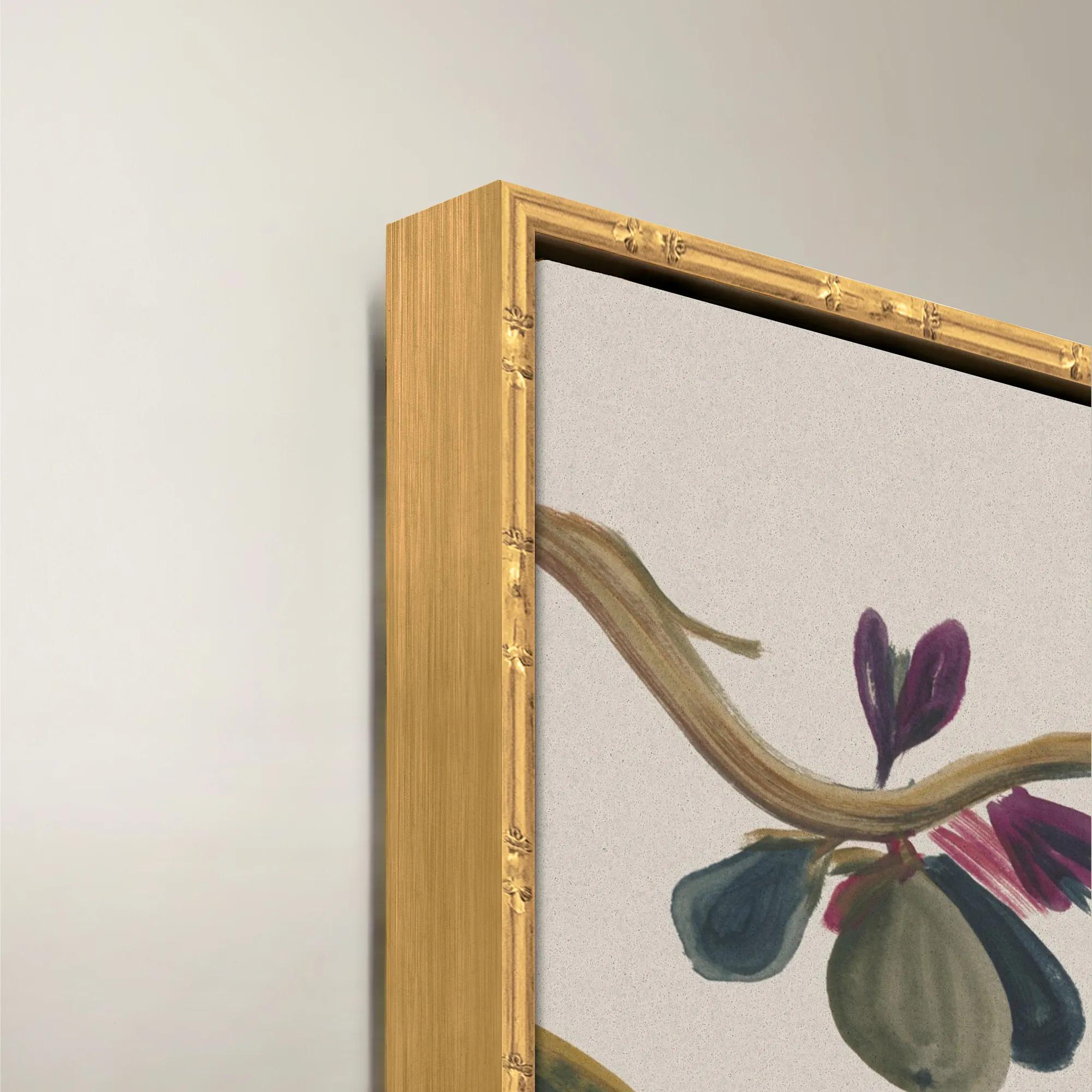 Whispering Orchard II Framed Wall Art 24" x 33"$749
A multicolored canvas wall art piece presented in an elegant frame for contemporary interiors.
Add To Cart -
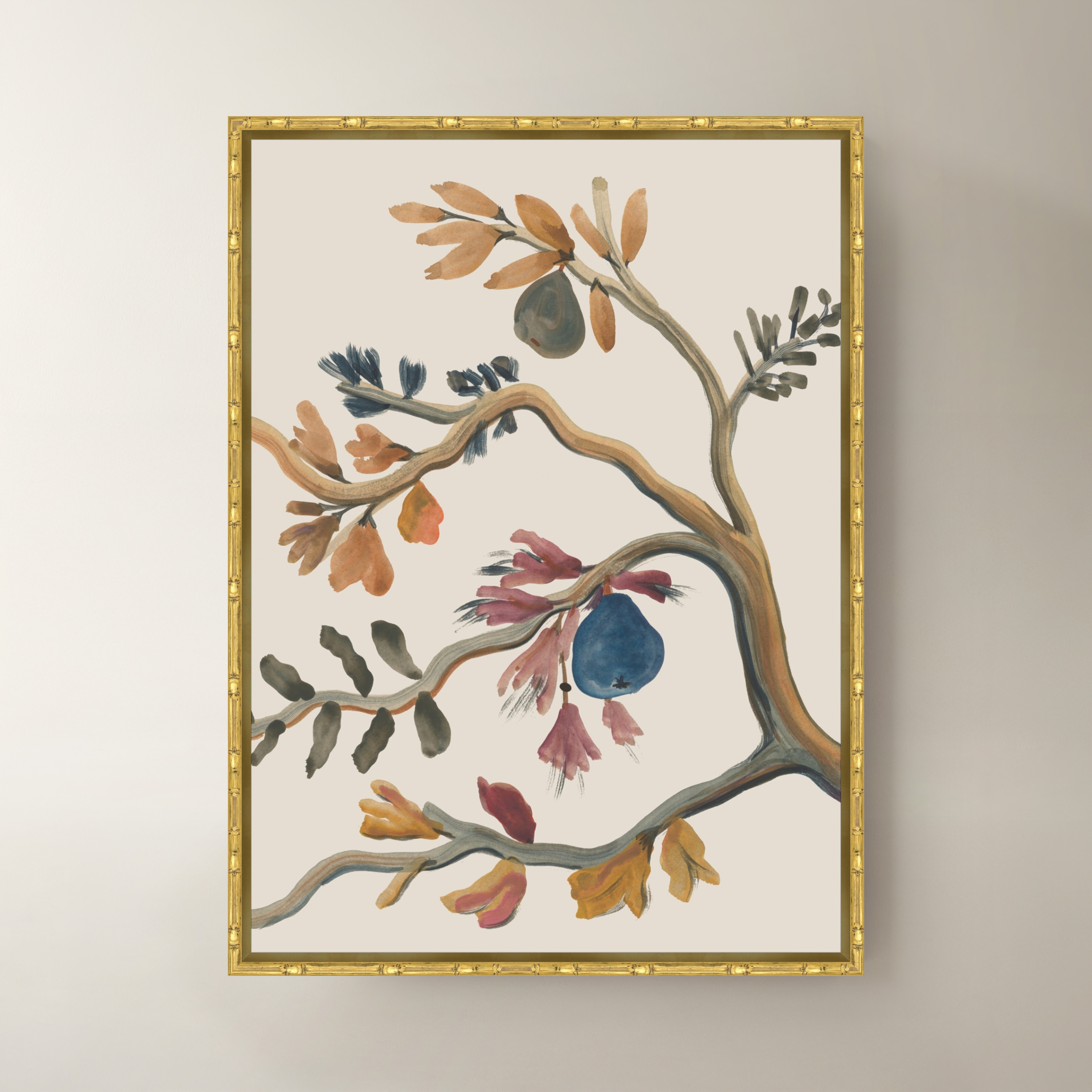
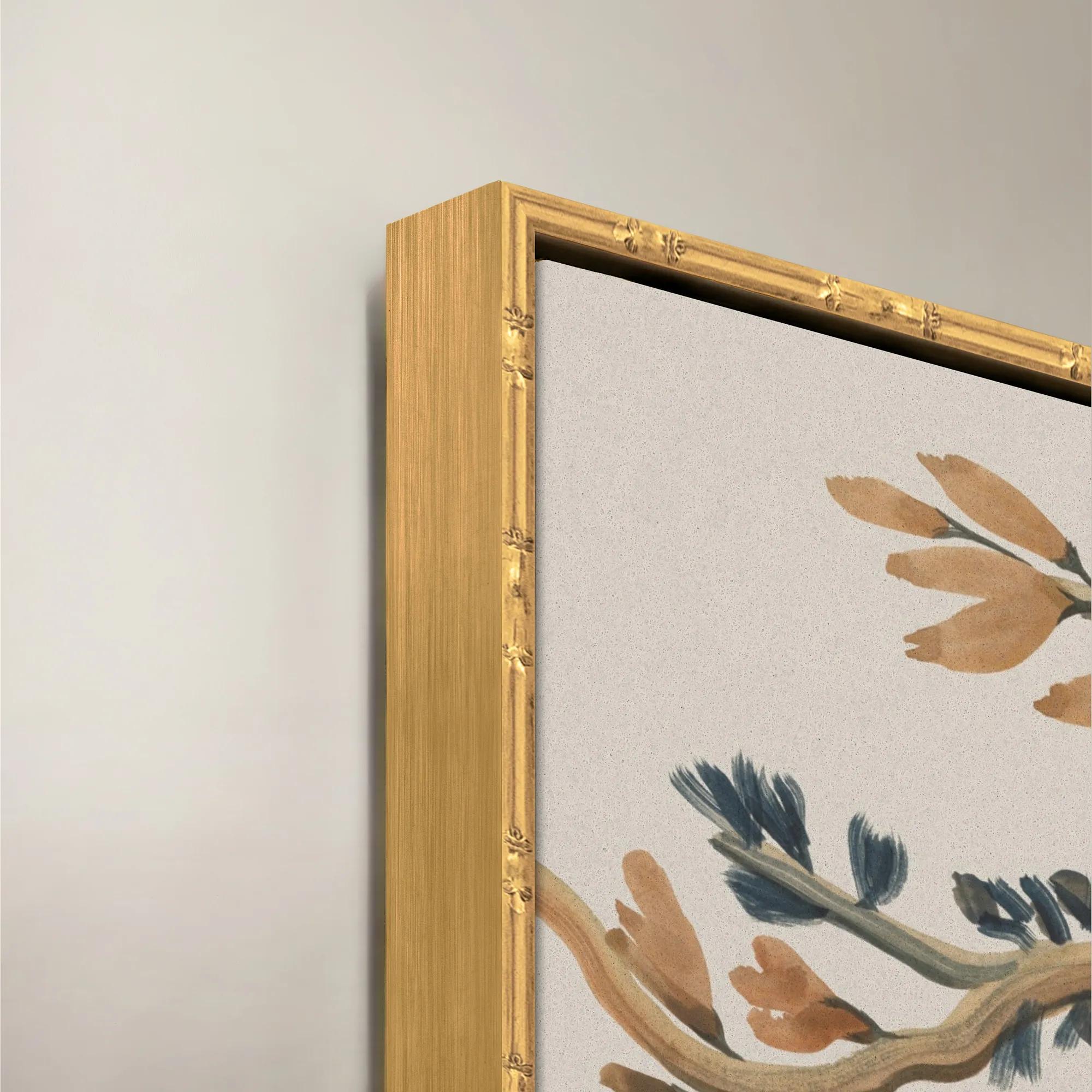 Whispering Orchard I Framed Wall Art 24" x 33"$749
A multicolored canvas wall artwork presented in a refined frame for vibrant, gallery-inspired styling.
Add To Cart

Luxury Textured Wall Arts
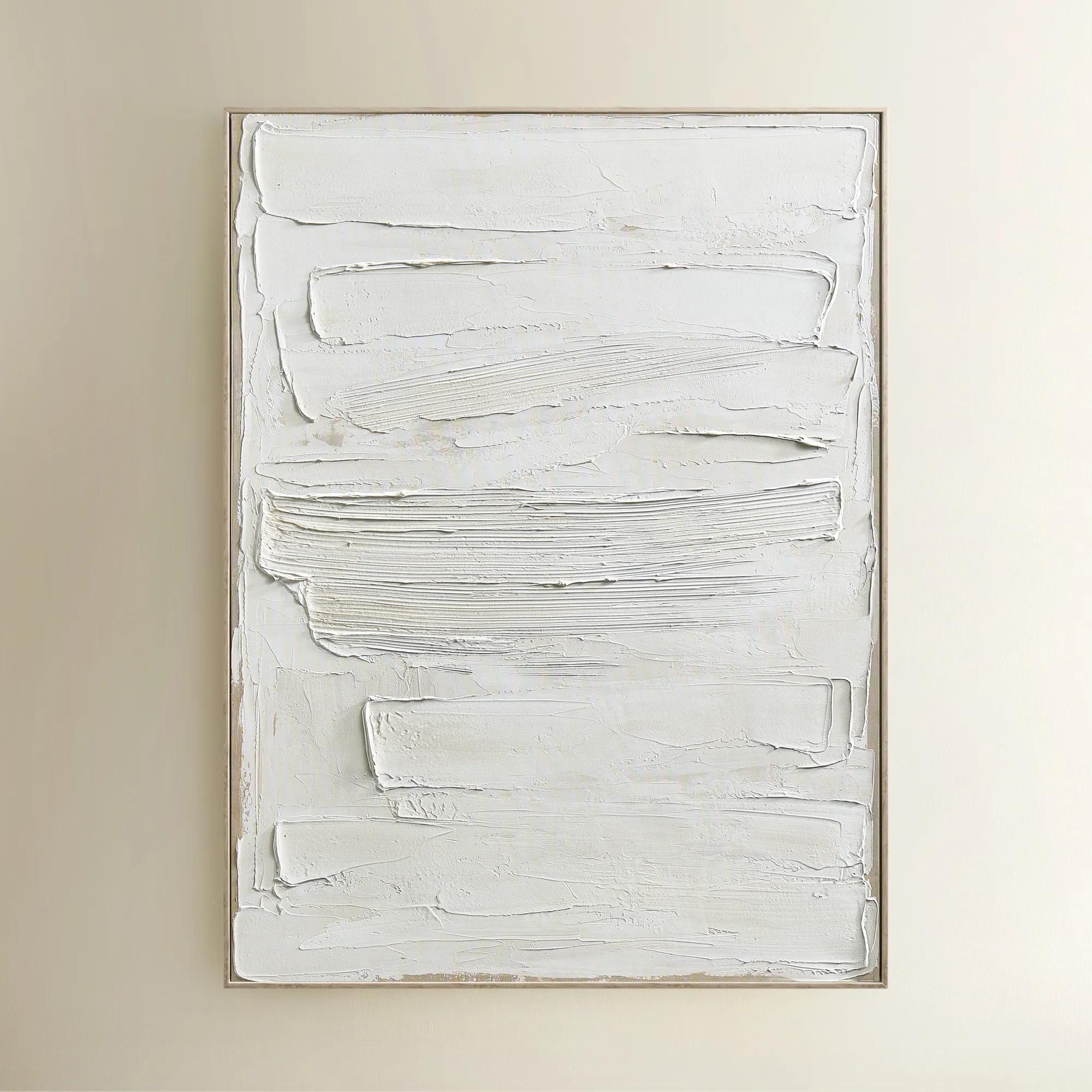
Luxury textured wall arts transform blank walls into captivating masterpieces, infusing every space with dimension, intrigue, and a touch of the unexpected. Each piece is a tactile celebration—where sculptural forms and layered finishes invite both the eye and the hand to linger. These statement artworks create an atmosphere of curated opulence, elevating your home from ordinary to extraordinary. For those who believe every wall deserves its own moment in the spotlight, luxury textured wall arts offer an invitation to express your boldest vision and surround yourself with artistry that speaks volumes.
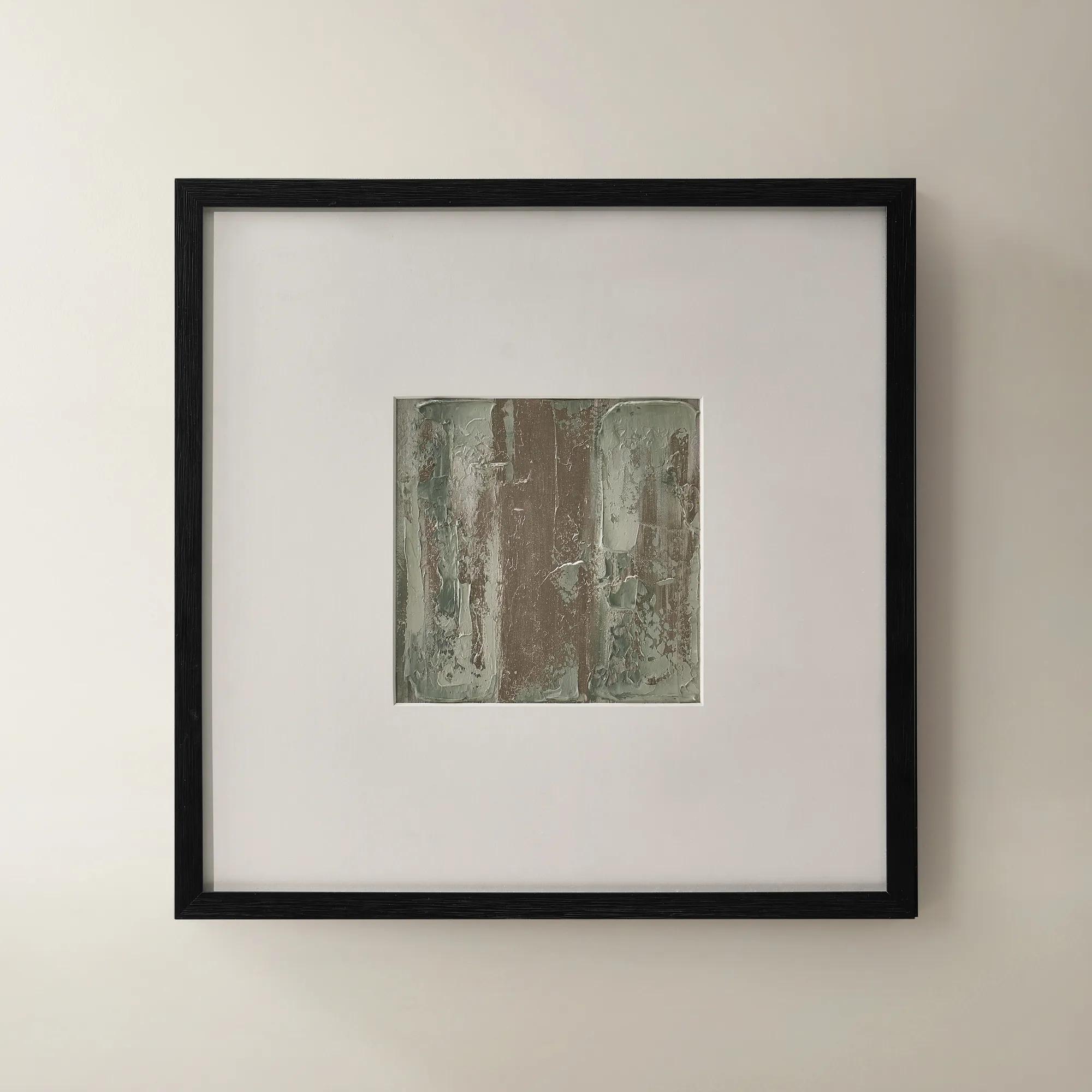
Luxury textured wall art brings physical dimension to a room, transforming an expanse of wall into a composition of raised surfaces, sculptural gestures, and shifting shadows. Unlike a flat image that relies primarily on color and line, textured artwork gains much of its presence from relief: ridges that catch the light, recessed areas that deepen a tone, and layered marks that reveal themselves from different viewpoints. The effect can be quietly atmospheric or boldly architectural. An ivory composition with sweeping grooves introduces movement above a tailored sofa, while charcoal reliefs and metallic accents lend a dining room a more dramatic presence. Across the category, materials may include modeling paste or plaster applied to canvas or rigid panels, layered paint, resin, metal, and mixed-media elements. Each creates a different visual rhythm. Broad, raised strokes can suggest the energy of a painted gesture; repeated geometric forms feel deliberate and architectural; irregular surfaces evoke weathered stone or mineral formations. Luxury comes not simply from the amount of texture, but from the relationship between material, composition, finish, and scale. A restrained palette can make subtle changes in depth especially expressive, allowing cream, taupe, gray, or black to carry the composition without competing colors. Gold and silver accents introduce flashes of reflected light, while matte passages give the eye a place to rest. For interiors with sumptuous upholstery, polished tables, or gleaming decorative objects, textured wall art adds another material voice rather than repeating the same finish throughout the room. It is particularly compelling where a space needs a focal point with presence but not necessarily a strong figurative subject. Abstract reliefs can anchor a formal living room, lend definition to an entryway, or create a composed backdrop in a bedroom. Their appeal lies in the way an artwork occupies the wall as both image and object, with edges, depth, and surface detail contributing to its character.
Scale gives luxury textured wall art its relationship to the furniture and architecture around it. Above a sofa, sideboard, or headboard, an artwork or grouped arrangement spanning approximately two-thirds to three-quarters of the furniture’s width often creates a balanced starting point, although generous framing, unusually high ceilings, and nearby architectural details can change that proportion. A substantial horizontal composition can bring cohesion to a long seating area, while a vertical work draws attention upward in a narrow entry or beside a staircase. Two or three coordinated panels introduce a measured rhythm, with the spaces between them becoming part of the overall arrangement. Dimensions deserve attention beyond width and height: the depth of a relief, the projection of its frame, and its weight all affect where it belongs. A deeply sculpted surface makes a different impression from a lightly embellished canvas, especially in a passage where people move close to the wall. Color and texture also influence visual scale. Pale, tonal artwork can feel expansive against a similarly colored wall, while a dark relief against ivory paint creates a crisp, commanding silhouette. In a room with patterned drapery or an expressive rug, a monochromatic composition supplies depth without adding another competing motif. Lighting brings these decisions into focus. Gentle illumination from the side makes raised details more legible by casting small shadows, whereas strong frontal light can flatten their appearance. Adjustable picture lights, nearby sconces, or thoughtfully positioned lamps can reveal the surface without overwhelming it with glare. Metallic passages benefit from particular care because their reflections change with the viewing angle. Framing adds another layer of definition: a slim border can keep attention on the relief, while the luminous perimeter of luxury gold framed wall art can echo brass lighting or warm metallic accents elsewhere in the space. The most convincing combinations connect these finishes without making every detail match, allowing the artwork to feel integral to the room while retaining its own identity.
Material construction matters as much as visual impact when textured artwork becomes part of everyday life. Canvas offers a fabric foundation for painted and applied surfaces, while rigid panels provide a firm base for some heavier relief techniques; the finished weight depends on the support, frame, and amount of material applied. Plaster-based surfaces can have a beautifully mineral character, but projecting details may be vulnerable to chips or abrasion. Resin and metal introduce different handling considerations, and neither should be assumed suitable for damp rooms or outdoor display without an explicit suitability statement. Product descriptions should distinguish genuine raised texture from printed imagery that only creates the illusion of depth, and note whether a surface is hand-applied, embellished, or reproduced. Hand-applied finishes can exhibit variations in marks, relief, and tone, giving individual works subtle differences that are part of their character. For placement, dry interior spaces away from splashes, persistent humidity, and prolonged direct sunlight generally provide a more protective setting. A living room feature wall or a bedroom above a substantial dresser allows the surface to be appreciated without routine contact; a crowded hallway may call for a shallower profile. Secure installation is especially important for substantial pieces, with mounting hardware selected for the artwork’s weight, its designated hanging points, and the wall’s construction. Care should follow the maker’s instructions rather than a universal cleaning routine. On surfaces approved for dusting, a soft, dry brush may help reach shallow recesses without snagging raised details; water, household cleaners, abrasive cloths, and vigorous rubbing can damage certain finishes. Lifting by the support or frame rather than the decorative surface also helps protect delicate relief. For collectors drawn to material experimentation, design enthusiasts furnishing a new home, or someone celebrating a meaningful housewarming, textured wall art can be a distinctive gift when the recipient’s palette, wall space, and installation needs are understood. Its enduring appeal is dimensional: an interplay of form and light that gives a room something more expressive than decoration alone.
FAQs
Luxury textured wall art stands apart through its dimensional surfaces and tactile appeal. Crafted with techniques like impasto, plaster layering, or the addition of metallic accents, these pieces offer visual depth and a sculptural presence, transforming any wall into a focal point that radiates sophistication and artistry.
Textured wall art infuses a room with drama and character by playing with light, shadow, and material. The raised surfaces capture and reflect illumination, adding warmth and intrigue, while the unique textures evoke emotion and invite touch, creating an immersive and luxurious ambiance.
Luxury textured wall art makes an unforgettable gift for design aficionados, newlyweds, homeowners, or anyone who delights in expressive interiors. Its opulent materials and handcrafted details make it a cherished gesture for housewarmings, anniversaries, or milestone celebrations.
Artists often use a blend of high-quality materials such as hand-stretched canvas, professional-grade paints, plaster, sand, metallic foils, and occasionally crystal embellishments. These elements combine to create rich, multidimensional surfaces that exude elegance and craftsmanship.
Absolutely. The versatility of luxury textured wall art allows it to complement a wide range of design styles. Abstract, geometric, or minimalist pieces add edge to modern spaces, while ornate, gilded, or organic forms bring depth and grandeur to more classic or traditional settings.