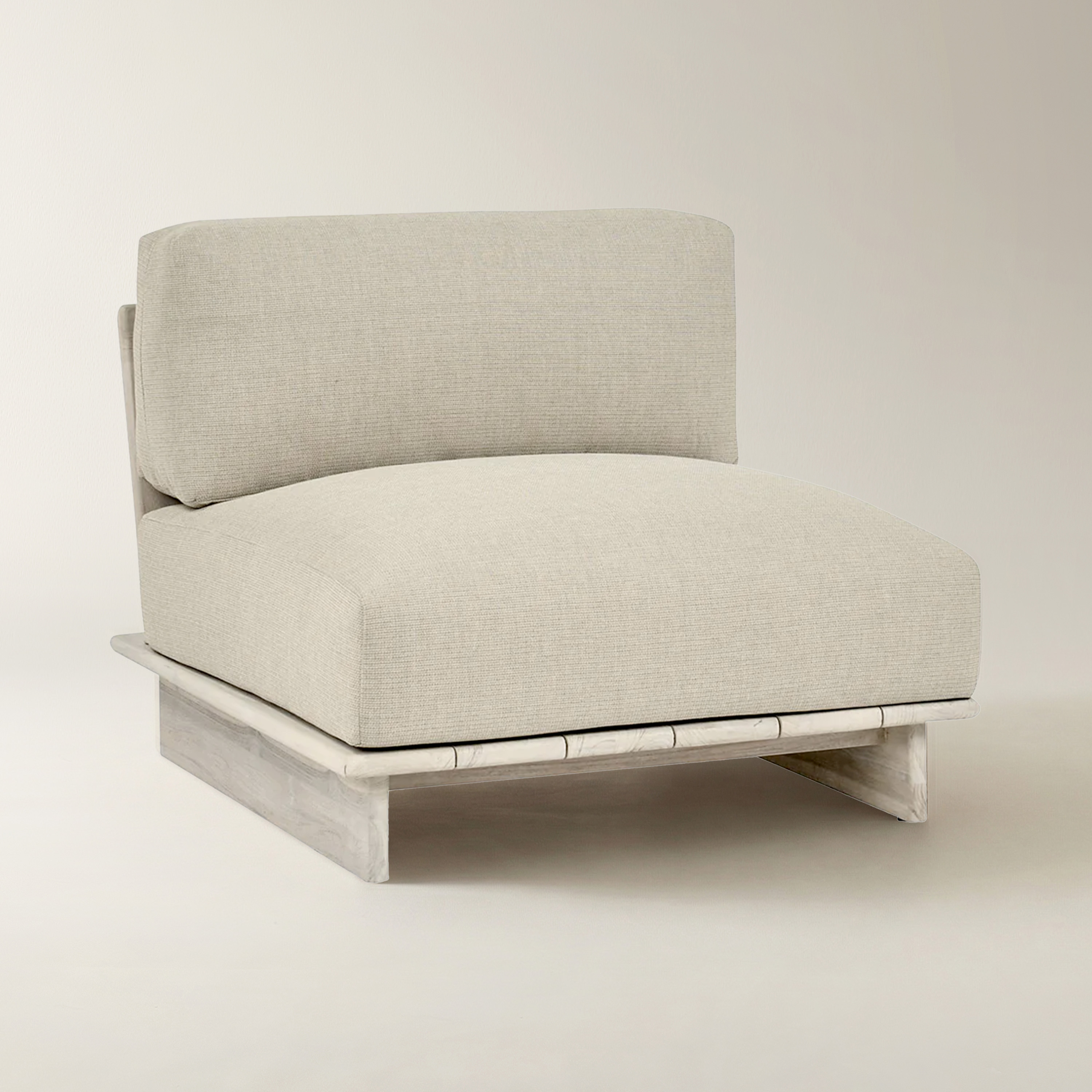
Indoor Use Only Upholstered Sofas
Indoor Use Only Upholstered Sofas
-
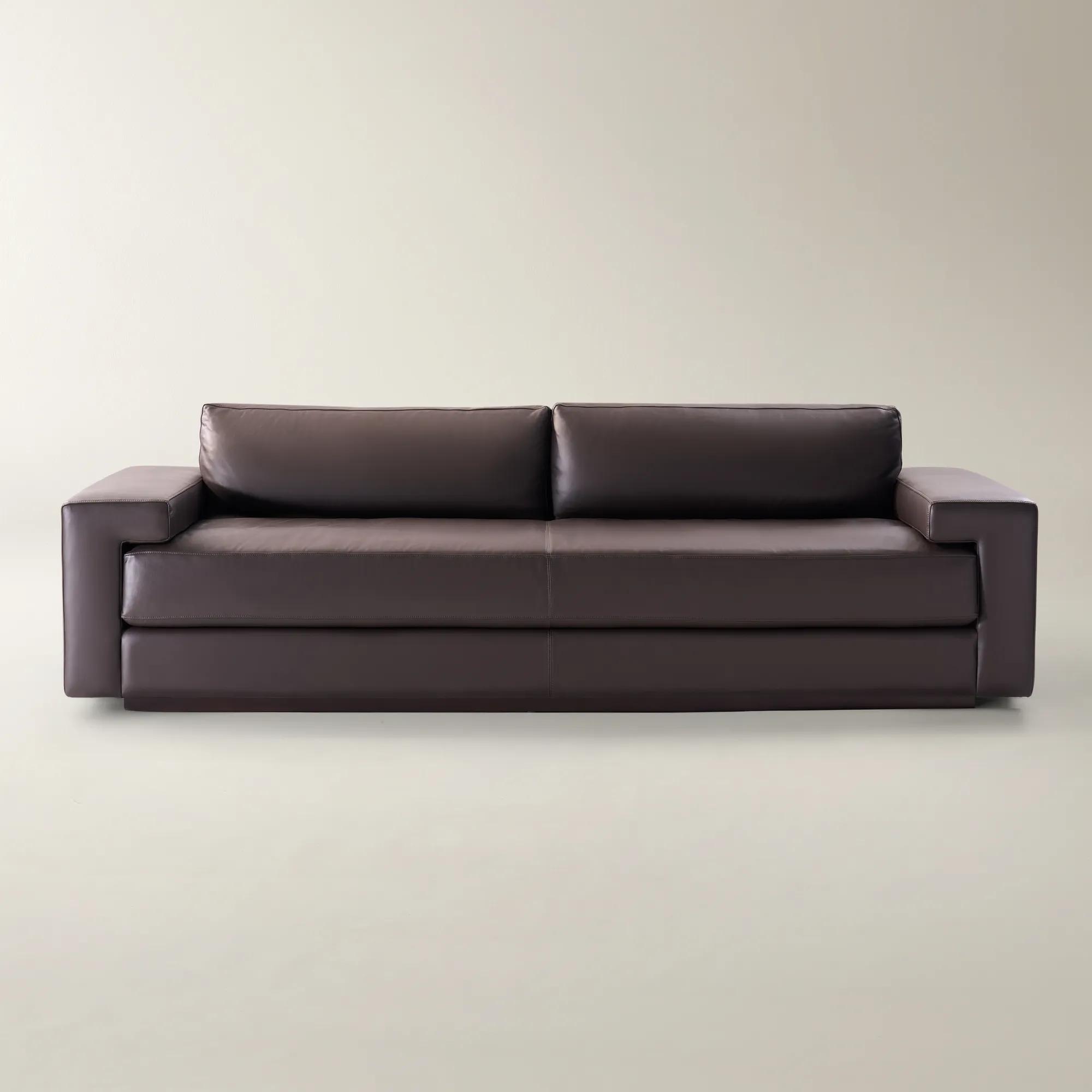
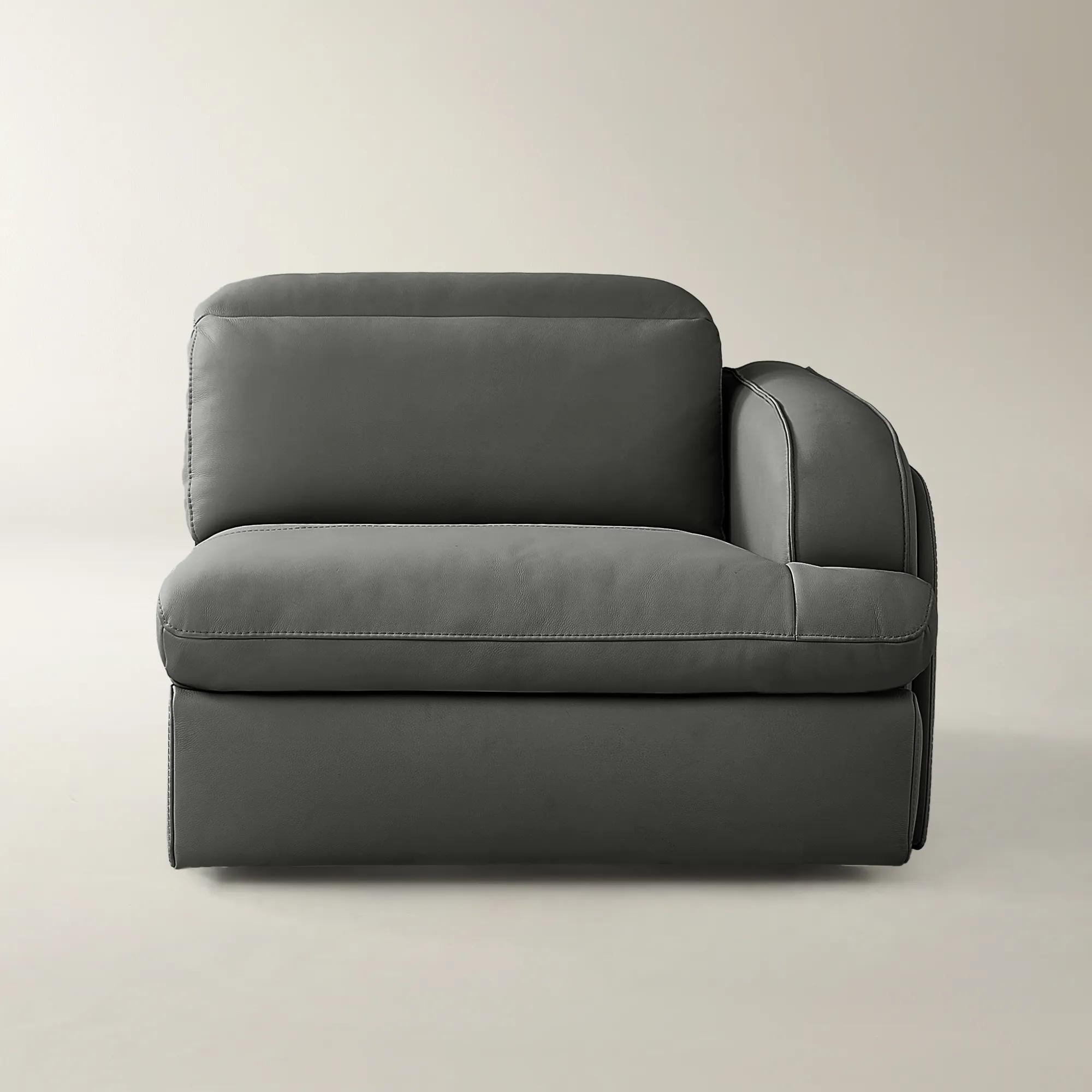
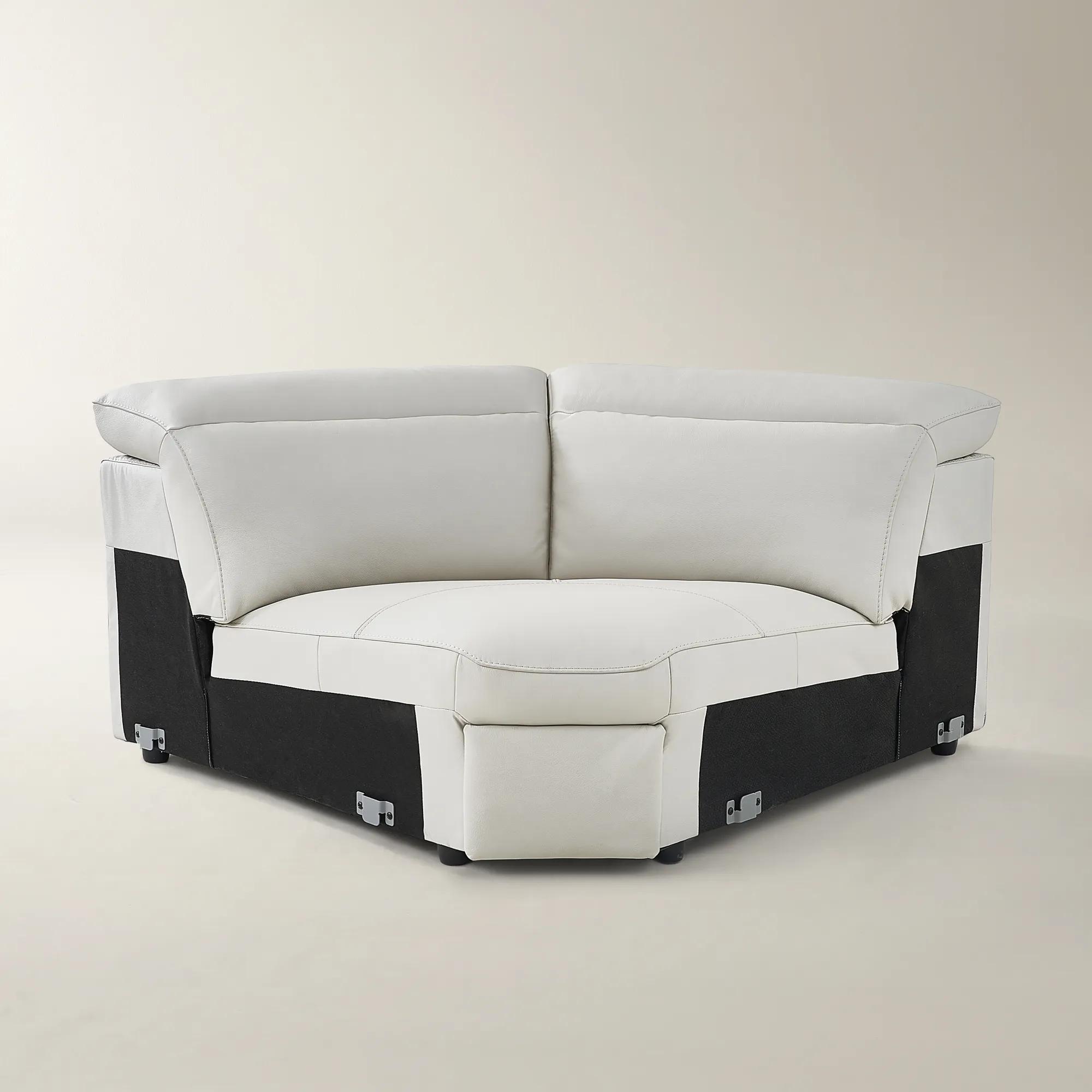
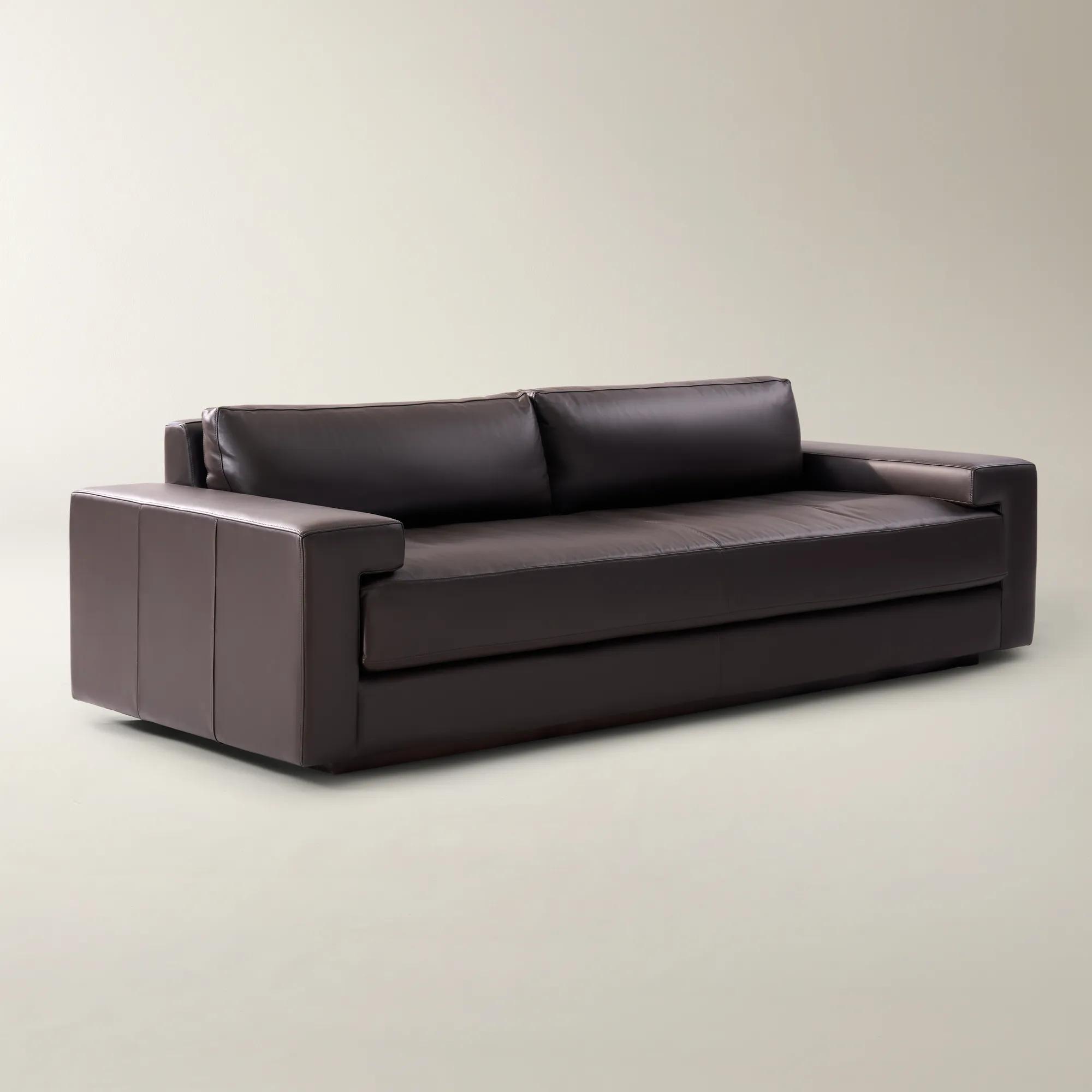 Ariel Brown Leather Sofa$4599
A sleek, hand-upholstered sofa in top-grain leather with plush feather and foam cushions for comfort.
Add To Cart -
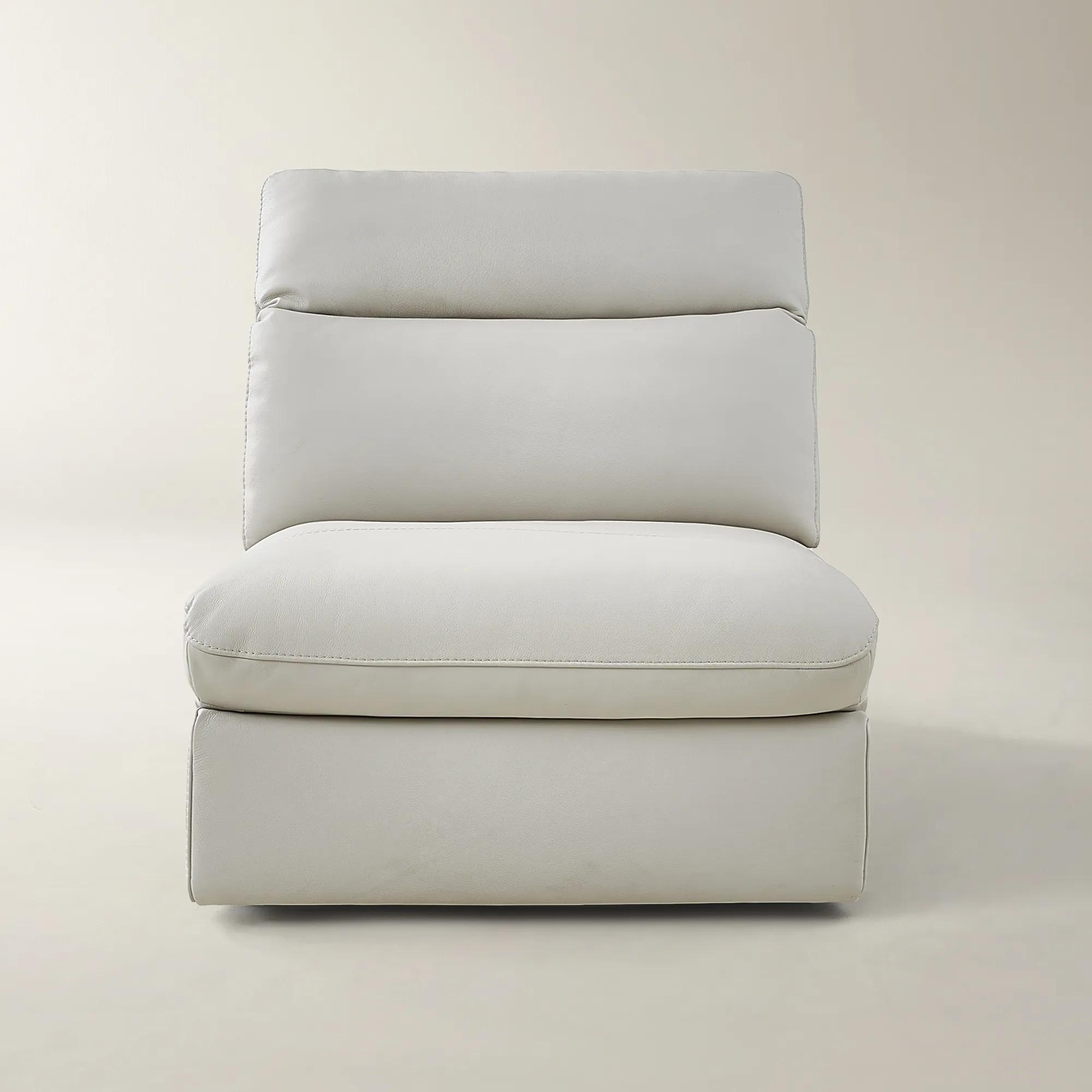
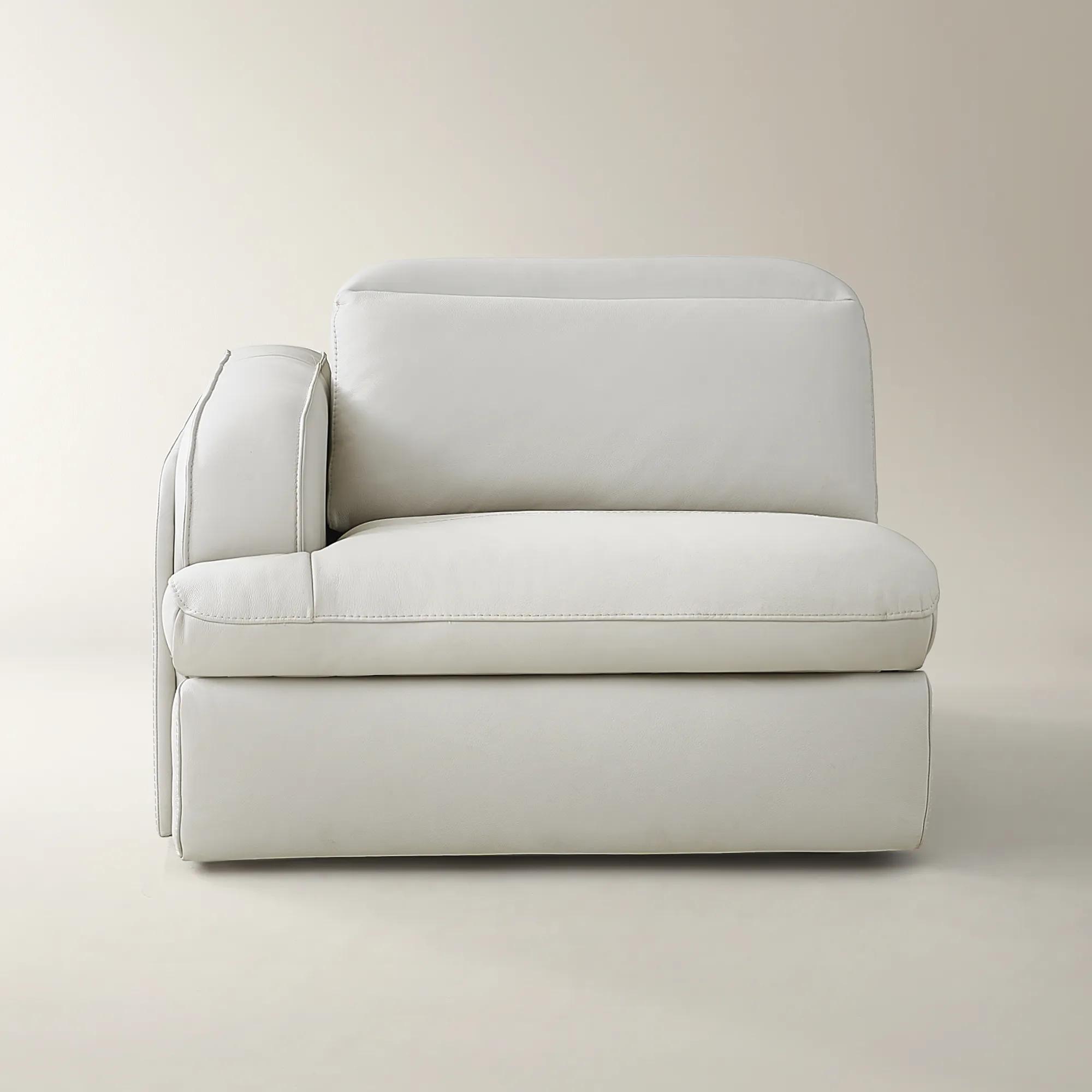
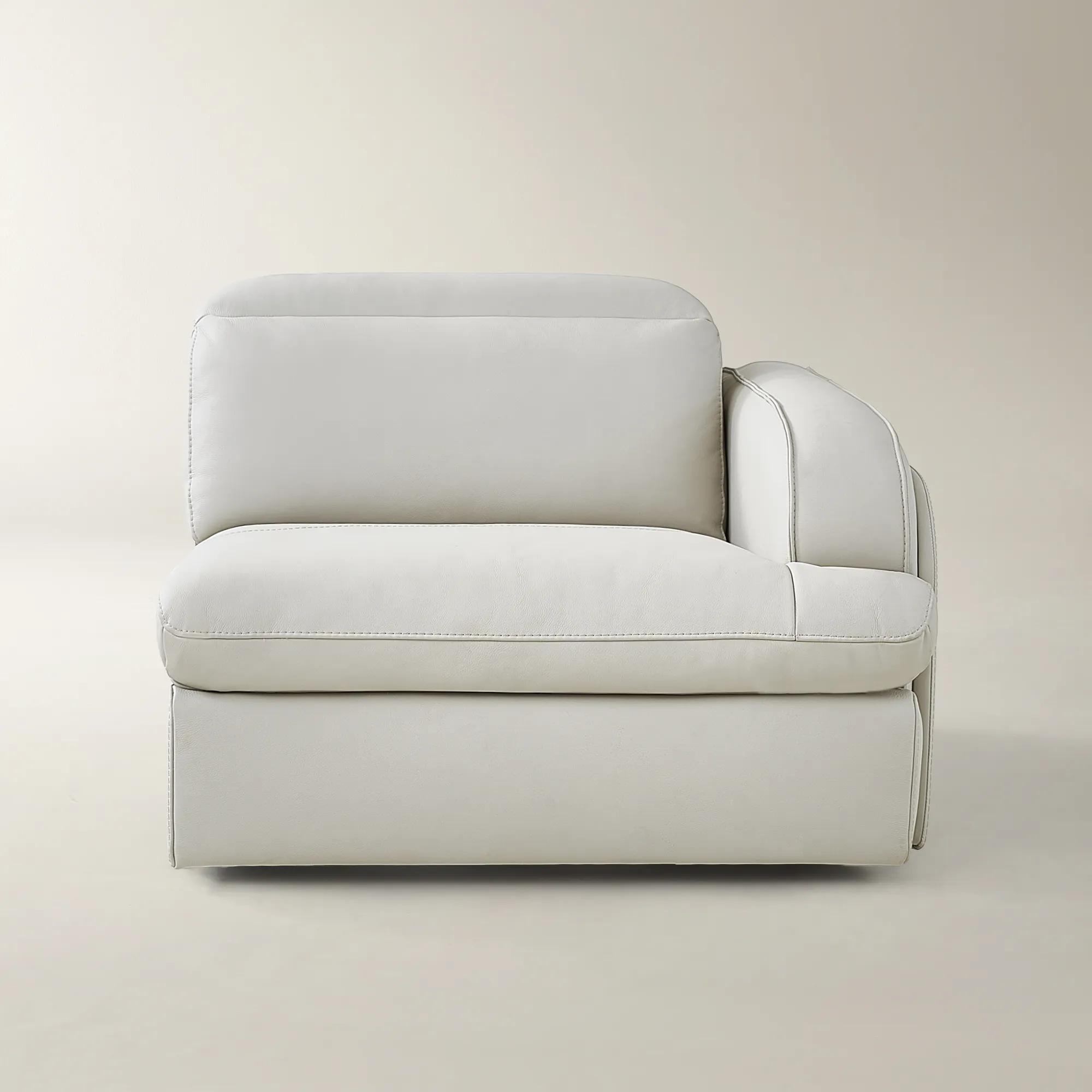
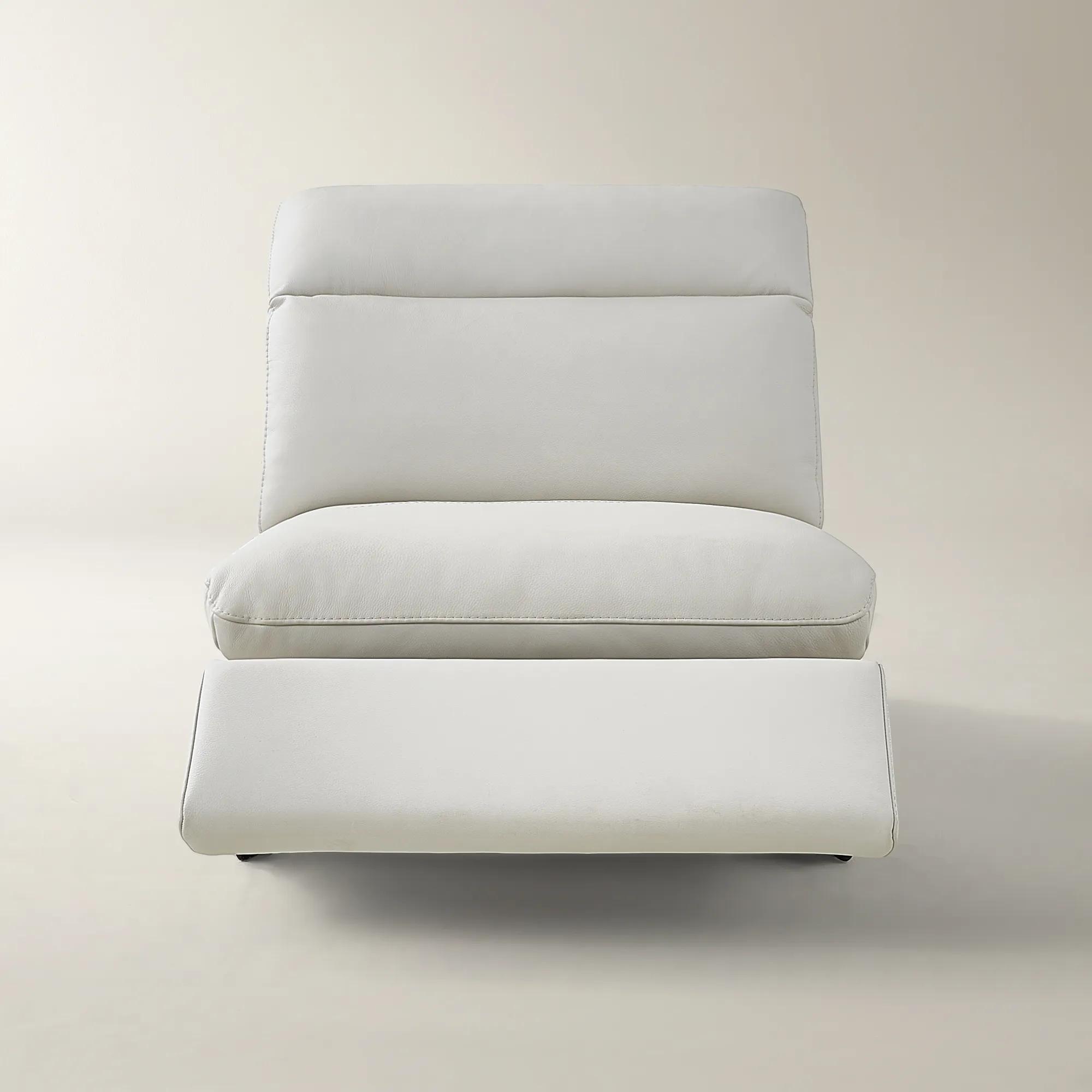
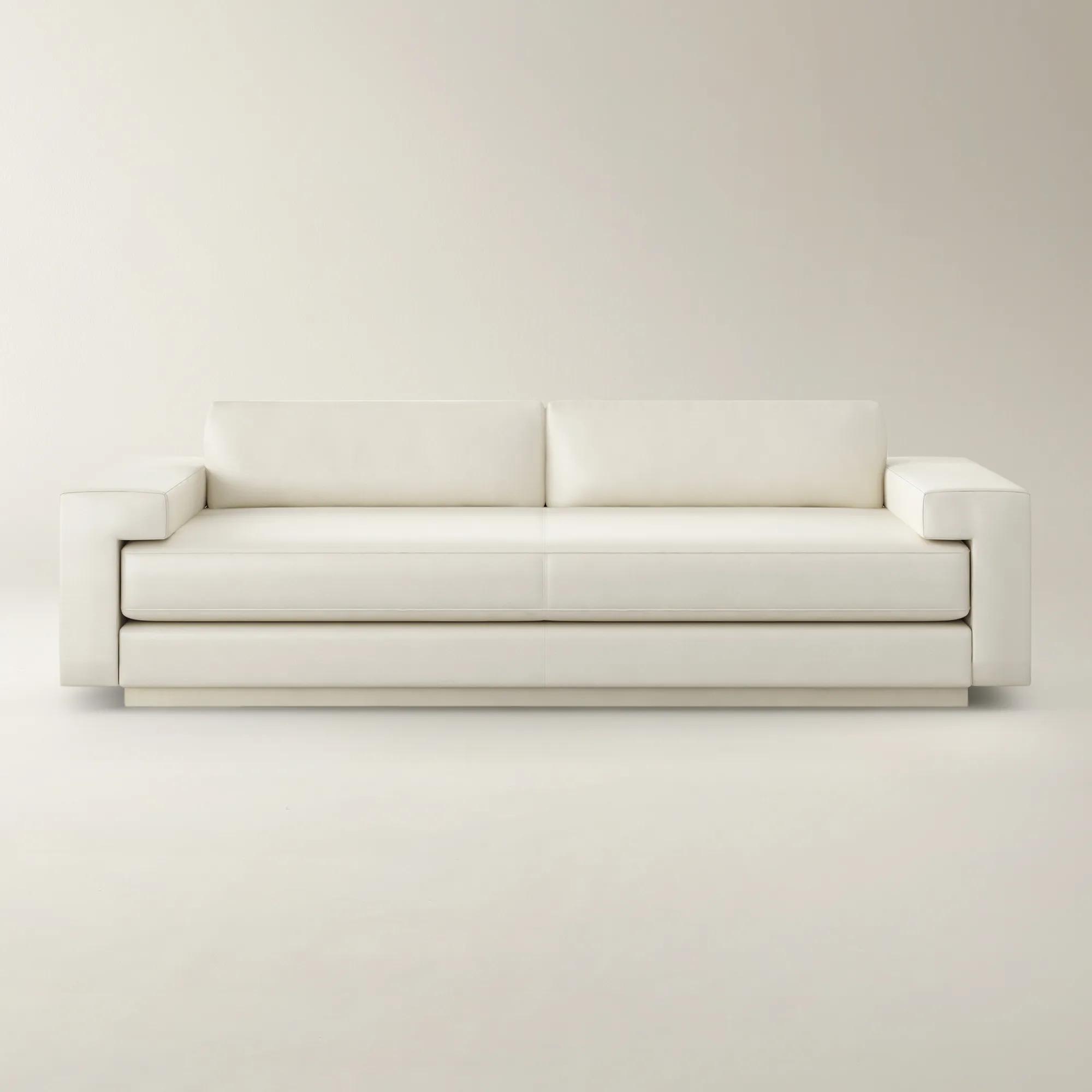 Ariel White Leather Sofa$4599
A sleek, hand-upholstered sofa in top-grain leather with plush feather and foam cushions for comfort.
Add To Cart -
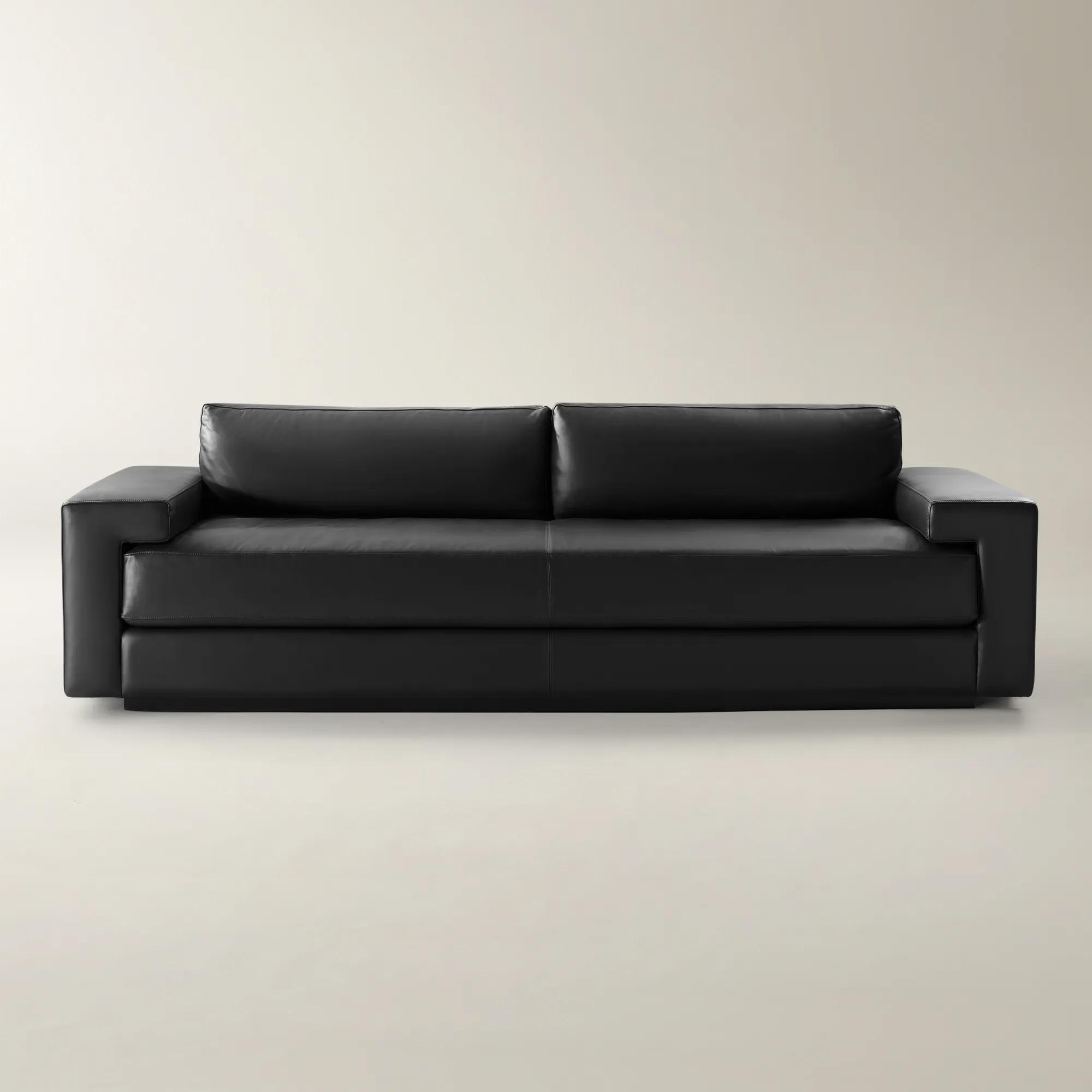 Ariel Black Leather Sofa$4599
A sleek, top-grain leather sofa with plush feather and foam cushions on a kiln-dried rubberwood frame.
Add To Cart -
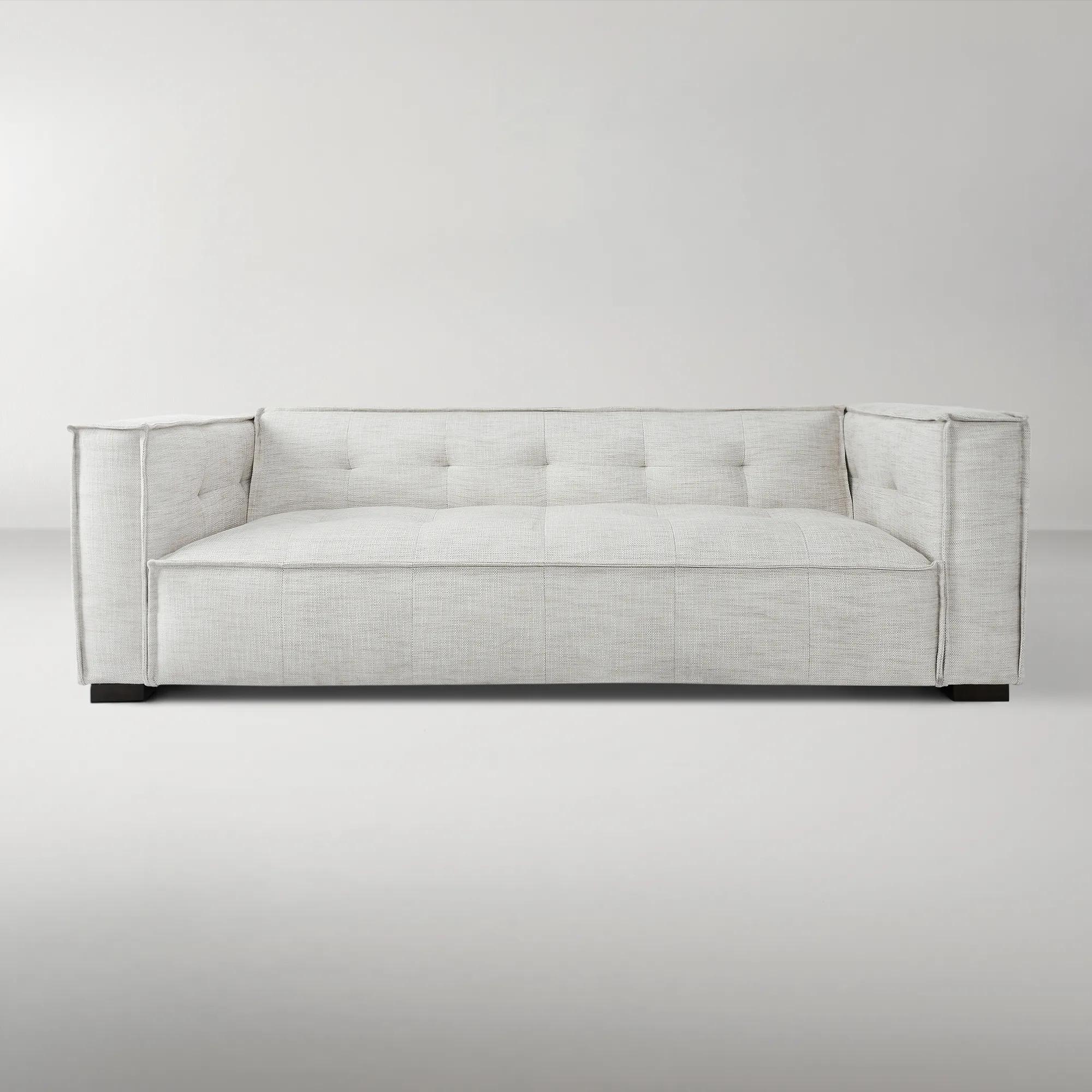
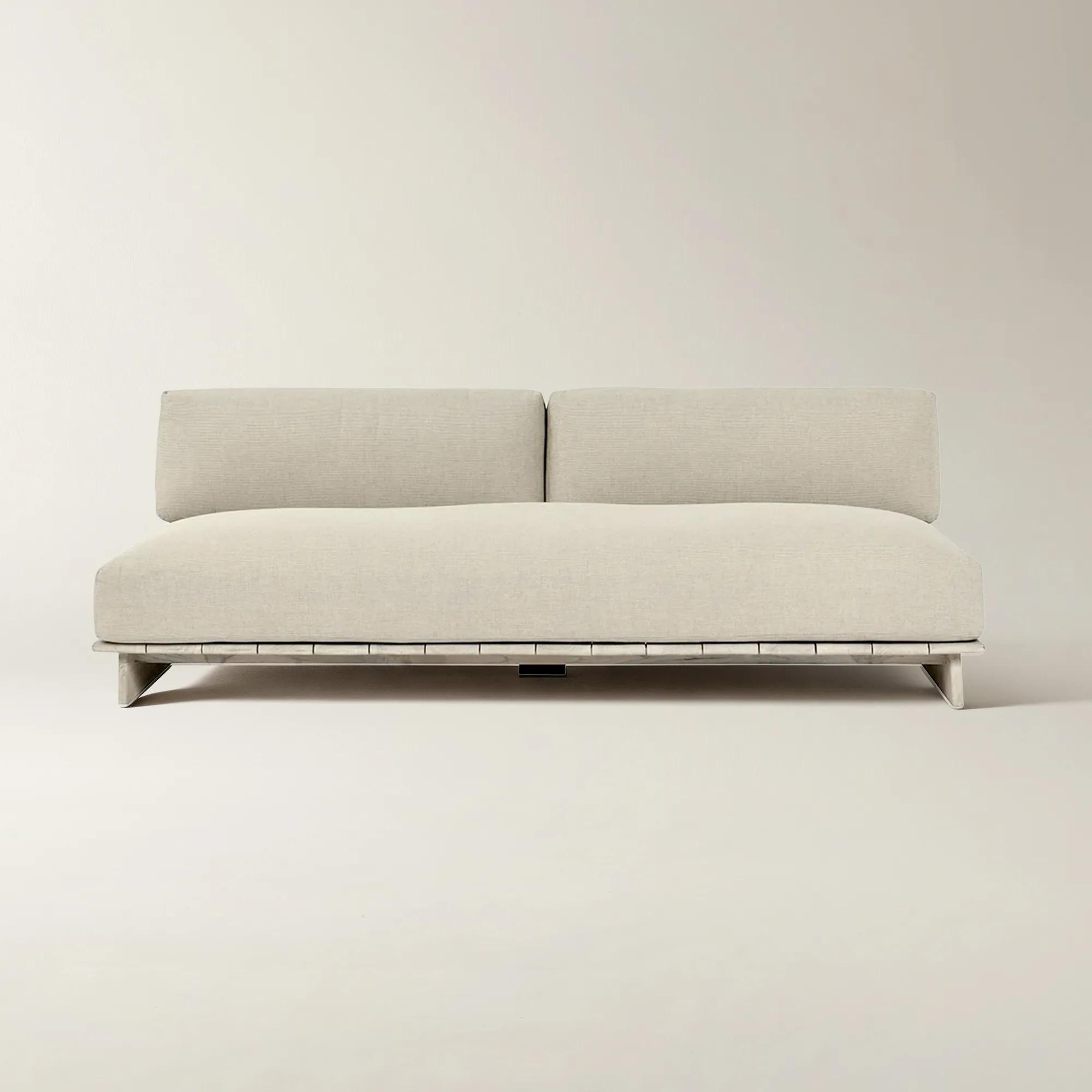
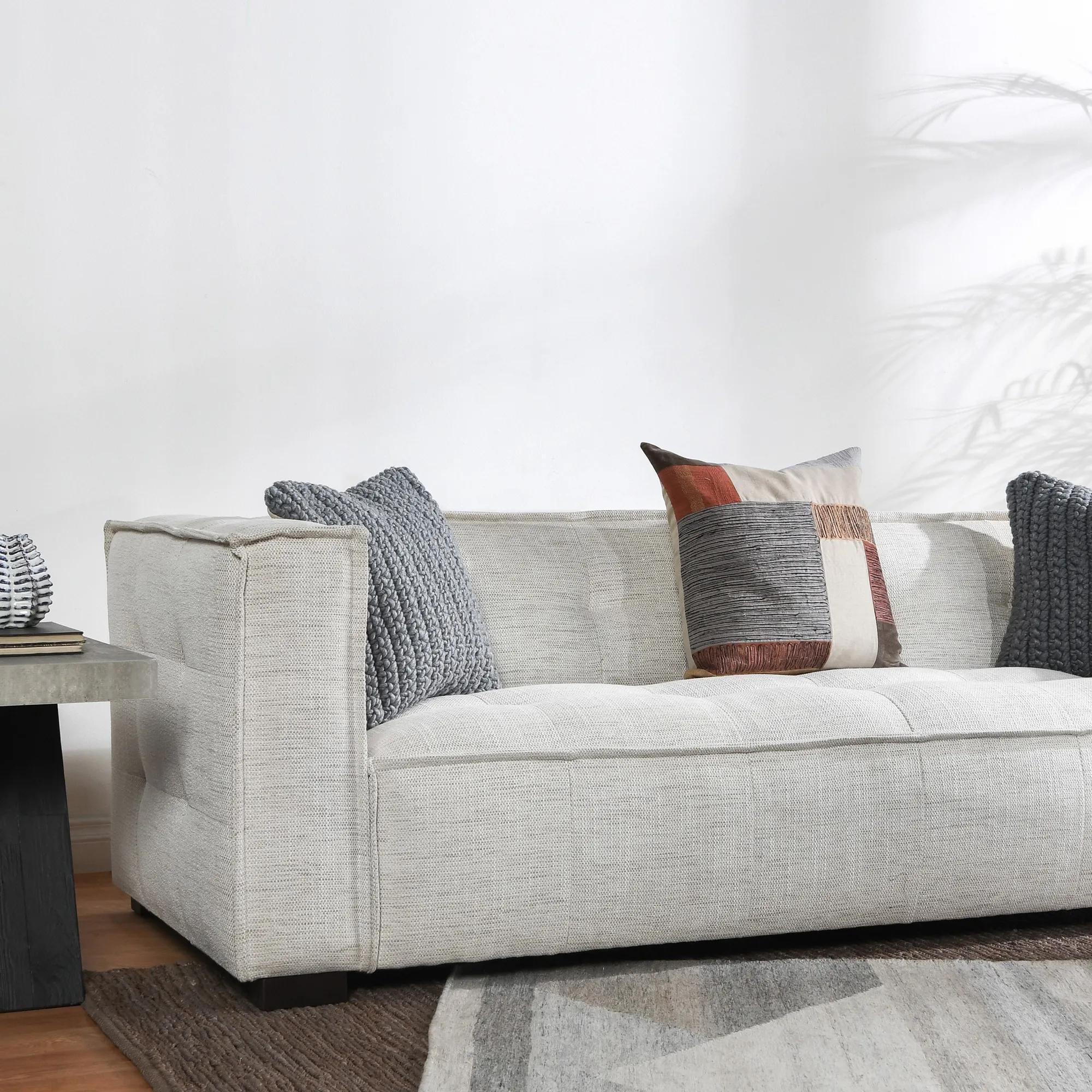 Element Box-Tufted Beige Sofa$2599
A transitional beige sofa handcrafted with a polyester blend and pine wood legs, seating up to four.
Add To Cart -
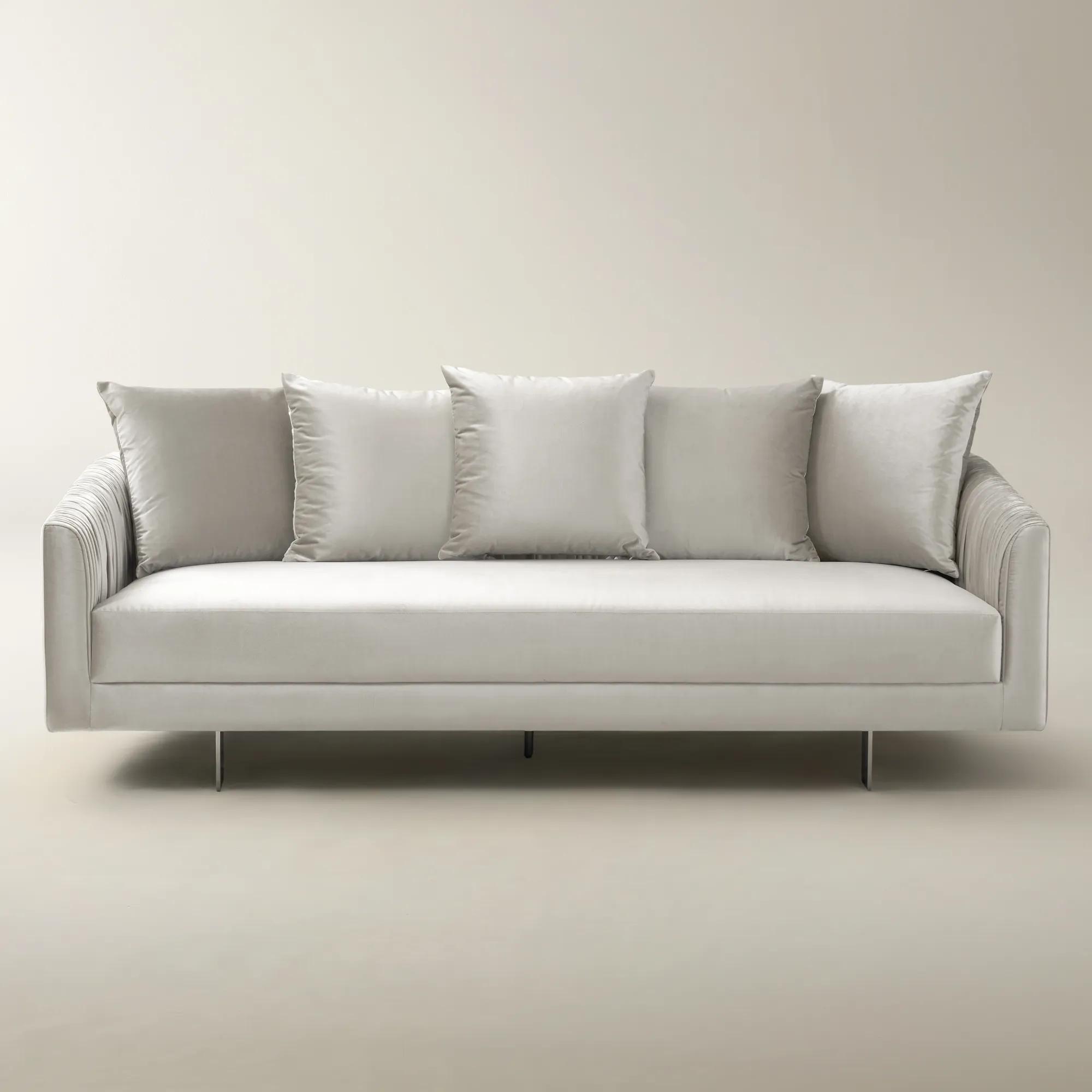
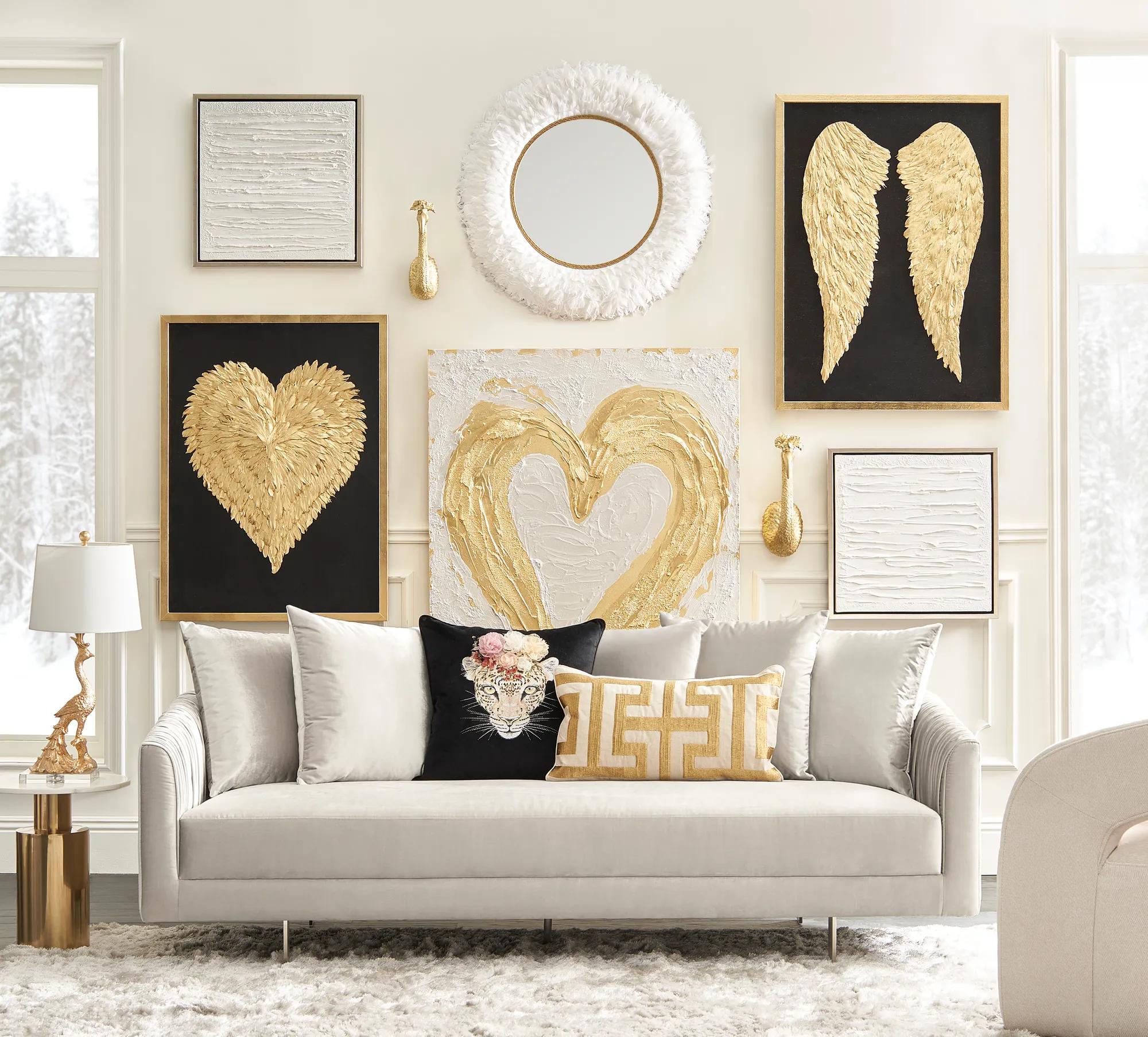 Isabel Softgrey Velvet Sofa$2599
A luxurious hand-tufted sofa with plush feather and foam cushions, nickel-brushed legs, and five pillows.
Add To Cart -
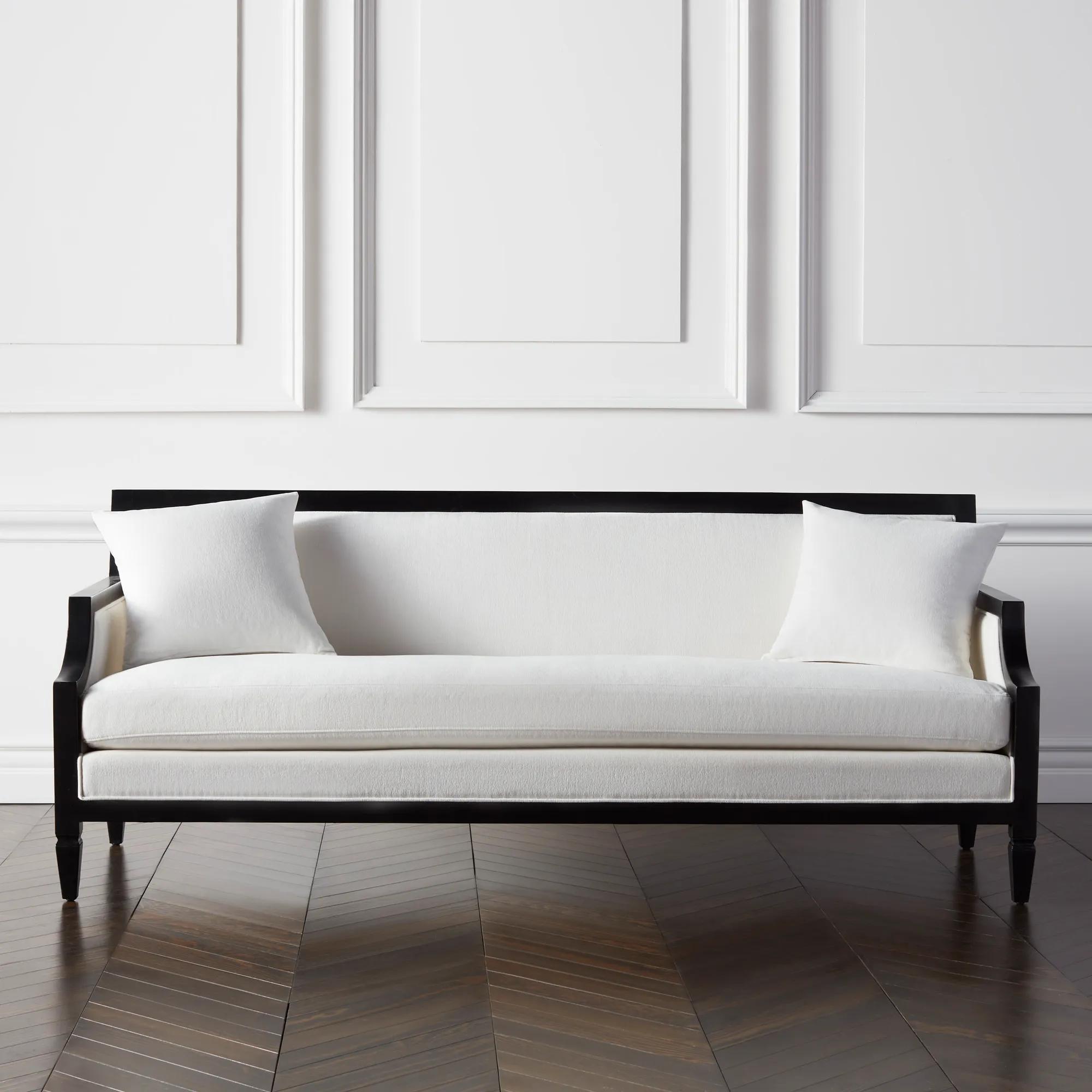
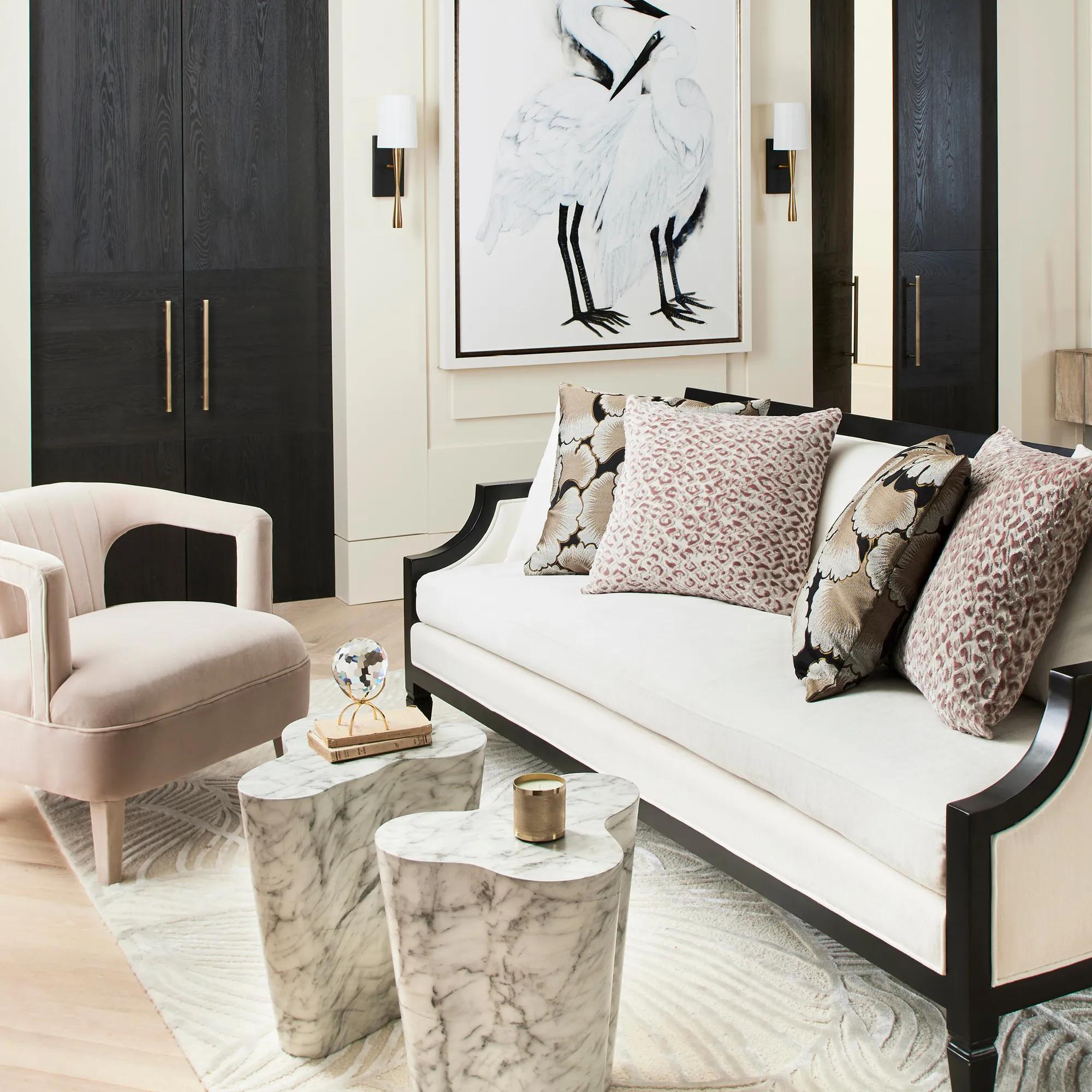 Kayla Sofa$3149
A plush, modern sofa featuring notched arms, matte black wood frame, and Kenley Chenille Snow upholstery.
Add To Cart -
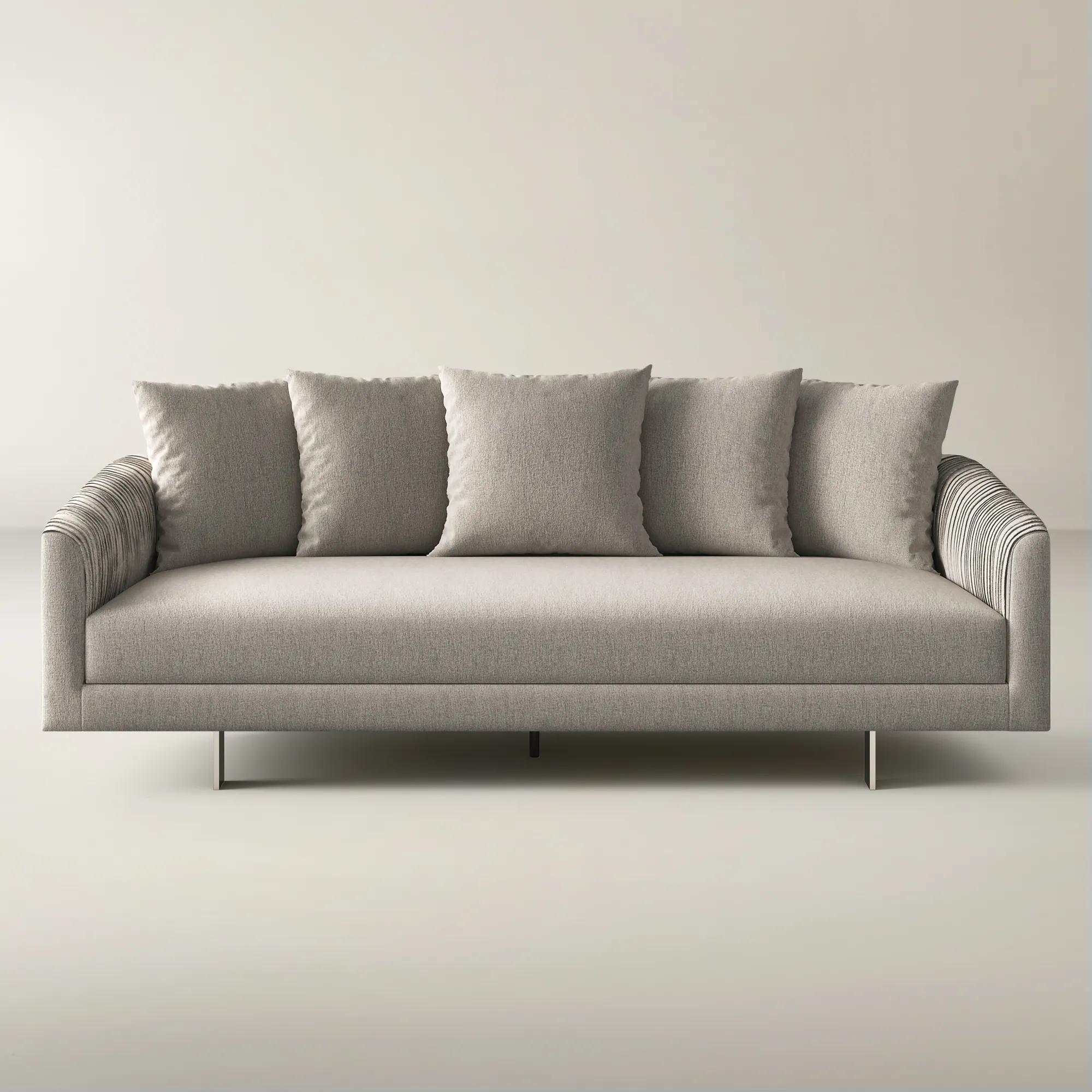 Isabel Moondust Chenille Sofa$2299
A luxurious hand-tufted sofa with plush feather and foam cushions, nickel-brushed legs, and five pillows.
Add To Cart -
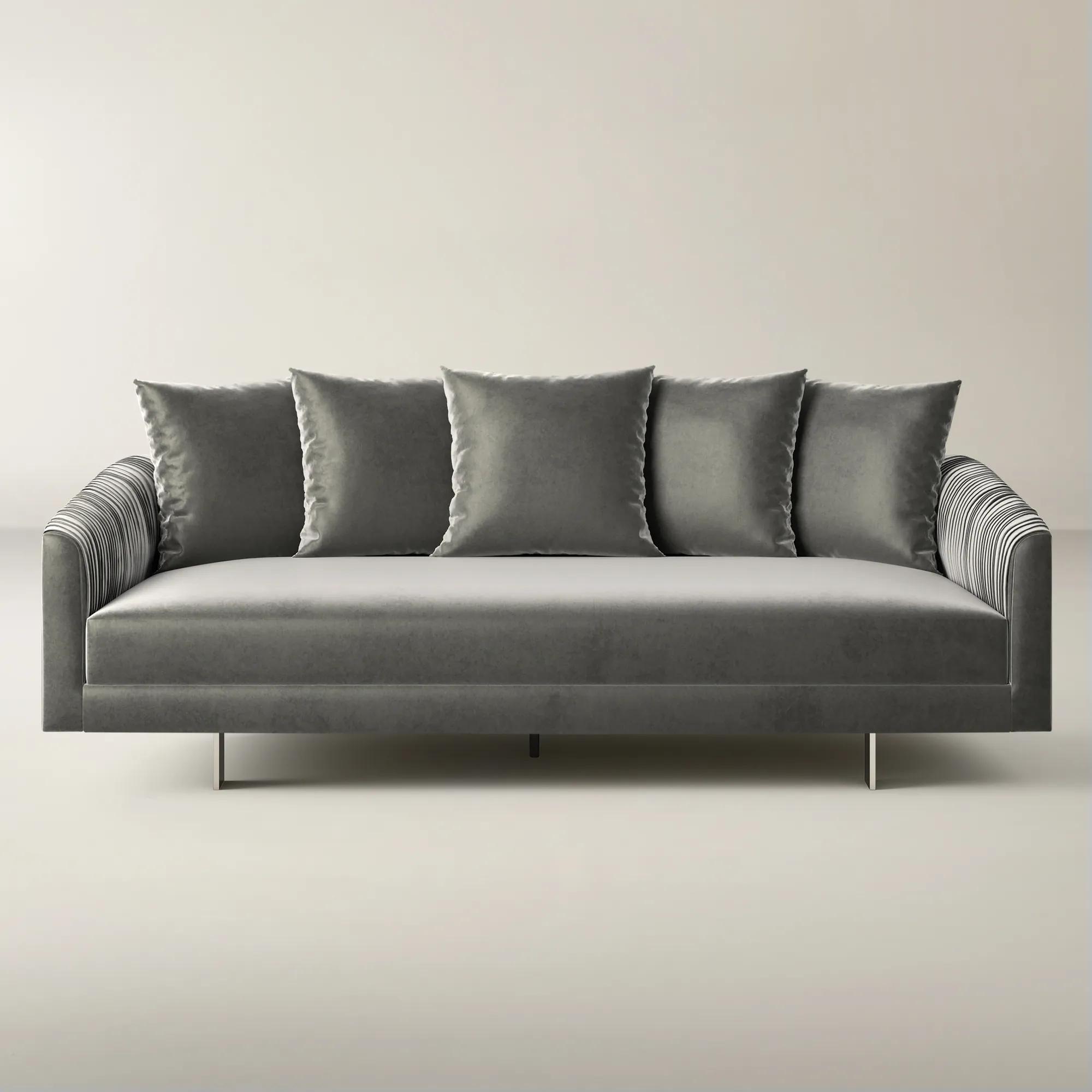 Isabel Ottergrey Velvet Sofa$2599
A luxurious hand-tufted sofa with plush feather-filled cushions, nickel-brushed stainless steel legs, and five decorative pillows.
Add To Cart -

 Reina 3-Piece Tufted Oatmeal Velvet Sectional Sofa$2499
A plush oatmeal velvet sectional featuring channel tufting, deep seating, and an architectural winged silhouette.
Add To Cart -
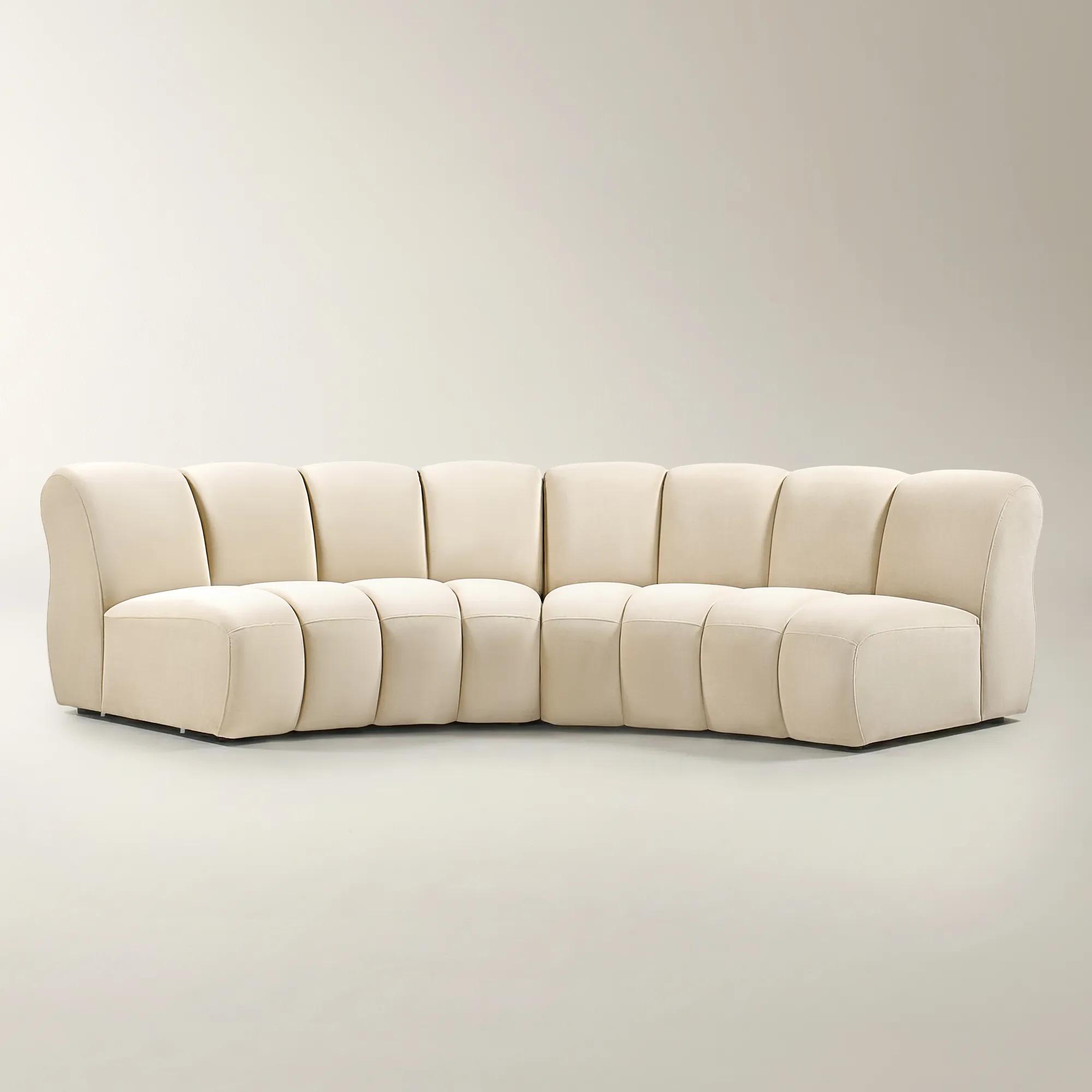
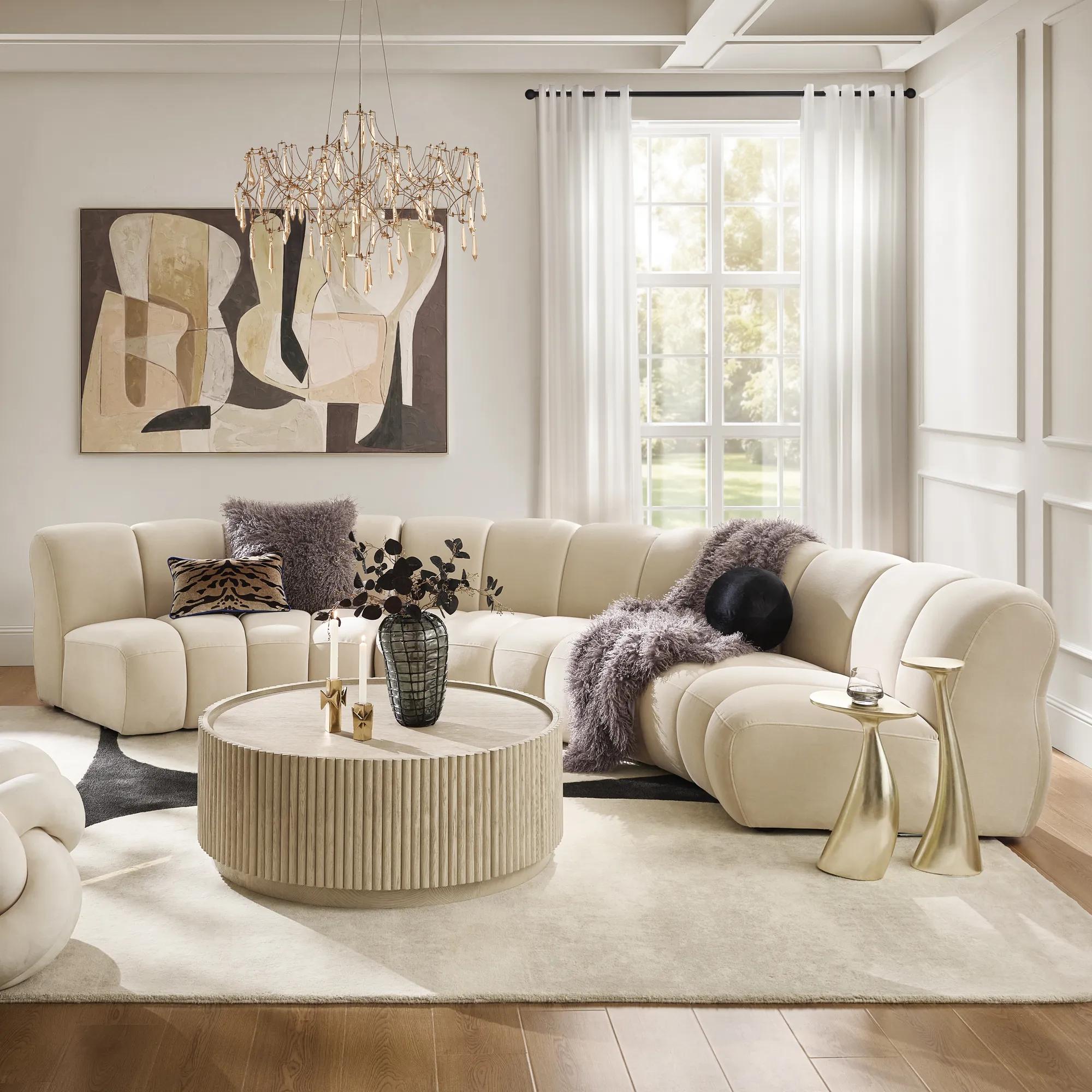 Jocelyn 2-Piece Channel-Tufted Oatmeal Velvet Sectional Sofa$2699
A sculptural oatmeal velvet sectional with deep channel tufting, curved silhouette, and modular, conversation-friendly design.
Add To Cart -
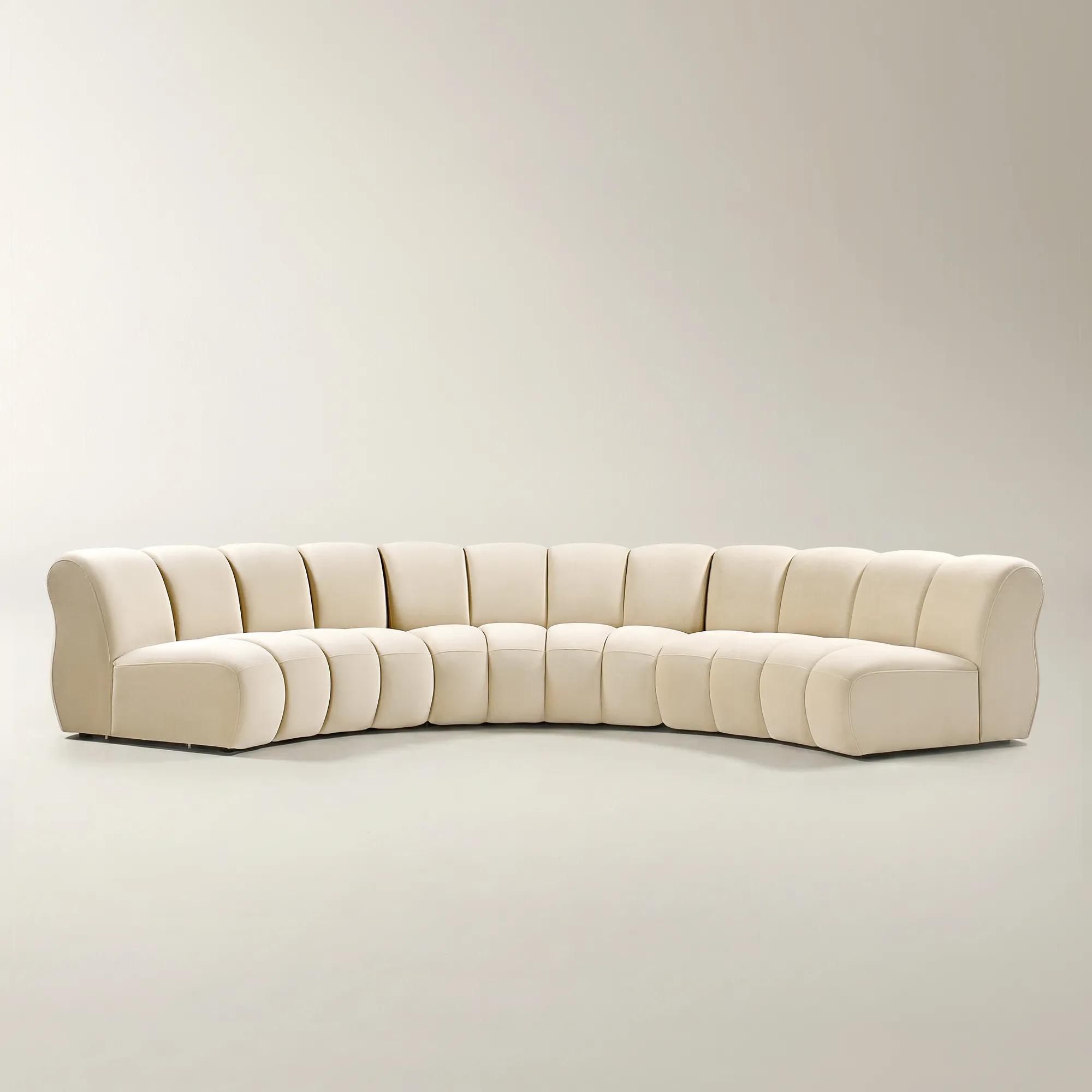
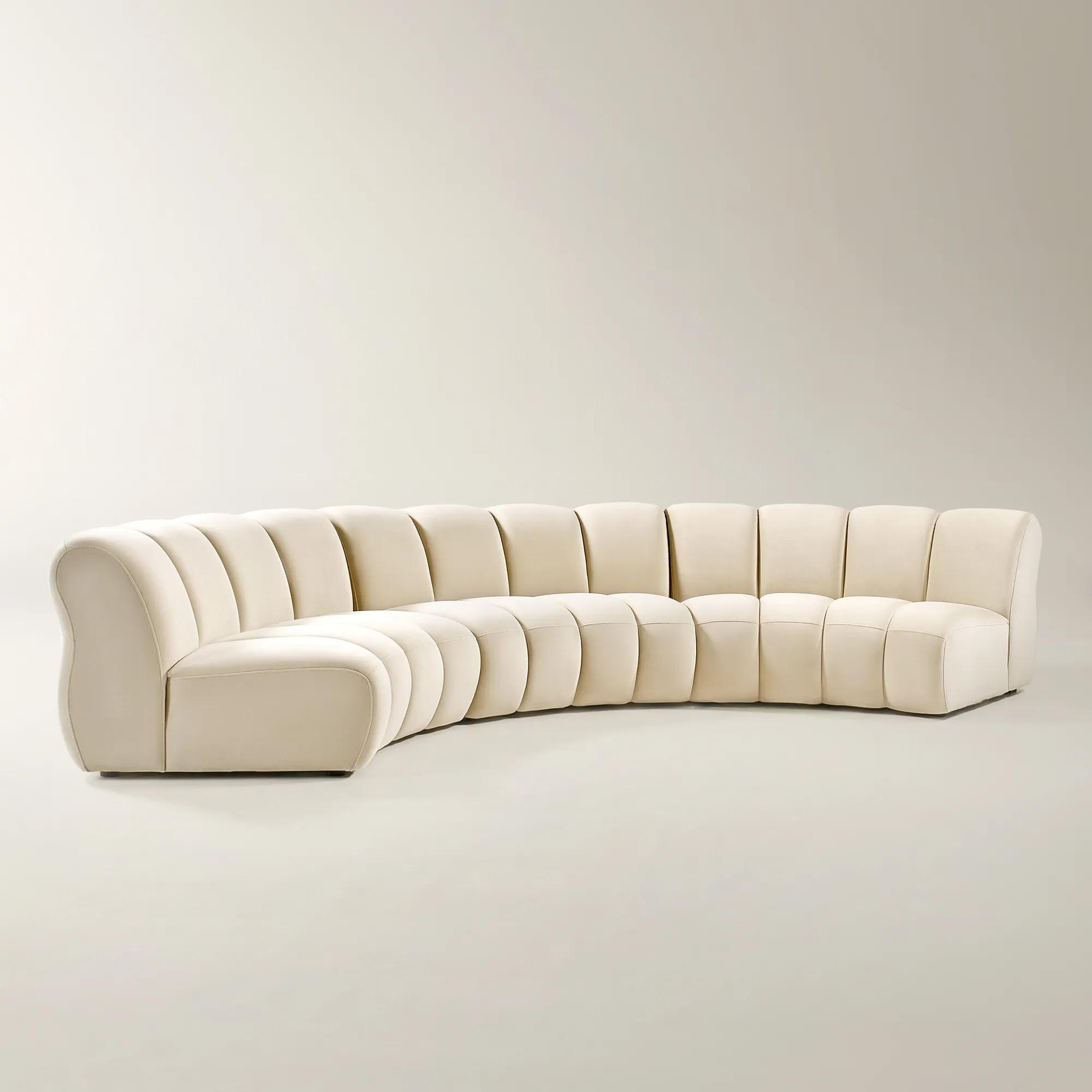 Jocelyn 3-Piece Channel-Tufted Oatmeal Velvet Sectional Sofa$4099
An oatmeal velvet sectional featuring deep channel tufting, sculptural curves, and modular, kiln-dried wood construction.
Add To Cart -
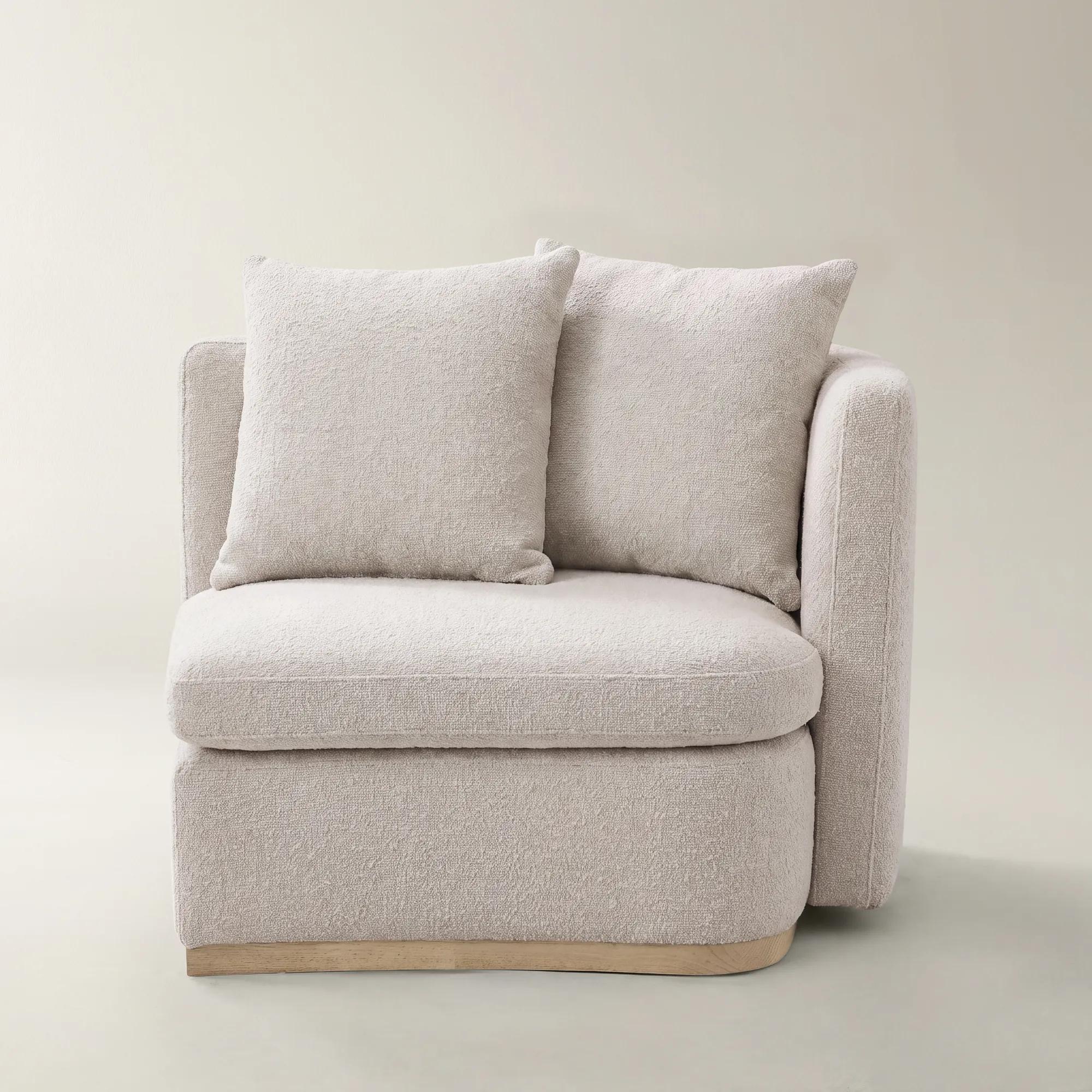
 Asheville Beige Boucle Sofa$2399
A light grey boucle sofa with feather-filled cushions, removable slipcover, and kiln-dried solid oak feet.
Add To Cart -
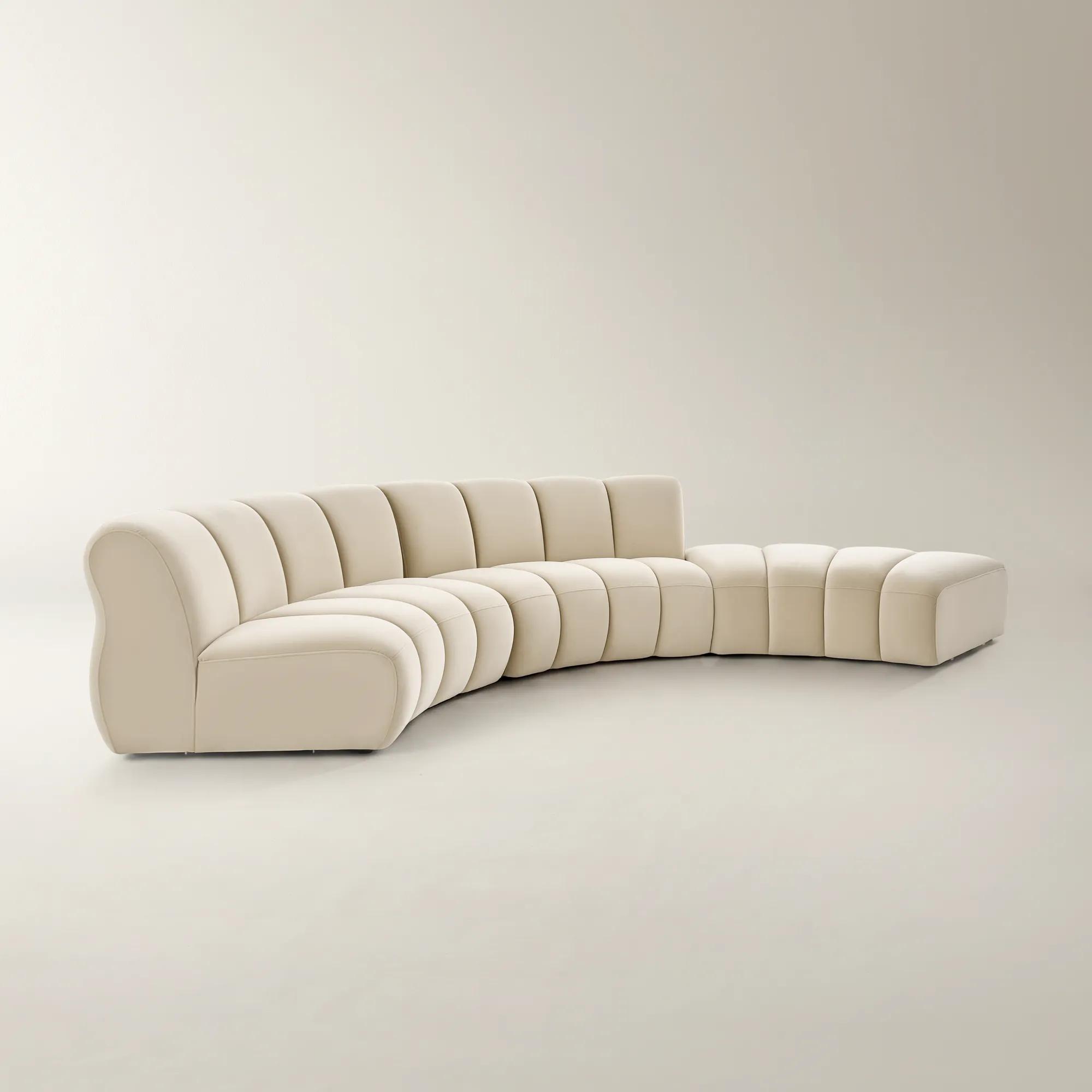 Jocelyn 3-Piece Channel-Tufted Oatmeal Velvet Sectional Sofa With Ottoman$3699
An oatmeal velvet sectional with deep channel tufting, curved silhouette, and modular design for versatile lounging.
Add To Cart -
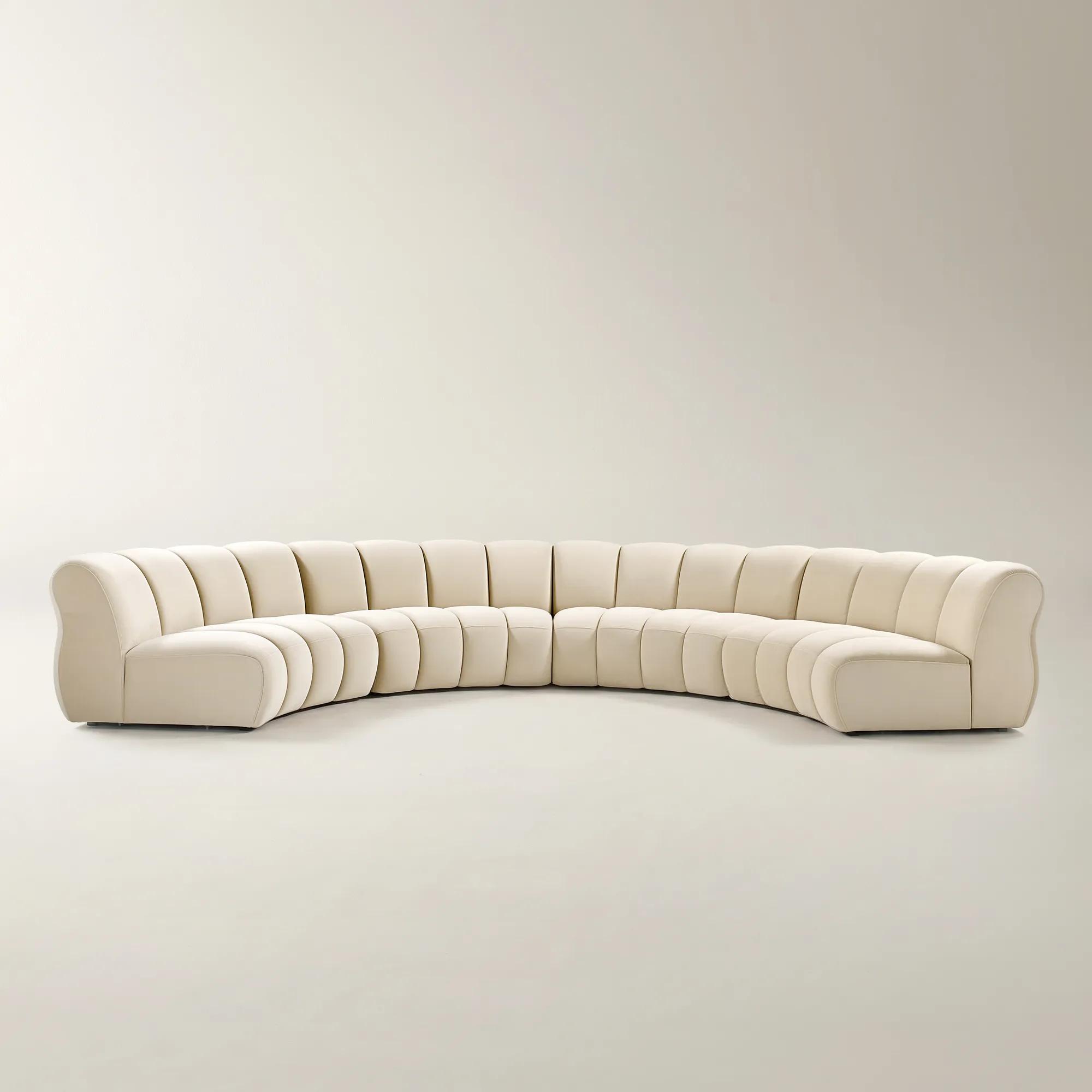
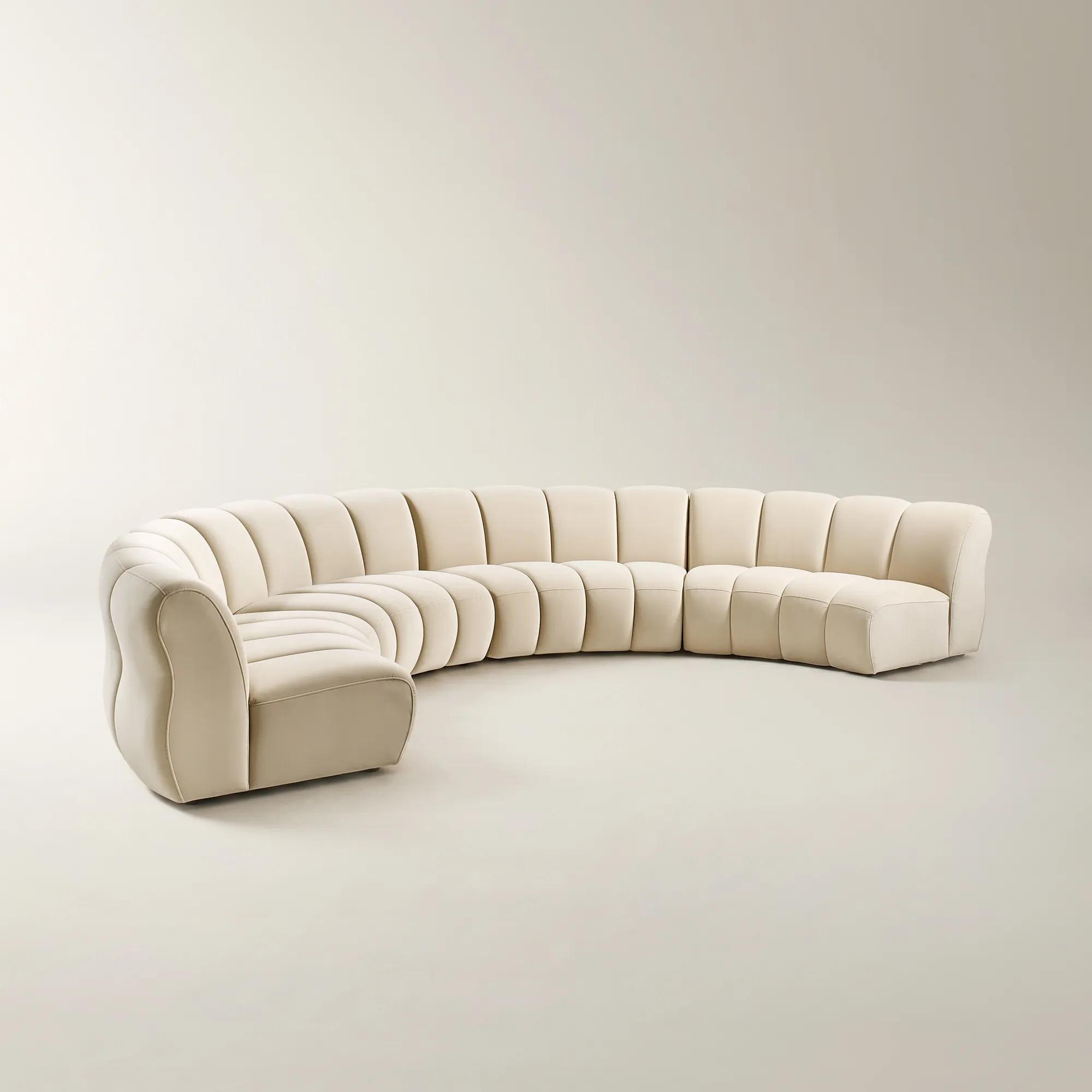 Jocelyn 4-Piece Channel-Tufted Oatmeal Velvet Sectional Sofa$4999
An oatmeal velvet sectional with deep channel tufting, curved silhouette, and modular design for versatile lounging.
Add To Cart -
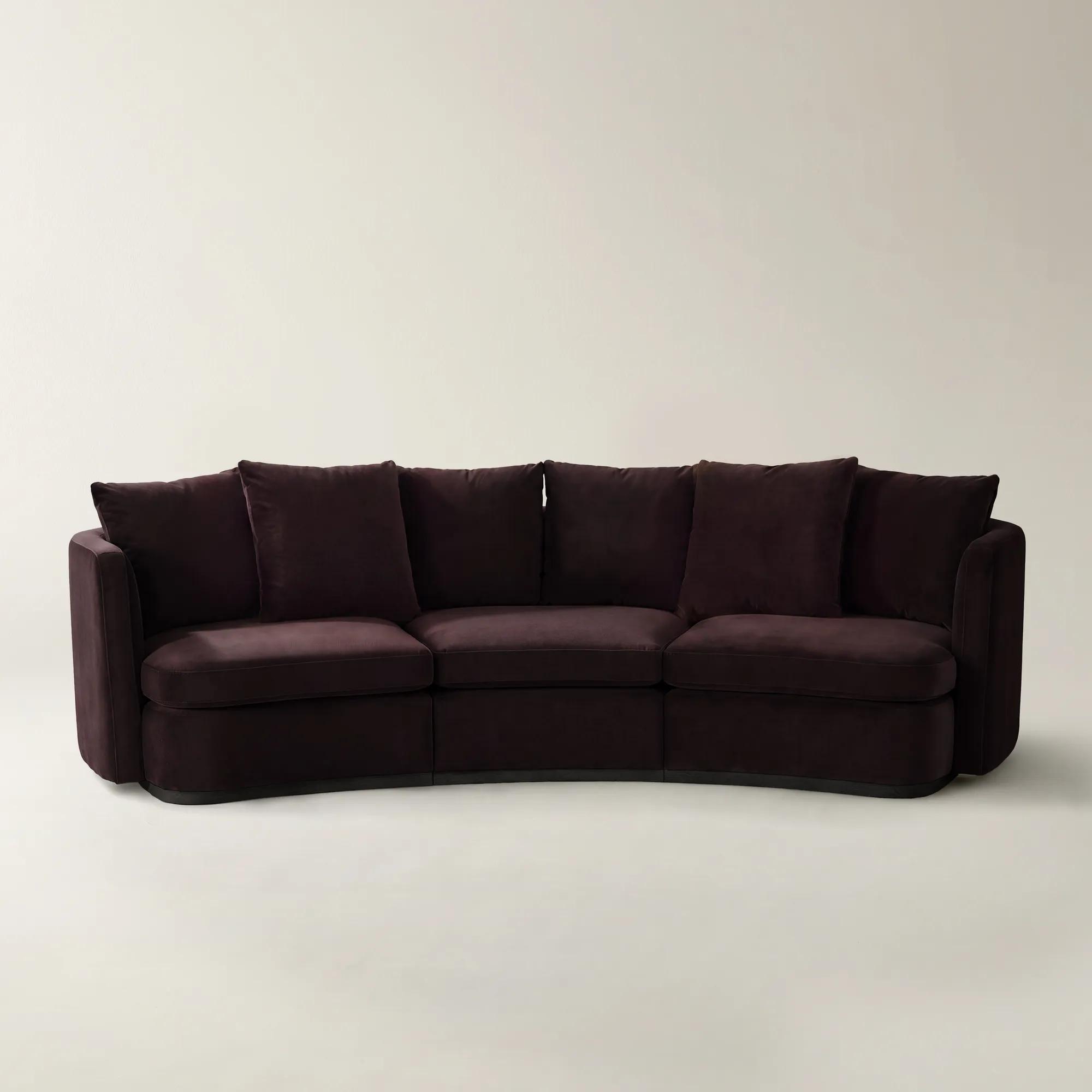
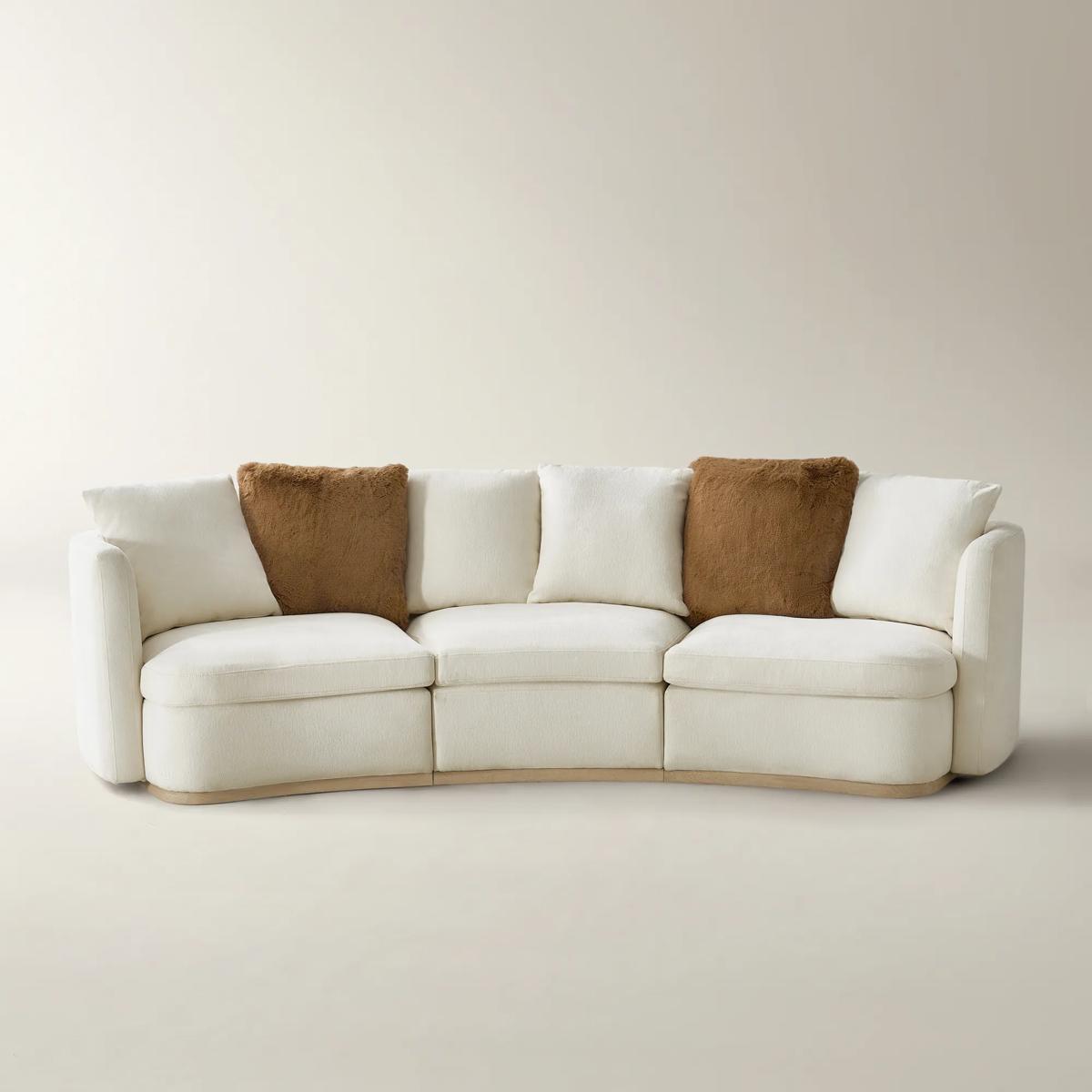 Stria 3-Piece Fig Velvet Sectional Sofa$3399
A sculptural fig velvet sectional with curved silhouette, layered cushioning, and modular connectors for flexible comfort.
Add To Cart -
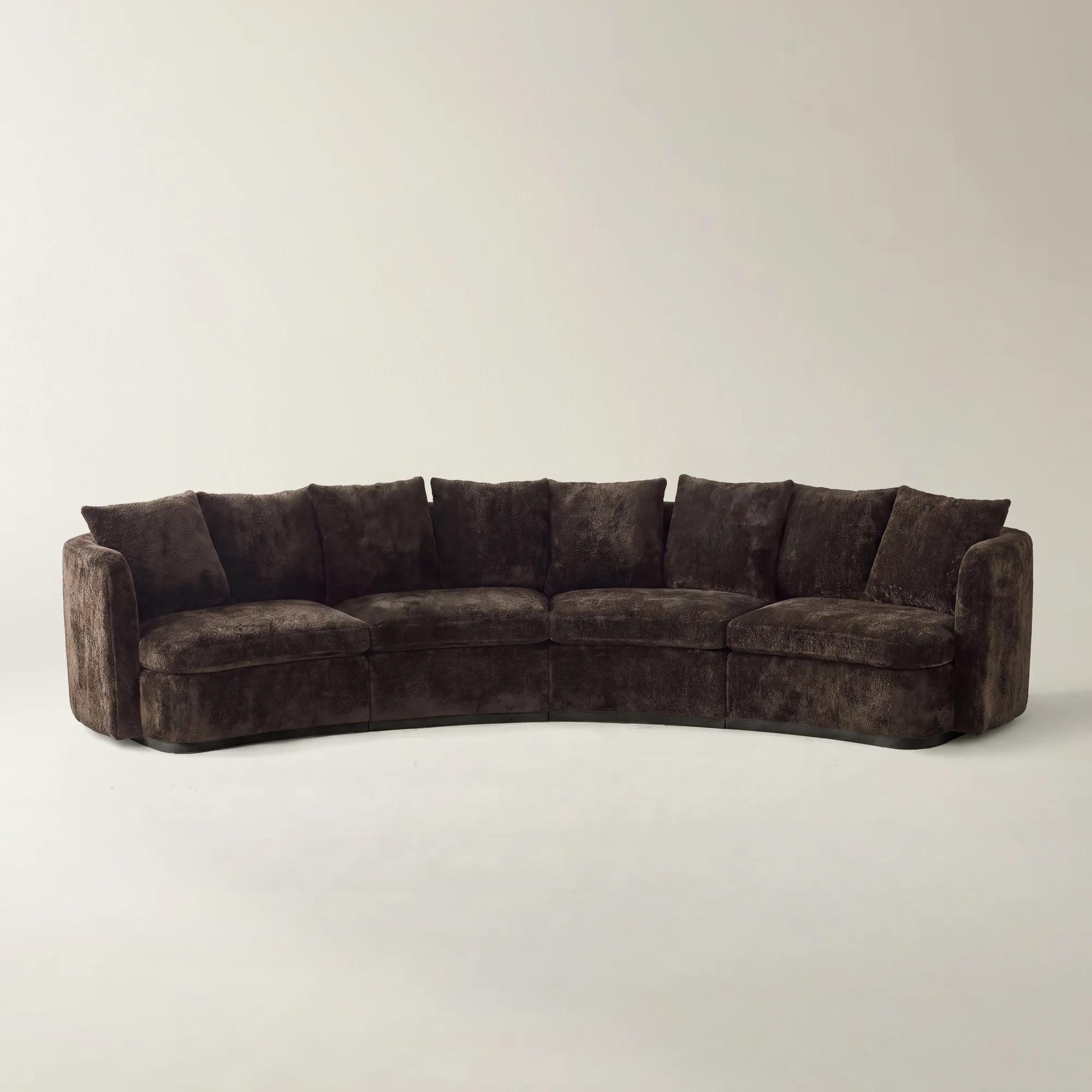
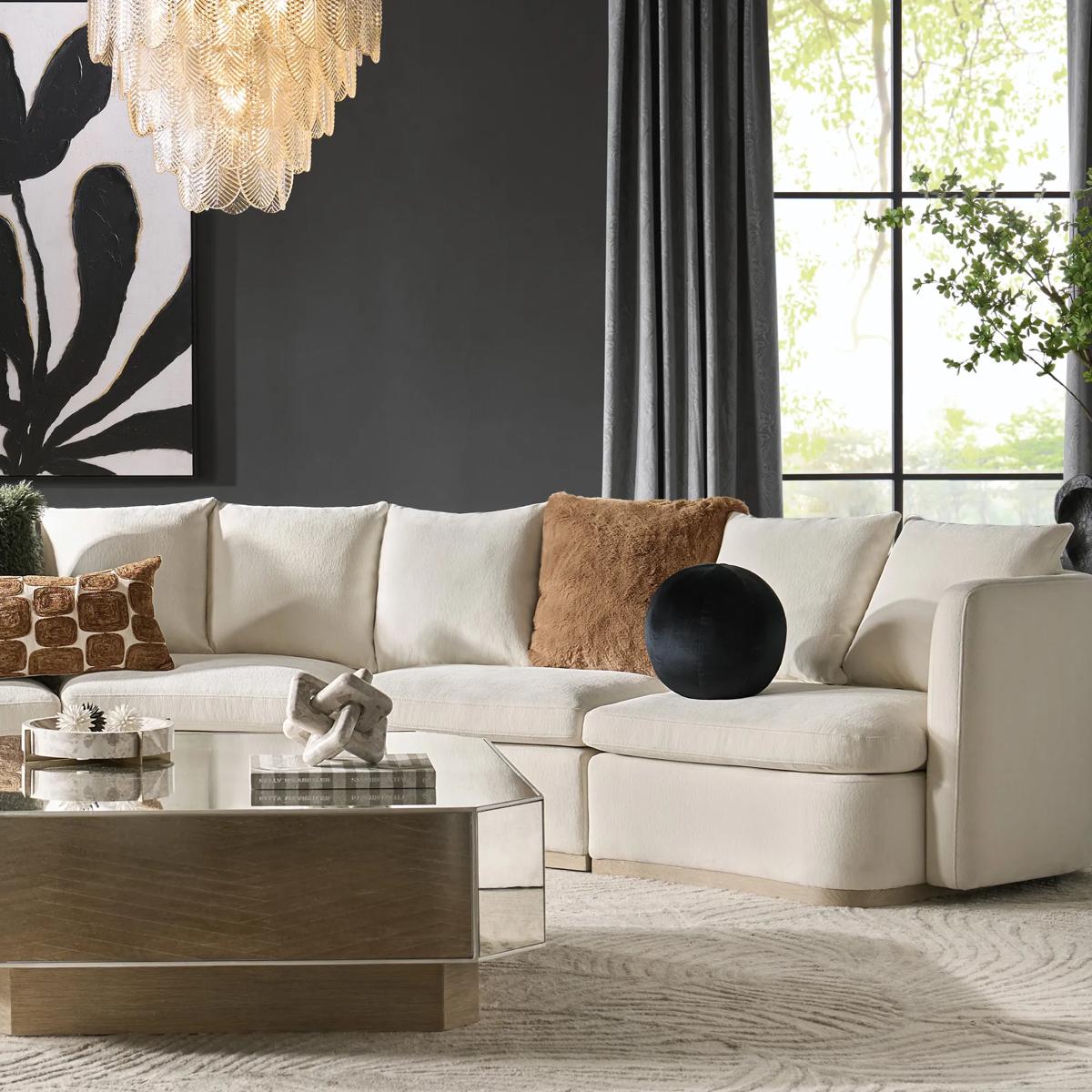 Stria 4-Piece Dark Chocolate Chenille Sectional Sofa$4499
A dark chocolate chenille sectional featuring sculptural curves, layered down-blend cushioning, and modular connectors.
Add To Cart -
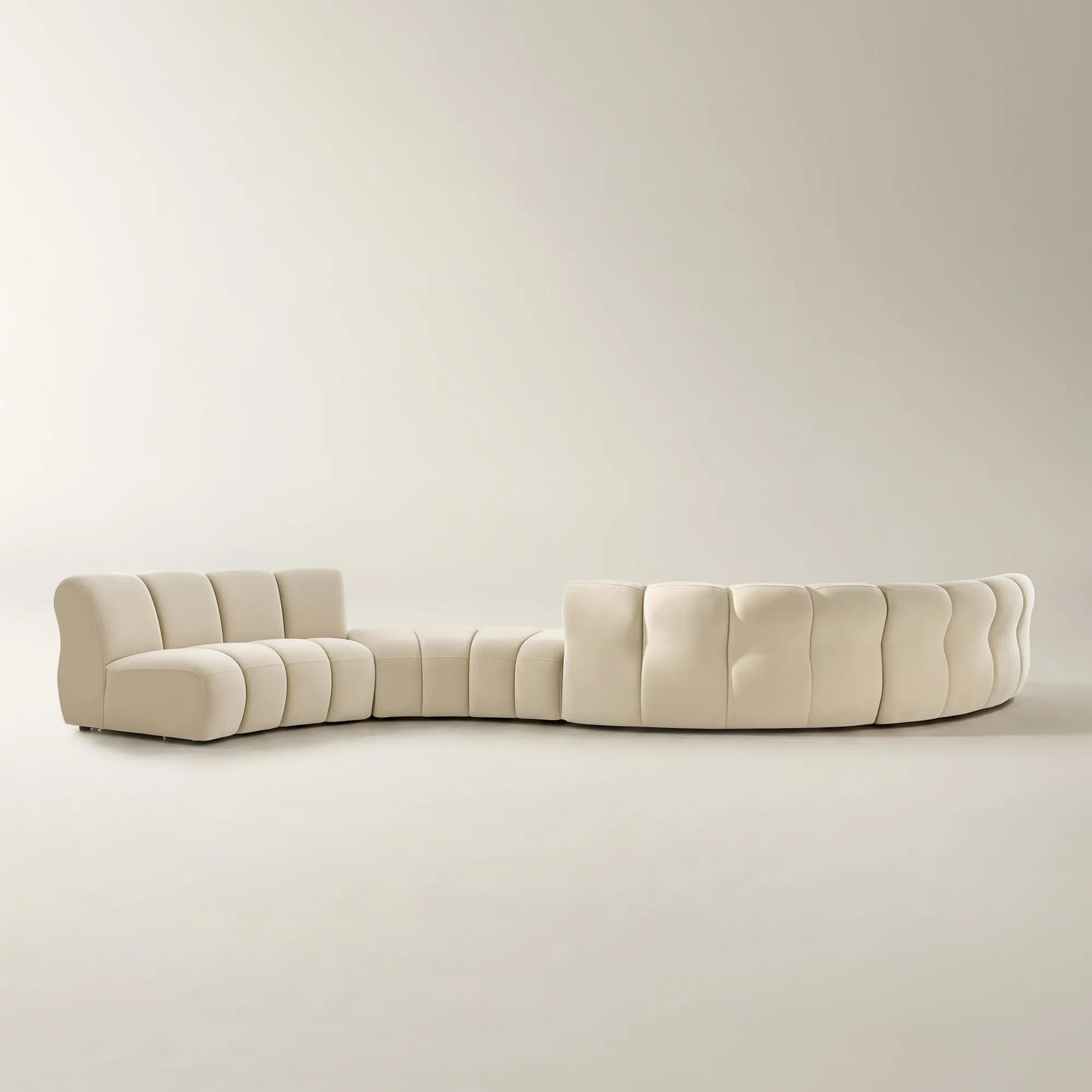 Jocelyn 4-Piece Channel-Tufted Oatmeal Velvet Sectional Sofa With Ottoman$4999
An oatmeal velvet sectional with deep channel tufting, curved silhouette, and modular design for flexible arrangements.
Add To Cart -
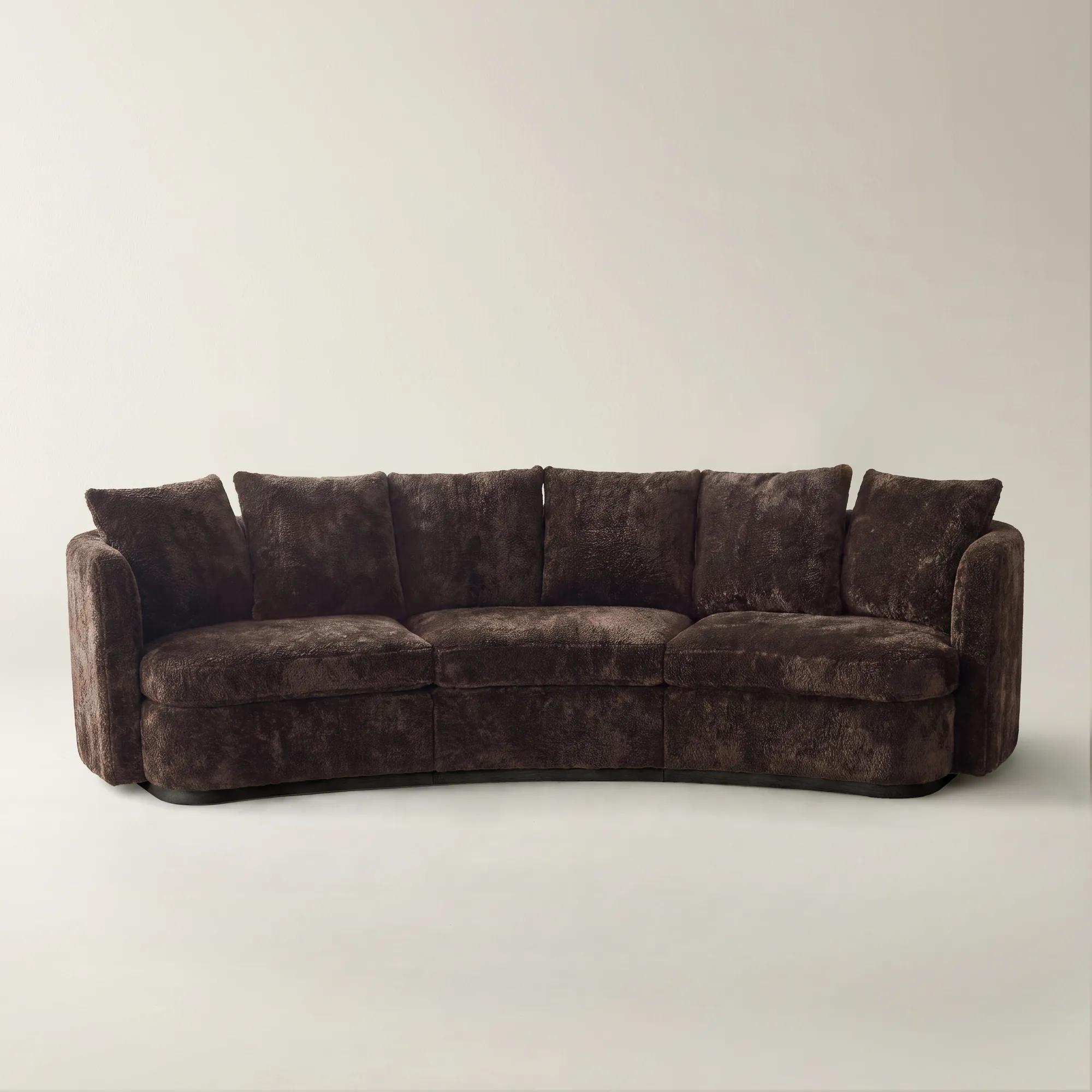 Stria 3-Piece Dark Chocolate Chenille Sectional Sofa$3399
A dark chocolate chenille sectional with sculptural curves, layered cushioning, and modular connectors for tailored comfort.
Add To Cart -
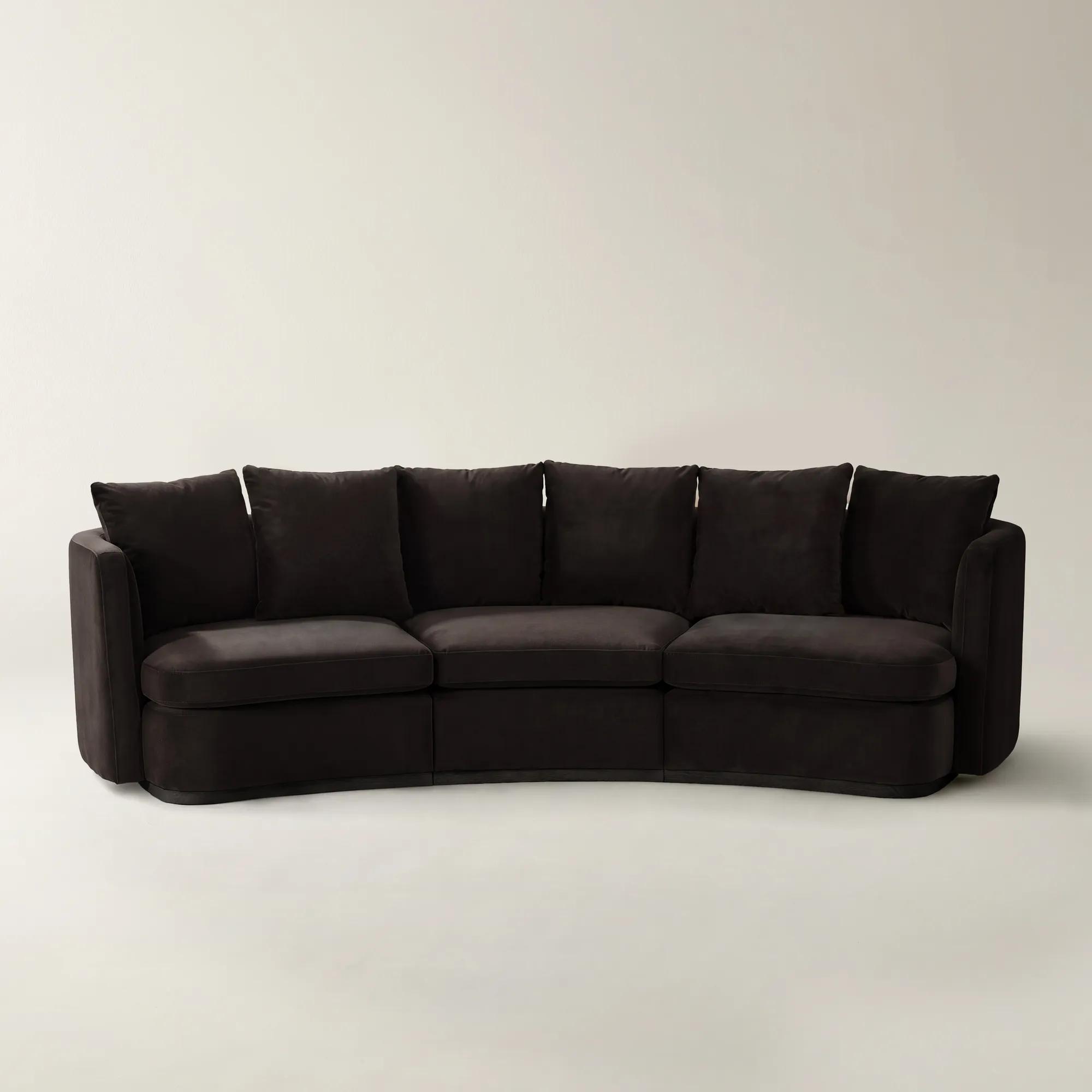 Stria 3-Piece Dark Chocolate Velvet Sectional Sofa$3399
A sculptural dark chocolate velvet sectional with curved styling, layered cushioning, and adaptable modular construction.
Add To Cart -
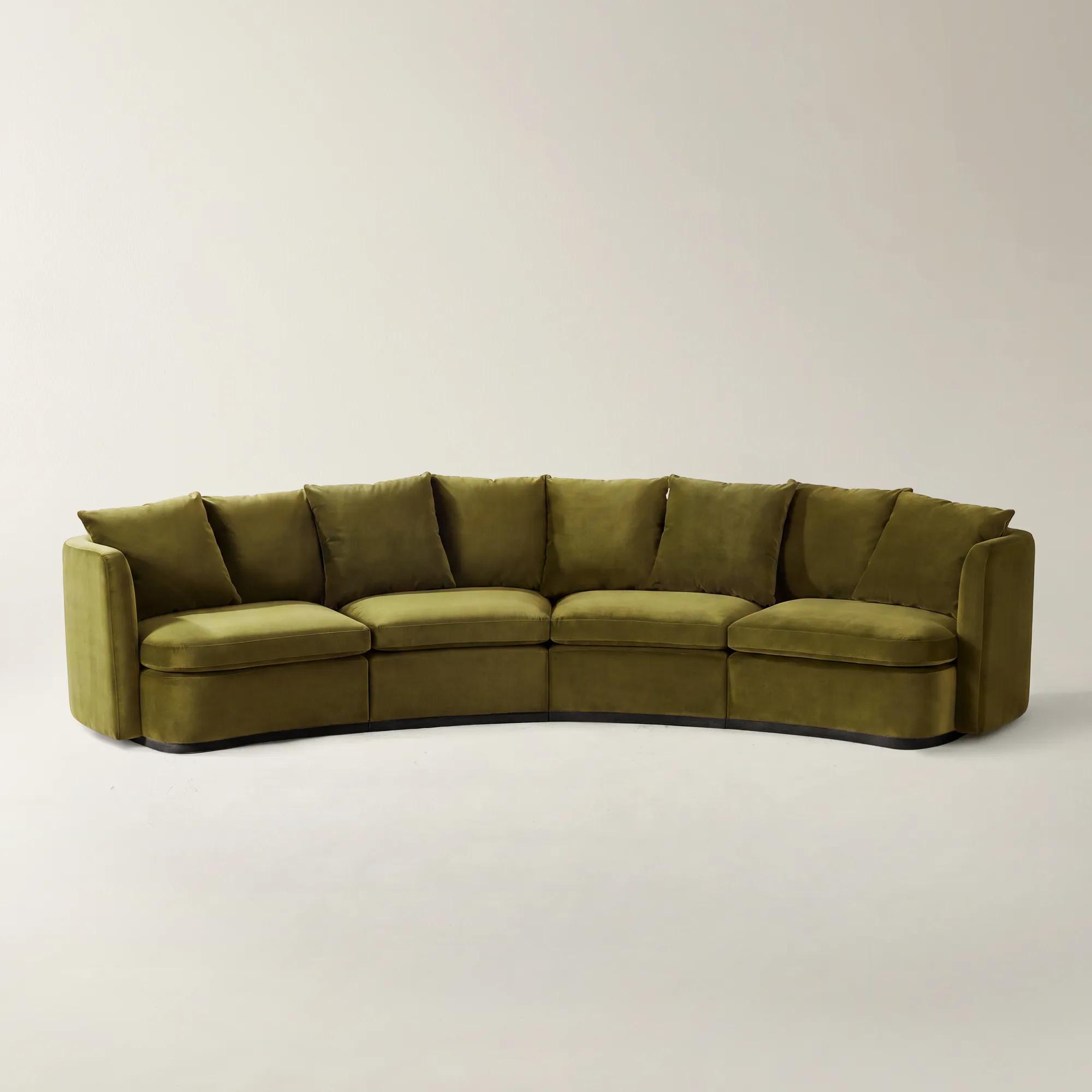 Stria 4-Piece Deep Olive Velvet Sectional Sofa$4499
A sculptural deep olive velvet sectional with modular connectors, kiln-dried wood construction, and layered foam-down cushioning.
Add To Cart -
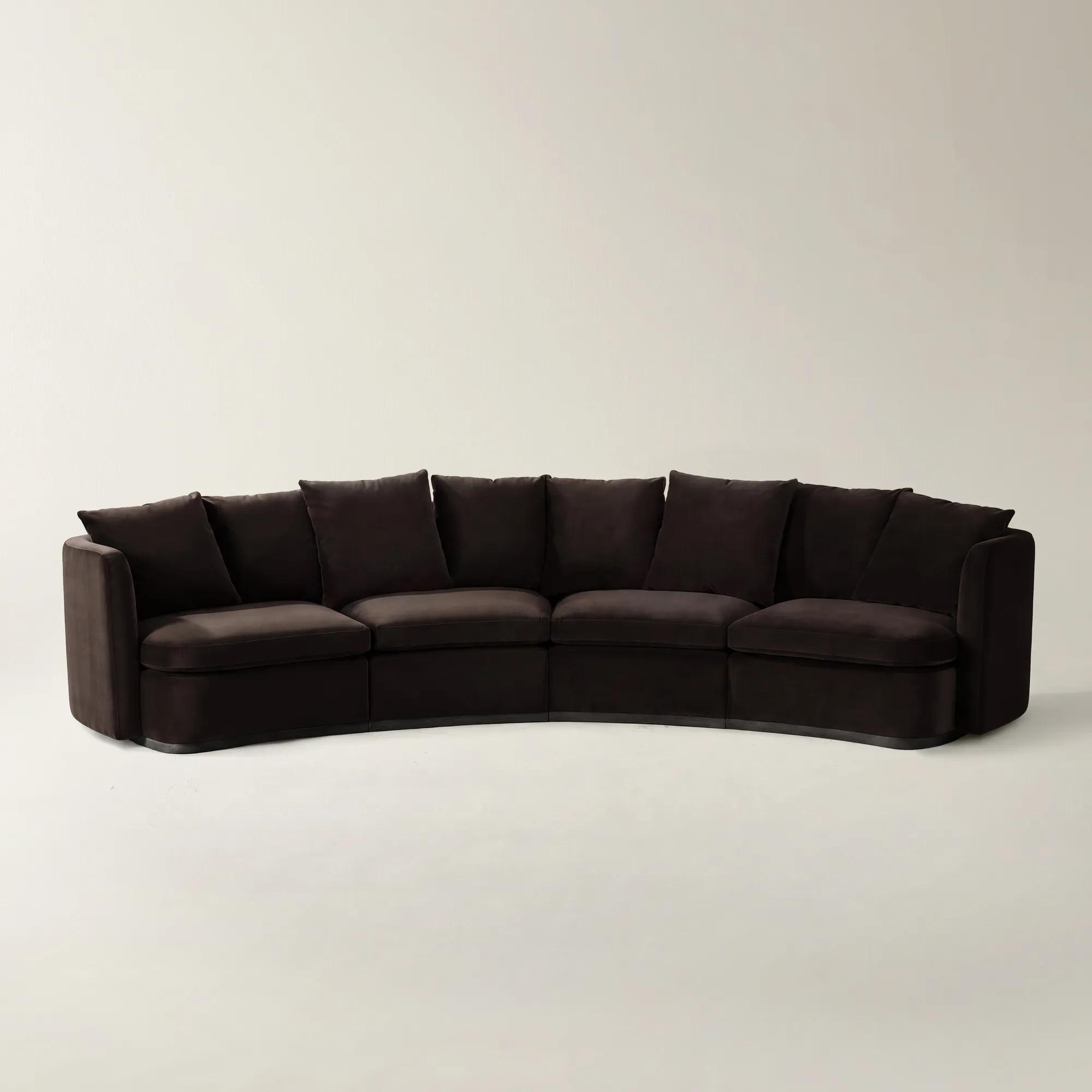 Stria 4-Piece Dark Chocolate Velvet Sectional Sofa$4499
A sculptural dark chocolate velvet sectional with curved edges, layered foam-down cushioning, and adaptable modular connectors.
Add To Cart -
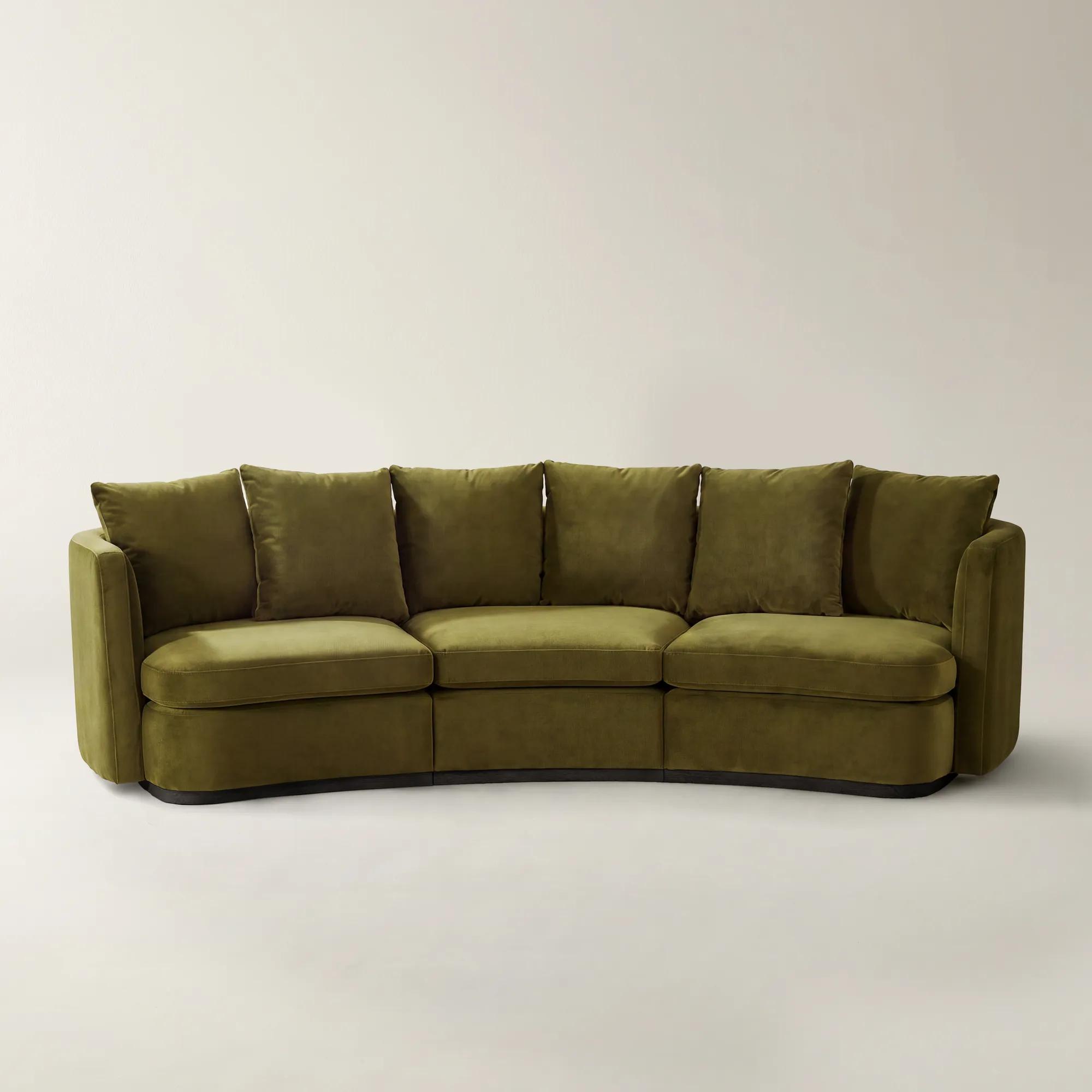 Stria 3-Piece Deep Olive Velvet Sectional Sofa$3399
A sculptural deep olive velvet sectional with modular connectors and layered foam-down cushioning.
Add To Cart -
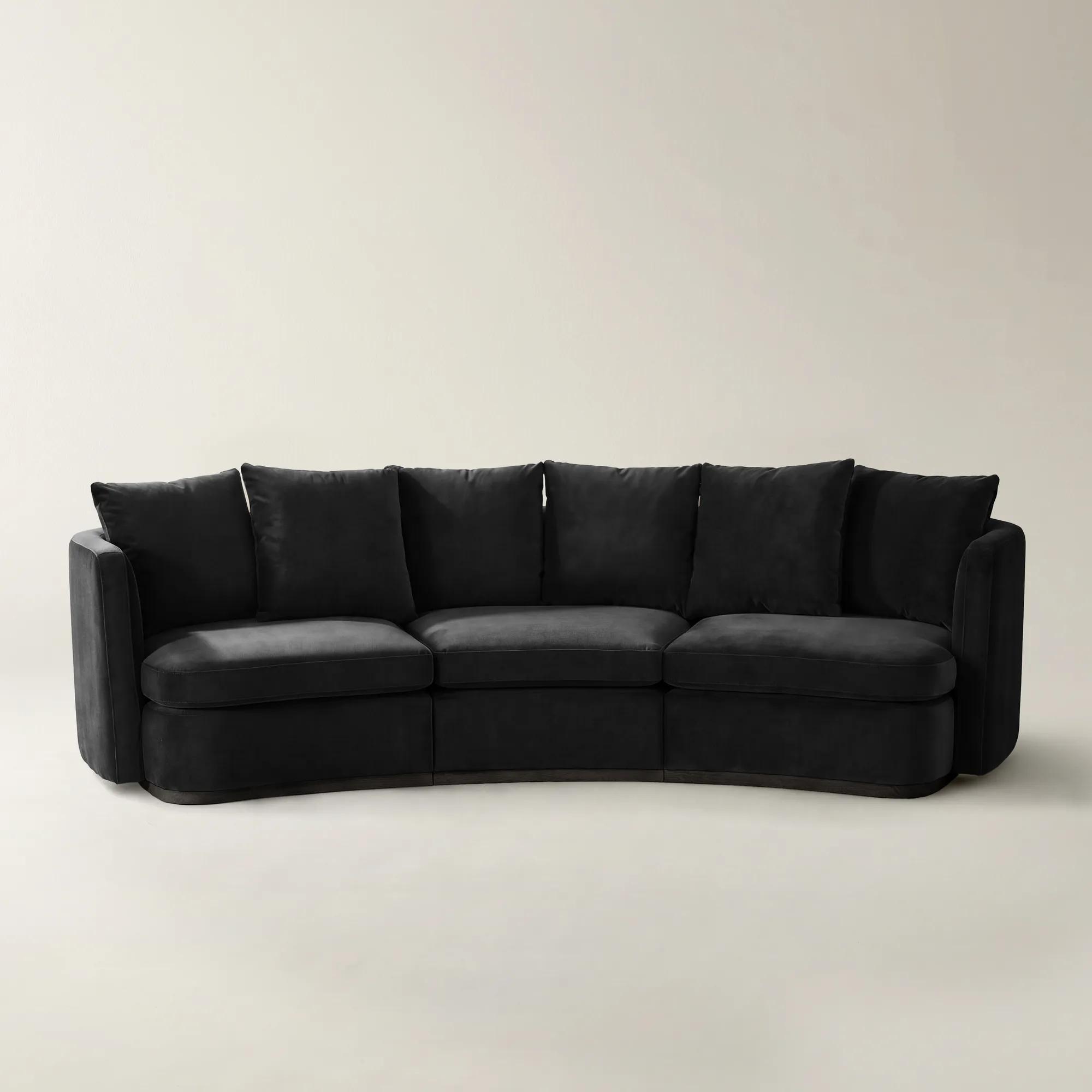 Stria 3-Piece Charcoal Velvet Sectional Sofa$3399
A sculptural charcoal velvet sectional featuring curved styling, layered cushioning, and modular connectors for adaptable comfort.
Add To Cart -
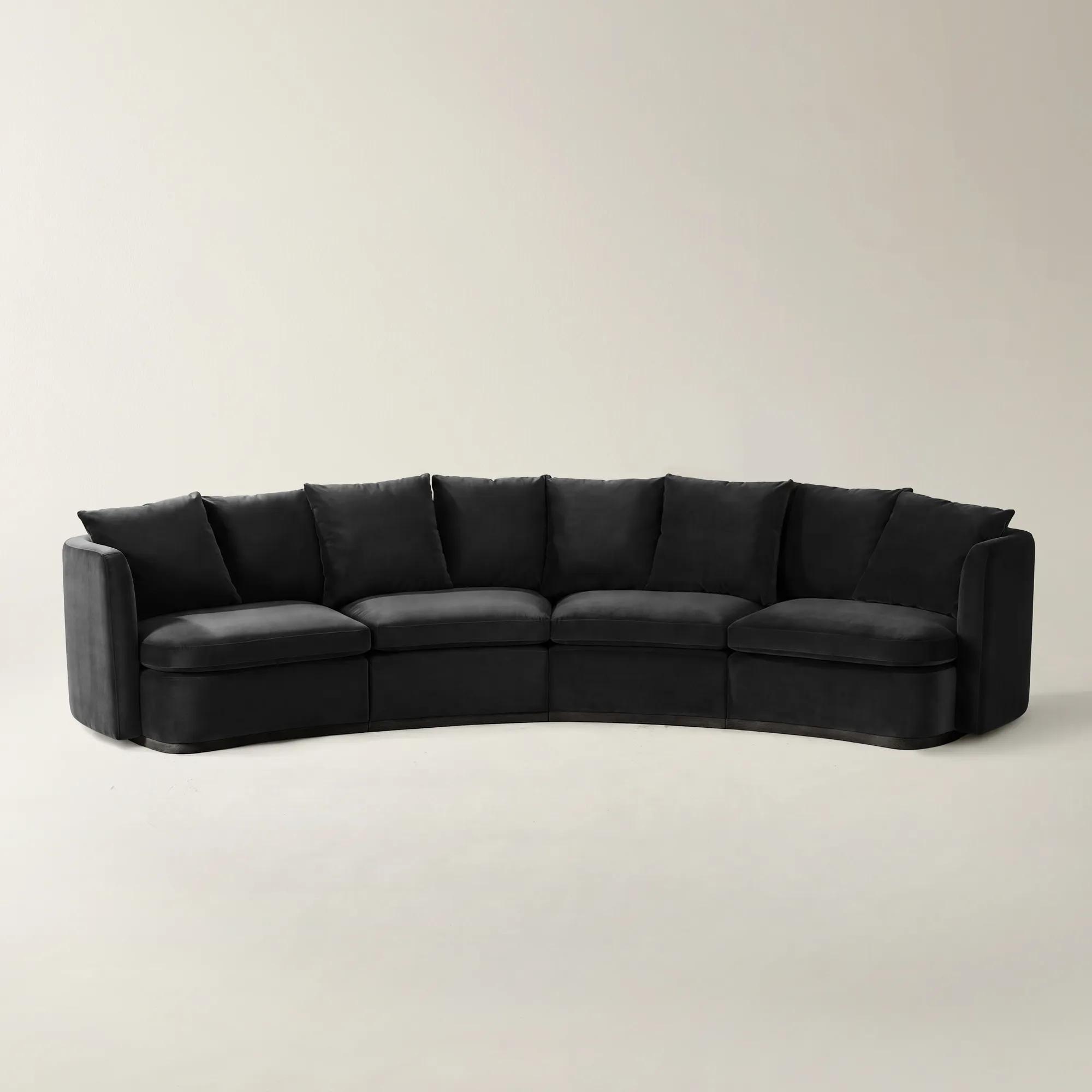 Stria 4-Piece Charcoal Velvet Sectional Sofa$4499
A sculptural charcoal velvet sectional with modular construction, curved edges, and supportive layered cushioning for comfort.
Add To Cart

Indoor Use Only Upholstered Sofas
Indulge in the art of lavish lounging with indoor use only upholstered sofas—where every curve, tuft, and silhouette is designed to transform your living space into a sanctuary of self-expression. These statement-making pieces invite you to sink into sumptuous comfort while elevating the ambiance with sculptural form and dramatic detail. Whether you seek a centerpiece for glamorous gatherings or a cocoon for quiet reverie, each sofa promises to envelop your home in an aura of sophistication and style. Discover how upholstered luxury can turn the everyday into the extraordinary.
Indoor-only upholstered sofas are cushioned seating pieces designed for enclosed interior spaces, with upholstery, padding, and structural components that are not intended to withstand outdoor exposure. Their natural setting is a living room, sitting room, den, or spacious bedroom, where beautiful fabric and considered proportions can shape the atmosphere of the entire space. Unlike outdoor seating, these sofas should not be assumed to have weather-resistant upholstery, moisture-tolerant cushioning, or protective frame finishes. Even a covered patio is not an appropriate substitute for an indoor room unless the furniture is specifically rated for that setting. Within the home, however, upholstered sofas offer an expressive range of silhouettes, from sweeping curved backs and sculptural arms to sharply tailored profiles with slender legs. A channel-tufted back creates a rhythmic architectural detail; a generous rolled arm brings softness and ceremony; a low, uninterrupted seat gives a room a composed, expansive presence. The right proportions make that visual impact feel effortless rather than overwhelming. Overall width determines how a sofa occupies a wall, while depth influences both its footprint and the way people sit. Deep seating can suit someone who likes to curl up with a novel, while a shallower seat may feel more comfortable for conversation with both feet resting on the floor. Seat height, arm height, and back support matter just as much as the silhouette, particularly in a room used by people with different comfort preferences. A broad sofa may anchor an open living area beautifully, but its dimensions also need to accommodate nearby accent chairs, a coffee table, and clear paths between doorways. Measuring the delivery route, including stair turns, elevator interiors, and entry openings, is as important as measuring the intended placement. In smaller rooms, exposed legs and restrained arms can preserve a sense of openness without sacrificing upholstered richness. In larger interiors, a substantial profile can hold its own against oversized artwork or a dramatic lighting fixture, giving the room a confident center of gravity.
The character of an upholstered sofa begins with its fabric, but comfort and longevity depend on the construction beneath it. Frames may incorporate solid wood, engineered wood, metal, or a combination of materials, and their performance reflects the quality of the components, joints, and overall design rather than the material name alone. Suspension supports the seat cushions, while cushion composition determines how the sofa feels beneath the body. Foam can provide defined support and a tailored appearance; fiber or feather-and-down wraps can introduce a softer surface and may require regular fluffing to maintain their shape. Foam density and firmness describe different qualities, so a dense cushion is not necessarily a firm one. A sofa intended for frequent lounging calls for a different balance of softness and support than one chosen primarily for a formal conversation area. Upholstery adds another layer of distinction. Linen and linen blends offer visible texture and a relaxed, dimensional surface, though some fabrics crease or develop a lived-in appearance. Polyester and other synthetic blends can offer practical performance, but resistance to staining, pilling, and abrasion varies by the specific fabric and finish. A tightly woven surface may be worth considering in a household where loose textures could catch on pet claws or jewelry. For a richer play of light, velvet sofas for indoor use bring depth through their distinctive pile, which can appear lighter or darker as its direction changes. Velvet describes a fabric construction rather than a single fiber, so its care requirements and durability depend on its composition. Across upholstery types, color contributes as much to the room’s mood as texture. Ivory and champagne tones can frame gleaming metallic accents with quiet luminosity, while saturated jewel tones create a more theatrical focal point. Charcoal or deep neutral upholstery can lend visual weight without competing with patterned pillows or statement art. Thoughtful tailoring completes the impression: aligned seams, neatly finished edges, and well-shaped cushions allow even an understated sofa to feel deliberate and refined.
Indoor use protects upholstered sofas from conditions they were not built to endure, but placement and everyday care still influence how gracefully they age. Prolonged direct sunlight through a window can fade upholstery, and persistent dampness can affect fabric, cushioning, and frame components. A position away from intense sunlight, moisture sources, and heating vents helps support a more stable environment without diminishing the sofa’s presence in the room. Routine care should follow the manufacturer’s instructions and the upholstery cleaning code rather than a general assumption that all fabrics can be treated alike. Some upholstery permits water-based cleaners, some requires solvent-based products, and some should receive only vacuuming or gentle brushing. A removable cushion cover is not automatically machine washable. Regular vacuuming with an appropriate upholstery attachment helps remove dust and grit before they settle into seams and wear against fibers. When a spill occurs, prompt blotting with a clean, absorbent cloth is generally preferable to vigorous rubbing, followed by the treatment permitted for that fabric. Cleaning products should be tested in an inconspicuous area when the care instructions allow their use. Cushions that are designed to be rotated or reversed can benefit from doing so regularly, while softer fills may need reshaping to keep their inviting contours. For households with children, pets, or frequent guests, documented performance characteristics can be more useful than broad claims of durability; abrasion results, stain-treatment information, and cleaning requirements help clarify whether a fabric suits daily life. No upholstery is entirely immune to wear, and a performance finish does not make a sofa suitable for outdoor use. Decorative pillows and a thoughtfully placed throw can introduce contrasting textures, but the sofa itself should remain comfortable for its intended routine, whether that means animated conversation, quiet reading, or an evening shared with family. With suitable construction, considered placement, and fabric-appropriate care, an indoor upholstered sofa becomes more than the largest seat in the room: it gives personal style a generous, tactile form.
FAQs
Indoor-only upholstered sofas are typically crafted with kiln-dried hardwood or engineered wood frames for durability, paired with high-density foam, feather blends, or polyester-wrapped cushions for comfort. Upholstery options span luxurious velvets, crisp linens, supple faux leathers, and innovative performance fabrics designed for easy cleaning and lasting beauty.
Consider your household’s needs and aesthetic preferences. Performance fabrics offer exceptional stain resistance and durability, ideal for homes with children or pets. Velvet and linen create a dramatic, tactile look suited to formal or statement spaces, while faux leather provides a sleek, easy-to-wipe surface for contemporary living areas.
Details such as deep tufting, sculptural arms, exposed wood accents, and metallic or acrylic legs infuse a sofa with bold personality. Unique silhouettes, like curved backs or asymmetrical lines, can transform a sofa into the room’s focal point, while tailored piping or contrast stitching adds a couture touch.
Indoor-only upholstered sofas are intended for climate-controlled interiors. While they can grace sunrooms or enclosed patios, it’s essential that these spaces are protected from direct sunlight, humidity, and temperature fluctuations to preserve the integrity of the upholstery and frame.
Elevate your sofa by layering with plush throw pillows in rich textures, draping a faux fur or cashmere throw, and anchoring the vignette with a striking area rug. Accent with metallic or mirrored side tables, dramatic lighting, and curated art pieces to create a space that feels both opulent and inviting.