
Indoor Use Only Beds
Indoor Use Only Beds
-
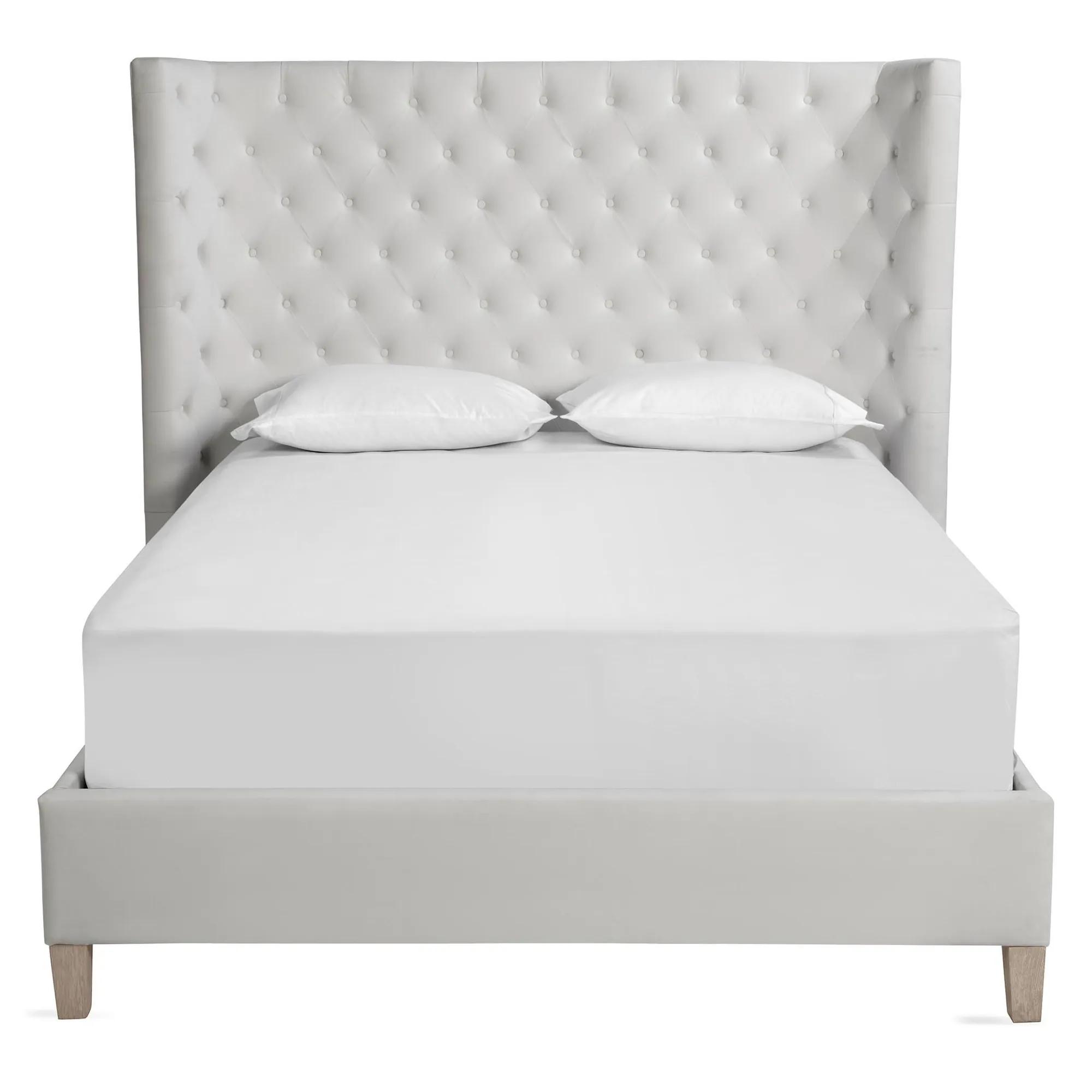
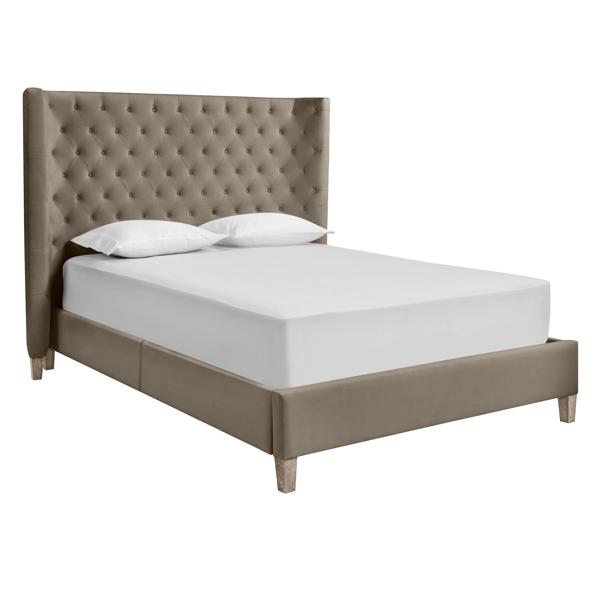 Jen Storage Bed$3449
A glamorous platform bed with a curved wingback headboard, hand-tufted velvet upholstery, and four storage drawers.
Add To Cart -
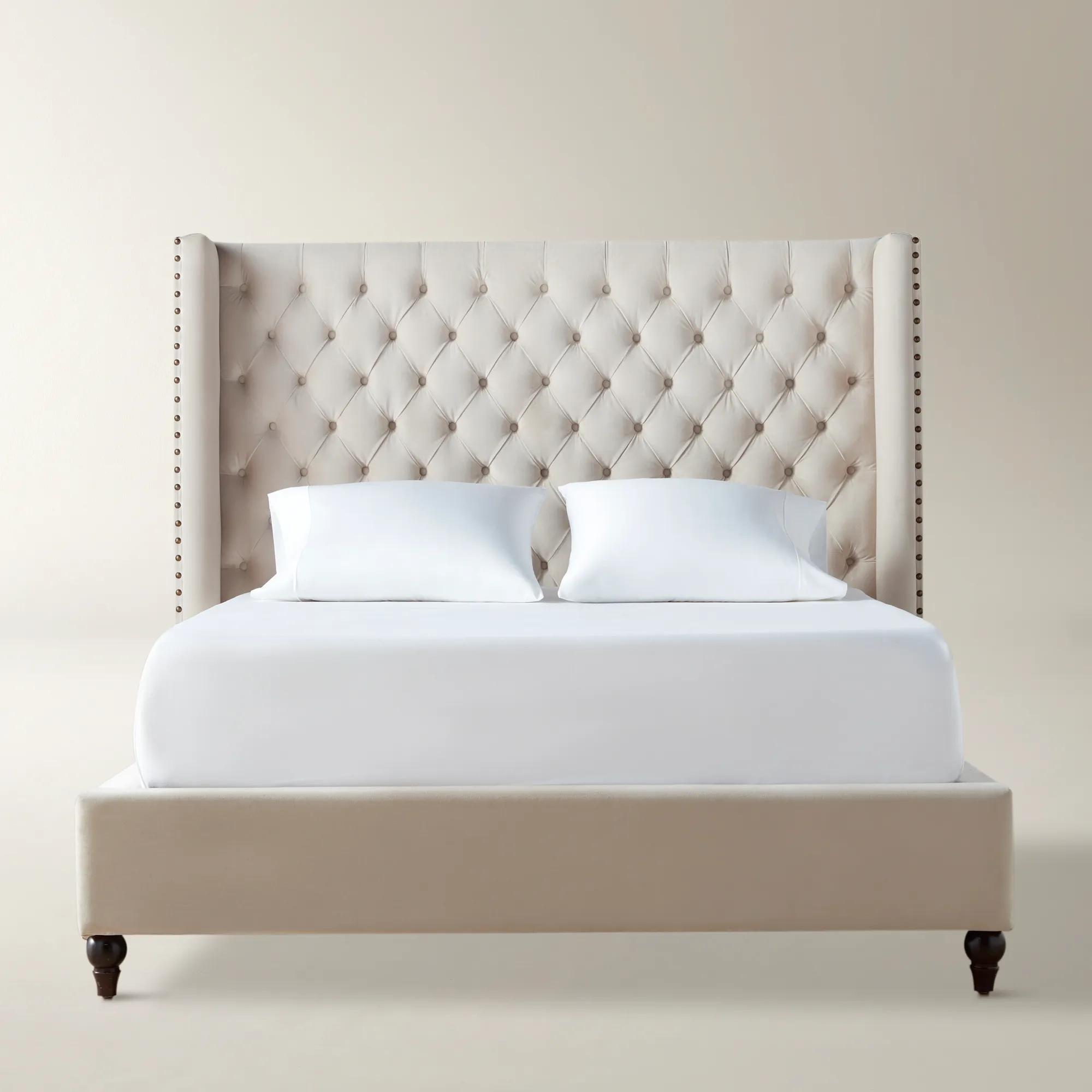
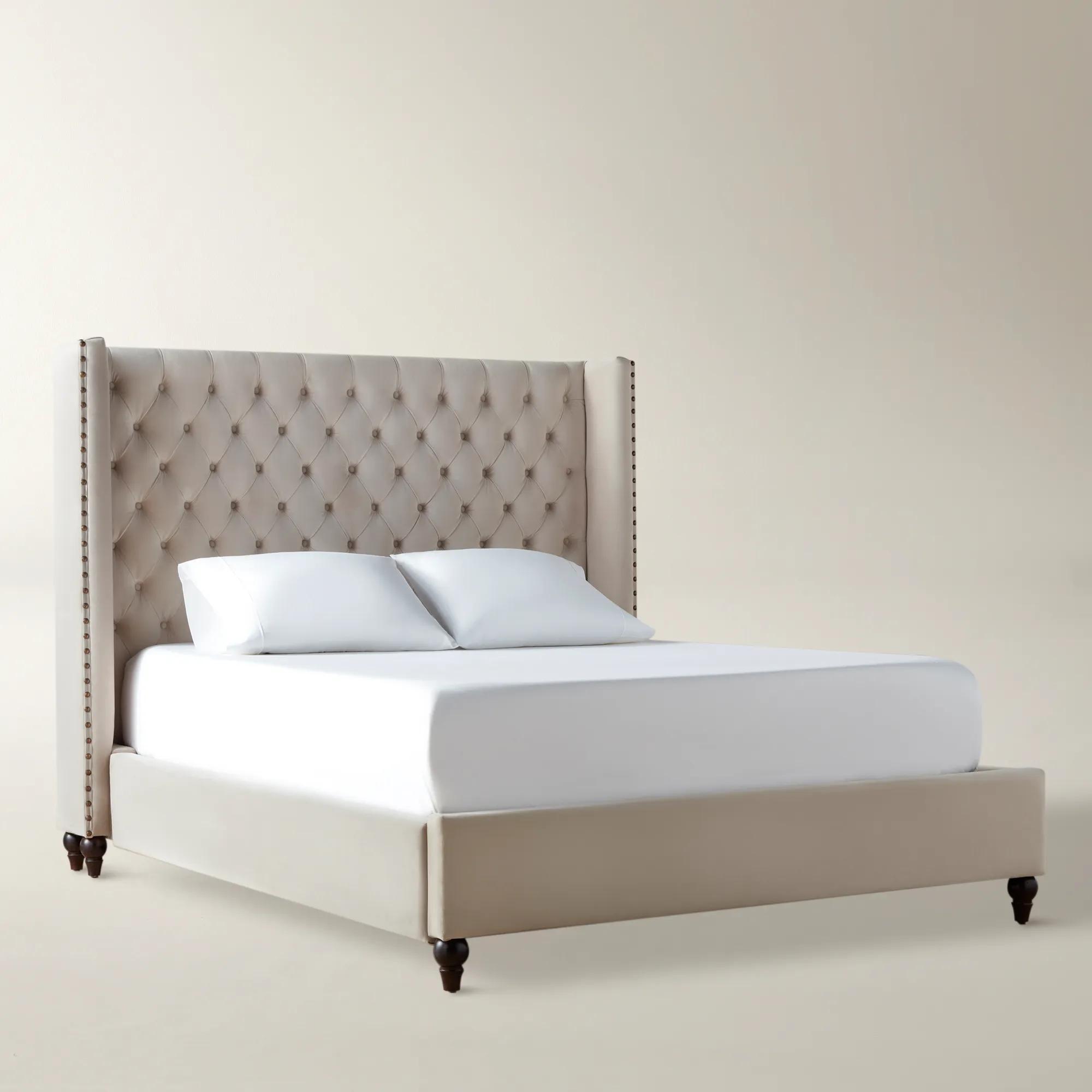 Roberto Bed$1949
A stately velvet-upholstered bed featuring diamond tufting, hand-applied nailheads, and kiln-dried hardwood construction.
Add To Cart -
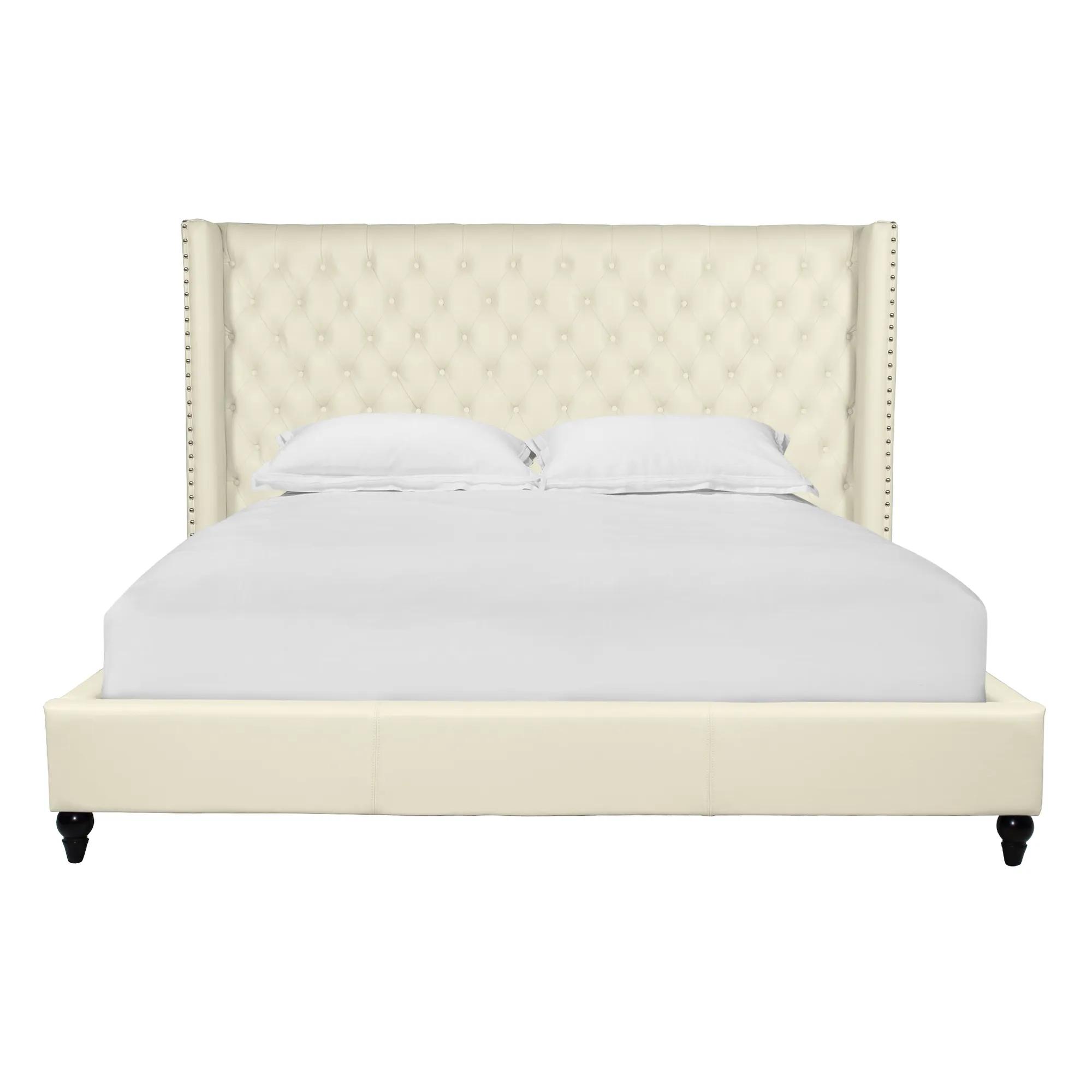
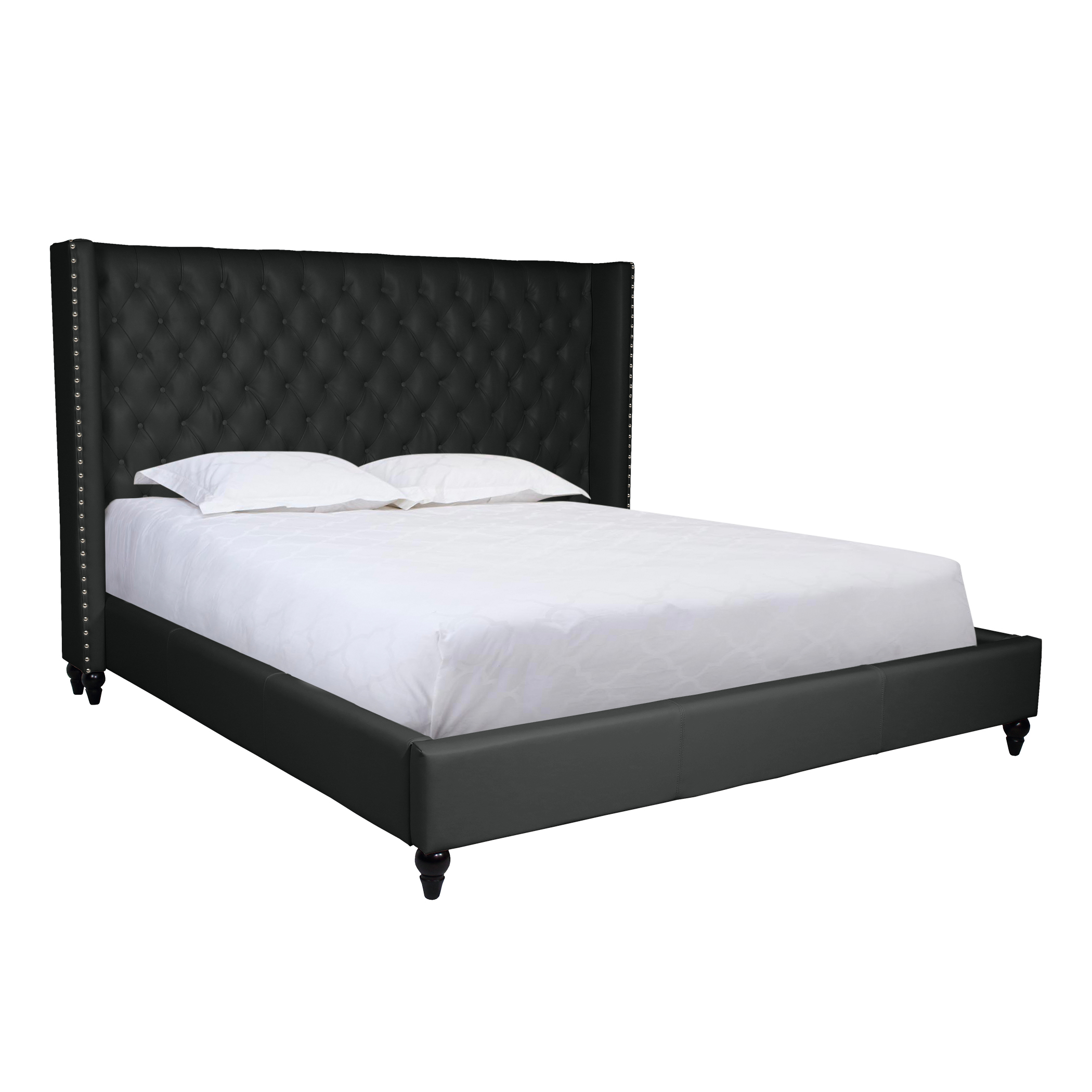 Roberto Leather Bed$3749
A handcrafted bed featuring white top-grain leather, diamond tufting, and bright nickel nailhead trim.
Add To Cart -
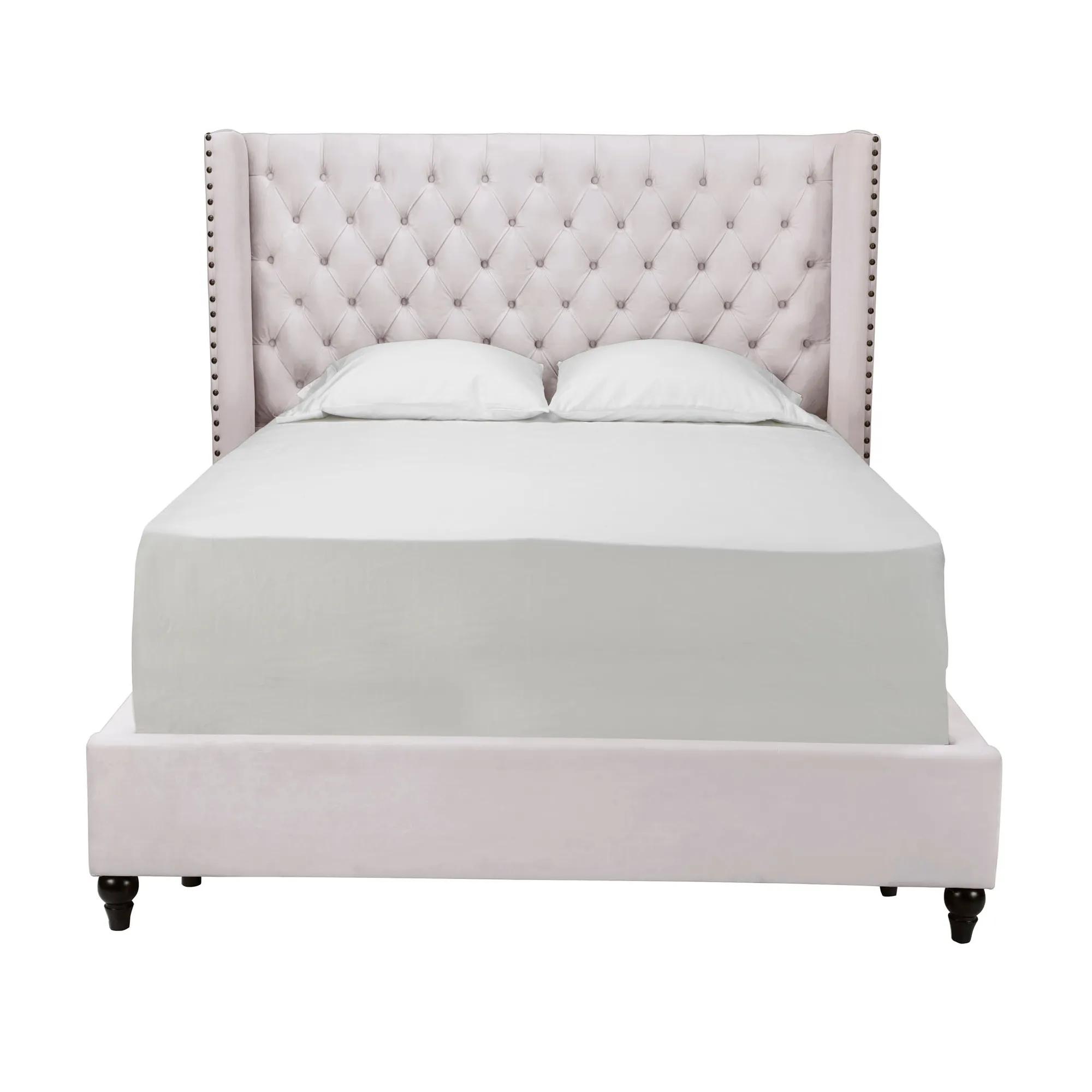
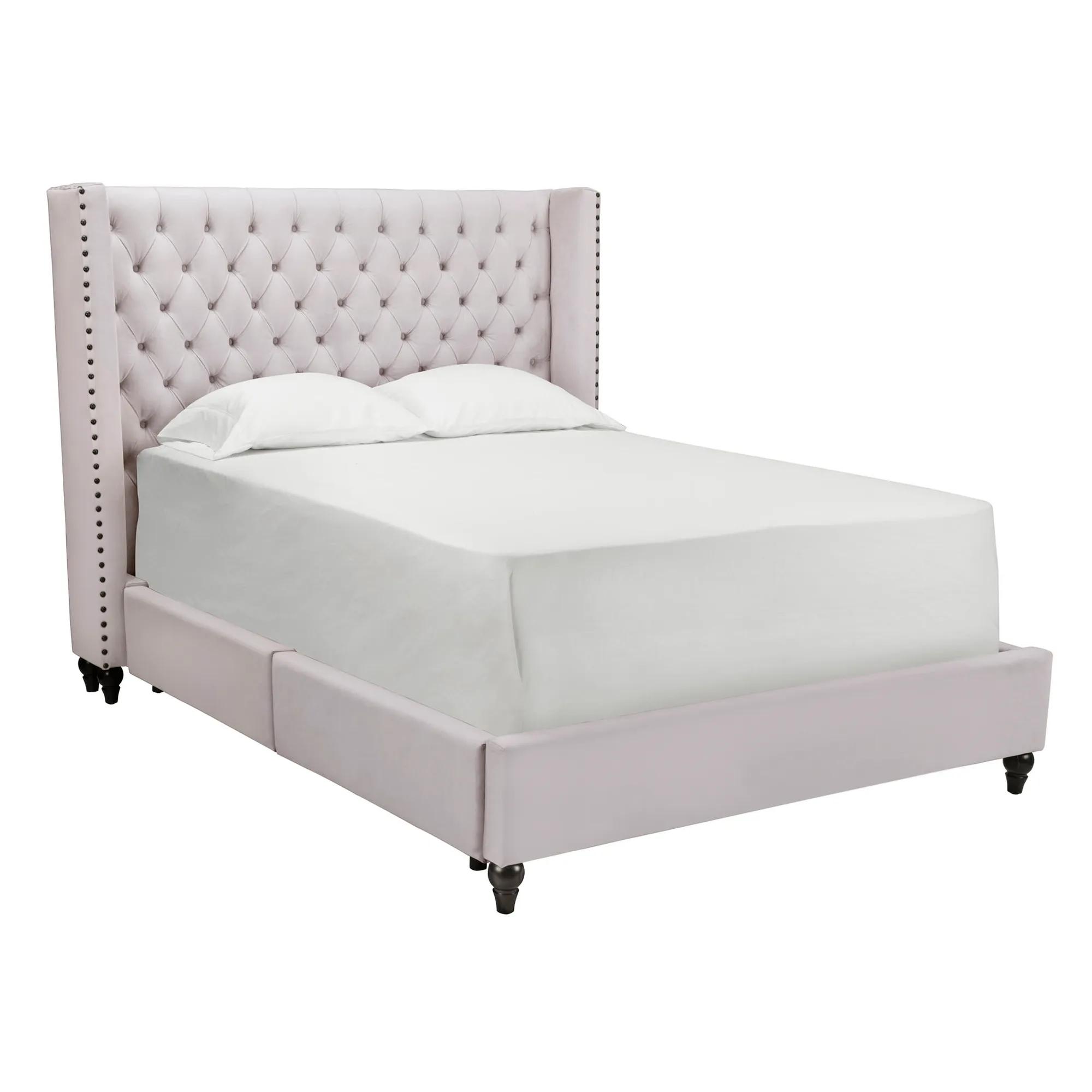 Roberto Storage Bed$3199
A handcrafted velvet-upholstered storage bed featuring diamond tufting, turned legs, and hand-applied antique brass nailheads.
Add To Cart -
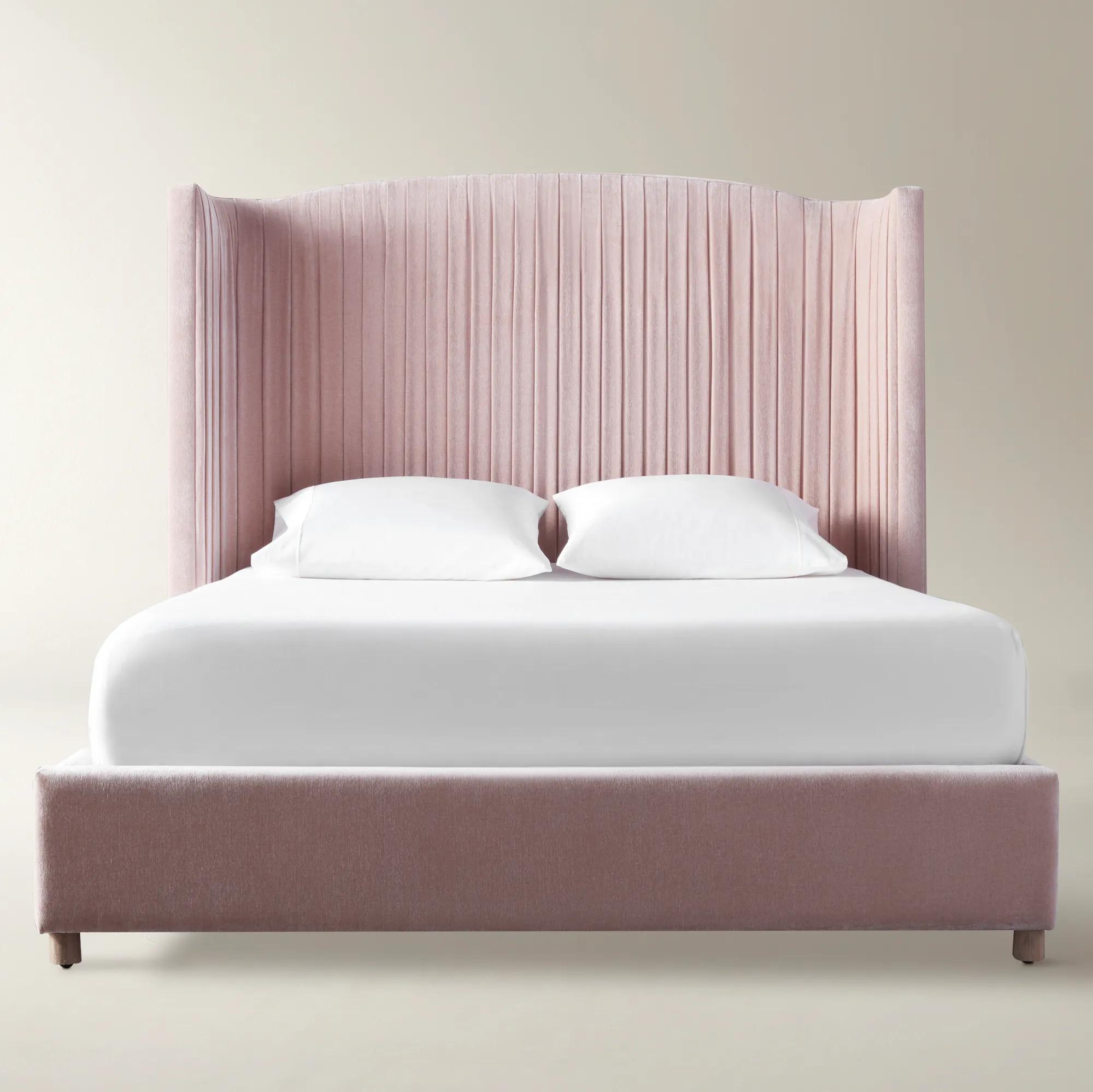
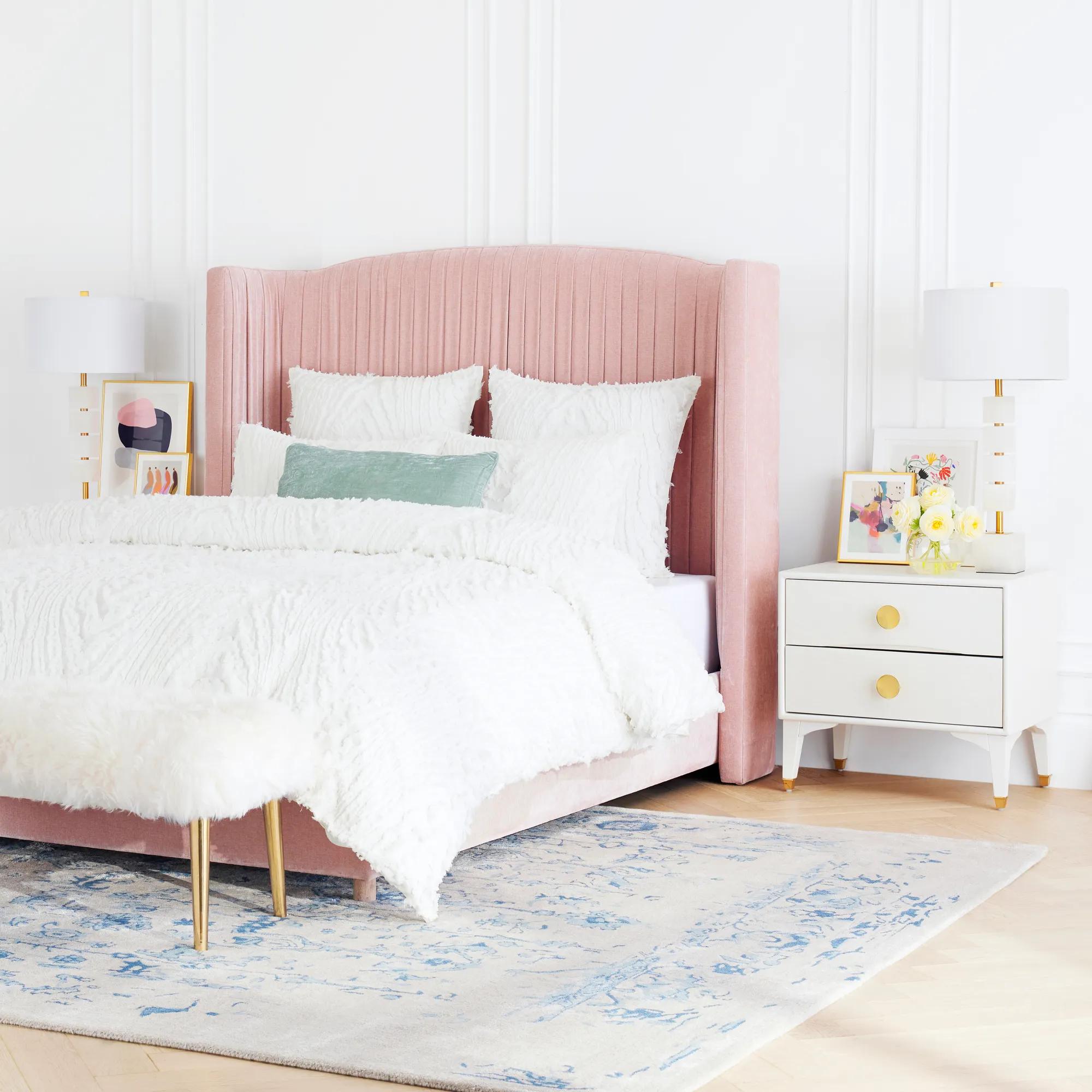 Larissa Platform Bed$2749
An elegantly curved wingback bed with hand-pleated Kenley Chenille Quartz upholstery and kiln-dried hardwood frame.
Add To Cart -
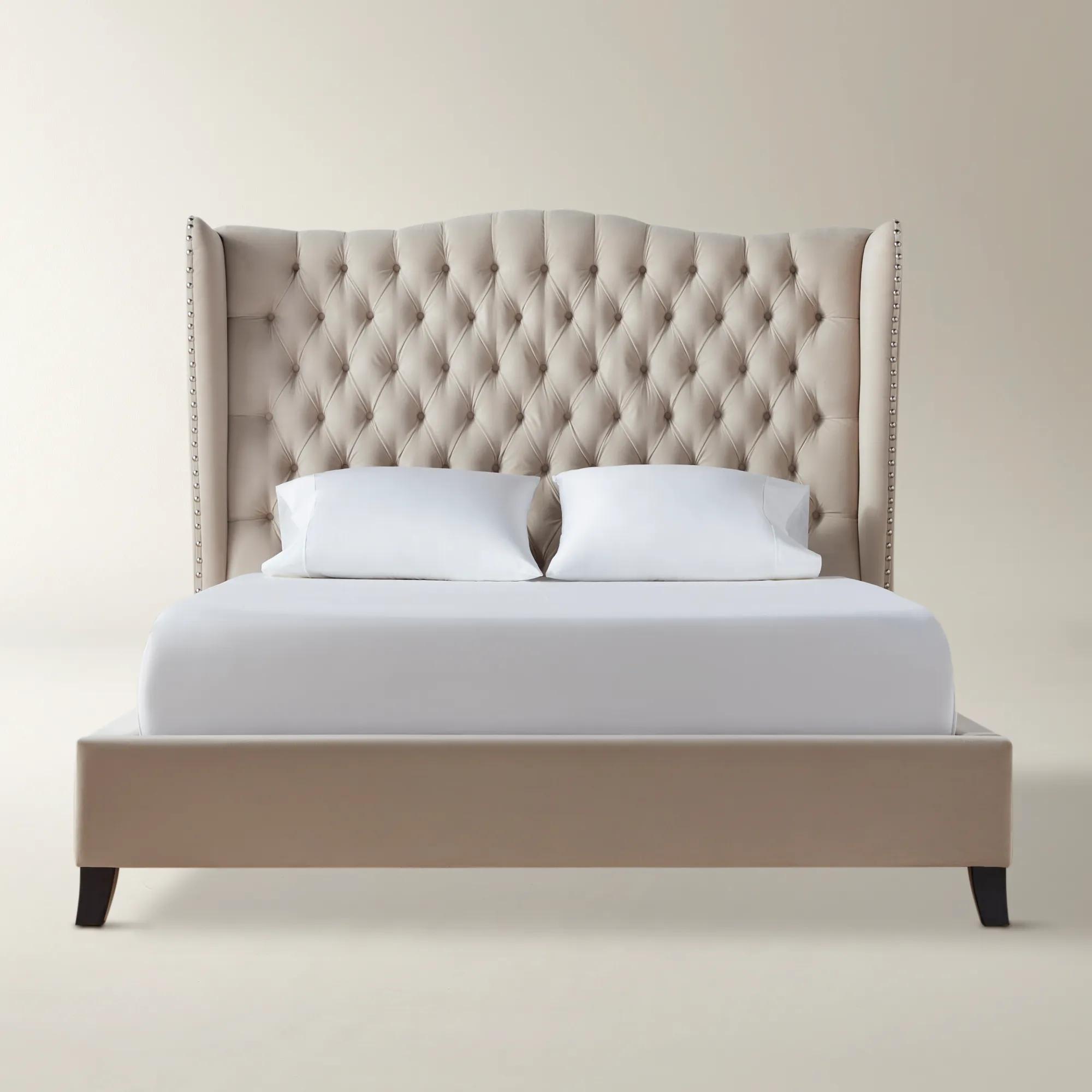
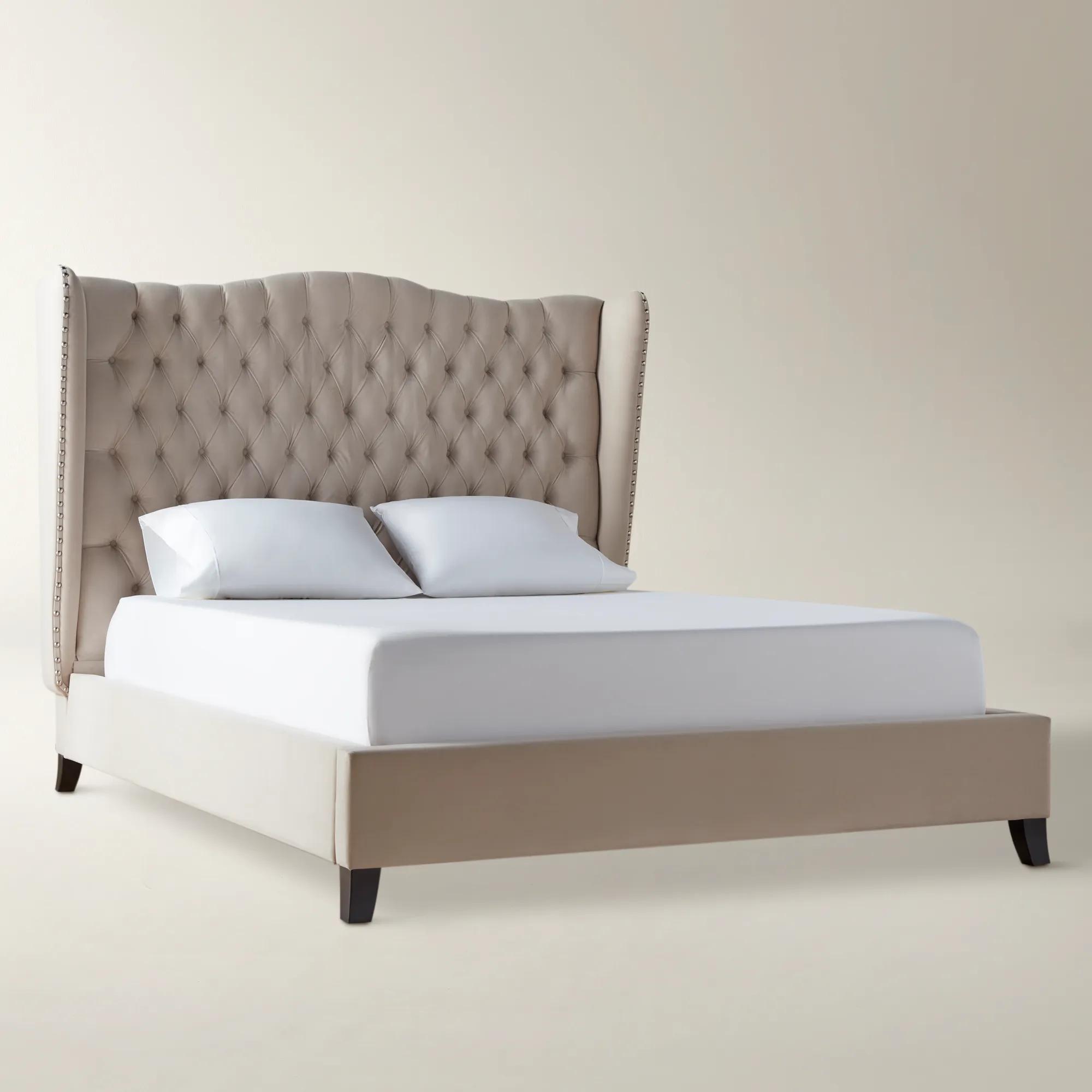 Jameson Bed$2499
A plush velvet bed with a camelback silhouette, hand-applied button tufting, and decorative nailhead trim.
Add To Cart -
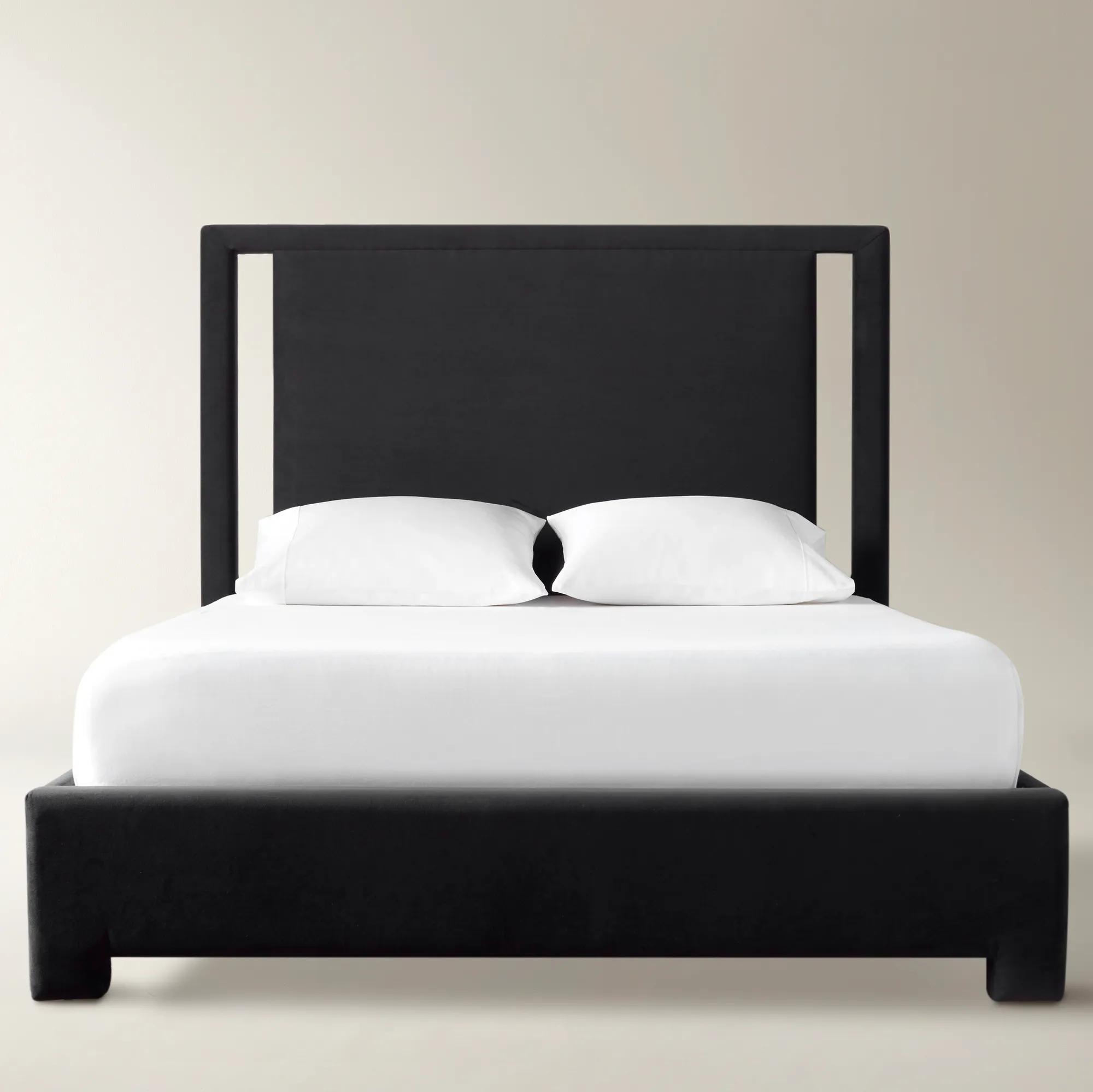
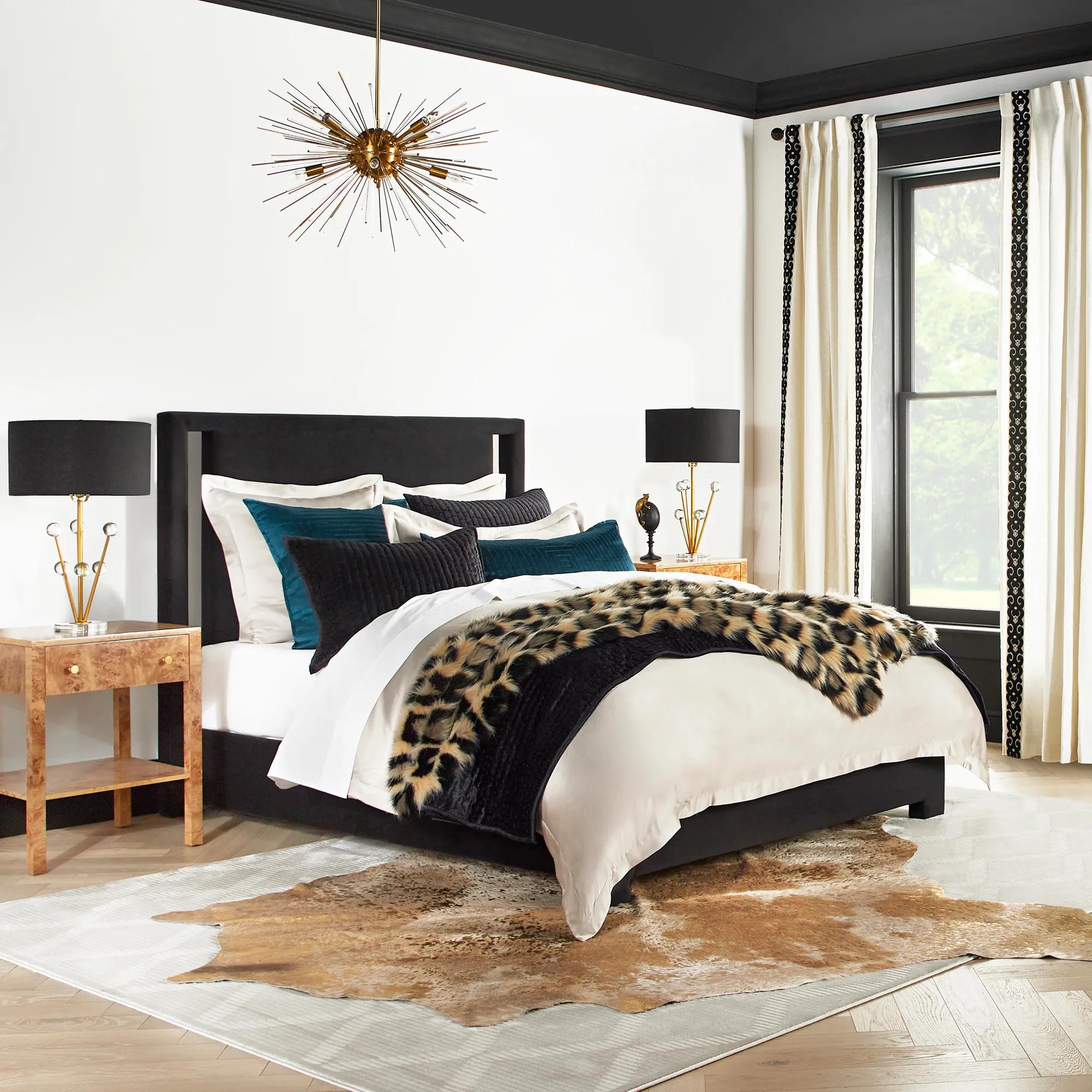 Roya Platform Bed$1949
An elegant platform bed featuring kiln-dried hardwood, hand-tailored velvet upholstery, and dramatic headboard cutouts.
Add To Cart -
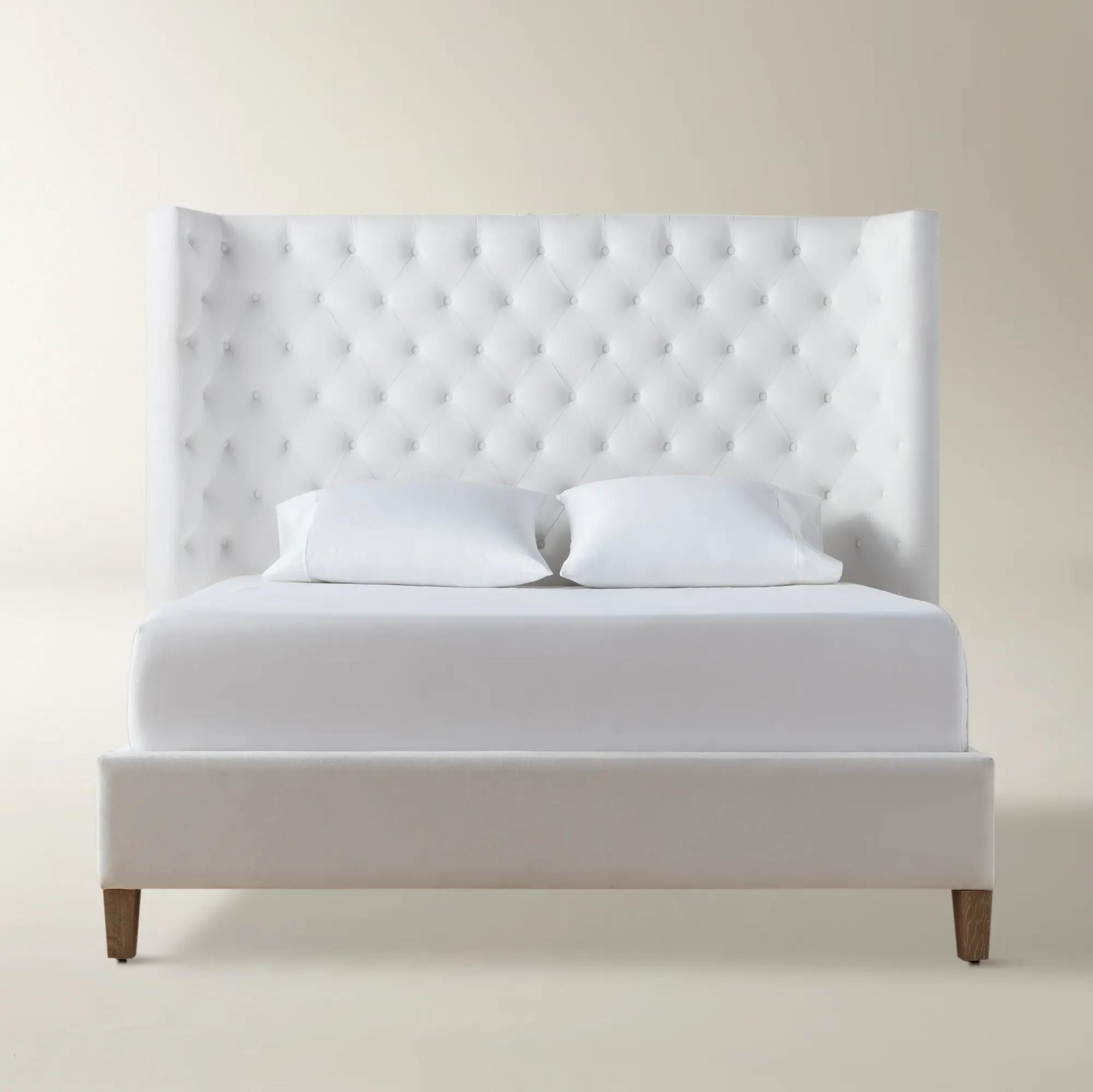 Jen Bed$2199
A glamorous wingback bed with hand-applied diamond button tufting and plush velvet upholstery in white.
Add To Cart -
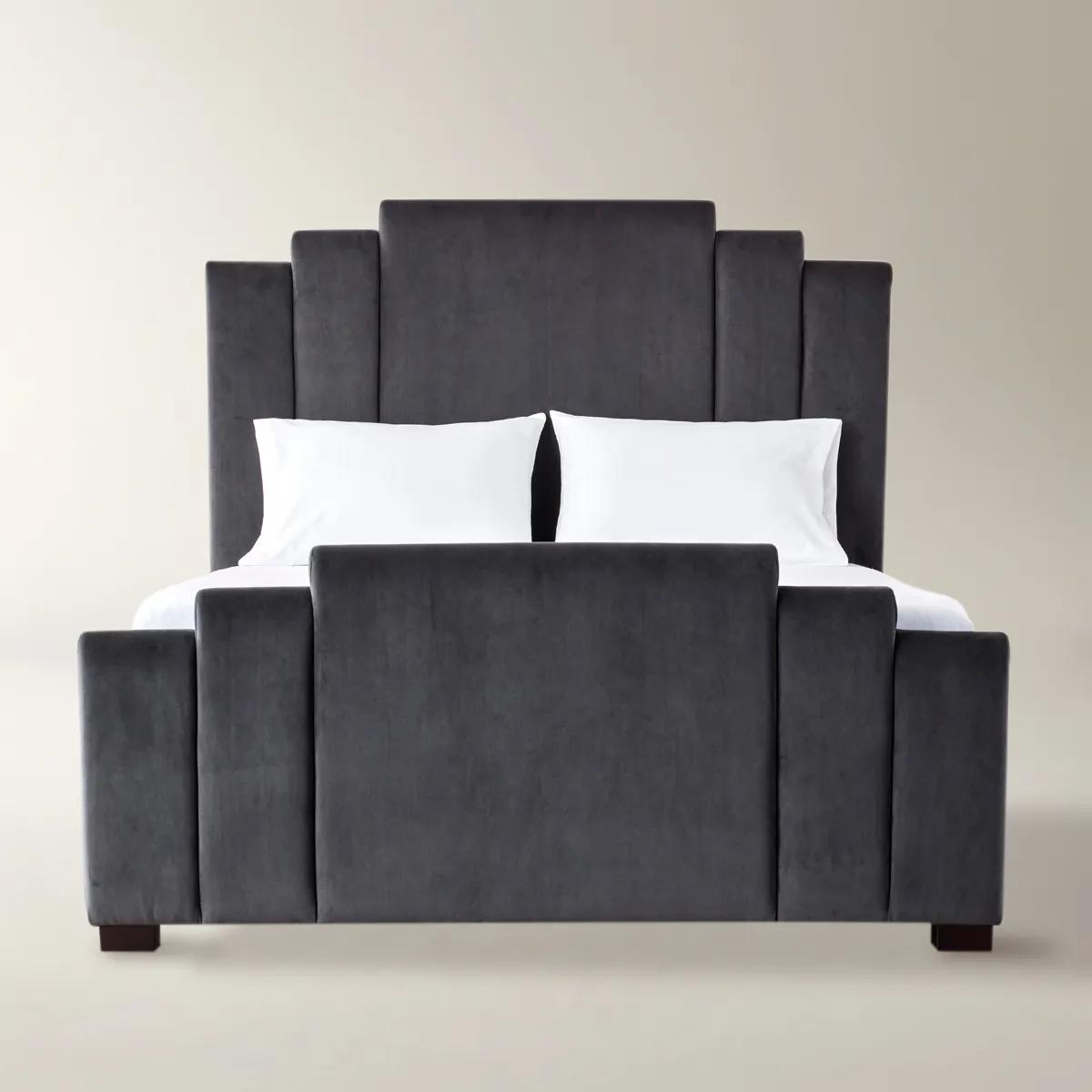 Marlow Bed$2549
A dramatic bed handcrafted from kiln-dried hardwood and plush gunmetal velvet with dimensional channel detailing.
Add To Cart -
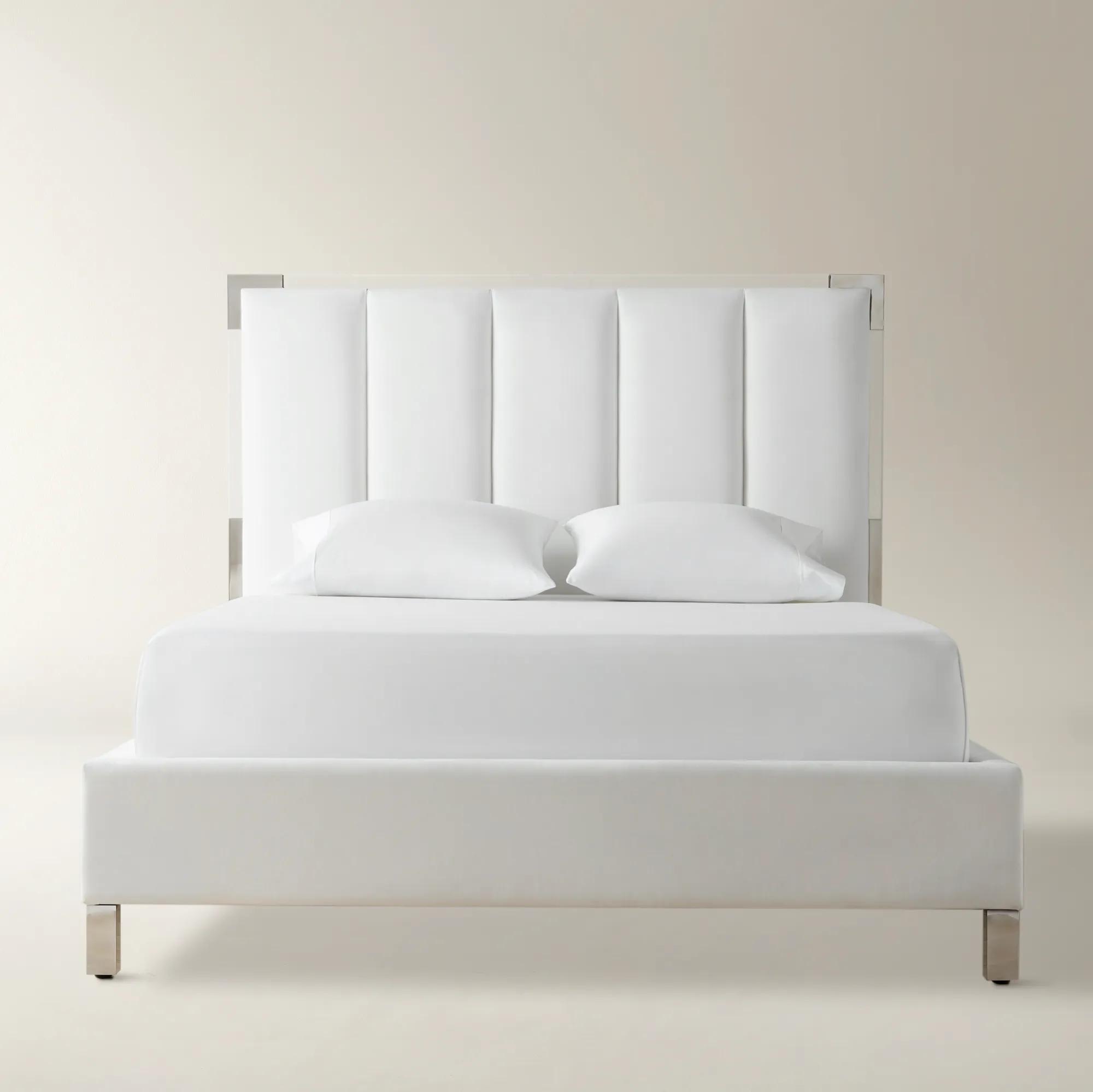 Emory Bed$3349
A modern bed featuring channel tufting, an acrylic frame, and stainless steel accents in plush velvet upholstery.
Add To Cart -
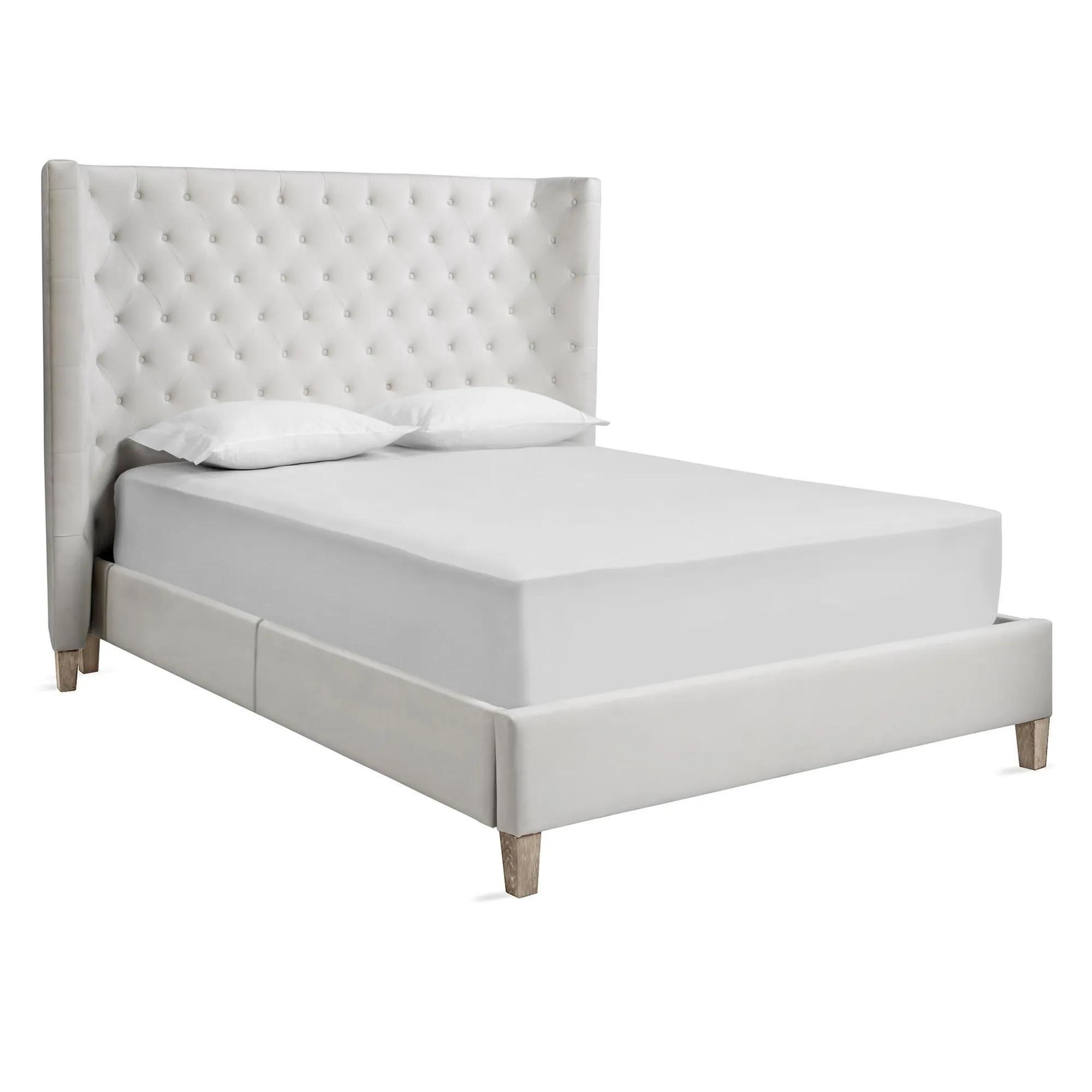 Jen Storage Bed$3399
A glamorous platform bed with a curved wingback headboard, hand-tufted velvet upholstery, and four storage drawers.
Add To Cart -
.jpg?w=1200&h=1200)
 Tenley Bed$2299
Tenley Bed$2299A modern bed with a kiln-dried hardwood frame and plush, high-density foam headboard in oyster linen.
Add To Cart -
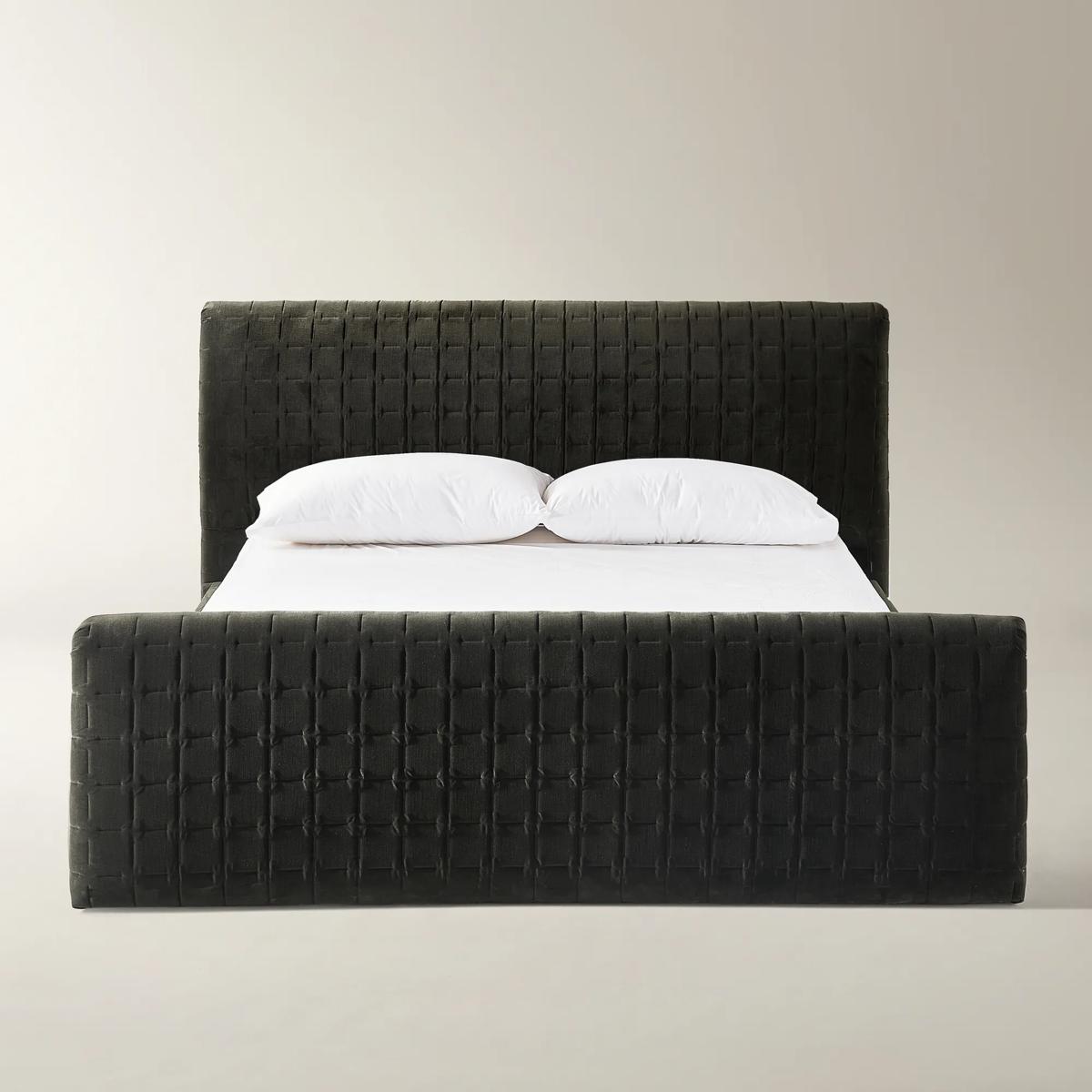 Vanta Charcoal Velvet Upholstered King Platform Bed$2399
A charcoal velvet bed with hand-tufted checker quilting and stainless steel inlays for modern sophistication.
Add To Cart -
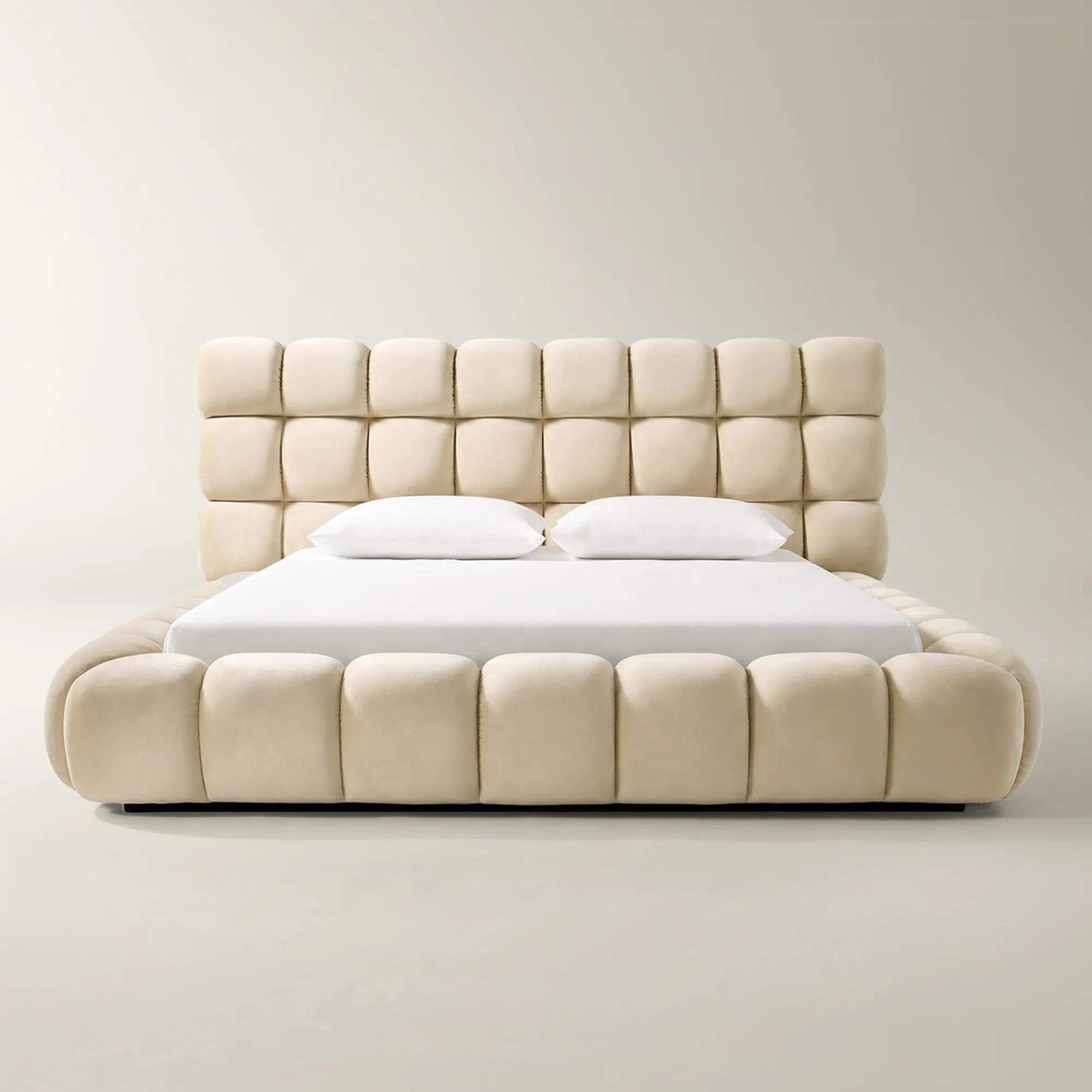 Paloma Tufted Oatmeal Velvet Upholstered Queen Platform Bed$2399
A sculptural platform bed upholstered in plush oatmeal velvet with oversized tufted blocks and solid wood frame.
Add To Cart -
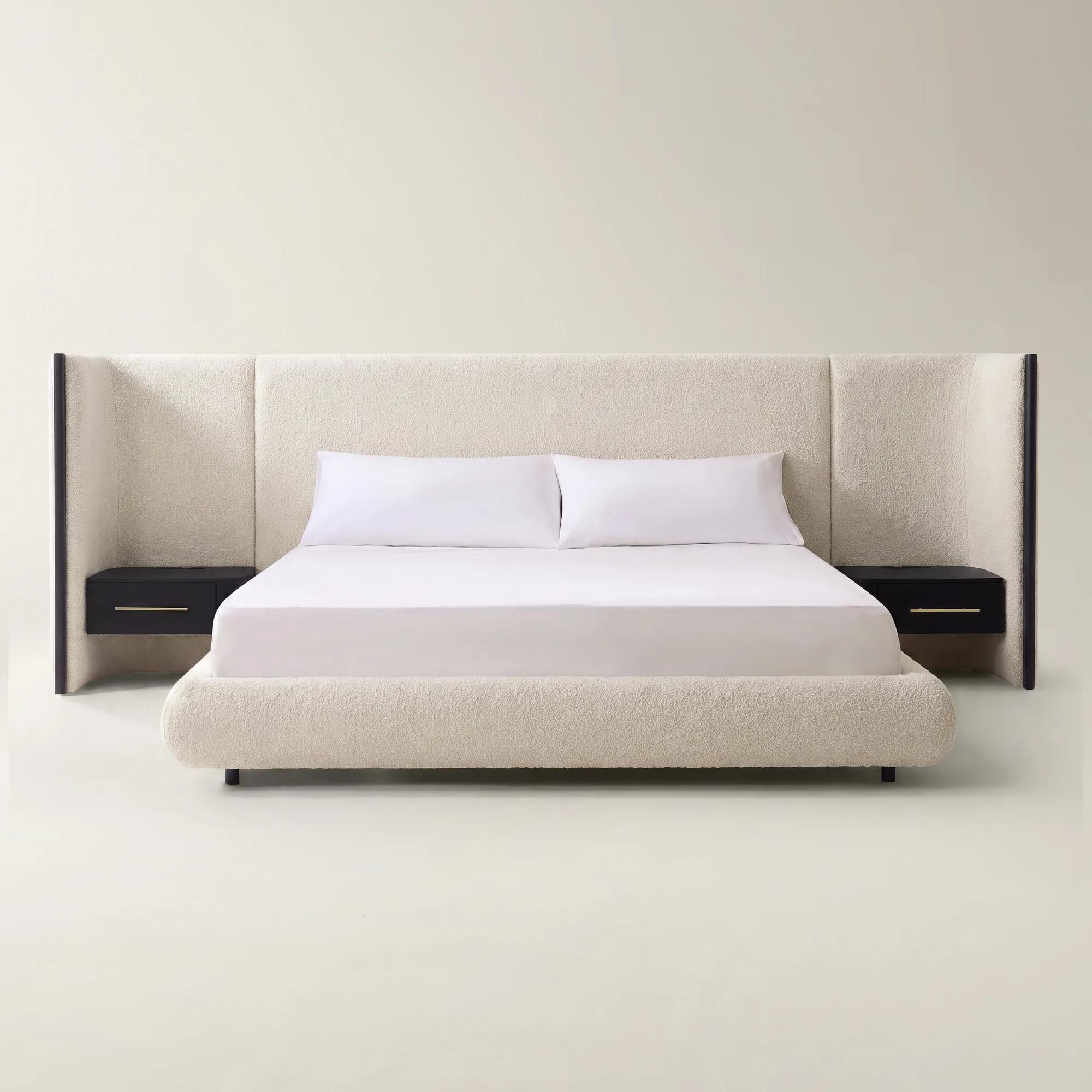 Sierra Utopia Sand Chenille Upholstered Queen Bed With Nightstands$2699
A sand chenille upholstered platform bed featuring an extended headboard, black wood trim, and floating nightstands.
Add To Cart -
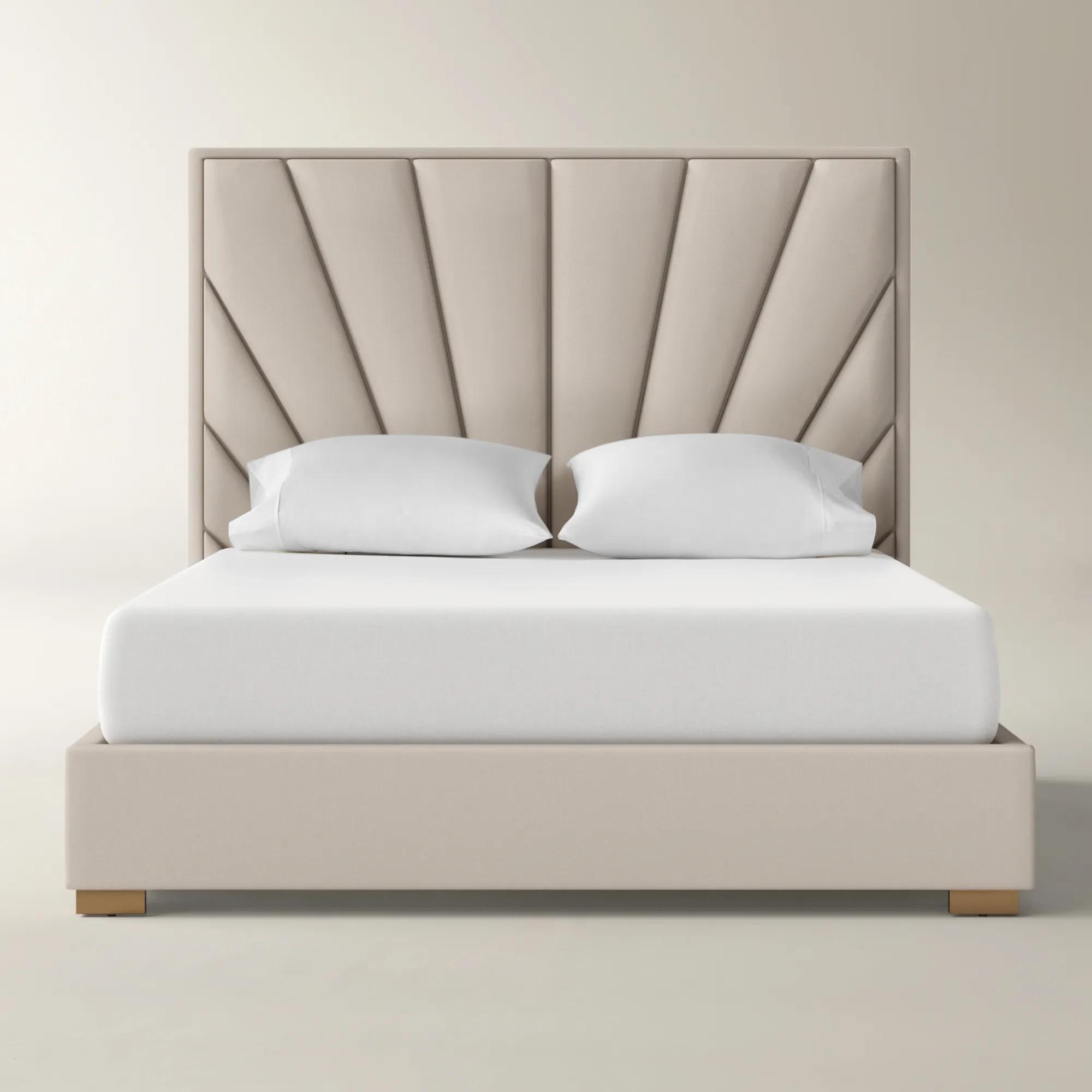 Adriana Platform Bed - 68"H$2649
A hand-crafted platform bed featuring a fan-patterned, upholstered headboard in plush velvet or chenille fabric.
Add To Cart -
Vanta Charcoal Velvet Upholstered Queen Platform Bed$2199
A sculptural bed featuring charcoal velvet upholstery, three-dimensional checker quilting, and sleek stainless steel inlays.
Add To Cart -
Sierra Utopia Sand Chenille Upholstered King Bed With Nightstands$2899
A sand chenille upholstered platform bed featuring an extended headboard with floating nightstands and black wood trim.
Add To Cart -
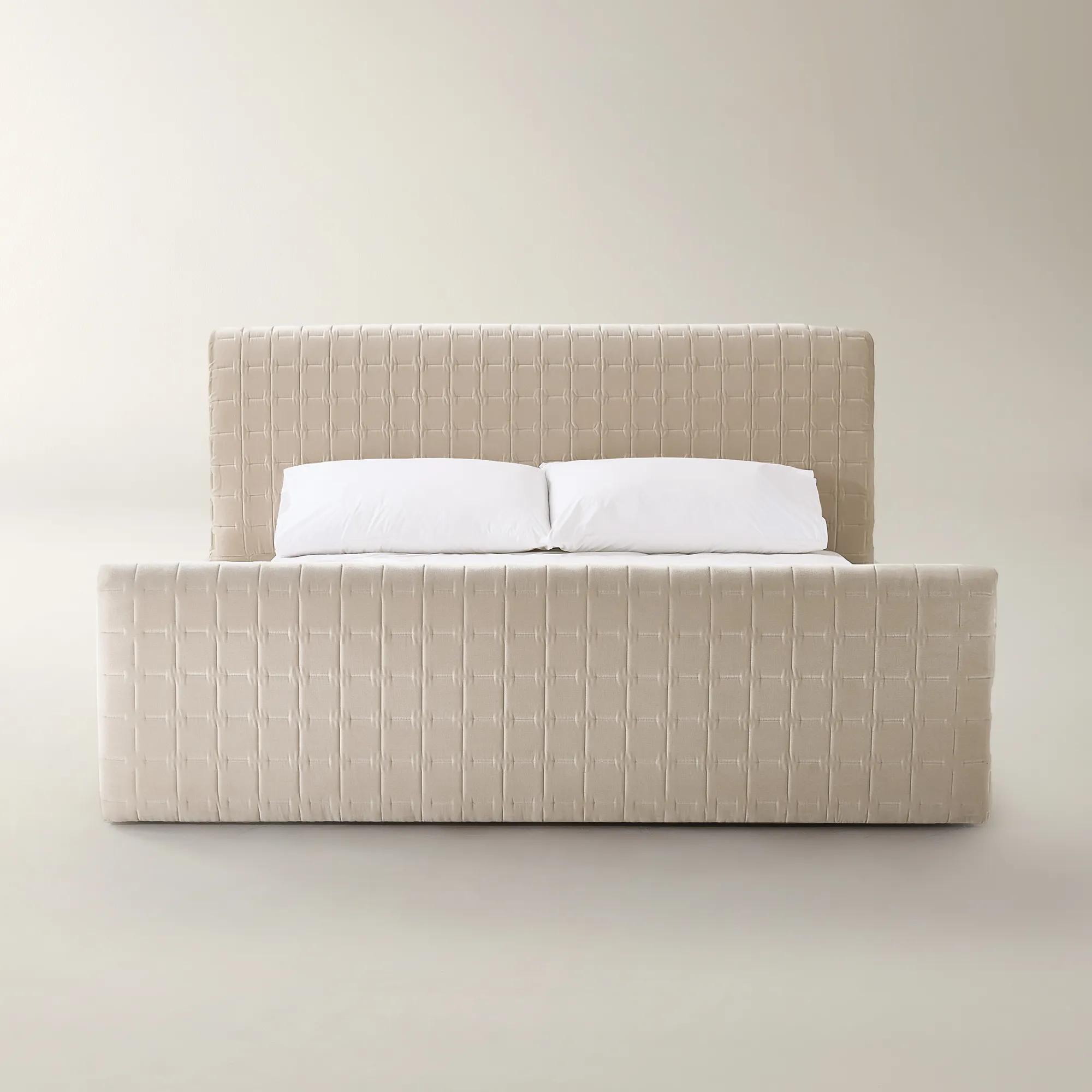
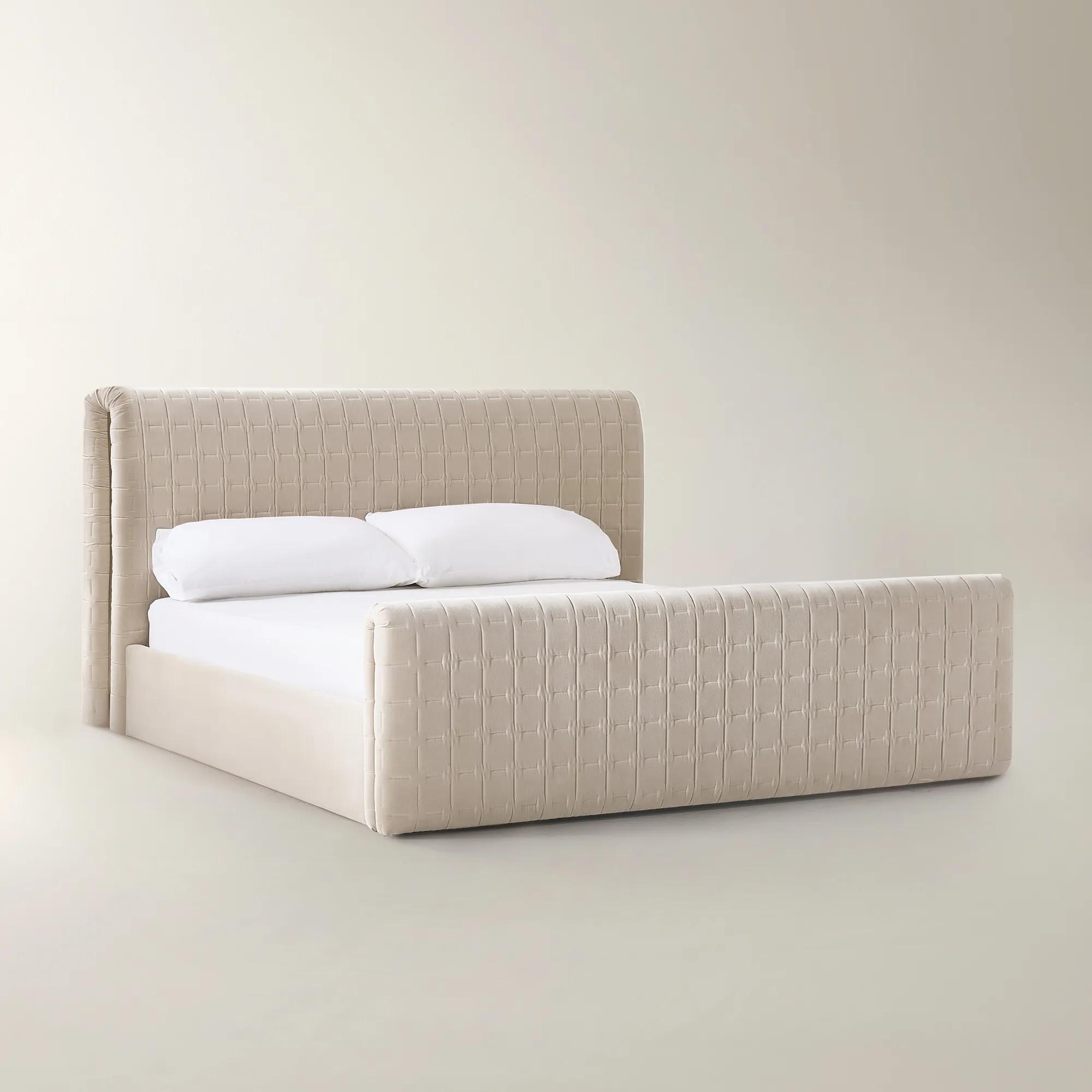 Vanta Oatmeal Velvet Upholstered King Platform Bed$2399
An oatmeal velvet-upholstered bed featuring a checker-quilted headboard and elegant gold-toned metal inlays.
Add To Cart -
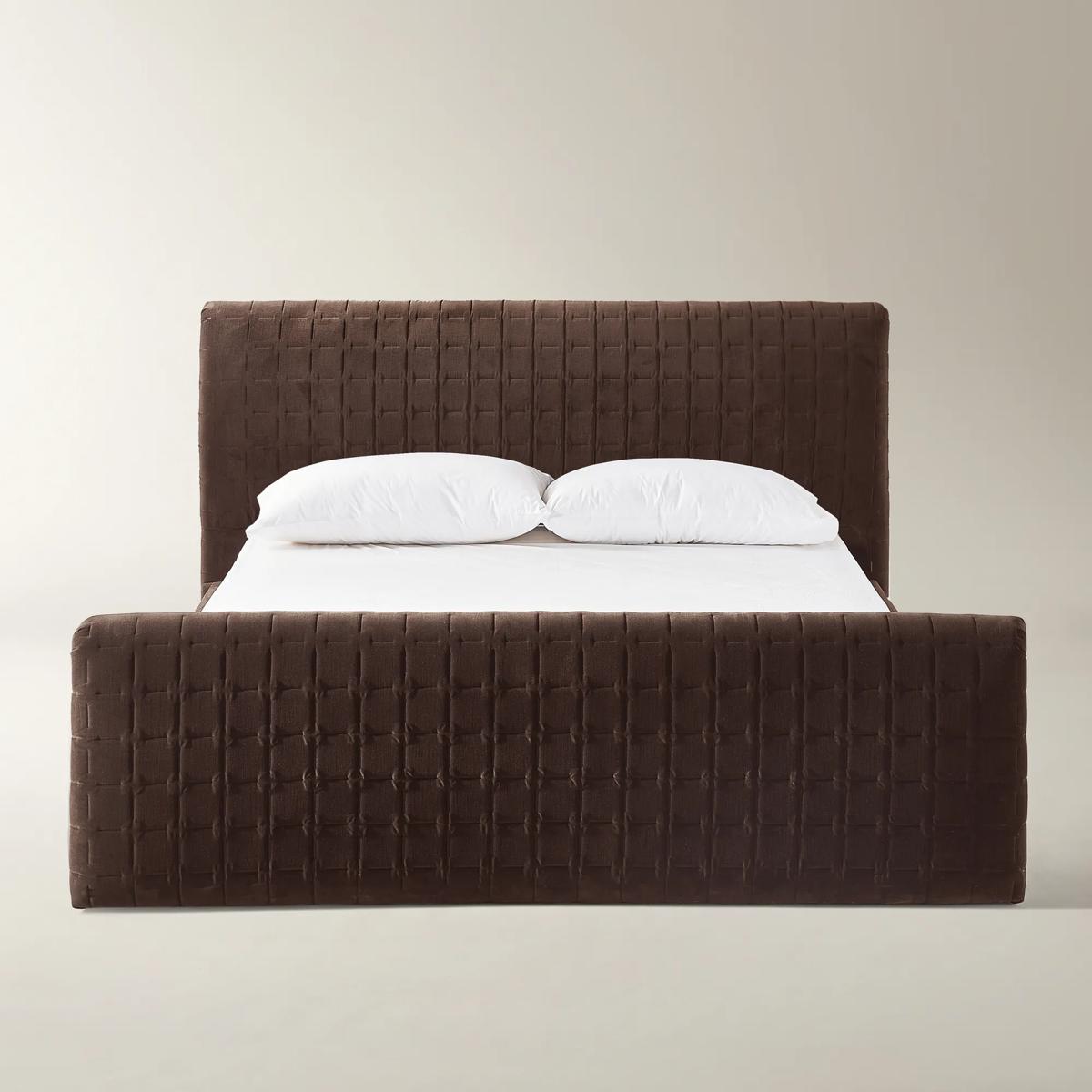
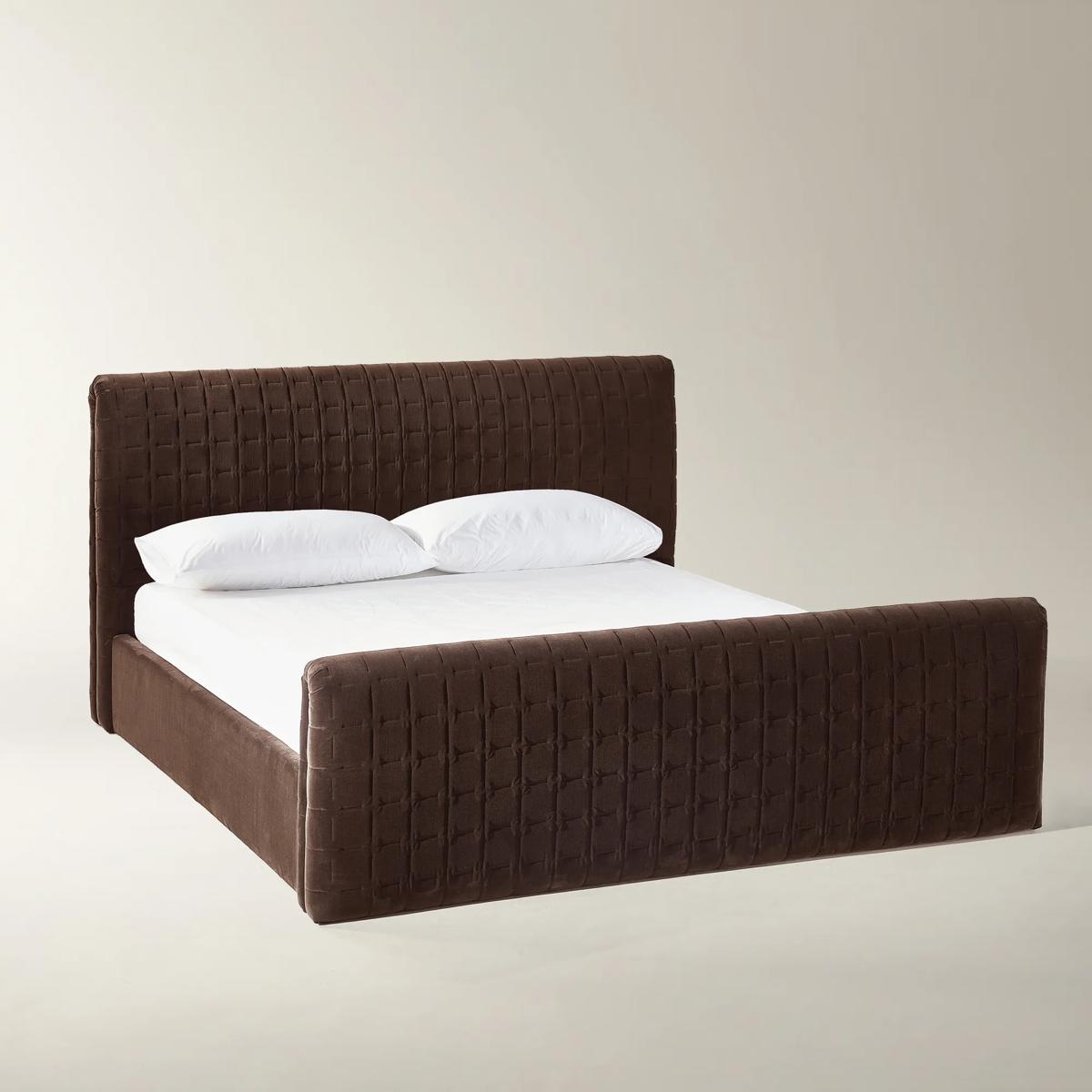 Vanta Burnt Umber Velvet Upholstered California King Platform Bed$2399
A chocolate velvet bed with hand-tufted checker quilting and brushed stainless steel inlays for modern elegance.
Add To Cart -
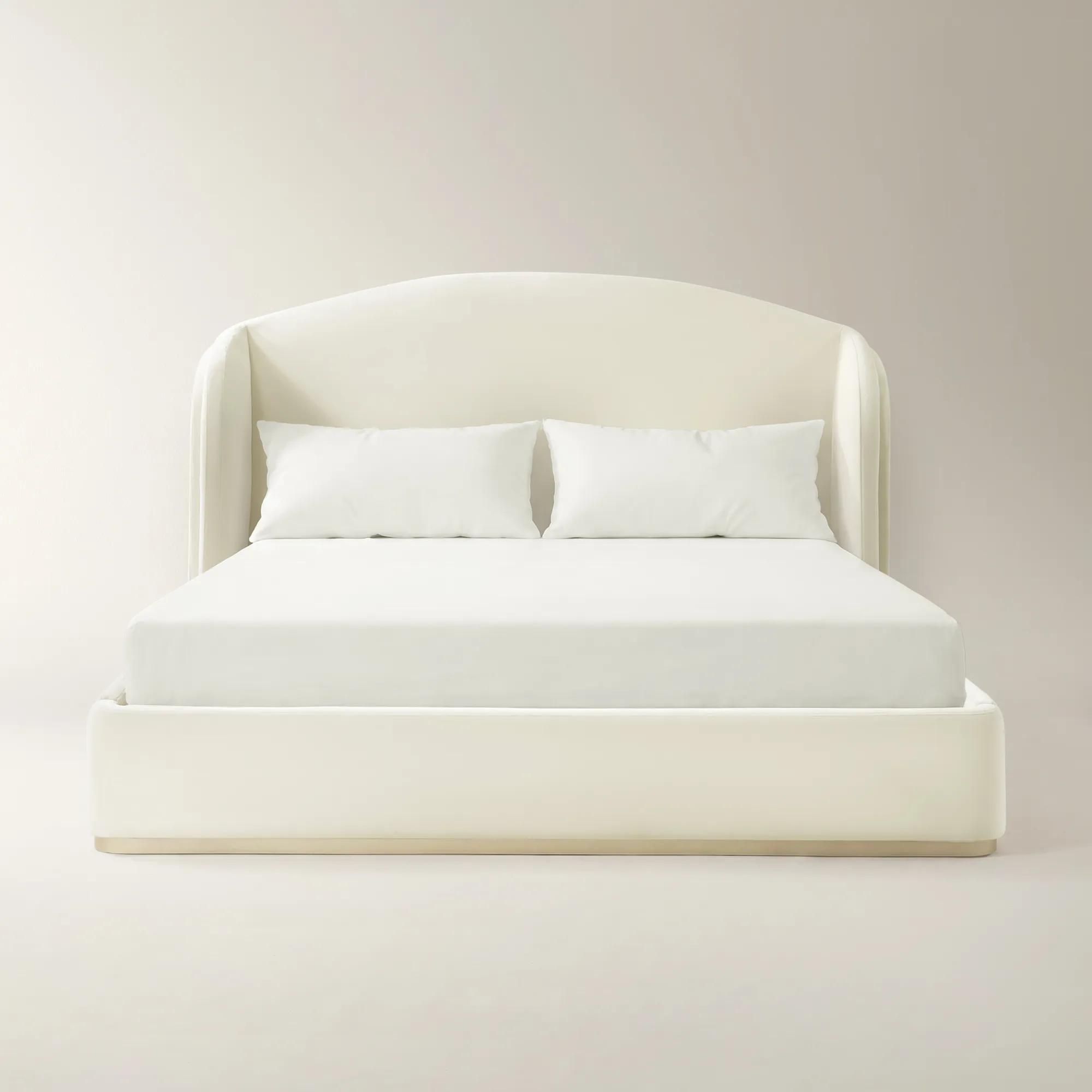 Glimmer Cloud Velvet Upholstered Queen Platform Bed$1999
A sculptural queen platform bed hand-upholstered in soft cloud velvet with a gold-toned metallic base.
Add To Cart -
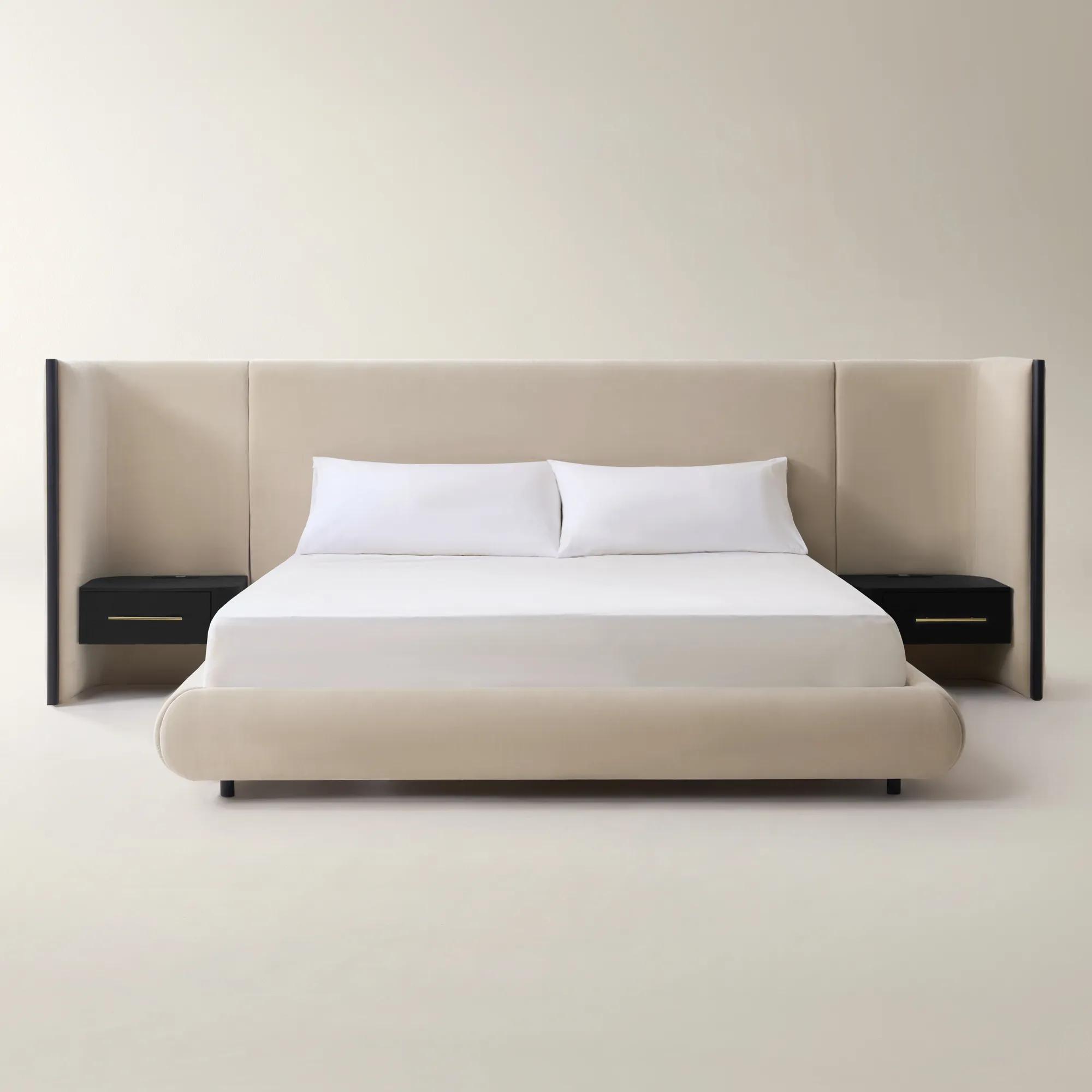 Sierra Oatmeal Velvet Upholstered King Bed With Nightstands$2799
An oatmeal velvet-upholstered platform bed with an extended headboard, floating nightstands, and built-in power access.
Add To Cart -
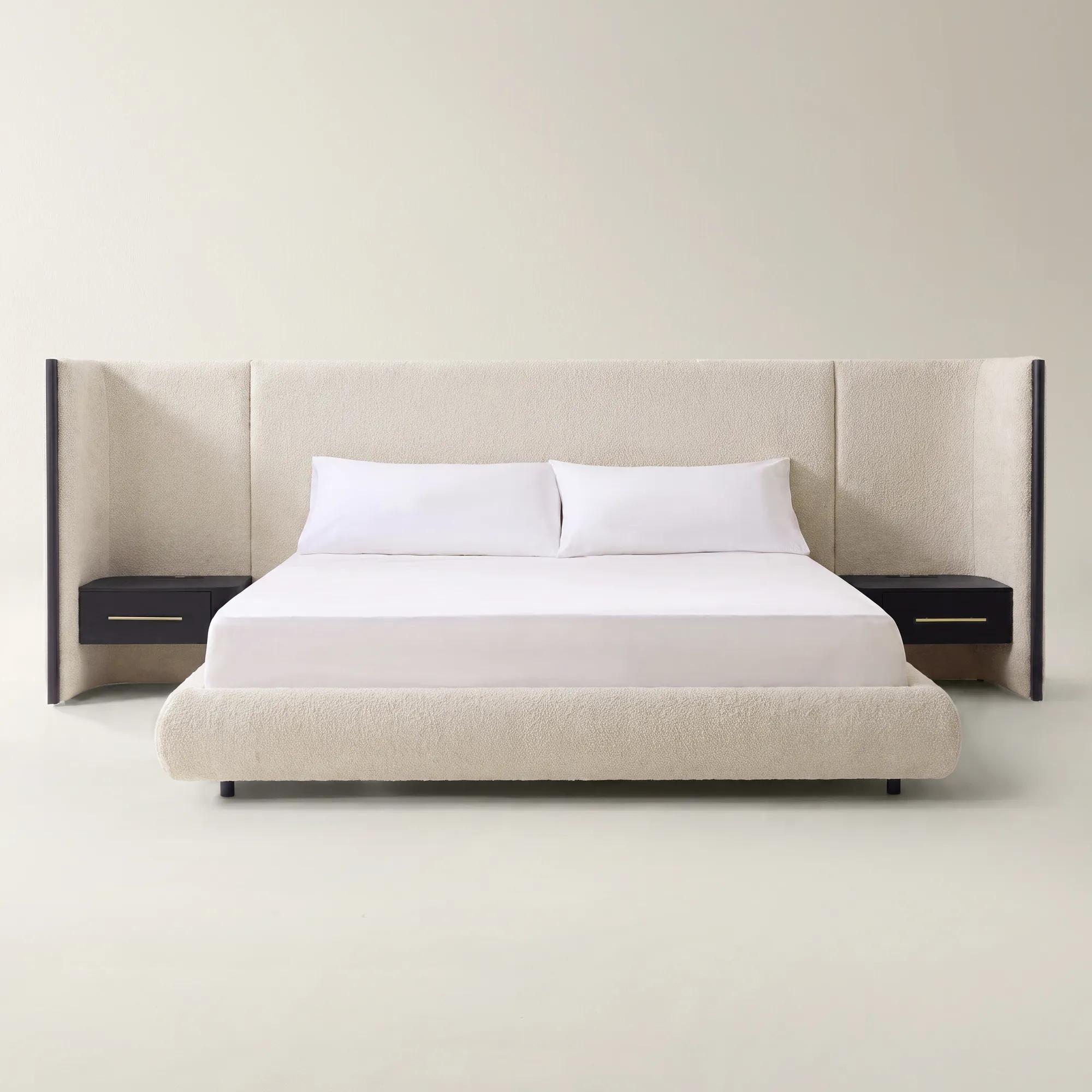
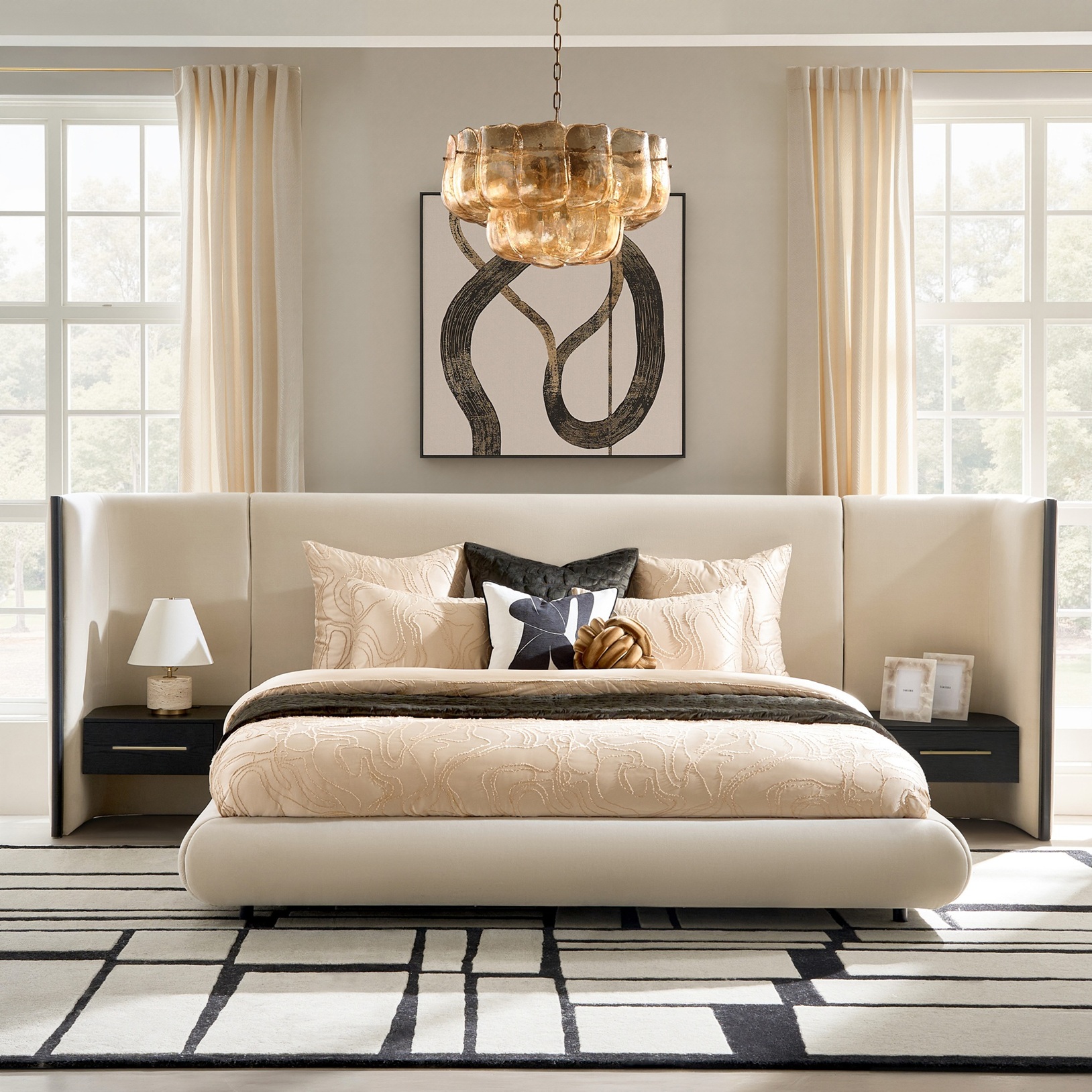 Sierra Ivory Performance Boucle Upholstered Queen Bed With Nightstands$2699
An ivory performance boucle platform bed featuring an extended headboard, floating nightstands, and black wood trim.
Add To Cart -
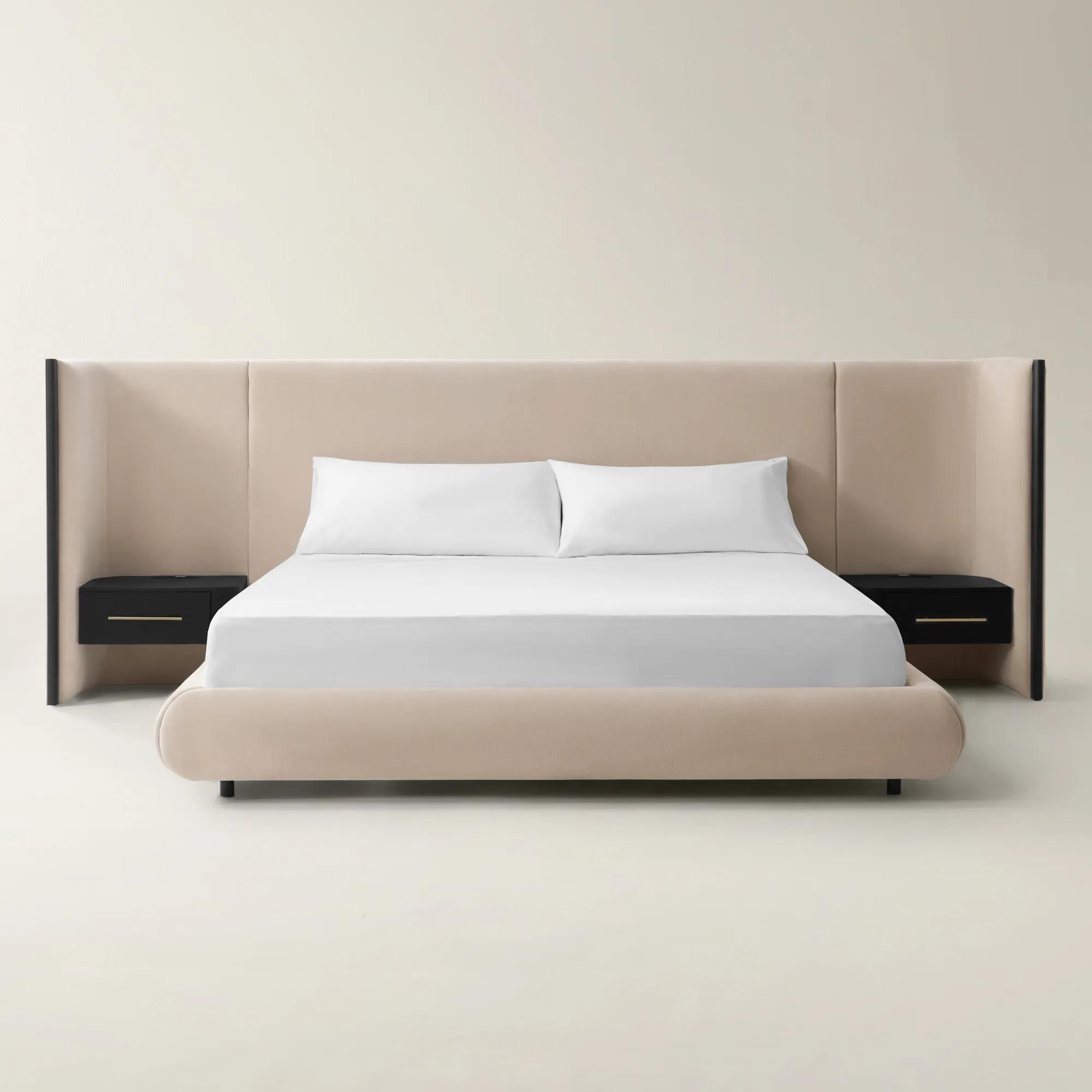
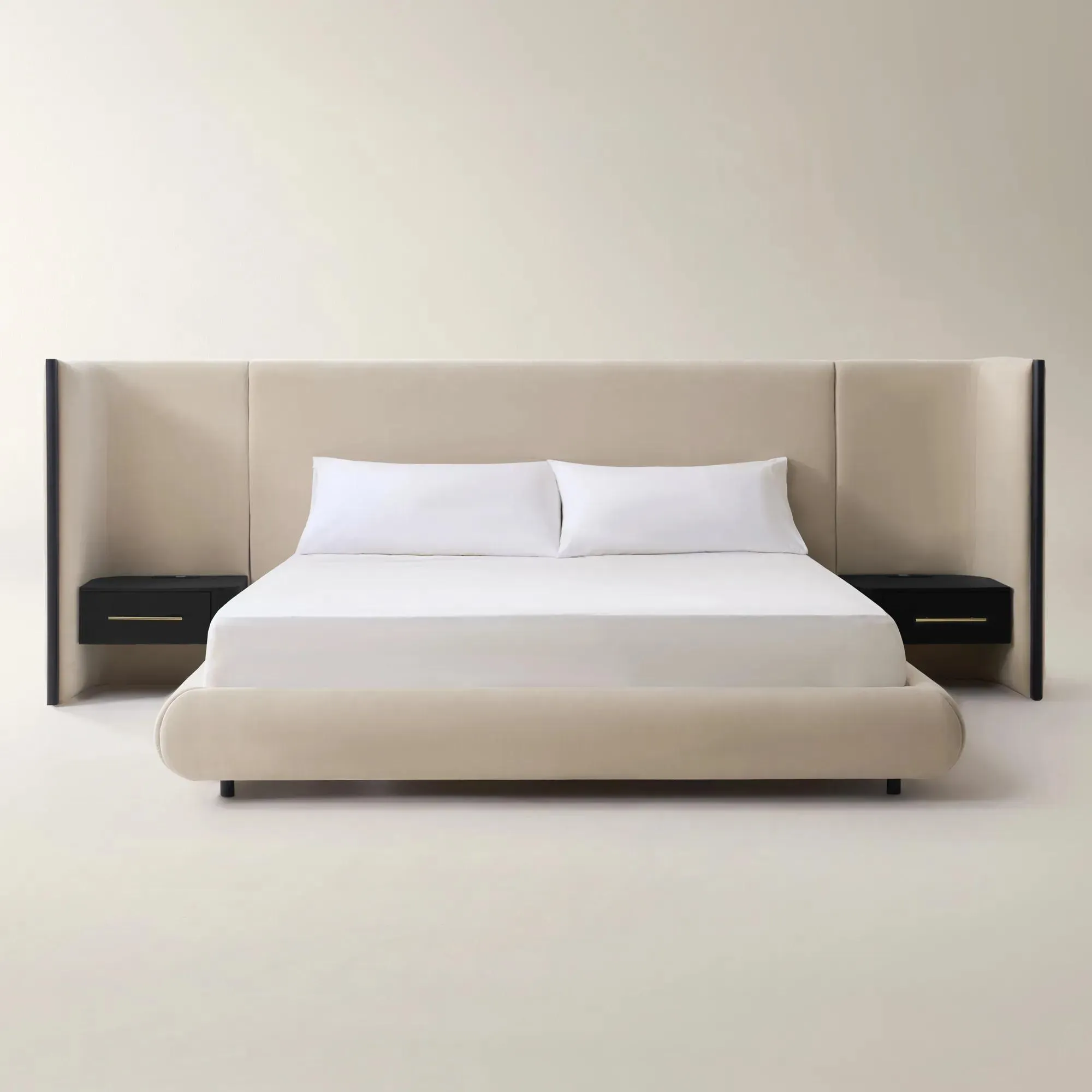 Sierra Simply Taupe Velvet Upholstered King Bed With Nightstands$2799
A taupe velvet platform bed featuring an extended headboard, floating nightstands, and integrated power access.
Add To Cart

Indoor Use Only Beds
Indoor use only beds transform the everyday retreat into an extraordinary sanctuary, where artistry and comfort converge in perfect harmony. Each piece is designed to elevate your private oasis, inviting you to indulge in sumptuous textures, sculptural silhouettes, and a sense of enveloping luxury. With indoor use only beds as your canvas, every bedroom becomes a stage for self-expression—dramatic, serene, or unapologetically bold. Let your dreams unfold amidst curated elegance and discover how the right bed can redefine the entire mood of your space.
Indoor use only beds are bed frames designed for enclosed, climate-controlled rooms rather than patios, porches, or other spaces exposed to weather. The designation describes their intended environment, not a particular size, silhouette, or sleeping function: upholstered beds, wood frames, metal designs, and certain daybeds or convertible frames can all be intended exclusively for indoor use. Their materials and finishes are chosen for life inside the home, where protection from rain, persistent humidity, and temperature extremes helps preserve both appearance and structural integrity. In a bedroom, that practical distinction leaves ample room for expression. A sweeping headboard can turn an understated wall into an architectural focal point, while a tailored frame with gleaming accents brings definition to a richly layered space. Deep upholstery creates a softer visual rhythm beside glass, polished stone, and reflective finishes; visible wood grain adds warmth against crisp bedding and sculptural lighting. The bed establishes the room’s proportions and its emotional register, whether the setting is a serene primary suite, a jewel-toned guest bedroom, or a compact apartment with an unmistakably personal point of view. A high headboard draws the eye upward and gives patterned pillows a commanding backdrop. A lower-profile frame keeps sightlines open beneath artwork or across a room with expansive windows. Neither approach requires sacrificing drama; the distinction lies in where the emphasis falls. For everyday sleepers, the right frame balances expressive design with appropriate mattress support and a comfortable height for getting into and out of bed. For overnight guests, an inviting bed brings the room together with the assurance of a considered hospitality space. During the cooler months, layered quilts, a textured throw, and luminous bedside lighting deepen that invitation without changing the furniture itself. Indoor-only construction belongs in these protected settings, where tactile fabrics, detailed joinery, and decorative finishes can be appreciated without the demands of outdoor exposure.
Materials give indoor beds much of their character, but their beauty is most satisfying when it suits the way a room is lived in. Upholstered frames introduce generous texture and soften the appearance of substantial furniture, especially when the headboard extends beyond the mattress or curves around its edges. Velvet brings particular depth: its pile catches light differently across the surface, giving a single color subtle shifts from shadow to sheen. For a bedroom centered on that interplay of texture and light, Indoor Use Velvet Beds offer a focused expression of upholstered glamour. Fabric composition and care requirements still matter, since velvet and other upholstery textiles vary in fiber content, weave, and cleaning needs. A household where pets regularly join the evening routine may place greater emphasis on a fabric’s tendency to hold hair, show marks, or snag. Wood frames offer another kind of richness, from expressive grain to smooth painted or stained surfaces, while metal can introduce slender lines or a more pronounced sculptural presence. Solid wood, veneers, engineered wood, and metal components each serve different purposes; lasting performance depends on the complete construction rather than a material name alone. Secure connections, appropriate center supports, properly installed slats, and adherence to the stated weight capacity all contribute to reliable use. Care should follow the manufacturer’s instructions for the particular finish and fabric. Gentle vacuuming with an appropriate upholstery attachment can help remove surface dust, while spills generally call for prompt blotting rather than vigorous rubbing. Wood and metal surfaces usually benefit from soft cleaning cloths and approved cleaners, not abrasive tools or indiscriminate applications of water. Prolonged direct sunlight may fade upholstery or alter finishes, so placement and window treatments deserve attention in bright bedrooms. Stable indoor conditions also help limit the movement that wood can experience with changes in humidity. Even a sheltered outdoor room may expose a bed to dampness or temperature swings beyond its intended use; an overhead roof does not make an indoor-only frame suitable for exterior living.
Fit is where a striking bed becomes a natural part of the room rather than an obstacle within it. Mattress size is only the starting point, because the outer dimensions of a frame may extend considerably beyond the sleeping surface. Broad side rails, winged headboards, upholstered borders, and projecting footboards all affect the footprint. A queen mattress inside a generously padded frame can occupy more visual and physical space than its familiar mattress dimensions suggest. Measuring the entire bed against the room allows for comfortable walking paths, accessible nightstands, and doors or dresser drawers that open fully. In a smaller bedroom, a tall, dramatic headboard paired with a restrained frame can create presence without consuming as much floor space as a substantial footboard. Where a bed incorporates storage, the clearance needed to open drawers or operate a lift mechanism matters just as much as the closed dimensions. Delivery access deserves the same attention: narrow stair turns, elevator interiors, and hallway angles can complicate the arrival of large headboard sections even when the assembled bed fits beautifully upstairs. Mattress compatibility should also be confirmed rather than assumed. Some platform beds support a mattress directly, while other frames require a foundation or box spring; slat spacing, support requirements, and compatibility with an adjustable base vary by design. The combined height of the frame, required foundation, and mattress determines the finished sleeping height, which can feel quite different from the height of the frame alone. In a multipurpose guest room, an indoor daybed or convertible design may accommodate lounging and overnight stays, but its mattress requirements, dimensions, and intended frequency of use should match the household’s needs. An indoor-use label alone does not indicate medical functionality, assisted transfers, or suitability for every sleeper. For a dedicated bedroom, the priorities may be simpler: dependable support, easy movement through the space, and a silhouette that holds its own beside expressive art and richly textured bedding. Those details give an indoor bed enduring relevance, making it both a practical foundation for rest and the defining gesture of a deeply personal room.
FAQs
Indoor use only beds often feature high-end materials such as velvet, linen, and premium woven fabrics for upholstery, paired with hand-finished woods, gleaming metals, and artisan detailing. These materials are chosen not only for their sumptuous texture and visual drama but also for their ability to create a statement within a protected indoor environment.
To create a dramatic focal point, pair your bed with bold bedding, sculptural accent pillows, and a statement-making headboard. Layer textures—think plush throws, shimmering metallic accents, and richly patterned rugs—to enhance the sense of luxury. Consider positioning the bed to capture natural light or framing it with dramatic lighting to amplify its presence.
Yes, Murphy beds and sleeper sofas are ideal for multi-purpose or guest rooms. Murphy beds fold seamlessly into cabinetry or walls when not in use, maximizing floor space, while sleeper sofas transition effortlessly from chic seating to a comfortable bed, offering both style and versatility for hosting guests.
Zgallerie beds are distinguished by their expressive design, luxurious materials, and attention to artistic detail. Each piece is crafted to serve as both functional furniture and a bold statement, transforming bedrooms into curated sanctuaries that reflect personal style and a love for high-impact interiors.
To maintain the beauty of your indoor bed, regularly dust and vacuum fabric surfaces, use gentle cleaners appropriate for wood or metal finishes, and avoid direct sunlight to prevent fading. Rotate bedding and pillows to preserve their shape, and address spills promptly to keep upholstery looking pristine and inviting.


