Accent Chairs For Indoor Use Only
Accent Chairs For Indoor Use Only
-
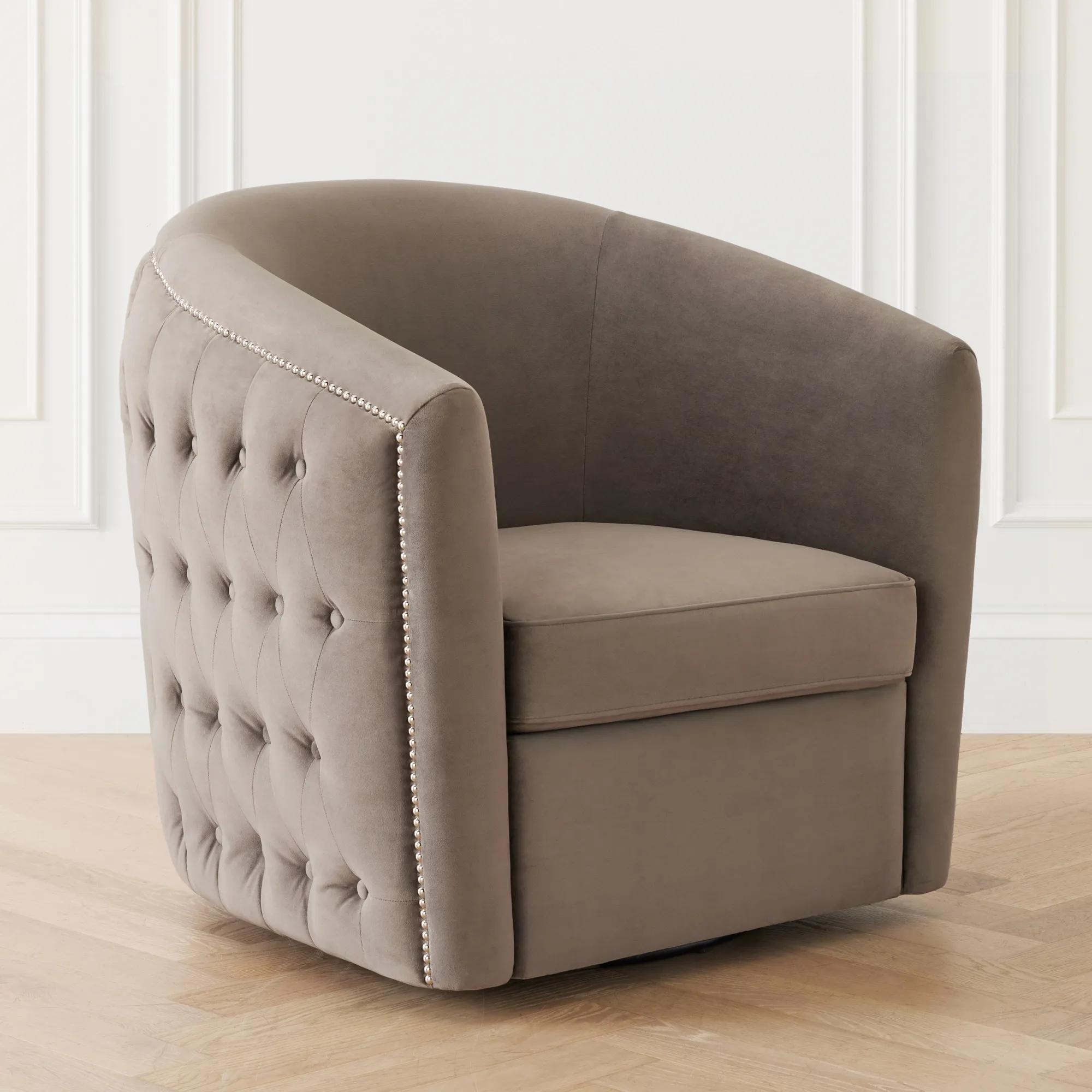
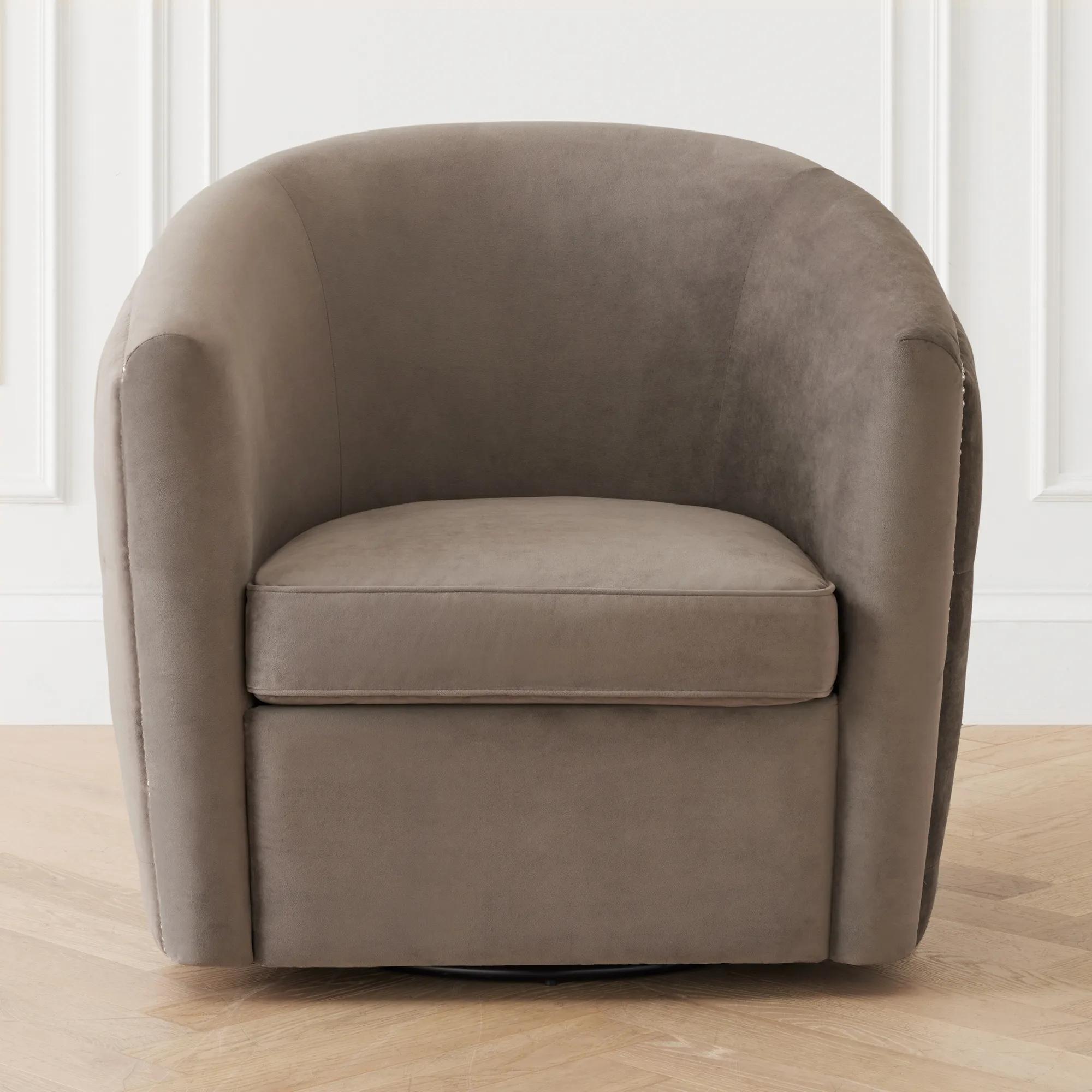 Aria Tufted Swivel Chair$1299
A modern barrel chair in velvet with tufted detailing, kiln-dried hardwood frame, and smooth swivel base.
Add To Cart -
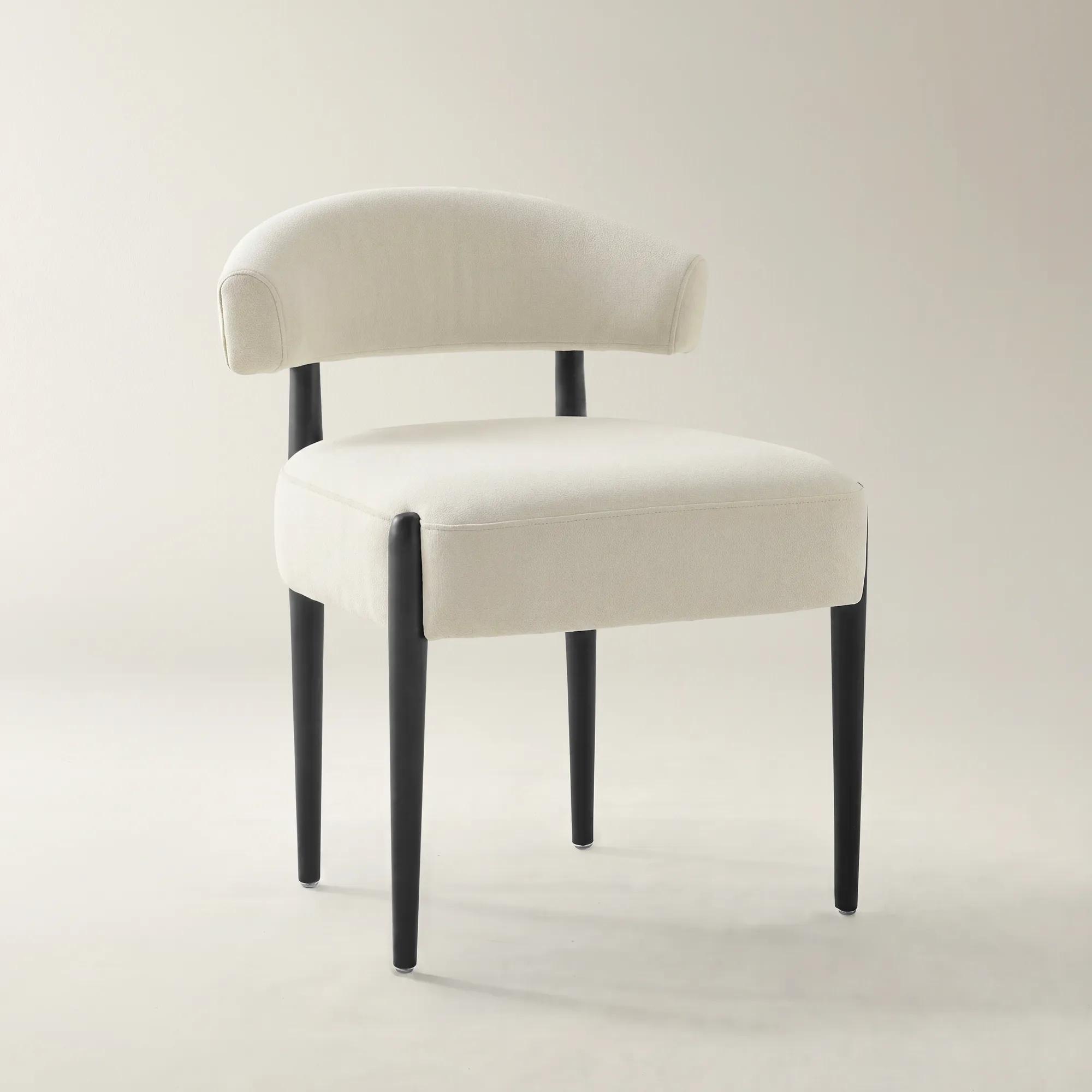
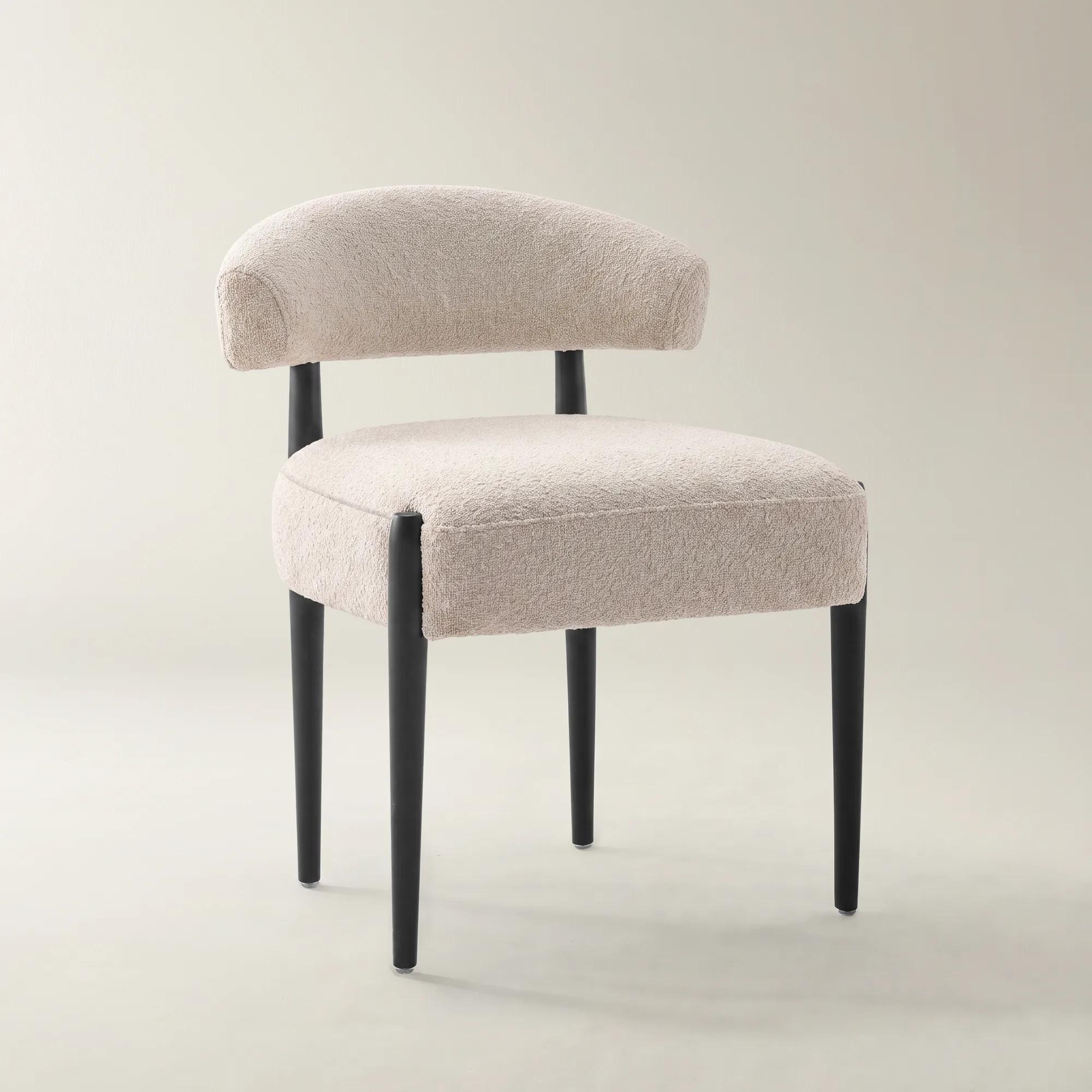
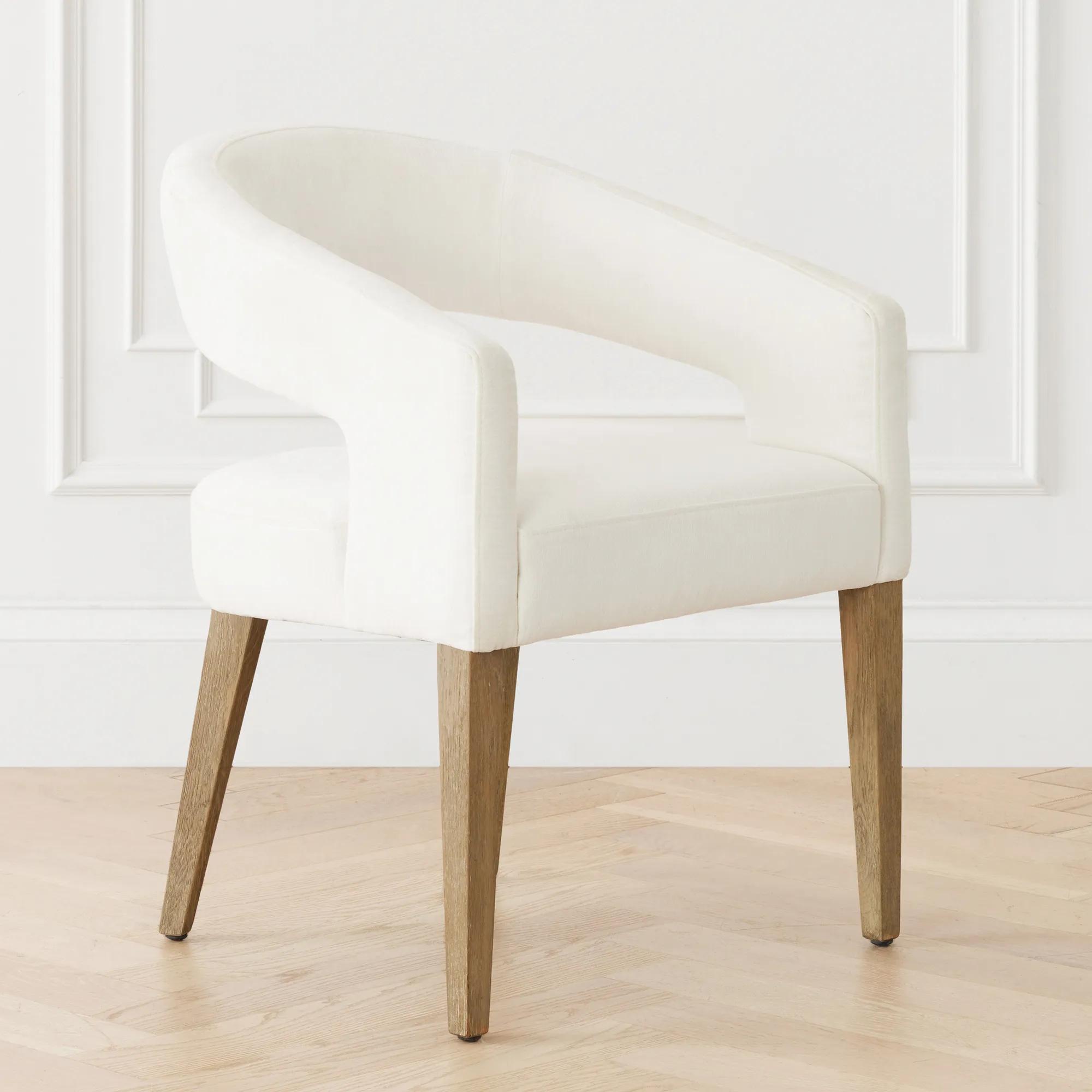 Philippa Dining Chair - Natural Grey$845
A modern dining chair featuring a curved silhouette, grey upholstery, and a kiln-dried hardwood frame.
Add To Cart -

 Aria Pleated Swivel Chair$1799
A modern barrel chair in kiln-dried hardwood and pleated velvet, featuring a smooth swivel mechanism.
Add To Cart -
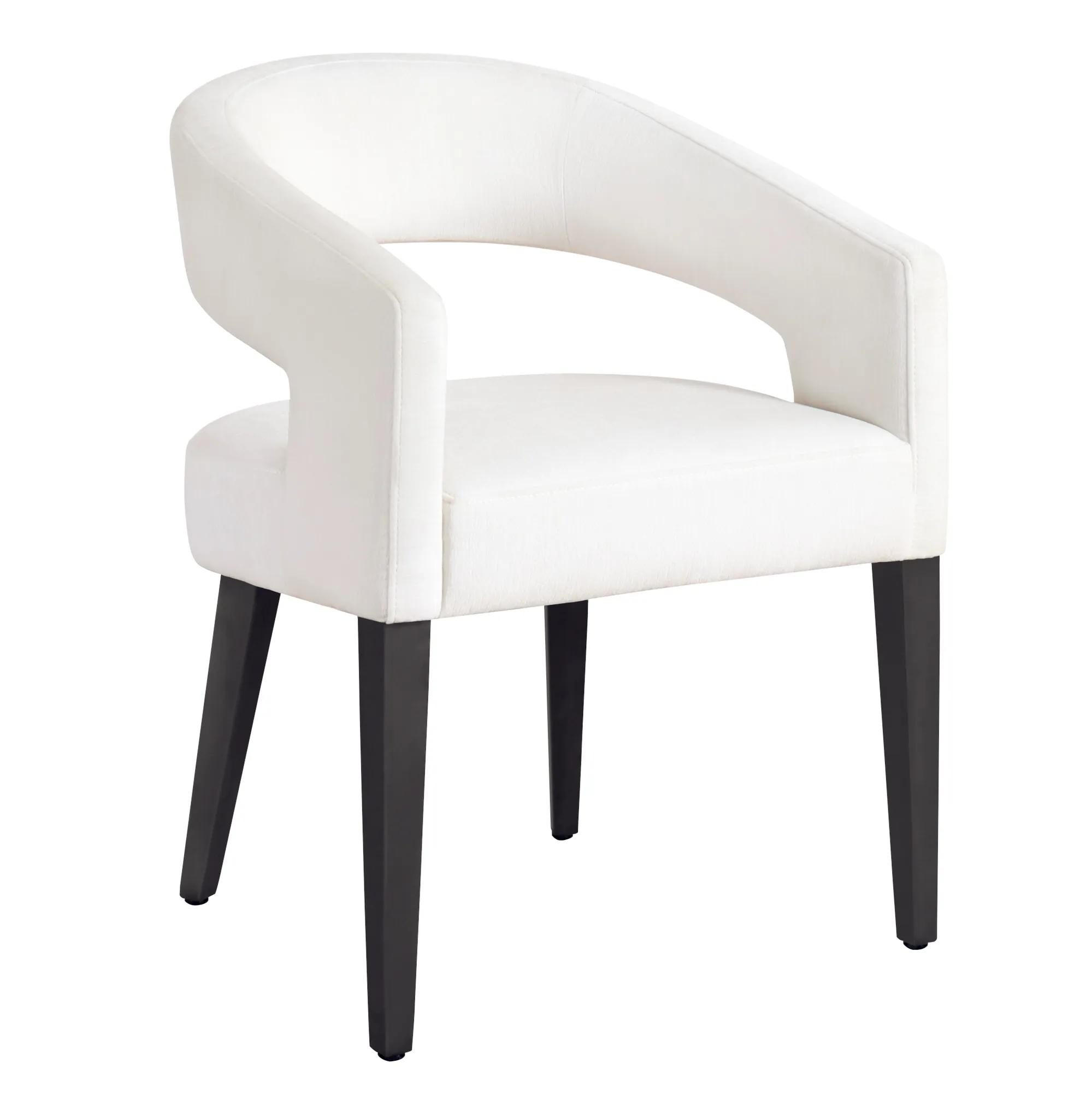
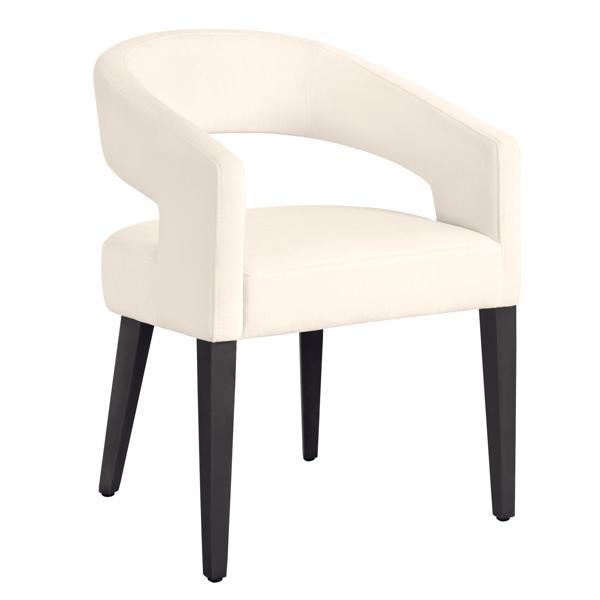 Philippa Dining Chair - Espresso$599
A curved dining chair featuring tailored upholstery, espresso-finished legs, and a sleek back cutout.
Add To Cart -
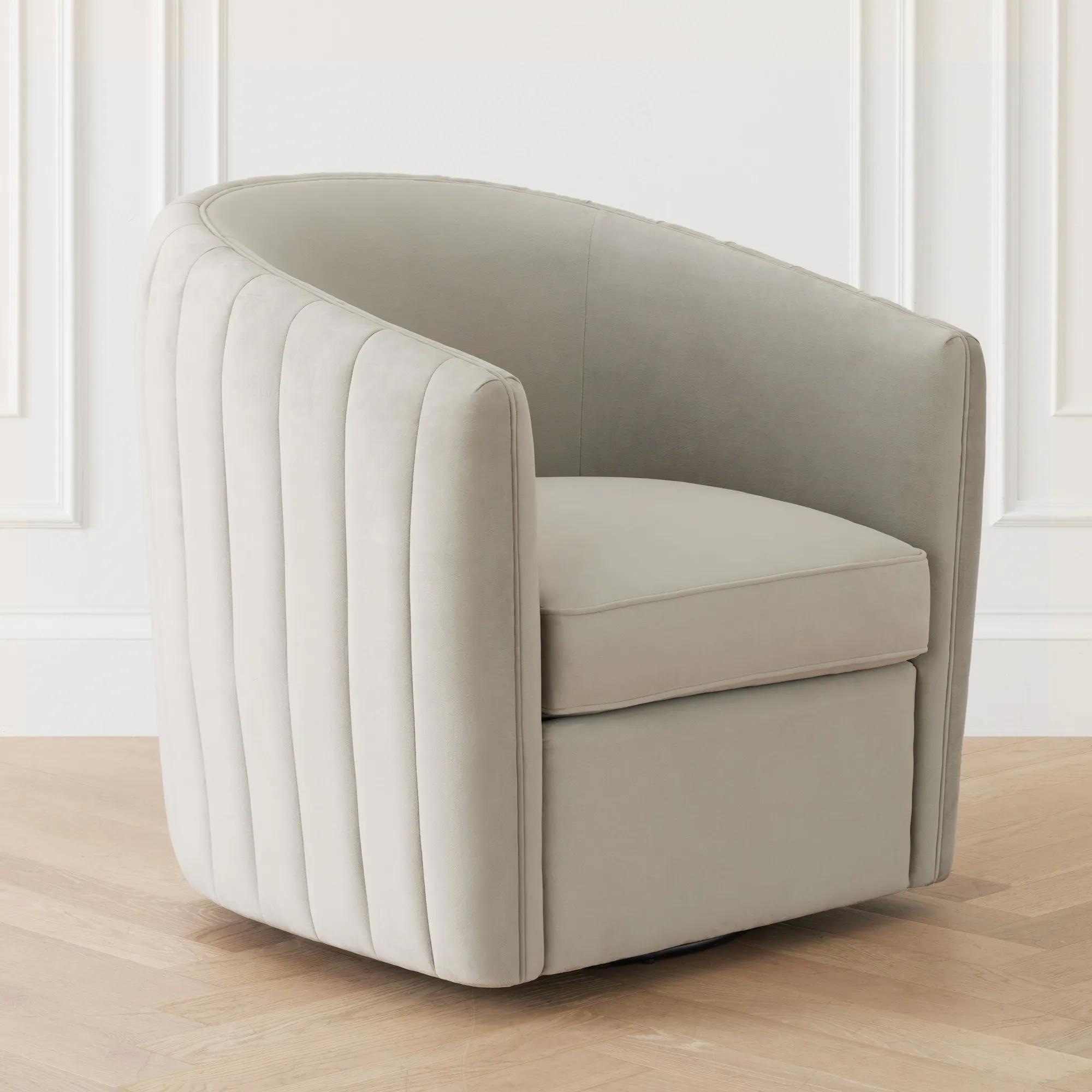
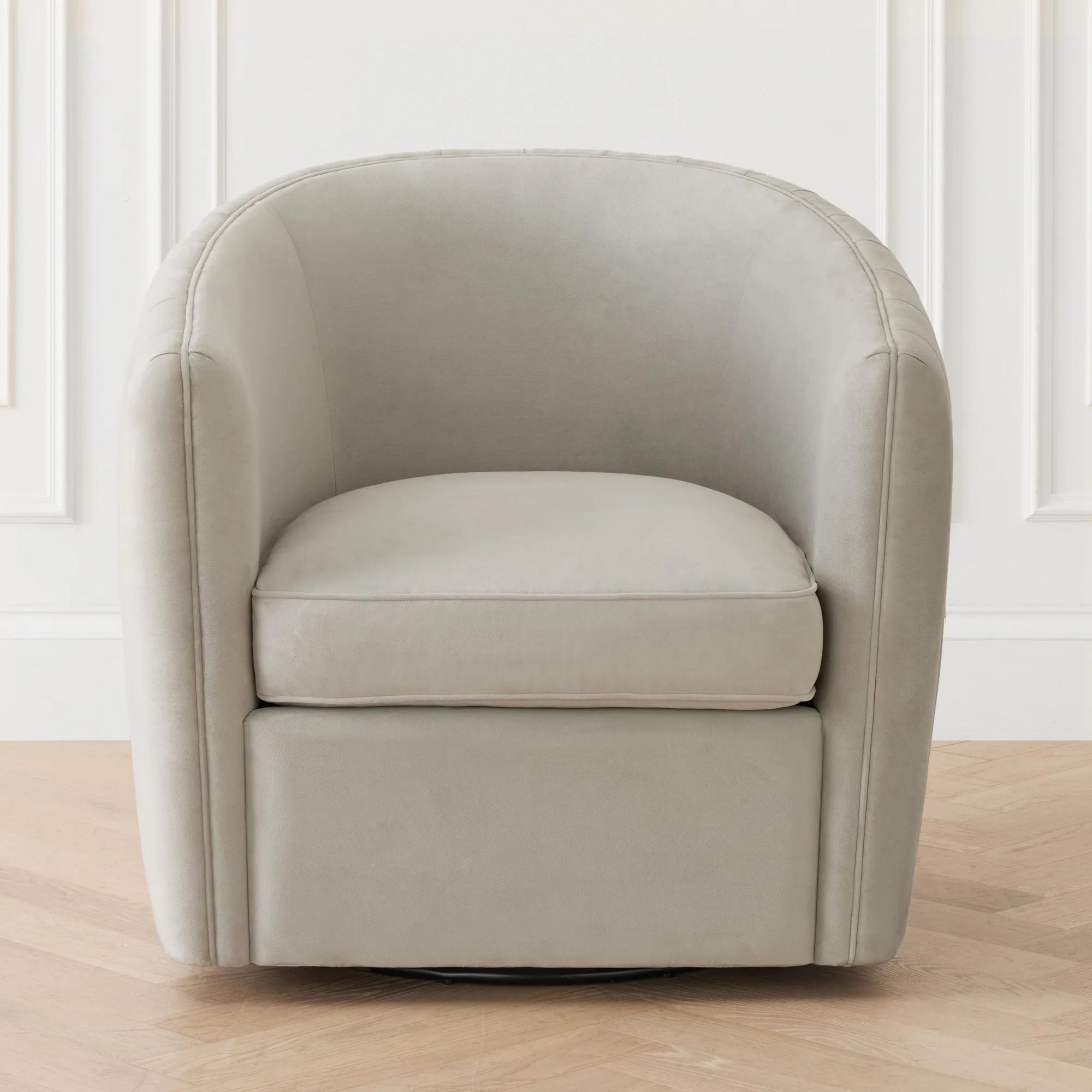 Aria Channeled Swivel Chair$1199
A modern barrel chair in kiln-dried hardwood with channeled velvet upholstery and a smooth swivel base.
Add To Cart -
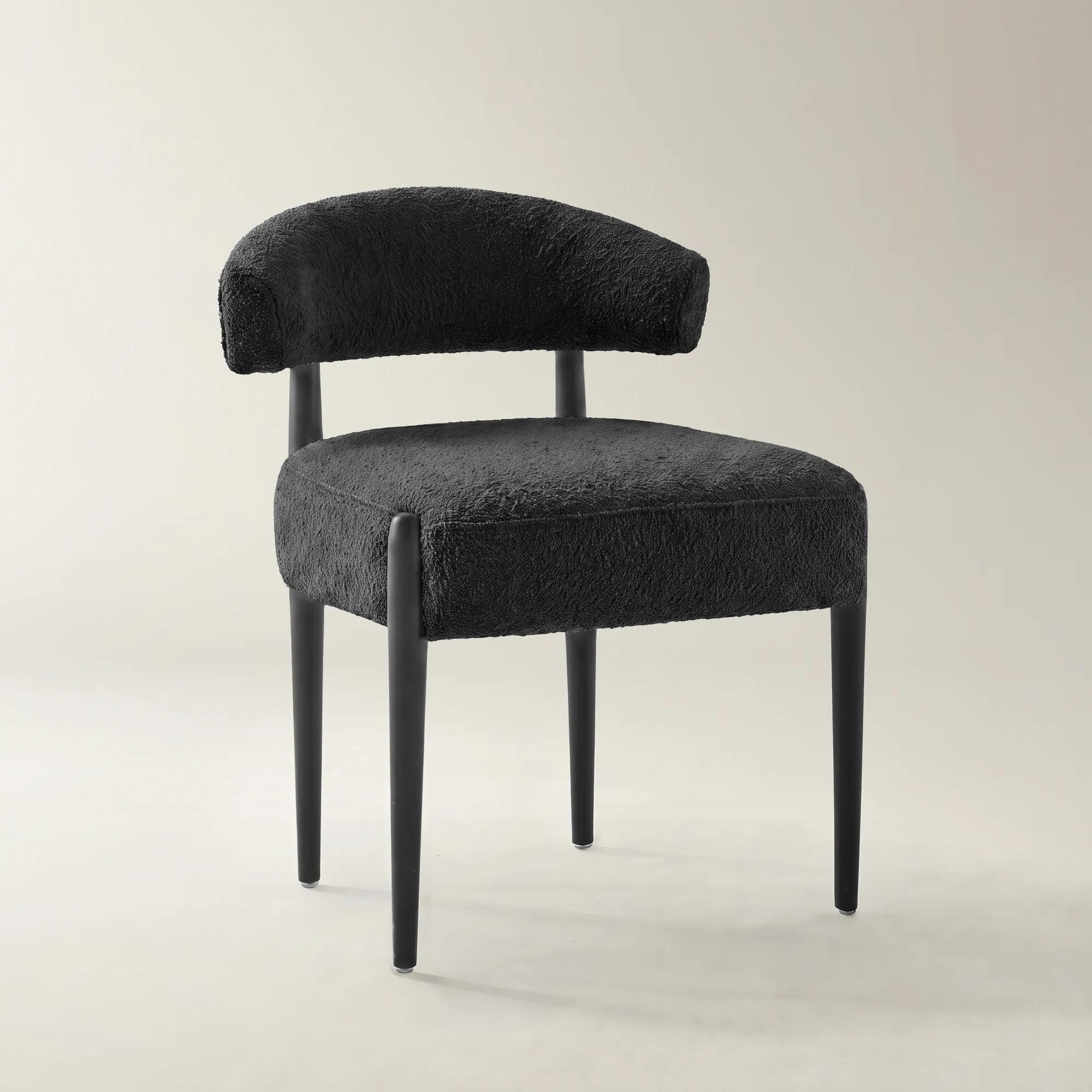
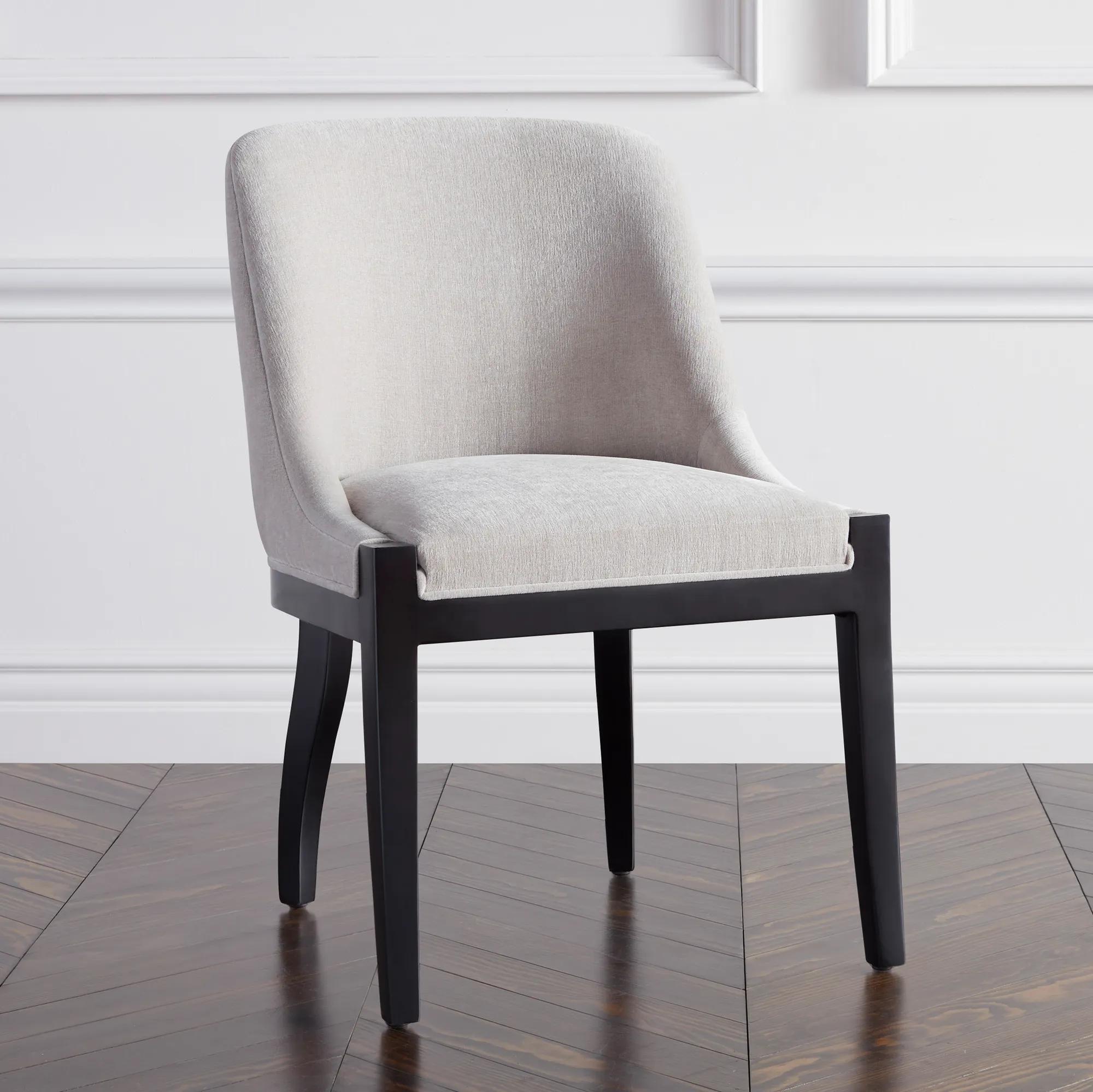 Lily Dining Chair - Matte Black$599
A modern dining chair with a kiln-dried hardwood frame, matte black legs, and plush tailored upholstery.
Add To Cart -
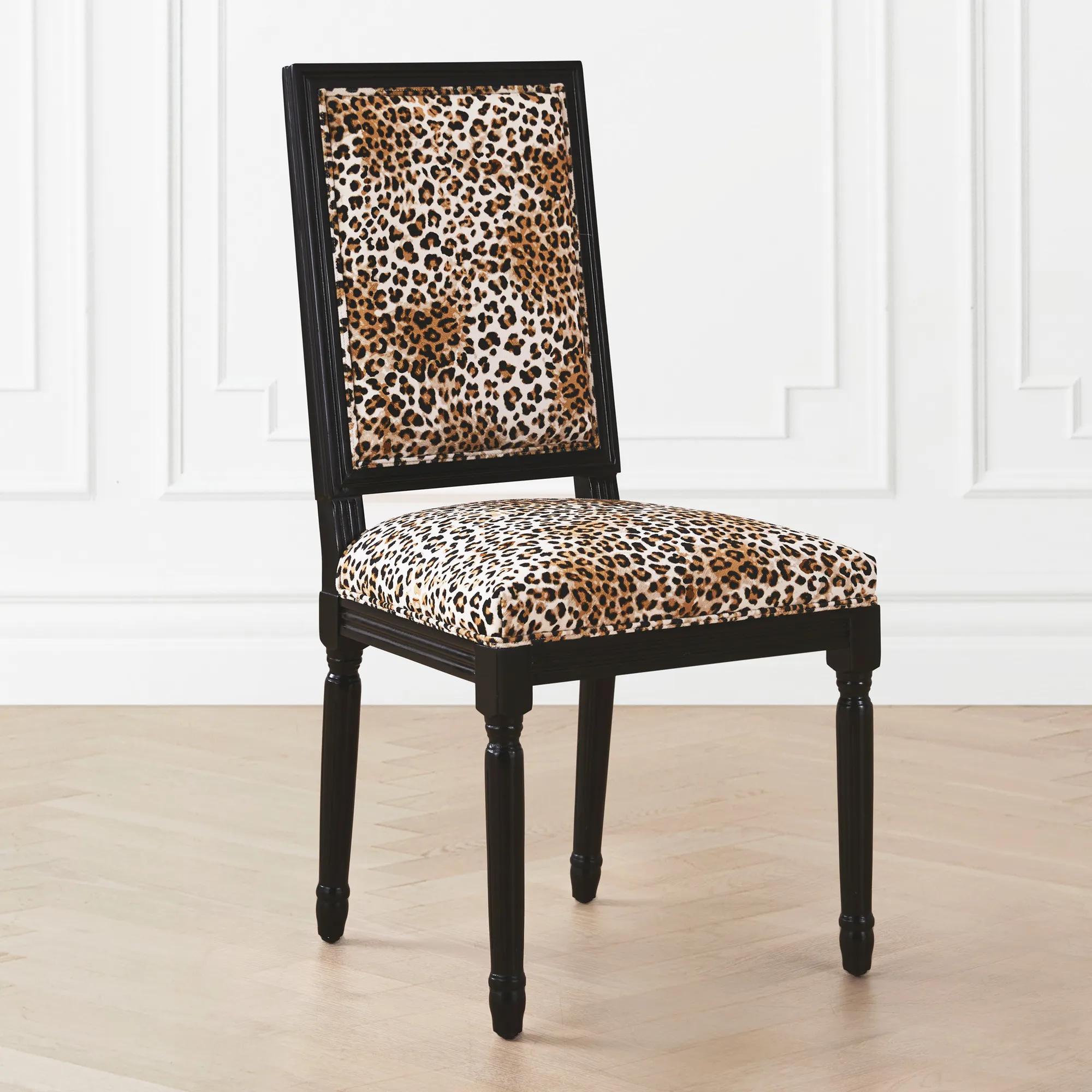
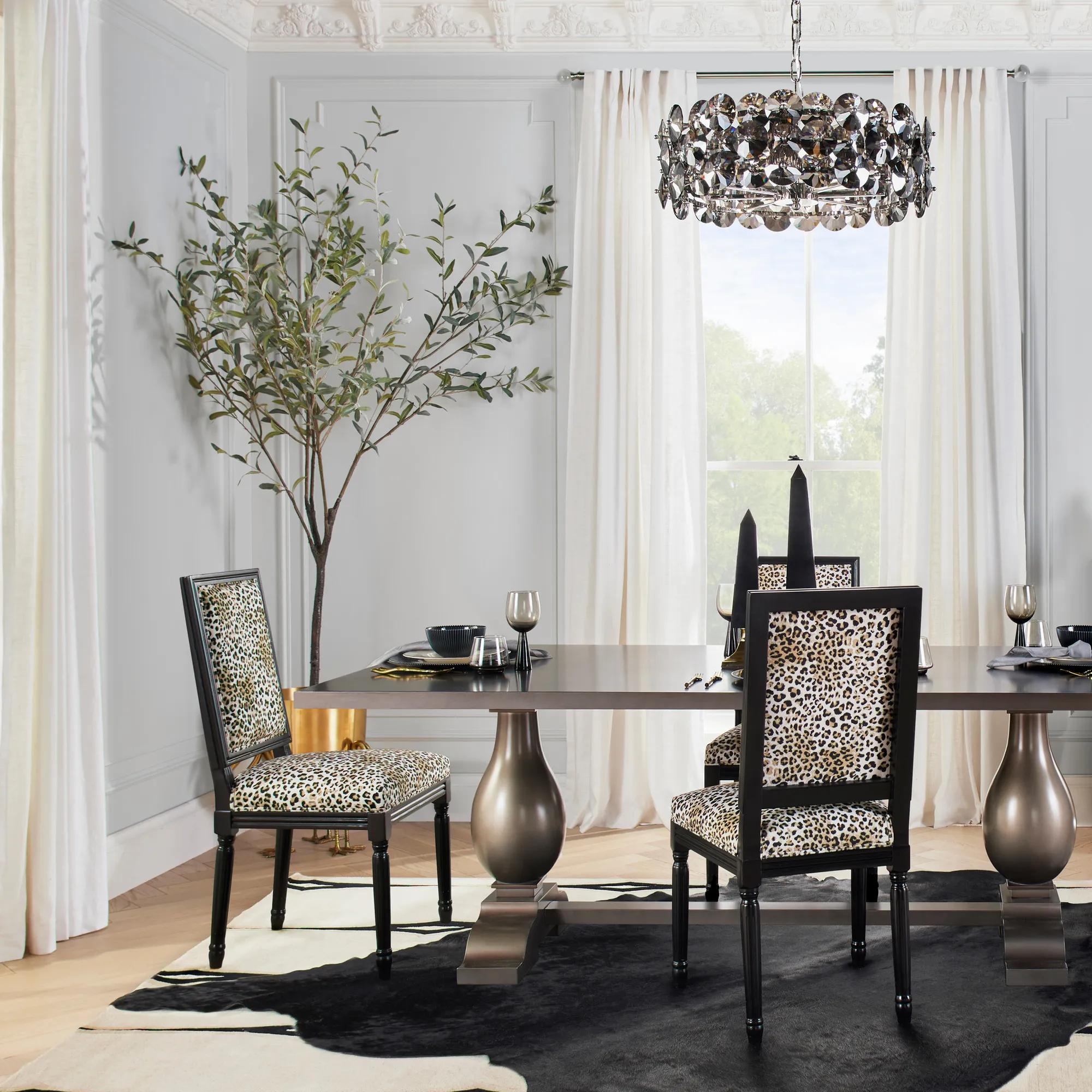 Callan Dining Chair$599
A handcrafted modern chair featuring classic upholstery, squared back, fluted legs, and high-gloss finish.
Add To Cart -
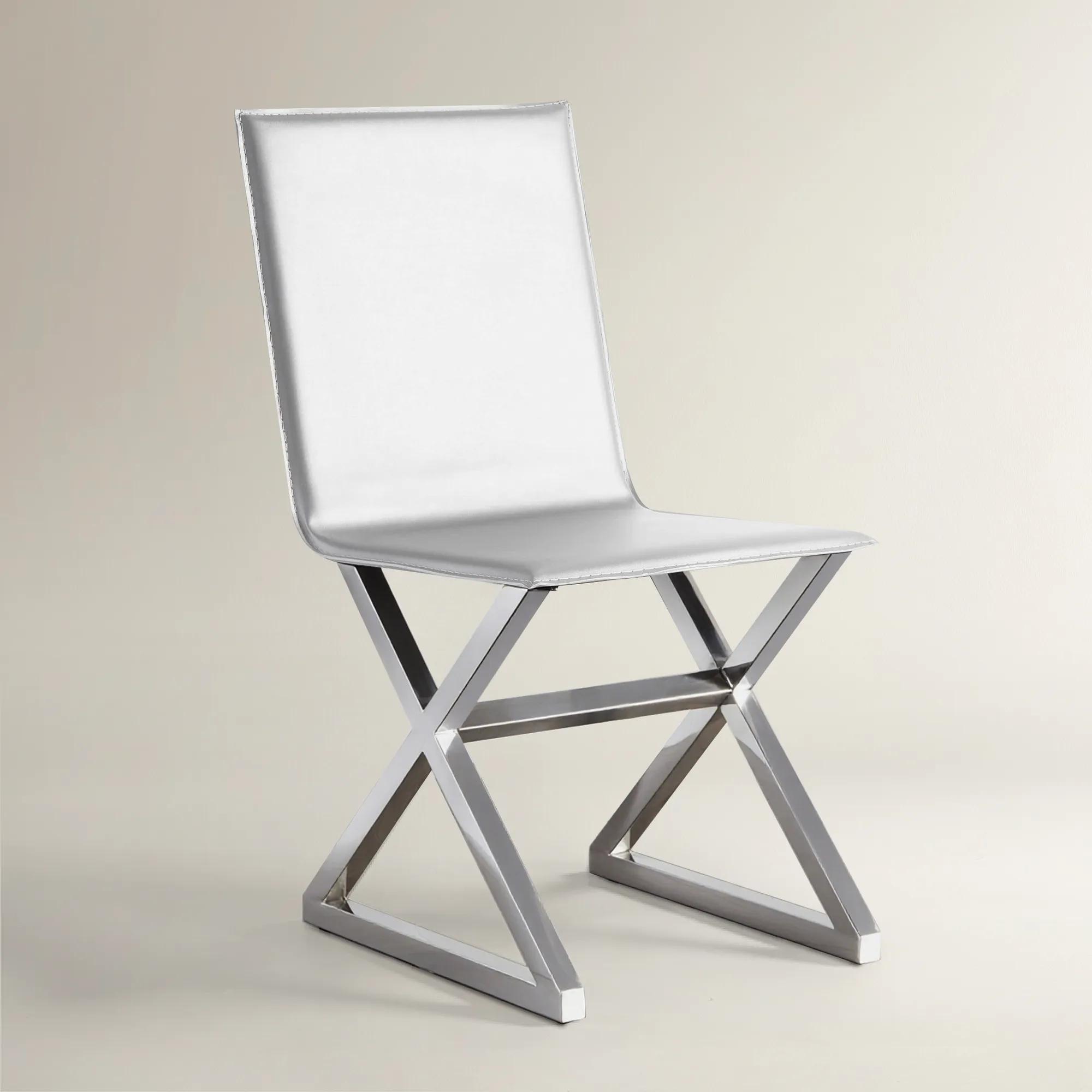
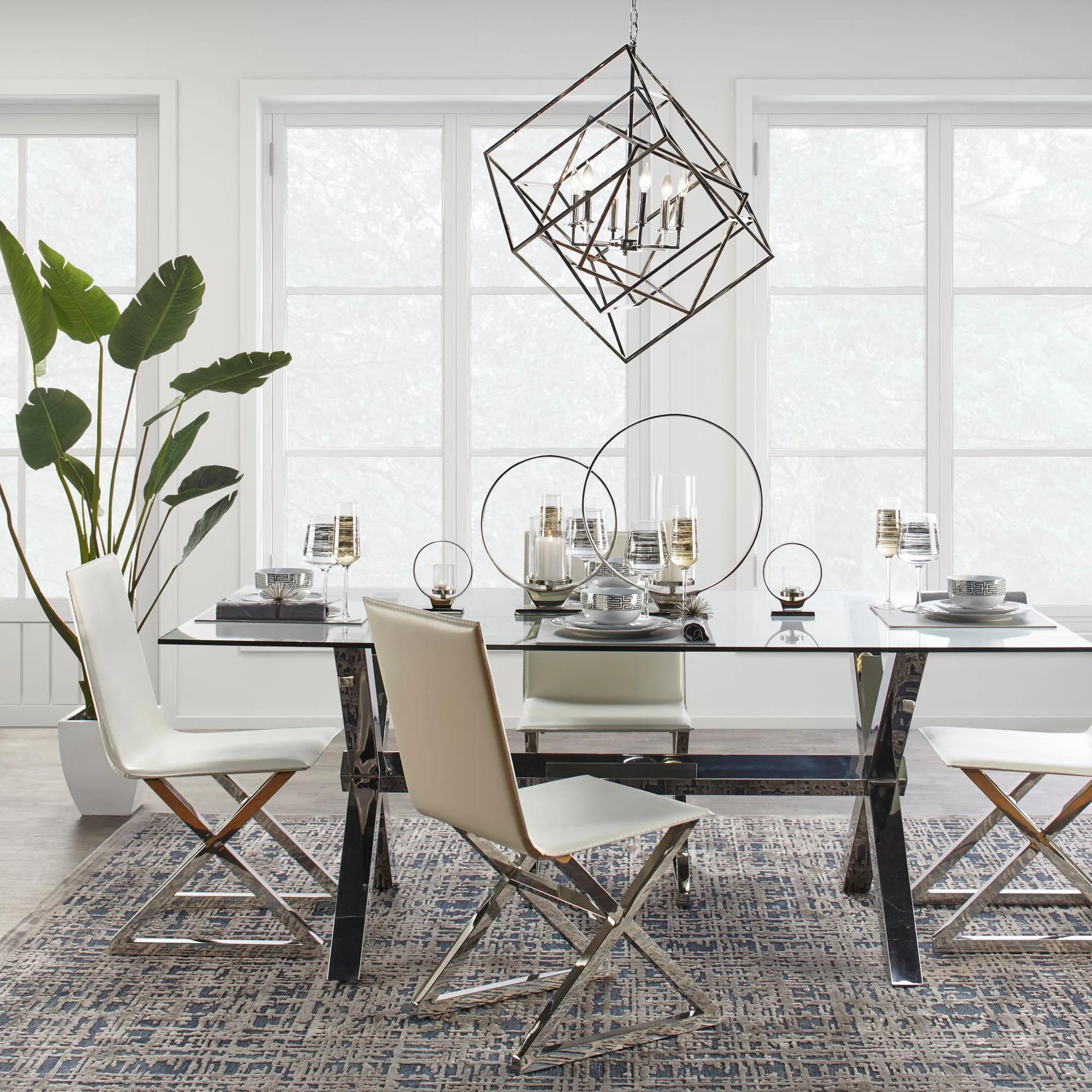 Axis Dining Chair - Set of 2$399
A contemporary chair set featuring white bonded leather upholstery and a polished stainless steel base.
Add To Cart -
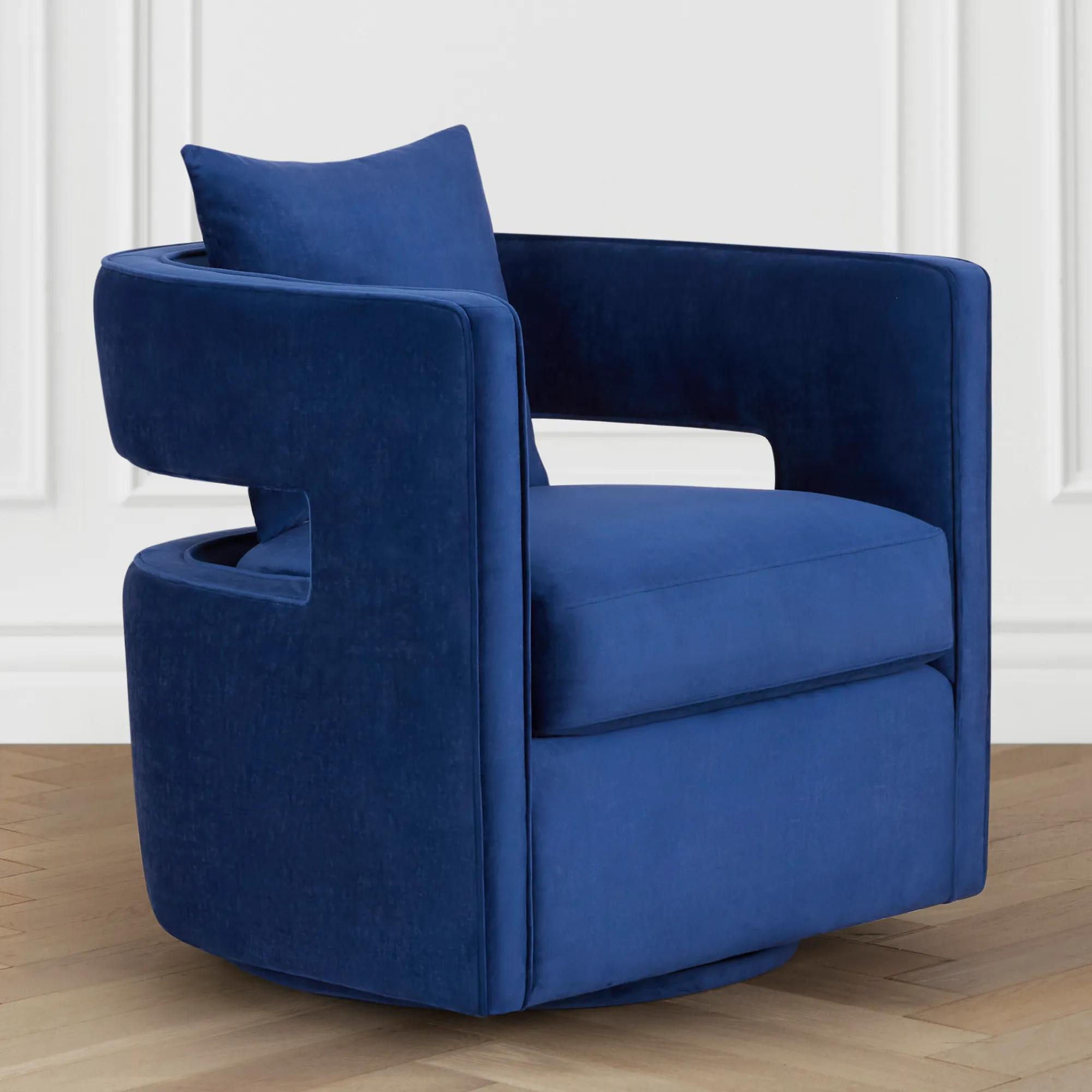
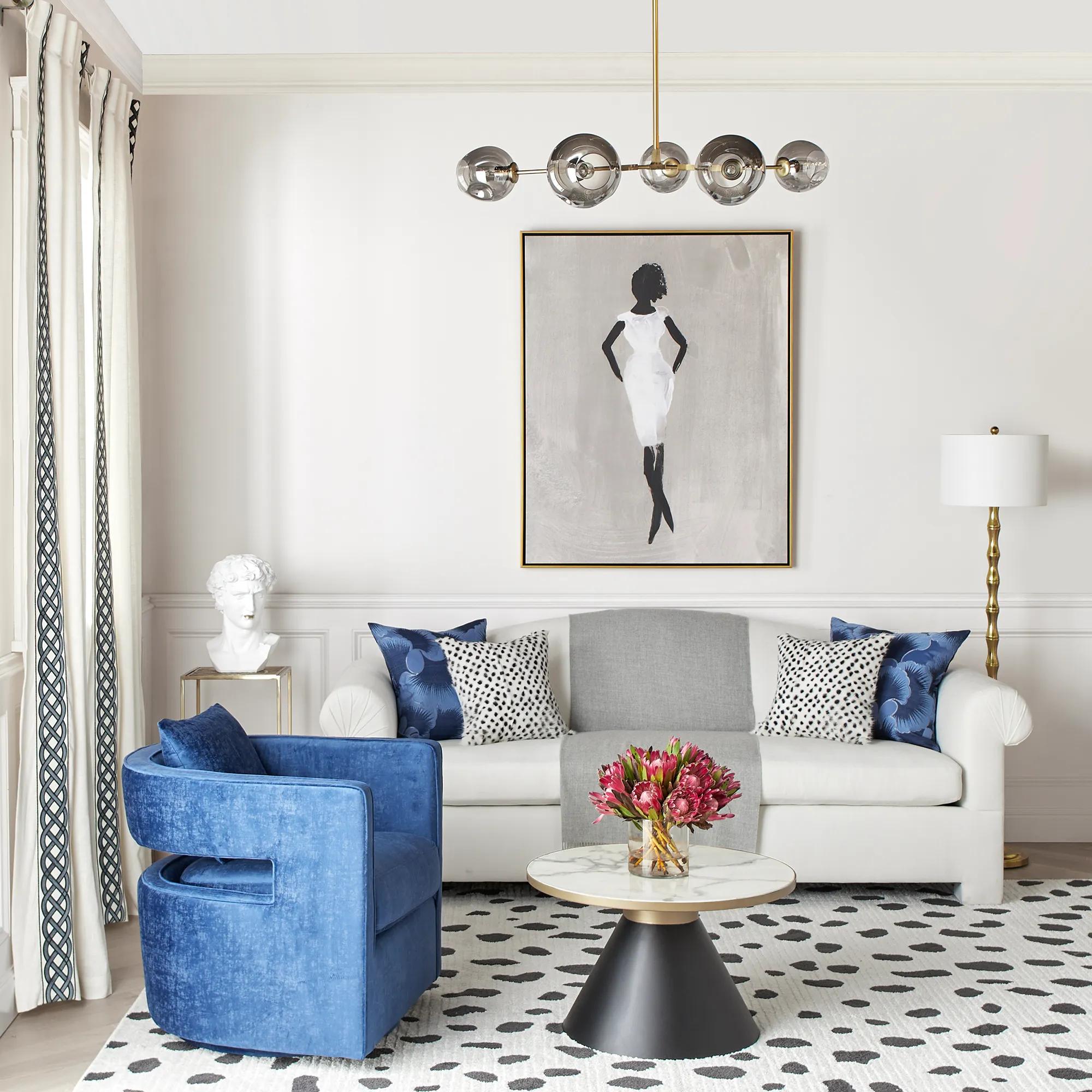 Lottie Navy Velvet Swivel Accent Chair$999
A glamorous navy velvet swivel chair featuring a barrel back, cutout arms, and plush foam cushioning.
Add To Cart -
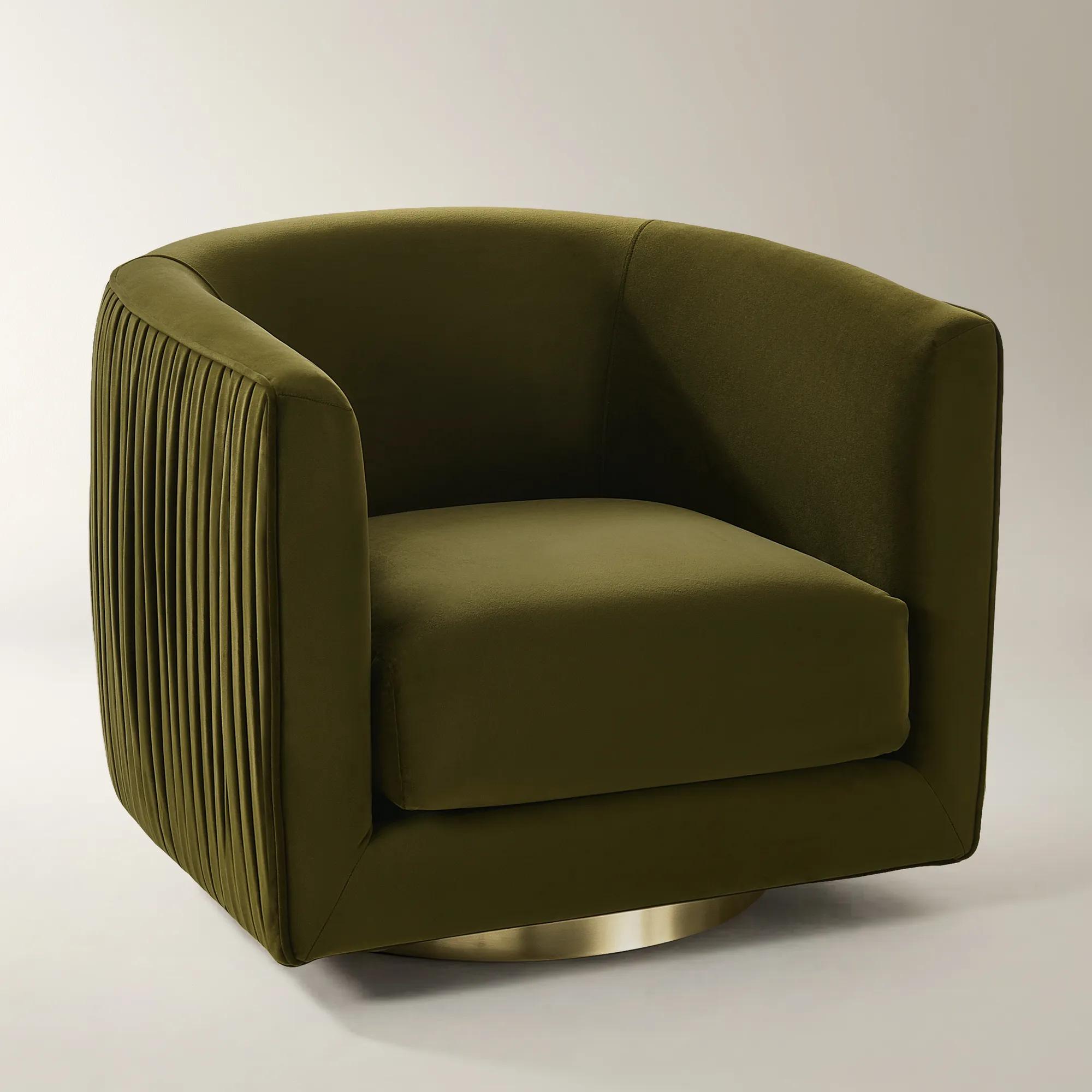
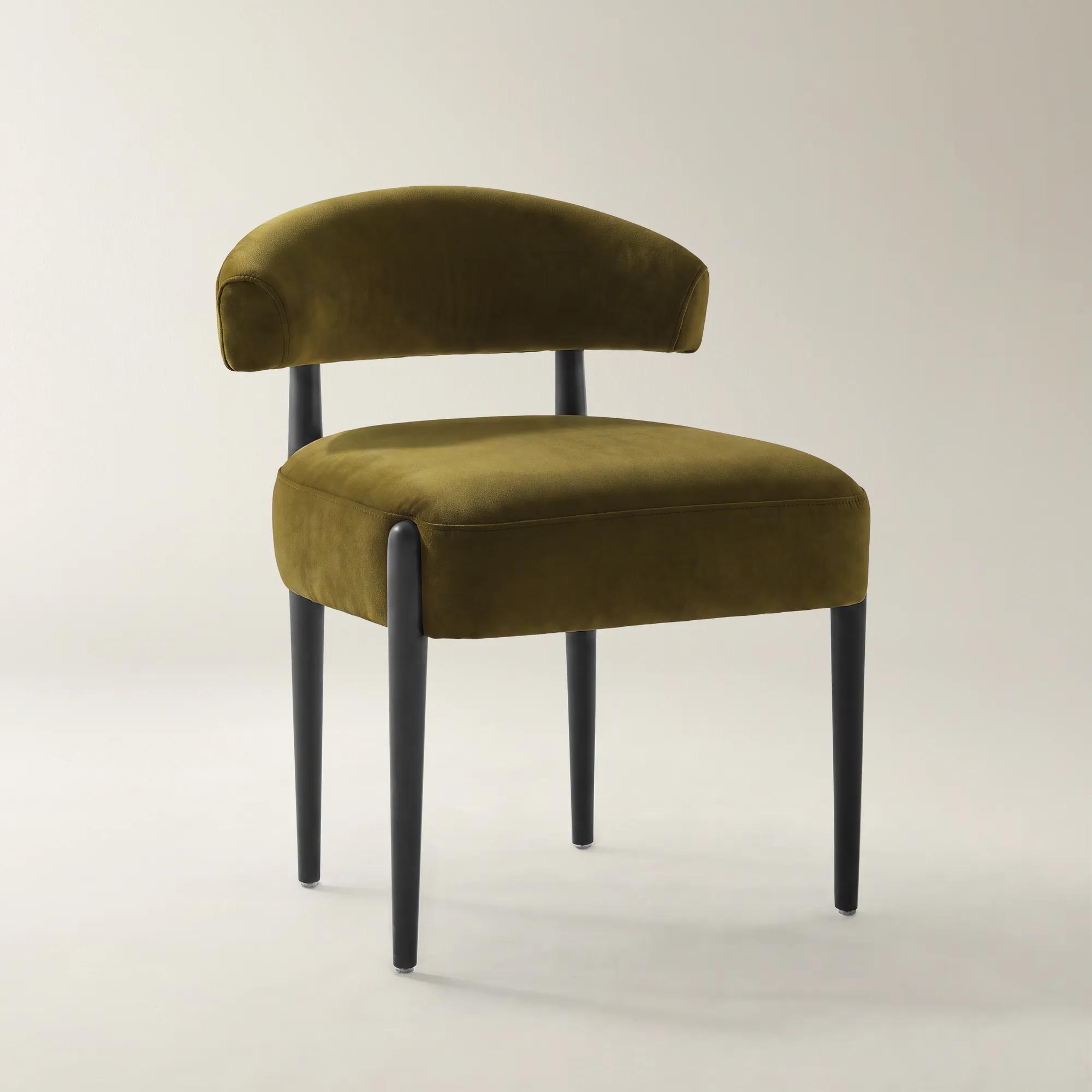
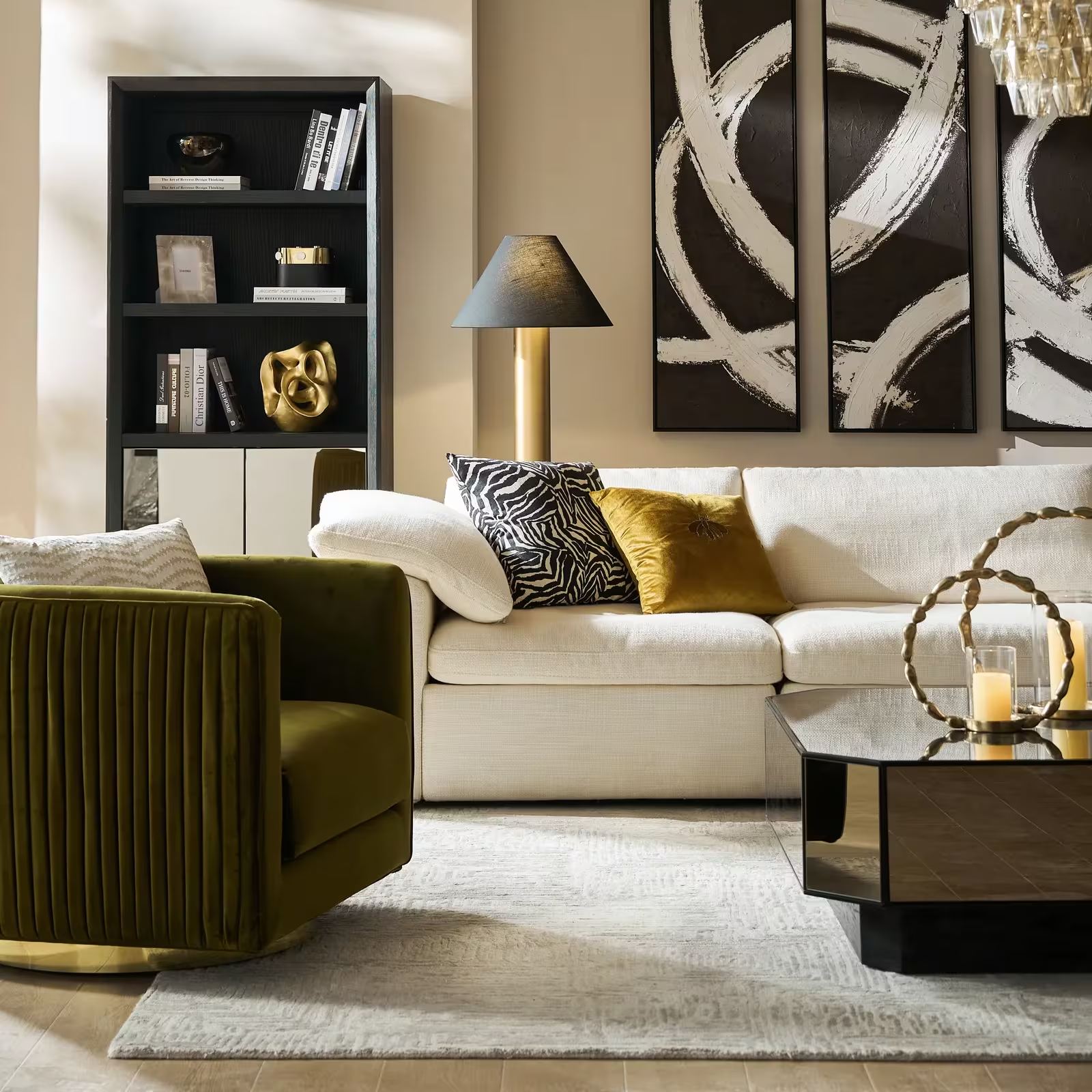 Lyssa Pleated Deep Olive Velvet Swivel Accent Chair$1099
A deep olive green velvet accent chair featuring pleated panels, smooth curves, and a 360-degree swivel base.
Add To Cart -
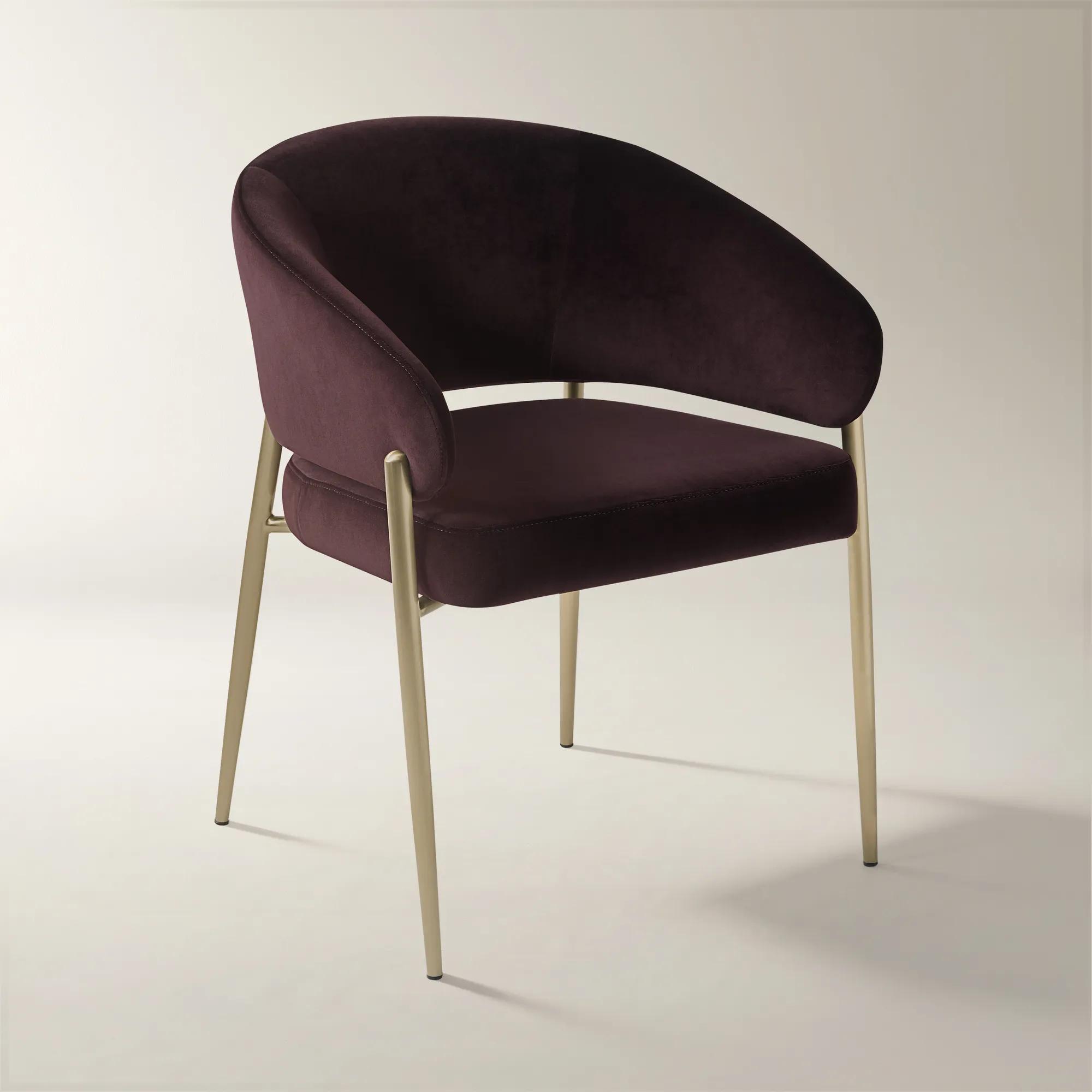 Nara Fig Velvet Dining Chair Set Of 2$599
A set of two dining chairs featuring plush fig velvet upholstery and brushed brass stainless-steel legs.
Add To Cart -
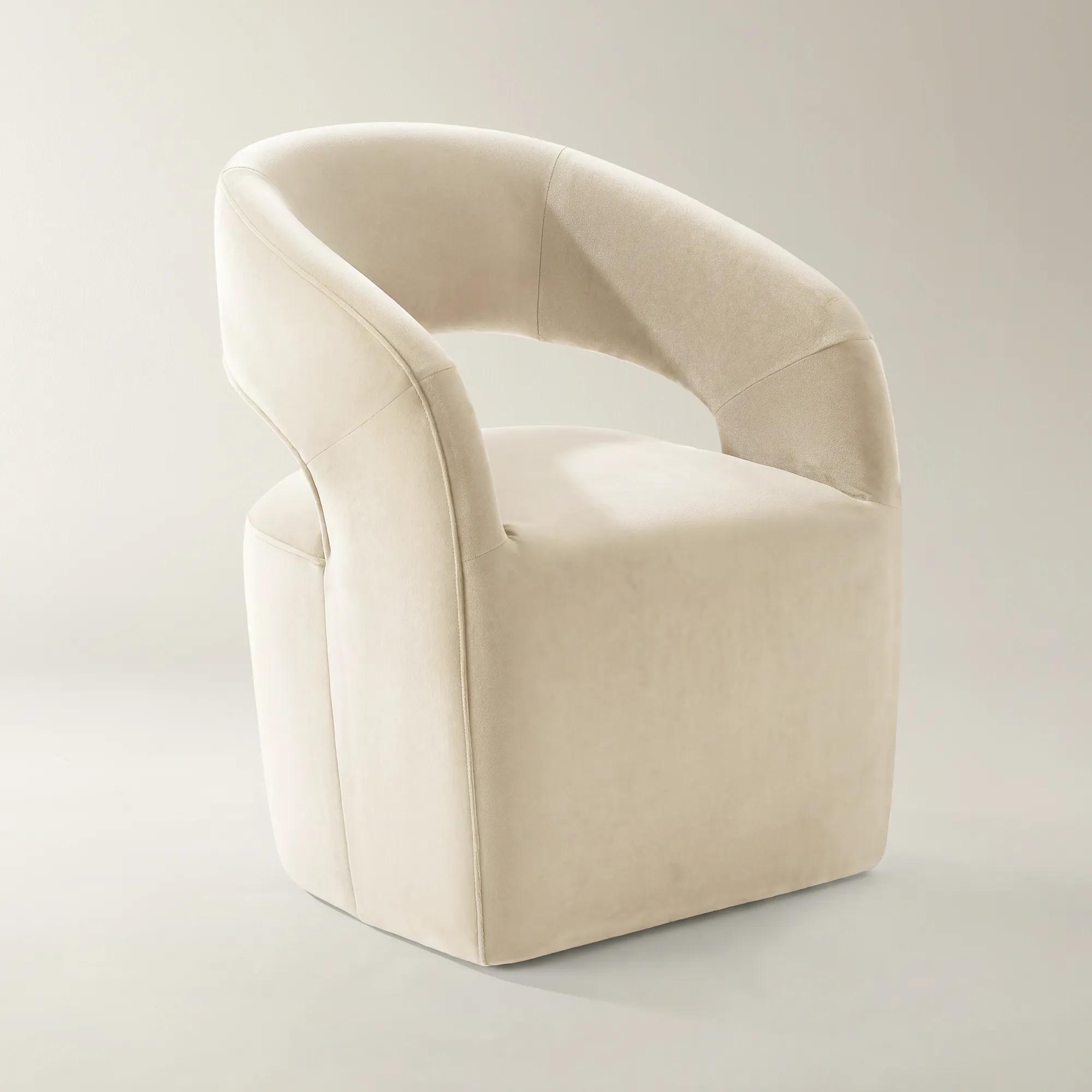
-2.jpg?w=1200&h=1200) Harrison Oatmeal Velvet Dining Chair$449
Harrison Oatmeal Velvet Dining Chair$449A sculptural dining chair upholstered in oatmeal velvet with a curved back, feather-blend seat, and integrated arms.
Add To Cart -
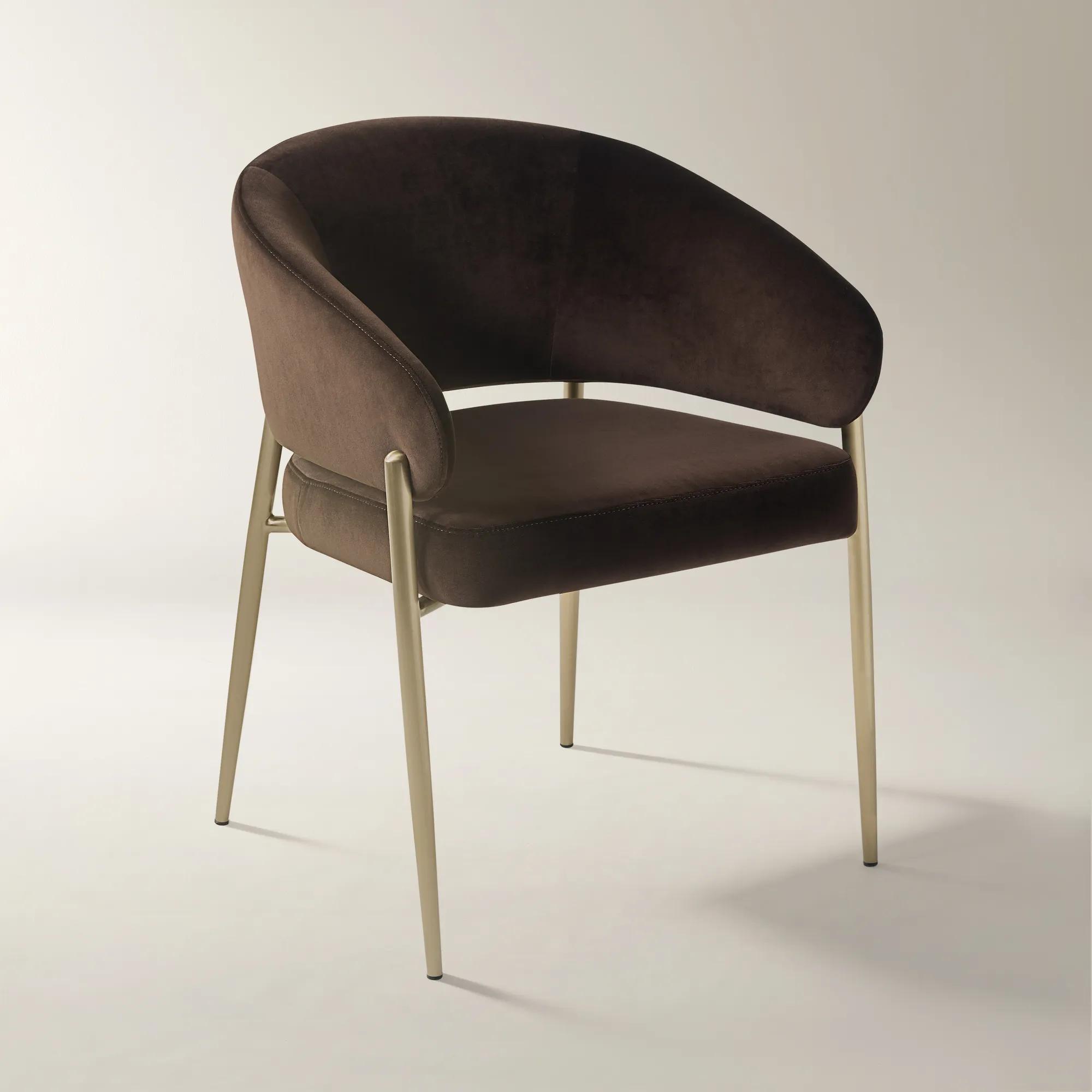 Nara Dark Chocolate Velvet Dining Chair Set Of 2$599
A pair of dark chocolate velvet chairs with curved backs and brushed brass stainless-steel legs for modern elegance.
Add To Cart -
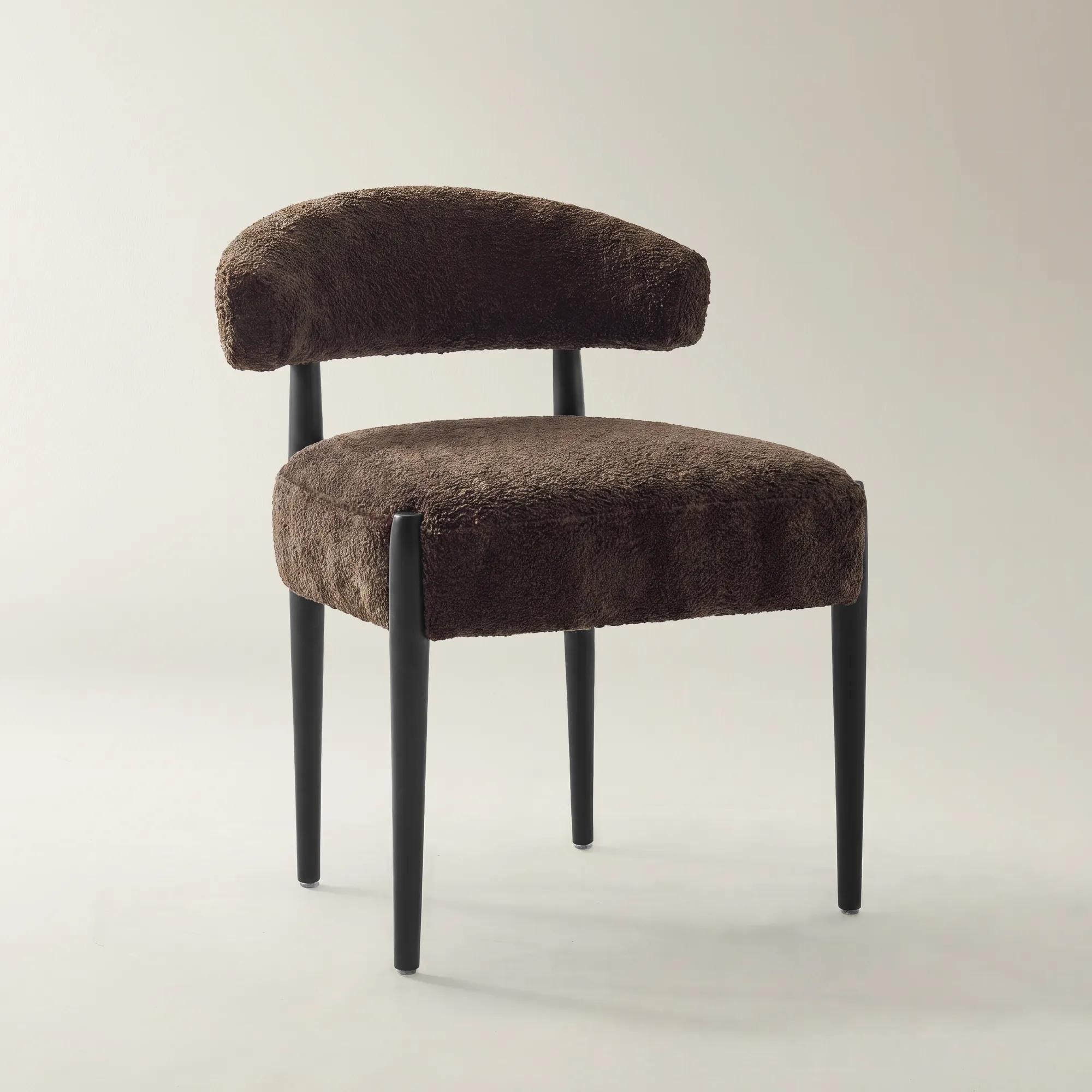
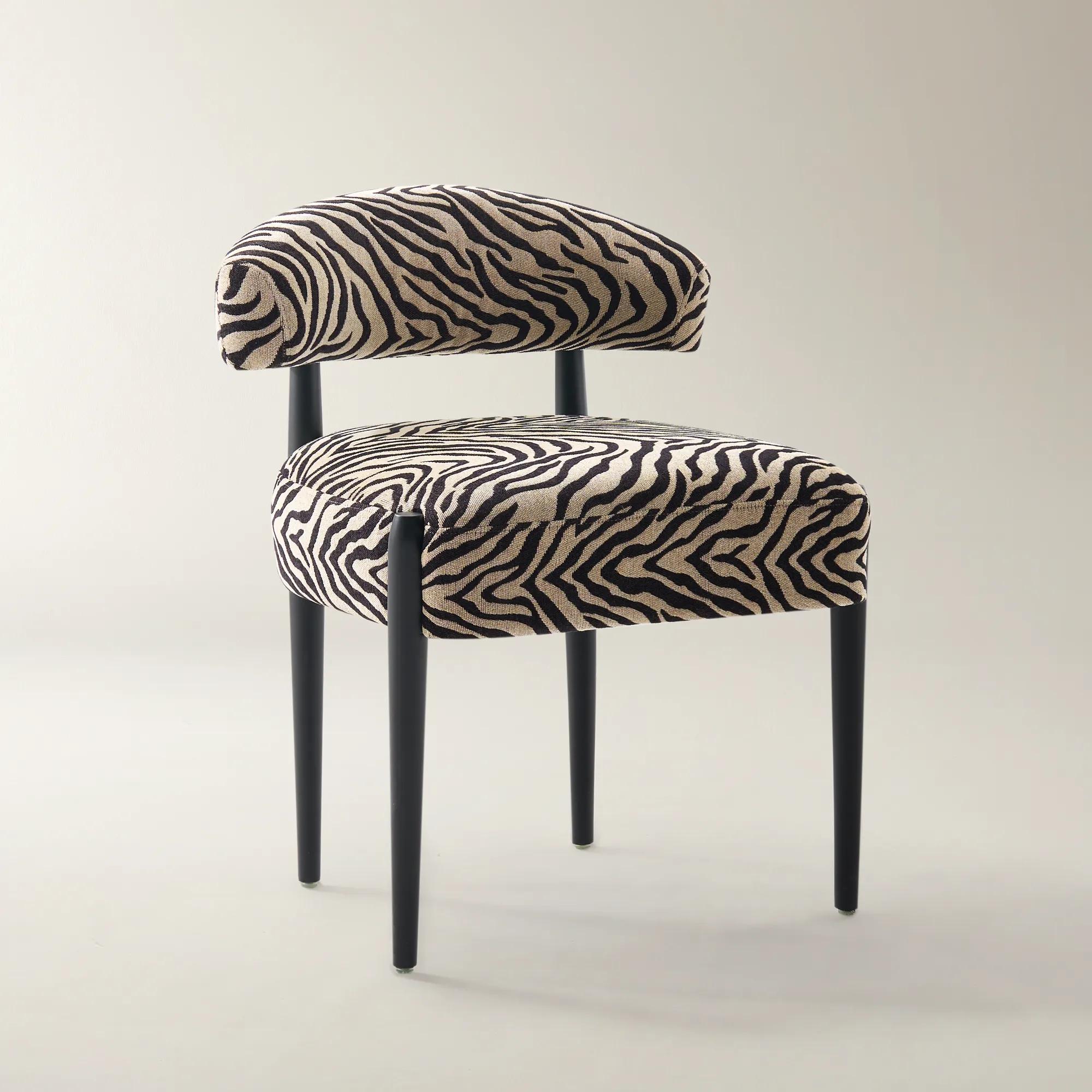 Anna Dark Chocolate Chenille Dining Chair Set of 2$599
A dark chocolate chenille chair pair featuring tailored curved backs, high-density foam, and solid rubberwood legs.
Add To Cart -
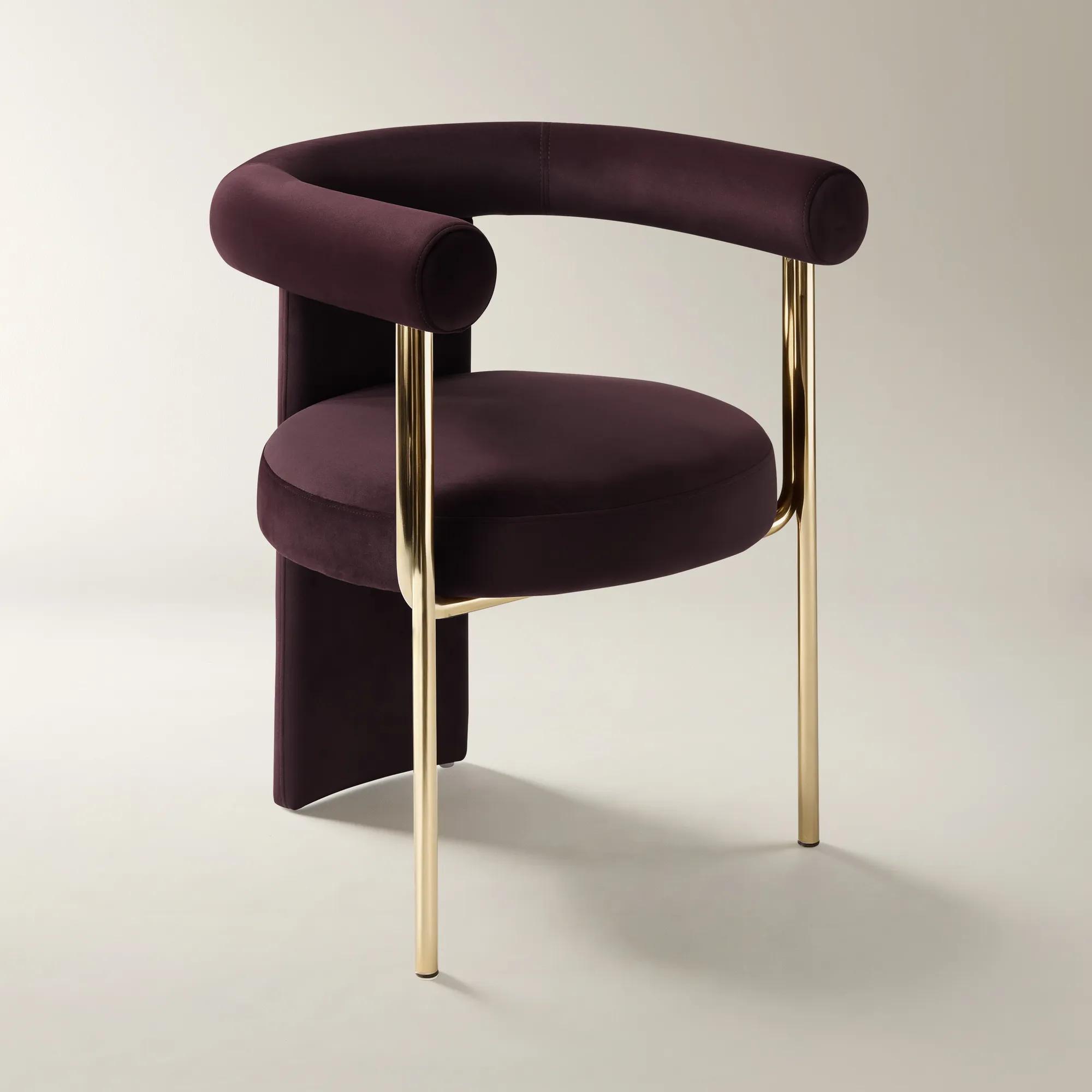 Davina Fig Velvet Dining Chair Set Of 2$799
A set of two dining chairs featuring plush fig velvet upholstery and a sleek gold-finished metal frame.
Add To Cart -
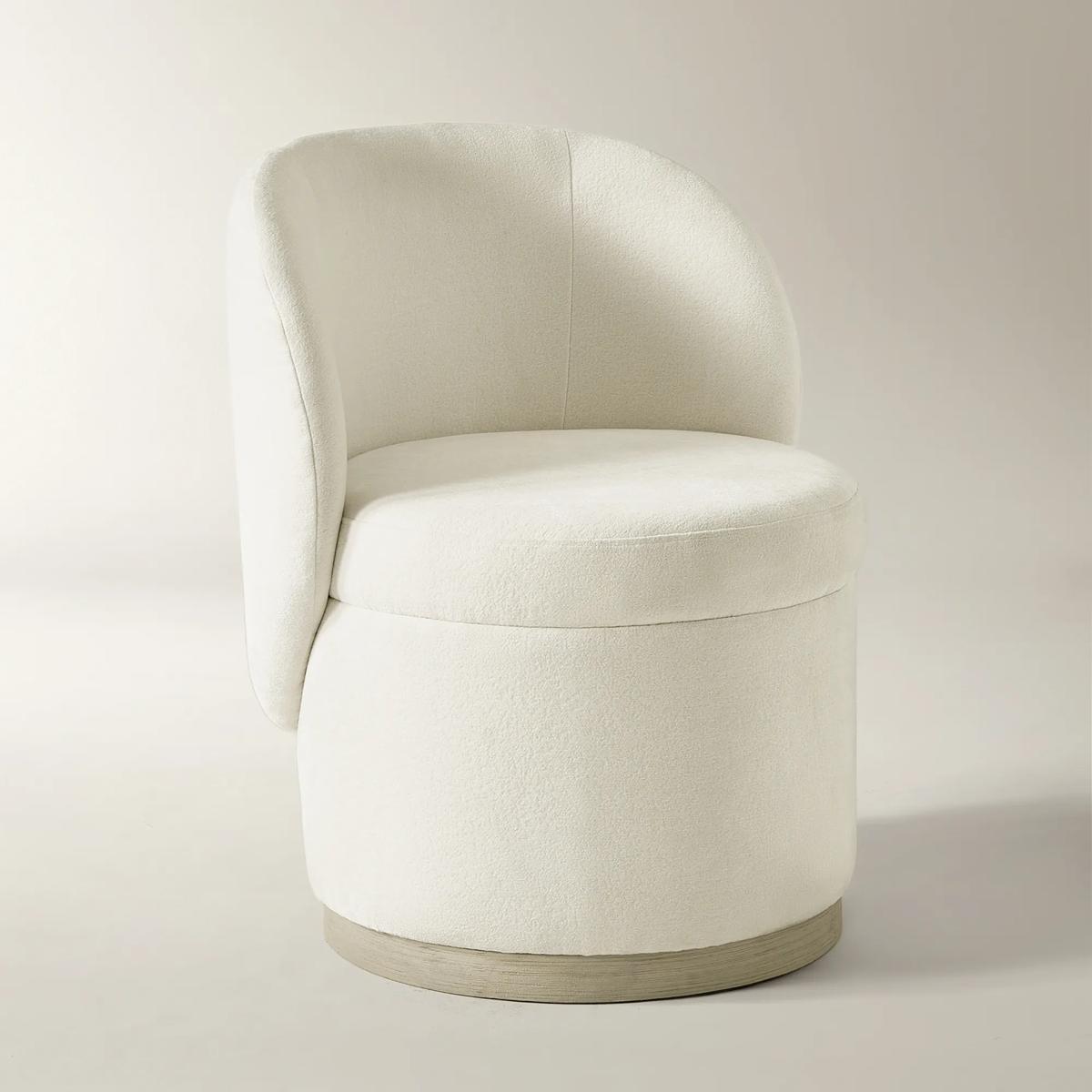 Stria Ivory Chenille Dining Chair With Oak Base$449
An ivory chenille chair featuring a plush, velvet-like finish and a handcrafted solid oak base.
Add To Cart -
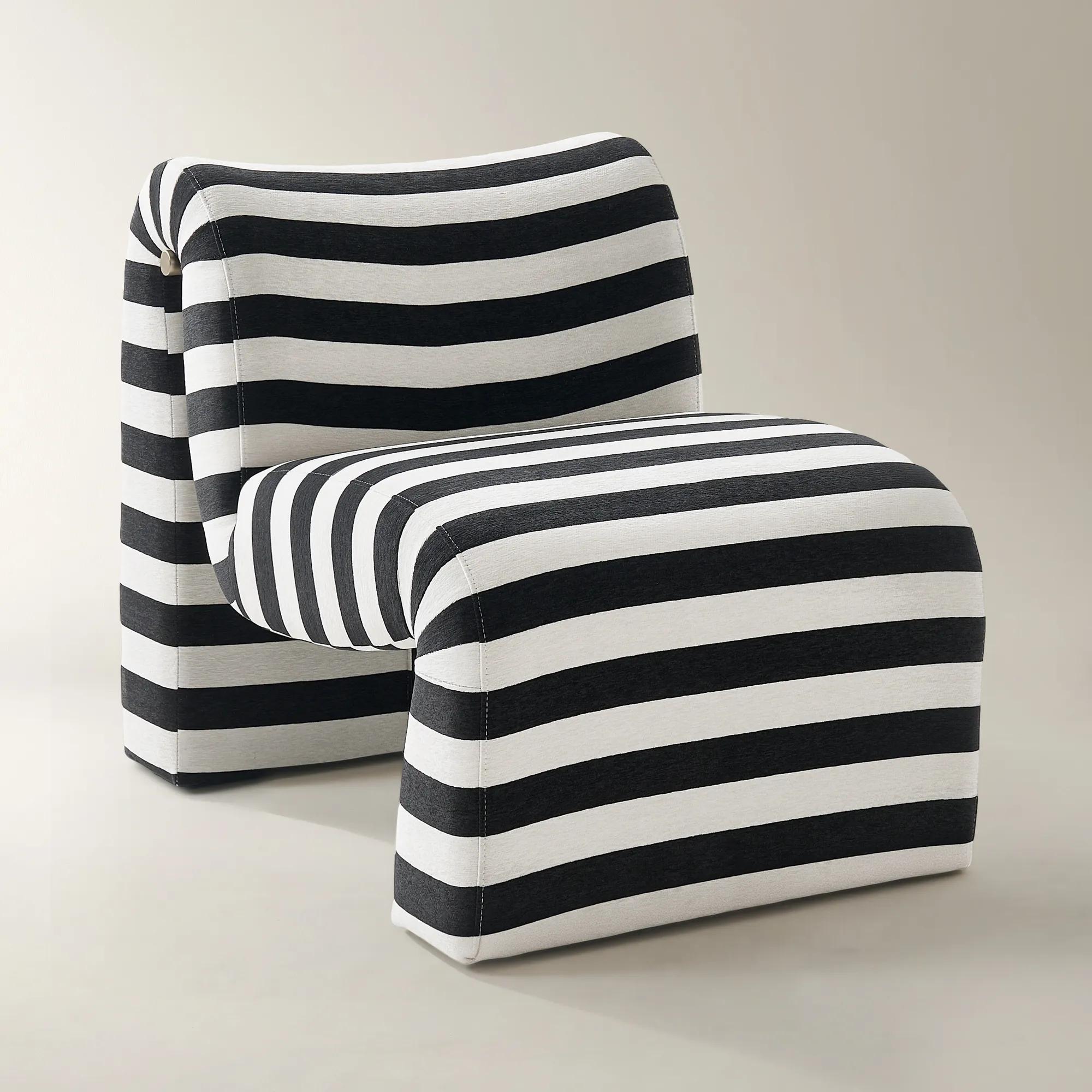 Cora Stripe Chenille Accent Chair$899
A bold black-and-white striped accent chair featuring water-repellent chenille and a gold stainless-steel inlay.
Add To Cart -
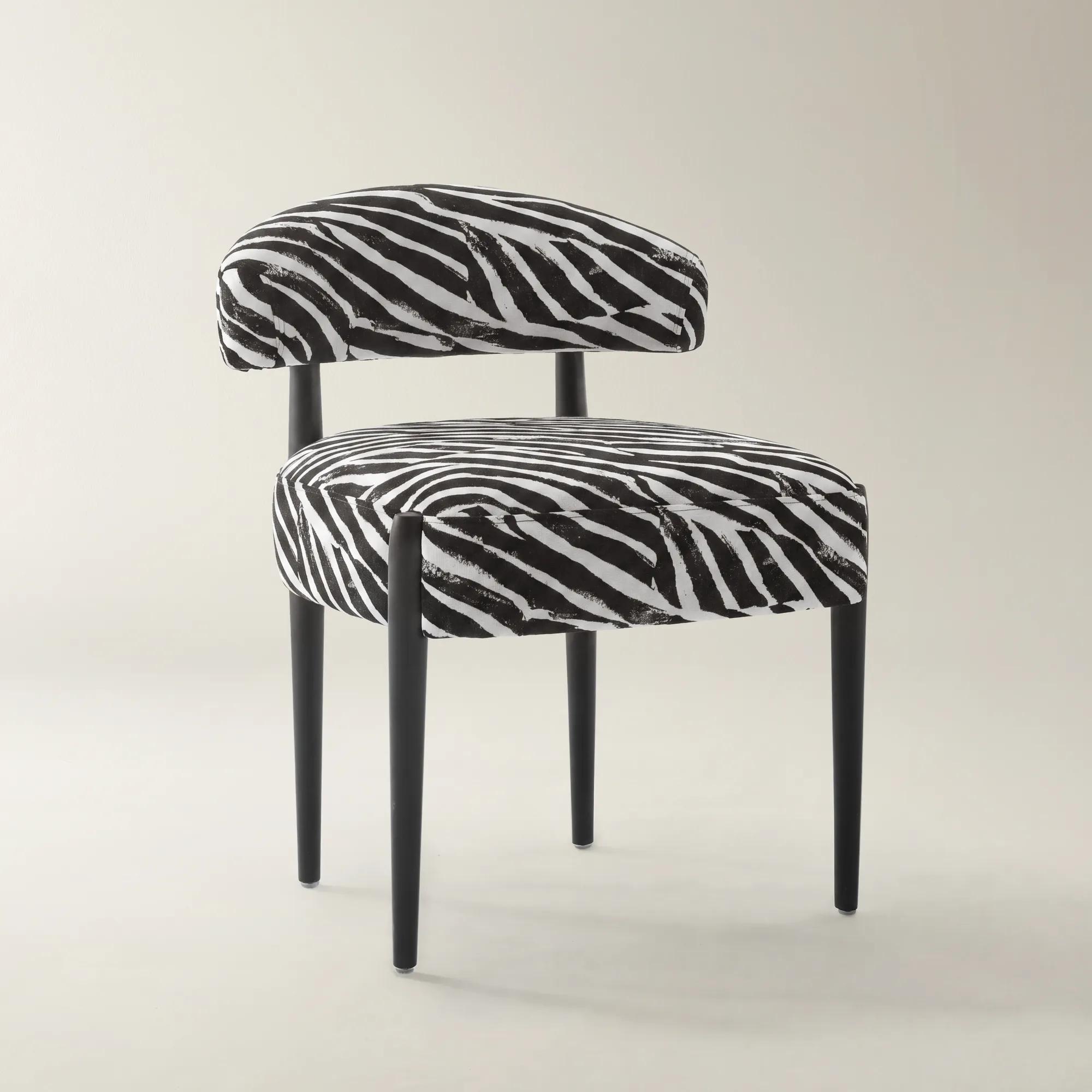
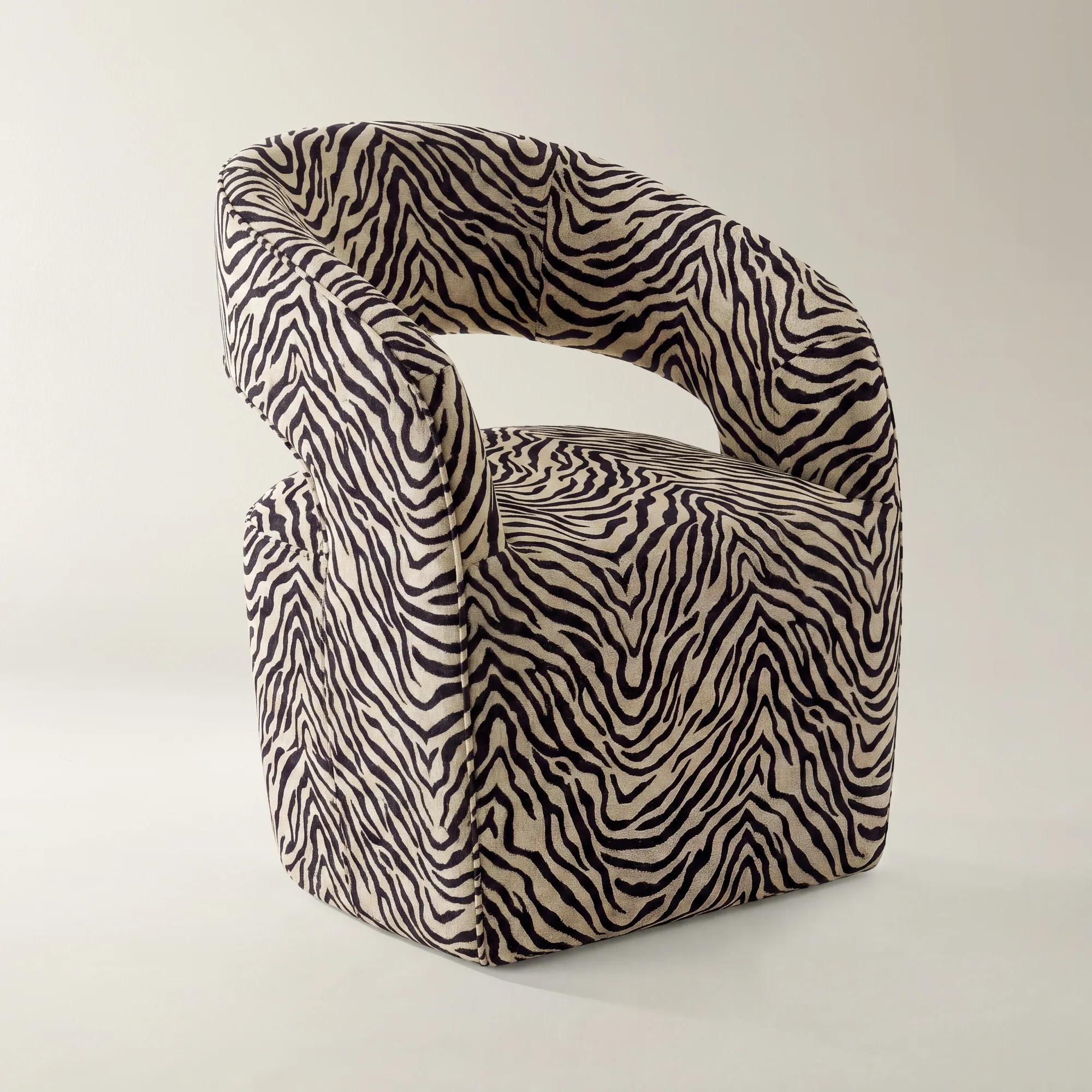 Harrison Zebra Performance Chenille Dining Chair$449
A sculptural dining chair upholstered in zebra performance chenille with a curved back and feather-blend comfort.
Add To Cart -
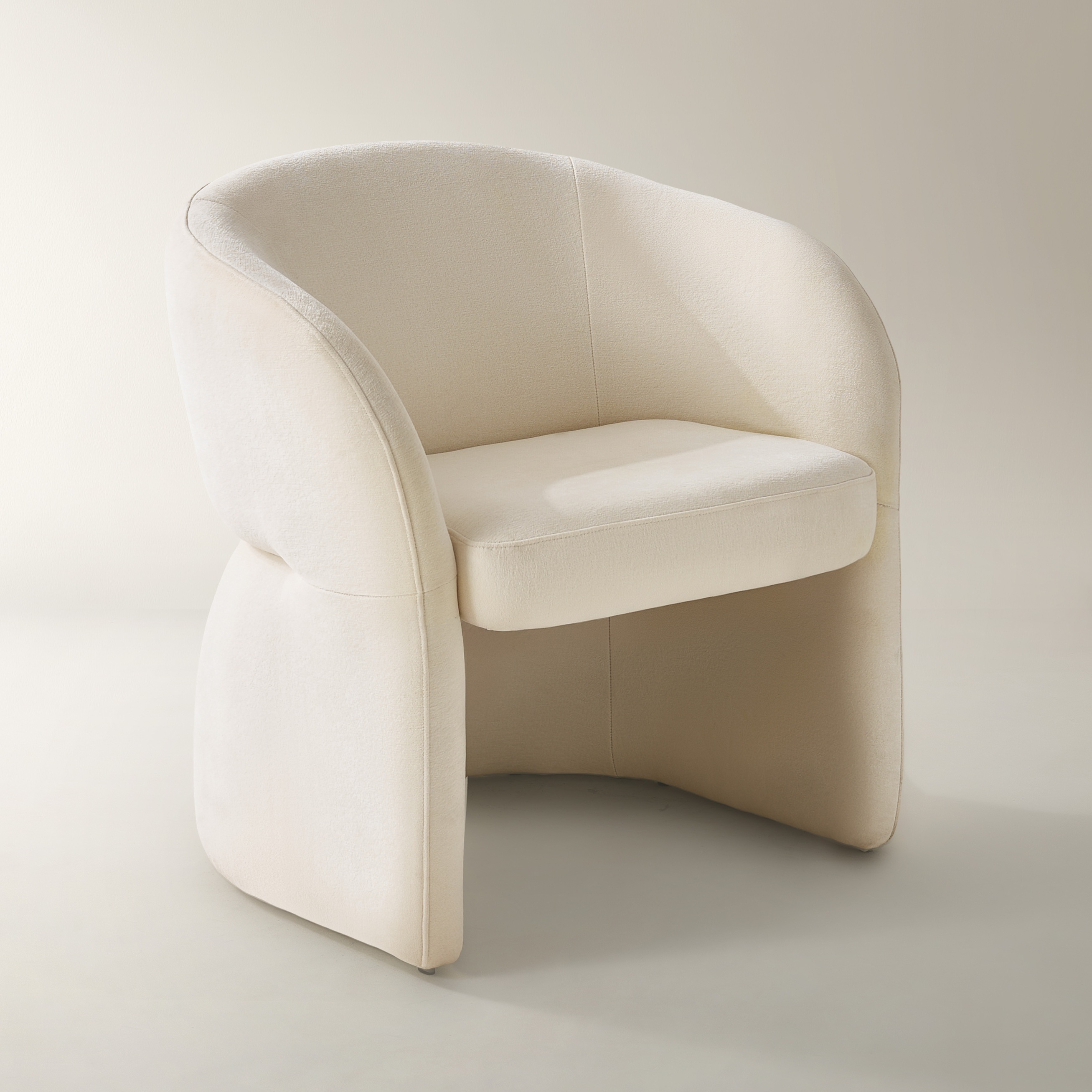
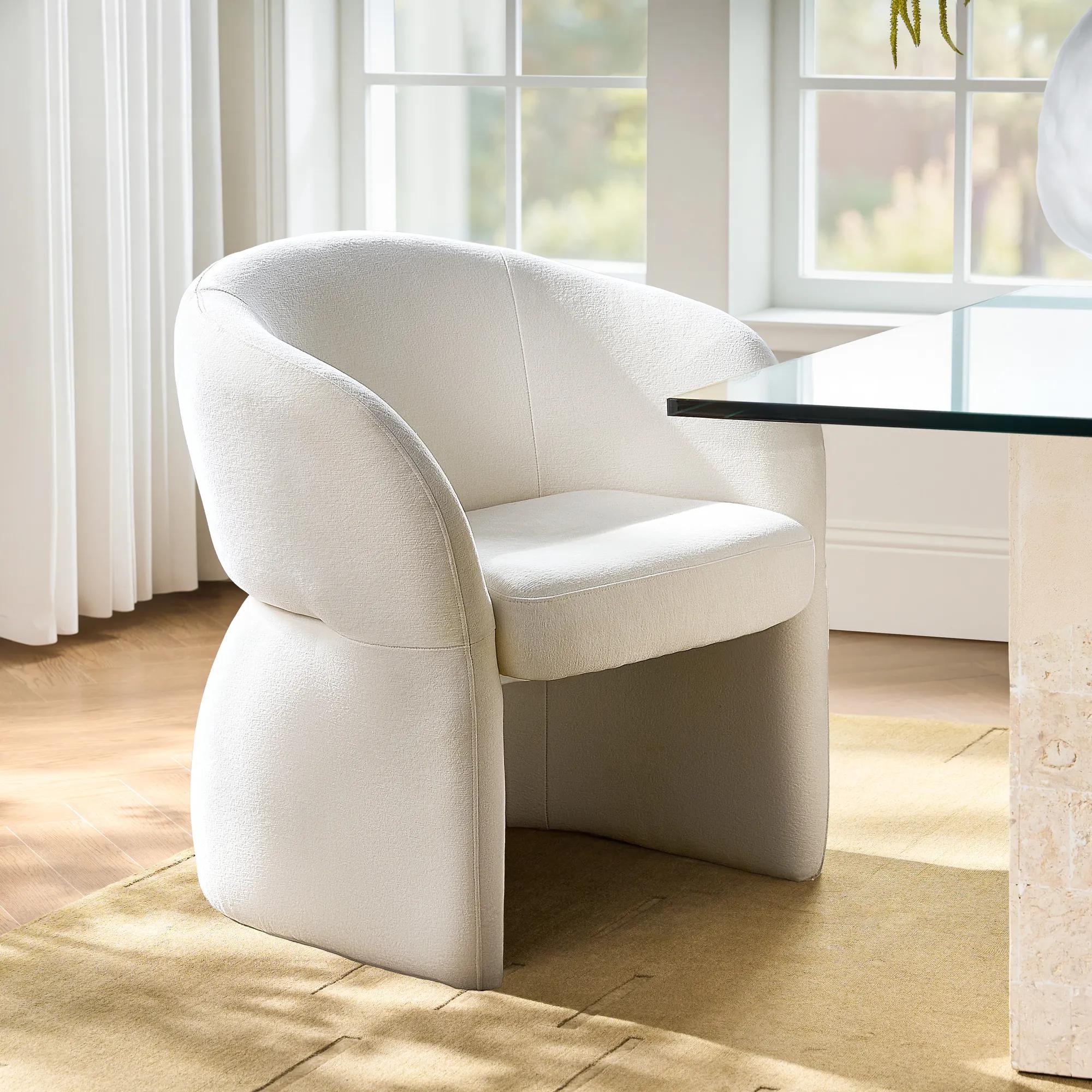 Sierra Oatmeal Velvet Dining Chair$499
An elegant accent chair in oatmeal velvet with gracefully arched arms, curved back, and plush cushioning.
Add To Cart -
.jpg?w=1200&h=1200)
 Stria Light Brown Chenille Swivel Accent Chair$1399
Stria Light Brown Chenille Swivel Accent Chair$1399A light brown chenille accent chair featuring triple-layer cushioning, a 360° swivel, and a solid oak base.
Add To Cart -
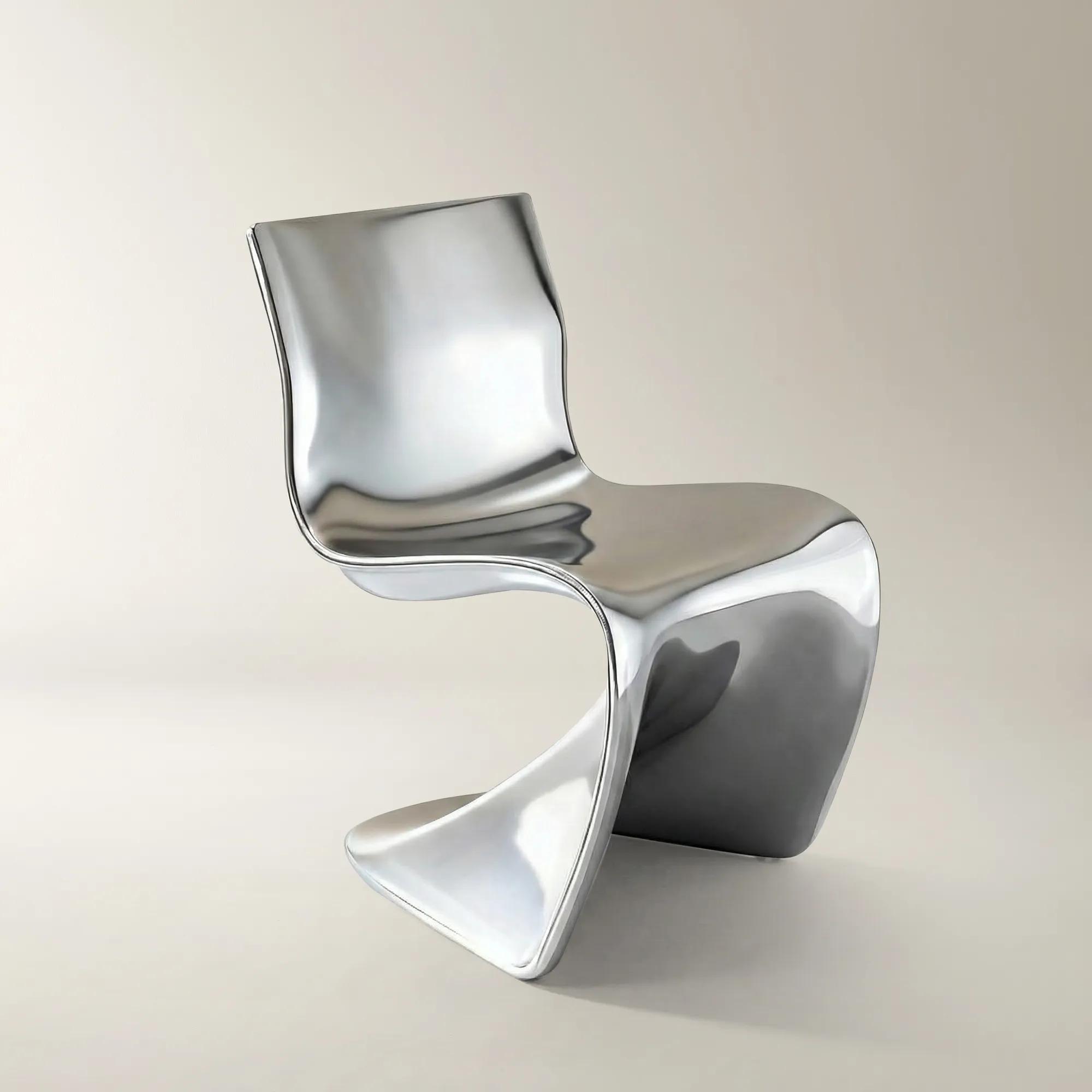
.jpg?w=1200&h=1200) Sasha Chrome Dining Chair$899
Sasha Chrome Dining Chair$899A sculptural accent chair crafted from polished chrome-finished fiberglass for a sleek, modern statement.
Add To Cart -
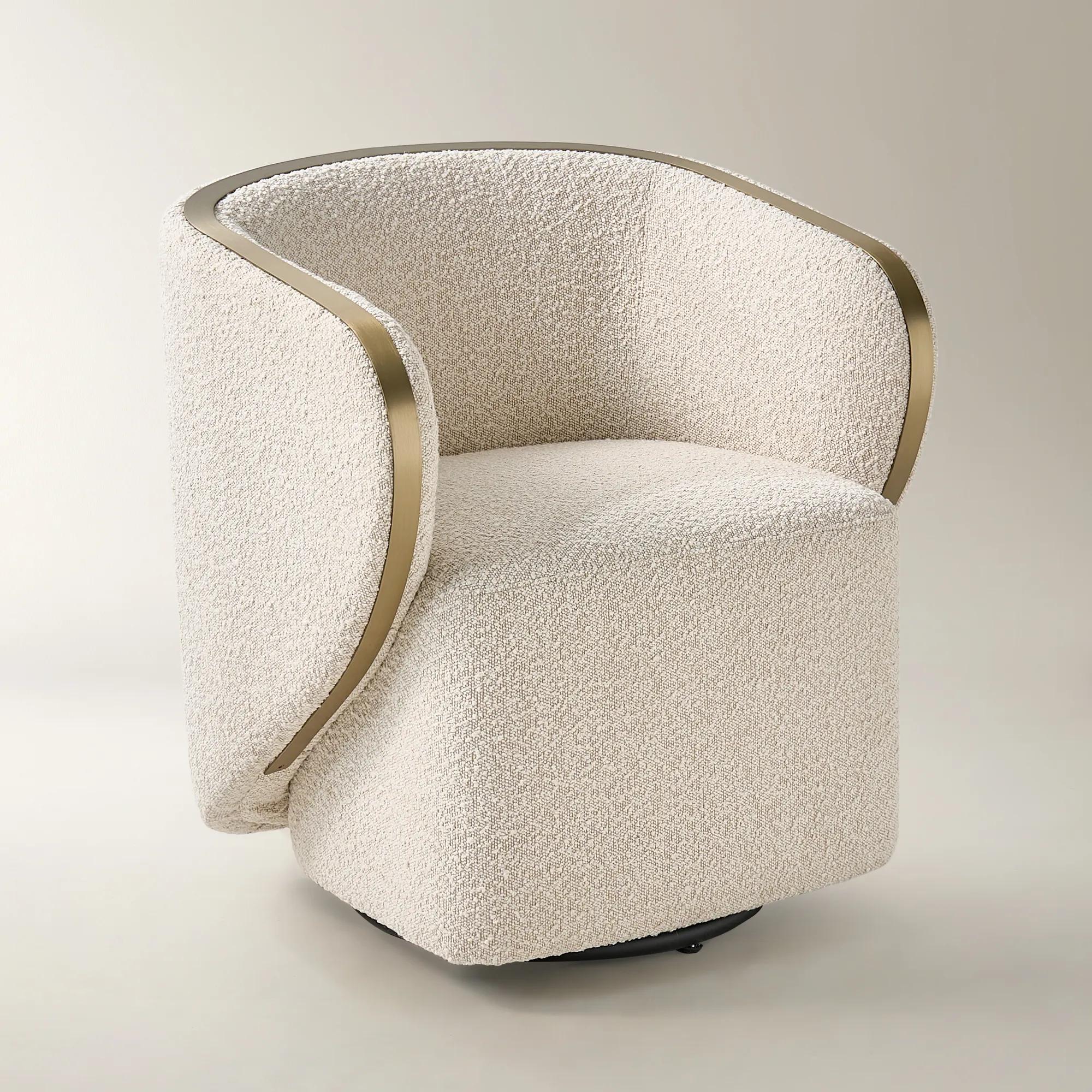 Nova Ivory Performance Boucle Swivel Dining Chair$599
An ivory boucle swivel chair featuring a sculptural wraparound silhouette and elegant metallic trim accents.
Add To Cart -
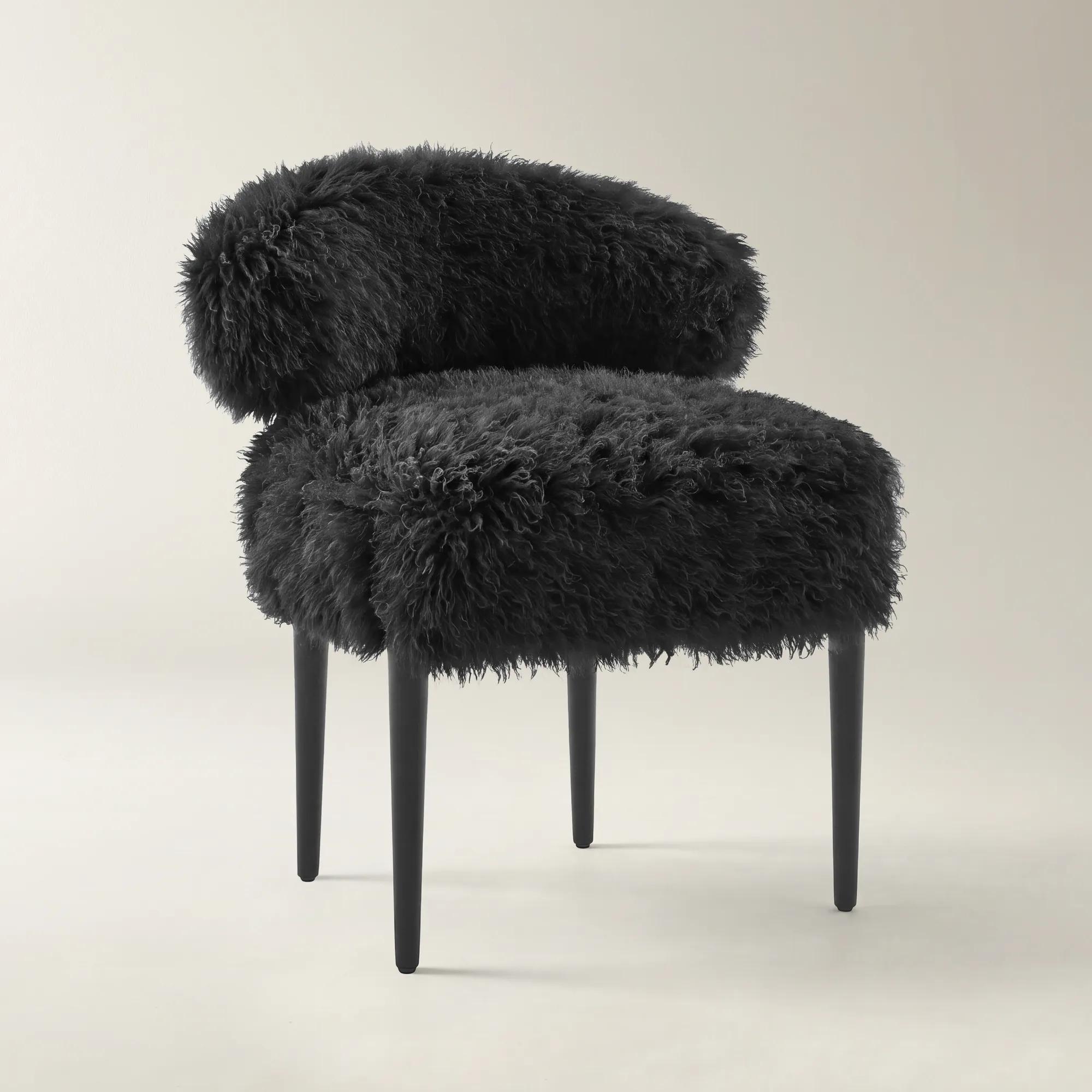 Anna Black Faux Fur Dining Chair Set of 2$699
A black faux fur chair set with arched backs, foam cushioning, and solid wood legs.
Add To Cart -
-6.jpg?w=1200&h=1200) Stria Roasted Pecan Velvet Swivel Dining Chair With Oak Base$599
Stria Roasted Pecan Velvet Swivel Dining Chair With Oak Base$599A khaki chenille swivel armchair with a handcrafted solid oak base and plush, modern comfort.
Add To Cart

Accent Chairs For Indoor Use Only
Accent chairs for indoor use only invite you to indulge in the art of statement seating—where every curve, color, and silhouette transforms a room into a stage for your personal style. These sculptural accents are more than just places to perch; they are conversation starters, mood setters, and finishing touches that elevate interiors with unapologetic flair. Whether you crave a touch of drama or a whisper of sophistication, accent chairs for indoor use only offer endless possibilities to express your design vision and create moments of everyday opulence. Your home is your canvas—paint it boldly, one exquisite chair at a time.
Accent chairs for indoor use only are decorative, functional seats designed for interior spaces such as living rooms, bedrooms, sitting areas, and home offices. Typically made with upholstered cushions and wood or metal frames, they bring an additional place to sit while giving a room a distinct point of view. Their fabrics, finishes, and internal components are intended for protected indoor settings rather than patios, decks, or other outdoor spaces. What sets an accent chair apart is its ability to hold attention: a curved back can soften the geometry of a tailored sofa, a sculptural wood frame can lend definition to a quiet corner, and luminous velvet can introduce depth that changes with the light. These chairs need not match every surrounding piece. A thoughtful contrast in silhouette, texture, or color often creates a more expressive interior than an entirely coordinated arrangement. In a living room, two chairs angled toward a sofa establish an inviting conversation area without the visual weight of another large upholstered piece. In a bedroom, a generously cushioned chair beside a small table creates a private place to read or prepare for the day. A compact chair in a spacious entry can offer a graceful spot to put on shoes, provided it leaves the passage clear. For those drawn to fabric-covered forms, Upholstered Chairs For Indoor Use offer another way to explore the relationship between tactile comfort and expressive design. The most compelling choice begins with the atmosphere the room should evoke. A high back and defined arms feel composed and architectural; a rounded barrel silhouette offers a more enveloping presence; an open frame allows surrounding finishes and textiles to remain visible. Whether furnishing a first apartment, refining an established living room, or creating an intimate reading retreat, an indoor accent chair can make an overlooked space feel intentional. Its impact comes from the balance of beauty and purpose, not simply from occupying an empty corner.
Material gives that silhouette its character, and upholstery deserves attention beyond its color. Velvet has a directional pile that catches light, creating rich highlights and shadows across a curved back or cushioned seat. Its surface may show shading and pressure marks, so an appreciation for that changing appearance matters as much as the initial attraction. Bouclé brings a looped, dimensional texture that feels visually substantial even in a pale neutral, though its raised yarns may be more vulnerable to snagging from claws or sharp accessories. Chenille offers a plush surface with a softer visual effect, while smoother woven fabrics can deliver a crisp, tailored finish. Leather develops character according to its finish and use; some types reveal marks and tonal variation more readily than others. Faux leather has different care requirements and should not be treated with products intended for genuine leather unless the manufacturer specifically recommends them. In frequently used rooms, look beyond broad descriptions such as “durable” or “performance” to the stated cleaning instructions, fiber content, and any documented abrasion or stain-resistance information. No upholstery is universally resistant to spills, scratching, or wear. Frame construction, joinery, seat suspension, and cushion composition also influence how a chair feels and holds its shape. Wood can introduce warmth through visible grain, while metal may create a slender profile or a gleaming decorative accent; neither material alone establishes the quality of the finished chair. A foam cushion may feel structured, while fiber or feather blends can create a softer impression and may require more reshaping. Households with children, pets, or frequent visitors may favor upholstery with clearly defined maintenance requirements over a more delicate surface. For a chair used mostly during conversation, an upright seat may feel natural. For longer reading sessions, supportive cushioning, comfortable arm placement, and a back that suits the sitter become especially important. An occasional accent chair can complement a home office, but it should not be assumed to provide the adjustable support of a dedicated task chair.
Scale determines whether an indoor accent chair feels beautifully integrated or visually crowded. Overall width and depth show how much floor space it occupies, but seat height, usable seat depth, arm height, and back angle reveal more about the sitting experience. A deep, low chair may invite lounging yet prove less comfortable for someone who prefers feet firmly on the floor or needs an easier transition to standing. Higher, firmer seating with supportive arms may suit those preferences better, depending on the individual. Marking the chair’s footprint on the floor helps clarify its relationship to nearby furniture before committing to a layout. Leave enough room to walk past without turning sideways, open adjacent drawers and doors, and reach a side table without an awkward stretch. A swivel design needs clearance throughout its rotation, not just when facing forward. Delivery access deserves the same attention: doorways, hall turns, staircases, and elevators can impose limits that a room’s generous dimensions do not reveal. Once positioned, a chair gains presence through a considered setting. A floor lamp can illuminate a reading seat, an understated table can balance dramatic upholstery, and a rug can visually connect a pair of chairs to the larger seating arrangement. Preserve that effect with care suited to the actual materials. Follow the manufacturer’s upholstery cleaning code and instructions, vacuum gently with an appropriate attachment when permitted, and blot spills promptly rather than rubbing them into the surface. Test approved cleaners in an inconspicuous area, and avoid assuming that removable cushion covers are machine washable. Protect upholstery and finishes from prolonged direct sunlight, and keep the chair away from sources of excess heat or moisture. Check accessible fasteners as directed, use floor protectors appropriate to the flooring, and follow any stated weight limits. An indoor-only designation remains important even beneath a covered porch: shelter alone does not make interior upholstery or framing suitable for outdoor exposure. With the right proportions, material, and maintenance, an accent chair becomes more than a decorative flourish—a place for conversation, quiet concentration, and everyday comfort, expressed with unmistakable style.
FAQs
An accent chair is designed to stand out and bring a sense of artistry and personality to a space. Unlike standard seating, accent chairs often feature bold silhouettes, luxurious fabrics, or unique detailing, making them a focal point that elevates the overall aesthetic of any room.
Accent chairs can be used to introduce color, texture, or a dramatic shape to your living room. Place one near a window for a cozy reading nook, or pair two across from a sofa to create an inviting conversation area. Their versatility allows you to experiment with placement and style, adding visual interest wherever they reside.
Absolutely—an accent chair is a thoughtful and memorable gift for housewarmings, weddings, or milestone celebrations. It’s a piece that combines beauty with function, offering the recipient a daily reminder of your generosity and their own unique style.
Indoor accent chairs often showcase a luxurious array of materials, such as plush velvet, supple leather, woven linen, or textured boucle. Frames may be crafted from gleaming metals, rich woods, or lacquered finishes, each contributing to the chair’s overall character and mood.
Consider the color palette, textures, and overall mood of your current space. Select an accent chair that either harmonizes with these elements for a cohesive look or introduces a striking contrast for added drama. Think of the chair as a piece of art—let it reflect your taste while enhancing the story of your room.