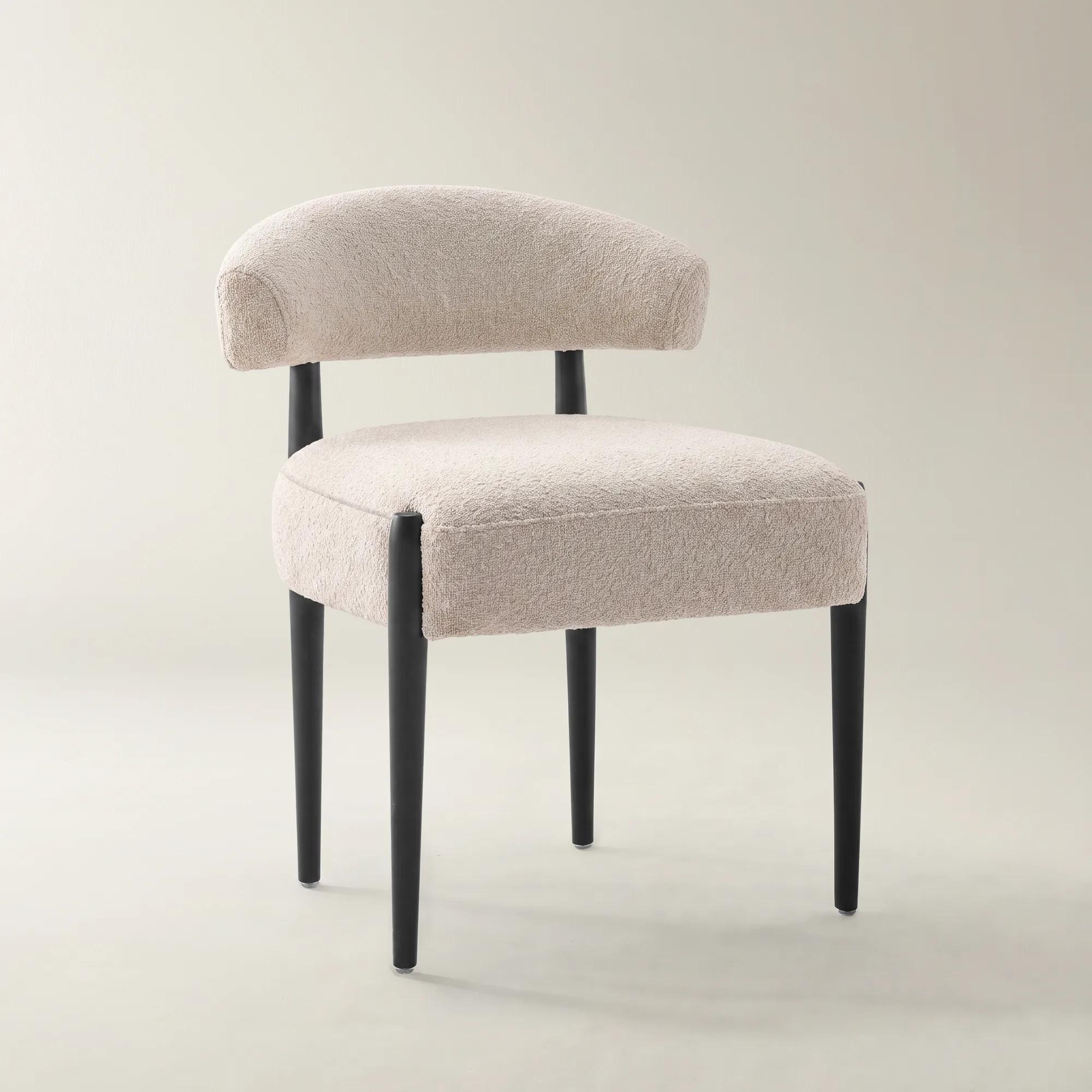
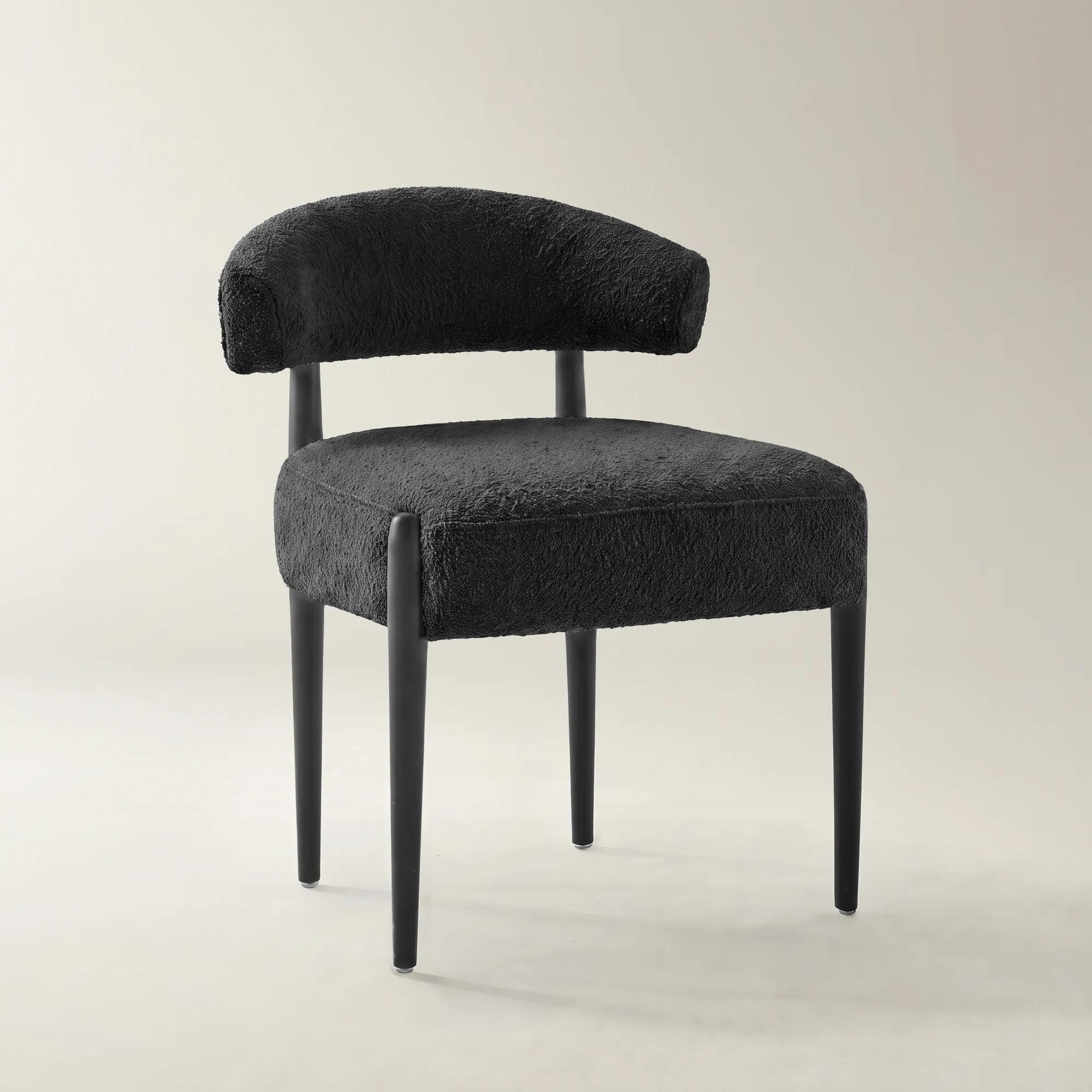
Grey Chairs For Indoor Use
Grey Chairs For Indoor Use
-
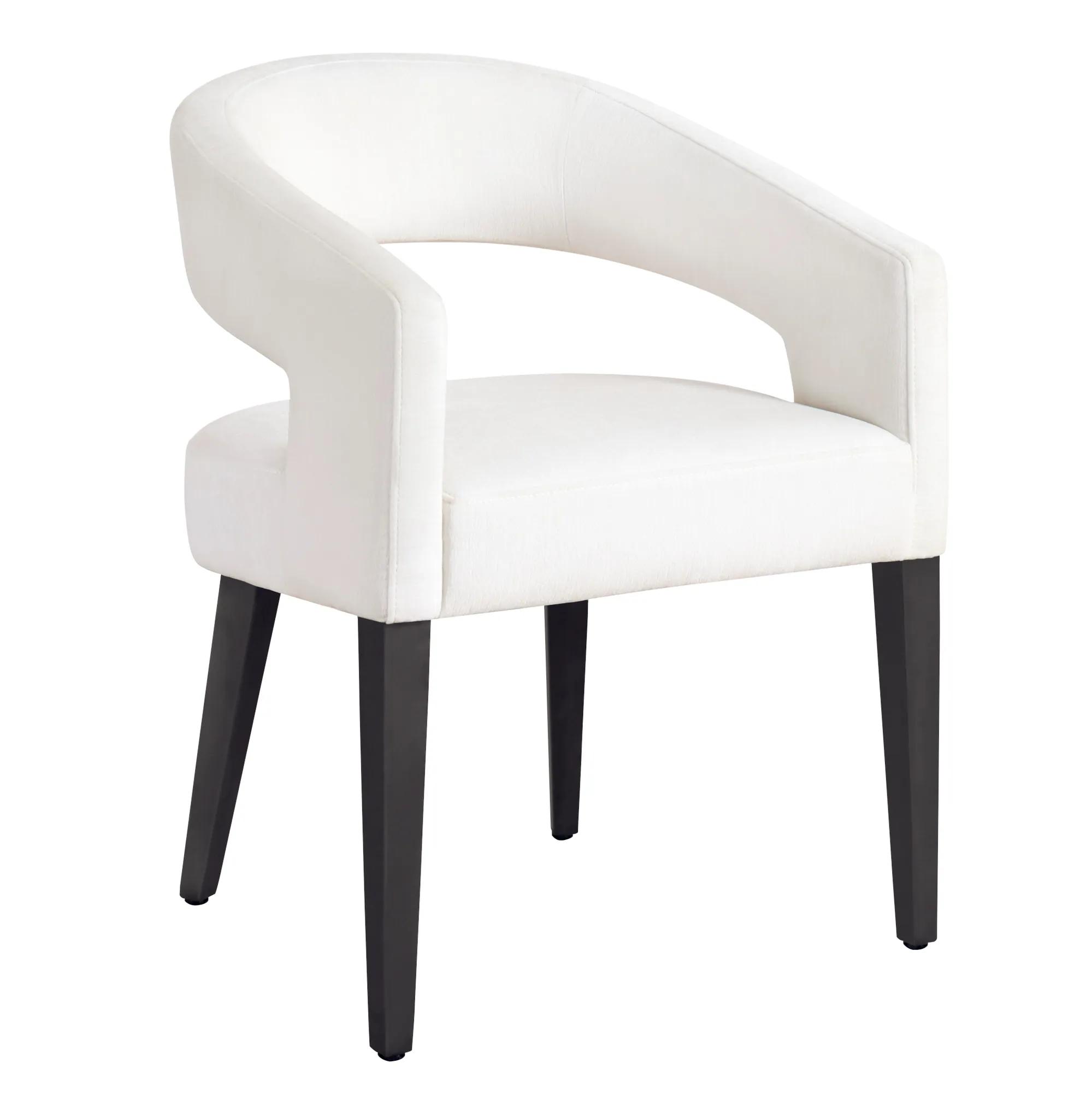
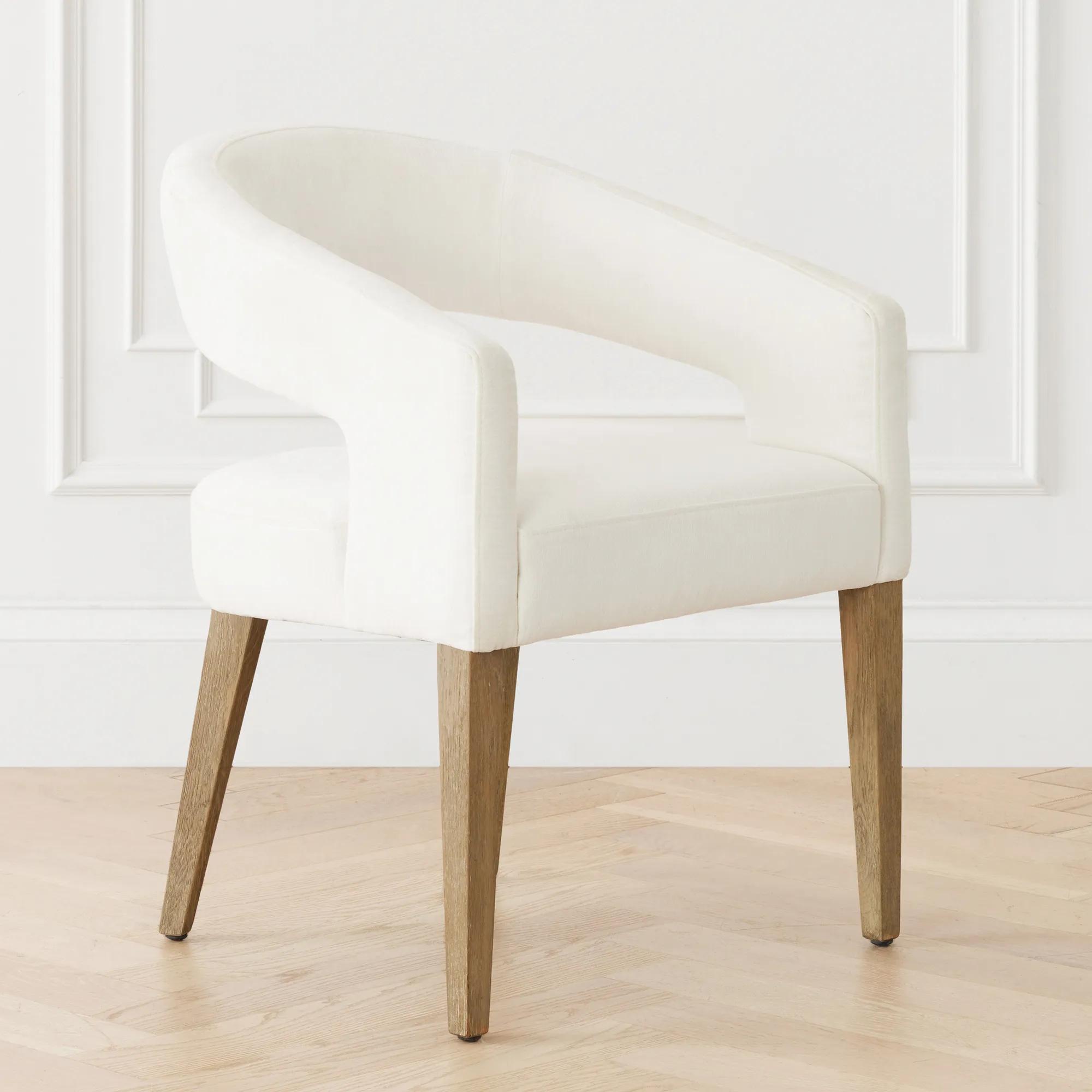 Philippa Dining Chair - Natural Grey$699
A modern dining chair featuring a curved silhouette, natural grey legs, and tailored chenille upholstery.
Add To Cart -
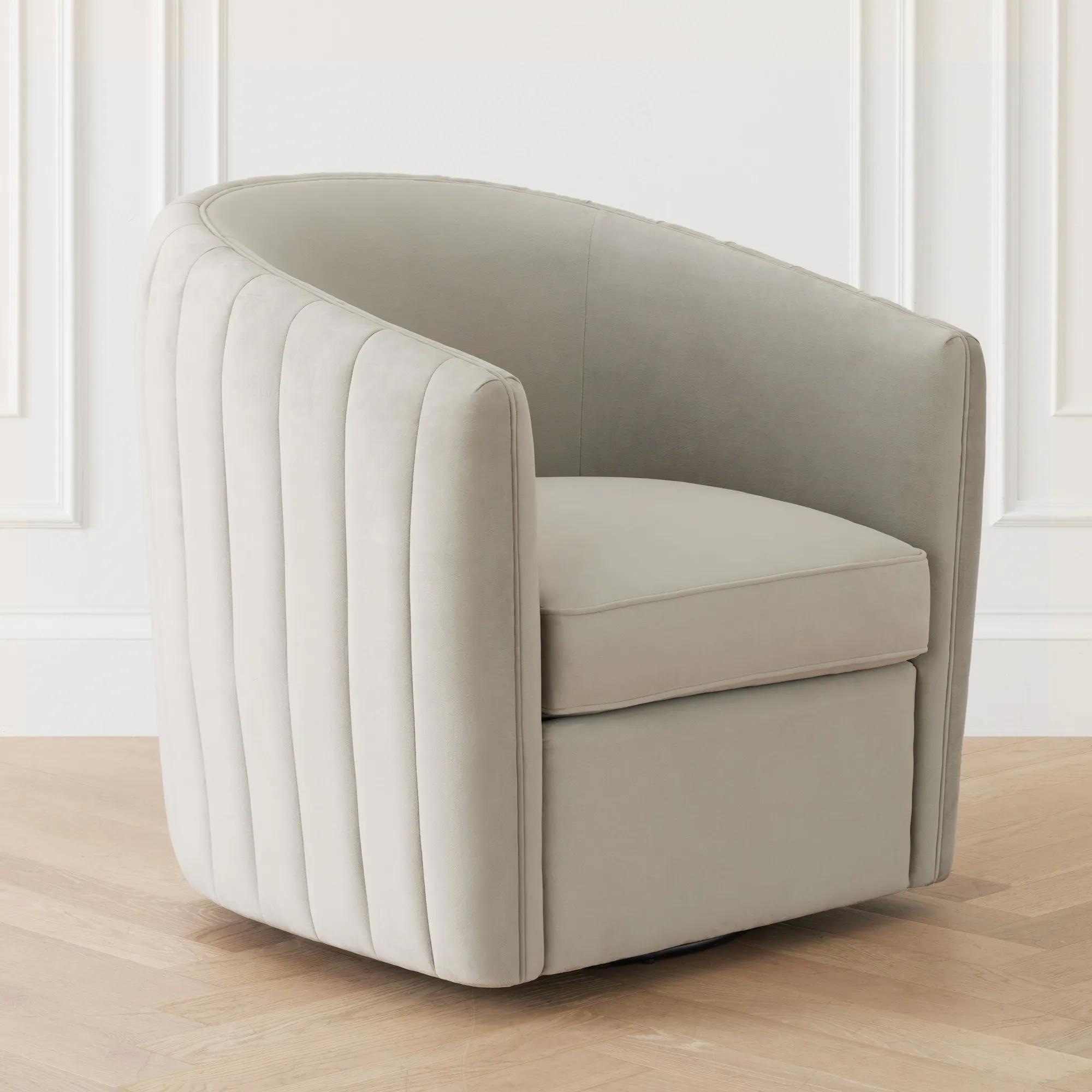
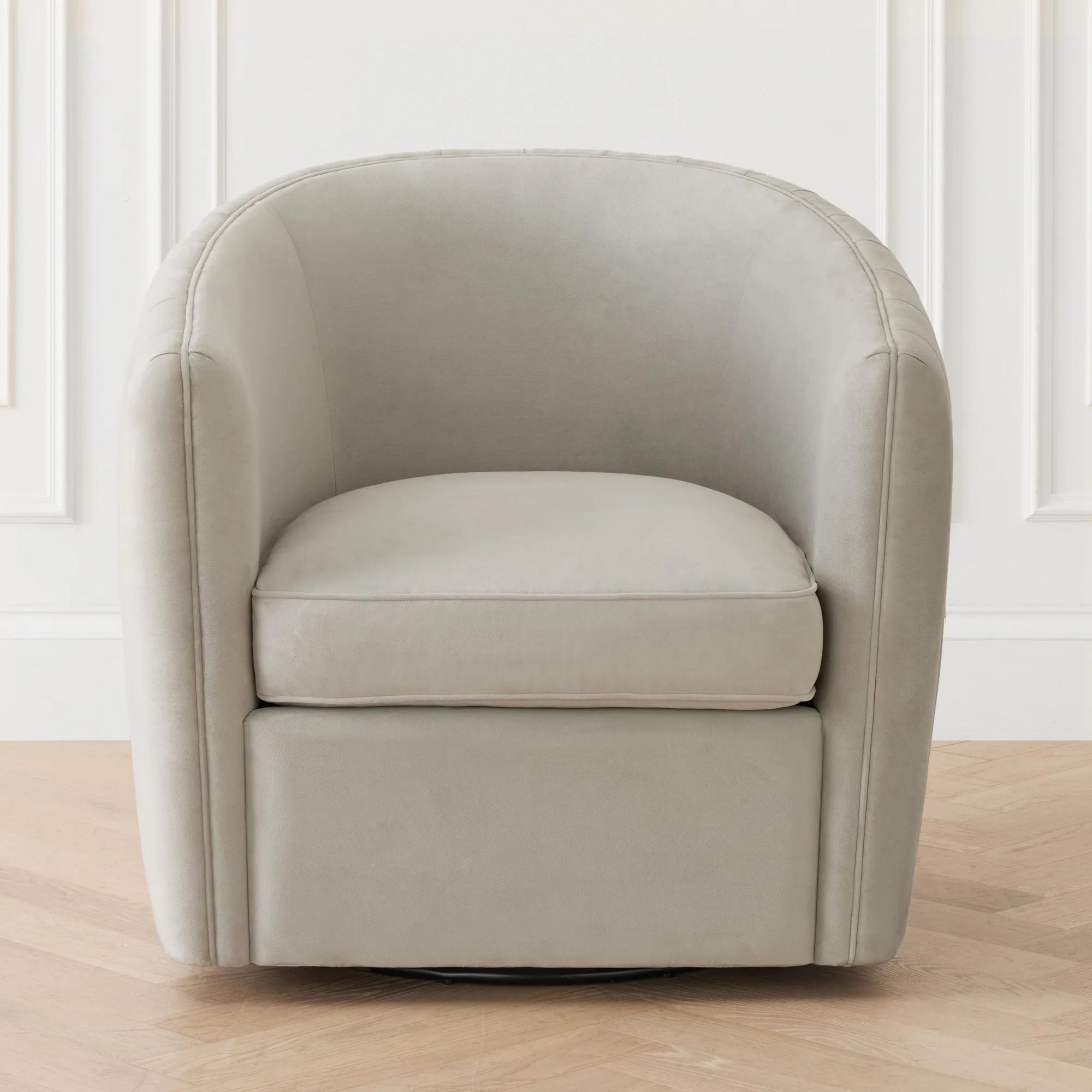 Aria Channeled Swivel Chair$1199
A modern barrel chair in kiln-dried hardwood with channeled velvet upholstery and a smooth swivel base.
Add To Cart -
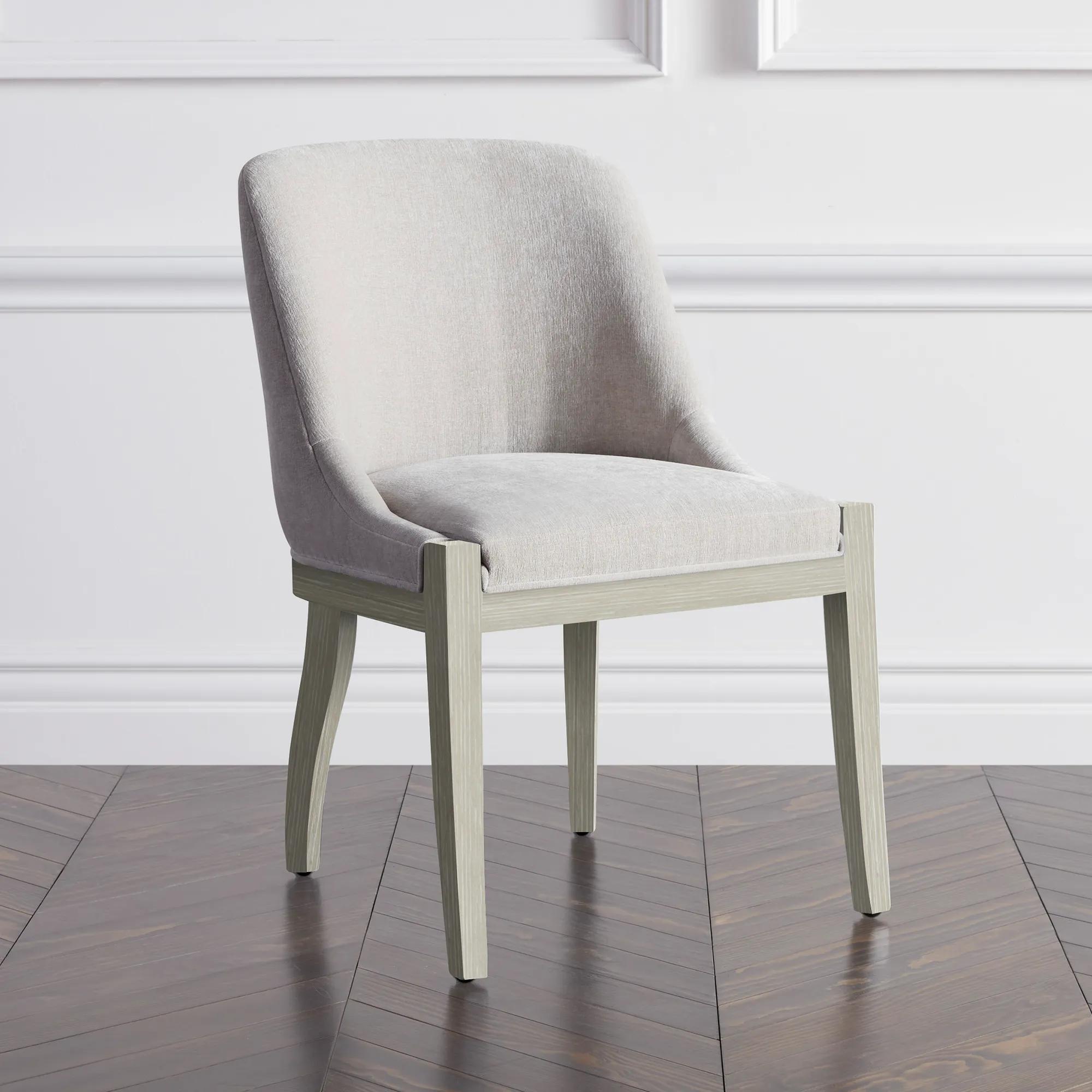 Lily Dining Chair - Natural Grey$699
A modern grey dining chair with kiln-dried hardwood frame and plush, tailored upholstery for lasting comfort.
Add To Cart -
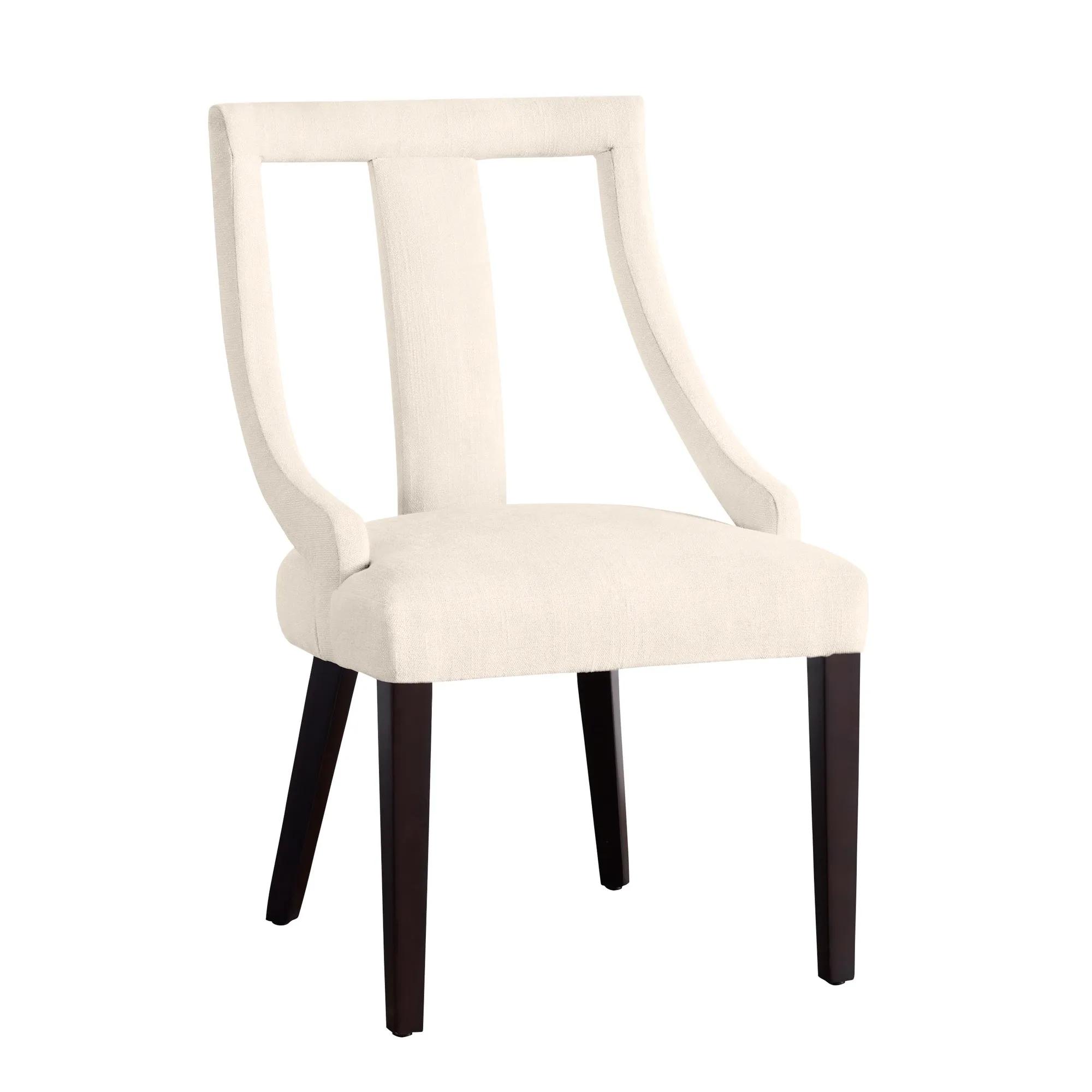
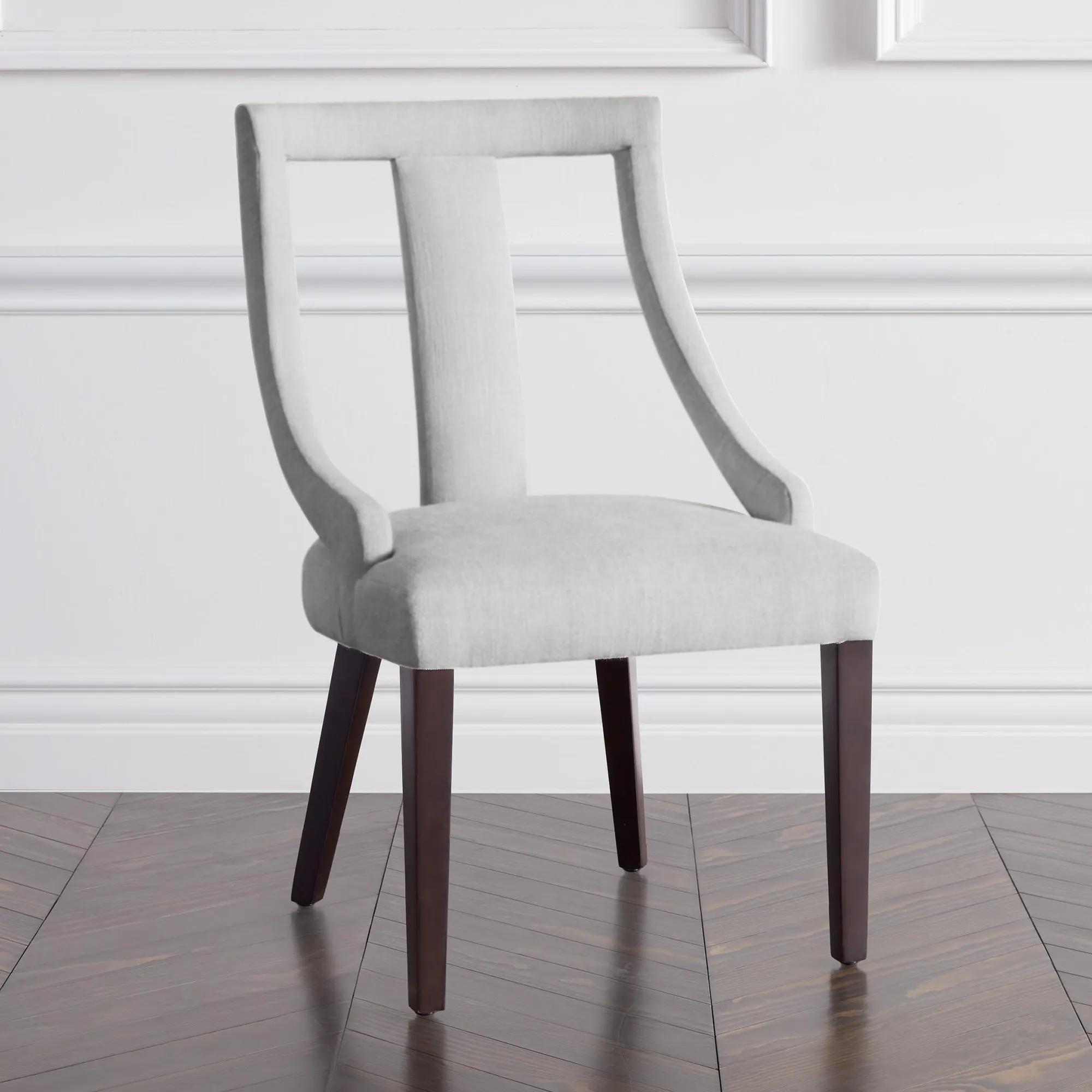 Jade Dining Chair - Espresso$649
A modern dining chair featuring a cutout back, espresso legs, and plush velvet upholstery for lasting comfort.
Add To Cart -
.jpg?w=1200&h=1200) Fleece Fluted Gray Velvet Stool (15.55'')$229
Fleece Fluted Gray Velvet Stool (15.55'')$229A plush grey velvet stool with a unique ribbed texture, perfect for versatile, cozy seating or decor.
Add To Cart -
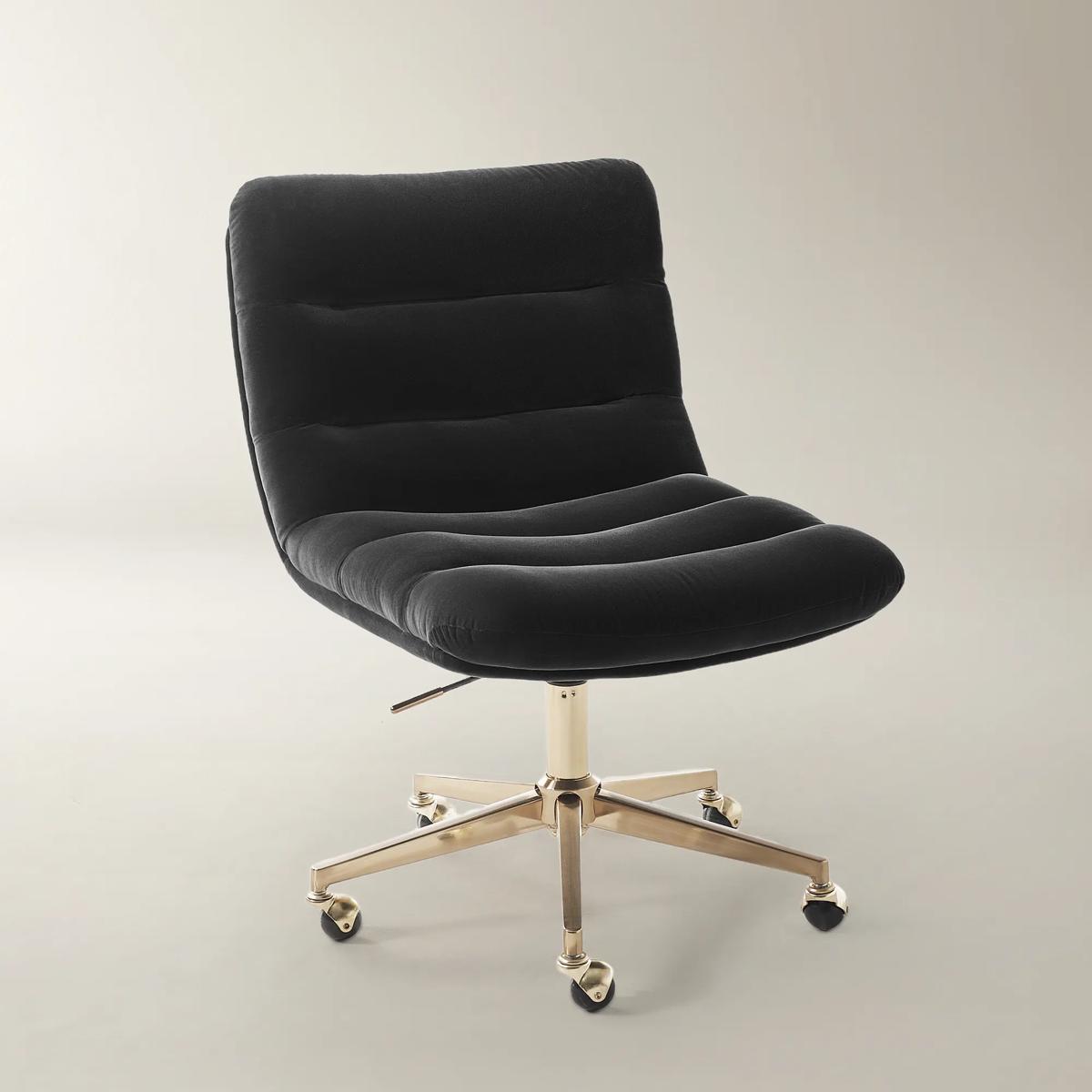 Serena Charcoal Velvet Swivel Desk Chair$399
A charcoal velvet office chair with plush foam cushioning, brass-plated metal base, and adjustable swivel design.
Add To Cart -
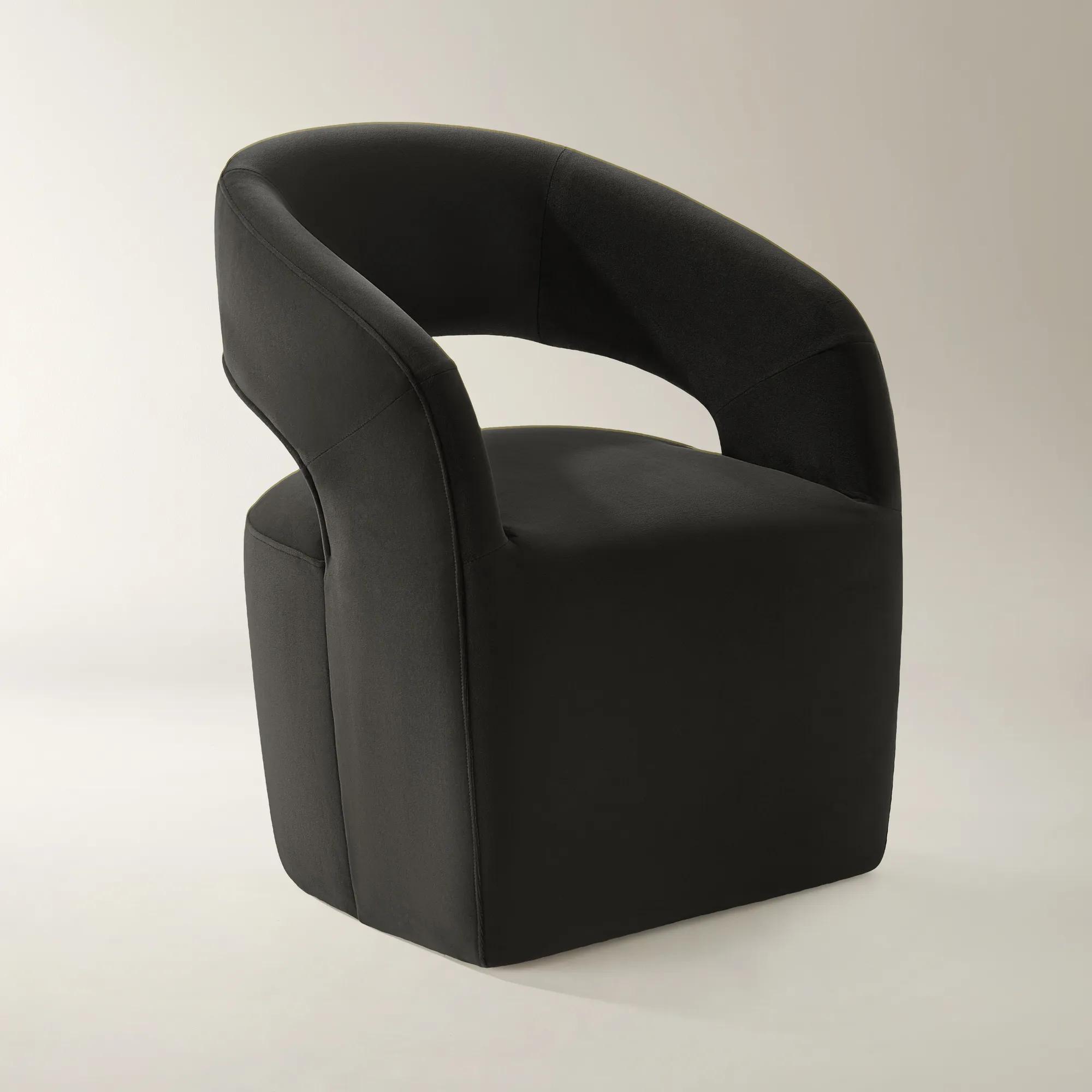 Harrison Charcoal Velvet Dining Chair$449
A sculptural dining chair upholstered in charcoal velvet with a continuous curved back and feather-blend comfort.
Add To Cart -
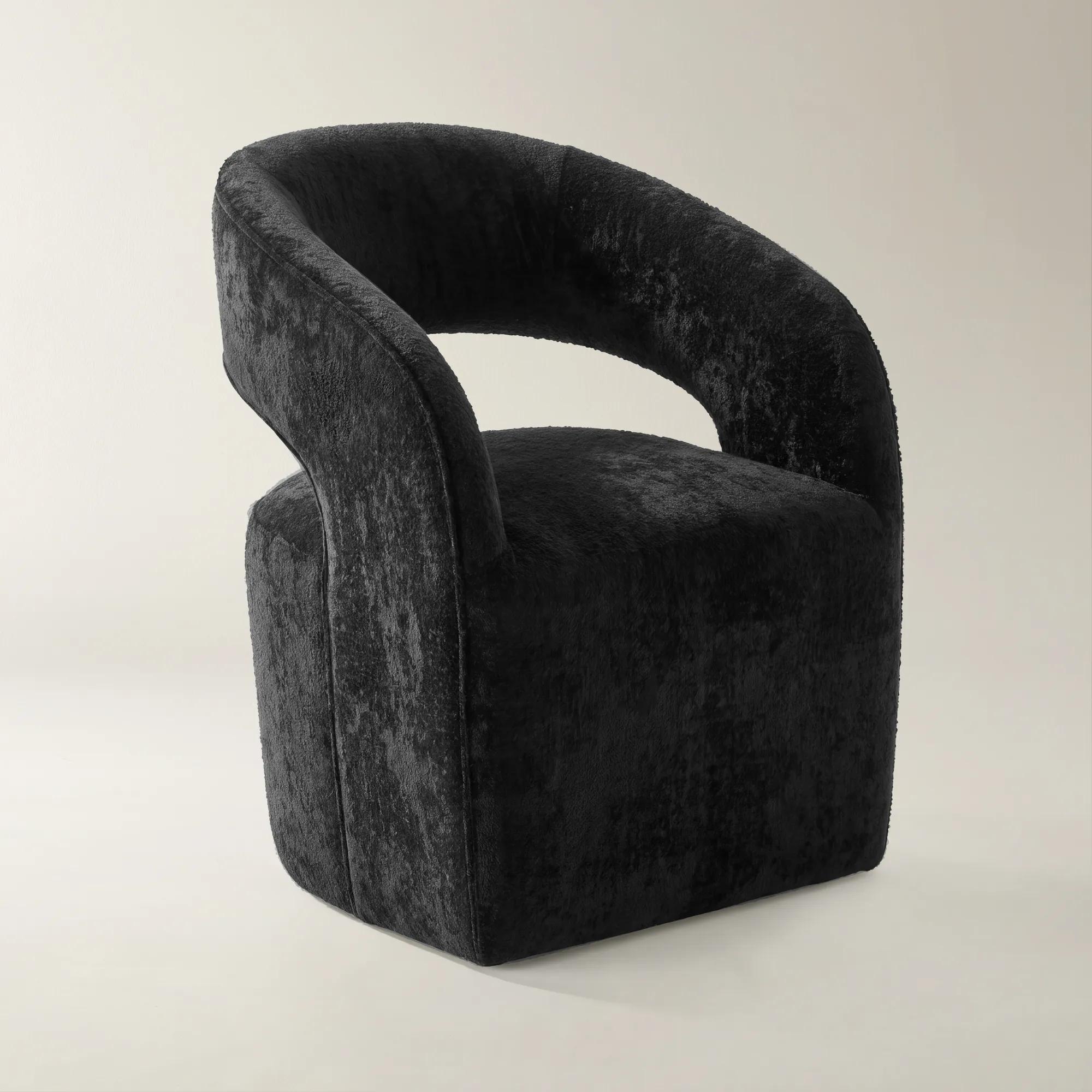 Harrison Black Chenille Dining Chair$449
A sculptural dining chair upholstered in charcoal chenille with a curved back, feather-blend seat, and integrated arms.
Add To Cart -
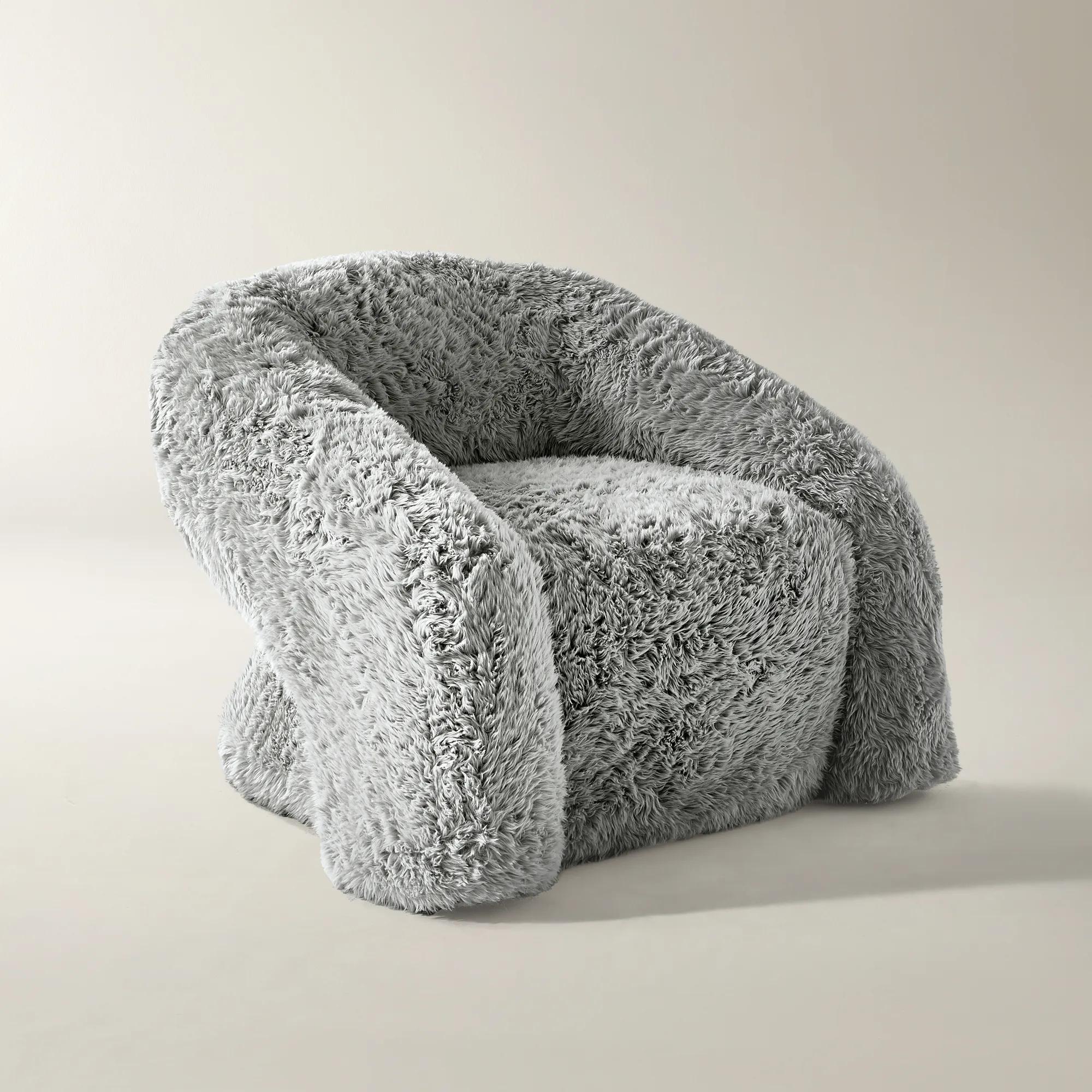
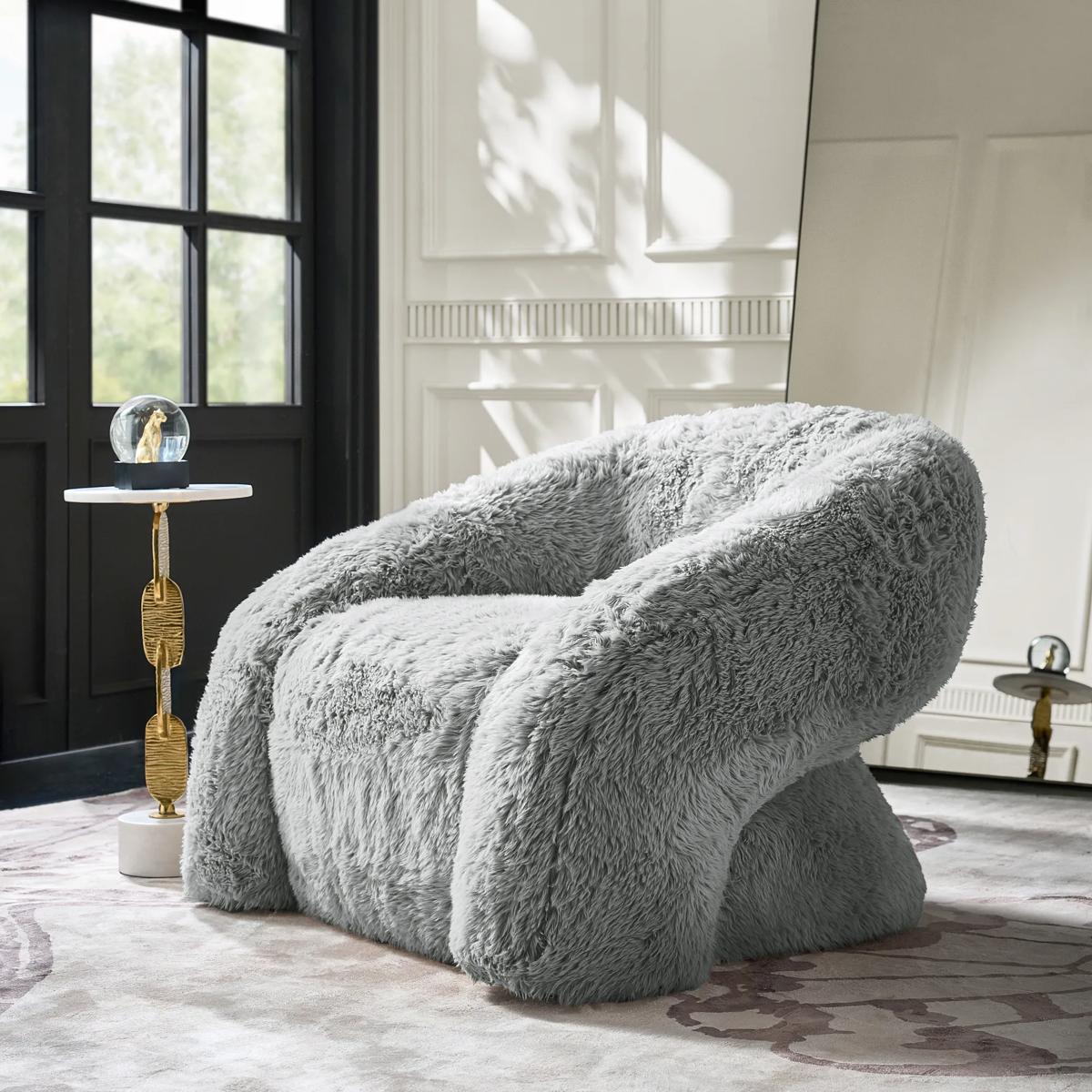 Misha Shadow Faux Fur Accent Chair$799
A cozy gray faux fur chair featuring high-resiliency foam and a sculptural, low-profile silhouette.
Add To Cart -
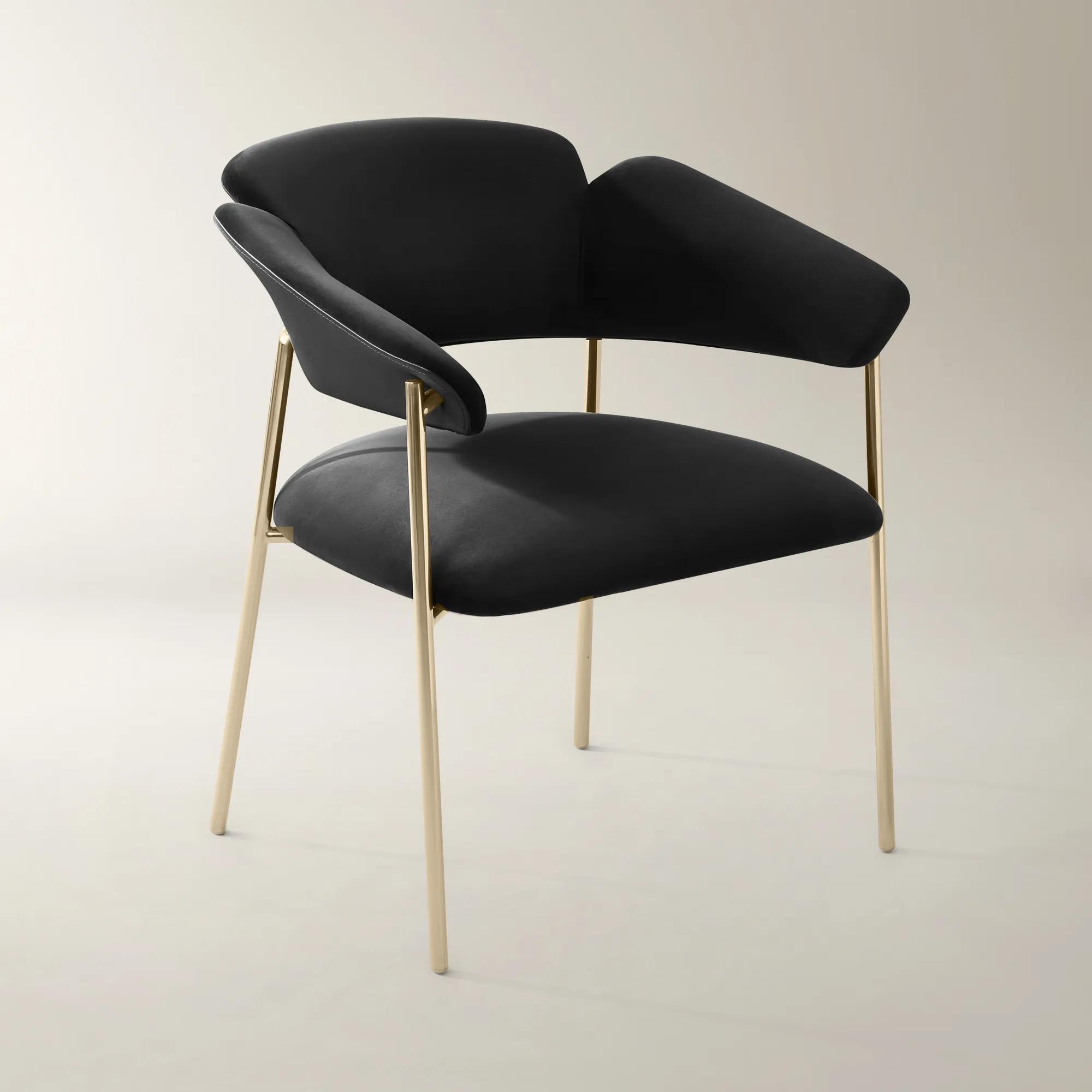 Odette Charcoal Velvet Dining Chair$499
A charcoal velvet chair featuring a wraparound open-back design, tonal faux leather accents, and gold metal legs.
Add To Cart -
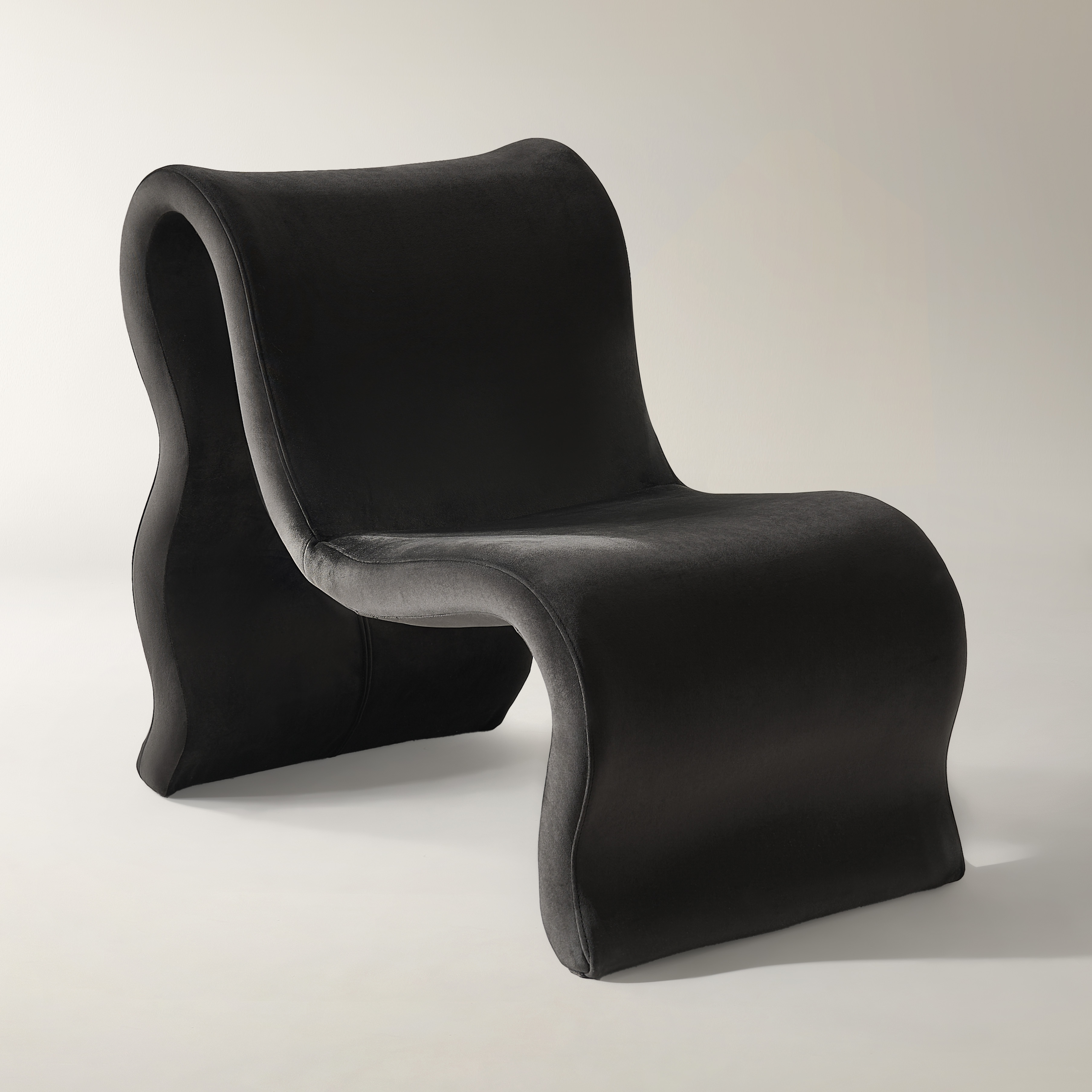 Romy Charcoal Velvet Accent Chair$999
A sculptural accent chair in charcoal velvet with a wave-like silhouette and full foam construction.
Add To Cart -
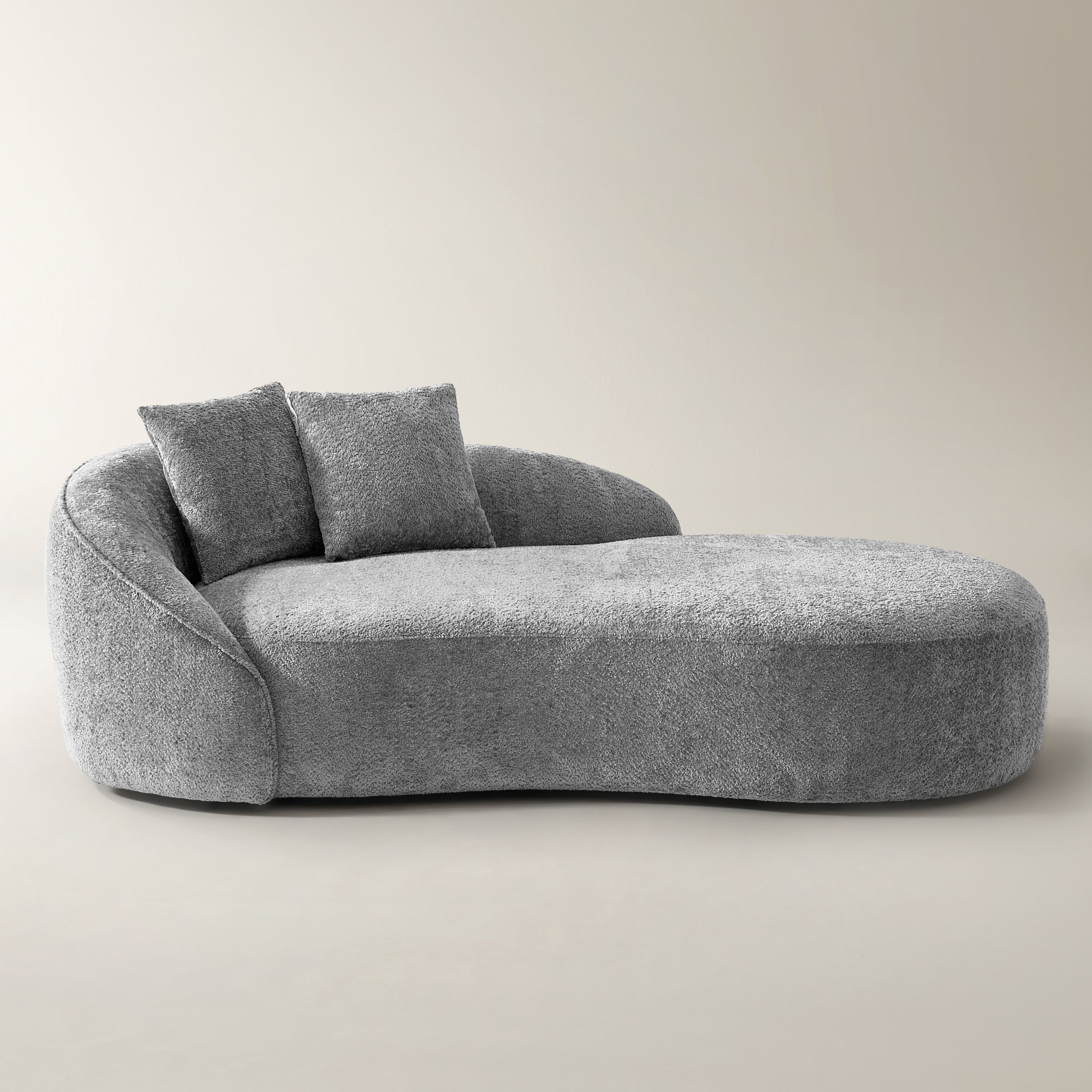 Irene Grey Chenille Chaise$1699
A sculptural chaise in light gray chenille with high-resiliency foam cushions and artisan hand-finished details.
Add To Cart -
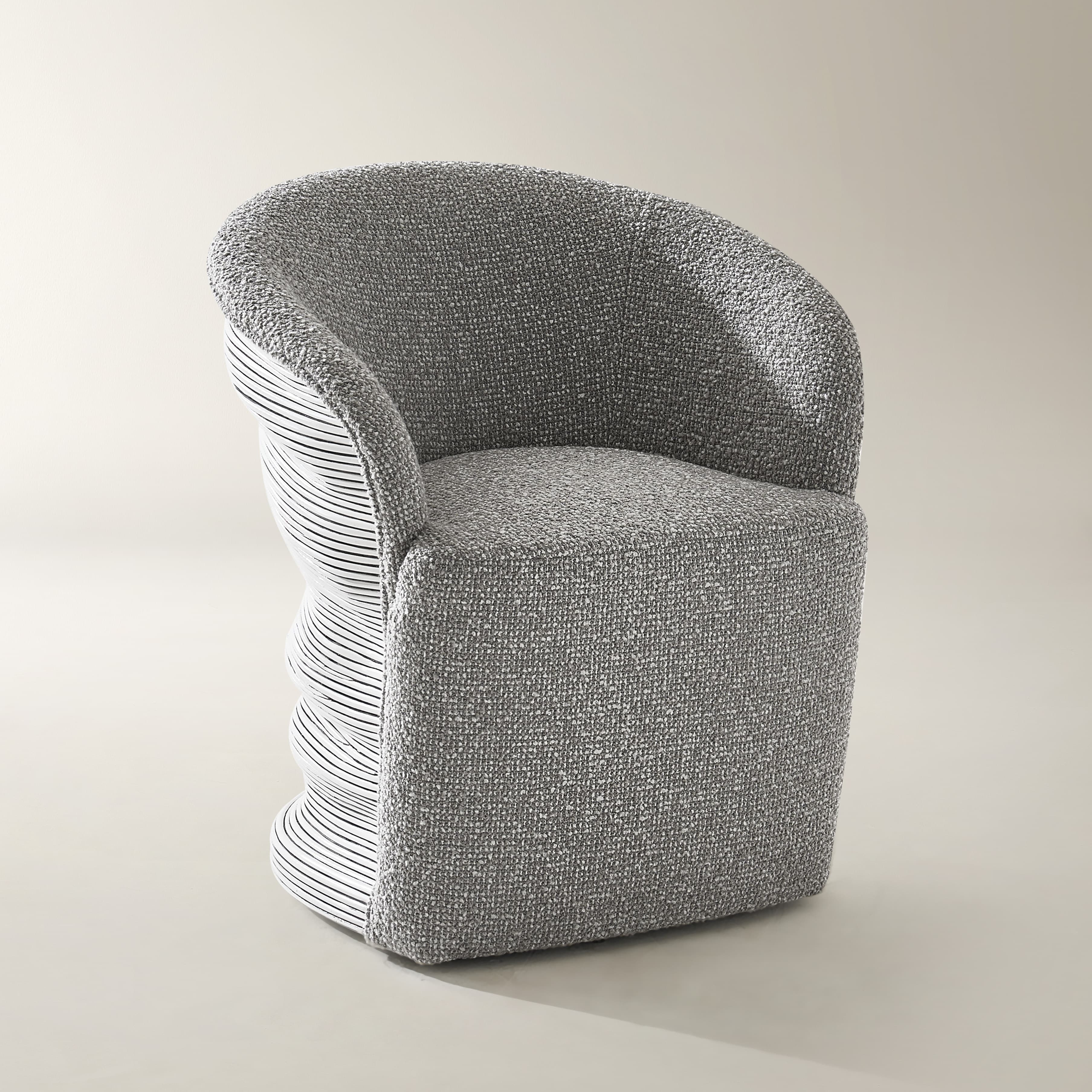
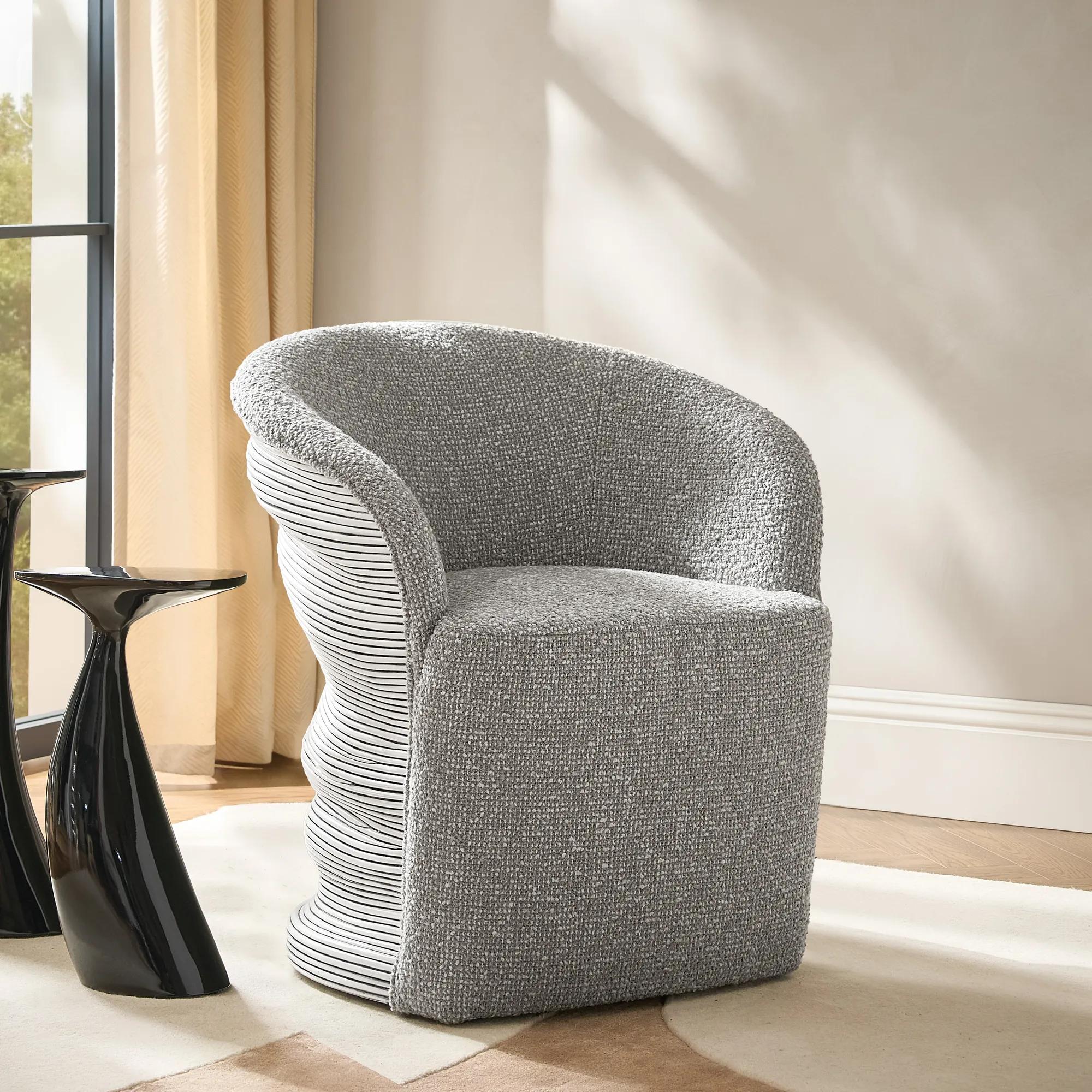 Cairo Rattan Grey Chenille Dining Chair$899
A handwoven natural rattan swivel chair in grey chenille, blending sculptural form with plush comfort.
Add To Cart -
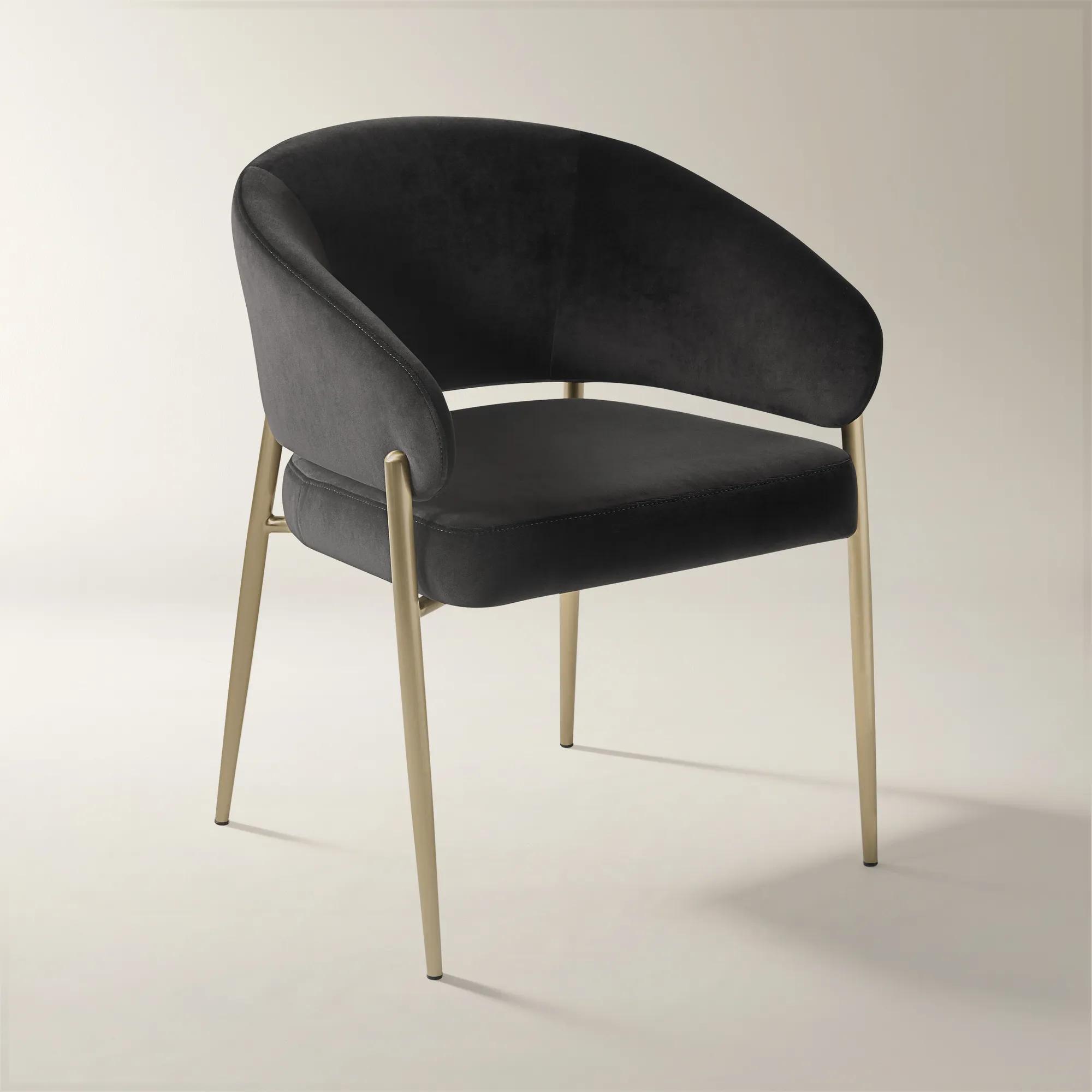 Nara Charcoal Velvet Dining Chair Set Of 2$599
A set of two charcoal velvet chairs featuring curved backs, plush upholstery, and brushed brass metal legs.
Add To Cart -
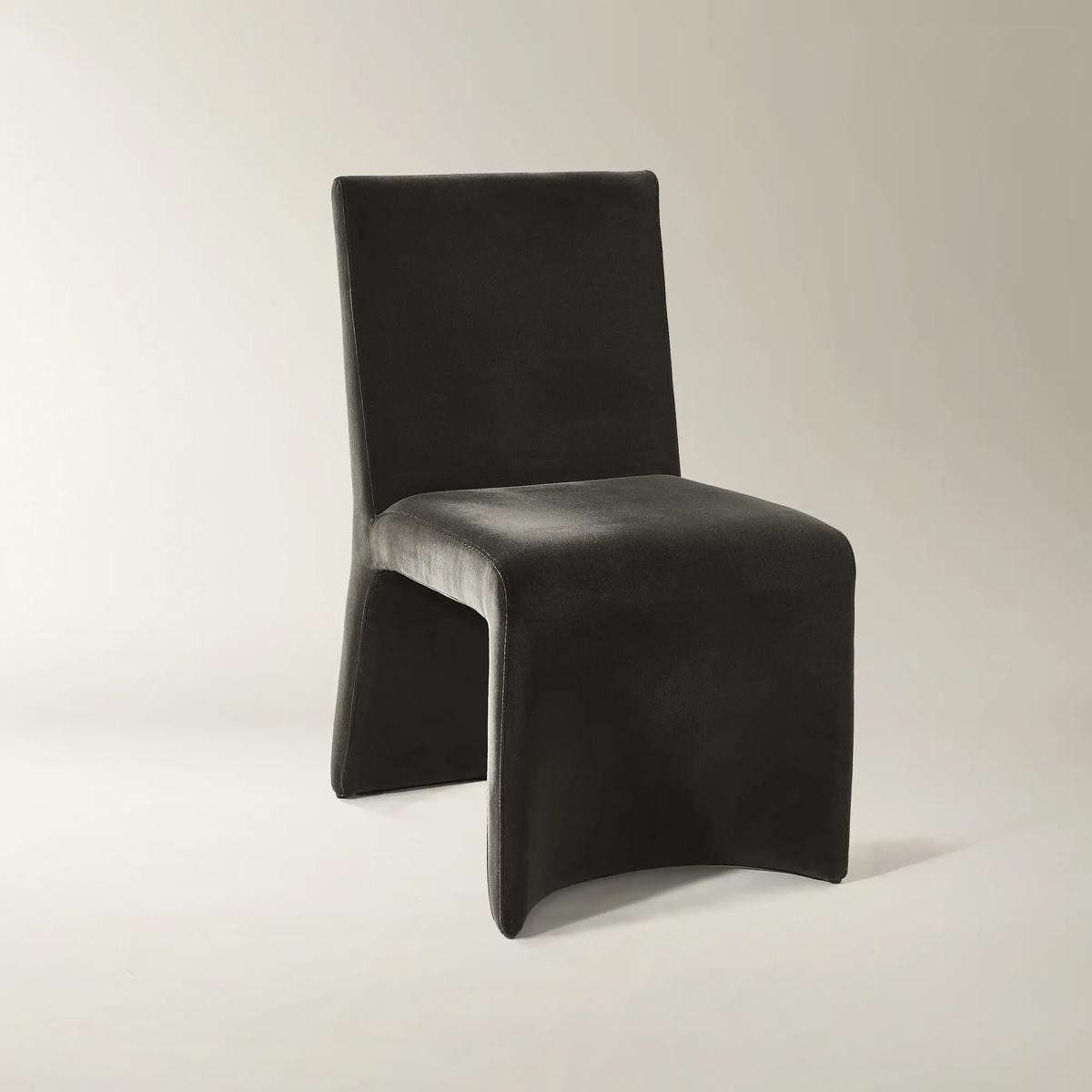
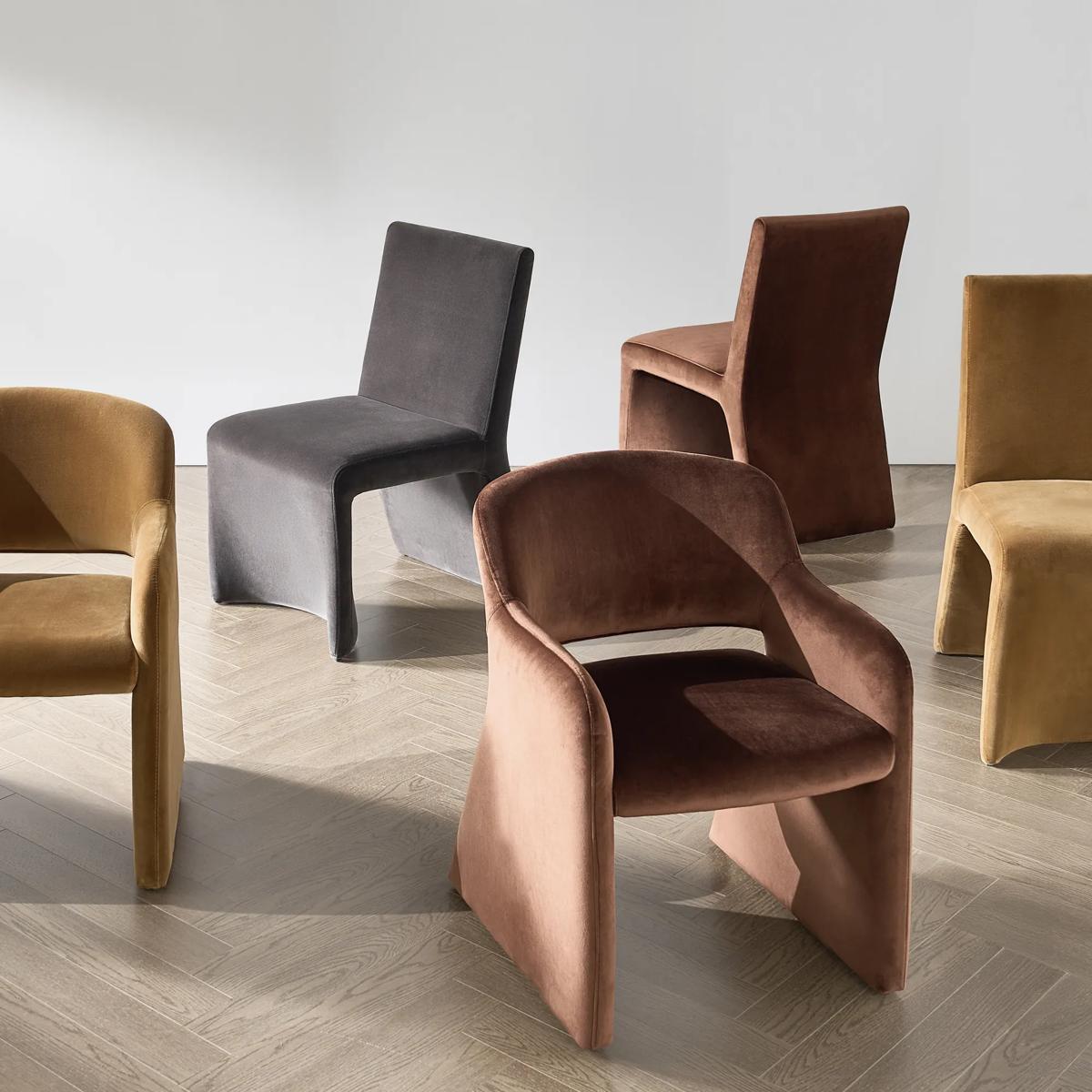 Elara Charcoal Velvet Dining Chair Set Of 2$699
A pair of charcoal velvet dining chairs featuring curved ergonomic silhouettes, plush upholstery, and hand-crafted details.
Add To Cart -
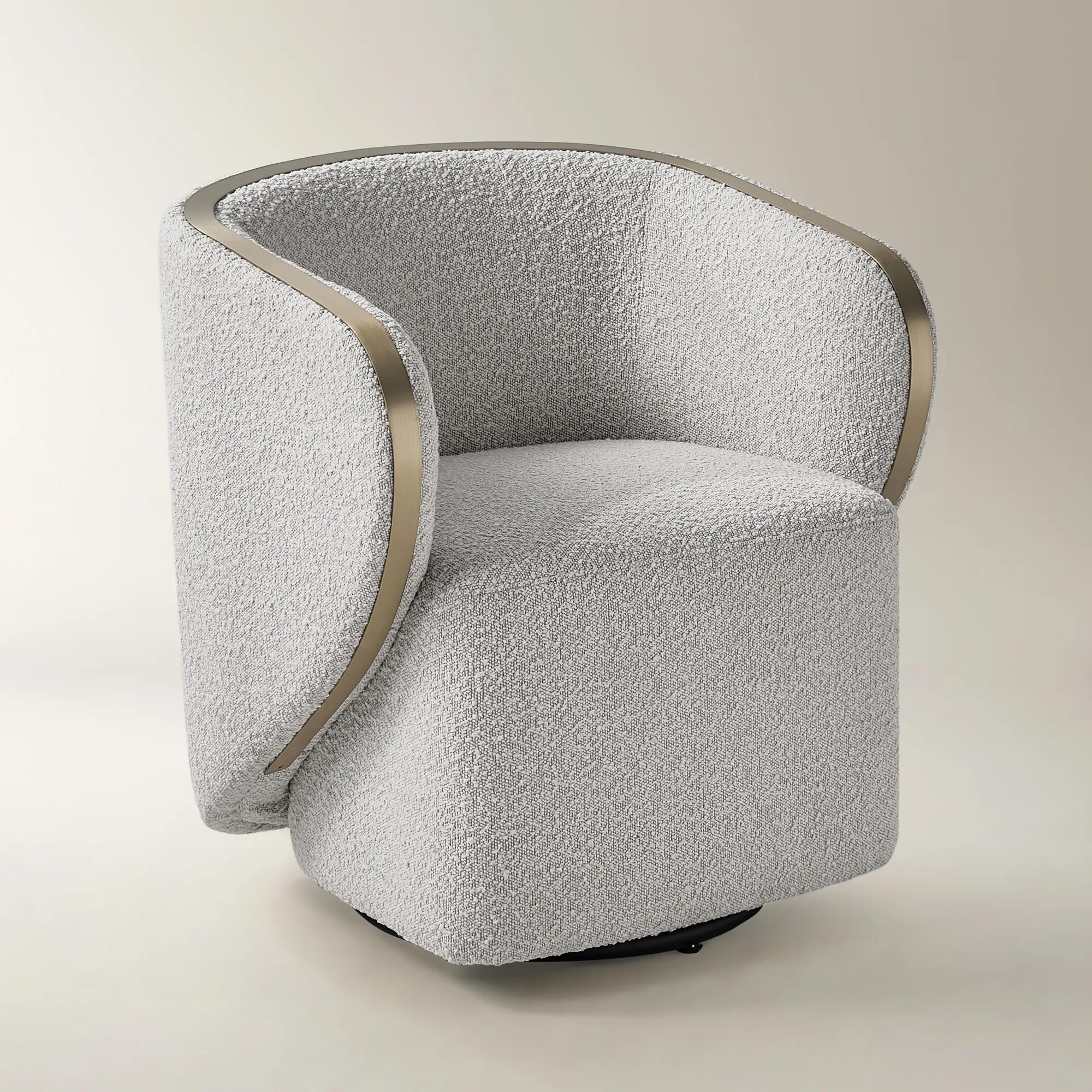 Nova Light Grey Performance Boucle Swivel Dining Chair$599
A sculptural light grey chair in water-repellent boucle with metallic trim and a smooth 360° swivel base.
Add To Cart -
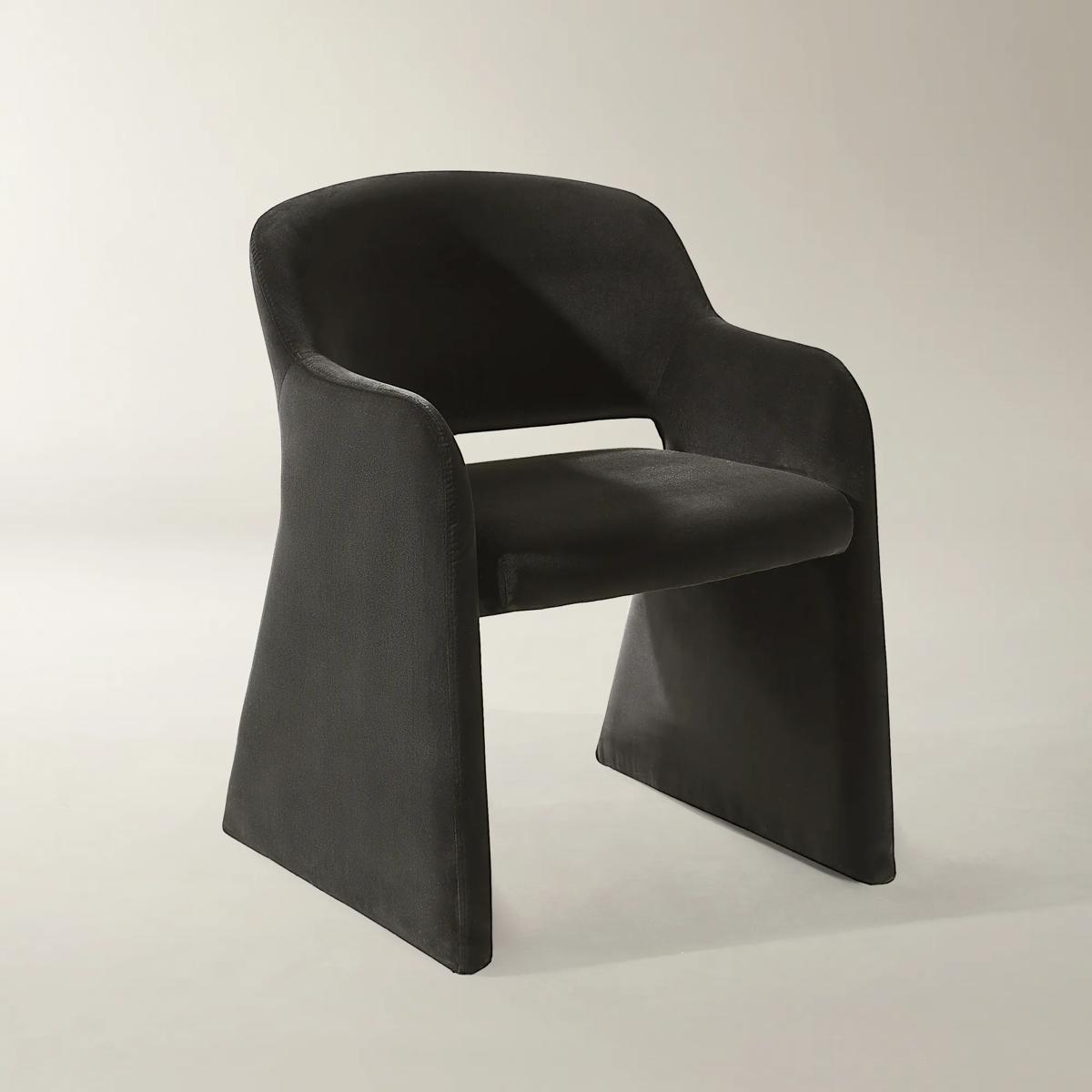 Elara Charcoal Velvet Dining Chair$399
A charcoal velvet armchair with sinuous curves, supportive embrace, and hand-crafted, reinforced construction.
Add To Cart -
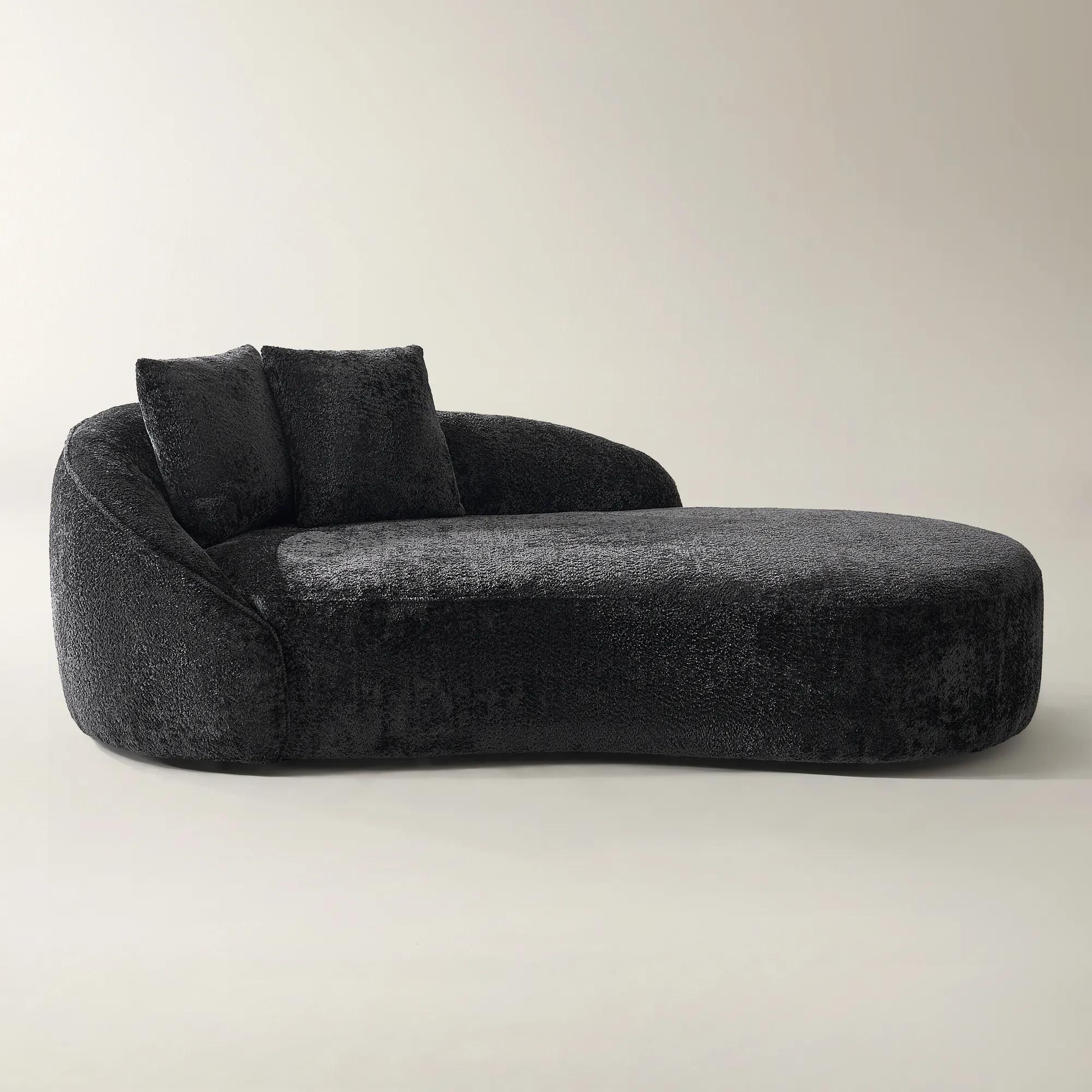 Irene Black Chenille Chaise$1699
A sculptural chaise in charcoal chenille with high-resiliency foam cushions and artisan hand-finished details.
Add To Cart -
.jpg?w=1200&h=1200)
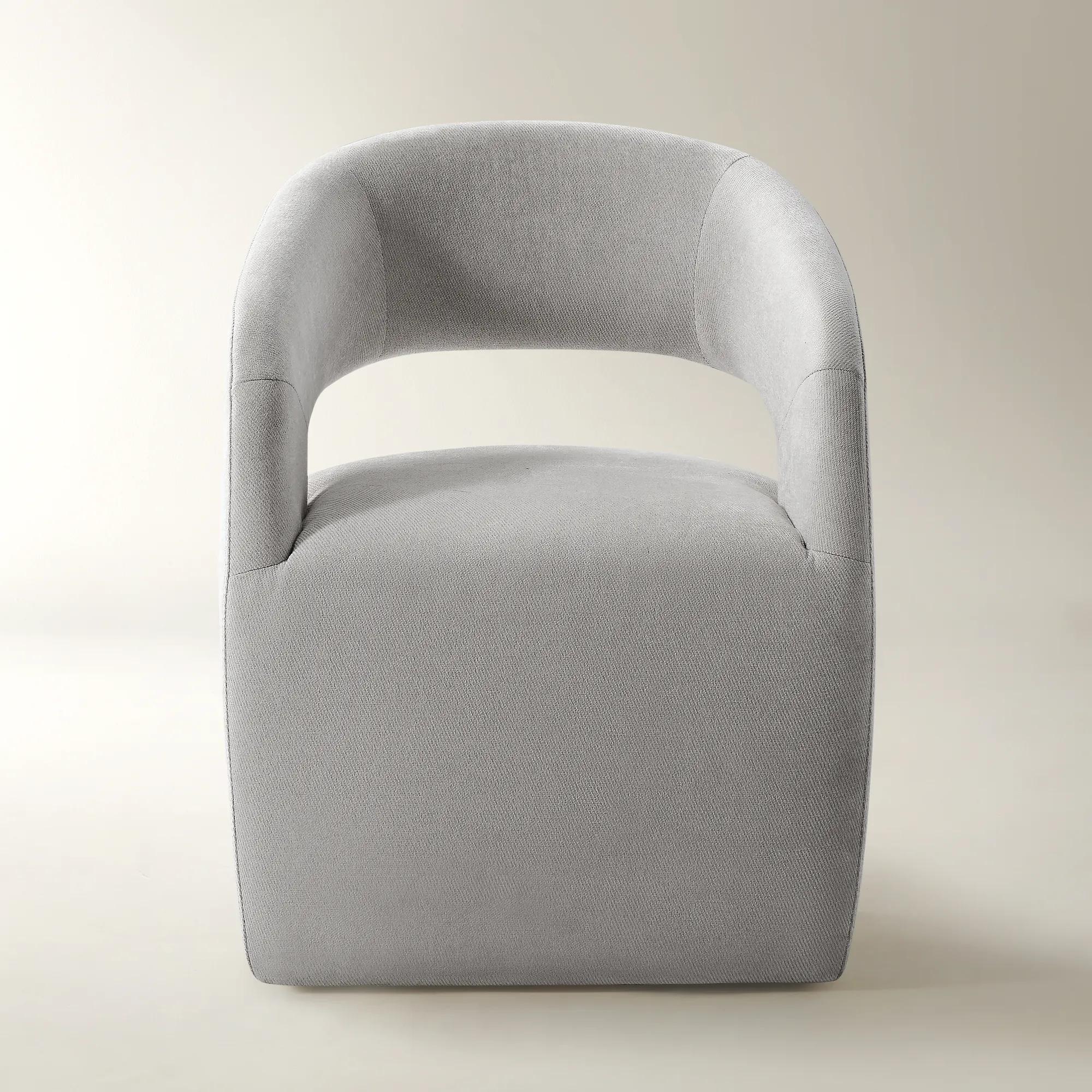 Harrison Flint Chenille Dining Chair$449
A fully upholstered flint chenille dining chair with high-density foam cushioning for superior comfort and style.
Add To Cart -
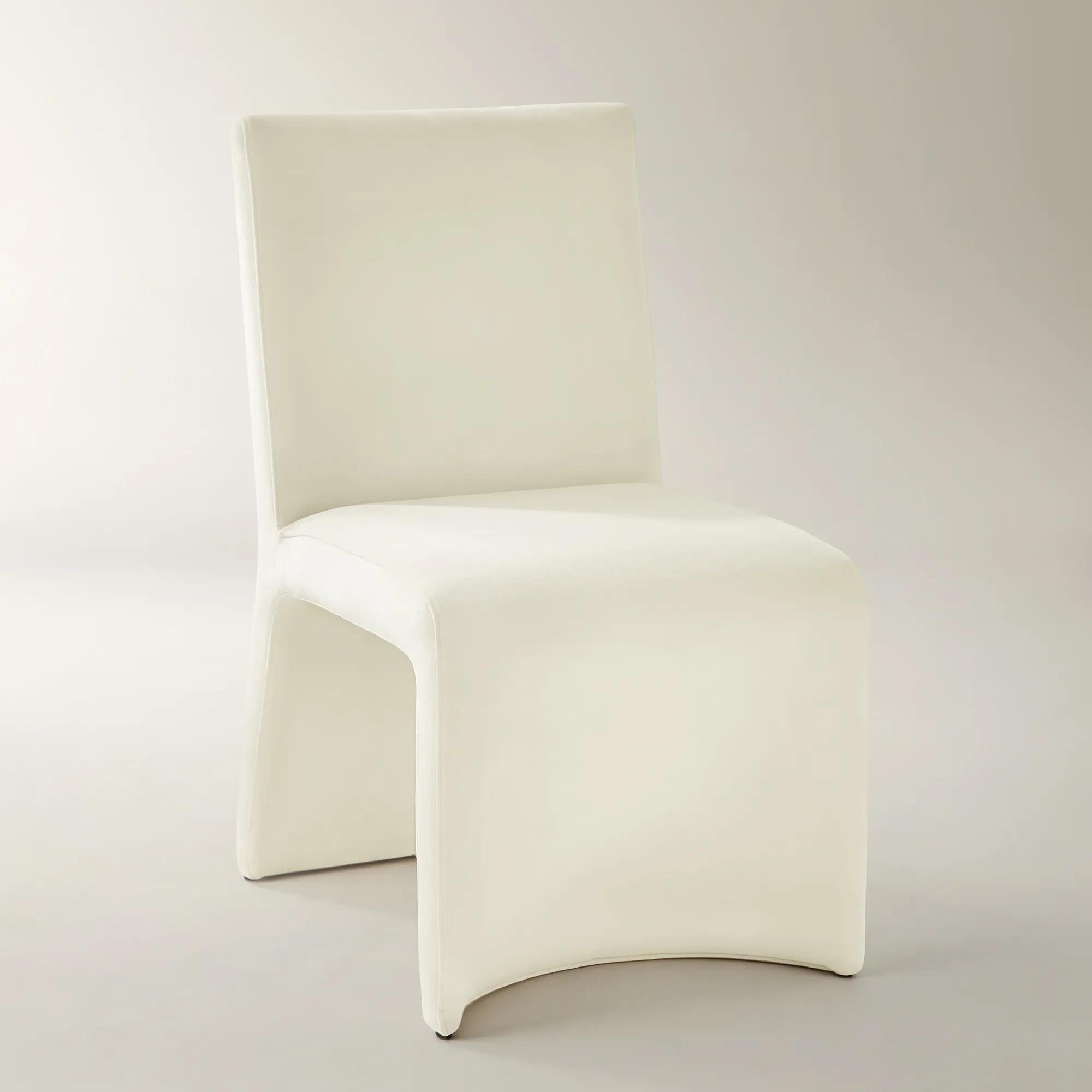 Elara Cloud Velvet Dining Chair Set Of 2$649
A set of two dining chairs featuring plush velvet upholstery, a seamless curved silhouette, and a sturdy steel frame.
Add To Cart -
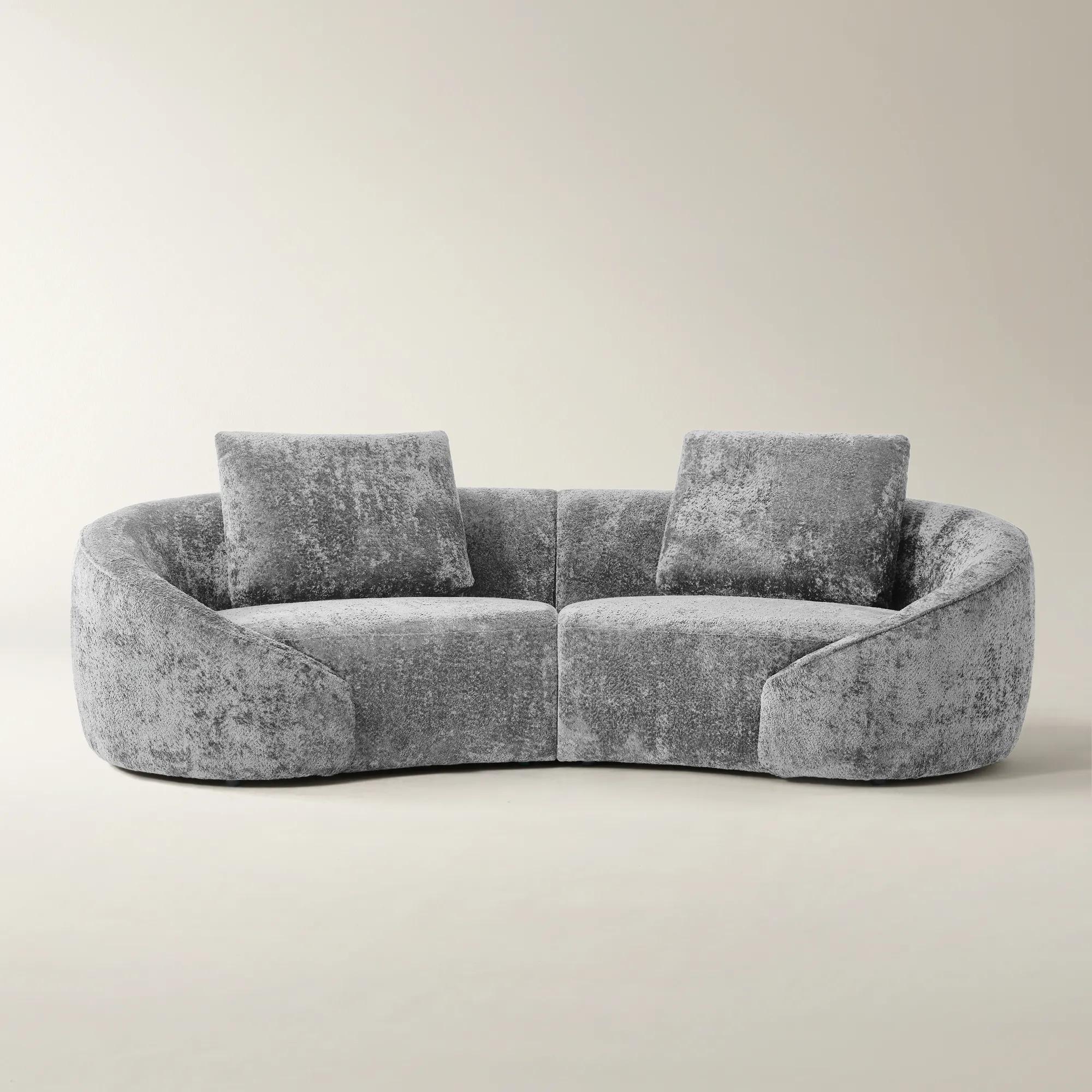 Irene 2-Piece Grey Chenille Sectional$2499
A modern curved sectional upholstered in plush Utopia Sand chenille with high-density foam cushioning for comfort.
Add To Cart -
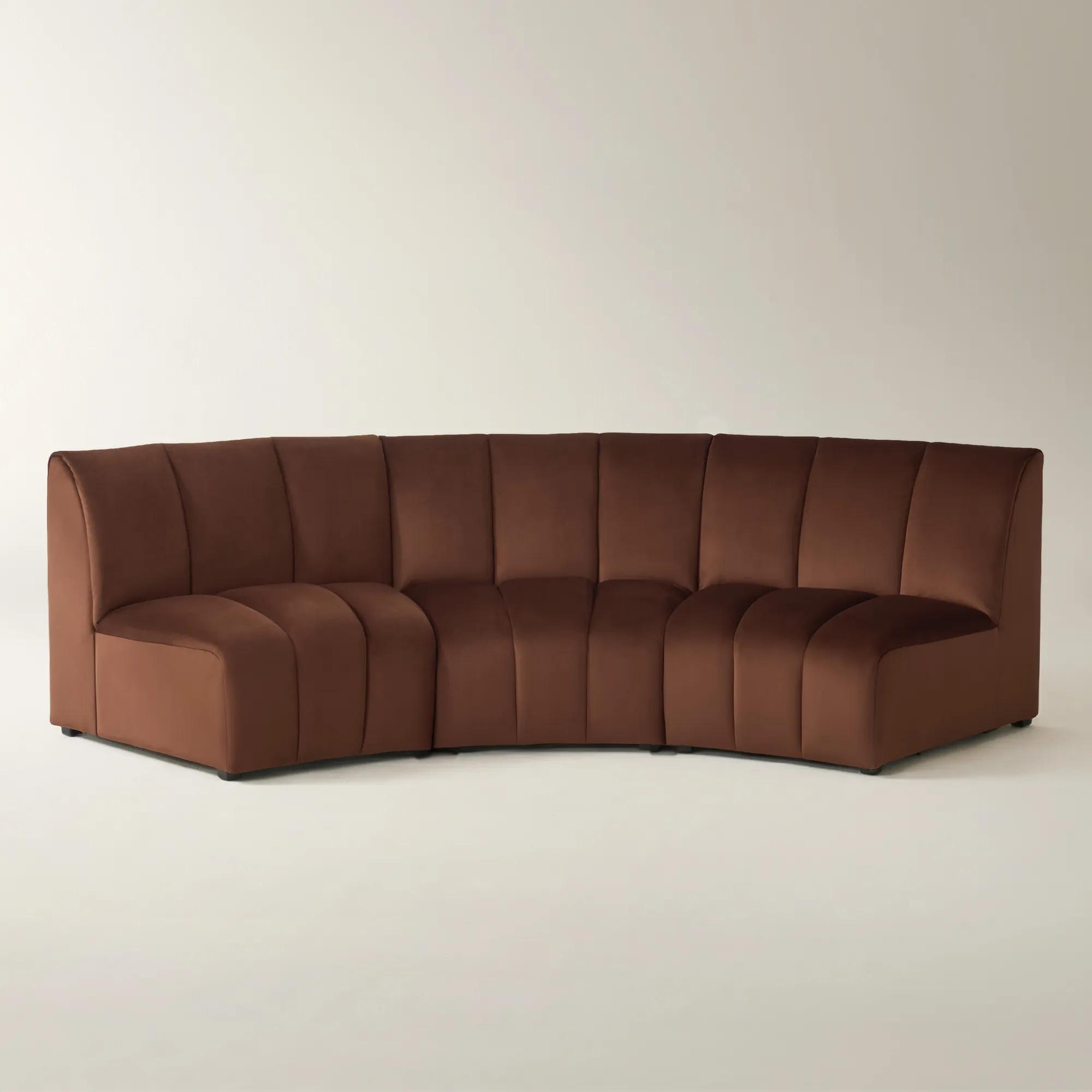 Jayce 3-Piece Channel-Tufted Burnt Umber Velvet Sectional Sofa$2799
A modern curved sectional in silver grey velvet with deep channel tufting and plush, water-repellent upholstery.
Add To Cart -
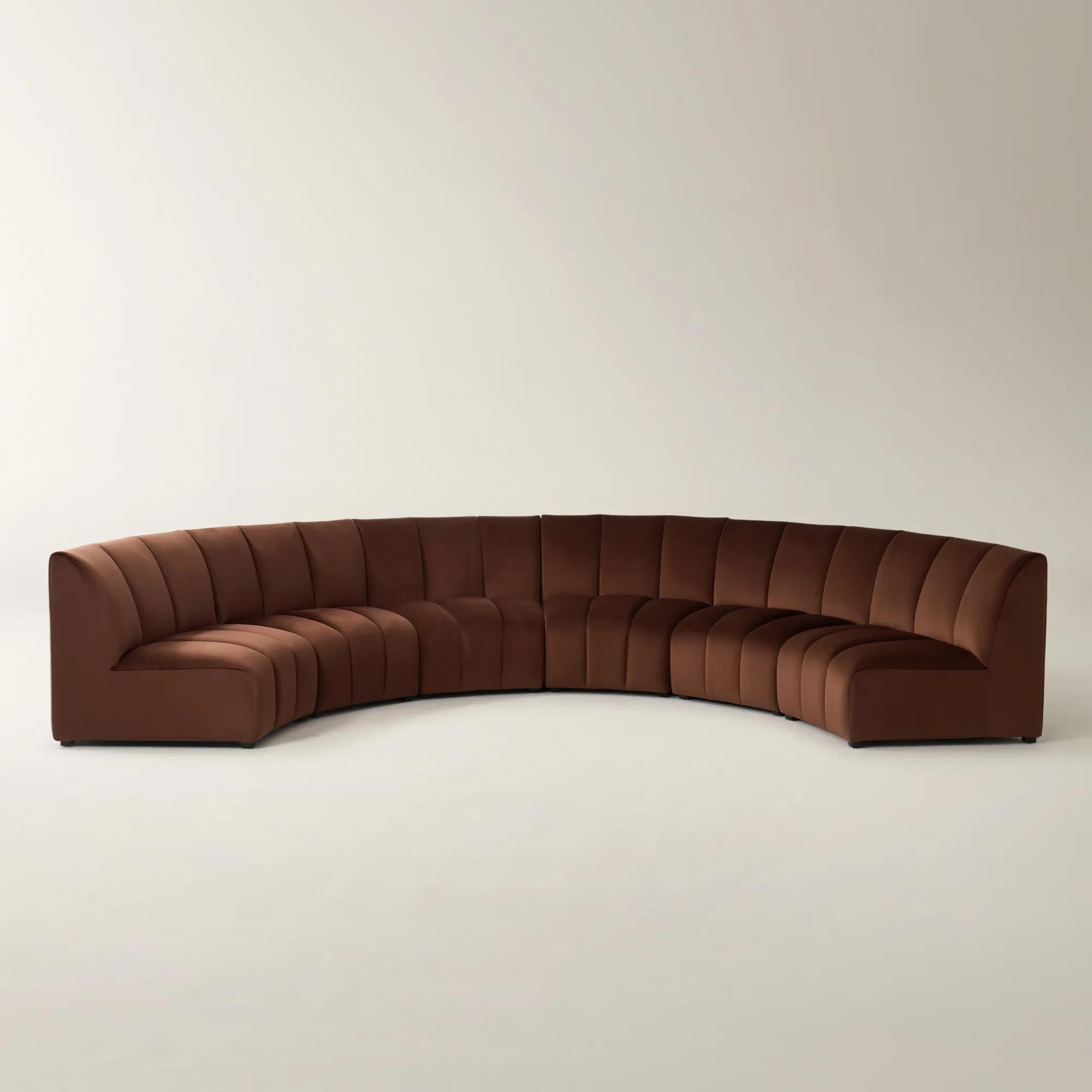
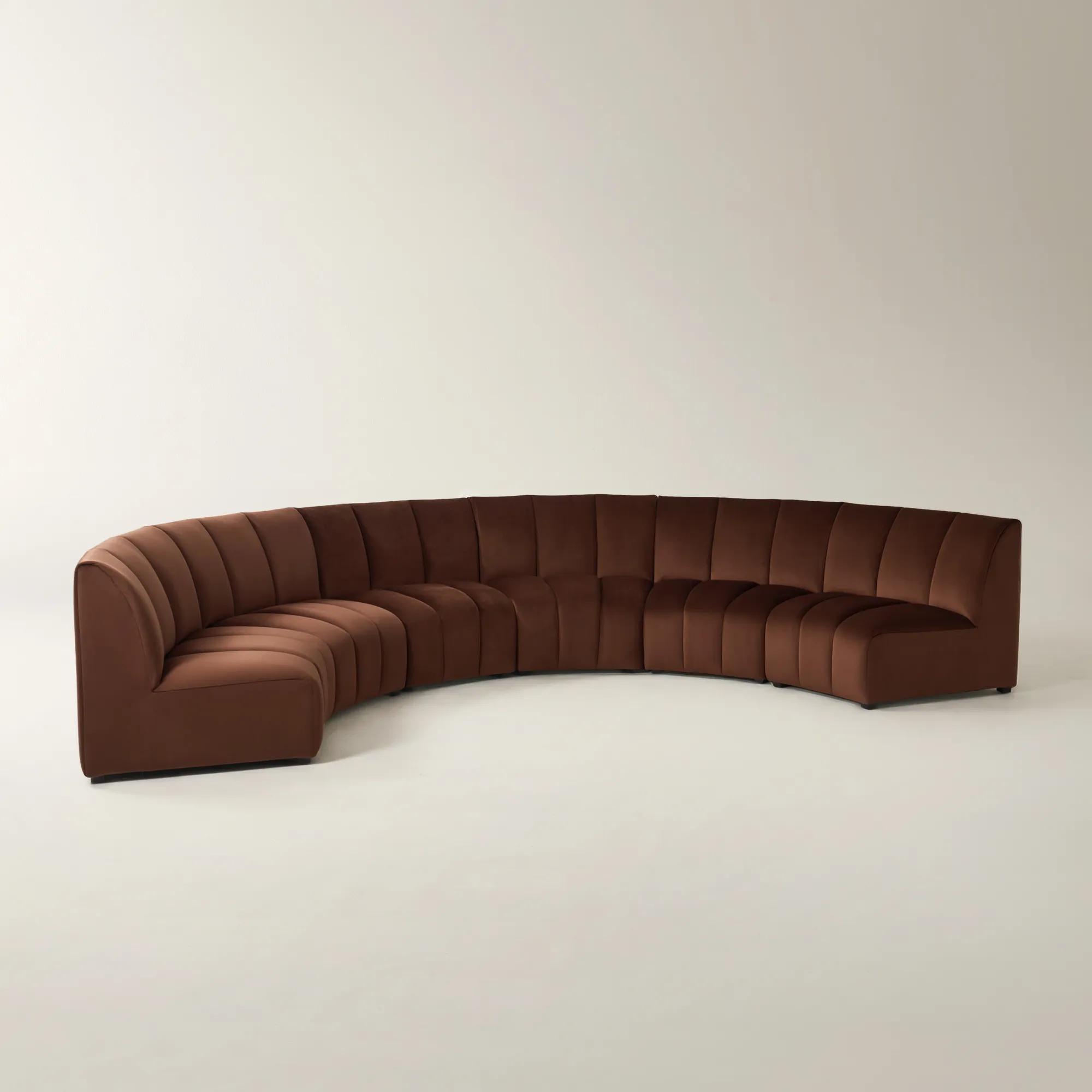 Jayce 6-Piece Channel-Tufted Burnt Umber Velvet Sectional Sofa$5499
A modern curved sectional in silver grey velvet with deep channel tufting and plush, high-density foam cushions.
Add To Cart -
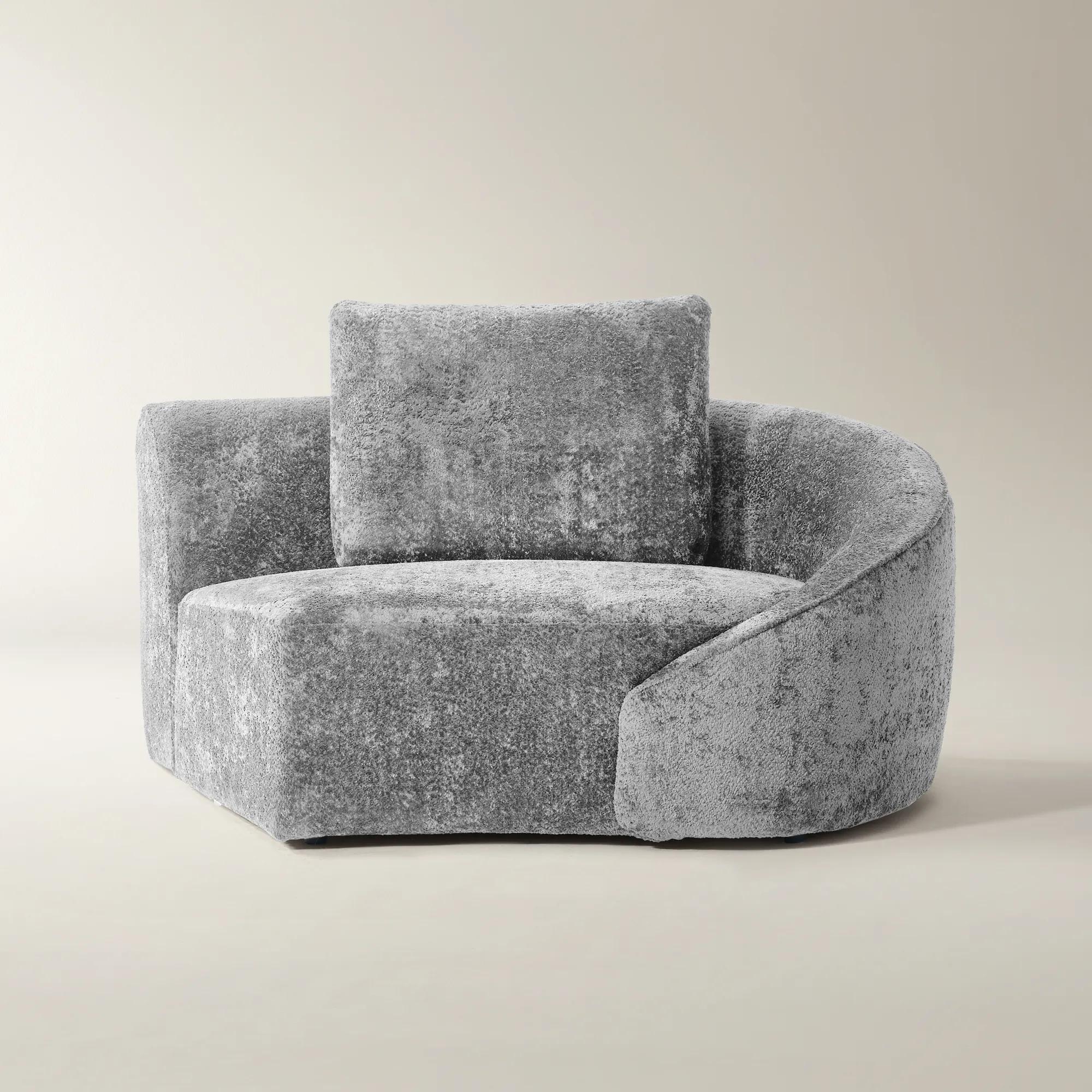 Irene Grey Chenille Right-Arm Chair$1299
A customizable seating collection featuring left arm, right arm, and armless chair components for versatile arrangements.
Add To Cart

Grey Chairs For Indoor Use
Grey chairs for indoor use invite a world of refined versatility, where sophistication meets expressive design. In the hands of a true aesthete, these seats become more than functional—they’re sculptural statements, poised to anchor your space with elegance and intrigue. From smoky charcoal to silvery dove, each shade of grey offers a canvas for creativity, seamlessly blending into bold vignettes or standing out as an artistic focal point. Discover how grey chairs for indoor use can transform any room into a sanctuary of style, infusing your home with understated drama and luxurious comfort.
Gray chairs for indoor use bring a distinctive balance of softness, structure, and visual depth to living rooms, dining spaces, bedrooms, and conversation areas. The category spans upholstered dining chairs, tailored side chairs, generous accent armchairs, and curved swivel seats, each offering a different way to shape a room. A pale dove-gray chair can soften the contrast between a dark dining table and an ivory rug, while a charcoal armchair gives a light-filled living room a confident focal point. Between those extremes, pewter, silver, and warm stone shades create layered interiors without demanding an exact color match. Undertones matter: gray with a blue cast feels crisp beside glass and polished metal, while warmer gray complements walnut, cream upholstery, and brushed brass. Fabric texture adds another dimension, allowing even a restrained palette to feel expressive. A velvet chair catches light across its curves; a woven seat introduces subtle pattern through the interplay of its threads. Shape carries equal influence. A rounded back lends softness to angular furniture, an open frame preserves sightlines, and a broad upholstered silhouette brings substance to an otherwise spare corner. For hosts who enjoy lingering conversation, upholstered dining chairs can make the table feel as inviting as the living room. For readers, a supportive armchair paired with a well-positioned lamp creates a private retreat with genuine presence. In a bedroom, a smaller accent chair offers a composed place to sit while dressing without turning the room into a second lounge. Gray also welcomes expressive companions: an aubergine pillow, a marble-topped table, or a large abstract artwork can establish the mood around it. Rather than disappearing into the background, the right gray chair gives those details room to shine while contributing its own sculptural character. Its versatility is especially useful in open-plan homes, where related shades and finishes can connect dining and living areas without making every seat look identical. Repeating a curved back or a metallic leg finish creates continuity with more nuance than a perfectly matched arrangement.
Materials determine how an indoor chair looks, feels, and responds to everyday life, making upholstery and frame construction as important as color. Gray velvet offers a lustrous surface with visible shifts in shading as the pile changes direction, lending dimension to tufting, channels, and sweeping backs. Those light-and-dark variations are part of its character, not necessarily uneven coloring. Chenille has a soft, textured hand that suits comfortable seating, while bouclé brings a looped surface that gives rounded forms a particularly tactile presence. Linen, cotton, and blended woven fabrics offer a different expression, from finely tailored surfaces to pronounced basketweave textures. Fiber content, weave density, backing, and finishing all affect performance; a fabric’s name alone does not establish its resistance to wear or spills. Leather provides another option, with care needs and surface changes that depend on the type and finish. For dining spaces used daily, accessible seams and upholstery with clearly stated cleaning instructions deserve attention. In homes with pets, loosely looped fabrics may be more vulnerable to claw snags, while textured surfaces can hold hair and require regular vacuuming. Performance upholstery may offer useful stain resistance, but that does not make every spill harmless or every cleaning method appropriate. Beneath the upholstery, a well-constructed wood or metal frame, secure joints, and suitable seat support help a chair maintain its shape and stability. Cushion firmness is a separate consideration: a deeply cushioned seat can feel enveloping for an evening with a book, whereas a firmer, more upright seat often works better at a dining table. Gray is forgiving in some settings, but neither pale nor dark upholstery conceals every mark; light fabric may reveal darker stains, while charcoal can make lint more noticeable. For a dining room that needs a brighter counterpoint, white dining chairs for indoor use only offer a complementary direction, particularly when shared silhouettes or leg finishes connect the two colors. A considered mix can feel collected and deliberate, with gray supplying depth and white introducing a luminous contrast.
The most successful gray indoor chairs suit both the proportions of the room and the way people actually sit, move, and gather within it. Overall width and depth describe the footprint, but seat height, usable seat depth, back angle, and arm height reveal much more about everyday comfort. At a dining table, approximately 10 to 12 inches between the seat and the underside of the tabletop is a common starting point, though an apron or other support can reduce knee clearance. Arms need enough space to slide beneath the table if the chairs are intended to tuck in. Around a frequently used table, roughly 36 inches from the table edge to a wall or furnishing often allows chair movement, with more space useful where people walk behind seated guests. A generous barrel chair may create a sumptuous silhouette in a living room yet feel cumbersome beside a narrow passage; a slimmer side chair can provide an equally intentional accent with less visual weight. Swivel chairs need clearance throughout their rotation, not just when facing forward. For someone who prefers easier sitting and standing, a supportive seat with appropriately positioned arms may be more comfortable than a low, deeply reclined design. An occasional chair can serve beautifully beside a writing desk, but prolonged desk work generally calls for seating designed with suitable adjustability and support. Care should follow the upholstery label and manufacturer’s directions, with gentle vacuuming where permitted to remove dust before it settles into seams. Blot spills promptly rather than rubbing, and avoid applying water, solvent, or household cleaner without confirming compatibility. Removable covers are not automatically machine washable. Direct sunlight can alter upholstery color over time, so placement deserves attention even indoors. Suitable floor protectors help reduce scratches, while periodic checks of accessible fasteners can address loosening where the construction allows. Indoor chairs belong in protected interior spaces rather than exposed patios. With proportion, comfort, and care considered, gray seating becomes more than a neutral choice: it gives everyday rituals an elegant setting, from a quiet morning at the table to a conversation that lasts long after dinner.
FAQs
Grey chairs are remarkably versatile, complementing a wide range of interior styles from modern and contemporary to classic, transitional, and even eclectic spaces. Their neutral tones allow them to anchor bold color palettes, soften minimalist environments, or add a sophisticated touch to glam-inspired rooms. Whether your space features metallic accents, rich woods, or vibrant artwork, a grey chair integrates seamlessly while elevating the overall design.
To craft a cozy reading nook with a grey chair, select a plush accent chair in a soft fabric like velvet or boucle. Layer it with a textured throw and a decorative pillow in a complementary hue. Place the chair near a window or beside a statement floor lamp to ensure ample light, and complete the space with a small side table for your favorite books and a cup of tea. This arrangement transforms any corner into an inviting sanctuary for relaxation.
Absolutely. Grey chairs effortlessly transition between formal and casual settings. In a formal dining room or living area, opt for chairs with refined details such as tufting, sculptural legs, or metallic accents. For more casual spaces like home offices or family rooms, choose relaxed silhouettes and cozy materials. The adaptability of grey ensures your chairs feel right at home, whether you’re hosting a dinner party or enjoying a quiet evening in.
Indoor grey chairs are available in a variety of luxurious materials, each offering a distinct mood and texture. Velvet and boucle add a sense of glamour and tactile richness, while faux leather provides a sleek, modern look that’s easy to maintain. Linen and cotton blends offer a more relaxed, breathable feel, perfect for everyday comfort. The material you choose can dramatically influence the atmosphere and style of your room.
Grey chairs are exceptional for creating visual balance and contrast in vibrant, colorful rooms. Their neutral tones ground bold hues, allowing statement walls, artwork, or accessories to shine without overwhelming the space. Pairing a grey chair with jewel-toned pillows or metallic accents can highlight its elegance while enhancing the overall sense of artistry and cohesion in your home.