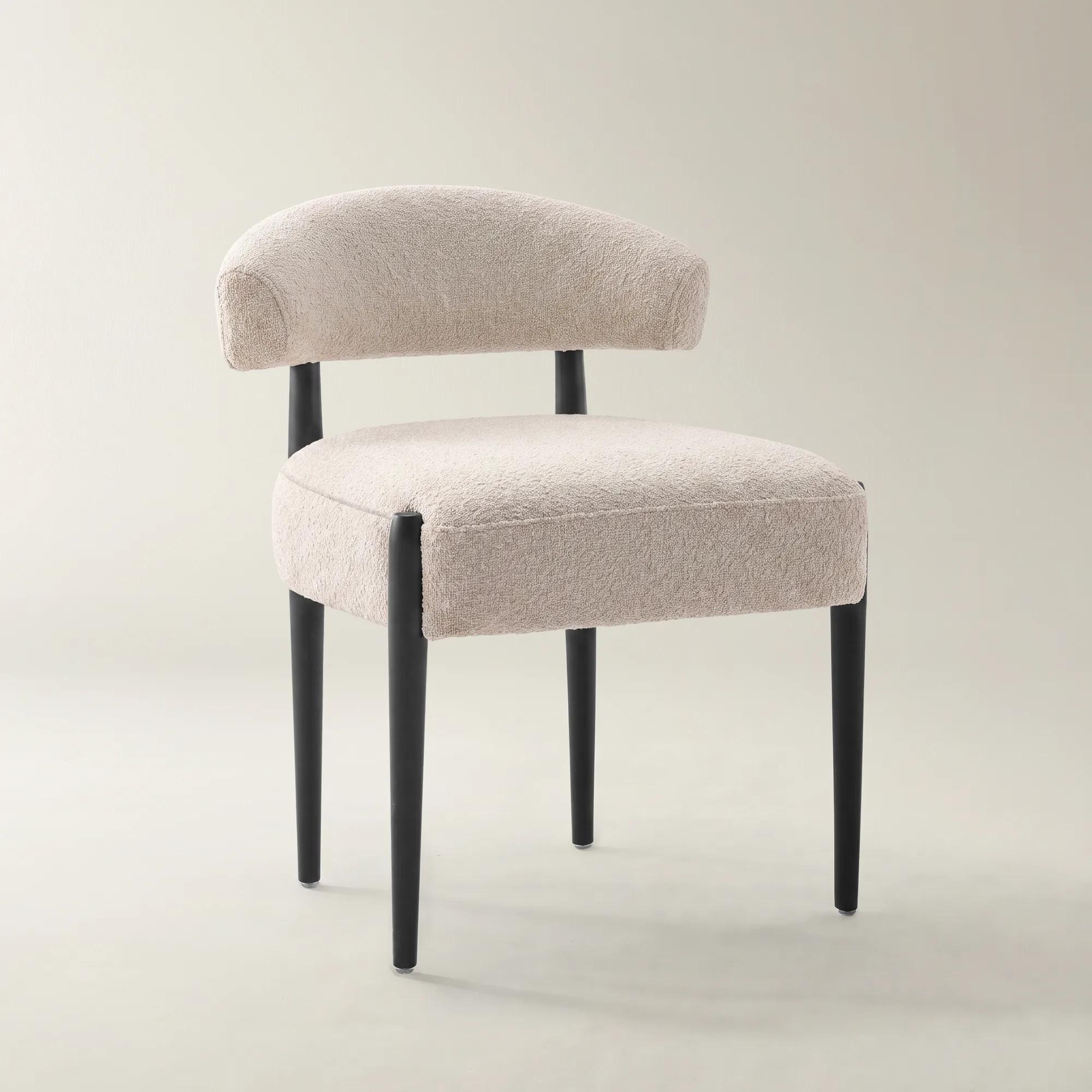
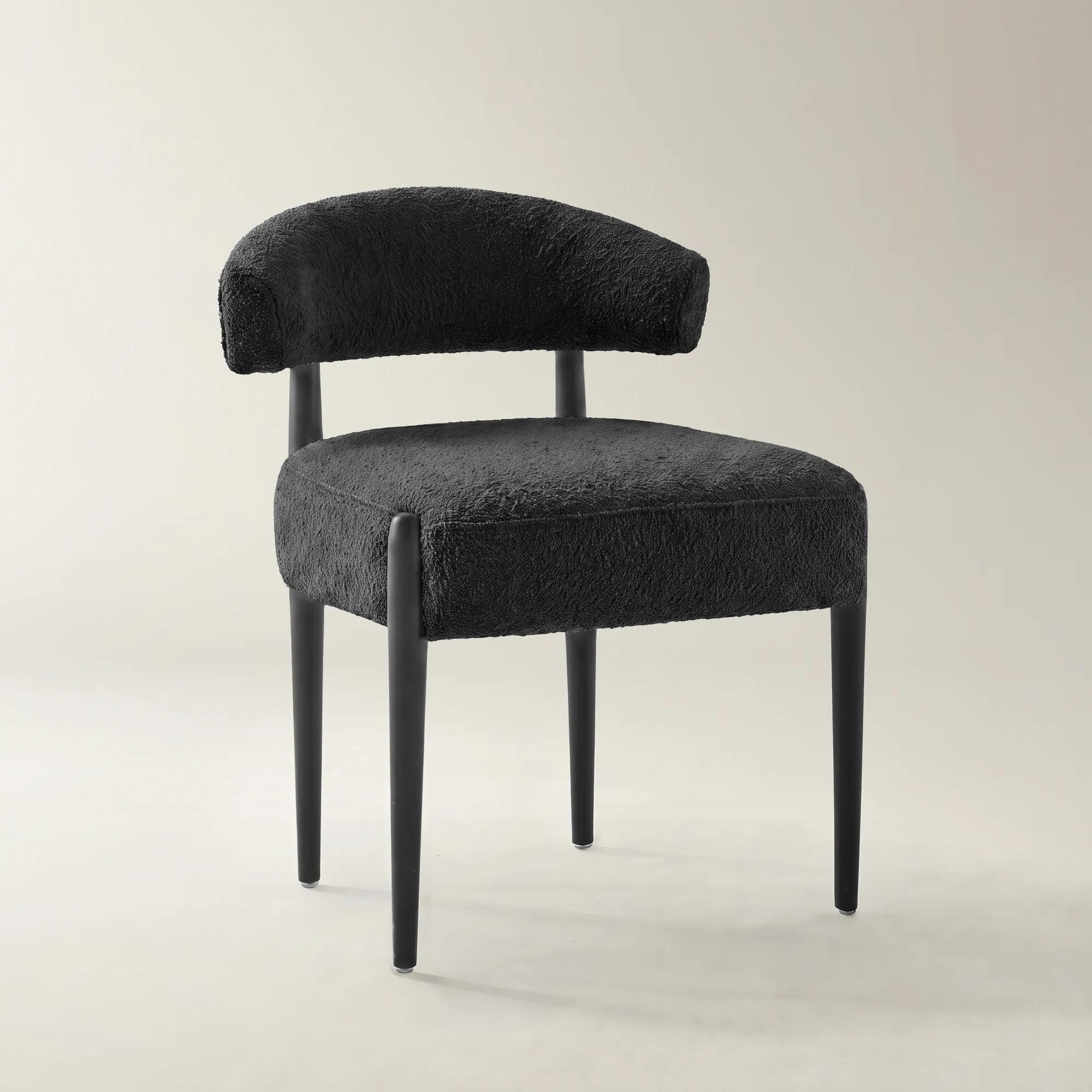
Grey Indoor Dining Chairs
Grey Indoor Dining Chairs
-
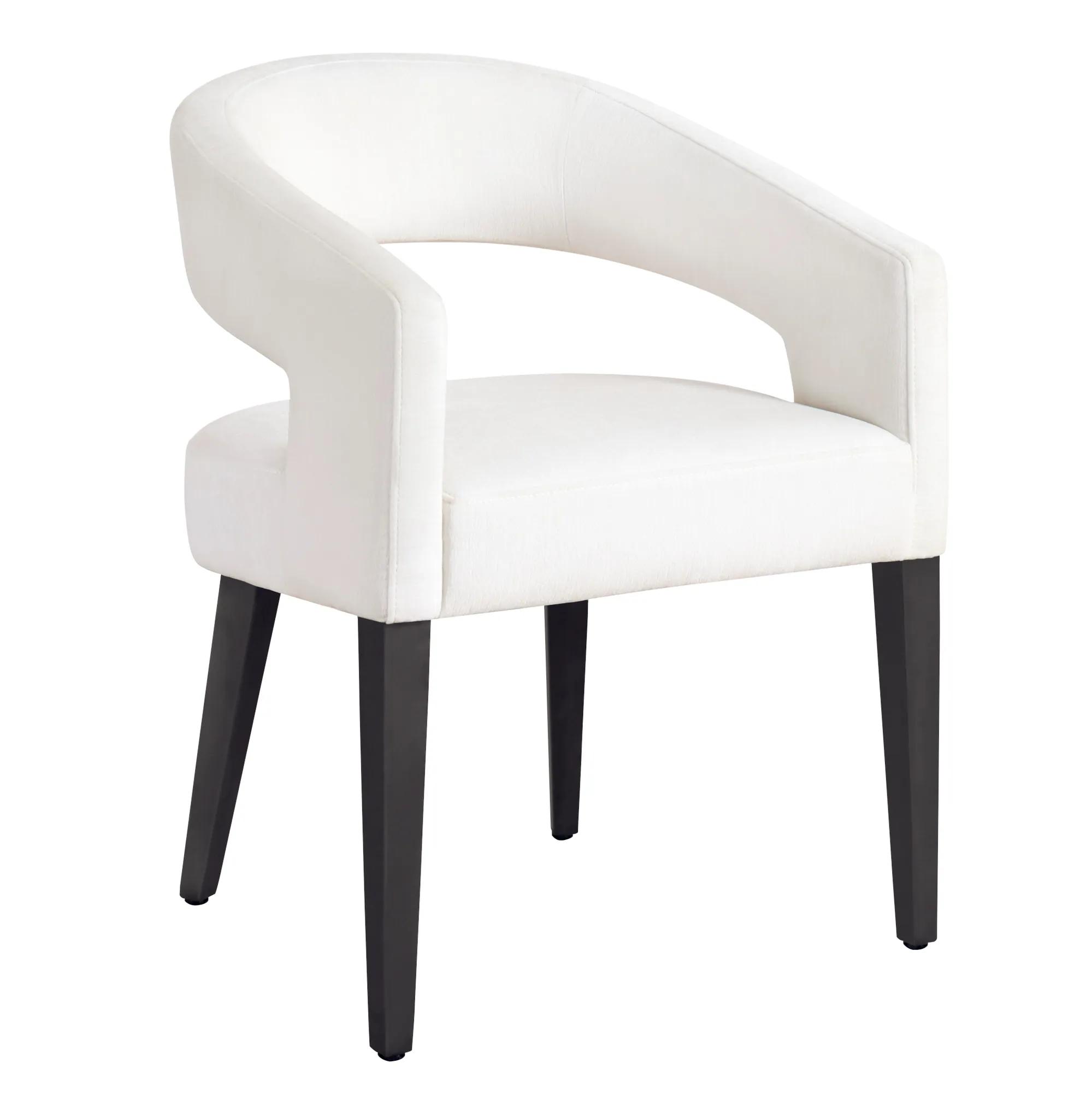
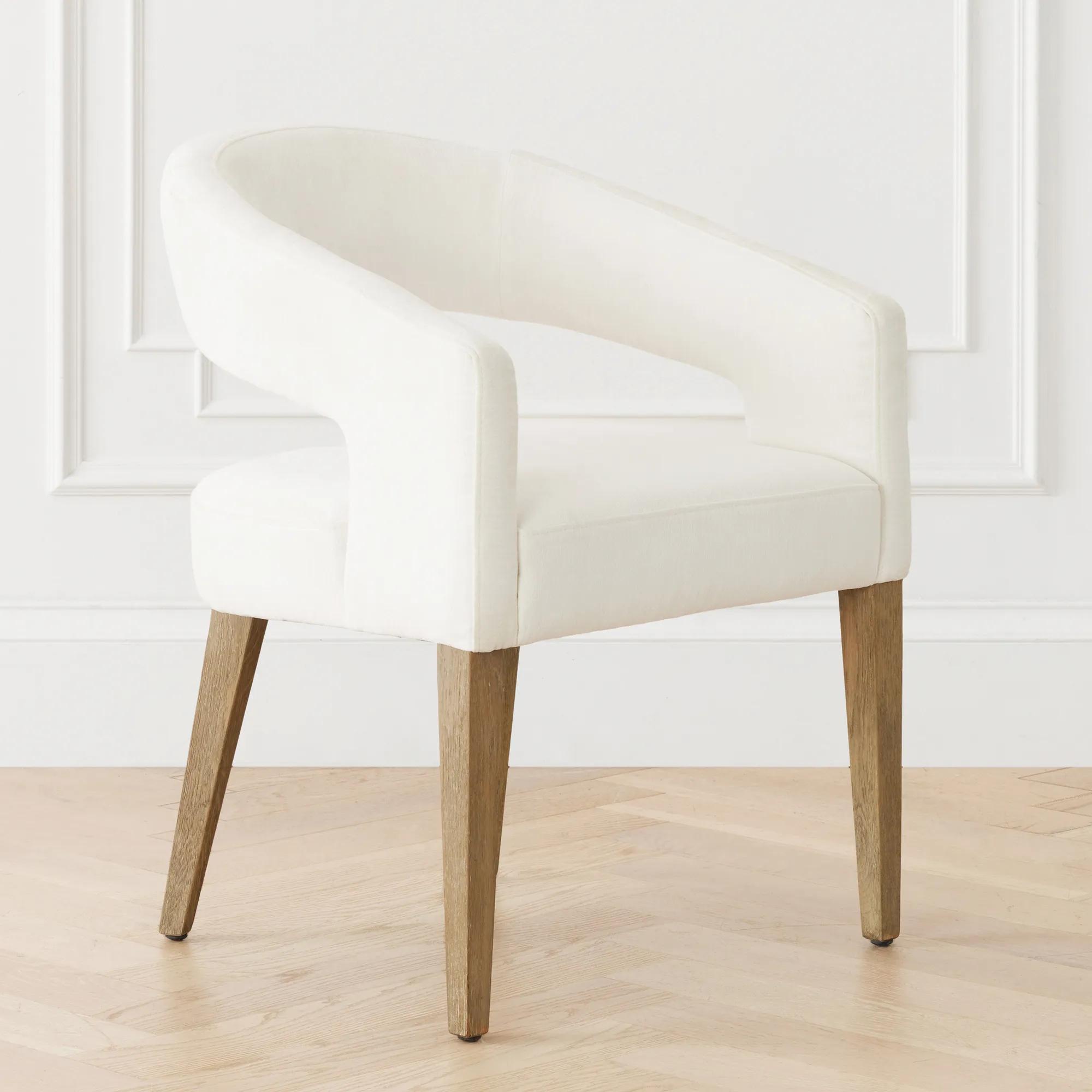 Philippa Dining Chair - Natural Grey$699
A modern dining chair featuring a curved silhouette, natural grey legs, and tailored chenille upholstery.
Add To Cart -
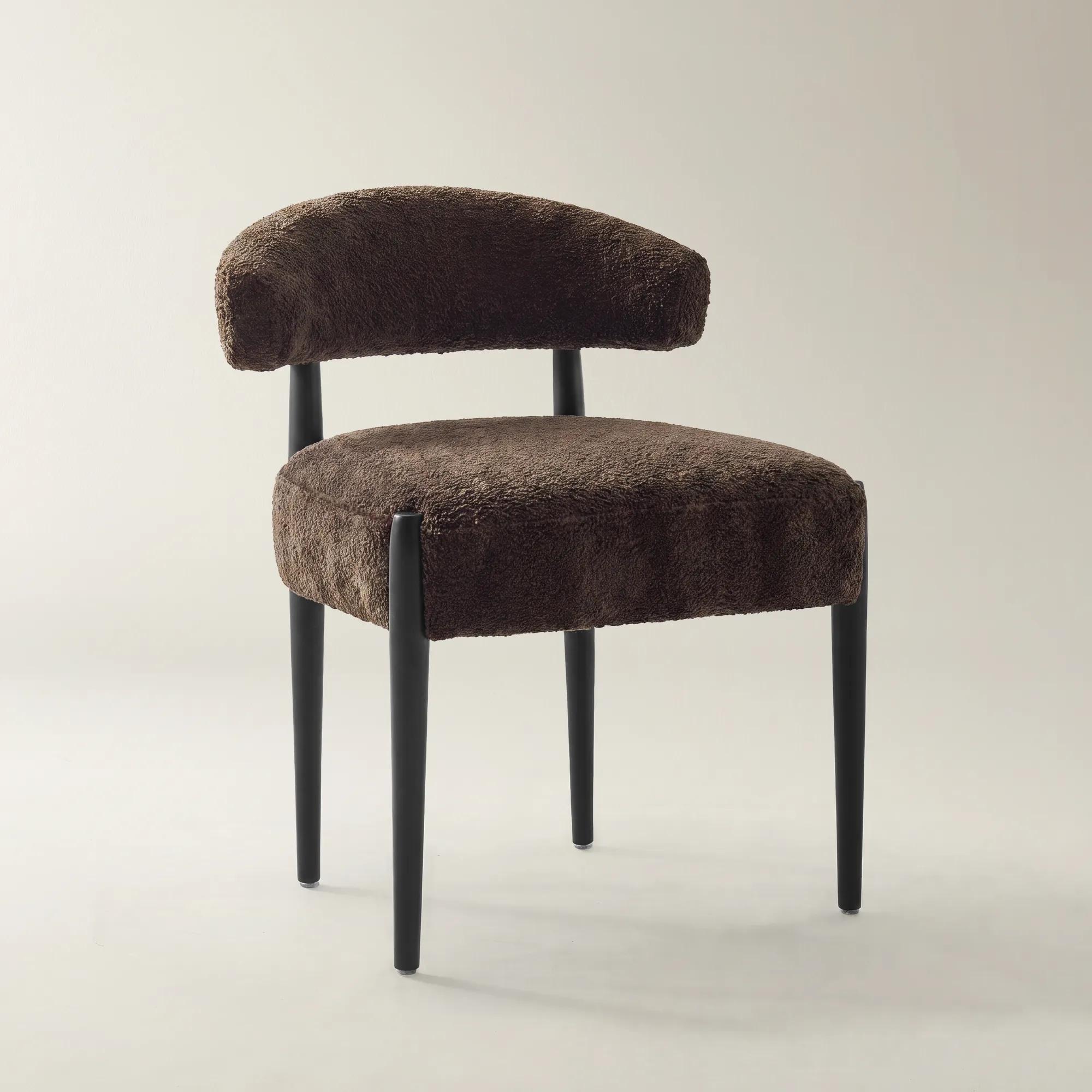
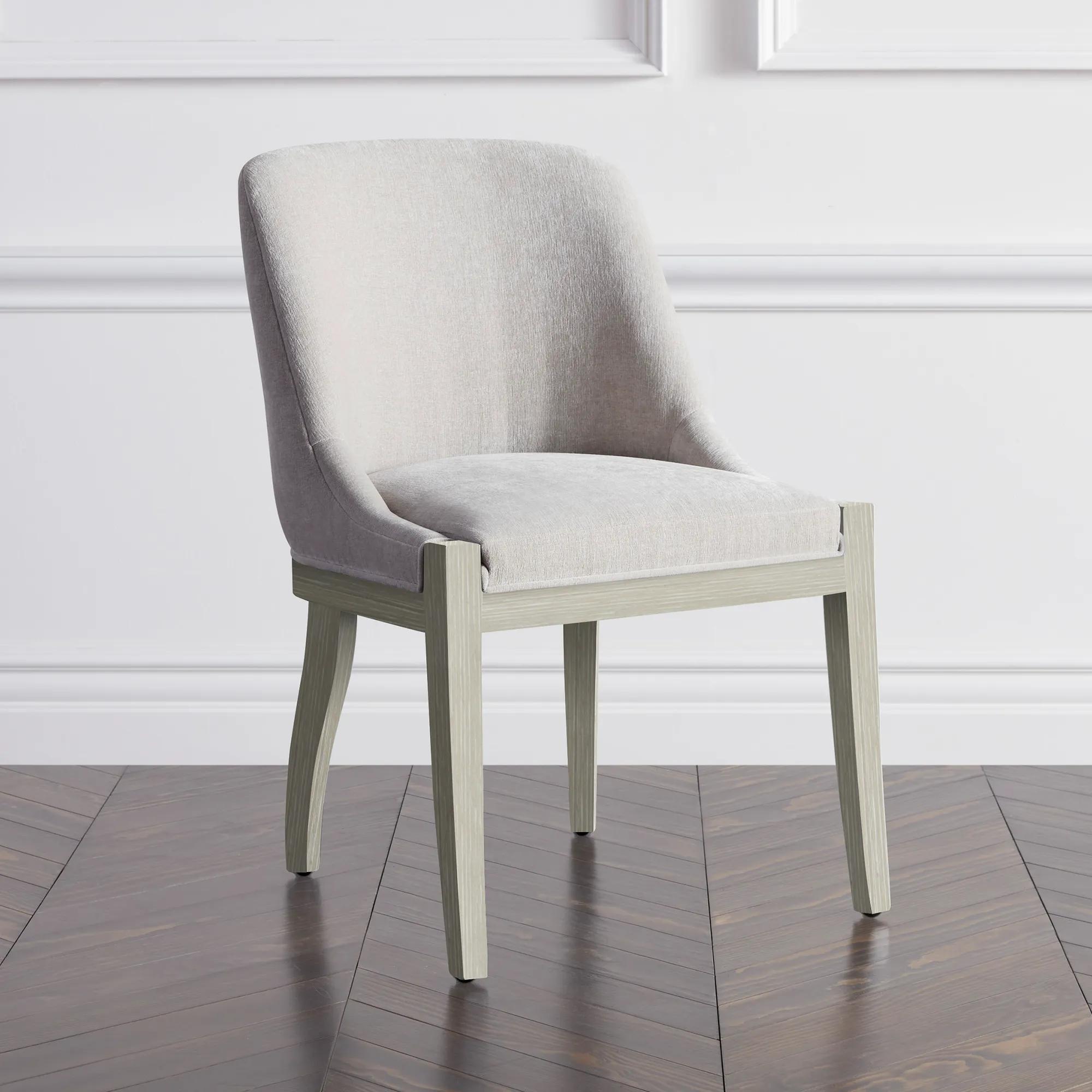 Lily Dining Chair - Natural Grey$749
A modern grey dining chair with kiln-dried hardwood frame and plush, tailored upholstery for lasting comfort.
Add To Cart -
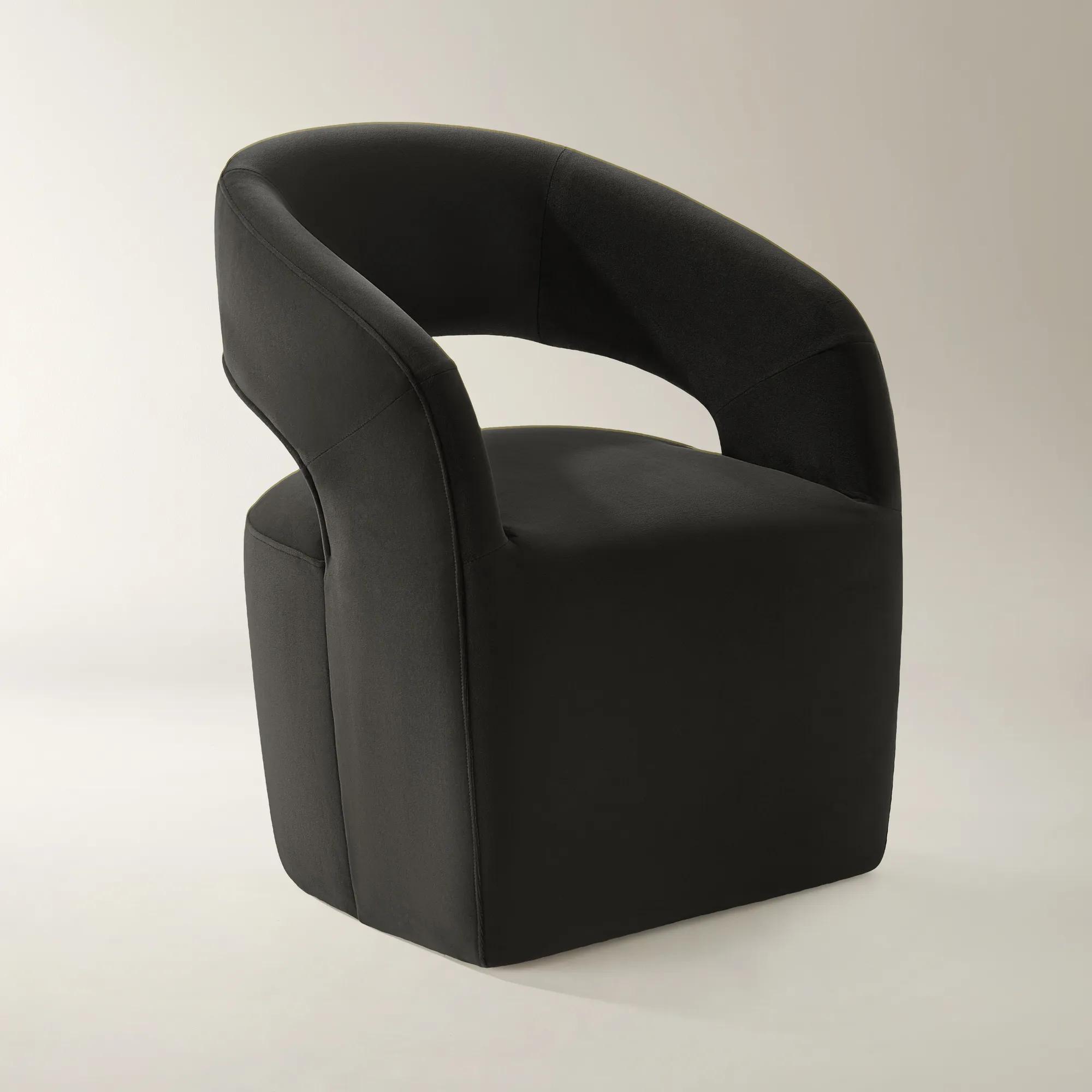 Harrison Charcoal Velvet Dining Chair$449
A sculptural dining chair upholstered in charcoal velvet with a continuous curved back and feather-blend comfort.
Add To Cart -
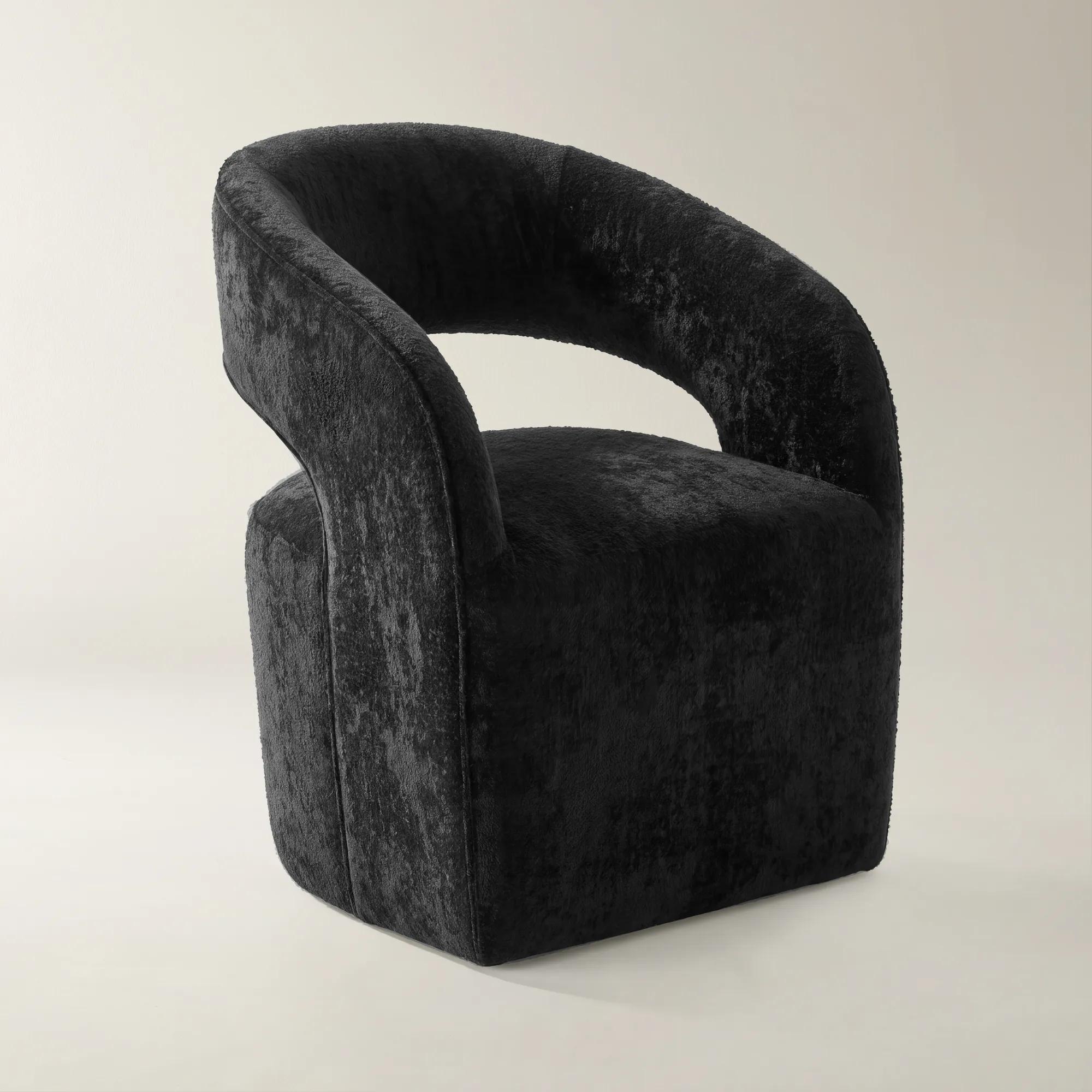 Harrison Black Chenille Dining Chair$449
A sculptural dining chair upholstered in charcoal chenille with a curved back, feather-blend seat, and integrated arms.
Add To Cart -
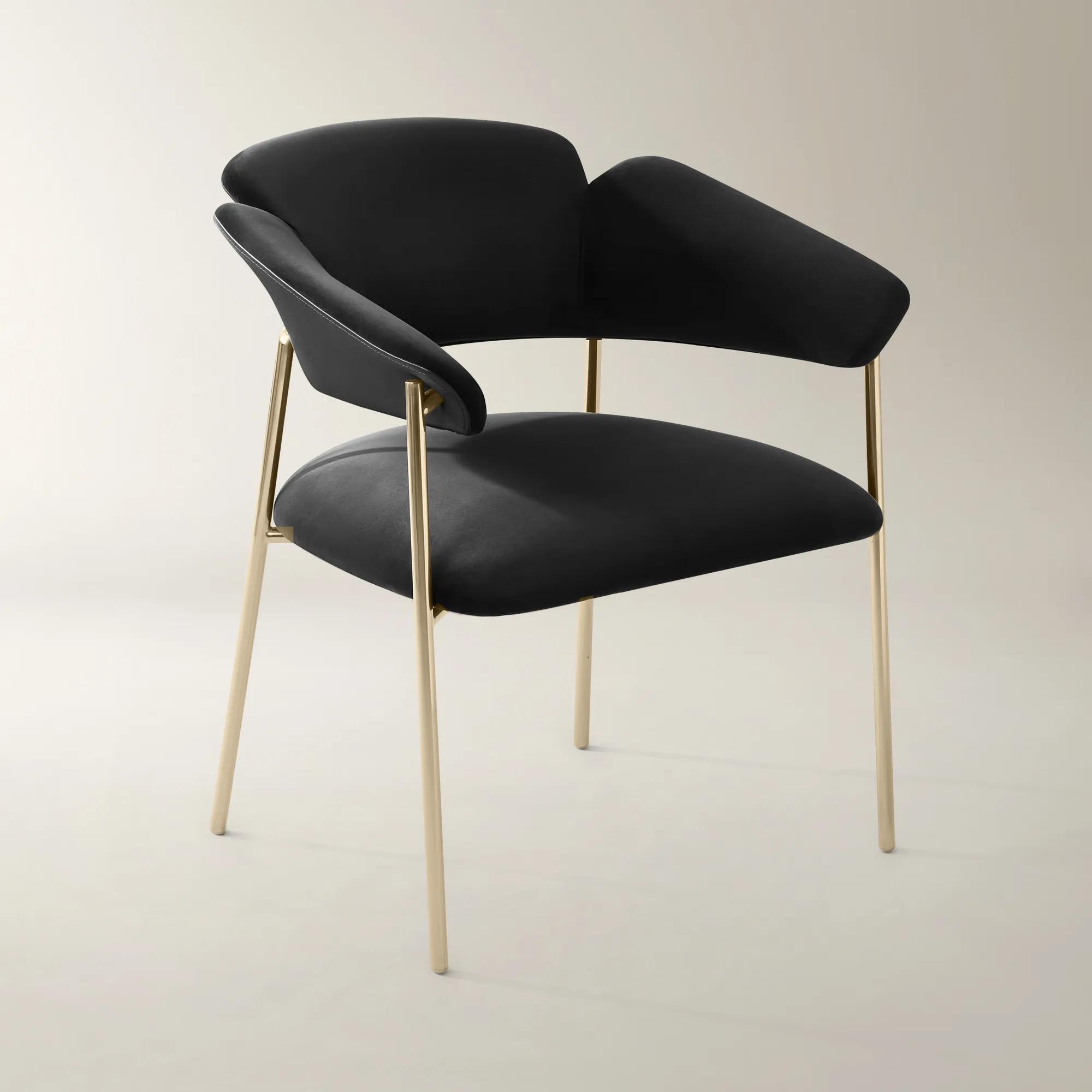 Odette Charcoal Velvet Dining Chair$499
A charcoal velvet chair featuring a wraparound open-back design, tonal faux leather accents, and gold metal legs.
Add To Cart -
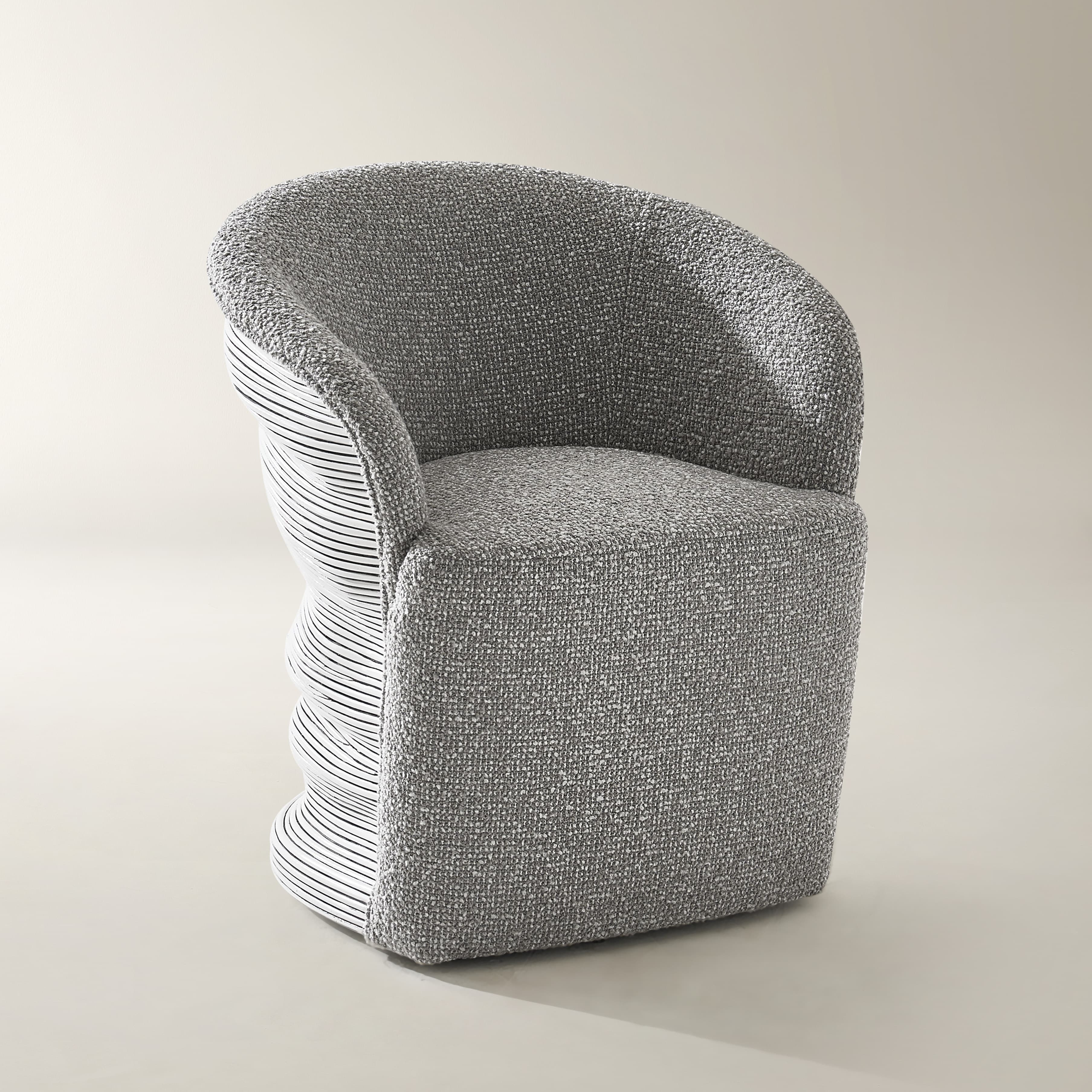
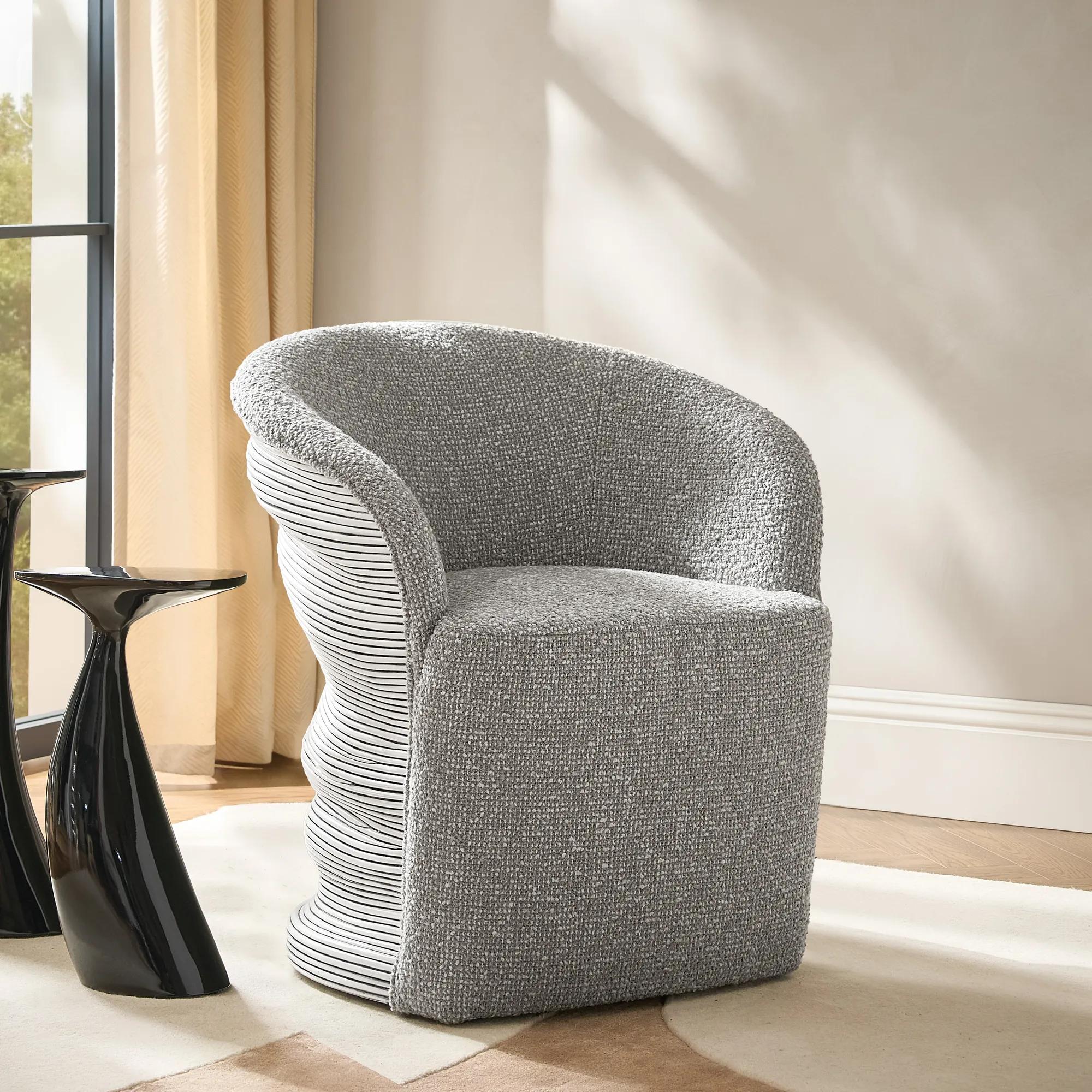 Cairo Rattan Grey Chenille Dining Chair$899
A handwoven natural rattan swivel chair in grey chenille, blending sculptural form with plush comfort.
Add To Cart -
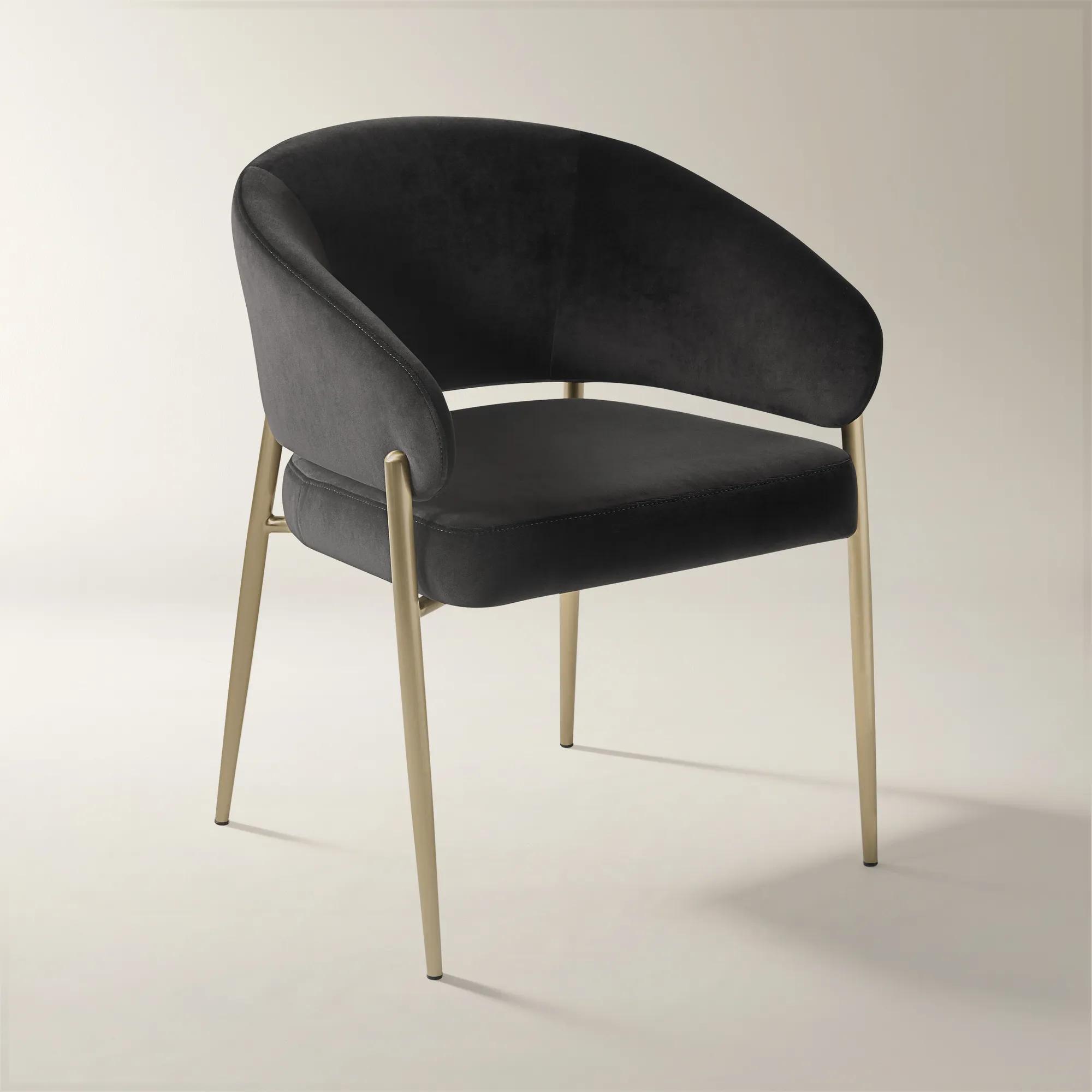 Nara Charcoal Velvet Dining Chair Set Of 2$599
A set of two charcoal velvet chairs featuring curved backs, plush upholstery, and brushed brass metal legs.
Add To Cart -
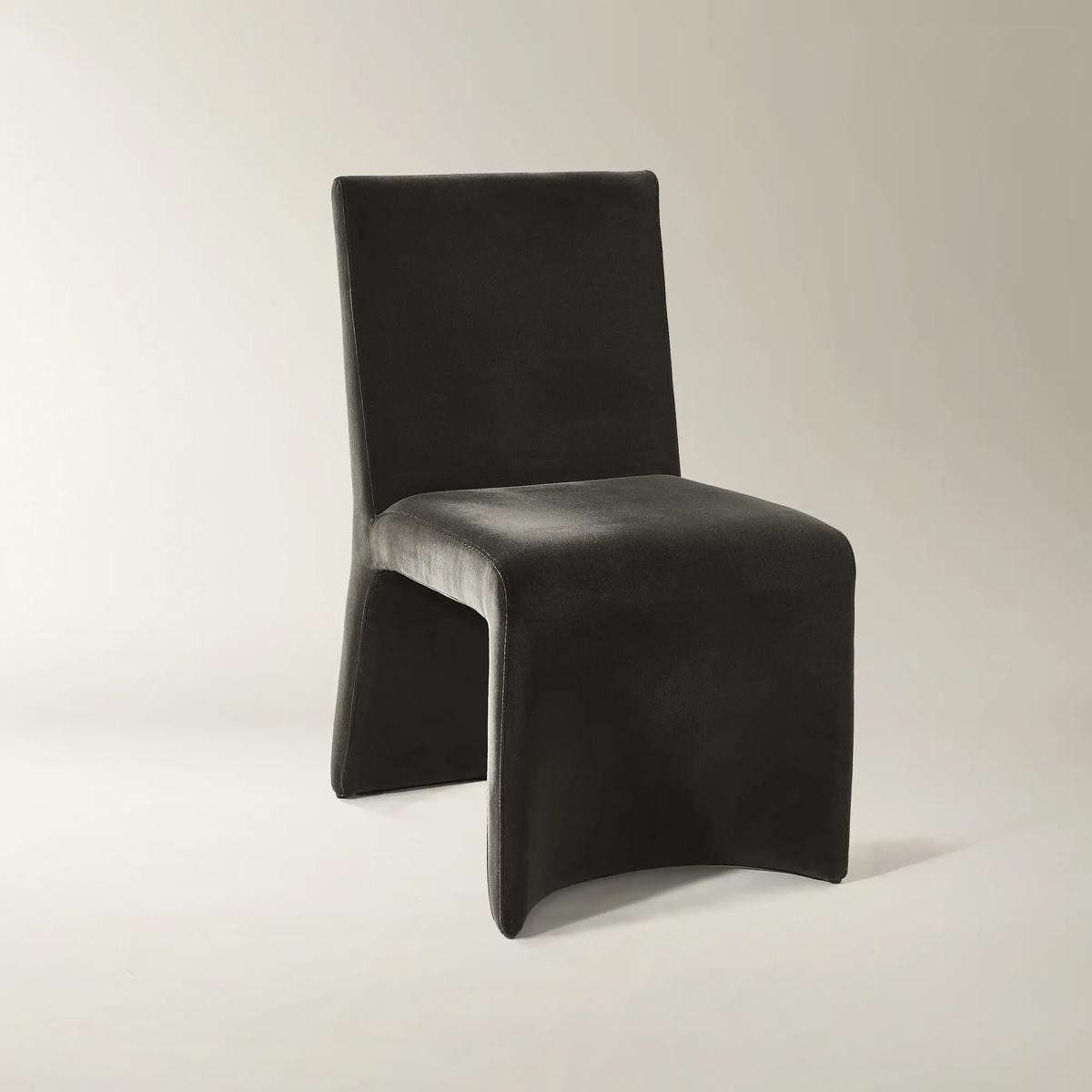
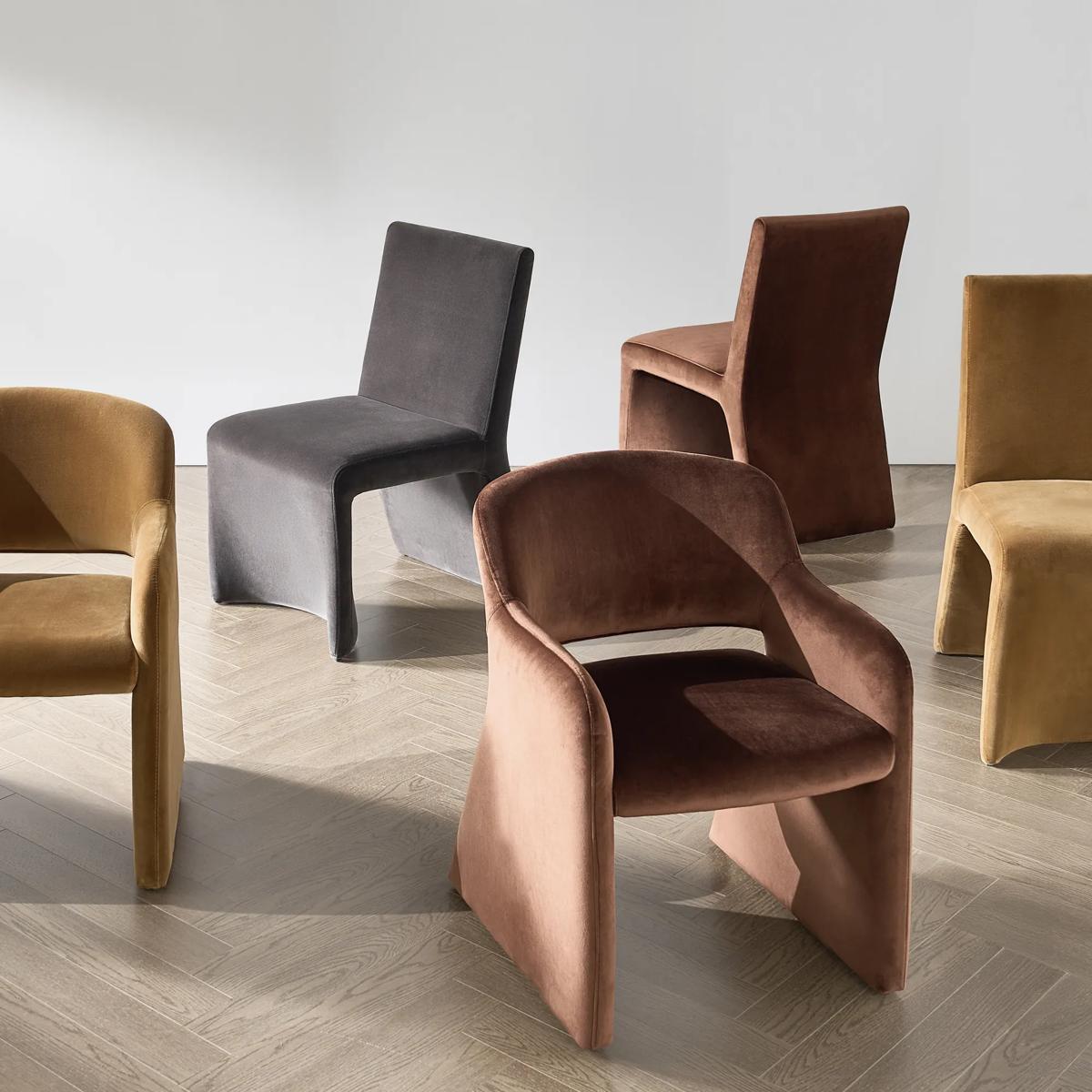 Elara Charcoal Velvet Dining Chair Set Of 2$699
A pair of charcoal velvet dining chairs featuring curved ergonomic silhouettes, plush upholstery, and hand-crafted details.
Add To Cart -
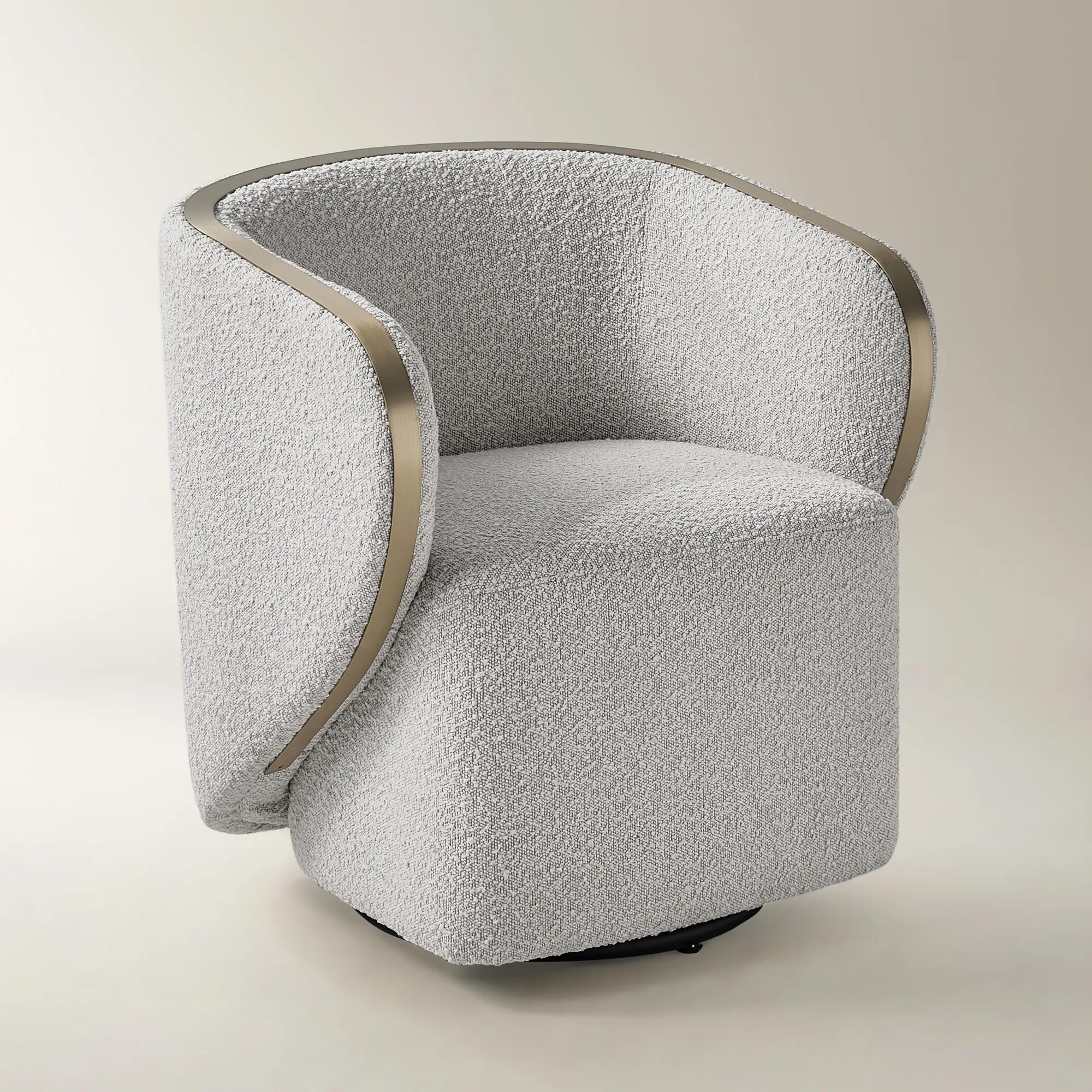 Nova Light Grey Performance Boucle Swivel Dining Chair$599
A sculptural light grey chair in water-repellent boucle with metallic trim and a smooth 360° swivel base.
Add To Cart -
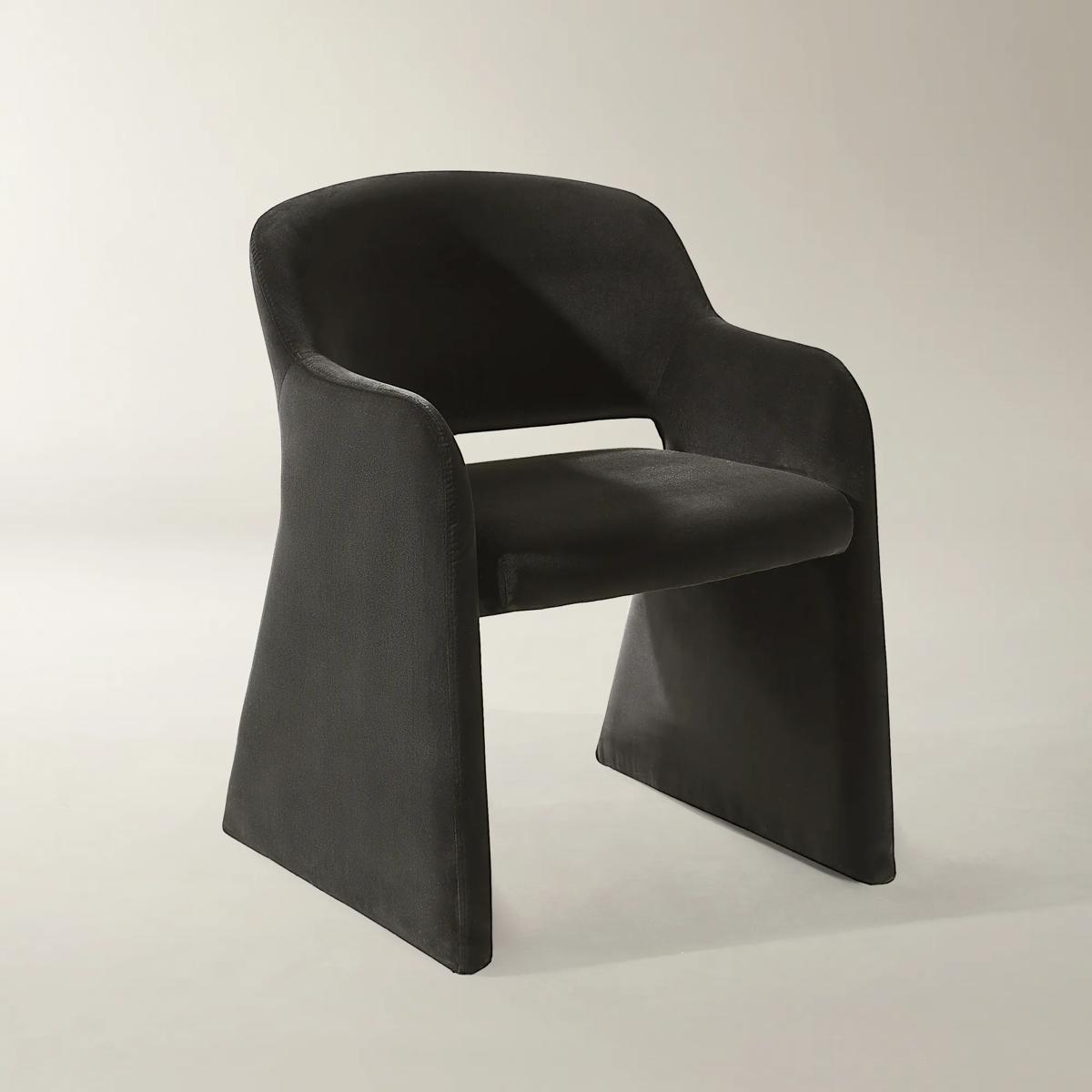 Elara Charcoal Velvet Dining Chair$399
A charcoal velvet armchair with sinuous curves, supportive embrace, and hand-crafted, reinforced construction.
Add To Cart -
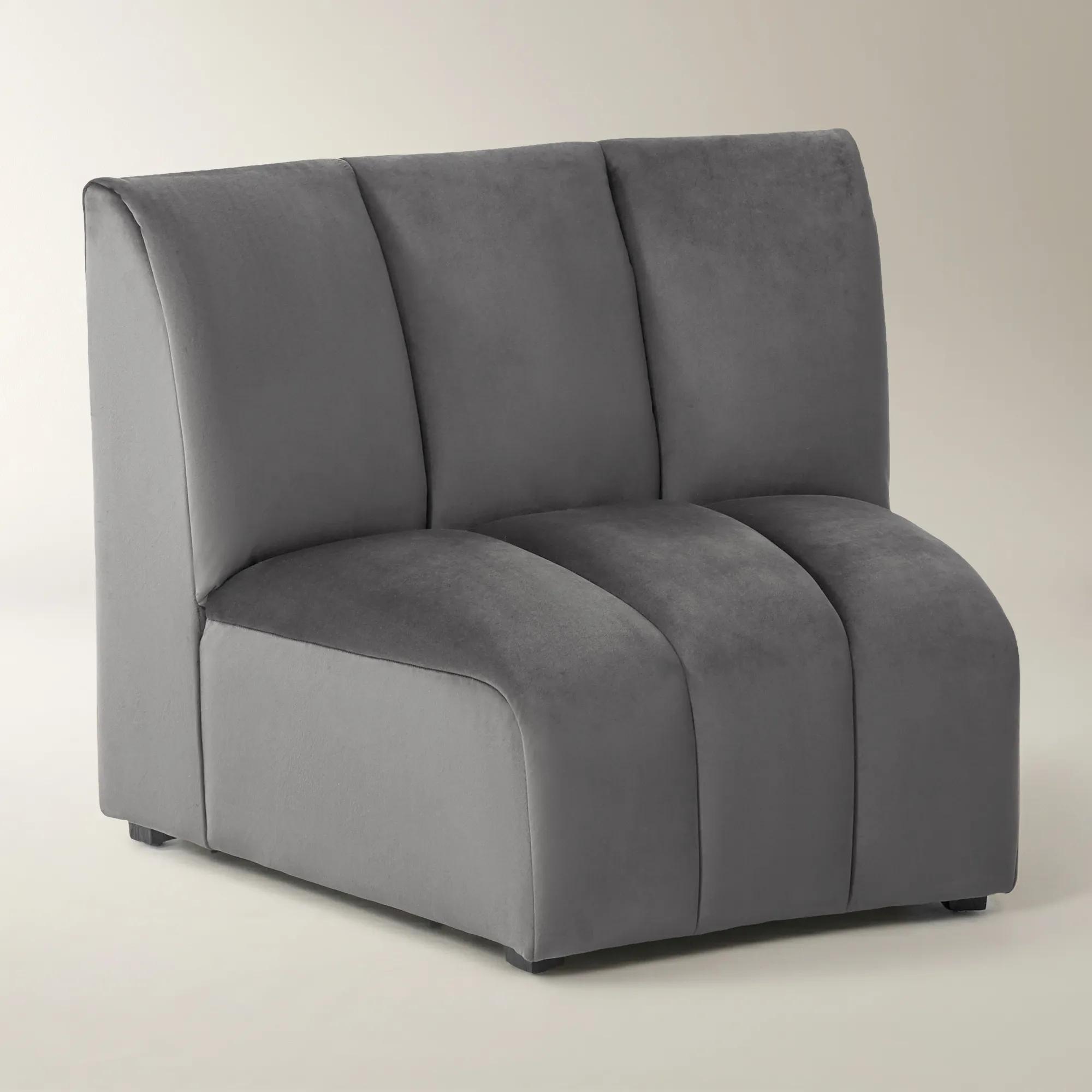
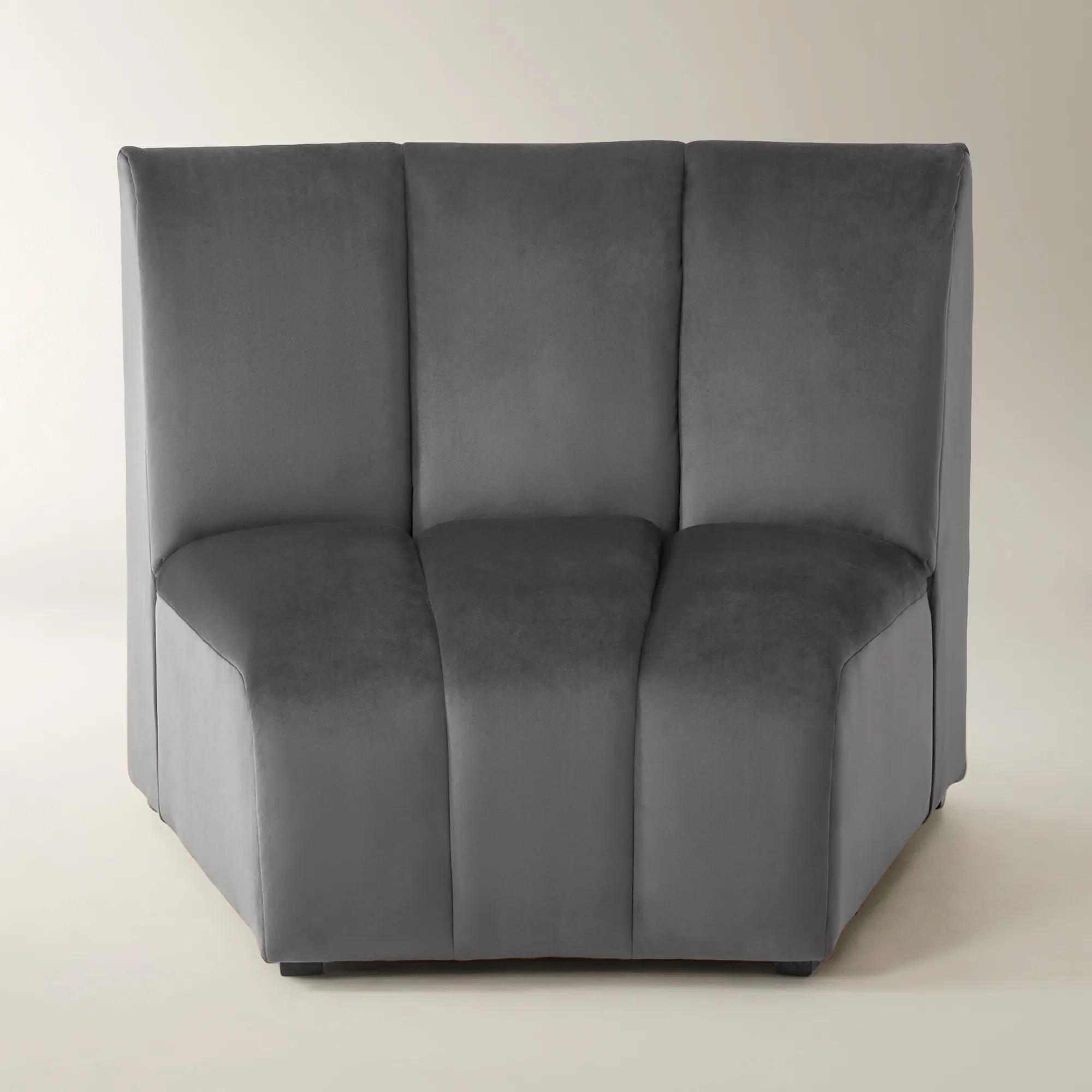 Jayce Channel-Tufted Smoked Pearl Velvet Armless Chair$949
A modern armless chair in silver grey velvet with deep channel tufting and plush, structured cushioning.
Add To Cart -
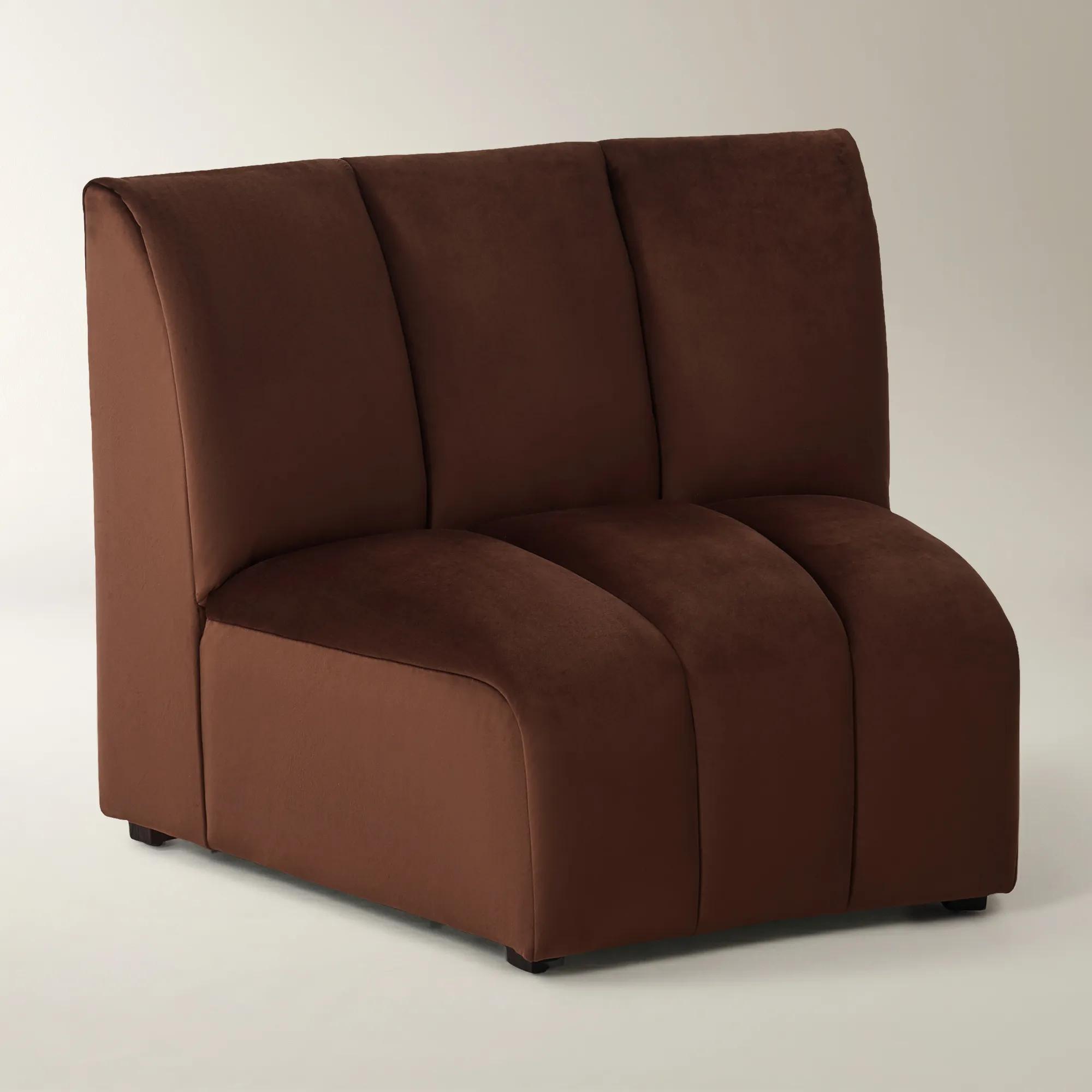
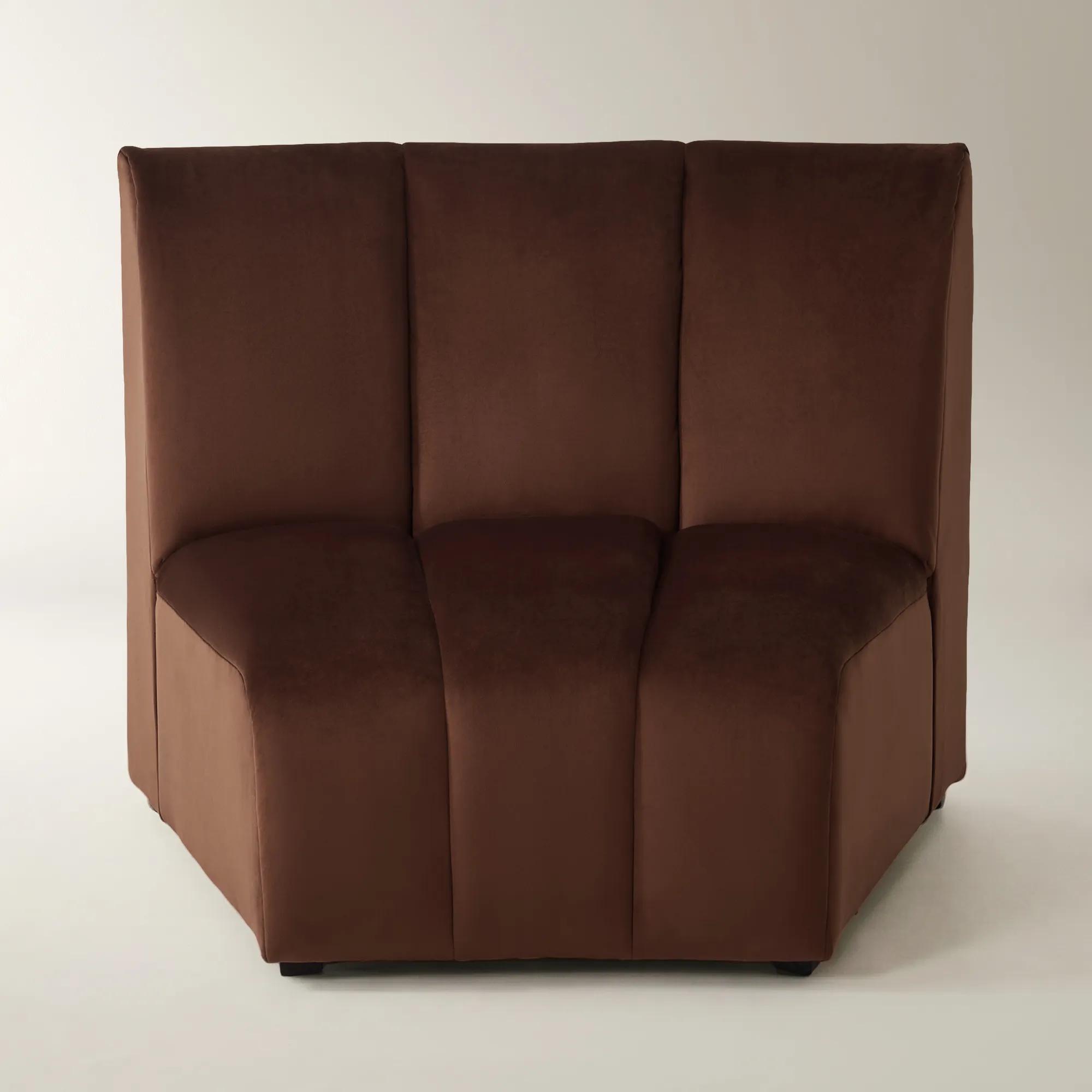 Jayce Channel-Tufted Burnt Umber Velvet Armless Chair$949
A modern armless chair in silver grey velvet with deep channel tufting and plush, high-density foam cushions.
Add To Cart -
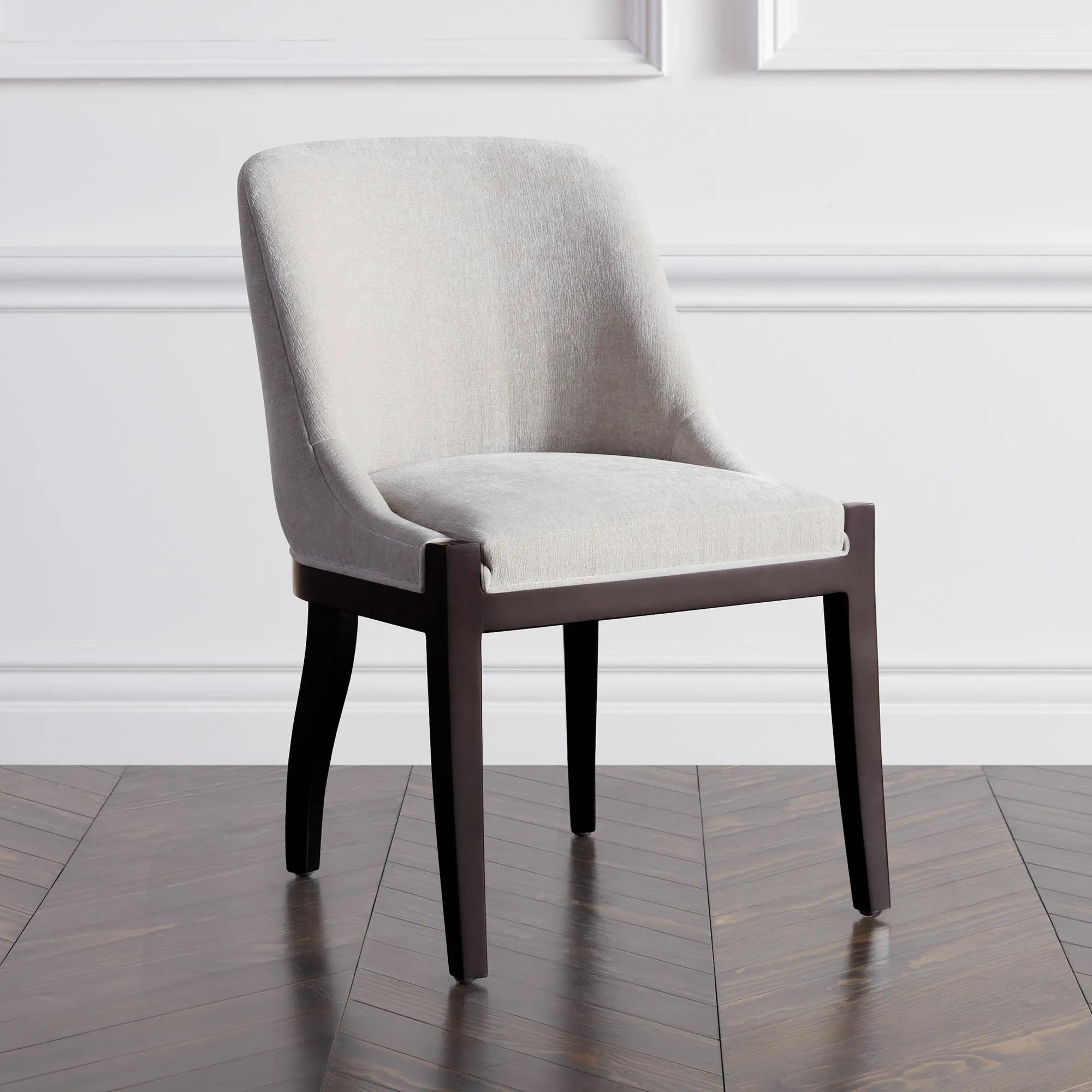
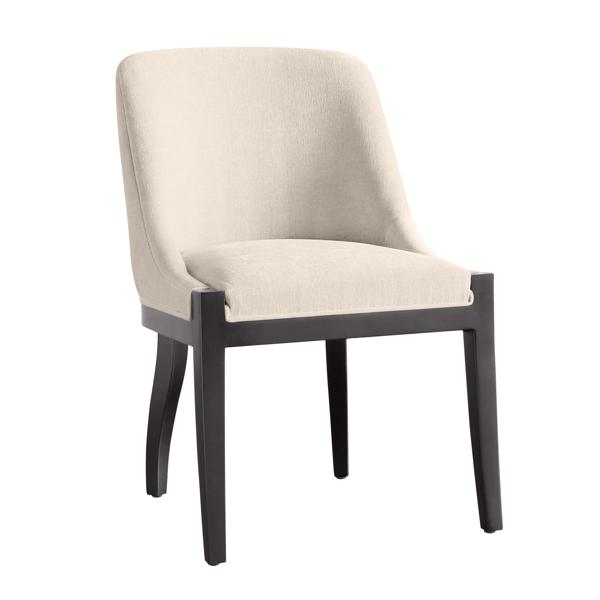 Lily Dining Chair - Espresso$599
A modern dining chair featuring espresso-finished hardwood, curvaceous silhouette, and plush, tailored upholstery.
Add To Cart -
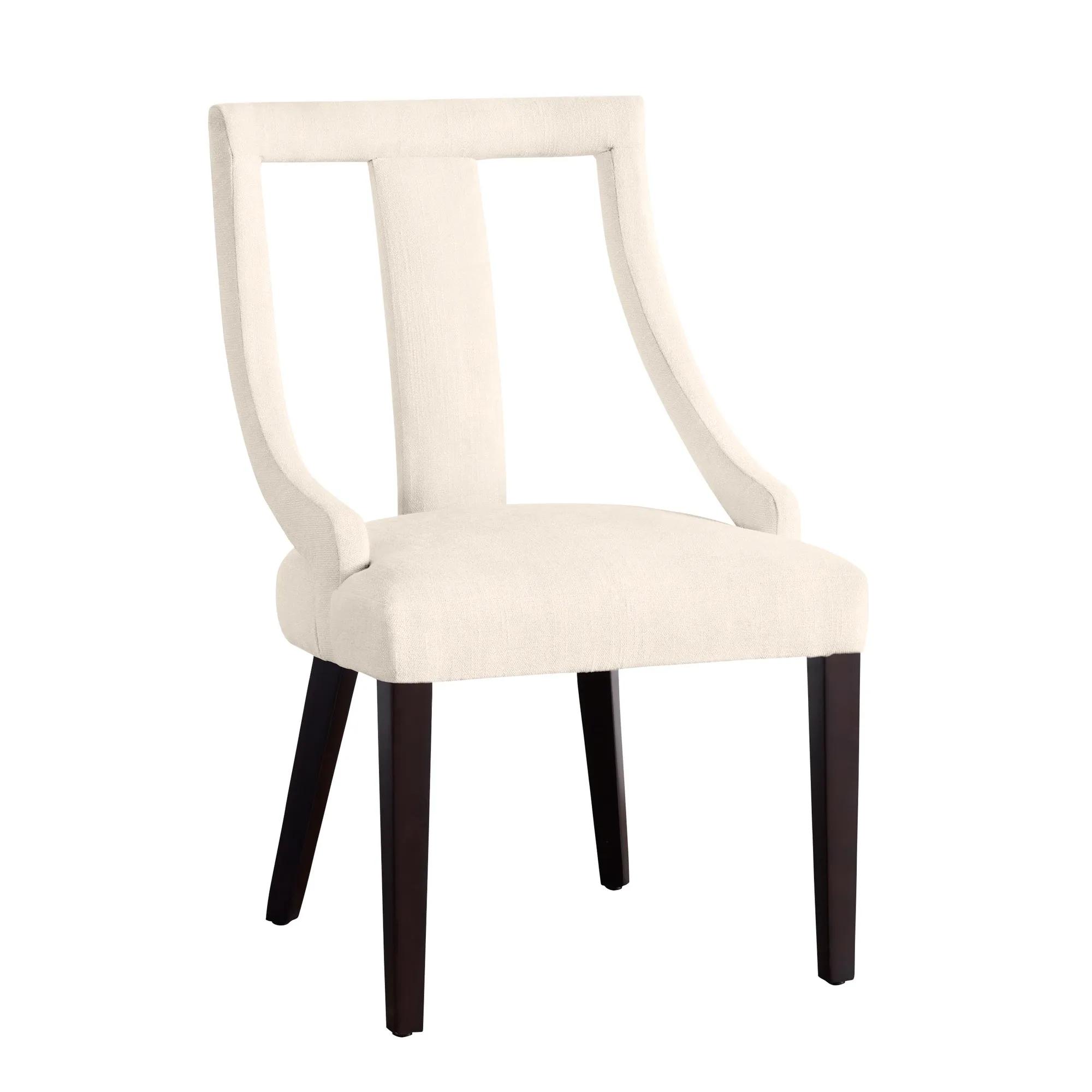
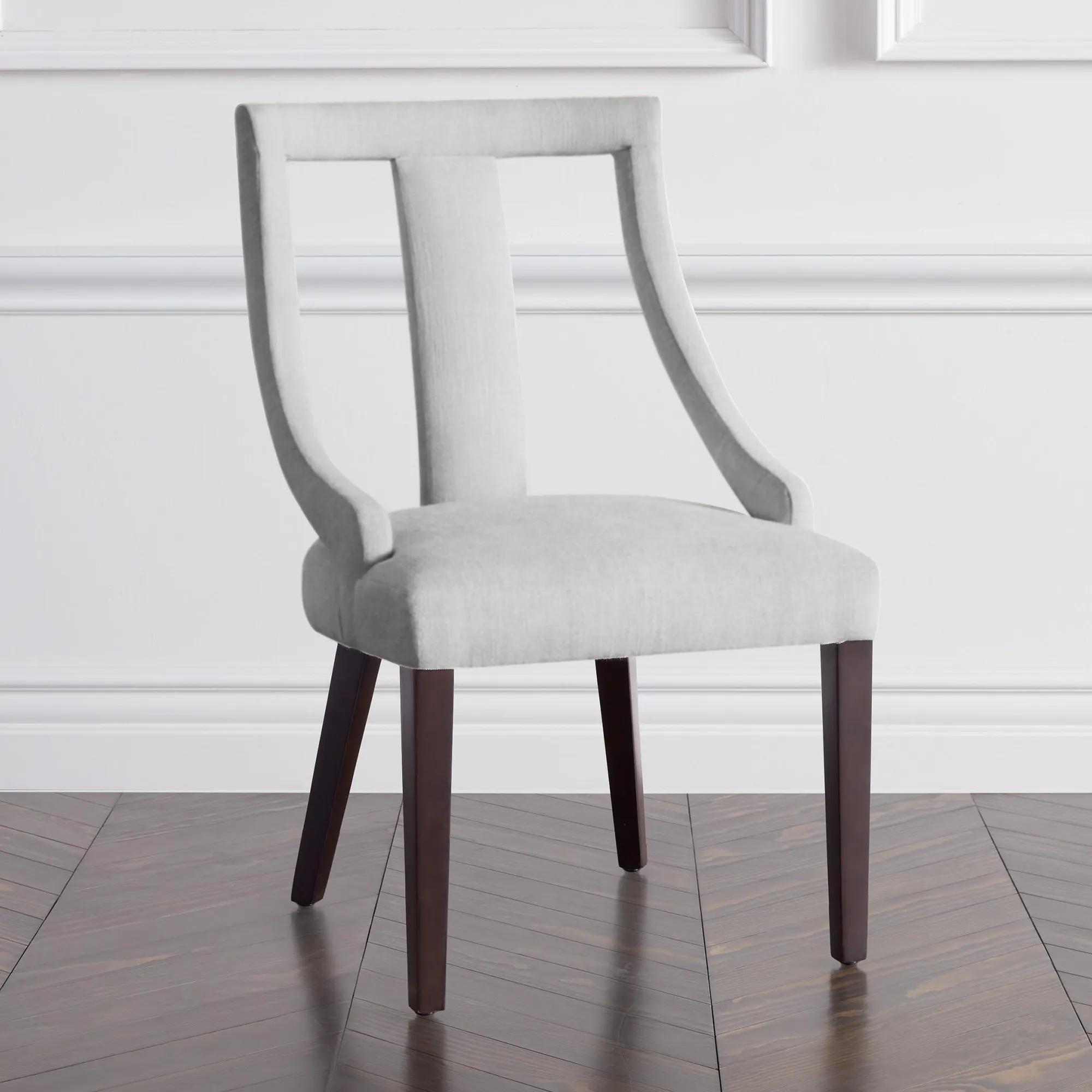 Jade Dining Chair - Espresso$649
A modern dining chair featuring a cutout back, espresso legs, and plush velvet upholstery for lasting comfort.
Add To Cart -
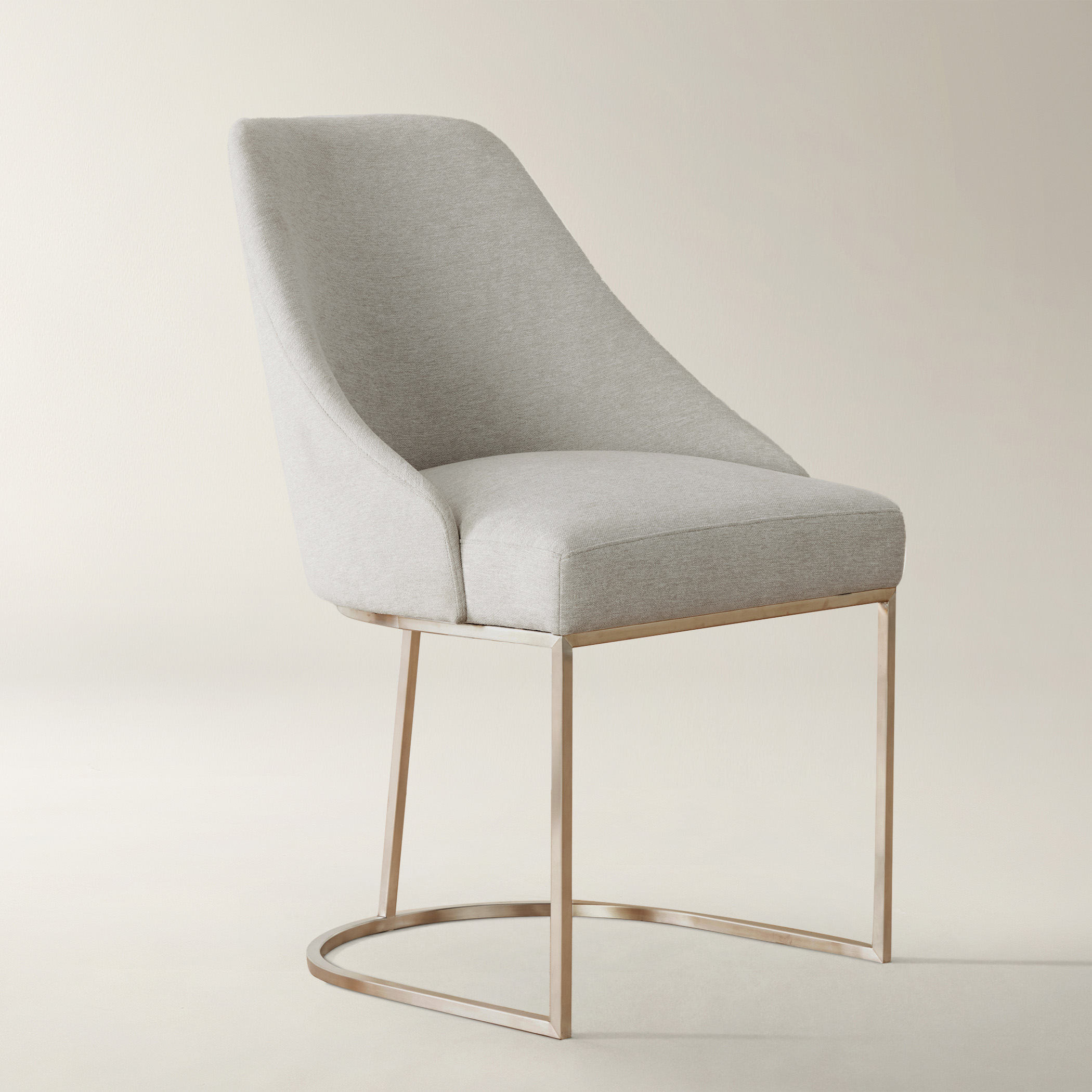
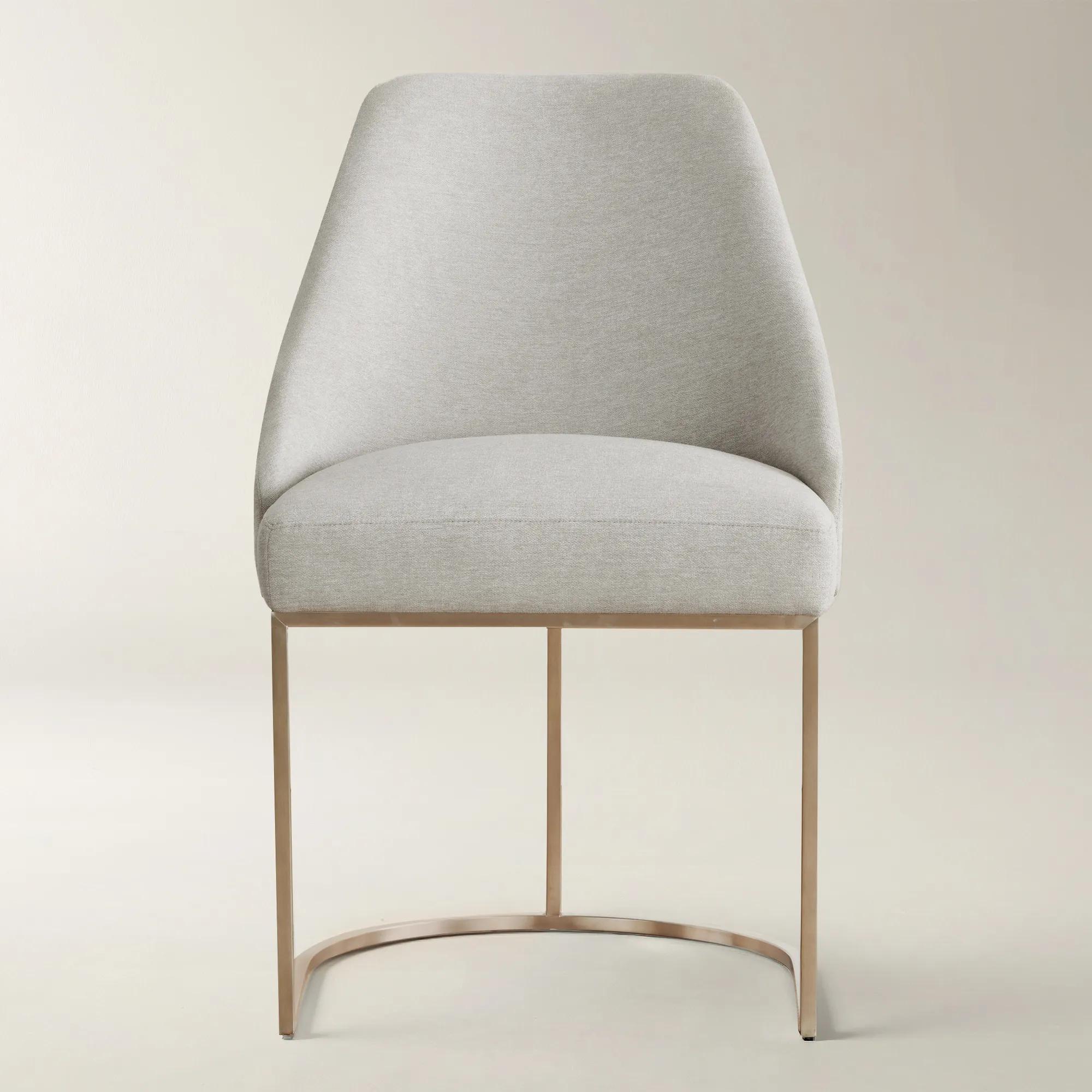 Rowan Ivory Fabric Dining Chair$599
A modern chair featuring brushed stainless steel legs and stain-resistant, water-repellent Roxboro Frost fabric.
Add To Cart -
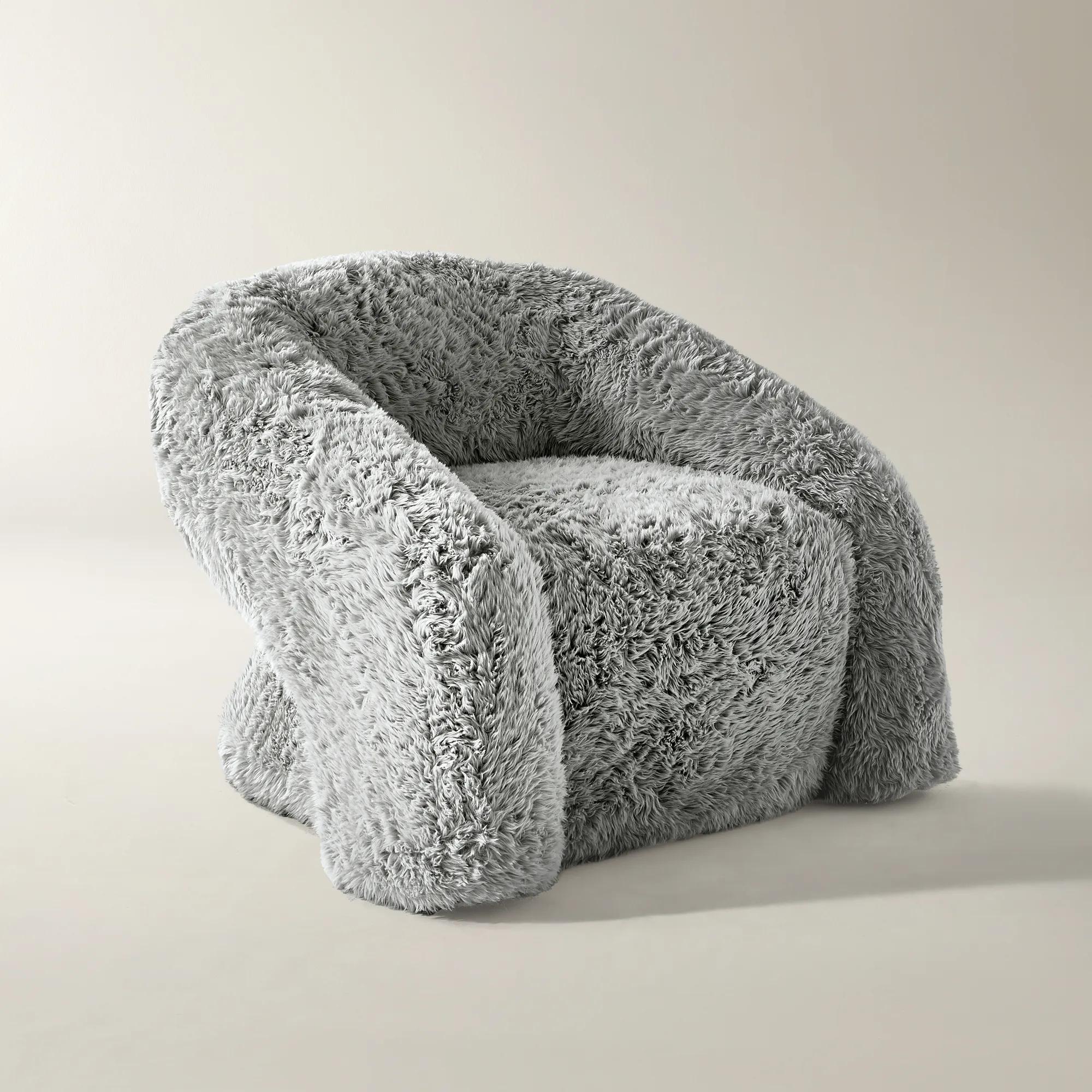
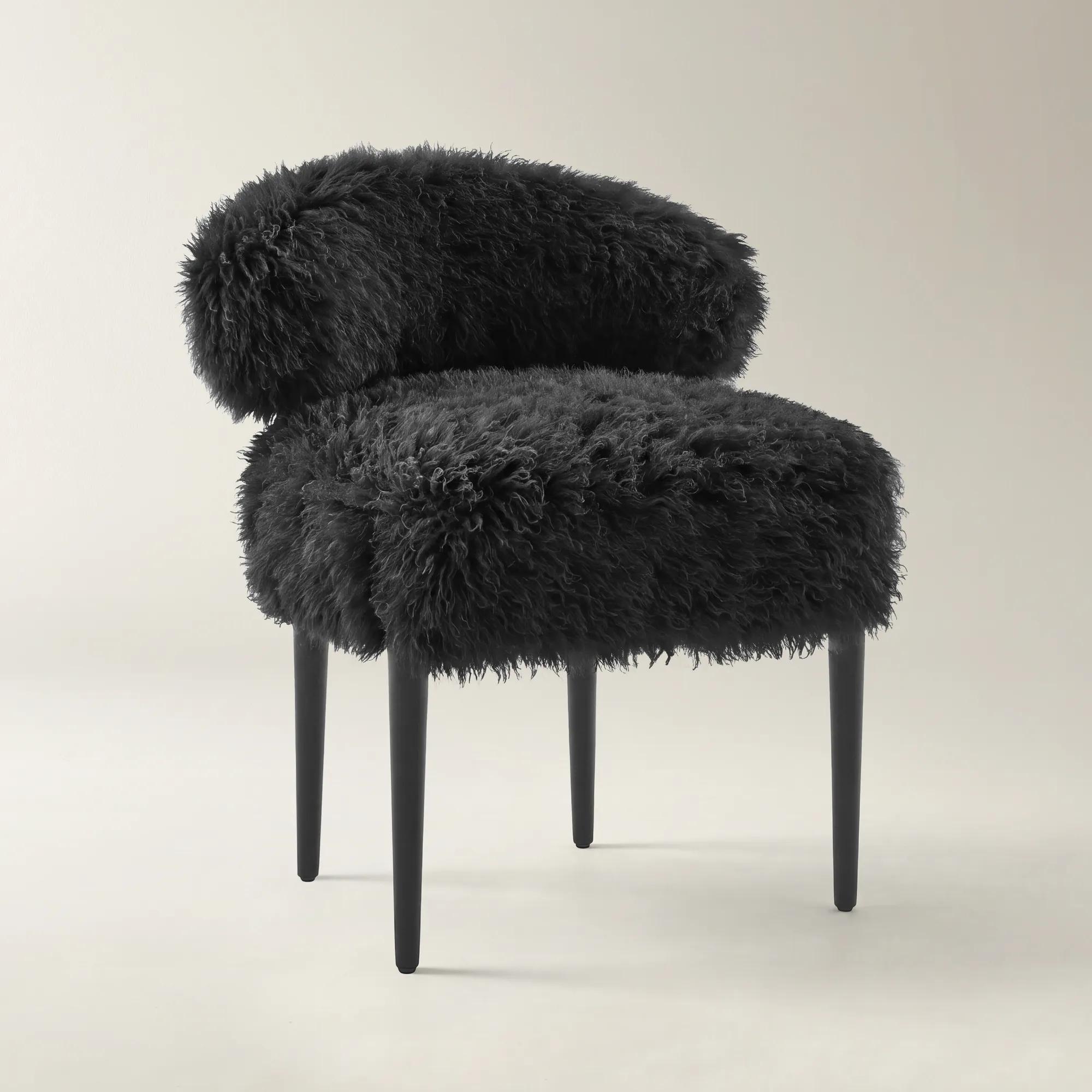
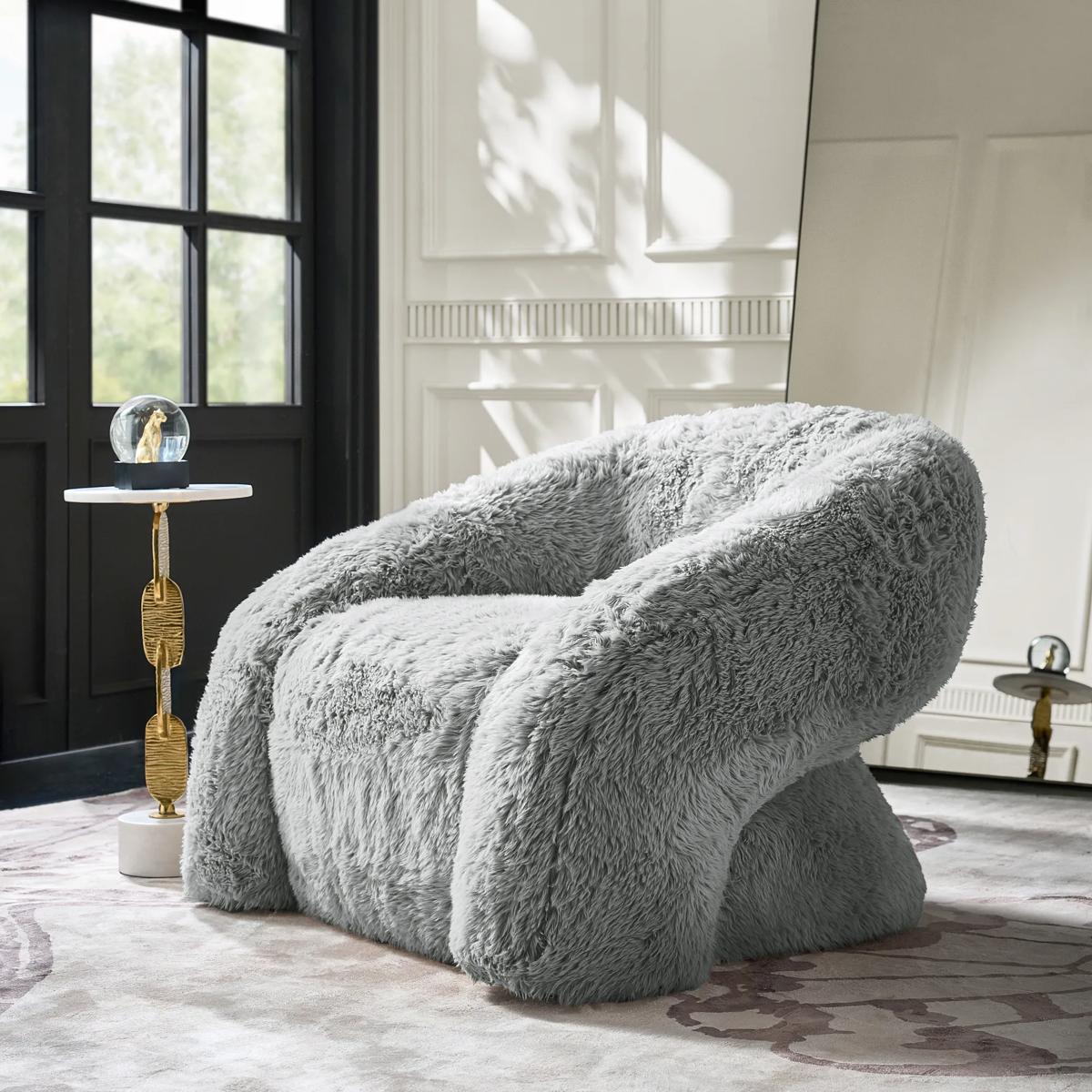 Misha Shadow Faux Fur Accent Chair$799
A cozy gray faux fur chair featuring high-resiliency foam and a sculptural, low-profile silhouette.
Add To Cart -
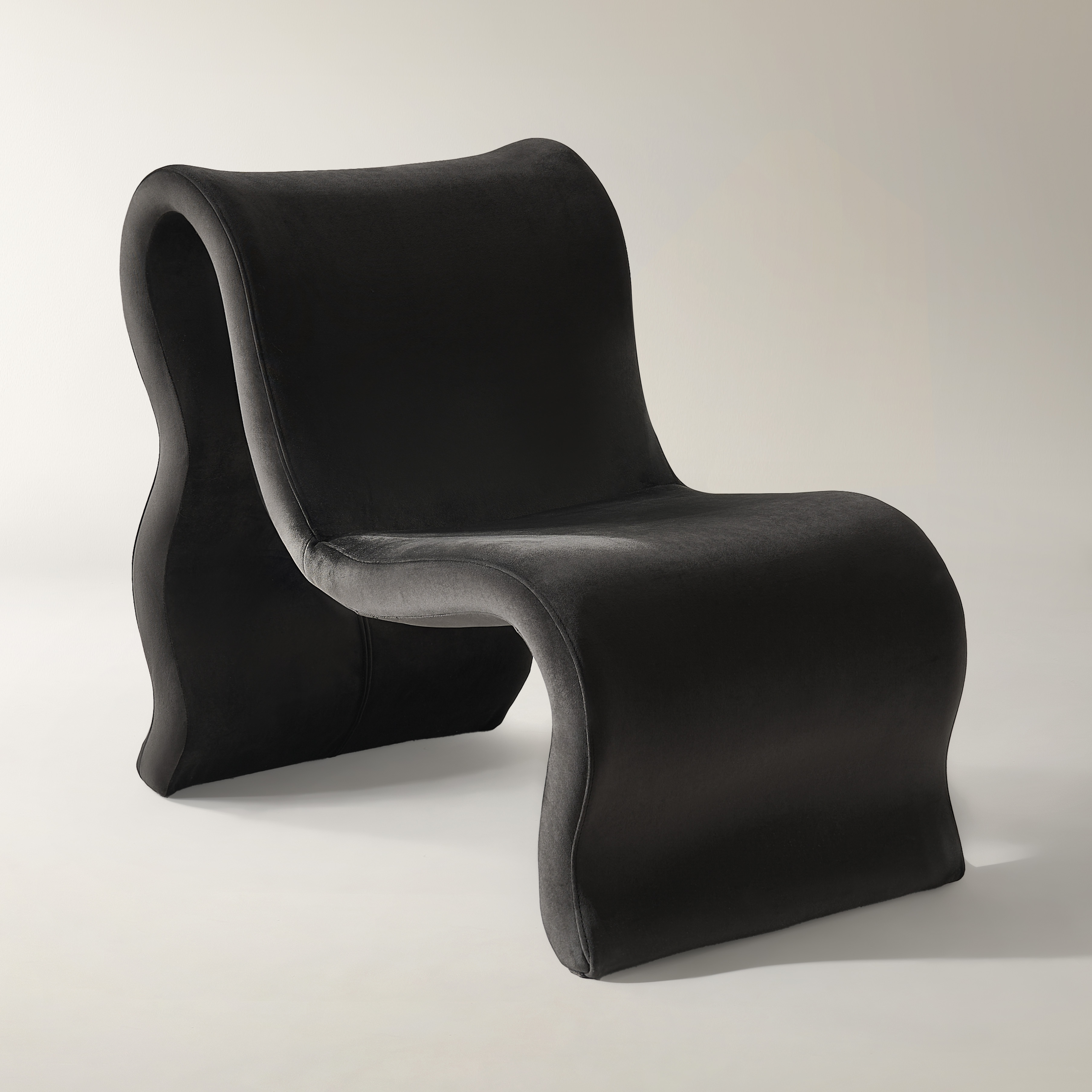 Romy Charcoal Velvet Accent Chair$999
A sculptural accent chair in charcoal velvet with a wave-like silhouette and full foam construction.
Add To Cart -
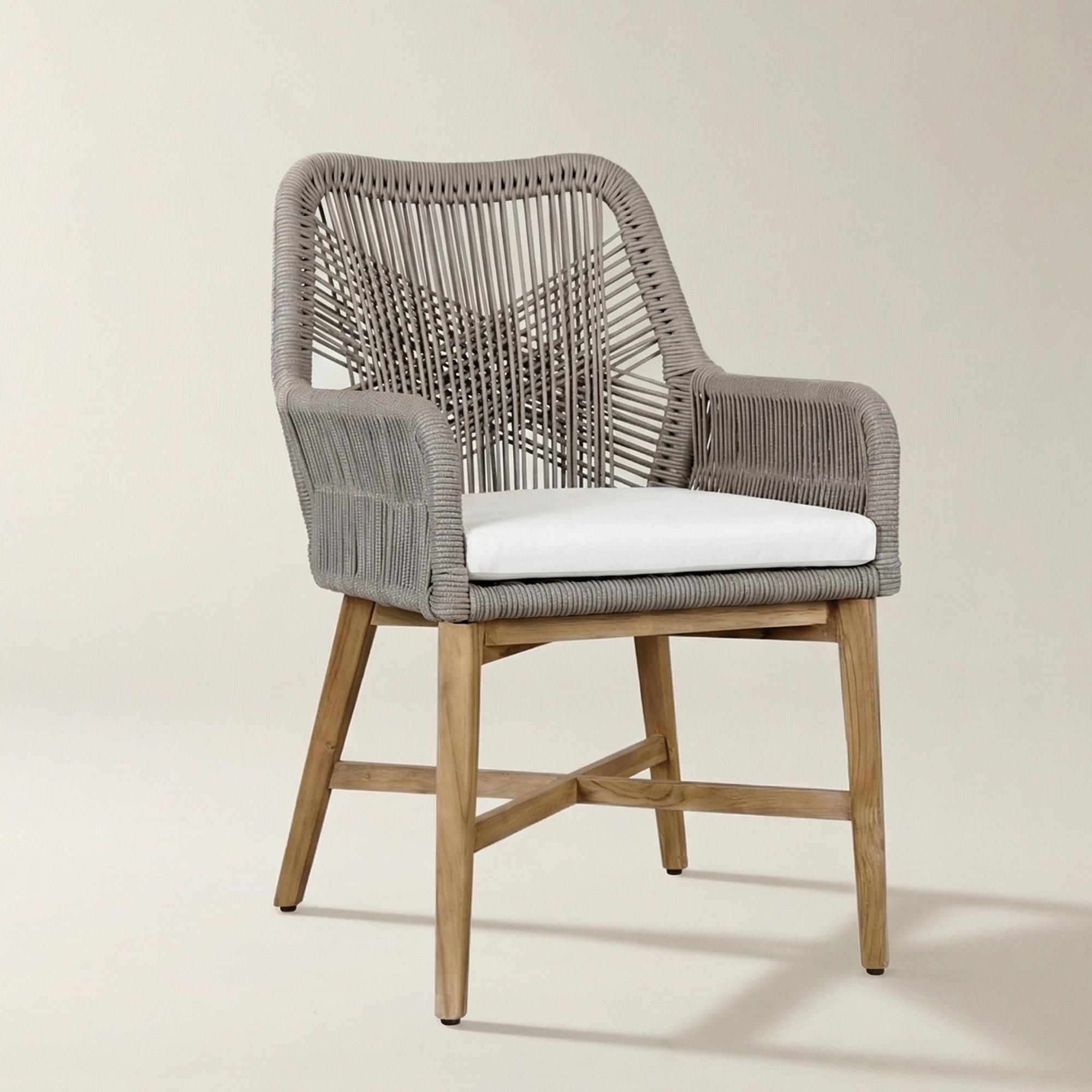 Marley Gray Outdoor Dining Chair$659
A modern gray outdoor dining chair designed to bring stylish comfort to alfresco gatherings.
Add To Cart -
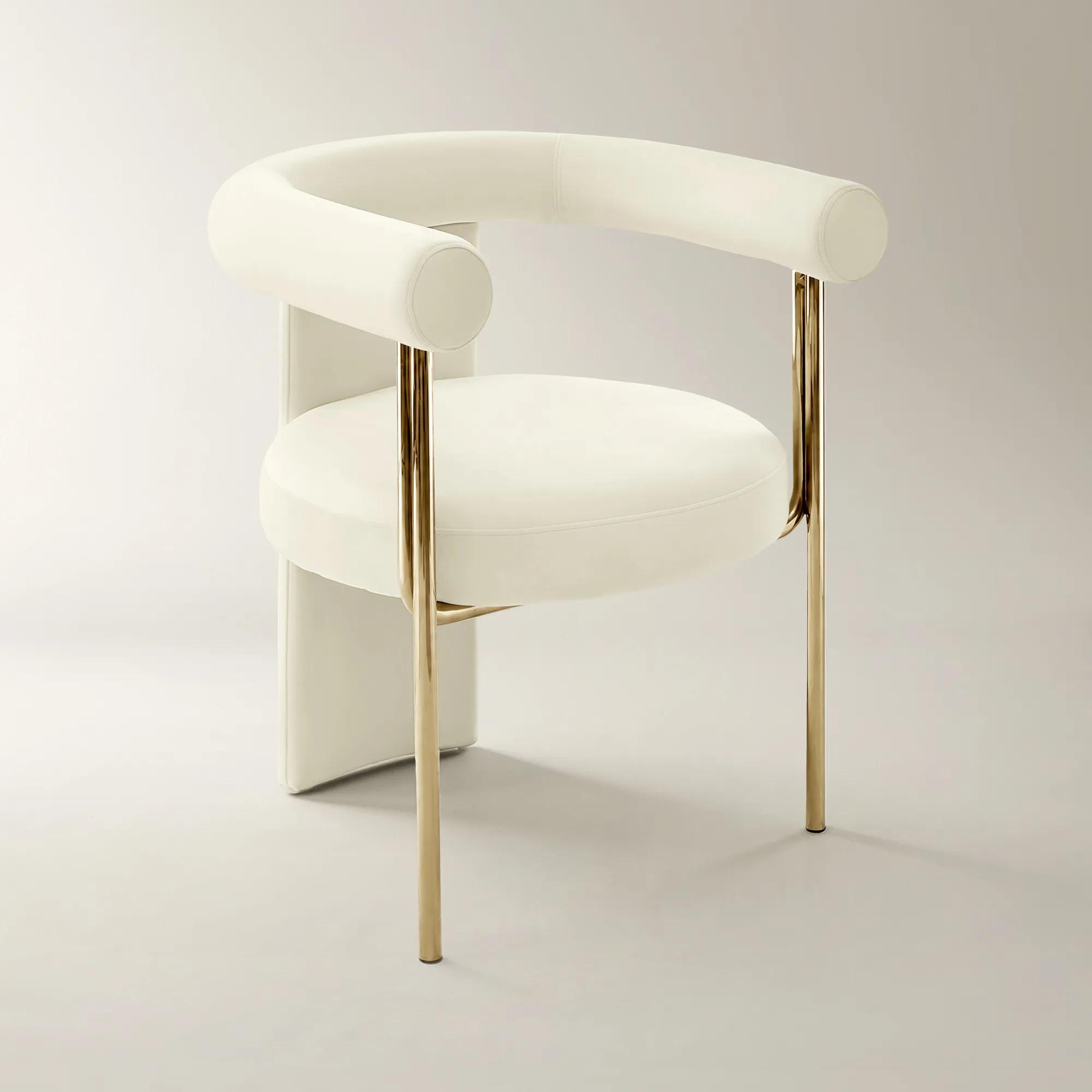 Davina Cloud Velvet Dining Chair Set Of 2$799
A set of two dining chairs featuring plush cloud velvet upholstery and a sculptural gold metal frame.
Add To Cart -
.jpg?w=1200&h=1200)
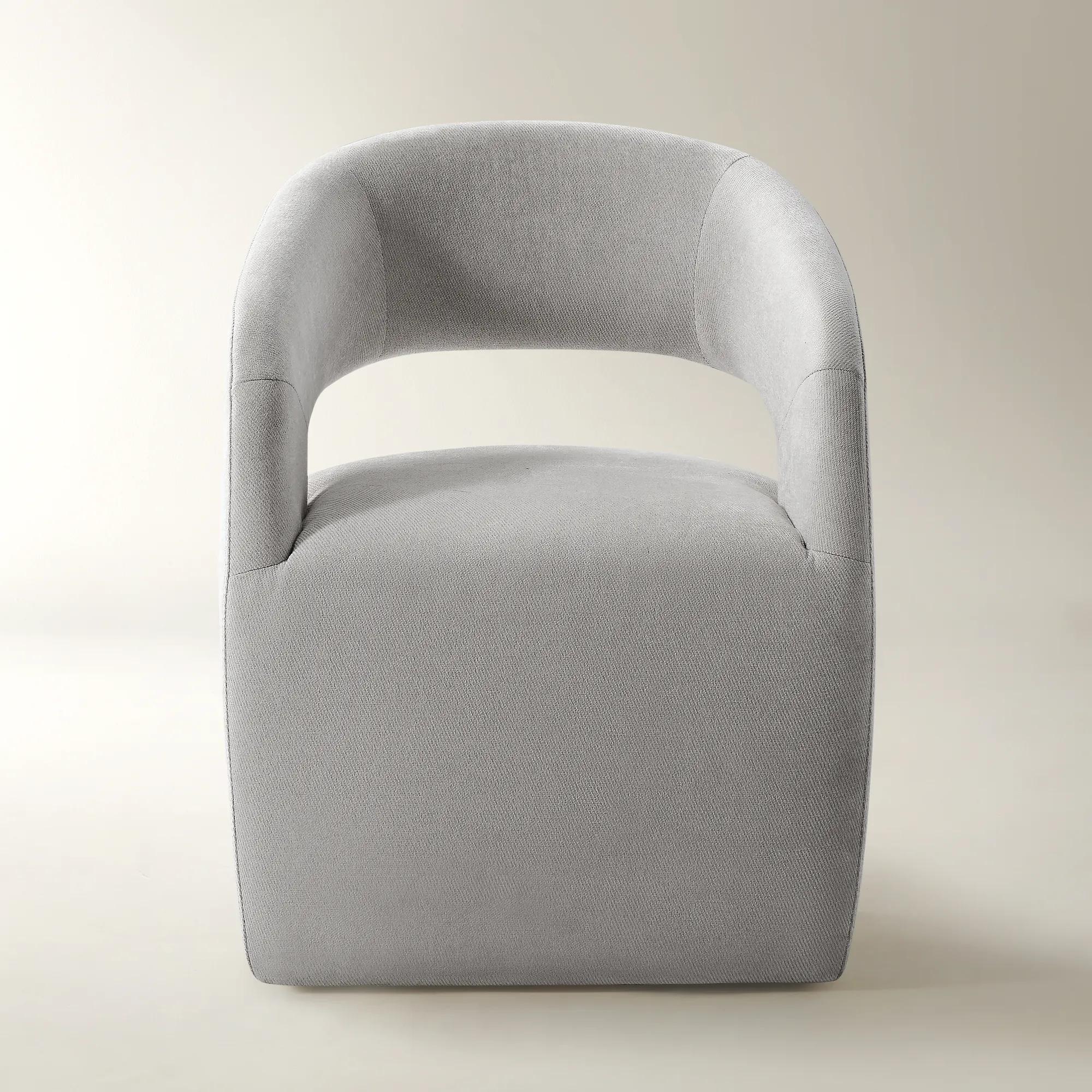 Harrison Flint Chenille Dining Chair$449
A fully upholstered flint chenille dining chair with high-density foam cushioning for superior comfort and style.
Add To Cart -
-0.jpeg?w=1200&h=1200)
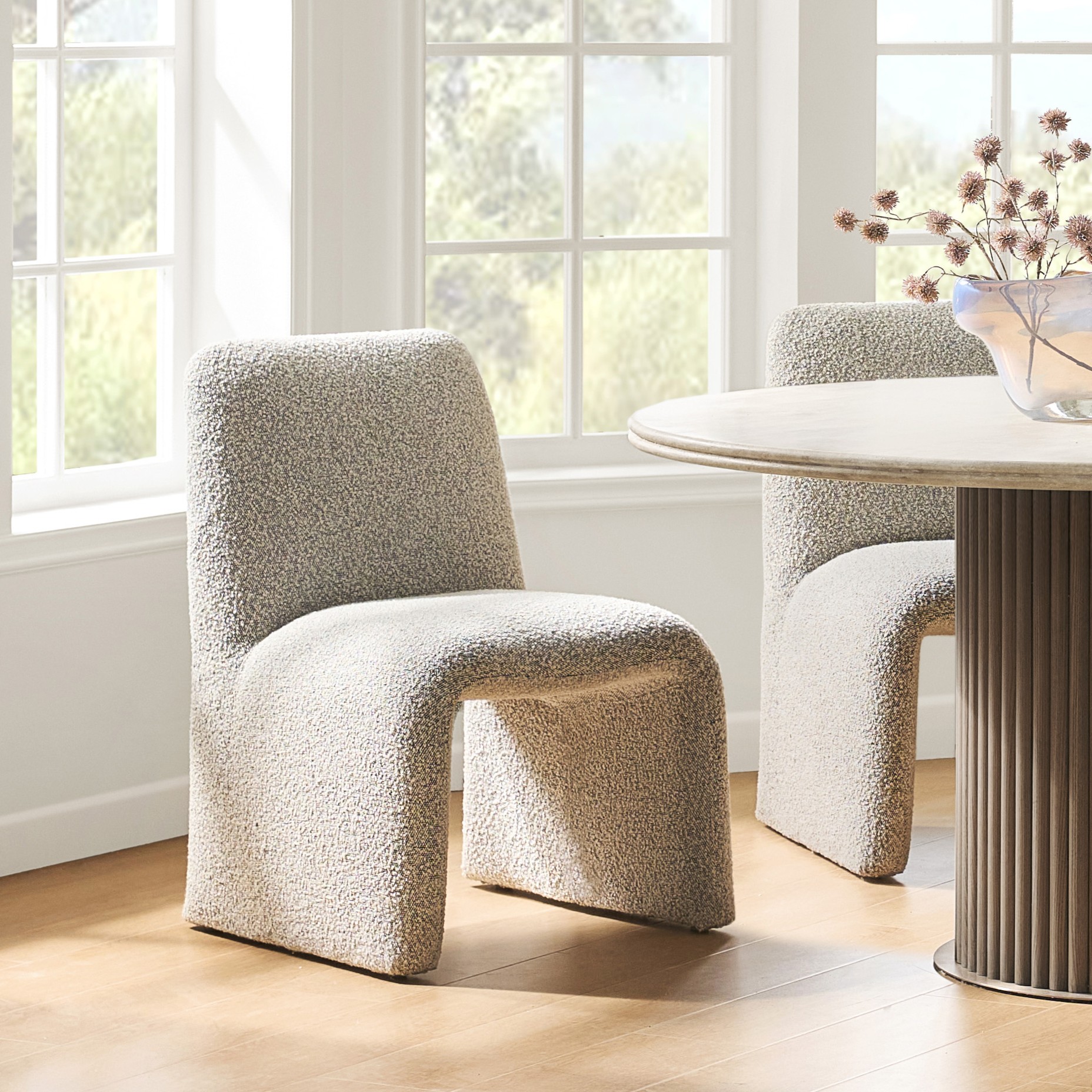 Cayenne Grey Boucle Dining Chair$399
A modern armless chair in grey boucle upholstery with a sleek metal frame and hand-crafted details.
Add To Cart -
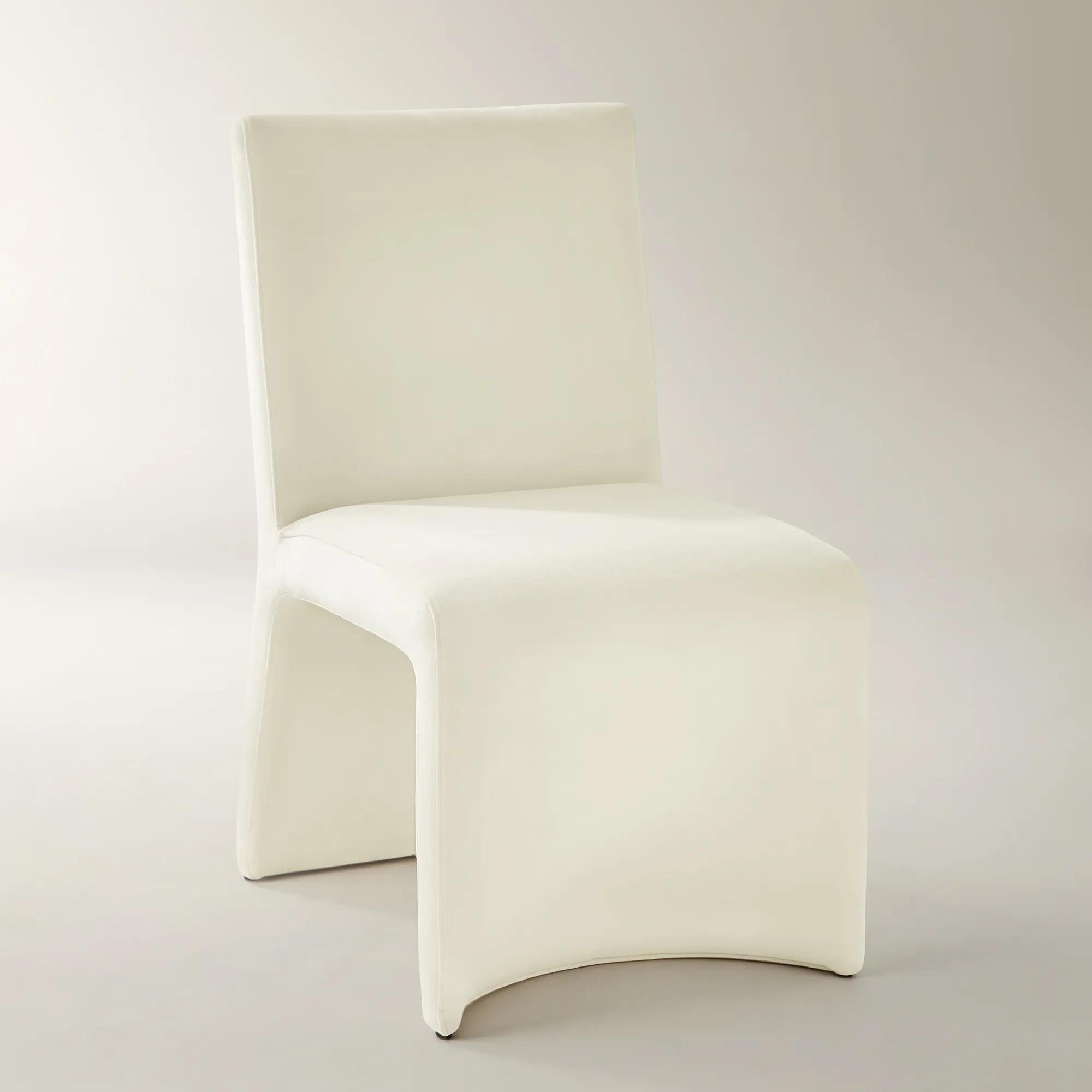 Elara Cloud Velvet Dining Chair Set Of 2$649
A set of two dining chairs featuring plush velvet upholstery, a seamless curved silhouette, and a sturdy steel frame.
Add To Cart -
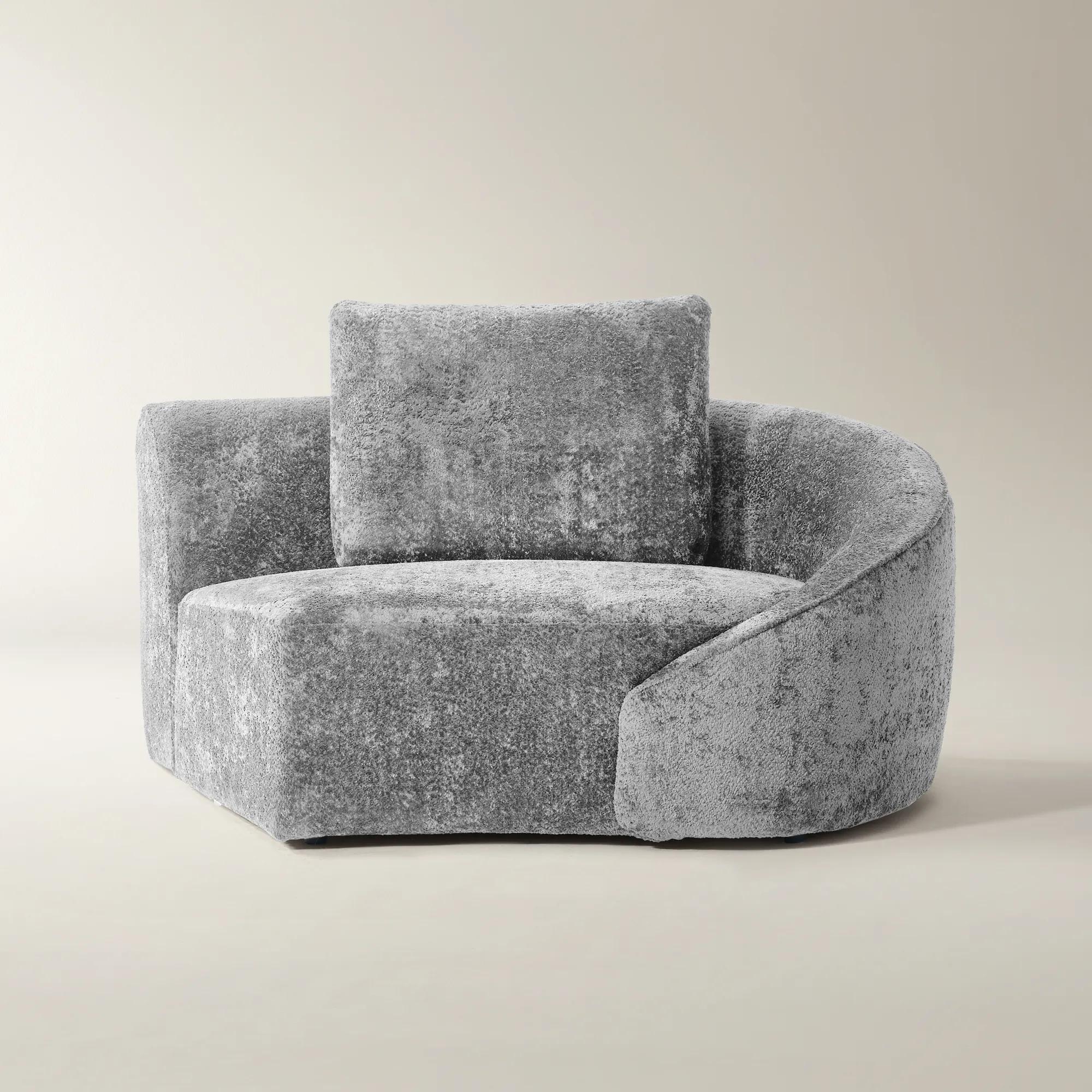 Irene Grey Chenille Right-Arm Chair$1299
A customizable seating collection featuring left arm, right arm, and armless chair components for versatile arrangements.
Add To Cart -
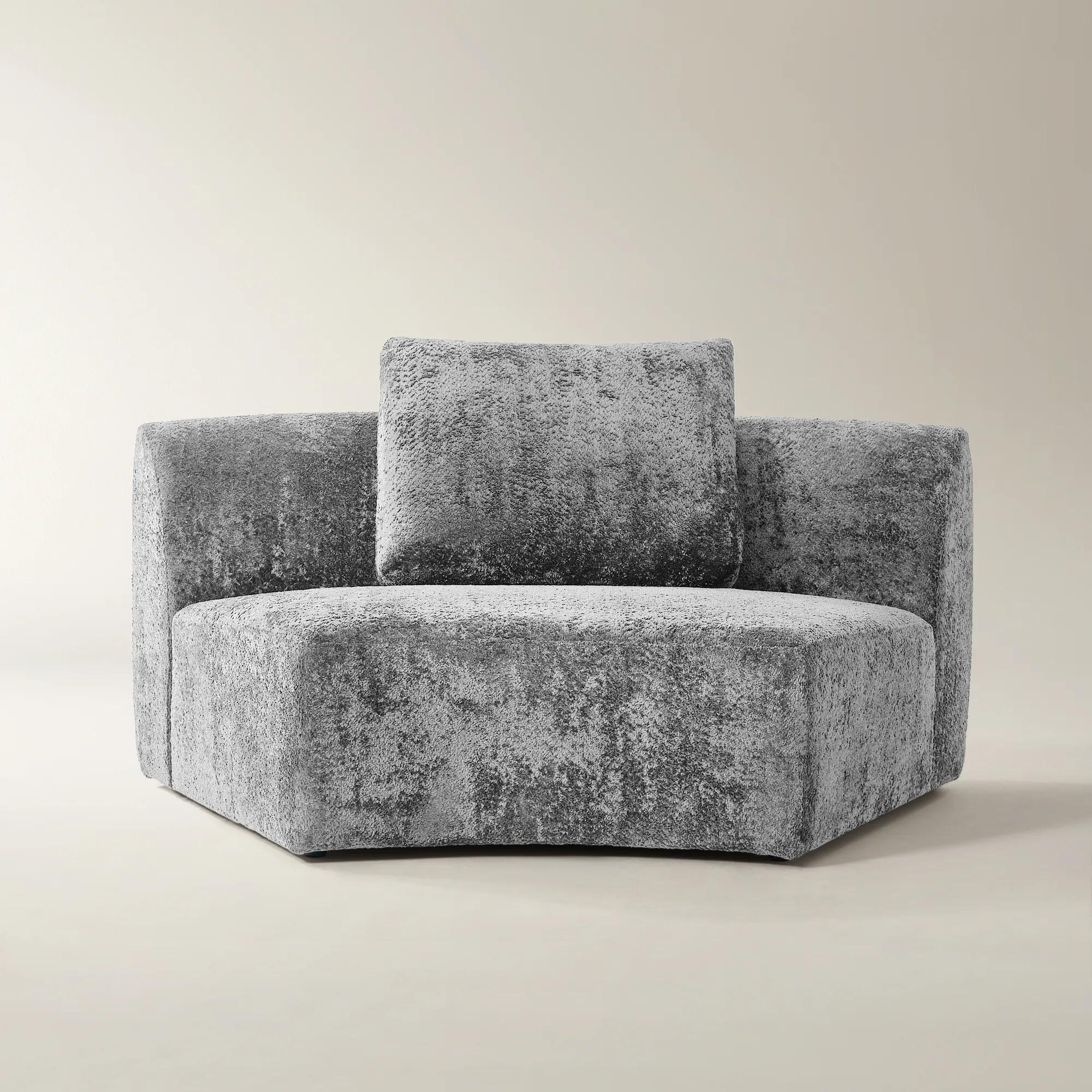 Irene Grey Chenille Armless Chair$1049
A customizable seating solution featuring left, right, and armless chair components for modern living rooms.
Add To Cart

Grey Indoor Dining Chairs
Grey indoor dining chairs invite a sense of refined drama to your dining space, striking the perfect balance between modern sophistication and timeless allure. With their versatile palette, these chairs become the canvas for your most inspired tablescapes—whether you’re hosting a candlelit soirée or an intimate family gathering. Each silhouette, awash in elegant grey, transforms the ordinary meal into an occasion, layering your room with texture, depth, and an unmistakable air of artistry. Let your dining area become a showcase of personal expression with seating that exudes both poise and presence.
Grey indoor dining chairs bring depth, softness, and a polished sense of drama to the dining room without demanding a single decorating direction. Their appeal lies in the balance: grey can feel luminous and airy in a pearl-toned weave, richly enveloping in charcoal velvet, or sharply architectural against a gleaming metal frame. As upholstered or unupholstered seating designed for interior dining spaces, these chairs suit everything from intimate breakfast tables to expansive settings made for lingering conversation. The shade is versatile, but its undertone shapes the room. Warm greys with hints of taupe sit beautifully beside walnut, cream upholstery, and brushed brass, while cooler silver greys create a crisp relationship with glass, black accents, and marble surfaces. Against a richly veined tabletop, a quieter grey fabric gives the stone room to command attention; beside a simple wood table, sculptural chair backs can become the defining gesture. Pale grey reflects more light and keeps a substantial grouping from feeling visually dense, while graphite establishes a stronger outline and lends contrast to lighter floors. Texture matters just as much as color. A smooth fabric reads differently from a nubby weave, and velvet’s directional pile can make the same chair appear lighter or darker as the viewing angle changes. Viewing an upholstery sample, when possible, beside the table and under the room’s own lighting helps reveal those distinctions. Grey also provides a composed foundation for expressive table settings, allowing jewel-toned glassware, patterned linens, or metallic serving pieces to change the atmosphere without requiring new seating. A coordinated arrangement creates a tailored rhythm around the table, while grey side chairs paired with more sculptural host chairs introduce variation without visual disorder. For households that use the dining area daily, as well as hosts who reserve it for elaborate gatherings, the strongest choice brings together an appealing silhouette, a comfortable seat, and proportions that belong naturally in the space.
Materials give grey dining chairs their character and influence how comfortably they fit into everyday life. Velvet lends a sumptuous surface and a subtle play of light, particularly on curved backs or deeply cushioned seats. Woven upholstery offers a more tactile expression, with tonal threads that can soften the appearance of a broad chair back and add dimension to an otherwise restrained palette. Linen and linen-blend fabrics can bring an elegant, relaxed texture, though wrinkle resistance, stain response, and cleaning requirements depend on the complete fiber composition and finish. Faux leather offers a smooth, tailored appearance and may accommodate straightforward wipe-down care, but it still needs protection from abrasive cleaners and treatment appropriate to its coating. Wood seating emphasizes grain and sculptural form, while upholstered seats add cushioning for meals that unfold over several courses. Frame materials create another layer of expression: wood legs give grey upholstery a grounded warmth, and slender metal legs introduce a more linear, architectural note. Neither material alone guarantees durability; sound joinery, stable construction, upholstery quality, and adherence to the stated weight capacity all matter. In a dining room shared with children, frequently entertained guests, or pets, tightly woven fabrics and clearly documented performance properties deserve particular attention. Grey may make some light marks less conspicuous than a very pale solid fabric, but it does not make a chair stainproof, and contrasting crumbs or pet hair can remain visible. Regular vacuuming with a suitable upholstery attachment helps keep debris from settling into seams and tufting. Blot spills promptly rather than rubbing, and follow the manufacturer’s care label before applying water, solvents, or fabric treatments. Velvet may require gentle attention to the pile, while wood and metal finishes benefit from soft cloths and approved cleaners. Floor protectors suited to the flooring help reduce scratches as chairs move. These details preserve more than appearance: they support seating that remains inviting through daily breakfasts, shared projects at the table, and unhurried dinners.
Fit is what turns an arresting dining chair into a seat guests are happy to occupy. Many standard dining tables stand about 28 to 30 inches high, and dining-chair seats commonly measure approximately 17 to 19 inches from the floor, but the relationship between the two matters more than either measurement alone. Allowing roughly 10 to 12 inches between the seat and the underside of the tabletop is a useful starting point, with additional attention to any apron that may reduce thigh clearance. Upholstery compression and individual comfort preferences can change how that spacing feels. Armchairs need a separate check: the arms should clear the table apron if the chairs are intended to tuck underneath. Around the table, approximately 24 inches of width per place setting is a common baseline, not a promise that every chair will fit; broad seats, curved arms, and widely spaced legs may require more room. Table pedestals and corner legs can also limit where seats sit comfortably. Behind each chair, about 36 inches from the table edge to a wall or other obstruction is a useful planning minimum, with more space desirable where people need to pass behind seated diners. In a compact dining nook, armless silhouettes and open bases can preserve an expansive sightline, while a larger room can carry generously padded backs and sweeping curves with confidence. High backs create a formal cadence, Parsons-style profiles emphasize clean upholstered lines, and tufting or nailhead detailing adds definition for a more ornamented setting. A softly contoured back and supportive cushioning suit long conversations, while chair weight and ease of movement matter when seating is pulled out several times a day. For a dining area closely connected to cooking and casual meals, Grey Kitchen Dining Chairs offer a related focus for the same considered palette. Whether framing a round pedestal table or lining a long rectangular surface, grey indoor dining chairs can anchor an expressive interior with quiet tonal continuity, leaving silhouette, texture, and the art of gathering to supply the drama.
FAQs
Grey indoor dining chairs are remarkably versatile, making them a natural fit for a range of interior styles. Their neutral palette enhances modern, contemporary, and mid-century spaces with sleek silhouettes and clean lines. In traditional or farmhouse settings, grey chairs offer a calming contrast to rustic woods and vintage accents. For those who favor glam or eclectic décor, grey serves as an elegant backdrop for metallic finishes, bold art, or jewel-toned accessories, allowing you to layer textures and colors with confidence.
Selecting the right upholstery depends on your lifestyle and desired aesthetic. Velvet and chenille bring a sense of luxury and softness, perfect for formal dining rooms or spaces where comfort is key. Linen offers a relaxed, breathable texture ideal for everyday use, while leather—real or faux—delivers a polished look that's also easy to maintain. Each material enhances the mood of your dining area, so consider both tactile pleasure and practical needs when making your choice.
Grey is an excellent choice for busy households, as it gracefully conceals minor spills and everyday wear. For homes with children or pets, opt for performance fabrics or faux leather, which are designed for easy cleaning and durability. The timeless appeal of grey ensures your dining chairs remain stylish and resilient, even in the most active family settings.
Absolutely. Grey dining chairs act as a sophisticated foundation for seasonal décor. In winter, layer them with plush throws or metallic accents for a festive, cozy atmosphere. During spring and summer, pair them with fresh florals or pastel tableware to evoke lightness and renewal. Their adaptability allows you to refresh your dining space throughout the year with minimal effort.
Grey dining chairs invite artistic expression. Anchor the room with a dramatic statement rug or a gleaming chandelier overhead. Mix chair styles—such as pairing upholstered end chairs with sleek side chairs—for visual interest. Use bold centerpiece arrangements or colorful table linens to contrast the soft neutrality of grey, creating a dining area that feels curated, inviting, and uniquely yours.