
Structured Grey Dining Chairs
Structured Grey Dining Chairs
-

 Alric Dining Chair$599
A modern dining chair featuring solid oak in a natural grey finish and neatly tailored upholstery.
Add To Cart -
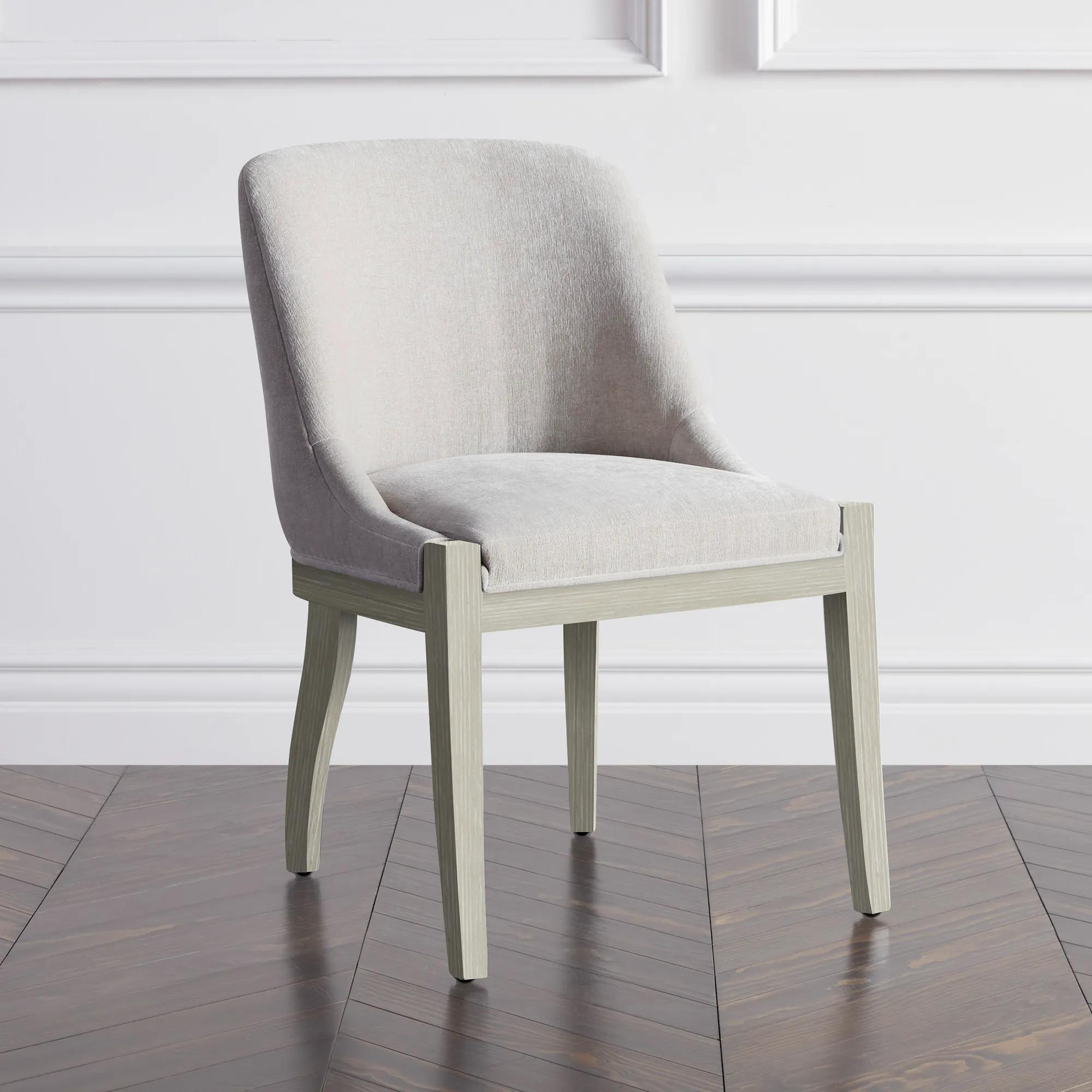 Lily Dining Chair - Natural Grey$749
A modern grey dining chair with kiln-dried hardwood frame and plush, tailored upholstery for lasting comfort.
Add To Cart -
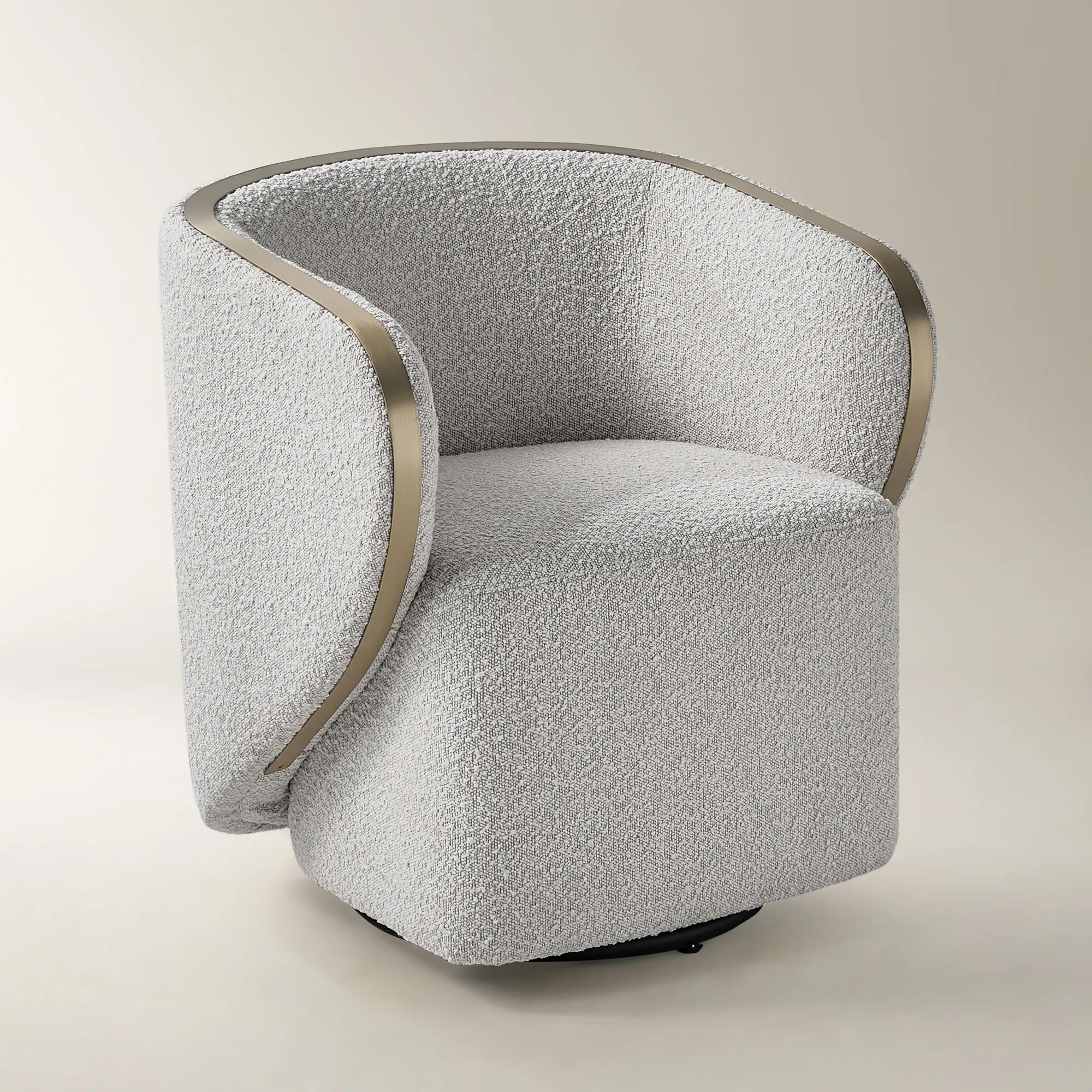 Nova Light Grey Performance Boucle Swivel Dining Chair$699
A sculptural light grey chair in water-repellent boucle with metallic trim and a smooth 360° swivel base.
Add To Cart -

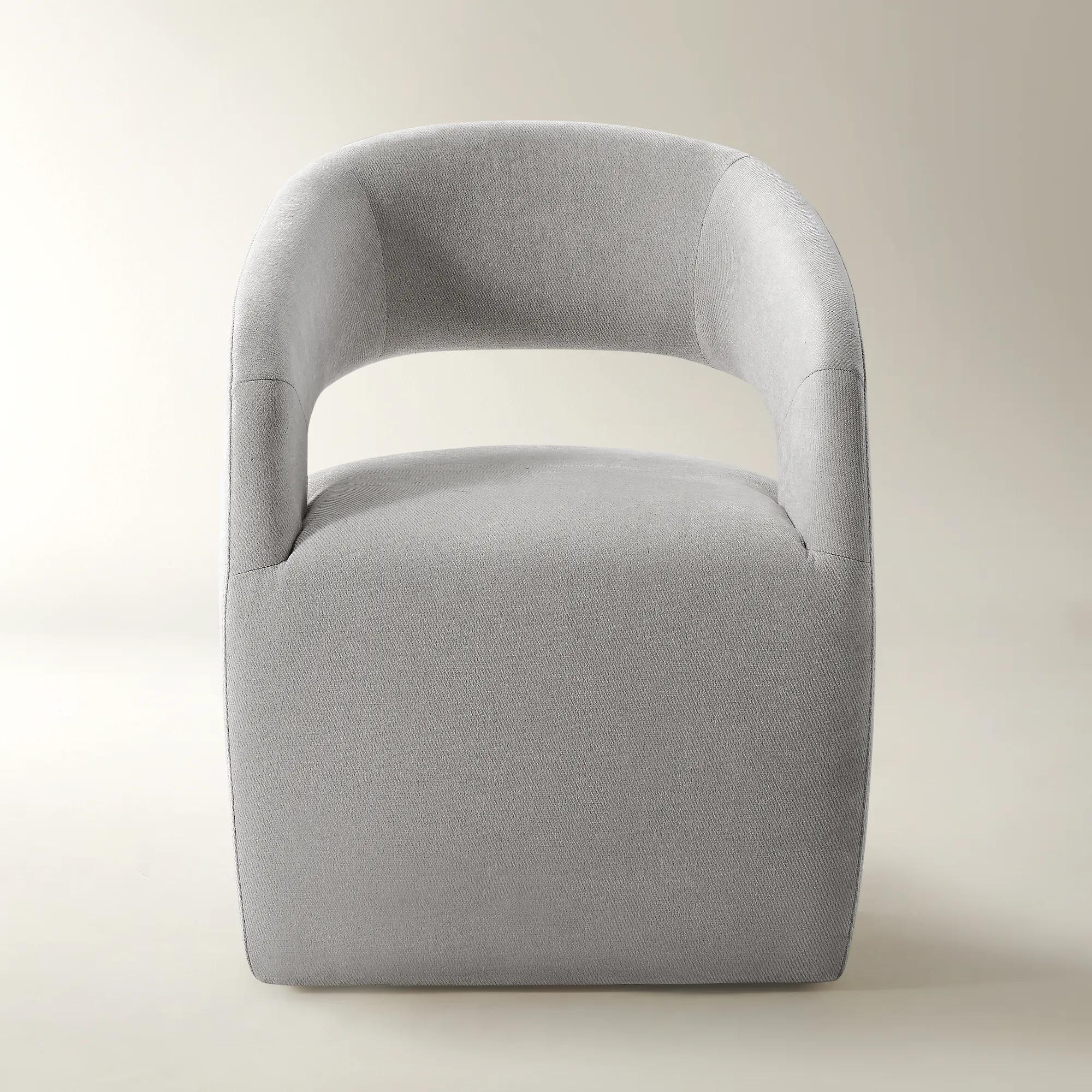 Harrison Flint Chenille Dining Chair$499
A fully upholstered flint chenille dining chair with high-density foam cushioning for superior comfort and style.
Add To Cart -
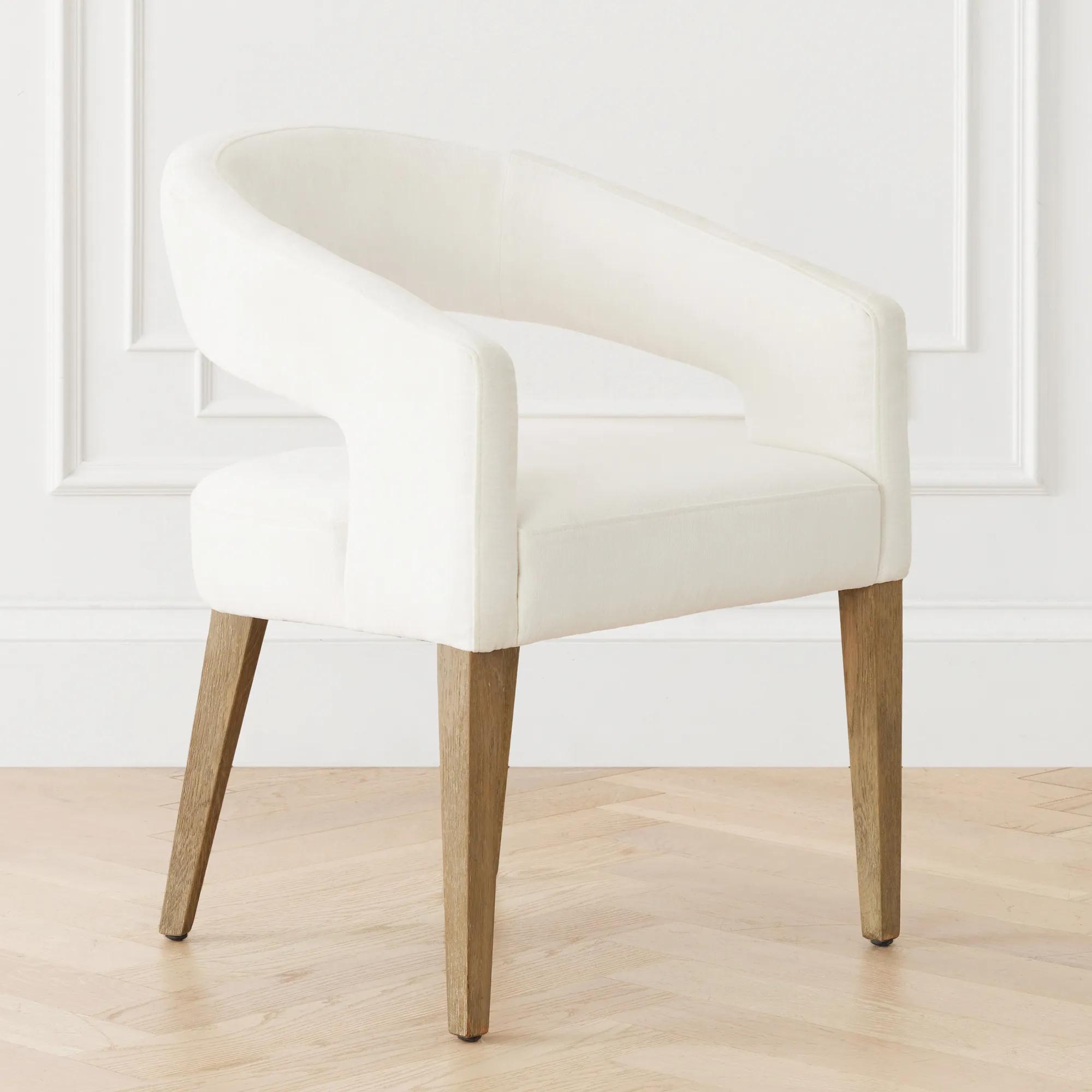 Philippa Dining Chair - Natural Grey$649
A curved grey dining chair featuring tailored chenille upholstery, kiln-dried hardwood frame, and sleek back cutout.
Add To Cart -
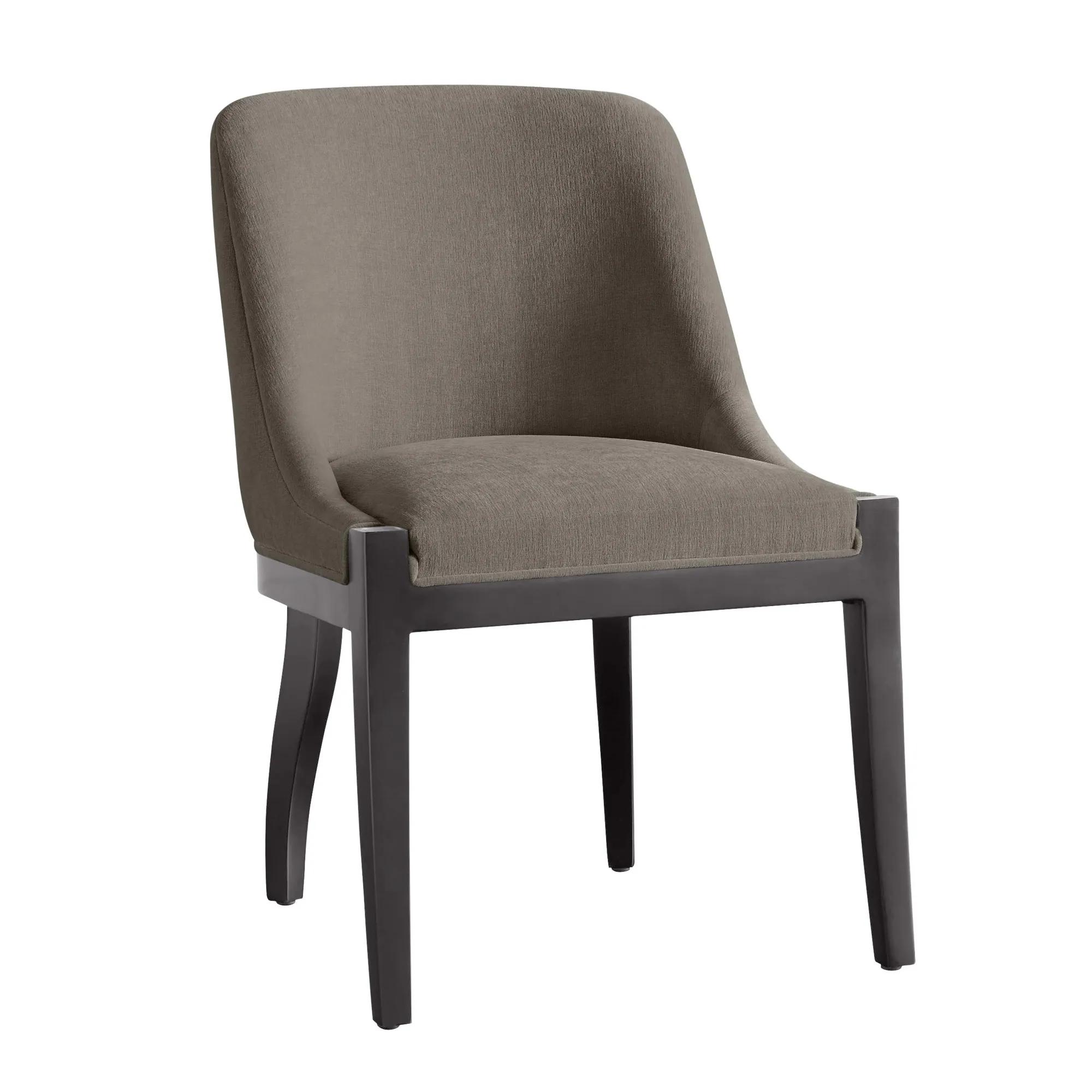
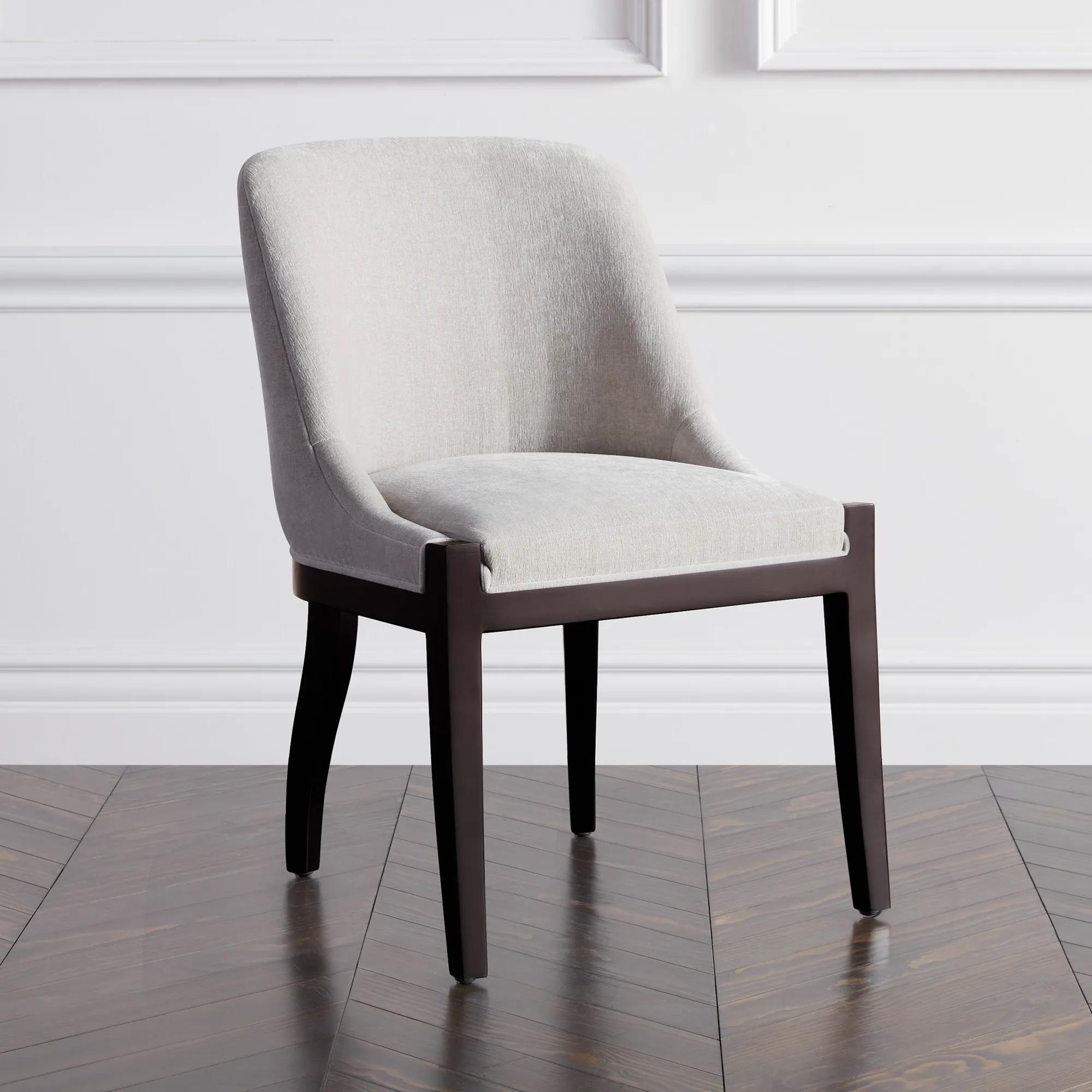 Lily Dining Chair - Espresso$649
A modern dining chair featuring espresso-finished hardwood, curvaceous silhouette, and plush tailored upholstery.
Add To Cart -
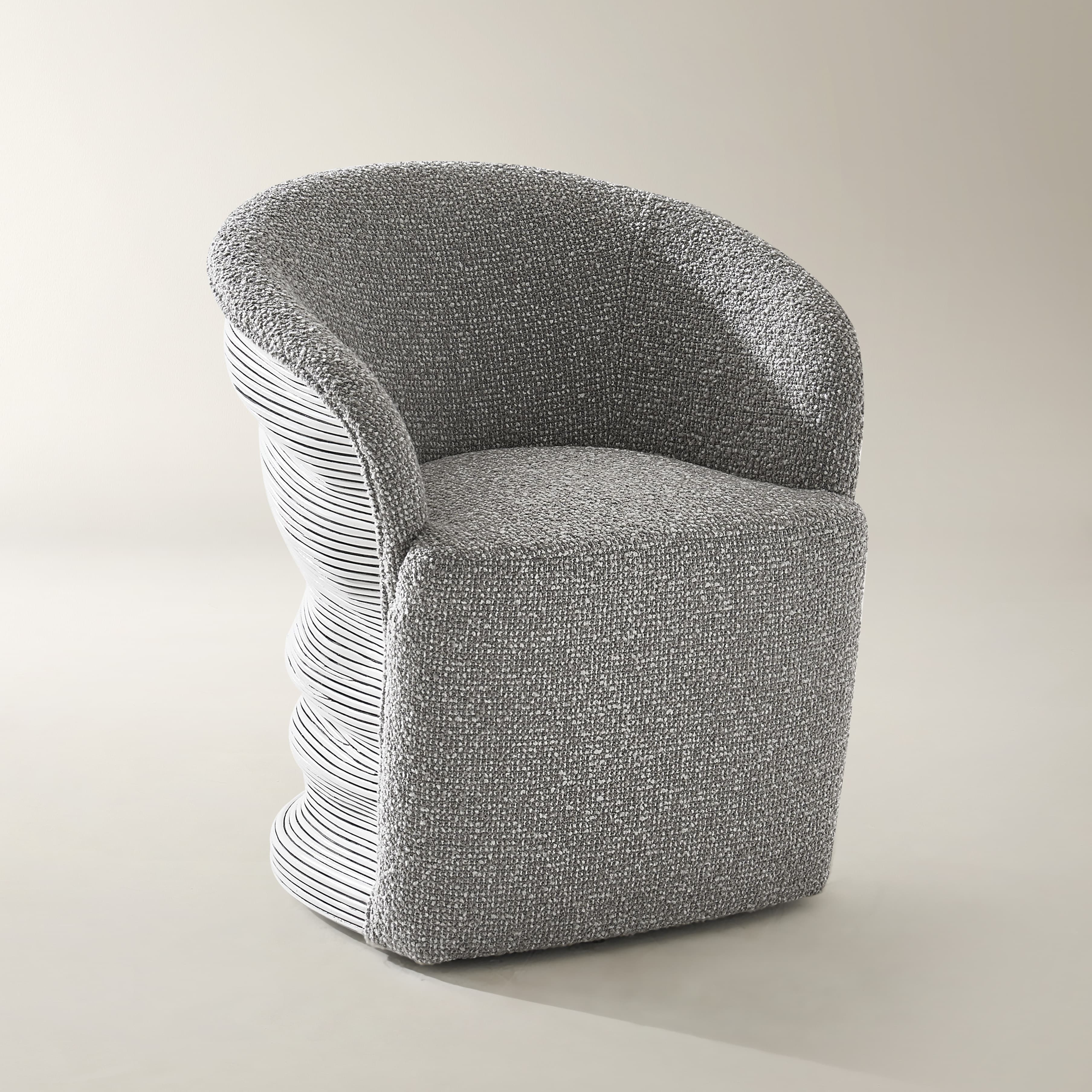
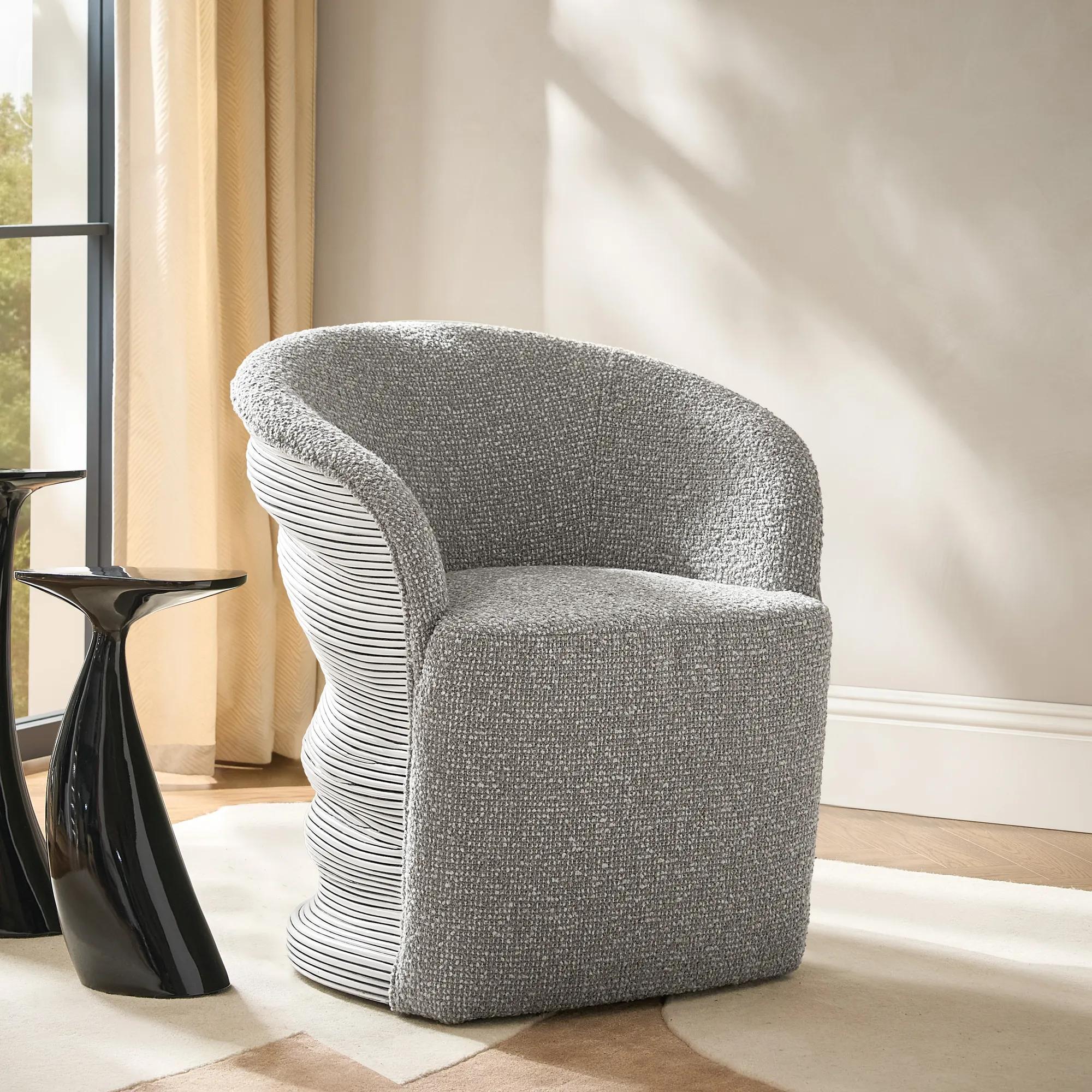 Cairo Rattan Grey Chenille Dining Chair$999
A handwoven natural rattan swivel chair in grey chenille, blending sculptural form with plush comfort.
Add To Cart -
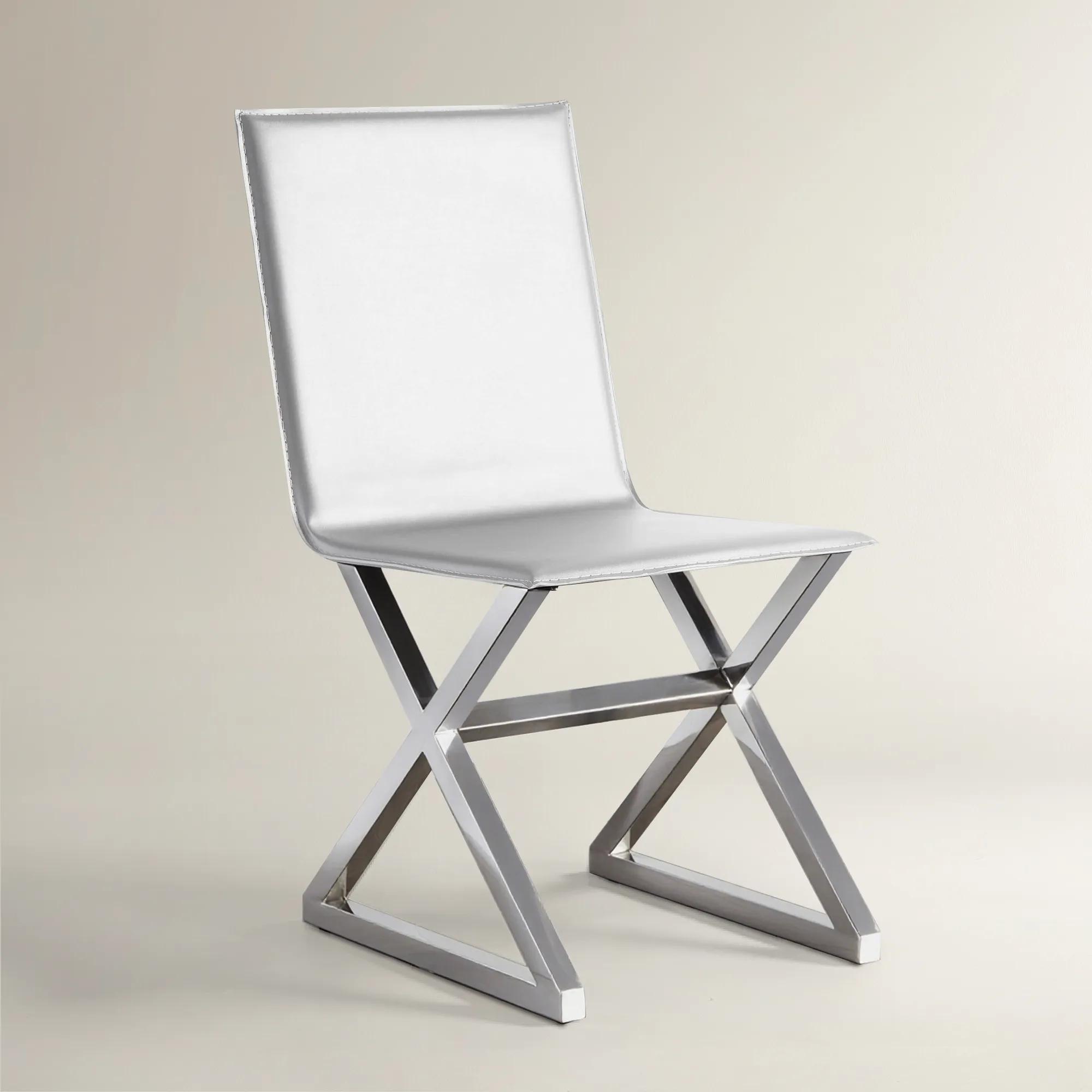
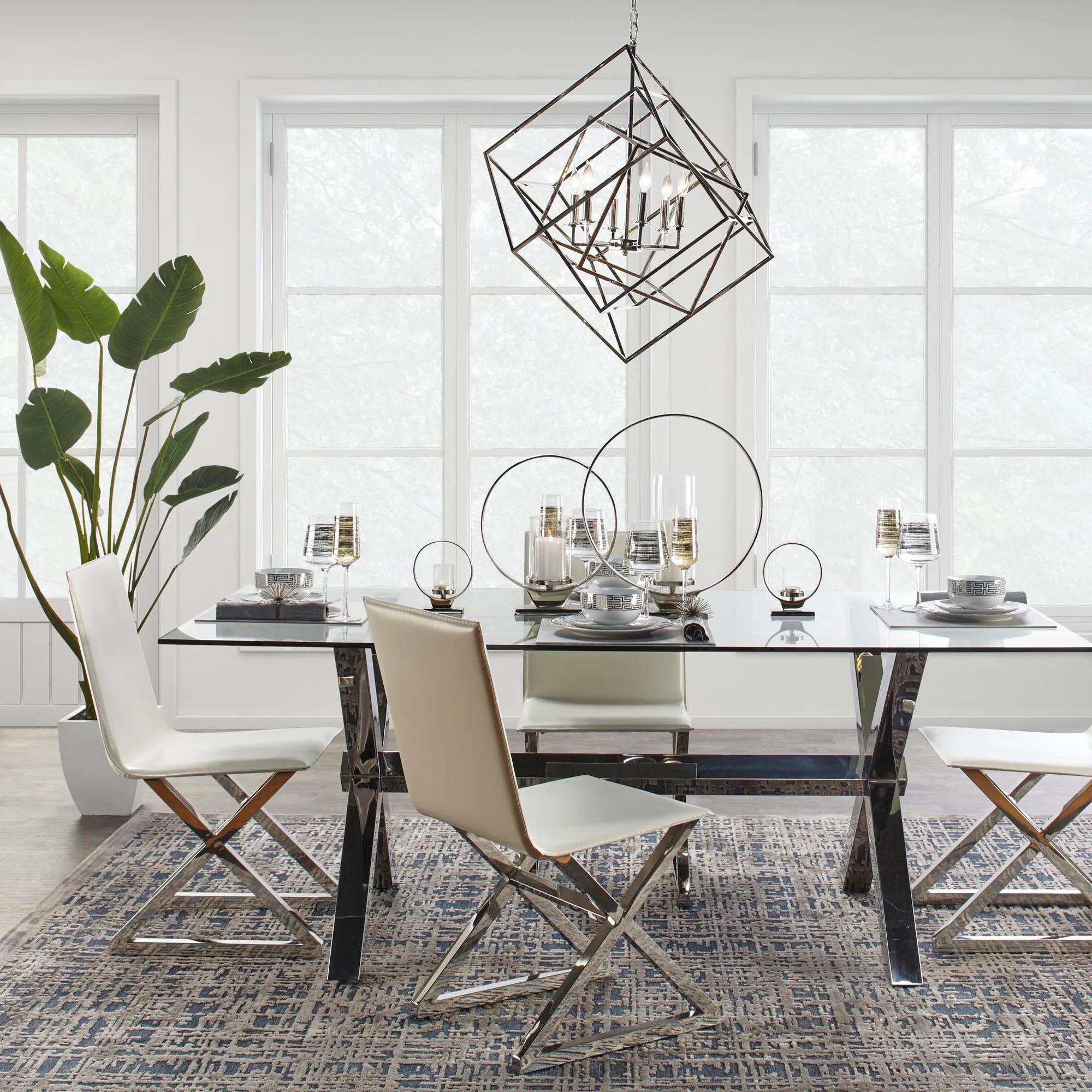 Axis Dining Chair - Set of 2$399
A contemporary chair set featuring white bonded leather upholstery and a polished stainless steel base.
Add To Cart -
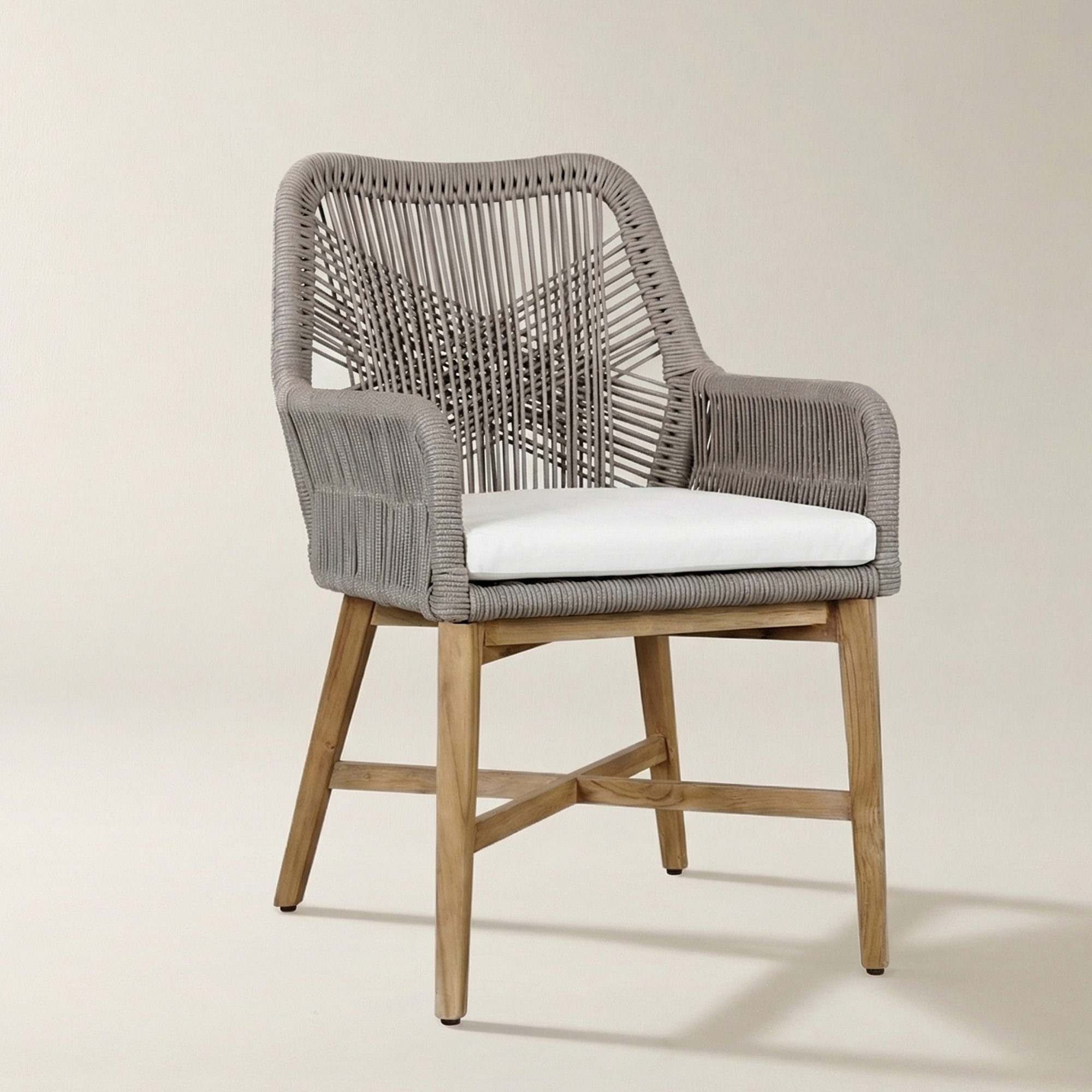 Marley Gray Outdoor Dining Chair$659
A modern gray outdoor dining chair designed to bring stylish comfort to alfresco gatherings.
Add To Cart -

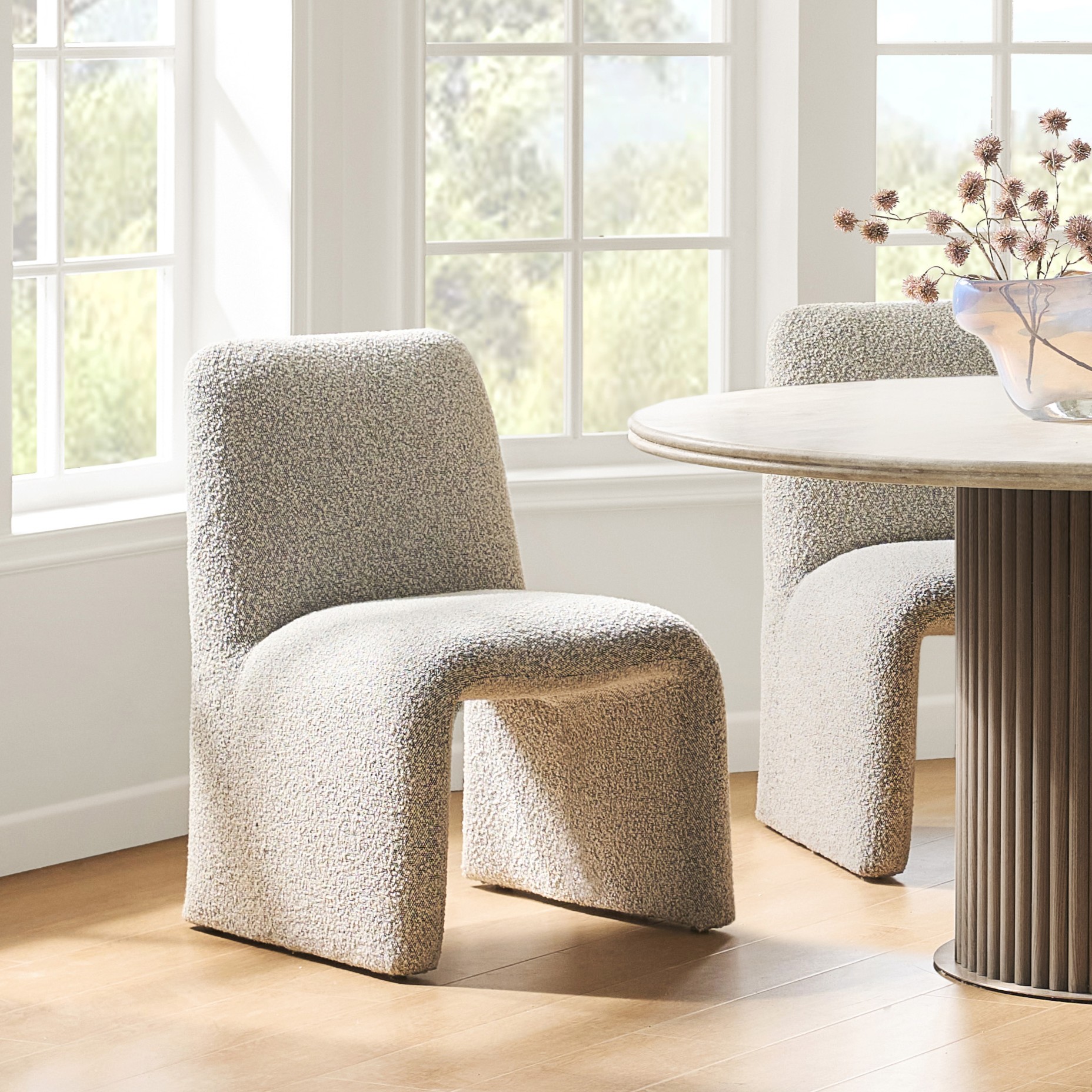 Cayenne Grey Boucle Dining Chair$399
A modern armless chair in grey boucle upholstery with a sleek metal frame and hand-crafted details.
Add To Cart -
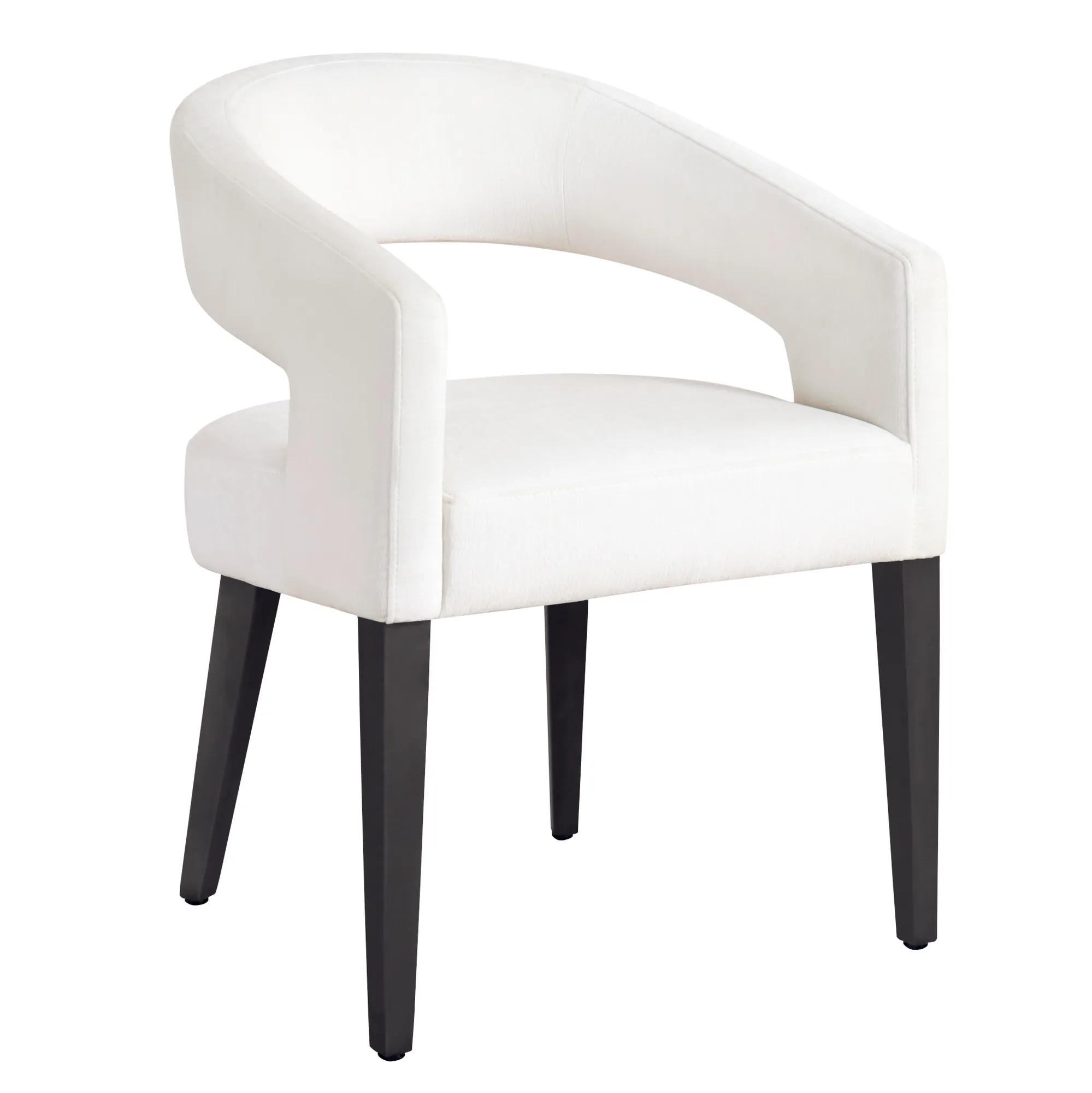
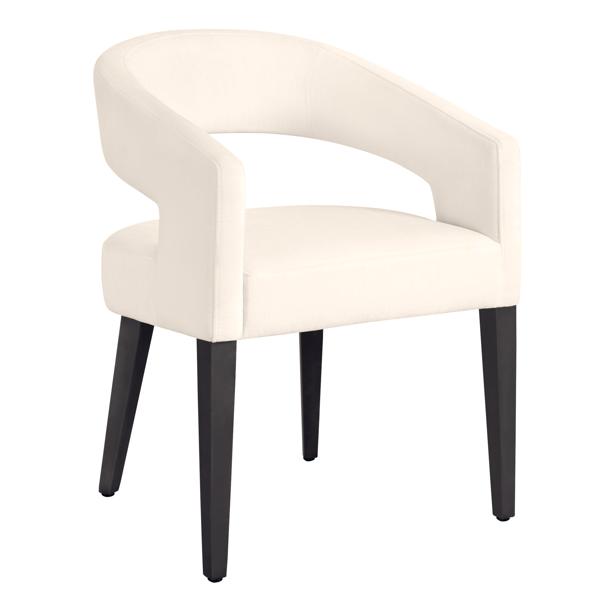 Philippa Dining Chair - Espresso$749
A modern dining chair featuring a curved silhouette, tailored upholstery, and espresso-finished legs.
Add To Cart -
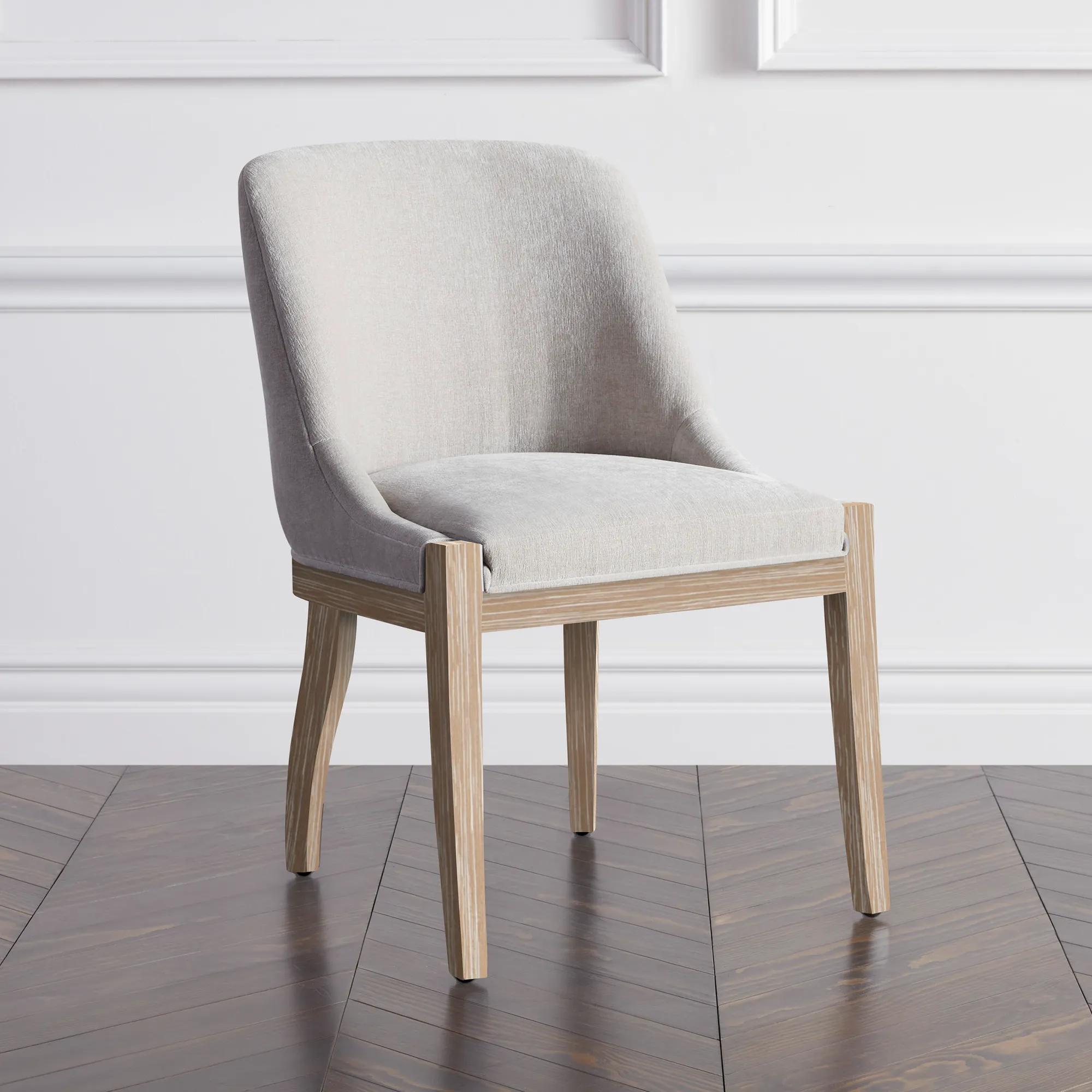
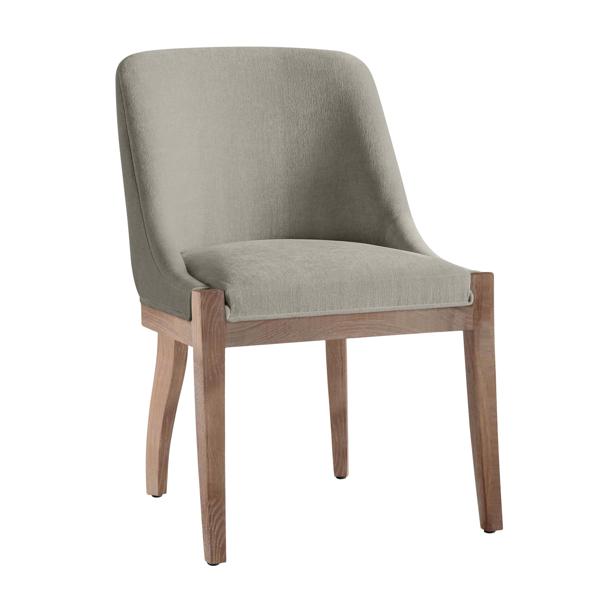 Lily Dining Chair - Wash Oak$649
A modern dining chair featuring a kiln-dried hardwood frame, wash oak legs, and tailored chenille upholstery.
Add To Cart -
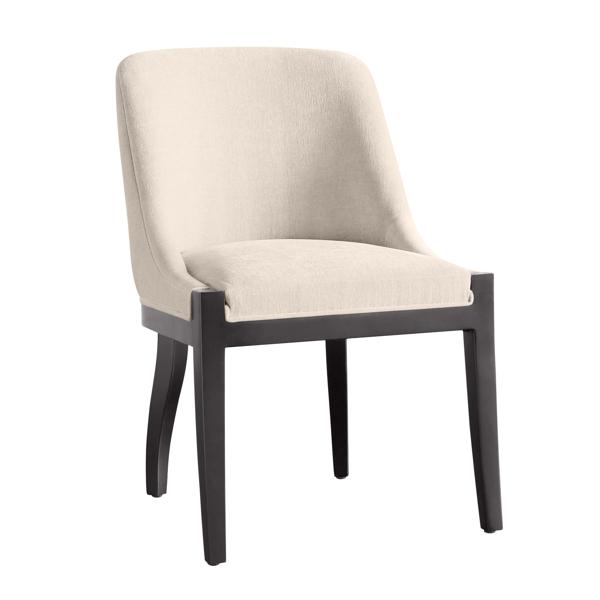 Lily Dining Chair - Espresso$749
A modern dining chair with espresso-finished hardwood frame and plush, tailored upholstery for lasting comfort.
Add To Cart -
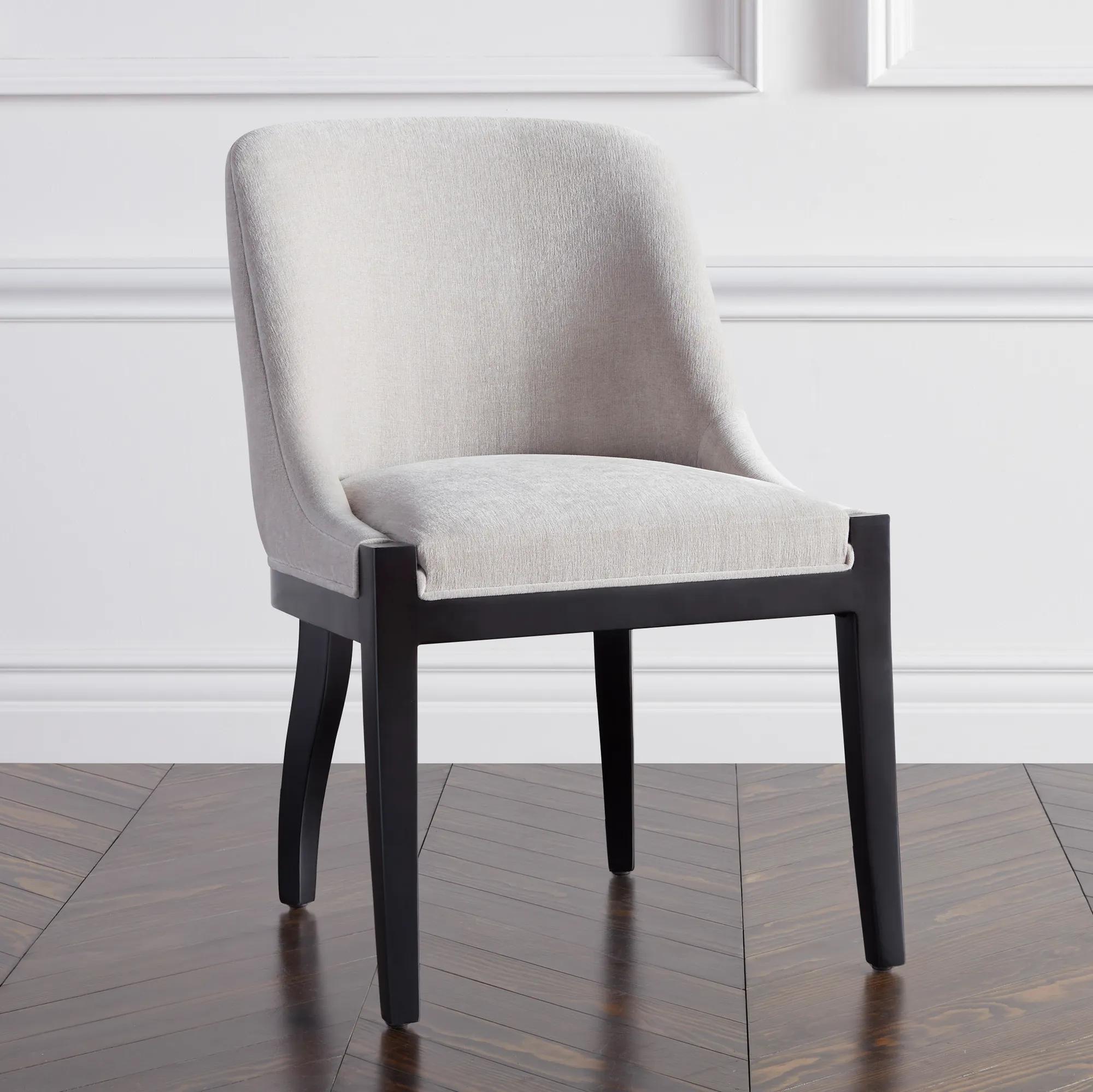 Lily Dining Chair - Matte Black$499
A modern dining chair with a kiln-dried hardwood frame, matte black legs, and plush tailored upholstery.
Add To Cart -
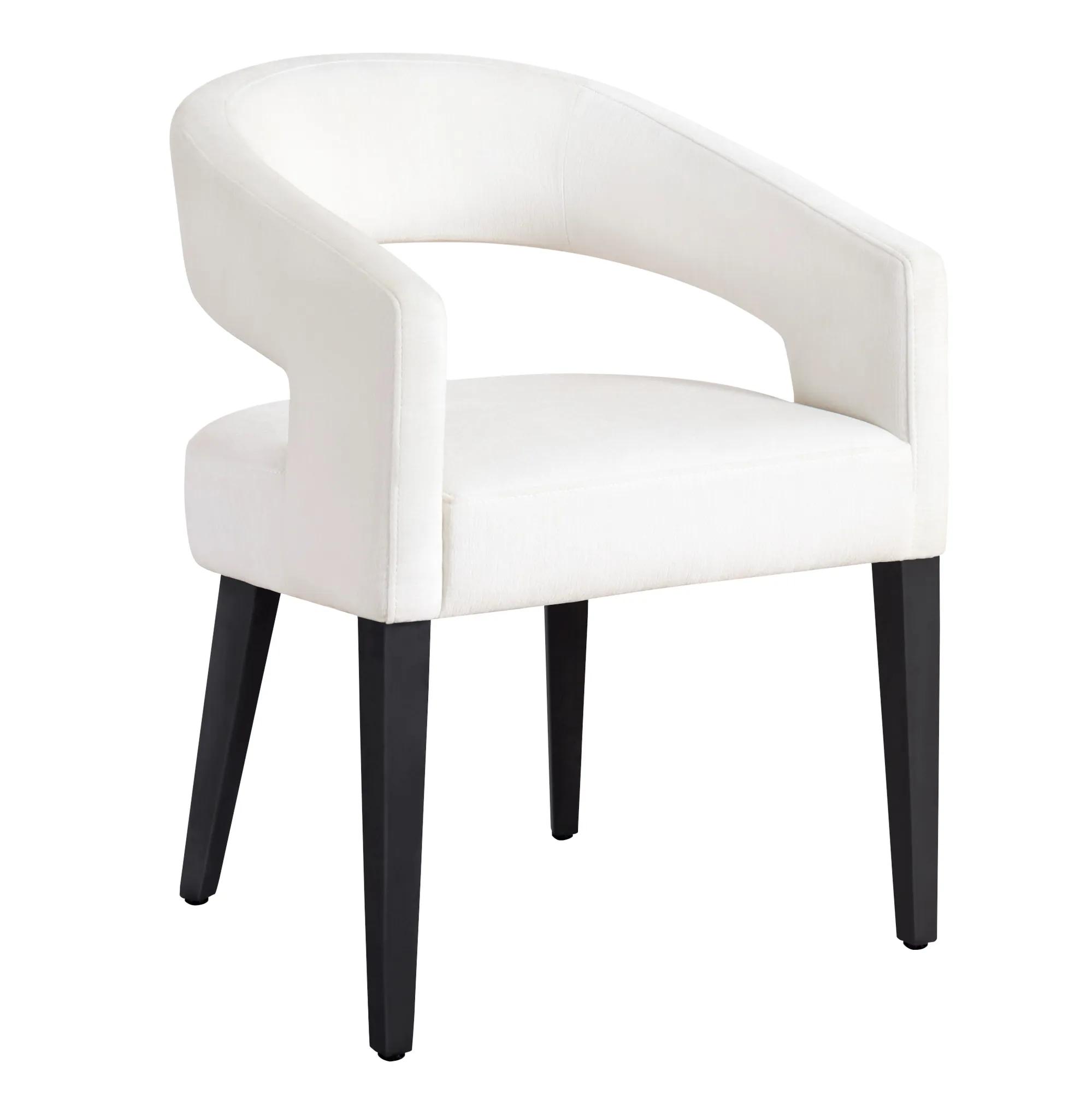
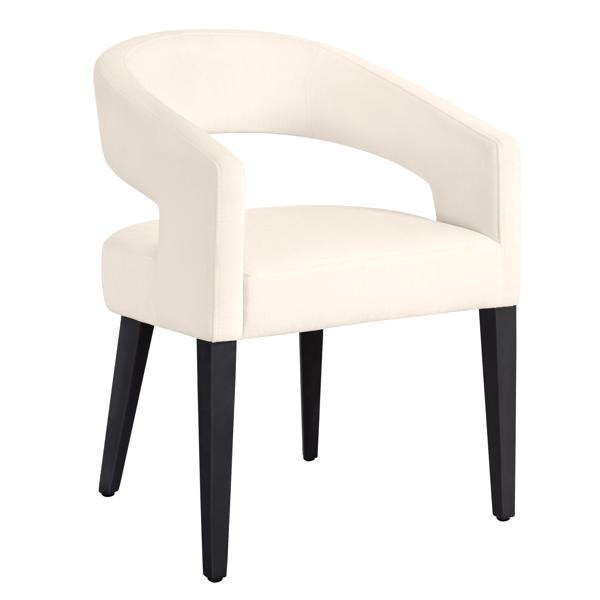 Philippa Dining Chair - Matte Black$599
A modern dining chair featuring a curved silhouette, matte black legs, and neatly tailored upholstery.
Add To Cart -
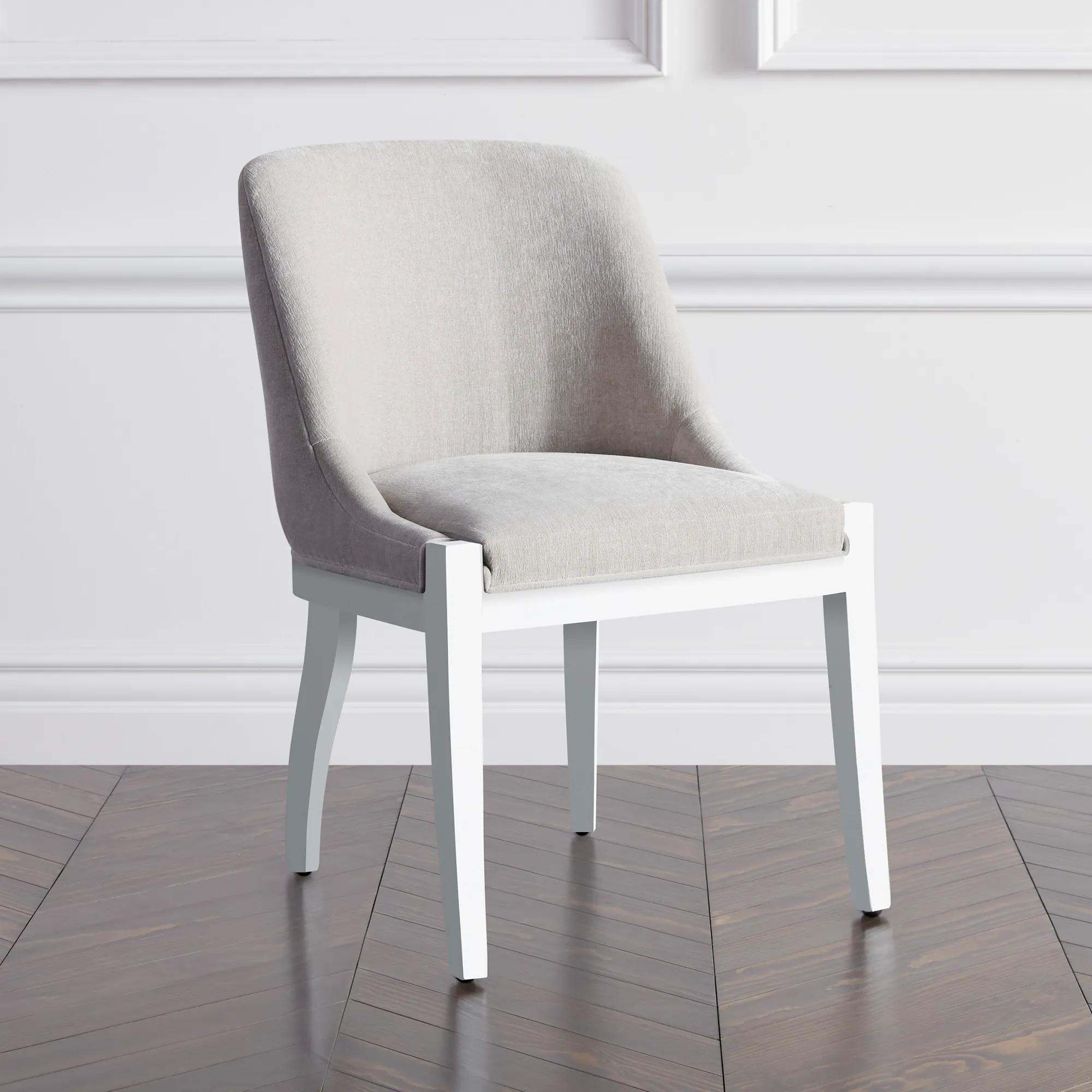
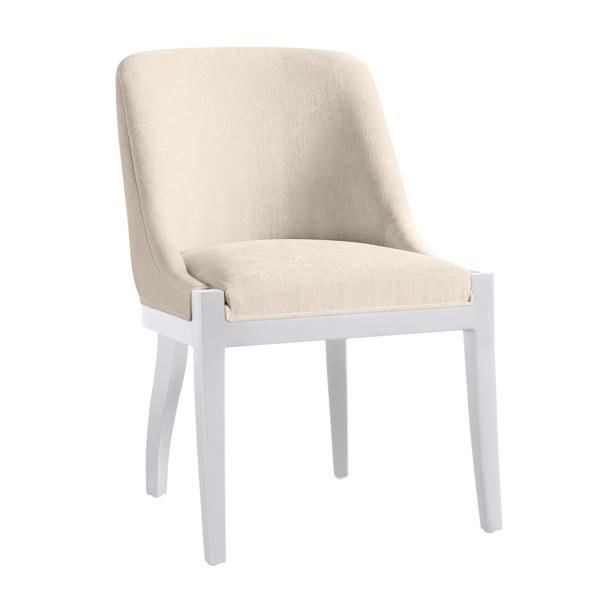 Lily Dining Chair - High Gloss White$649
A modern white dining chair featuring kiln-dried hardwood, high-gloss legs, and plush tailored upholstery.
Add To Cart -
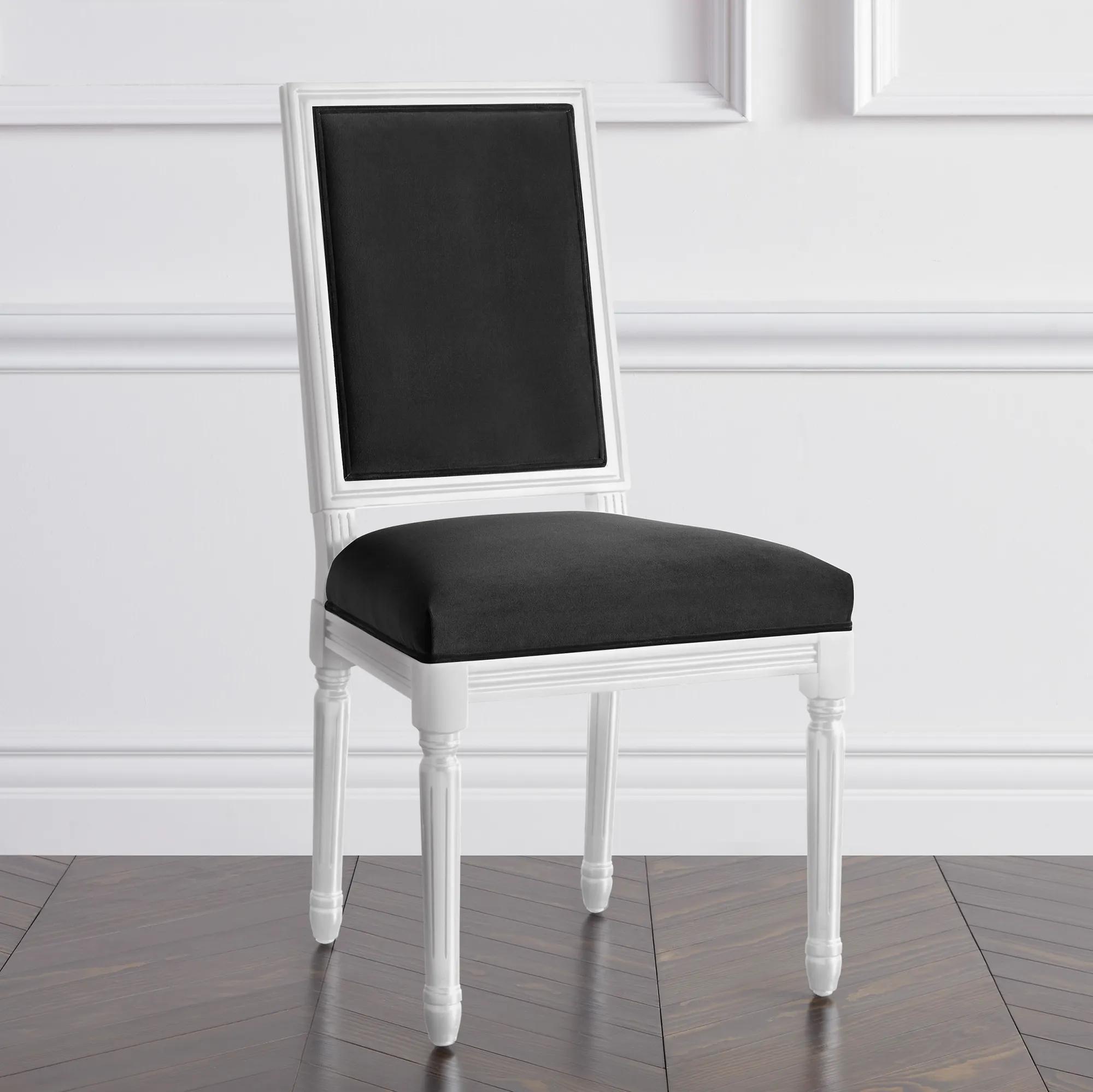
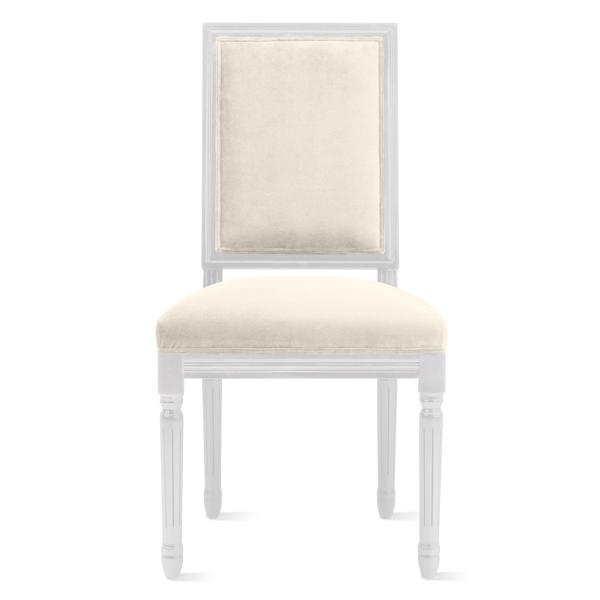 Callan Dining Chair - High Gloss White$549
A handcrafted dining chair featuring a high-gloss white finish, squared back, and plush velvet upholstery.
Add To Cart -
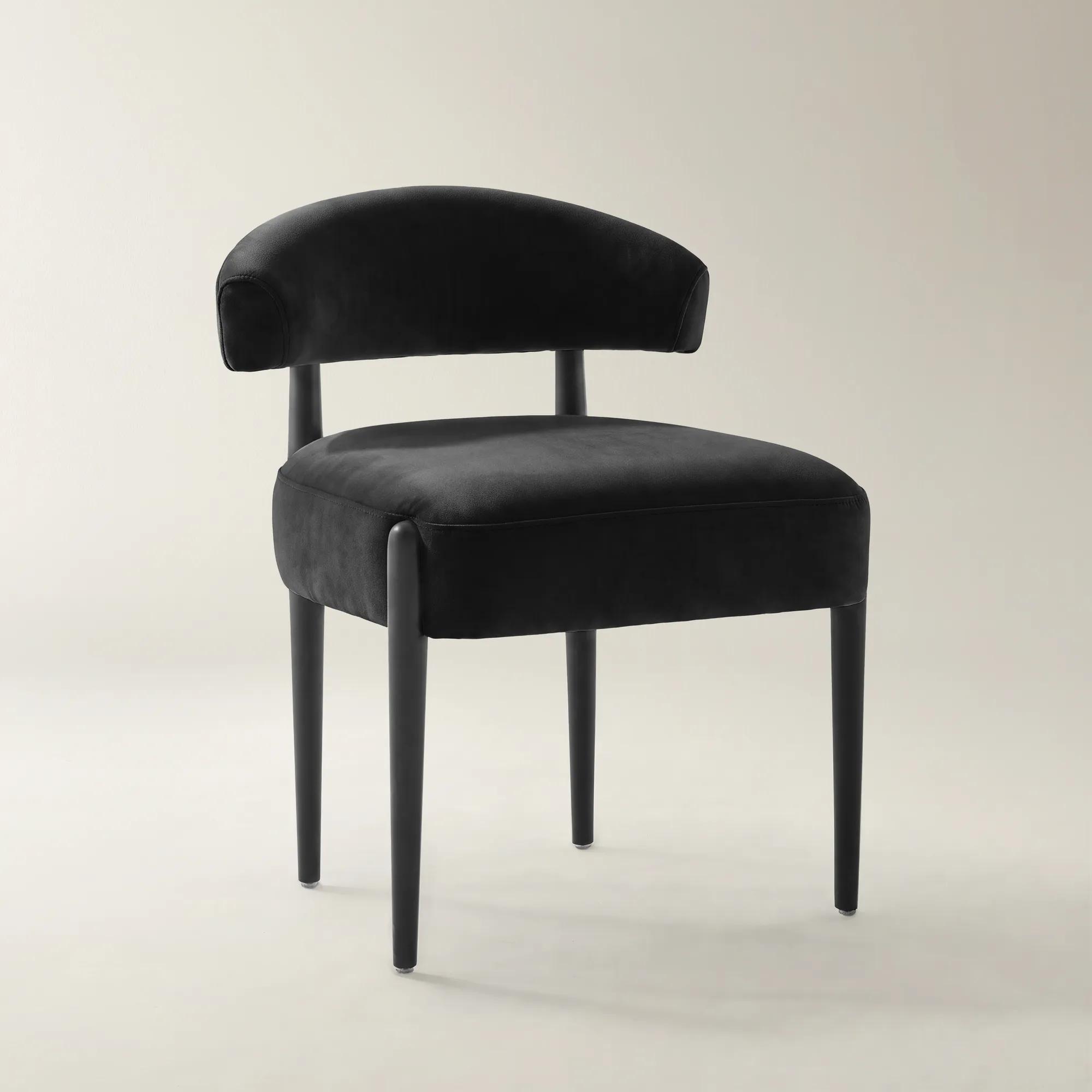
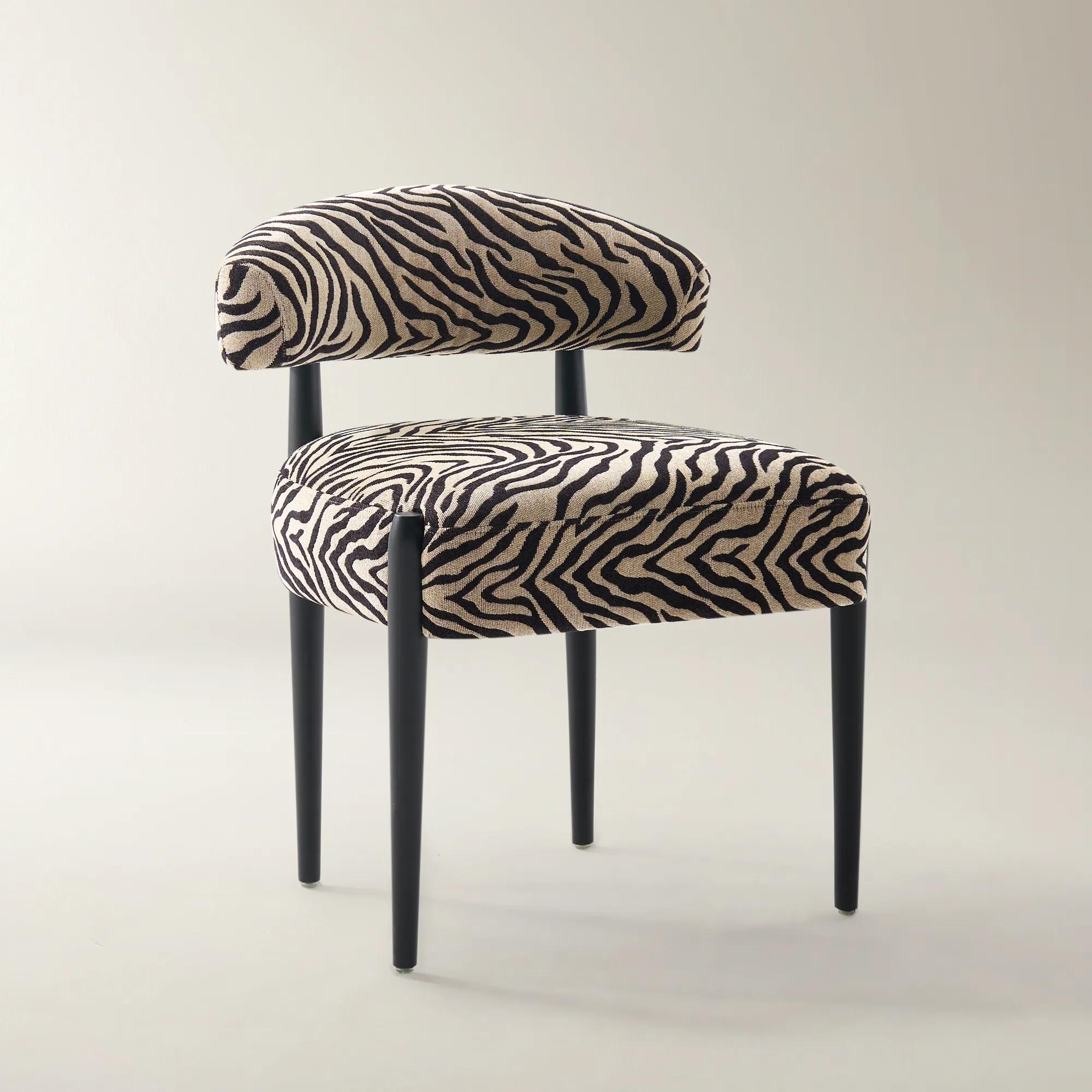 Anna Charcoal Velvet Dining Chair Set of 2$599
A charcoal velvet dining chair with an arched back, supportive foam cushioning, and solid rubberwood legs.
Add To Cart -
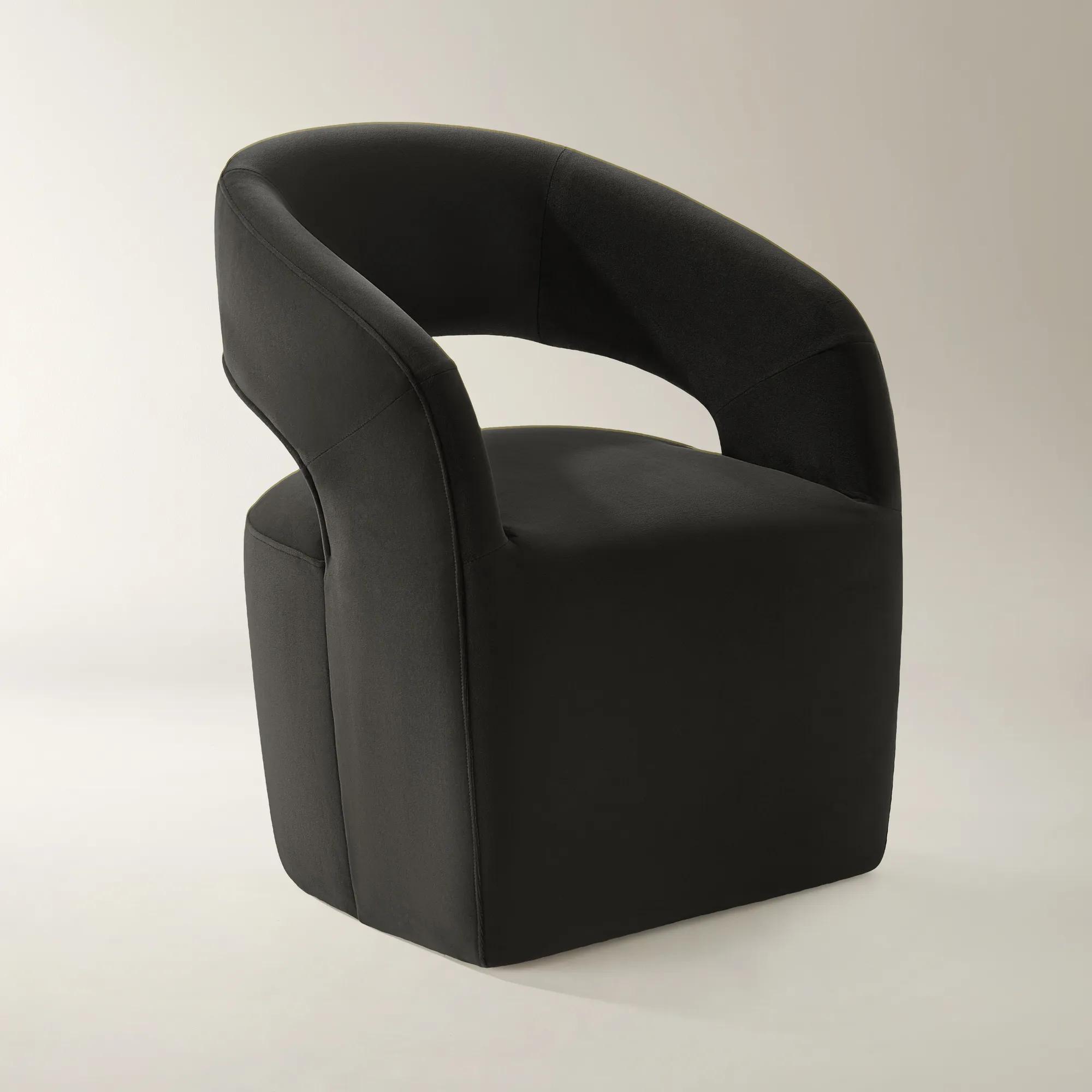 Harrison Charcoal Velvet Dining Chair$449
A sculptural dining chair upholstered in charcoal velvet with a continuous curved back and feather-blend comfort.
Add To Cart -
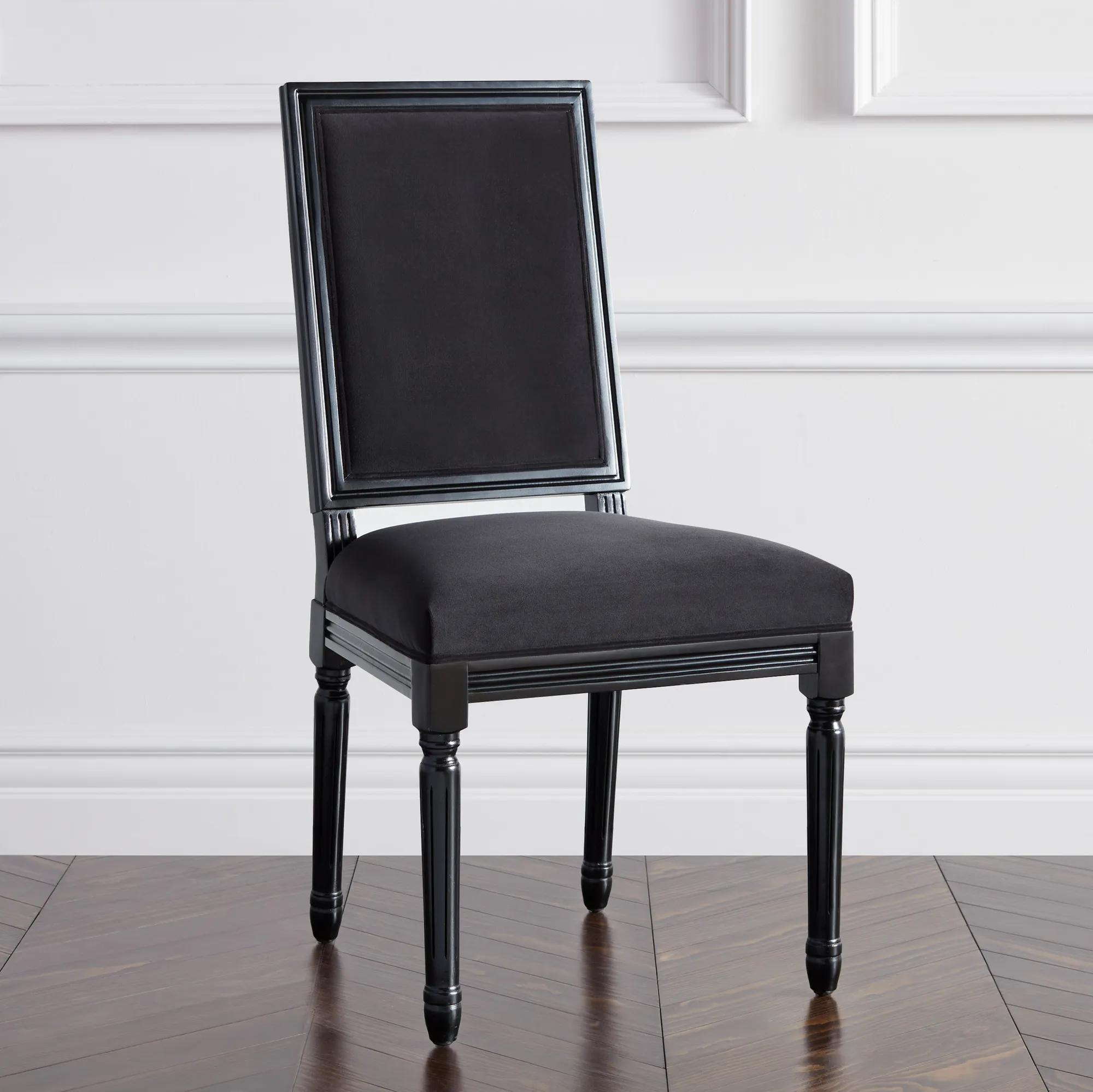
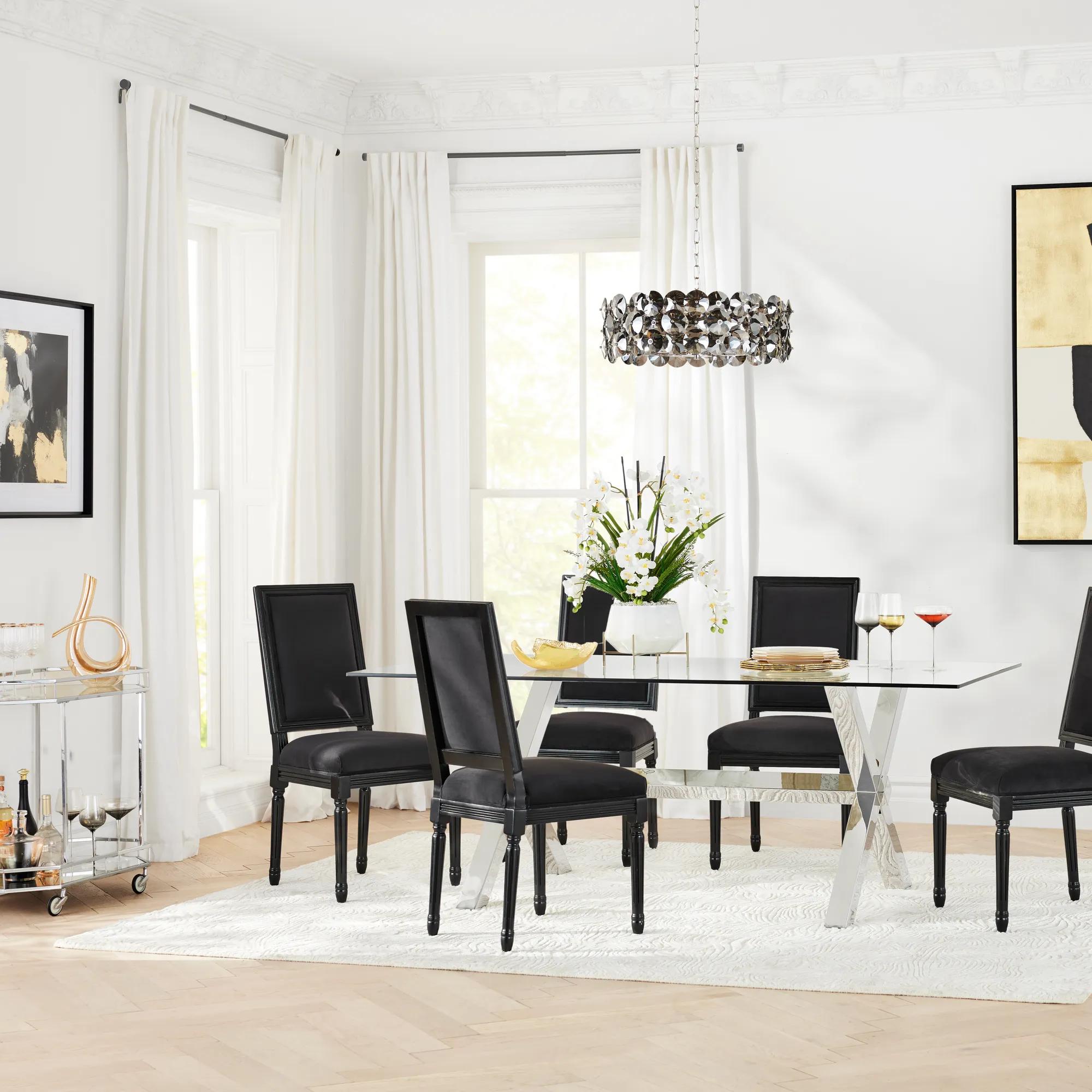 Callan Dining Chair - High Gloss Black$549
A handcrafted dining chair featuring high-gloss black Bella velvet upholstery, fluted legs, and a squared back.
Add To Cart -
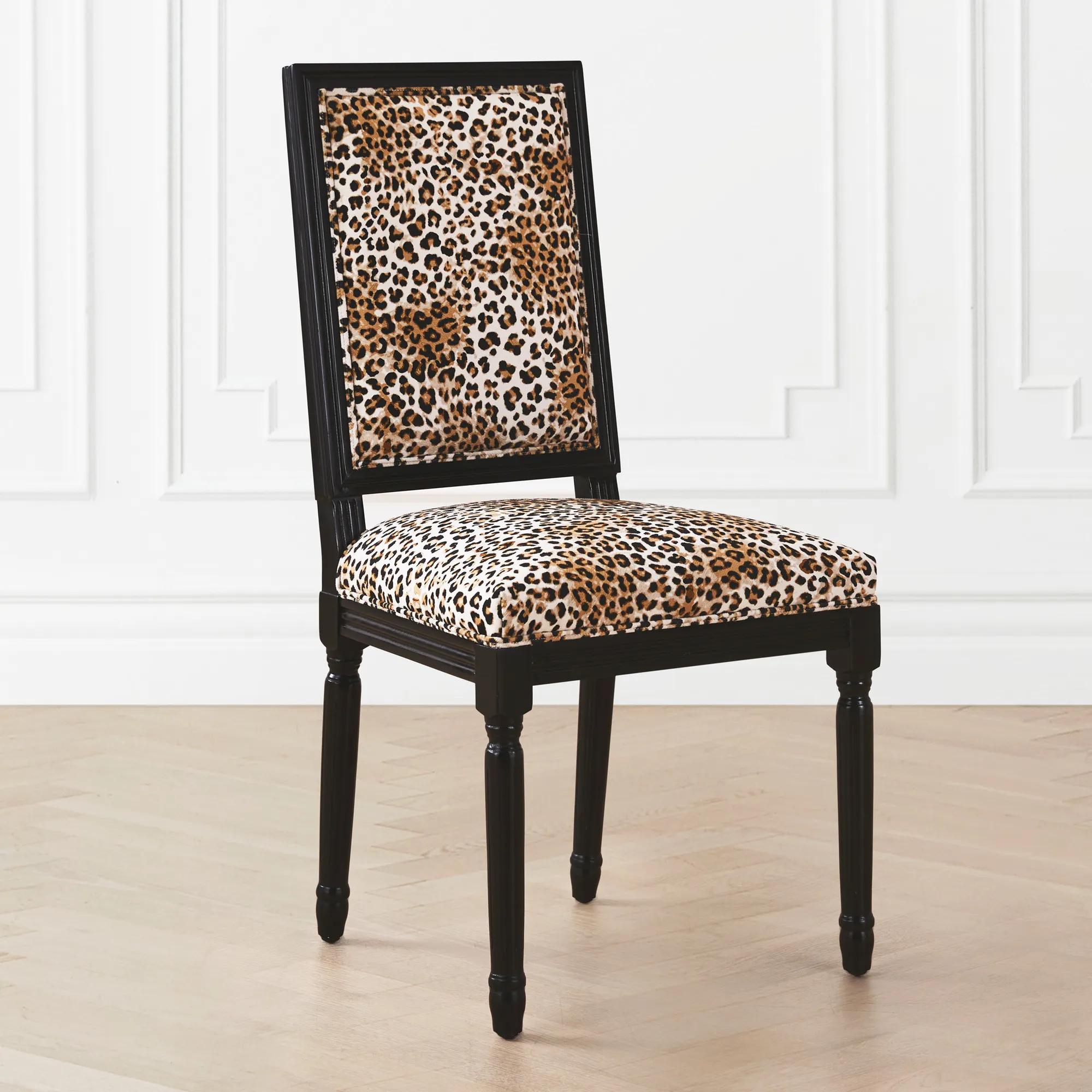
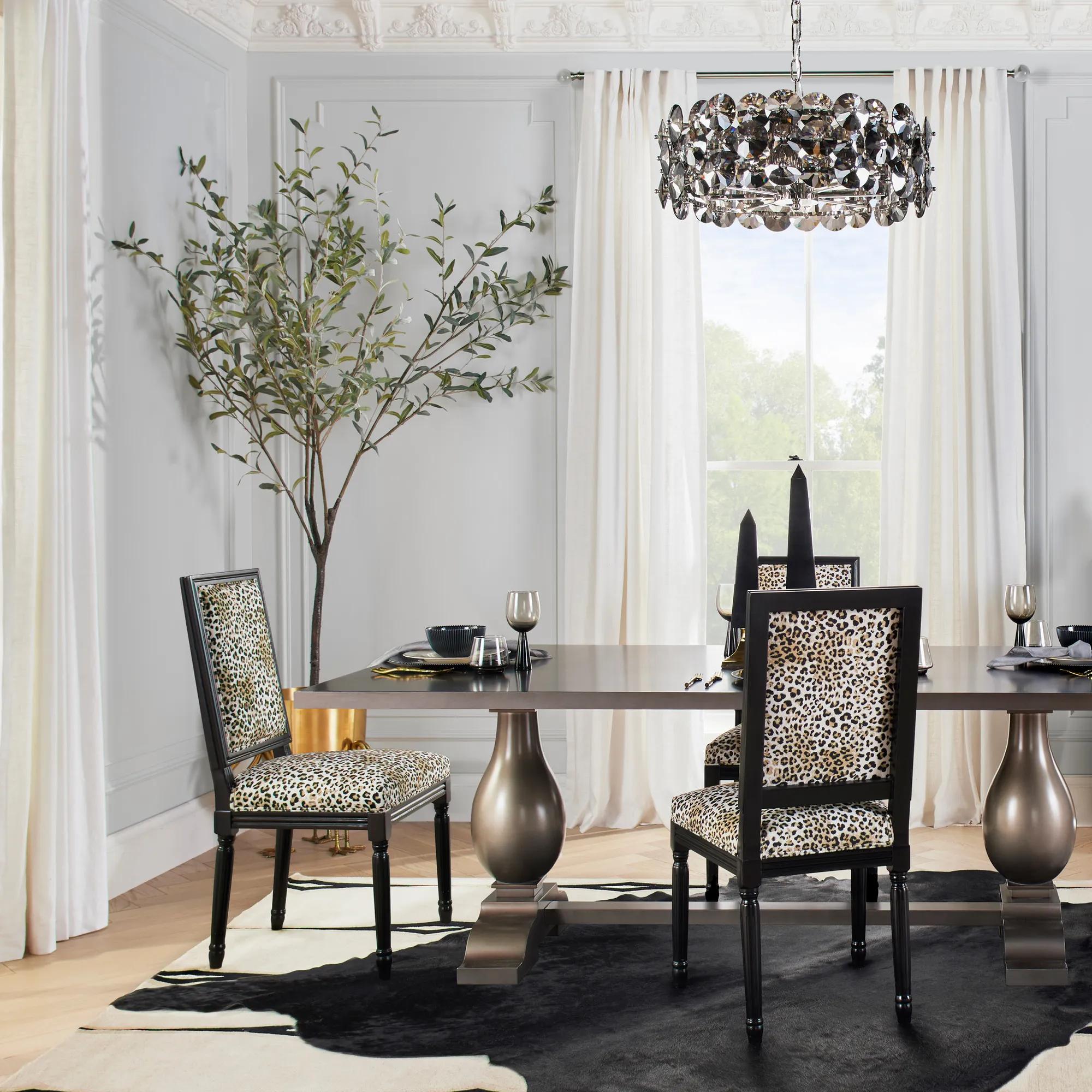 Callan Dining Chair$599
A handcrafted modern chair featuring classic upholstery, squared back, fluted legs, and high-gloss finish.
Add To Cart -
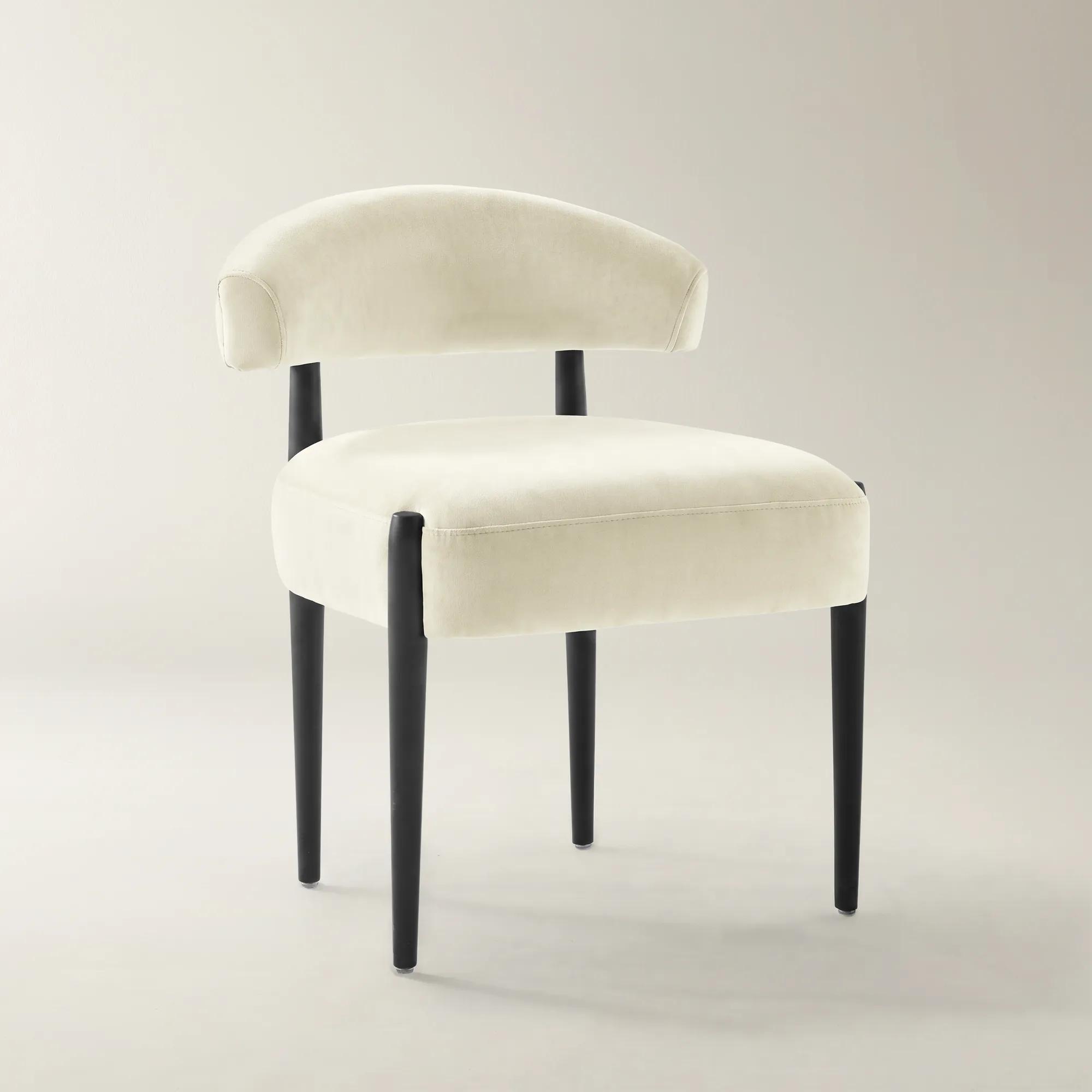 Anna Cloud Velvet Dining Chair Set of 2$599
A hand-upholstered Cloud velvet chair set featuring curved backs, high-density foam, and solid rubberwood legs.
Add To Cart -
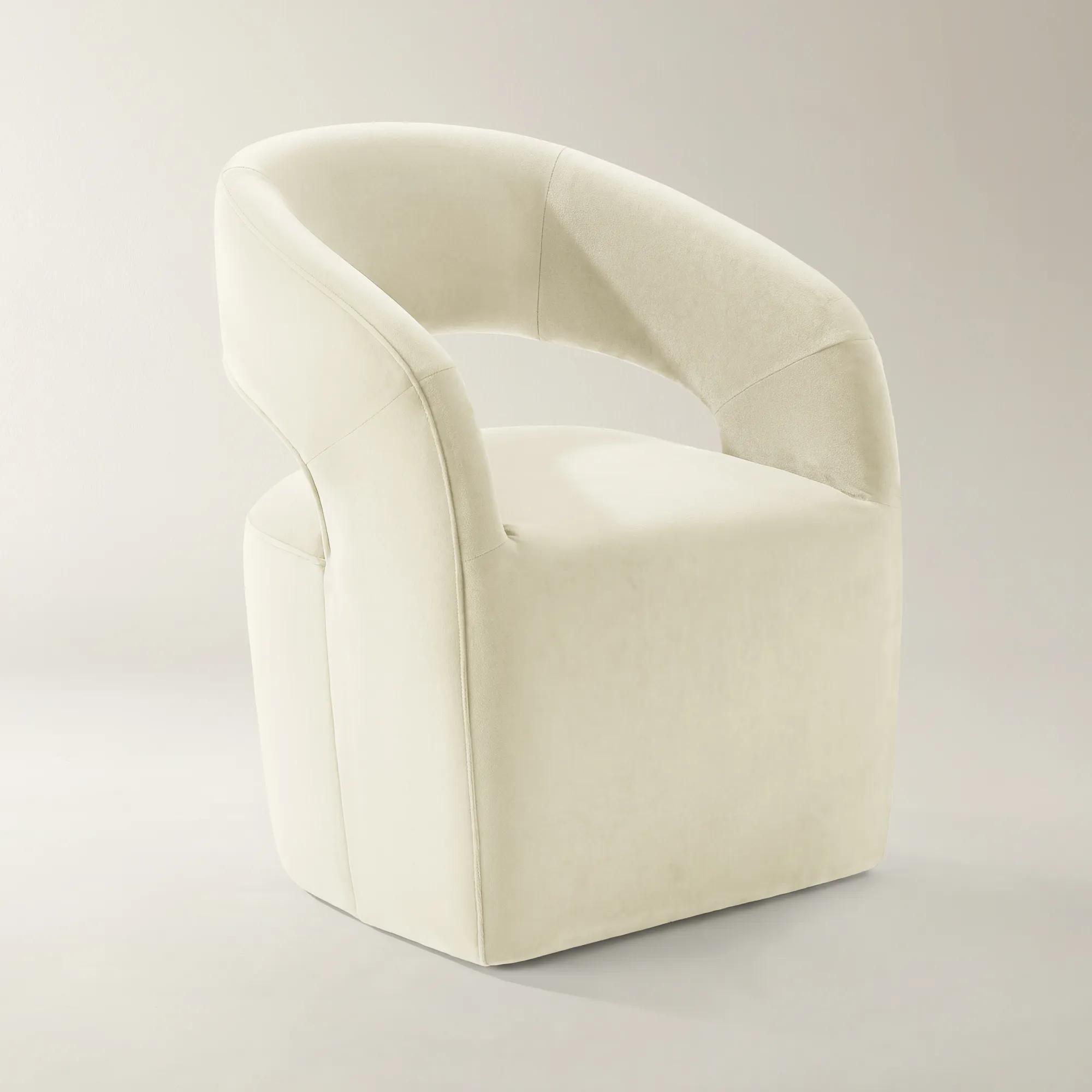 Harrison Cloud Velvet Dining Chair$449
A sculptural dining chair featuring cloud velvet upholstery, feather-blend cushioning, and a continuous curved back.
Add To Cart -
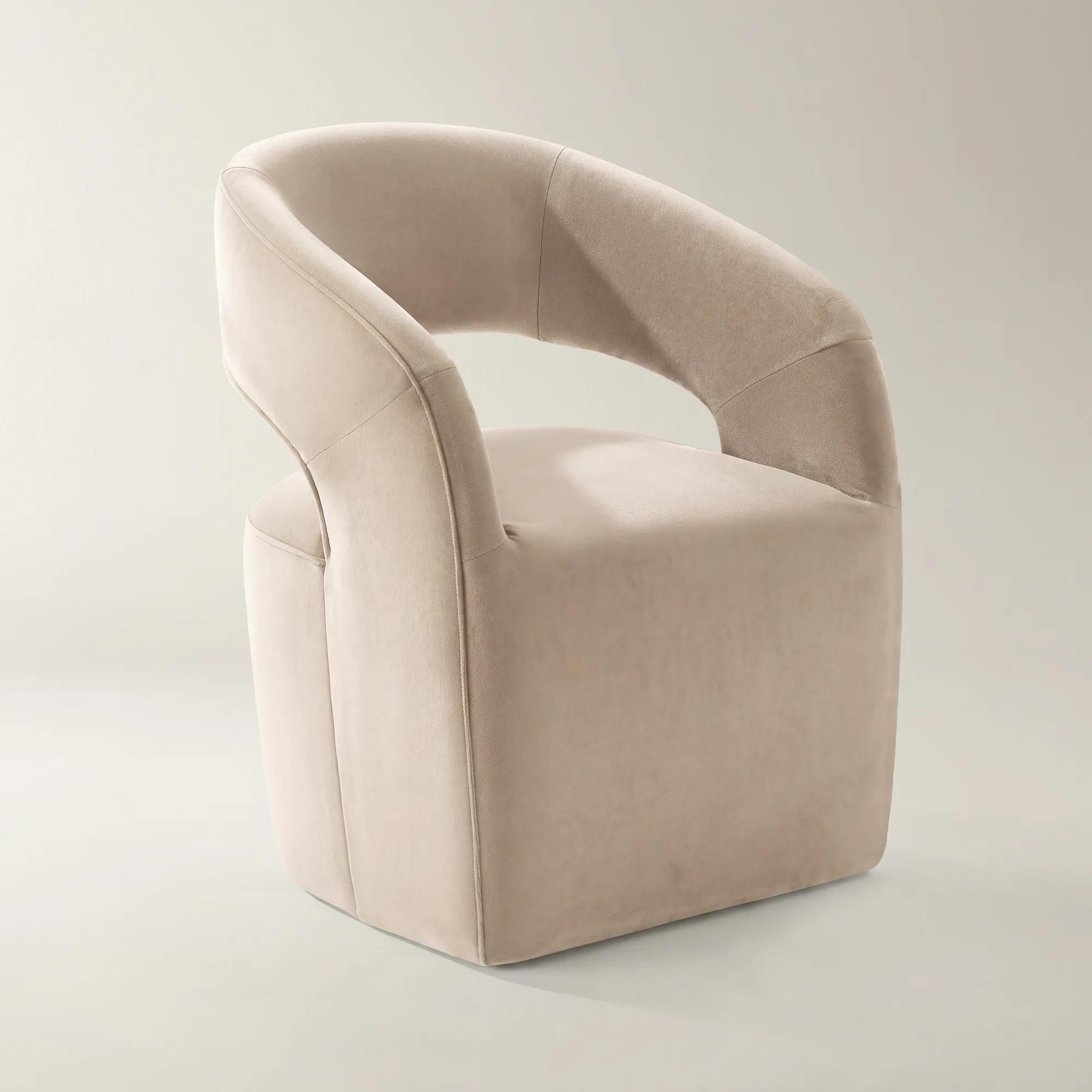
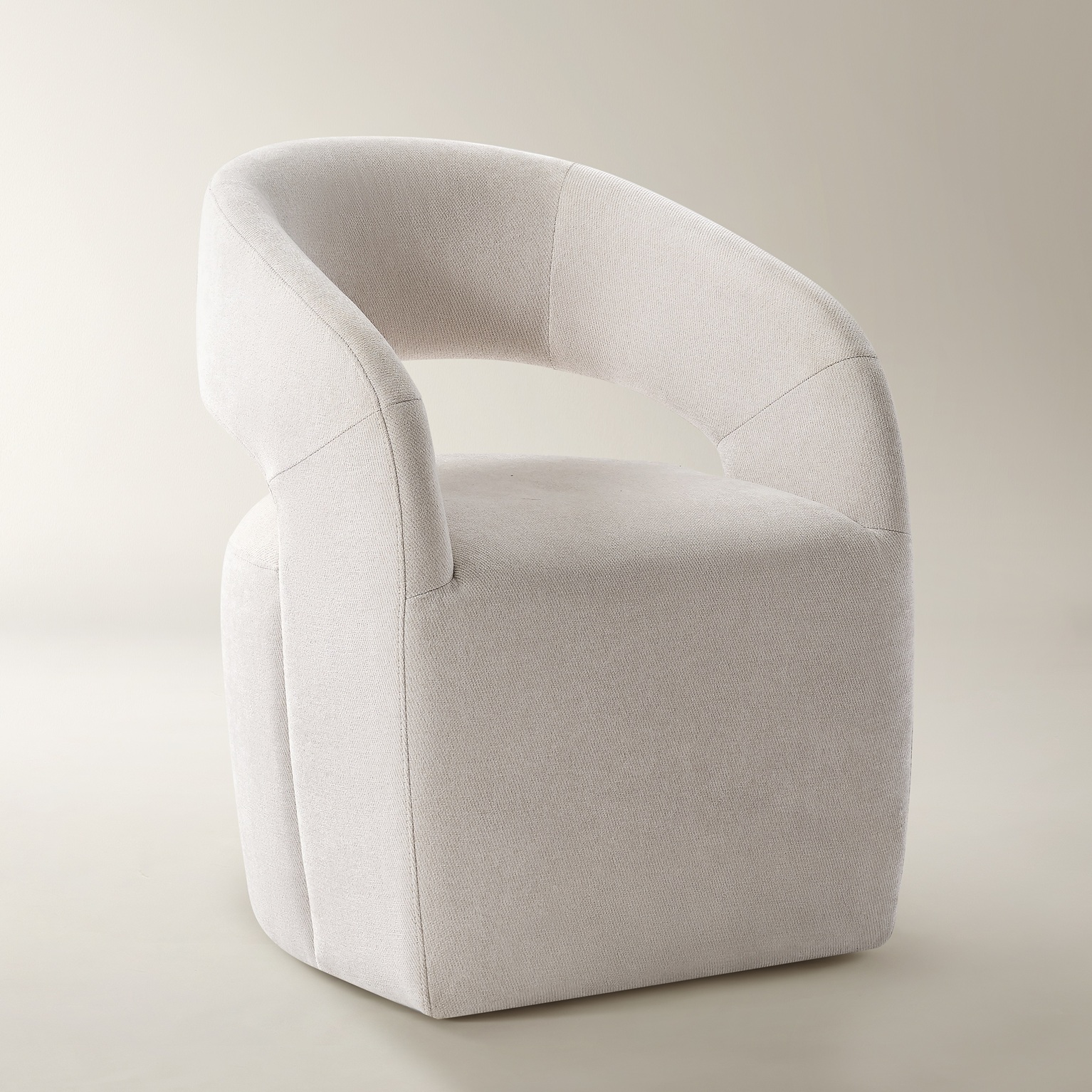 Harrison Simply Taupe Velvet Dining Chair$449
A sculptural dining chair in simply taupe velvet with a curved back, feather-blend seat, and modern elegance.
Add To Cart

Structured Grey Dining Chairs
Structured grey dining chairs are the epitome of modern sophistication—striking the perfect balance between architectural allure and timeless elegance. Cloaked in cool, versatile tones, these sculptural silhouettes invite a sense of curated calm to your dining space while making a statement that is anything but subdued. Each chair transforms the ordinary meal into an elevated experience, setting the stage for gatherings that linger long after dessert. With their commanding presence and refined palette, structured grey dining chairs become the exclamation point in your dining room’s design story—proof that style and substance can indeed dine together.
Structured grey dining chairs bring architectural definition to the dining room through tailored upholstery, clearly shaped backs, and frames that give each seat a deliberate presence. The word “structured” describes the chair’s silhouette rather than a single construction method: squared shoulders, framed edges, sculpted curves, and precise seams can all create the effect. Unlike loose, slipcovered profiles, these shapes hold a crisp visual line around the table, lending rhythm to the room even before the place settings appear. Grey adds depth without demanding a single decorating direction. Pale stone shades can feel luminous beside a glass tabletop, while charcoal creates a more dramatic composition against light wood or richly veined marble. Midtone grey bridges those contrasts, offering enough definition to anchor a dining arrangement without overwhelming it. Undertones shape the result as much as depth of color. A grey with warm, taupe-inflected notes complements walnut and brushed brass; a cooler, blue-inflected grey finds a natural counterpart in chrome, clear glass, and blackened metal. Upholstery texture introduces another dimension, whether through the directional sheen of velvet, the subtle variation of a woven fabric, or the smooth surface of leather or faux leather. Viewed beneath a chandelier, these surfaces catch and absorb light differently, giving a restrained palette unexpected richness. Tall backs establish a formal cadence suited to a dedicated dining room, while lower, more compact profiles preserve open sightlines in a dining area connected to the living space. A gently curved back can soften the geometry of a rectangular table without losing that tailored character. For anyone furnishing a first home, refining an established interior, or creating a setting for frequent entertaining, structured grey dining chairs offer a distinctive balance: expressive enough to contribute to the design, composed enough to let artwork, lighting, and tableware share the scene. Their appeal rests in that balance of sculptural presence and everyday purpose.
Materials and construction determine how that polished appearance translates into daily comfort. Upholstered dining chairs may pair a wood or metal frame with foam cushioning and a fabric, velvet, leather, or faux leather covering, but the experience varies considerably with the underlying support and proportions. A crisp exterior does not necessarily mean a hard seat, just as deep padding does not automatically provide lasting support. Back angle, seat depth, cushion resilience, and the placement of arms all influence how comfortably someone settles in for dinner or remains at the table afterward. For a dining space that also hosts conversation, correspondence, or occasional laptop work, supportive proportions deserve as much attention as decorative details. Solid wood frames bring natural character and can provide dependable strength when well constructed; metal frames can achieve a slender, sharply drawn outline. In either case, secure joinery, stable legs, and clearly stated weight limits matter more than appearance alone. Fabric selection should reflect the household’s routines. Tightly woven upholstery can offer a tailored surface, while velvet contributes a sumptuous play of light and shadow that makes even a simple chair shape feel dimensional. Performance upholstery may help with particular stains or spills, but its capabilities depend on the specific fabric and treatment rather than the label alone. Leather and faux leather have distinct maintenance needs, and neither should be assumed impervious to scratches, staining, or wear. In homes with children, pets, or frequent dinner guests, documented care requirements and abrasion information, when provided, offer useful context. Grey can soften the visual impact of some everyday marks, but it is not inherently stain resistant. Seams, piping, and tufting also affect upkeep: elaborate detailing creates depth and character, while smoother surfaces generally have fewer recesses where crumbs can collect. The most satisfying choice makes room for both the desired atmosphere and the realities of meals served, chairs moved, and guests lingering over dessert.
Proportion gives structured seating its full effect, allowing each chair to read as part of a considered composition rather than a crowded perimeter. Seat height should be evaluated against the underside of the table, including any apron, not simply against the tabletop’s overall height. About 10 to 12 inches between the seat and the underside of the tabletop is a common starting point for legroom, although an apron can reduce usable clearance and individual comfort varies. Armchairs need a separate check: their arms must clear the table apron if the intention is to tuck them in. Chair width matters just as much. Allowing approximately 24 inches of table edge per person is a useful starting point, with additional space often needed for wider seats or generous arms. Table legs and pedestal bases can further limit where chairs sit comfortably. Behind the seating, roughly 36 inches from the table edge to a wall or furnishing provides a starting point for pulling chairs out; a walkway behind occupied seats generally calls for more room. These practical relationships preserve the elegance of the arrangement, letting upholstered backs stand in clean alignment and guests move without negotiating tight corners. Matching chairs create a cohesive silhouette, while substantial armchairs at the ends of a table can introduce hierarchy without disrupting the palette. For a wider expression of the same color family, Grey Indoor Dining Chairs extend the decorating possibilities beyond one profile. Long-term care helps preserve the distinction of structured upholstery: vacuum fabric with an appropriate attachment, blot spills promptly rather than rubbing, and follow the manufacturer’s cleaning code before applying any treatment. Velvet may require gentle brushing in the direction of its pile when permitted, while wood and metal finishes need their own approved care. Suitable floor protectors, occasional checks of accessible fasteners, and lifting rather than dragging chairs help protect both the furniture and its surroundings. With thoughtful proportions and attentive care, grey dining seating brings lasting visual order to a room designed for gathering, where precise lines frame the table and texture supplies the drama.
FAQs
Structured grey dining chairs are exceptionally versatile, complementing a wide range of decor styles. Their tailored silhouettes and neutral palette make them ideal for modern, contemporary, transitional, and even classic interiors. Whether your space is defined by bold glamour, understated elegance, or eclectic artistry, these chairs provide a sophisticated foundation that adapts beautifully to your personal aesthetic.
To make your grey dining chairs the focal point, consider layering textures and tones throughout your dining space. Pair them with a statement chandelier, a dramatic rug, or a gleaming glass or marble table. Accentuate the chairs with metallic or crystal accessories, and use bold artwork or lush greenery to create a dynamic, inviting atmosphere that celebrates both the structure and color of your seating.
Absolutely. The beauty of structured grey dining chairs lies in their ability to transition seamlessly between formal dinner parties and relaxed family meals. Their refined lines and luxurious materials add elegance to any occasion, while their comfortable construction ensures they are just as inviting for everyday use as they are for special celebrations.
Structured grey dining chairs are often crafted from sumptuous materials such as velvet, linen, faux leather, and high-quality textiles. Frames may be fashioned from sleek metal or rich wood, each offering distinct character and visual weight. The choice of material can set the mood—velvet for opulence, linen for a tailored look, or metal for a bold, modern edge.
Structured grey dining chairs make a thoughtful and memorable gift, especially for housewarmings, weddings, or milestone celebrations. Their timeless design and versatile color ensure they will be cherished for years to come, serving as both a practical addition and a stylish statement in the recipient’s home.


