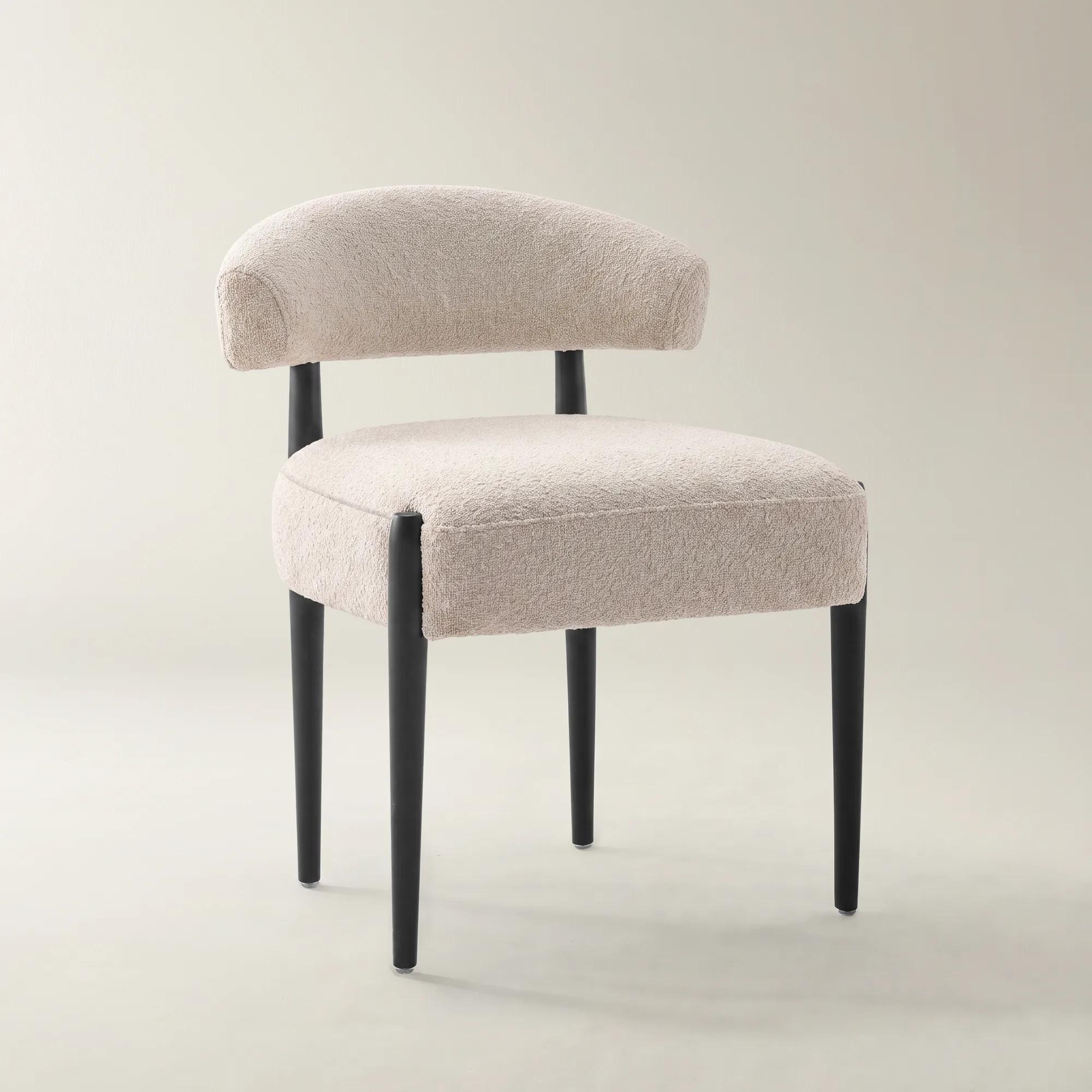
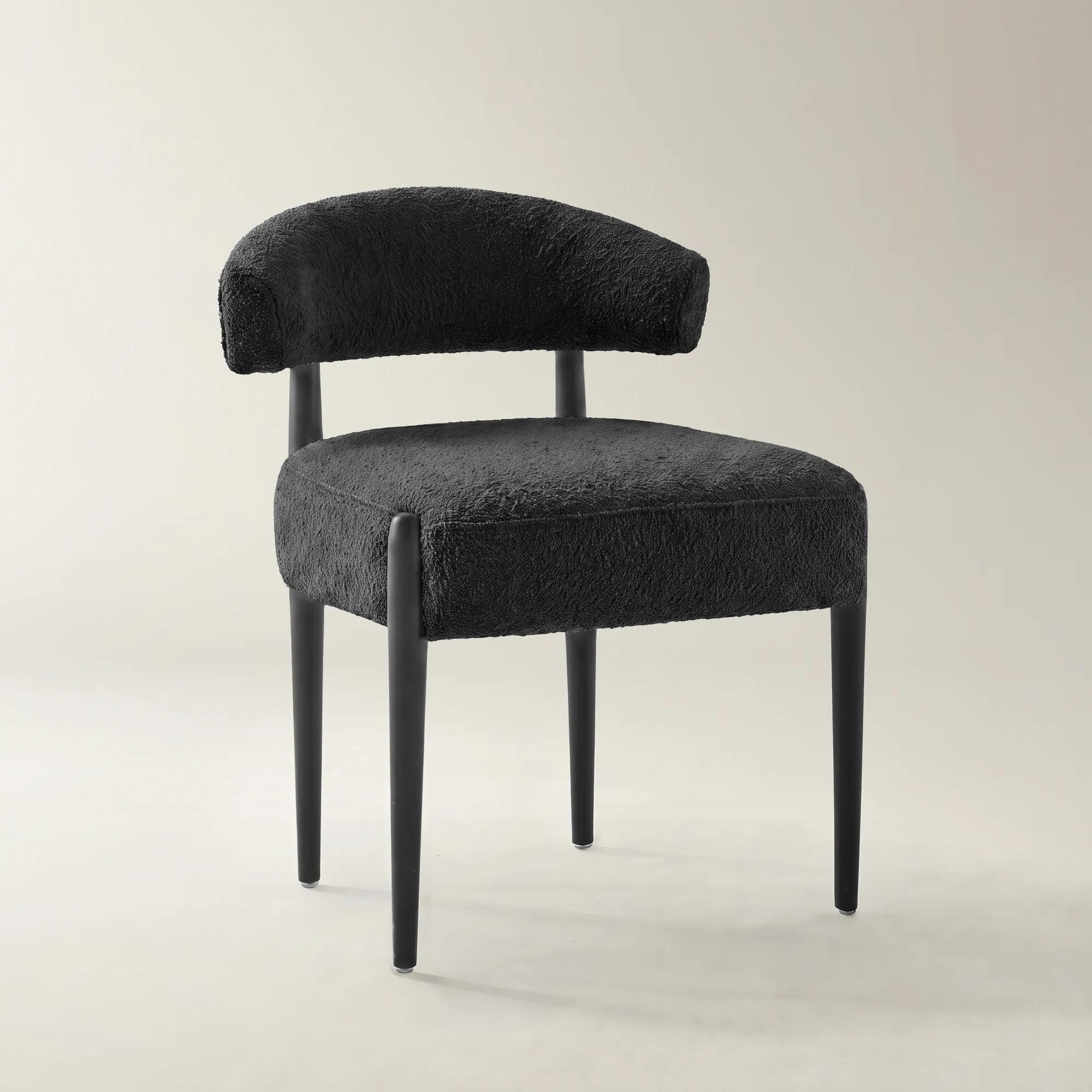
Designer Grey Dining Chairs
Designer Grey Dining Chairs
-
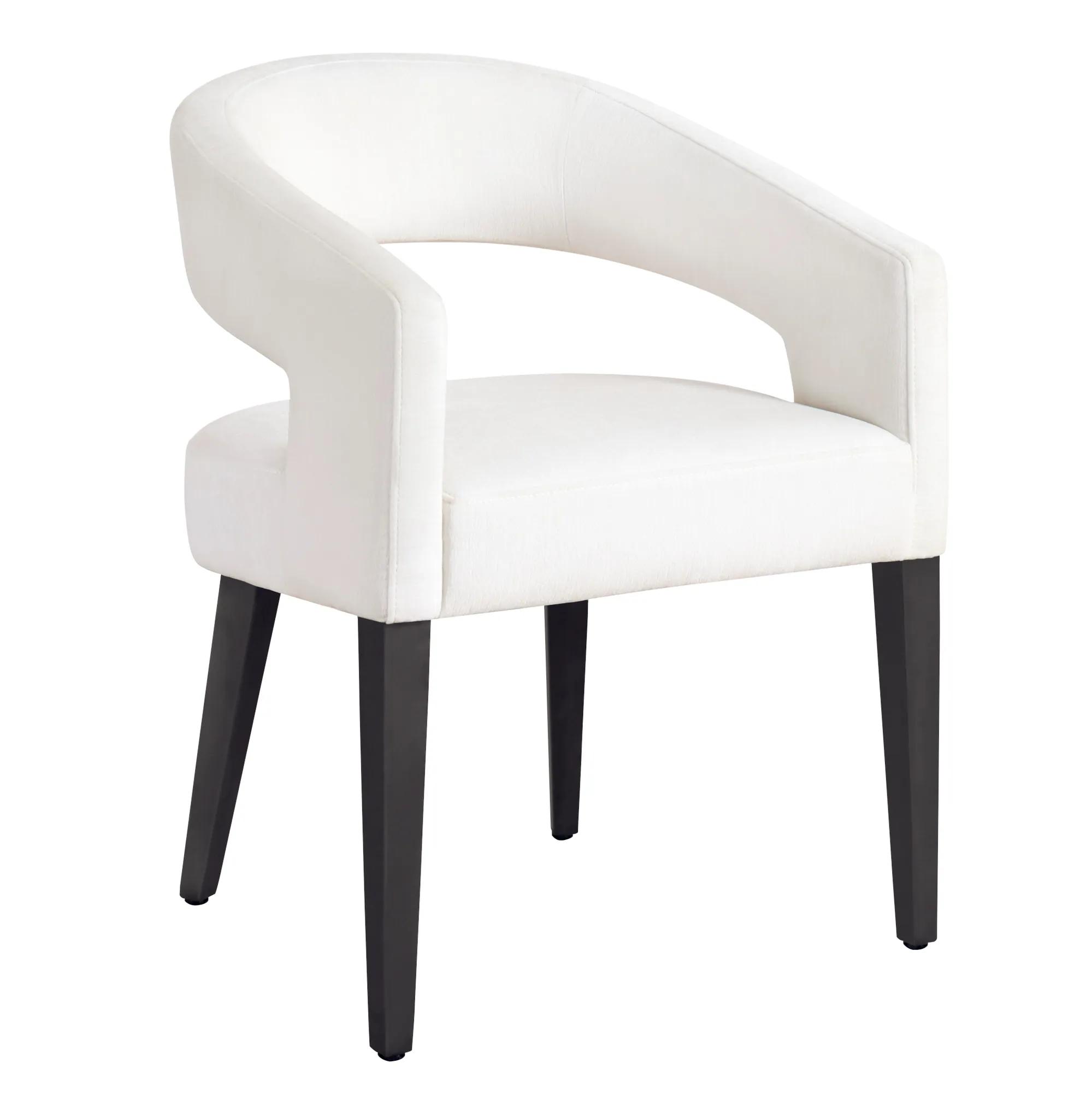
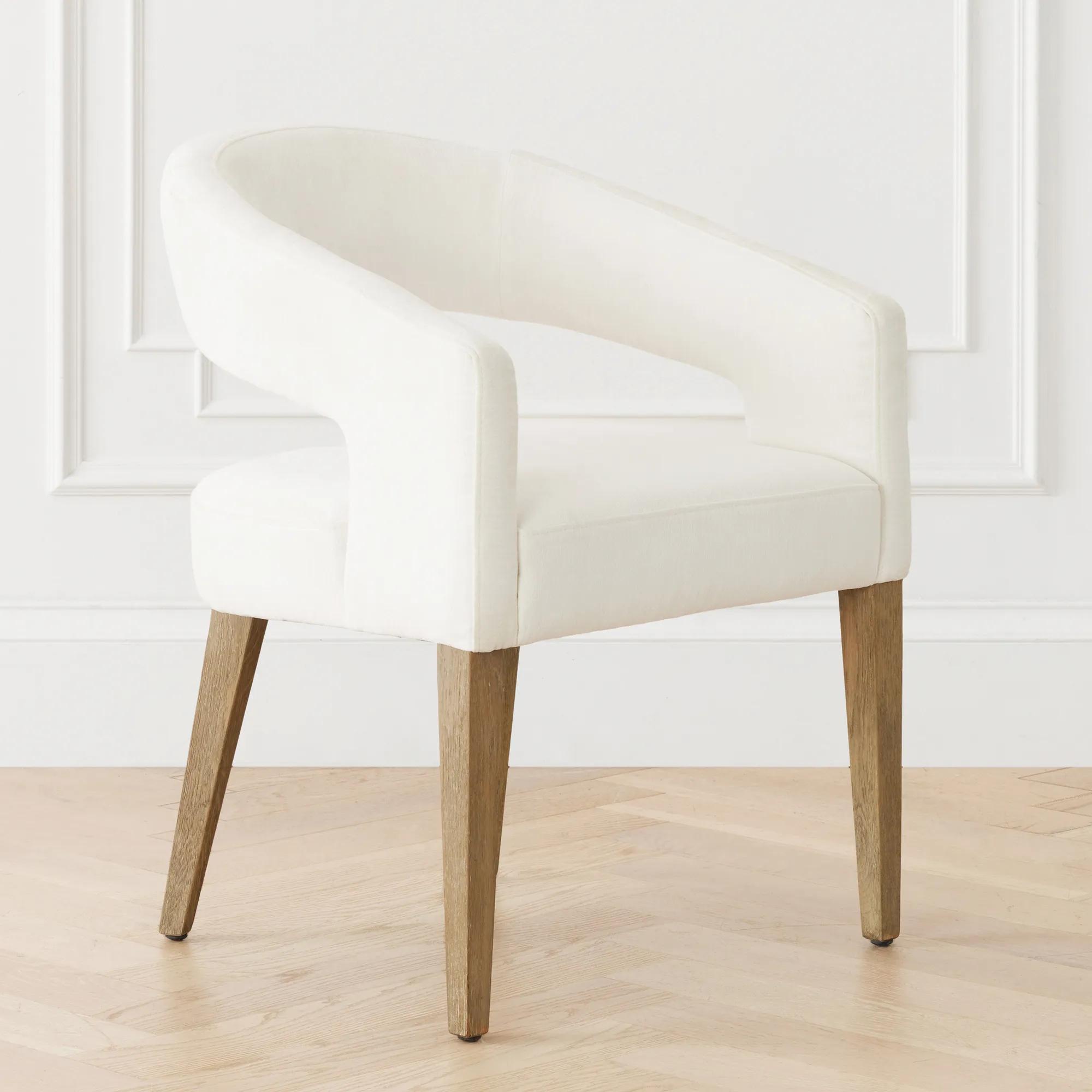 Philippa Dining Chair - Natural Grey$845
A modern dining chair featuring a curved silhouette, grey upholstery, and a kiln-dried hardwood frame.
Add To Cart -
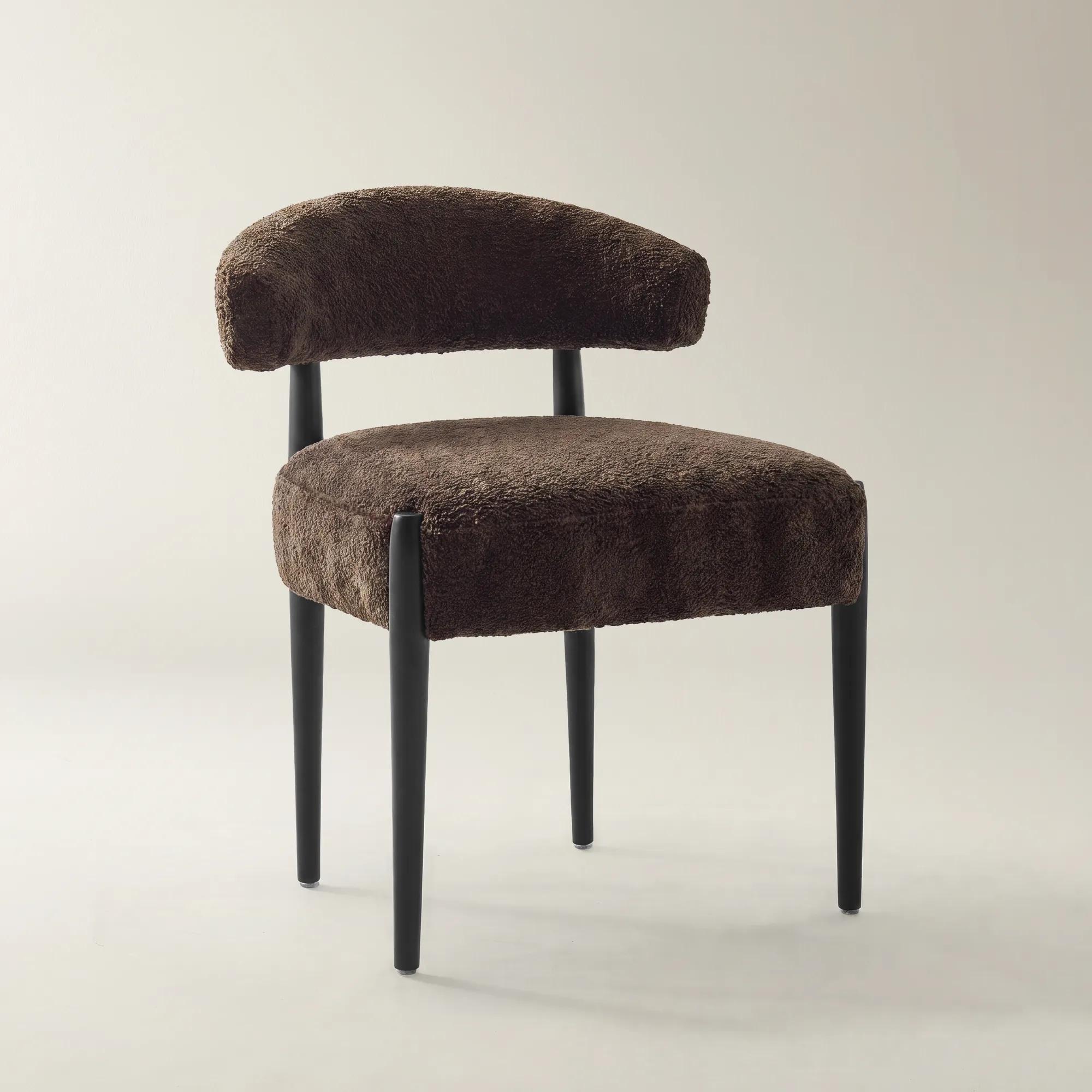
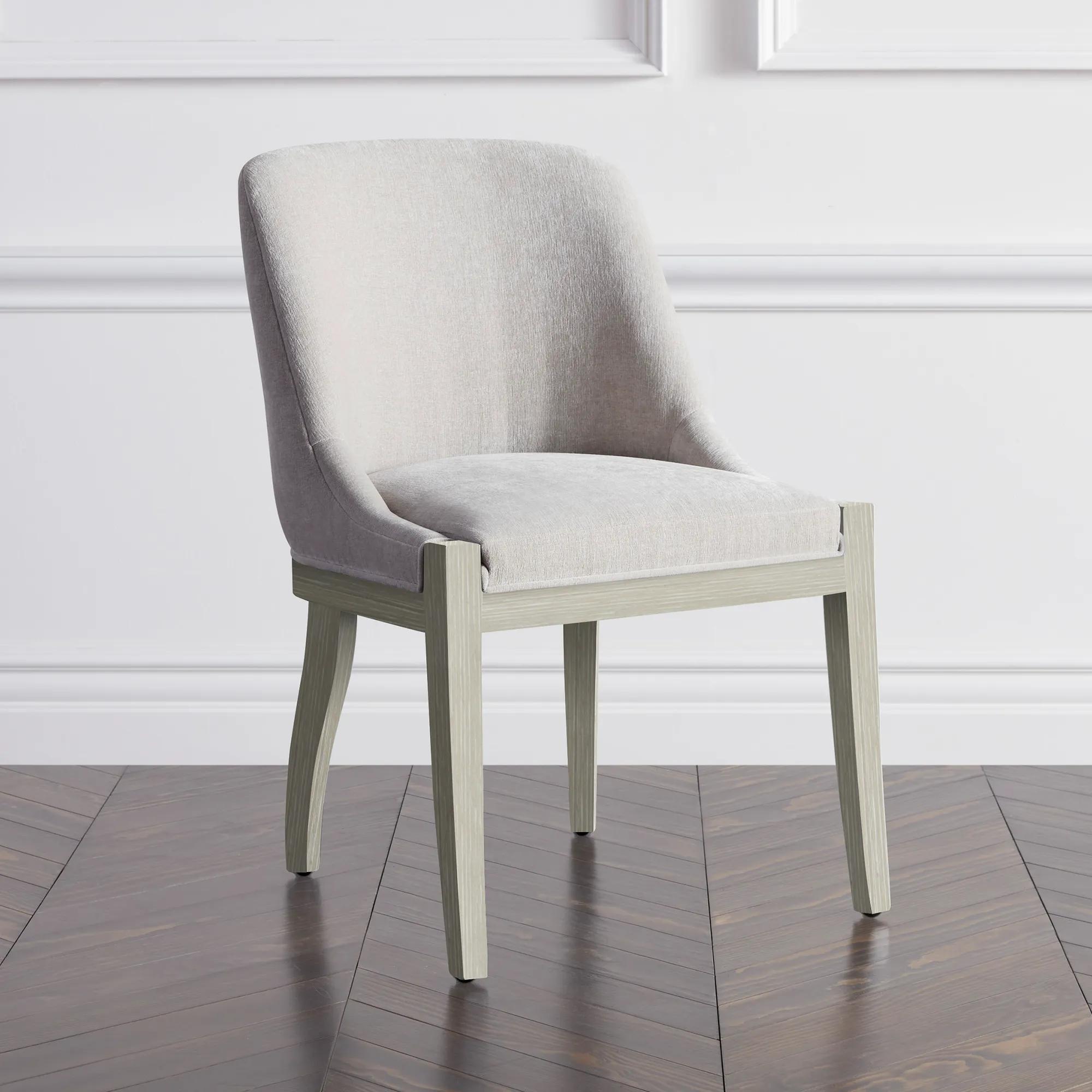 Lily Dining Chair - Natural Grey$699
A modern grey dining chair with kiln-dried hardwood frame and plush, tailored upholstery for lasting comfort.
Add To Cart -
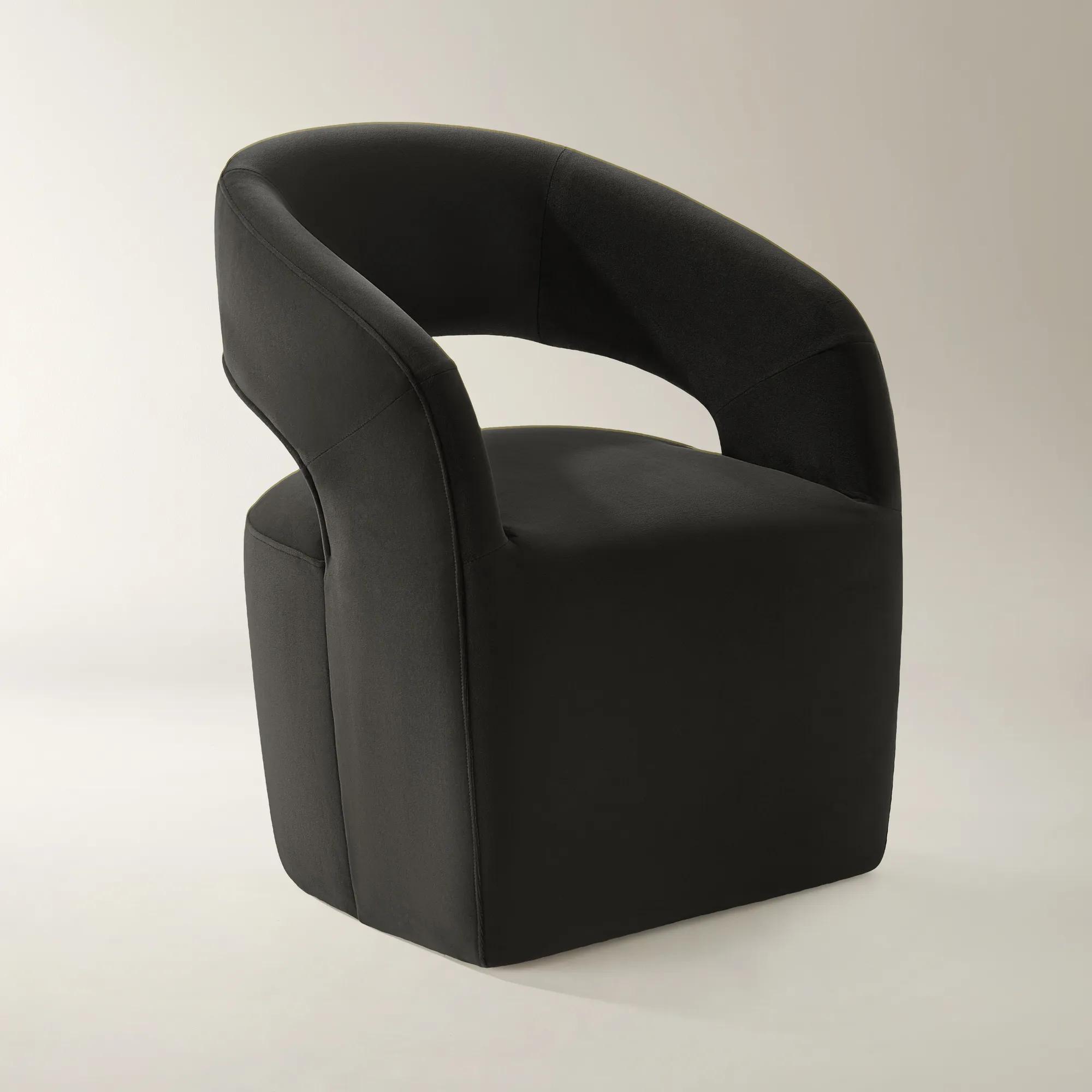 Harrison Charcoal Velvet Dining Chair$449
A sculptural dining chair upholstered in charcoal velvet with a continuous curved back and feather-blend comfort.
Add To Cart -
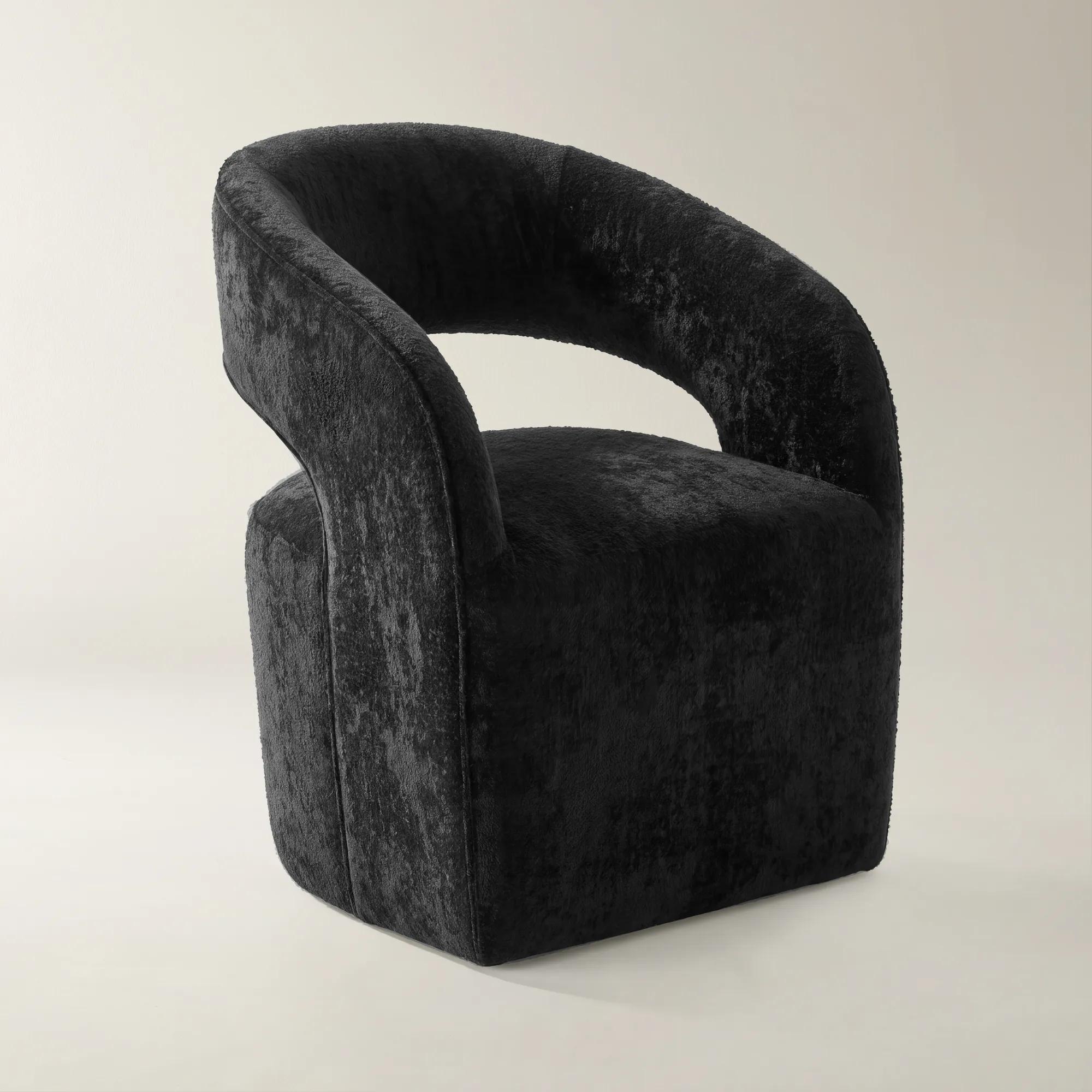 Harrison Black Chenille Dining Chair$449
A sculptural dining chair upholstered in charcoal chenille with a curved back, feather-blend seat, and integrated arms.
Add To Cart -
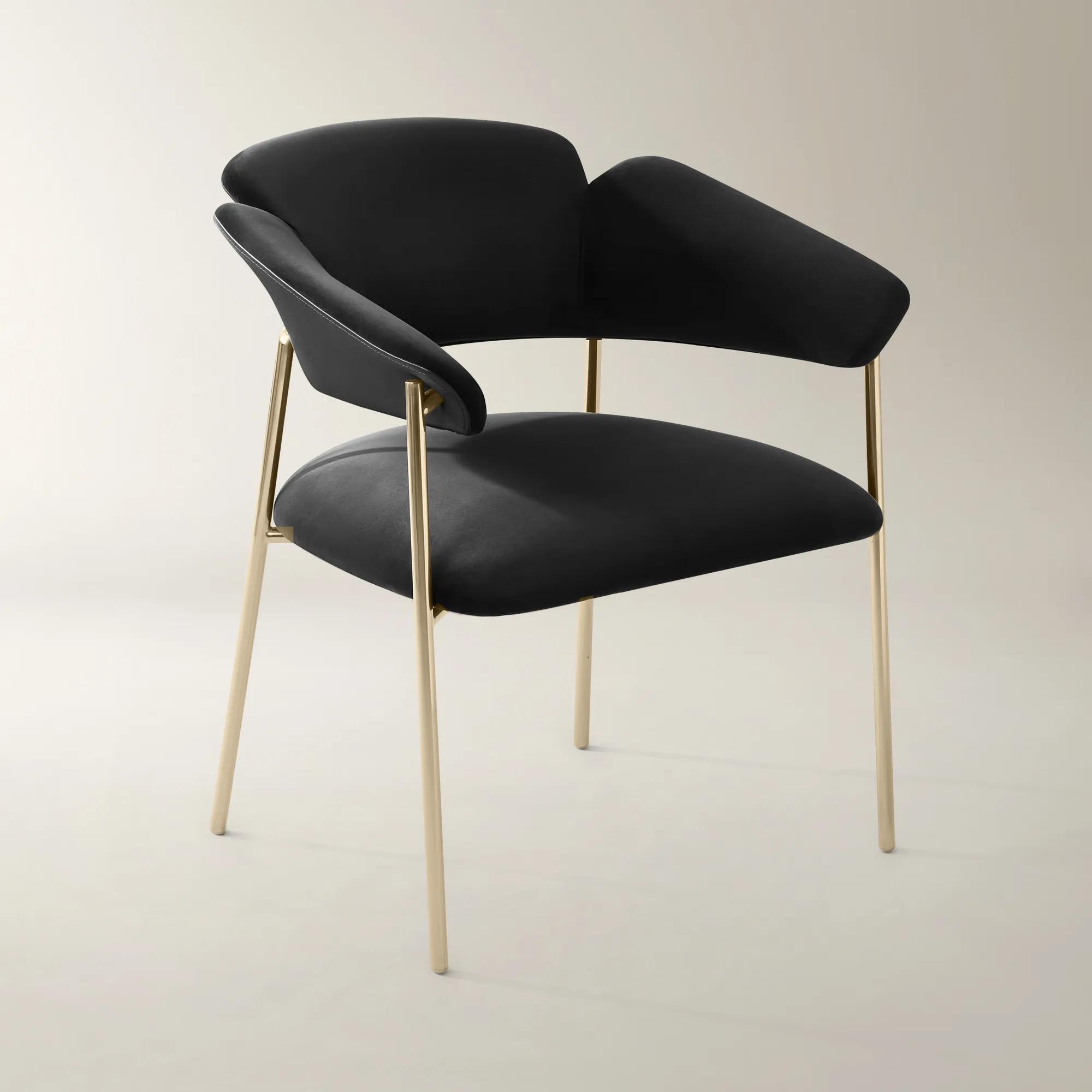 Odette Charcoal Velvet Dining Chair$499
A charcoal velvet chair featuring a wraparound open-back design, tonal faux leather accents, and gold metal legs.
Add To Cart -
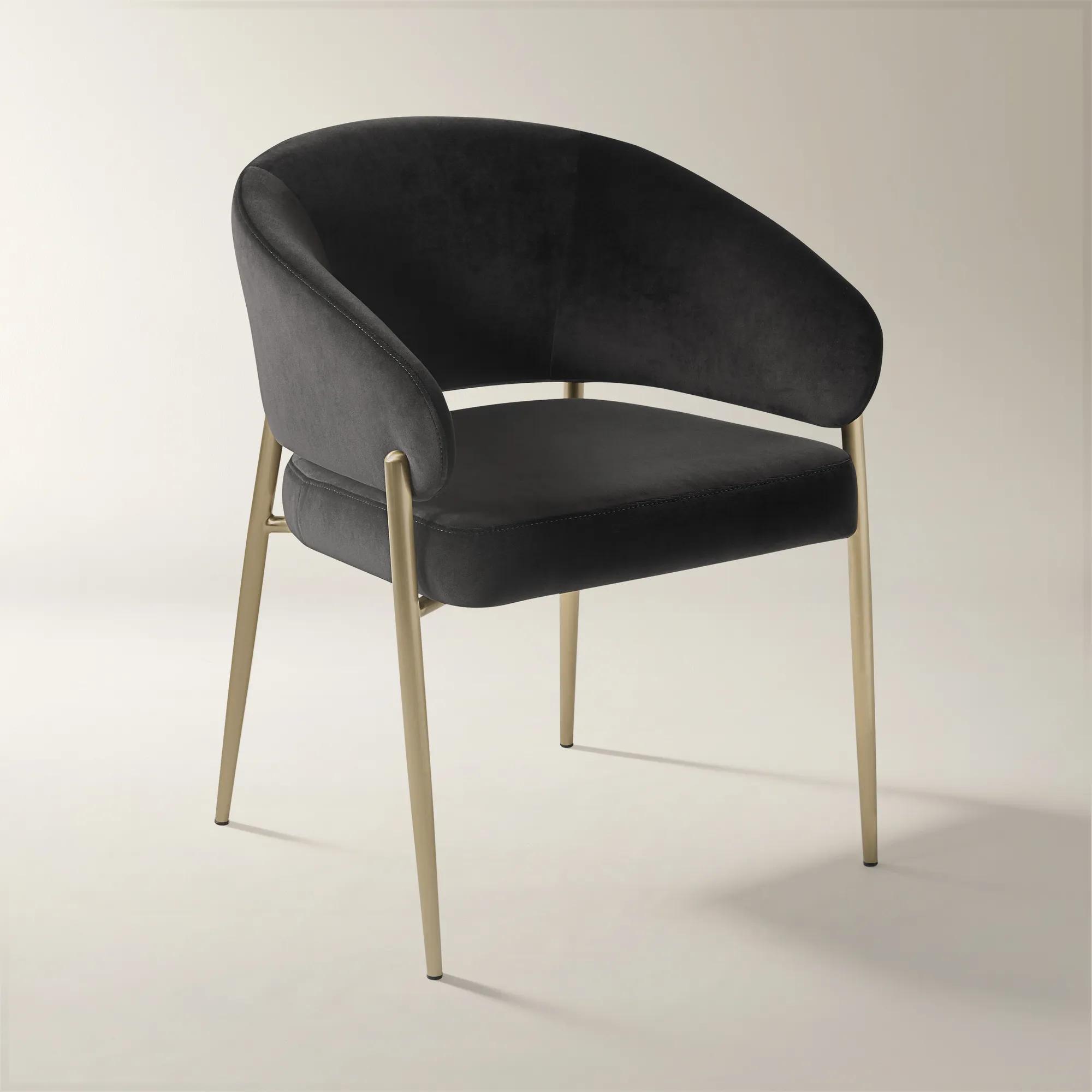 Nara Charcoal Velvet Dining Chair Set Of 2$599
A set of two charcoal velvet chairs featuring curved backs, plush upholstery, and brushed brass metal legs.
Add To Cart -
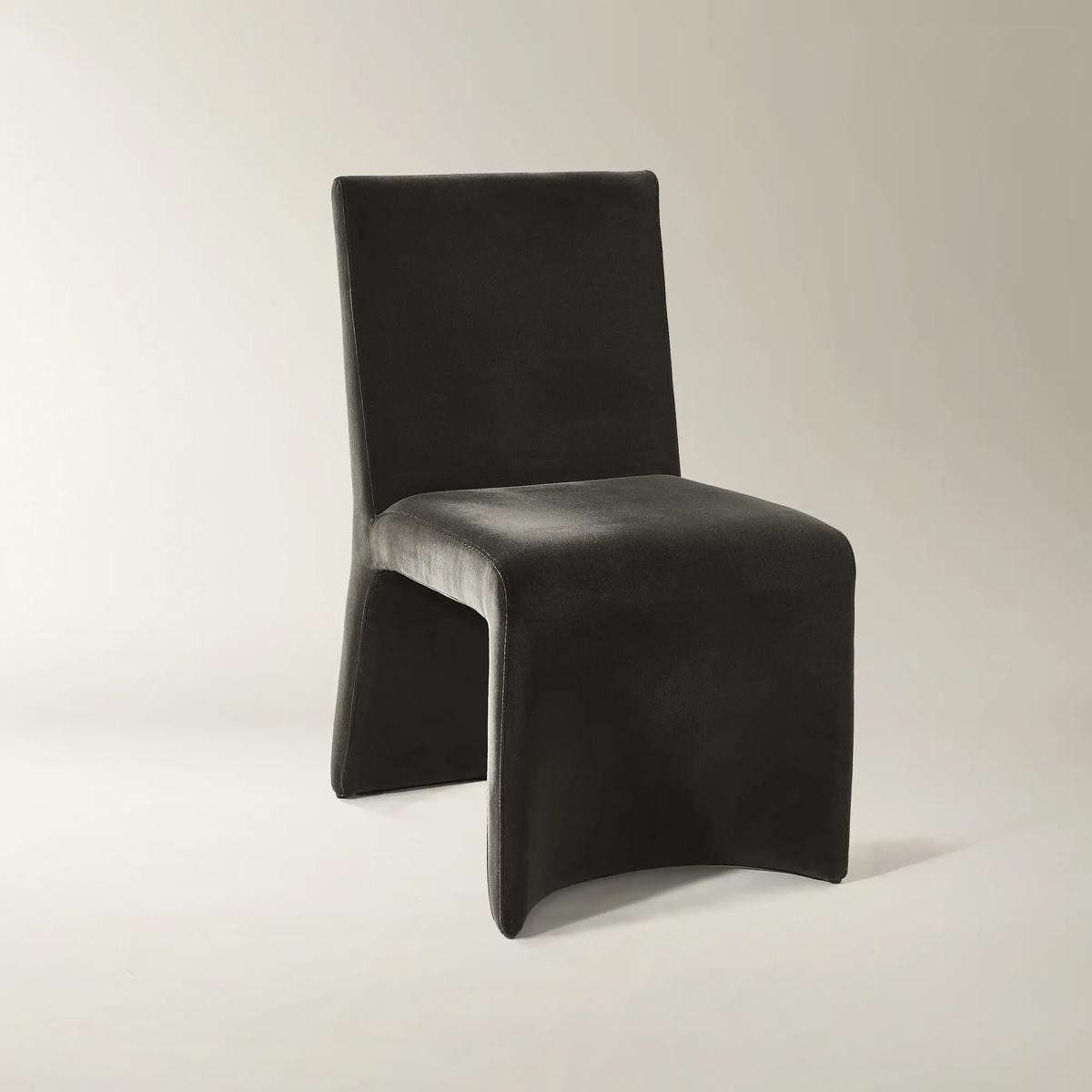
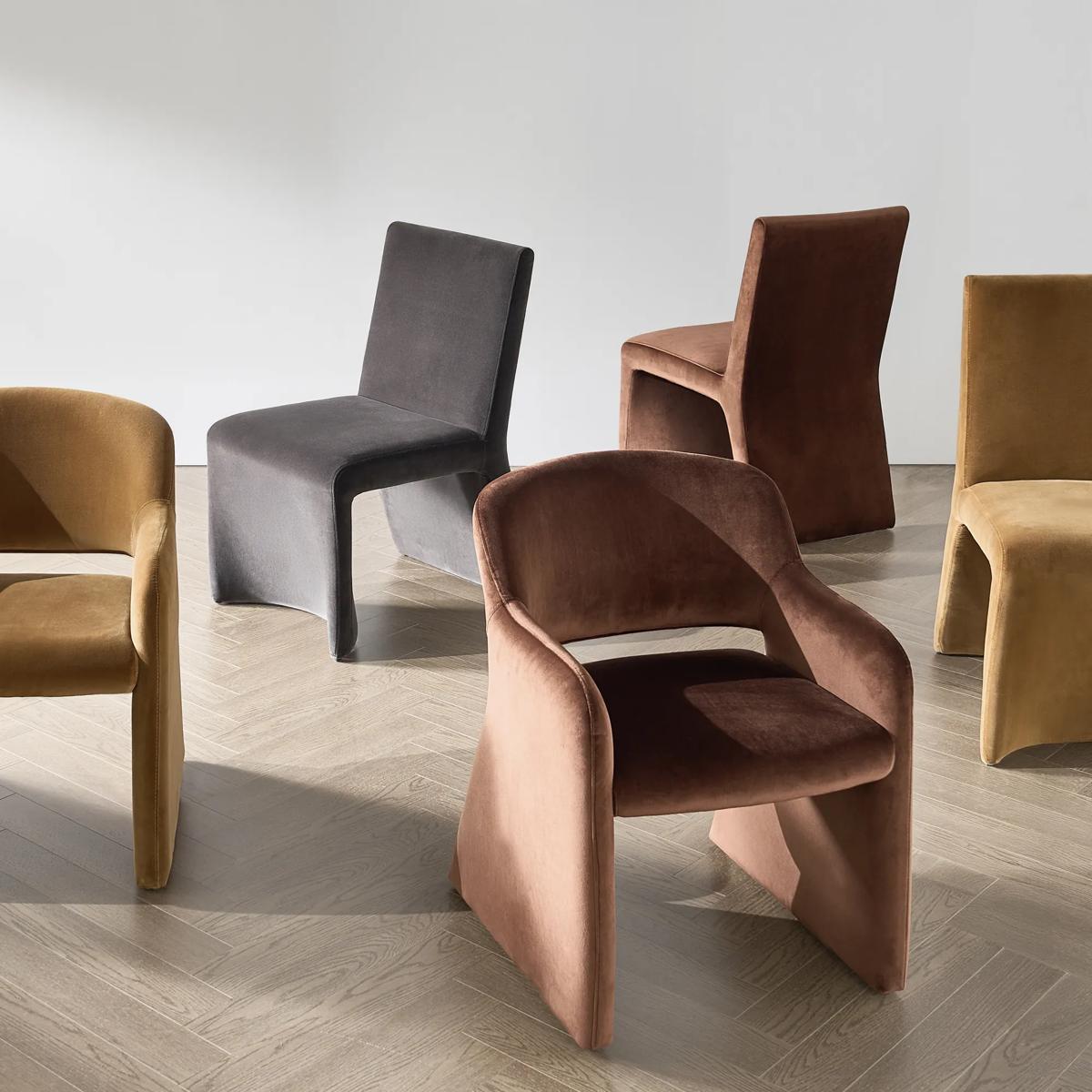 Elara Charcoal Velvet Dining Chair Set Of 2$699
A pair of charcoal velvet dining chairs featuring curved ergonomic silhouettes, plush upholstery, and hand-crafted details.
Add To Cart -
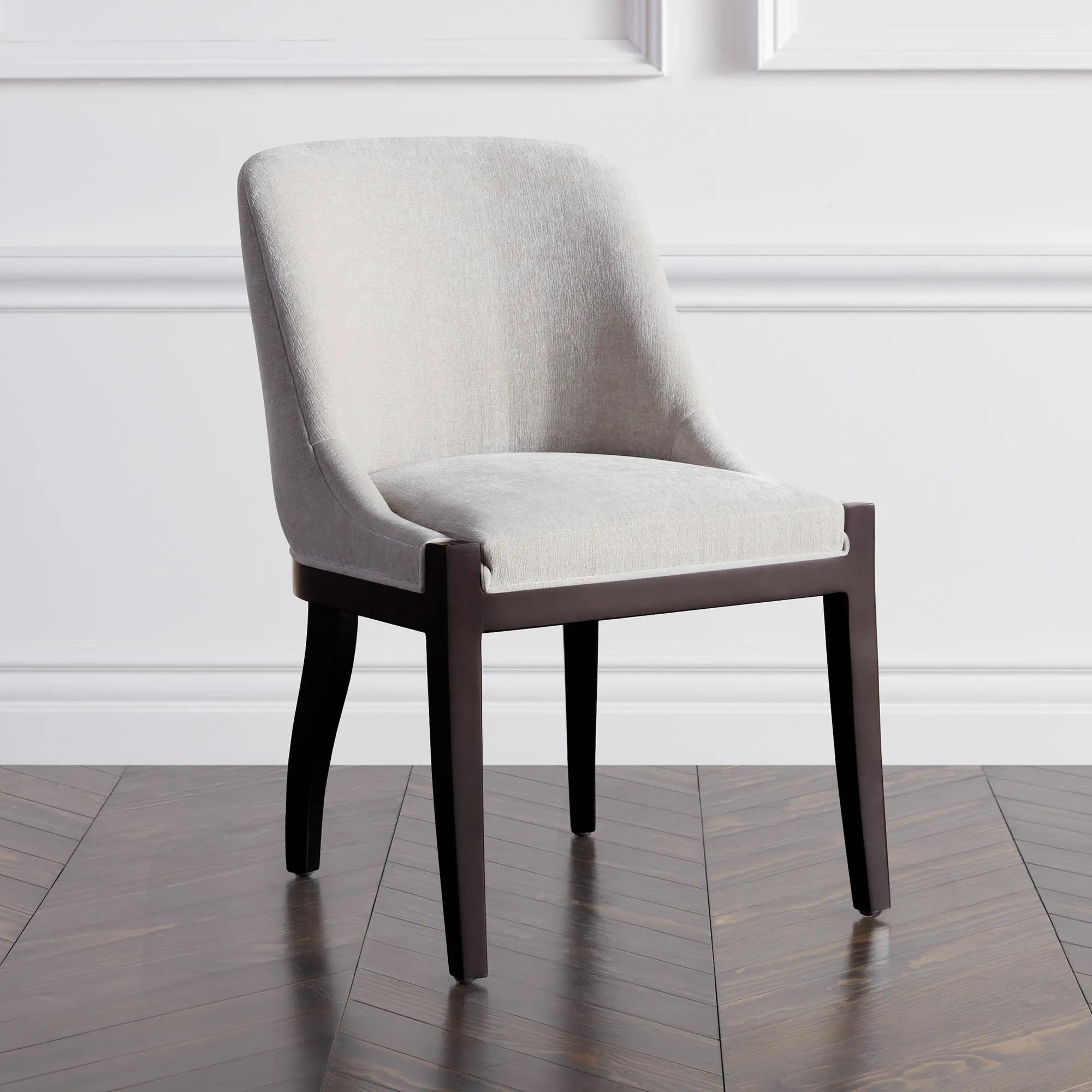
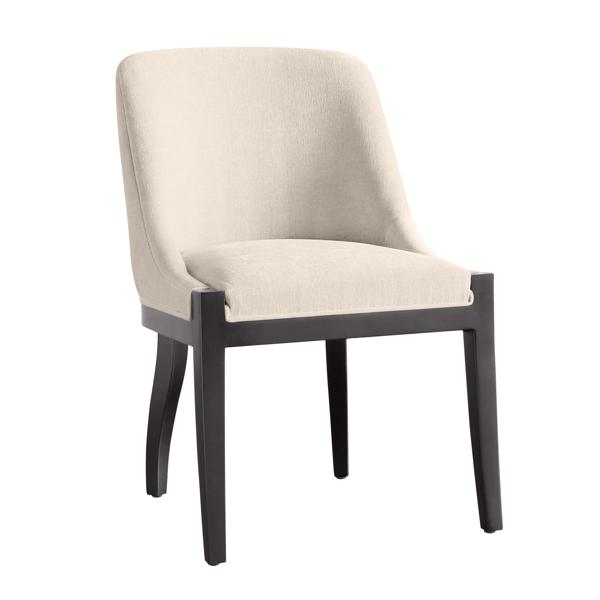 Lily Dining Chair - Espresso$749
A modern dining chair with espresso-finished hardwood frame and plush, tailored upholstery for lasting comfort.
Add To Cart -
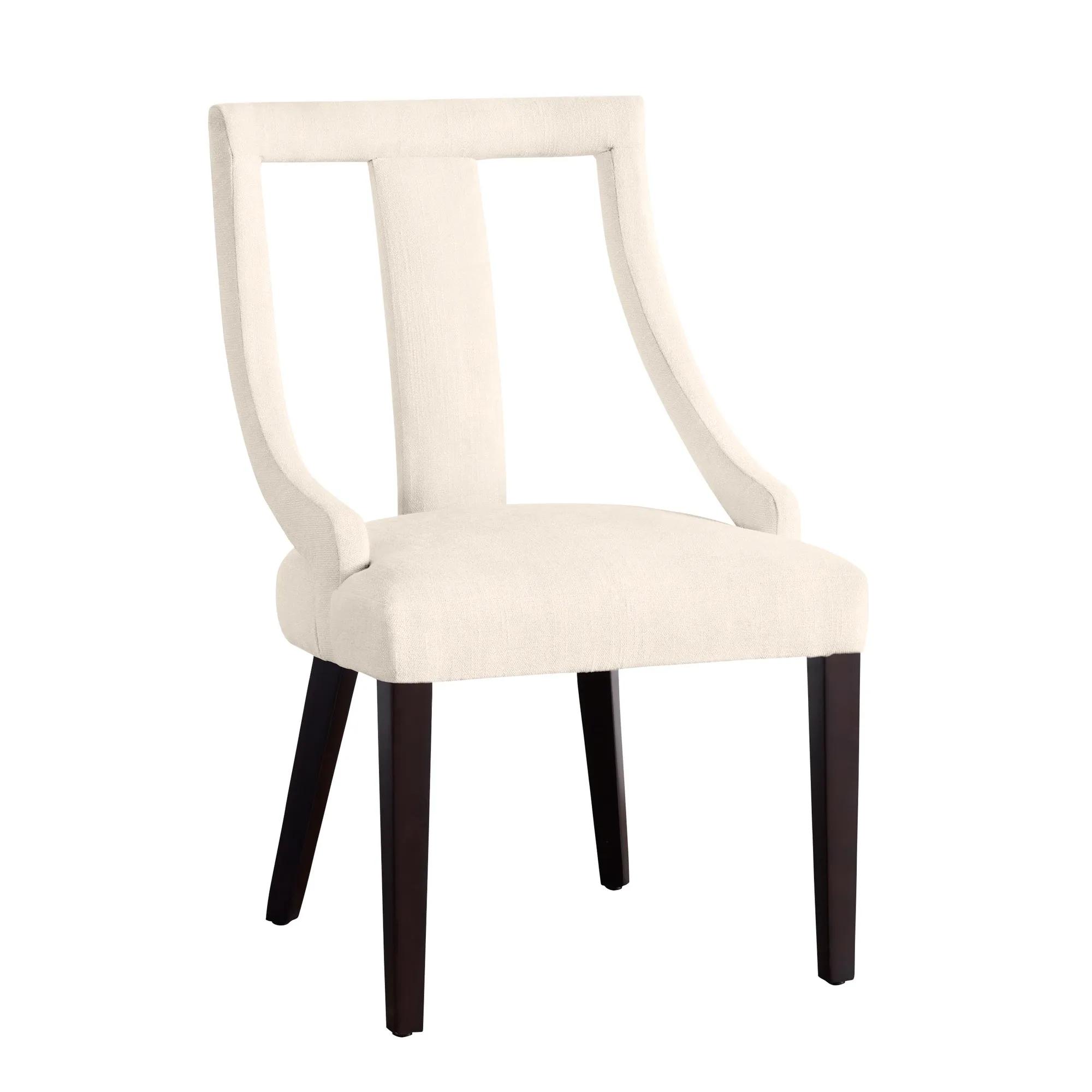
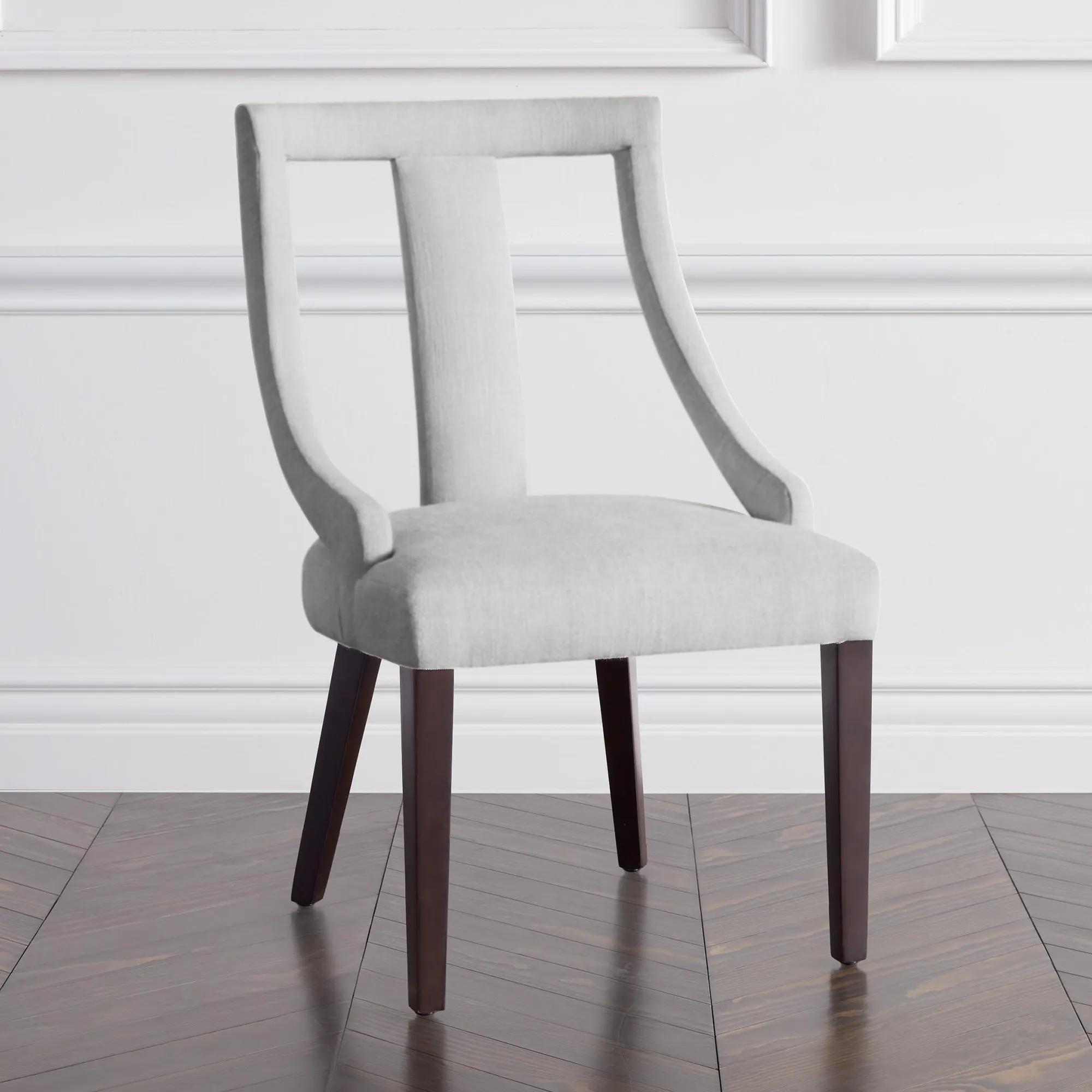 Jade Dining Chair - Espresso$649
A modern dining chair featuring a cutout back, espresso legs, and plush velvet upholstery for lasting comfort.
Add To Cart -
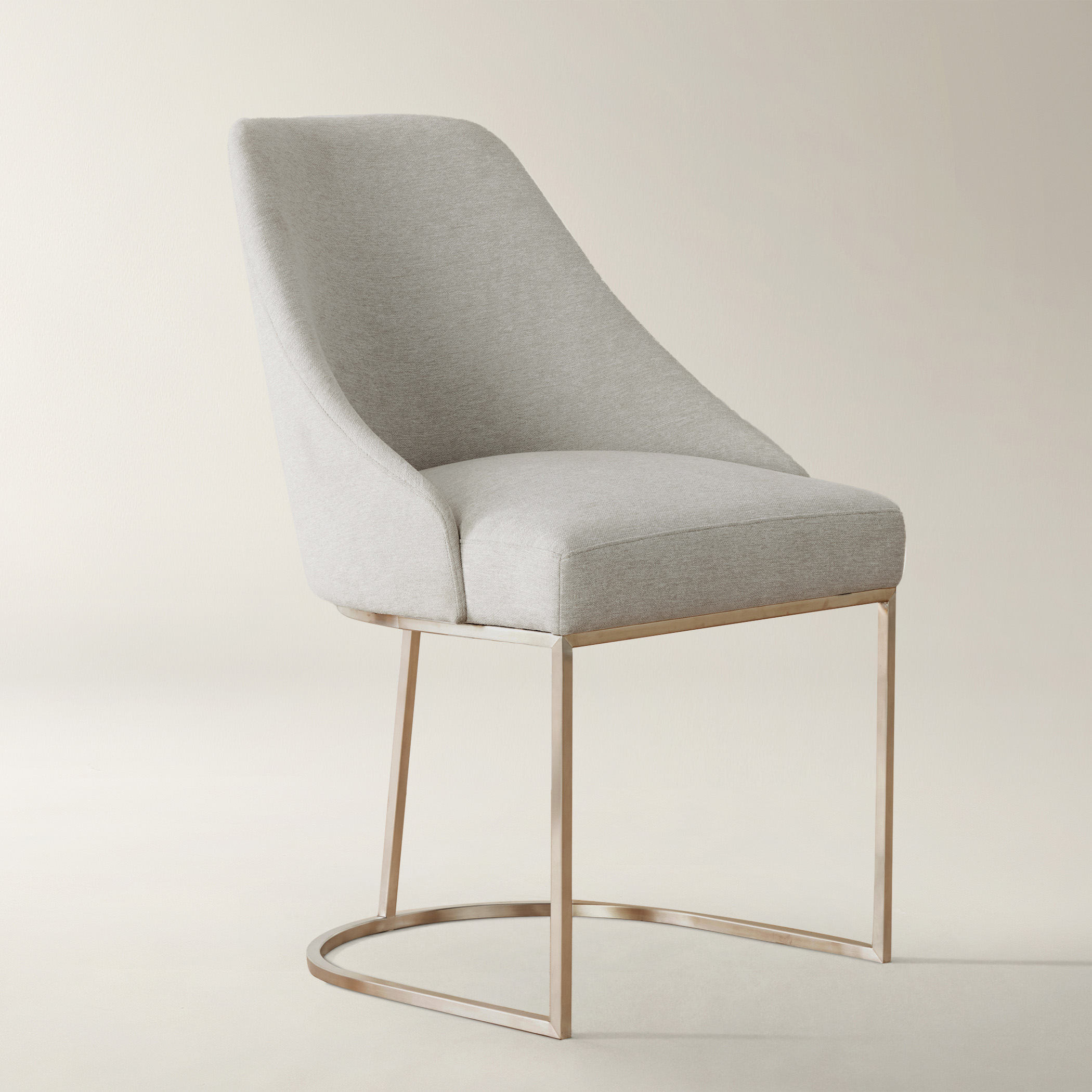
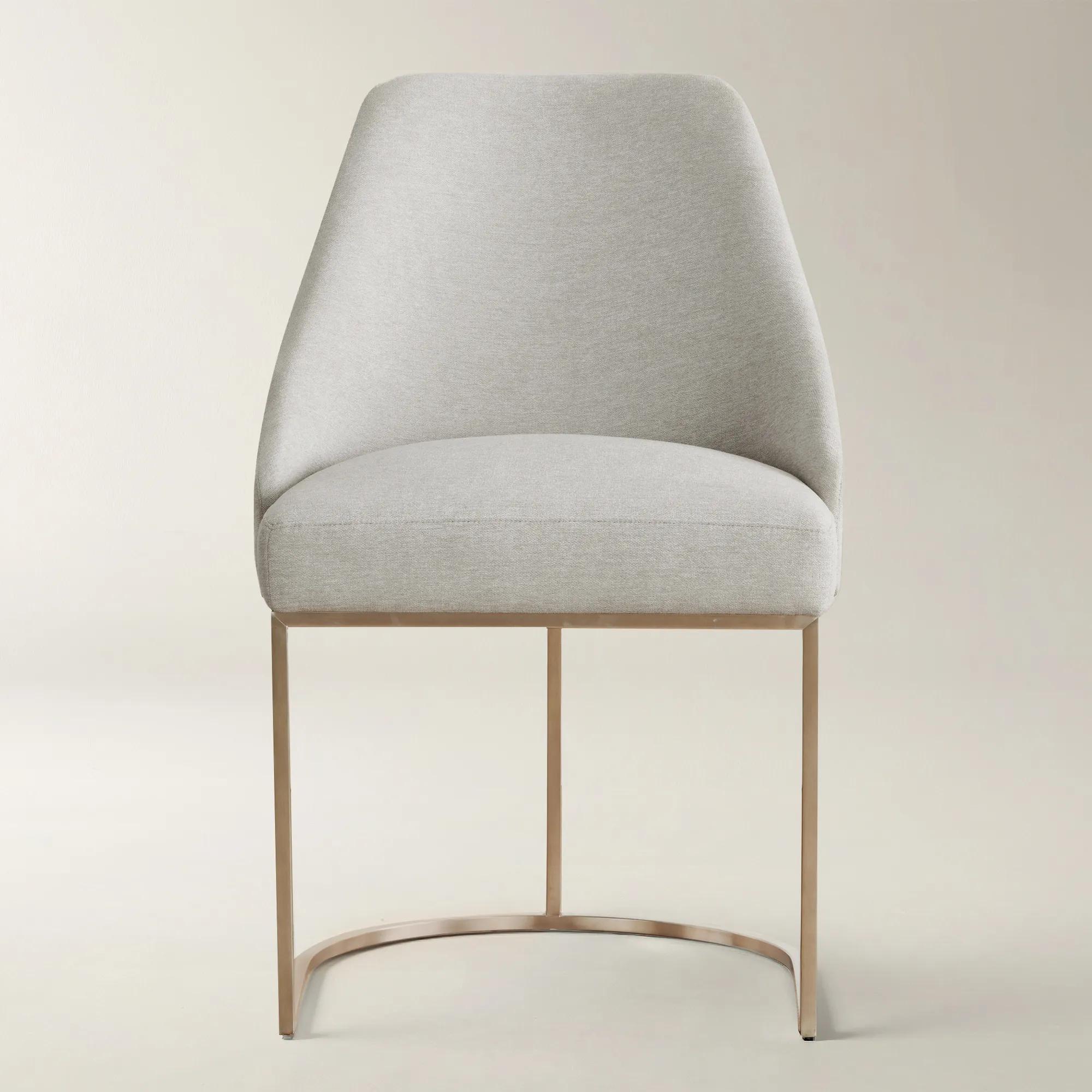 Rowan Ivory Fabric Dining Chair$599
A modern chair featuring brushed stainless steel legs and stain-resistant, water-repellent Roxboro Frost fabric.
Add To Cart -
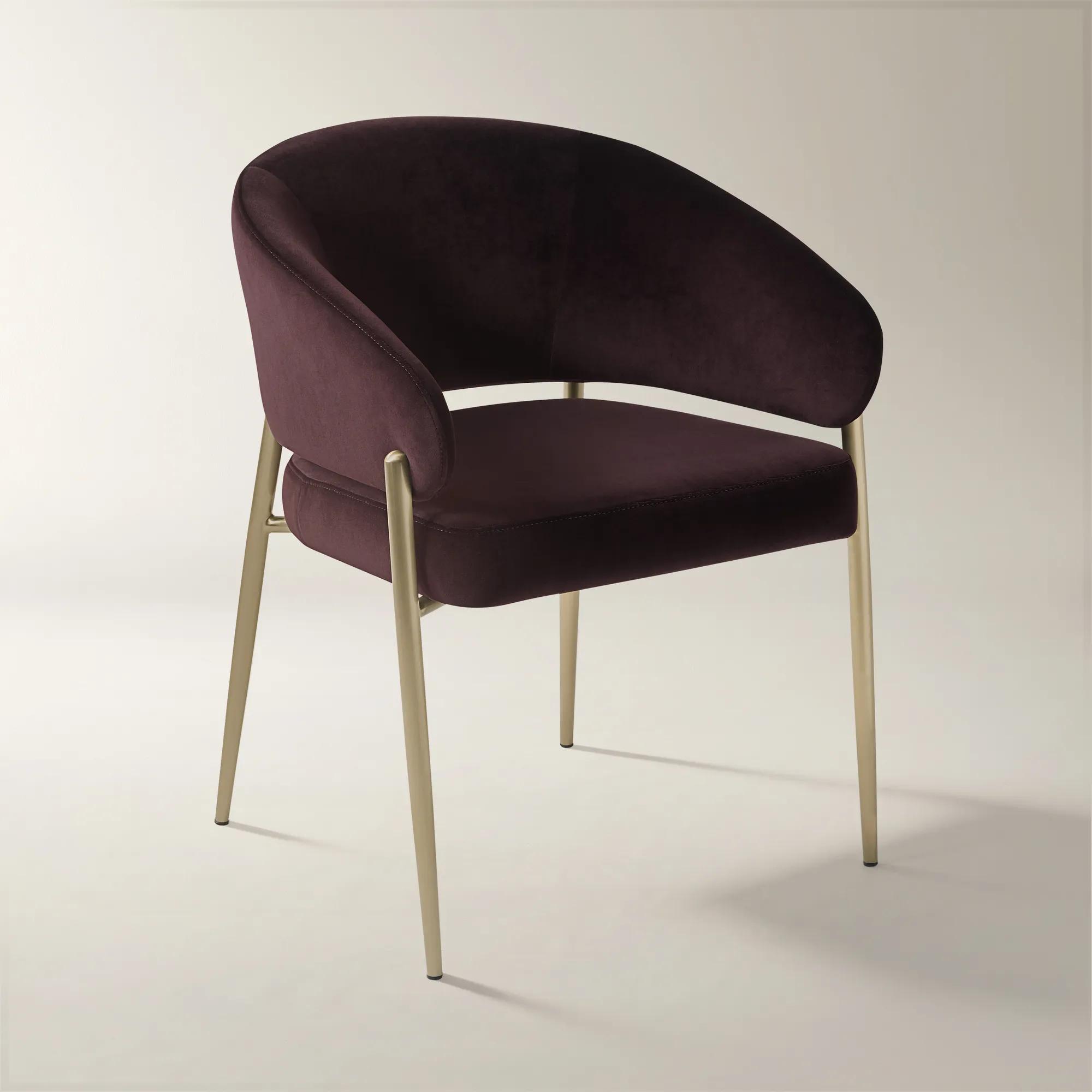 Nara Fig Velvet Dining Chair Set Of 2$599
A set of two dining chairs featuring plush fig velvet upholstery and brushed brass stainless-steel legs.
Add To Cart -
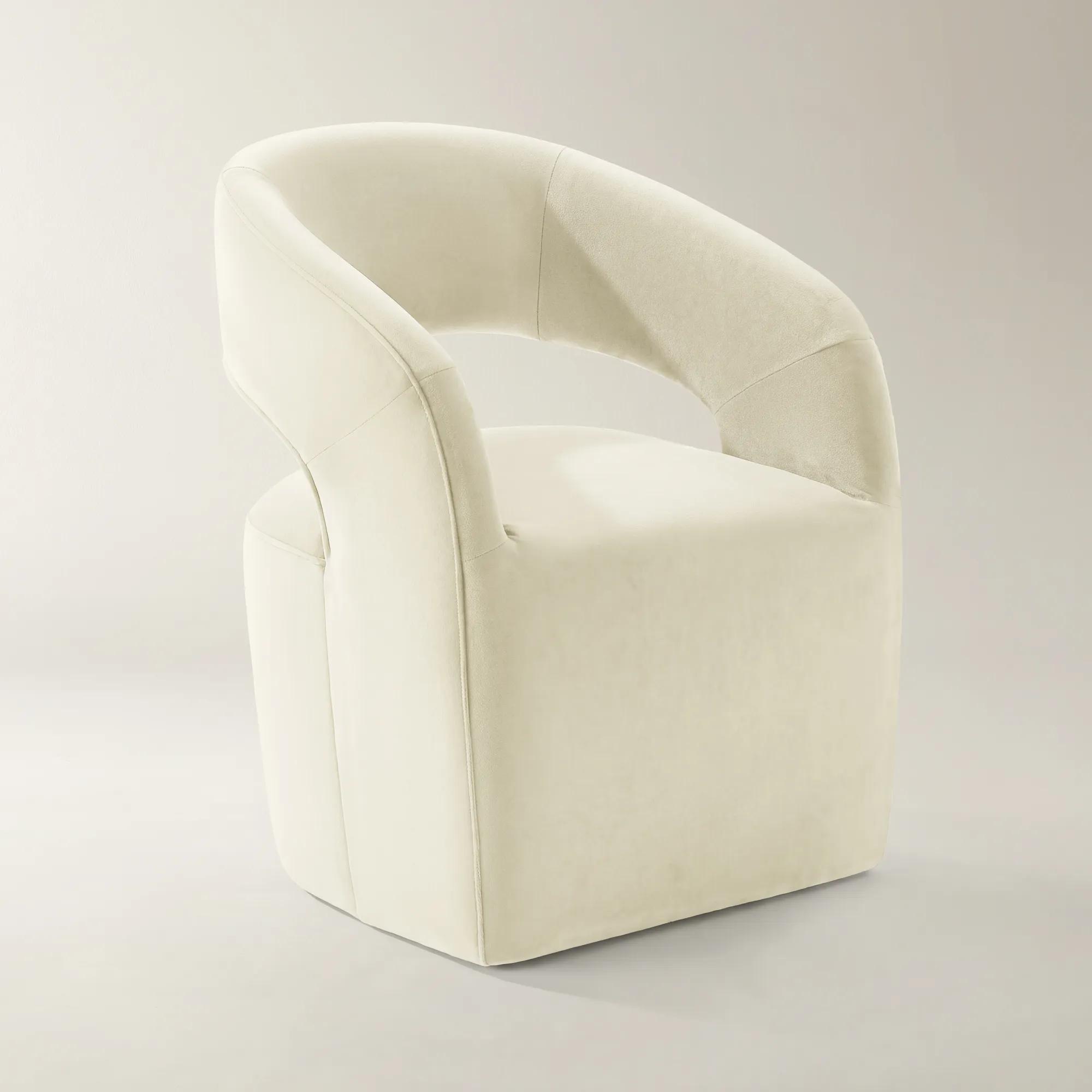 Harrison Cloud Velvet Dining Chair$449
A sculptural dining chair featuring cloud velvet upholstery, feather-blend cushioning, and a continuous curved back.
Add To Cart -
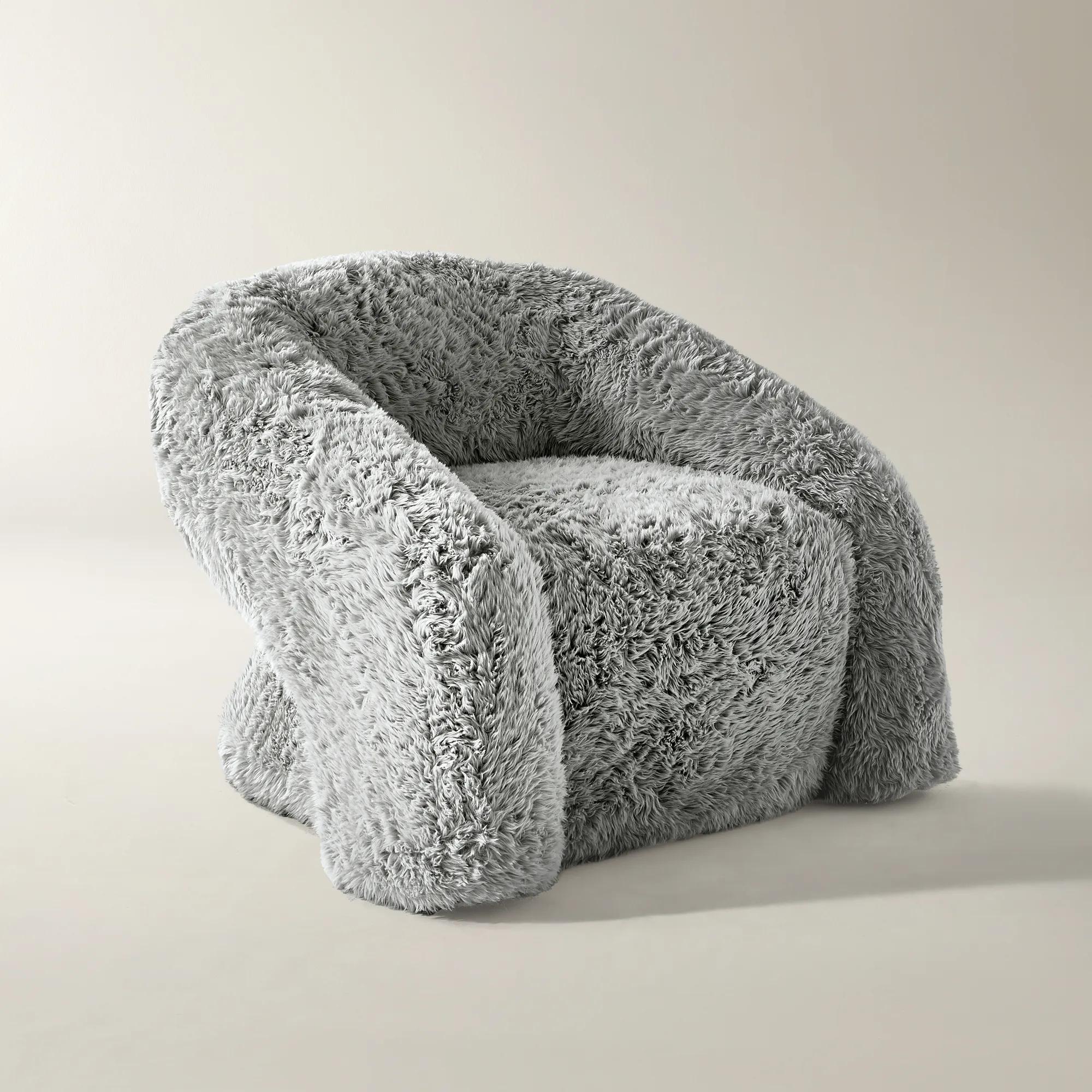
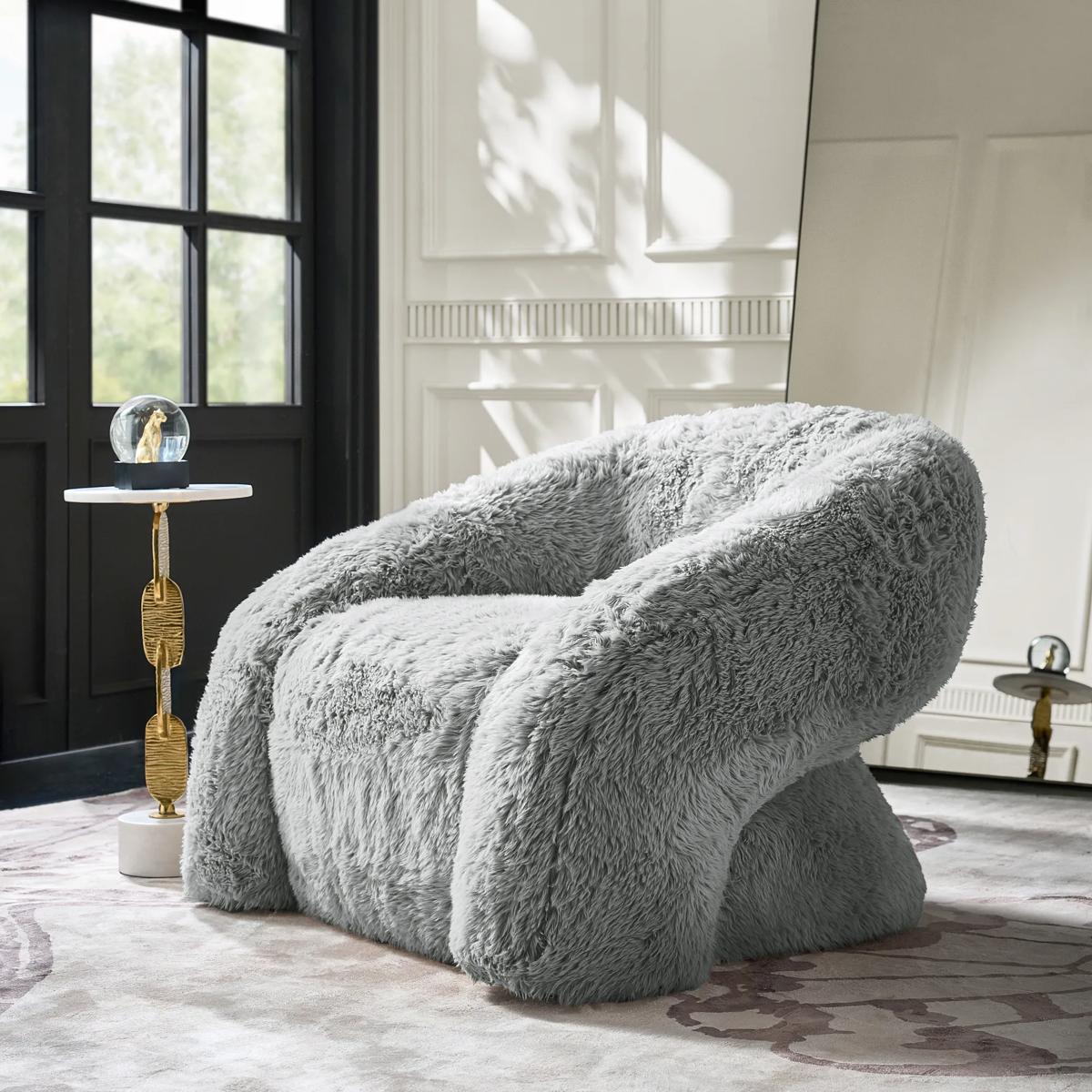 Misha Shadow Faux Fur Accent Chair$799
A cozy gray faux fur chair featuring high-resiliency foam and a sculptural, low-profile silhouette.
Add To Cart -
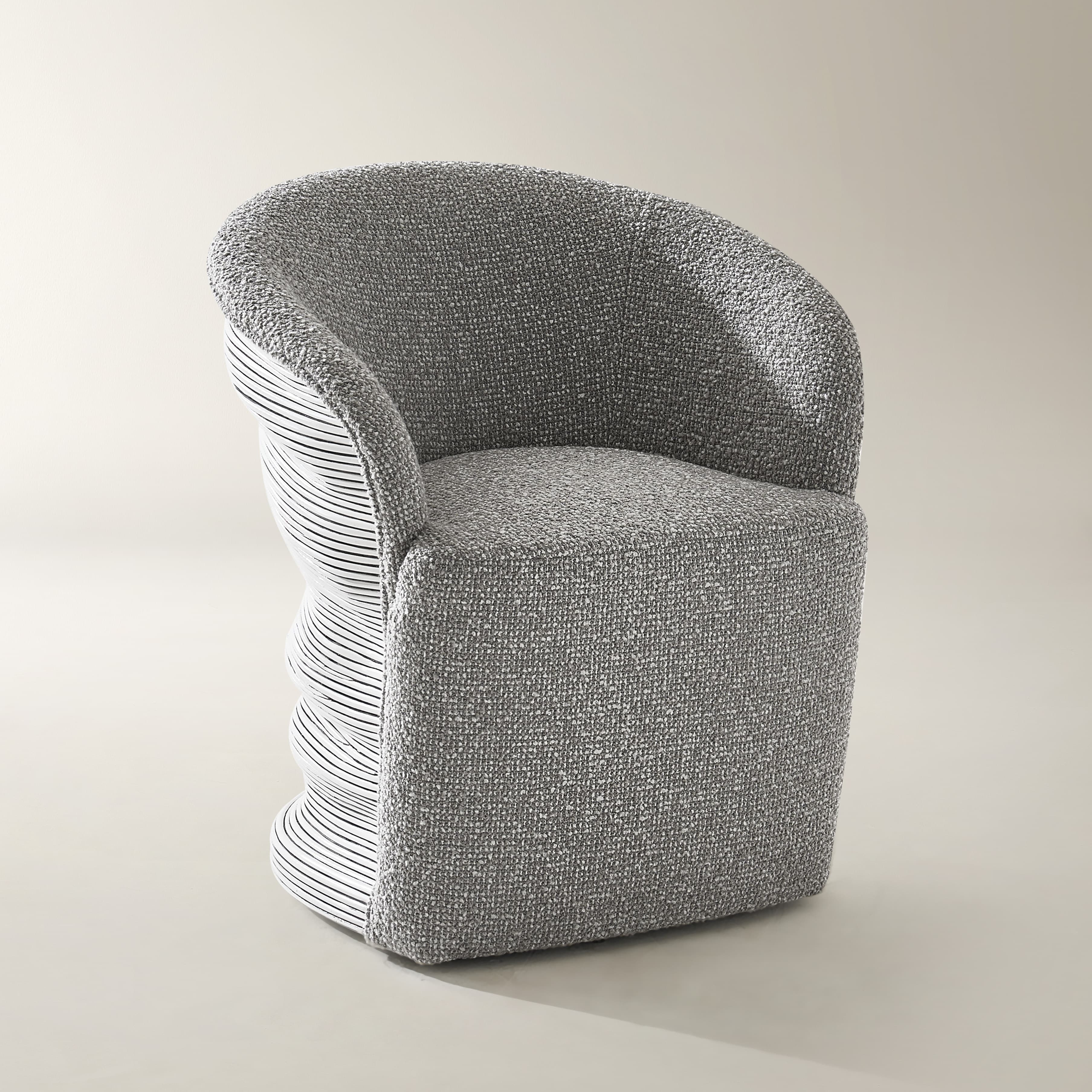
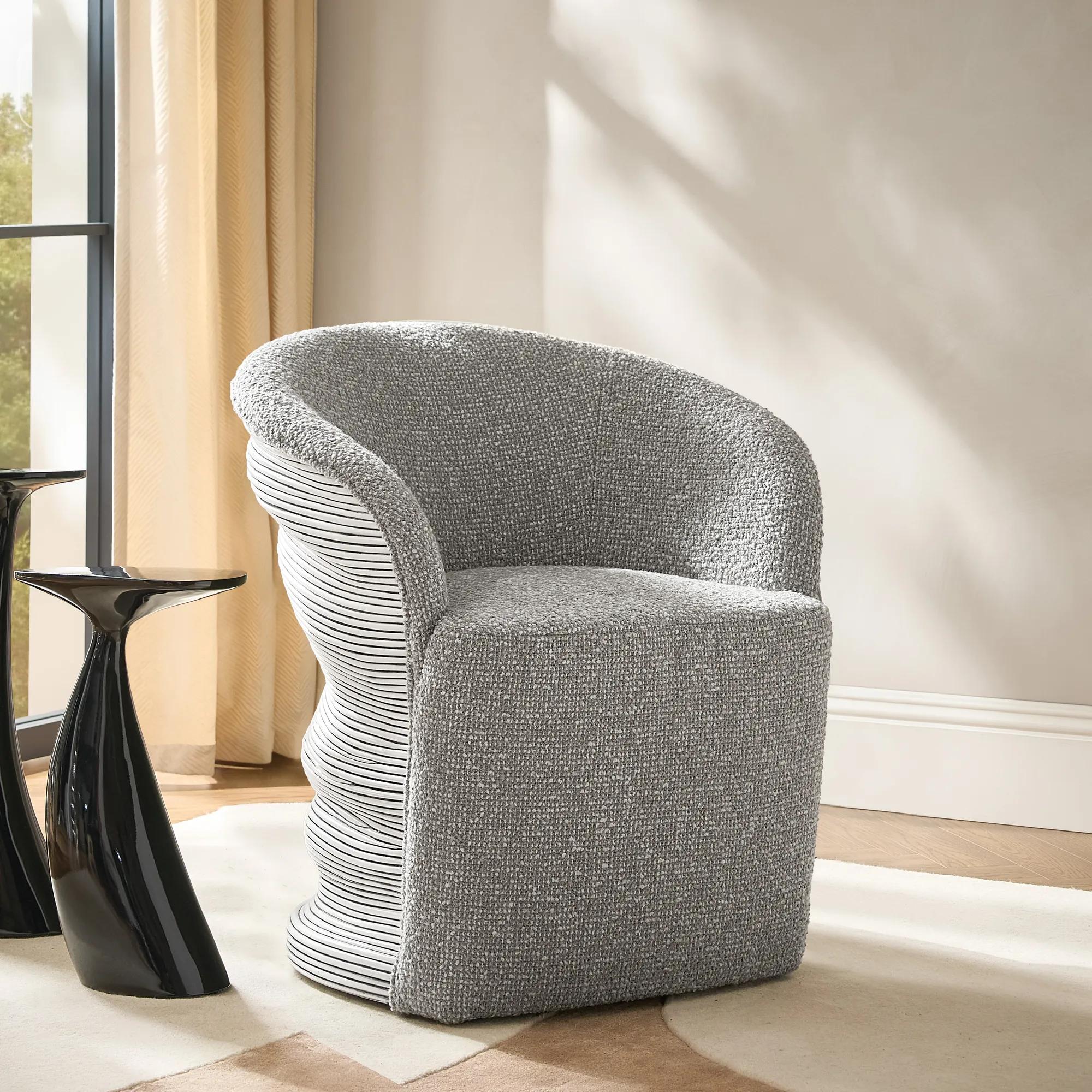 Cairo Rattan Grey Chenille Dining Chair$899
A handwoven natural rattan swivel chair in grey chenille, blending sculptural form with plush comfort.
Add To Cart -
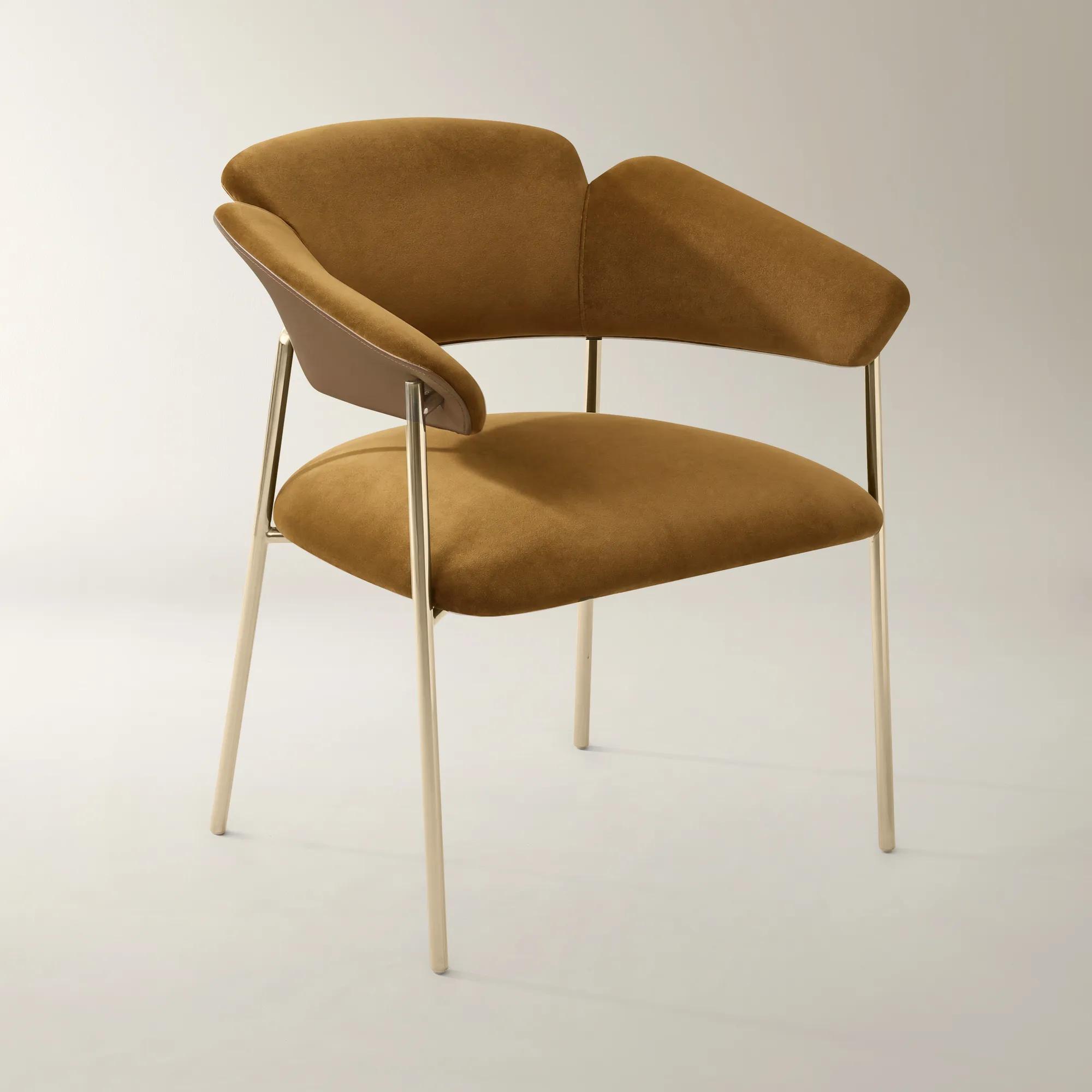 Odette Roasted Pecan Velvet Dining Chair$499
A sculptural dining chair featuring roasted pecan velvet, tonal faux leather accents, and gold stainless steel legs.
Add To Cart -
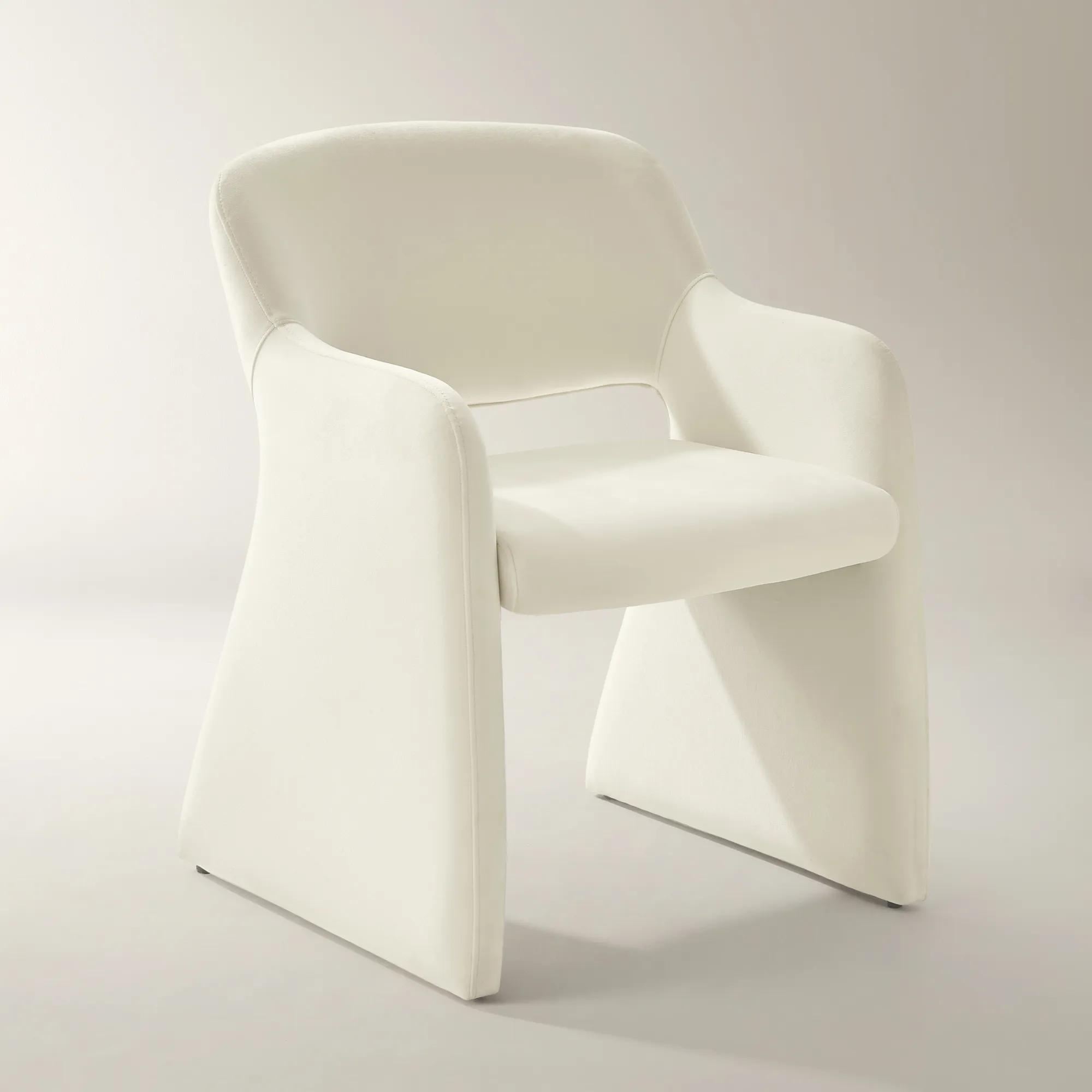 Elara Cloud Velvet Dining Chair$399
A plush velvet dining chair featuring a seamless wraparound silhouette and supportive carbon steel frame.
Add To Cart -
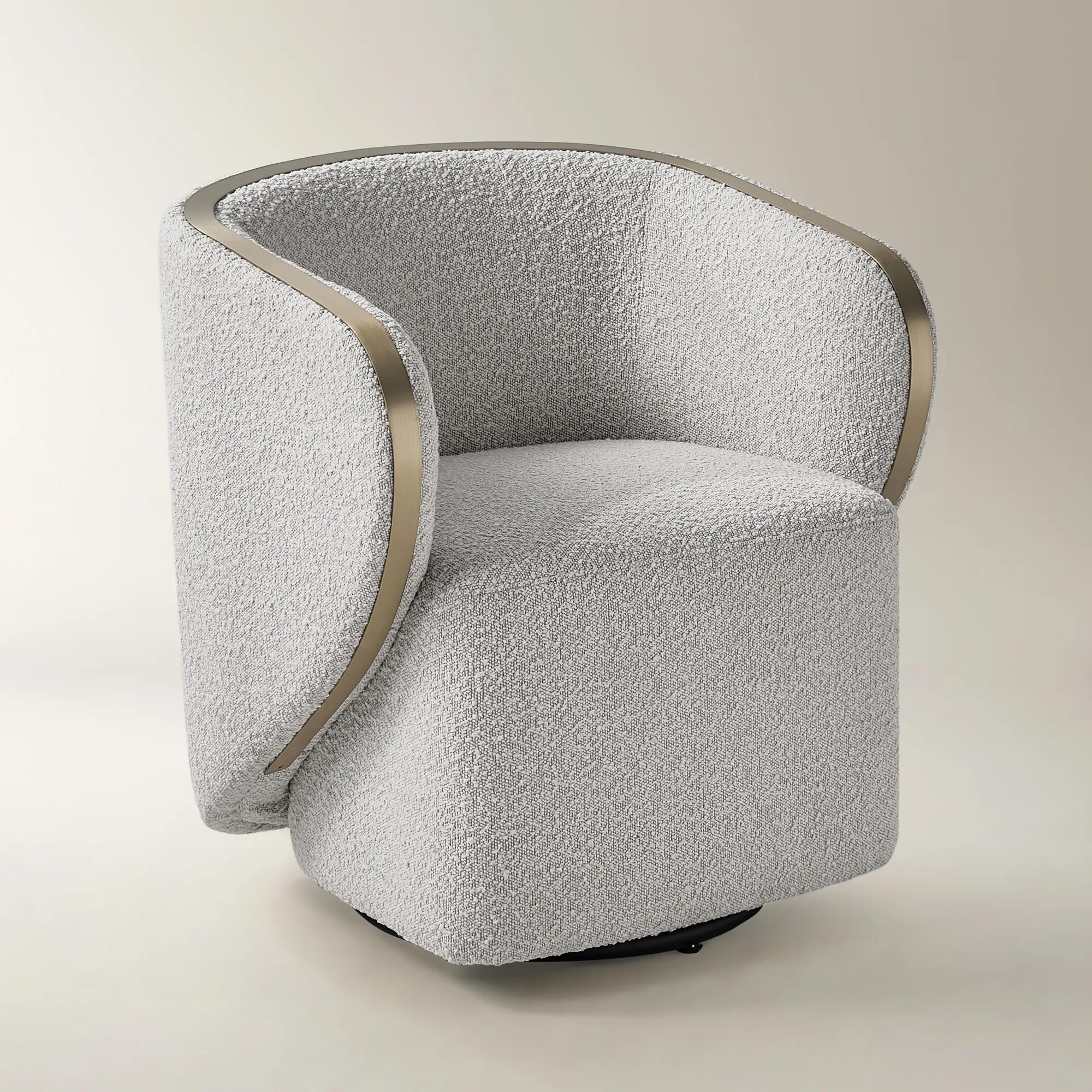 Nova Light Grey Performance Boucle Swivel Dining Chair$599
A sculptural light grey chair in water-repellent boucle with metallic trim and a smooth 360° swivel base.
Add To Cart -
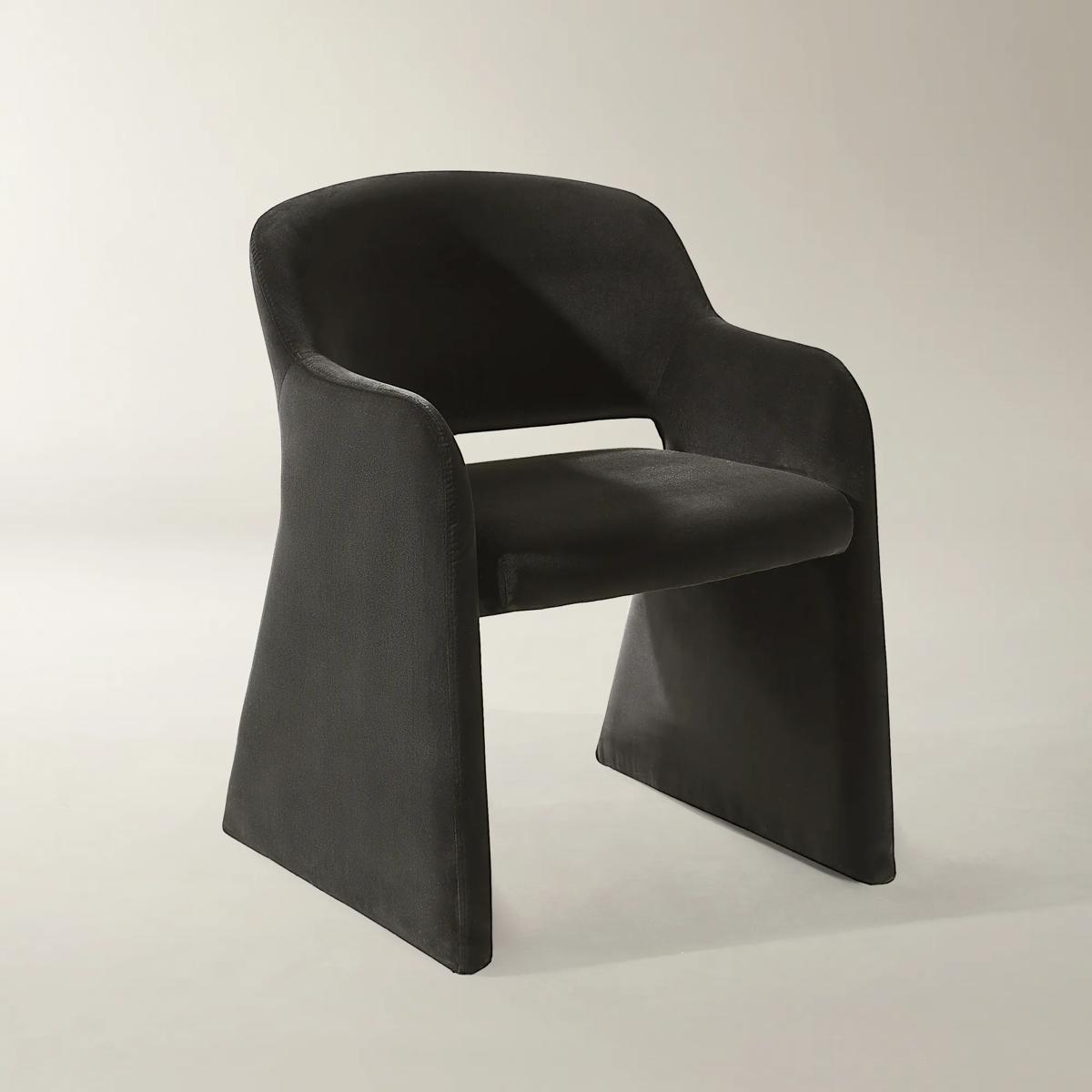 Elara Charcoal Velvet Dining Chair$399
A charcoal velvet armchair with sinuous curves, supportive embrace, and hand-crafted, reinforced construction.
Add To Cart -
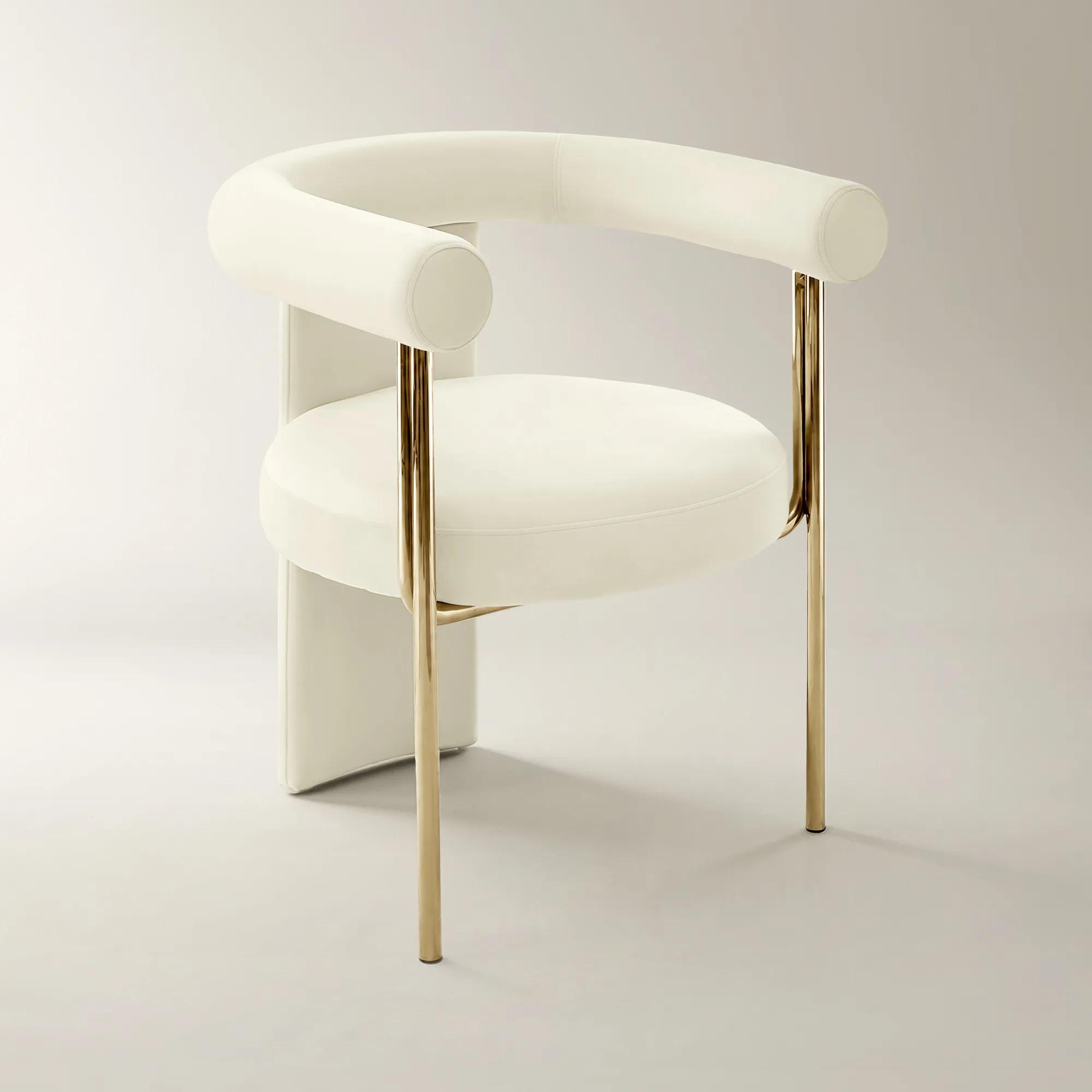 Davina Cloud Velvet Dining Chair Set Of 2$799
A set of two dining chairs featuring plush cloud velvet upholstery and a sculptural gold metal frame.
Add To Cart -
.jpg?w=1200&h=1200)
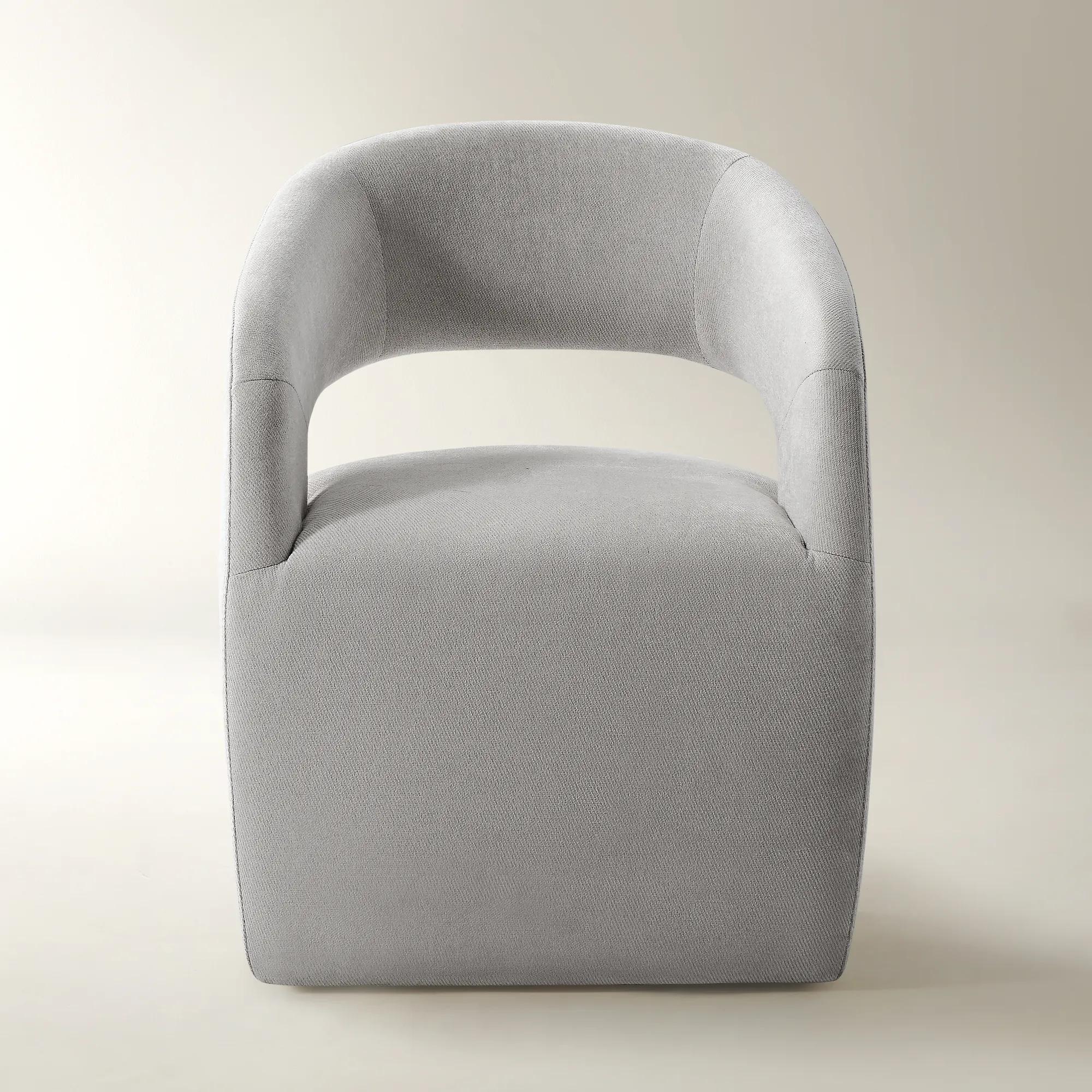 Harrison Flint Chenille Dining Chair$449
A fully upholstered flint chenille dining chair with high-density foam cushioning for superior comfort and style.
Add To Cart -
-0.jpeg?w=1200&h=1200)
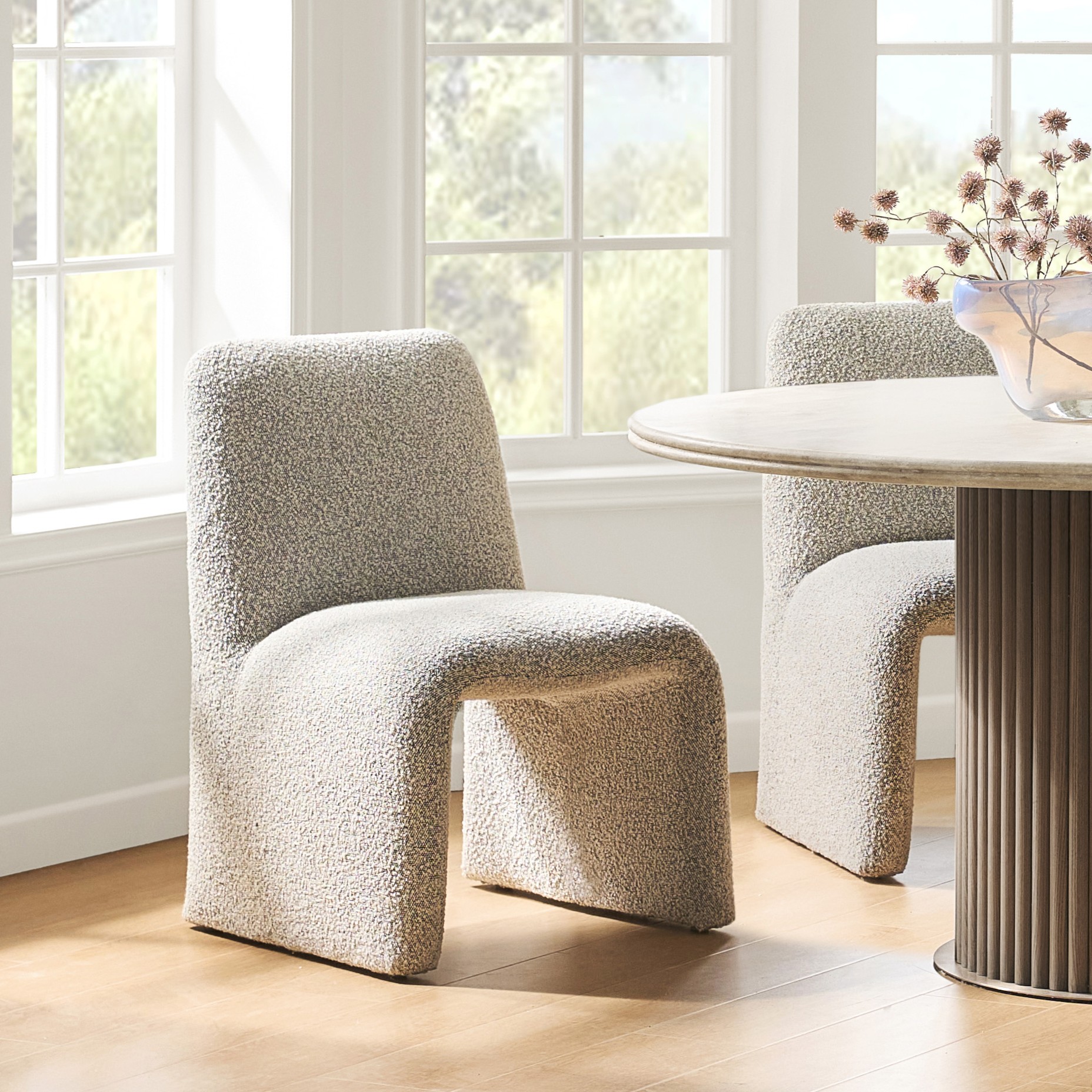 Cayenne Grey Boucle Dining Chair$399
A modern armless chair in grey boucle upholstery with a sleek metal frame and hand-crafted details.
Add To Cart -
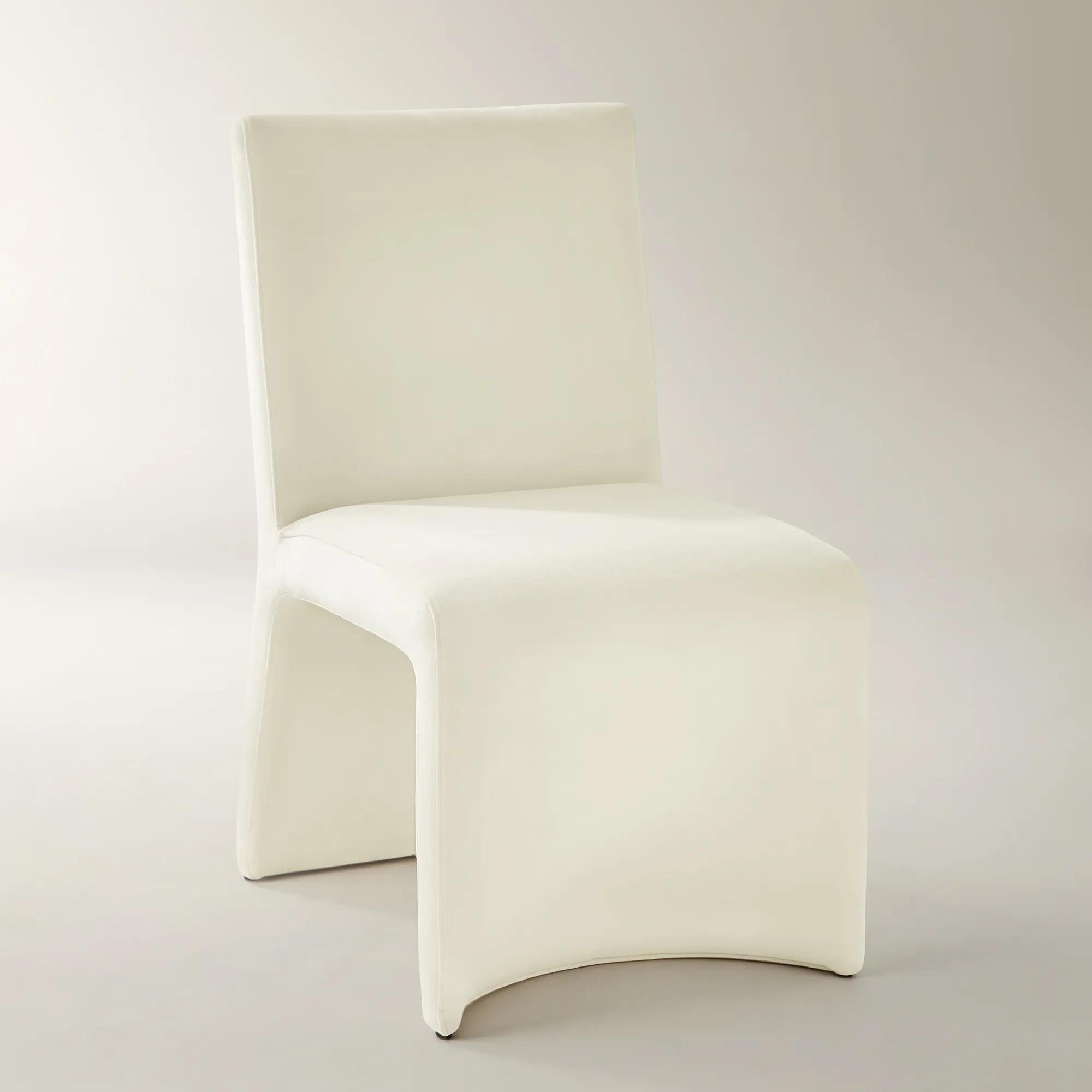 Elara Cloud Velvet Dining Chair Set Of 2$649
A set of two dining chairs featuring plush velvet upholstery, a seamless curved silhouette, and a sturdy steel frame.
Add To Cart -
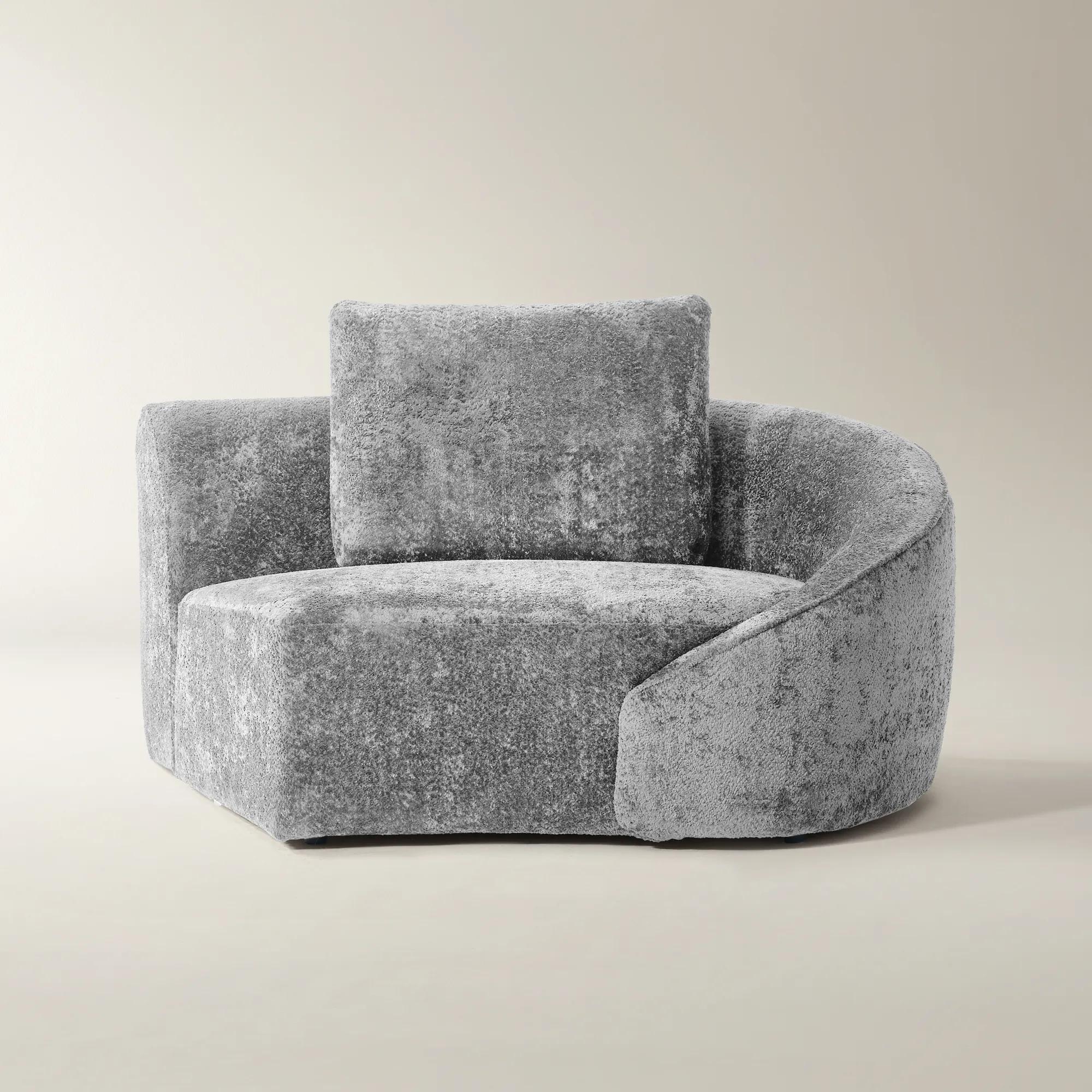 Irene Grey Chenille Right-Arm Chair$1299
A customizable seating collection featuring left arm, right arm, and armless chair components for versatile arrangements.
Add To Cart -
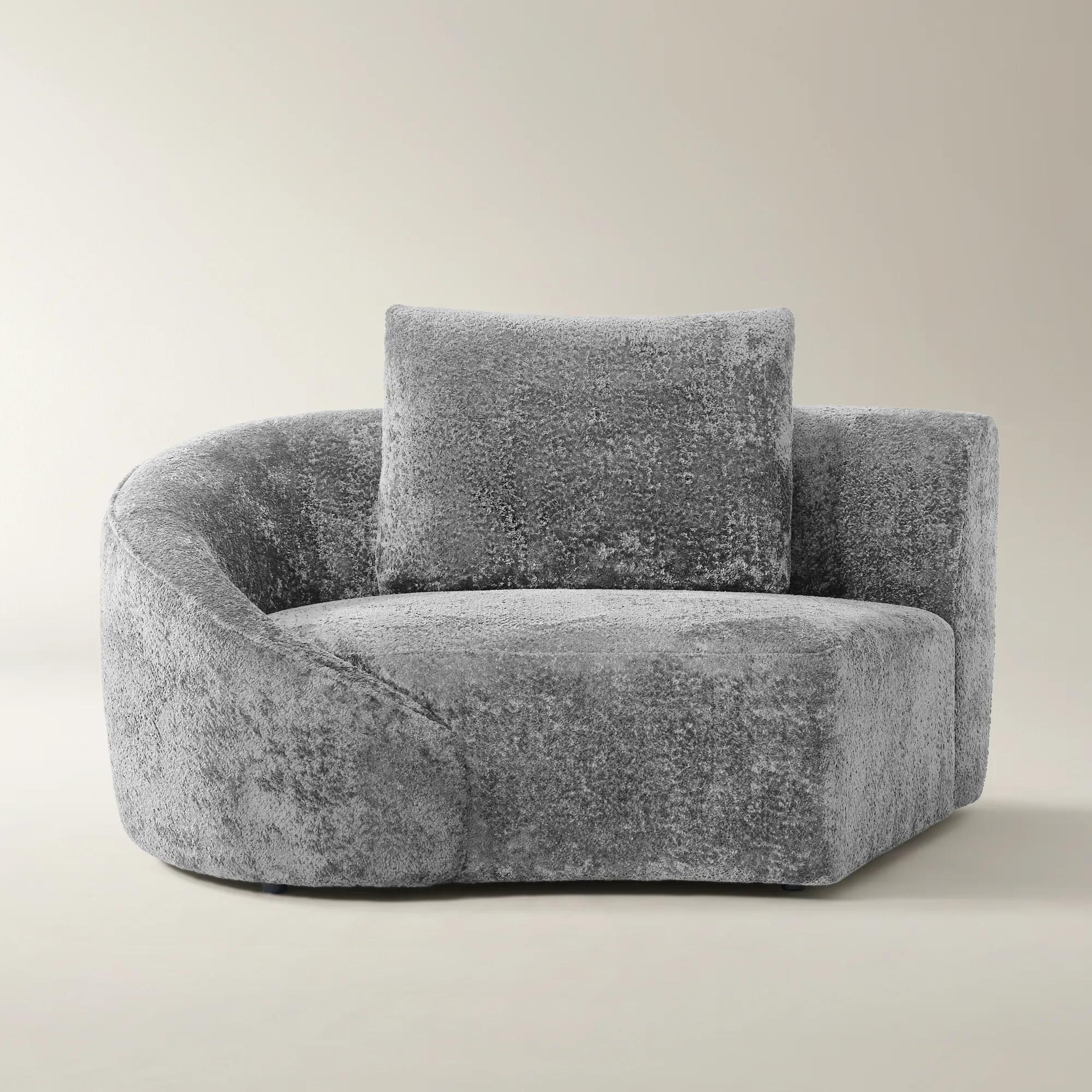 Irene Grey Chenille Left-Arm Chair$1299
A customizable seating collection featuring left arm, right arm, and armless chair components for versatile arrangements.
Add To Cart

Designer Grey Dining Chairs
Designer grey dining chairs embody the intersection of modern artistry and timeless sophistication, transforming every meal into a curated experience. With a palette that whispers elegance and silhouettes that command attention, these statement pieces invite you to indulge in the art of dining. Each chair is more than a seat—it’s an invitation to linger, to savor, and to celebrate your unique point of view. Let designer grey dining chairs become the canvas for your next unforgettable gathering, imbuing your dining space with a sense of drama, depth, and undeniable allure.
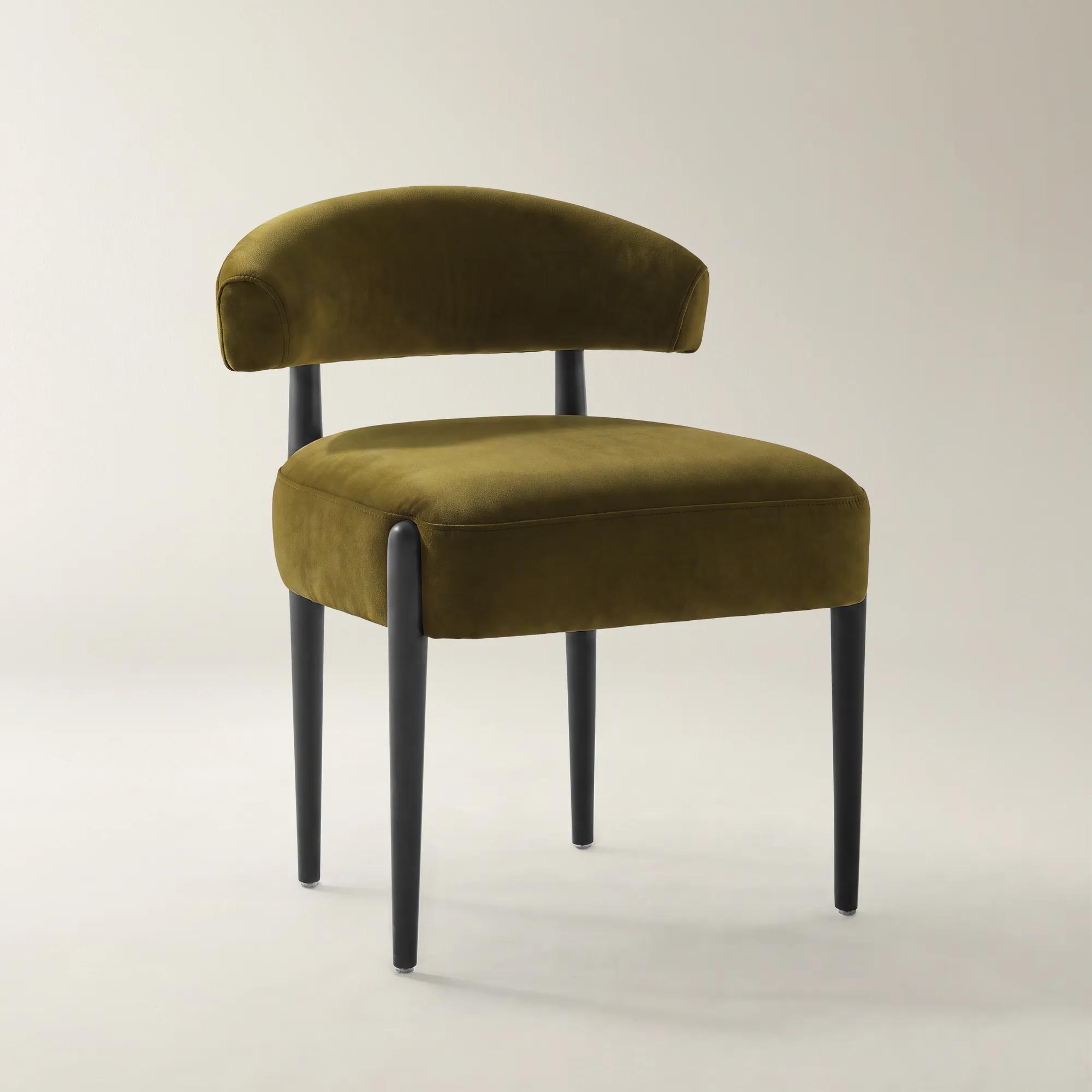
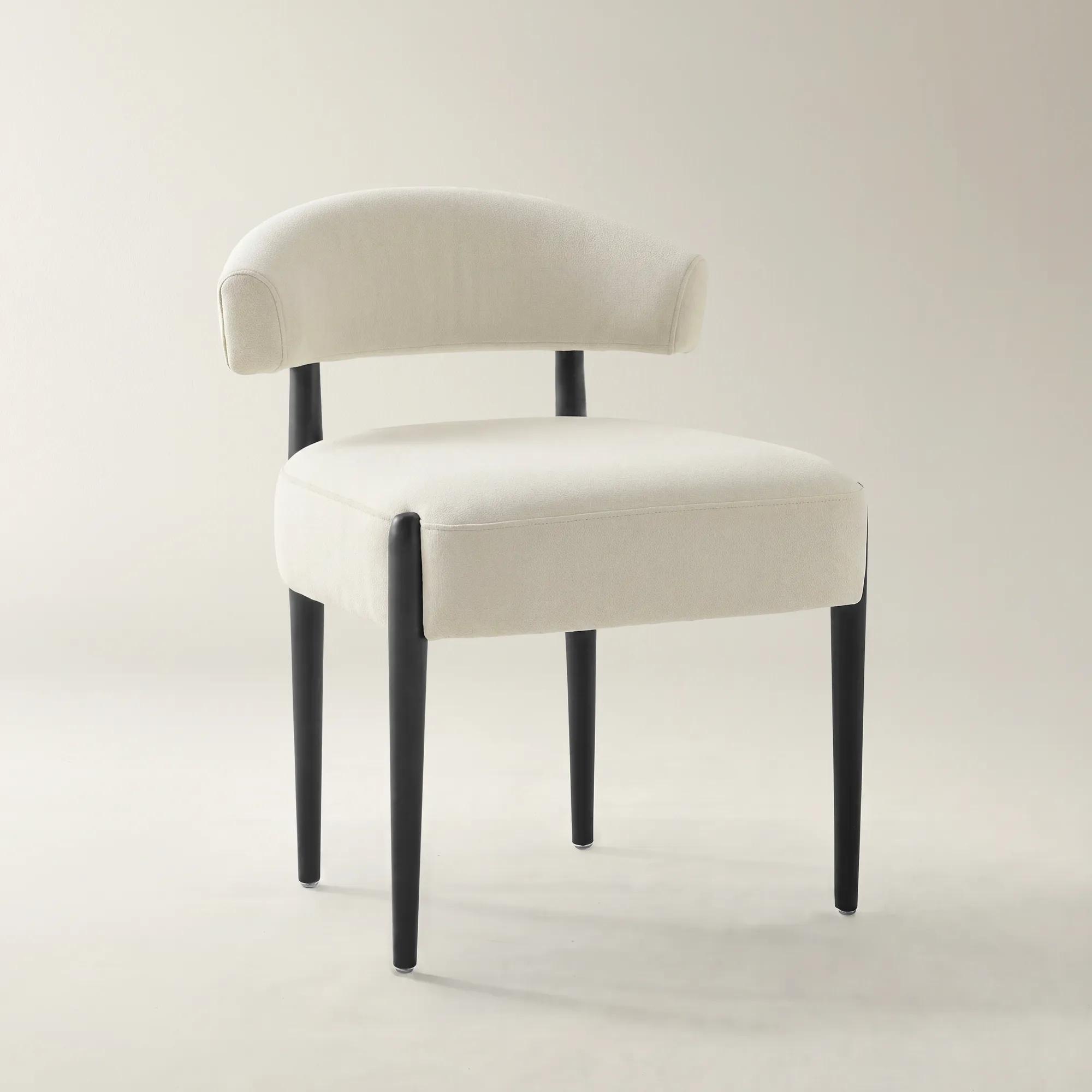
Designer grey dining chairs bring expressive silhouettes, nuanced upholstery, and refined finishes to the table, giving a dining room presence without relying on a vivid color. Their appeal lies in the interplay of shape and shade: a pale dove-grey seat can look luminous against dark wood, while charcoal upholstery creates a striking outline beside a glass tabletop. Between those extremes, silvery and warm stone tones offer distinct moods, from polished and architectural to enveloping and intimate. Grey is not a single, interchangeable neutral. Blue undertones often feel crisp beside chrome or polished stainless steel, while warmer greys relate beautifully to walnut, oak, and brushed brass. The most harmonious choice responds to the room’s fixed elements, including flooring, wall color, and the dining table itself. Upholstery also changes the way the color reads. Velvet catches light across its pile, lending a curved back a rich, almost shaded effect; woven fabric creates a quieter depth through visible threads and subtle variation. Leather offers a smoother surface and a more tailored impression, though its finish and care requirements deserve close attention. Shape gives these materials their personality. A rounded back softens the geometry of a rectangular table, an angular frame reinforces a sculptural setting, and a slender metal base keeps the composition visually open. Details such as channel stitching, a neatly welted edge, or a beautifully finished chair back reward a closer look, especially in an open dining area where seating is visible from several directions. For a room with patterned wallpaper or expressive artwork, grey dining room chairs can establish a composed foundation without disappearing into the background. In a more restrained interior, generous curves and lustrous texture let the chairs become the focal point. The effect is particularly compelling when the upholstery echoes one tone in a rug or painting rather than matching every surface around it.
Material and construction determine how that visual impression translates into everyday use. Upholstered grey dining chairs can make lingering over dinner more comfortable, but softness alone does not tell the whole story. Seat depth, back angle, cushioning, and support all influence whether a chair feels inviting through several courses or a long conversation. A deeply cushioned seat may compress noticeably under weight, while firmer padding can feel more supportive; neither is universally preferable. For frequent entertaining, a supportive back and a front seat edge that does not press behind the knees are worth prioritizing. Dining armchairs lend a generous, dressed-up presence to the ends of a table, while armless side chairs generally allow easier entry along its length. Measurements should account for the table’s underside, not just its overall height. Many standard dining tables stand approximately 28 to 30 inches tall, and dining chair seats commonly sit about 17 to 19 inches from the floor. Roughly 10 to 12 inches between the seat and the underside of the tabletop is a useful starting point, although a low apron can reduce usable legroom. Arms must clear that apron if the chairs need to tuck in fully. Allowing about 24 inches of table edge per diner is another starting point, with wider seats and arms requiring additional room. A pedestal base may offer more flexibility than corner legs, but its footprint still matters where guests place their feet. Behind the chairs, approximately 36 inches between the table edge and a wall or other obstruction usually provides room to pull out seating; a busy walkway benefits from more generous clearance. Beyond fit, well-executed joints, a stable frame, and upholstery secured neatly around corners are meaningful signs of construction quality. Hardwood and metal frames can both serve a dining setting well when appropriately engineered. For households with children or frequent guests, look closely at the stated abrasion resistance, cleaning directions, and stain-related properties of the upholstery. A performance designation is useful only when its specific protections suit the way the chairs will be used.
Daily care helps preserve the depth of grey upholstery and the definition of decorative details. Regular vacuuming with an appropriate upholstery attachment removes crumbs and dust before they settle into seams or textured fabric. Blot spills promptly with a clean, absorbent cloth rather than rubbing them across the seat, and follow the manufacturer’s cleaning code before introducing water, solvent, or an upholstery treatment. Even a pale grey fabric marketed for easy maintenance may require particular products or professional cleaning. Velvet deserves care suited to its fiber content and pile; brushing or steaming should be used only when the manufacturer recommends it. Leather and leather-look materials are not interchangeable, so their cleaning products and conditioning needs should never be assumed to be the same. Keep seating away from prolonged direct sunlight when possible to help limit uneven fading, and use floor-compatible protective glides to reduce scratches as chairs move in and out. Intended use should shape the final composition as much as maintenance does. A compact dining nook benefits from chairs with slim profiles and finished backs that remain elegant when viewed from the living area. A larger dining room can carry taller backs, substantial upholstery, or a pair of enveloping host chairs without feeling crowded. Matching chairs create a deliberate rhythm around the table, while complementary armchairs at either end add distinction; shared undertones or metal finishes can connect different silhouettes. For another expression of this palette, Luxury Grey Dining Chairs provide a related direction for a richly layered dining setting. Grey seating pairs especially well with clear glass, veined stone, dark timber, and gleaming accents because its subtle color leaves room for those surfaces to express themselves. Picture charcoal chairs surrounding a pale stone table, with sculptural candlesticks drawing the eye upward, or silver-grey upholstery against walnut, illuminated by a dramatic pendant. The chairs anchor the scene, but their purpose remains personal: a comfortable place for shared meals, unhurried conversation, and gatherings that feel as considered as the room itself.
FAQs
Designer grey dining chairs are remarkably versatile, making them a striking addition to a wide range of interiors. They beautifully complement modern, transitional, and contemporary spaces, but also offer a sophisticated contrast in more traditional or eclectic settings. Their neutral tone allows them to harmonize with bold accent colors, metallic finishes, and natural materials, creating a curated look that feels both timeless and fresh.
To craft a dramatic dining room, consider pairing deep charcoal or slate grey chairs with a high-gloss black or richly grained wood table. Layer in metallic accents—think gold-rimmed glassware or a statement chandelier—to amplify the sense of glamour. Plush textiles, such as velvet upholstery, and sculptural silhouettes will further heighten the visual impact, making every meal feel like a special occasion.
Absolutely. Grey dining chairs serve as a sophisticated anchor in open-concept layouts, seamlessly linking dining, living, and kitchen areas. Their understated elegance allows them to blend with a variety of color palettes and textures, while still offering enough presence to define the dining zone as a distinct and inviting destination within the larger space.
Designer grey dining chairs are often crafted from luxurious materials such as velvet, leather, or high-quality woven fabrics. Bases and legs may feature polished metals, ebony-stained wood, or brushed finishes for added drama. These premium materials not only enhance comfort but also contribute to the chair’s overall artistry and durability.
Yes, designer grey dining chairs are as versatile as they are stylish. Their elegant silhouettes and refined hues make them perfect for use as accent chairs in living rooms, home offices, or even bedrooms. Whether flanking a console table or providing a chic reading nook, they add a touch of sophistication and cohesion throughout your home.