Upholstered Chairs For Indoor Use
Upholstered Chairs For Indoor Use
-
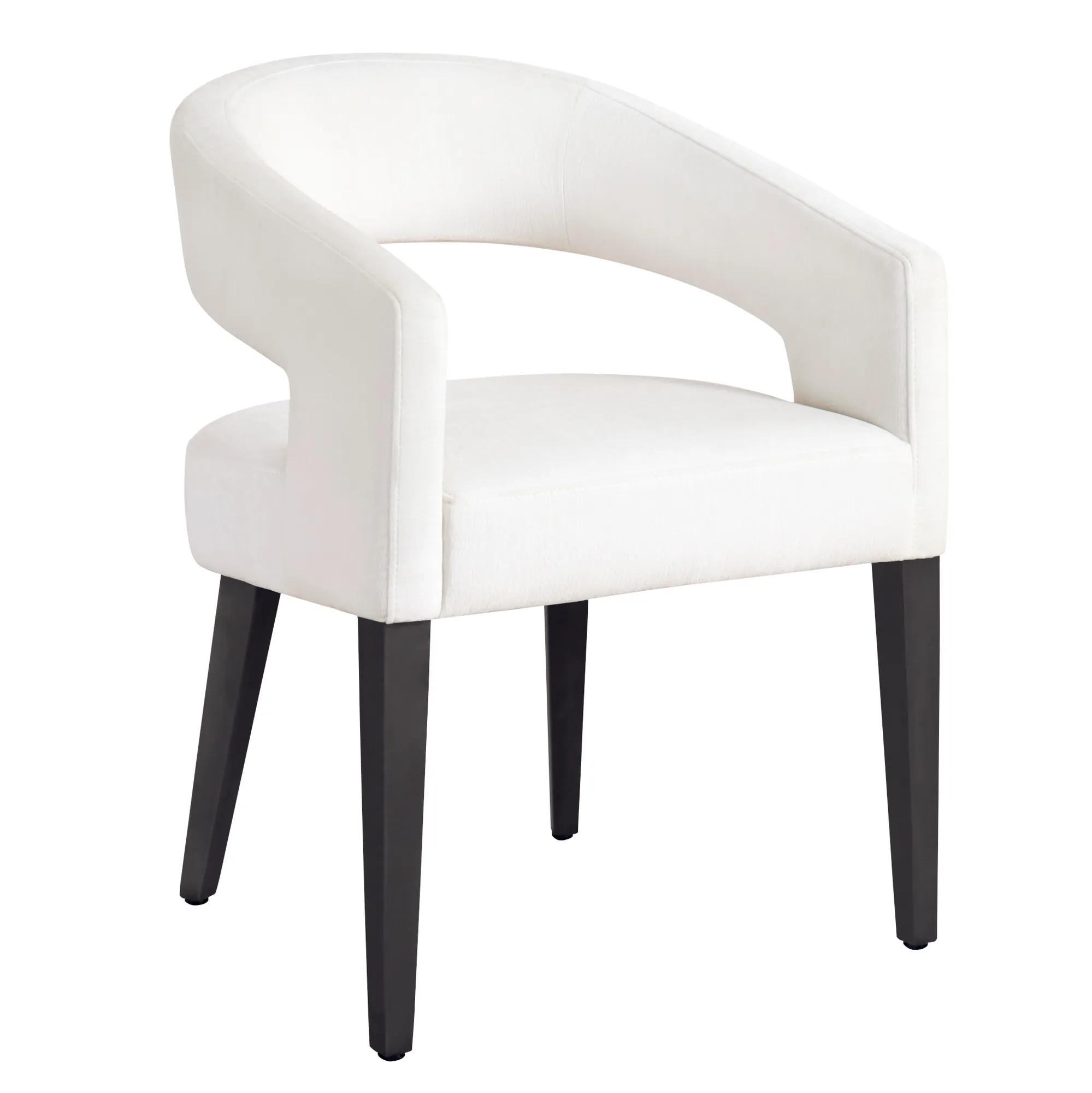
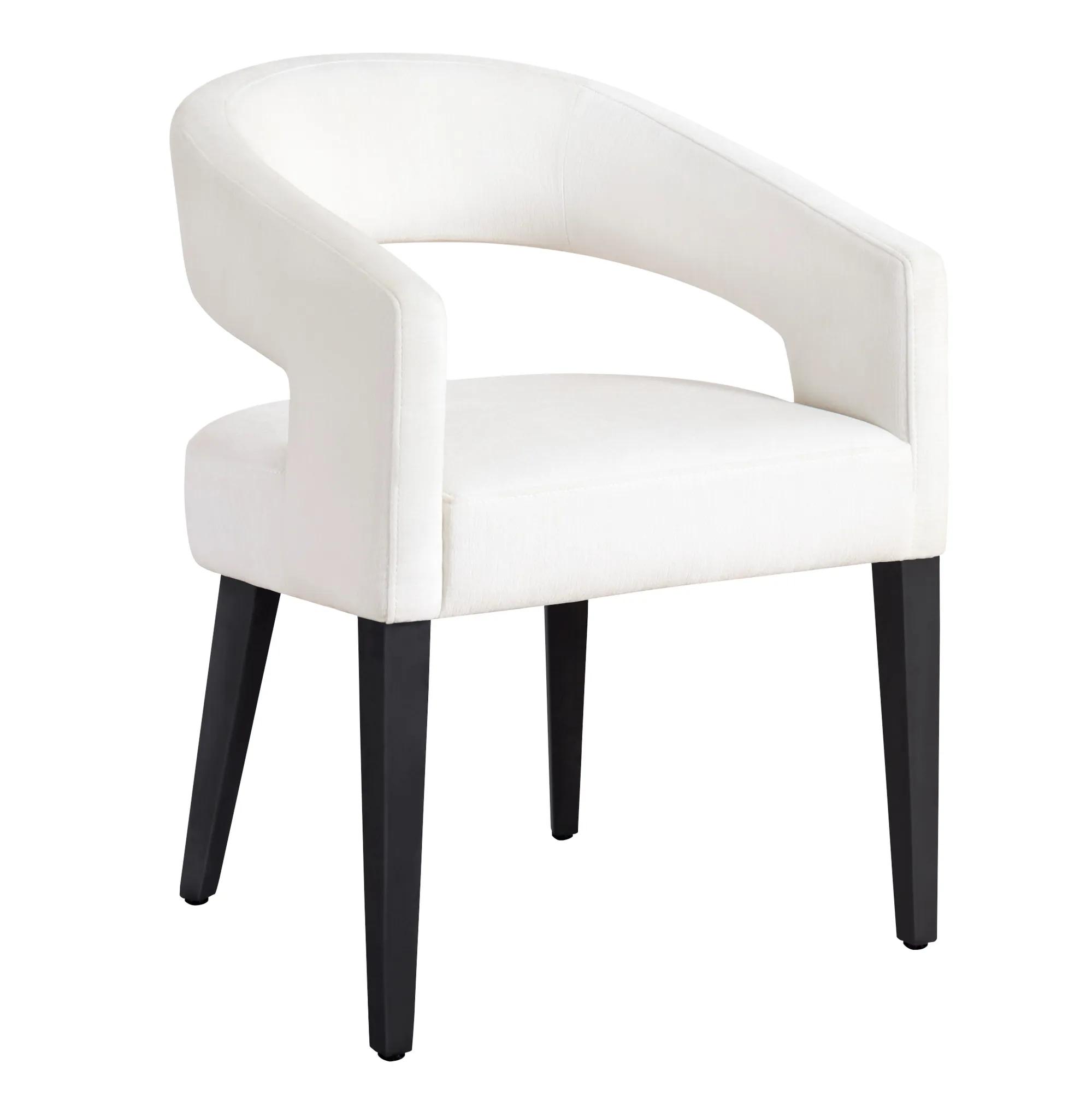
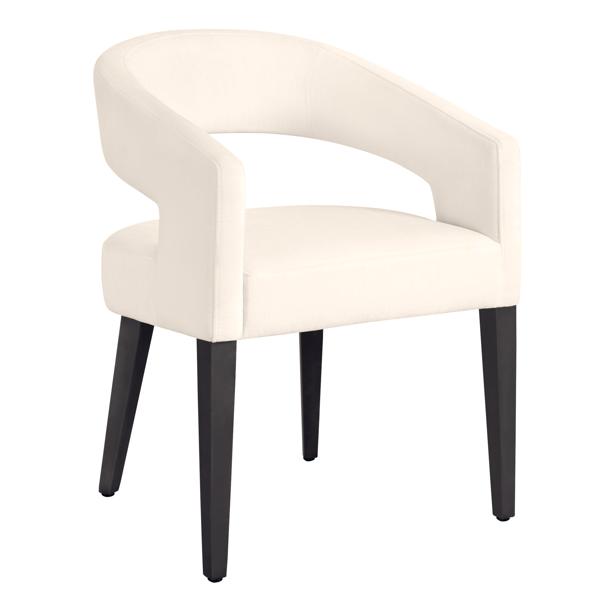 Philippa Dining Chair - Espresso$845
A curved, upholstered chair with an espresso-finished hardwood frame and a sleek back cutout.
Add To Cart -
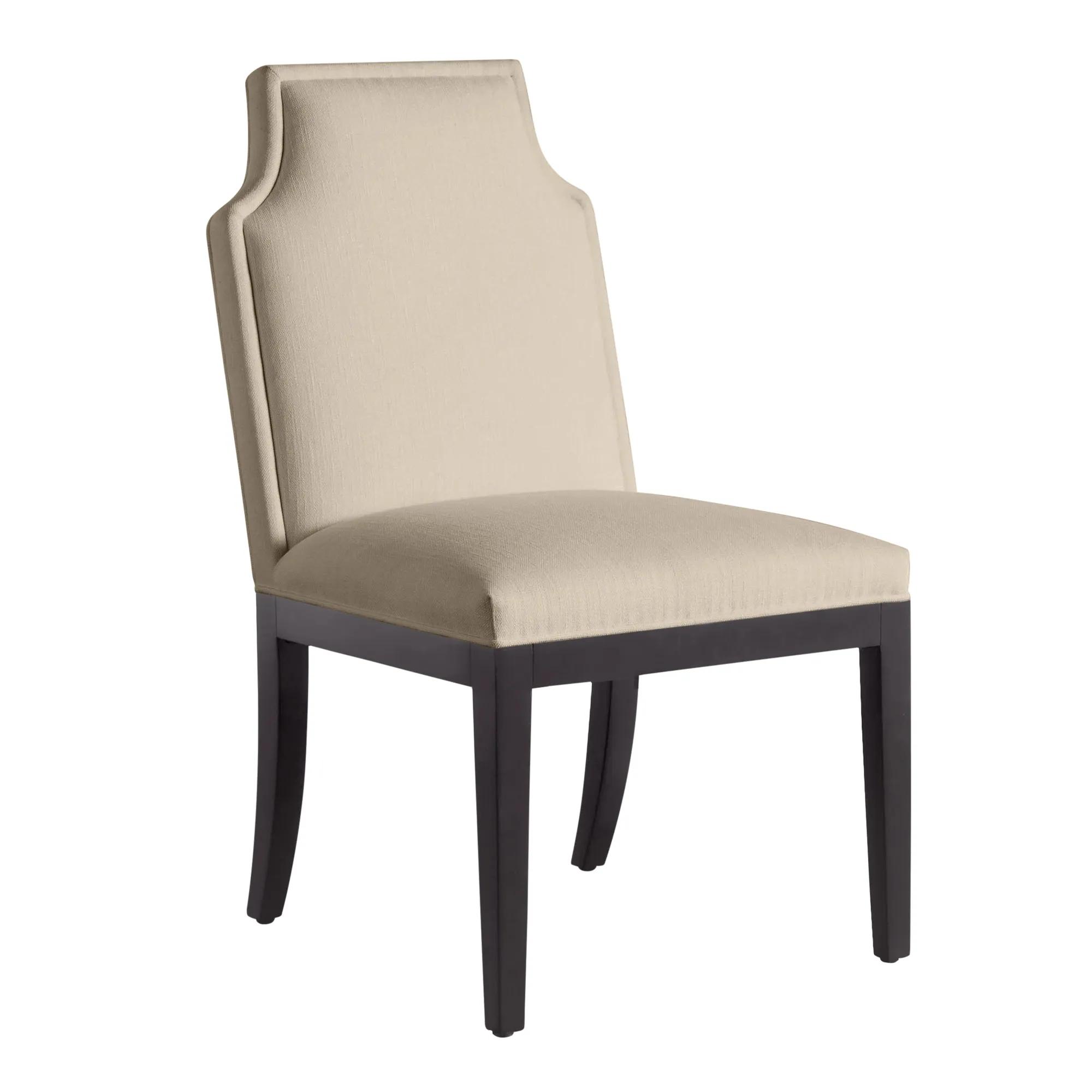
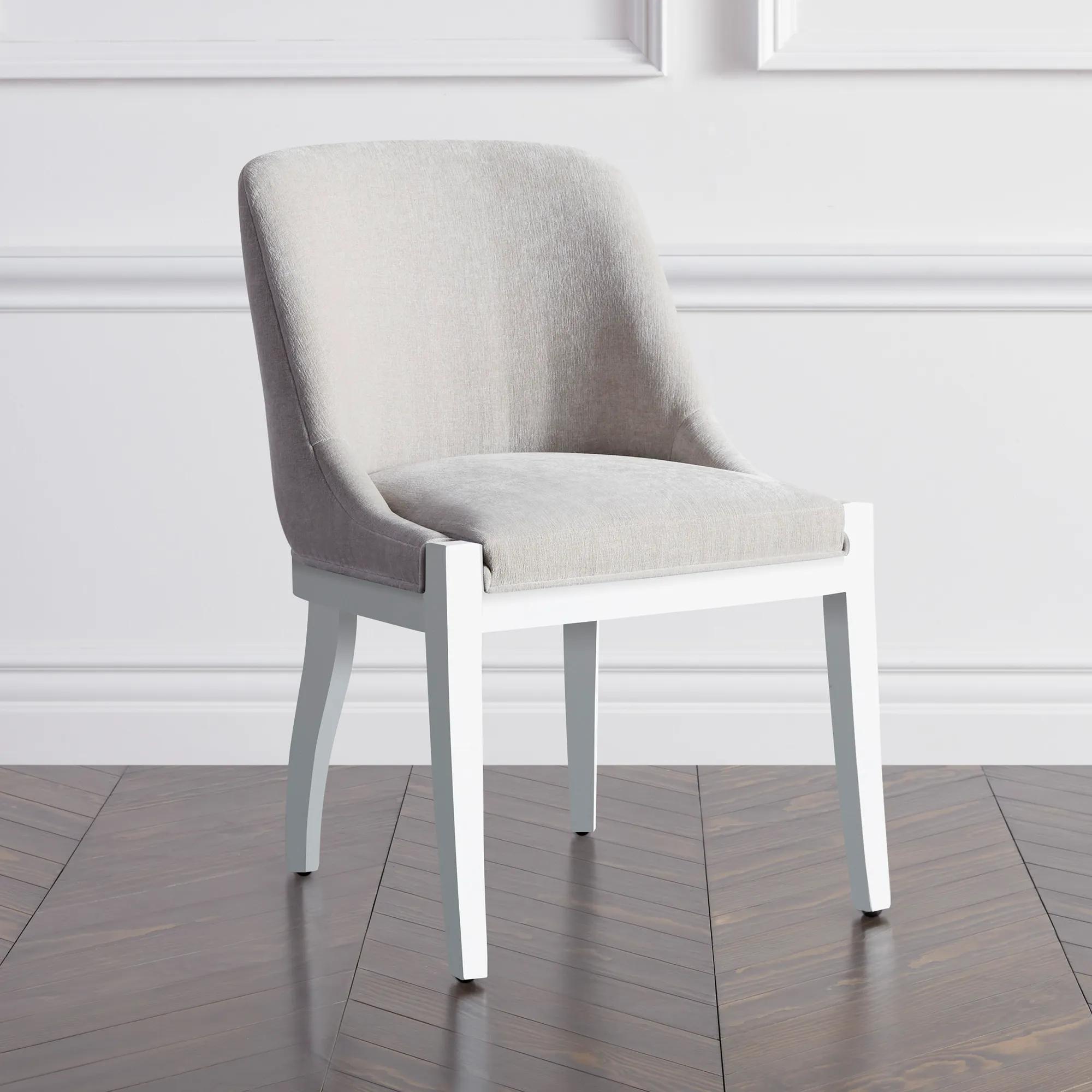
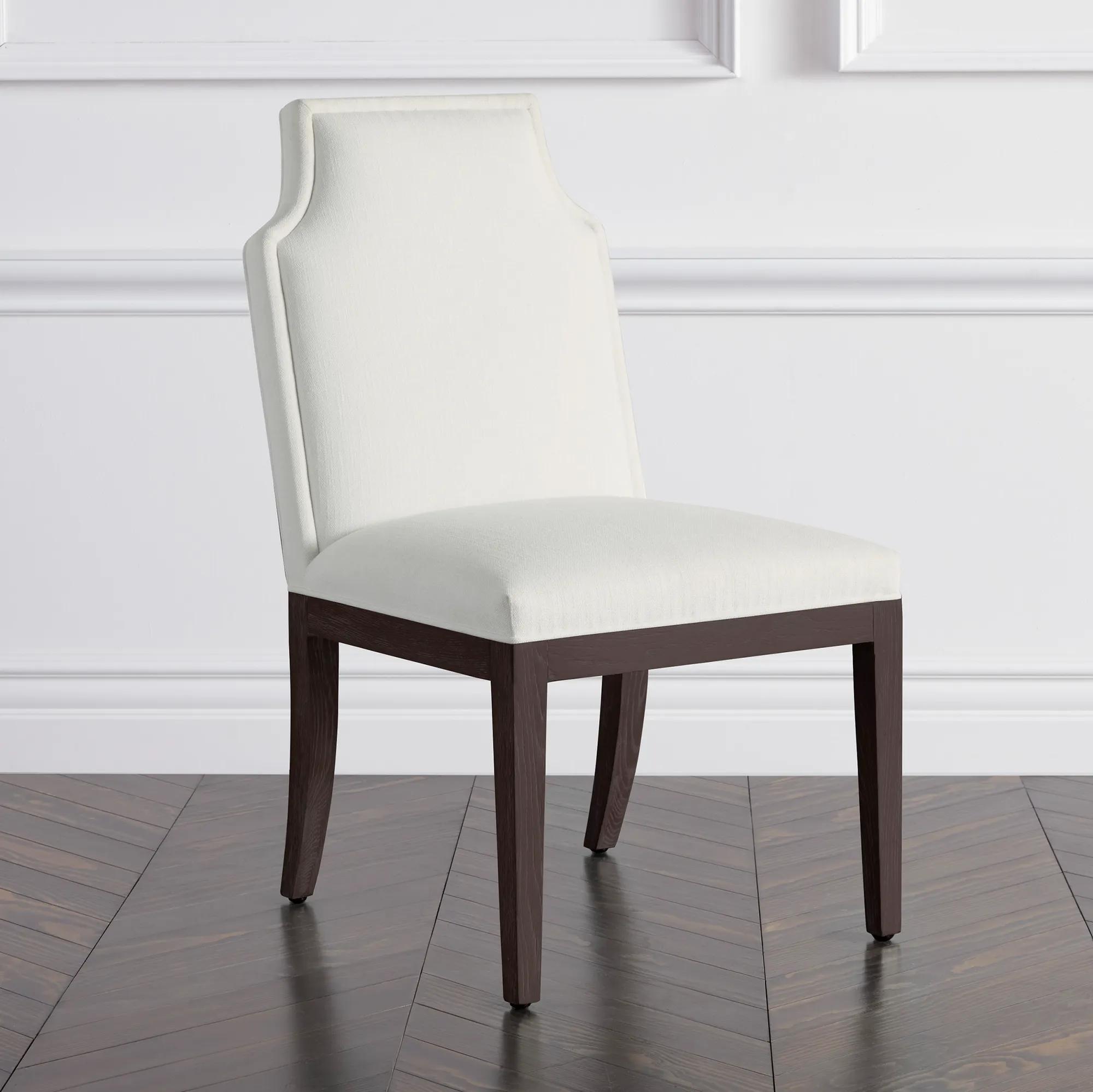 Jasmine Dining Chair - Espresso$649
A chic dining chair featuring a notched back, espresso legs, and plush upholstery for lasting comfort.
Add To Cart -
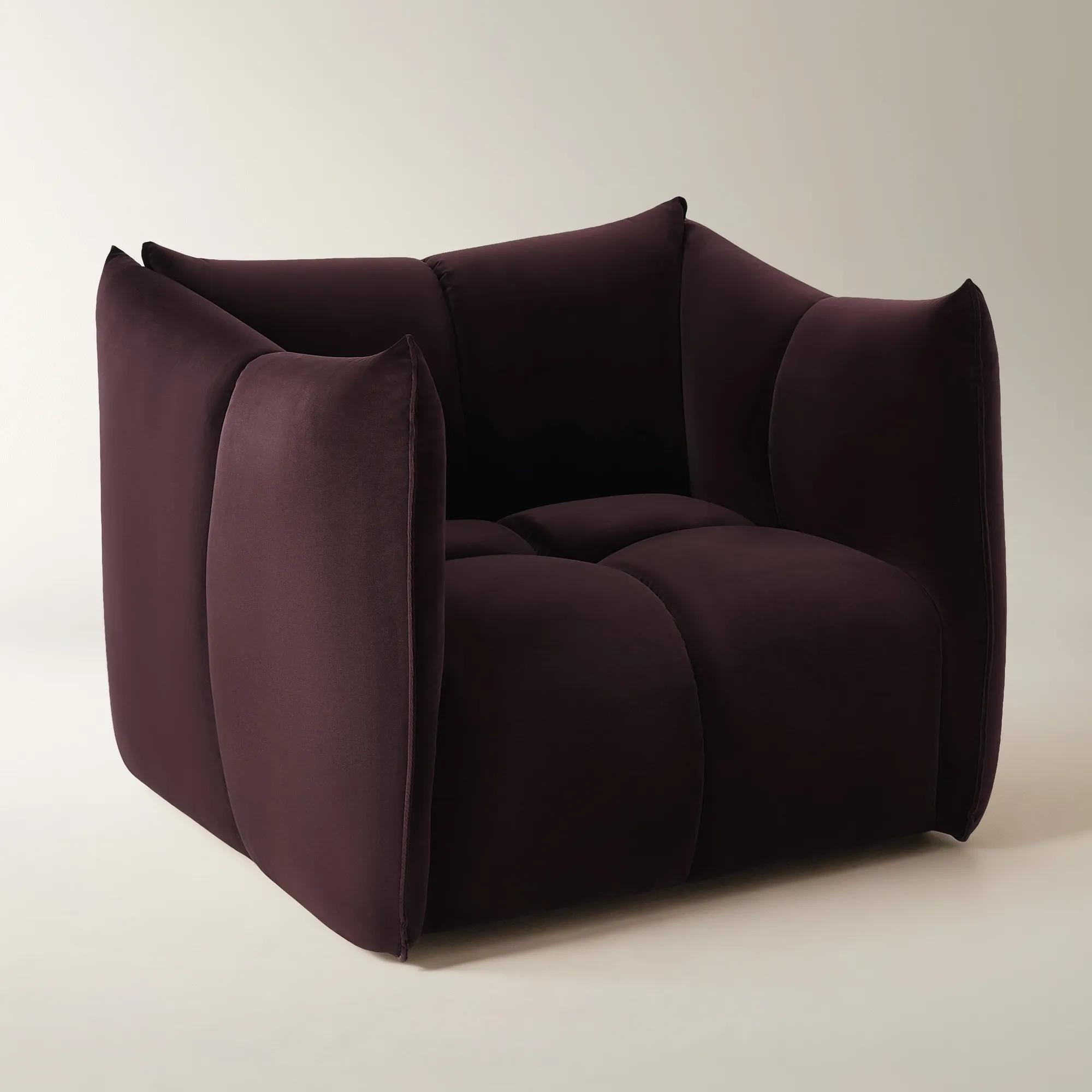 Reina Tufted Fig Velvet Swivel Chair$1099
A fig velvet swivel chair with channel tufting, a sculptural wingback profile, and plush foam cushioning.
Add To Cart -
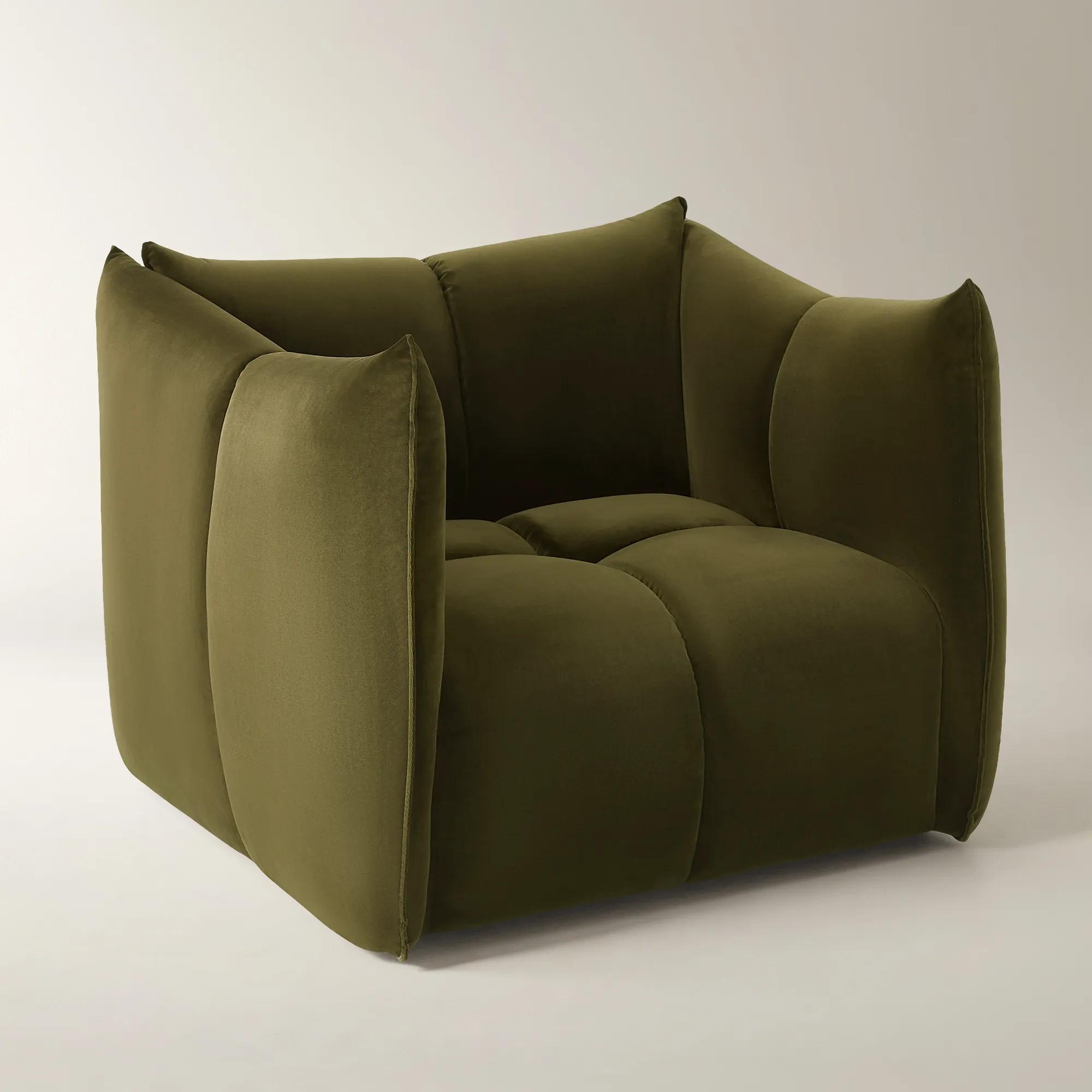 Reina Tufted Deep Olive Velvet Swivel Chair$1099
A green velvet swivel chair with channel tufting, winged architecture, and plush high-density foam comfort.
Add To Cart -
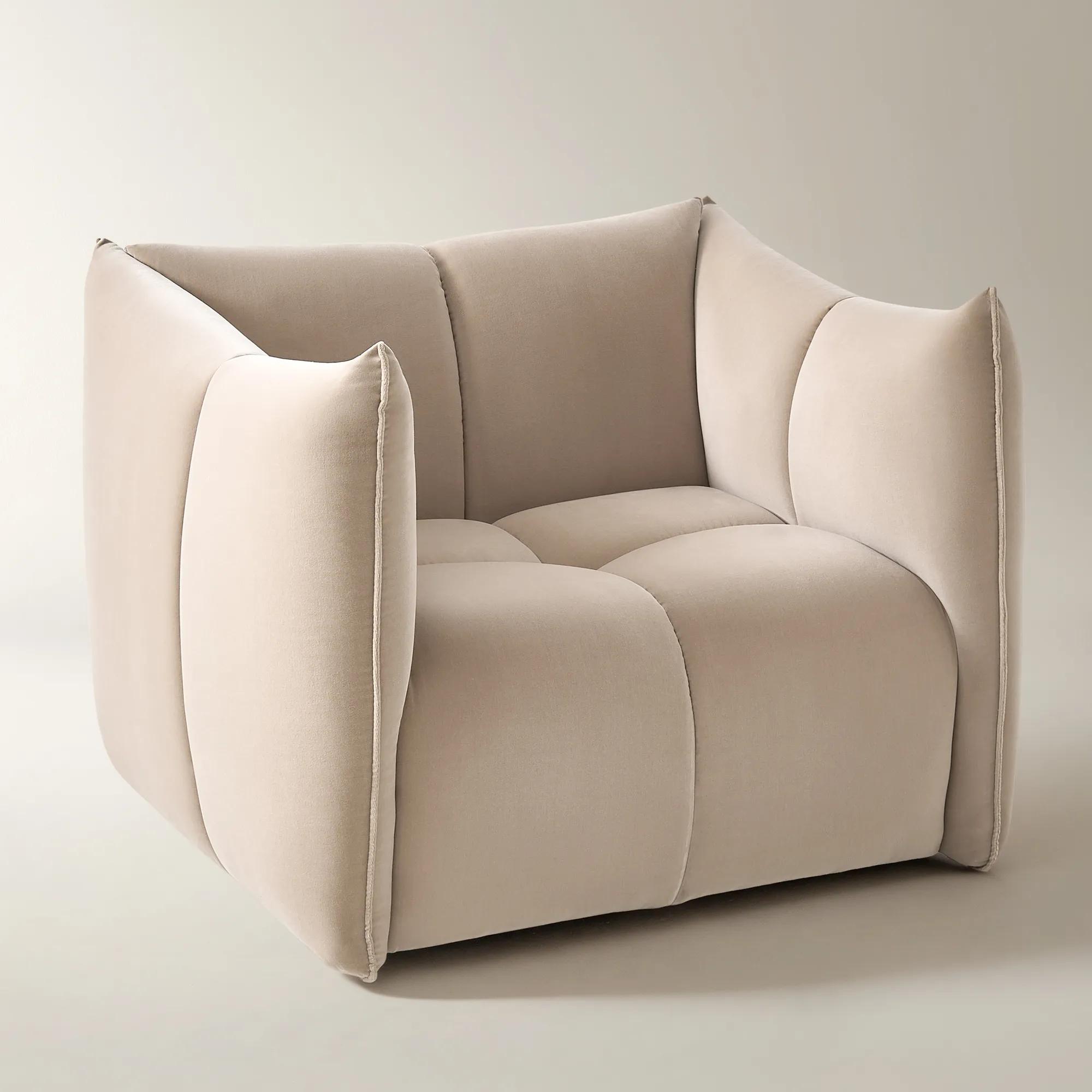 Reina Tufted Simply Taupe Velvet Swivel Chair$1099
A taupe velvet swivel chair with channel tufting, an architectural winged profile, and plush, sculpted comfort.
Add To Cart -
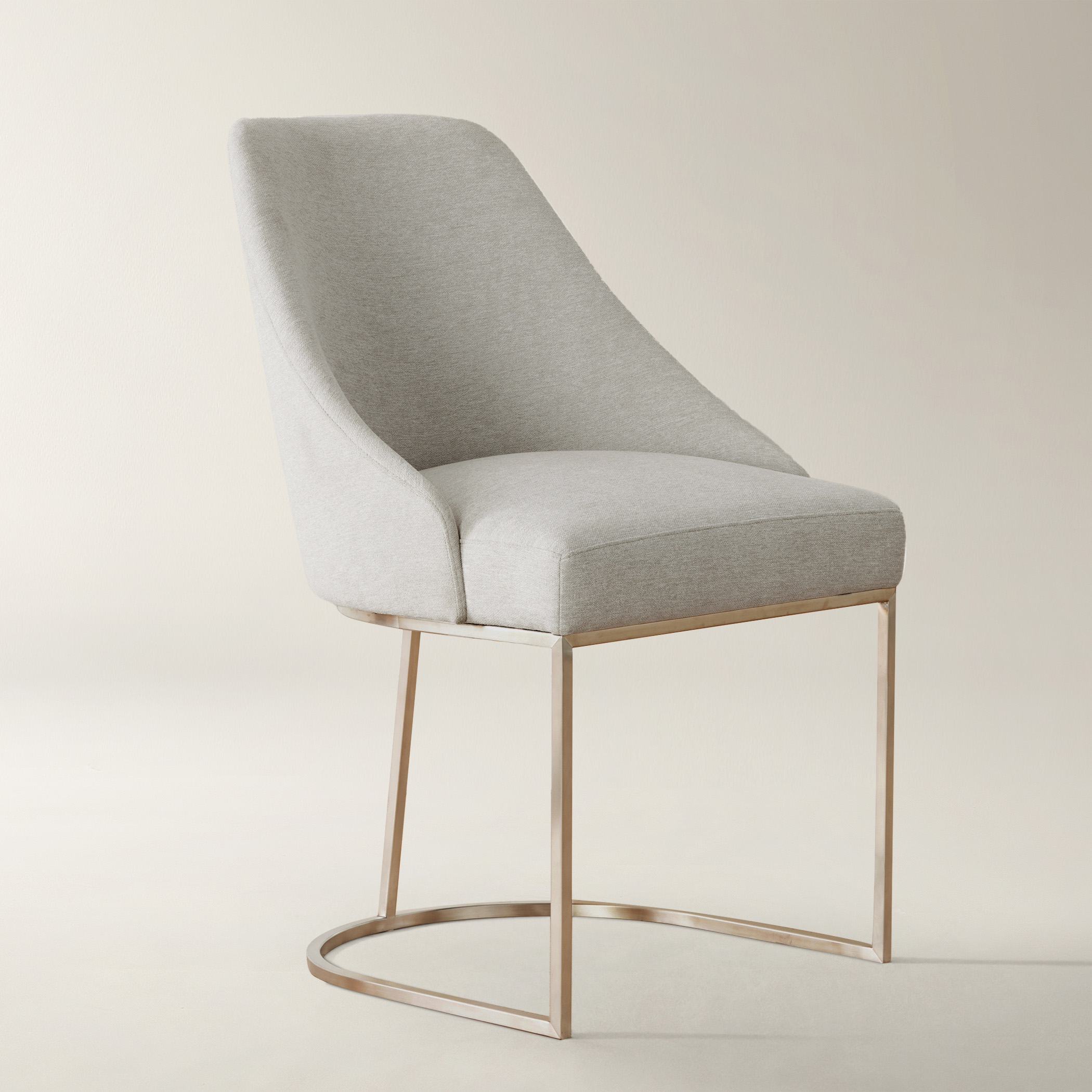
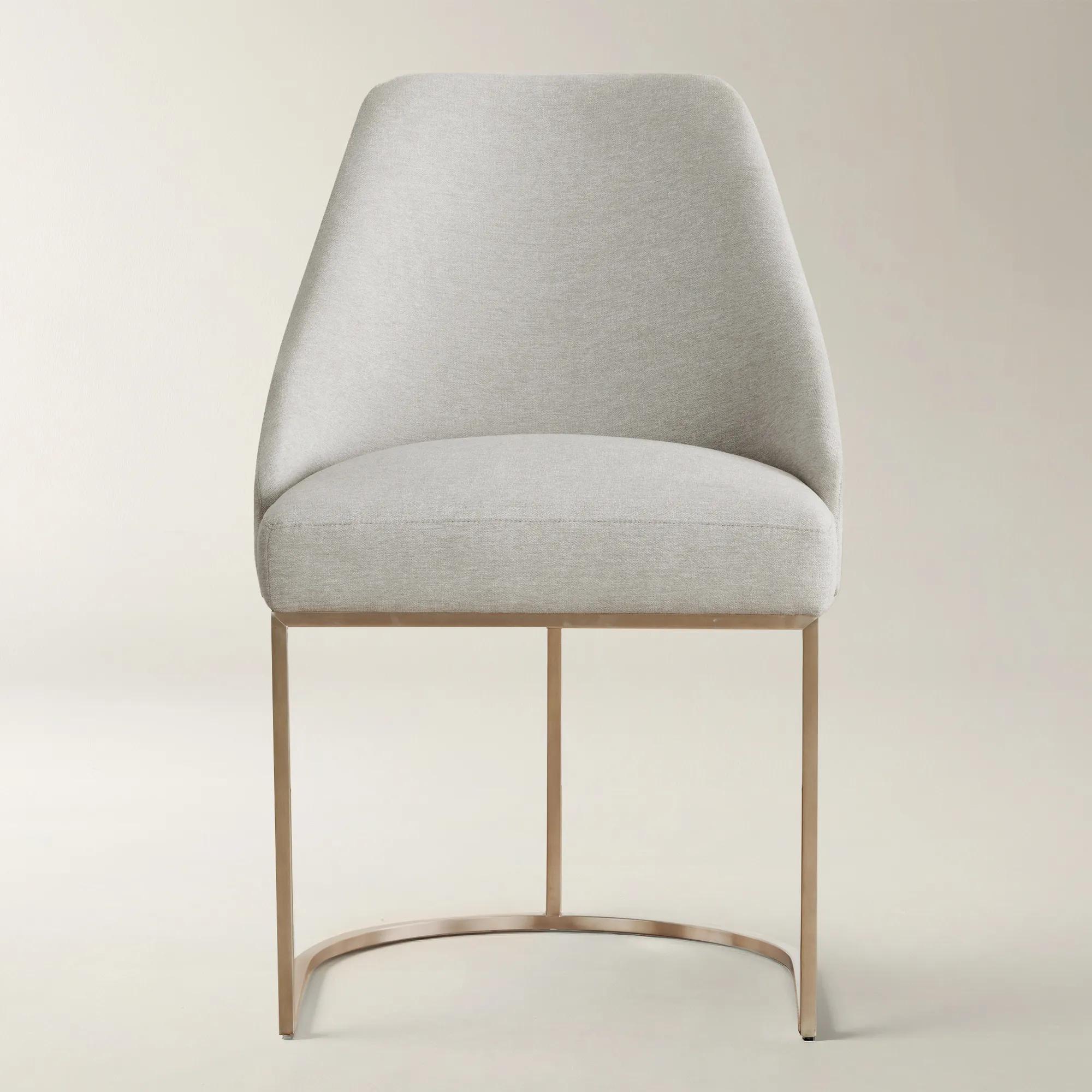 Rowan Ivory Fabric Dining Chair$599
A modern chair featuring brushed stainless steel legs and stain-resistant, water-repellent Roxboro Frost fabric.
Add To Cart -
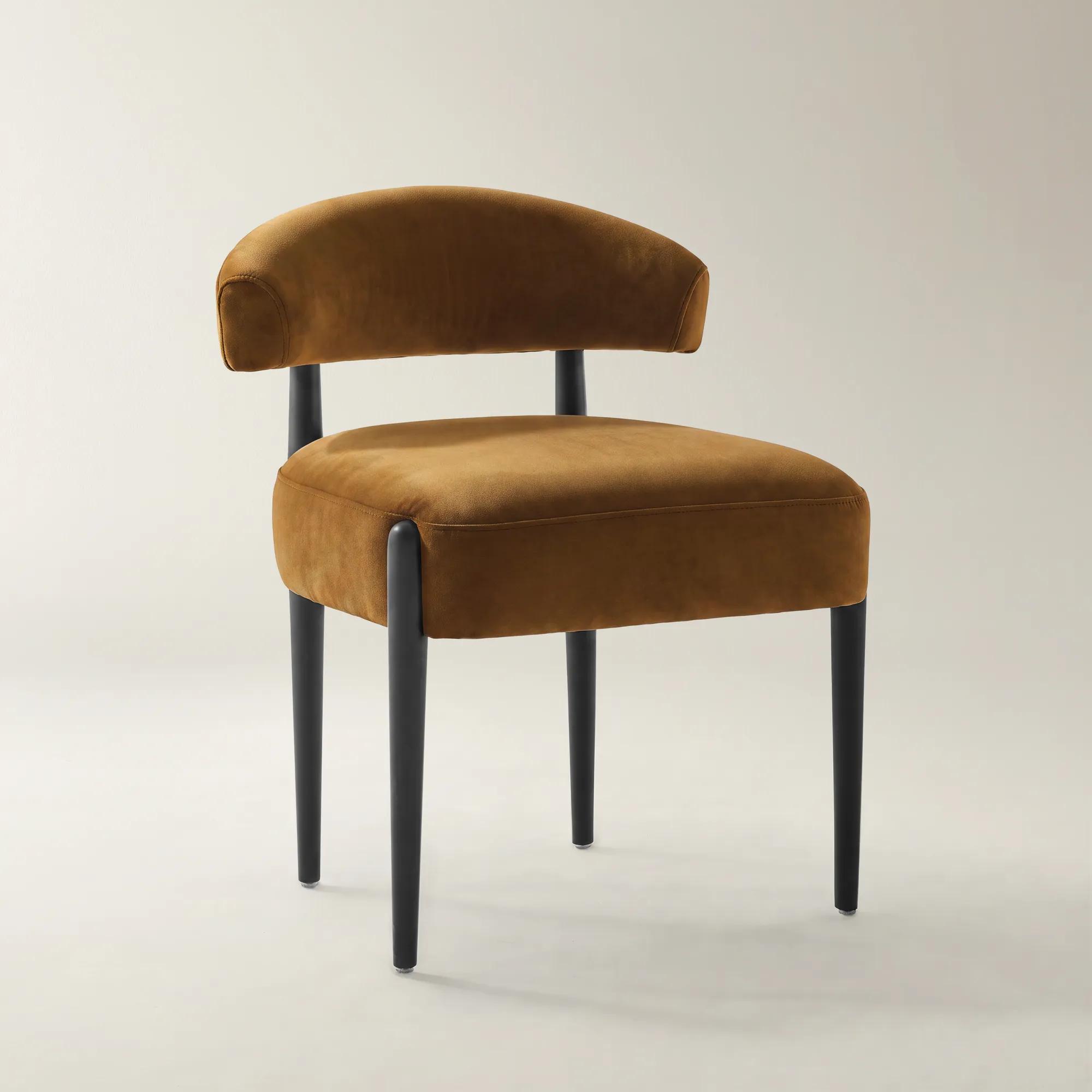
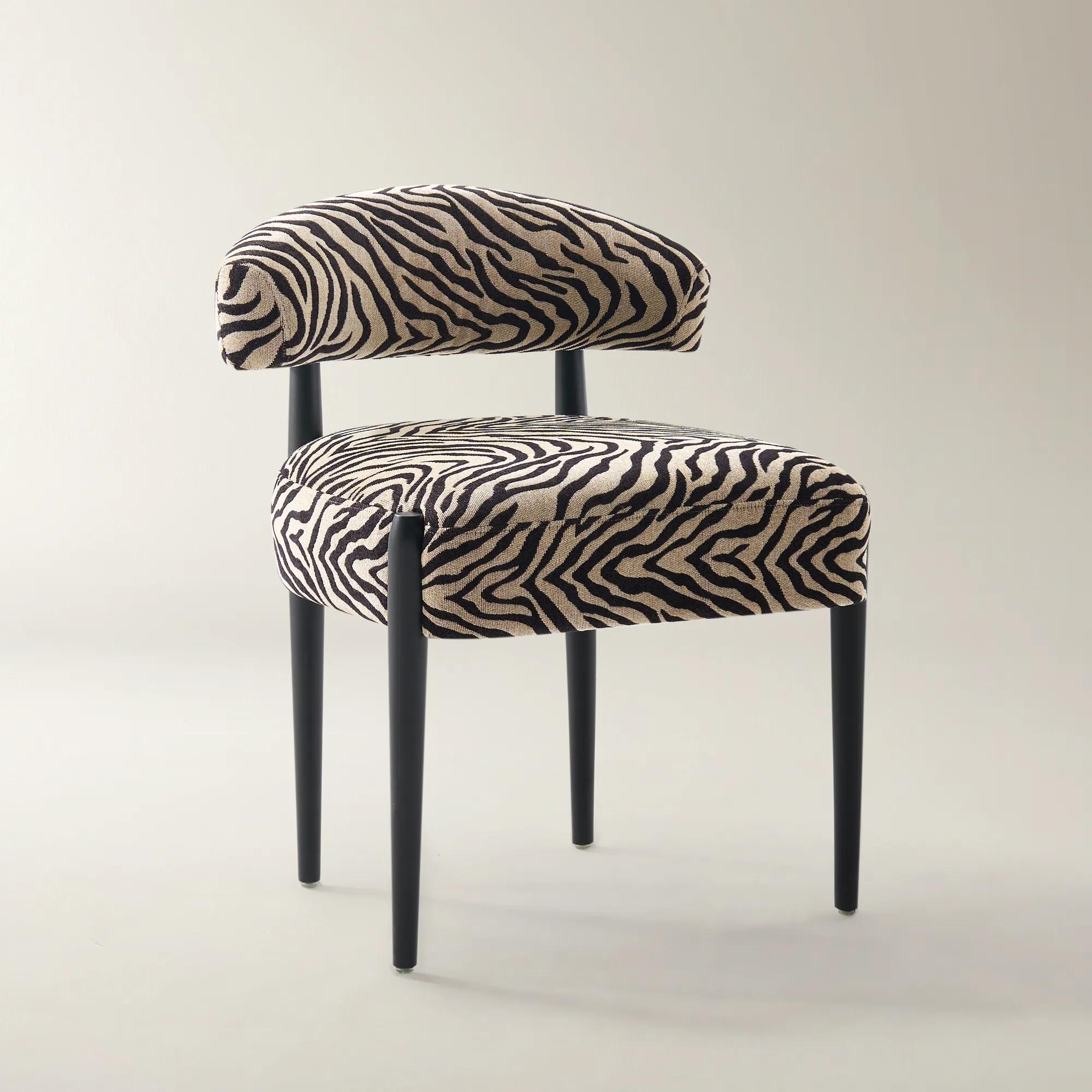 Anna Roasted Pecan Velvet Dining Chair Set of 2$699
A roasted pecan velvet dining chair set featuring a tailored curved back and high-density foam cushioning.
Add To Cart -
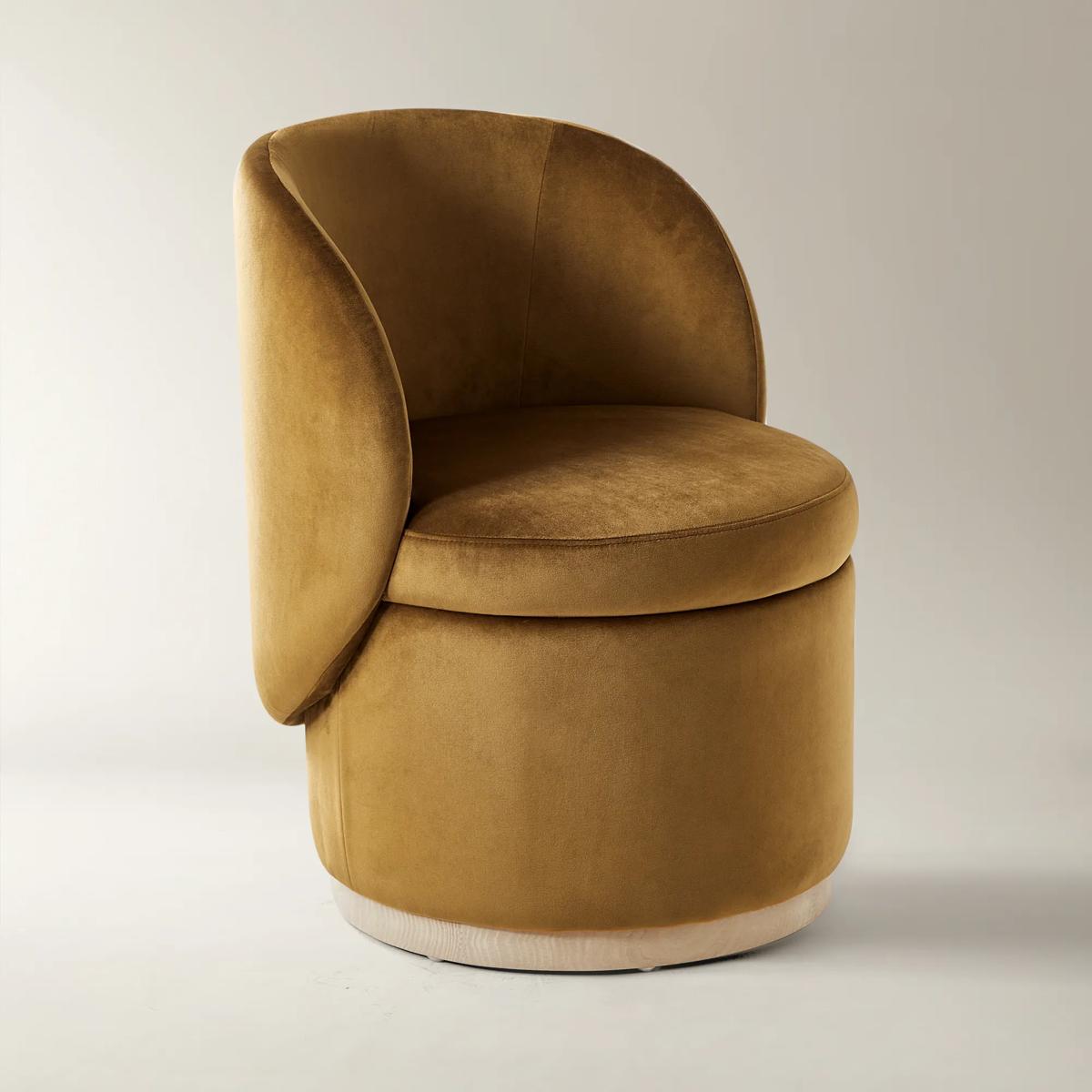
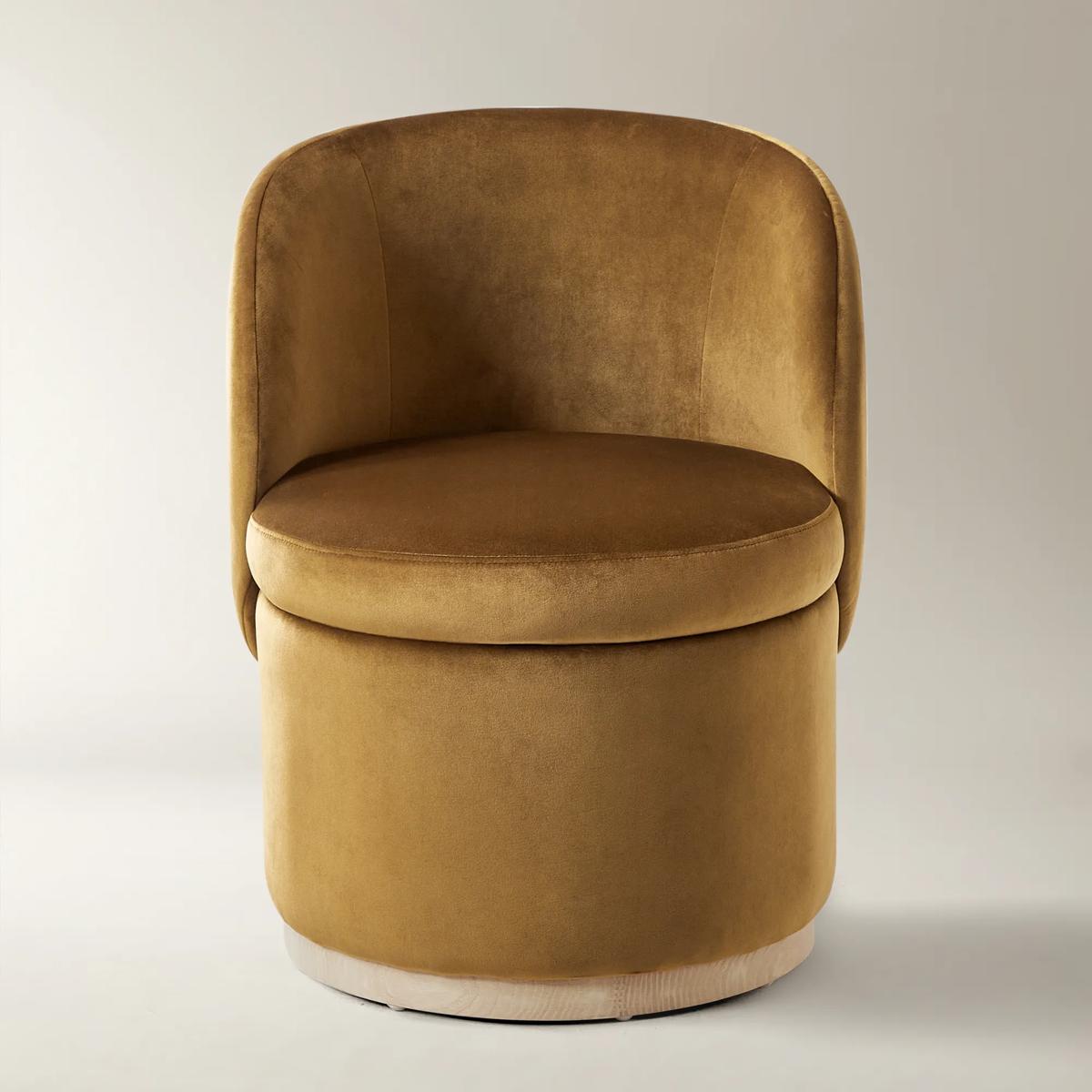 Stria Roasted Pecan Velvet Dining Chair With Oak Base$599
A khaki chenille chair featuring cozy upholstery and a handcrafted solid oak base for organic warmth.
Add To Cart -
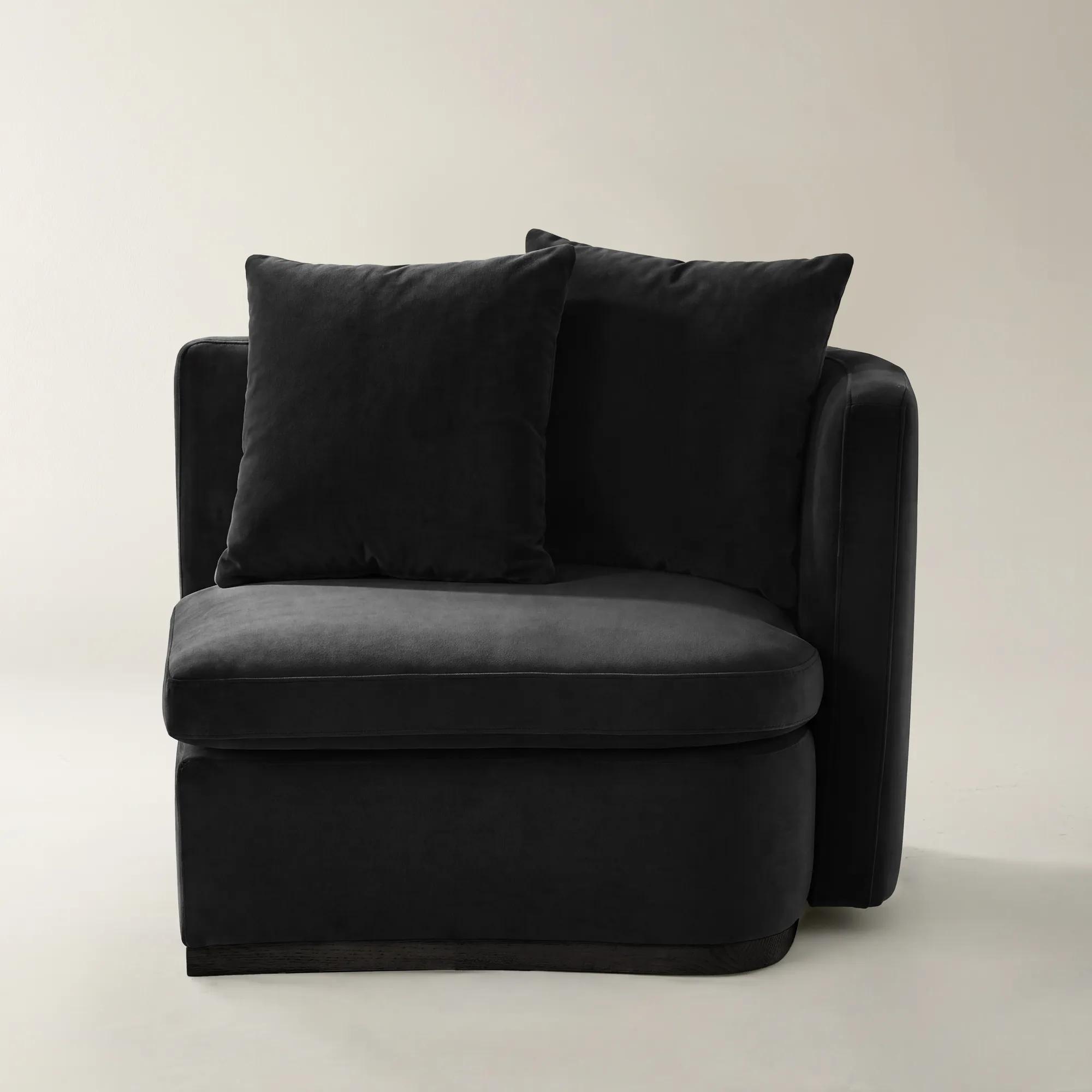 Stria Charcoal Velvet Right-Arm Chair$1199
A charcoal velvet chair featuring a kiln-dried wood frame, solid oak base, and layered down-blend cushioning.
Add To Cart -
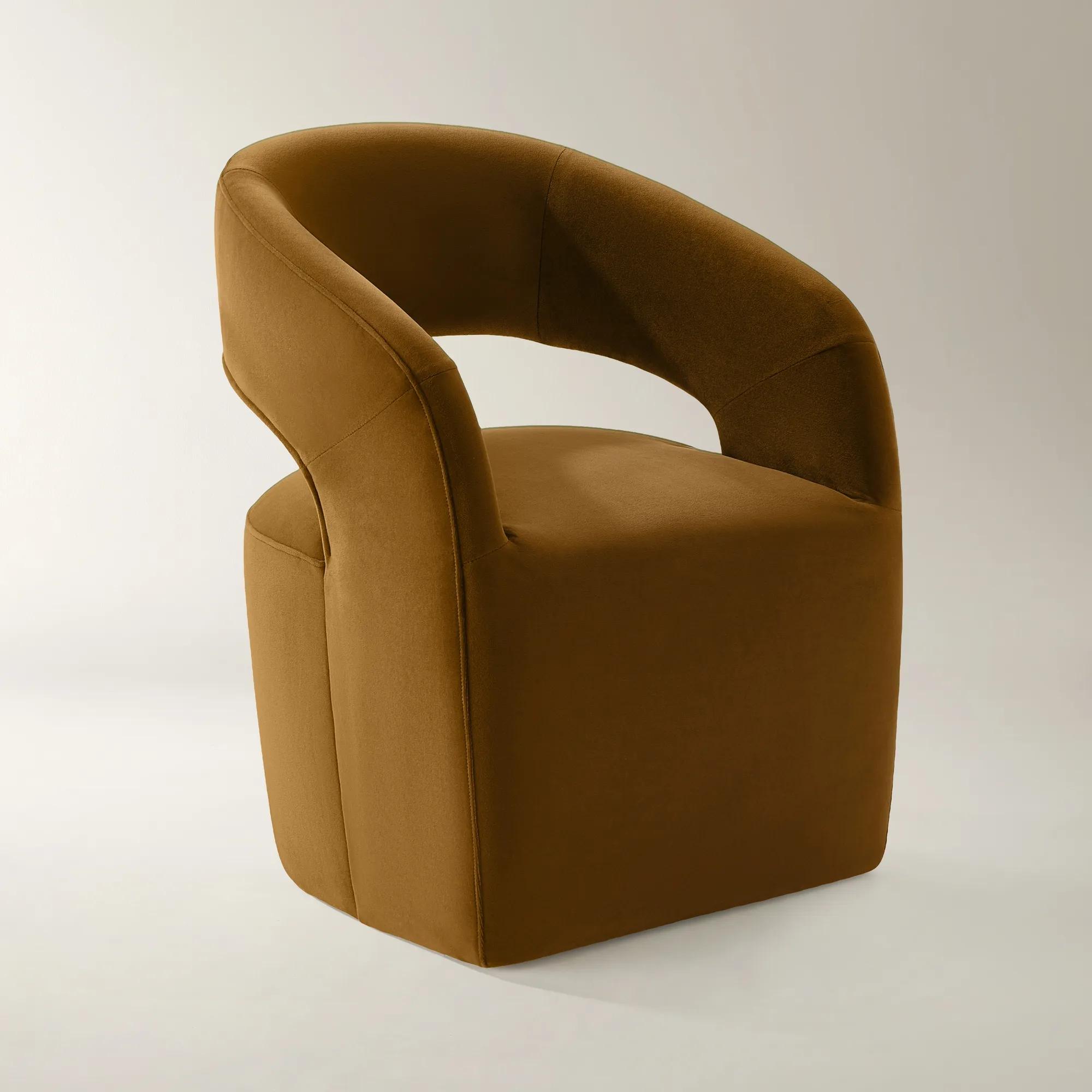
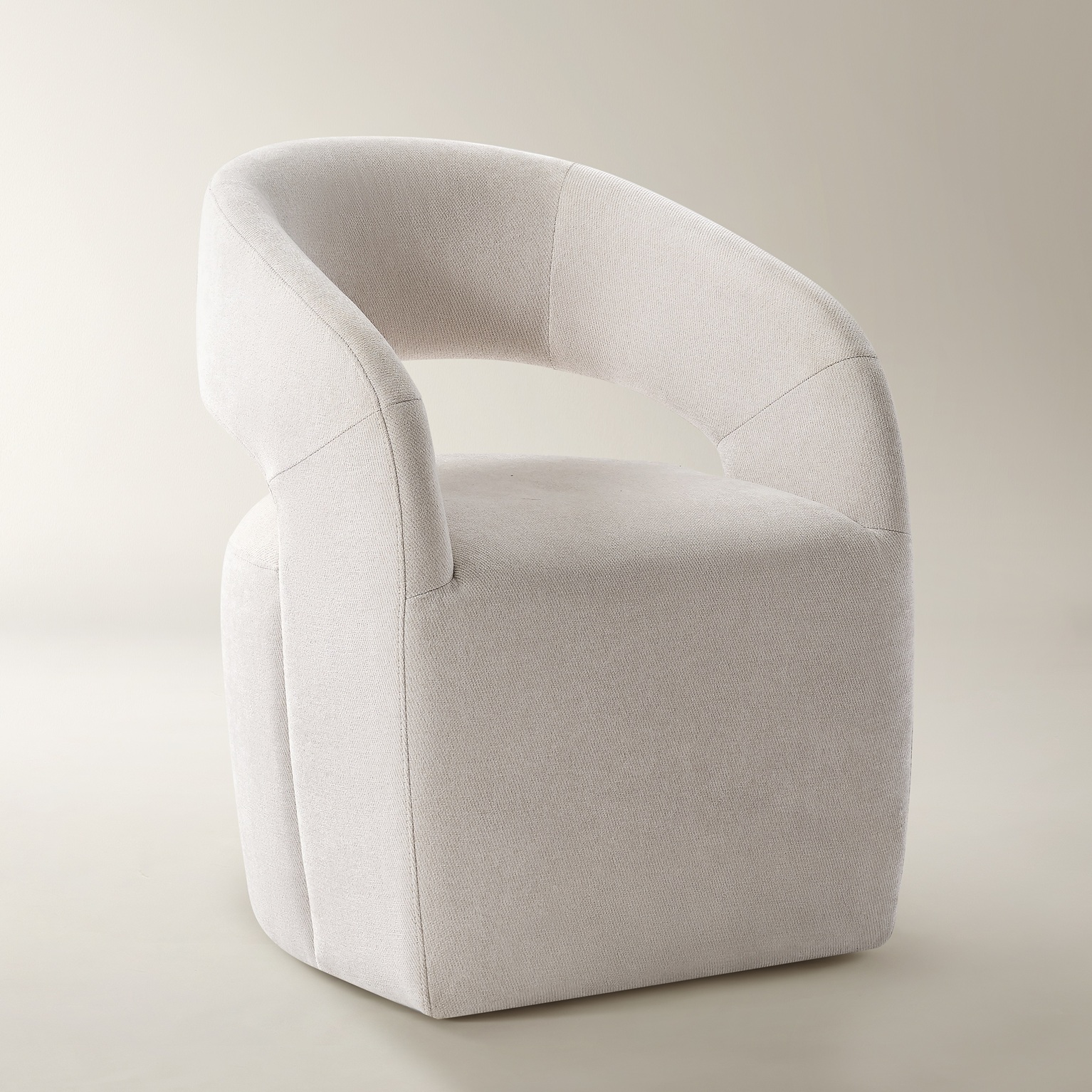 Harrison Roasted Pecan Velvet Dining Chair$499
A sculptural dining chair upholstered in roasted pecan velvet with feather-blend cushioning and integrated arms.
Add To Cart -
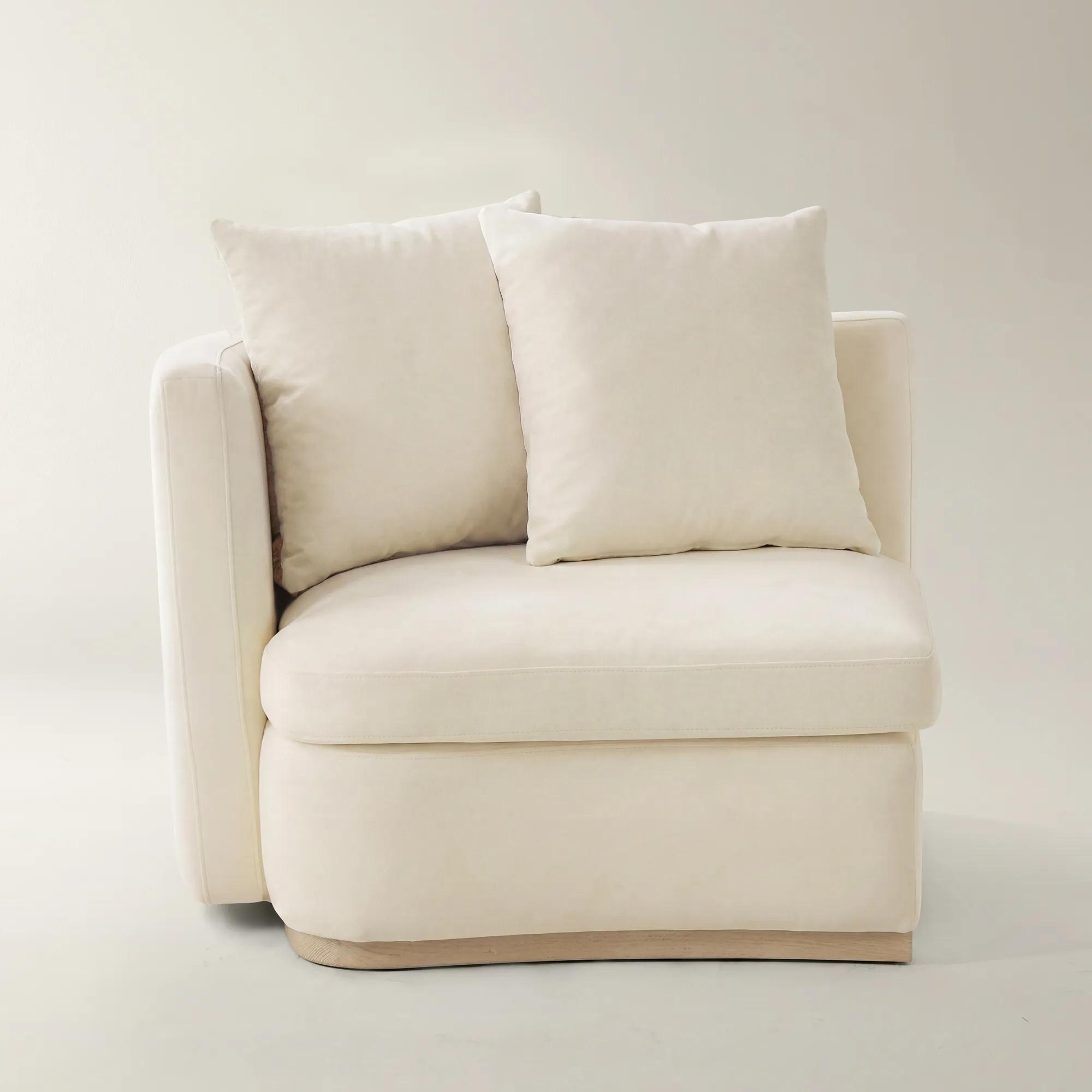 Stria Oatmeal Velvet Left-Arm Chair$1199
An oatmeal velvet chair with a kiln-dried wood frame, solid oak base, and layered down-blend cushioning.
Add To Cart -
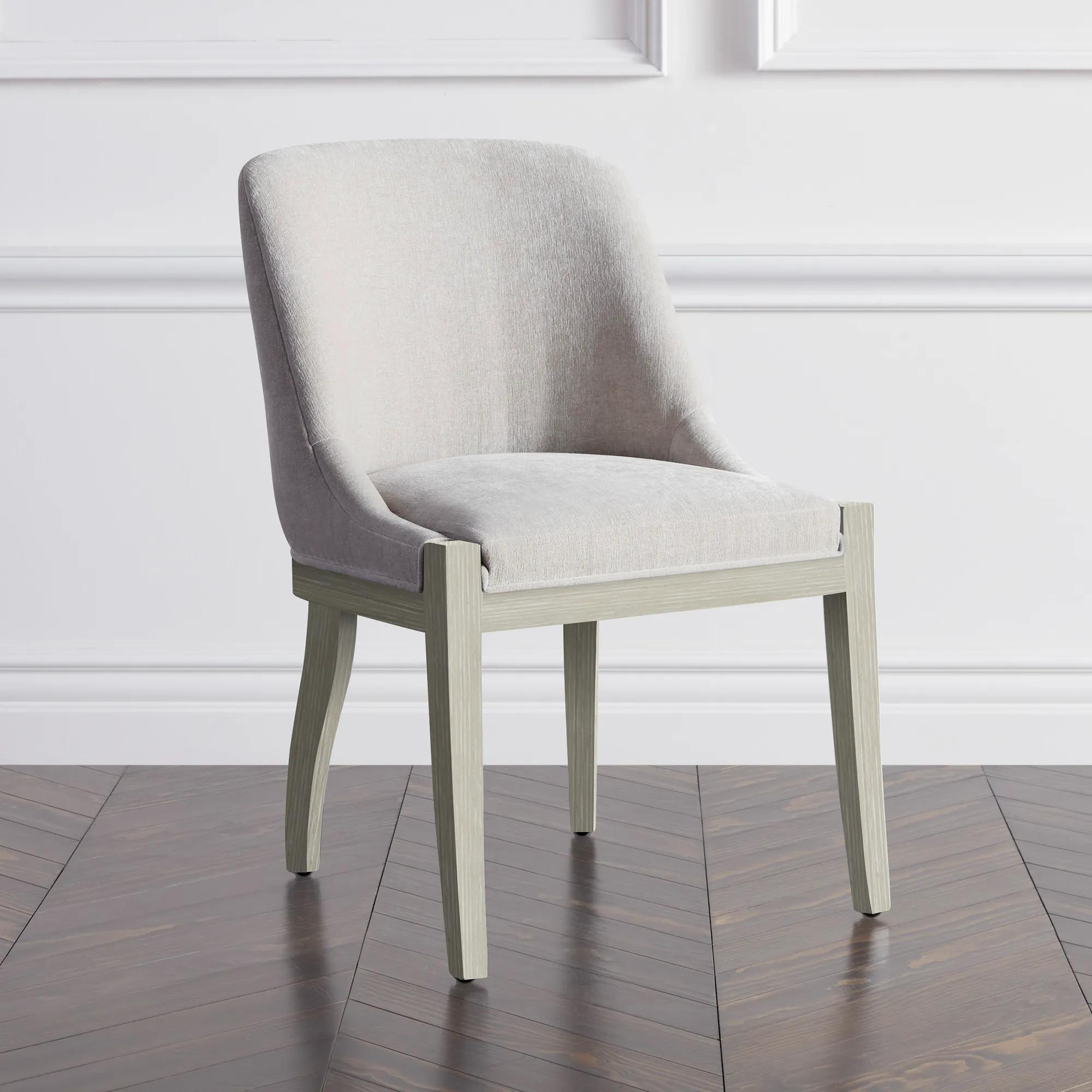 Lily Dining Chair - Natural Grey$649
A modern dining chair featuring kiln-dried hardwood, natural grey upholstery, and cushioned foam-and-fiber comfort.
Add To Cart -
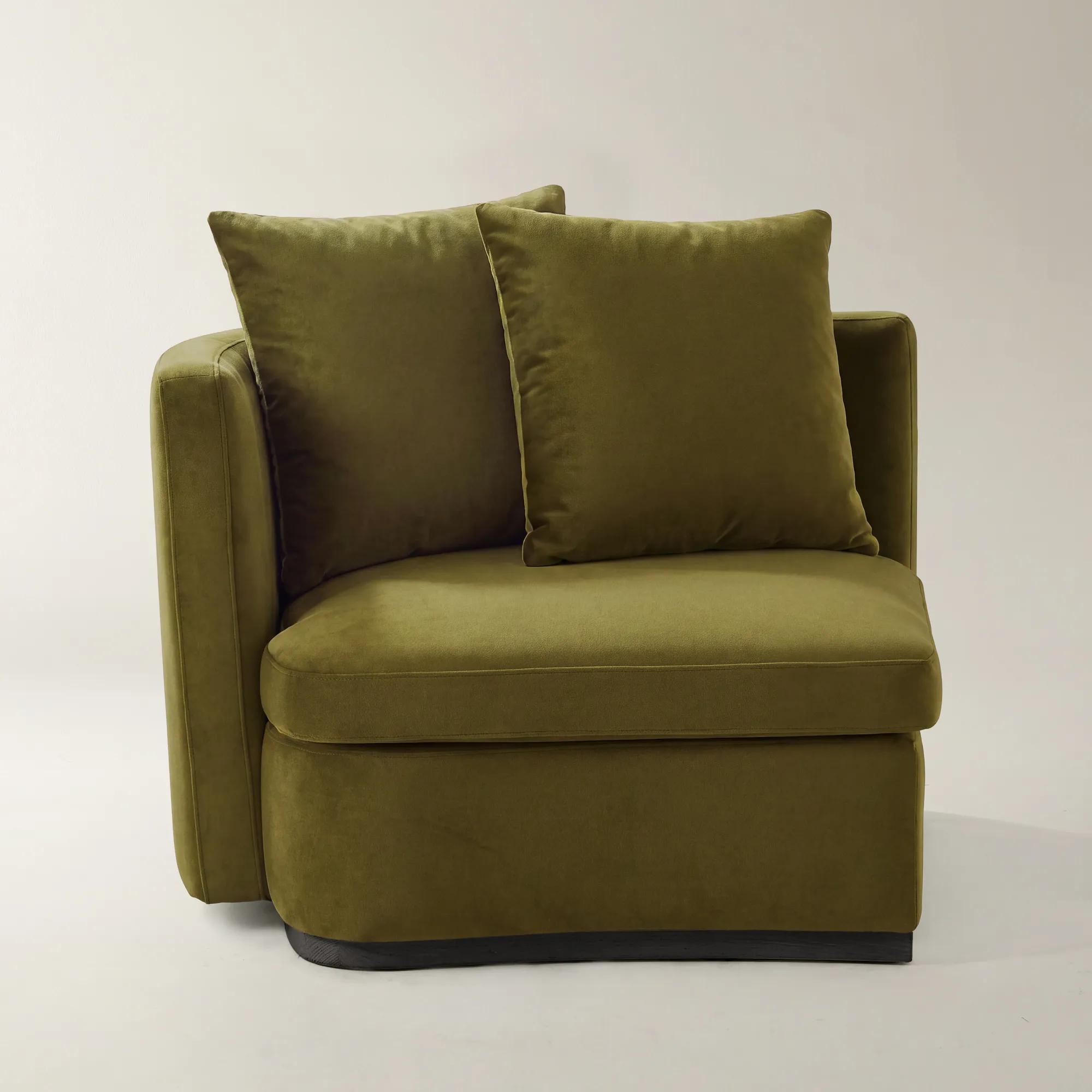 Stria Deep Olive Velvet Left-Arm Chair$1199
A sculptural deep olive velvet chair featuring kiln-dried wood construction and layered down-blend cushioning.
Add To Cart -
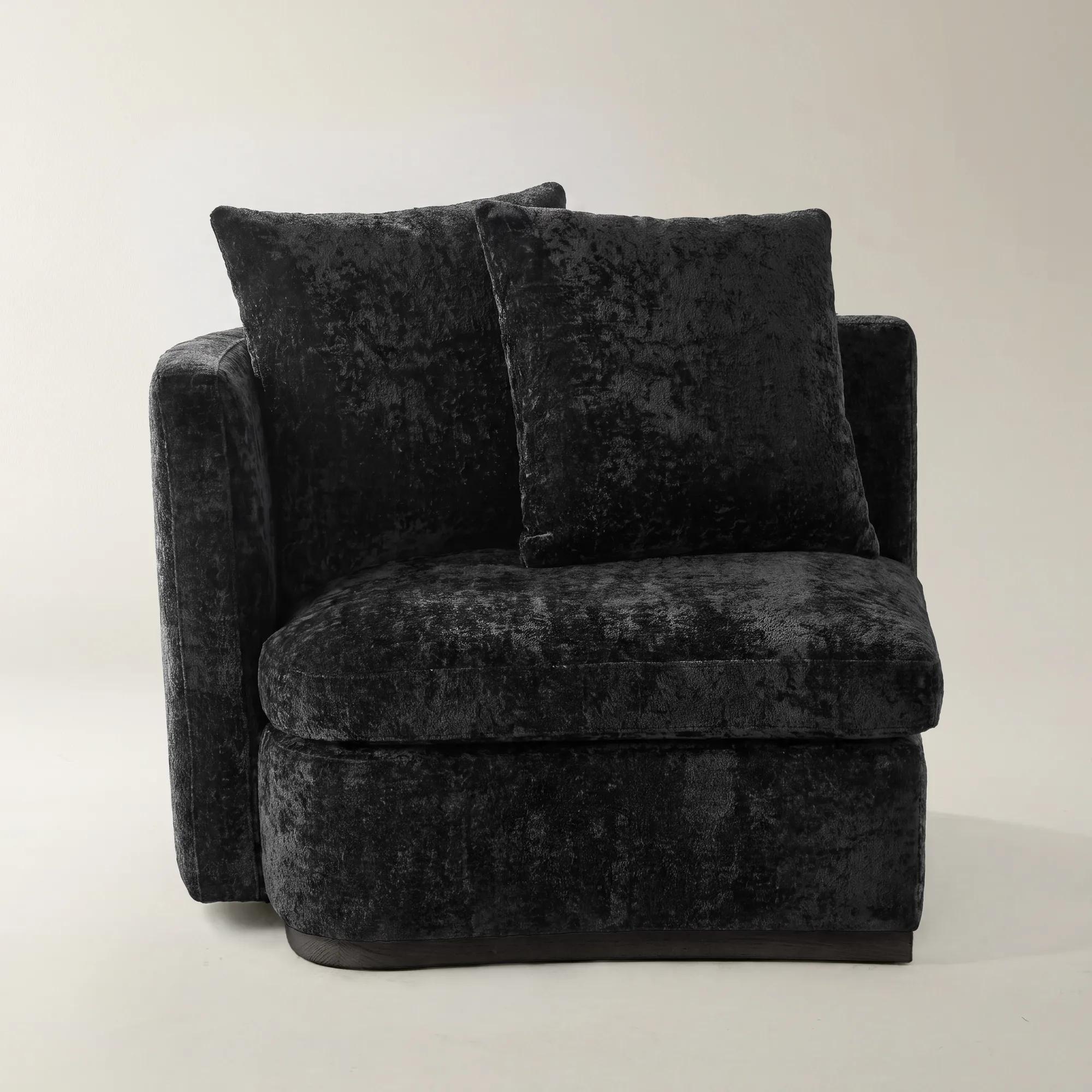 Stria Black Chenille Left-Arm Chair$1199
A sculptural black chenille chair featuring layered foam-and-down cushioning, curved edges, and a kiln-dried wood frame.
Add To Cart -
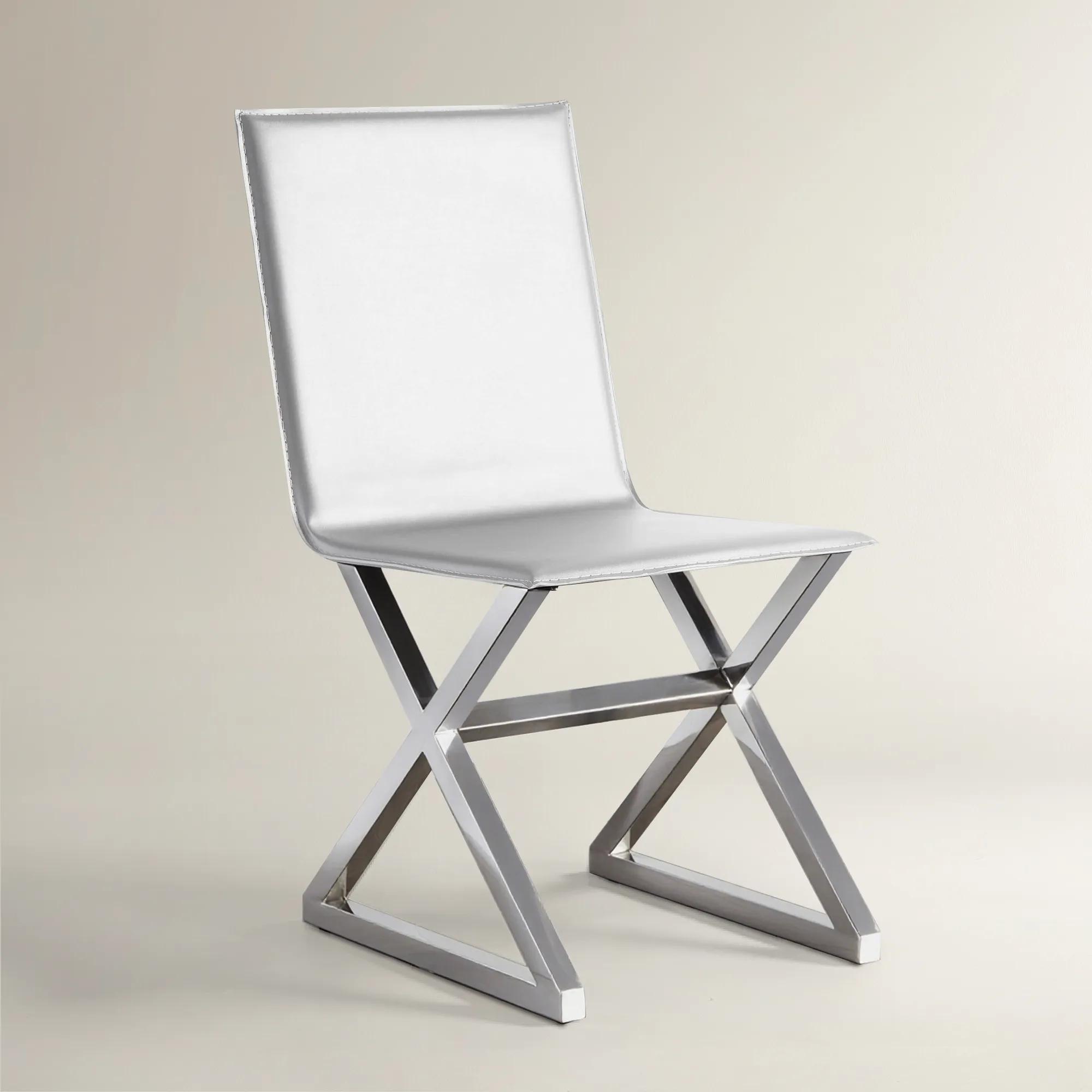
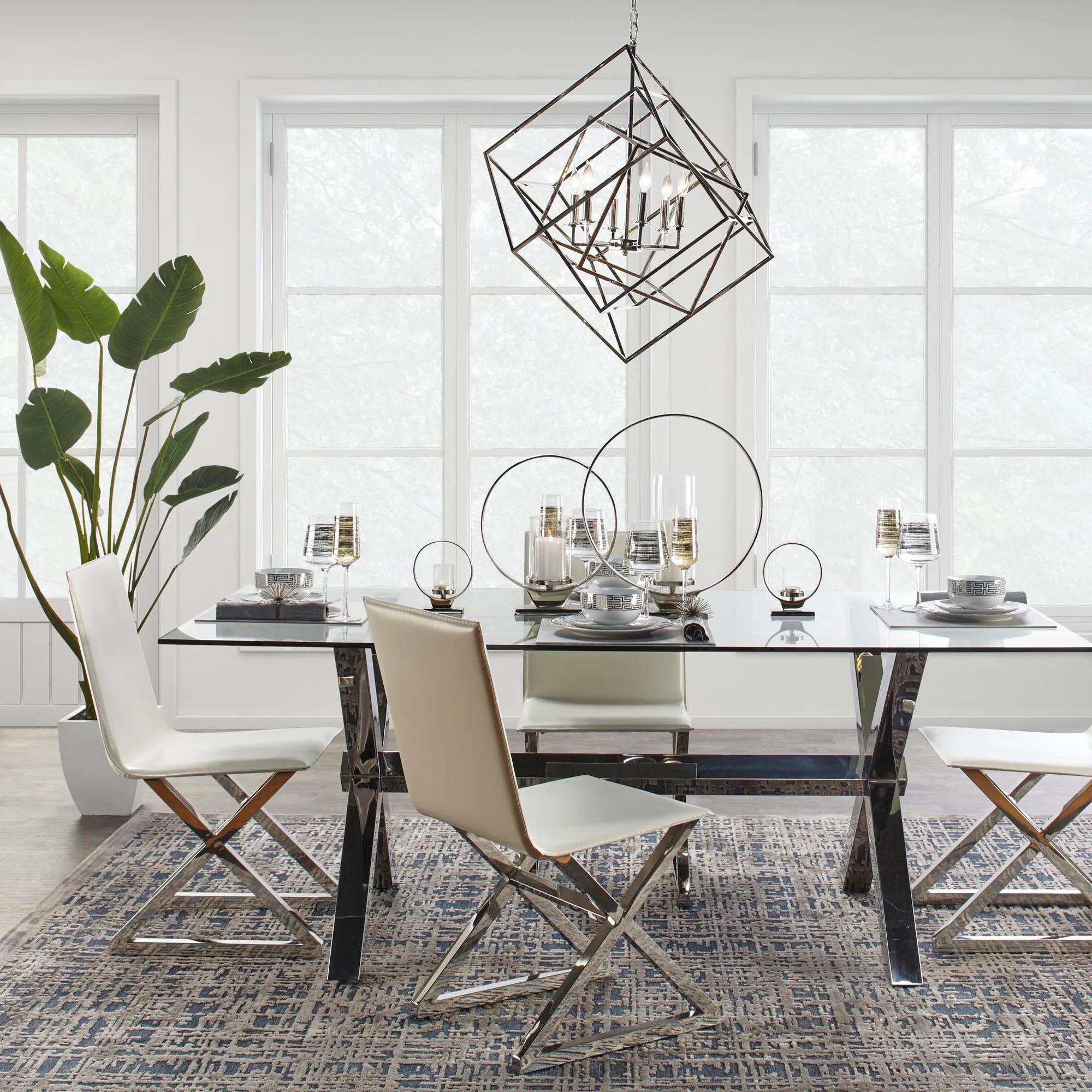 Axis Dining Chair - Set of 2$399
A contemporary chair set featuring white bonded leather upholstery and a polished stainless steel base.
Add To Cart -
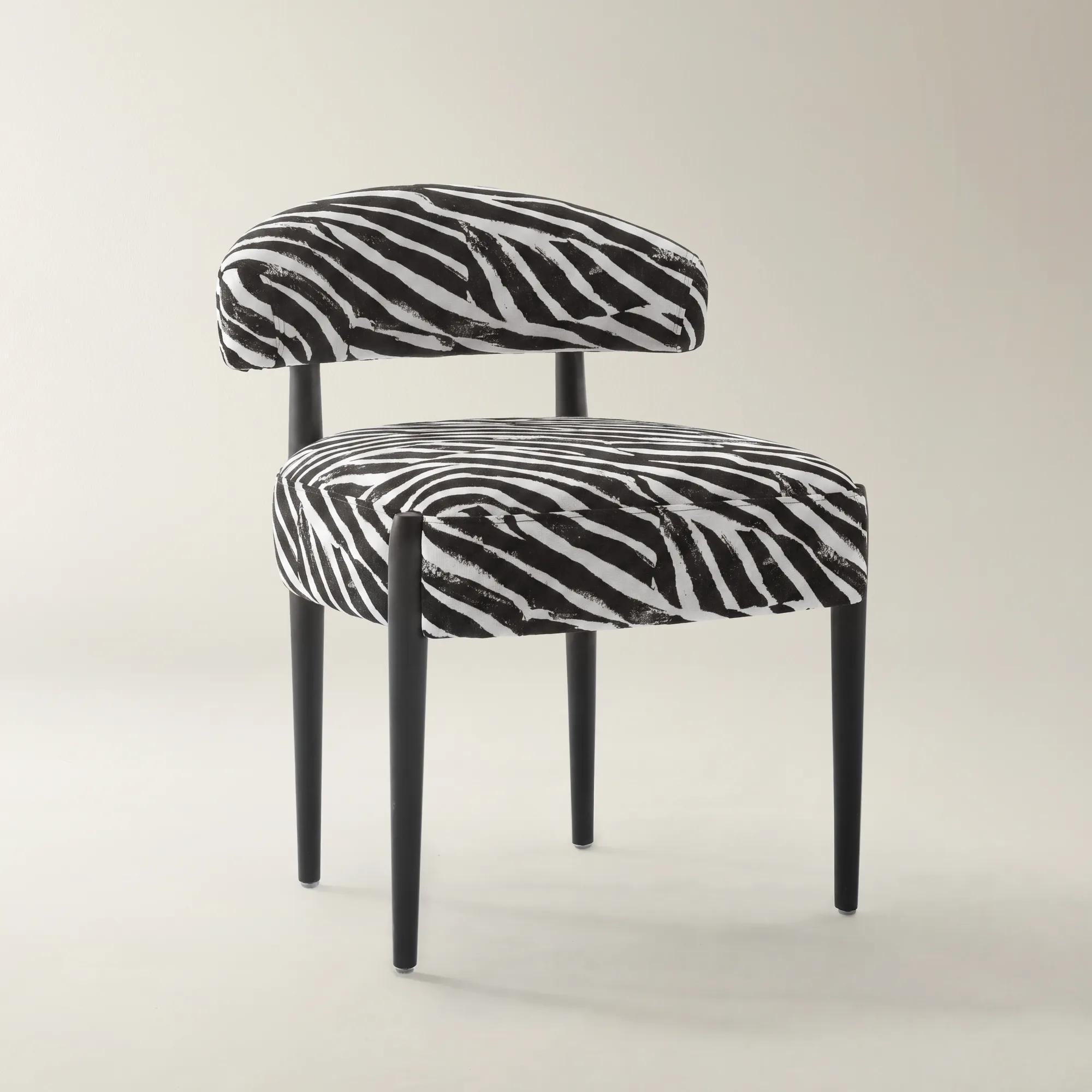 Anna White/Black Performance Chenille Dining Chair Set of 2$699
A black-and-white performance chenille chair set with arched backs, high-density foam, and solid rubberwood legs.
Add To Cart -
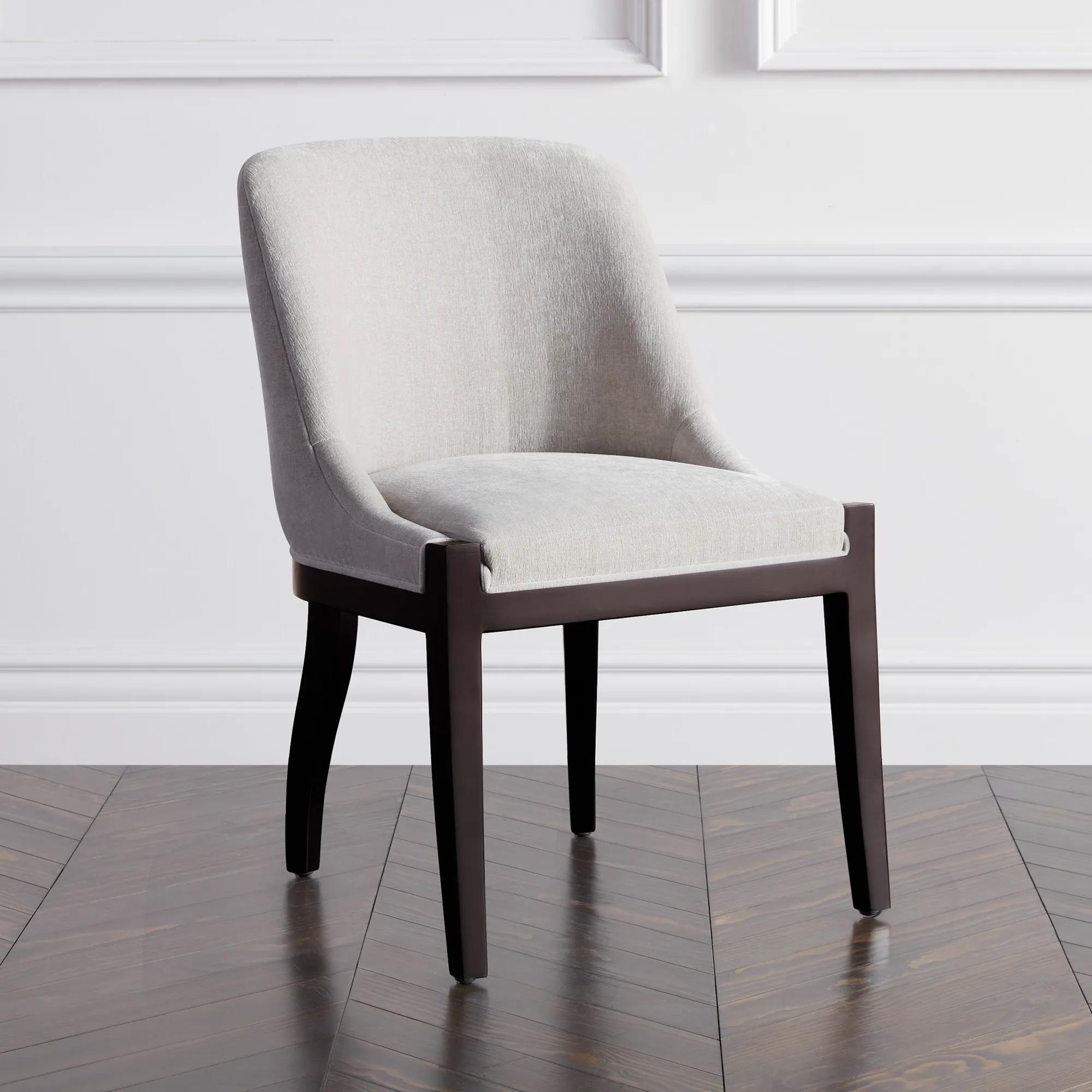
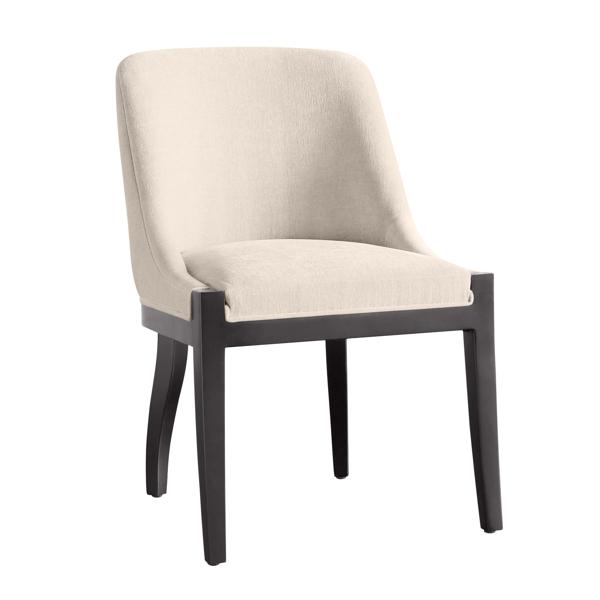 Lily Dining Chair - Espresso$649
A modern dining chair with kiln-dried hardwood frame, espresso legs, and plush tailored upholstery for comfort.
Add To Cart -
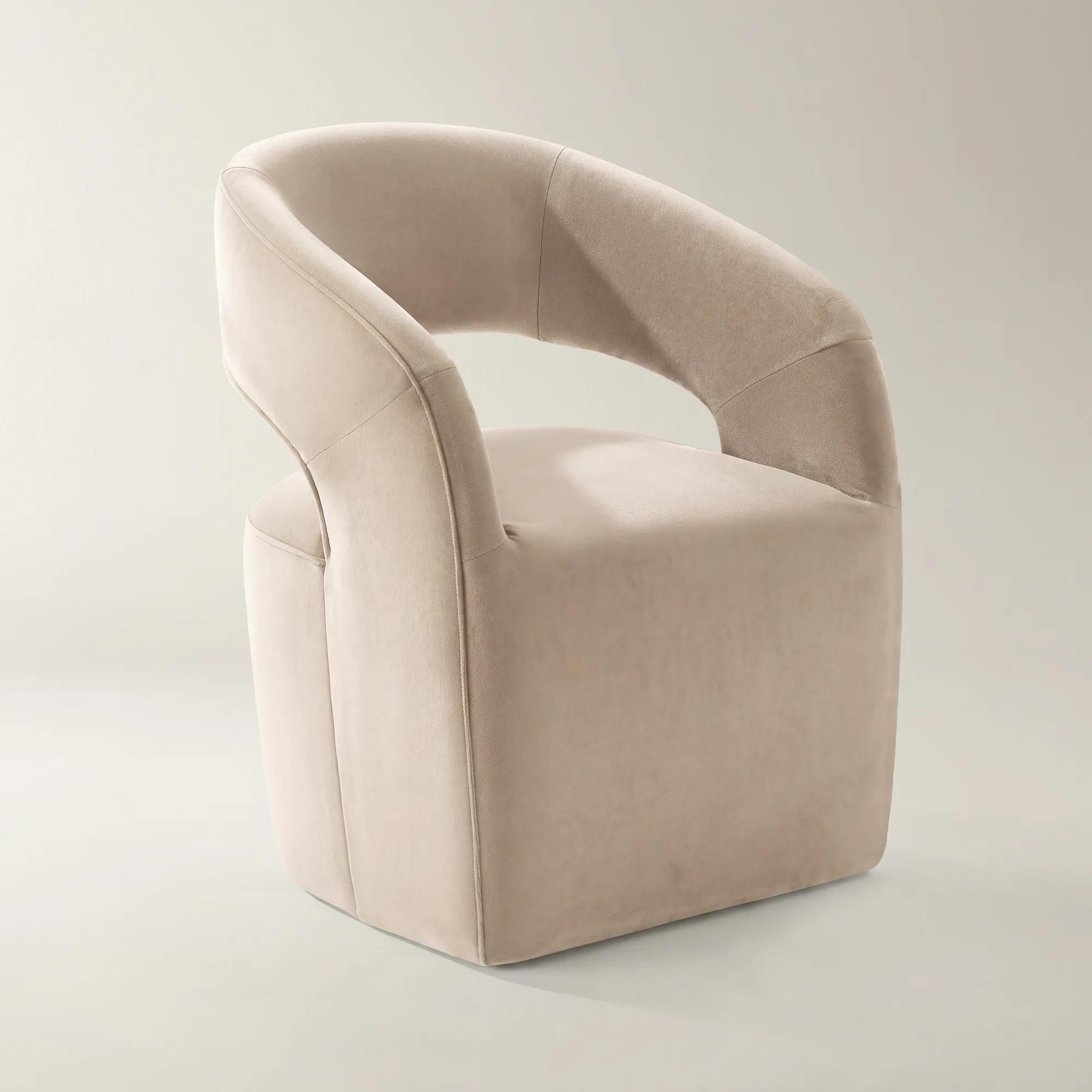 Harrison Simply Taupe Velvet Dining Chair$499
A sculptural dining chair in simply taupe velvet with a curved back, feather-blend seat, and modern elegance.
Add To Cart -
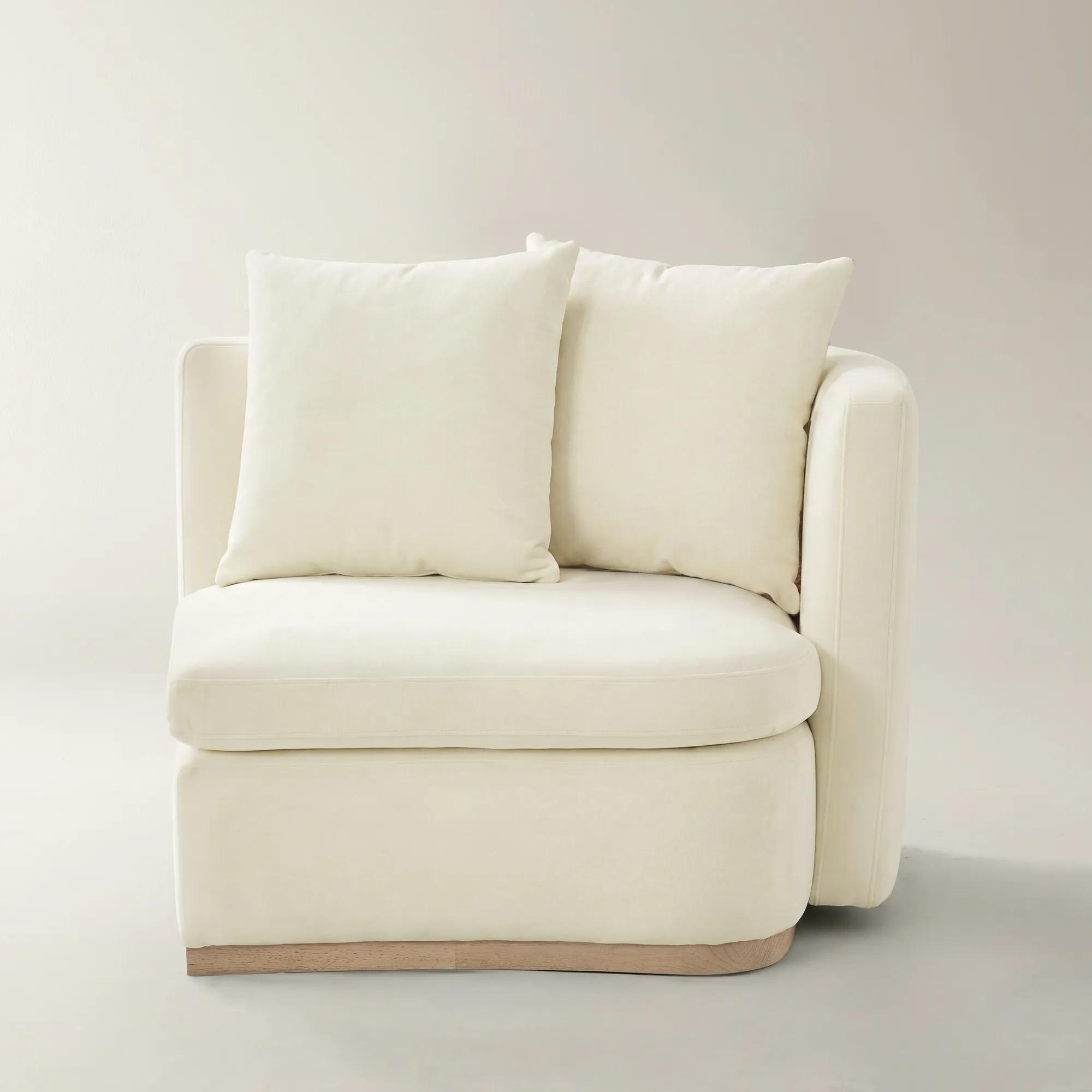 Stria Cloud Velvet Right-Arm Chair$1199
A sculptural chair upholstered in cloud velvet, featuring layered cushioning, softly curved edges, and a solid oak base.
Add To Cart -
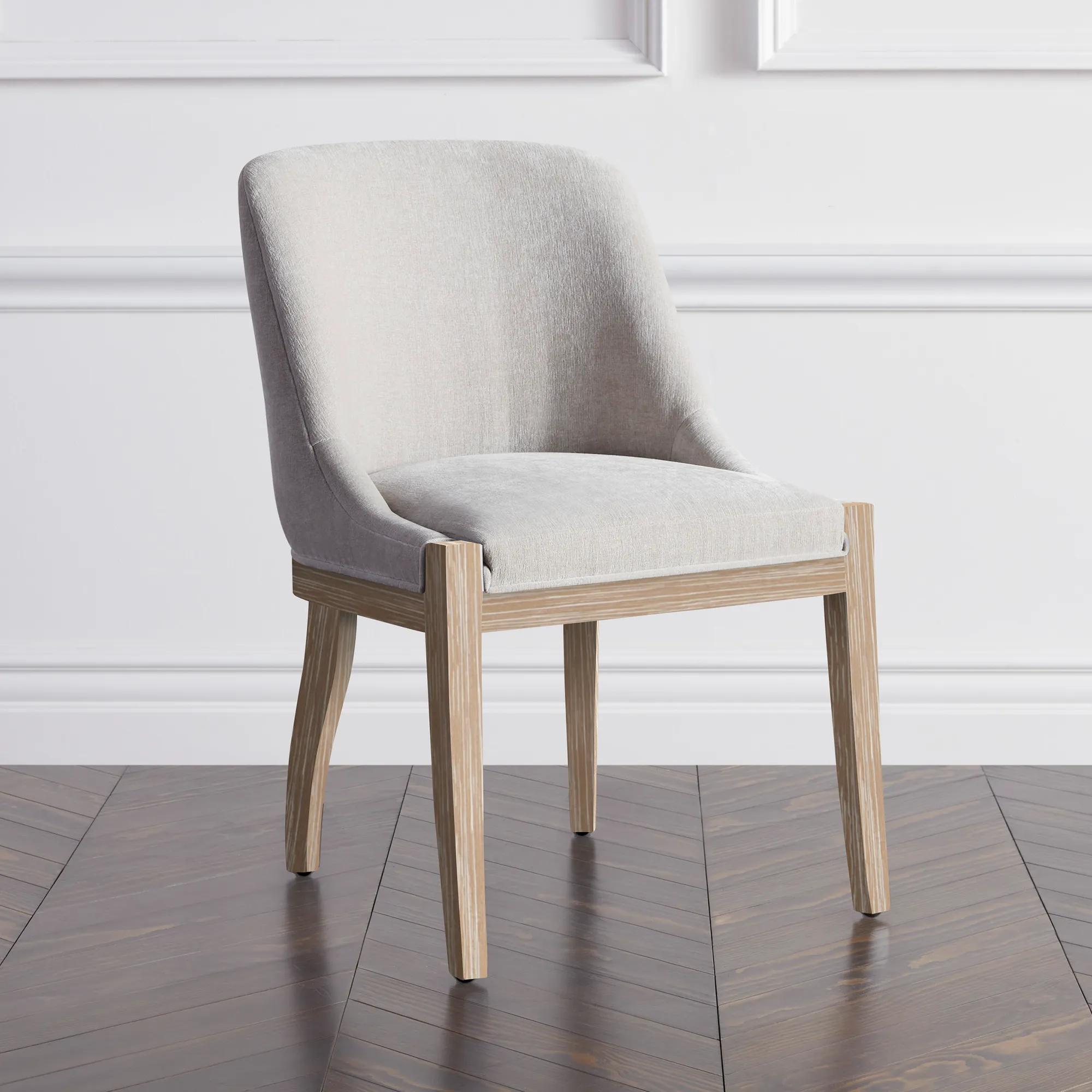
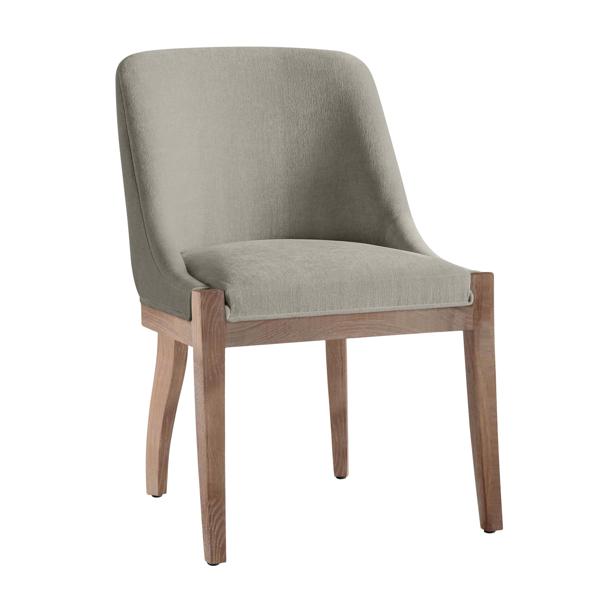 Lily Dining Chair - Wash Oak$699
A modern dining chair featuring a kiln-dried hardwood frame, wash oak legs, and tailored chenille upholstery.
Add To Cart -
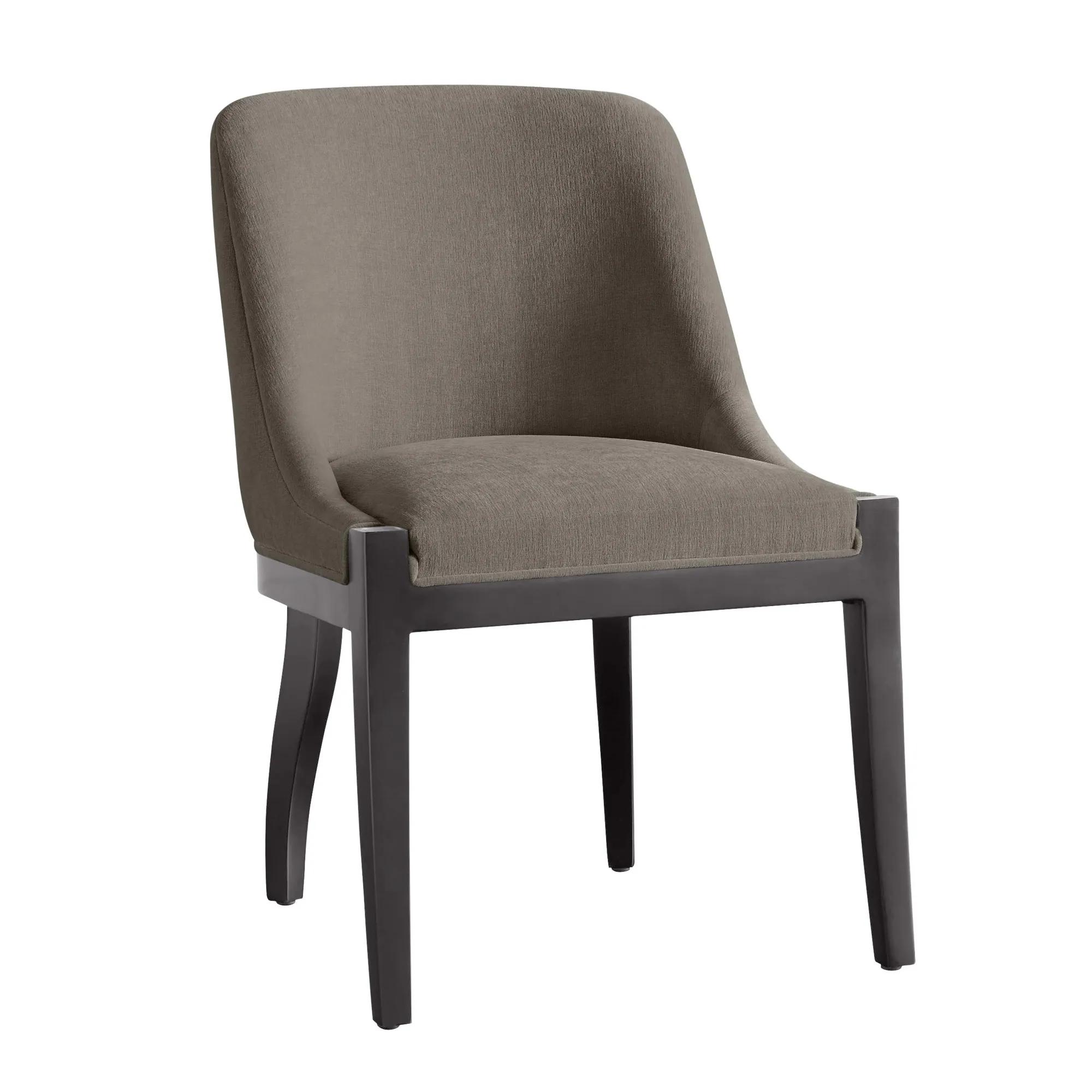 Lily Dining Chair - Espresso$649
A modern dining chair featuring espresso-finished hardwood, curvaceous silhouette, and plush tailored upholstery.
Add To Cart -
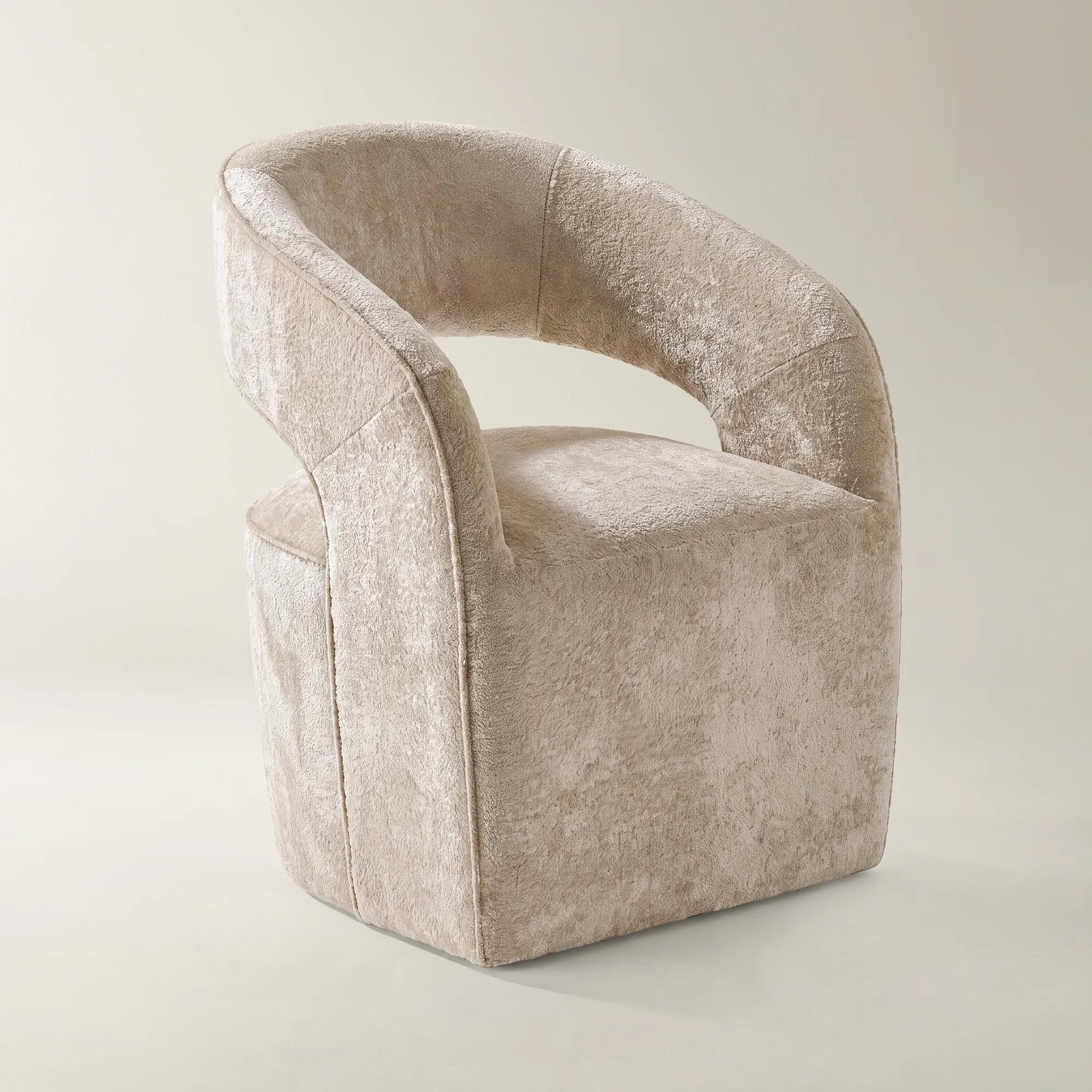 Harrison Light Brown Chenille Dining Chair$499
A sculptural dining chair upholstered in light brown chenille with a feather-blend cushion for plush comfort.
Add To Cart -
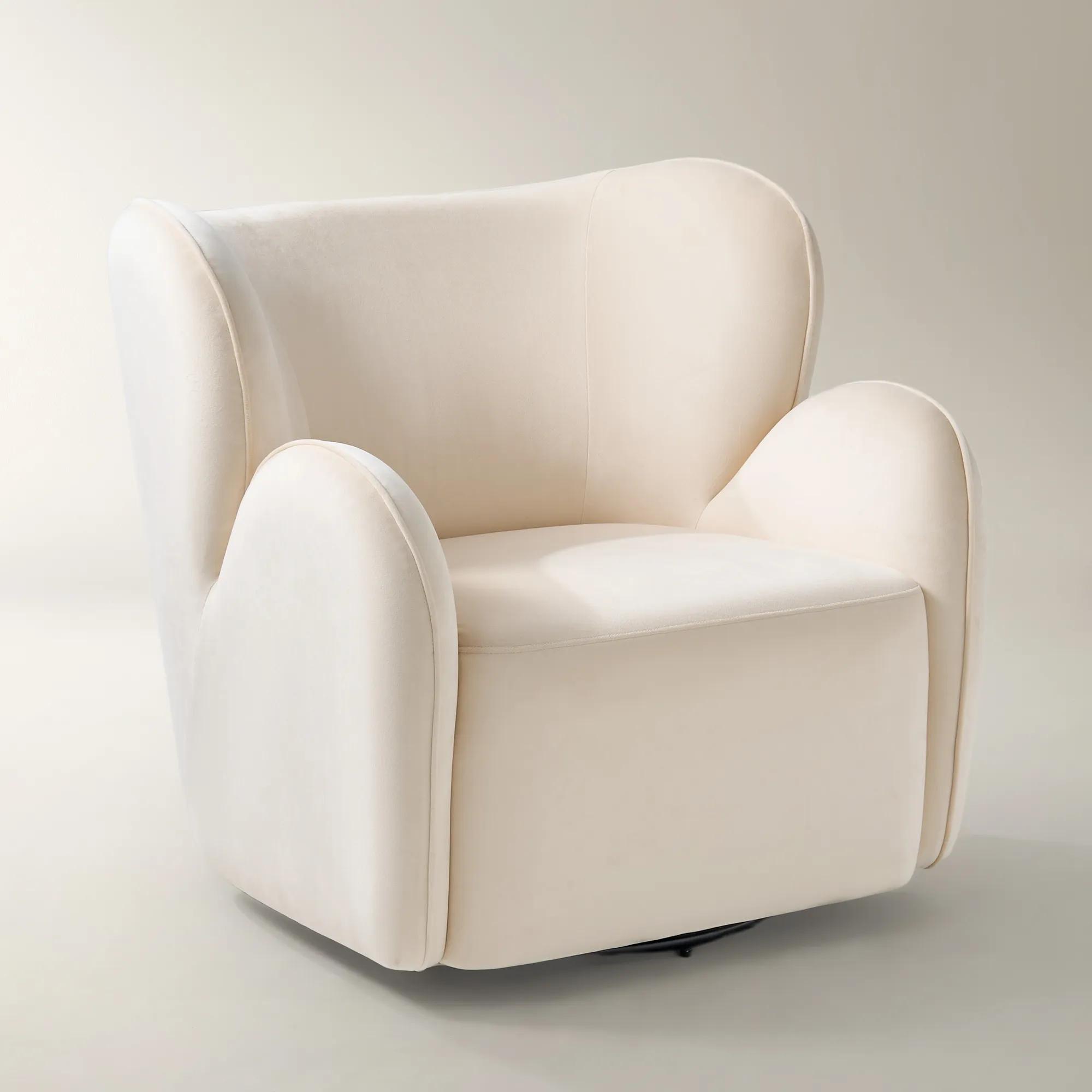
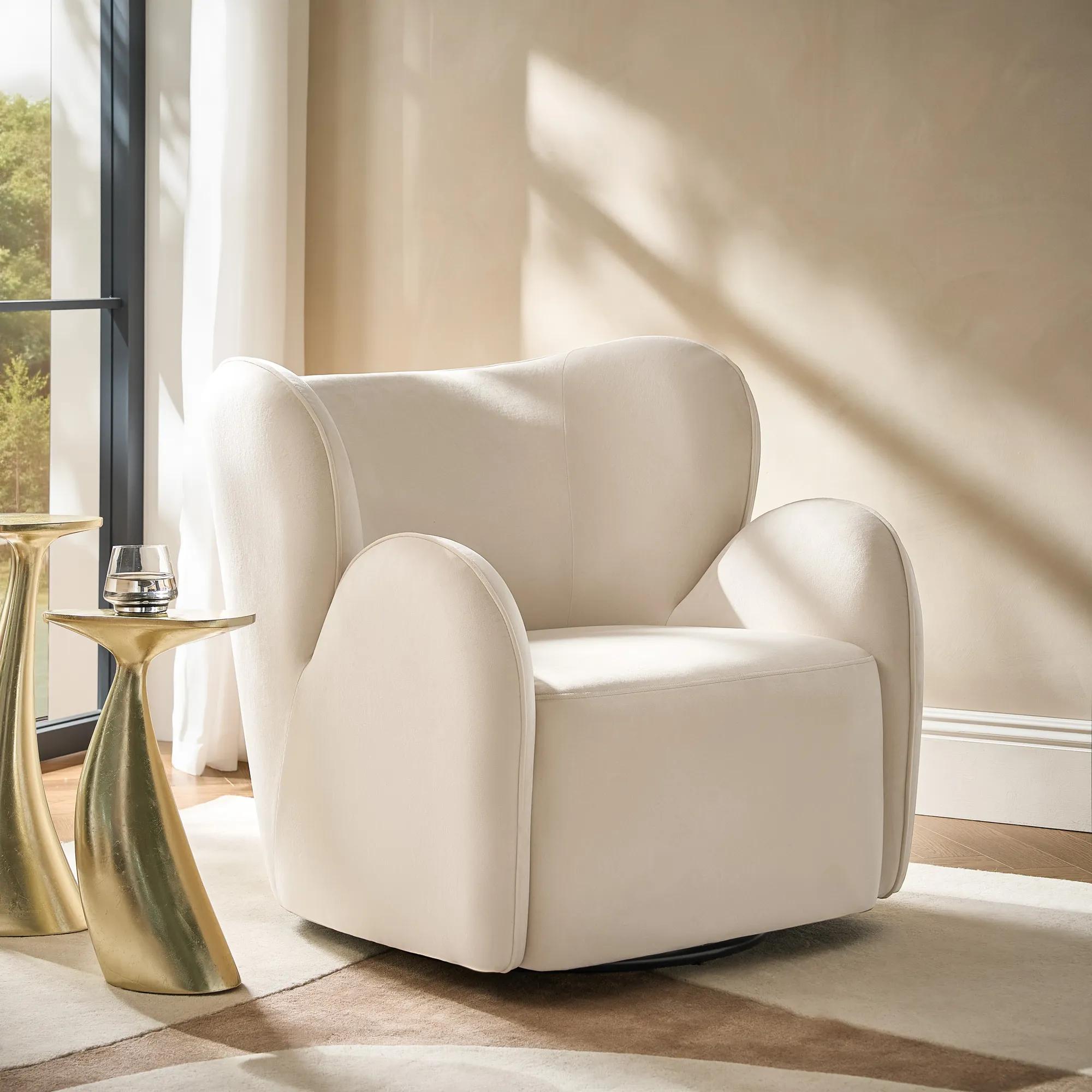 Ceres Ivory Velvet Swivel Accent Chair$799
An ivory velvet accent chair featuring a curved silhouette, 360° swivel, and plush, supportive cushioning.
Add To Cart -
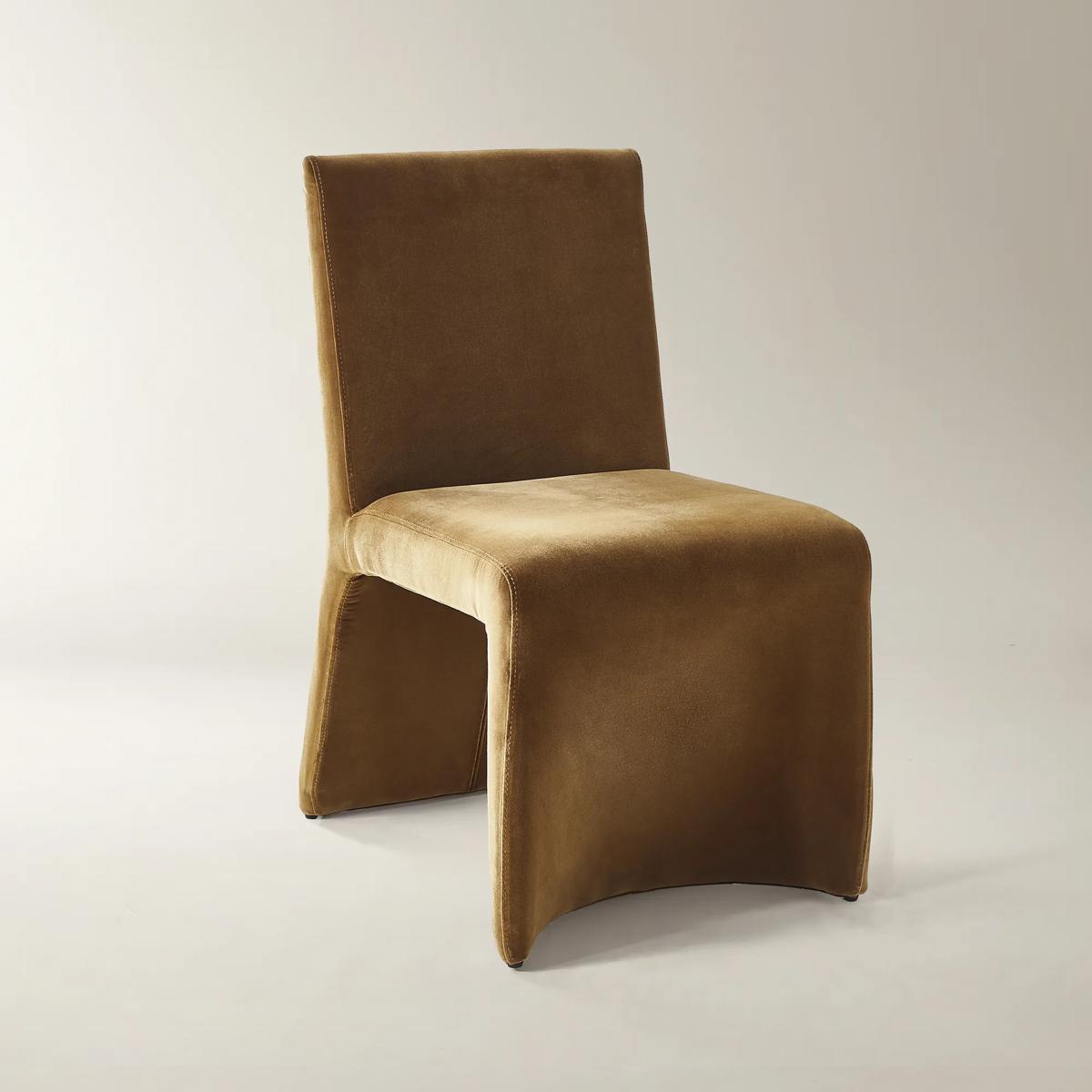 Elara Roasted Pecan Velvet Dining Chair Set Of 2$799
A pair of mustard velvet dining chairs featuring curved ergonomic silhouettes and hand-upholstered, reinforced construction.
Add To Cart

Upholstered Chairs For Indoor Use
Upholstered Chairs For Indoor Use invite you to indulge in the art of living beautifully. Each piece is a celebration of tactile luxury, enveloping your space in sumptuous textures and sculptural silhouettes that command attention. Whether you seek to create an intimate reading nook or a dramatic conversation zone, these chairs transform every corner into a curated moment—elevating comfort into an experience and seating into a statement. Discover how upholstered chairs can infuse your interiors with personality, poise, and irresistible allure.
Upholstered chairs for indoor use bring fabric-covered comfort and a distinct design presence to living rooms, bedrooms, dining spaces, and home offices. Unlike outdoor seating, these chairs are intended for protected interior settings, where their upholstery, cushioning, frames, and finishes can be enjoyed without exposure to rain or prolonged dampness. Their appeal lies in the balance of softness and structure: a curved back can turn an empty corner into an intimate retreat, while a sharply tailored armchair gives a seating arrangement architectural definition. A pair positioned across from a sofa creates room for conversation without the visual weight of another large upholstered piece. Beside a bookcase, one generous chair and a small table establish a place to linger over a novel or set down an evening drink. Silhouette shapes that experience. Barrel chairs feel enveloping, wingback forms introduce height and a sense of enclosure, and open-arm designs reveal more of the surrounding room. Swivel chairs can connect two focal points, allowing someone to turn from conversation toward a view without moving the chair itself. For spaces where decorative presence matters as much as a welcoming seat, Accent Chairs For Indoor Use Only bring another layer of expression to a considered interior. Upholstery color and texture help determine whether a chair anchors the room or becomes its most compelling contrast. Ivory fabric against dark wood creates luminous definition; saturated jewel tones lend depth beside polished metal or glass. A sculptural chair does not need an equally dramatic backdrop. Against a restrained wall, its sweep of upholstery and carefully drawn proportions can carry the composition. Matching pairs introduce symmetry, while a single contrasting chair gives a coordinated room a more collected character. The strongest arrangements leave enough visual space around distinctive shapes for their lines to register, allowing practical seating to feel like an intentional part of the room’s design rather than an addition made after everything else.
The character of an indoor upholstered chair begins with its covering, but lasting satisfaction depends on the construction beneath it. Velvet brings a rich, light-responsive surface that can appear darker or brighter as the pile changes direction. That movement is part of its visual appeal, though pressure marks and shading may be more noticeable than on some flatter weaves. Bouclé introduces dimensional texture, lending rounded silhouettes an almost sculptural softness; its looped surface also deserves consideration in homes where pet claws or sharp accessories could catch the yarns. Woven fabrics range from smooth and tightly tailored to visibly textured, with fiber content and weave influencing feel, cleaning requirements, and resistance to everyday wear. Linen and linen blends often deliver a relaxed surface with natural variation, while some synthetic blends are designed to support frequent use and easier maintenance. Performance upholstery can be valuable in a family gathering space or a chair used for daily meals, but the term does not promise identical protection across fabrics. Stain resistance, cleaning instructions, and any published testing details are more useful than a broad label alone. Beneath the upholstery, frame construction, joints, suspension, and cushion composition work together to determine how a chair supports the body over time. Foam can provide a defined, supportive seat, while fiber or feather-blend wraps may create a softer initial feel and require more regular reshaping. Firmer cushioning can suit conversation, dining, or shorter periods of upright sitting; a deeper, more yielding seat may better suit unhurried lounging. Neither softness nor thickness alone establishes quality. Secure joints, appropriate support, and fabric suited to the intended use matter just as much. Decorative details deserve the same attention: channel stitching adds rhythm, tufting creates depth, and welted edges emphasize the outline of an arm or cushion. These treatments should complement the chair’s proportions and the way it will be used. In a frequently occupied chair, thoughtful tailoring and dependable support allow the glamorous surface to remain part of a comfortable everyday experience.
Scale determines whether that comfort translates beautifully into a particular room. Overall width and depth describe the space a chair occupies, while seat height, usable seat depth, back angle, and arm height reveal more about how it may feel. A compact chair can still offer a substantial seat, and an oversized silhouette may devote considerable space to thick arms or a generously padded back. For someone who prefers to sit upright with feet supported on the floor, a shallower seat may feel more natural than a deep lounge profile. Taller users may appreciate additional seat depth or back support, depending on their proportions and preferred posture. Dining and desk settings call for particular attention to the relationship between seat height and the tabletop, including whether upholstered arms can fit beneath an apron. In a living room, allow space to walk past the chair comfortably and account for the full movement of a swivel base or reclining mechanism when present. Doorways, stair turns, and elevator dimensions also matter before a substantial upholstered piece enters the home. Once in place, consistent care helps preserve both texture and tailoring. Regular vacuuming with an appropriate upholstery attachment removes dust from seams and crevices; removable cushions may benefit from rotation when the manufacturer recommends it. Spills should be blotted promptly rather than rubbed, with treatment guided by the chair’s care label. A water-based cleaner suitable for one fabric may damage another, so testing any permitted cleaner in a concealed area is worthwhile. Direct sunlight can fade upholstery, and placement away from strong heat sources helps protect fabrics and finishes. These considerations make upholstered seating adaptable to many households, from a host creating a gracious conversation area to a reader furnishing a personal retreat. A chair can also be a meaningful housewarming or milestone gift when dimensions, comfort preferences, and fabric choices are agreed upon with the recipient. The result is deeply personal: a seat that supports daily rituals while giving the room a richer, more expressive presence.
FAQs
Upholstered indoor chairs are often draped in luxurious materials such as velvet, chenille, boucle, and linen, each offering its own distinctive texture and mood. Velvet exudes opulence and depth, while linen brings a breezy, understated elegance. For those seeking durability and easy maintenance, performance fabrics and tight-weave blends are favored for their resilience against everyday wear, making them ideal for lively households.
Selecting an upholstered chair is an opportunity to enhance your space’s personality. Consider your room’s color palette and style—whether it’s modern, traditional, or eclectic. A bold chair in a vibrant hue or pattern can serve as a statement piece, while a neutral-toned chair grounds the room and pairs seamlessly with dramatic accents. Look for silhouettes and design details that echo your aesthetic, such as tufting, metallic legs, or sculptural lines.
Absolutely. Many upholstered chairs are designed with high-traffic living in mind, especially those made with performance fabrics or tight-weave textiles that resist stains and wear. These chairs are perfect for family rooms, dens, and other gathering spaces, offering both comfort and durability without sacrificing style.
An upholstered chair is more than a functional piece—it’s a gesture of comfort and style. Gifting one can mark significant milestones, such as a housewarming, wedding, or anniversary, and provides the recipient with a daily reminder of your thoughtfulness. Whether it’s a cozy reading nook chair or a dramatic accent for the living room, it’s a present that elevates everyday moments.
Chair styles have a remarkable impact on the ambiance of a room. Wingback chairs offer a sense of intimacy and tradition, perfect for fireside gatherings or quiet reading corners. Barrel chairs introduce a modern, sculptural element and encourage conversation with their enveloping curves. Mixing styles—such as pairing a classic club chair with a contemporary swivel—creates visual intrigue and a layered, curated look.