Indoor Dining Chairs
Indoor Dining Chairs
-
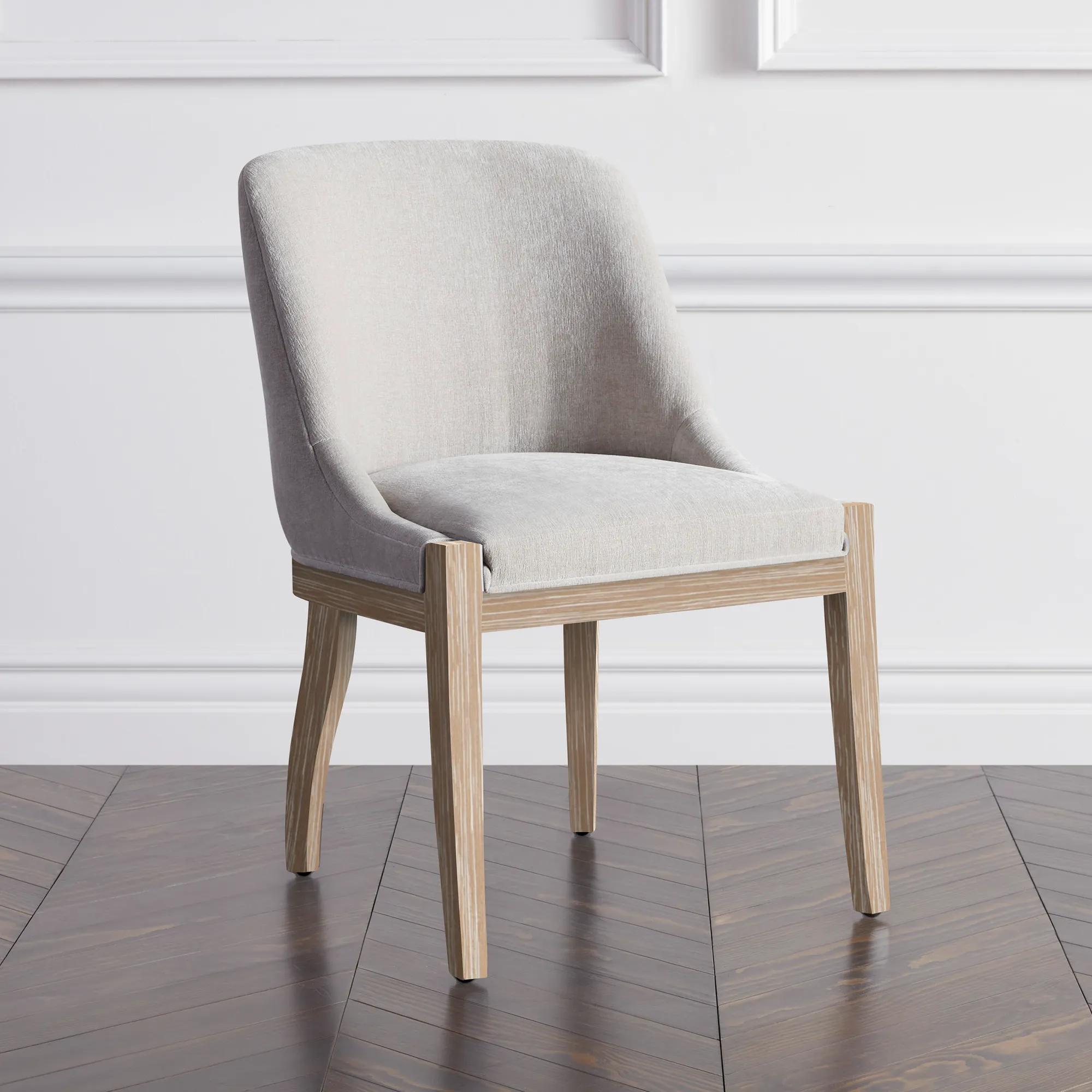
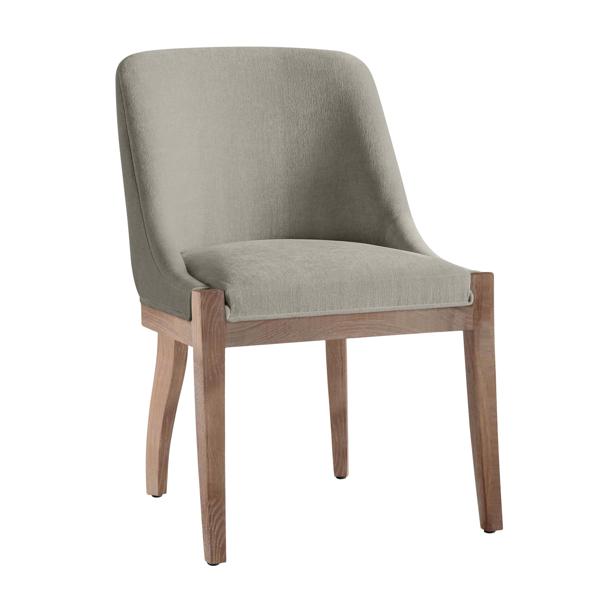 Lily Dining Chair - Wash Oak$649
A modern dining chair with a kiln-dried hardwood frame, wash oak legs, and plush tailored upholstery.
Add To Cart -
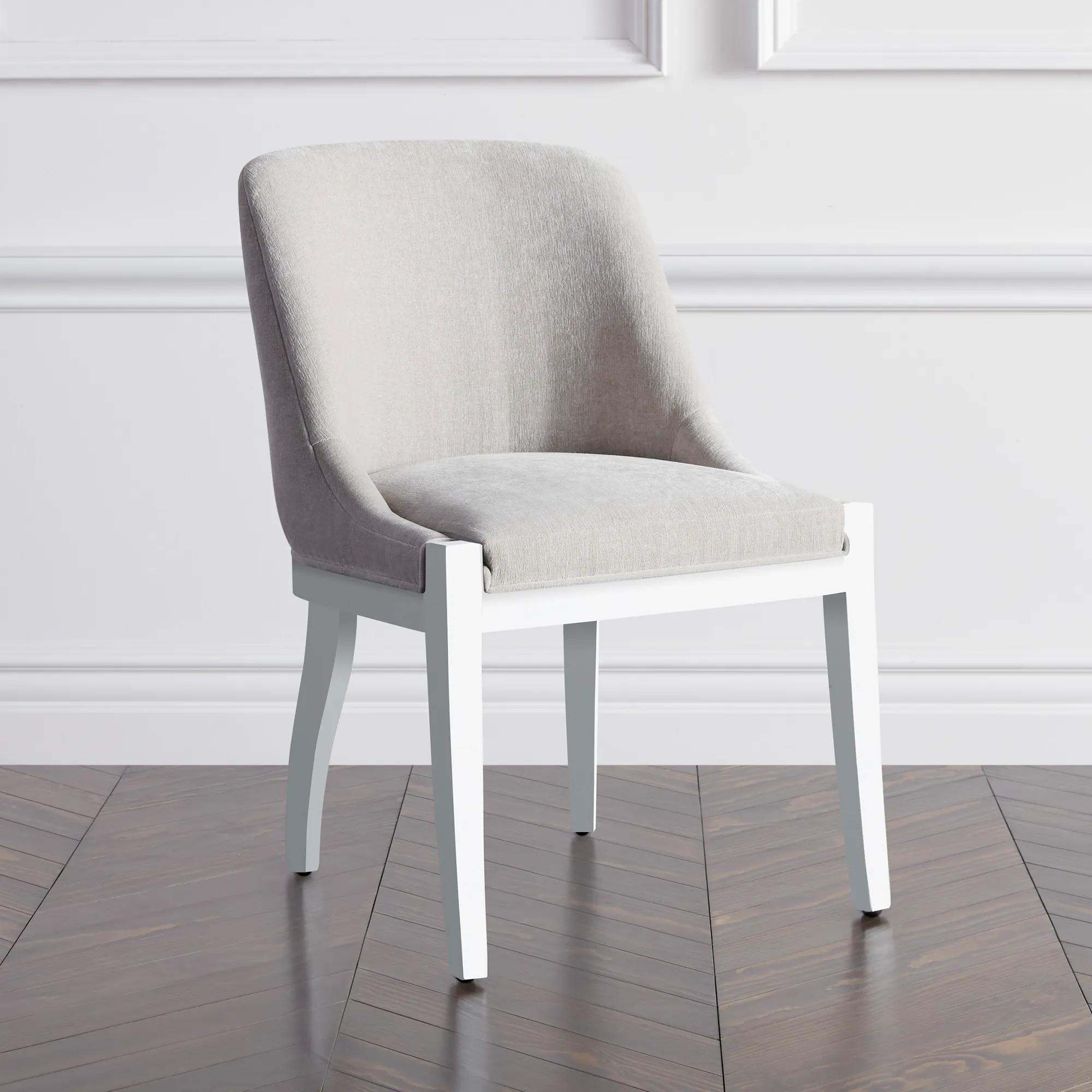
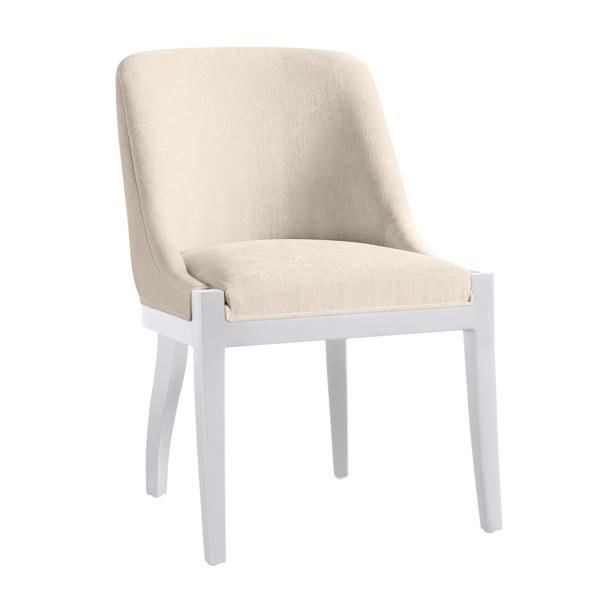 Lily Dining Chair - High Gloss White$649
A modern dining chair featuring kiln-dried hardwood, high-gloss white legs, and neatly tailored upholstery.
Add To Cart -
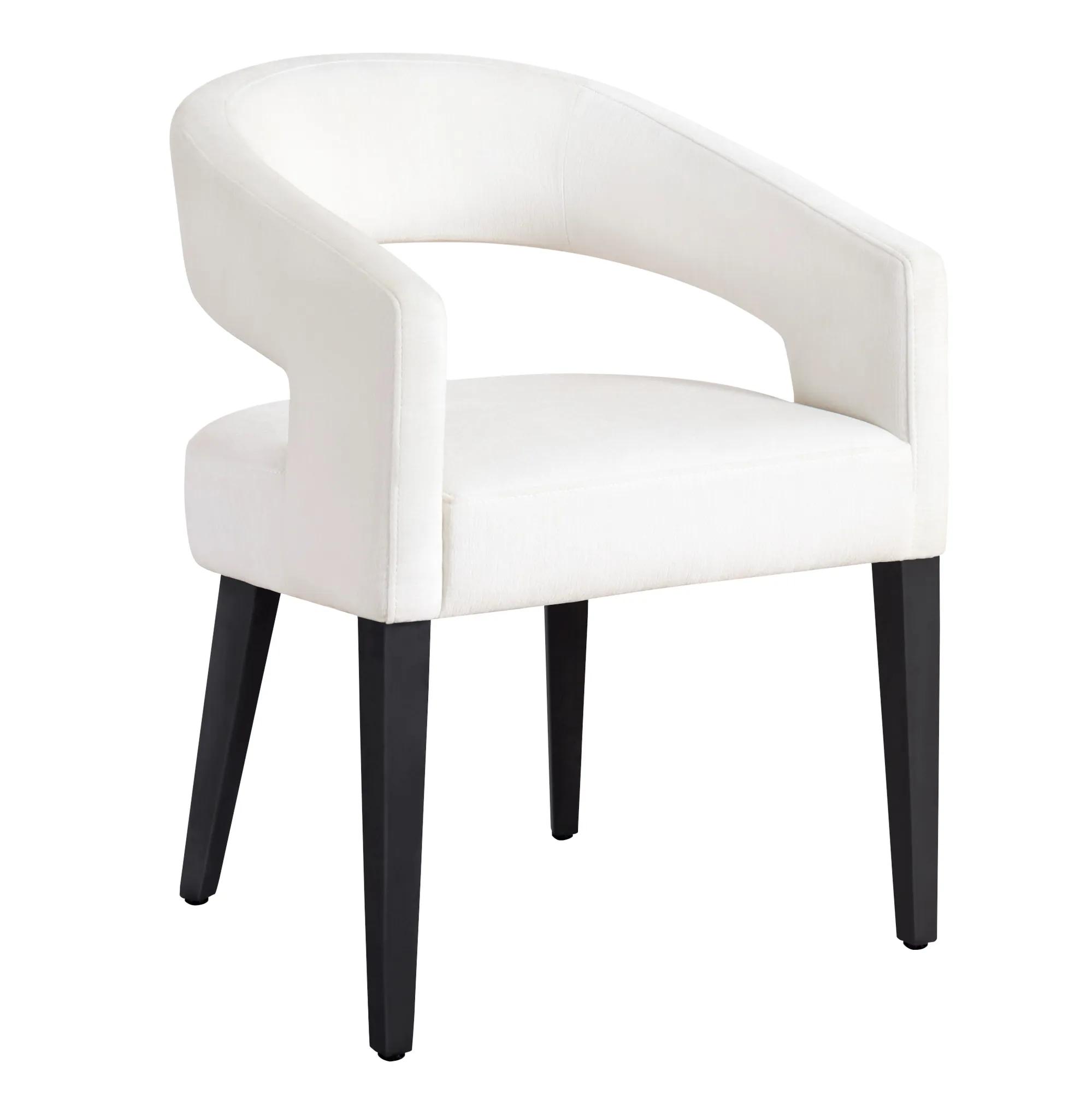
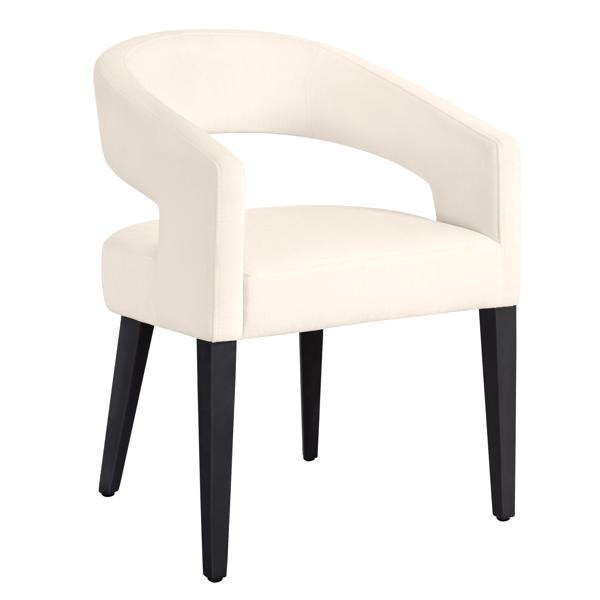 Philippa Dining Chair - Matte Black$599
A modern dining chair featuring a curved silhouette, matte black legs, and neatly tailored upholstery.
Add To Cart -
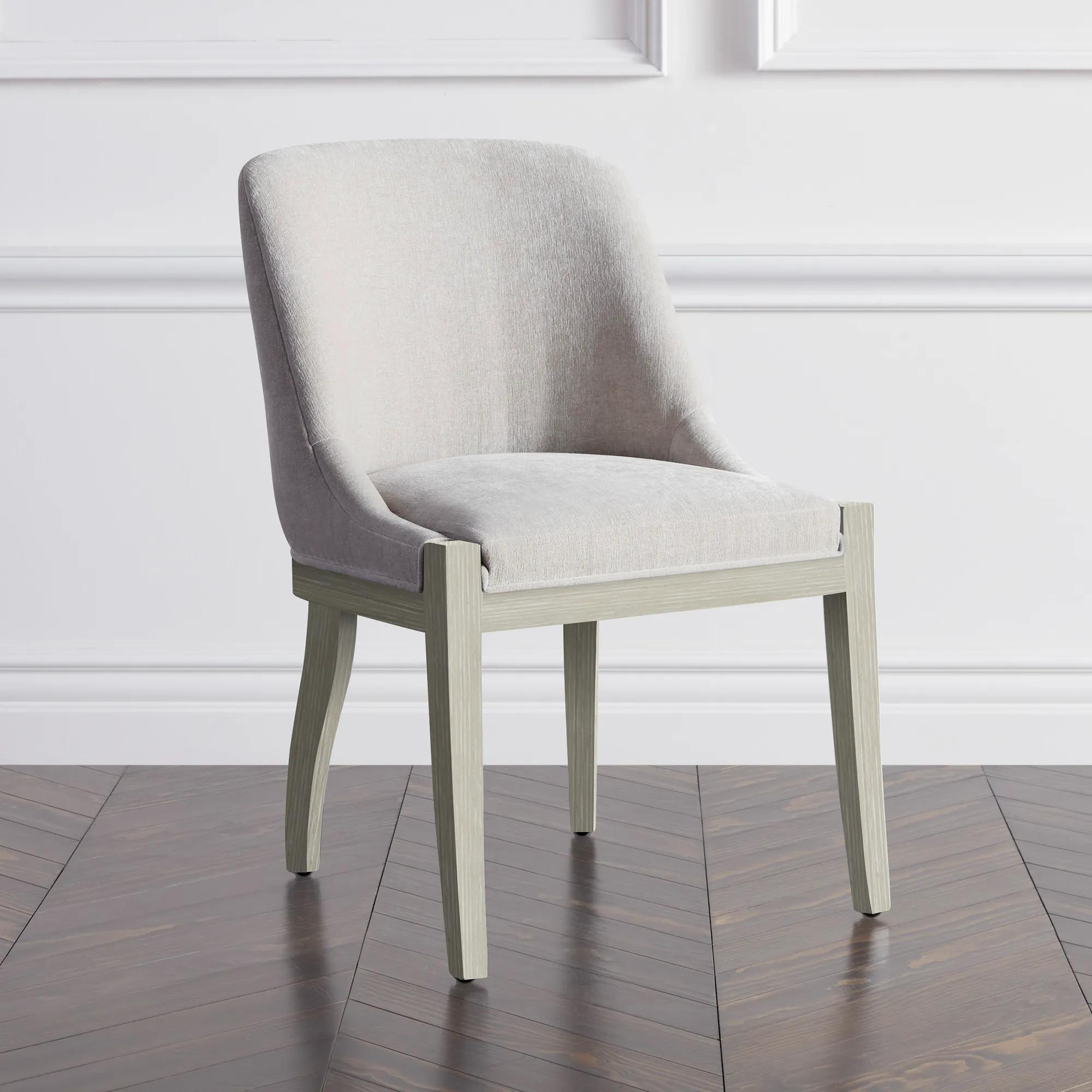 Lily Dining Chair - Natural Grey$799
A modern dining chair featuring natural grey upholstery, kiln-dried hardwood frame, and plush foam cushioning.
Add To Cart -
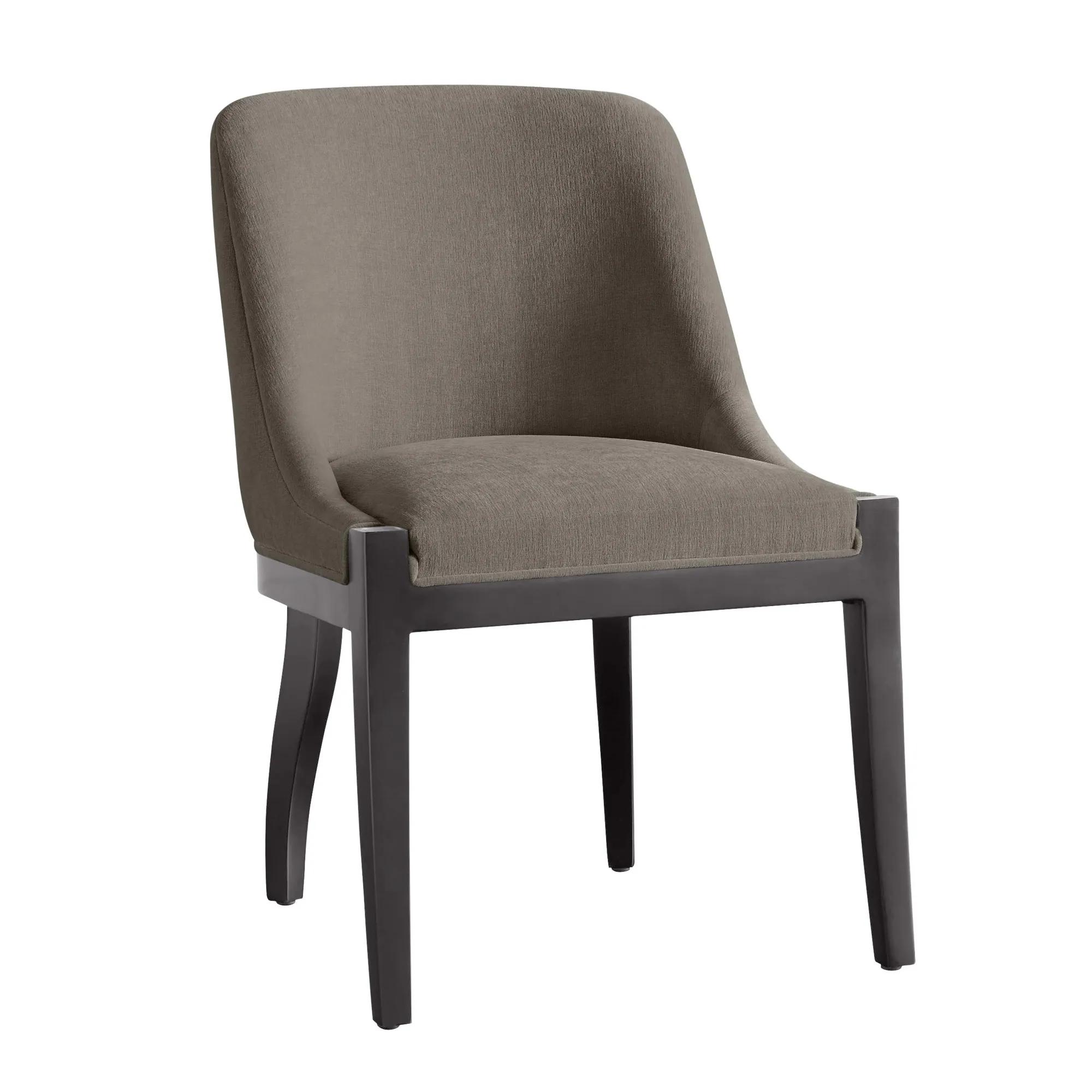
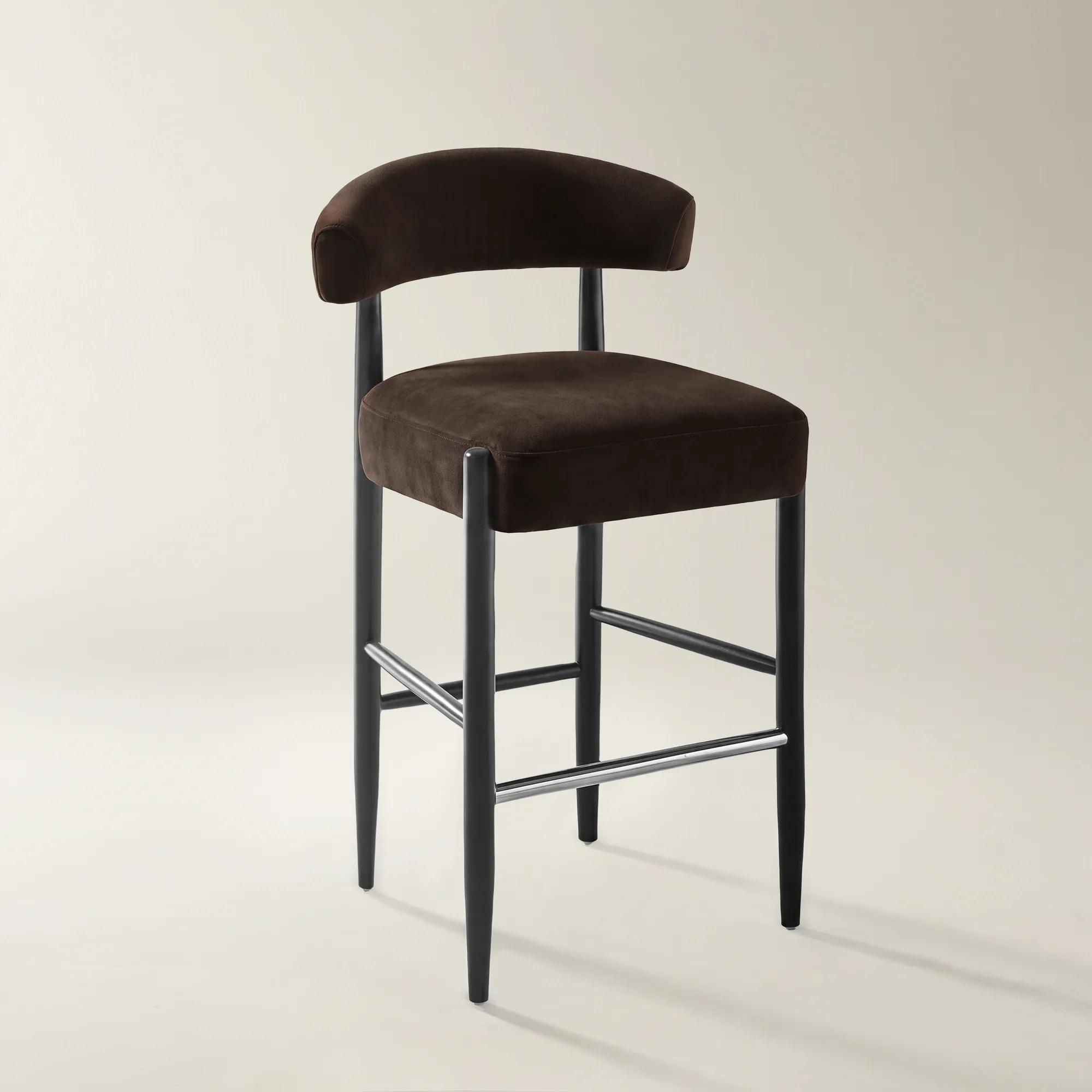
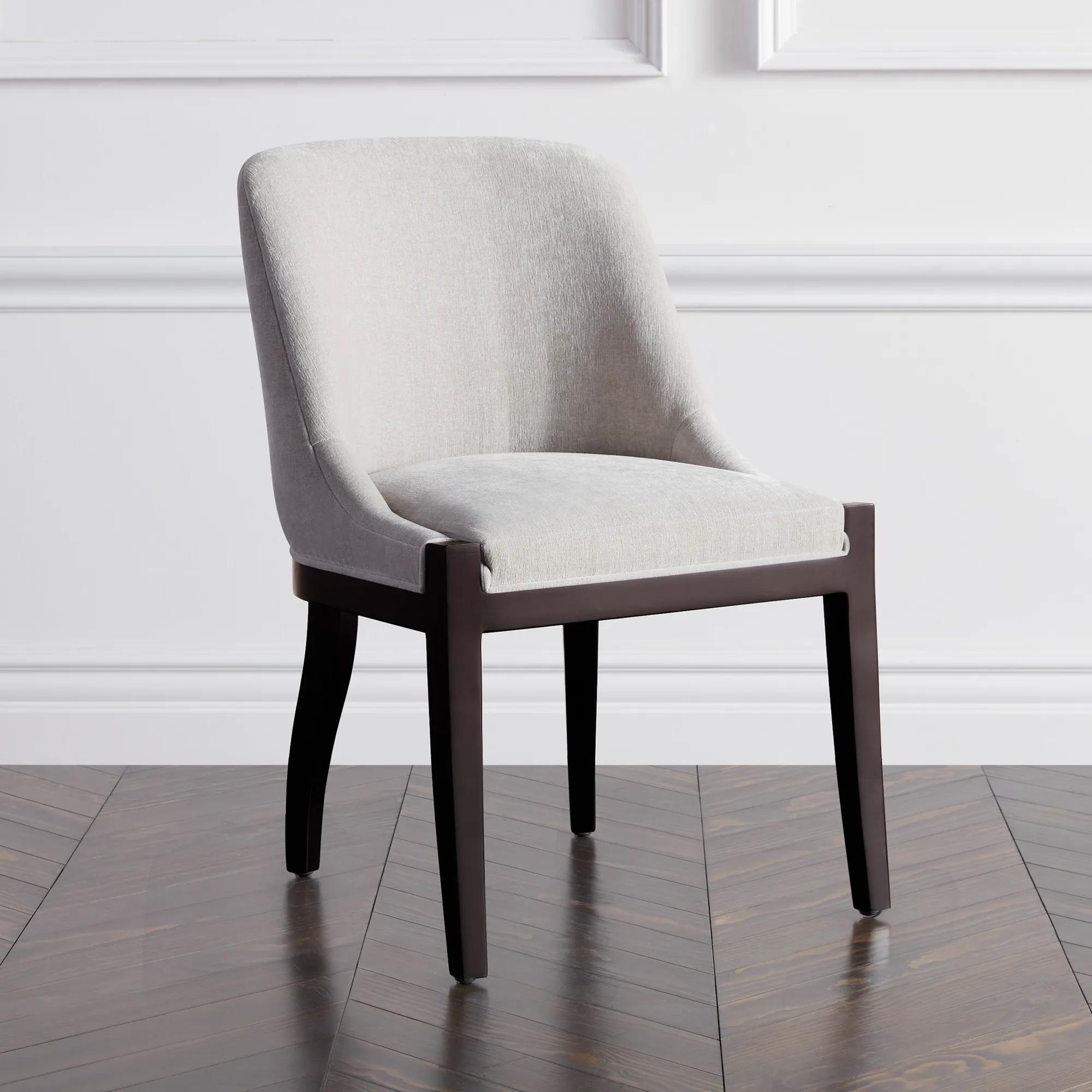 Lily Dining Chair - Espresso$649
A modern dining chair featuring espresso-finished hardwood, curvaceous silhouette, and plush tailored upholstery.
Add To Cart -
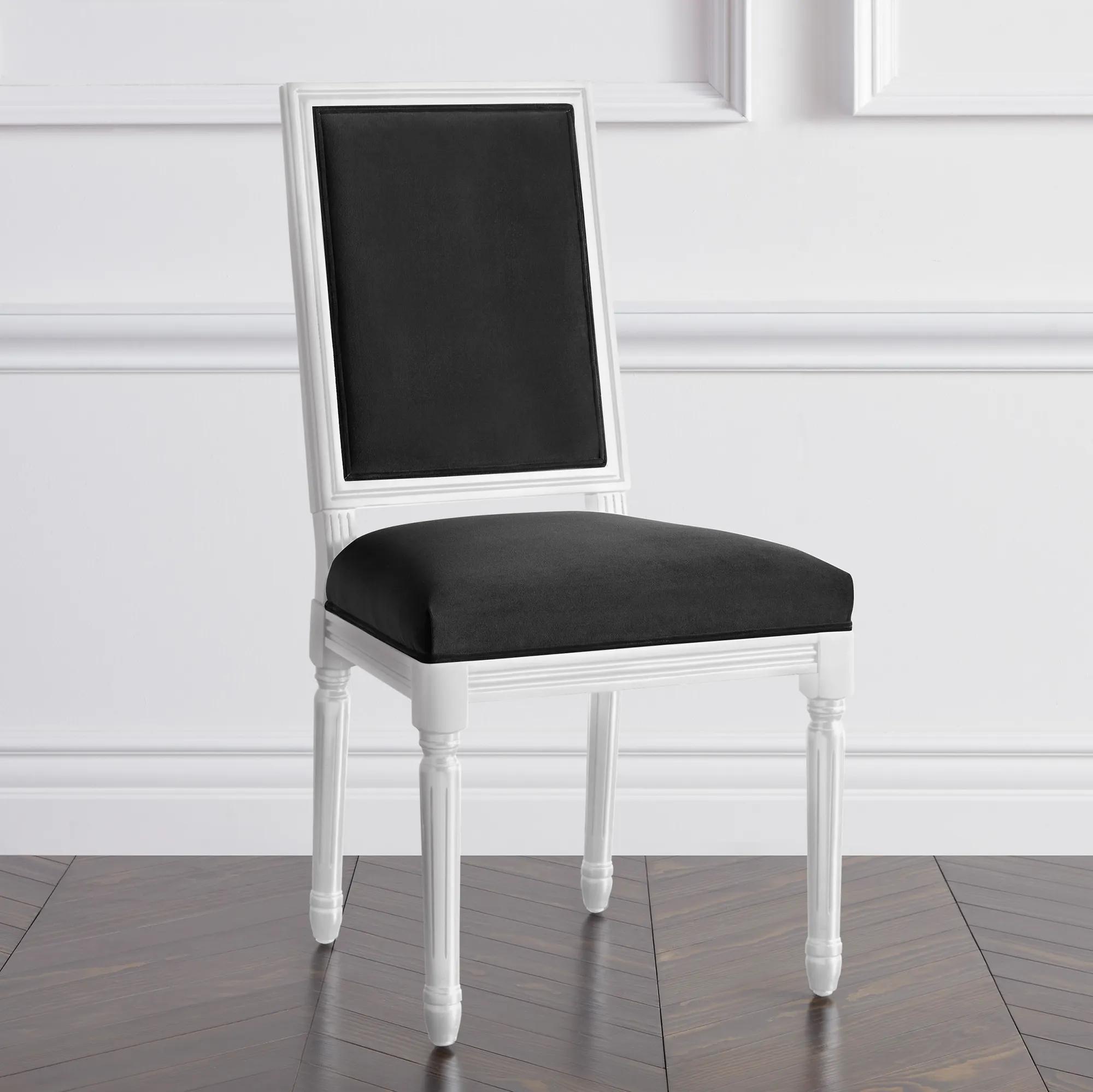
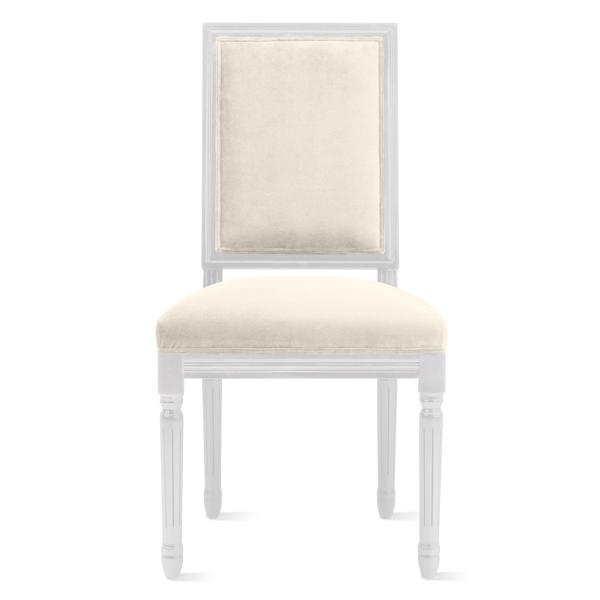 Callan Dining Chair - High Gloss White$699
A handcrafted dining chair featuring high-gloss white finish, kiln-dried hardwood frame, and plush velvet upholstery.
Add To Cart -
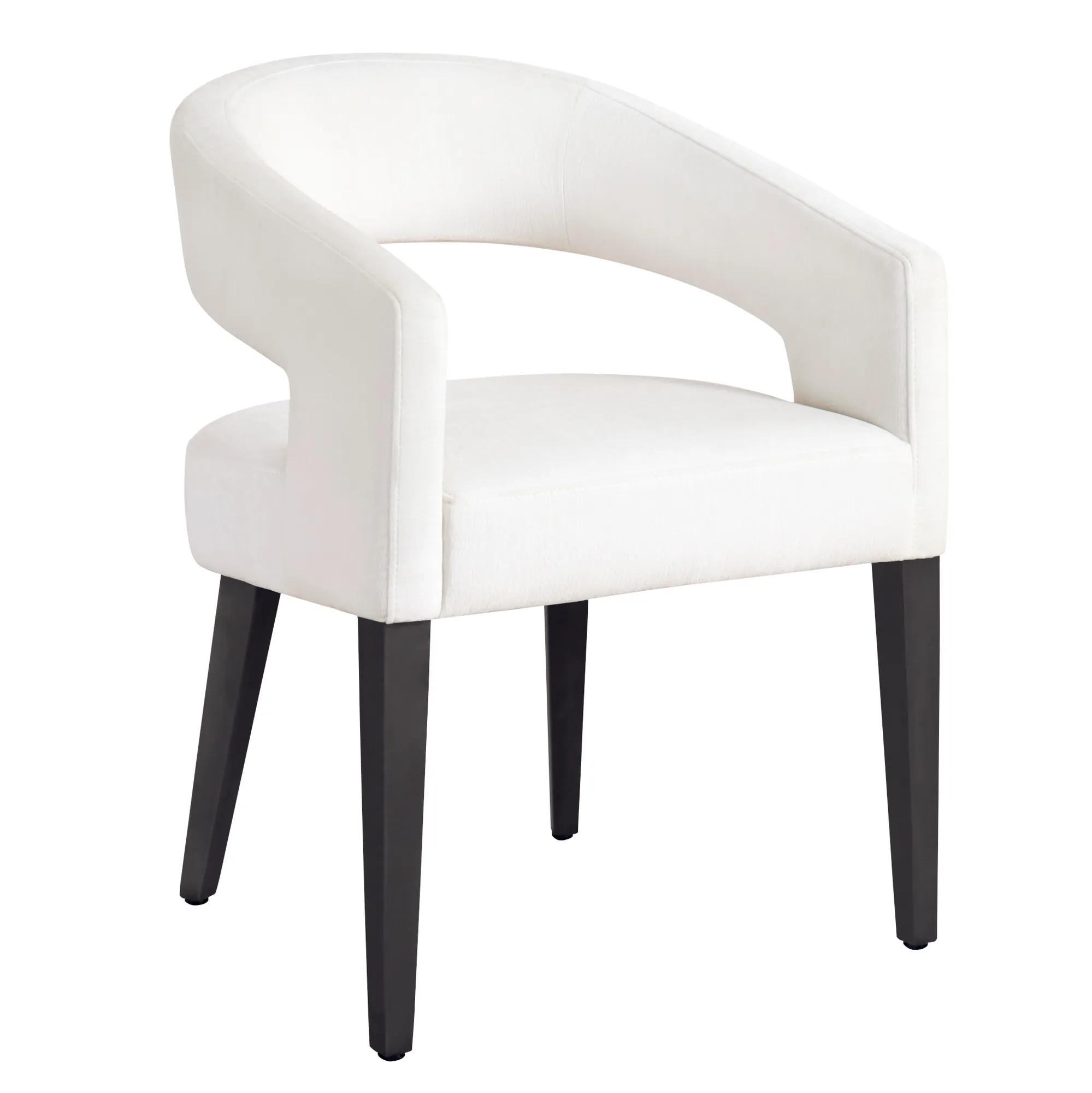
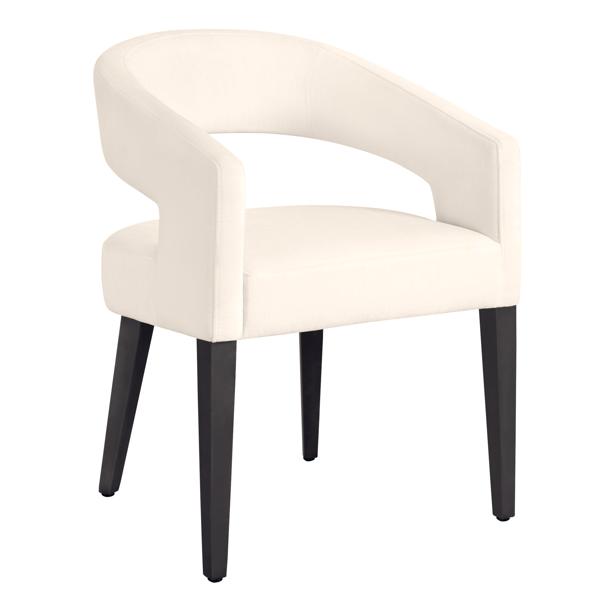 Philippa Dining Chair - Espresso$599
A modern dining chair featuring a curved silhouette, espresso legs, and neatly tailored chenille upholstery.
Add To Cart -
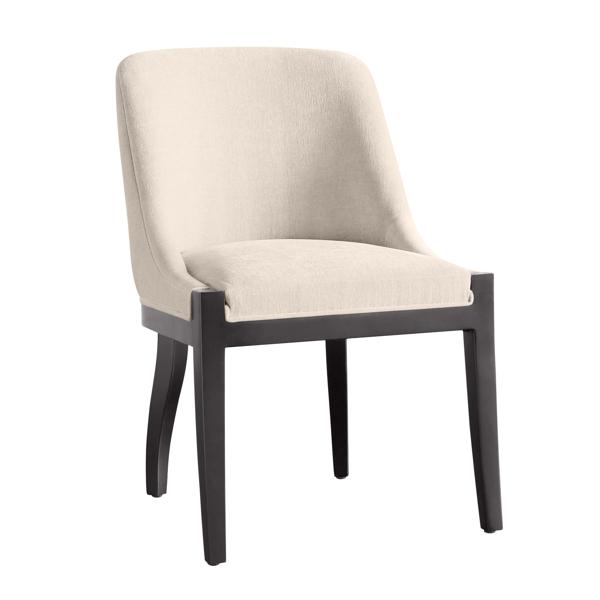 Lily Dining Chair - Espresso$749
A modern dining chair with espresso-finished hardwood frame and plush, tailored upholstery for lasting comfort.
Add To Cart -
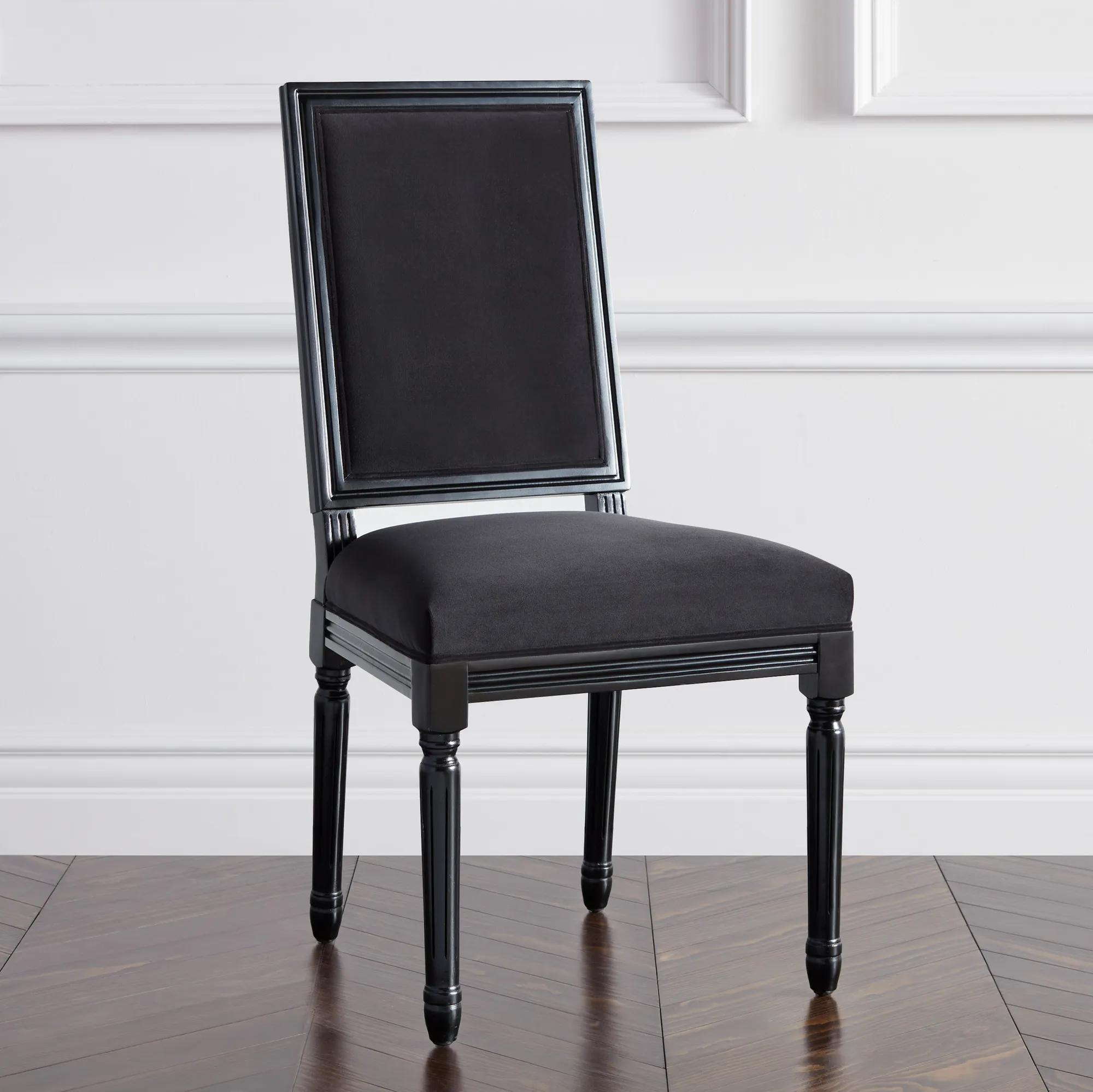
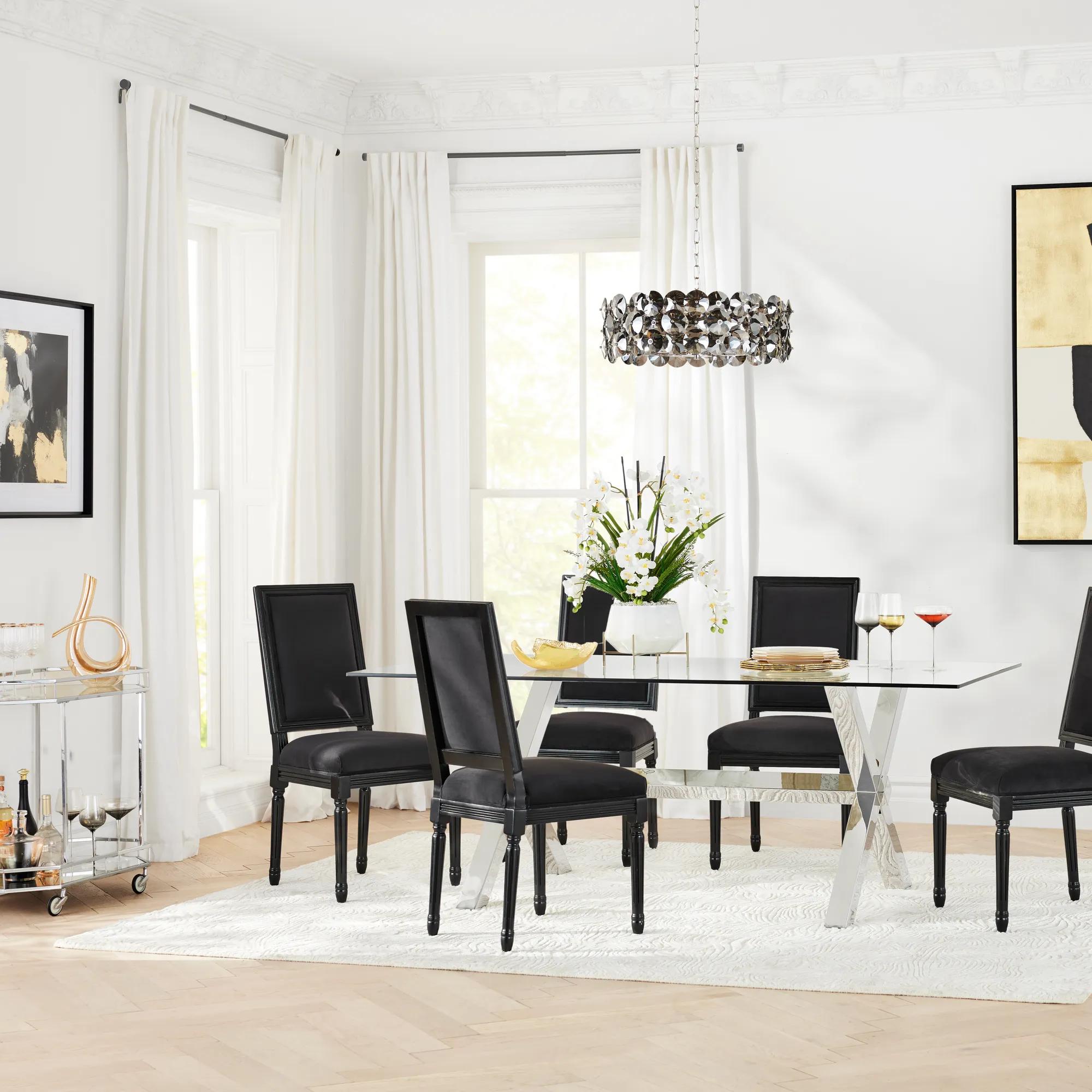 Callan Dining Chair - High Gloss Black$699
A handcrafted dining chair featuring high-gloss black Bella Velvet upholstery, fluted legs, and a squared back.
Add To Cart -
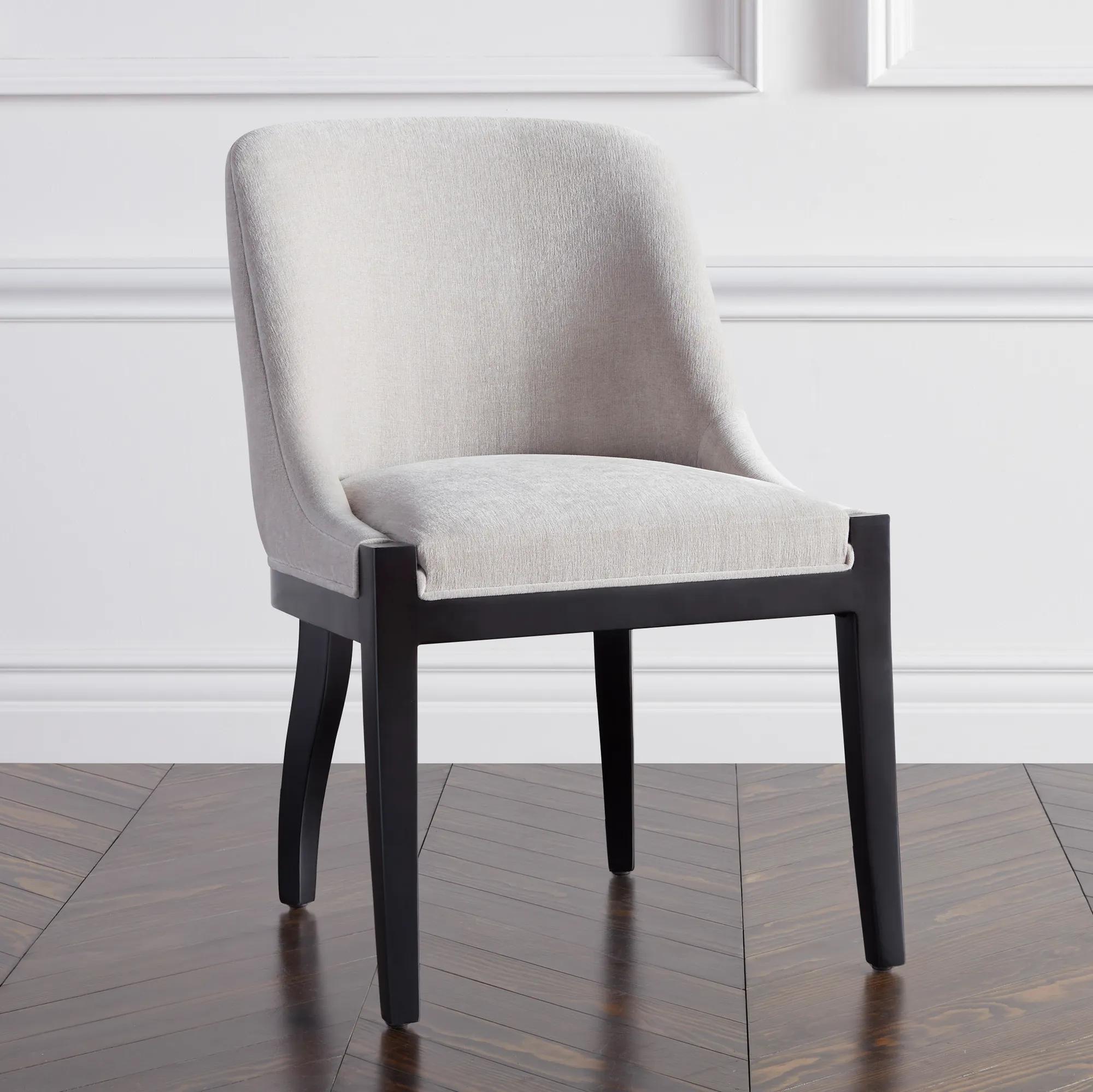 Lily Dining Chair - Matte Black$599
A modern dining chair with a kiln-dried hardwood frame, matte black legs, and plush tailored upholstery.
Add To Cart -
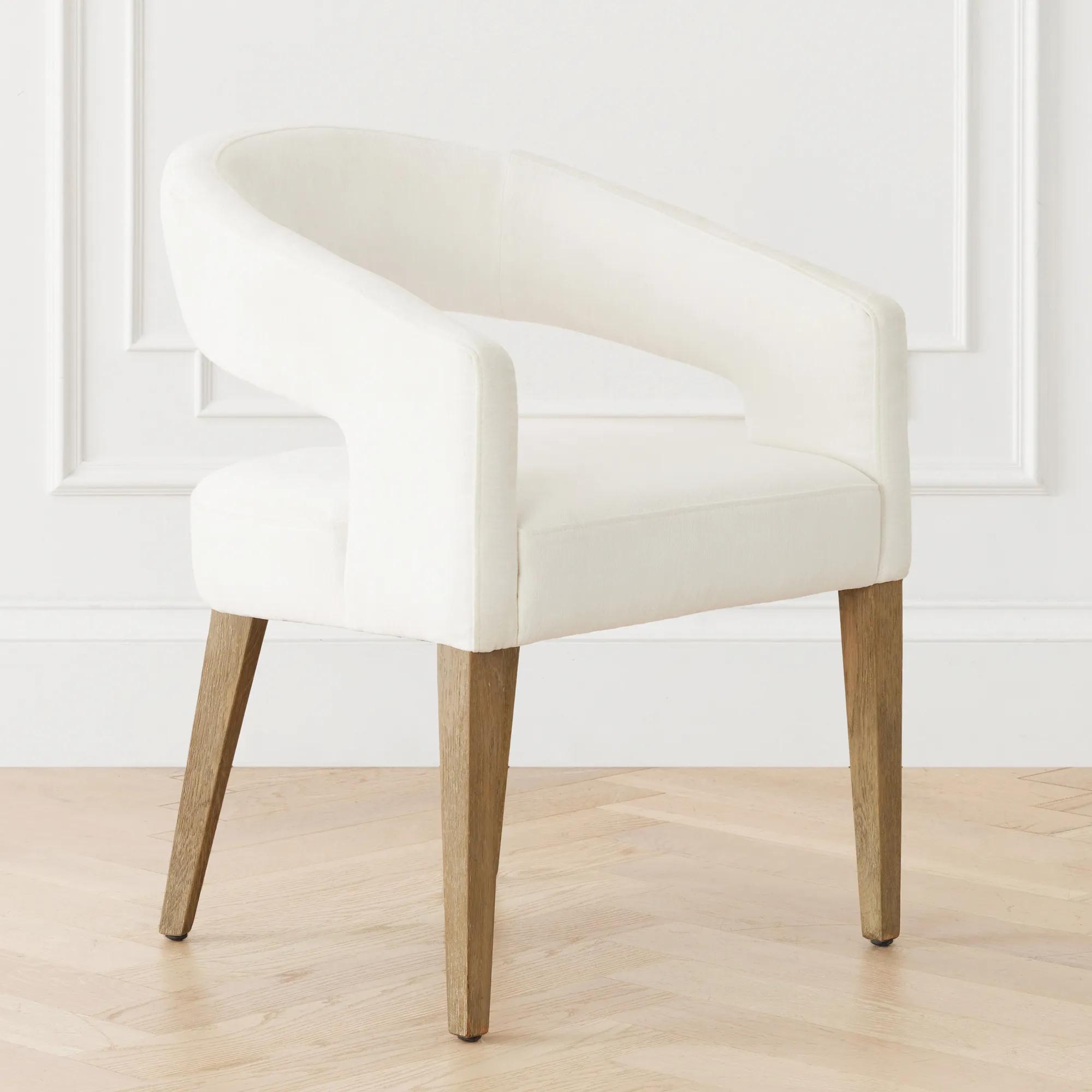 Philippa Dining Chair - Natural Grey$649
A modern dining chair featuring grey upholstery, a curved silhouette, and a kiln-dried hardwood frame.
Add To Cart -
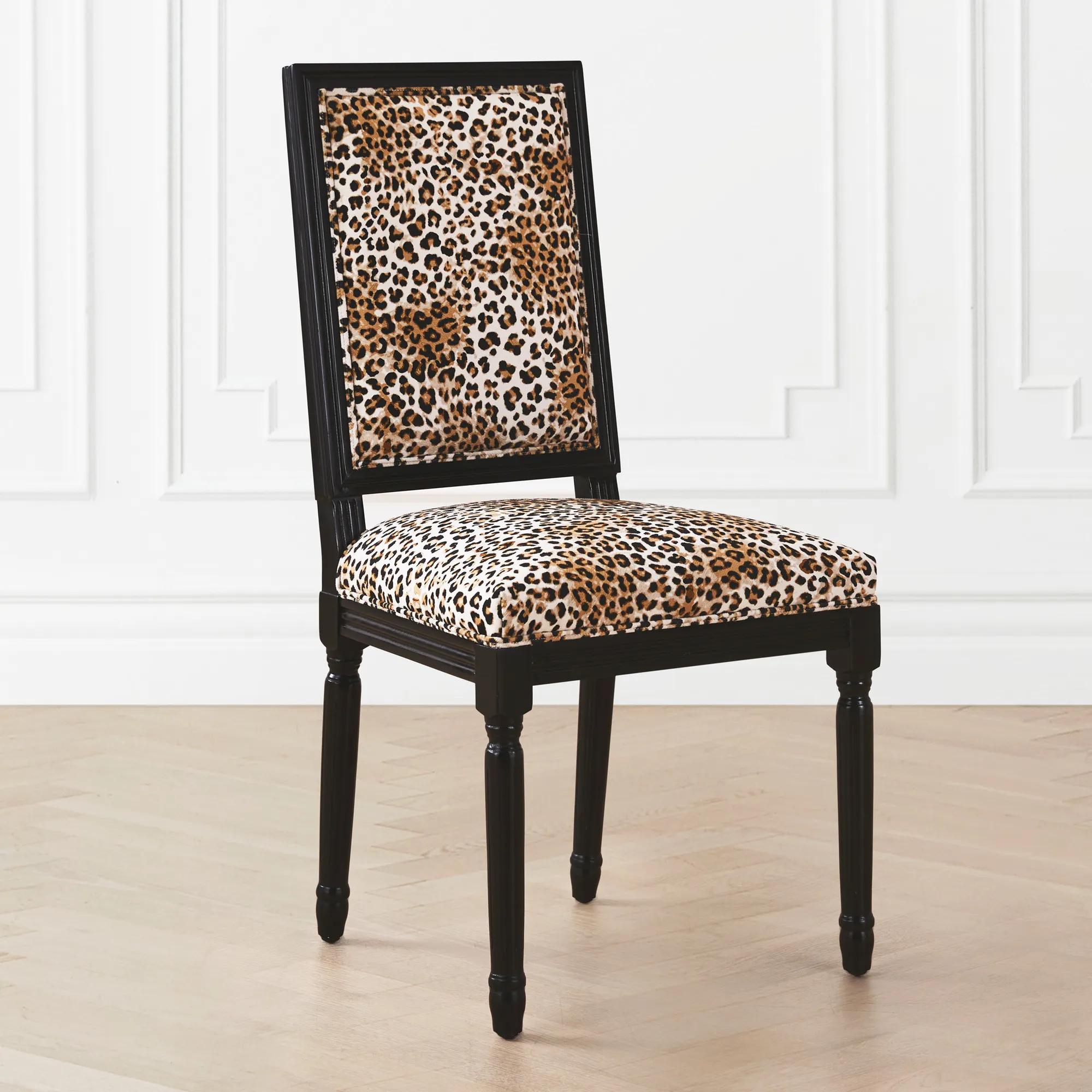
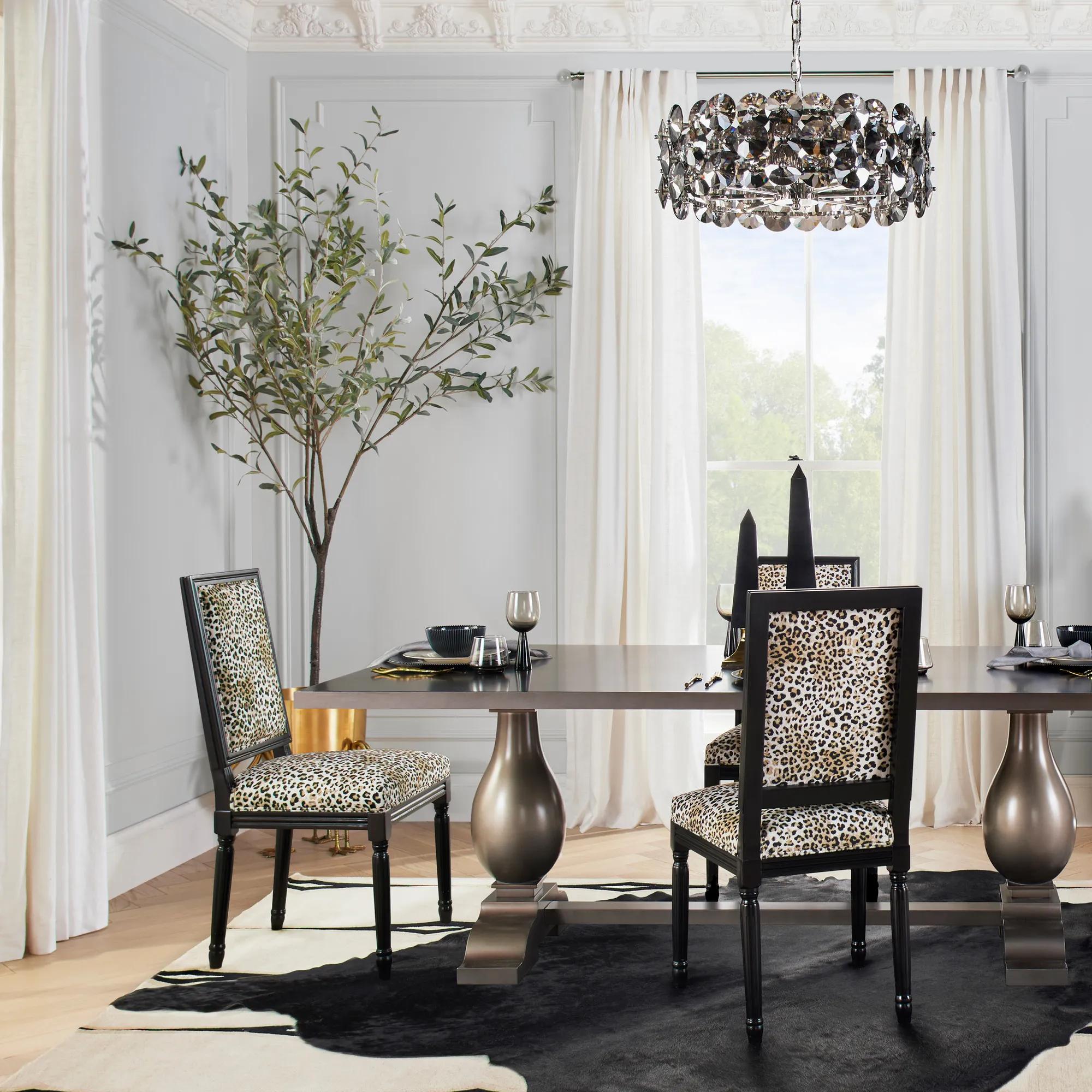 Callan Dining Chair$599
A handcrafted modern chair featuring classic upholstery, squared back, fluted legs, and high-gloss finish.
Add To Cart -
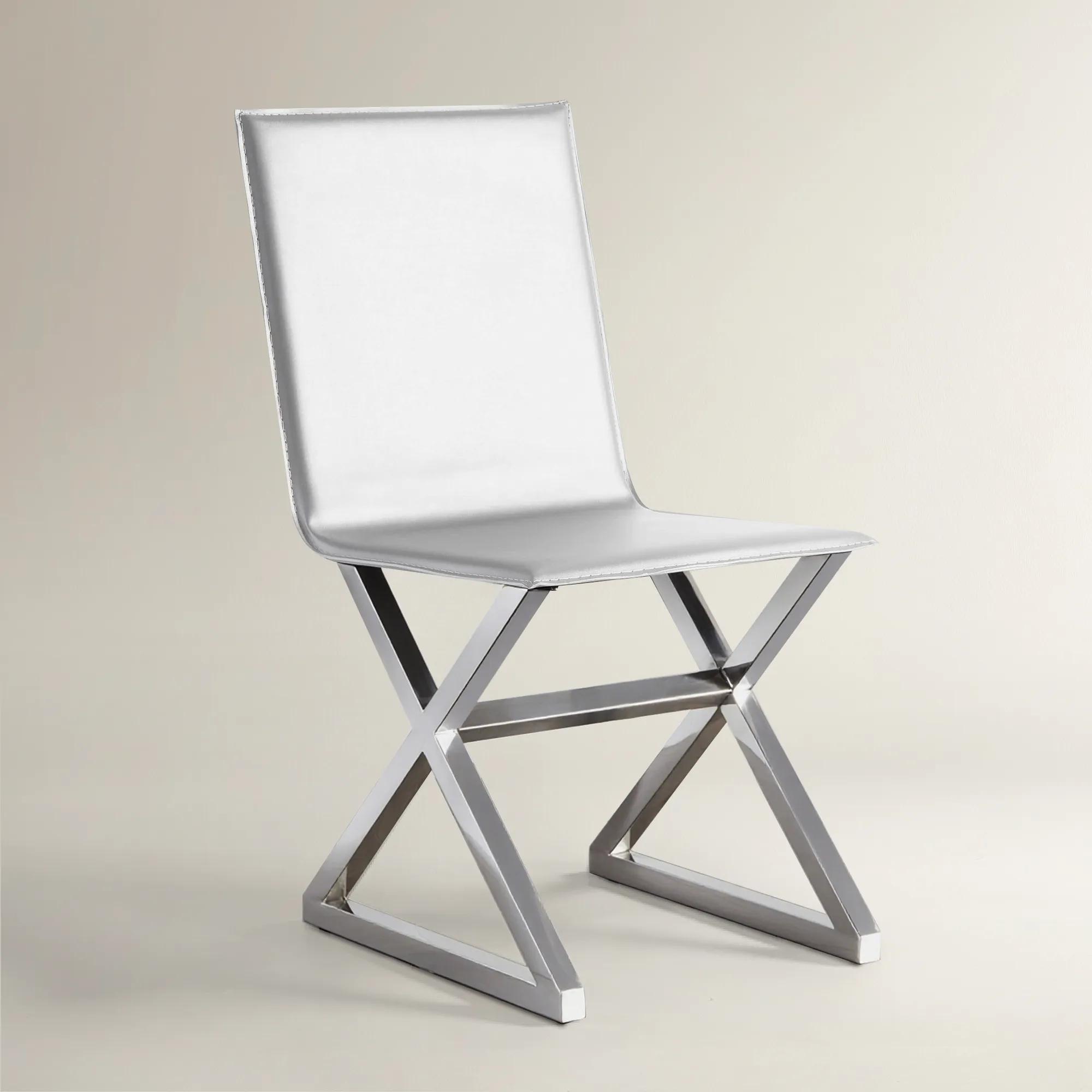
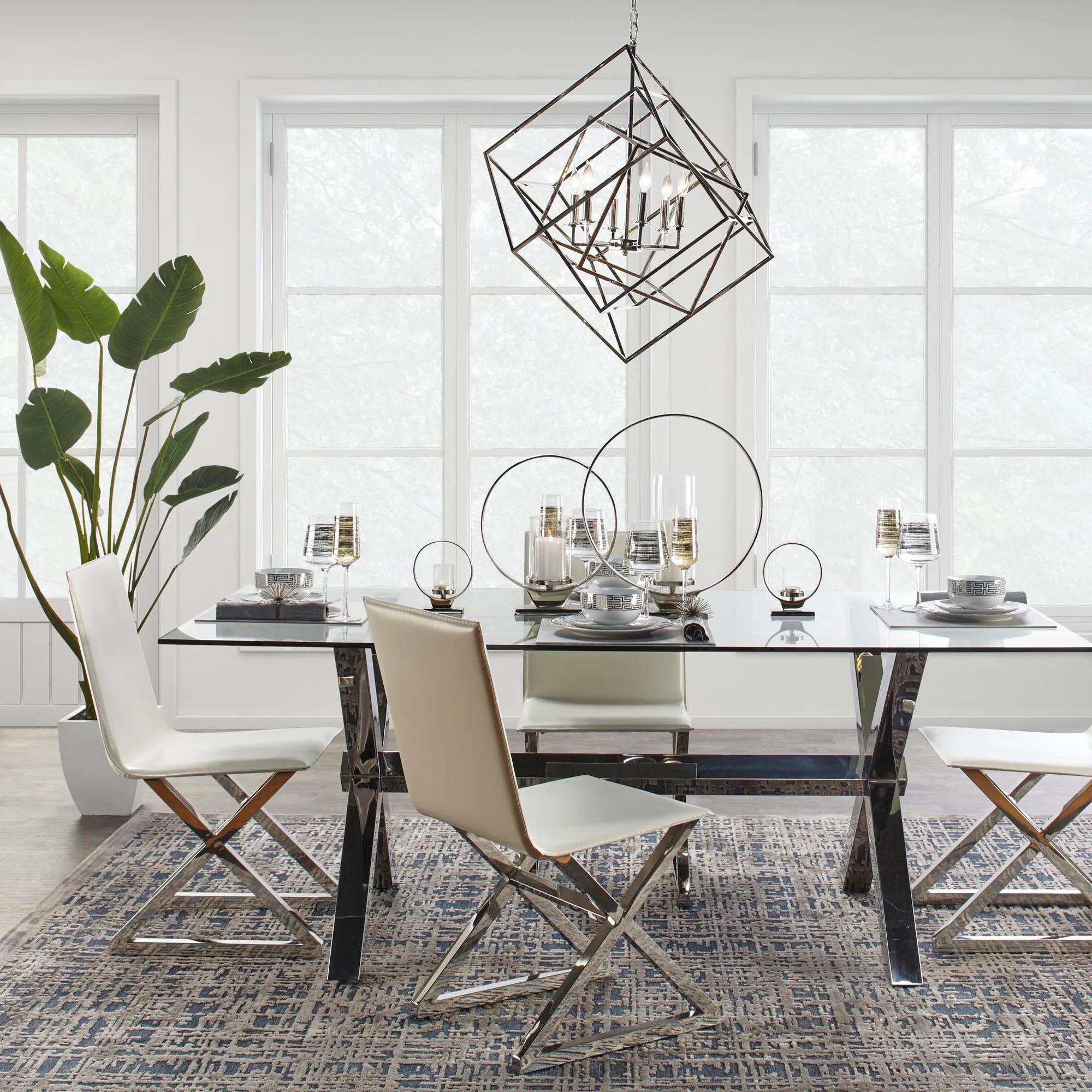 Axis Dining Chair - Set of 2$399
A contemporary chair set featuring white bonded leather upholstery and a polished stainless steel base.
Add To Cart -
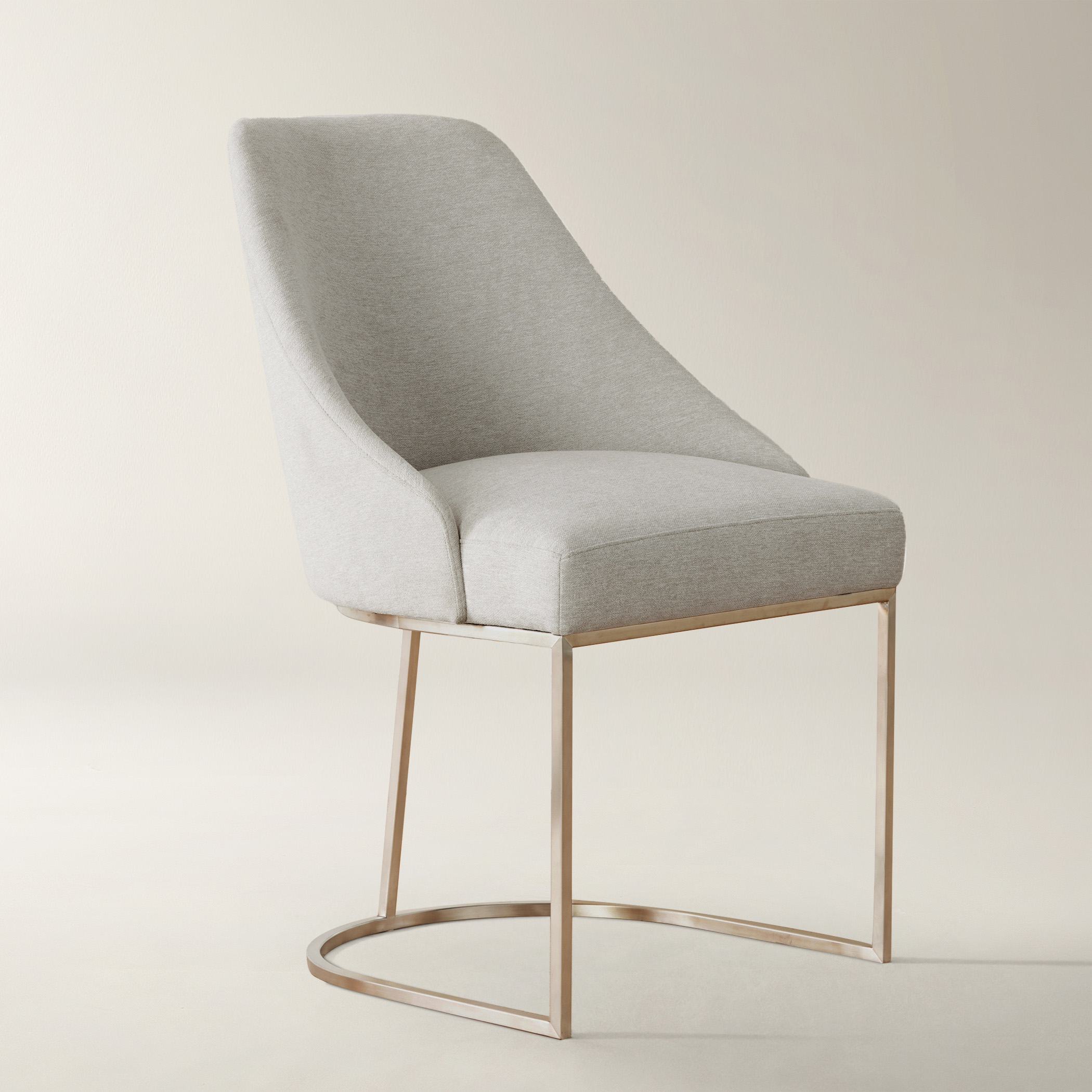
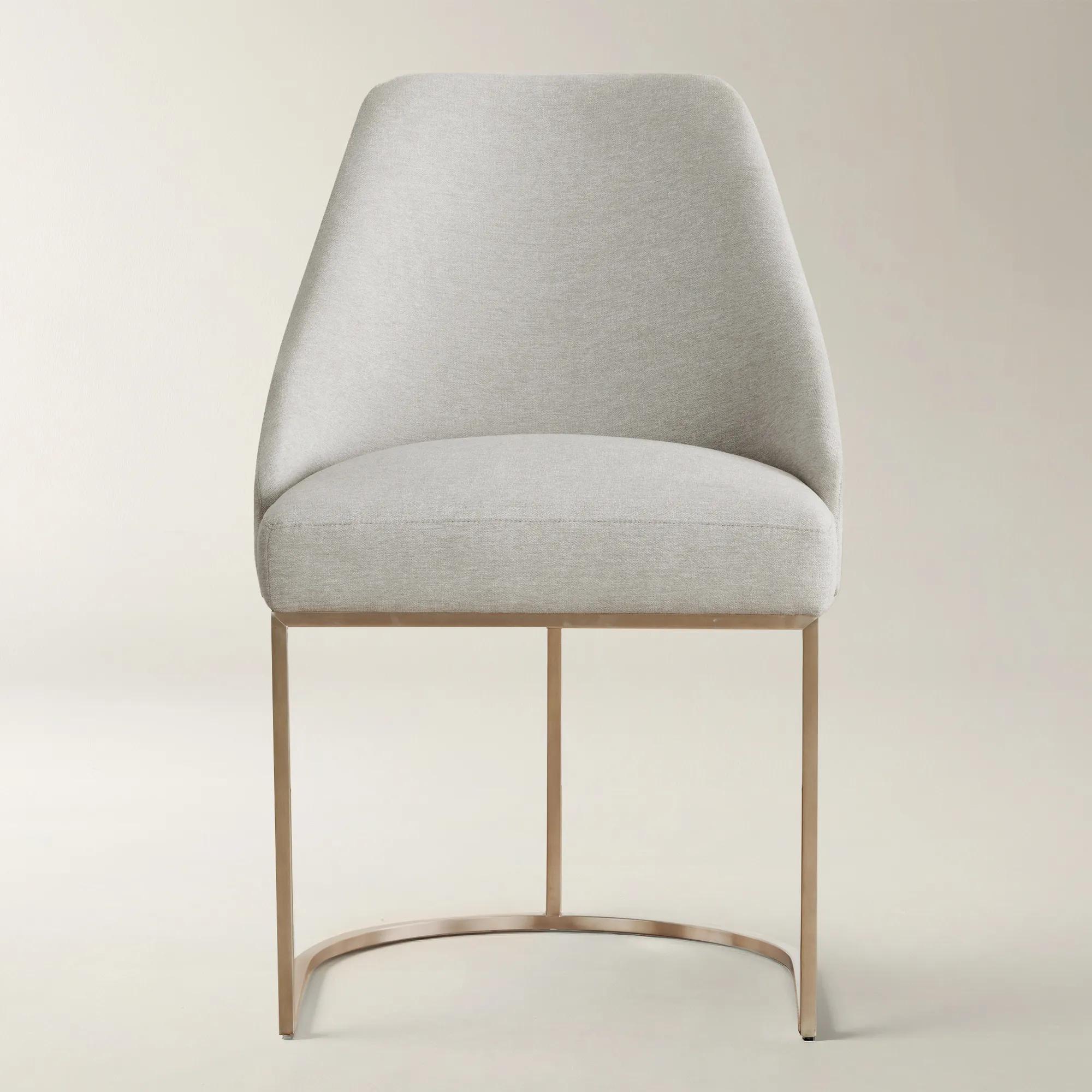 Rowan Ivory Fabric Dining Chair$599
A modern chair featuring brushed stainless steel legs and stain-resistant, water-repellent Roxboro Frost fabric.
Add To Cart -
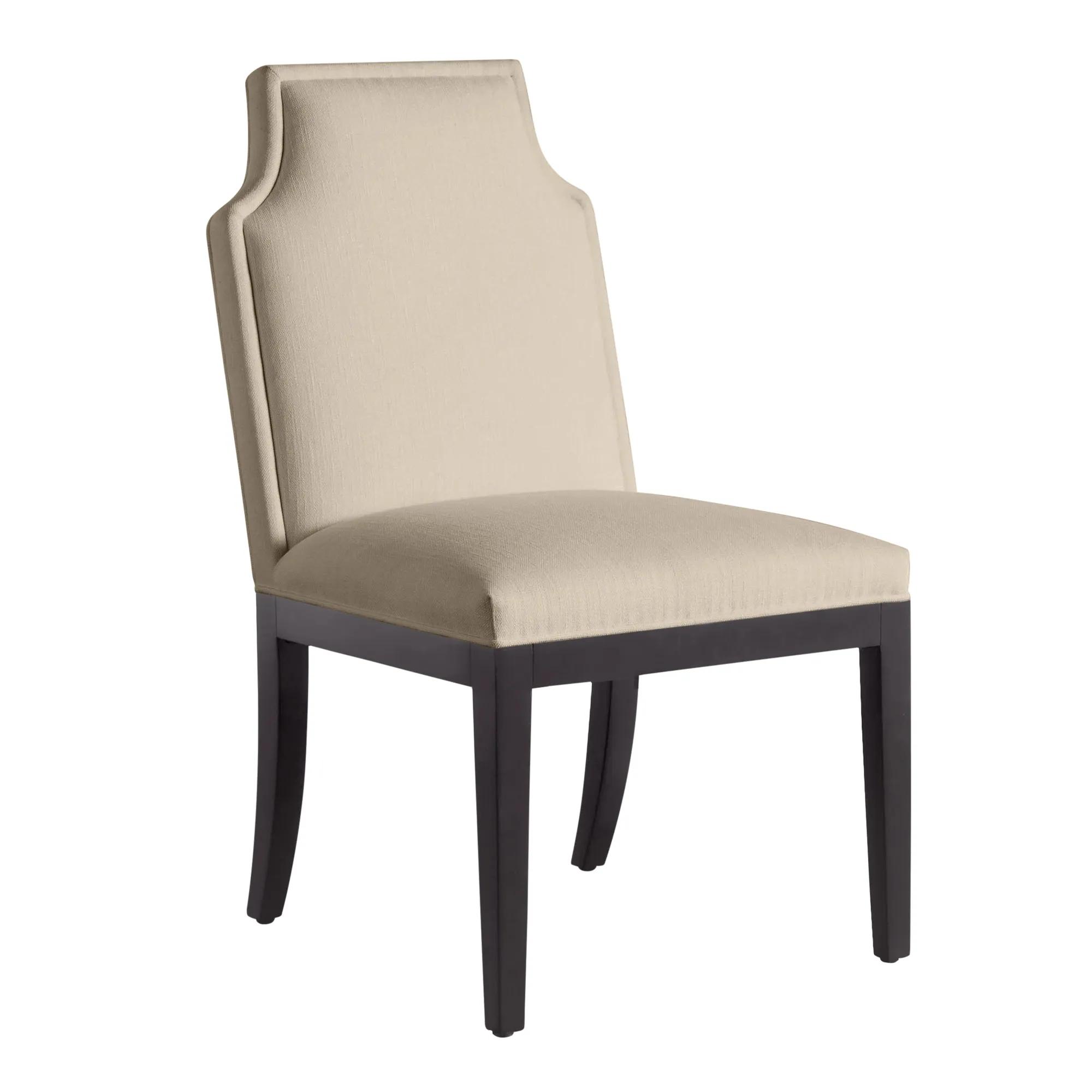
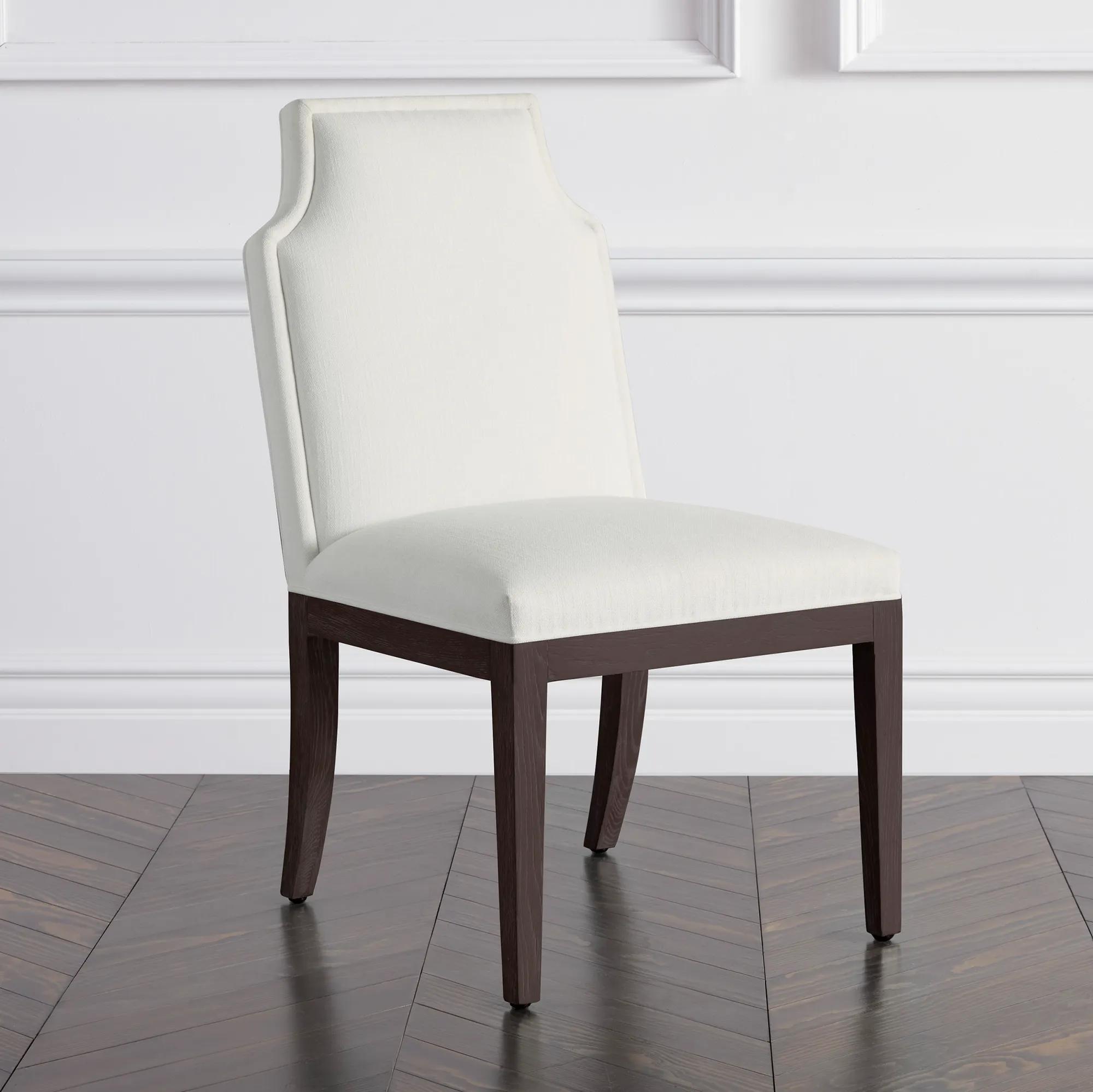 Jasmine Dining Chair - Espresso$649
A chic dining chair featuring a notched back, espresso legs, and plush upholstery for lasting comfort.
Add To Cart -
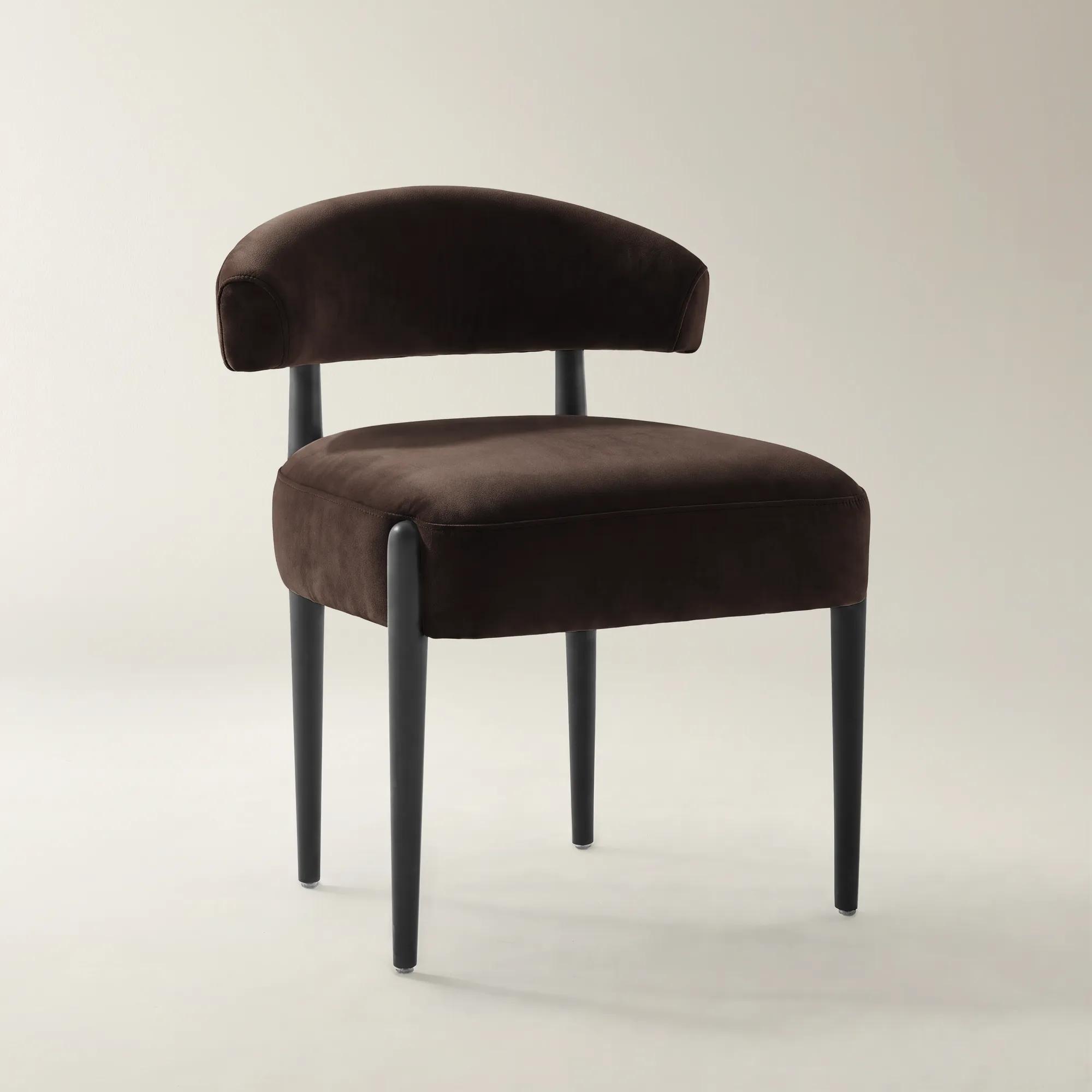
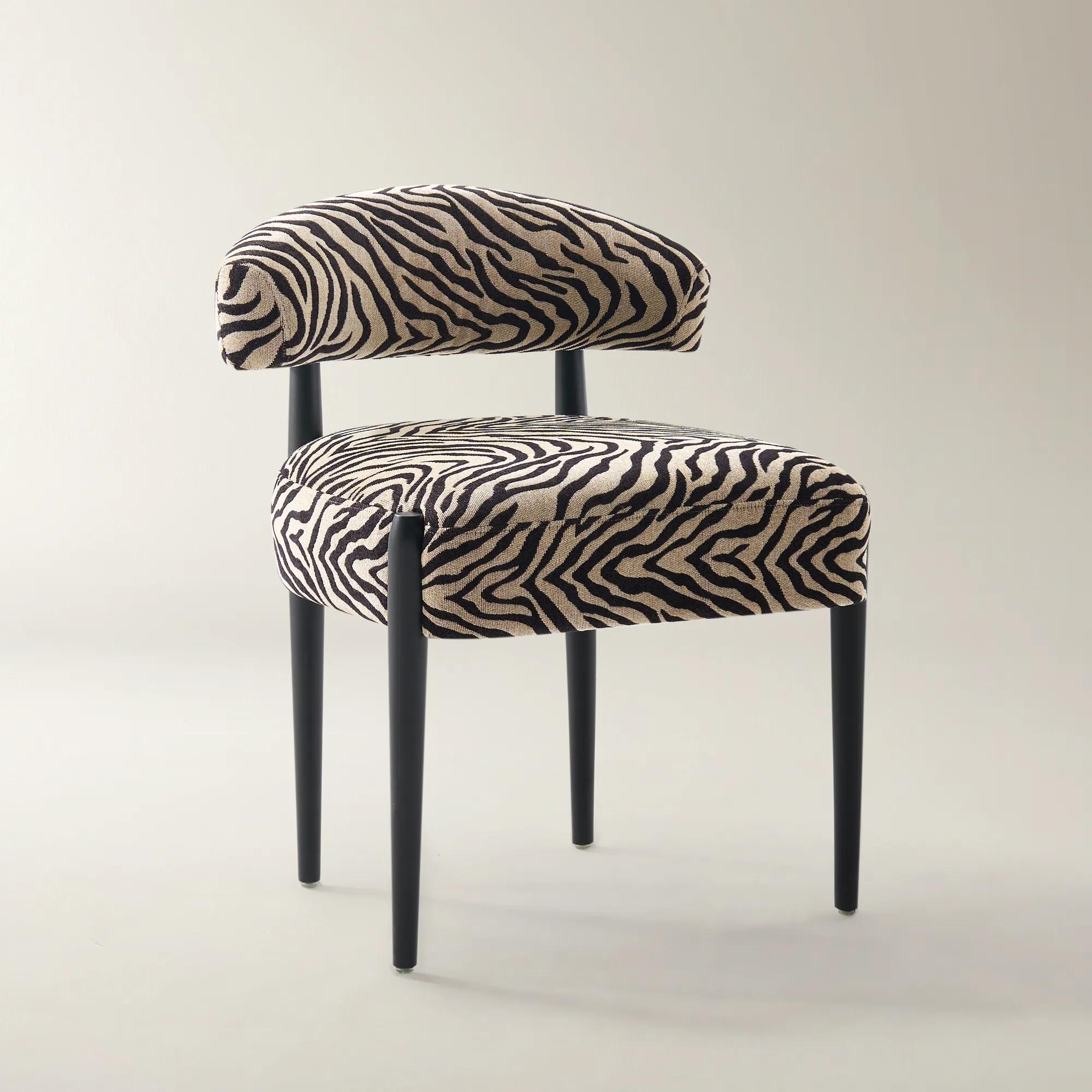 Anna Dark Chocolate Velvet Dining Chair Set of 2$699
A dark chocolate velvet dining chair set featuring an arched back, high-density foam, and solid wood construction.
Add To Cart -
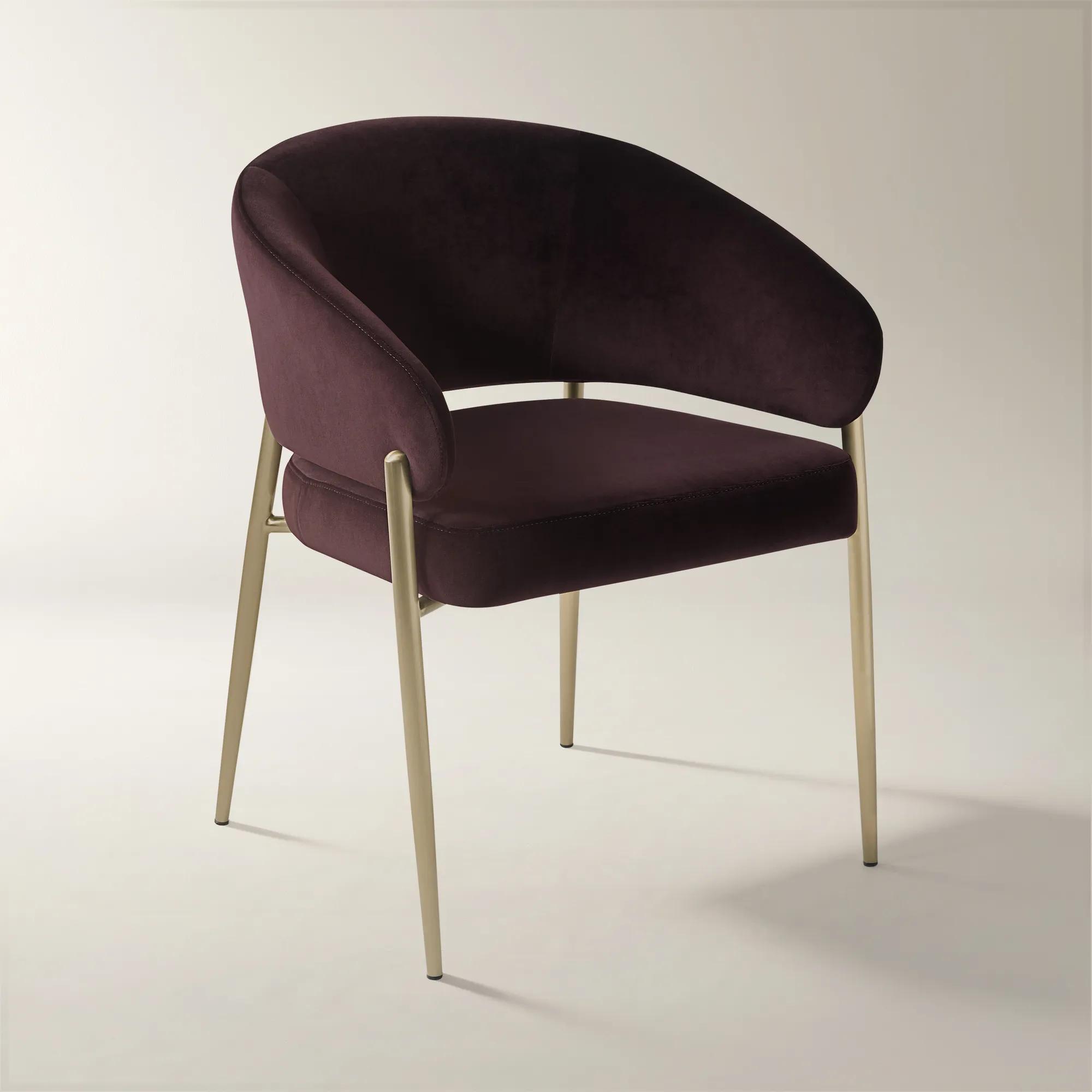 Nara Fig Velvet Dining Chair Set Of 2$599
A set of two dining chairs featuring plush fig velvet upholstery and brushed brass stainless-steel legs.
Add To Cart -
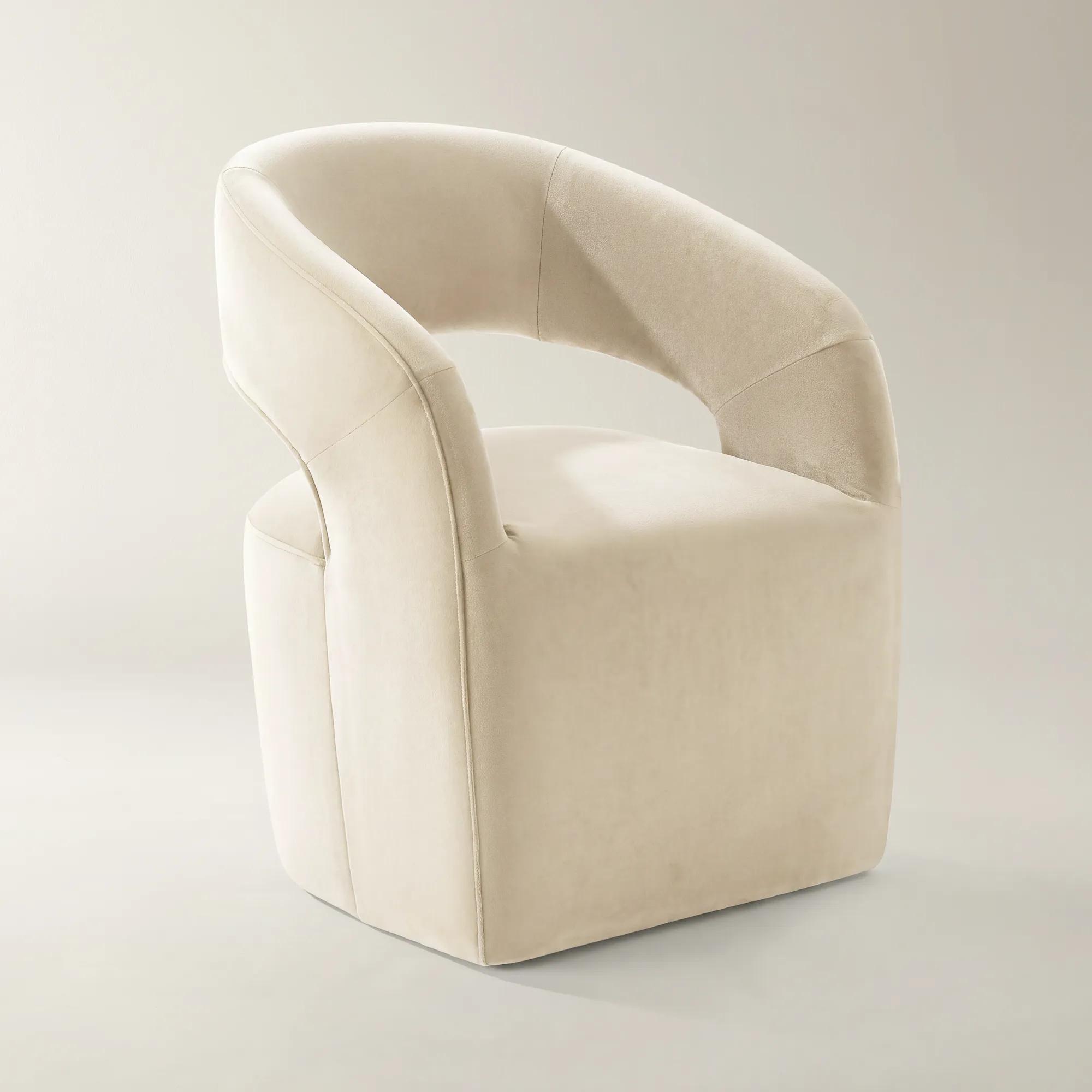
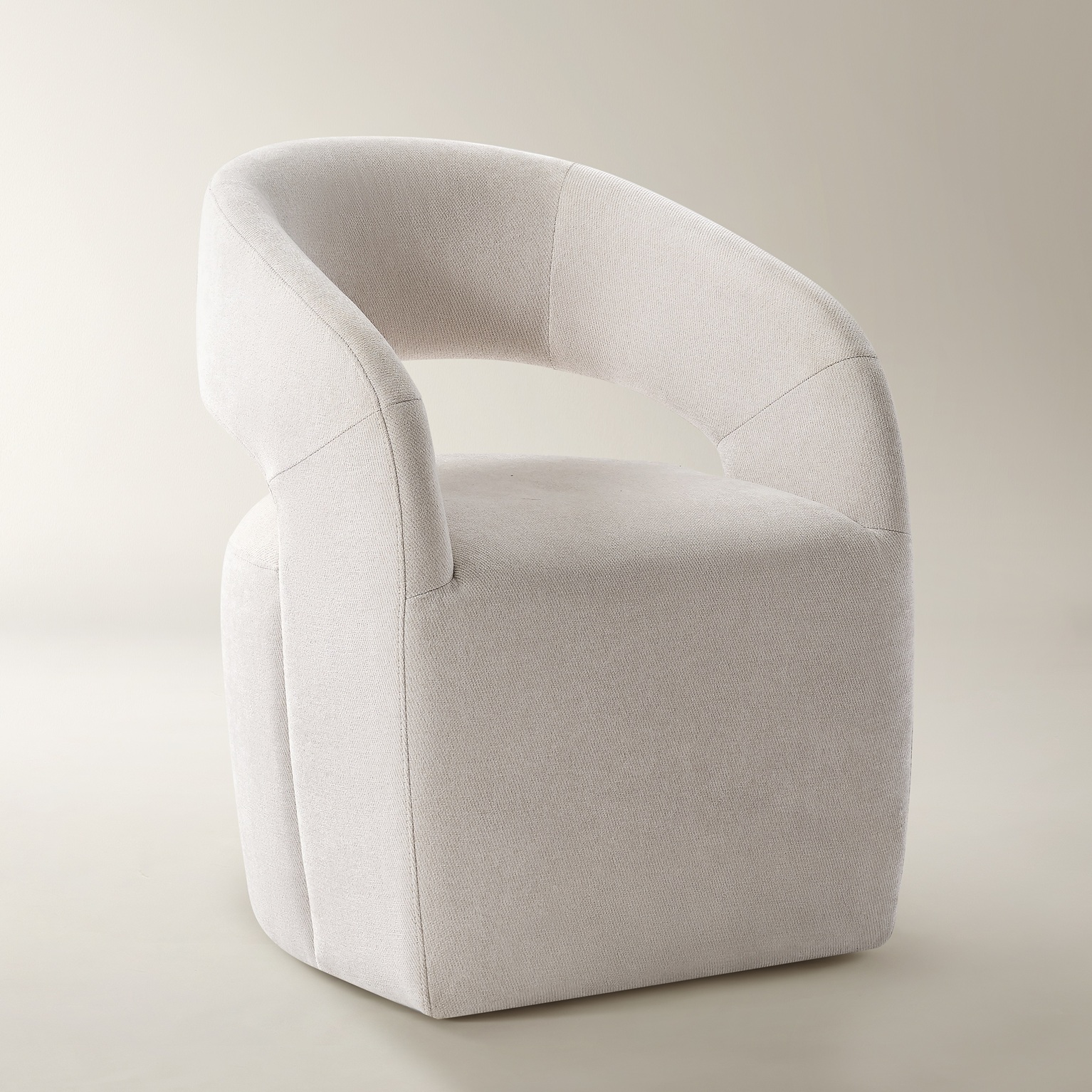 Harrison Oatmeal Velvet Dining Chair$499
A sculptural dining chair upholstered in oatmeal velvet with a curved back, feather-blend seat, and integrated arms.
Add To Cart -
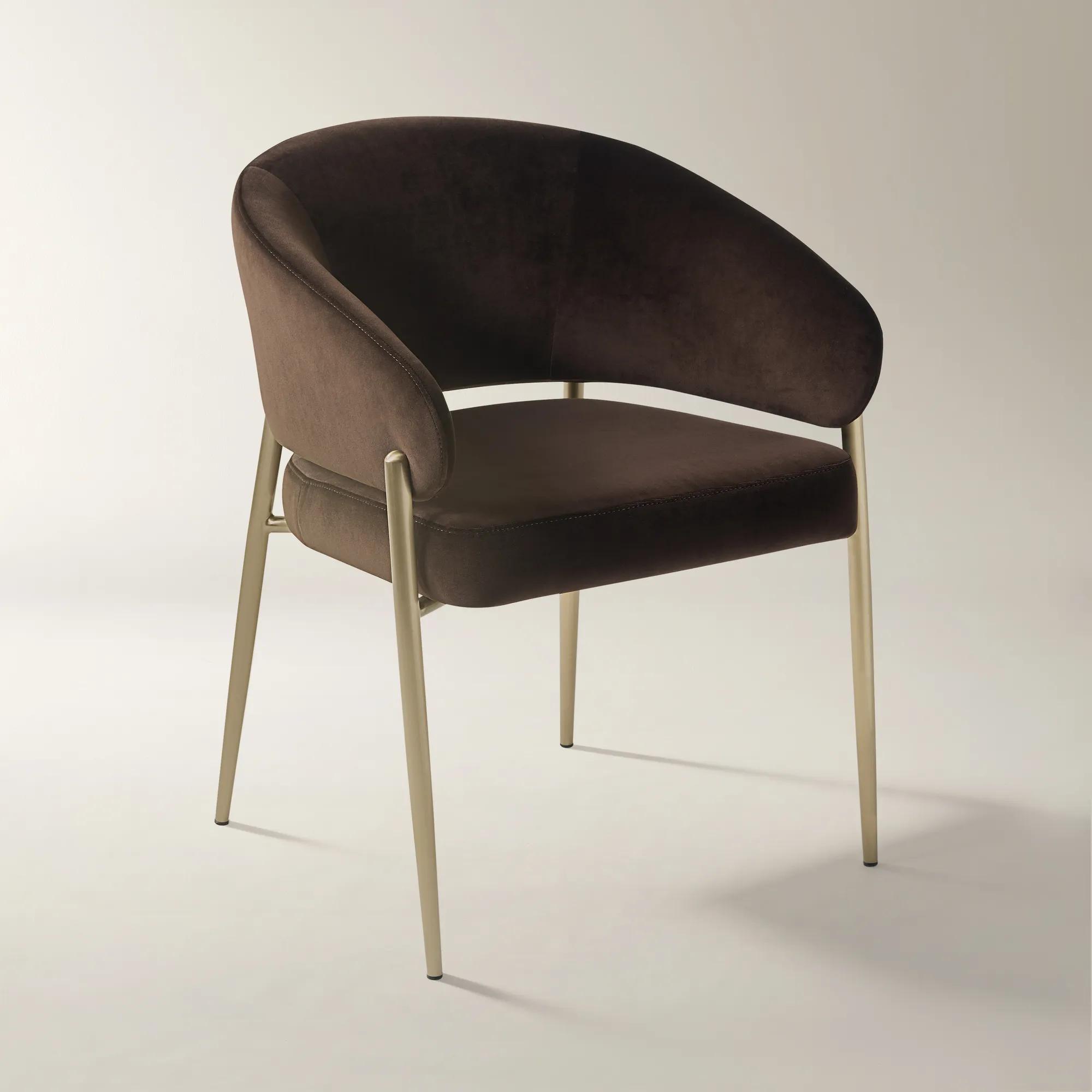 Nara Dark Chocolate Velvet Dining Chair Set Of 2$599
A pair of dark chocolate velvet chairs with curved backs and brushed brass stainless-steel legs for modern elegance.
Add To Cart -
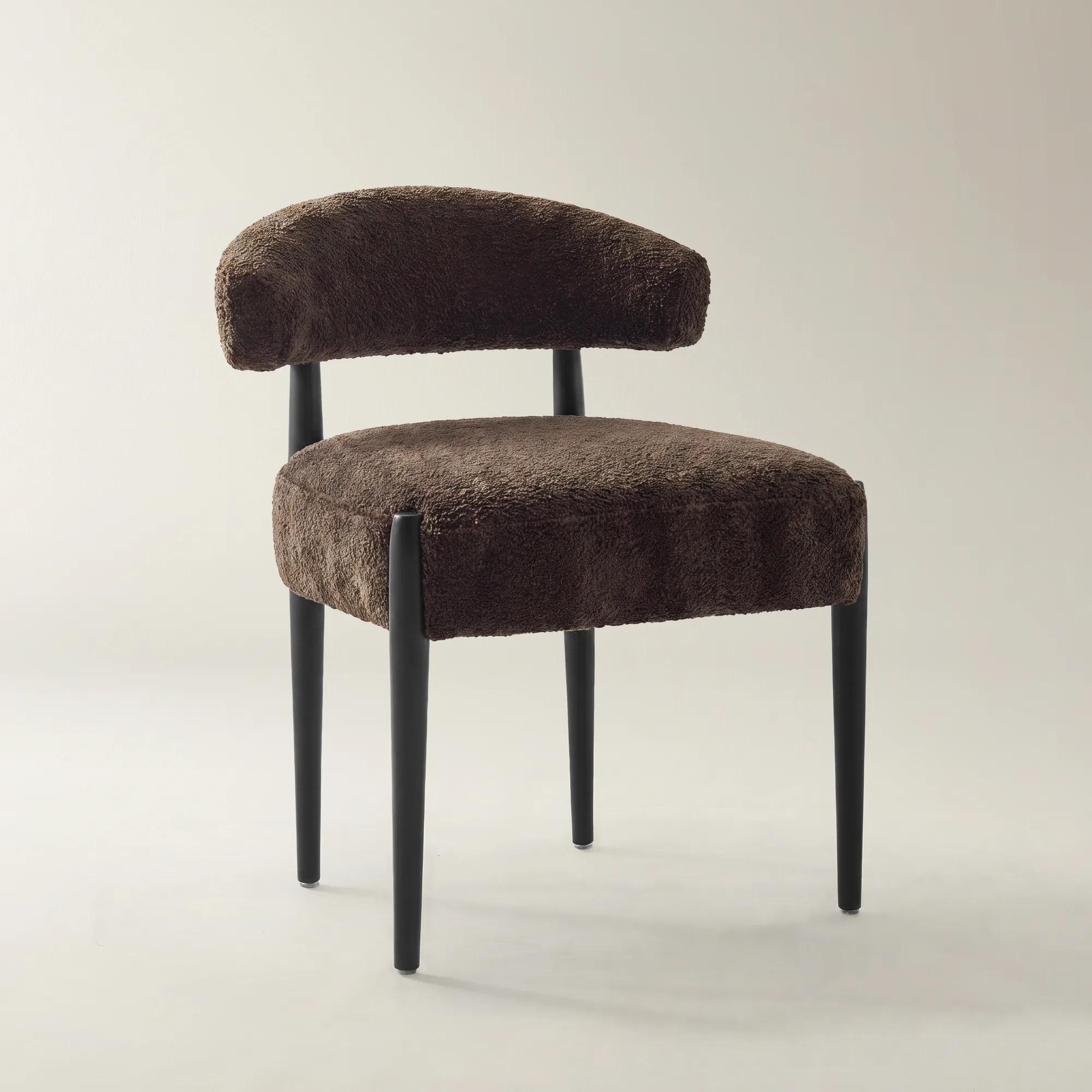 Anna Dark Chocolate Chenille Dining Chair Set of 2$699
A dark chocolate chenille chair pair featuring tailored curved backs, high-density foam, and solid rubberwood legs.
Add To Cart -
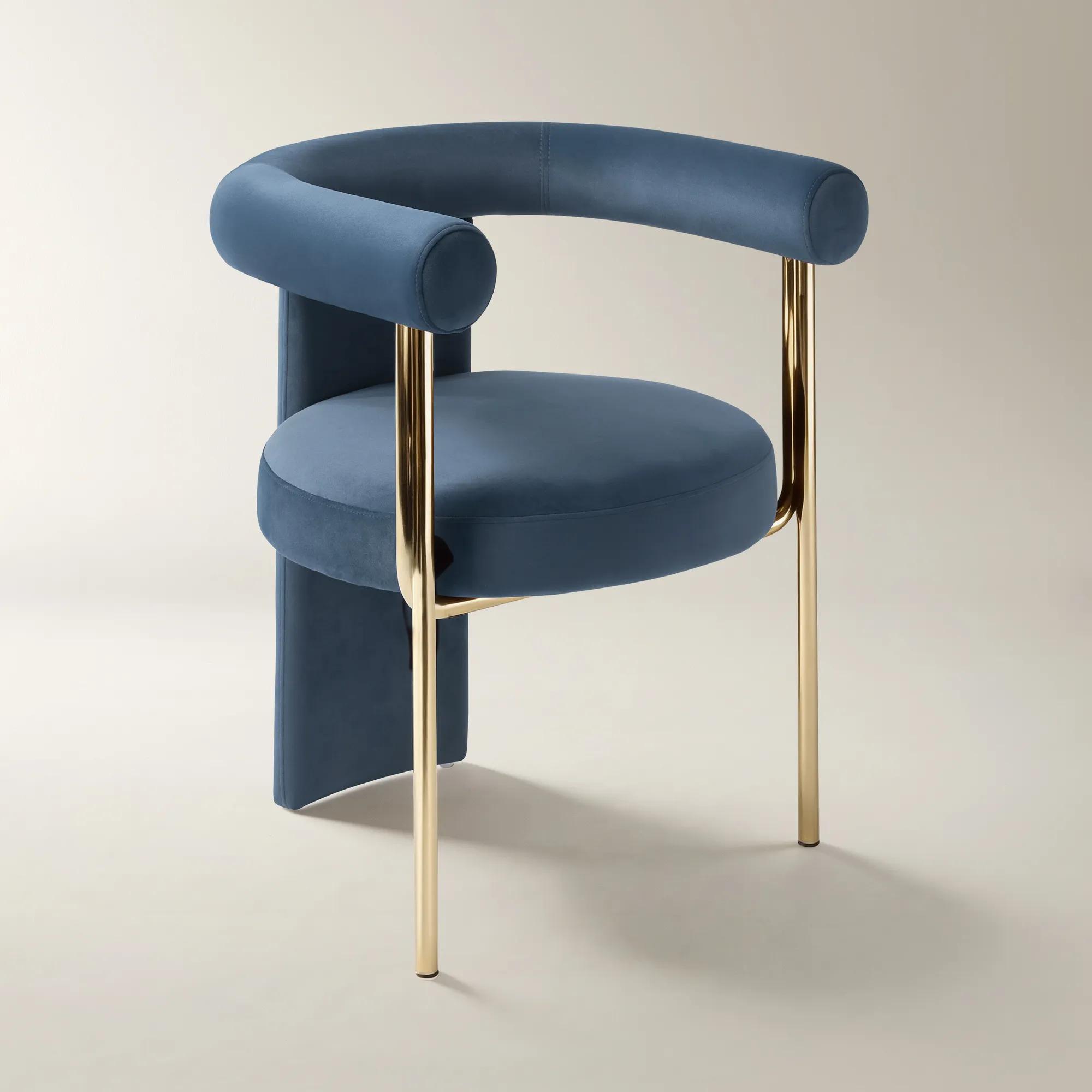 Davina Dusty Blue Velvet Dining Chair Set Of 2$899
A set of two dining chairs featuring dusty blue velvet upholstery and a polished gold metal frame.
Add To Cart -
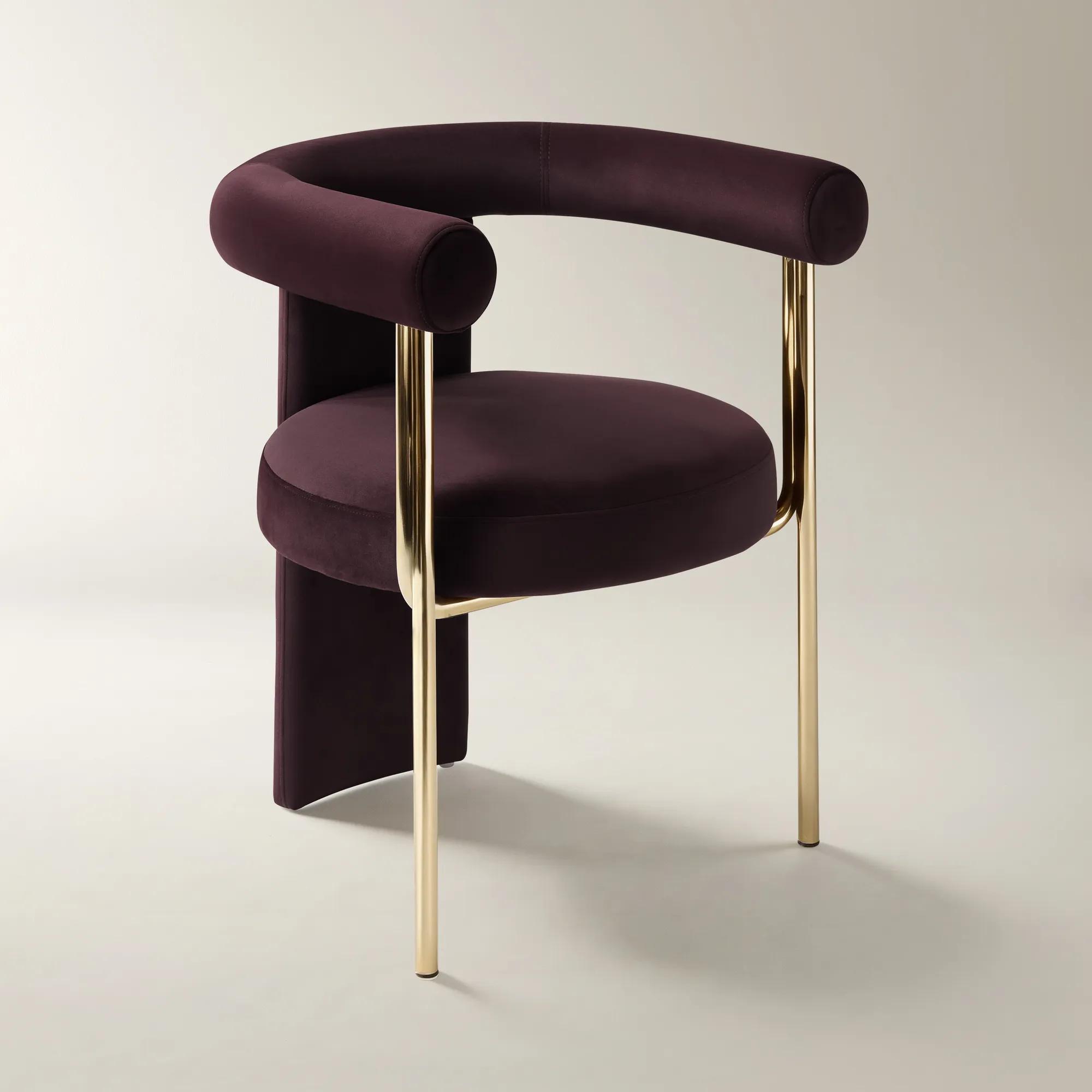 Davina Fig Velvet Dining Chair Set Of 2$899
A set of two dining chairs featuring plush fig velvet upholstery and a sleek gold-finished metal frame.
Add To Cart -
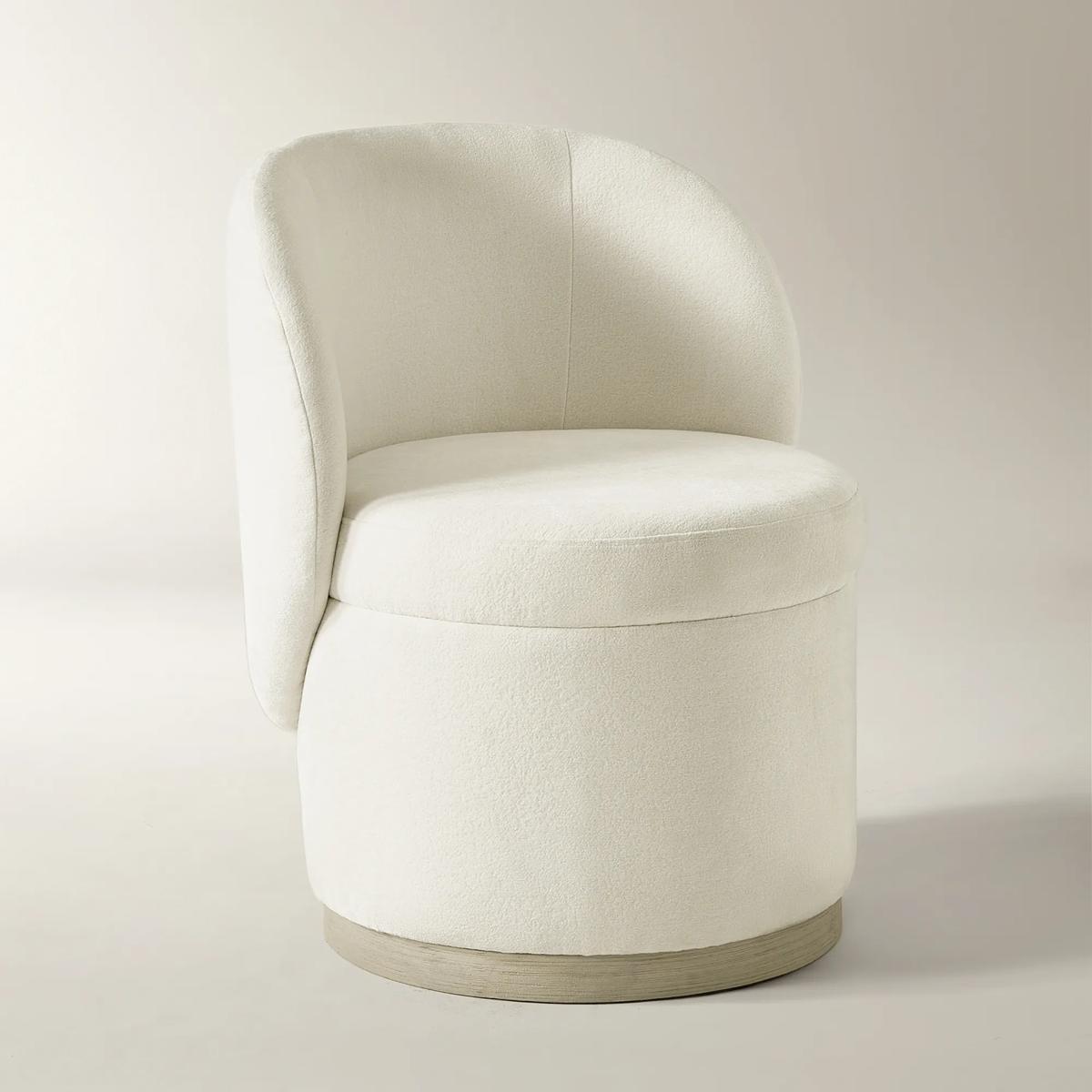 Stria Ivory Chenille Dining Chair With Oak Base$599
An ivory chenille chair featuring a plush, velvet-like finish and a handcrafted solid oak base.
Add To Cart -
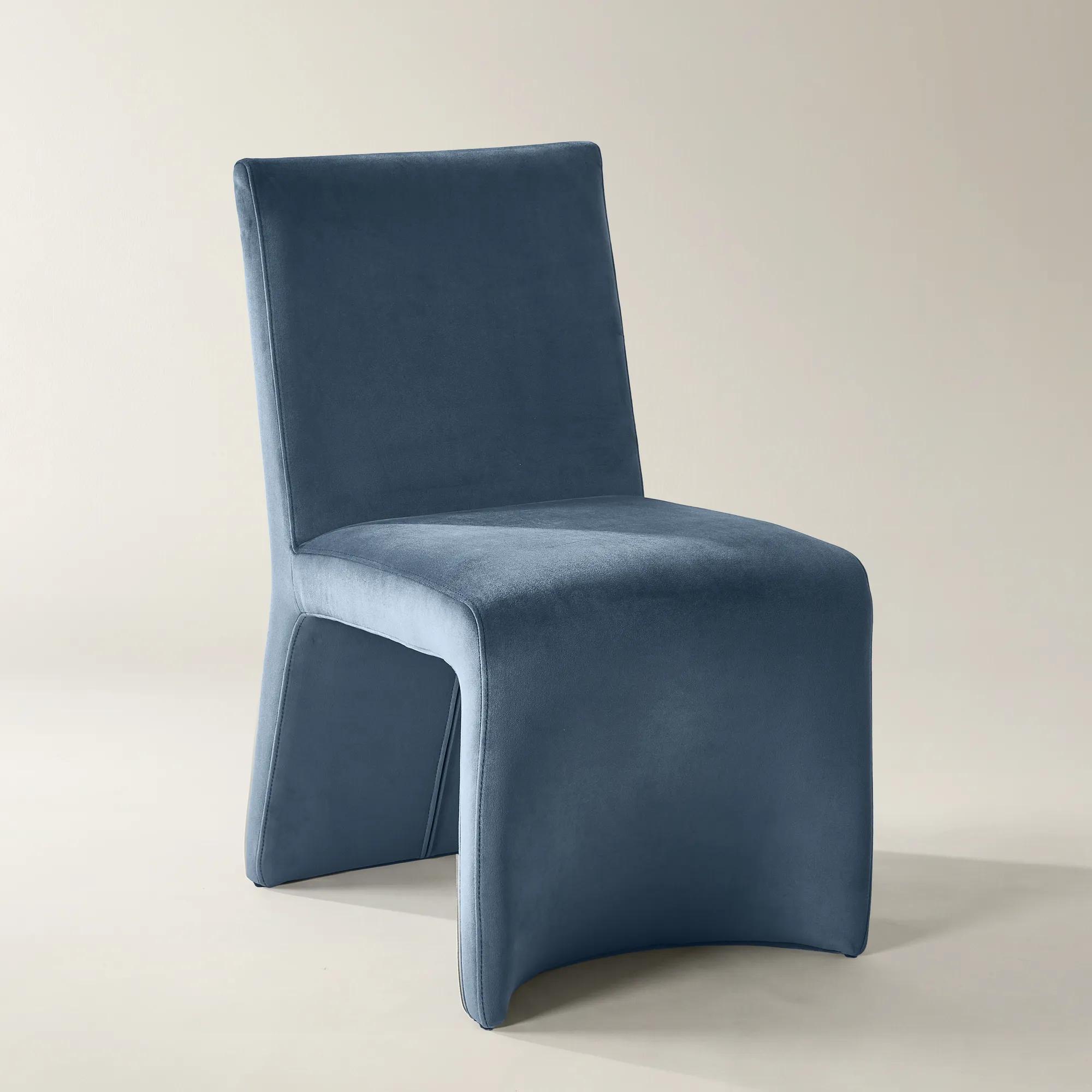 Elara Dusty Blue Velvet Dining Chair Set Of 2$799
A set of two dining chairs featuring plush dusty blue velvet upholstery and a seamless, artful silhouette.
Add To Cart

Indoor Dining Chairs
Explore indoor dining chairs that bring modern style and expressive design to your dining room. Whether you’re refreshing your seating or composing a new dining space, consider how each chair’s silhouette complements your table, then compare dimensions to allow comfortable seating and room to move. Aim for a look that feels cohesive without losing its sense of drama.
Indoor dining chairs give a dining space its rhythm: the curve of a back, the sweep of a leg, the texture that catches the light as guests gather around the table. They frame more than a place setting. They establish whether a room feels tailored and architectural, richly layered, or deliberately theatrical. A high-backed silhouette can lend ceremony to a generous dining table, while a lower, sculptural profile keeps sightlines open in a dining area that shares space with the living room. Upholstered dining chairs soften the composition, introducing sumptuous texture against glass, stone, wood, or gleaming metal. Velvet brings depth to color, shifting subtly as its pile reflects light; textured woven fabrics offer a more dimensional surface; leather introduces a smooth finish with a distinctively tailored presence. Each material creates a different conversation with the surrounding furniture. An expressive chair can become the focal point beside a restrained table, while a richly veined tabletop may call for seating with cleaner lines. Matching every finish is not necessary to create a cohesive room. Repeating a curve, an undertone, or a metallic accent can connect contrasting pieces without making the setting feel overly coordinated. For a formal dining room, upholstered armchairs at the ends of the table can give the arrangement a gracious sense of hierarchy. In an apartment dining nook, slender side chairs can provide visual lightness without sacrificing personality. Households that use the dining table for everything from breakfast to an evening of conversation often benefit from seating that balances an expressive silhouette with a comfortable back and supportive seat. The strongest arrangements consider the room beyond the tabletop, too: a chair back is visible from across an open living space, and its shape can echo an arched mirror, a sculptural light fixture, or the lines of nearby cabinetry. Dining chairs become part of the room’s visual architecture, bringing proportion, texture, and character to a setting that should feel as considered when empty as it does when every seat is taken.
Proportion is where a beautiful dining chair becomes a pleasure to live with. Seat height, overall width, back height, and arm clearance all influence how naturally the chair works with the table and the surrounding room. Standard-height dining chairs are intended for dining tables rather than counter-height or bar-height surfaces, and the actual measurements matter more than the category name alone. A seat-to-tabletop difference of approximately 10 to 12 inches is a common starting point, but a deep table apron can reduce usable space beneath the top. Arms need enough clearance to slide under the table without striking its underside, especially when chairs must tuck in neatly between meals. Width deserves equal attention: a broad, enveloping chair may look magnificent at the head of a long table yet feel crowded when several are placed along one side. Allowing roughly 24 to 30 inches of table edge per diner can help establish a comfortable arrangement, with wider seating requiring more room. Table legs and pedestal bases also affect where chairs can sit; an impressive tabletop does not always translate into equally generous knee space. Behind the seating, room to pull out a chair and pass comfortably keeps the dining area welcoming rather than congested. Beyond dimensions, the construction and upholstery shape the everyday experience. Wood frames can introduce grain, warmth, and carved detail, while metal frames lend themselves to slender profiles and crisp geometry. Neither material alone determines durability; stable joints, suitable weight capacity, secure upholstery, and a finish appropriate to household use all contribute. Cushion density and back angle influence comfort during longer meals, while a deeply textured fabric may feel inviting but require more attention in a household with frequent spills. Families with children, regular hosts, and anyone who uses the table as an occasional workspace may favor upholstery with clearly stated cleaning requirements. Performance characteristics vary by fabric, so stain resistance or enhanced durability should be confirmed in the material specifications rather than assumed from appearance. These practical details allow a dramatic dining arrangement to remain comfortable, accommodating, and genuinely suited to daily life.
The lasting appeal of indoor dining chairs depends on how well their materials suit the household and how thoughtfully they are maintained. A velvet seat can bring extraordinary richness to an intimate dining room, but its pile may show changes in direction or pressure marks that are part of the fabric’s character. Looped and heavily textured upholstery adds depth, though delicate surfaces may be more vulnerable to snagging from jewelry, pet claws, or clothing hardware. Smooth leather and leather-look upholstery can offer a tailored appearance, but their care requirements are not interchangeable; cleaners appropriate for one material may damage another. Fabric care labels and manufacturer instructions should determine whether a surface can be spot-cleaned, what cleaning products are suitable, and when professional attention is recommended. Promptly blotting a spill rather than rubbing it helps limit its spread, while gentle vacuuming with an appropriate upholstery attachment can remove crumbs and dust before they settle into seams. Wood and metal components benefit from care suited to their finish, and abrasive products can dull a glossy surface or damage a protective coating. Protective pads beneath chair legs can help reduce marks on flooring, provided they are compatible with the floor and checked regularly for trapped grit. Placement matters as well: prolonged direct sunlight may alter upholstery color, and dragging chairs can strain joints or scratch floors. Explore Dining Chairs For Indoor Use Only with attention to the intended setting, since furniture designed for interior dining spaces should not be treated as patio seating, even beneath a covered outdoor area. Indoors, these chairs can support a range of occasions without losing their sense of purpose: a quiet dinner for two, a lively gathering around a generous table, or an unhurried conversation after the plates have been cleared. A consistent upholstery color can unify varied silhouettes, while contrasting end chairs can create a distinctive focal point. With the right relationship between comfort, construction, and expressive design, the dining space feels composed rather than simply furnished—a place where the chairs invite people to settle in and give the entire room its signature.
FAQs
Let your dining room’s mood guide the choice. Indoor dining chairs with sculptural silhouettes create an artful focal point, while tailored profiles bring a polished rhythm around the table. Echo a color, curve, or finish already present in the room, then introduce a contrasting detail to give the setting its own point of view.
Mixing dining chair styles can make a room feel thoughtfully collected rather than strictly coordinated. Pair expressive end chairs with more restrained side chairs, or unite different silhouettes through a shared color palette. A recurring design detail gives the arrangement cohesion while leaving room for drama.
Upholstered dining chairs introduce softness and texture, lending the room a layered, dressed-for-dinner mood. Non-upholstered styles place more emphasis on sculptural lines and exposed finishes. Choose the look that best expresses your aesthetic, or combine both for a striking interplay of texture and form.
Dining chairs do not need to match the table to create a cohesive setting. Contrast can be especially compelling: a streamlined table gives expressive chairs room to shine, while a statement table pairs beautifully with quieter silhouettes. Connect the pieces through a complementary palette or a repeated design motif.
Treat dining chairs as part of the room’s visual composition. Draw a chair’s accent color into artwork or table linens, and balance bold silhouettes with an edited tabletop arrangement. Statement lighting and reflective decorative accents add dimension, creating a dining space that feels expressive and richly layered.