Indoor Tufted Dining Chairs
Indoor Tufted Dining Chairs
-
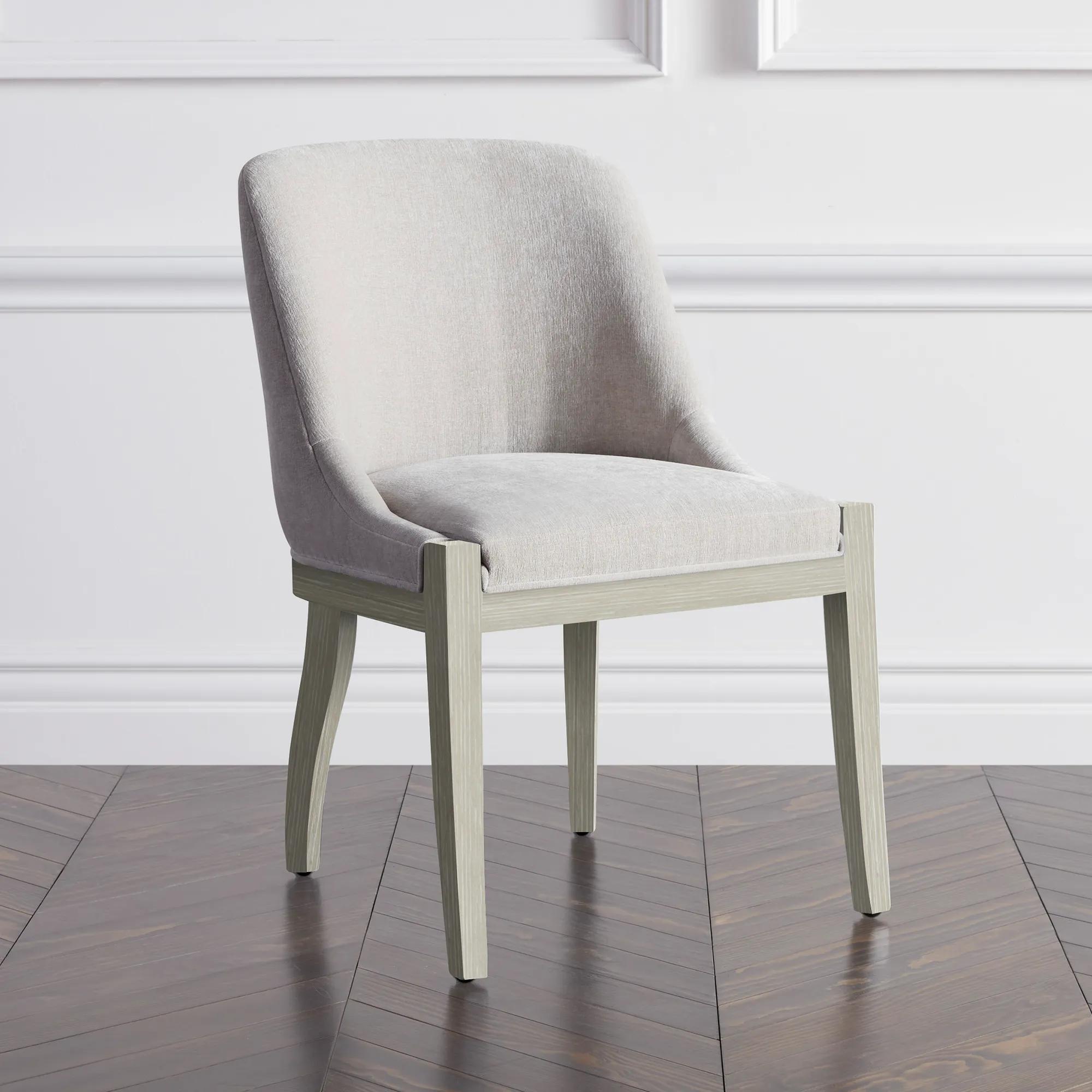 Lily Dining Chair - Natural Grey$799
A modern dining chair featuring natural grey upholstery, kiln-dried hardwood frame, and plush foam cushioning.
Add To Cart -
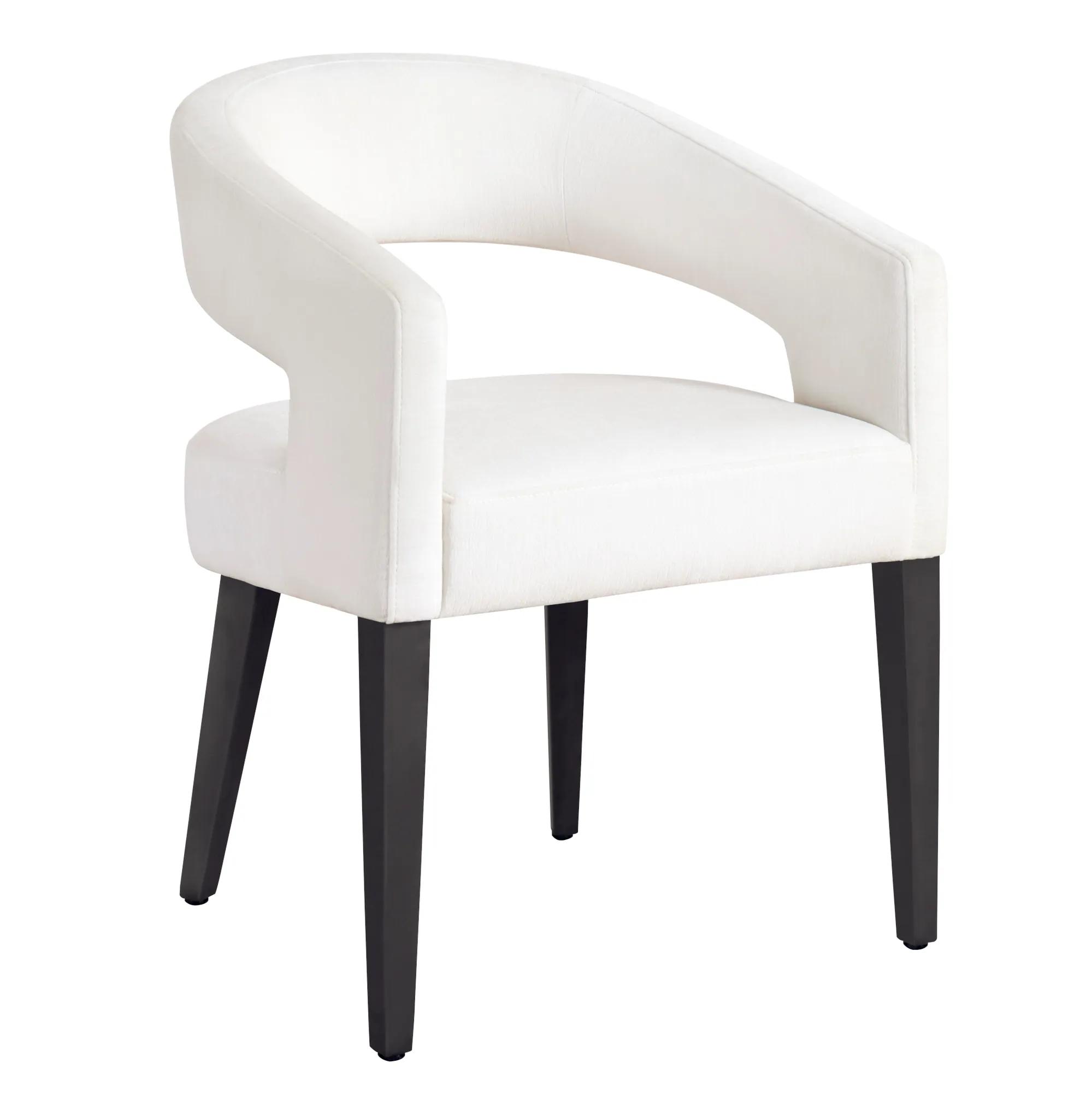
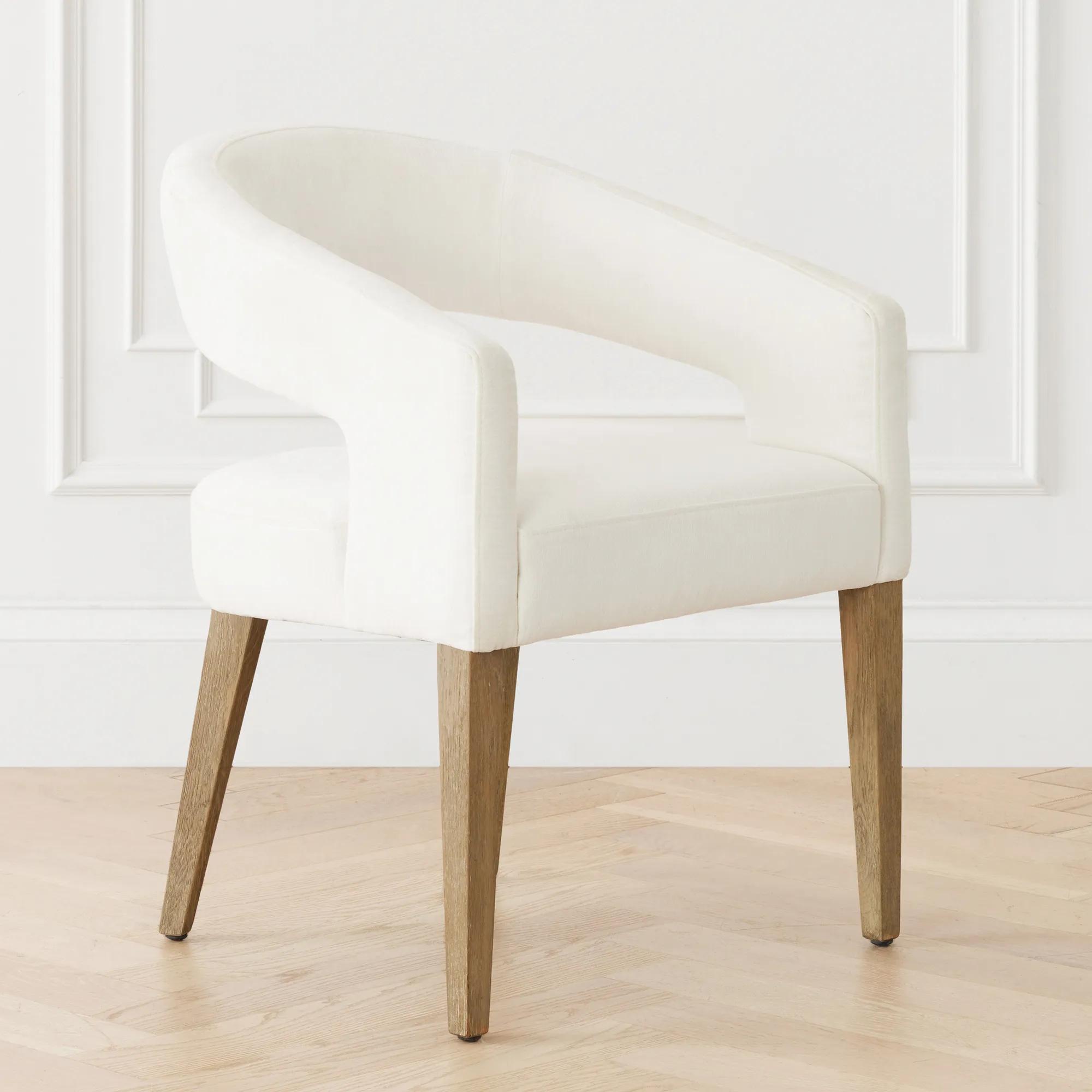 Philippa Dining Chair - Natural Grey$699
A curved grey dining chair featuring tailored chenille upholstery, a sleek back cutout, and sturdy hardwood frame.
Add To Cart -
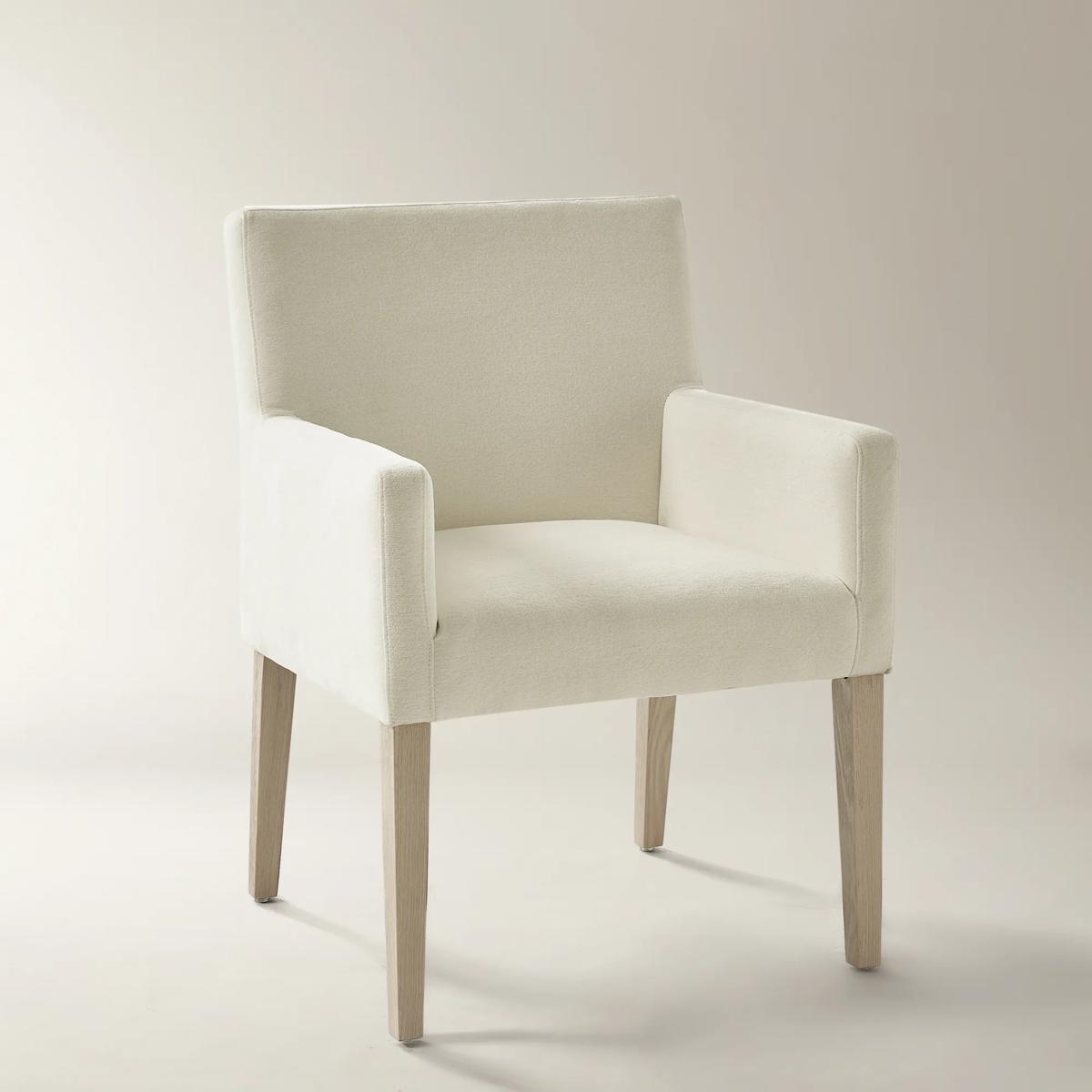
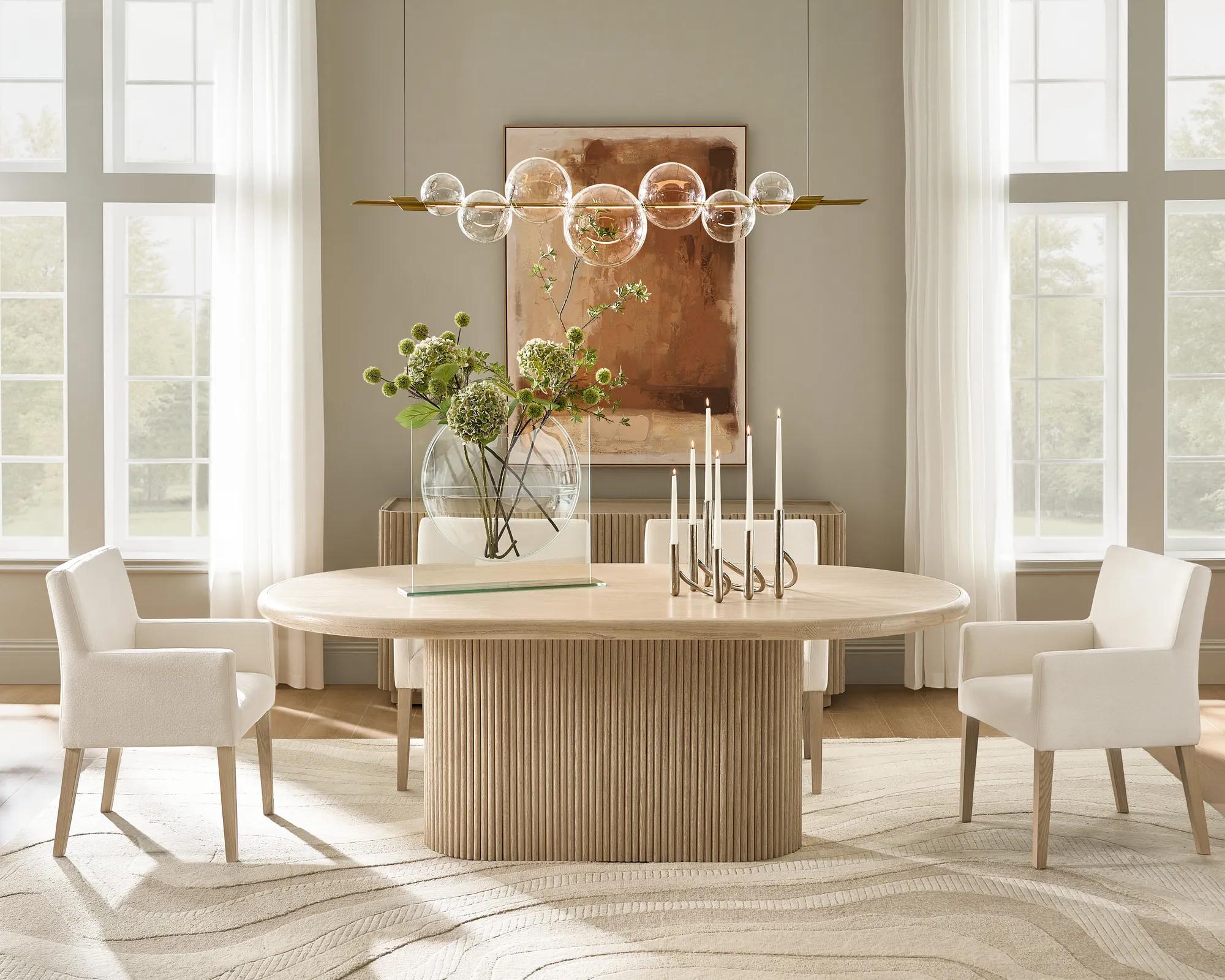 Stria Ivory Chenille Dining Chair Set Of 2$599
A pair of ivory chenille arm chairs with natural oak legs, offering plush comfort and modern elegance.
Add To Cart -
.jpg?w=1200&h=1200) Elara Burnt Umber Velvet Dining Chair Set Of 2$699
Elara Burnt Umber Velvet Dining Chair Set Of 2$699A pair of brown velvet chairs with sinuous curves, ergonomic support, and hand-crafted, sculptural design.
Add To Cart -
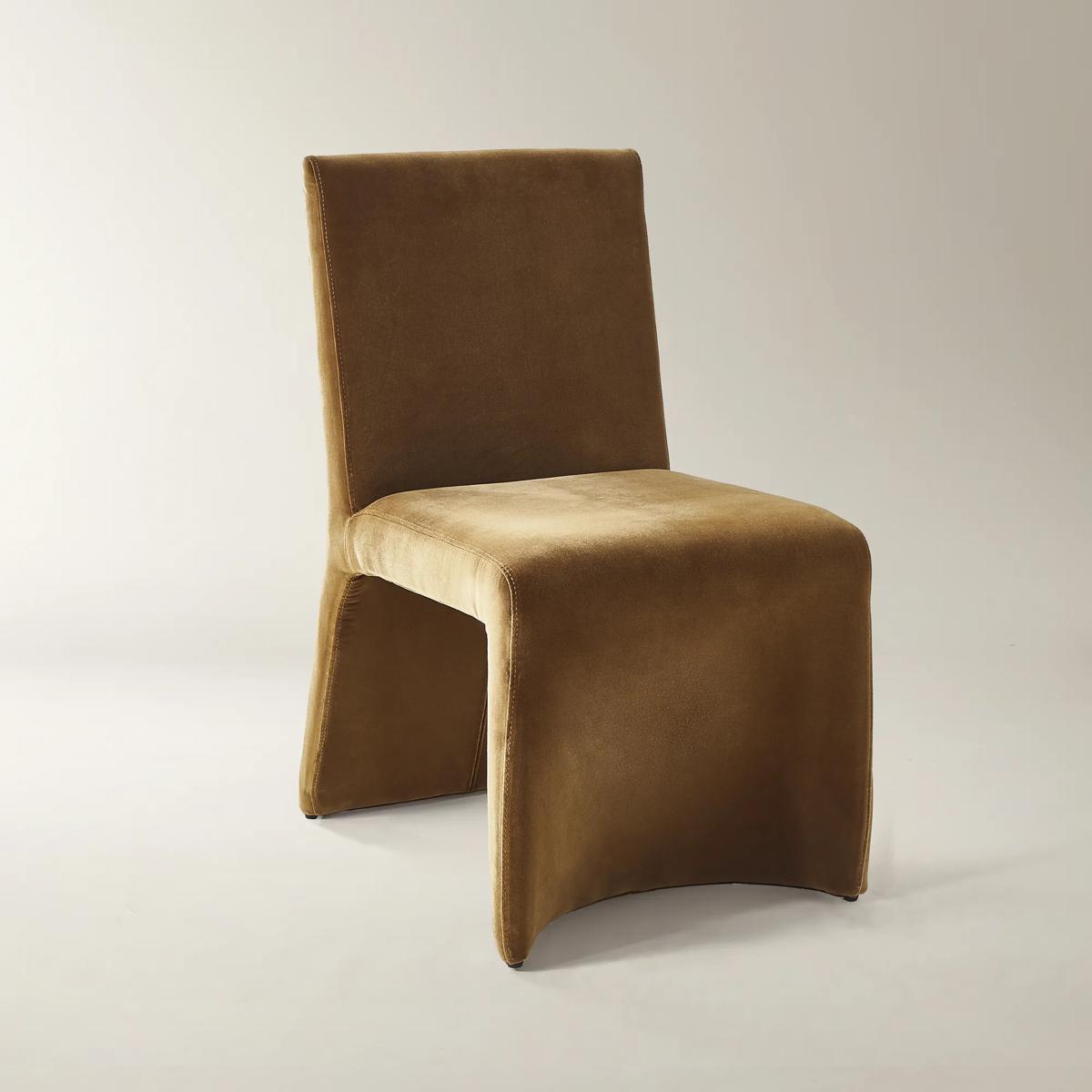 Elara Roasted Pecan Velvet Dining Chair Set Of 2$699
A pair of mustard velvet dining chairs featuring curved ergonomic silhouettes and hand-upholstered, reinforced construction.
Add To Cart -
.jpg?w=1200&h=1200)
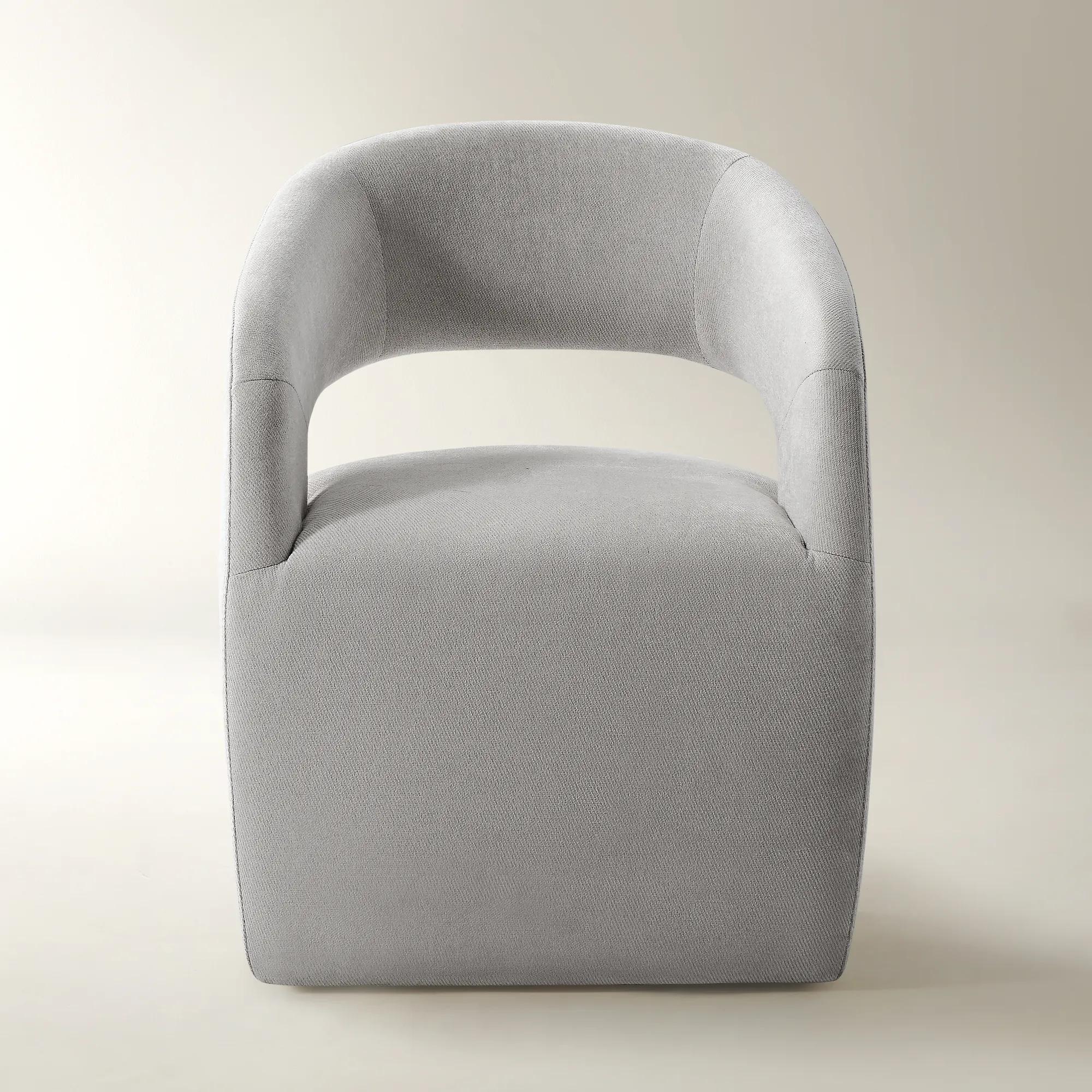 Harrison Flint Chenille Dining Chair$449
A fully upholstered flint chenille dining chair with high-density foam cushioning for superior comfort and style.
Add To Cart -
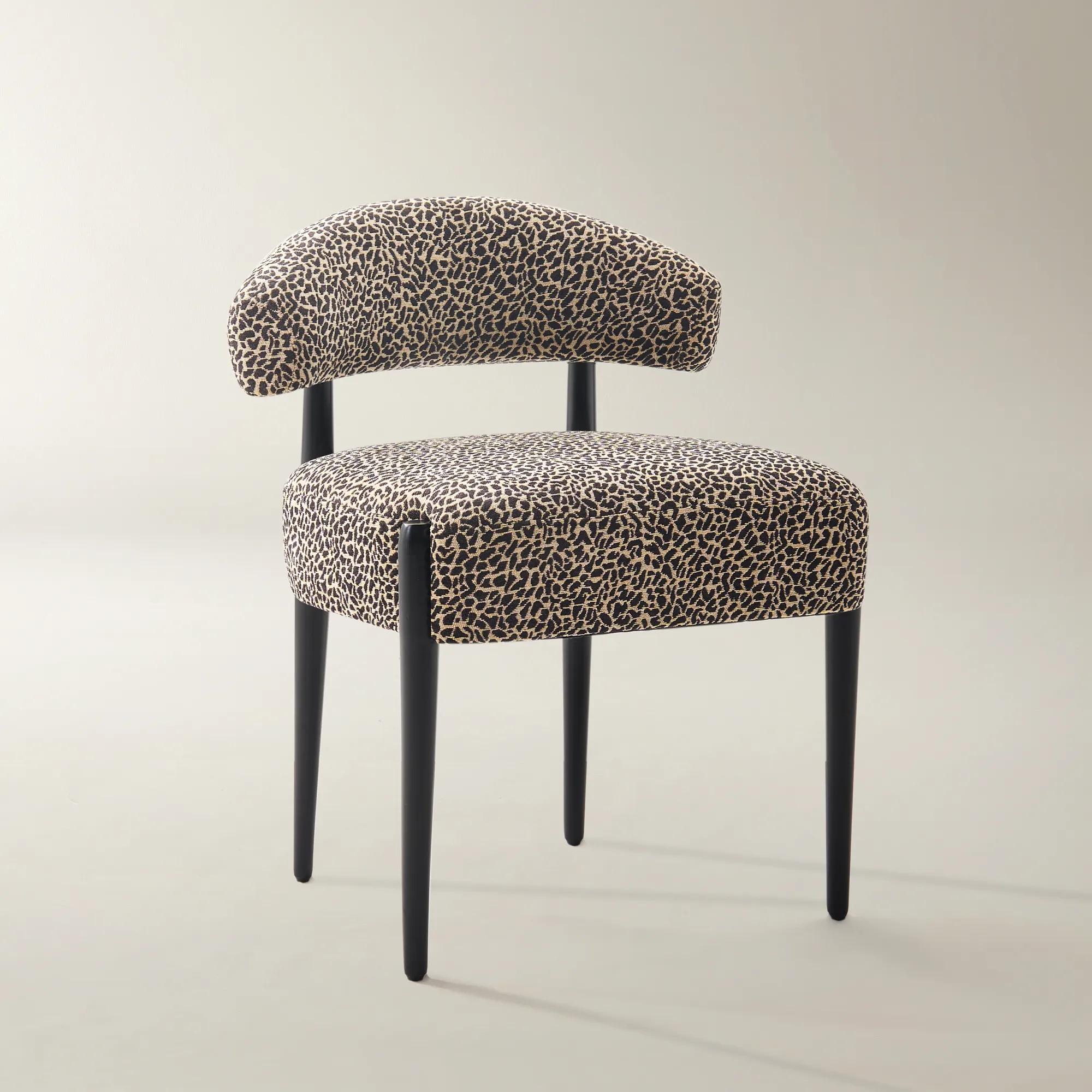
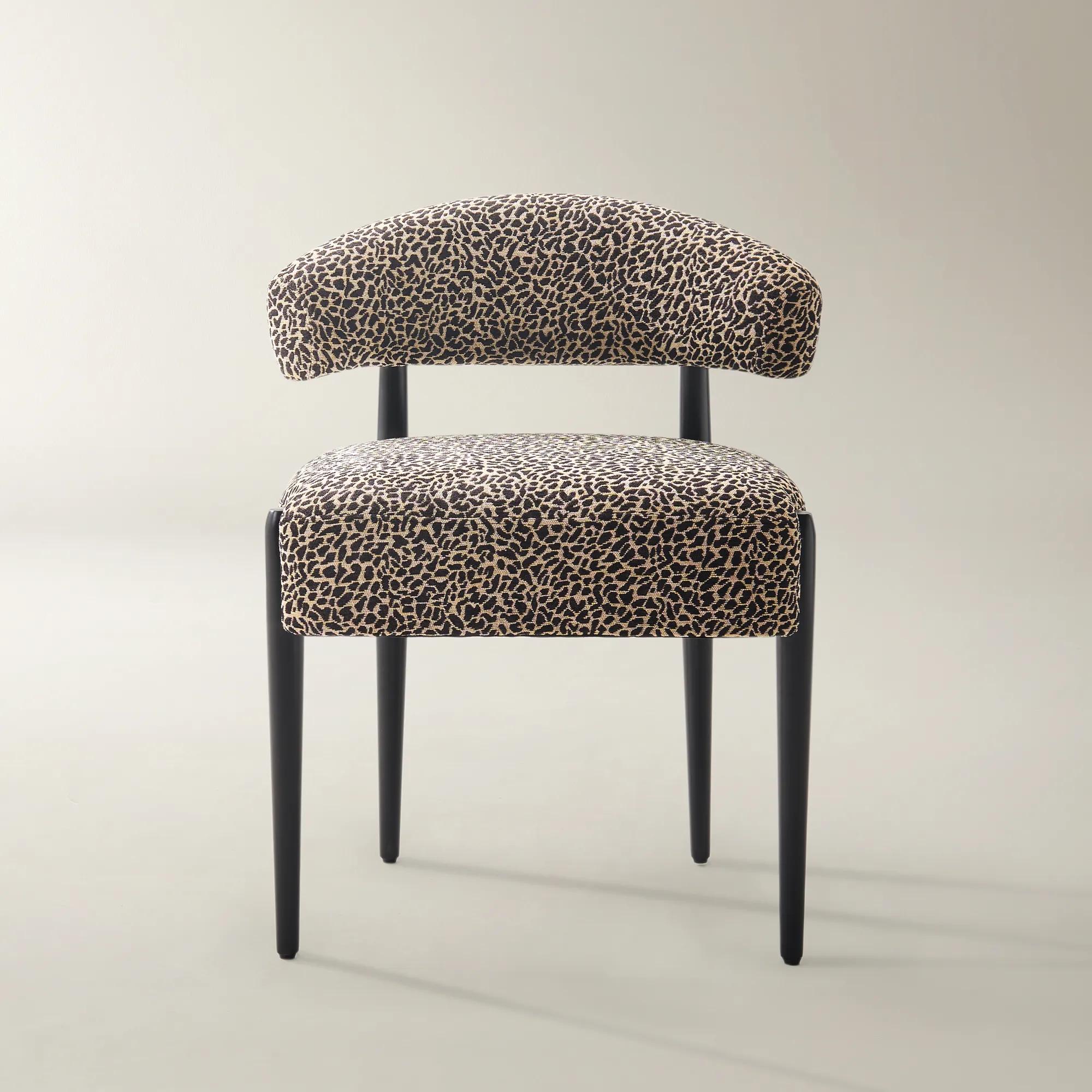 Anna Leopard Chenille Dining Chair Set Of 2$599
A pair of leopard-print chenille chairs with solid rubberwood legs and high-density foam for lasting comfort.
Add To Cart -
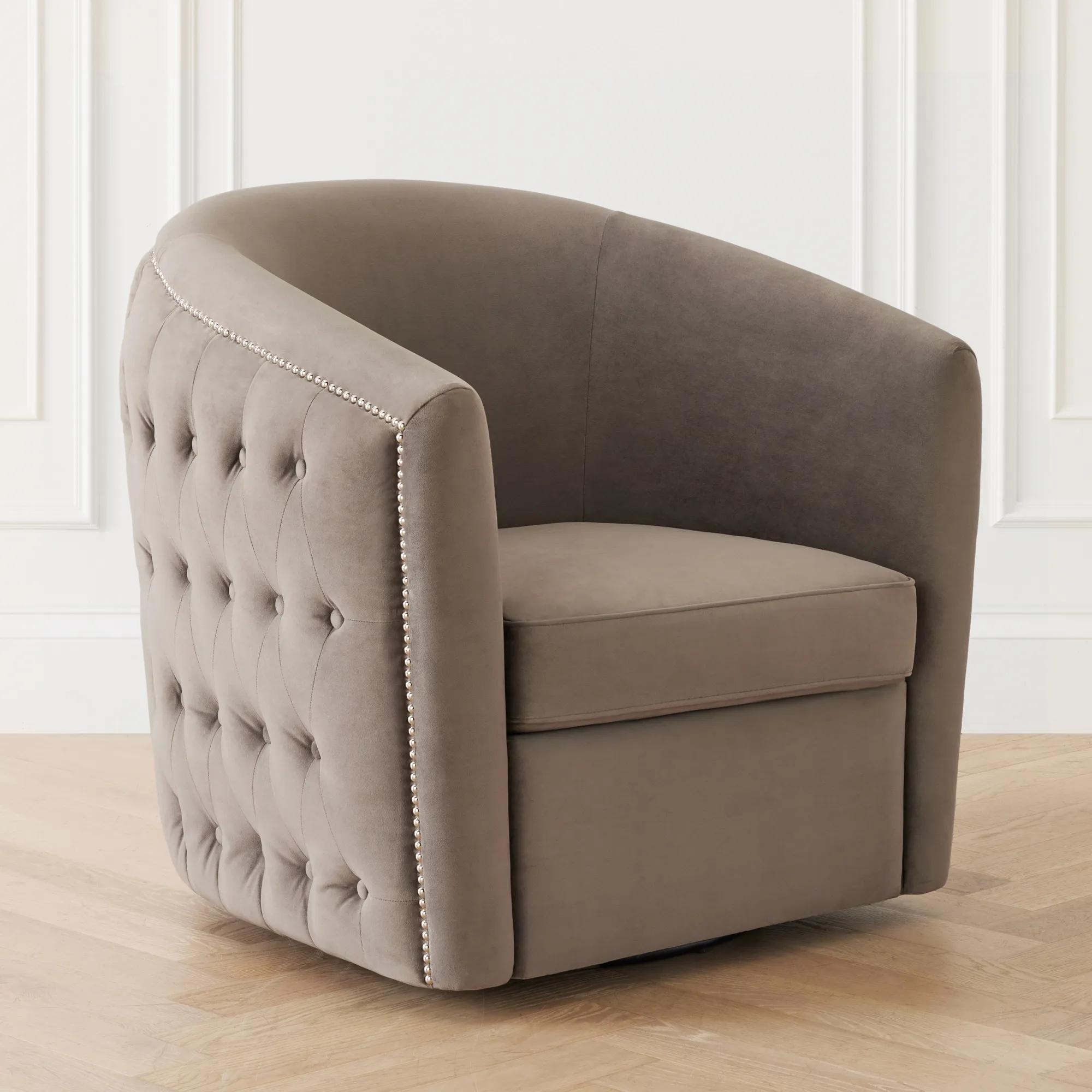
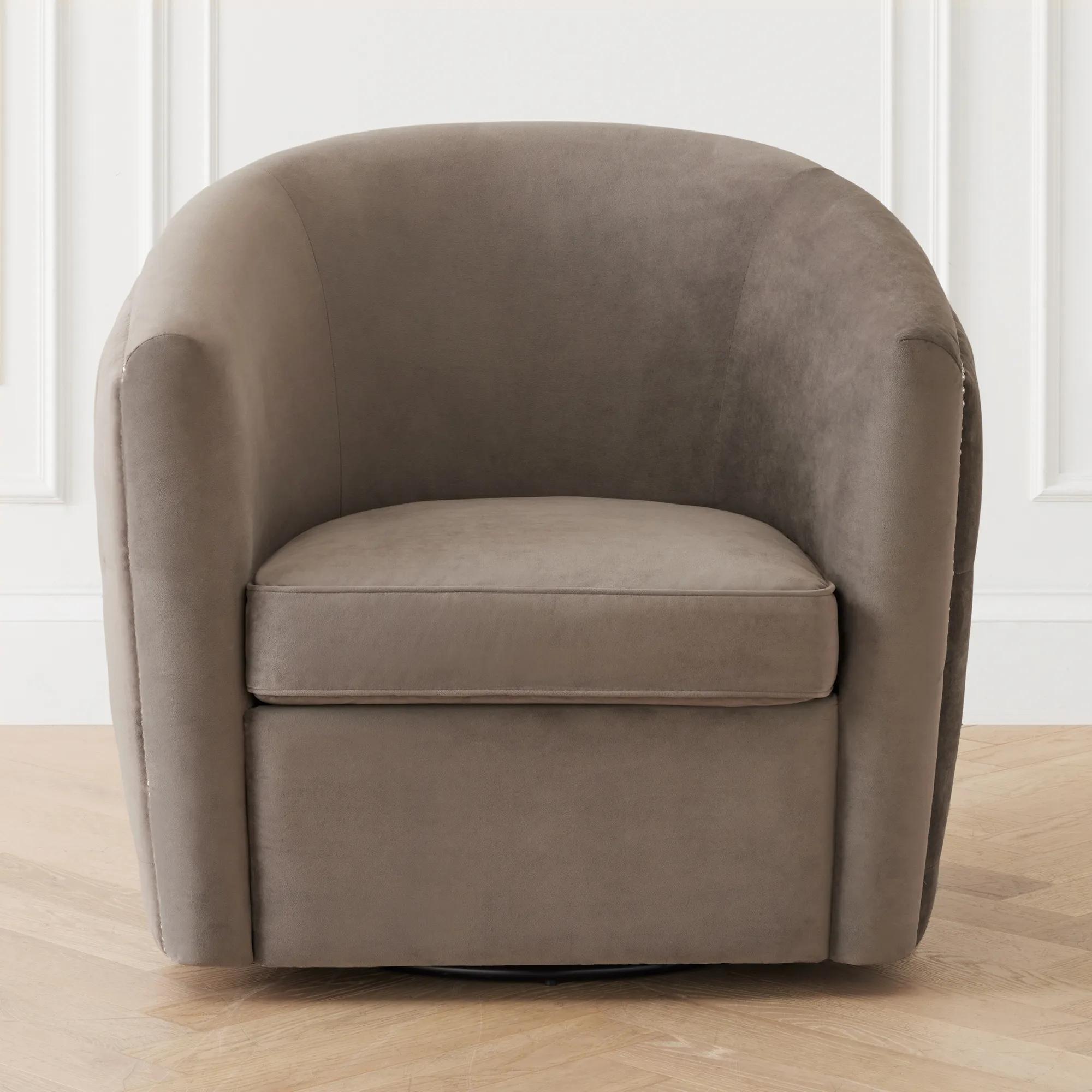 Aria Tufted Swivel Chair$1299
A barrel silhouette swivel chair in Bella Velvet Otter with tufted detailing and bright nickel nailheads.
Add To Cart -
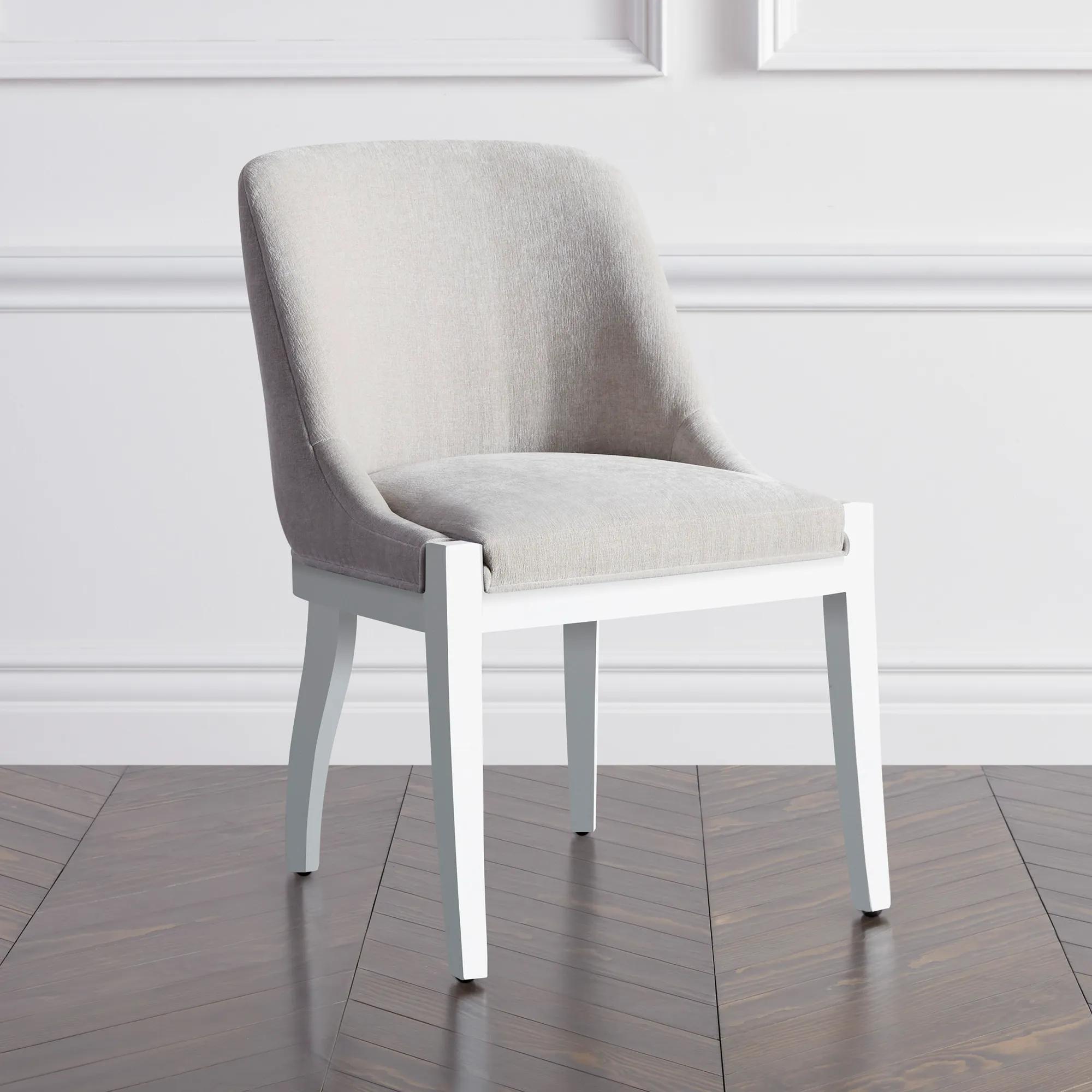
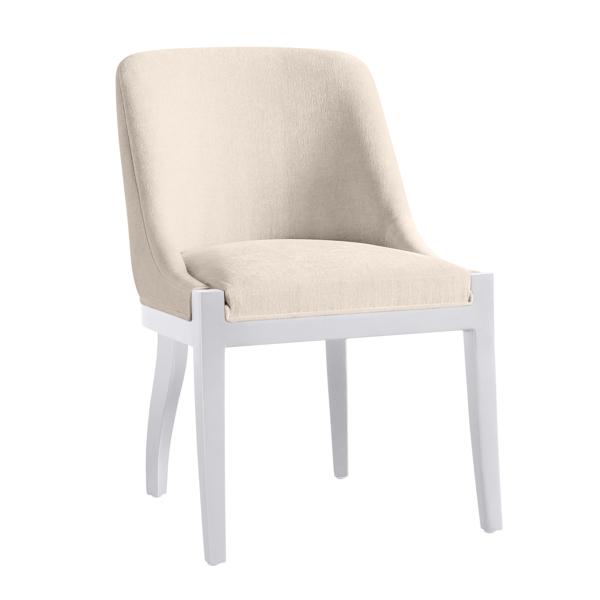 Lily Dining Chair - High Gloss White$649
A modern dining chair featuring kiln-dried hardwood, high-gloss white legs, and neatly tailored upholstery.
Add To Cart -
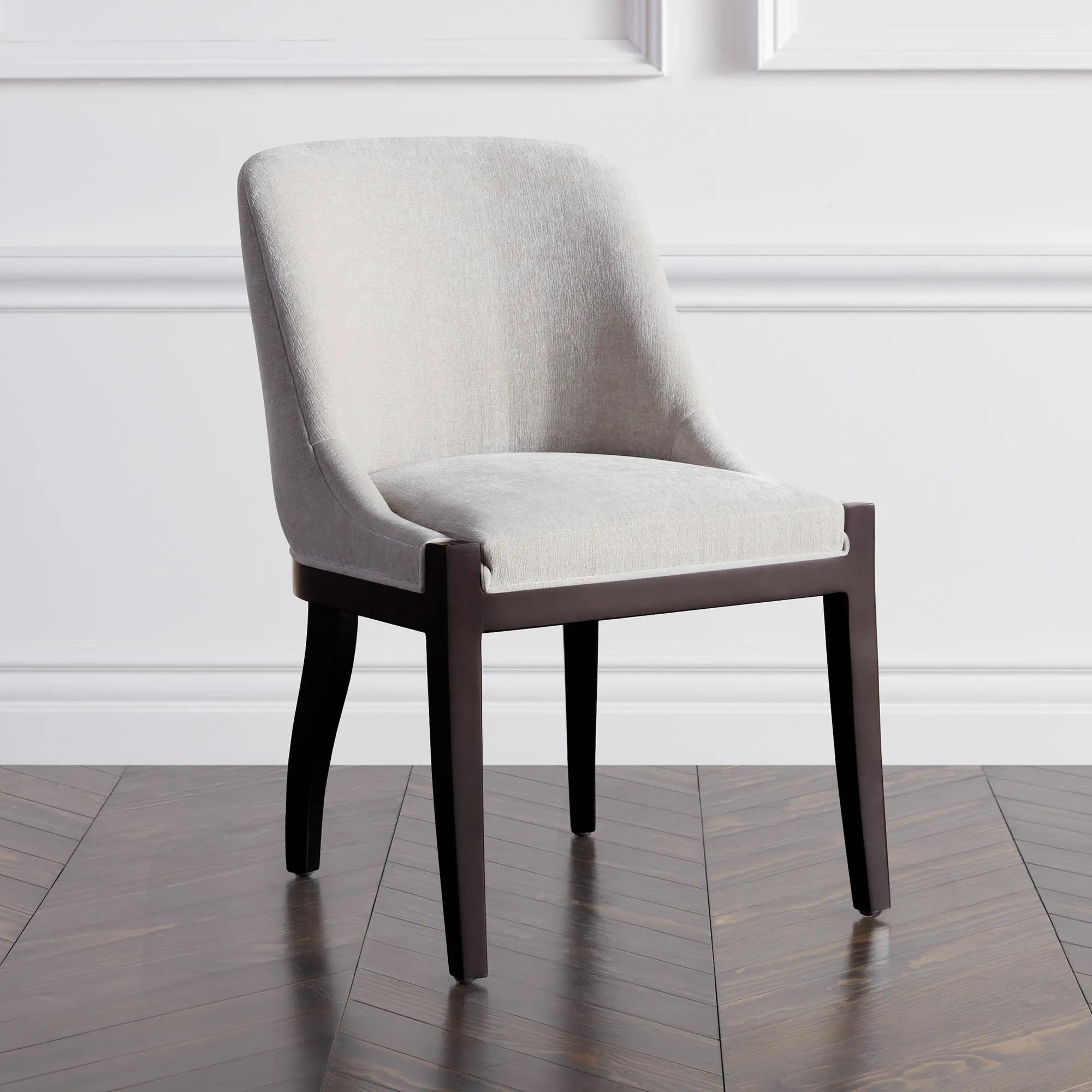
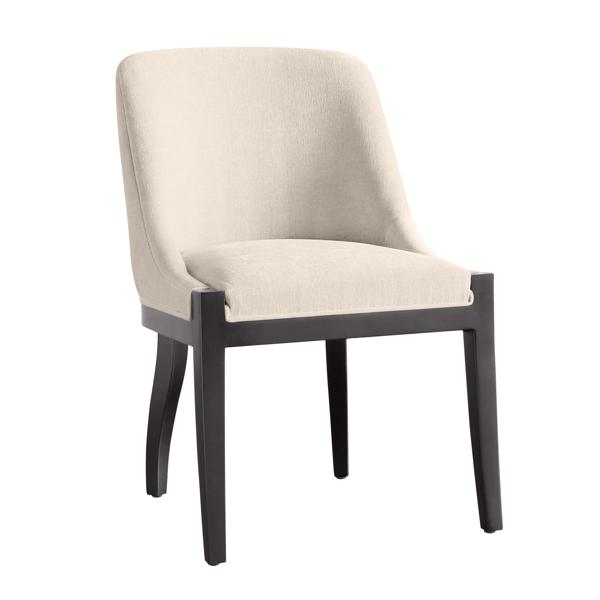 Lily Dining Chair - Espresso$699
A modern dining chair with espresso-finished hardwood frame and tailored upholstery for lasting comfort and support.
Add To Cart -
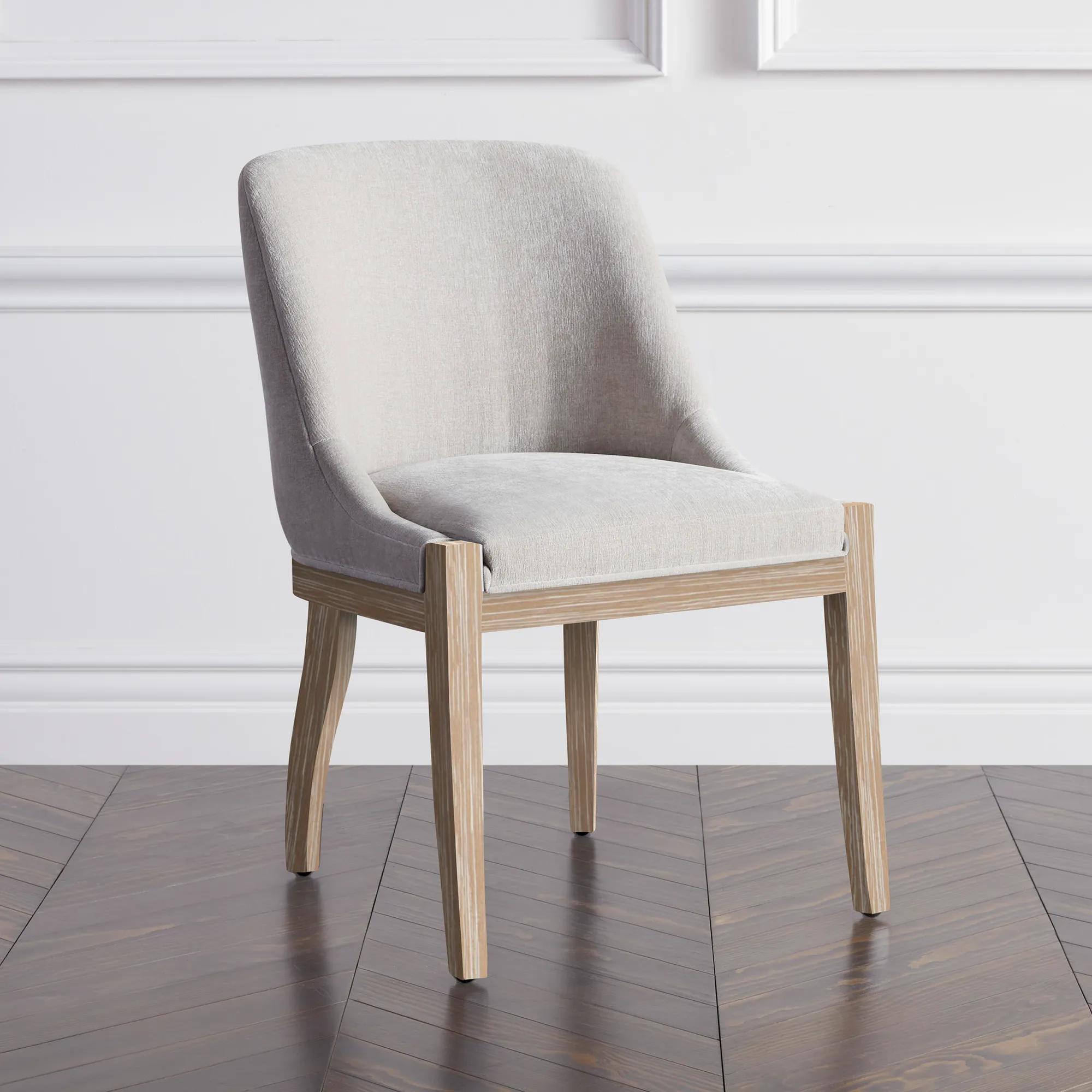
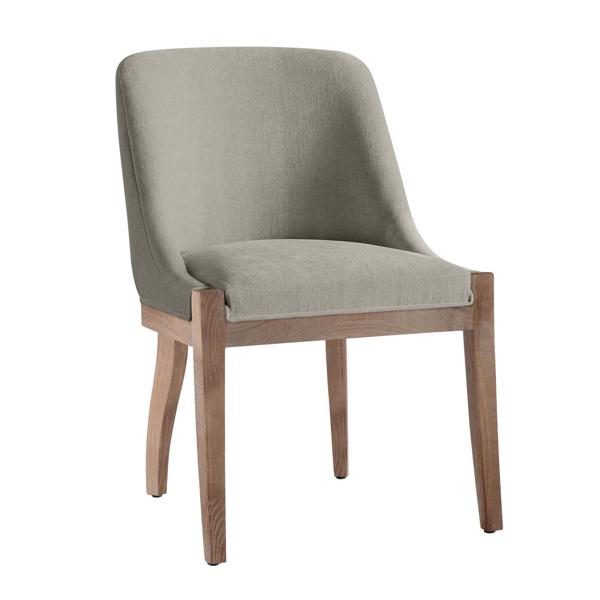 Lily Dining Chair - Wash Oak$699
A modern dining chair featuring a kiln-dried hardwood frame, wash oak legs, and tailored chenille upholstery.
Add To Cart -
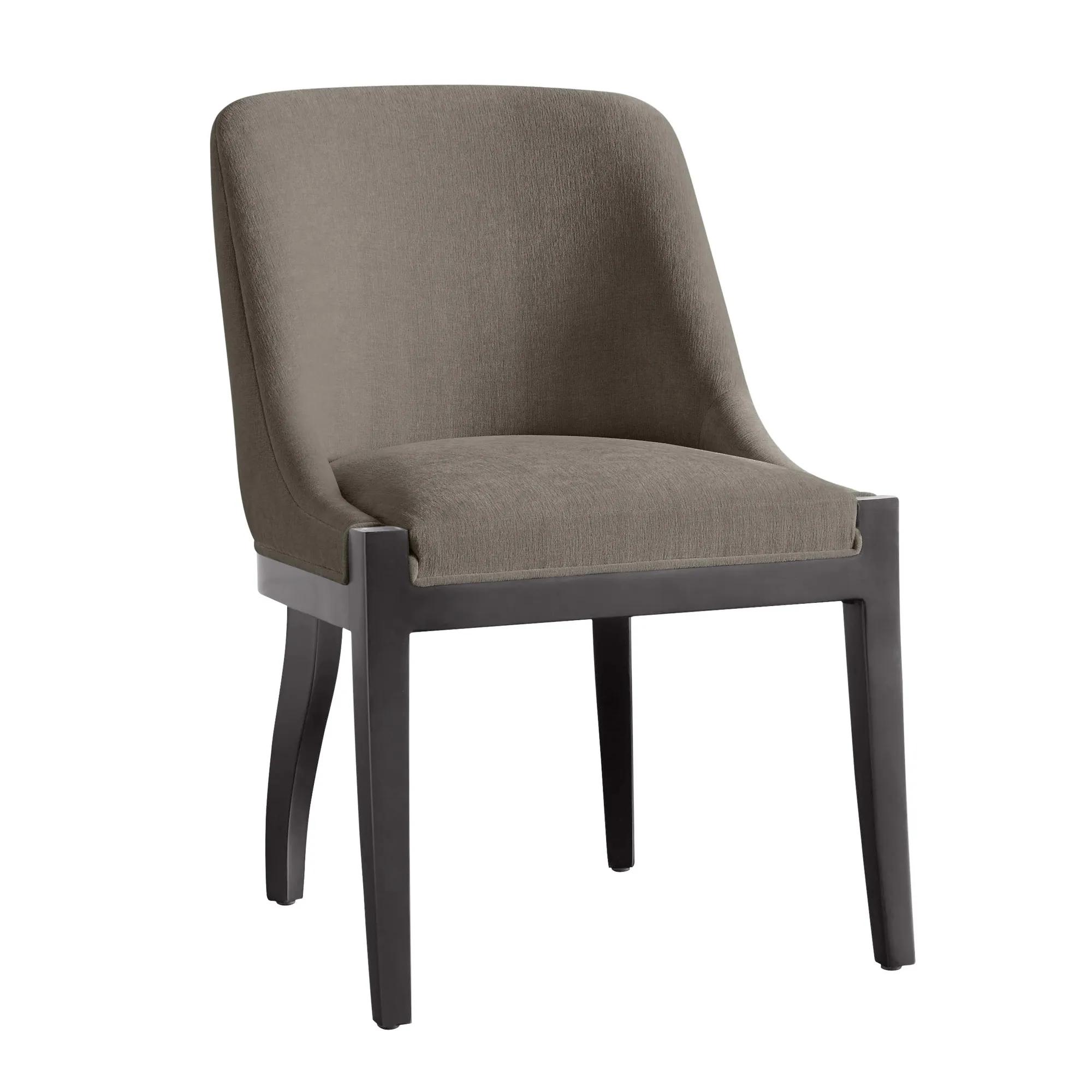 Lily Dining Chair - Espresso$649
A modern dining chair featuring espresso-finished hardwood, curvaceous silhouette, and plush tailored upholstery.
Add To Cart -
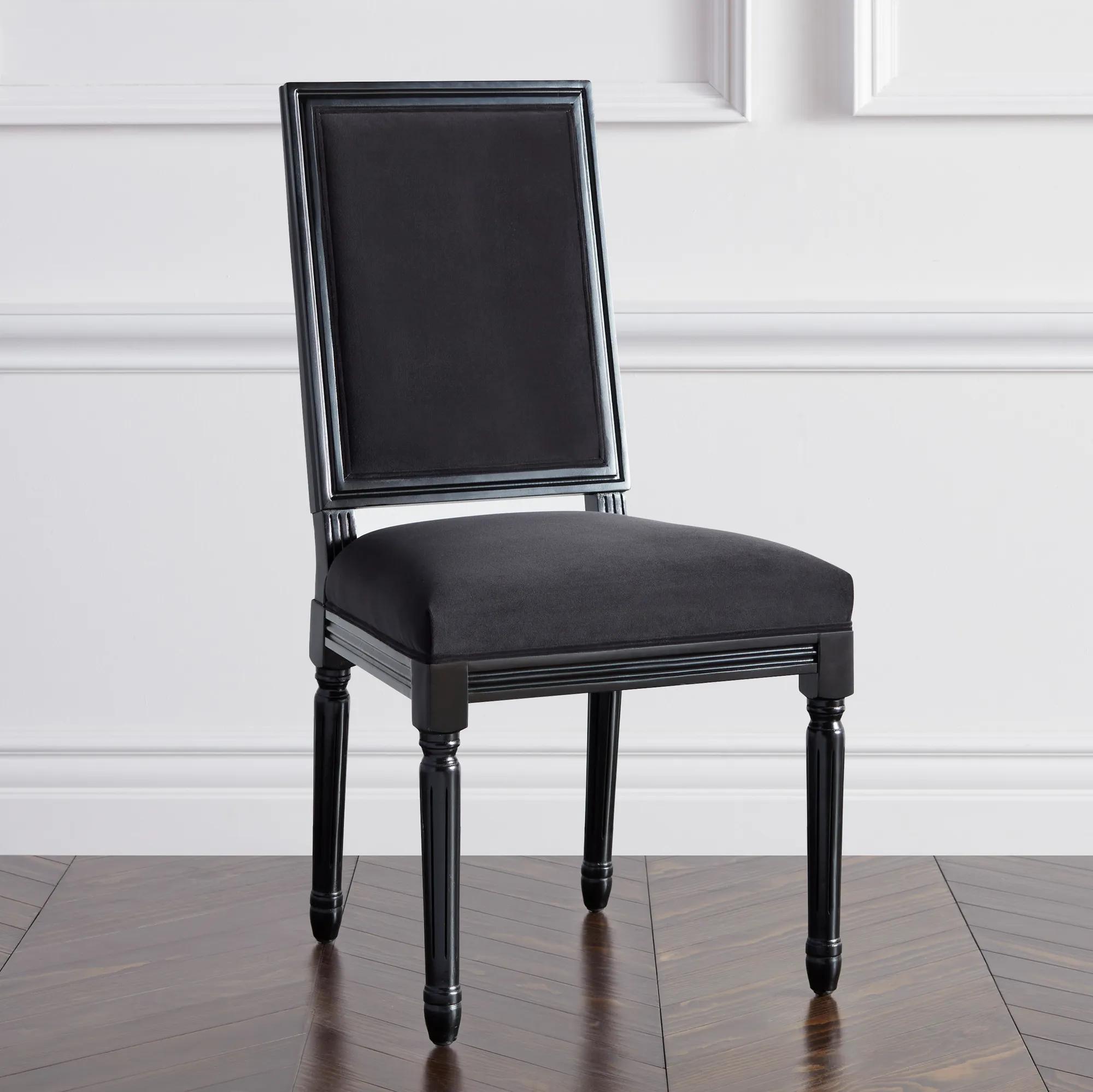
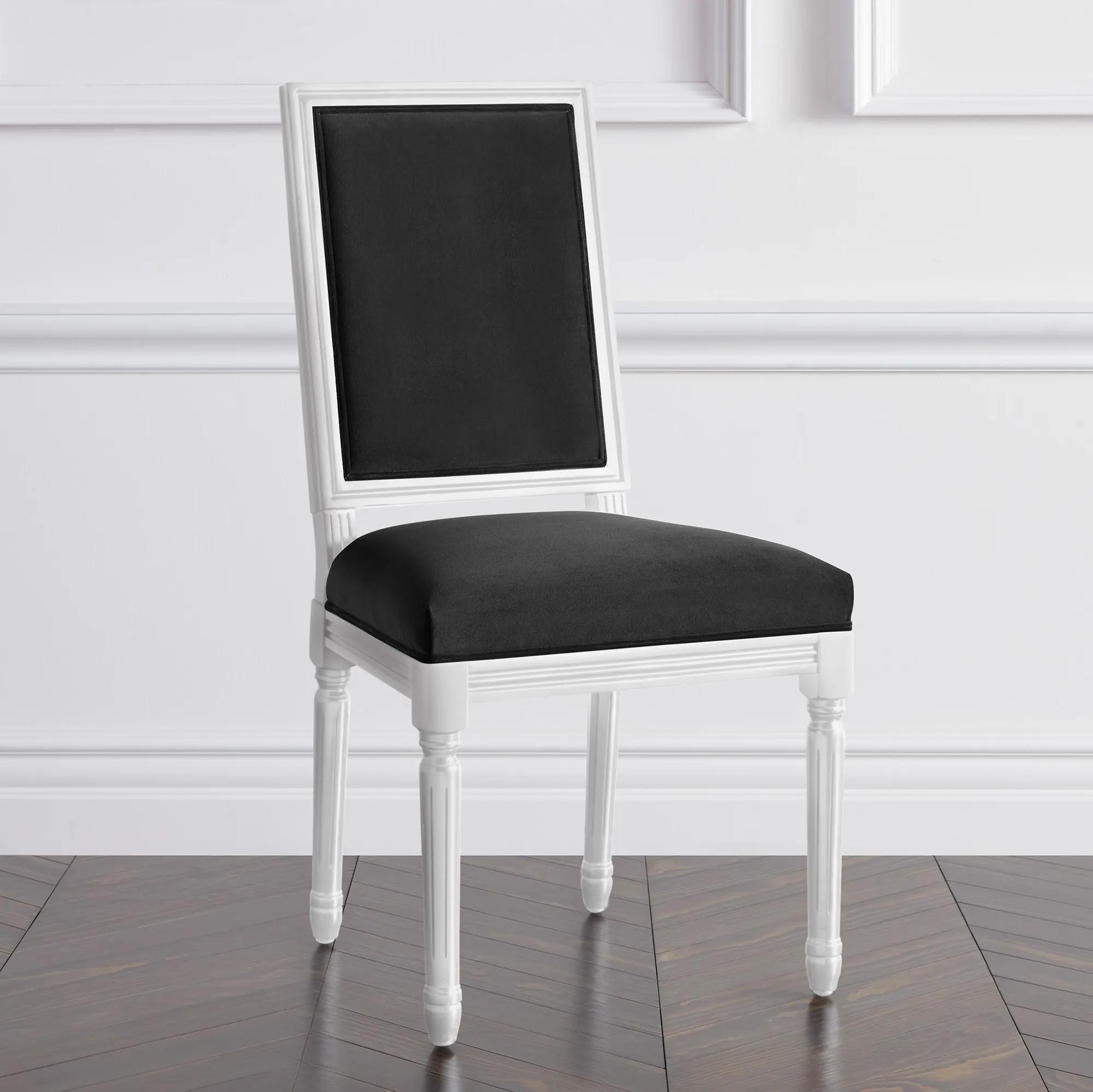
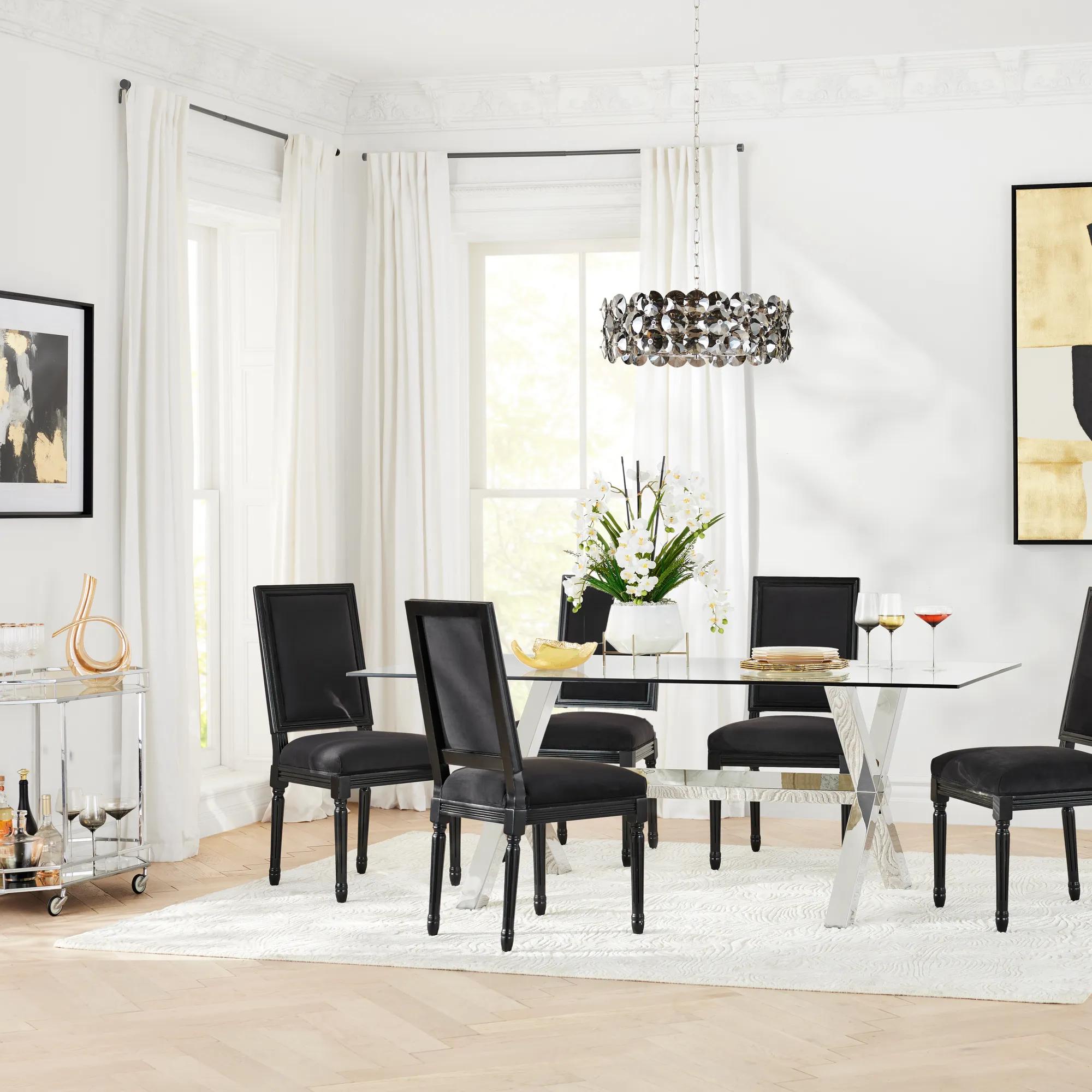 Callan Dining Chair - High Gloss Black$699
A handcrafted dining chair featuring high-gloss black Bella Velvet upholstery, fluted legs, and a squared back.
Add To Cart -
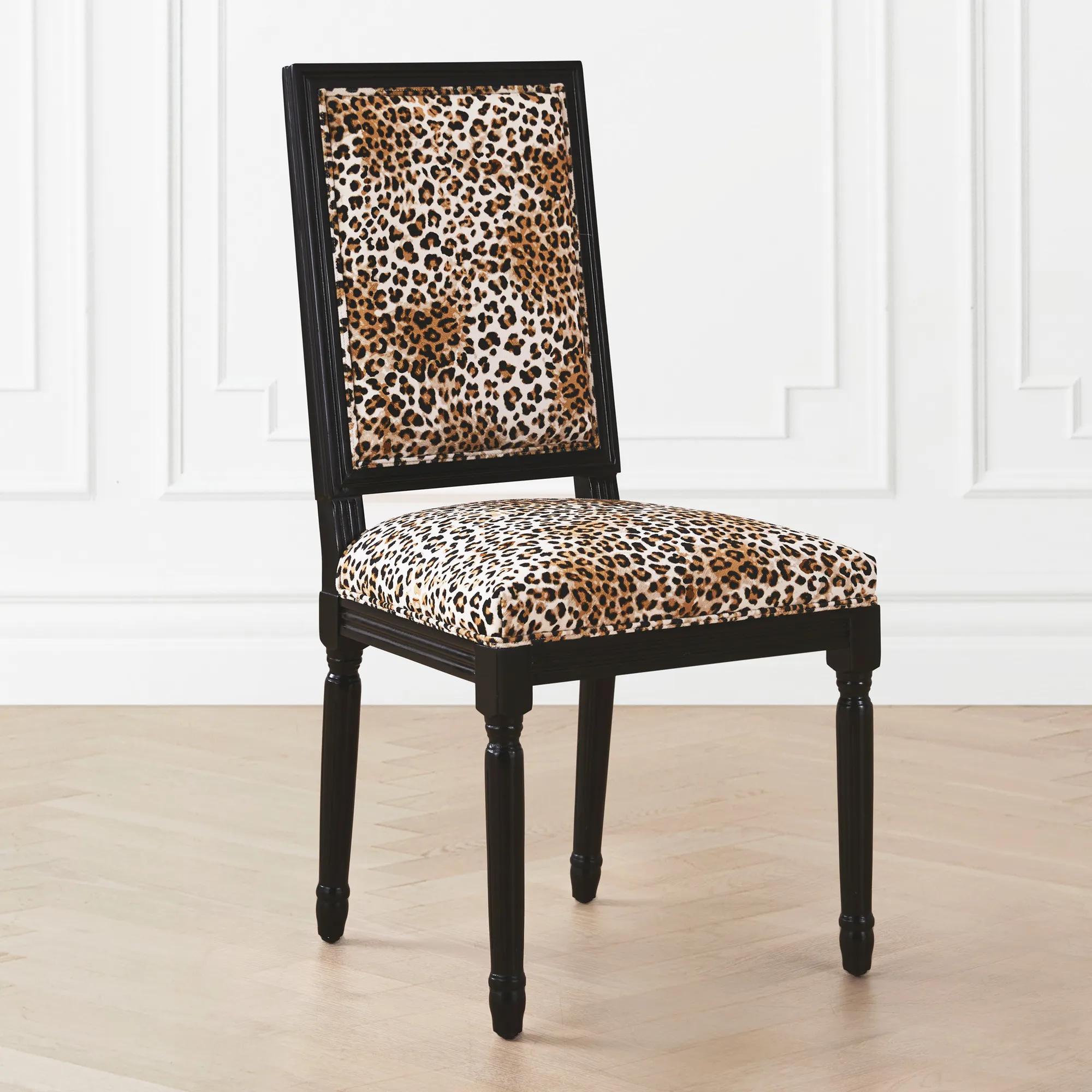
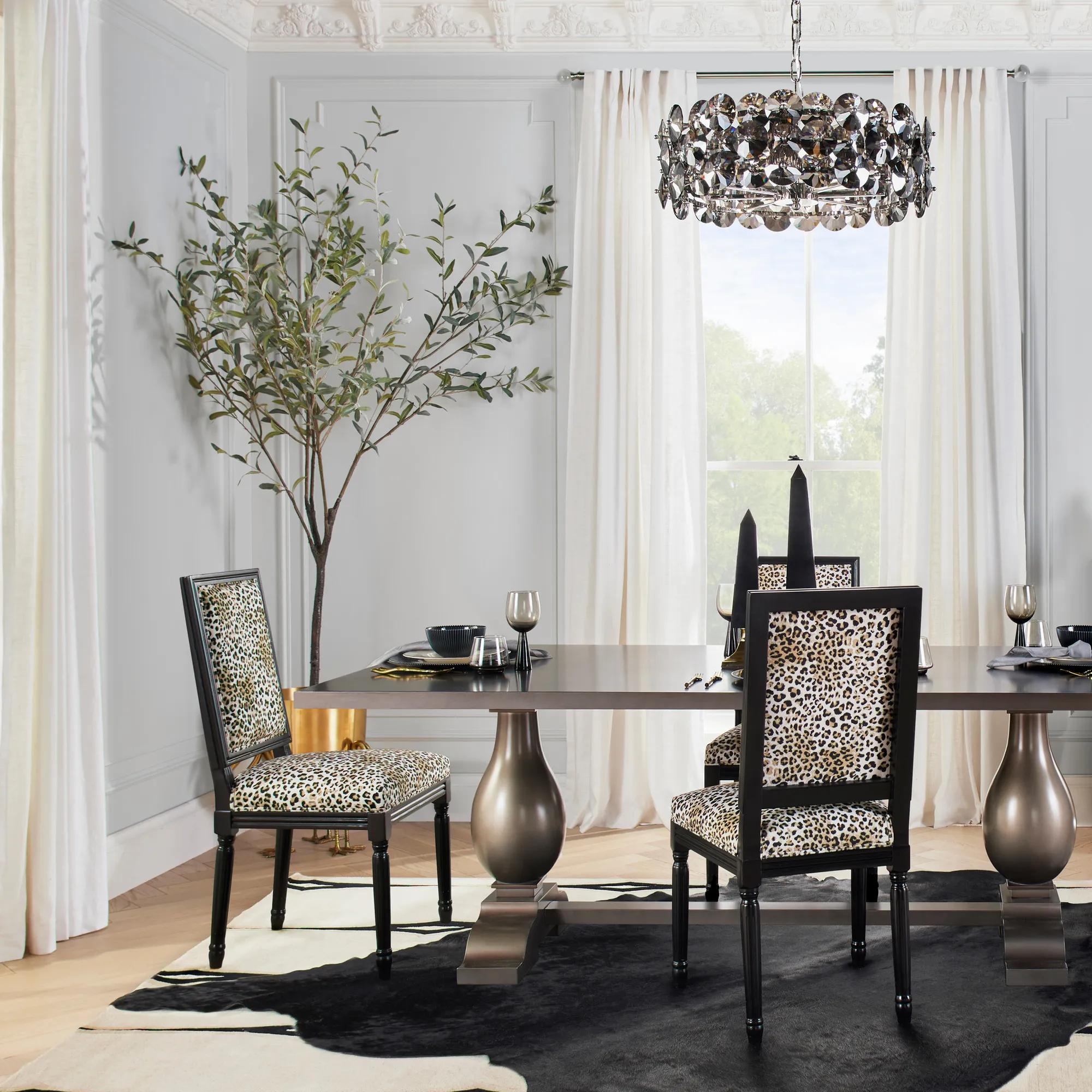 Callan Dining Chair$599
A handcrafted modern chair featuring classic upholstery, squared back, fluted legs, and high-gloss finish.
Add To Cart -
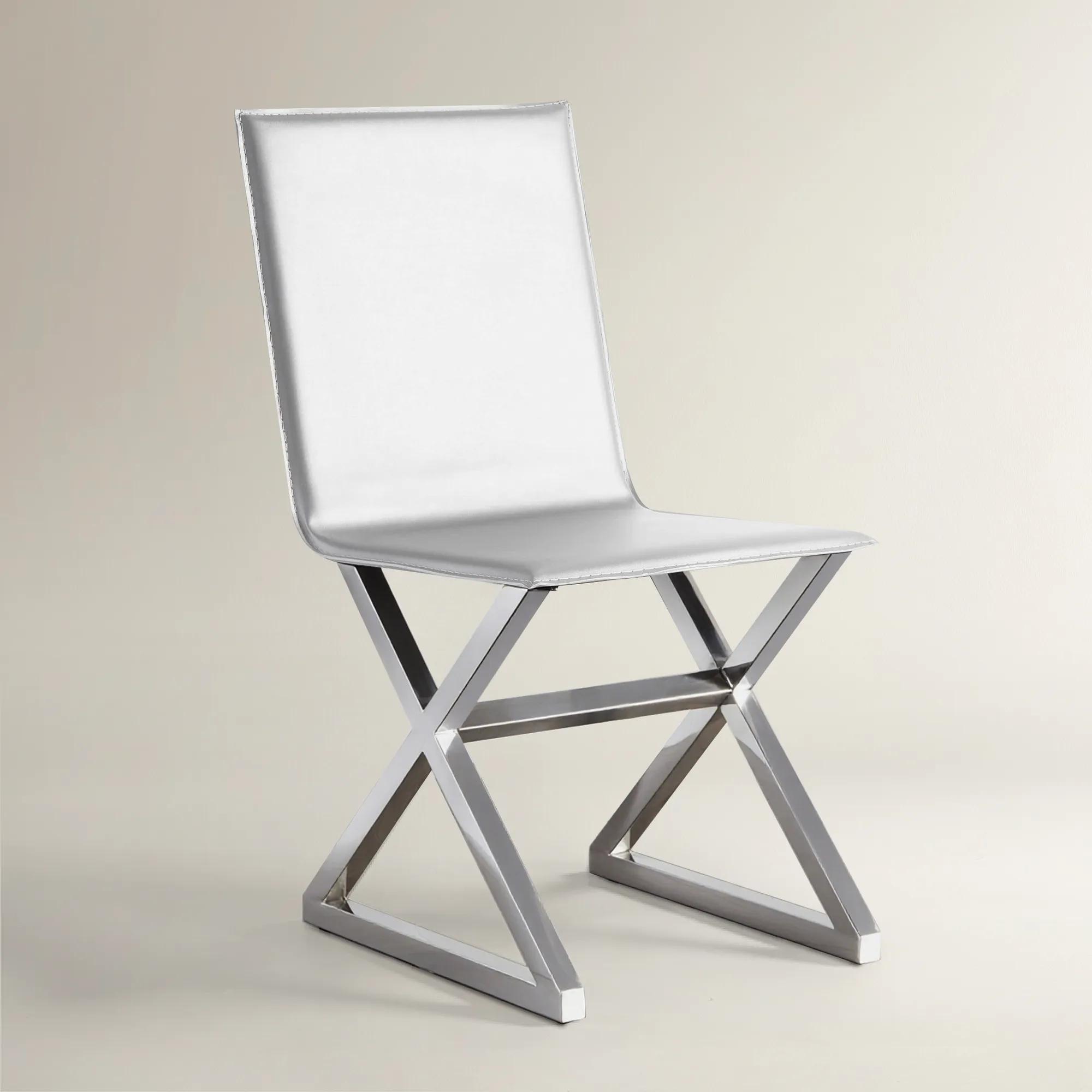
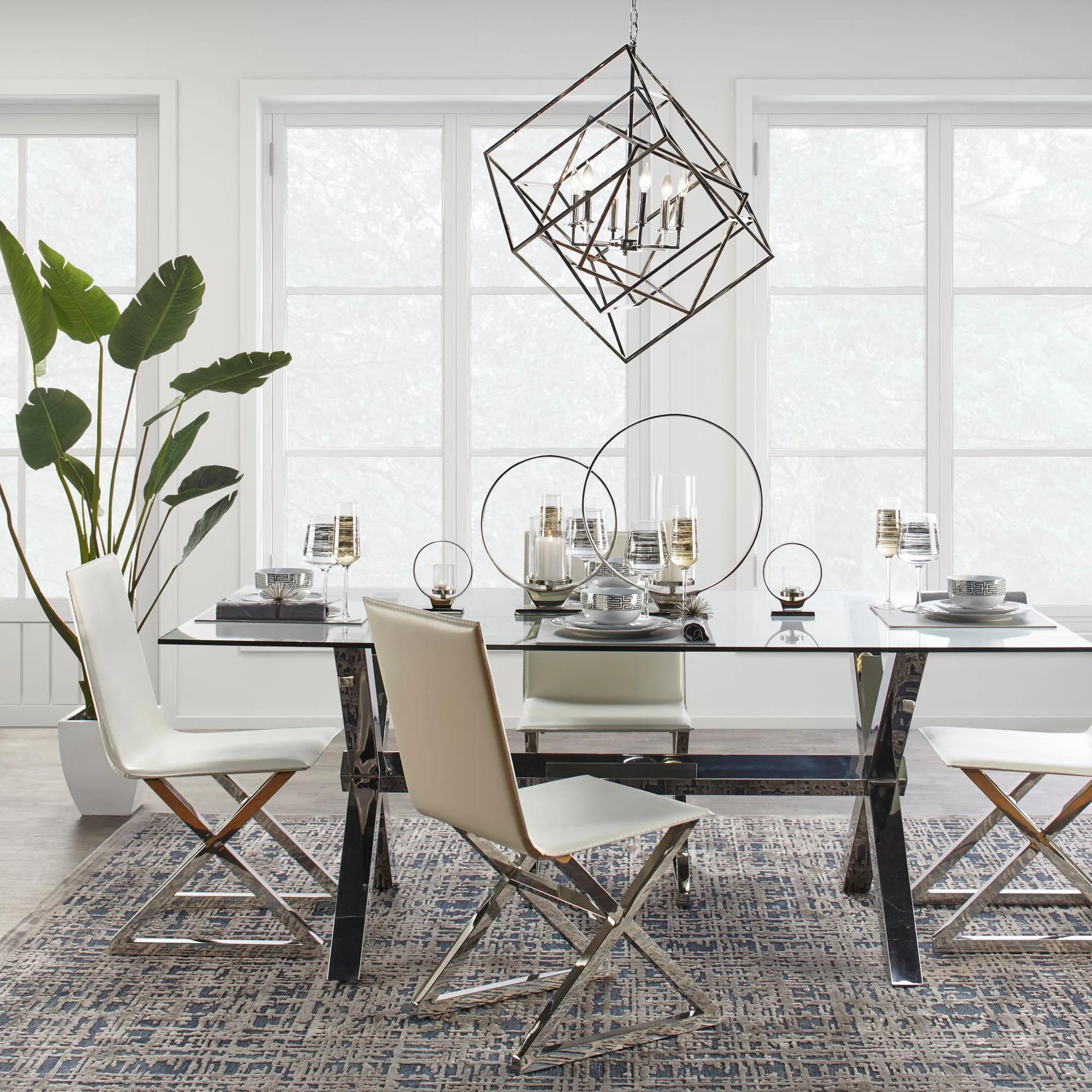 Axis Dining Chair - Set of 2$399
A contemporary chair set featuring white bonded leather upholstery and a polished stainless steel base.
Add To Cart -
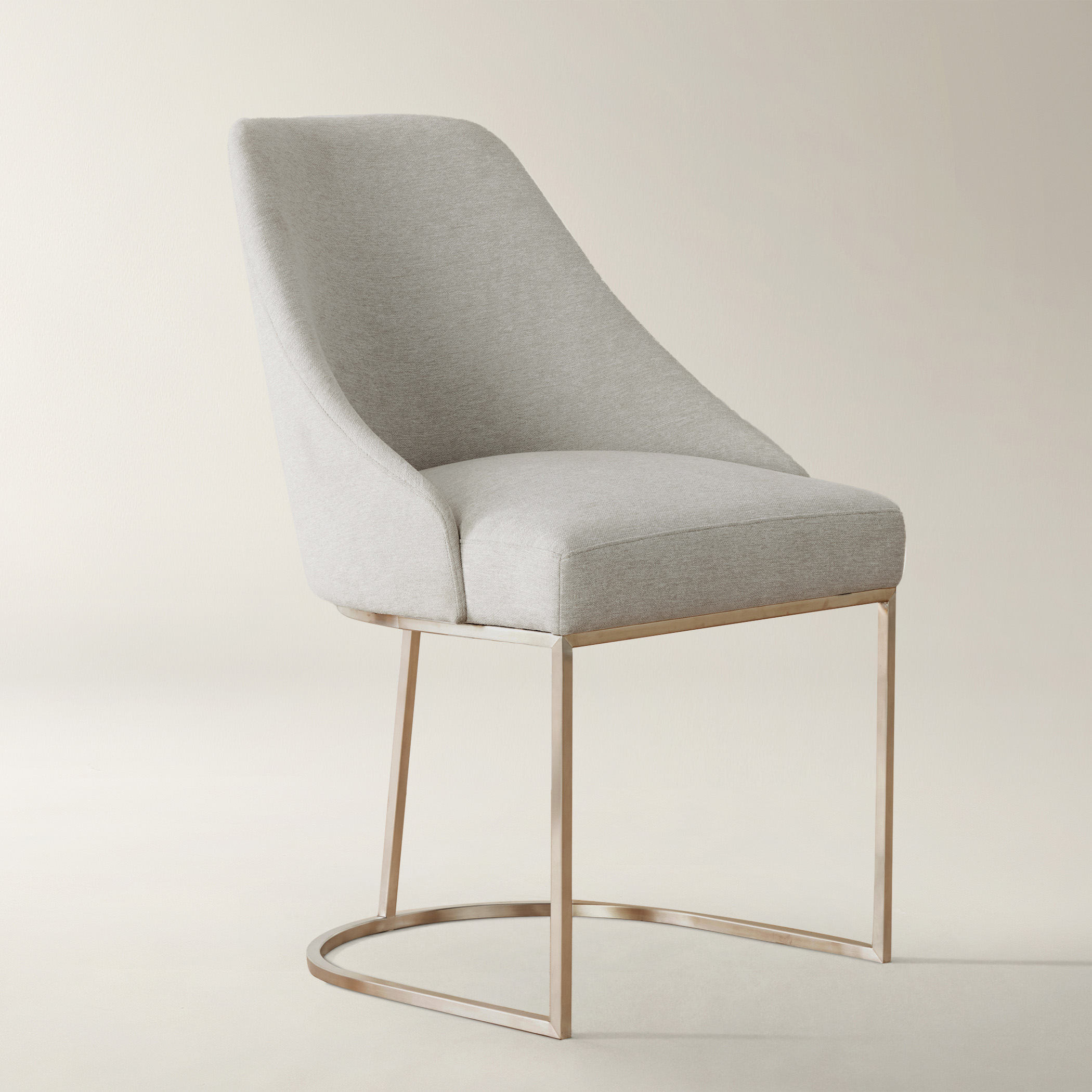
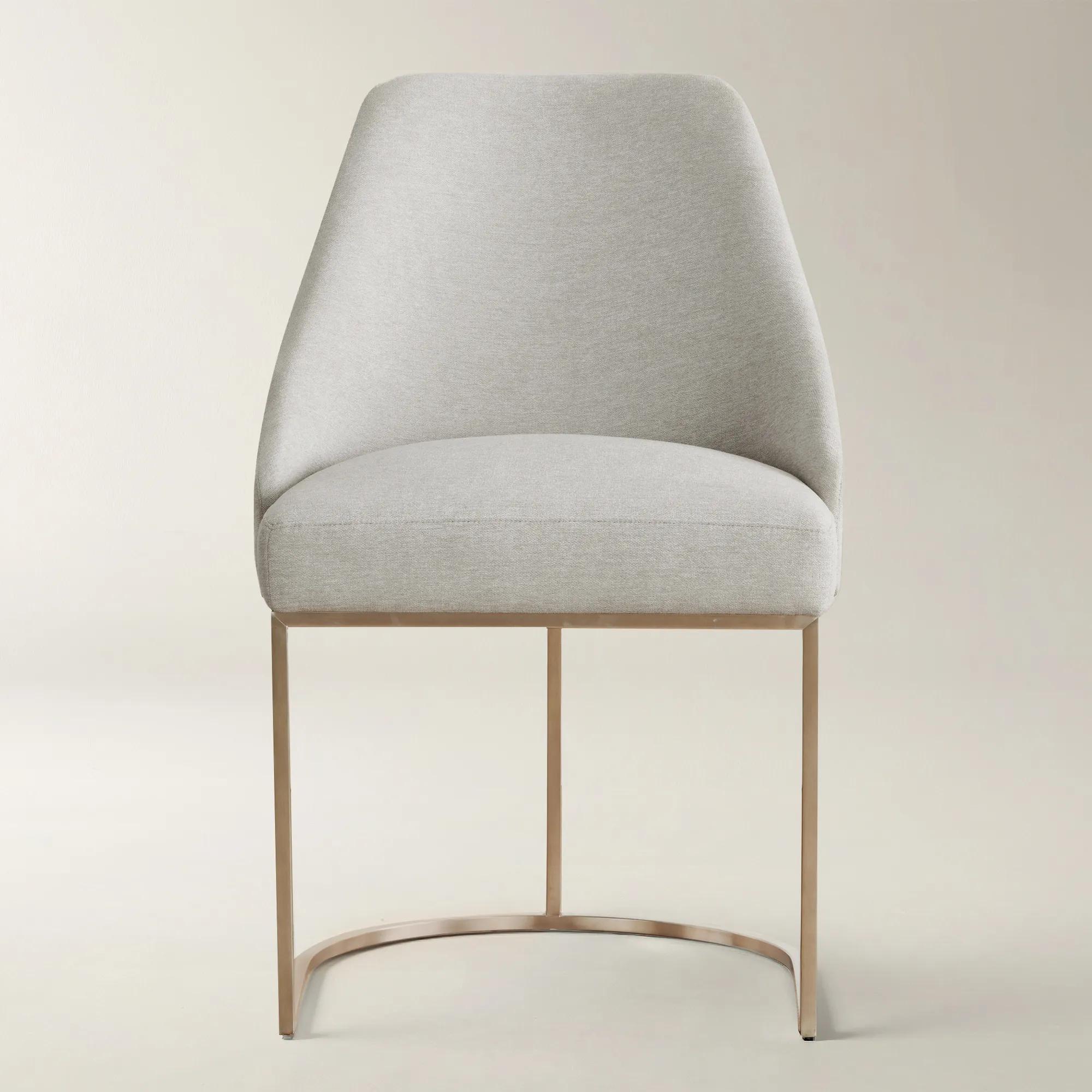 Rowan Ivory Fabric Dining Chair$599
A modern chair featuring brushed stainless steel legs and stain-resistant, water-repellent Roxboro Frost fabric.
Add To Cart -
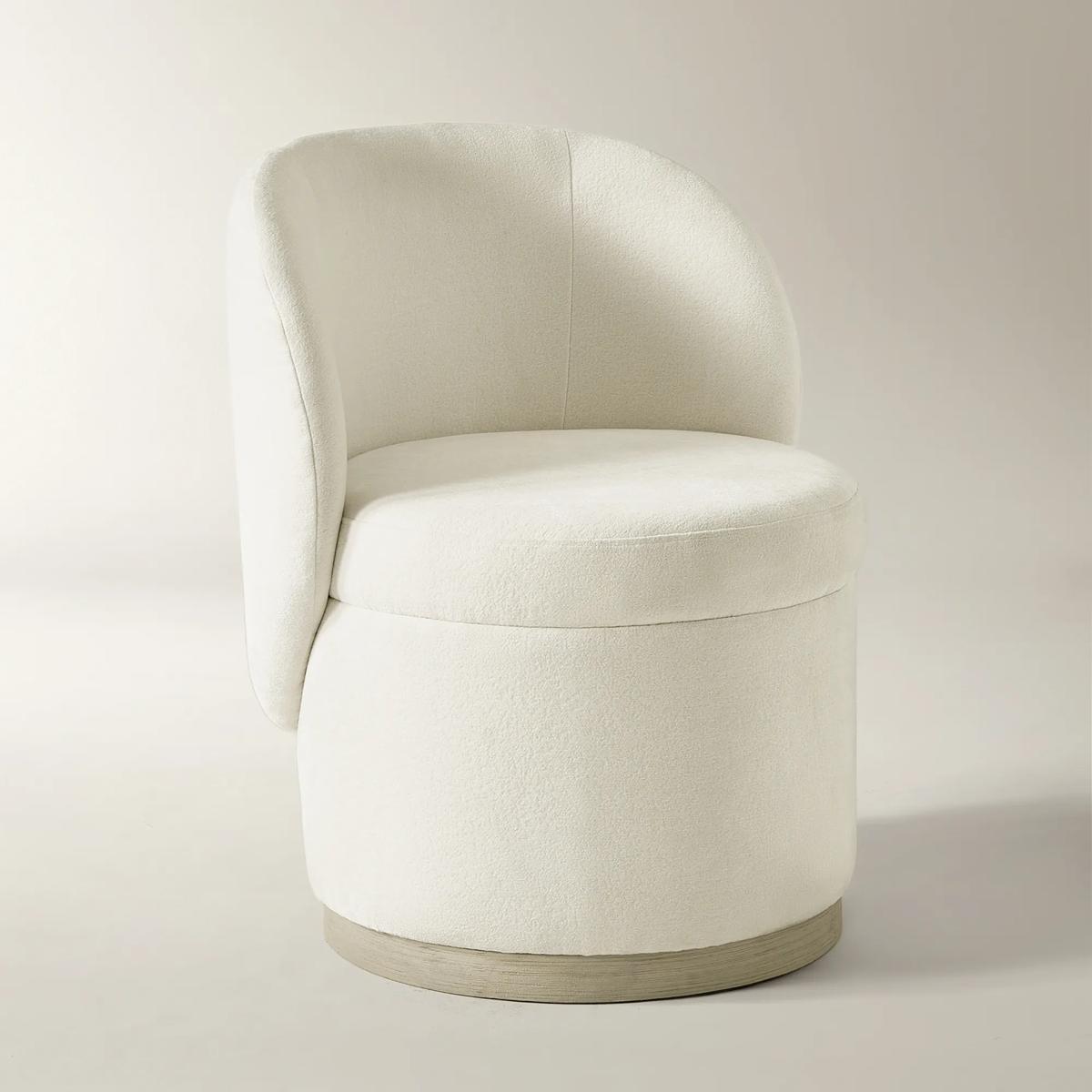 Stria Ivory Chenille Dining Chair With Oak Base$449
An ivory chenille chair featuring a plush, velvet-like finish and a handcrafted solid oak base.
Add To Cart -
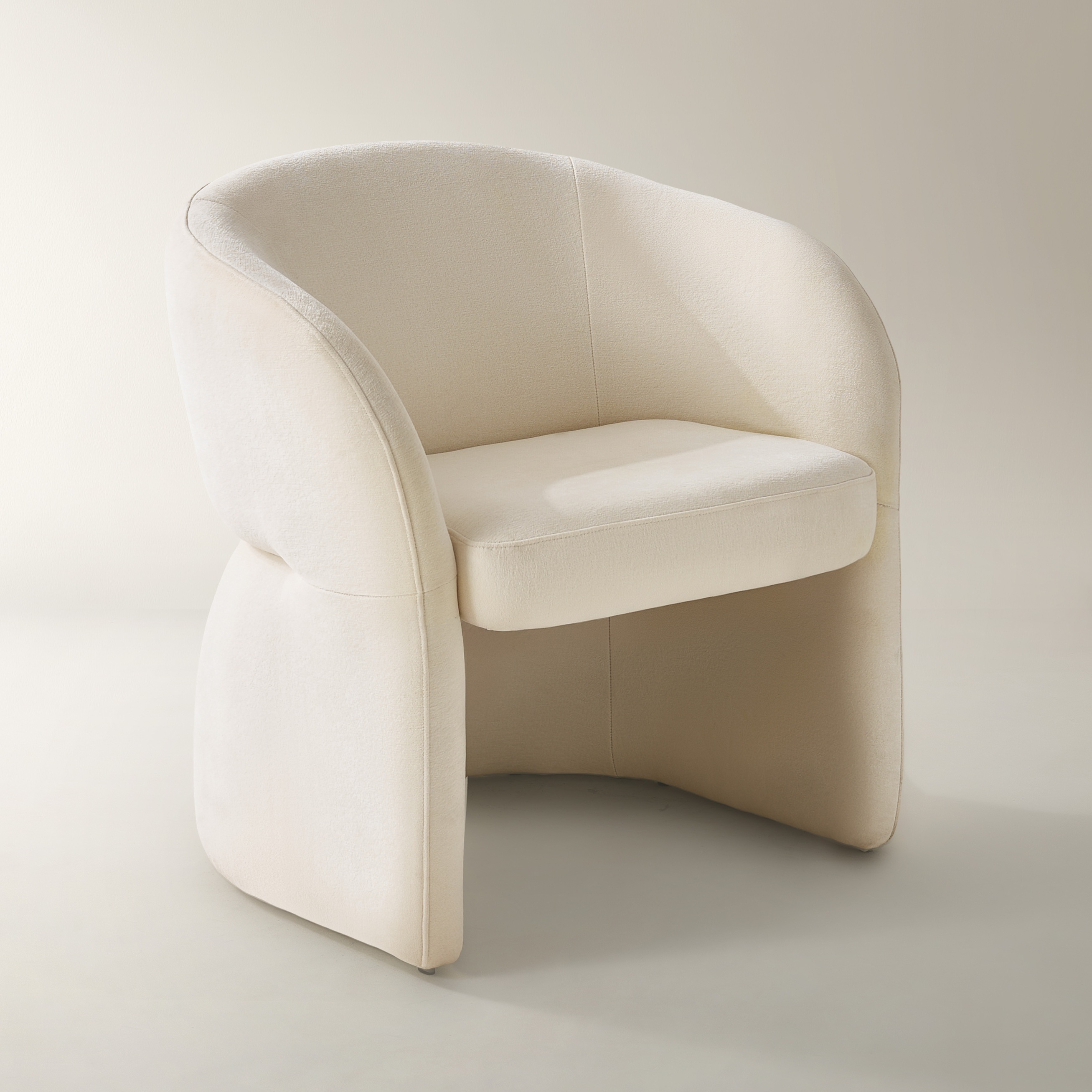
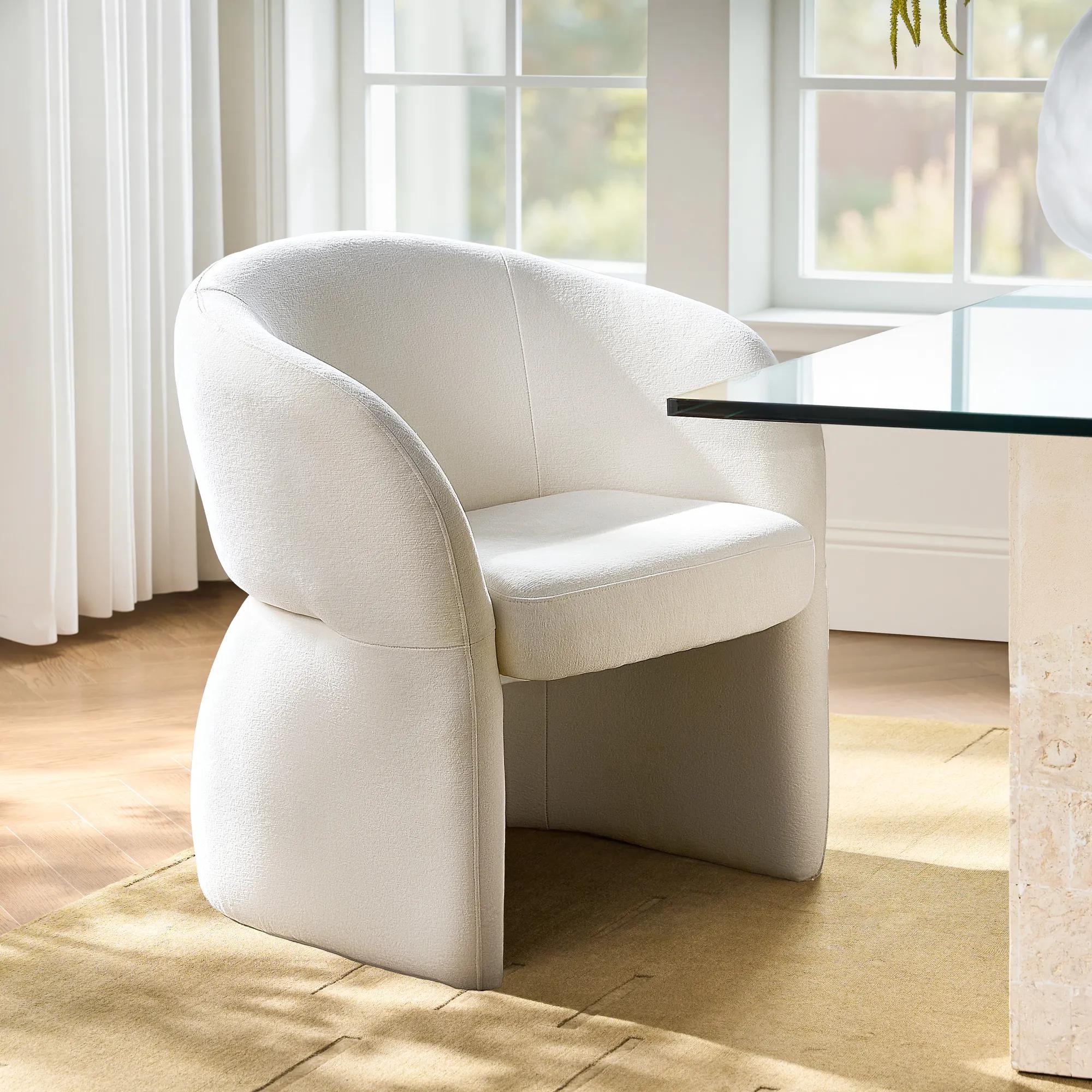 Sierra Oatmeal Velvet Dining Chair$499
An elegant accent chair in oatmeal velvet with gracefully arched arms, curved back, and plush cushioning.
Add To Cart -
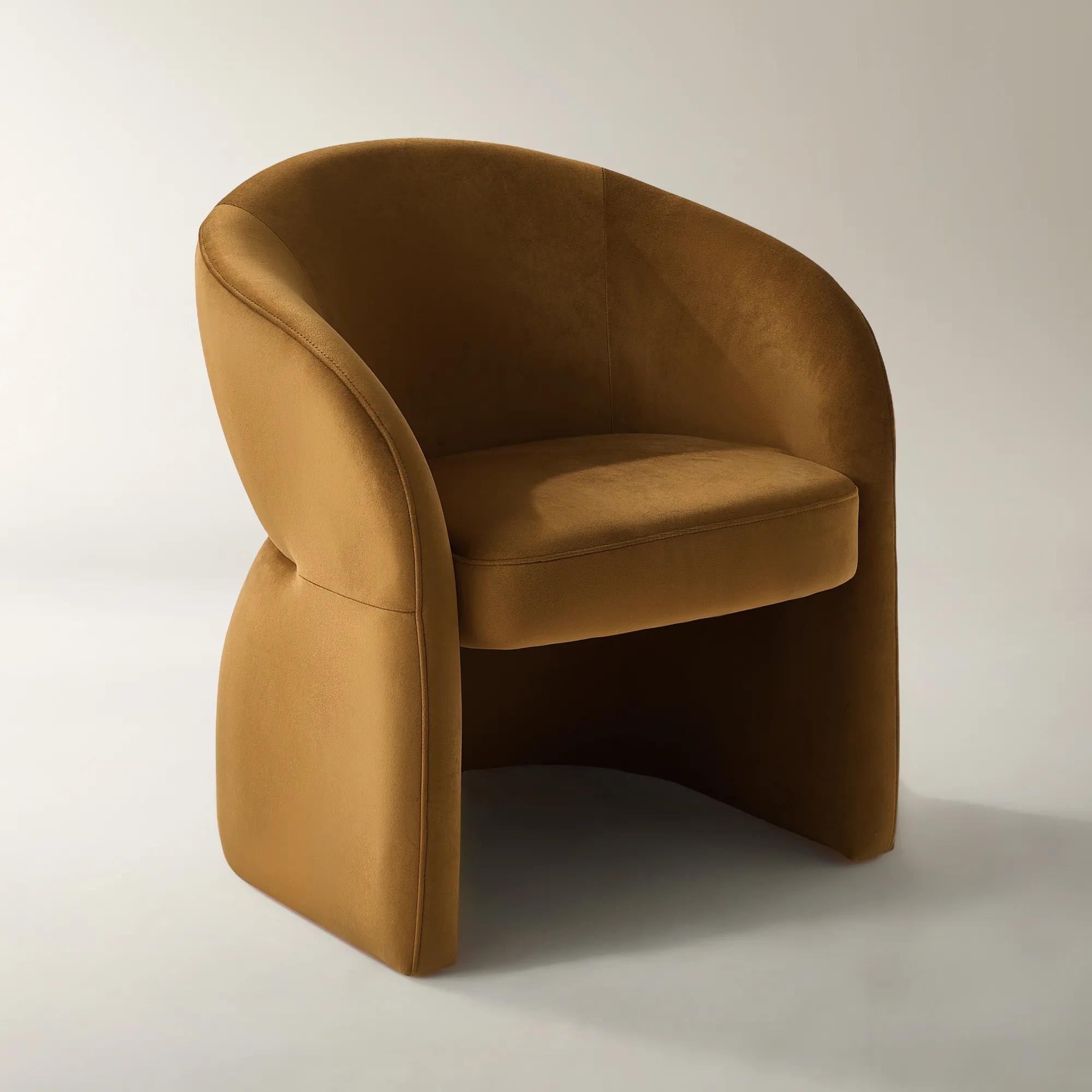
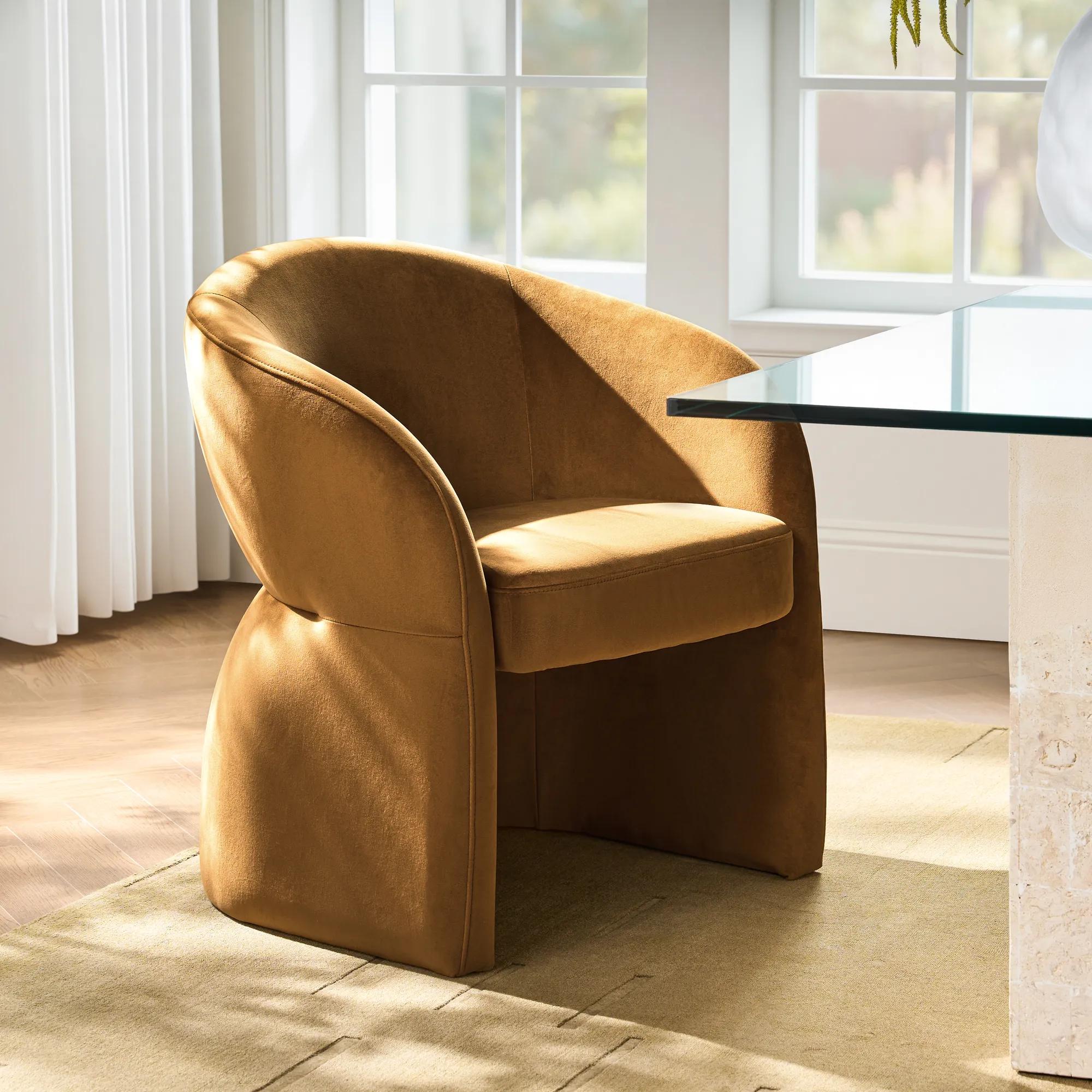 Sierra Roasted Pecan Velvet Dining Chair$499
A sculptural accent chair in roasted pecan velvet with arched arms, curved back, and plush cushioning.
Add To Cart -
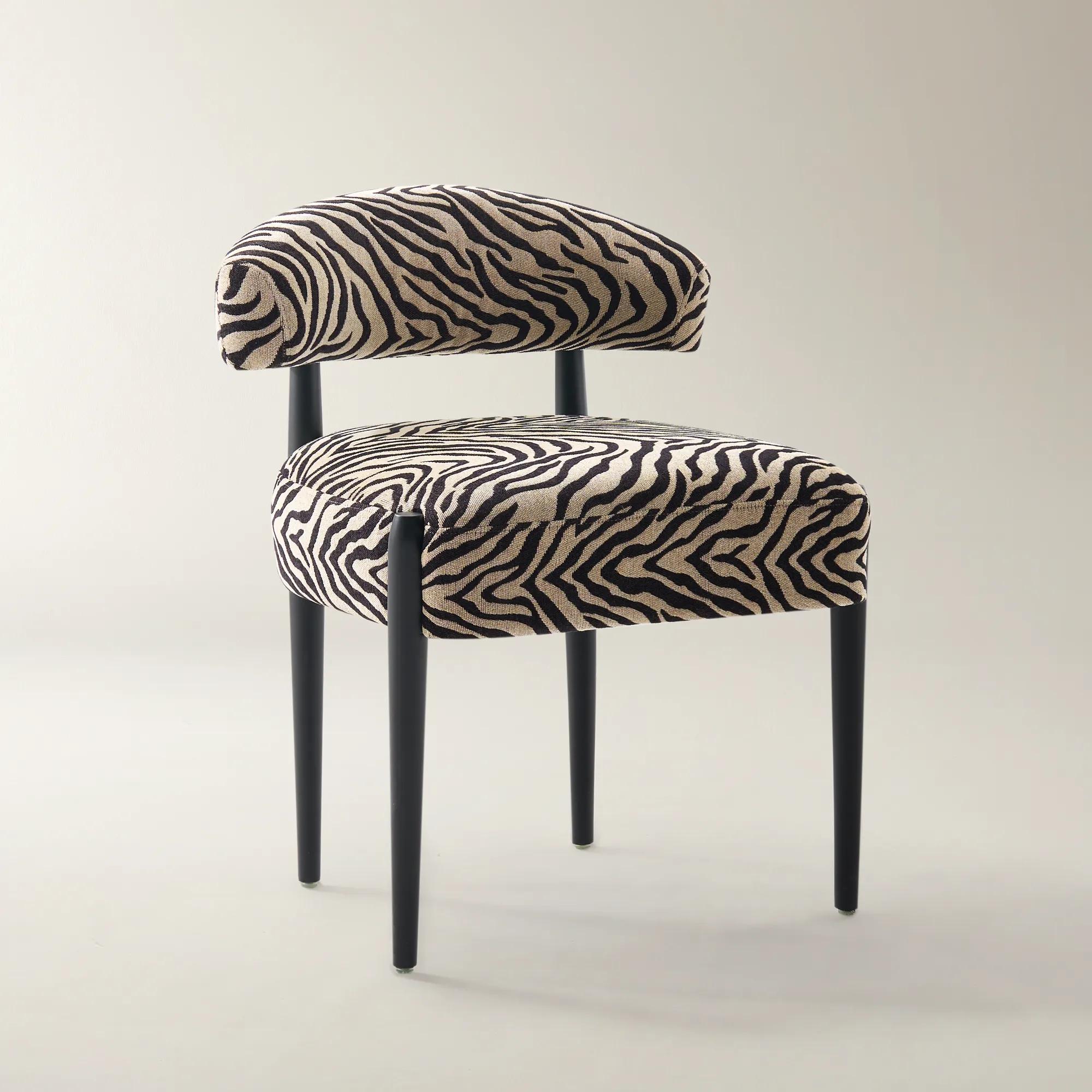 Anna Zebra Chenille Dining Chair Set Of 2$599
A set of zebra-print chenille dining chairs with high-density foam cushions and sturdy rubberwood legs.
Add To Cart -
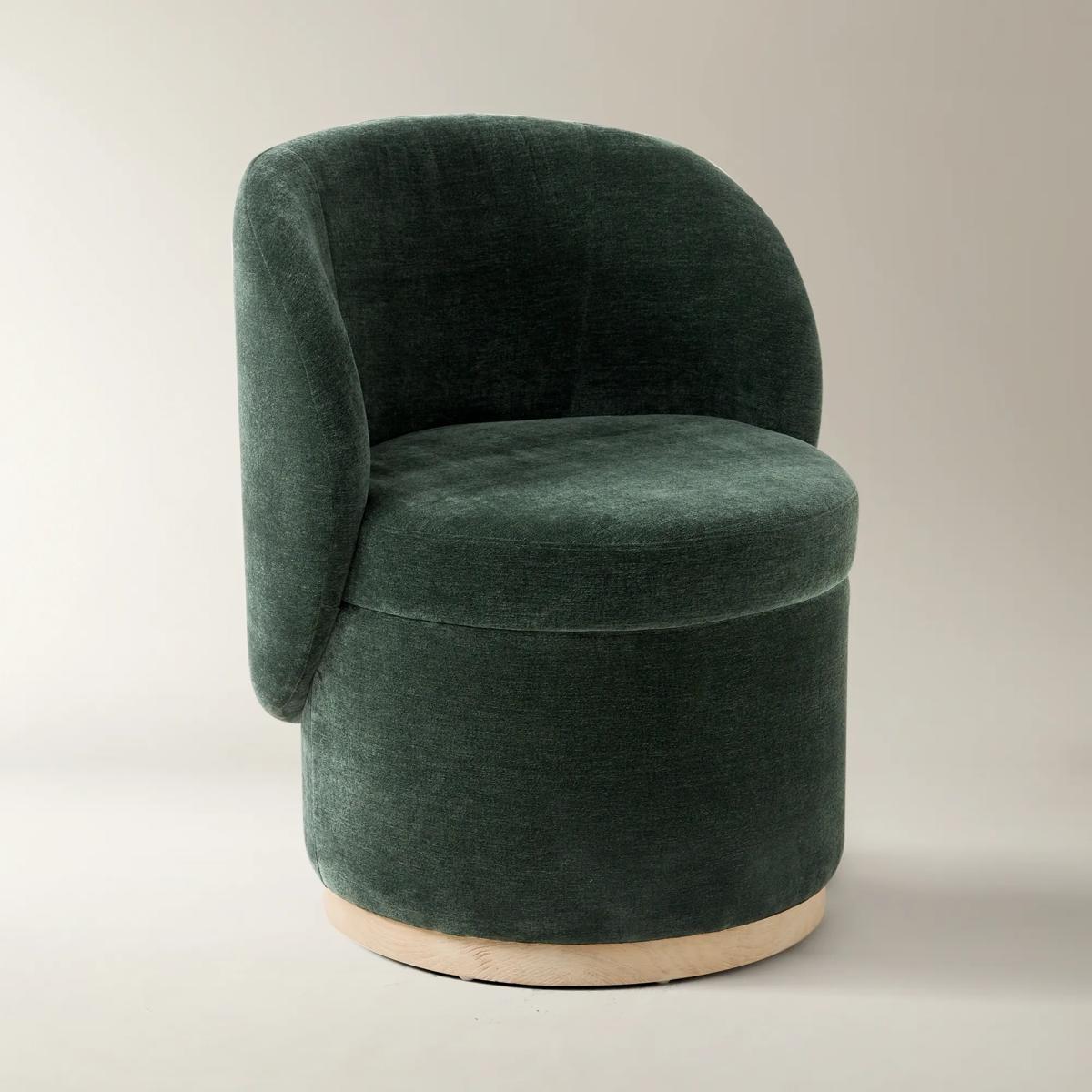
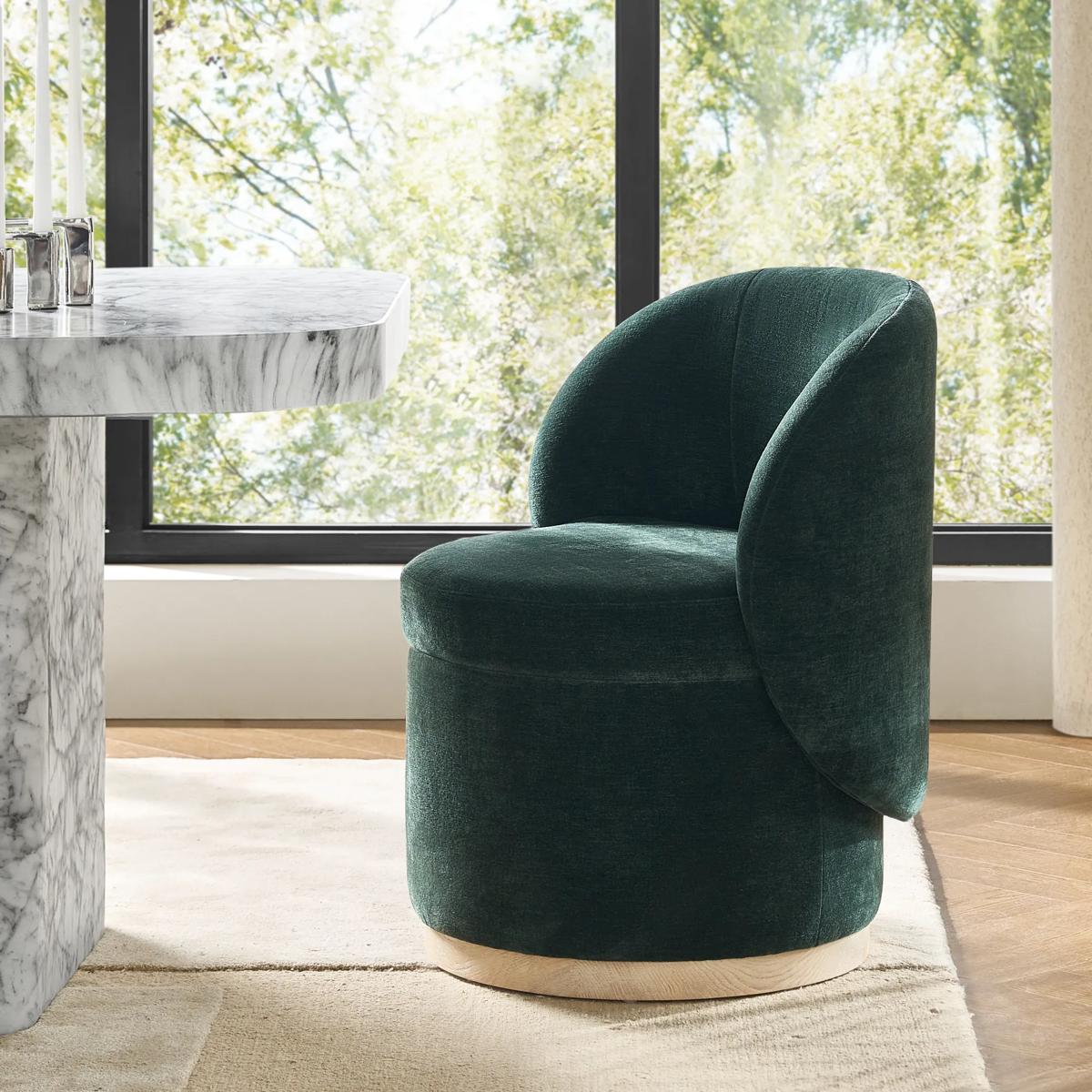 Stria Green Chenille Dining Chair With Oak Base$449
A green chenille dining chair with a handcrafted solid oak base and inviting, softly curved silhouette.
Add To Cart -
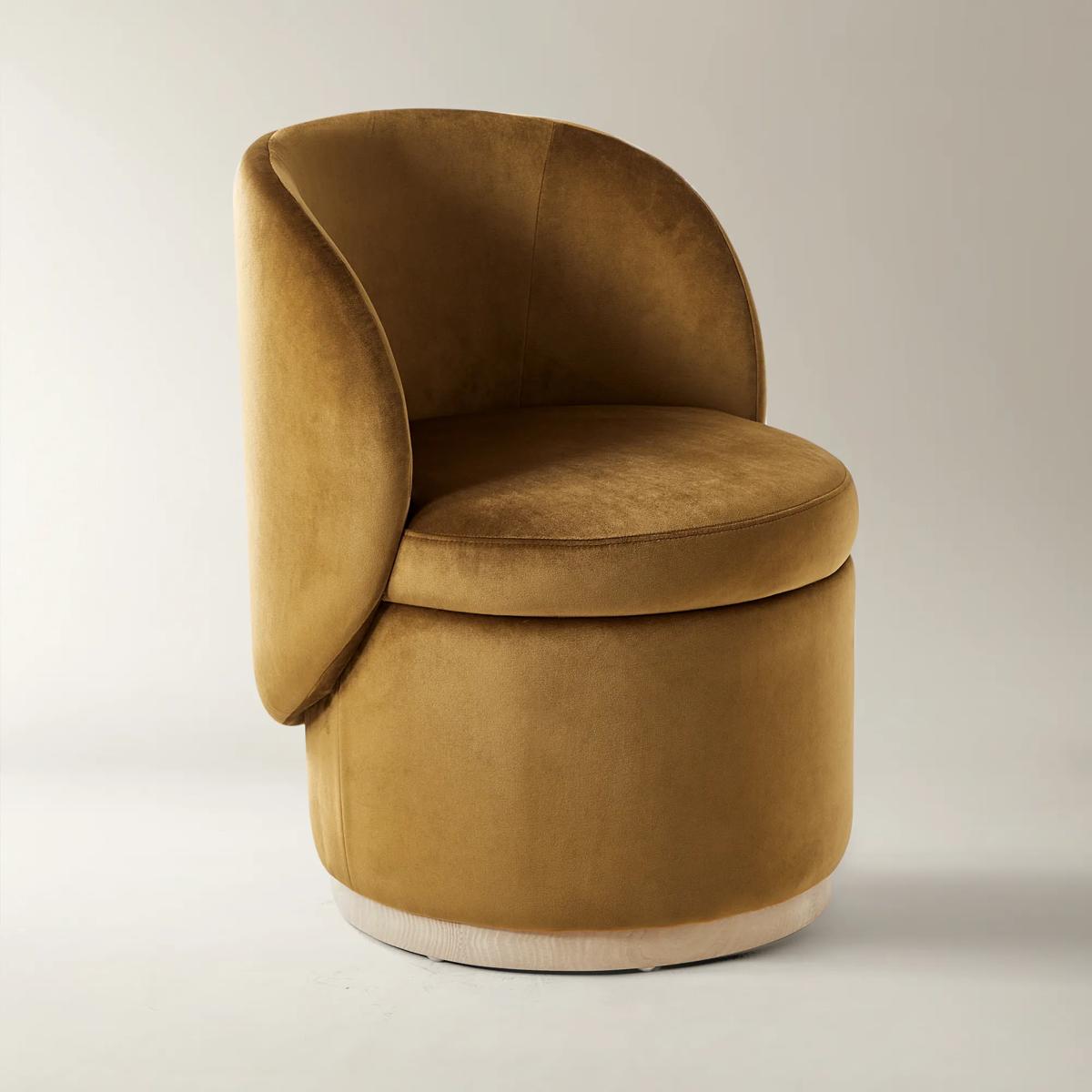
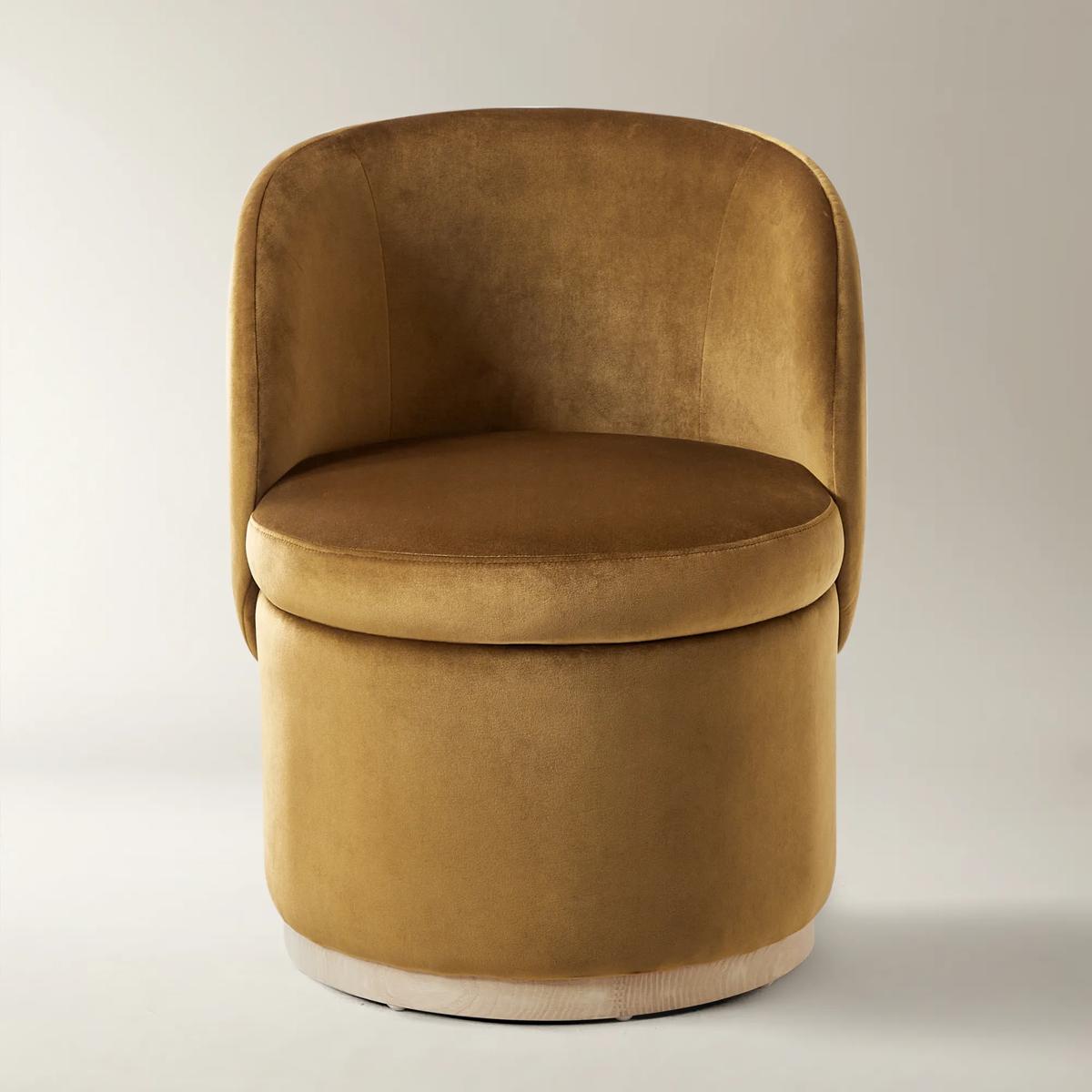 Stria Roasted Pecan Velvet Dining Chair With Oak Base$449
A khaki chenille chair featuring cozy upholstery and a handcrafted solid oak base for organic warmth.
Add To Cart -
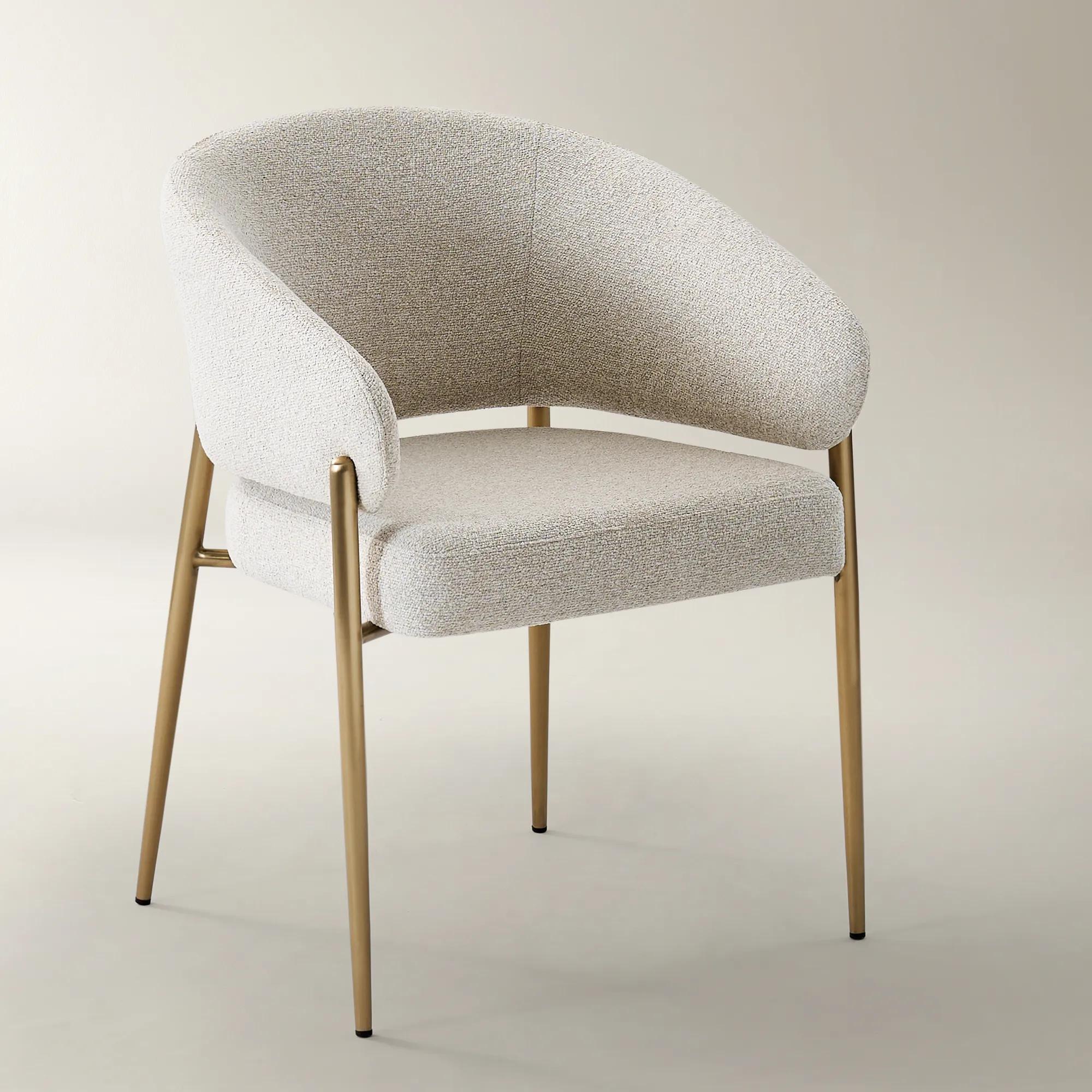
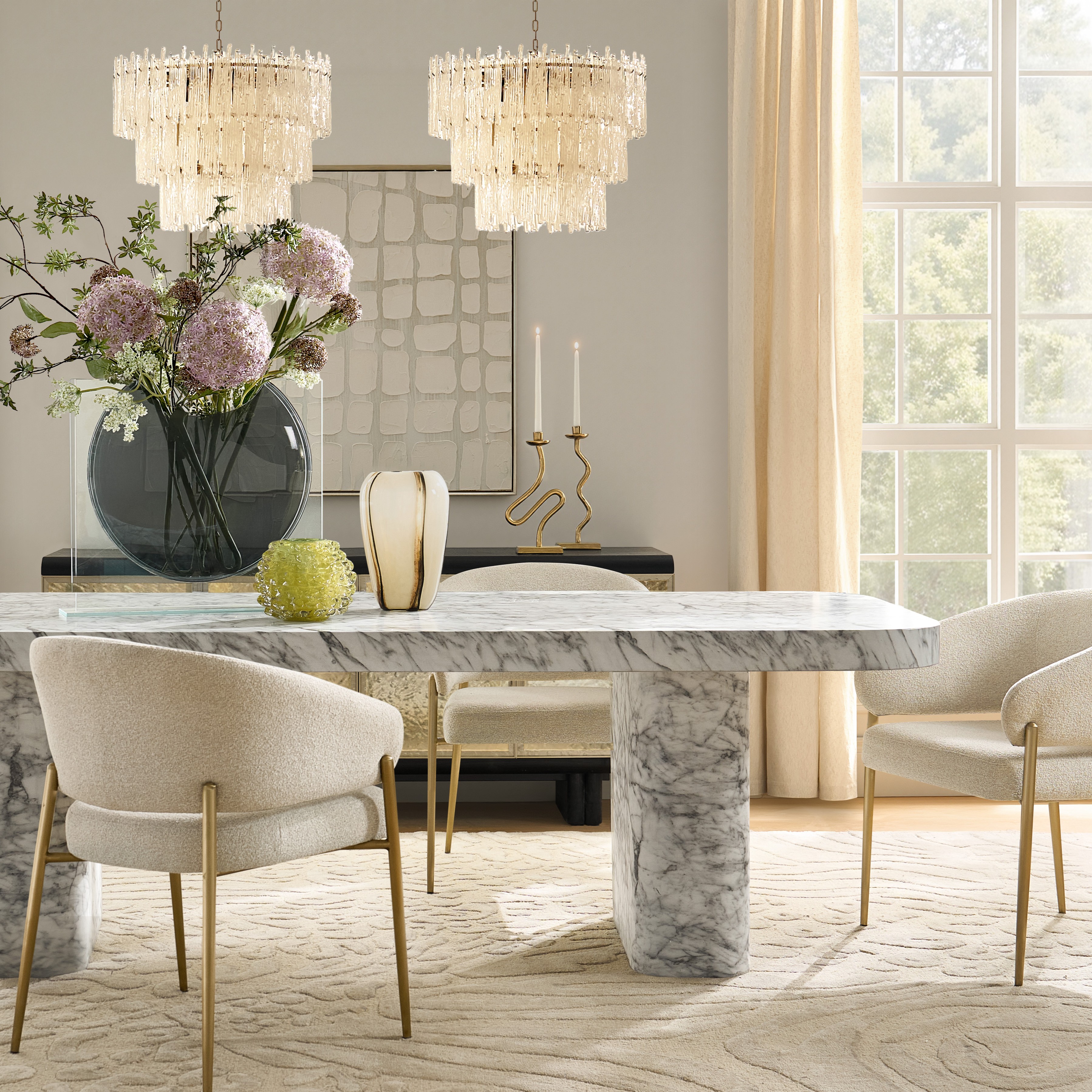 Nara Ivory Boucle Dining Chair Set Of 2$599
An ivory boucle dining chair set with a curved backrest and brushed stainless steel frame for modern elegance.
Add To Cart -
.jpg?w=1200&h=1200) Harrison Cream Chenille Dining Chair$449
Harrison Cream Chenille Dining Chair$449A fully upholstered cream chenille chair with high-density foam cushioning for exceptional comfort and contemporary style.
Add To Cart

Indoor Tufted Dining Chairs
Indoor Tufted Dining Chairs transform every meal into a moment of pure indulgence, infusing your dining space with an unmistakable air of sophistication. Each chair is an invitation to linger longer, enveloped in plush comfort and sculptural allure. The artfully tufted upholstery creates a symphony of texture and depth, catching the light and captivating the eye from every angle. Whether you’re hosting an intimate soirée or an extravagant feast, these chairs set the stage for unforgettable gatherings—where style is celebrated and every detail dazzles. Elevate your dining room with seating that is as dramatic as it is inviting, and let your space tell a story of unapologetic glamour.
Indoor tufted dining chairs bring upholstered comfort and sculptural detail to the dining table, turning everyday seating into an expressive part of the room. Defined by fabric or leather drawn into patterned recesses, tufting creates dimension through shadow, texture, and carefully placed stitching. Deep button tufting lends a chair a richly tailored, traditional presence, while biscuit tufting introduces a grid of cushioned squares with a more geometric rhythm. Channel tufting uses elongated sections to create a streamlined effect that feels especially compelling beside a modern table. Each treatment offers a different kind of drama: a diamond-tufted back can soften the severity of a glass tabletop, while vertical channels can echo the architectural lines of a sideboard or tall windows. A room centered on tufted upholstered dining chairs gains visual depth without relying on additional ornament. Upholstery makes an equally distinctive contribution. Velvet catches light across its pile, giving jewel tones a luminous richness and pale neutrals a subtle, shifting sheen. Linen and linen-blend fabrics offer a more textured, matte surface that balances gleaming accents beautifully, although stain resistance and cleaning requirements depend on the fabric’s composition and finish. Polyester and other synthetic blends can offer useful wear resistance, but their performance varies by weave and construction. Genuine leather develops character with use and requires leather-appropriate care; faux leather offers a smooth surface that may simplify wiping up everyday spills when cleaned according to its instructions. Neither material should be treated as immune to scratching, staining, or wear. Color sets the atmosphere around these textures. Ivory and champagne tones keep a substantial chair visually light, charcoal creates a crisp outline against a pale table, and saturated blue or green brings depth to a dining space layered with metallic details. The result can feel poised for an intimate supper or a lavish gathering without losing its purpose as comfortable, functional indoor seating.
Proportion gives tufted dining room chairs their most convincing presence. A generous upholstered back may look beautifully balanced beside a substantial pedestal table yet feel crowded around a narrow breakfast table, so overall width and depth deserve as much attention as silhouette. Standard dining tables are commonly about 28 to 30 inches high, and many dining chair seats sit approximately 18 to 20 inches from the floor. These ranges are starting points rather than guarantees of fit. Around 10 to 12 inches between the seat and the underside of the tabletop typically provides comfortable legroom, but a low apron can reduce the usable space. Cushion compression also affects how a chair feels once someone is seated. For chairs with arms, compare arm height with the lowest part of the table edge or apron; a chair that cannot slide underneath will occupy more floor space between meals. Armless tufted chairs often suit smaller dining areas because they allow easier side access and can tuck closer to the table. Upholstered armchairs bring a more enveloping presence to the ends of a rectangular table, creating distinguished host seats while preserving a cleaner line along the sides. Allow roughly 24 inches of table edge per diner as an initial planning measure, with more room for wide chairs or arms. About 36 inches between the table edge and a wall generally helps with pulling chairs out, while an active walkway behind seated guests may need more clearance. Table legs and pedestal bases can interrupt otherwise generous spacing, making their placement worth checking before deciding how many seats will fit comfortably. Seat depth, back angle, and cushioning matter during longer meals, too: someone who prefers upright support may find a deeply reclined chair less suitable for dining. Matching chairs establish a polished rhythm, while coordinated host and side chairs introduce contrast through tufting, fabric, or shape. Repeating one element, such as upholstery color or leg finish, keeps that contrast deliberate rather than disconnected.
Durability depends on the entire chair, not simply the richness of its upholstery or the depth of its tufting. A well-constructed frame, secure joints, reliable seat support, and cushioning that retains its shape all contribute to lasting comfort. Solid wood frames and legs can provide substantial support, while engineered wood components and metal frames vary in performance according to their design and construction. Wood finishes bring warmth to an upholstered silhouette; polished or brushed metal legs introduce a sharper note against plush fabric. Check the stated weight capacity for each chair rather than assuming that similar-looking designs offer identical support. Where assembly is required, follow the supplied sequence, confirm that the chair sits level, and check fasteners periodically as directed by the manufacturer. Floor-protecting glides or suitable felt pads help reduce scratching, particularly when dining chairs move frequently across hardwood or tile. Care should match both the material and the realities of the household. In a dining area used for family breakfasts, homework, and evening meals, upholstery with clearly documented stain resistance and straightforward cleaning instructions can be more practical than a delicate fabric chosen on appearance alone. Performance labels are not interchangeable, and removable-looking cushions or covers should never be assumed washable. Regular gentle vacuuming with an appropriate upholstery attachment helps lift crumbs and dust from tufted recesses, seams, and the junction between seat and back. Blot spills promptly rather than rubbing them into the fibers, and follow the upholstery care code before applying water, solvent, or a cleaning product. Velvet may show changes in pile direction; any brushing or steaming should follow the fabric’s specific instructions. Keep upholstered dining chairs away from persistent direct sunlight and strong heat sources to help limit fading and material deterioration. Designed for interior use, they belong in dining rooms, breakfast spaces, and other dry indoor settings rather than exposed patios. With thoughtful proportions and appropriate care, their appeal extends from quiet morning coffee to lingering dinners during the cooler months, when soft upholstery, candlelight, and a beautifully set table make staying seated part of the pleasure.
FAQs
Tufted dining chairs are remarkably versatile, complementing a range of interior styles from classic glamour to modern minimalism. Their sculptural lines and plush upholstery add a touch of drama to traditional dining rooms, while sleek, streamlined tufting feels right at home in contemporary or transitional spaces. For eclectic interiors, mixing tufted chairs in bold colors or luxe fabrics can create an artful, collected look around the table.
Regular maintenance preserves the beauty and longevity of tufted dining chairs. Gently vacuum the upholstery with a soft brush attachment to remove dust and crumbs, and spot-clean spills promptly with a clean, damp cloth. For velvet or specialty fabrics, use a fabric-specific cleaner and avoid harsh chemicals. Fluff and rotate cushions as needed to maintain their shape and plushness.
Absolutely. The plush padding and ergonomic contours of tufted dining chairs are designed to cradle guests in comfort, making them ideal for leisurely dinners, festive celebrations, or long conversations that stretch into the evening. The tactile richness of the upholstery adds to the inviting ambiance, encouraging guests to relax and savor every moment.
Yes, tufted dining chairs are versatile enough to enhance a variety of spaces beyond the dining room. Place one in a bedroom corner as a chic accent, use a pair to frame a console in the entryway, or create a cozy reading nook in the living room. Their elegant profile and luxurious detailing make them a striking addition wherever you need extra seating or a touch of drama.
Gray tufted dining chairs remain a timeless favorite for their sophisticated neutrality and ability to blend seamlessly with a range of palettes. Rich jewel tones, crisp whites, and deep charcoals are also popular, allowing you to tailor your chairs to your décor vision—whether you crave understated elegance or a bold pop of color.