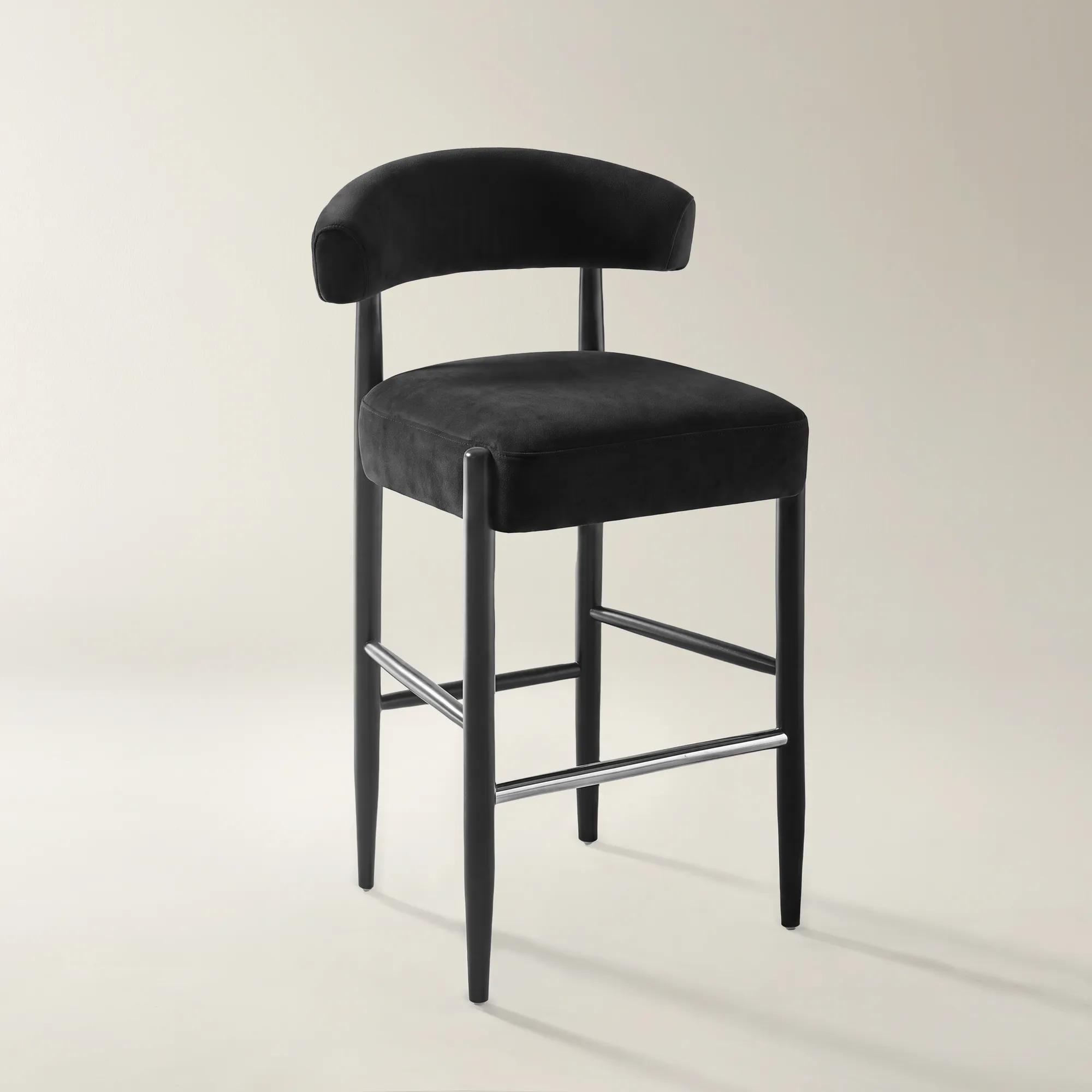
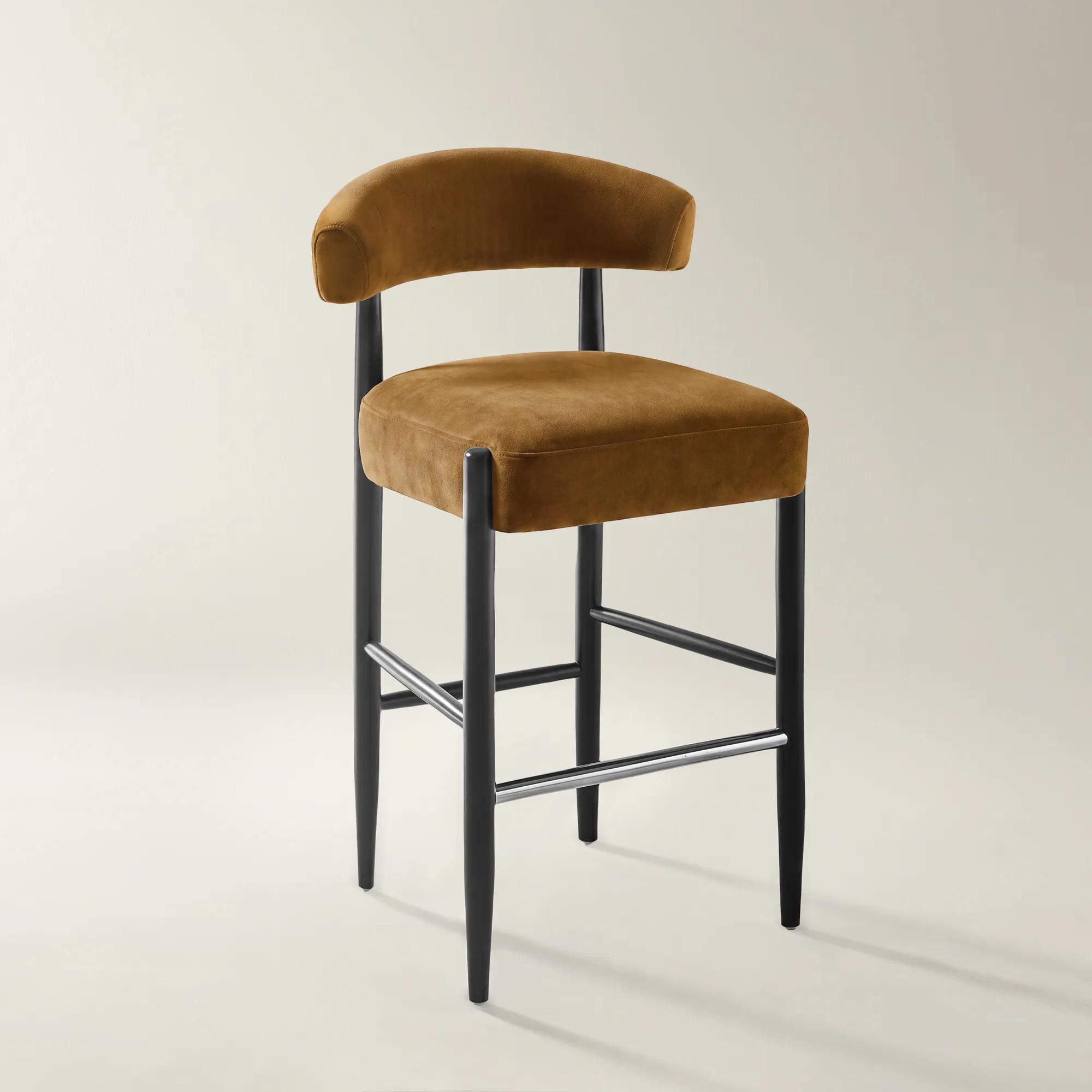
Tailored Tufted Dining Chairs
Tailored Tufted Dining Chairs
-
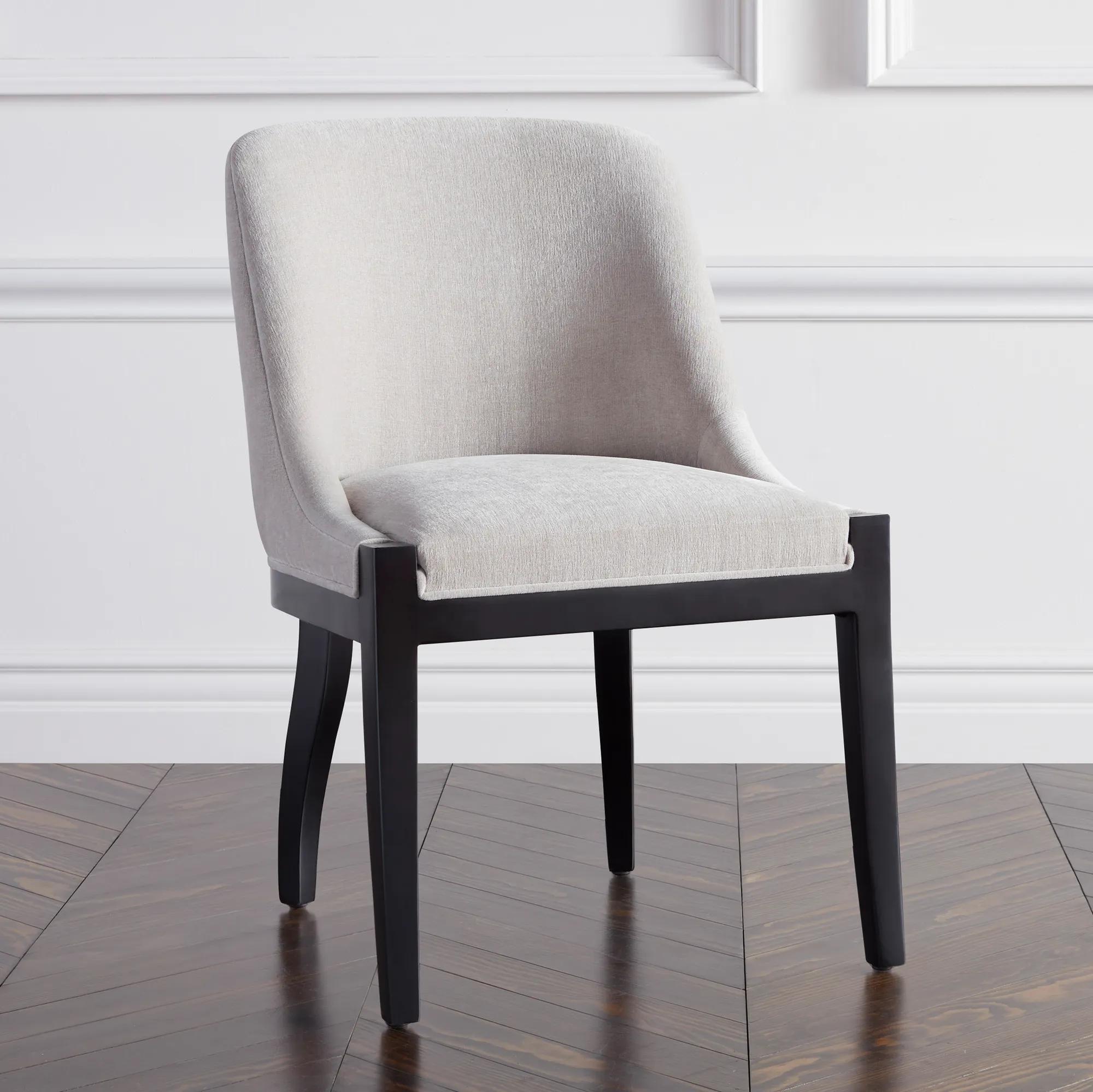 Lily Dining Chair - Matte Black$649
A modern dining chair featuring a kiln-dried hardwood frame and matte black legs with tailored upholstery.
Add To Cart -
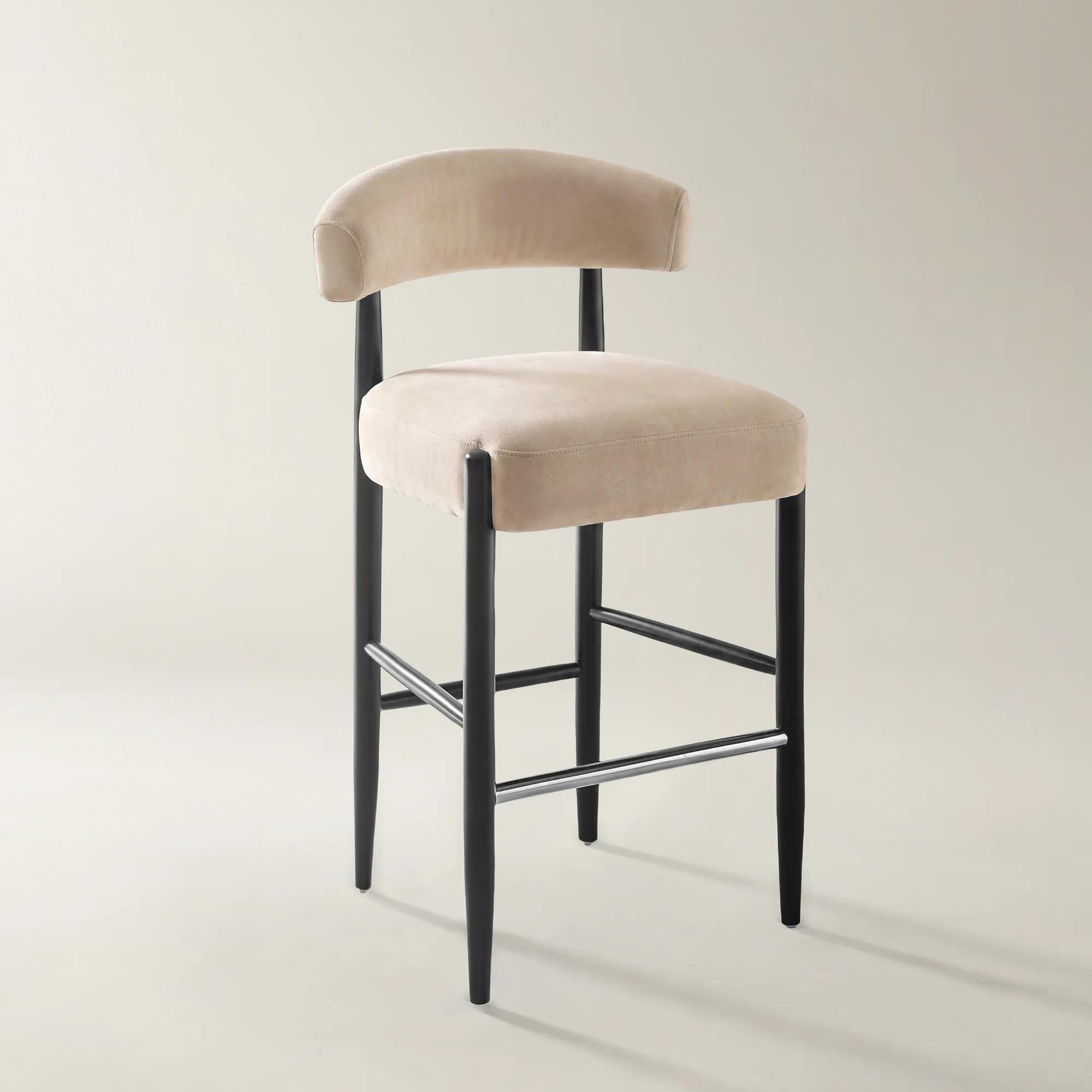
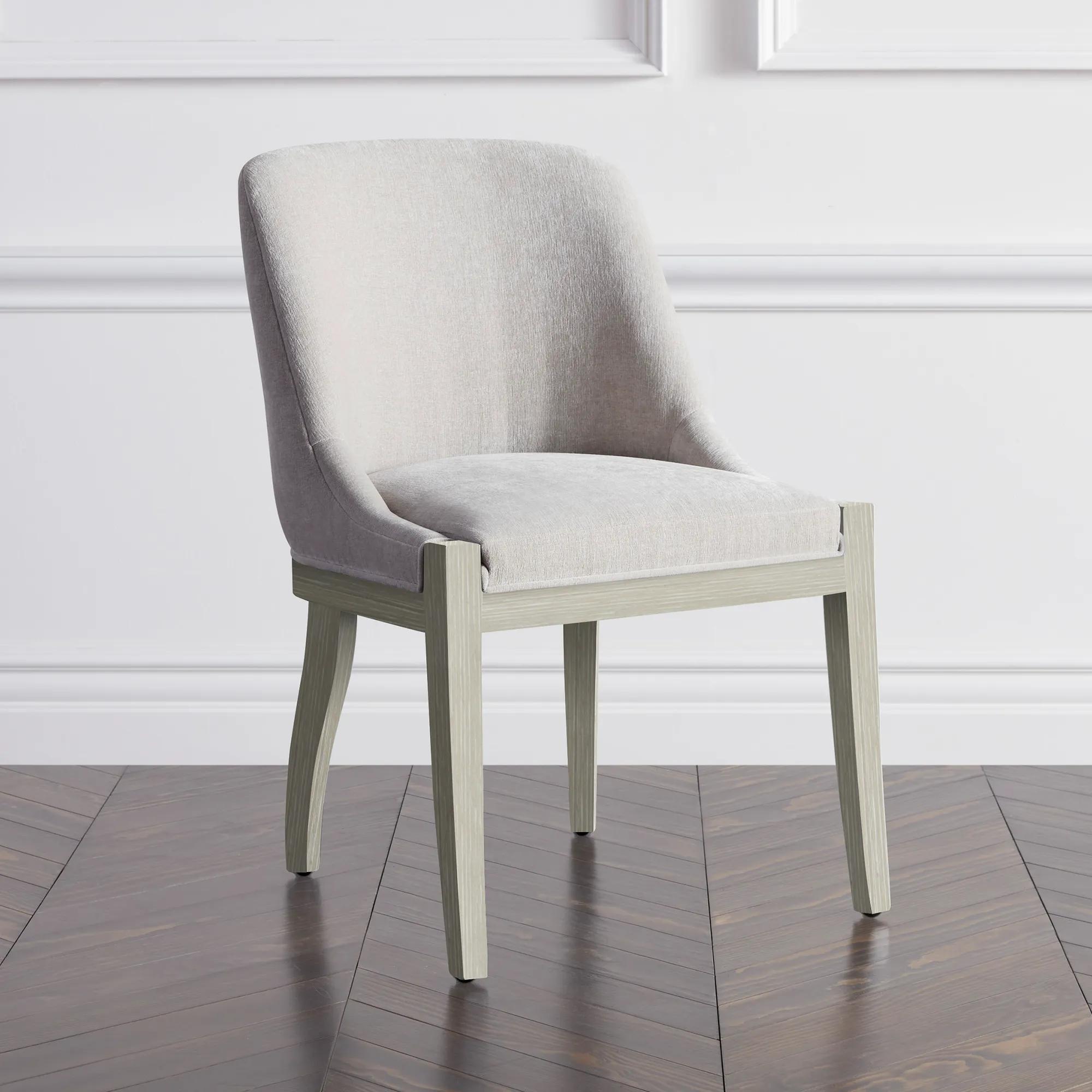 Lily Dining Chair - Natural Grey$799
A modern dining chair featuring natural grey upholstery, kiln-dried hardwood frame, and plush foam cushioning.
Add To Cart -
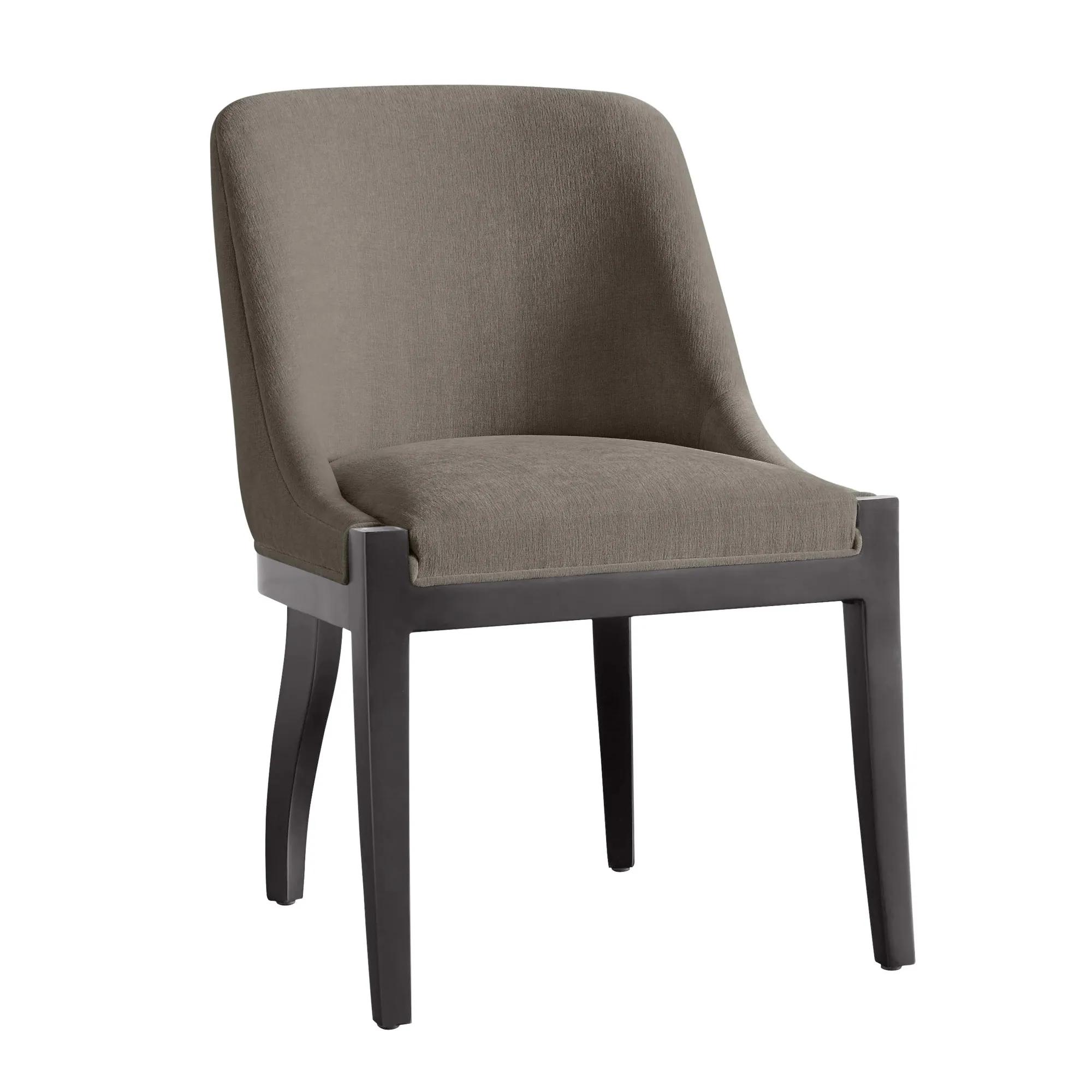
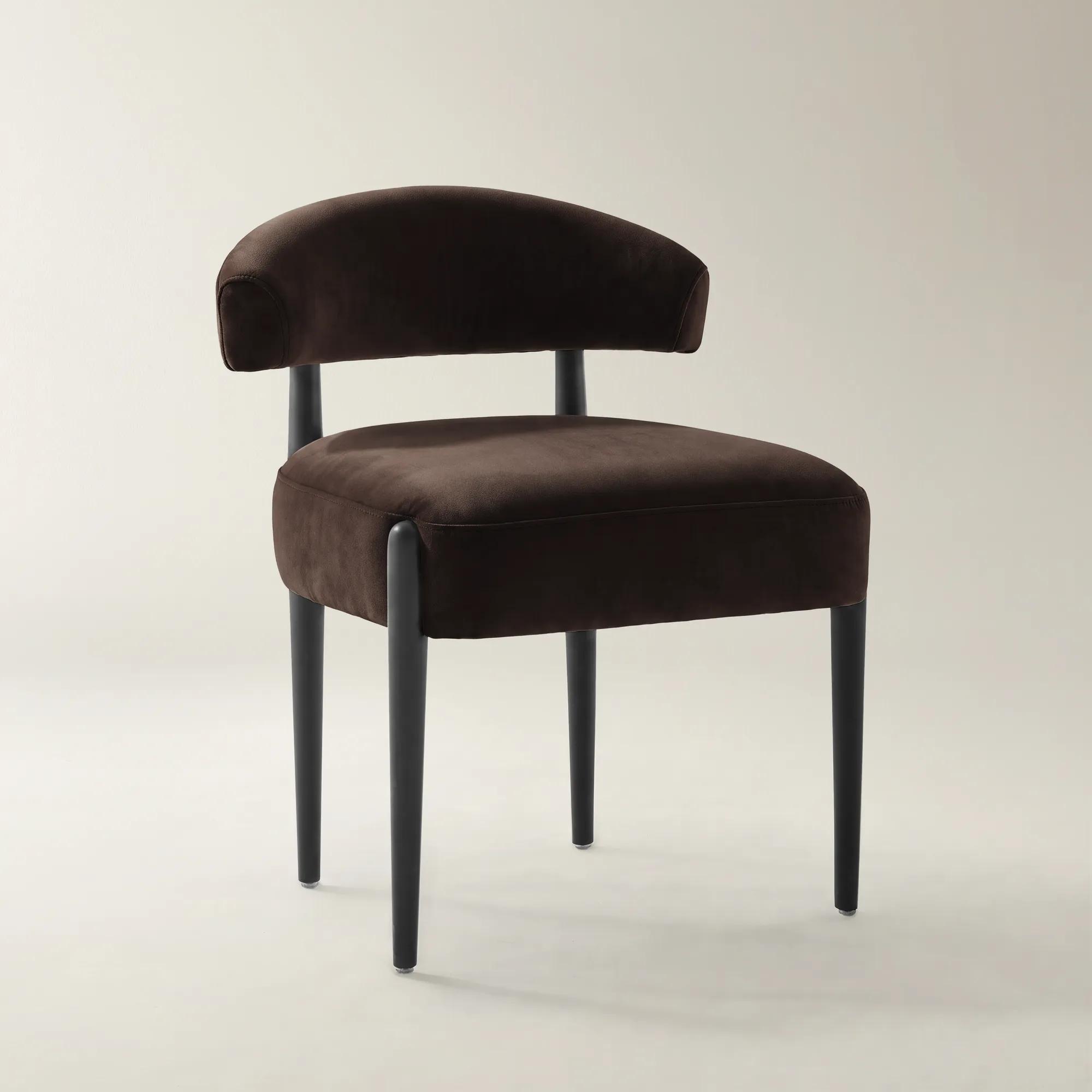
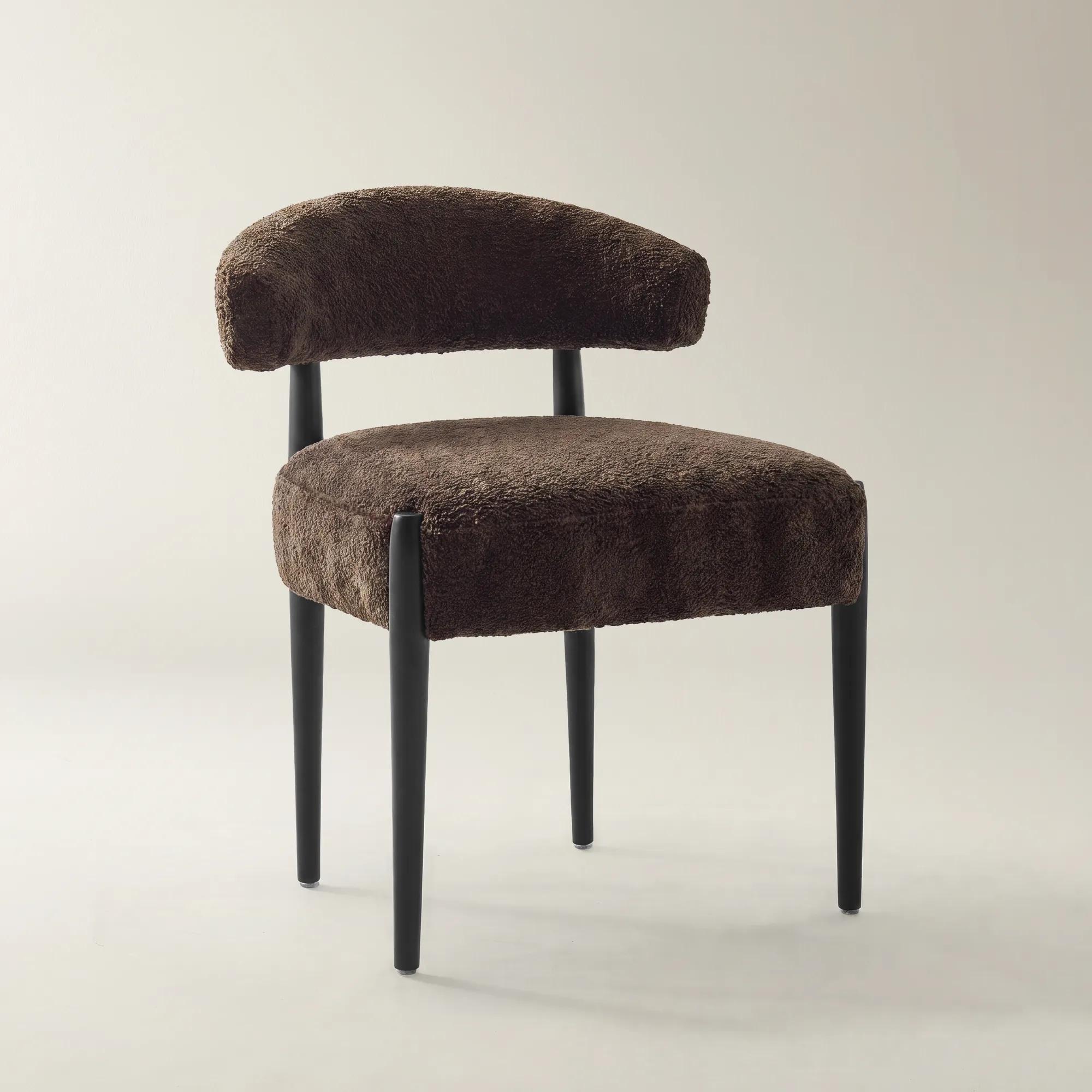
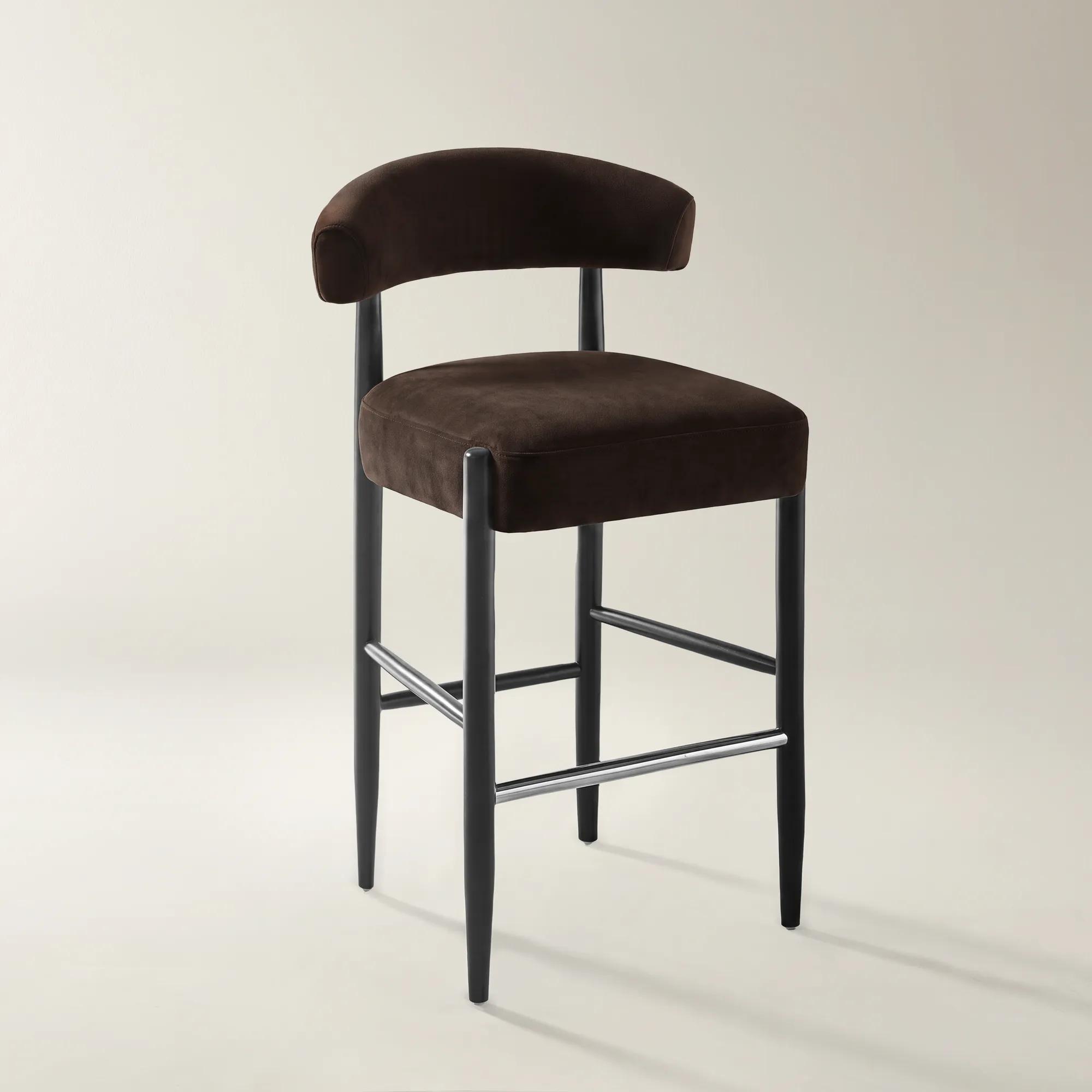
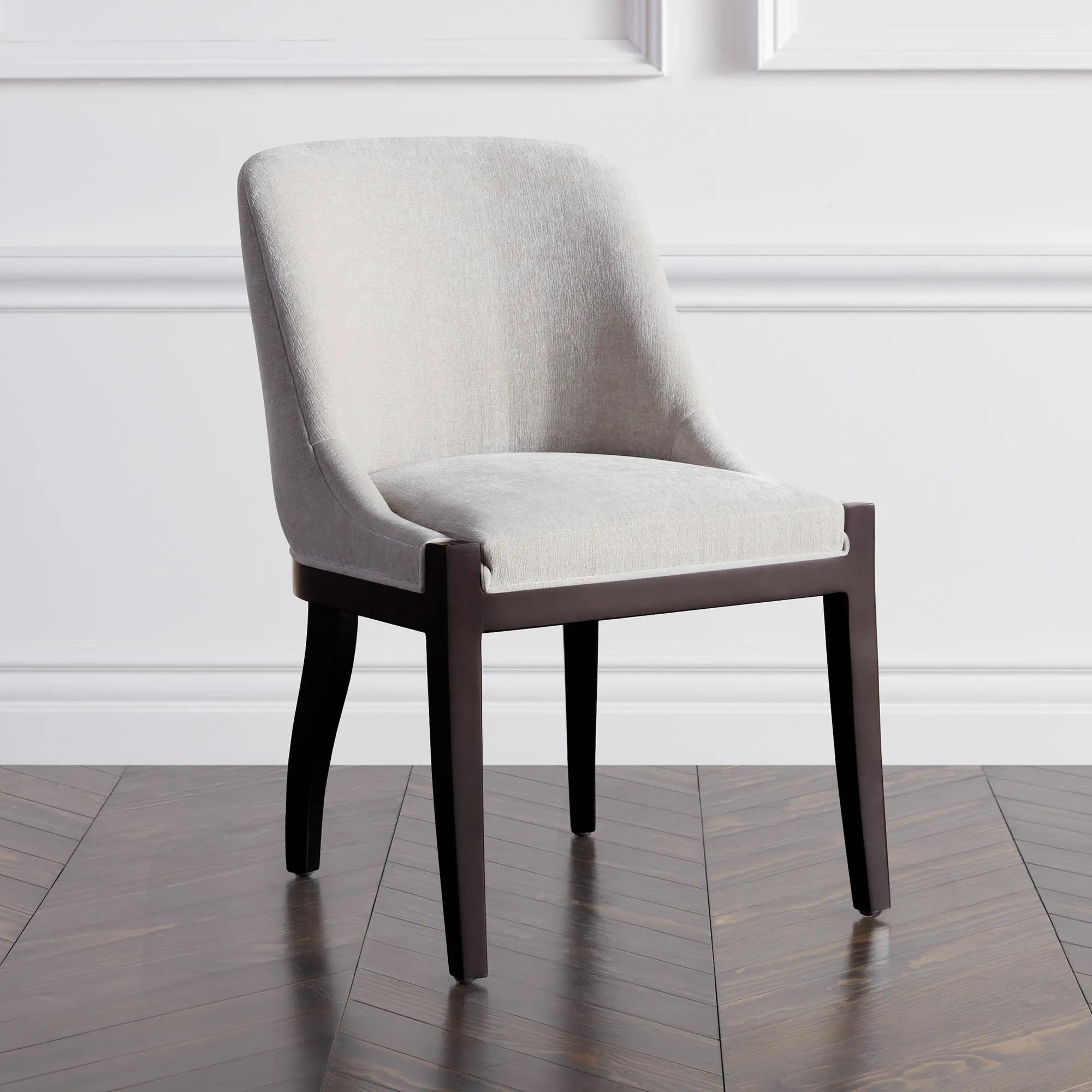 Lily Dining Chair - Espresso$649
A modern dining chair featuring espresso-finished hardwood, curvaceous silhouette, and plush tailored upholstery.
Add To Cart -
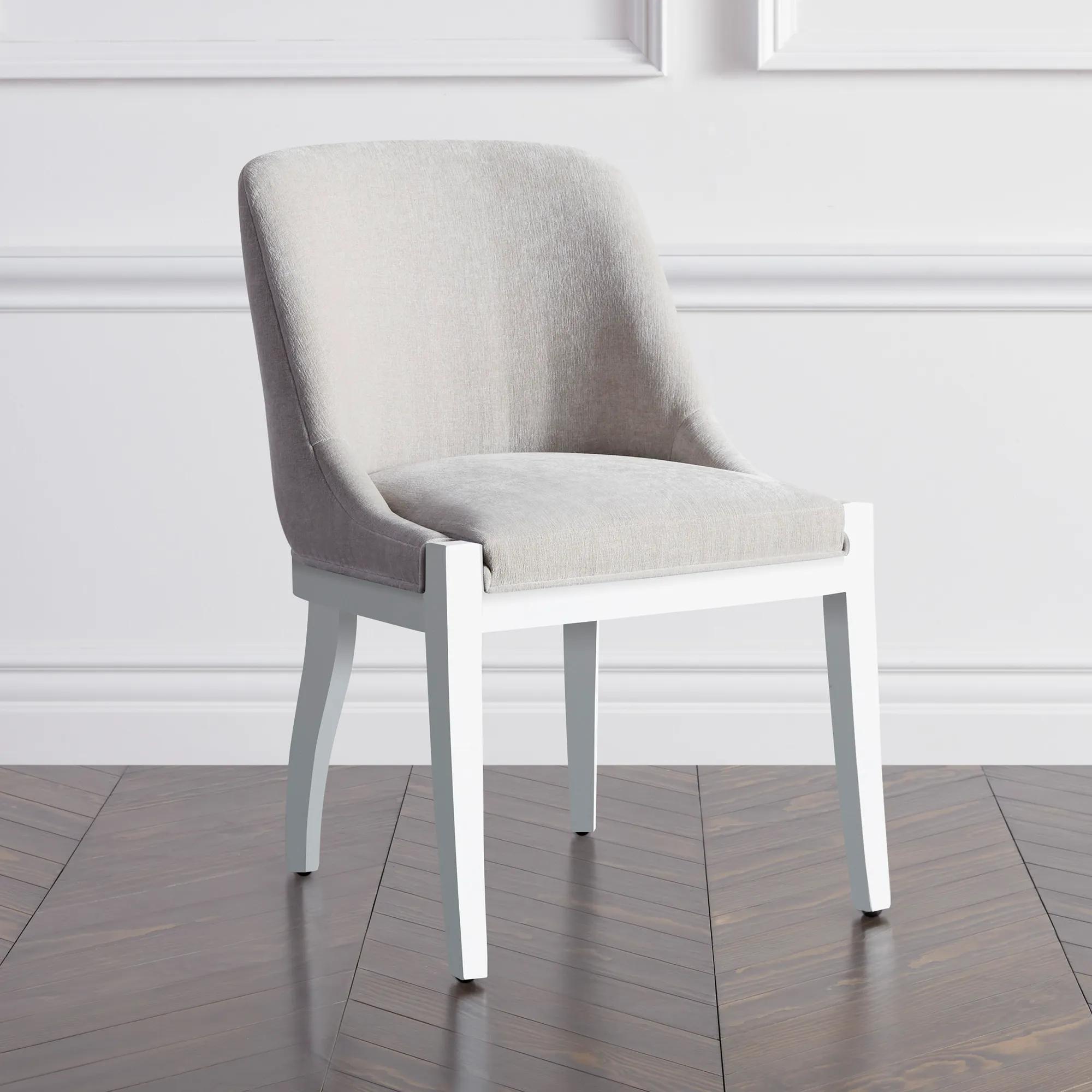
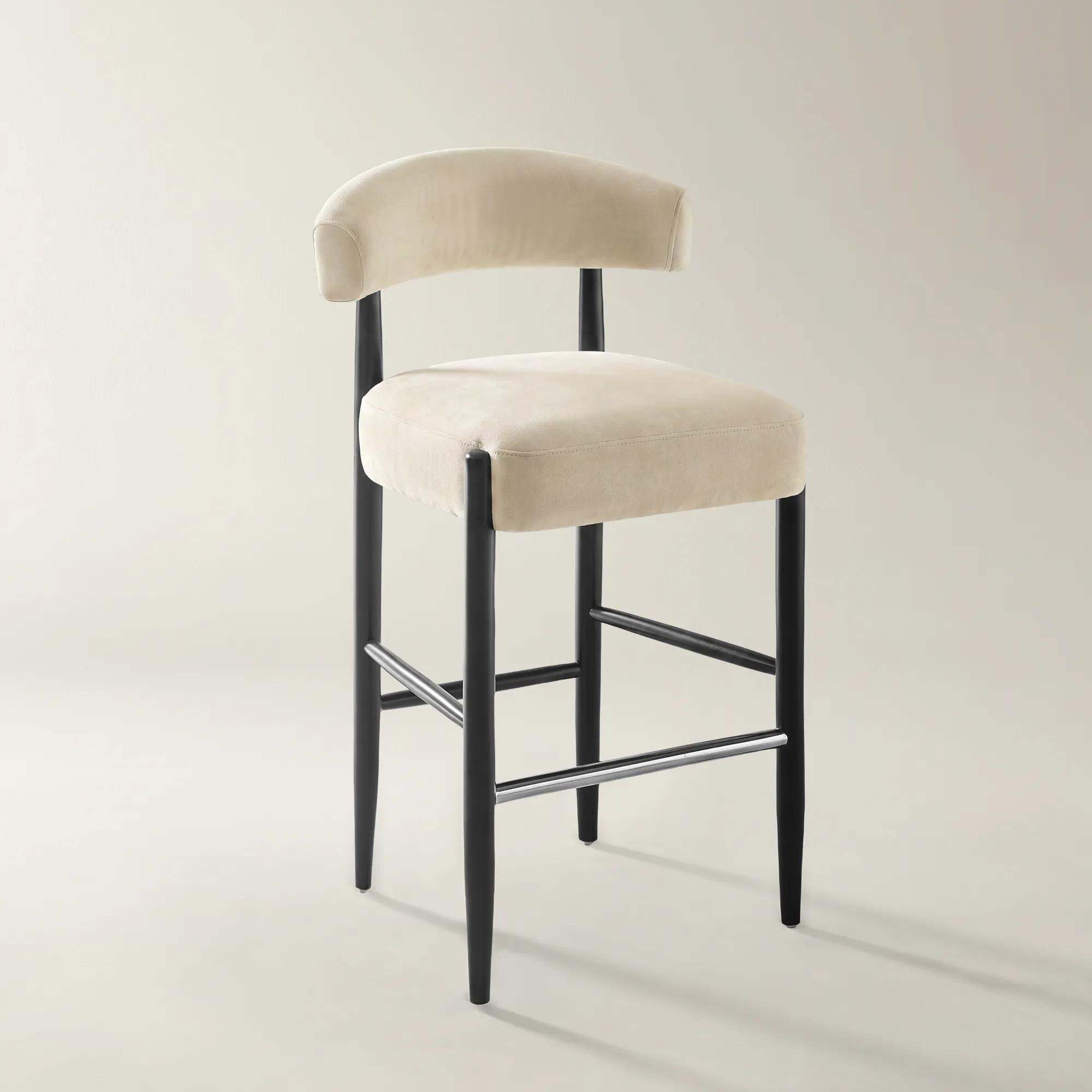
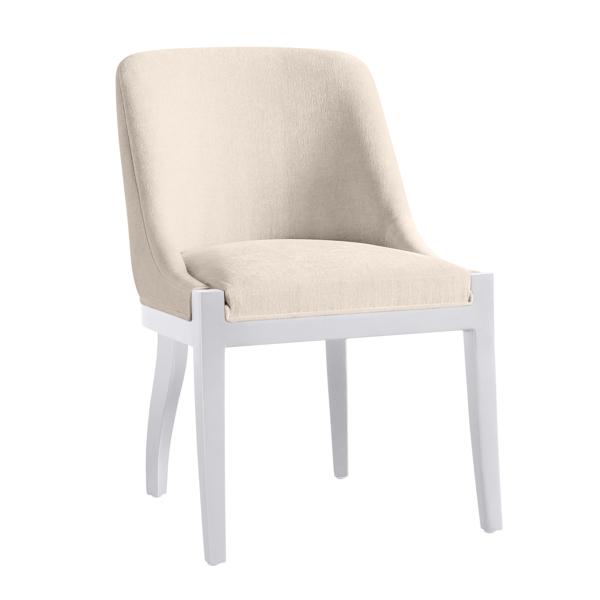 Lily Dining Chair - High Gloss White$649
A modern white dining chair featuring kiln-dried hardwood, high-gloss legs, and plush tailored upholstery.
Add To Cart -
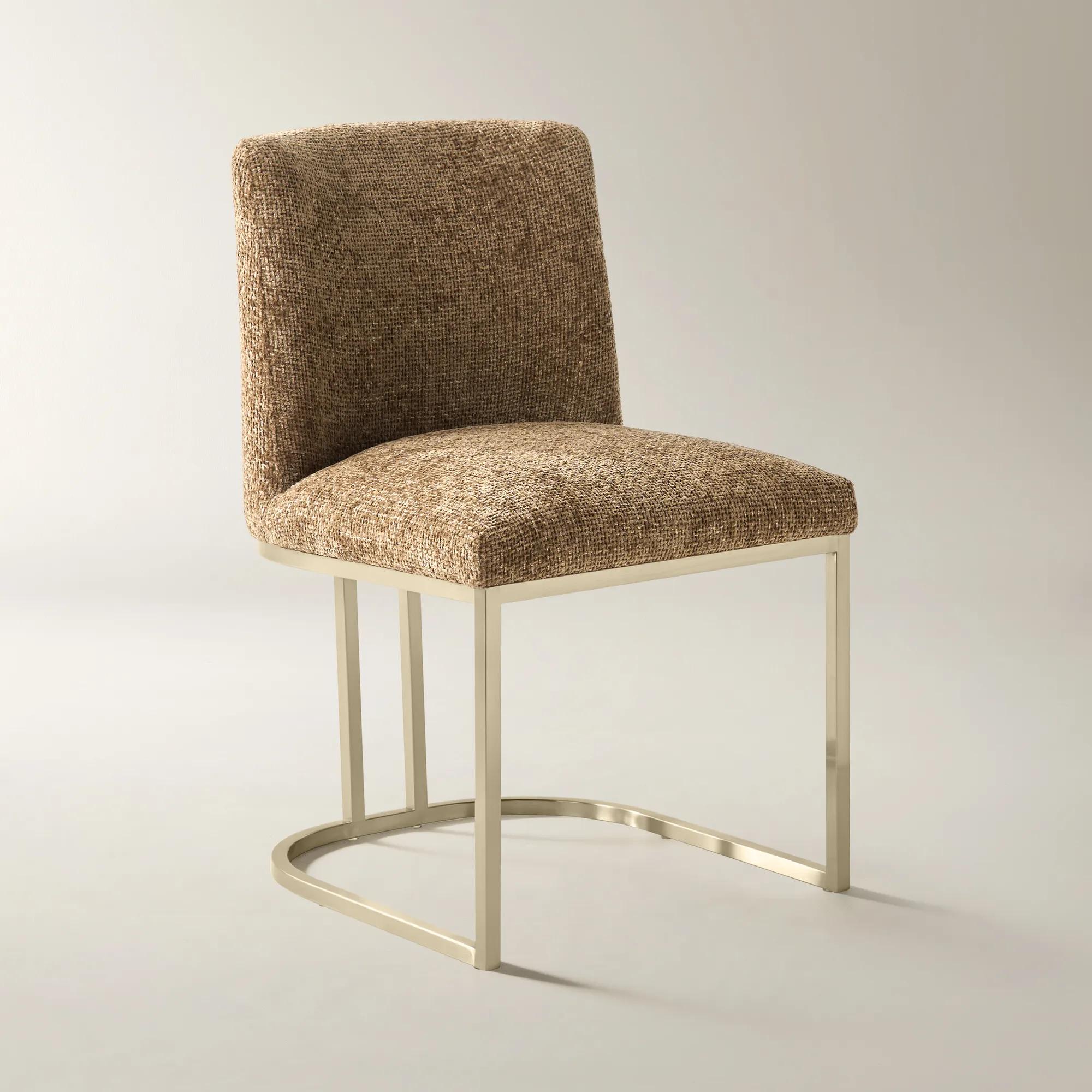 Bergen Bronze Chenille Dining Chair Set Of 2$499
A set of two dining chairs featuring bronze chenille upholstery and a sculptural brushed gold metal base.
Add To Cart -
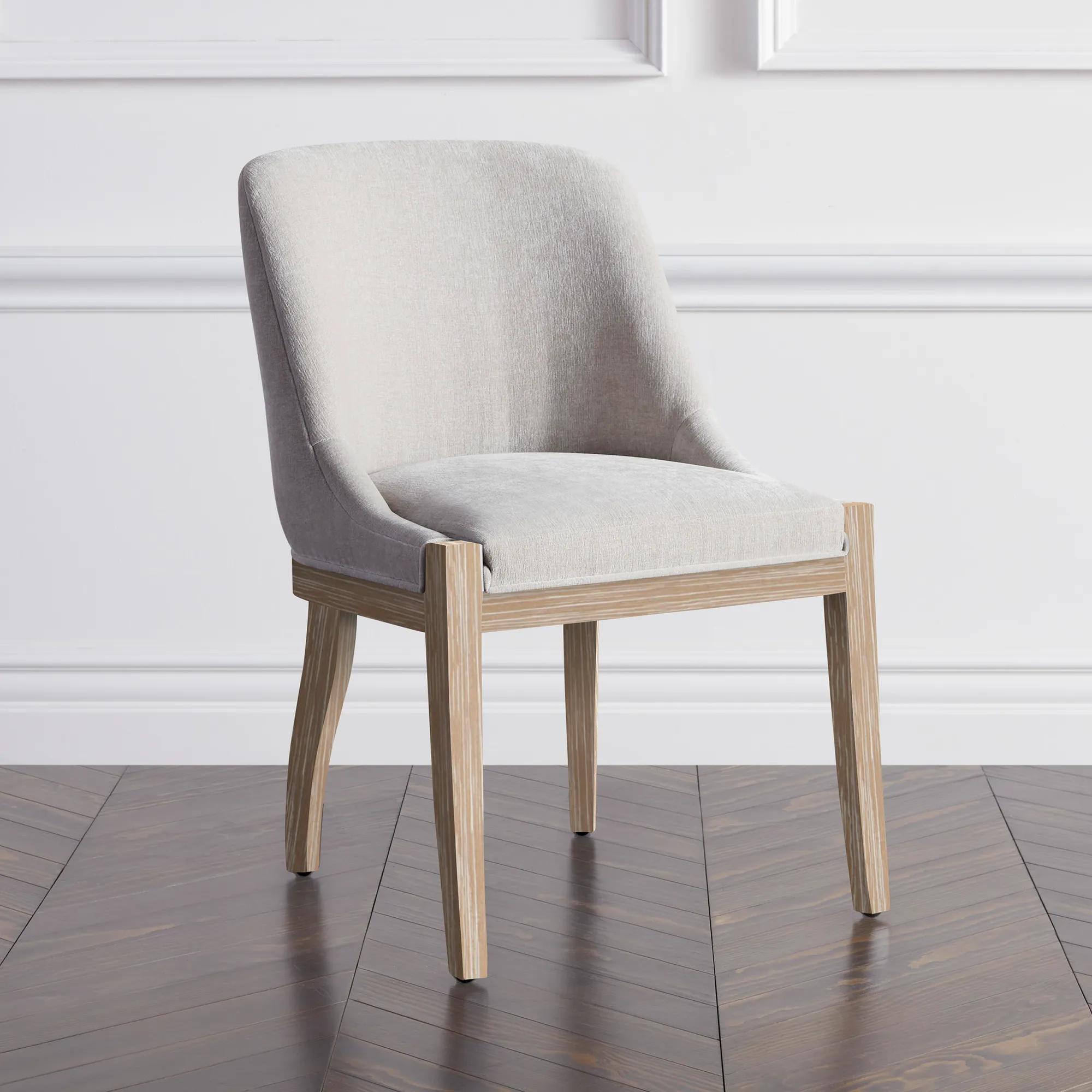
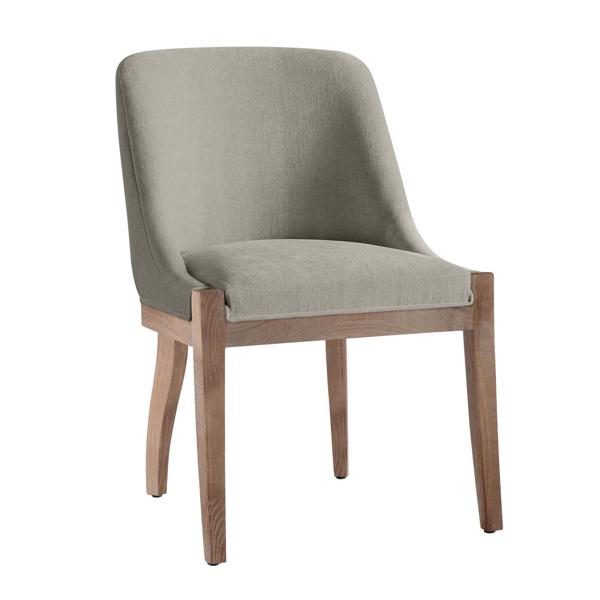 Lily Dining Chair - Wash Oak$649
A modern dining chair with a kiln-dried hardwood frame, wash oak legs, and plush tailored upholstery.
Add To Cart -
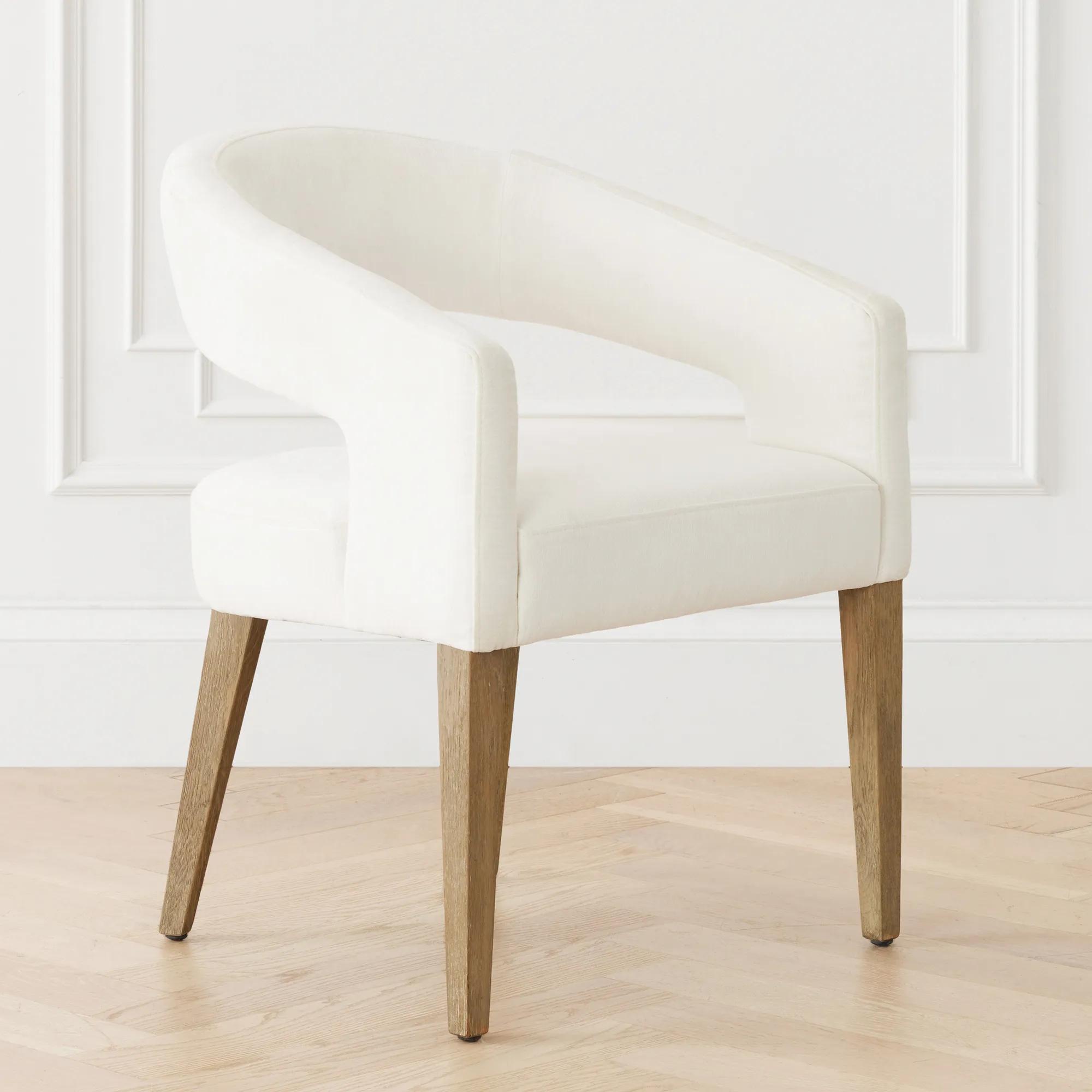 Philippa Dining Chair - Natural Grey$649
A curved grey dining chair featuring tailored chenille upholstery, kiln-dried hardwood frame, and sleek back cutout.
Add To Cart -
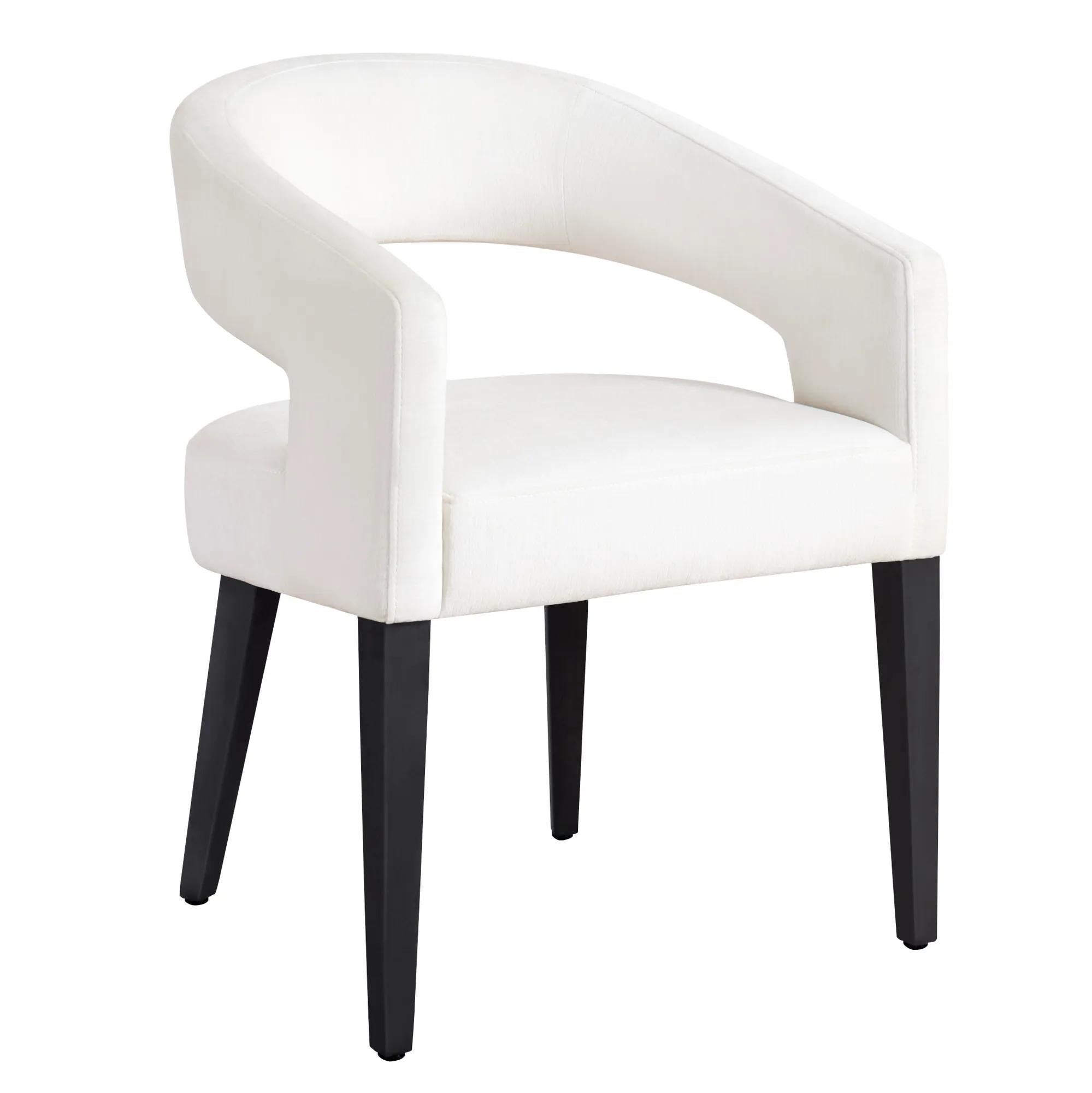
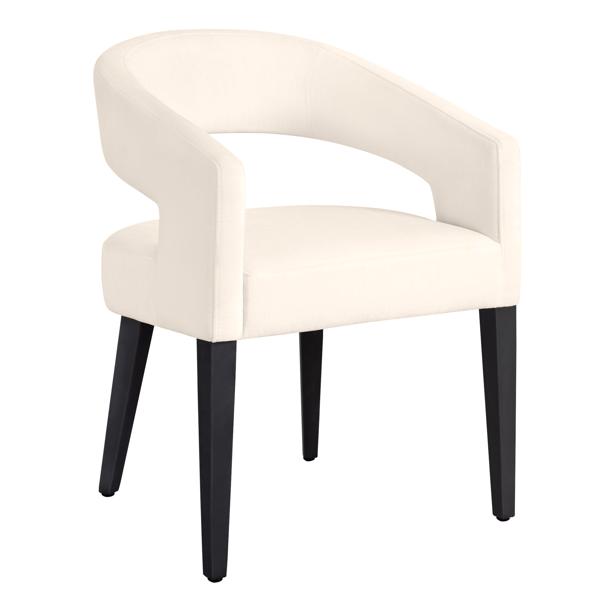 Philippa Dining Chair - Matte Black$599
A modern dining chair featuring a curved silhouette, matte black legs, and neatly tailored upholstery.
Add To Cart -
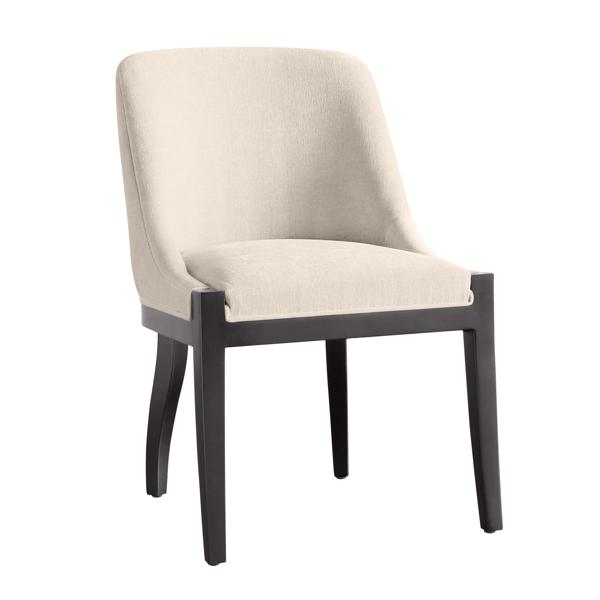 Lily Dining Chair - Espresso$599
A modern dining chair featuring espresso-finished hardwood, curvaceous silhouette, and plush, tailored upholstery.
Add To Cart -
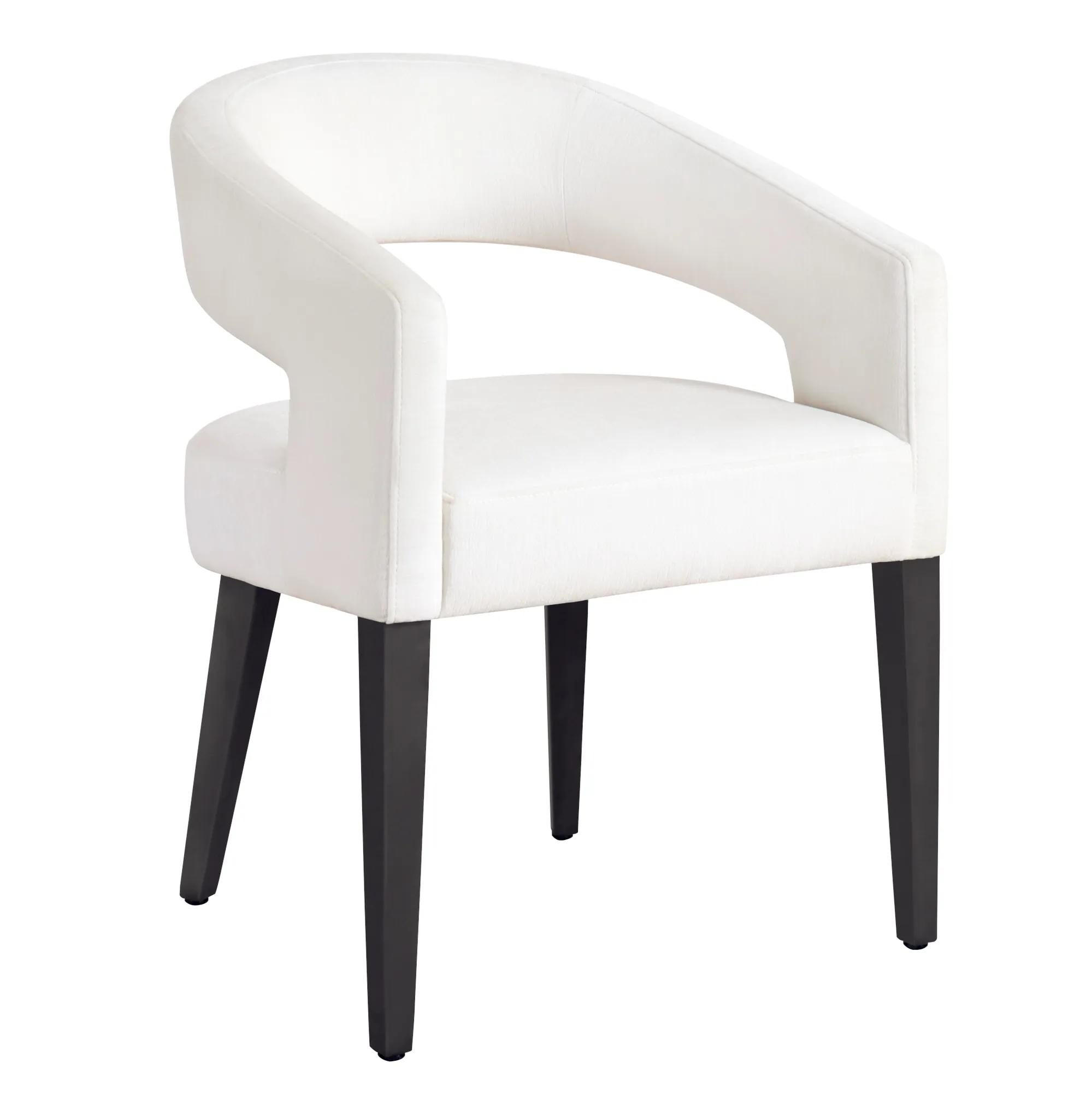
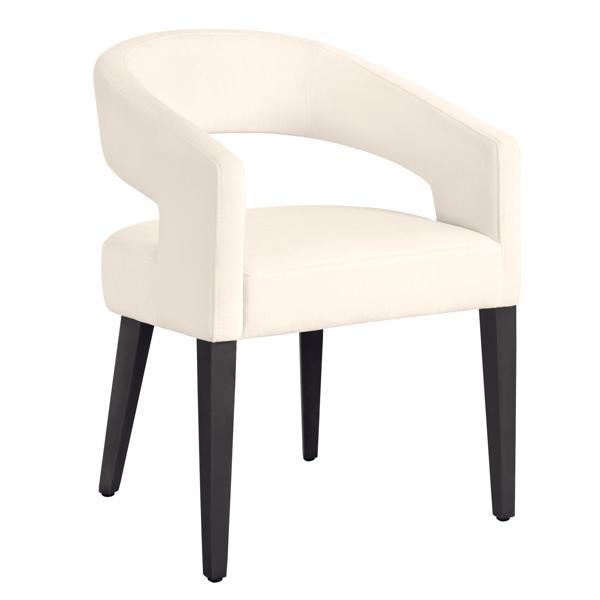 Philippa Dining Chair - Espresso$599
A curved dining chair featuring tailored upholstery, espresso-finished legs, and a sleek back cutout.
Add To Cart -
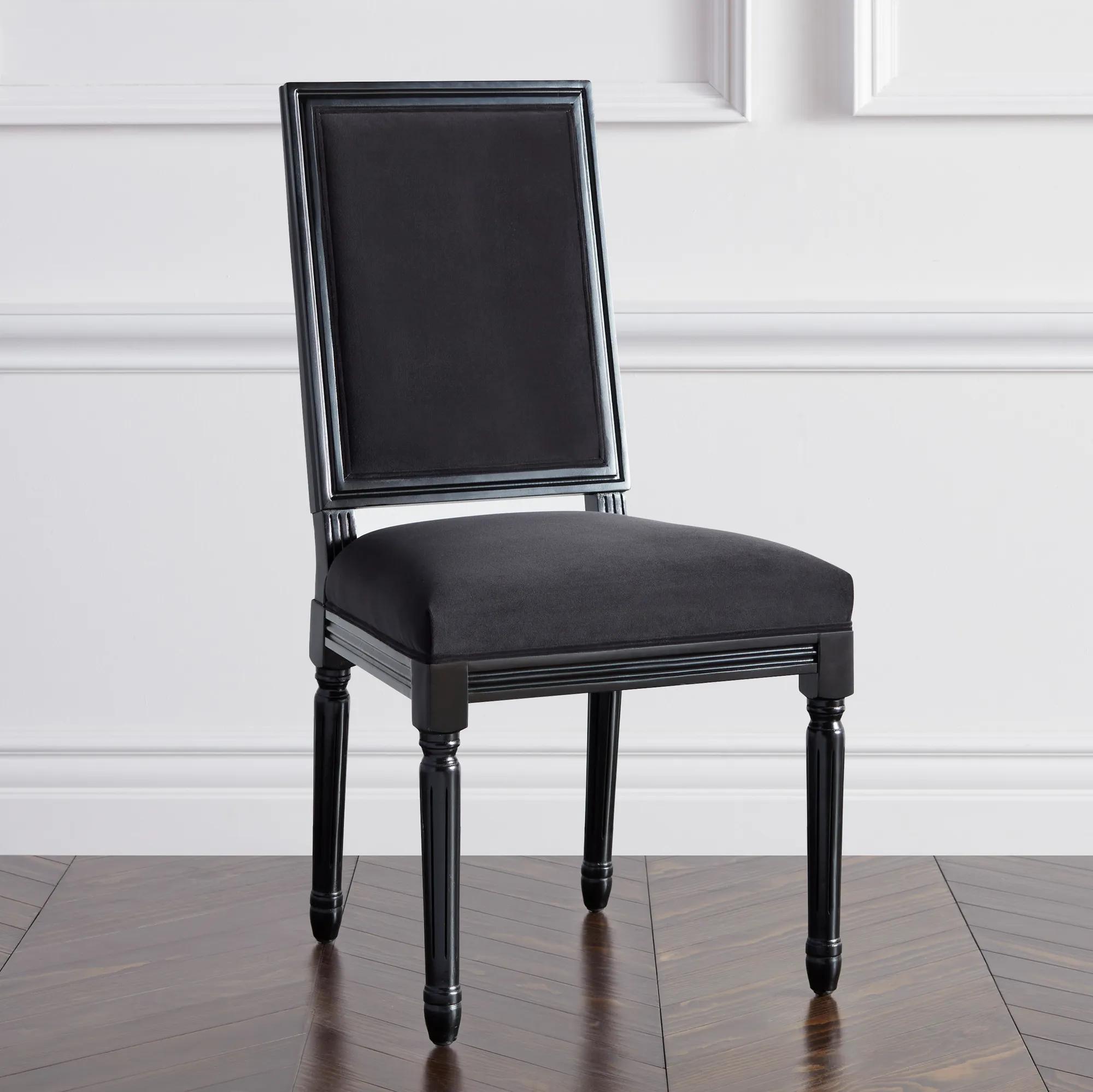
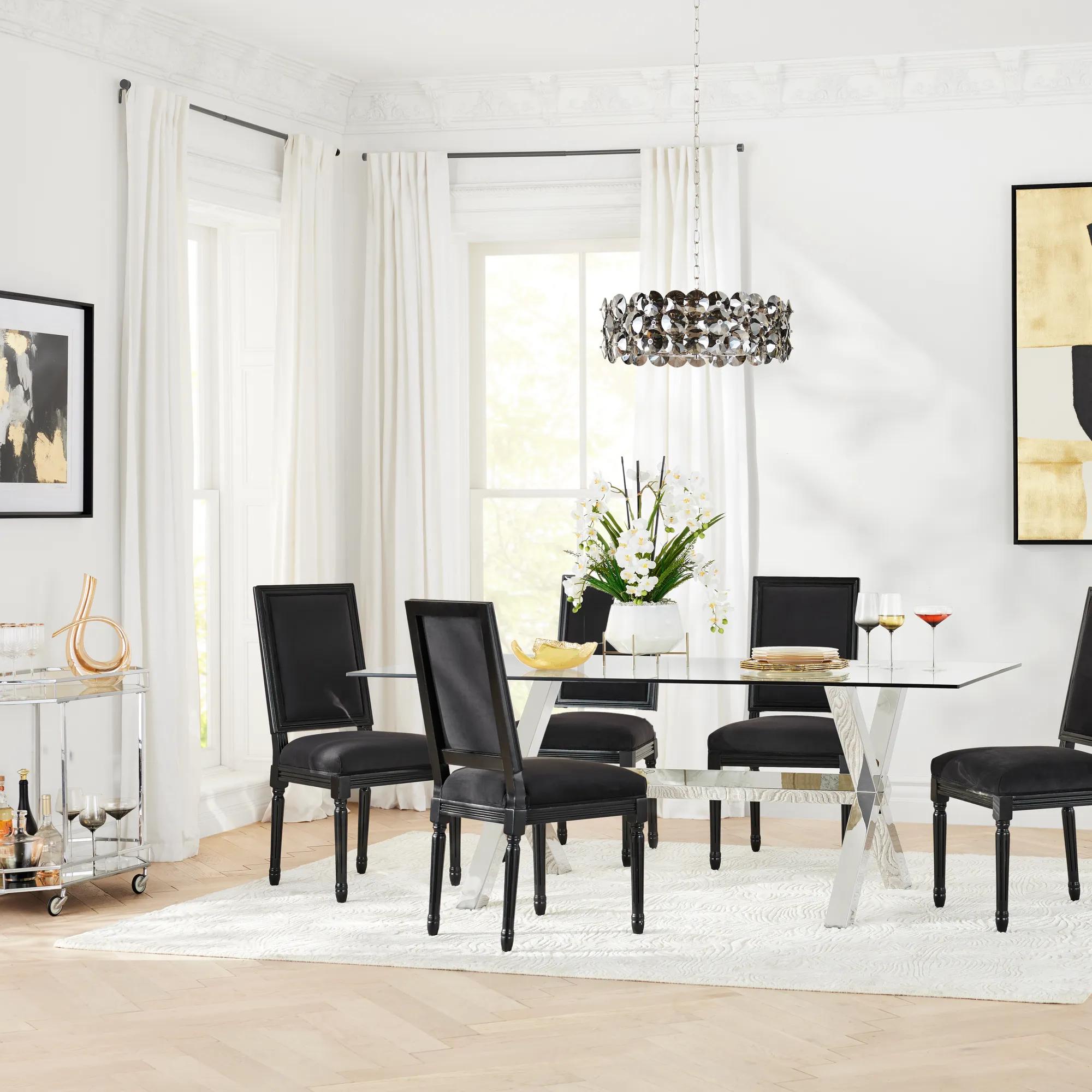 Callan Dining Chair - High Gloss Black$599
A handcrafted dining chair featuring high-gloss black Bella Velvet upholstery, fluted legs, and a squared back.
Add To Cart -
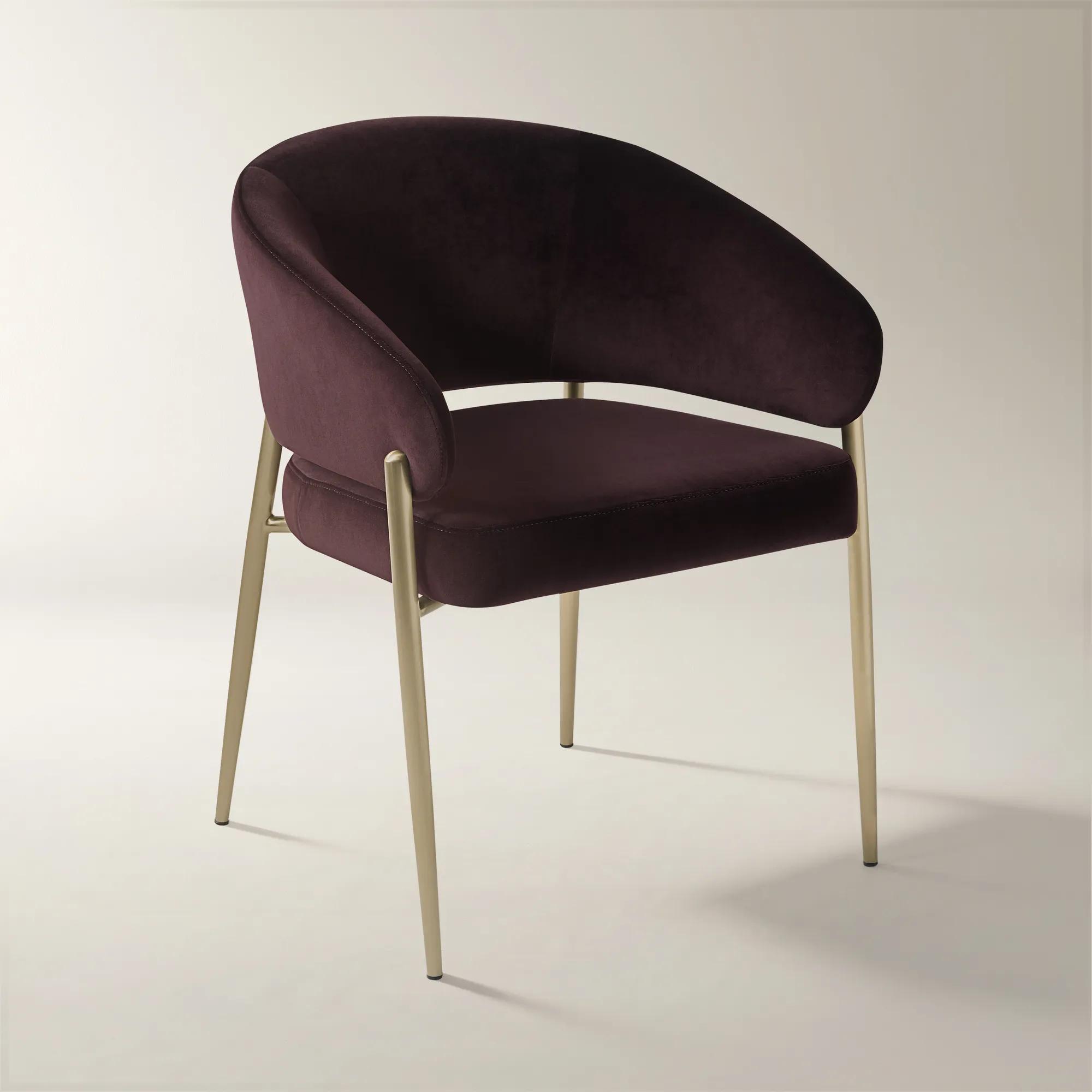 Nara Fig Velvet Dining Chair Set Of 2$599
A set of two dining chairs featuring plush fig velvet upholstery and brushed brass stainless-steel legs.
Add To Cart -
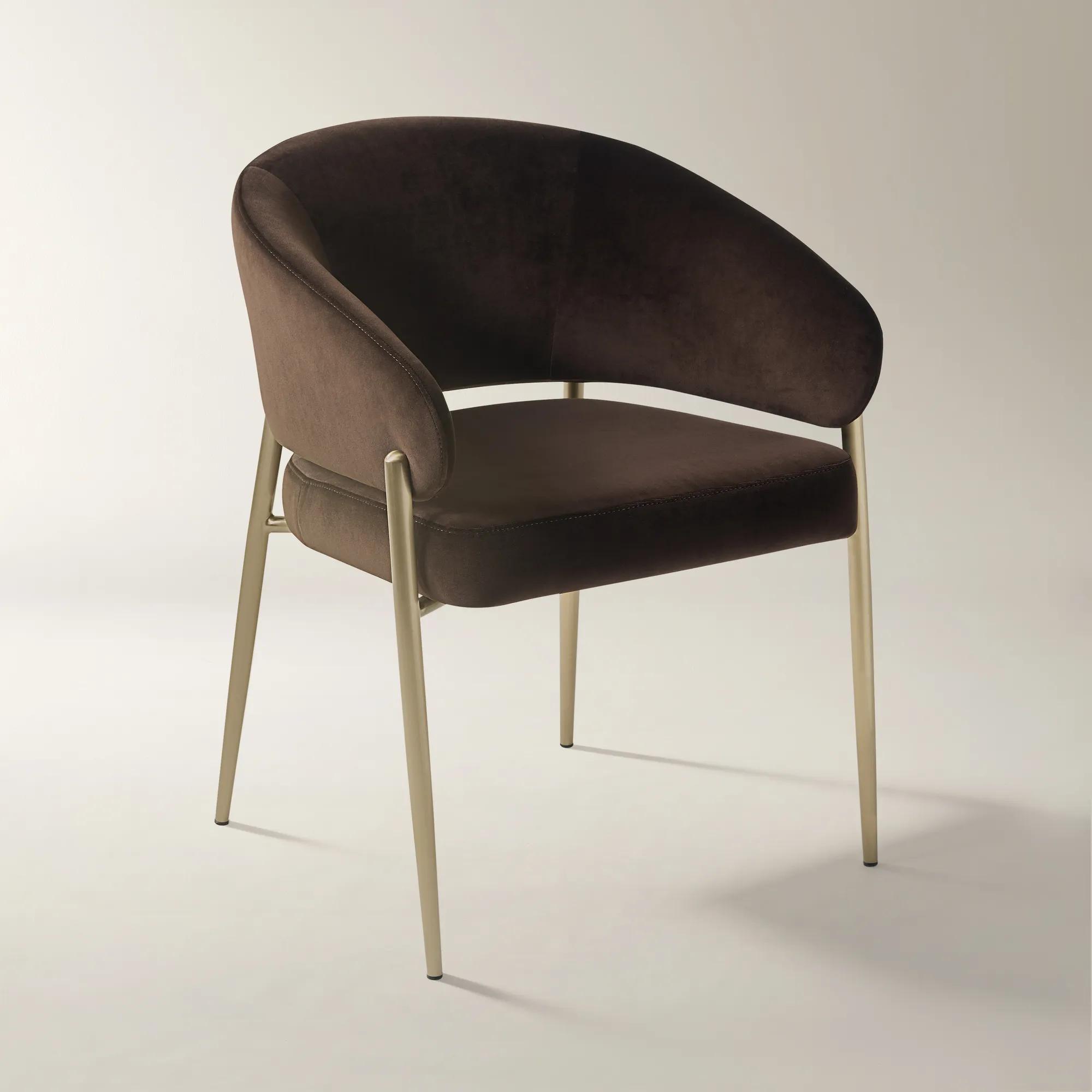 Nara Dark Chocolate Velvet Dining Chair Set Of 2$599
A pair of dark chocolate velvet chairs with curved backs and brushed brass stainless-steel legs for modern elegance.
Add To Cart -
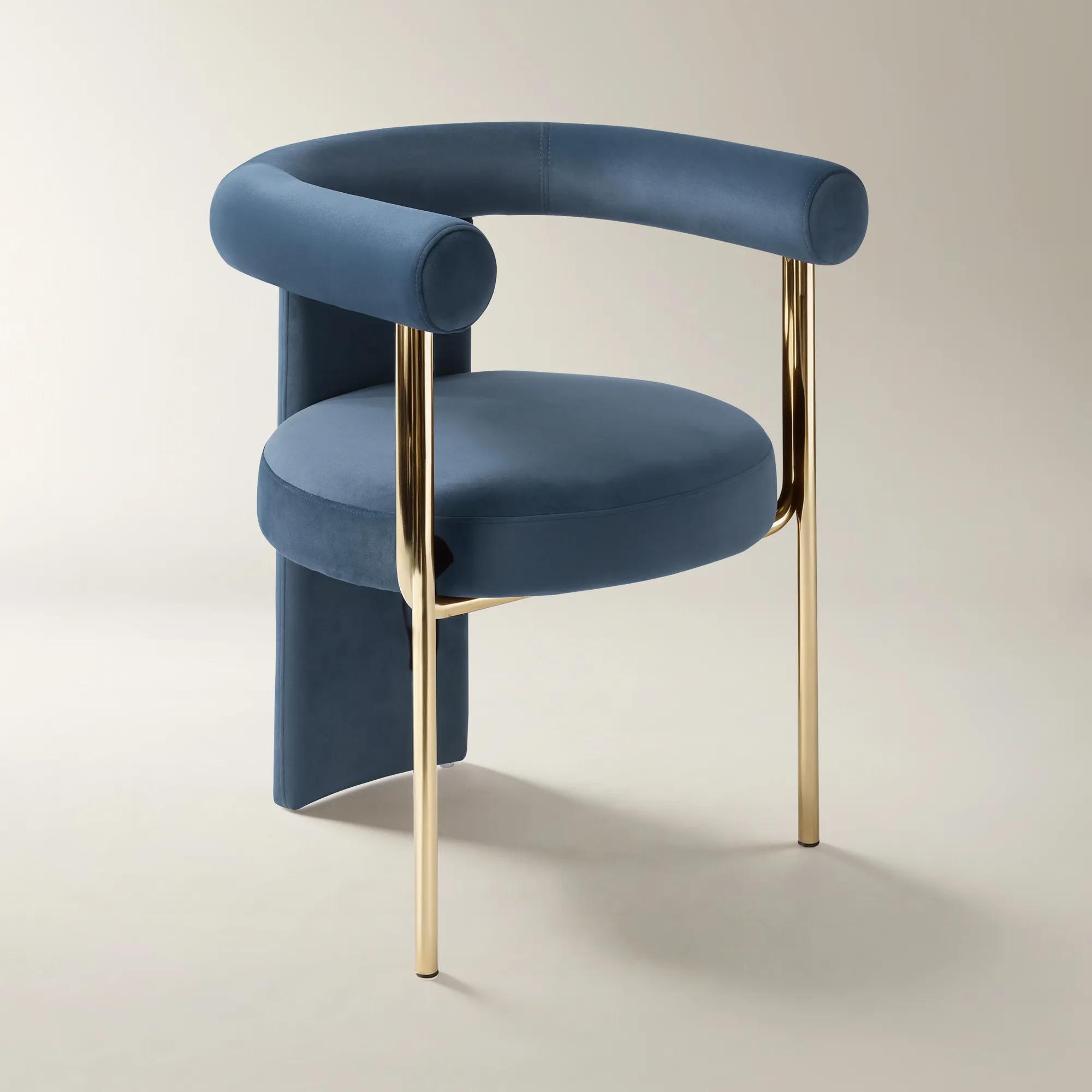 Davina Dusty Blue Velvet Dining Chair Set Of 2$799
A set of two dining chairs featuring dusty blue velvet upholstery and a polished gold metal frame.
Add To Cart -
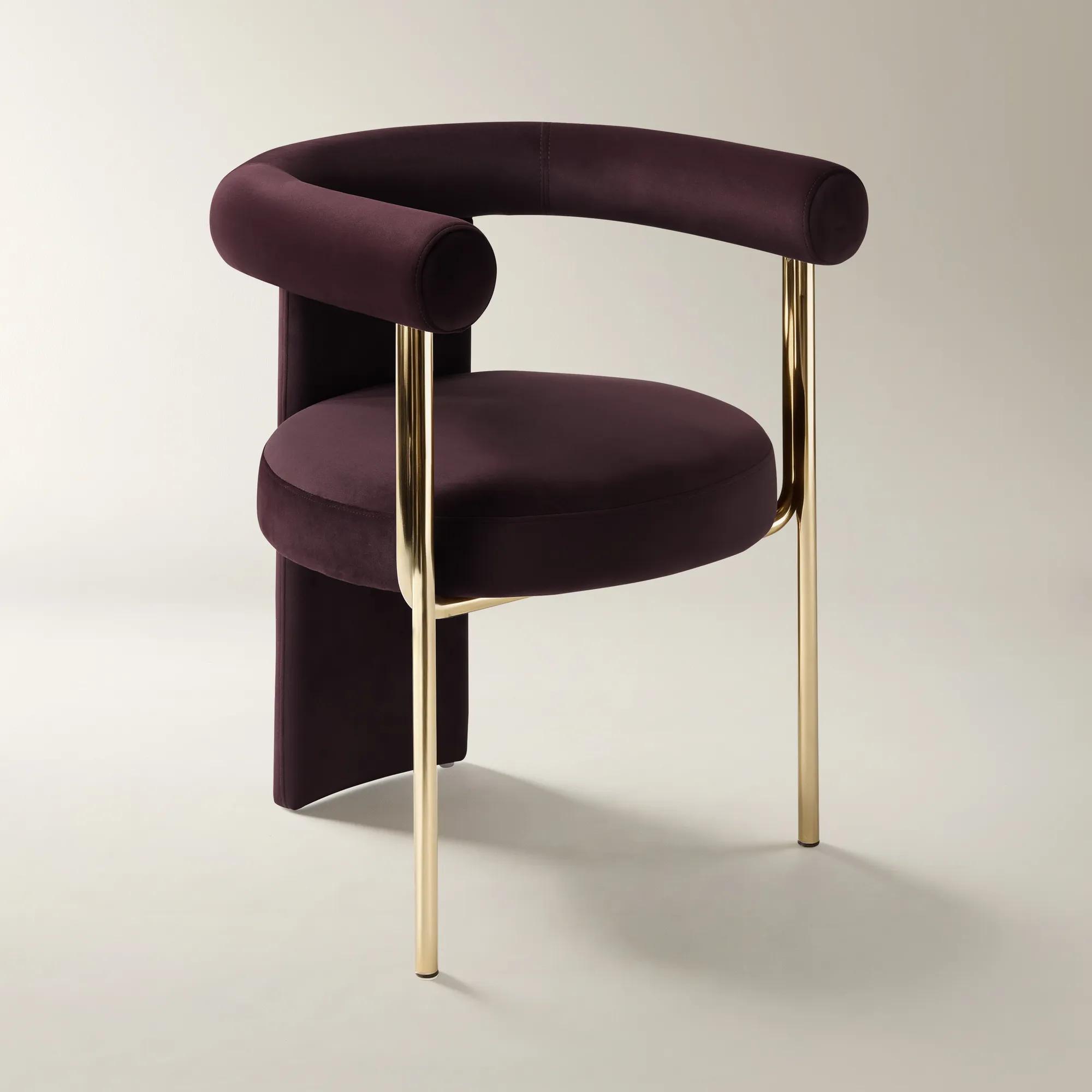 Davina Fig Velvet Dining Chair Set Of 2$799
A set of two dining chairs featuring plush fig velvet upholstery and a sleek gold-finished metal frame.
Add To Cart -
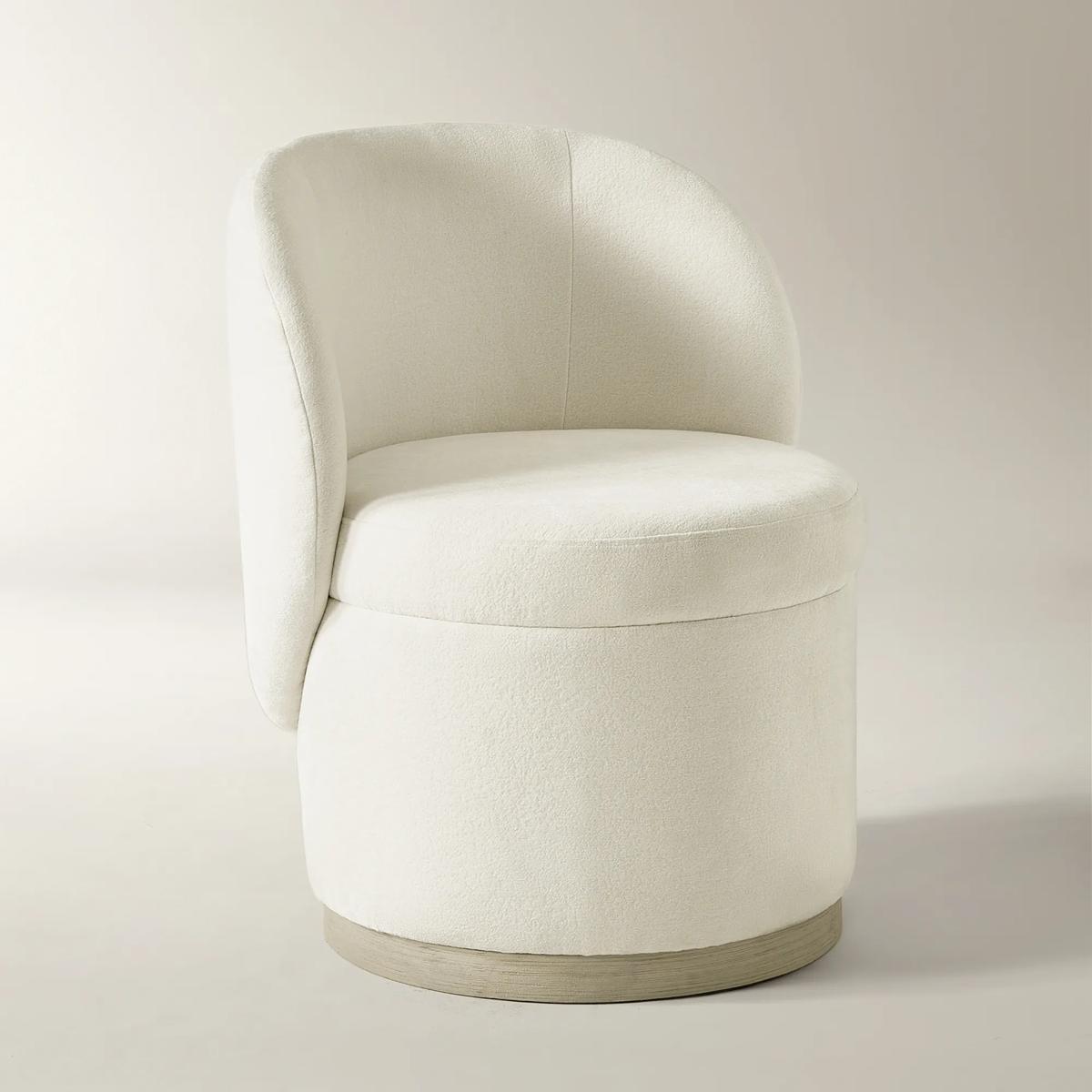 Stria Ivory Chenille Dining Chair With Oak Base$449
An ivory chenille chair featuring a plush, velvet-like finish and a handcrafted solid oak base.
Add To Cart -
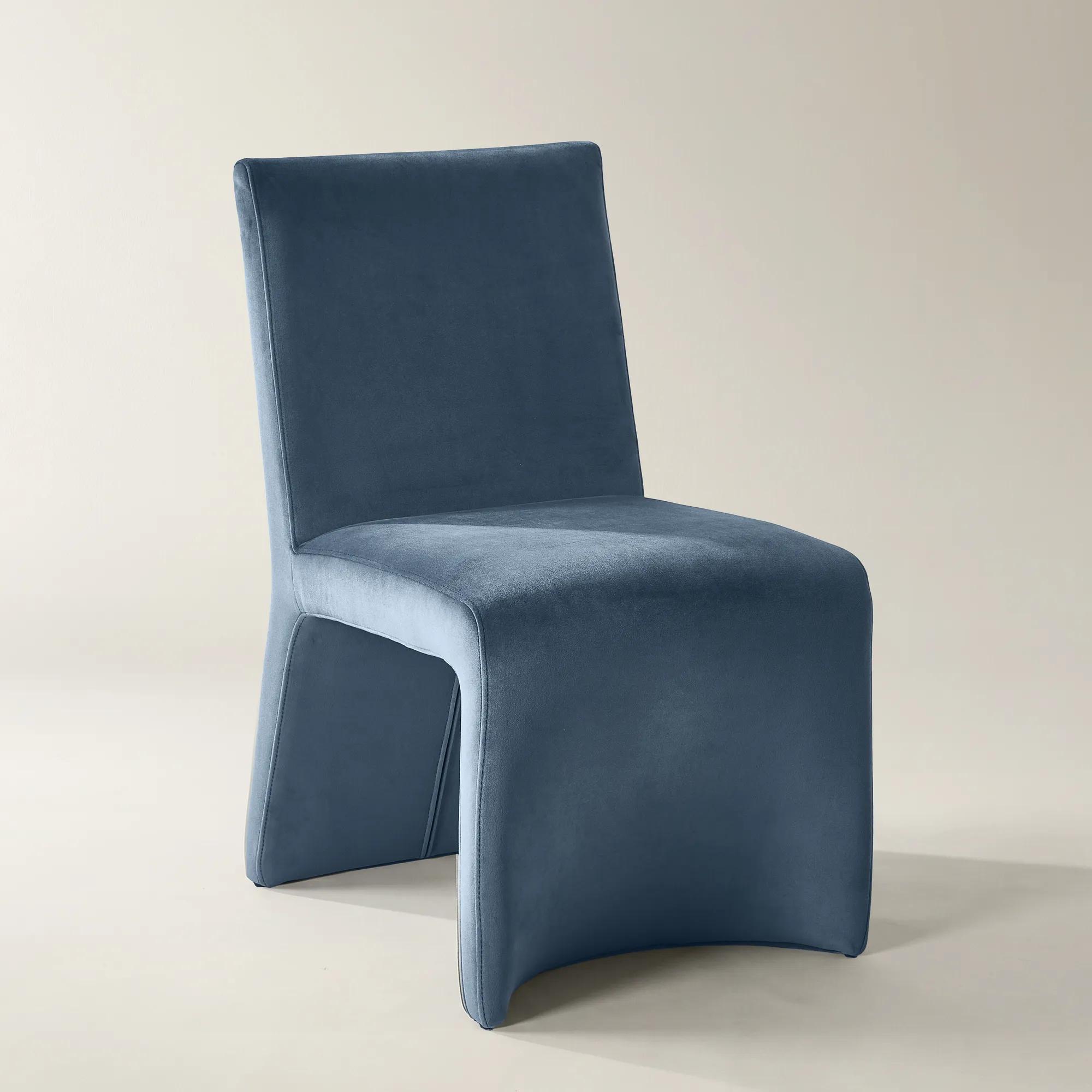 Elara Dusty Blue Velvet Dining Chair Set Of 2$649
A set of two dining chairs featuring plush dusty blue velvet upholstery and a seamless, artful silhouette.
Add To Cart -
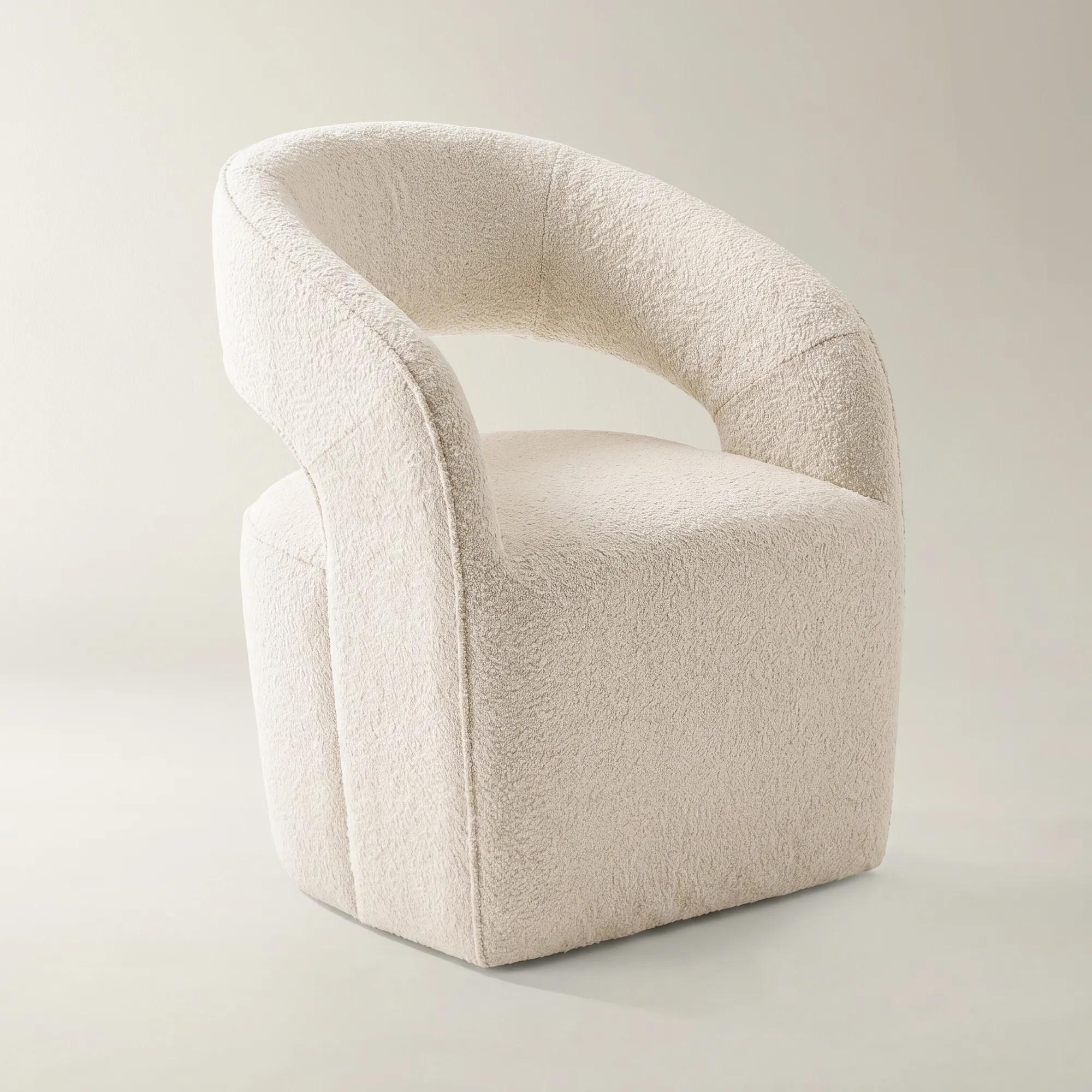
-2.jpg?w=1200&h=1200) Harrison Utopia Sand Chenille Dining Chair$449
Harrison Utopia Sand Chenille Dining Chair$449A sculptural dining chair upholstered in sand chenille with a curved back, feather-blend seat, and integrated arms.
Add To Cart -
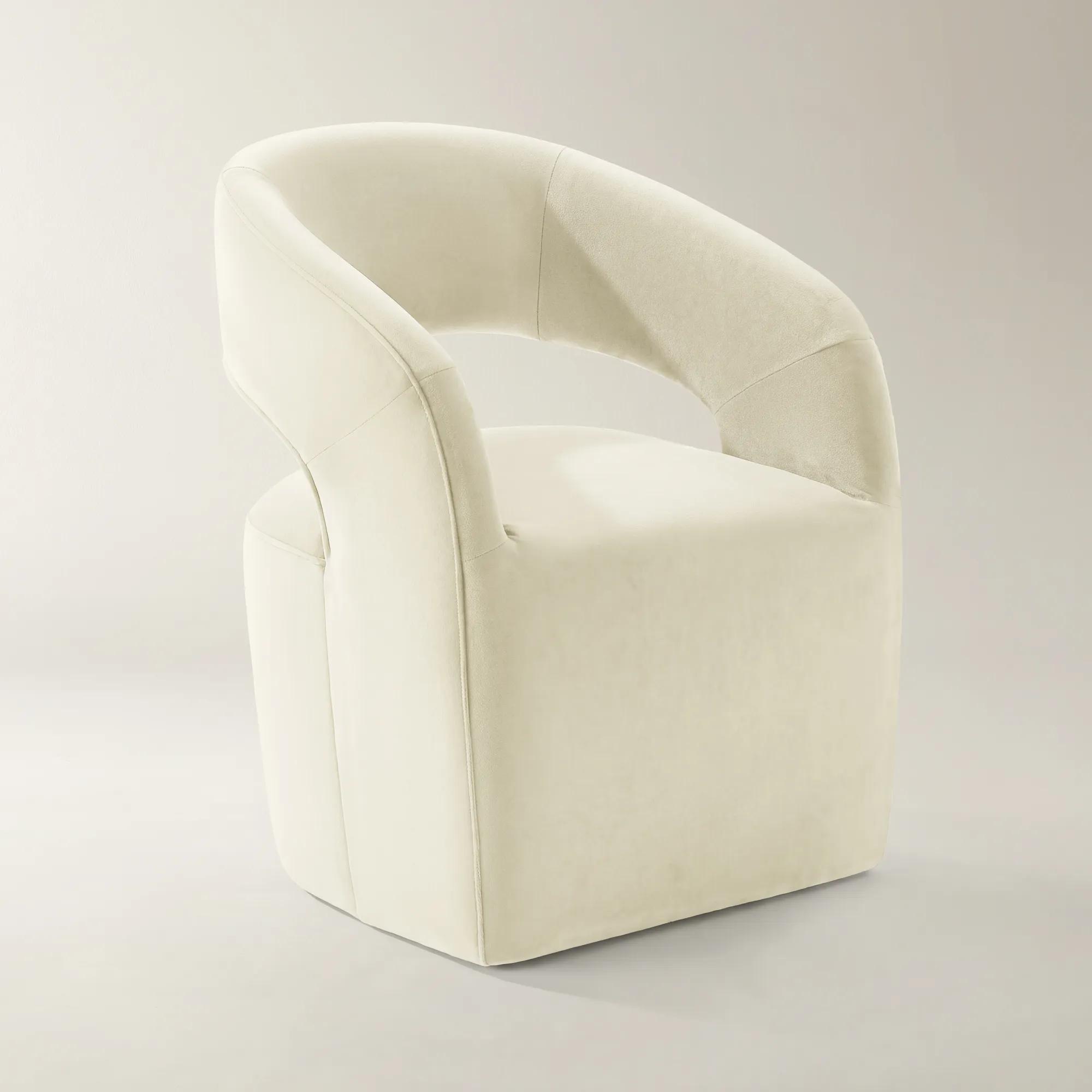 Harrison Cloud Velvet Dining Chair$449
A sculptural dining chair featuring cloud velvet upholstery, feather-blend cushioning, and a continuous curved back.
Add To Cart -
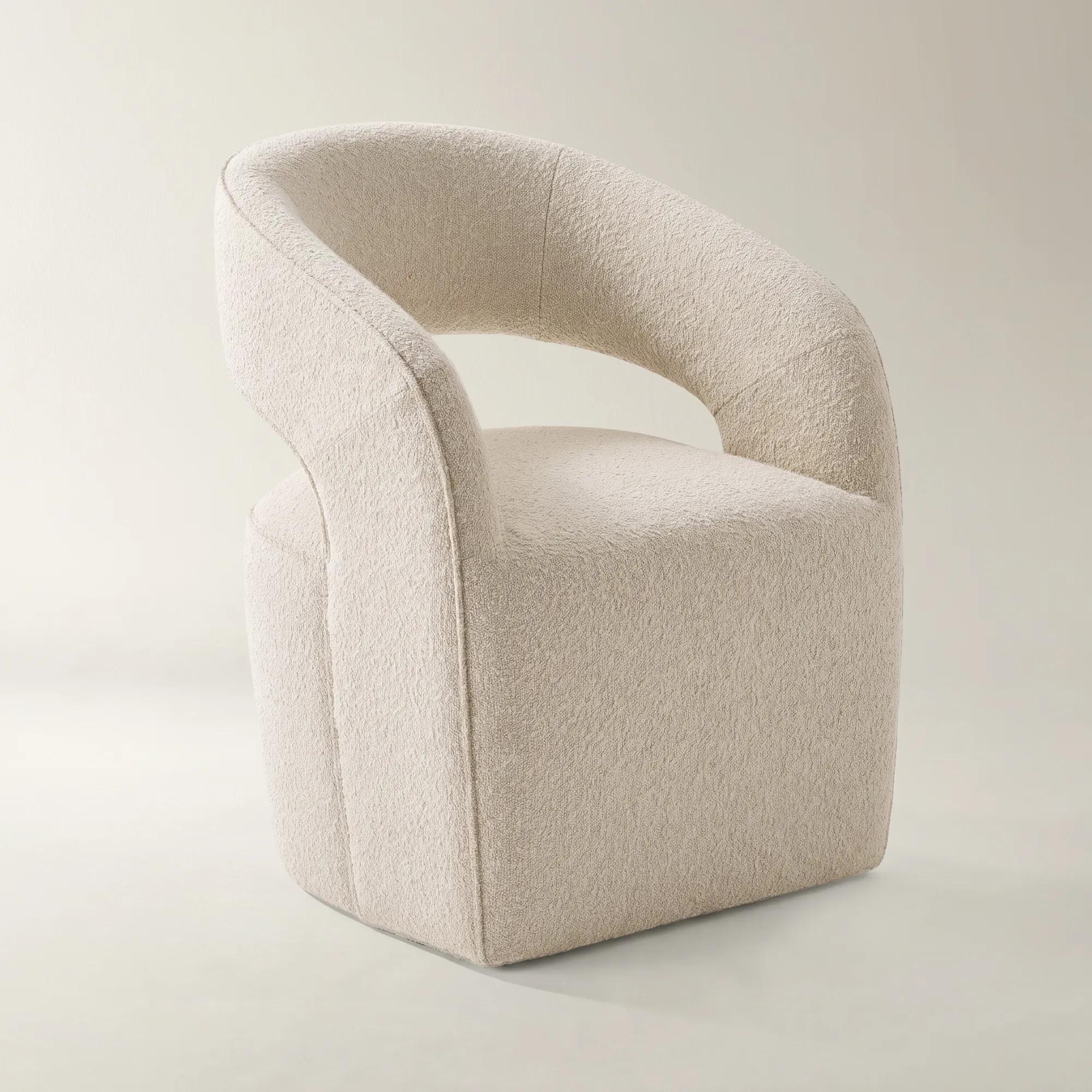 Harrison Ivory Performance Boucle Dining Chair$449
A sculptural dining chair in ivory performance boucle with a curved back, integrated arms, and feather-blend comfort.
Add To Cart -
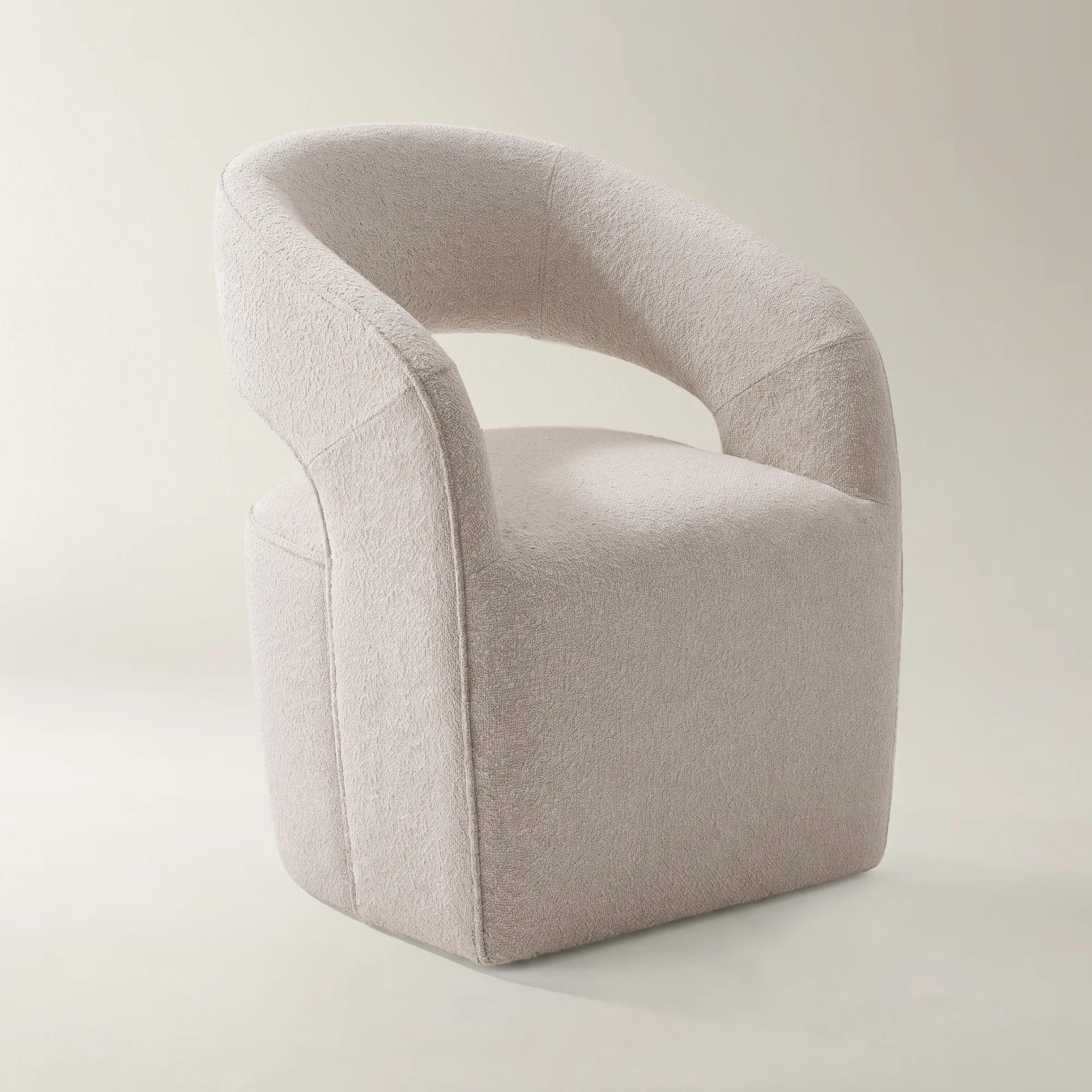 Harrison Ivory Performance Boucle Dining Chair$449
A sculptural dining chair in ivory performance boucle with a curved back, feather-blend seat, and modern elegance.
Add To Cart -
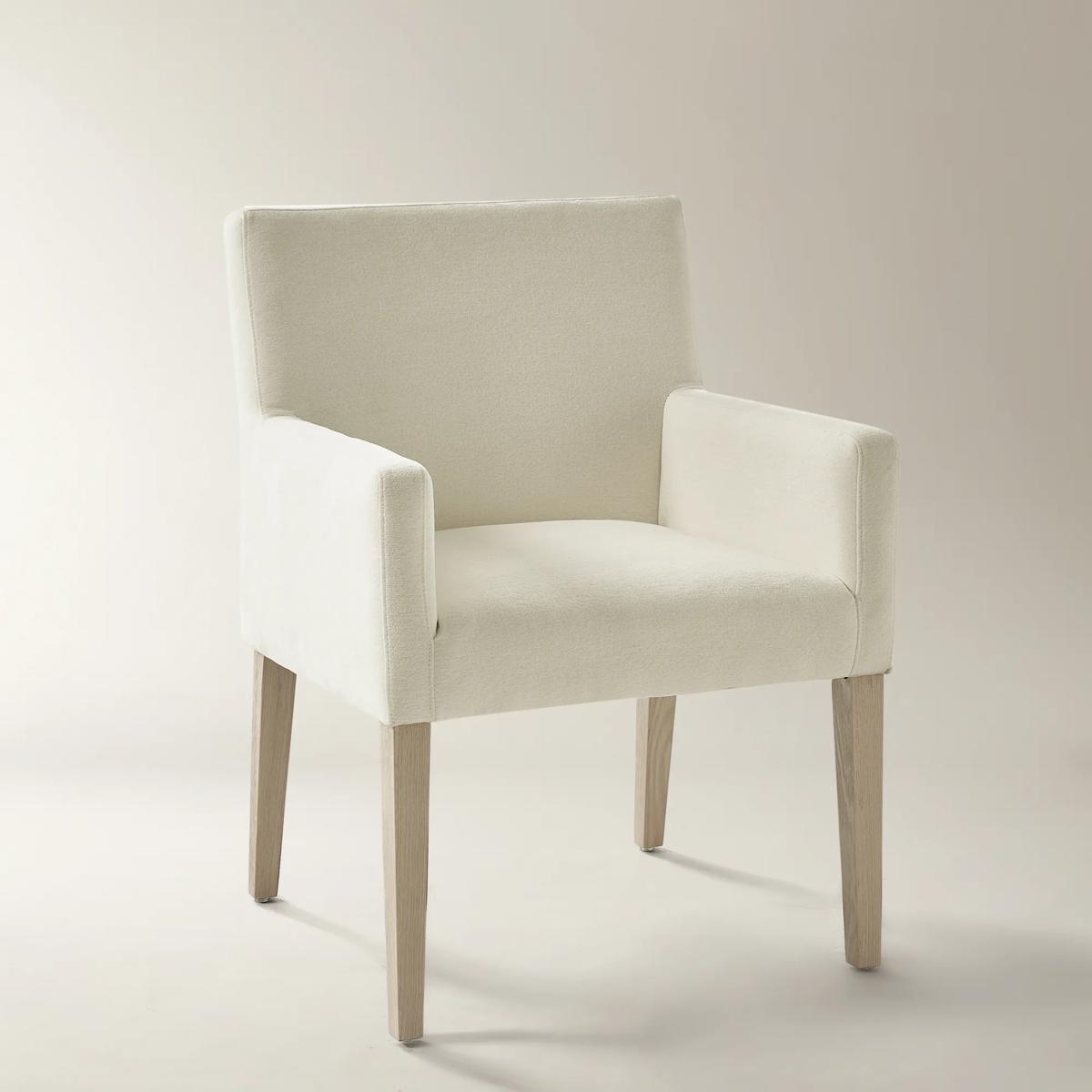
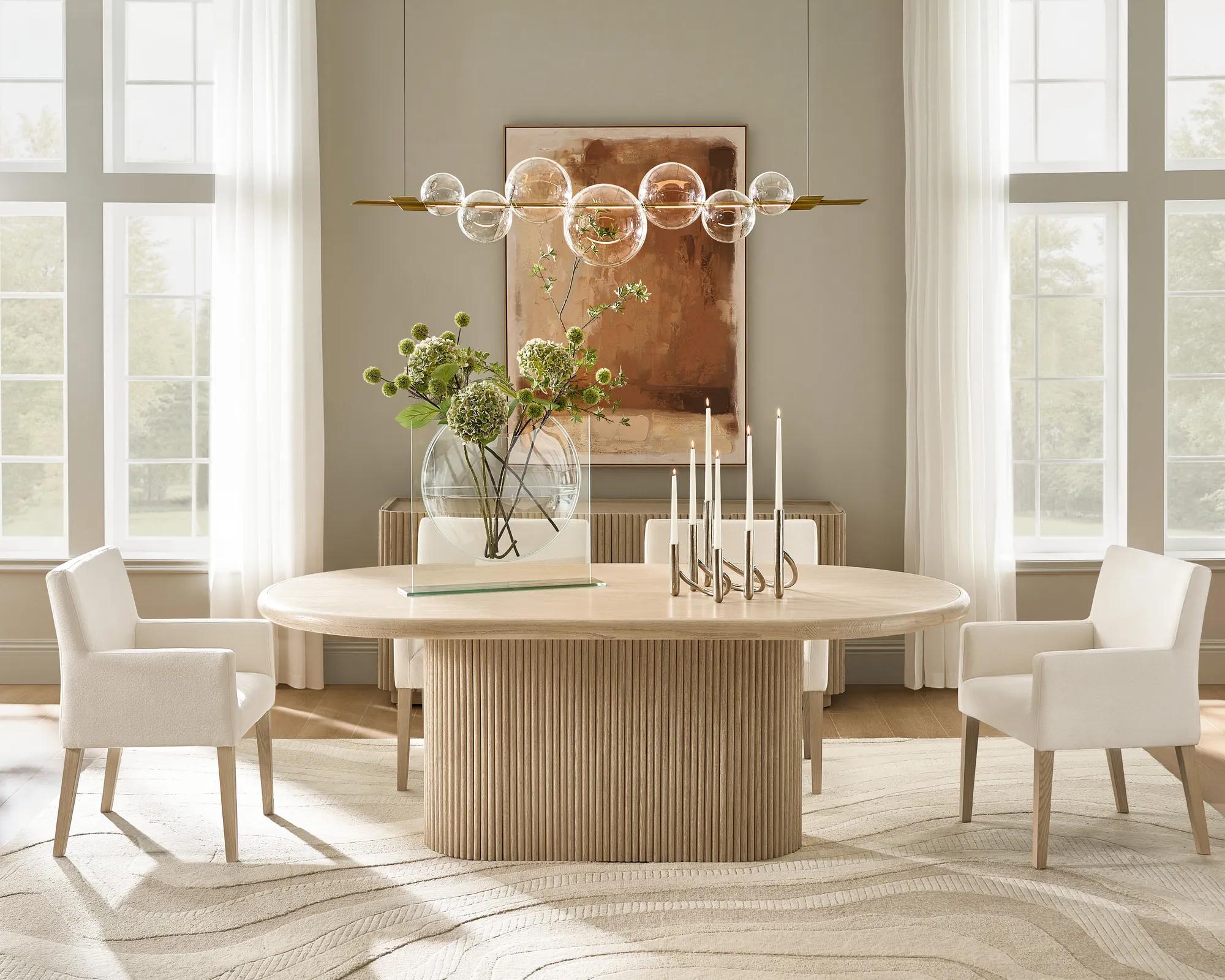 Stria Ivory Chenille Dining Chair Set Of 2$599
A pair of ivory chenille arm chairs with natural oak legs, offering plush comfort and modern elegance.
Add To Cart -
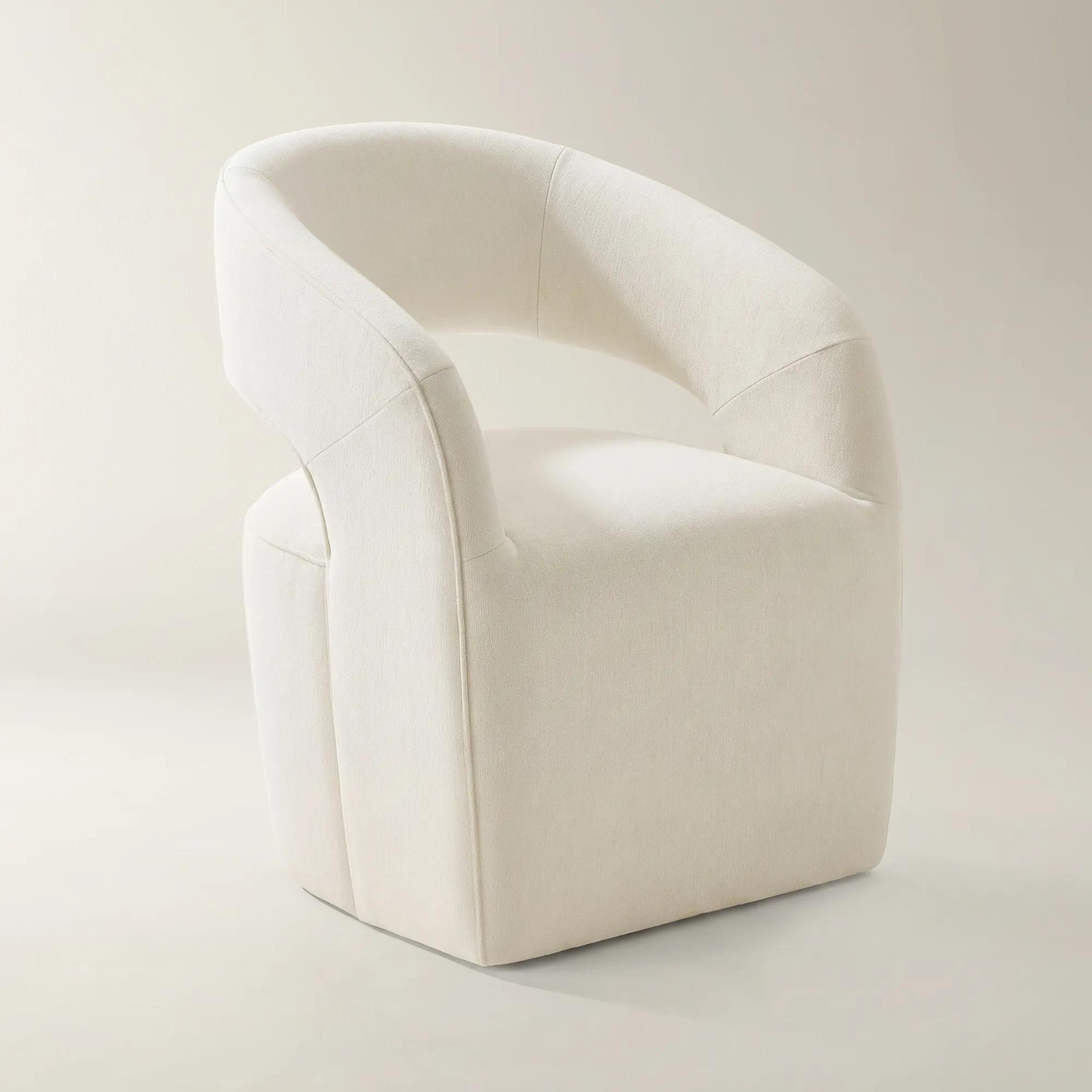 Harrison Ivory Performance Chenille Dining Chair$449
A sculptural ivory chenille chair featuring a continuous curved back, feather-blend comfort, and performance upholstery.
Add To Cart -
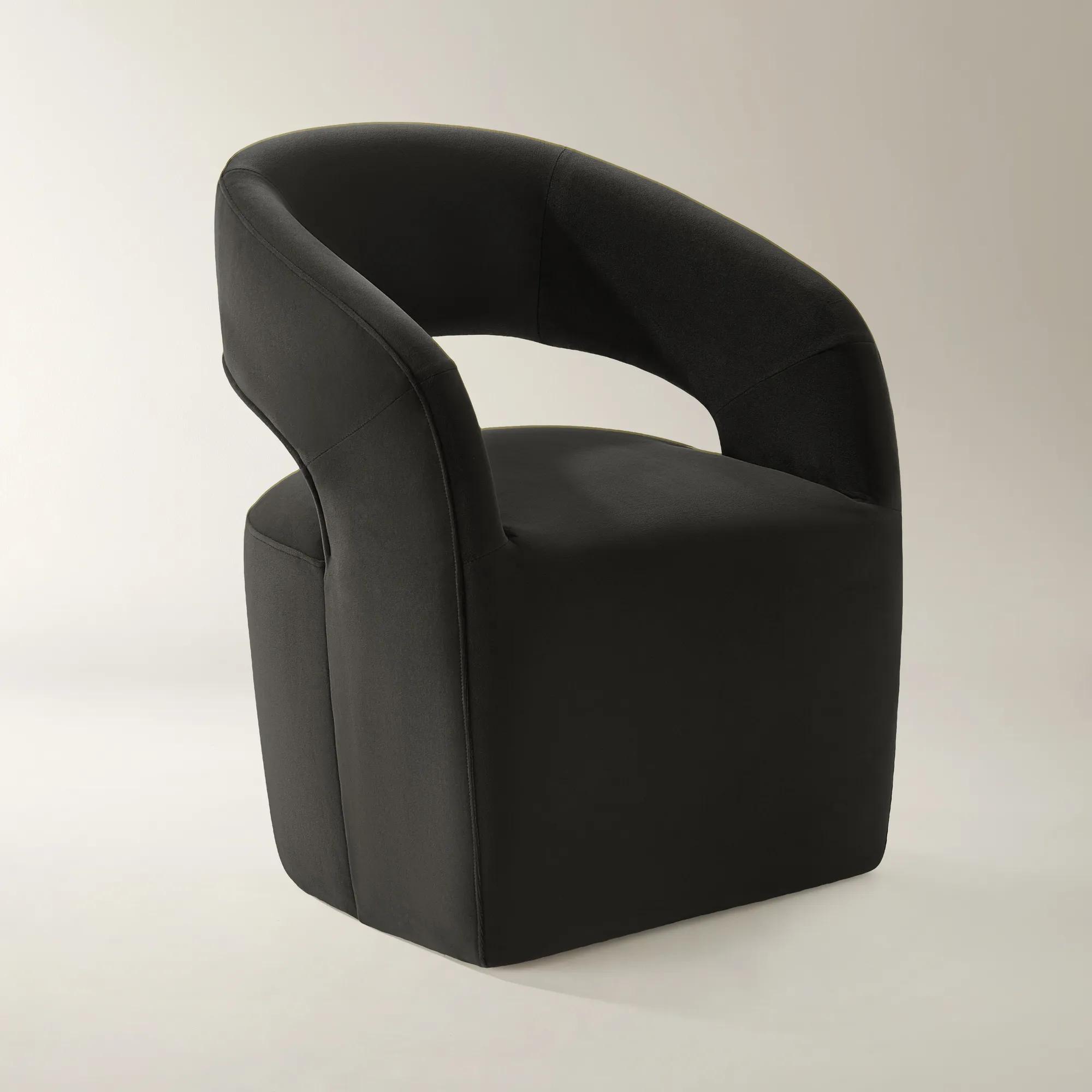 Harrison Charcoal Velvet Dining Chair$449
A sculptural dining chair upholstered in charcoal velvet with a continuous curved back and feather-blend comfort.
Add To Cart

Tailored Tufted Dining Chairs
Tailored tufted dining chairs command attention at every gathering, transforming the dining room into a stage of sophistication and artistry. Each silhouette is an homage to meticulous craftsmanship, where plush upholstery meets sculptural form for a look that’s as inviting as it is iconic. These chairs don’t merely offer a seat—they set the mood, enveloping guests in comfort while elevating the entire tablescape with their dramatic presence. For those who crave detail and delight in design, tailored tufted dining chairs promise to turn every meal into an experience worthy of applause.
Tailored tufted dining chairs bring sculpted upholstery and a composed silhouette to the dining room, pairing the richness of traditional tufting with the precision of modern design. Tufting draws fabric or leather inward at repeated points, creating dimples, folds, or geometric patterns that give an upholstered back its distinctive depth. Button tufting adds a crisp decorative accent, while deeper diamond patterns create a more pronounced play of light and shadow. The tailored element comes through in the surrounding details: clean edges, carefully aligned seams, restrained proportions, and upholstery that follows the chair’s shape. Together, these features create seating that feels expressive without overwhelming the table. A slender Parsons-style profile offers a relatively straight, upholstered back and an orderly outline; a wingback silhouette introduces a more enveloping presence, particularly at the heads of a rectangular dining table. Gently curved backs soften a room filled with angular furniture, while taller backs establish a striking rhythm around a substantial table. For a dining space that opens into the living room, the view from behind matters as much as the tufted front. A smooth outer back, graceful leg line, or neatly finished seam can make each chair feel considered from every angle. Color shapes the atmosphere just as decisively. Ivory, oatmeal, and soft gray emphasize the shadows within the tufting, while charcoal, sapphire, or other saturated upholstery gives the contours a richer intensity. Against a glass tabletop, upholstered dining chairs become the visual centerpiece; beside a richly grained wood table, they introduce softness and contrast. A coordinated set creates a polished composition, while tufted host chairs paired with simpler side chairs give the room a deliberate hierarchy. These are chairs for dining rooms where daily meals deserve an elegant setting and a dinner party feels thoughtfully composed before the first place setting is laid. Their appeal lies in that balance: decorative enough to define the room, yet intended to support the familiar rituals that happen around the table.
The material beneath that sculptural surface influences both the look of tufted dining chairs and the way they live. Velvet lends a luminous depth that makes curves and recessed buttons especially noticeable, though its pile may show pressure marks or shift in appearance when brushed in different directions. Chenille offers a softly textured surface with a more diffused richness; for a related expression of upholstered seating, Tailored Chenille Dining Chairs bring attention to that inviting tactile character. Linen and linen-blend upholstery can create a drier, more relaxed texture within a formal silhouette, while woven synthetic fabrics offer varied finishes and care requirements. Fiber content alone does not determine how well an upholstery fabric will perform. The weave, backing, finish, and manufacturer’s specifications all matter, especially for chairs used at every meal. Performance upholstery may be designed for stain resistance or easier cleaning, but it should not be assumed to be stainproof. In a home with young children, frequent guests, or a dining table that also hosts crafts, clearly documented cleaning instructions can be as important as color. Leather creates another distinctive effect, with tufting that feels architectural and a surface whose character depends on its type and finish; coated alternatives have their own maintenance needs and should not be treated as interchangeable. Beneath the upholstery, a well-constructed wood or metal frame, secure joints, supportive cushioning, and an appropriate stated weight capacity contribute to dependable everyday use. A thick seat is not automatically a more comfortable seat: cushion density, seat depth, and back angle determine whether the chair feels supportive through a leisurely meal. Durability also depends on how the chair is handled. Lifting rather than dragging protects joints and helps preserve floor finishes. For regular care, loose crumbs and dust can be removed from tufted recesses with a soft upholstery attachment when permitted by the care label. Spills deserve prompt blotting rather than vigorous rubbing, and any cleaning product should follow the upholstery manufacturer’s instructions. Direct sunlight can alter some fabrics and finishes over time, making placement part of preserving the chair’s color and character.
Proportion gives tailored tufted dining chairs their most convincing presence, allowing generous upholstery to look intentional rather than crowded. Standard dining tables are commonly about 28 to 30 inches high, and many dining chairs have seats approximately 18 to 20 inches from the floor. Those ranges are a starting point, not a guarantee of fit: roughly 10 to 12 inches between the seat and tabletop is a common planning allowance, with the table apron checked separately for thigh clearance. Upholstered seats may compress under weight, and thick aprons can reduce usable space even when the overall table height appears suitable. Armchairs bring a more expansive silhouette, but their arms need to clear the underside of the table if they are meant to tuck in. Width deserves equal attention. About 24 inches of table edge per diner is a useful baseline, while broad wingbacks or generously scaled armchairs may need more room to prevent shoulders and chair frames from competing for space. Pedestal bases, trestles, and corner legs affect where chairs can sit, so the table’s support structure belongs in the measurement as well. Leaving around 36 inches between the table edge and a wall or nearby furniture generally allows room to pull chairs out; a route used for passing behind seated guests often benefits from 42 to 48 inches. In a compact dining area, armless tufted chairs with narrower backs preserve the upholstered effect while easing movement. A larger room can carry deeper silhouettes and a more dramatic contrast between chair fabric and table finish. Consider the rug beneath the arrangement, too: it should extend far enough for chair legs to remain supported when seats are pulled out, commonly about 24 inches beyond each table edge. These relationships make an elegant setting feel welcoming in practice. With the right scale, supportive construction, and upholstery suited to the household, tufted dining seating gives both intimate meals and extended gatherings a distinctive sense of occasion—rich in texture, precise in detail, and comfortable enough for conversation to continue after the plates are cleared.
FAQs
Tufted dining chairs are remarkably versatile, seamlessly enhancing a range of interior aesthetics. Their sculptural profiles and rich textures complement glamorous, transitional, and contemporary spaces alike. Pair them with a gleaming glass table for modern drama, or introduce them to a traditional setting for a touch of unexpected opulence. Their tailored detailing can anchor minimalist rooms with a hint of luxury or elevate eclectic decors with bold color and texture.
Tufted velvet dining chairs envelop guests in plush comfort, inviting them to linger long after the meal is over. The tactile richness of velvet, paired with deep cushioning and elegant tufting, creates an atmosphere of indulgence and warmth. These chairs transform everyday dining into a sensory experience, adding a layer of sophistication and hospitality to every gathering.
Absolutely. Tufted dining room chairs can serve as statement pieces in compact dining areas, adding visual interest and a sense of luxury without overwhelming the space. Their refined silhouettes and dramatic textures draw the eye, making even the smallest nook feel thoughtfully designed and inviting.
To preserve the beauty of tufted dining chairs, gently vacuum upholstery with a soft brush attachment to remove dust and debris. For velvet, occasionally brush the fabric with a velvet brush to maintain its luster. Promptly attend to spills with a clean, damp cloth, and avoid harsh chemicals to keep the fabric looking fresh and vibrant.
Yes, mixing tufted dining chairs with other seating styles adds depth and personality to your dining ensemble. Pair them with sleek benches, metallic side chairs, or sculptural host chairs to create a curated, designer-inspired look. This approach allows you to showcase your personal style while maintaining a cohesive, luxurious atmosphere.