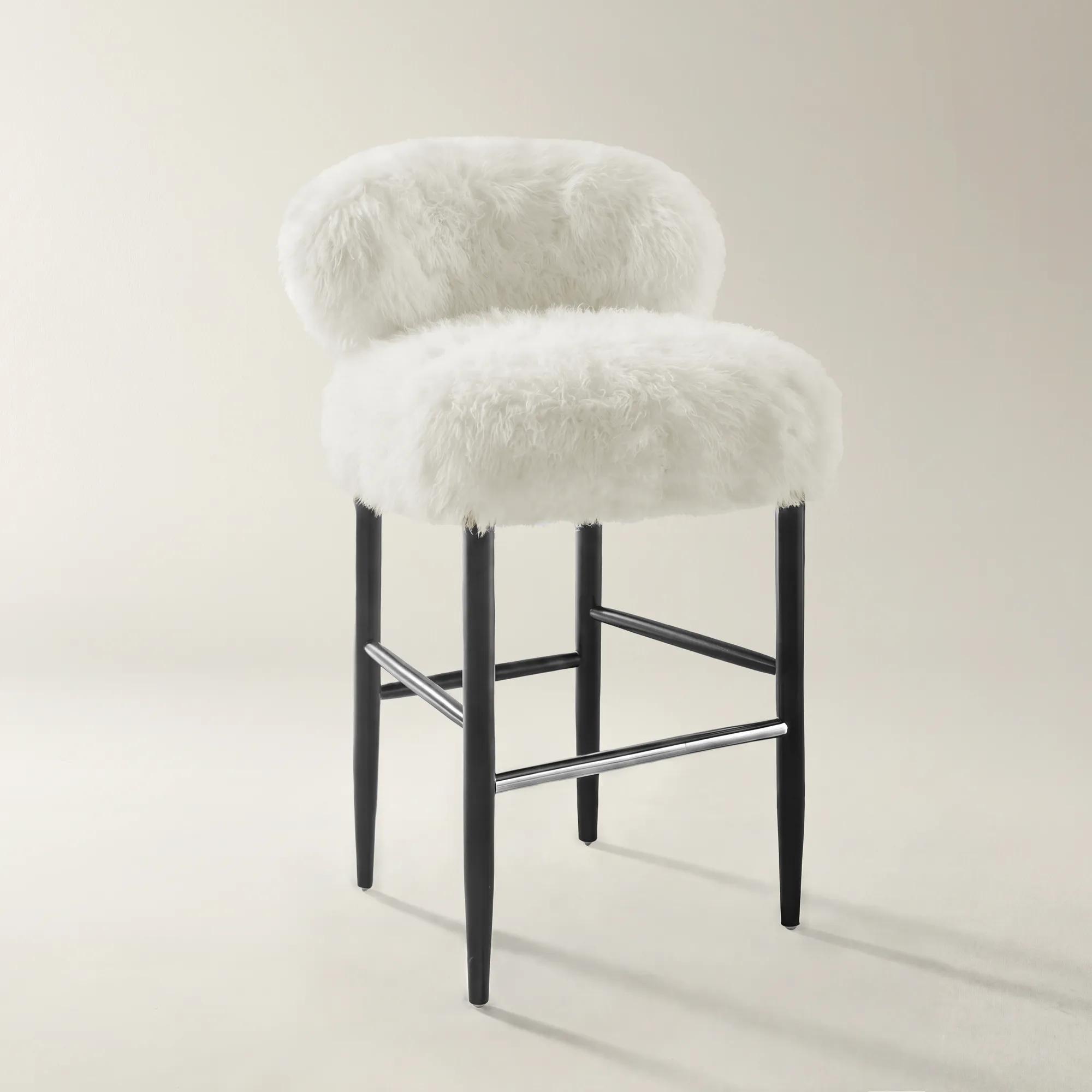
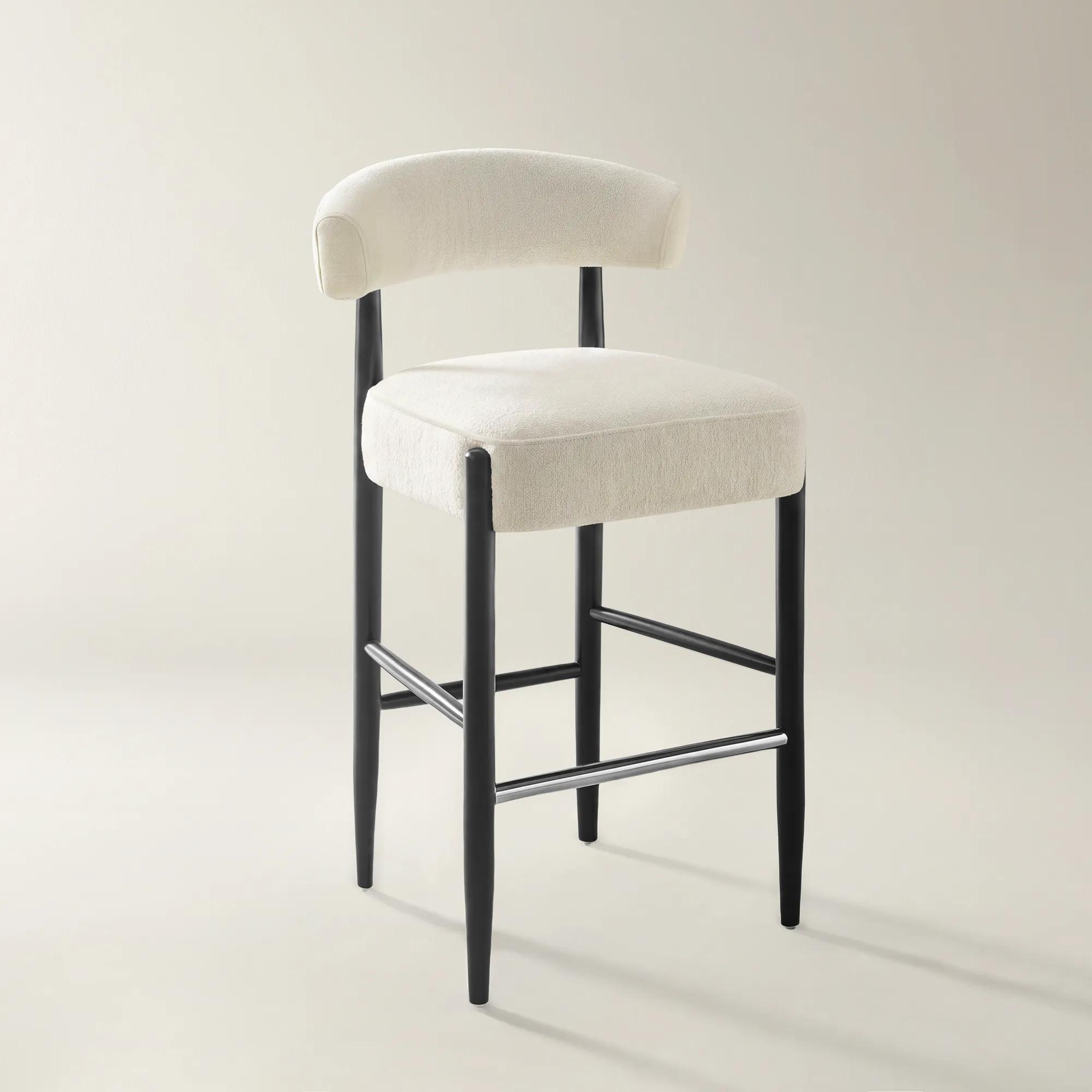
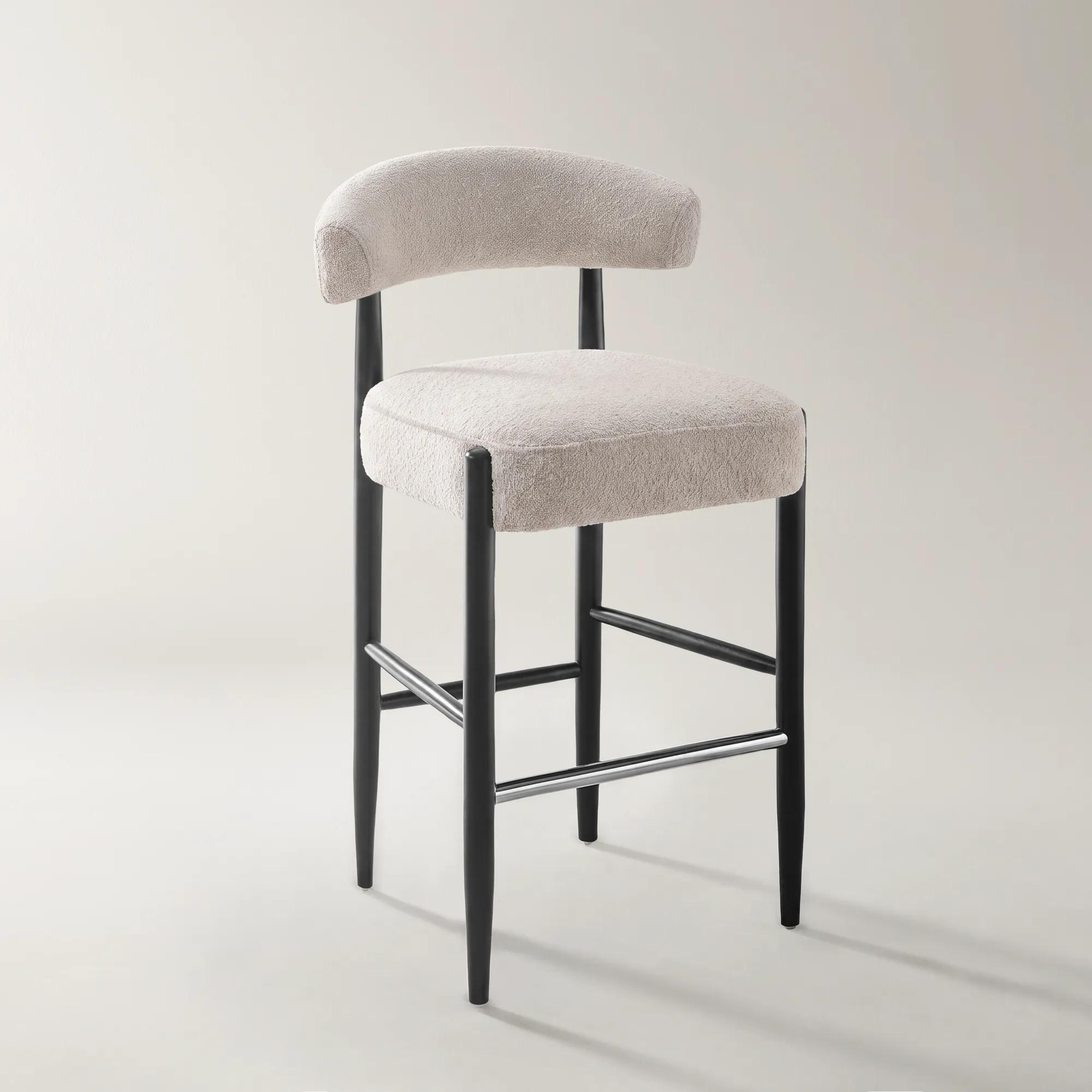
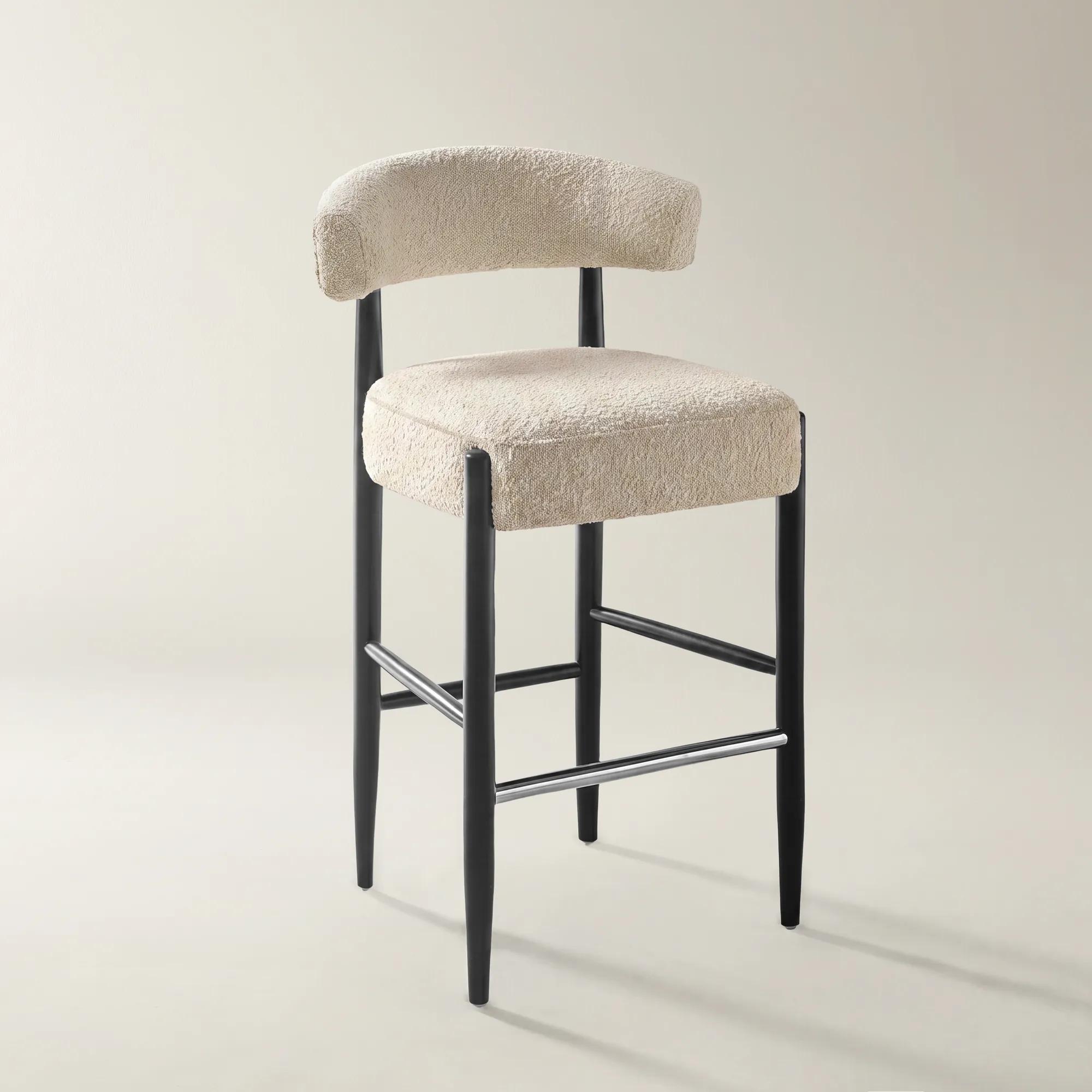
Decorative Tufted Dining Chairs
Decorative Tufted Dining Chairs
-
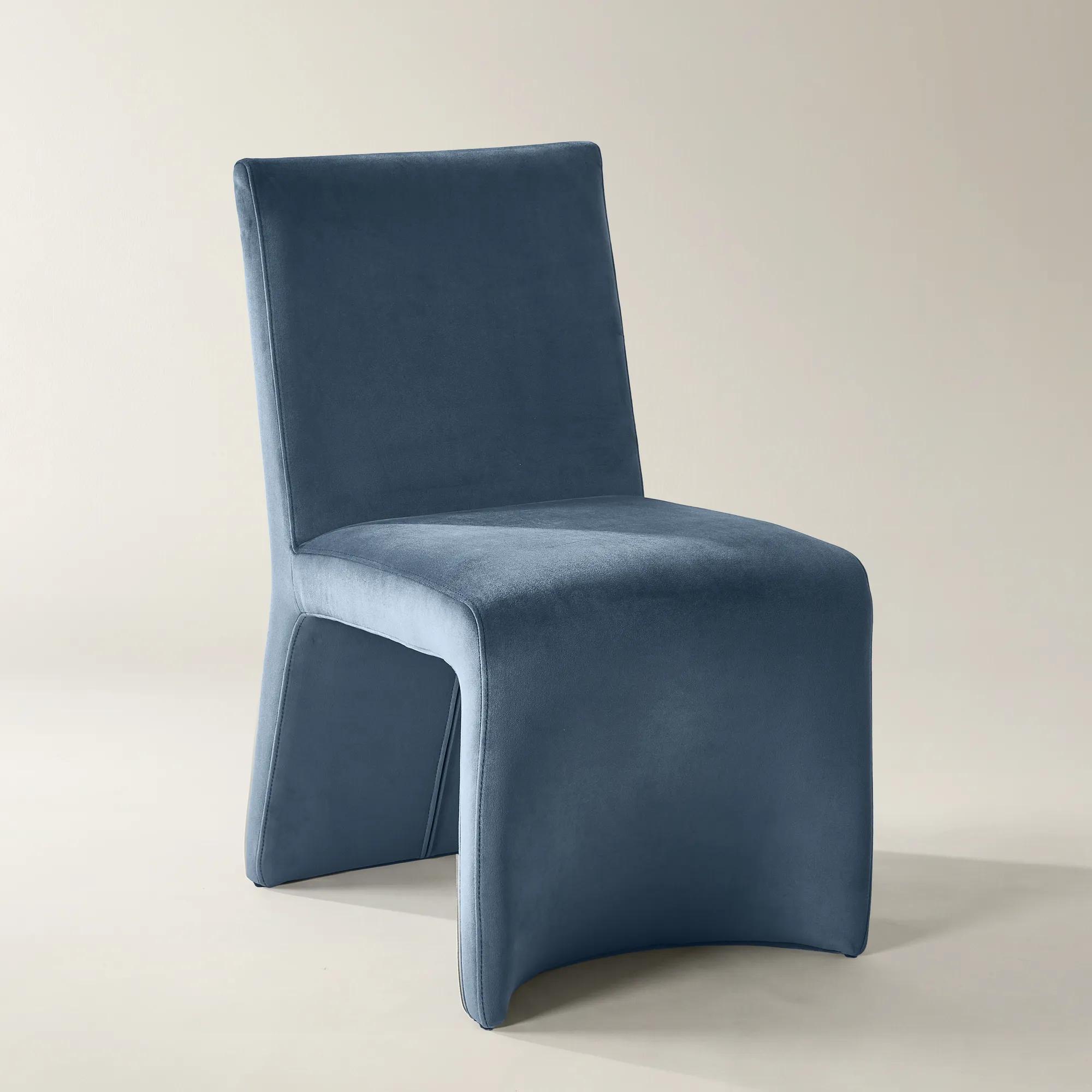 Elara Dusty Blue Velvet Dining Chair Set Of 2$799
A set of two dining chairs featuring plush dusty blue velvet upholstery and a seamless, artful silhouette.
Add To Cart -
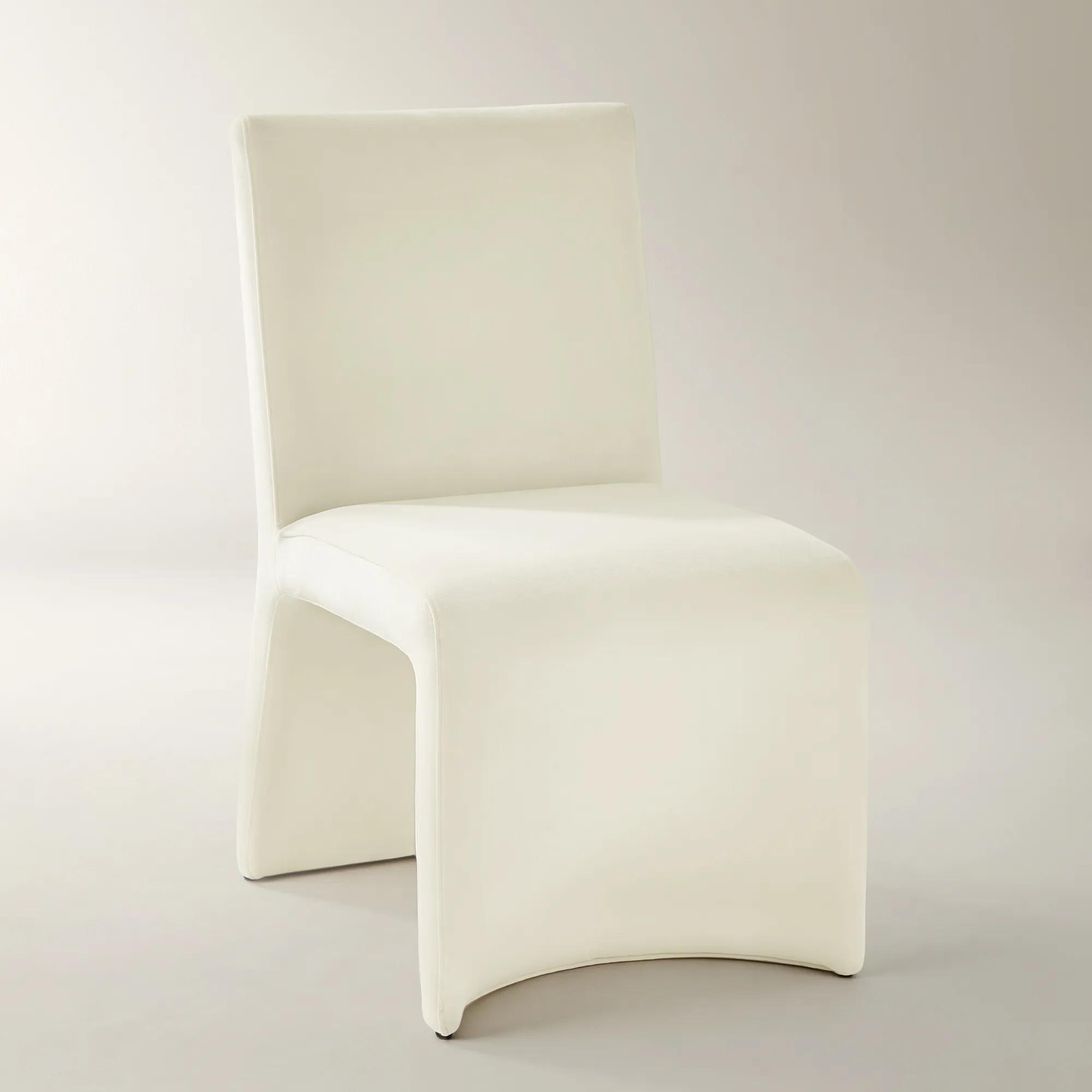 Elara Cloud Velvet Dining Chair Set Of 2$799
A set of two dining chairs featuring plush velvet upholstery, a seamless curved silhouette, and a sturdy steel frame.
Add To Cart -
 Elara Burnt Umber Velvet Dining Chair Set Of 2$799
A pair of brown velvet chairs with sinuous curves, ergonomic support, and hand-crafted, sculptural design.
Add To Cart -
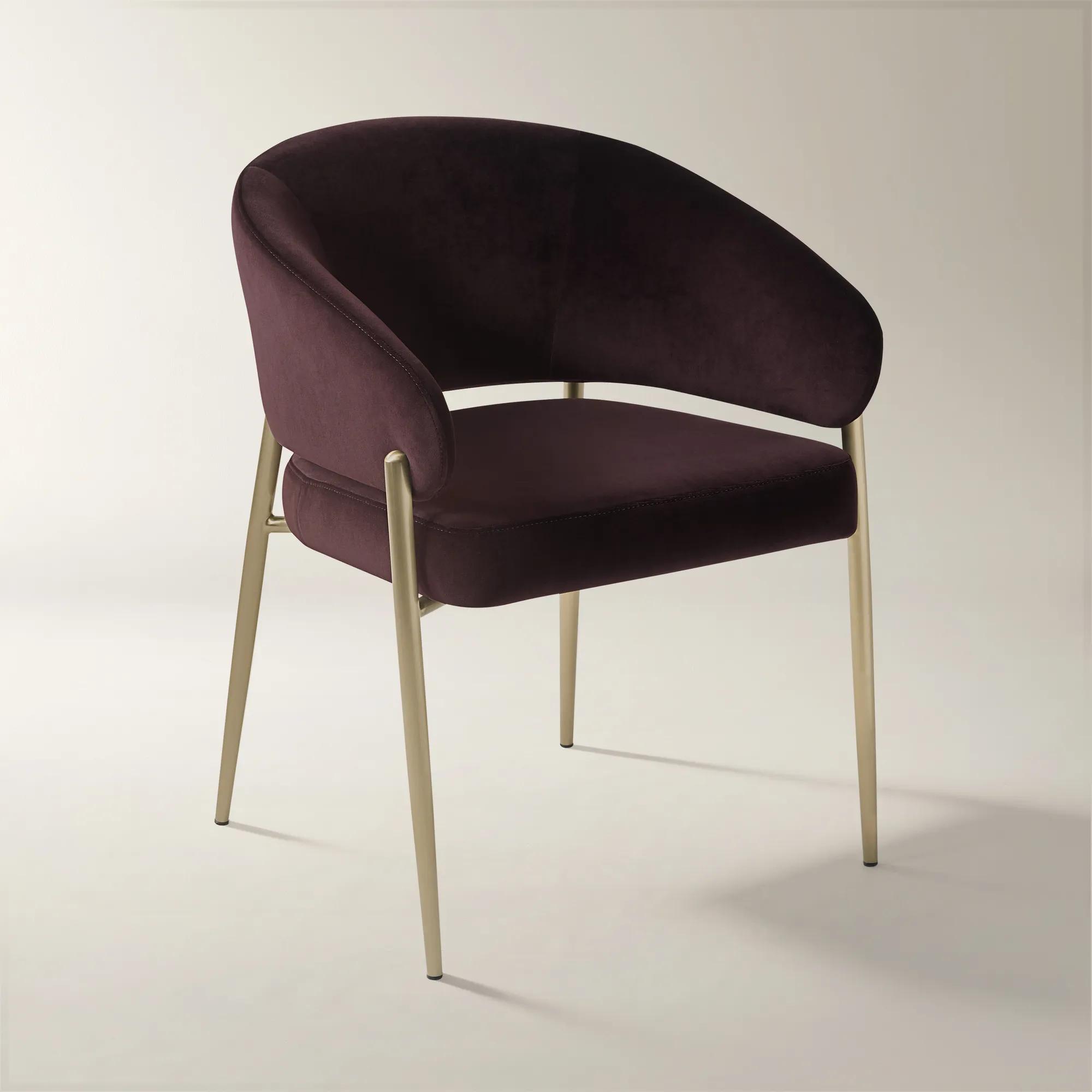 Nara Fig Velvet Dining Chair Set Of 2$599
A set of two dining chairs featuring plush fig velvet upholstery and brushed brass stainless-steel legs.
Add To Cart -
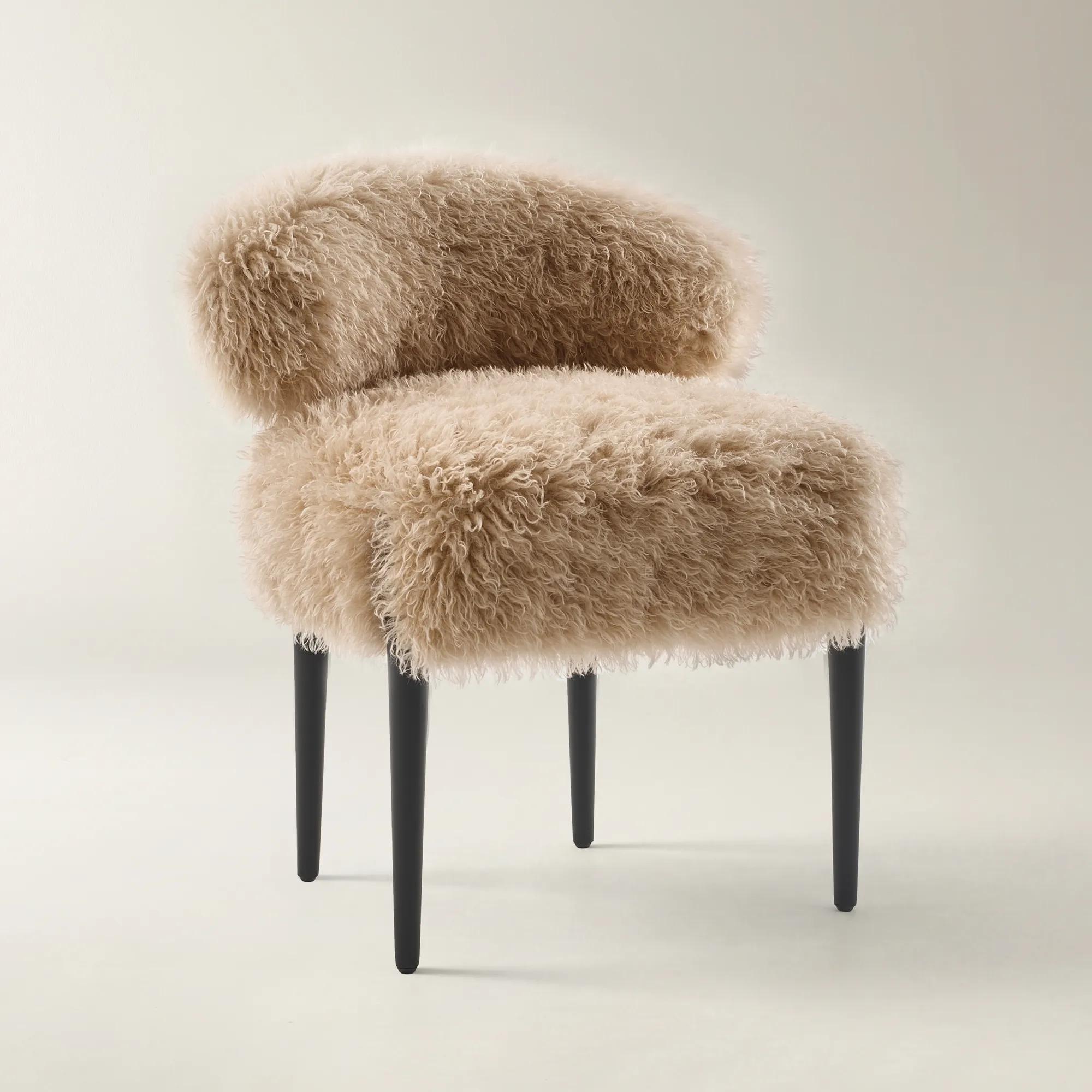
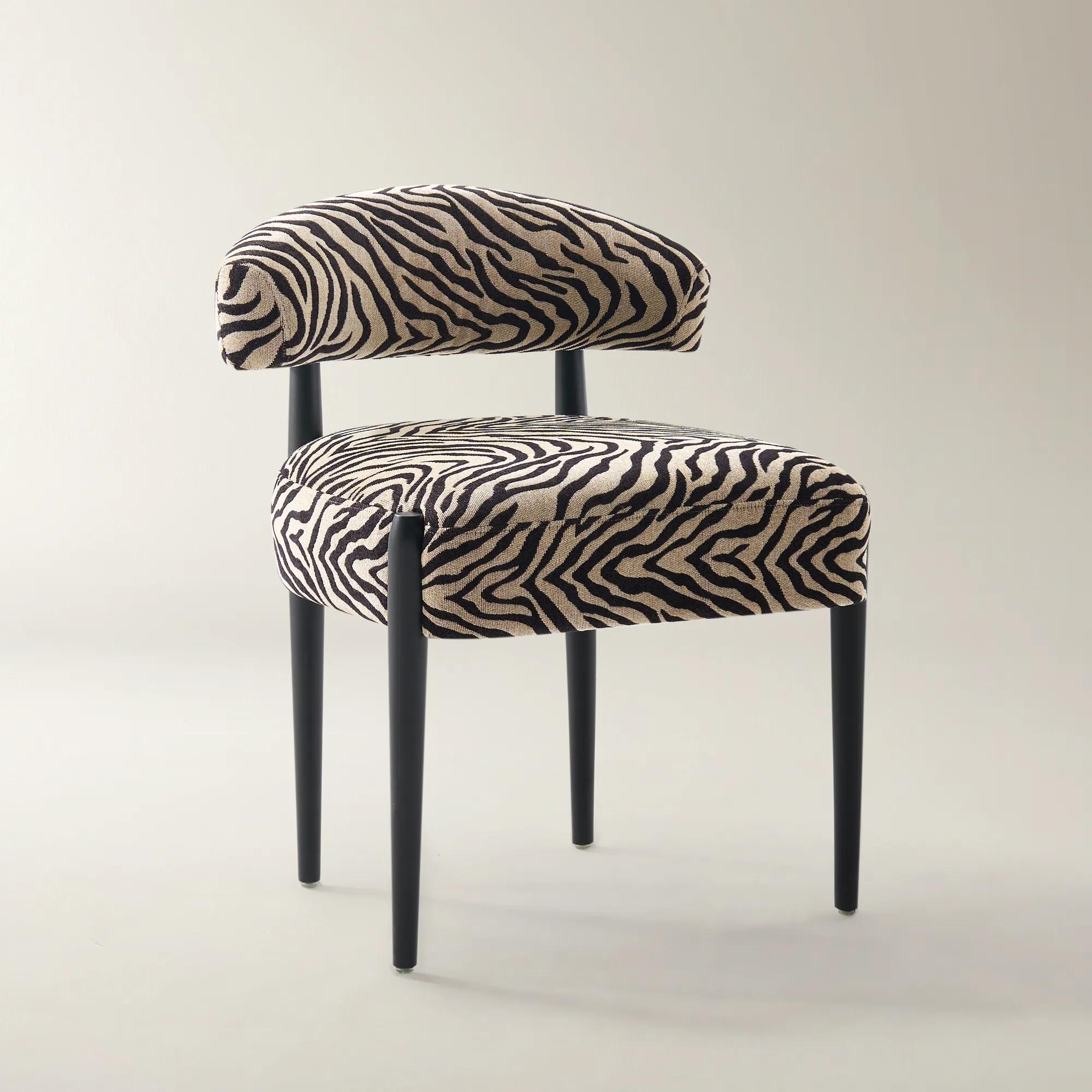 Anna Tan Faux Fur Dining Chair Set of 2$799
A tan faux fur dining chair set with curved backs, cushioned comfort, and solid rubberwood legs.
Add To Cart -
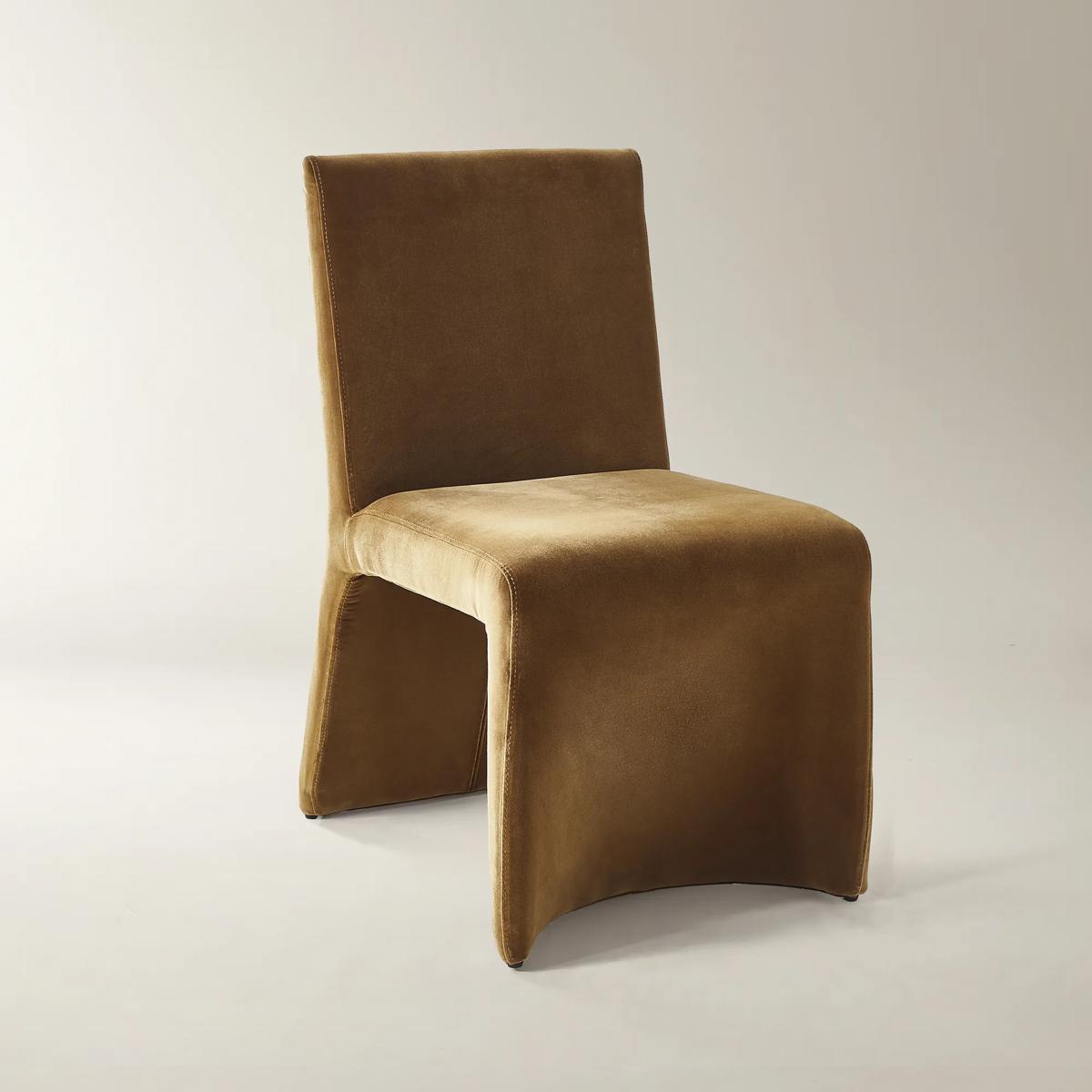 Elara Roasted Pecan Velvet Dining Chair Set Of 2$799
A pair of mustard velvet dining chairs featuring curved ergonomic silhouettes and hand-upholstered, reinforced construction.
Add To Cart -
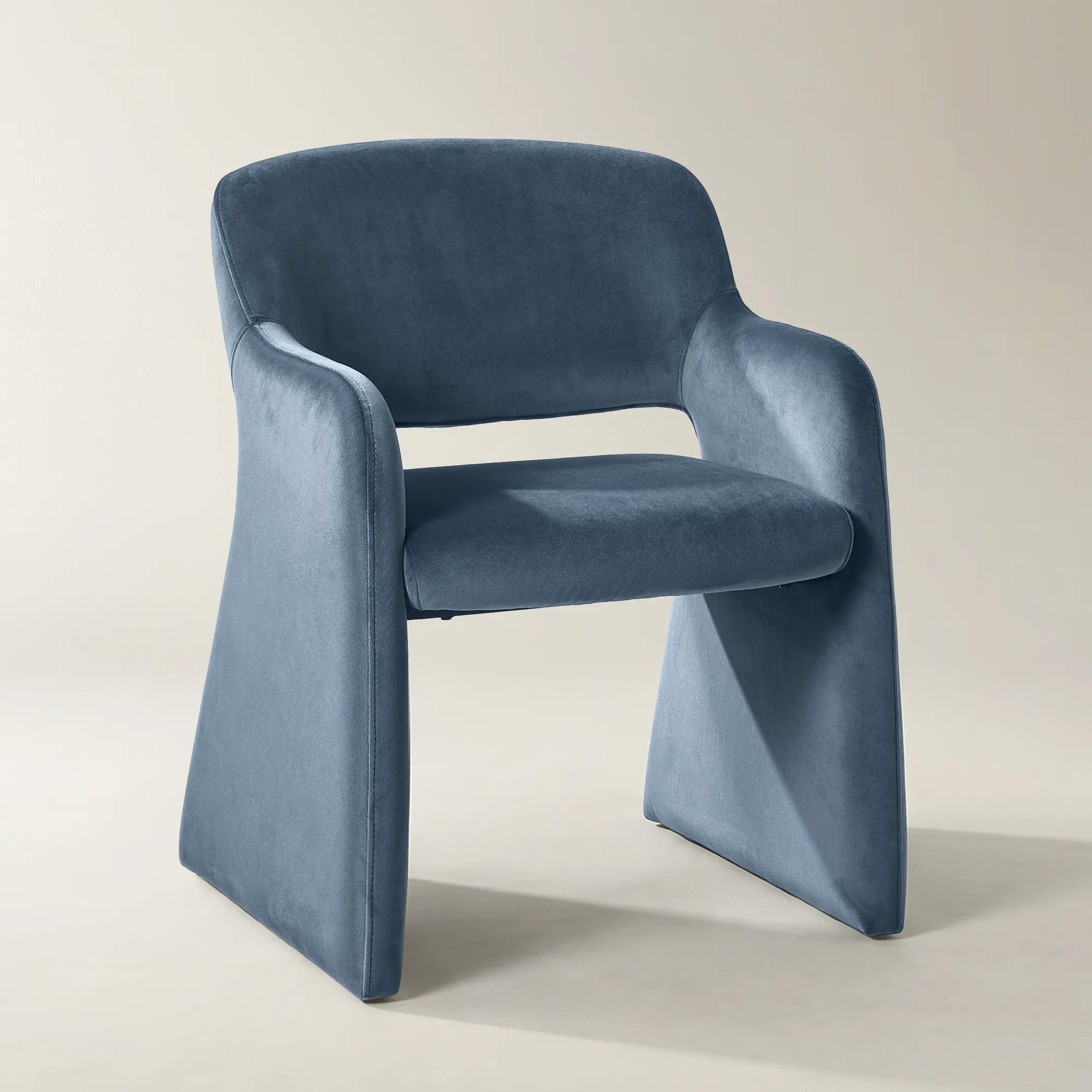 Elara Dusty Blue Velvet Dining Chair$449
A graceful dining chair featuring dusty blue velvet upholstery, integrated arms, and a seamless cantilevered silhouette.
Add To Cart -
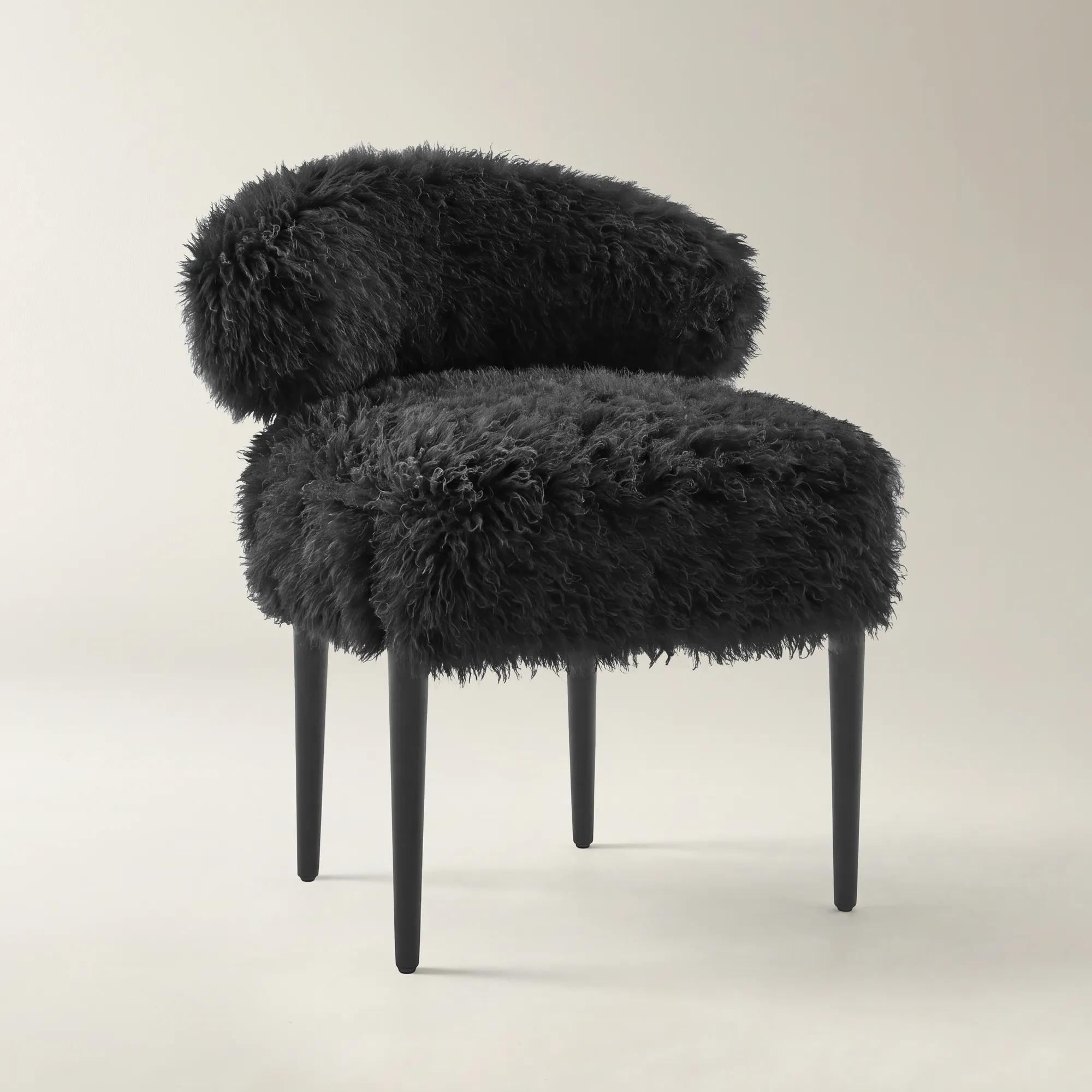 Anna Black Faux Fur Dining Chair Set of 2$799
A black faux fur chair set with arched backs, foam cushioning, and solid wood legs.
Add To Cart -
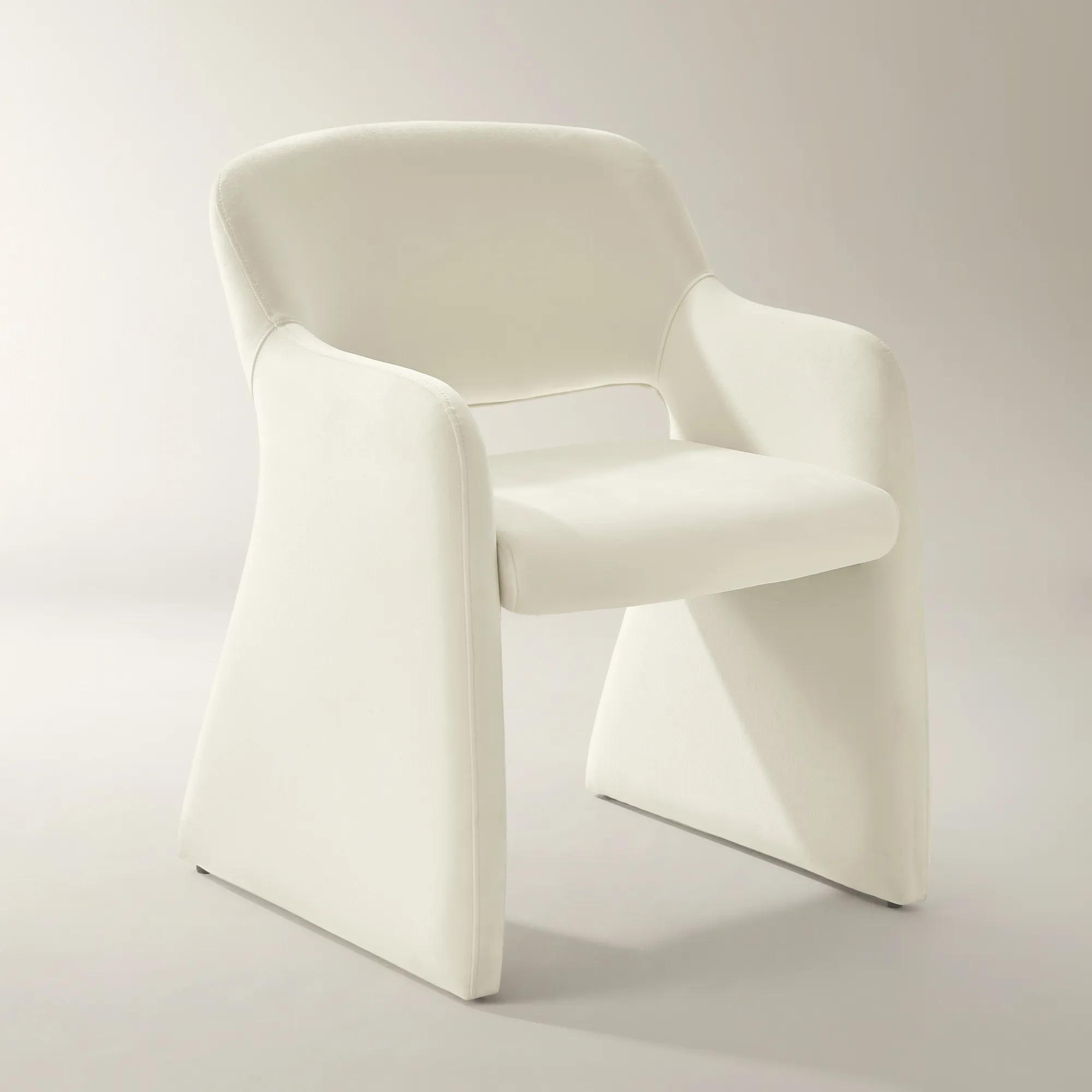 Elara Cloud Velvet Dining Chair$449
A plush velvet dining chair featuring a seamless wraparound silhouette and supportive carbon steel frame.
Add To Cart -
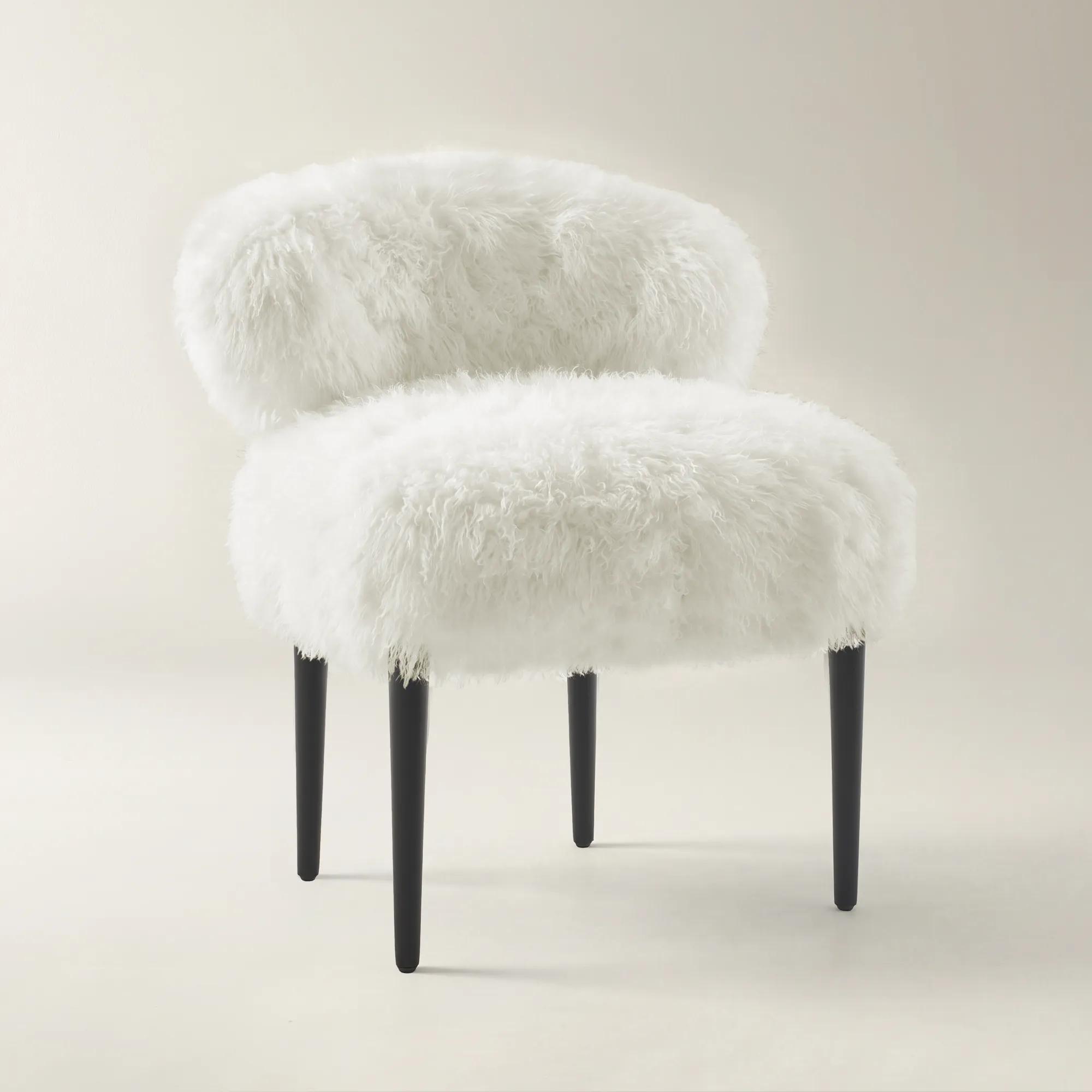 Anna Ivory Faux Fur Dining Chair Set of 2$799
A hand-upholstered ivory faux fur dining chair with a curved back, high-density foam cushioning, and rubberwood legs.
Add To Cart -
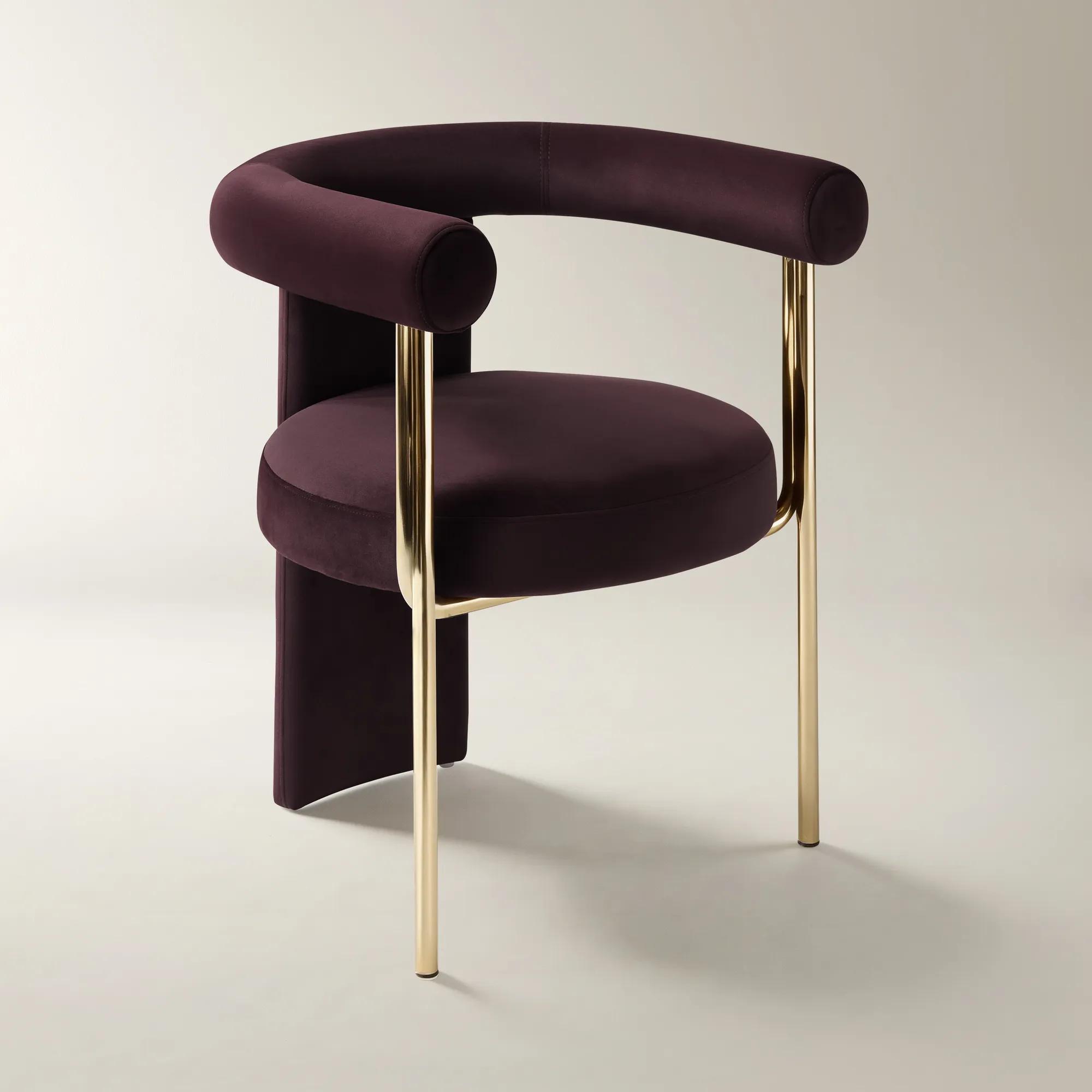 Davina Fig Velvet Dining Chair Set Of 2$899
A set of two dining chairs featuring plush fig velvet upholstery and a sleek gold-finished metal frame.
Add To Cart -
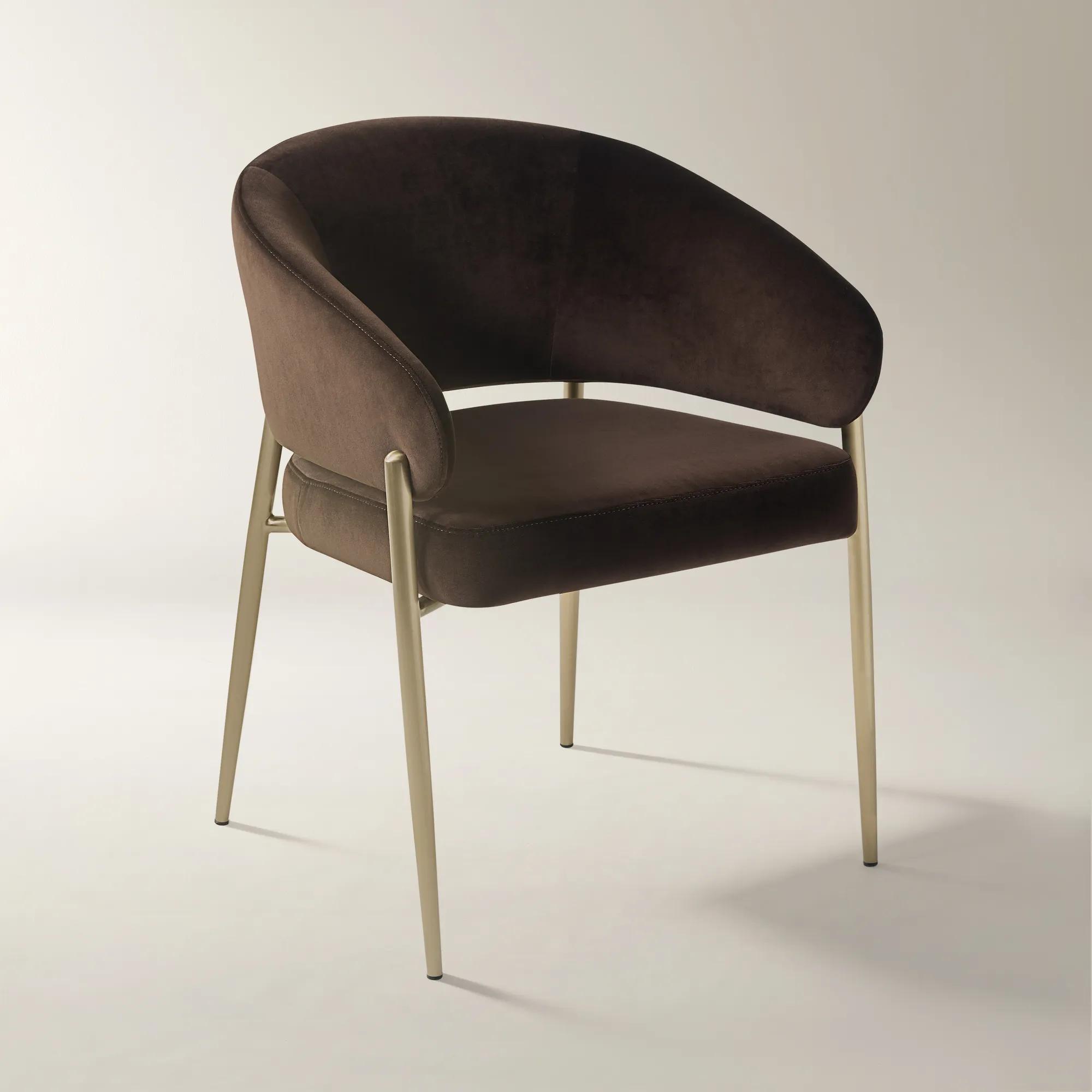 Nara Dark Chocolate Velvet Dining Chair Set Of 2$599
A pair of dark chocolate velvet chairs with curved backs and brushed brass stainless-steel legs for modern elegance.
Add To Cart -
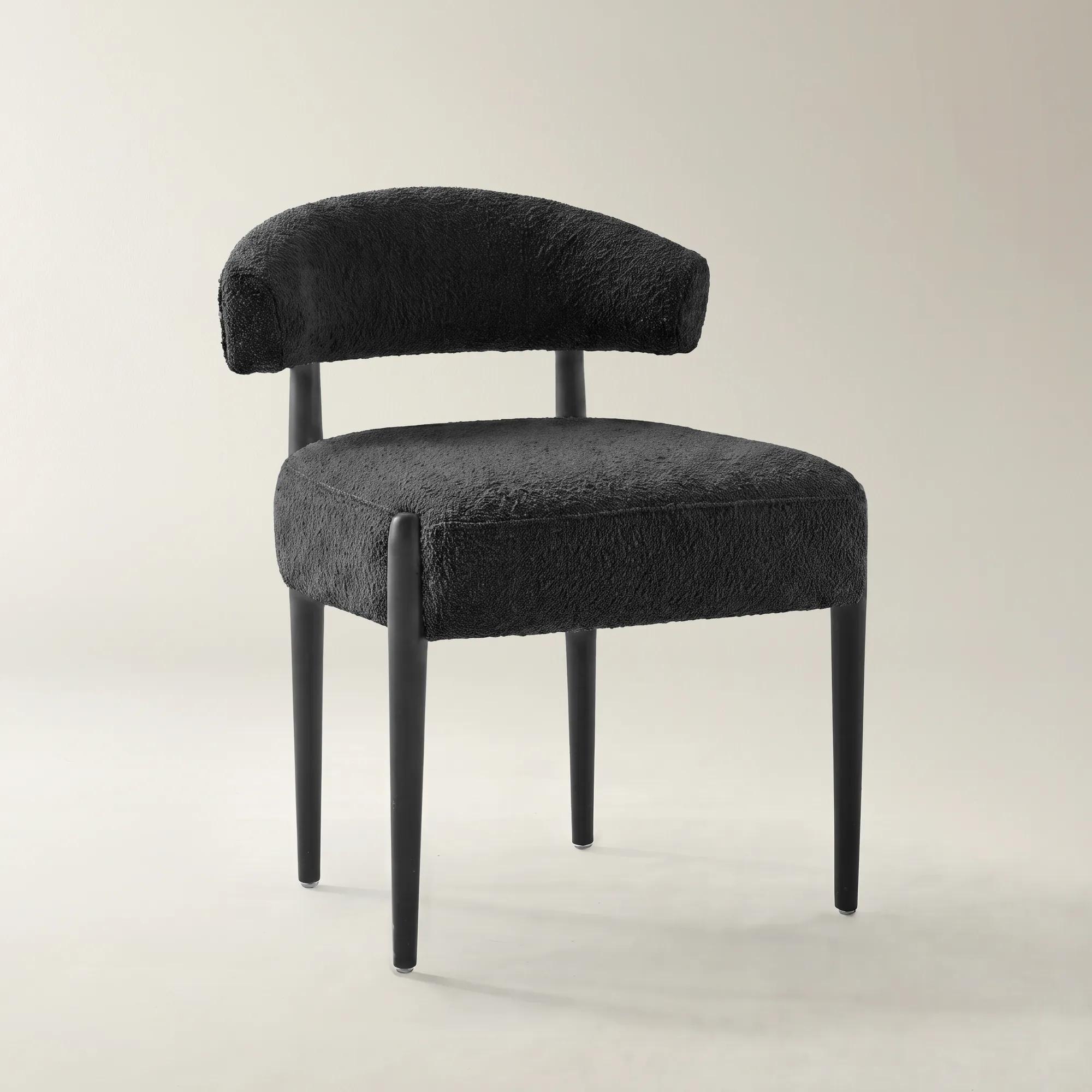 Anna Black Chenille Dining Chair Set of 2$699
A charcoal chenille dining chair set with curved backs, high-density foam cushioning, and rubberwood legs.
Add To Cart -
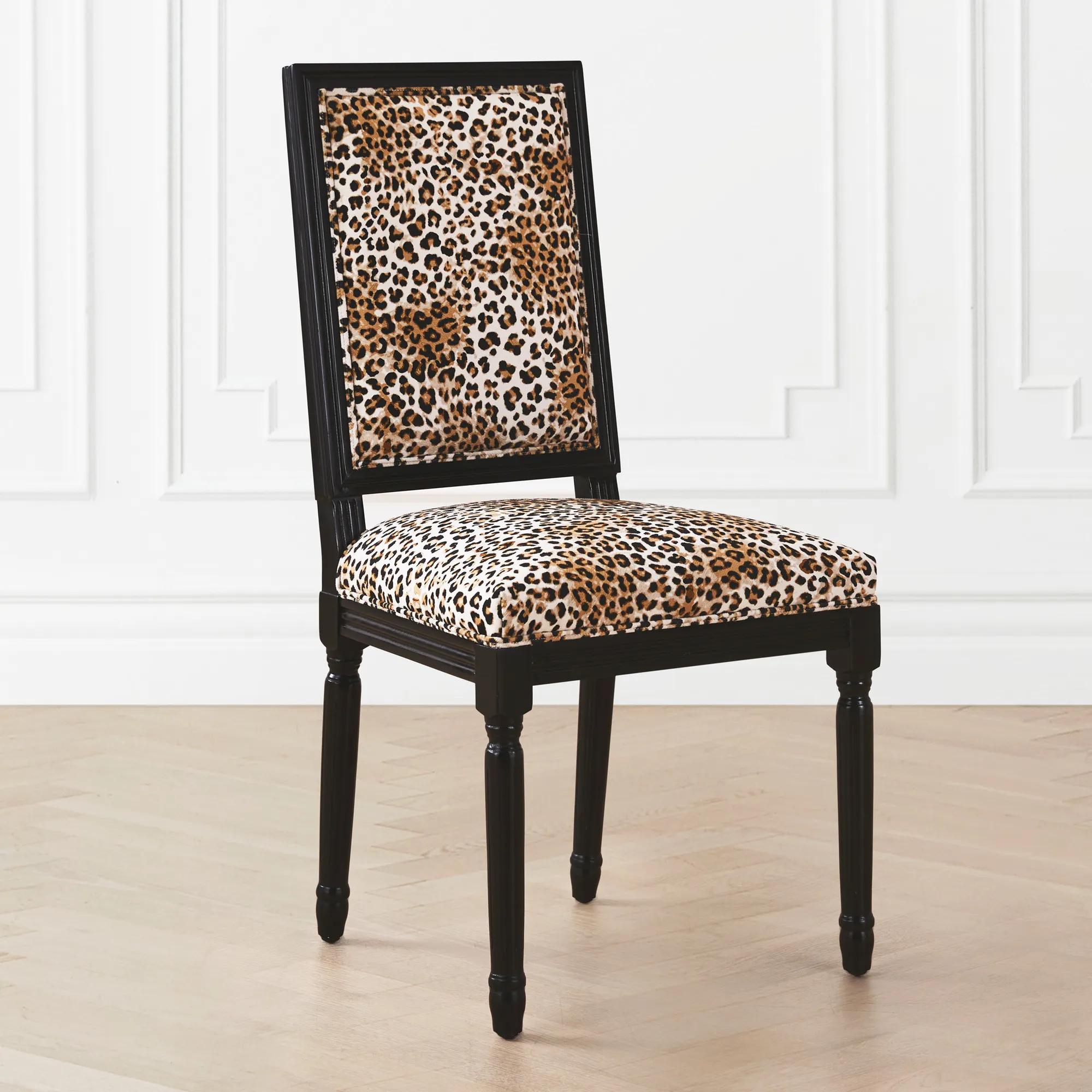
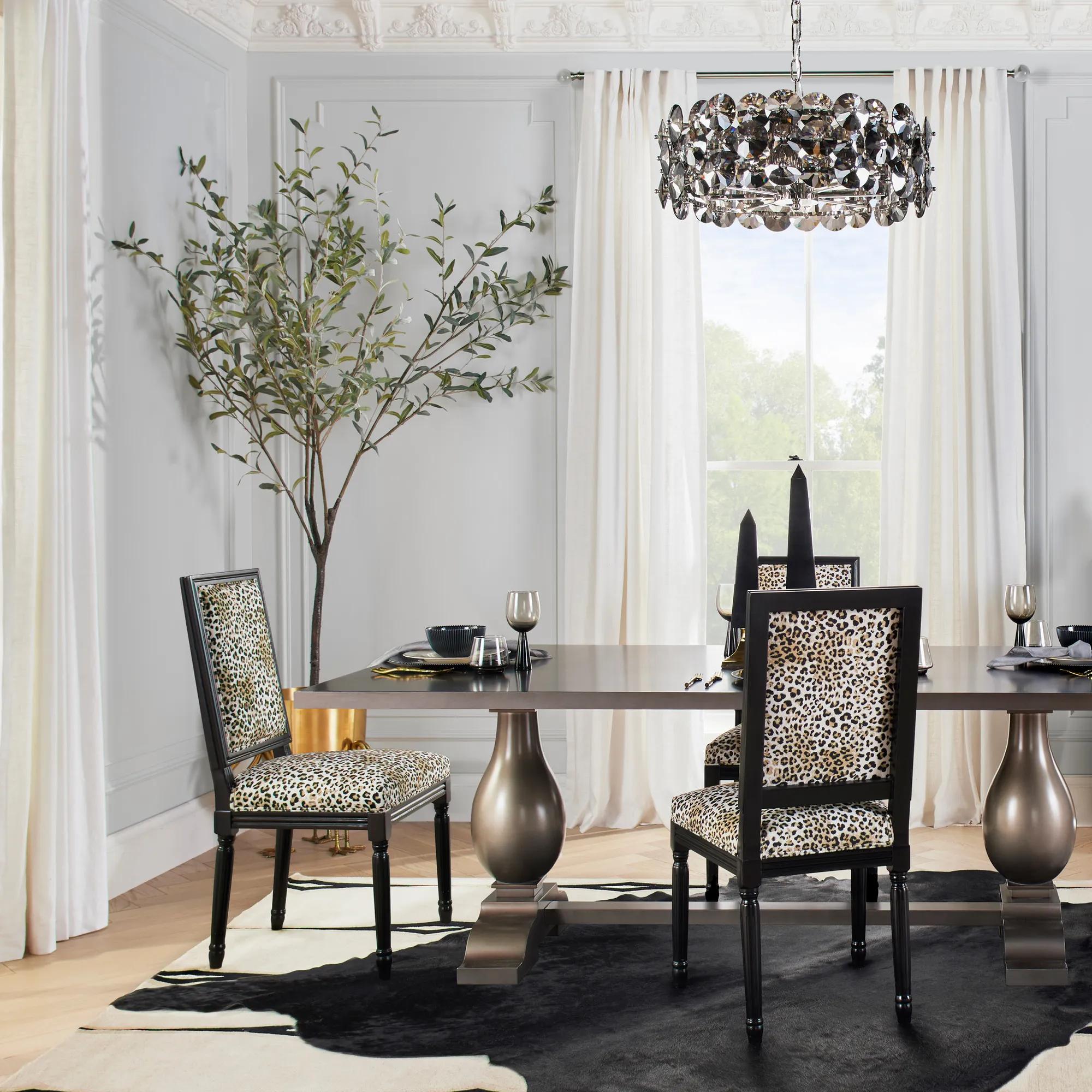 Callan Dining Chair$599
A handcrafted modern chair featuring classic upholstery, squared back, fluted legs, and high-gloss finish.
Add To Cart -
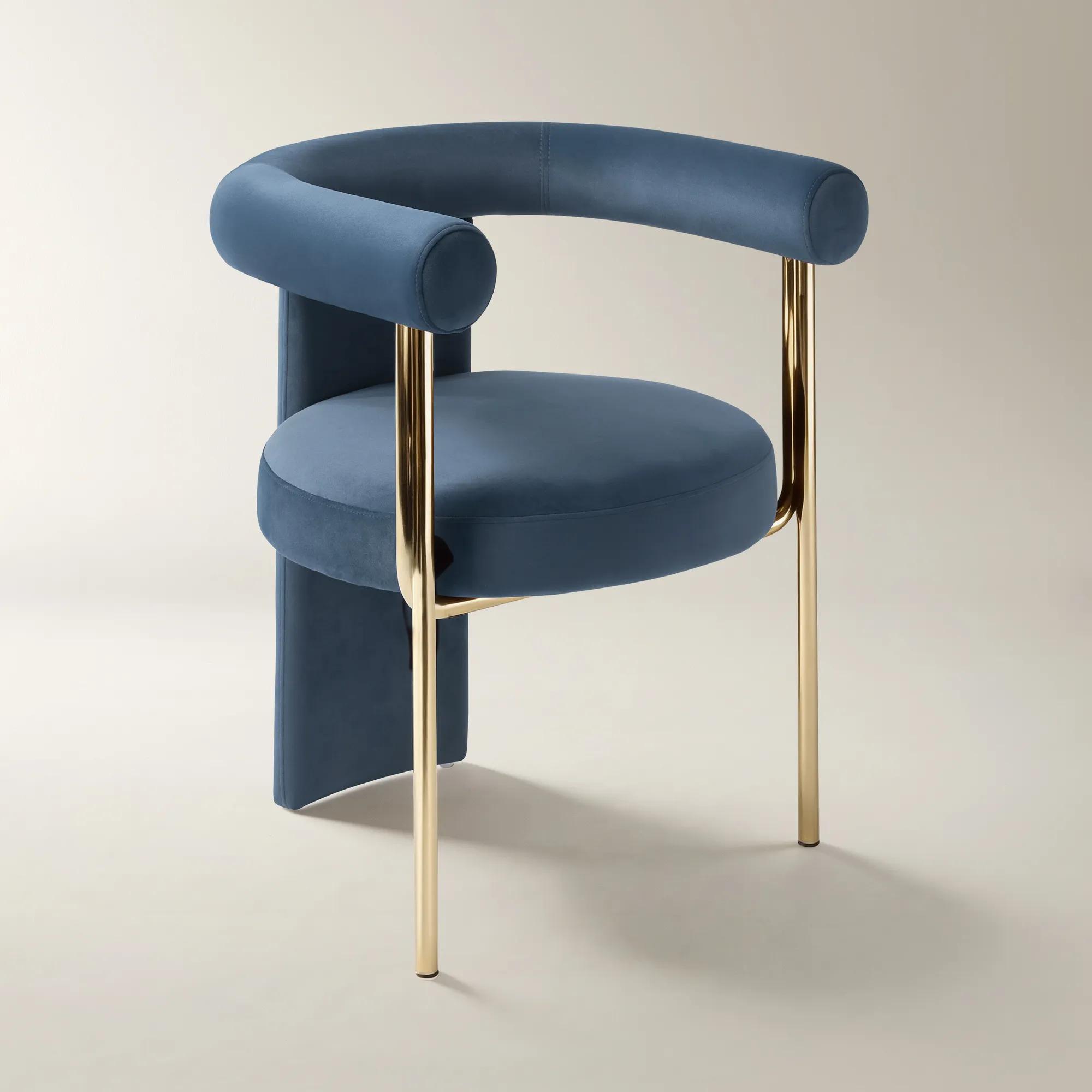 Davina Dusty Blue Velvet Dining Chair Set Of 2$899
A set of two dining chairs featuring dusty blue velvet upholstery and a polished gold metal frame.
Add To Cart -
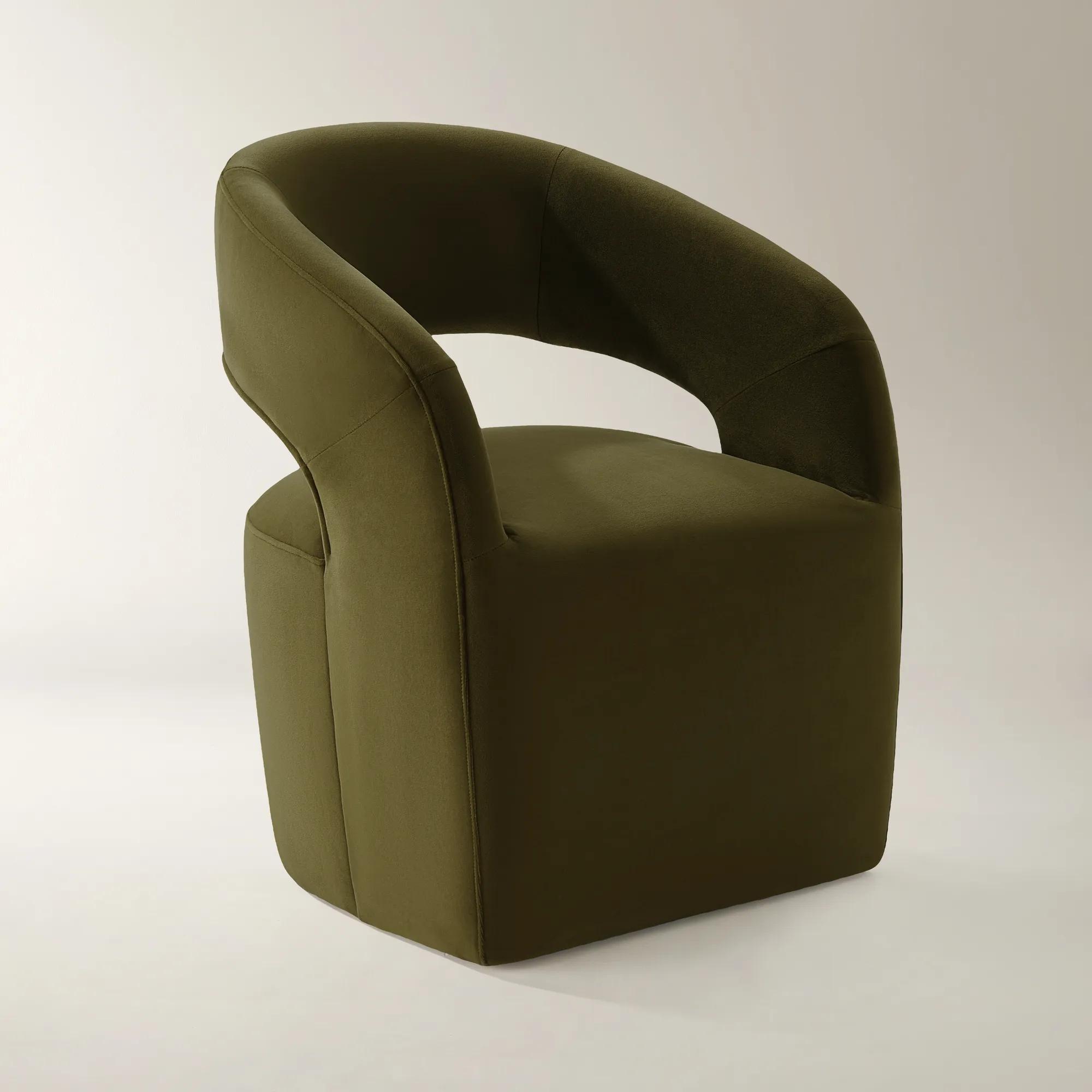 Harrison Deep Olive Velvet Dining Chair$499
A sculptural dining chair in deep olive velvet with a curved back, integrated arms, and plush feather-blend comfort.
Add To Cart -
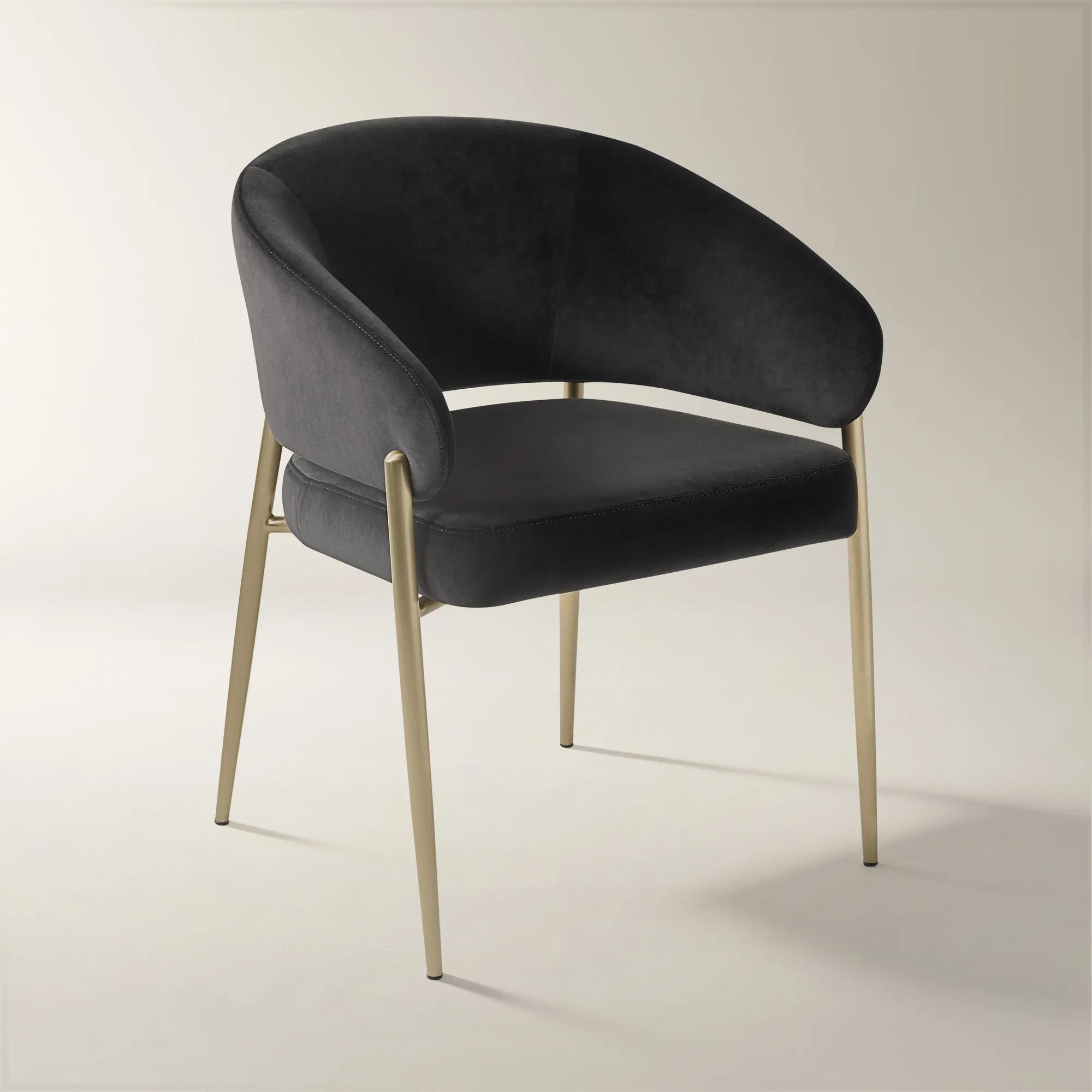 Nara Charcoal Velvet Dining Chair Set Of 2$599
A set of two charcoal velvet chairs featuring curved backs, plush upholstery, and brushed brass metal legs.
Add To Cart -
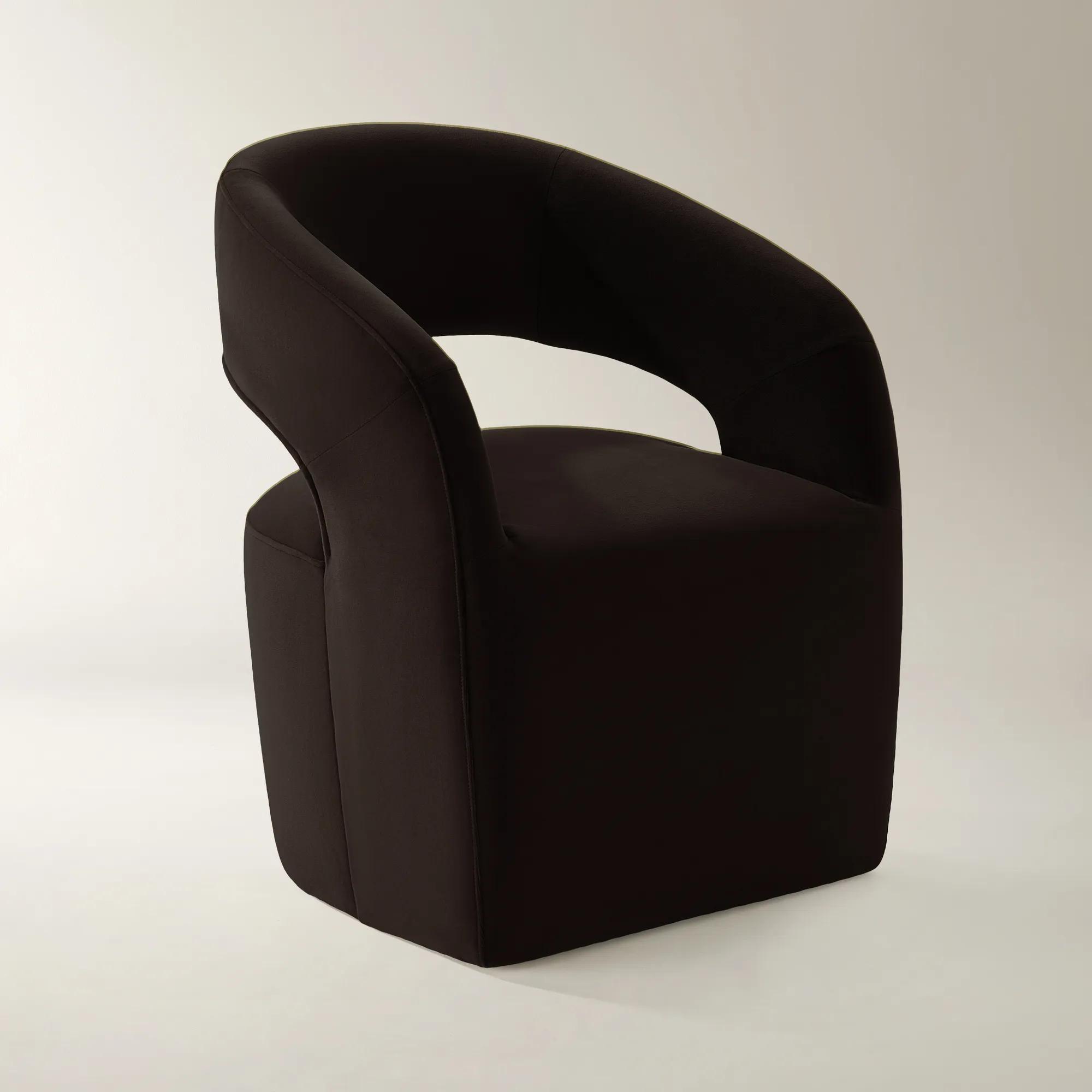
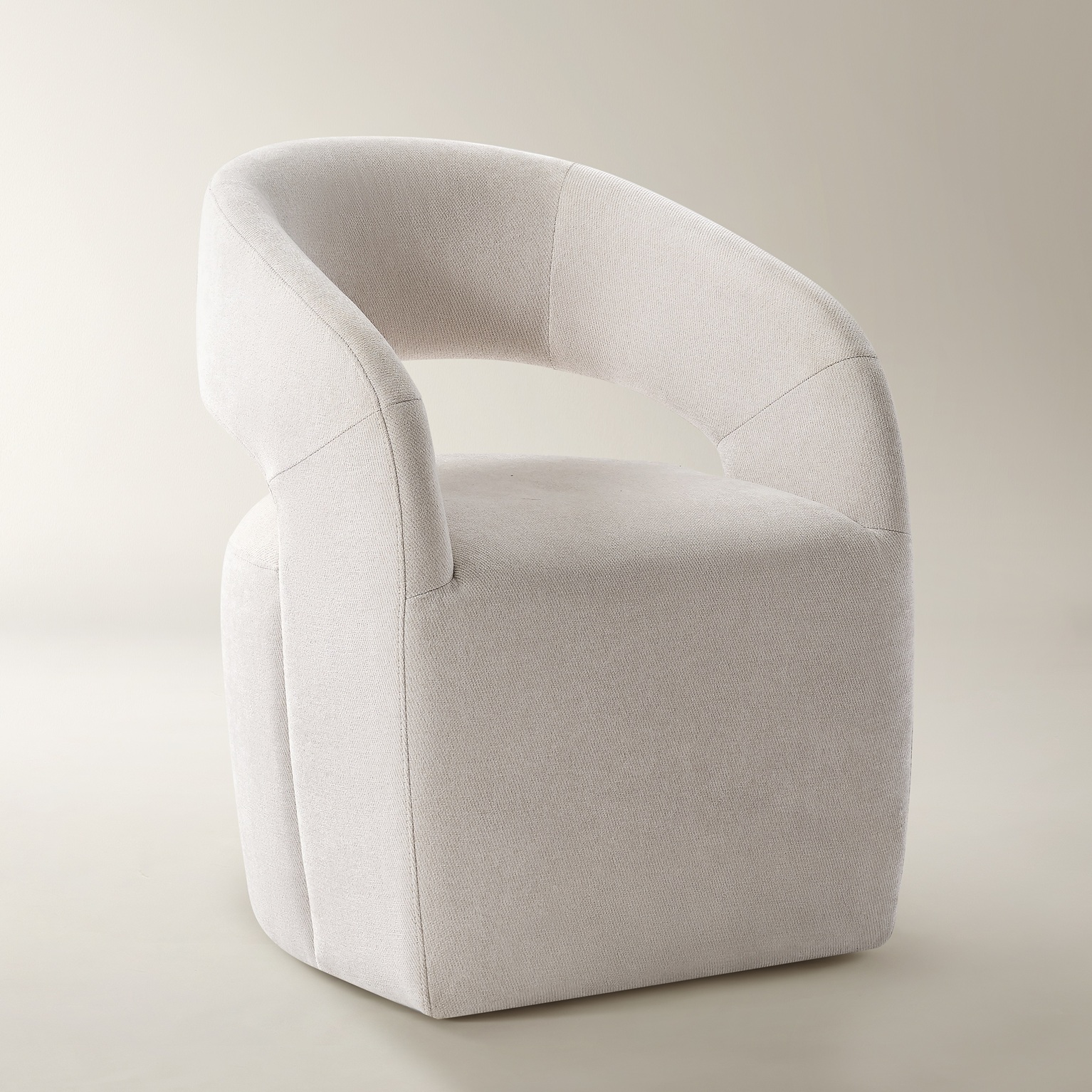 Harrison Dark Chocolate Velvet Dining Chair$499
A sculptural dining chair upholstered in dark chocolate velvet with a plush feather-blend seat and curved back.
Add To Cart -
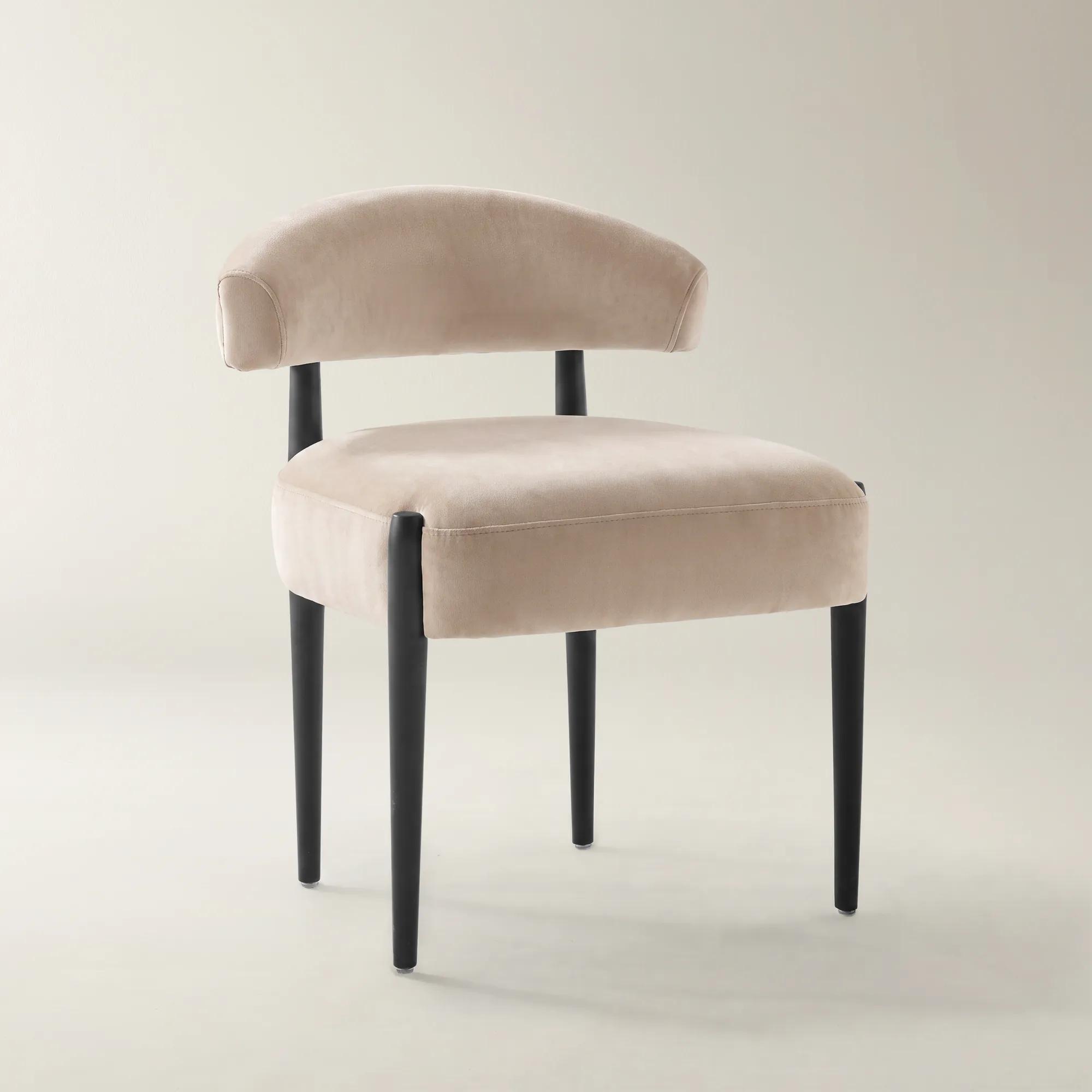 Anna Simply Taupe Velvet Dining Chair Set of 2$699
A taupe velvet dining chair featuring a tailored arched back, high-density foam cushioning, and rubberwood legs.
Add To Cart -
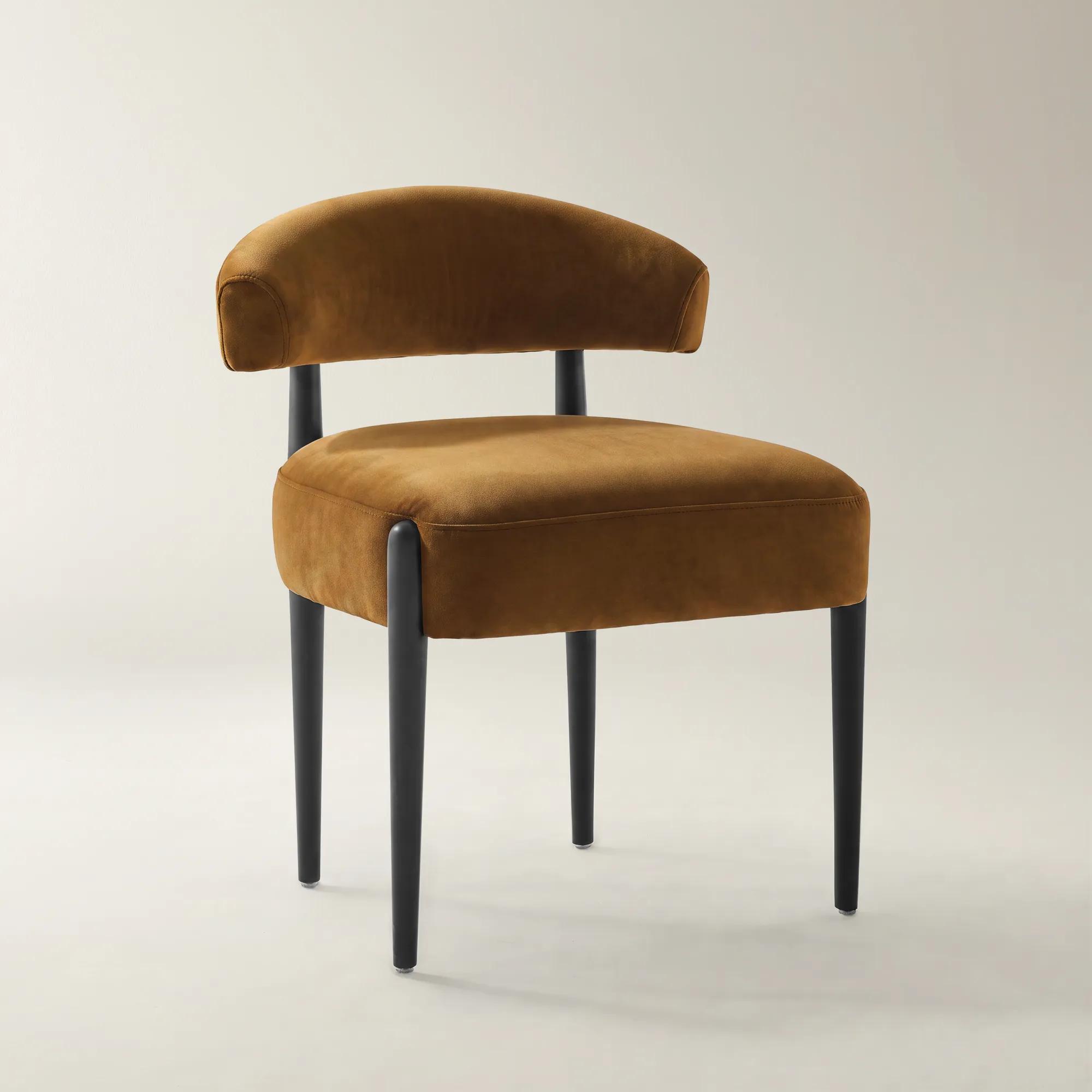 Anna Roasted Pecan Velvet Dining Chair Set of 2$699
A roasted pecan velvet dining chair set featuring a tailored curved back and high-density foam cushioning.
Add To Cart -
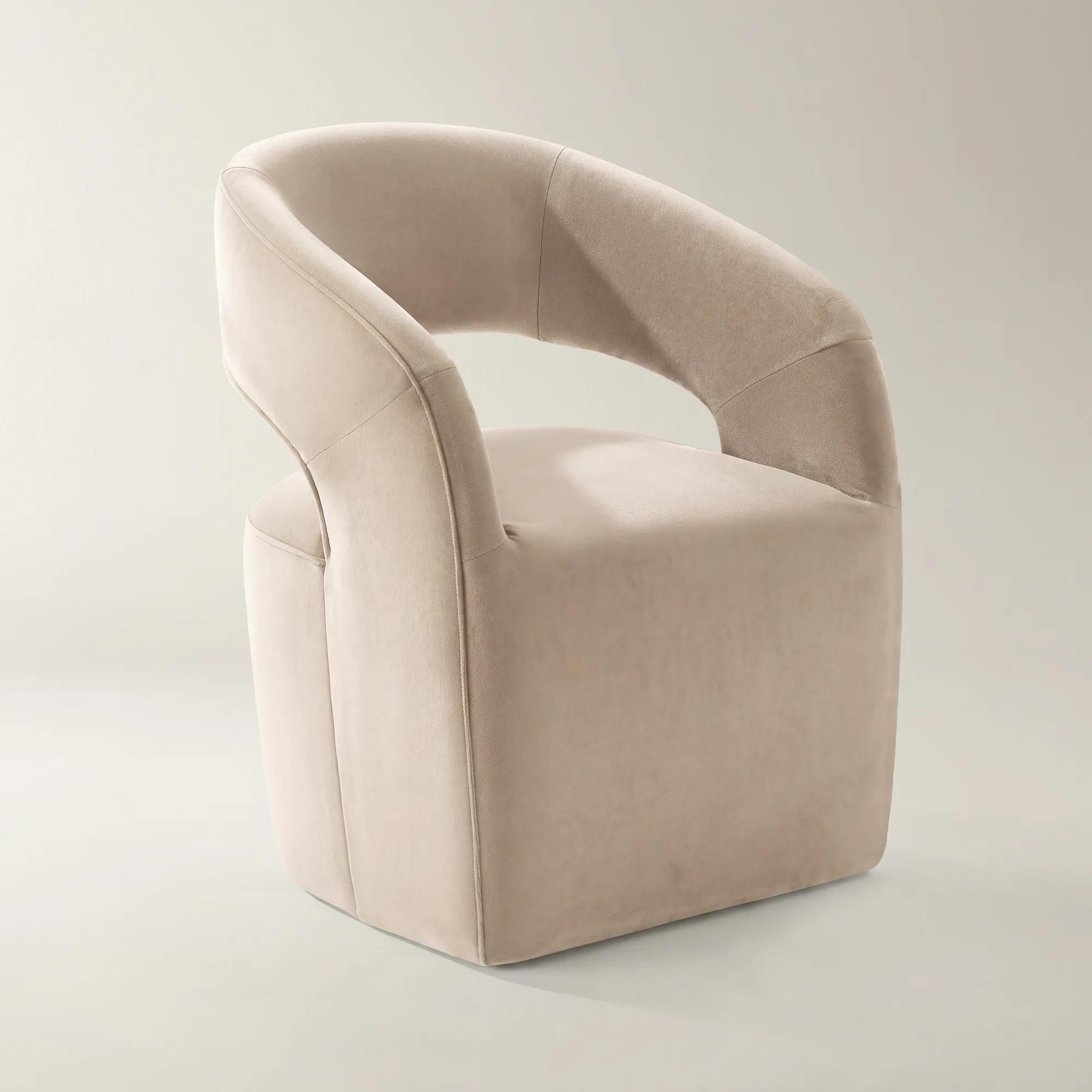 Harrison Simply Taupe Velvet Dining Chair$499
A sculptural dining chair in simply taupe velvet with a curved back, feather-blend seat, and modern elegance.
Add To Cart -
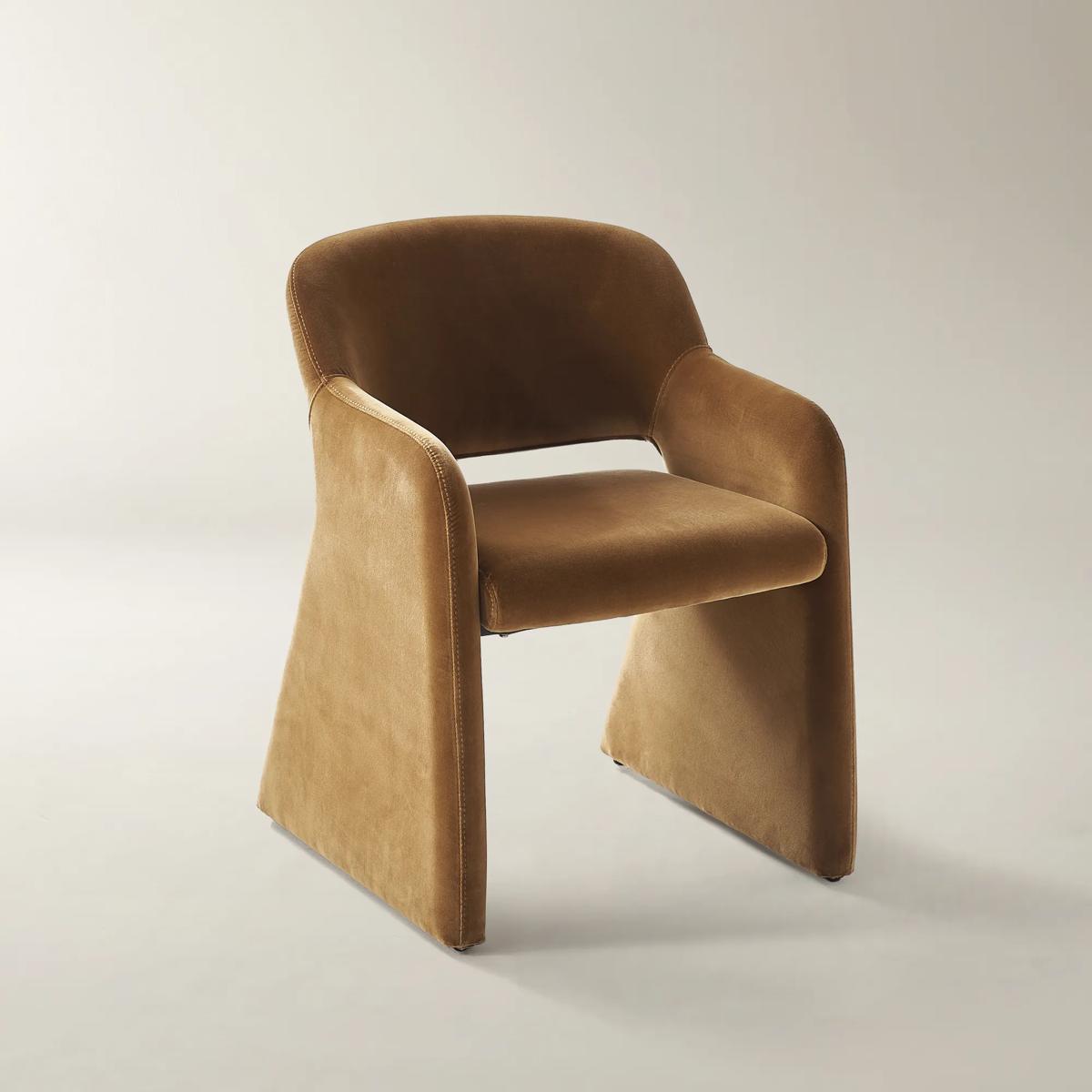
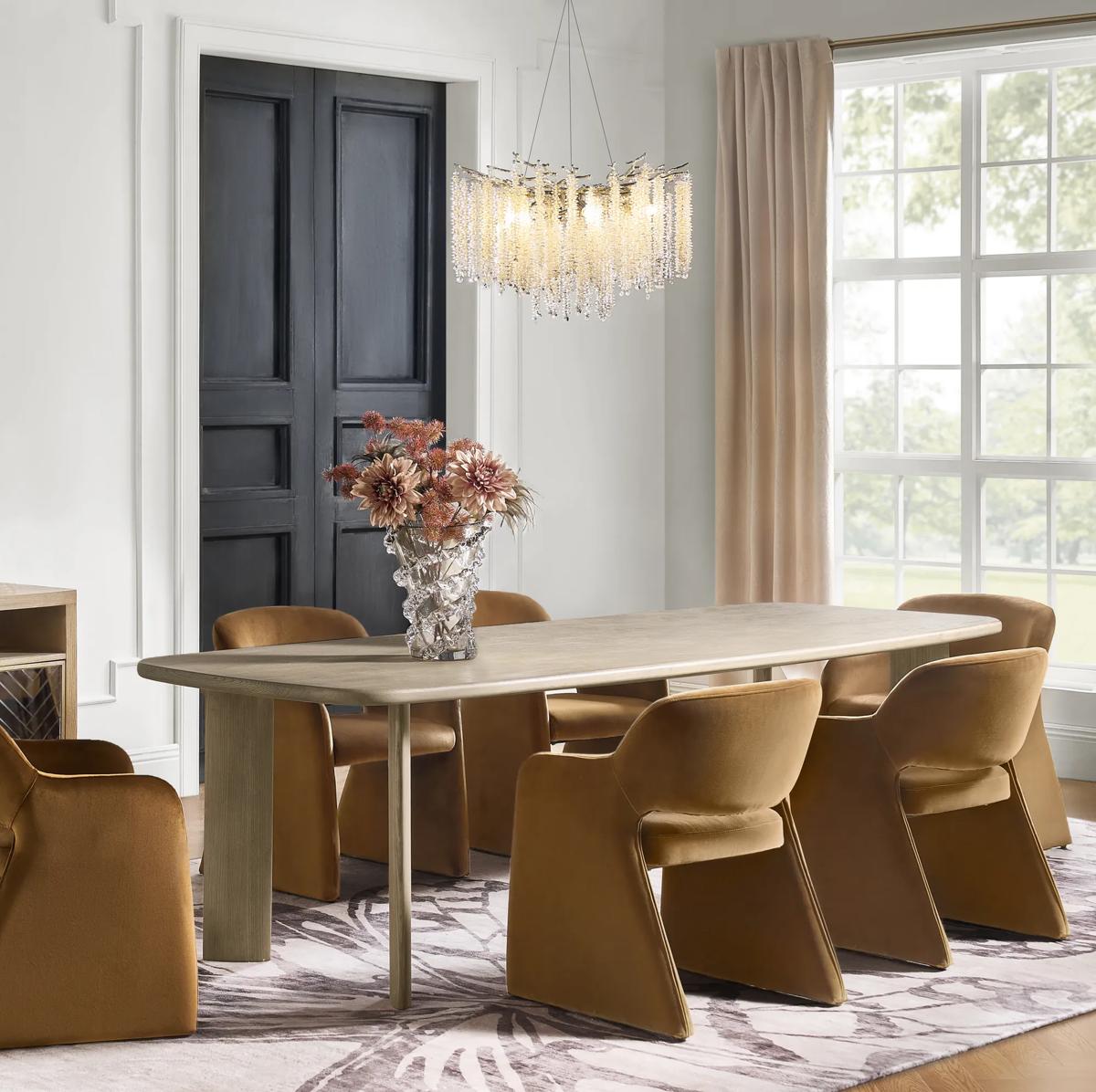 Elara Roasted Pecan Velvet Dining Chair$449
A sculptural armchair in mustard velvet with ergonomic curves, metal frame, and hand-crafted detailing.
Add To Cart -
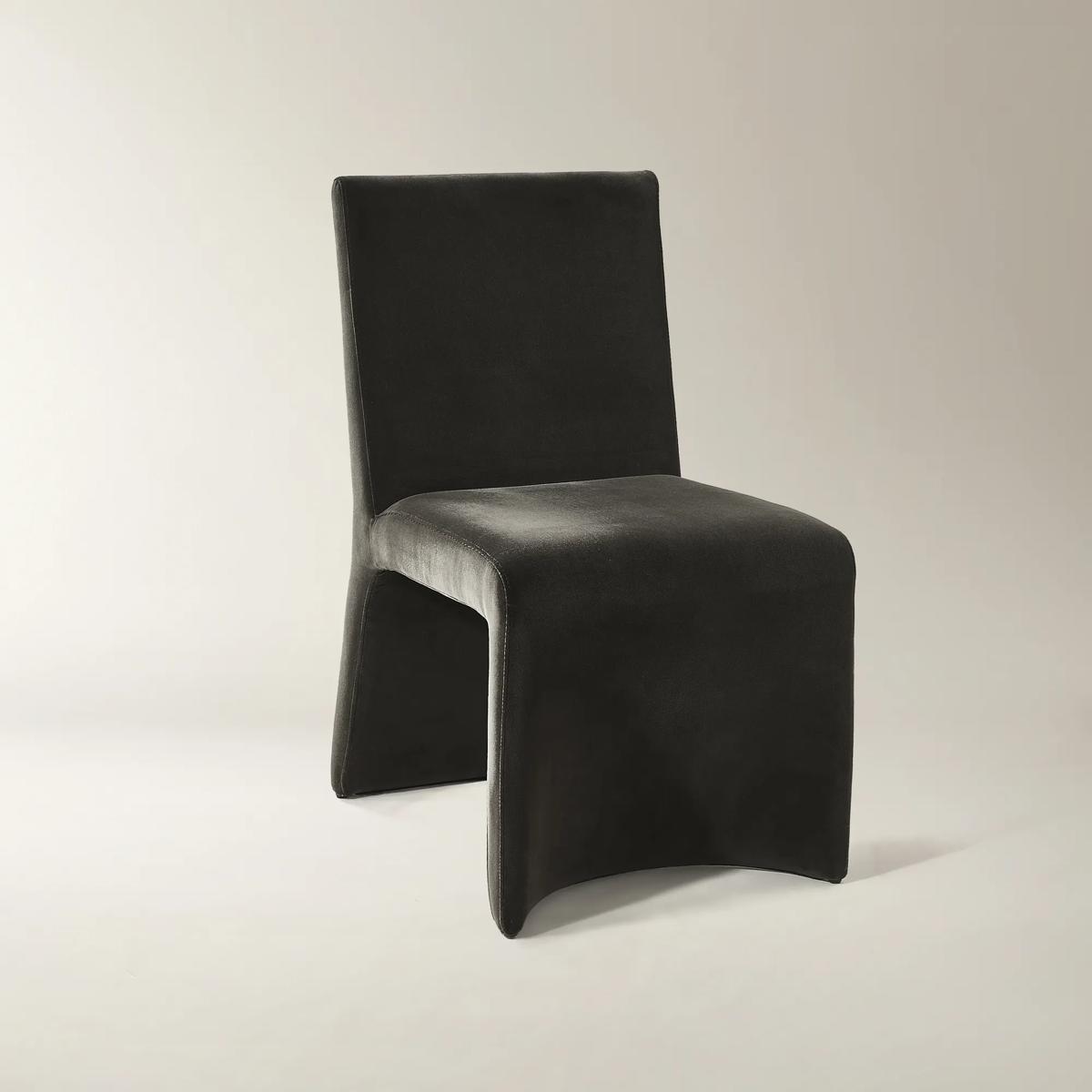
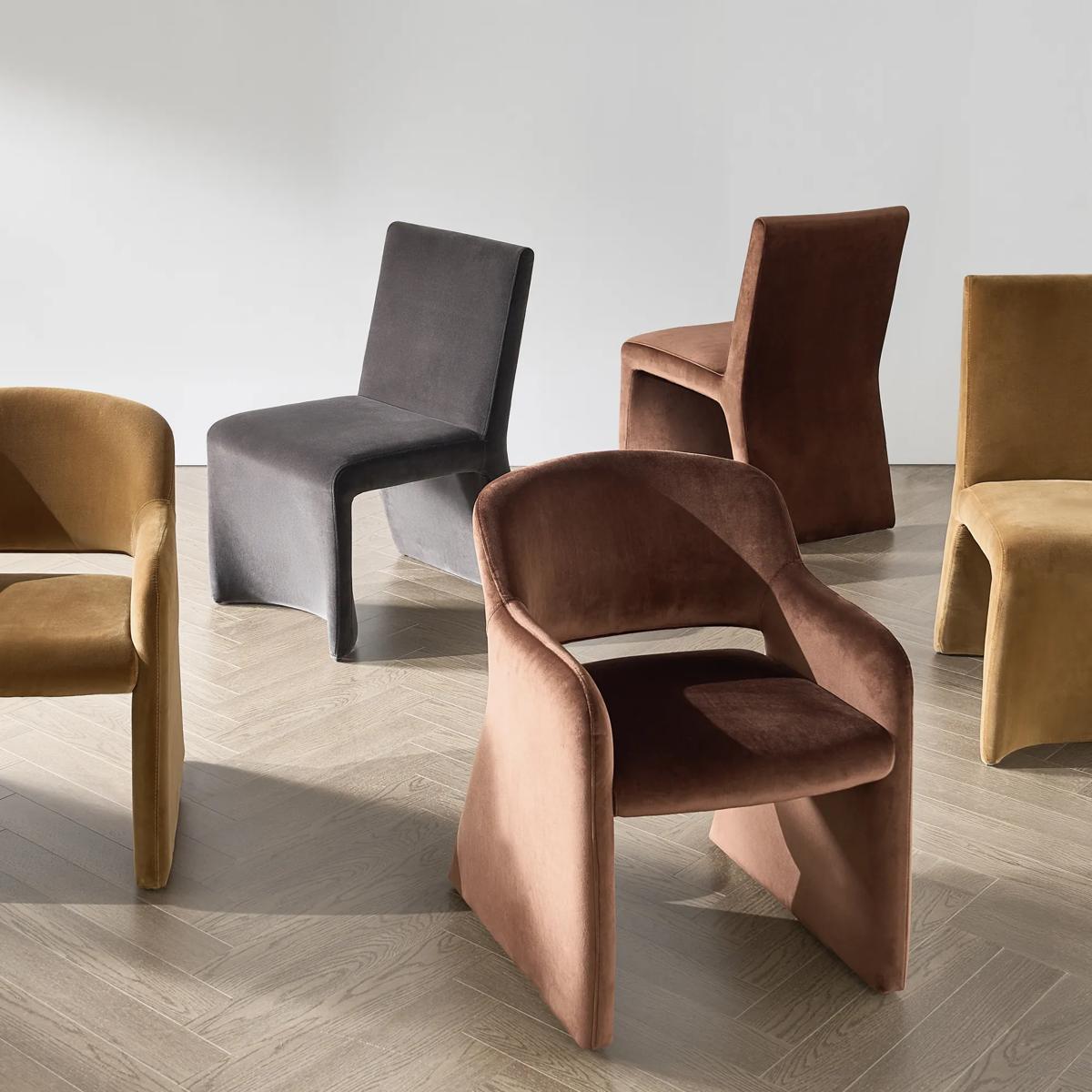 Elara Charcoal Velvet Dining Chair Set Of 2$799
A pair of charcoal velvet dining chairs featuring curved ergonomic silhouettes, plush upholstery, and hand-crafted details.
Add To Cart -
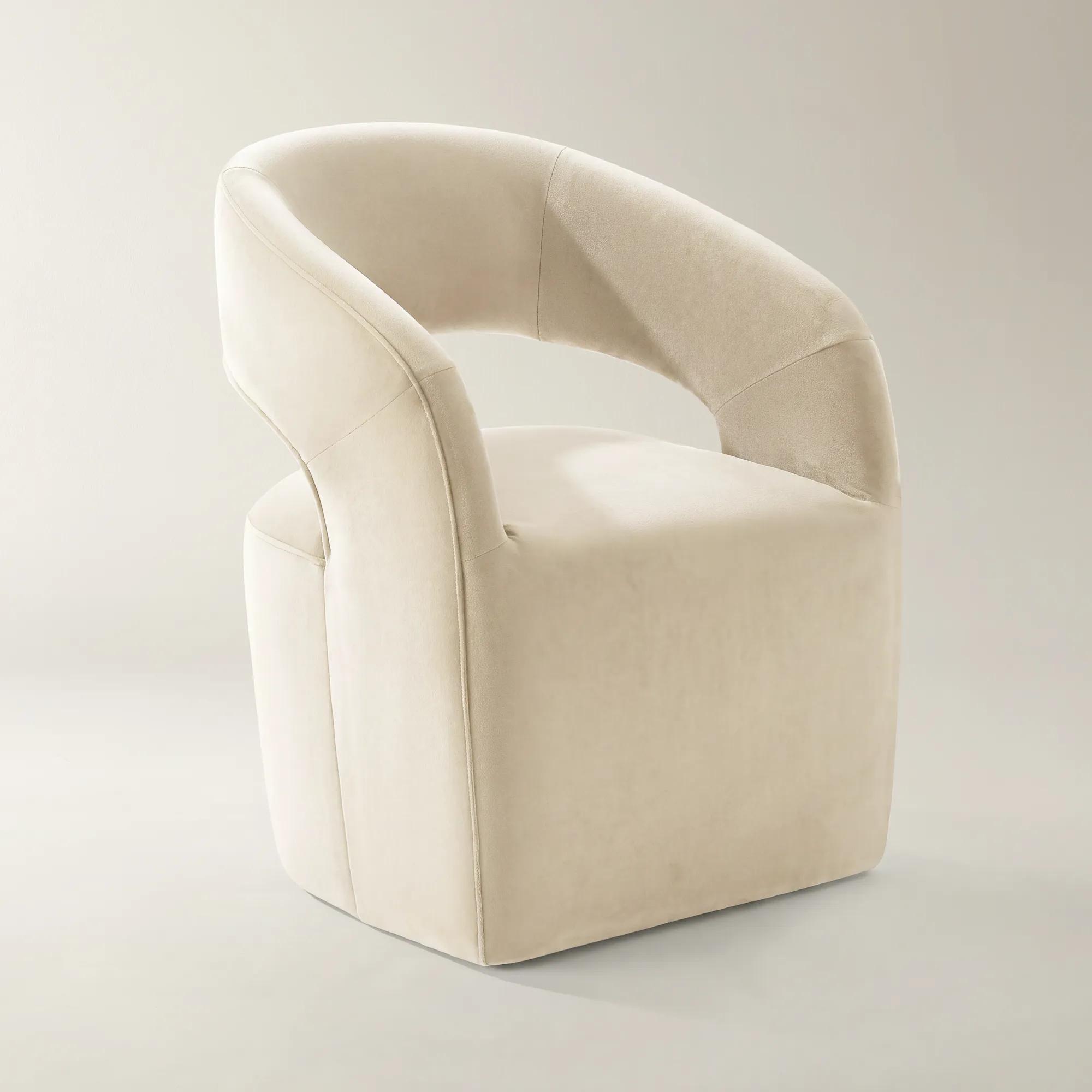 Harrison Oatmeal Velvet Dining Chair$499
A sculptural dining chair upholstered in oatmeal velvet with a curved back, feather-blend seat, and integrated arms.
Add To Cart

Decorative Tufted Dining Chairs
Elevate your dining experience with decorative tufted dining chairs—where sumptuous texture meets sculptural elegance. Each chair is a statement, inviting guests to linger in comfort while basking in the artistry of intricate tufting and refined silhouettes. Whether you crave drama or subtle sophistication, these seating masterpieces transform every meal into a moment of grandeur, infusing your space with layers of luxury and expressive style. Let your dining room become a gallery of taste, where every detail is designed to dazzle.
Decorative tufted dining chairs bring sculptural depth and a distinctly dressed-up presence to the dining room, turning a practical seat into an expressive part of the setting. Tufting draws upholstery inward at repeated points or along stitched channels, creating contours that catch the light and give the backrest dimension. Diamond tufting often feels richly tailored, with recessed buttons and folded fabric lending a sense of traditional elegance; channel tufting introduces a more linear rhythm that complements streamlined tables and architectural interiors. Neither treatment needs an elaborate room to feel at home. A tufted silhouette against a simple pedestal table creates contrast, while a fully upholstered chair beside a richly grained wood table balances softness with substance. Fabric changes the impression just as dramatically as shape. Velvet has a luminous surface that shifts with the direction of its pile, bringing depth to jewel tones and a subtle glow to pale neutrals. For that particularly sumptuous expression, tufted velvet dining chairs offer a compelling interplay of plush texture and tailored detail. Woven upholstery can make tufting feel more understated, allowing the pattern of the stitching and the outline of the chair to take prominence. Leather and suitable leather alternatives create a different effect, emphasizing crisp contours and a smooth surface rather than fabric’s softness. Legs and frames complete the composition: exposed wood can introduce warmth, polished metal can echo a chandelier or table base, and dark finishes can give pale upholstery a graphic edge. Details such as nailhead trim, a curved back, or a gently flared leg add another layer of personality, though a room rarely needs every flourish at once. Repeating one finish or silhouette across the dining area gives even the most dramatic chair a sense of intention. The result can be formal and luminous, intimate and enveloping, or boldly contemporary, depending on how upholstery, proportions, and surrounding materials come together.
The appeal of a tufted dining chair extends beyond its decorative backrest; its proportions determine how comfortably it belongs at the table. Seat height, seat depth, overall width, and the position of any arms all influence the experience of sitting down for a quick breakfast or lingering over a celebratory dinner. Many standard dining tables stand about 28 to 30 inches high, and a difference of roughly 10 to 12 inches between the seat and tabletop is a useful starting point for comfortable positioning. A low apron beneath the tabletop can reduce usable legroom, however, so that space deserves a separate measurement. Upholstered arms also need enough clearance to slide beneath the table without rubbing the fabric or striking the frame. Around a rectangular table, allowing approximately 24 inches of table edge per person provides a practical baseline, while wider chairs and generous arms call for more room. Curved tables require particular attention because neighboring seats can converge beneath the surface. Leaving about 36 inches between the table edge and a wall or other furniture generally allows room to pull out a chair; a frequently used walkway may need more. These measurements preserve the gracious effect of the setting, keeping an upholstered dining arrangement from feeling crowded. Comfort itself depends on more than visible plushness. A supportive seat, appropriate back angle, and depth that lets the sitter rest against the back without pressing behind the knees matter more than tufting alone. Firmer cushioning can feel poised and supportive, while softer padding offers a more enveloping impression. Armless silhouettes often suit closely spaced settings, and upholstered armchairs can give the ends of a long table a distinguished presence. Matching chairs create a composed, continuous outline; contrasting host chairs introduce a deliberate focal point. In an open dining area, the backs may be visible from the living room or entry, making their detailing as important to the overall composition as the view from the table.
Materials and construction shape how decorative tufted dining chairs perform through everyday use. A well-built frame, secure joints, stable legs, and resilient cushioning all contribute to lasting comfort, while upholstery should suit the household as well as the room’s palette. Solid wood, plywood, and metal may each play a role in a chair’s structure; the quality of the assembly matters more than a material name alone. Fabric composition also tells only part of the story. A tightly woven textile or an upholstery fabric with documented performance characteristics may be useful in a dining area shared with children, pets, or frequent guests, but stain resistance should never be mistaken for stain immunity. Pale upholstery makes a luminous statement, though it may reveal spills and marks more readily; darker shades can conceal some discoloration while showing lint or pet hair. Tufted folds and recessed buttons naturally create places where crumbs can settle, making gentle, regular attention especially valuable. A vacuum with an appropriate upholstery attachment can help lift loose debris, provided the chair’s care instructions permit it. Spills are best blotted promptly rather than rubbed, and cleaning products should follow the upholstery’s designated care method. Some fabrics tolerate water-based cleaning, others require solvent-based treatment or professional care, and an inconspicuous spot test helps protect the finish. Velvet deserves particular care because pressure and brushing can alter the appearance of its pile. Direct sunlight may fade upholstery over time, while dragging a chair can strain its joints and damage flooring; lifting it when repositioning and using suitable floor protectors help preserve both. With that attention, tufted seating can serve far beyond formal entertaining. It brings ceremony to an anniversary dinner, softness to a breakfast nook, and a beautifully finished backdrop to conversation long after the plates have been cleared. Its enduring appeal lies in that balance: expressive enough to define a room, yet comfortable and considered enough to belong to daily life.
FAQs
Decorative tufted dining chairs are remarkably versatile, seamlessly complementing a range of interiors from modern glam and Hollywood Regency to classic traditional and transitional spaces. Their sculptural silhouettes and luxurious fabrics make them a striking focal point in both bold, contemporary dining rooms and more understated, timeless settings.
Tufted dining chairs infuse the dining room with texture, depth, and a sense of occasion. The dimensional tufting and plush upholstery invite guests to relax and linger, transforming everyday meals into elevated experiences. Their dramatic presence and intricate detailing create a mood of sophistication and warmth.
Absolutely—tufted dining chairs are designed to bring comfort and elegance to both daily dining and festive gatherings. Their durable construction and supportive cushioning make them perfect for family meals, while their luxurious appearance ensures your dining space always feels ready for celebration.
Popular upholstery choices for tufted dining chairs include sumptuous velvet for a glamorous touch, crisp linen for timeless appeal, and easy-care faux leather for modern practicality. Each fabric brings its own unique texture and character, allowing you to tailor your dining room’s mood and style.
Yes, tufted dining chairs are not limited to the dining room. Their elegant profiles and plush comfort make them ideal as accent chairs in living rooms, bedrooms, or even home offices—adding a touch of sophistication and artistry wherever they are placed.