Tailored Silhouette Dining Chairs
Tailored Silhouette Dining Chairs
-
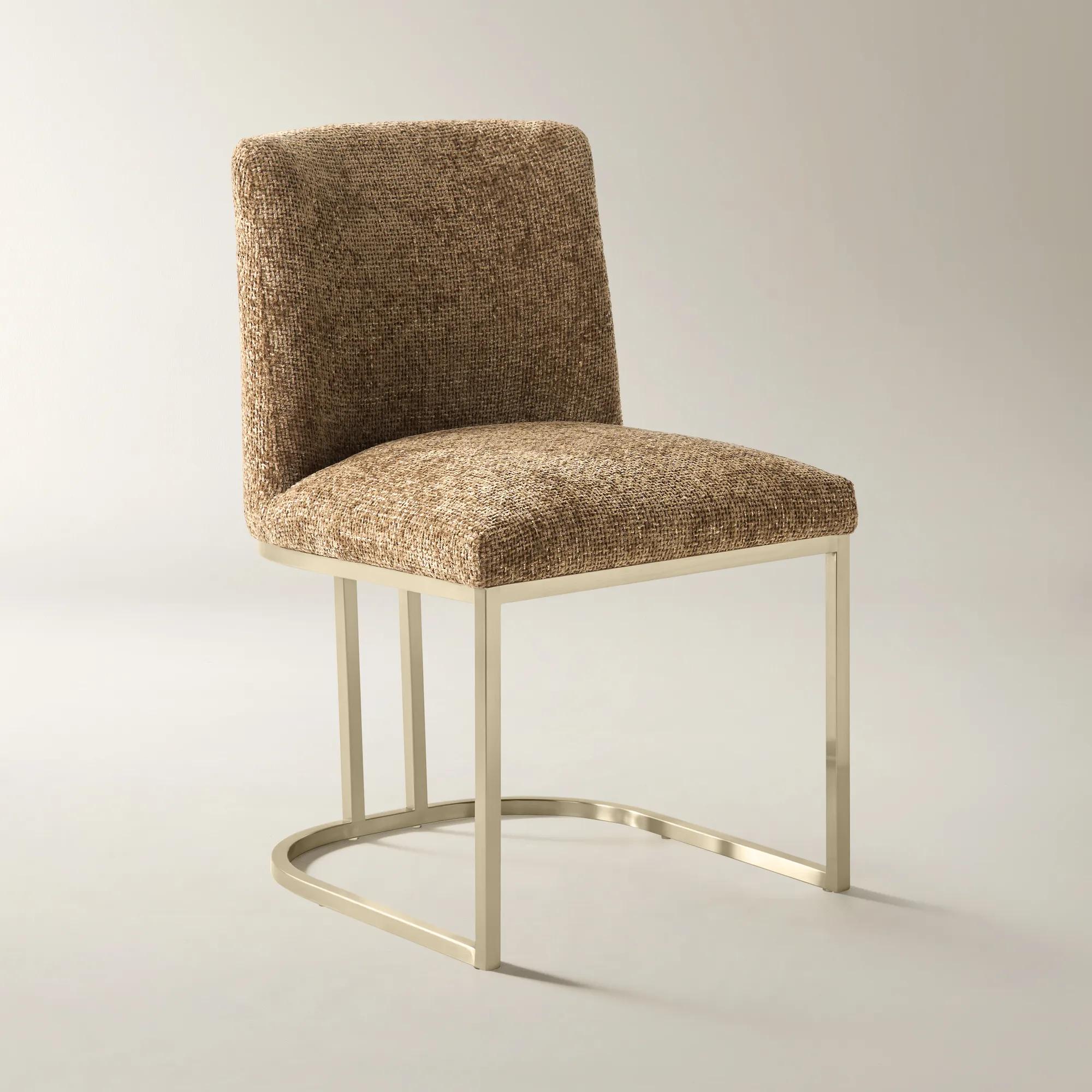 Bergen Bronze Chenille Dining Chair Set Of 2$549
A set of two dining chairs featuring bronze chenille upholstery and a sculptural brushed gold metal base.
Add To Cart -
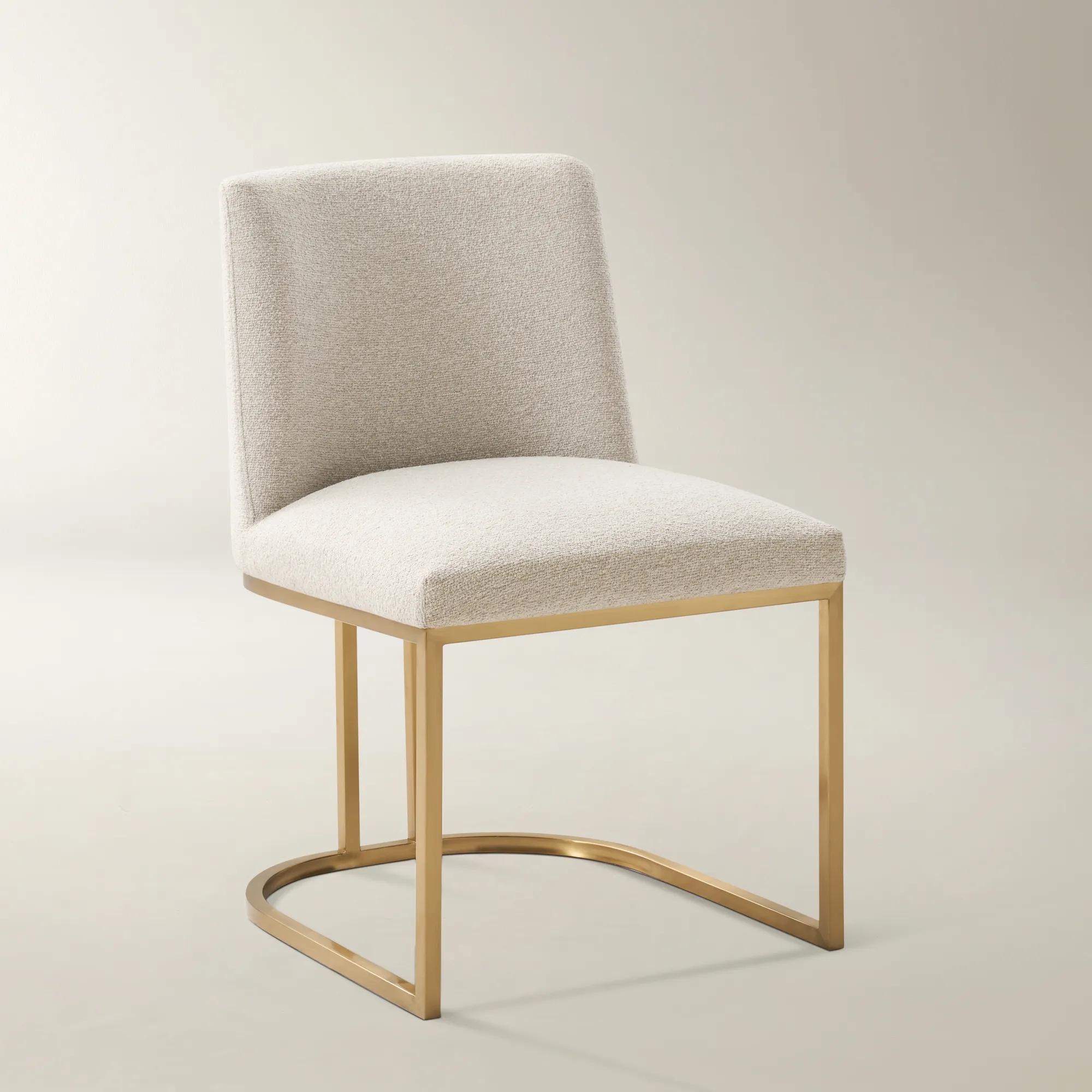 Bergen Ivory Boucle Dining Chair Set Of 2$549
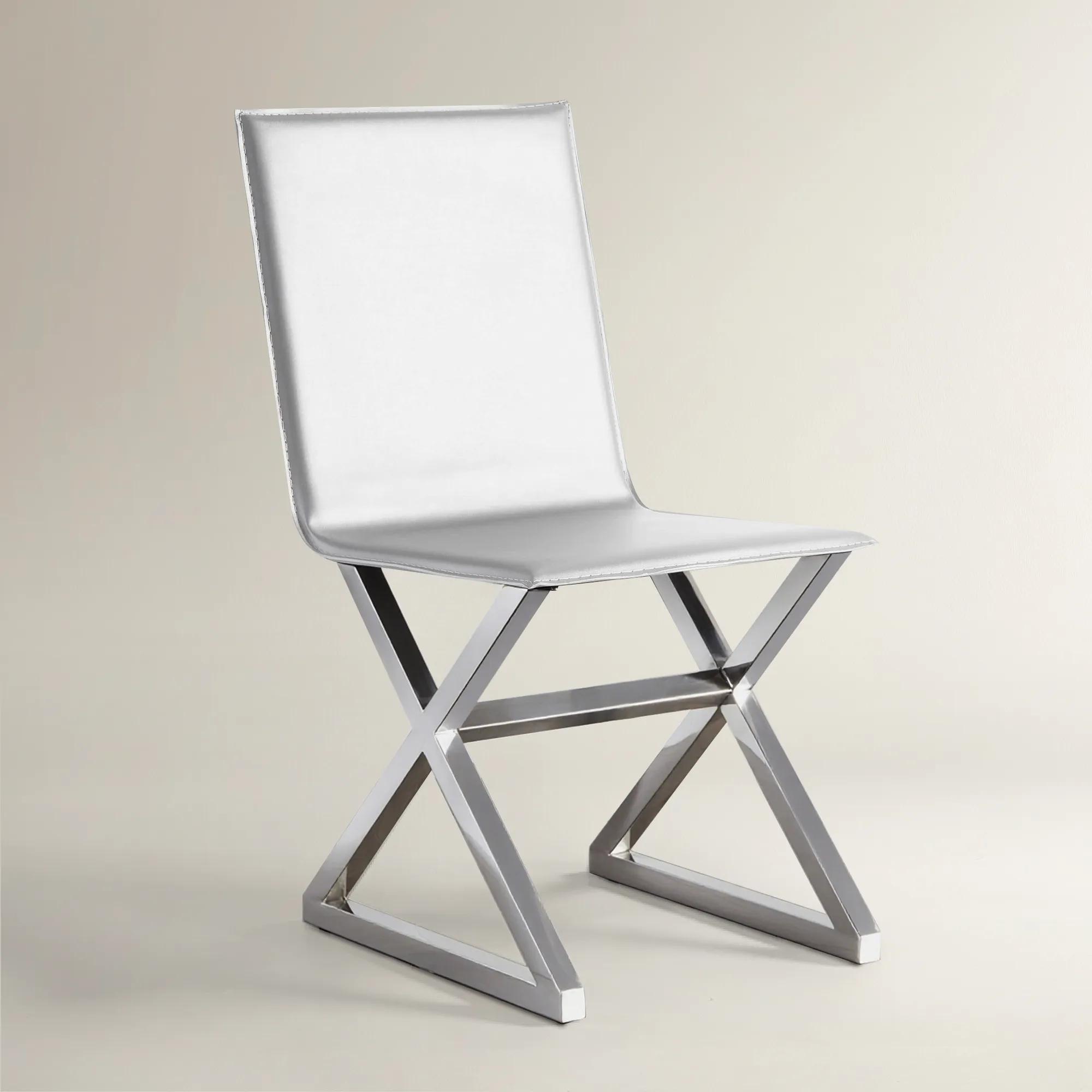
An ivory boucle dining chair set featuring a curved backrest and brushed stainless steel frame for elegance.
Add To Cart -
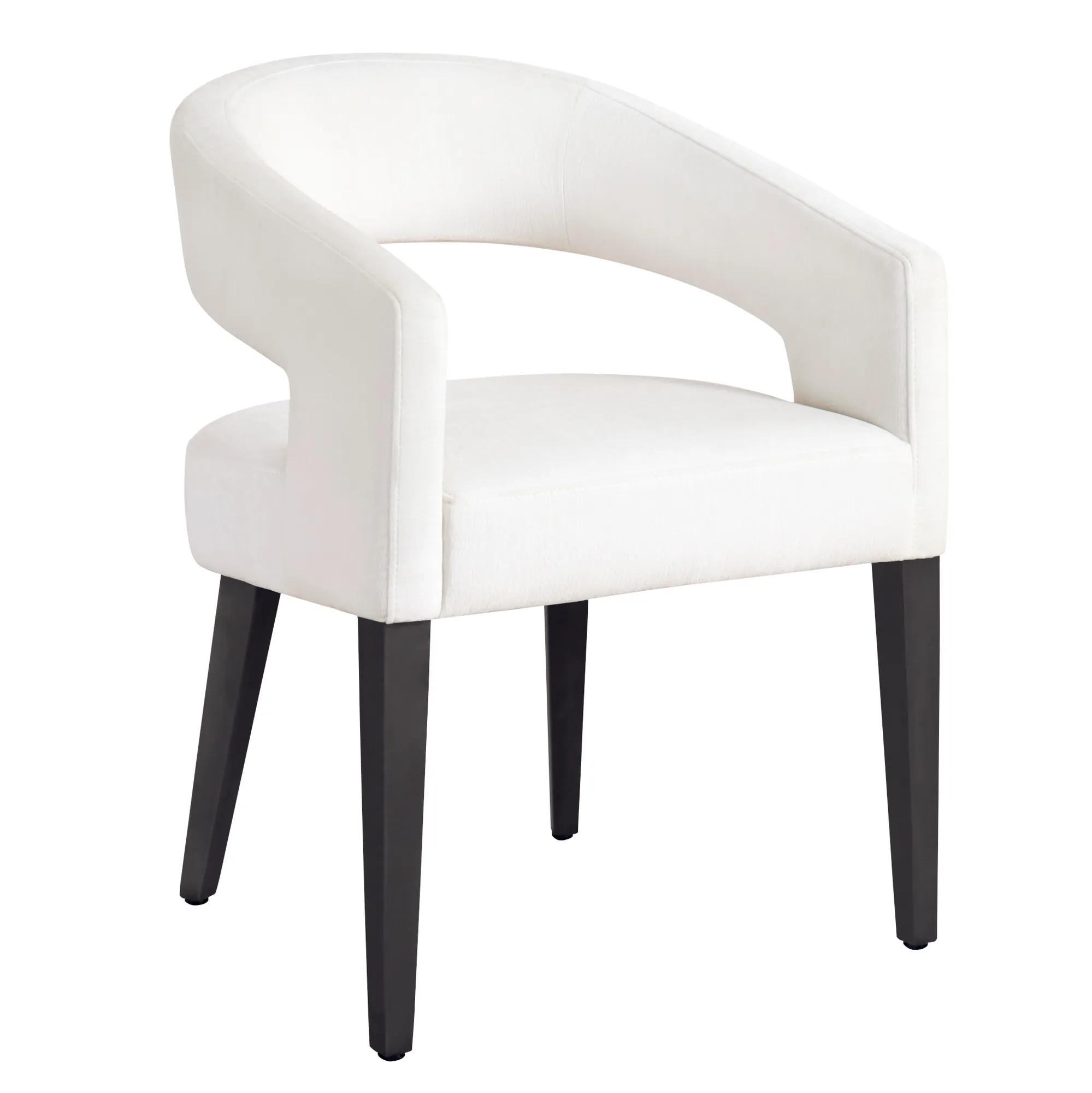
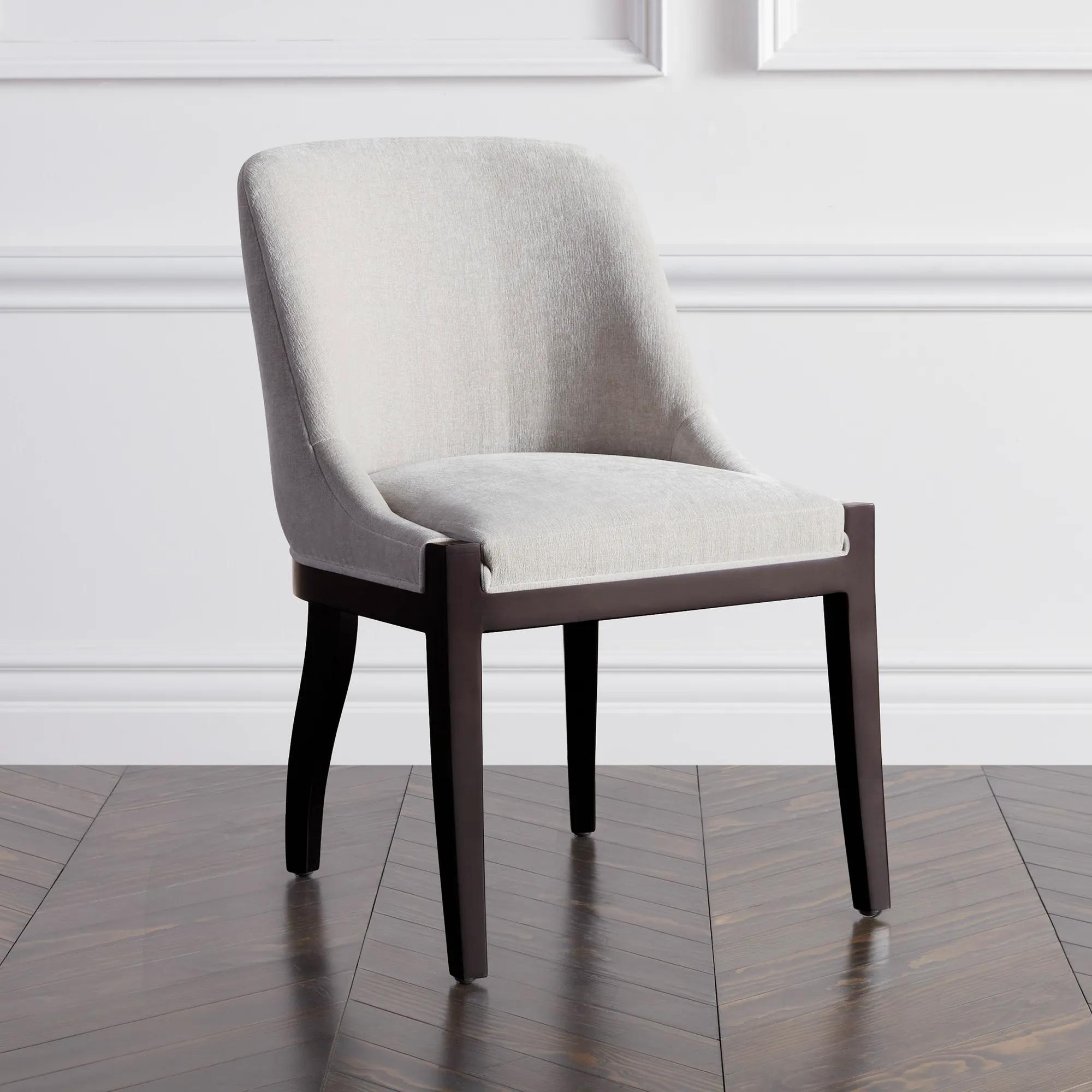
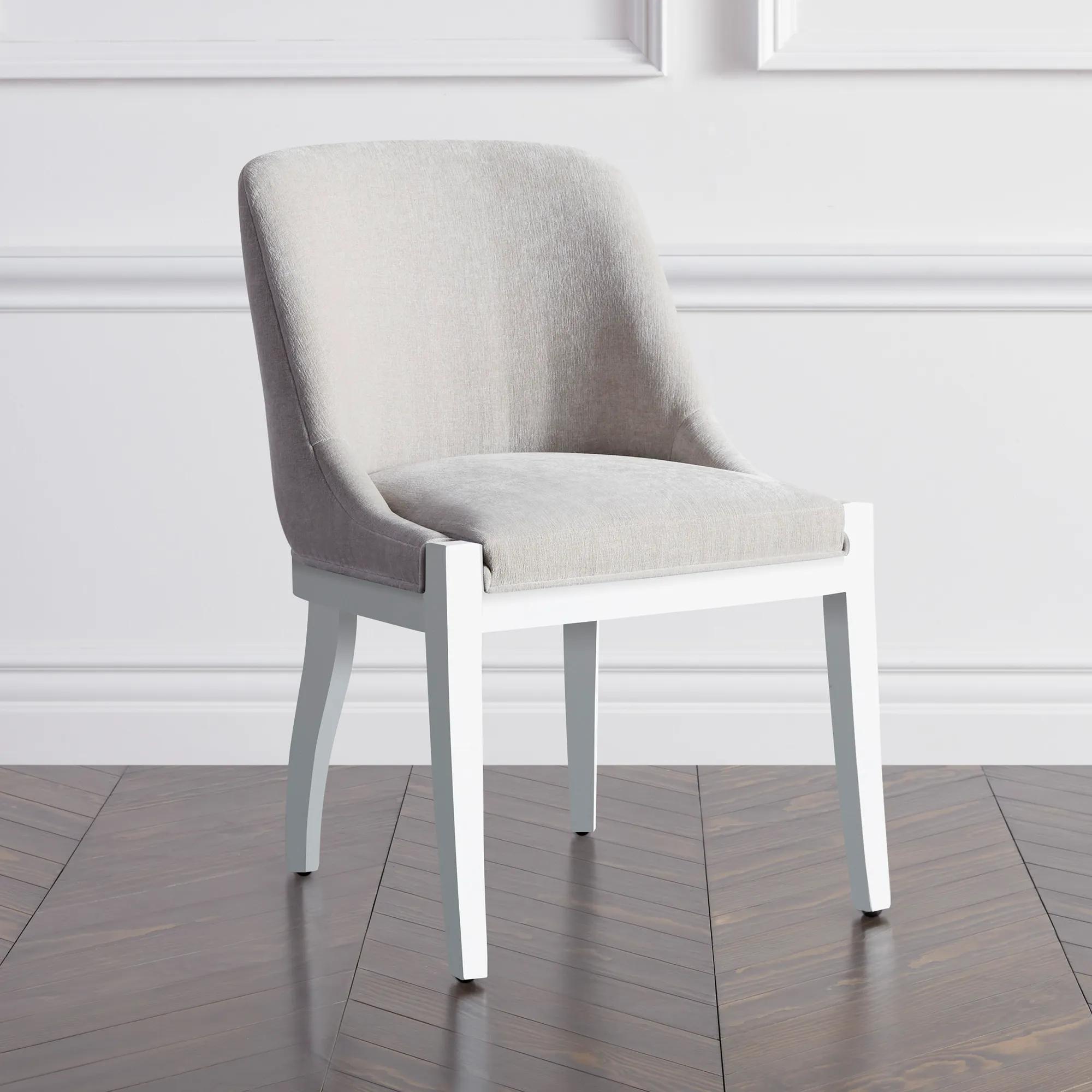
 Philippa Dining Chair - Espresso$599
A modern dining chair featuring a curved silhouette, tailored upholstery, and espresso-finished legs.
Add To Cart -
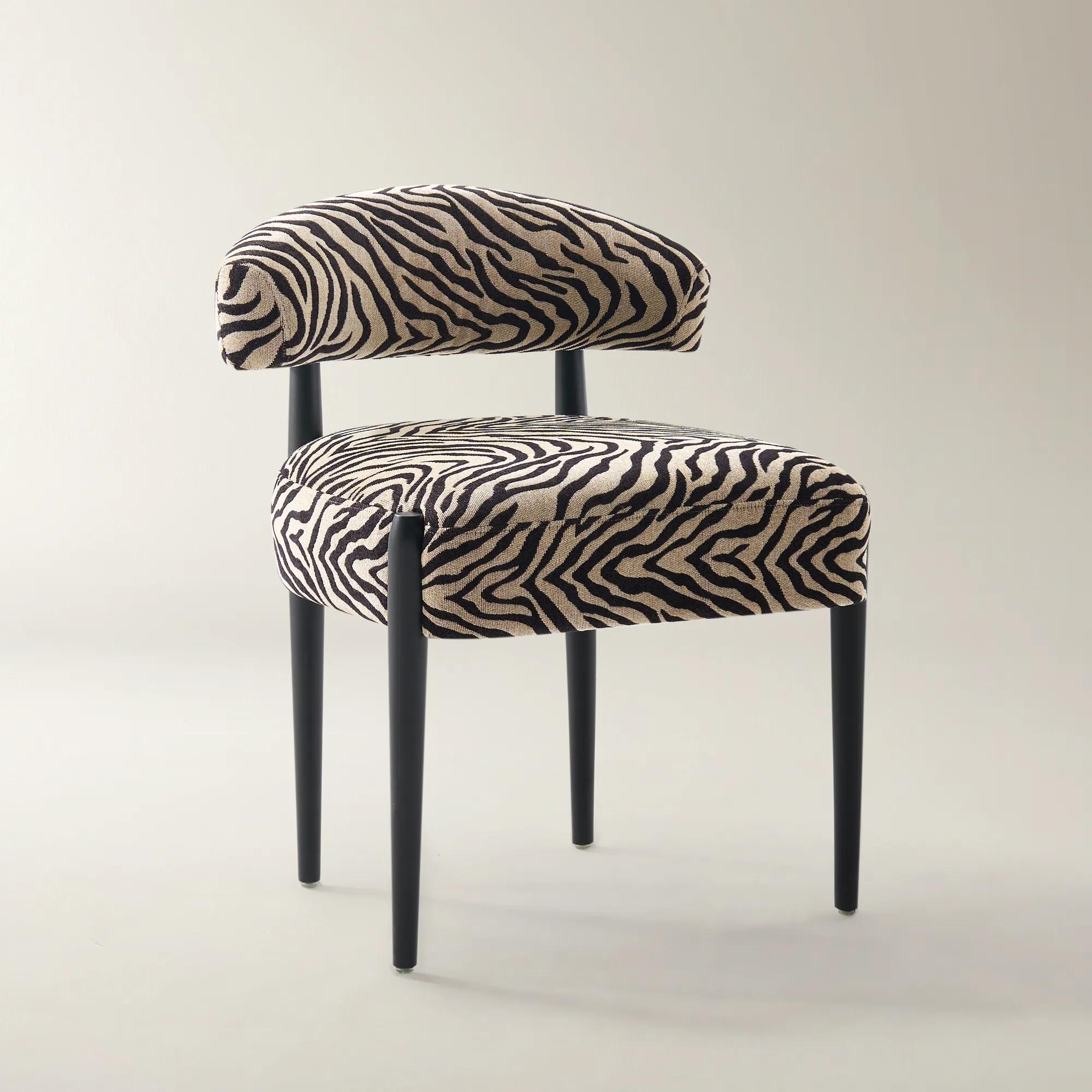 Anna Zebra Chenille Dining Chair Set Of 2$699
A set of zebra-print chenille dining chairs with high-density foam cushions and sturdy rubberwood legs.
Add To Cart -
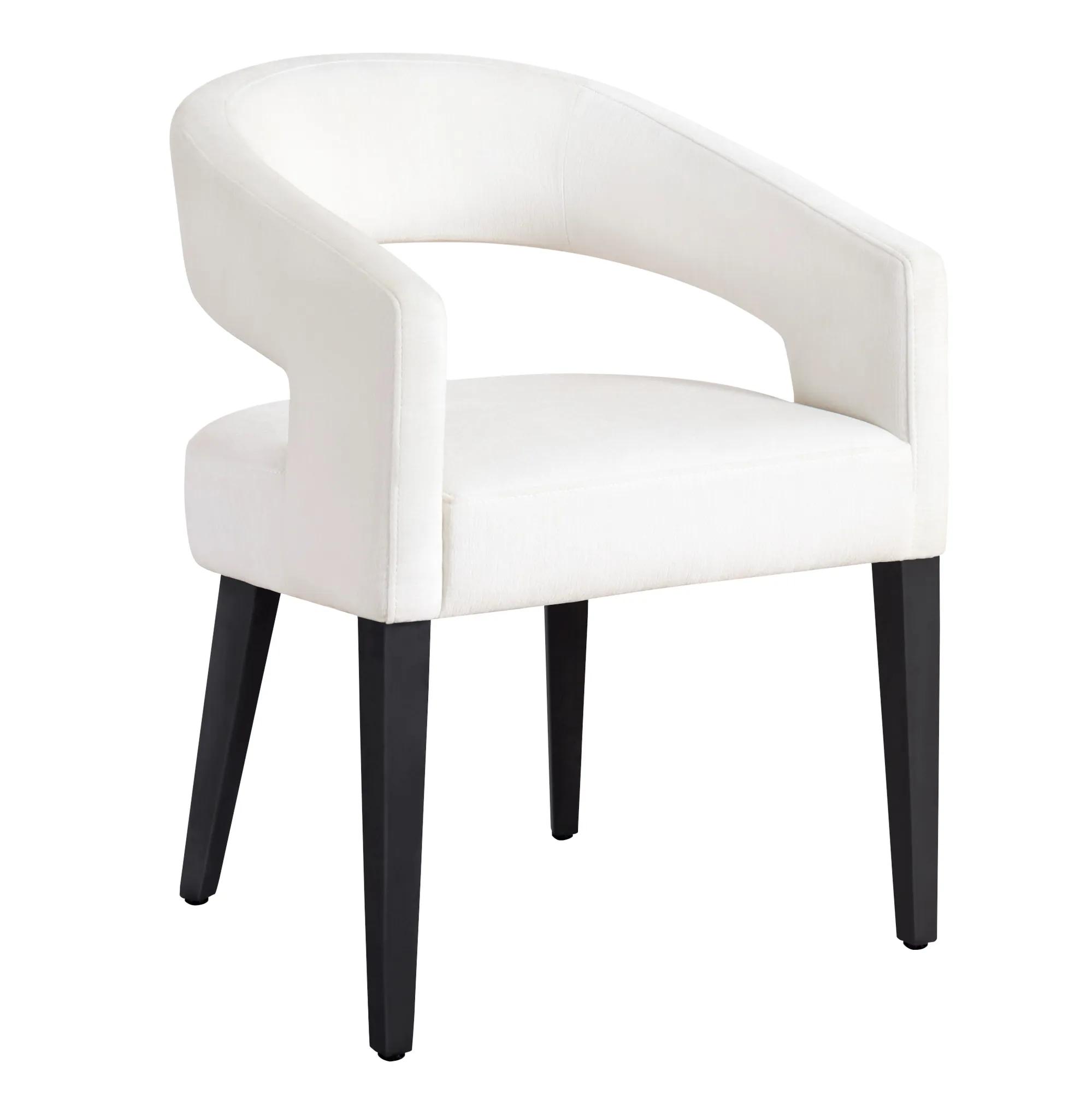
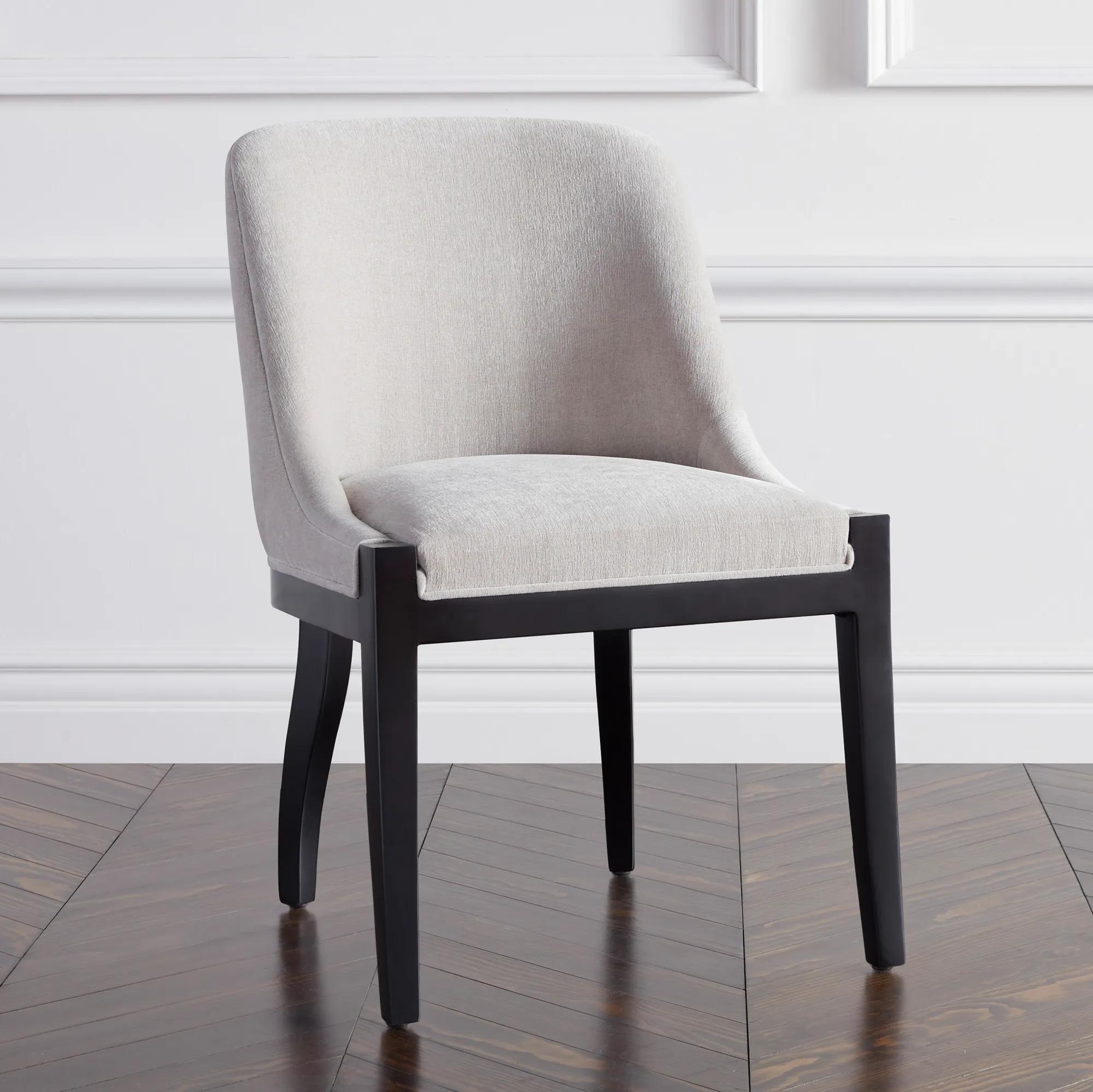
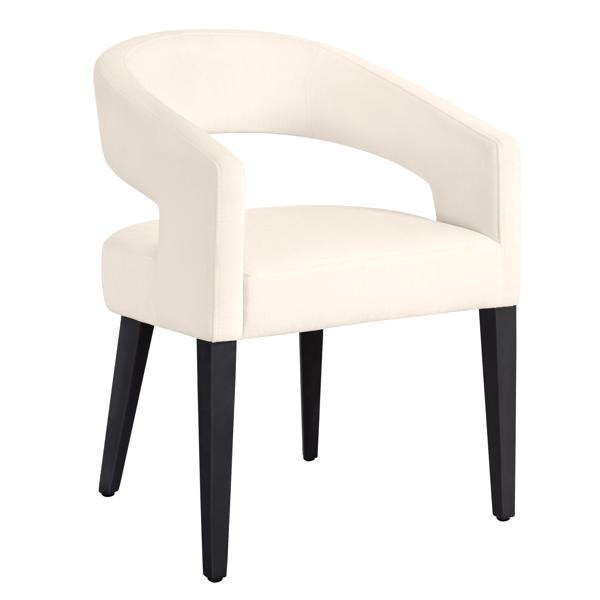 Philippa Dining Chair - Matte Black$699
A modern dining chair featuring a curved silhouette, tailored upholstery, and matte black legs for contemporary appeal.
Add To Cart -
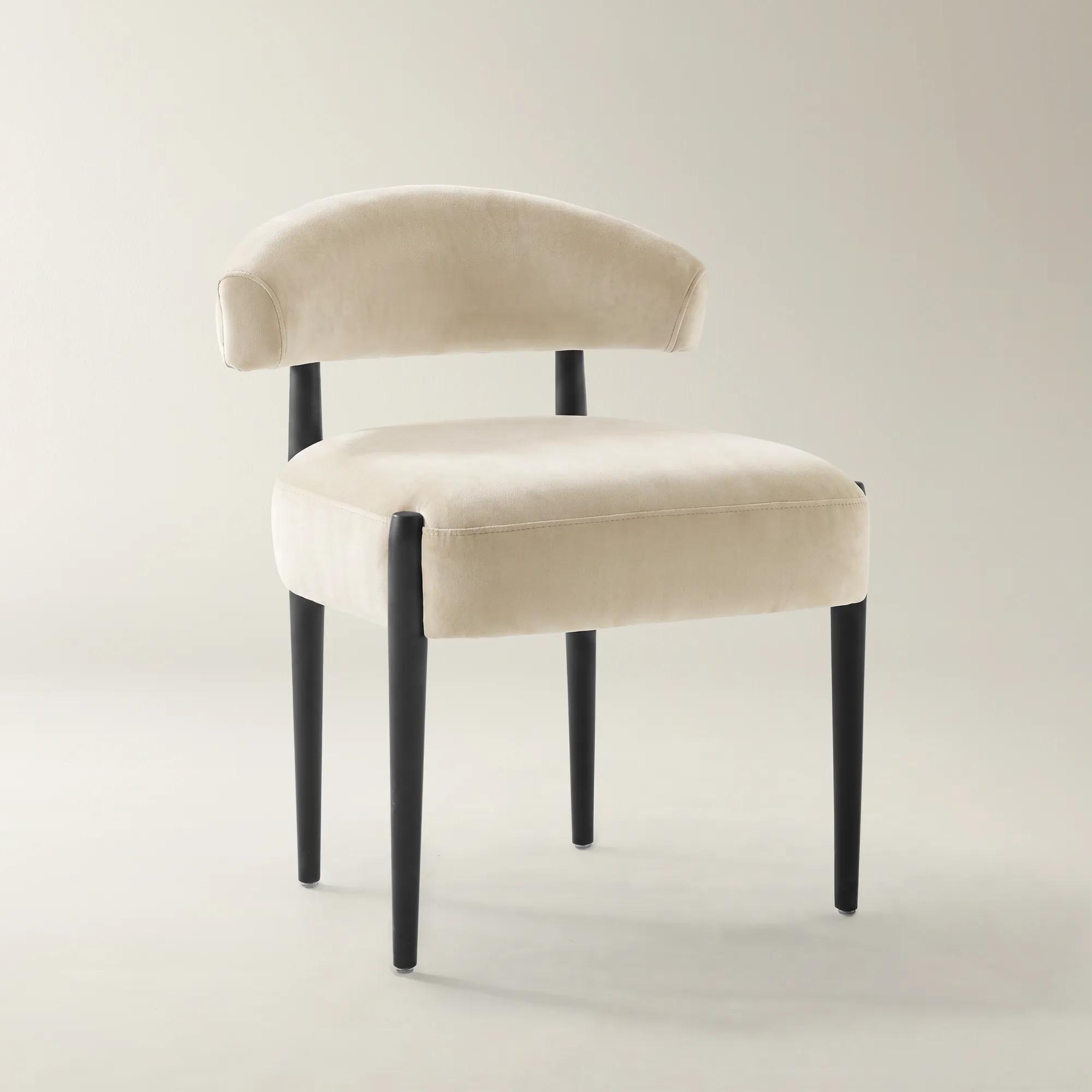 Anna Oatmeal Velvet Dining Chair Set of 2$699
A pair of oatmeal velvet dining chairs with arched backs, supportive foam cushioning, and rubberwood legs.
Add To Cart -
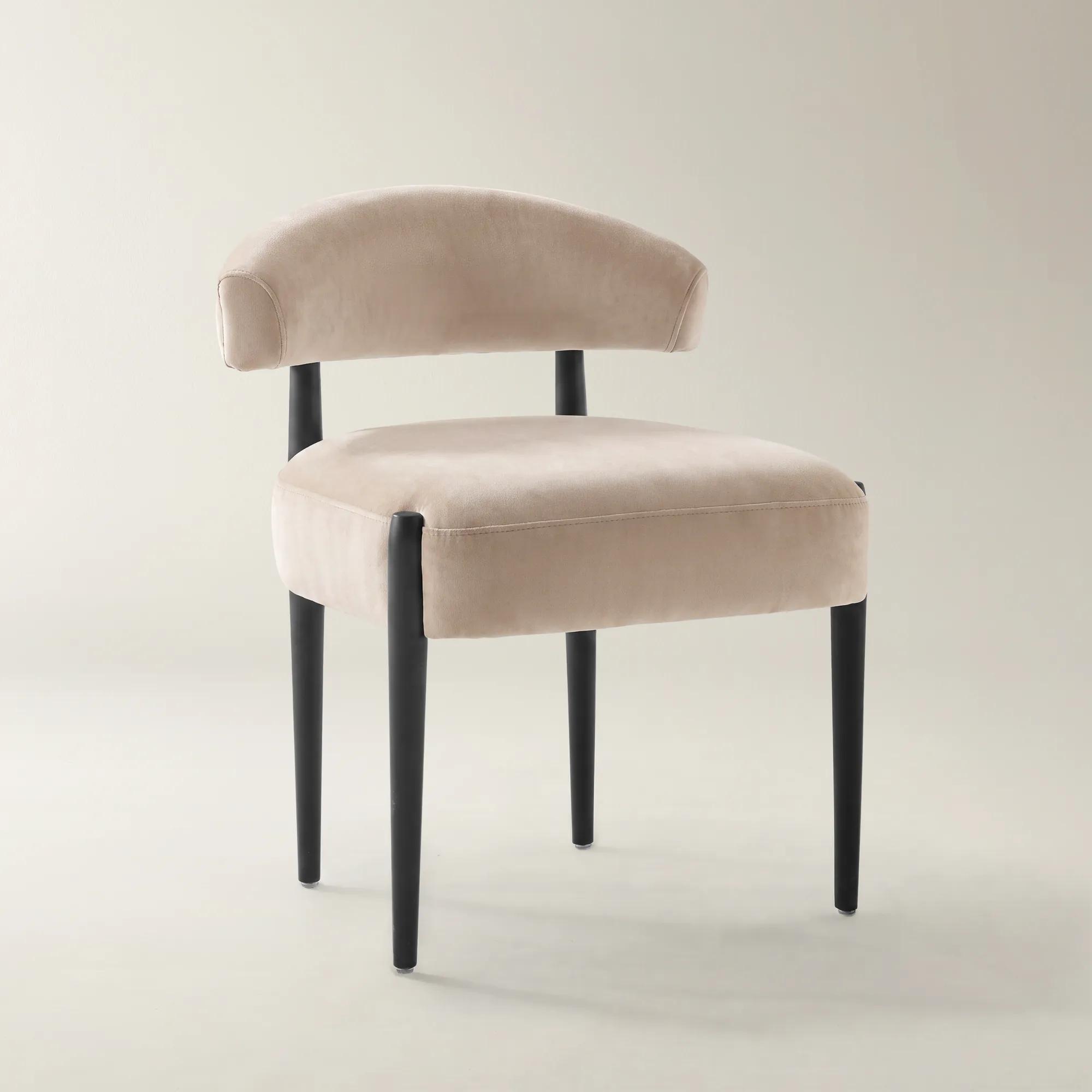 Anna Simply Taupe Velvet Dining Chair Set of 2$699
A taupe velvet dining chair featuring a tailored arched back, high-density foam cushioning, and rubberwood legs.
Add To Cart -
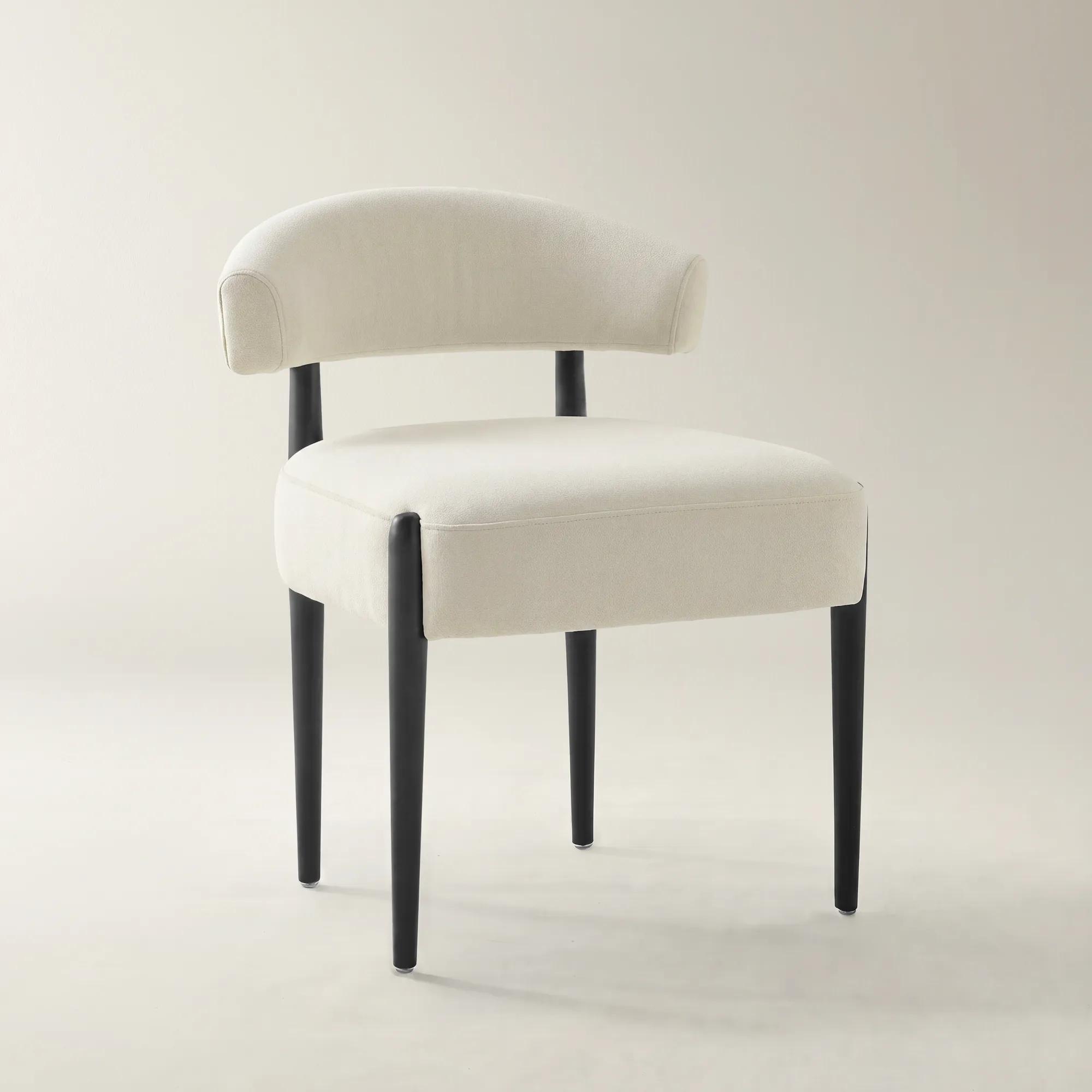 Anna Ivory Performance Chenille Dining Chair Set of 2$699
An ivory performance chenille chair pair featuring curved backs, high-density foam, and solid rubberwood legs.
Add To Cart -
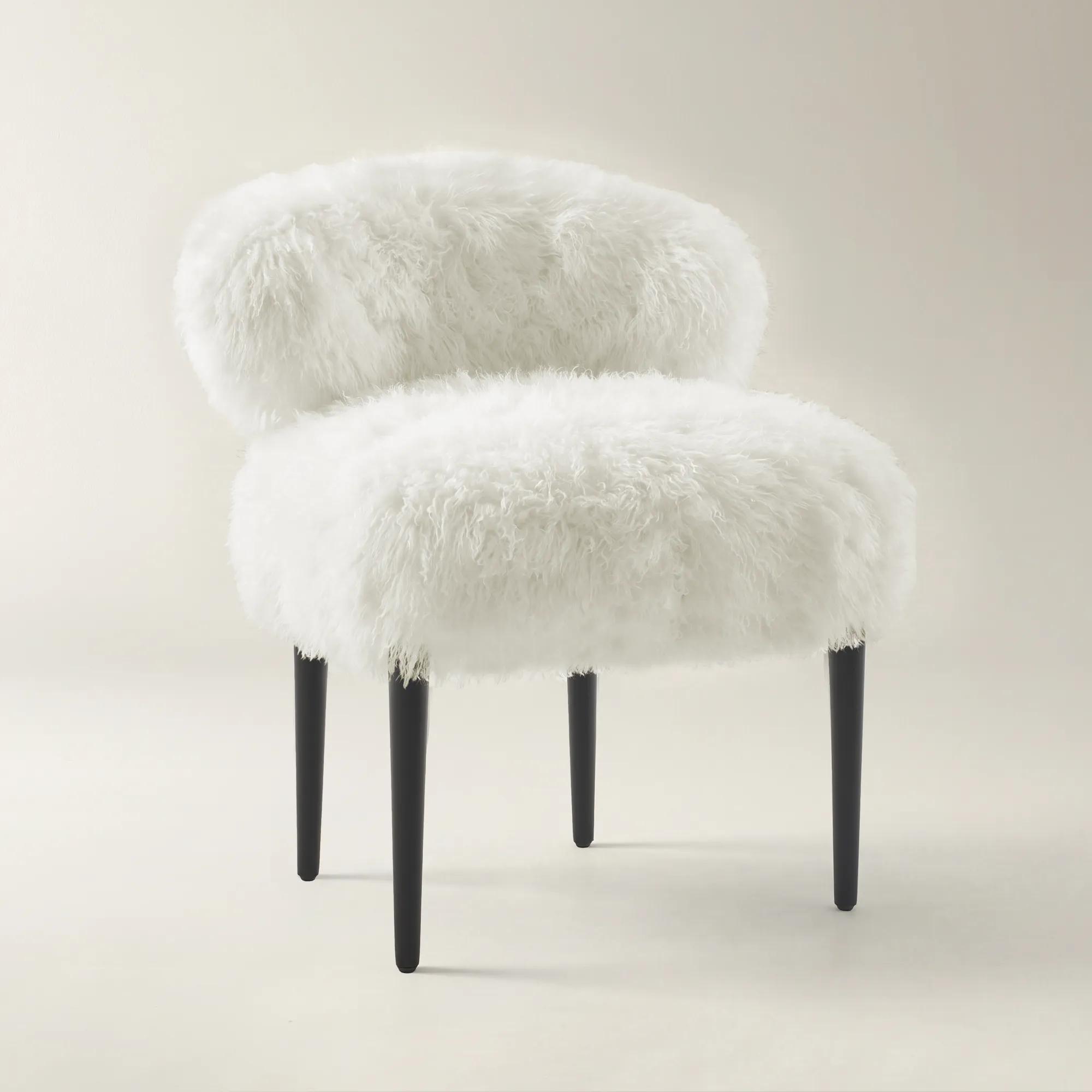 Anna Ivory Faux Fur Dining Chair Set of 2$799
A hand-upholstered ivory faux fur dining chair with a curved back, high-density foam cushioning, and rubberwood legs.
Add To Cart -
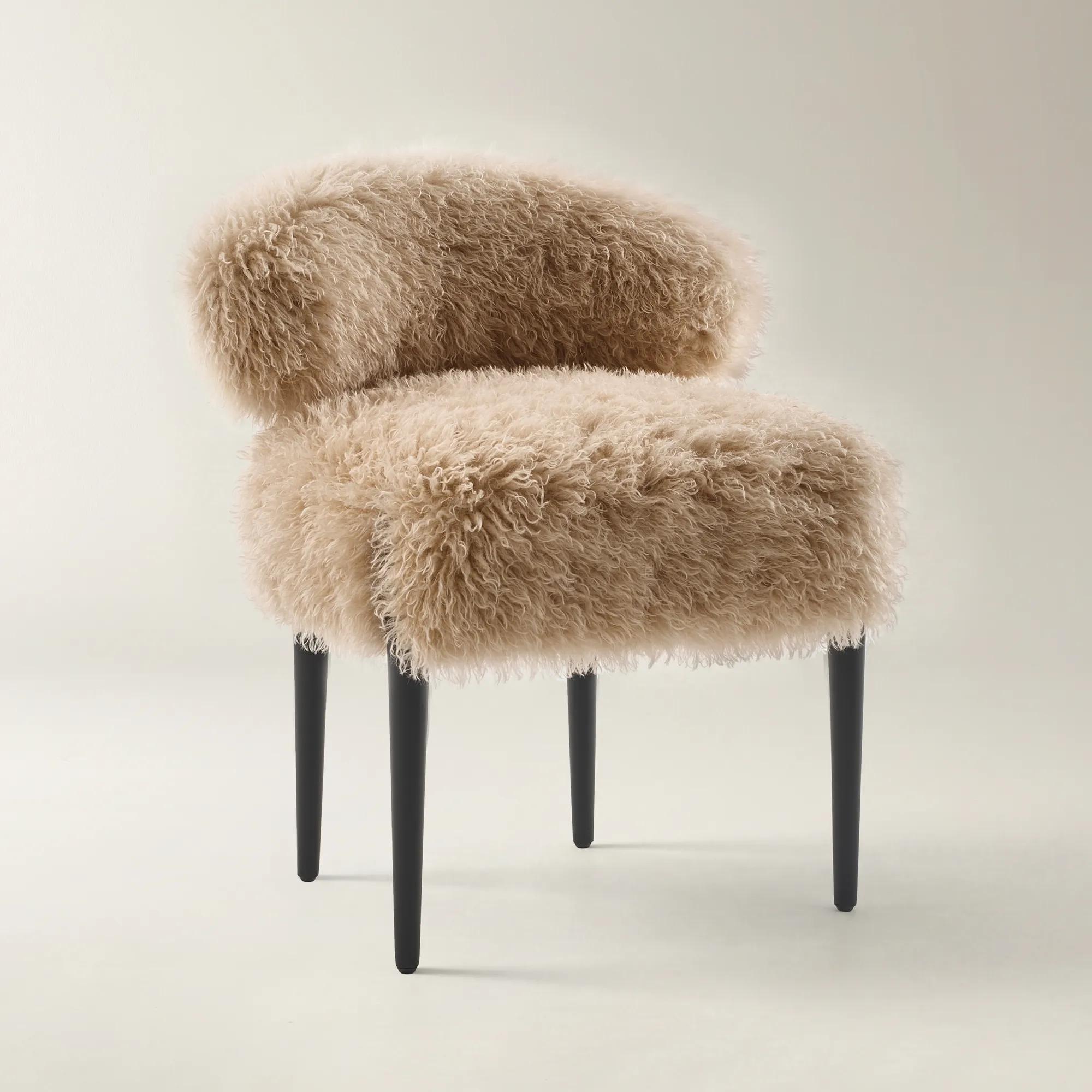 Anna Tan Faux Fur Dining Chair Set of 2$799
A tan faux fur dining chair set with curved backs, cushioned comfort, and solid rubberwood legs.
Add To Cart -
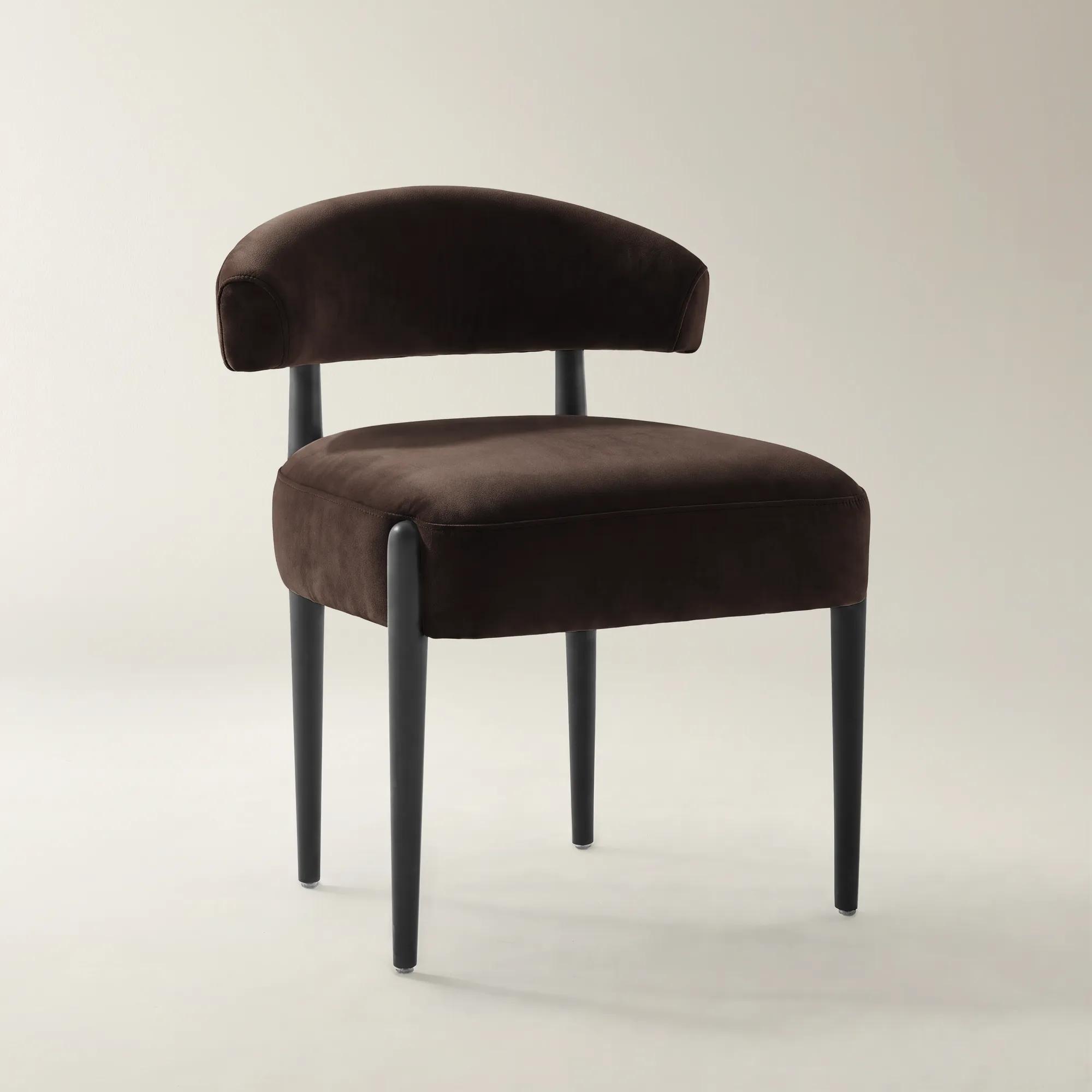 Anna Dark Chocolate Velvet Dining Chair Set of 2$699
A dark chocolate velvet dining chair set featuring an arched back, high-density foam, and solid wood construction.
Add To Cart -
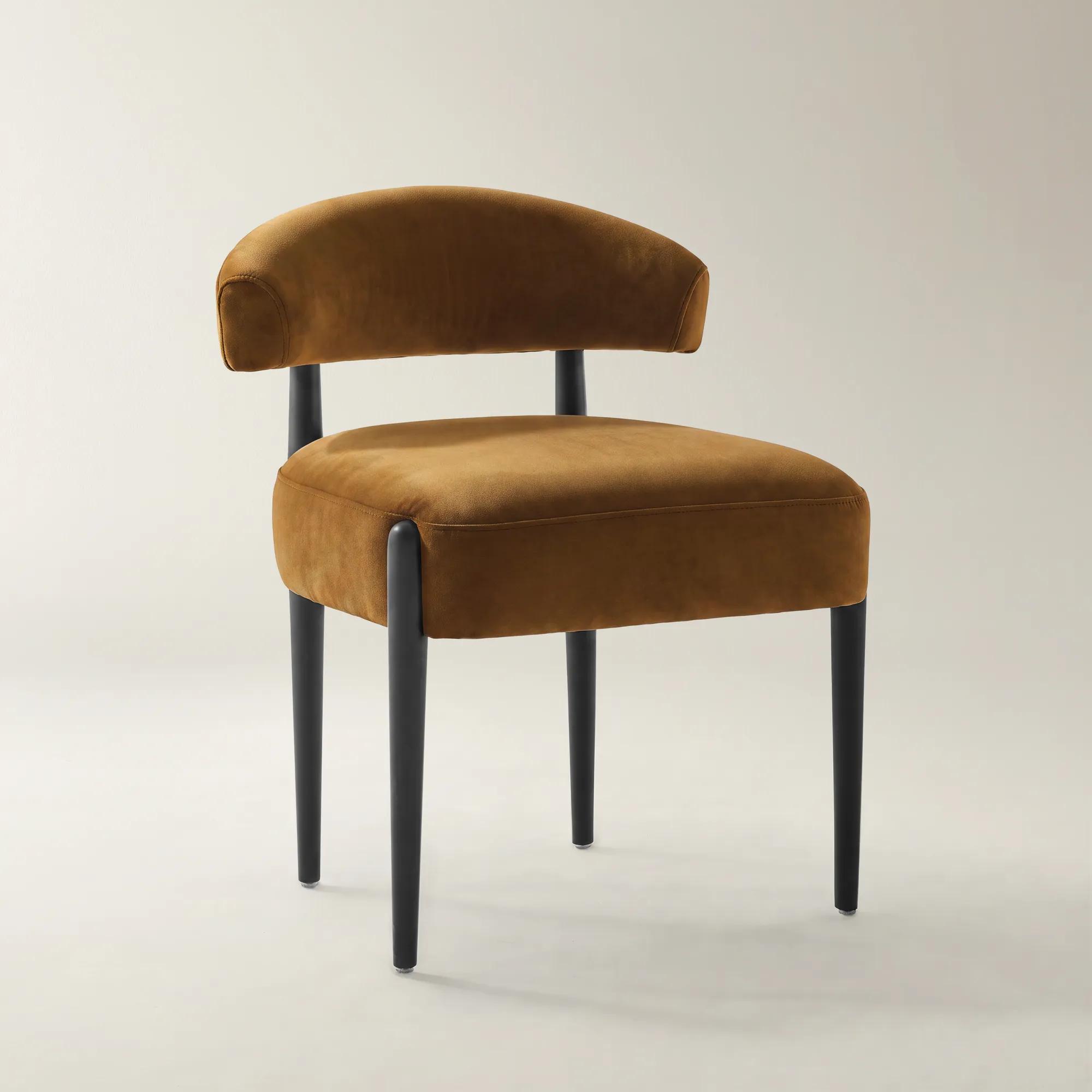 Anna Roasted Pecan Velvet Dining Chair Set of 2$699
A roasted pecan velvet dining chair set featuring a tailored curved back and high-density foam cushioning.
Add To Cart -
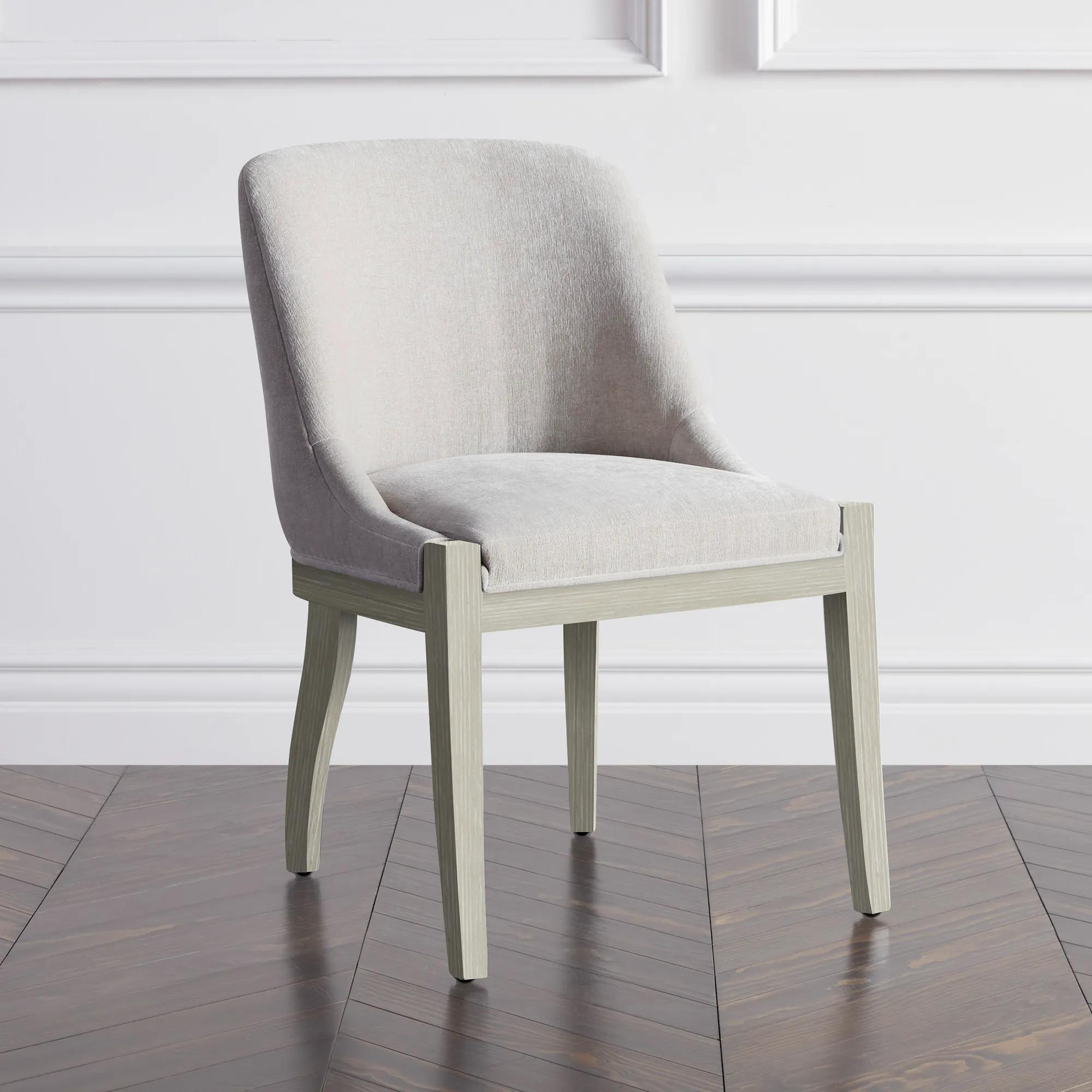 Lily Dining Chair - Natural Grey$649
A modern dining chair with kiln-dried hardwood frame and grey tailored upholstery for lasting comfort.
Add To Cart -
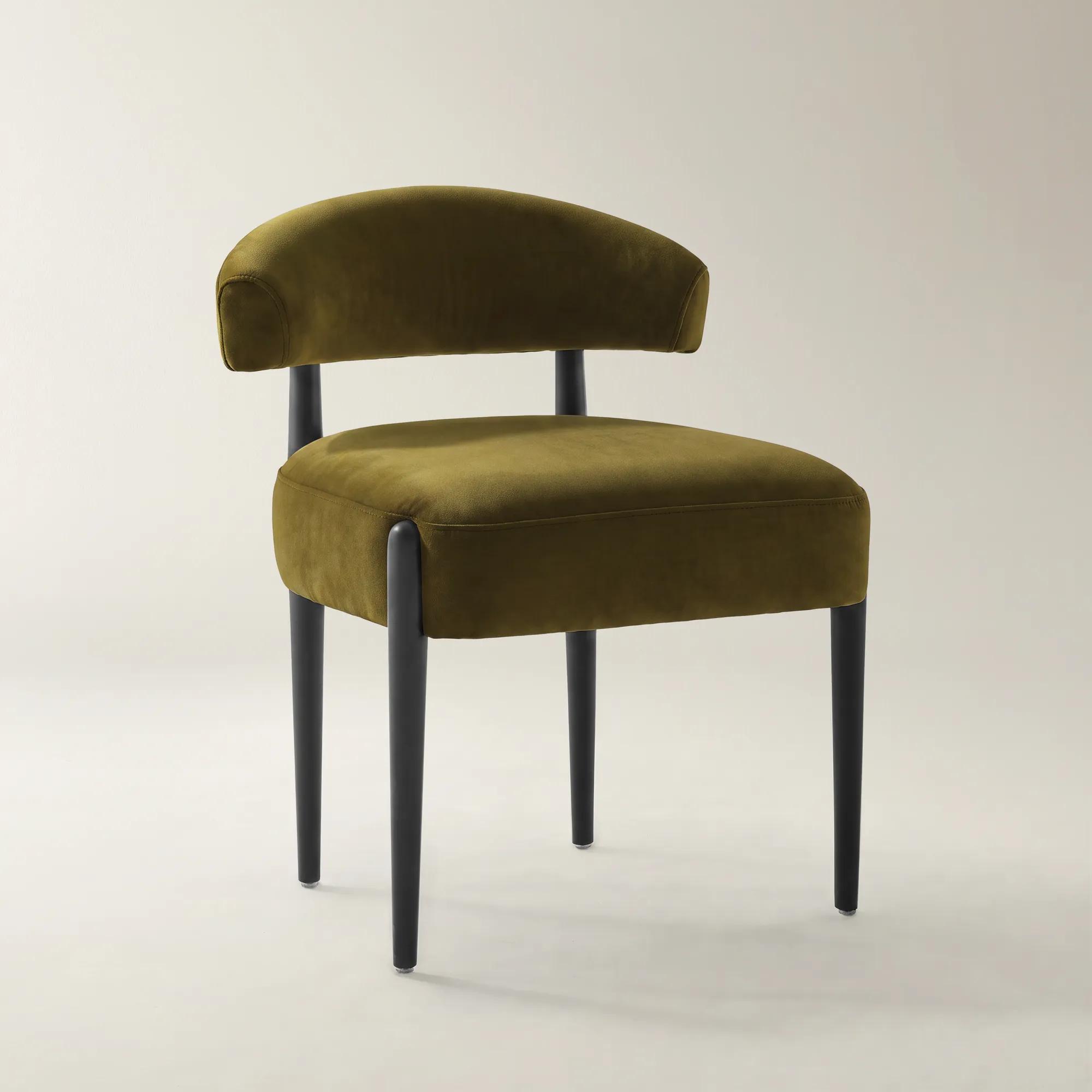 Anna Deep Olive Velvet Dining Chair Set of 2$699
A deep olive velvet dining chair with a tailored curved back, high-density cushioning, and solid rubberwood legs.
Add To Cart -
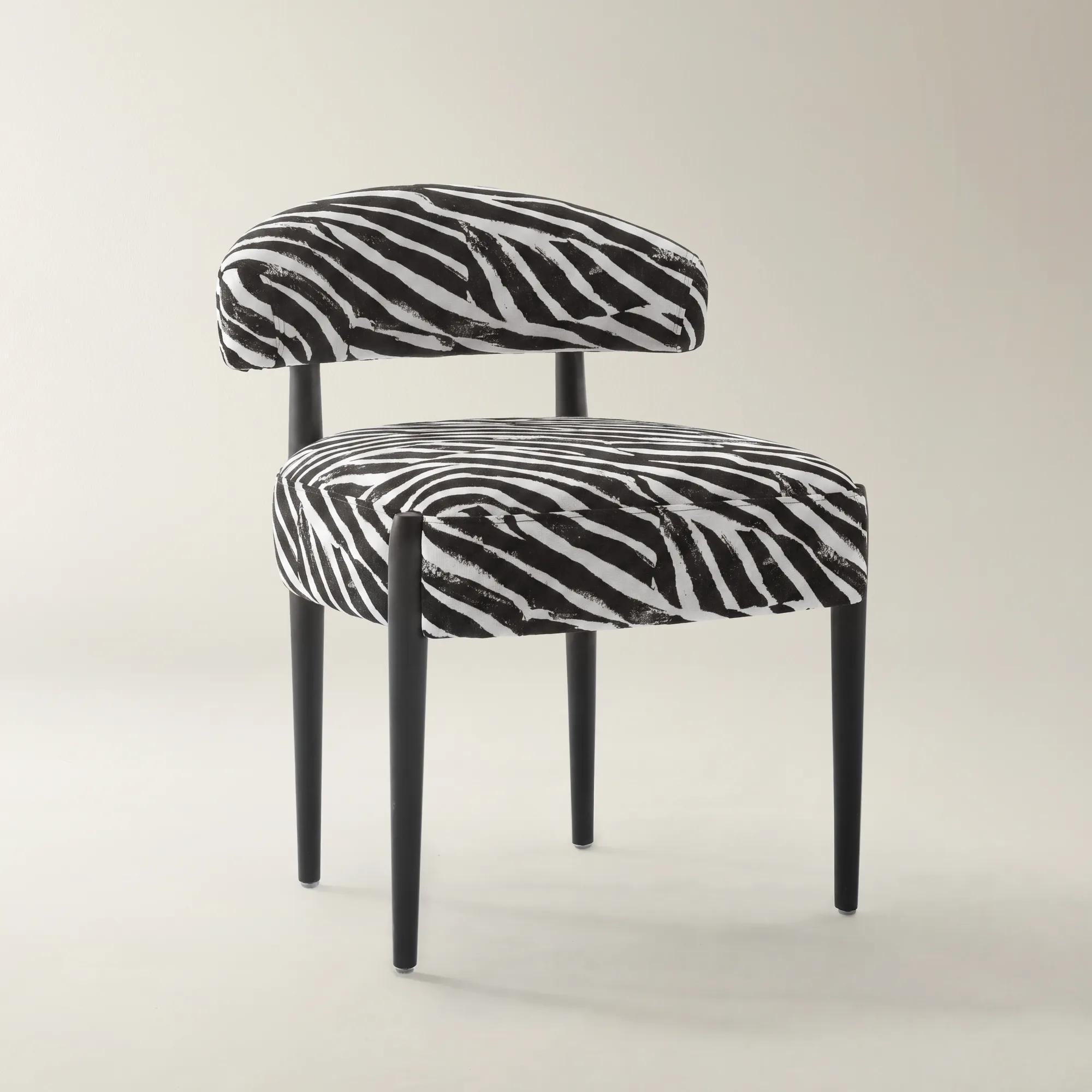 Anna White/Black Performance Chenille Dining Chair Set of 2$699
A black-and-white performance chenille chair set with arched backs, high-density foam, and solid rubberwood legs.
Add To Cart -
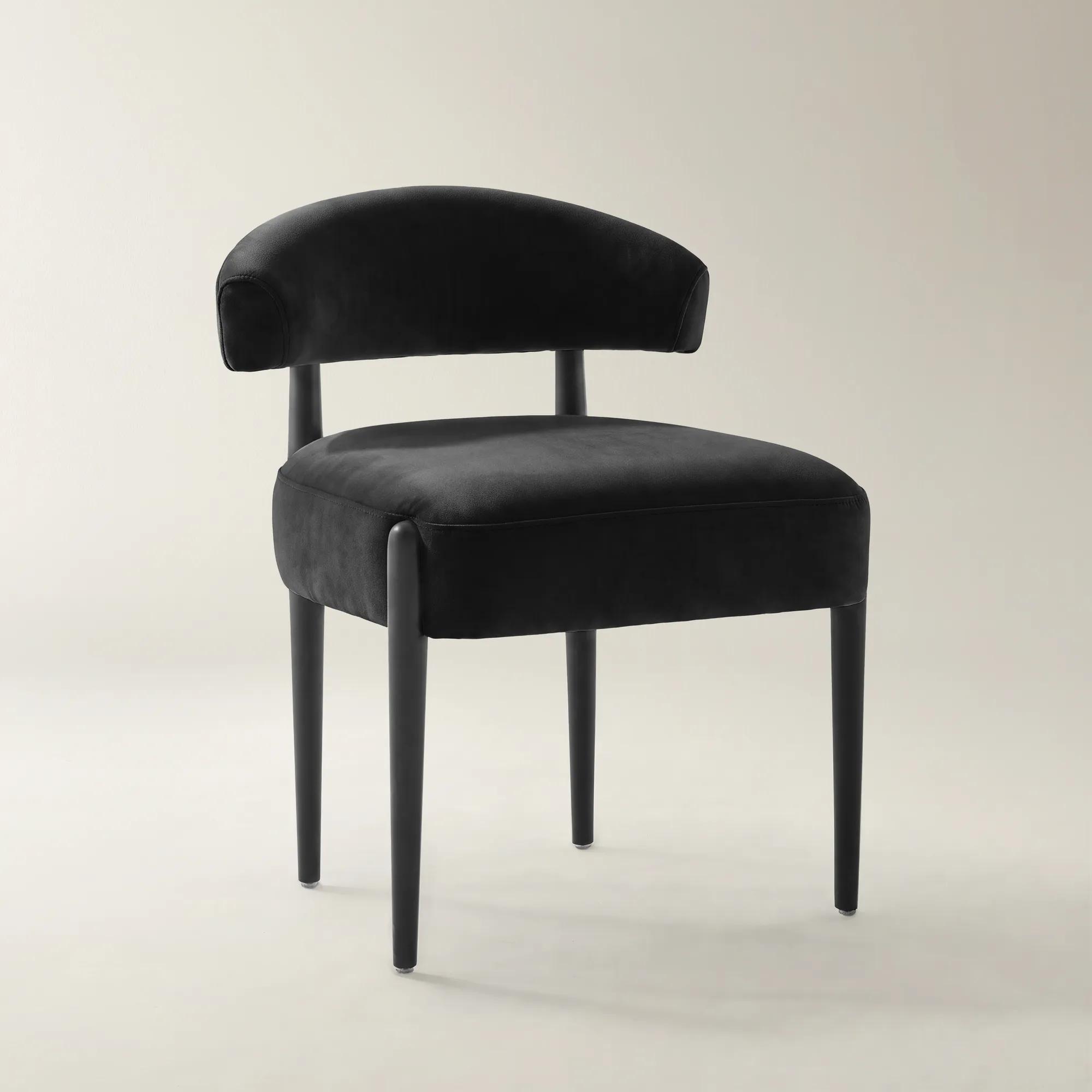 Anna Charcoal Velvet Dining Chair Set of 2$699
A charcoal velvet dining chair with an arched back, supportive foam cushioning, and solid rubberwood legs.
Add To Cart -
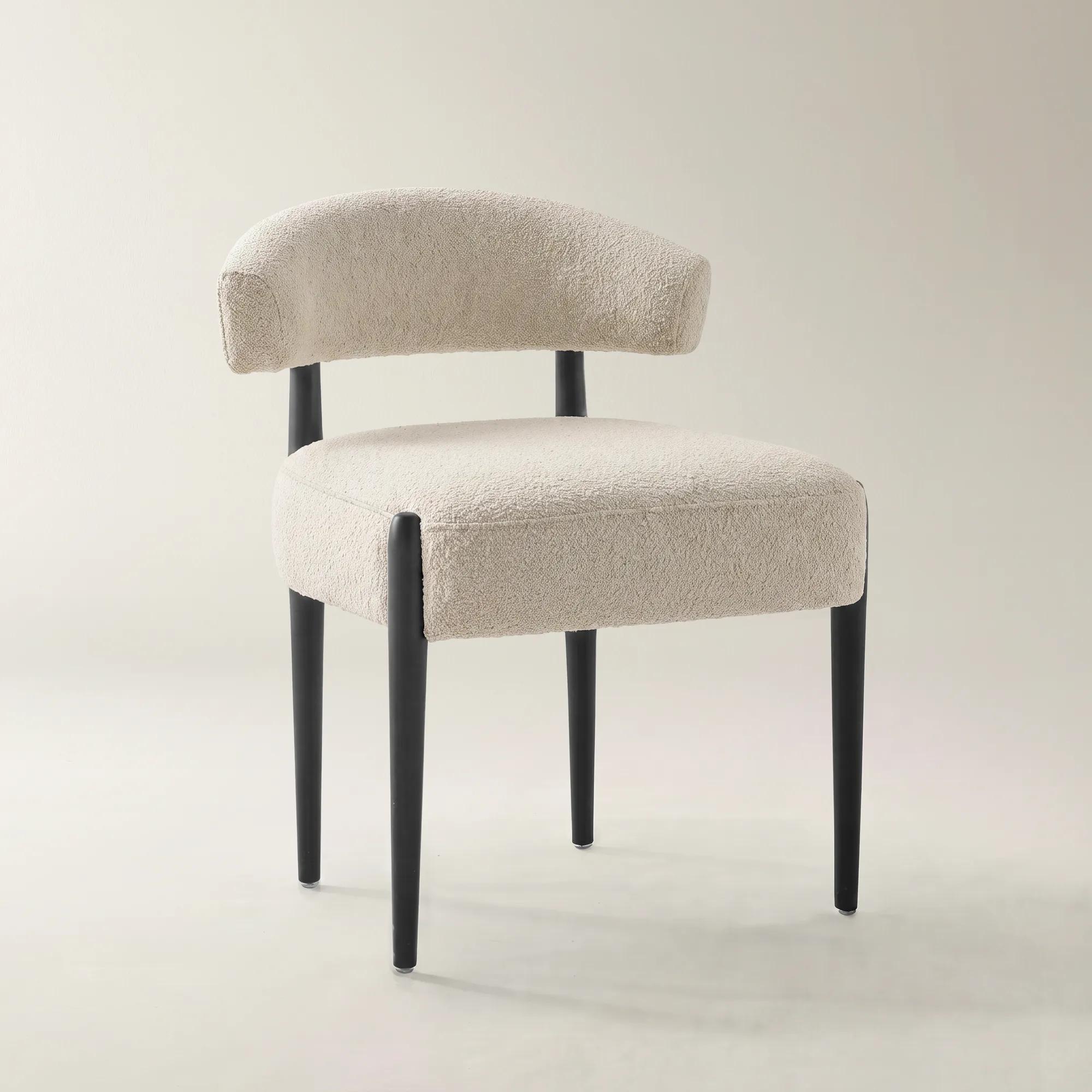 Anna Utopia Sand Chenille Dining Chair Set of 2$699
A sand chenille dining chair set featuring tailored armless curves, high-density cushioning, and solid rubberwood legs.
Add To Cart -
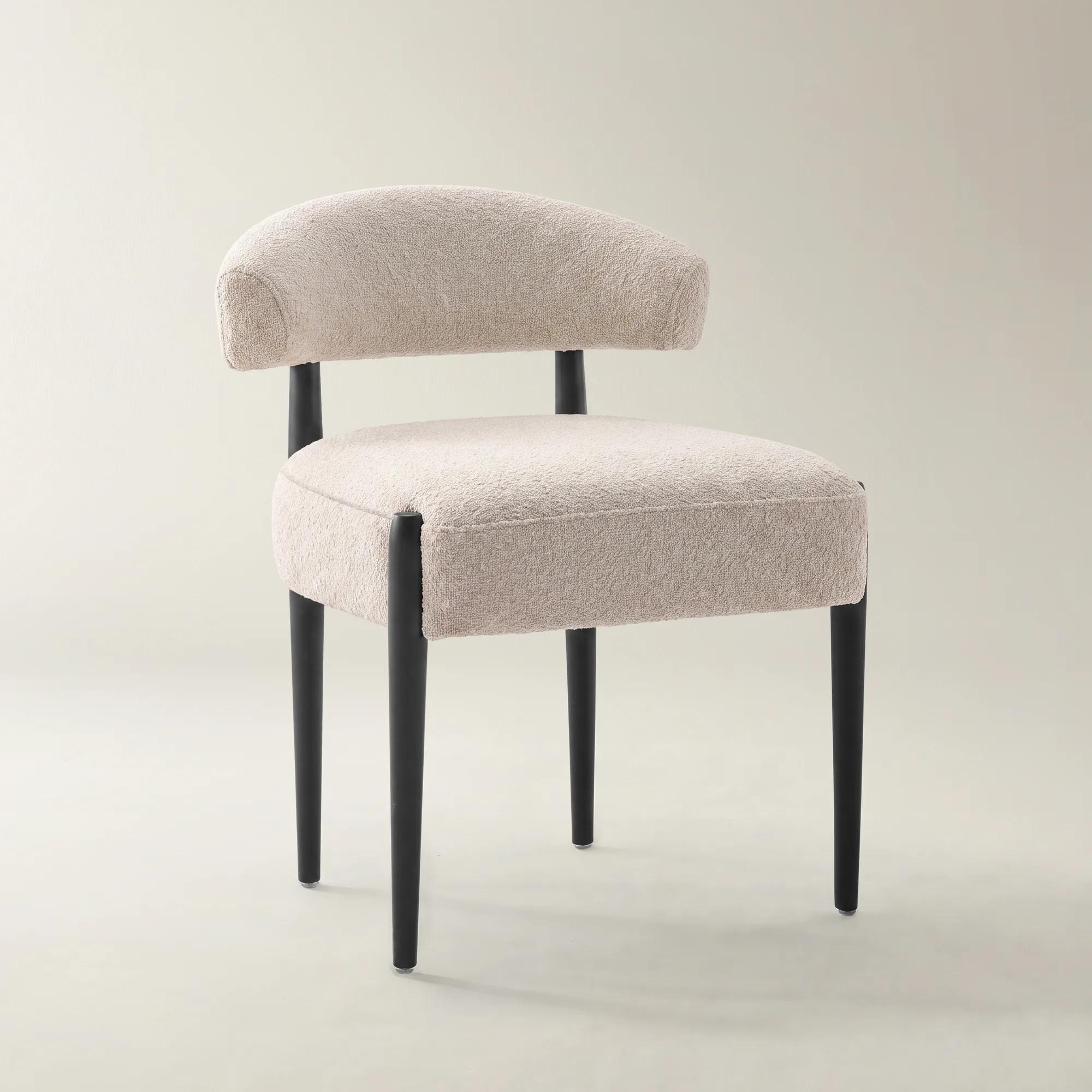 Anna Ivory Performance Boucle Dining Chair Set of 2$699
An ivory performance bouclé dining chair set with arched backs, high-density foam, and solid wood construction.
Add To Cart -
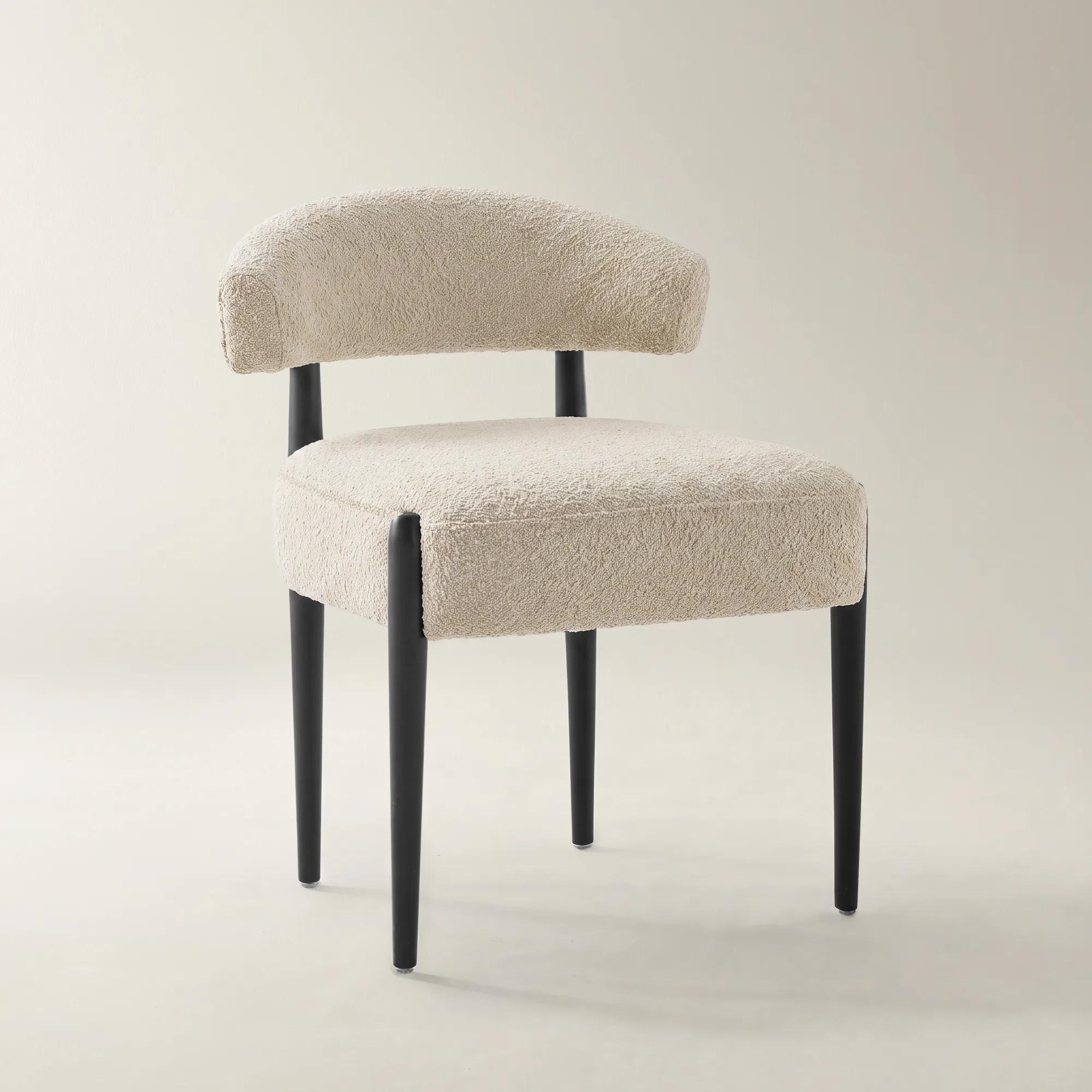 Anna Ivory Performance Boucle Dining Chair Set of 2$699
A pair of ivory performance boucle chairs with curved backs, cushioned comfort, and solid wood frames.
Add To Cart -
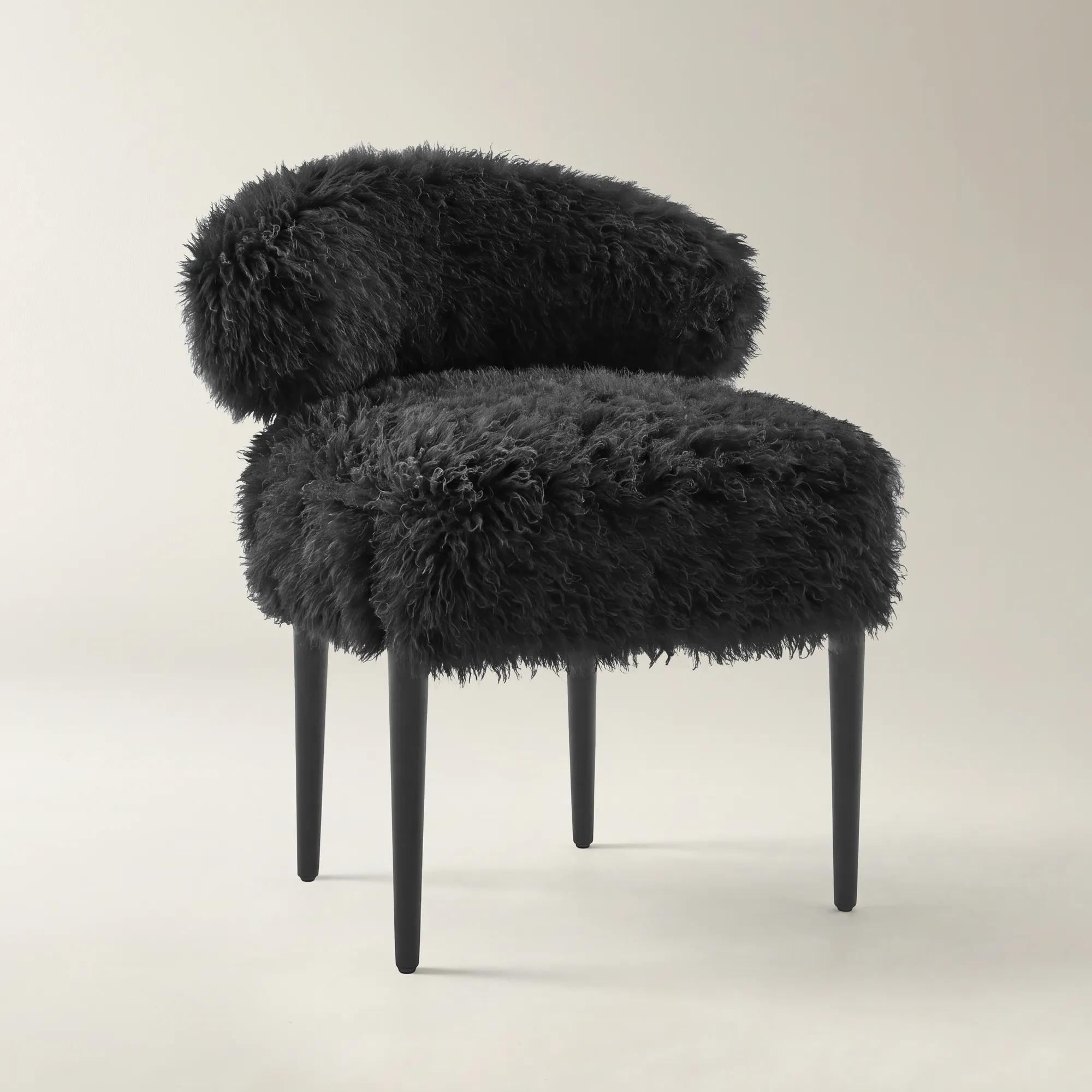 Anna Black Faux Fur Dining Chair Set of 2$799
A black faux fur chair set with arched backs, foam cushioning, and solid wood legs.
Add To Cart -
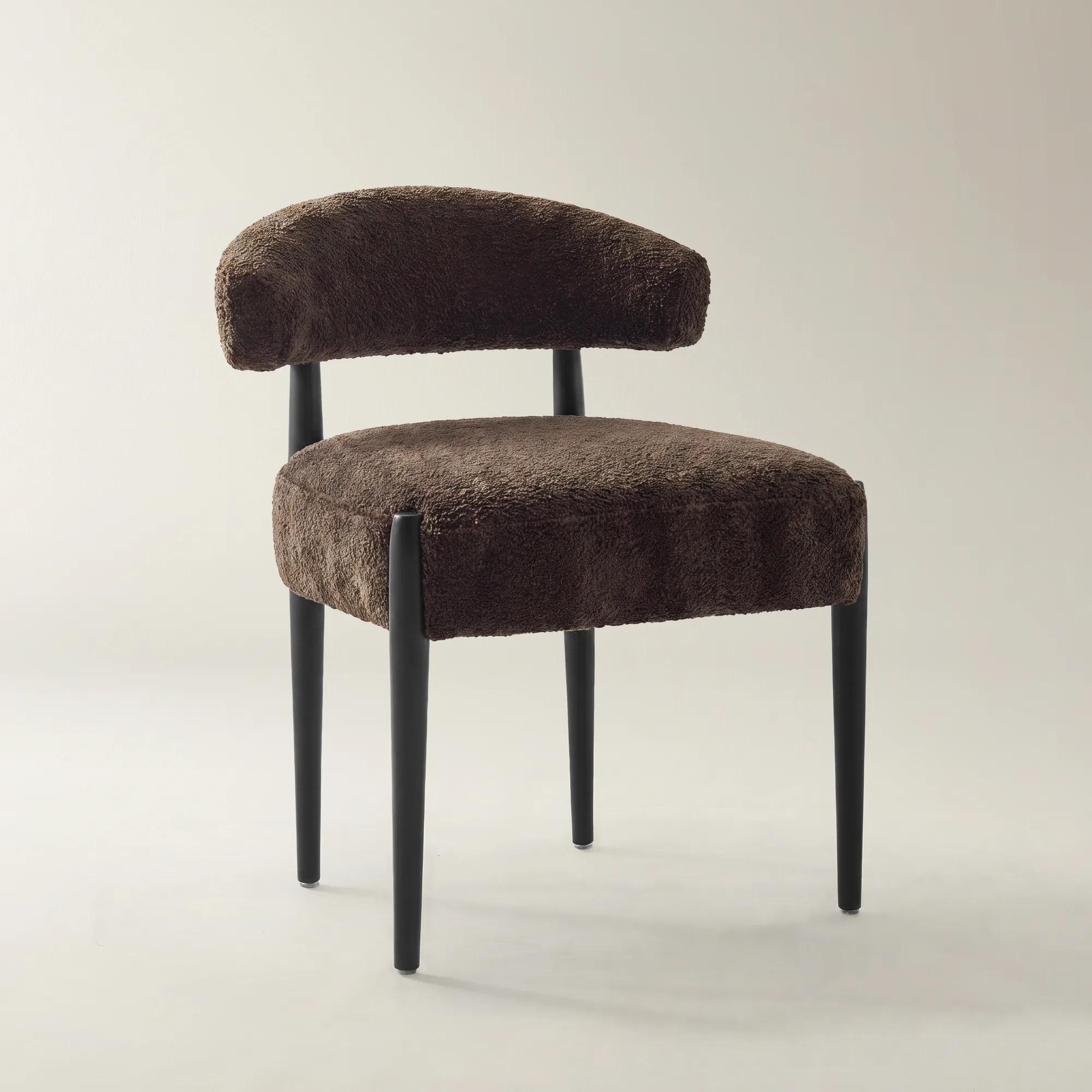 Anna Dark Chocolate Chenille Dining Chair Set of 2$699
A dark chocolate chenille chair pair featuring tailored curved backs, high-density foam, and solid rubberwood legs.
Add To Cart -
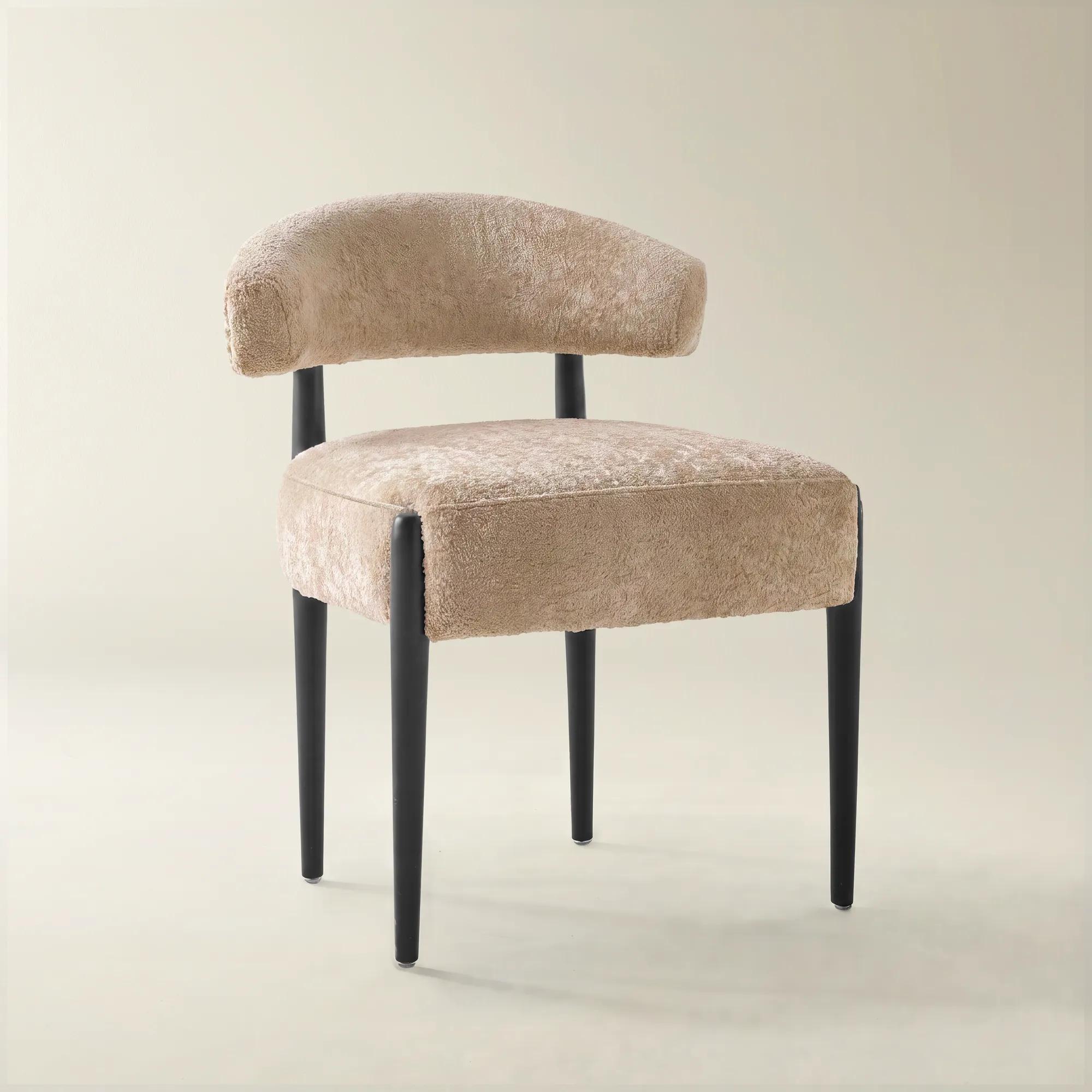 Anna Light Brown Chenille Dining Chair Set of 2$699
A light brown chenille chair set featuring arched backs, high-density foam cushioning, and solid rubberwood legs.
Add To Cart -
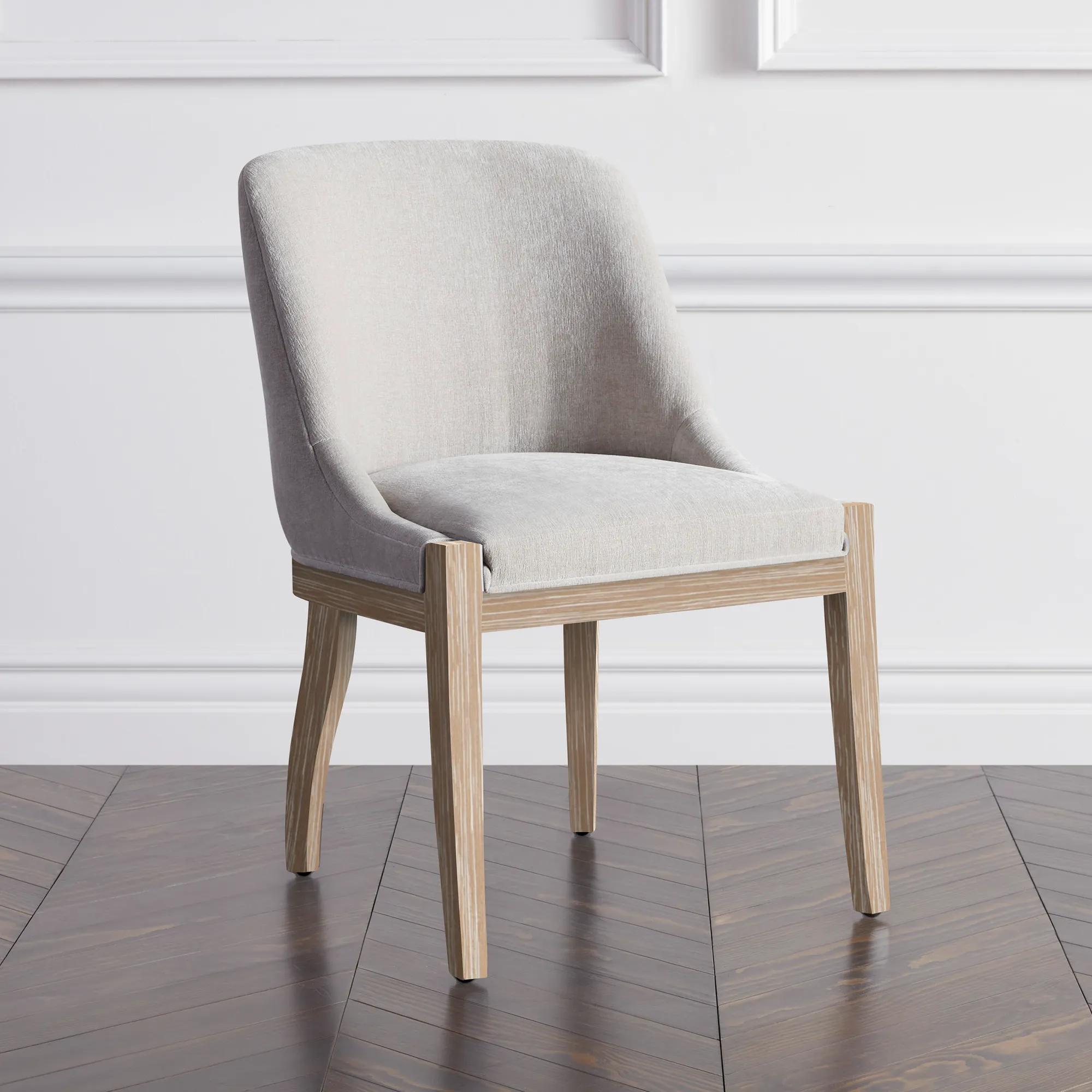
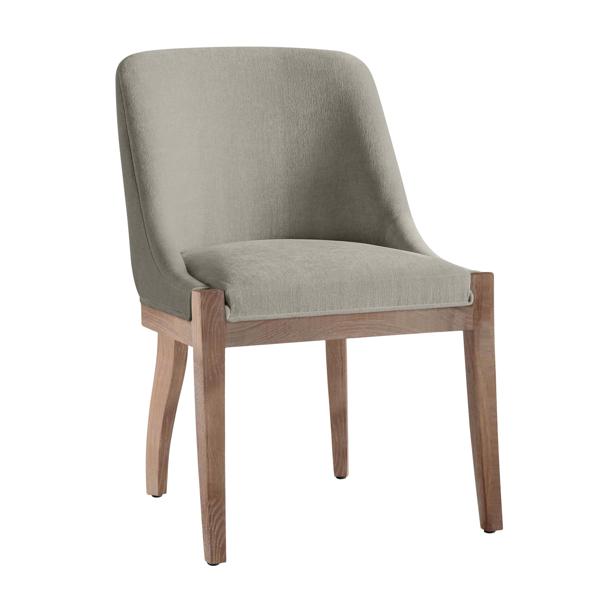 Lily Dining Chair - Wash Oak$649
A modern dining chair with a kiln-dried hardwood frame, wash oak legs, and plush tailored upholstery.
Add To Cart -
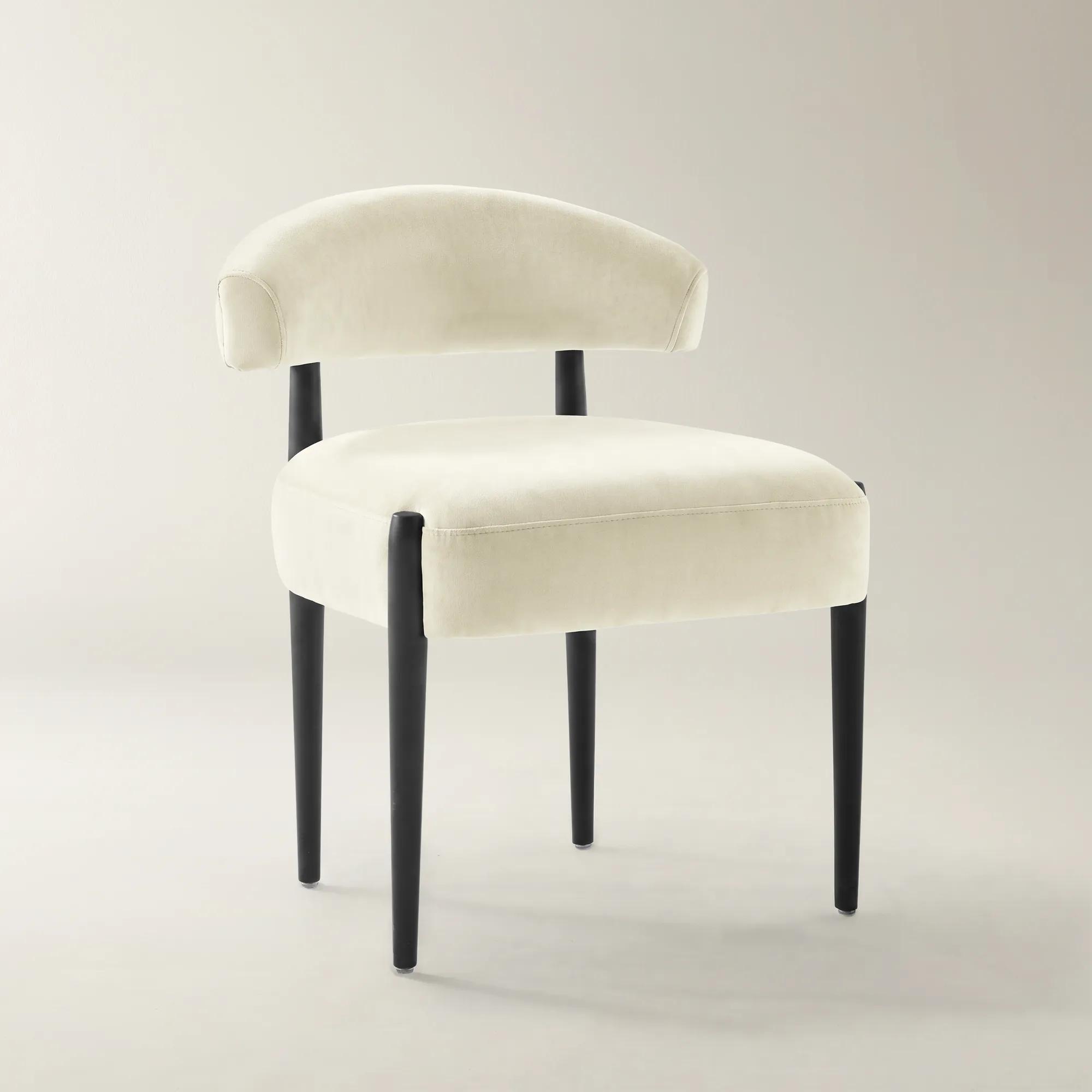 Anna Cloud Velvet Dining Chair Set of 2$699
A hand-upholstered Cloud velvet chair set featuring curved backs, high-density foam, and solid rubberwood legs.
Add To Cart

Tailored Silhouette Dining Chairs
Tailored silhouette dining chairs bring a couture touch to the art of entertaining, transforming every meal into an occasion worth savoring. With lines that echo the precision of bespoke fashion and profiles that command attention, these chairs invite you to indulge in the drama of fine dining at home. Whether gracing a grand tablescape or elevating an intimate breakfast nook, tailored silhouette dining chairs set the stage for unforgettable gatherings—where comfort is matched only by undeniable style, and every seat becomes a statement in refined living.
Tailored silhouette dining chairs bring crisp proportions, defined upholstery, and a composed profile to the dining room. Their distinctive character comes from the relationship between shape and detail: a gently tapered back, a neatly finished seat, a sculpted curve, or legs that extend the chair’s lines without overwhelming them. Unlike heavily embellished seating, a tailored dining chair creates presence through precision, making it equally compelling beside a dramatic stone table or a richly grained wood surface. The look can bridge modern and traditional interiors, especially when structured upholstery softens an architectural frame. These chairs suit rooms where polish matters, but comfort still determines how long everyone stays at the table. Fabric helps establish that balance. Velvet gives a clean-lined silhouette depth, catching light across the back and seat so that even a restrained shape feels sumptuous. A linen-look weave introduces visible texture and a quieter finish, while smooth leather can emphasize contours with a more graphic effect. Fiber content, backing, and upholstery construction vary, so a fabric’s appearance alone does not establish its care requirements or durability. For a closer focus on plush texture and precise shaping, Tailored Velvet Dining Chairs explore this particularly expressive combination. Color also changes the silhouette’s impact. Ivory and warm neutral upholstery can make a sculptural back feel almost architectural against a dark table; charcoal, deep blue, or another saturated shade creates a denser, more dramatic outline. Tonal piping, subtle seams, and a close-fitting upholstered back can reinforce the tailored effect without introducing elaborate decoration. Exposed wood brings warmth and definition, while metal legs can contribute a slender, reflective accent. Fully upholstered designs offer a more continuous shape, especially when viewed from an adjoining living area. The common thread is intentional proportion: enough detail to reward a closer look, with a strong outline that remains elegant across the room.
Scale determines whether that elegance translates into an inviting place to sit. Dining chair dimensions deserve attention beyond overall height: seat height, usable seat width, seat depth, and arm height each affect the experience at the table. A common starting point is approximately 10 to 12 inches between the seat surface and the tabletop, with separate attention to any apron beneath the table that could reduce clearance for knees. Thick cushioning may compress when someone sits, so published measurements and the chair’s construction should be considered together. Around 24 inches of table edge per person is a useful planning baseline, although broad seats, substantial arms, and generous place settings may require more room. A pedestal base may allow different chair placement than corner legs or a trestle, making the table’s understructure just as important as its length. Armless dining chairs often tuck in neatly and keep the arrangement visually open; armchairs can give the ends of a rectangular table a more enveloping presence, provided their arms clear the underside. Behind each seat, allow enough space to pull the chair out comfortably, with additional clearance wherever people need to pass. These practical relationships are especially noticeable in an apartment dining area, an open-plan room, or a breakfast nook where seating shares space with everyday movement. Back shape matters, too. A softly curved back can feel supportive during conversation, while a more upright profile creates a formal posture; padding, seat depth, and individual preference determine the actual comfort. Coordinating chairs need not repeat every finish in the room. A dark wood table can gain definition from pale upholstery, and a gleaming metal base can feel more grounded beside textured seats. Repeating one detail, such as a curved line or a warm wood tone, gives a mixed arrangement cohesion. Matching side chairs establish a poised rhythm, while complementary head chairs add emphasis without making the table feel crowded.
The most satisfying tailored dining chairs preserve their shape and finish through the routines that make a dining room feel lived in: family dinners, an afternoon spent working at the table, and celebrations that linger over dessert. For frequently used seating, frame construction, secure joinery, stable legs, and supportive cushioning matter as much as the upholstery’s first impression. Hardwood frames can provide a strong foundation, but material names alone do not establish quality; construction details, intended use, and stated weight limits deserve equal consideration. Cushions should offer support appropriate to extended dining rather than simply appearing thick, and upholstery should sit neatly around corners and seams. In homes with children, pets, or frequent guests, performance fabrics may be worth considering when their stated properties match the household’s needs. Stain resistance does not make a chair stainproof, and a tightly woven fabric is not automatically resistant to claws or abrasion. Removable covers, cleaning instructions, and fabric specifications can make a meaningful difference to everyday upkeep when those features are offered. Regular gentle vacuuming with an upholstery attachment helps remove crumbs and dust before they settle into seams. Spills are generally best blotted promptly rather than rubbed, with any further treatment guided by the manufacturer’s care instructions or cleaning code. Velvet may develop changes in shading as its pile moves, so approved pile-care methods matter; aggressive scrubbing can leave a more visible mark than the original spill. Wood and metal finishes also benefit from care suited to their surface rather than a single cleaner used across the entire chair. Protective floor glides appropriate to the flooring can help limit scuffs, while lifting chairs instead of dragging them reduces unnecessary strain. With thoughtful proportions and suitable care, tailored seating supports both the practical rhythm and the expressive character of a home. It creates a distinguished setting for a quiet dinner for two, gives a compact dining corner a deliberate identity, and lends a larger table the presence of a beautifully composed gathering space. The effect is luxurious without depending on ornament: a confident silhouette, a tactile surface, and a seat that makes staying for another conversation feel natural.
FAQs
A tailored silhouette dining chair is distinguished by its crisp lines, expertly upholstered contours, and a refined profile that brings both structure and elegance to the dining space. These chairs often feature thoughtful details such as piping, tufting, or subtle curves, creating a harmonious blend of comfort and visual drama that elevates the overall dining experience.
Tailored silhouette dining chairs infuse the dining room with a sense of curated luxury and artistic expression. Their sculptural forms and meticulous finishes serve as focal points, setting the tone for memorable gatherings and adding a layer of sophistication that transforms everyday meals into extraordinary occasions.
Velvet and linen are perennial favorites for tailored silhouette dining chairs, each offering a distinct sensory experience—velvet for its plush, luminous texture and linen for its breezy, natural appeal. Performance blends are also popular, prized for their durability and ease of cleaning, making them ideal for lively households or frequent entertainers.
Absolutely. The clean lines and refined tailoring of these chairs allow them to seamlessly complement a range of interior aesthetics, from glamorous and bold to sleek and contemporary. Their versatile design makes them a striking addition to both maximalist and minimalist spaces, adapting effortlessly to your evolving décor.
When choosing a silhouette chair, consider artisanal touches like hand-applied piping, button tufting, or unique leg finishes. These details not only speak to quality craftsmanship but also add distinctive character, ensuring your dining chairs feel as thoughtfully curated as the rest of your home.