Dining Chairs For Indoor Use Only
Dining Chairs For Indoor Use Only
-
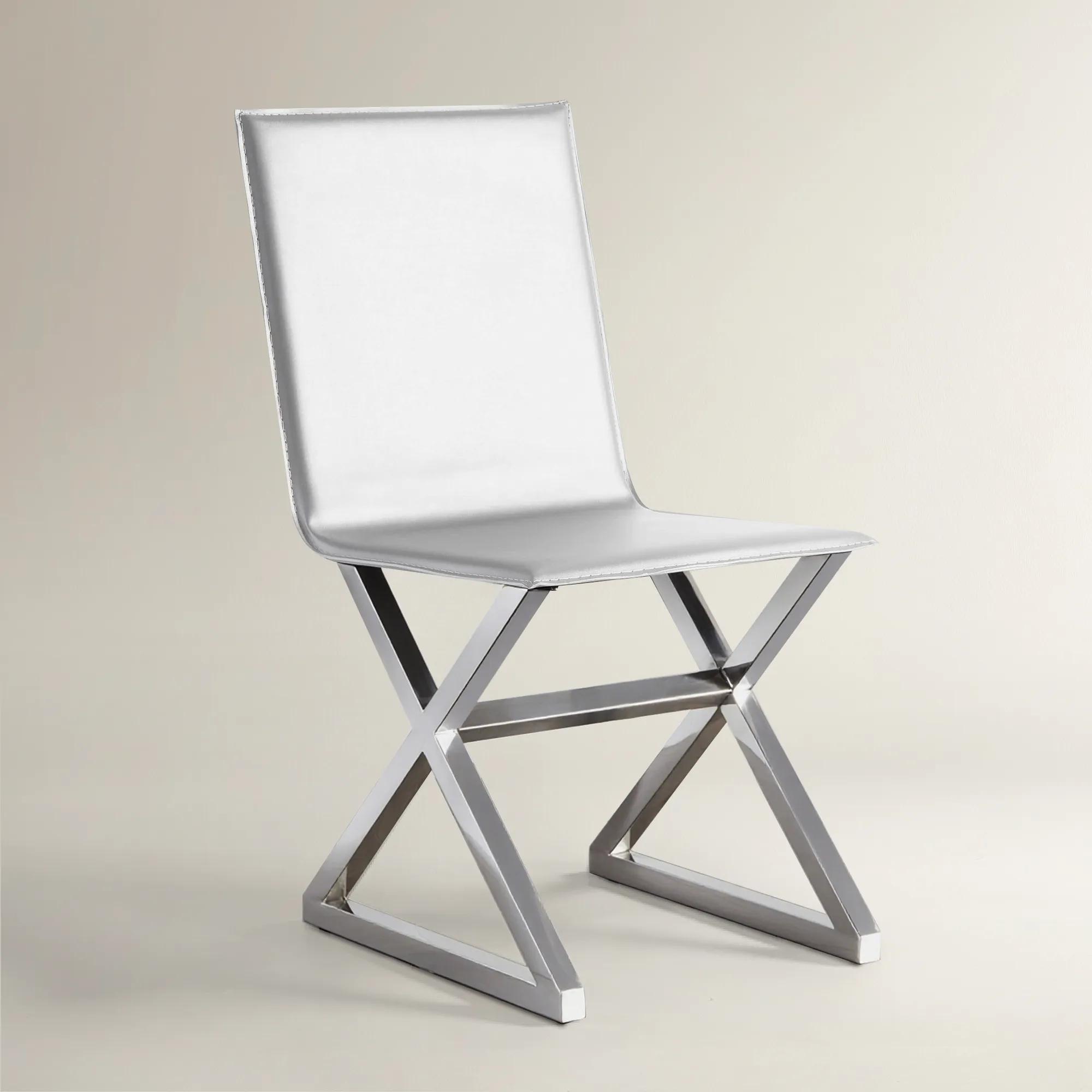
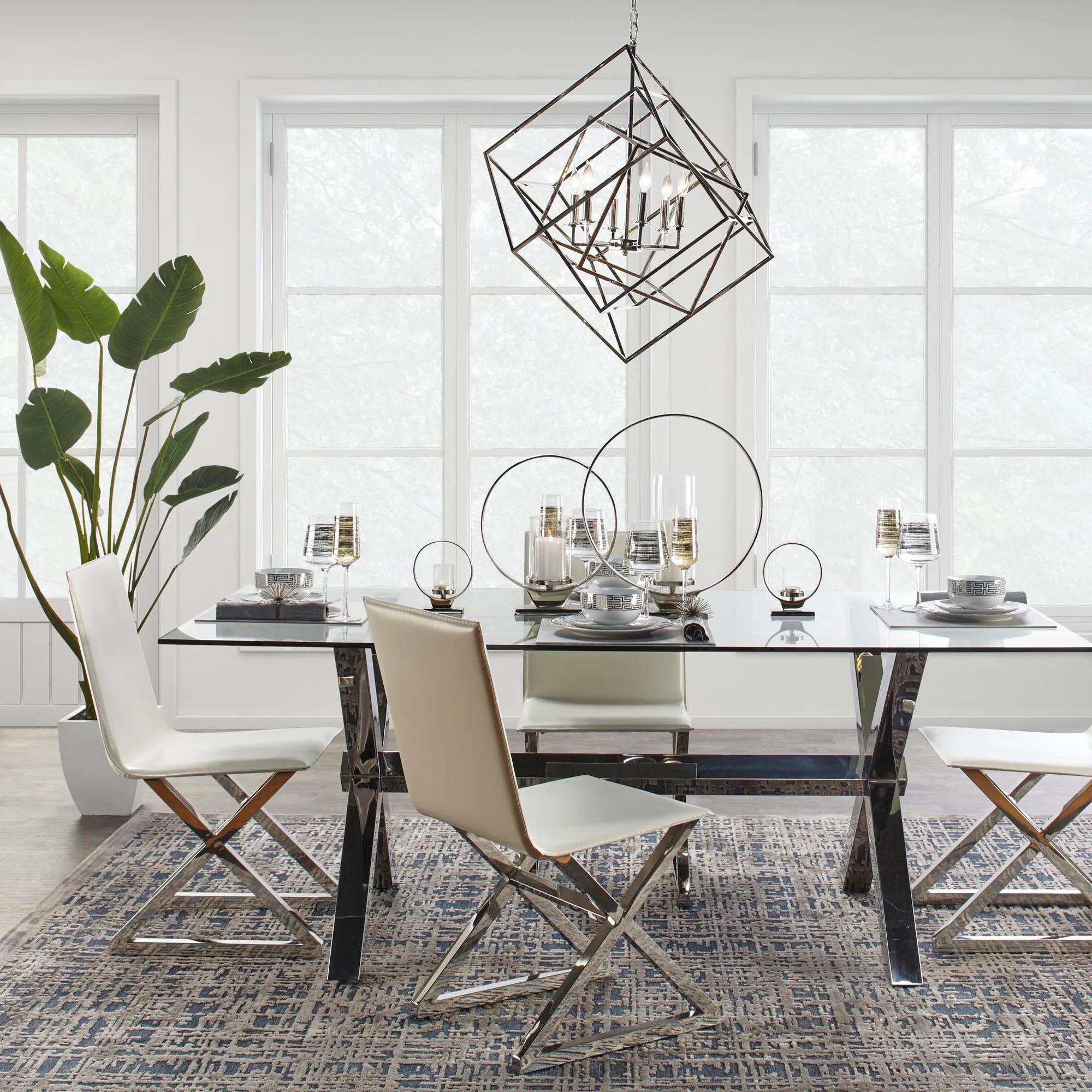 Axis Dining Chair - Set of 2$399
A contemporary chair set featuring white bonded leather upholstery and a polished stainless steel base.
Add To Cart -
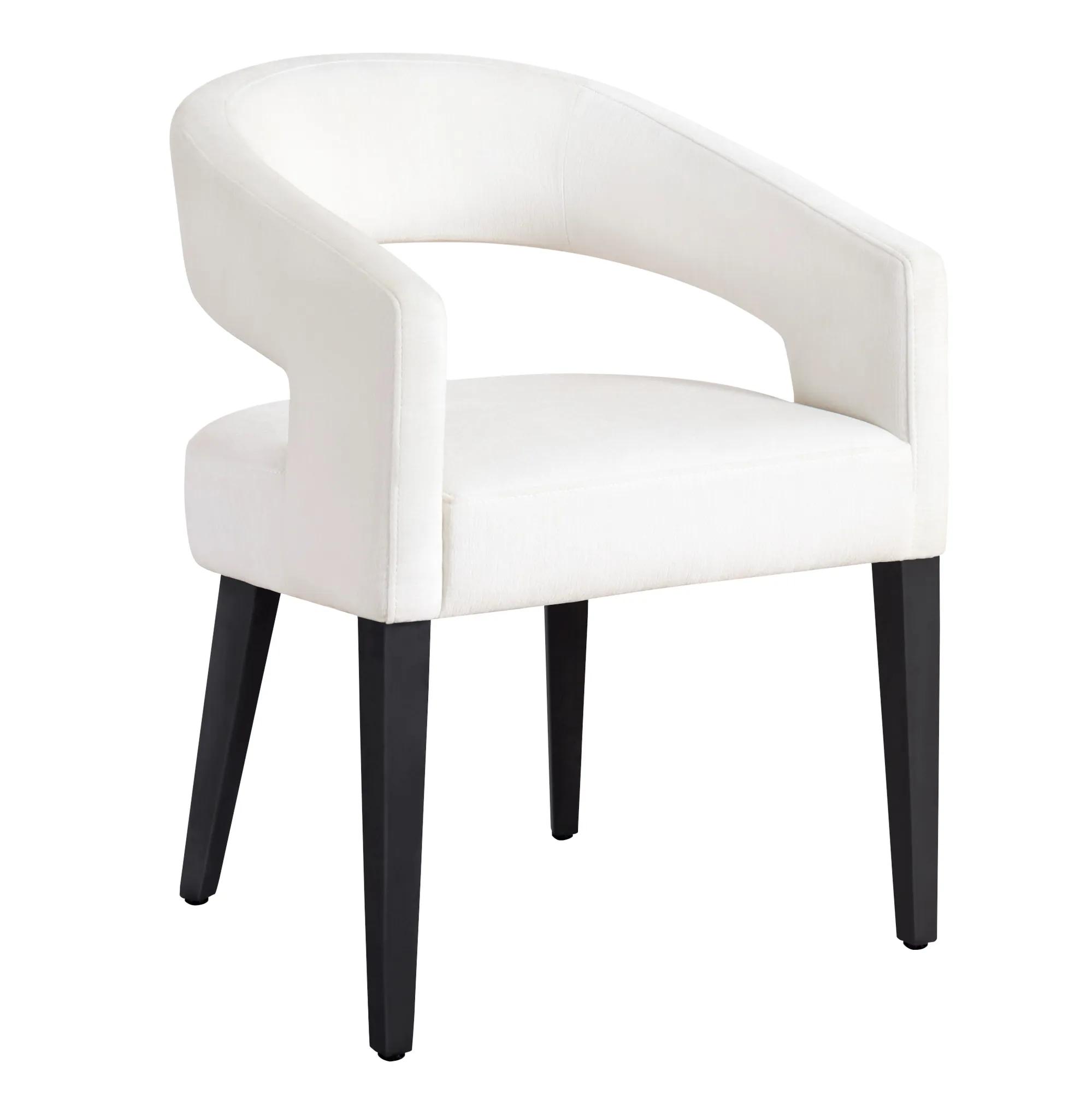
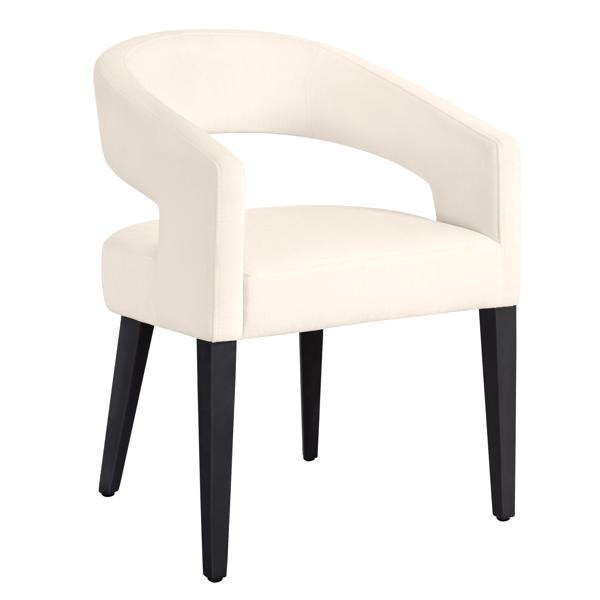 Philippa Dining Chair - Matte Black$599
A modern dining chair featuring a curved silhouette, matte black legs, and neatly tailored upholstery.
Add To Cart -
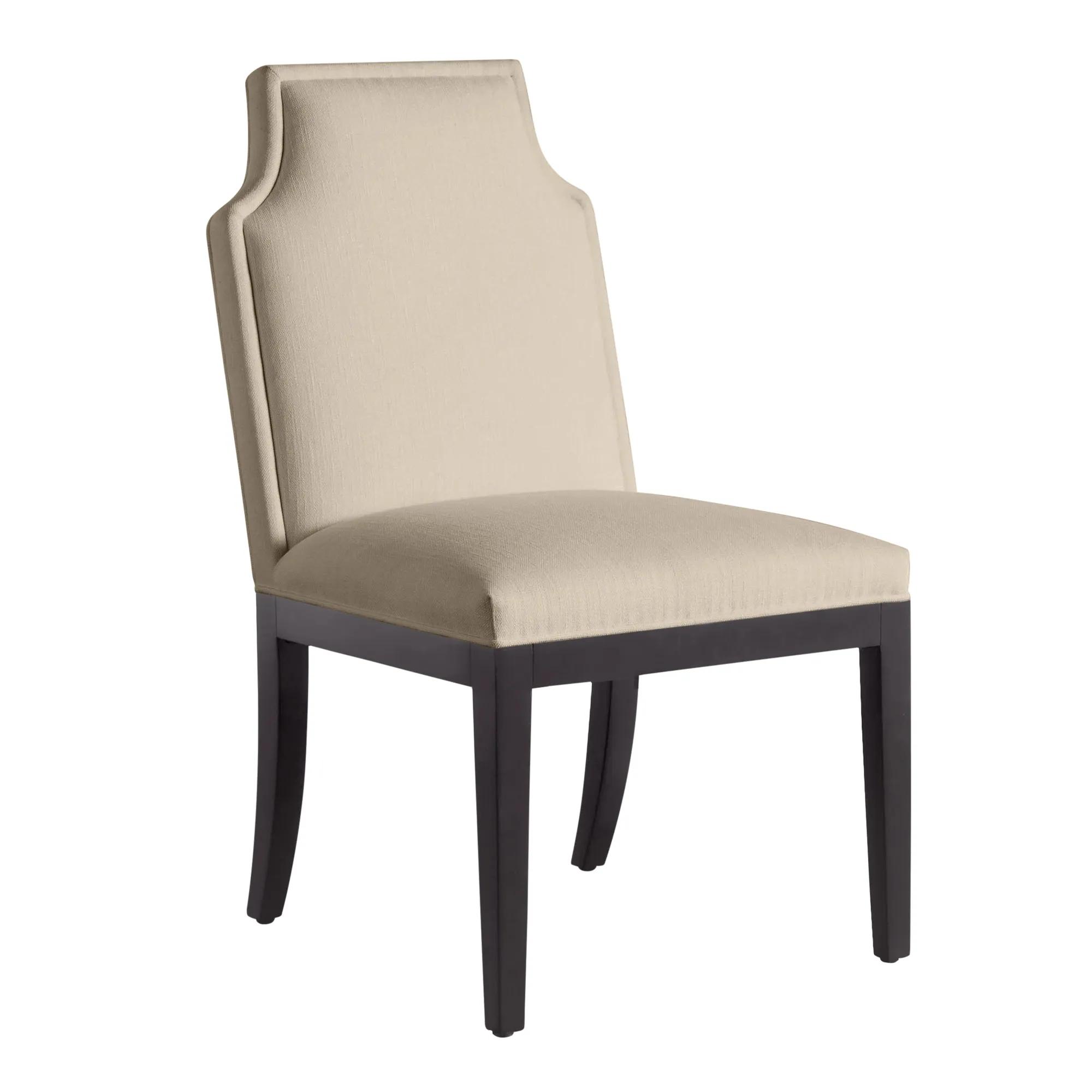
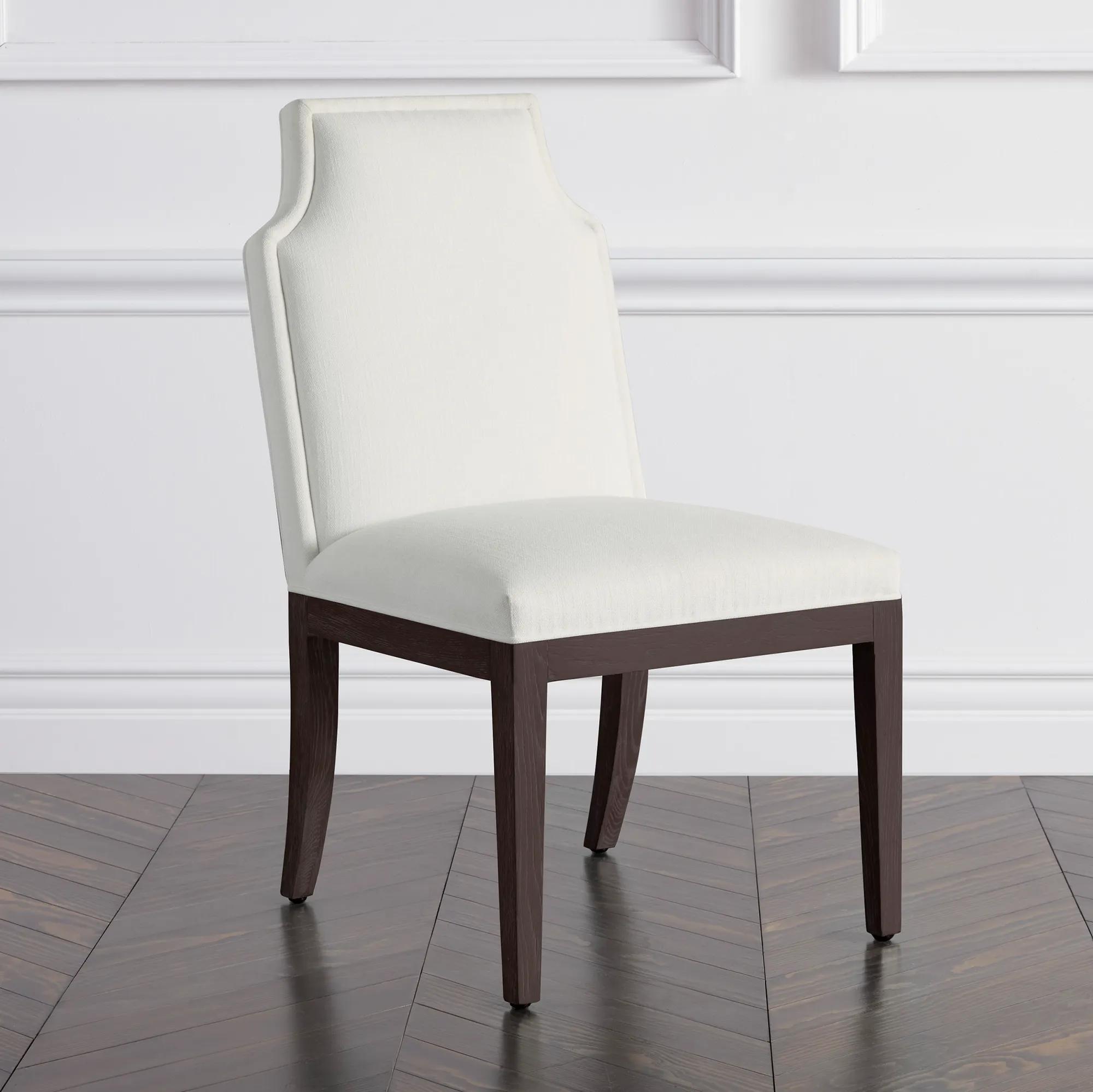 Jasmine Dining Chair - Espresso$649
A chic dining chair featuring a notched back, espresso legs, and plush upholstery for lasting comfort.
Add To Cart -
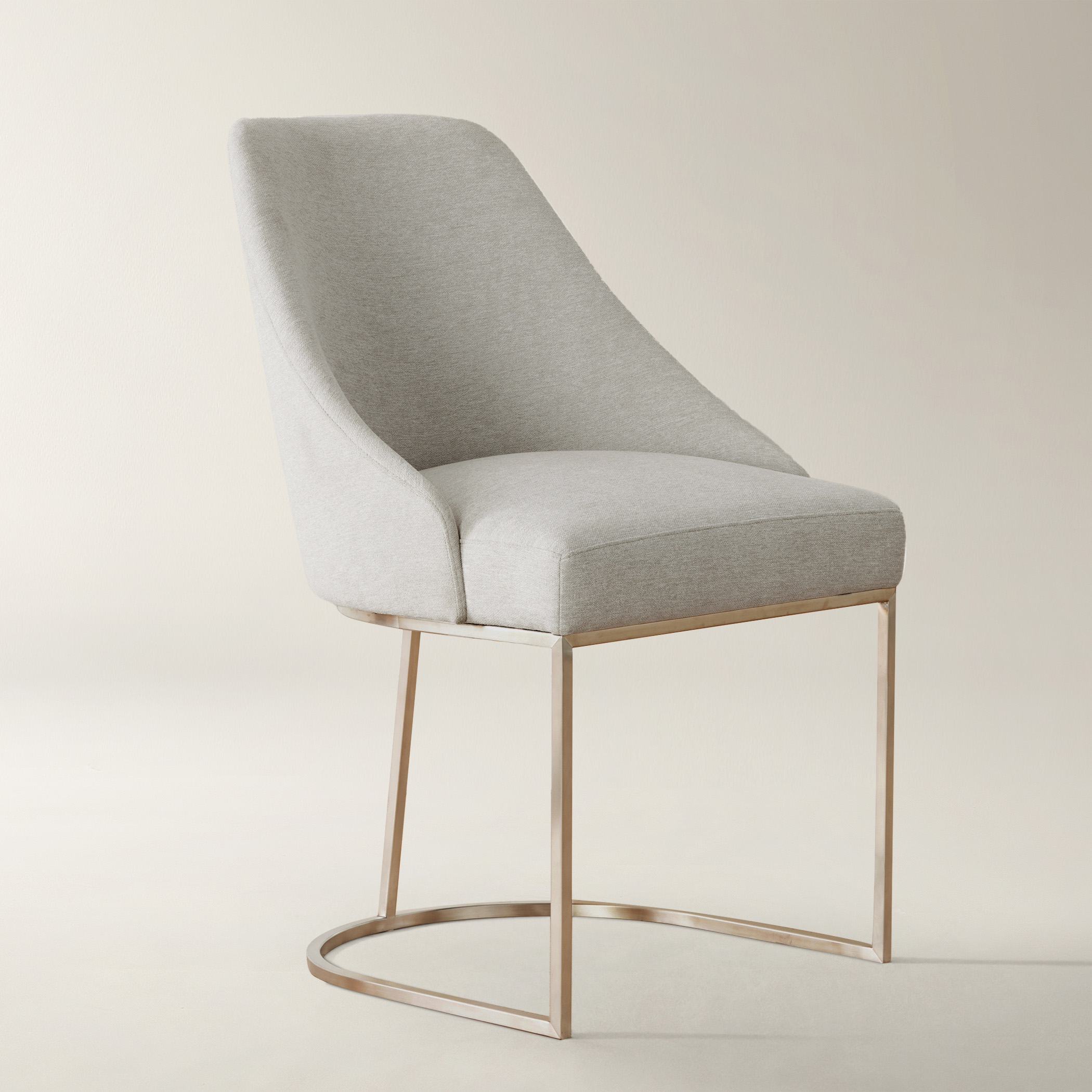
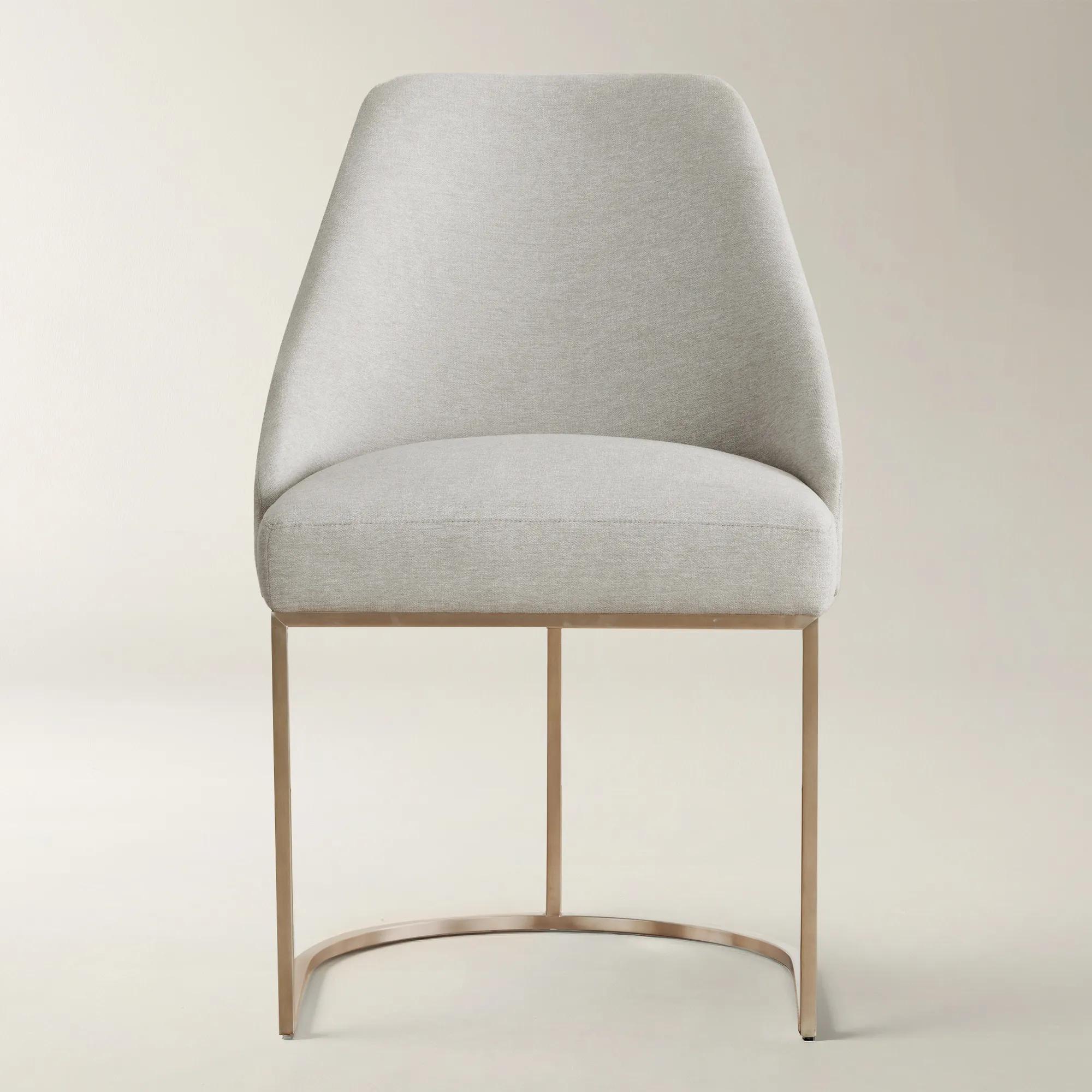 Rowan Ivory Fabric Dining Chair$599
A modern chair featuring brushed stainless steel legs and stain-resistant, water-repellent Roxboro Frost fabric.
Add To Cart -
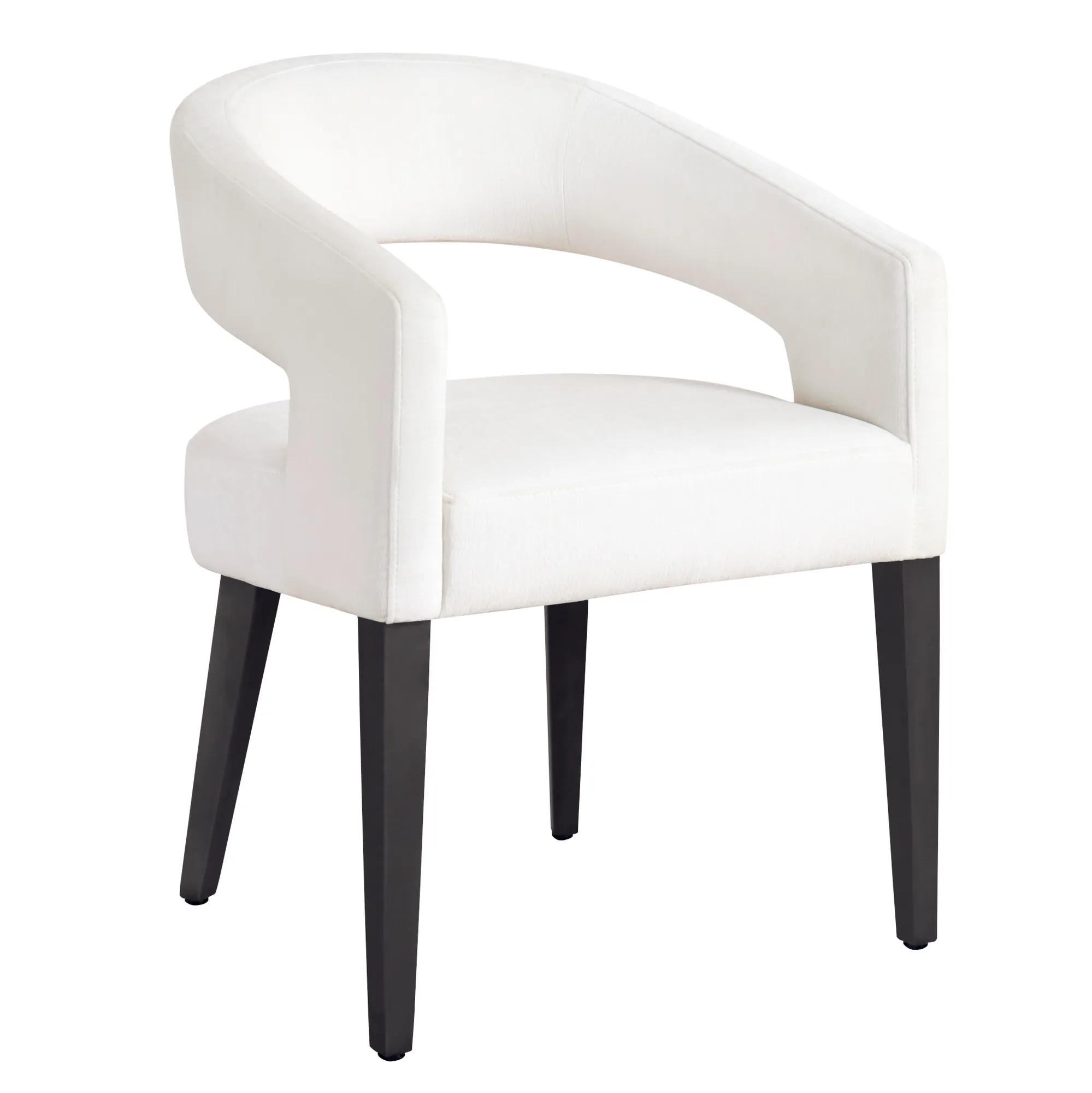
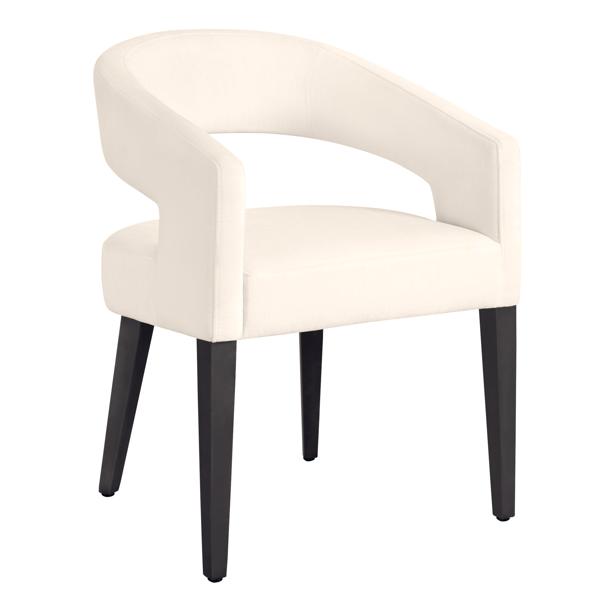 Philippa Dining Chair - Espresso$599
A modern dining chair featuring a curved silhouette, tailored upholstery, and espresso-finished legs.
Add To Cart -
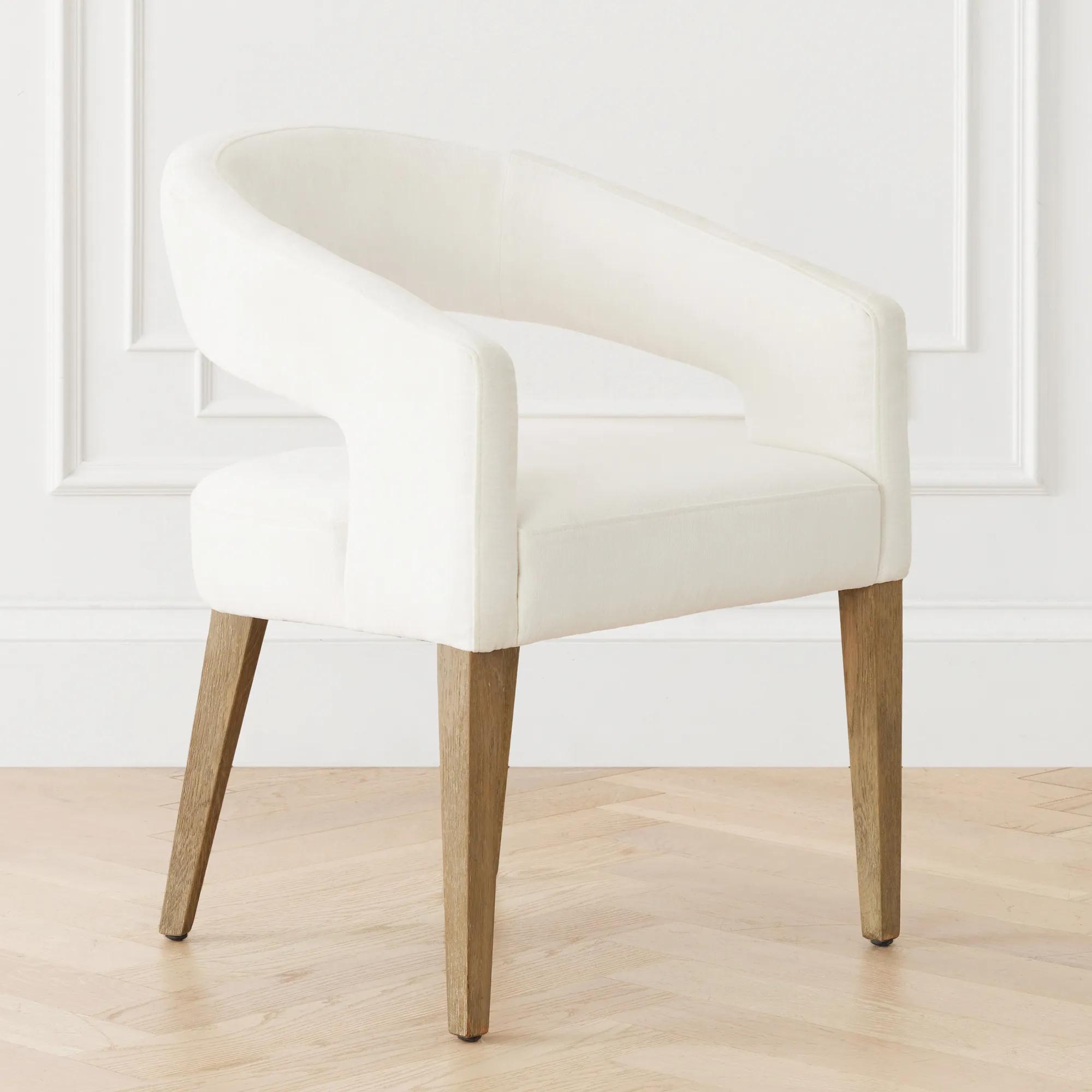 Philippa Dining Chair - Natural Grey$845
A modern dining chair featuring a curved silhouette, grey upholstery, and a kiln-dried hardwood frame.
Add To Cart -
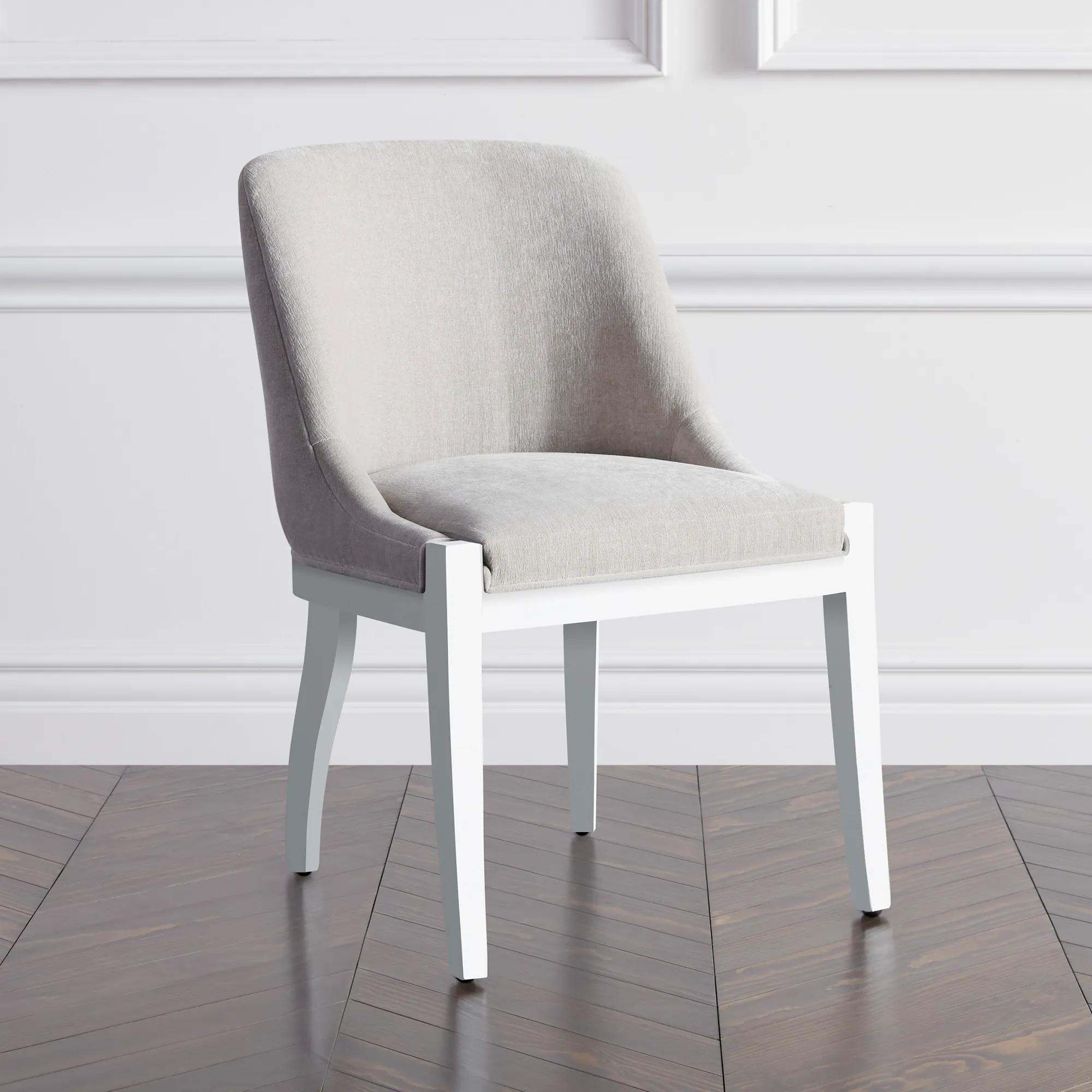
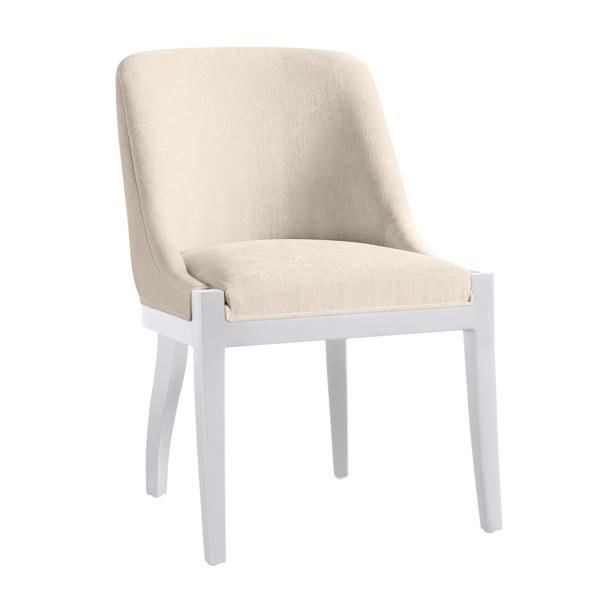 Lily Dining Chair - High Gloss White$649
A modern dining chair featuring kiln-dried hardwood, high-gloss white legs, and neatly tailored upholstery.
Add To Cart -
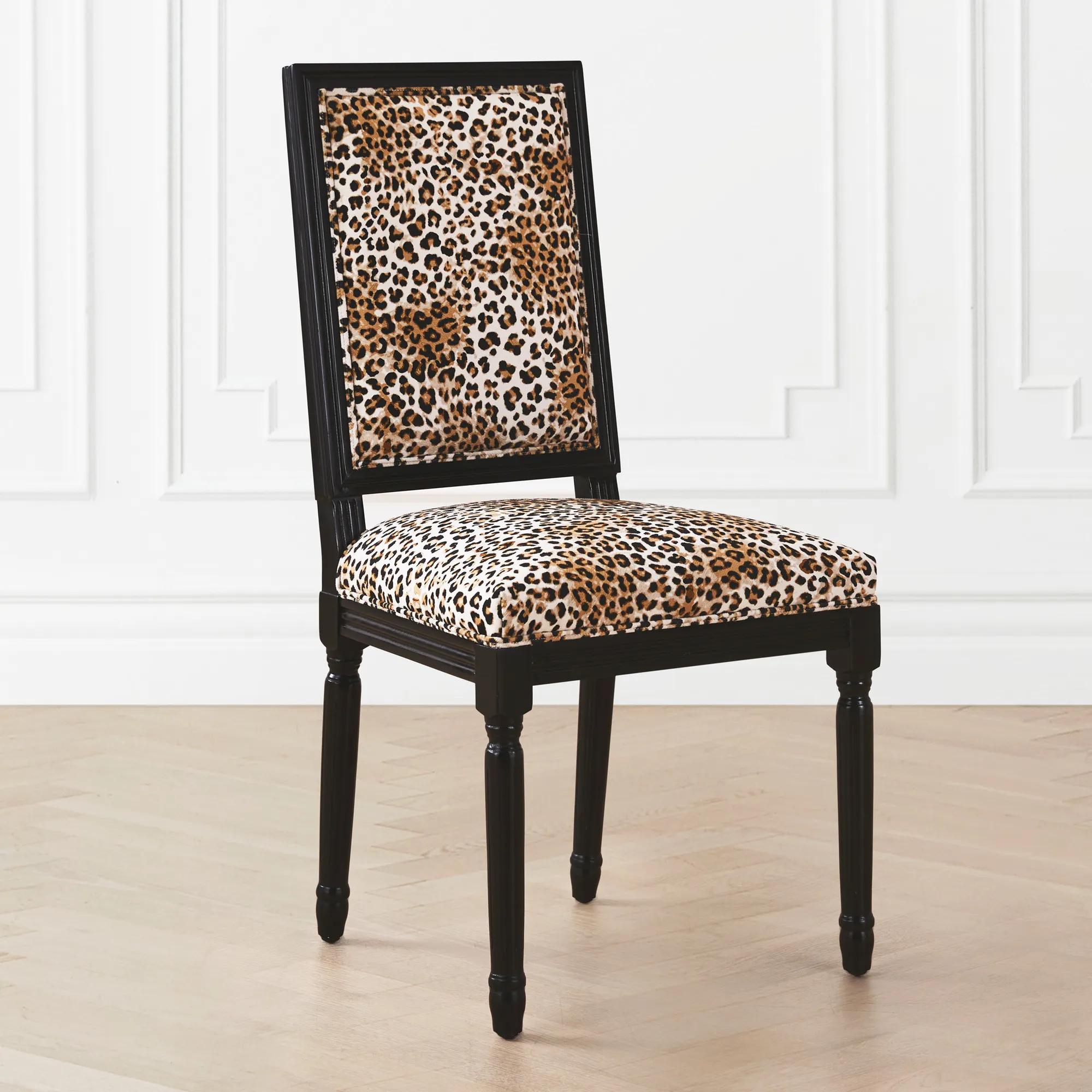
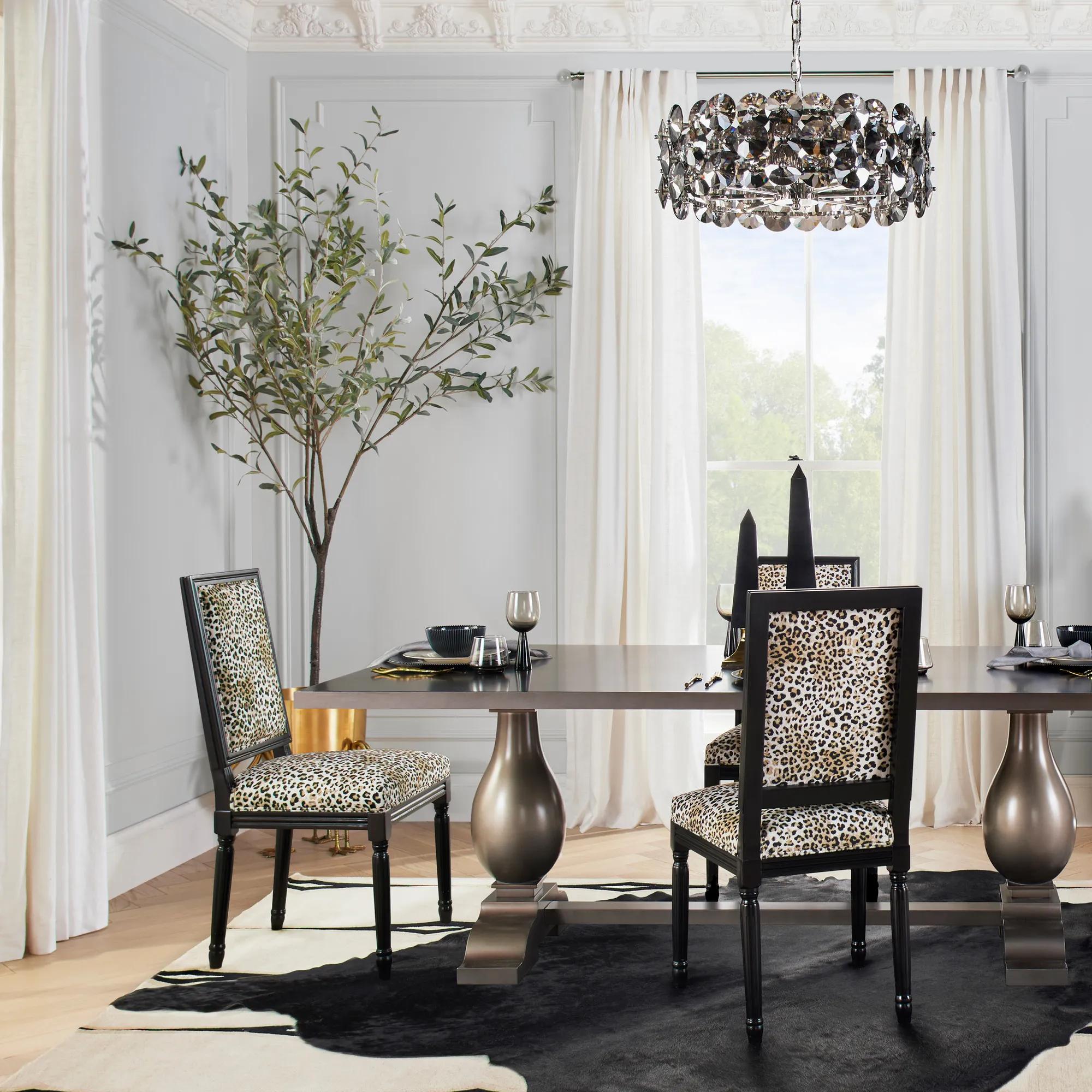 Callan Dining Chair$599
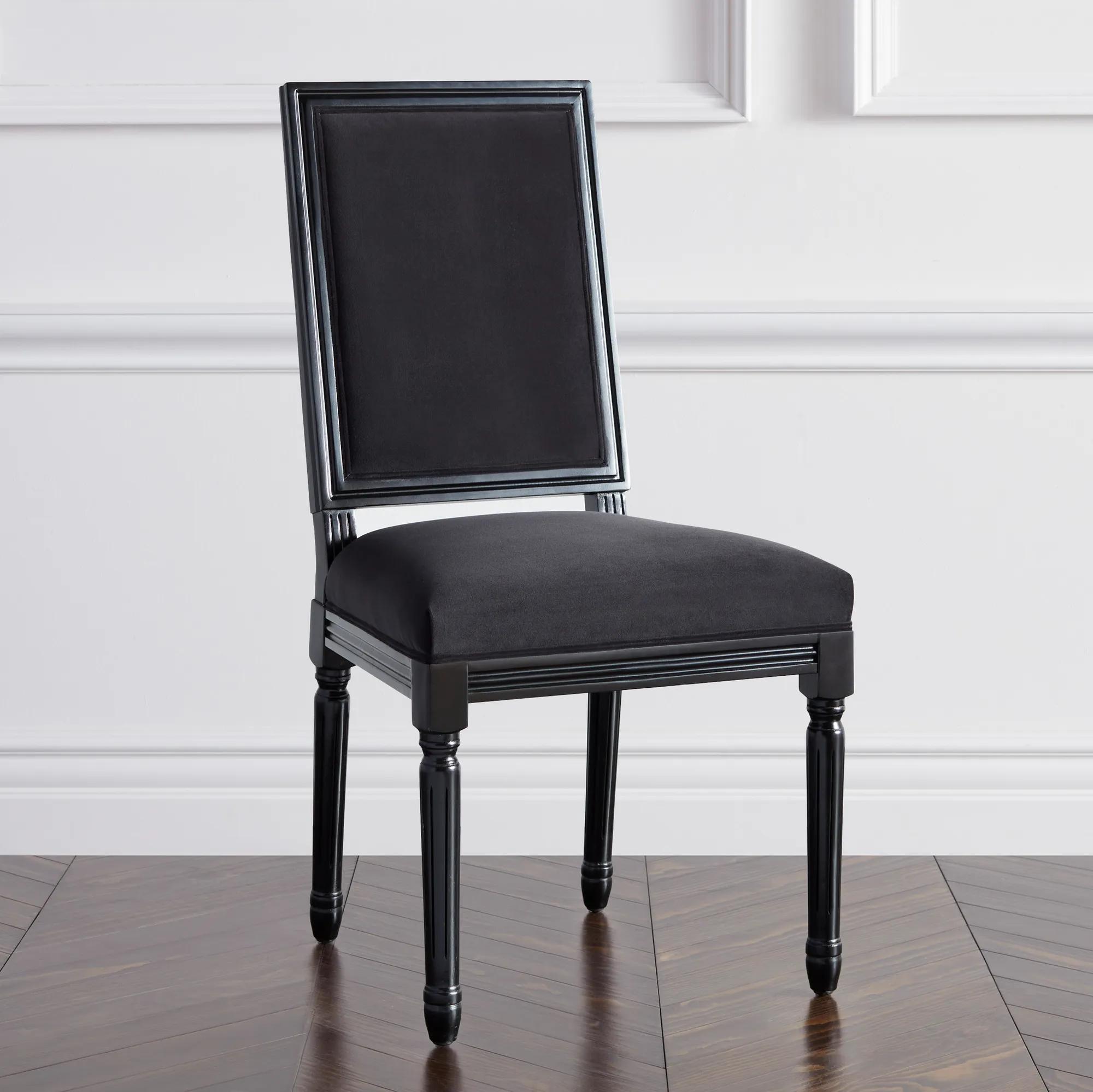
A handcrafted modern chair featuring classic upholstery, squared back, fluted legs, and high-gloss finish.
Add To Cart -
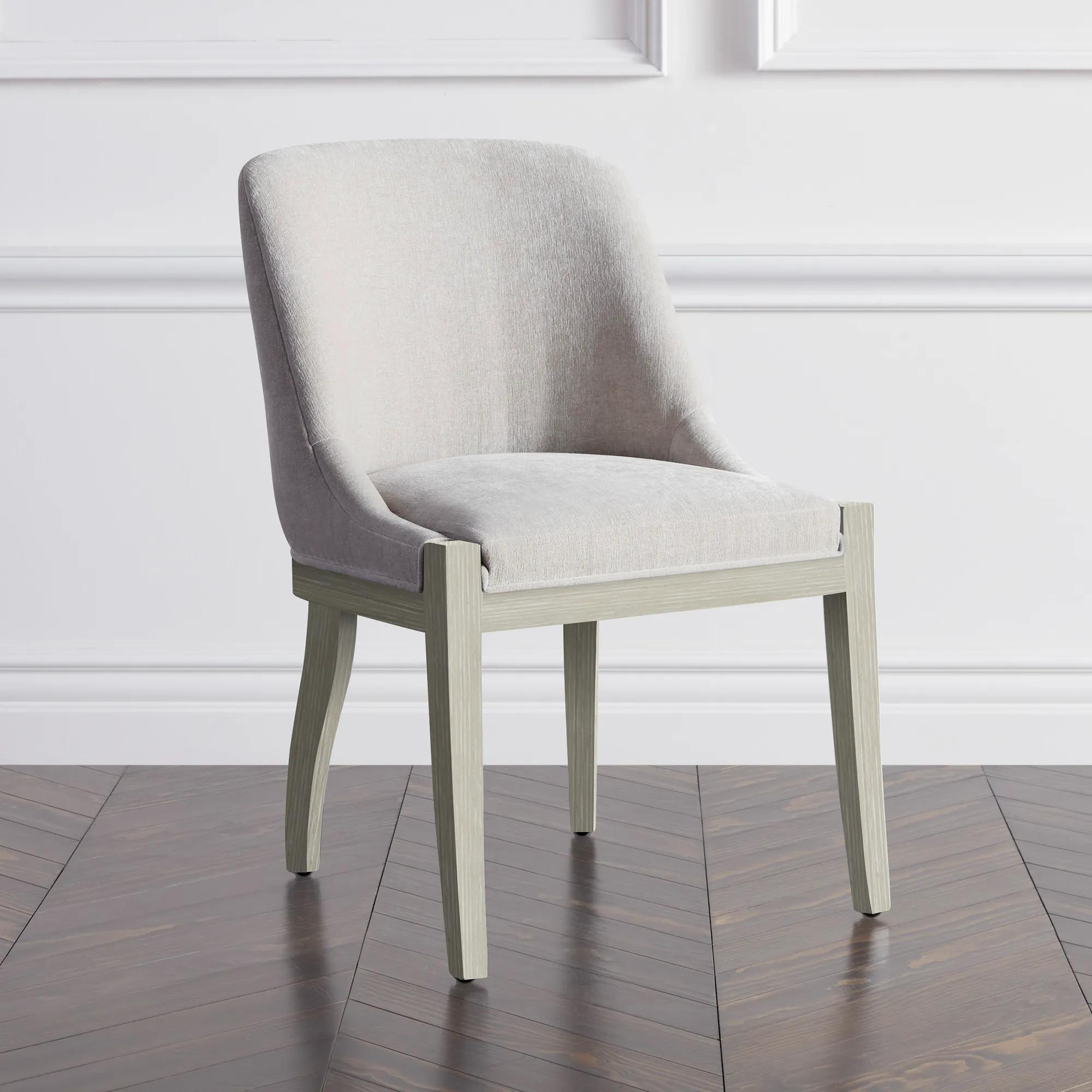 Lily Dining Chair - Natural Grey$649
A modern dining chair featuring kiln-dried hardwood, natural grey upholstery, and plush foam cushioning for comfort.
Add To Cart -
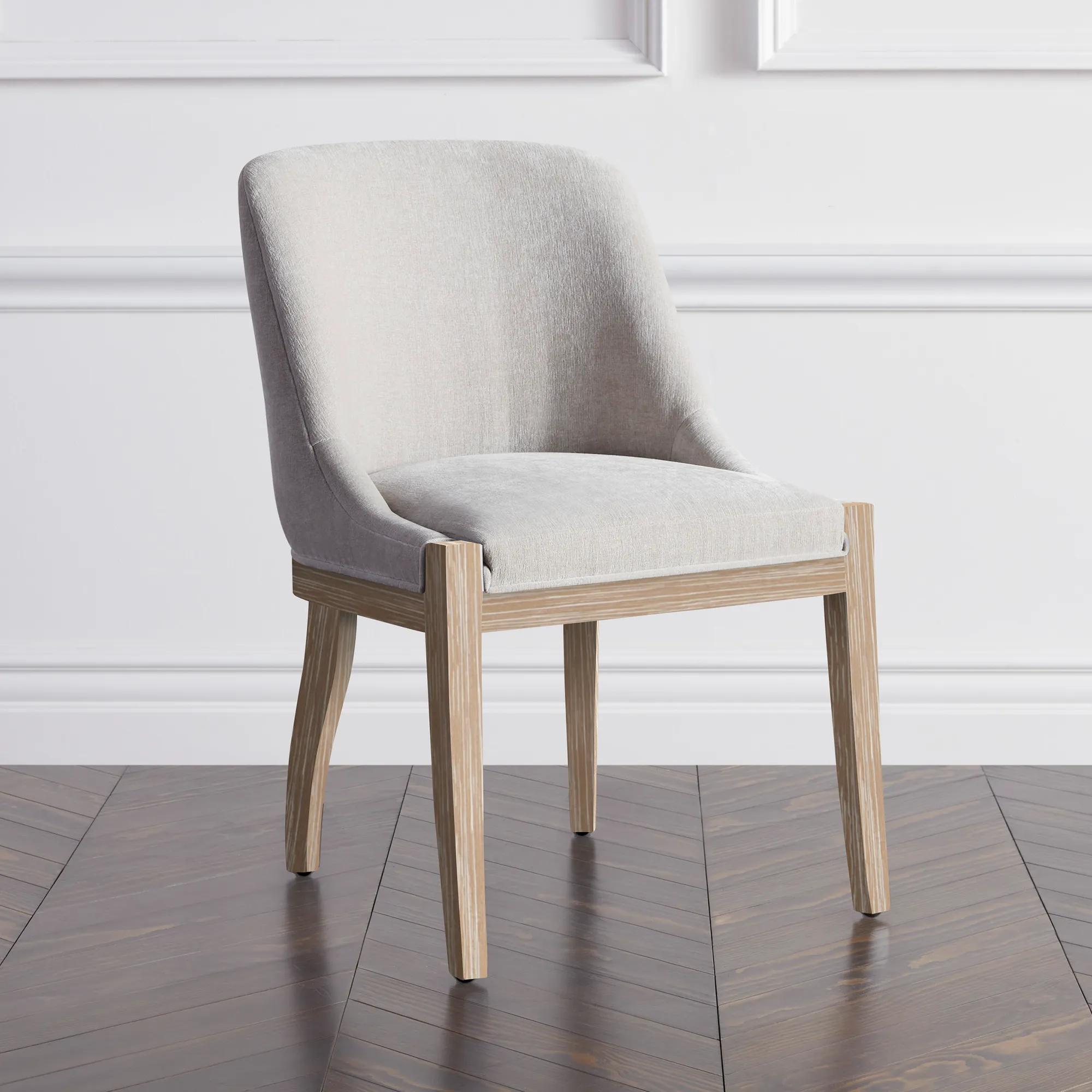
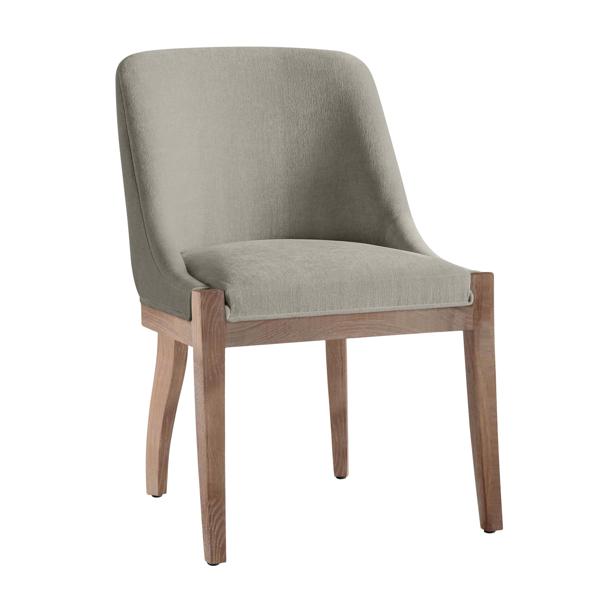 Lily Dining Chair - Wash Oak$649
A modern dining chair with a kiln-dried hardwood frame, wash oak legs, and plush tailored upholstery.
Add To Cart -
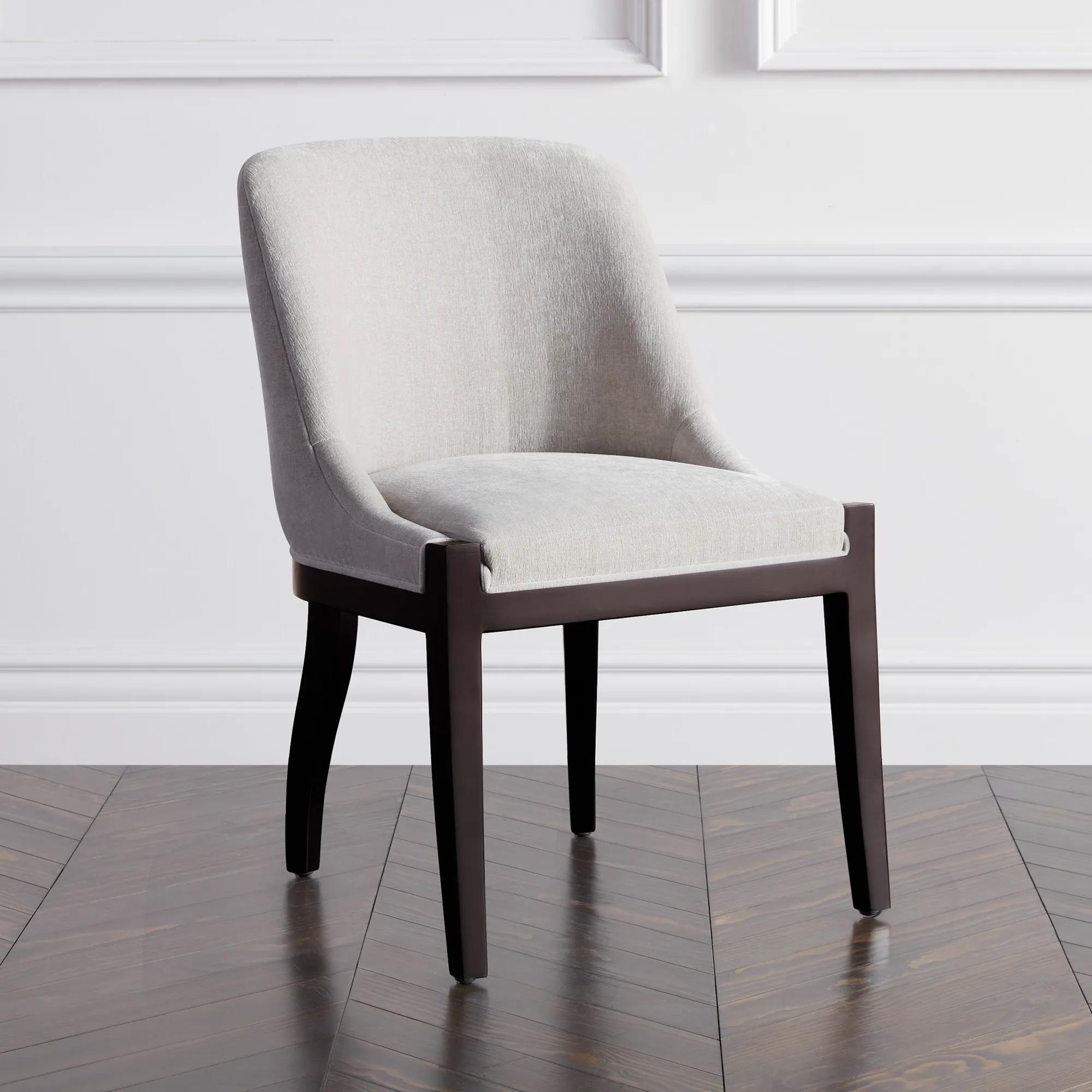
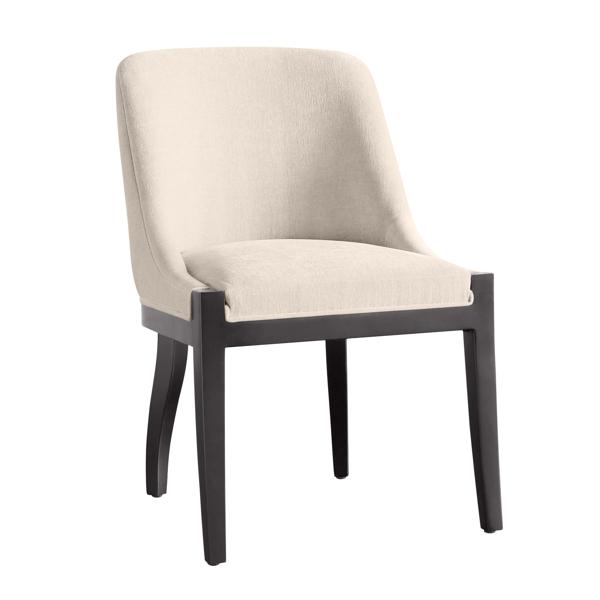 Lily Dining Chair - Espresso$599
A modern dining chair with kiln-dried hardwood frame, espresso legs, and plush, tailored upholstery.
Add To Cart -
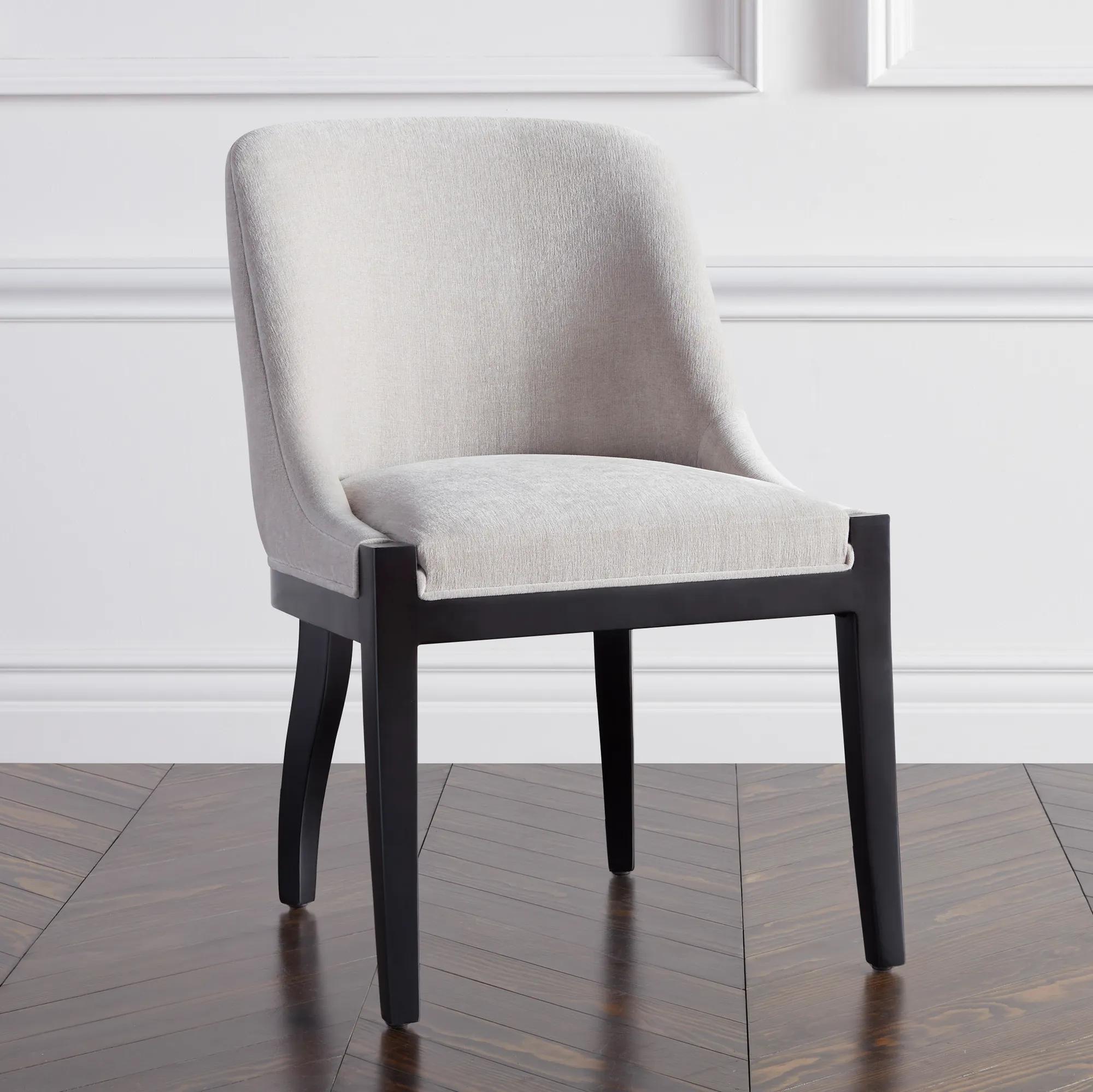 Lily Dining Chair - Matte Black$599
A modern dining chair with a kiln-dried hardwood frame, matte black legs, and tailored upholstery.
Add To Cart -
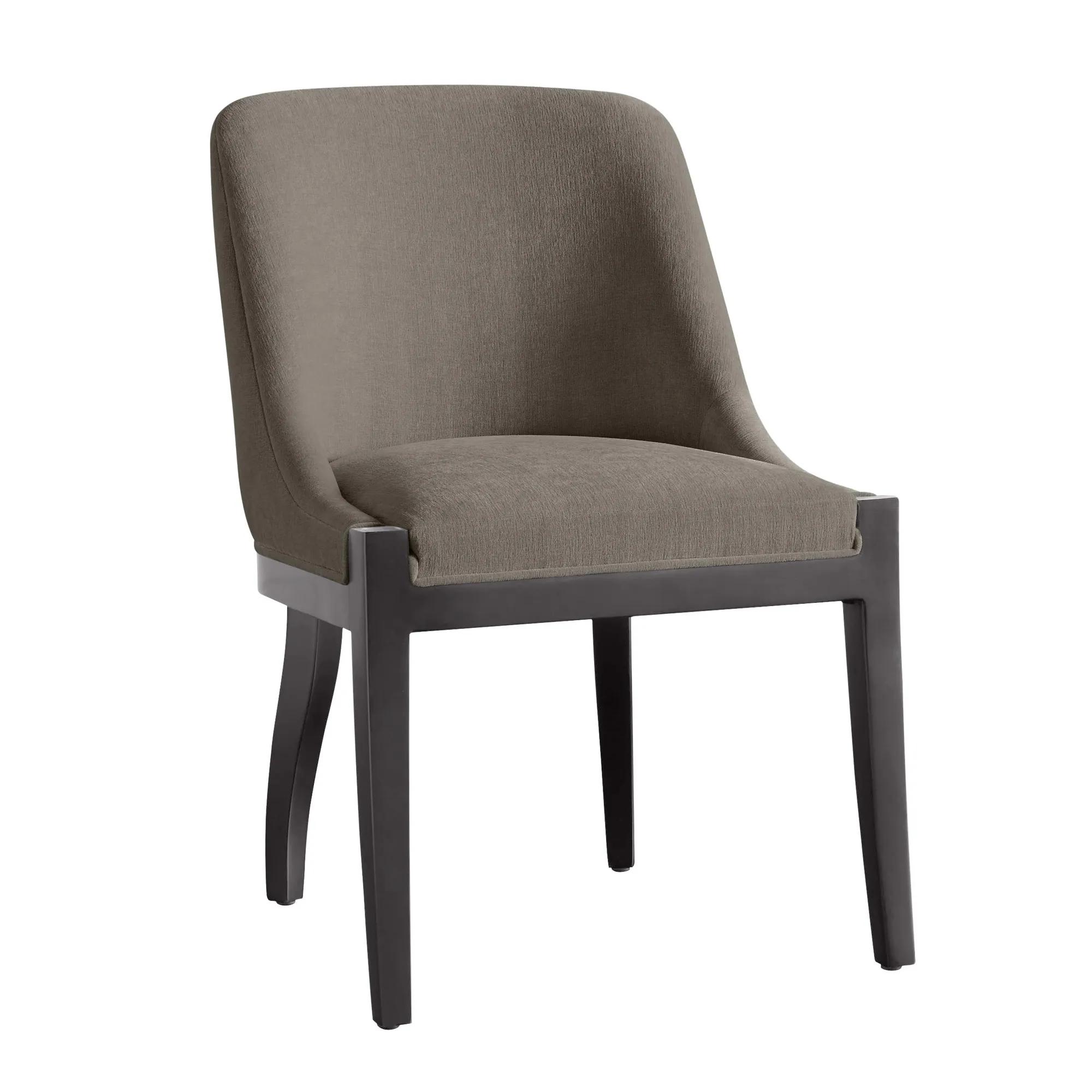 Lily Dining Chair - Espresso$649
A modern dining chair featuring espresso-finished hardwood, curvaceous silhouette, and plush tailored upholstery.
Add To Cart -
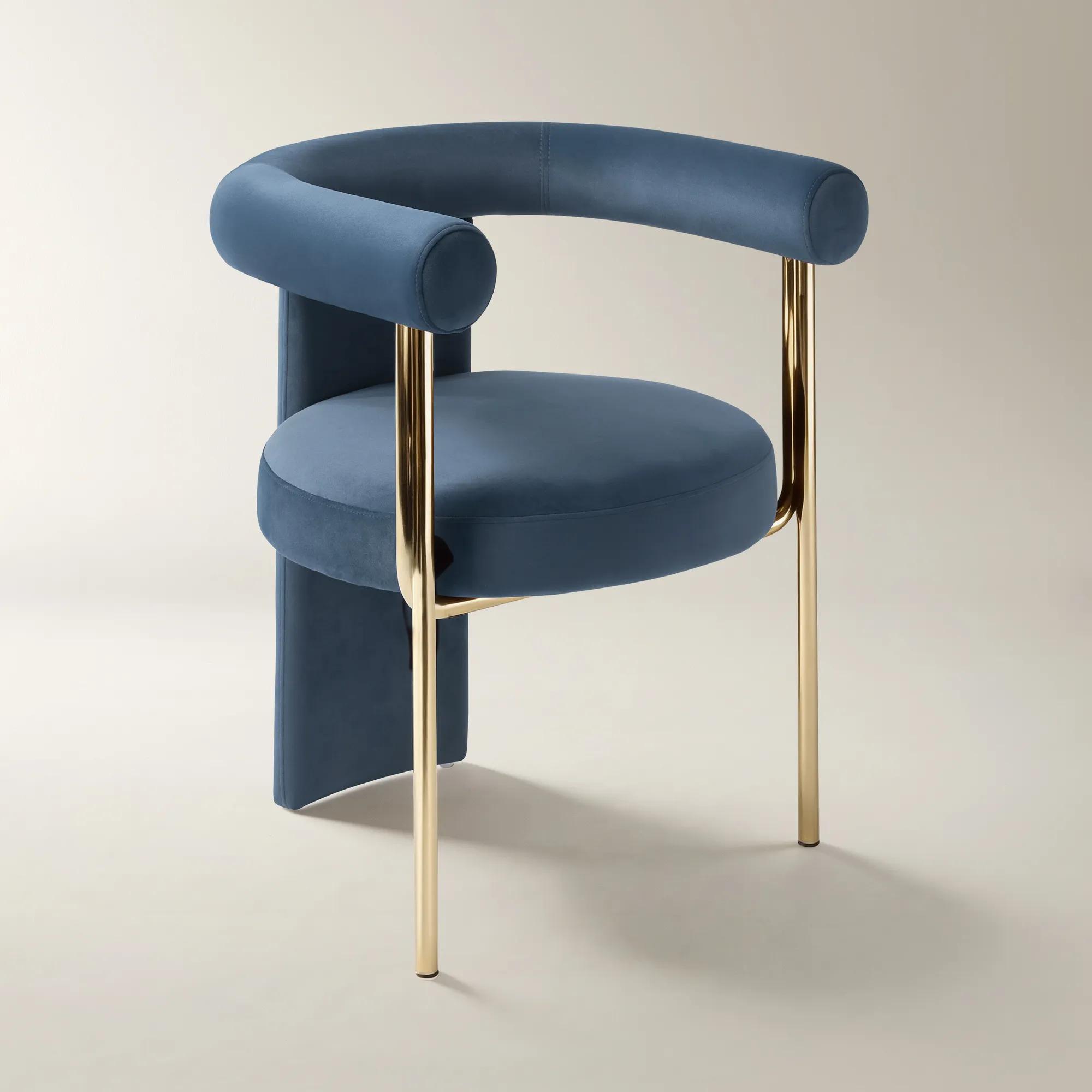 Davina Dusty Blue Velvet Dining Chair Set Of 2$899
A set of two dining chairs featuring dusty blue velvet upholstery and a polished gold metal frame.
Add To Cart -
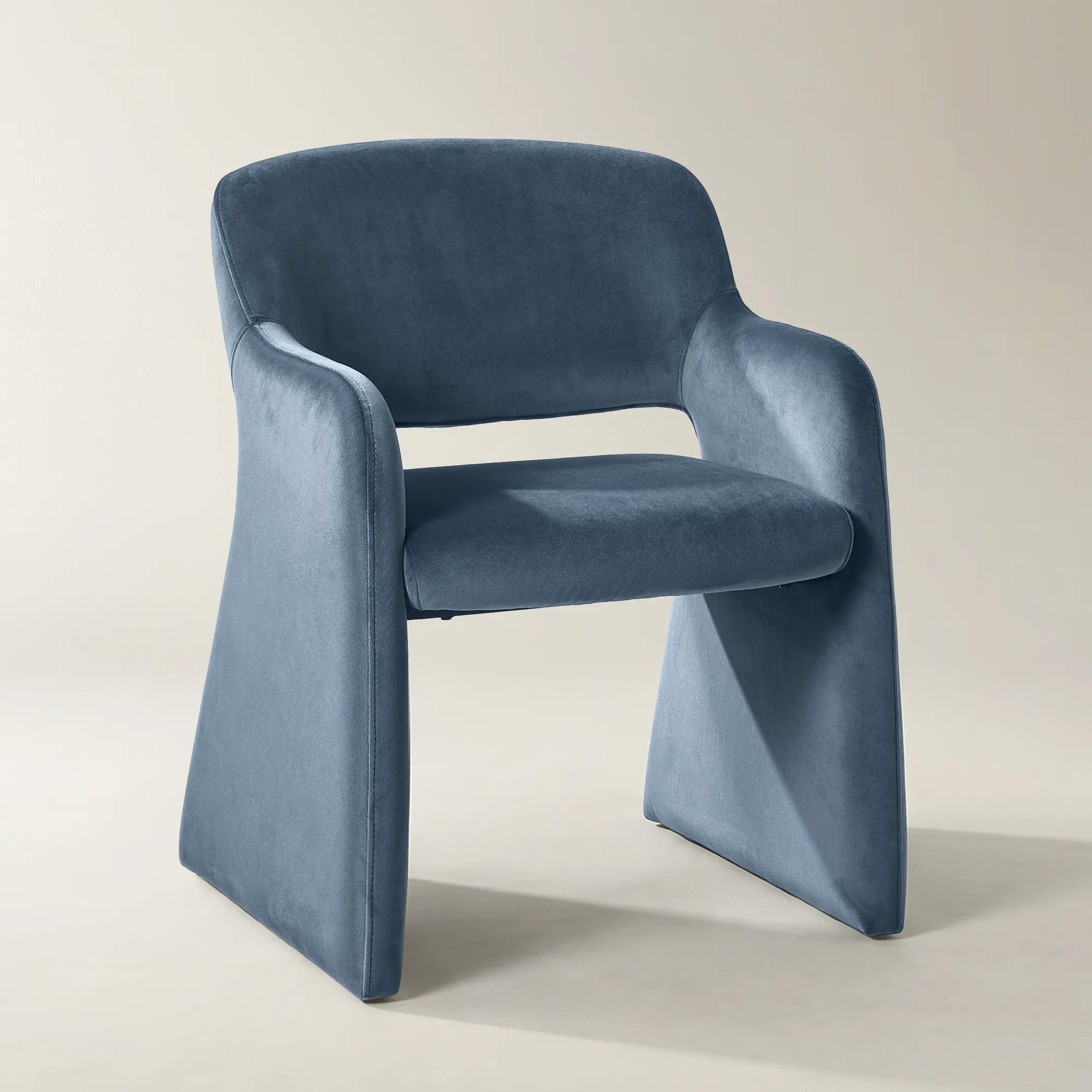 Elara Dusty Blue Velvet Dining Chair$449
A graceful dining chair featuring dusty blue velvet upholstery, integrated arms, and a seamless cantilevered silhouette.
Add To Cart -
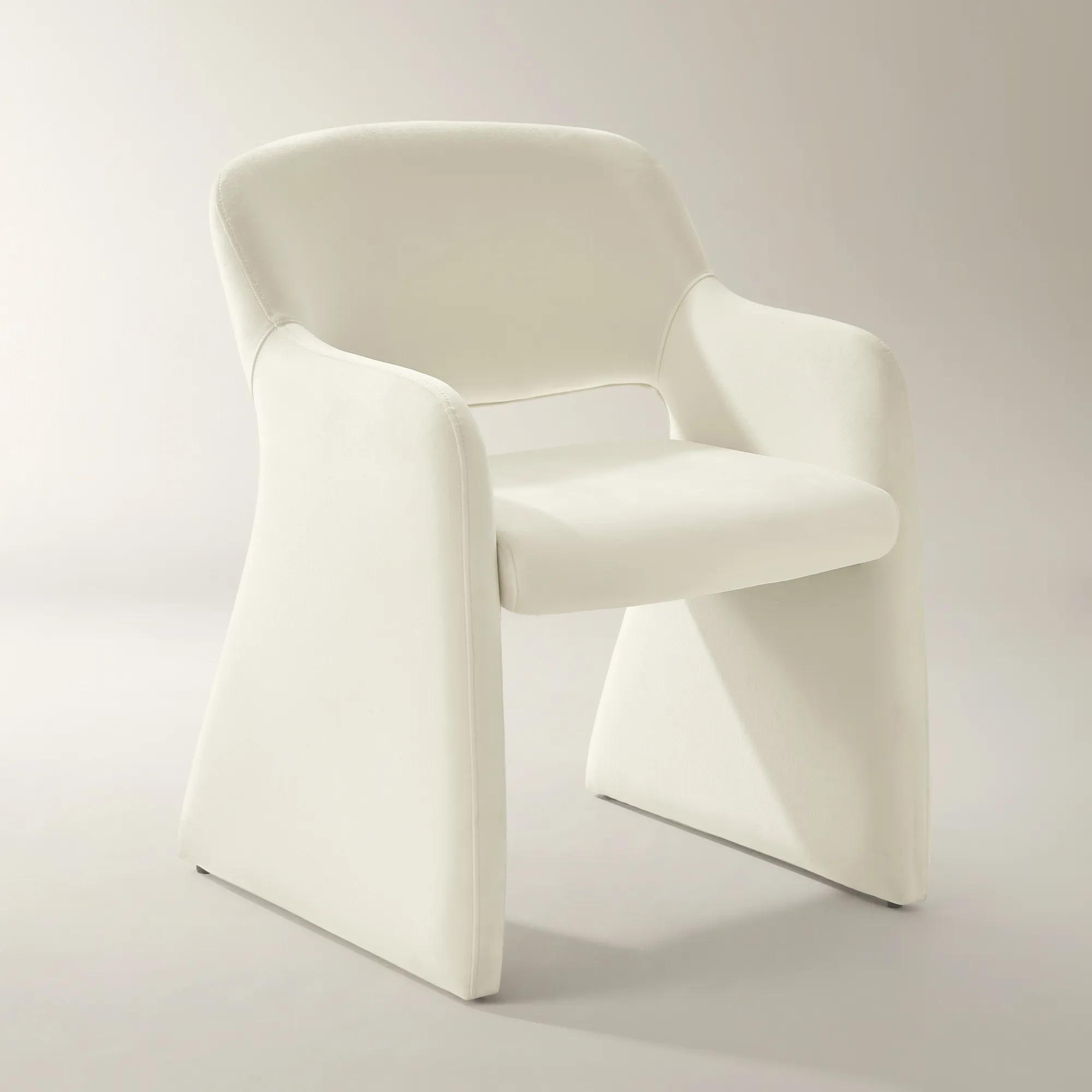 Elara Cloud Velvet Dining Chair$449
A plush velvet dining chair featuring a seamless wraparound silhouette and supportive carbon steel frame.
Add To Cart -
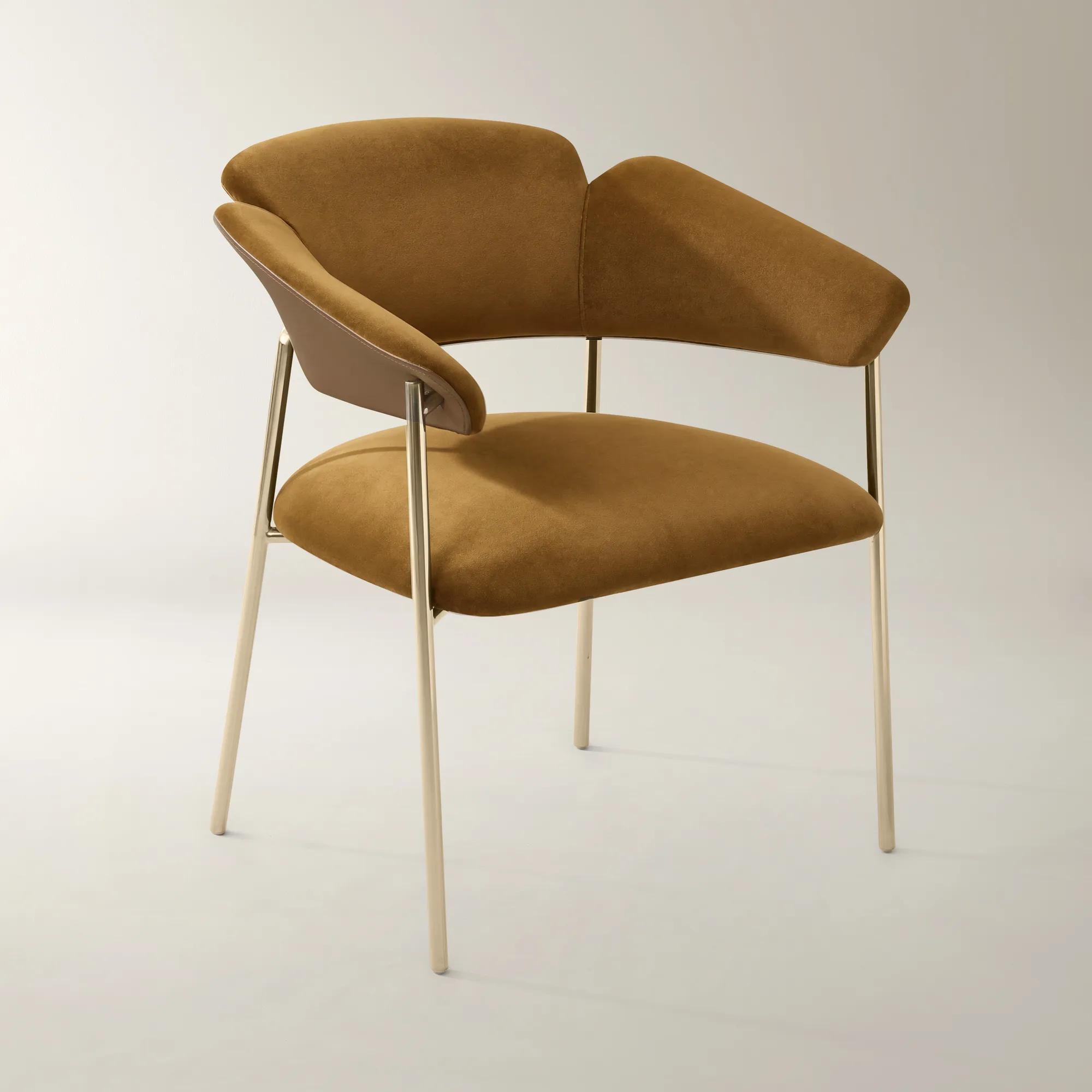 Odette Roasted Pecan Velvet Dining Chair$499
A sculptural dining chair featuring roasted pecan velvet, tonal faux leather accents, and gold stainless steel legs.
Add To Cart -
 Elara Burnt Umber Velvet Dining Chair Set Of 2$799
A pair of brown velvet chairs with sinuous curves, ergonomic support, and hand-crafted, sculptural design.
Add To Cart -
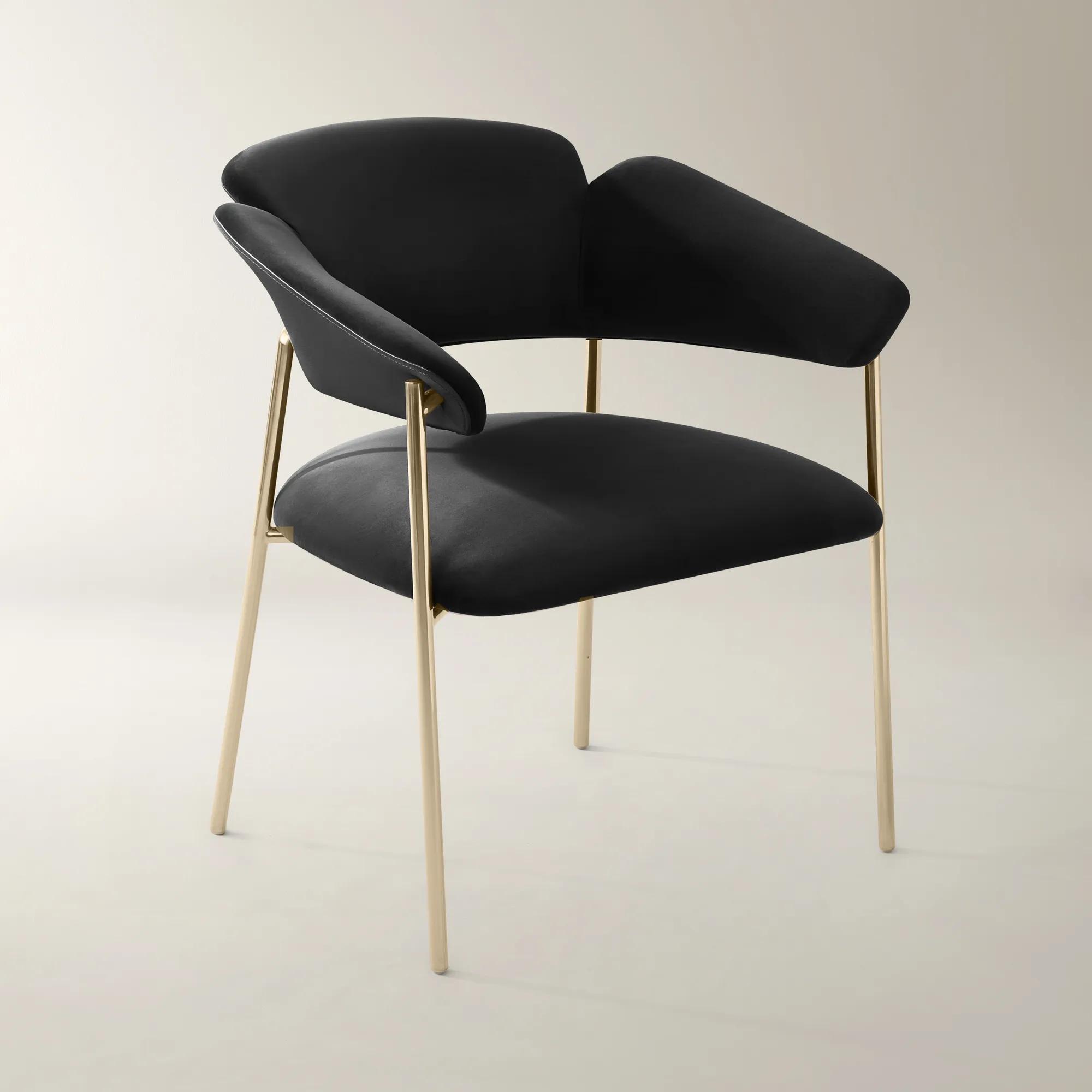 Odette Charcoal Velvet Dining Chair$499
A charcoal velvet chair featuring a wraparound open-back design, tonal faux leather accents, and gold metal legs.
Add To Cart -
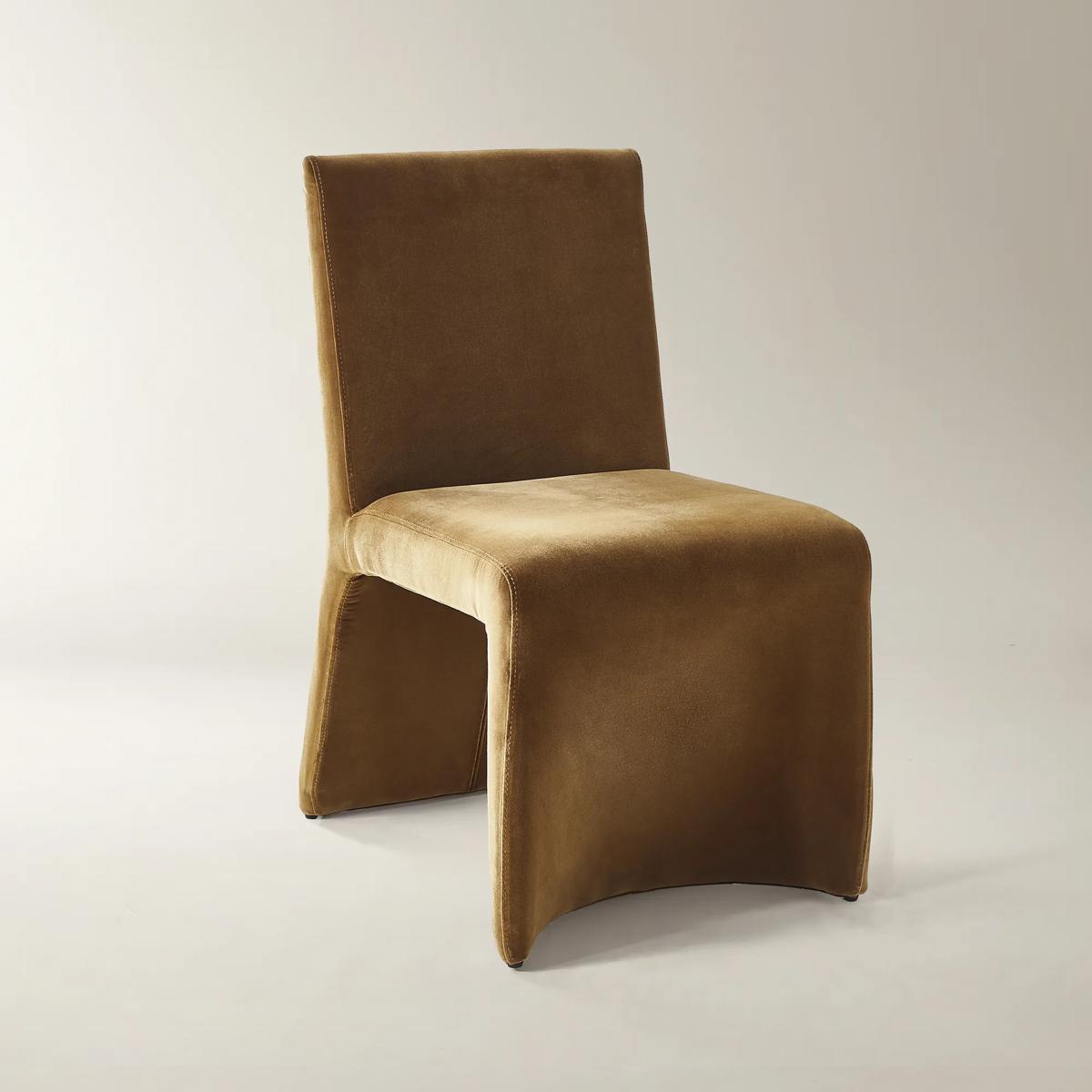 Elara Roasted Pecan Velvet Dining Chair Set Of 2$799
A pair of mustard velvet dining chairs featuring curved ergonomic silhouettes and hand-upholstered, reinforced construction.
Add To Cart -
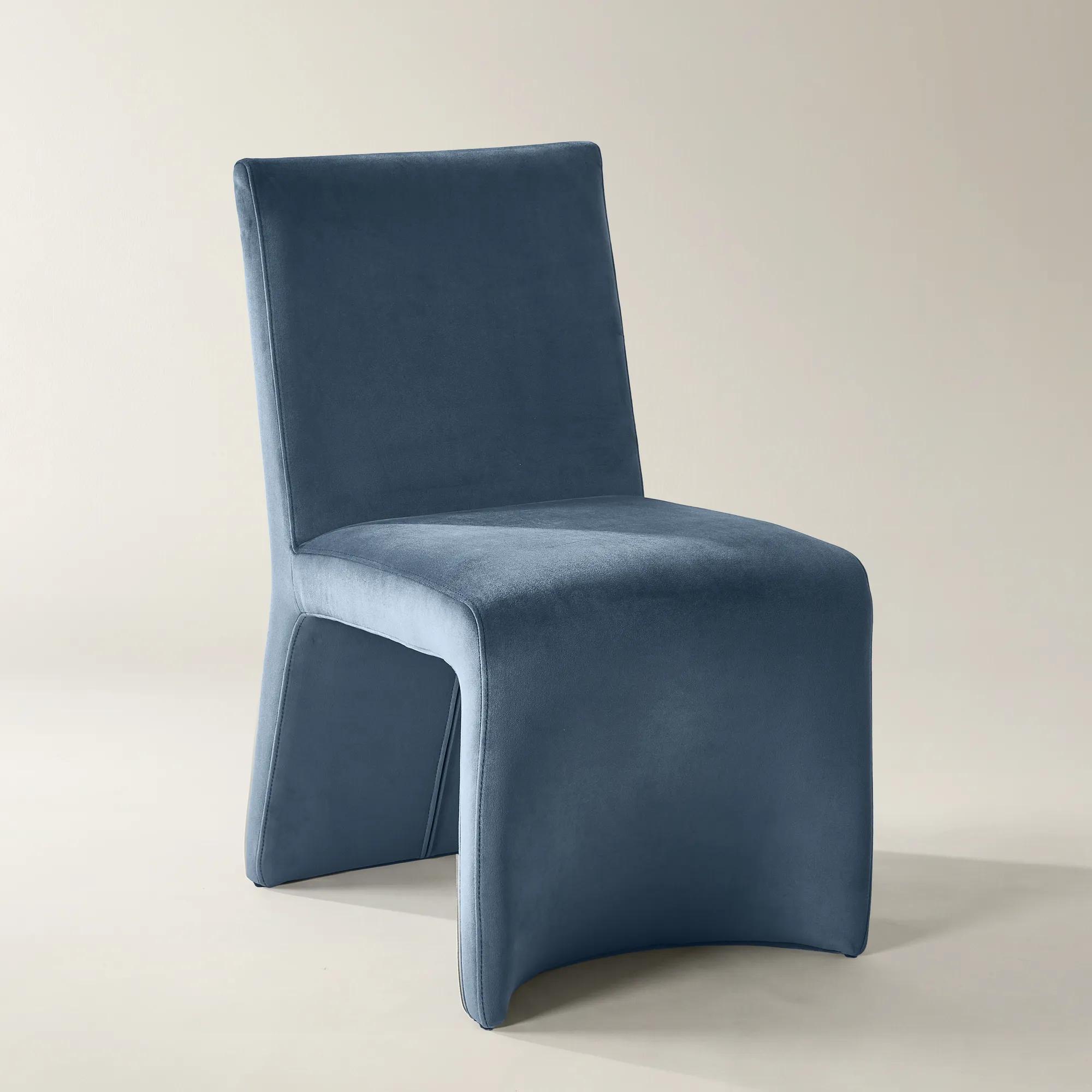 Elara Dusty Blue Velvet Dining Chair Set Of 2$799
A set of two dining chairs featuring plush dusty blue velvet upholstery and a seamless, artful silhouette.
Add To Cart -
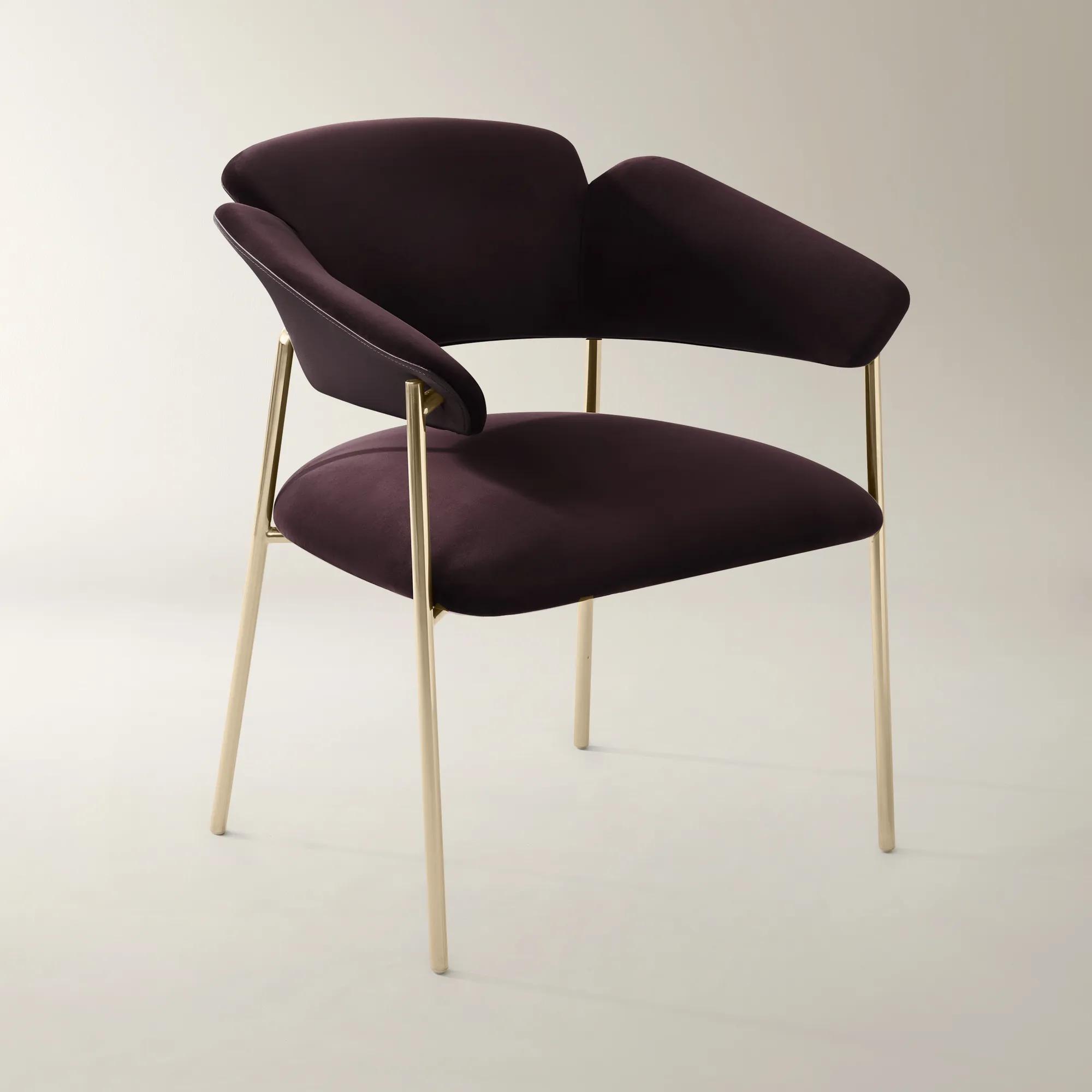 Odette Fig Velvet Dining Chair$499
A sculptural dining chair featuring fig velvet, tonal faux leather accents, and slender gold-finished metal legs.
Add To Cart -
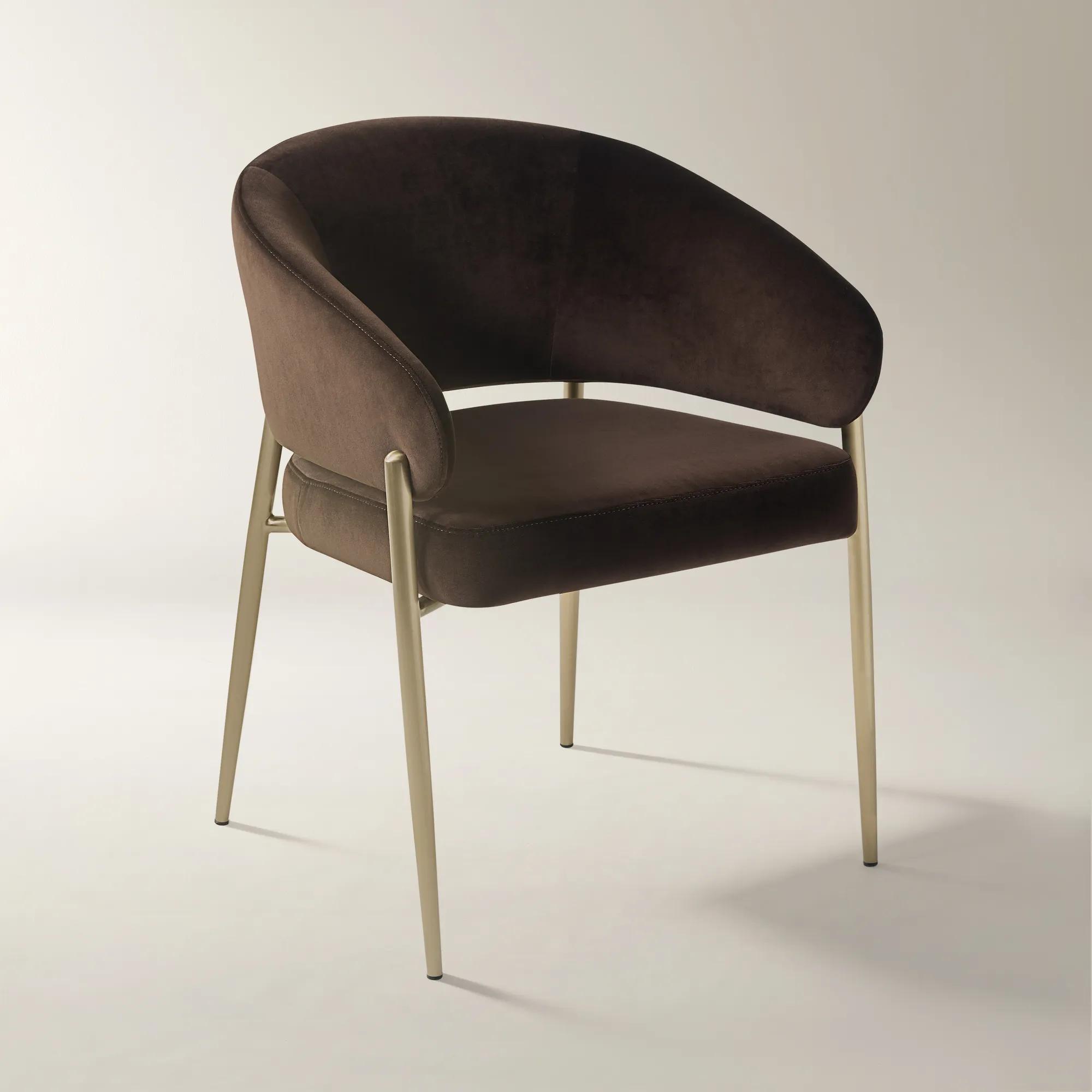 Nara Dark Chocolate Velvet Dining Chair Set Of 2$599
A pair of dark chocolate velvet chairs with curved backs and brushed brass stainless-steel legs for modern elegance.
Add To Cart -
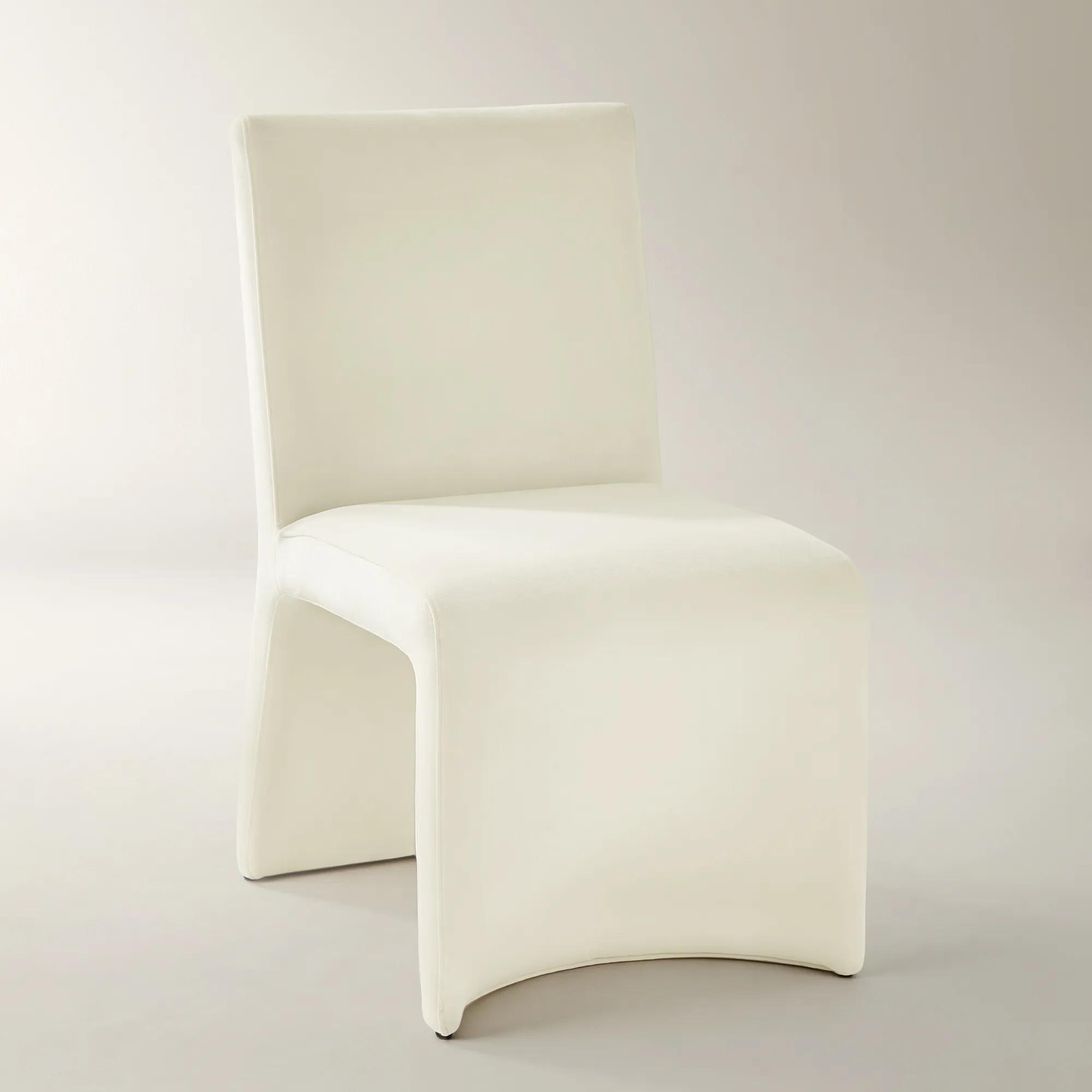 Elara Cloud Velvet Dining Chair Set Of 2$799
A set of two dining chairs featuring plush velvet upholstery, a seamless curved silhouette, and a sturdy steel frame.
Add To Cart

Dining Chairs For Indoor Use Only
Dining chairs for indoor use only transform everyday meals into extraordinary experiences, elevating your dining room with a sense of curated artistry. Each silhouette is designed to captivate, inviting guests to linger in spaces where comfort meets couture. Whether you’re hosting a lavish soirée or savoring quiet moments, these chairs become more than seating—they are sculptural statements that define the mood and movement of your home. Discover how dining chairs for indoor use only can infuse your space with drama, sophistication, and undeniable allure.
Dining chairs for indoor use only are seating pieces intended for enclosed interior spaces, including dining rooms, breakfast areas, and eat-in kitchens. Their materials, upholstery, and finishes are selected for interior use rather than patios, decks, or other outdoor settings, even when those spaces are covered. Within the home, these chairs do far more than surround a table: they establish the room’s silhouette, introduce texture, and give every gathering a distinct sense of occasion. A sweeping back can lend architectural presence to a simple table, while a generously upholstered seat brings softness to a room defined by glass, stone, or gleaming metal. The most inviting arrangements balance that visual drama with proportions that feel natural through dinner and the conversation afterward. Standard dining tables commonly stand about 28 to 30 inches tall, and many dining chairs have seat heights around 18 to 20 inches, though individual dimensions vary. Approximately 10 to 12 inches between the seat and the underside of the tabletop can provide comfortable legroom; a deep table apron may reduce that clearance. Arm height matters just as much when chairs need to tuck beneath the table rather than remain extended into the room. Seat width, back angle, cushioning, and overall depth also influence how a chair feels in daily use. A broad, enveloping chair creates a luxurious place to linger, while a narrower armless profile can accommodate a more compact dining arrangement without sacrificing elegance. Allowing roughly 24 inches of table edge per diner is a useful starting point, with additional space often needed for wider chairs or substantial arms. Clearance behind the seating deserves equal attention, particularly where a dining area shares a walkway. A chair should be able to pull away from the table without interrupting the room’s circulation. These relationships between seat, table, and surrounding space give indoor dining furniture its ease, allowing a beautifully composed room to function as gracefully as it looks.
Materials bring another layer of character to indoor dining chairs, shaping their appearance, comfort, and care requirements. Wood frames can introduce expressive grain and sculptural contours, whether the surrounding room feels richly layered or more restrained. Metal frames can create a slender outline or a striking geometric base, with polished and brushed finishes producing very different effects beside the same table. Upholstered dining chairs soften those structures with fabric, cushioning, and tailored details. Velvet offers a light-catching surface whose color can appear deeper or more luminous as its pile changes direction. Woven upholstery contributes a tactile quality, while leather and leather-look coverings have distinct compositions and maintenance needs that should not be treated as interchangeable. Fabric content, weave, surface treatment, and construction all affect how a seat responds to regular meals, frequent entertaining, and incidental spills. A performance designation may indicate particular stain-resistance or cleaning characteristics, but it does not mean that a material is stain-proof or appropriate for every cleaning method. Product-specific care instructions remain the clearest reference for preserving the finish and upholstery. Promptly blotting a spill rather than rubbing it can help limit its spread, while routine vacuuming with an appropriate upholstery attachment helps remove crumbs from seams and creases. Wood and metal surfaces generally benefit from gentle cleaning methods suited to their finishes, without abrasive pads or unapproved chemicals. Excess moisture can damage certain frame materials and coverings, another reason indoor-only seating belongs inside. Durability also depends on details that are less visible than the upholstery: secure joinery, stable legs, supportive cushioning, and hardware maintained according to the manufacturer’s directions. Weight capacities and any assembly requirements deserve attention, especially in homes where the dining table is used throughout the day. Protective floor glides can help reduce contact between chair legs and flooring, provided they are appropriate for the floor surface and checked for trapped grit. Thoughtful care protects not only the chair’s appearance but also the pleasure of sitting in it, meal after meal.
The Indoor Dining Chairs collection belongs to a broader vision of dining as an expression of personal style, whether the setting is a dedicated room or an intimate corner of an open-plan home. A coordinated arrangement creates a rhythmic line around the table, drawing attention to the shape of each back and the repetition of a distinctive finish. A mixed arrangement can feel equally intentional when the chairs share a common proportion, color family, or material detail. Upholstered armchairs at the ends of a rectangular table can establish a more formal composition, while streamlined side chairs along its length preserve a lighter visual rhythm. Around a round table, curved backs can echo the tabletop’s outline, creating a cohesive silhouette from every approach. Contrast gives these combinations their energy: luminous metal against a dark tabletop, textured fabric beside smooth stone, or a sculpted wooden frame beneath an expansive piece of art. The chairs do not need to repeat every finish in the room; a considered connection to the lighting, rug, or nearby cabinetry can be enough. Everyday routines bring their own priorities to this expressive setting. A breakfast area used for meals, homework, and conversation may benefit from manageable chair weight and straightforward upkeep, while a dining room devoted to long gatherings may place greater emphasis on generous cushioning and supportive backs. Households with young children or pets may favor upholstery with clearly documented cleaning options and fewer crevices where crumbs collect. For guests with different mobility needs, seat height and stable, comfortably positioned arms can influence how easily they sit down and rise. Spare dining chairs can also serve as occasional seating elsewhere indoors, provided their dimensions and intended use suit the space. Whether framing a candlelit dinner or making an ordinary lunch feel beautifully considered, the right seating gives the table presence without overwhelming the people around it. Sculptural lines, inviting textures, and well-resolved proportions turn a dining area into a room that feels personal, expressive, and ready to be enjoyed.
FAQs
Indoor dining chairs often showcase a blend of materials designed to elevate both comfort and style. Upholstered options in velvet, linen, or boucle add a layer of plush sophistication, while wood frames bring timeless warmth and texture. Metal accents or legs can introduce a modern edge, creating a striking contrast or a subtle gleam that enlivens the dining space.
To create a cohesive look, consider echoing elements from your dining table or surrounding décor—such as repeating a finish, color, or silhouette. Mixing chair styles at the head and sides of the table lends a curated, designer feel, while matching upholstery or finishes throughout the space ties everything together for a harmonious effect.
Absolutely. A set of thoughtfully chosen indoor dining chairs makes a memorable gift for housewarmings, weddings, or milestone celebrations. They offer both beauty and utility, serving as a daily reminder of the giver’s taste and generosity while enhancing the recipient’s dining experience for years to come.
Comfort-forward features include contoured backs, plush seat cushions, and supportive armrests. Upholstered dining chairs with high-density foam or ergonomic shaping invite guests to linger, while details like tufting or piping add both tactile and visual interest to the seating experience.
Indoor dining chairs set the tone for gatherings, whether it’s a formal dinner or an impromptu brunch. Their design, material, and finish can introduce drama, sophistication, or warmth, shaping the mood of the room and making every meal feel like a special occasion.