White Dining Chairs For Indoor Use Only
White Dining Chairs For Indoor Use Only
-
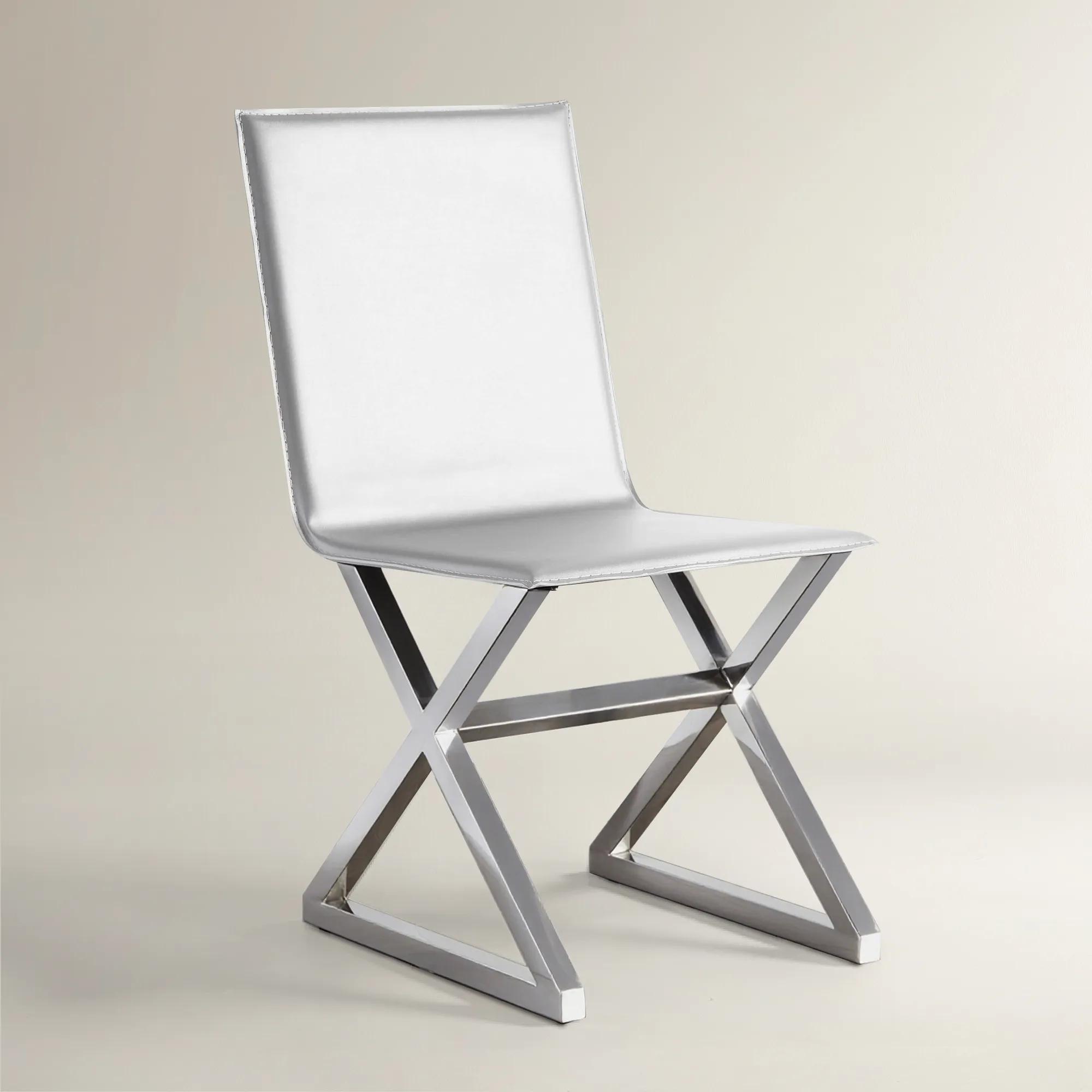
 Axis Dining Chair - Set of 2$399
A contemporary chair set featuring white bonded leather upholstery and a polished stainless steel base.
Add To Cart -

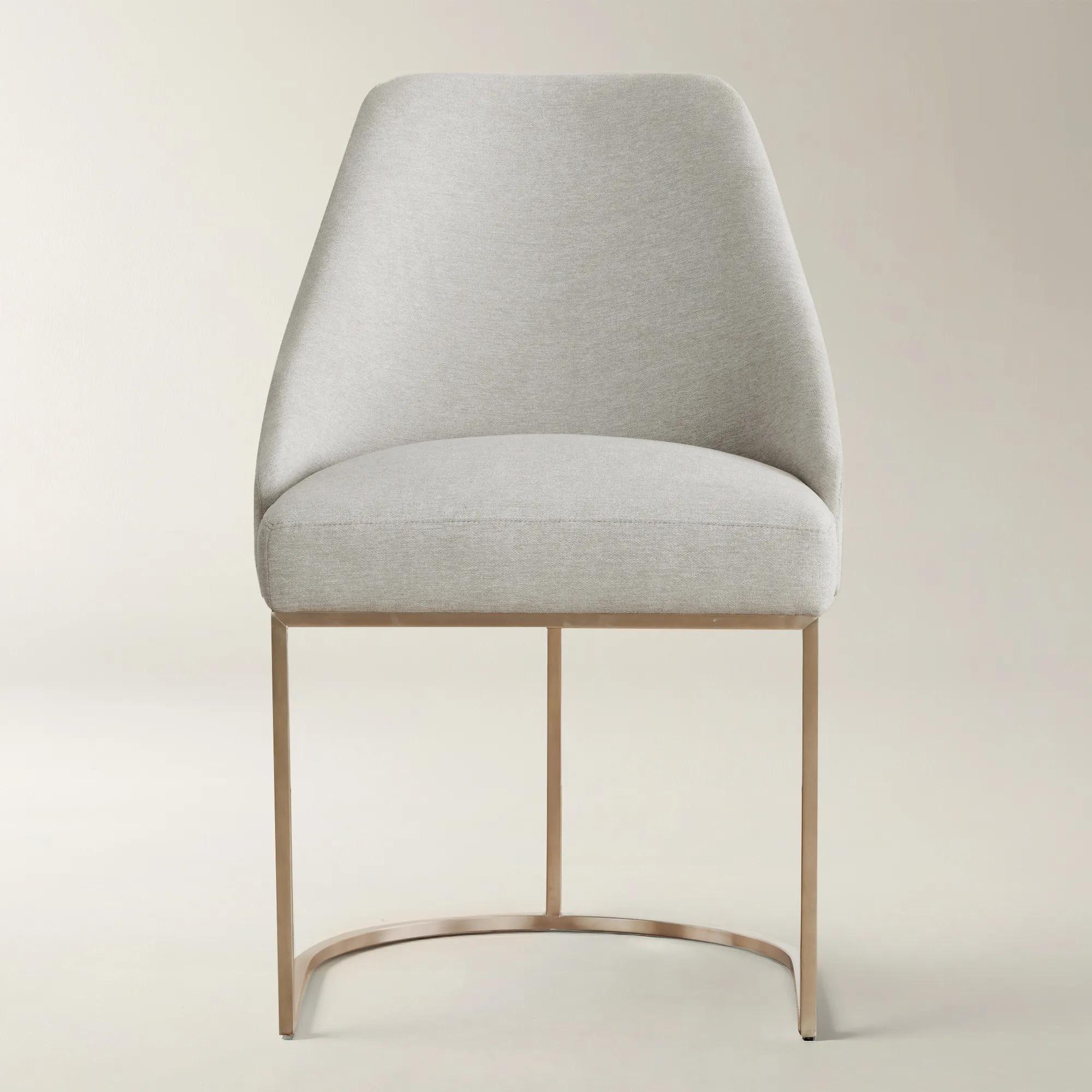 Rowan Ivory Fabric Dining Chair$599
A modern chair featuring brushed stainless steel legs and stain-resistant, water-repellent Roxboro Frost fabric.
Add To Cart -
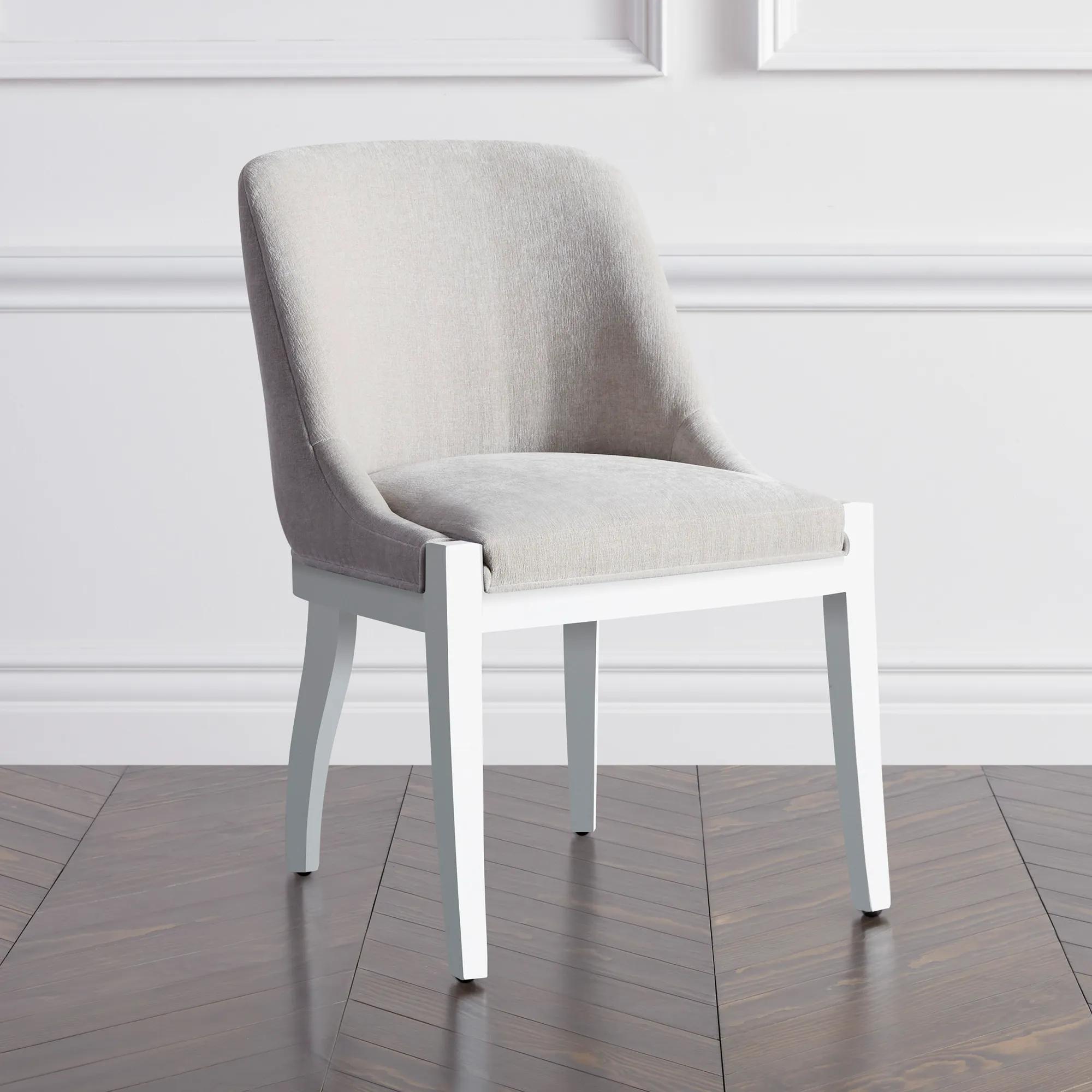
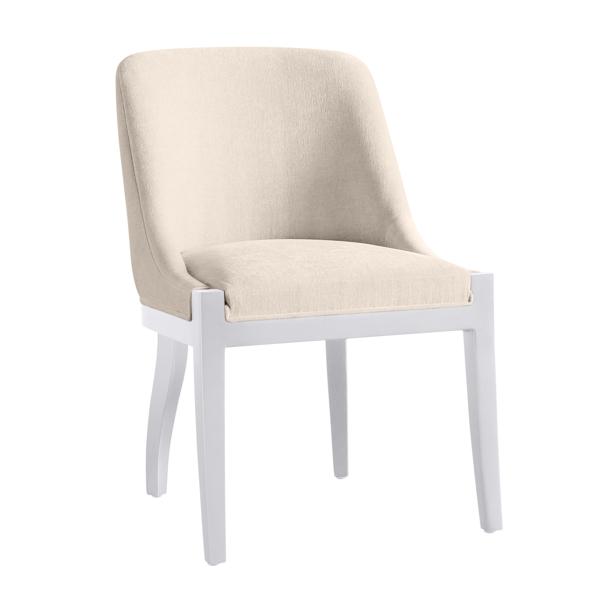 Lily Dining Chair - High Gloss White$649
A modern dining chair with a kiln-dried hardwood frame and high gloss white finish for lasting elegance.
Add To Cart -
 Elara Cloud Velvet Dining Chair$449
A plush velvet dining chair featuring a seamless wraparound silhouette and supportive carbon steel frame.
Add To Cart -
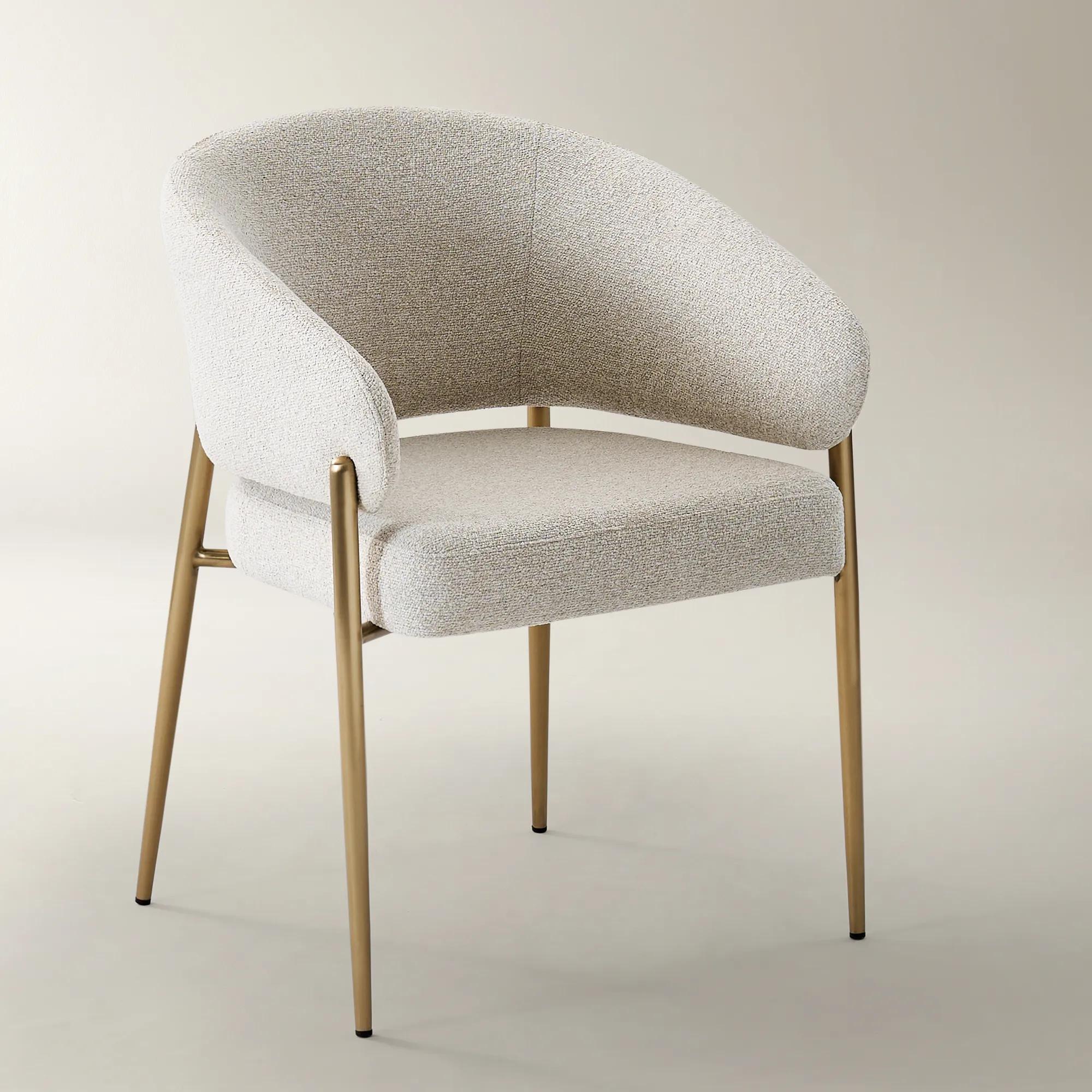
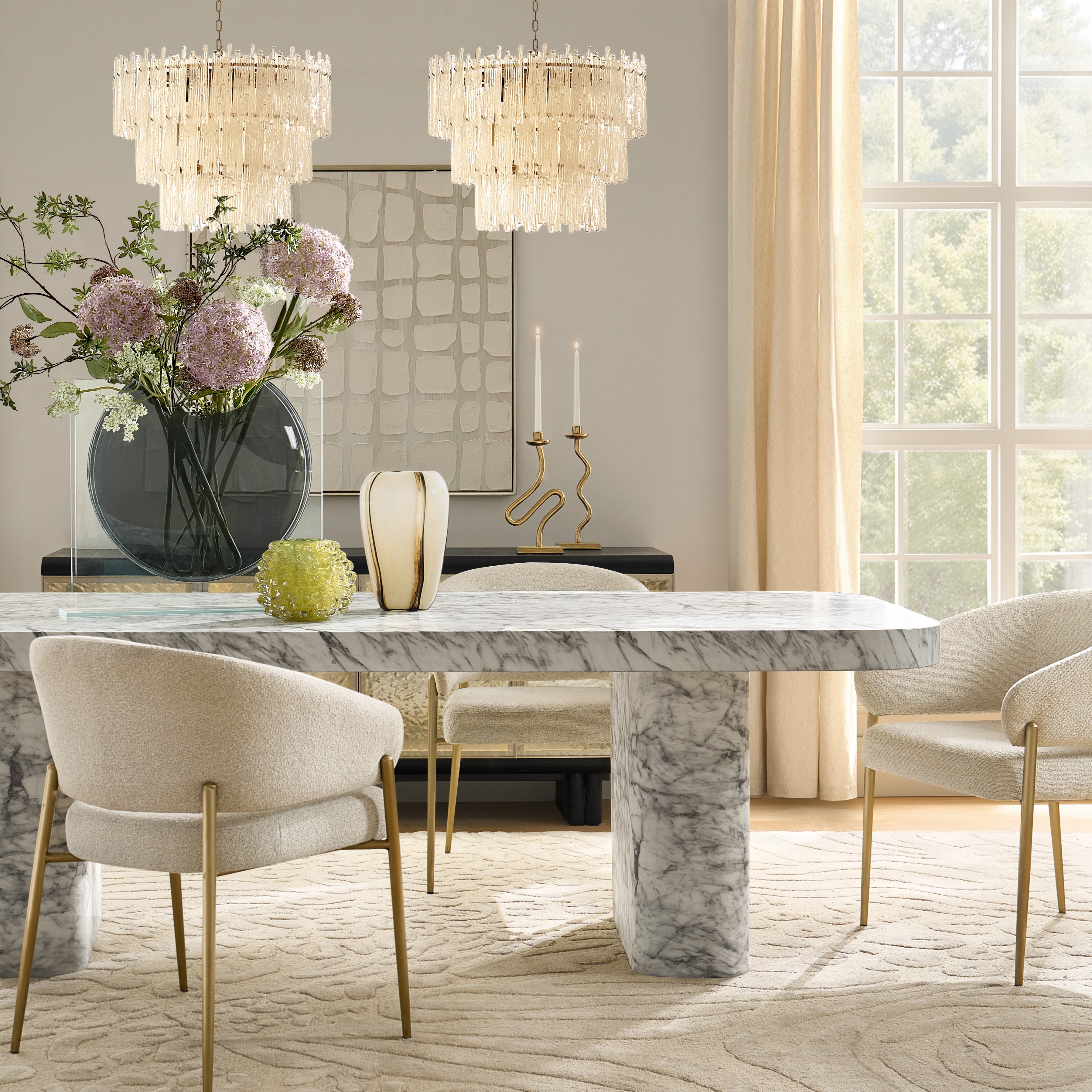 Nara Ivory Boucle Dining Chair Set Of 2$599
An ivory boucle dining chair set with a curved backrest and brushed stainless steel frame for modern elegance.
Add To Cart -
 Elara Cloud Velvet Dining Chair Set Of 2$799
A set of two dining chairs featuring plush velvet upholstery, a seamless curved silhouette, and a sturdy steel frame.
Add To Cart -
 Davina Cloud Velvet Dining Chair Set Of 2$899
A set of two dining chairs featuring plush cloud velvet upholstery and a sculptural gold metal frame.
Add To Cart -
 Nova Ivory Performance Boucle Swivel Dining Chair$699
An ivory boucle swivel chair featuring a sculptural wraparound silhouette and elegant metallic trim accents.
Add To Cart -
 Bergen Ivory Boucle Dining Chair Set Of 2$549
An ivory boucle dining chair set featuring a curved backrest and brushed stainless steel frame for elegance.
Add To Cart -

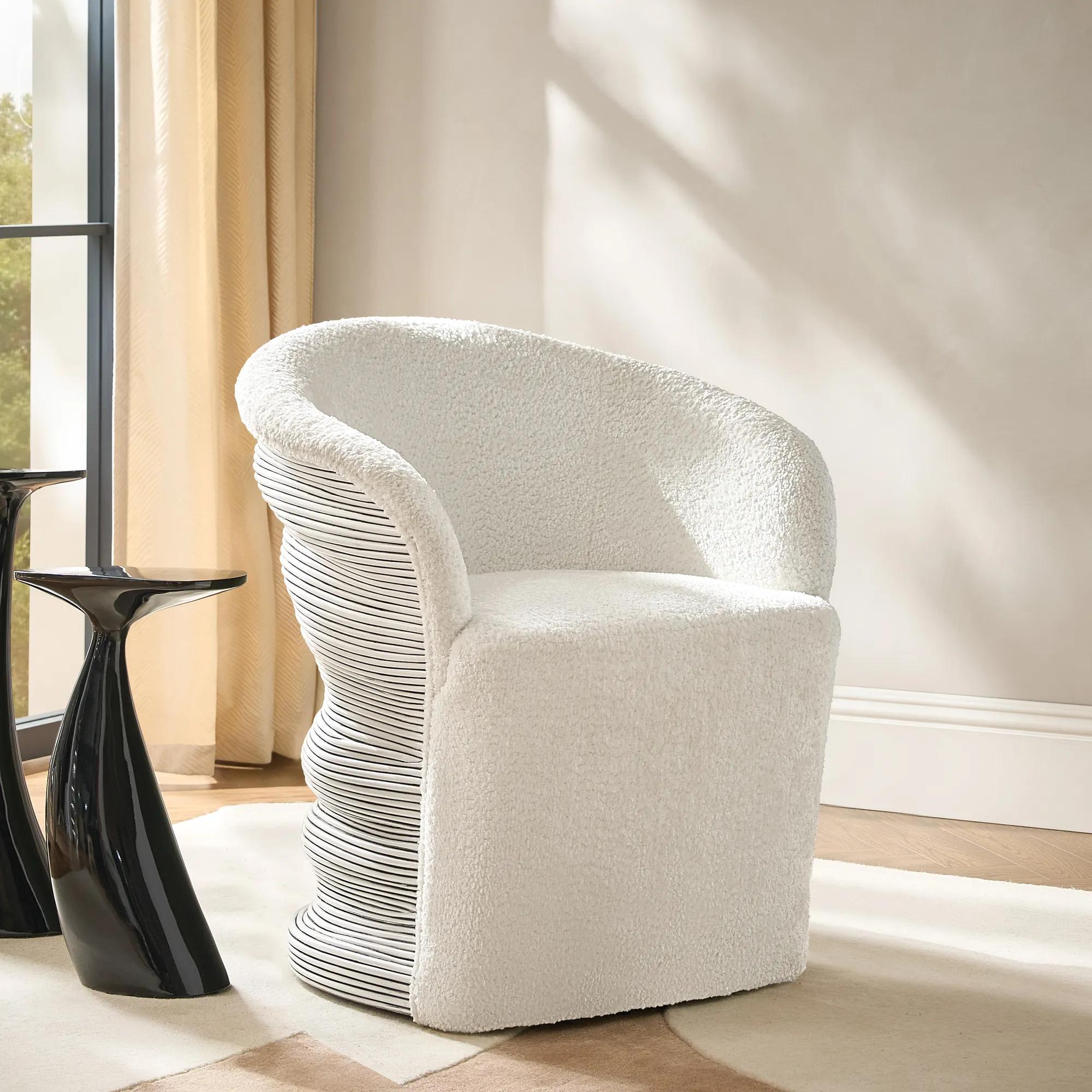 Cairo Rattan Ivory Chenille Dining Chair$999
An artisan-crafted swivel chair featuring handwoven natural rattan and plush ivory chenille upholstery for modern comfort.
Add To Cart -
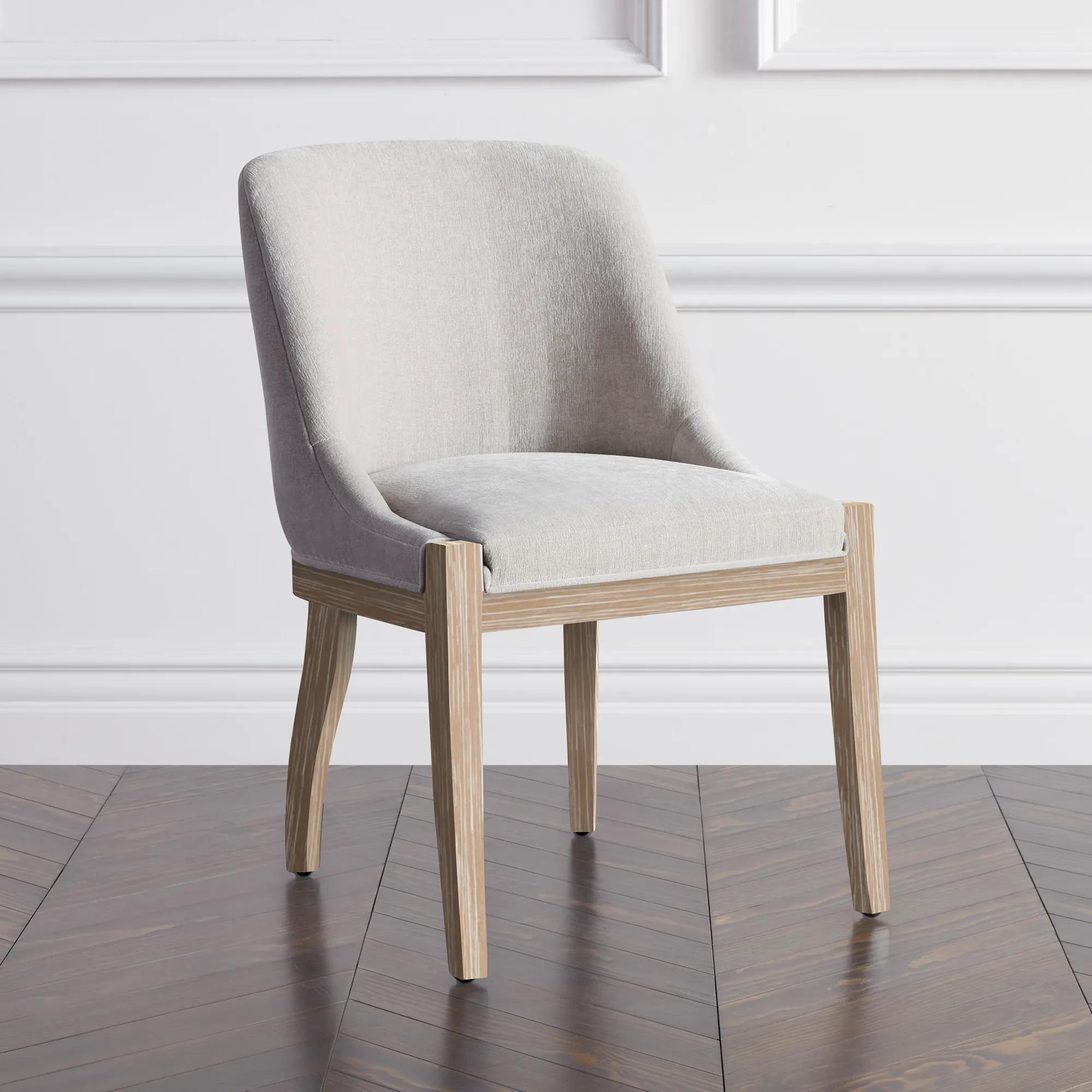
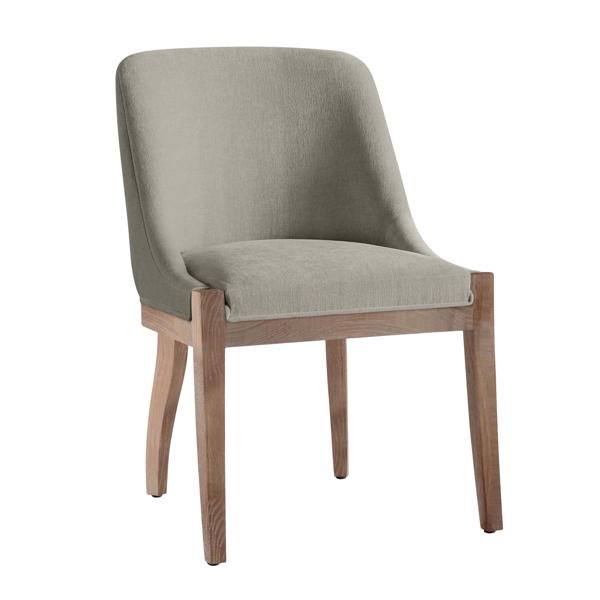 Lily Dining Chair - Wash Oak$649
A modern dining chair featuring a kiln-dried hardwood frame, wash oak legs, and tailored chenille upholstery.
Add To Cart -
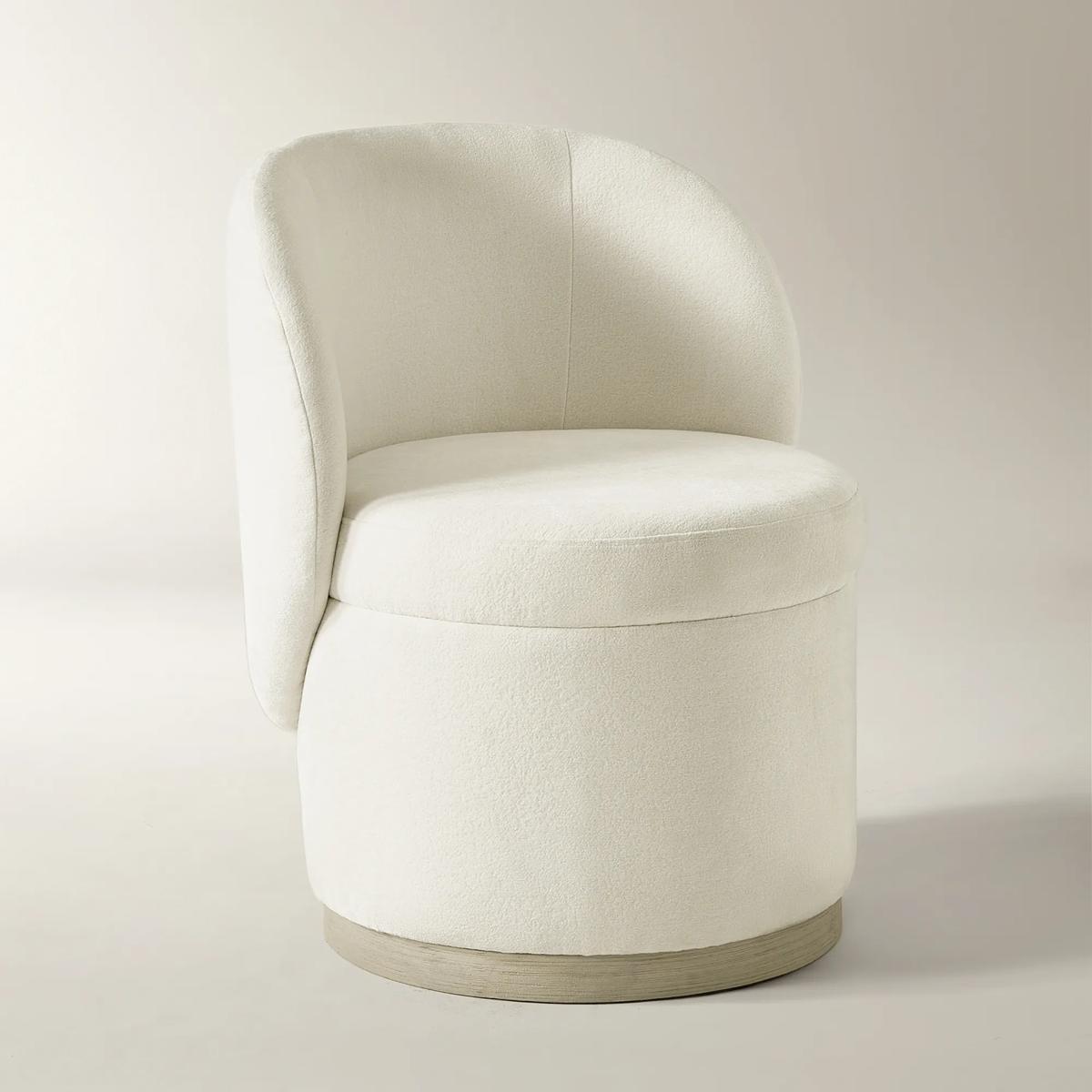 Stria Ivory Chenille Dining Chair With Oak Base$599
An ivory chenille chair featuring a plush, velvet-like finish and a handcrafted solid oak base.
Add To Cart -
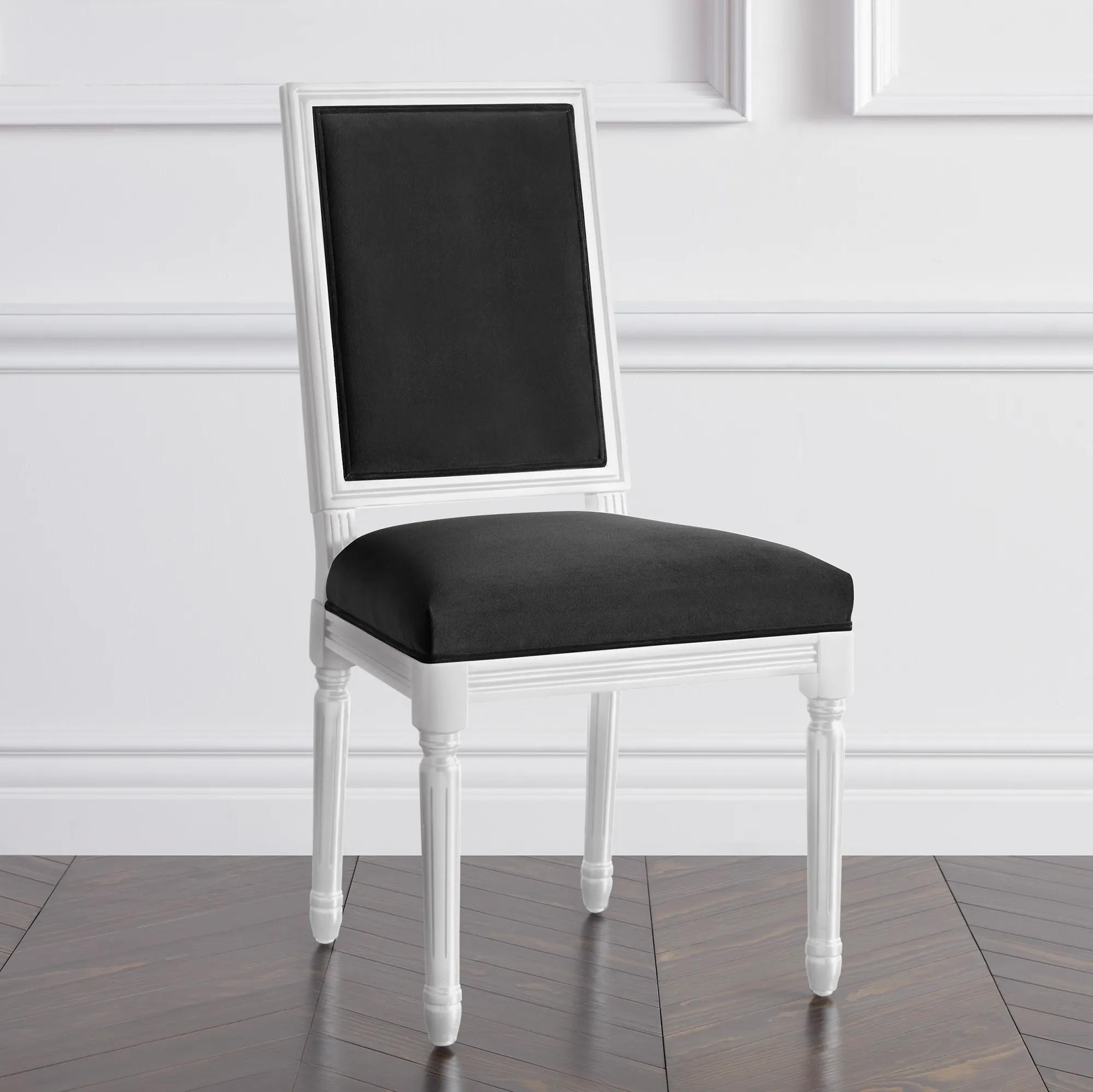
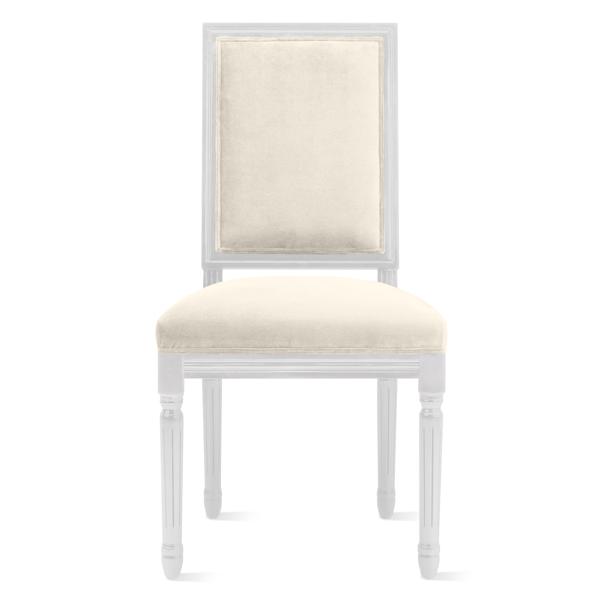 Callan Dining Chair - High Gloss White$599
A handcrafted dining chair featuring high-gloss white finish, kiln-dried hardwood frame, and plush velvet upholstery.
Add To Cart -
 Stria Ivory Chenille Swivel Dining Chair With Oak Base$699
An inviting ivory chenille arm chair with a solid oak swivel base and hand-crafted details.
Add To Cart -
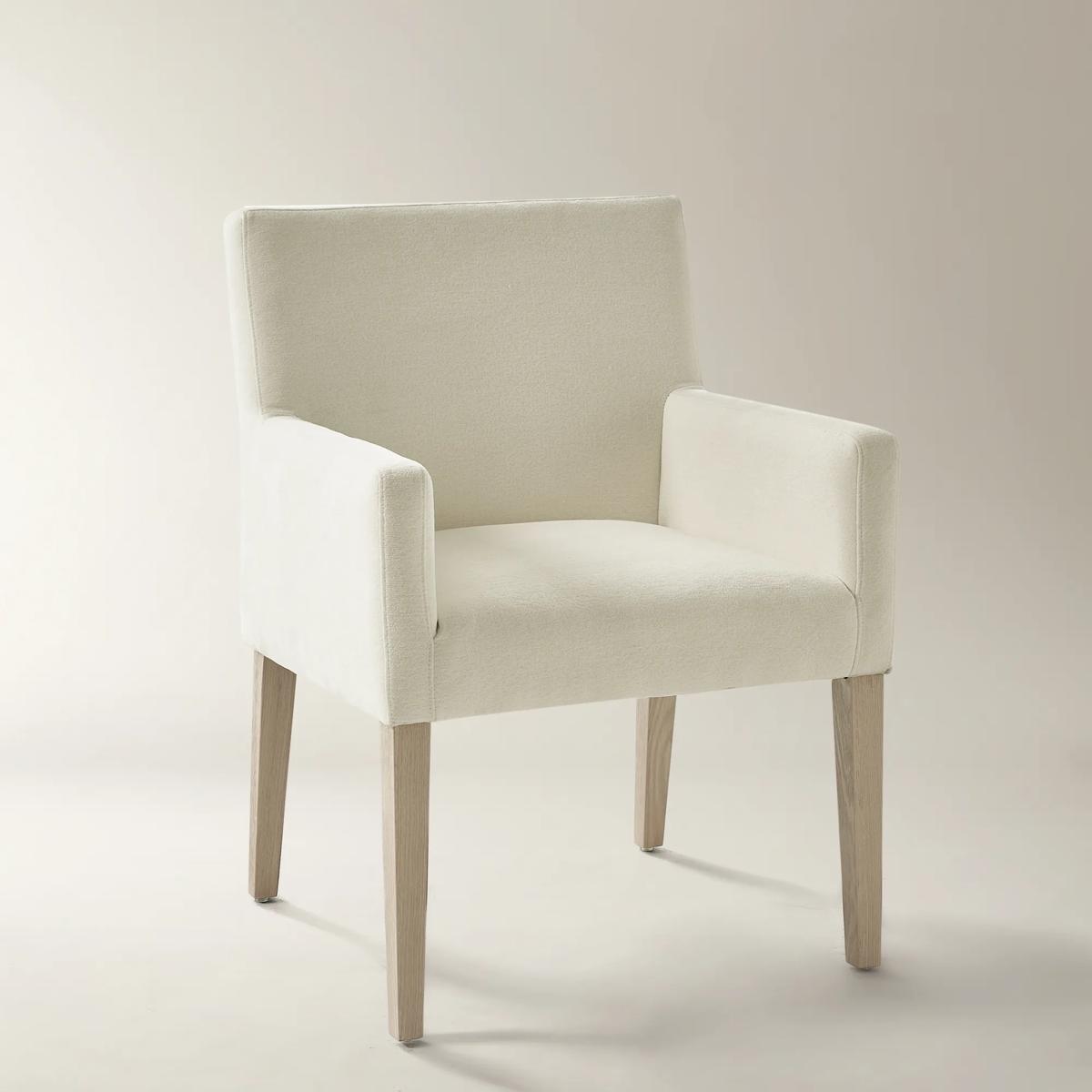
 Stria Ivory Chenille Dining Chair Set Of 2$599
A pair of ivory chenille arm chairs with natural oak legs, offering plush comfort and modern elegance.
Add To Cart -
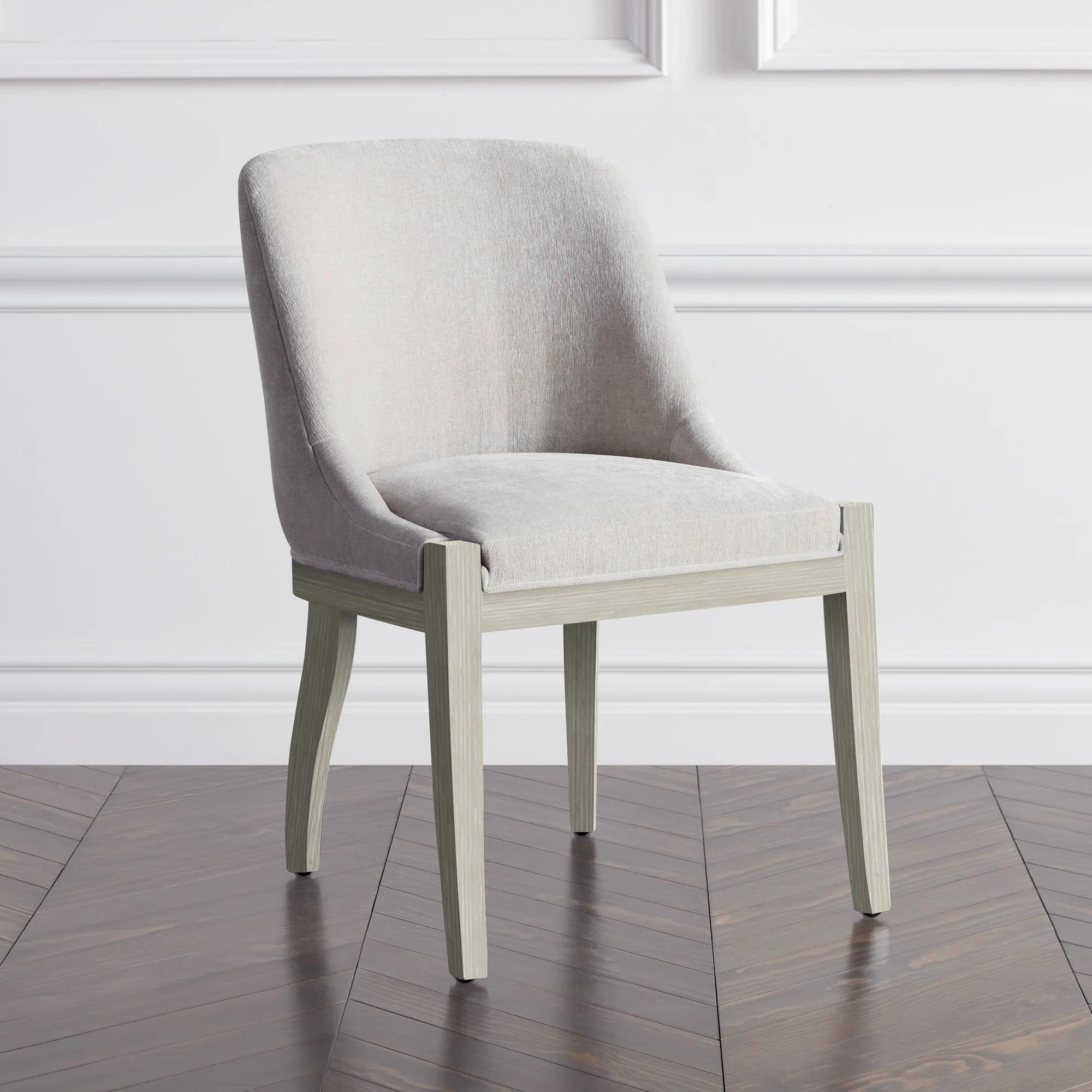 Lily Dining Chair - Natural Grey$649
A modern grey dining chair with kiln-dried hardwood frame and plush, tailored upholstery for lasting comfort.
Add To Cart -
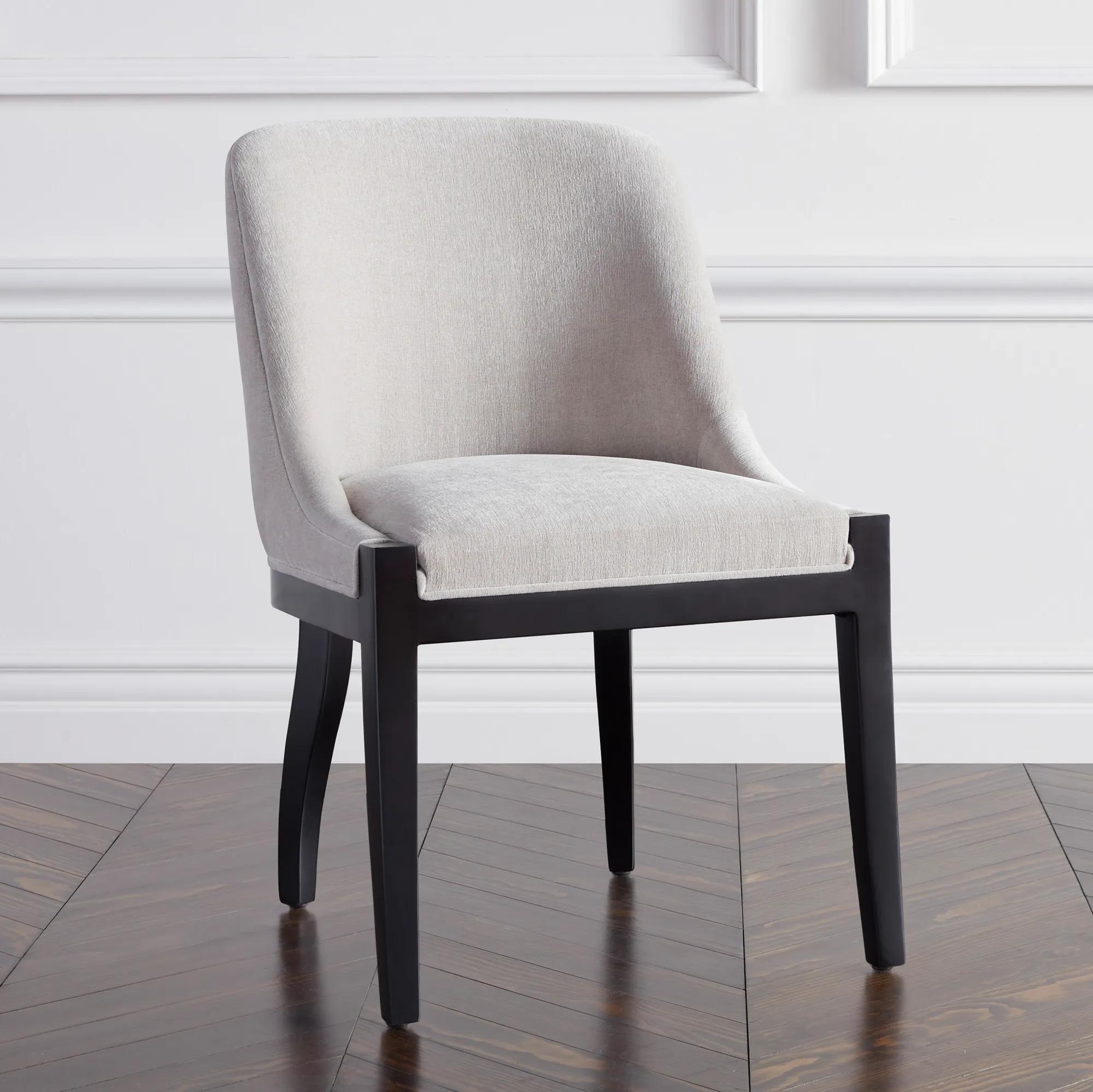
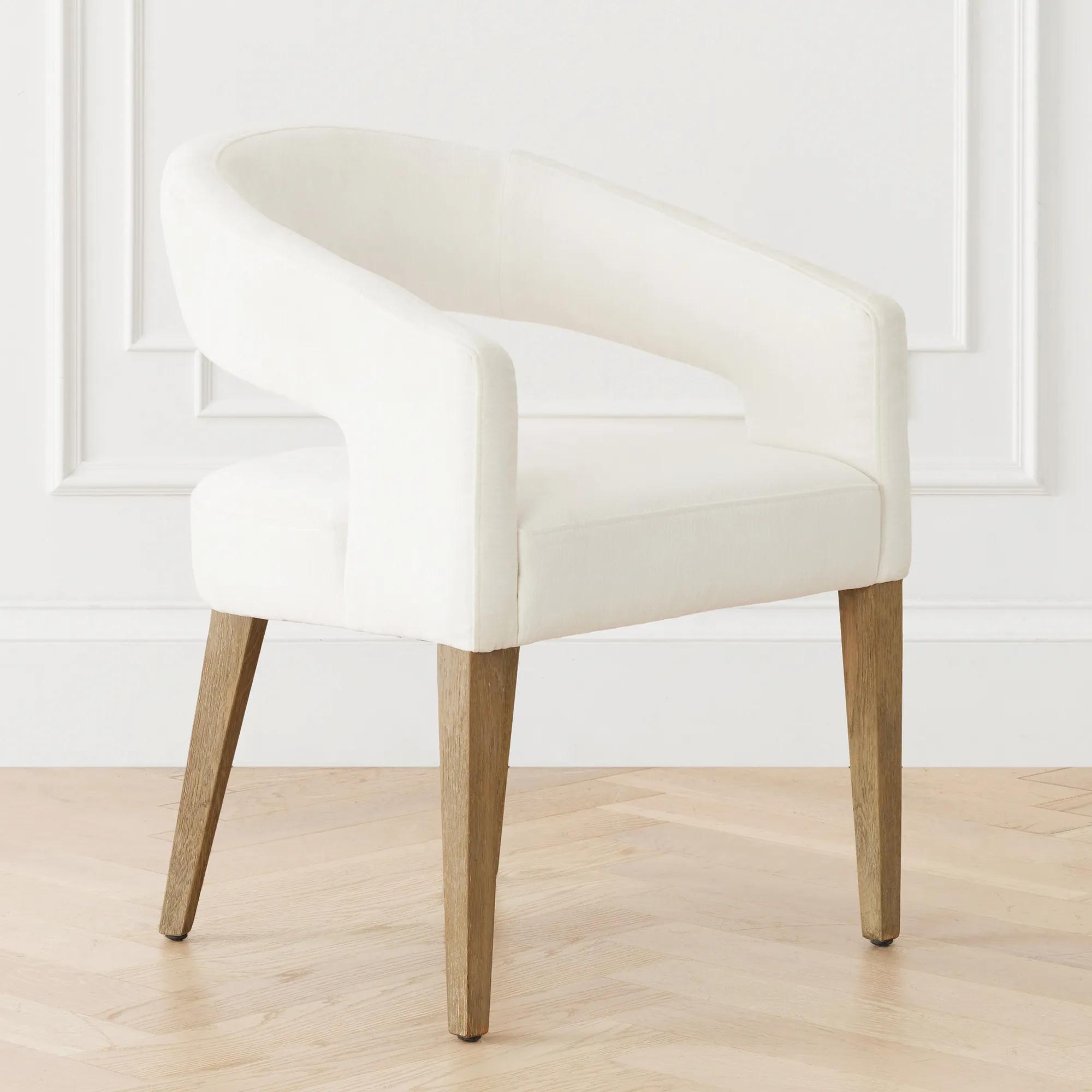 Philippa Dining Chair - Natural Grey$699
A modern dining chair featuring natural grey legs, curved silhouette, and neatly tailored chenille upholstery.
Add To Cart -
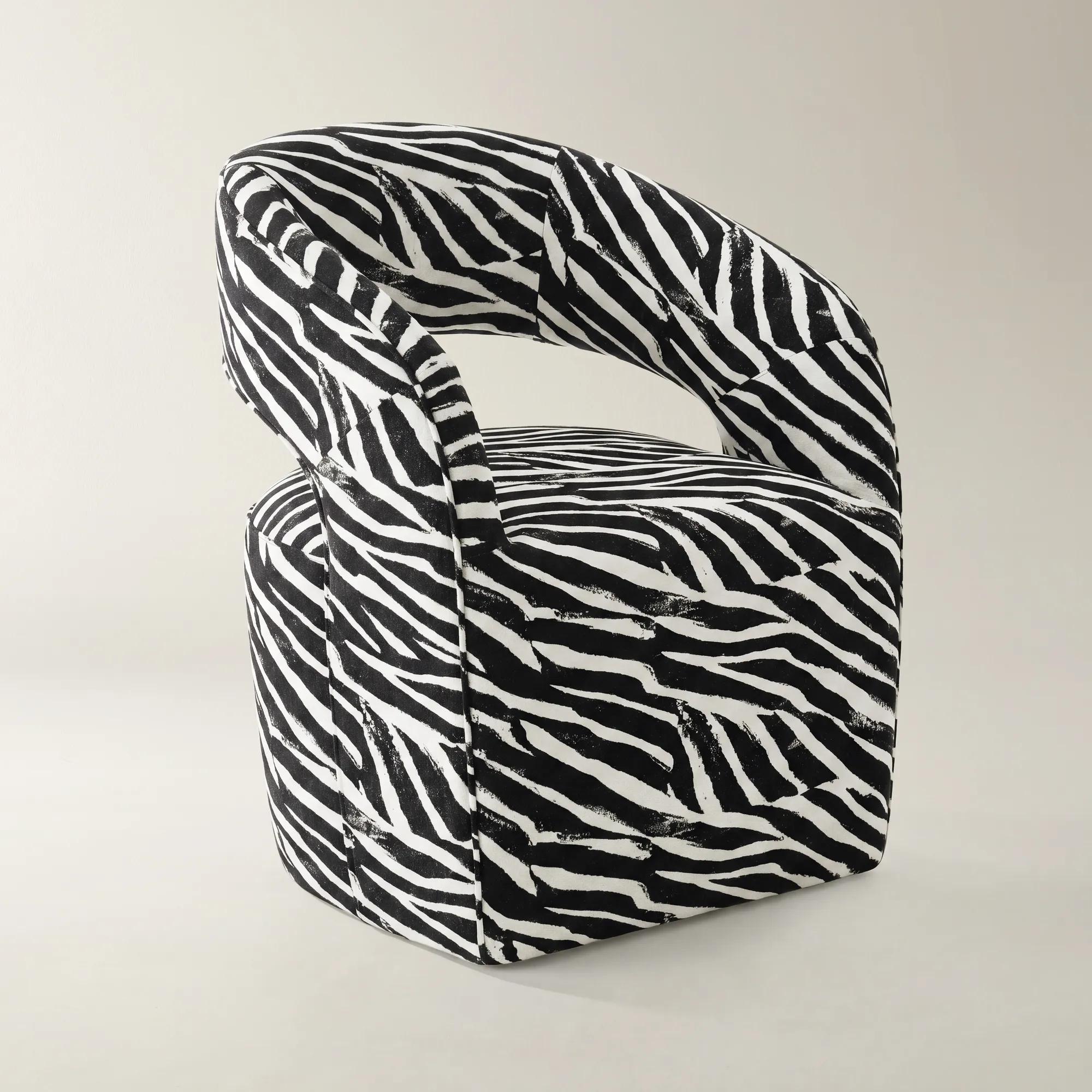
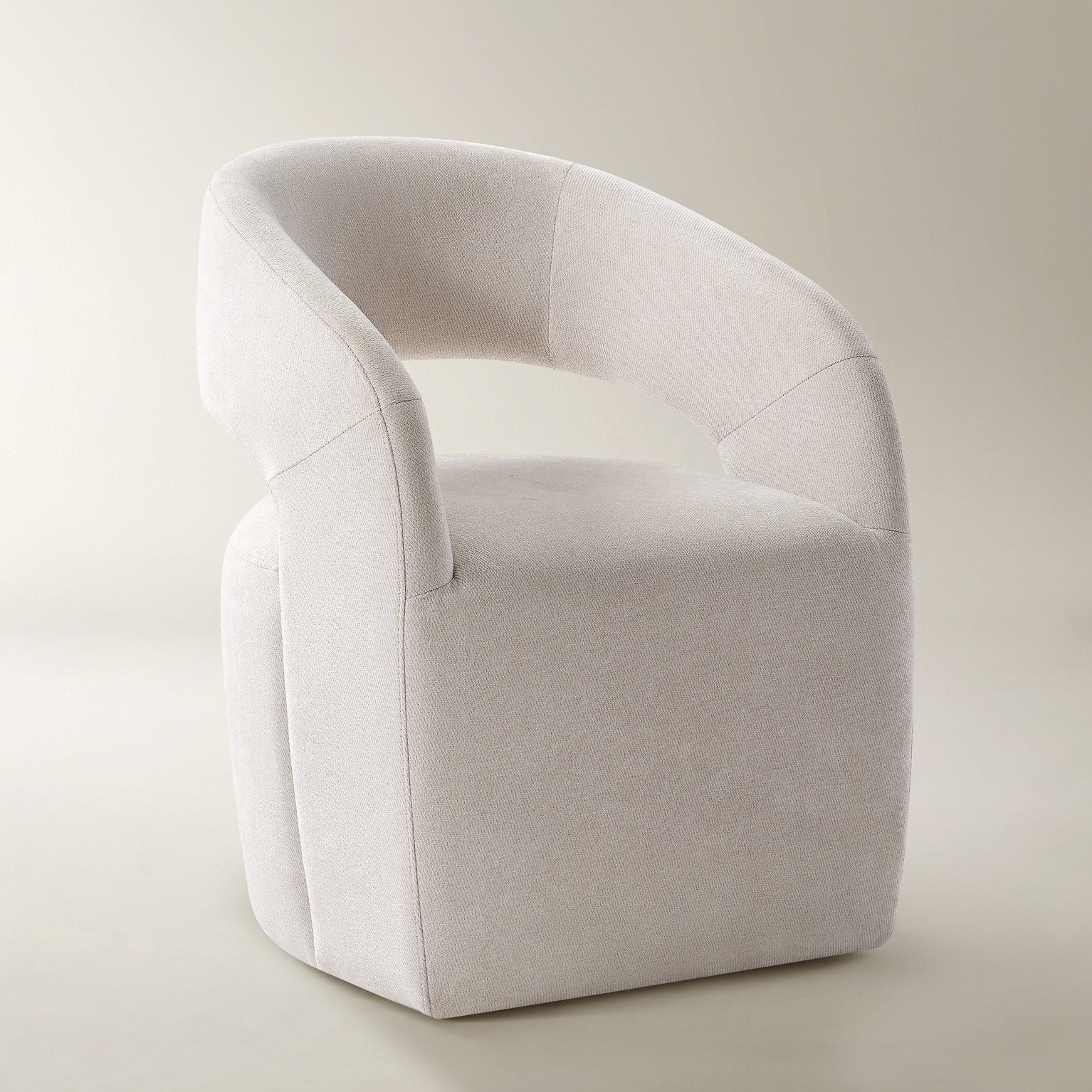 Harrison White/Black Performance Chenille Dining Chair$449
A sculptural dining chair in white and black performance chenille with plush feather-blend cushioning and curved arms.
Add To Cart -
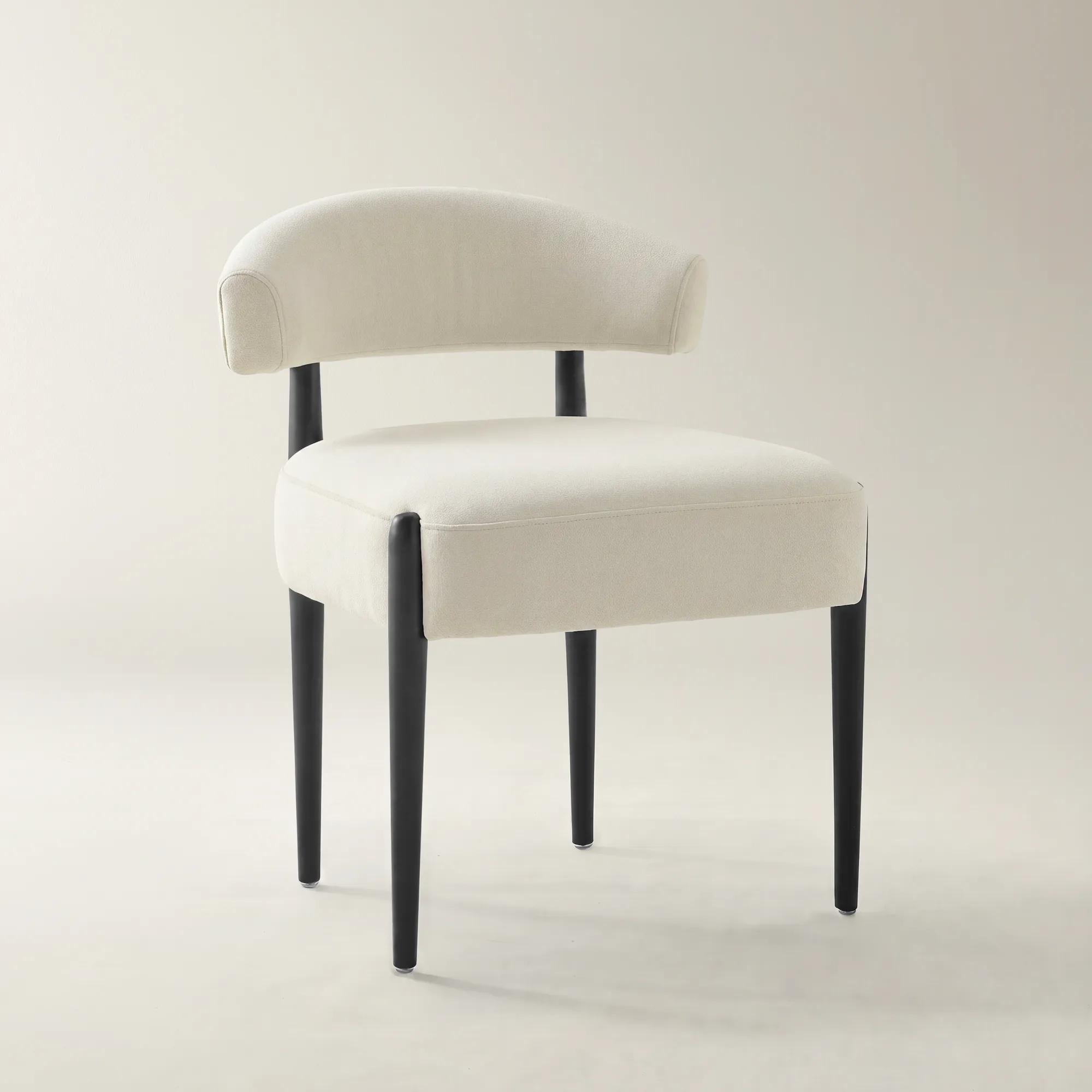
 Anna Ivory Performance Chenille Dining Chair Set of 2$599
An ivory performance chenille chair pair featuring curved backs, high-density foam, and solid rubberwood legs.
Add To Cart -
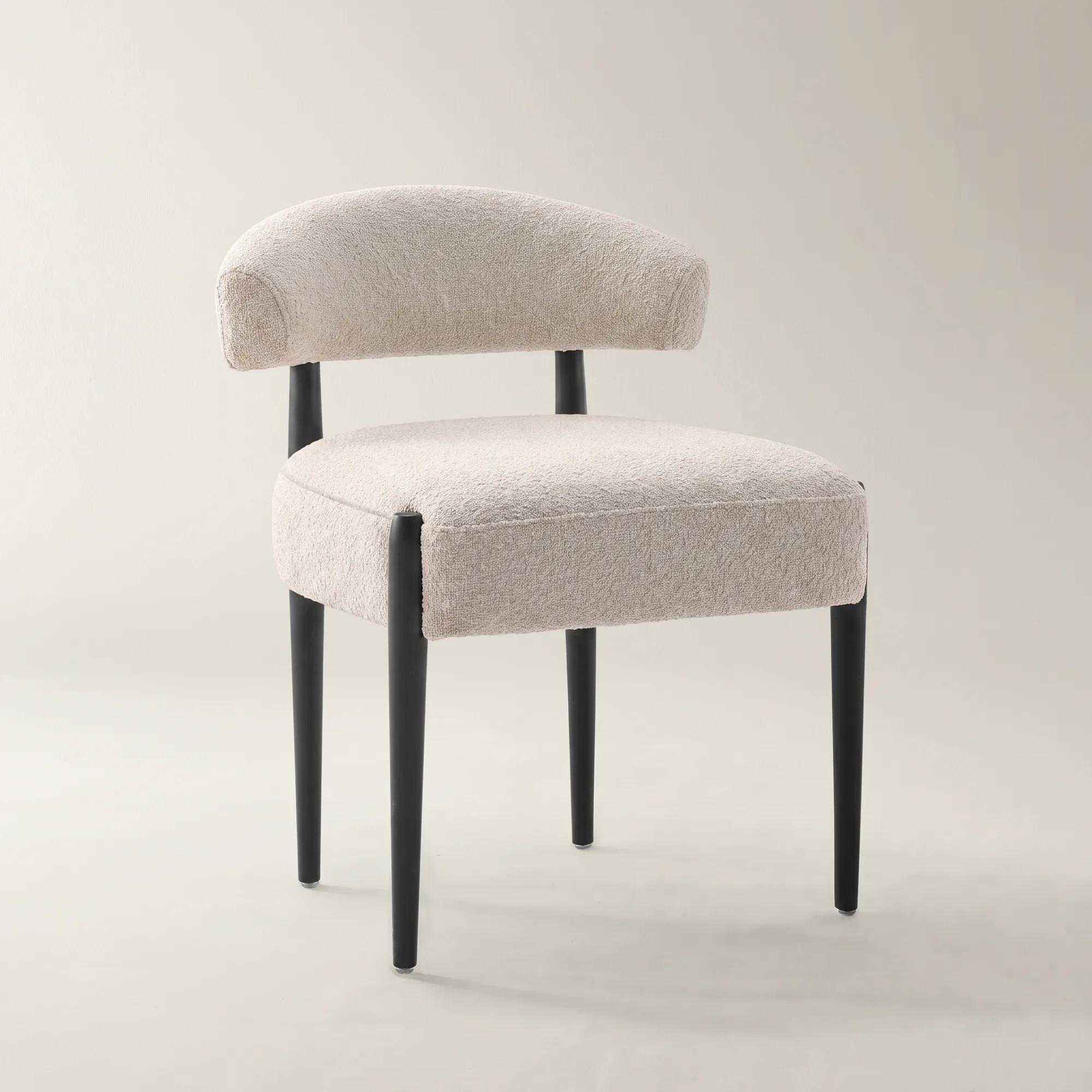 Anna Ivory Performance Boucle Dining Chair Set of 2$599
An ivory performance bouclé dining chair set with arched backs, high-density foam, and solid wood construction.
Add To Cart -
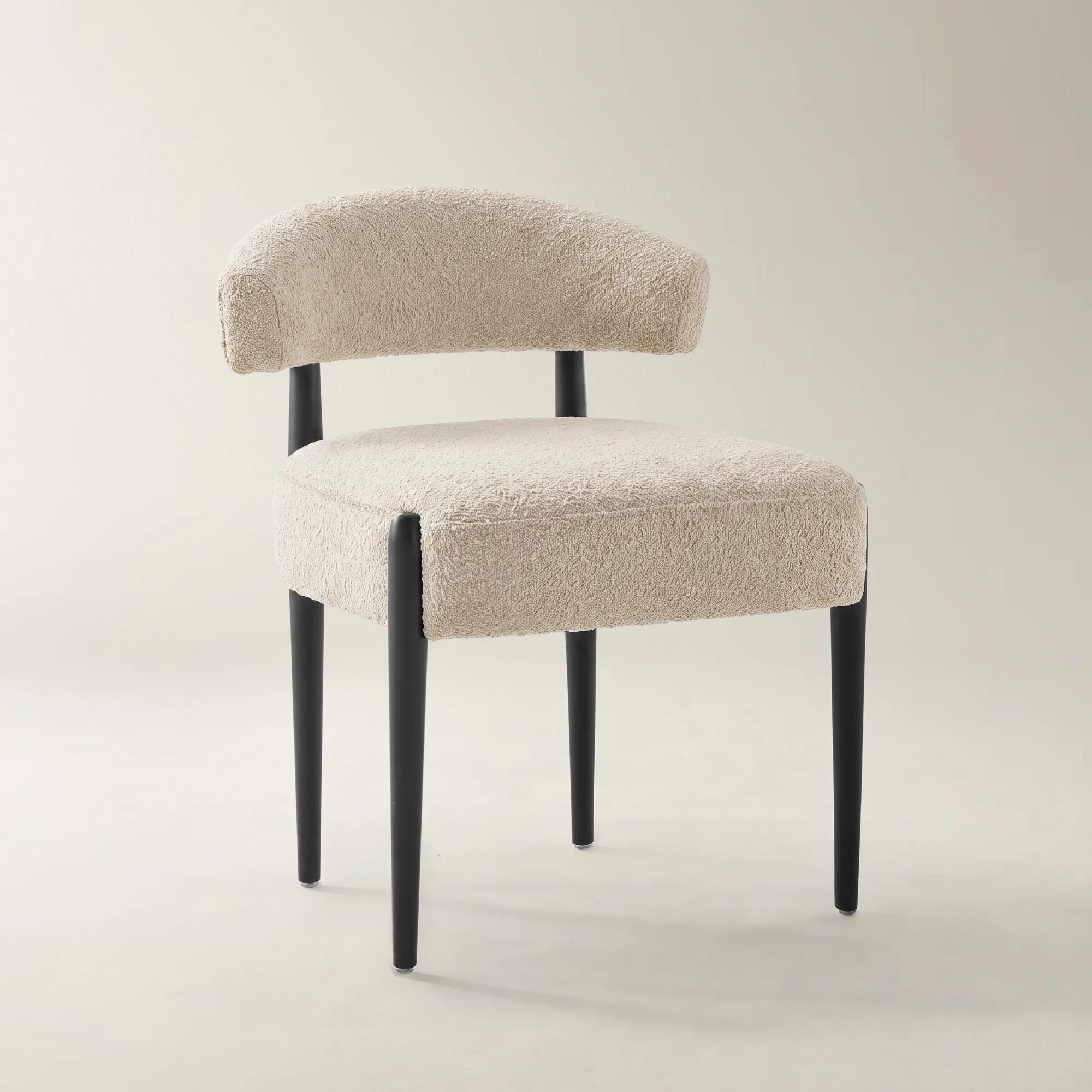 Anna Ivory Performance Boucle Dining Chair Set of 2$599
A pair of ivory performance boucle chairs with curved backs, cushioned comfort, and solid wood frames.
Add To Cart -
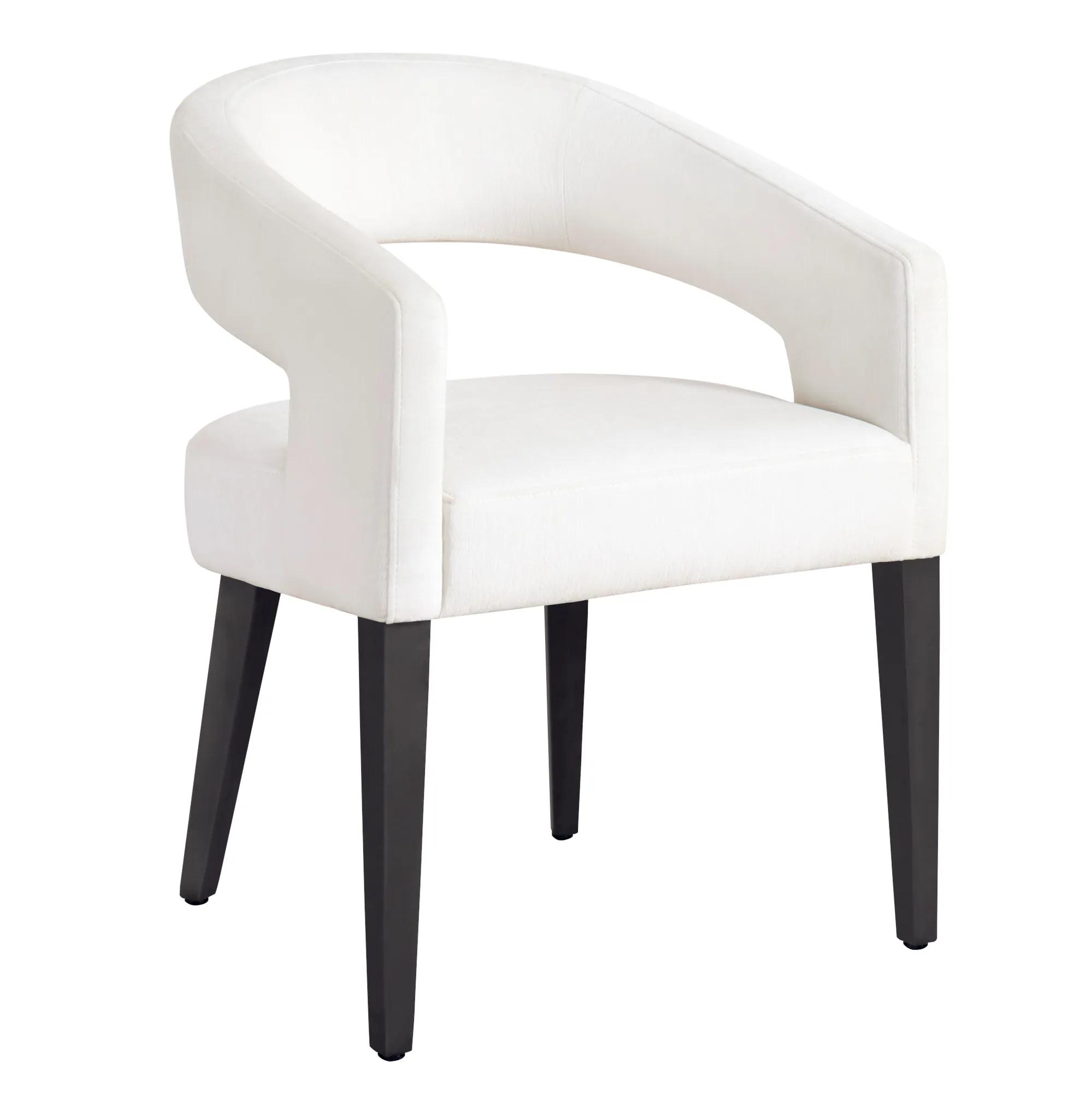
 Philippa Dining Chair - Espresso$599
A modern dining chair featuring a curved silhouette, tailored upholstery, and espresso-finished legs.
Add To Cart -
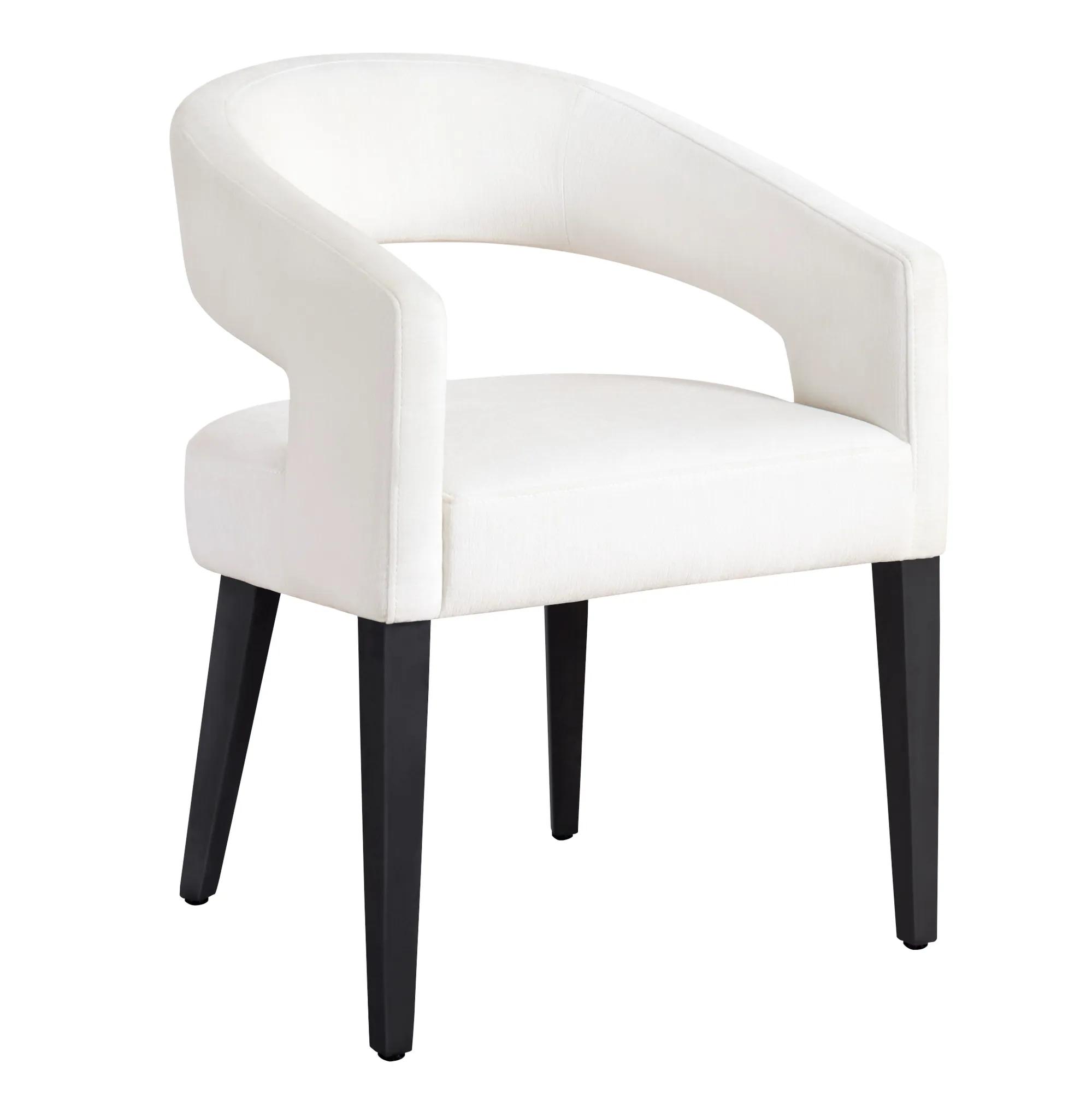
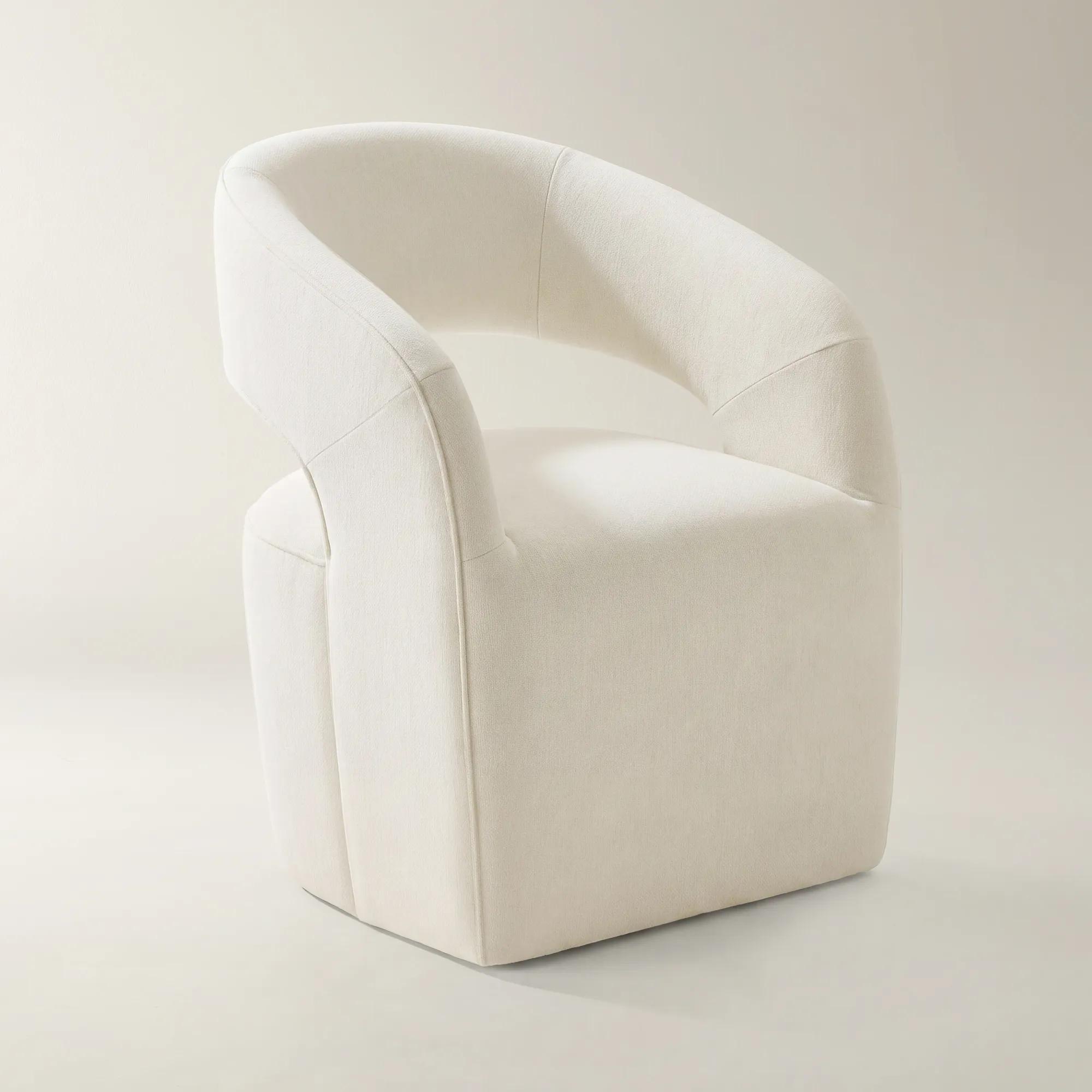 Harrison Ivory Performance Chenille Dining Chair$449
A sculptural ivory chenille chair featuring a continuous curved back, feather-blend comfort, and performance upholstery.
Add To Cart -
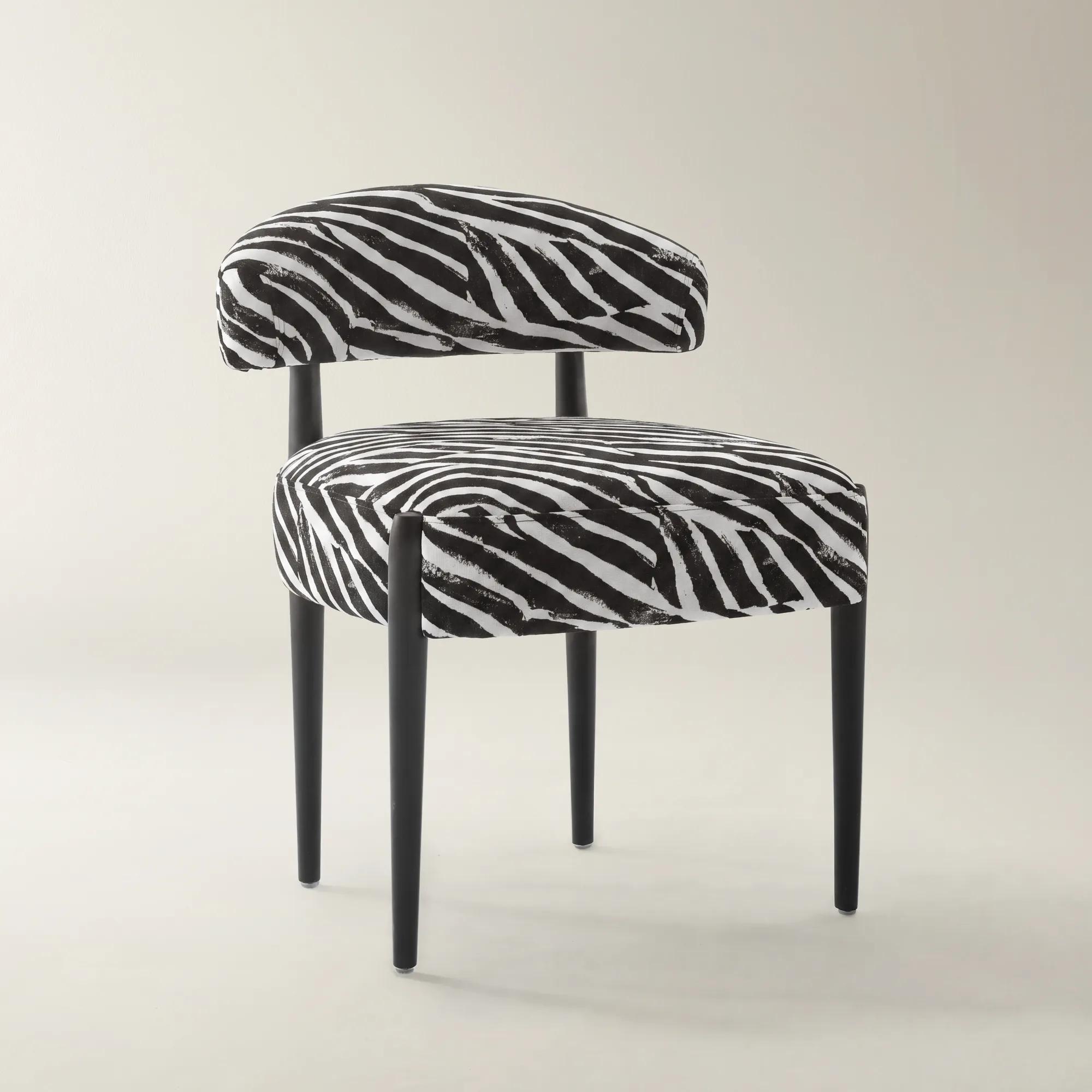 Anna White/Black Performance Chenille Dining Chair Set of 2$599
A black-and-white performance chenille chair set with arched backs, high-density foam, and solid rubberwood legs.
Add To Cart

White Dining Chairs For Indoor Use Only
White Dining Chairs For Indoor Use Only invite an air of luminous sophistication to every dining occasion, transforming everyday meals into extraordinary moments. Crisp and radiant, these chairs are the ultimate expression of refined taste—each silhouette a celebration of modern artistry and timeless allure. Whether poised around a grand table or anchoring an intimate breakfast nook, their pristine presence elevates any interior with a sense of effortless glamour. Embrace the purity and drama of white seating that turns your dining space into a canvas for bold living and inspired gatherings.
White dining chairs for indoor use bring a luminous, sculptural presence to dining rooms, breakfast nooks, and open living spaces. Designed for interior settings rather than patios or outdoor dining areas, they combine everyday seating with a finish or upholstery color that gives the table a distinct visual identity. White can feel crisp against dark wood, quietly tonal beside pale stone, or strikingly graphic with a black dining table. Its versatility comes from the details: a curved back softens an angular room, a tailored upholstered seat introduces depth, and a gleaming metal base adds a flash of reflected light beneath the tabletop. Materials shape both the atmosphere and the experience of sitting down. Painted solid wood offers visible structure and a defined silhouette, while engineered wood may be used alongside other materials within a frame or seat construction. Metal frames can create slender profiles with an architectural edge; their finish determines whether the effect feels polished, brushed, or boldly contrasting. Upholstered white dining chairs bring another layer of expression, from the directional sheen of velvet to the tactile character of woven fabric. Genuine leather and faux leather have different care needs and aging characteristics, even when their smooth surfaces create a similar visual impression. Fabric composition, padding, frame construction, and finish should be considered together rather than treating color as the only defining feature. A chair that appears bright white in one room may read softer beside ivory curtains or warmer beneath interior lighting, so the relationship between upholstery, table finish, and surrounding furnishings matters. Where samples are offered, viewing one beside the tabletop can help distinguish a cool white from a creamy off-white. The result is more than a coordinated dining set: white seating can establish the room’s rhythm, allowing expressive artwork, a dramatic chandelier, or richly textured table linens to take a leading role without leaving the chairs visually anonymous.
The most compelling white indoor dining chairs balance their sculptural character with proportions that suit the table and the people gathered around it. Seat height, overall width, back height, and arm placement all affect how naturally a chair belongs in a dining space. Many dining chairs have seats approximately 18 to 20 inches high, but the actual relationship to the table matters more than a category average. About 10 to 12 inches between the seat and tabletop is a useful starting point for comfortable positioning; a deep table apron can reduce usable legroom even when those measurements appear compatible. Upholstered seats may also compress slightly under weight, which can influence the seated height. Armchairs create an enveloping presence at the heads of a rectangular table or around a generous round table, while armless silhouettes often offer greater flexibility where several seats need to share a limited span. Arms must clear the table’s underside if the chairs are intended to tuck in fully. Allowing roughly 24 inches of table edge per person provides an initial sense of spacing, with additional room needed for wider seats, substantial arms, or a more expansive place setting. Behind each chair, circulation space determines whether guests can move comfortably while someone remains seated. These practical details become especially visible in an apartment dining area, where a graceful narrow frame may preserve sightlines without sacrificing the room’s expressive character. In a dedicated dining room, taller backs or more substantial upholstery can hold their own beneath statement lighting. Comfort deserves equal attention: a gently shaped back, supportive cushioning, and a seat depth suited to the user can make an extended dinner feel relaxed rather than restrictive. Households with children, frequent dinner guests, or a dining table that doubles as a work surface may place greater importance on accessible cleaning and dependable construction. A breakfast nook used for brief meals may call for a different balance of padding and visual weight than a dining room devoted to lingering conversations and elaborate entertaining.
The lasting appeal of white dining chairs depends on care suited to their materials, not on the assumption that every pale surface behaves alike. On painted wood, regular dusting with a soft cloth helps preserve the finish, while abrasive scrubbers and harsh cleaners can dull or damage the coating. Smooth upholstery may allow some spills to be removed more readily than textured fabric, but leather, faux leather, and coated textiles each require their own approved cleaning methods. For upholstered chairs, the care label is the essential reference: some fabrics permit water-based cleaning, others require solvent-based treatment, and certain materials should be professionally cleaned. Blotting a spill promptly with a clean cloth, rather than rubbing it deeper into the fibers, helps limit its spread. Velvet may require gentle attention to the direction of its pile, while woven upholstery can hold crumbs along seams and benefit from careful vacuuming with an appropriate attachment. Performance fabric is not automatically stainproof, and a protective finish does not eliminate the need to follow care instructions. Dark denim and other strongly dyed fabrics can transfer color to light upholstery, making material choice especially relevant for seating used daily. Durability also rests in the less visible details: secure joints, suitable hardware, a supportive seat structure, and adherence to the stated weight capacity. Periodic hardware checks, where recommended, can help keep chairs stable, while floor-appropriate protective glides can reduce scuffs as seating moves in and out. Indoor-only chairs should remain in interior spaces; a white finish, metal frame, or wipeable seat does not establish suitability for outdoor use. Within that intended setting, white chairs offer exceptional decorating range. A complete group creates a composed, gallery-like effect, while contrasting chairs at the table ends introduce a deliberate change in silhouette or texture. For a deeper neutral counterpoint, grey chairs for indoor use can complement white seating elsewhere in an open-plan room without requiring every piece to match. Repeating a finish, curve, or upholstery texture across those spaces creates continuity, leaving room for the dining area to express its own unmistakable character.
FAQs
White dining chairs are remarkably versatile, harmonizing beautifully with a variety of interior styles. In a modern or contemporary setting, they amplify a sense of openness and light, while in a classic or transitional dining room, they provide a crisp, elegant contrast to darker woods and ornate detailing. For those drawn to coastal, Scandinavian, or minimalist themes, white chairs evoke a feeling of calm and effortless refinement.
To keep your white dining chairs looking pristine and on-trend, consider updating surrounding accents with the changing seasons—think rich velvet cushions in winter, airy linen throws in summer, or metallic accessories for festive occasions. Regularly rotating table linens, floral arrangements, and centerpieces can also refresh the overall ambiance, ensuring your chairs remain a focal point of style and sophistication.
Absolutely. Many white dining chairs are crafted with durable, easy-to-clean materials such as high-performance fabrics, faux leather, or treated upholstery, making them both practical and beautiful for lively households. Their timeless appeal also ensures they remain inviting for guests, setting a chic, welcoming tone for every gathering.
White dining chairs provide a stunning backdrop for creative expression. Try mixing them with bold, patterned rugs, dramatic lighting, or vibrant wall art to create visual intrigue. Layer in textured throws or sculptural centerpieces for added dimension, or pair them with a statement dining table for a look that’s both cohesive and captivating.
Yes, white dining chairs are as versatile as they are stylish. Use them as accent seating in a bedroom, home office, or entryway to infuse a space with brightness and elegance. Their clean lines and luminous finish allow them to adapt seamlessly, bringing a touch of sophistication wherever they’re placed.