Indoor Plush Sofas
Indoor Plush Sofas
-
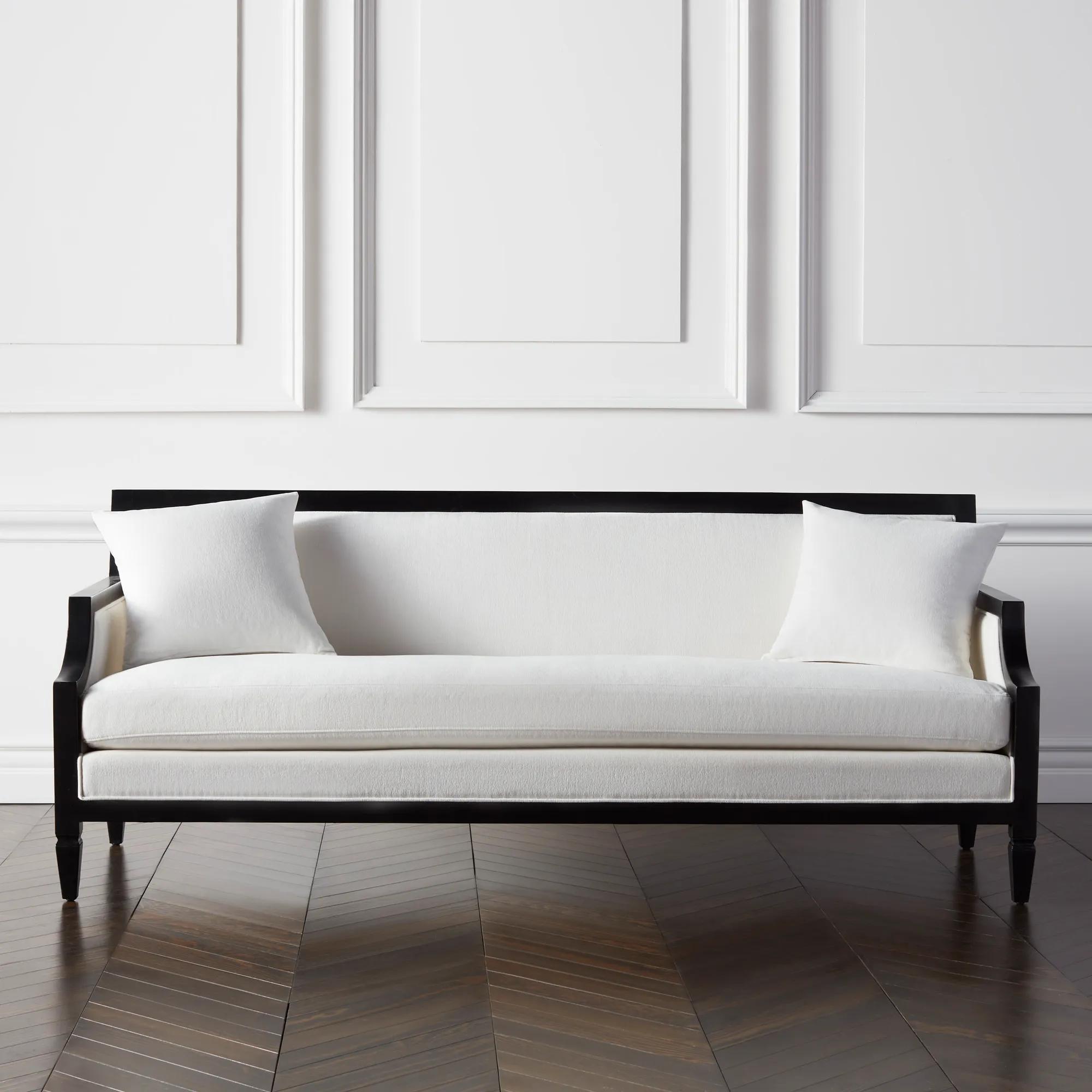
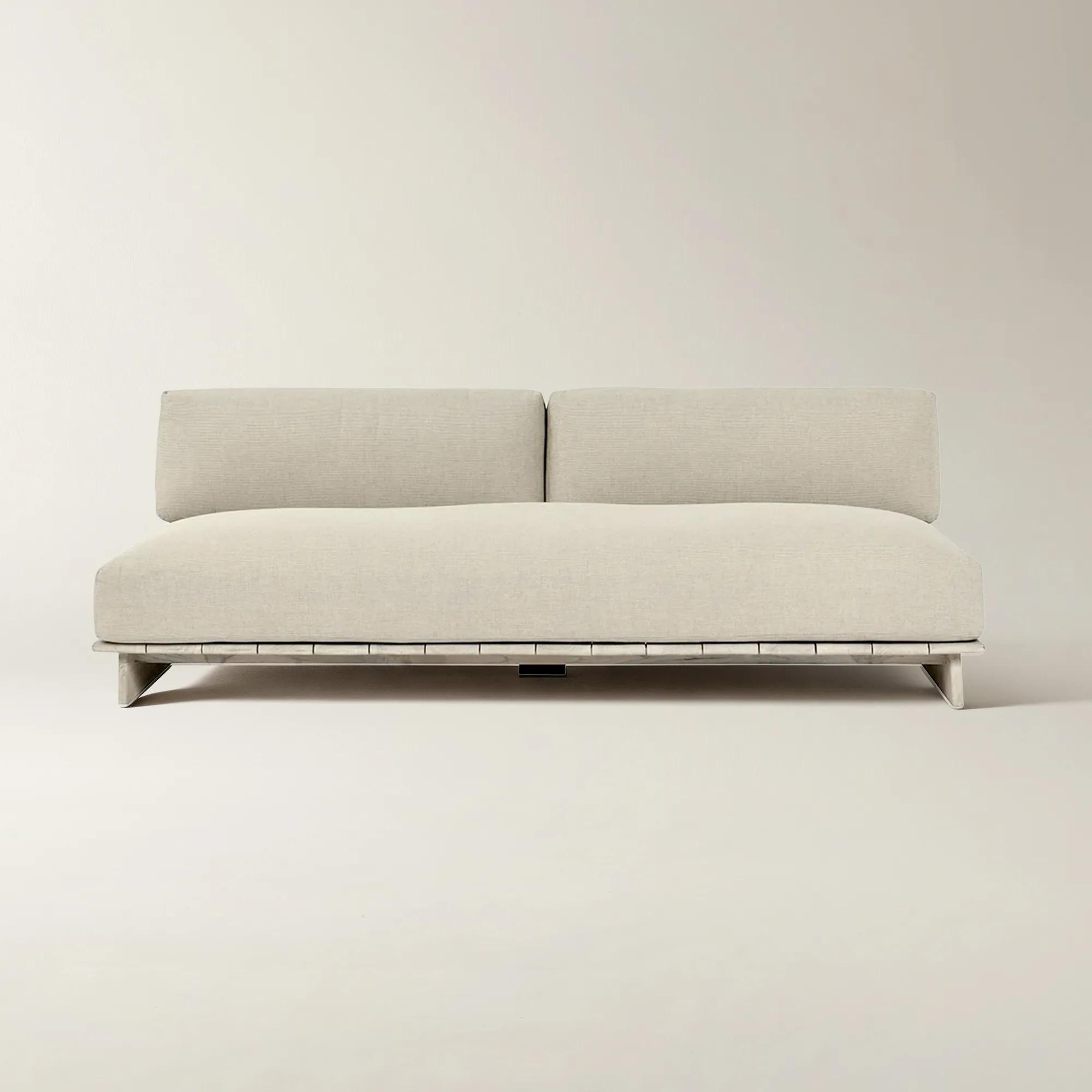
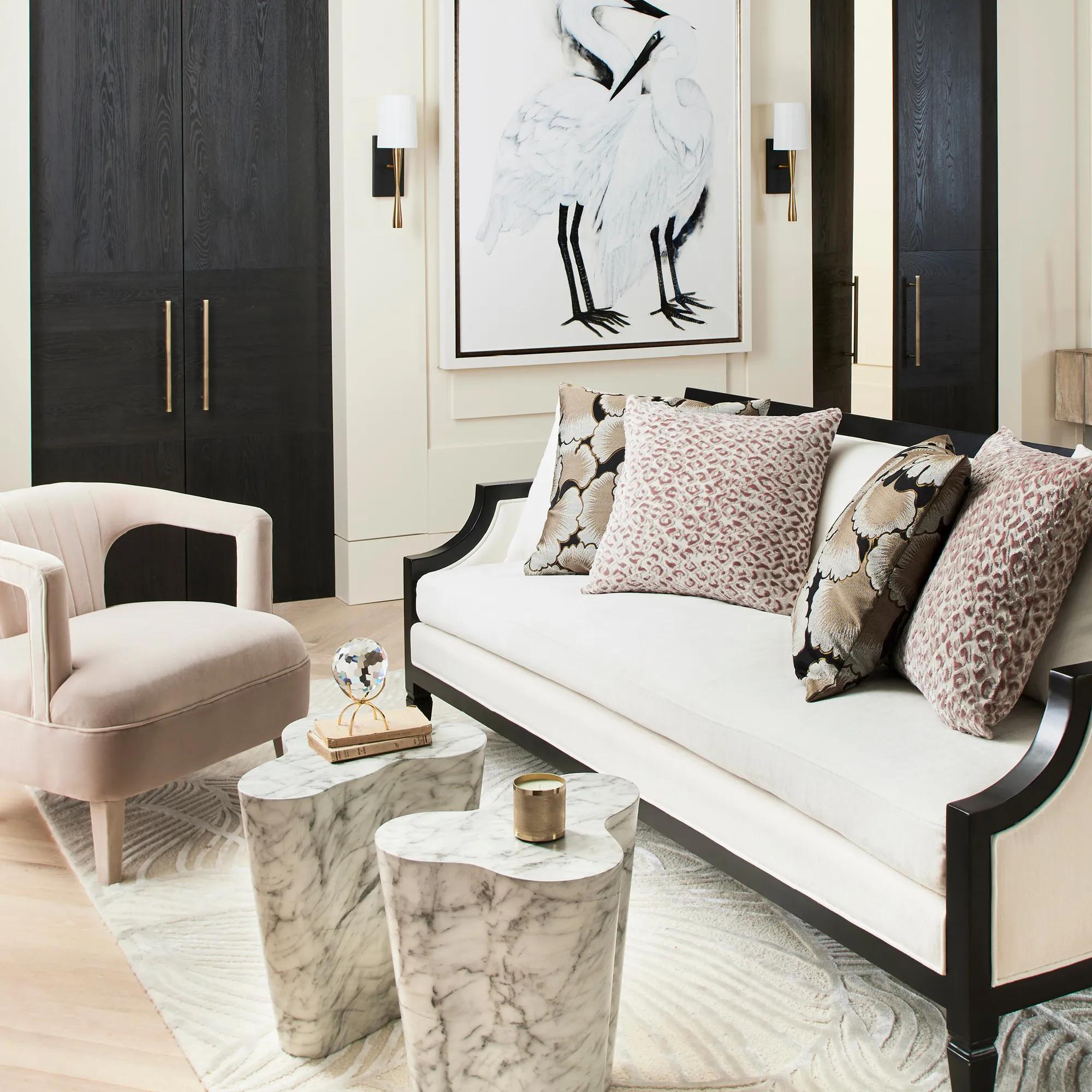 Kayla Sofa$2499
A plush, modern sofa featuring notched arms, matte black wood frame, and soft chenille upholstery.
Add To Cart -

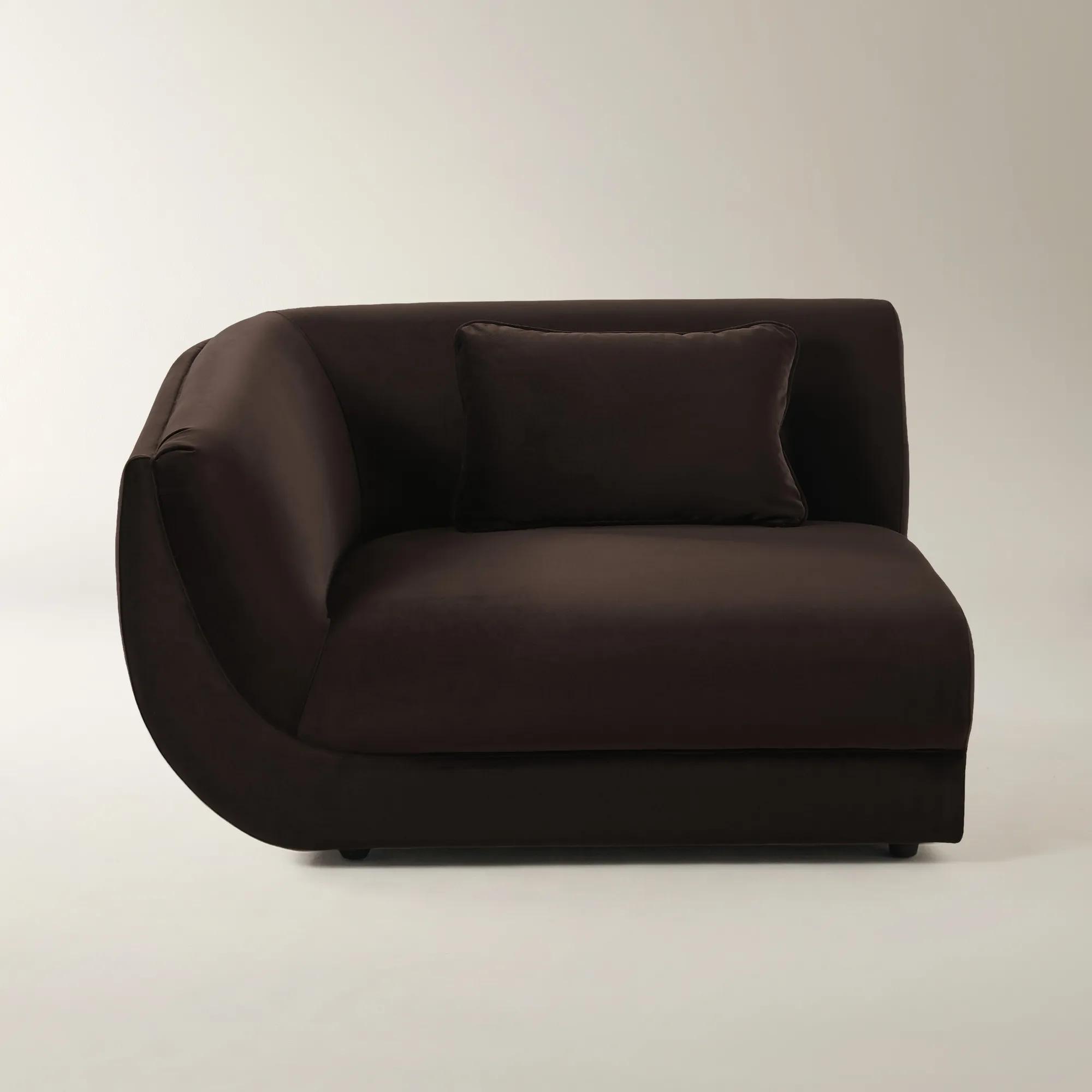
 Curvia 2-Piece Dark Chocolate Velvet Grand Sectional Sofa$2899
A modular sectional wrapped in dark chocolate velvet, featuring sculptural curves and deep, plush lounge seating.
Add To Cart -

 Reina 3-Piece Tufted Oatmeal Velvet Sectional Sofa$2499
A plush oatmeal velvet sectional featuring channel tufting, deep seating, and an architectural winged silhouette.
Add To Cart -
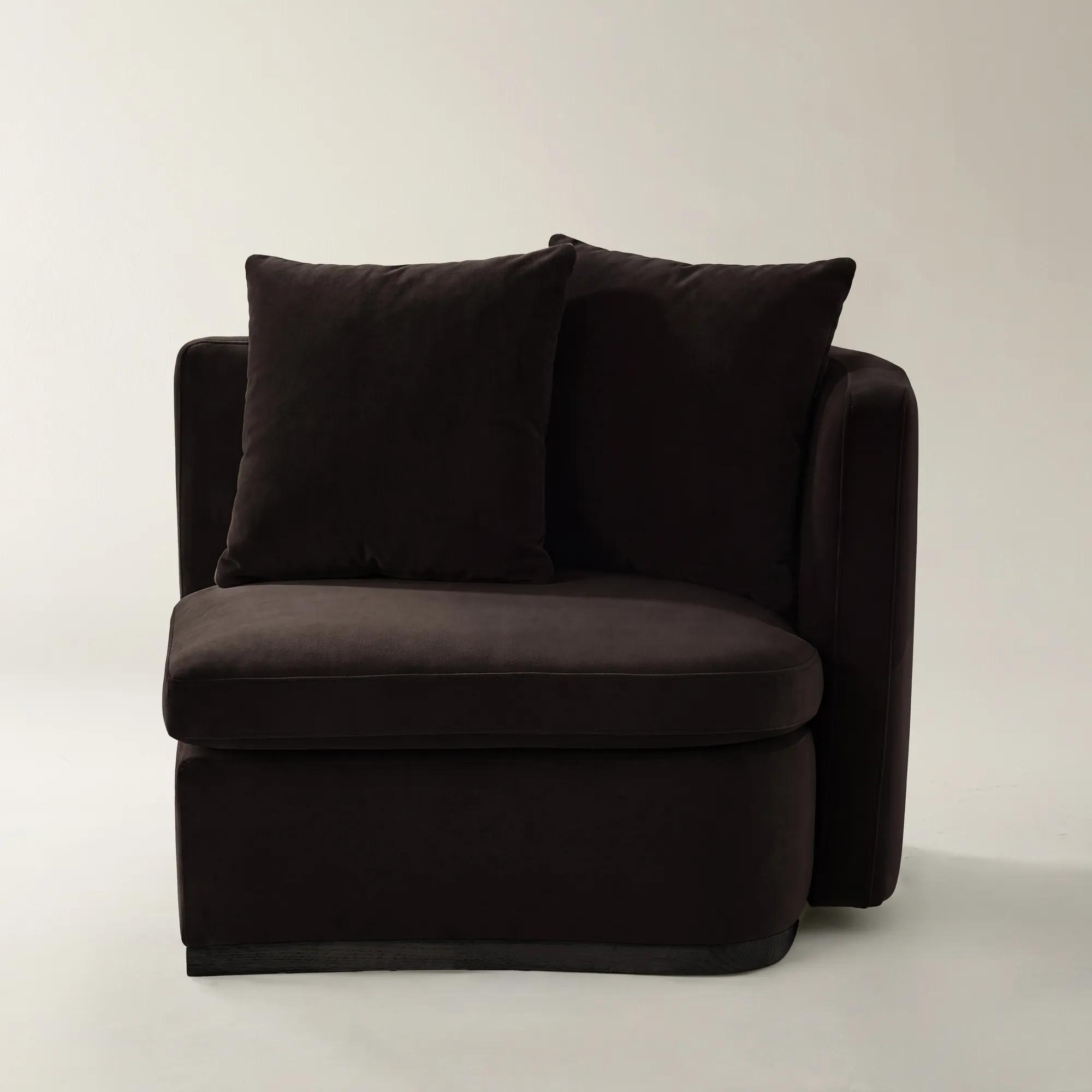
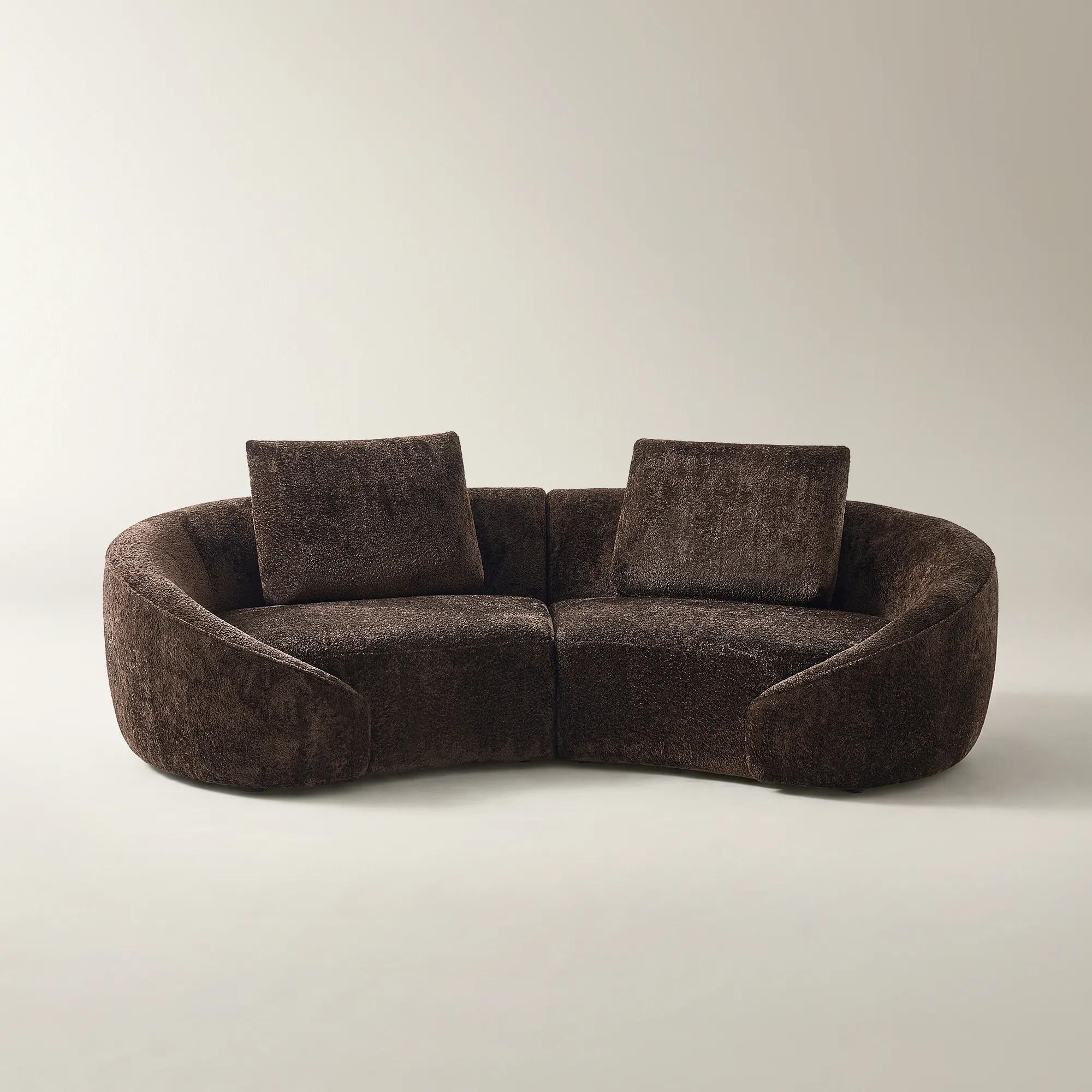 Irene 2-Piece Dark Chocolate Chenille Sectional Sofa$2699
A sculptural, hand-finished sectional wrapped in plush dark chocolate chenille with high-resiliency foam cushions.
Add To Cart -
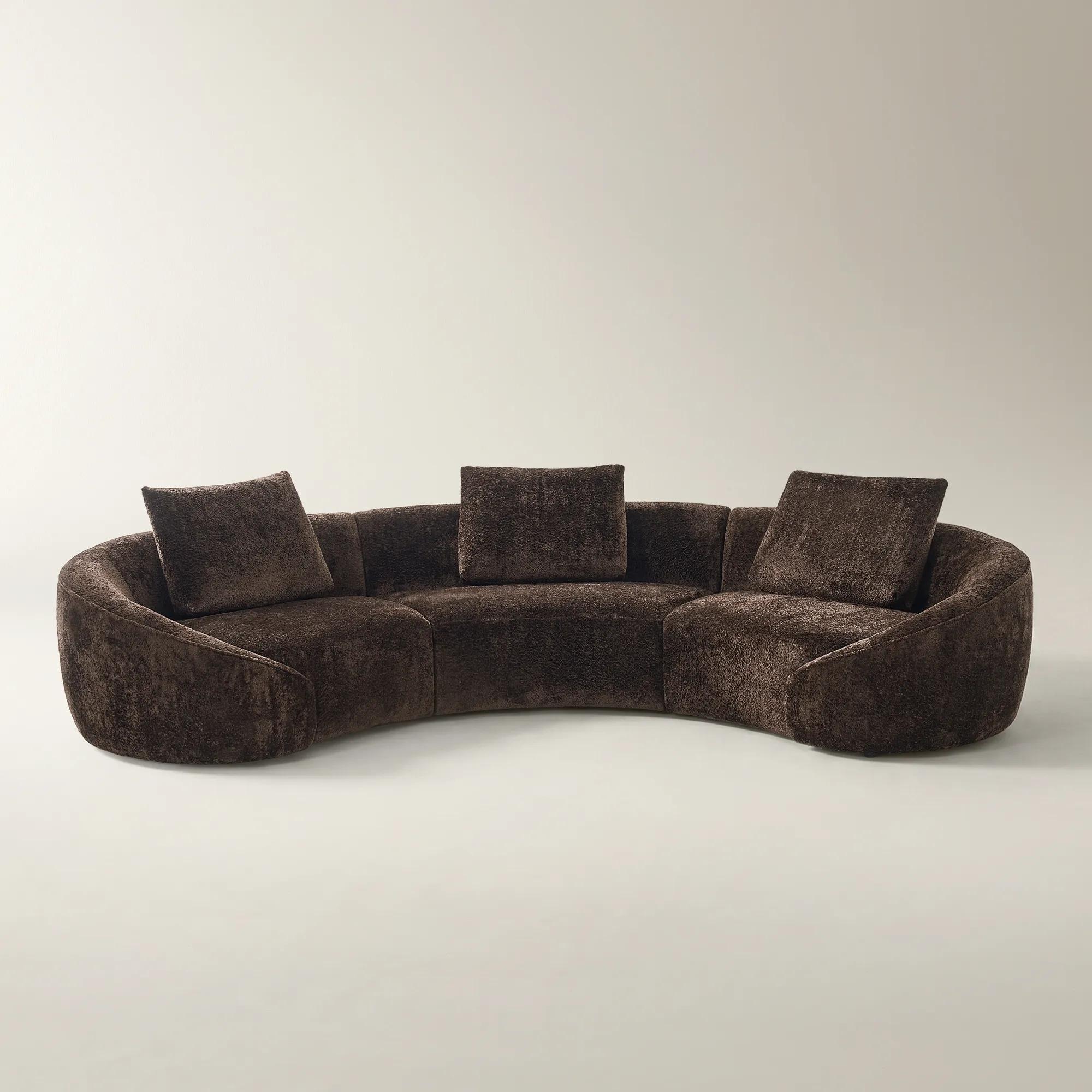 Irene 3-Piece Dark Chocolate Chenille Sectional Sofa$3899
A sculptural, hand-finished sectional wrapped in dark chocolate chenille with plush foam cushions and accent pillows.
Add To Cart -
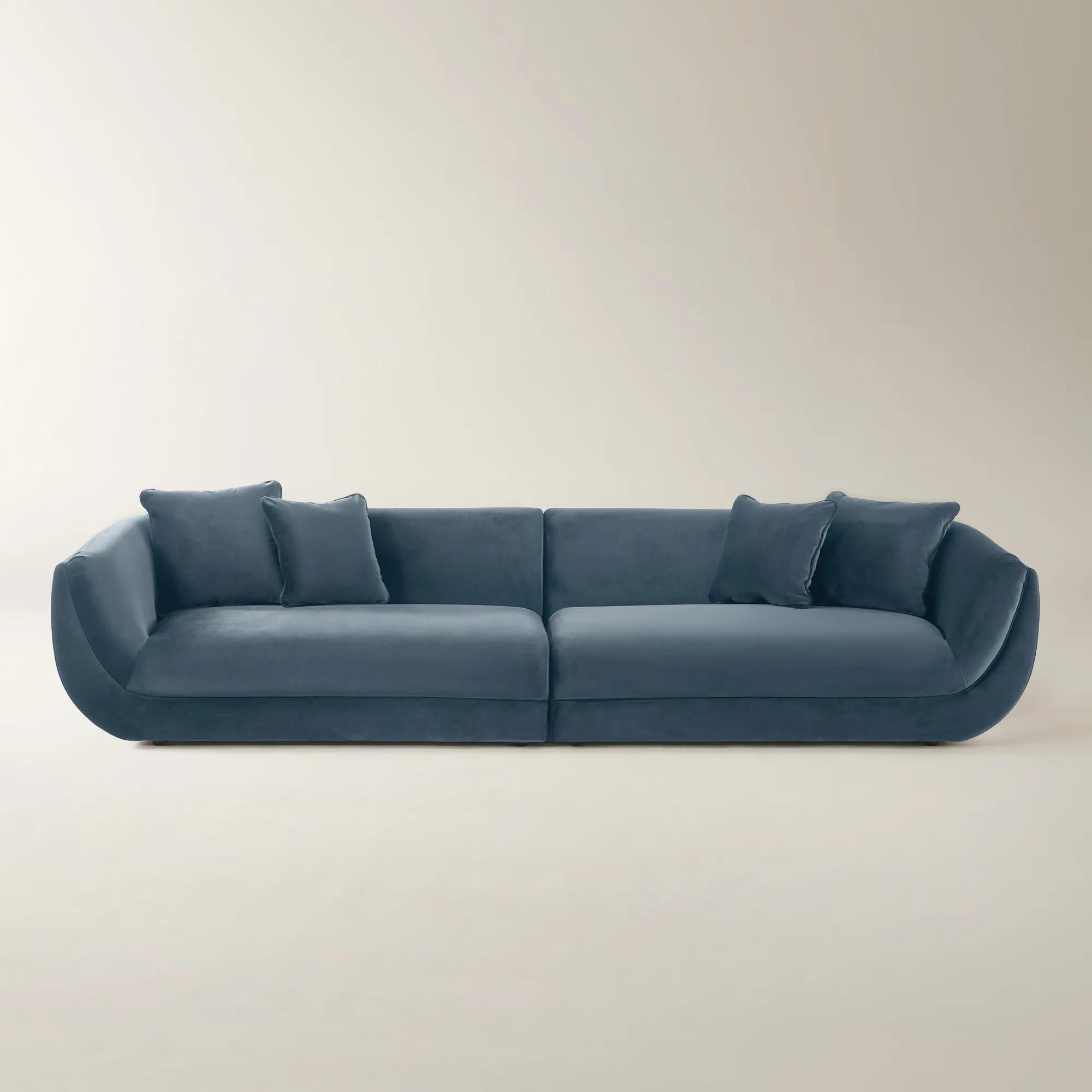
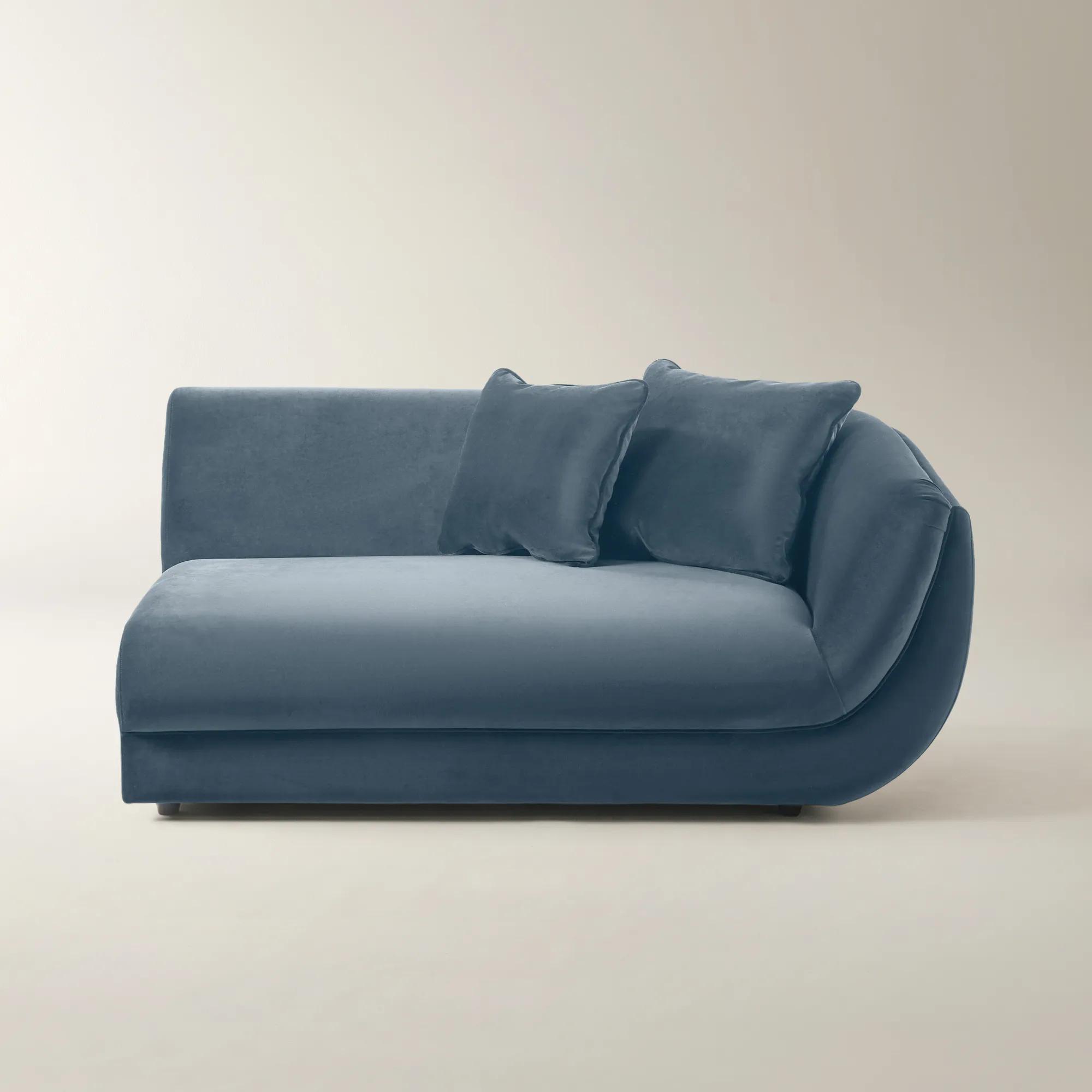
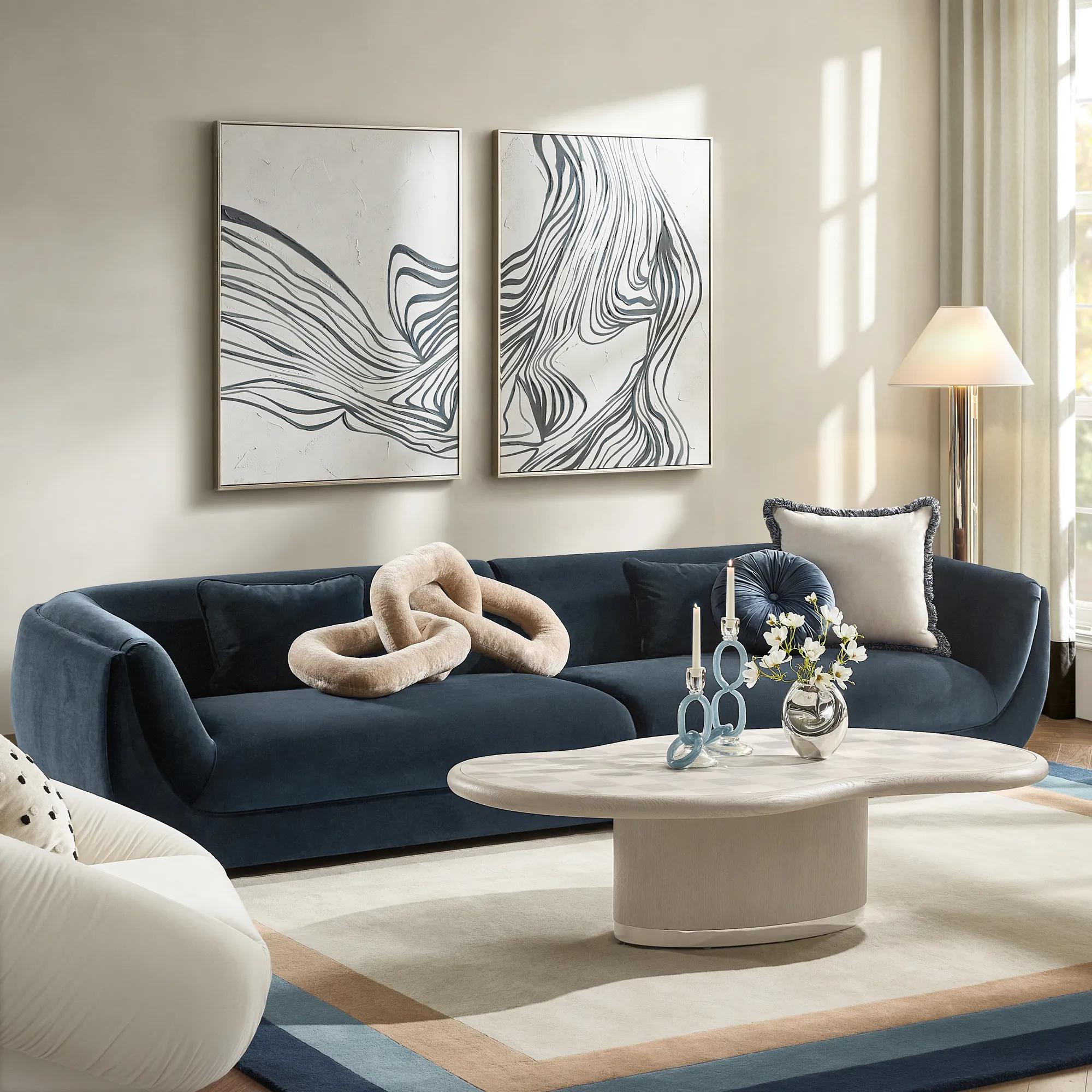 Curvia 2-Piece Dusty Blue Velvet Grand Sectional Sofa$2899
A plush, modular sectional wrapped in dusty blue velvet with sculptural curves and deep, lounge-worthy comfort.
Add To Cart -
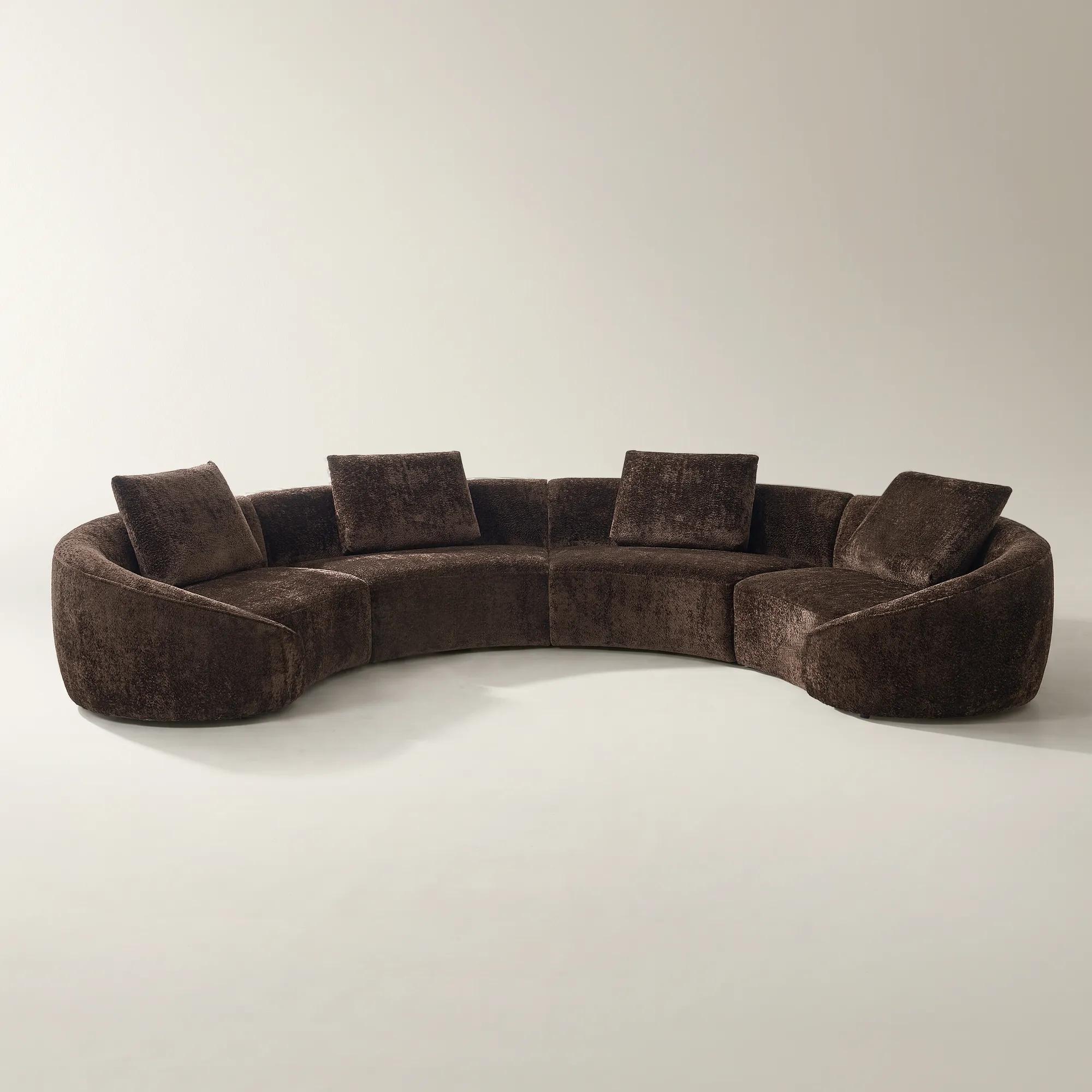 Irene 4-Piece Dark Chocolate Chenille Sectional Sofa$4999
A sculptural, hand-finished sectional wrapped in plush dark chocolate chenille with resilient foam cushions.
Add To Cart -

 Curvia 2-Piece Dark Chocolate Velvet Sectional Sofa$2699
A sculptural sectional wrapped in dark chocolate velvet with plush cushioning and modular, lounge-ready design.
Add To Cart -

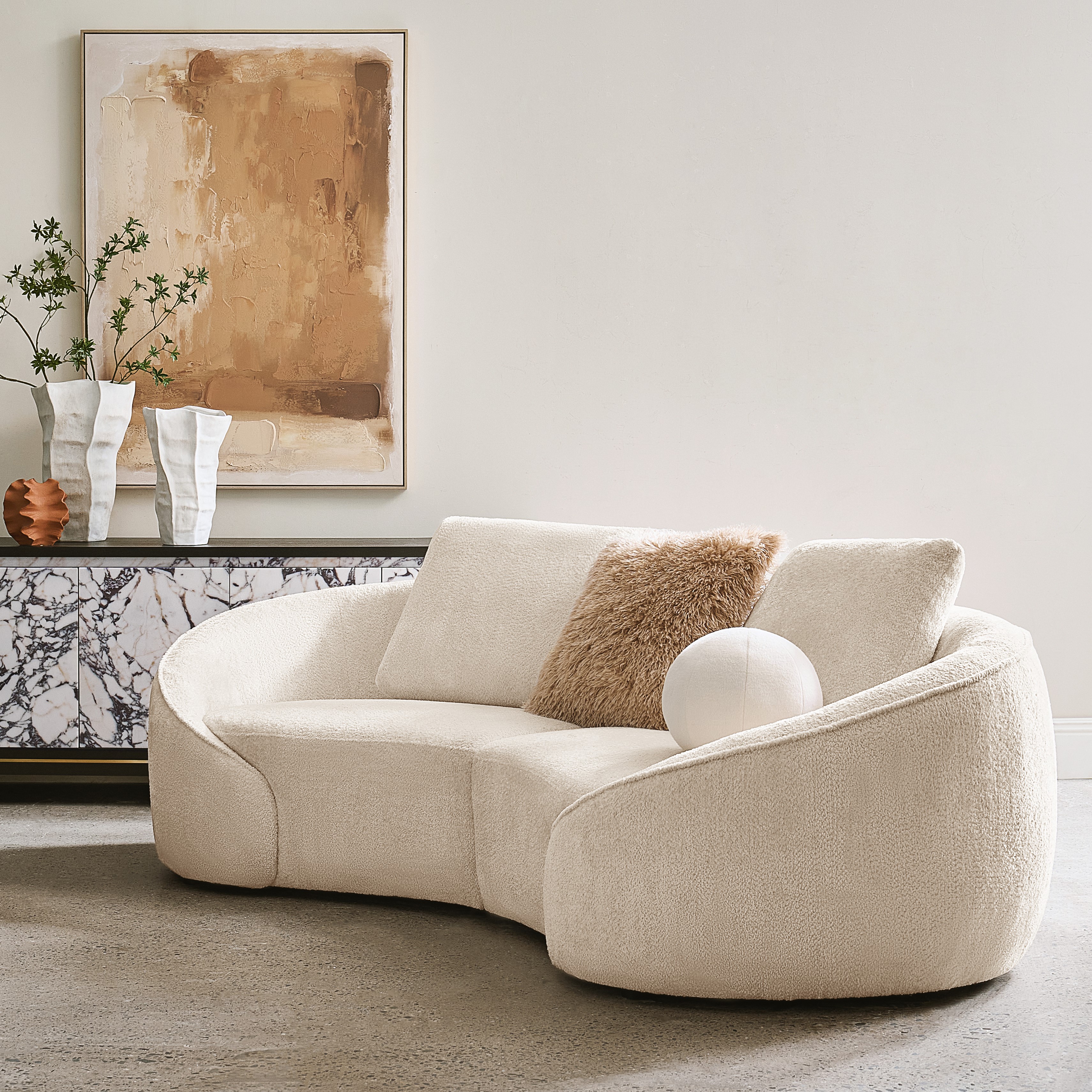 Irene 2-Piece Utopia Sand Chenille Sectional$2699
A modern curved sectional upholstered in plush Utopia Sand chenille with high-density foam cushioning for comfort.
Add To Cart -
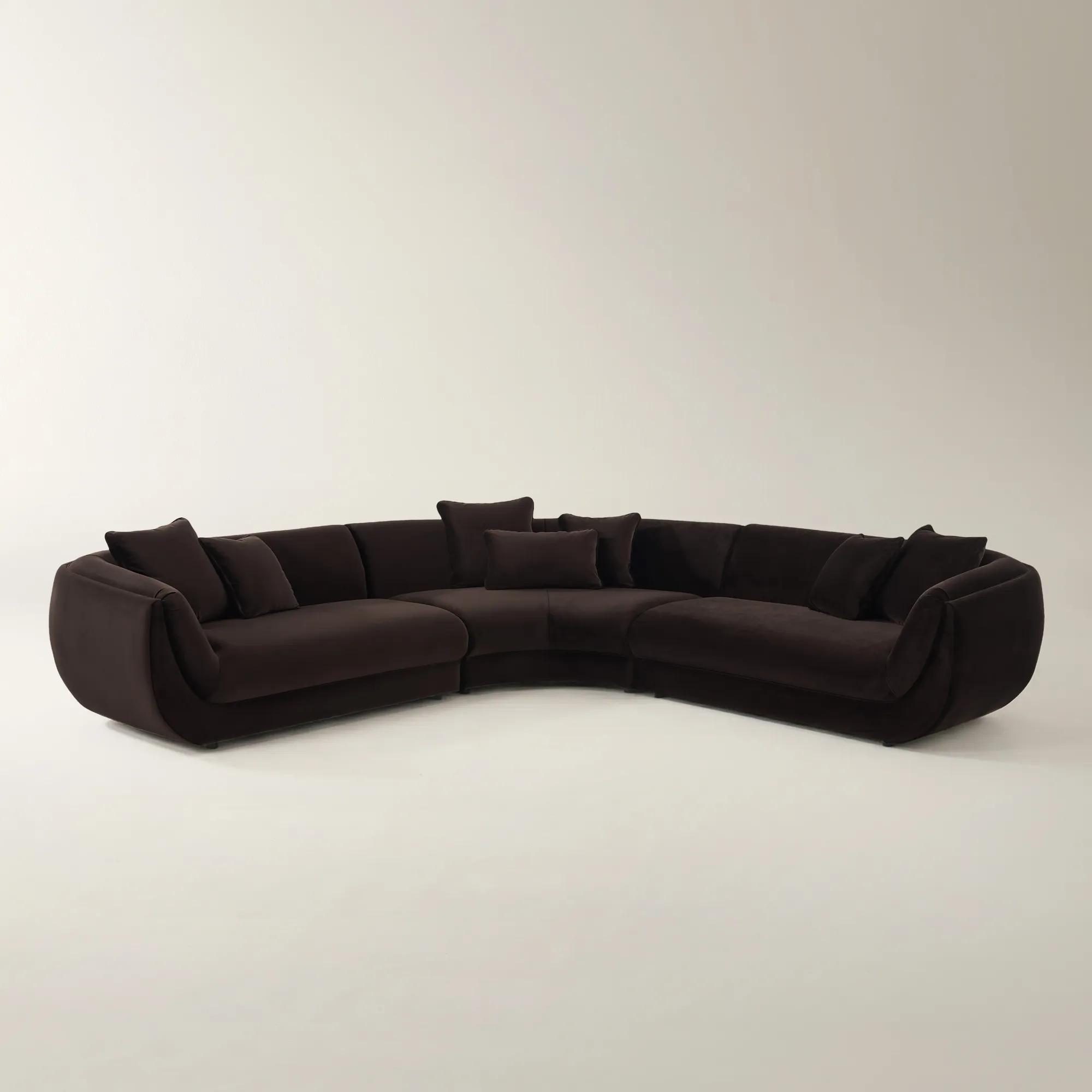
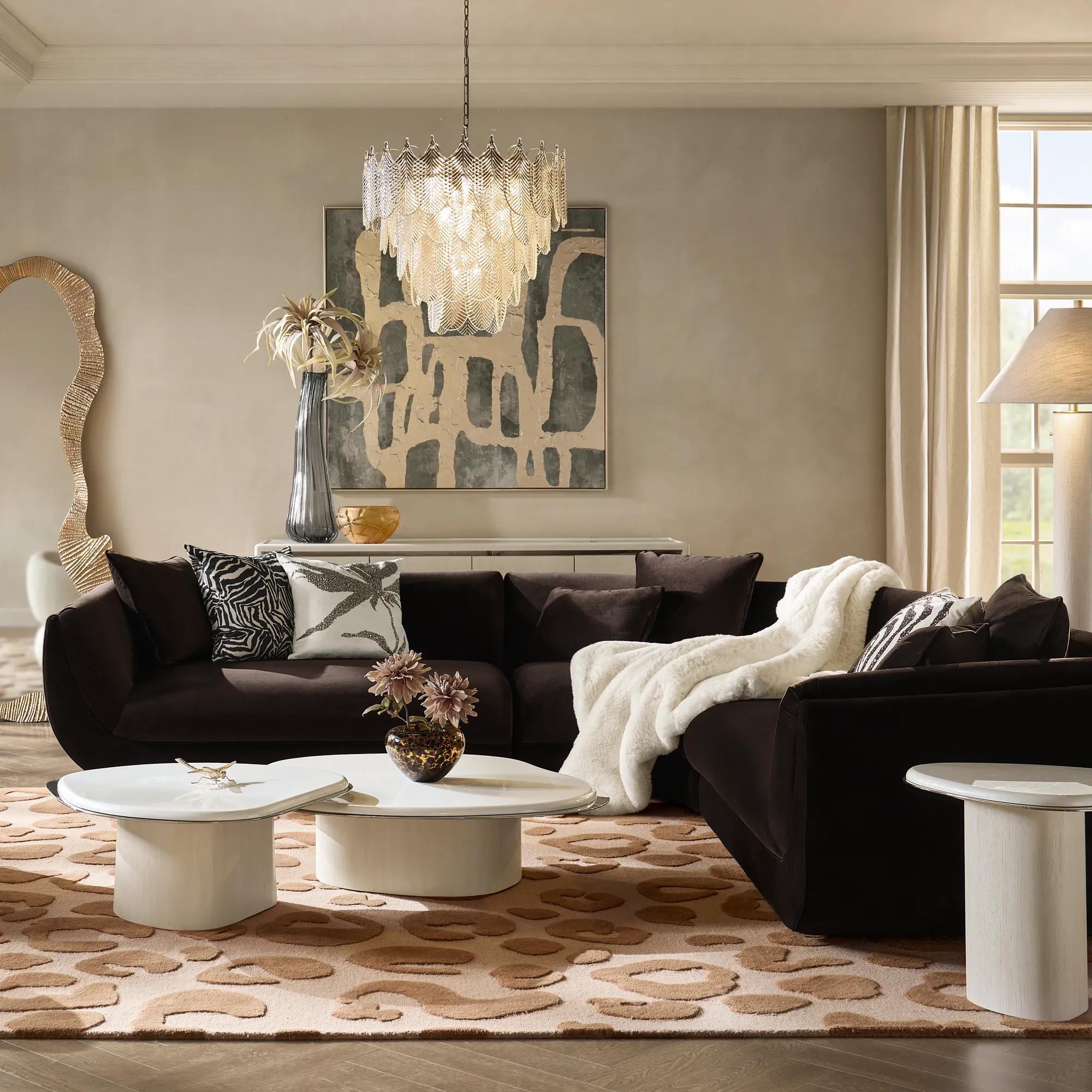 Curvia 3-Piece Dark Chocolate Velvet Sectional Sofa$4599
A modular sectional wrapped in dark chocolate velvet, featuring sculptural curves and deep, plush lounge seating.
Add To Cart -
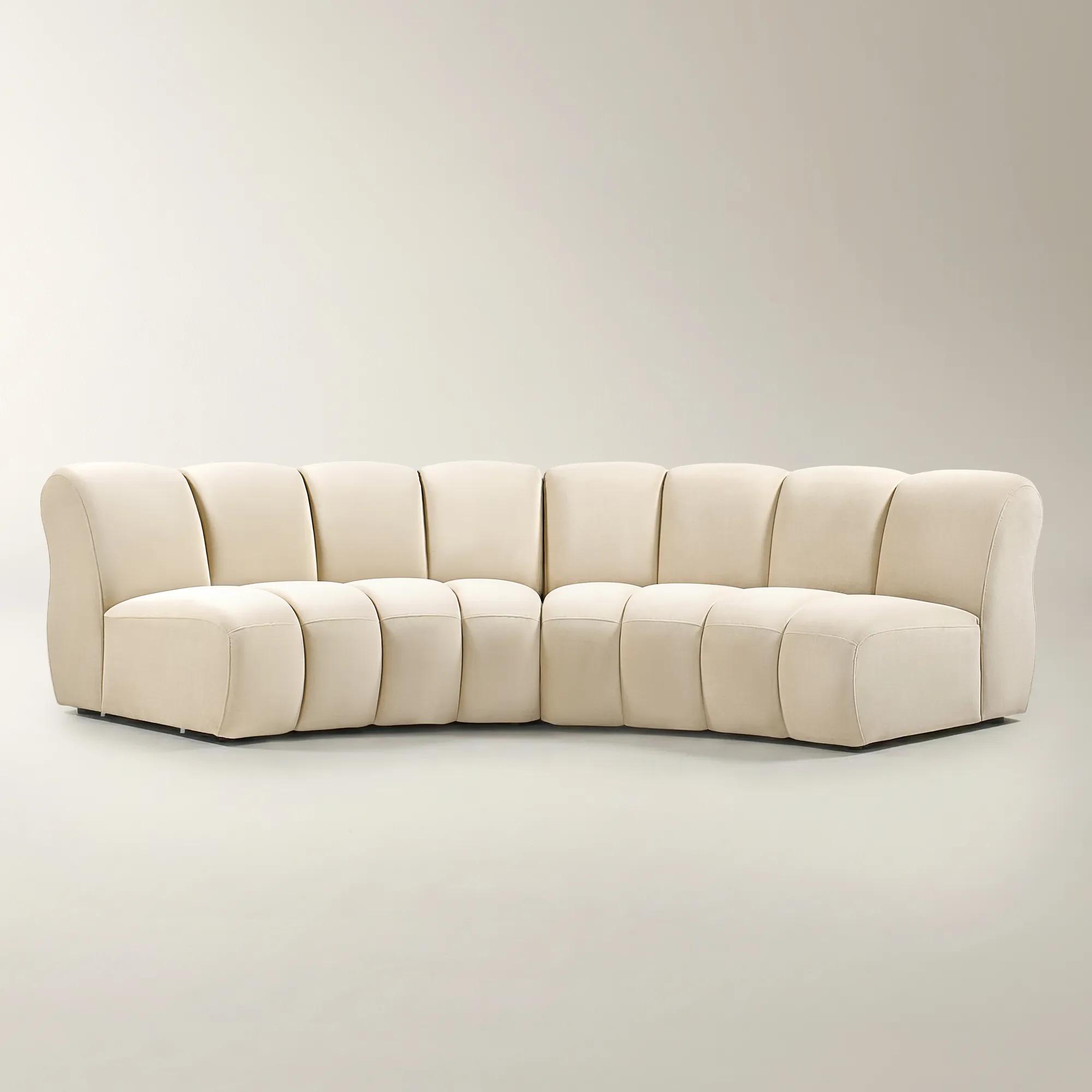
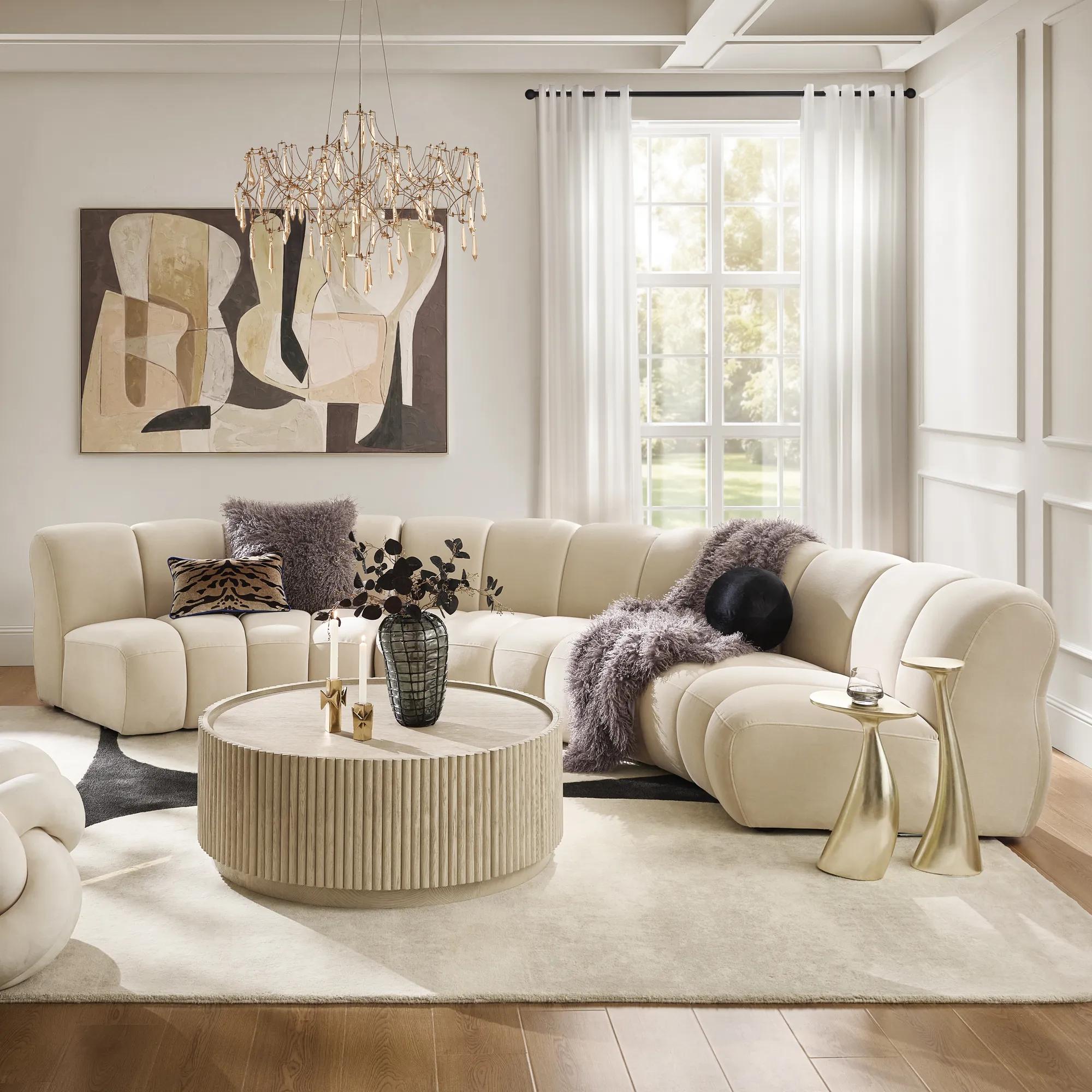 Jocelyn 2-Piece Channel-Tufted Oatmeal Velvet Sectional Sofa$2699
A sculptural oatmeal velvet sectional with deep channel tufting, curved silhouette, and modular, conversation-friendly design.
Add To Cart -
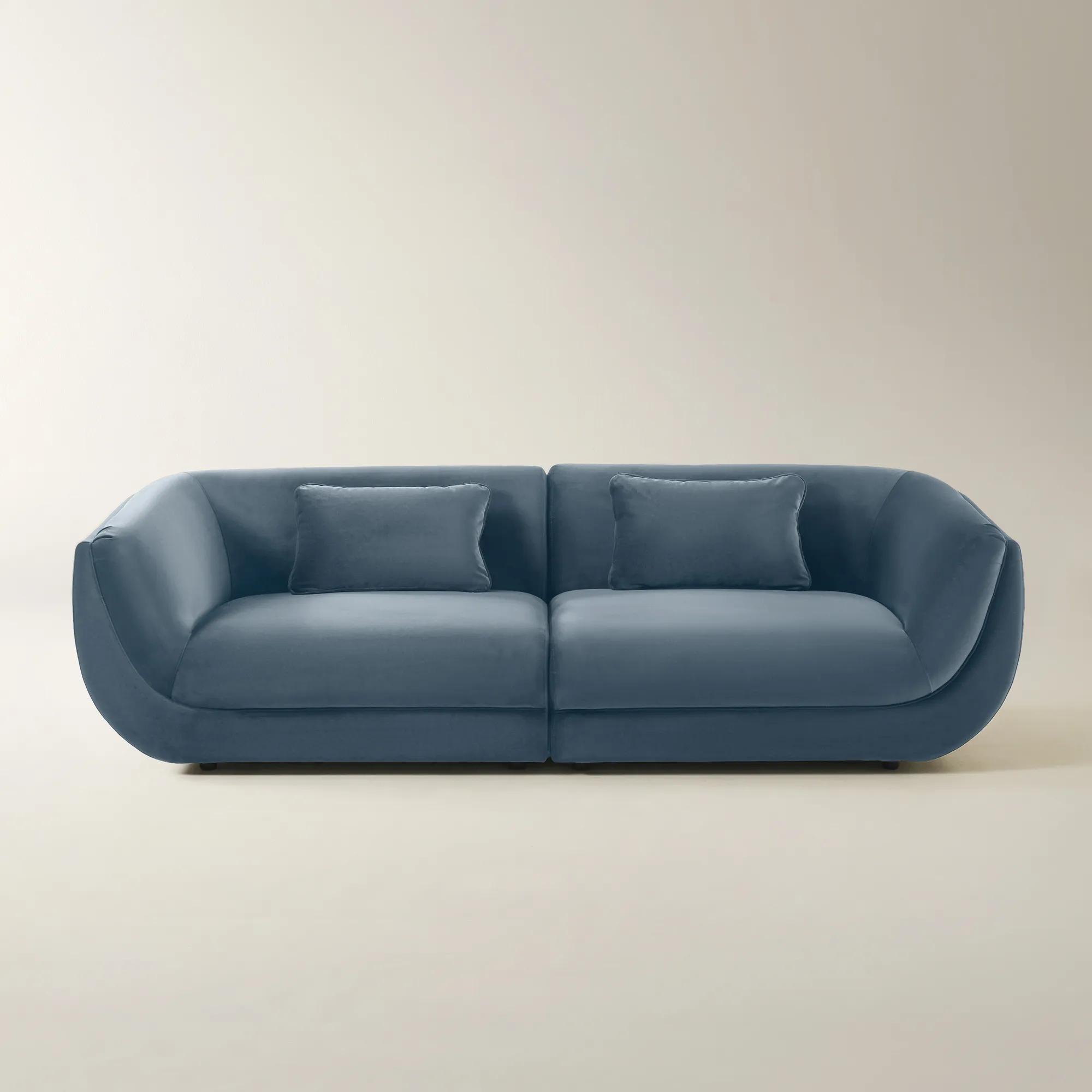 Curvia 2-Piece Dusty Blue Velvet Sectional Sofa$2699
A modular sectional wrapped in plush dusty blue velvet with sculptural curves and deep, lounge-worthy comfort.
Add To Cart -
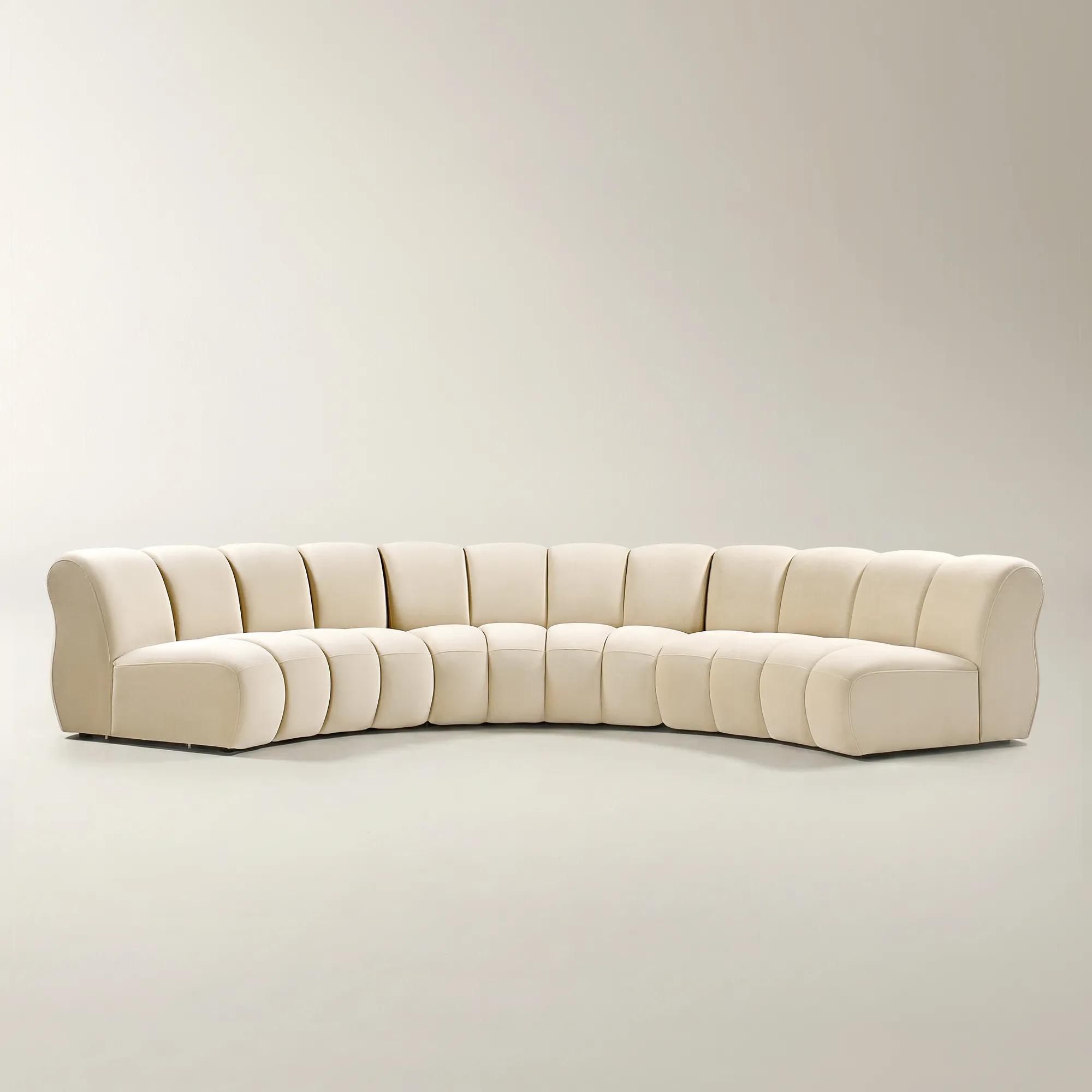
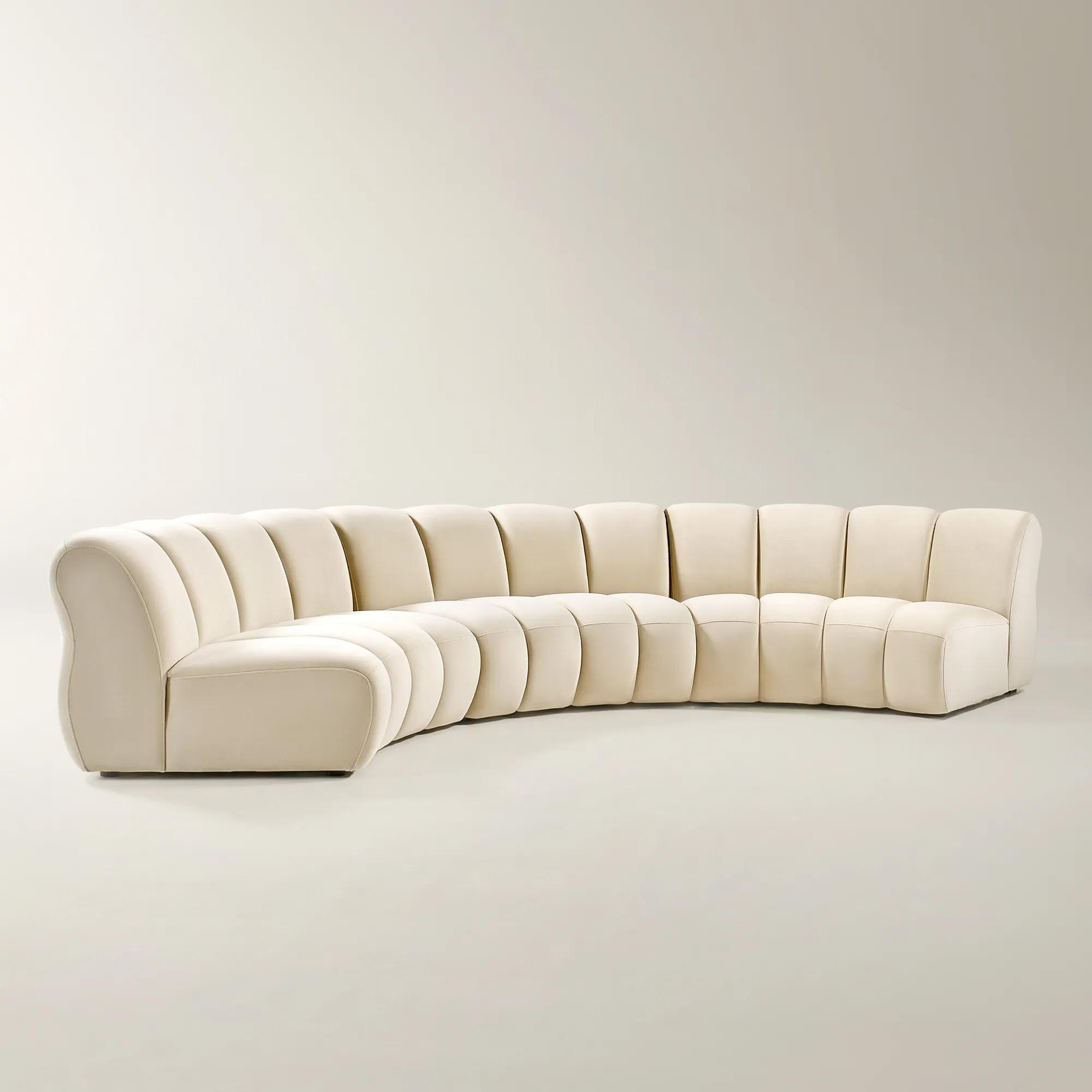 Jocelyn 3-Piece Channel-Tufted Oatmeal Velvet Sectional Sofa$4099
An oatmeal velvet sectional featuring deep channel tufting, sculptural curves, and modular, kiln-dried wood construction.
Add To Cart -
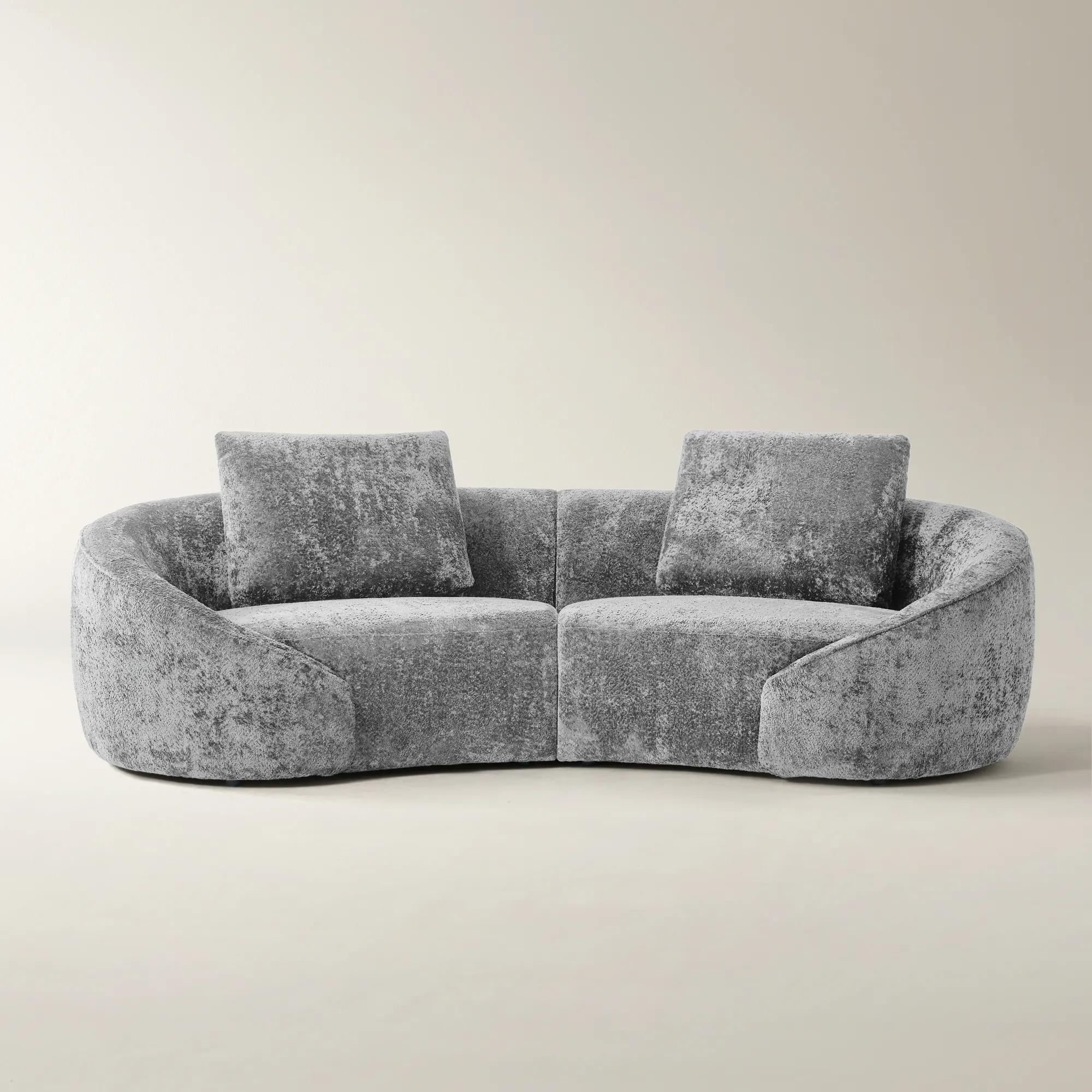 Irene 2-Piece Grey Chenille Sectional$2699
A modern curved sectional upholstered in plush Utopia Sand chenille with high-density foam cushioning for comfort.
Add To Cart -
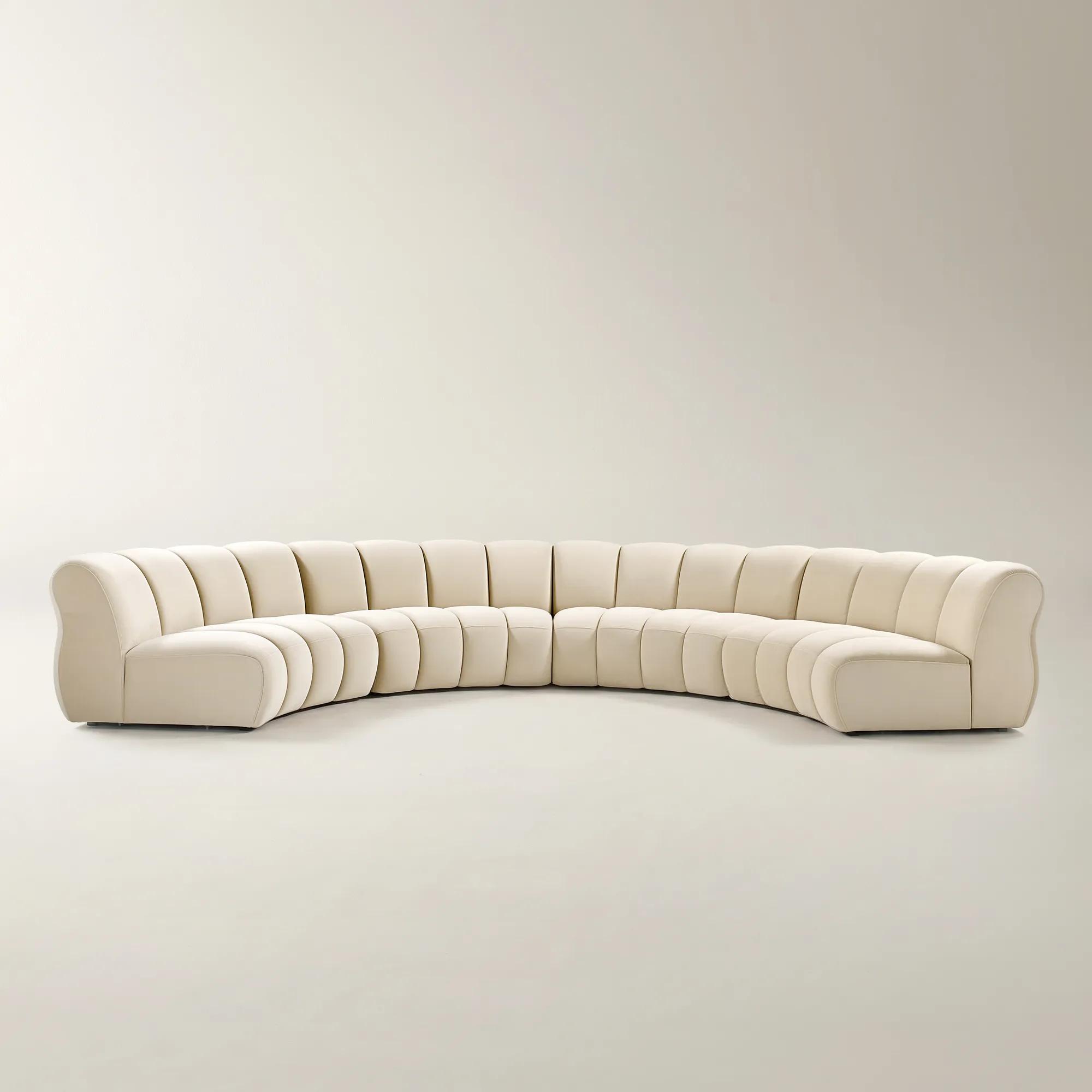
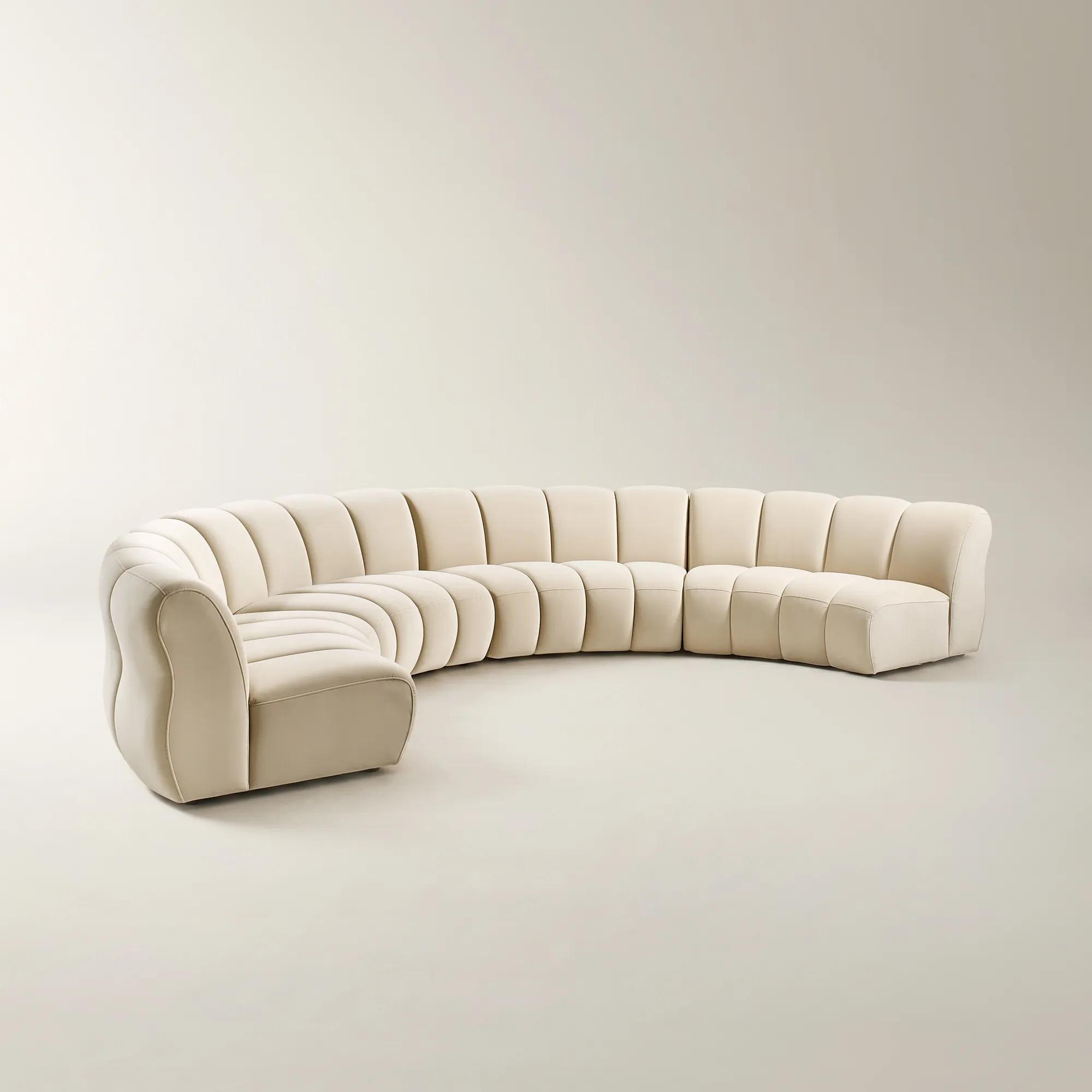 Jocelyn 4-Piece Channel-Tufted Oatmeal Velvet Sectional Sofa$4999
An oatmeal velvet sectional with deep channel tufting, curved silhouette, and modular design for versatile lounging.
Add To Cart -
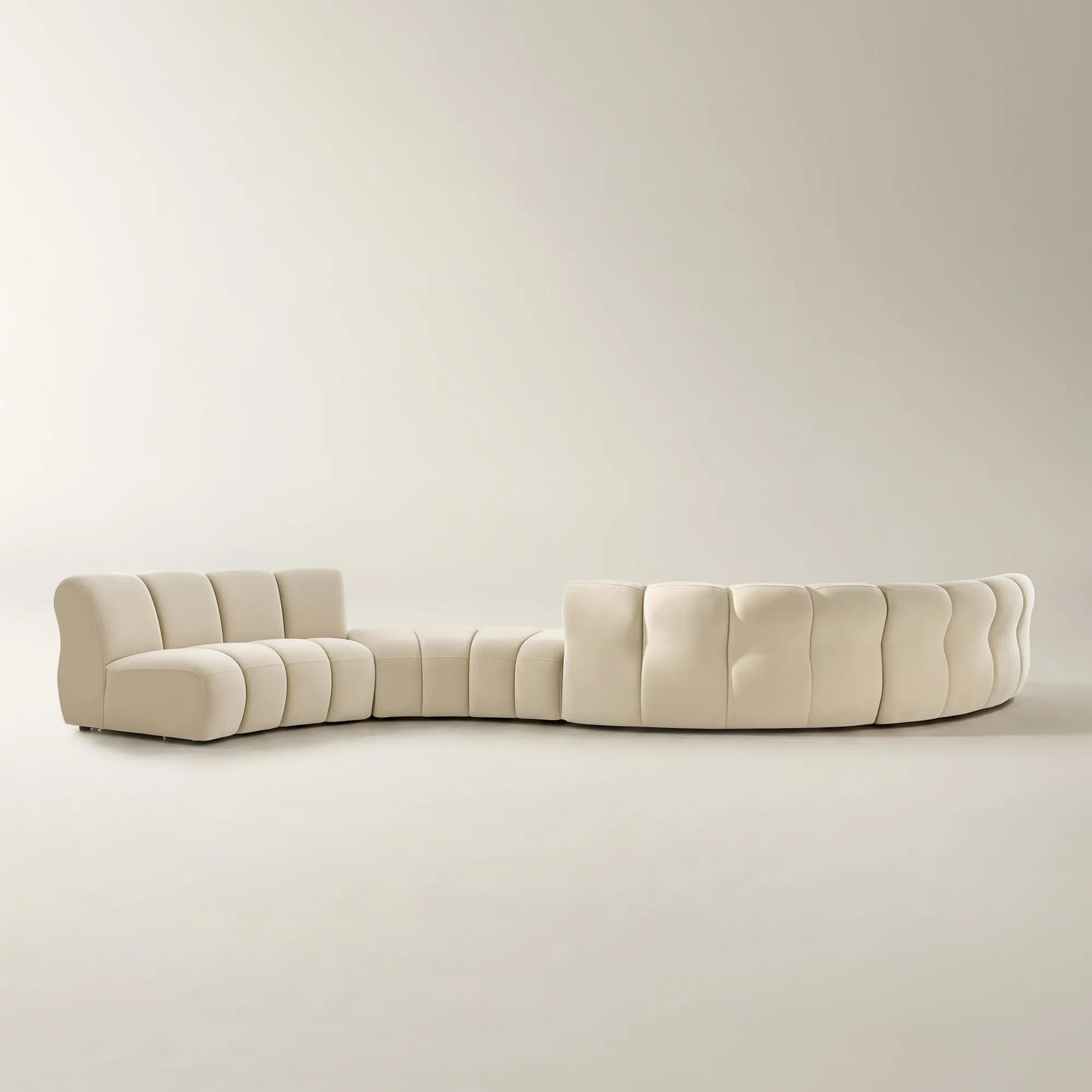 Jocelyn 4-Piece Channel-Tufted Oatmeal Velvet Sectional Sofa With Ottoman$4999
An oatmeal velvet sectional with deep channel tufting, curved silhouette, and modular design for flexible arrangements.
Add To Cart -
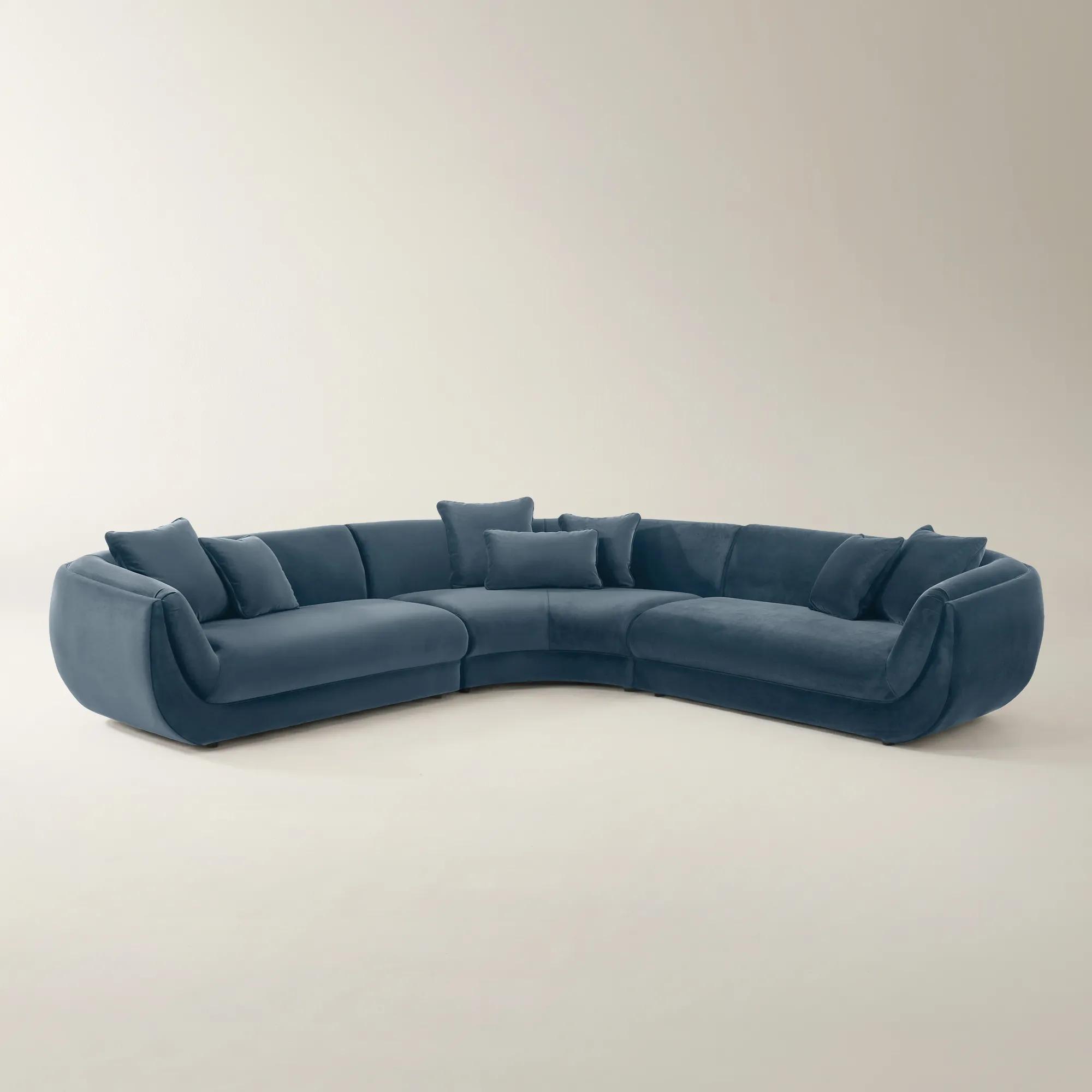
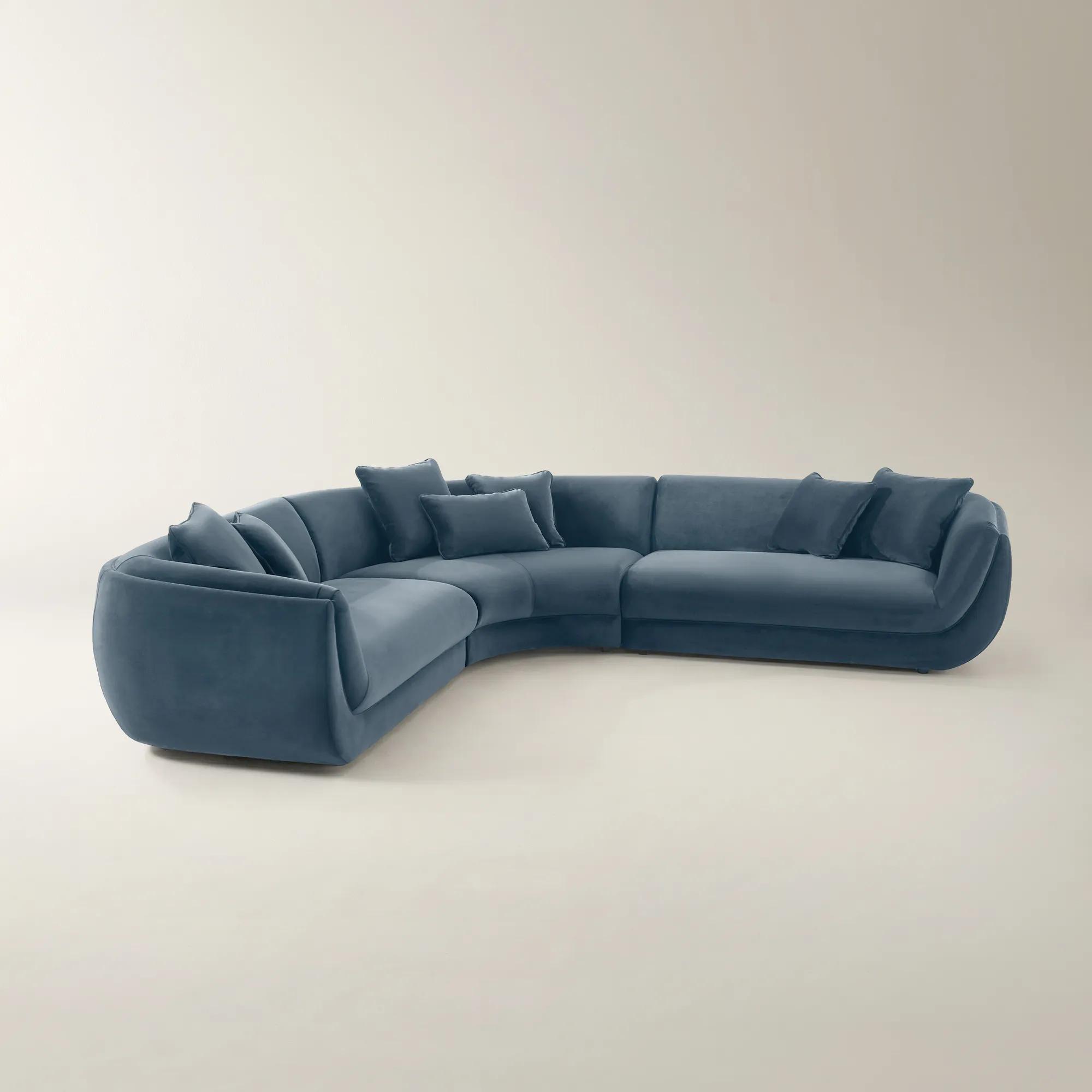 Curvia 3-Piece Dusty Blue Velvet Sectional Sofa$4599
A modular sectional wrapped in plush dusty blue velvet with deep lounge seating and sculptural curves.
Add To Cart -
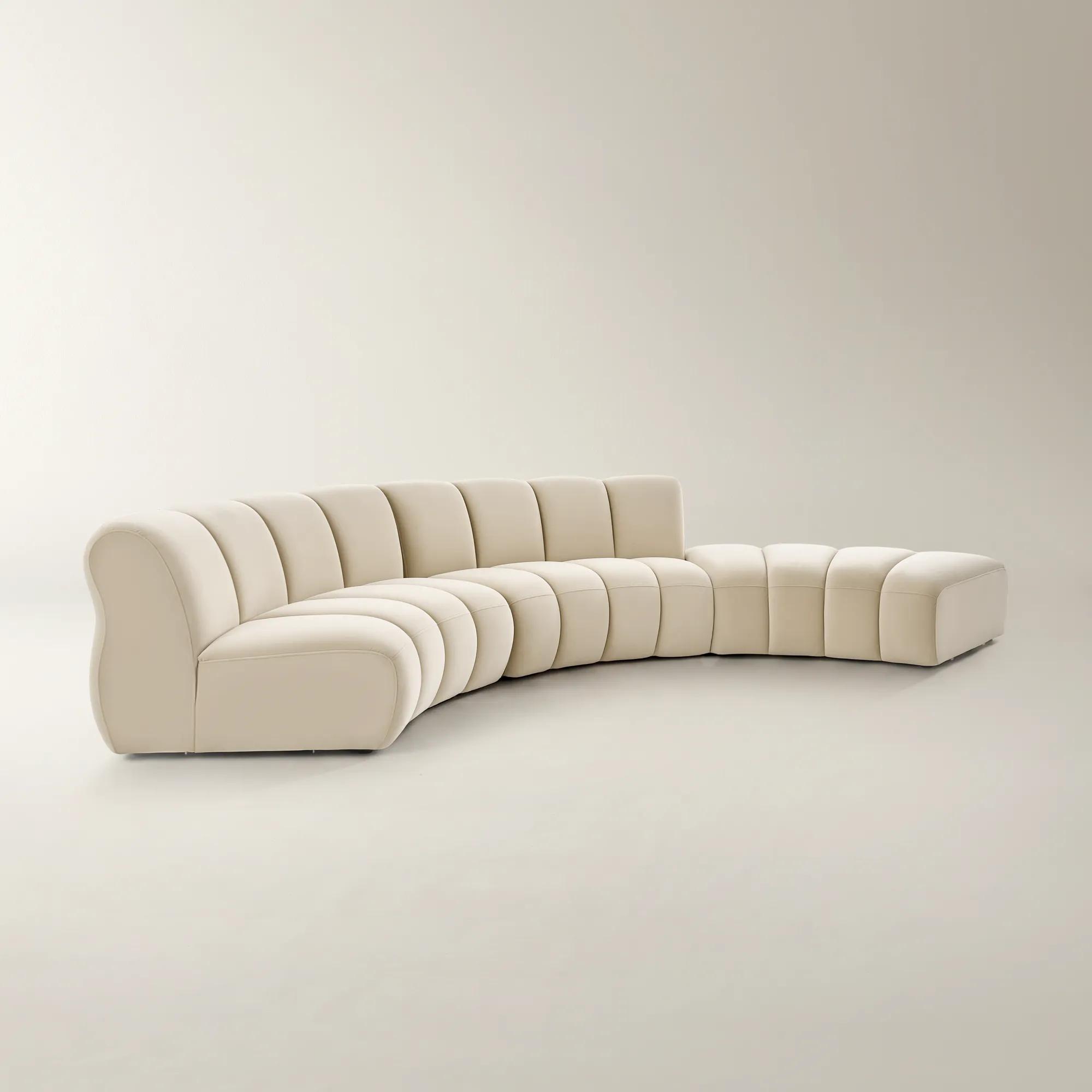 Jocelyn 3-Piece Channel-Tufted Oatmeal Velvet Sectional Sofa With Ottoman$3699
An oatmeal velvet sectional with deep channel tufting, curved silhouette, and modular design for versatile lounging.
Add To Cart -

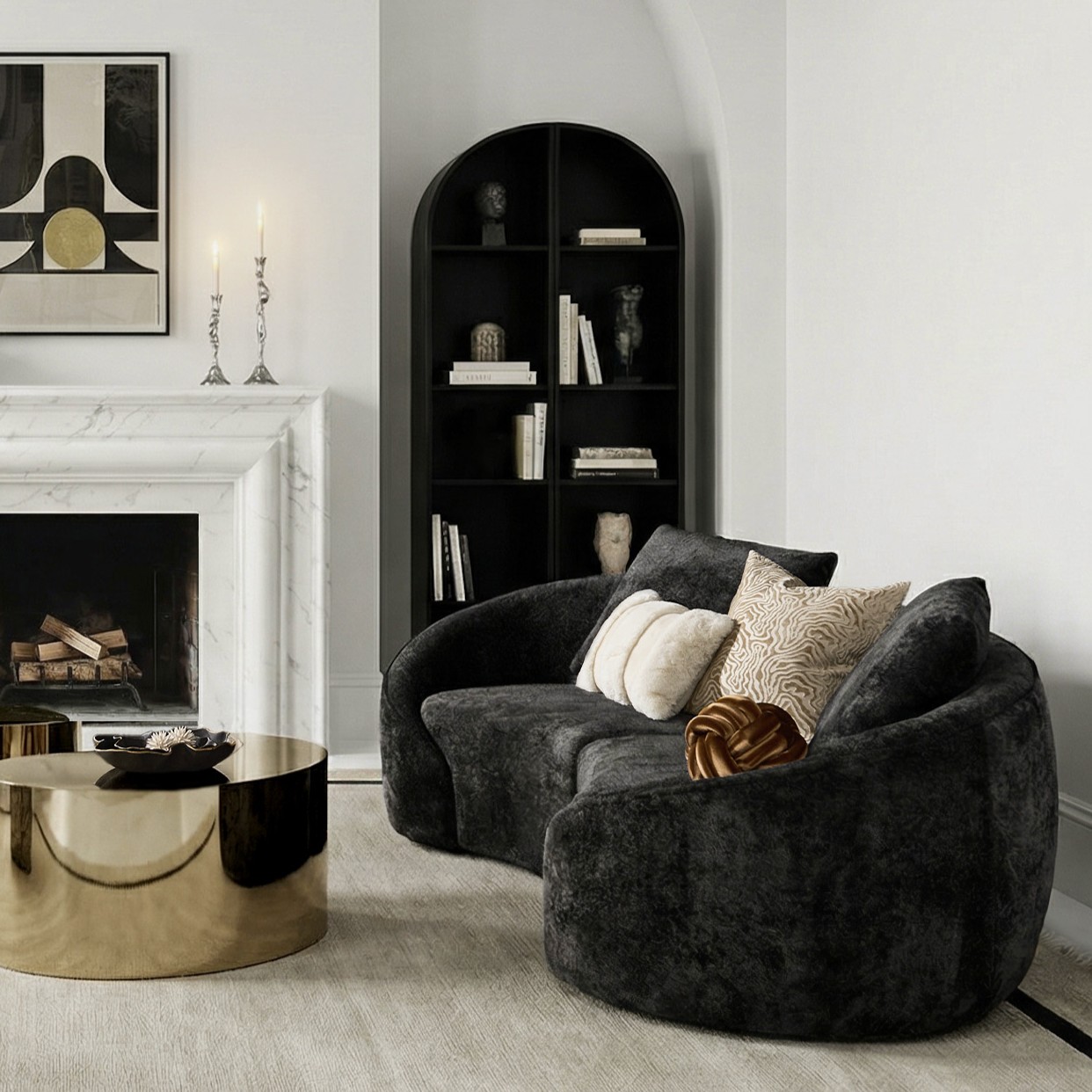 Irene 2-Piece Black Chenille Sectional$2699
A modern curved sectional upholstered in plush utopia sand chenille with high-density foam cushioning for comfort.
Add To Cart -
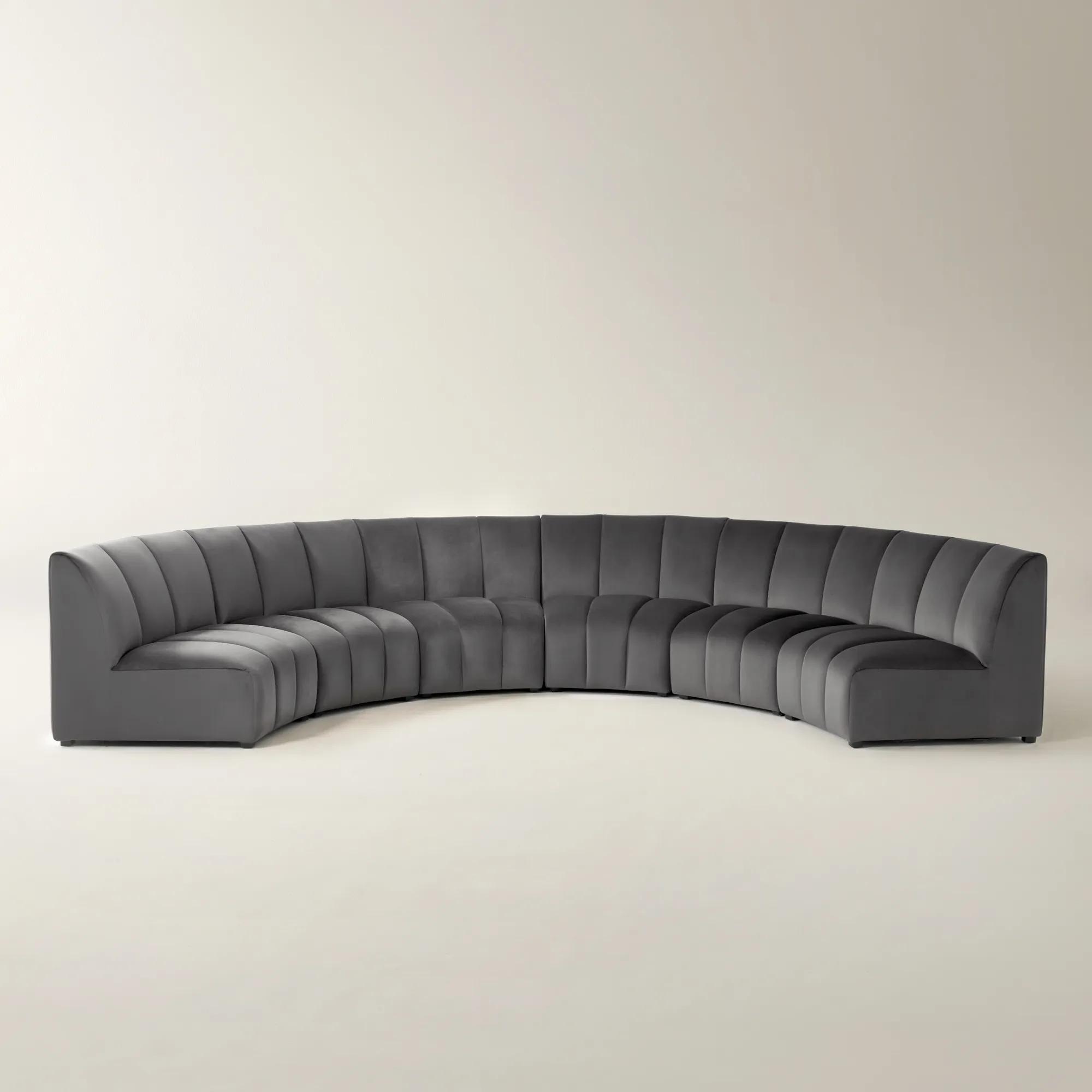 Jayce 6-Piece Channel-Tufted Smoked Pearl Velvet Sectional Sofa$5499
A modern curved sectional in silver grey velvet with deep channel tufting and plush, high-density cushions.
Add To Cart -
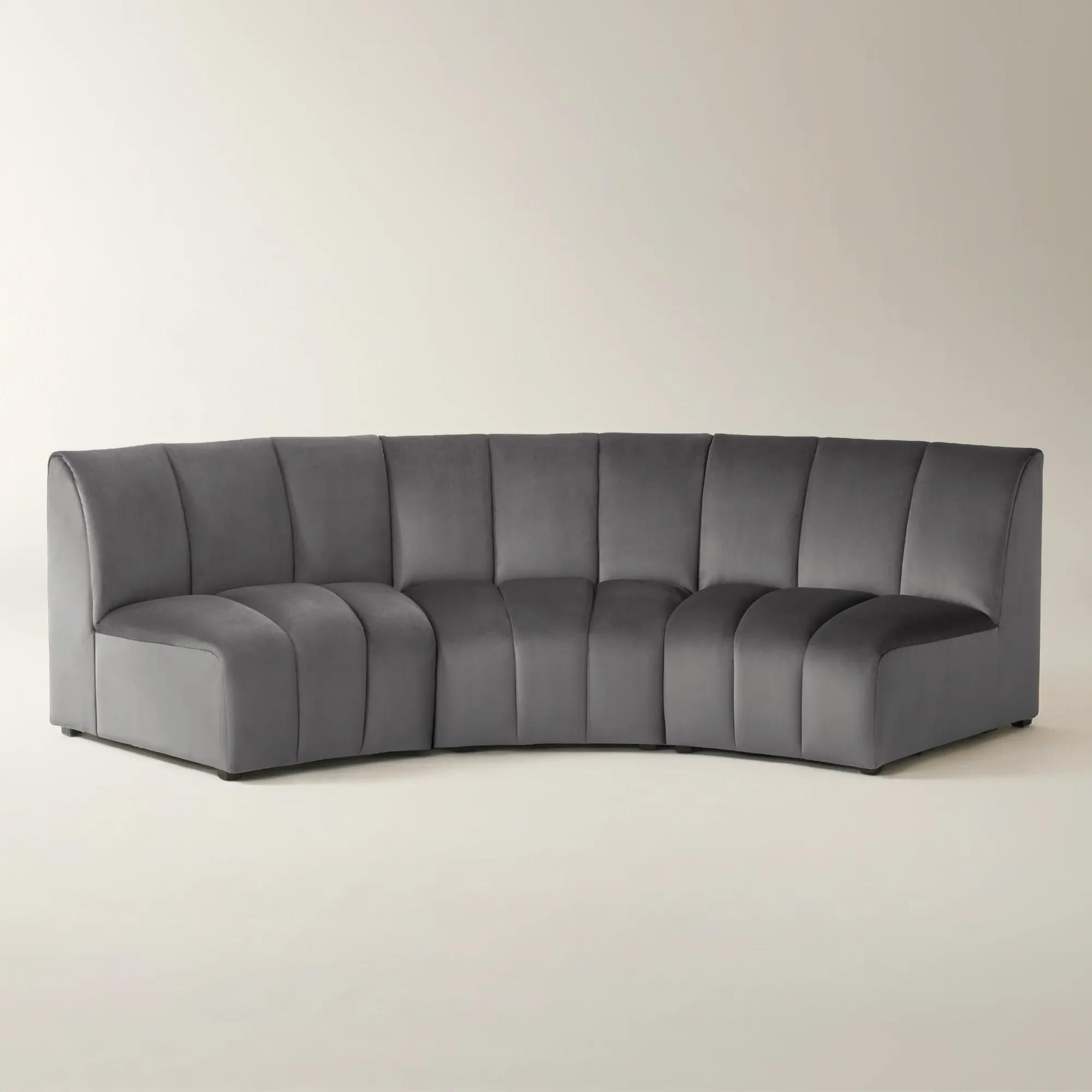 Jayce 3-Piece Channel-Tufted Smoked Pearl Velvet Sectional Sofa$2799
A modern curved sectional in silver grey velvet with deep channel tufting and plush, high-density foam cushions.
Add To Cart -
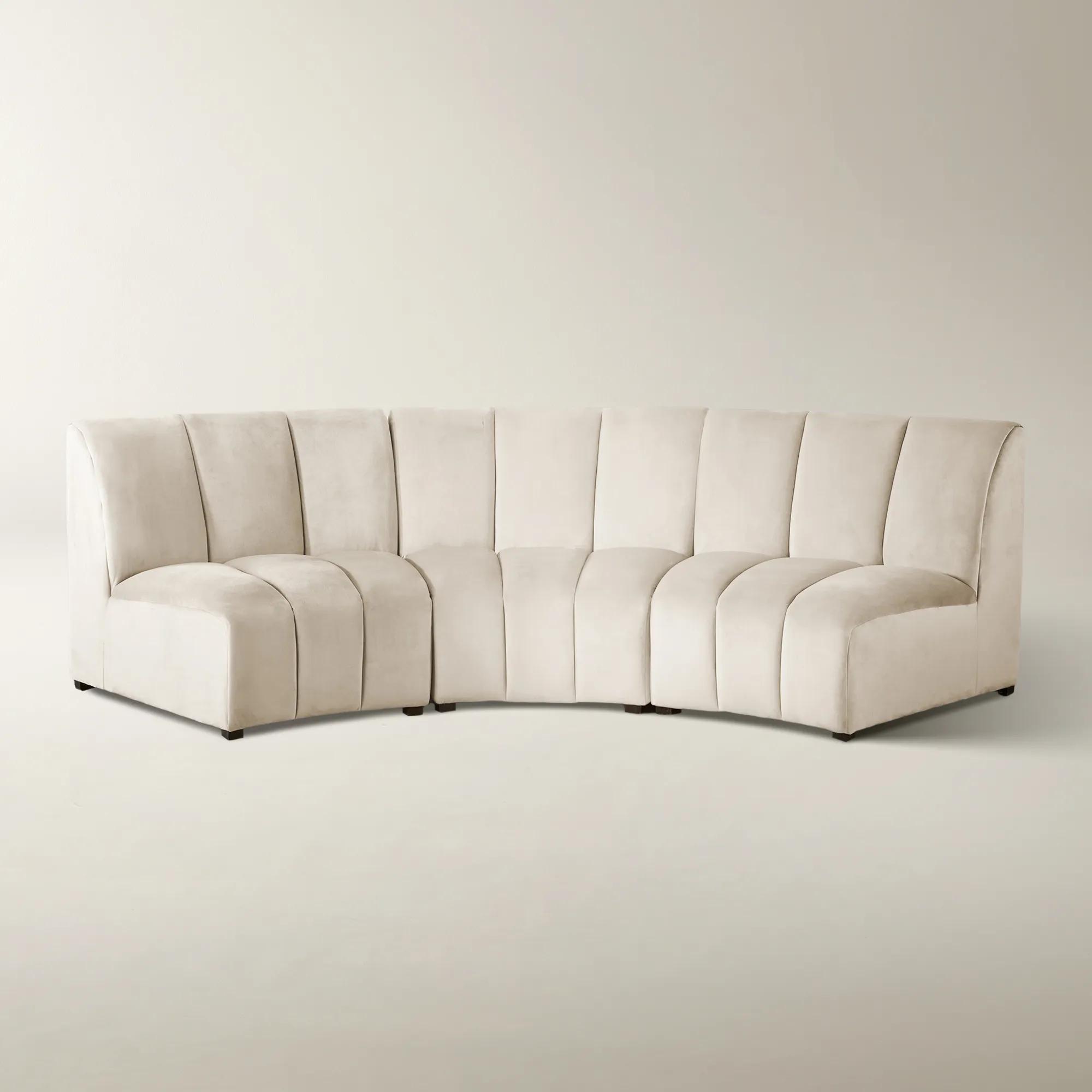
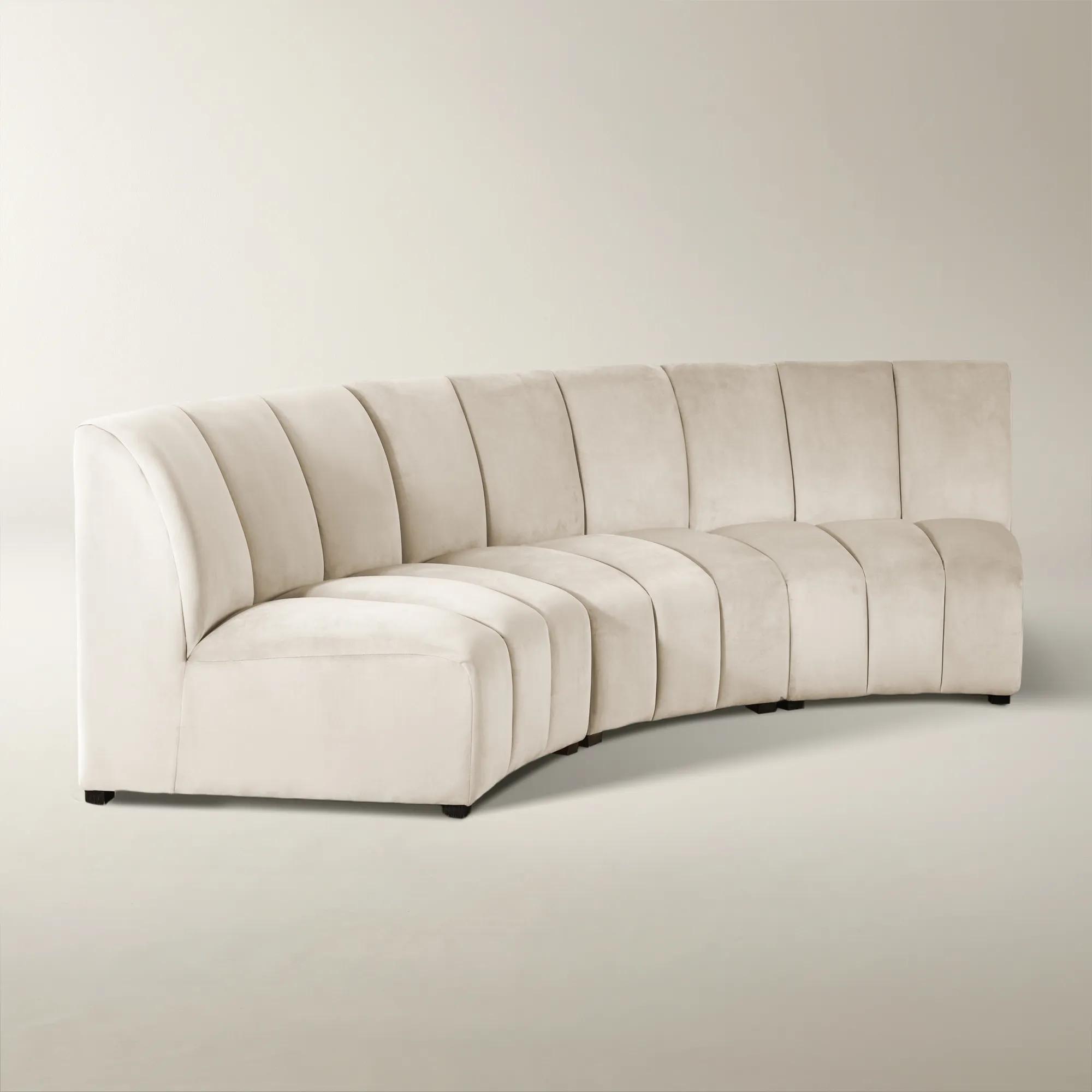 Jayce 3-Piece Channel-Tufted Ivory Velvet Sectional Sofa$2799
A modern curved sectional in stain-resistant Velvet Ivory with deep channel tufting and plush, structured cushions.
Add To Cart -
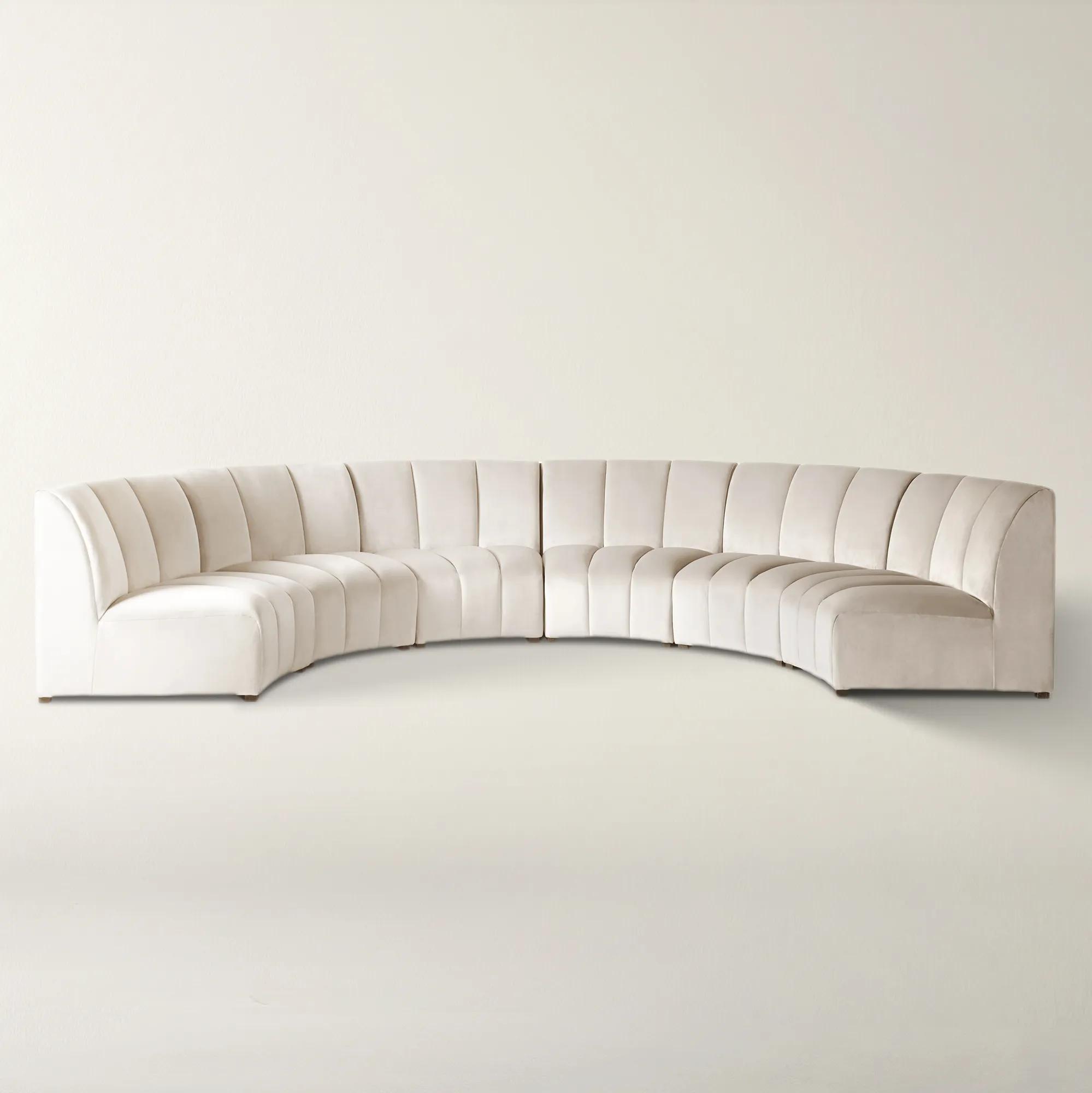 Jayce 6-Piece Channel-Tufted Ivory Velvet Sectional Sofa$5499
A modern curved sectional in stain-resistant Velvet Ivory with deep channel tufting and plush, structured cushions.
Add To Cart -
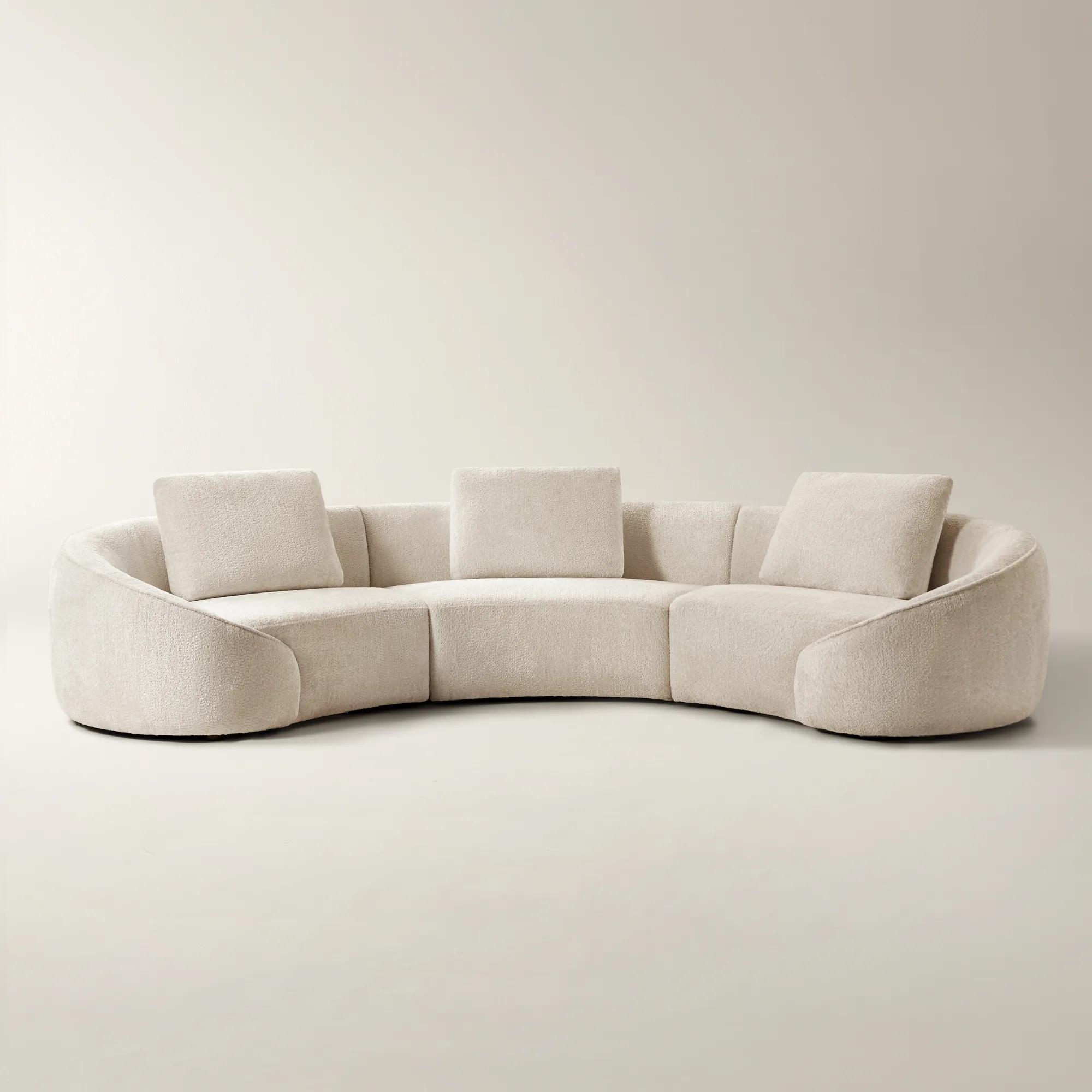 Irene 3-Piece Utopia Sand Chenille Sectional$3899
A modern curved sectional upholstered in plush Utopia Sand chenille with high-density foam cushioning for comfort.
Add To Cart

Indoor Plush Sofas
Sumptuous comfort meets high drama in our curation of indoor plush sofas, where every silhouette invites you to sink into a world of opulence. Designed for those who believe that relaxation should be nothing short of extraordinary, these sofas transform living spaces into lavish sanctuaries of style and self-expression. Bold textures, sculptural forms, and irresistibly soft upholstery set the stage for evenings draped in luxury—because your home deserves a centerpiece as captivating as your imagination. Indulge in the art of lounging, and let your space tell a story of unapologetic glamour.
Indoor plush sofas are upholstered seating designed for interior living spaces, with generously cushioned seats, soft back pillows, and inviting fabrics that emphasize comfort. Many feature deep seating and a relaxed, sink-in feel, while others pair a pillowy surface with a more supportive, upright sit. Their appeal lies in that balance: substantial enough to anchor a room, indulgent enough to make an ordinary evening feel beautifully considered. A plush sofa can bring softness to a living room filled with polished stone and glass, lend warmth to a tailored sitting area, or create a generous gathering place for conversation and movie nights. Sculptural arms, rounded edges, and richly textured upholstery give these pieces a presence that extends beyond their function. The appeal of plush upholstered sofas is as much visual as tactile, with cushioned silhouettes that make a room feel welcoming without surrendering its sense of occasion. A low-profile shape can establish a dramatic horizontal line beneath oversized artwork, while a higher back creates a more enveloping seat for reading or lingering over conversation. Sectional configurations extend that comfort across a larger footprint, and chaise silhouettes offer space to stretch out without requiring a separate ottoman. Cloud-style sofas often emphasize deep proportions and loose, generously filled cushions, although the softness and support vary with their construction. Foam cores may provide structure beneath softer fiber or feather-blend wraps; other cushion constructions create a more buoyant feel with less settling. Plushness does not have to mean an unsupported seat. Cushion composition, suspension, and seat depth all influence how a sofa feels after the first few minutes. Someone who prefers to sit upright may appreciate a supportive back and shallower usable seat, while a household that loves lounging may favor deeper cushions and room to tuck up comfortably. The most compelling silhouette is one that complements both the architecture of the room and the way people naturally settle into it.
Upholstery gives a plush sofa its distinctive character, transforming the same generous shape into something lustrous, softly tailored, or richly dimensional. Velvet catches light across its pile, creating subtle shifts in color that bring depth to jewel tones and neutrals alike. Chenille offers a soft, textured surface with a less reflective appearance, while bouclé introduces looped yarns and a sculptural texture that stands out beautifully against smooth tables or sleek lighting. Corduroy adds pronounced channels and a distinctive rhythm, emphasizing the sofa’s contours. Fabric names alone do not establish durability or maintenance requirements; fiber content, weave, backing, and finishing treatments matter as well. A tightly constructed upholstery fabric may suit frequent use differently than a loose, highly textured weave, particularly in homes where pets share the seating. Looped surfaces can catch claws, and some pile fabrics reveal pressure marks or changes in direction that are part of their appearance rather than a spill or stain. Performance upholstery, when specified, may offer particular stain-resistance or cleaning benefits, but those features vary and do not make every fabric spillproof or immune to wear. Removable cushion covers are not automatically machine washable, either; the care label remains the authority. Color also shapes both the mood and the practical experience of a room. Ivory and pale taupe create a luminous foundation for metallic accents and expressive artwork, though lighter shades may show transferred dye or everyday marks more readily. Charcoal, espresso, and saturated colors bring intensity, but can make lint or light-colored pet hair more noticeable. A fabric swatch viewed beside flooring, curtains, and existing furnishings helps reveal undertones and texture in the room’s own light. The upholstery also needs to feel comfortable against bare arms and remain appealing at close range. For frequently used seating, tactile pleasure and manageable care deserve as much attention as the first visual impression.
Proportion is what allows an indoor plush sofa to feel generous rather than overwhelming. Overall width and depth determine its footprint, but arm thickness, usable seat width, seat height, and back angle determine how much comfortable seating that footprint delivers. Wide upholstered arms create a substantial silhouette yet leave less sitting room than slimmer arms on a sofa of the same overall width. Deep seats can feel luxurious for reclining, though shorter users may need a supportive back pillow to sit with their feet resting comfortably on the floor. In a smaller room, a streamlined base or visible legs can give a generously cushioned form a lighter visual presence. A larger living area may support a broad sectional, provided its chaise or return does not interrupt a doorway or the natural route through the space. Delivery access matters just as much as the final arrangement: doorway clearances, hallway turns, stairwells, and elevator dimensions can determine whether a sofa reaches its intended room. Modular construction can offer flexibility where specified, but individual component measurements still matter. Once placed, a plush sofa benefits from care that protects its texture and helps cushions wear evenly. Regular vacuuming with an appropriate upholstery attachment removes dust and debris, while rotating or flipping cushions, when their construction allows, distributes everyday use. Loose fiber or feather-blend cushions may need regular fluffing to restore their shape; a more structured foam seat can require less reshaping. Spills call for prompt blotting rather than rubbing, followed by the cleaning method approved for that fabric. Prolonged direct sunlight can affect some upholstery colors, and professional cleaning may be appropriate when recommended by the manufacturer. Beneath the fabric, frame construction, secure joinery, and a well-designed suspension system contribute to lasting support, so comfort is best considered alongside construction details. Finished with a textured rug, a gleaming side table, and a few thoughtfully scaled pillows, a plush sofa becomes a place to gather, unwind, and enjoy a room with unmistakable personality.
FAQs
Plush indoor sofas often feature high-density foam or down-blend cushions for sumptuous comfort, paired with upholstery fabrics like velvet, chenille, or performance microfiber. These materials are chosen for their soft hand, rich texture, and ability to retain their inviting, cloud-like appearance over time.
To create a dramatic focal point, pair your plush sofa with bold accent pillows in contrasting textures, a sculptural coffee table, and statement lighting. Layer a vibrant area rug beneath and incorporate metallic or mirrored décor to amplify the sofa’s opulent presence, transforming your seating area into a gallery-worthy vignette.
Plush sofas can be an excellent choice for lively households, especially when upholstered in durable, stain-resistant fabrics. Look for performance materials that are easy to clean and resilient, so your sofa remains inviting and beautiful even with daily family use.
Regularly fluff and rotate the cushions to maintain their shape, and gently vacuum the upholstery with a soft brush attachment to keep the fabric looking fresh. For velvet or chenille, use a fabric brush to restore the pile and prevent matting. Promptly address spills with appropriate cleaning products designed for your sofa’s specific fabric.
The color of a plush sofa sets the emotional tone of your space—deep jewel tones evoke glamour and intimacy, soft neutrals offer timeless elegance, and bold hues inject playful energy. Select a shade that reflects your personal style and complements your existing décor for a cohesive, expressive environment.