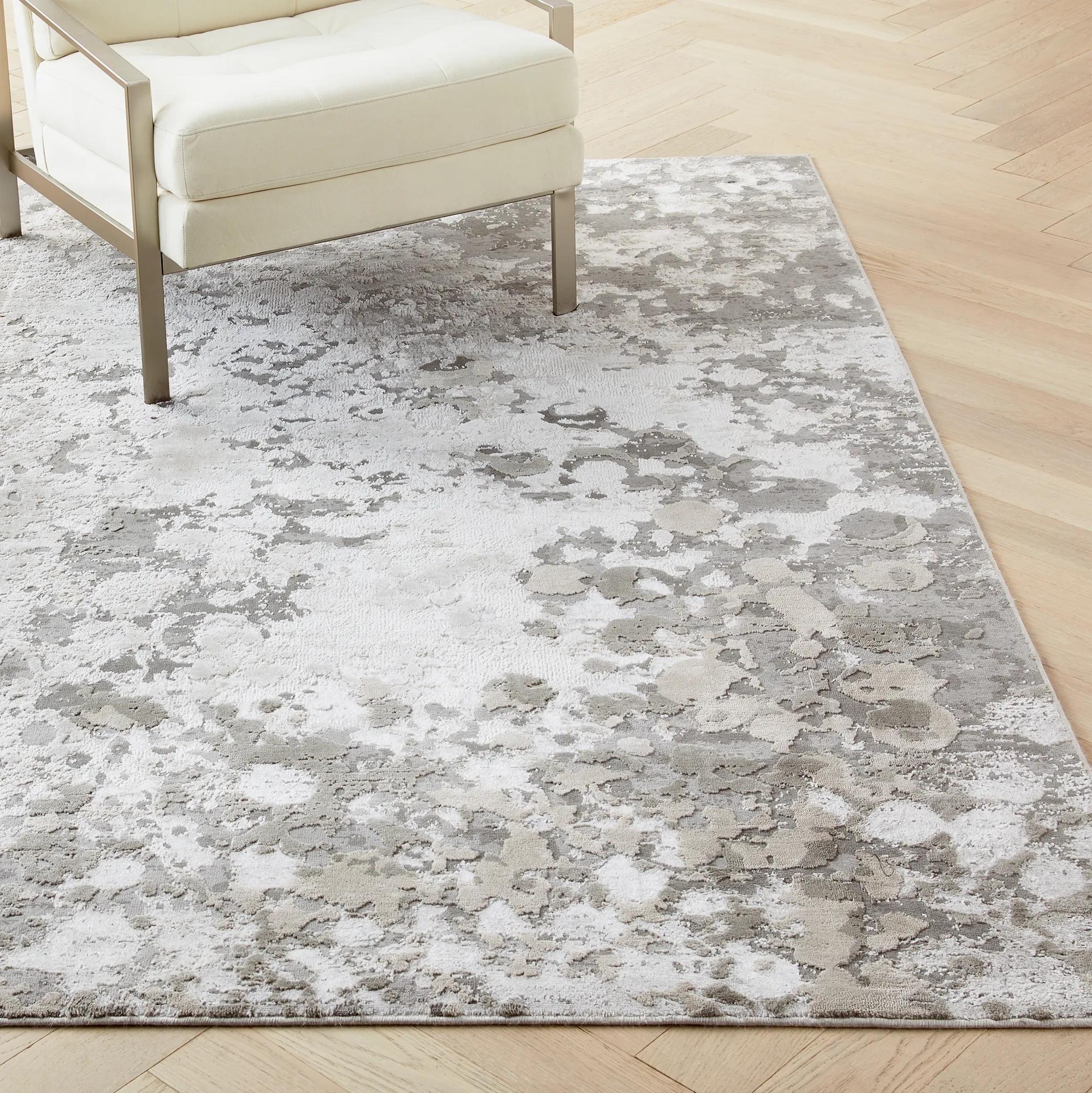
High Low Wool Area Rugs
High Low Wool Area Rugs
-
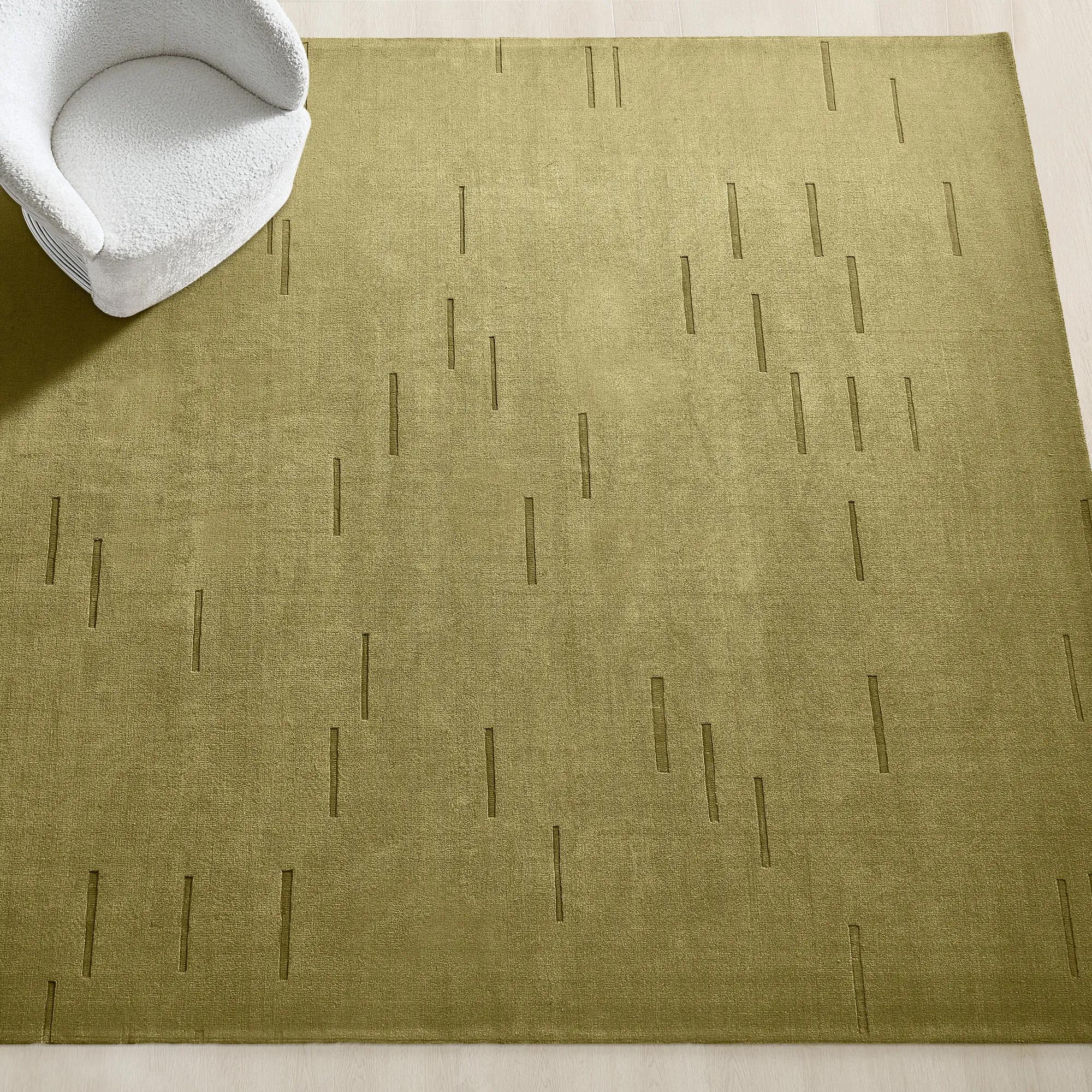
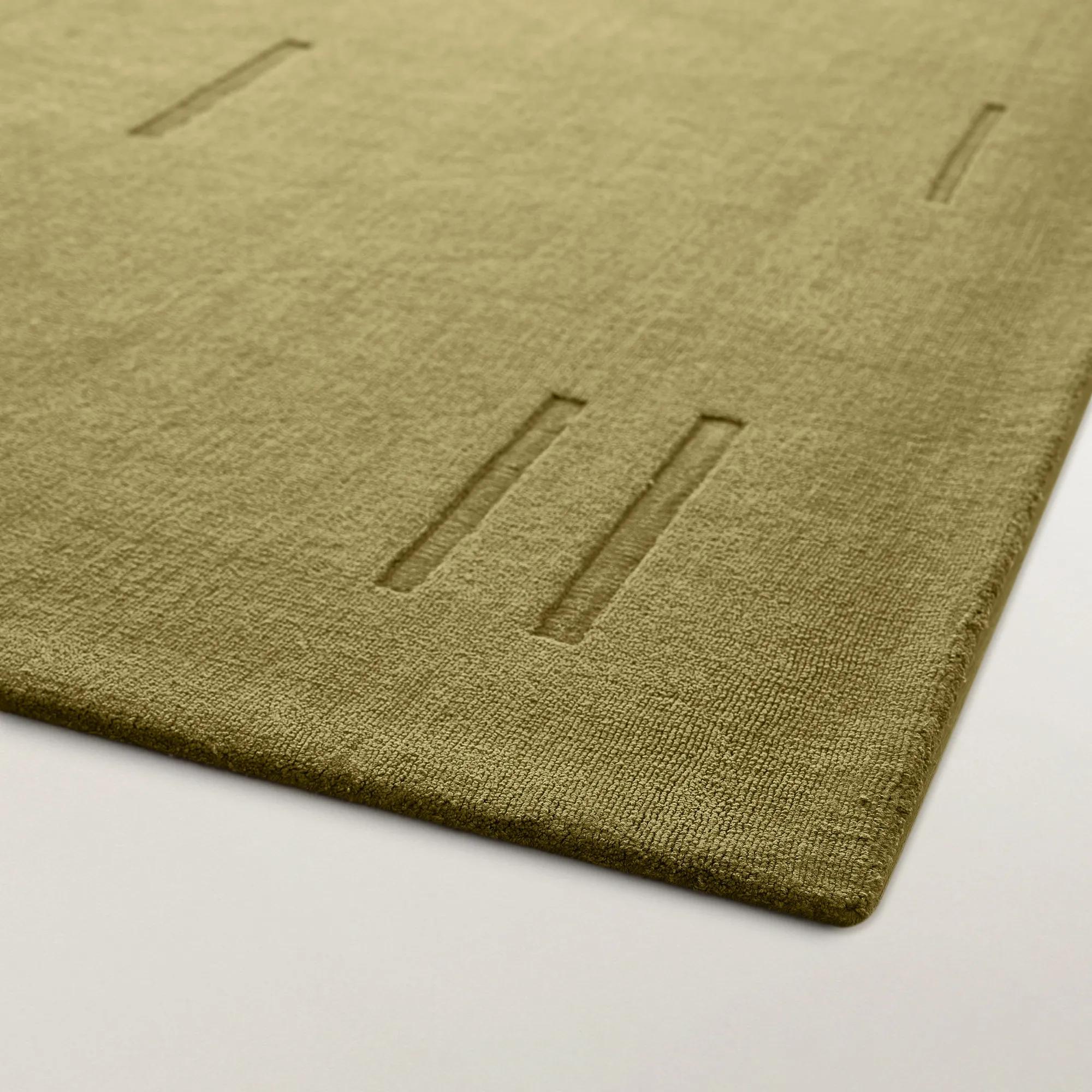 Lamita Muted Olive Green Wool Blend Rug$1299
A muted olive green wool-blend rug adding soft texture and understated warmth to modern interiors.
Add To Cart -
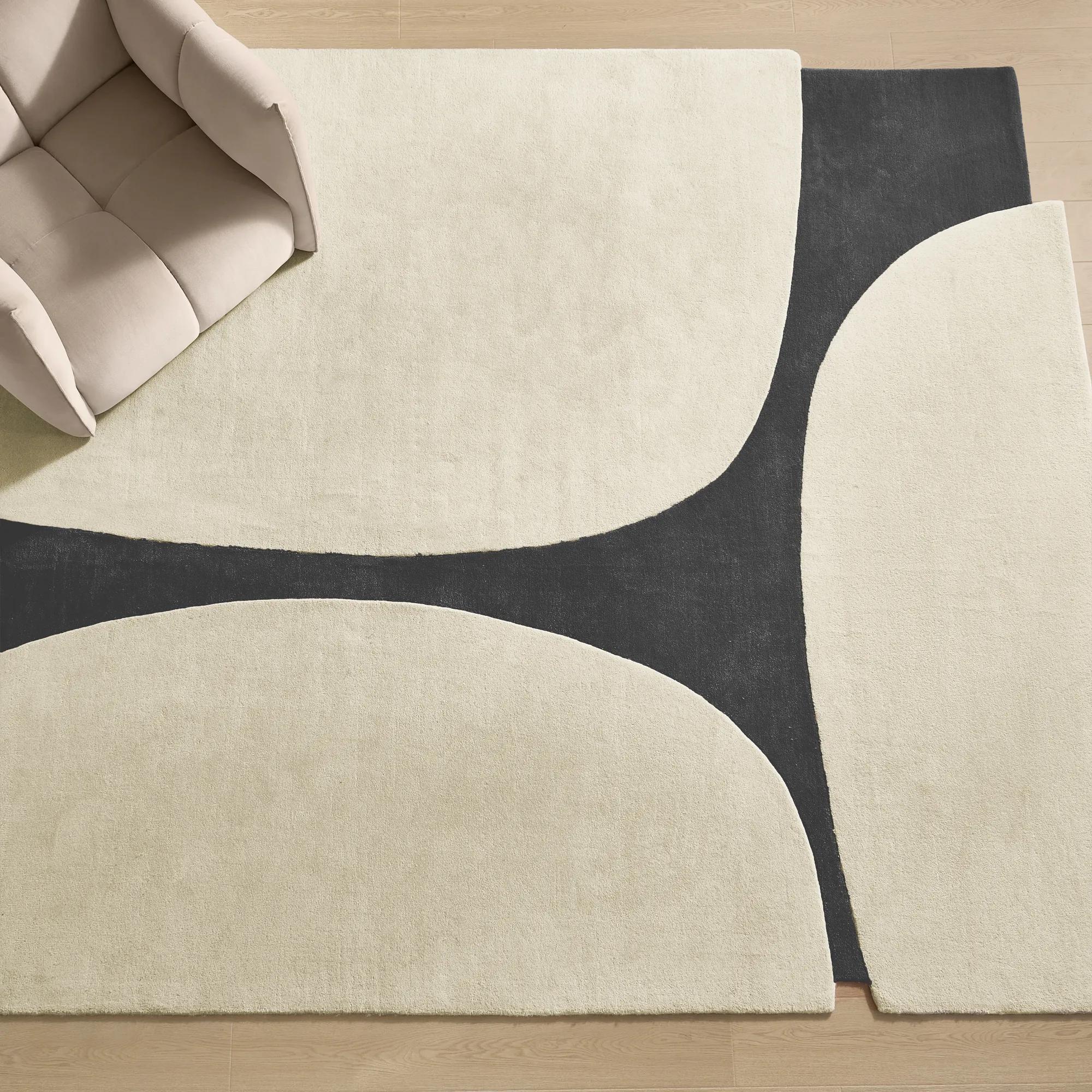 Contour Hand-Tufted Ivory/Charcoal Wool & Viscose Rugs$1499
An artfully shaped hand-tufted rug featuring high-low texture in warm ivory and charcoal wool-viscose blend.
Add To Cart -
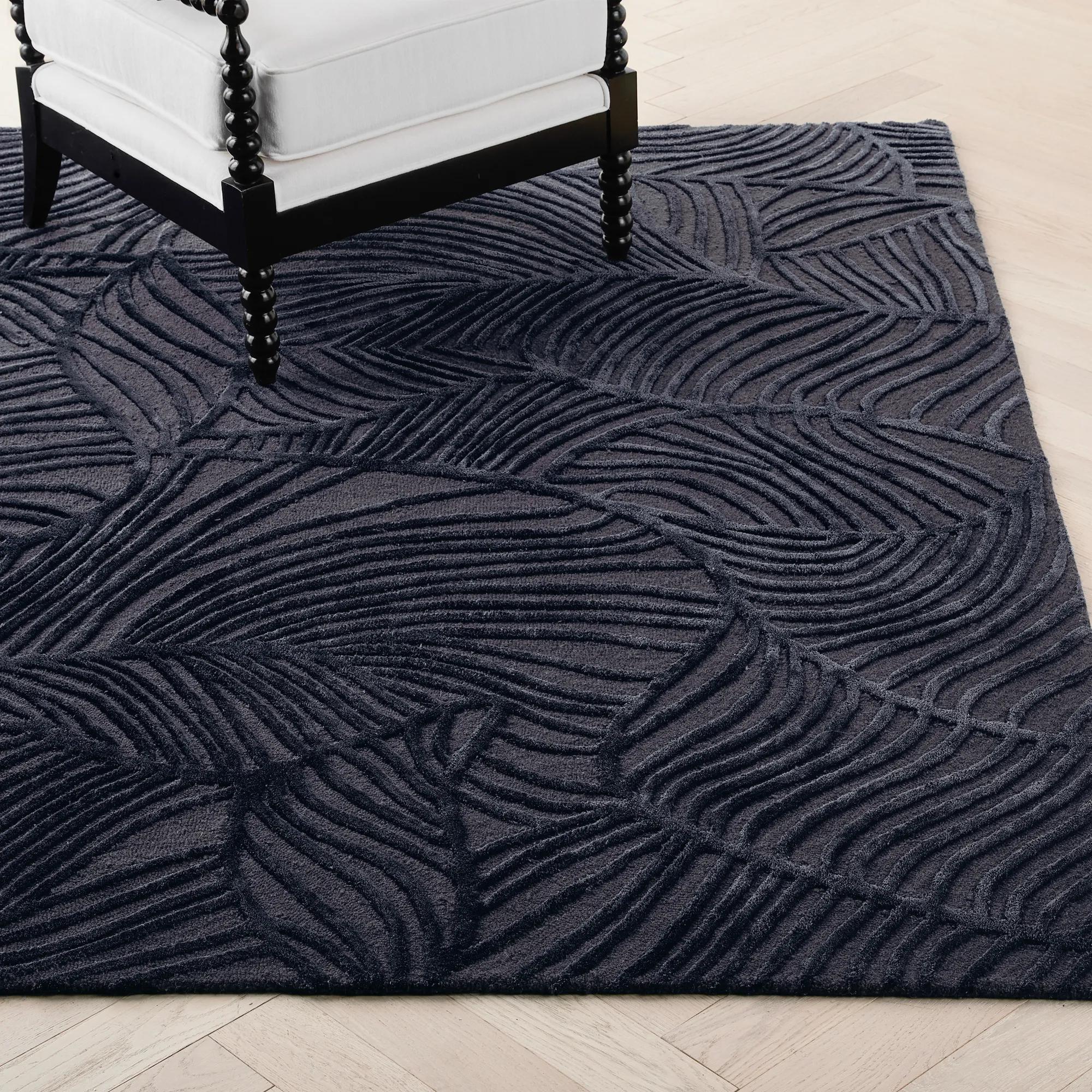
 Palm Rug - Charcoal$1499
A charcoal rug featuring a dynamic palm-leaf design with a textured high-low viscose and wool pile.
Add To Cart -
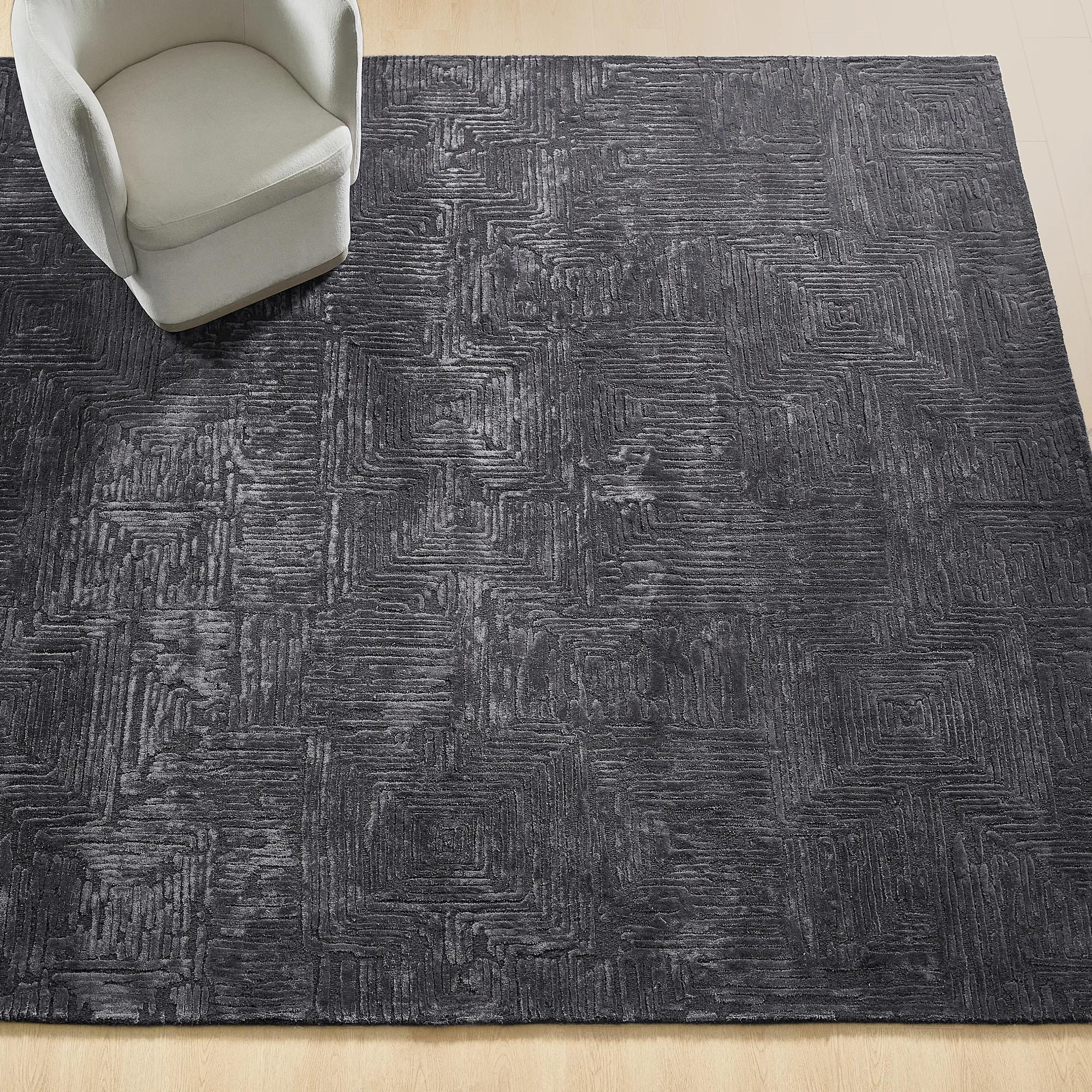
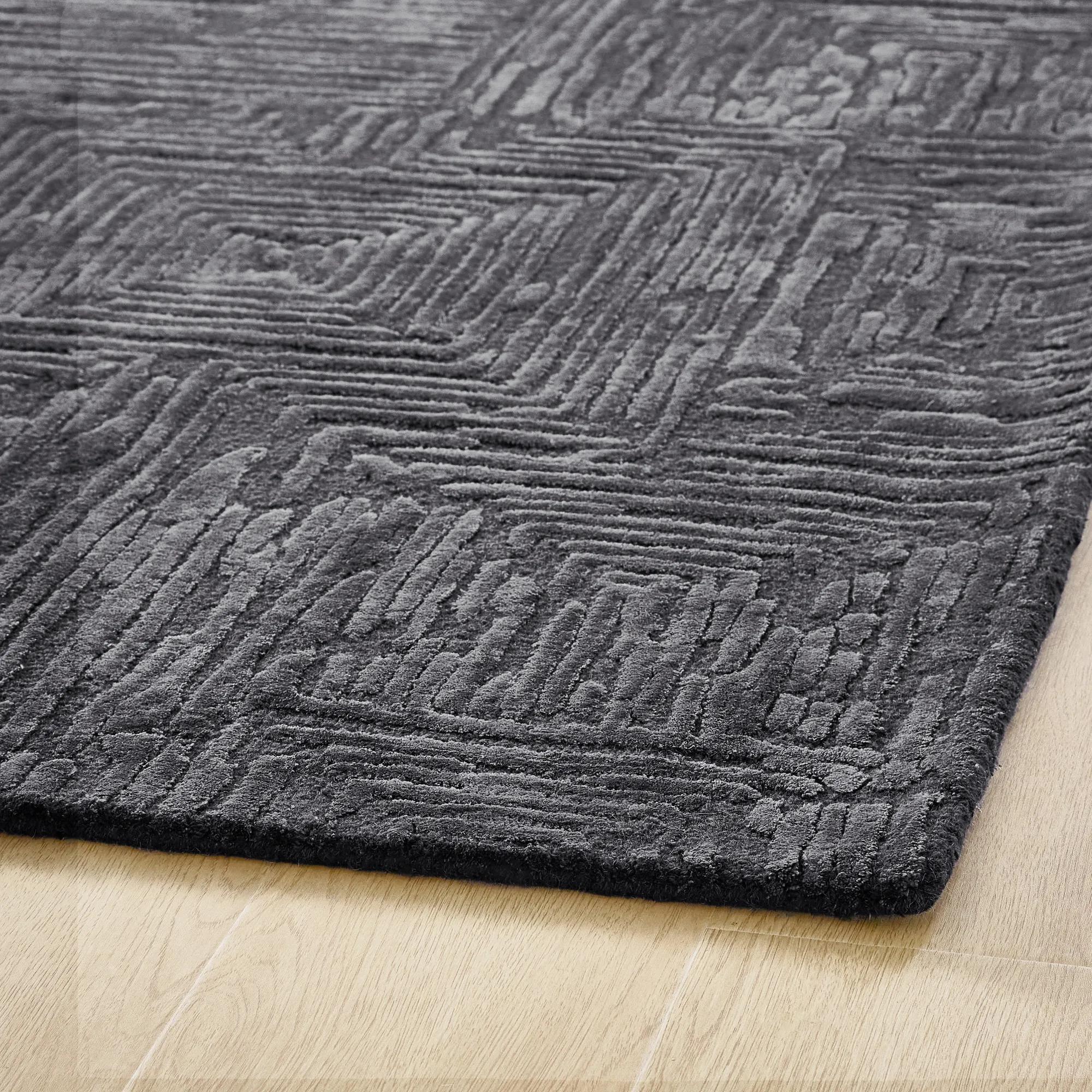 Andra Charcoal Hand-Tufted Wool Blend Dimensional Rug$1499
A hand-tufted viscose-wool rug in rich charcoal with a sculptural, dimensional pattern and plush texture.
Add To Cart -
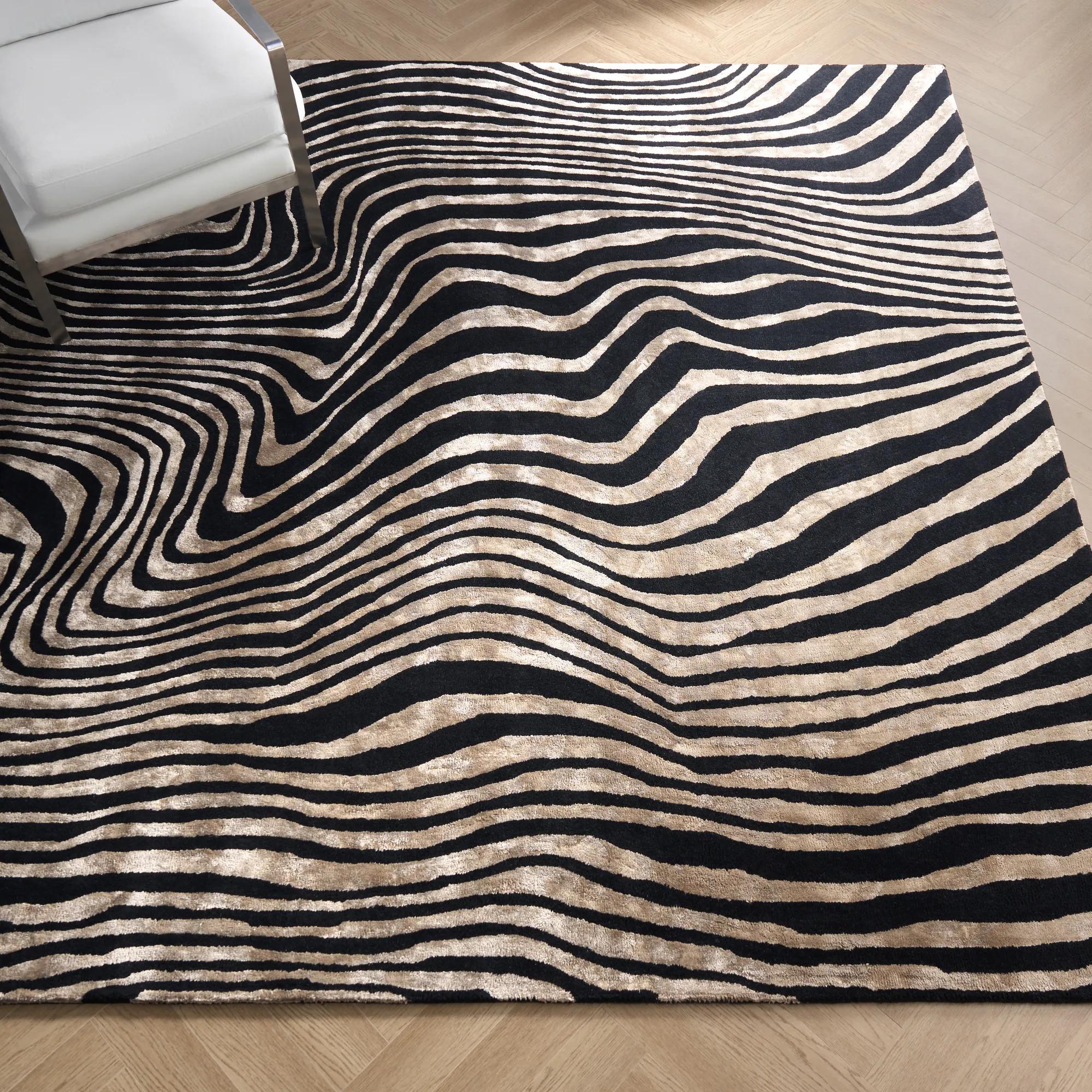
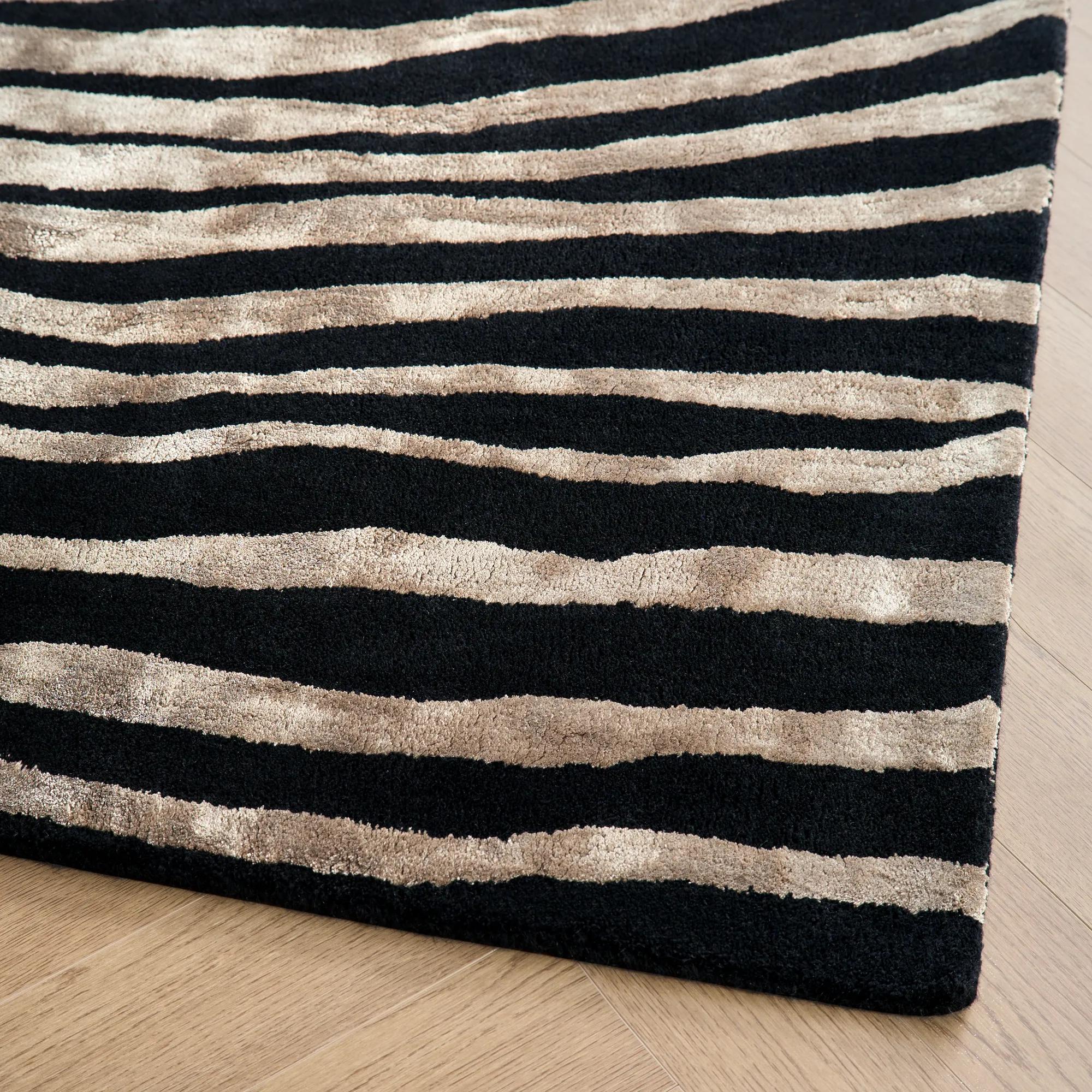 Abstract Zebra Hand-Tufted Black/Taupe Wool Blend Rug$599
An artisan hand-tufted rug in black and taupe wool-viscose, featuring a striking abstract zebra pattern.
Add To Cart -
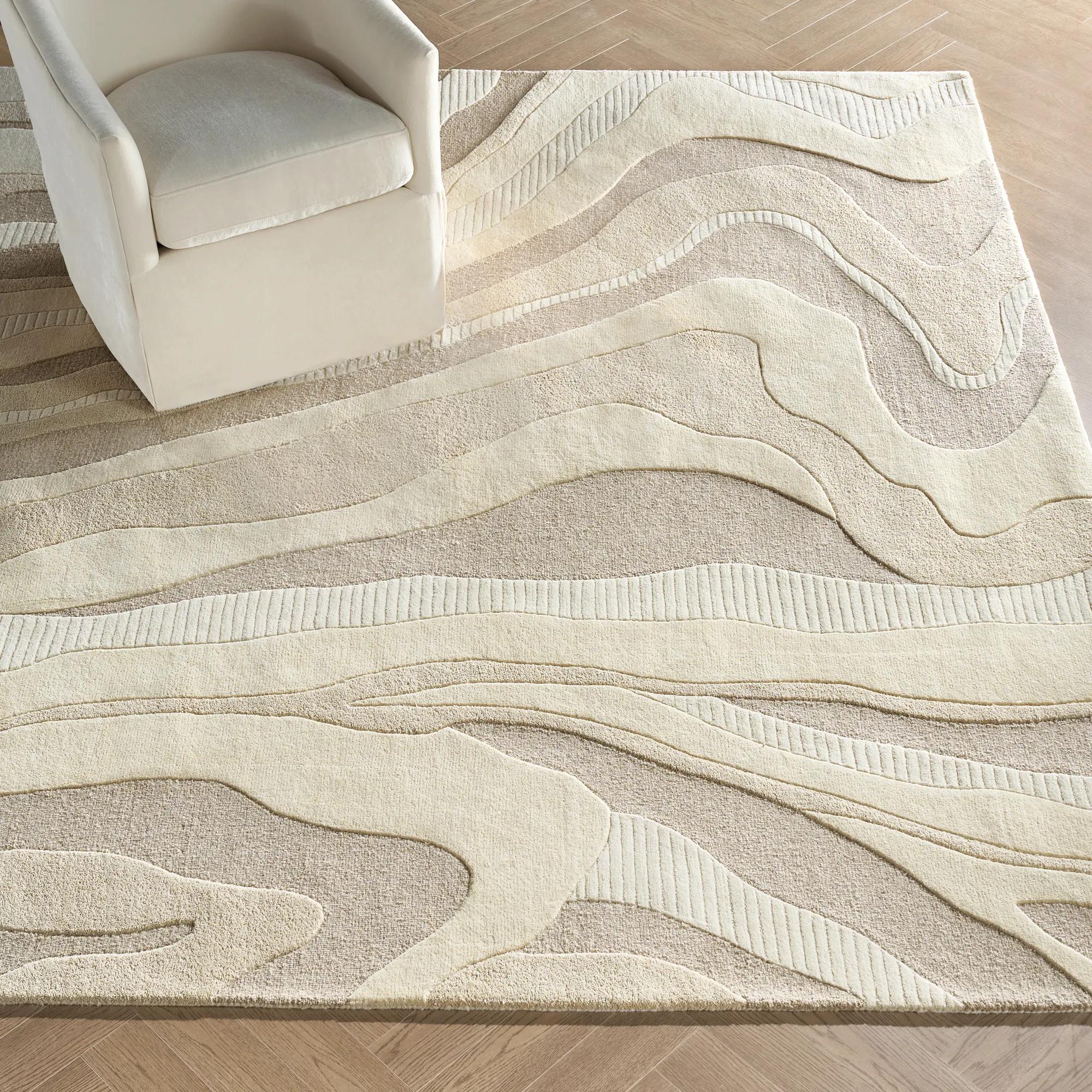 Kadence Hand-Tufted Ivory/Tan Wool Rug$499
A hand-tufted wool rug featuring a multi-textured swirl design in ivory and tan for elegant depth.
Add To Cart -
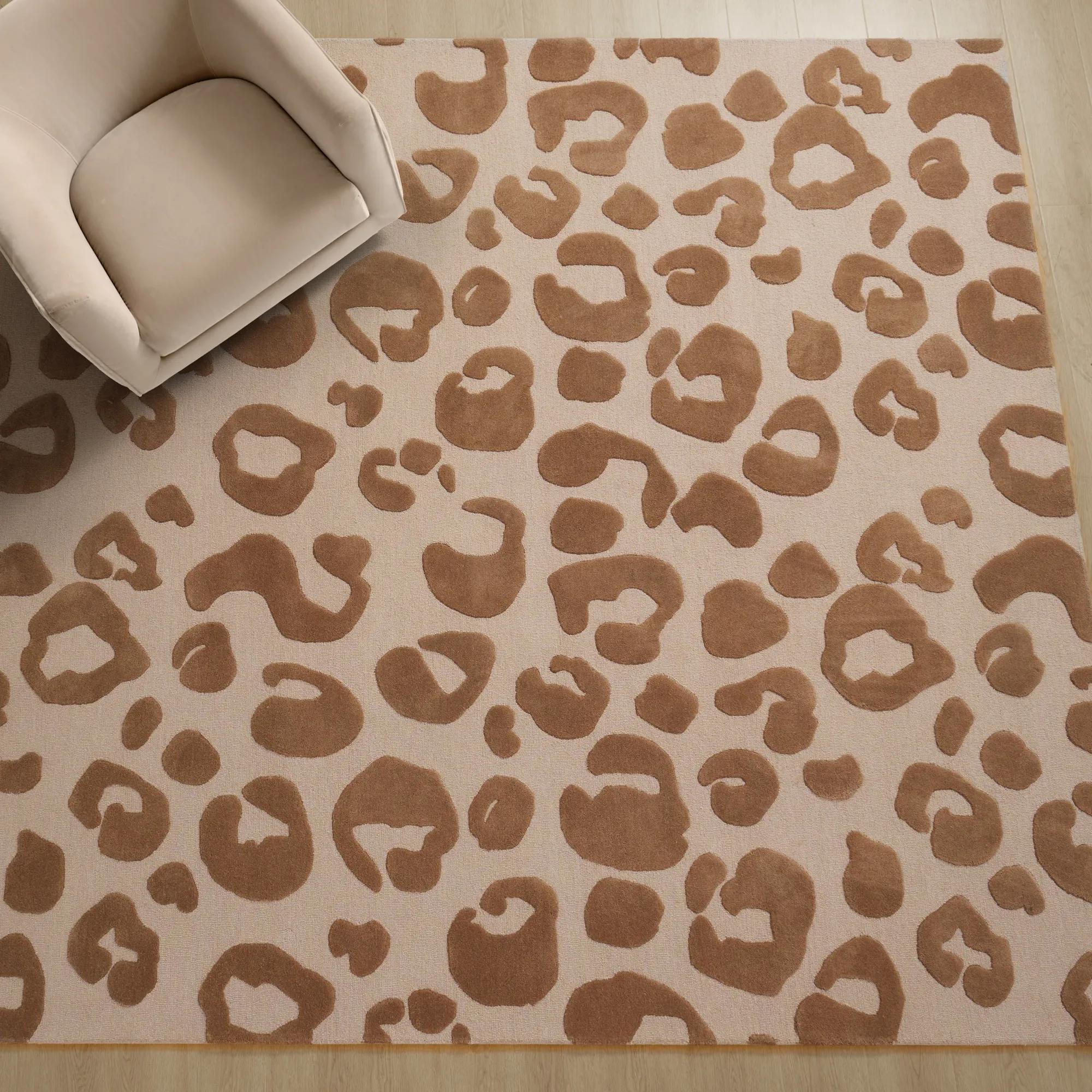 Pounce Hand-Tufted Tawny Brown Leopard Print Wool Rugs$1499
A hand-tufted pure wool rug featuring a bold tawny brown leopard print and sculptural high-low texture.
Add To Cart -
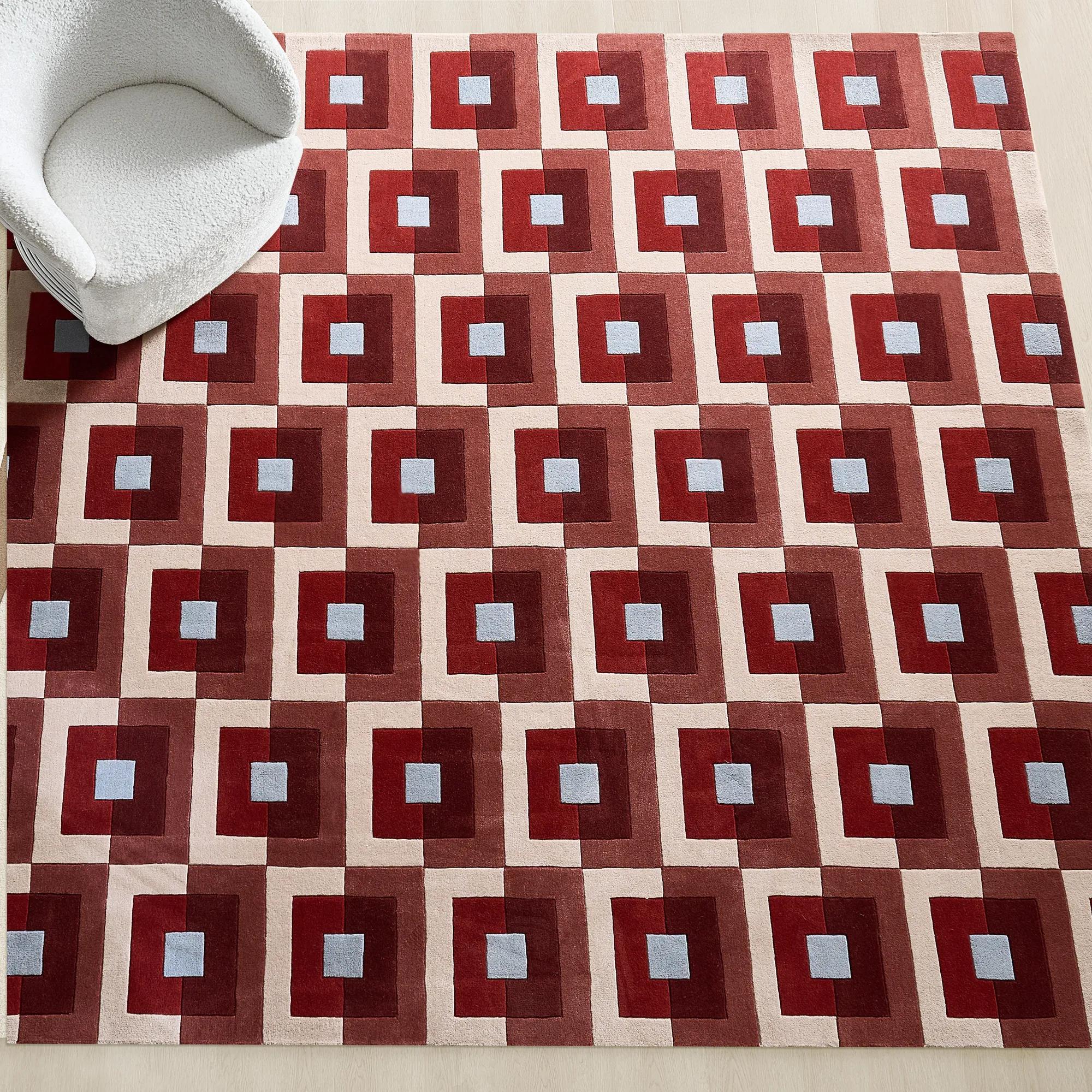
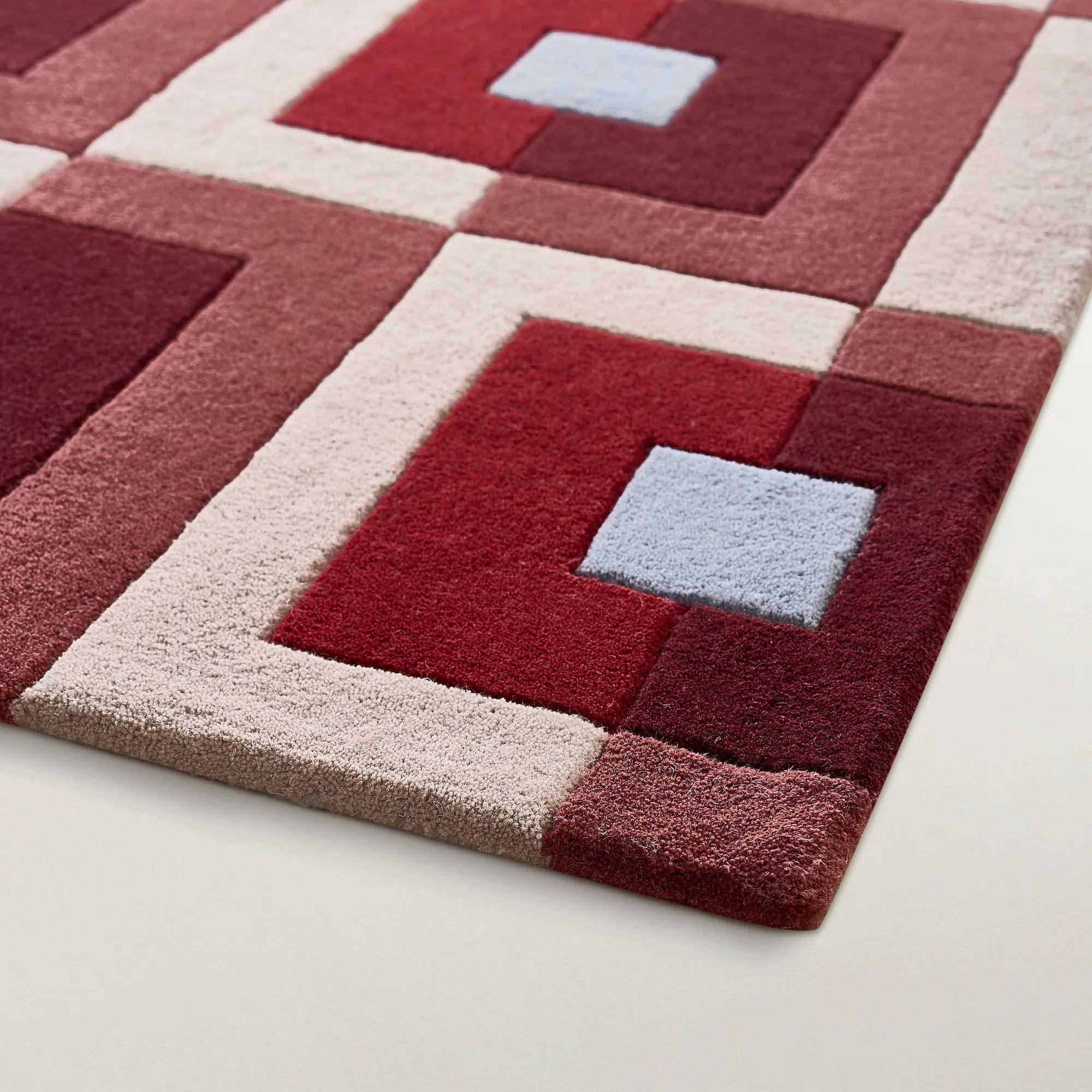 Geo Pop Wool Rug - Oxblood Red/Airy Blue$599
A geometric wool rug combining oxblood red and airy blue for a bold, modern statement.
Add To Cart -
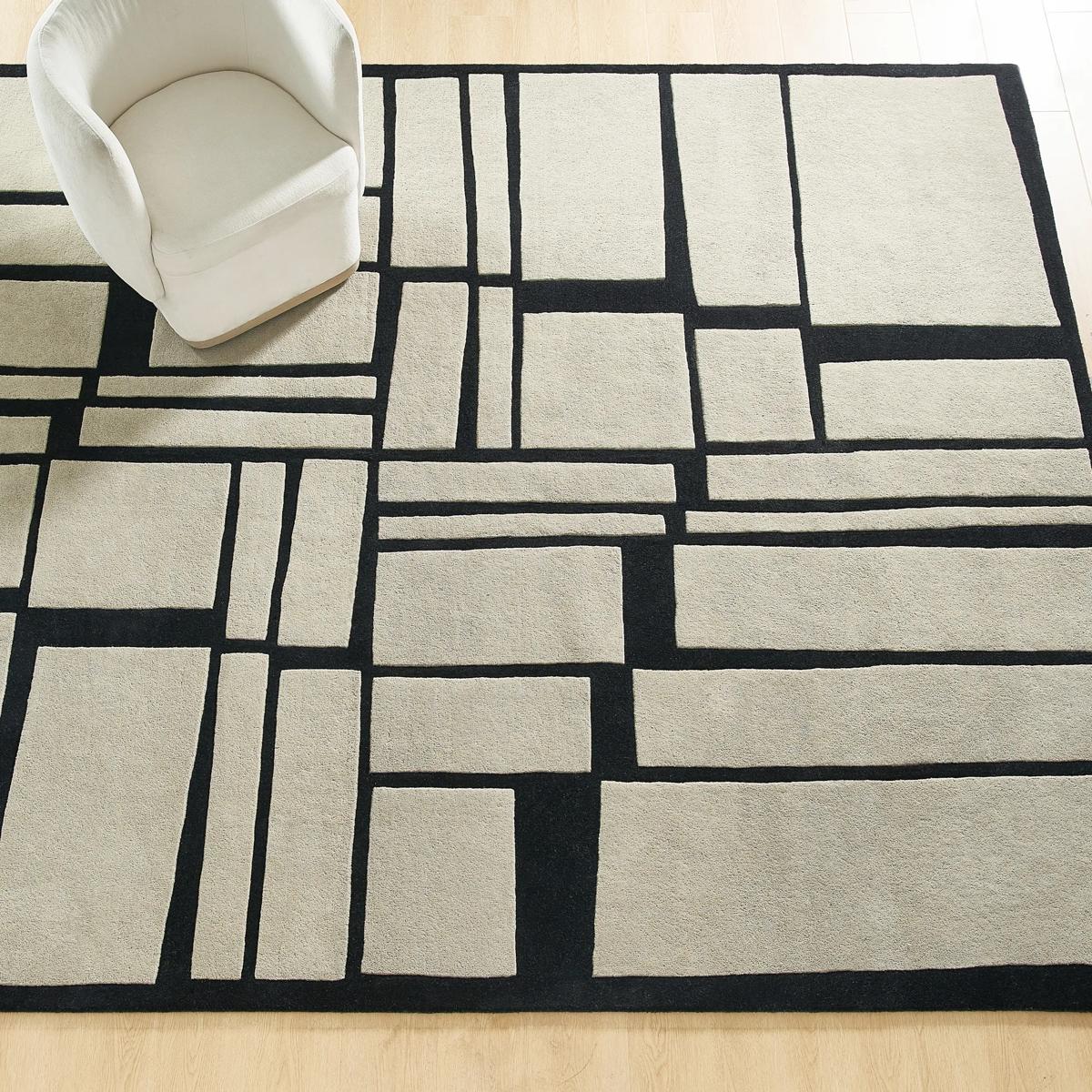 Novak Hand-Tufted Natural/Black Wool Rug$449
A hand-tufted wool rug featuring a bold black and natural grid design for modern visual impact.
Add To Cart -
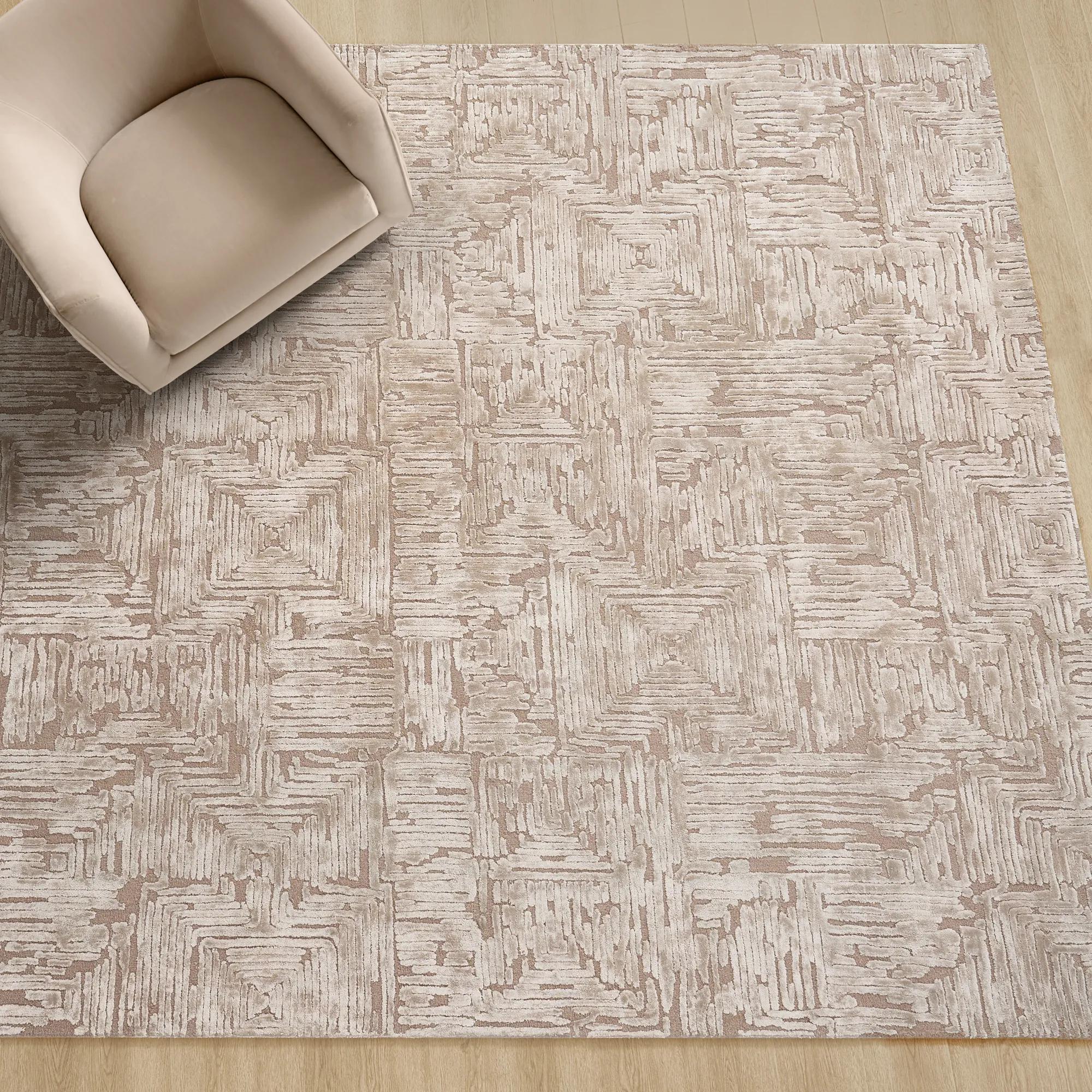
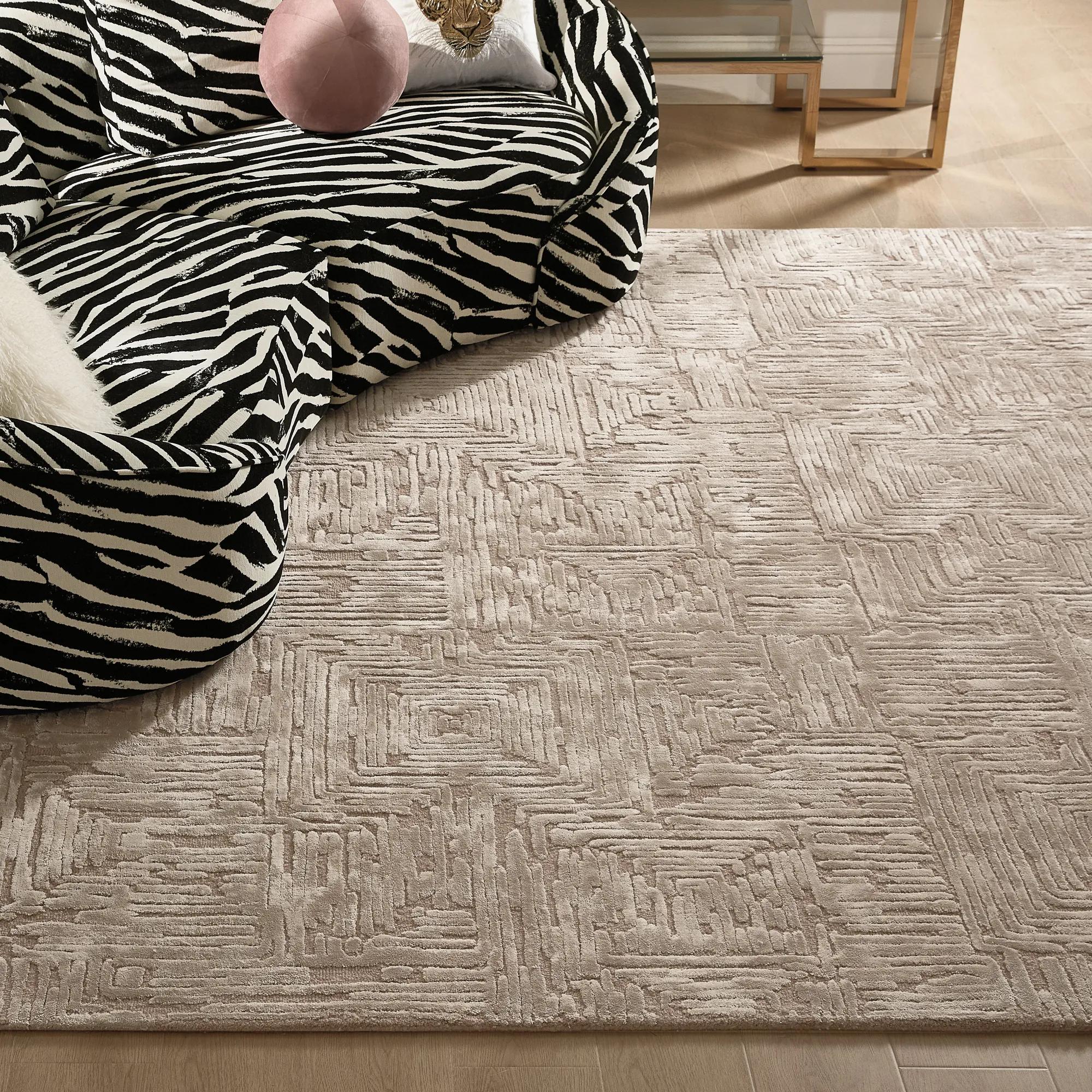 Andra Hand-Tufted Mocha Rose Viscose & Wool Dimensional Rugs$1499
A hand-tufted viscose and wool rug in mocha rose, featuring a dimensional geometric pattern and soft sheen.
Add To Cart -
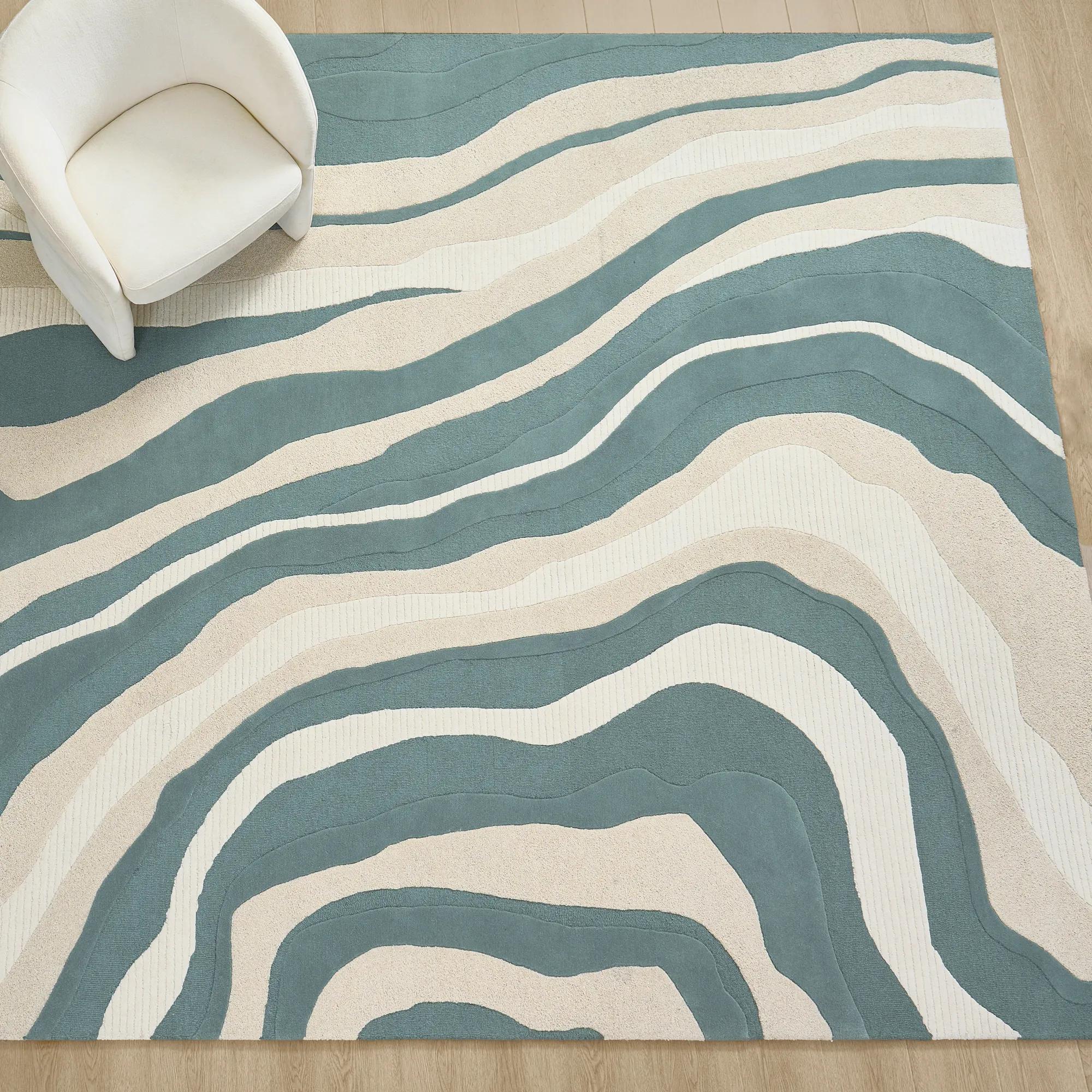 Kadence Hand-Tufted Sage Green/Ivory Wool Rugs$1499
A hand-tufted wool rug in deep sage green and ivory with a sculptural high-low abstract wave pattern.
Add To Cart -
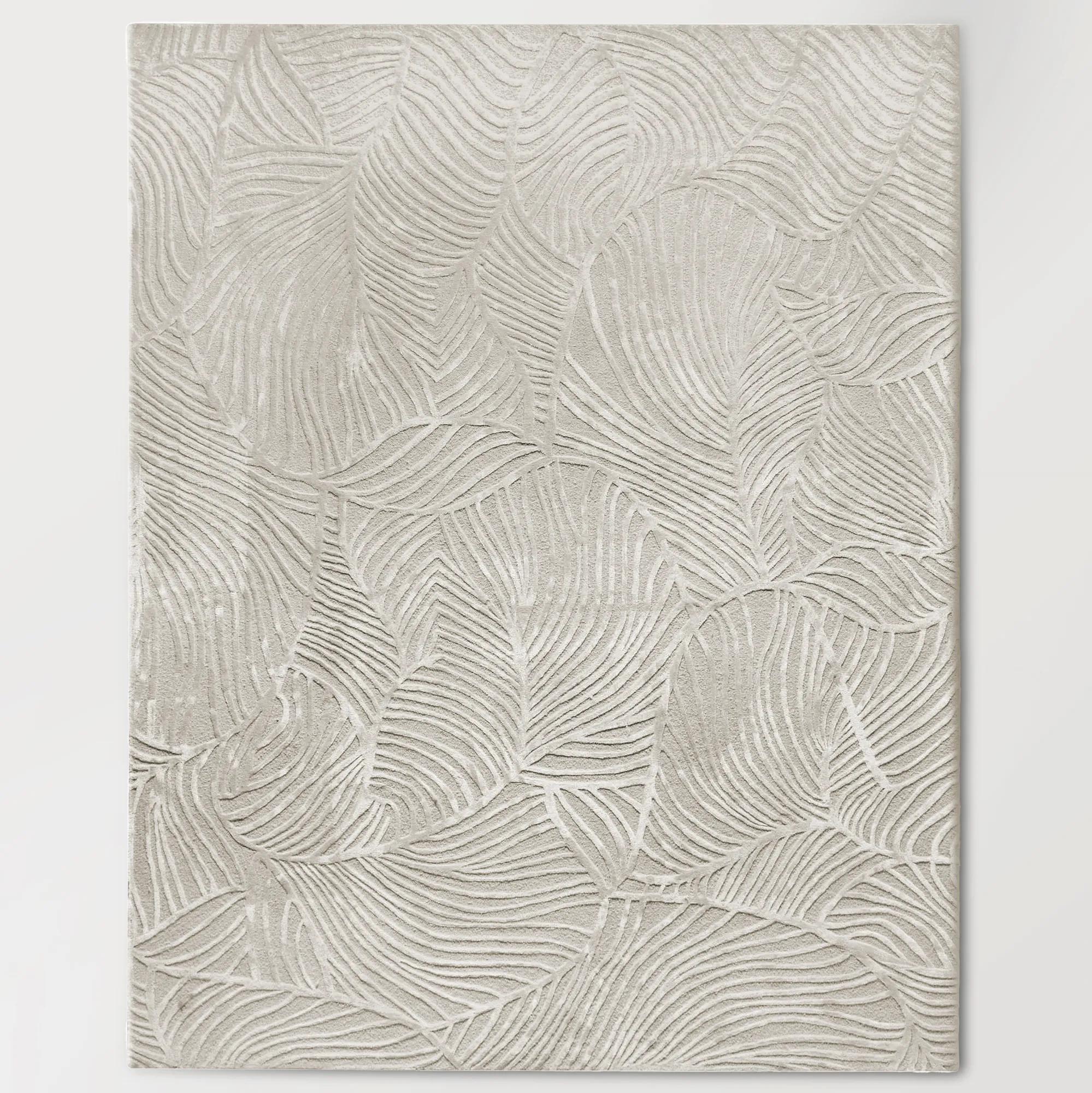 Palm Hand-Tufted Ivory Wool Blend Rug$499
An ivory rug featuring a dynamic palm-leaf design with high-low pile in viscose and wool.
Add To Cart -
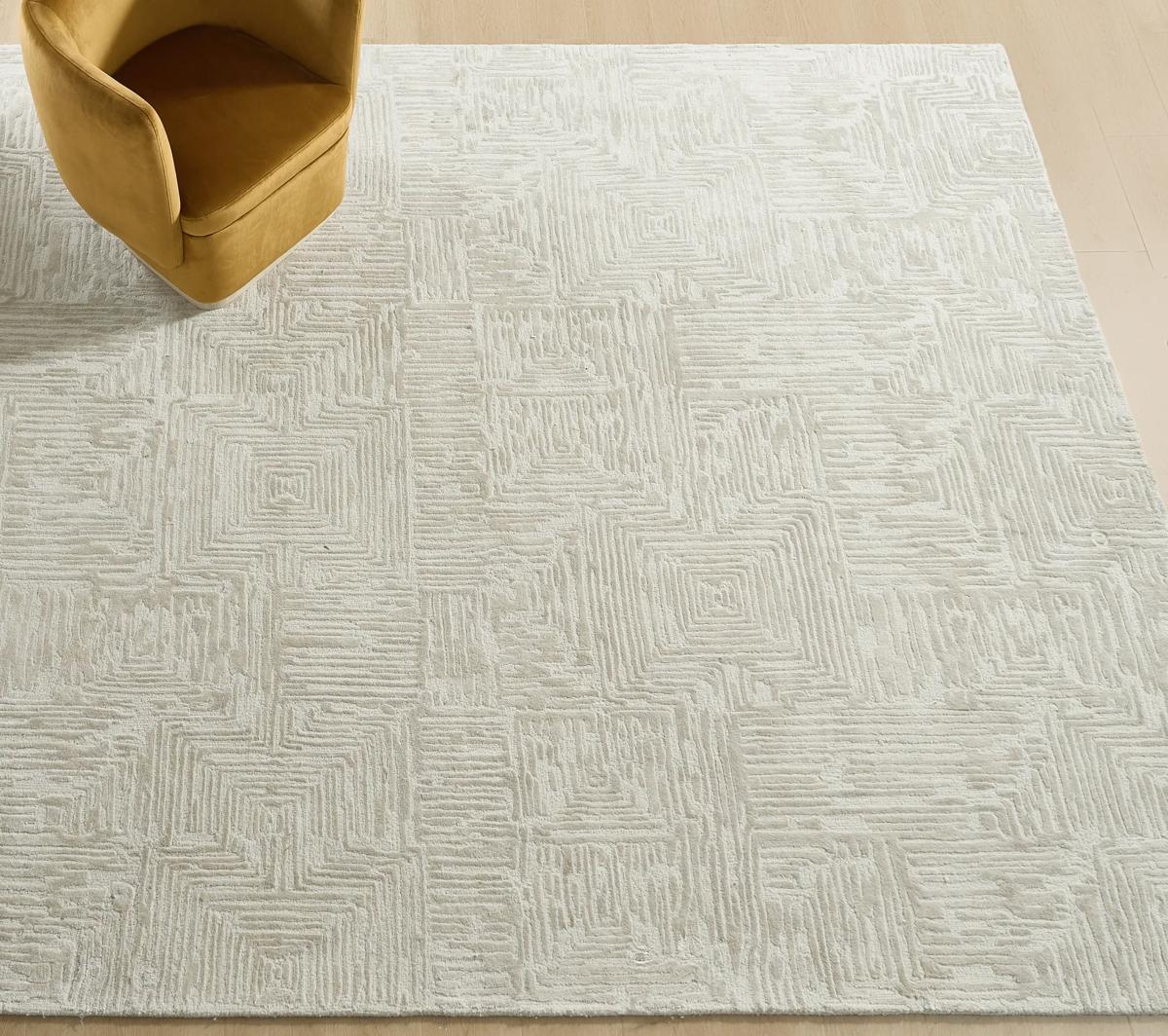 Andra Ivory Hand-Tufted Wool Blend Dimensional Rug$1499
A hand-tufted ivory rug in a viscose-wool blend with raised detailing and a subtle sheen.
Add To Cart -
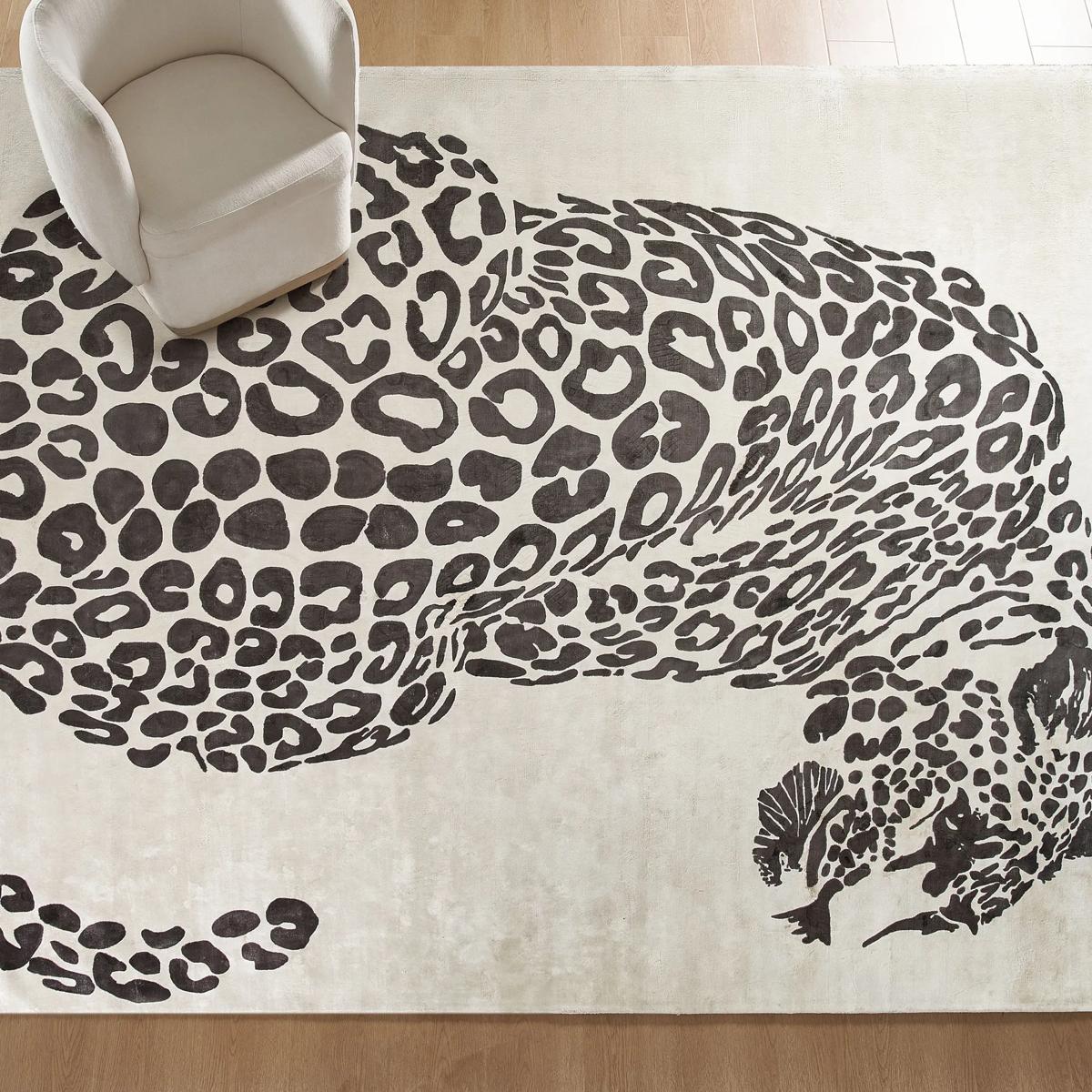 Pardus Leopard Hand-Loomed Ivory/Black Rug$999
A hand-loomed ivory and black rug featuring a bold leopard motif in soft, silky viscose.
Add To Cart -
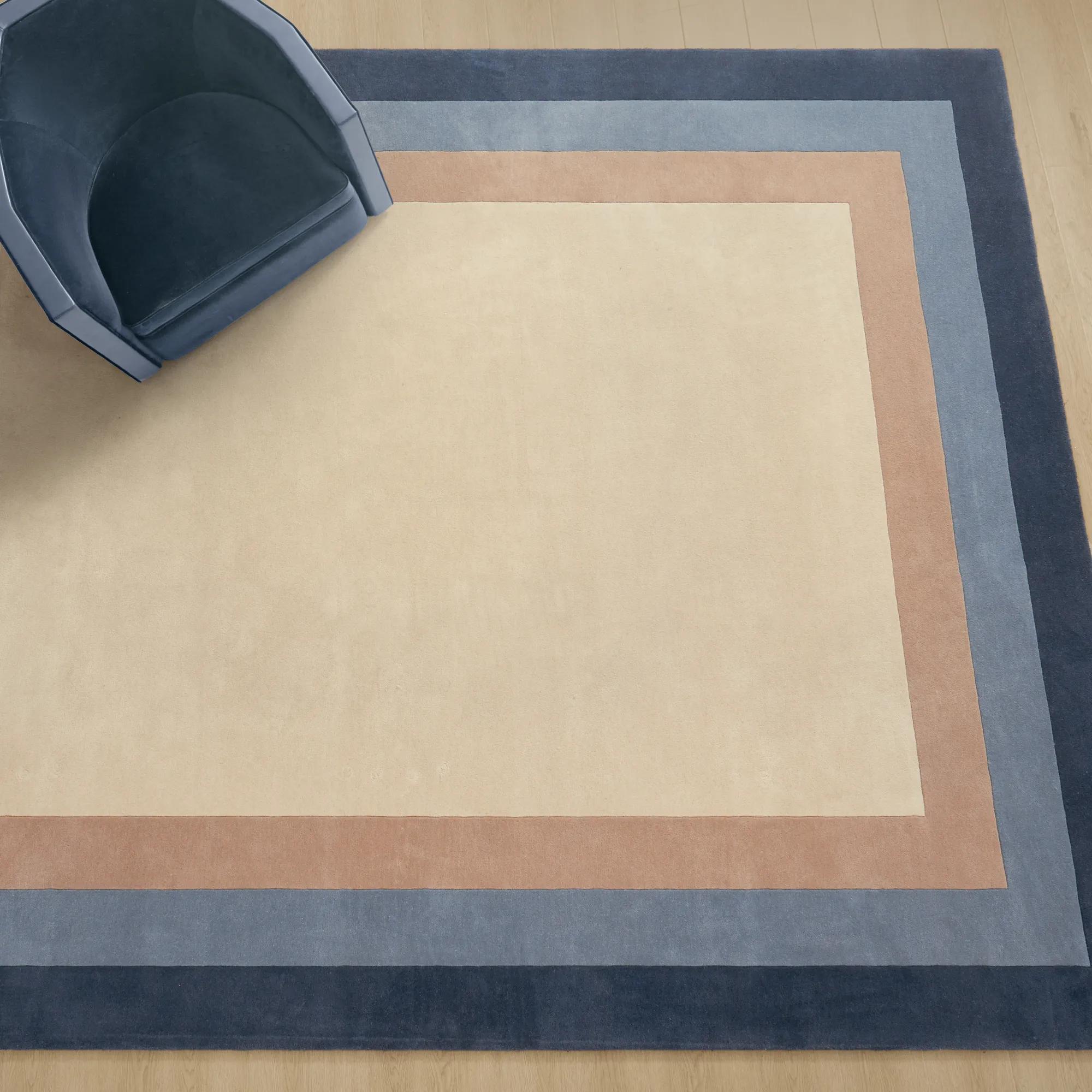 Bastien Hand-Tufted Blue/Taupe/Ivory Wool Border Rugs$1499
A hand-tufted wool rug featuring a bold color-blocked border in dusty blue, taupe, and ivory tones.
Add To Cart -
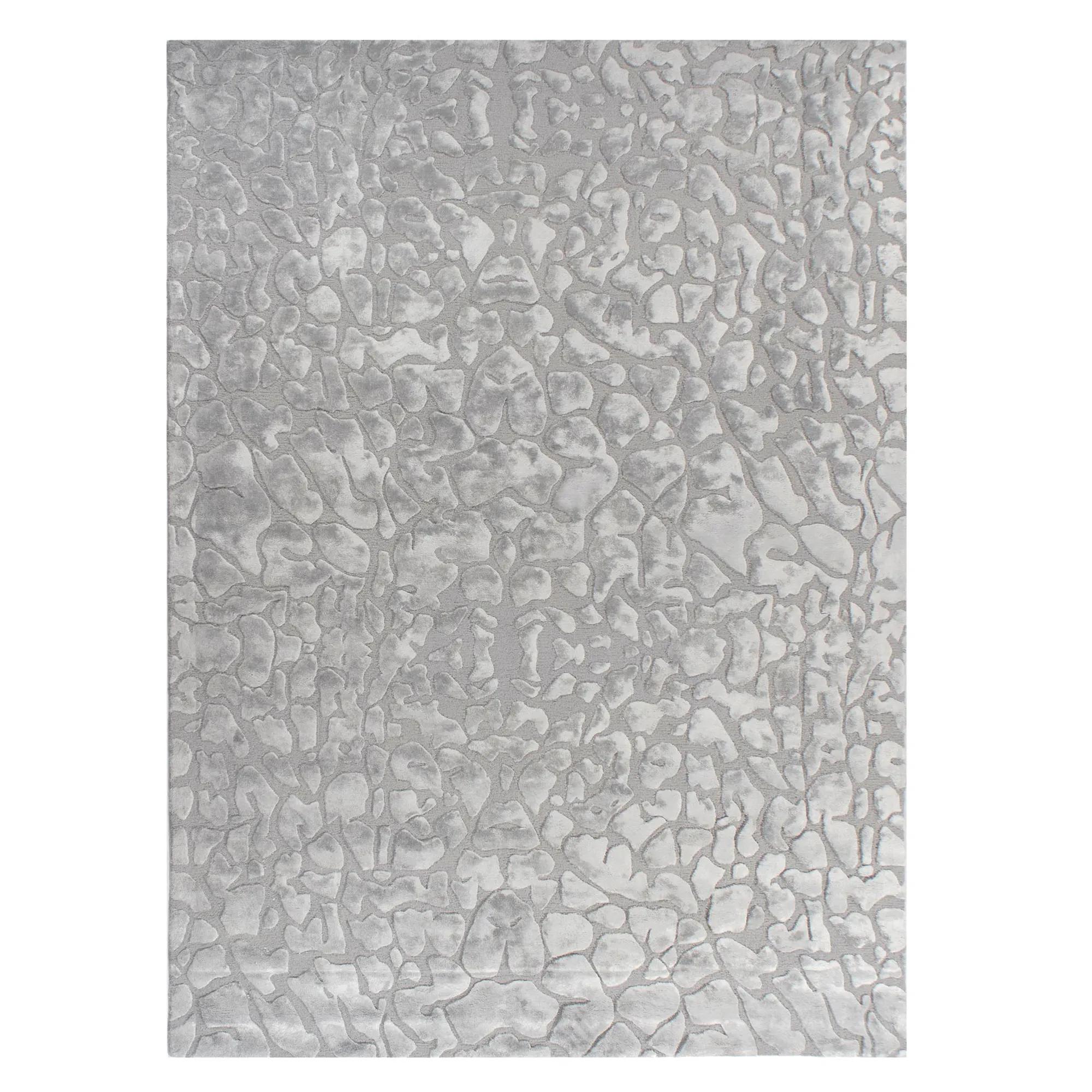
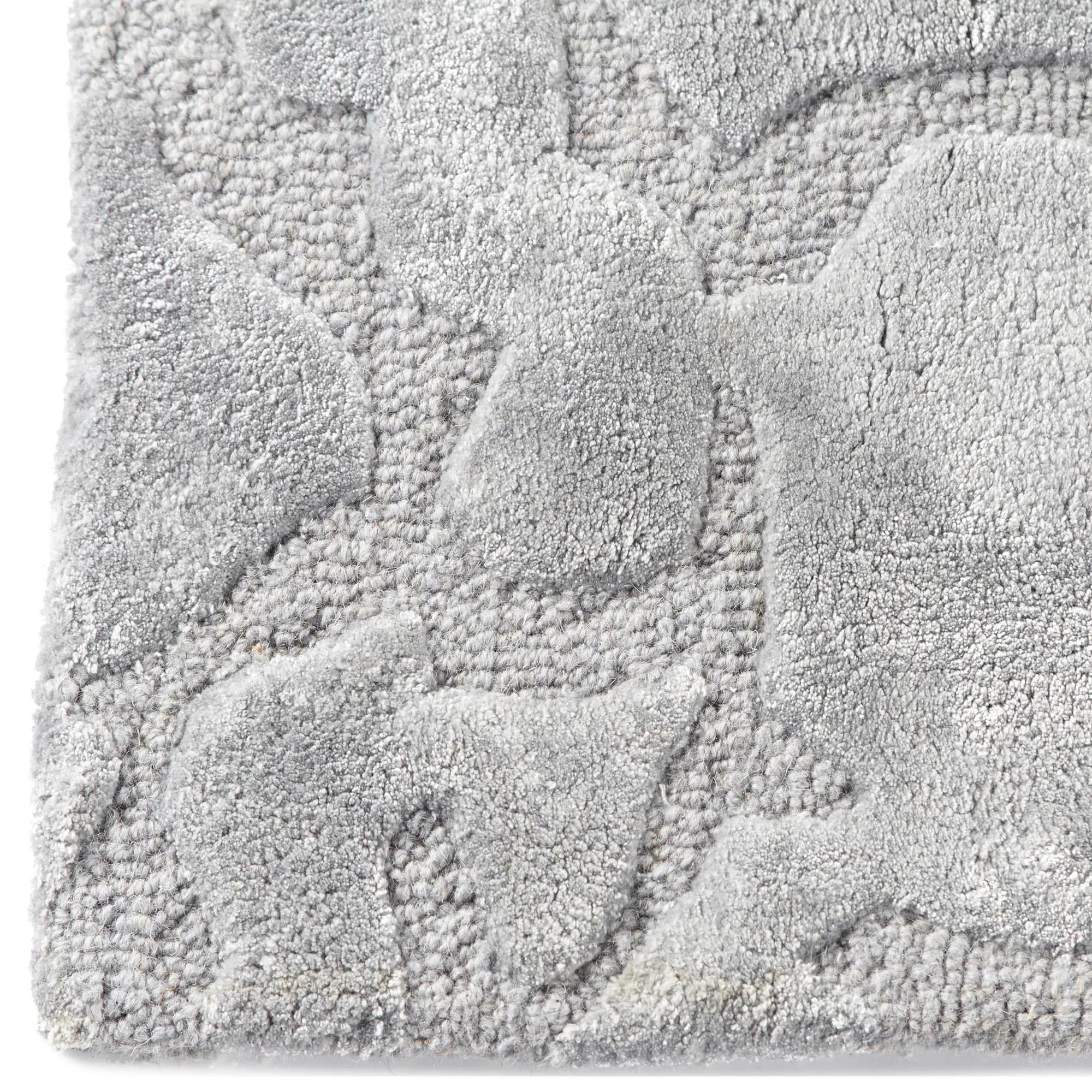 Nola Hand-Tufted Cool Grey Wool Blend Rug$849
A hand-tufted silver rug with contrasting pile heights, crafted from wool and viscose for plush texture.
Add To Cart -
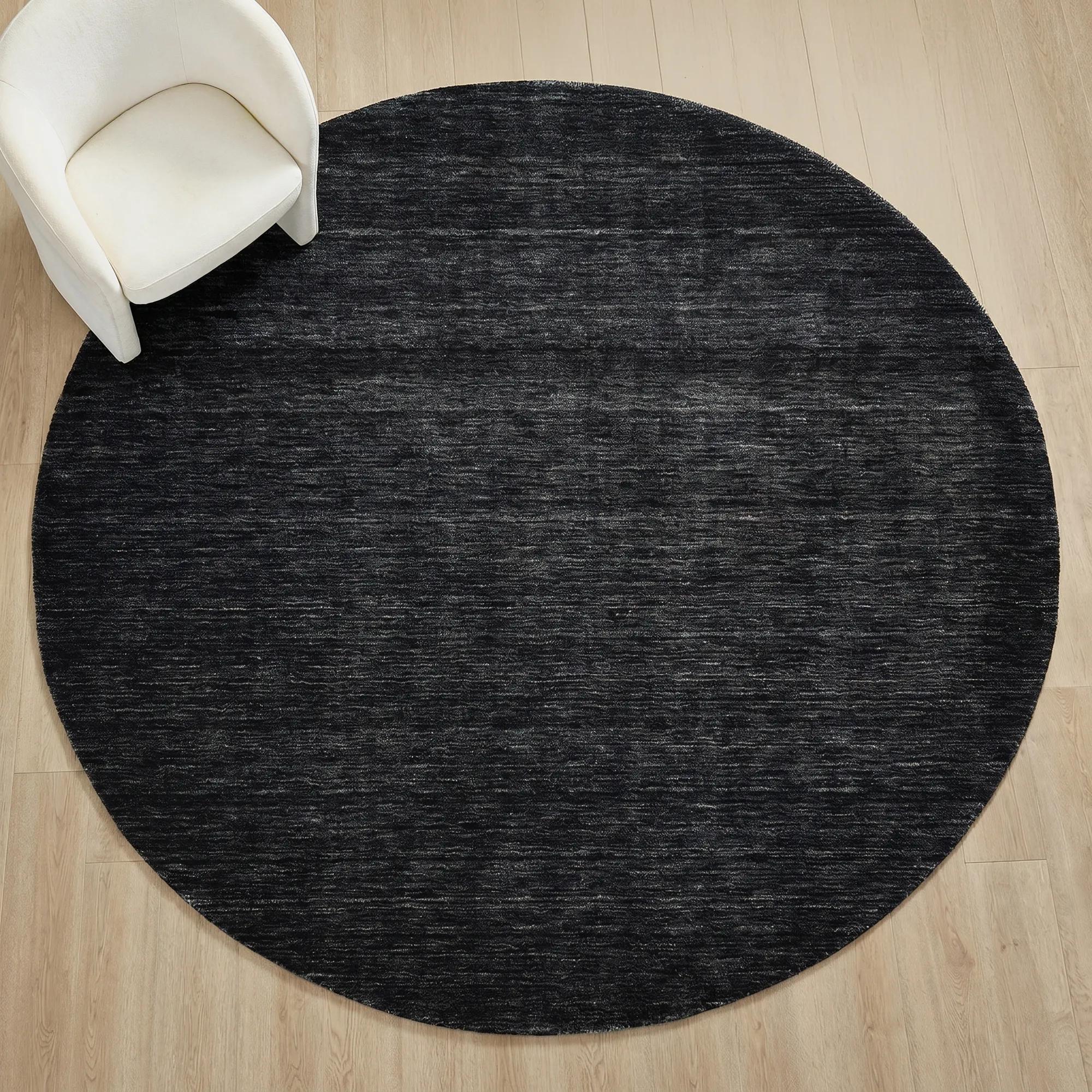 Juni Hand Woven Heathered Black Rug$799
A handwoven round wool rug in heathered black, offering durable texture and moody, contemporary style.
Add To Cart -
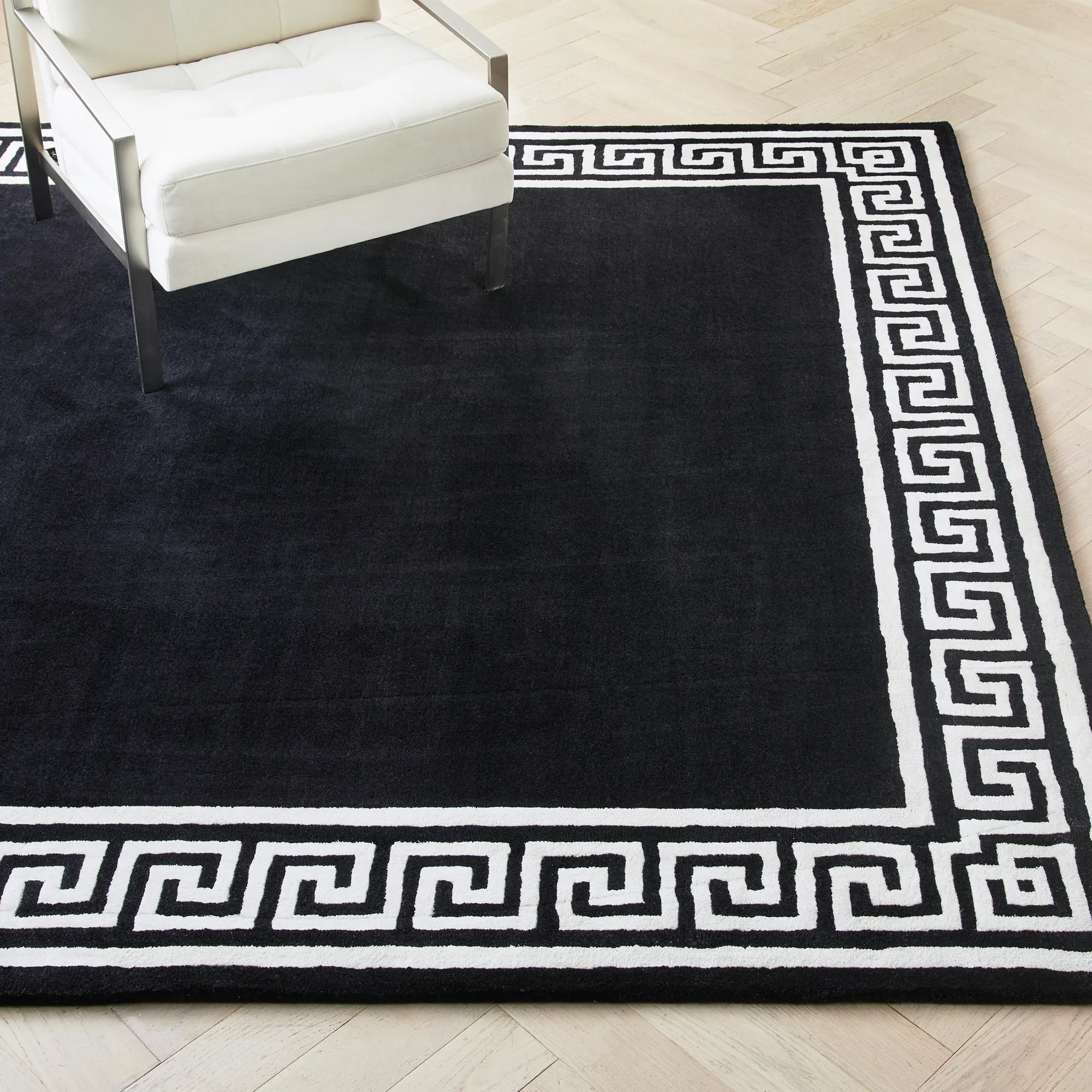
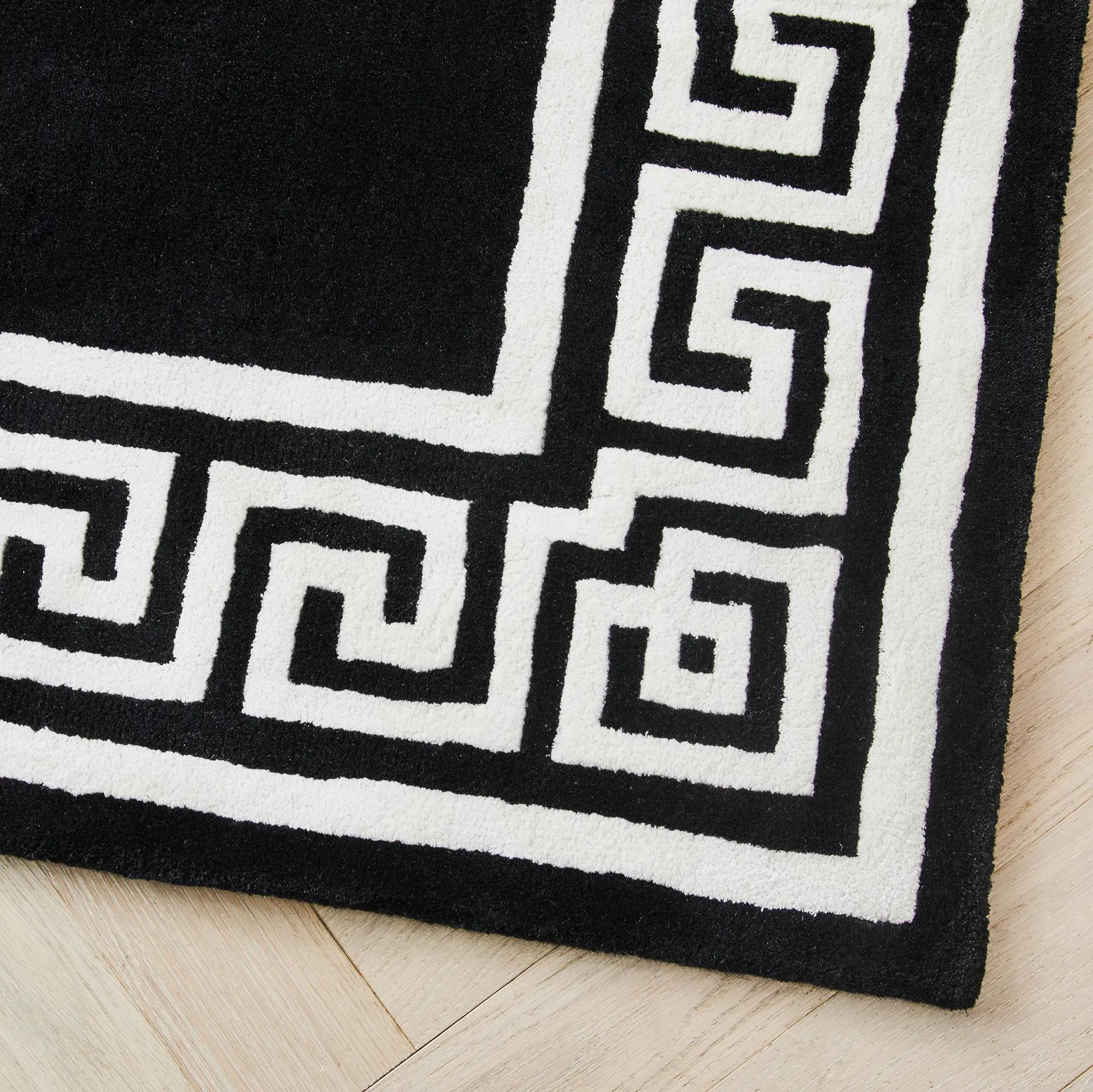 Greek Key Rug - Black/Ivory$1199
A hand-tufted black and ivory rug featuring a classic Greek key pattern in wool and viscose.
Add To Cart -
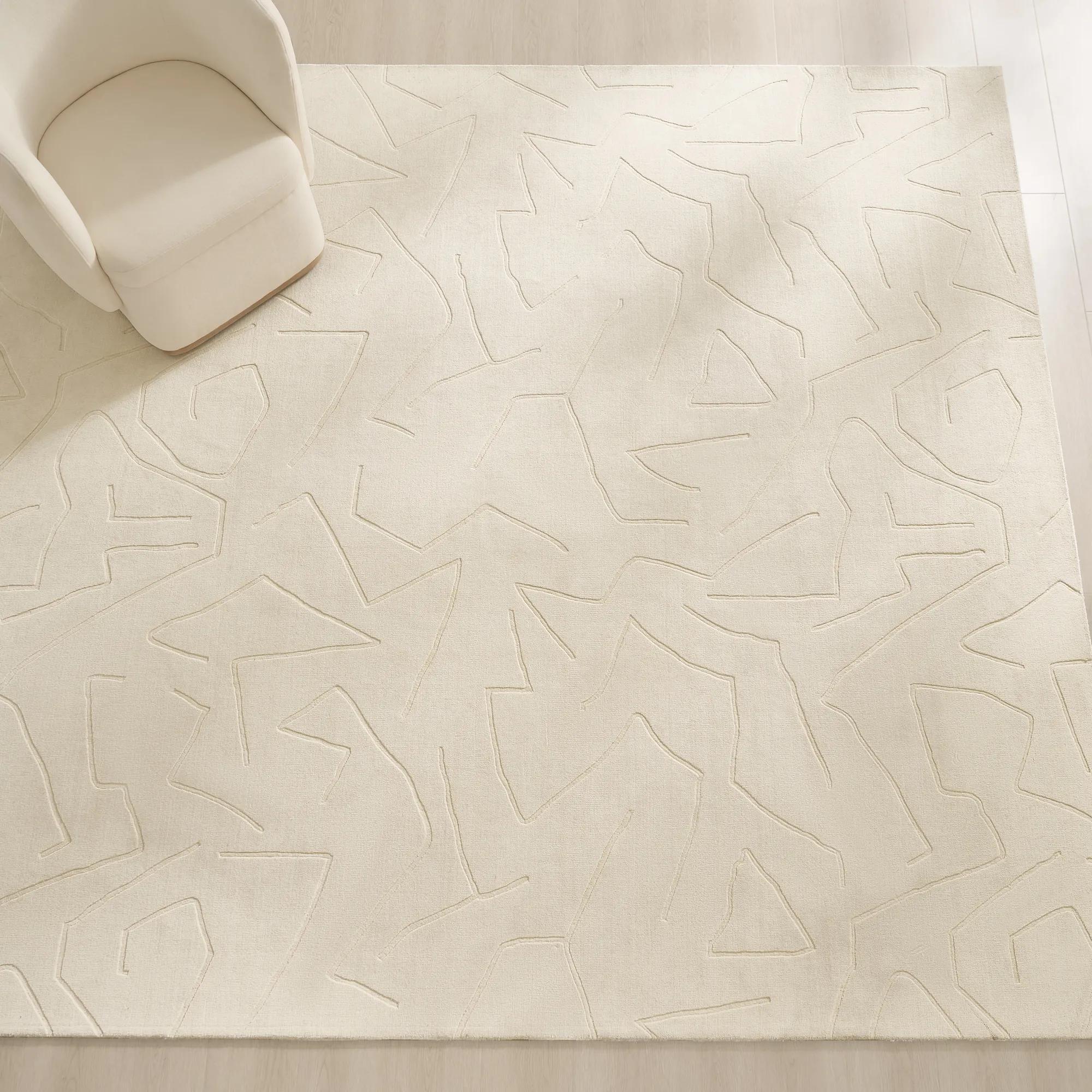 Carved Maze Ivory Hand-Loomed Wool Blend Rug$1399
A hand-loomed ivory wool-blend rug featuring a carved maze pattern for modern textural appeal.
Add To Cart -
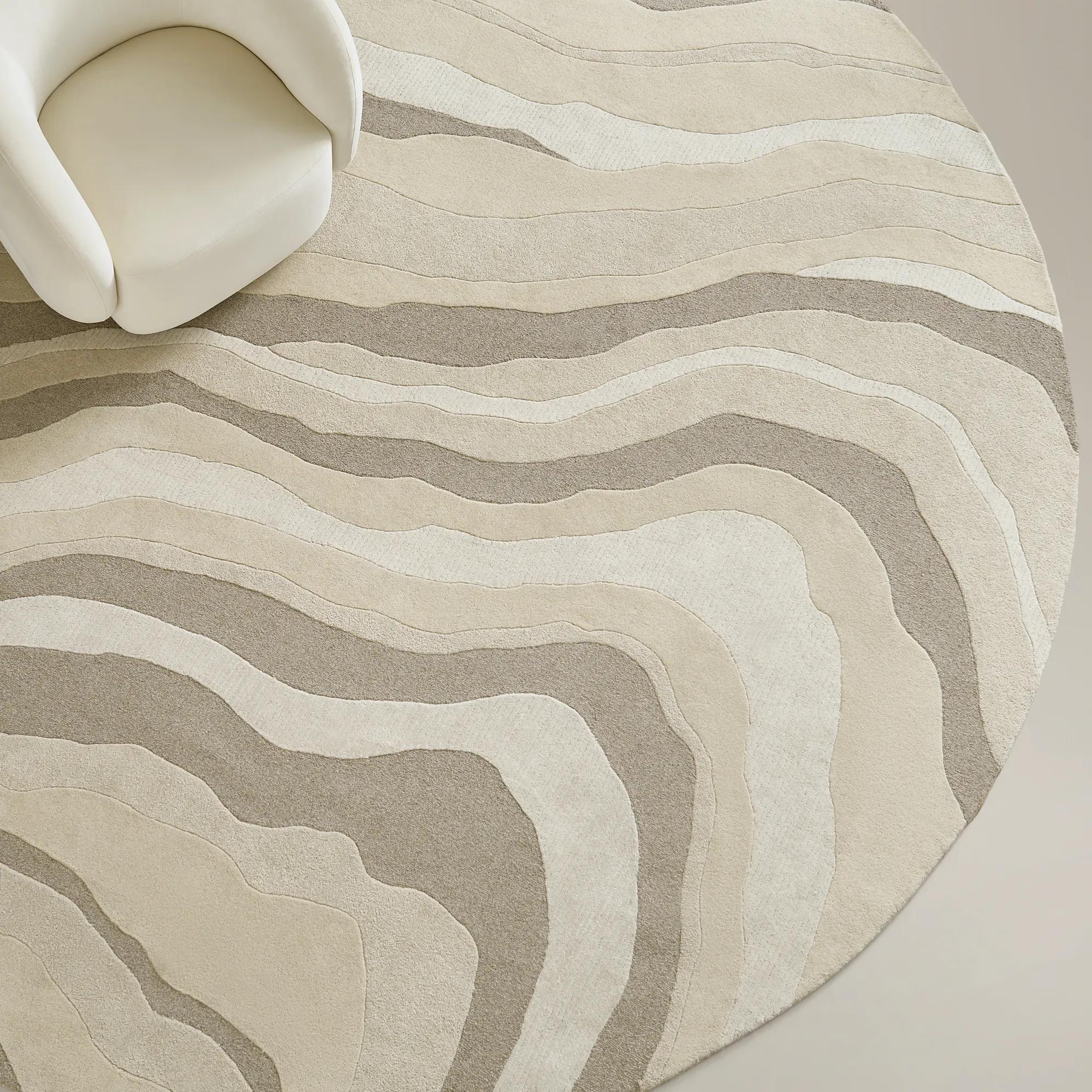 Kadence Hand-Tufted White/Ivory/Tan Wool Round Rug 12"$1799
A hand-tufted round rug in white, ivory, and tan, crafted from 100% wool for natural warmth.
Add To Cart -
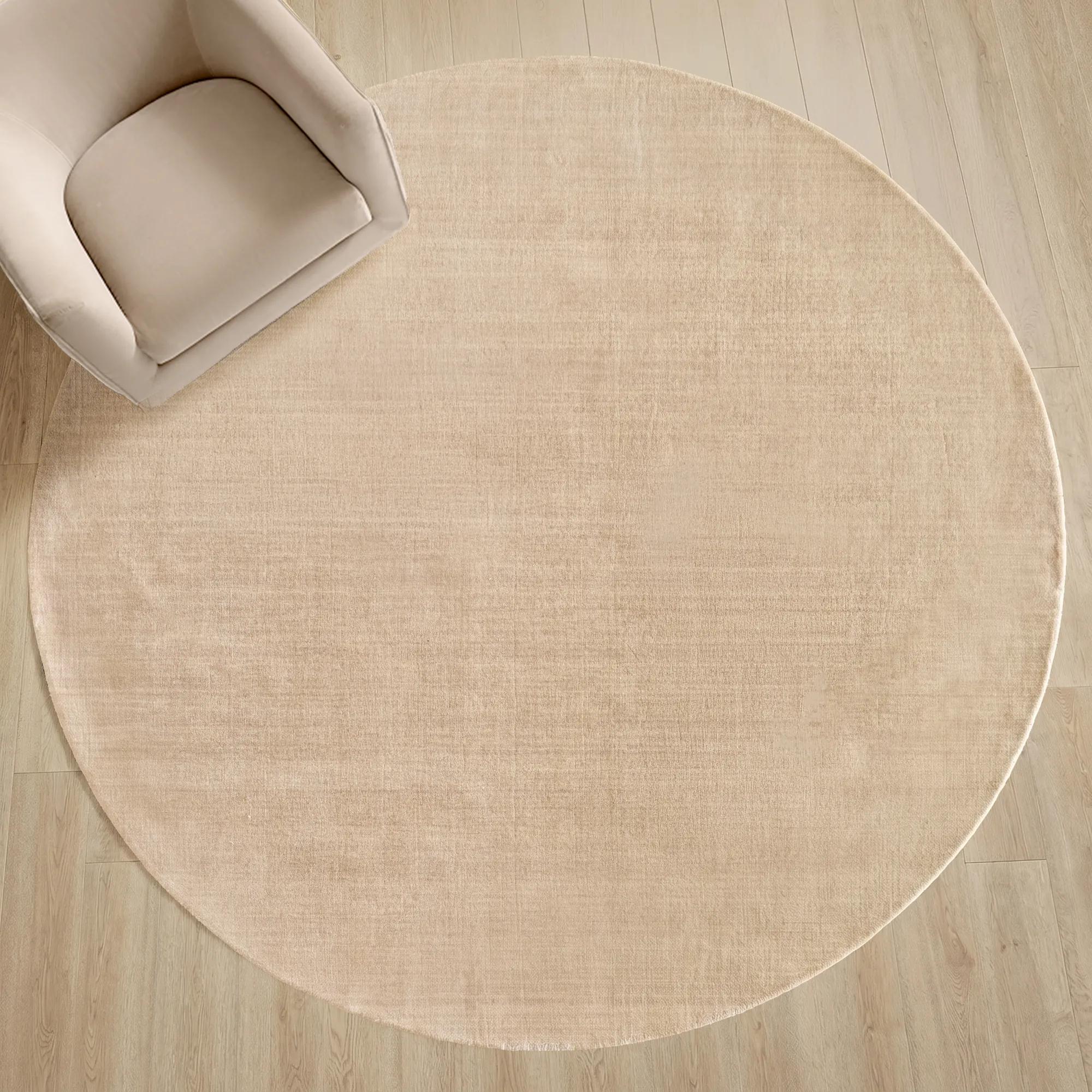 Juni Hand Woven Heathered Warm Beige Round Rug$1399
A handwoven round wool rug in heathered warm beige, offering refined texture and everyday durability.
Add To Cart -
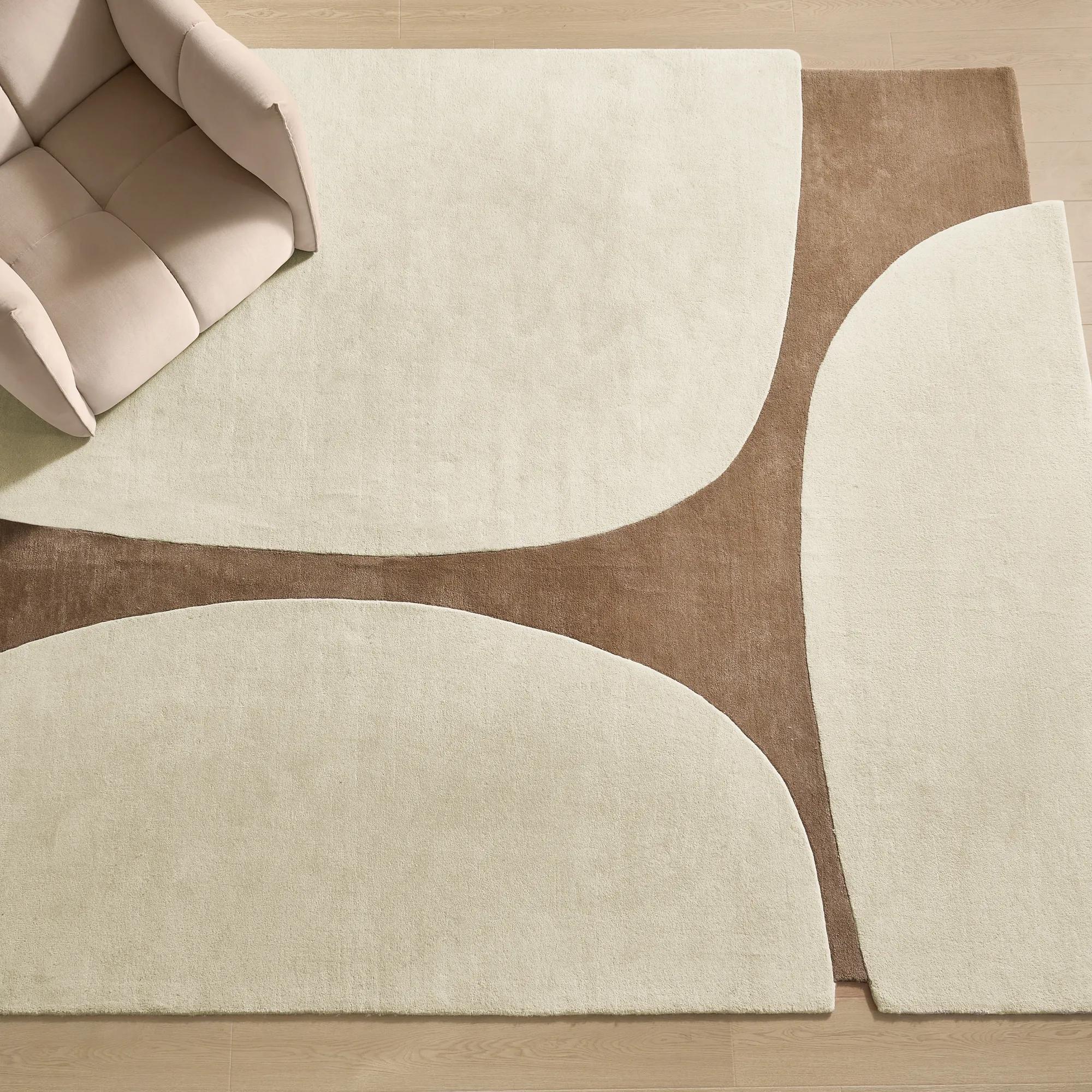
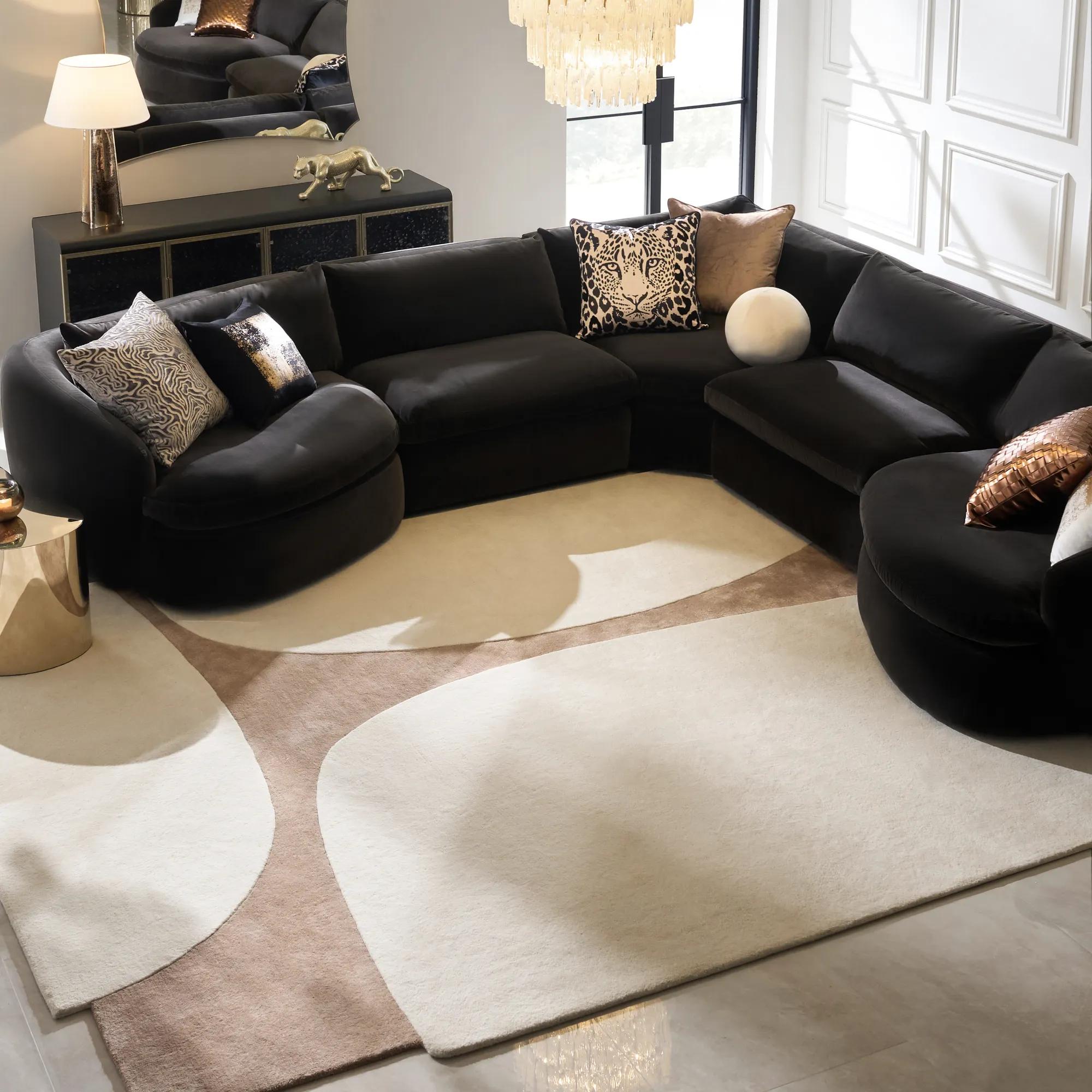 Contour Hand-Tufted Ivory/Ginger Root Wool Blend Rug$1499
A hand-tufted wool rug featuring an ivory and ginger root palette with a contoured, modern design.
Add To Cart -
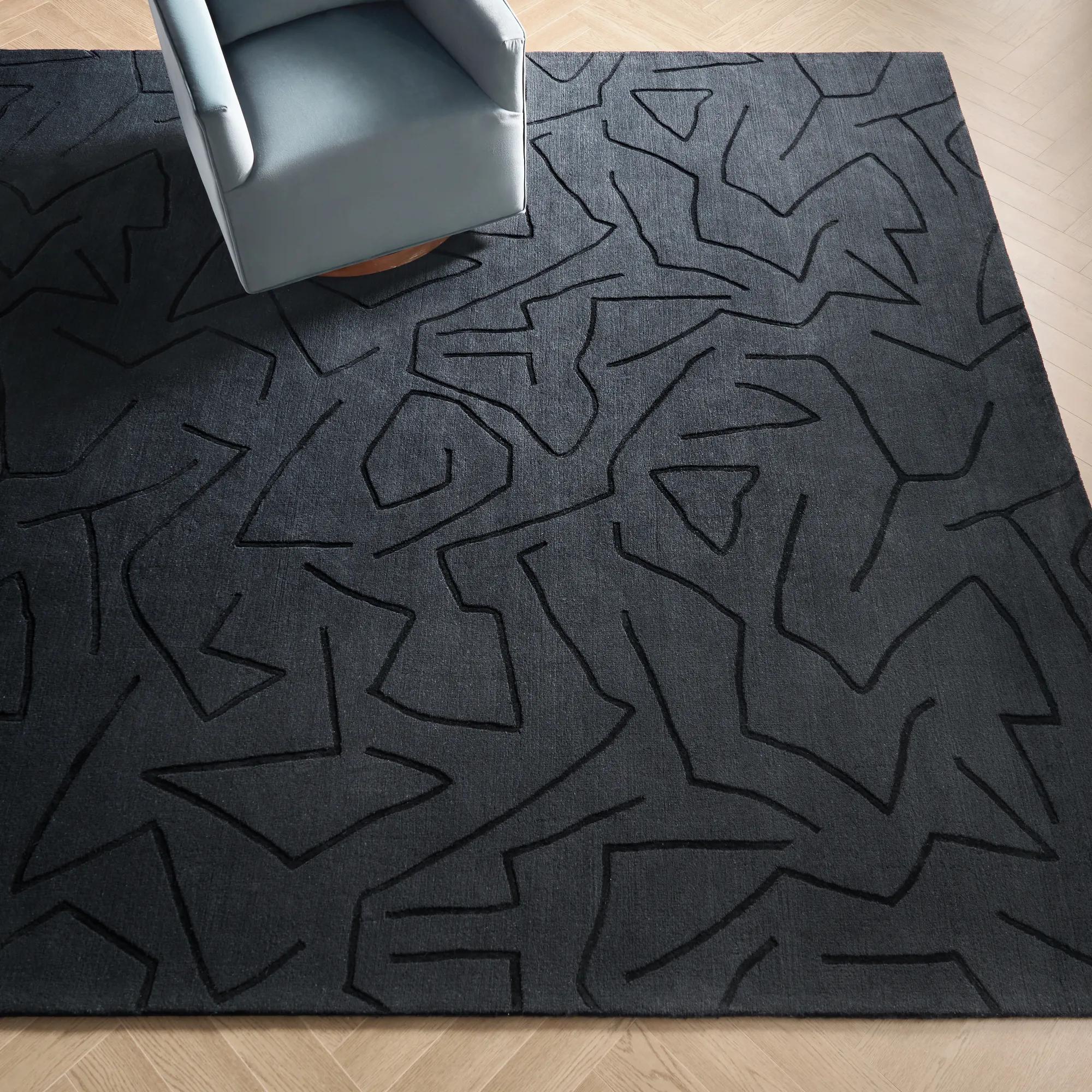 Carved Maze Rug$699
A hand-loomed black rug crafted from wool and viscose, featuring a carved maze design for added texture.
Add To Cart -
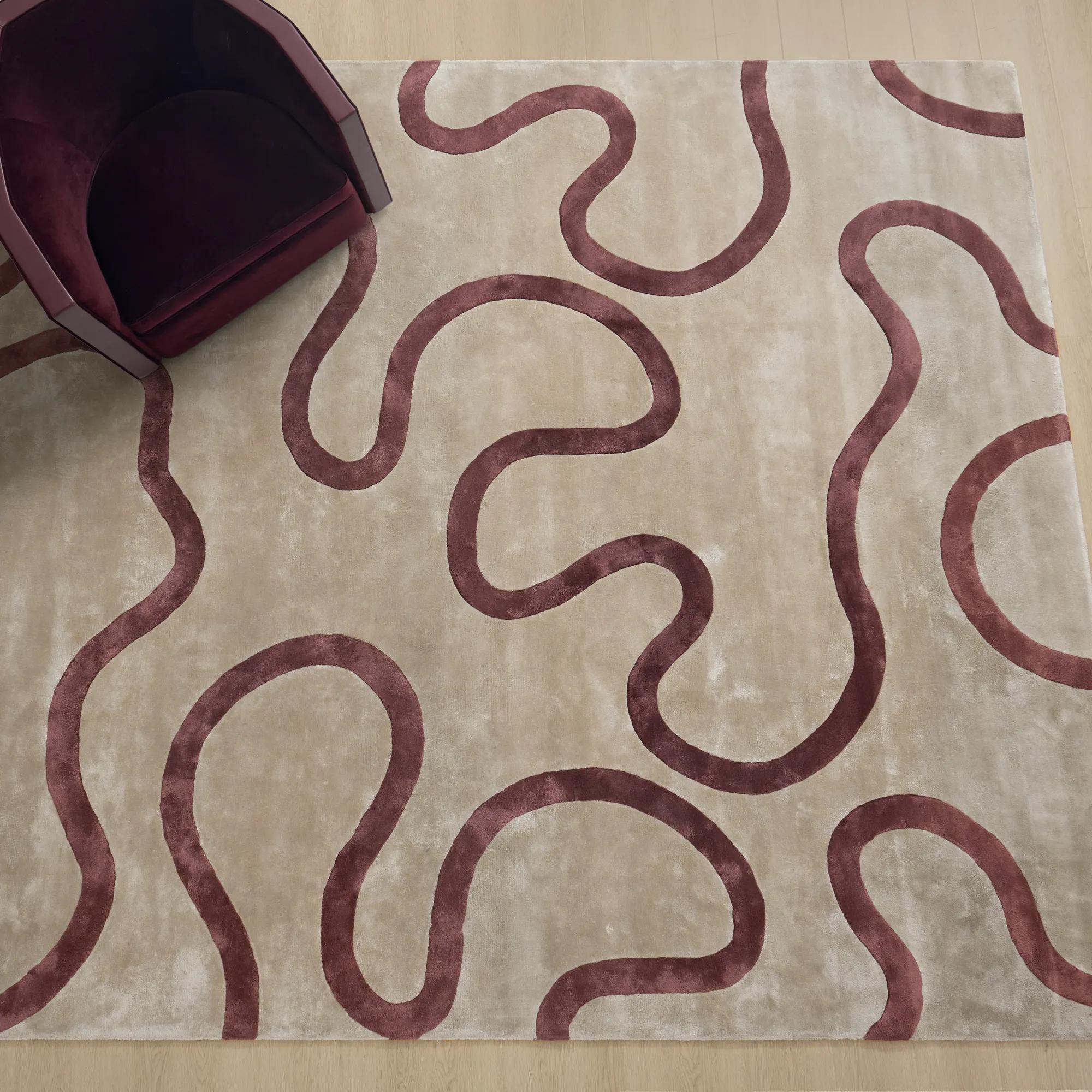 Seraphine Hand-Tufted Fig/Taupe Viscose Loop Rugs$599
A hand-tufted wool rug featuring bold fig and taupe loops for a graphic, Deco-inspired look.
Add To Cart

High Low Wool Area Rugs
Explore high-low wool area rugs that combine wool’s inviting texture with raised and recessed pile for a sculptural foundation. The contrast in pile height brings depth and definition to a living room or bedroom—an expressive way to anchor a seating arrangement or complement layered bedding.
High-low wool area rugs combine wool fibers with raised and recessed pile to create a sculpted surface, giving a room dimension through texture as well as pattern. Taller sections bring plushness and definition, while lower areas establish contrast, tracing everything from sweeping curves to architectural grids. The effect can be understated in a single shade or more expressive when contrasting colors emphasize the relief. Unlike a pattern created by color alone, a high-low design changes in appearance with the angle of light and the direction of the pile. An ivory rug might reveal an intricate motif beside a sunlit window, then appear softer and more tonal beneath a shaded lamp. That interplay gives these rugs a distinctive presence beneath streamlined furniture, polished metal accents, and richly upholstered seating. Wool contributes a naturally resilient fiber with crimp that helps the pile recover from everyday compression, although performance also depends on construction, density, and use. Its matte, softly textured appearance offers a compelling counterpoint to glass, lacquer, and mirror finishes without competing for attention. High-low effects can be achieved through different weaving and tufting techniques, including combinations of cut and loop pile or variations in pile height. The resulting surface may feel subtly ribbed, deeply carved, or gently undulating, so both the overall pattern and its depth deserve consideration. Fiber content matters, too: an all-wool pile and a wool-blend pile can differ in feel, sheen, and maintenance requirements. Backing materials and construction also influence flexibility and weight. For interiors that favor expressive linework, High Low Abstract Area Rugs offer a related direction, with free-form motifs that bring an artful rhythm to the floor. Across these dimensional designs, the appeal lies in how texture completes the composition: a generous expanse of sculpted wool can soften the visual weight of a substantial sofa, echo the curves of a rounded chair, or give a quiet seating arrangement a more deliberate, collected character.
Scale determines whether that sculptural texture feels like a finishing detail or the foundation of the room. In a living area, a high-low wool rug often creates the strongest connection when at least the front legs of the main seating pieces rest on it, bringing the sofa, chairs, and central table into one cohesive arrangement. Larger rooms may accommodate all furniture legs on the rug, while a smaller conversation area can feel composed with a more modest footprint and a consistent border of visible flooring. Painter’s tape laid out to the proposed dimensions can make the proportions easier to judge before committing to a size. Pattern scale deserves the same attention: broad, raised shapes can hold their own beneath substantial furnishings, whereas finer linear textures may read almost like a solid from across the room. Consider which portions will remain visible once furniture is in place; a dramatic central motif has less impact when concealed beneath a large upholstered ottoman. Bedrooms offer another natural setting for wool’s tactile richness, particularly where the rug extends beyond the sides and foot of the bed to create a generous landing underfoot. In dining spaces, dimensions should allow chairs to remain on the rug when pulled out, often requiring approximately 24 to 30 inches beyond the tabletop on each side, depending on the chairs. A restrained pile-height difference generally makes chair movement easier than a deeply sculpted surface. Door clearance, nearby floor transitions, and the movement of desk chairs also affect suitability. A pronounced high-low texture brings luxurious definition to a sitting room or bedroom, while a denser, lower-profile construction may better suit a frequently used gathering space. For households with pets, raised loops can be vulnerable to catching on claws, making cut-pile details worth considering. The most satisfying fit balances visual drama with the way people actually sit, walk, gather, and move through the room.
Thoughtful care preserves the distinction between the raised design and its recessed background, allowing the rug’s texture to remain crisp rather than becoming obscured by dust and compressed fibers. Wool rugs can shed loose fibers, particularly when new, and the amount varies with yarn quality and construction. Regular, gentle vacuuming helps remove that loose material before it accumulates; suction-only cleaning is often appropriate, while aggressive rotating brushes can pull at loops or disturb taller pile. The manufacturer’s care instructions should always take precedence, especially for blended fibers, specialty finishes, or rugs with particular backing requirements. Fringe and bound edges benefit from careful handling rather than repeated passes with a vacuum head. Spills call for prompt blotting with a clean, absorbent cloth, working without scrubbing so the liquid does not spread or become driven deeper into the pile. Any cleaning solution should be suitable for wool and tested in an inconspicuous area; strong chemicals, excessive moisture, and unapproved steam-cleaning methods can affect fibers, dyes, or backing. Professional cleaning by a specialist familiar with wool is a considered option for a thorough refresh or difficult stains. Beneath the rug, a properly sized pad compatible with the flooring can help reduce shifting, add cushioning, and limit friction against the underside. It should sit slightly inside the rug’s perimeter so the edges lie neatly against the floor. Periodic rotation helps distribute foot traffic and light exposure, while furniture cups can reduce concentrated pressure from heavy legs. Natural resilience does not make wool immune to indentations, fading, or wear, and dimensional pile may show these changes differently across its surface. That makes placement as important as maintenance: a sculpted wool rug is generally better suited to a dry interior than a spill-prone or persistently damp setting. With appropriate construction, proportion, and care, high-low wool area rugs bring lasting visual depth to rooms designed for both everyday living and expressive entertaining, grounding the space with a surface that feels as considered as the furniture above it.
FAQs
A high-low wool area rug features contrasting pile heights that create raised and recessed patterns across its surface. This dimensional texture gives the design a sculptural quality, turning the rug into an expressive foundation rather than simply a backdrop.
Let the rug’s textured pattern anchor the room, then balance its depth with clean-lined furniture and thoughtfully chosen accents. A streamlined sofa, sculptural table, and artful accessories create a composed setting where the rug’s dimensional detail can take center stage.
For a tonal composition, echo the rug’s colors in upholstery and drapery, allowing texture to supply the drama. For a more expressive interior, draw one accent color from the rug into artwork or pillows, then introduce contrasting tones with intention.
Glass, polished metal, and lacquered finishes create a striking contrast with wool’s tactile surface. Wood introduces warmth, while velvet upholstery adds another layer of sumptuous texture. Choose a considered mix of finishes so the room feels richly composed rather than visually crowded.
Follow the rug’s care label, as cleaning needs vary by construction and finish. Vacuum gently using the recommended setting, and use a rotating brush only if the care instructions permit it. Blot spills rather than rubbing, and consult a wool-rug cleaning specialist for deeper care.