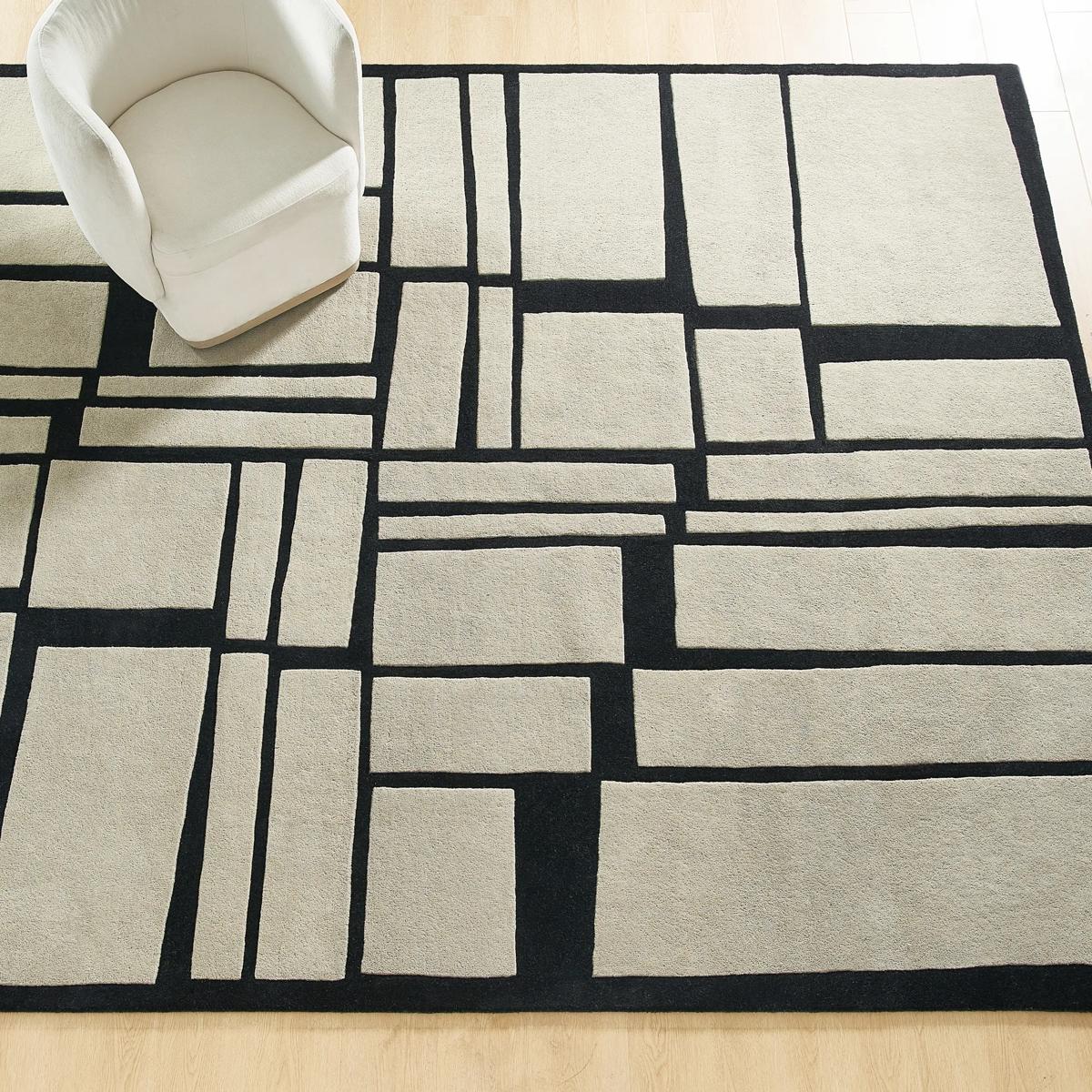
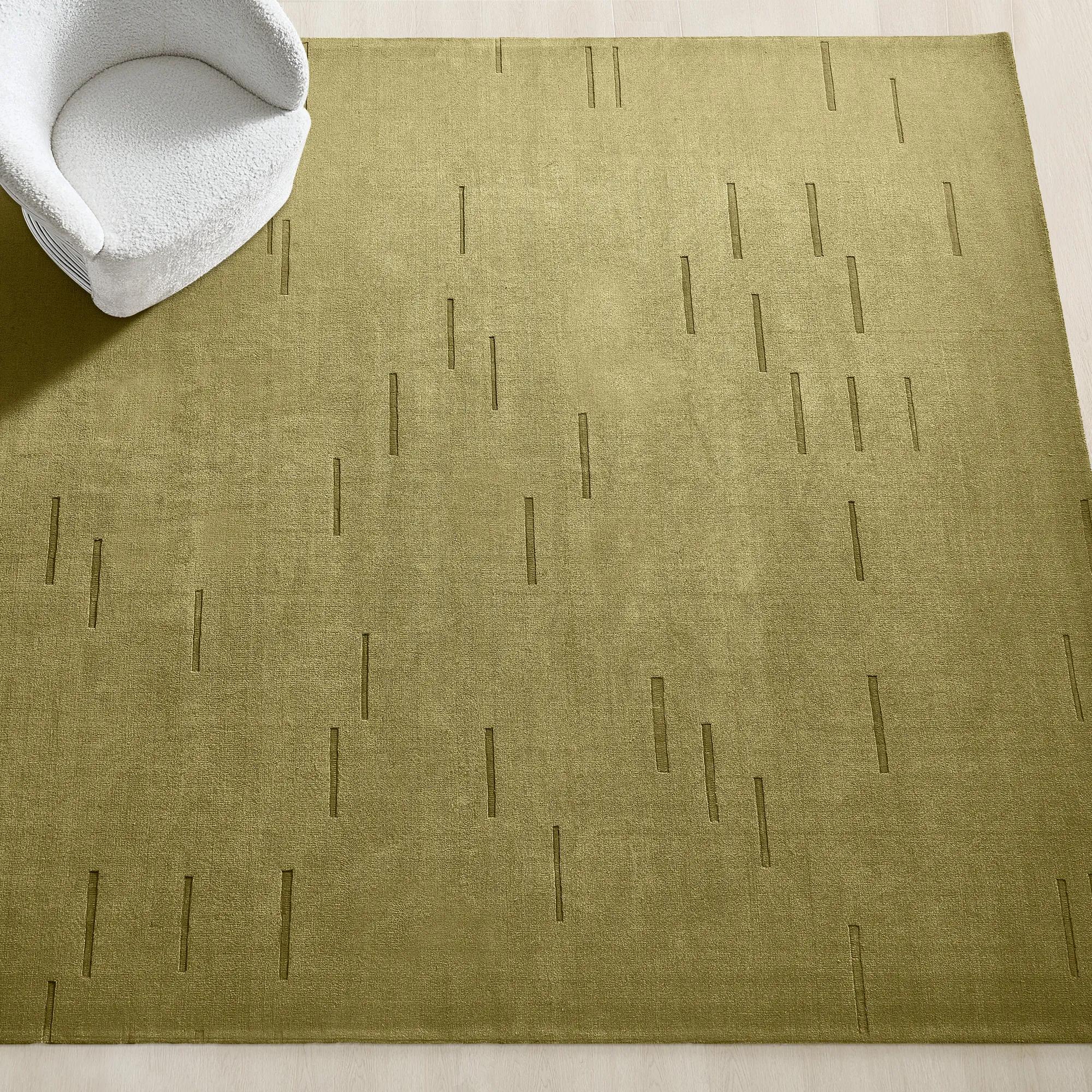
High Low Abstract Area Rugs
High Low Abstract Area Rugs
-
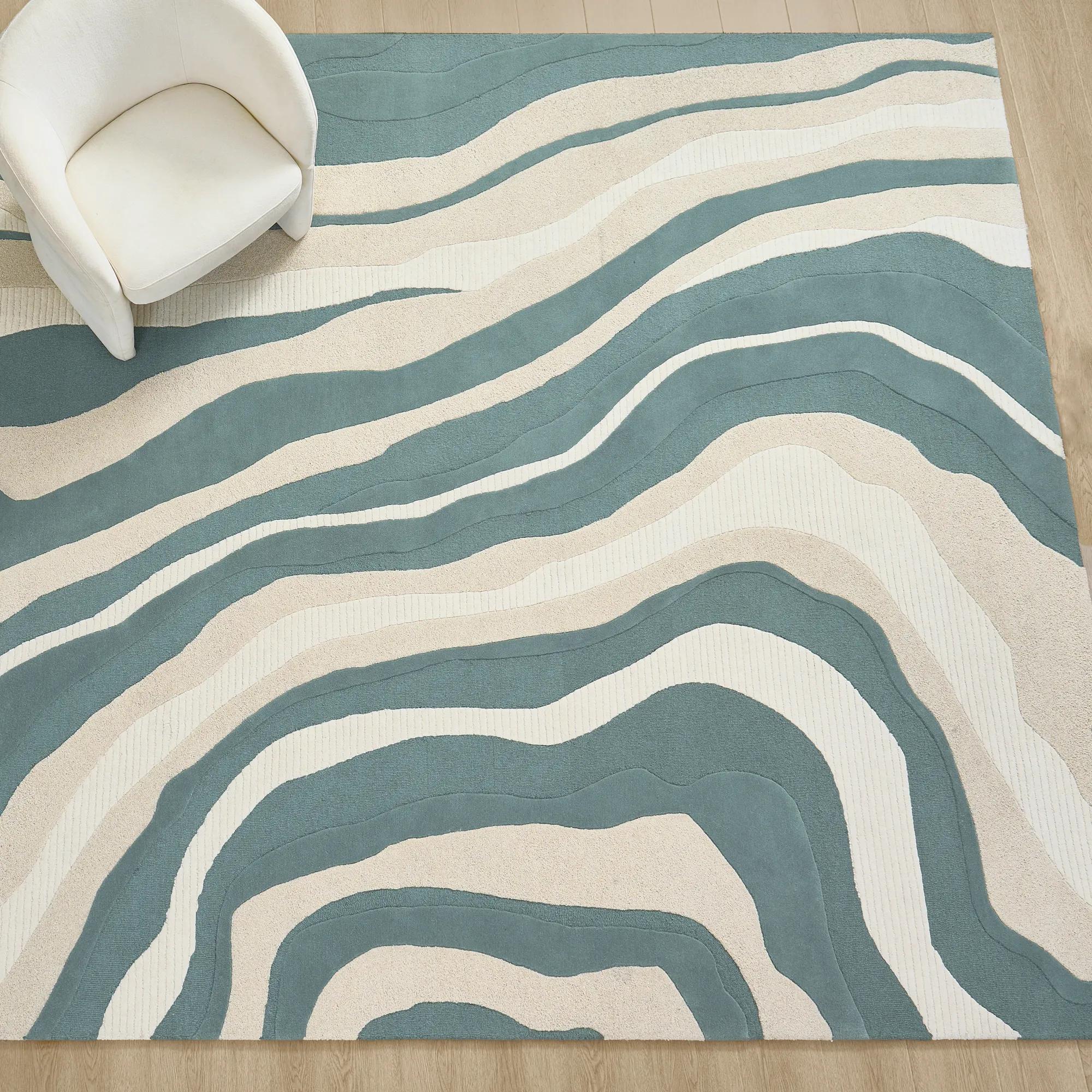 Kadence Hand-Tufted Sage Green/Ivory Wool Rugs$1499
A hand-tufted wool rug in deep sage green and ivory with a sculptural high-low abstract wave pattern.
Add To Cart -
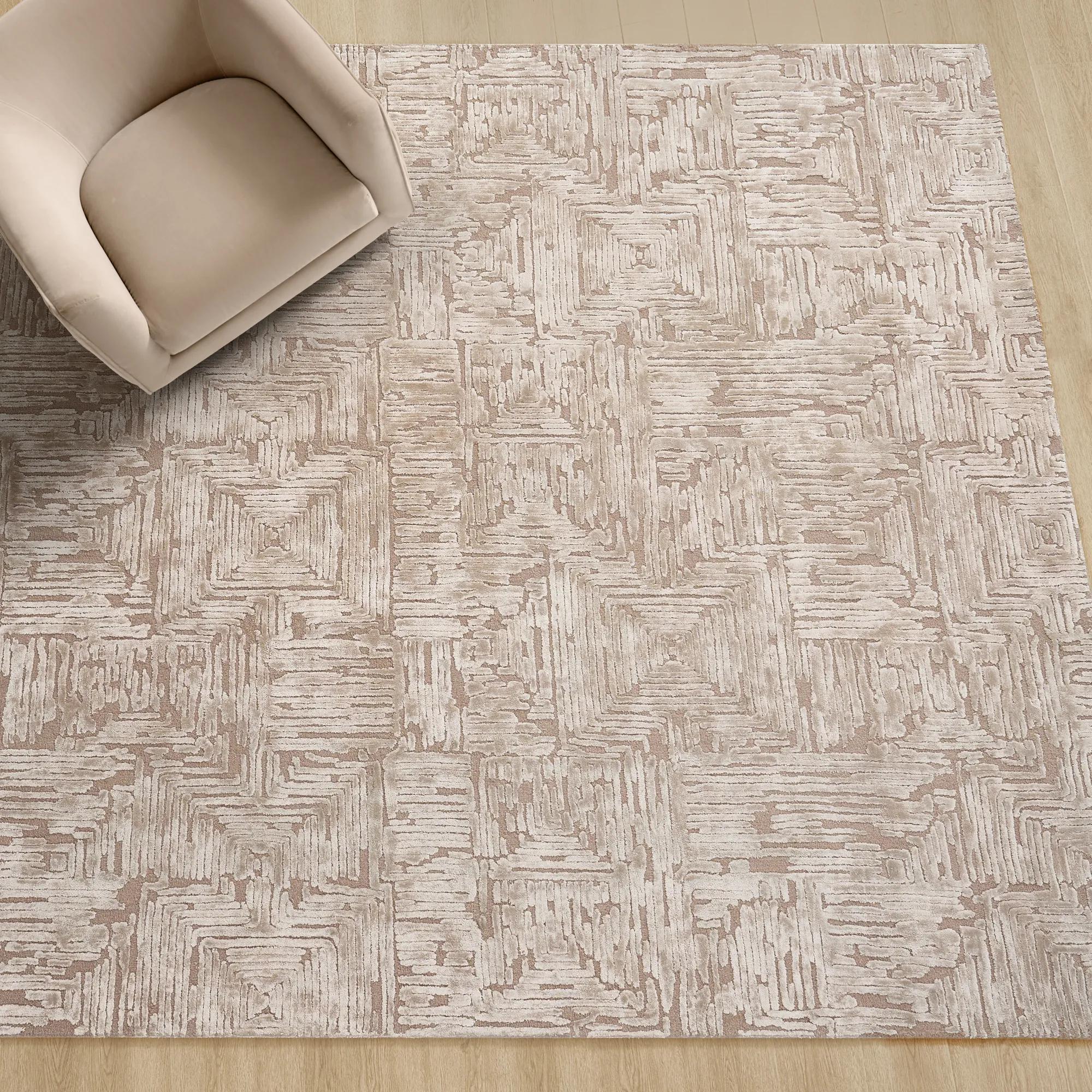
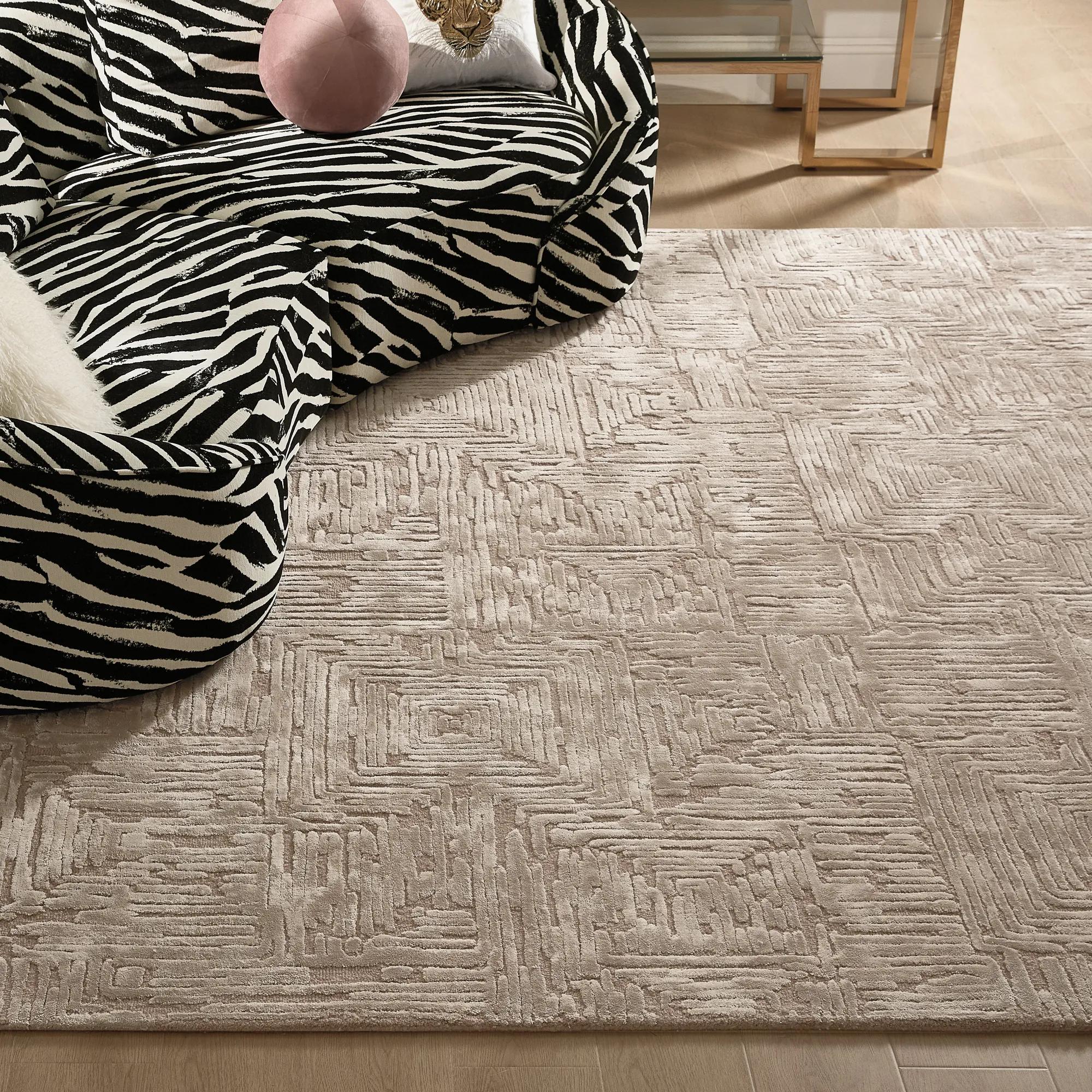 Andra Hand-Tufted Mocha Rose Viscose & Wool Dimensional Rugs$499
A hand-tufted viscose and wool rug in mocha rose, featuring a dimensional high-low geometric pattern.
Add To Cart -
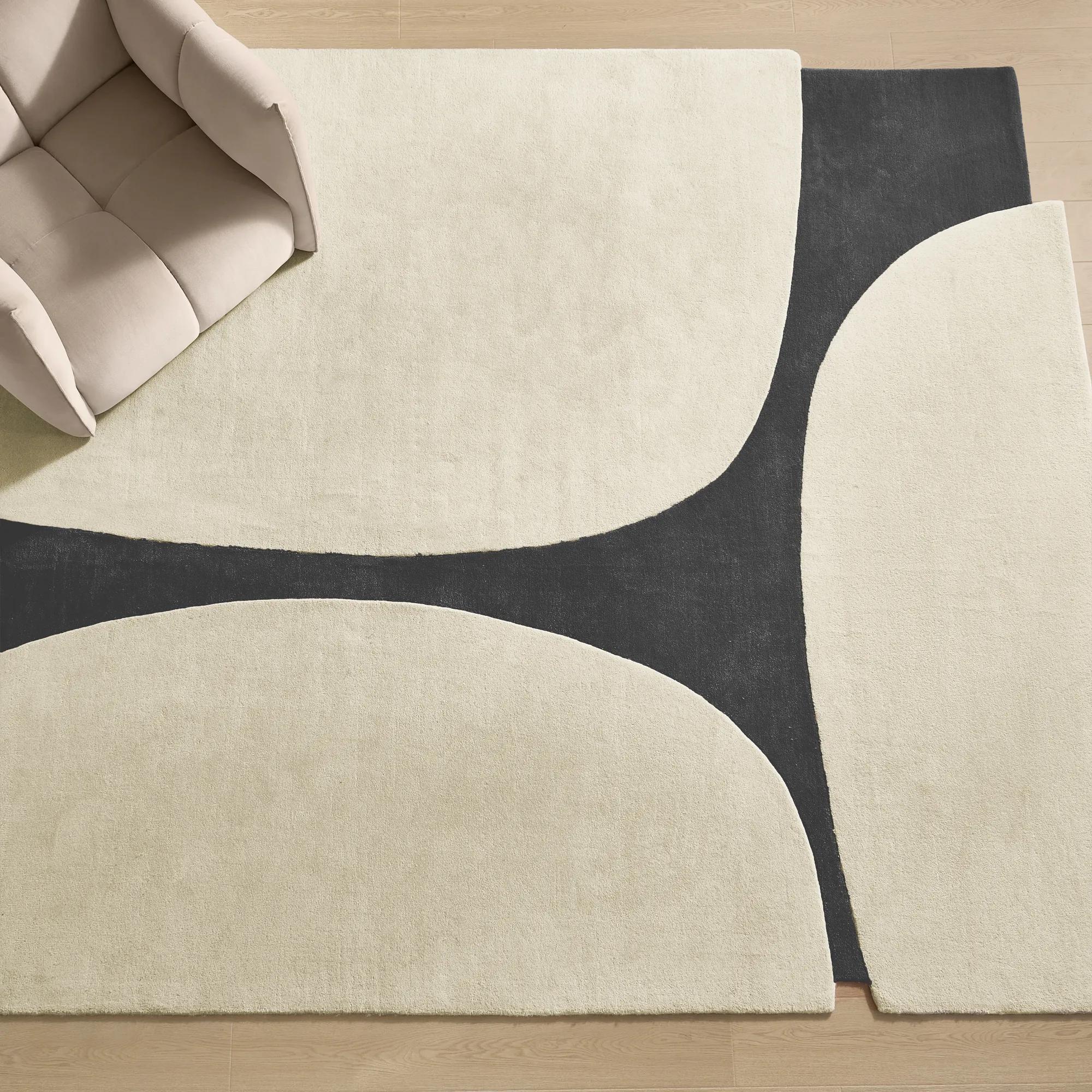 Contour Hand-Tufted Ivory/Charcoal Wool & Viscose Rugs$1499
An artfully shaped hand-tufted rug featuring high-low texture in warm ivory and charcoal wool-viscose blend.
Add To Cart -
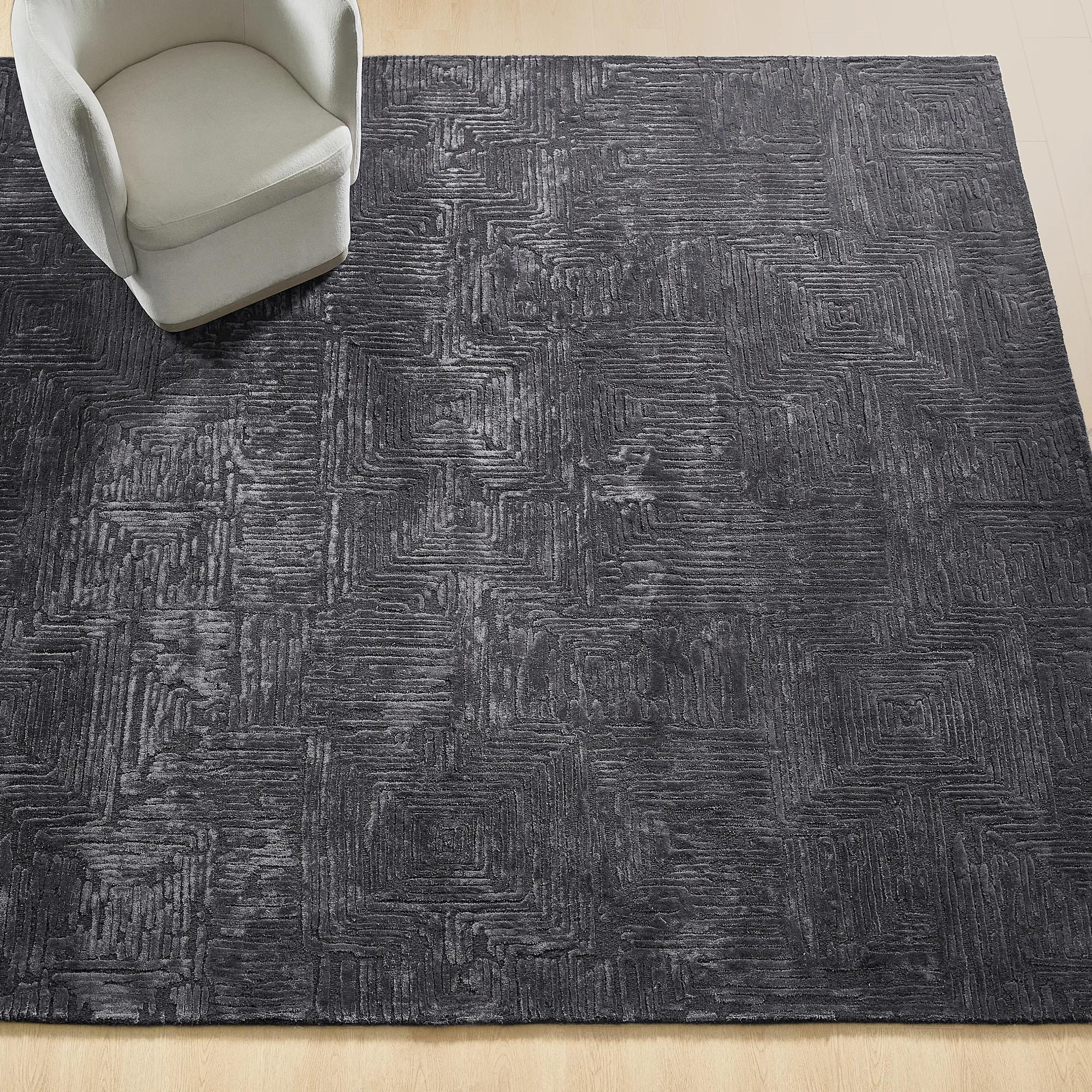
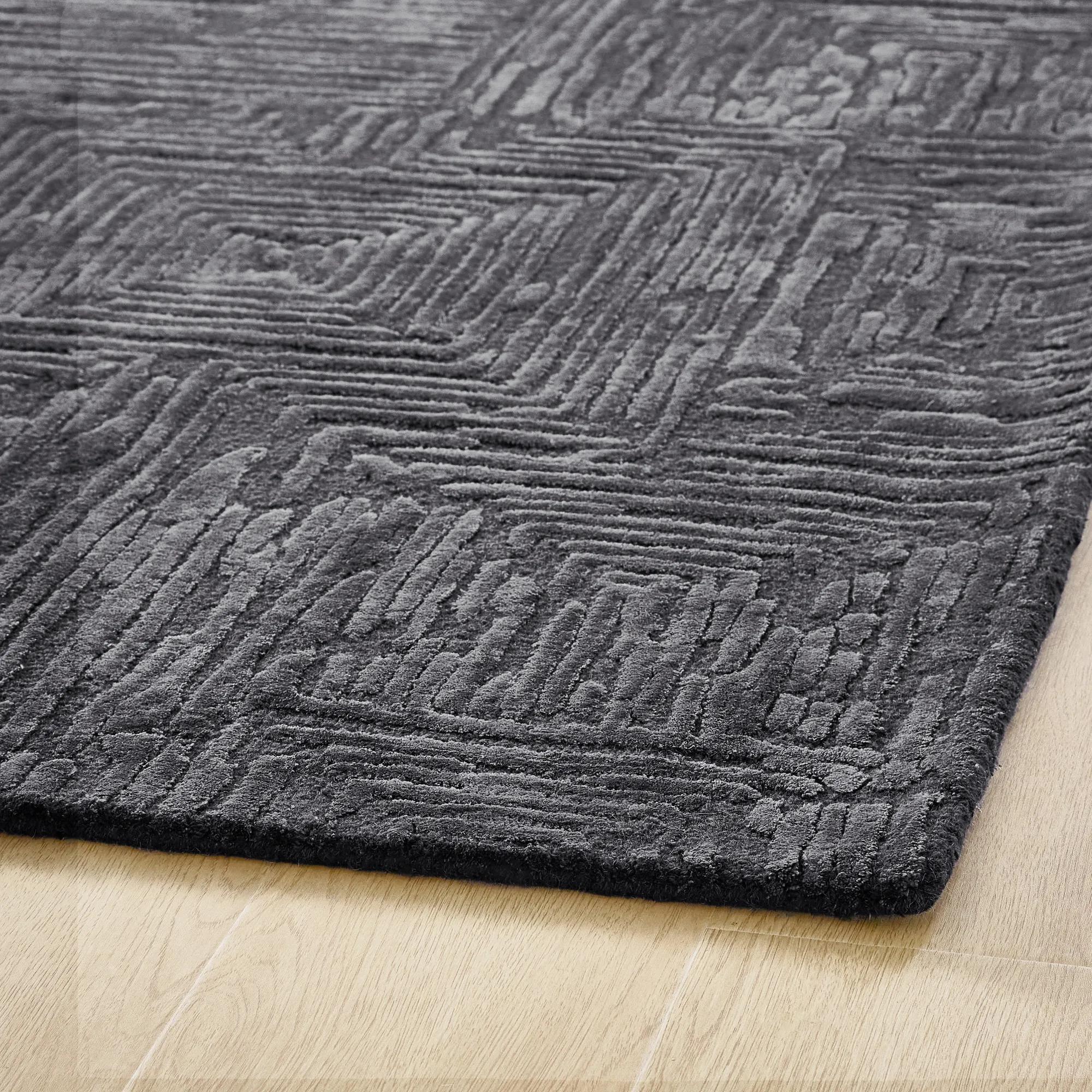 Andra Charcoal Hand-Tufted Wool Blend Dimensional Rug$499
A hand-tufted viscose-wool rug in rich charcoal, featuring a sculptural, dimensional pattern for modern spaces.
Add To Cart -
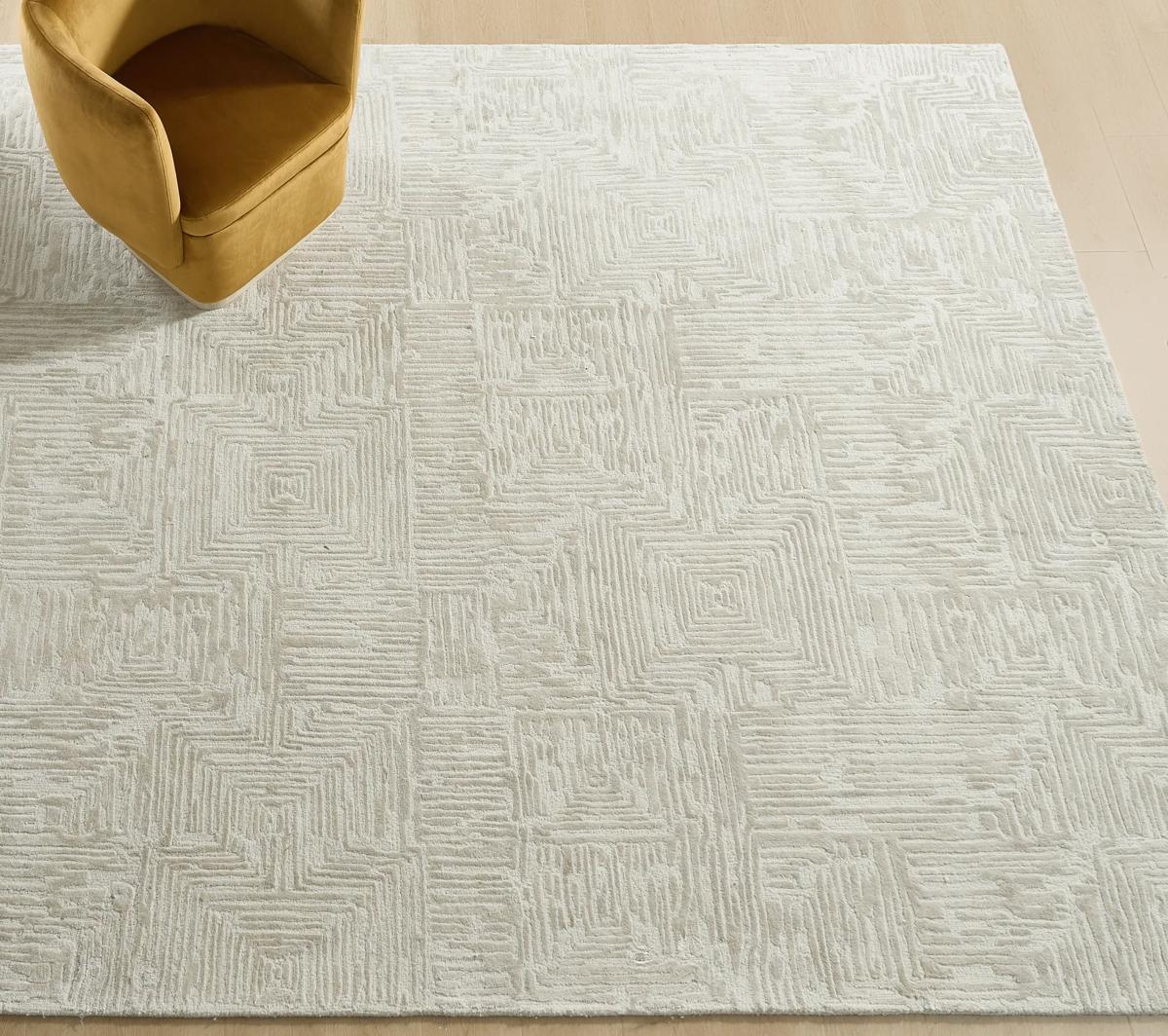 Andra Ivory Hand-Tufted Wool Blend Dimensional Rug$1499
A hand-tufted ivory rug in a viscose-wool blend with raised detailing and a subtle sheen.
Add To Cart -
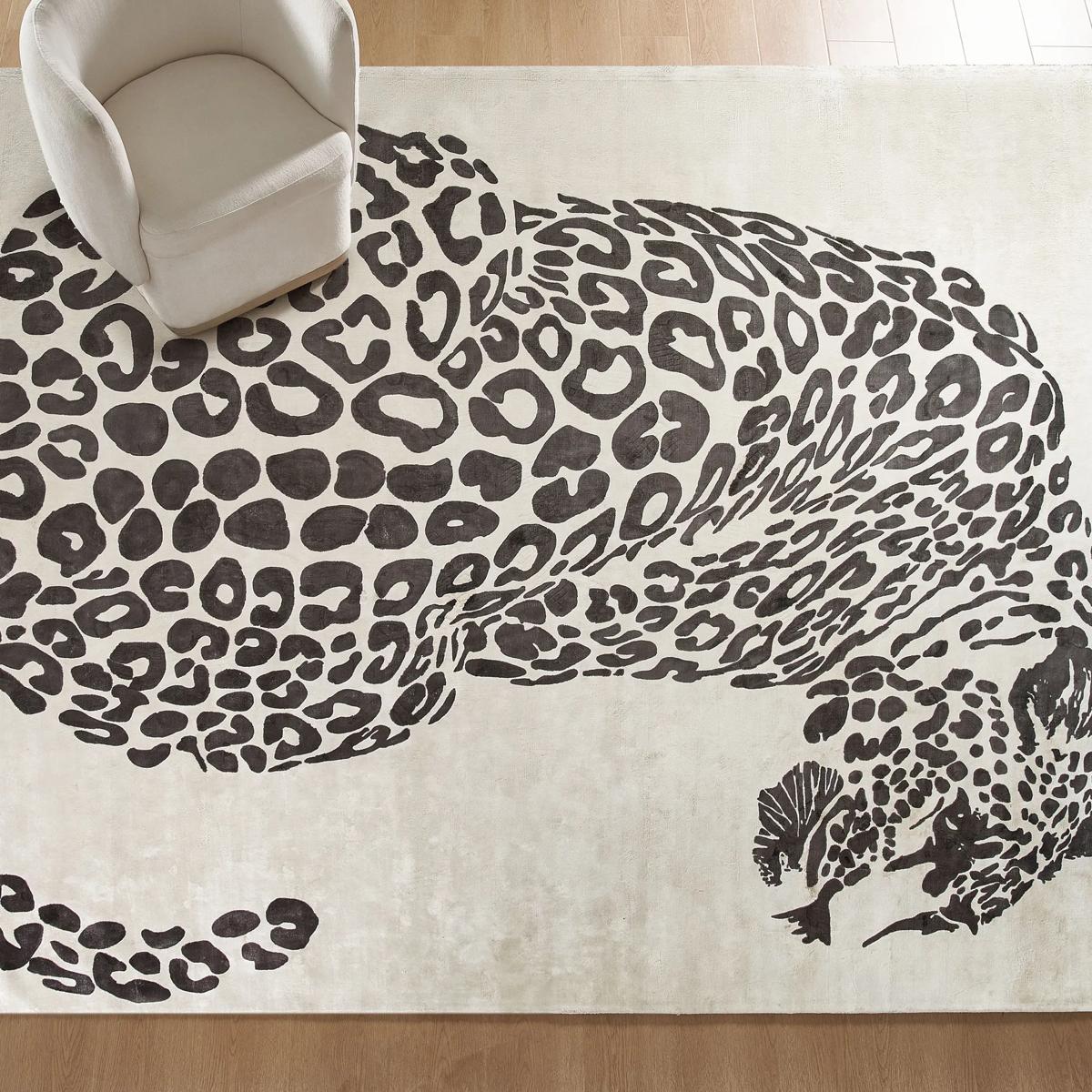
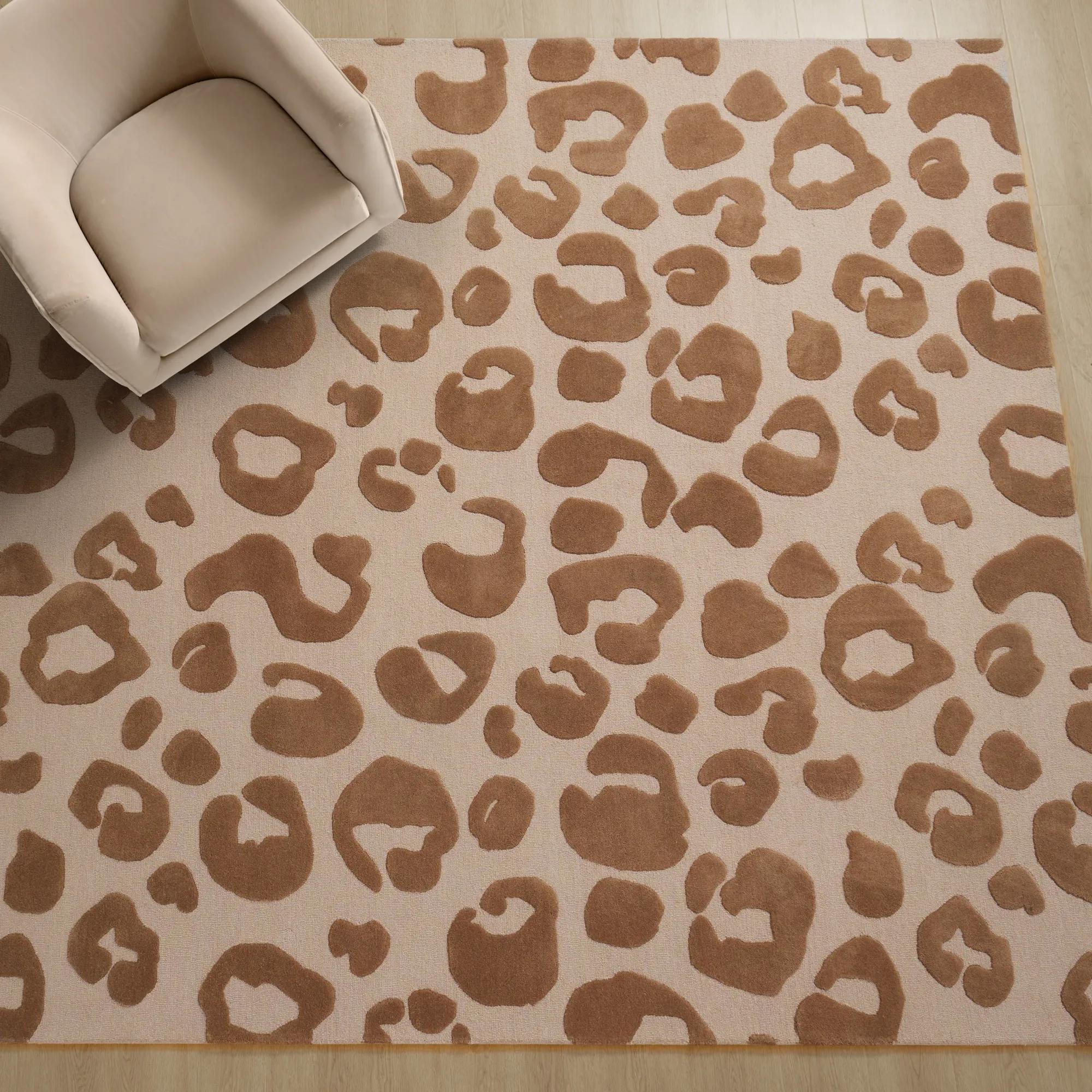 Pounce Hand-Tufted Tawny Brown Leopard Print Wool Rugs$1499
A hand-tufted pure wool rug featuring a bold tawny brown leopard print and sculptural high-low texture.
Add To Cart -
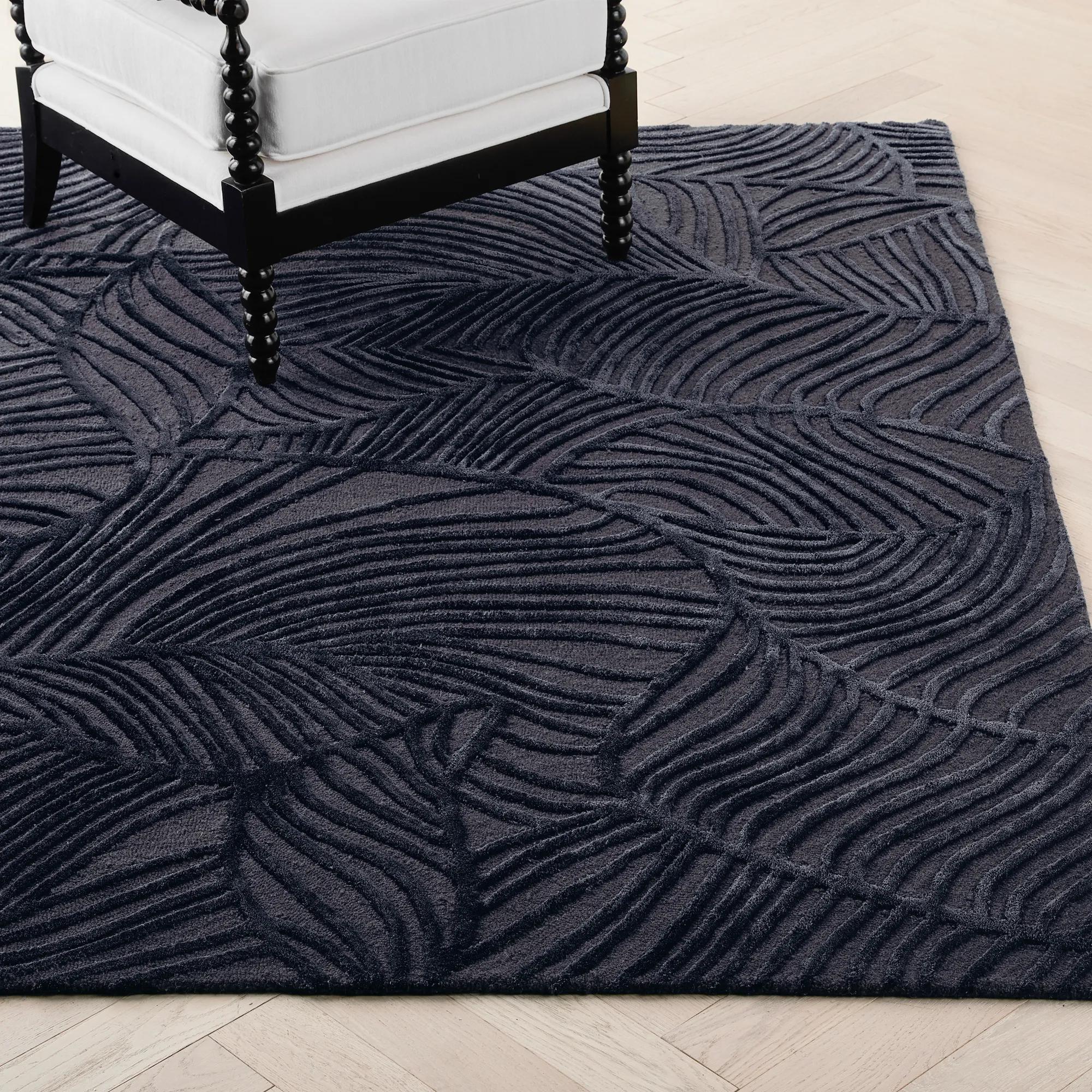
 Palm Rug - Charcoal$1499
A charcoal rug featuring a dynamic palm-leaf design with a textured high-low viscose and wool pile.
Add To Cart -
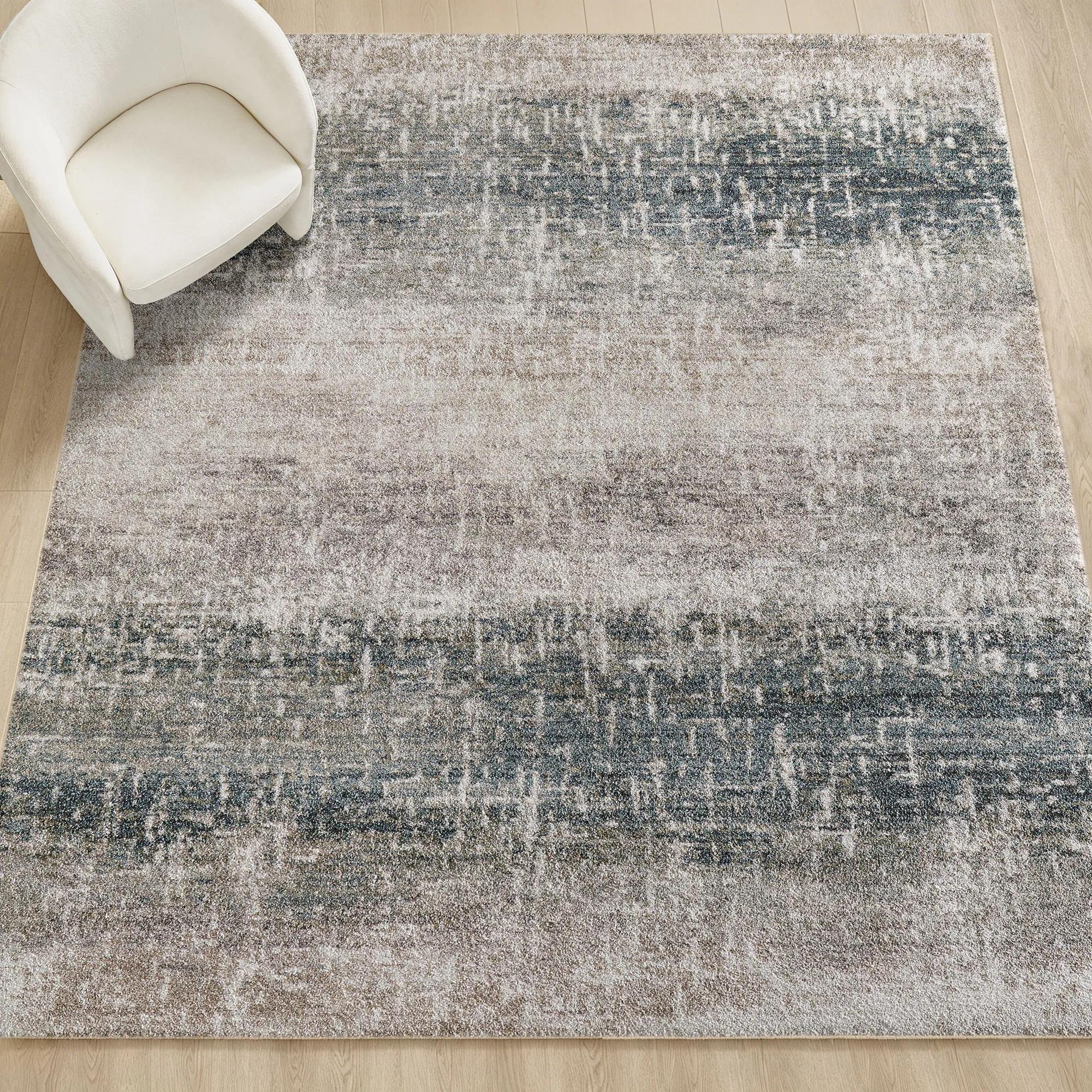
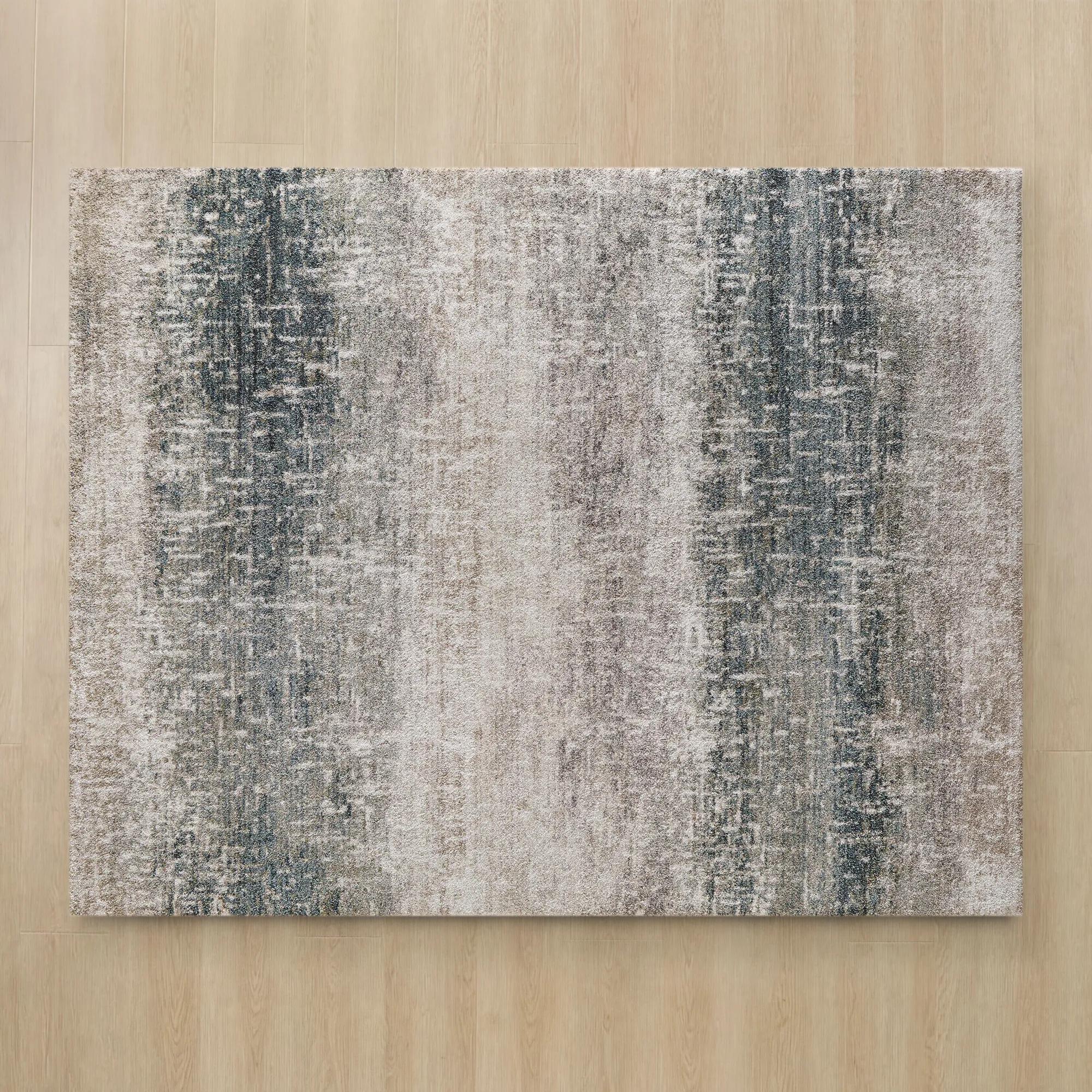 Collier Taupe/Grey/Blue/Green Performance Power Loomed Rug$399
An abstract rug in taupe, grey, blue, and green with a plush, stain-resistant polypropylene-polyester blend.
Add To Cart -
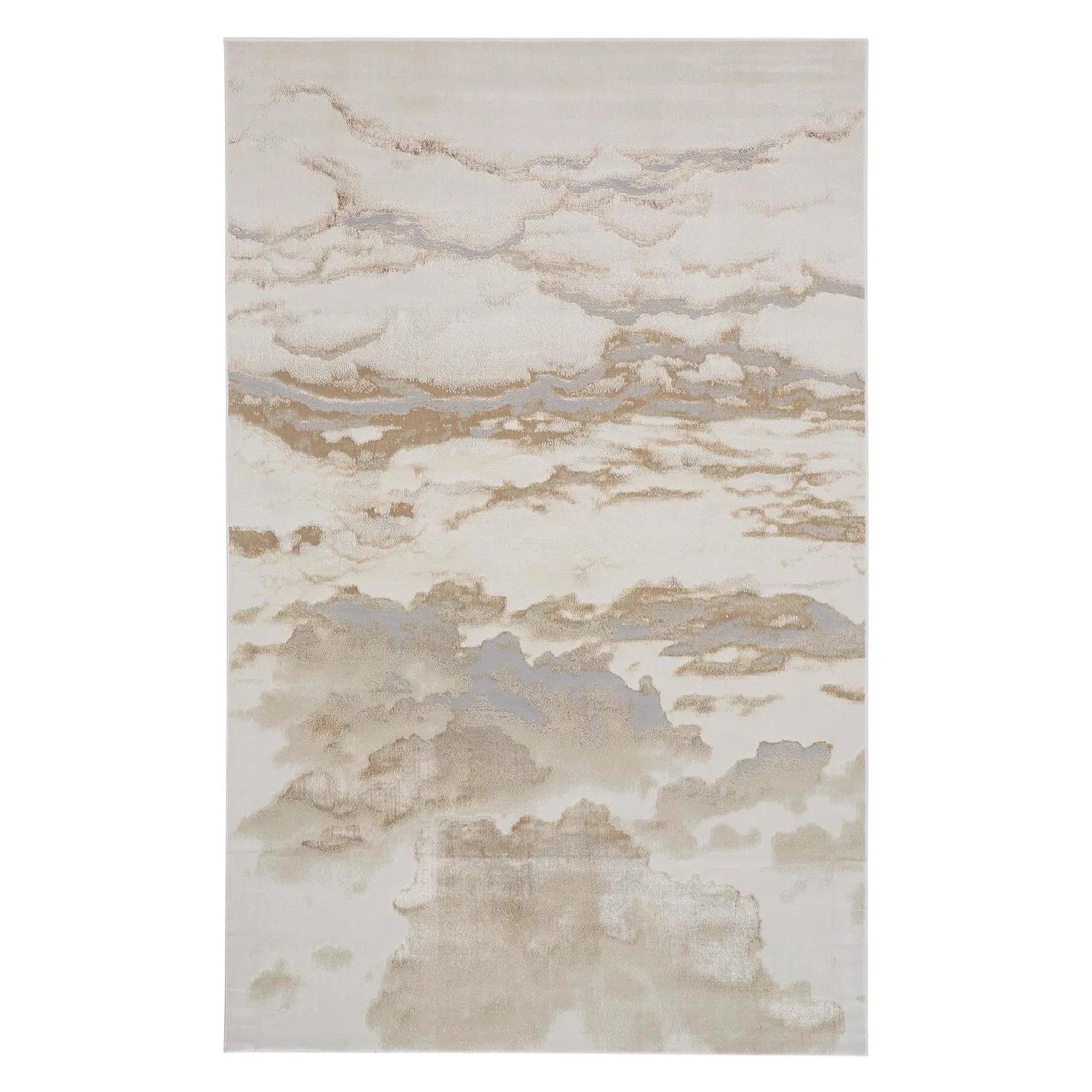
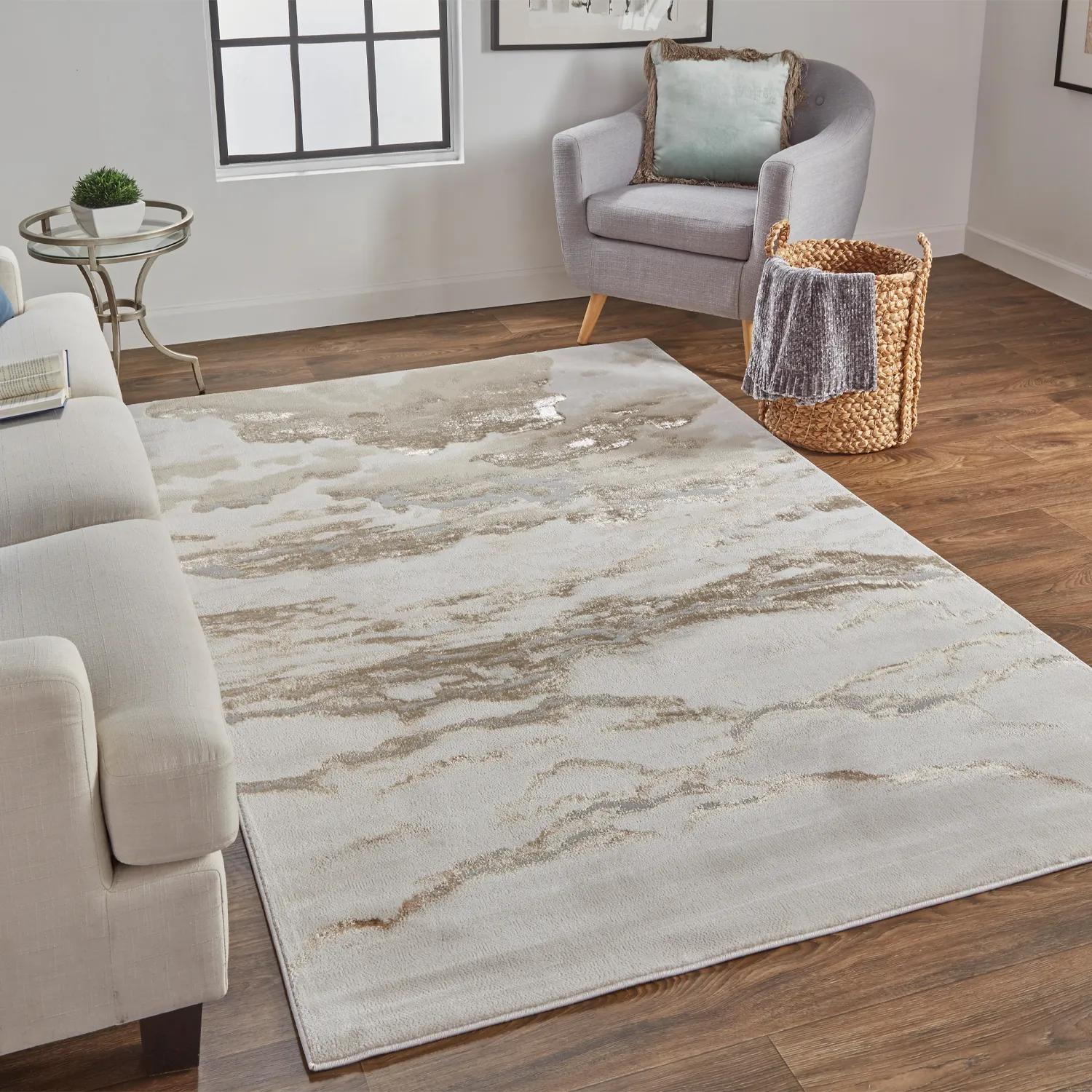 Tide Power-Loomed Beige/Gold/Ivory Rug$899
A machine-made rug in beige and gold, crafted from ultra-soft polyester and polypropylene for elegant spaces.
Add To Cart -
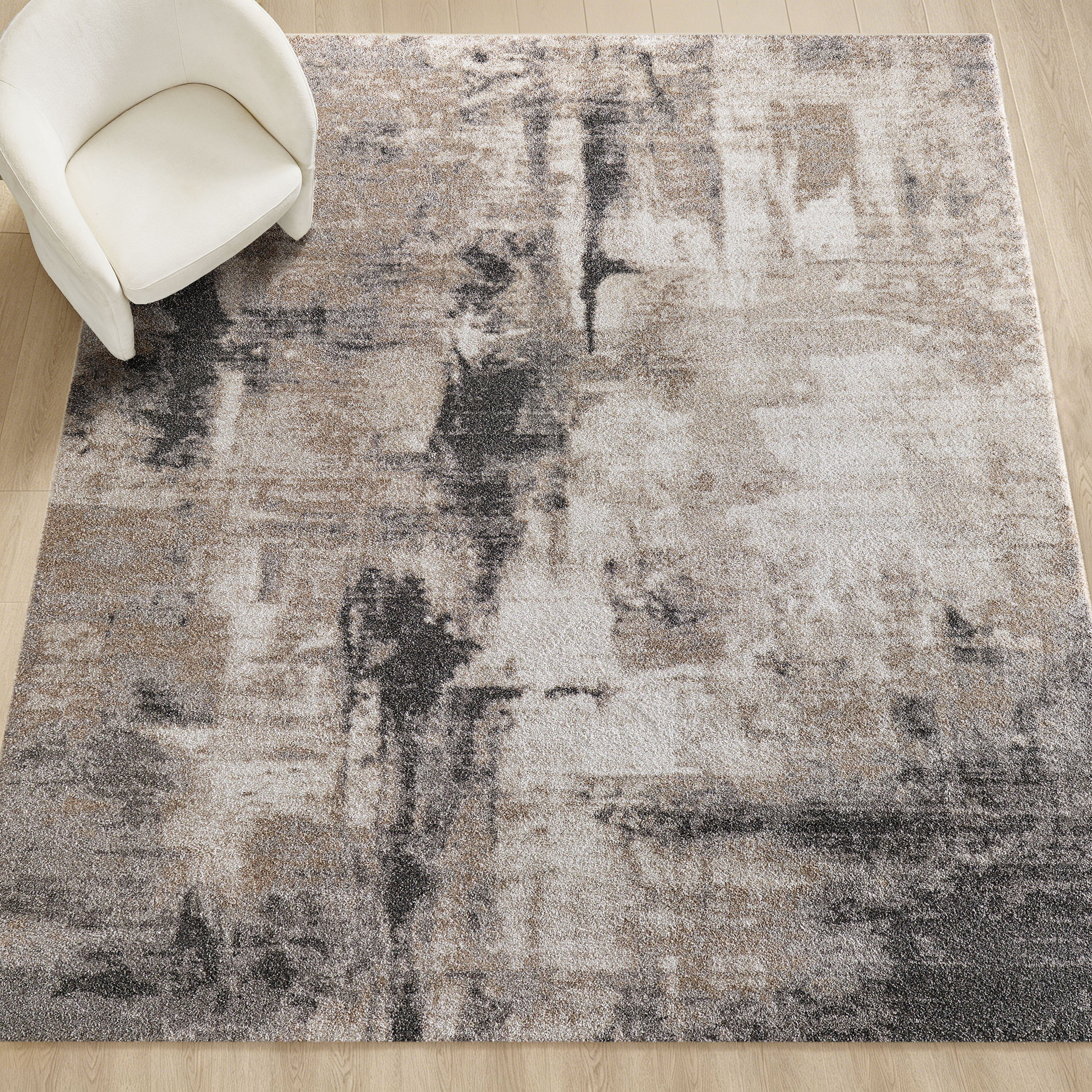
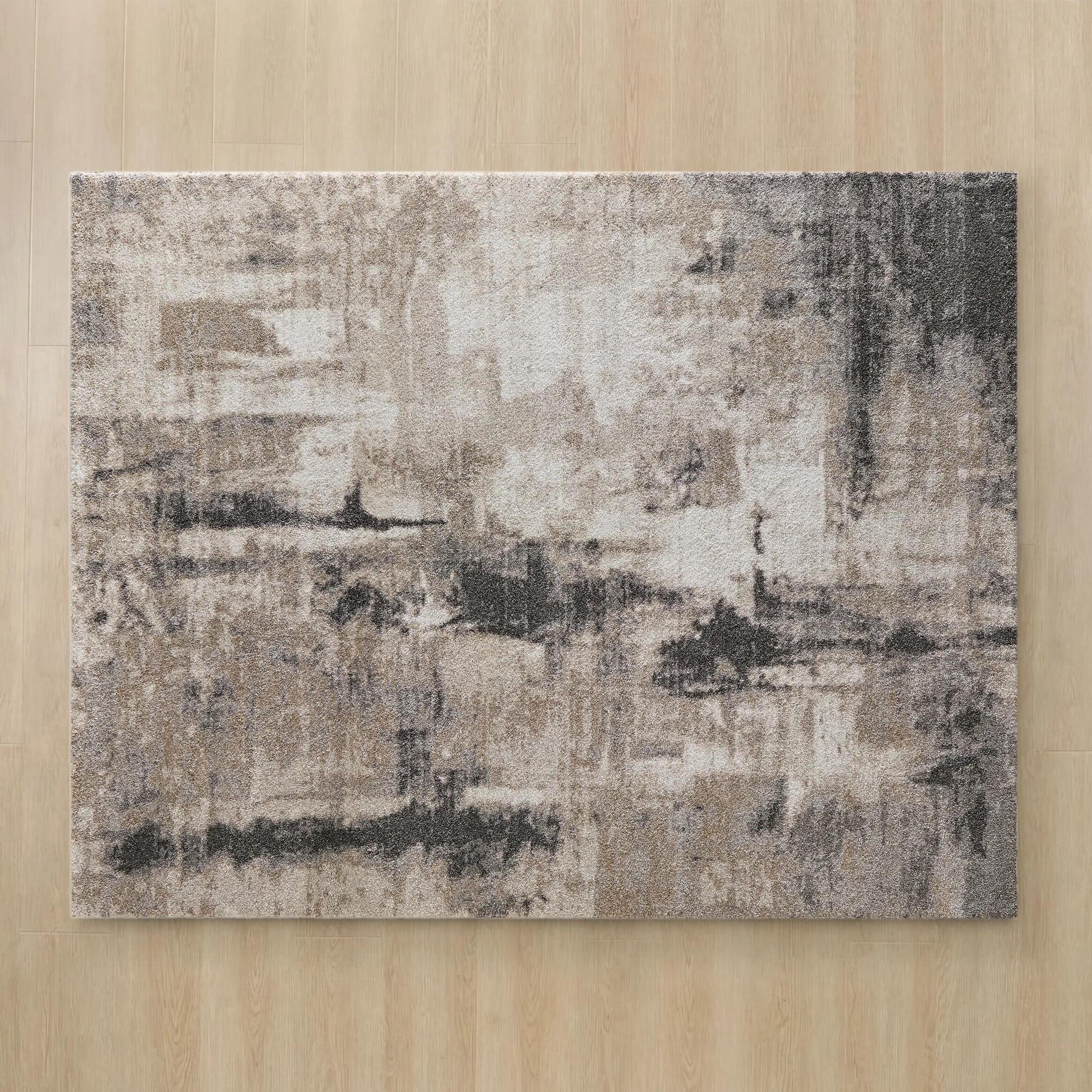 Atlas Abstract Grey/Taupe/Ivory/Charcoal Performance Power Loomed Rug$1349
An abstract rug in grey, taupe, ivory, and charcoal with a plush, stain-resistant polypropylene-polyester blend.
Add To Cart -
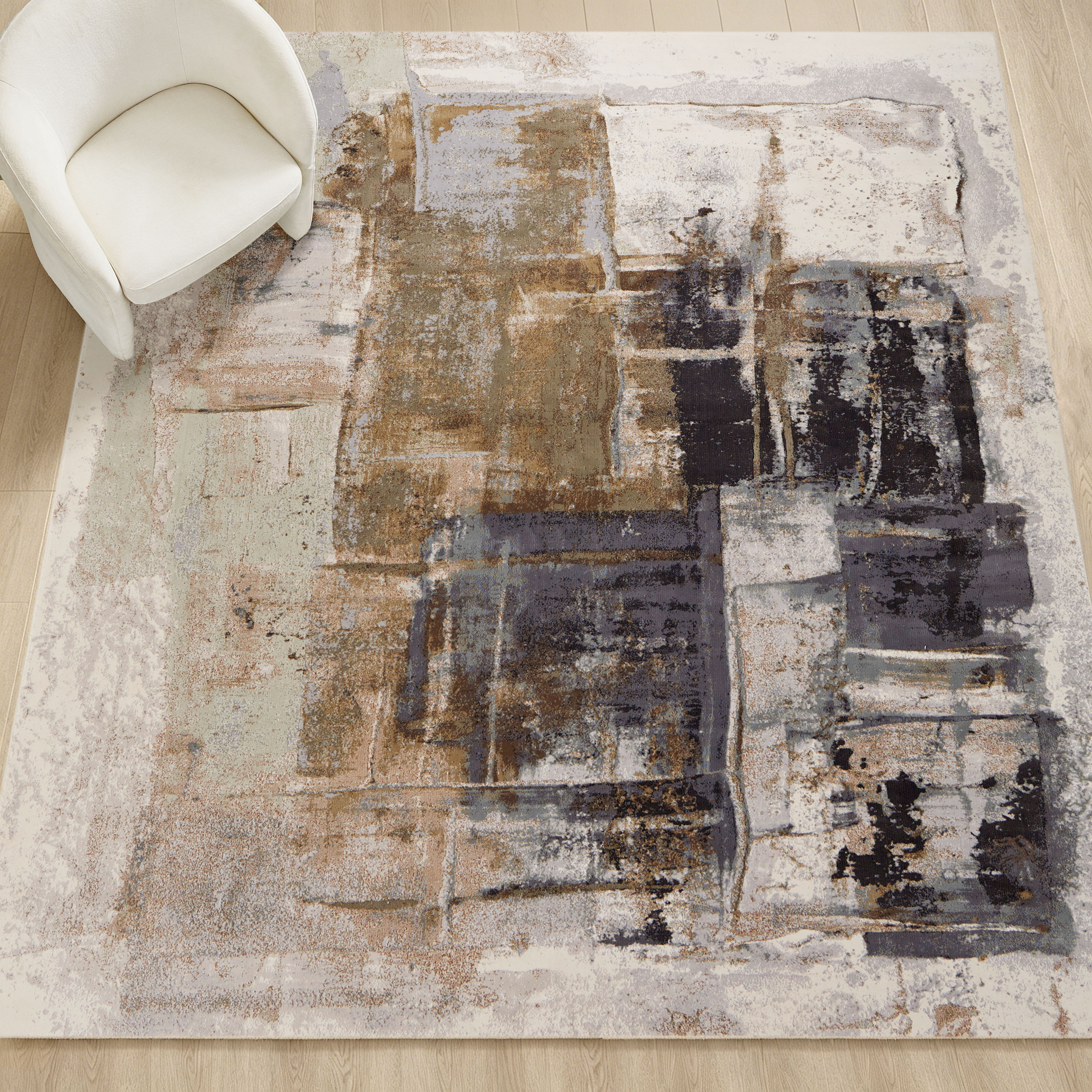
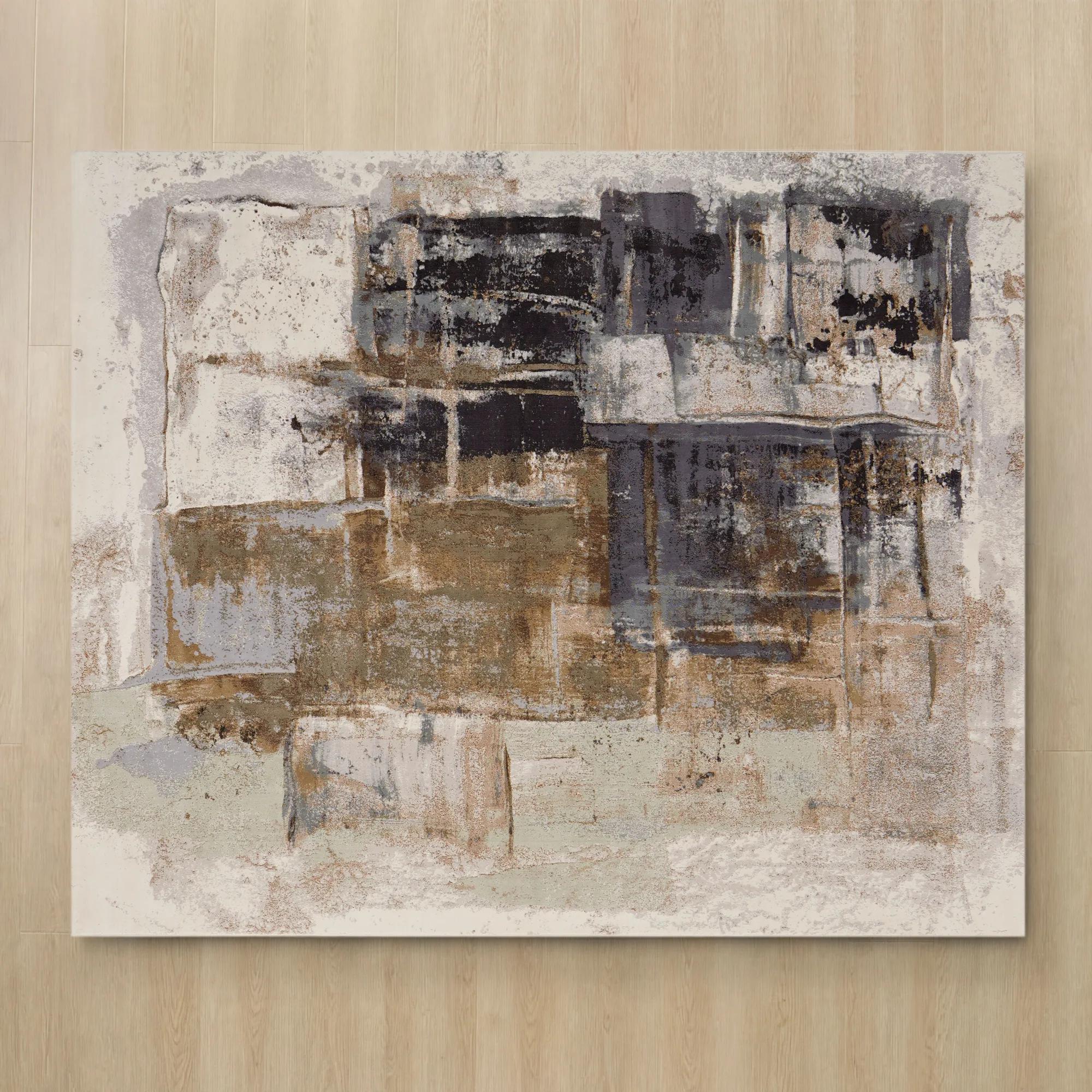 Gaia Abstract Grey/Charcoal/Ivory/Gold/Blue Performance Power Loomed Rug$1549
An abstract rug in grey, charcoal, ivory, gold, and blue with a soft, stain-resistant performance blend.
Add To Cart -
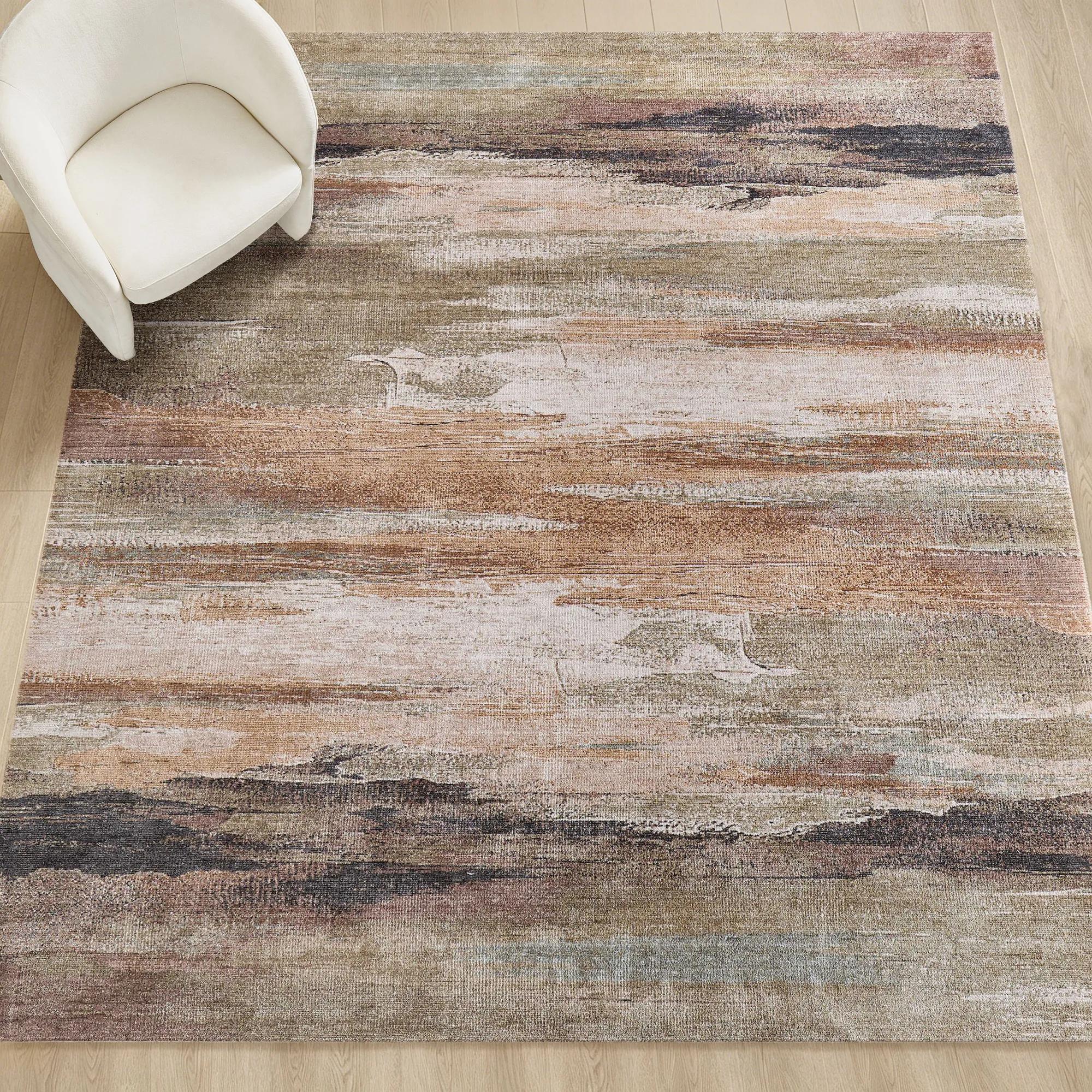
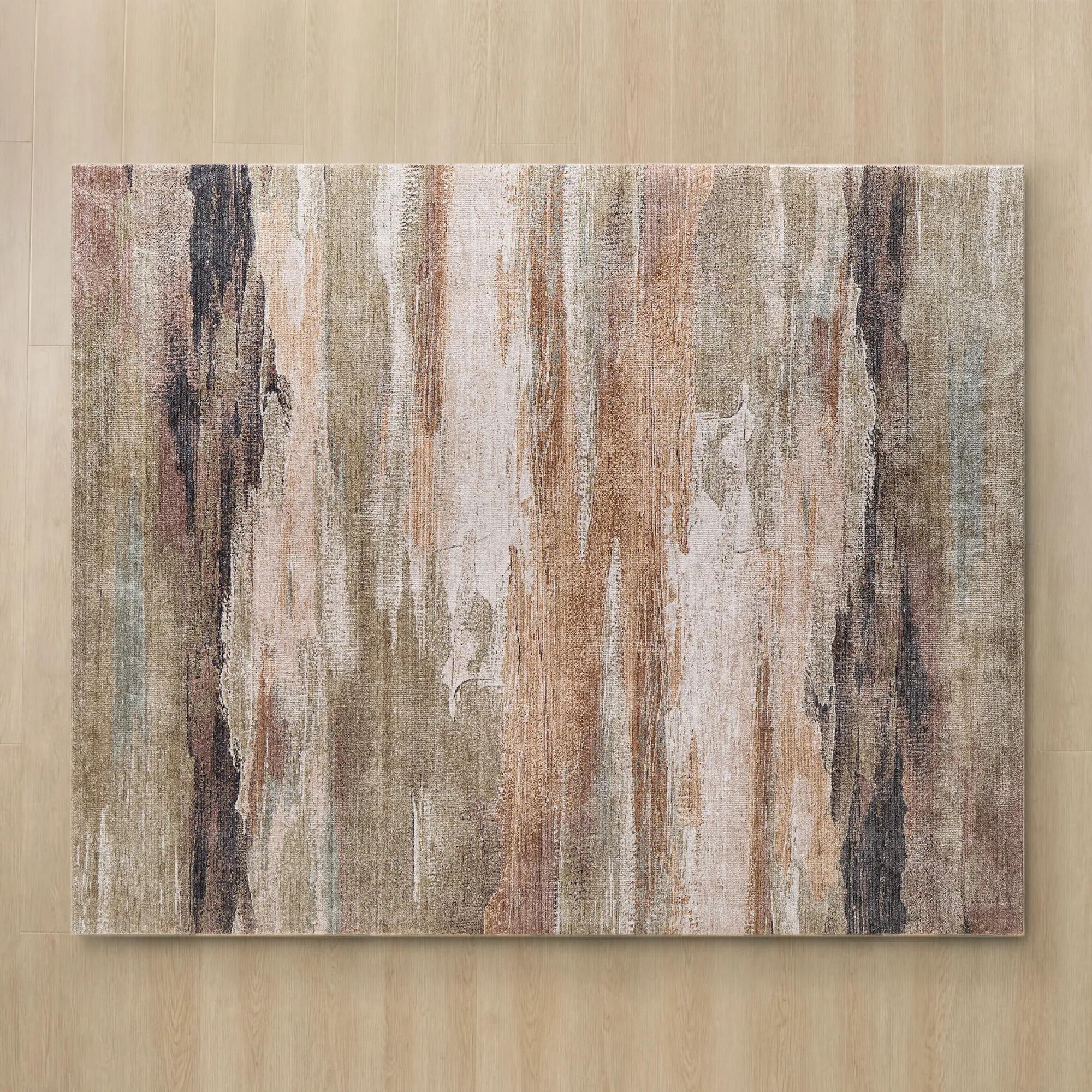 Sedona Rust/Beige/Moss Green/Charocal/Blue Performance Power Loomed Rug$1499
A power-loomed polyester rug featuring a rich abstract pattern in rust, beige, moss green, charcoal, and blue.
Add To Cart -
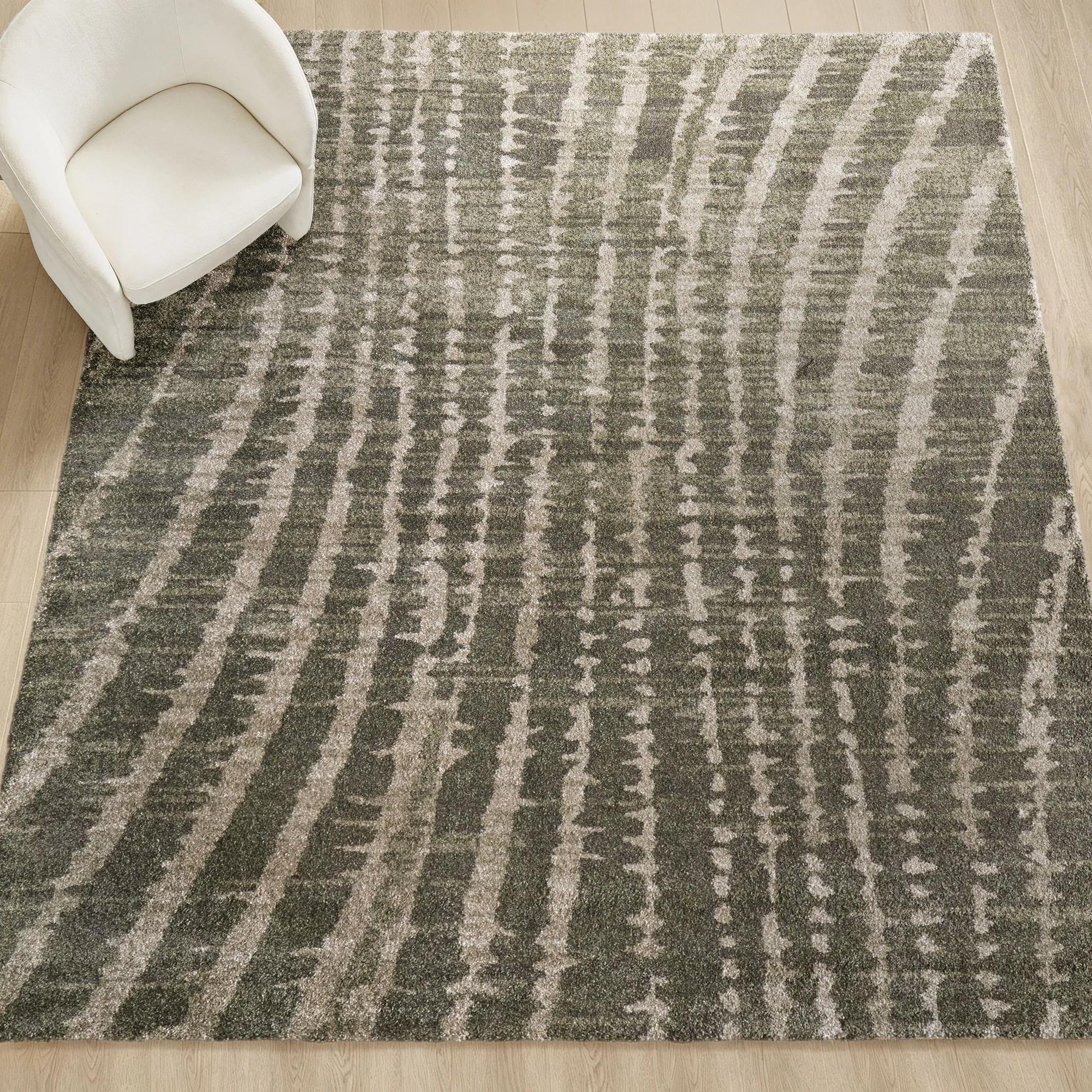
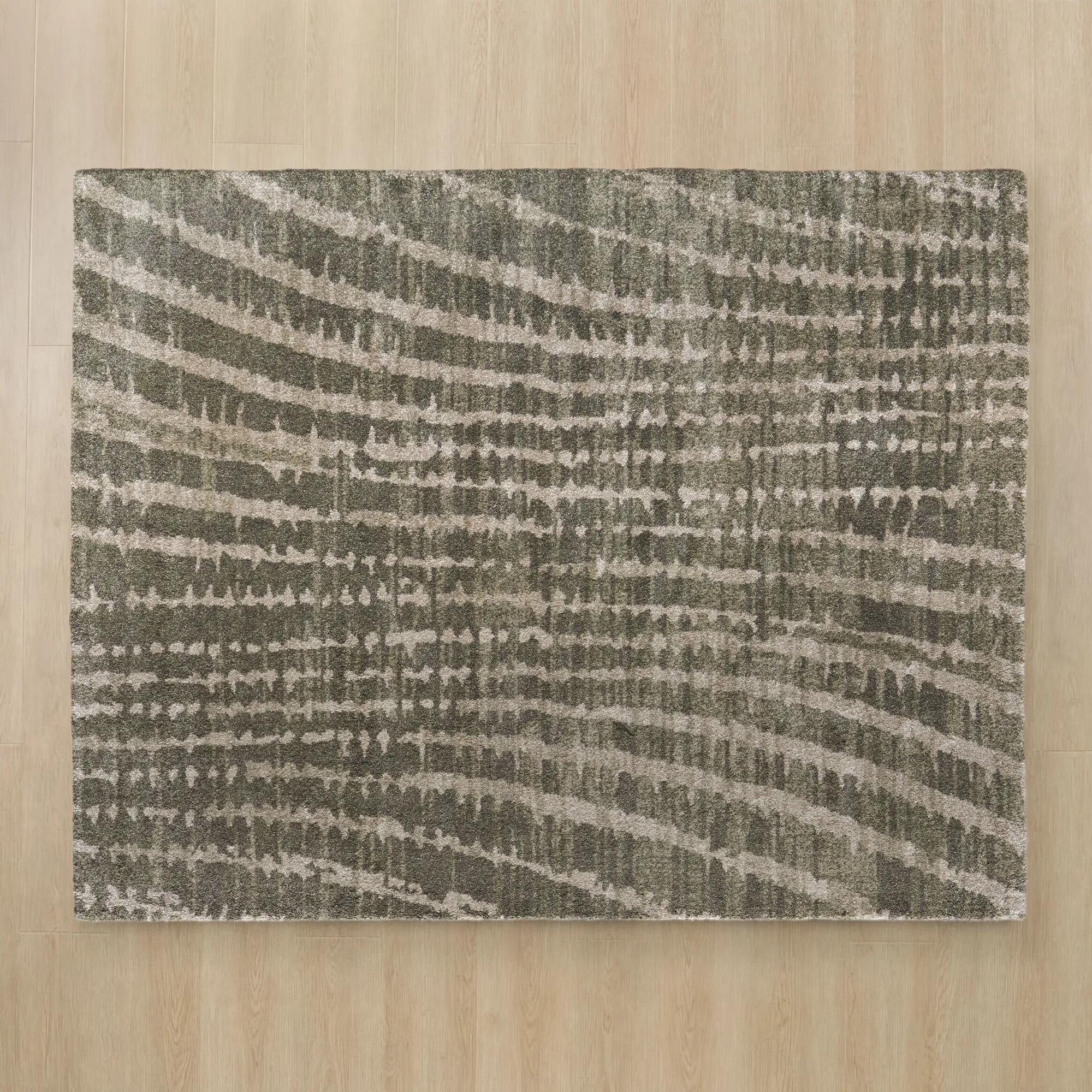 Tempo Green/Grey/Beige Performance Power Loomed Rug$399
An abstract charcoal grey and beige rug with plush cut pile and durable, stain-resistant polypropylene-polyester blend.
Add To Cart -
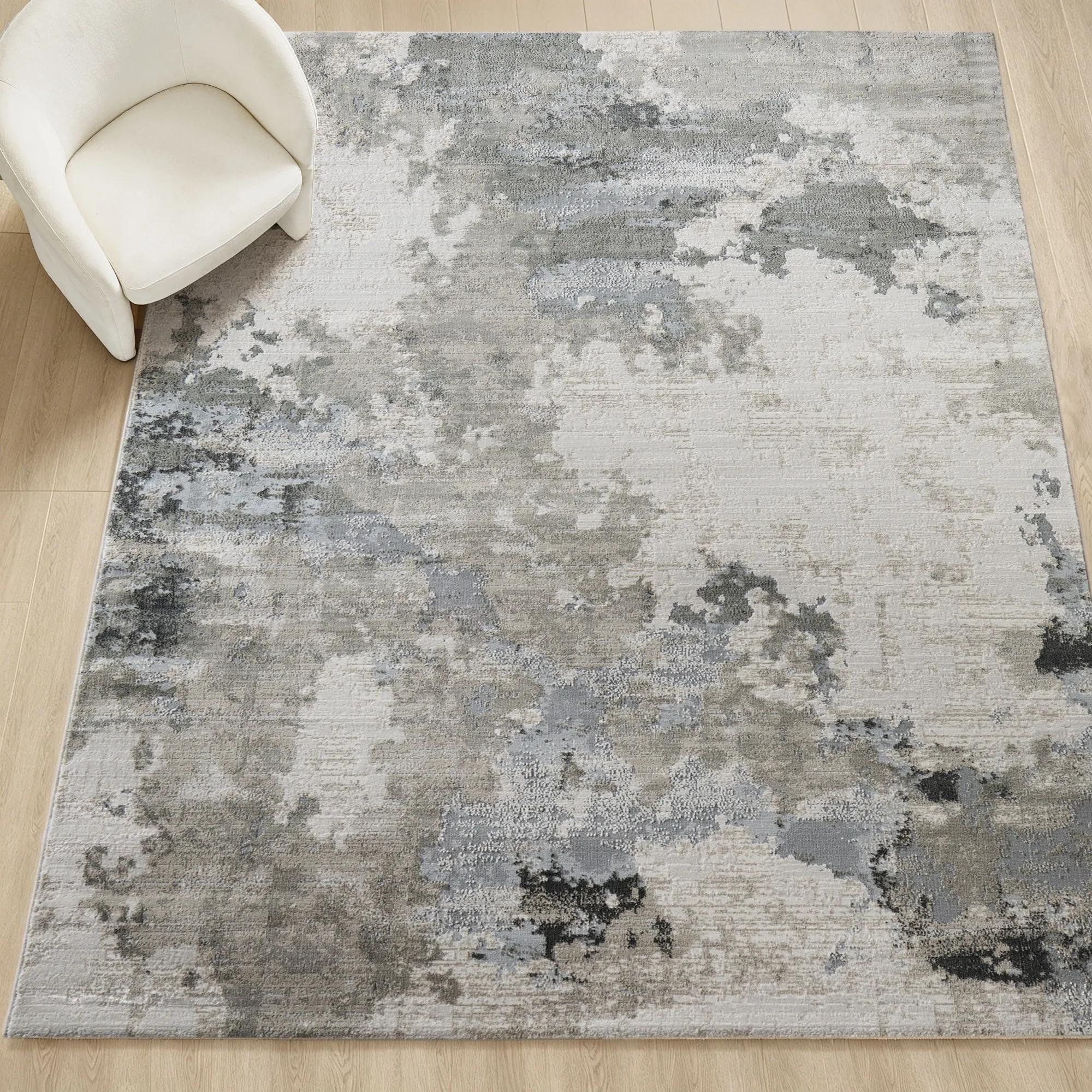 Alarion Abstract Grey/Muted Blue/Ivory Performance Power Loomed Rug$379
A power-loomed rug featuring a grey, muted blue, and ivory abstract pattern with stain-resistant durability.
Add To Cart -
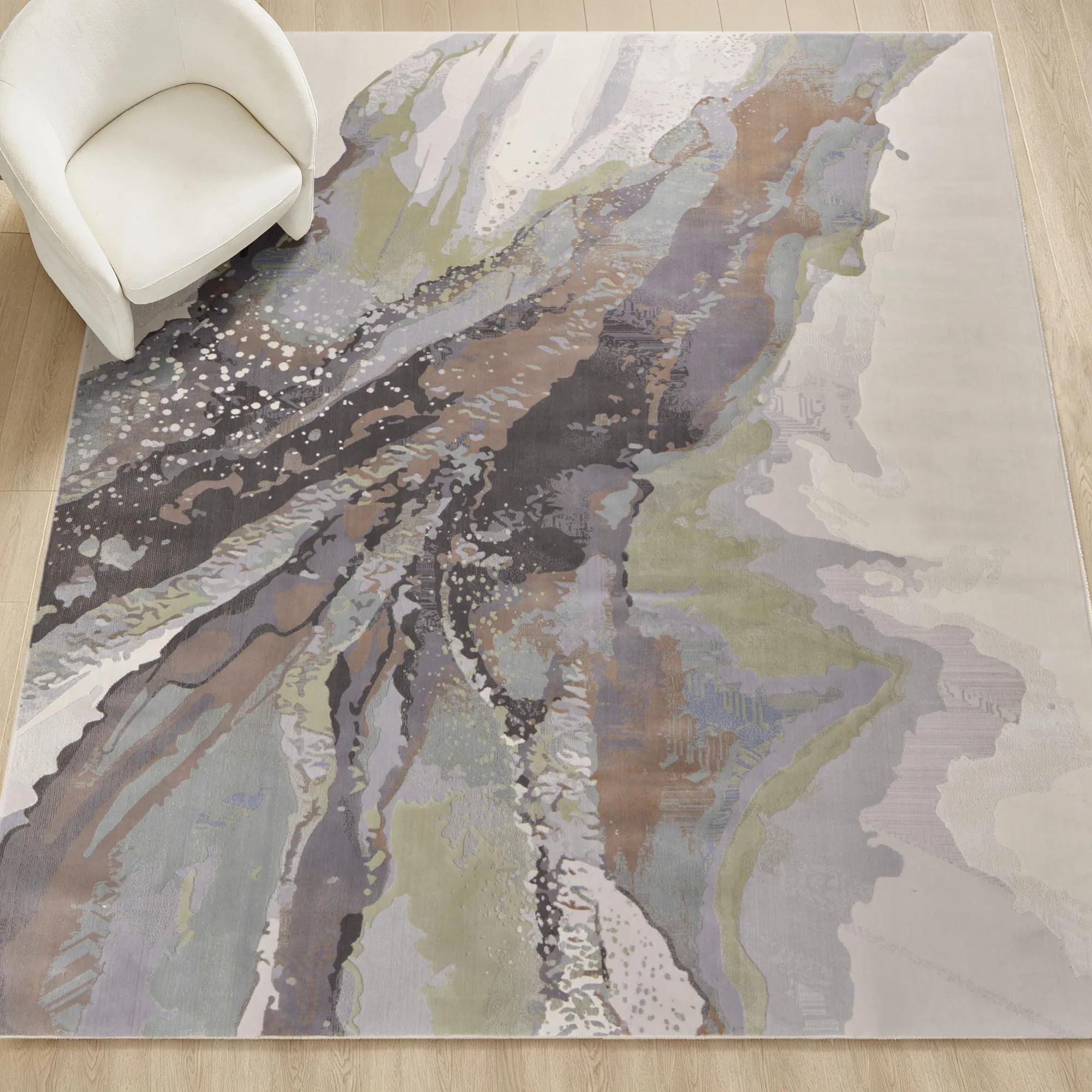
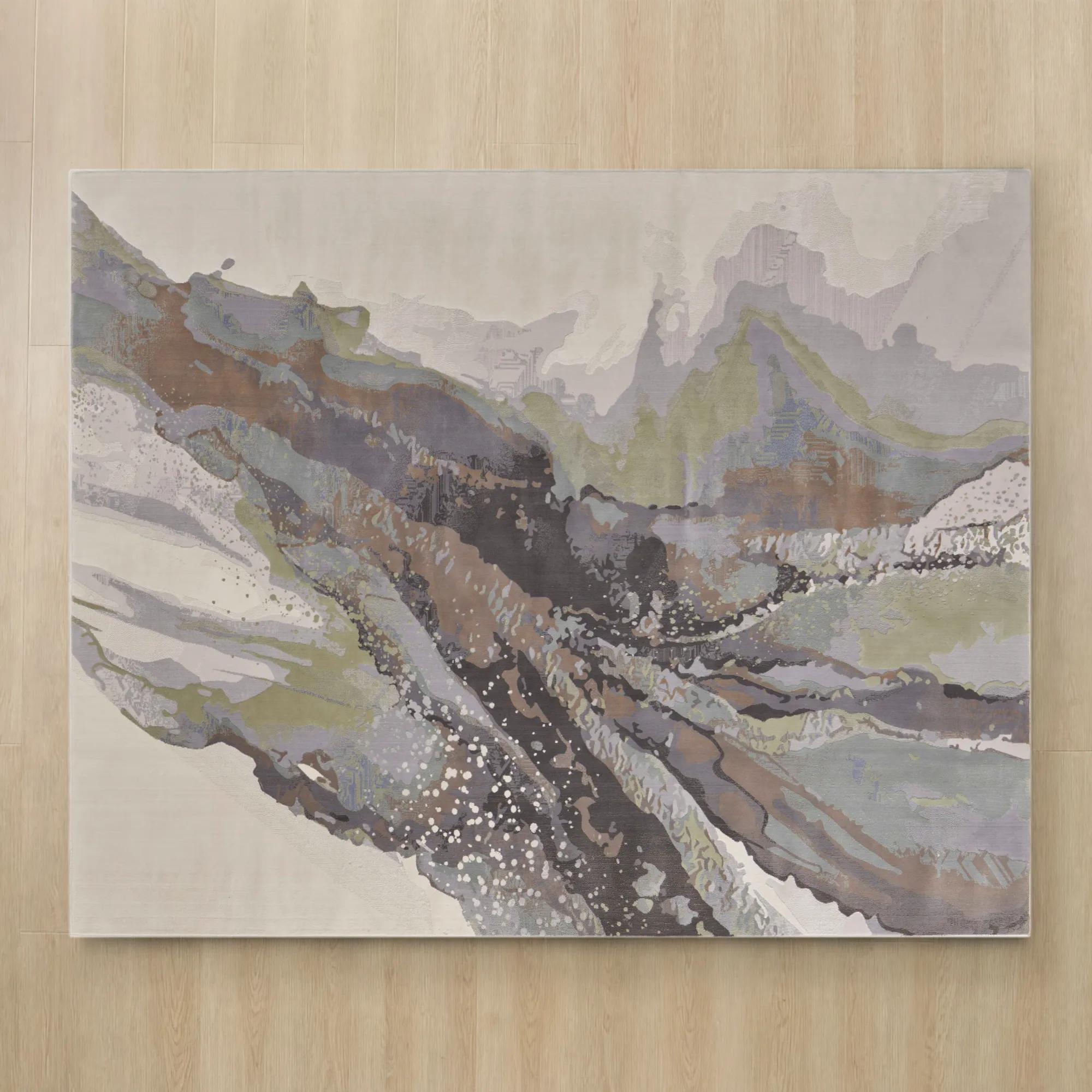 Nerissa Abstract Ivory/Grey/Blue/Green Performance Power Loomed Rug$449
An abstract rug in ivory, grey, blue, and green with a textured, stain-resistant polypropylene-polyester blend.
Add To Cart -
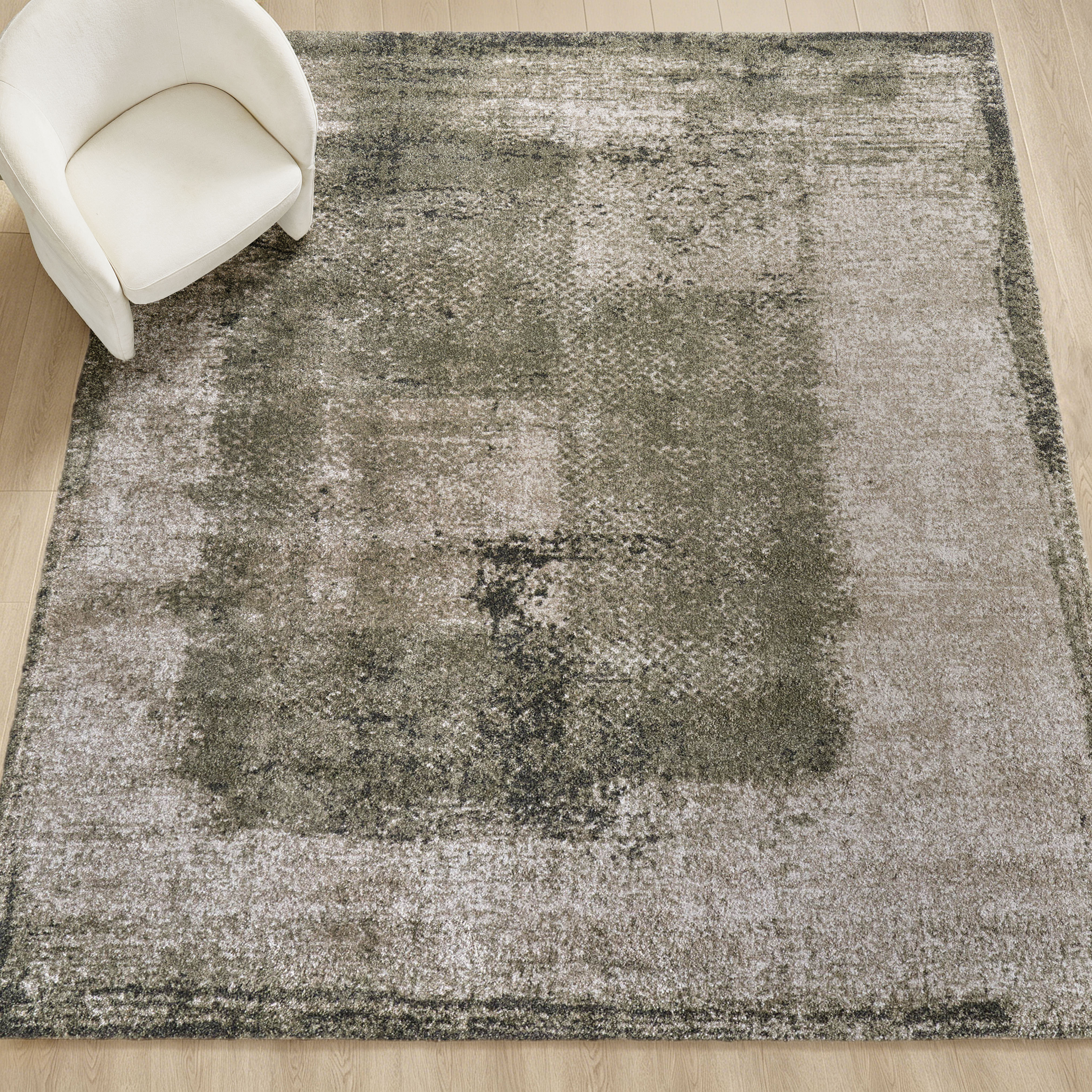
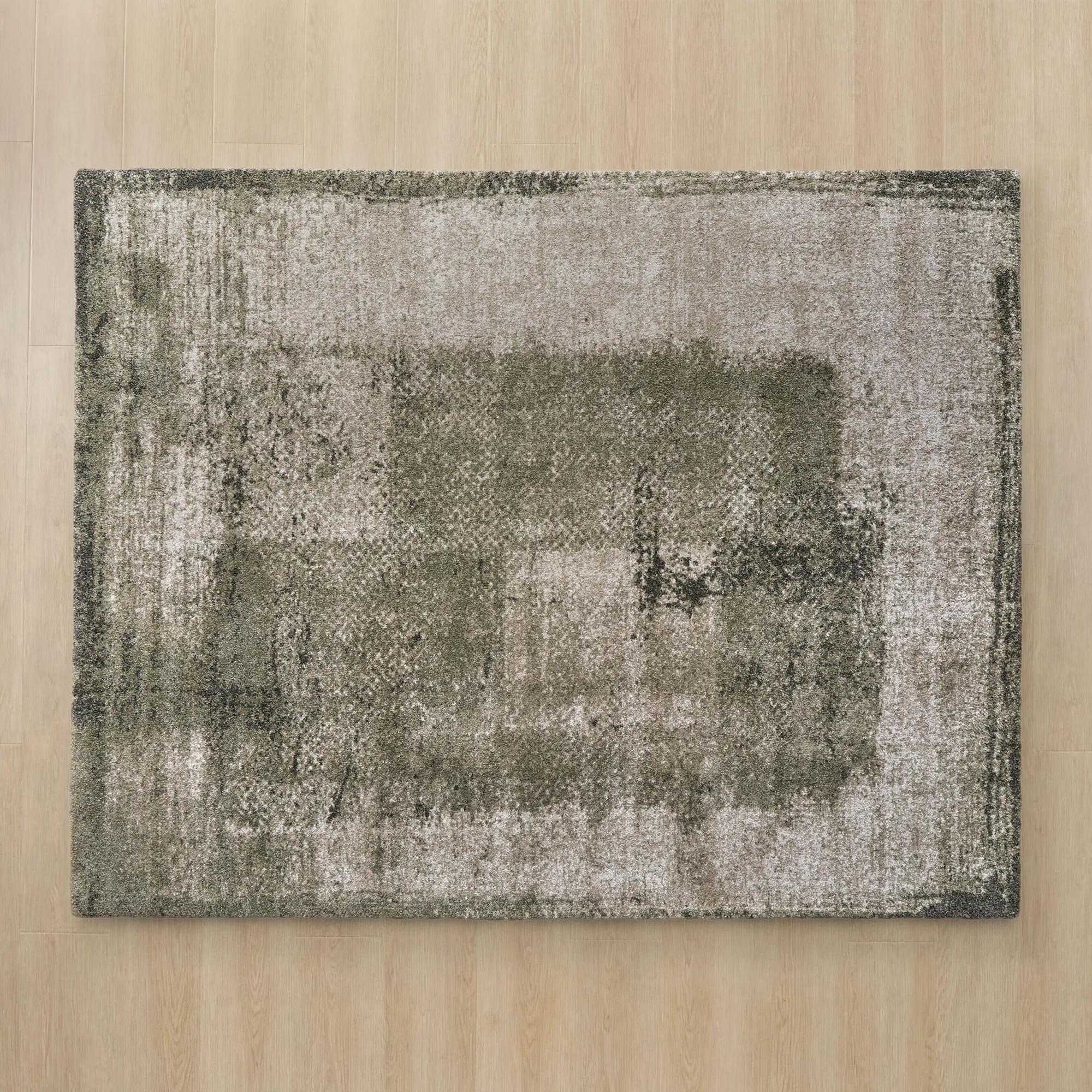 Irving Abstract Moss Green/Beige/Grey Performance Power Loomed Rug$1649
An abstract rug in moss green, beige, and grey with plush, durable polypropylene and polyester construction.
Add To Cart -
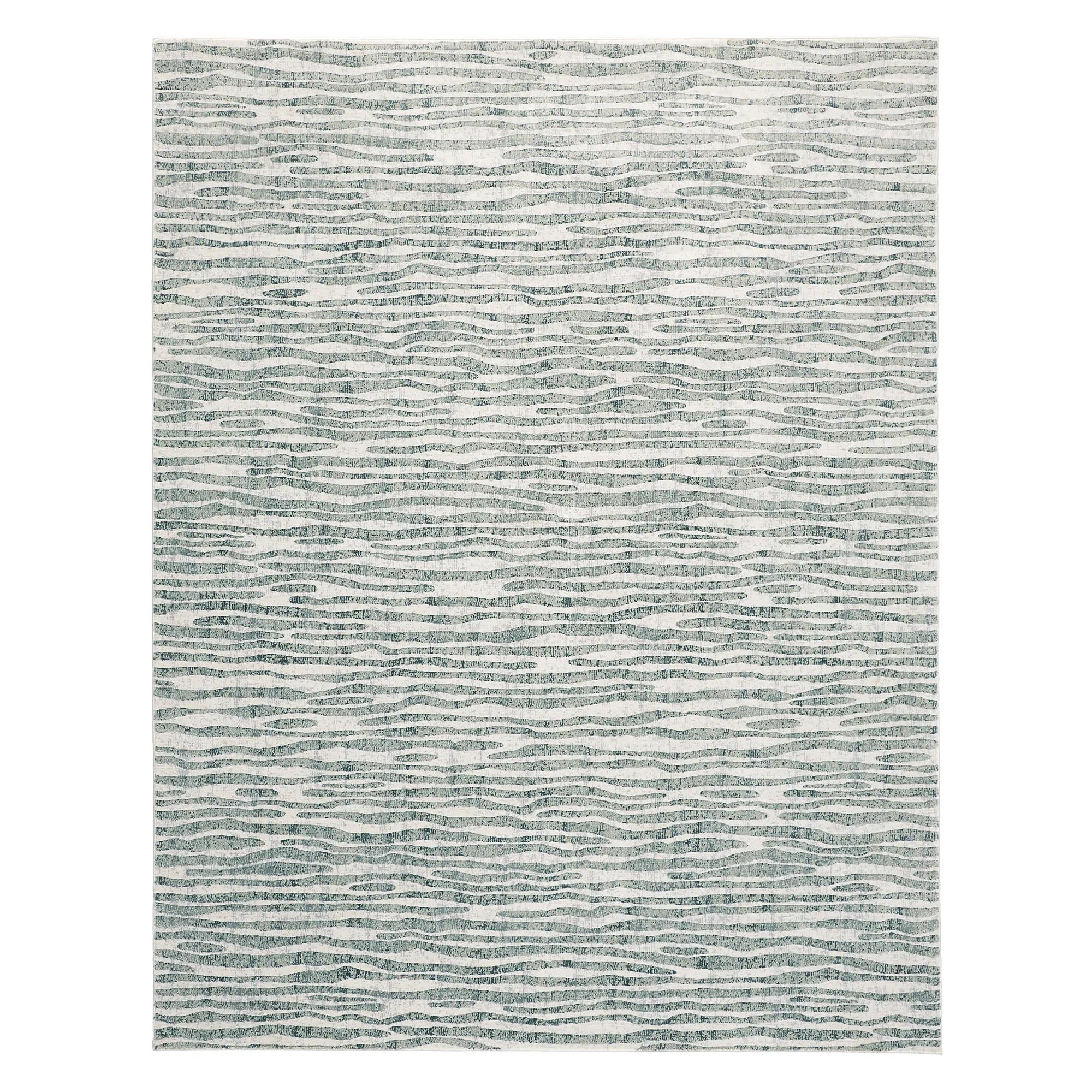 Samantha Power-Loomed Aqua/Grey Rug$719
A machine-woven rug featuring silvery-aqua and green accents on an ivory and grey polypropylene base.
Add To Cart -
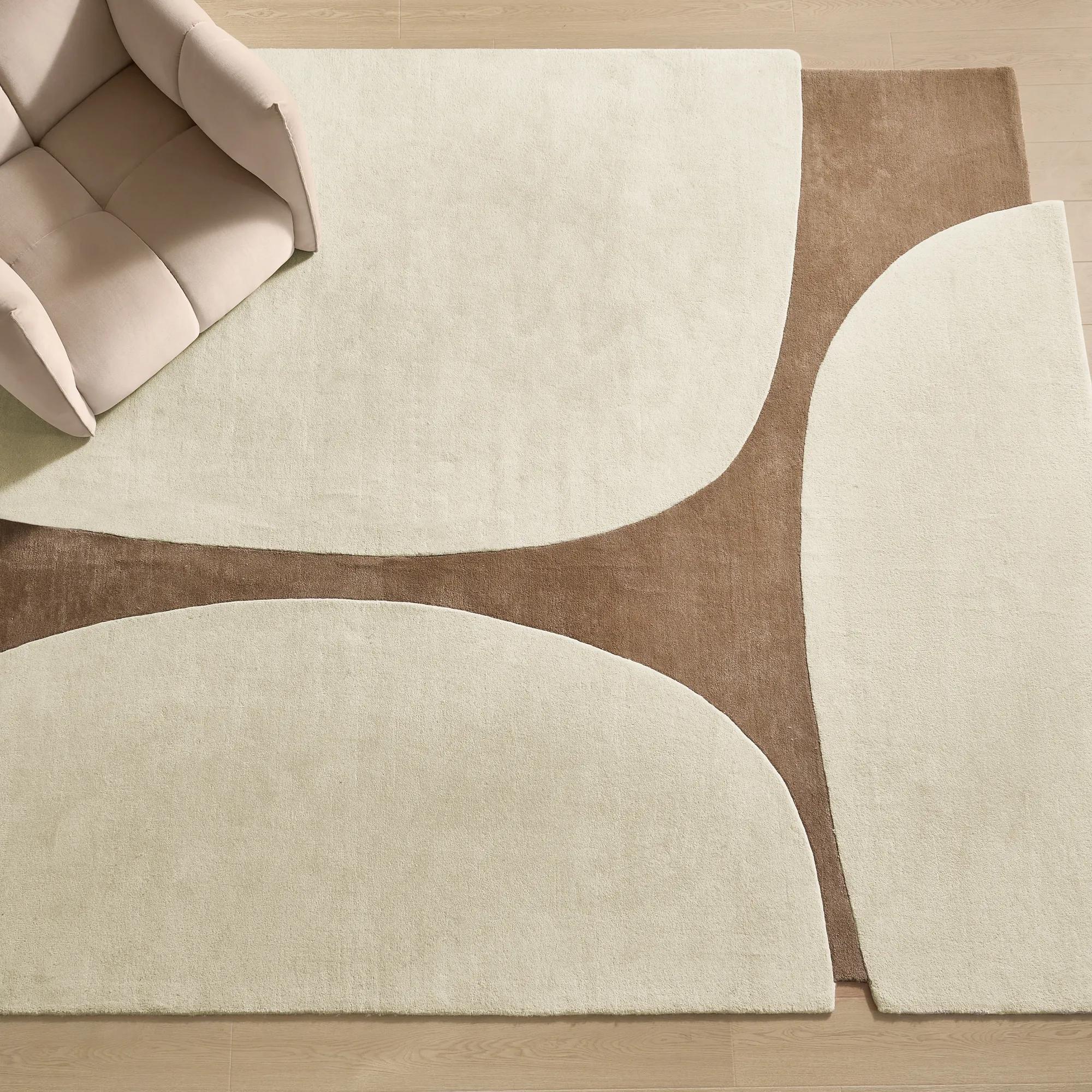
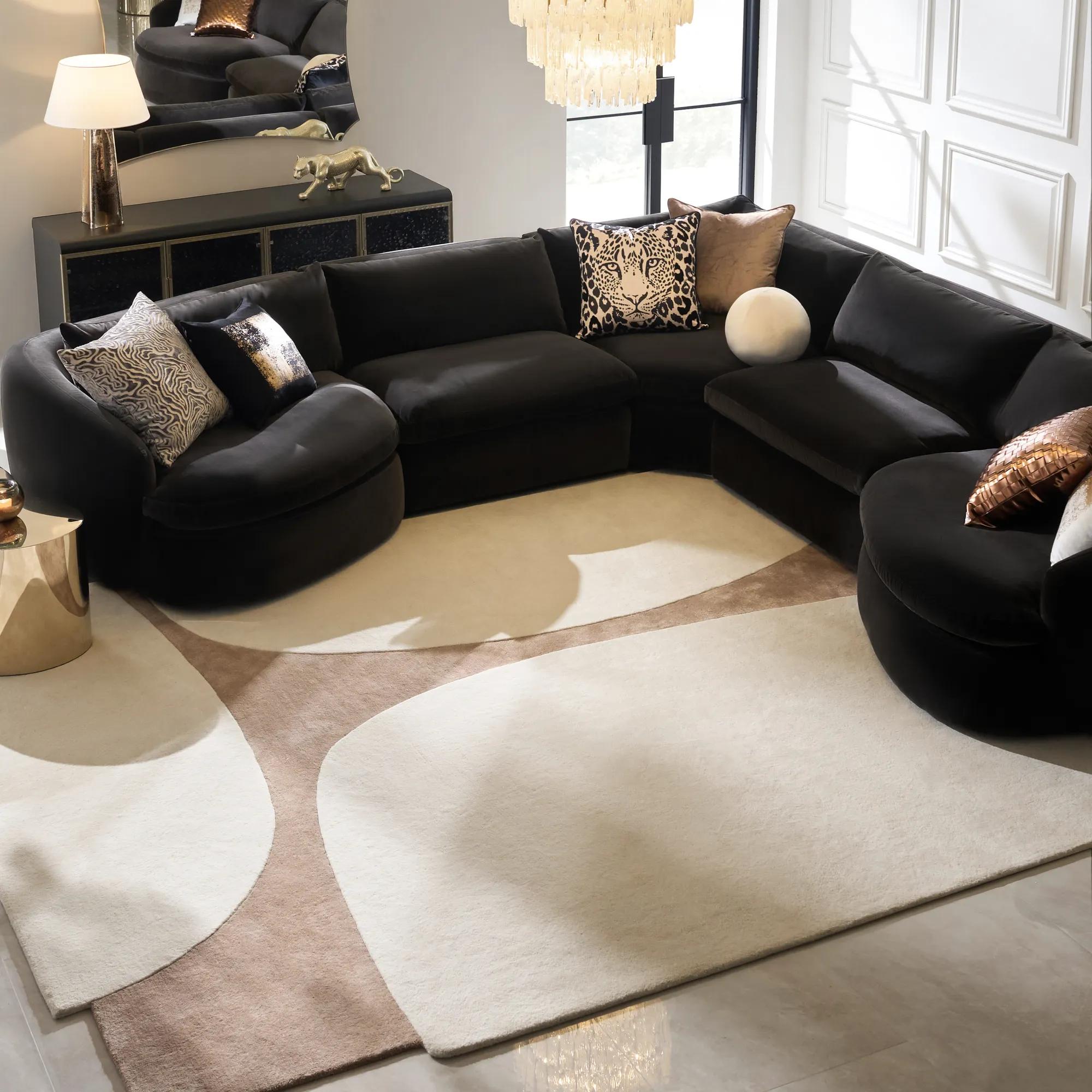 Contour Hand-Tufted Ivory/Ginger Root Wool Blend Rug$499
A hand-tufted wool rug blending ivory and ginger root tones for textured, modern warmth.
Add To Cart -
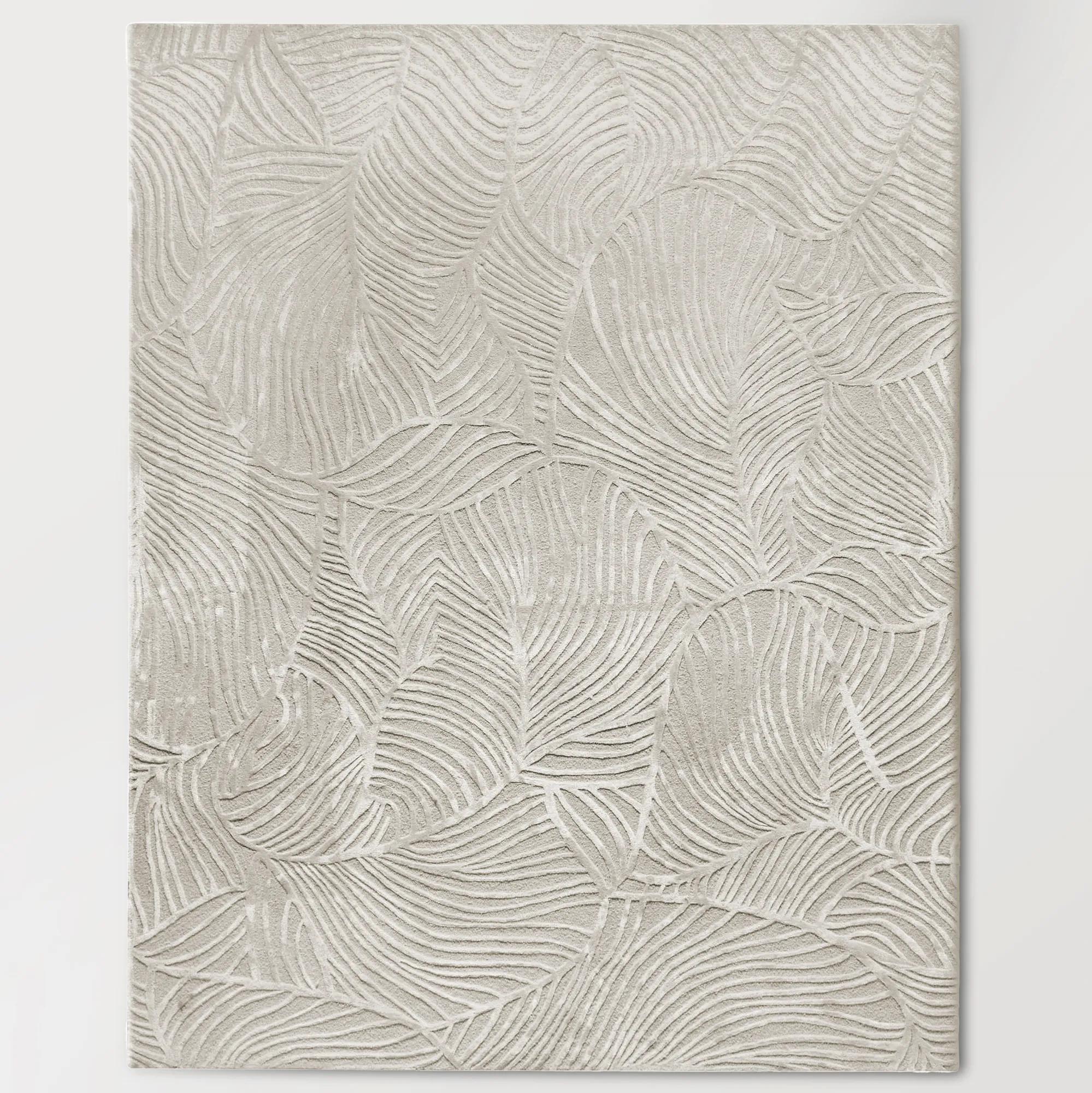 Palm Hand-Tufted Ivory Wool Blend Rug$499
An ivory rug featuring a dynamic palm-leaf design with high-low pile in viscose and wool.
Add To Cart -
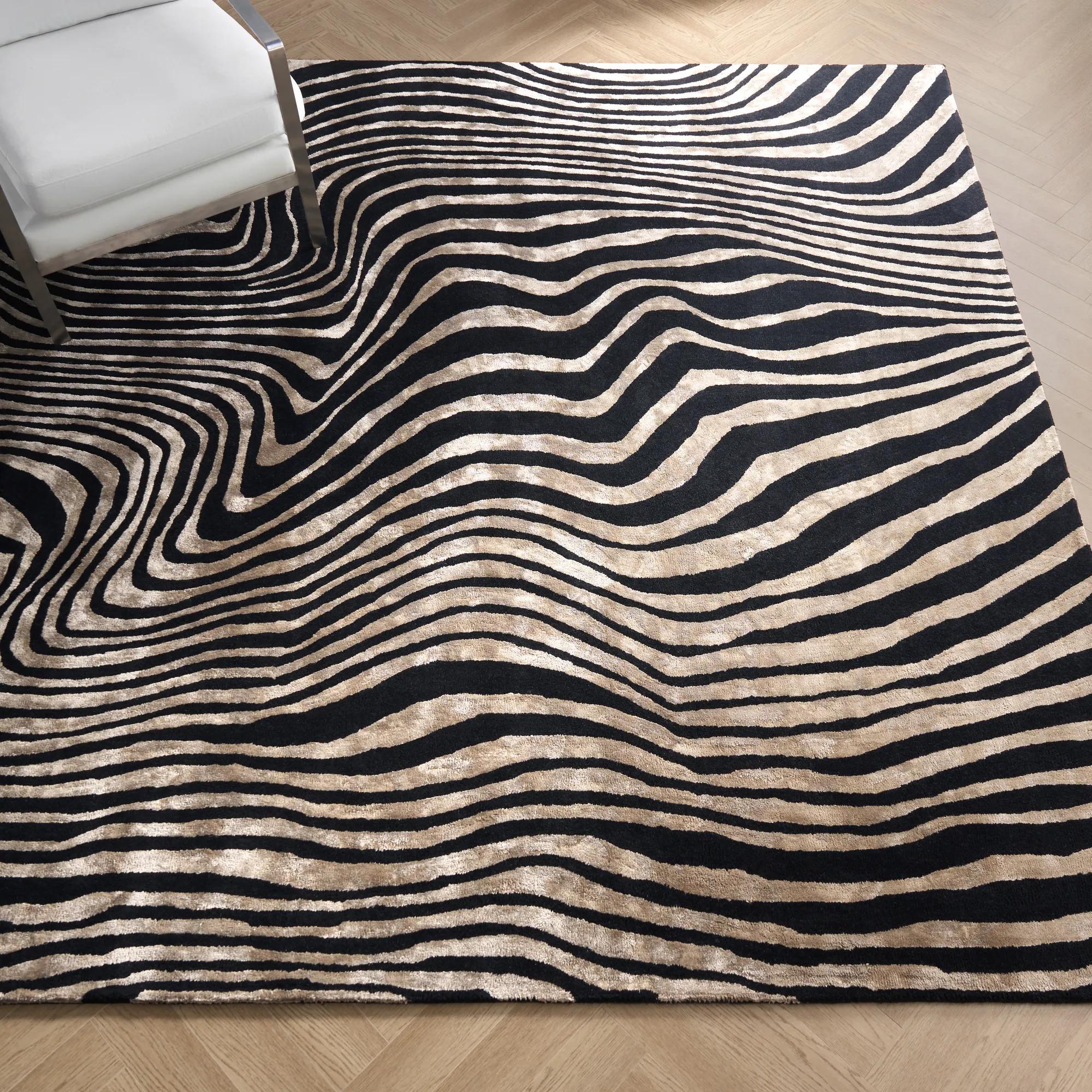
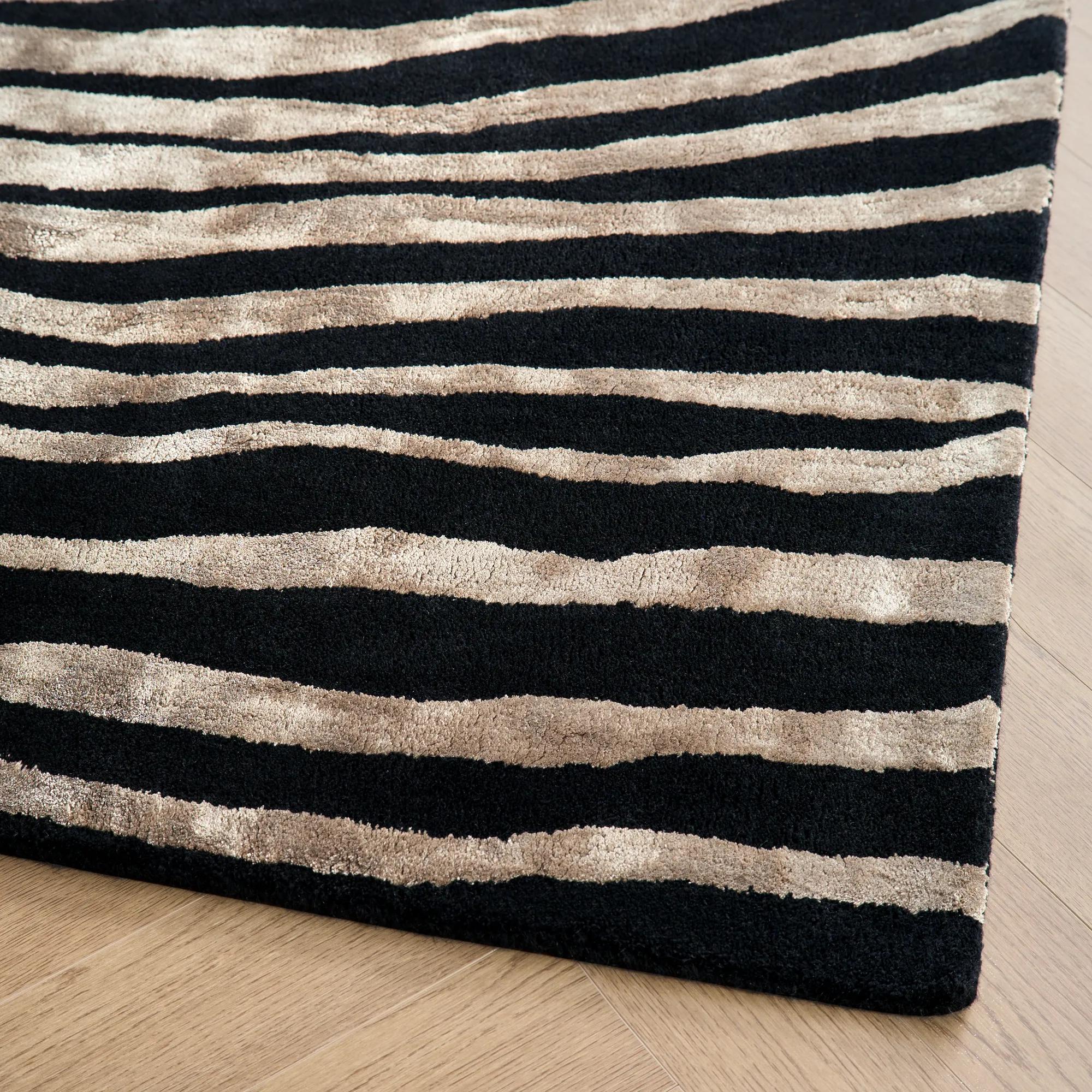 Abstract Zebra Hand-Tufted Black/Taupe Wool Blend Rug$1599
An artisan hand-tufted rug in black and taupe wool-viscose, featuring a striking abstract zebra pattern.
Add To Cart -
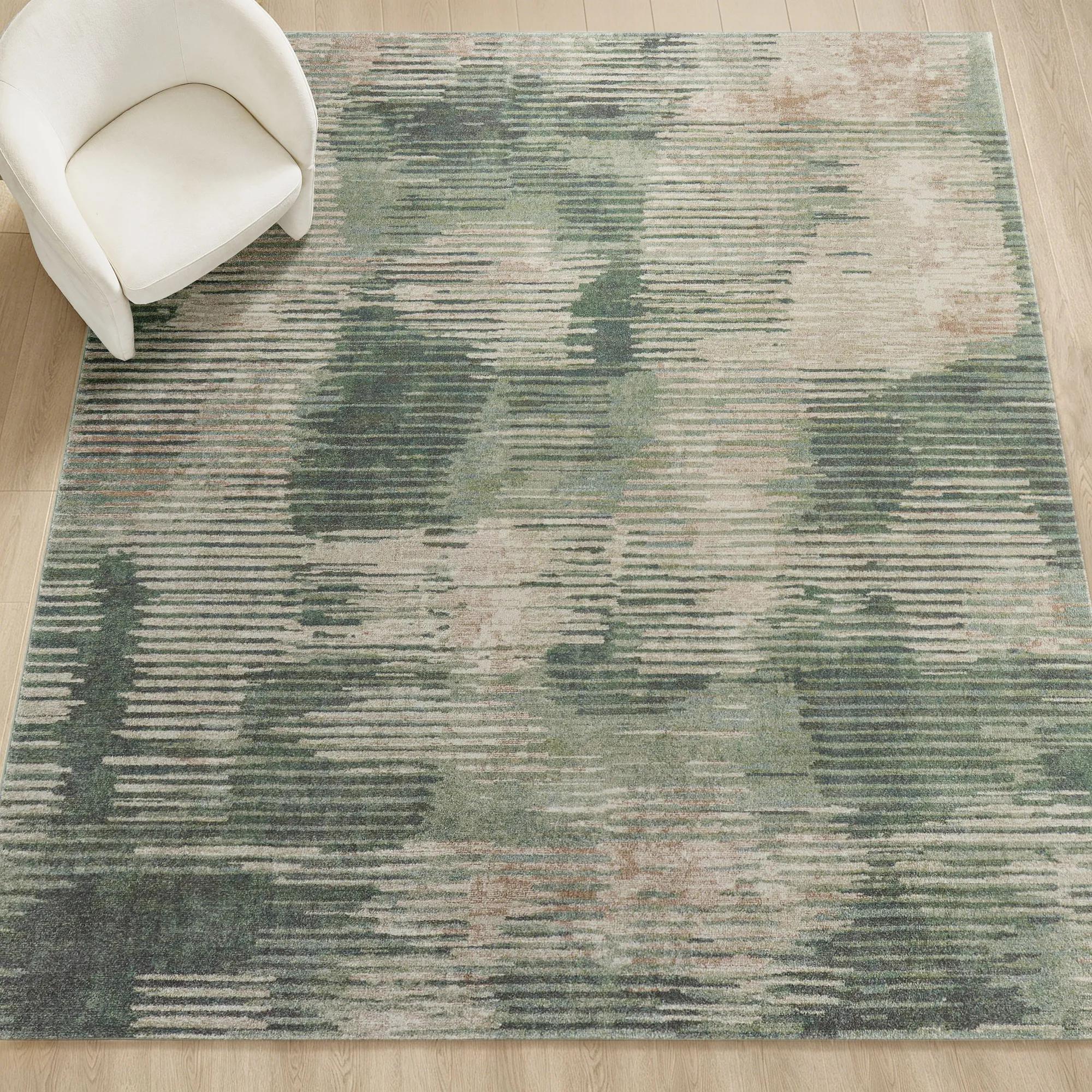
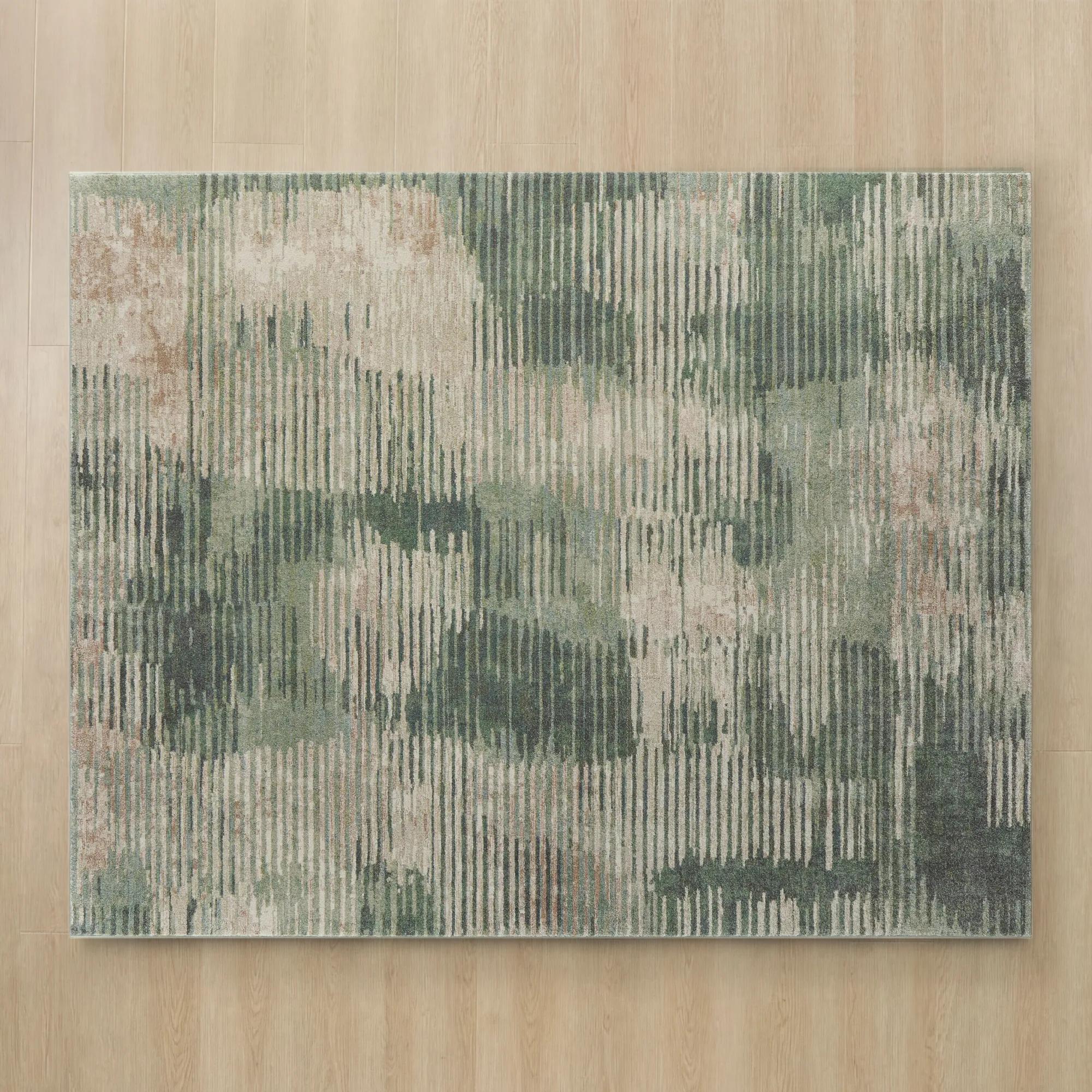 Sylvan Green/Beige Power Loomed Rug$689
A contemporary rug featuring a smoked olive green and beige organic pattern with a soft, power-loomed polypropylene pile.
Add To Cart -
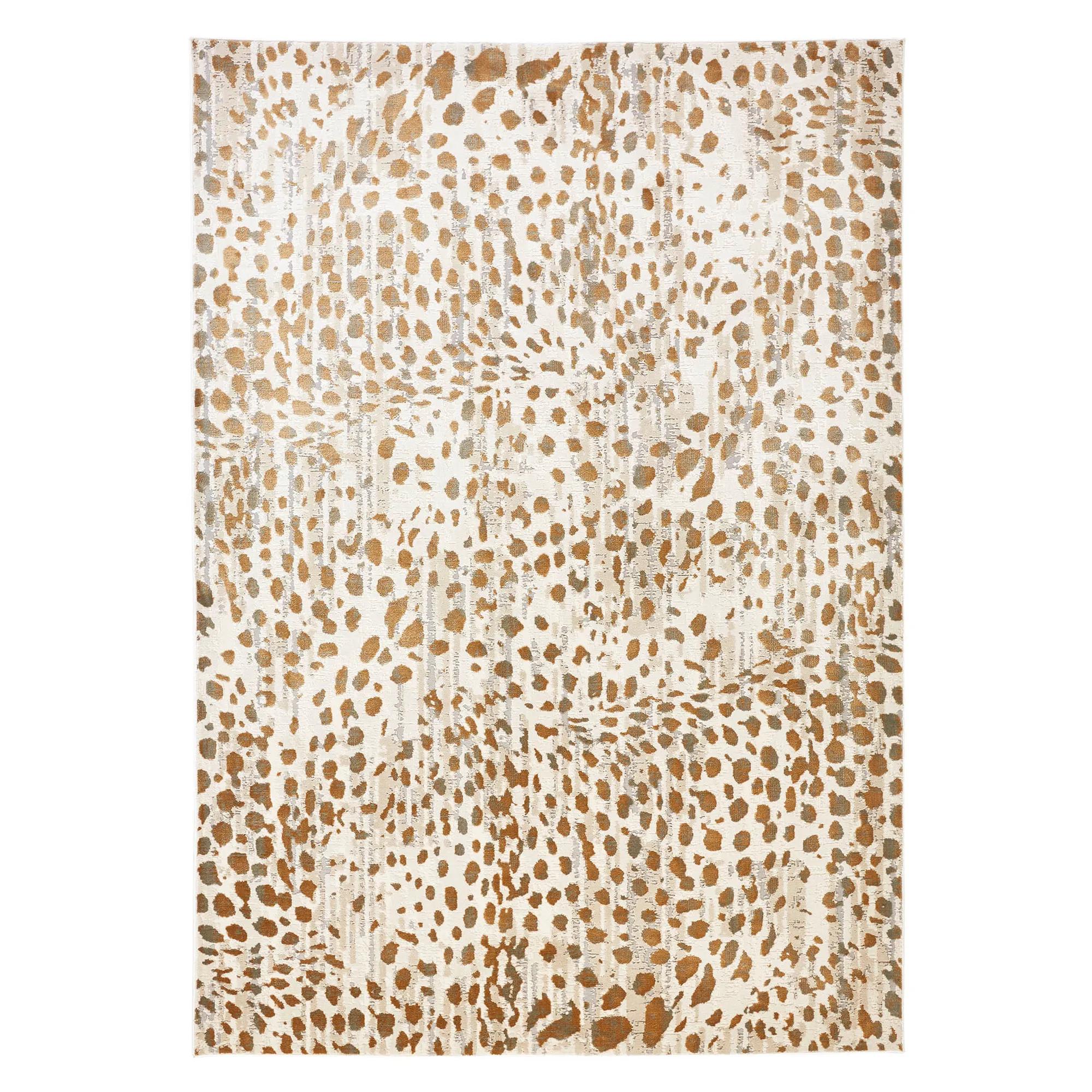
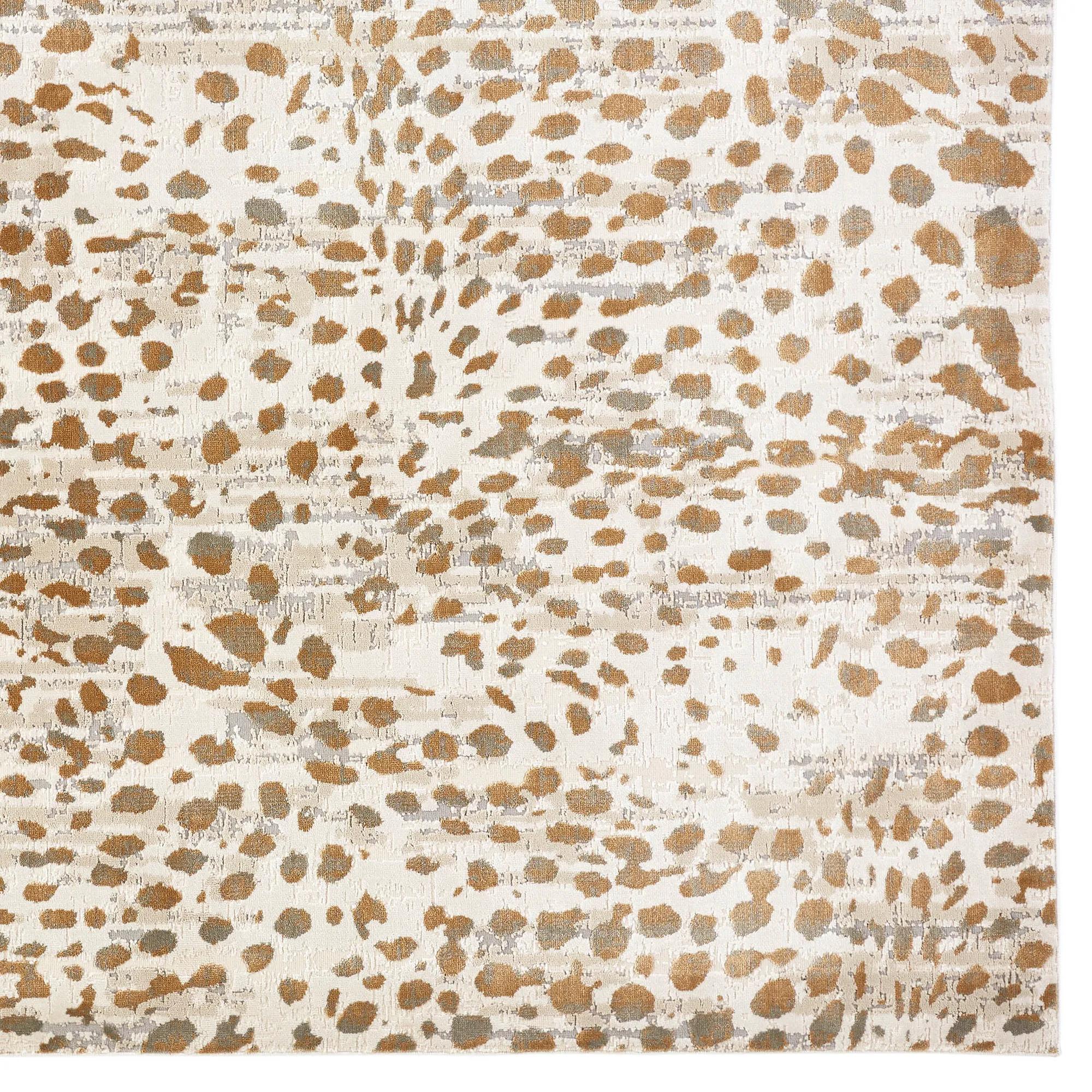 Amur Ivory/Natural Animal Print Power-Loomed Rug$399
A hand-tufted wool and viscose rug featuring a gold chain link design on neutral grey.
Add To Cart -
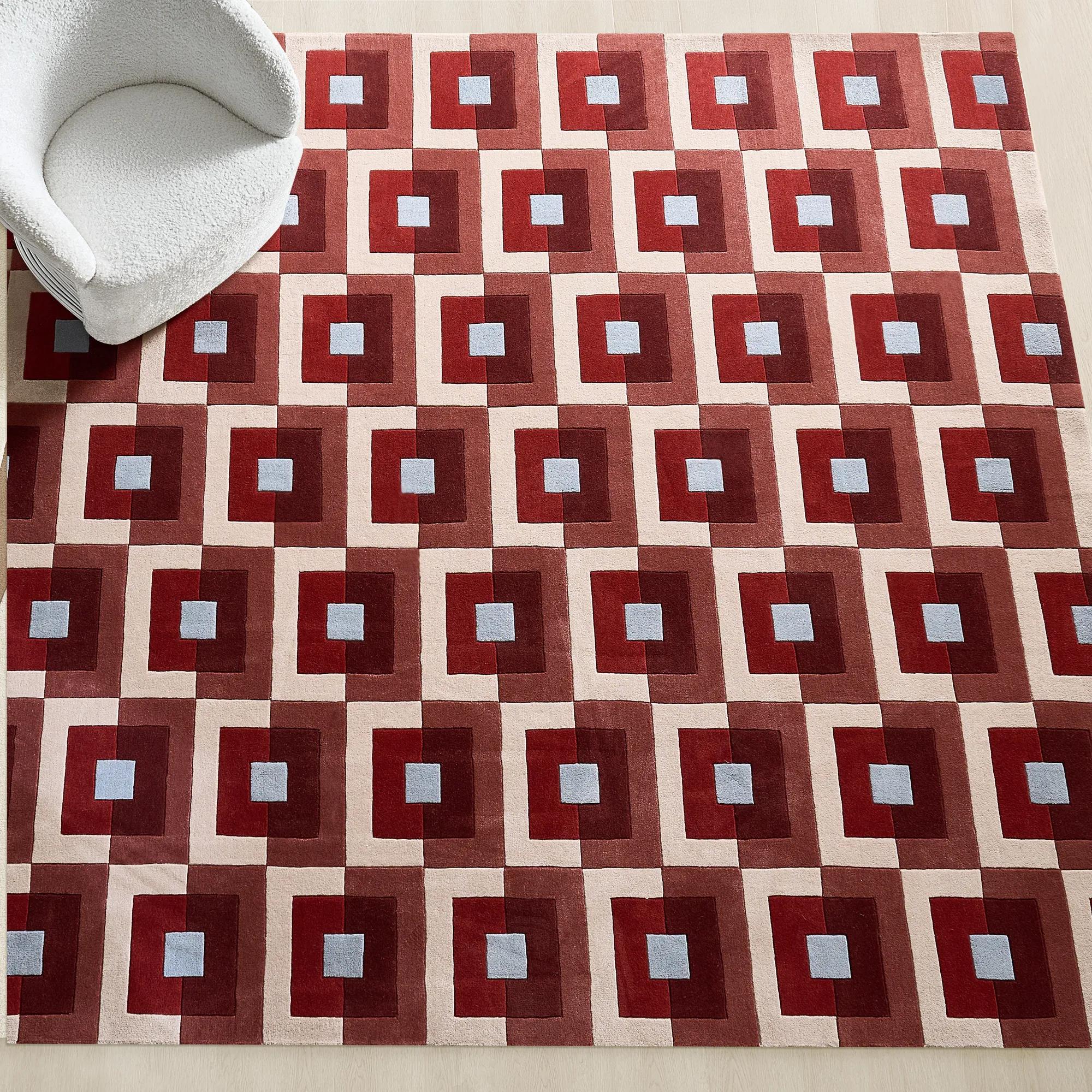
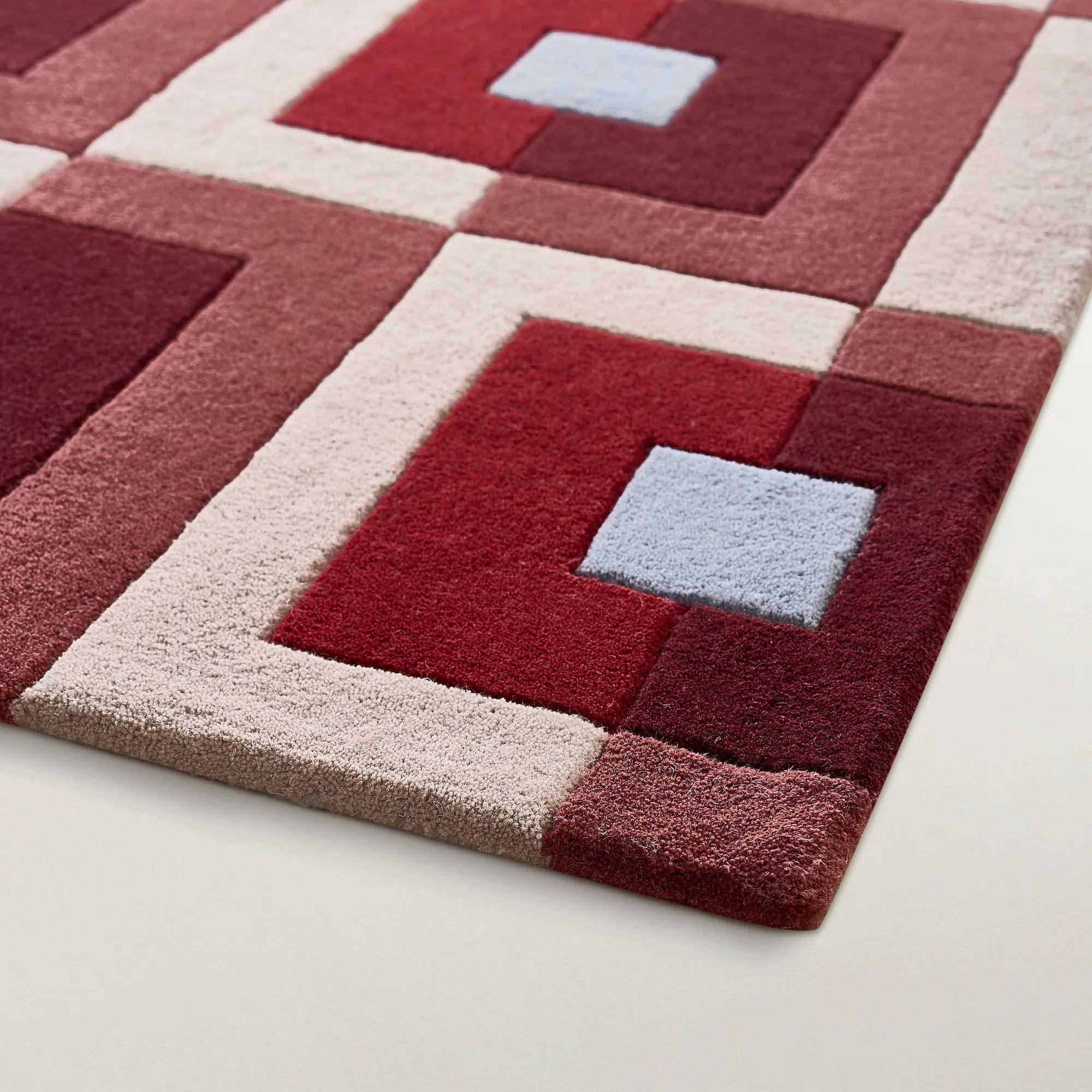 Geo Pop Wool Rug - Oxblood Red/Airy Blue$599
A geometric wool rug combining oxblood red and airy blue for a bold, modern statement.
Add To Cart -
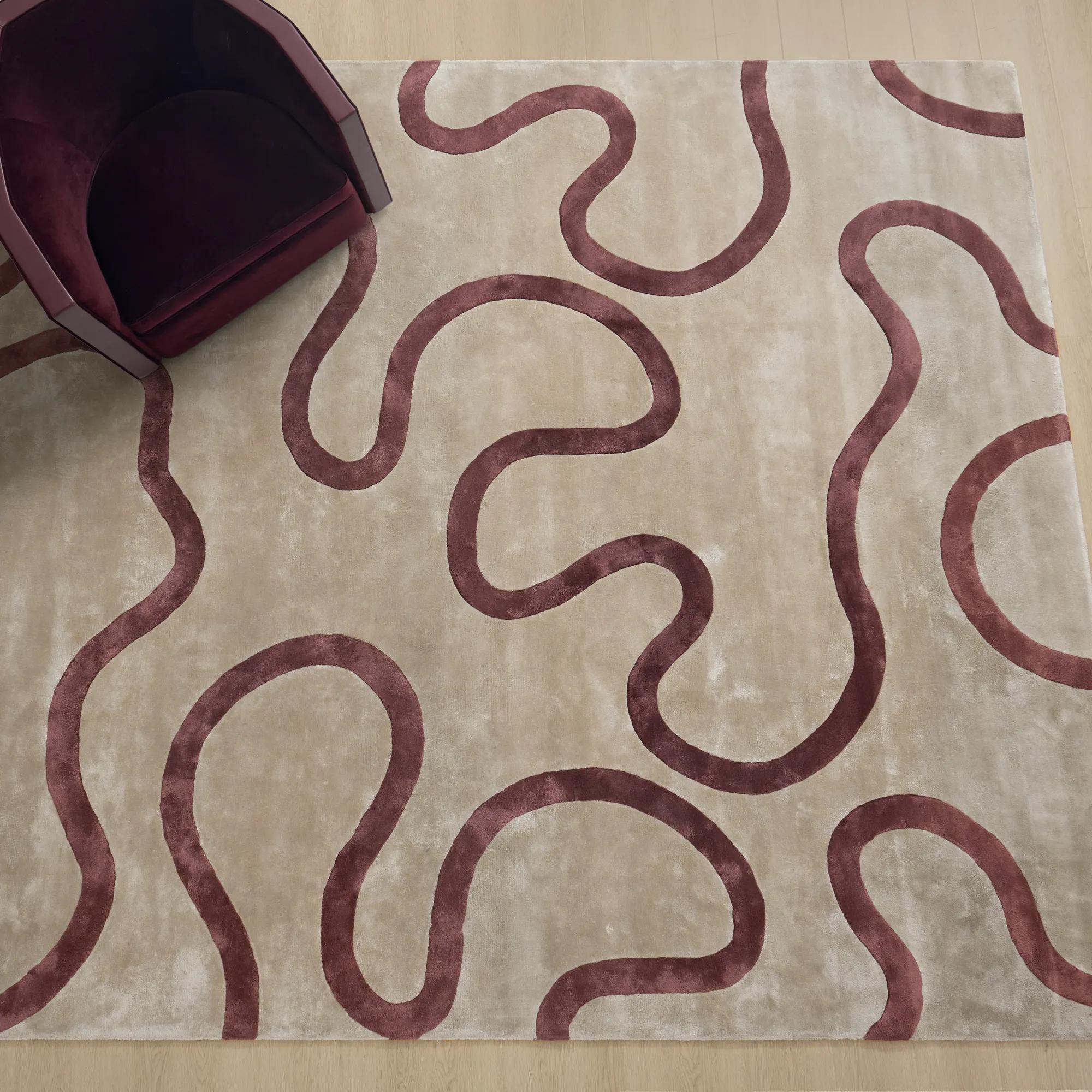 Seraphine Hand-Tufted Fig/Taupe Viscose Loop Rugs$1799
A hand-tufted wool rug featuring bold fig and taupe loops for a graphic, Deco-inspired statement.
Add To Cart

High Low Abstract Area Rugs
Unleash the art of contrast and dimension with high low abstract area rugs—where texture becomes a statement and every step is a brushstroke in your personal masterpiece. These sculptural floor coverings invite you to experience luxury underfoot, blending undulating piles and abstract patterns into captivating works of art. Each rug transforms your space into a gallery of tactile intrigue, grounding bold vignettes with depth, drama, and daring style. Elevate the ordinary to extraordinary as high low abstract area rugs set the stage for rooms that radiate confidence and creative flair.
High-low abstract area rugs bring dimension to a room through contrasting pile heights, turning an everyday surface into a composition of raised lines, recessed shapes, and expressive texture. Unlike a flat pattern created through color alone, a high-low design has physical depth: elevated sections stand above a lower foundation, allowing light and shadow to reveal the artwork from different angles. Abstract motifs give that texture room to move, with sweeping curves, fragmented forms, painterly marks, or loosely arranged geometric shapes. The result can feel quietly sculptural in ivory and taupe or boldly expressive in charcoal, blue, and contrasting neutrals. Even a restrained palette gains presence when its surface has this much variation. Beneath a glass coffee table, the dimensional pattern remains visible; beside a velvet sofa, it introduces another tactile layer without requiring a competing print. These rugs appeal to anyone who wants a room to feel collected and personal rather than coordinated down to the last detail. A fluid abstract pattern can loosen the formality of tailored upholstery, while angular markings can give rounded furniture a sharper visual counterpoint. Color placement matters as much as the palette itself. Broad, softly blended shapes tend to create an expansive backdrop, whereas tightly clustered marks bring more visual energy to a seating arrangement. Tonal high-low rugs offer a particularly nuanced approach, drawing attention through relief rather than strong color contrast. Within the broader expression of Modern High Low Rugs, abstract designs introduce the freedom of an artwork without a fixed subject, leaving furniture, lighting, and decorative objects to complete the composition. Their effect is most compelling when the surrounding room allows some breathing space: a sculptural chair, a gleaming table base, and a few considered accents can make the rug’s dimensional surface feel intentional rather than crowded. The floor becomes an active part of the design, capable of grounding a dramatic interior or giving a restrained room its defining gesture.
The character of a high-low abstract rug depends on its fibers and construction as much as its pattern. Wool can offer a resilient, substantial feel, with natural crimp that helps fibers recover from compression, although shedding may occur, particularly when a rug is new. Polypropylene is often chosen for its resistance to moisture absorption and many common stains, making it a practical consideration for frequently used rooms; it still needs prompt spill attention and protection from excessive heat. Polyester can deliver softness and clear color, while viscose may contribute a luminous sheen that changes with the direction of the pile. That silk-like appearance comes with more delicate care requirements, since viscose can be sensitive to moisture and abrasion. Blended constructions combine different characteristics, so the fiber percentages and care label deserve close attention. Raised texture may come from sculpted pile, tufted sections, or combinations of cut and looped yarns, and those details influence how the surface feels underfoot and responds to daily use. A living room that hosts lively gatherings places different demands on a rug than a bedroom seating nook used for reading. For homes with pets, prominent loops or loosely raised yarns may be more vulnerable to claws; for rolling chairs or frequently moved dining seats, pronounced height changes can create resistance. Regular vacuuming helps keep grit from settling into lower areas, but the appropriate suction level and brush setting depend on the construction. A beater bar can damage some looped or delicate surfaces, making manufacturer guidance especially important. Spills call for blotting rather than rubbing, with cleaning methods matched to the fiber instead of a universal spot-treatment solution. Periodic rotation can distribute foot traffic and light exposure more evenly, while furniture cups may help reduce concentrated pressure beneath heavy legs. A compatible rug pad adds cushioning, limits movement, and helps protect the floor underneath, provided its material is suitable for the flooring finish. Thoughtful maintenance preserves the distinction between raised and recessed sections—the very detail that gives these rugs their sculptural appeal.
Scale determines how confidently an abstract area rug belongs in a space. In a living room, a rug large enough to sit beneath the front legs of the main seating pieces usually creates a more unified arrangement than one floating beneath the coffee table alone. Common dimensions such as 8 by 10 feet or 9 by 12 feet can provide a starting point, but the actual furniture footprint matters more than the room’s label. A generous sectional may need a broader surface to keep its proportions balanced, while a compact conversation area can feel complete with a smaller rug that still connects the seating. Leaving a visible border of flooring helps frame the composition, though that border does not need to be identical in every room. Abstract patterns also deserve attention beyond the listed dimensions: a dramatic sweep of color may disappear beneath a solid table, while an open-legged design can reveal more of the surface. In a bedroom, extending the rug beyond the sides and foot of the bed gives the texture a practical role, creating a soft landing where feet meet the floor. Beneath a dining table, approximately 24 to 36 inches of rug beyond the tabletop on each side can help keep chair legs supported when chairs are pulled out, although strong high-low relief may be less suitable than a flatter construction for frequent chair movement. Door clearance and transitions to adjacent flooring are equally important, especially where a thicker pad adds height. Large, open abstract forms can give a smaller room a calmer visual rhythm, while layered markings can define an expansive seating zone without adding physical partitions. For an open-plan home, a well-proportioned rug creates a distinct destination within the larger space. The most successful choice balances that architectural role with personal expression: a color that echoes a favorite artwork, a contour that complements a curved sofa, or a sculpted ivory surface that gives polished finishes a softer counterpart. With the right proportions and fiber characteristics, dimensional abstraction becomes a lasting foundation for a room with presence.
FAQs
High low abstract area rugs are distinguished by their sculptural texture, created through a combination of raised and recessed fibers. This technique adds depth and dimension, allowing abstract patterns to come alive with dynamic movement and visual intrigue. The interplay of heights transforms each rug into a tactile work of art, making it a striking centerpiece in any room.
These rugs introduce both visual and tactile drama, instantly elevating the ambiance of a space. The textured surface catches light in captivating ways, creating shadow play that shifts throughout the day. Whether anchoring a bold living room or adding a touch of luxury to a bedroom, high low abstract rugs set a mood that is both sophisticated and inviting.
Absolutely. The dimensional texture and abstract patterns of these rugs make them ideal for layering with solid or subtly patterned rugs, adding depth and interest to your floorscape. They also pair beautifully with a variety of decor styles—from contemporary glamour to eclectic artistry—serving as a foundation that ties together furniture, lighting, and accessories.
Design enthusiasts, new homeowners, newlyweds, or anyone who delights in bold, expressive interiors will treasure a high low abstract area rug. It's a thoughtful and luxurious gift for milestone occasions, offering both lasting beauty and a touch of everyday indulgence that transforms any space.
Open-concept living rooms, chic home offices, dramatic entryways, and serene bedrooms all benefit from the presence of a high low abstract area rug. These pieces define zones, soften acoustics, and create focal points, making them an inspired choice for any area where you want to showcase artistry and texture.