Abstract Neutral Area Rugs
Abstract Neutral Area Rugs
-
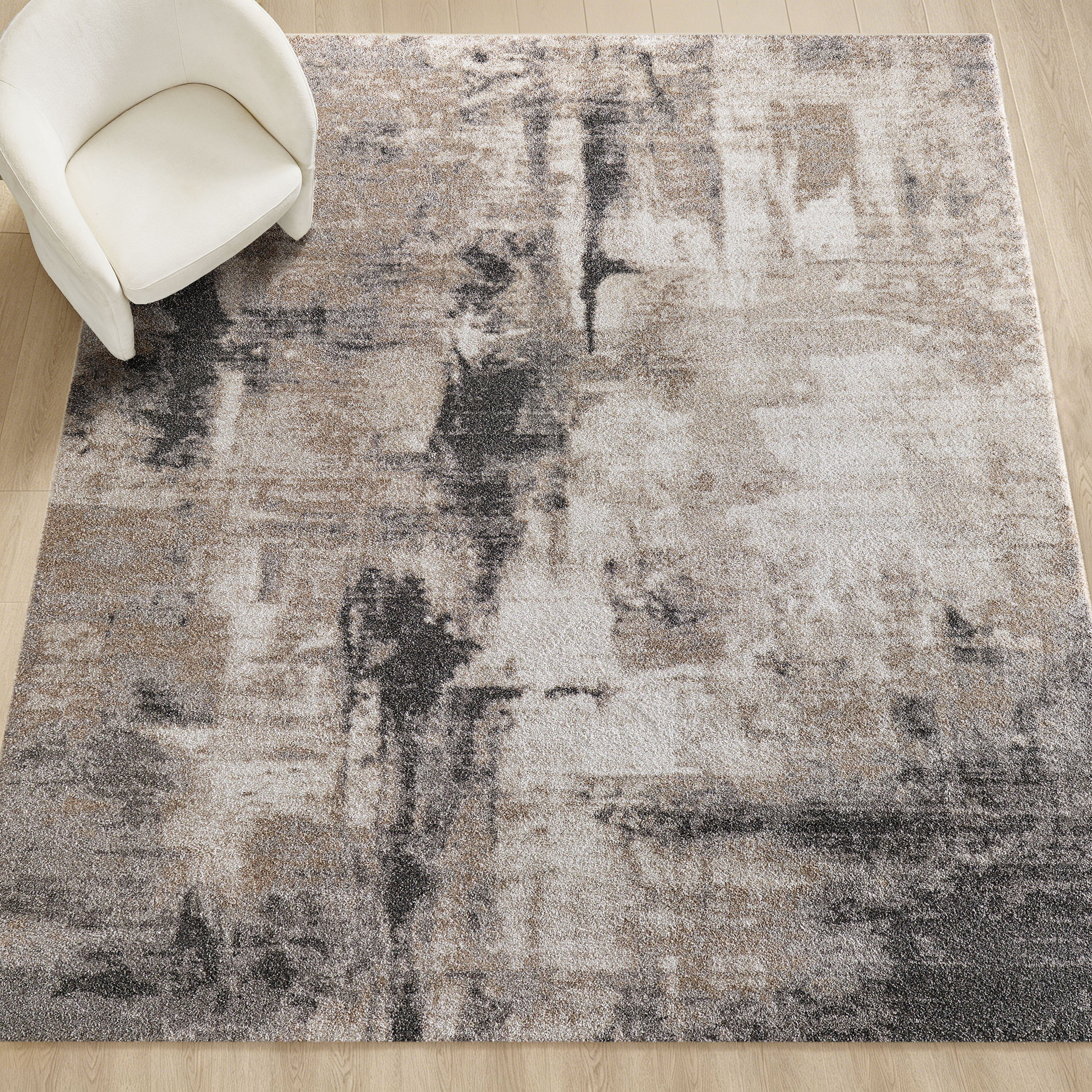
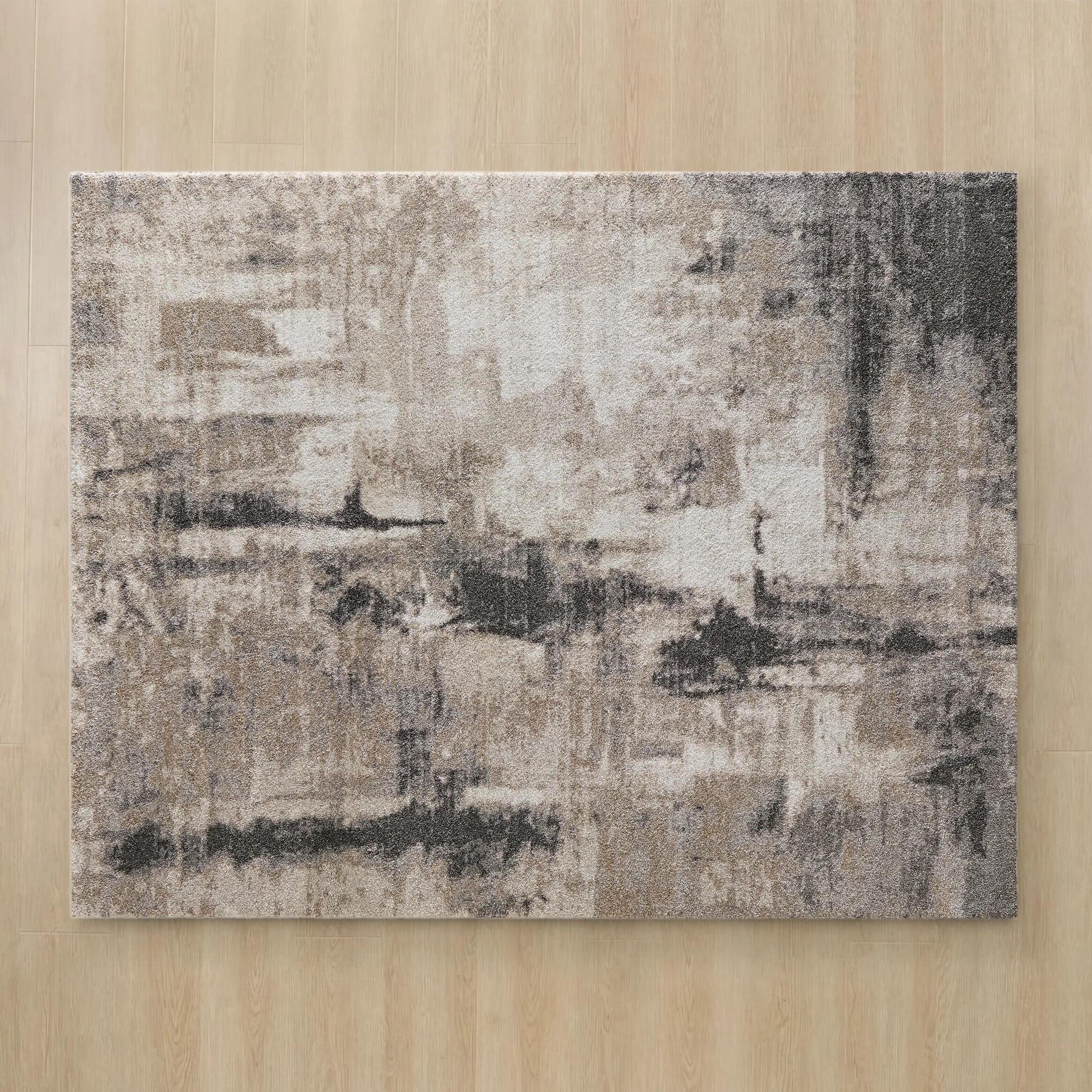 Atlas Abstract Grey/Taupe/Ivory/Charcoal Performance Power Loomed Rug$399
An abstract rug in grey, taupe, ivory, and charcoal with a plush, stain-resistant polypropylene blend.
Add To Cart -
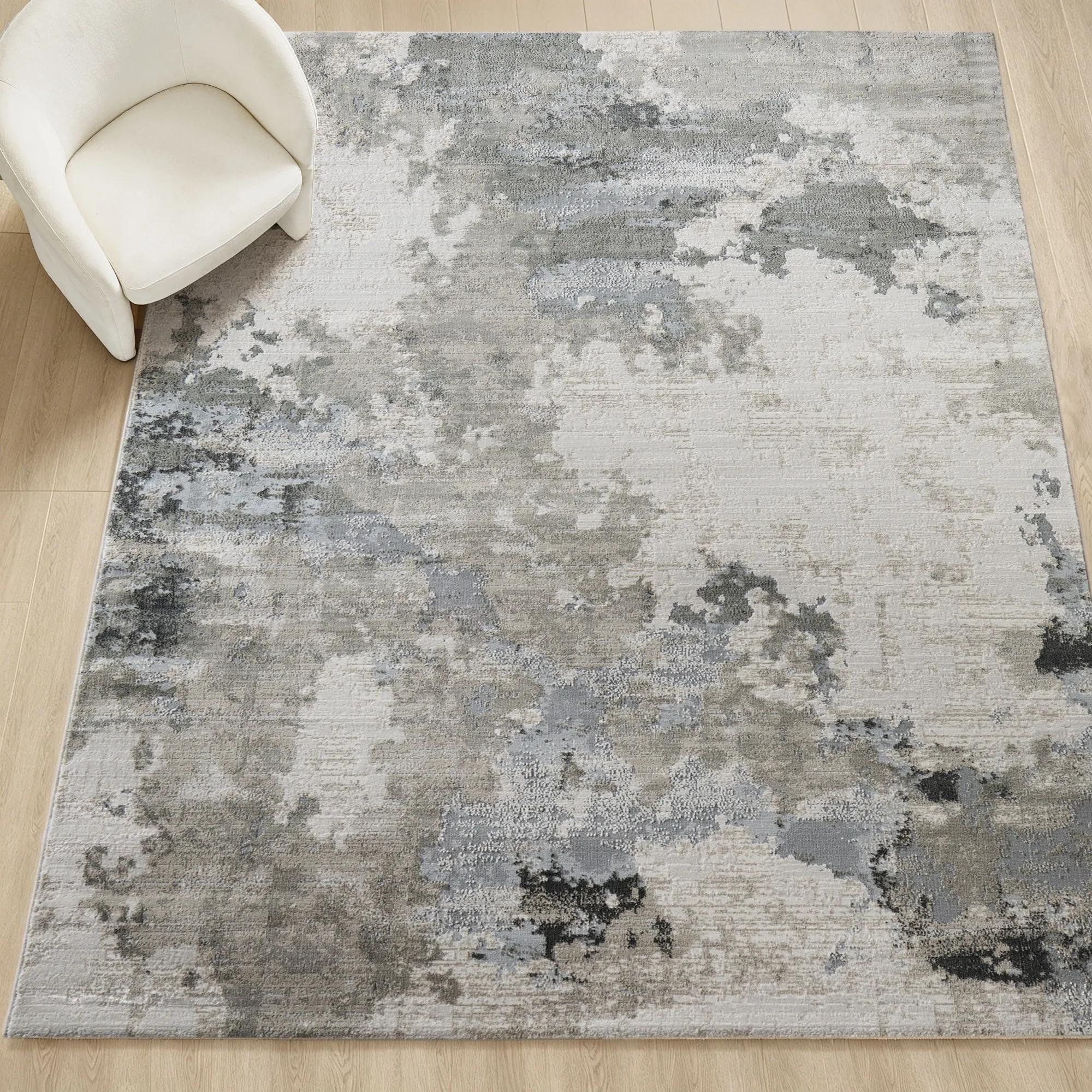 Alarion Abstract Grey/Muted Blue/Ivory Performance Power Loomed Rug$1499
A power-loomed rug featuring a distressed abstract pattern in grey, muted blue, and ivory with stain resistance.
Add To Cart -
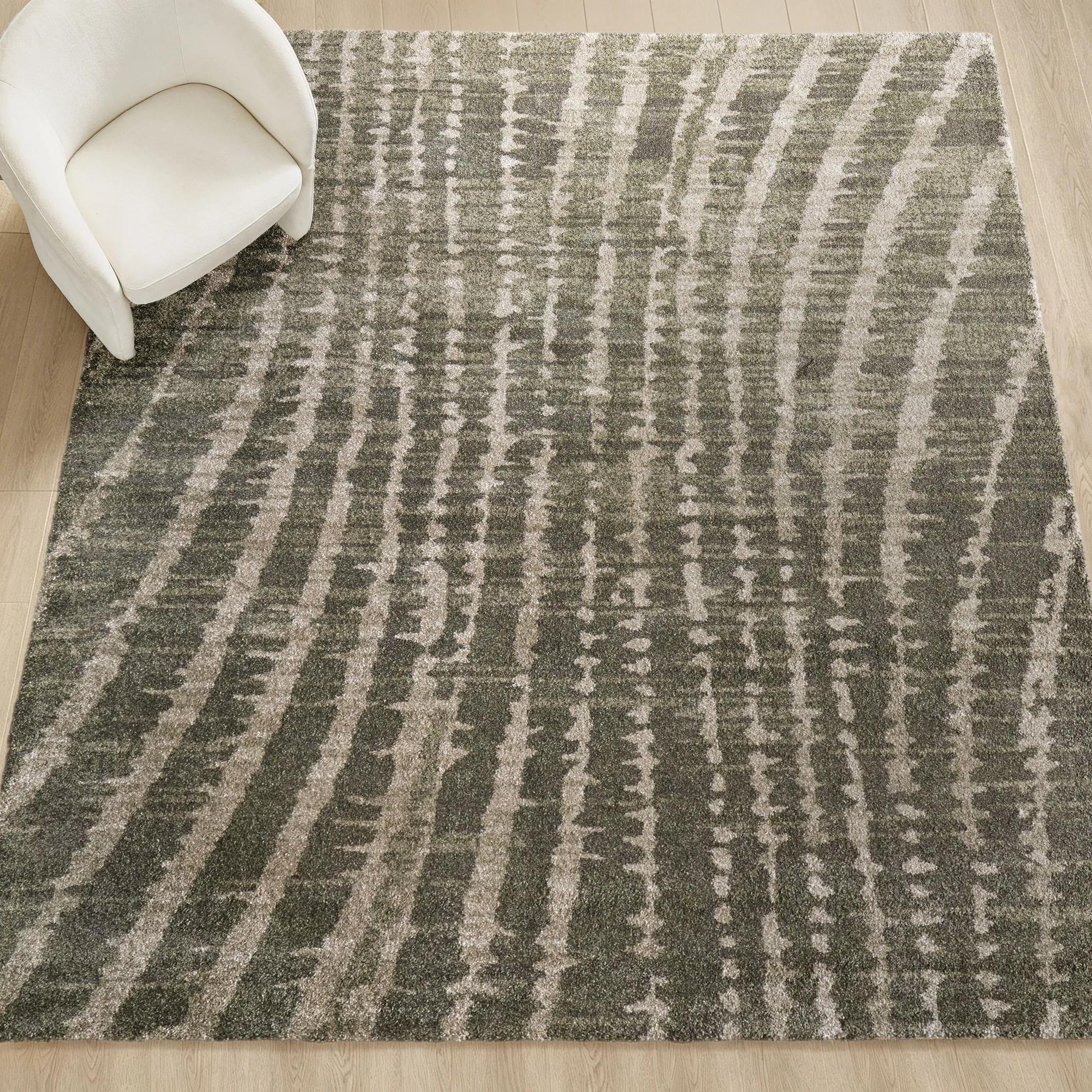
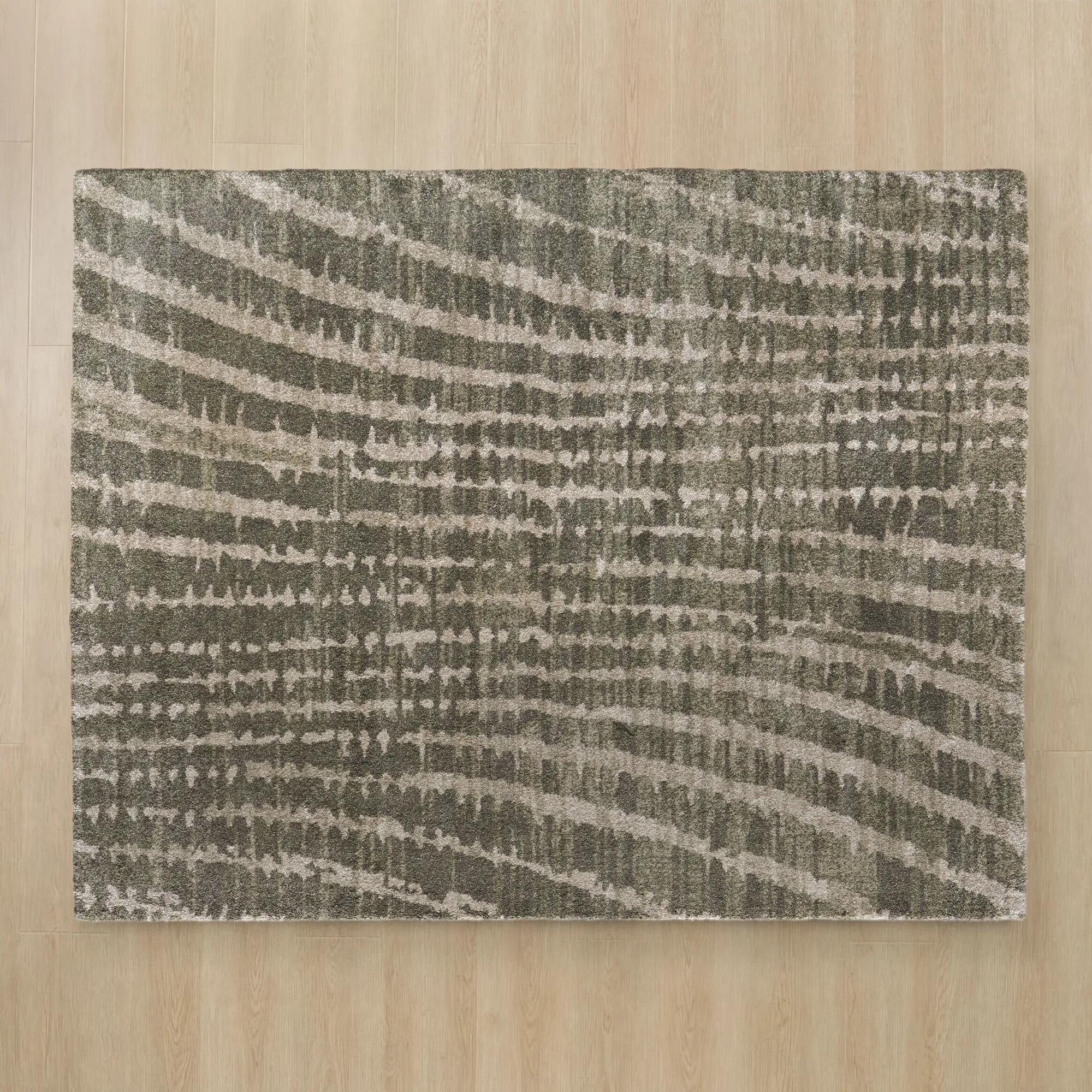 Tempo Green/Grey/Beige Performance Power Loomed Rug$1349
An abstract charcoal grey and beige rug with plush, power-loomed polypropylene and polyester construction.
Add To Cart -
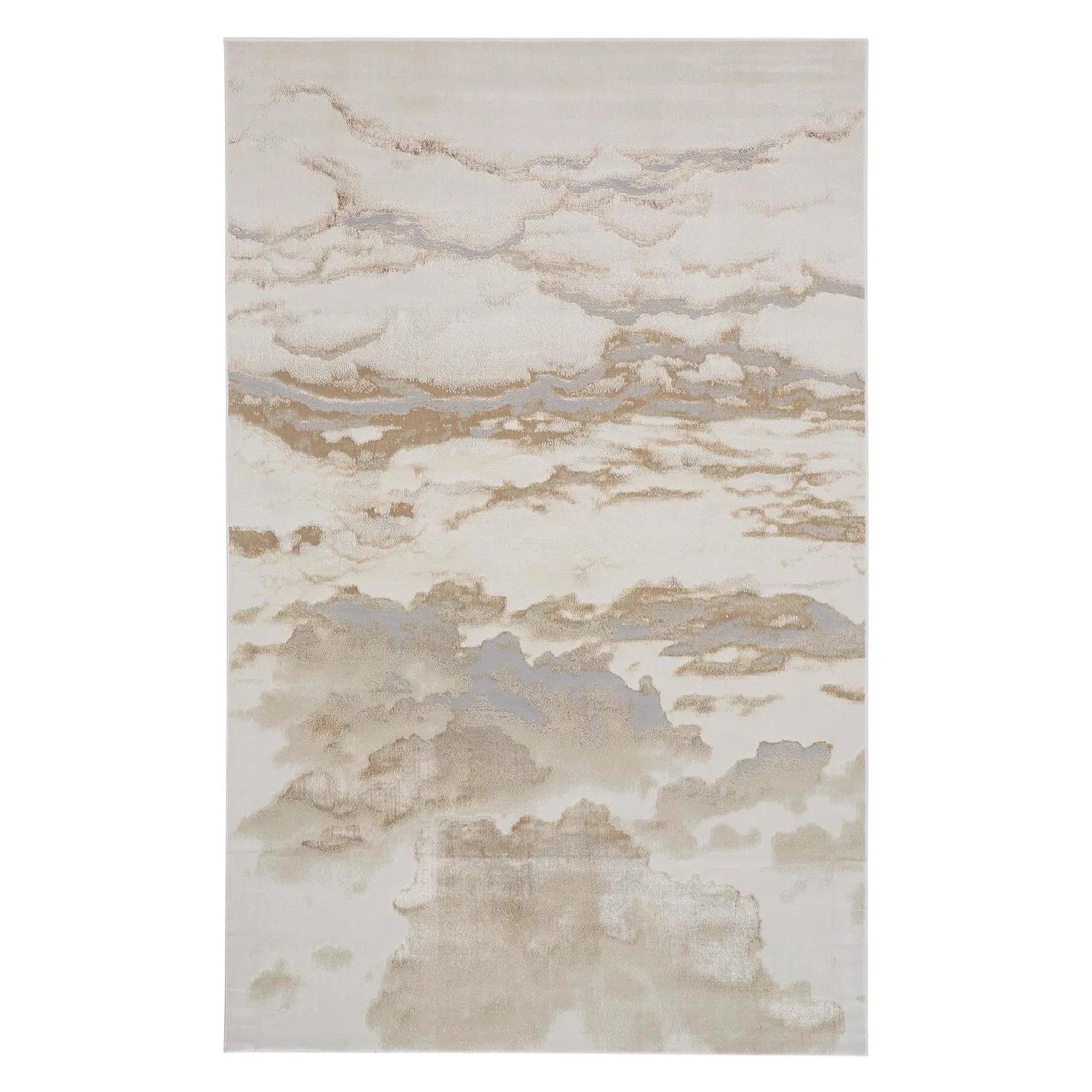
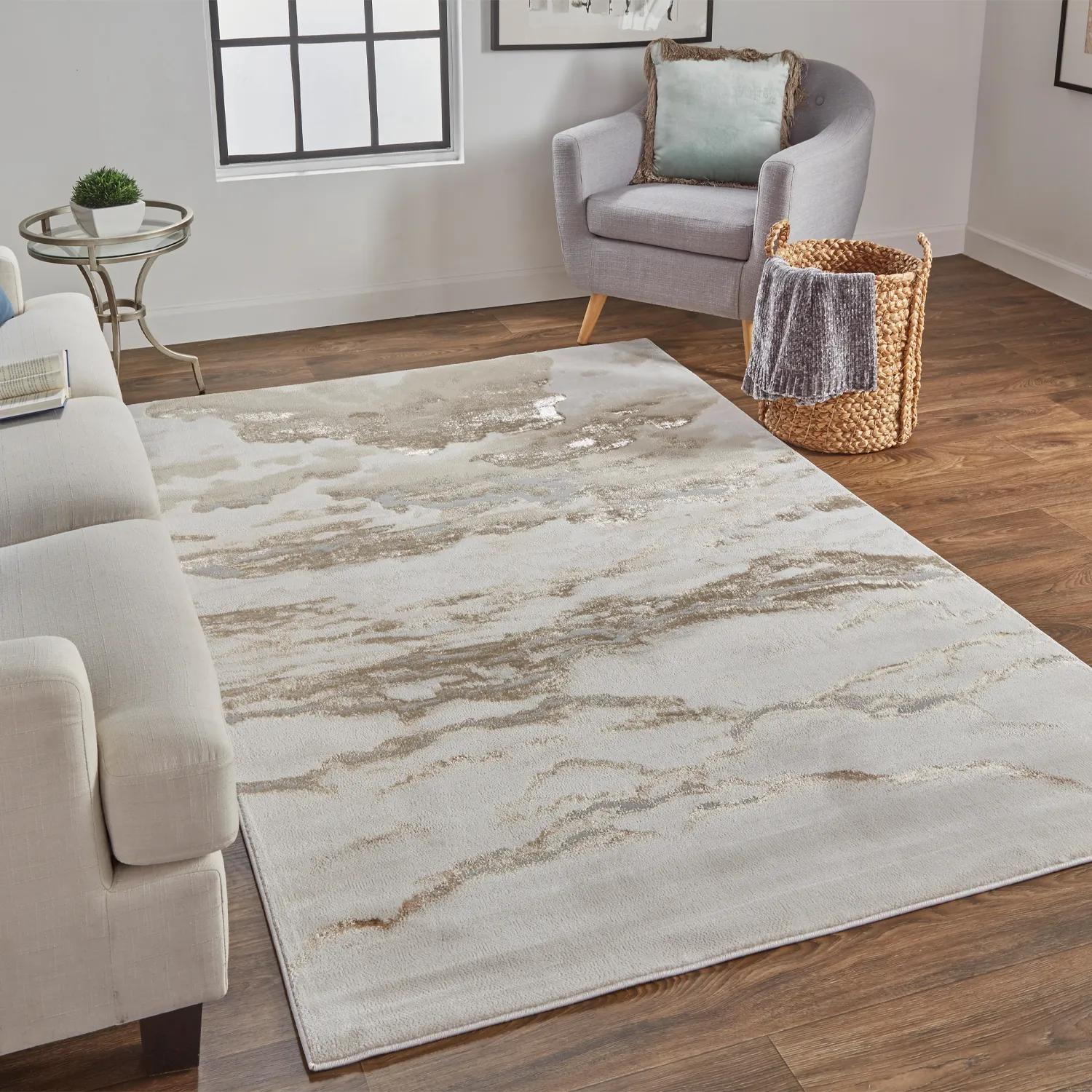 Tide Power-Loomed Beige/Gold/Ivory Rug$449
A machine-made rug in beige and gold, crafted from ultra-soft polyester and polypropylene for elegant appeal.
Add To Cart -
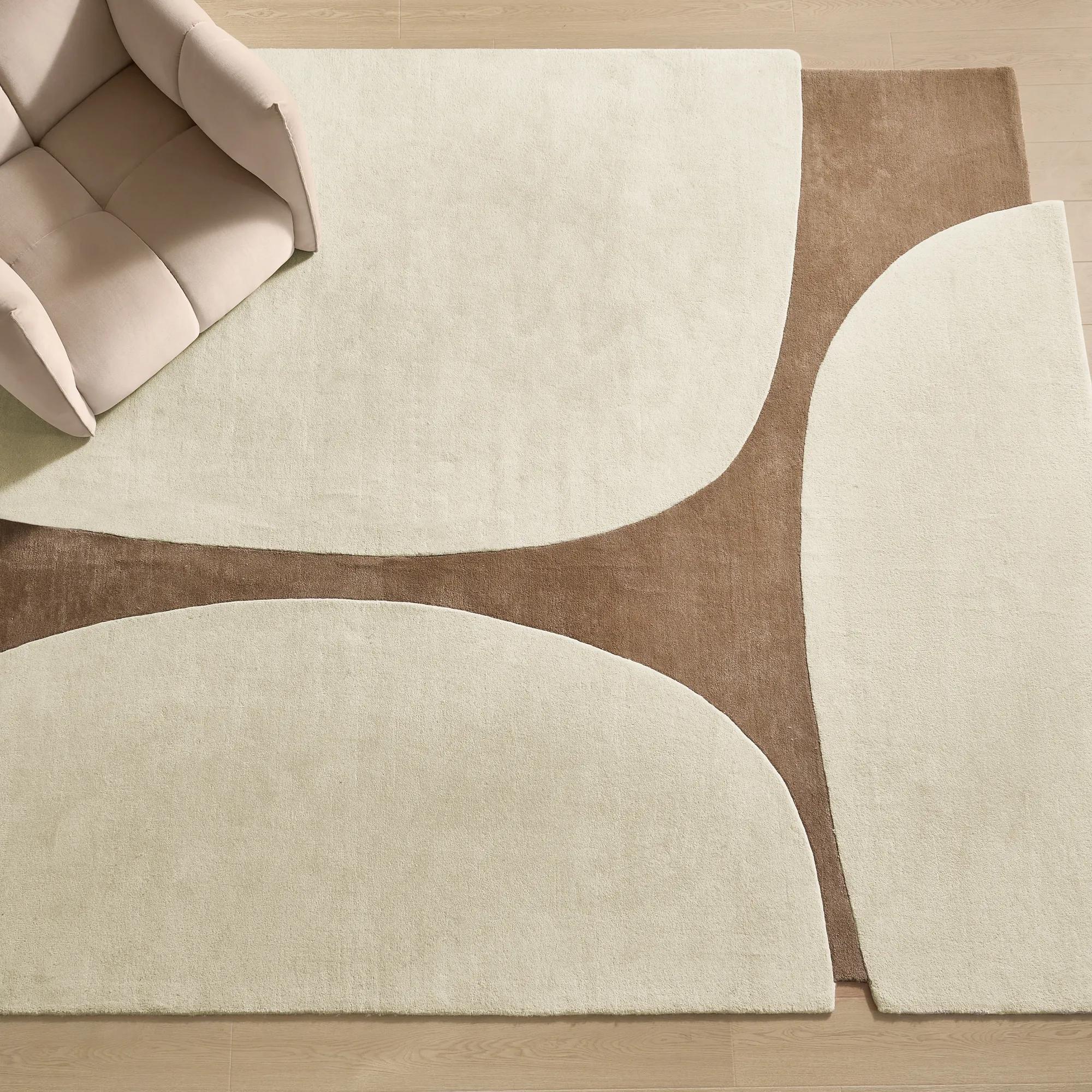
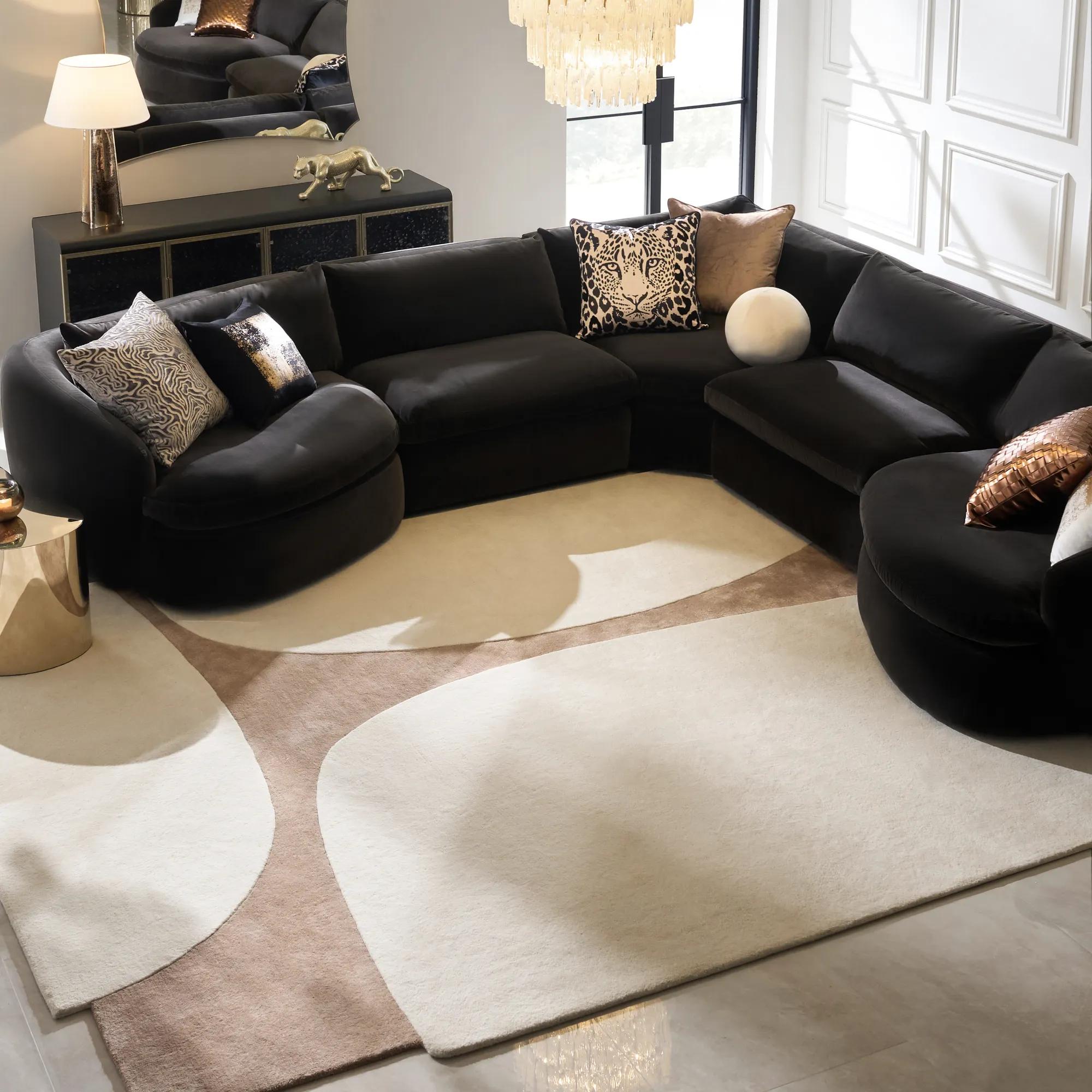 Contour Hand-Tufted Ivory/Ginger Root Wool Blend Rug$1499
A hand-tufted wool rug featuring an ivory and ginger root palette with a contoured, modern design.
Add To Cart -
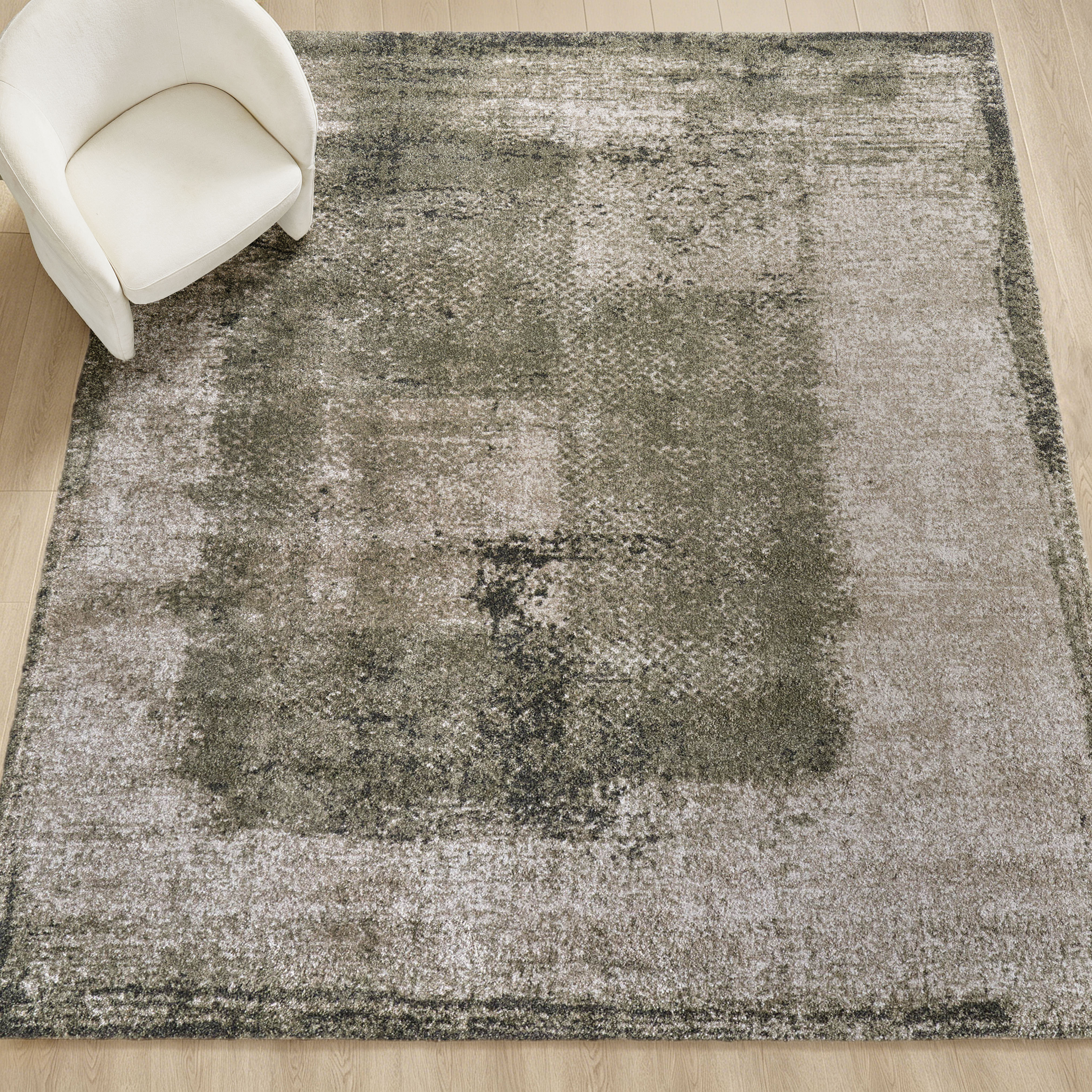
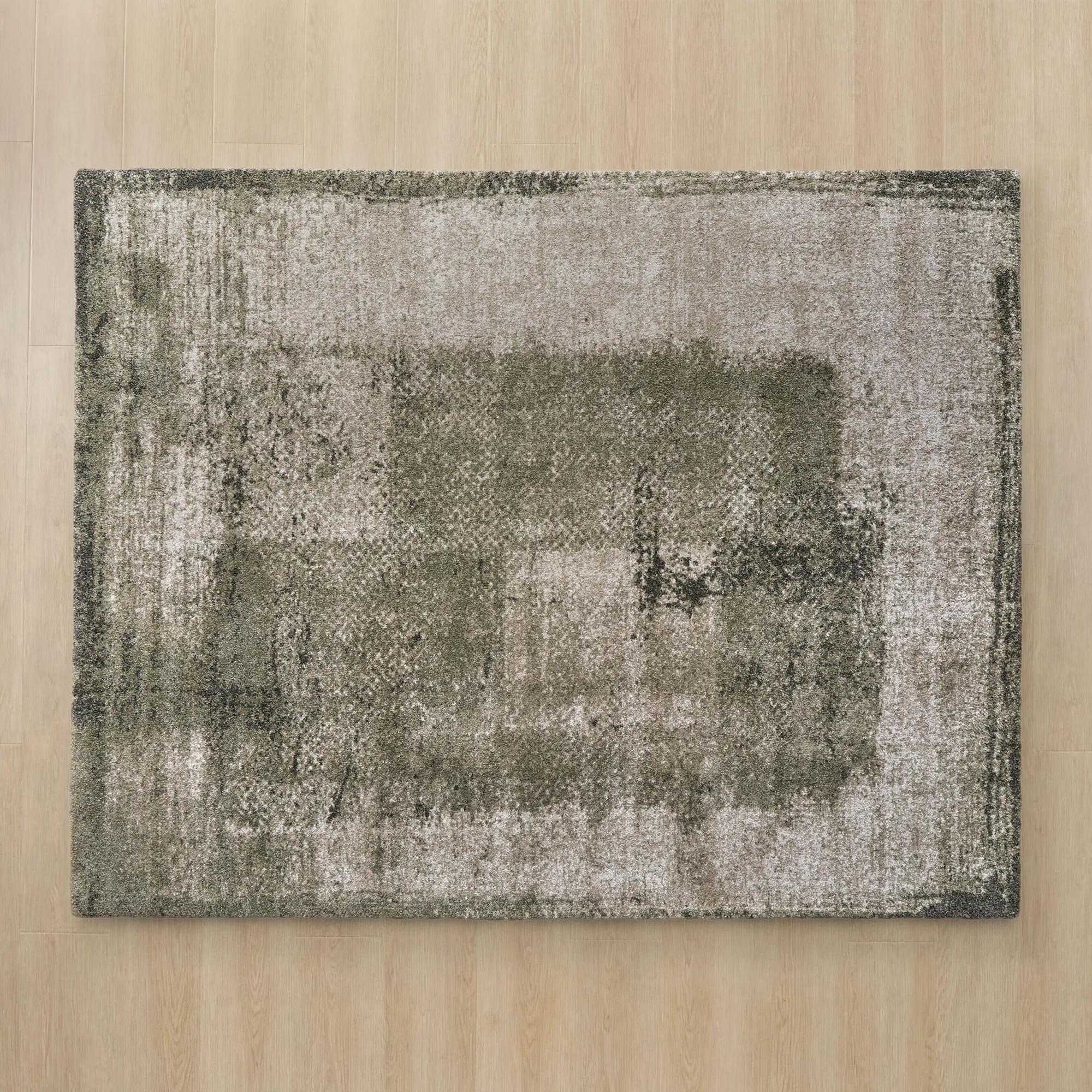 Irving Abstract Moss Green/Beige/Grey Performance Power Loomed Rug$1649
An abstract rug in moss green, beige, and grey with plush, durable polypropylene and polyester construction.
Add To Cart -
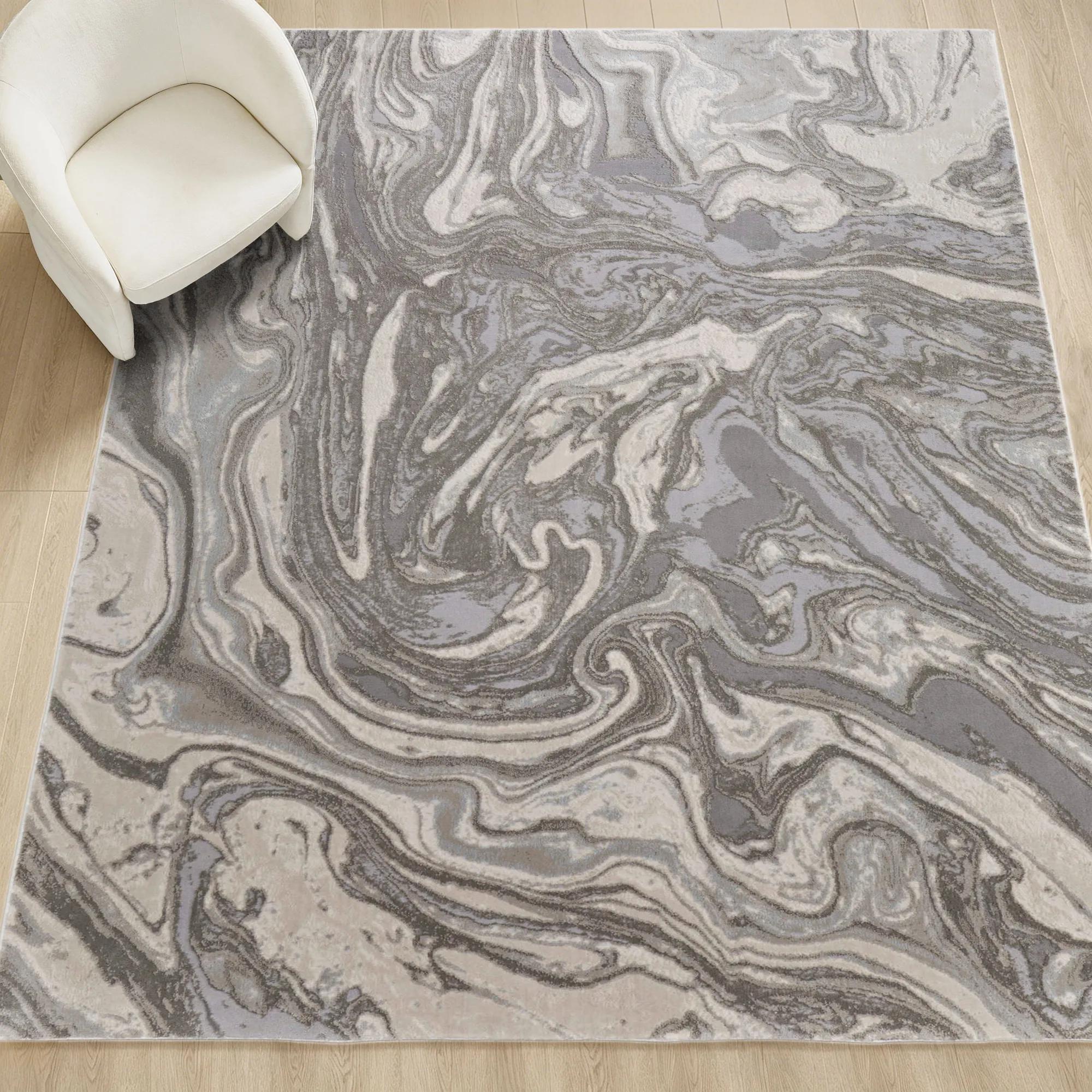
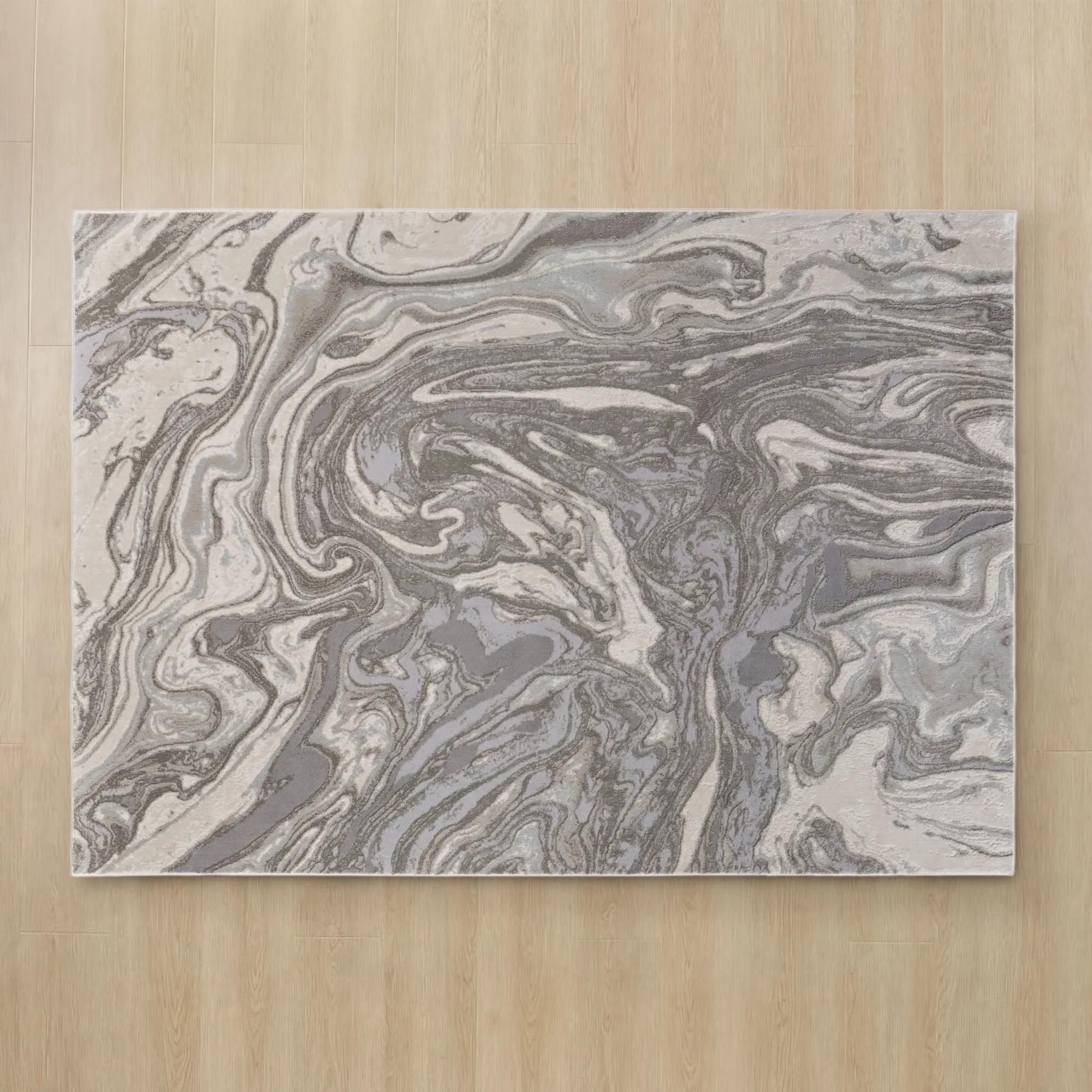 Marbre Marbled Grey/Taupe/Powder Blue Performance Power Loomed Rug$379
A softly marbled rug in grey, taupe, and powder blue with a textured, stain-resistant polypropylene blend.
Add To Cart -
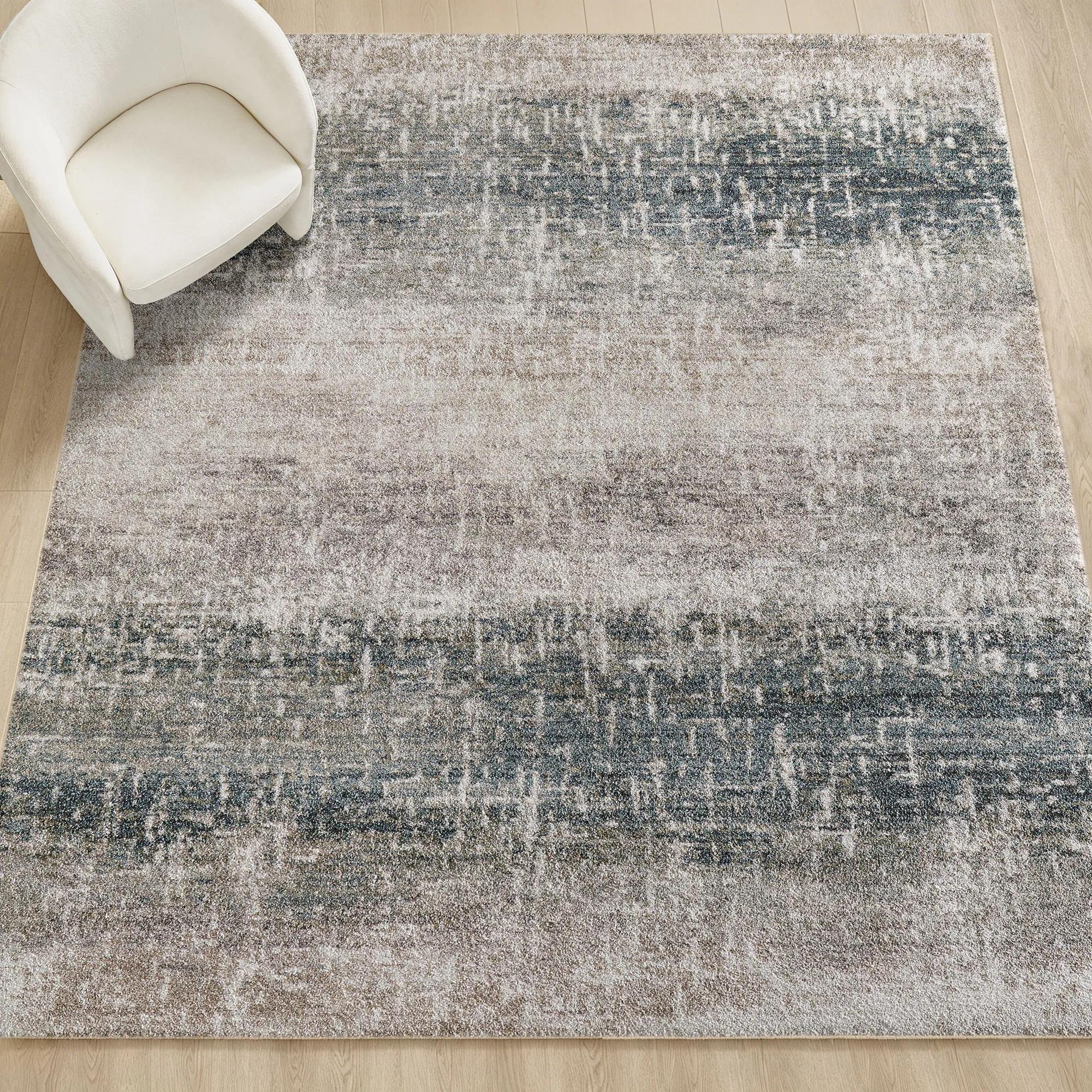
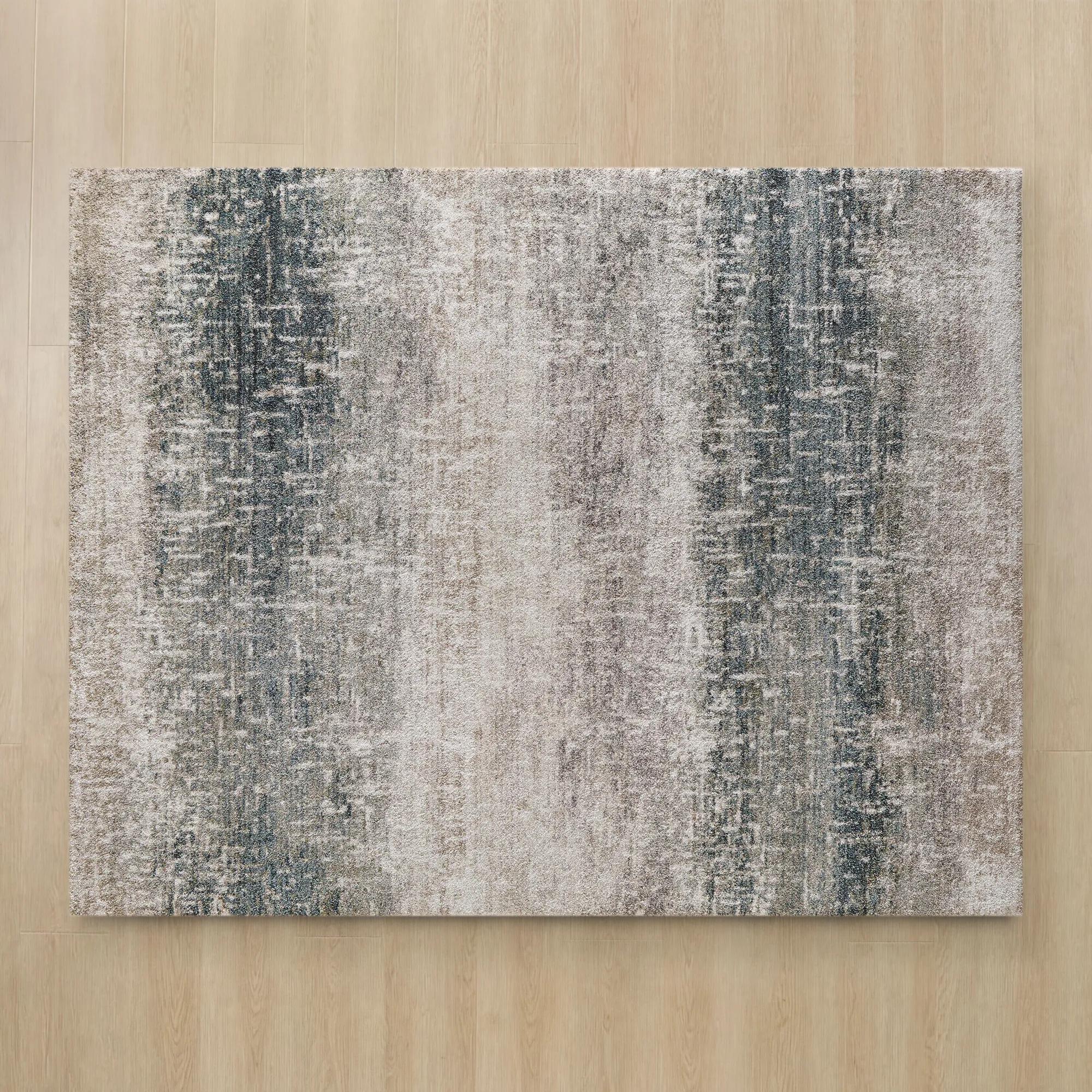 Collier Taupe/Grey/Blue/Green Performance Power Loomed Rug$1649
An abstract rug in taupe, grey, blue, and green with a plush pile and durable, easy-care blend.
Add To Cart -
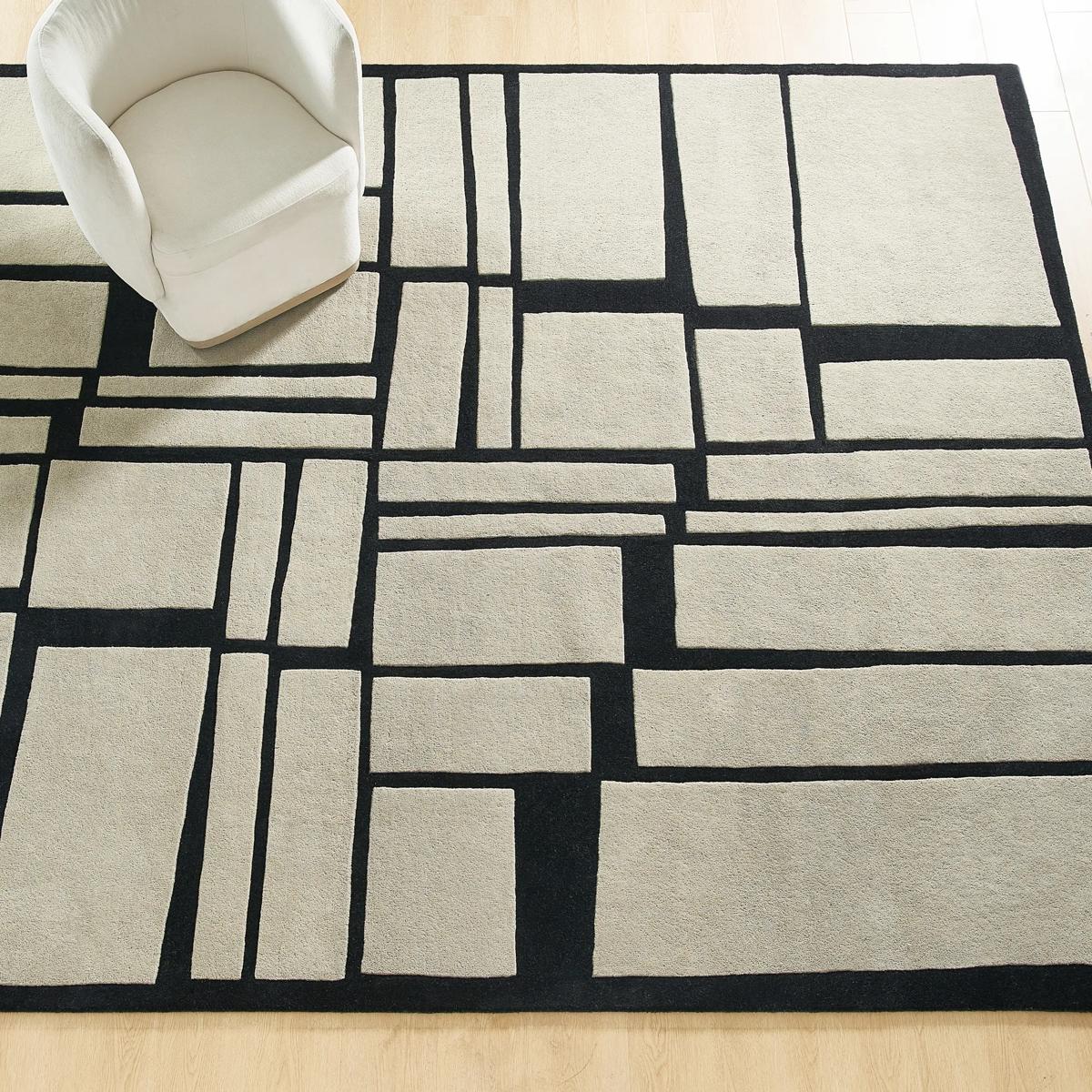 Novak Hand-Tufted Natural/Black Wool Rug$449
A hand-tufted wool rug featuring a bold black and natural grid design for modern visual impact.
Add To Cart -
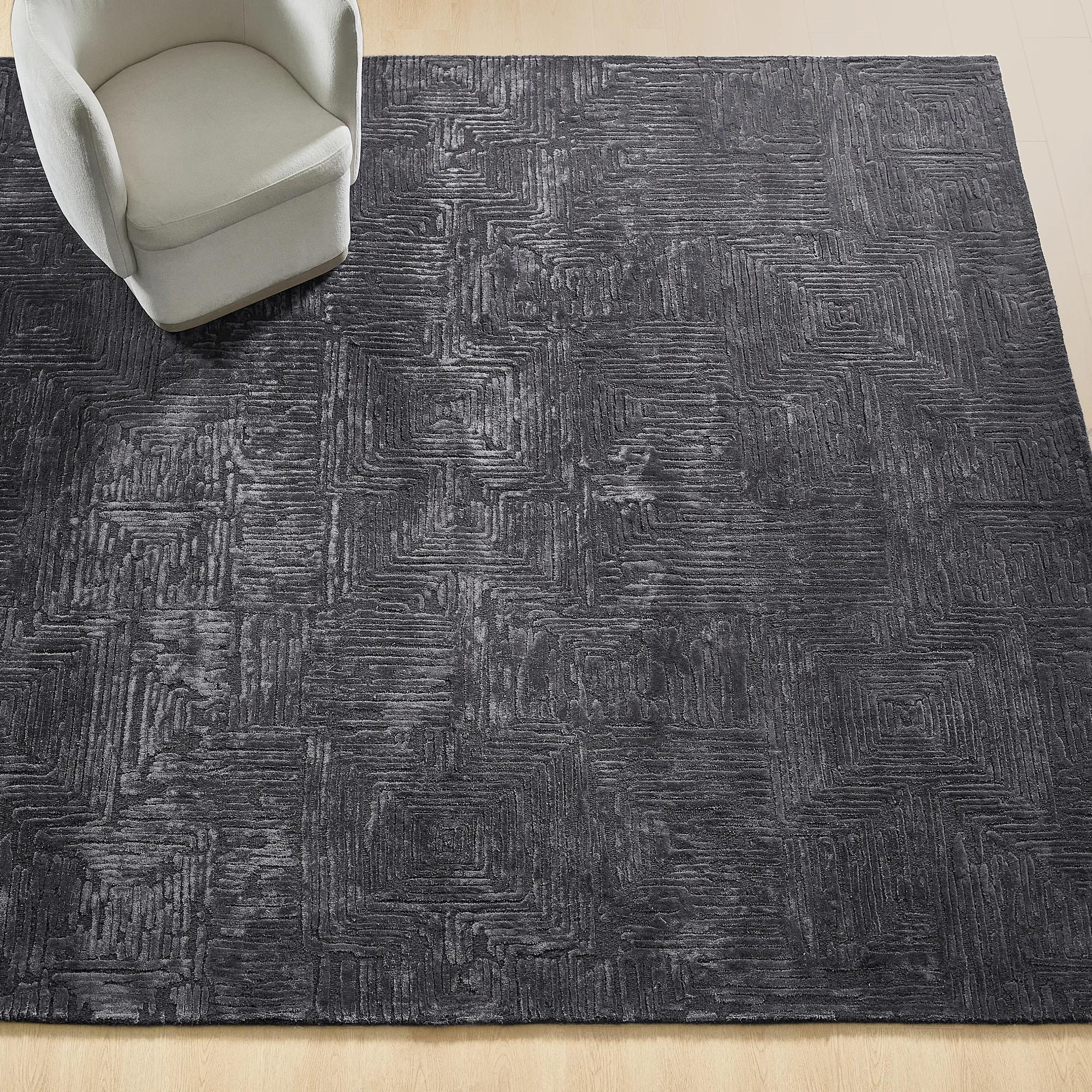
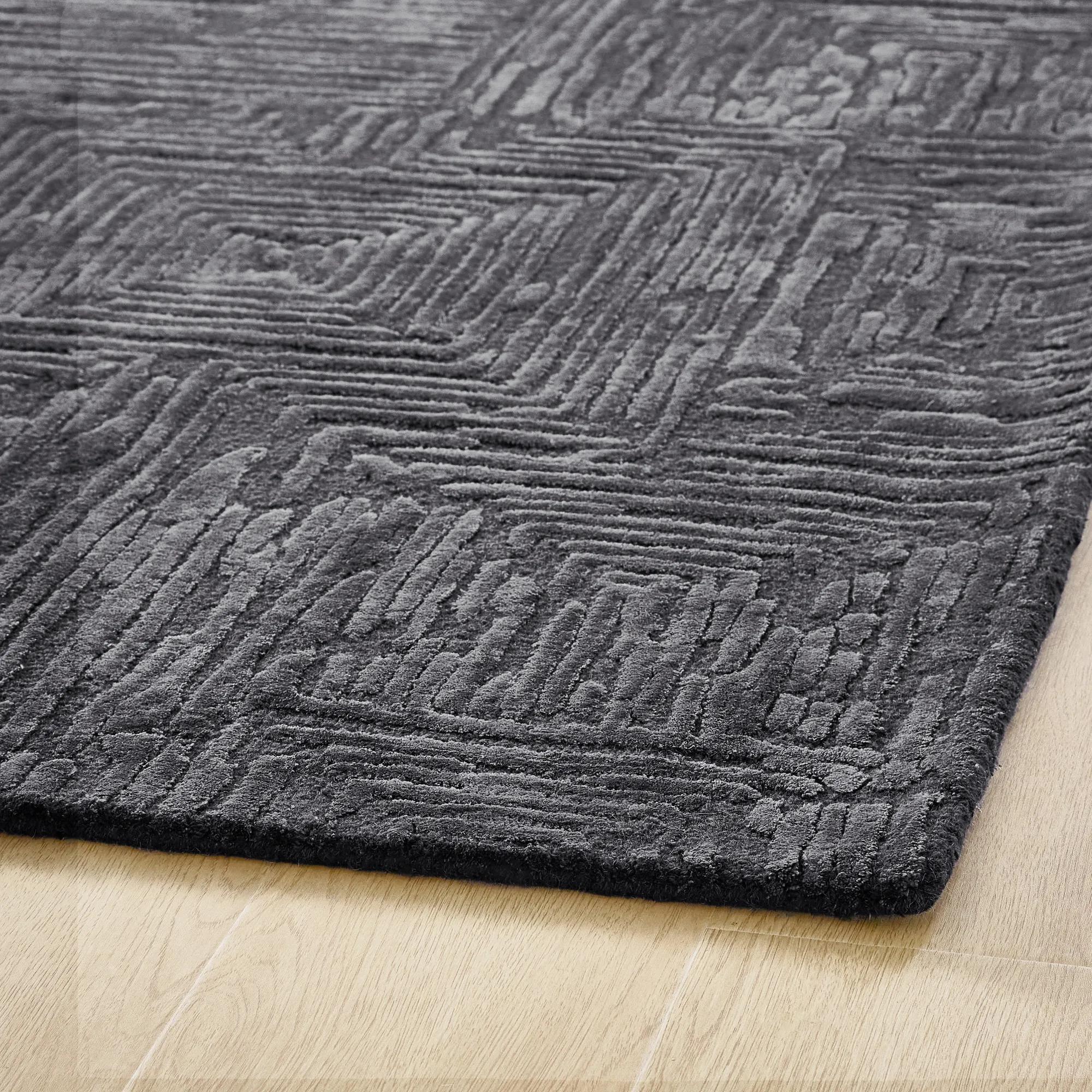 Andra Charcoal Hand-Tufted Wool Blend Dimensional Rug$1499
A hand-tufted viscose-wool rug in rich charcoal with a sculptural, dimensional pattern and plush texture.
Add To Cart -
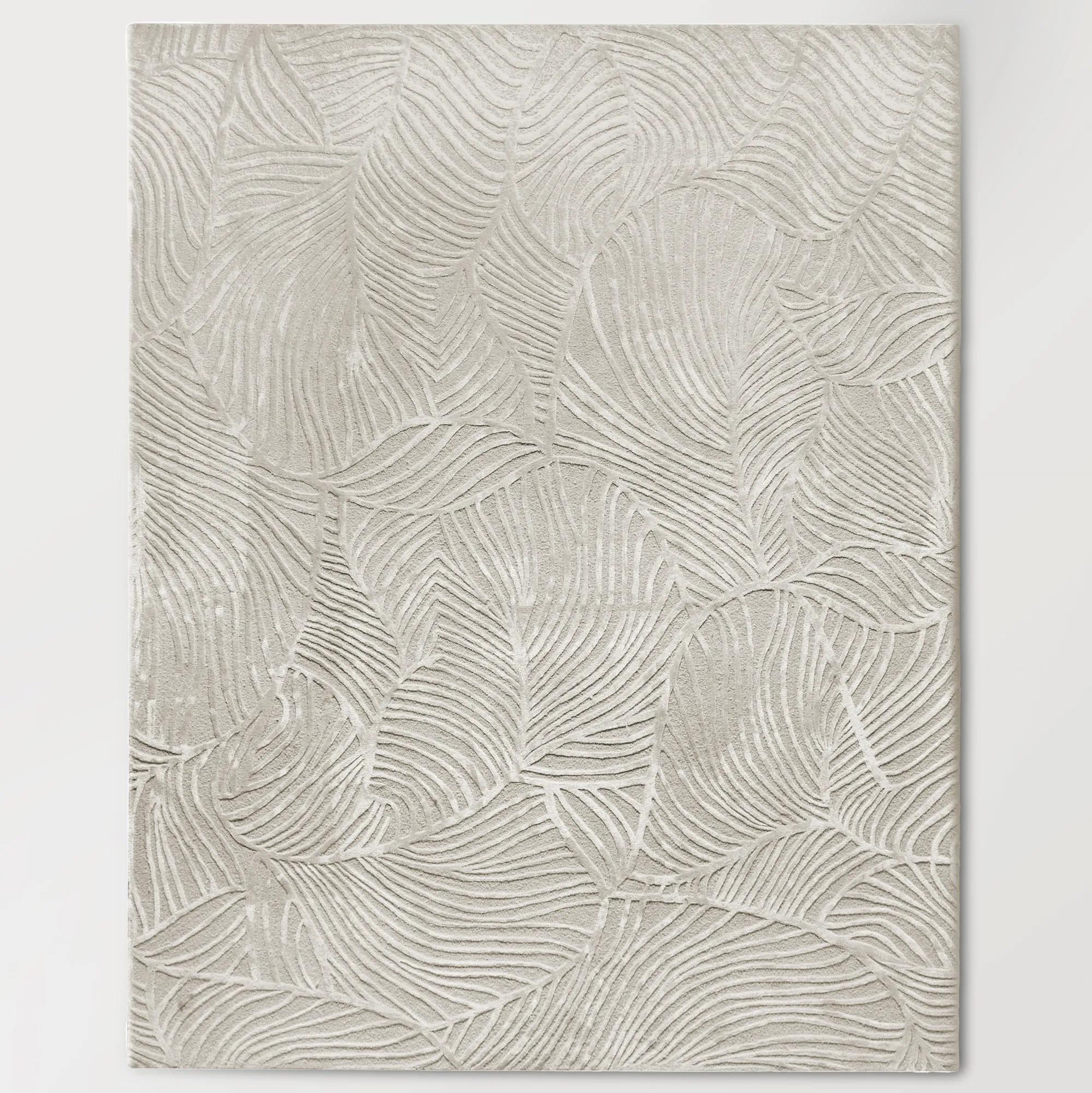
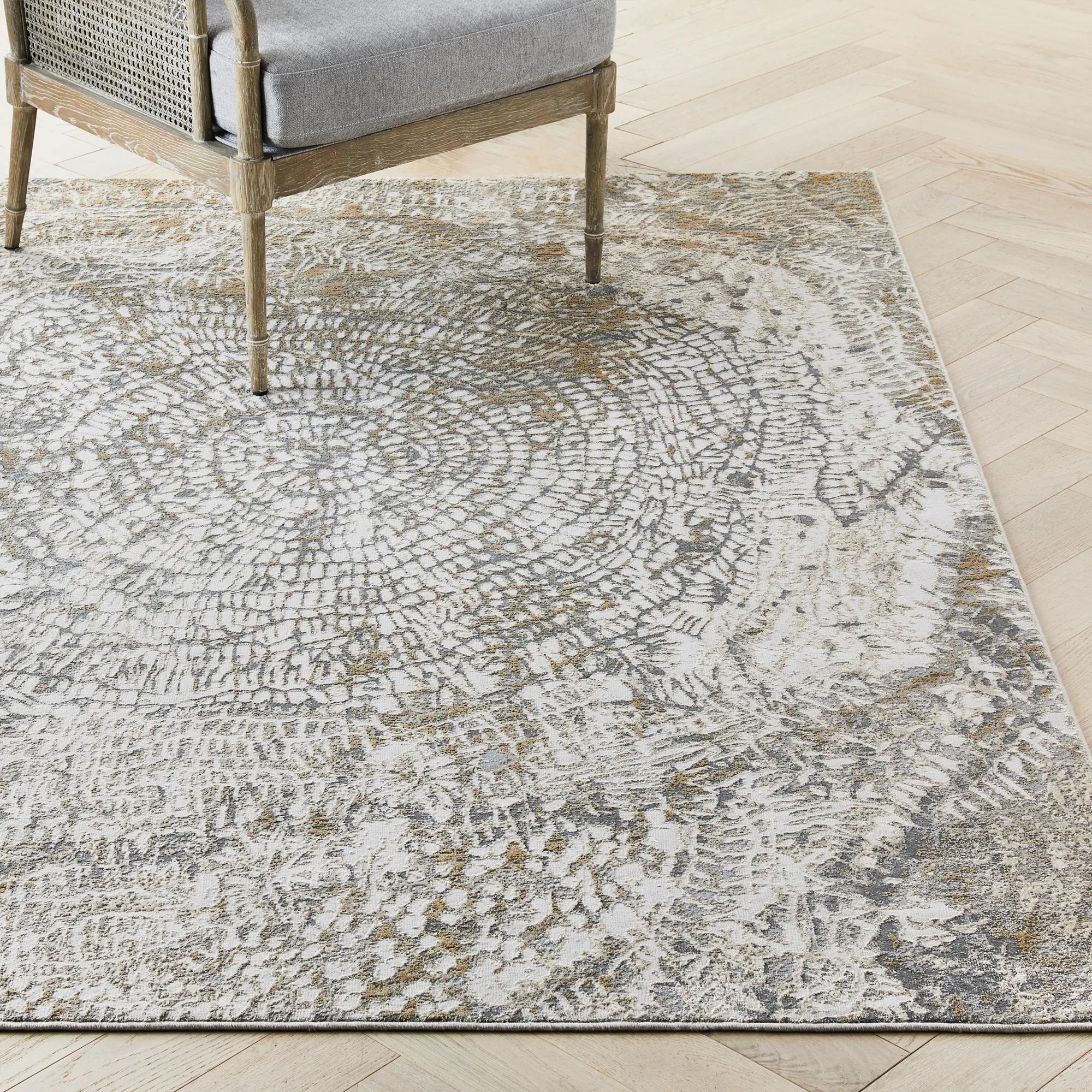 Nautilus Power-Loomed Silver/Grey/Natural Rug$449
A machine-woven ivory rug featuring subtle tree ring-inspired patterns in durable polypropylene and viscose.
Add To Cart -
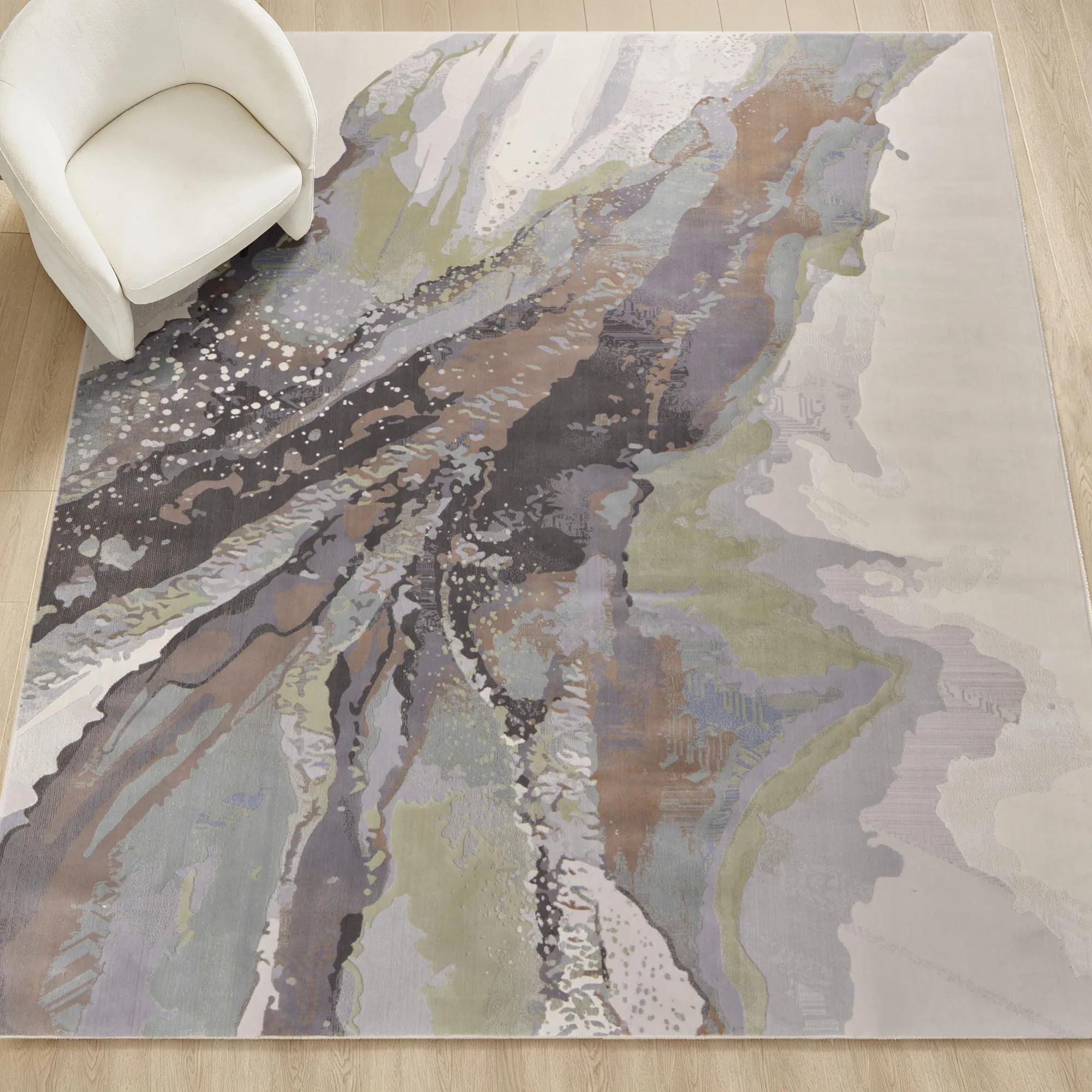
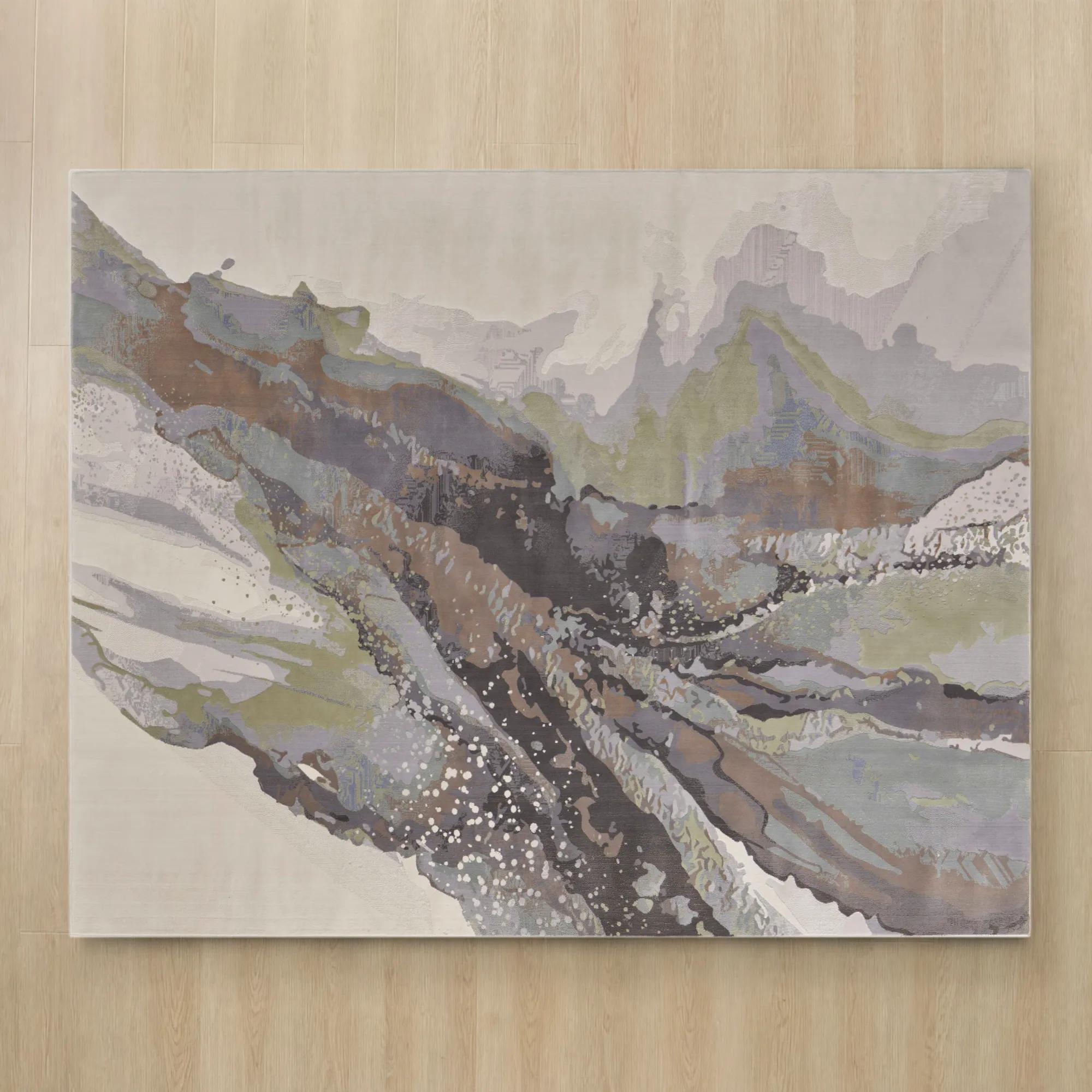 Nerissa Abstract Ivory/Grey/Blue/Green Performance Power Loomed Rug$449
An abstract rug in ivory, grey, blue, and green with a textured, stain-resistant polypropylene-polyester blend.
Add To Cart -
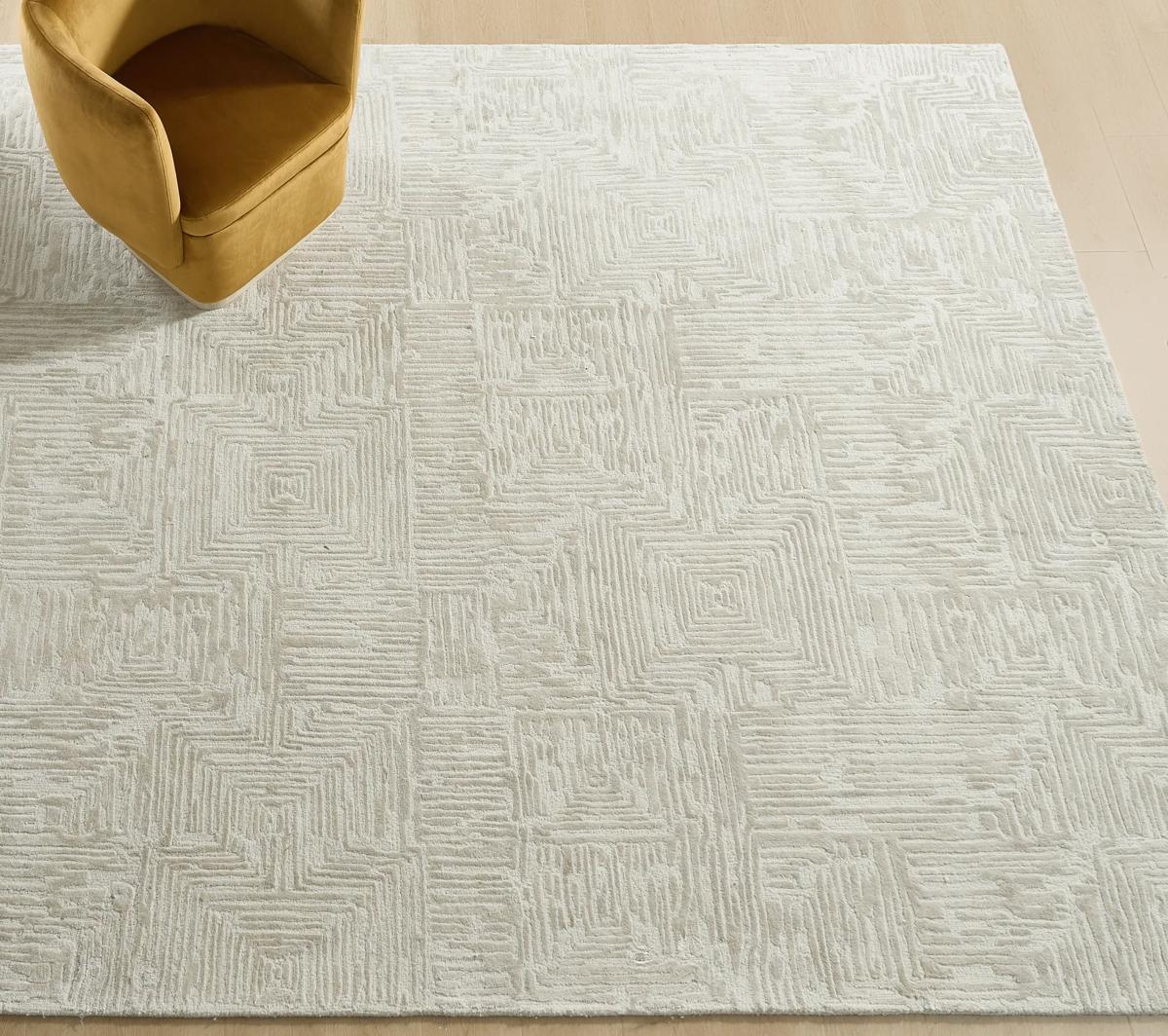 Andra Ivory Hand-Tufted Wool Blend Dimensional Rug$1499
A hand-tufted ivory rug in a viscose-wool blend with raised detailing and a subtle sheen.
Add To Cart -
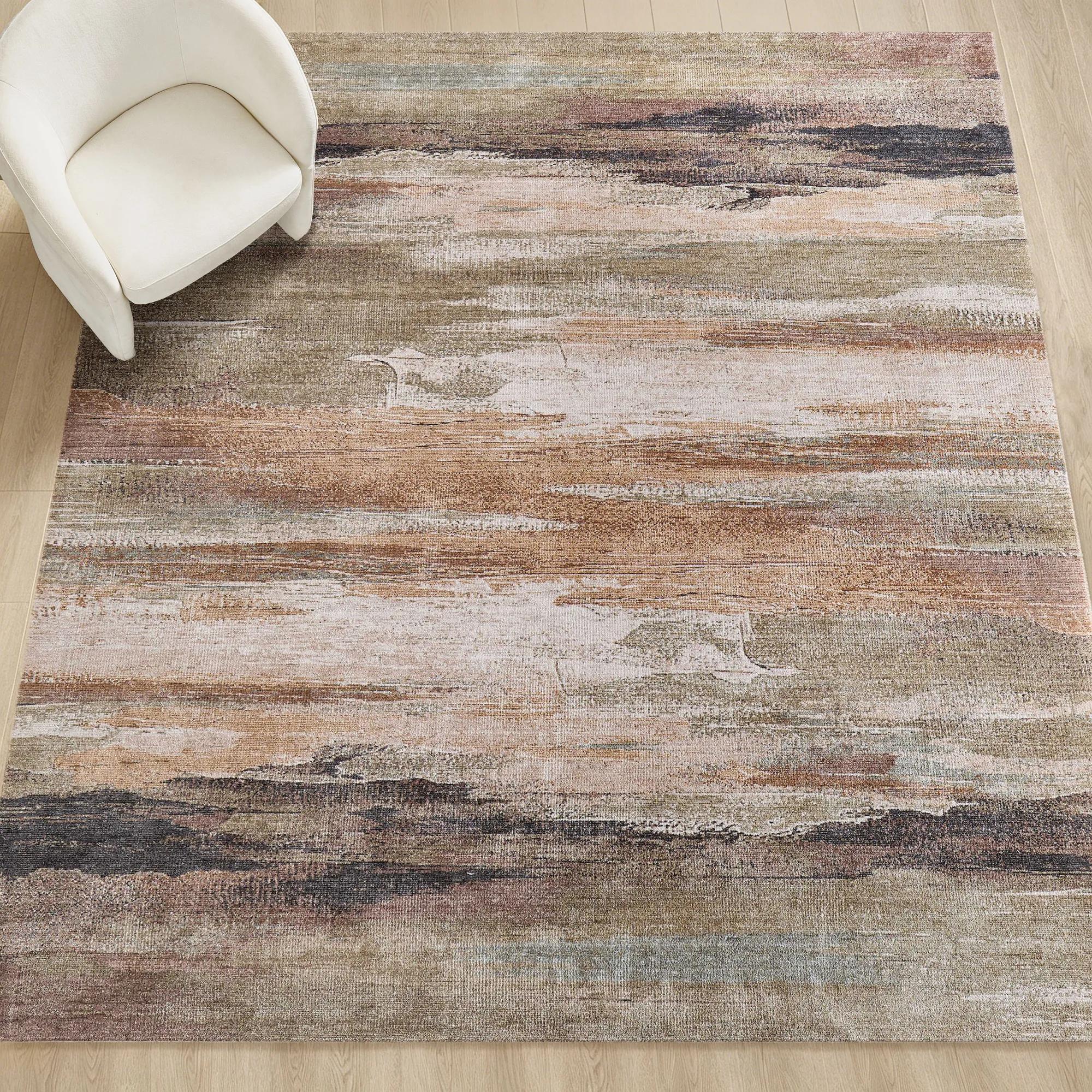
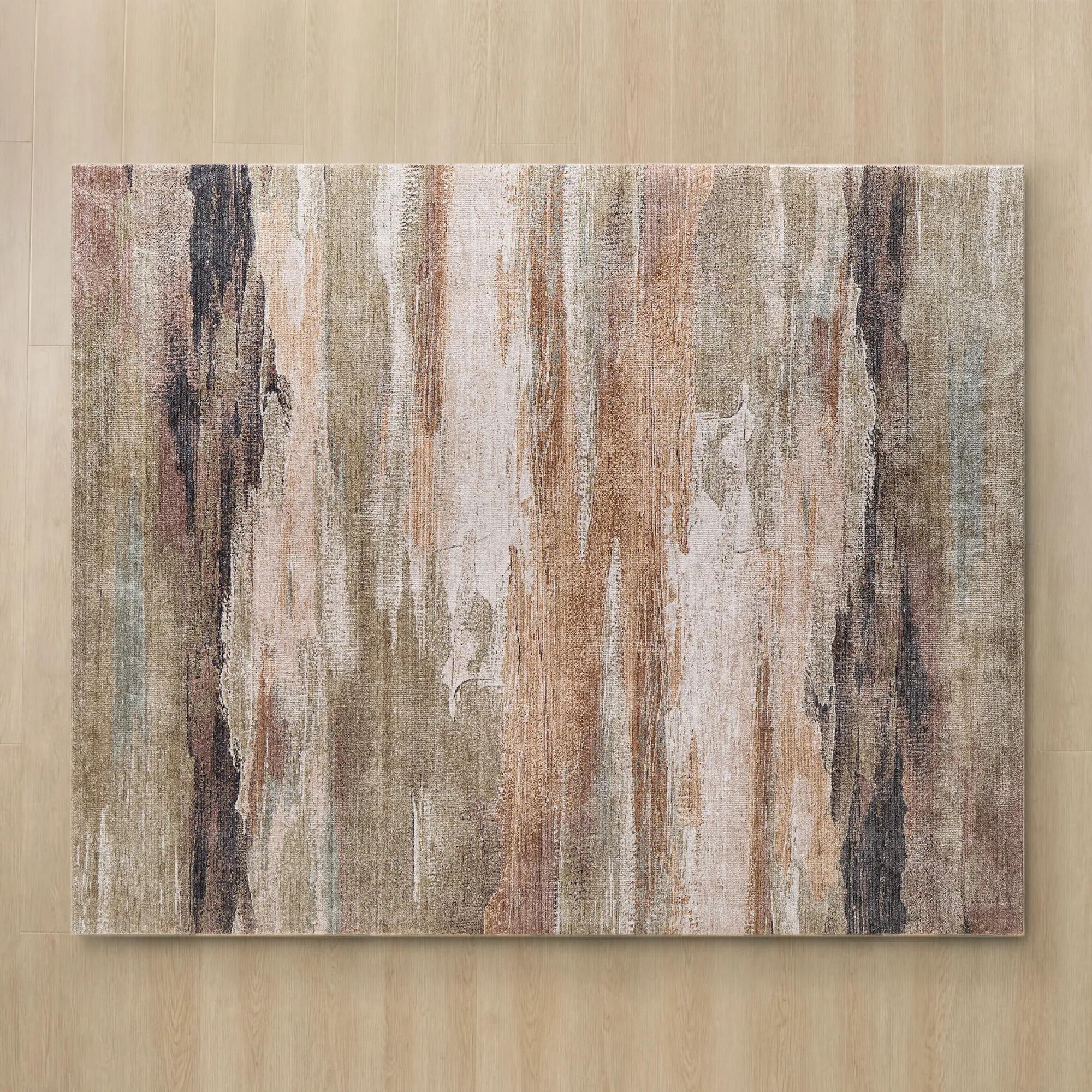 Sedona Rust/Beige/Moss Green/Charocal/Blue Performance Power Loomed Rug$1999
A power-loomed polyester rug featuring a rich abstract pattern in rust, beige, moss green, charcoal, and blue.
Add To Cart -
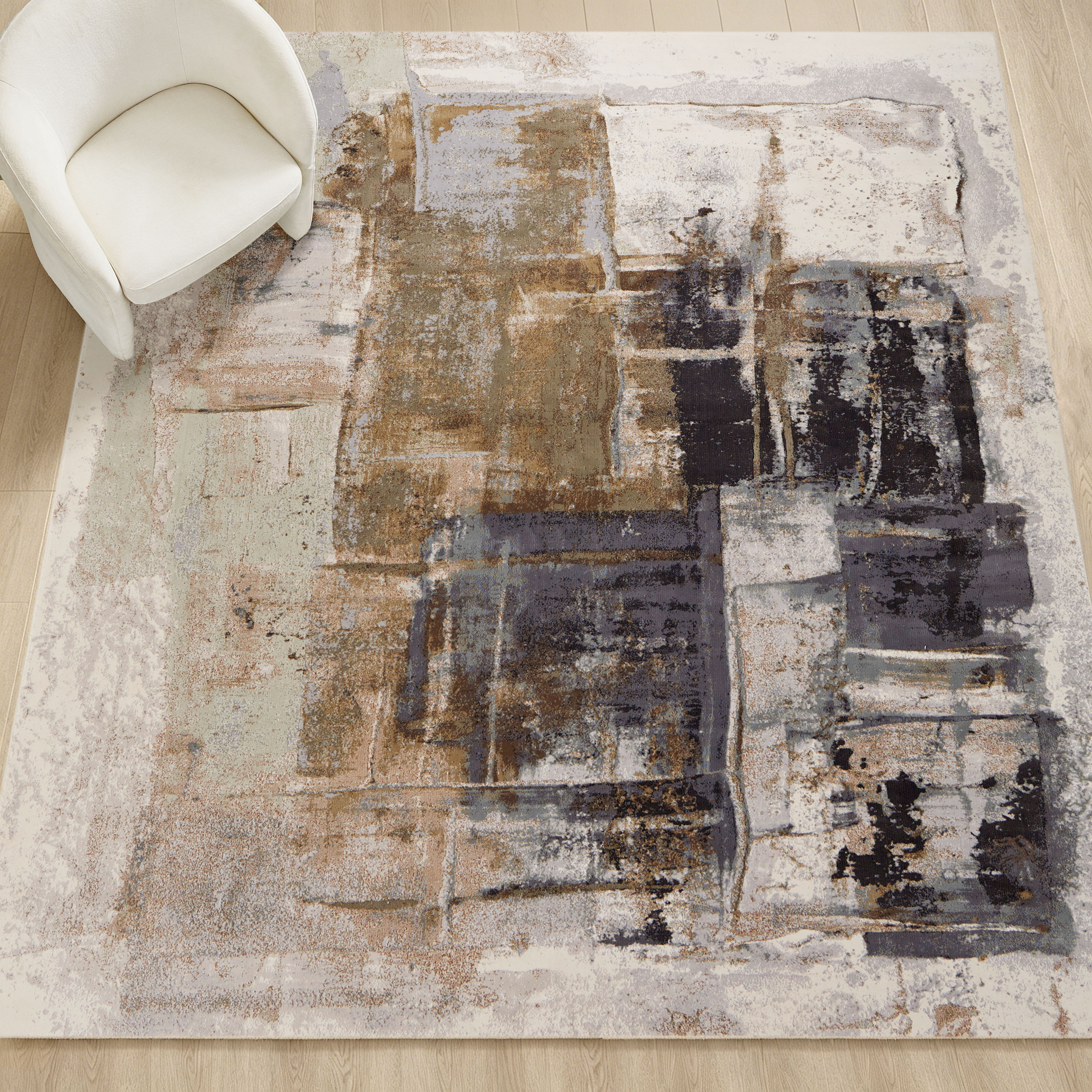
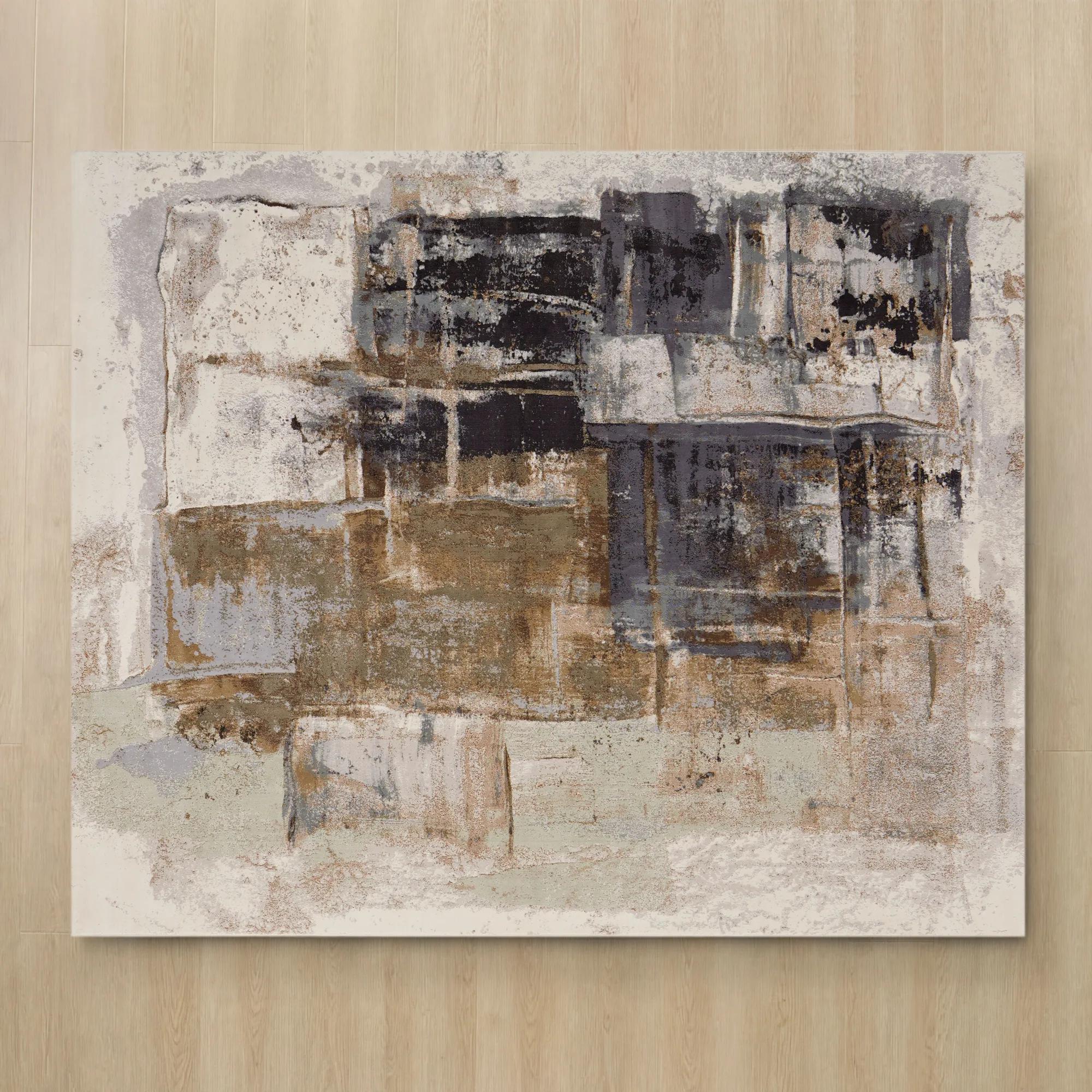 Gaia Abstract Grey/Charcoal/Ivory/Gold/Blue Performance Power Loomed Rug$449
An abstract rug in grey, charcoal, ivory, gold, and blue with a soft, stain-resistant performance blend.
Add To Cart -
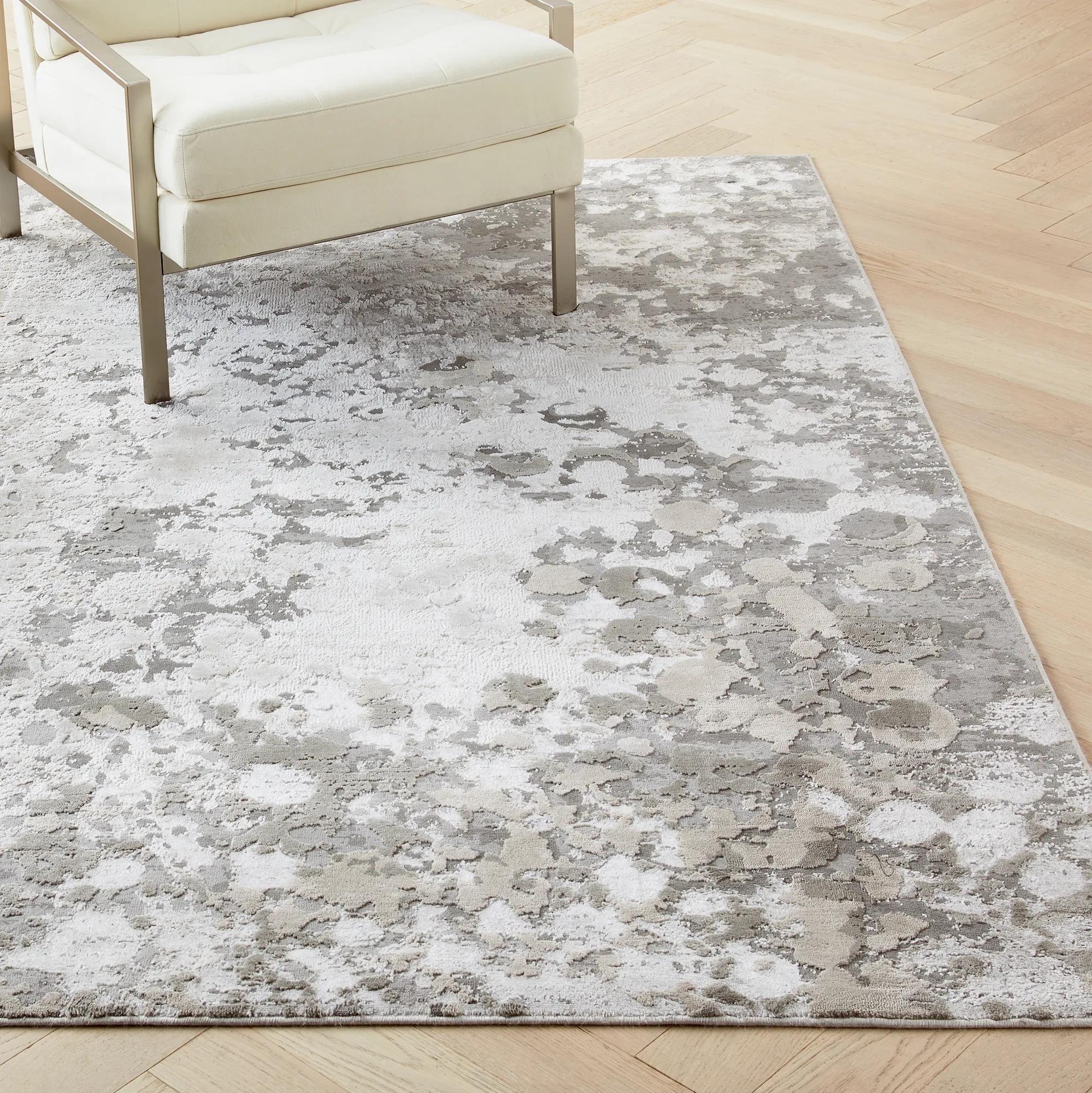 Mercury Power-Loomed Silver/Grey/Beige Rug$449
A neutral floor covering featuring a silver, grey, and beige palette with a soft, textured polyester blend.
Add To Cart -
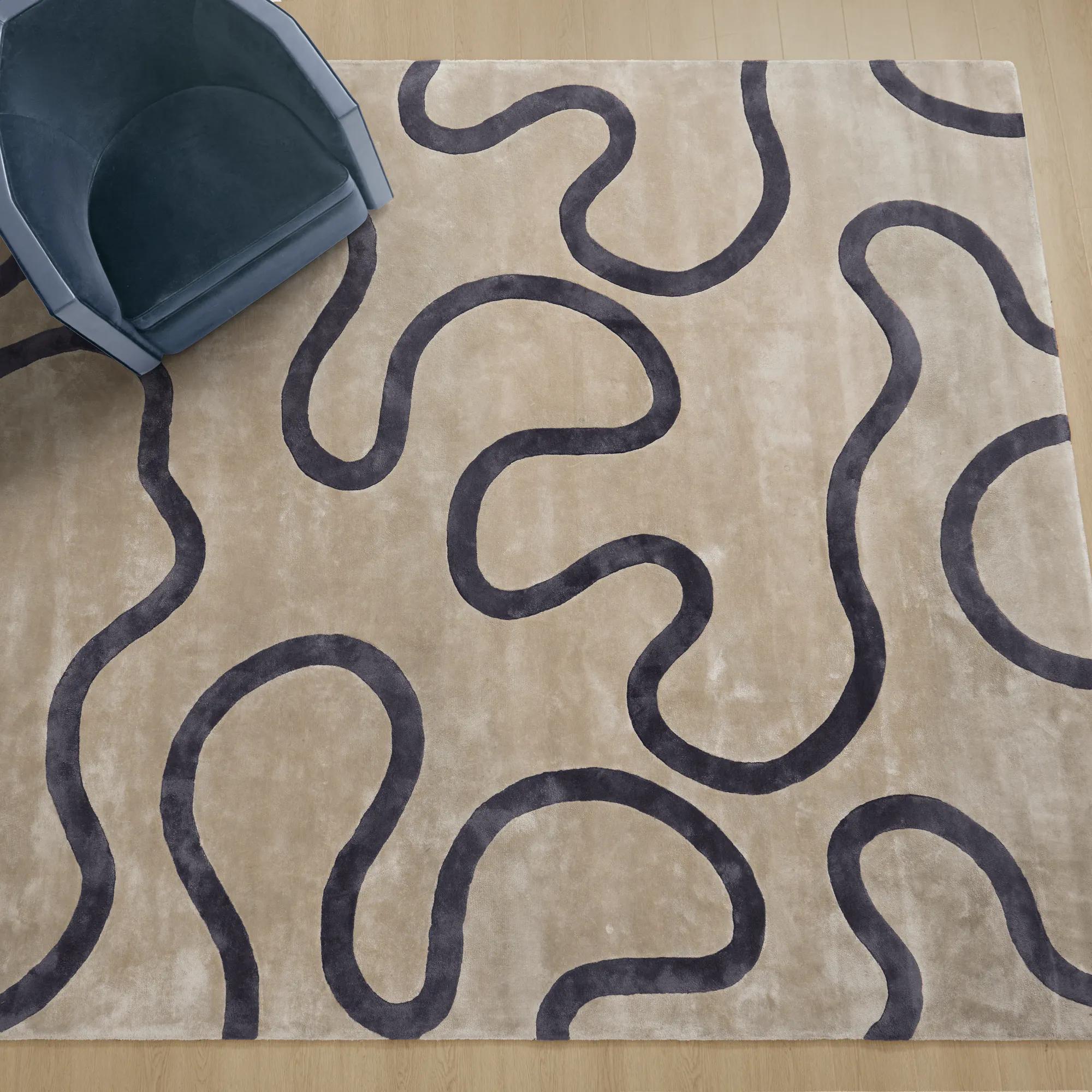 Seraphine Hand-Tufted Smoked Pearl/Taupe Viscose Loop Rugs$1199
A hand-tufted viscose rug featuring bold loop patterns in smoked pearl and taupe for modern elegance.
Add To Cart -
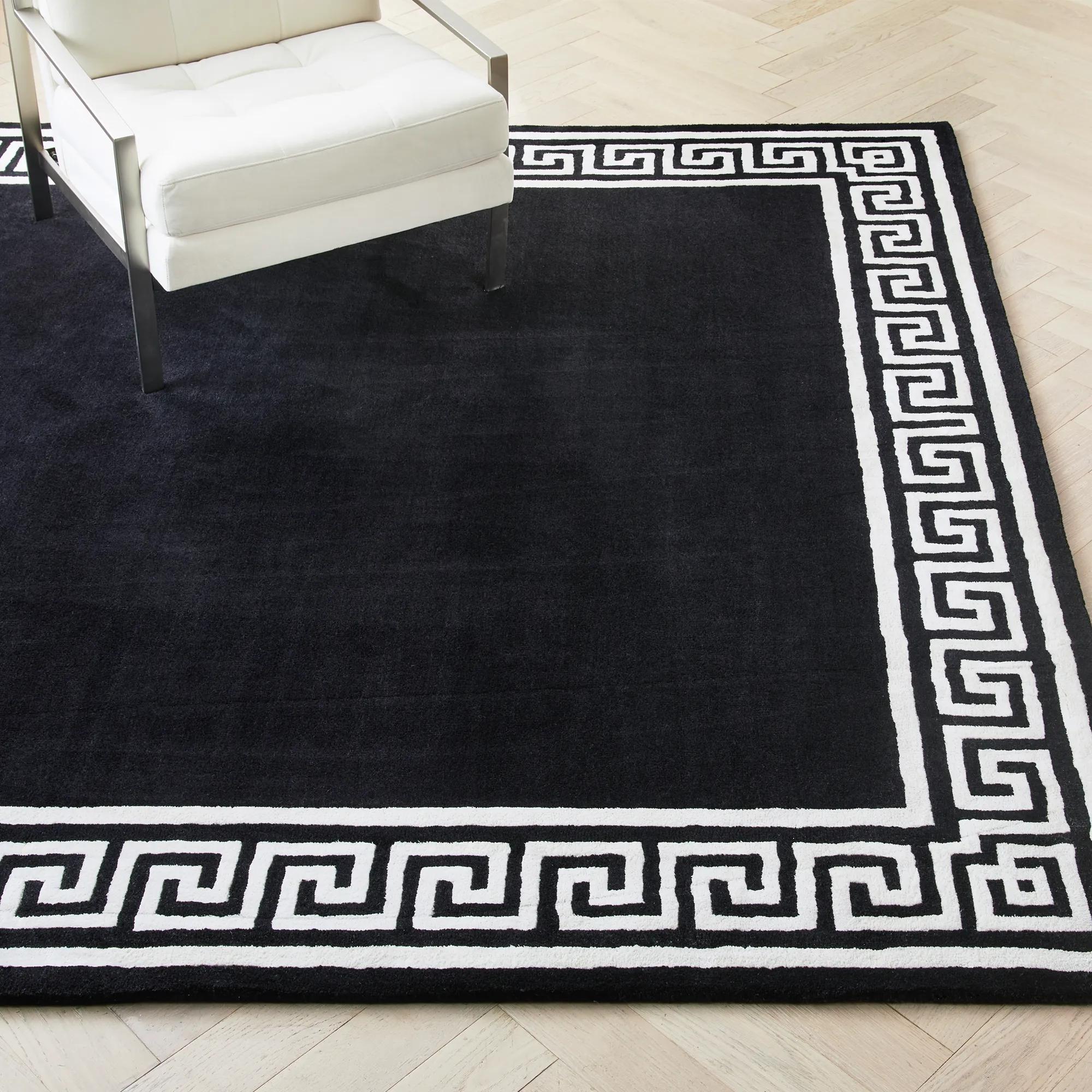
 Fiona Hand-Tufted Ivory/Beige/Black Border Fringe Rug$1099
A hand-tufted ivory, beige, and black rug featuring a framed border and decorative fringe.
Add To Cart -
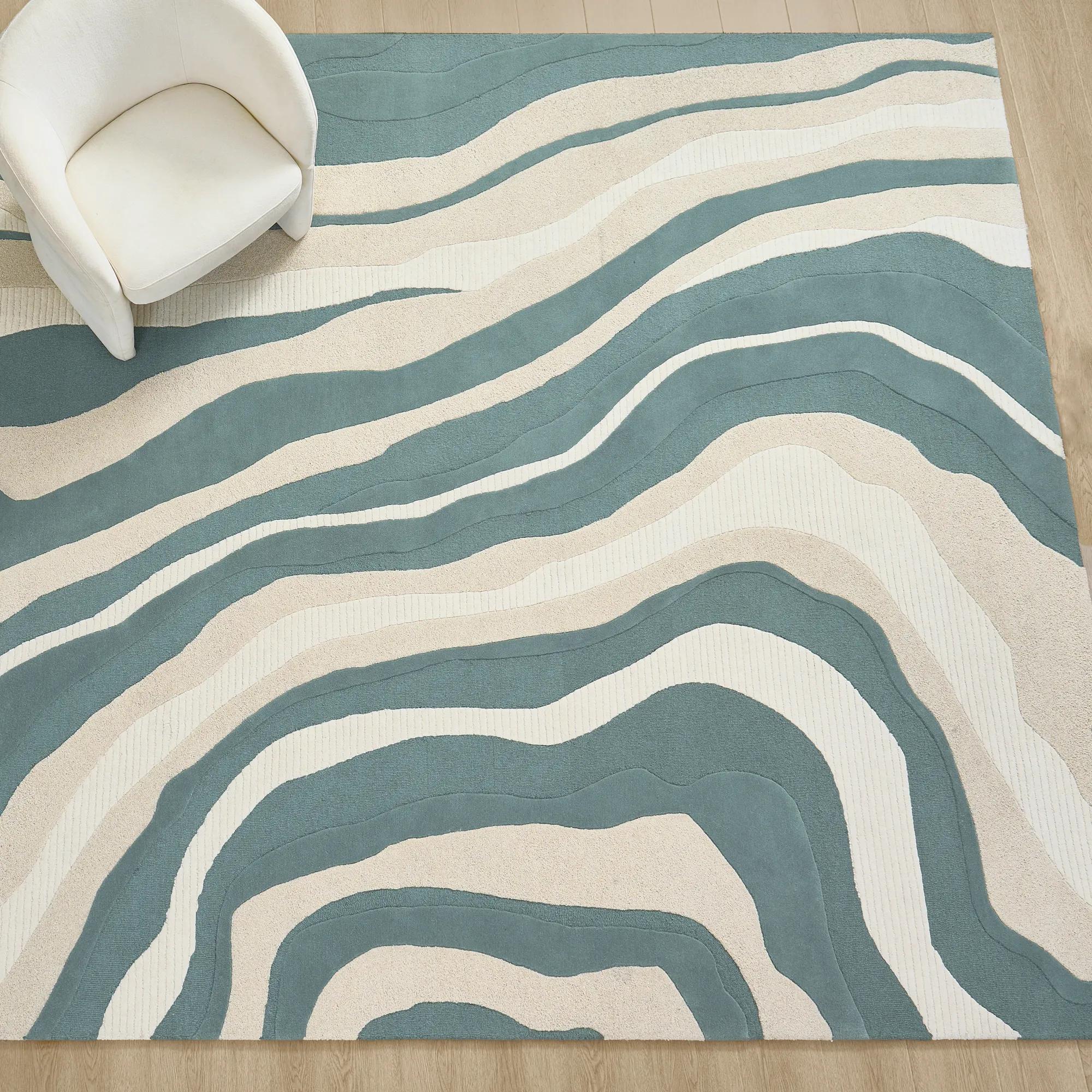 Kadence Hand-Tufted Sage Green/Ivory Wool Rugs$1499
A hand-tufted wool rug in deep sage green and ivory with a sculptural high-low abstract wave pattern.
Add To Cart -
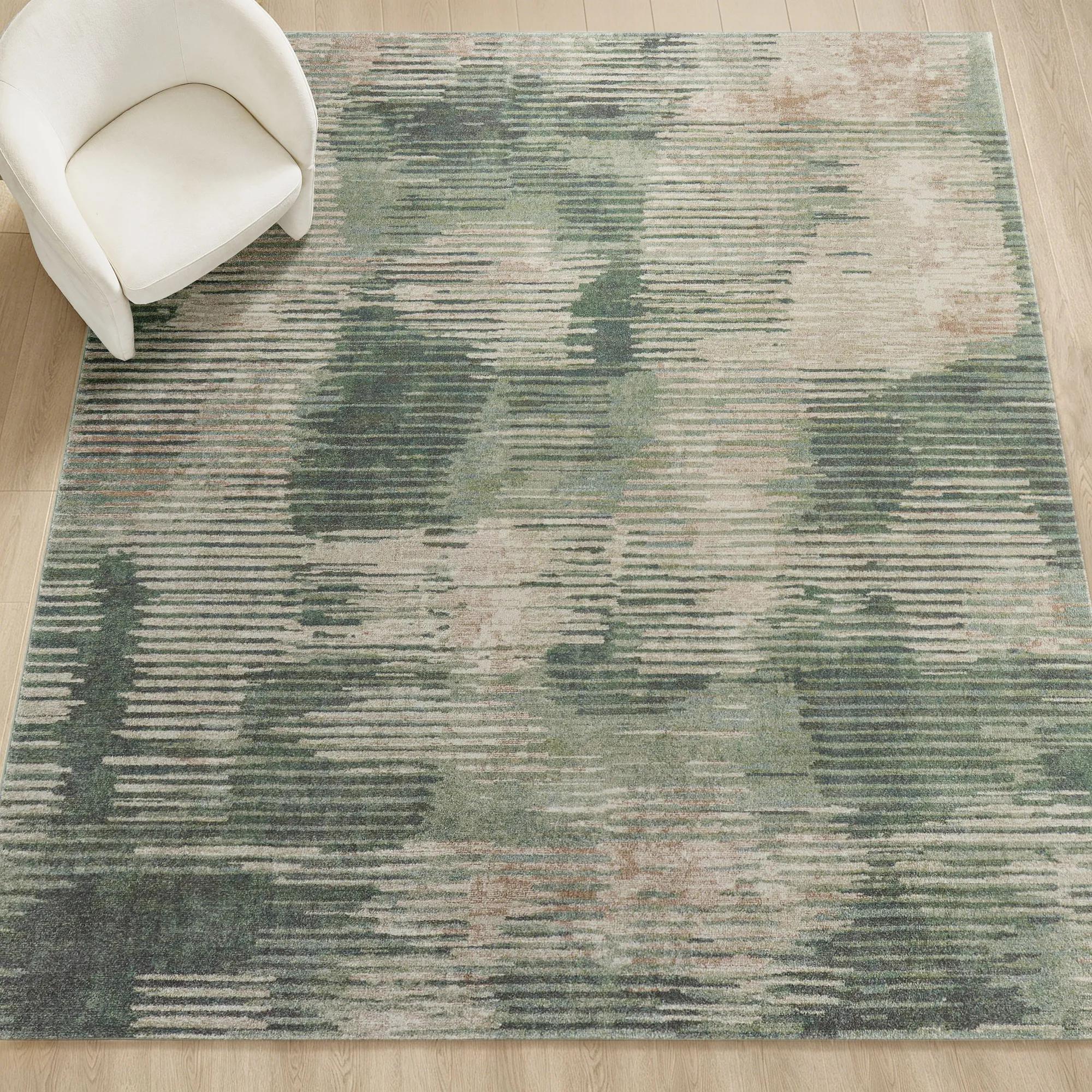
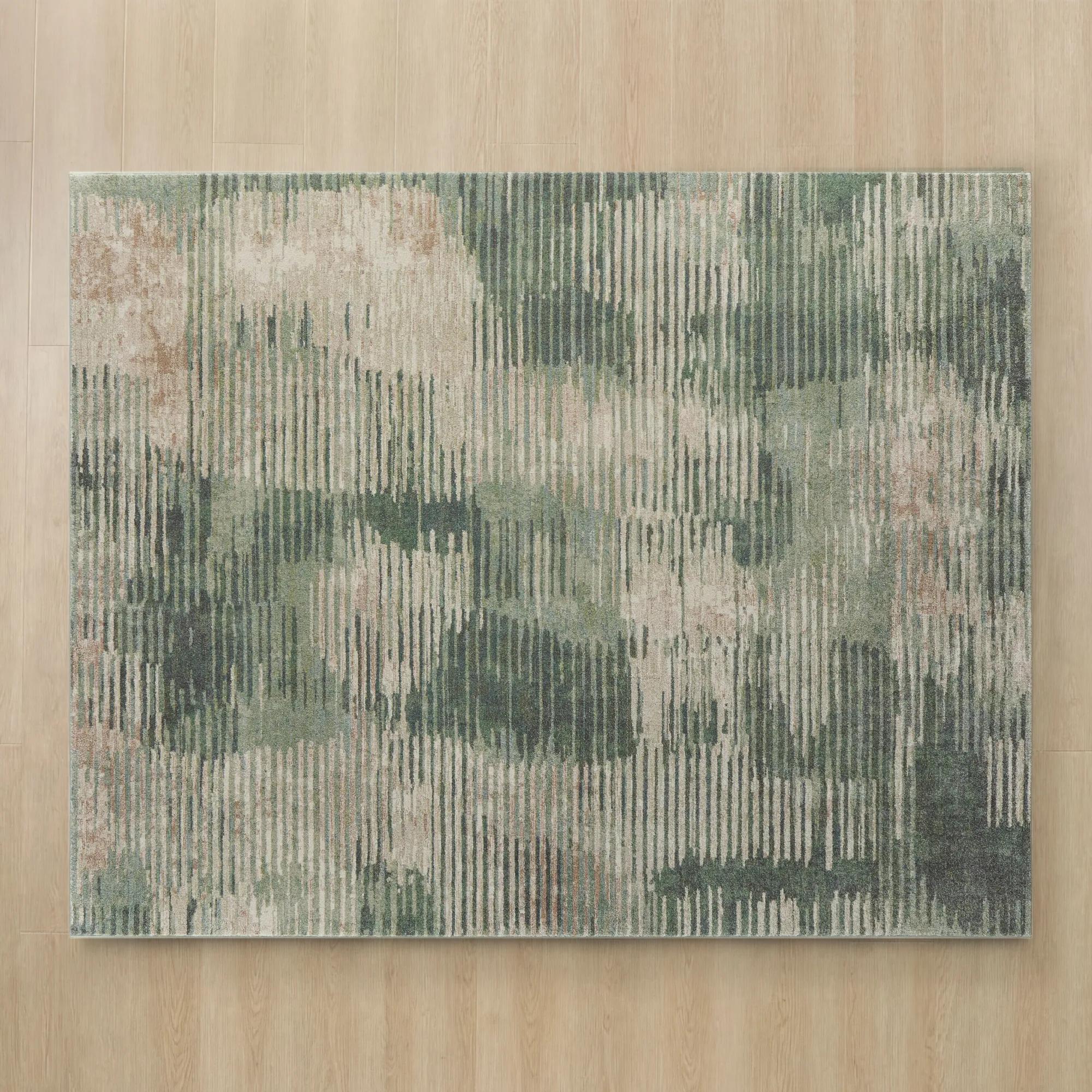 Sylvan Green/Beige Power Loomed Rug$689
A contemporary rug featuring a smoked olive green and beige organic pattern with a soft, power-loomed polypropylene pile.
Add To Cart -
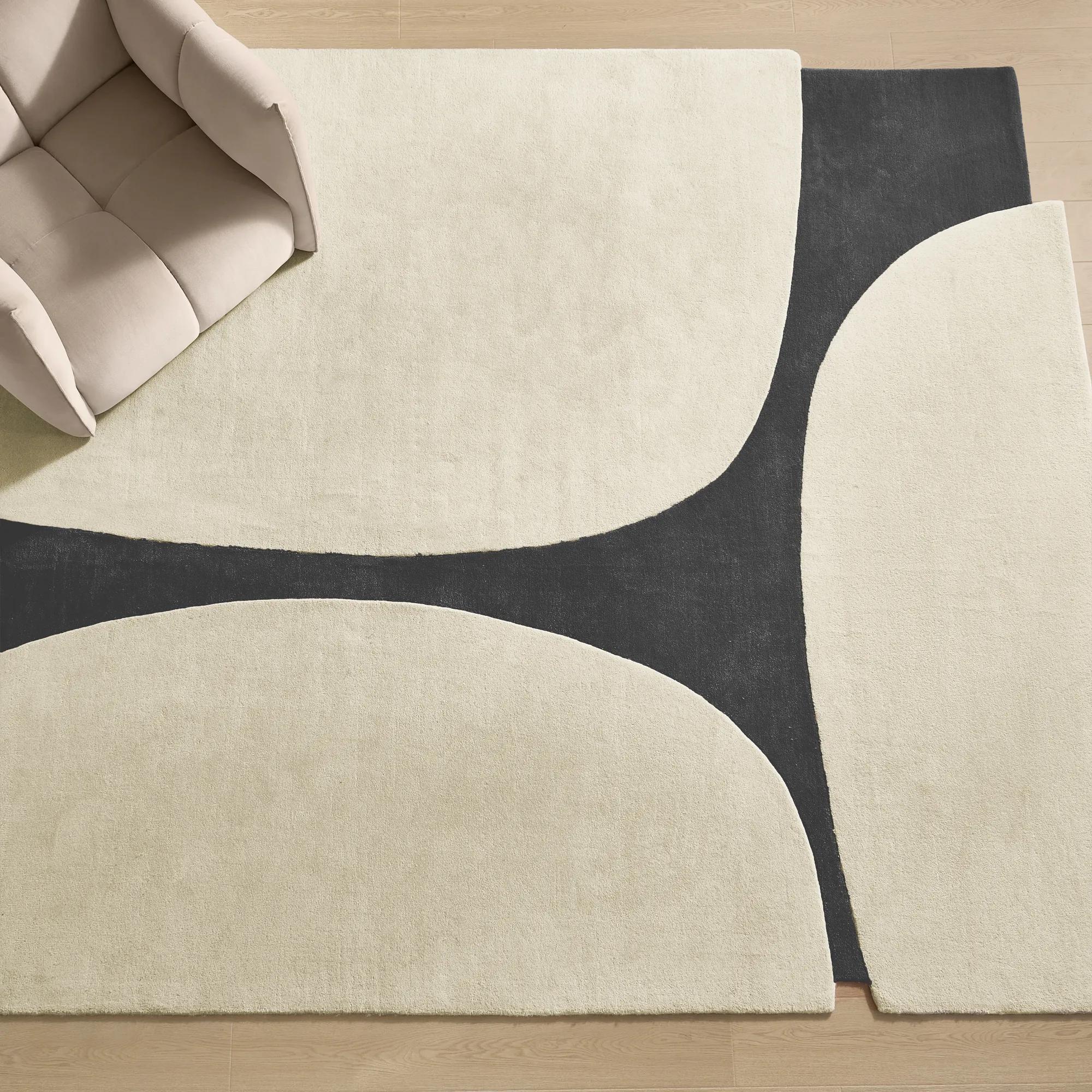 Contour Hand-Tufted Ivory/Charcoal Wool & Viscose Rugs$1499
An artfully shaped hand-tufted rug featuring high-low texture in warm ivory and charcoal wool-viscose blend.
Add To Cart -
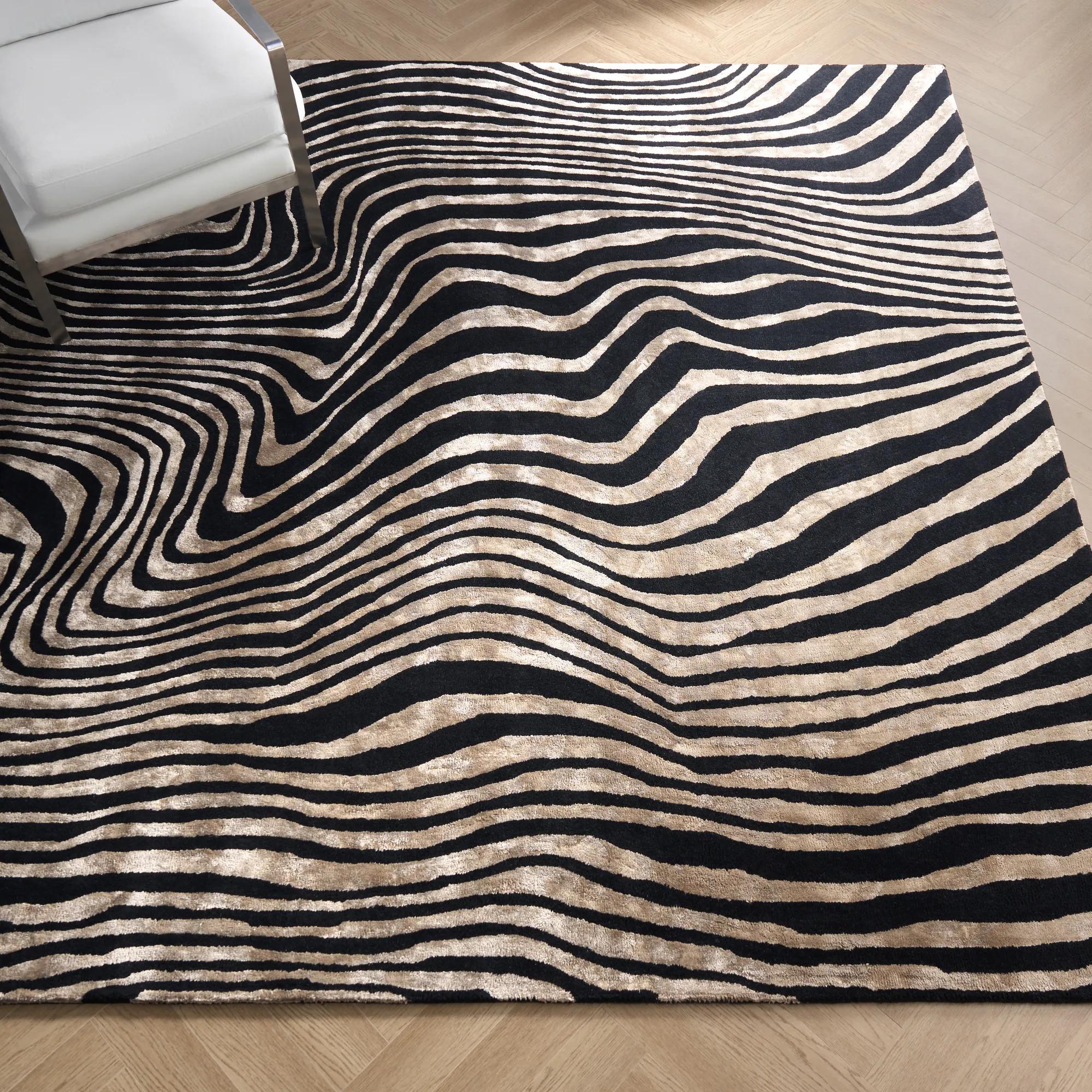
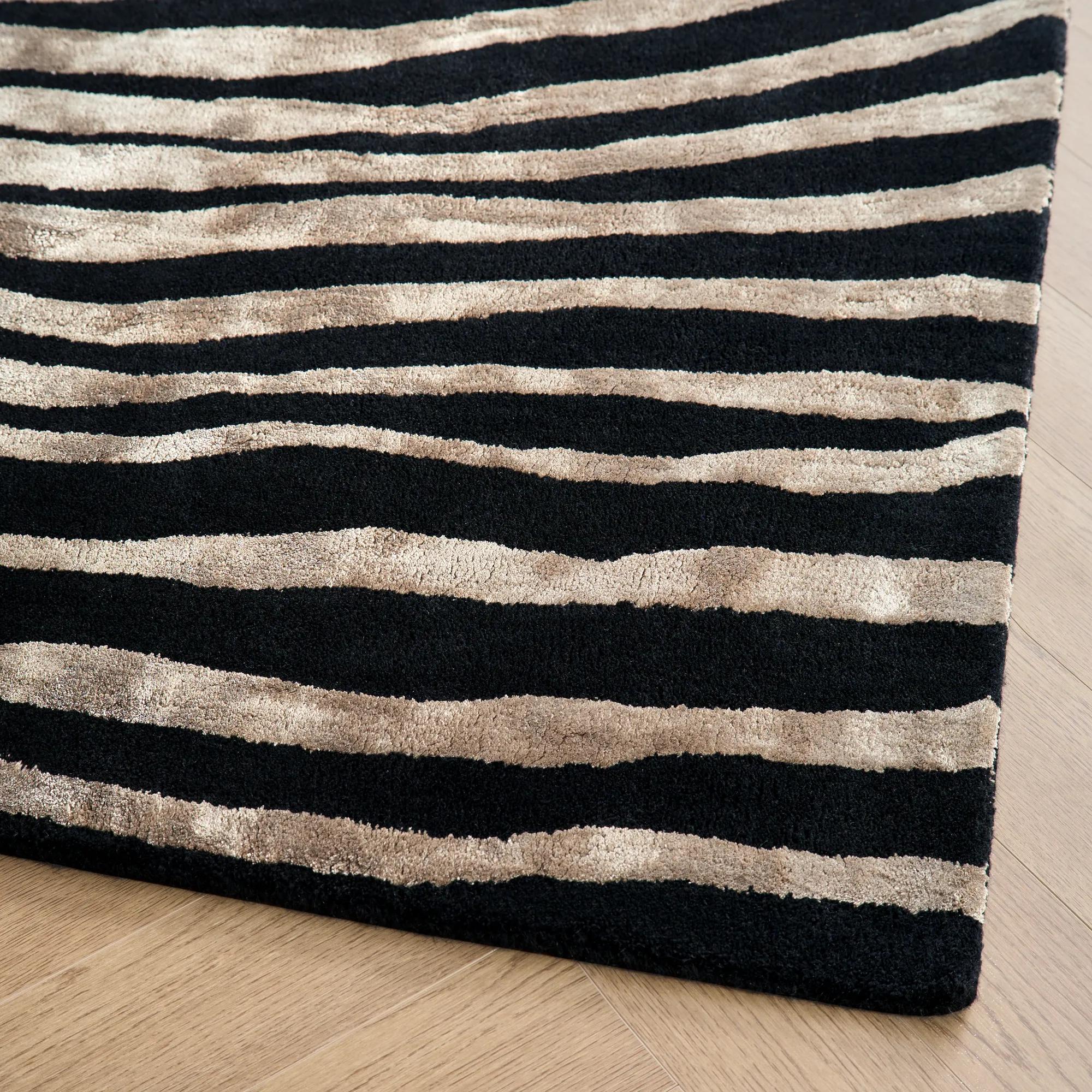 Abstract Zebra Hand-Tufted Black/Taupe Wool Blend Rug$599
An artisan hand-tufted rug in black and taupe wool-viscose, featuring a striking abstract zebra pattern.
Add To Cart -
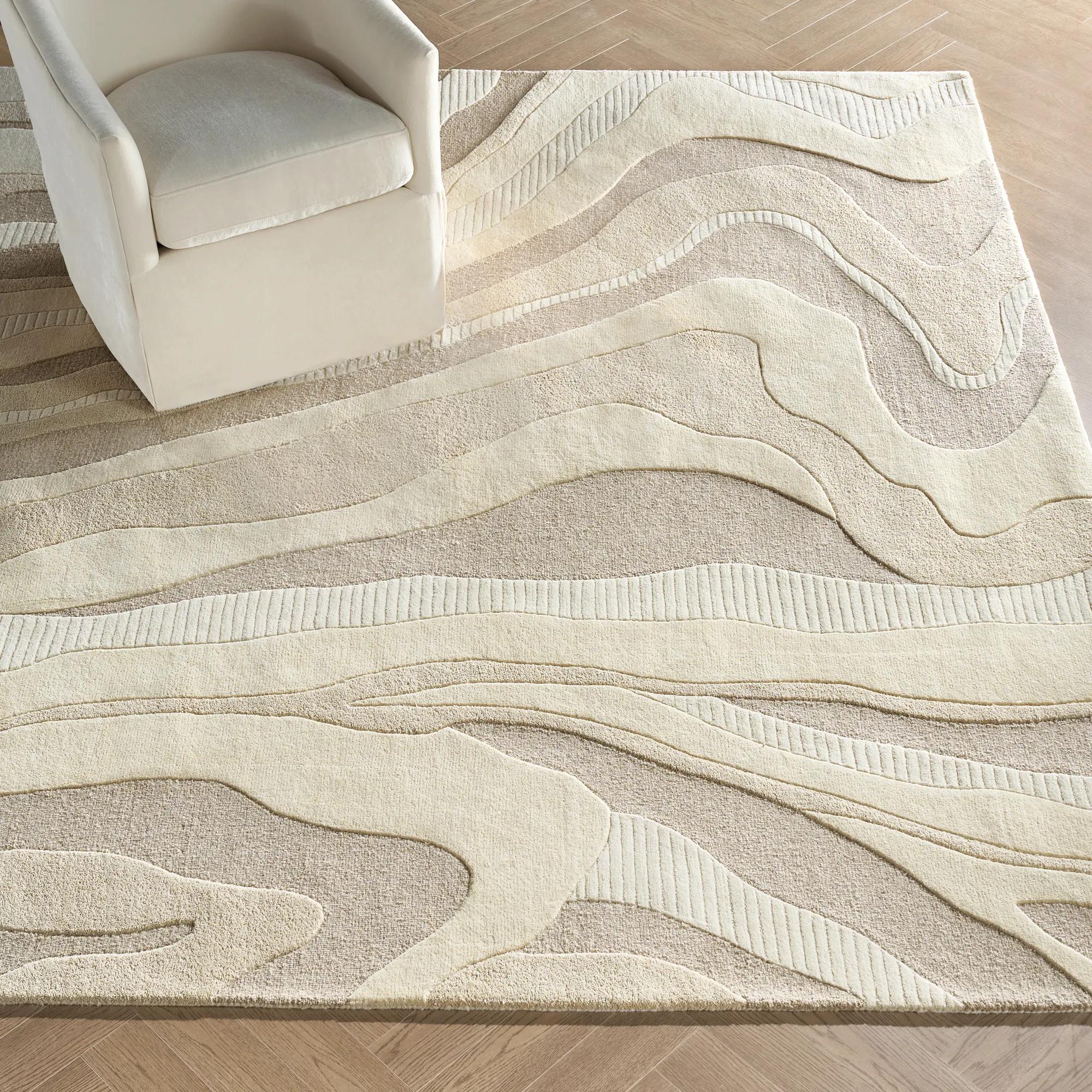 Kadence Hand-Tufted Ivory/Tan Wool Rug$499
A hand-tufted wool rug featuring a multi-textured swirl design in ivory and tan for elegant depth.
Add To Cart -
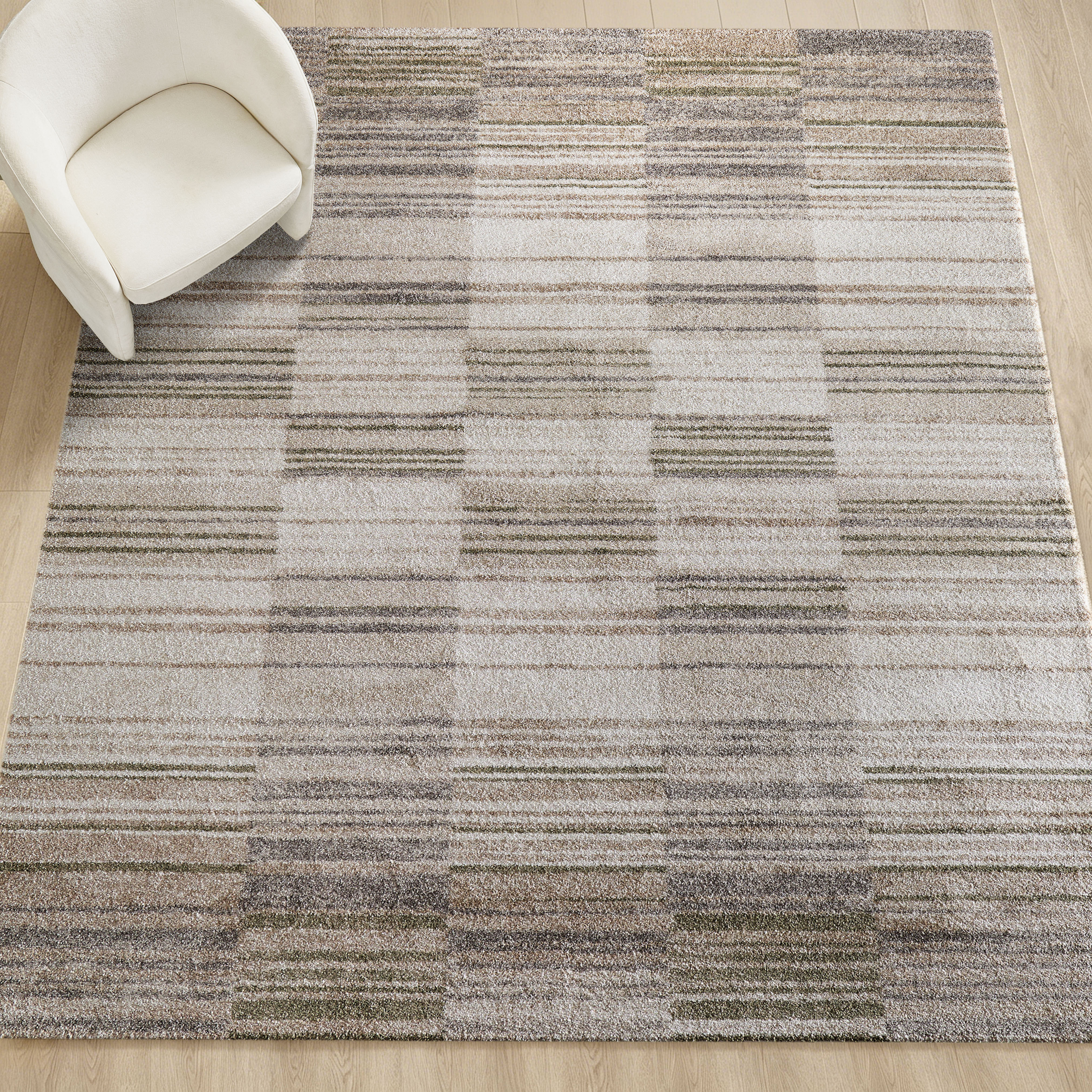
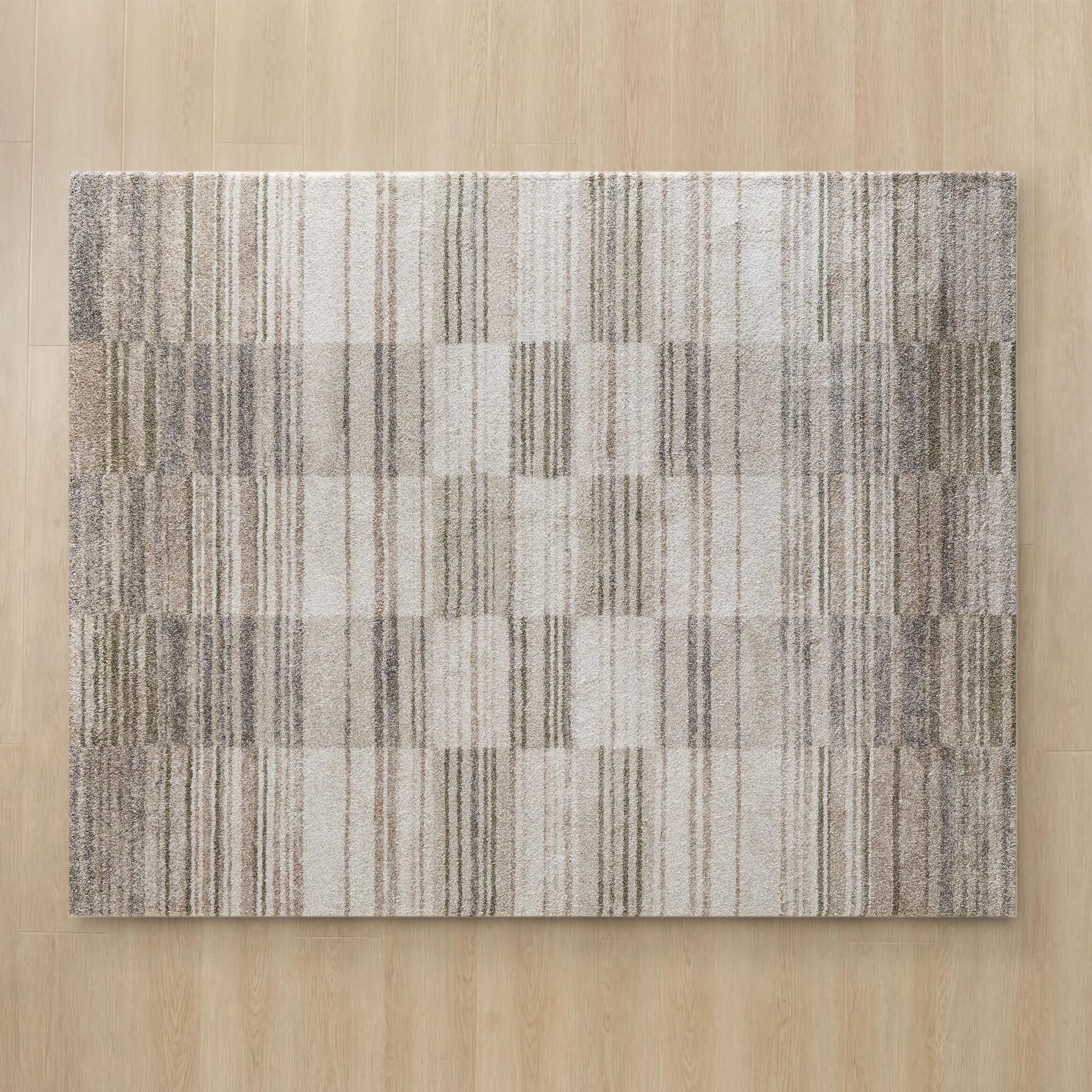 Checka Grey/Tan/Ivory/Soft Green Performance Power Loomed Rug$399
A plush, power-loomed rug featuring a soft check pattern in grey, tan, ivory, and green.
Add To Cart

Abstract Neutral Area Rugs
Abstract neutral area rugs are the secret to effortless sophistication—where artistry meets serenity, and every step is a brushstroke on your canvas. These evocative foundations invite you to revel in subtle drama, blending sculptural patterns with a palette of warm creams, gentle taupes, and misty greys. Each rug becomes a living masterpiece, grounding your space in understated elegance while allowing your boldest décor moments to shine. With abstract neutral area rugs, texture and tone merge in poetic harmony, transforming any room into a sanctuary of modern allure.
Abstract neutral area rugs combine beige, ivory, gray, taupe, and other understated tones with free-form patterns that bring artistic movement to a room. Rather than relying on traditional borders or repeating motifs, these rugs often feature brushstroke effects, layered washes of color, irregular lines, or shapes that seem to dissolve into one another. The result is a floor covering with the presence of artwork and the versatility of a neutral palette. Cream and sand tones lend warmth to a seating arrangement, while silver-gray and charcoal accents create a more architectural mood. A softly blended design can temper the richness of velvet upholstery; a rug with distinct, sweeping marks can give a sculptural sofa an equally expressive foundation. Neutral does not have to mean barely visible. Contrasts between light and dark, matte and lustrous fibers, or raised and recessed surfaces can give an understated rug remarkable depth. High-low pile is especially effective here: sculpted sections catch light differently, allowing the pattern to emerge through texture as well as color. For a cohesive composition, consider the undertones already present in the room. A warm taupe rug can connect natural wood furniture with ivory upholstery, while a cool gray design may echo polished metal, glass, and stone. Mixed warm and cool neutrals offer flexibility when furnishings span several finishes. Pattern scale also shapes the impression. Broad, cloudlike forms create a spacious visual rhythm, while fine crosshatching or slender lines add detail without competing with a dramatic chair or oversized artwork. The wider world of contemporary abstract area rugs offers another way to explore this painterly approach to the floor. Within a neutral palette, the appeal is particularly enduring: the rug gives the room a defined mood while leaving space for expressive furnishings, gleaming accessories, and personal collections. It is a compelling foundation for anyone drawn to layered interiors where every surface contributes to the composition.
Size and placement determine whether an abstract neutral area rug feels integrated with the furniture or detached from it. In a living room, a generous rug typically works best when at least the front legs of the sofa and surrounding chairs rest on its surface, visually gathering the seating into one composition. An 8-by-10-foot or 9-by-12-foot rug is a common starting point, but the right dimensions depend on the room, furniture arrangement, and walking paths. Measuring the footprint before choosing a size helps preserve the proportions that make a space feel considered. A small rug centered beneath a coffee table can leave the surrounding seating visually disconnected; extending the rug beneath the furniture gives the arrangement greater continuity. In an open-plan interior, an abstract design can define the conversation area without introducing a hard visual boundary. For dining spaces, allow enough rug beyond the tabletop for chairs to remain on it when pulled out, often about 24 inches on each side, with more room where the layout permits. A low-pile surface generally accommodates moving chairs more easily than a deep shag or heavily sculpted texture. In a bedroom, a larger rug can extend beyond the sides and foot of the bed, framing the upholstered silhouette and offering a soft landing underfoot. Round rugs can echo curved seating or soften a room dominated by straight lines, while rectangular shapes suit many conventional furniture layouts. Intended use matters as much as appearance. A plush abstract shag rug brings sumptuous texture to a bedroom or quieter lounge, whereas a dense, lower pile is often more practical beneath frequently moved furniture or in a busy family room. Raised patterns offer dimensional beauty but may require extra attention where crumbs, pet hair, or everyday debris settle into recessed sections. Door clearance, mobility needs, and the ease of moving chair legs should also influence pile height. These details allow the rug to support daily life while preserving the room’s sense of drama.
Materials and construction shape how abstract neutral area rugs look, feel, and wear. Wool offers natural resilience and a substantial, tactile character, making it appealing for spaces where comfort and lasting texture matter. Some wool rugs shed loose fibers, especially early in their use, and benefit from regular care suited to their construction. Polypropylene and polyester can deliver clearly defined patterns and approachable maintenance, though stain resistance, softness, and long-term performance vary by the individual rug. Nylon is valued for resilience in active spaces. Viscose and similar lustrous fibers can create a luminous surface that shifts with the direction of the pile, but they are more sensitive to moisture and may be better suited to rooms with less demanding use. Fiber blends can combine different visual and practical qualities, so the material label matters more than appearance alone. Hand-knotted, hand-tufted, woven, and machine-made constructions also differ in density, backing, texture, and care requirements; no single method guarantees that every rug will suit every household. For homes with children or pets, a lower pile and softly varied pattern may make routine upkeep more manageable, although a pale palette still calls for prompt attention to spills. A properly fitted rug pad adds cushioning, helps reduce shifting, and can limit wear from movement against the floor. Choose a pad compatible with both the rug backing and the flooring manufacturer’s recommendations, particularly on hardwood or other sensitive finishes. Regular vacuuming should follow the care label, with suction-only cleaning or adjusted settings where rotating brushes could damage delicate fibers, fringe, or raised details. Blot spills promptly with a clean, absorbent cloth rather than rubbing, and avoid soaking the rug or applying an untested cleaner. Professional cleaning may be appropriate for delicate materials or more substantial stains. Rotating the rug periodically can help distribute foot traffic and light exposure. With thoughtful placement and material selection, an abstract neutral rug becomes more than a finishing accent: it lends artistry to the floor while supporting the way the room is lived in.
FAQs
An abstract neutral area rug acts as an artistic anchor, infusing a space with understated elegance and visual intrigue. Its gentle palette and fluid patterns create a sense of calm sophistication, making it ideal for both serene retreats and statement-making living areas. The rug’s design can soften hard lines, introduce movement, and provide a luxurious foundation that elevates the overall ambiance of your home.
Neutral abstract rugs are remarkably versatile, complementing a variety of design aesthetics such as contemporary, transitional, modern glam, and even minimalist spaces that crave a touch of artistry. Their subtle color stories and organic designs pair beautifully with metallic finishes, rich velvets, natural woods, and sculptural accents, allowing them to shine in both bold and restrained interiors.
Yes, abstract neutral rugs make exquisite gifts for a range of occasions, from housewarmings to weddings. Their timeless palette and artistic flair ensure they blend seamlessly into diverse décor schemes, offering the recipient both flexibility and a touch of luxury. Gifting a neutral abstract rug is a thoughtful gesture that speaks to comfort, style, and the enduring beauty of home.
To style a room around a neutral abstract rug, let its design inspire your palette and textures. Layer with plush throws, metallic accents, or sculptural furniture to create contrast and dimension. Whether you’re building a dramatic focal point or a serene oasis, the rug’s abstract motif encourages creative expression, allowing you to play with both bold and subtle elements throughout the space.
Neutral abstract rugs transcend fleeting trends by combining classic hues with modern artistry. Their adaptable designs offer enduring appeal, allowing you to refresh your décor over time without losing harmony. Crafted with attention to detail, these rugs serve as both a practical foundation and a statement piece, ensuring your space remains stylish and inviting year after year.