Large Abstract Area Rugs
Large Abstract Area Rugs
-
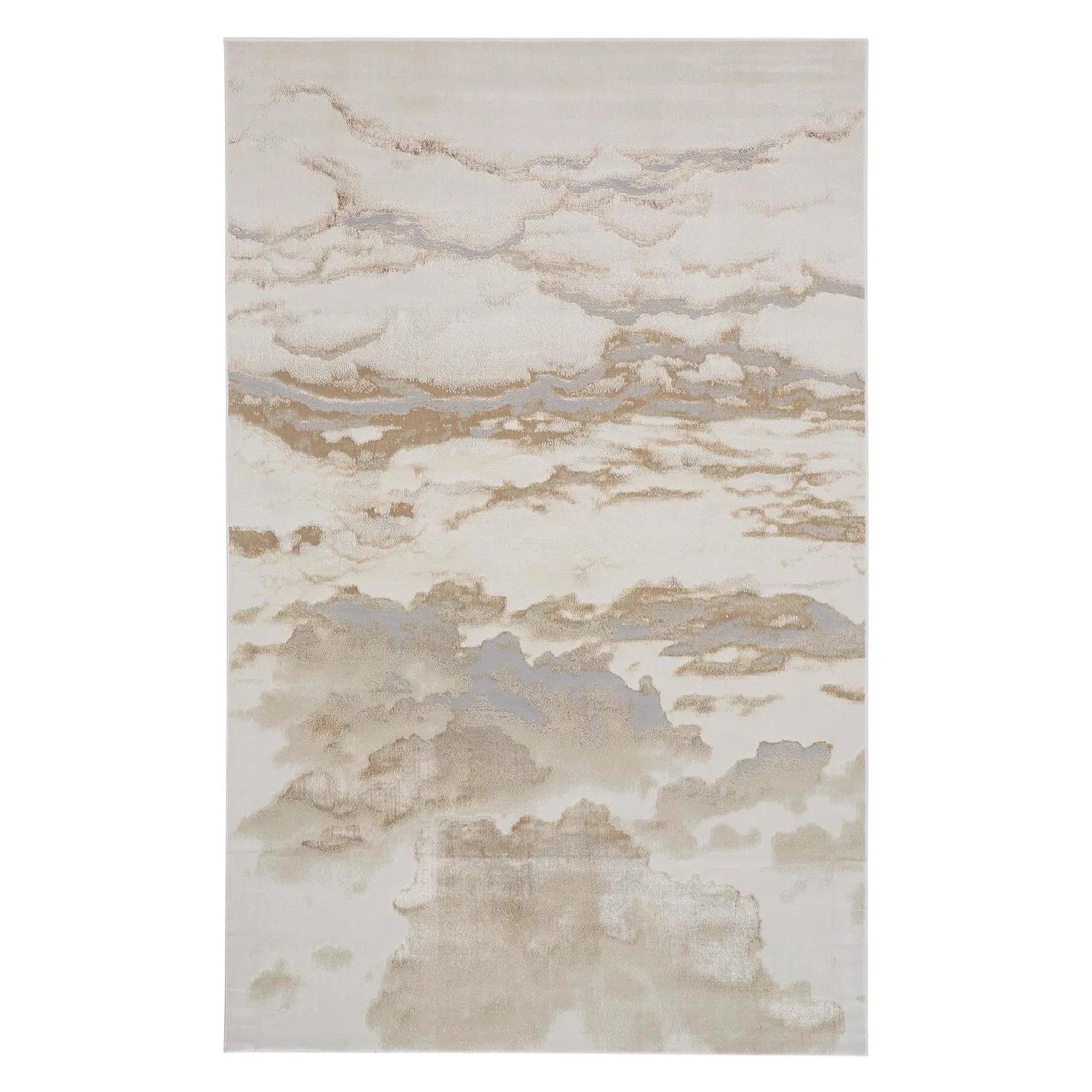
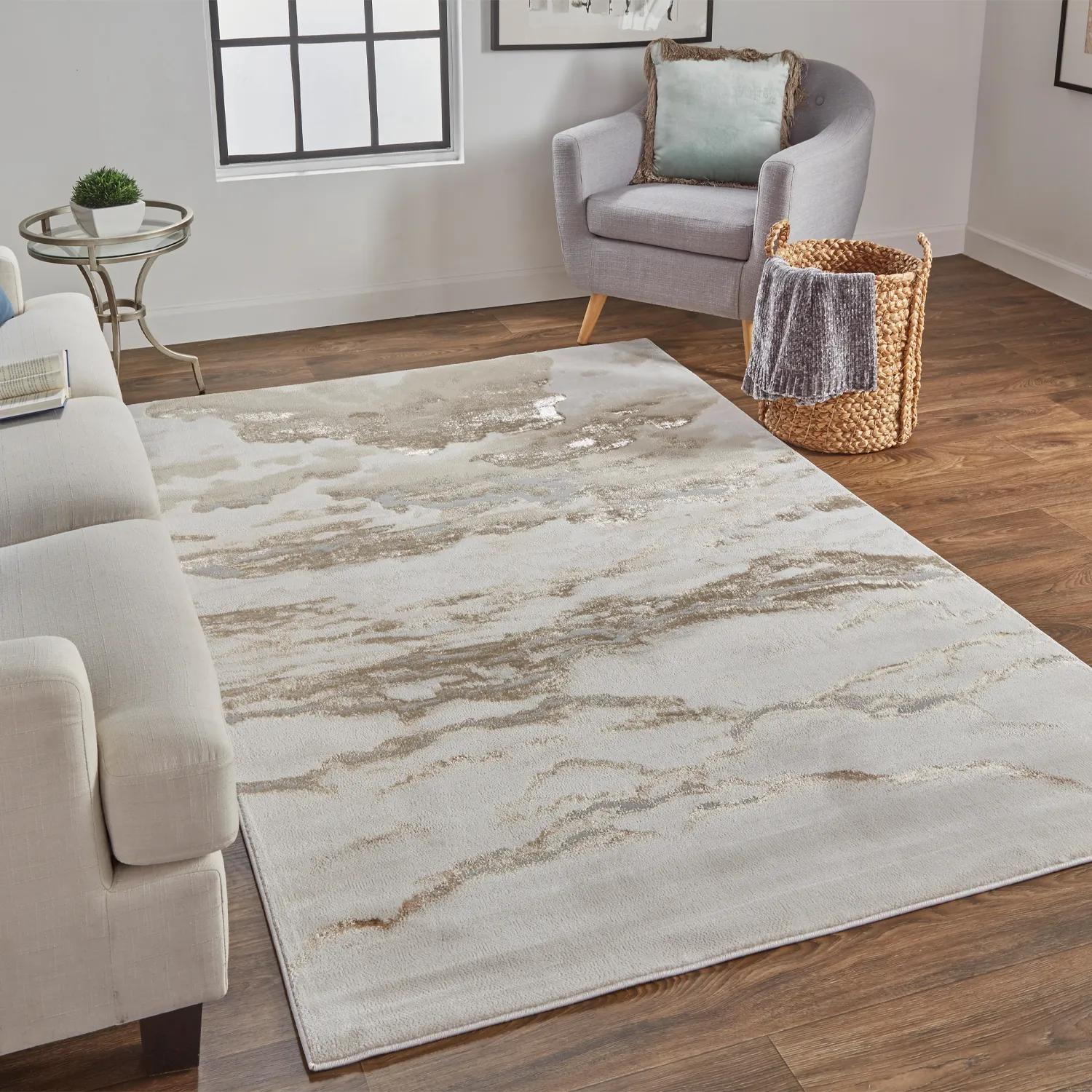 Tide Power-Loomed Beige/Gold/Ivory Rug$899
A machine-made rug in beige and gold, crafted from ultra-soft polyester and polypropylene for elegant spaces.
Add To Cart -
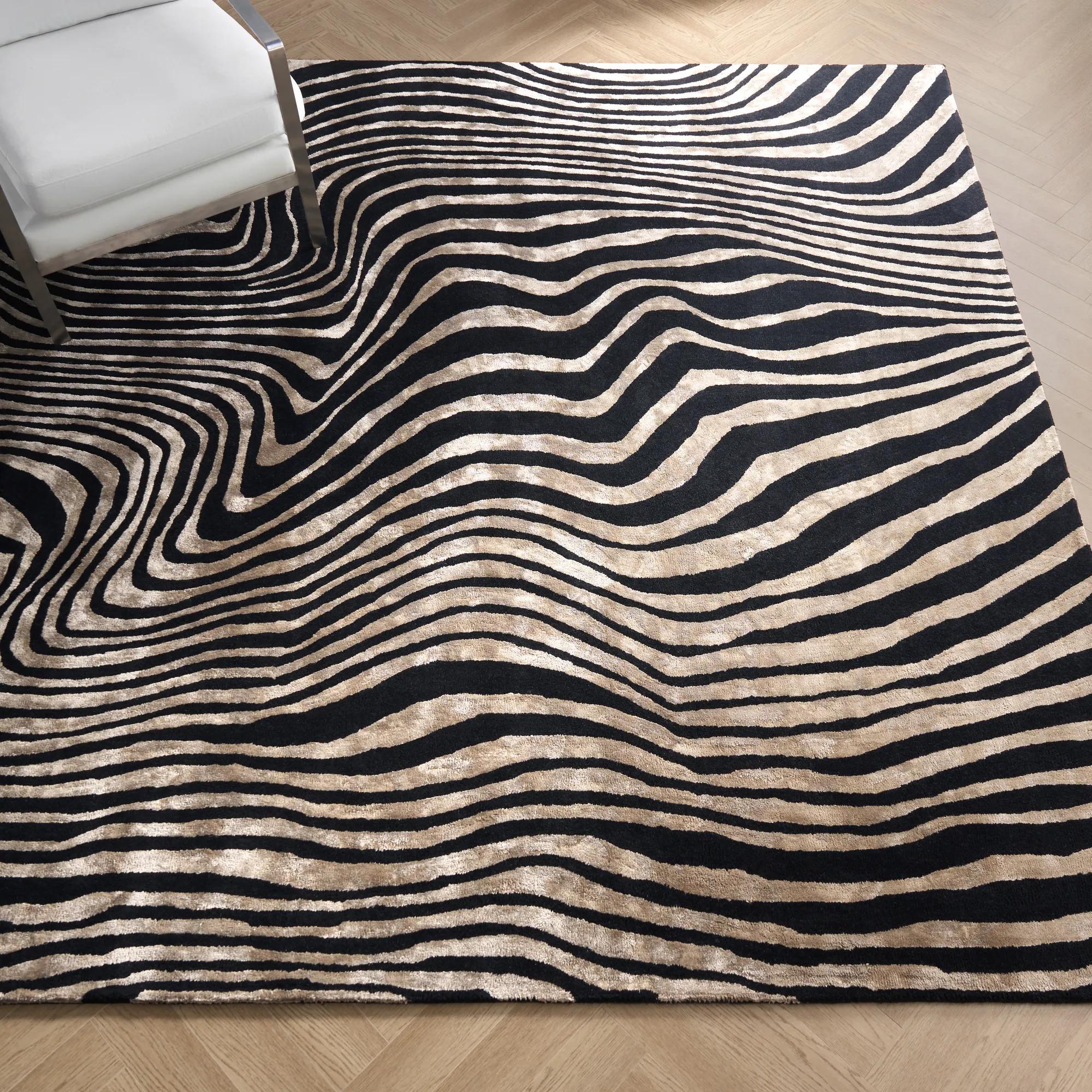
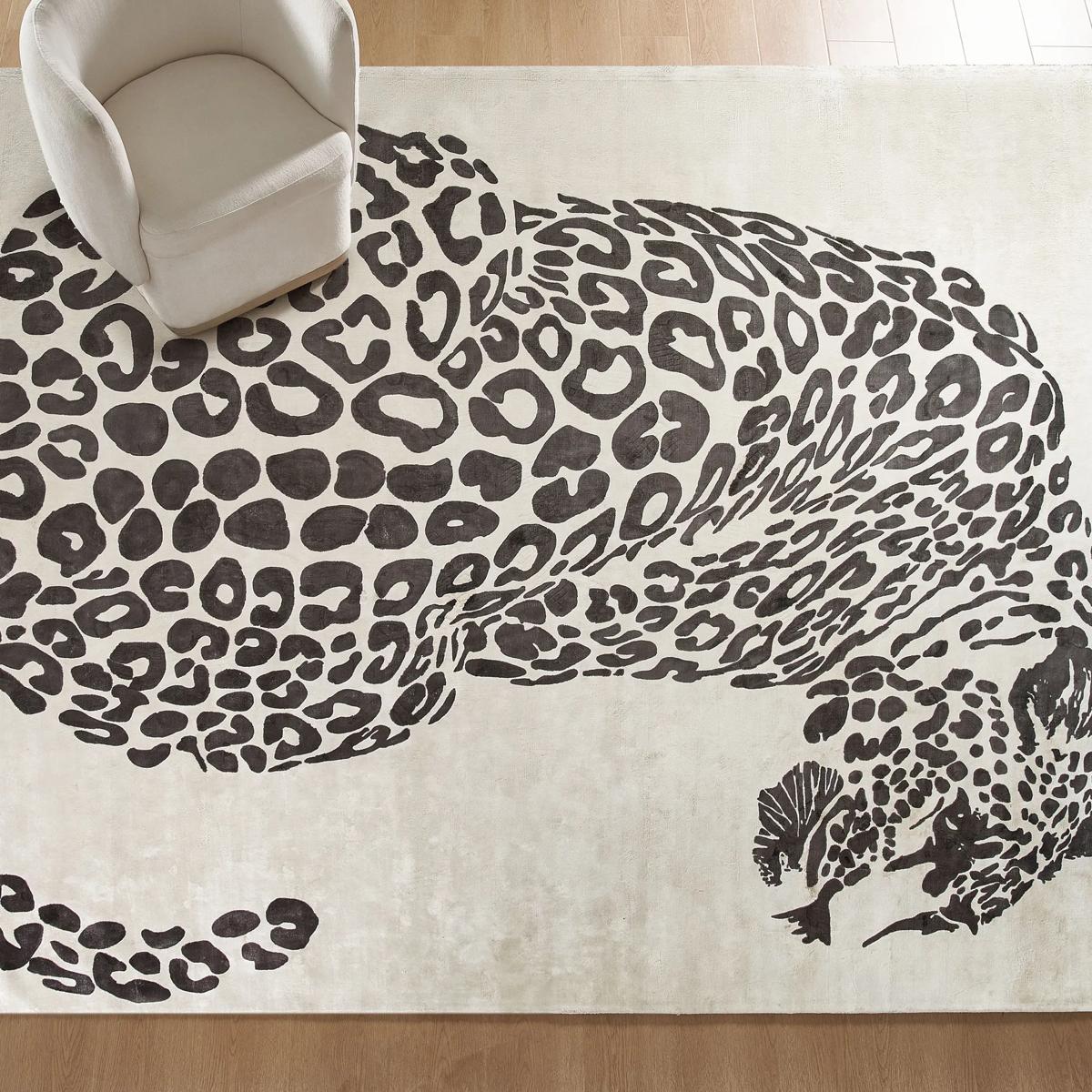
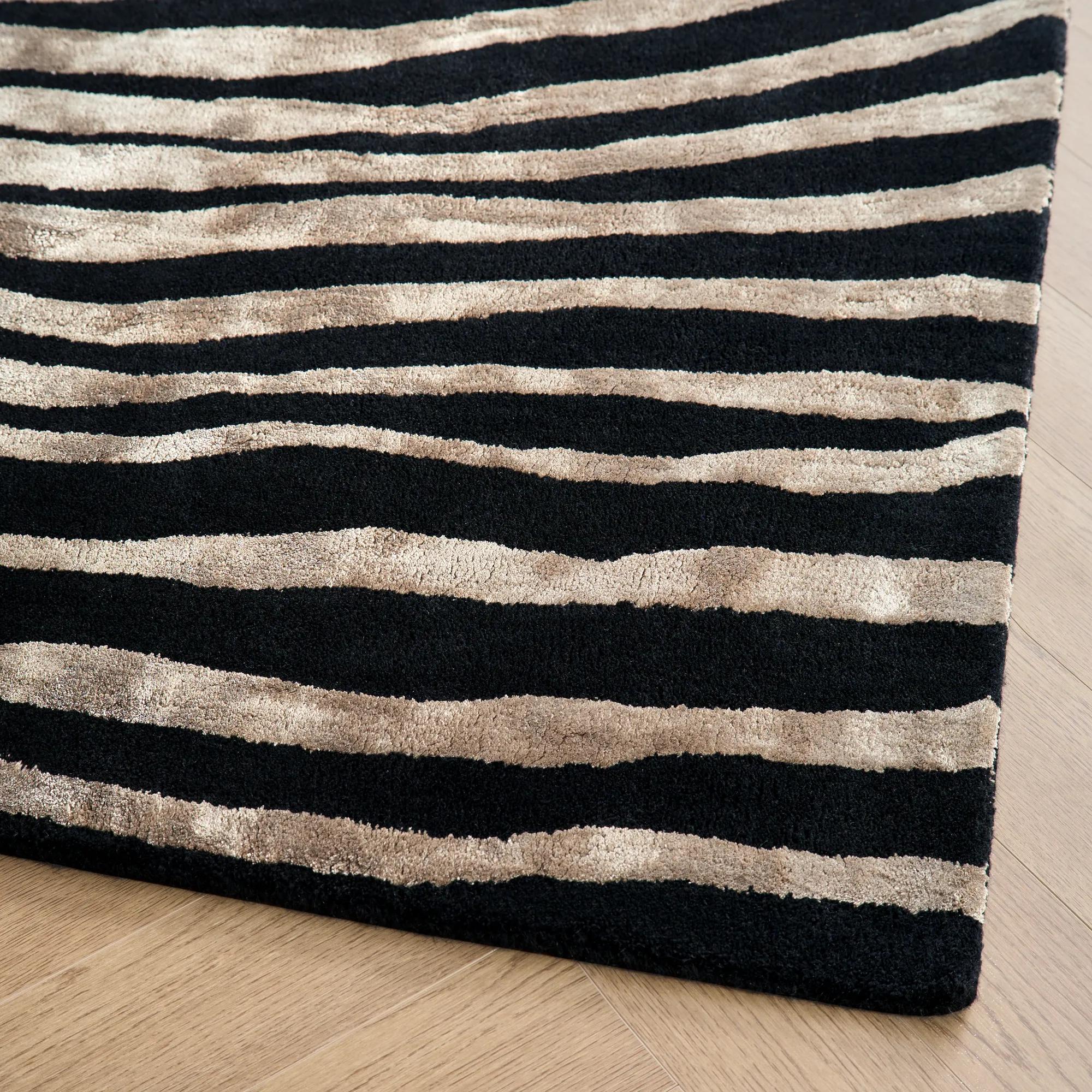 Abstract Zebra Hand-Tufted Black/Taupe Wool Blend Rug$599
An artisan hand-tufted rug in black and taupe wool-viscose, featuring a striking abstract zebra pattern.
Add To Cart -
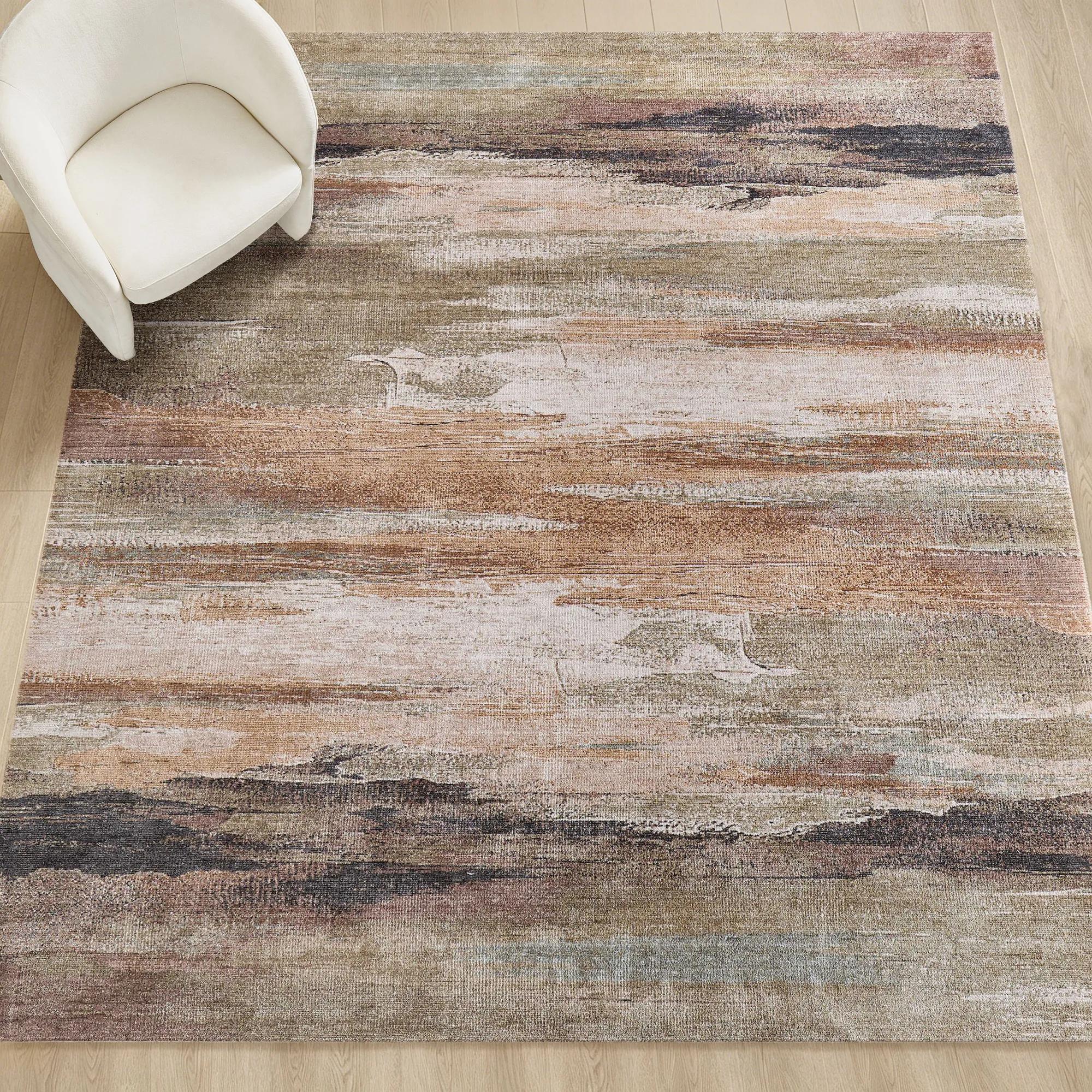
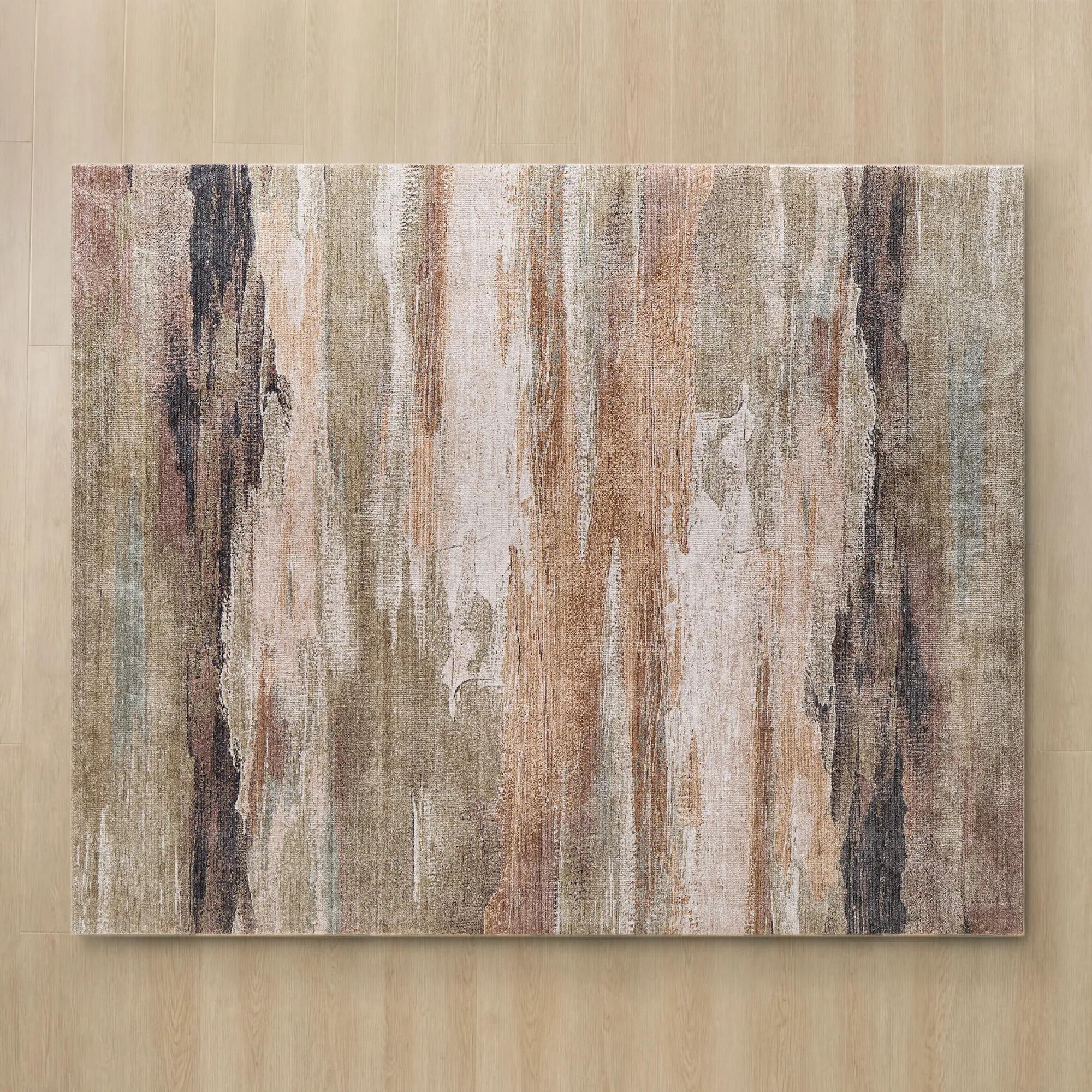 Sedona Rust/Beige/Moss Green/Charocal/Blue Performance Power Loomed Rug$1999
A power-loomed polyester rug featuring a rich abstract pattern in rust, beige, moss green, charcoal, and blue.
Add To Cart -
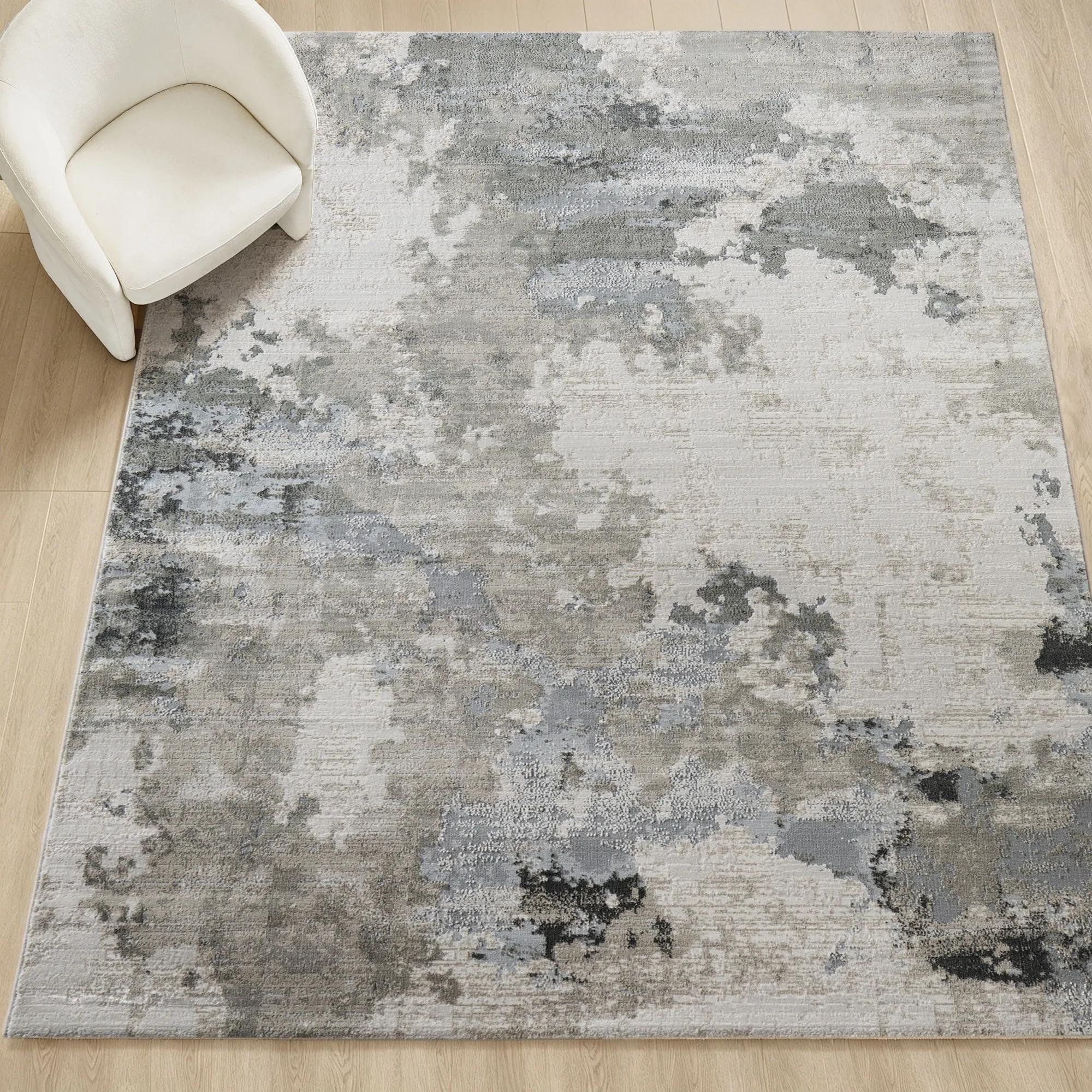 Alarion Abstract Grey/Muted Blue/Ivory Performance Power Loomed Rug$1499
A power-loomed rug featuring a distressed abstract pattern in grey, muted blue, and ivory with stain resistance.
Add To Cart -
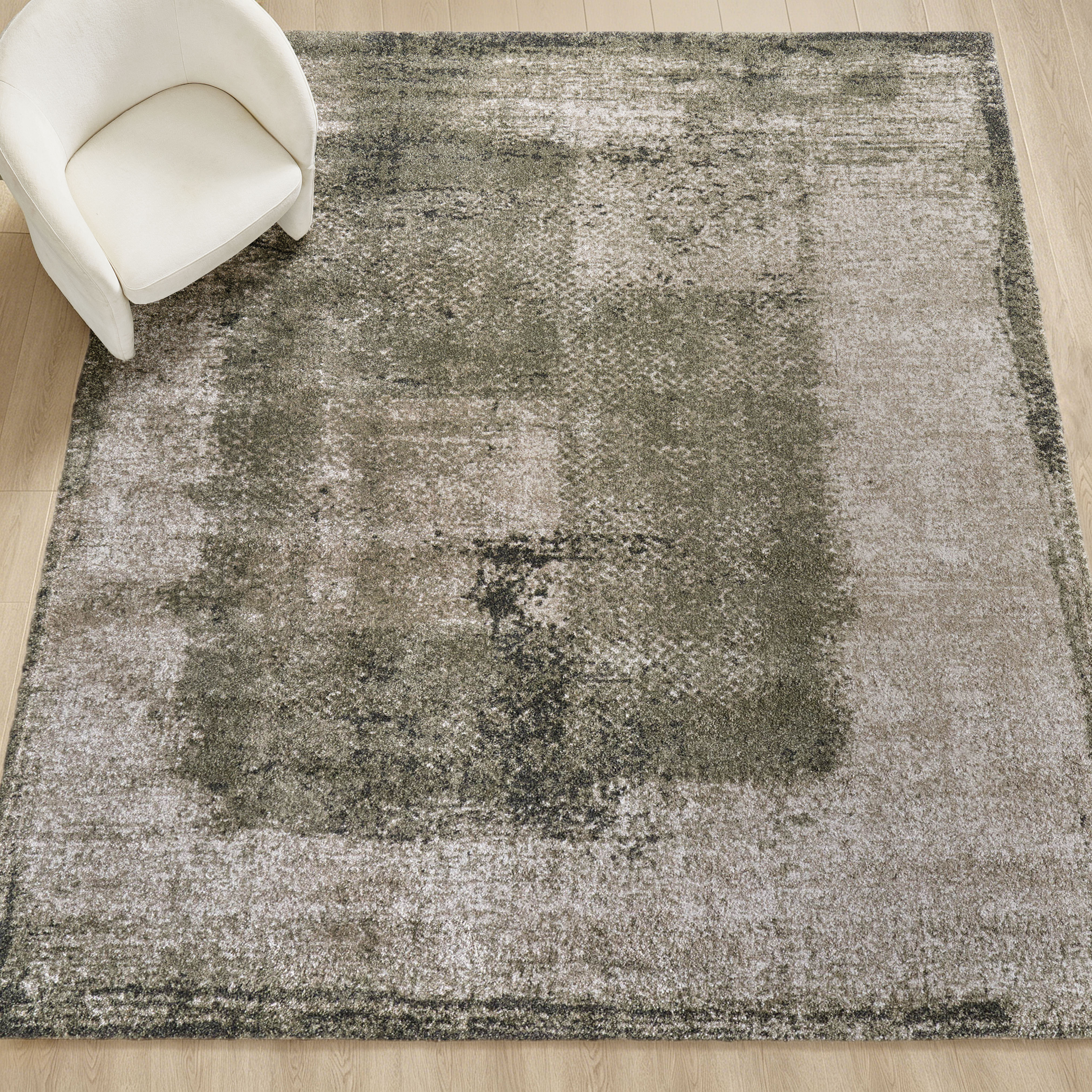
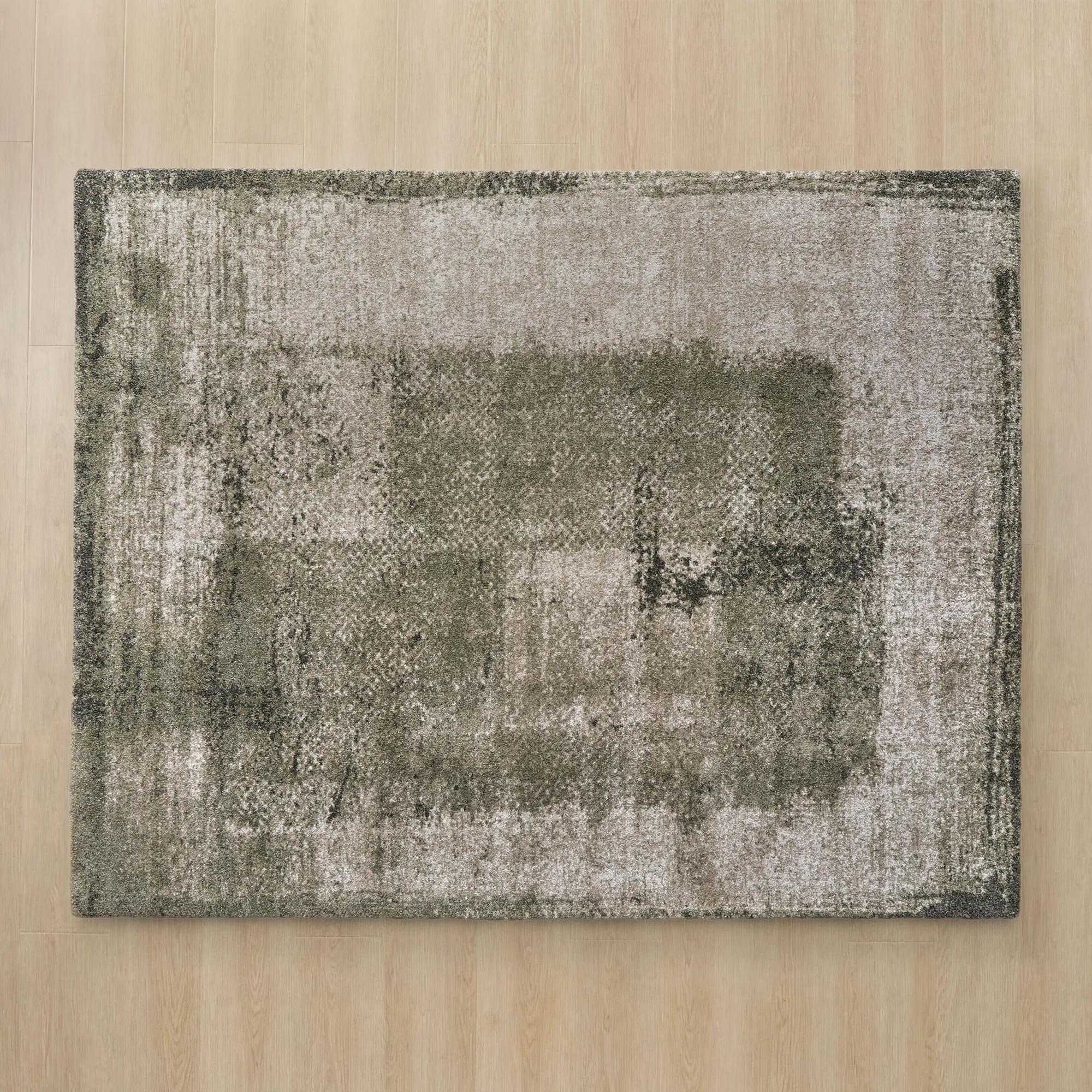 Irving Abstract Moss Green/Beige/Grey Performance Power Loomed Rug$1649
An abstract rug in moss green, beige, and grey with plush, durable polypropylene and polyester construction.
Add To Cart -
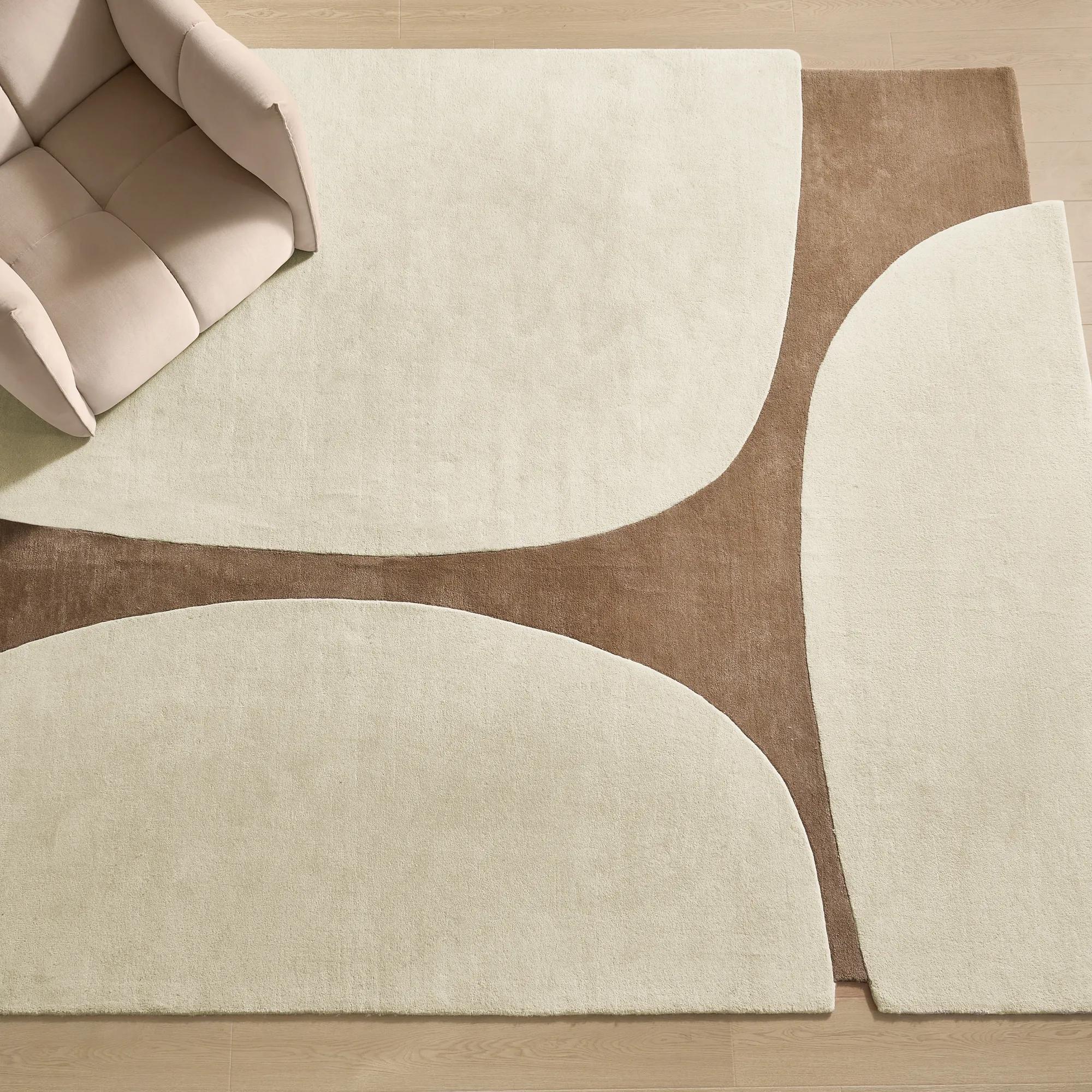
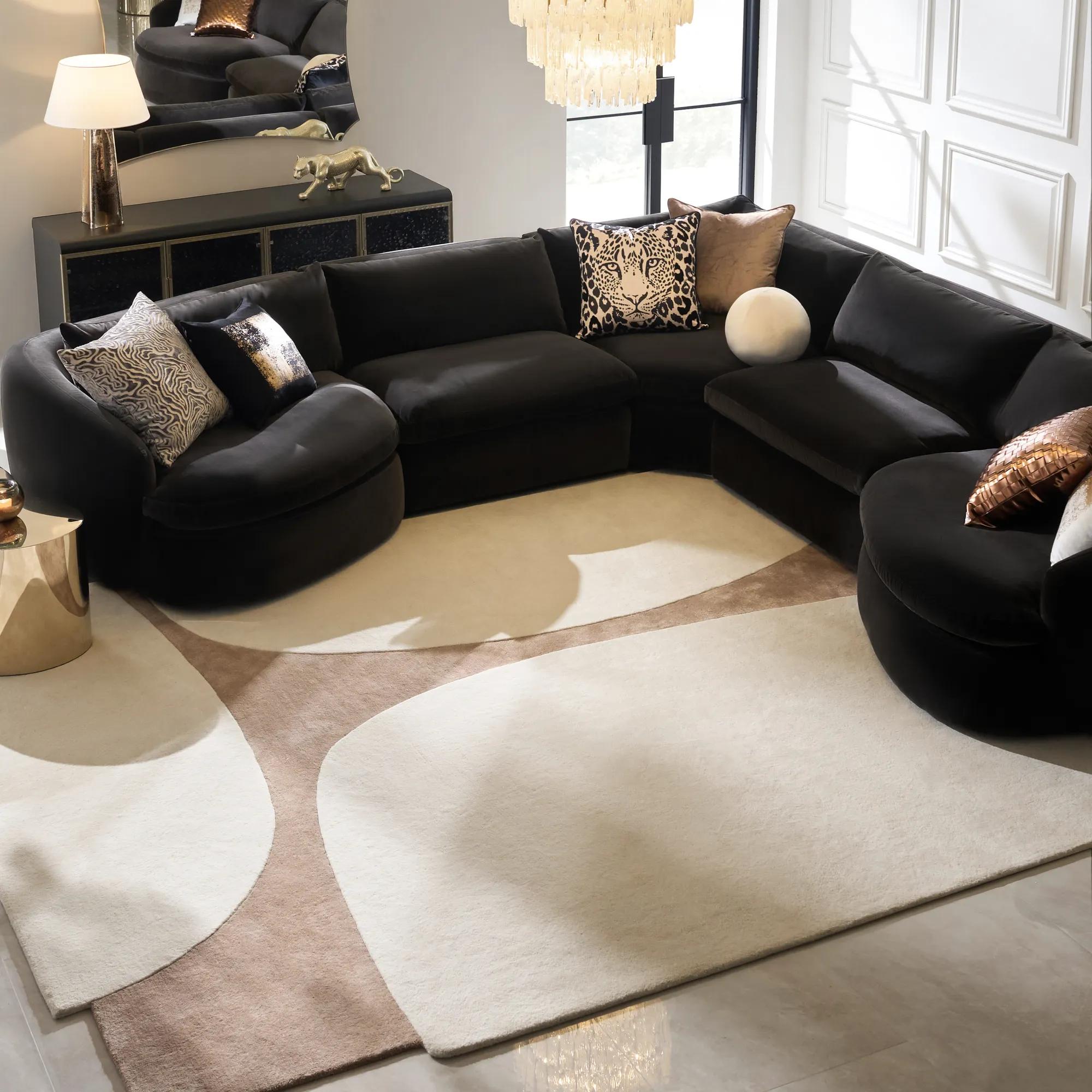 Contour Hand-Tufted Ivory/Ginger Root Wool Blend Rug$499
A hand-tufted wool rug blending ivory and ginger root tones for textured, modern warmth.
Add To Cart -
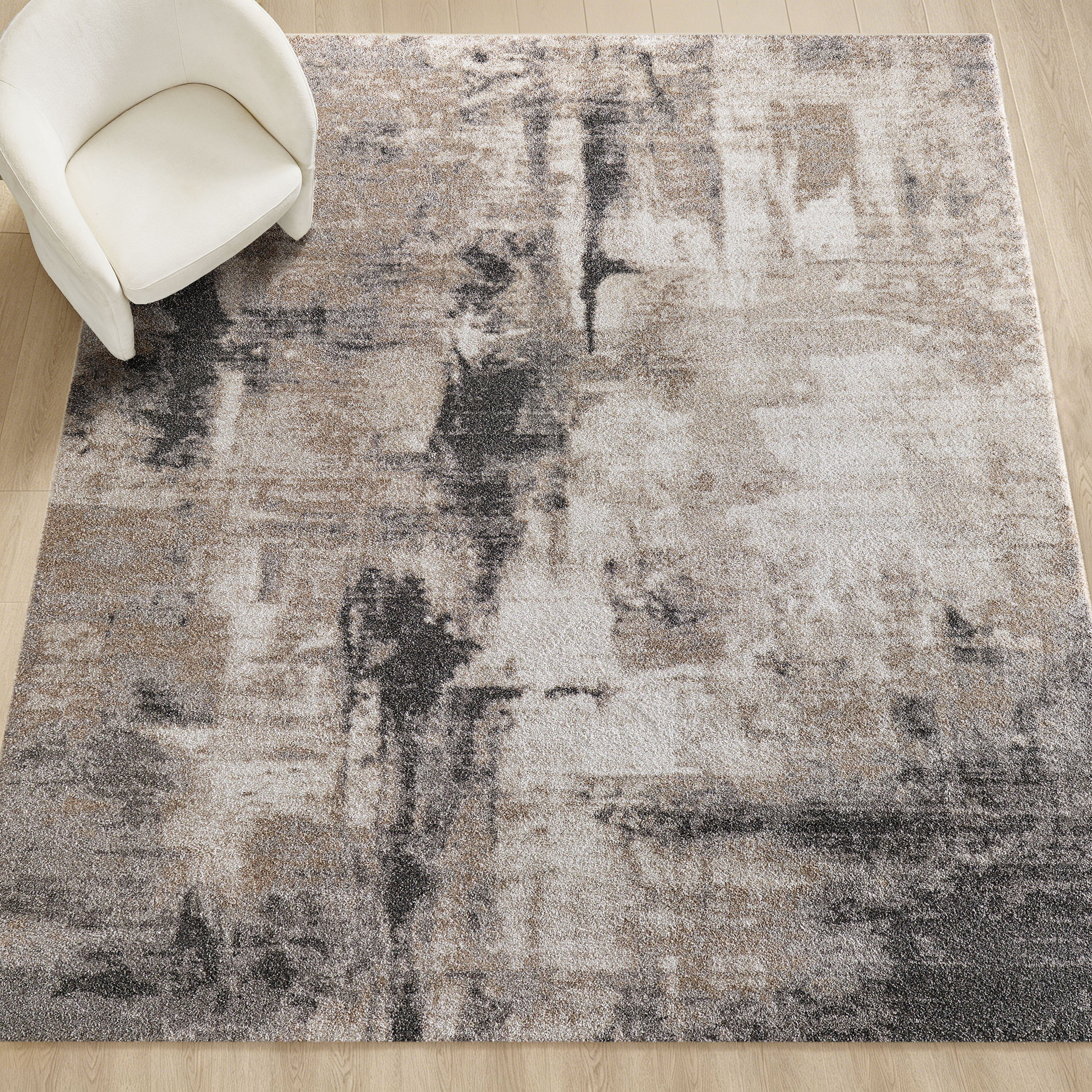
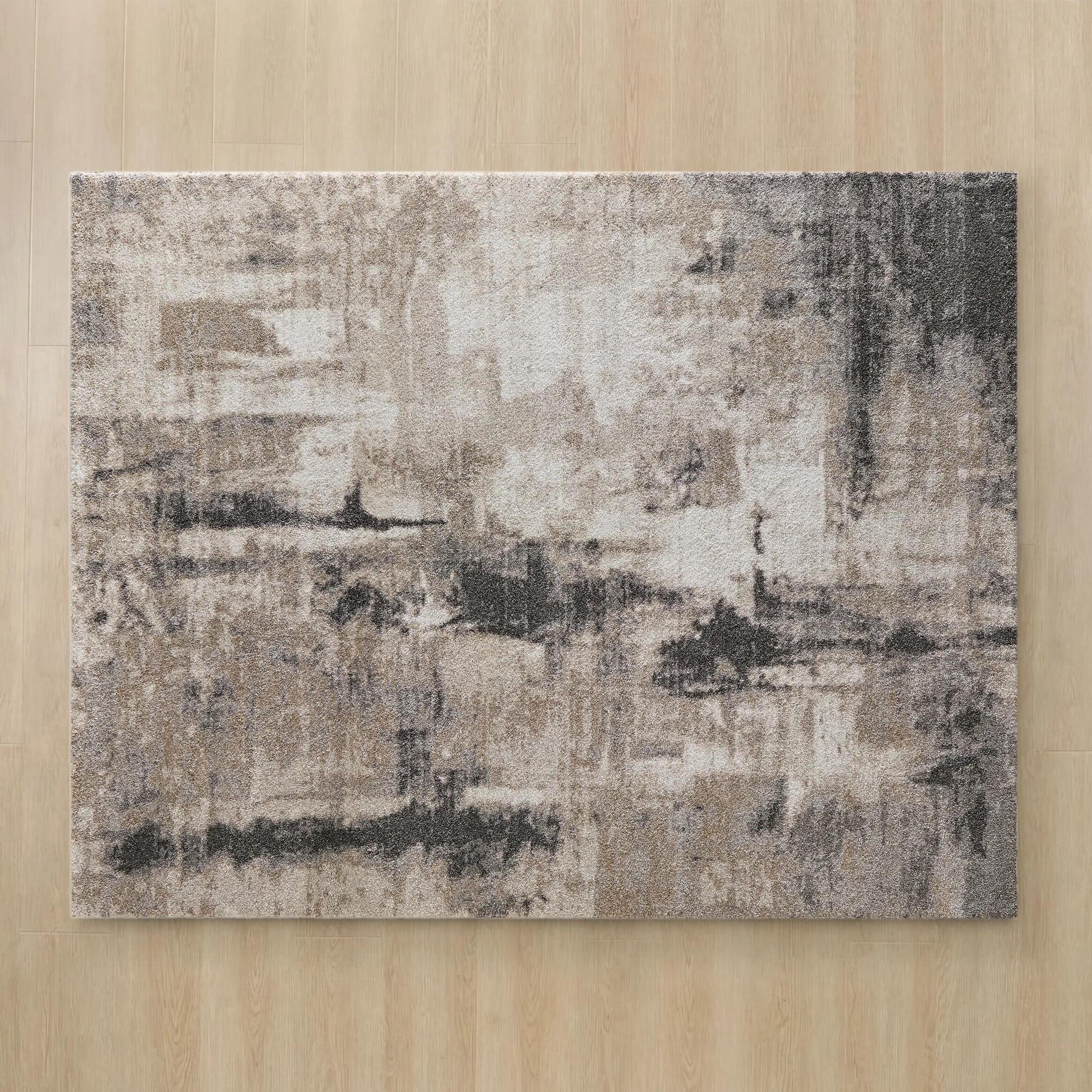 Atlas Abstract Grey/Taupe/Ivory/Charcoal Performance Power Loomed Rug$399
An abstract rug in grey, taupe, ivory, and charcoal with a plush, stain-resistant polypropylene blend.
Add To Cart -
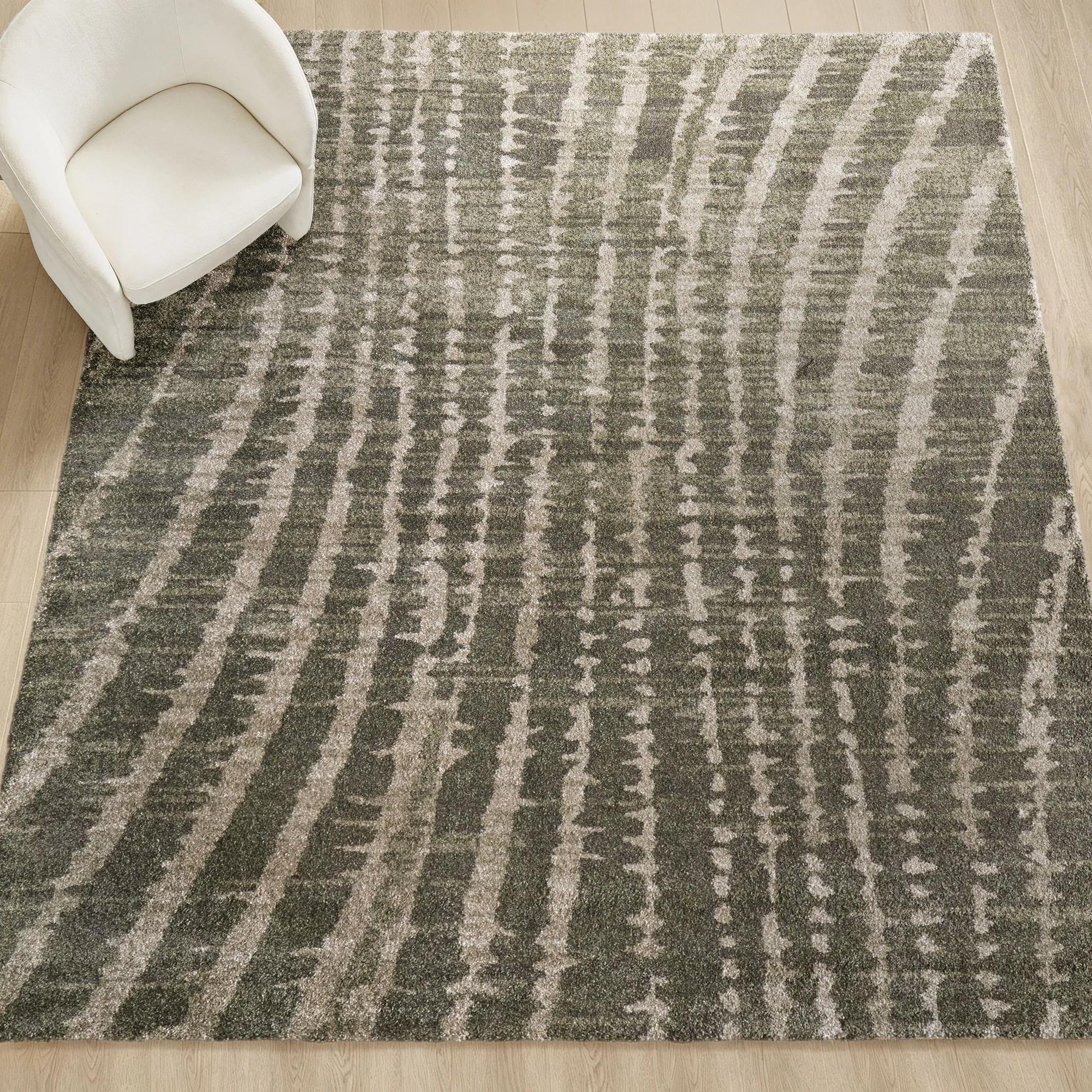
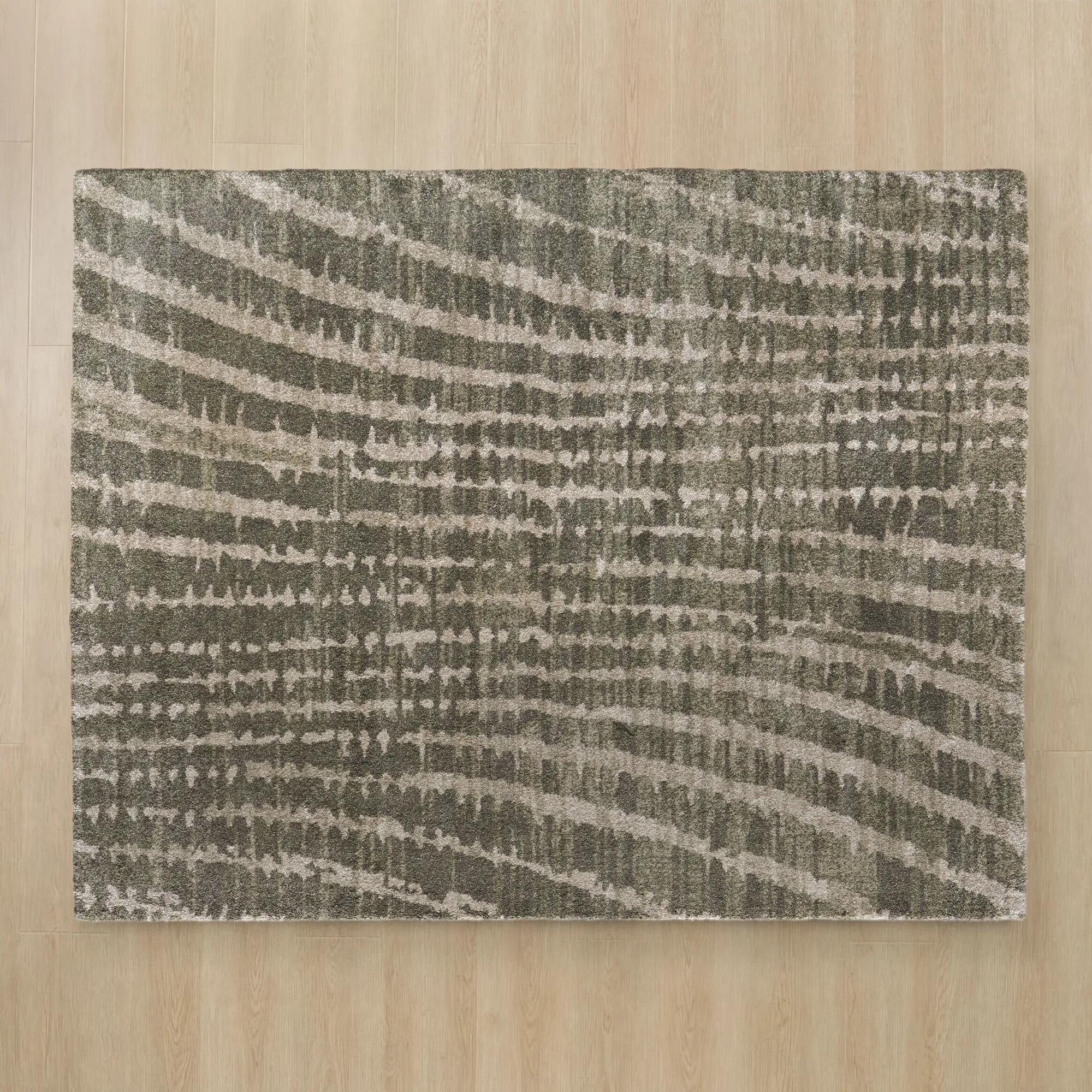 Tempo Green/Grey/Beige Performance Power Loomed Rug$1349
An abstract charcoal grey and beige rug with plush, power-loomed polypropylene and polyester construction.
Add To Cart -
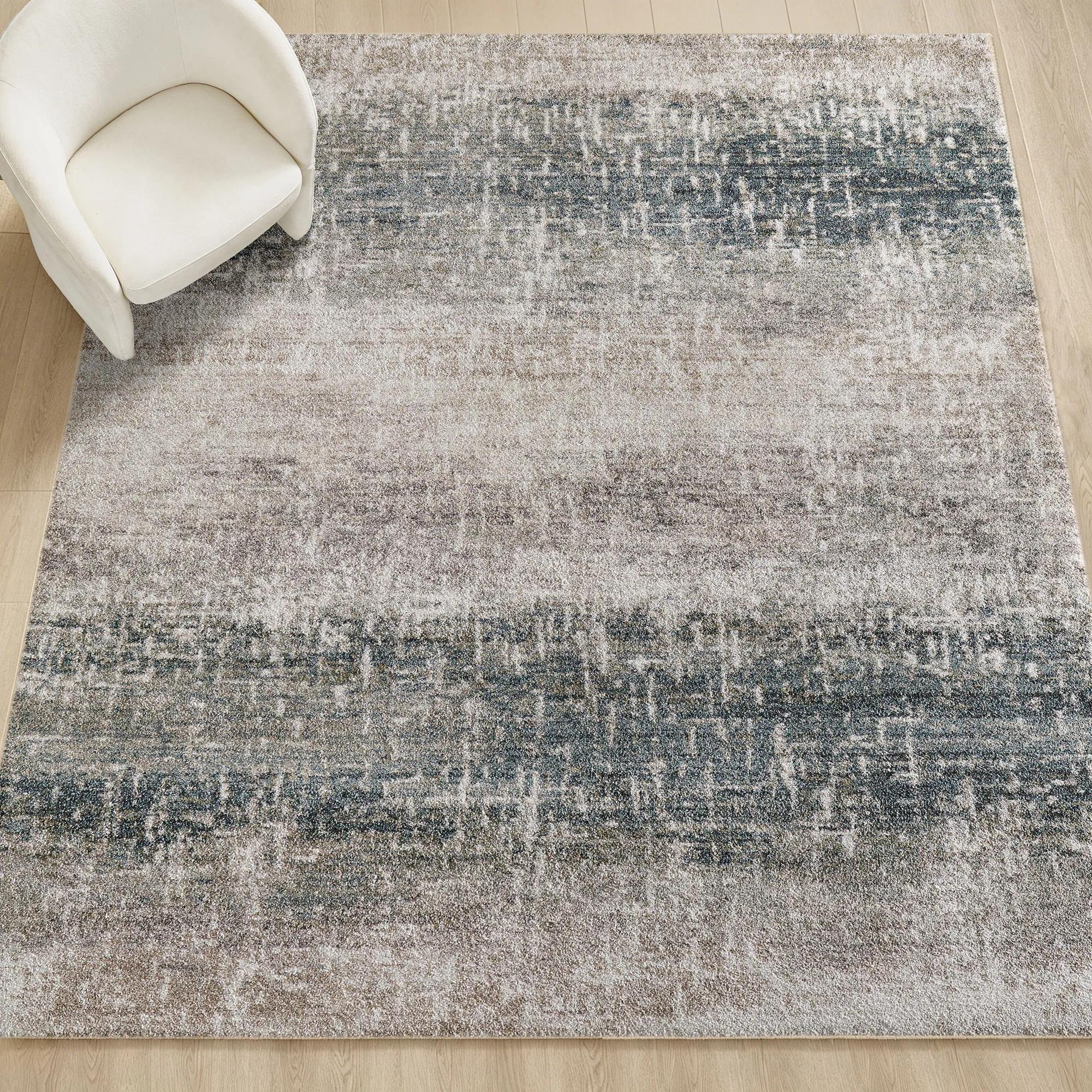
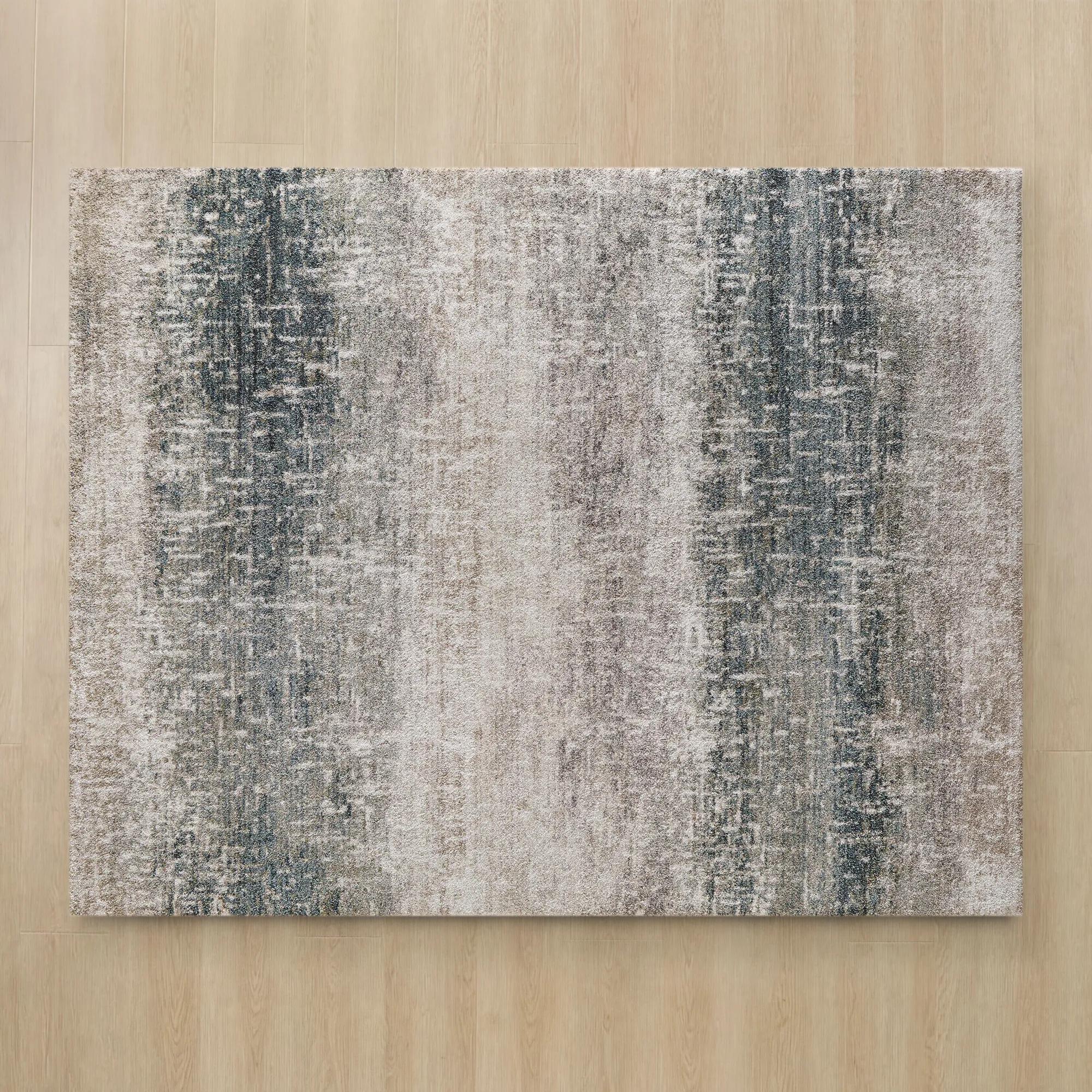 Collier Taupe/Grey/Blue/Green Performance Power Loomed Rug$1649
An abstract rug in taupe, grey, blue, and green with a plush pile and durable, easy-care blend.
Add To Cart -
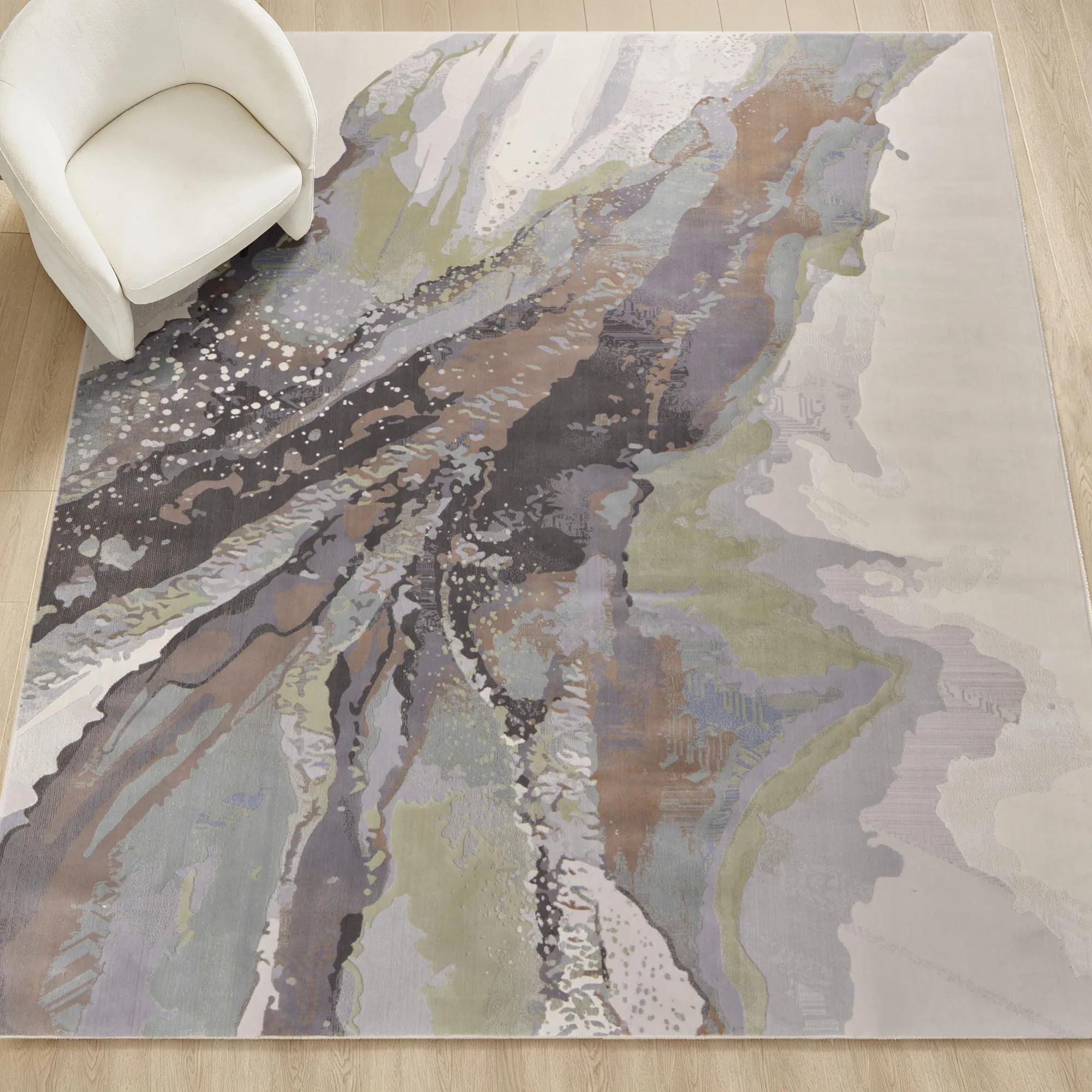
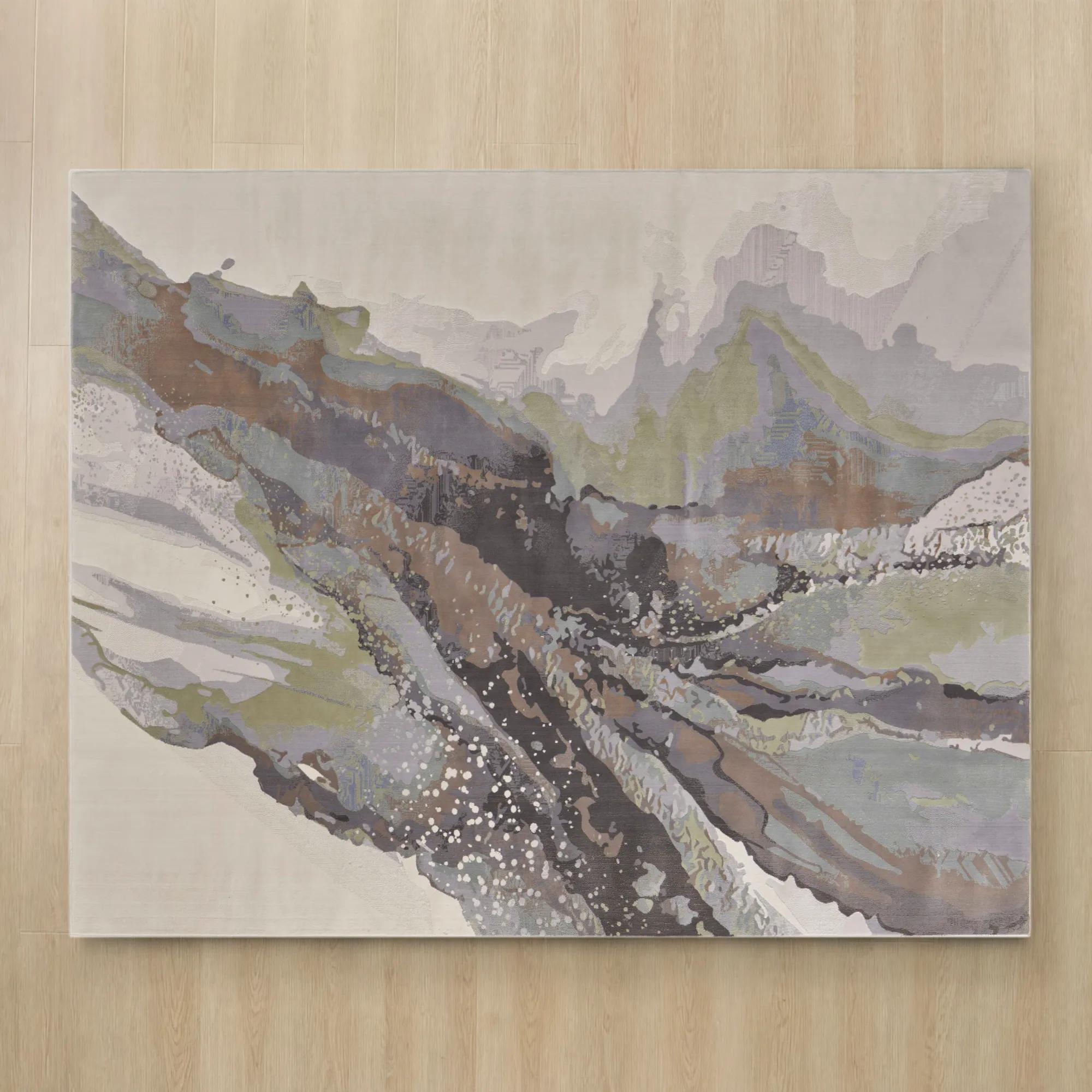 Nerissa Abstract Ivory/Grey/Blue/Green Performance Power Loomed Rug$449
An abstract rug in ivory, grey, blue, and green with a textured, stain-resistant polypropylene-polyester blend.
Add To Cart -
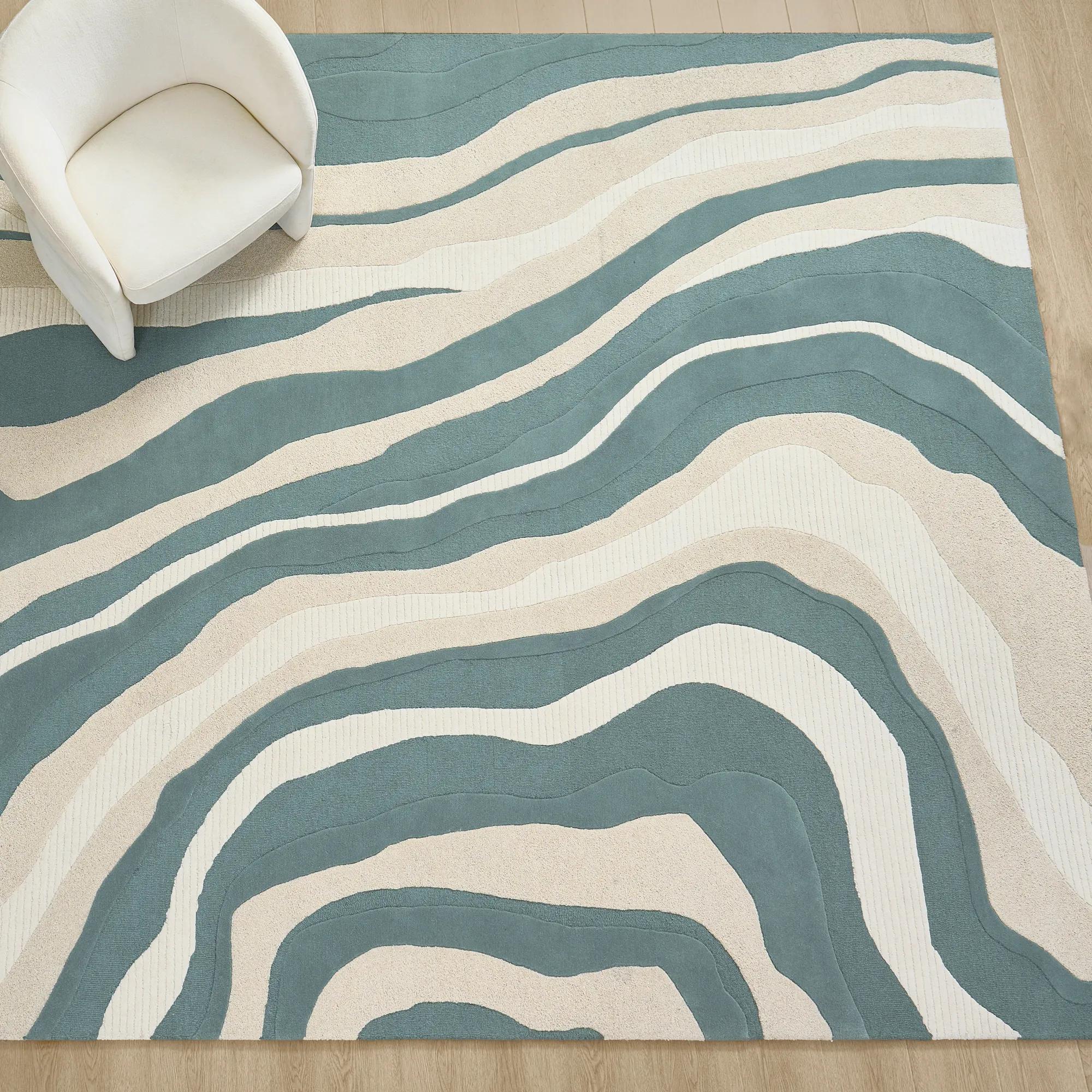 Kadence Hand-Tufted Sage Green/Ivory Wool Rugs$1499
A hand-tufted wool rug in deep sage green and ivory with a sculptural high-low abstract wave pattern.
Add To Cart -
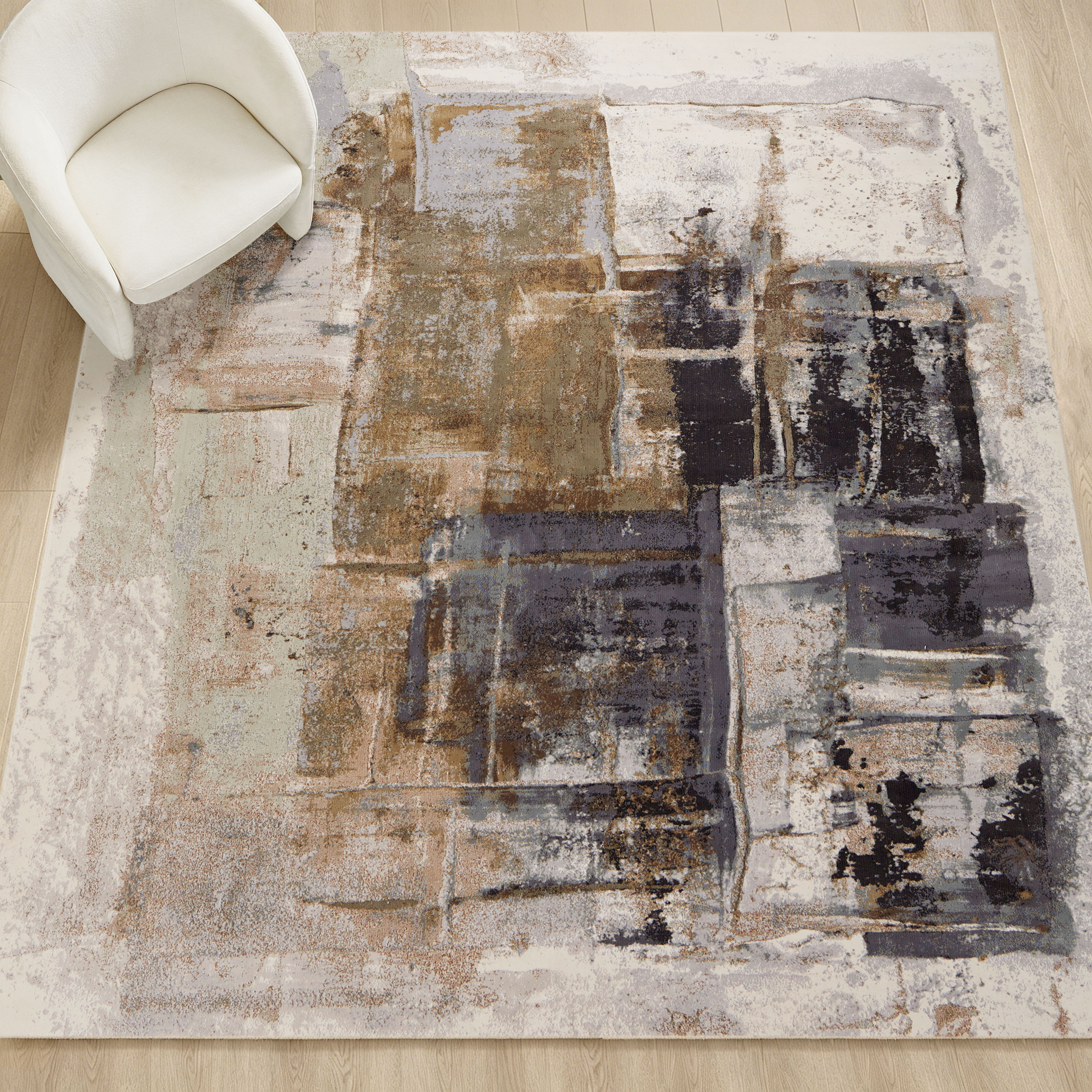
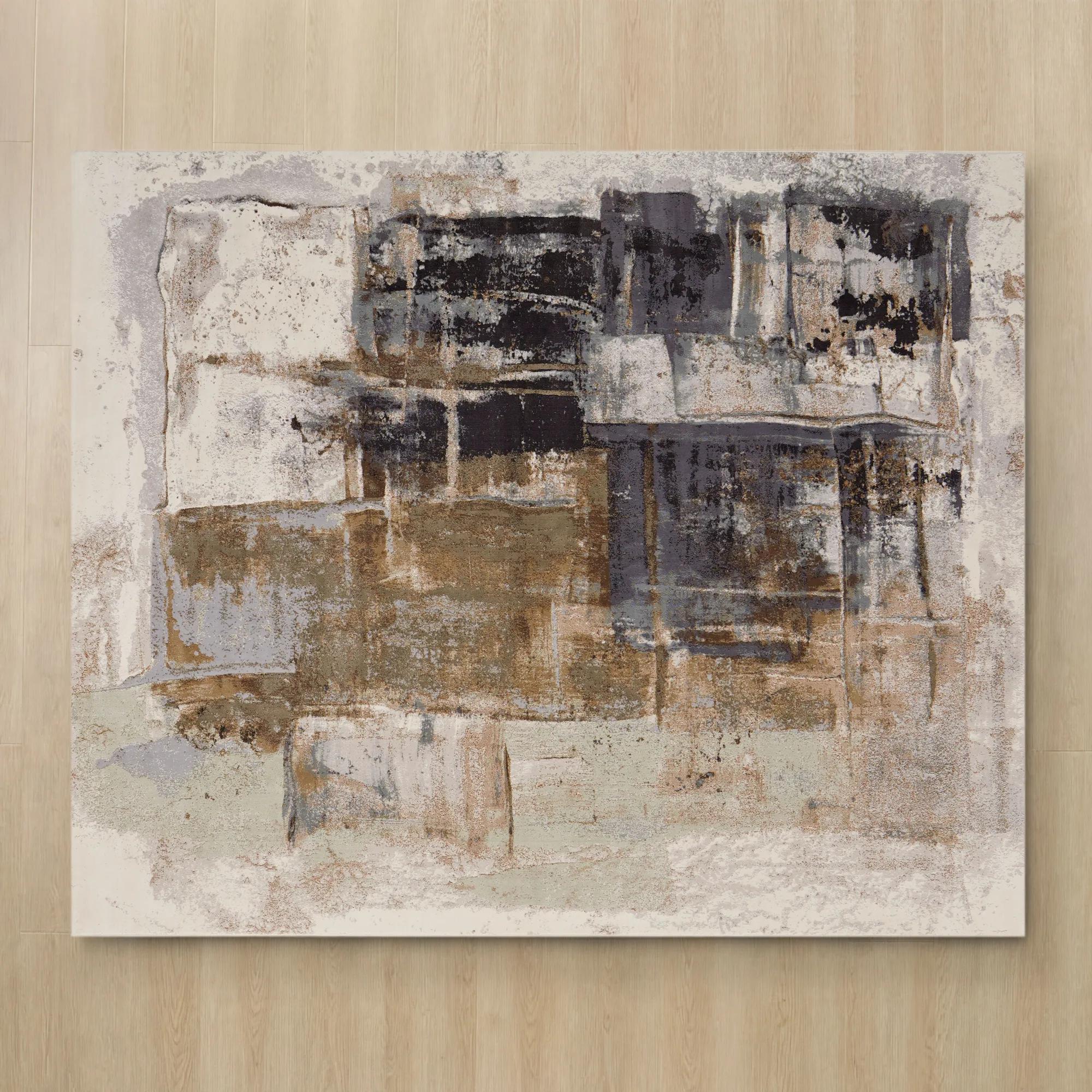 Gaia Abstract Grey/Charcoal/Ivory/Gold/Blue Performance Power Loomed Rug$949
An abstract rug in grey, charcoal, ivory, gold, and blue with a soft, stain-resistant performance blend.
Add To Cart -
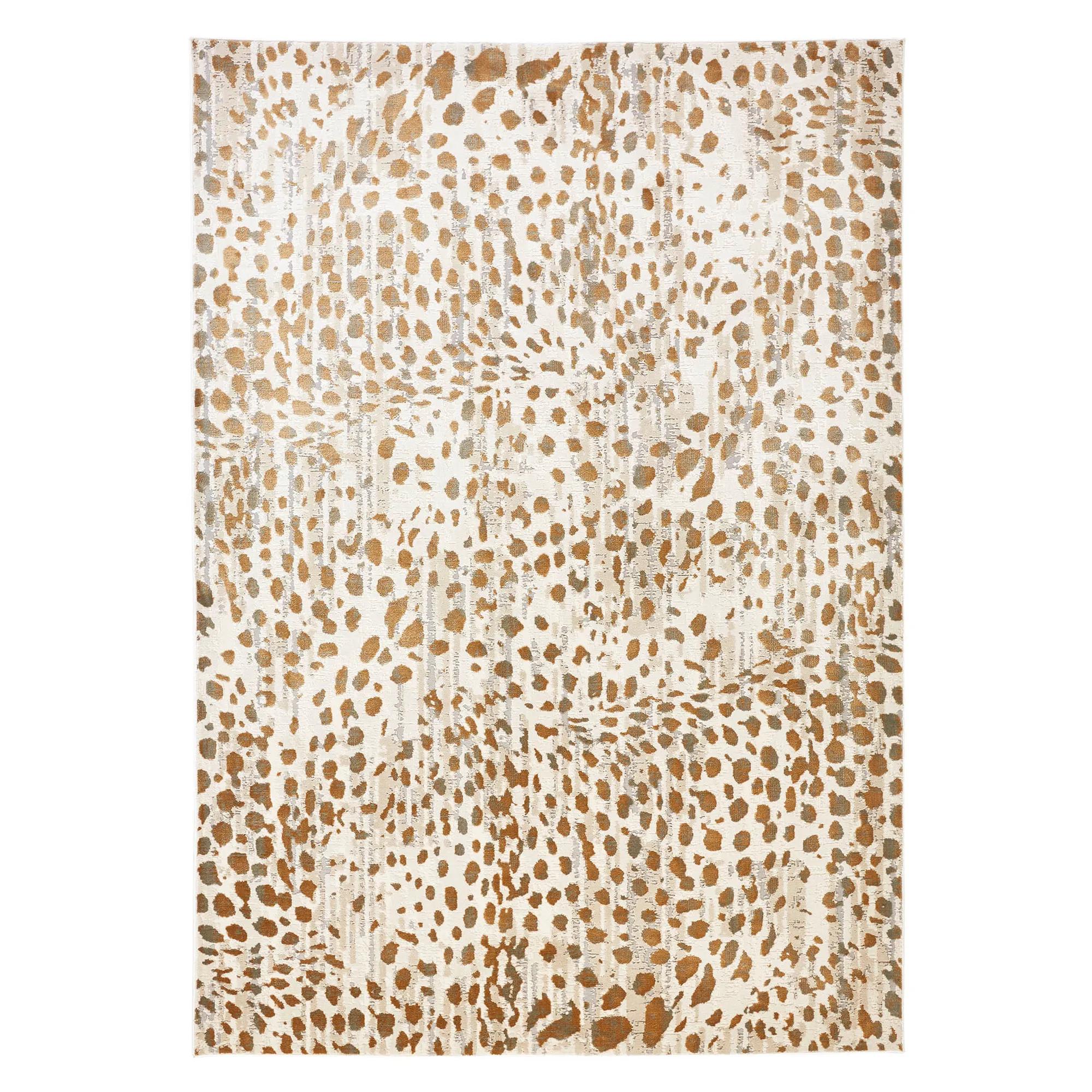
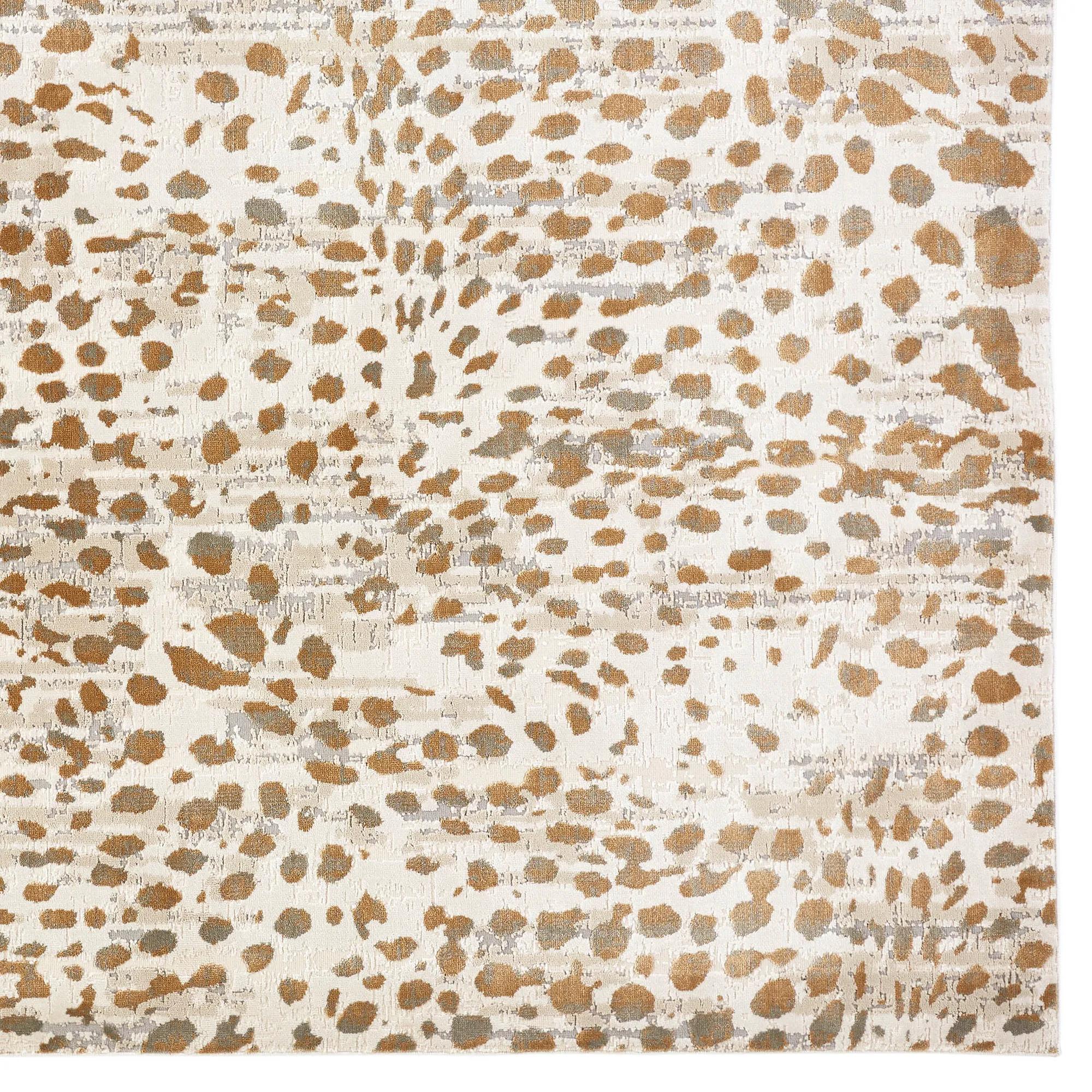 Amur Ivory/Natural Animal Print Power-Loomed Rug$399
A hand-tufted wool and viscose rug featuring a gold chain link design on neutral grey.
Add To Cart -
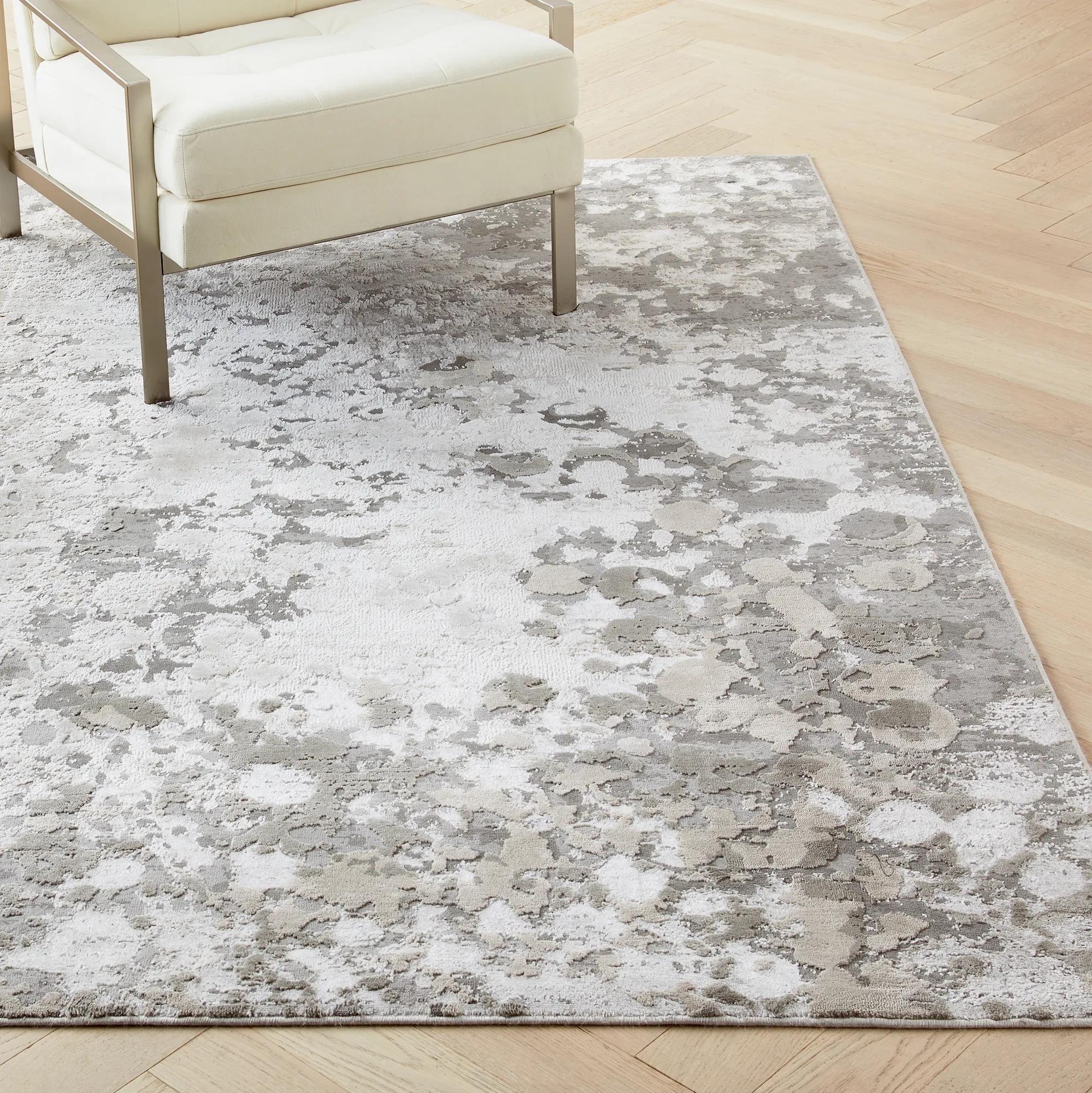 Mercury Power-Loomed Silver/Grey/Beige Rug$249
A neutral floor covering featuring a silver, grey, and beige palette with a textured polyester blend.
Add To Cart -
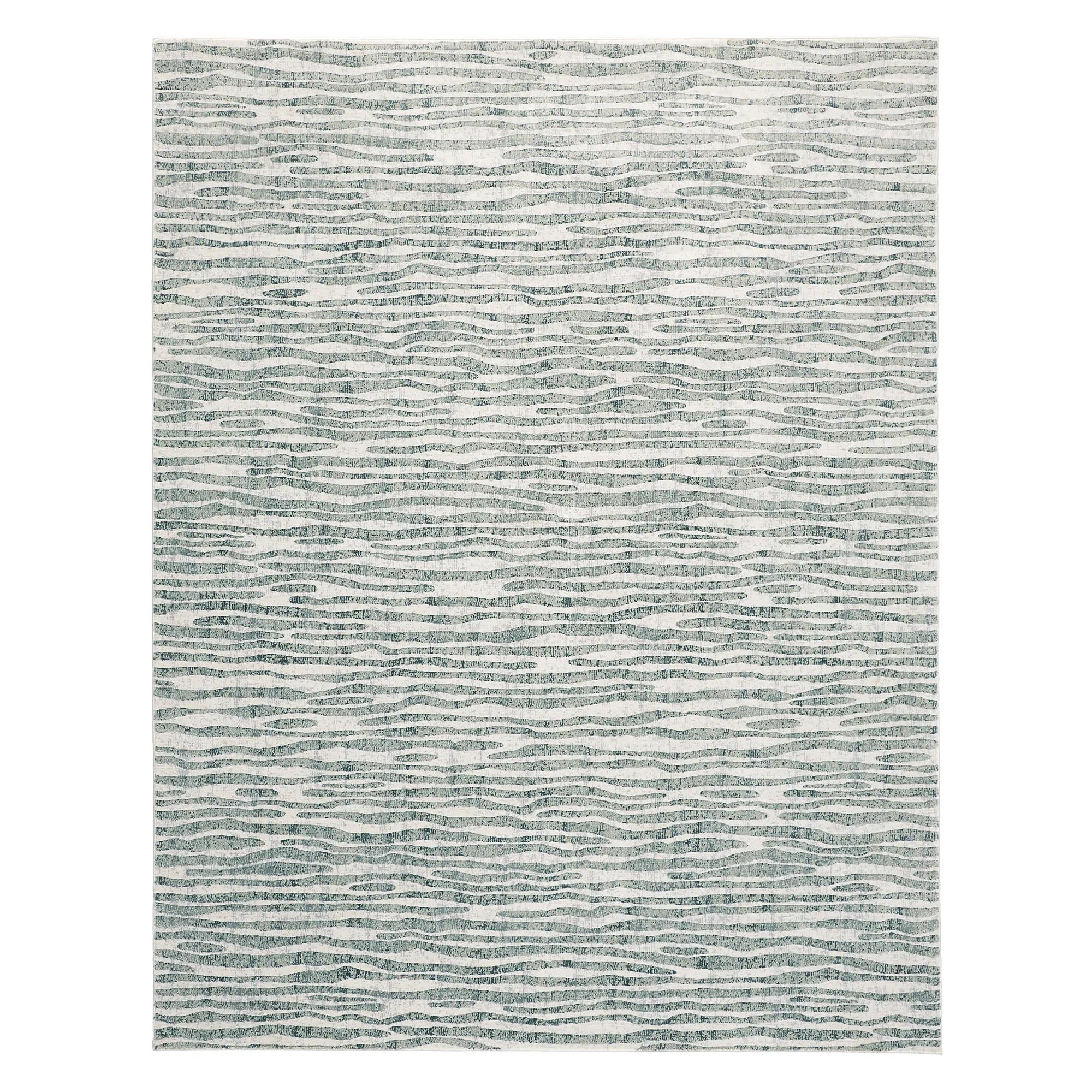 Samantha Power-Loomed Aqua/Grey Rug$719
A machine-woven rug featuring silvery-aqua and green accents on an ivory and grey polypropylene base.
Add To Cart -
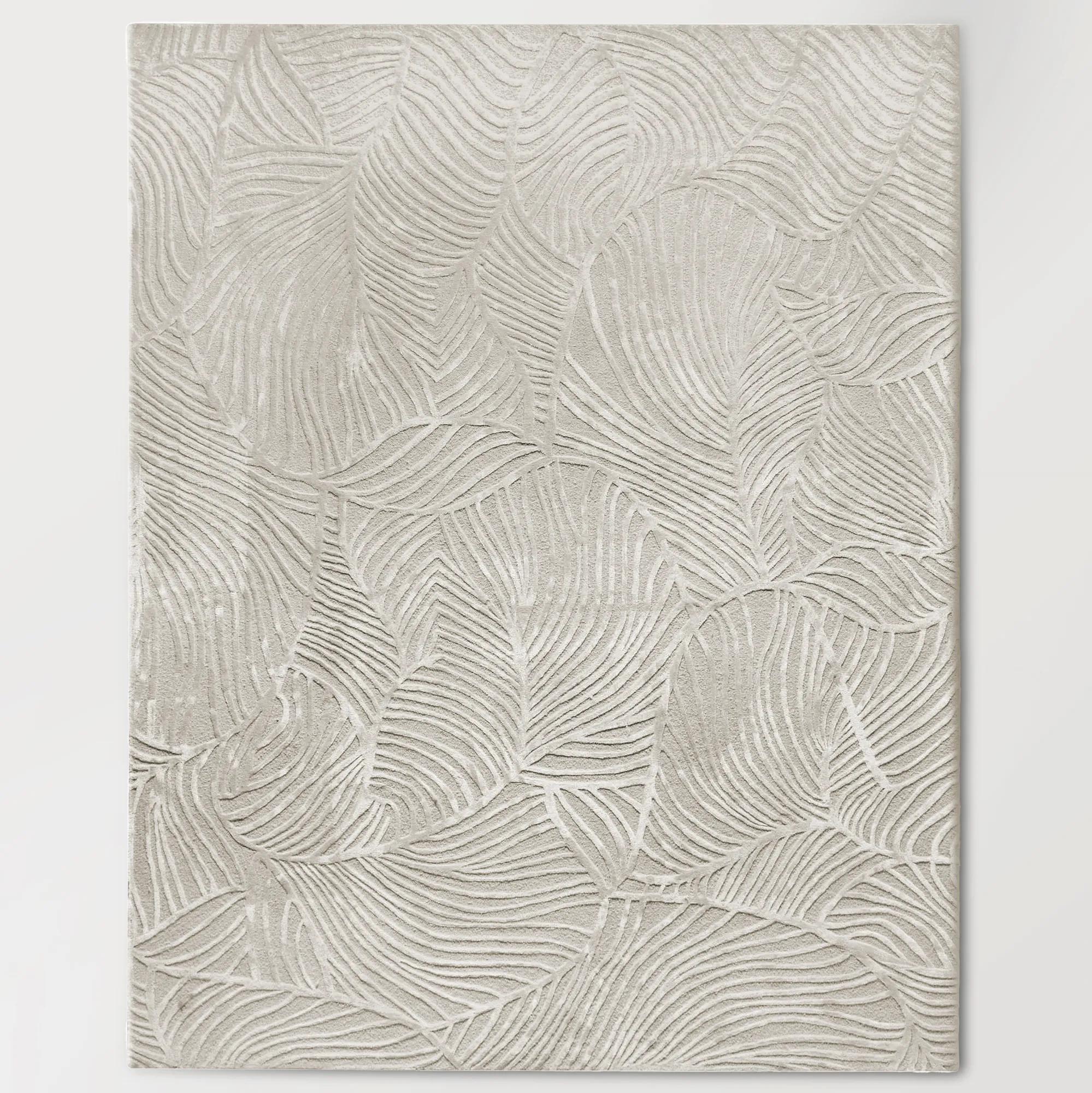 Palm Hand-Tufted Ivory Wool Blend Rug$999
An ivory rug featuring a dynamic palm-leaf design with high-low pile in viscose and wool.
Add To Cart -
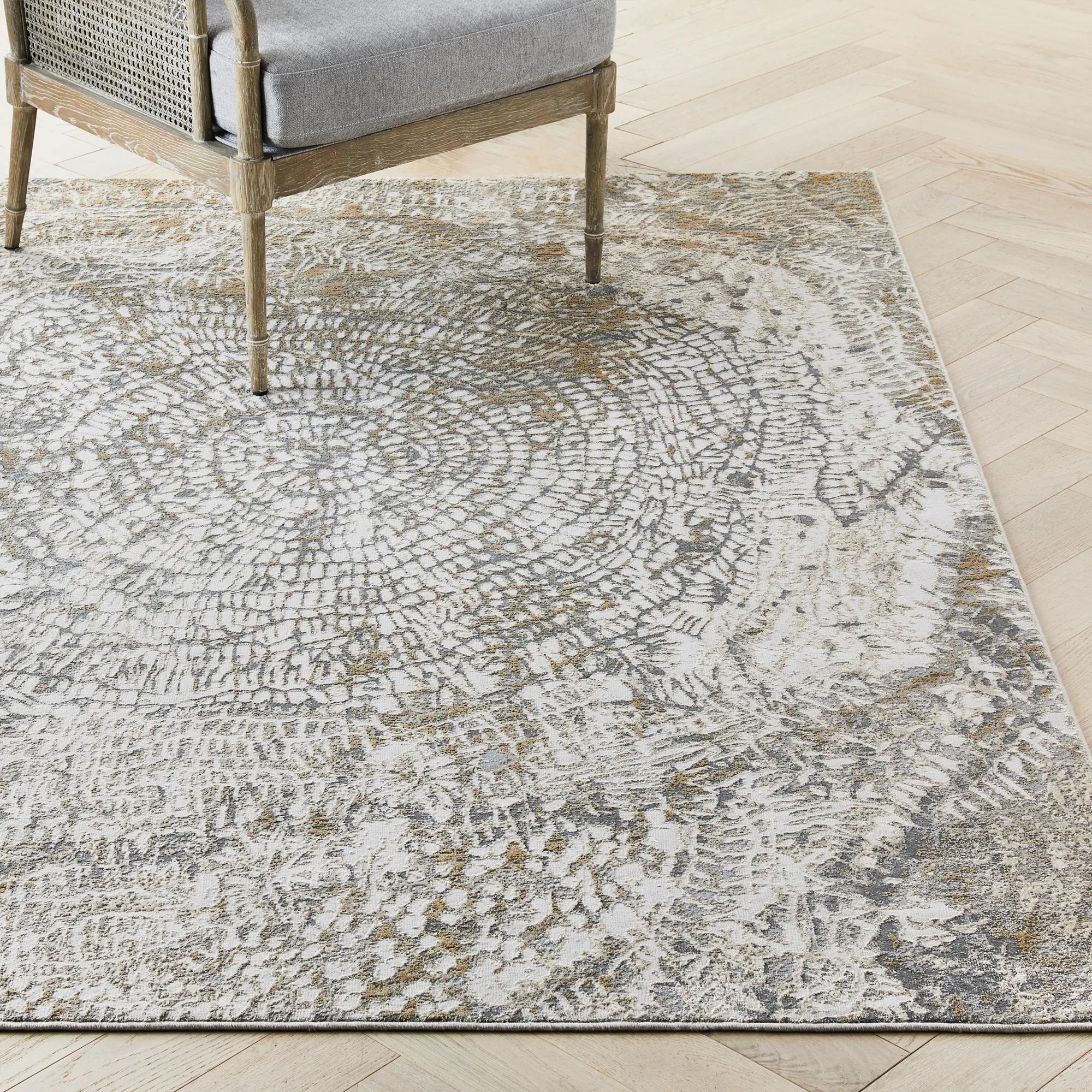 Nautilus Power-Loomed Silver/Grey/Natural Rug$449
A machine-woven ivory rug featuring subtle tree ring-inspired patterns in durable polypropylene and viscose.
Add To Cart -
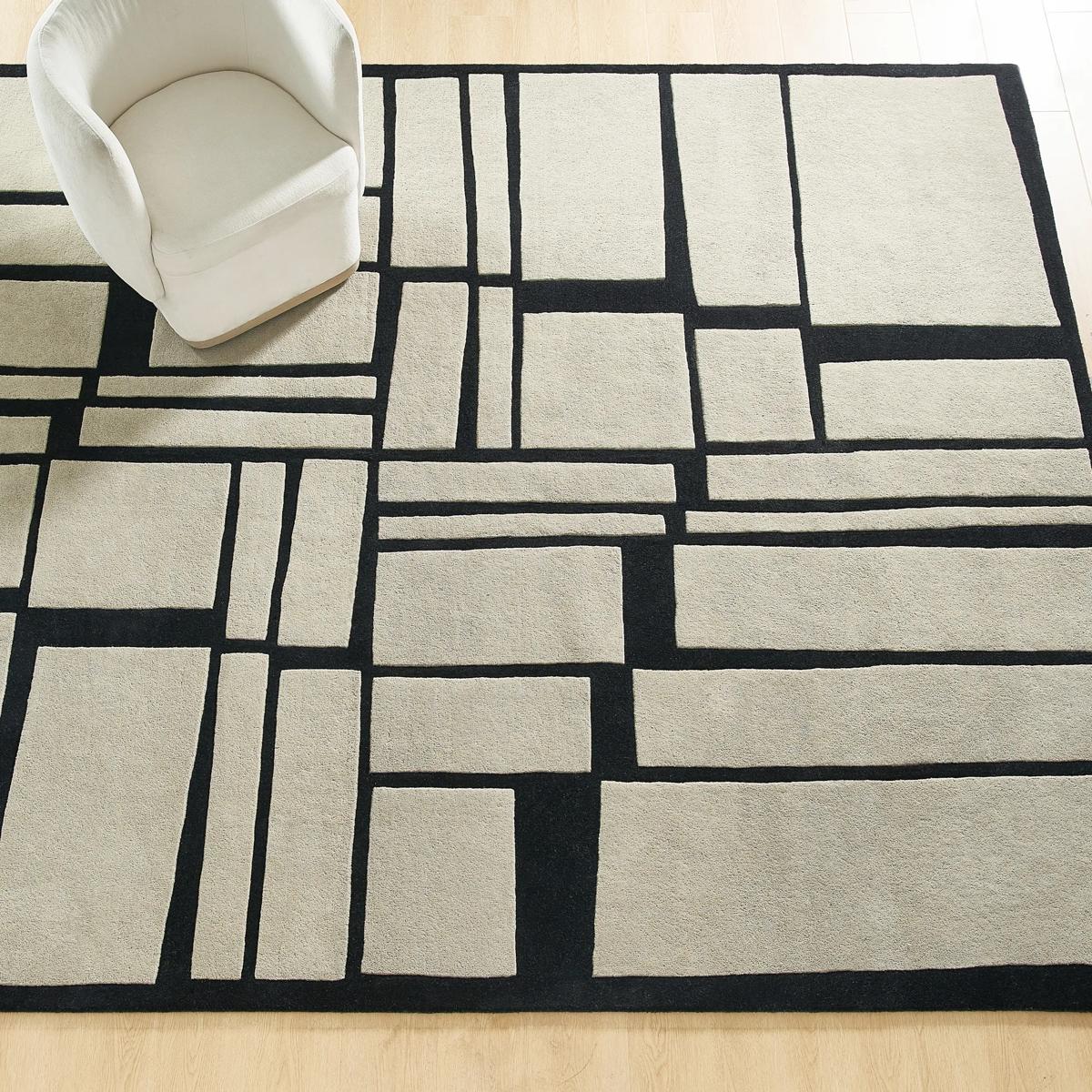
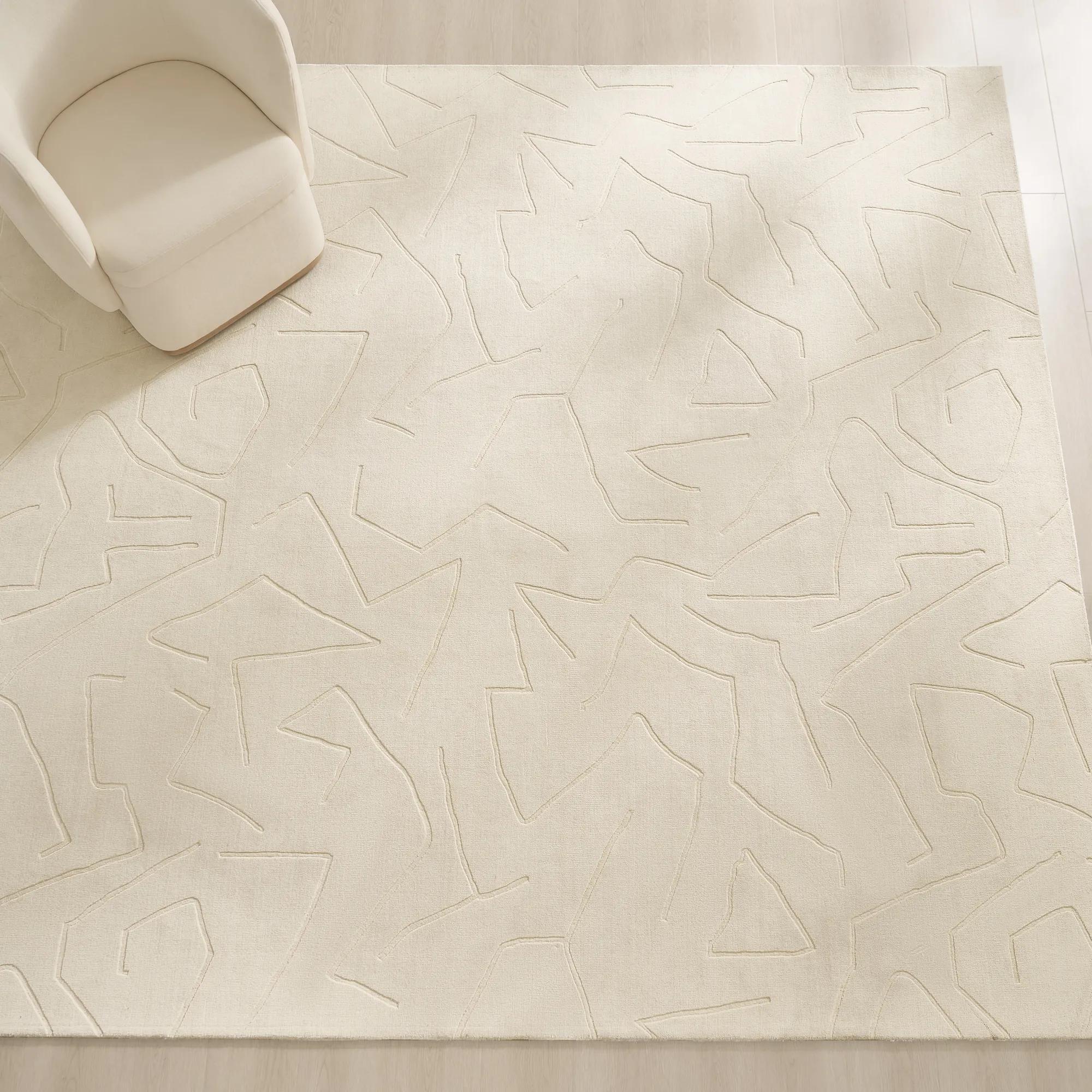 Carved Maze Ivory Hand-Loomed Wool Blend Rug$1399
A hand-loomed ivory wool-blend rug featuring a carved maze pattern for modern textural appeal.
Add To Cart -
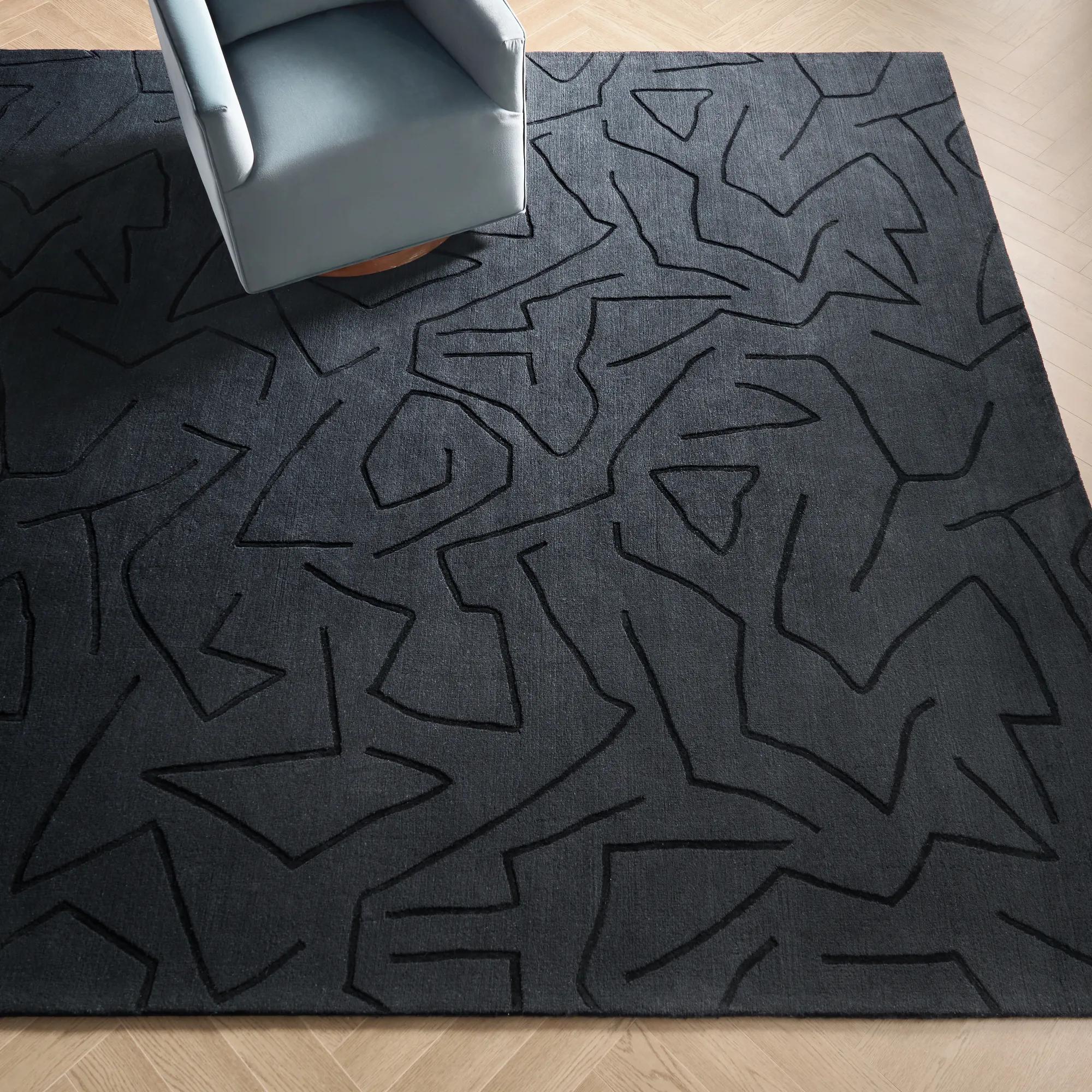 Carved Maze Rug$1399
A hand-loomed black rug crafted from wool and viscose, featuring a carved, textured maze design.
Add To Cart -
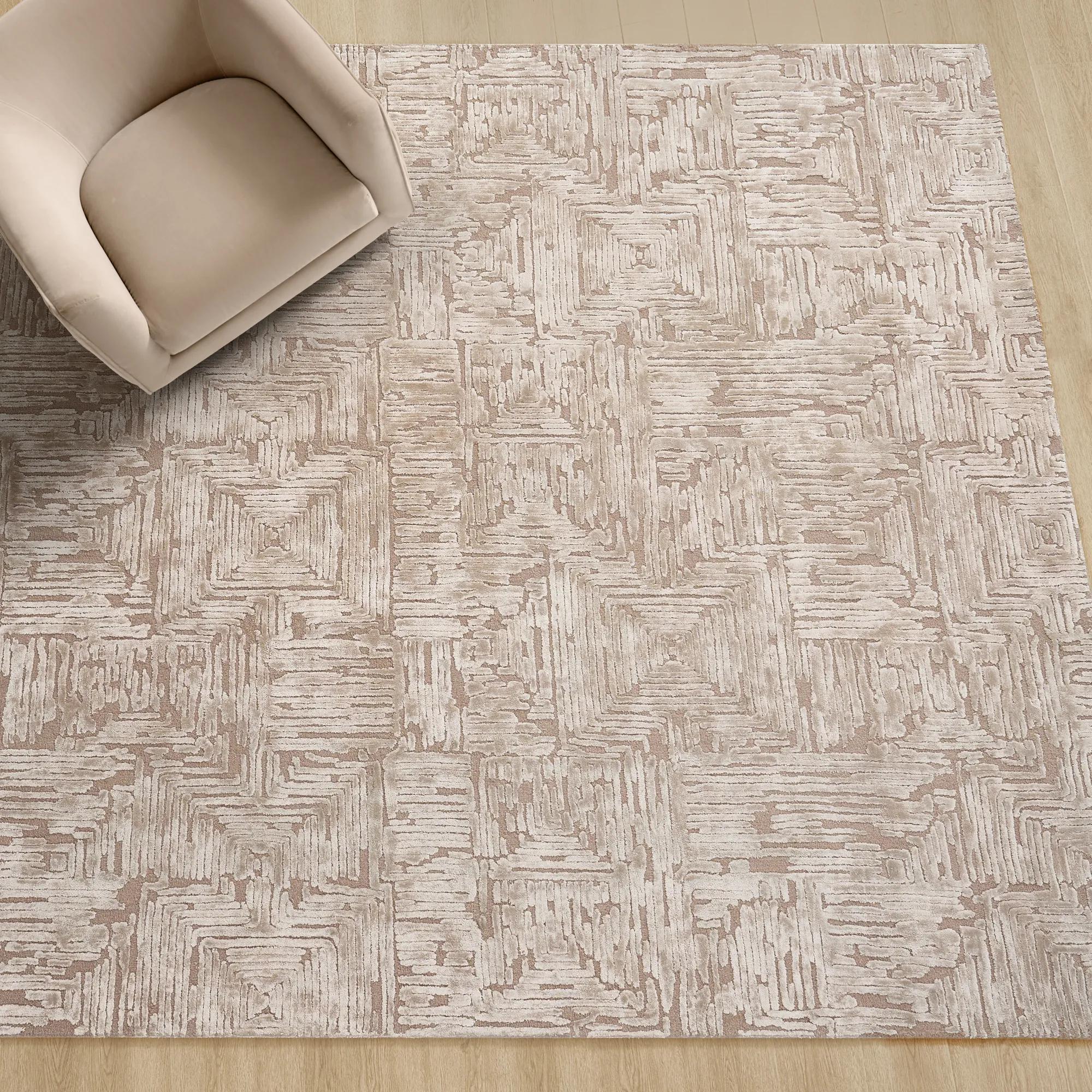
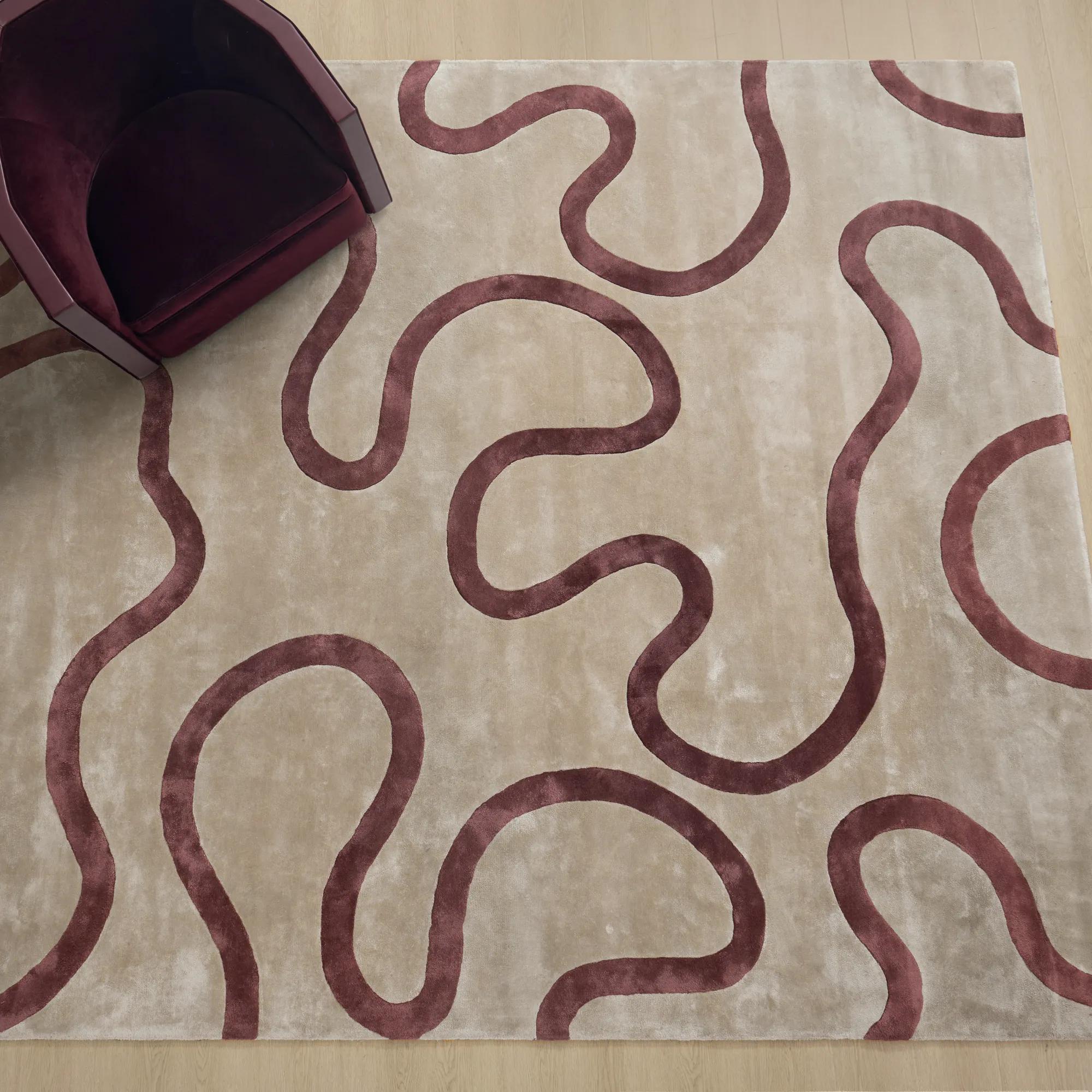
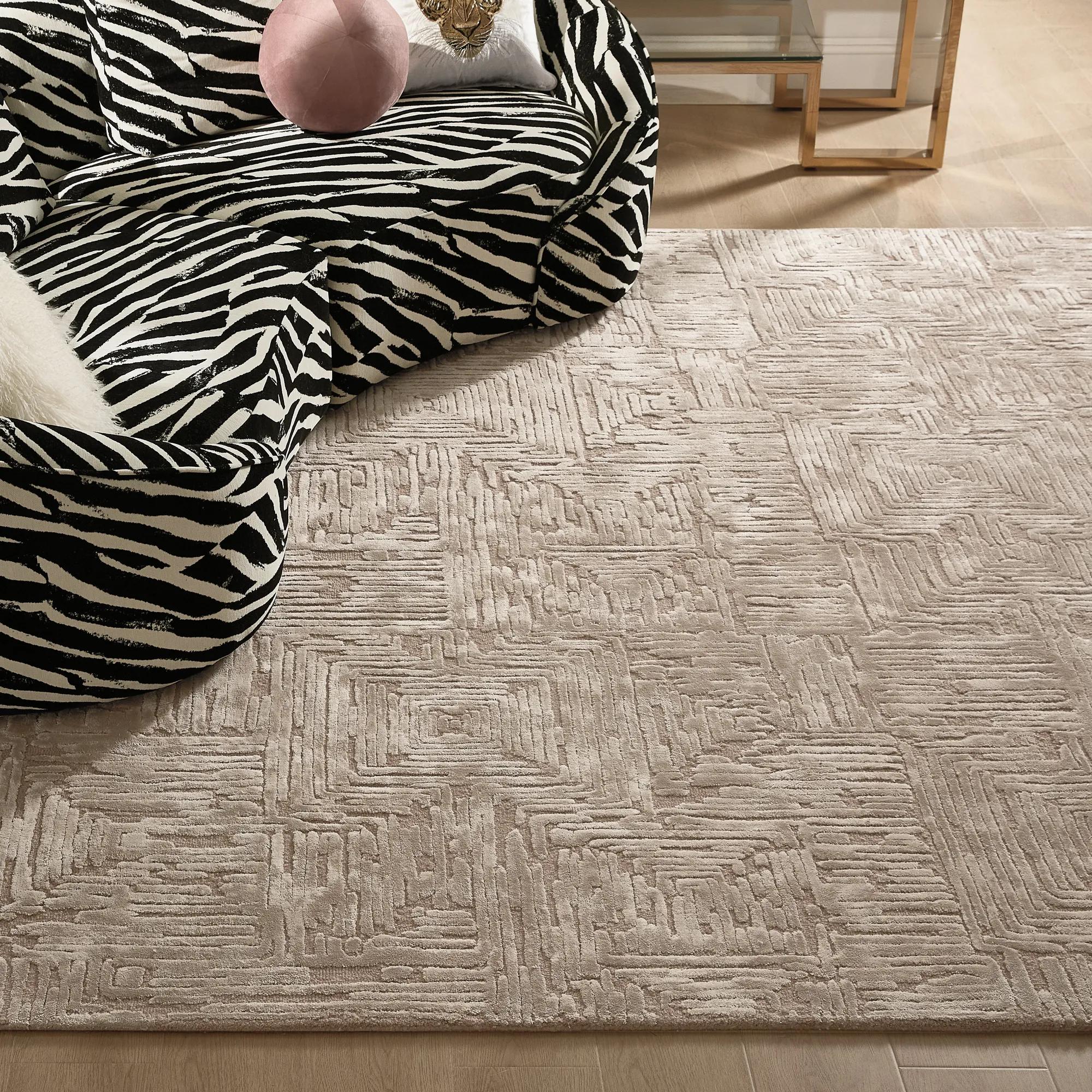 Andra Hand-Tufted Mocha Rose Viscose & Wool Dimensional Rugs$1499
A hand-tufted viscose and wool rug in mocha rose, featuring a dimensional geometric pattern and soft sheen.
Add To Cart -
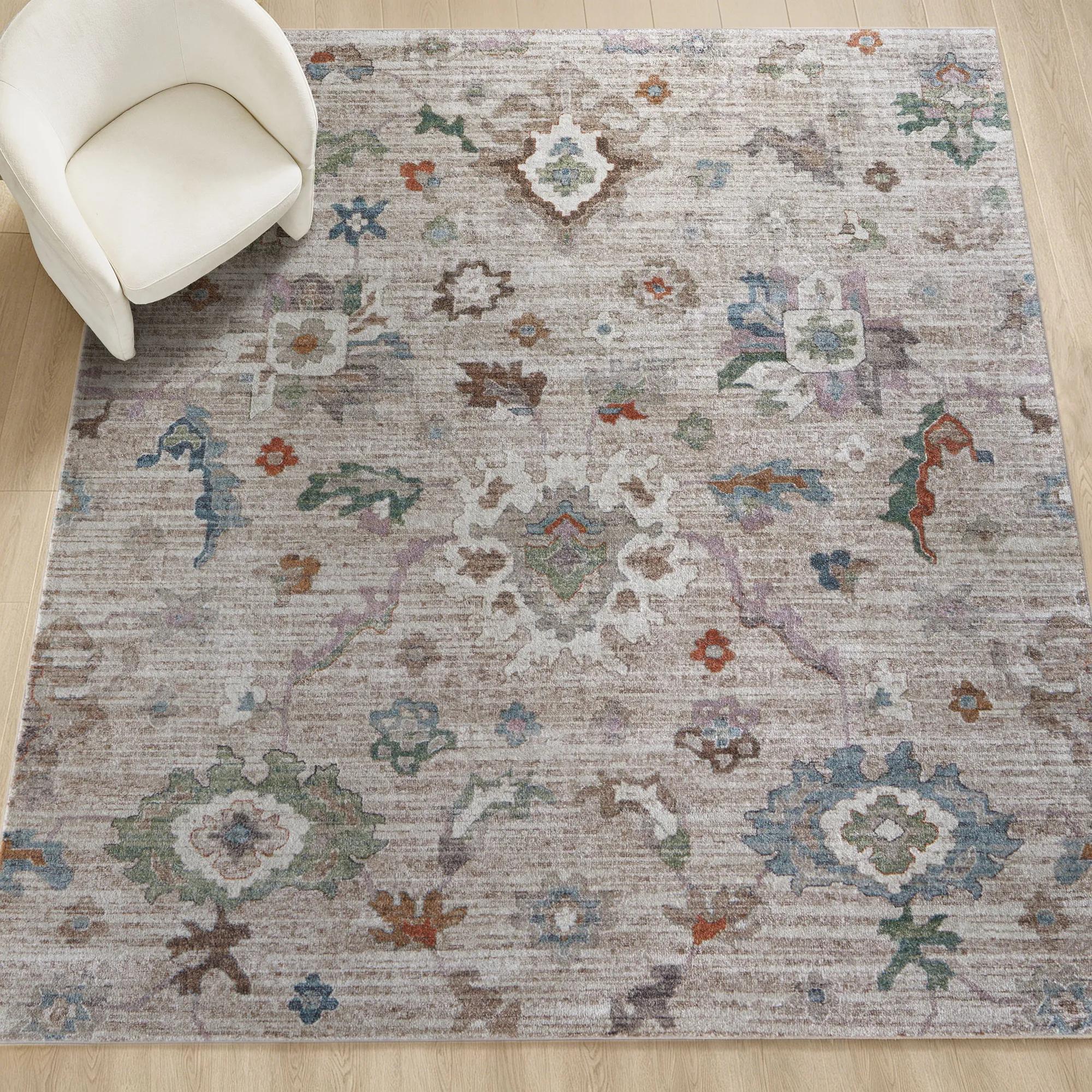
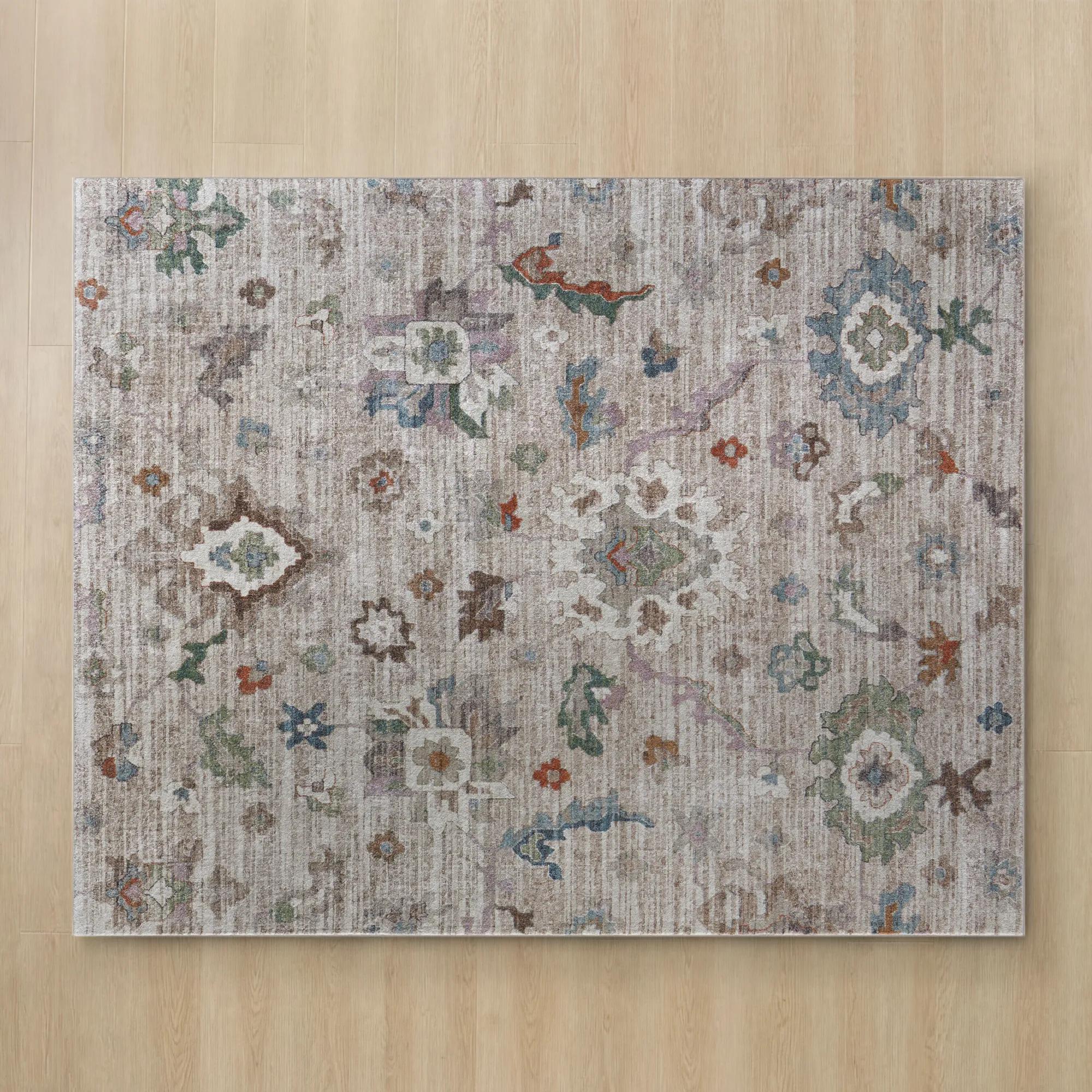 Ariella Floral Taupe/Ivory/Beige/Blue/Green Performance Power Loomed Rug$1399
A Persian-inspired rug in taupe, ivory, beige, blue, and green with a plush, power-loomed polypropylene pile.
Add To Cart -
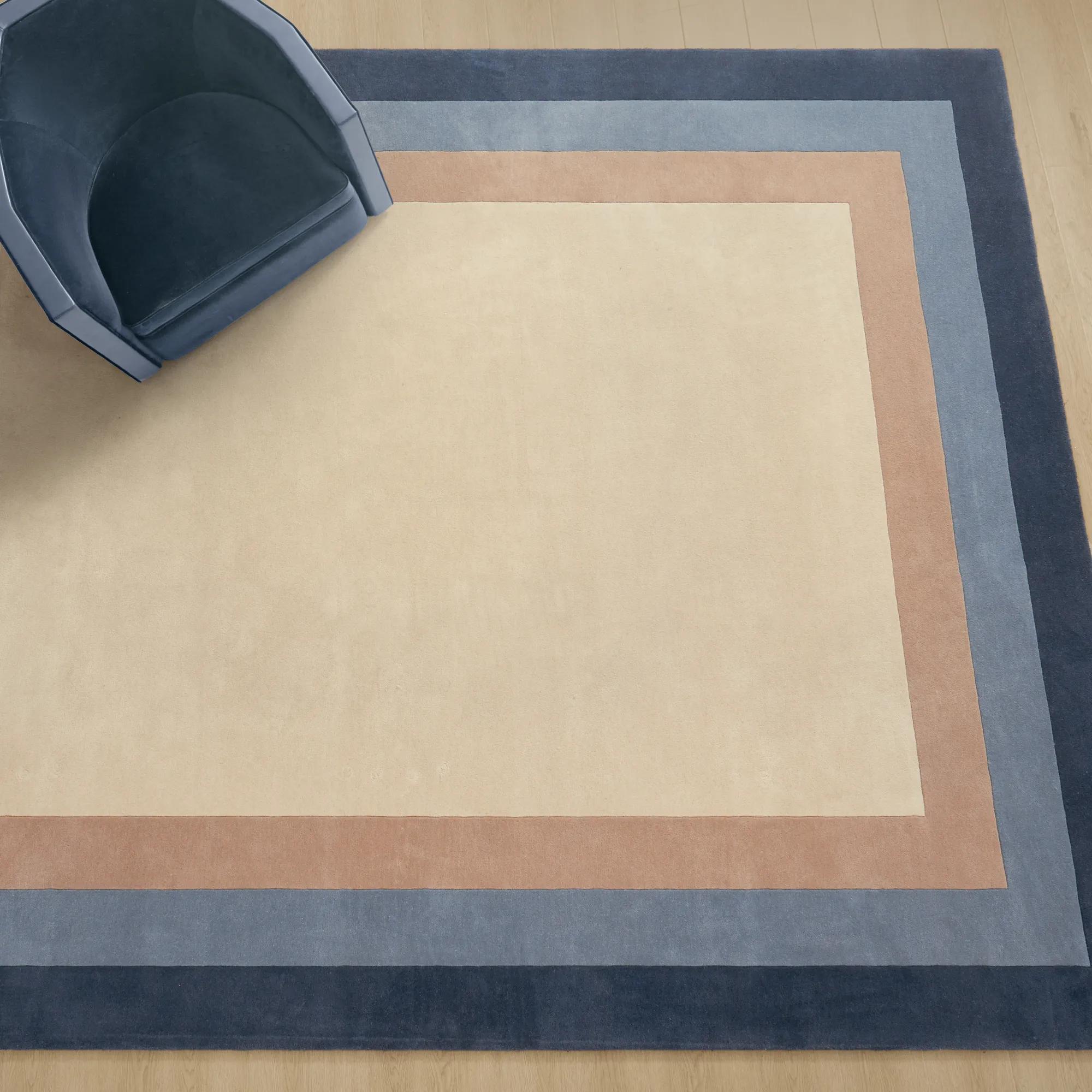 Bastien Hand-Tufted Blue/Taupe/Ivory Wool Border Rugs$1499
A hand-tufted wool rug featuring a bold color-blocked border in dusty blue, taupe, and ivory tones.
Add To Cart -
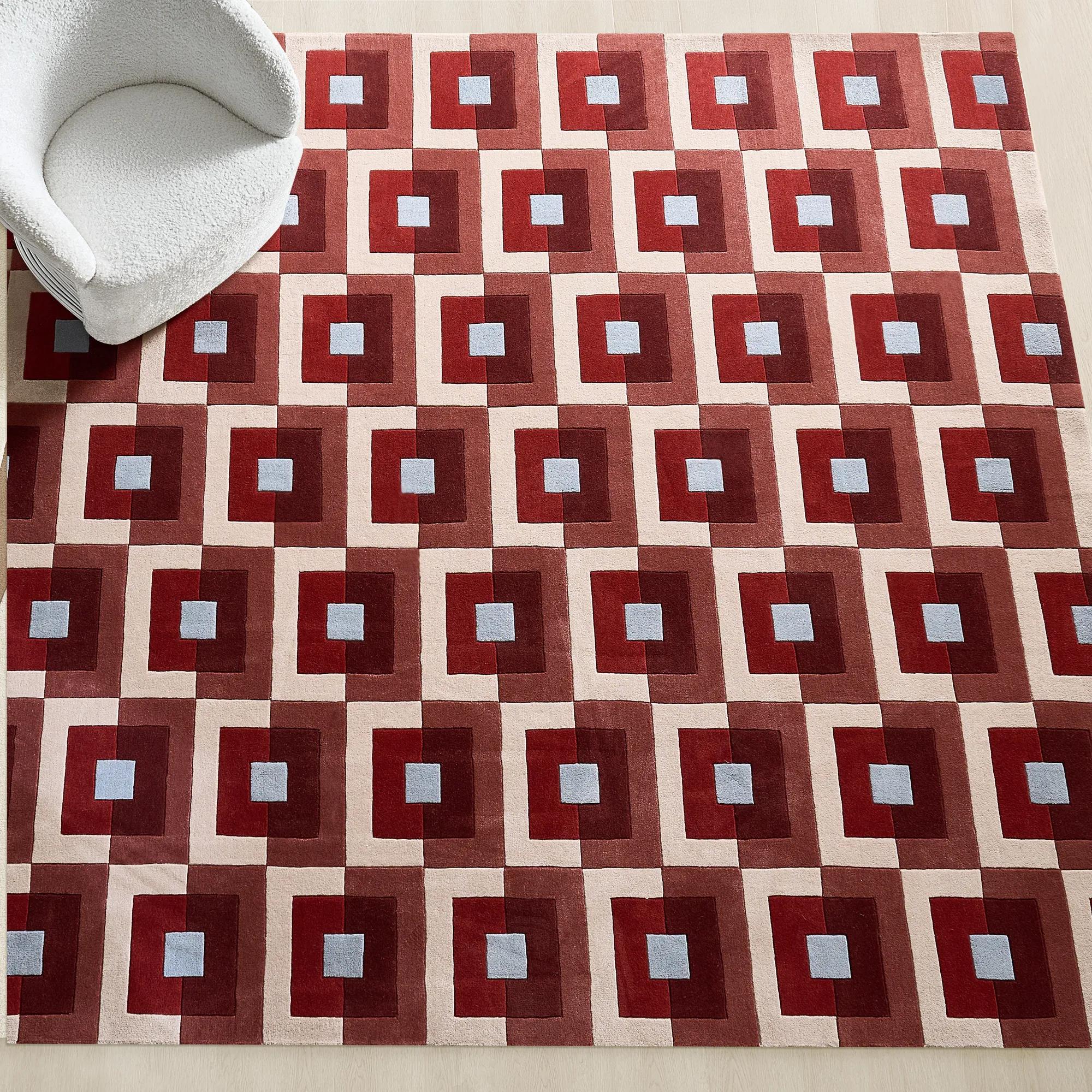
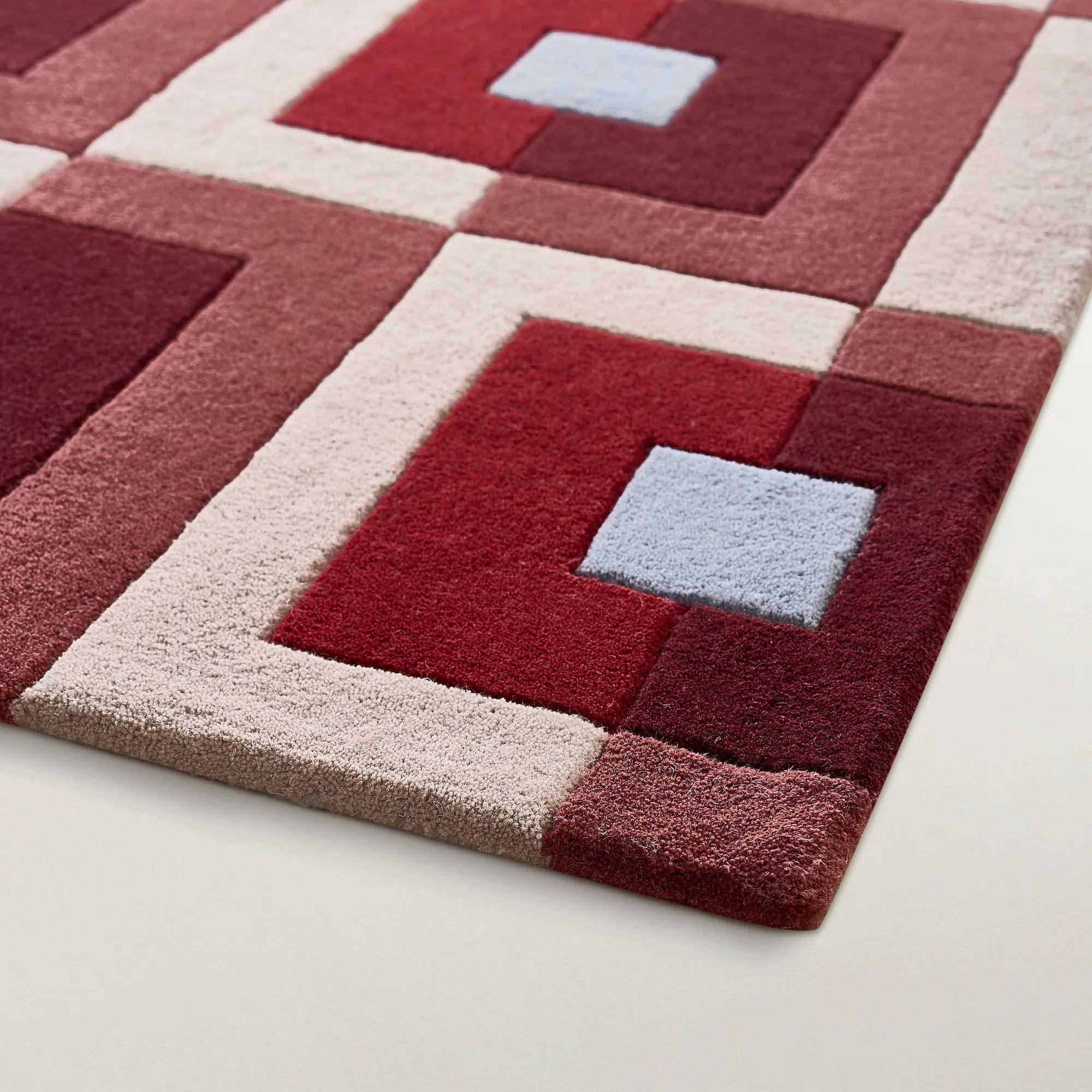 Geo Pop Wool Rug - Oxblood Red/Airy Blue$599
A geometric wool rug combining oxblood red and airy blue for a bold, modern statement.
Add To Cart -
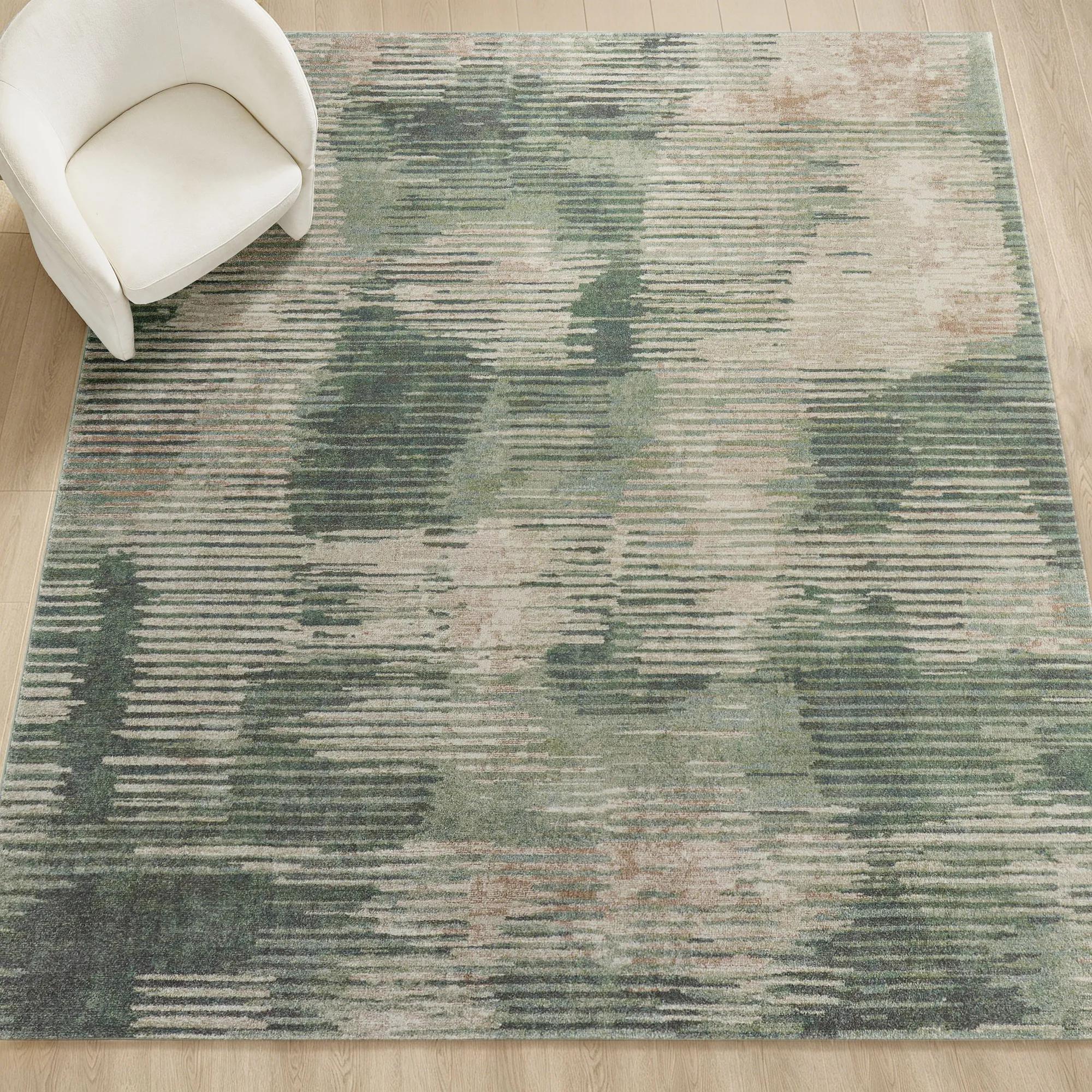
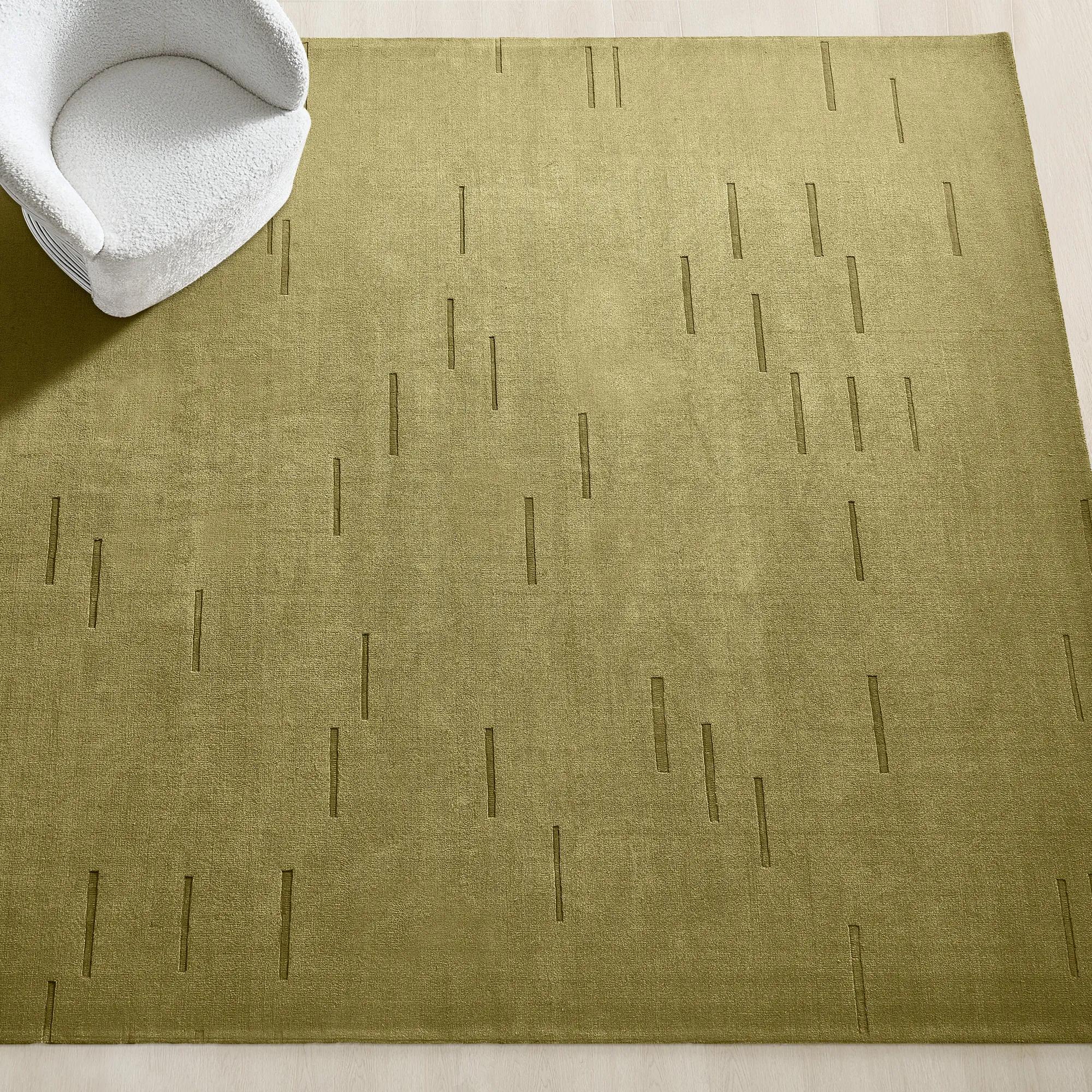
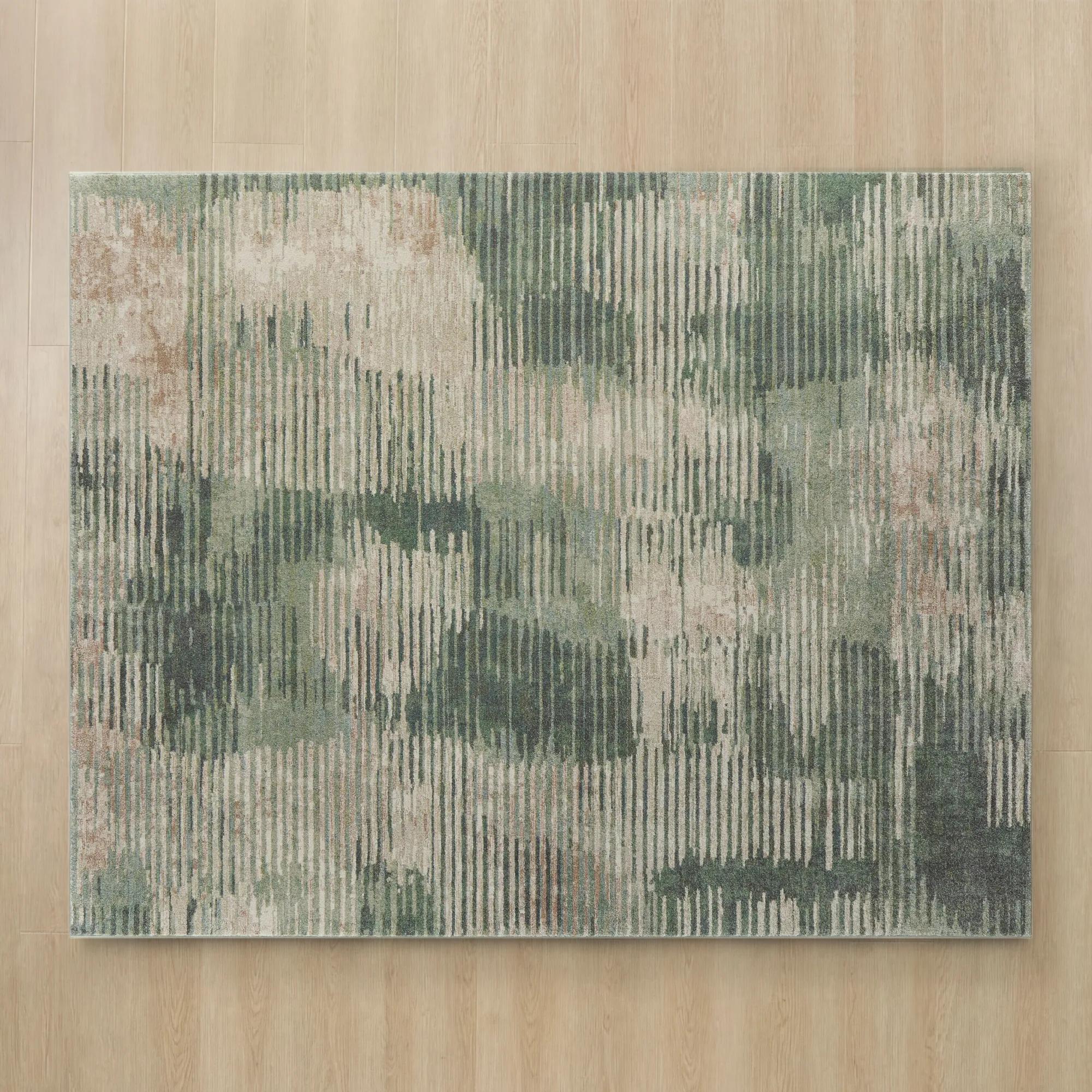 Sylvan Green/Beige Power Loomed Rug$689
A contemporary rug featuring a smoked olive green and beige organic pattern with a soft, power-loomed polypropylene pile.
Add To Cart

Large Abstract Area Rugs
Large abstract area rugs ground spacious seating arrangements with expressive design, turning the floor into a canvas for your room. Explore oversized rugs with an artistic sensibility, and consider how the pattern’s scale and colors will complement your furniture. For a cohesive living room, choose dimensions that allow the front legs of your main seating pieces to rest on the rug.
Large abstract area rugs bring the expressive energy of a painting into the architecture of a room. Sweeping brushstroke effects, clouded fields of color, fractured lines, and softly layered shapes give the floor a presence of its own, creating a setting that feels composed rather than simply furnished. Their generous scale allows subtle details to unfold: a pale gray ground might reveal charcoal markings, while an ivory surface threaded with gold tones can introduce warmth without overwhelming the surrounding furniture. For someone drawn to dramatic interiors, an abstract rug offers a way to carry that confidence across a broad expanse of floor. For a quieter room, it can supply the movement that solid upholstery and clean-lined furniture leave open. The beauty lies in the balance between visual intrigue and everyday comfort. A fluid design beneath a tailored sofa softens the formality of the seating arrangement; a more angular composition can lend structure to curved chairs and rounded tables. Color helps establish the mood, too. Tonal beige, cream, and taupe create depth through gentle contrast, while inky blue, graphite, or rust bring a stronger point of view. Rather than matching every accent precisely, a rug can connect different finishes through a shared undertone or a repeated shade. A small trace of bronze in the pattern may echo a metal table base, while a smoky passage can draw together dark wood and pale upholstery. This makes abstract designs especially compelling in living rooms, bedrooms, and spacious sitting areas where several pieces need to feel connected without appearing identical. Unlike a repeating motif, an abstract composition may shift across its surface, allowing different parts of the design to emerge around furniture. For a similarly expansive visual presence with a more defined motif, Large Scale Pattern Area Rugs offer another expression of floor-level artistry. Both approaches give a room a strong foundation; abstraction brings a particularly painterly freedom, with enough nuance to reward a closer look.
The proportions of a large abstract area rug influence how the entire room reads. A generous footprint can gather a sofa, accent chairs, and coffee table into one distinct conversation area, making an open layout feel intentional without adding physical barriers. Common dimensions such as 8 by 10 feet, 9 by 12 feet, and 10 by 14 feet serve different arrangements, but the relationship to the furniture matters more than the size label alone. In a living room, placing at least the front legs of the main seating pieces on the rug often creates a more connected composition than leaving a small rectangle isolated beneath the coffee table. A larger room may accommodate the full seating arrangement on the surface, with a visible border of flooring preserving definition around its edges. Abstract patterns add another consideration: the most dramatic portion of the design may sit at one end or run diagonally across the rug. Its orientation can draw attention toward a fireplace, frame a seating group, or introduce a striking sweep beside a long sectional. In a dining room, the rug needs enough reach beyond the table for chairs to remain supported when pulled out; approximately 24 to 30 inches on each side is a useful starting point, adjusted for chair depth and the surrounding space. A low, even pile generally allows dining chairs to move more smoothly than a deeply textured surface. In a bedroom, a broad rug beneath the bed creates a sumptuous landing along the sides and foot, while the placement of nightstands and benches determines how much of the composition remains visible. Door swings, floor vents, and main walkways also affect fit. These practical details protect the visual ease of the room: a rug should anchor the furniture without crowding openings or introducing awkward edges into a frequently traveled path. In open-plan spaces, its shape and scale can distinguish a lounge from a neighboring dining area while keeping the overall palette cohesive.
Material and construction give that visual statement its daily character. Wool often brings a resilient feel and dimensional richness, with fibers that can recover well from ordinary compression; some shedding is normal, particularly early in use. Synthetic fibers such as polyester and polypropylene can offer distinct advantages in households where easy maintenance is a priority, though texture, stain response, and longevity vary by fiber, weave, and finish. Viscose and similar lustrous fibers can create a light-catching sheen that makes an abstract pattern appear to change as it is viewed from different angles, but they typically require more cautious handling around moisture and spills. Blended constructions may combine contrasting textures, turning a painted effect into something tactile. A dense, low-pile rug gives intricate markings a crisp appearance and can be practical beneath dining furniture or in an active living area. A deeper pile brings plushness to a bedroom or intimate seating space, while raised and recessed sections emphasize the artwork through shadow. For homes with children or pets, pile height, snag resistance, and the visibility of everyday debris deserve as much attention as color. A mottled design may make small traces of daily use less conspicuous, but pattern is not a substitute for appropriate care. Regular vacuuming with a setting suited to the rug’s construction helps remove grit before it works deeper into the fibers; delicate or looped surfaces may need suction without an aggressive rotating brush. Spills are best blotted promptly rather than rubbed, with any cleaning method checked against the care instructions and tested discreetly when appropriate. Saturating a rug can affect its fibers or backing, and specialized materials may call for professional cleaning. A properly fitted rug pad adds cushioning, helps limit shifting, and reduces abrasion, provided it is compatible with the flooring beneath it. Periodic rotation can also help distribute wear and light exposure. These details preserve more than appearance: they support the comfort and confidence that make a large abstract area rug such a meaningful part of a room, an expansive work of visual expression designed to live beneath everyday moments.
FAQs
Large abstract area rugs bring the expressive energy of a painting to the floor. Fluid lines, layered color, and unexpected shapes create a visual focal point that can make a room feel serene, dramatic, or boldly eclectic. Let the rug establish the mood, then echo its artistry through sculptural furniture and thoughtfully chosen accents.
Begin with the atmosphere you want to create. Tonal neutrals lend quiet sophistication, while saturated hues and sharp contrasts introduce a more theatrical presence. For a cohesive composition, choose an abstract rug that echoes a color in your upholstery or artwork, then draw out a secondary shade through pillows or decorative objects.
An abstract rug creates a compelling counterpoint to traditional furniture, placing painterly movement beneath tailored silhouettes and ornate details. Connect the two through a shared color, such as ivory, charcoal, or deep blue. The contrast gives classic pieces a fresh perspective while preserving their elegance.
Give each pattern a distinct role. Pair sweeping abstract motifs with crisp stripes or structured geometrics, using a shared palette to bring them together. Solid upholstery offers a visual pause, allowing the rug’s expressive composition and your patterned accents to each hold their own.
Create a conversation between the floor and the rest of the room rather than matching every detail. Echo a sweeping line with a curved vase, repeat an accent color in wall art, or contrast fluid motifs with angular decorative objects. A few deliberate connections make the space feel artfully composed without diminishing the rug’s individuality.