Large Soft Area Rugs
Large Soft Area Rugs
-
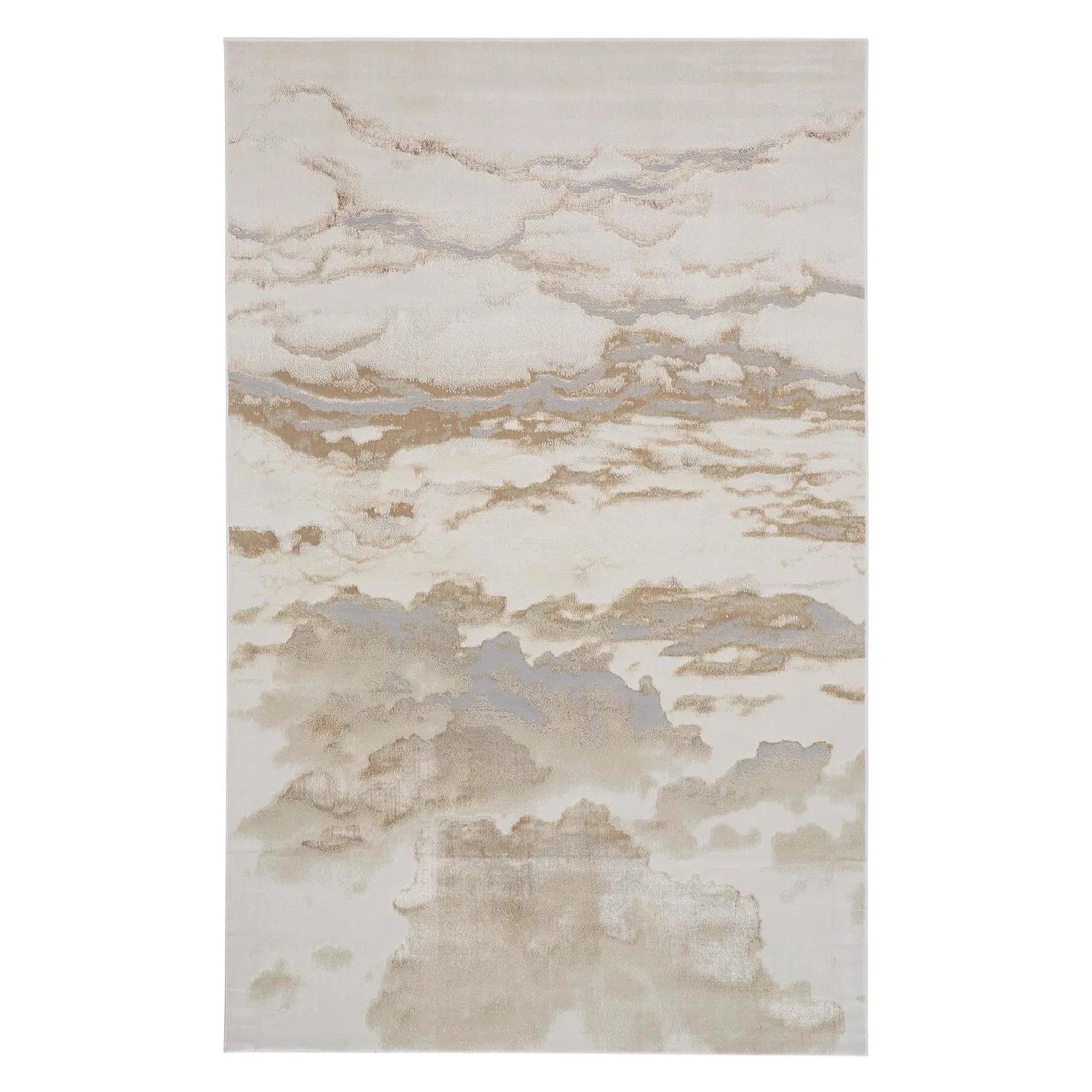
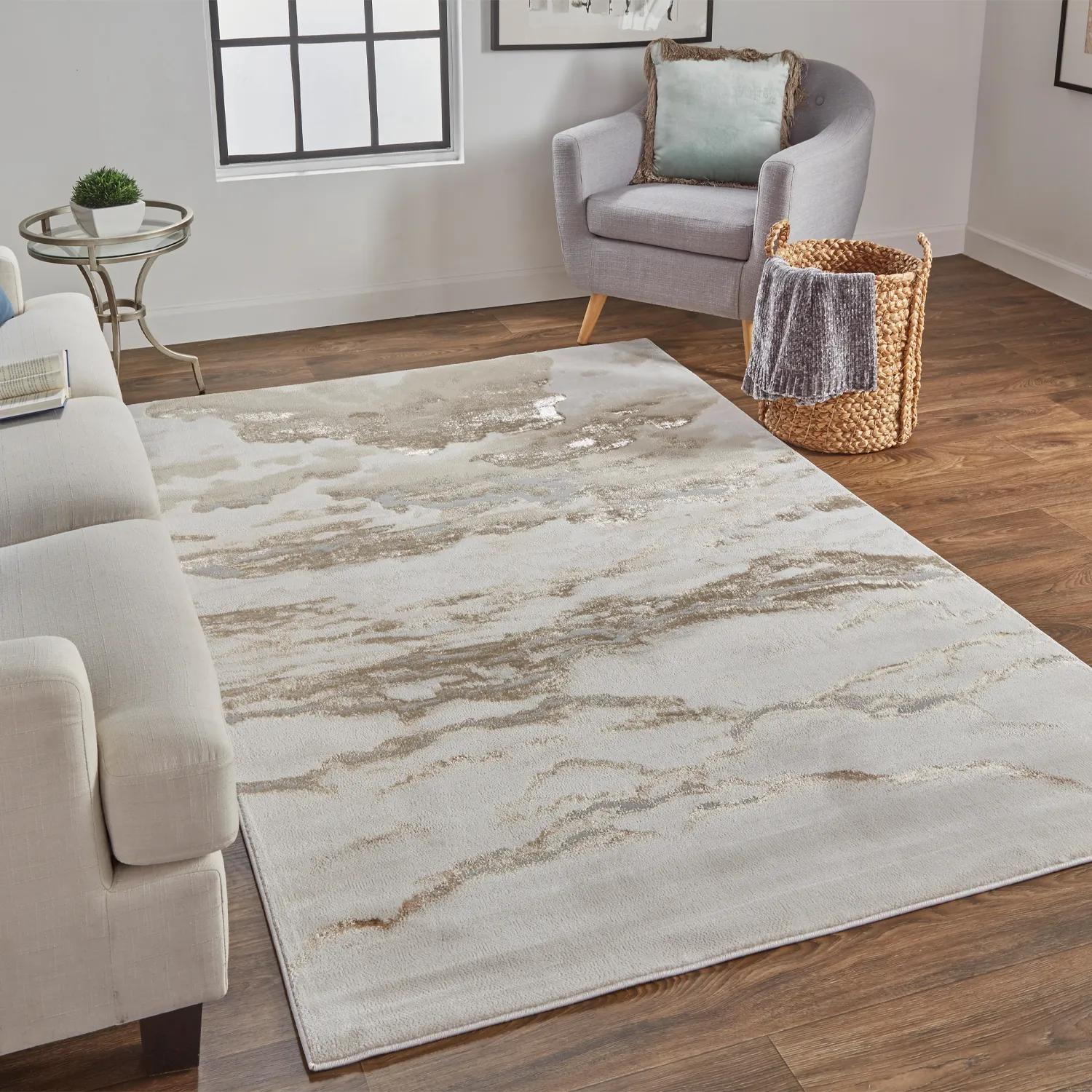 Tide Power-Loomed Beige/Gold/Ivory Rug$449
A machine-made rug in beige and gold, crafted from ultra-soft polyester and polypropylene for elegant appeal.
Add To Cart -
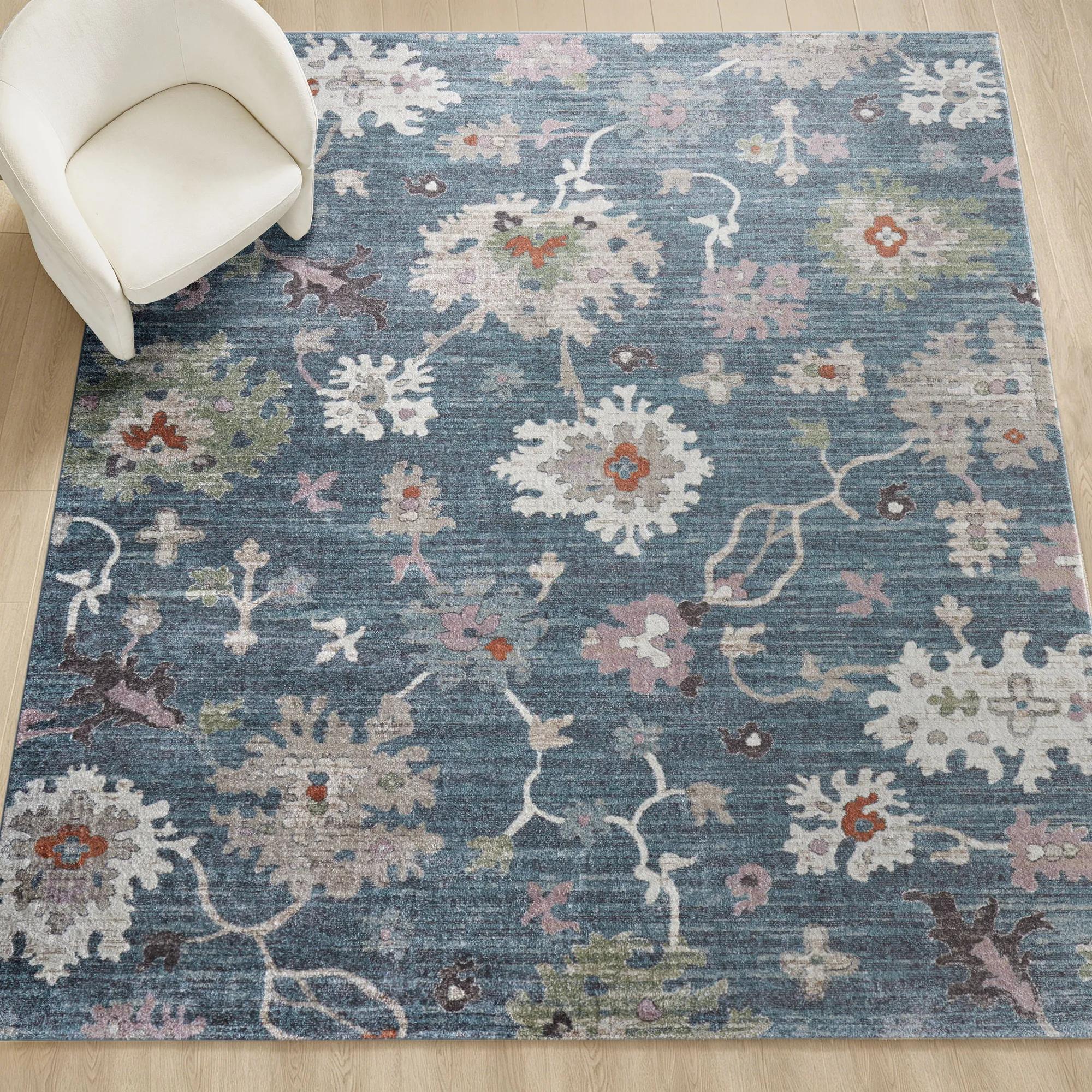
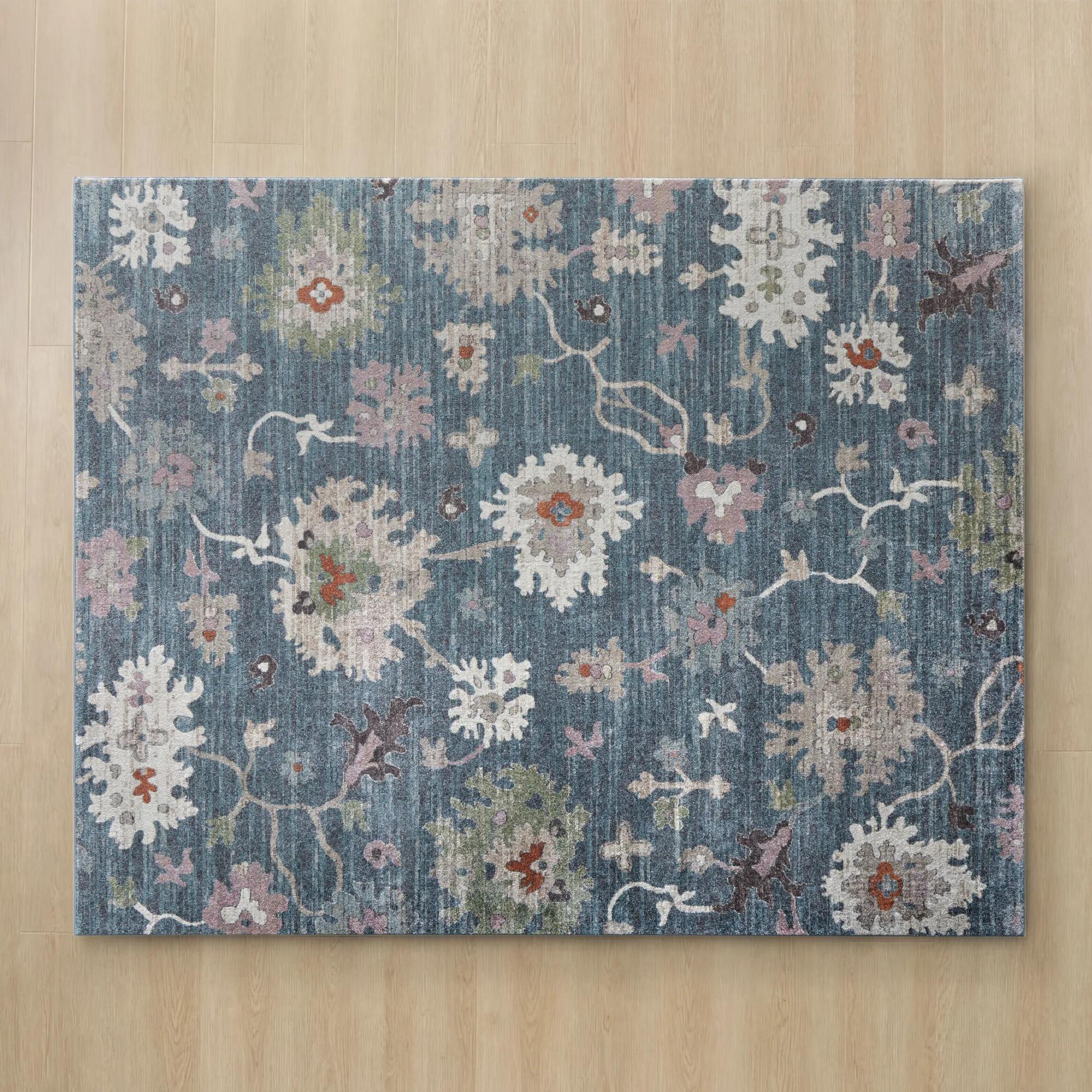 Ariella Floral Blue/Ivory/Beige/Green/Rose Dust Performance Power Loomed Rug$1499
A Persian-inspired rug in blue, ivory, beige, green, and rose dust with plush, stain-resistant polypropylene.
Add To Cart -
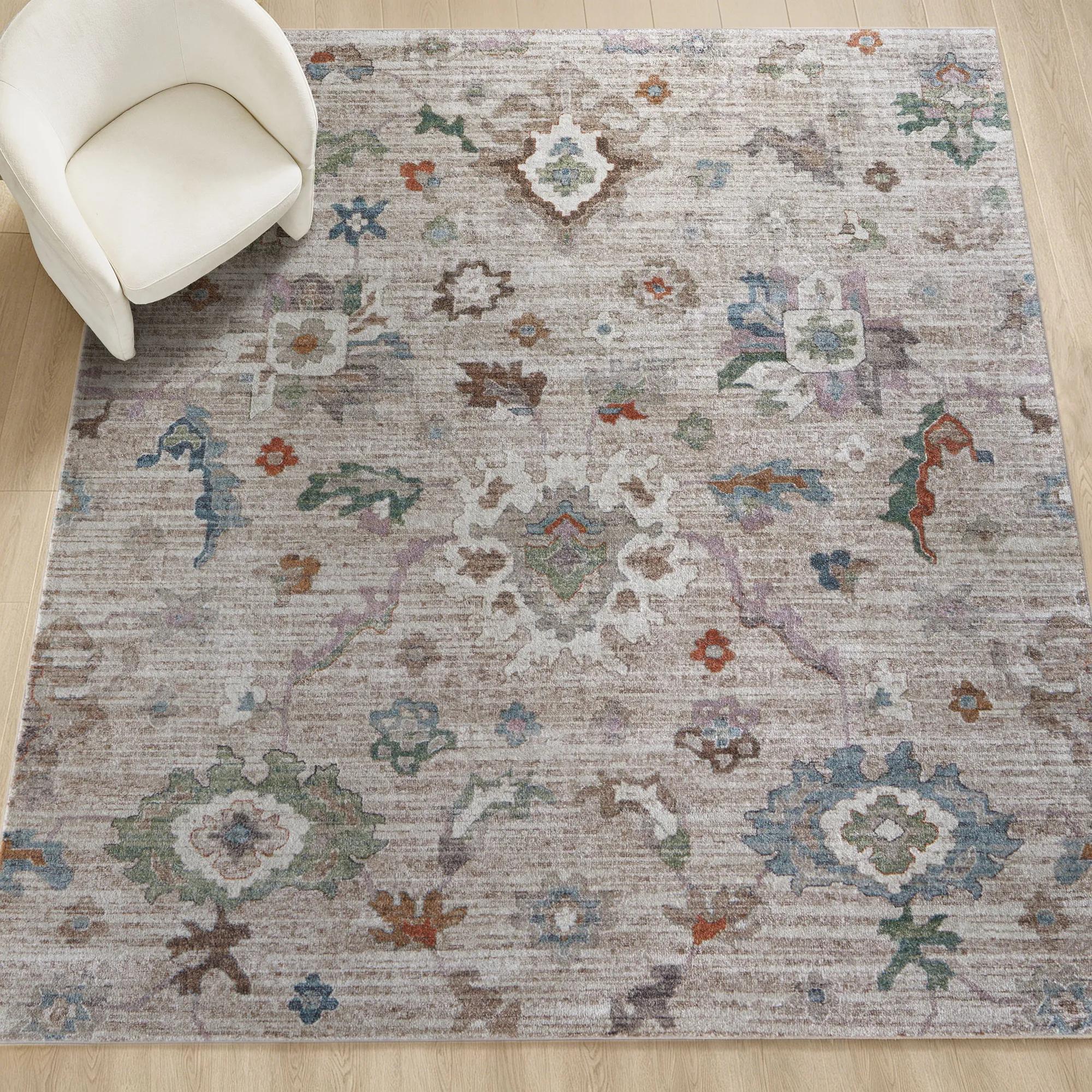
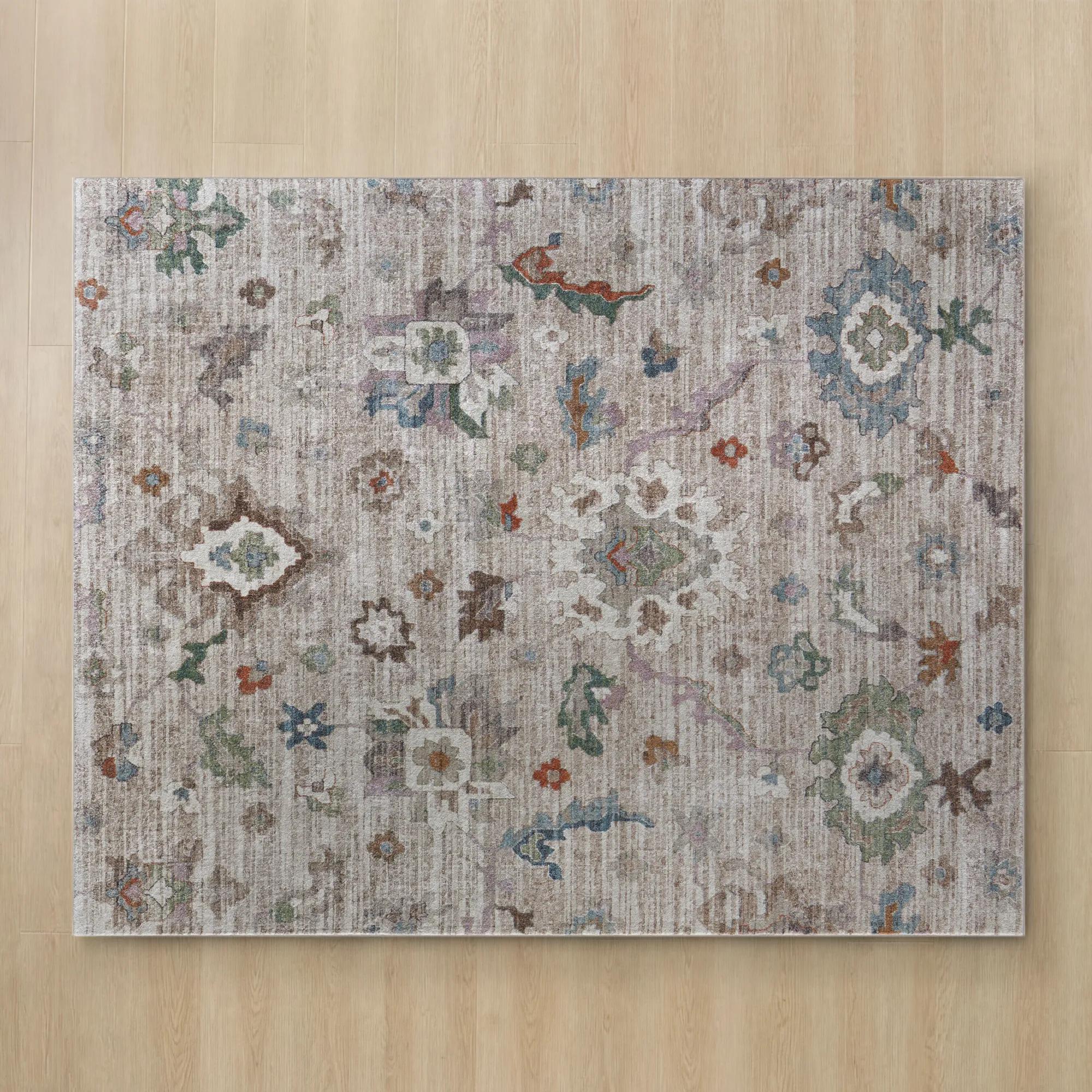 Ariella Floral Taupe/Ivory/Beige/Blue/Green Performance Power Loomed Rug$1399
A Persian-inspired rug in taupe, ivory, beige, blue, and green with a plush, power-loomed polypropylene pile.
Add To Cart -
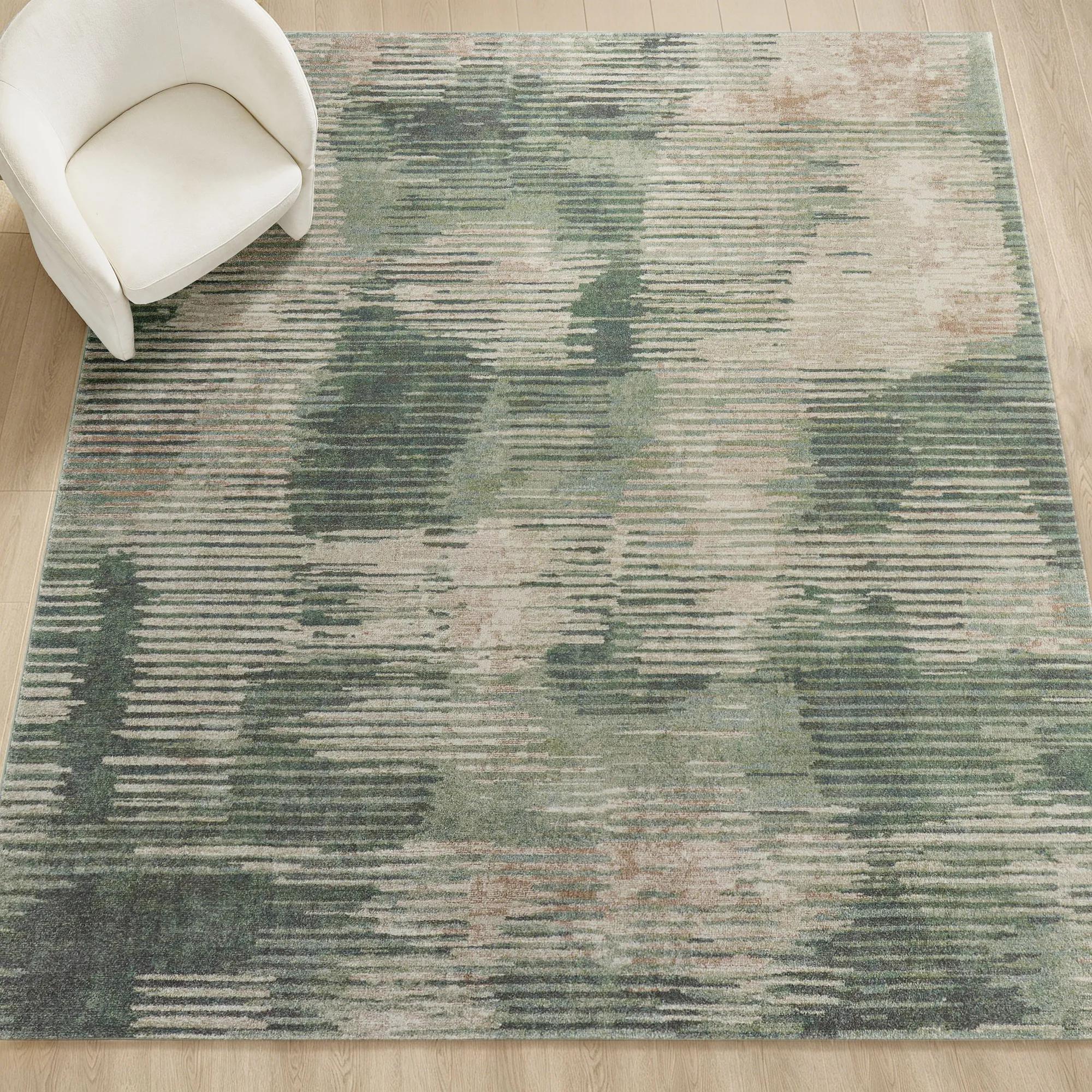
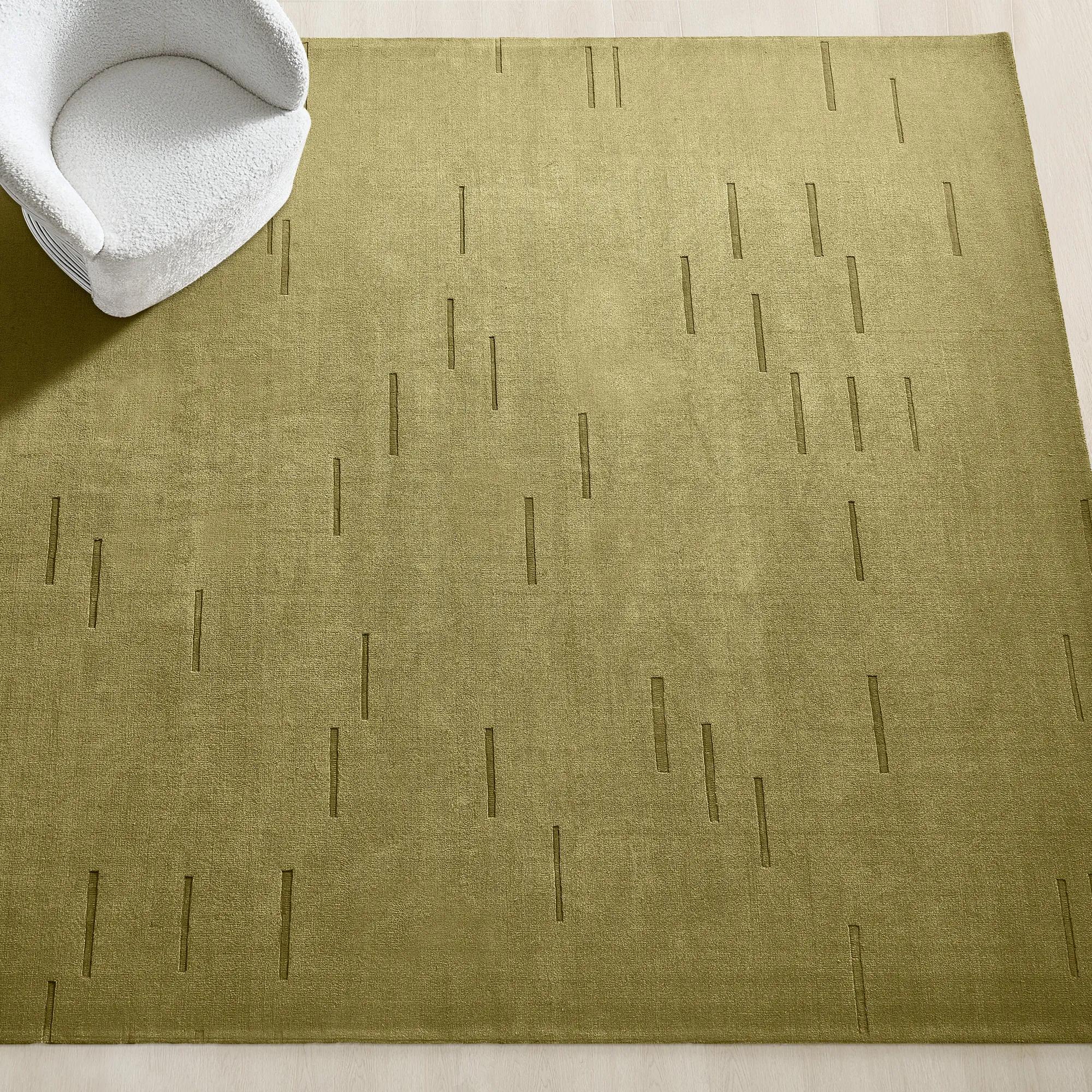
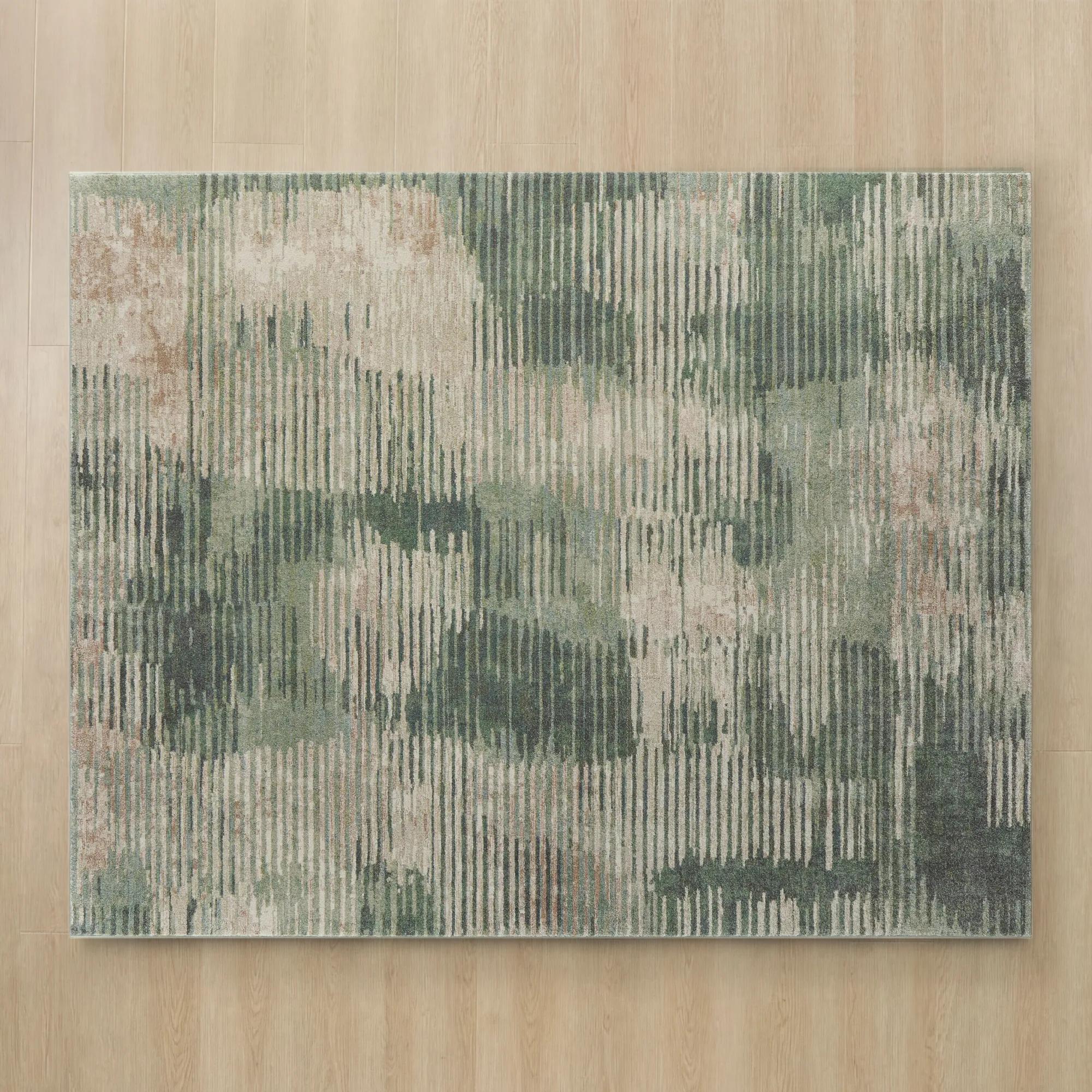 Sylvan Green/Beige Power Loomed Rug$329
A power-loomed polypropylene rug in smoked olive green and beige with a soft, contemporary organic pattern.
Add To Cart -
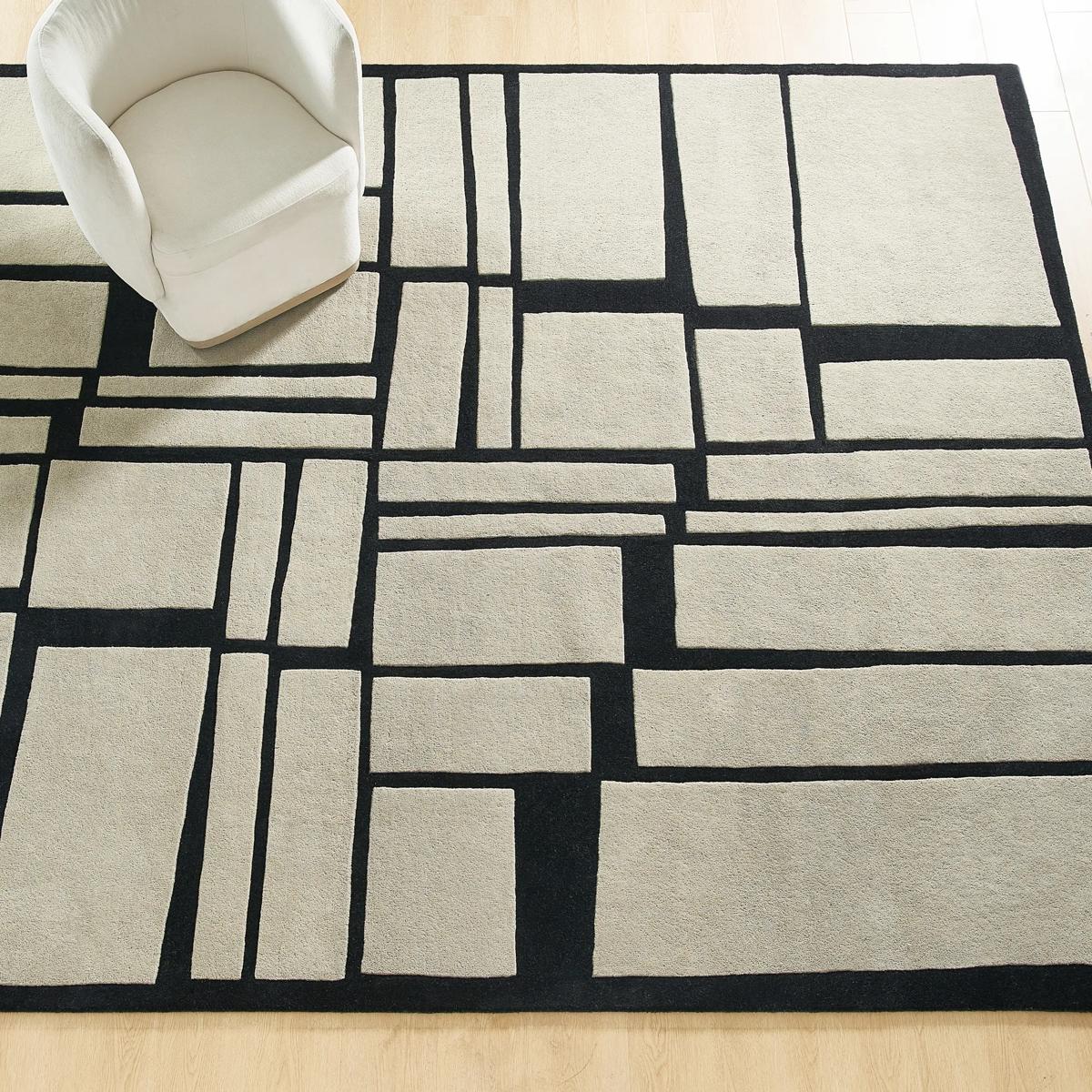
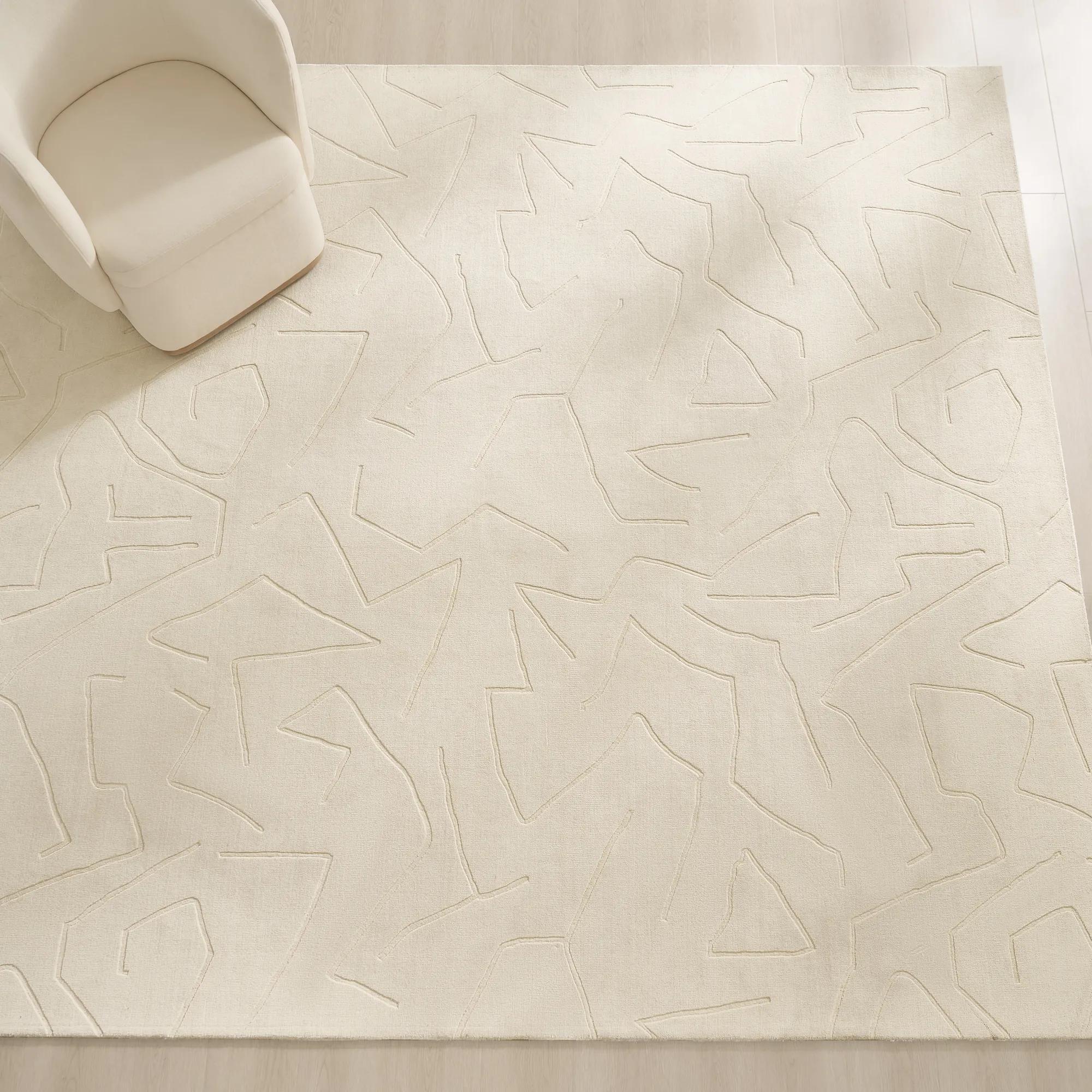 Carved Maze Ivory Hand-Loomed Wool Blend Rug$699
A hand-loomed ivory wool-blend rug featuring a carved maze pattern for modern, textural appeal.
Add To Cart -
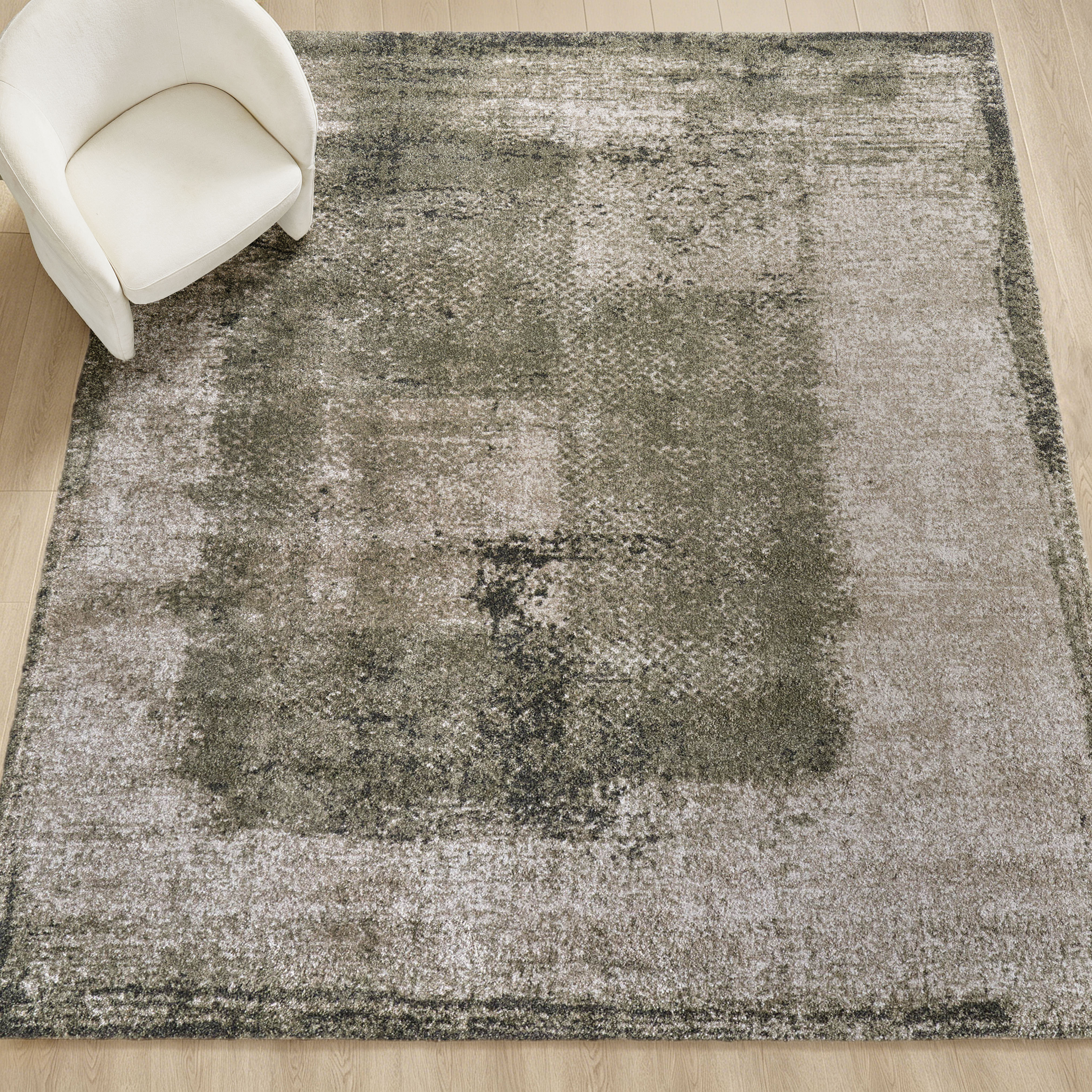
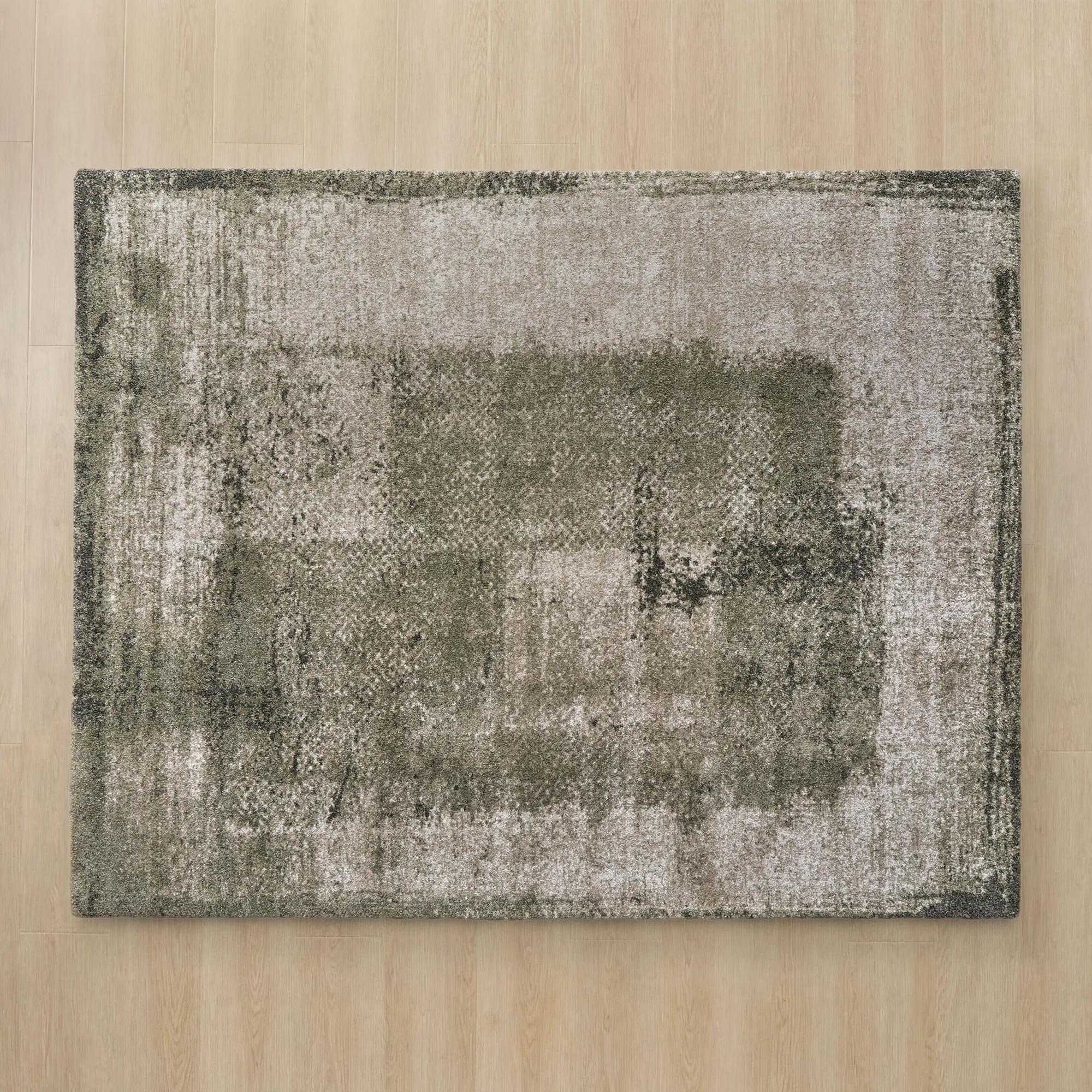 Irving Abstract Moss Green/Beige/Grey Performance Power Loomed Rug$849
An abstract rug in moss green, beige, and grey with plush, durable power-loomed polypropylene and polyester.
Add To Cart -
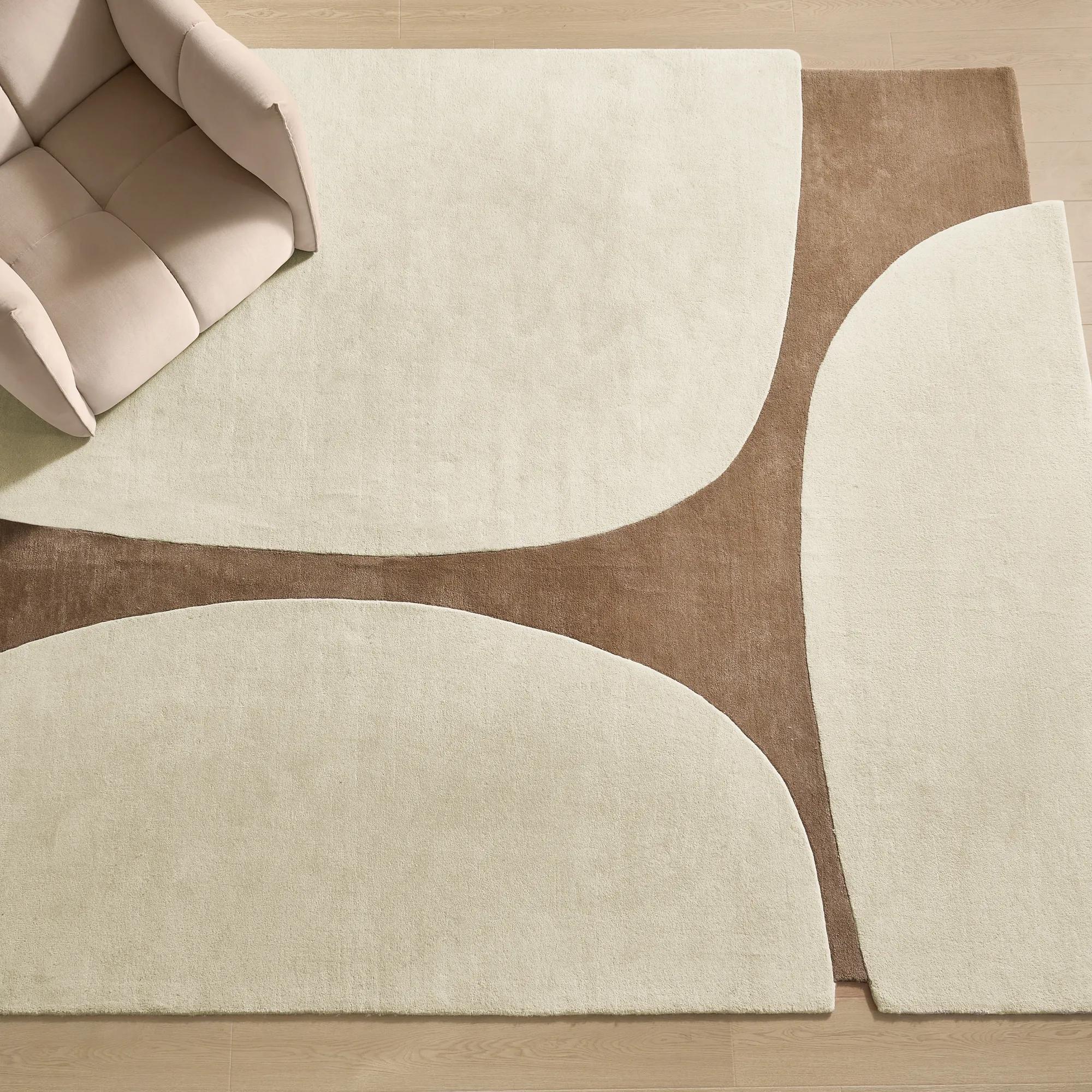
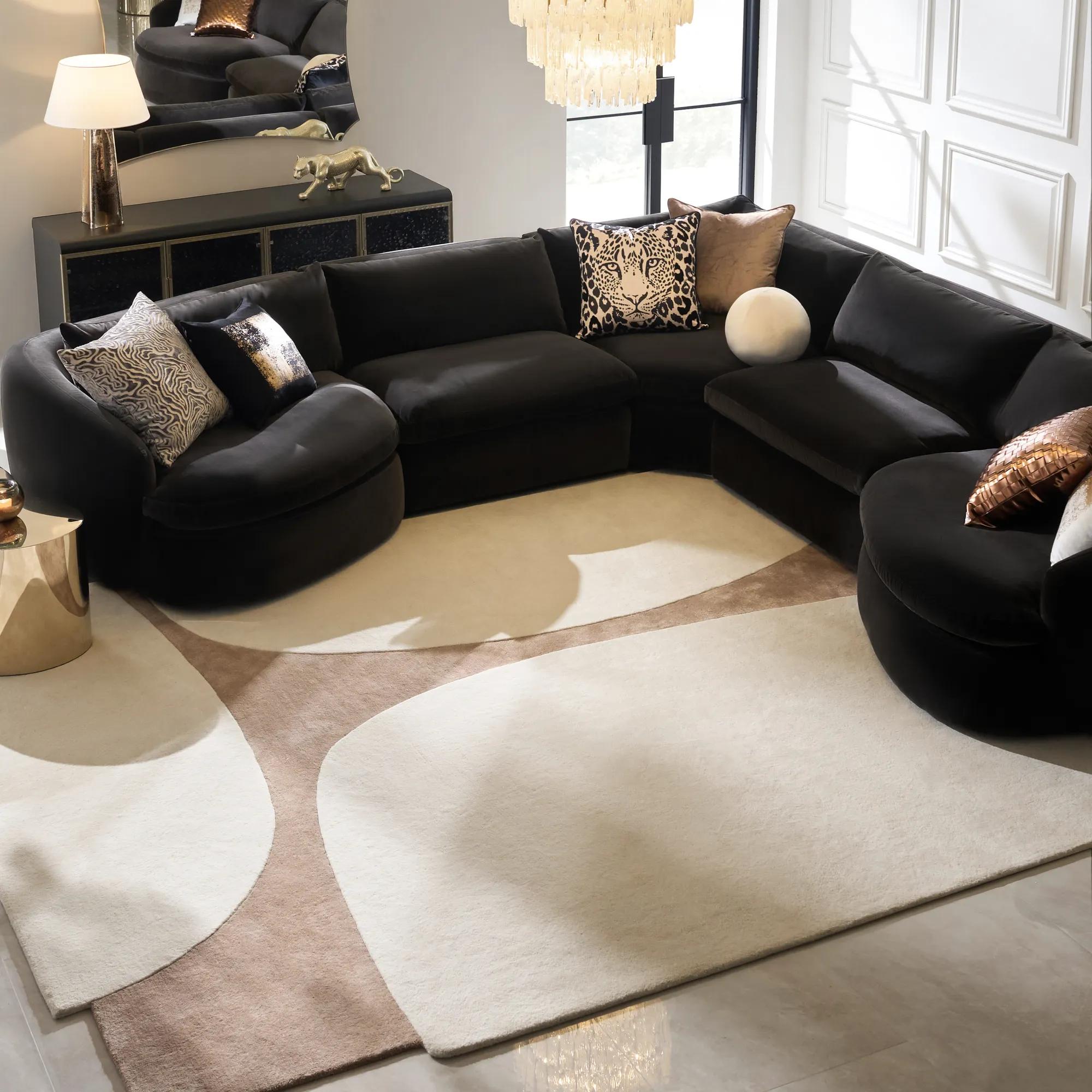 Contour Hand-Tufted Ivory/Ginger Root Wool Blend Rug$499
A hand-tufted wool rug blending ivory and ginger root tones for textured, modern warmth.
Add To Cart -
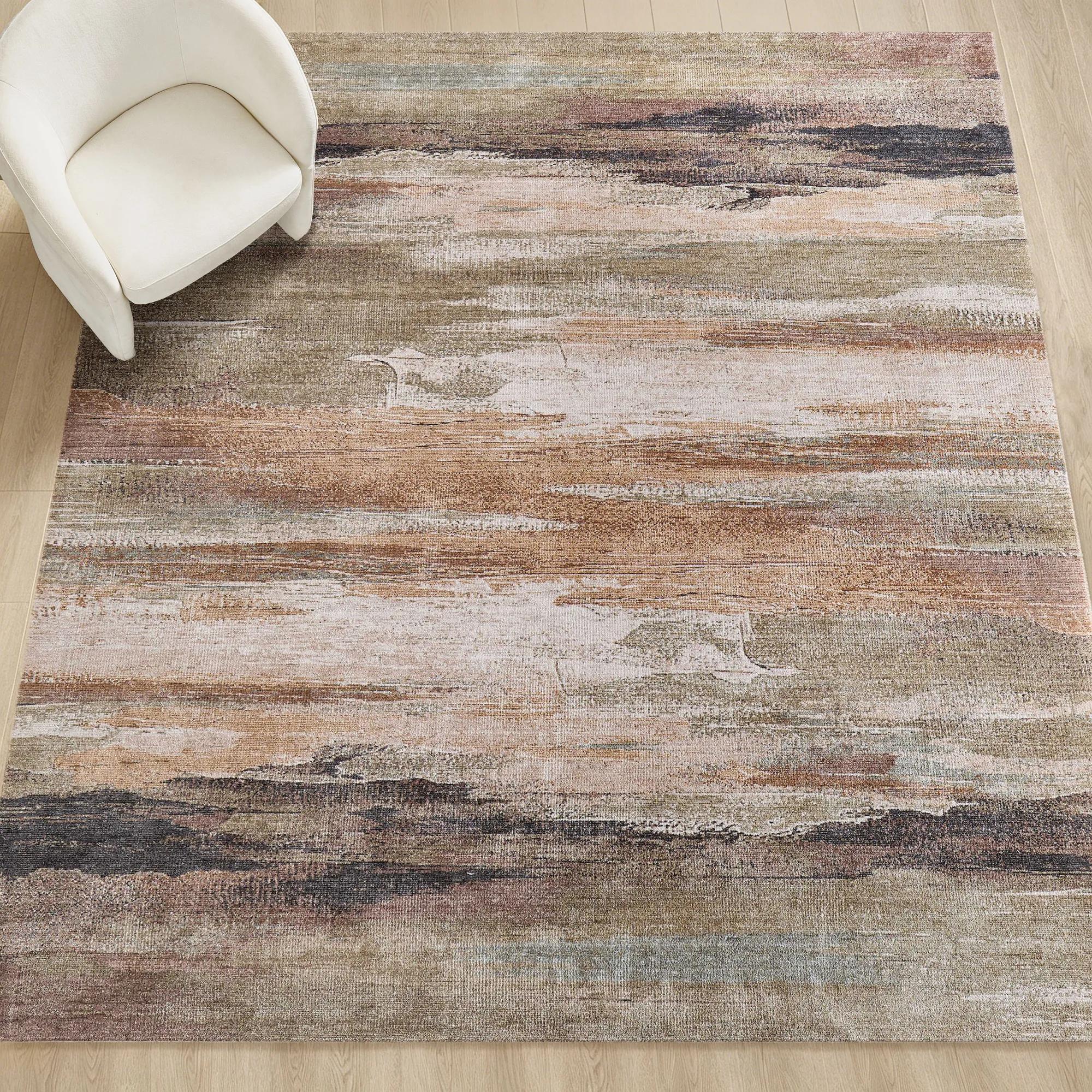
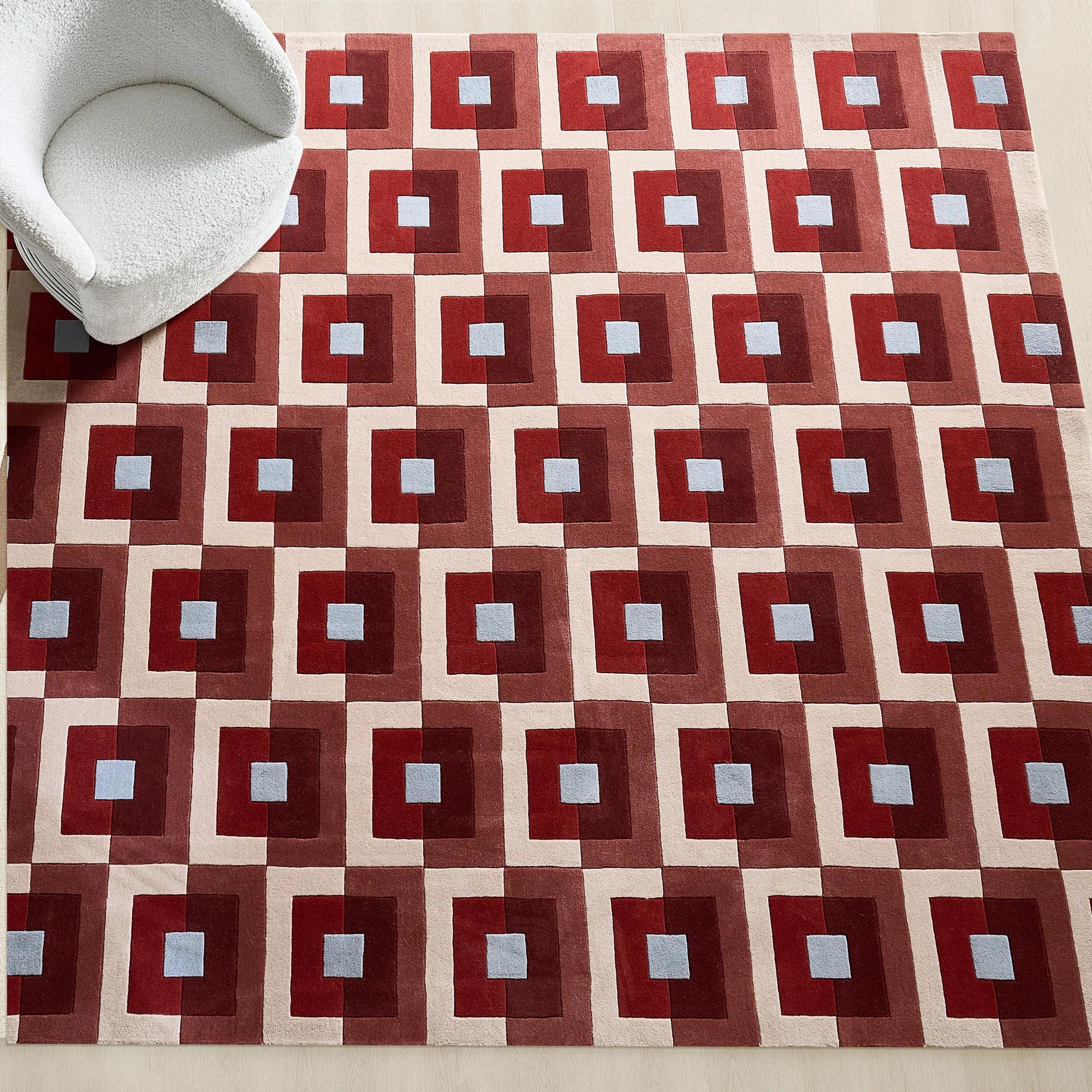
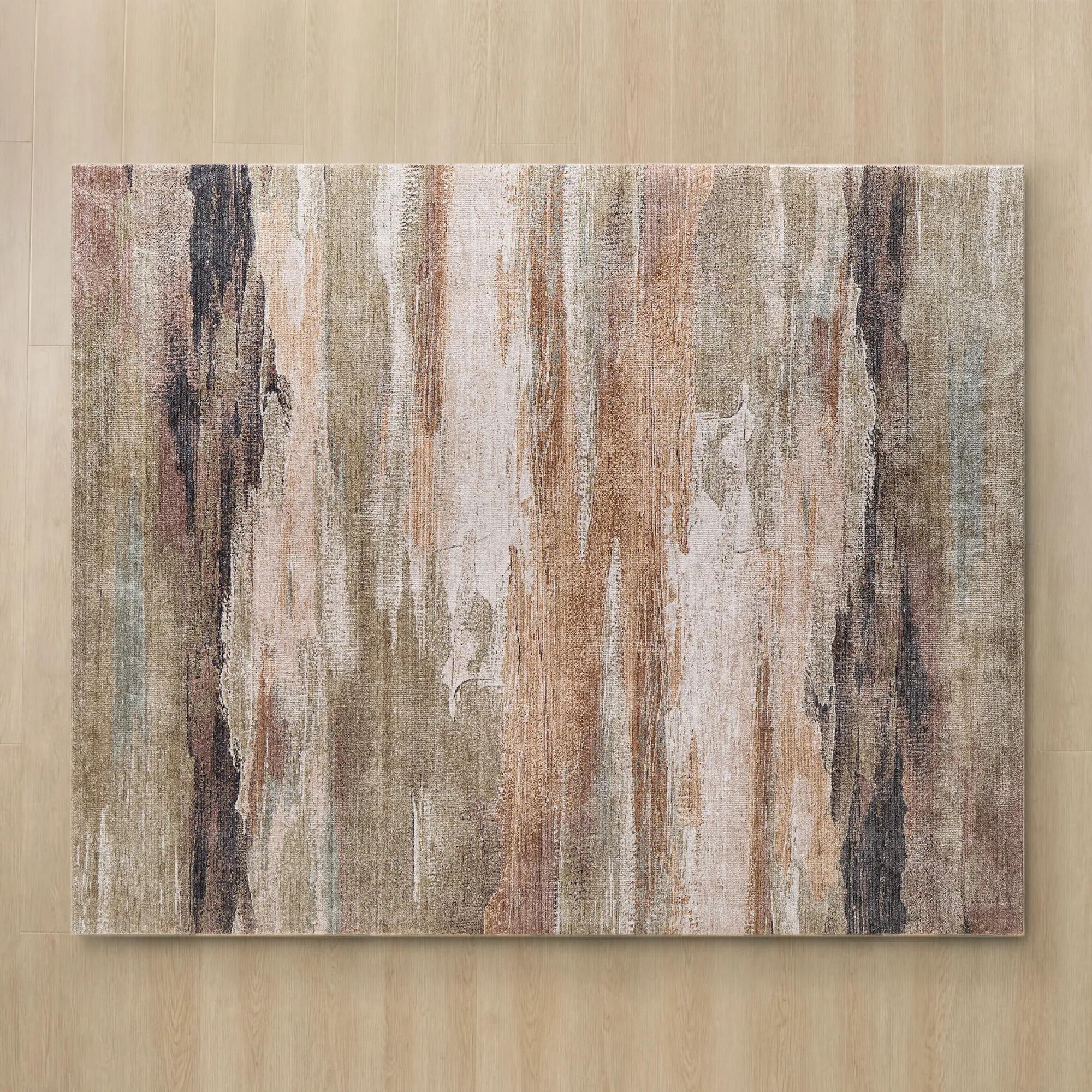 Sedona Rust/Beige/Moss Green/Charocal/Blue Performance Power Loomed Rug$1999
A power-loomed polyester rug featuring a rich abstract pattern in rust, beige, moss green, charcoal, and blue.
Add To Cart -
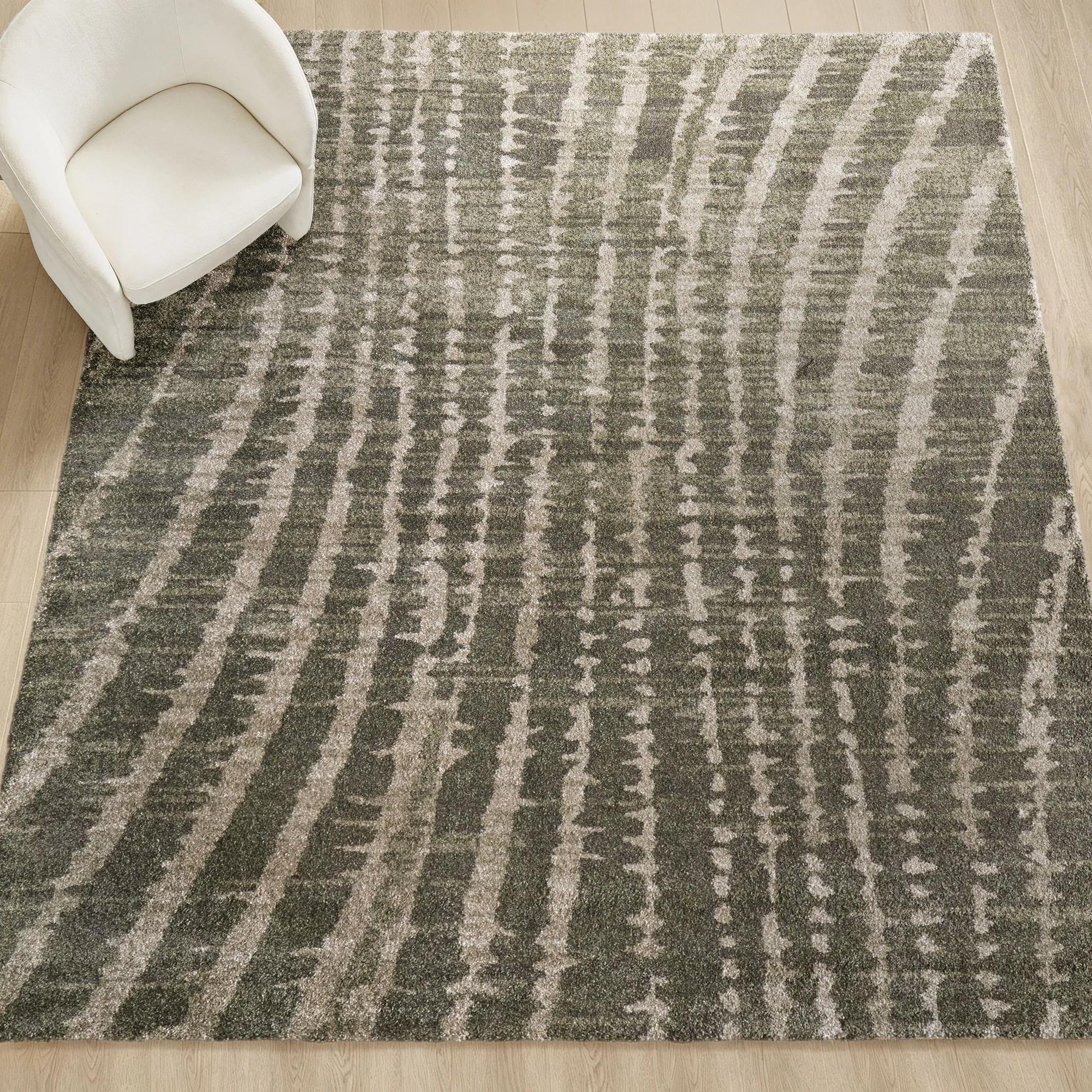
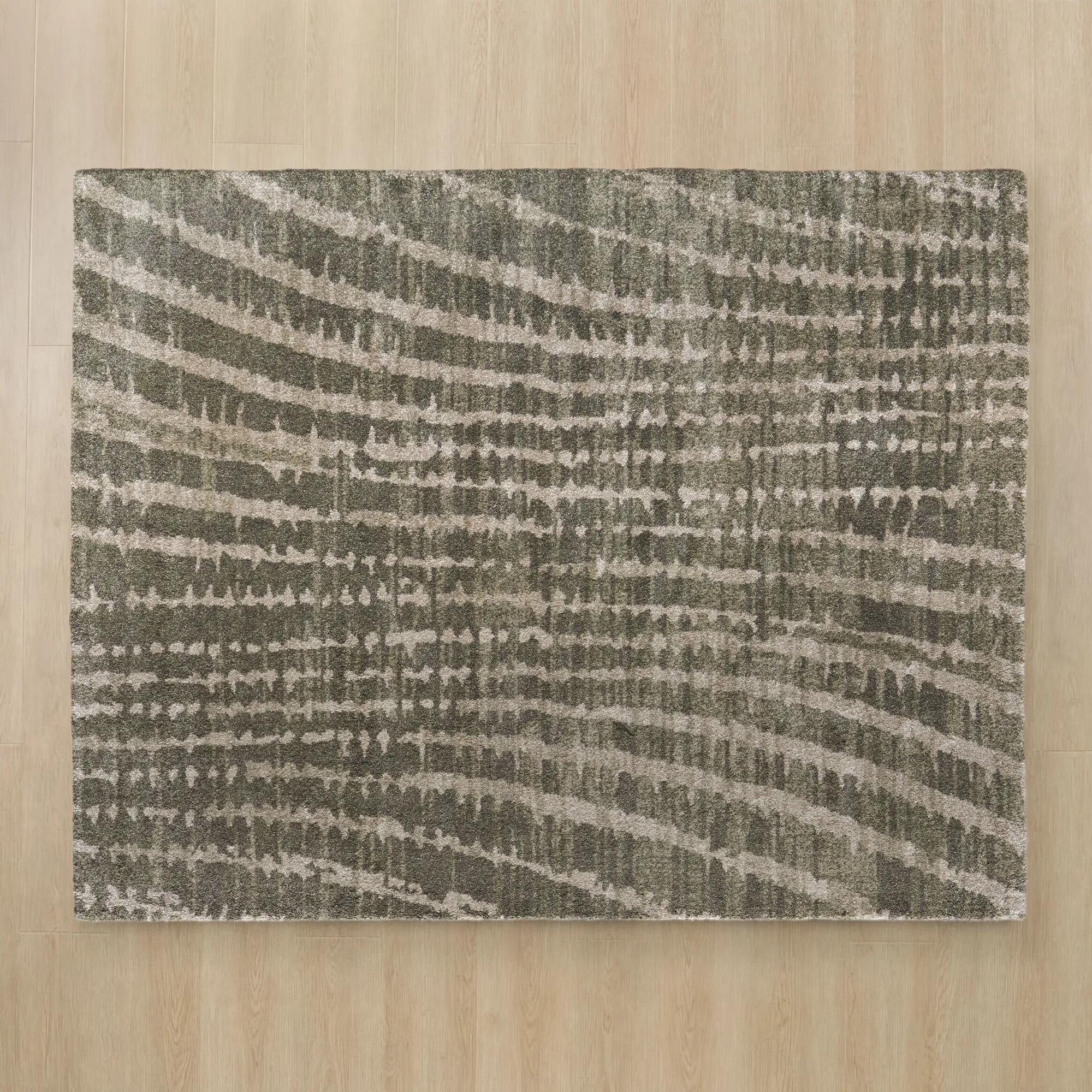 Tempo Green/Grey/Beige Performance Power Loomed Rug$1349
An abstract charcoal grey and beige rug with plush, power-loomed polypropylene and polyester construction.
Add To Cart -
 Fiona Hand-Tufted Ivory/Beige/Black Border Fringe Rug$1099
A hand-tufted ivory, beige, and black rug featuring a framed border and decorative fringe.
Add To Cart -
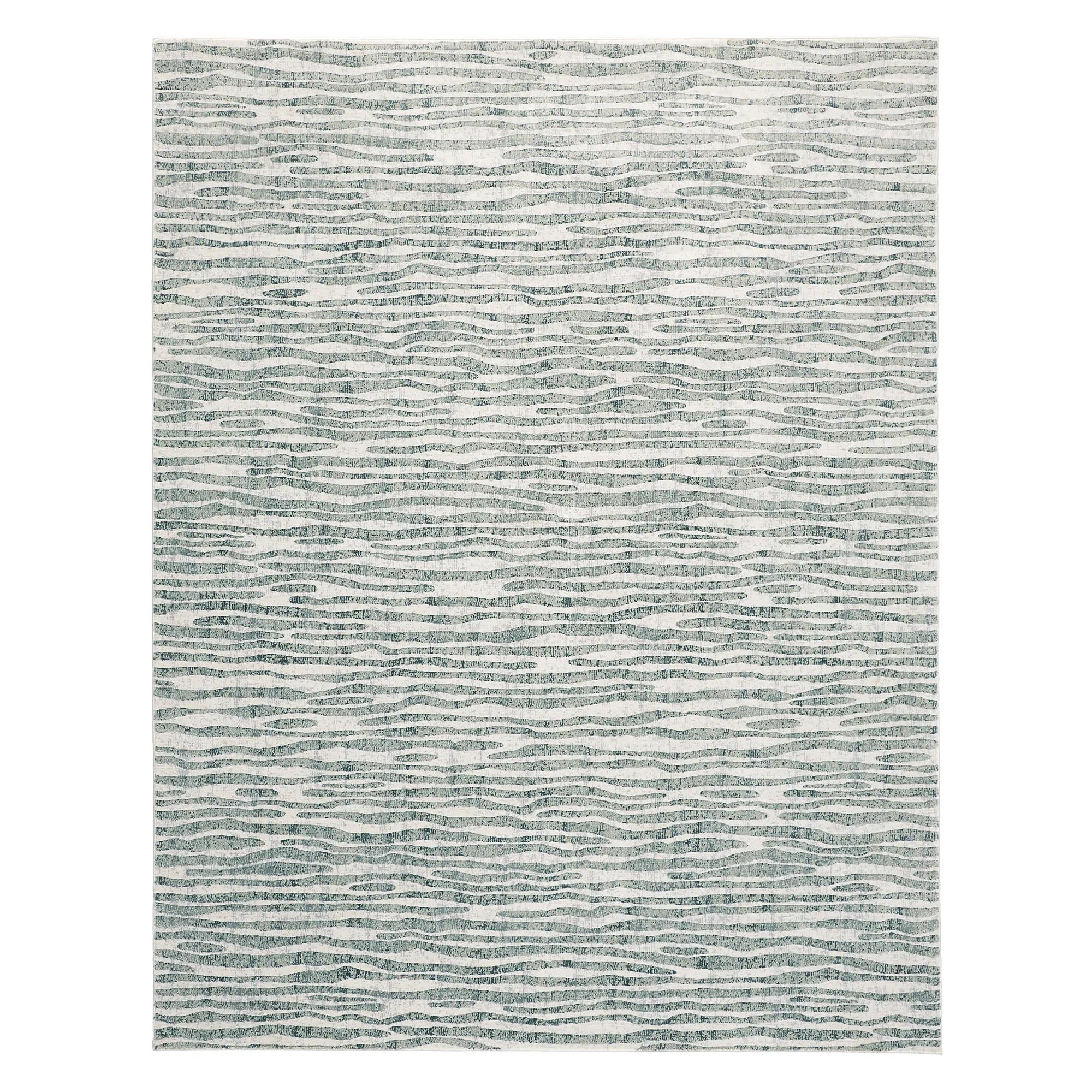 Samantha Power-Loomed Aqua/Grey Rug$719
A machine-woven rug featuring silvery-aqua and green accents on an ivory and grey polypropylene base.
Add To Cart -
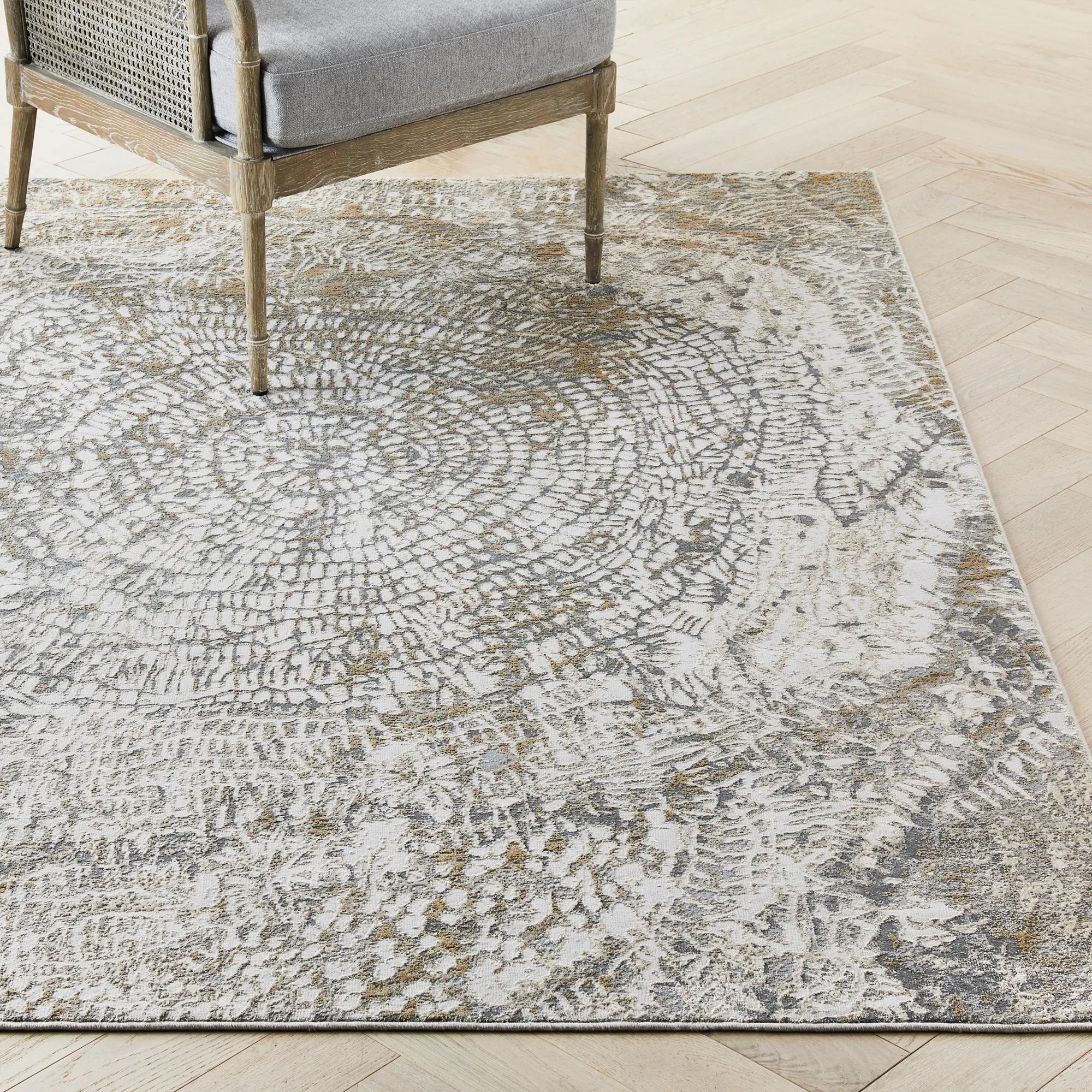 Nautilus Power-Loomed Silver/Grey/Natural Rug$999
A machine-woven ivory rug featuring subtle tonal variations and a durable polypropylene blend construction.
Add To Cart -
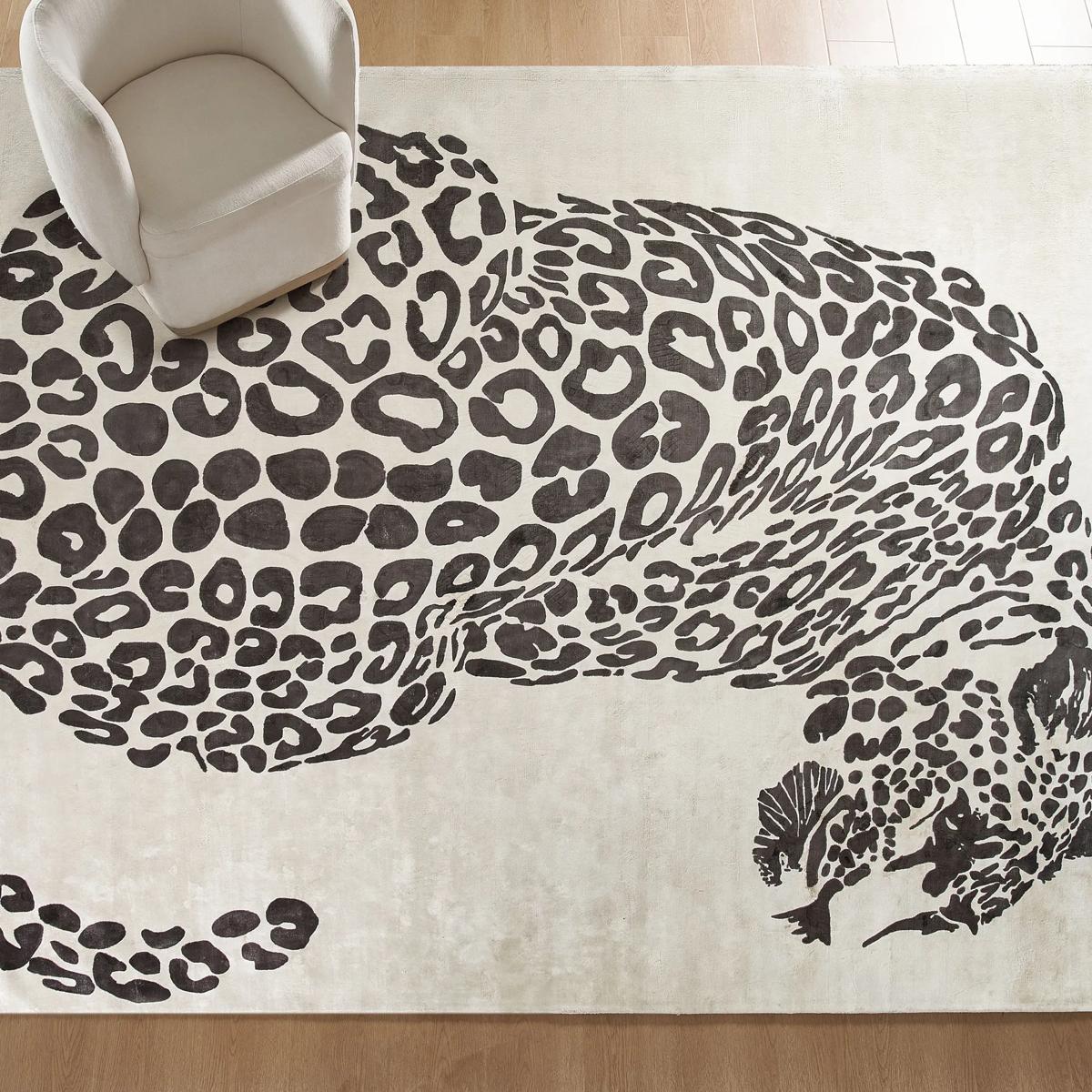 Pardus Leopard Hand-Loomed Ivory/Black Rug$499
An artful ivory and black viscose rug featuring a bold leopard motif and a smooth, silky texture.
Add To Cart -
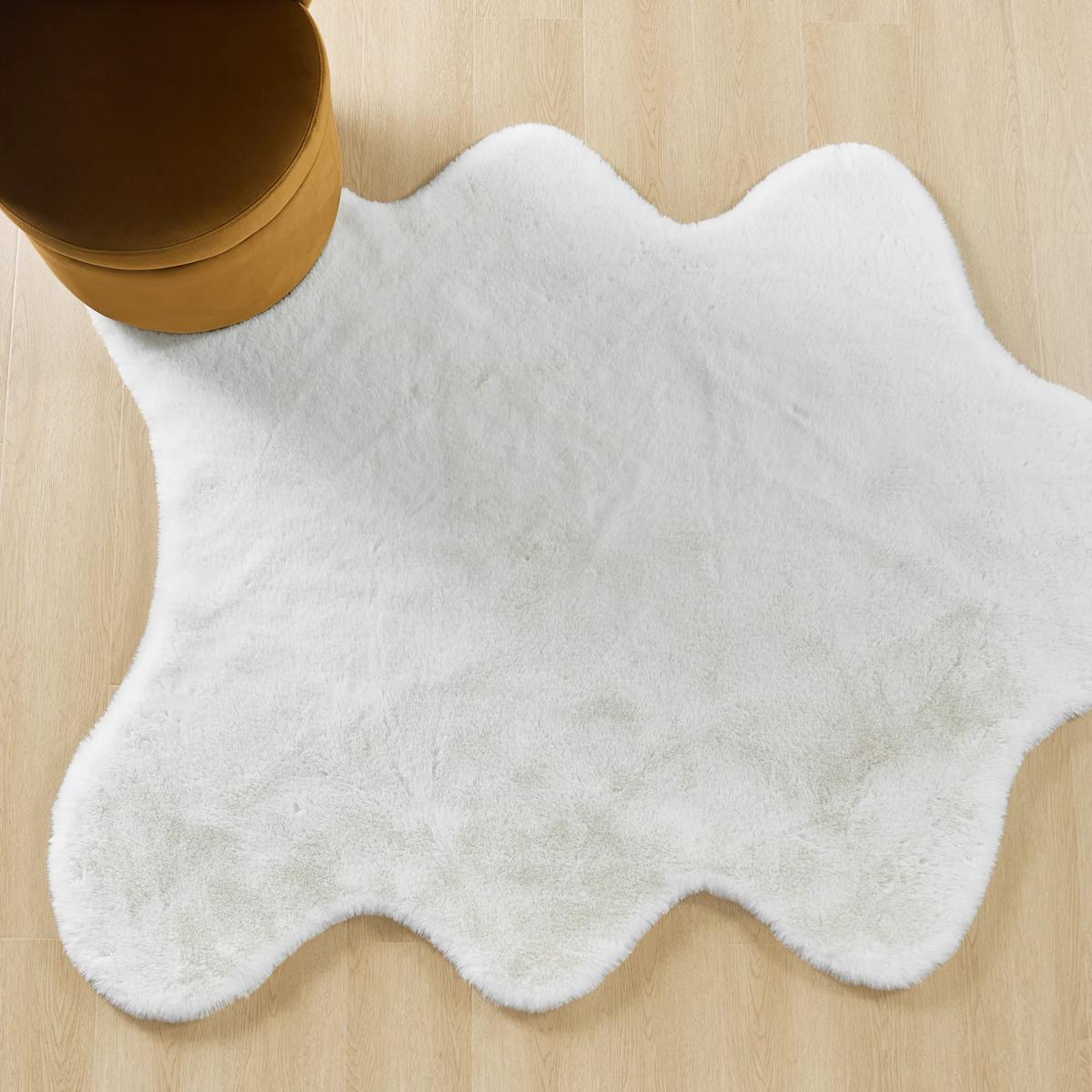
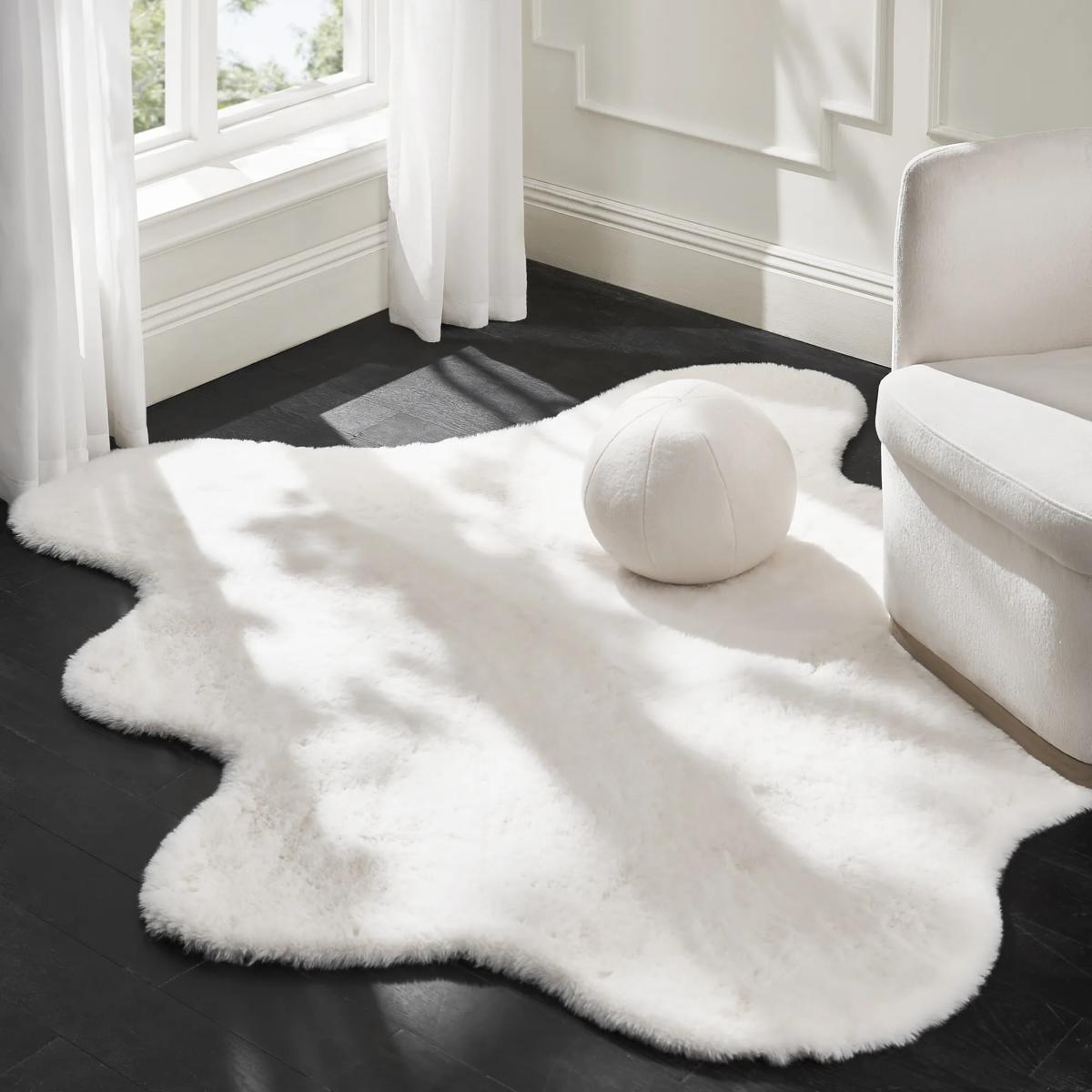 Odin Faux Fur White Shaped Rug 5' x 6'$249
A plush, cloud-shaped white rug with ultra-soft polyester pile and a practical non-slip backing.
Add To Cart -
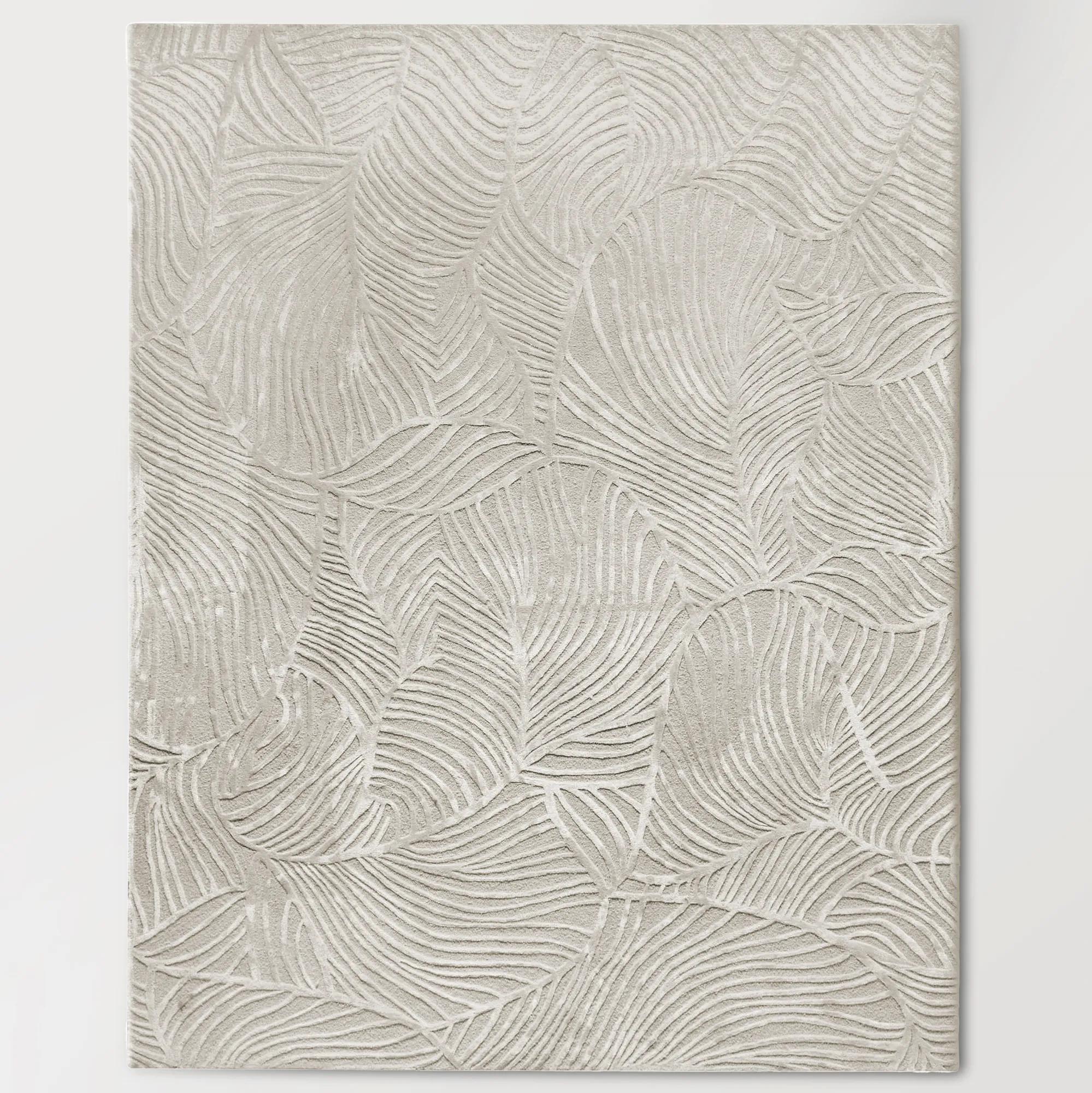 Palm Hand-Tufted Ivory Wool Blend Rug$1499
An ivory rug featuring a dynamic palm-leaf design with high-low pile in viscose and wool.
Add To Cart -
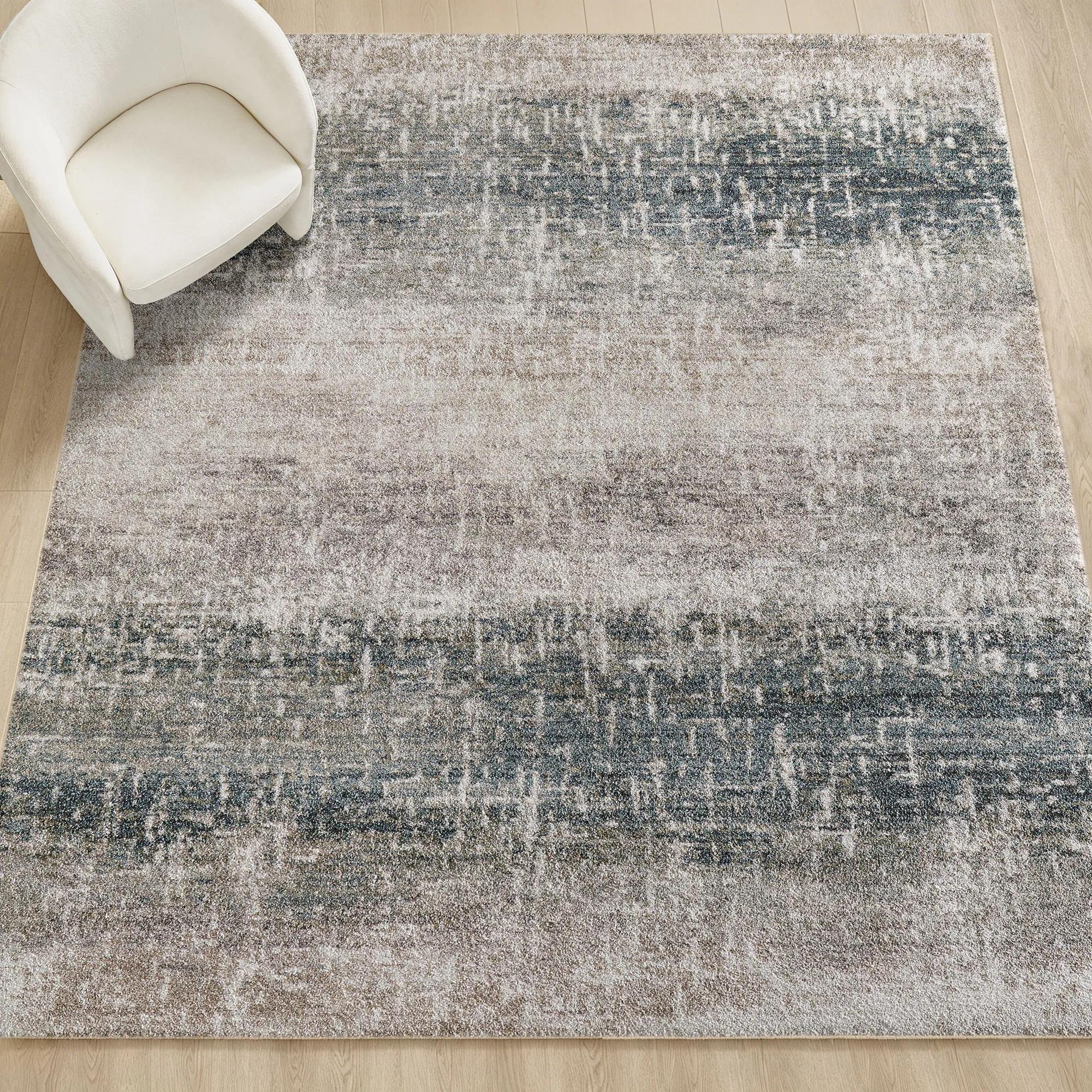
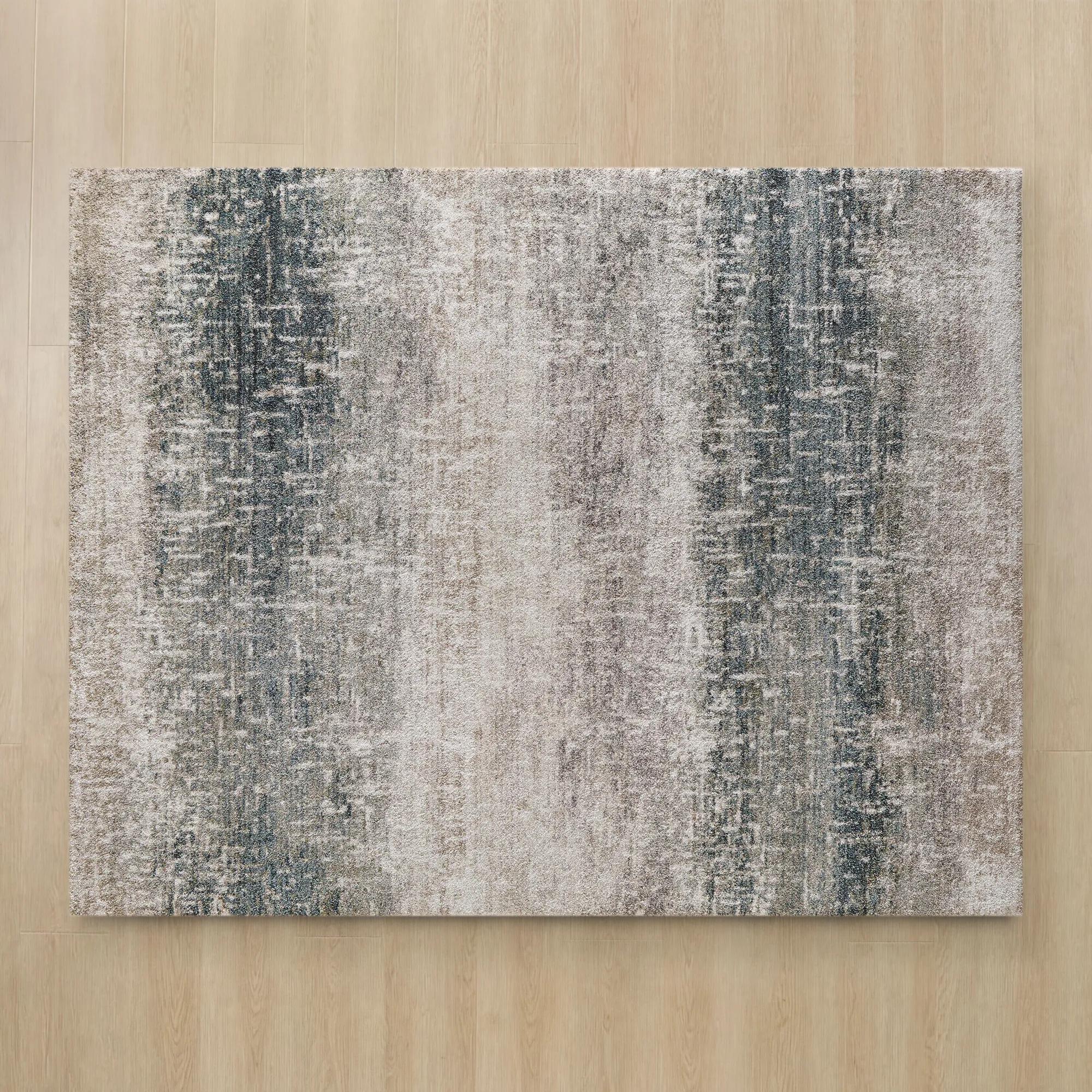 Collier Taupe/Grey/Blue/Green Performance Power Loomed Rug$1649
An abstract rug in taupe, grey, blue, and green with a plush pile and durable, easy-care blend.
Add To Cart -
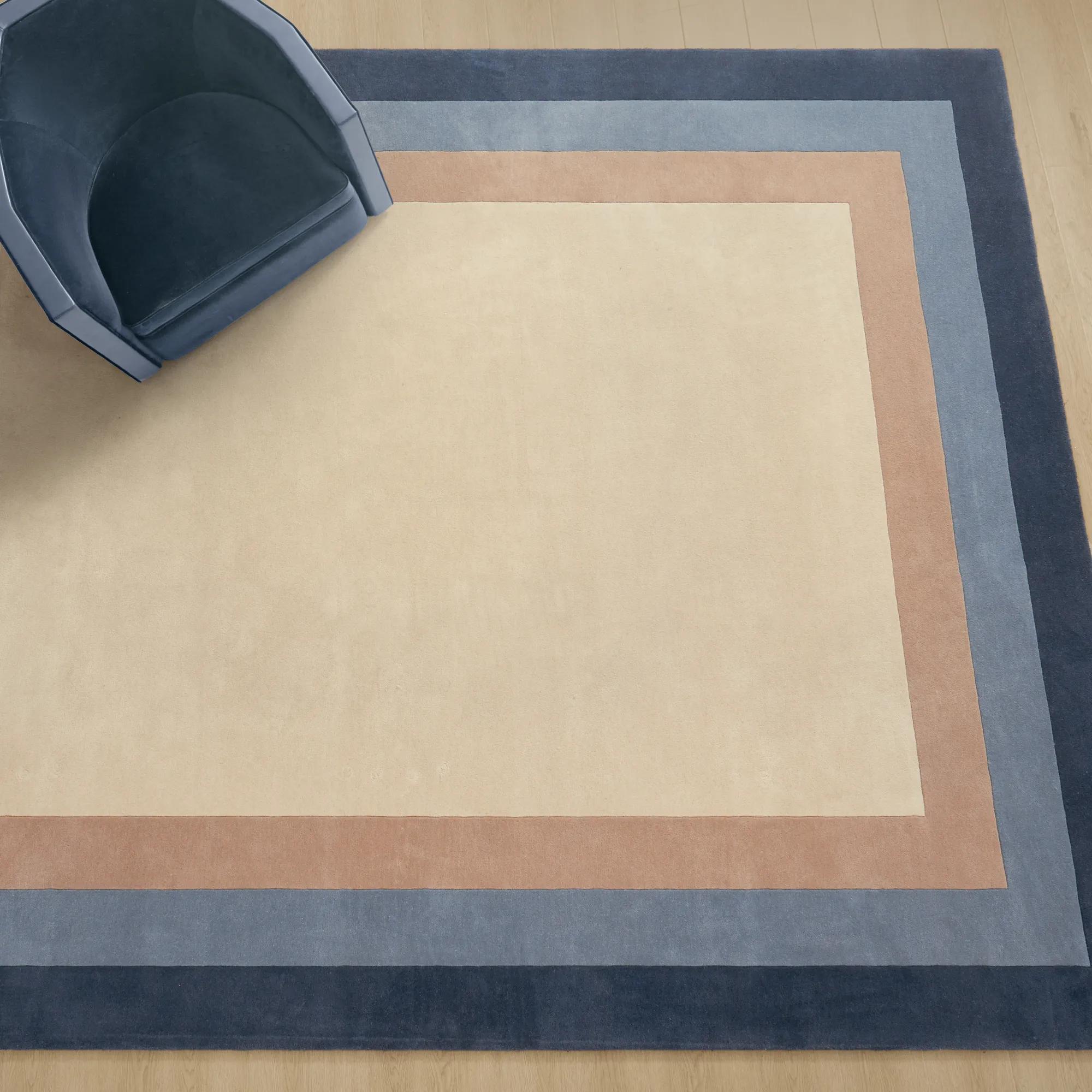 Bastien Hand-Tufted Blue/Taupe/Ivory Wool Border Rugs$499
A hand-tufted pure wool rug featuring a bold color-blocked border in dusty blue, taupe, and ivory.
Add To Cart -
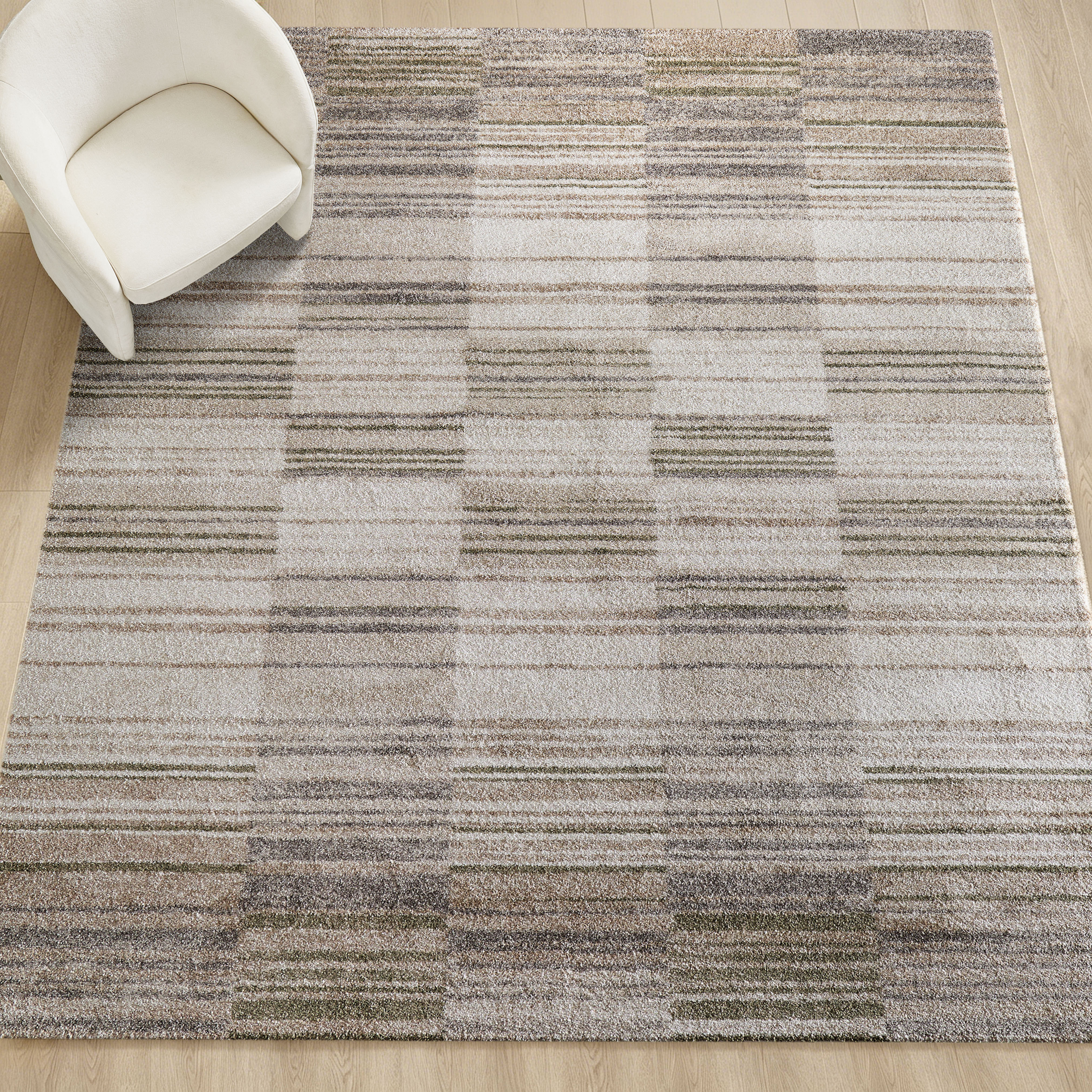
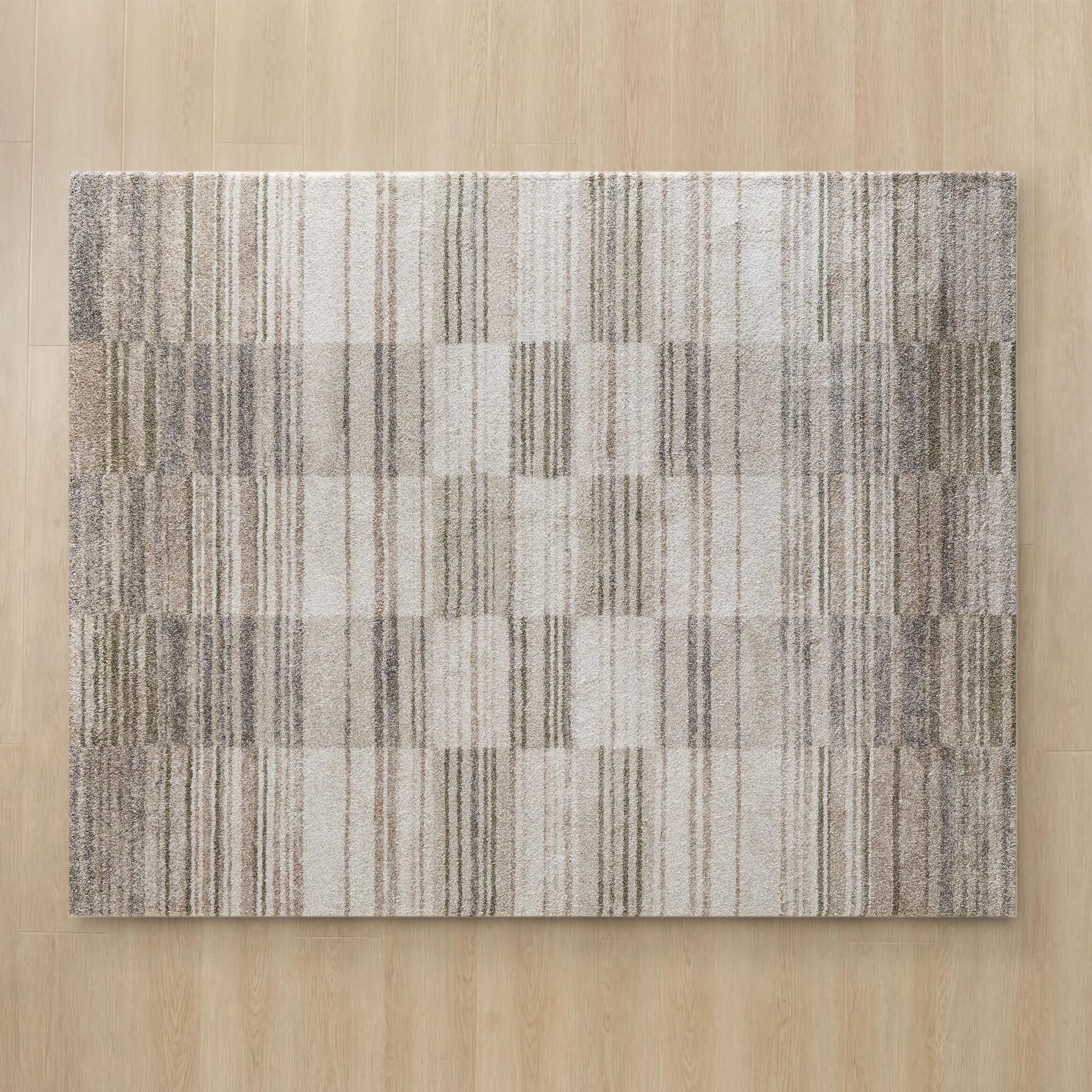 Checka Grey/Tan/Ivory/Soft Green Performance Power Loomed Rug$1649
A plush, power-loomed rug featuring a soft check pattern in grey, tan, ivory, and green.
Add To Cart -
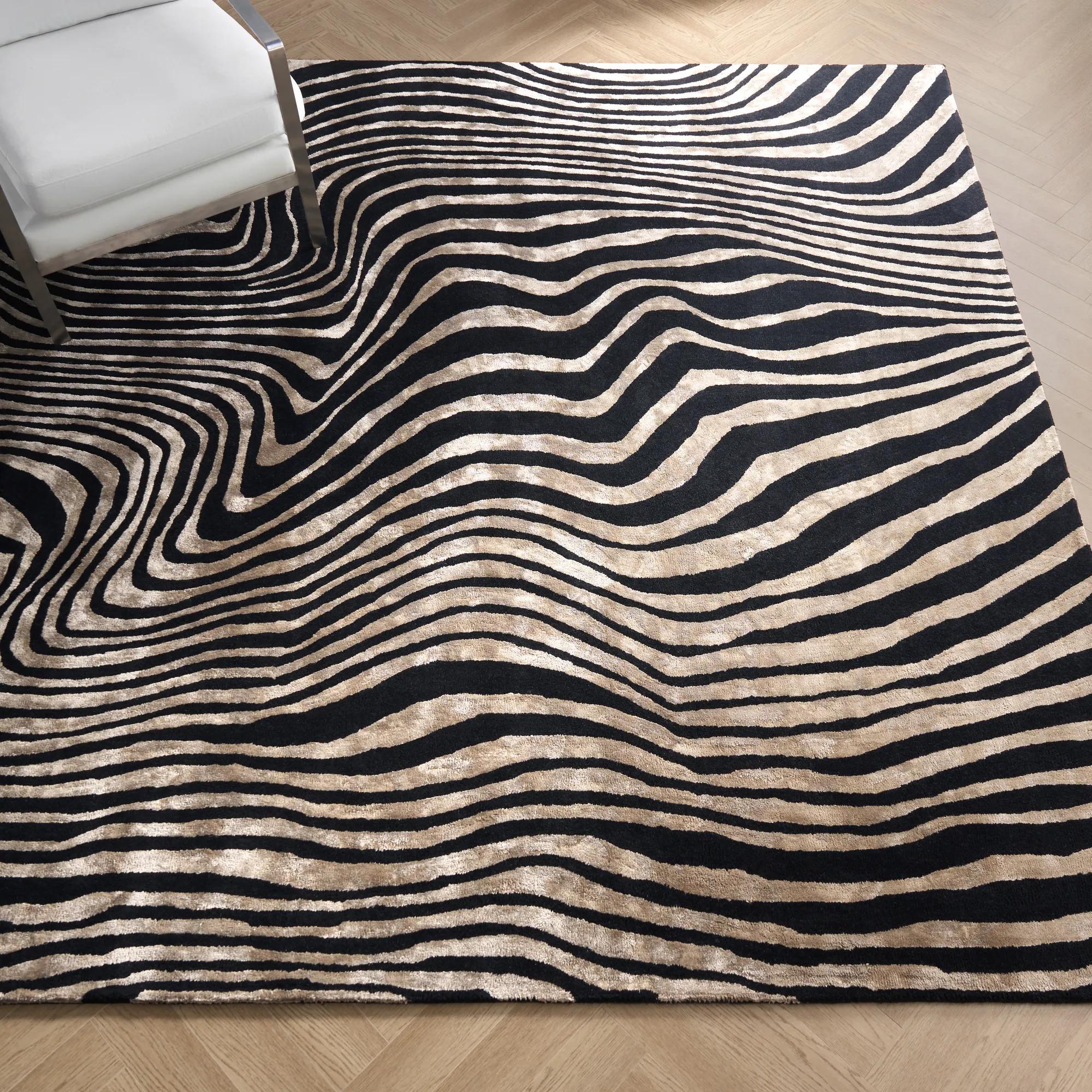
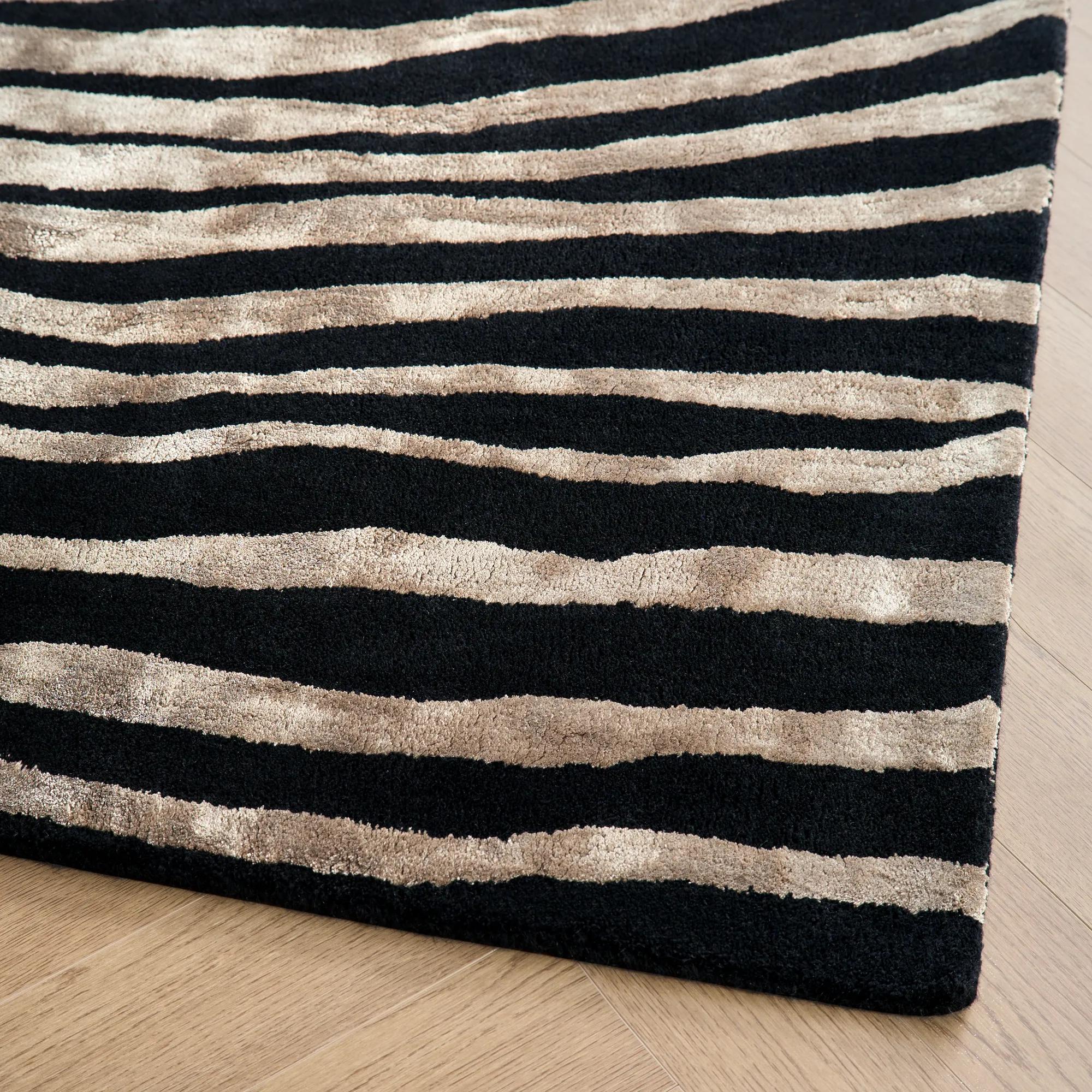 Abstract Zebra Hand-Tufted Black/Taupe Wool Blend Rug$599
An artisan hand-tufted rug in black and taupe wool-viscose, featuring a striking abstract zebra pattern.
Add To Cart -
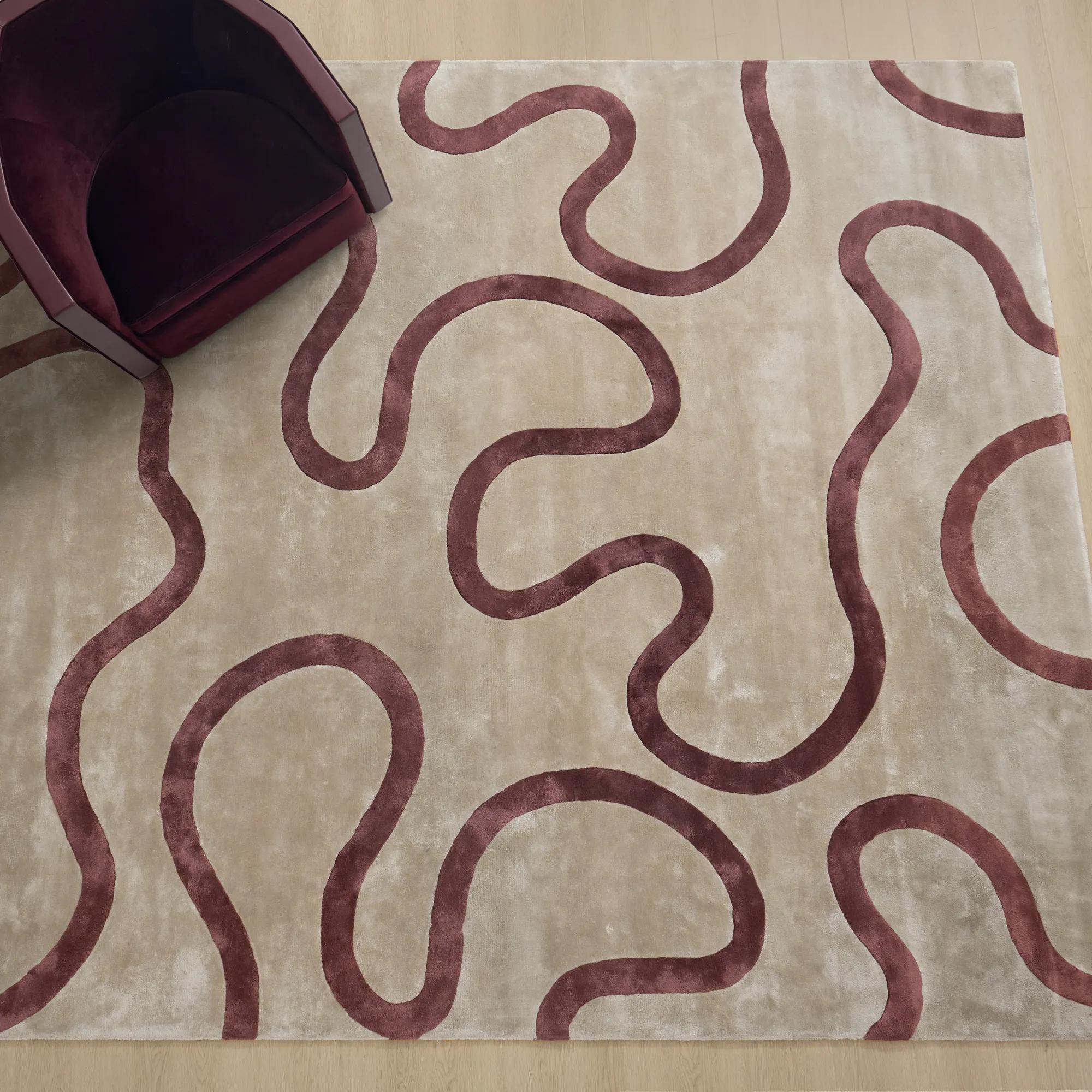 Seraphine Hand-Tufted Fig/Taupe Viscose Loop Rugs$599
A hand-tufted wool rug featuring bold fig and taupe loops for a graphic, Deco-inspired look.
Add To Cart -
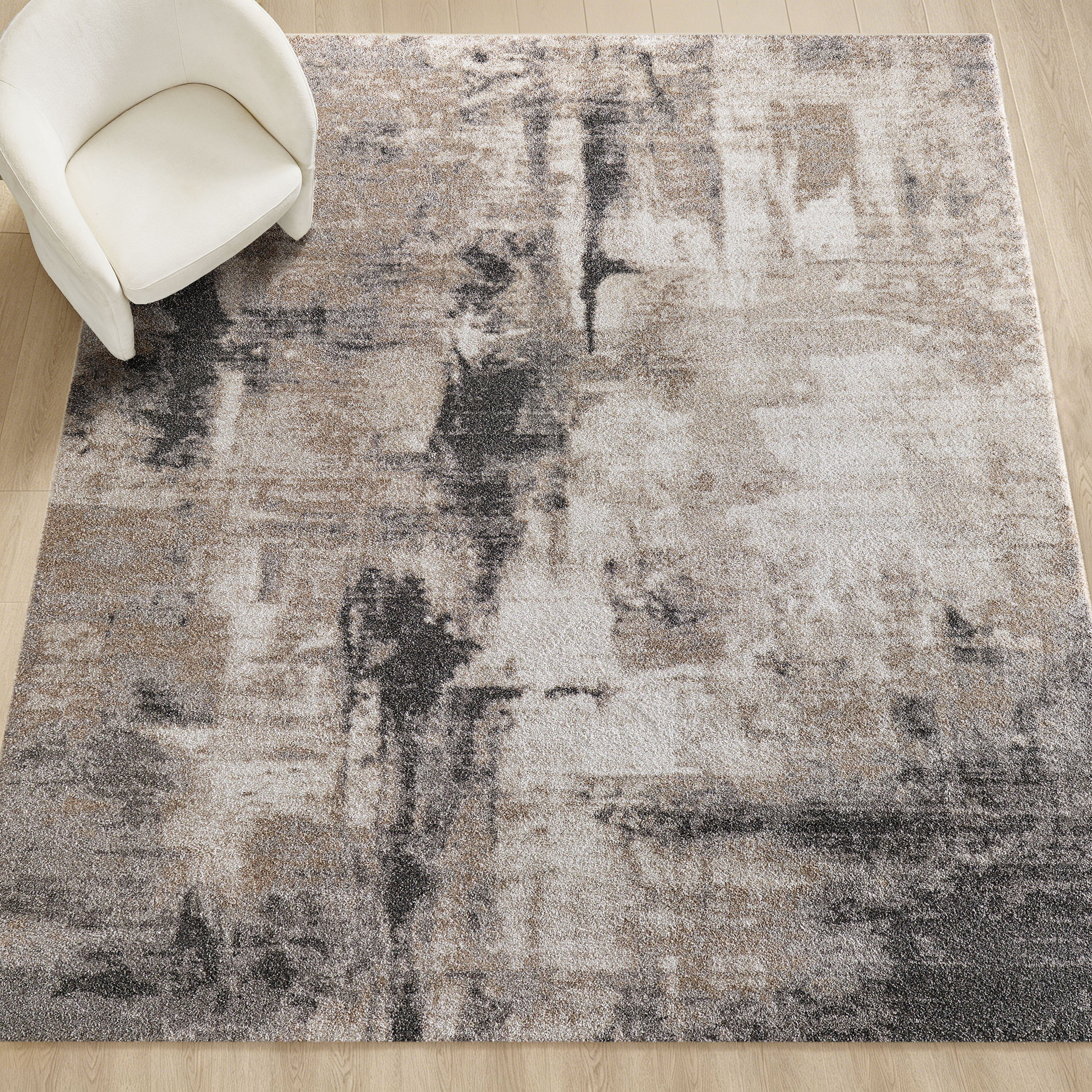
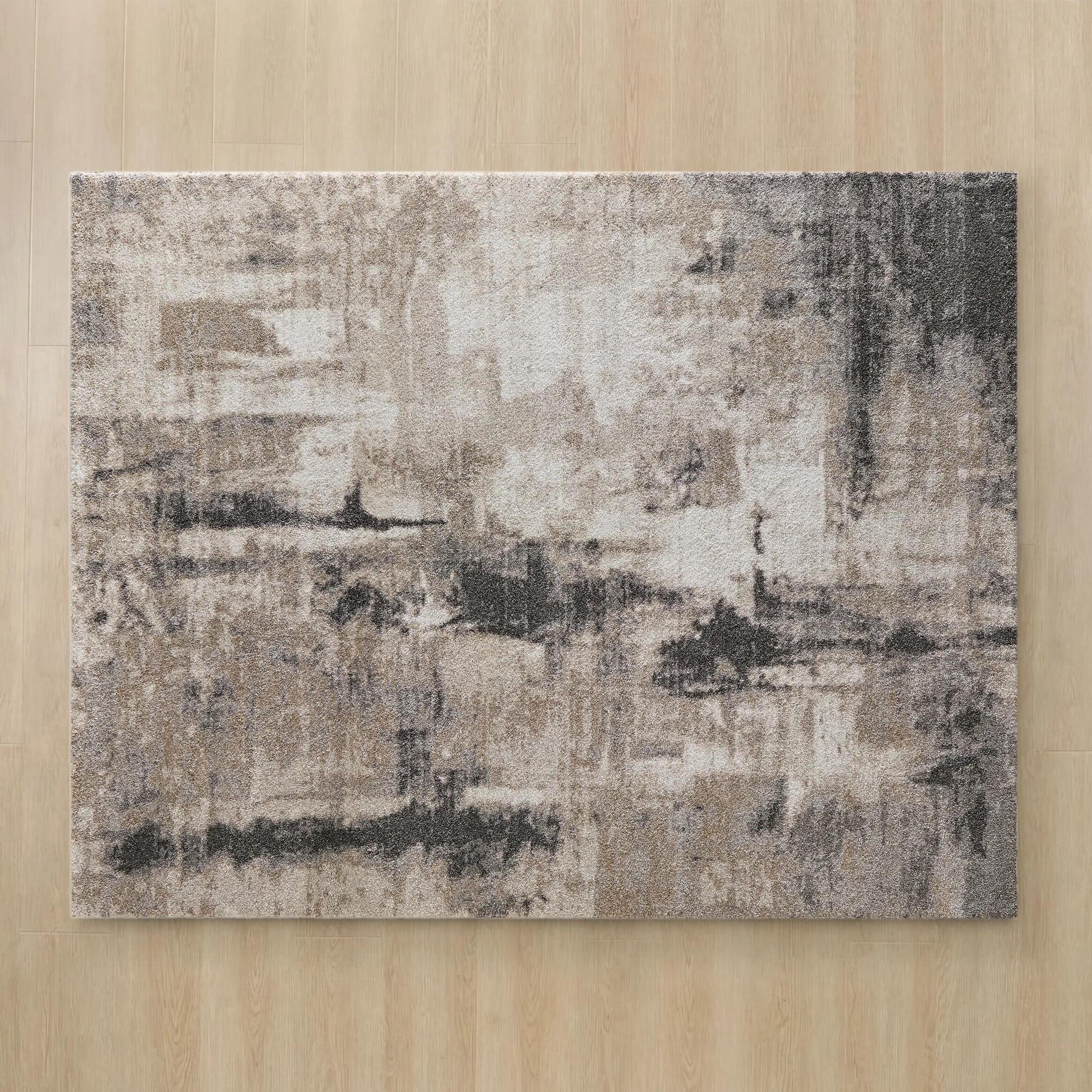 Atlas Abstract Grey/Taupe/Ivory/Charcoal Performance Power Loomed Rug$399
An abstract rug in grey, taupe, ivory, and charcoal with a plush, stain-resistant polypropylene blend.
Add To Cart -
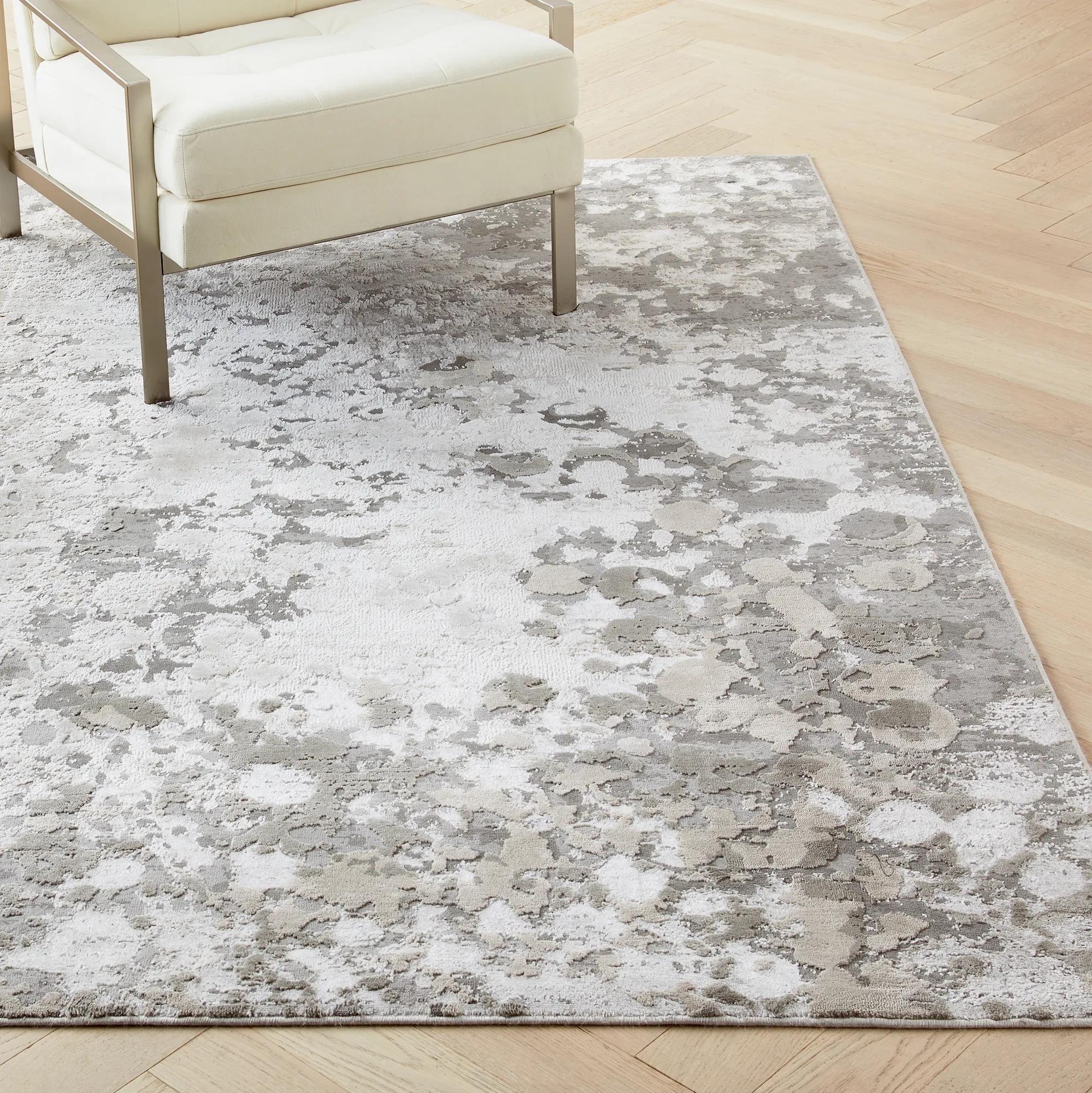 Mercury Power-Loomed Silver/Grey/Beige Rug$1649
A textured rug in silver, grey, and beige crafted from polyester, polypropylene, jute, and cotton.
Add To Cart -
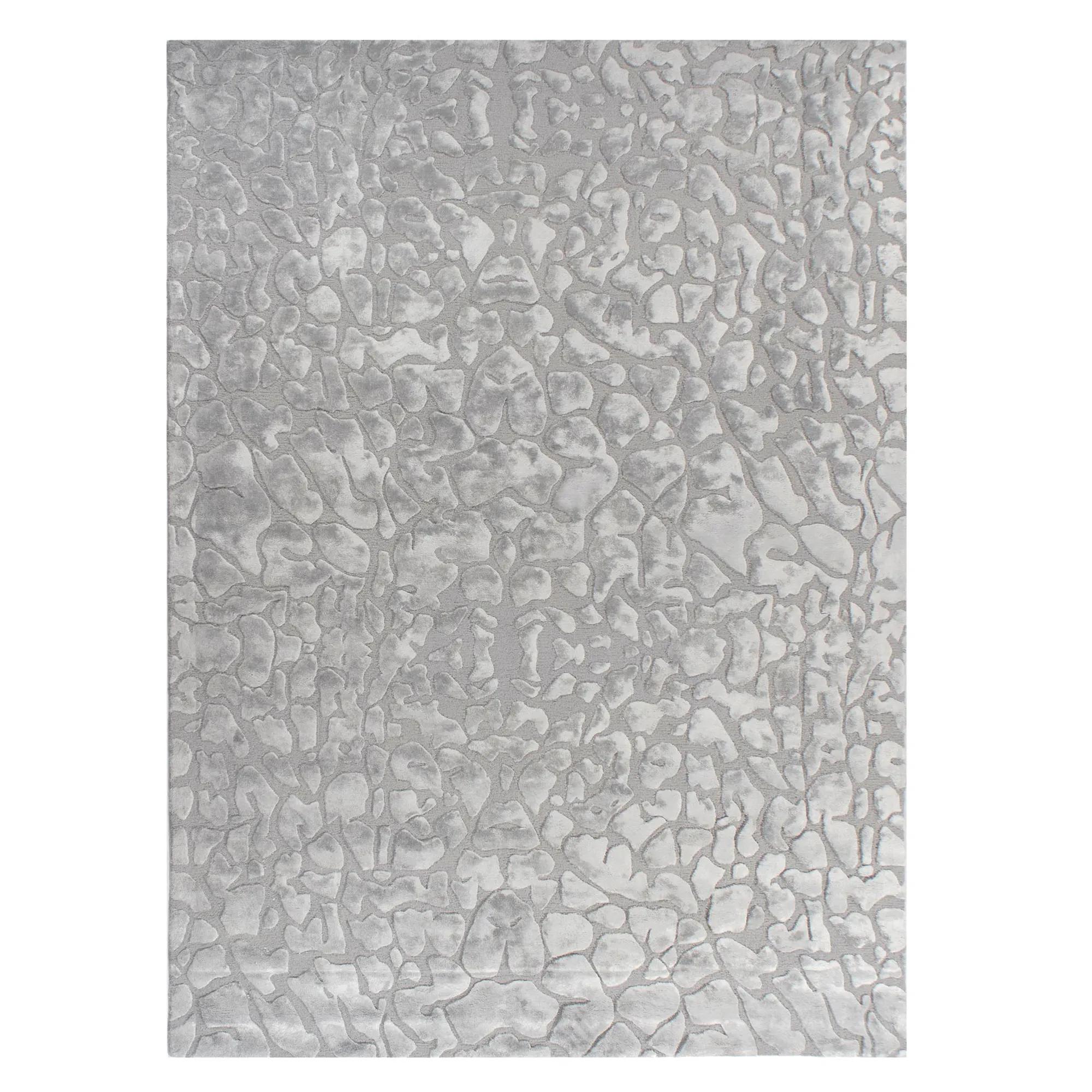
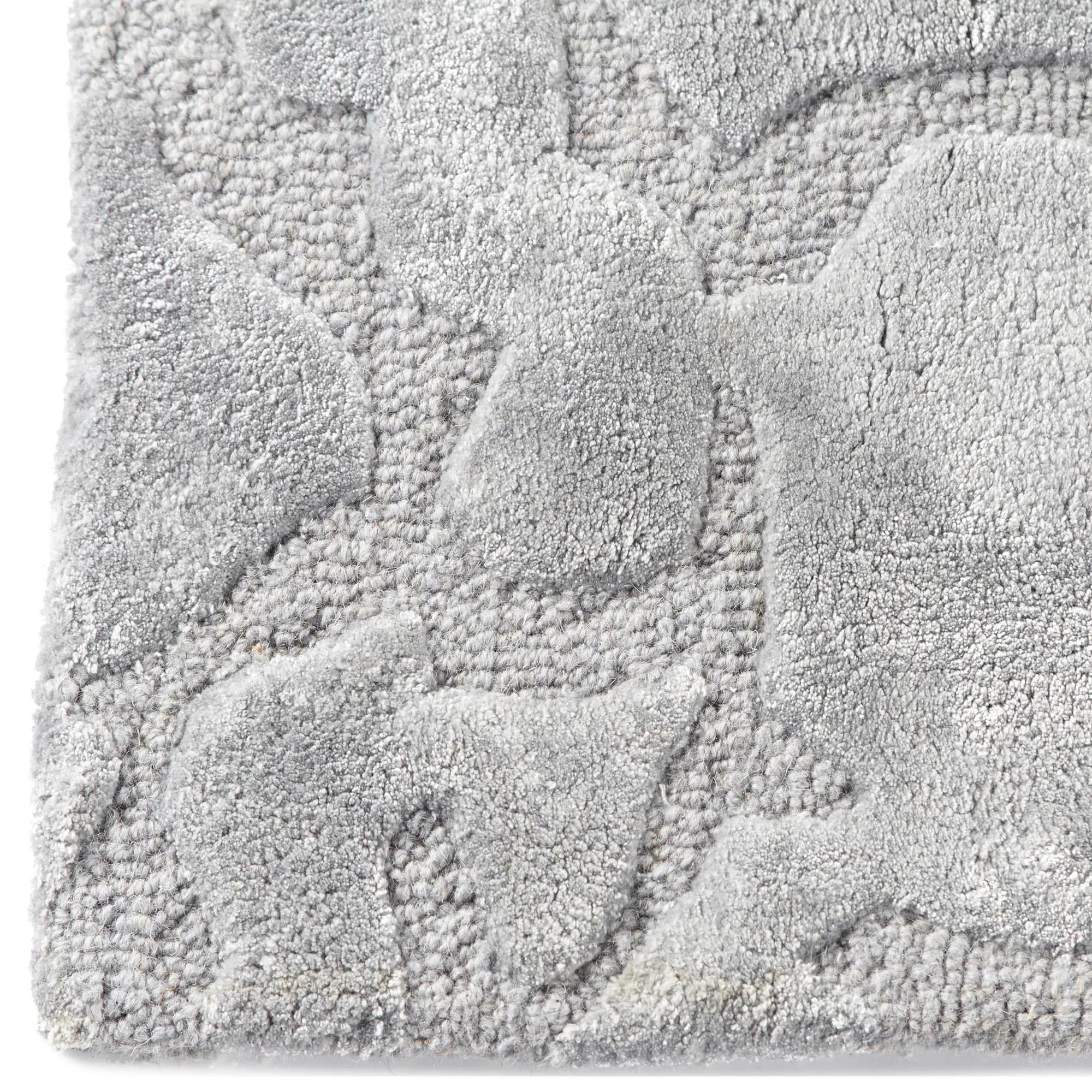 Nola Hand-Tufted Cool Grey Wool Blend Rug$849
A hand-tufted silver rug with contrasting pile heights, crafted from wool and viscose for plush texture.
Add To Cart -
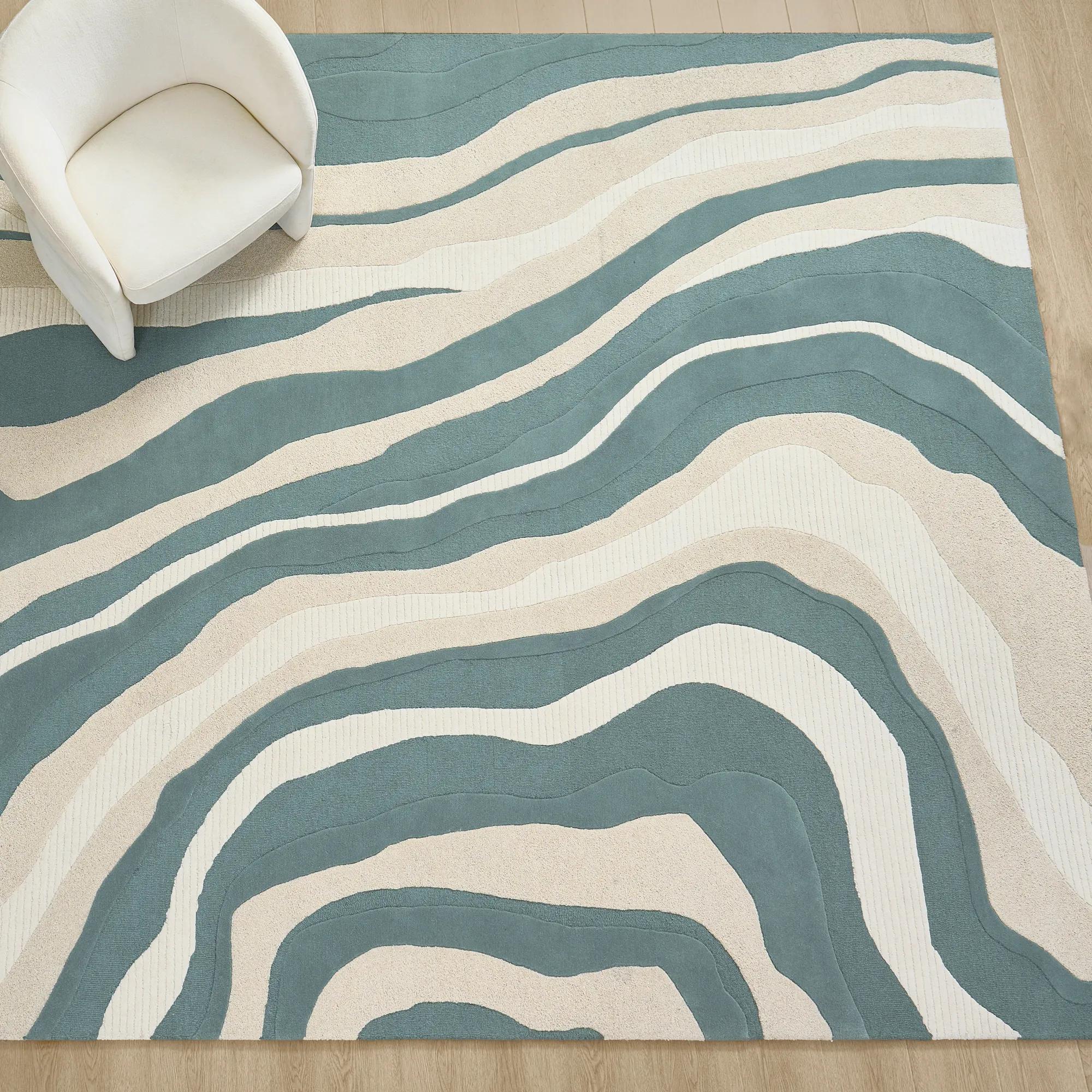 Kadence Hand-Tufted Sage Green/Ivory Wool Rugs$1499
A hand-tufted wool rug in deep sage green and ivory with a sculptural high-low abstract wave pattern.
Add To Cart

Large Soft Area Rugs
Large Soft Area Rugs invite you to indulge in pure sensory delight, transforming every step into a moment of luxury. These expansive masterpieces become the canvas for your most expressive interiors, infusing rooms with sumptuous texture and undeniable presence. Whether anchoring a dramatic living room or adding an opulent layer to your bedroom retreat, Large Soft Area Rugs set the stage for artistry underfoot. Let plush comfort and bold scale elevate your space, creating a sanctuary that is as inviting as it is unforgettable.
Large soft area rugs combine generous floor coverage with an inviting feel underfoot, bringing definition, texture, and a sense of intimacy to spacious interiors. Their scale allows furniture to read as a composed arrangement rather than a collection of separate pieces, while their softness adds a tactile counterpoint to polished stone, gleaming metal, and sculptural wood. Common large rug sizes include 8 by 10 feet, 9 by 12 feet, and 10 by 14 feet, although the most flattering dimensions depend on the furniture layout as much as the room itself. In a living room, a rug that extends beneath the front legs of the sofa and accompanying chairs can unite the seating area without covering the entire floor. A more expansive footprint may accommodate every furniture leg, creating a particularly enveloping setting for conversation. In a bedroom, generous coverage beside and beyond the foot of the bed gives bare feet a soft landing and visually balances a substantial headboard. Measuring the complete arrangement, including side tables and pathways, helps prevent a rug from appearing undersized or interrupting everyday movement. Leaving a visible border of flooring can preserve the room’s architectural lines, while a larger sweep of texture can give an open-plan space a distinct identity. Color and pattern influence that effect just as strongly as dimensions. Ivory, pearl, and layered taupe can soften the contrast around dark upholstery; charcoal and ink create a more dramatic foundation beneath pale seating. Abstract motifs lend an artistic quality, while tonal patterns introduce detail without competing with statement furnishings. A plush neutral rug is not necessarily a quiet choice: variations in pile direction can catch the light and create an almost sculpted surface. For homes with expressive artwork or richly upholstered furniture, that interplay of texture and restrained color offers depth without visual congestion. Large soft rugs do more than occupy square footage; they establish the mood of a room, making even a grand setting feel personal and inviting.
The appeal of Soft Touch Area Rugs begins with the relationship between fiber, pile height, and construction. A deep shag can deliver a lavish, sink-in sensation, while a dense, shorter pile may feel velvety beneath the feet and allow furniture to sit more evenly. Thickness alone does not determine softness, and a lofty surface is not automatically the most durable choice for a busy room. Wool is valued for its resilience and natural crimp, which helps fibers recover after compression; its textured character can suit both understated and dramatic interiors. Some wool rugs shed loose fibers, particularly early in their use, making the recommended vacuuming routine an important consideration. Polyester can offer a supple hand and expressive color, while polypropylene is often selected for its resistance to moisture absorption and many everyday stains. Neither fiber makes a rug immune to soiling, crushing, or damage, so construction and care requirements still matter. Viscose and related regenerated cellulose fibers can create a luminous, silk-like effect, but they may be more sensitive to moisture and abrasion, making placement especially important. Blended fibers balance different characteristics, and the composition label offers a clearer picture than appearance alone. Construction also shapes the experience: a hand-tufted rug may have a substantial pile and backing, while a woven design can achieve softness through its yarns and density rather than exceptional height. For a bedroom retreat or a sitting area devoted to reading and conversation, a deeper pile can feel indulgent without facing constant chair movement. In a dining space, a lower, denser surface generally makes it easier to pull chairs in and out and remove crumbs. A rug beneath a dining table also needs enough coverage for chairs to remain on it when drawn back. These distinctions allow plush texture to feel intentional rather than impractical, preserving the pleasure of softness while respecting how each room is used.
A large soft area rug earns its place through everyday comfort as well as visual presence, whether it anchors a family gathering space, defines a generous apartment living area, or brings a more intimate feeling to a guest bedroom. Homes with children or pets may benefit from a dense pile that is easier to maintain than long, loose strands, although snag resistance, stain response, and cleaning methods vary by material and construction. Washability is a feature to verify on the care label, not an assumption to make from a rug’s soft feel or synthetic content. Even when a rug is labeled machine washable, its size and weight must suit the appliance, and the specified drying method matters. Other constructions may require professional cleaning, particularly when delicate fibers, dyes, or backings are involved. Routine care helps protect both the surface and the room beneath it: vacuum with the setting recommended for the rug, avoid aggressive brush action on vulnerable fibers, and blot spills promptly rather than rubbing them deeper into the pile. Cleaning products should follow the manufacturer’s guidance and be tested in an inconspicuous area when directed. Rotation can distribute foot traffic and light exposure more evenly, while furniture cups or suitable protectors may help reduce concentrated pressure beneath heavy legs. A properly sized rug pad, chosen for compatibility with both the rug and flooring, can add cushioning and help limit movement; it should sit discreetly inside the edges rather than show beyond them. Door clearance and stable footing deserve attention wherever a thicker pile meets a doorway or busy passage. With those practical details considered, softness becomes an integral part of the design rather than a delicate finishing touch. The result is a room with a more generous rhythm: seating feels connected, a bedside step feels considered, and the floor contributes as much character as the furnishings above it. Rich texture, confident scale, and thoughtful placement give large soft area rugs their lasting appeal.
FAQs
Large soft area rugs often feature premium materials such as plush polyester, silky viscose, or high-density polypropylene for a velvety touch. Some designs incorporate natural fibers like wool for added warmth and resilience, while blends of synthetic and natural fibers provide both softness and durability. The result is a rug that feels indulgent underfoot and maintains its inviting texture over time.
A large soft area rug transforms a room into a cozy sanctuary, especially during the colder months. Its dense, cushioned pile insulates against chilly floors, while its lush texture adds visual warmth and depth. The result is a space that feels more inviting and layered, encouraging relaxation and togetherness when the weather outside is less than welcoming.
Absolutely—many large soft area rugs are designed with active households in mind. Their plush surfaces provide a safe, comfortable place for children to play and pets to lounge. Look for rugs crafted with stain-resistant fibers and easy-care finishes, which help maintain the rug's beauty and softness even in high-traffic family spaces.
Yes, a large soft area rug is an elegant way to delineate specific zones within an open-concept layout. By anchoring furniture groupings, it visually separates living, dining, or lounging areas while maintaining a cohesive flow. The rug’s scale and texture add depth and character, making each zone feel intimate and thoughtfully curated.
Large soft area rugs are remarkably versatile, complementing everything from contemporary glam and Art Deco-inspired interiors to transitional and eclectic spaces. Their sumptuous texture and range of colors or patterns allow them to either take center stage or harmonize with existing décor, making them a foundational element in any expressive, artfully designed home.