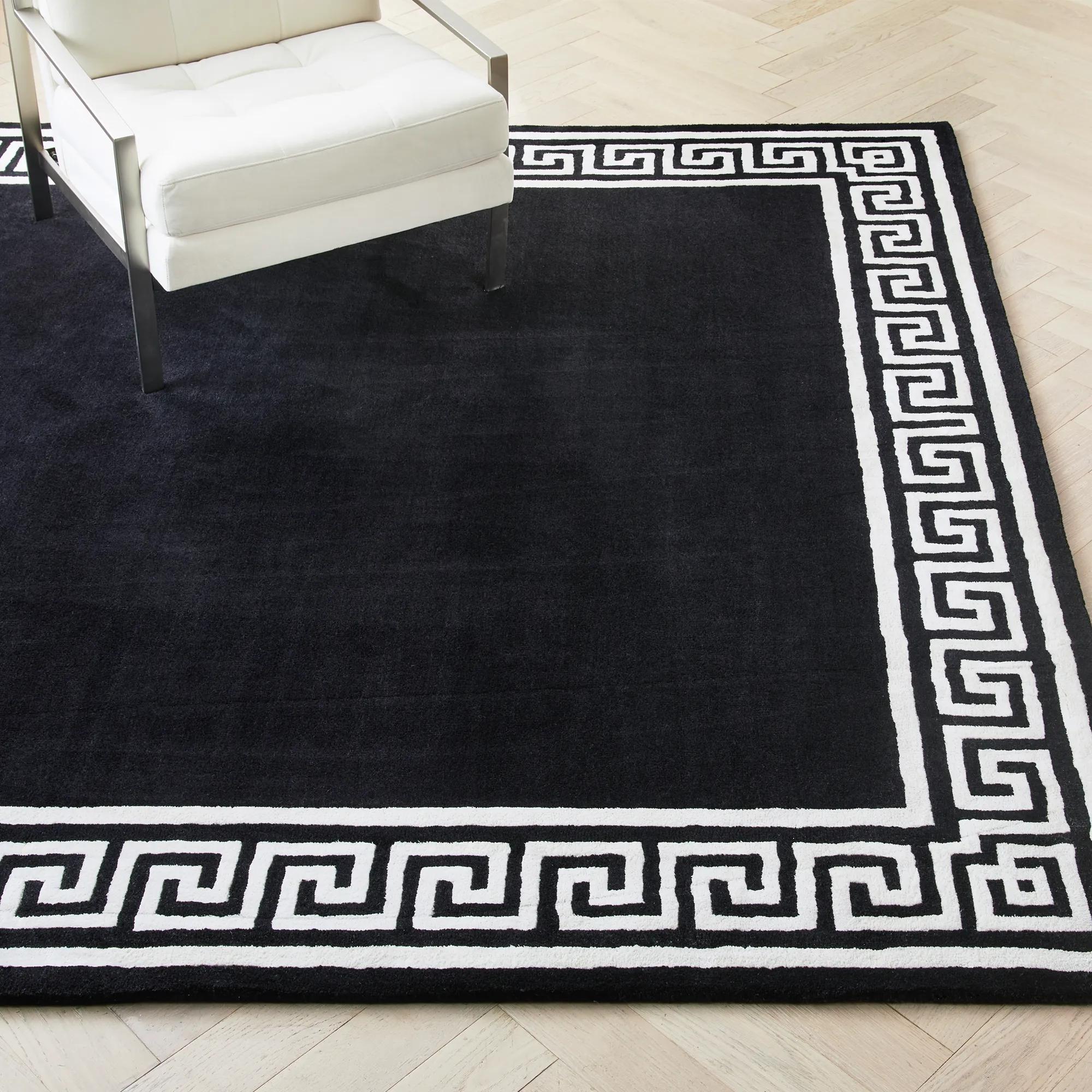
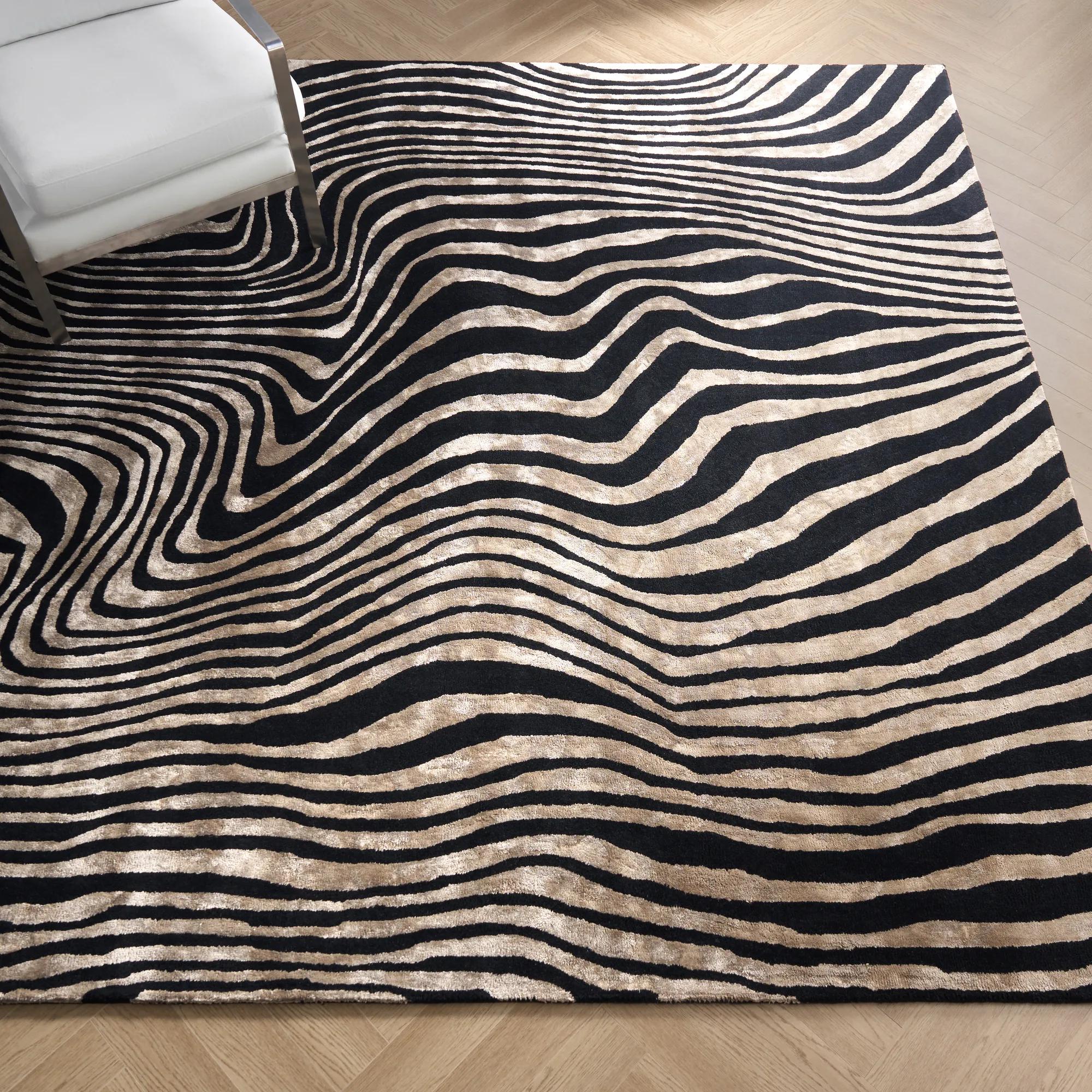
Neutral Color Area Rugs
Neutral Color Area Rugs
-
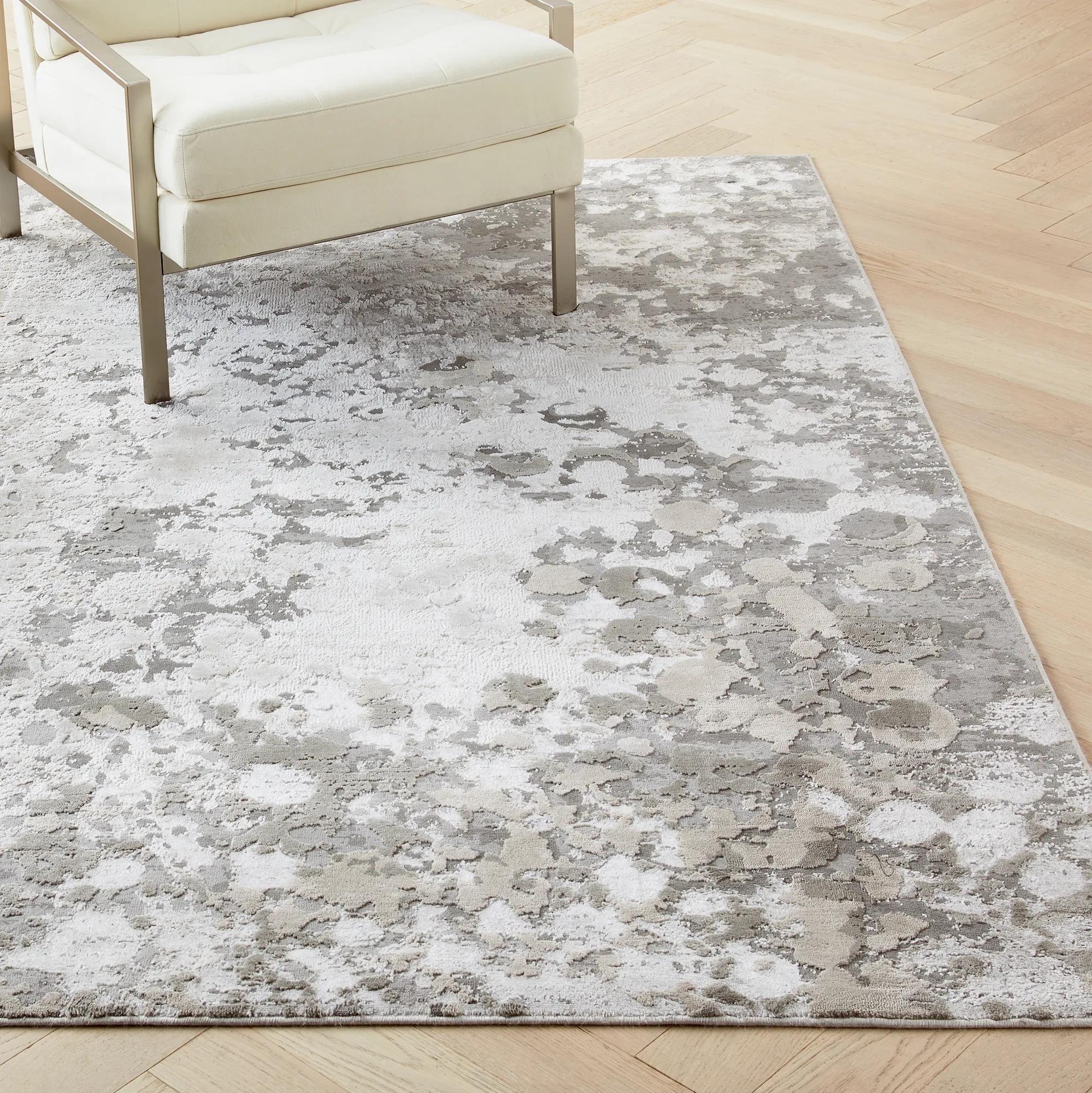 Mercury Power-Loomed Silver/Grey/Beige Rug$249
A neutral floor covering featuring a silver, grey, and beige palette with a textured polyester blend.
Add To Cart -
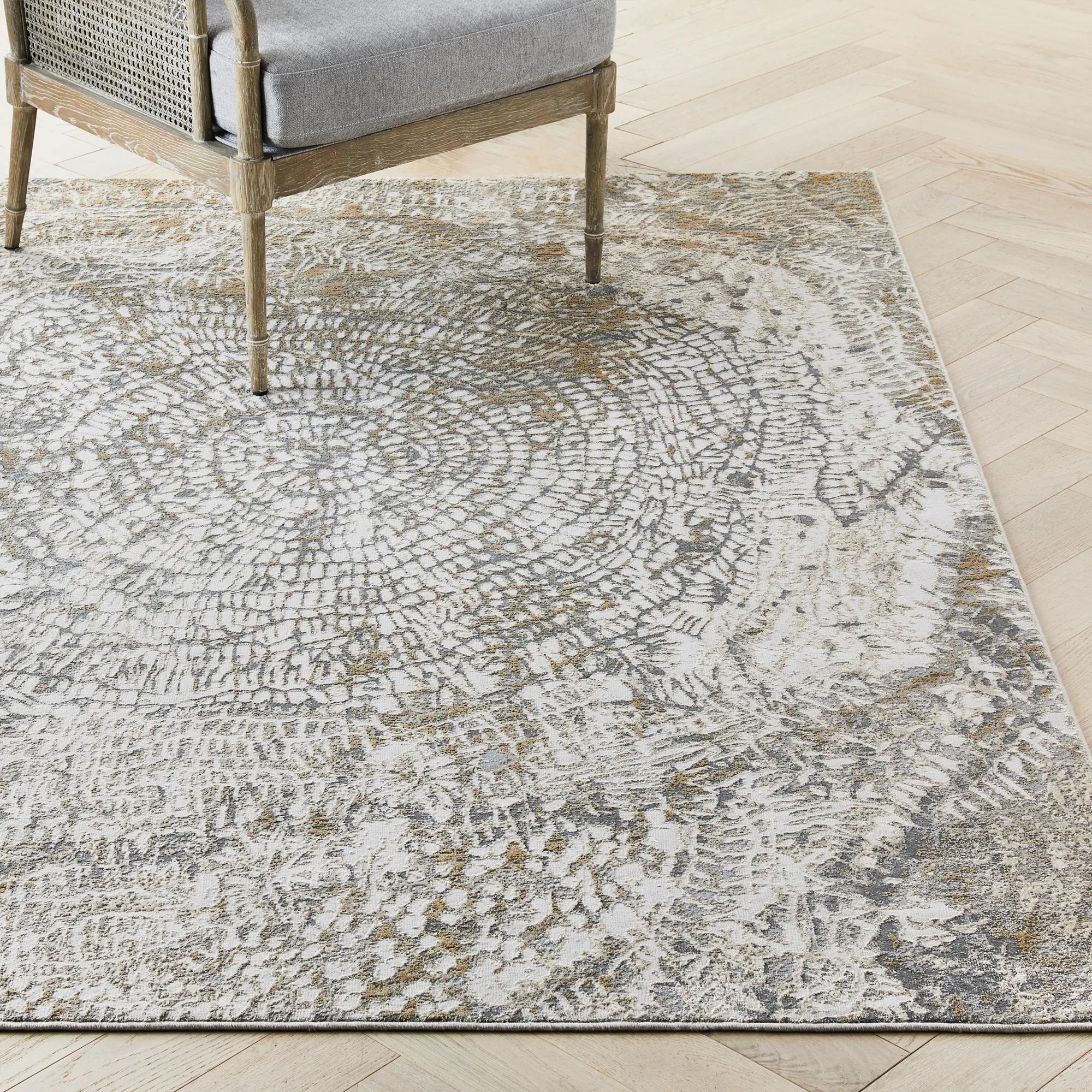 Nautilus Power-Loomed Silver/Grey/Natural Rug$999
A machine-woven ivory rug featuring subtle tonal variations and a durable polypropylene blend construction.
Add To Cart -
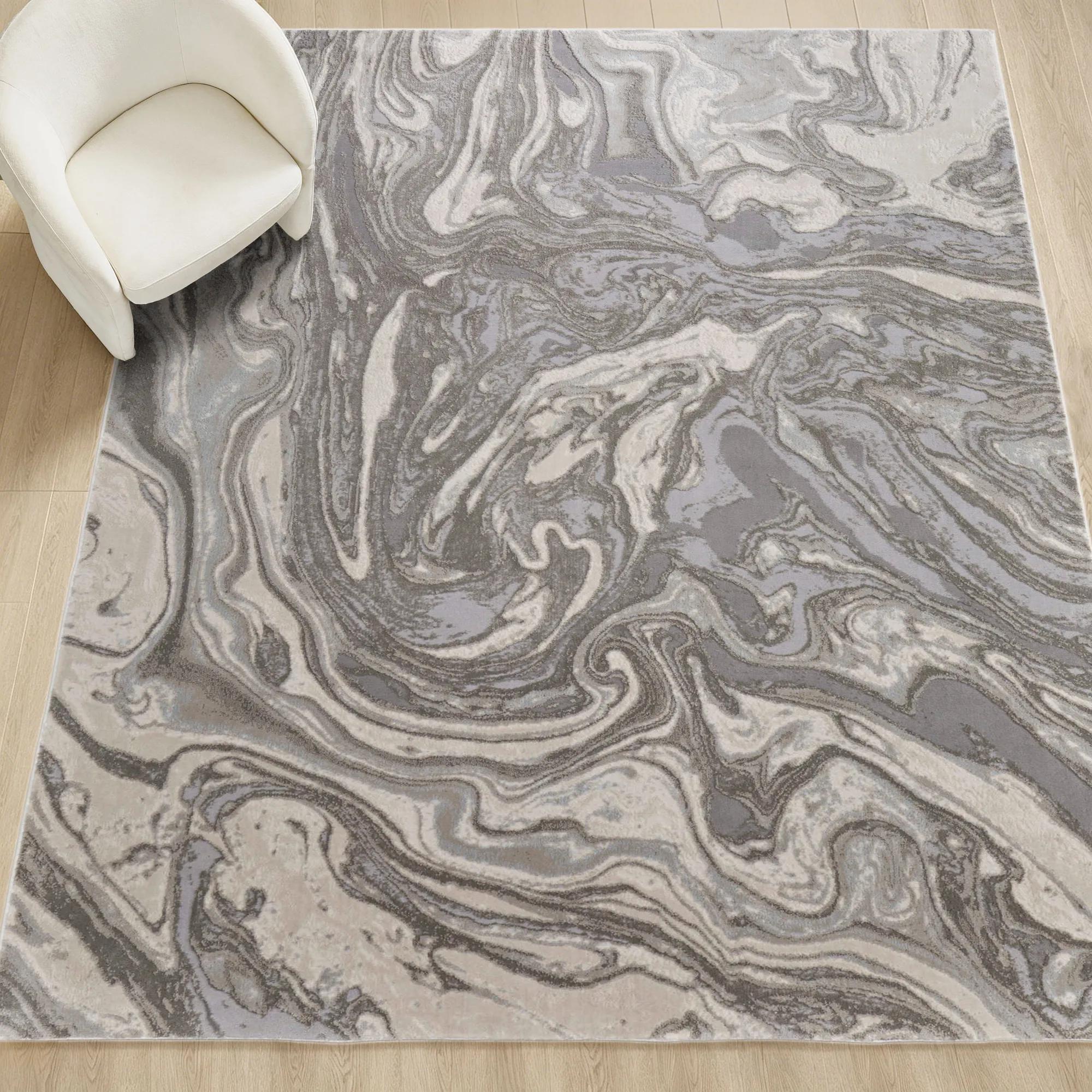
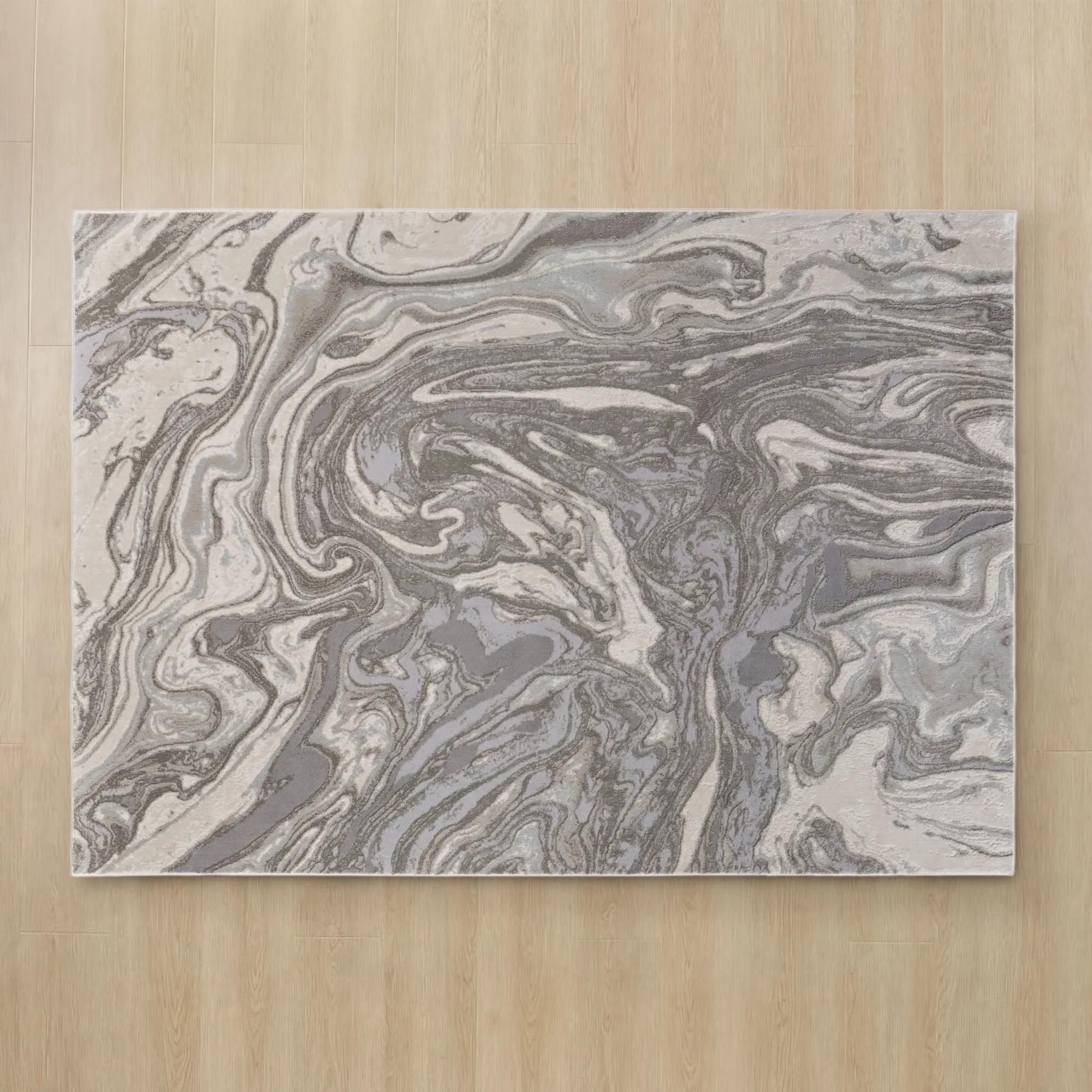 Marbre Marbled Grey/Taupe/Powder Blue Performance Power Loomed Rug$1499
A softly marbled rug in grey, taupe, and powder blue with a textured, stain-resistant performance blend.
Add To Cart -
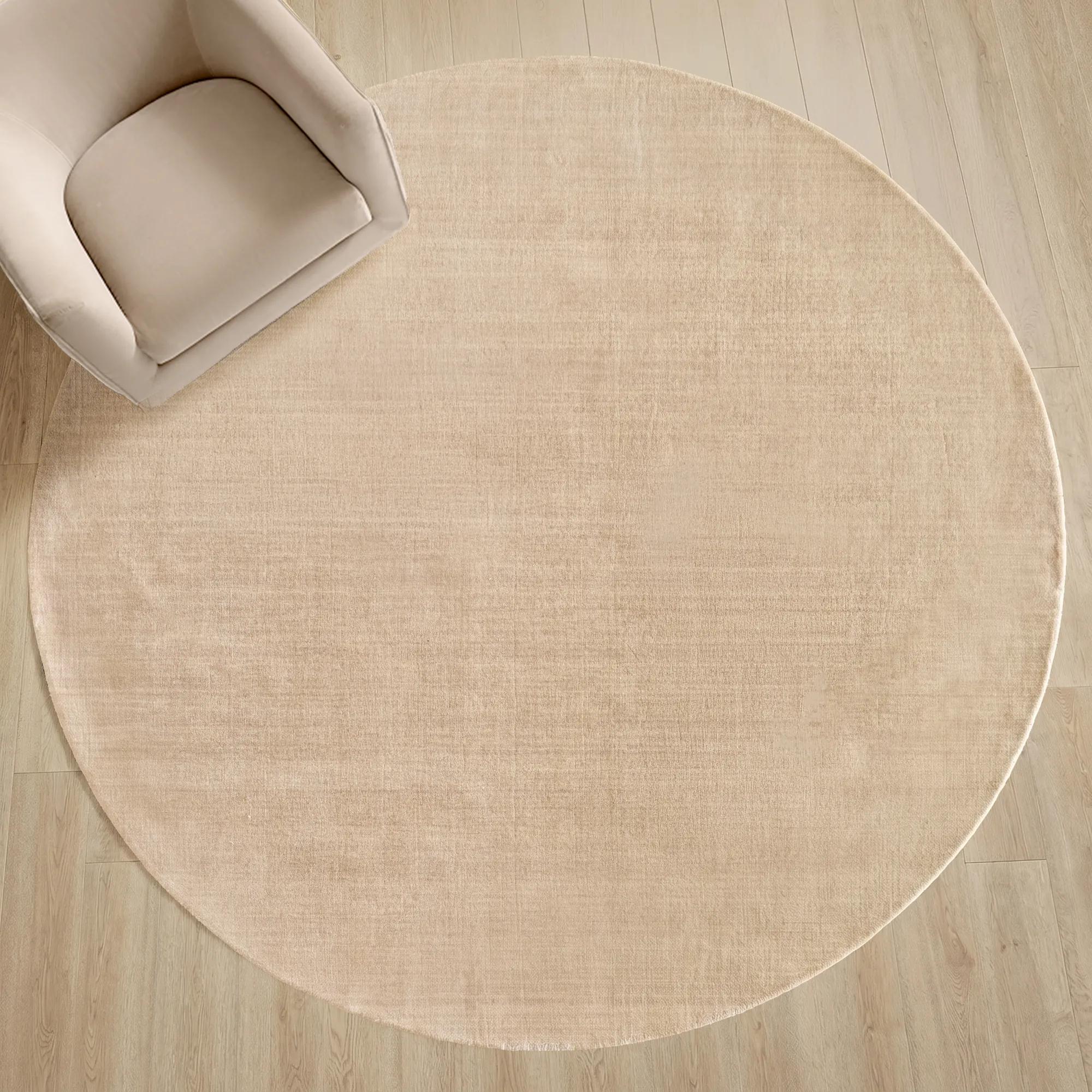 Juni Hand Woven Heathered Warm Beige Round Rug$1399
A handwoven round wool rug in heathered warm beige, offering refined texture and everyday durability.
Add To Cart -
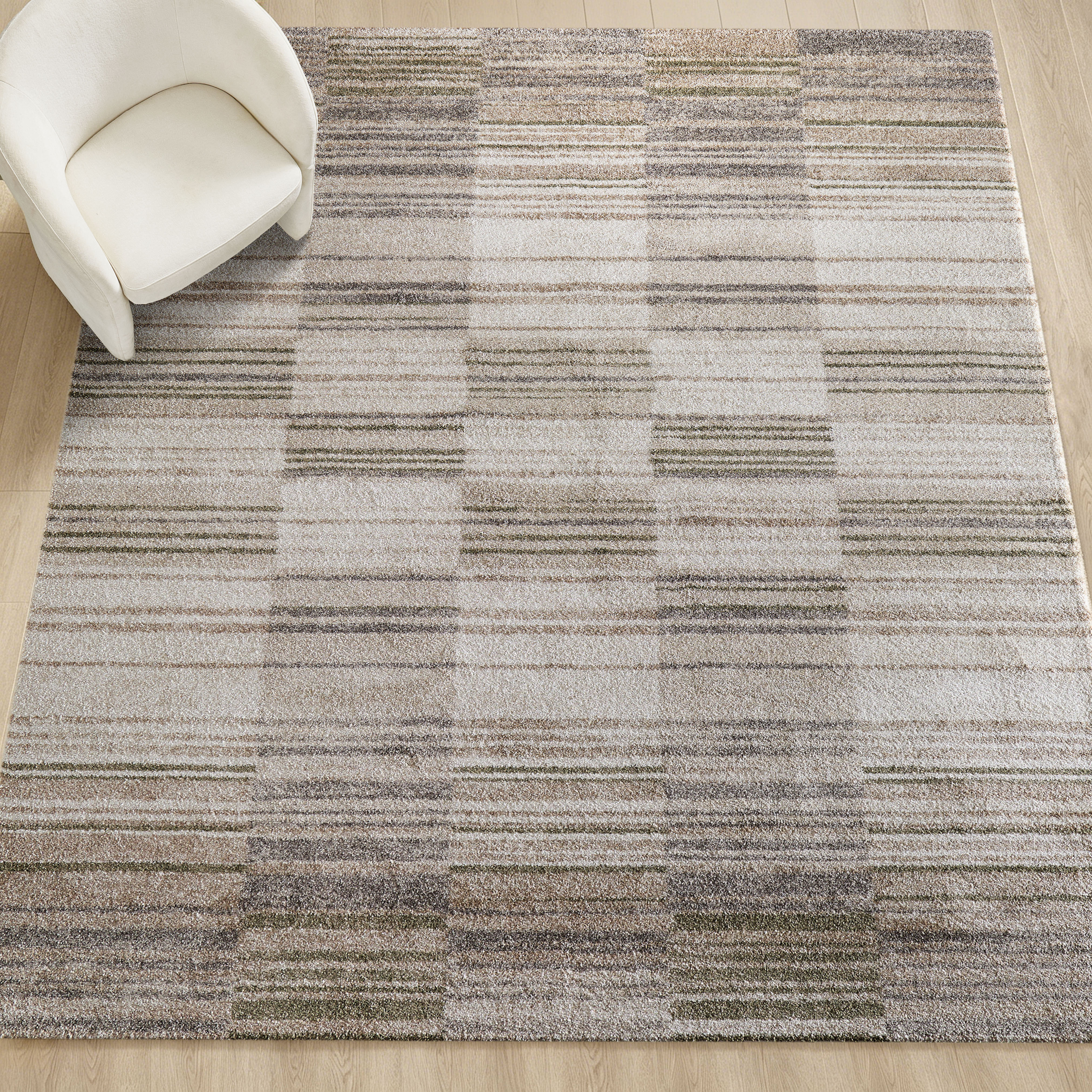
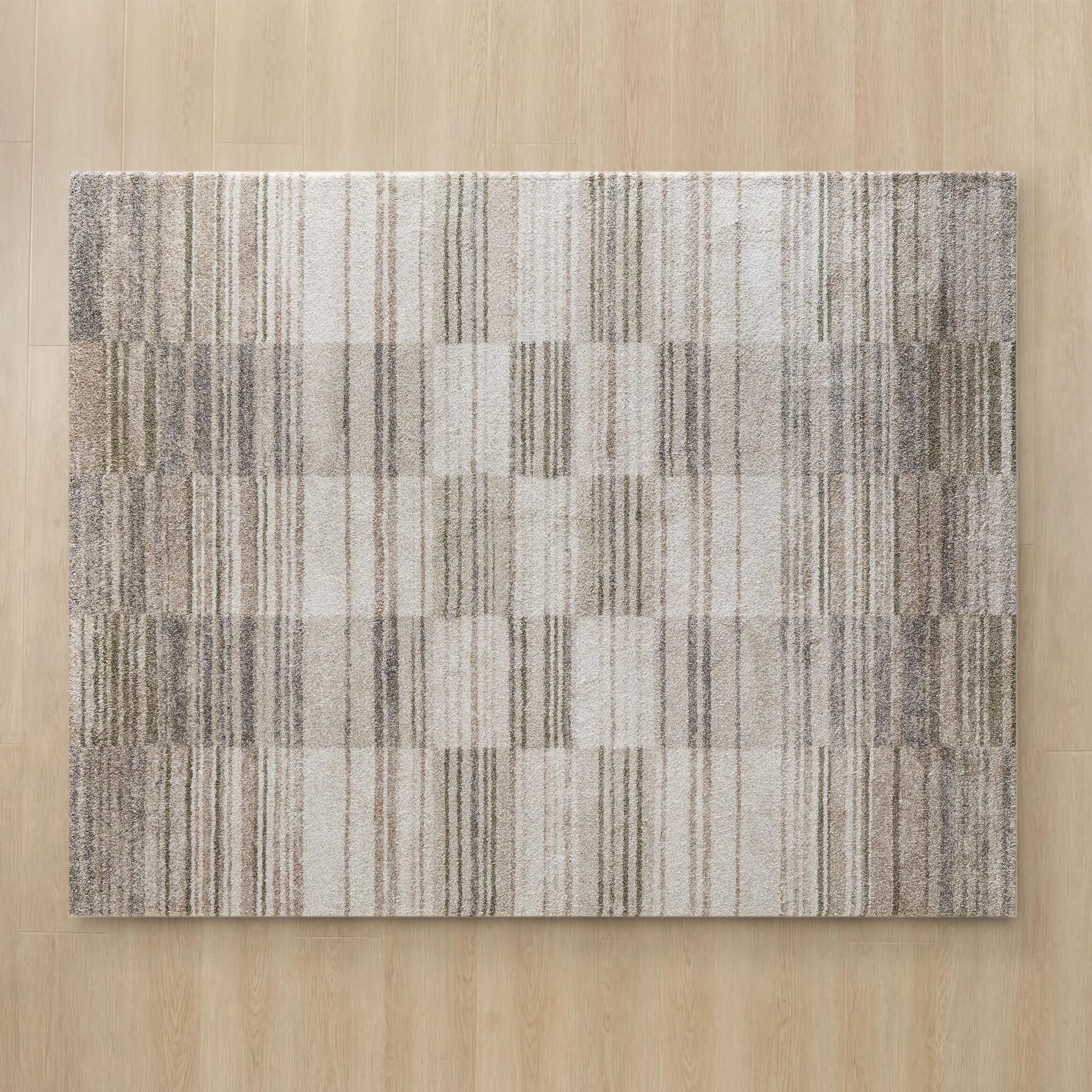 Checka Grey/Tan/Ivory/Soft Green Performance Power Loomed Rug$399
A plush, power-loomed rug featuring a soft check pattern in grey, tan, ivory, and green.
Add To Cart -
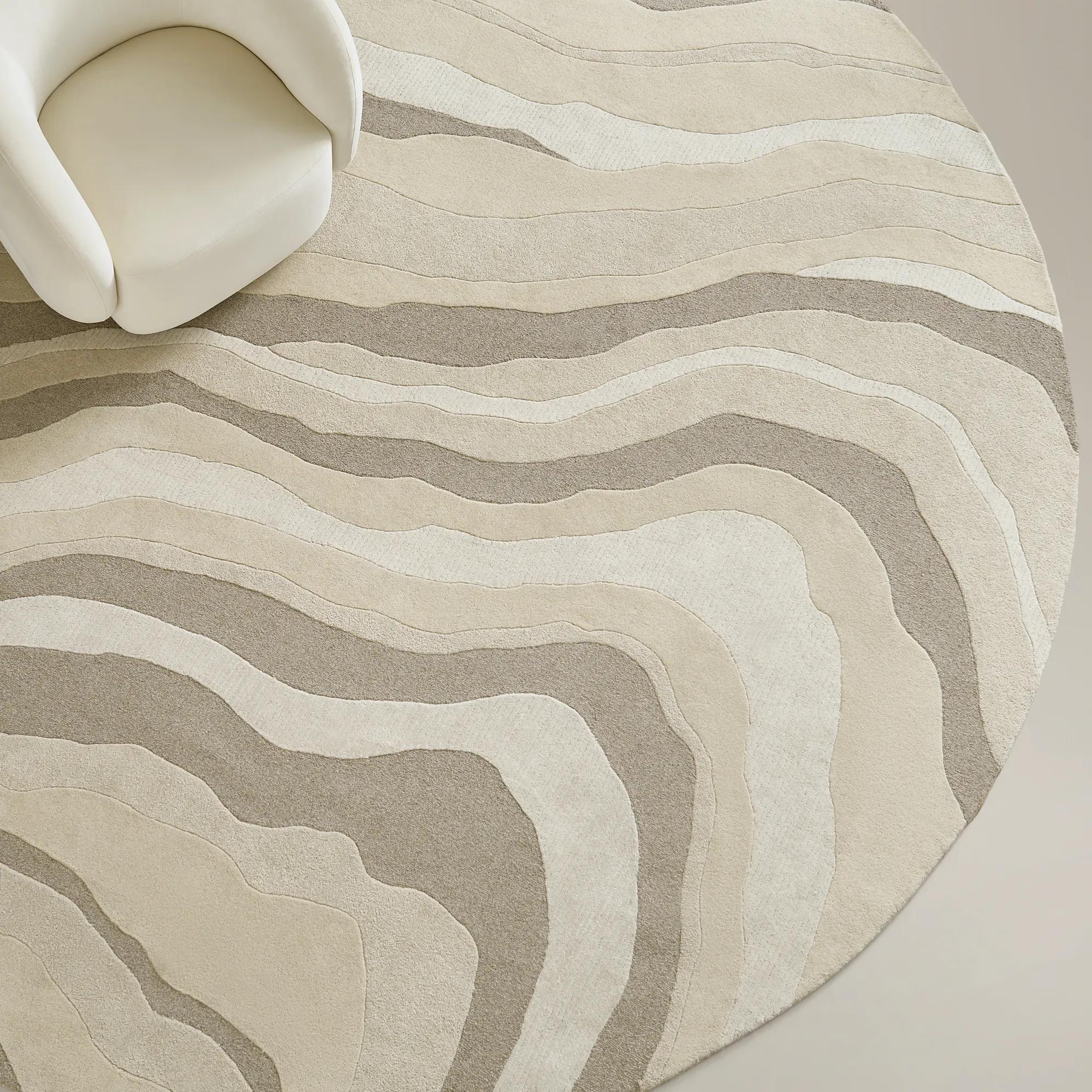 Kadence Hand-Tufted White/Ivory/Tan Wool Round Rug 12"$1799
A hand-tufted round rug in white, ivory, and tan, crafted from 100% wool for natural warmth.
Add To Cart -
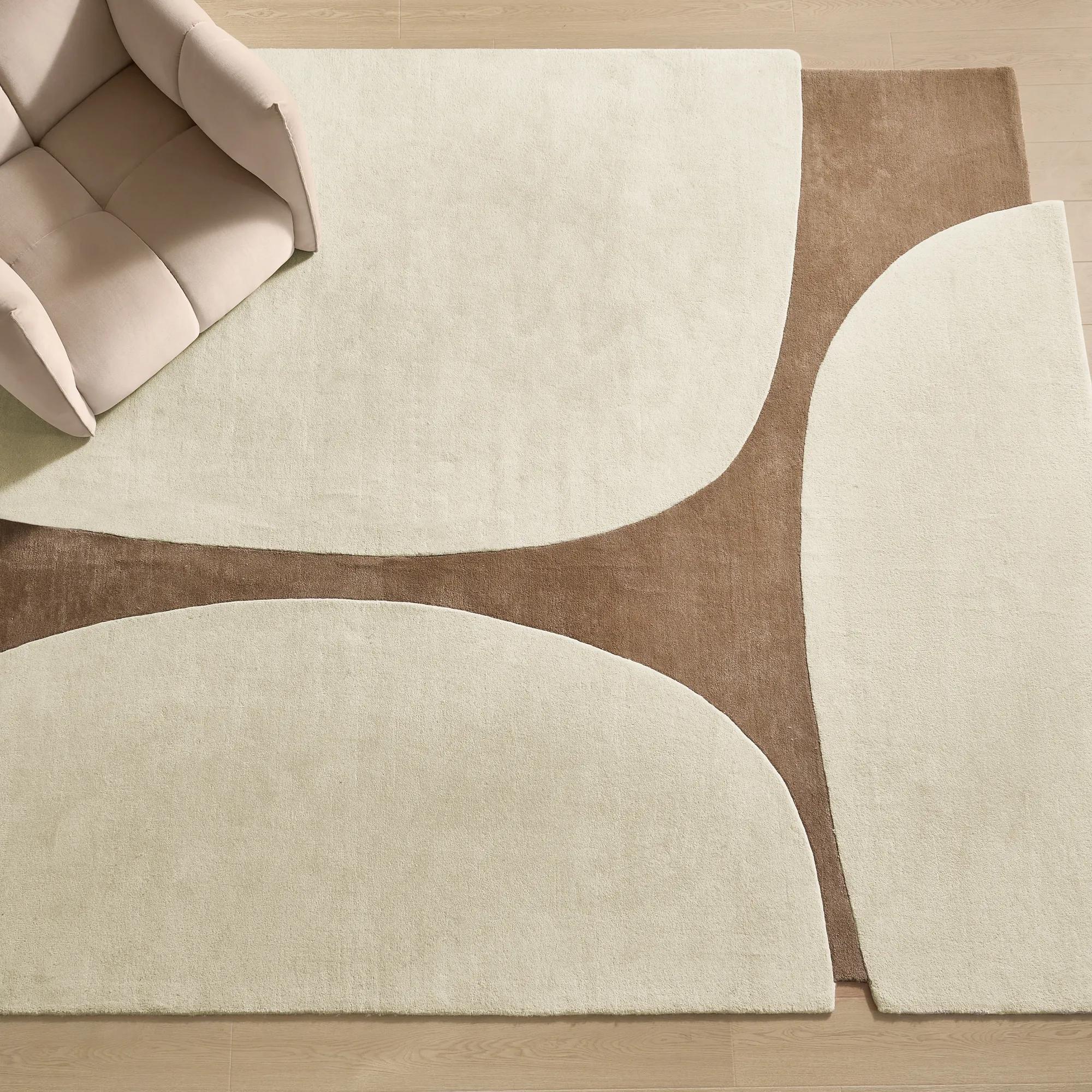
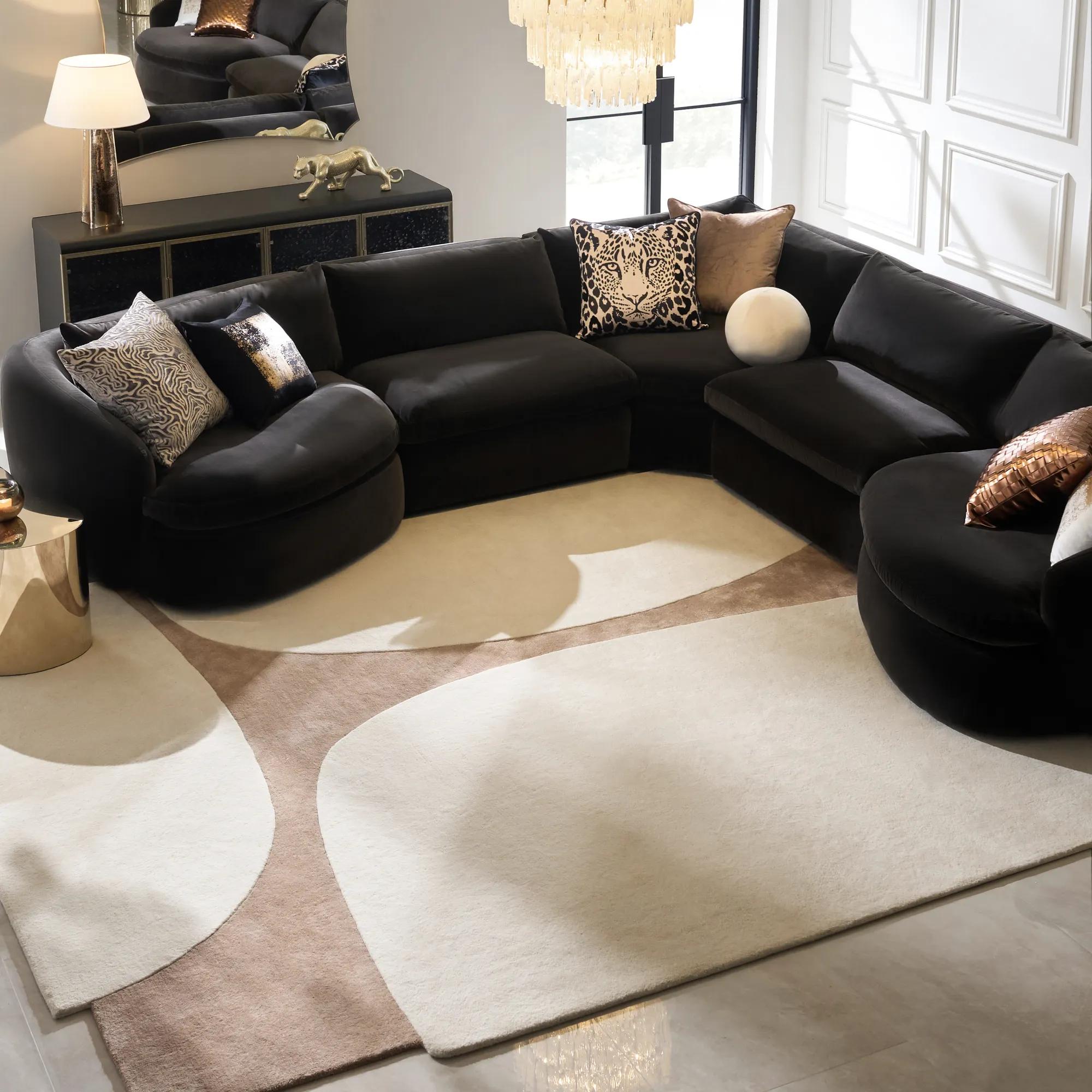 Contour Hand-Tufted Ivory/Ginger Root Wool Blend Rug$499
A hand-tufted wool rug blending ivory and ginger root tones for textured, modern warmth.
Add To Cart -
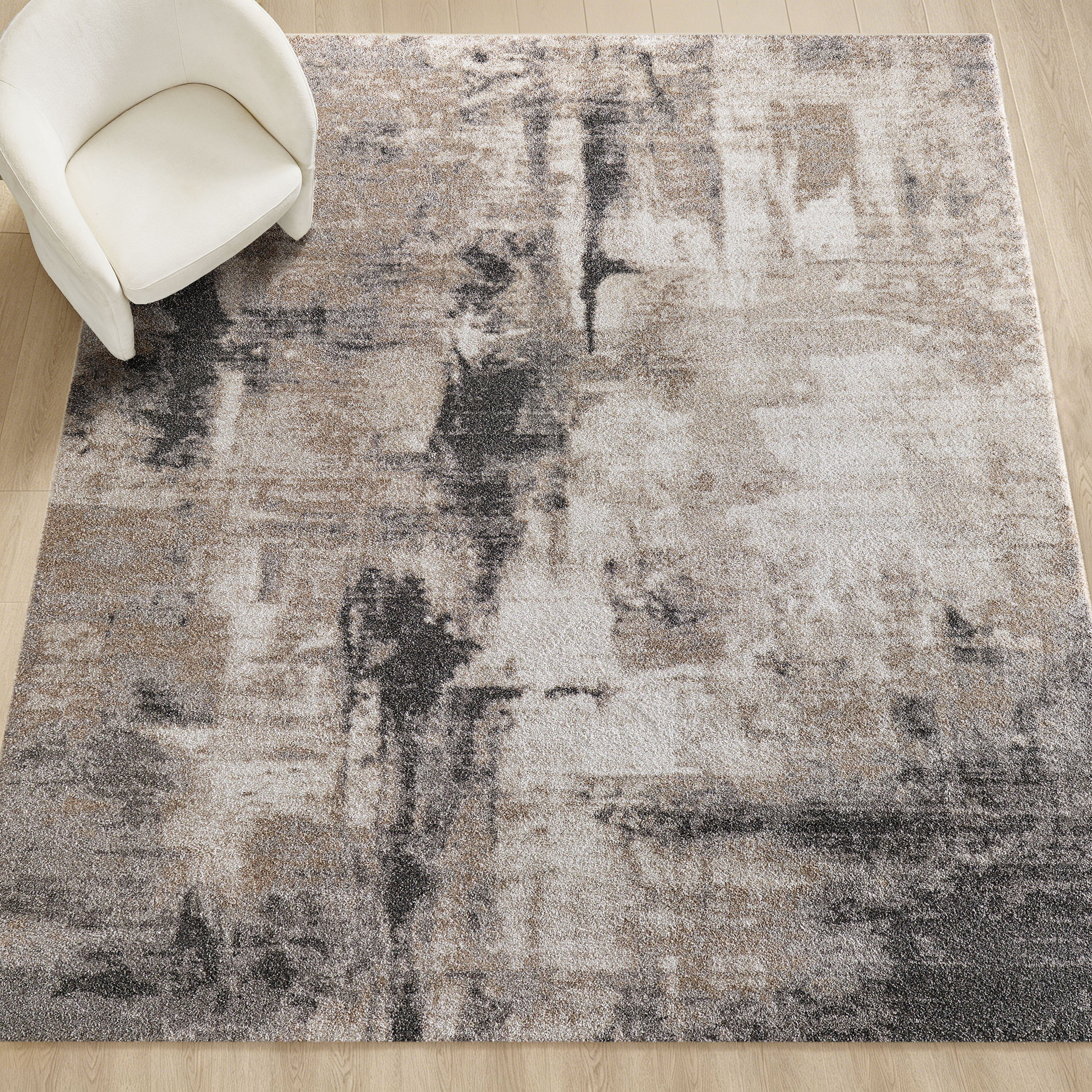
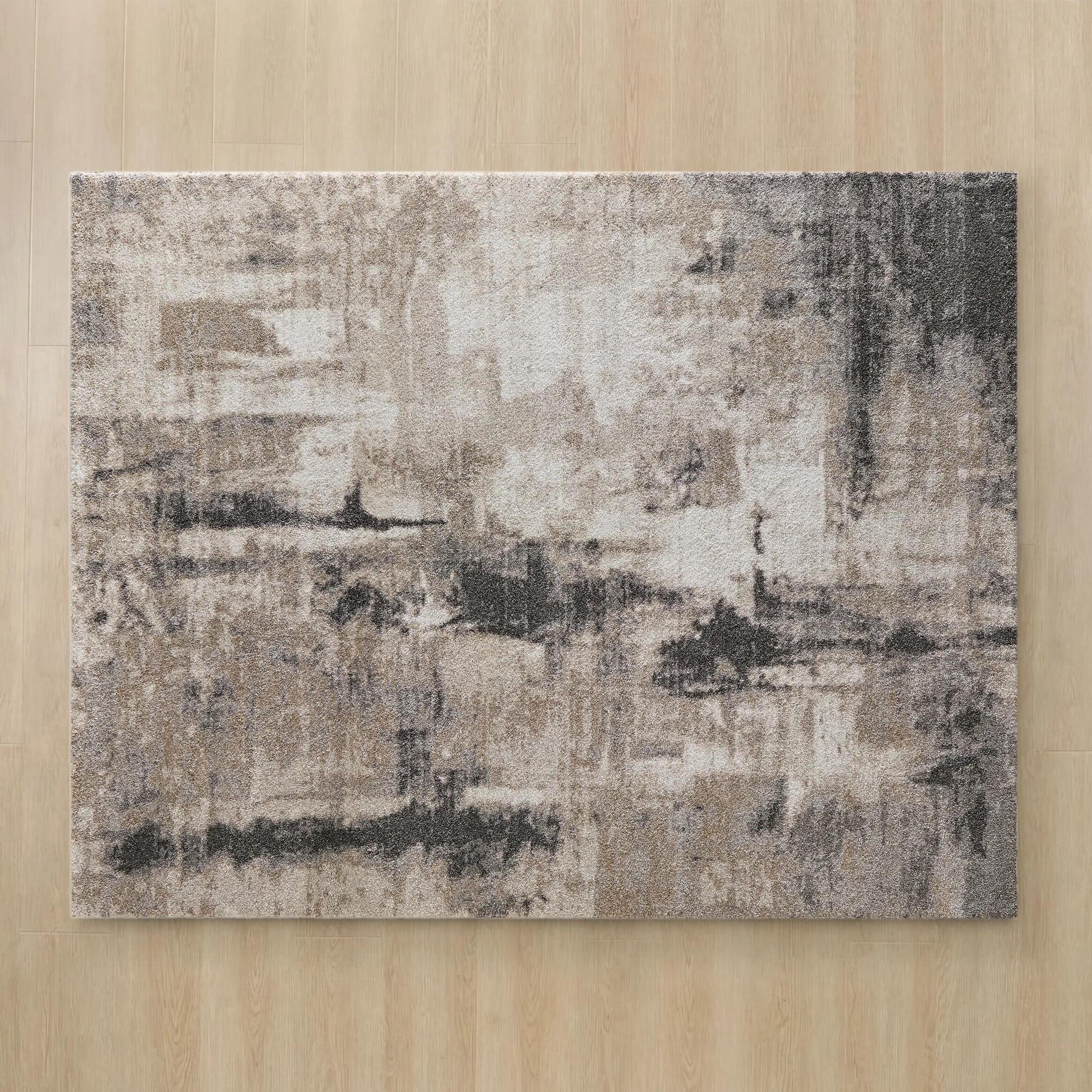 Atlas Abstract Grey/Taupe/Ivory/Charcoal Performance Power Loomed Rug$399
An abstract rug in grey, taupe, ivory, and charcoal with a plush, stain-resistant polypropylene blend.
Add To Cart -
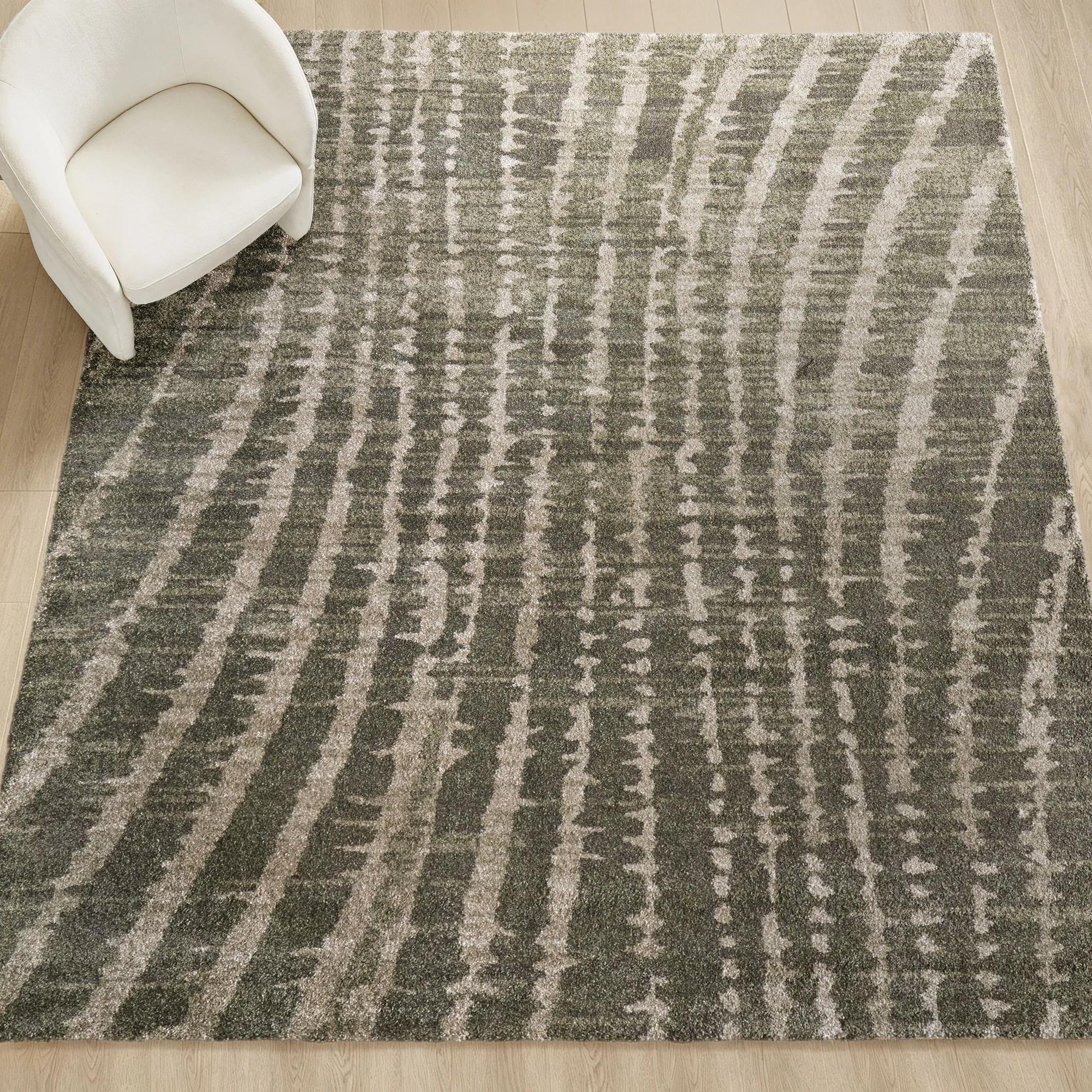
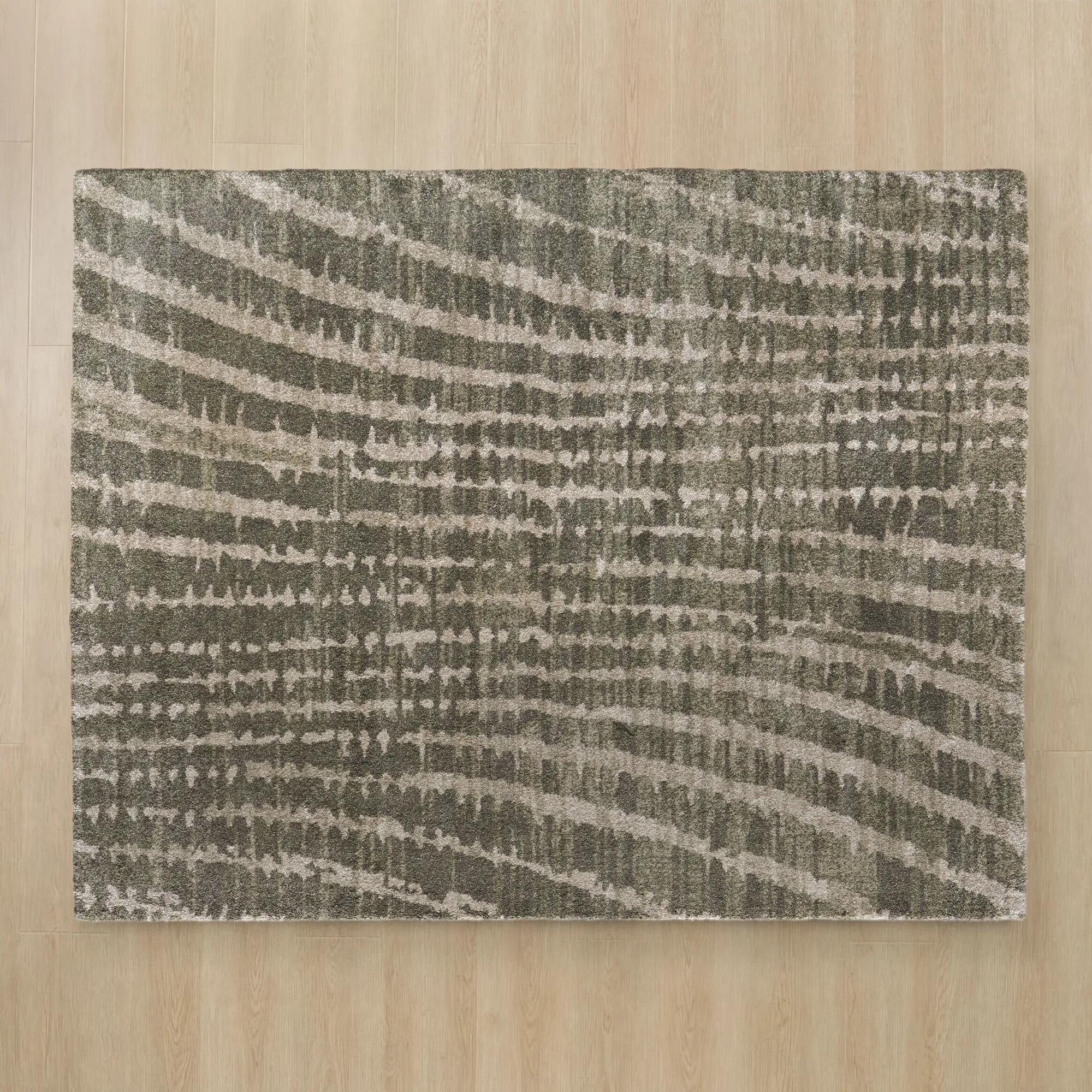 Tempo Green/Grey/Beige Performance Power Loomed Rug$1349
An abstract charcoal grey and beige rug with plush, power-loomed polypropylene and polyester construction.
Add To Cart -
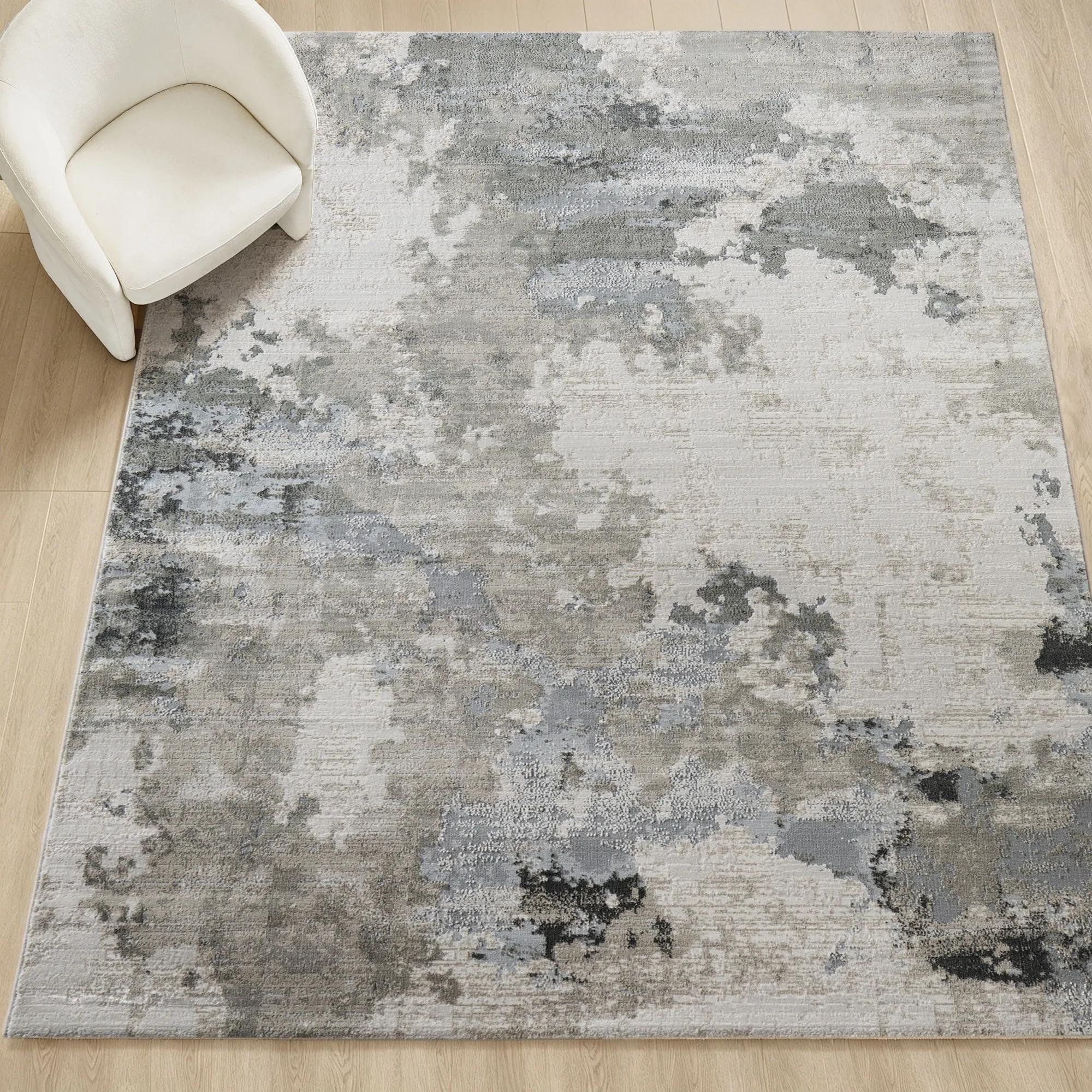 Alarion Abstract Grey/Muted Blue/Ivory Performance Power Loomed Rug$379
A power-loomed rug featuring a grey, muted blue, and ivory abstract pattern with stain-resistant durability.
Add To Cart -
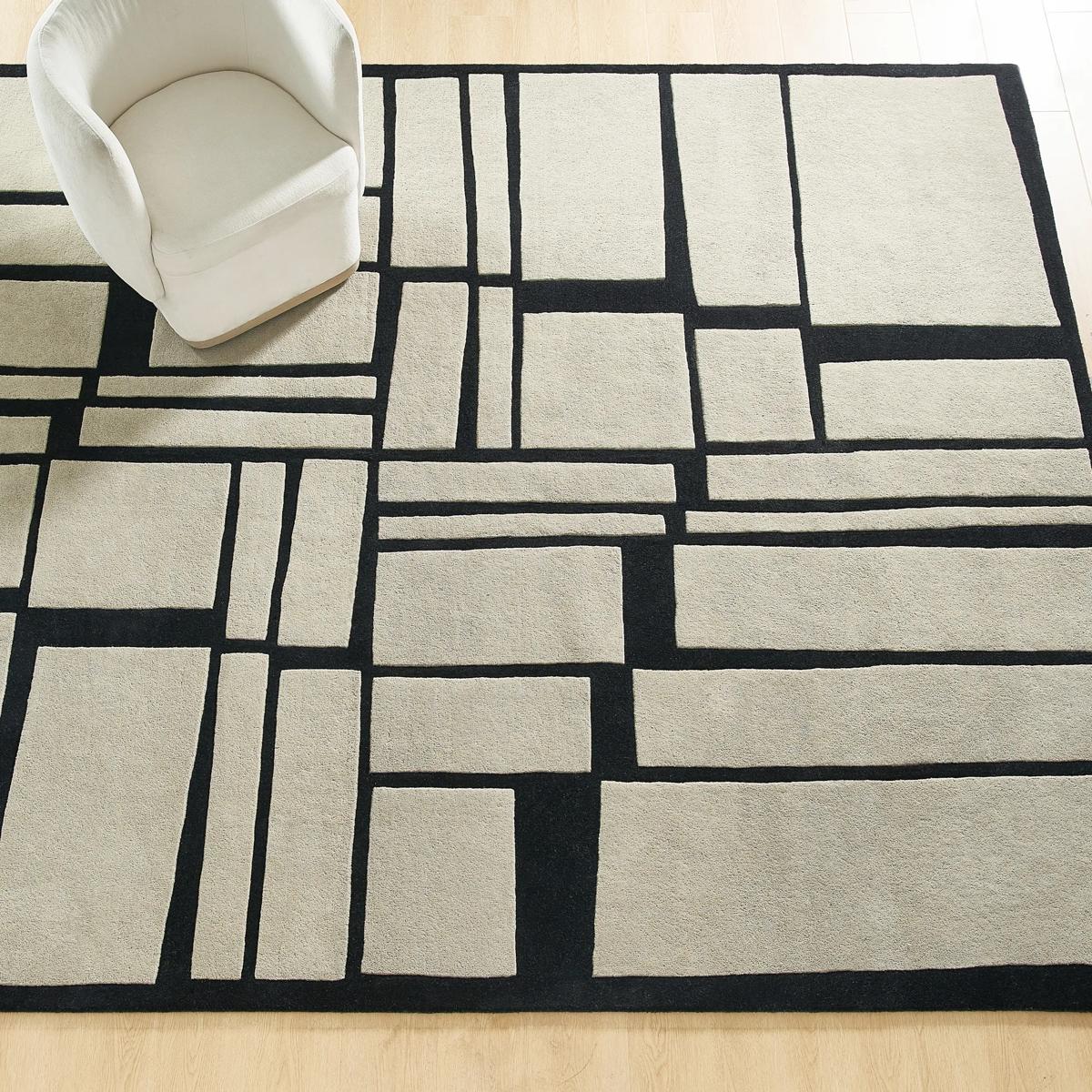 Novak Hand-Tufted Natural/Black Wool Rug$949
A hand-tufted wool rug featuring a bold black and natural grid design for modern, graphic appeal.
Add To Cart -
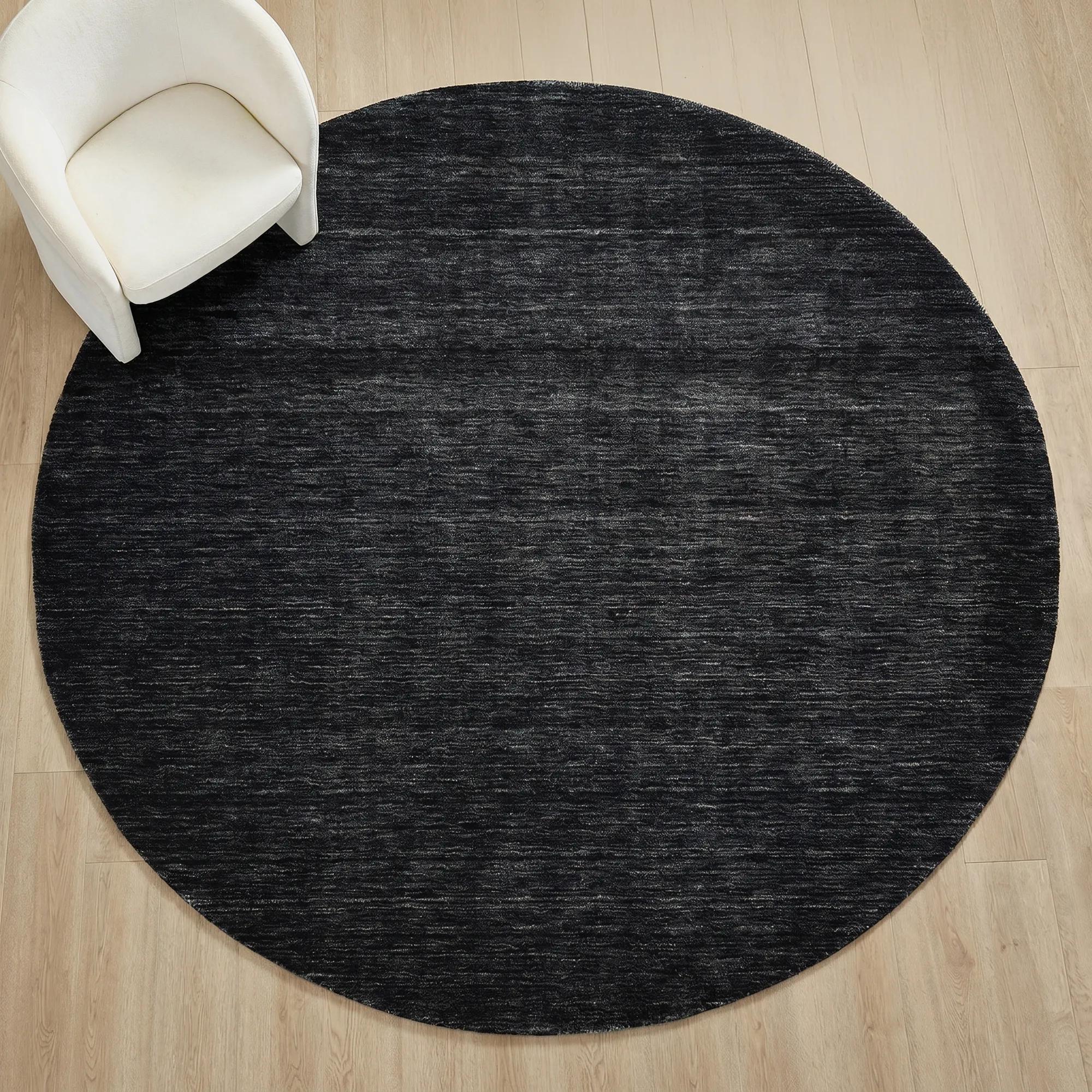 Juni Hand Woven Heathered Black Rug$799
A handwoven round wool rug in heathered black, offering durable texture and moody, contemporary style.
Add To Cart -
 Fiona Hand-Tufted Ivory/Beige/Black Border Fringe Rug$1599
A hand-tufted ivory, beige, and black rug featuring a distinctive border and fringe detailing.
Add To Cart -
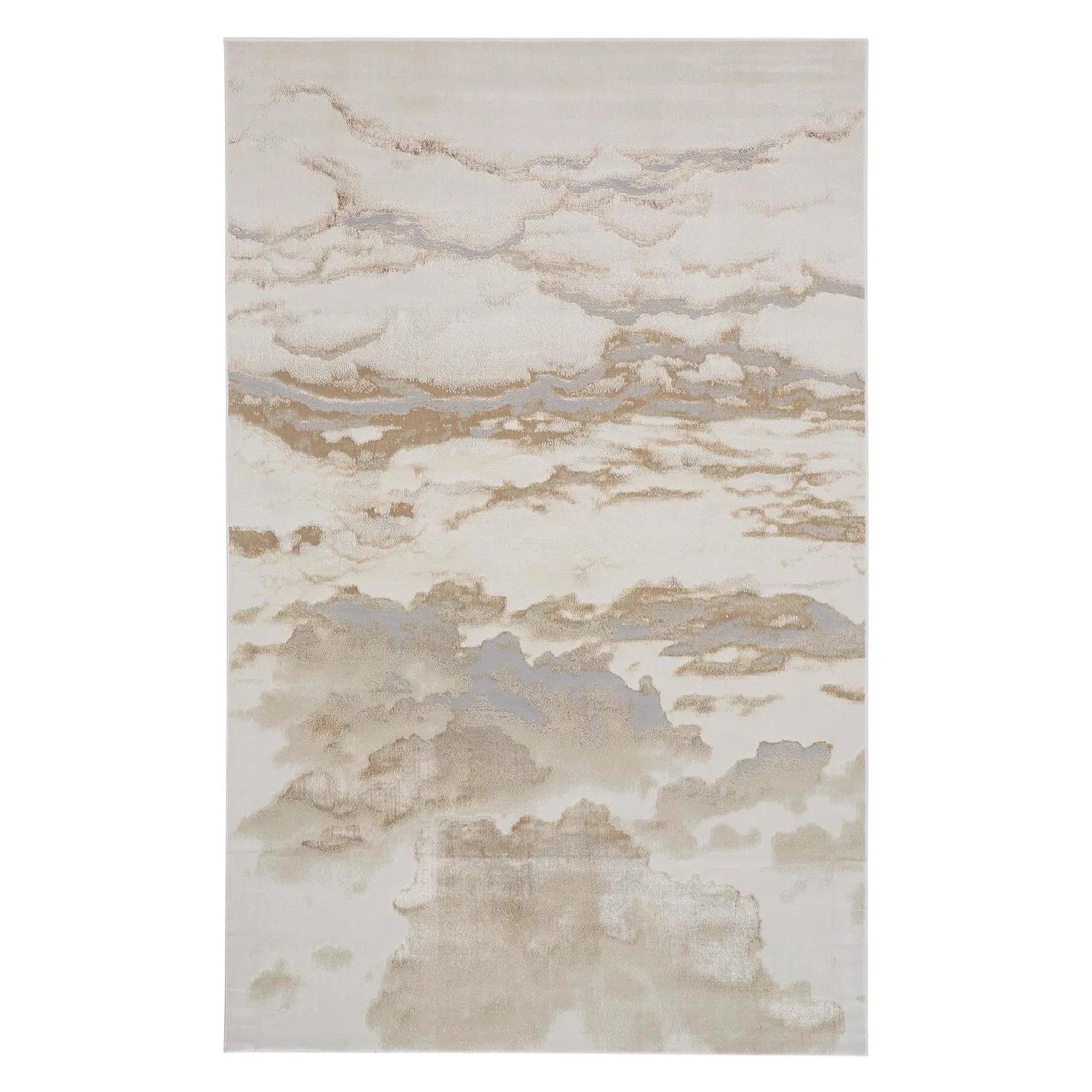
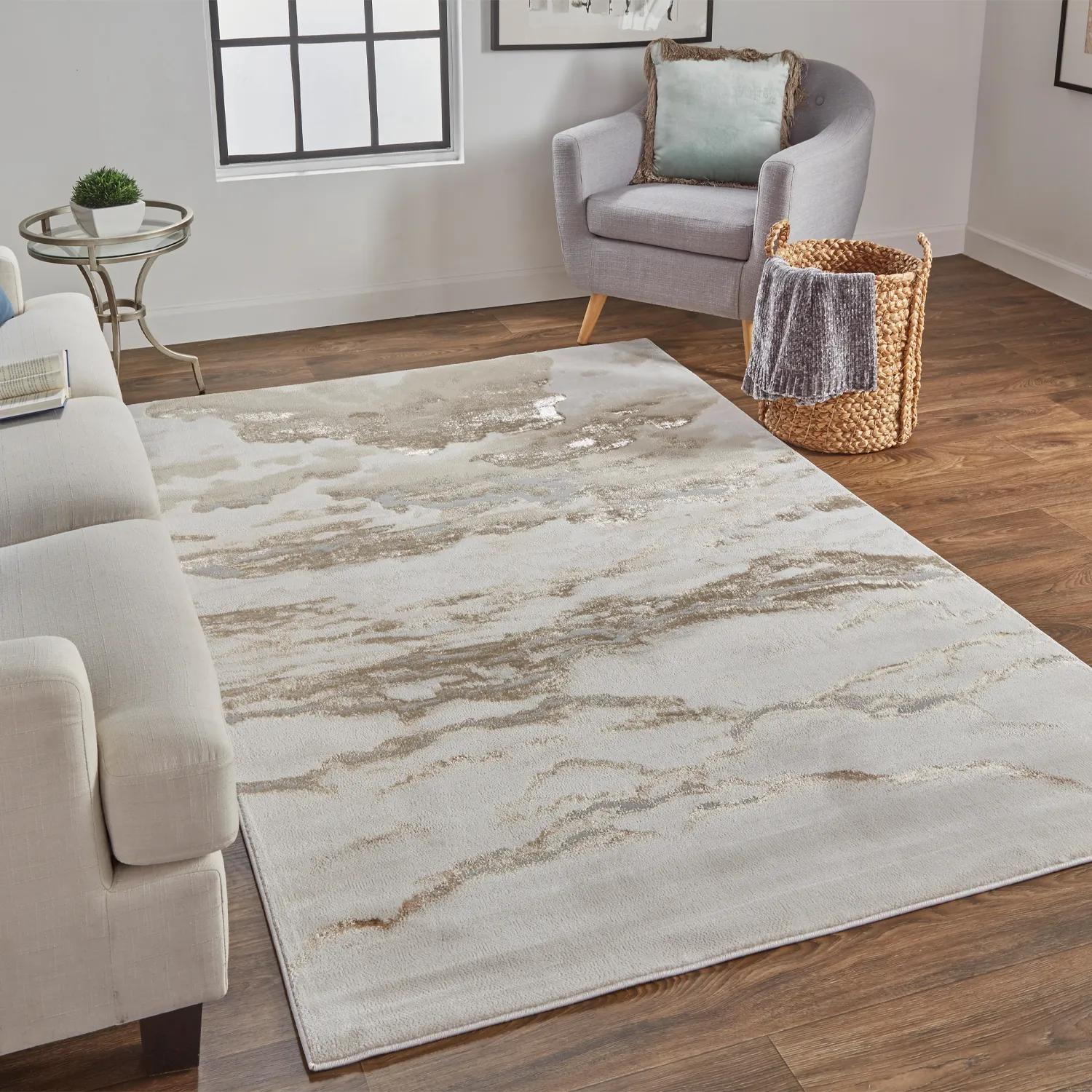 Tide Power-Loomed Beige/Gold/Ivory Rug$449
A machine-made rug in beige and gold, crafted from ultra-soft polyester and polypropylene for elegant appeal.
Add To Cart -
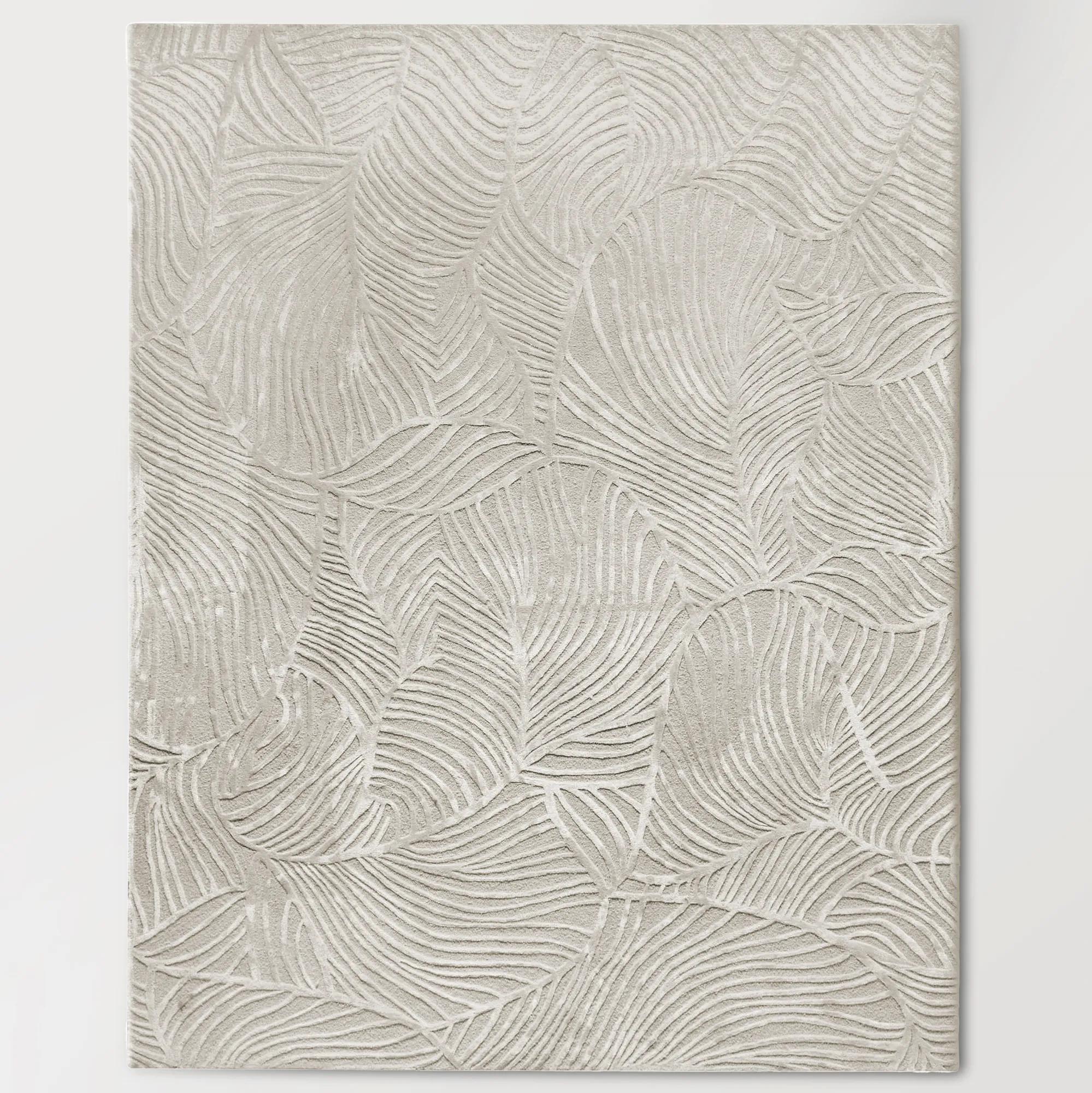 Palm Hand-Tufted Ivory Wool Blend Rug$999
An ivory rug featuring a dynamic palm-leaf design with high-low pile in viscose and wool.
Add To Cart -
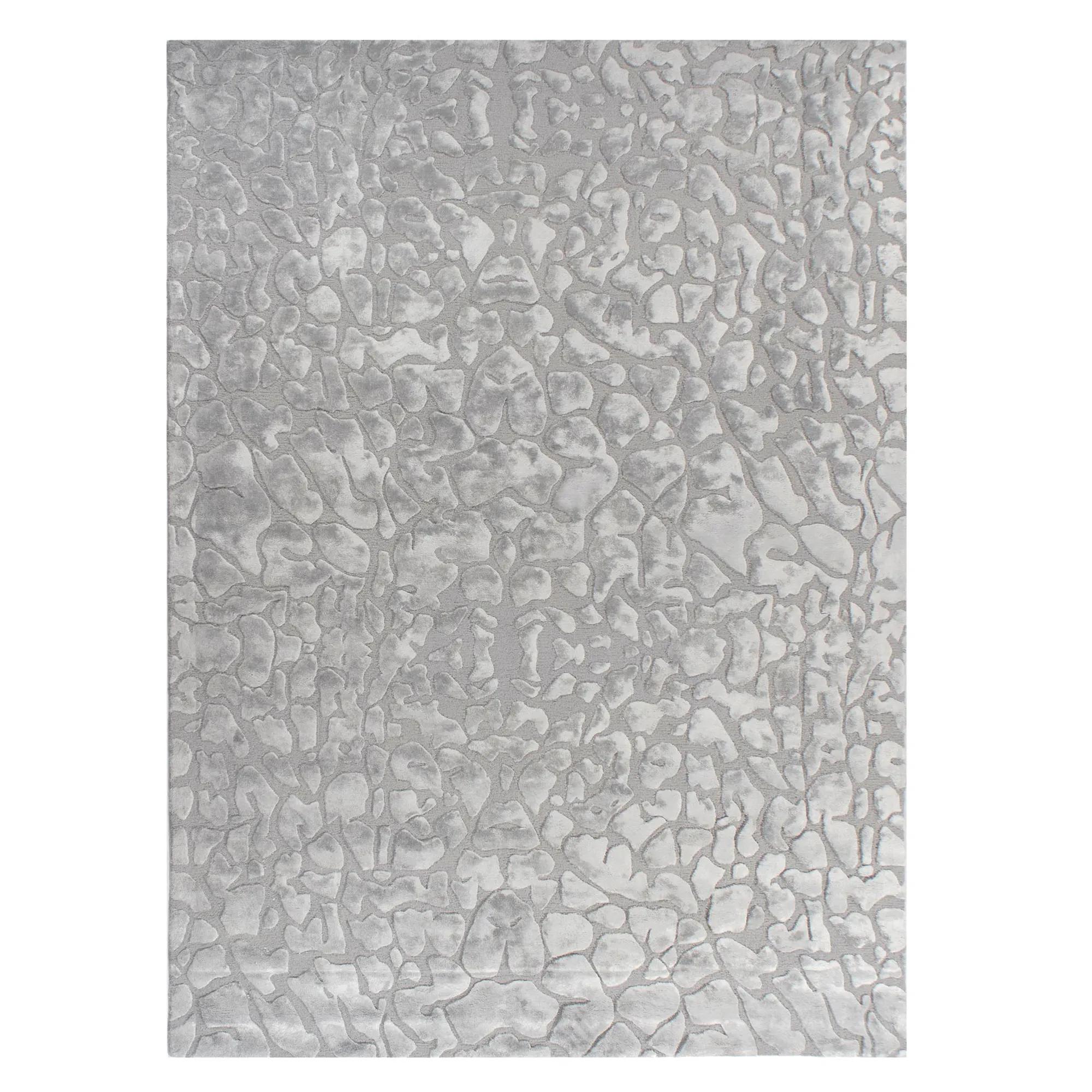
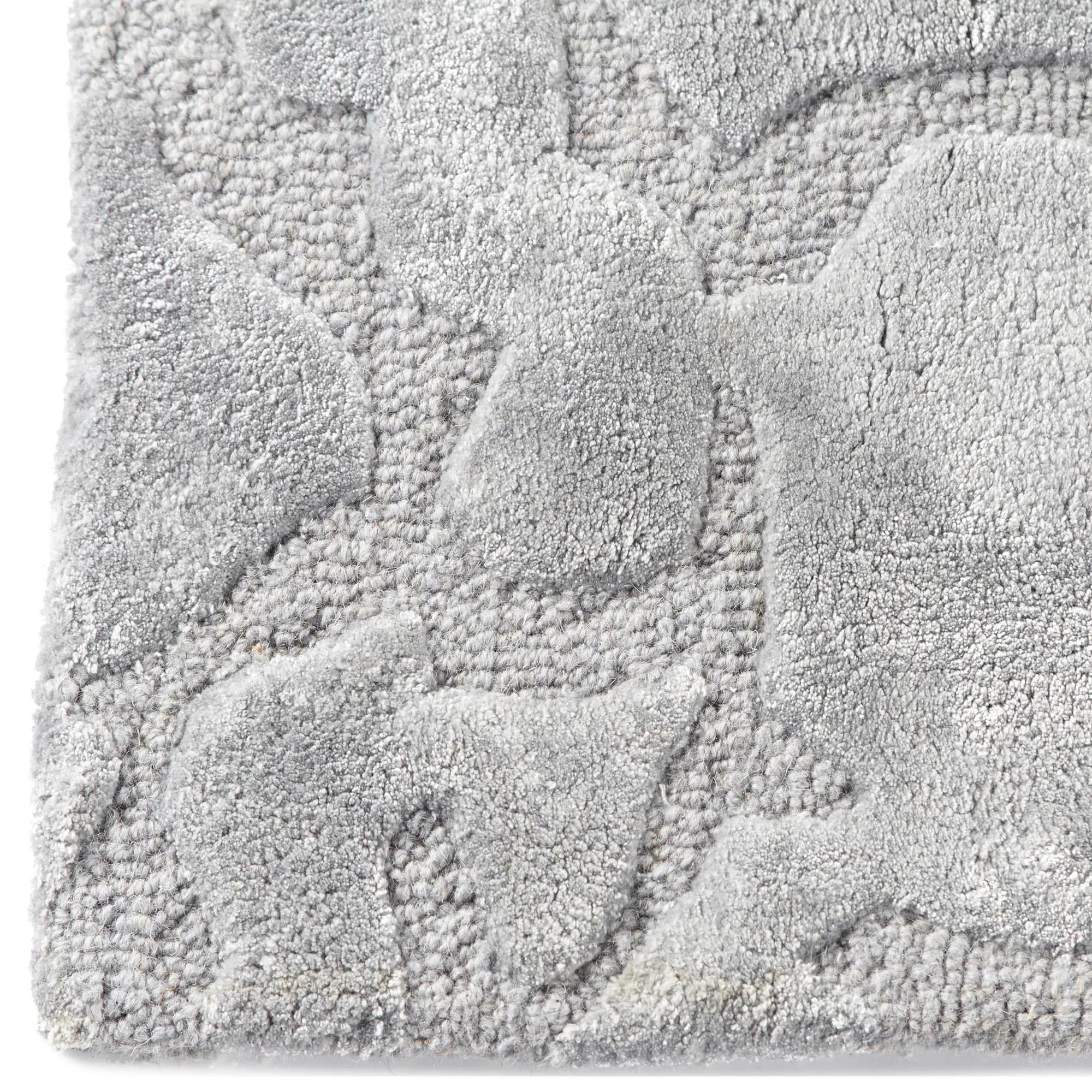 Nola Hand-Tufted Cool Grey Wool Blend Rug$849
A hand-tufted silver rug with contrasting pile heights, crafted from wool and viscose for plush texture.
Add To Cart -
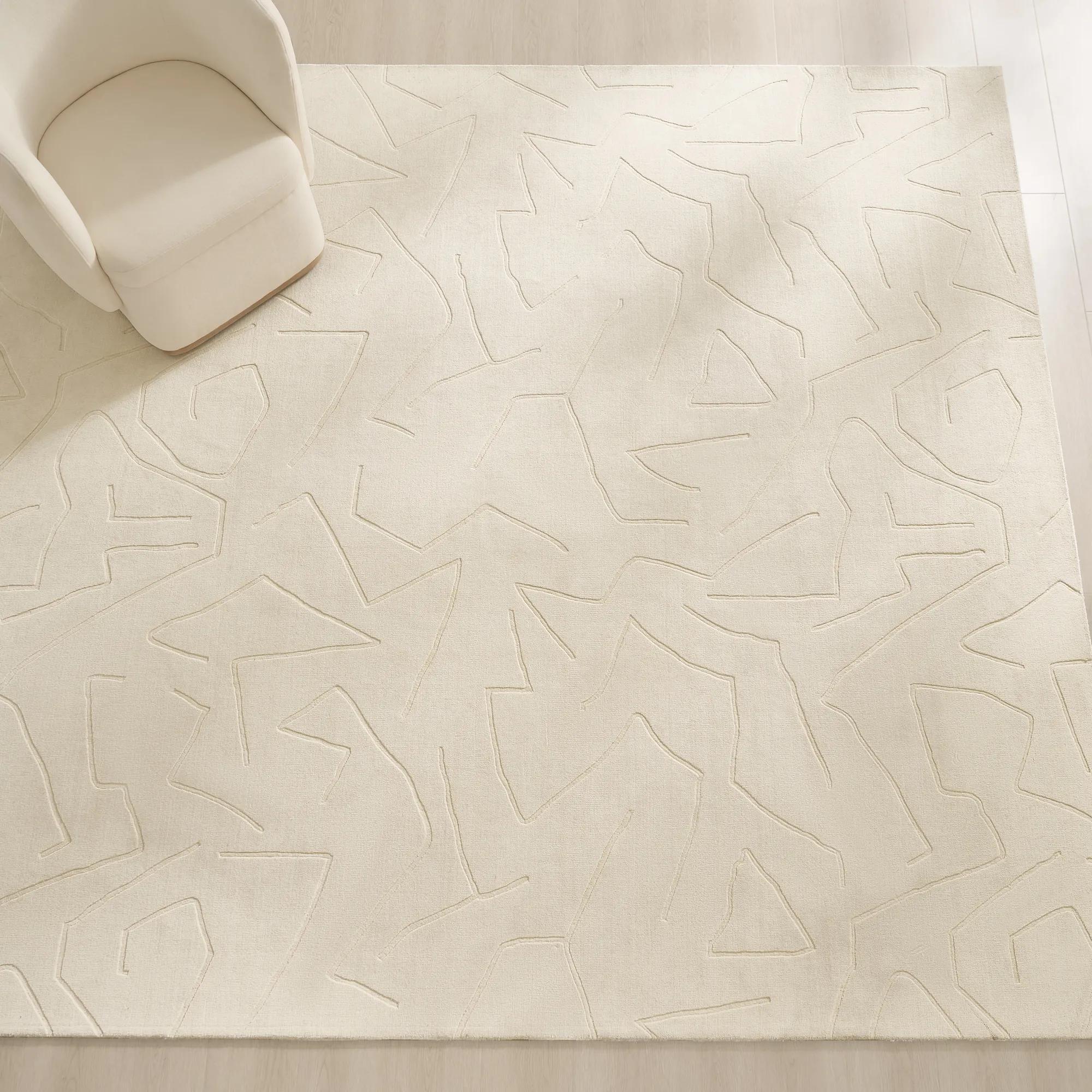 Carved Maze Ivory Hand-Loomed Wool Blend Rug$699
A hand-loomed ivory wool-blend rug featuring a carved maze pattern for modern, textural appeal.
Add To Cart -
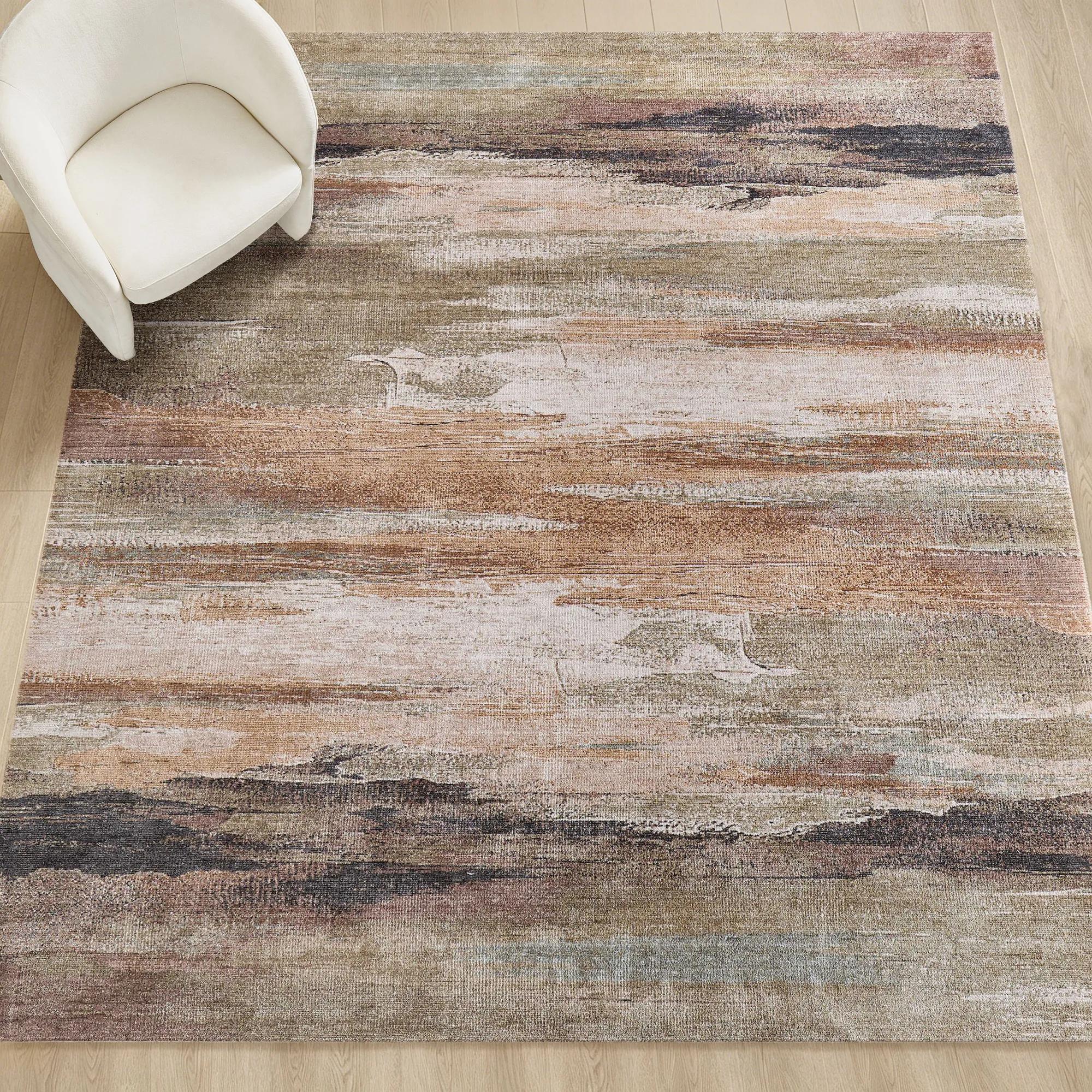
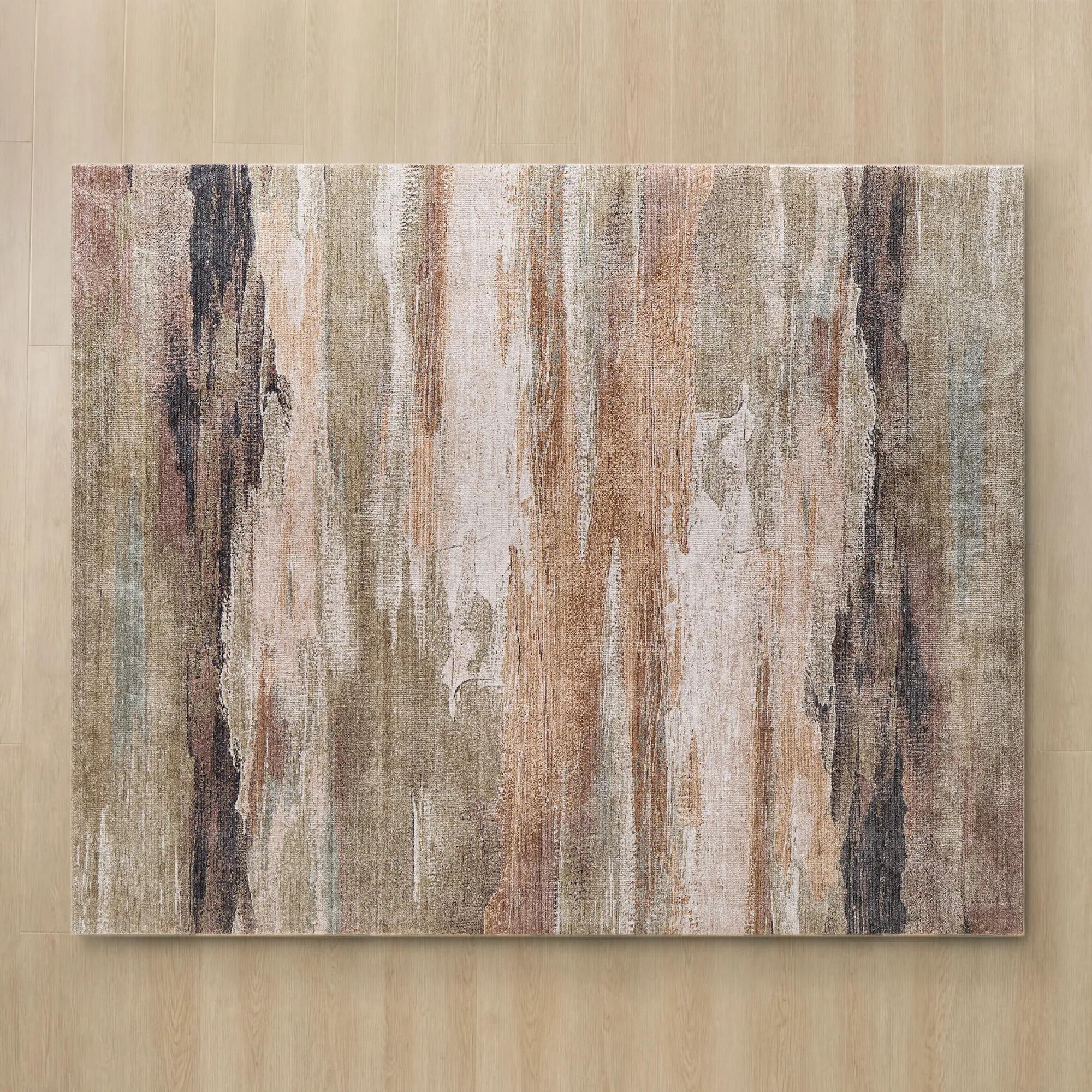 Sedona Rust/Beige/Moss Green/Charocal/Blue Performance Power Loomed Rug$1999
A power-loomed polyester rug featuring a rich abstract pattern in rust, beige, moss green, charcoal, and blue.
Add To Cart -
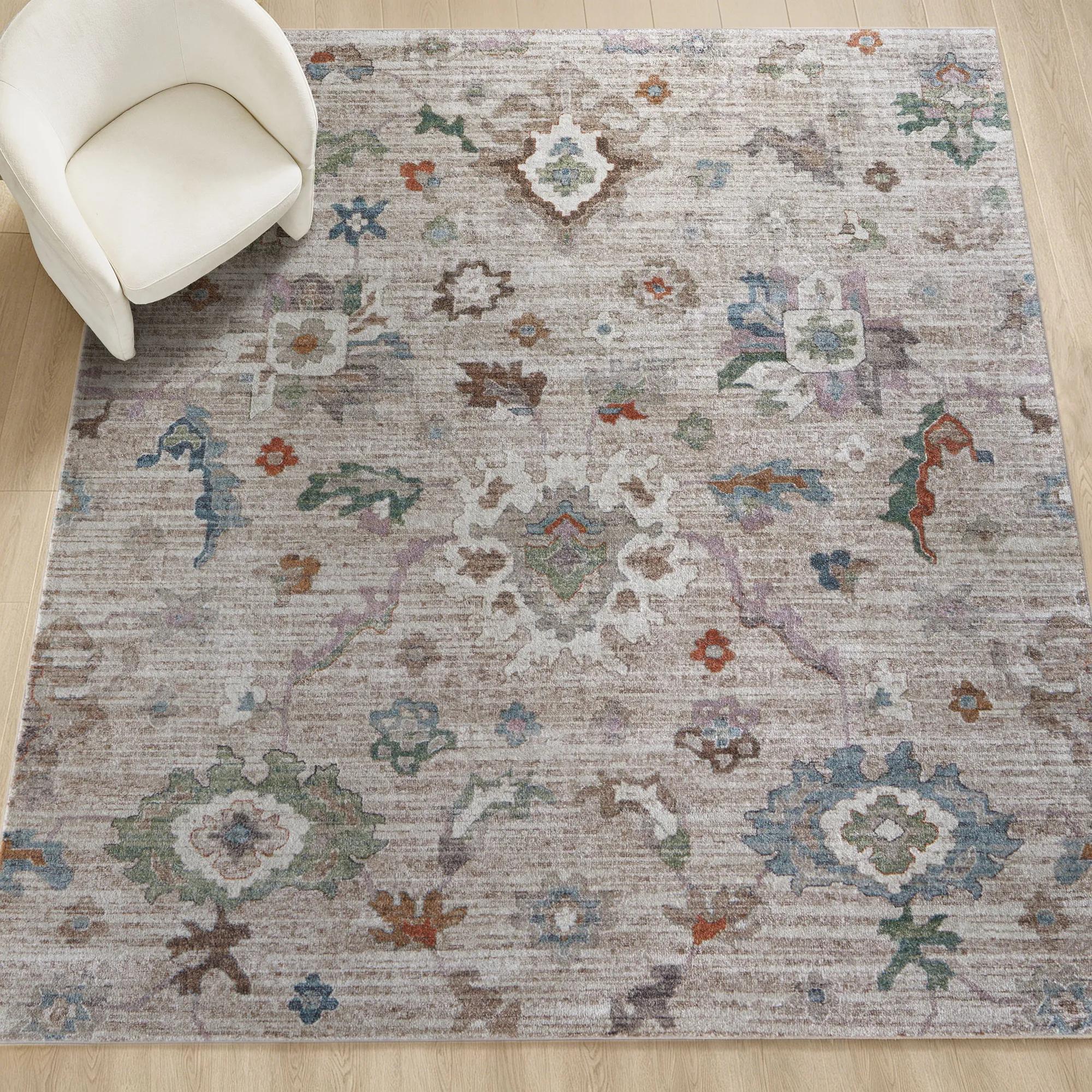
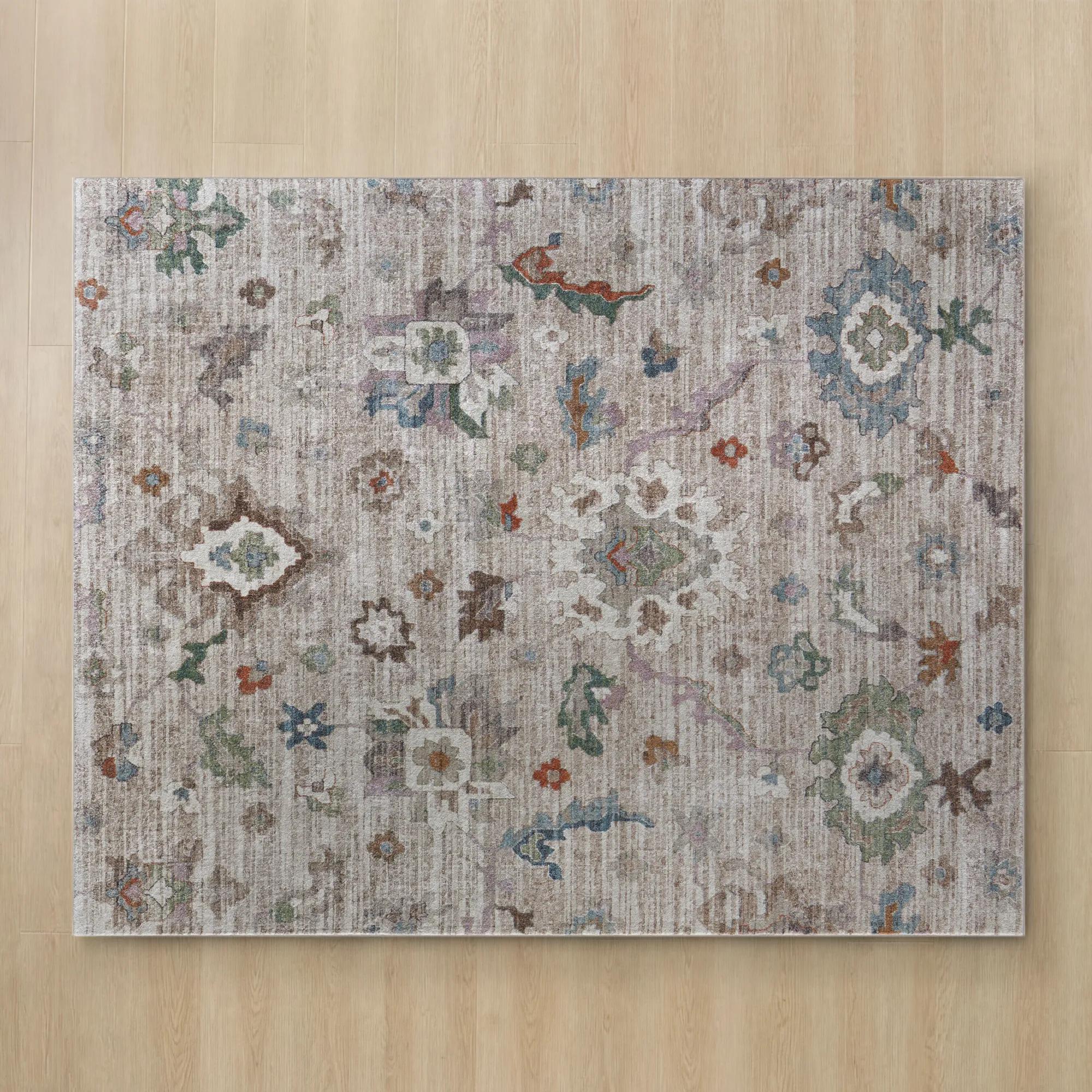 Ariella Floral Taupe/Ivory/Beige/Blue/Green Performance Power Loomed Rug$1399
A Persian-inspired rug in taupe, ivory, beige, blue, and green with a plush, power-loomed polypropylene pile.
Add To Cart -
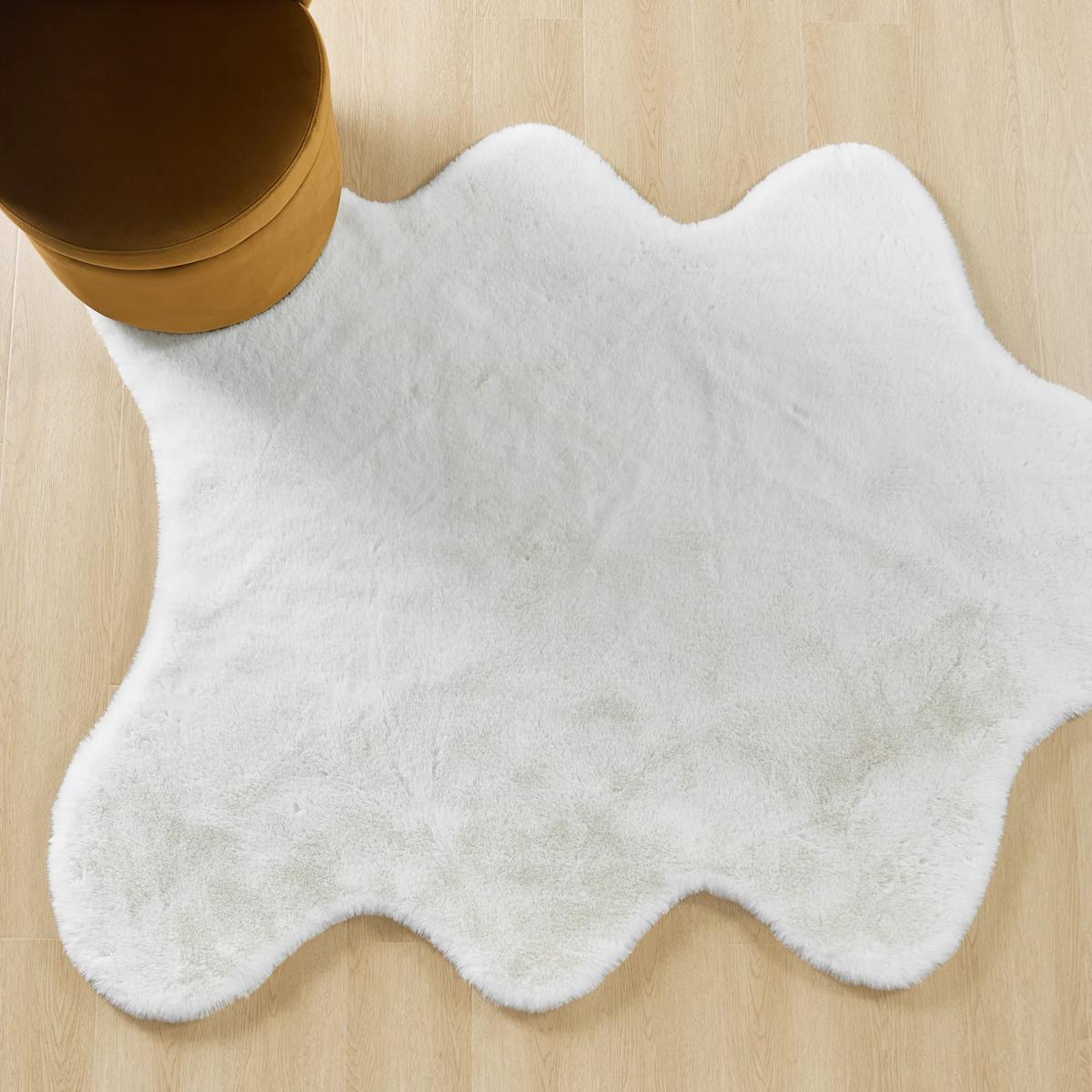
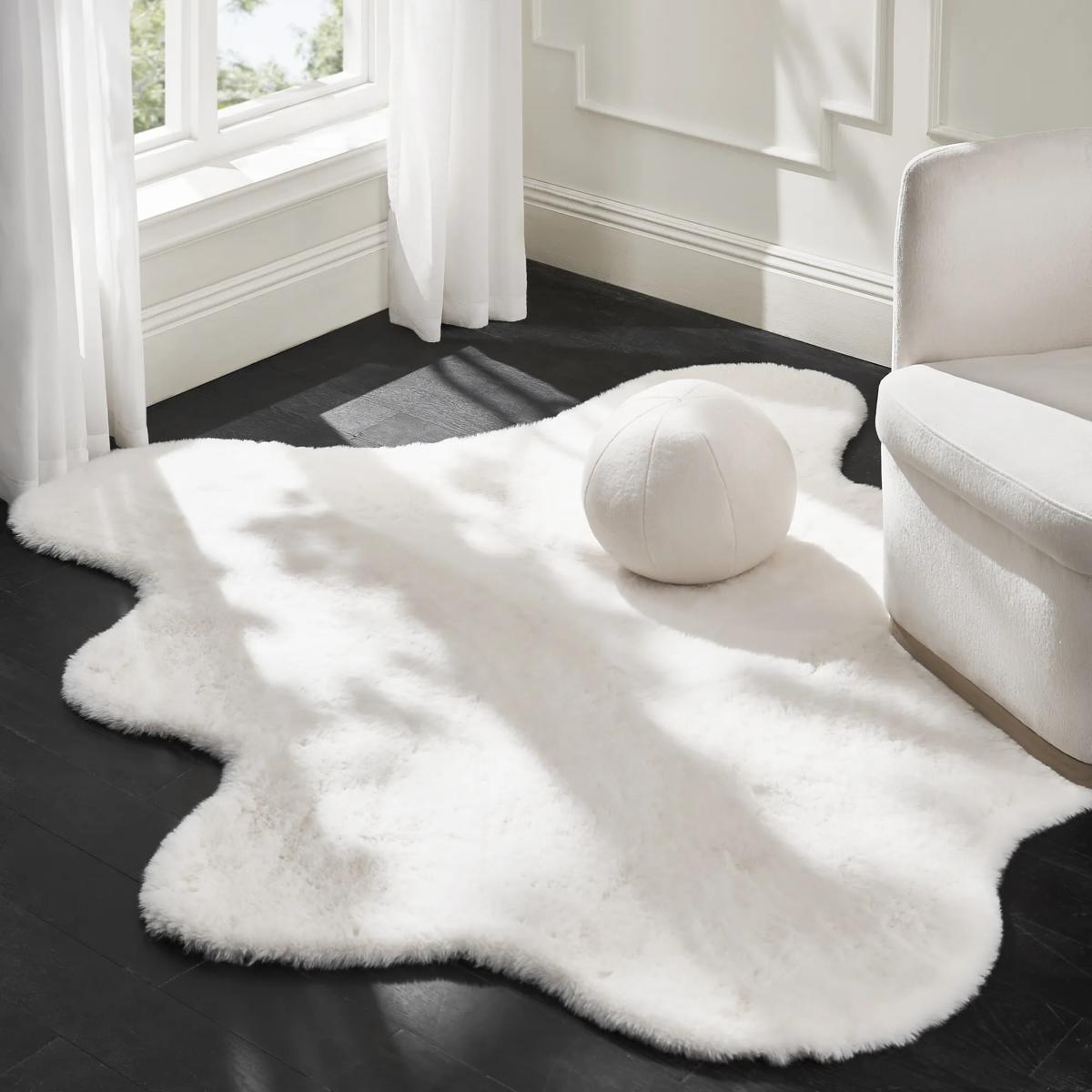 Odin Faux Fur White Shaped Rug 5' x 6'$249
A plush, cloud-shaped white rug with ultra-soft polyester pile and a practical non-slip backing.
Add To Cart -
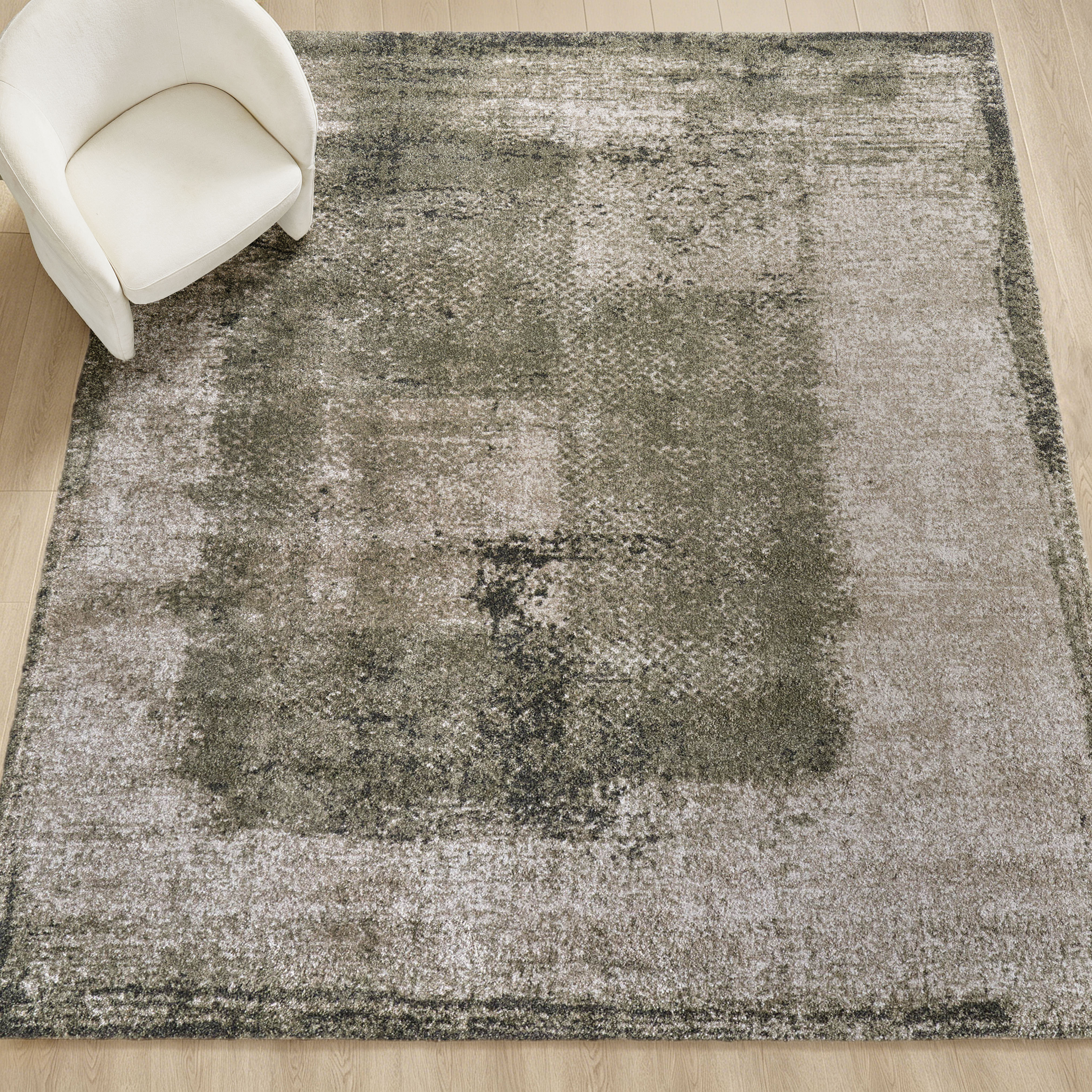
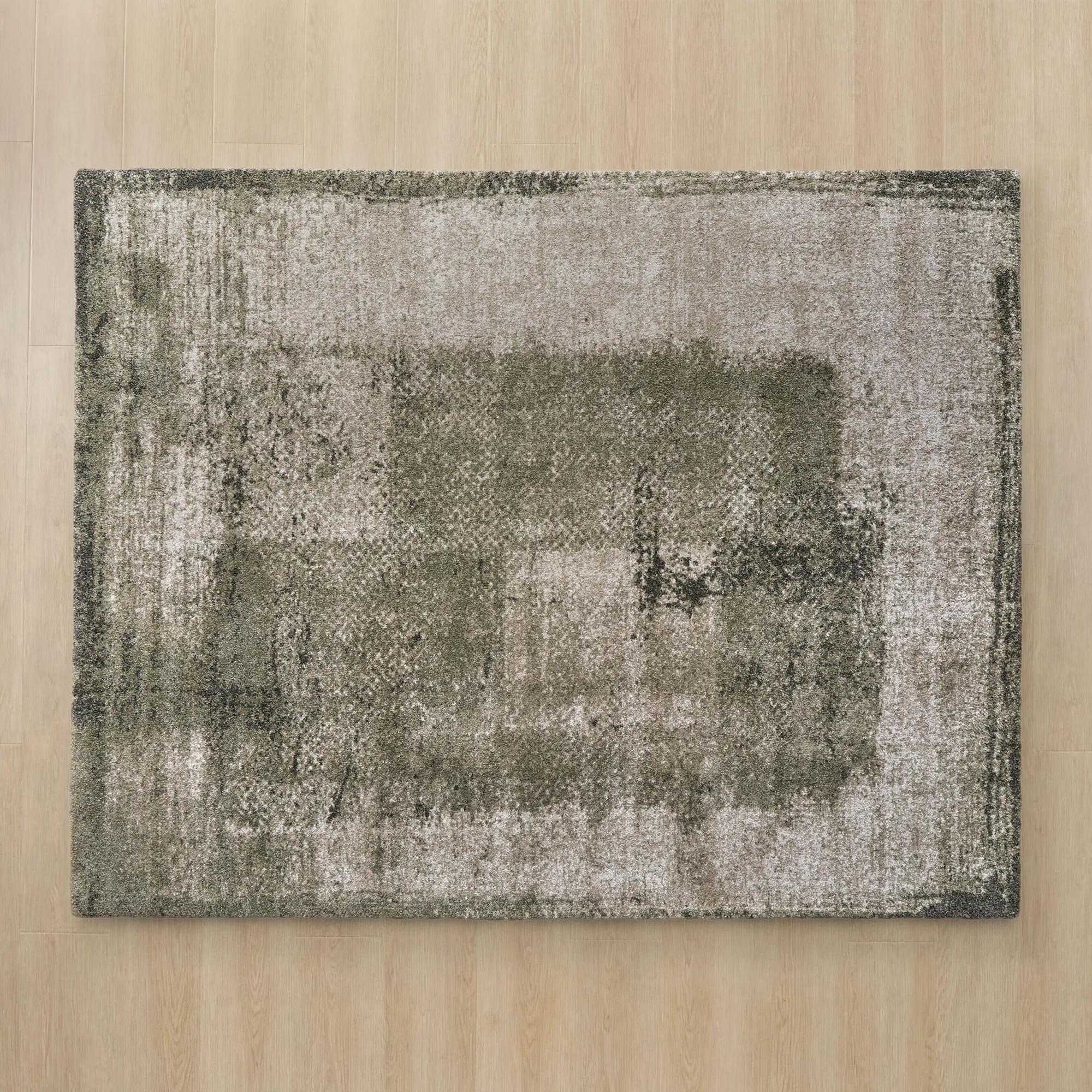 Irving Abstract Moss Green/Beige/Grey Performance Power Loomed Rug$1649
An abstract rug in moss green, beige, and grey with plush, durable polypropylene and polyester construction.
Add To Cart -
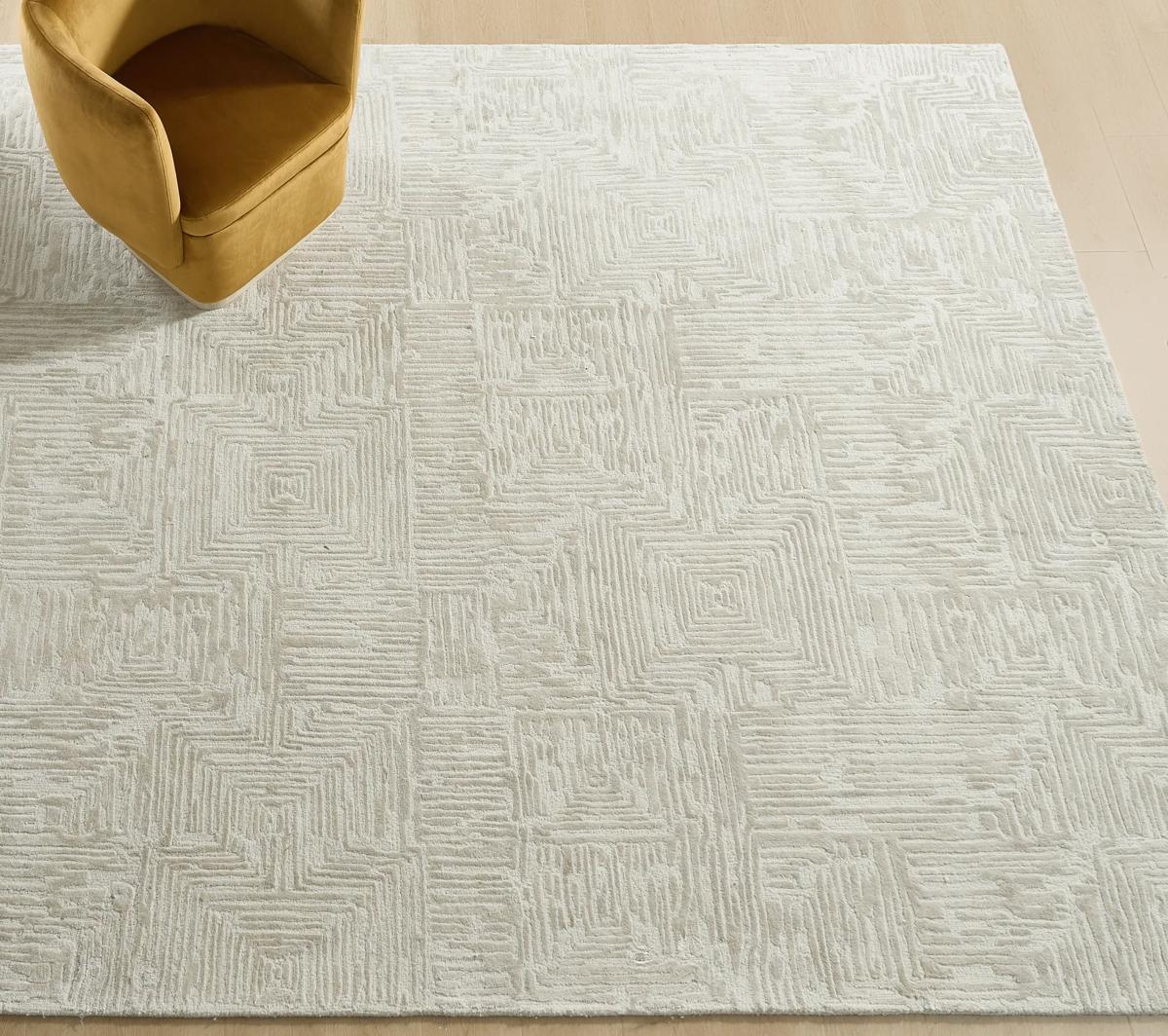 Andra Ivory Hand-Tufted Wool Blend Dimensional Rug$1499
A hand-tufted ivory rug in a viscose-wool blend with raised detailing and a subtle sheen.
Add To Cart -
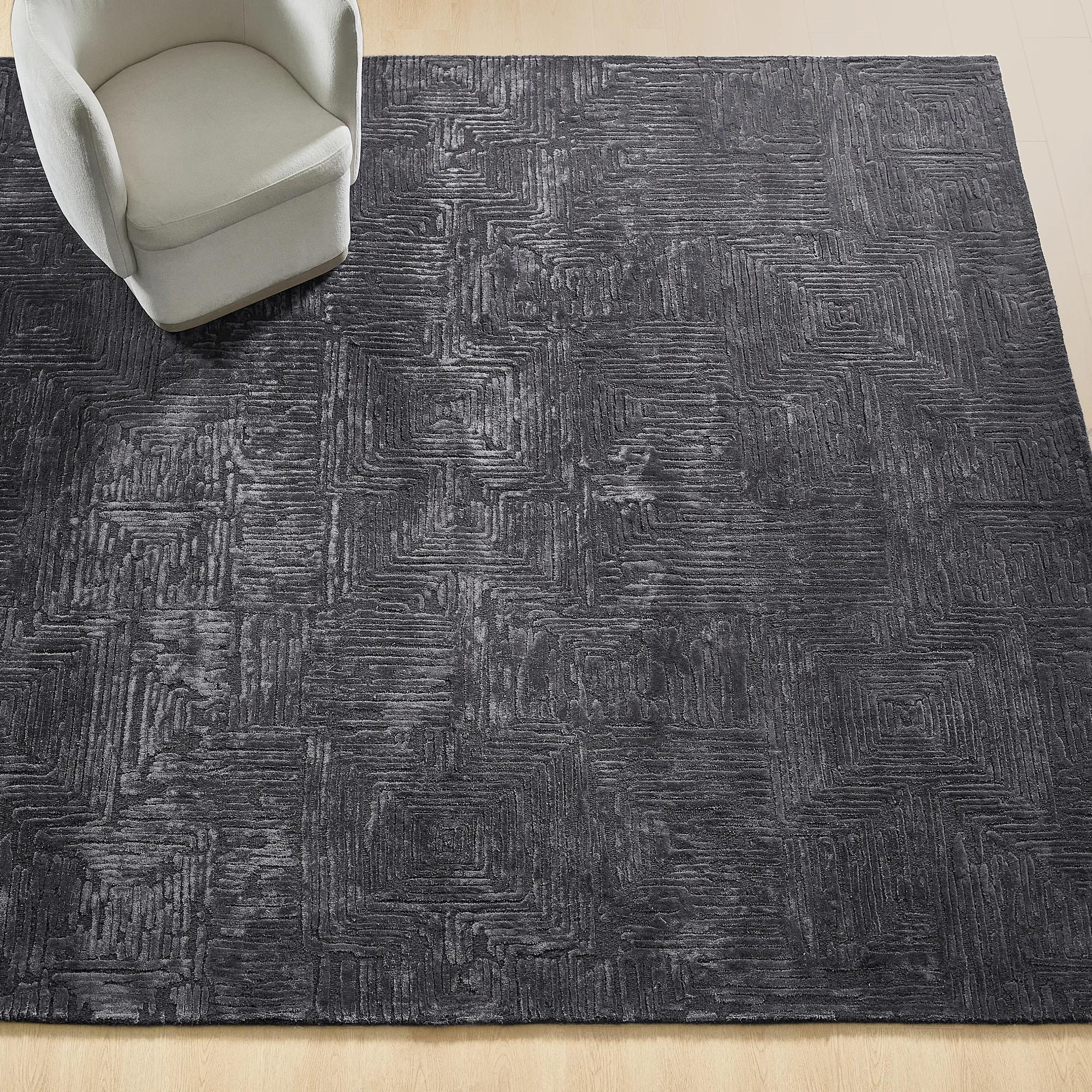
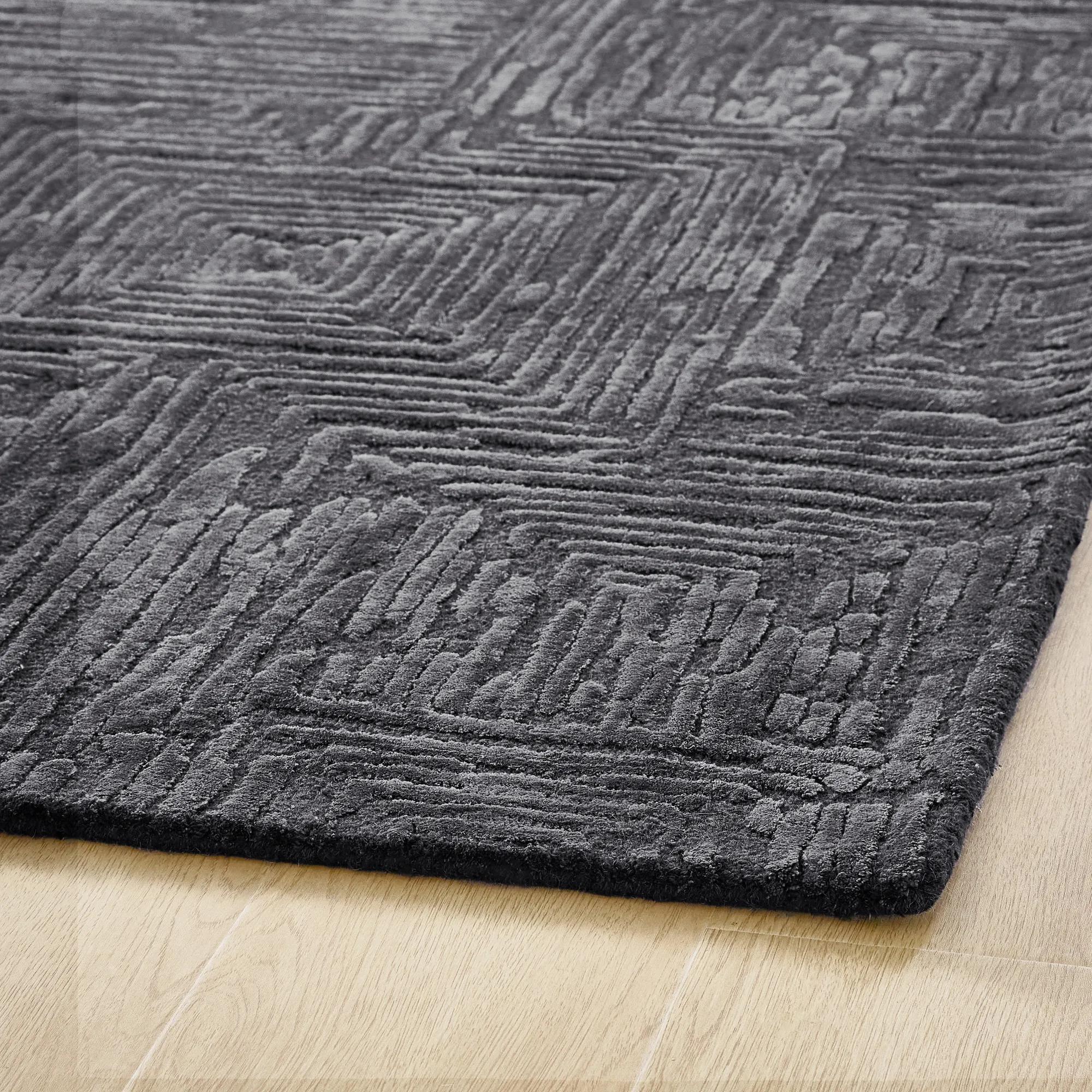 Andra Charcoal Hand-Tufted Wool Blend Dimensional Rug$499
A hand-tufted viscose-wool rug in rich charcoal, featuring a sculptural, dimensional pattern for modern spaces.
Add To Cart -
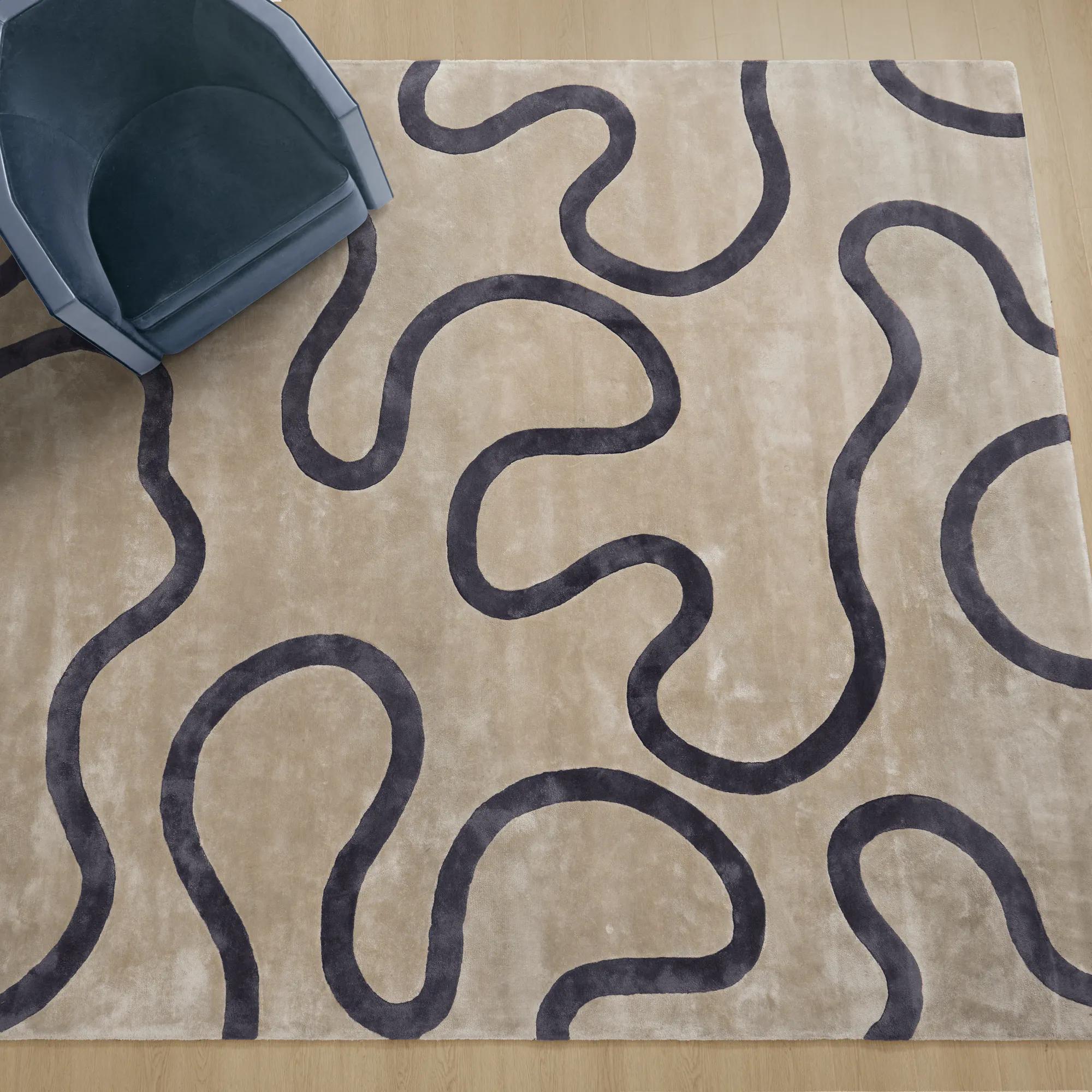 Seraphine Hand-Tufted Smoked Pearl/Taupe Viscose Loop Rugs$1799
A hand-tufted viscose rug in smoked pearl and taupe with bold Deco-inspired loop patterns and subtle sheen.
Add To Cart

Neutral Color Area Rugs
Explore neutral color area rugs that ground your room in understated color while leaving space for expressive design. A neutral palette creates a composed backdrop for sculptural furniture, dramatic artwork, or layered accents. As you browse, consider how each rug’s tone, pattern, and dimensions will work with your seating arrangement and bring balance to the room.
Neutral color area rugs bring ivory, cream, beige, taupe, gray, and greige into a room, defining furniture arrangements while adding texture without overwhelming the surrounding palette. Their appeal lies in the details: a softly mottled surface beneath a sculptural coffee table, a silvery pattern that echoes polished metal, or an ivory field that gives a jewel-toned sofa room to command attention. These rugs can support a richly layered interior just as beautifully as a restrained one. Cream and sand tones complement natural wood, camel upholstery, and brushed brass, while cooler grays pair elegantly with chrome, glass, and charcoal accents. Greige, which blends gray and beige, bridges warm and cool finishes when a room includes both. Undertones matter as much as the color name; an ivory with a yellow cast creates a different effect from an ivory with a gray cast, especially beside white upholstery or pale stone. Viewed in the room’s own lighting, subtle distinctions become part of the finished composition. Tonal patterns offer another dimension, introducing movement through distressed effects, abstract washes, delicate borders, or raised motifs. The measured lines of neutral geometric area rugs add architectural rhythm, giving curved seating or flowing drapery a striking counterpoint. Larger motifs read as part of the room’s overall composition, while fine patterns reward a closer look and can make everyday lint or small marks less conspicuous than a solid, pale surface. A neutral palette also allows texture to take a leading role. Carved pile, subtle ribbing, and variations in yarn height create shadows that shift with the light, giving a seemingly simple rug depth and presence. For interiors with expressive artwork, mirrored furniture, or richly upholstered seating, that tonal foundation brings cohesion without competing for attention. In rooms built around softer hues, it supplies the visual richness that keeps the composition from feeling flat.
Scale gives neutral area rugs their architectural purpose, turning separate pieces of furniture into a deliberate arrangement. In a living room, a rug that extends beneath the front legs of the sofa and adjacent chairs establishes a shared gathering space rather than leaving a small rectangle isolated beneath the coffee table. An 8-by-10-foot or 9-by-12-foot rug may suit many seating arrangements, but the furniture footprint, room dimensions, and circulation paths determine the right fit. A larger rug can frame generous seating with an uninterrupted field of texture; a smaller one can define a reading area with a single lounge chair and side table. Leaving a visible perimeter of flooring creates a crisp boundary and lets wood, tile, or stone remain part of the design. Beneath a dining table, coverage needs to account for chairs in motion, not just chairs tucked neatly into place. About 24 to 30 inches of rug beyond each table edge often provides room for chairs to pull back while remaining on the surface, though larger chairs may need more space. Low-pile constructions are generally more practical here, allowing chair legs to move with less resistance and making crumbs easier to remove. In a bedroom, a rug extending beyond the sides and foot of the bed introduces a soft landing and balances the substantial presence of the bed frame. Placement should also consider nightstands, benches, and door clearance so the arrangement feels intentional. Round rugs can echo a circular dining table or soften a seating vignette, while rectangular shapes reinforce longer rooms and defined conversation areas. Pile height changes the experience as well as the appearance: plush surfaces invite barefoot comfort in bedrooms and quieter lounges, while flatter constructions suit busier living spaces and areas where furniture moves frequently. An appropriately sized rug pad, chosen for compatibility with both the rug and the flooring, helps reduce shifting and adds cushioning without creating an awkward raised edge.
Materials and construction shape how a neutral color area rug feels, wears, and responds to everyday life. Wool offers natural resilience and a substantial hand, making it appealing for living rooms where comfort and lasting texture carry equal weight. Some wool rugs shed loose fibers, particularly when new, so regular care and the manufacturer’s recommended vacuum settings matter. Cotton can provide a softer, more relaxed surface, often in lighter-weight constructions that work well in casual sitting areas. Synthetic fibers such as polyester and polypropylene offer varied textures and can be practical choices for active households, although stain resistance, washability, and suitability for heavy traffic depend on the individual rug rather than the fiber name alone. Viscose and other lustrous fibers bring a luminous finish that can look especially dramatic against matte upholstery, but they may be more sensitive to moisture and abrasion. Their sheen is often better suited to lower-traffic spaces where spills are less likely. Natural plant fibers introduce tactile character, though coarse textures may be less comfortable under bare feet, and some are vulnerable to water marks. Construction deserves equal attention: dense pile, secure edges, and a stable backing influence how a rug holds its shape and stands up to repeated use. For households with children or pets, a low pile and a softly varied neutral pattern can be more forgiving than a deep, solid ivory surface; no pale rug is entirely maintenance-free. Routine vacuuming helps remove grit before it settles into the fibers, while periodic rotation can distribute wear and light exposure more evenly. Spills should be addressed promptly according to the care label, typically by blotting rather than rubbing, with any approved cleaner tested first in an inconspicuous area. Machine washing is appropriate only when explicitly permitted, and delicate fibers may require professional cleaning. With material, placement, and care considered together, a neutral rug becomes more than a backdrop: it lends definition to a gathering space, softness to a private retreat, and a richly textured foundation for a home with unmistakable character.
FAQs
Neutral area rugs typically feature ivory, cream, beige, taupe, gray, or greige—a blend of gray and beige. Warm neutrals create a soft, inviting foundation, while cooler shades lend a crisp, architectural feel. These understated hues leave room for sculptural furniture, expressive art, and gleaming accents to command attention.
Look to the undertones in your flooring, upholstery, and walls. Cream and beige harmonize with warm woods and golden accents, while gray complements cooler palettes and polished metallic details. For a more expressive composition, choose a neutral rug that contrasts with your furnishings rather than matching every surface.
Absolutely. A restrained palette gives pattern and texture room to shine. Tonal geometrics, abstract motifs, and sculptural surface details can make a neutral area rug feel like artwork underfoot. Pair it with sleek furniture to spotlight its visual depth, or layer it into a richly detailed room for quieter drama.
Use a neutral area rug to give vivid upholstery and distinctive silhouettes a composed backdrop. Ivory can create luminous contrast beneath jewel-toned seating, while taupe offers a softer counterpoint to richly colored furnishings. Echo one rug tone in pillows or decorative objects to connect the room without diminishing its personality.
A solid neutral rug creates a calm visual foundation, especially in a room with expressive artwork or patterned upholstery. A patterned neutral rug introduces movement and artistry without adding strong color. Consider subtle tonal variation for a layered look, or a more defined motif when you want the floor to become part of the room’s focal story.