Neutral Wool Area Rugs
Neutral Wool Area Rugs
-
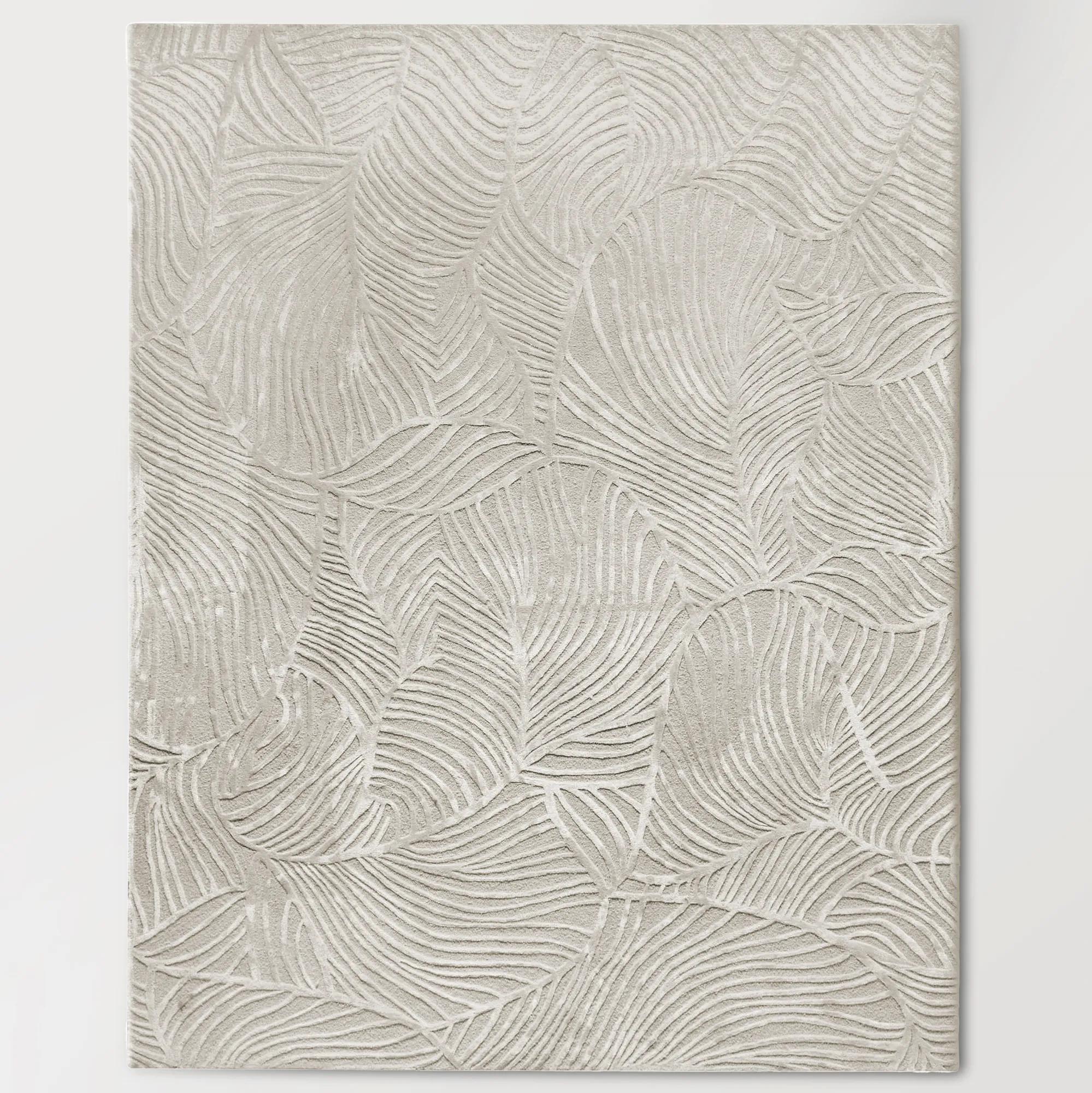 Palm Hand-Tufted Ivory Wool Blend Rug$1499
An ivory rug featuring a dynamic palm-leaf design with high-low pile in viscose and wool.
Add To Cart -
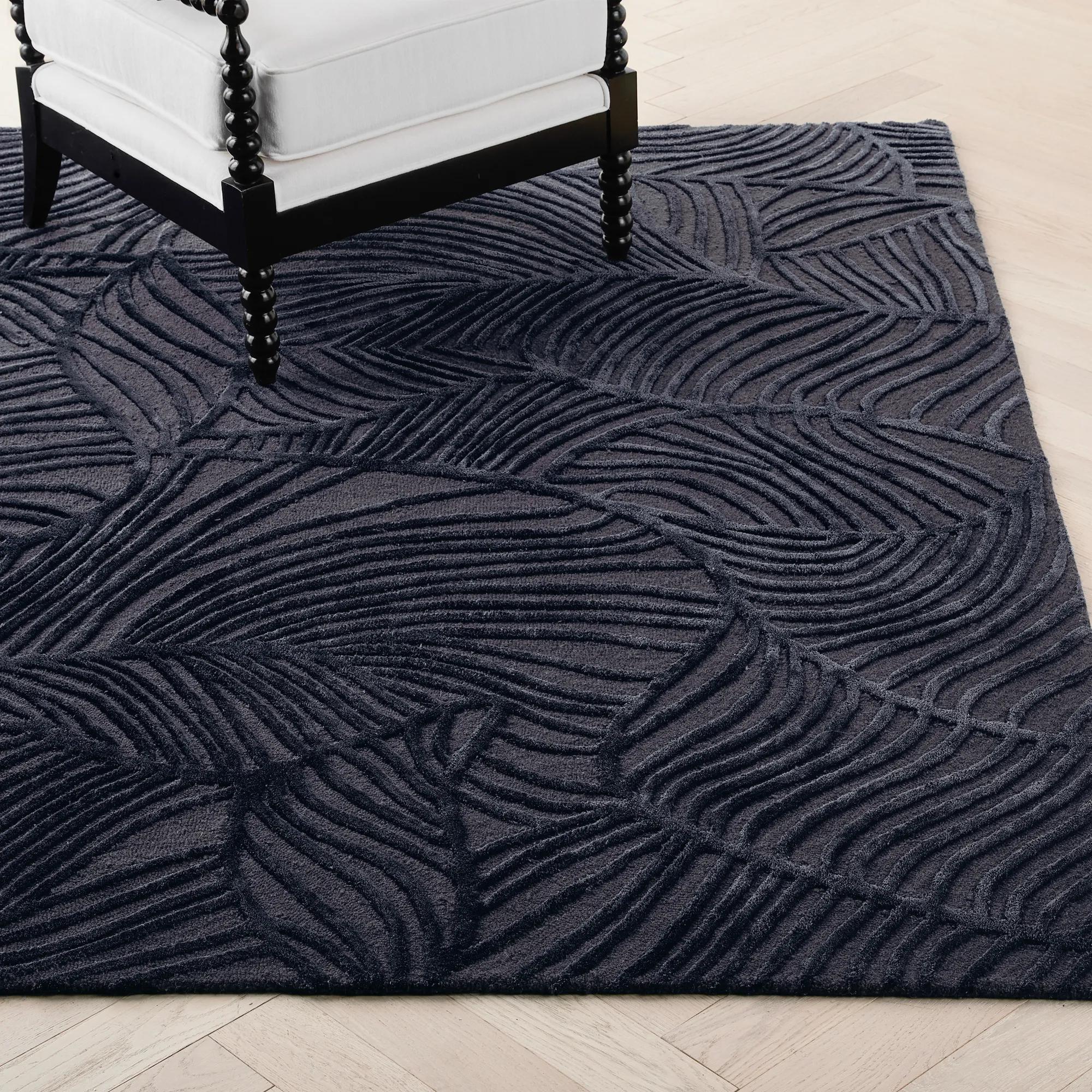
 Palm Rug - Charcoal$1499
A charcoal rug featuring a dynamic palm-leaf design with a textured high-low viscose and wool pile.
Add To Cart -
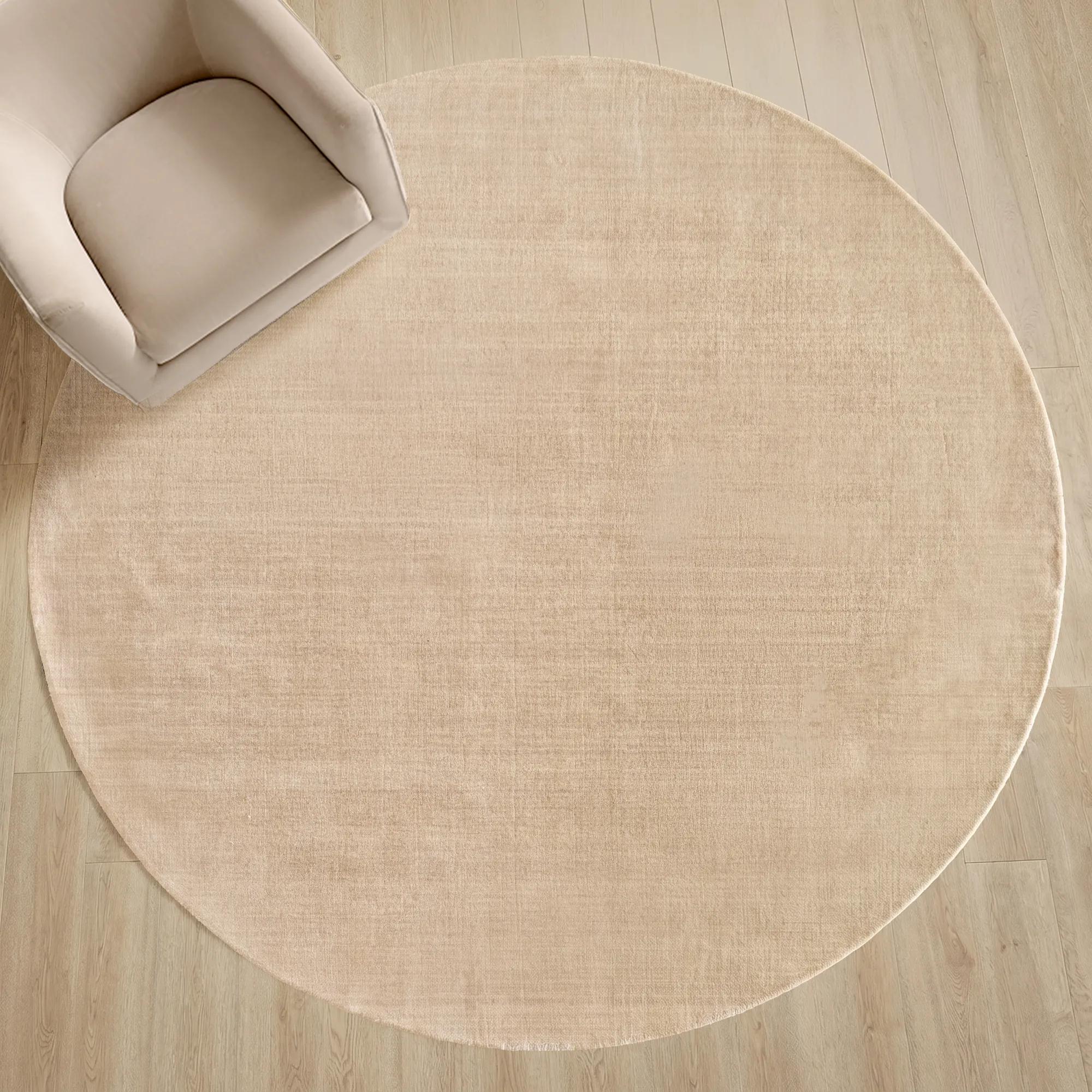 Juni Hand Woven Heathered Warm Beige Round Rug$1399
A handwoven round wool rug in heathered warm beige, offering refined texture and everyday durability.
Add To Cart -
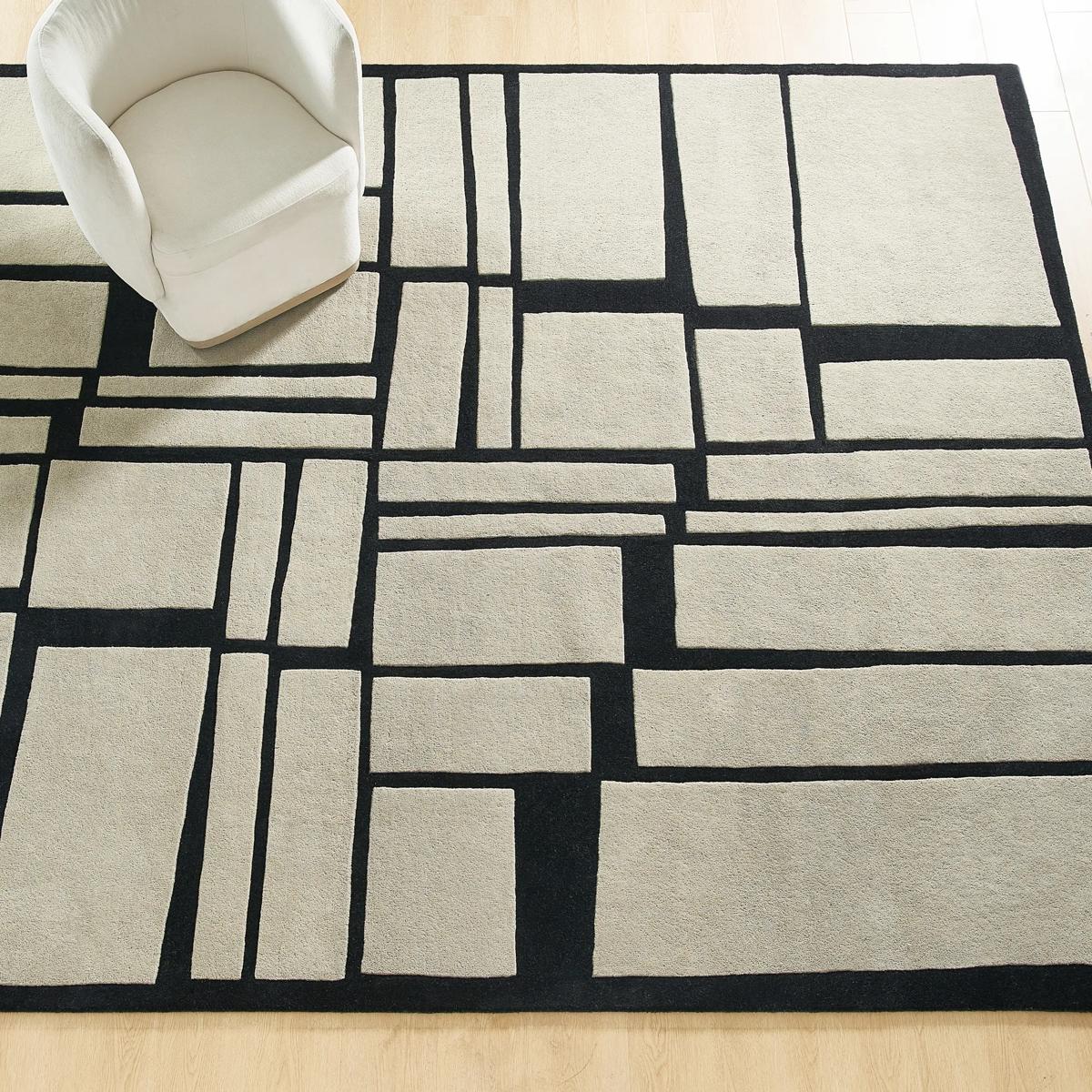 Novak Hand-Tufted Natural/Black Wool Rug$449
A hand-tufted wool rug featuring a bold black and natural grid design for modern visual impact.
Add To Cart -
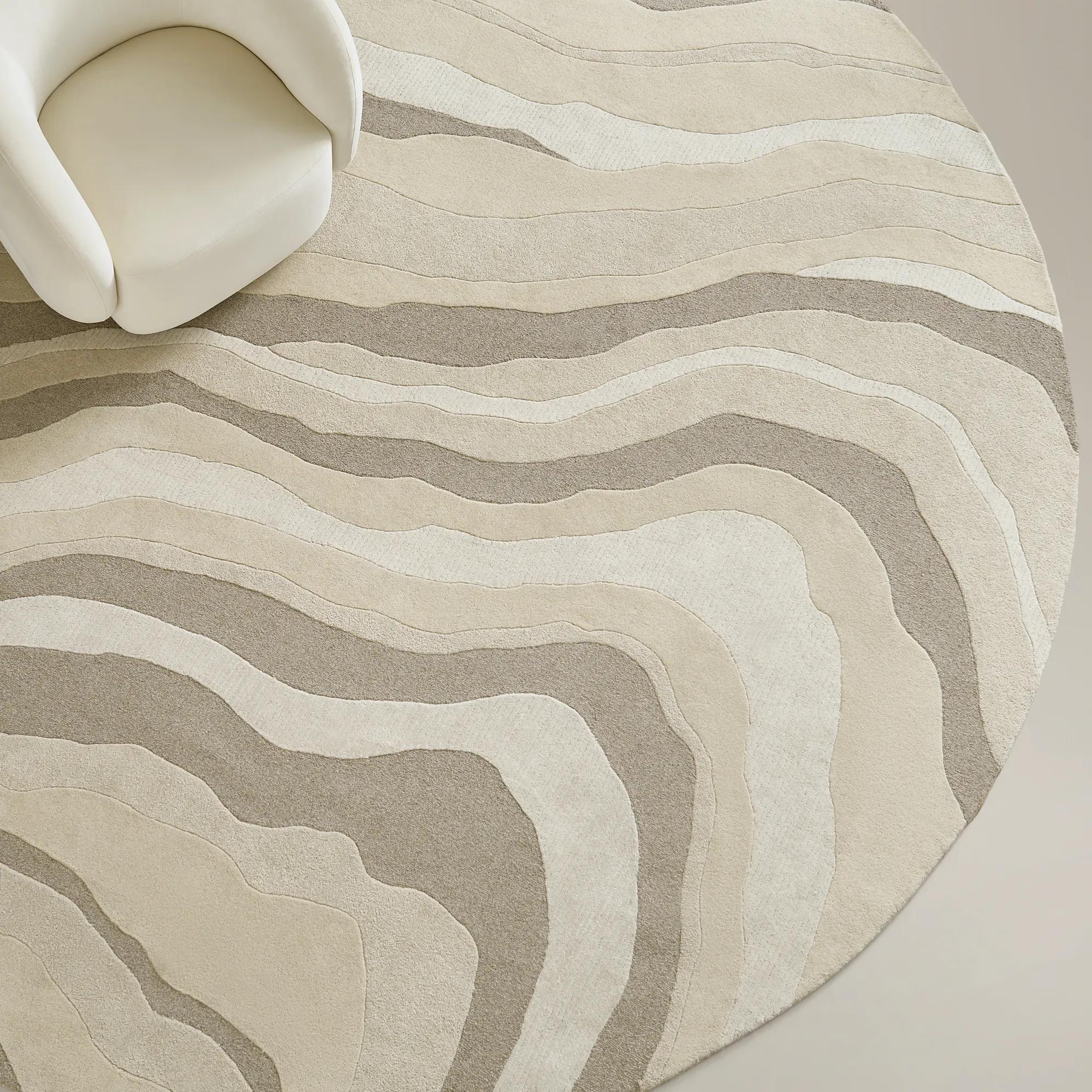 Kadence Hand-Tufted White/Ivory/Tan Wool Round Rug 12"$1799
A hand-tufted round rug in white, ivory, and tan, crafted from 100% wool for natural warmth.
Add To Cart -
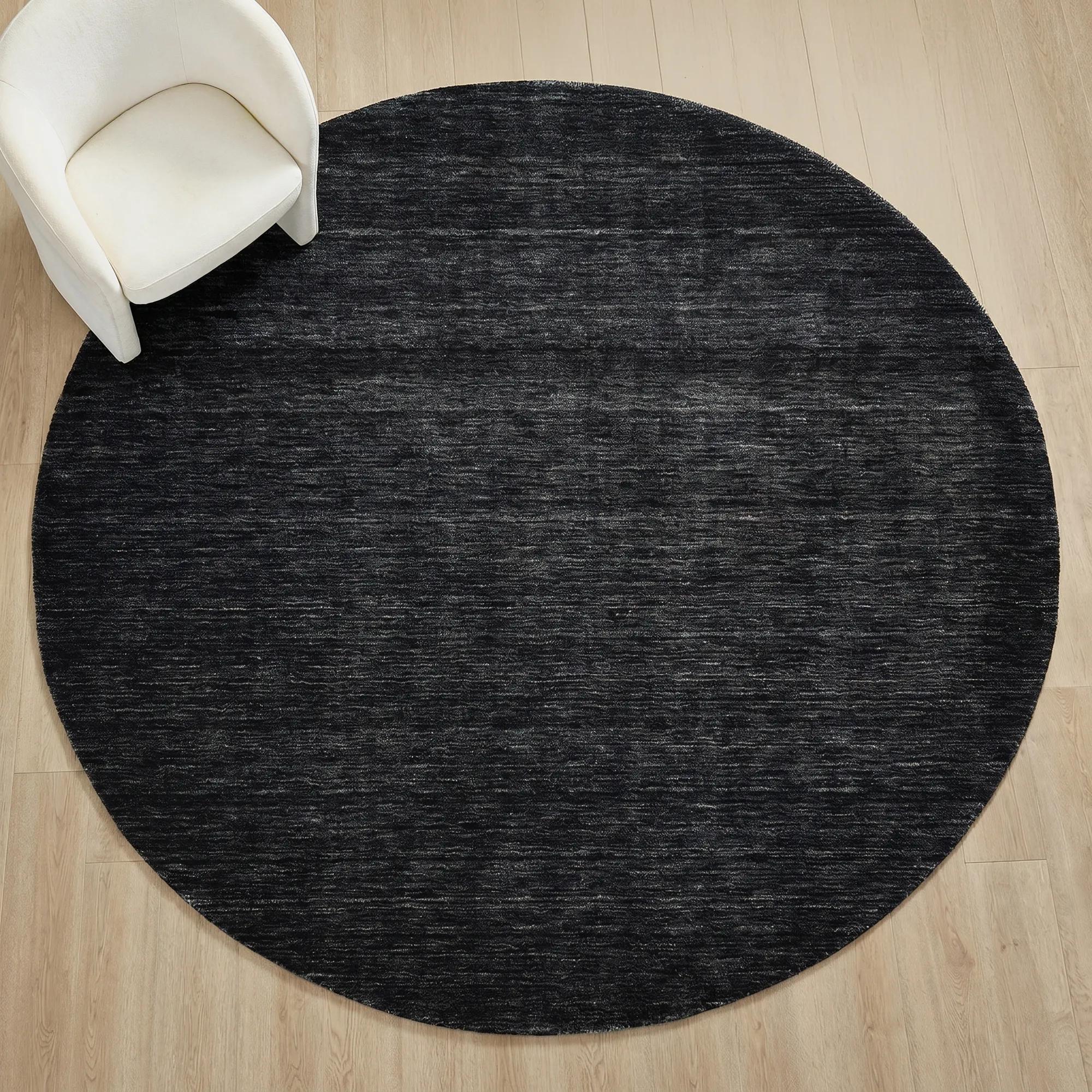 Juni Hand Woven Heathered Black Rug$799
A handwoven round wool rug in heathered black, offering durable texture and moody, contemporary style.
Add To Cart -
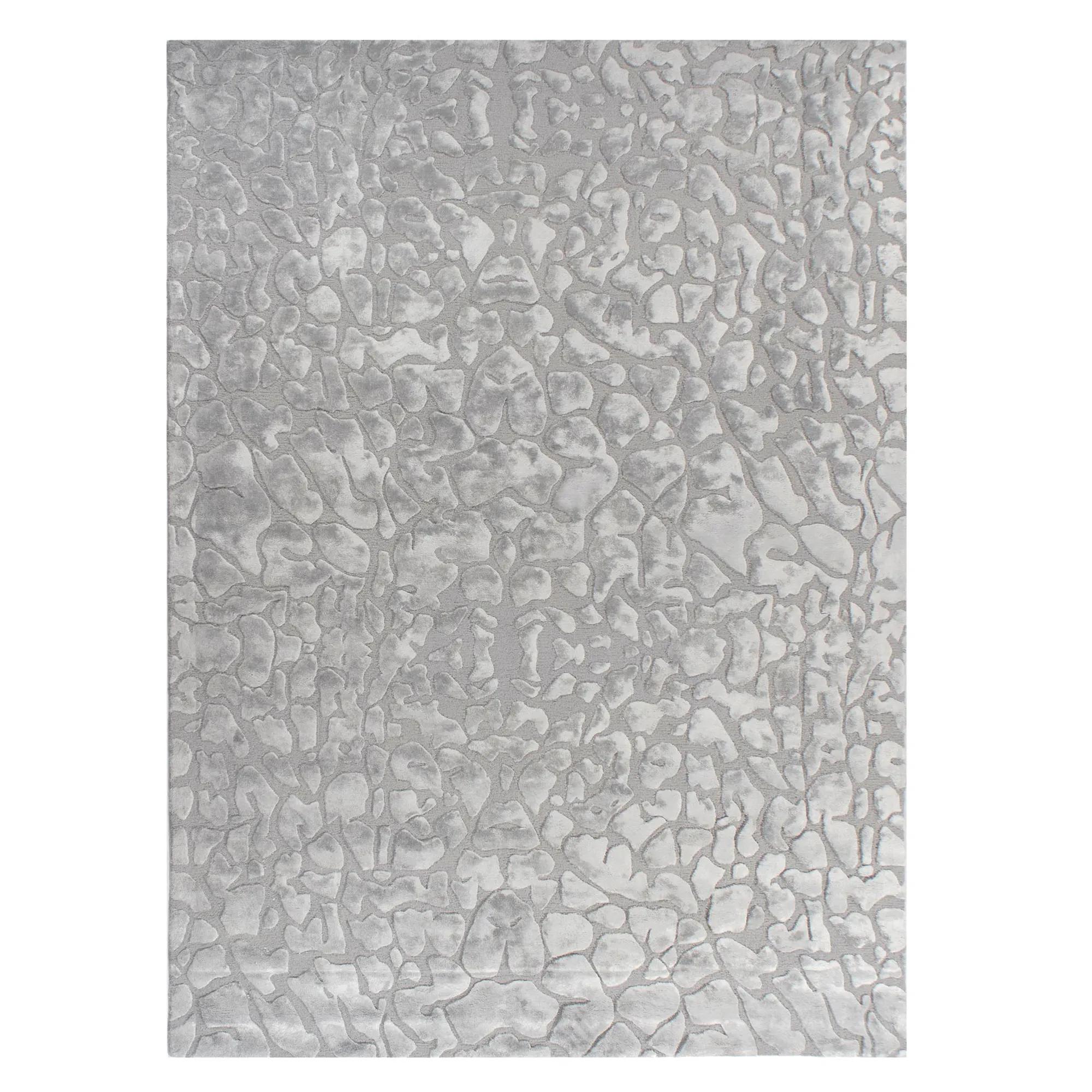
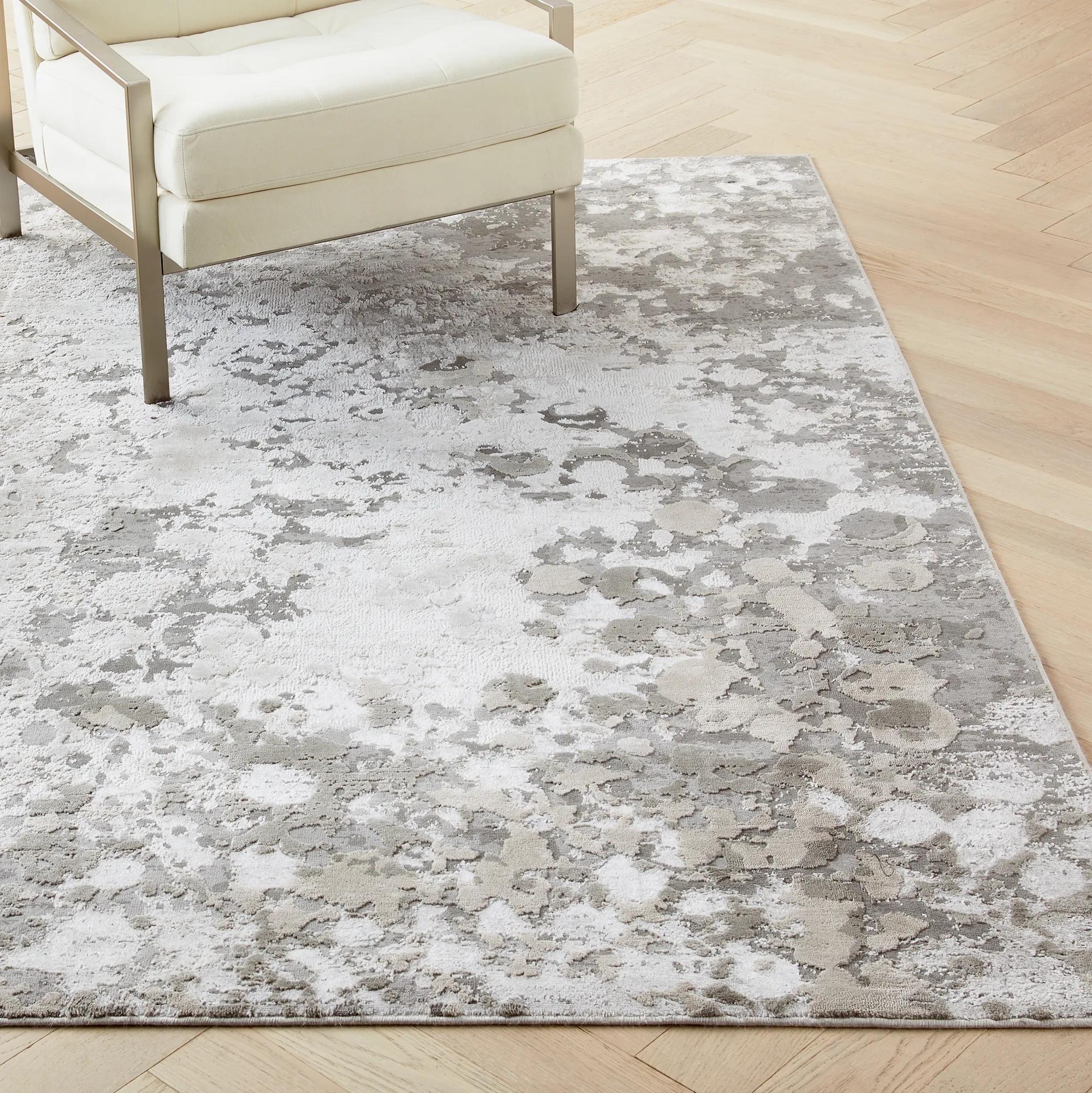
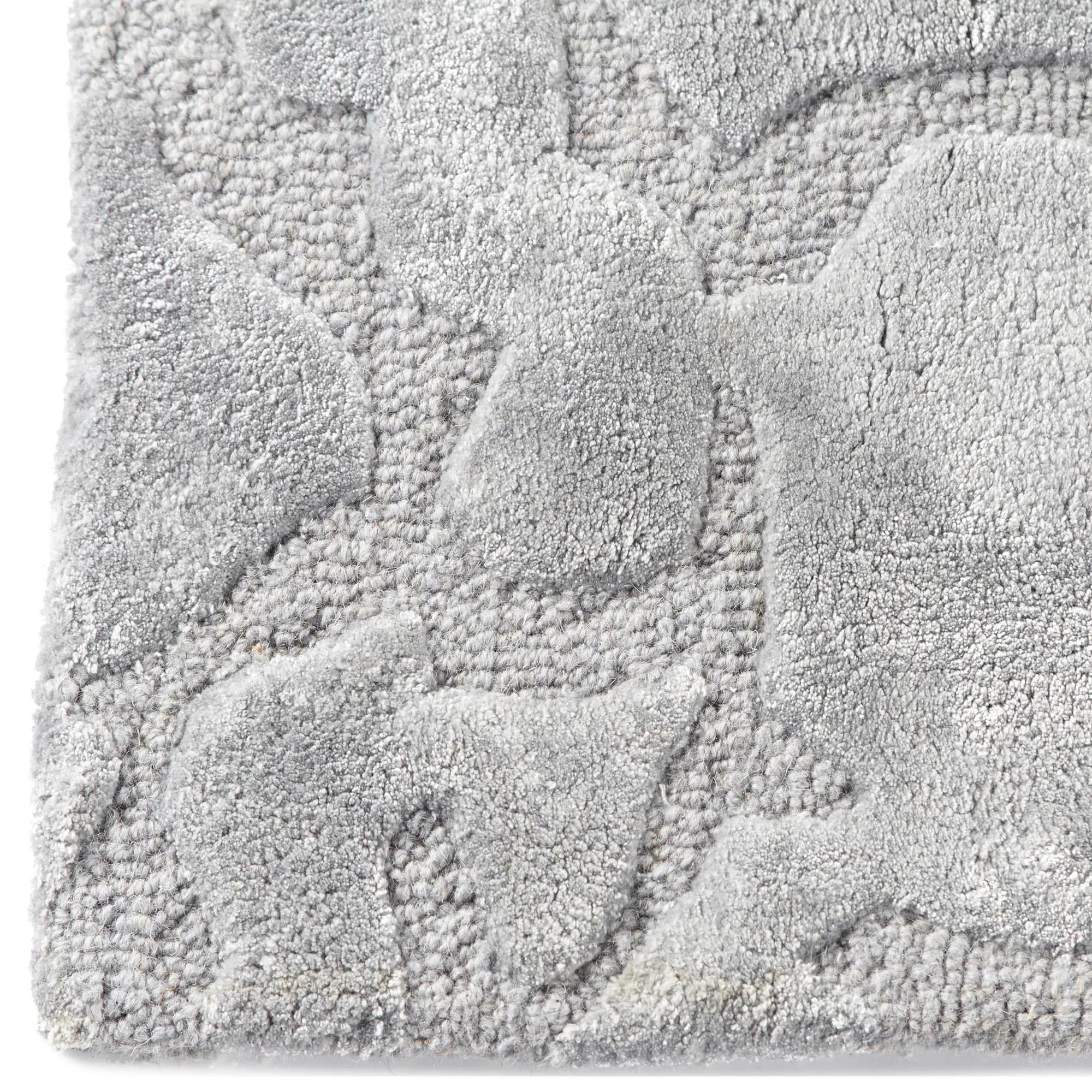 Nola Hand-Tufted Cool Grey Wool Blend Rug$849
A hand-tufted silver rug with contrasting pile heights, crafted from wool and viscose for plush texture.
Add To Cart -
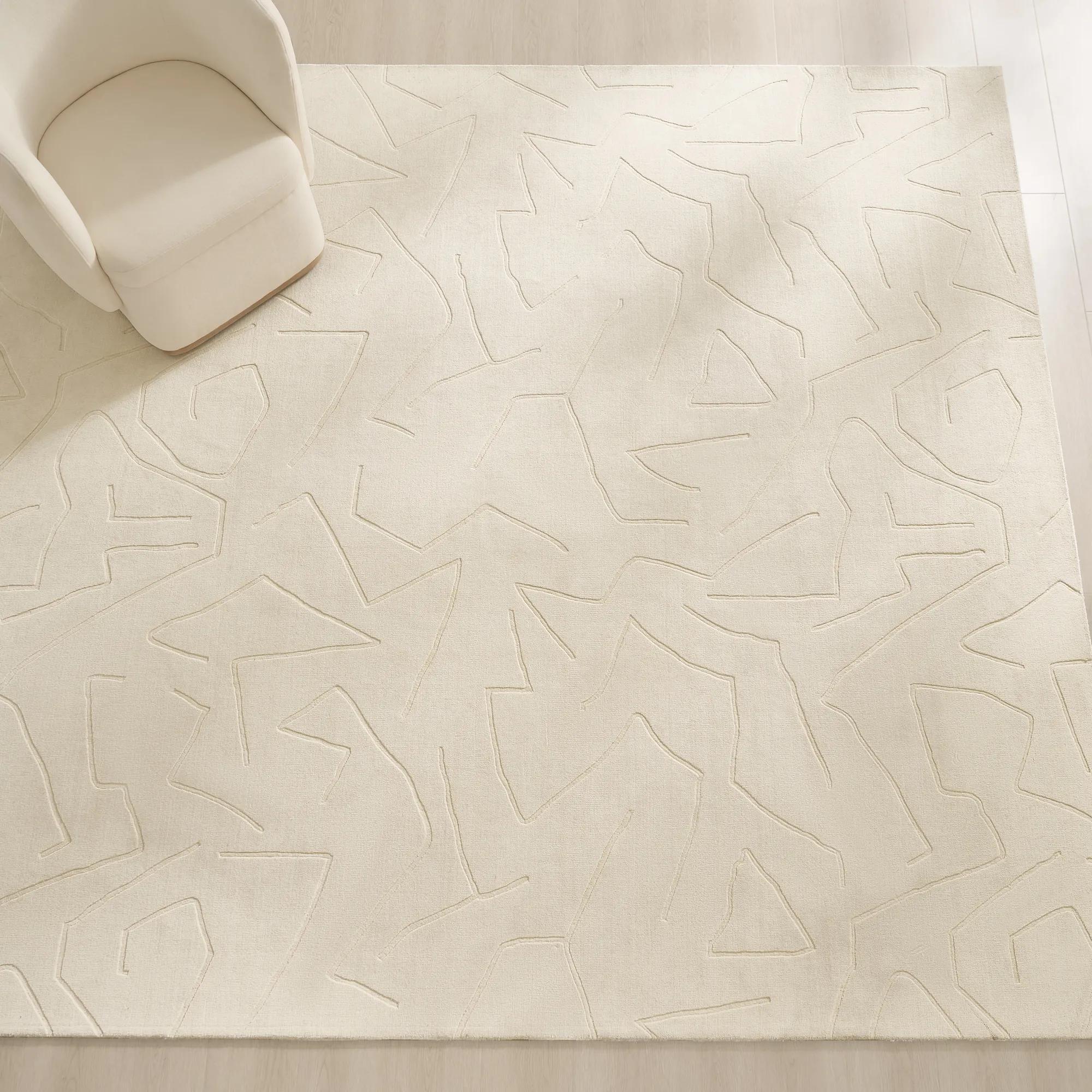 Carved Maze Ivory Hand-Loomed Wool Blend Rug$1999
An ivory hand-loomed wool-blend rug featuring a carved maze pattern for sophisticated texture.
Add To Cart -
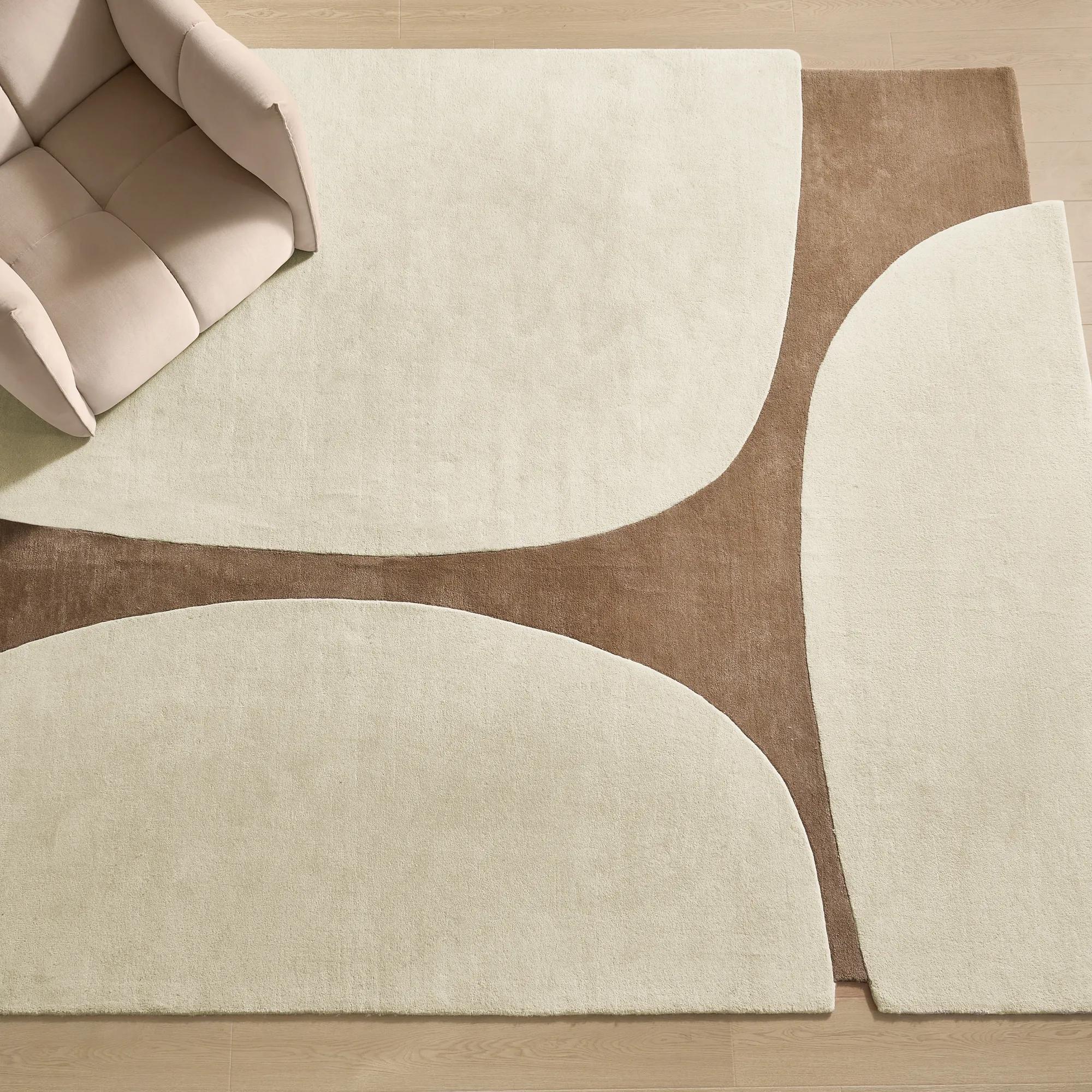
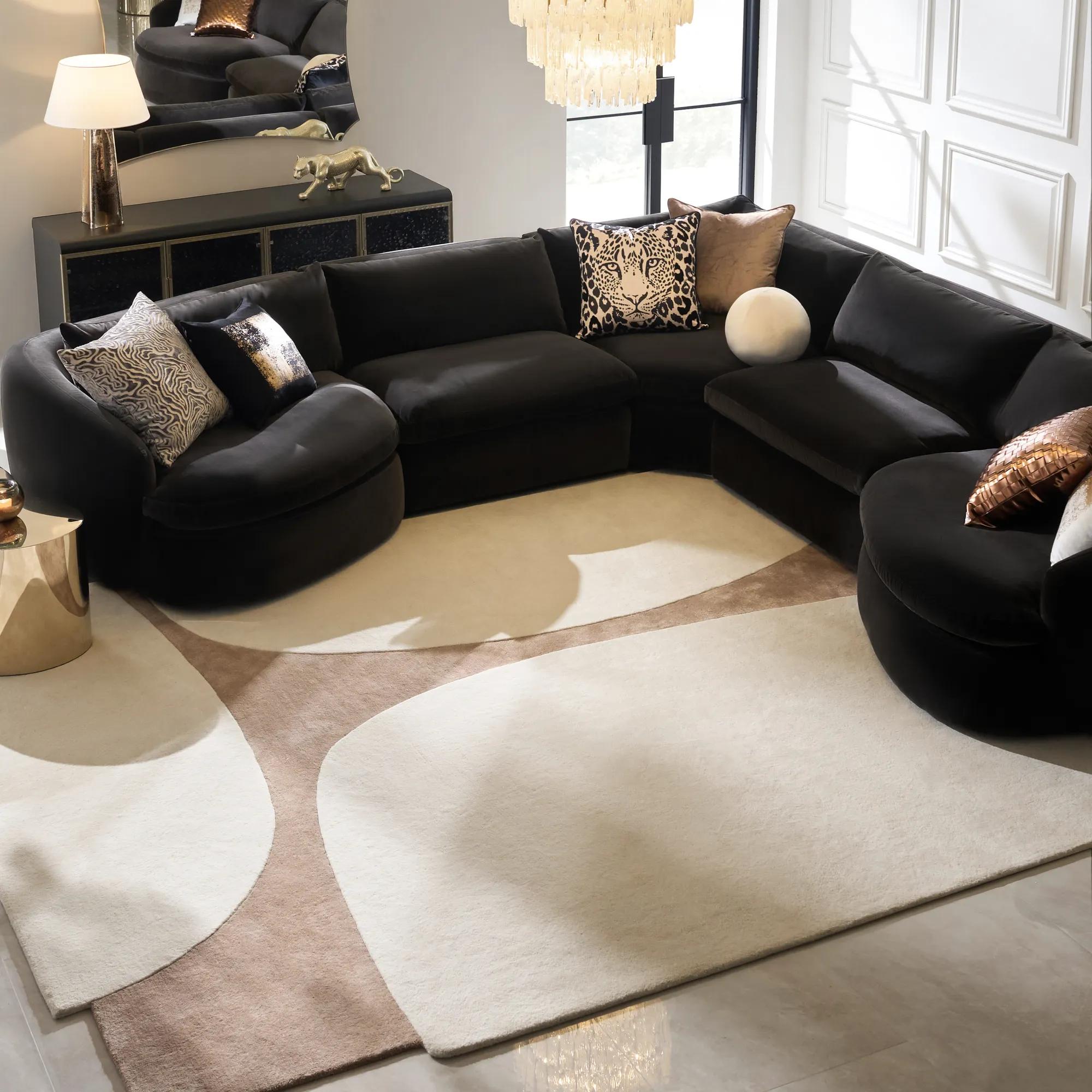 Contour Hand-Tufted Ivory/Ginger Root Wool Blend Rug$1499
A hand-tufted wool rug featuring an ivory and ginger root palette with a contoured, modern design.
Add To Cart -
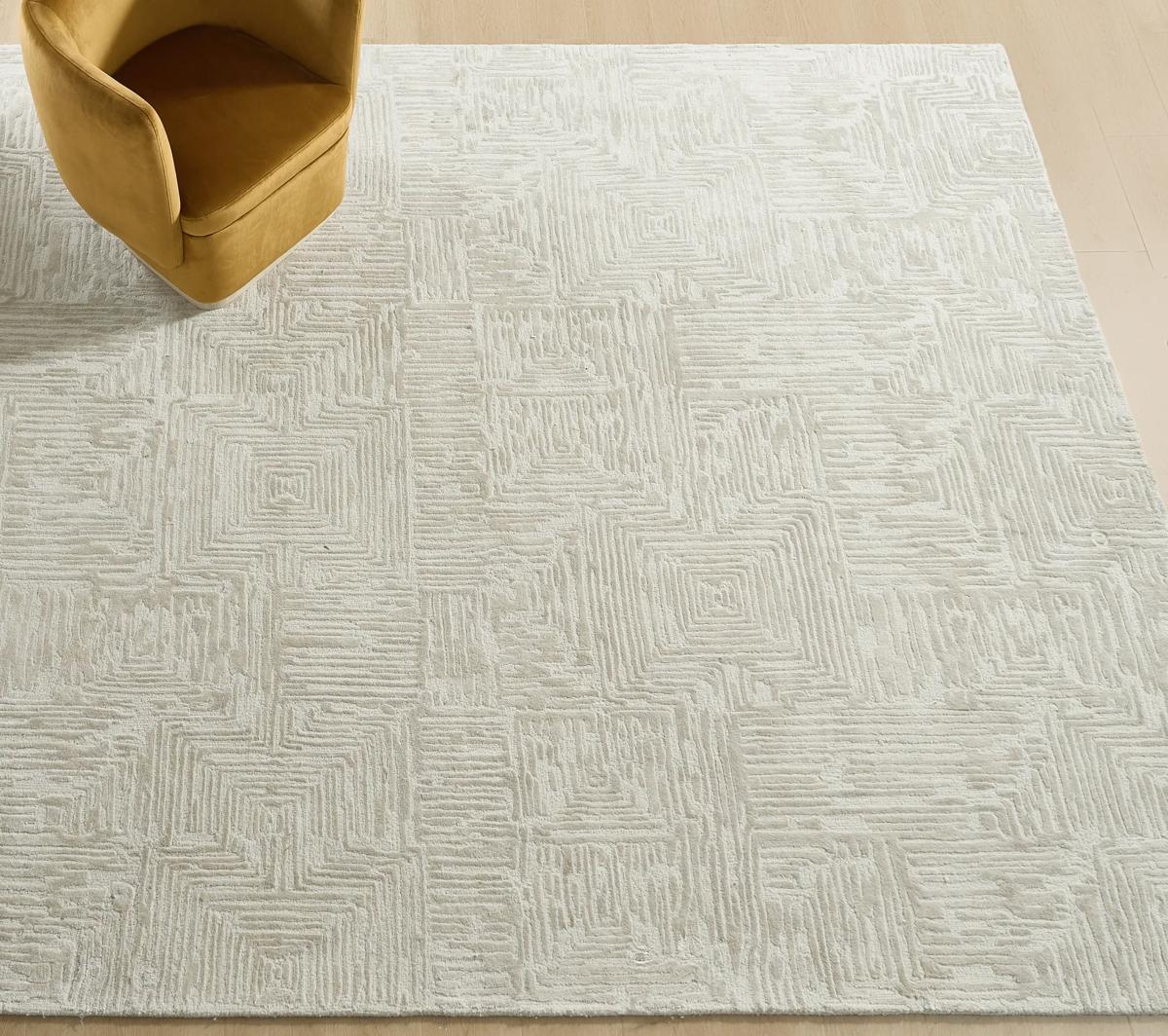 Andra Ivory Hand-Tufted Wool Blend Dimensional Rug$999
A hand-tufted ivory rug featuring a viscose-wool blend, raised textural detailing, and a subtle sheen.
Add To Cart -
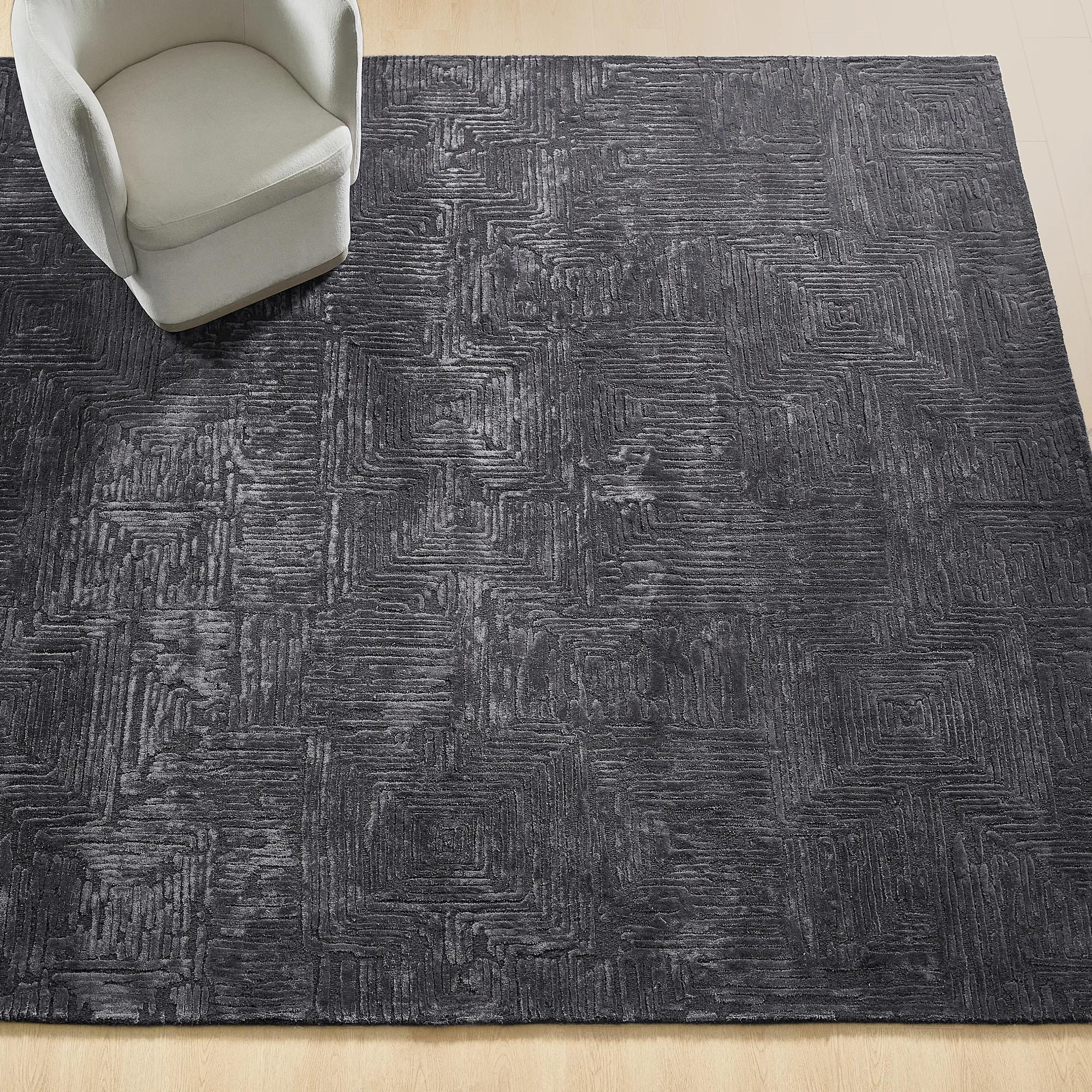
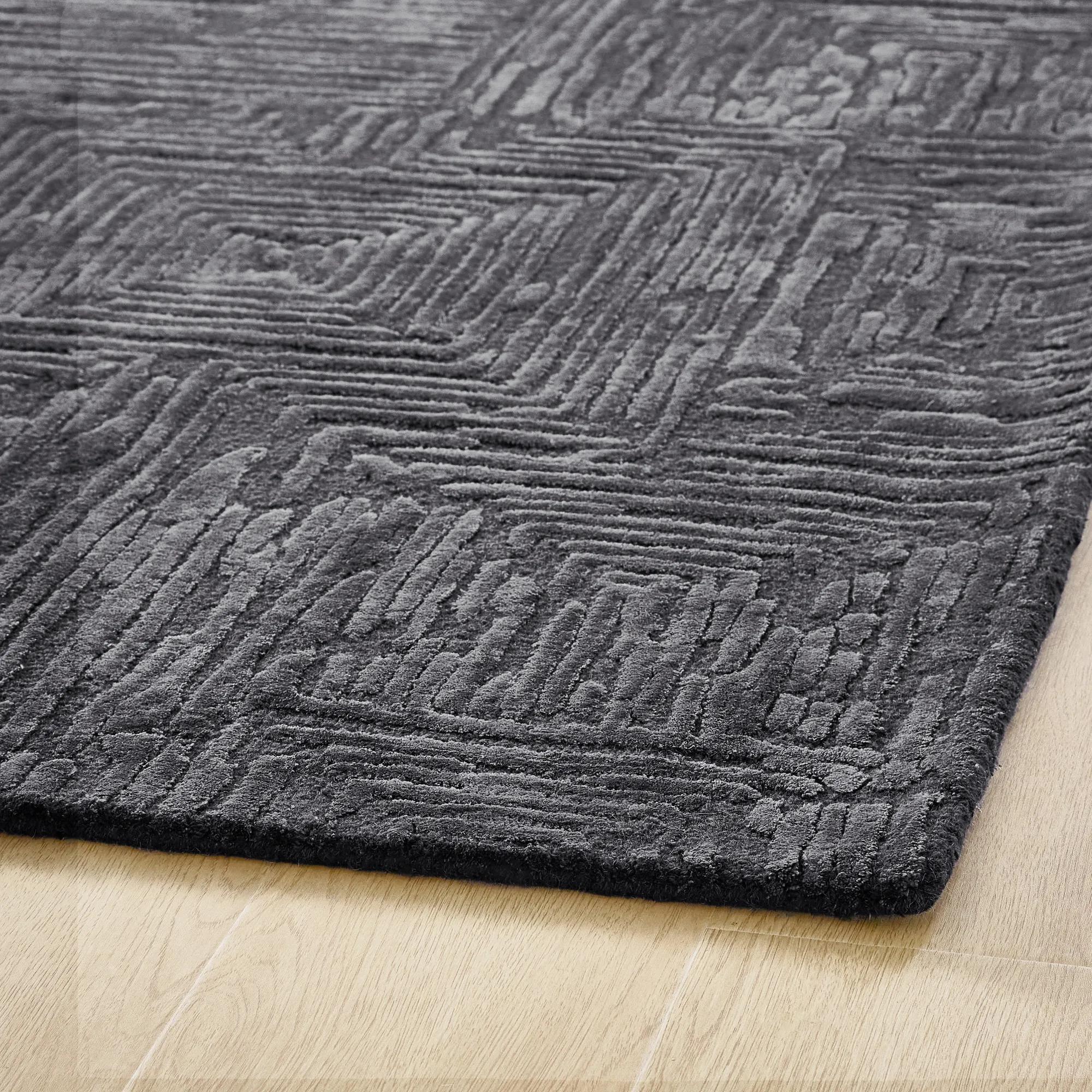 Andra Charcoal Hand-Tufted Wool Blend Dimensional Rug$999
A hand-tufted viscose-wool rug in rich charcoal with a sculptural, dimensional pattern and plush texture.
Add To Cart -
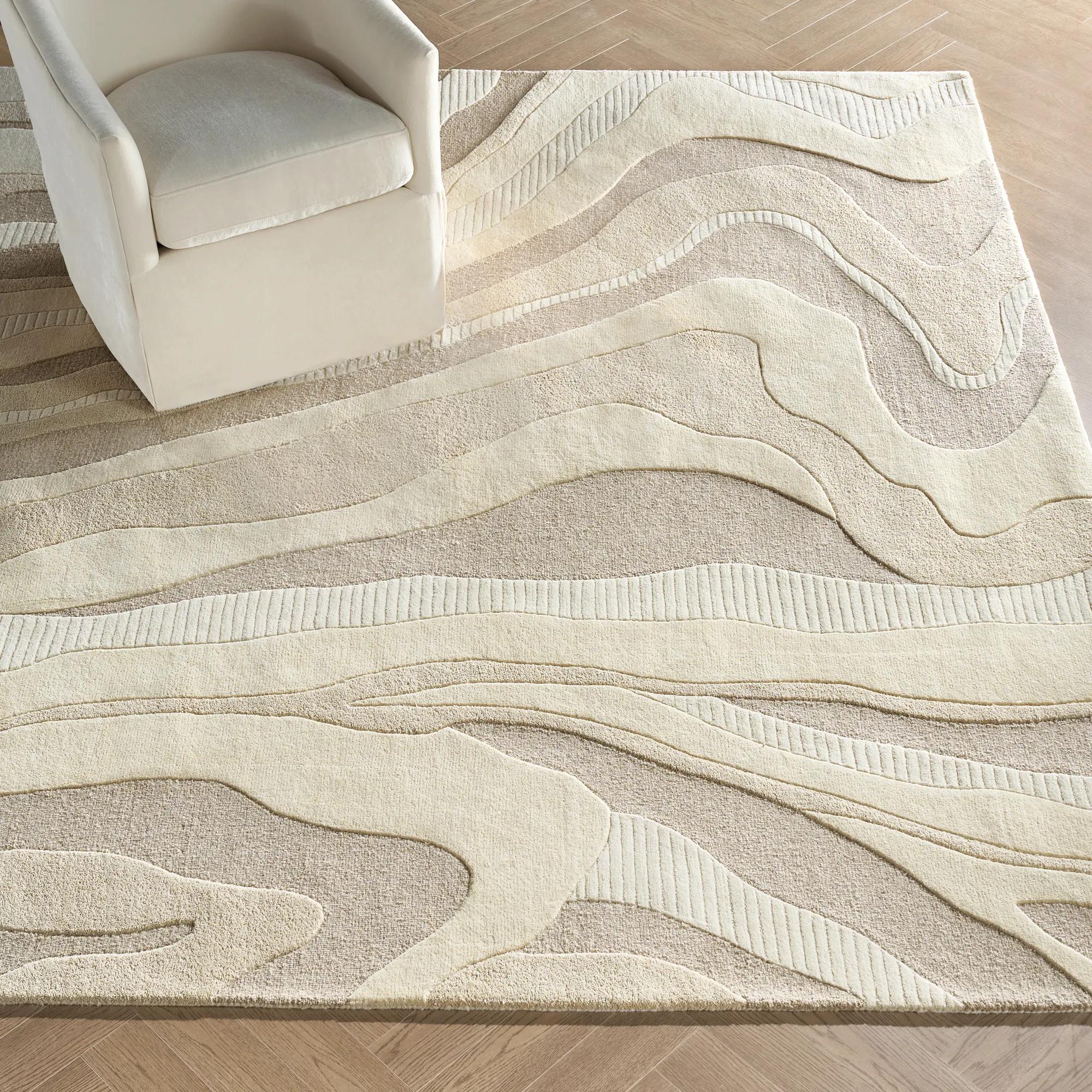 Kadence Hand-Tufted Ivory/Tan Wool Rug$1499
A hand-tufted wool rug featuring a multi-textured swirl design in ivory and tan for timeless elegance.
Add To Cart -
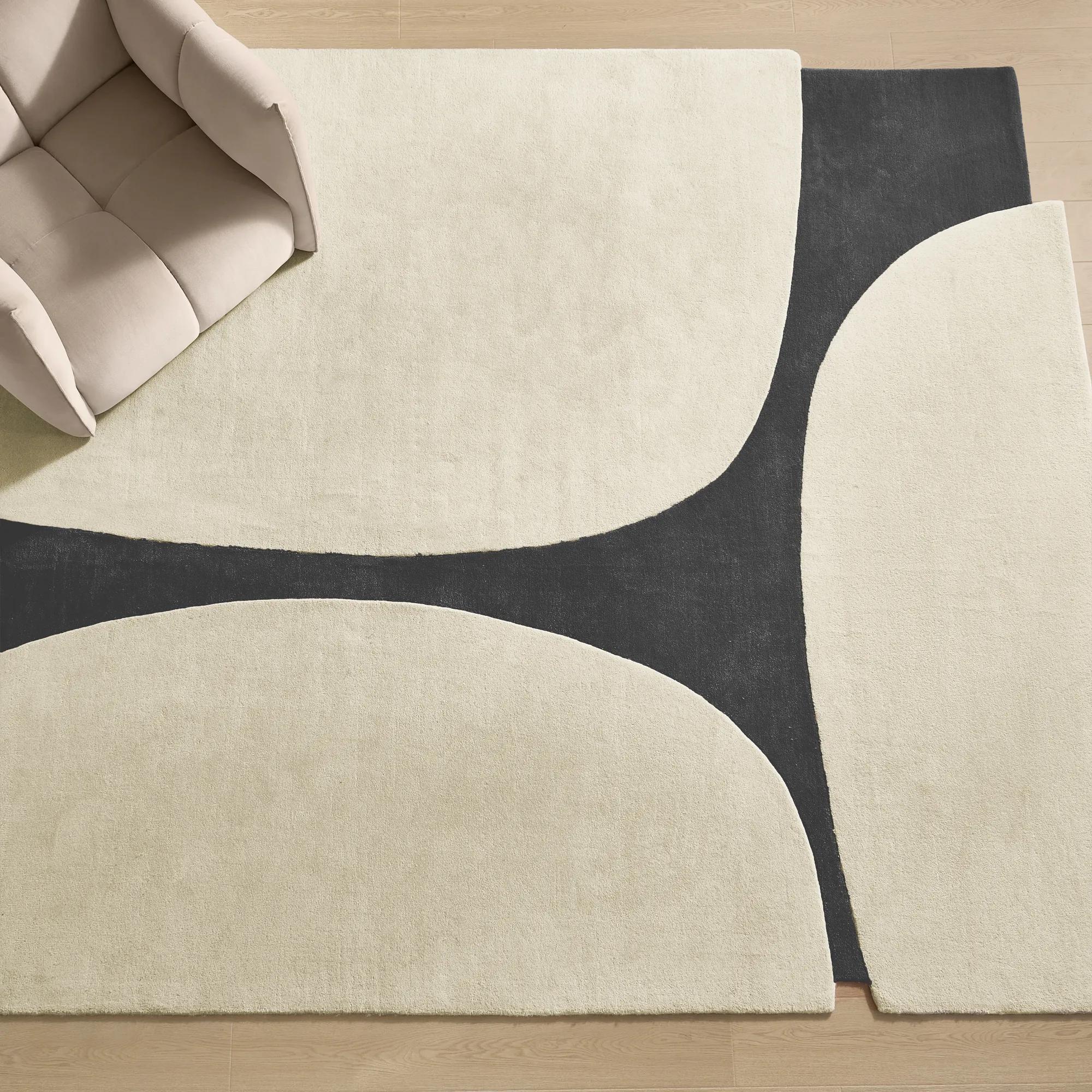 Contour Hand-Tufted Ivory/Charcoal Wool & Viscose Rug$1499
A hand-tufted wool-viscose rug with an organic edge, sculptural high-low texture, and ivory-charcoal pattern.
Add To Cart -
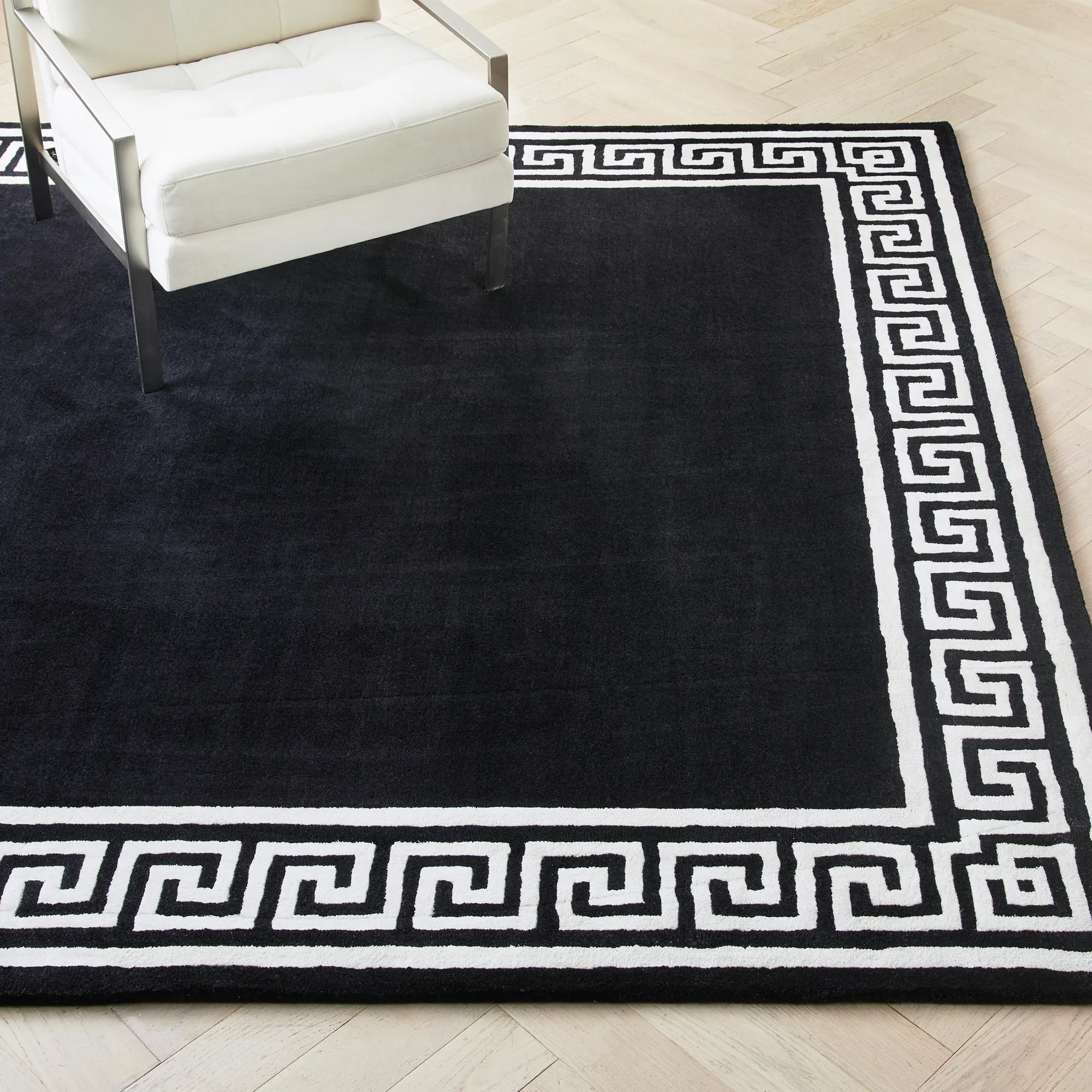
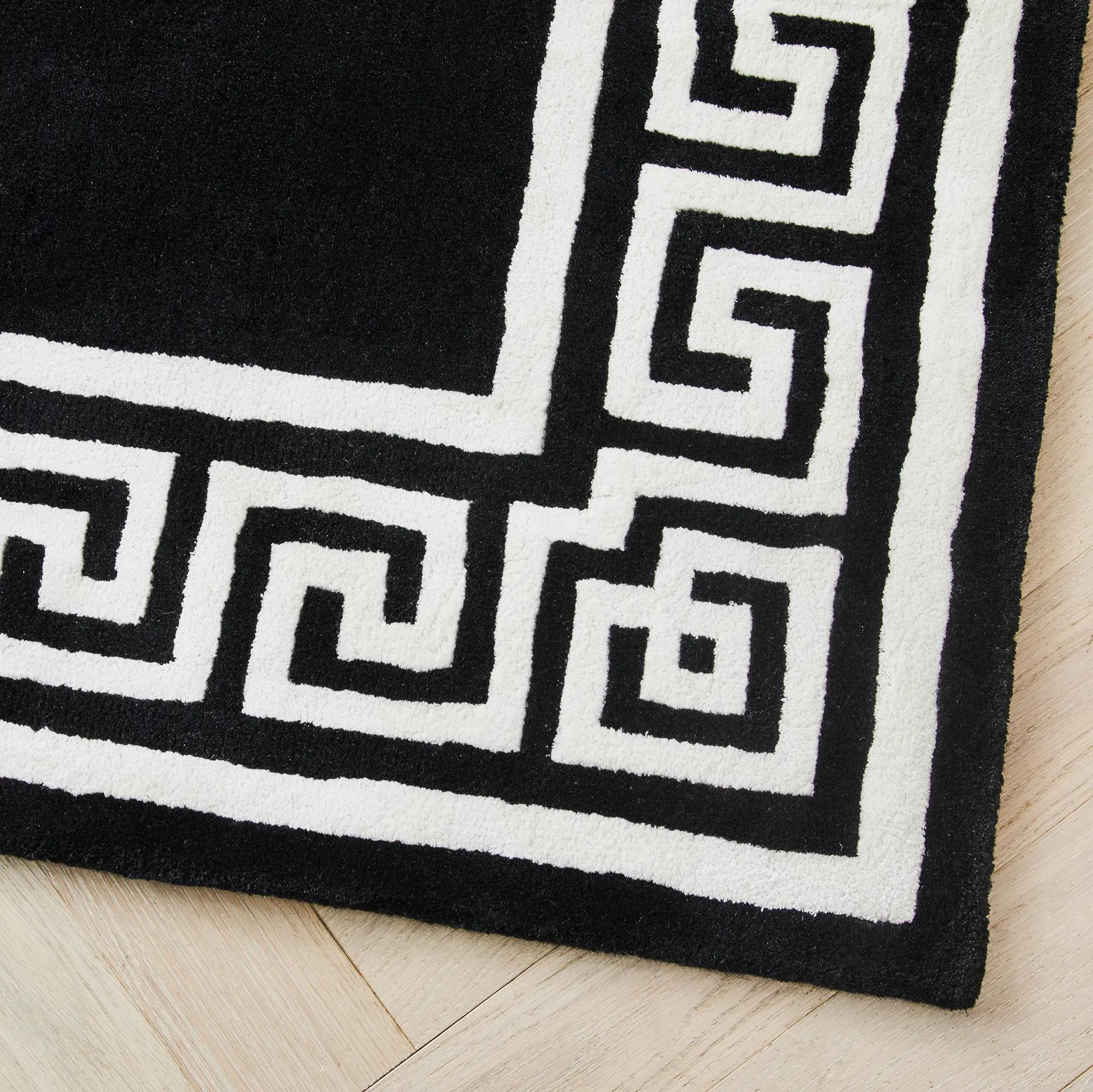 Greek Key Rug - Black/Ivory$599
A hand-tufted black and ivory rug featuring a modern Greek key design in wool and viscose.
Add To Cart -
 Chantel Rug - Ivory/Beige$1199
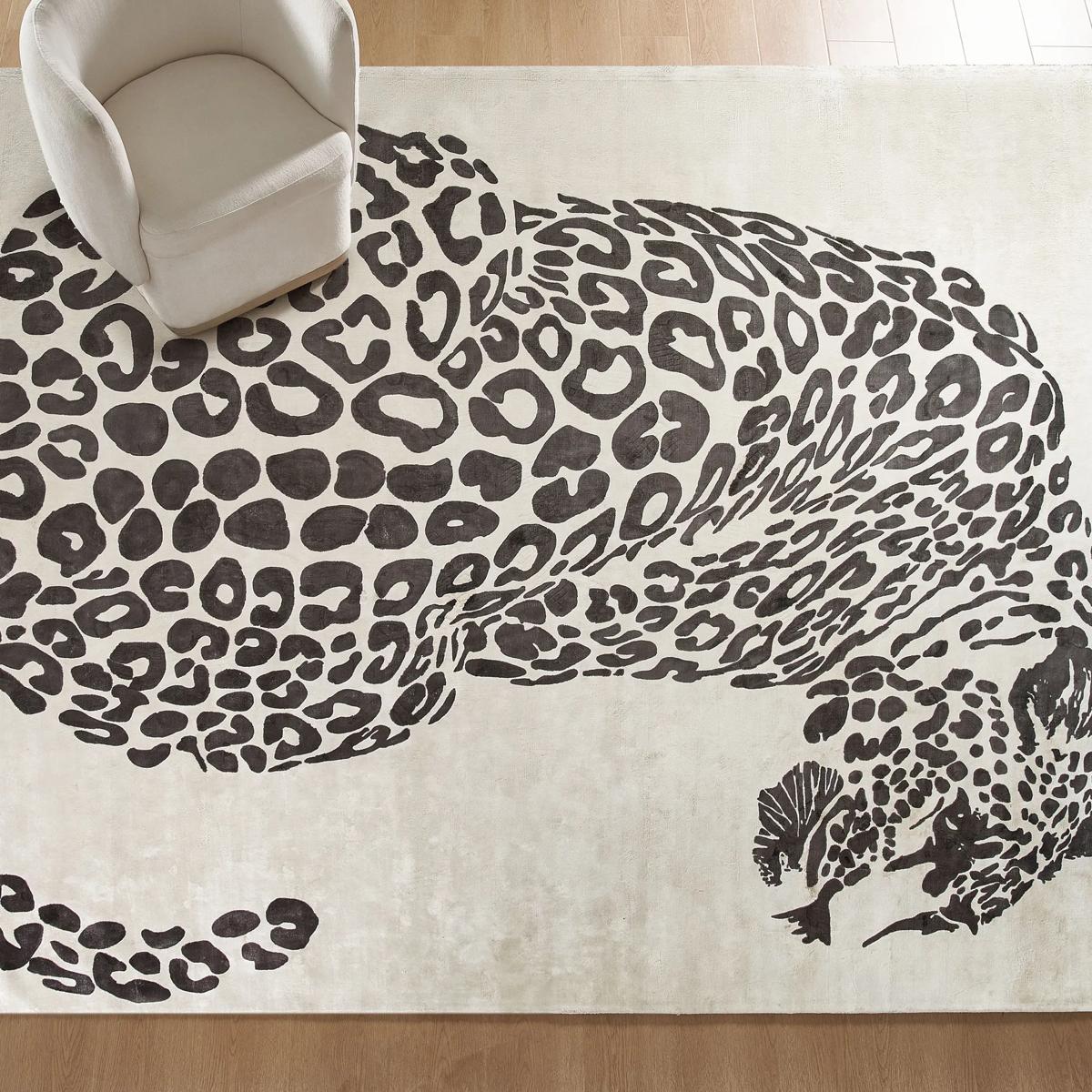
A unique ivory and beige rug blending zebra and leopard patterns in a soft wool-viscose mix.
Add To Cart -
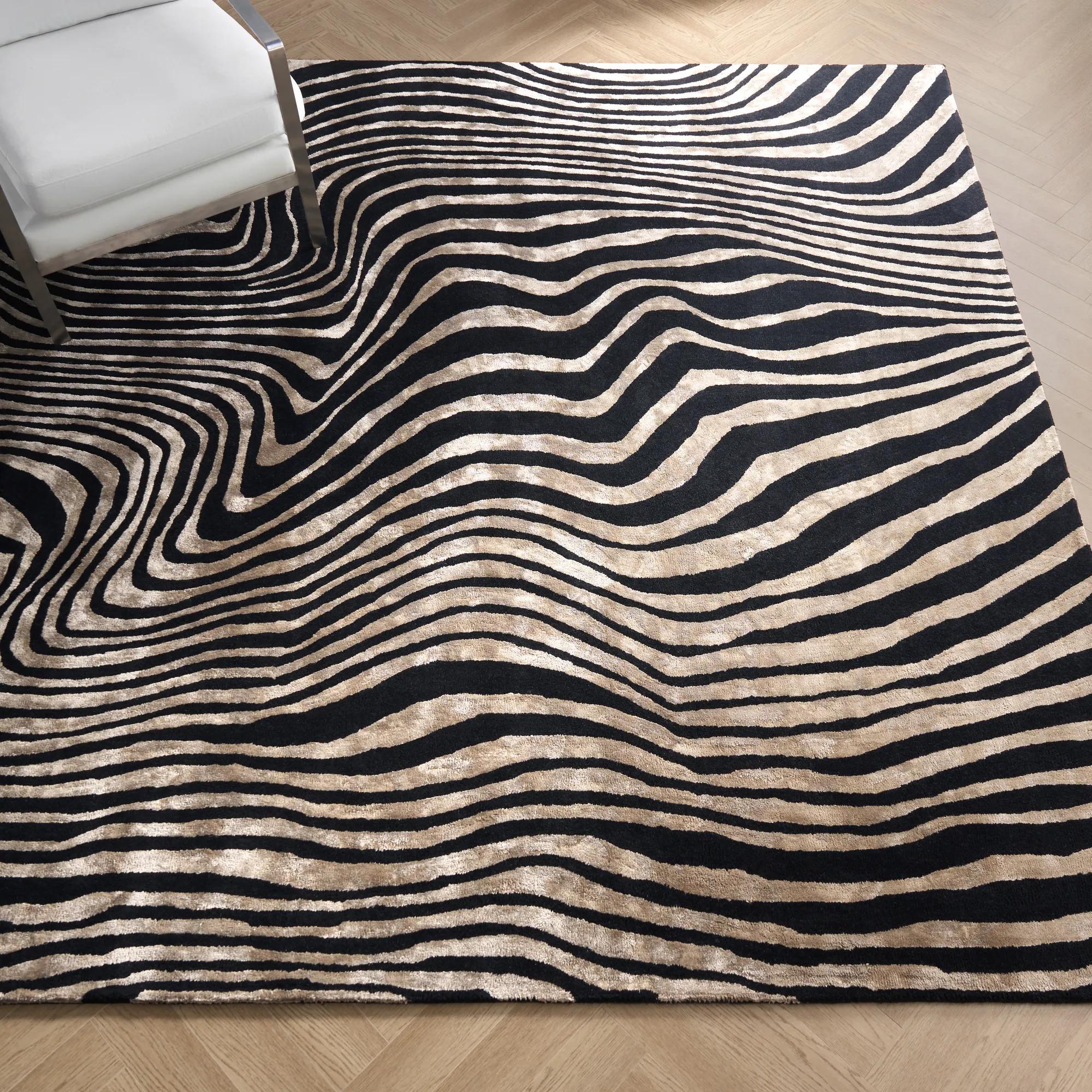
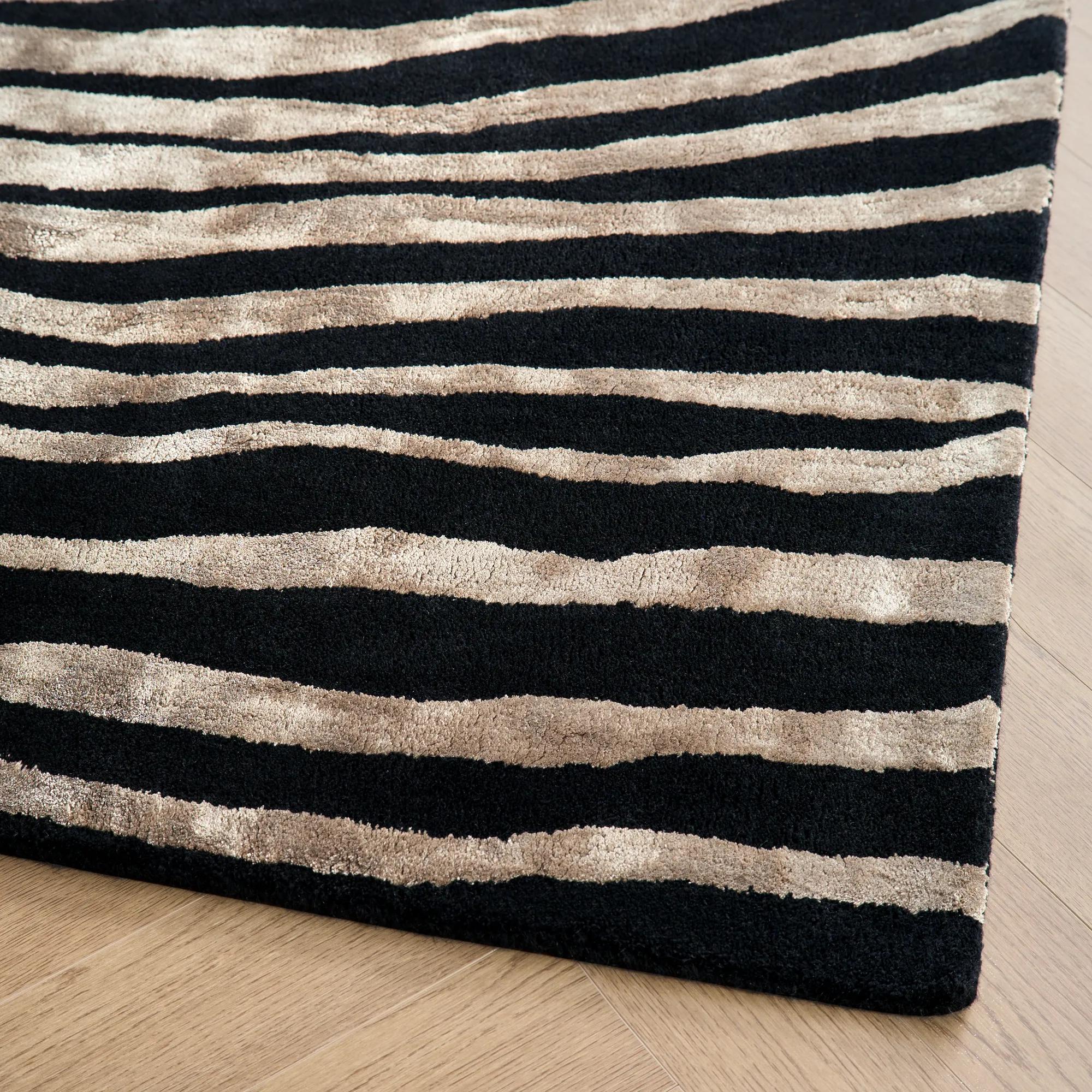 Abstract Zebra Hand-Tufted Black/Taupe Wool Blend Rug$599
An artisan hand-tufted rug in black and taupe wool-viscose, featuring a striking abstract zebra pattern.
Add To Cart -
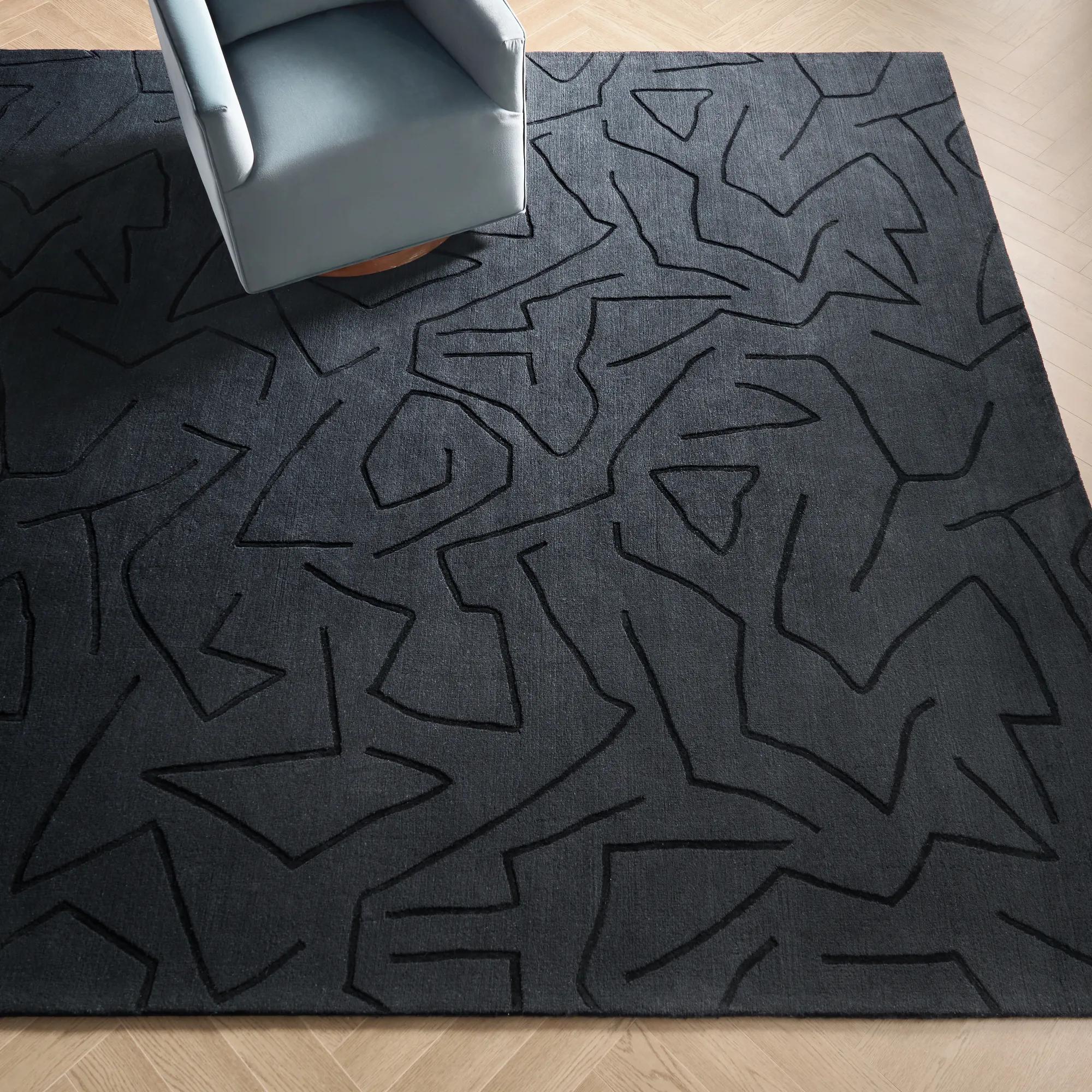 Carved Maze Rug$699
A hand-loomed black rug crafted from wool and viscose, featuring a carved maze design for added texture.
Add To Cart -
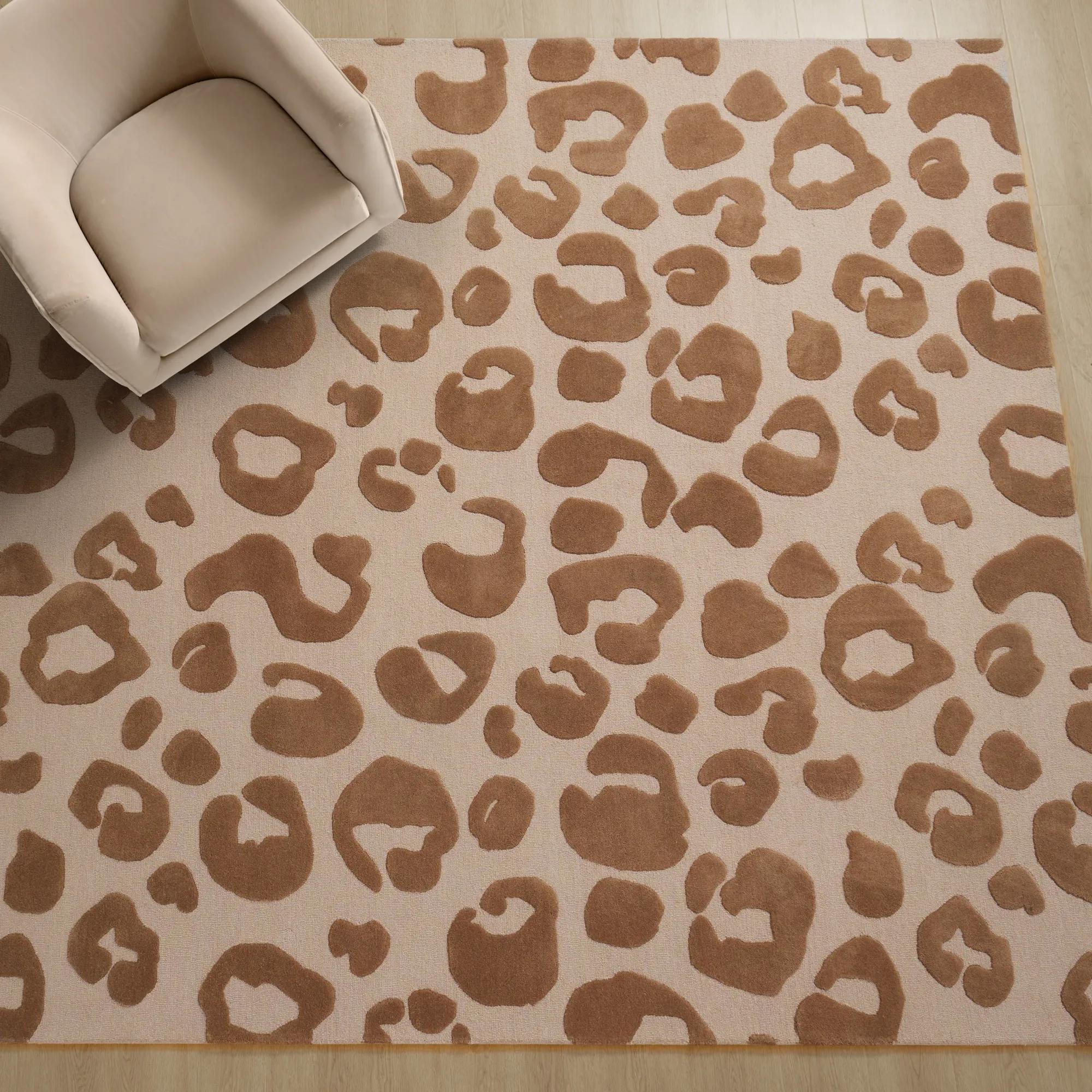 Pounce Hand-Tufted Tawny Brown Leopard Print Wool Rug$499
A hand-tufted wool rug featuring a tawny brown leopard print and dimensional high-low texture.
Add To Cart

Neutral Wool Area Rugs
Explore neutral wool area rugs for a richly textured foundation that lets statement furniture and art take the spotlight. A neutral palette brings balance to expressive interiors, while wool adds tactile depth. Consider your furniture layout when choosing dimensions, and look for a tone that complements your upholstery and flooring.
Neutral wool area rugs bring natural texture, resilient comfort, and a versatile palette to living rooms, bedrooms, dining spaces, and hallways. Shades of ivory, oatmeal, beige, taupe, and gray establish a composed foundation without diminishing a room’s personality. Their appeal lies in the interplay of color and surface: a pale wool pile can soften the presence of a lacquered console, while a textured greige weave gives a velvet sofa a beautifully grounded setting. Neutral does not have to mean uniform. Subtle striations, sculpted motifs, tonal borders, and variations in the yarn can create depth that becomes more expressive as light moves across the floor. An ivory rug with raised detailing offers a different mood from a tightly woven charcoal-and-cream pattern, even when both belong to a restrained color story. The most harmonious choice relates to the room’s existing undertones. Cream and oatmeal complement honey-toned woods, brass accents, and caramel upholstery; stone and silver-gray shades create a crisp dialogue with chrome, glass, and cooler fabrics. Taupe can bridge those directions, though its pink, green, or gray undertones deserve attention alongside flooring and upholstery. Wall color and lighting also influence how a neutral reads, so a color sample, when possible, is best viewed in the intended room rather than judged in isolation. Within an expressive interior, a softly patterned wool rug gives oversized artwork, sculptural furniture, or a dramatic chandelier room to command attention. In a more tonal setting, its texture becomes the focal point, lending dimension to layers of cream linen, pale wood, and gleaming metal. For a sharper contrast within the same natural-fiber palette, black wool area rugs offer a more graphic foundation. The distinction is not simply light versus dark; it is whether the floor should quietly connect the composition or give it a deliberate, architectural edge.
Material and construction shape how a wool area rug feels, wears, and fits into daily life. Wool fibers have a natural crimp that contributes to their spring and helps the pile recover from ordinary compression, although heavy furniture can still leave impressions. The fiber is durable, but a rug’s performance also depends on yarn quality, density, weave, backing, and placement. A dense, low-profile surface is often a practical match for an active living room or a passage between furniture, while a deeper pile creates a more sumptuous landing beside a bed. Flatwoven designs offer a comparatively streamlined profile, useful where door clearance and moving chairs matter. Looped textures add definition, though pet claws may catch in exposed loops; a tightly constructed cut pile may be a better fit for some households with animals. Hand-knotted, hand-tufted, and machine-woven constructions each have distinct characteristics, and the fiber label matters as much as the surface appearance. A wool blend may feel or respond to cleaning differently from an all-wool pile, particularly when it includes delicate fibers such as viscose. Scale is equally important to the finished effect. In a living room, a rug large enough to hold at least the front legs of the main seating pieces helps create a connected conversation area rather than an isolated rectangle beneath the coffee table. Common dimensions such as 8 by 10 feet or 9 by 12 feet can suit many seating arrangements, but the room and furniture layout should determine the final proportions. A dining rug generally needs about 24 to 30 inches beyond each table edge so chairs remain supported when pulled out. In a bedroom, generous coverage along the accessible sides of the bed creates visual balance and a comfortable place to step. A rug pad suited to the flooring adds cushioning, helps limit movement, and can reduce friction beneath the rug. Its thickness should complement the pile without interfering with doors or creating an awkward raised edge along a busy route.
Everyday care preserves the texture and nuanced color that make neutral wool area rugs so compelling. Light shades reveal some spills and tracked-in soil more readily, while mottled yarns and low-contrast patterns can make minor surface variation less conspicuous. Wool’s natural characteristics provide some resistance to soiling, but no pale rug is immune to stains, and prompt attention makes a meaningful difference. Regular vacuuming removes grit before it settles deeper into the pile; suction-only cleaning is often appropriate, while rotating brushes can be too aggressive for certain constructions. The rug’s care label should determine the method, particularly for looped, shaggy, fringed, or blended designs. Some shedding is normal with new wool rugs, especially those made with cut pile, and loose fibers should be vacuumed gently rather than pulled. Spills are best blotted promptly with a clean, white absorbent cloth, working from the outside toward the center without rubbing. Excess water, harsh chemicals, and untested cleaners can damage fibers, affect dyes, or disturb the backing, so any treatment should follow the manufacturer’s directions and be tested in an inconspicuous area. Professional cleaning by a specialist experienced with wool is appropriate when deeper cleaning is needed. Occasional rotation helps distribute foot traffic and light exposure, while furniture cups can lessen concentrated pressure from substantial pieces. These considerations matter in homes where a rug will host everything from a quiet evening with a book to a lively gathering around a cocktail table. They also make neutral wool a thoughtful choice for a home office, where texture can soften the appearance of desks and cabinetry, provided chair movement and pile height are compatible. For households that favor expressive furniture but want continuity between rooms, related neutral tones can connect separate spaces without making them identical. A softly marled living room rug and a more sculptural bedroom texture can share a palette while giving each setting its own character. With proportion, construction, and care aligned to its setting, a wool rug becomes an enduring part of the room’s composition: tactile, distinctive, and generous enough to support a richly layered home.
FAQs
Neutral wool area rugs span ivory, cream, oatmeal, beige, taupe, gray, and greige. Warm undertones create an inviting foundation, while cooler shades lend a tailored mood. Choose a hue that echoes your room’s upholstery or artwork for a composition that feels intentional.
Use a neutral wool area rug as the quiet foundation for expressive furniture. Pair it with a sculptural sofa, a statement coffee table, and richly textured pillows. Contrast soft tones with black accents or gleaming metallic details to give the room definition and drama.
With a restrained palette, texture becomes the focal point. A smooth surface reads as understated and tailored, while a more pronounced texture introduces visual movement. Consider how the rug’s surface will contrast with velvet upholstery, polished tables, or sculptural accessories.
Neutral wool area rugs invite a range of expressive finishes. Warm wood brings depth to cream and oatmeal tones, while chrome and glass create a crisp contrast with gray or greige. For a more opulent composition, pair ivory or taupe with brass accents and lacquered furniture.
Let the rug establish a tonal foundation, then introduce pattern through pillows, drapery, or an upholstered accent chair. Repeat one of the rug’s neutral shades within those patterns to connect the room. Mix flowing motifs with crisp geometry for a layered, artfully collected look.