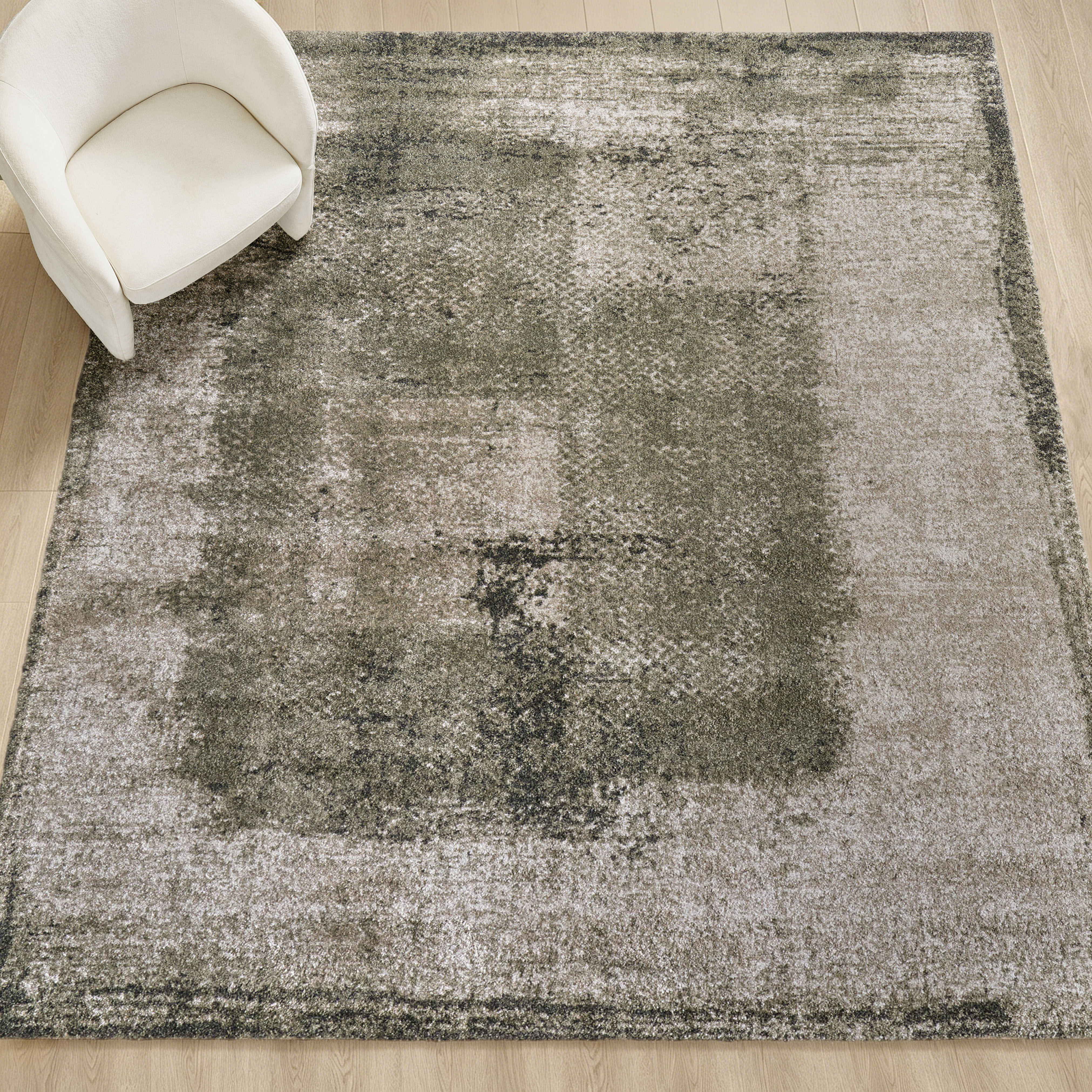
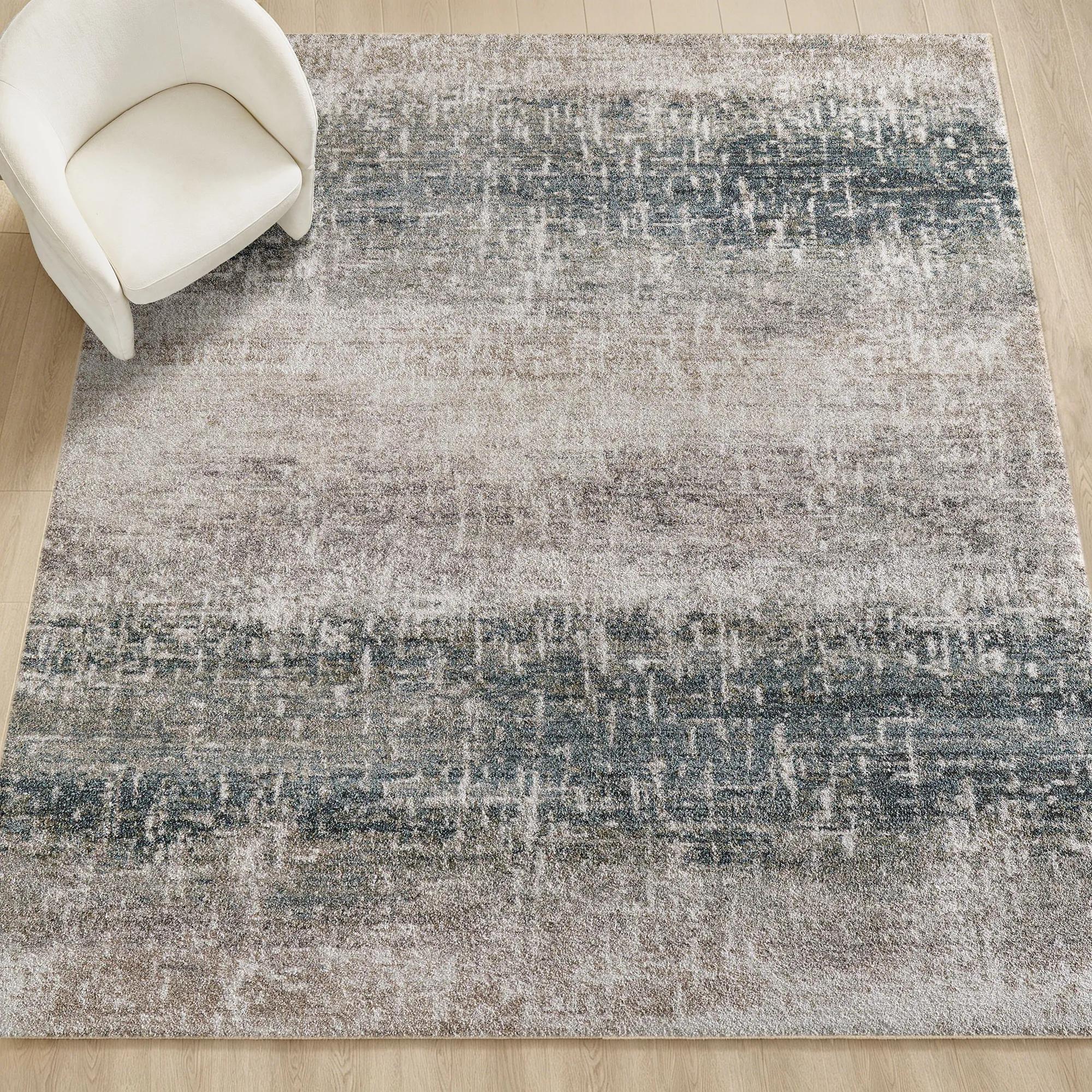
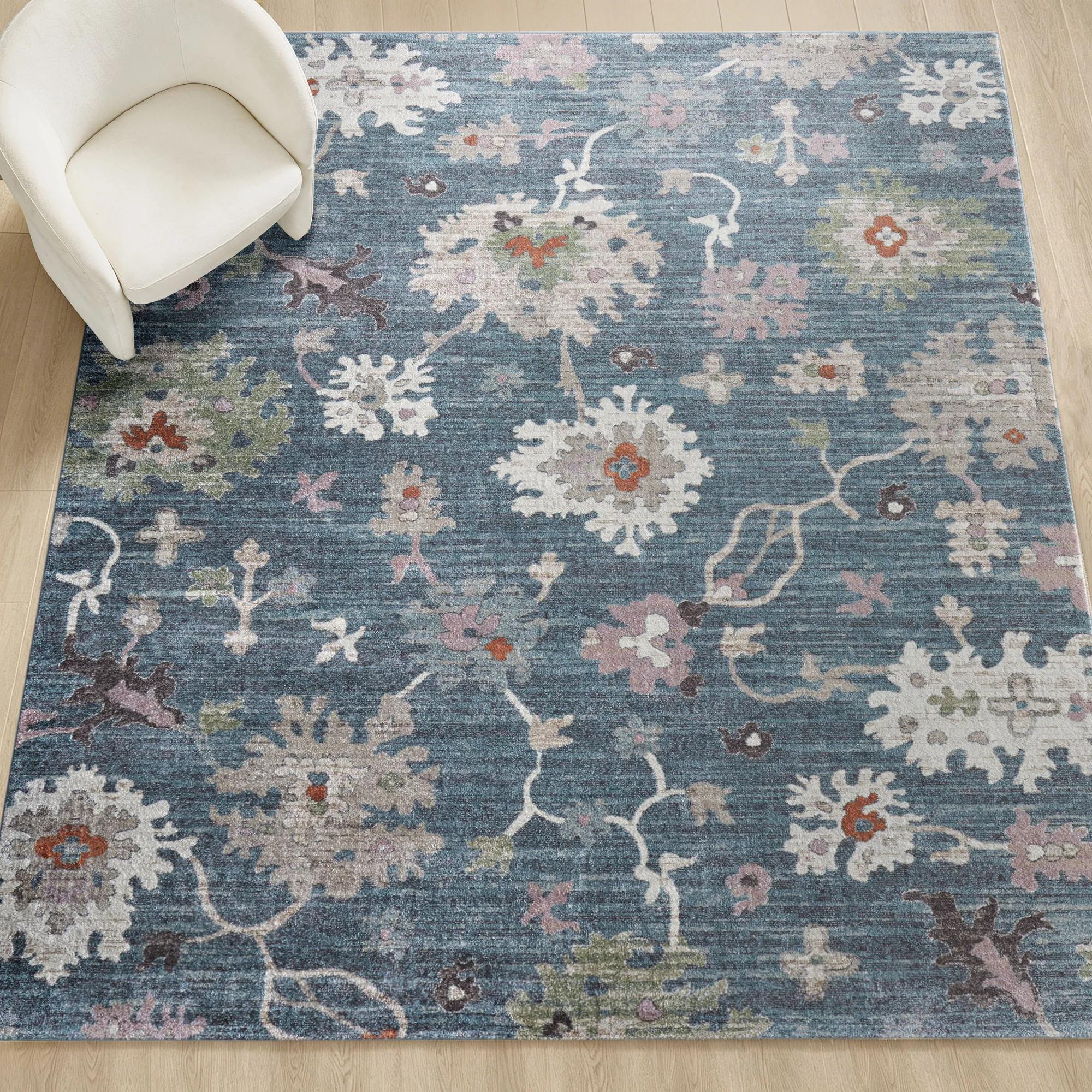
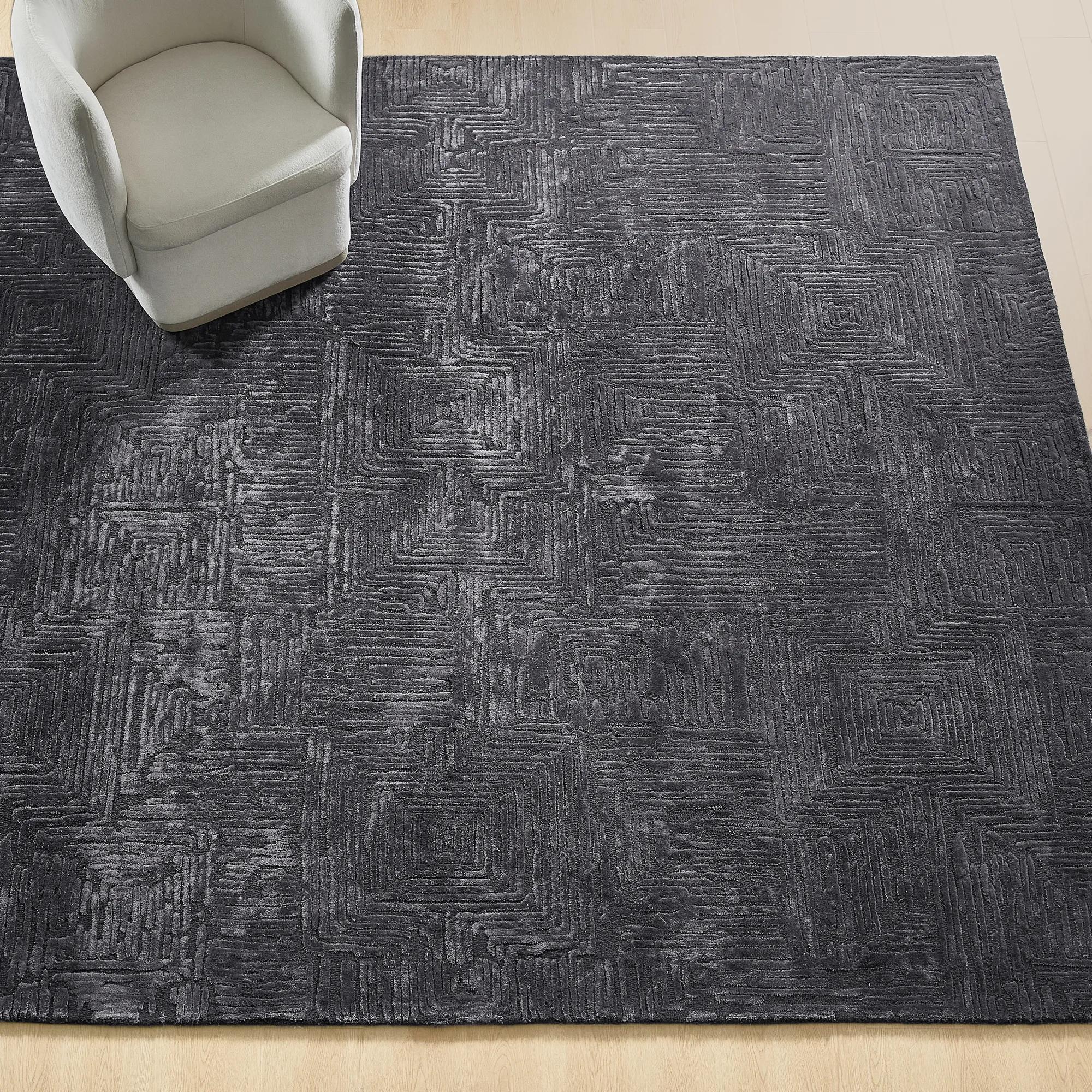
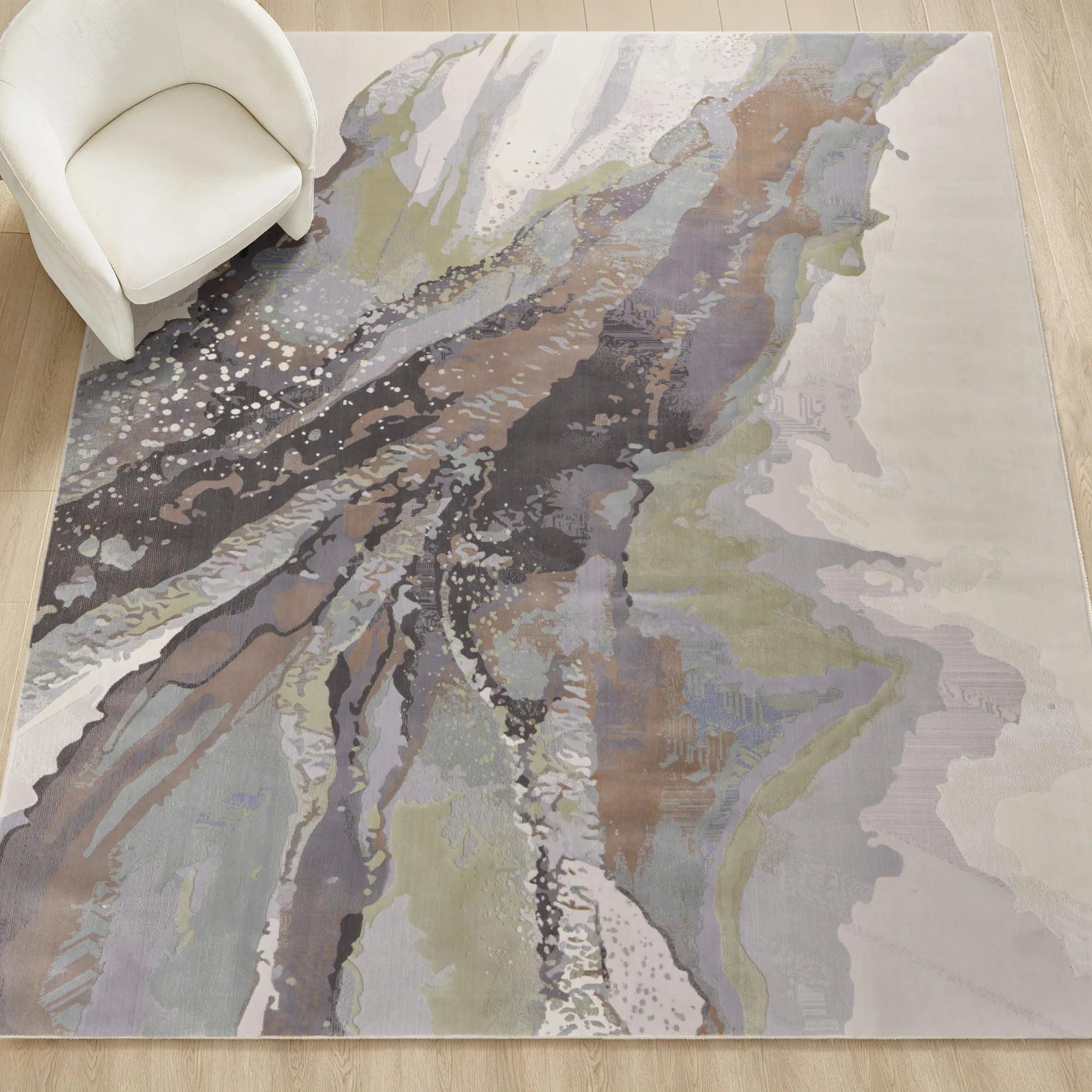
Ivory Wool Area Rugs
Ivory Wool Area Rugs
-
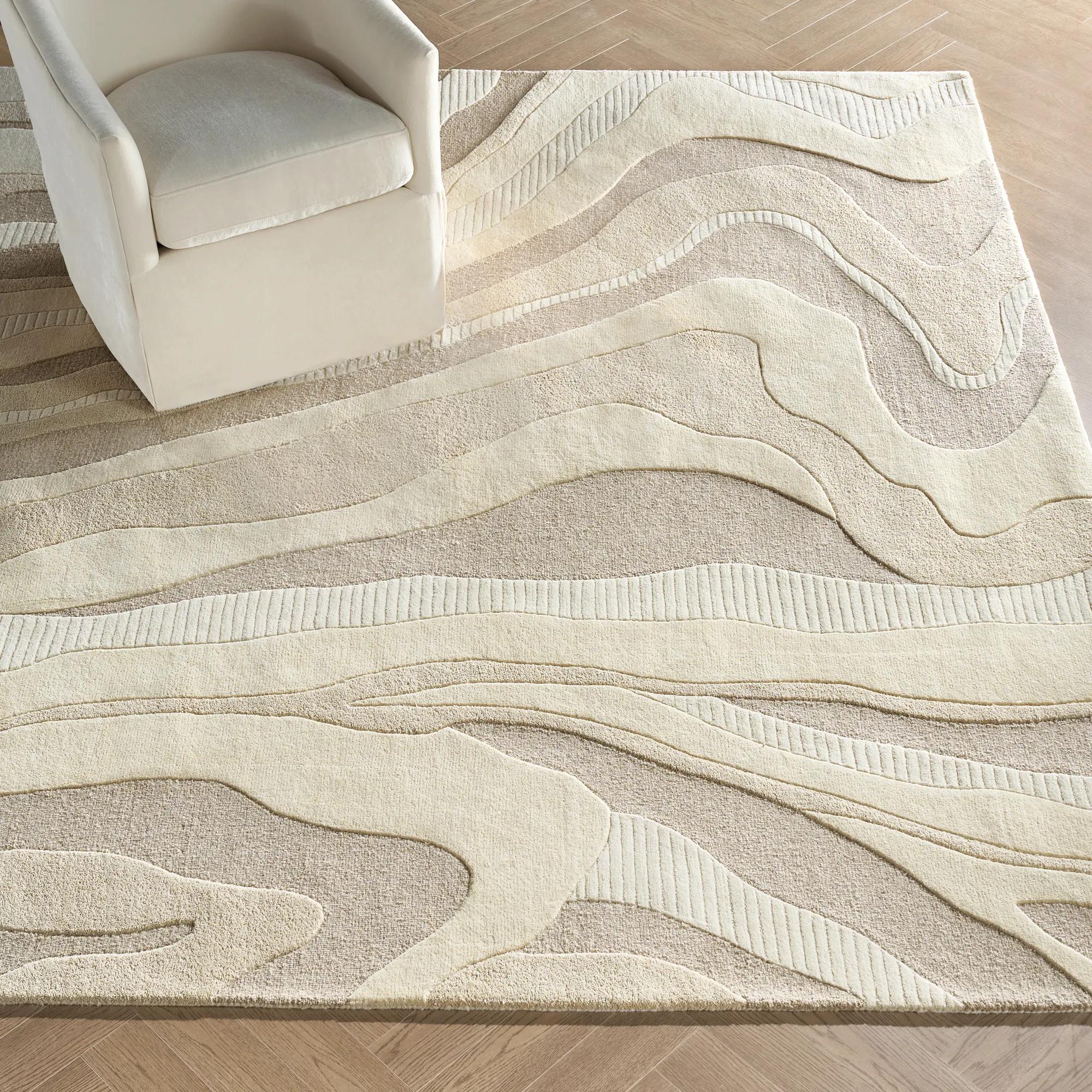 Kadence Hand-Tufted Ivory/Tan Wool Rug$499
A hand-tufted wool rug featuring a multi-textured swirl design in ivory and tan for elegant depth.
Add To Cart -
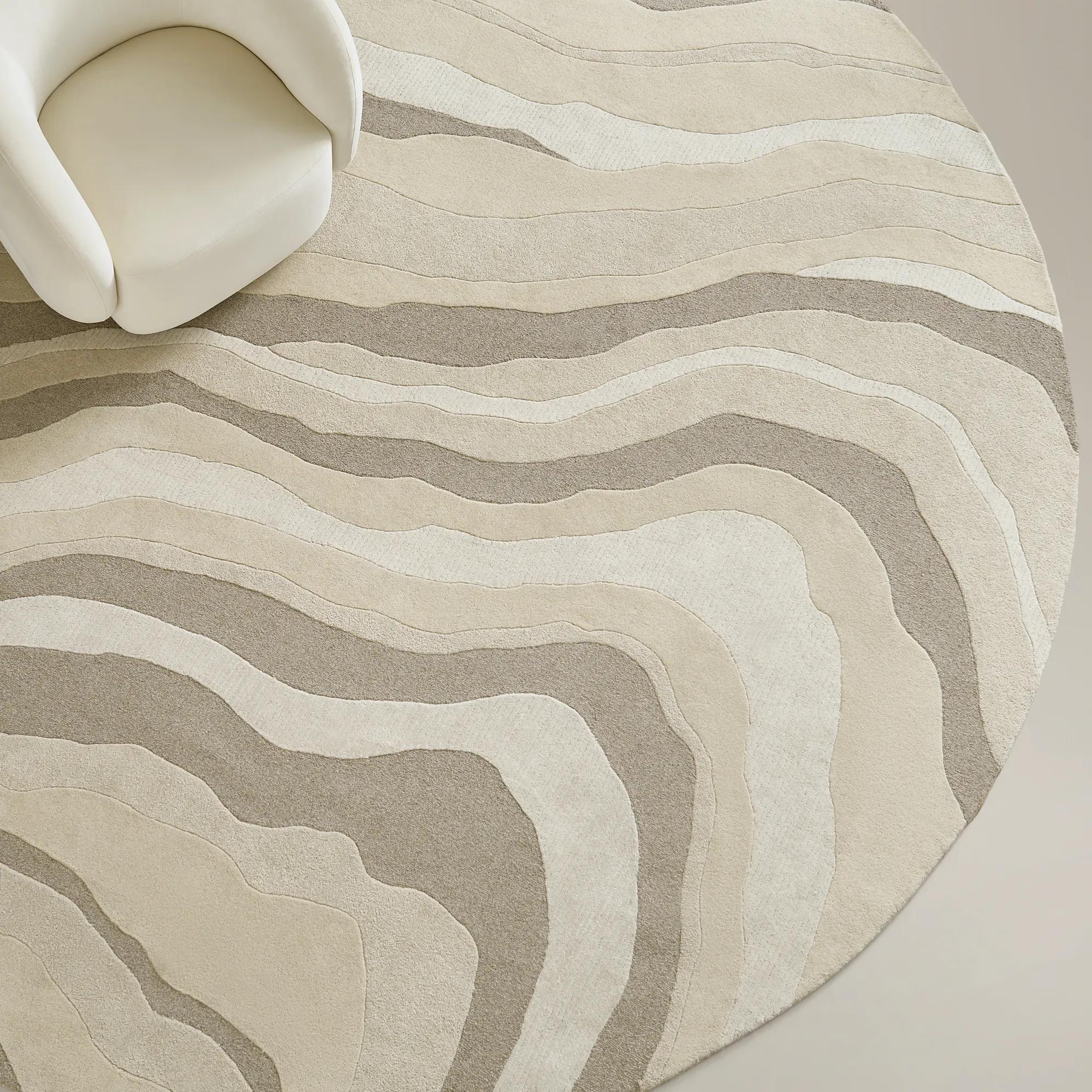 Kadence Hand-Tufted White/Ivory/Tan Wool Round Rug 12"$1799
A hand-tufted round rug in white, ivory, and tan, crafted from 100% wool for natural warmth.
Add To Cart -
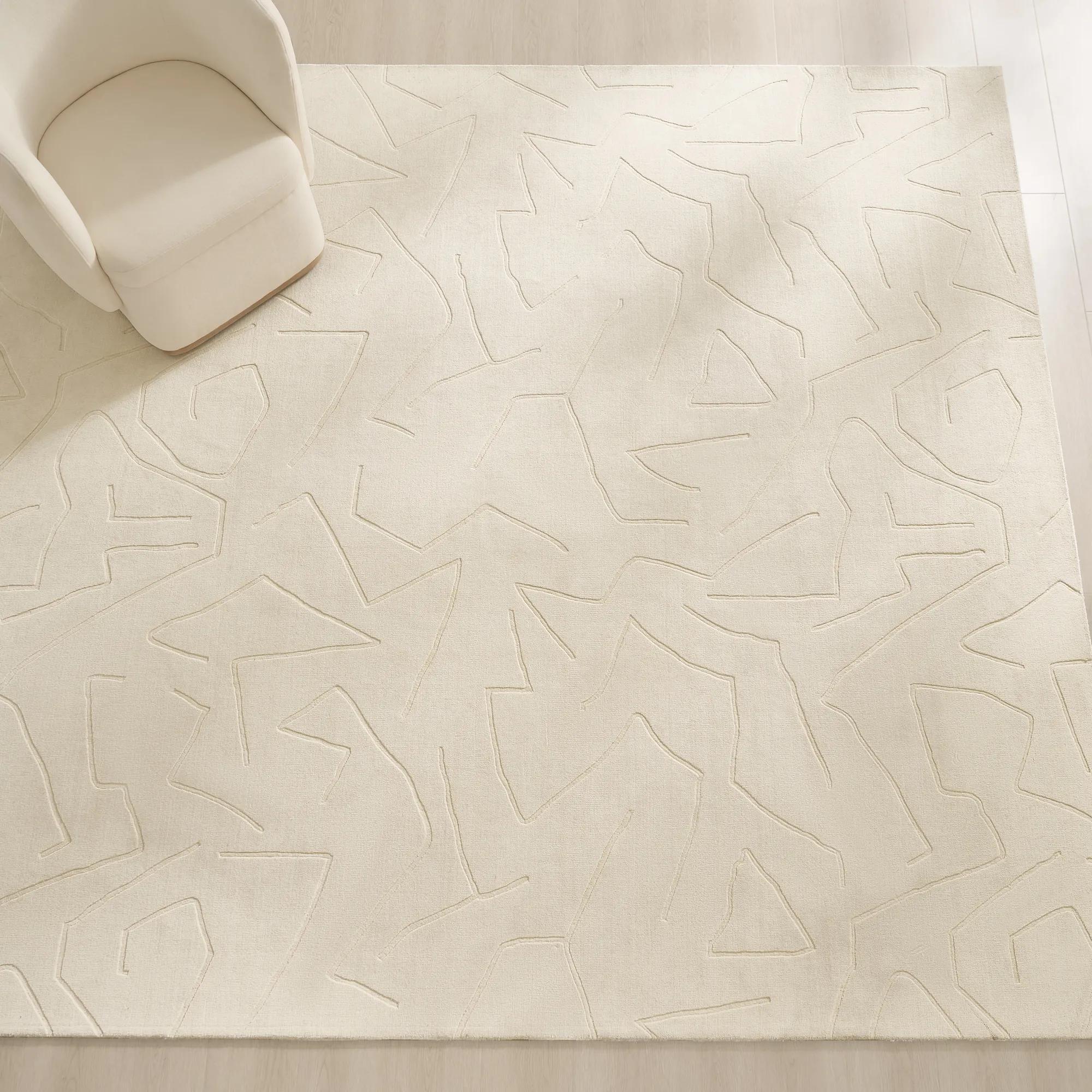 Carved Maze Ivory Hand-Loomed Wool Blend Rug$1399
A hand-loomed ivory wool-blend rug featuring a carved maze pattern for modern textural appeal.
Add To Cart -
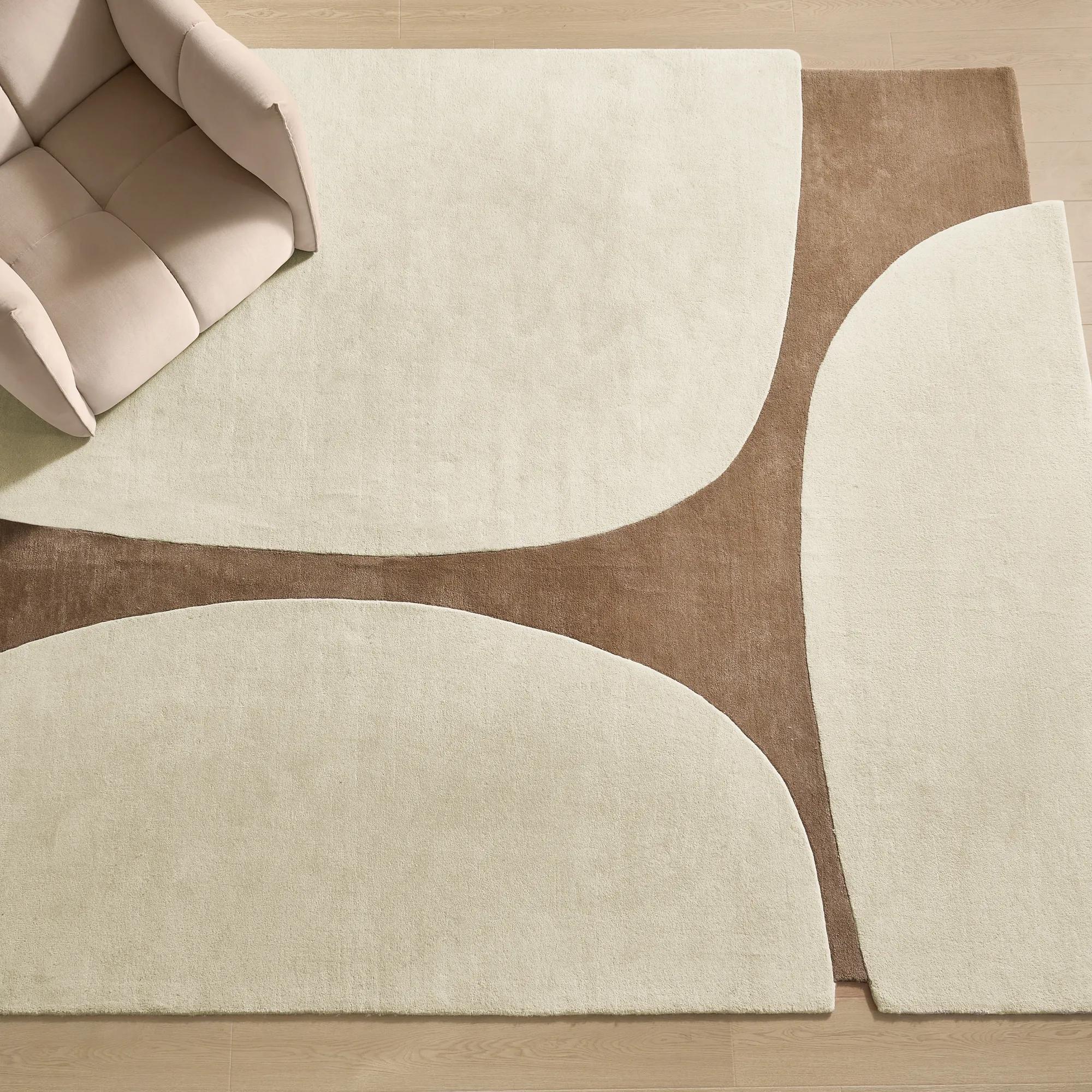
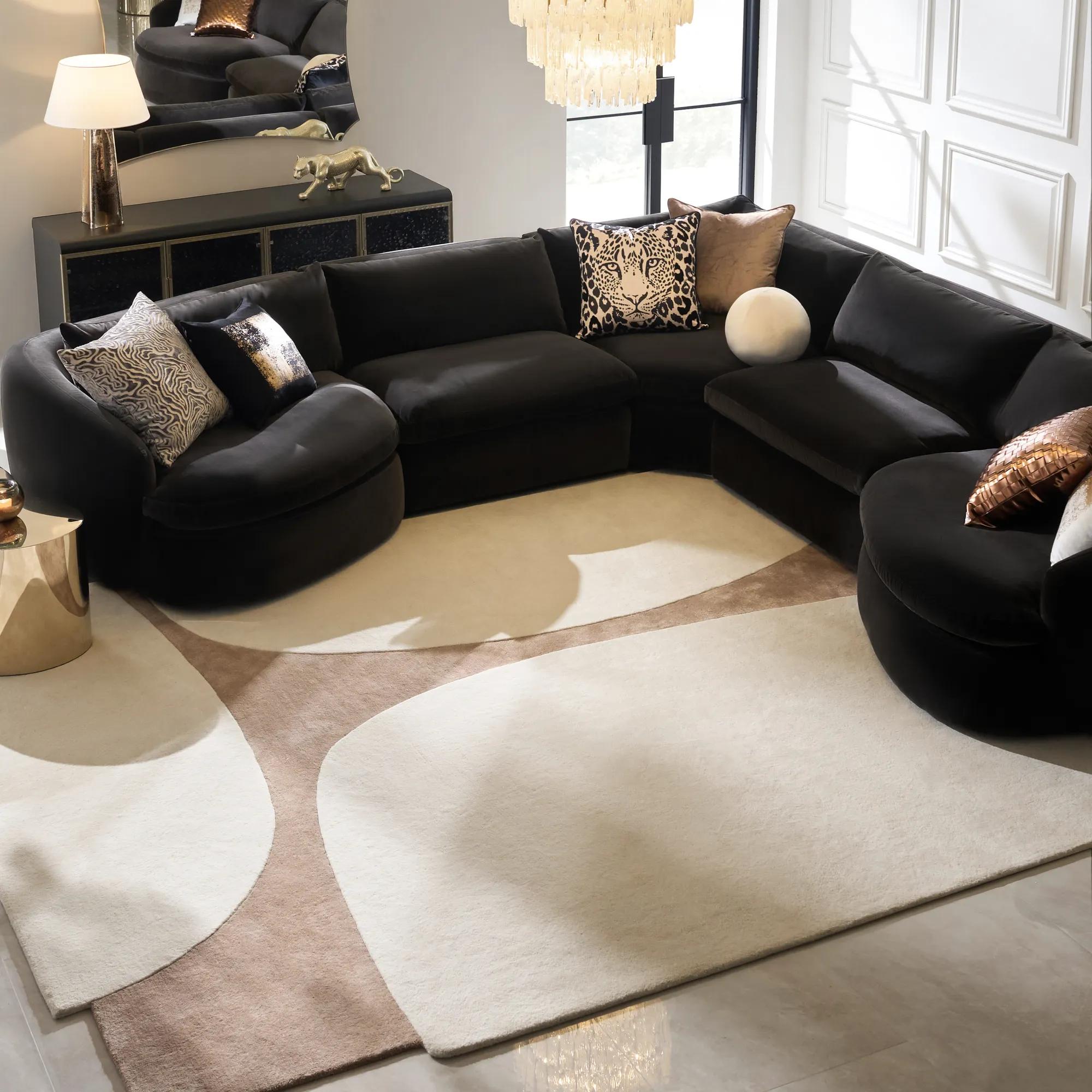 Contour Hand-Tufted Ivory/Ginger Root Wool Blend Rug$1499
A hand-tufted wool rug featuring an ivory and ginger root palette with a contoured, modern design.
Add To Cart -
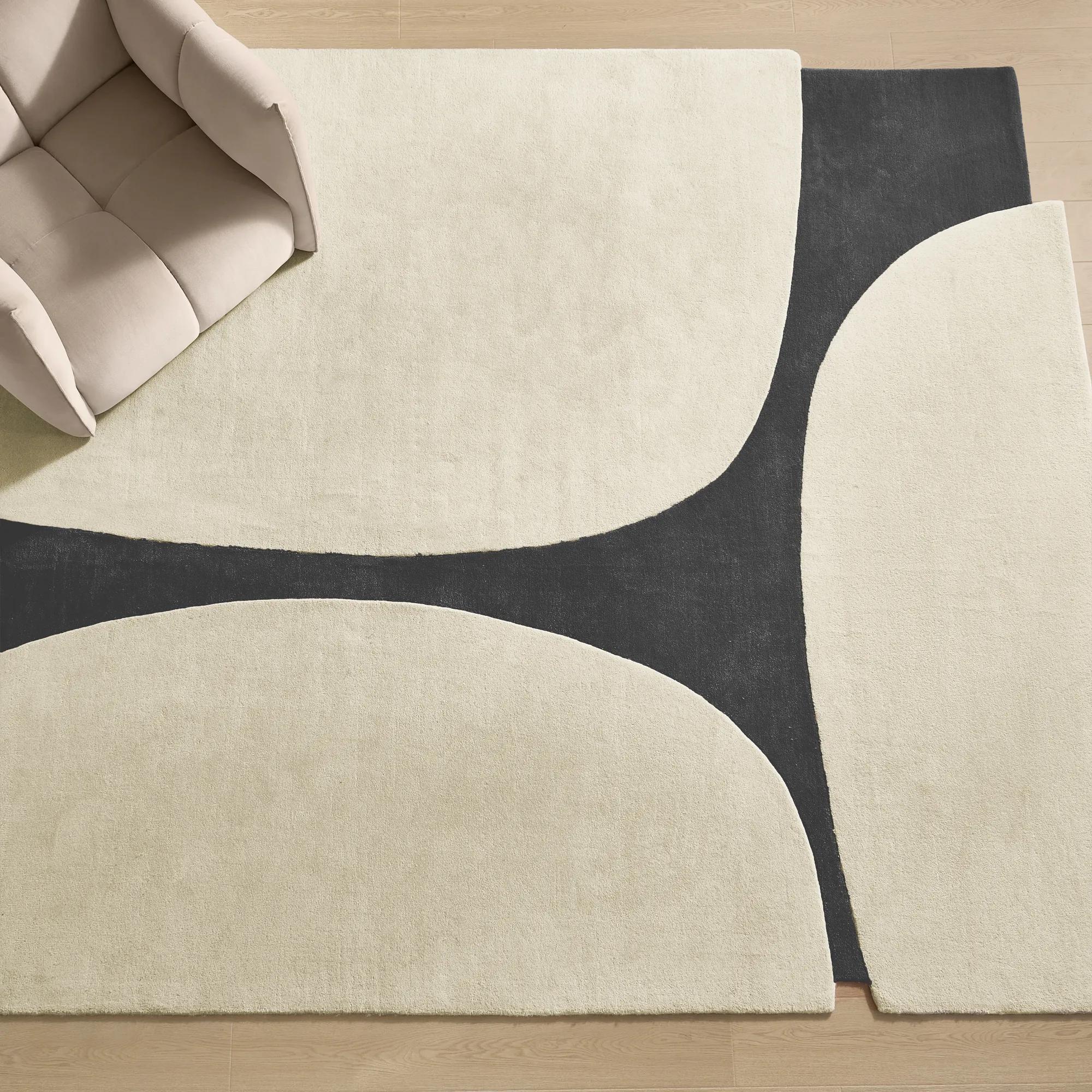 Contour Hand-Tufted Ivory/Charcoal Wool & Viscose Rug$1499
A hand-tufted wool-viscose rug with an organic edge, sculptural high-low texture, and ivory-charcoal pattern.
Add To Cart -
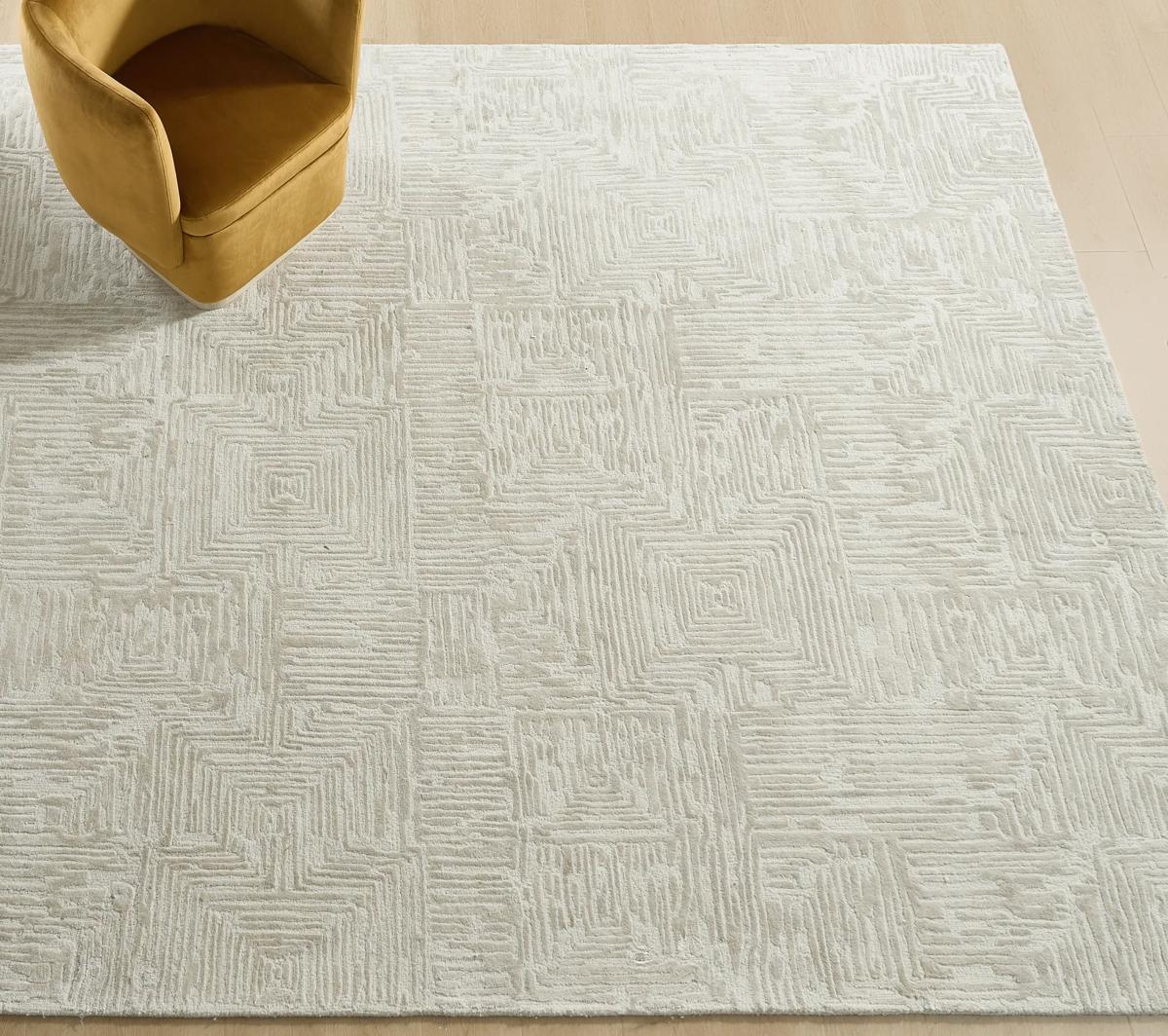 Andra Ivory Hand-Tufted Wool Blend Dimensional Rug$999
A hand-tufted ivory rug featuring a viscose-wool blend, raised textural detailing, and a subtle sheen.
Add To Cart -
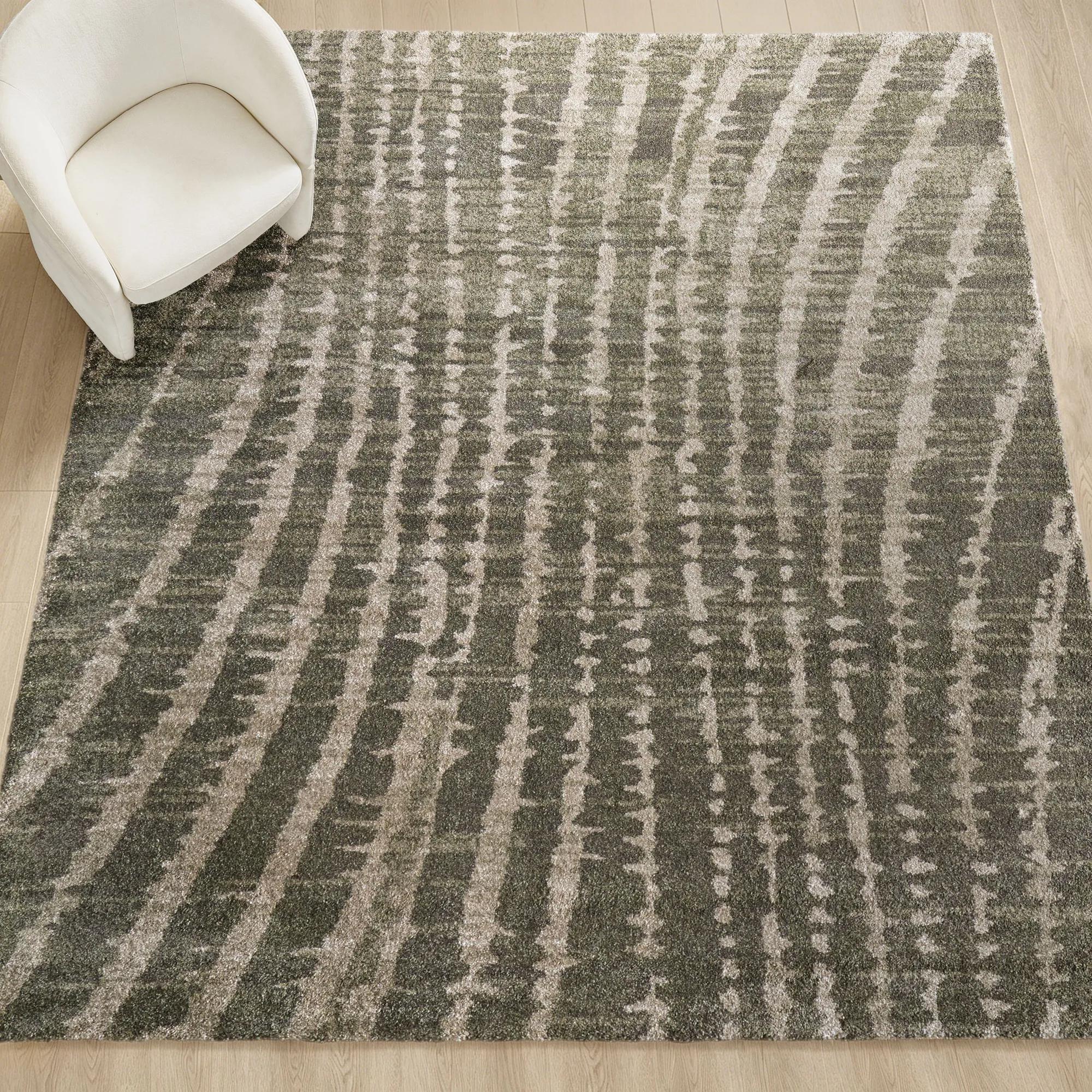
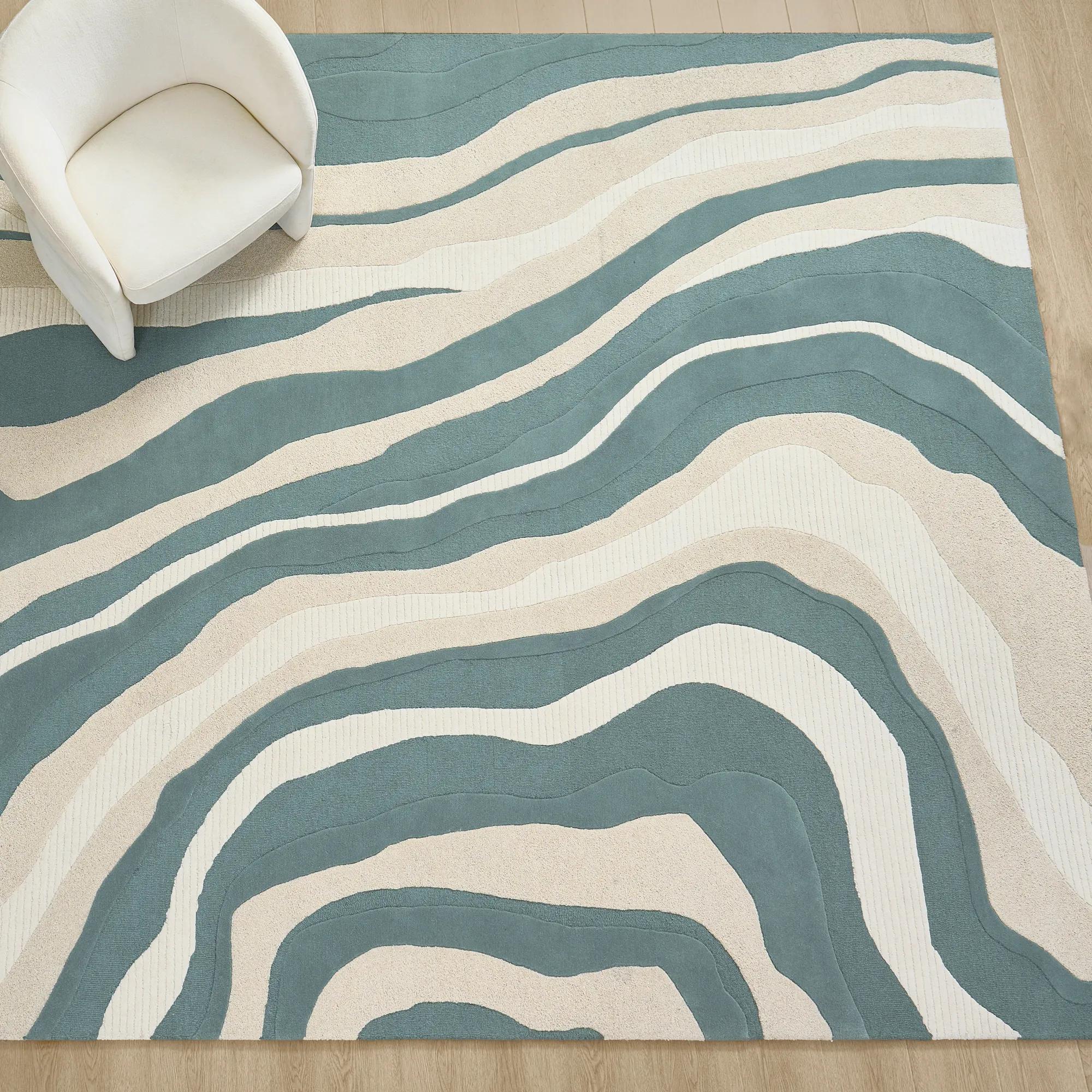 Kadence Hand-Tufted Sage Green/Ivory Wool Rug$1499
A hand-tufted wool rug with organic waves, sculptural high-low texture, and sage-ivory hues.
Add To Cart -
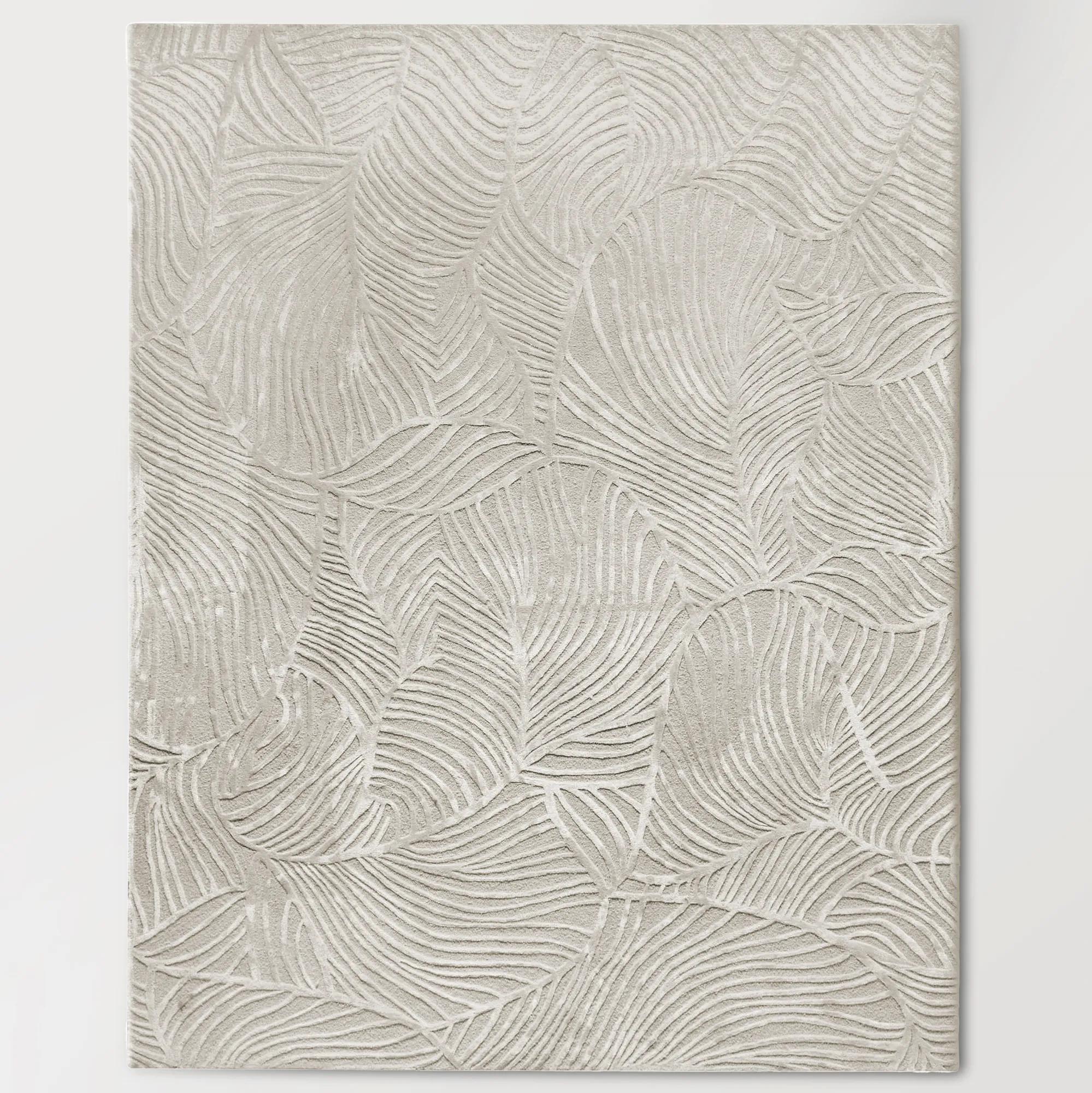 Palm Hand-Tufted Ivory Wool Blend Rug$1499
An ivory rug featuring a dynamic palm-leaf design with high-low pile in viscose and wool.
Add To Cart -
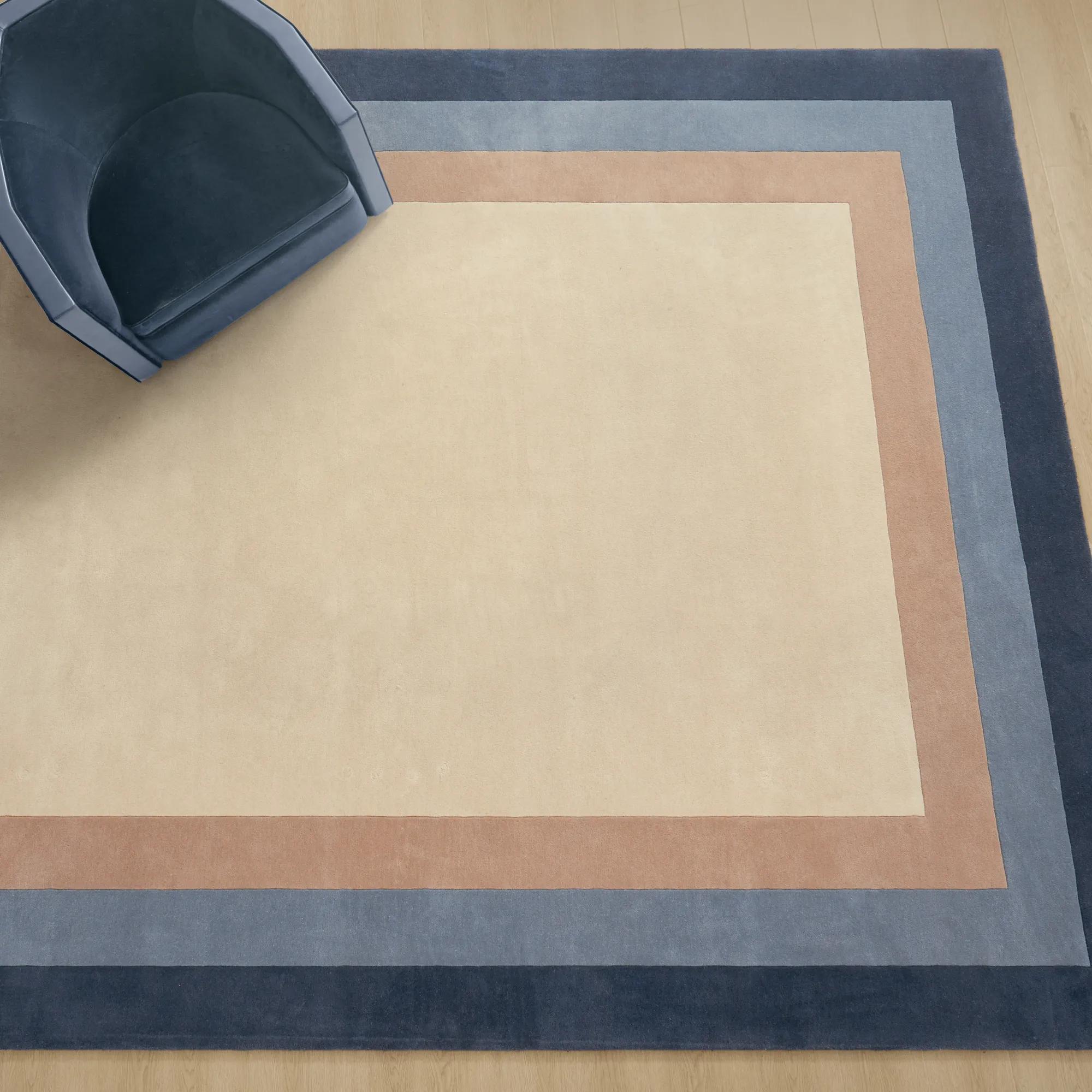 Bastien Hand-Tufted Blue/Taupe/Ivory Wool Border Rug$999
A hand-tufted wool rug featuring a graphic blue, taupe, and ivory color-blocked border.
Add To Cart -
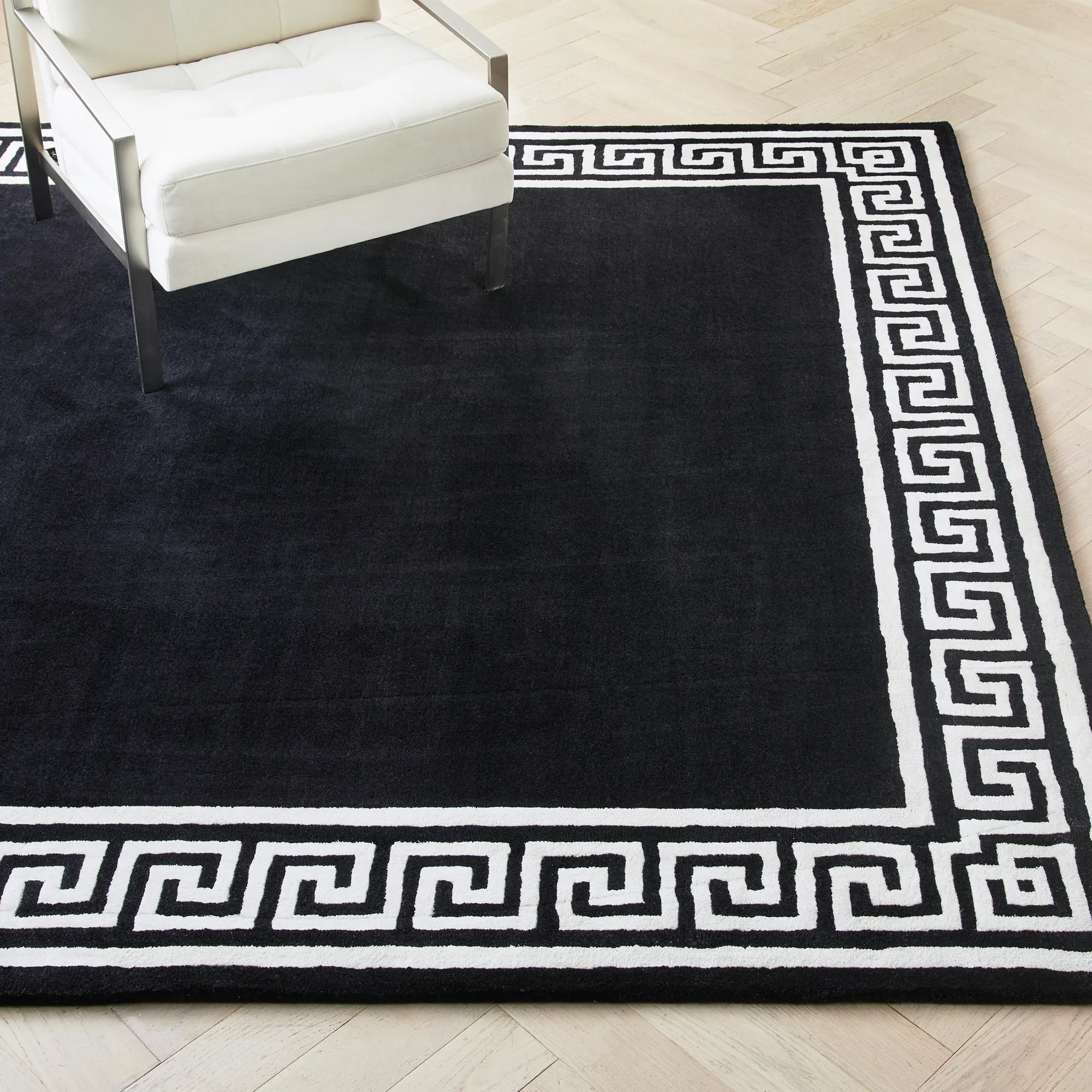
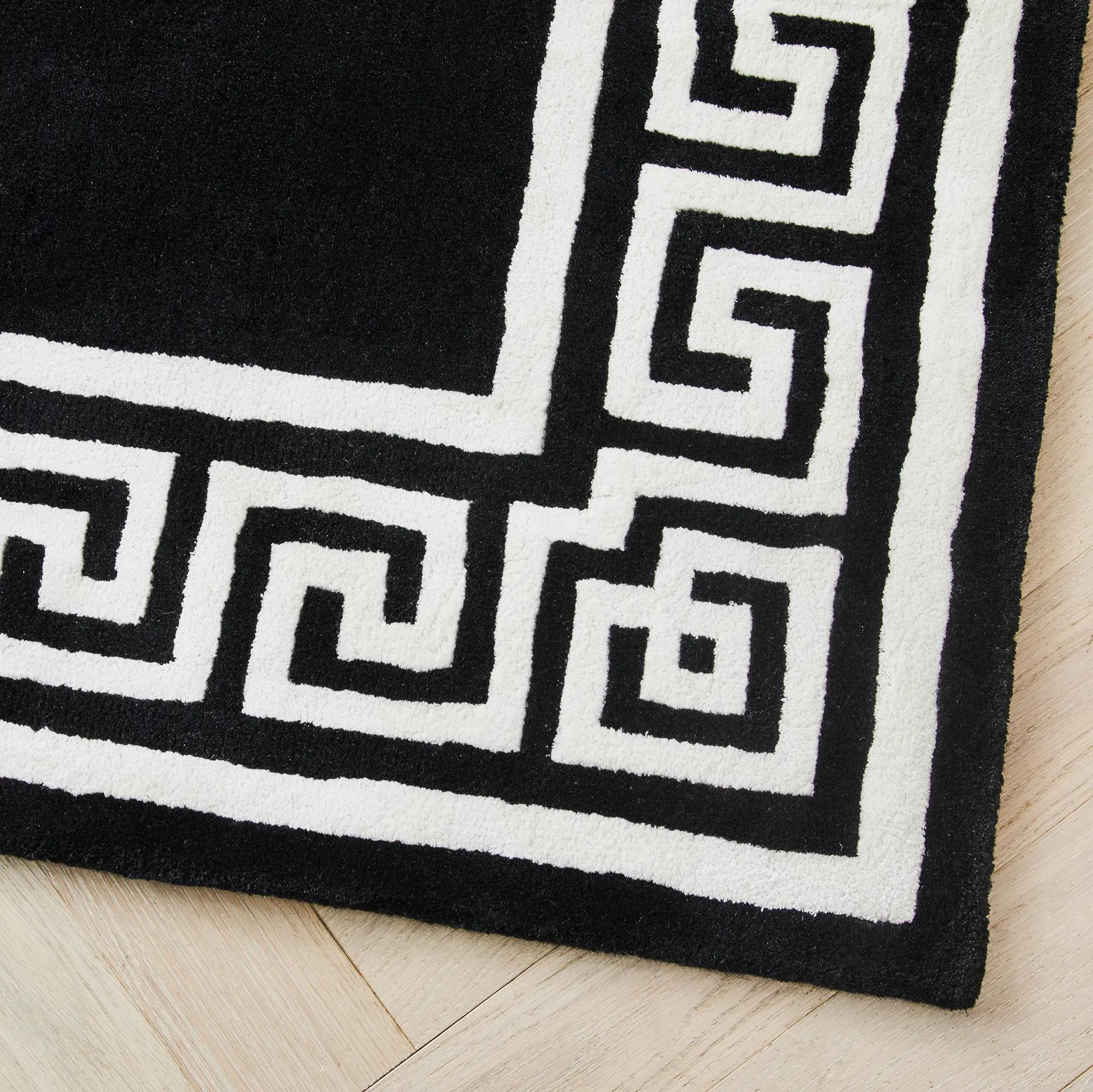 Greek Key Rug - Black/Ivory$1199
A hand-tufted black and ivory rug featuring a classic Greek key pattern in wool and viscose.
Add To Cart -
 Chantel Rug - Ivory/Beige$1799
A unique ivory and beige rug blending zebra and leopard patterns in a soft wool-viscose mix.
Add To Cart -
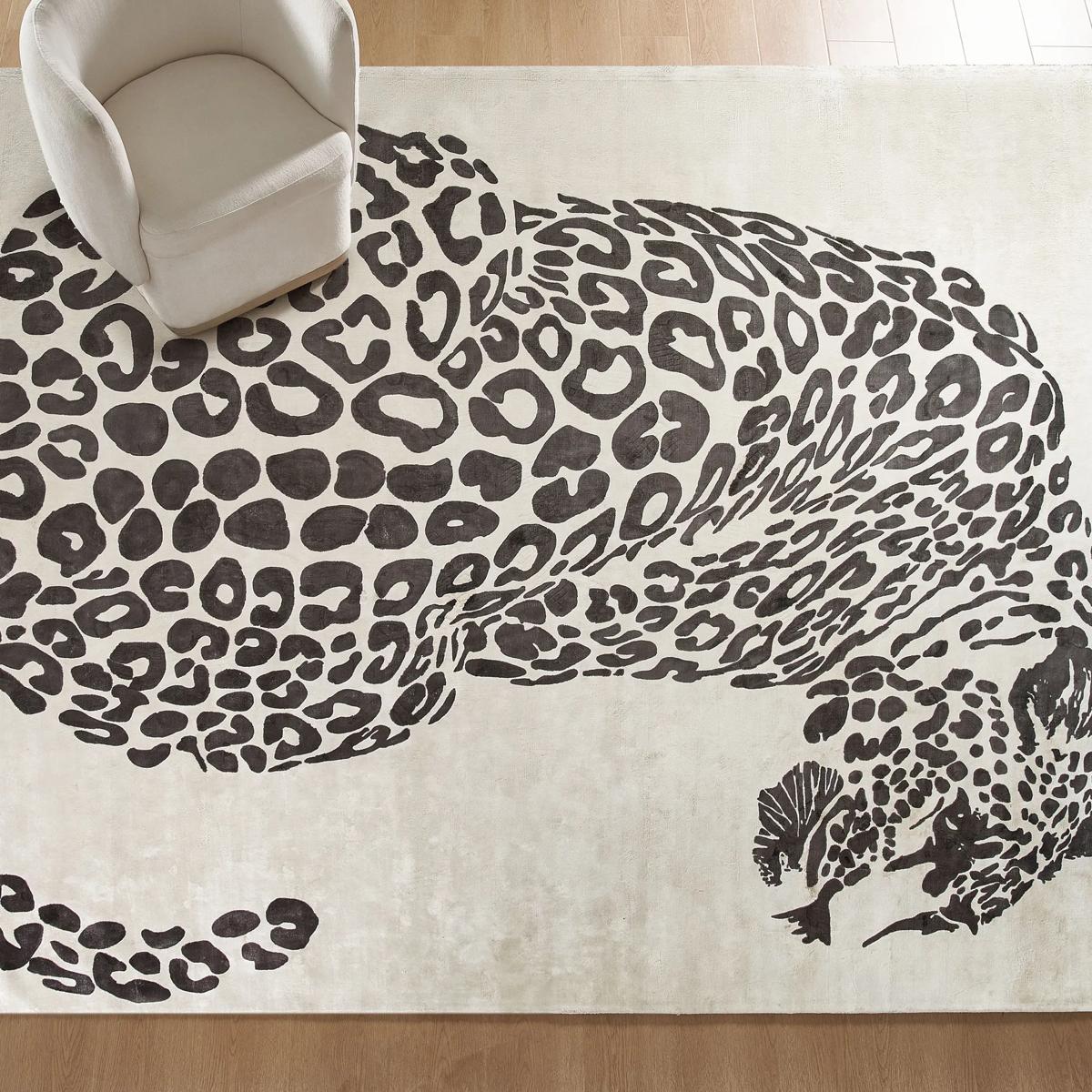 Pardus Leopard Hand-Loomed Ivory/Black Rug$499
An artful ivory and black viscose rug featuring a bold leopard motif and a smooth, silky texture.
Add To Cart -
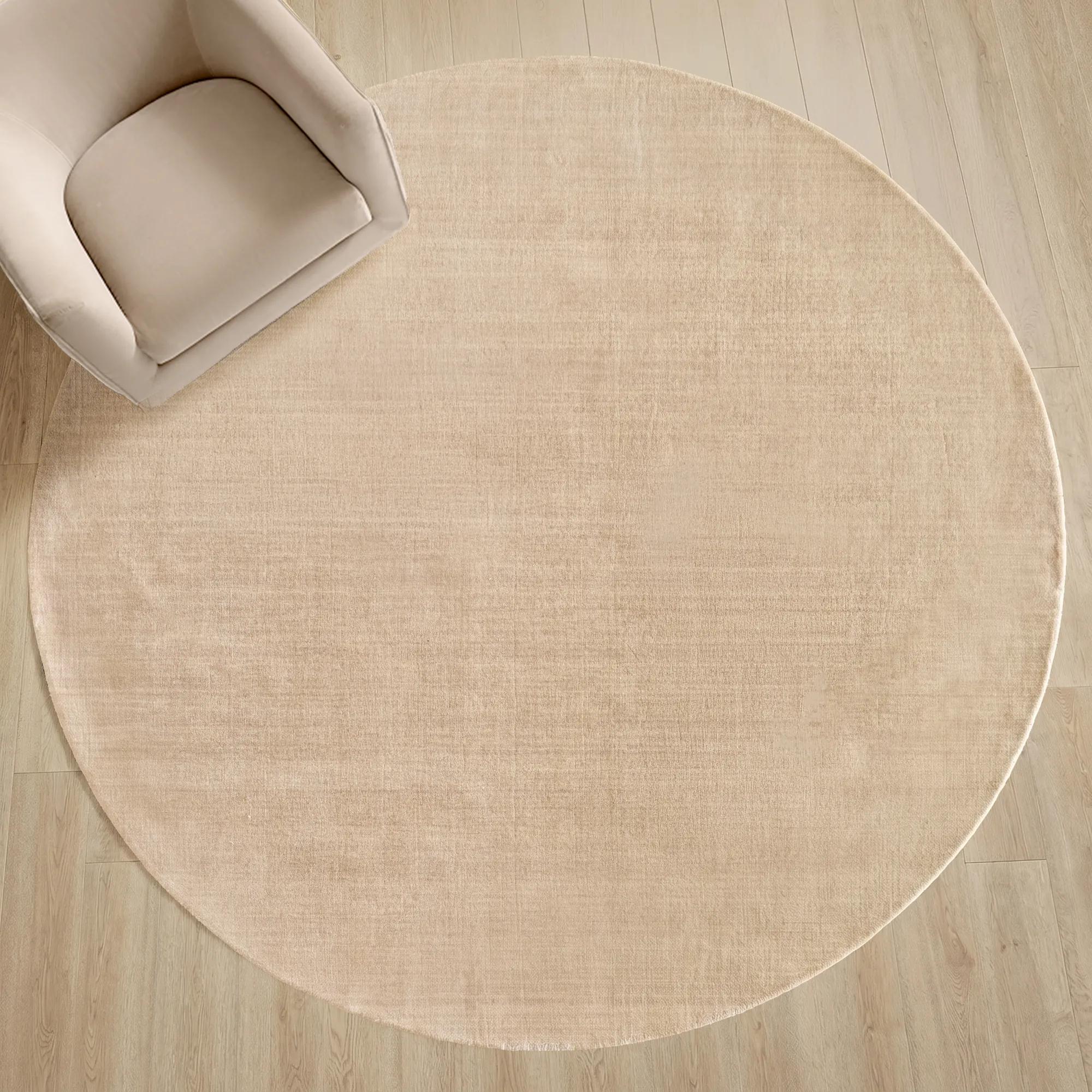 Juni Hand Woven Heathered Warm Beige Round Rug$1399
A handwoven round wool rug in heathered warm beige, offering refined texture and everyday durability.
Add To Cart -
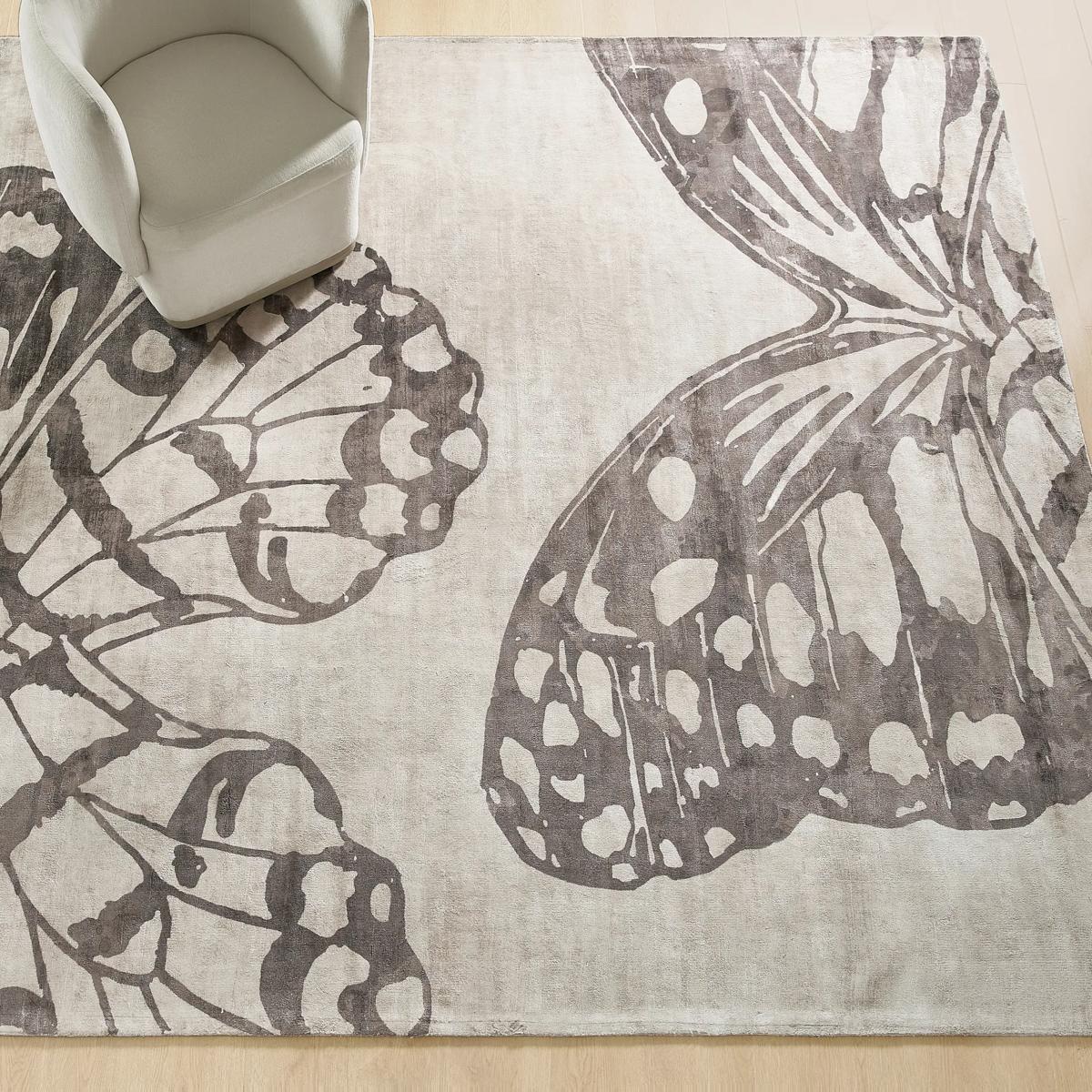
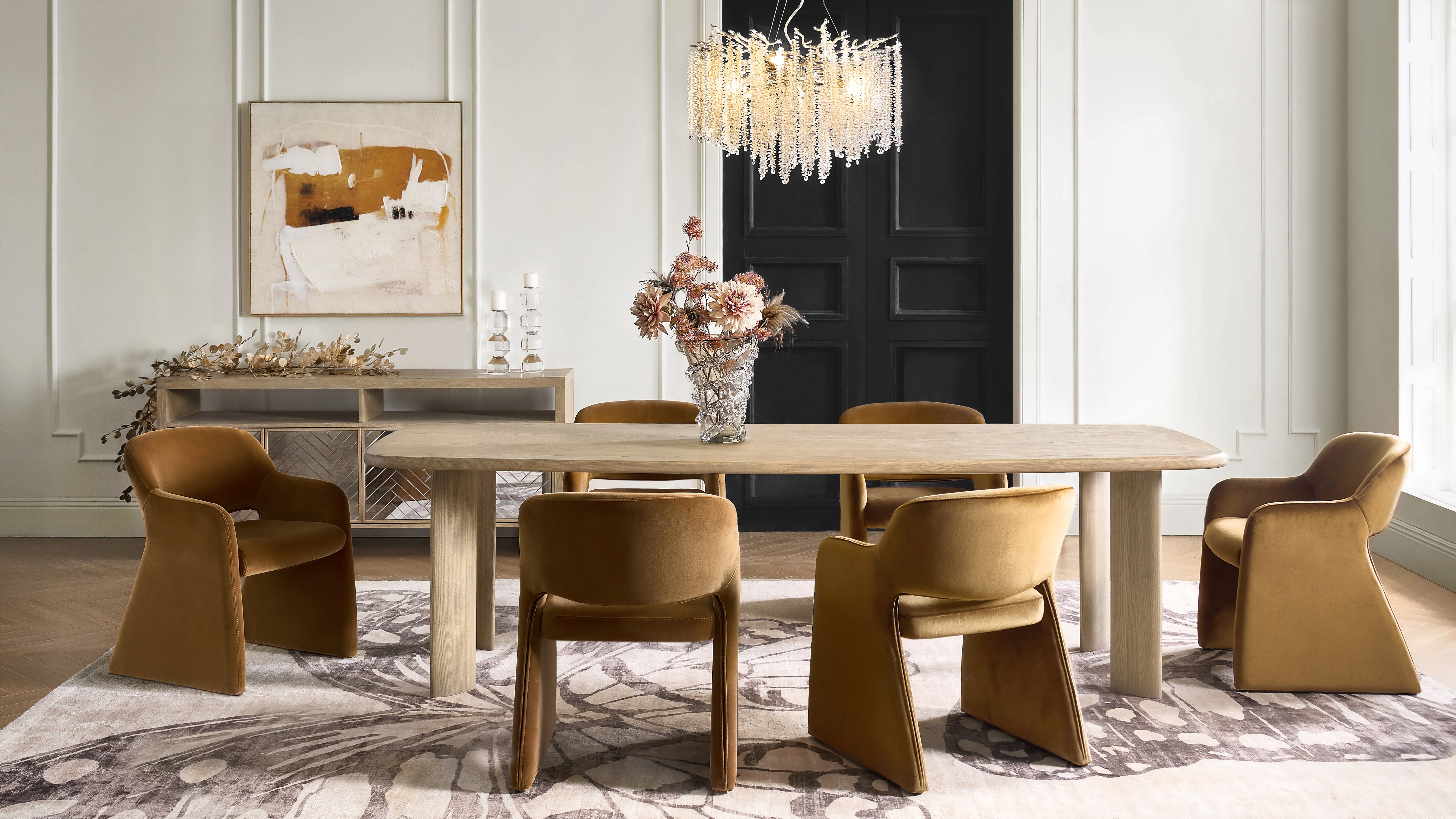 Mariposa Rug - Ivory/Dusty Mauve$499
A hand-loomed viscose rug featuring oversized butterfly motifs in soft ivory and dusty mauve tones.
Add To Cart -
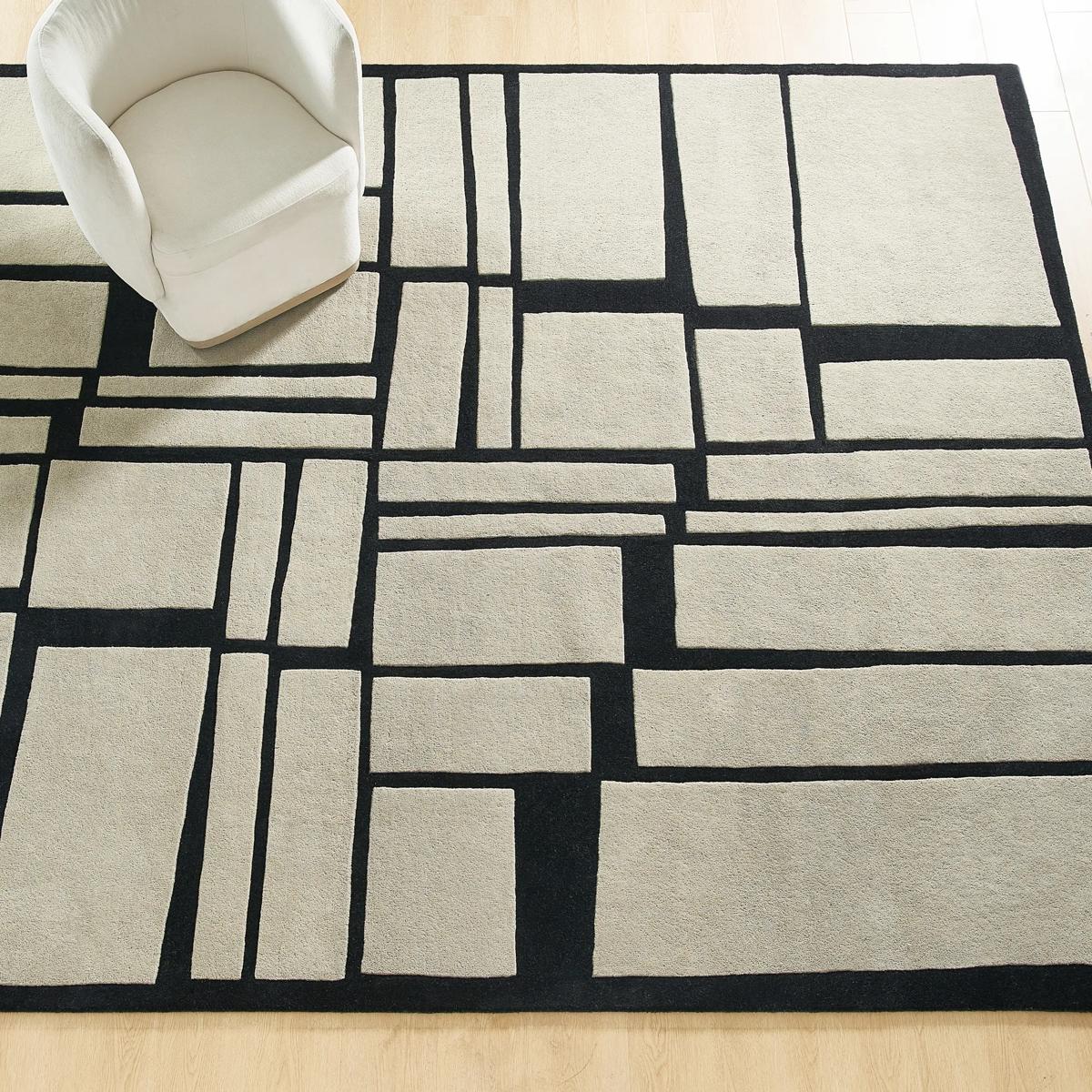 Novak Hand-Tufted Natural/Black Wool Rug$949
A hand-tufted wool rug featuring a bold black and natural grid design for modern, graphic appeal.
Add To Cart -
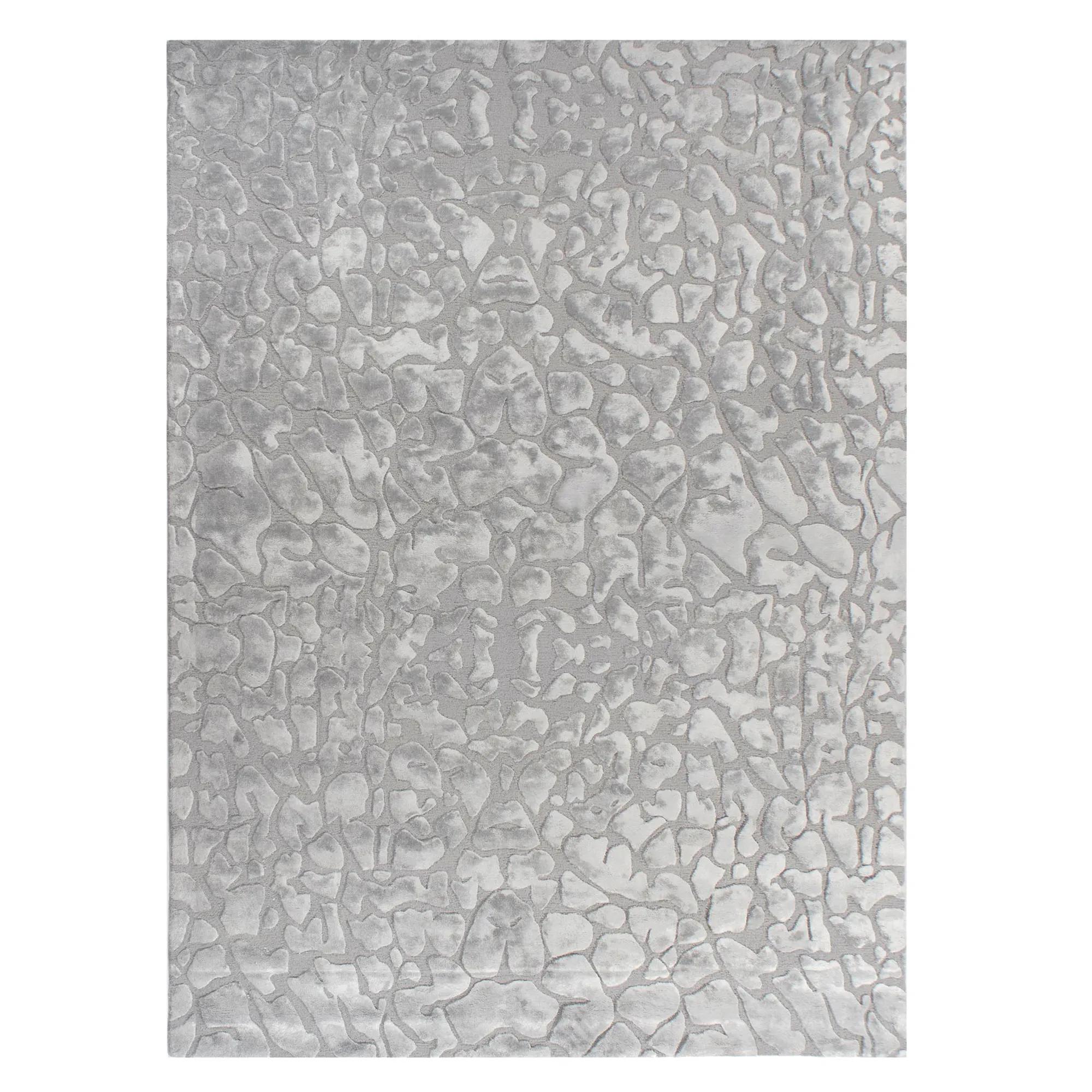
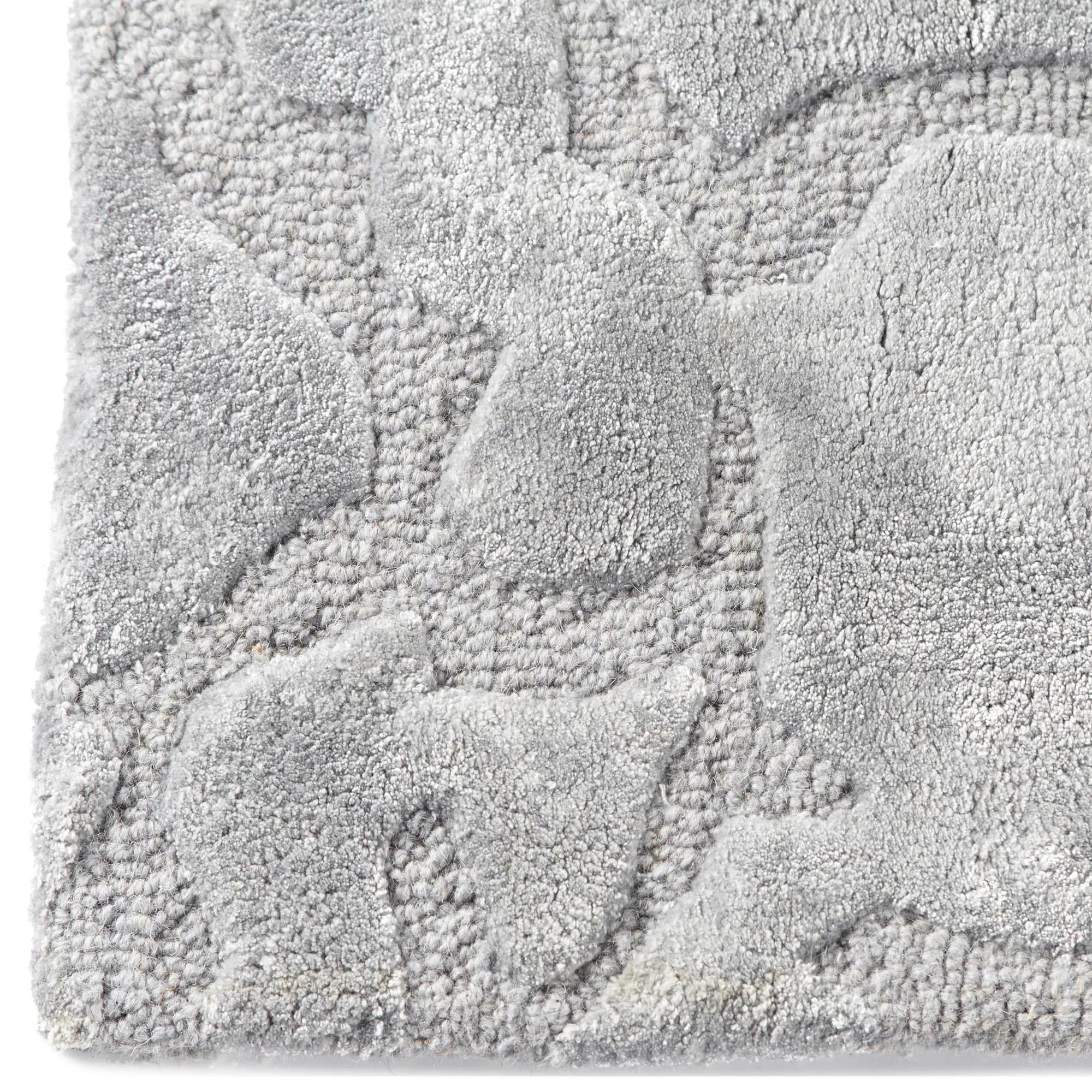 Nola Hand-Tufted Cool Grey Wool Blend Rug$849
A hand-tufted silver rug with contrasting pile heights, crafted from wool and viscose for plush texture.
Add To Cart

Ivory Wool Area Rugs
Ivory wool area rugs transform any room into a sanctuary of elegance, where softness meets sophistication in every step. These artful foundations evoke a sense of serenity and grandeur, their creamy hues casting a luminous glow that amplifies natural light and highlights your curated décor. With each intricate weave, ivory wool area rugs invite touch and admiration—grounding your space with timeless allure while providing a canvas for bold expression. Let your interiors radiate warmth, texture, and unmistakable luxury with these exquisite pieces that define the art of living beautifully.
Ivory wool area rugs range from crisp flatweaves and finely patterned low piles to plush, hand-tufted designs with sculptural relief. What they share is a pale foundation with enough texture to hold its own beside expressive furniture. A smooth ivory rug gives a curved velvet sofa and a gleaming cocktail table room to command attention; a carved geometric pattern brings dimension to a room furnished in closely related neutrals. The distinction can be subtle across the room and striking up close, especially where light catches the raised edge of a motif. Ivory itself can read as soft bone, rich cream, or a nearly white chalk tone. A creamier shade echoes the gold in brushed brass and the grain of walnut, while a cooler ivory makes a sharp companion to honed stone or black lacquer. Next to white upholstery, those undertones become more noticeable, so it helps to consider the rug against the largest fabric and finish samples in the room, in daylight as well as under lamplight. Construction shapes the effect as much as color. A flatweave has no raised pile, so the pattern reads close to the floor and the edges have a slim profile. In a hand-tufted rug, yarn is inserted into a backing, a method that lends itself to full surfaces and pronounced changes in pile height. Hand-knotted rugs are formed knot by knot, and the character of the yarn can give even a restrained design a sense of depth. A fiber description that specifies a wool pile identifies the material at the surface, not necessarily the backing; a wool blend can also have a different sheen and feel from an all-wool pile. Those distinctions matter in ivory, where the way the yarn catches light often supplies as much visual interest as the pattern itself.
Scale determines whether an ivory rug reads as an accent or as the element that brings a room together. In a living room, a rug that extends beneath the front legs of the sofa and chairs gives the seating group a common base. One that stops at the cocktail table leaves more of the floor visible, an effect that can suit a compact arrangement but can make a generous one feel disconnected. An even border of exposed wood or stone frames the rug and preserves the contrast between the two surfaces. In a loft or a living room with several seating zones, Large Ivory Wool Rugs can define the main gathering area without interrupting the sightline from one end of the room to the other. The dining room calls for a different kind of proportion: roughly 24 to 30 inches beyond each edge of the table gives most chairs room to pull back without slipping off the rug. A close pile or flatweave also lets chair legs travel more easily than a deep, sculpted surface. In a bedroom, the most useful portion of the rug is the one feet actually meet. A rug extending from beneath the lower portion of the bed and well past both sides creates a soft landing without hiding most of an intricate border under the frame. Door clearance is worth checking wherever a rug meets a closet or a threshold, and the measurement should account for both the pile and the pad. A pad suited to the floor finish helps keep the rug from shifting; a thinner one can preserve clearance in a tight passage, while a cushioned one can add substance beneath a flatweave in a sitting room.
Wool’s natural crimp gives the fiber a degree of spring underfoot, though the way a rug wears also depends on its construction, pile, and placement. A dense, low pile is a practical match for a family room where people regularly cross the same path. A deeper cut pile feels especially indulgent beside a bed or beneath a pair of lounge chairs, where there is less traffic to flatten its surface. Ivory tends to show dark lint and tracked-in soil more readily than deeper tones, though a heathered yarn or a faint tonal pattern can make small marks less conspicuous between cleanings. Some wool rugs, particularly new cut-pile styles, release loose fibers at first; that initial shedding often diminishes with regular, gentle vacuuming. The care label should determine the vacuum setting, with suction alone often the better choice for loops, fringe, and raised details that a rotating brush could catch. For spills, blot promptly with a clean white cloth instead of scrubbing, and avoid soaking the pile or backing. A cleaner approved for wool should be tested in an inconspicuous spot first, and a professional rug cleaner familiar with wool is a better resource for a stubborn stain than repeated spot treatments. Occasional rotation can help even out wear where one route through the room takes most of the footsteps. These are useful details when choosing a rug for a busy household, a design-minded host, or someone furnishing a first home. As a housewarming gift, an ivory wool rug is most personal when the recipient’s room dimensions and taste are already known: a restrained weave can set off a collection of bold art, while a softly raised pattern can give a quieter room its defining detail. Either way, the pale palette leaves space for the room to evolve, and the texture gives it a point of view from the start.
FAQs
An ivory wool area rug offers enduring elegance thanks to its neutral palette and natural sheen. The subtle warmth of ivory complements a wide range of color schemes and design styles, from classic to contemporary. Wool’s inherent resilience and ability to maintain its beauty over time ensure that your rug serves as a sophisticated foundation for years to come.
The weaving technique greatly influences both the texture and character of an ivory wool rug. Hand-knotted rugs showcase intricate patterns and exceptional durability, while hand-tufted rugs provide a plush, inviting surface. Flat-woven styles offer a sleeker profile and modern appeal, making them easy to layer and perfect for high-traffic areas.
Absolutely. Wool is naturally resilient and has a remarkable ability to recover from foot traffic and minor spills, making ivory wool area rugs an excellent choice for active households. The fibers resist staining and repel dirt, ensuring the rug remains beautiful even in spaces where life is lived to the fullest.
An ivory textured wool rug brings depth and dimension to any room, enhancing both serene, minimalist spaces and vibrant, eclectic interiors. Its tactile surface can soften modern lines, add visual interest to neutral palettes, or balance the drama of bold furnishings, creating a harmonious and inviting atmosphere.
Wool is prized for its luxurious feel, natural sheen, and exceptional durability. It offers superior insulation, comfort underfoot, and a richness of texture that synthetic fibers simply cannot replicate. Wool’s ability to resist crushing and staining ensures that an ivory wool area rug remains a statement of refined taste and lasting quality.